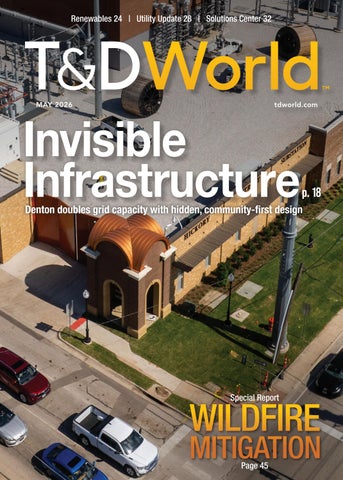
Invisible Infrastructure
Denton doubles grid capacity with hidden, community-first design





TEAM ONE STRONG










LIGHTWEIGHT CONDUIT FOR EXTREME
ENVIRONMENTS
No burn-through eliminates elbow repairs
Lower material and installation costs
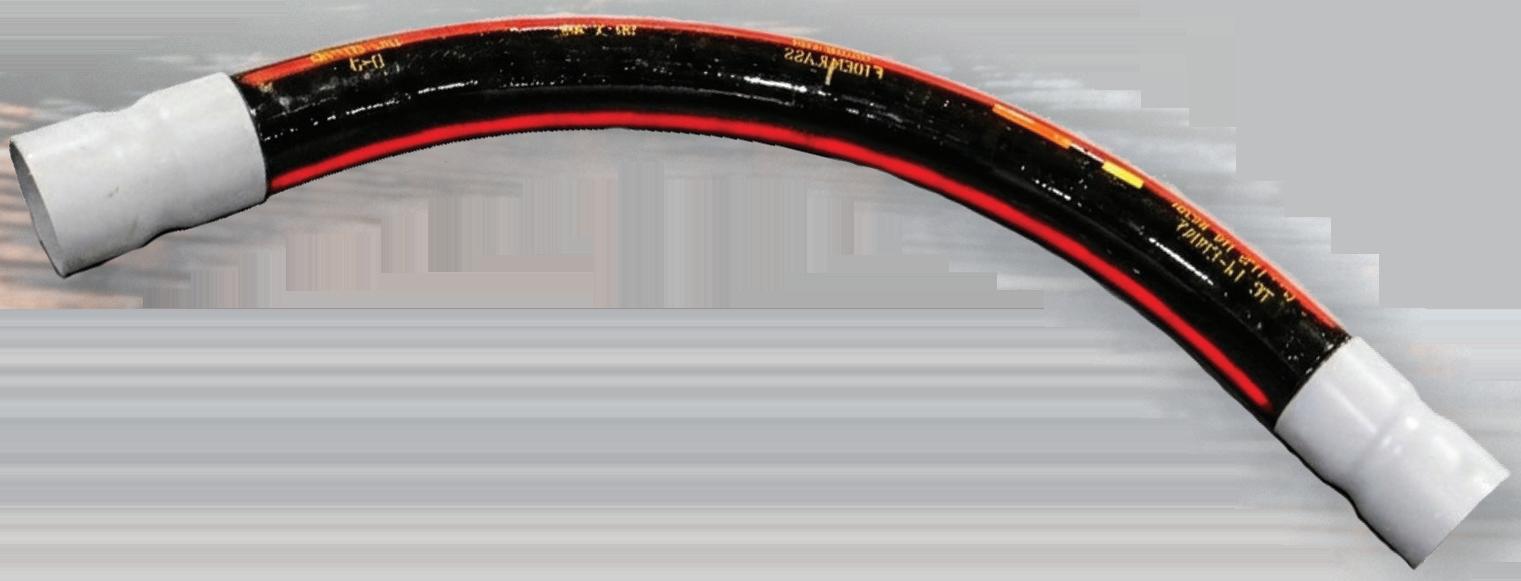
Low coefficient of friction for smooth pulls
Operable in temperatures of -40° to +230°F





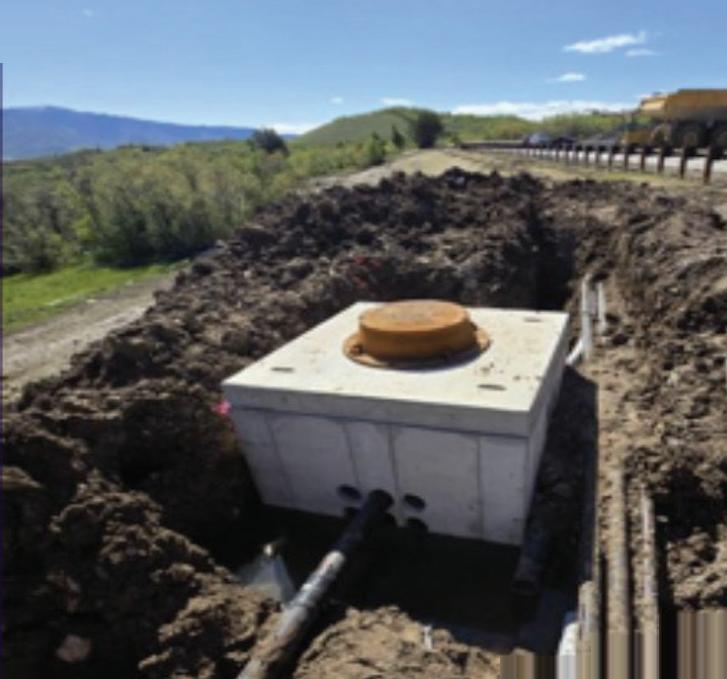

Champion Duct® Electrical Conduit Elbows

18 Invisible Infrastructure
The Denton GIS substation project showcases community engagement, advanced engineering, and sustainable practices, setting a new standard for urban utility infrastructure in growing cities.
By MARK ZIMMERER, Denton Municipal Electric and KEVIN VERCHER, Beta Engineering
A 345-kV case study shows how one utility solved the protection challenges of inverter-based resources.
By SNEHA VASUDEVAN, Uplight Inc.
Building a Future-Ready Grid: PG&E’s Strategic Framework for Advanced Conductors
Facing unprecedented stress on the traditional grid, PG&E is leveraging innovative advanced conductors and modernizing collateral infrastructure.
By BY ISSAM EL AYADI, PG&E; AND BUCK FIFE AND JOHN VAN VLIET, WSP
Data-Driven Strategies for Utility Pole
Utilities are adopting advanced assessment technologies and structural modeling to extend the lifespan of poles, prioritize interventions, and efficiently manage infrastructure upgrades, balancing cost, operational challenges, and the need for resilient power delivery in a changing energy landscape.
By CHAD NEWTON, Osmose


Palo Alto’s Foothills Go Underground
The city’s undergrounding effort, combines infrastructure upgrades with advanced sensor networks and community engagement.
By CATHERINE ELVERT, City of Palo Alto Utilities
52 From Ground Patrols to Geospatial Intelligence
Facing high costs and access challenges in the Sierra Nevada, Liberty Utilities adopted lidar technology to efficiently monitor vegetation near power lines.
By PETER STOLTMAN, Liberty Utilities LLC
56
Reading the Wind
By integrating expert meteorological support with robust instrumentation, Hawaiian Electric now effectively interprets microclimate variations, fostering transparency, community safety, and long-term wildfire risk reduction across Hawaii’s diverse landscapes.
By SAMANTHA PETERSON, R.M. Young Company
60
Strategic Weather Monitoring
To combat wildfire threats, Idaho Power installs strategically placed weather stations that deliver real-time, localized weather data. This granular information supports critical decisions such as disabling reclosers and public safety power shutoffs, helping to protect both communities and infrastructure amid topographical challenges.
By DANI SOUTHARD,
Idaho Power
64
Reliability in the Rockies
In the wake of a wildfire, Mountain Parks Electric is investing in a system-wide trim cycle and sustainability initiatives to safeguard its system in Colorado. By ADAM PAULSON, Mountain Parks Electric








Ultra-Lightweight Electrical Protection
Standard bulky rubber insulated gloves protect EV manufacturing workers like Sam from shocks but often limit dexterity, causing some frustrated individuals to work unprotected.
Ansell’s new ActivArmr Class 0 Ultra-Lightweight (ULW) Electrical Insulating Gloves joins our Class 00 ULW Gloves to offer trusted protection with greater comfort and flexibility to support consistent PPE compliance.
Protect workers like Sam with the reliable protection of ActivArmr ULW Electrical Insulating Gloves.
1. Electrical Safety Foundation International. (2025, January).
Workplace injury & fatality statistics.
Retrieved March 11, 2025, from https://www.esfi.org/ workplace-safety/workplace-injury-fatality-statistics/
* Compared to standard Class 0 Rubber Insulated Gloves, offering the same level of protection ** New as of February 2025
Contact your Ansell sales representatives for more information, or visit Ansell.com.





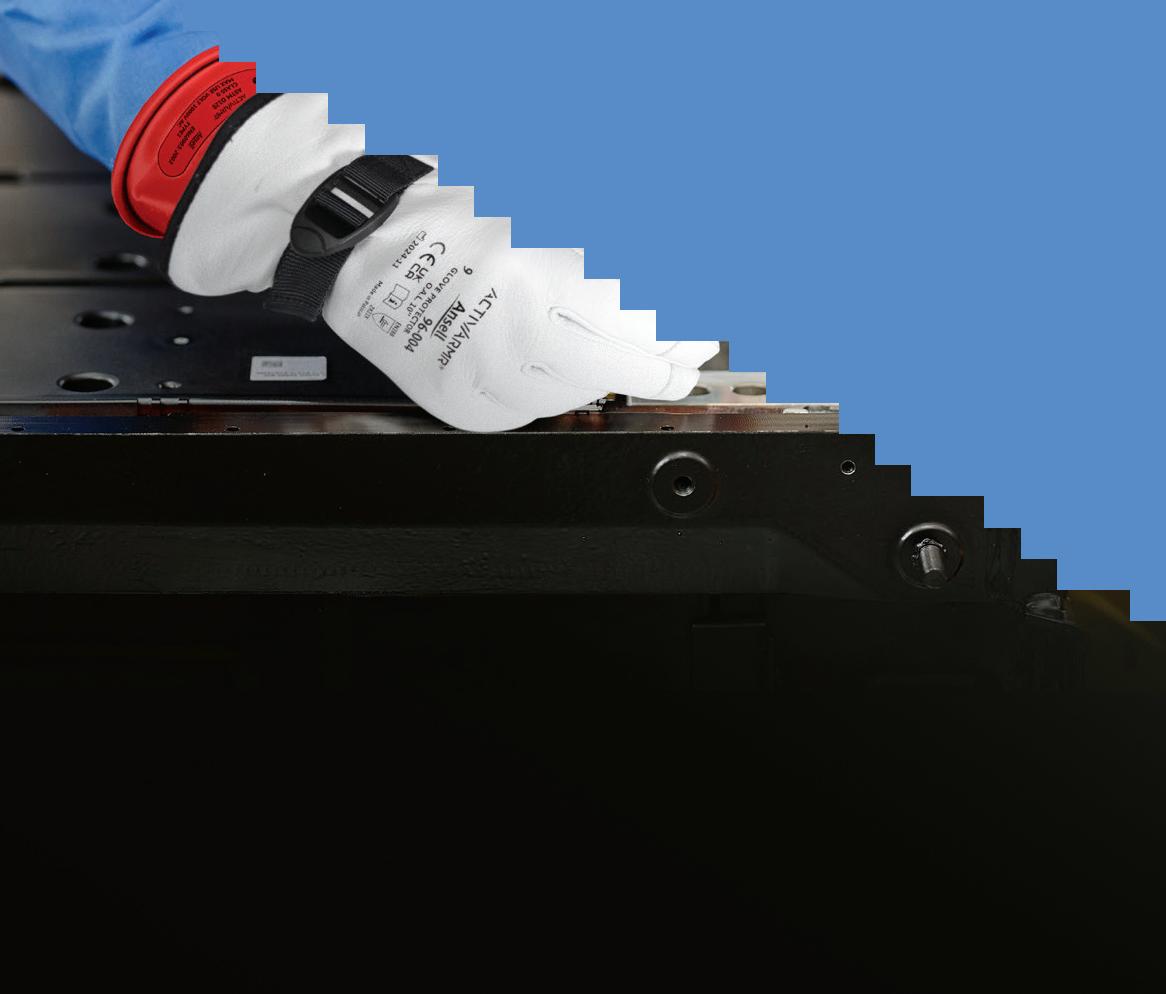

Innovatively Designed for Comfort and Dexterity
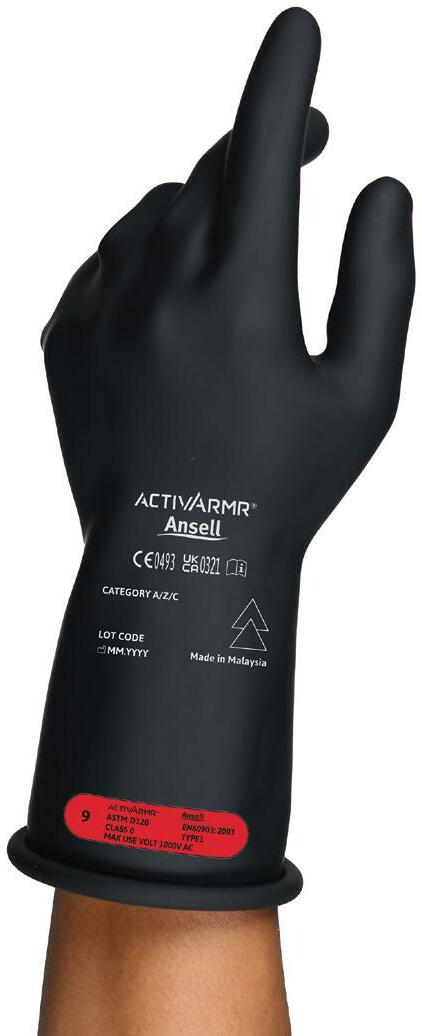
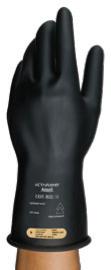
Up to 20% thinner*
While still providing the same level of protection*
Enhanced comfort
Delivers a snug fit, like second skin
Ergonomic design
New form-fit** design boosts dexterity and productivity
Silicone-free design
Prevents contaminant transfer to final product
Pair with ActivArmr
and


Group Editorial Director Nikki Chandler nchandler@endeavorb2b.com
Managing Editor Jeff Postelwait jpostelwait@endeavorb2b.com
Digital Content Specialist Christina Marsh cmarsh@endeavorb2b.com
Art Director Kermit Mulkins kmulkins@endeavorb2b.com
Head of Content Amy Fischbach afischbach@endeavorb2b.com
Technical Writer Gene Wolf GW_Engr@msn.com
Senior Editor-at-Large Geert de Lombaerde gdelombaerde@endeavorb2b.com
VP, Customer Marketing Angie Gates agates@endeavorb2b.com
Senior Production Operations Manager Greg Araujo garaujo@endeavorb2b.com
Ad Services Manager Shirley Gamboa sgamboa@endeavorb2b.com
Audience Marketing Manager Sonja Trent strent@endeavorb2b.com
Audience Development Manager James Marinaccio jmarinaccio@endeavorb2b.com
Endeavor Business Media, LLC
CEO: Chris Ferrell
COO: Patrick Rains
CDO: Jacquie Niemiec
CALO: Tracy Kane
CMO: Amanda Landsaw
EVP Endeavor Business Intelligence: Paul Mattioli
EVP Water & Energy Group
Diana Smith
VP of Content Strategy, Water & Energy Group Bob Crossen
T&D World (USPS Permit 795-660, ISSN 1087-0849 print, ISSN 2771-6651 online) is published 9 times a year (February to June, August to October and December) by Endeavor Business Media, LLC. 201 N Main St, 5th Floor, Fort Atkinson, WI 53538. Periodicals postage paid at Fort Atkinson, WI, and additional mailing offices. Canadian GST #R126431964.
POSTMASTER: Send address changes to T&D World, PO Box 3257, Northbrook, IL 60065-3257.
SUBSCRIPTIONS: Publisher reserves the right to reject non-qualified subscriptions. Subscription prices for 12 issues (9 print and 3 digital): U.S. ($137.50); Canada/Mexico ($170.00); All other countries ($210.00). All subscriptions are payable in U.S. funds.
Send subscription inquiries to T&DWorld, PO Box 3257, Northbrook, IL 600653257. Customer service can be reached toll-free at 877-382-9187 or at tdworld@ omeda. com for magazine subscription assistance or questions.
REPRINTS: To purchase custom reprints or e-prints of articles appearing in this publication, contact Reprints@endeavorb2b.com
PHOTOCOPIES: Authorization to photocopy articles for internal corporate, personal or instructional use may be obtained from the Copyright Clearance Center (CCC) at 978-750-8400. Obtain further information at copyright.com
PRIVACY POLICY: Your privacy is a priority to us. For a detailed policy statement about privacy and information dissemination practices related to Endeavor products, please visit our website at www.endeavorbusinessmedia.com
CORPORATE OFFICE: Endeavor Business Media, LLC, 30 Burton Hills Blvd, Ste. 185, Nashville, TN 37215, U.S.; www.endeavorbusinessmedia.com.
© Copyright 2026 Endeavor Business Media, LLC. All rights reserved. Printed in the USA.







BY NIKKI CHANDLER, EDITORIAL DIRECTOR
Beauty & Complexity of Modern Substations
Substations are beautiful. At least to me, a longtime power industry editor. So are highvoltage lines set against a sunset. Many of our readers probably agree; electricity is our life (well, it’s life for everyone, but you know what I mean). What still excites me is seeing how utilities and engineers design infrastructure to fit its environment.
Urban Substations as Design Challenges and Opportunities
This month, we get to feature a substation on our cover. In fact, some of our most memorable covers have highlighted unique substation projects — ones that consider aesthetics because of their location or tackle tricky upgrades and rebuilds in dense urban areas.

The most recent substation cover in recent memory was Eversource Energy’s underground substation featured last June. Our cover showed the 3D cutaway, which we hadn’t done on a cover before, but it turned out well, showing the details of components for the project. The substation is being installed in Cambridge, Massachusetts, specifically Kendall Square, home to MIT.
Eversource considered space constraints and reliability in deciding to move this substation underground. The project is complex; the utility and its partners used advanced 3D/4D modeling, gas-insulated bus and SF6-free technology. The coordination is another impressive feat for this project; developers, city officials and the community are all cooperating to make the project viable. Construction started in January 2025 and is slated for completion in March 2029, with full energization in December 2031.
The project shows us that grid expansion isn’t necessarily always about adding capacity, but like other projects we have featured, it can be about integrating infrastructure into the fabric of modern cities in a way that’s technically sound, publicly acceptable and environmentally forward-looking.
Designing for the City, Not Just Within It
This reminded me of another cover story from October 2018 from Seattle City Light and POWER Engineers (now part of WSP). For that issue, we featured its Denny substation, “a stunning addition to the Emerald City’s South Lake Union neighborhood.”
The cover featured an overhead shot of the complete substation, surrounded by modern and aesthetically pleasing walls. This was similar to the Eversource urban substation in that state-of-the-art technology, skilled and diverse engineering, and a community-focused public involvement program enabled the utility to integrate its high-voltage substation into an urban setting in a way that is entirely compatible with the densely populated neighborhood. If you check out the article online, we have embedded a Youtube video simulating the construction stages.
Rewinding to April 2020 — if you mark your life as pre- and post-COVID — this cover actually falls in the pre-COVID period, since we produce print issues at least two months in advance. It’s one of my favorite articles from the past few years; it’s such a good example of a substation rebuild. In Providence, Rhode Island, National Grid’s 100-year-old South Street substation, once a stateof-the-art facility serving hospitals, universities and much of downtown, had reached the end of its useful life. With parts no longer manufactured and the city’s downtown redevelopment accelerating, the utility had to rethink how to serve a growing, denser load. The result was a full replacement built in one of the most constrained construction environments imaginable, right alongside major development projects near the riverfront.
So this brings me back to this month’s cover story. This one is another municipal project in Denton, Texas. Denton Municipal Electric partnered with Beta Engineering to replace an aging 1960s-era substation that could no longer support a rapidly growing, dense downtown area. Rather than trying to squeeze a larger traditional installation into a constrained footprint, the utility leaned into gas-insulated switchgear technology and effectively “hid” a fully modern 138/13.2 kV substation behind a 22-foot architectural facade designed to blend into the historic cityscape.
The result is Hickory GIS: a compact, high-capacity facility that more than doubles the capability of what it replaced while dramatically reducing footprint, noise, and visual impact. The project was deliberately shaped by community input alongside careful technical planning using BIM modeling to manage tight underground utilities, expansive soils, and construction staging.
Across these projects, a clear pattern emerges. Whether it’s Boston, Providence, Seattle, or Denton, the driver is the same: dense urban load growth coming up against limited physical space and aging infrastructure. The technical responses vary — underground builds, GIS adoption, breaker-and-a-half configurations, advanced modeling, SF6-free equipment — but the underlying strategy is consistent. Utilities are no longer just expanding capacity; they’re re-engineering how substations fit into cities. That means heavy emphasis on community engagement, aesthetic integration, and multi-stakeholder coordination, alongside the increasingly complex engineering required to thread critical infrastructure through congested urban environments. In many cases, these projects are also enabling broader policy goals (decarbonization, electrification, and long-term resilience) while reducing visual and environmental impact.
And as always, if you’re working on a unique substation or grid modernization project, we want to hear about it for future issues. Also be sure to check out our wildfire mitigation supplement and subscribe to our YouTube channel for more coverage of the people and projects shaping the grid.
























Our Digital Infrastructure
Have you ever thought of hyperscale data centers as a critical part of the infrastructure? They’re considered a critical part of the digital framework. Our virtual world is filled with tangible facilities like data centers with their servers, data storage system, and networking equipment. This infrastructure has power generators, backup power, energy storage and cooling systems too. Almost every online digital activity goes through a data center. It’s where today’s physical and virtual worlds converge, but it’s not without controversy.

It’s estimated that there are over 10,800 data centers worldwide all of which require electricity and they’re using lots of it. Of that number, almost 1,200 are hyperscale date centers with about 1,000 currently operational. They consume even more power, massive amounts of power that’s disrupting the scheme of things. Data centers can be built much faster than transmission lines and generation can be added to support them. But before going there, let’s look a little closer at why they are needed so badly. The world has been integrating artificial intelligence (AI) into its digital applications and that includes the smart grid, but it comes with a price.
As one group explained, hyperscale data centers are rapidly increasing in size and capacity. It’s driven primarily by the explosive demand for “AI-enhanced applications.” They point out that AI, cloud connectivity, streaming, IoT, and such “creates a continuous need for increased storage and processing capability, which translates into hyperscale facilities. To put it in tangible terms, it’s estimated that the world’s digital environment creates roughly 400 million terabytes daily. More amazingly, it’s anticipated that the data produced in 2025 will total around 181 zettabytes.
Beyond Yottabytes
With big data growing in size, there’s a problem with names for each level. Ginormous didn’t cut it, so the General Conference on Weights and Measures officially defined these extreme-numerical prefixes. A zettabyte is defined as a 1 followed by 21 zeros. And yes there are designations beyond the yottabyte that have been approved by the International Systems of Units, but we’ll cover that in another column. Zettabytes should get us through the next couple of years, so let’s move on.
The bottom line is big-data is getting bigger and hyperscale digital centers are getting bigger and denser. Simply put, they’re packing more computing power and server capacity in the same or smaller footprint. Electricity usage is rising as high-density racks exceed 70–100 kW, driving increased data center demand and creating challenges for utilities and grid operators. Deloitte published its “2026 Power and Utilities Industry Outlook” late last year. It revealed that data centers emerged as one of the fastest-growing sources of electricity demand in 2025.
Estimates of U.S. data center power consumption in 2025 vary depending on the source cited and will not be finalized until later in the year. Currently the estimated projection is expected to reach over 60 GW, which is a 22% increase over 2024. Interestingly some authorities are projecting the consumption could double or triple by 2028. Essentially it’s substantial, and many utilities, grid operators, and policymakers are concerned with how to efficiently add capacity in today’s environment.
Overcoming Obstacles
It’s a complex issue with no easy answers. Digital infrastructure can be placed in service much more quickly than physical power grid infrastructure can be added. Globally installed data center capacity is expected to total over 100 gigawatts in 2025 when the final figures are tallied, but they’re also expected to nearly double by 2030. Some research companies, however, are saying those figures may not materialize. We’ll see. One reports that their studies suggest that 30-50% of the data centers in the pipeline are unlikely to come on line, which sounds like the interconnection queues where about 2,500 GW of capacity are stuck.
Like I said, it’s complicated. A recent story in the New York Times said, “federal agencies are delaying approvals for renewable energy projects on both federal land and private property at a time when electricity demand is going up.” Even so, 2025 saw 25.6 GW of solar and 4.9 GW of wind capacity installed. Developers are being delayed by this “permitting paralysis,” but they’re finding workarounds to avoid those federal permits needed by redesigning projects to avoid the need for federal approvals. Interestingly, developers plan to add a record amount of utilityscale wind and solar to the power gird in 2026. Utilities and grid operators are committed to keeping electricity affordable and renewables are the most cost-effective resource!
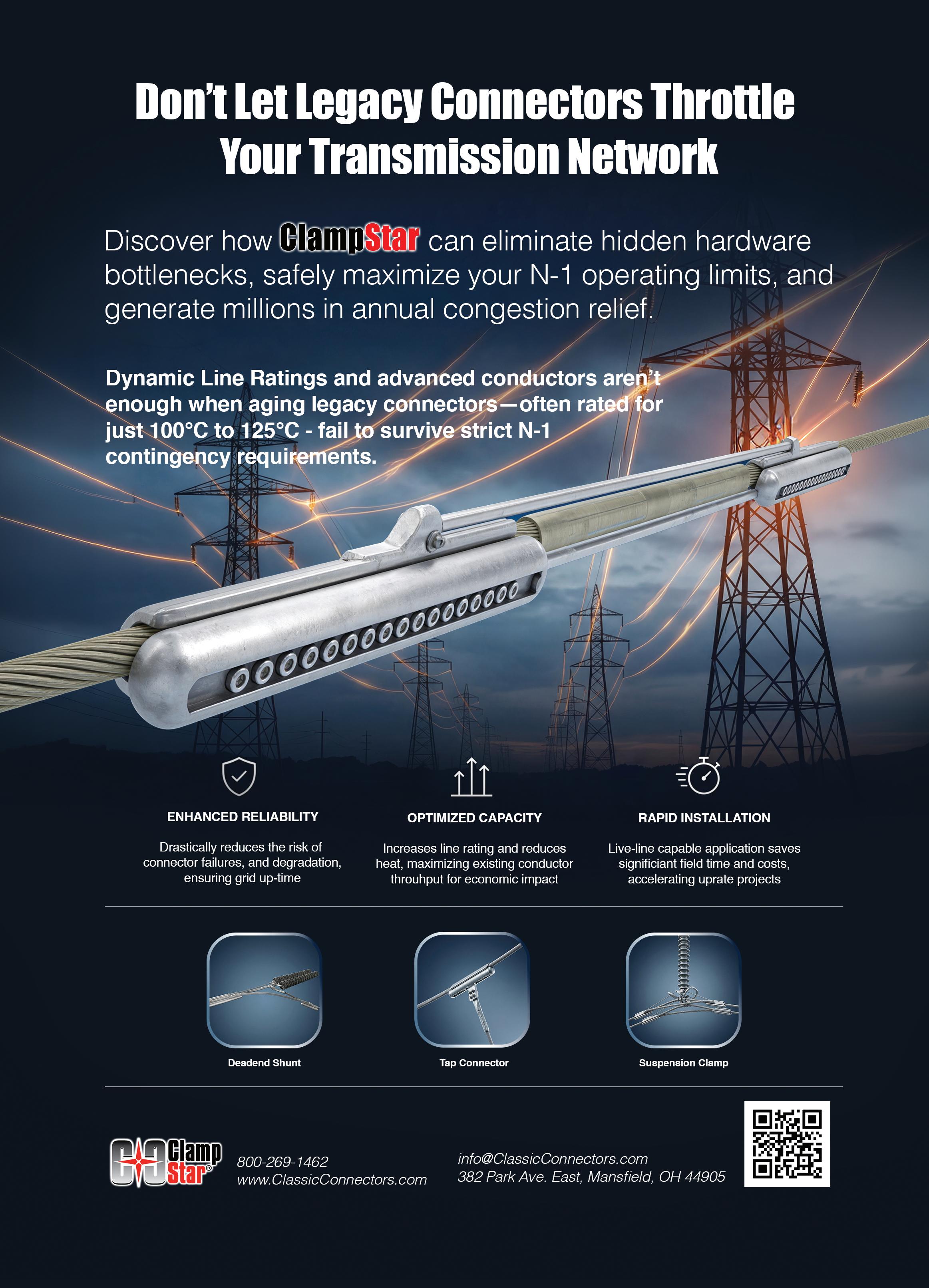


Optical Fibers Are Redefining Sensors
Enhanced technologies can upgrade legacy assets.
The power grid is being defined by its aged infrastructure that dates back to the pre-digital era and it’s not aging gracefully, but there’s a new toolset emerging. It’s a category of unique technological applications that’s been developed specifically to address this situation. They are called grid-enhanced technologies (GETs). According to a Department of Energy report, “A future-ready grid requires infrastructure built with the latest technologies.” Summarizing DOE’s account, GETs can quickly enhance existing power grid infrastructure. GETs save money and avoid the complexity of building new transmission lines.
GETs have long been a subject covered by “Charging Ahead,” and it’s time to update advancements in two valuable GET applications. Advanced conductors and dynamic line rating (DLR) systems have both joined forces with distributed fiber optic sensing (DFOS) technology. Advanced conductors and DLR systems are seen as one way to speedily address the lack of transmission capacity, but when DFOS is added to the mix everything changes. If the trend trackers are correct these three together are about to make a quantum leap forward that’s going to shake things up a bit. A little background is in order before moving forward. Advanced conductors utilize improved coatings, upgraded production methods, and take advantage of composite cores. That makes them lighter, able to operate at higher temperatures, have improved sag, and increased capacity. Manufacturers say advanced conductors provide double the capacity over those old-style conductors. State and federal regulators are supporting advanced conductors with new policies. They want to shift new and reconductoring transmission projects to advanced conductors. Last December Congress introduced the High-Capacity Grid Act legislation requiring utilities and grid operators to use “the best-available” transmission conductors available.
Sensing Revolution
Whether it’s existing legacy conductors or new advanced conductors, DLR technology can determine the actual physical capacity of a transmission line in real-time. The continuous sensing revolution is benefiting everyone. For DLR, its sensors are being miniaturized, and made more sensitive, which resulted
in improved non-contact DLR hardware. That in turn improved data gathering as well as making installations easier, safer, faster, and most importantly cheaper. It’s caused rapid adoption, but that’s only the prelude to what’s taking place currently.
Several years ago, DFOS technology caught the eye of the industrial sector. DFOS is a technology that is sparking a reevaluation of the theory of what sensors and monitoring systems are. The technology transforms a length of optical fiber into an unbroken sensing array. Keeping it simple, a laser-powered interrogation unit injects light pulses through the optical fiber and analyzes the returning backscattered light. The backscatter light changes due to the influences on it. When analyzed it gives information on the physical conditions (i.e., heat, strain, vibration) along the fiber. Experts say this makes the application well suited for infrastructure monitoring like bridges, tunnels, pipe lines and such. Some innovative thinkers started asking what if… Those theorists realized that optical fibers existed on the transmission system in the form of OPGW (optical ground wire) and OPPC (optical phase conductors). Utilities and grid operators have been installing OPGW for transmission line static shield wires and OPPC was being utilized for communications. The two types of fibering operate differently, but the sensing principles are the same and that’s deep enough for now. Getting back to those inquiring minds. They reasoned that since DFOS worked with either OPGW or OPPC cables an integration of DFOS with either fiber, would lead to an upgrade of DLR technology. In short order the gap between knowing and doing was bridged and there was a fiber-optical sensor-based DLR application.
Fiber-Enhanced DLR
There are several names currently associated with this hybrid approach. It’s been called a fiber-enhanced DLR and FORM (fiber-optics for rating and measurement) DLR are currently leading, but DLR-3.0 is gaining popularity. Since it’s more generational for the power grid let’s stick with DLR-3.0. The major distinction of DLR-3.0 over previous generations is DLR itself has moved from a point-based sensor to a continuous sensor. It utilizes the fiber’s entire length and produces big-data, and it’s being integrated with artificial intelligence (AI).
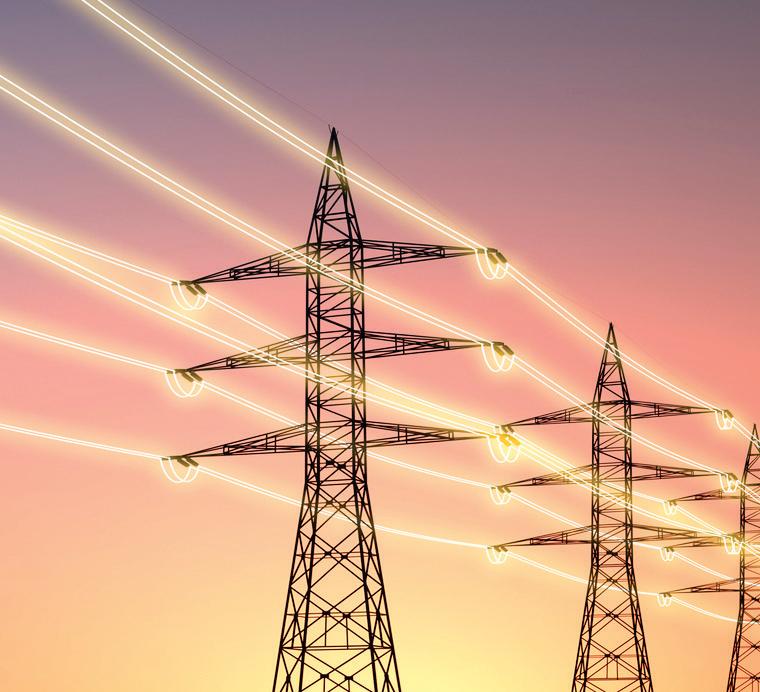
This is a complicated technology, but by integrating AI, it’s more user-friendly. All this is being seen by the financial marketplace as DLR-3.0 is trending with strong growth. They point out, “the tech is shifting from pilot projects to enterprise-level deployment.” There are no estimates or projections yet about how large the marketplace is, but it’s going to be exciting when they focus specifically on DLR-3.0. A good indication of how much interest is being generated are the numbers of technical papers, studies, reports, and webinars that can be found with a simple search of the web.
Last March, CTC Global sponsored a webinar on their GridVista System. It was presented by T&D World and if you missed it, it’s been archived and is available on-demand until early-September. You can sign up at https://www.tdworld.com/55352218 any time it is convenient. The webinar is a chance to take a look under the hood with some experts see firsthand why this technology is producing so much interest. They’re explaining a technology that’s both a power-carrying medium and a sensor array. CTC’s GridVista System was launched in mid-February. It was developed as a partnership between CTC, Google Cloud and Alphabet’s Tapestry.
An Intelligent Transmission System
Since it’s almost impossible to add more transmission fast enough to keep up with the rising power demands, this technology really can help. CTC says the GridVista system “redefines transmission line intelligence.” It utilizes optical fiber embedded directly into their ACCC (aluminum conductor composite core) conductor. This specialized optical fiber delivers real-time, high-resolution data about the transmission line’s interaction with its environment. According to Kevin Corbalis, chief technology officer of CTC Global, “the GridVista System is an engineering breakthrough.” The heart of the system is CTC’s ACCC conductor with its integrated optical fiber.
Rather than attaching external sensors, the conductor’s optical fiber acts as an uninterrupted sensor between substations. The brain is Google Cloud’s technologies and Tapestry’s AIenhanced modeling and analytics. It turns the continuous raw big-data into useful information. CTC experts said the intelligence transforms “transmission lines from static infrastructure
into intelligent network assets.” The continuous data is a constant stream of capacity, temperature, strain, sag, ice loading, hot spots, and corona discharge information from the entire length of the conductor.
The Q&A portion of the webinar gave some great “nuts and bolt” discussions of the GridVista System at work. One viewer was concerned with hotspots, galloping, and other abnormalities. Their question was more or less about how such events can be differentiated. Taking it a step further, can its point-location be identified close enough to be meaningful?
David Goekjian, CTC Global’s principal R&D engineering manager indicated that the GridVista System’s modeling and analytics identifies the type of event. It tells operational useful information like what is happening and on what phase it is happening. It identifies a particular phase or has it propagated to an adjacent phase. It identifies the distance of the event within three feet (a meter) over the segment of line.
Capacity Enhancements
This next-gen technology is definitely trending. Earlier this year, AP Sensing, a leader in fiber optic sensing, and Ampacimon a DLR pacesetter, announced a partnership. The two companies are combining “complementary technologies” focused on a new real-time, condition monitoring and DLR system. Their collaboration will utilize existing OPGW located on transmission lines for monitoring physical characteristics and enhanced capacity optimization of the asset. A spokesperson said this approach was ideally suited to high-voltage environments.
There was also a news release from TransnetBW GmbH, one of Germany’s transmission system operators. They announced a partnership with Prisma Photonics to utilize DFOS advanced optical fiber sensing across 74.5 miles (120 kilometers) on three transmission lines in southwest Germany. The two-year project will evaluate using the Prisma Photonics’ technology to turn existing optical fiber in the lines’ OPGW into a continuous monitoring network. It will be used to optimize capacity in the transmission system to handle increased renewable energy and manage congestion.
Conductor monitoring has been around for several decades, and it keeps evolving. This latest iteration is has taken a totally different approach with its optical fibers, DFOS and DLR technologies integrated with AI-enhanced tools. It moved power line management from reactive to a proactive part of the smart grid by adding intelligence. With that comes a shift from real-time monitoring to AI-driven predictive analytics. Instead of just reporting current capacity, this next-gen DLR-3.0 can forecast the transmission line’s ratings for an hour-ahead or a day-ahead. Moreover, DLR-3.0s’s predictivity allows it to interact with asset management systems, demand management platforms, and other AI-powered situational awareness smart grid systems. These are only a few of the benefits associated with next-gen DLR-3.0, but it’s an interface that improves the management of the power delivery system. It’s one of those intelligent toolsets required to modernize the power grid for the demands of the 21st century environment!
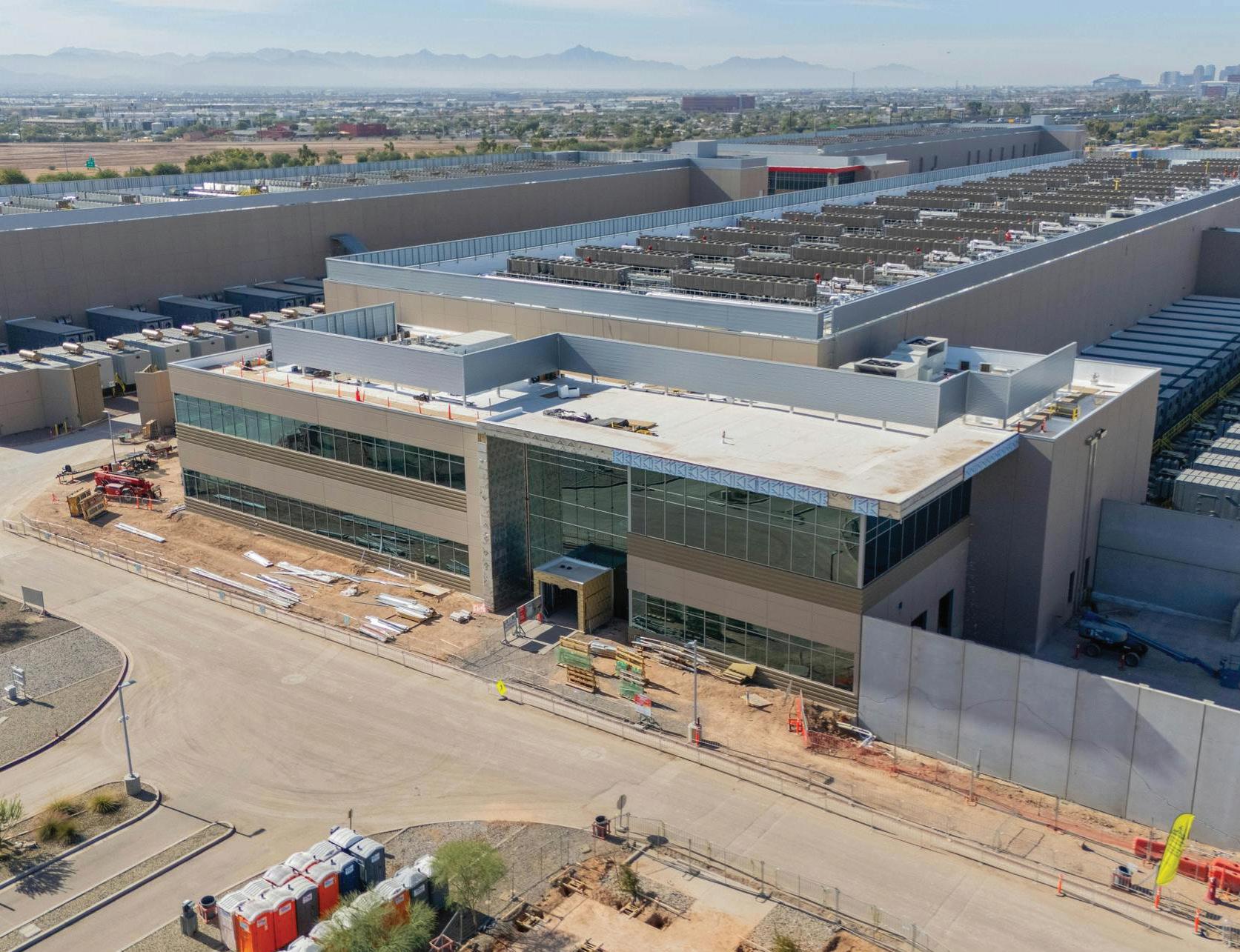
Report: U.S. Data Center Development Faces New Challenges Amid Slowing Growth
A new analysis from Wood Mackenzie suggests that growth in the U.S. data center development pipeline remains significant but is beginning to slow as developers contend with grid constraints, rising policy complexity and a shift toward executing existing projects rather than announcing new ones.
According to the firm’s latest U.S. Data Center Pipeline report, 25 GW of new data center capacity was added to the development funnel in the fourth quarter of 2025—about half the amount added in the third quarter. By the end of 2025, the total disclosed U.S. data center pipeline had reached 241 GW, compared with 93 GW at the end of 2024. About 33% of that capacity is currently under active development.
The report indicates that developers began shifting attention late last year toward advancing projects already in the pipeline rather than launching new ones.
“Developers shifted to focusing on the
existing pipeline at the end of last year as opposed to new projects, as load queue constraints weighed on the market,” said Ben Hertz-Shargel, global head of grid edge at Wood Mackenzie. He noted that much of the planned capacity belongs to newer developers pursuing a small number of very large, speculative projects, many located in the South and Southwest.
Changing Cost Dynamics
Wood Mackenzie also reported a change in cost trends during the fourth quarter. For the first time in the current development cycle, per-megawatt construction costs declined after increasing steadily through 2024.
However, increasing rack power density is pushing costs per square foot higher even as costs per megawatt fall. The trend reflects the industry’s move toward more energy-dense facilities intended to improve
efficiency and reduce inference latency. The report also points to a slowdown in capital spending growth among major developers. The largest developers are projected to invest $94 billion more in 2026 than in 2025—equivalent to 58% of the growth recorded the previous year. Wood Mackenzie noted that Oracle has taken on significant debt to fund its Stargate campuses, many of which depend heavily on behind-the-meter generation.
Regional Growth Patterns
While Texas remains the leading state for total data center pipeline capacity, emerging markets experienced the fastest relative growth during the fourth quarter of 2025. New Mexico, Indiana and Wyoming saw the largest proportional increases, driven primarily by access to natural gas supplies. Overall, new developers account for a growing share of planned capacity.
PSE&G: FERC
Rejects Proposed Settlement to Disproportionately Allocate Transmission Costs to Customers
PSE&G announced that the Federal Energy Regulatory Commission (FERC) has rejected a proposed settlement, which was anticipated to disproportionately allocate transmission costs to customers.
FERC’s March 6 order (FERC Order number 20260306-3001) found that the proposed settlement was expected to disproportionately and unfairly shift transmission project costs. If the settlement had been approved, it could have imposed unfair cost burdens on PSE&G customers.
PSE&G argued that the proposal was unjust, unreasonable, unduly discriminatory, and unsupported by the evidence, arguments FERC adopted in its order. Along with the NJ BPU and the NJ Division of Rate Counsel, PSE&G filed multiple rounds of pleadings opposing the settlement.
“PSE&G fights for our customers every single day, and this decision shows what that commitment means in real terms,” said PSE&G President and Chief Operating Officer, Public Service Electric
Projects led by newer entrants—many of them large speculative developments targeting the South and Southwest—now represent 39% of the total pipeline.
Grid Constraints Emerge as a Key Issue
The scale of electricity demand associated with proposed projects is also becoming a growing concern for power systems.
Wood Mackenzie estimates that large loads with signed construction or electricity supply agreements now total 183 GW, equal to roughly 22% of U.S. peak load in 2025. Utilities within PJM Interconnection and Electric Reliability Council of Texas account for 72% of those commitments. At the same time, 58% of the committed load is contracted with wires-only utilities that are not responsible for ensuring generation supply.
The report highlights challenges in PJM in particular, where utility large-load commitments are three times larger than the accredited capacity in the region’s risked generation queue.
and Gas Company, Kim Hanemann. “We strongly opposed this proposed settlement because it unfairly raised costs for families and businesses.”
The FERC decision will save customers’ money that will be returned to PSE&G customers.
According to PSE&G estimates,
customers will receive refunds of approximately $100 million for a three-year period (2020, 2021, and 2022) alone as a result of the order rejecting the proposed settlement. Because FERC has directed PJM to recalculate cost assignments from 2015, the actual savings are expected to be higher.
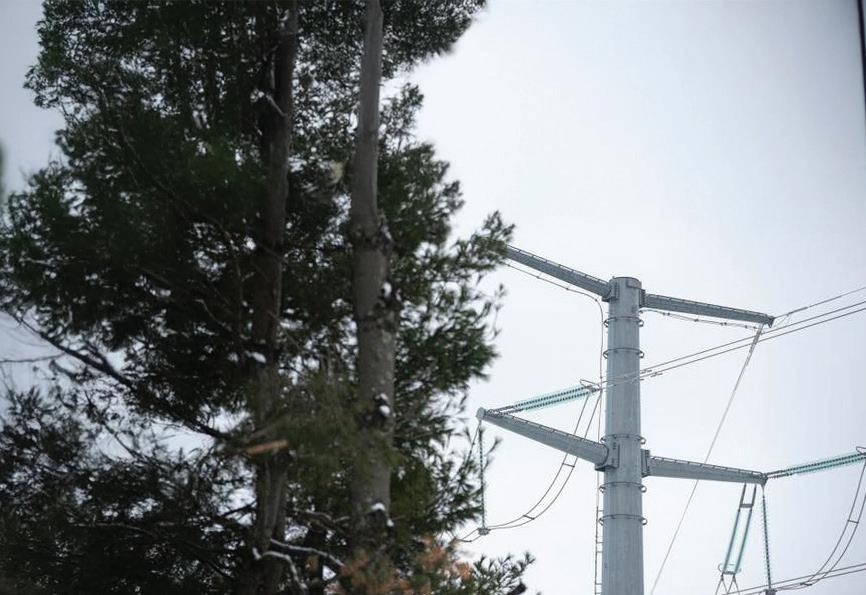
Texas also leads the country in planned data center capacity paired with onsite generation, with four times more such projects than any other state. In PJM states such as Pennsylvania and Virginia, most onsite generation is expected to remain grid-connected. In contrast, onsite generation in states including Texas, Wyoming and New Mexico may operate largely off-grid or remain invisible to the bulk power system.
Policy Changes Add Complexity
New policy proposals could further complicate development. The report notes that emerging state and federal initiatives are changing project requirements, placing greater emphasis on relationships with generators, strong balance sheets and power market expertise among developers.
Officials in The White House, PJM and governors in PJM states are aligned on potential market reforms, although details of a proposed backstop capacity auction have not yet been finalized.
Meanwhile, proposed interconnection rule changes in the Southwest Power Pool and ERCOT could introduce operational risks for data centers, including voltage ride-through requirements and increased exposure to curtailment. The North American Electric Reliability Corporation is working toward a national ride-through standard that could apply to data center operators across the country.
“New data centers must contract with new generation or face non-firm transmission service,” Hertz-Shargel said.
“This creates diesel supply and generator runtime risk that could cause hesitation on data center development in these regions.”
Wood Mackenzie concludes that the combination of slower capacity additions, moderating capital investment growth and increasing regulatory complexity suggests the U.S. data center market may be entering a more mature phase, with developers prioritizing execution of existing projects over rapid pipeline expansion.
PSE&G
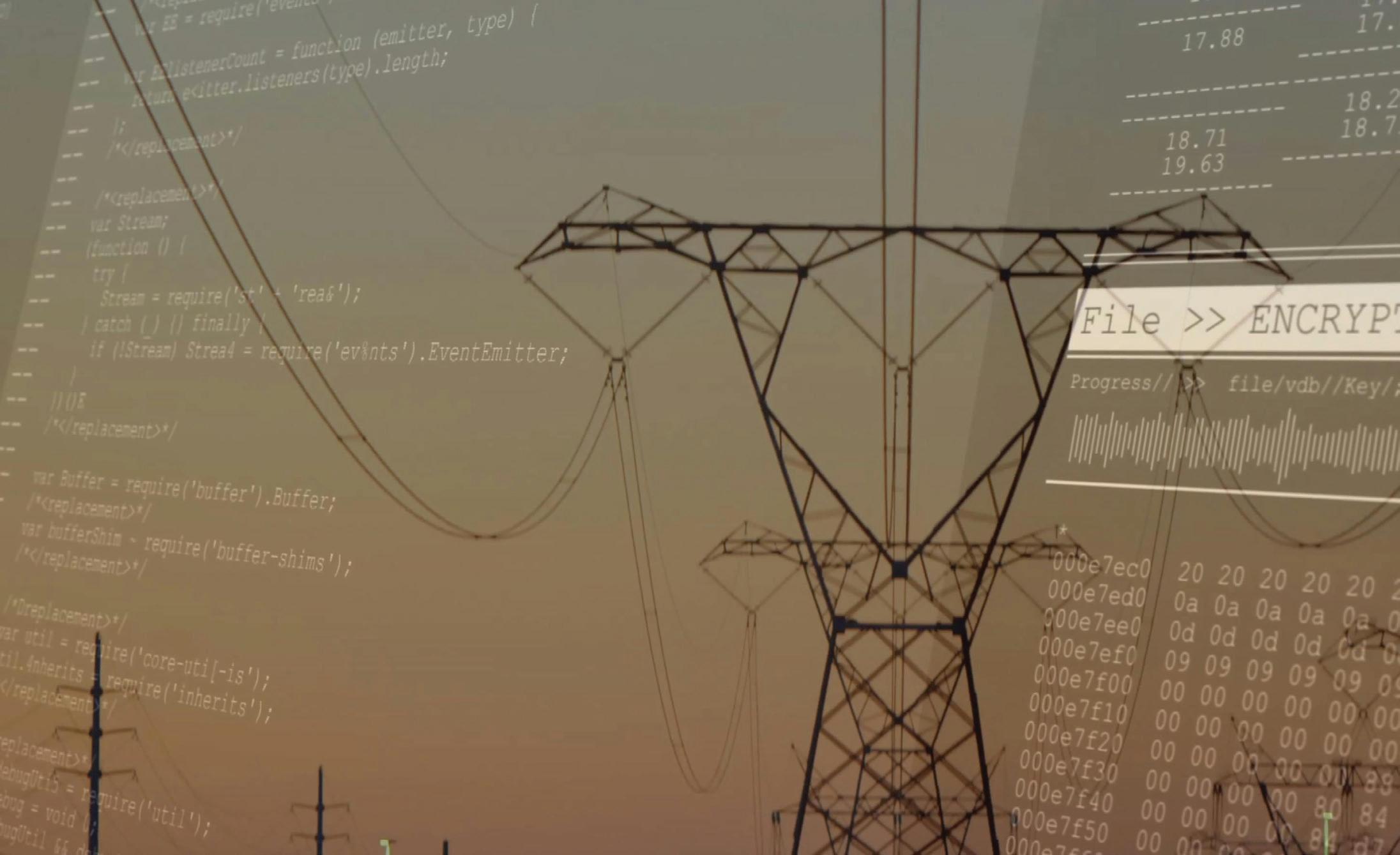
FERC Approves Rules to Strengthen Reliability of American Power Grid
FERC has unanimously approved a set of actions to strengthen and safeguard reliability of the nation’s bulk-power system, strengthening access of a dependable power supply to all Americans.
“Our electric grid faces persistent reliability challenges from cybersecurity threats, extreme weather and rising demand,” FERC Chairman Laura V. Swett said. “The actions we approved today are centered on modernizing and securing grid reliability, with a special emphasis on cybersecurity, so every American can count on the grid and get power when they need it.”
FERC approved two final rules:
• Final Rule on Virtualization Reliability Standards, Docket No. RM24-8-000. The final rule approves 11 updated Critical Infrastructure Protection (CIP) Reliability Standards to enable secure use of virtualization technologies. These enhancements give entities greater flexibility to adopt efficient, modern tools that reduce hardware needs and
strengthen cyber defenses across the bulk power system. The final rule will reduce administrative burden for entities that require alternative mitigation measures, while still meeting security objectives. Additionally, the final rule directs the North American Electric Reliability Corporation (NERC) to maintain appropriate oversight and consistency when entities implement such alternative mitigation measures.
• Final Rule on CIP Reliability Standard CIP-003-11, Docket No. RM25-8-000. The final rule approves modifications to a CIP Reliability Standard to improve baseline cybersecurity for low impact bulk electric system (BES) Cyber Systems, i.e., digital or computer systems that support the electric grid but do not meet the criteria for medium or high impact under the tiered approach of the CIP Standards. The modified CIP Standard requires new password protocols for remote users (including safeguards for passwords) and the detection of intrusions to low impact BES Cyber Systems. The final rule represents
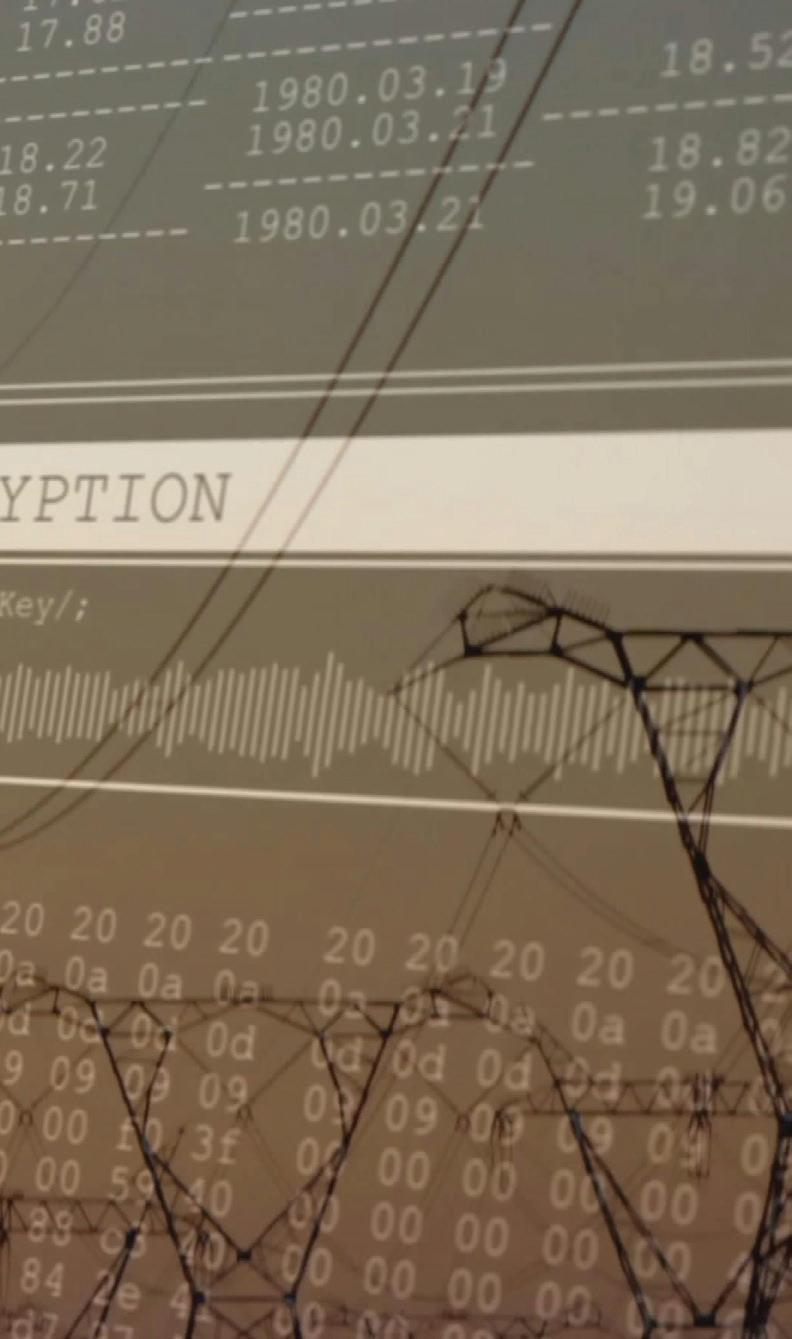
progress in grid security as NERC continues to strengthen its overall security strategy, helping keep the grid resilient to both existing and new threats. The final rule improves reliability by reducing the risk of potential system disruptions stemming from coordinated cyberattacks on low impact BES
Cyber Systems by introducing new baseline security controls alongside current protections for grid operators. Finally, FERC approved Reliability Standard CIP-002-8 (Docket No. RD258-000) to include an updated definition of control center in NERC’s Glossary. The revised definition improves reliability by helping entities identify risks and protect high-risk assets.

Songs of the Line Trade: A Musical Tribute to Lineworkers
Using the power of musical melodies and carefully crafted lyrics, artists have conveyed the grit, courage and passion of the line trade. In a new monthly series for T&D World’s field audience, we are releasing specially curated playlists that celebrate lineworkers. This playlist was inspired by another brand for Endeavor Business Media, Construction Equipment, which offers another playlist that you may enjoy called “Joystick Jams.”
Our first playlist, “Living the Line Life,” shines the spotlight on those songs that are all about the line trade. One of the first songs that may come to mind is “Wichita Lineman” by Glen Campbell, but did you know it has many variations?
On this playlist, we are including several renditions by James Taylor, Johnny Cash, Jimmy Webb (featuring Billy Joel), and R.E.M.
Beyond this popular song, there are many other melodies about the line trade on this one-hour-long playlist, which includes 18 songs. If there is a song that you think we should add to this playlist, please email it to Amy Fischbach, Head of Content for T&D World
Also, if you have a playlist that you listen to in your bucket truck while you’re on the road or while relaxing from home, please share it with us or message us through Linemen World on Instagram. We look forward to hearing from you!
© Joseph Helfenberger Dreamstime.com
Invisible Infrastructure

The Denton GIS substation project showcases community engagement, advanced engineering, and sustainable practices, setting a new standard for urban utility infrastructure in growing cities.
By MARK ZIMMERER, Denton Municipal Electric, and KEVIN VERCHER, Beta Engineering
Texas utilities are no stranger to growing pains, with cities across the Lone Star state making the list in 2024 U.S. census growth reports. As utility leaders in the Dallas suburb of Denton watched their population climb — more than doubling from 2000 to 2024 — they realized their existing grid couldn’t sustain continued growth. But finding space to expand in a dense urban area wasn’t easy. Nobody wanted a view of a substation, and the city didn’t want to displace residents.
Their solution — designed in collaboration with community stakeholders — delivers critical grid resilience and doubles capacity. And best of all, nobody sees a substation when they look out their kitchen window.
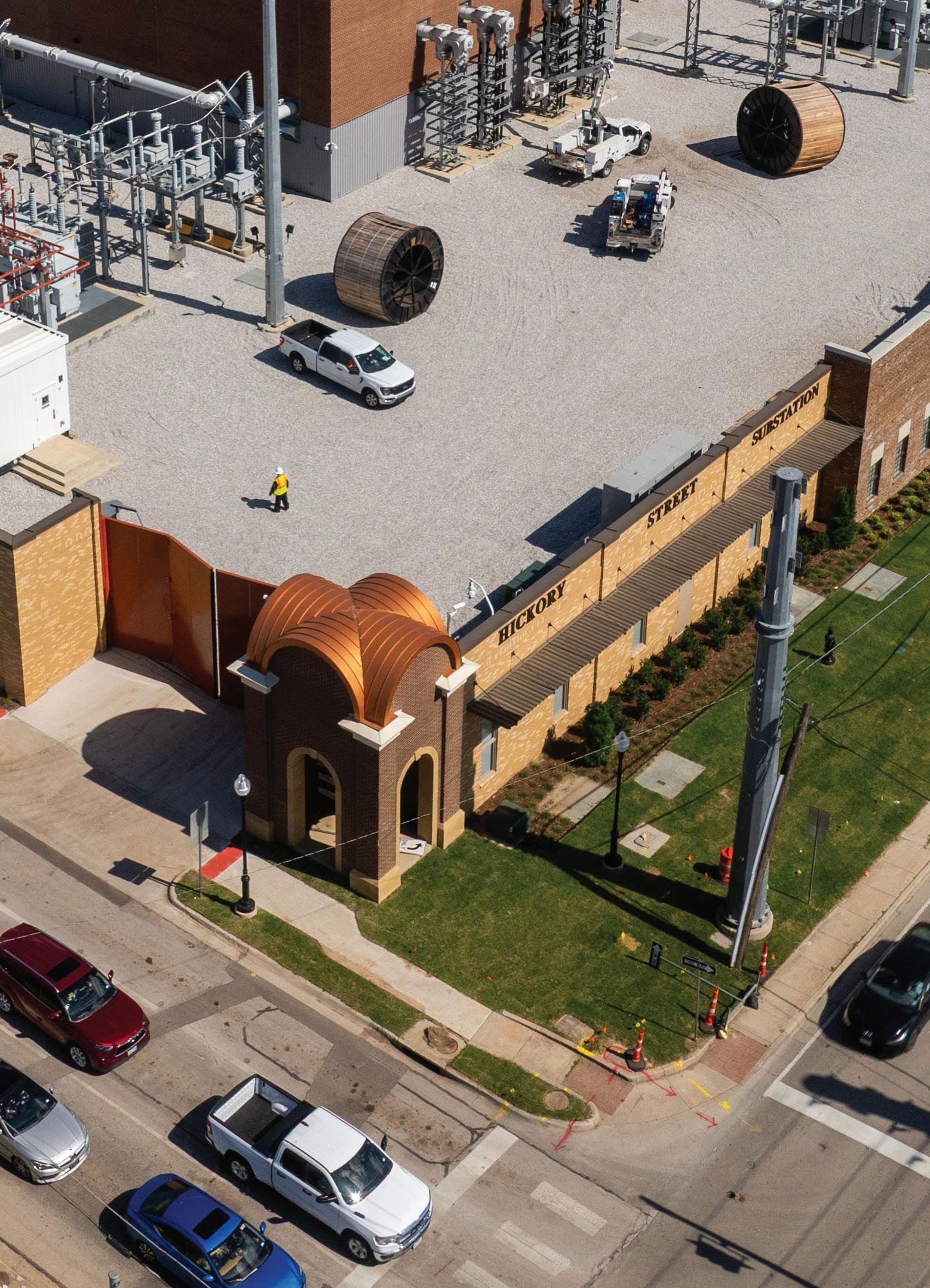
Hidden behind custom screen walls, Hickory GIS is a 138/13.2kV gas-insulated switchgear substation in the heart of Denton, Texas, that redefines what essential infrastructure can look like in a growing city. This fully-enclosed facility operated by Denton Municipal Electric (DME) reduces safety risks and disappears behind a 22-foot (6.7-meter) facade designed to reflect the nearby historic town square.
DME is a community-owned, not-for-profit utility and powers more than 64,000 customers in this North Dallas suburb with 100% renewable energy. The utility has served this region for more than 120 years.
The substation is located near a historic downtown district and two large public universities — an area with substantial foot and vehicle traffic and where land is at a premium. The GIS substation replaced an air-insulated 69kV substation (AIS) originally constructed in the 1960s that had reached the end of its useful life and been deemed a safety hazard for DME staff. The project involved rerouting transmission and distribution lines into the new substation and the demolition and removal of the original station.
The project moved overhead lines underground to preserve the streetscape. As Denton’s first GIS facility, it sets a new standard for compact, community-conscious utility design—combining technical excellence with thoughtful integration into the urban environment.
Originality and Innovation
Starting in 2014, DME initiated plans to increase grid capacity and improve reliability. The same growth driving the need for additional power, though, also meant this area had limited land available for a larger station. The utility found a solution in
Infrastructure

GIS technology, which offers a smaller footprint than a traditional air-insulated substation.
The Hickory GIS Substation includes two 25 MVA transformers, with the option for the addition of two additional transformers for a total of four, or 100 MVA. This is more than double the capacity of the aging substation across the street that it replaces. Its smaller 2.1-acre (8,498-meter2) footprint (compared to 7 acres, or 28,328 square meters, for a comparable AIS site) made it ideal for this established urban neighborhood.
While GIS is not a typical approach to municipal utility substation design and comes with a higher initial cost, its maintenance, safety, and aesthetic considerations led DME to select it as the best solution. Using GIS also reduced fire risk and meant minimal noise or radio interference for the area compared to an AIS substation.
Ensuring Community Buy-In Through Early Engagement
Substation and transmission line projects in urban areas regularly face resistance from local communities, especially when utilities recommend building with new or unfamiliar technology like GIS. DME’s community engagement efforts helped overcome those concerns, paving the way for the city’s approval.
Throughout the planning and design of this project, though, community stakeholders played an active role in guiding project decisions. DME held an open house
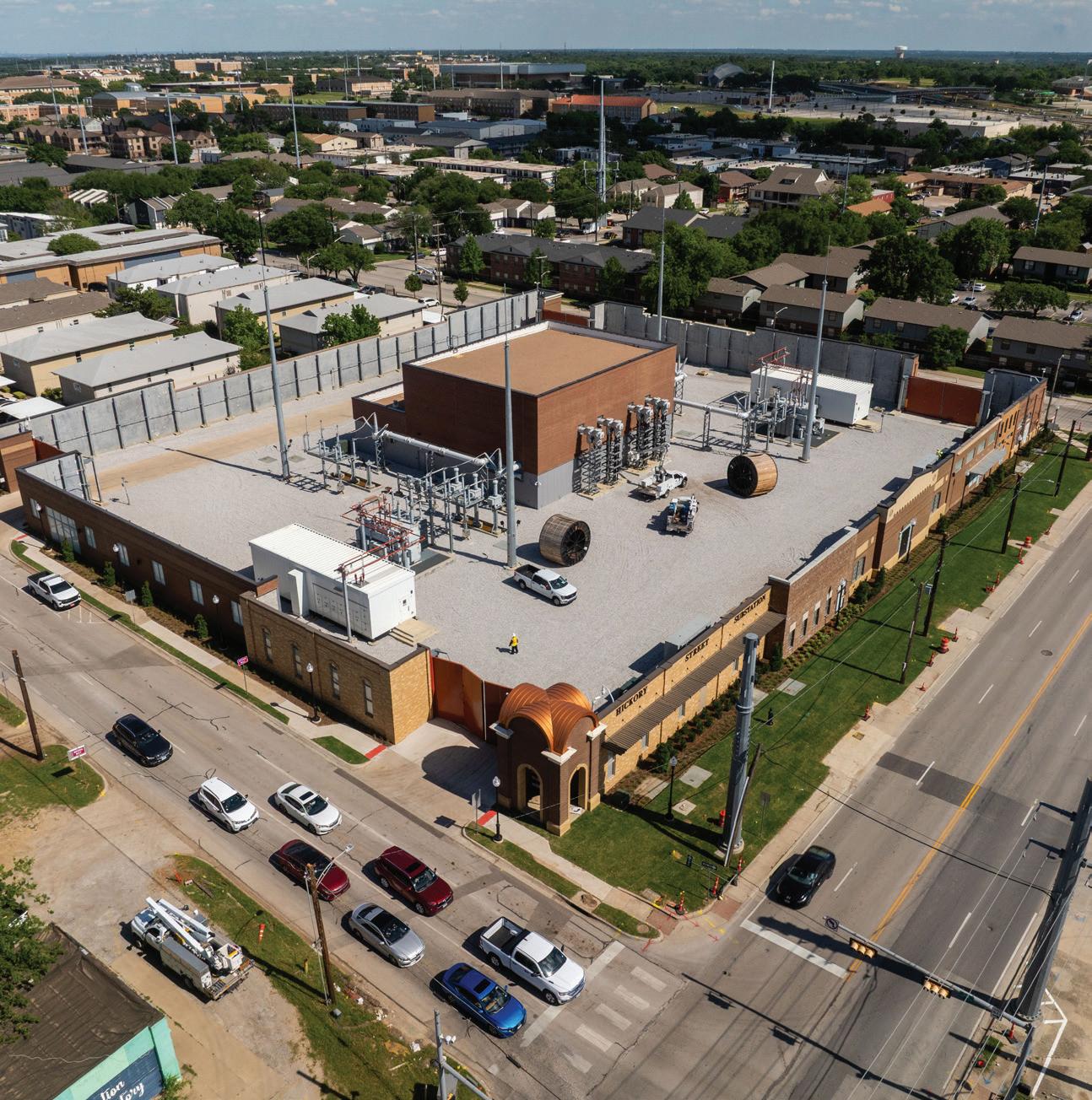
Hickory GIS Substation is located at the intersection of North Bonnie Brae Street and West Oak Street, two busy thoroughfares near downtown Denton and blocks away from the University of North Texas. The substation yard encompasses 2.1 acres (8,498-meters2). Rogy Productions
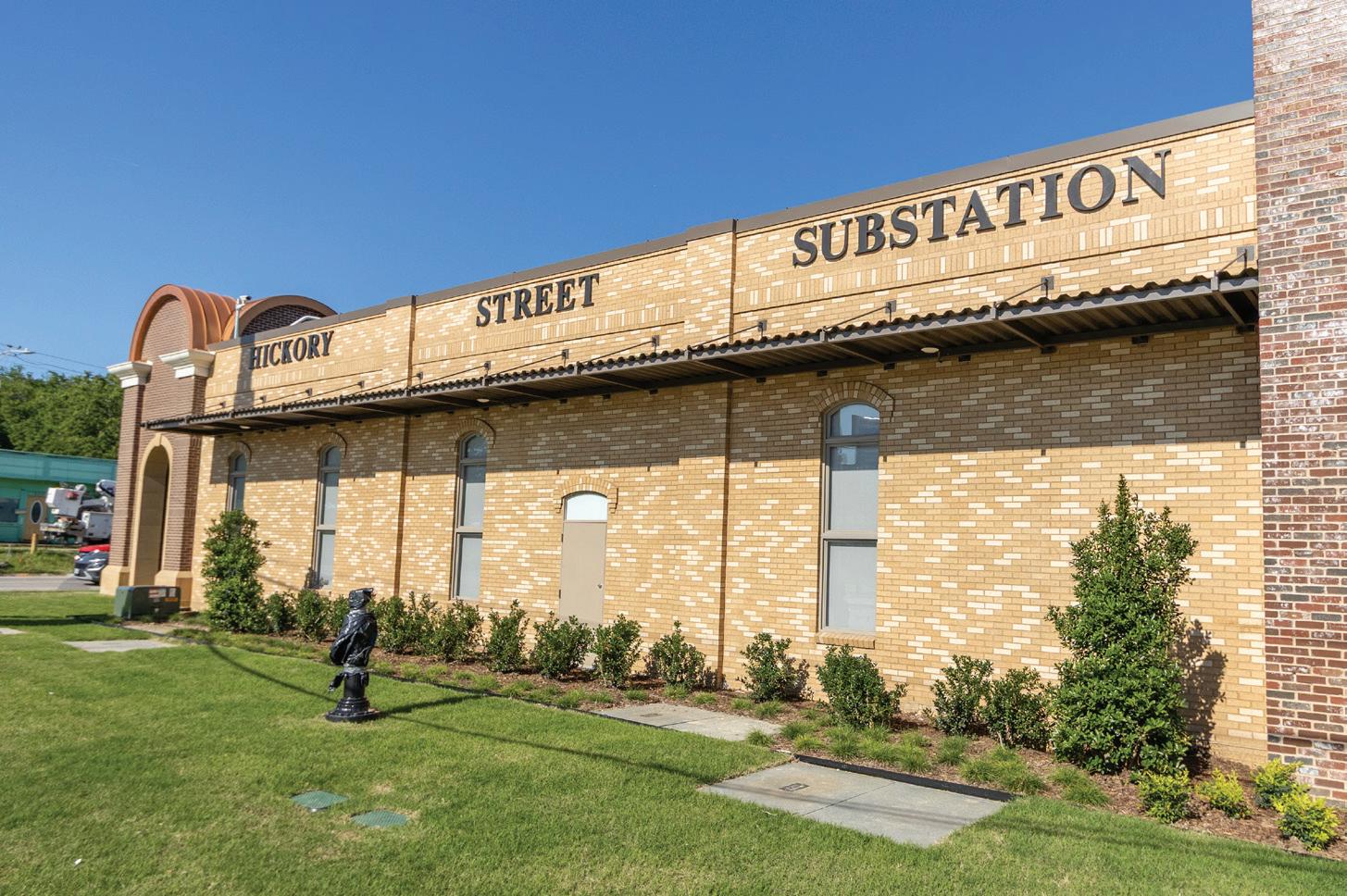
The 22-foot-tall screen wall that encloses the Hickory GIS Substation is designed to reflect the style of Denton’s nearby historic downtown. Rogy Productions
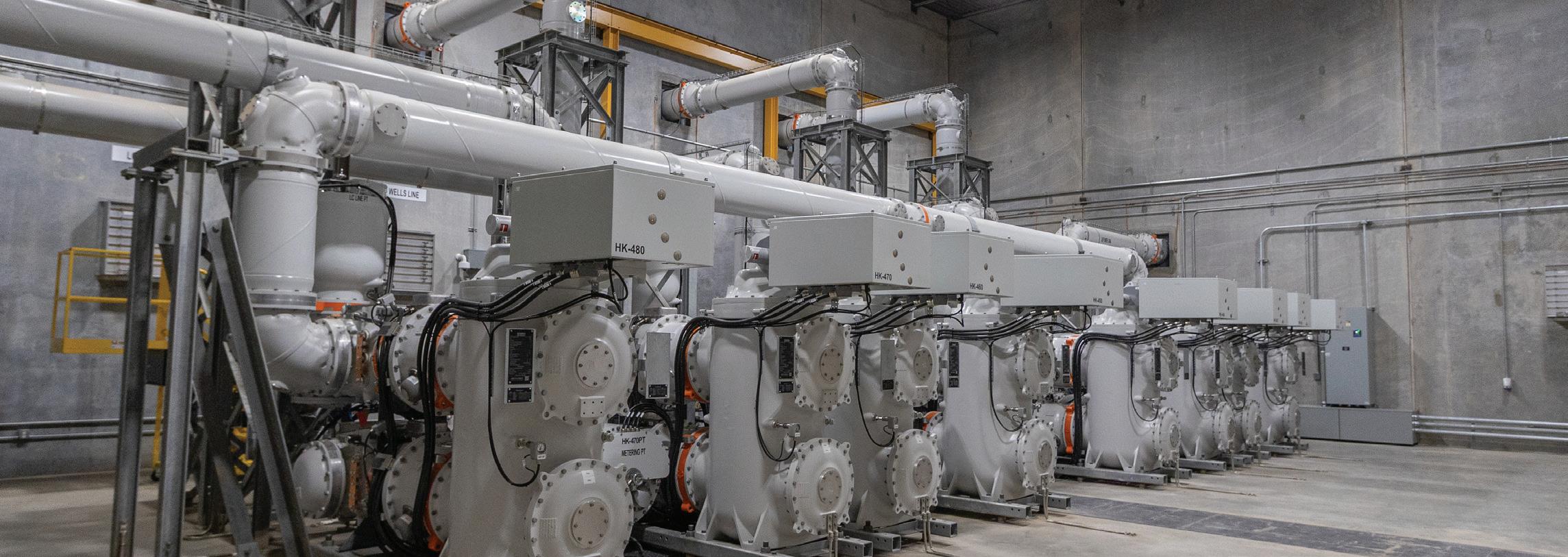
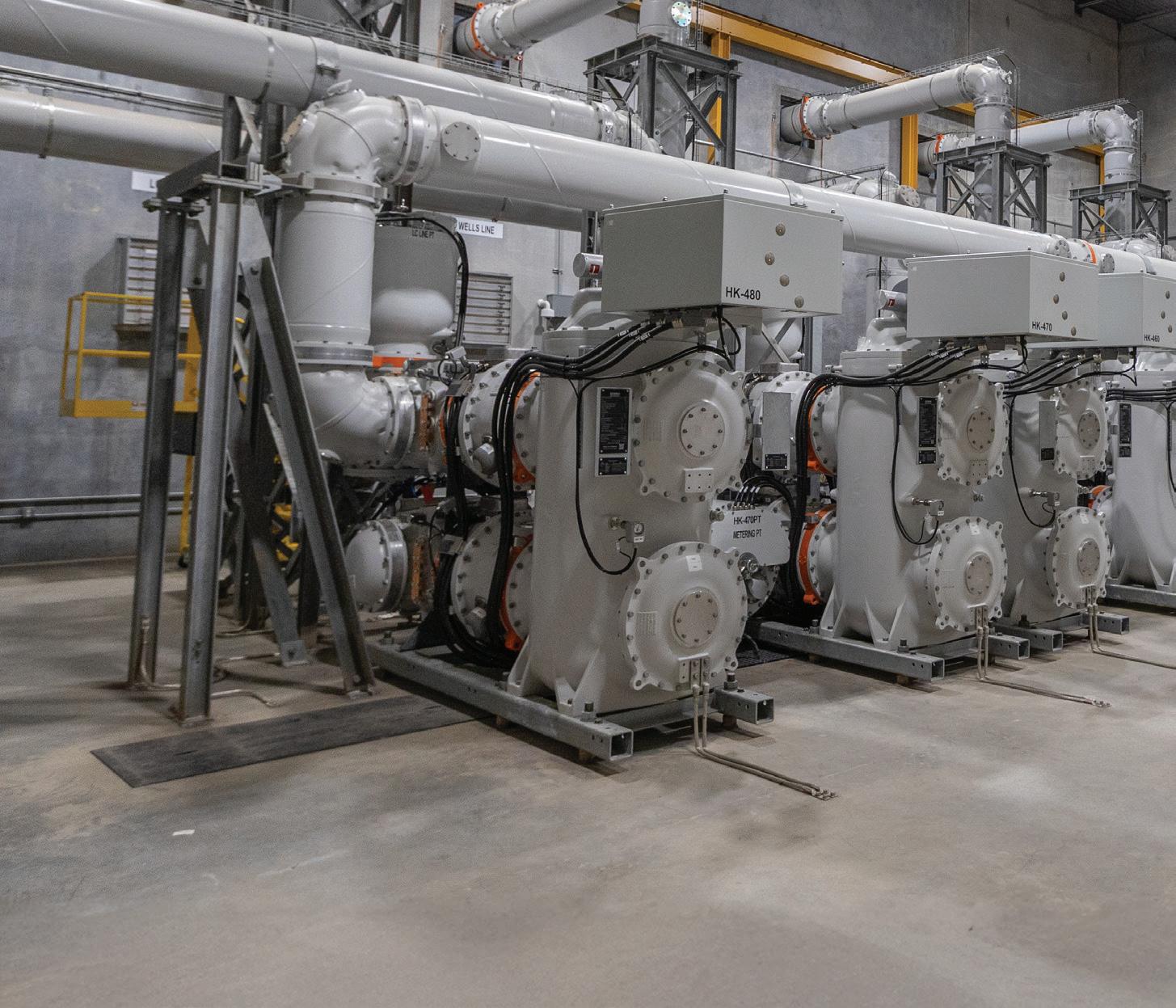
The 138/13.2kV Siemens gas-insulated switchgear equipment allows for a smaller site (2.1 acres or 8,498-meters2) compared to 7 acres or 28,328 meters2 for a comparable air-insulated site. While GIS is not a typical approach to municipal utility substation design and comes with a higher initial cost, its maintenance, safety, and aesthetic considerations led DME to select it as the best solution.
façade of
explaining the reasons why the Hickory project was necessary to maintain reliability and allow for Denton’s continued growth. In fact, the idea of a gas-insulated substation was first introduced via a citizen’s comment. A committee of community members also identified and recommended potential locations for the project.
Planners selected a historic storefront style for the facade to mimic the nearby downtown square. This unique design, which involved nearly a dozen different types of brick and three mortar colors, hides the view of the structure from the surrounding residential area and provides enhanced security. To create this design, the Denton City Council directed DME to establish an Aesthetics Committee, consisting of seven citizens, who helped guide decisions about the substation’s exterior appearance.
“Hickory is a great example of GIS and how it can benefit a downtown commercial area,” said Kevin Vercher, Project Manager at Beta Engineering.
Resourcefulness in Planning and Solving Design Challenges
Community buy-in is only one piece of the puzzle when adopting new technology— DME’s operations and maintenance team also needed to understand how GIS works. Beta Engineering, which performed engineering, procurement, and construction for Hickory GIS, coordinated visits to other GIS substations with the same equipment so DME’s team could gain familiarity with it.
The complexity of this project, which involved multiple stakeholders, tight site constraints, and complex underground conditions, created design challenges. Beta leveraged 3D building information modeling (BIM) to account for these design complexities. The Beta team, in conjunction with other engineering and architectural project team members, harnessed the software tool Autodesk Revit to collate stakeholder drawings and models to ensure clear direction for DME as well as the design and construction teams. This approach proved especially helpful for the following designs:
Conduit entry into GIS foundations
Consistent coordination between foundation design and conduit modeling was critical to execution. The substation includes both outdoor and indoor GIS equipment. Much of the conduit leading to and from this equipment was run underground and routed through foundations. The exact location, orientation, and arrangement of this cabling required precise planning.
Conduit arrangements within underground duct banks
Similar to the conduit within the foundations, underground duct banks required detailed modeling and stakeholder coordination to ensure adequate space, proper lengths, and achievable layouts.
Foundations accommodating highly expansive soils with tight deflection limitations for outdoor GIS equipment
Geotechnical studies revealed highly expansive soils with a potential vertical rise (PVR) of up to five inches. GIS equipment
The
Hickory GIS Substation is designed to reflect a downtown storefront, including false windows and doors. Community members recommended locations for the project and helped guide decisions about the substation’s perimeter wall design. Rogy Productions
Rogy Productions
requires tight deflection tolerances to maintain proper gaseous seals. To address this, the team designed drilled shaft pedestal foundations that met all structural and cabling needs while minimizing concrete volume.
Construction phasing and staging within a tight urban environment
With limited laydown space and construction hours (8 a.m.–5 p.m. weekdays, 8 a.m.–2 p.m. Saturdays), detailed planning for staging, deliveries, and timelines was essential. Using BIM allowed the design team to account for these constraints from the start.
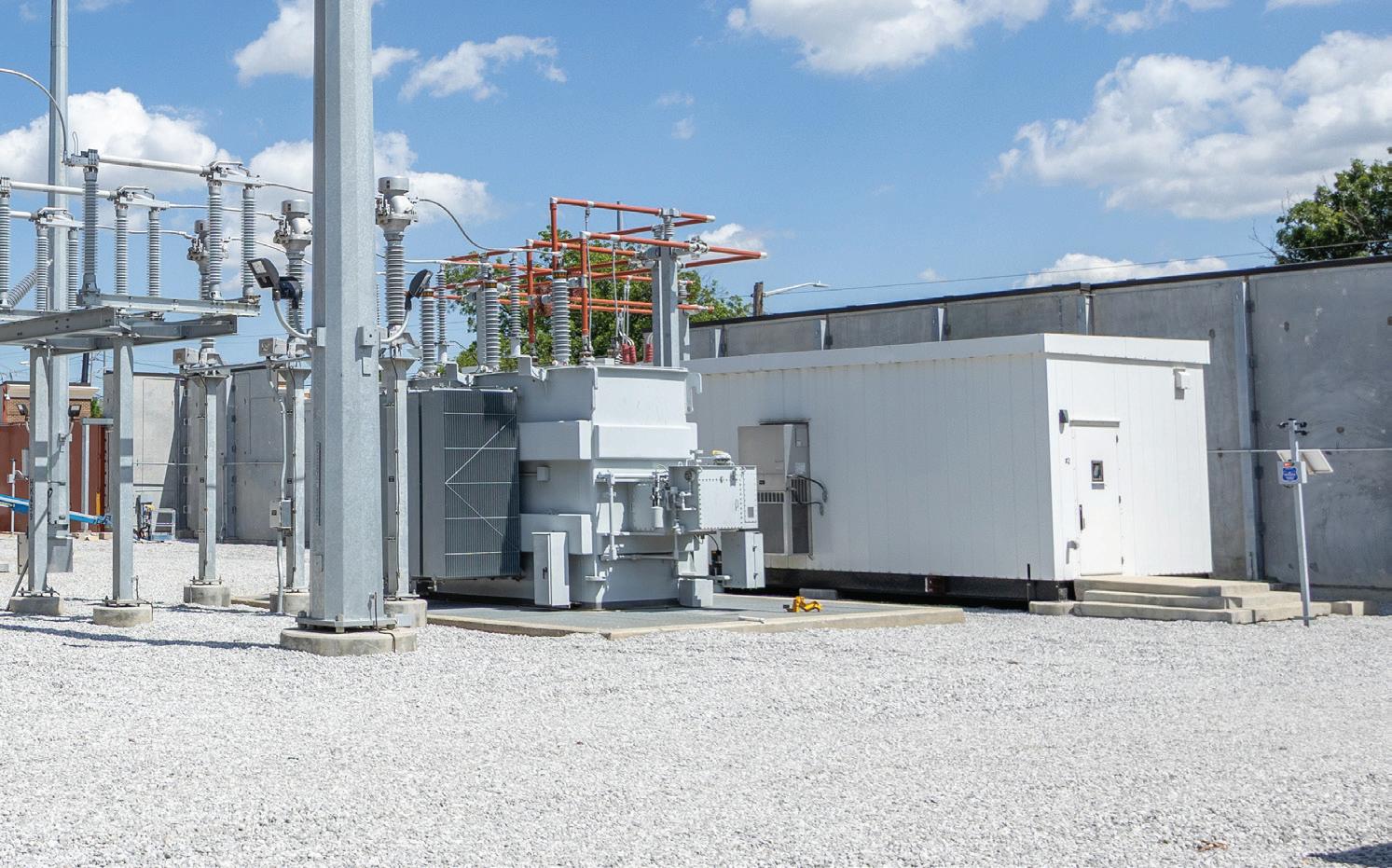
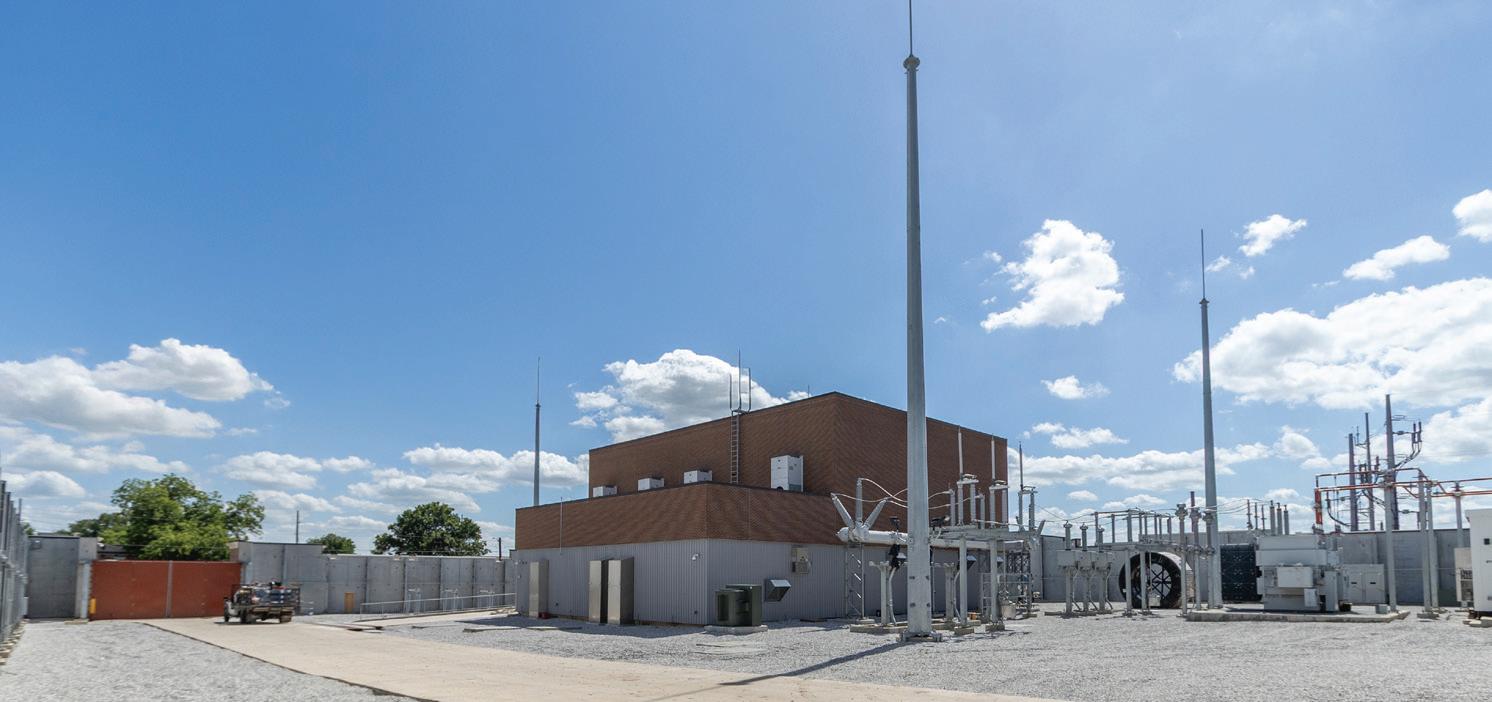




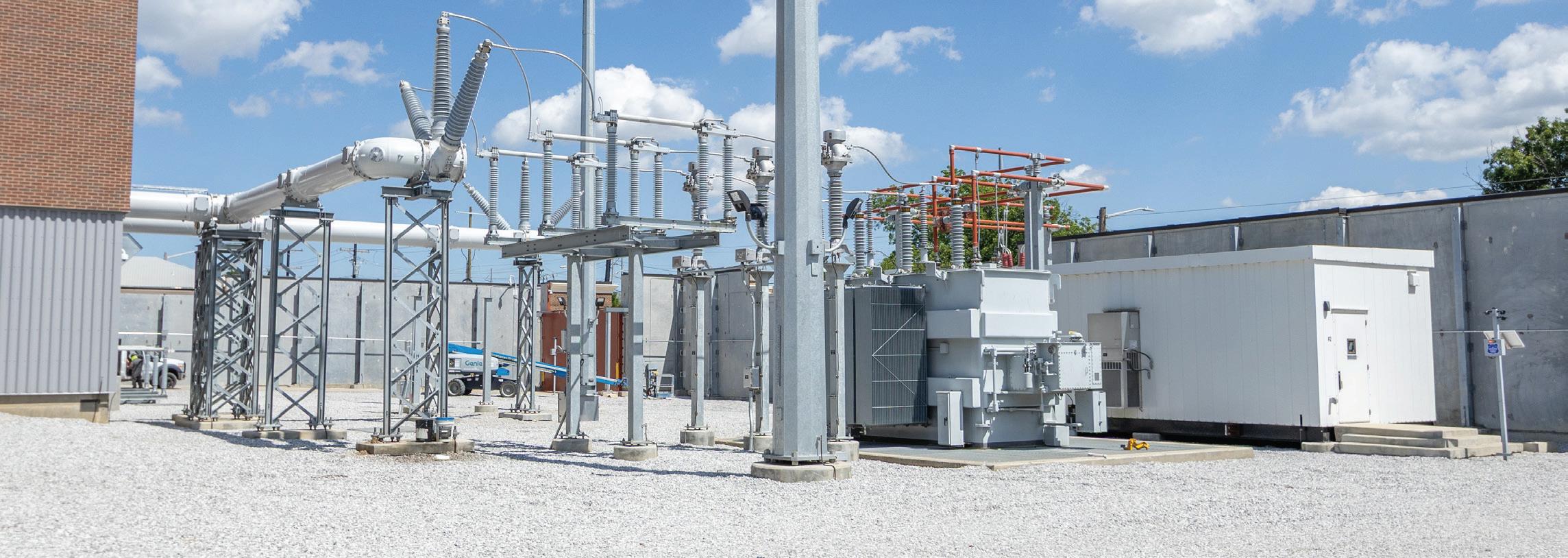
The control house and transformer are located near the junction where the power flows from air-insulated switchgear to gas-insulated switchgear before entering the building.
Rogy Productions
The substation site includes space for the future addition of two more transformers, which would bring the total to four transformers and a 100 MVA capacity. Rogy Productions
Architectural design within an urban environment
Coordinating the 22-foot architectural wall and building facade with electrical safety requirements added design complexity. Beta’s engineers worked closely with structural and architectural teams to align aesthetics and utility standards.
Sustainability and Resiliency Considerations
DME identified the reconstruction of the Hickory Substation as a critical component to maintaining electric reliability and
supporting Denton’s continued growth. To avoid extended outages, DME continued operating the existing 69kV substation until operations could be transferred to the new GIS substation. Sustainable construction strategies included a Stormwater Pollution Prevention Plan and use of straw waddles to prevent sediment from entering storm drains. DME and its contractors reused or repurposed surplus construction materials to avoid landfill disposal. The expanded grid capacity provided by this substation supports power delivery to homes, schools, businesses, and


Planners selected a historic storefront style for the façade of Hickory GIS Substation to mimic the nearby downtown square. Rogy Productions
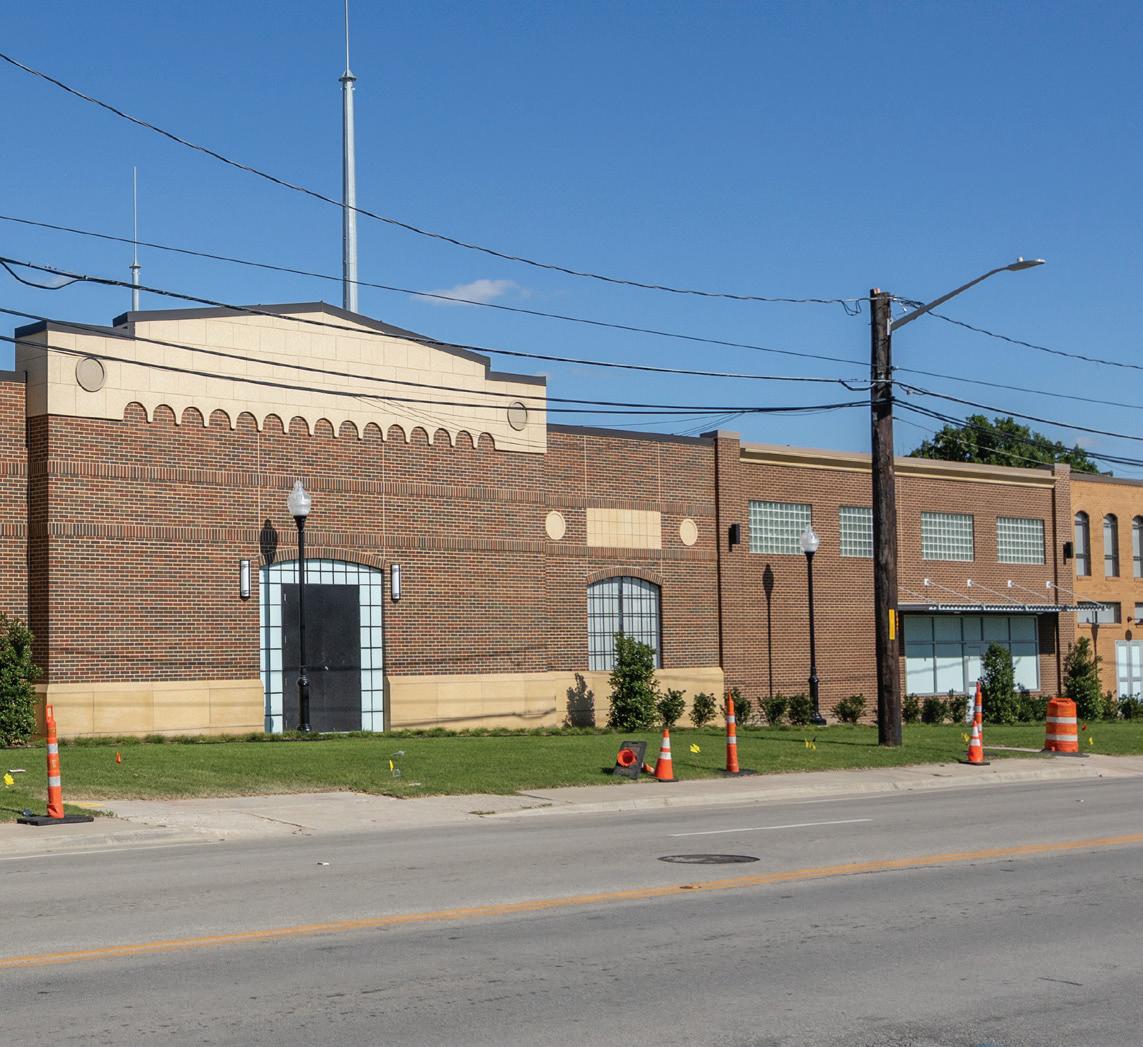
institutions, including the University of North Texas, a major university with over 46,000 students, as well as other critical community infrastructure. It also supports Denton’s Climate Action Plan and future development through a more reliable, resilient transmission network.
Project Planning and Delivery
The project began in June 2022 and was energized and operational as of March 2025.
The project enables full conversion of Denton’s 69kV loop to 138kV, improving reliability citywide. This solution also allowed the city to defer another planned substation until 2034, saving approximately $17.4 million.
The project team prioritized the community’s needs, adjusting the construction schedule to minimize traffic closures. Coordination with the city in advance of any lane closures ensured proper barricade placement. No traffic safety incidents were recorded during construction. Laydown space was tightly managed to reduce visual and noise impacts in the dense urban setting.
Because of the complex underground scope of the project, Beta had to complete a lot of work below the street. “It was a busy area of town,” Vercher explained, “But we were able to work with the city through the challenges of lane closures with a large university being next door, without power interruptions.”
Commenting on the challenges that come with a complex brownfield substation project and factors that contributed to Hickory’s success, Vercher said, “We made connections to existing distribution, and it was really seamless. The documentation that the city had, and the coordination with the city helped make it seamless.”
Leading the Way in Utility Innovation
DME has embraced a role as a leader in utility innovation. Throughout the project, DME has shared lessons learned from this substation with other utilities who are also considering whether to use GIS technology. In 2024, they also hosted guided site tours for utilities from other states during the annual Southeastern Electric Exchange conference that was hosted in nearby Frisco, Texas.
In 2020, DME reached its goal of providing 100% renewable energy to its customers. The Hickory GIS Substation continues this mission, strengthening the grid to reliably distribute solar and wind energy to homes and businesses throughout the region.
“Just looking at Hickory from outside the walls,” said Vercher, “It’s hard to grasp the technology contained in such a small space, providing power to the university and the surrounding neighbors.”
The project demonstrates how utilities can leverage GIS technology to upgrade power grid infrastructure within small footprints and leverage building and wall designs to enhance site security and improve curb appeal in residential areas—all while actively engaging with community stakeholders to increase buy-in and ensure the finished project serves the needs of local residents.
MARK ZIMMERER (mark.zimmerer@cityofdenton.com) is an electric engineering supervisor at Denton Municipal Electric (DME) in Denton, Texas, and previously served as an electric engineer at DME. He has 13 years of experience in the electric utility industry completing transmission and substation capital projects and holds a Bachelor of Science in Electric Engineering Technology from the University of North Texas.
KEVIN VERCHER (kevin.vercher@betaengineering.com) is at Beta Engineering and served as the project manager on the Hickory GIS substation project. He has more than 40 years of experience in project management, engineering, and estimating in the commercial and high-voltage construction sectors and holds a Bachelor of Science in Electrical Engineering Technology from Louisiana Tech University.






hen conditions chan e, per formance can' .


Secure damaged poles fast with a high-performance polyurethane foam backfill engineered to set quickly and perform in any weather.


The perimeter wall design involves nearly a dozen different types of brick and three mortar colors. In addition to hiding the view of the structure from the surrounding residential area, it also provides enhanced security. Rogy Productions
A 345-kV case study shows how one utility solved the protection challenges of inverter-based resources.
By SNEHA VASUDEVAN, Uplight Inc.
The February 2021 Texas winter storm left more than 4.5 million customers without power, causing at least 246 deaths and an estimated US$300 billion in damages. While inadequate winterization was a central factor, the crisis underscored another challenge. As renewable generation expands, conventional protection schemes require fundamental adjustments.
Wind power has become a cornerstone of the U.S. generation mix, with more than 150 GW of installed capacity. For the first time in April 2024, wind generation surpassed coal-fired generation for two consecutive months. These resources rely on power electronic converters that behave differently from synchronous machines during faults, challenging the assumptions built into traditional line protection.
When a major utility connected a large wind farm to its 345-kV transmission system, its protection engineering team faced a critical question: Would their existing relay settings provide secure and dependable protection? System studies revealed the answer was no. The engineering analysis that followed examined the protection challenges encountered during this process and the solutions that worked.
Conventional Settings
Modern wind farms use two main turbine types:
• Type 3 turbines (doubly fed induction generators) are partially decoupled from the grid and include crowbar circuits that activate during severe faults. When the crowbar activates, the turbine behaves like an induction generator. When inactive, behavior is determined entirely by converter controls, which vary among manufacturers.
• Type 4 turbines use full-scale converters that completely decouple the generator from the grid through a direct-current link. Their fault response is determined by proprietary control algorithms that vary significantly among manufacturers.
Both types act as current-source inverters under fault conditions. Unlike synchronous generators, where fault current magnitude depends on the impedance between the generator and the fault, wind turbine fault current is limited by converter
controls and is typically capped near rated current, making it much less dependent on fault location. This fundamentally changes how protective relays perceive system faults.

Figure (above):
Simplified one-line diagram of Type 4 wind turbine generator with full-scale converter and direct-current link.
The protection team of the utility looking to connect a large wind farm identified several specific concerns in their assessment. Convential protection elements assume homogeneous voltage and current frequencies but inverter-based resources (IBRs) can inject currents with differing frequency components and phase relationships, potentially compromising security and dependability. Fault current magnitude is limited by converter controls rather than system impedance, and negativesequence currents are often lower asymmetrical, and unreliable for determining fault direction. Additionally, the phase angle difference between negative-sequence voltage and current is larger in IBRs, and the negative-sequence current may contain frequency components that differ from the negative sequence voltage, further challenging traditional protection schemes.
For transmission line protection, these characteristics meant conventional settings developed for synchronous generation could not ensure both security (avoiding false trips) and dependability (clearing real faults).
The 345-kV system connected the wind farm to Substation B through Line 1, with Lines 2 and 3 providing connections to adjacent substations. The relays set in this case study are primarily at Sub B. Any reference to normal conditions assumes no line outages and the wind blowing (i.e., all wind turbines in service). An alternate-normal condition implies no outages and no wind blowing (i.e., all wind turbines offline). A single contingency (N-1) refers to an outage of a 345 kV transmission line that was serving as a source of fault current to the protected line relays on line 1. The existing protection scheme on Line 1 employs a primary current differential relay, with a permissive overreaching transfer trip (POTT) as the backup. Both the primary and backup relays use positive-sequence memory-polarized mho distance
elements, with impedance-based polarization using negative-sequence voltage. System studies showed these conventional settings would not work.
Modifications For Wind
The protection team implemented five key modifications to address the challenges of inverter-based resources, including directional element polarization, distance element adjustments, negative-sequence element modifications, line current differential and communication-assisted scheme optimization.
The first, most critical modification involved directional element polarization. Because negative-sequence voltage proved unreliable with wind farm sources, directional elements were configured to use zero-sequence voltage only as the polarizing quantity for all lines. The wind farm’s generator step-up transformer provides a reliable zero-sequence source for ground faults. This approach ensured security of directional elements for reverse faults on Sub B, when the wind farm was the only source of fault current. It also ensured that the same polarization quantities be used at both terminals of the line for the alternative permissive overraching transfer trip scheme. Directional element thresholds were standardized at -0.3 ohms reverse and +0.3 ohms forward across all substations, providing consistency while maintaining adequate sensitivity.
The second modification focused on distance element adjustments. Mho distance elements were retained because their impedance calculations rely on phase-to-phase quantities governed by fundamental circuit laws, making them less susceptible to source characteristics. However, source impedance ratio calculations under various operating conditions showed potential concerns. Zone 1 reaches were reduced according to standard guidelines, and capacitive-coupled voltage transformer (CCVT) transient detection logic was enabled to provide additional security.
Rather than disabling Zone 1 elements entirely under high source impedance ratio conditions, the team increased fault detector pickup from the default 0.5 A secondary to 1.73 times the line’s winter emergency rating. This factor accounted for the conversion between phase quantities and the phase-to-phase quantities used by fault detectors. This approach maintained fast fault clearing while ensuring security when the wind farm feeds the line radially.
A third modification addressed the negative-sequence element. High-set negative-sequence instantaneous overcurrent elements were configured carefully. For line 1 relays at Bus B, the source
Wind farm in a rural area.
(POTT)
of negative sequence current are line 2 and line 3, not the wind farm. For the line 2 and line 3 relays at Bus B, under normal and alternative normal conditions, the wind farm was not the dominant source of negative sequence. Therefore, the pickup was set above the fault current seen by relay 2 for a local bus fault (contribution from the wind farm) but below the fault current (contribution from the grid), making the element inherently directional. For lines 2 and 3 the dominant source of negative sequence under normal conditions was not the wind farm. Under a single contingency, line 2 or line 3 are fed radially by the wind farm, making negative sequence a concern. The pickup of the high-set element was set well above maximum wind turbine injection levels. Additionally, a 1.5-cycle to 2-cycle time delay was added to these elements to ride through transients caused by
wind turbine control responses, following relay manufacturer recommendations for inverter-based resource applications.
The fourth modification focused on line current differential. Because wind farms can inject unpredictable negative-sequence current under load conditions, the negative-sequence line current differential element was disabled at both line terminals. This prevented potential false operations while maintaining protection coverage through other means. Phase differential pickup was set to cover three-phase and line-to-line faults, while the generator step-up transformer provided a reliable zero-sequence source for ground fault protection through zero-sequence differential elements.
The final modification entailed communication-assisted scheme optimization. The POTT schemes were maintained but with important modifications. The trip equation included phase distance, ground distance and ground overcurrent elements, but excluded directional negative-sequence overcurrent elements because of concerns about reliable directional supervision with inverter-based resources.
Echo logic was enabled in all POTT schemes to ensure dependability under low-wind or no-wind conditions when lines operate radially from the wind farm. Because the generator step-up transformer provides a reliable zero-sequence source, the directional ground overcurrent element provides both speed and security as part of the communication-assisted scheme.
Lessons Learned
Since implementation, the modified protection scheme has operated successfully across all system conditions, including high-wind output, low-wind output and various contingency scenarios. The protection system has provided secure operation with no false trips while maintaining dependable fault clearing.
The experience provides several important lessons for utilities facing similar challenges:
• Directional determination with inverter-based resources — Zero-sequence voltage provides reliable directional determination when protecting lines connected to wind farms, while negative-sequence quantities cannot be relied on for this purpose with inverter-based resources.
Case study 345-kV transmission system showing wind farm connection and adjacent transmission lines.
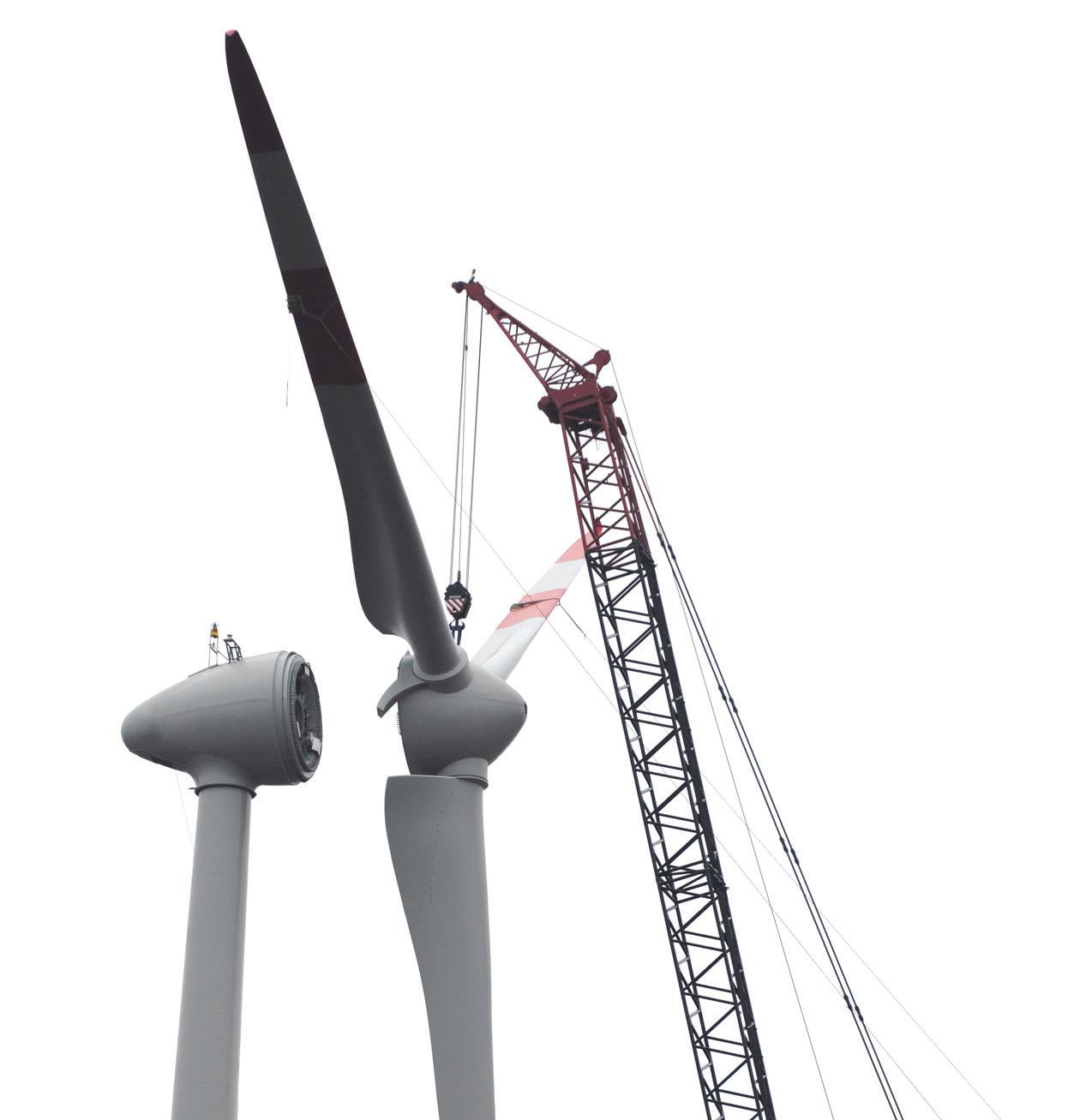
Wind turbine under construction.
ID 3361548 © Nancy Dressel | Dreamstime.com
• Fault detector adjustments — Adjusting fault detector settings to reflect realistic inverter-based resource current contributions provides a practical alternative to disabling underreaching elements under challenging source conditions.
• Protection element performance varies — Not all protection elements adapt equally well to inverter-based resources. Differential elements based on phase quantities performed reliably, while negative-sequence-based elements required significant modification or, in some cases, needed to be disabled.
• Communication-assisted schemes — Communicationassisted schemes become increasingly important as inverter-based resource penetration increases, providing the speed and security that conventional distance and overcurrent elements alone may not achieve.
• Wind farm operator coordination — Coordination with wind farm operators proved essential. Understanding control responses, crowbar activation criteria and firmware update schedules helps protection engineers to anticipate potential issues before they affect system reliability. The unpredictable nature of inverter-based resource response means conventional protection philosophies developed for synchronous generation cannot be applied directly without thorough evaluation.
Implement For Success
Utilities connecting wind farms to transmission systems should audit existing protection settings for lines serving inverter-based resources, leveraging available industry guidance as a starting point. Investment in electromagnetic transient modeling capabilities helps to capture vendor-specific inverter-based resource behavior under various operating and fault conditions. Communication-assisted protection schemes should be implemented where conventional distance and overcurrent elements face limitations. Staff expertise in inverter-based resource protection characteristics should be developed through training and industry collaboration. The protection engineering community has successfully navigated major grid transformations in the past. The current shift to inverter-based generation represents another significant challenge. As inverter-based resource penetration continues to increase, protection engineers must maintain expertise that encompasses both conventional source behavior and emerging inverter-based resource fault characteristics to ensure grid reliability during this transition.
SNEHA VASUDEVAN (snehav@ieee.org) is a licensed professional engineer with expertise in power system protection and renewable energy integration. She spent a decade at Schweitzer Engineering Laboratories specializing in relay coordination and transmission line protection. She currently works at Uplight Inc., a clean energy technology company. Vasudevan serves as Chair of the IEEE San Francisco Women in Engineering Affinity Group.
The reliability of the world’s electric power grid is tested time and again by extreme weather, challenging remote locations, or the use of inferior materials for supporting critical structures and circuits. These events can disrupt communities, compromise infrastructure, and leave millions without power. Each disruption underscores how essential it is to maintain strong, resilient connections.
RS | Resilient Structures is a global leader in advanced composite utility poles, trusted by 500+ utilities in 30+ countries to deliver reliable, resilient, cost-effective grid infrastructure.

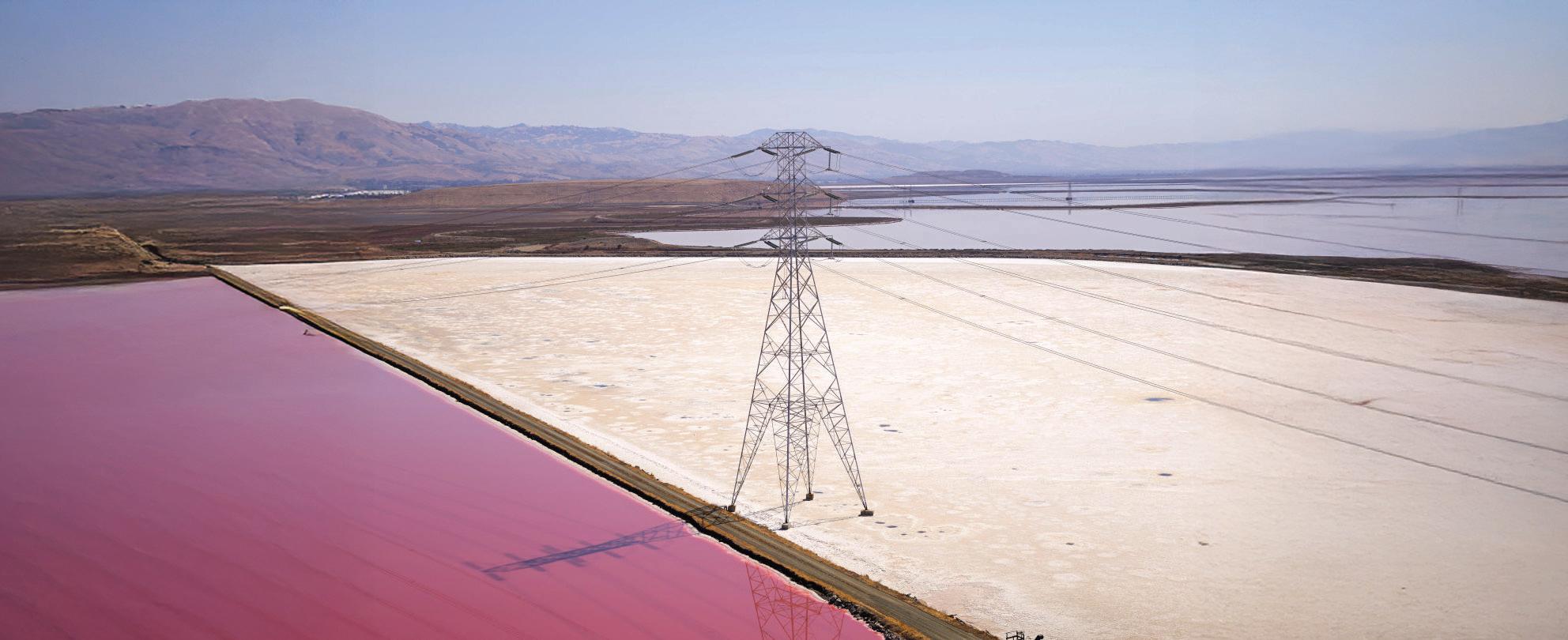
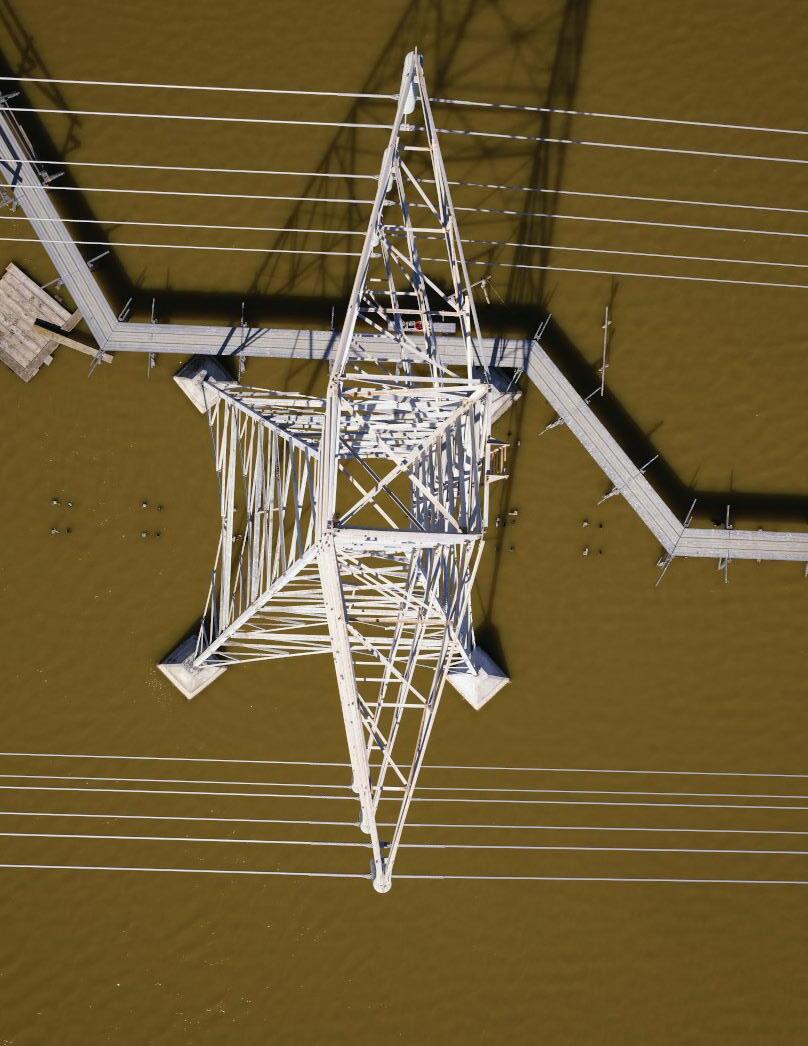
230‑kV transmission lines crossing the San Francisco Bay Salt Ponds in Newark, California, illustrate the complex environmental and engineering conditions PG&E must account for when evaluating advanced conductor applications. These spans demonstrate how modern conductor technologies can increase capacity while minimizing structural impacts in sensitive ecosystems. PG&E
Building a Future-Ready Grid: PG&E’s Strategic Framework for Advanced Conductors
Facing unprecedented stress on the traditional grid, PG&E is leveraging innovative advanced conductors and modernizing collateral infrastructure. The flexible, adaptive framework guides deployment, ensuring rapid assessment and integration of new technologies to improve reliability and sustainability.
By ISSAM EL AYADI, PG&E and BUCK FIFE and JOHN VAN VLIET, WSP in the U.S.
As electricity demand surges across the U.S. — driven by the electrification of homes and vehicles, the rapid expansion of AI-powered data centers and aggressive climate goals — utilities are under mounting pressure to deliver more power, more reliably and more sustainably.
Traditional solutions like building new power plants and transmission lines are not sufficient on their own. In response, Pacific Gas and Electric (PG&E), with advisory support from WSP, has developed a forward-thinking framework to integrate advanced conductors into its grid planning strategy.
Rising Demand Meets Infrastructure Constraints
The modern grid is facing unprecedented stress. California, like many states, is racing to meet decarbonization targets while accommodating explosive growth in electricity consumption. However, the high-voltage alternating current (HVAC) system — long the backbone of power transmission — is increasingly strained. Building new infrastructure is costly and time-consuming, often taking years to complete.
To bridge this gap, PG&E is turning to advanced conductors, innovative technologies that use new materials and configurations
to significantly increase the capacity and efficiency of existing transmission lines. These conductors are designed to overcome the limitations of traditional wires, offering a faster, more costeffective way to enhance grid performance.
A Strategic Framework for Advanced Conductor Implementation
Recognizing the potential of advanced conductors, PG&E and WSP developed a comprehensive framework to guide their
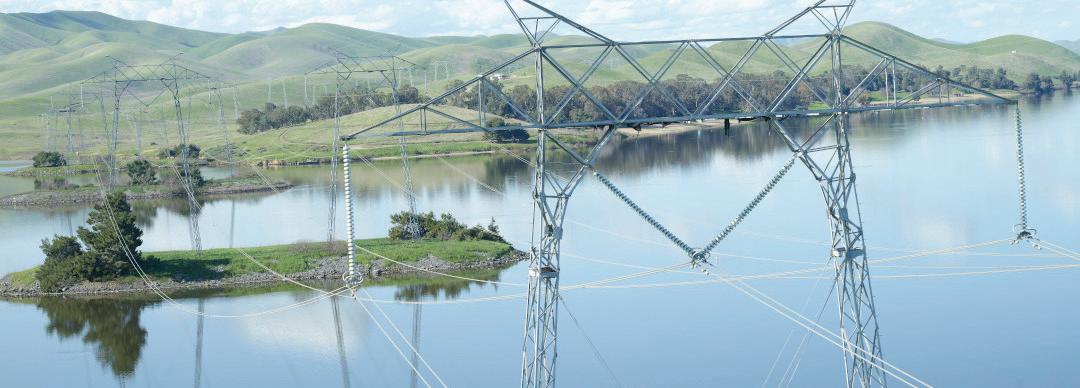
500‑kV transmission lines near San Luis Reservoir State Recreation Area in Gustine, California, highlight the scale and importance of California’s bulk power system. Upgrading corridors like these with advanced conductors supports growing statewide demand by enabling higher capacity and improved efficiency without requiring major new transmission construction.
deployment. This framework aligns with regulatory mandates such as FERC Order 1920 and California Senate Bill 1006, which require utilities to evaluate grid-enhancing technologies (GETs) before proposing new transmission projects. The framework was guided by industry benchmarking and PG&E’s prior experiences with advanced conductors. Other recent technological deployments were considered along with PG&E’s existing practices and procedures.
Key components of the framework include:
• Product certification: Establishing a process to evaluate and certify advanced conductor technologies for use in PG&E’s system.
• Solution identification: Defining criteria and process to identify where advanced conductors are the optimal solution in response to a specified system need. This includes evaluating the circuit capacity need while considering existing asset health and unique characteristics or constraints.
• Conductor selection: Matching specific conductor types to project needs based on performance characteristics, cost effectiveness and operational context.
• Application considerations: Developing processes, standards, specifications and training required to effectively deploy selected advanced conductors through the design, procurement, construction, operation and maintenance phases of projects.
This structured approach enables PG&E to rapidly assess the suitability of advanced conductors during early project scoping and engineering phases.
Supporting Infrastructure and Flexibility
Deploying advanced conductors is not just about replacing wires. PG&E’s strategy also includes consideration for modernizing collateral infrastructure, such as tower reinforcements, foundations and substation upgrades to ensure the grid can fully leverage the increased capacity and efficiency. By addressing these needs during early project scoping and engineering, PG&E ensures that decisions to use advanced conductors account for the cost implications of collateral modernization. Through implementation of the strategic framework, PG&E is discovering other possible application scenarios for
advanced conductors beyond capacity increases. For example, PG&E is exploring the application of advanced conductors for transmission line spans over complicated water crossings. This application scenario provides opportunities to reduce structure heights, reduce foundation loads and reduce visual impacts.
The framework is designed to be flexible and adaptive, recognizing that technologies and strategies will evolve over time. PG&E plans to revisit and refine the framework regularly, incorporating lessons learned, benchmarking against industry peers and updating standards as needed.







A Model for the Industry
PG&E’s initiative is a model for how utilities can meet rising power demands while advancing decarbonization goals. By proactively integrating advanced conductors and other GETs like dynamic line ratings and advanced power flow controllers into the project planning and scoping phase, PG&E is helping to shape a resilient, cost effective and future-ready transmission system.
As other utilities face similar challenges, PG&E’s framework offers a replicable path forward; one that balances innovation, regulation and practical deployment to deliver cleaner, more reliable energy across California and beyond.
ISSAM EL AYADI is the senior director of Electric Transmission Line and Substation Asset Management at Pacific Gas and Electric Company. He leads a high-performing team and implements innovative, risk-informed, and regulatorycompliant asset management strategies to optimize asset utilization, enhance reliability, and reduce grid risk in California.
BUCK FIFE (buck.fife@wsp.com) is an experienced transmission line engineer and engineering manager at WSP in the U.S. specializing in the development of overhead EHV transmission lines with extensive experience in the application and analysis of advanced conductors.
JOHN VAN VLIET ( john.vanvliet@wsp.com) is a content writer and proposal coordinator for WSP in the U.S., functioning in the Power and Energy business line. He holds an M.A. in International Relations from Durham University and a B.A. in Journalism from Idaho State University.
OUR WUNPEECE TRANSMISSION SPACERS REDEFINE THE INDUSTRY STANDARD FOR UNDERGROUND POWER TRANSMISSION INSTALLATIONS. WITH PRECISION ENGINEERING AND UNMATCHED QUALITY,


A 230‑kV line running alongside a public boardwalk in the Don Edwards San Francisco Bay National Wildlife Refuge underscores PG&E’s need to balance reliability, community access, and environmental stewardship. Advanced conductors offer opportunities to enhance capacity while reducing structure heights and visual impacts in protected habitats. PG&E
























Data-Driven Strategies for Utility Pole Infrastructure
Utilities are adopting advanced assessment technologies and structural modeling to extend the lifespan of poles, prioritize interventions, and efficiently manage infrastructure upgrades, balancing cost, operational challenges, and the need for resilient power delivery in a changing energy landscape.
By CHAD NEWTON
When a storm rolls through an electric utility’s service territory, most customers think about power outages and downed wires. Utilities understand the real vulnerability often lies with the structures supporting it all. With millions of distribution poles supporting conductors, communications equipment, and modern grid devices, these structures represent one of the most critical and frequently overlooked components of grid security.
Across the United States, utilities are confronting the challenge of maintaining aging pole infrastructure while responding to new demands on the grid. Electrification initiatives, distributed energy resources, and the expansion of telecommunications attachments are increasing mechanical loads on poles that may have been installed decades ago. At the same time, utilities must prepare their networks to withstand increasingly severe weather events, from hurricanes and ice storms to high-wind events and wildfires.
These pressures are driving a shift in how utilities manage overhead infrastructure. Historically, pole replacement programs were the primary response to ageing structures. While replacement remains necessary in some cases, replacing every ageing pole across a large service territory can be cost-prohibitive and operationally difficult to scale.
Instead, many utilities are adopting targeted distribution resiliency programs that combine assessment data, structural modeling, and analytics to guide in-service strengthening or replacement decisions. These programs allow utilities to evaluate pole populations across circuits and prioritize interventions where they will have the greatest impact on reliability and grid security while maintaining affordability.
Moving Toward Data-Driven Infrastructure Decisions
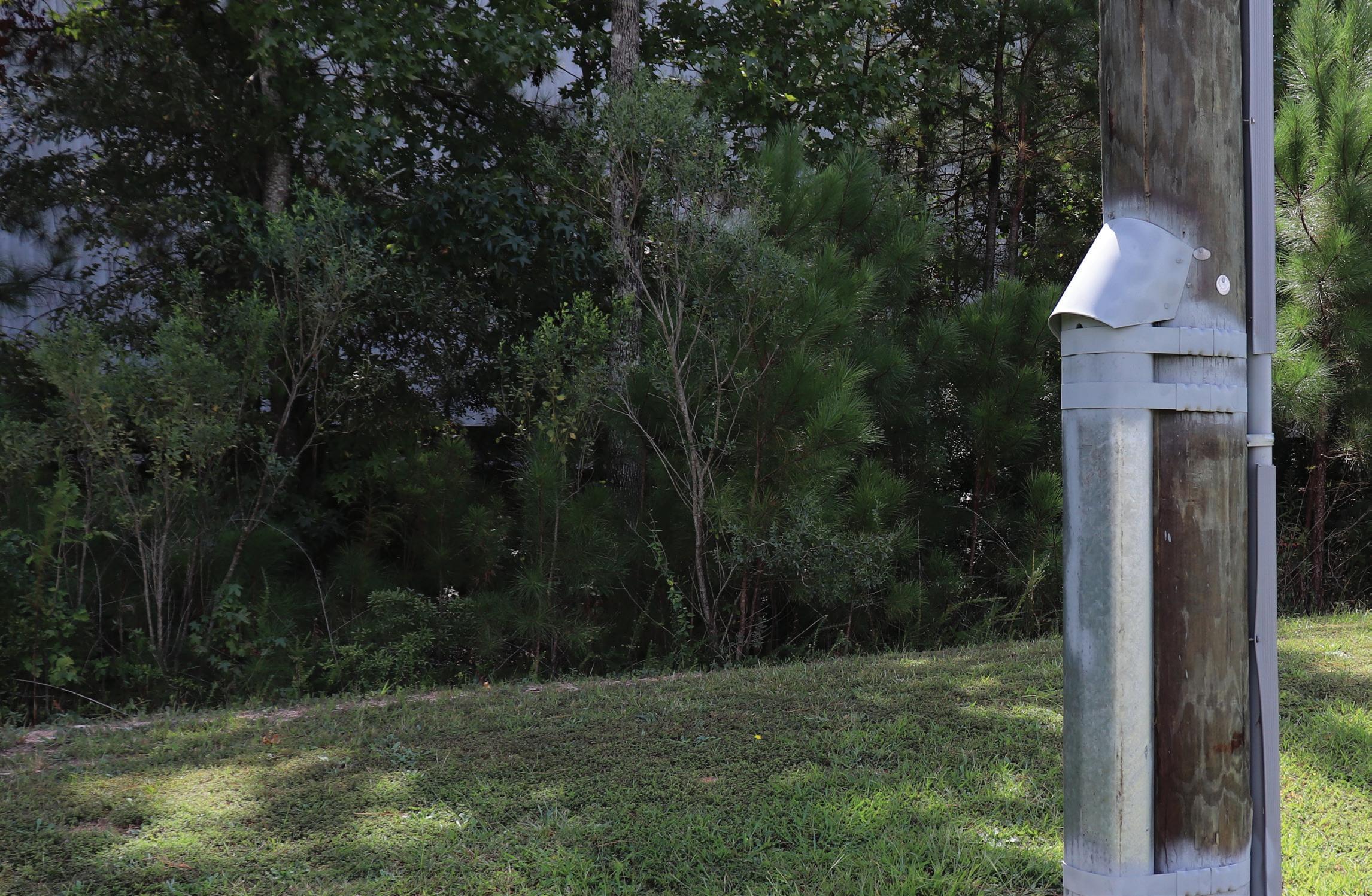
Modern asset management strategies rely on a growing set of assessment technologies and analytical tools. Detailed pole assessment, loading calculations, and structural modeling provide utilities with a clearer understanding of how individual poles perform under current and projected loading conditions.Rather than relying solely on age-based replacement schedules, utilities can use these insights to determine whether a pole retains sufficient structural capacity to remain in service. In many cases, poles that appear to be nearing the end of their life still have significant residual strength.
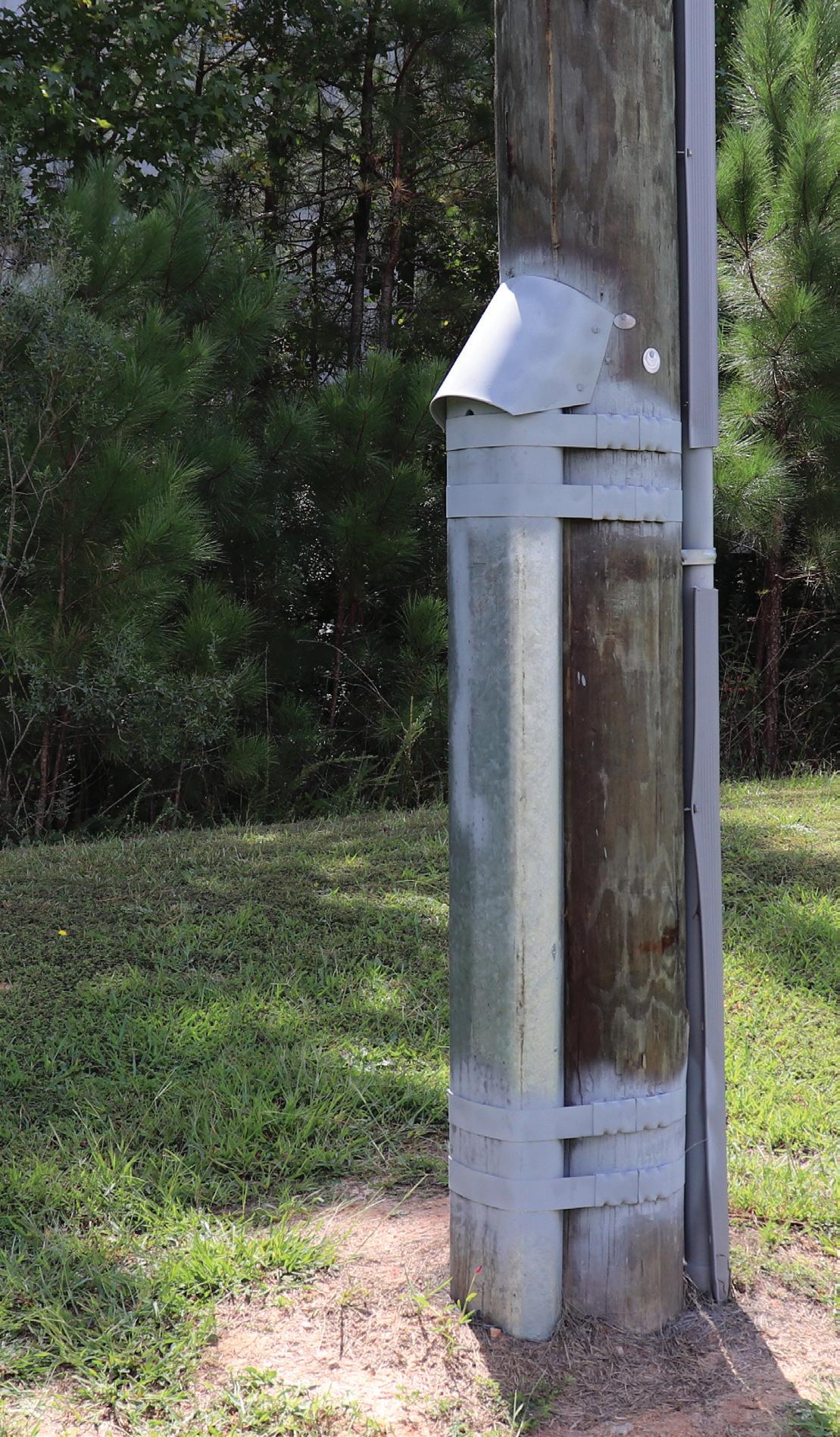
Restoration and reinforcement technologies can be used to strengthen these structures and extend their operational life. Engineered reinforcement systems can improve bending strength and load-bearing capacity, enabling poles to support modern grid equipment and attachments while maintaining safe structural margins.
For utilities managing millions of poles across thousands of circuit miles, this approach provides an important advantage: the ability to address infrastructure risk at scale without relying exclusively on full replacements, while also keeping their customers safe and keeping electric rate affordability in view.

Strengthening Infrastructure to Improve Grid Security
From a grid security perspective, pole resiliency plays a critical role in preventing widespread outages. Distribution poles must withstand mechanical loads from conductors, transformers, communications cables, and other attachments while also enduring environmental stresses such as wind, ice accumulation, and soil degradation.
High-wind events illustrate the importance of structural resiliency. Wind speeds exceeding 60 mph (97 km/h) can impose significant lateral forces on poles and attachments. If multiple poles fail along a circuit, the resulting outages can impact thousands of customers and require extensive restoration efforts.
Targeted resiliency programs help utilities identify where structural reinforcement can reduce the likelihood of these cascading failures. By strengthening poles on critical circuits — particularly those serving hospitals, emergency services, and major industrial loads — utilities can improve system reliability and protect essential infrastructure.
Preparing for New Grid Demands
Distribution networks are also experiencing new loading pressures as the energy landscape evolves. The rapid growth of hyperscale data centers across the United States is placing substantial demand on local power systems. These facilities require highly reliable power delivery and minimal service interruptions.
At the same time, utilities are integrating distributed energy resources, installing advanced sensors and communications equipment, and expanding electric vehicle charging infrastructure. Each of these developments can increase the structural loading on pole assets.
Understanding how these additional loads affect pole performance is critical. Data-driven resiliency programs allow utilities to evaluate pole capacity under both current and future conditions, ensuring that infrastructure upgrades are aligned with long-term system needs.
Faster Deployment and Reduced System Disruption
Another advantage of restoration-based strategies is speed of deployment. Installing pole strengthening systems typically requires less time and fewer resources than full pole replacement. This enables utilities to address large numbers of vulnerable structures within shorter timeframes.
For example, reinforcing an existing pole may take an hour or less in the field, compared with the time required to remove and replace a structure, which often involves excavation, new pole setting, conductor transfers, and coordination with telecommunications providers.
Pole replacement is sometimes necessary, but it comes with several operational challenges. Work must be performed in the energized zone, requiring strict safety procedures and careful coordination. Replacement projects often involve longer planning and execution timelines, and they can create “double wood,”
RENTALS THAT GET THE JOB DONE
With safety, efficiency and savings as top priorities for you, we know it’s crucial that your equipment arrives on time, and performs correctly from start to finish.
That’s
why you can Trust Tallman to supply the equipment you need, and to get the job done right.


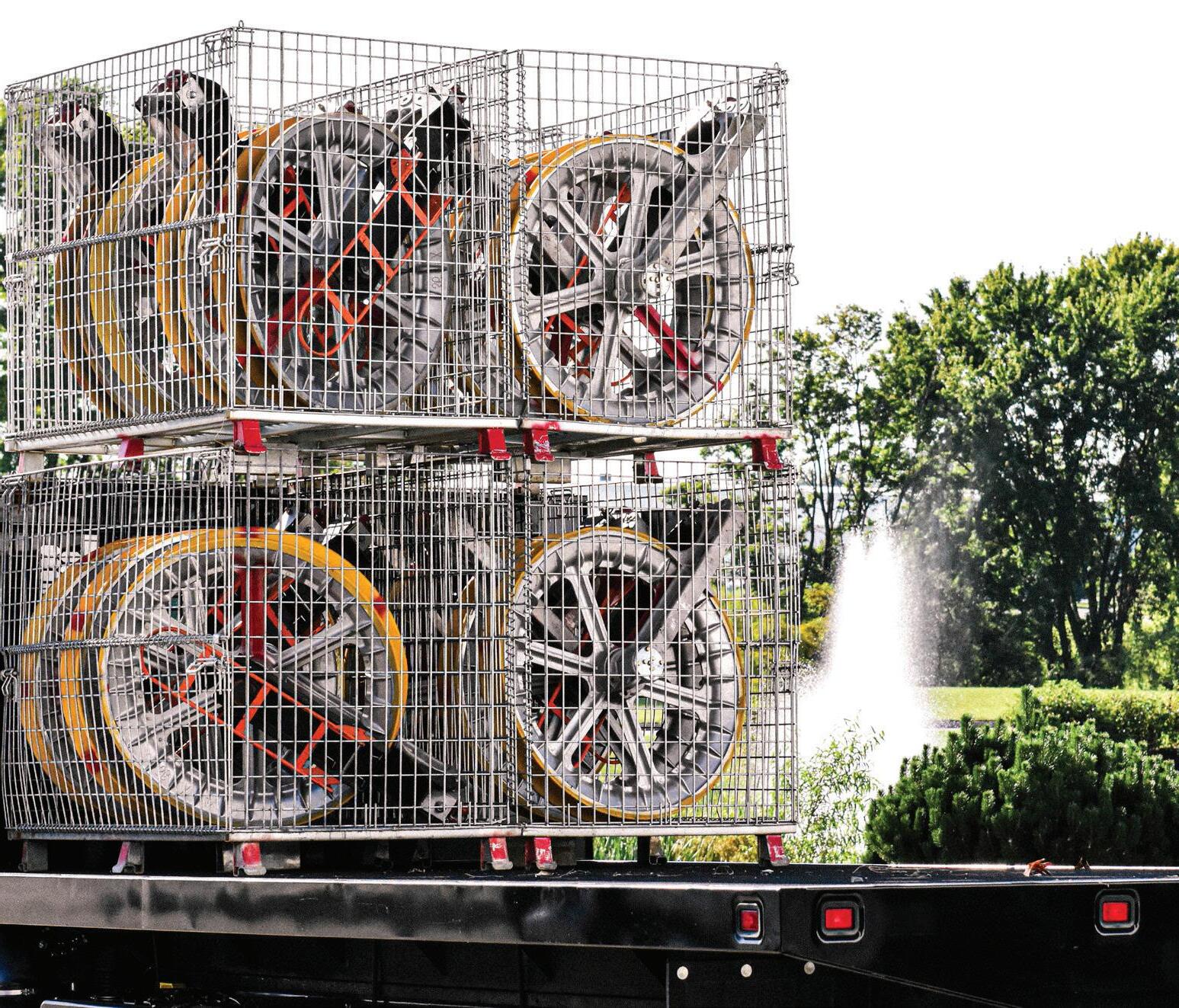
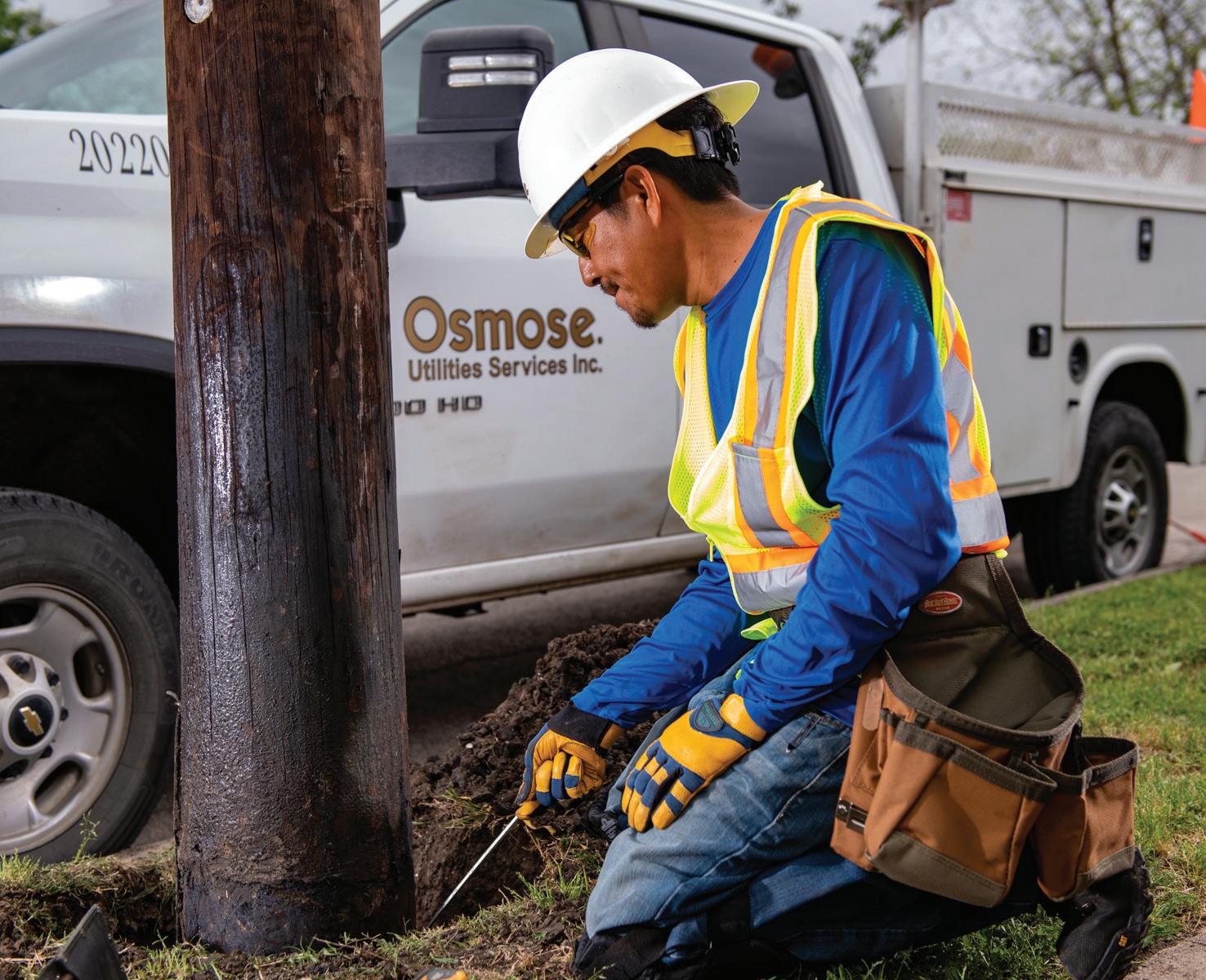
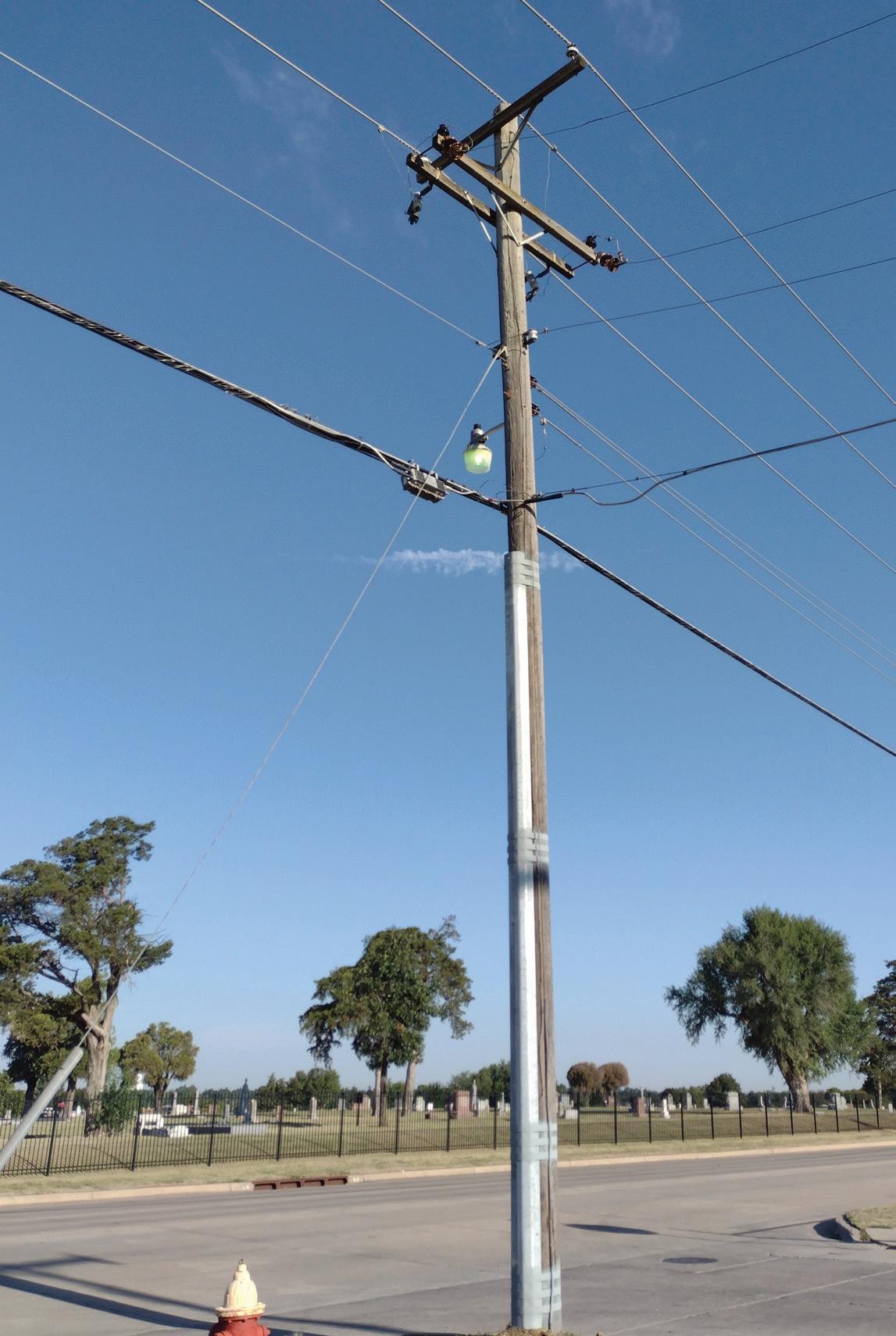
where the old pole remains in place until telecommunications attachers move their equipment — a process that can take years. Pole replacement is also significantly more expensive than restoration or strengthening and may require momentary or extended outages to safely transfer electrical facilities to the new structure. Accelerating these upgrades allows utilities to improve network resilience more quickly, an increasingly important factor
as regulators and customers expect measurable improvements in reliability metrics such as System Average Interruption Duration Index (SAIDI) and System Average Interruption Frequency Index (SAIFI).
Restoration and Replacement: A Balanced Strategy
Importantly, in-service strengthening or replacement should not be viewed as mutually exclusive strategies. Some poles will require full replacement due to structural deterioration, foundation instability, or excessive loading. Others may be strong candidates for reinforcement and life extension.
The most effective asset management programs use data analytics to determine the appropriate intervention for each structure. By combining targeted restoration with strategic replacement, utilities can maximize the impact of capital investments while improving overall system resilience.
Delivering Measurable Resilience Improvements for Utilities
Utilities implementing targeted distribution resiliency programs have reported several key benefits. These include extending the service life of pole assets by decades, accelerating infrastructure hardening efforts, and reducing capital expenditures compared with replacement-only programs. Restoration strategies also minimize construction disruption and reduce the volume of new materials required for large-scale infrastructure upgrades.
Perhaps most importantly, these programs provide utilities with better visibility into the structural health of their pole populations. This improved understanding supports long-term planning and allows utilities to proactively address infrastructure risks before they result in service interruptions.
As the U.S. electric grid continues to evolve, strengthening the foundational components of the distribution system will remain essential. Data-driven pole restoration and targeted resiliency programs offer utilities a practical and affordable pathway to improve grid security, enhance reliability, and ensure their distribution infrastructure is prepared to support the energy demands of the future.

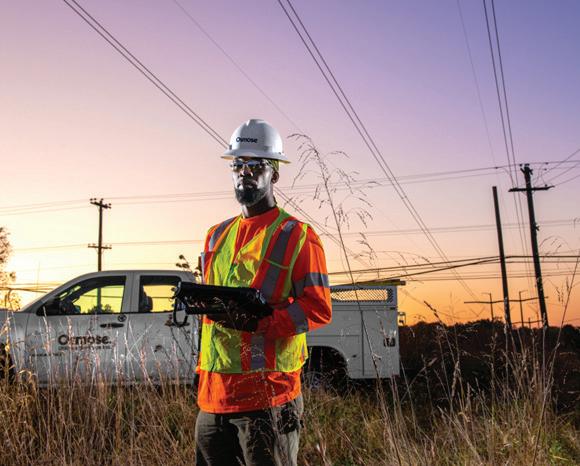

CHAD NEWTON is the Senior Director, Wood Infrastructure Portfolio, at Osmose.
Osmose
Assessing a wood pole.
Osmose
Tough truss upgrade.
Osmose





FACES OF THE FUTURE
The
BY AMY FISCHBACH, HEAD OF CONTENT
Kevin McGill
fourth-year line apprentice is learning the skills of the line trade at Duke Energy’s training facility in Terre Haute, Indiana.
Starting Out in the Line Trade
Before joining Duke Energy, I owned a tree service in Terre Haute, Indiana. During one job, I spent a lot of time talking with a retired lineman who shared stories from his career. He encouraged me to consider the trade because he felt I’d be a good fit. At the time, I was exploring other career options and knew very little about line work, but after seeing apprentice openings at Duke, I applied and was fortunate to be hired.
For me, coming into the trade a little later in life was a benefit. I had already spent more than 20 years in the workforce, so I understood how to work hard and be accountable. I didn’t need to learn how to work — I just needed to learn how to do line work. That foundation made a big difference for me, and it’s something I think really helps in this trade.
Training in Indiana
I’m a fourth-year apprentice, and in Indiana, we get exposure to the full scope of line work. Our primary training facility is in Plainfield, Indiana, where we spend several weeks at a time, multiple times a year. Duke Energy provides a top-tier facility with an excellent training yard and gives us access to the same types of equipment we use in the field.
We train on energized equipment designed to be extremely sensitive, so you can see the impact of your actions without risking injury. In the hot room, we’re able to energize systems, switch banks and immediately recognize mistakes, which makes the experience very realistic. You can perform essentially any task a journeyman lineman would do, but in a controlled environment where safety is the priority. It’s also a low-pressure setting, which gives you the time to work through tasks, ask questions and really understand the work before moving on.
For someone like me, who came into the trade with no prior experience, that hands-on approach made a huge difference. Overall, the training is about a 50/50 split between classroom instruction and job standards, which has prepared me well for the work we do day to day.
Working Storms
I recently worked Winter Storm Fern in Asheville, North Carolina. This ice storm caused significant damage across the area. Heavy ice put tremendous pressure on tree limbs, transformers were down, and poles were broken as trees came down on lines. It was an intense but incredible experience to be part of that response. Duke Energy took exceptional care of us throughout the restoration effort. It’s impressive to see how the company can mobilize nearly 14,000 workers into a community and keep the entire operation running smoothly. Coordinating that many

• Is a first-generation lineworker but has a distant cousin who works in the line trade at Duke Energy.
• Married and has four sons. His youngest son has Down Syndrome, and he and his wife volunteer for the special needs community and Down Syndrome Indiana, the Tim Tebow Foundation and the Grace Gala. Being present for others who are walking a similar path is very important to his family. He said it’s one of the things he’s most proud of in his life.
• Coaches his boys’ baseball and wrestling teams and likes watching them grow, learn and compete.
• Enjoys hunting, fishing and spending time outdoors with his family.
• Is working on a large new-customer double-circuit project in Terre Haute, Indiana, setting poles and pulling wire, similar to a reconductor job.
crews in a small community requires incredible planning and teamwork. I hope to work many more storms throughout my career. That’s what lineworkers want to do. At the end of the day, most of us just want to help people when they need it most.
Life on the Line
The best part of this job is the people I work with and knowing I’m a real part of the community where I grew up. This isn’t just a place I work — it’s home. Everything I do out there is for the people who live here, and that gives the work real meaning. I don’t go home at night until the lights are back on, because I know what it means to those families when everything comes back on.
Looking to the Future
I see myself in this trade for the long haul. I don’t see line work ever being replaced. There will always be a need for lineworkers, but the job is constantly evolving, and adaptability is critical. You’ll always be hands-on at the pole, but the way we do the work continues to change as tools and technology advance.
Editor’s Note: If you know of an apprentice who we should feature in our Faces of the Future Department, please email Amy Fischbach at afischbach@endeavorb2b.com. Each apprentice we profile in this department will receive a tool package from Milwaukee Tool in recognition of their dedication to the line trade.






Kevin McGill, a fourth-year apprentice for Duke Energy, enjoys spending time outdoors and volunteering in his community with his family.


















Tri-State Expedites Energized Line Rebuild
Line crews rented a crane attachment to improve efficiency and increase safety on a thermal upgrade project.
By CODY ROCHE, Tri-State Generation and Transmission Association
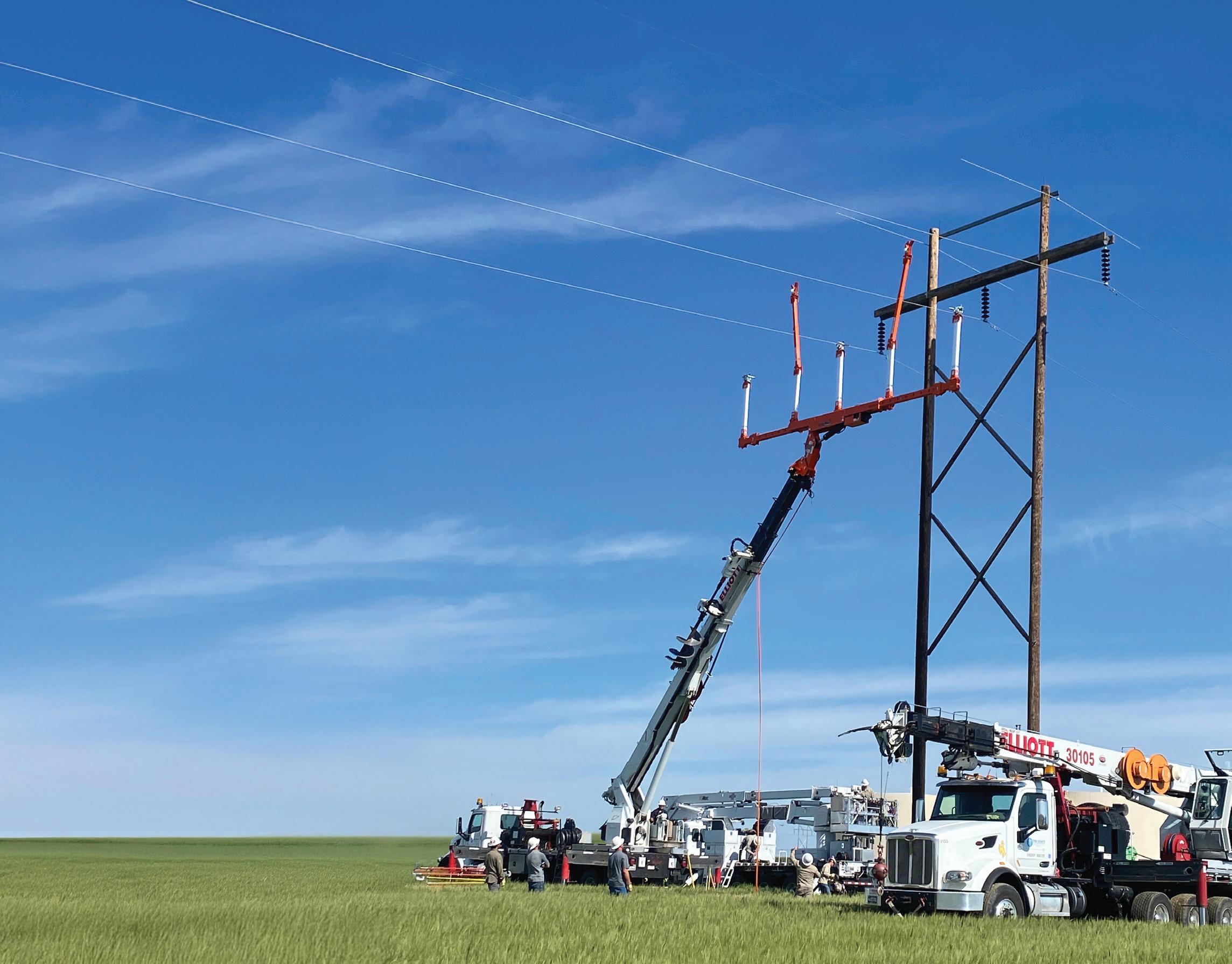
Across America, lineworkers are rebuilding sections of the grid and strengthening infrastructure to power the electrical demands of tomorrow. For example, in Burlington, Colorado, Tri-State Generation and Transmission crews were tasked with rebuilding two short section of 115 kV radial line stretching over four miles. This line, which includes 22 structures, provides power to K.C. Electric, which services the Hugo, Colorado, area.
As a generation and transmission cooperative providing electricity for 40 distribution cooperatives and public power districts across the rural west, Tri-State provides reliable, cost-effective power to its owner-members. The mission to improve reliability has led to an increase in energized work each year, resulting in fewer outages for customers.
While the cooperative’s experienced lineworkers are well qualified in barehand and hot stick work, these methods can be
time consuming and labor intensive with many safety precautions involved. Therefore, when planning a recent thermal upgrade project under a tight schedule, a five-member line crew in Brush, Colorado, grabbed the opportunity to rent a new piece of equipment to try to improve productivity and safety on the energized job.
Testing Out the Equipment
To get more work done in less time in a safe manner, line crews nationwide are relying on the latest tools, equipment and technology. One such piece of equipment—the TLL-1300 triple line lifter from LineWise—allows lineworkers to save time during live line work. The insulated crane attachment is designed to support up to three energized lines weighing a maximum of 1,300 lbs per phase for a total capacity of 3,900 lbs.
The equipment comes with a hydraulic power unit and handheld radio remote to articulate, extend and retract the arm.
This allows the attachment to fit various conductor spacings, and after the conductors are lifted, they can be moved a safe distance from the pole. The unit also has quick attach wire holders that easily and securely grasp onto the lines.
Previously only available for purchase, the TLL-300 recently became available for rental options. As such, Tri-State’s line crew was able to rent it for the job in Burlington, Colorado to gain hands-on experience and test how well it would work within its operation. While the Burlington job consisted of horizontal construction, the attachment can support vertical construction, too.
After the decision was made to rent the equipment, the LineWise team flew to Burlington on short notice to provide training, which included a presentation of the manual, maintenance information, troubleshooting and guidance on mounting the attachment to the crew’s Elliott 30105 boom truck.
Tri-State Generation and Transmission Association uses a TLL-1300 triple line lifter to rebuild two short sections of 115 kV radial line near Burlington, Colorado. Tri-State Generation and Transmission Association
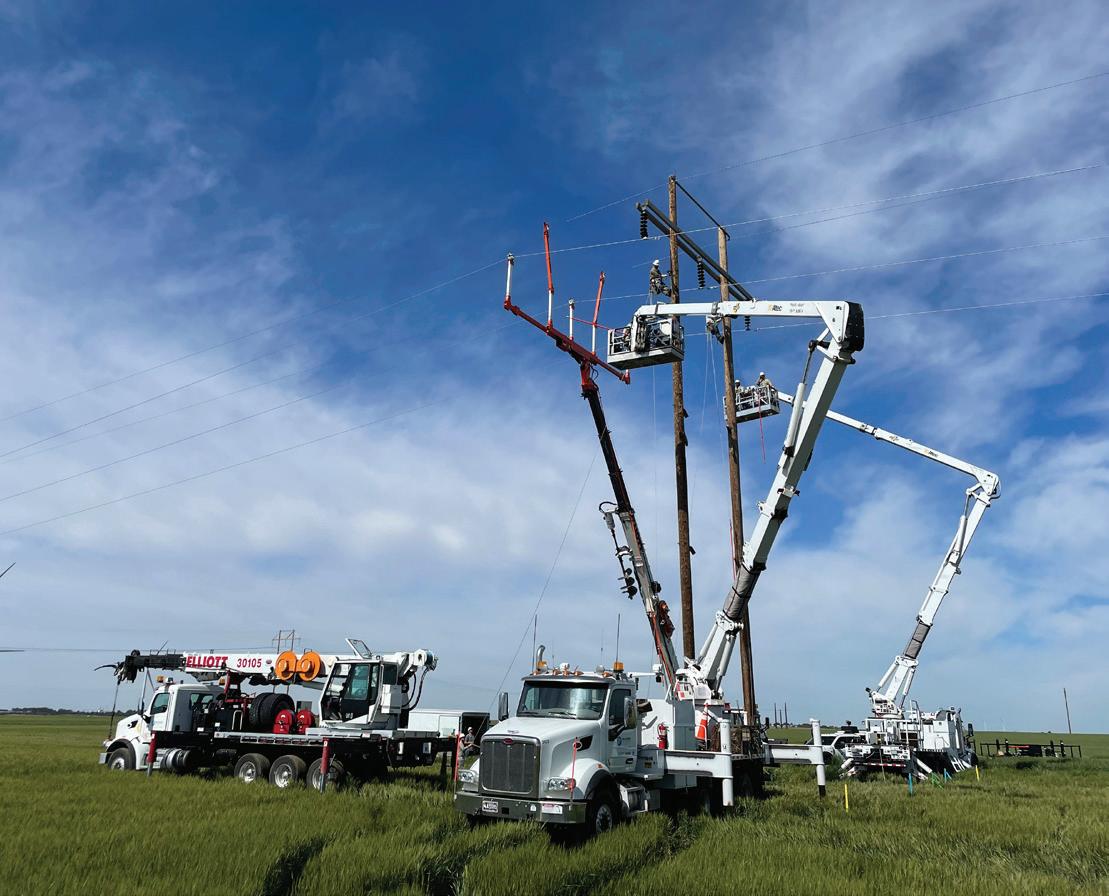
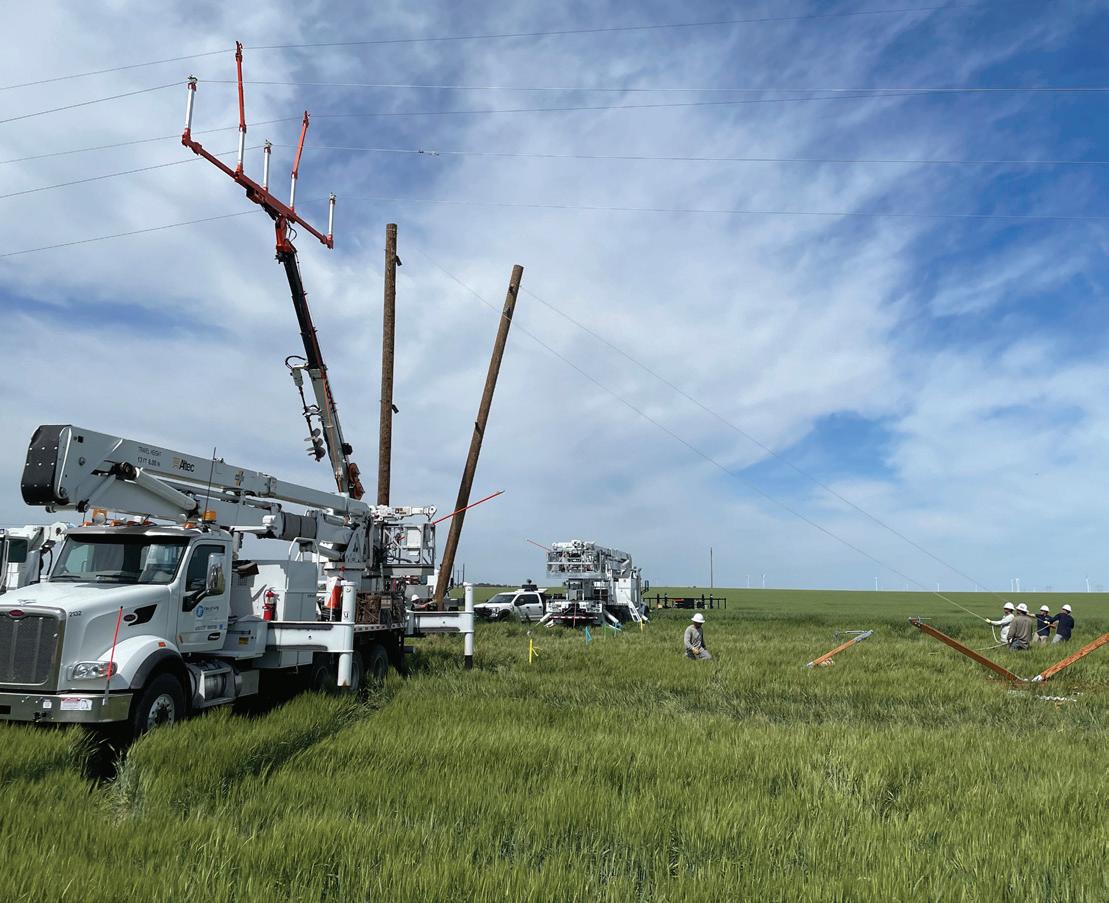
Saving Time in the Field
On the job, the operation of the equipment was straightforward. Many of Tri-State’s lineworkers had the opportunity to manipulate the arm, run the crane or be up in a bucket with the triple line lifter in use.
As expected, the TLL-1300 helped the line crew work faster. In fact, it increased production by an estimated 50 to 100 percent, and at times, the lineworkers were able to double the amount of work they could get done in a day. The Burlington job was started on June 2, 2025, and ended on June 15. Without delays from inclement weather and other distractions that pulled lineworkers away from the job at times, it likely could have been completed several days earlier. Such a timeline would have been much more challenging to meet using traditional approaches.
Some of the biggest time savings stemmed from less time moving equipment. Tri-State’s traditional method requires two cranes and two buckets,
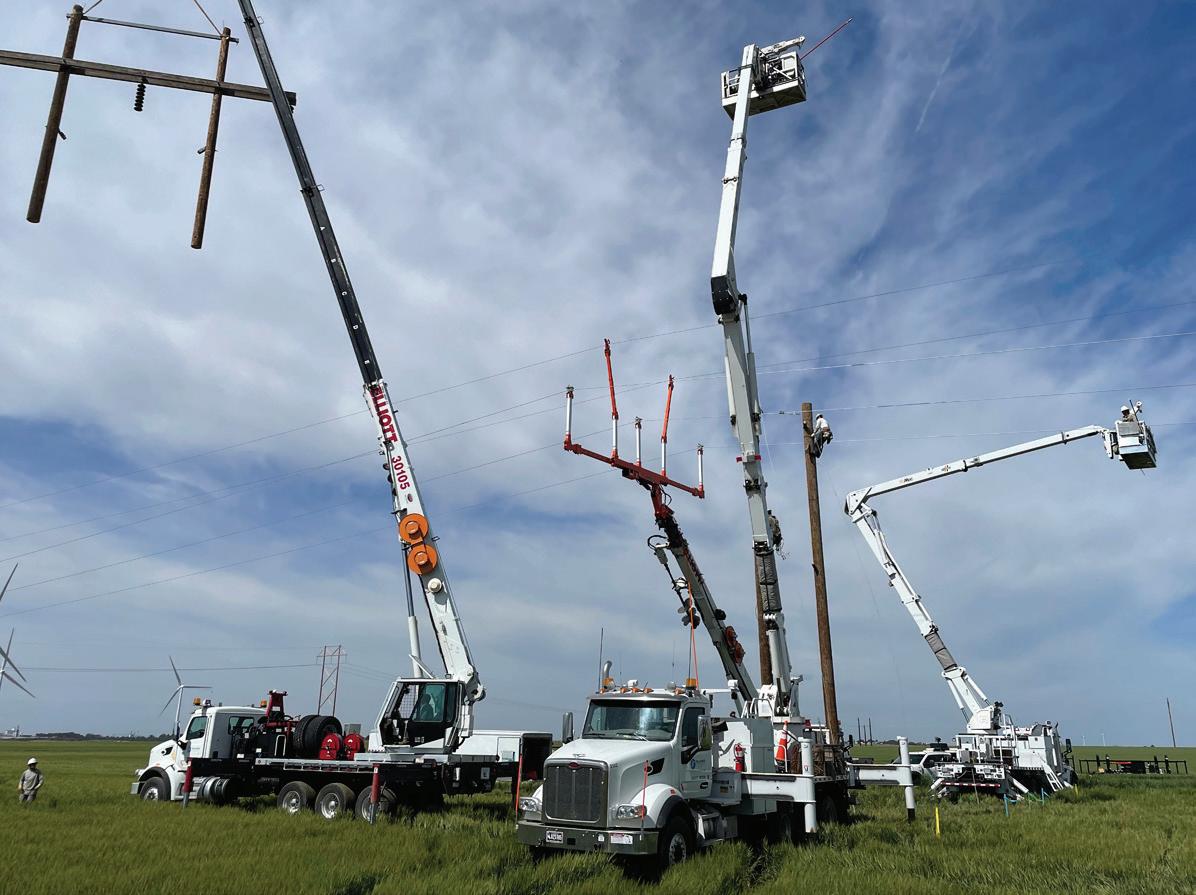
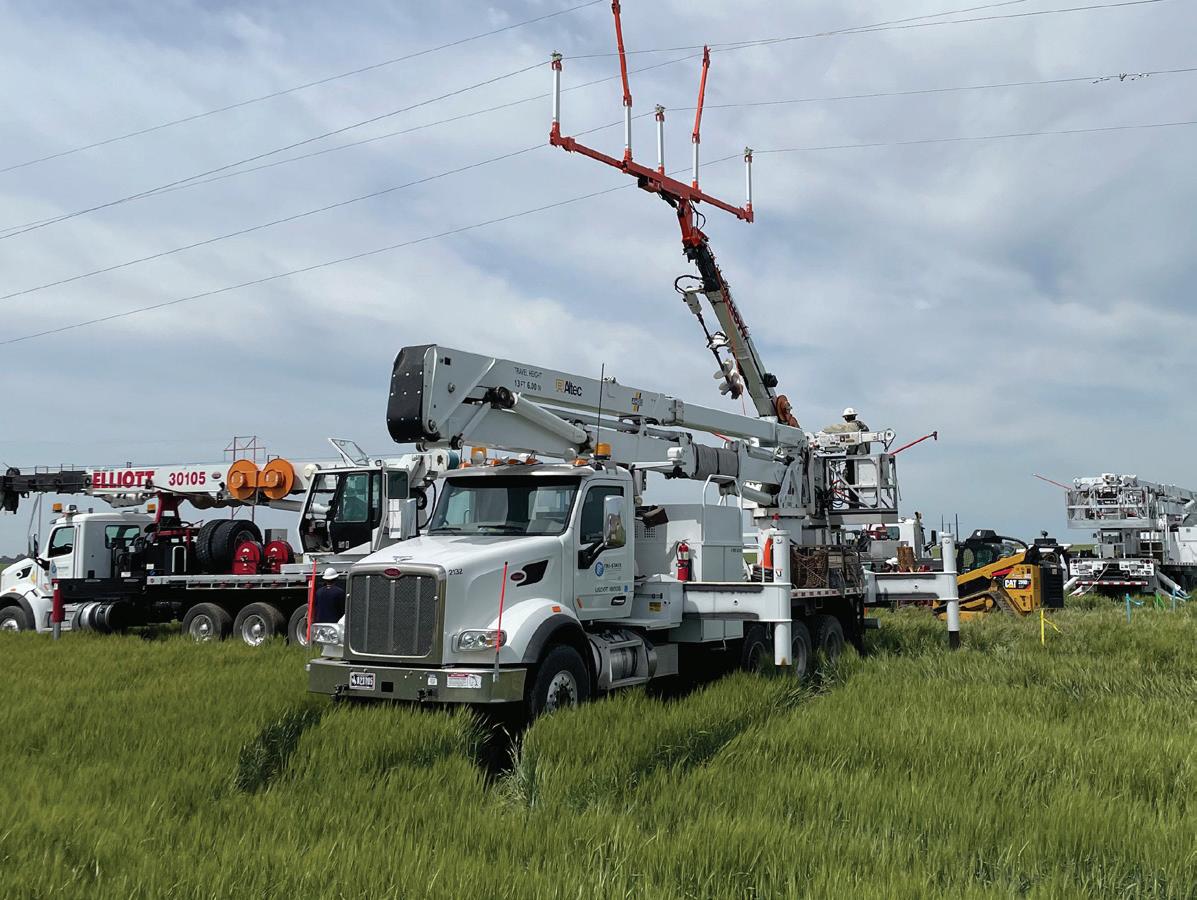
which are constantly being repositioned to support the conductors. In contrast, the triple line lifter eliminated much of that maneuvering. It can support all conductors while the old structure is taken out and the new one is built. This efficient approach wouldn’t be possible when using hot sticks.
The equipment also provides enhanced safety and added convenience for the line crews. It keeps the energized conductors spaced farther apart from each other, giving lineworkers more room to comfortably work. Furthermore, it eliminates concerns of encroaching on the ground and phaseto-phase encroachment. Not having to use roller links and tag lines to try to control the conductors in the air was a significant benefit.
Although the lineworkers still used climbers while testing out the equipment, they relied on them much less frequently to scale the old structures. This further helped reduce risk, while minimizing the overall labor intensity of the work.
Taking on Future Projects
With the Burlington project in hindsight and the equipment rental completed, TriState decided to purchase its own TLL1300 for future projects. The cooperative has recently completed a significant number of transmission upgrades with plenty more on the horizon. It services roughly 6,000 miles of line throughout four states, and the Brush crew alone is responsible for nearly 700 miles in eastern Colorado. The triple line lifter will help the crews to maintain such a large area.
By taking fewer outages, combined with cost savings from increased efficiency, the cooperative can achieve its mission of providing affordable, reliable energy to members. At the same time, it can enhance safety and reduce the labor intensity for the lineworkers.
CODY ROCHE (cody.roche@tristategt.org) is a brush line crew foreman for Tri-State Generation and Transmission Association.
Hydraulic functions of the triple line lifter are controlled using a remote. Tri-State Generation and Transmission Association
Lineworkers increase productivity up to 100% using a triple line lifter.
Tri-State Generation and Transmission Association
The TLL-1300 supports all conductors while an old structure is taken out and a new one is built. Tri-State Generation and Transmission Association
The TLL-1300 spaces conductors far apart, giving lineworkers ample room to safely work.
Tri-State Generation and Transmission Association
PARTING SHOT
PHOTO BY MICHAEL MCNAMARA , SALT RIVER PROJECT
For the past 20 years, Salt River Project’s apprentices have tested their agility at the Grunt Olympics. Program supervisors designed the physically demanding events to simulate on-the-job activities. For the Iron Ascent event in the 2026 competition, candidates had to pull a kettlebell up at a 50 ft pole as many times as possible in 10 minutes.










SOCIAL MEDIA HUB
Stay connected
www.tdworld.com


Twitter.com/@tdworldmag
facebook.com/tdworldmag
linkedin.com/company/t-d-world-magazine
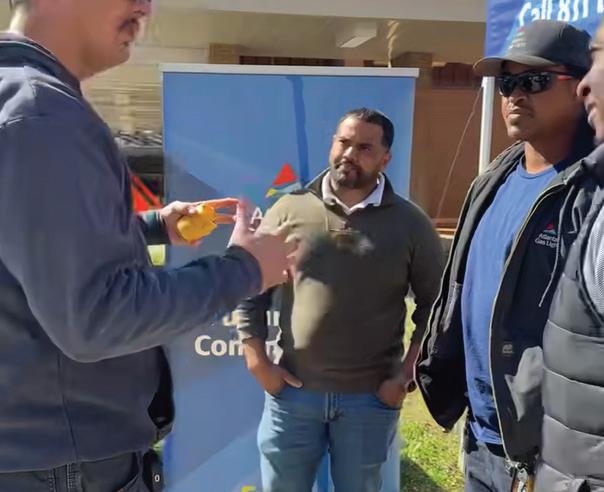

Southern Company
We’re creating brighter futures through partnership.
During an event last month, students from Clayton County Schools explored career opportunities across the energy industry and learned how today’s work can help power tomorrow’s communities.
Our teammates from Georgia Power and Atlanta Gas Light joined the Hands on Pathways Expo, hosted by Atlanta Tech and the Clayton County Chamber of Commerce.
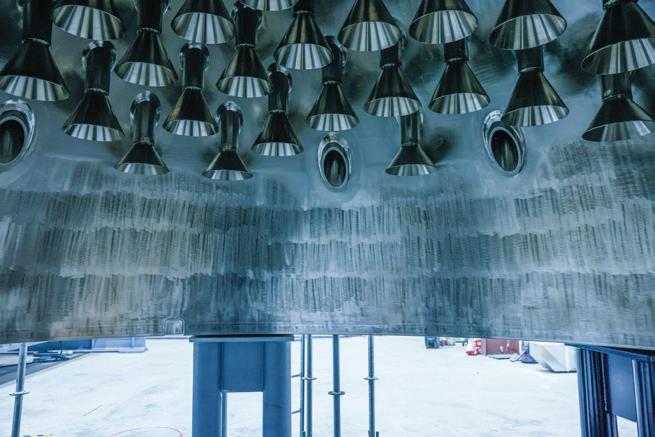

@Entergy
Arkansas Nuclear One hit a major outage milestone.
Teams removed a 126,000-lb reactor vessel head and installed a new one — completing two enterprise risk lifts. The 81 control rod drive nozzles help manage the nuclear chain reaction. A big investment in the station’s future.
Follow our staff on Social Media...
Nikki Chandler
Jeff Postelwait
Christina Marsh
Amy Fischbach
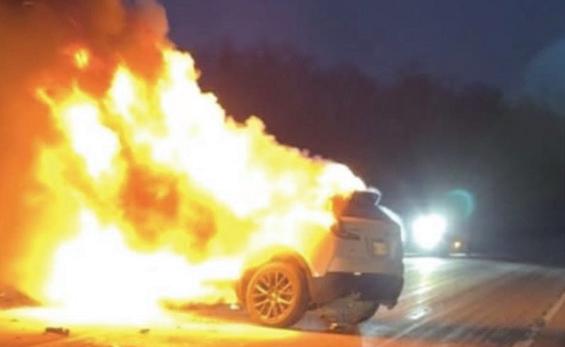

American Electric Power
In a critical moment after a fiery head-on crash, Cody S. stepped up as a Good Samaritan — helping get an injured driver to safety as flames spread.
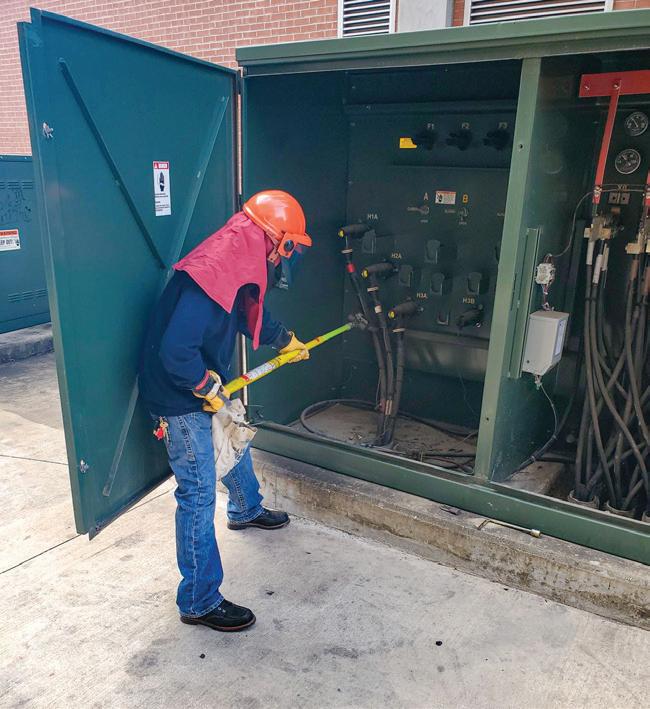
CenterPoint Energy
As Houston counts down 100 days to the FIFA World Cup 2026™ — Canada, Mexico and the United States, our teams are staying laser-focused on what matters most: keeping our region powered and prepared.
From soccer to Houston Livestock Show and Rodeo season, we’re out in the field every day inspecting equipment, performing maintenance, and strengthening the grid around key venues like NRG — so everything runs smoothly on game day and every day.

in/nikki-chandler-2aa5a012
in/jeff-postelwait-477387a

in/christina-marsh-basken @amyfischbach
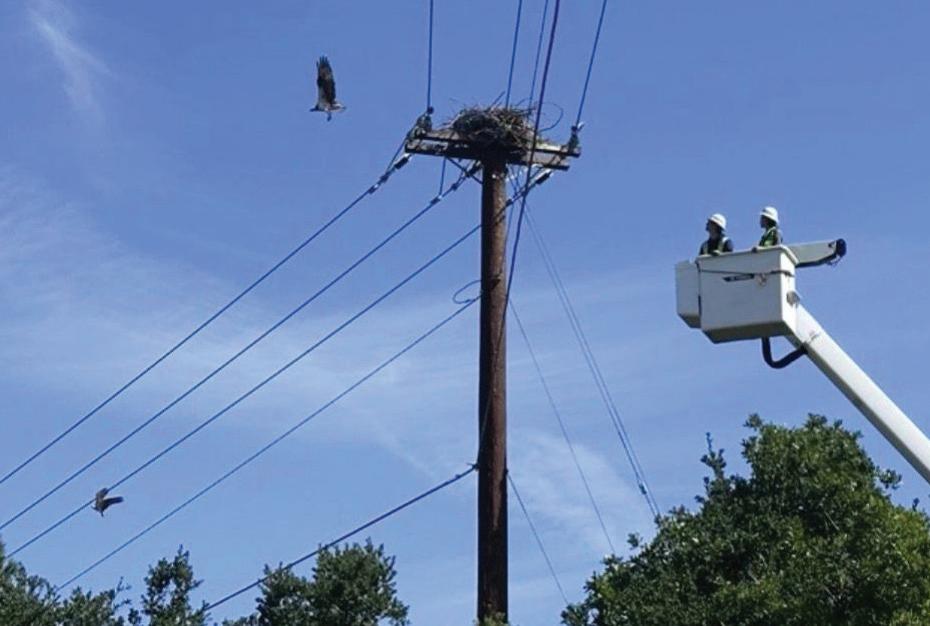
SMUD

Home sweet (osprey) home. Last spring, we found an osprey nest built on one of our poles near the Sacramento River in Land Park. To keep the birds safe, our crews added protective covers and waited until nesting season was over, working closely with wildlife and aviation partners.
Once the nest was inactive, we carefully moved it to a nearby raptor platform on the same pole, giving the osprey a safer place with the same great view.
A few days later, the pair returned right back home!
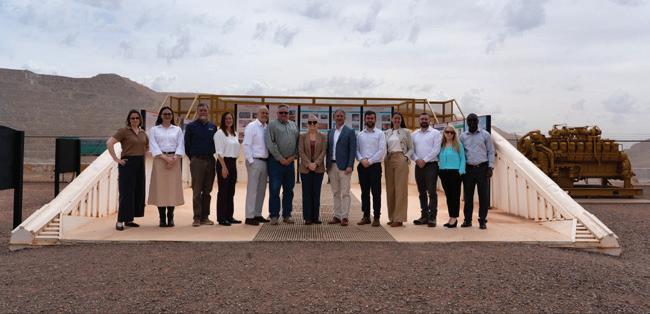
Governor Katie Hobbs @GovernorHobbs
Geothermal is an essential part of our energy future. In Greenlee County, the MILESHIGH geothermal project is making history as the largest geothermal exploration ever conducted at a mine site. Arizona has some of the best geothermal potential in the country, and we’re moving fast to turn that natural strength into reliable, homegrown power for every Arizonan.

The Energy Transition Is a Grid Transition
The energy transition is often described in terms of generation: wind turbines, solar parks, batteries, hydrogen, nuclear. But from the perspective of someone who has spent fifty years working on power systems — much of that time devoted to overhead transmission lines — I am convinced of one essential truth: the energy transition will succeed or fail on the strength of our grids. Electricity is the backbone of modern society. According to the IEA World Energy Outlook, global electricity demand is expected to rise by 6,000 to over 7,000 TWh already by 2030, and by 2050 demand in a net-zero scenario could be 150% higher than today. At the same time, around 20% of the world’s population still lacks access to electricity. We are therefore facing a dual challenge: decarbonize existing supply while expanding access to billions. If we take net-zero ambitions seriously, global electric power demand in 2050 could reach 25,000 to 40,000 GW. Today’s installed capacity though of all energy sources combined is roughly 10,700 GW, of which only a fraction is carbon-free. The implication is staggering: we would need to add the equivalent of more than 1,000 large 1,000 MW power plants every year until mid-century! Most of this new capacity will be wind and solar, complemented by nuclear. Fusion, despite its promise, is unlikely to contribute at scale before mid-century.
The Grid Is the Real Bottleneck

SCADA (Supervisory control and data acquisition) and protection systems. Which shows, that resilience is not an abstract concept — it is a daily operational necessity.
Technology Helps But Infrastructure Delivers
Digitalization and artificial intelligence will increasingly shape system operation. AI can enhance forecasting, optimize dispatch, detect anomalies and support decision-making. Yet AI is not a substitute for physical infrastructure. Algorithms cannot compensate for missing transmission corridors or aging conductors. Software requires hardware.
One fundamental principle has guided my professional life, which has become more evident in the age of the energy transition: there is only one grid. Generation, transmission, distribution, consumers, prosumers, storage and sector coupling are all part of an integrated physical system governed by the same laws of physics. We cannot electrify transport, industry and heating without massively reinforcing distribution. We cannot integrate large shares of variable renewables without stronger interconnections. And we cannot maintain public trust without reliability.
But generation is only half the story. The real bottleneck is transmission. The global transmission grid — largely overhead lines — amounts to approximately 8 to 10 million circuitkilometers. To accommodate the energy transition, we will need an additional 1.5 to 2.5 million kilometers of new lines, including up to 500,000 kilometers of HVDC; this is more than the distance of the Earth to the Moon! On top of that, 40 to 60% of the existing network — 3 to 6 million kilometers — will have to be refurbished or replaced by 2050. In total, the requirement for high-voltage overhead lines alone could reach 4.5 to 8.5 million kilometers, not to mention investments in distribution. This is an engineering effort of historic proportions. It is comparable to rebuilding the global grid while keeping it fully operational.
And we must do this under increasing stress. Grid operators around the world are already concerned about extreme threats. Surveys show that blackout risks, seismic events, cyberattacks, snow and ice storms, floods and physical security incidents rank among the most actively evaluated scenarios. Climate change is further amplifying weather-related risks, while digitalization introduces new vulnerabilities. The Iberian blackout case demonstrates both the fragility and the resilience of modern systems: rapid restoration was possible thanks to interconnections, restart protocols and robust
Public acceptance will become a decisive factor. Building millions of kilometers of new lines and grid infrastructure will require social dialogue, environmental sensitivity and transparent planning. Equally important is investment. Grid investments will need to double by 2030 and continue rising thereafter. This requires stable regulatory frameworks and long-term political commitment. Delays in permitting and inconsistent policies are among the most serious threats to timely implementation.
Finally, we must invest in people. The scale of the transformation demands engineers, technicians, researchers and operators in unprecedented numbers. Knowledge transfer between generations is essential. We must attract young talent and provide them with opportunities to contribute to one of the most meaningful engineering challenges of our time.
The energy transition is not optional. Rising CO 2 concentrations and global temperature trends leave no doubt about the urgency of decarbonization. But the transition will not be achieved through slogans or isolated projects. It will require a systemic approach grounded in engineering reality.
In my view, the defining challenge of the coming decades is clear: we must design, finance, permit and build a resilient, interconnected, intelligent global grid — at a pace and scale never seen before — while maintaining reliability every single day.
The future belongs to electricity. But whether that future is sustainable, secure and equitable will depend on the grid.
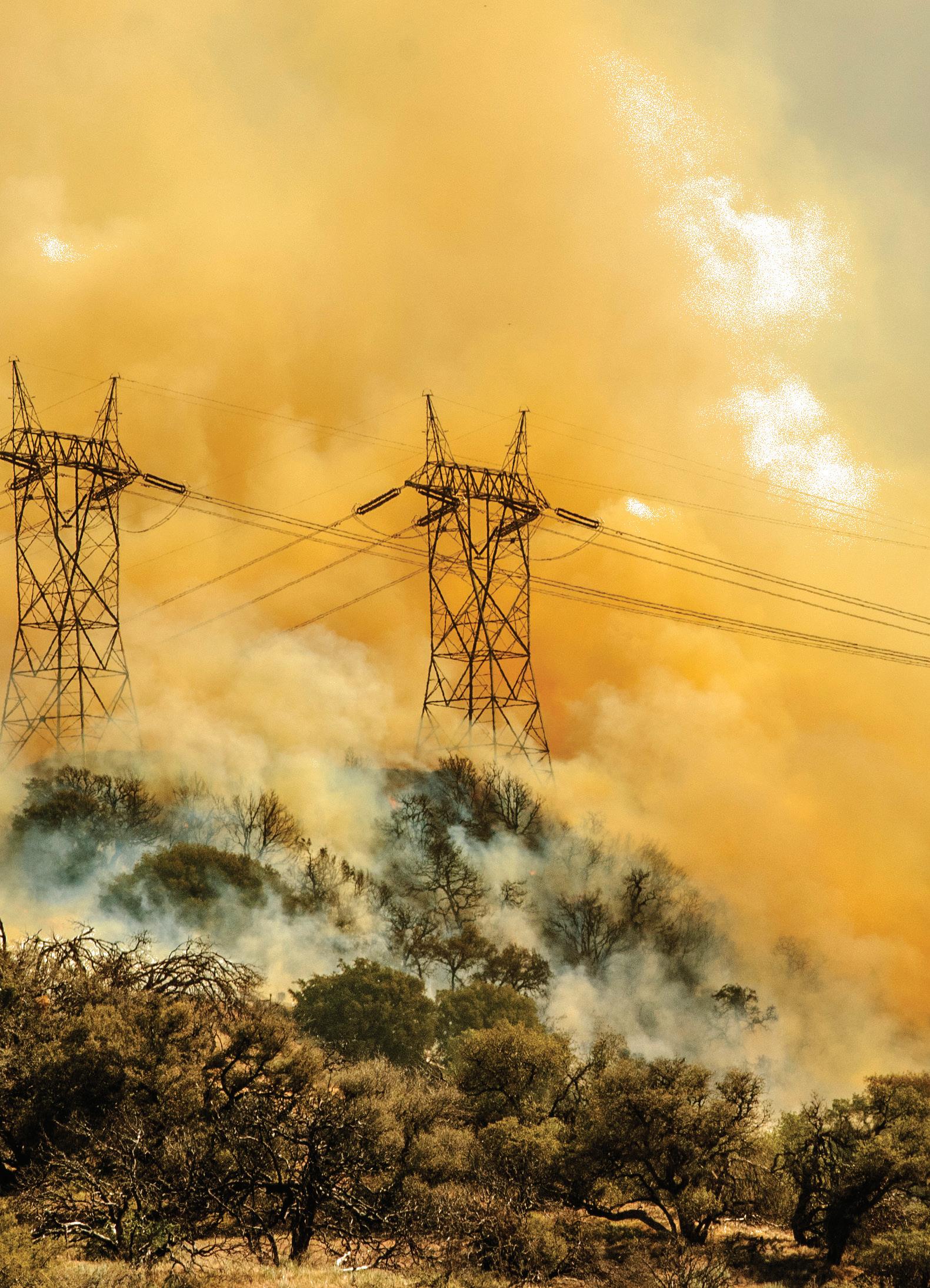
Wildfires Without Borders
Electric utilities, grid operators and technology providers are bringing the best scientific know-how, engineering prowess and high-tech solutions to the job of addressing this climatological crisis.
By JEFF POSTELWAIT, Managing Editor
As it is time to turn T&D World’s attention — and my own — to wildfires again for our yearly supplement on mitigation, I thought for a moment that this had perhaps been a quieter year for wildfires. Here on the West Coast, we got some relief in our superdrought conditions as precipitation levels seemed to stabilize and snowcaps returned to our mountains. Unlike in years past when severe wildfires struck places like Los Angeles, California and Hawai’i’s island of Maui, fewer headlinemaking blazes sprang to my mind.
A quick search of the news proved I was wrong. There are currently wildfires ravaging Nebraska’s cattle country during a time of year where pastures should be greening. In South Carolina, a controlled burn became uncontrolled and the fires are shrouding the area in thick, smothering smoke.
In California’s Siskiyou County, another fire is blazing on federally managed land. However, this one, according to the Sacramento Bee, is a prescribed fire, or one set purposefully to limit the amount of debris and fuel that accumulate on the ground.
Letting areas periodically burn under controlled conditions can lessen the severity of future fires, or potentially steer them away from populated or sensitive areas.
In the Deep South, a statewide fire alert was issued in Alabama, as about 50 wildfires were reported and climactic conditions of high wind and low moisture have state authorities worried about a more
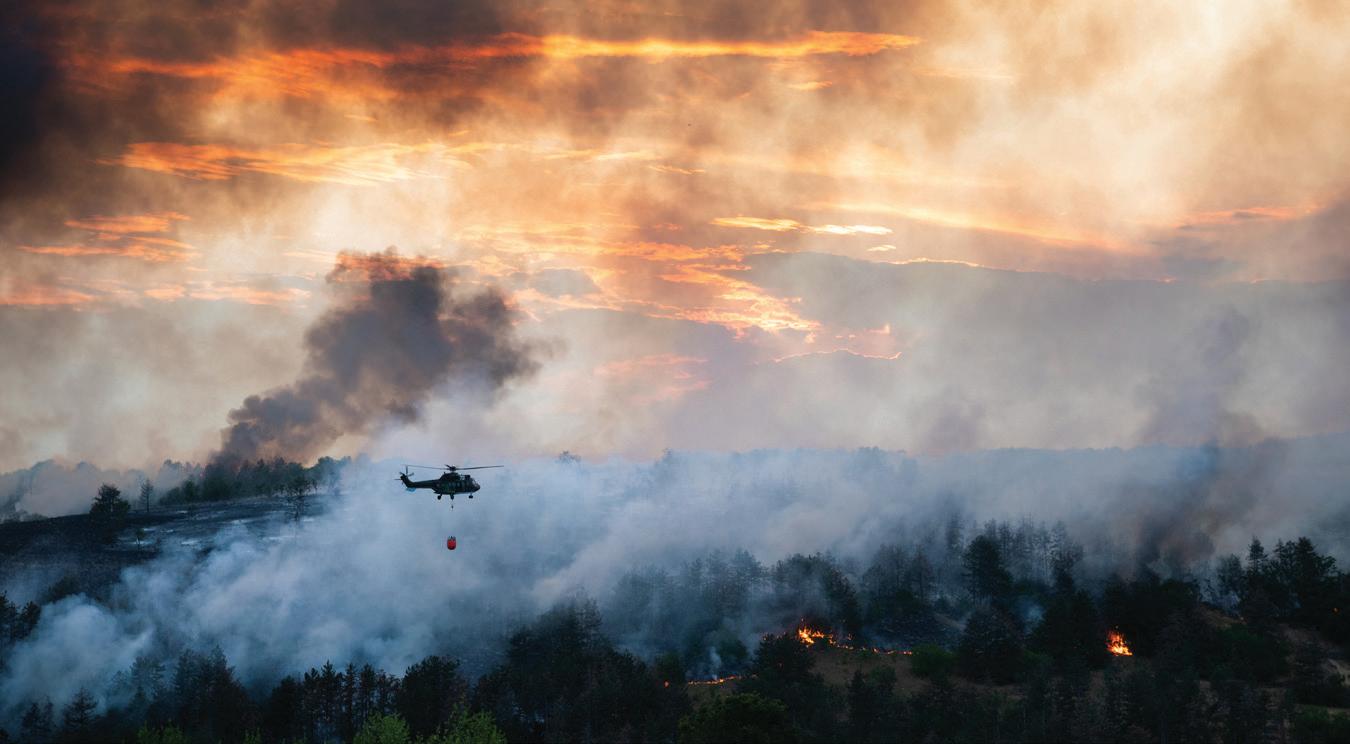
concentrated and destructive conflagration. Evacuations were ordered recently in the Naples, Florida area, and thousands of acres of that usually wet state are under threat. In fact, 80% of Florida is now under either extreme or exceptional drought conditions, which brings with it the danger of wildfires.
I could continue to list places — including many you wouldn’t normally associate with a high risk of fires — that are currently on high alert for the first signs of smoke, or else are already battling fires of their own. When a problem becomes so widespread that the standard for it becoming national news rises, that is when you know the problem is serious indeed. There are places where tens of thousands of acres are being consumed and the national media may not even bother to cover it in the way it did for previous flames that were just as destructive.
Fortunately, electric utilities, grid operators and technology providers to the electricity industry are already well aware of this spreading danger and are bringing the best scientific know-how, engineering prowess and high-tech solutions to the job of addressing this climatological crisis. I take a lot of solace in that fact, as someone who lives in Oregon’s Willamette Valley — a beautiful, yet rapidly drying and heating area that frequently sees destructive blazes.
And as someone who must constantly stay up to date on wildfire solutions, I look forward to this issue every year. It’s an opportunity to showcase what we have learned from all these blazes we’ve had to battle. All the statistics studied, the trends tallied and the numbers crunched lead us to better ways to battle blazes, so I hope you’ll enjoy hearing about the advances made in this struggle.
LBochev/E+/Getty Images
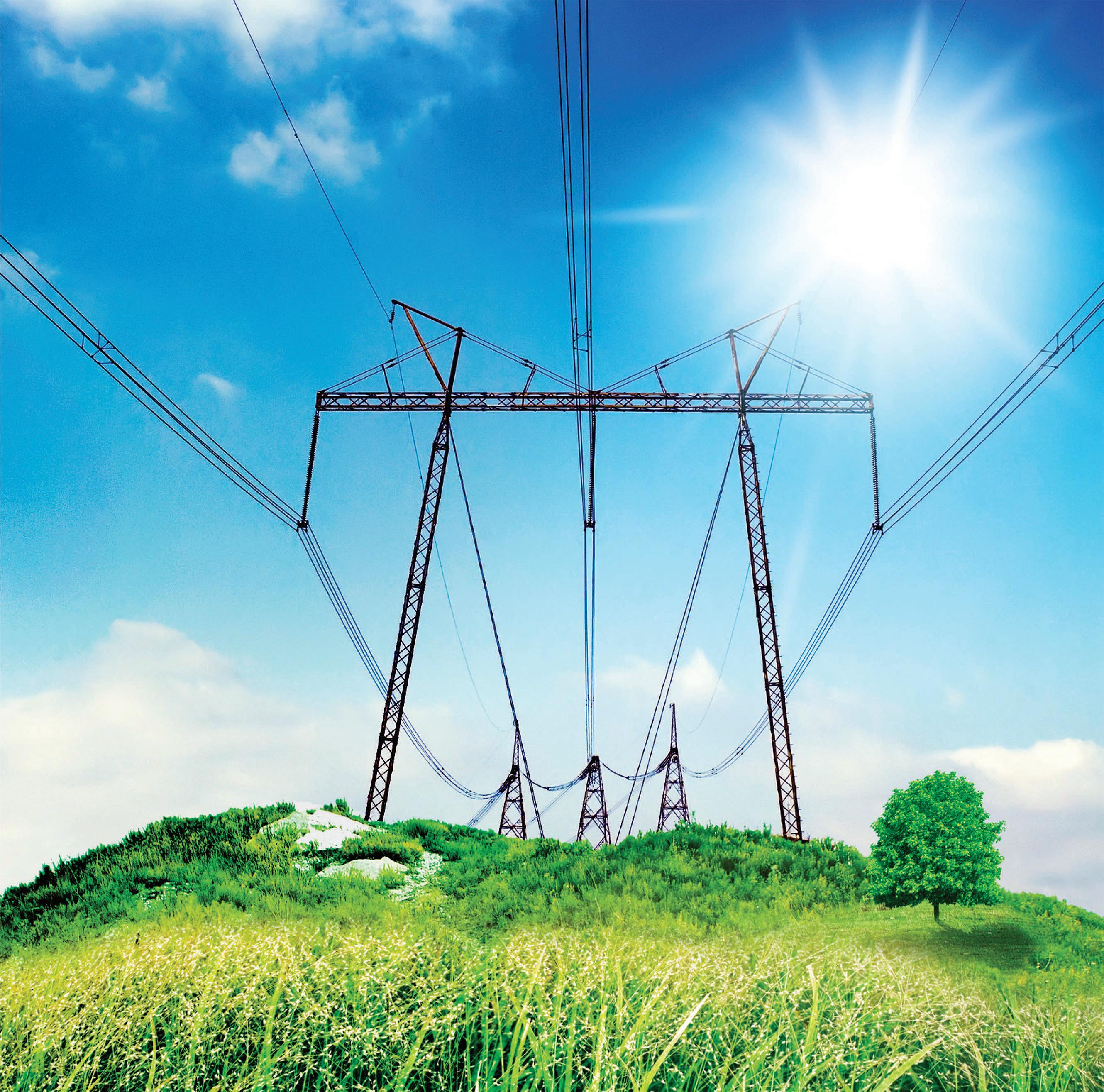



1.Transmission & Distribution World’s Vegetation Management Resource Center
It’s your resource for management from programs and safety, to tools and technology. Regulatory compliance, public health standards and environmental topics are also covered. tdworld.com/vegetationmanagement
2.Vegetation Management Insights Arrives Monthly In Your Inbox
Our monthly e-newsletter from the editors of T&D World keeps you current with industry info. Stay ahead of vegetation management best practices. Don’t miss a thing. subscribe.tdworld.com/subscribe

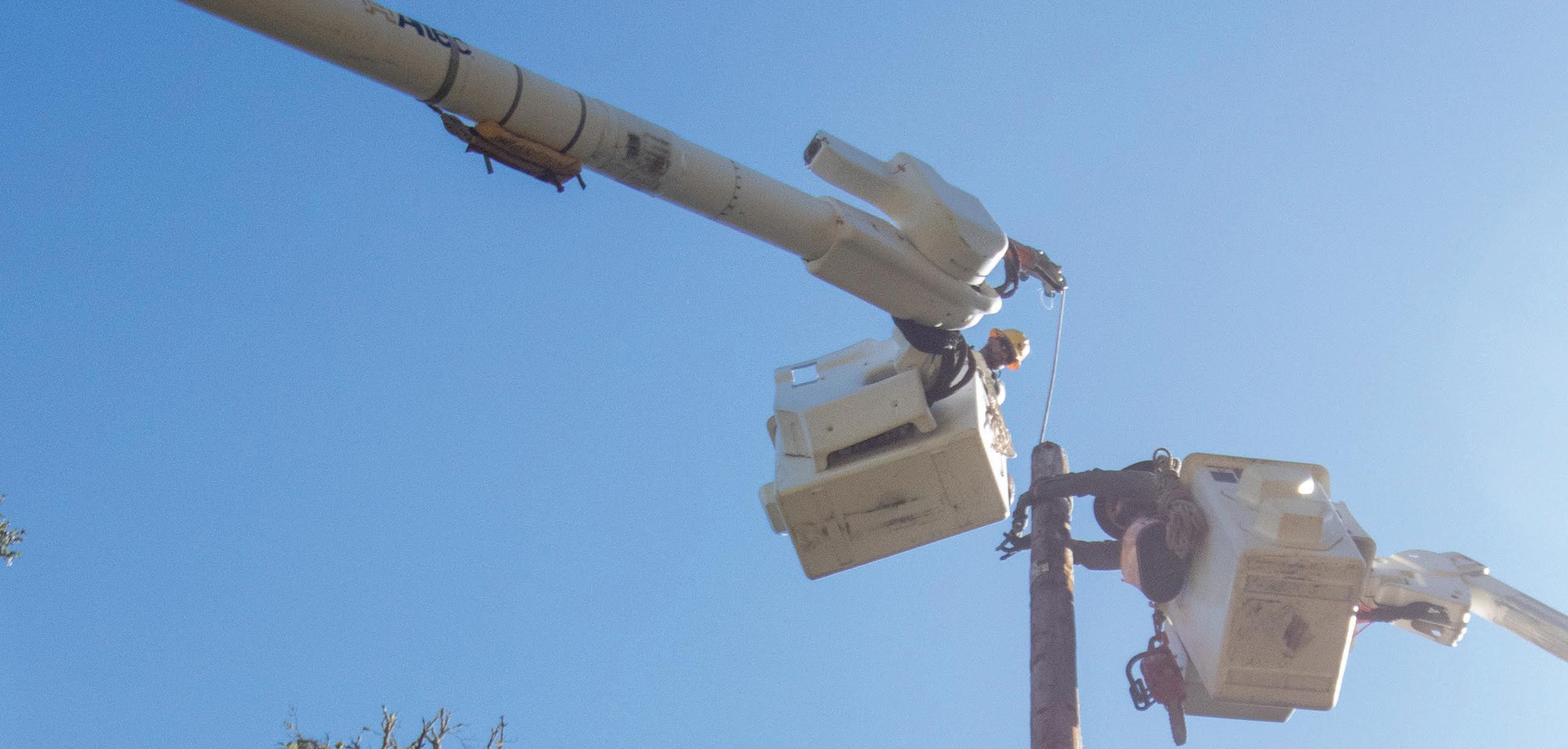
Workers cut down a distribution pole. By relocating electric distribution to underground, the utility is reducing the likelihood that its equipment will spark
Palo Alto’s Foothills Go Underground
The city’s undergrounding effort, part of its broader Wildfire Mitigation Plan, combines infrastructure upgrades with advanced sensor networks and community engagement, setting a scalable example for wildfire resilience in vulnerable urban-wildland interfaces across California.
By CATHERINE ELVERT, City of Palo Alto Utilities
The City of Palo Alto Utilities (CPAU) in California is nearing the finish line on a multiyear effort to underground its electric distribution and communications infrastructure in the city’s high fire threat zone, cutting wildfire ignition risk while boosting reliability and communications for a high elevation, treelined service area. As CPAU celebrated the 125th anniversary of its electric utility last year, this utilities undergrounding project became a focal point for highlighting how a century-old public power system can still innovate to address emerging climate and wildfire threats.
From Overhead Exposure to Underground Resilience
In 2021, CPAU launched a major infrastructure program to move overhead utility lines underground in its State designated high fire threat district, known locally as the Foothills. The project falls under Palo Alto’s Utility Wildfire Mitigation Plan and focuses on neighborhoods most exposed to wind driven fires caused by overhead conductors and wood pole lines. By relocating electric distribution and utility owned fiber underground, the utility is dramatically reducing the likelihood
that its equipment will spark wildfires during extreme wind or heat events, while also hardening the system against tree contacts and storm outages. “The Foothills face some of the greatest wildfire risks in our community,” said Utilities Director Alan Kurotori. “This undergrounding effort will not only make our system safer but also improve service reliability for customers in this vulnerable area.”
The Foothills project represents a classic transmission and distribution (T&D) challenge: serving a small, dispersed
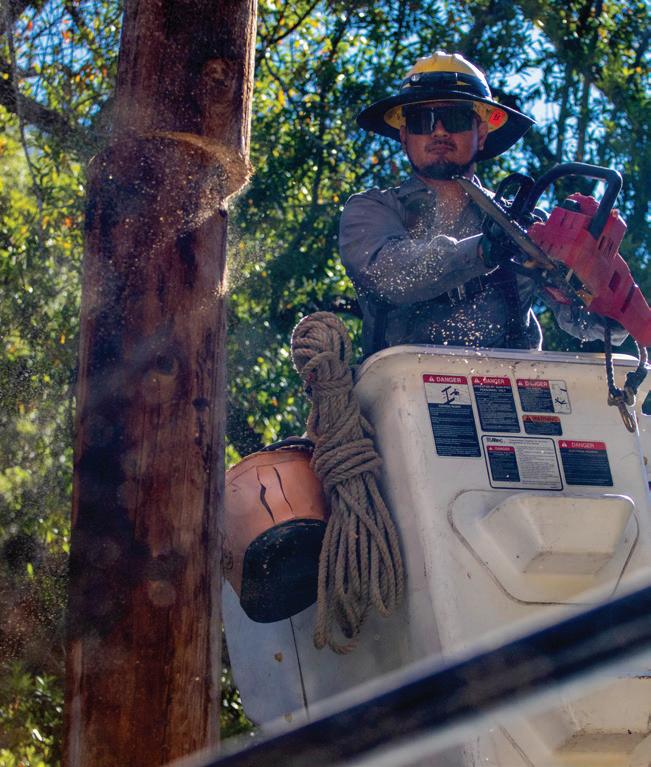
customer base in rugged terrain that is beautiful, heavily vegetated, and increasingly fire prone. As of the end of 2025, about 90% of the undergrounding was complete, with full completion targeted for Summer of 2026, illustrating how a relatively modest urban utility can execute a focused, risk-based wildfire strategy on a defined timeline.
Technical Scope and Project Execution
The engineering scope in the Foothills is substantial relative to the size of the customer base it serves. In total, CPAU is undergrounding roughly nine miles (about 49,200 feet) of electric overhead distribution lines and associated utility owned fiber optic cable in the Foothills. These lines serve approximately 300 residents, highlighting a deliberate choice to prioritize risk reduction and resilience over simple cost per customer metrics.
Key elements of the project include:
• Undergrounding approximately nine miles of overhead electric distribution and utility owned fiber.
• Substructure construction, including conduits, vaults and pad mounted equipment to support both electric and fiber networks.
• Installation of new underground high-voltage circuits and
A worker finishes a cut with a saw. The Foothills project represents a classic transmission and distribution challenge: serving a small, dispersed customer base in rugged terrain that is beautiful, heavily vegetated. City of Palo Alto Utilities
wildfires during extreme events. City of Palo Alto Utilities
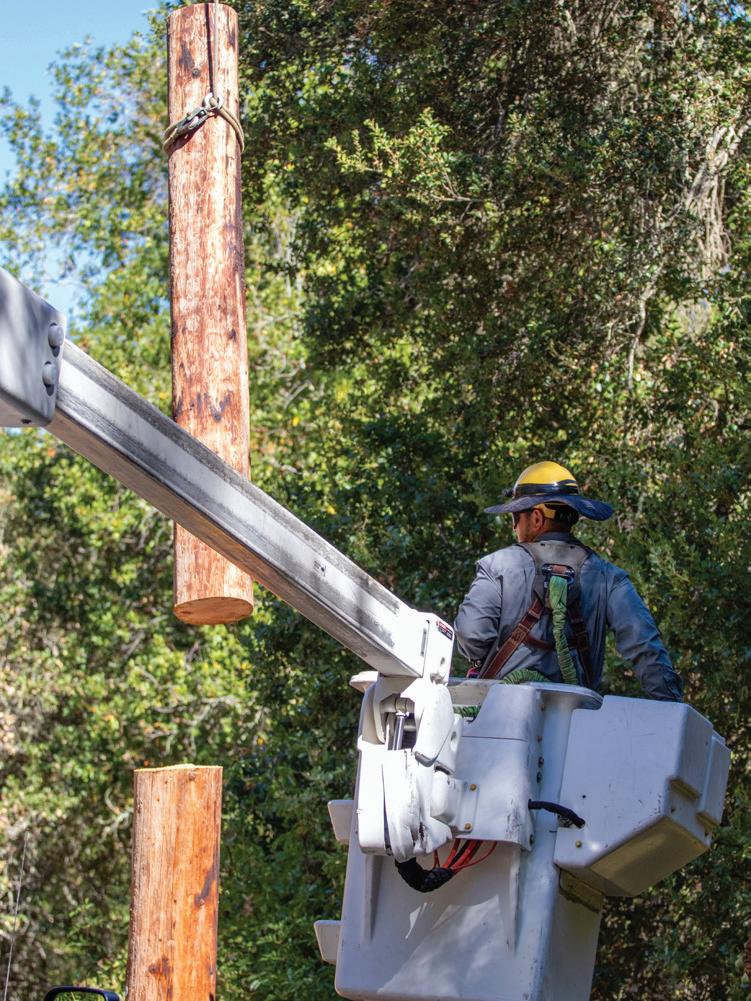
Wildfire Mitigation Plan and Regulatory Recognition
replacement fiber optic cable to maintain and enhance connectivity.
• Removal of overhead wooden poles, high-voltage conductors, legacy fiber and other pole mounted devices once cutover is complete.
Initial scoping and planning began in 2021, with a total project budget of approximately 11 million dollars. Despite pandemic era supply chain and inflationary pressures, the utility kept the program largely on schedule by sequencing construction around long lead-time equipment and returning to complete segments once critical components were available. As of late 2025, overhead electric and fiber lines in the project zone had been removed, with crews focused on pulling remaining poles and finishing underground substructures ahead of the June 2026 completion target.
The project has also been validated by an independent audit from Baker Tilly, which cited undergrounding as a key wildfire strategy because buried lines are less likely to be damaged by trees or high winds and spark a utility caused wildfire. This external assessment underscores a growing industry consensus in California that, in high-risk corridors, selective undergrounding is among the most effective long-term mitigations, despite higher upfront capital costs.
The undergrounding program is one pillar of CPAU’s broader Wildfire Mitigation Plan, which sets out safety protocols, emergency preparedness measures, response procedures and public outreach tailored to the Foothill’s unique risk profile.
“Undergrounding utilities in the Foothills has been a priority for us to mitigate against the risk of wildfire caused by electrical equipment,” Kurotori said, linking
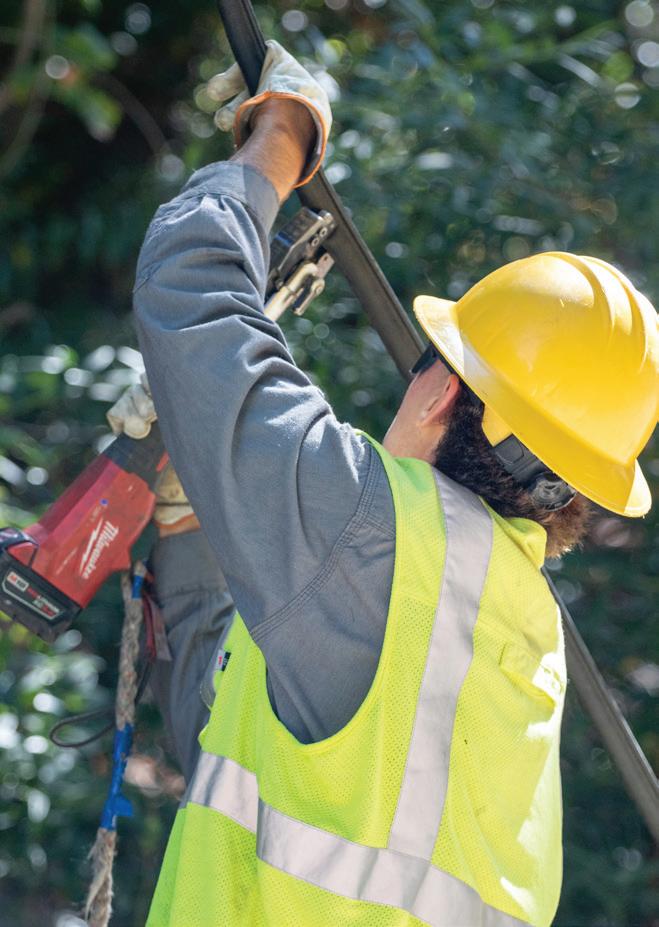
the capital project to a larger risk management framework. “By taking steps now to underground lines in high-risk zones, we’re protecting residents, homes, and open spaces for decades to come.”
State level reviewers have taken notice. The California Wildfire Safety Advisory Board, which oversees wildfire mitigation plans for all electric utilities in the state, commended CPAU for substantially reducing wildfire risk by undergrounding overhead lines in its high fire threat district. The board also highlighted the utility’s use of an innovative AI based sensor network that monitors air quality, temperature, and chemical markers to support early detection and wildfire alerts — technology it noted is still uncommon among both public power entities and investor-owned utilities.
This combination of structural risk reduction through undergrounding and enhanced situational awareness via sensors provides a layered defense that many T&D planners across the West are now striving to replicate.
AI, Fiber and the Future of Grid Awareness
For utility engineers and operations leaders, one of the more forward-looking aspects of the Foothills project is how it integrates communications upgrades alongside traditional line work. As part
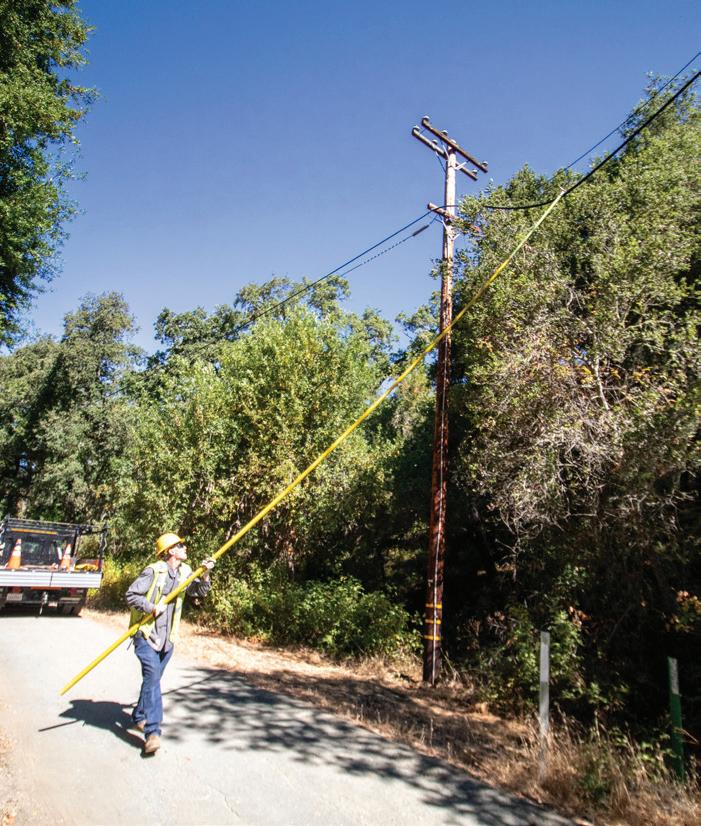
A worker with a hot stick. Acombination of structural risk reduction through undergrounding and enhanced situational awareness via sensors provides a layered defense that many T&D planners across the West are now striving to replicate City of Palo Alto Utilities
A worker with a crimper. As of late 2025, overhead electric and fiber lines in the project zone had been removed. City of Palo Alto Utilities
Workers in a bucket lift and on the ground. In total, CPAU is undergrounding roughly nine miles (about 49,200 feet) of electric overhead distribution line. City of Palo Alto Utilities
A worker finishes a cut as a distribution line is lifted away. As of late 2025, overhead electric and fiber lines in the project zone had been removed, with crews focused on pulling remaining poles and finishing underground substructures ahead of the June 2026 completion target. City of Palo Alto Utilities
of the conversion, CPAU is installing new fiber for communications links to fire stations and other critical facilities in the area.
“We’re also providing fiber to create more robust communications to the fire stations,” Kurotori said, “and we can put better sensors out there to further enhance our communication and coordination for emergency operations and response.”
The AI based sensor network that earned praise from the Wildfire Safety Advisory Board relies on this communications backbone to stream real-time data on air quality, temperature and certain chemical signatures that can indicate smoke or combustion products. While details of the underlying algorithms are proprietary, the system effectively extends the utility’s situational awareness beyond the substation fence into the wildland urban interface — allowing earlier alerts, better coordination with fire agencies, and more informed decisions about potential deenergization or other protective actions.
Public Power, PSPS and Community Engagement
Because CPAU is a municipal utility, it has leveraged its direct relationship with customers to manage wildfire risk in ways that go beyond infrastructure. Prior to launching the undergrounding project, the utility established a regular cadence of communication with Foothills customers about the potential for Public Safety Power Shutoffs (PSPS) during periods of elevated wildfire danger, explaining when and why power might be proactively cut to reduce ignition risk.
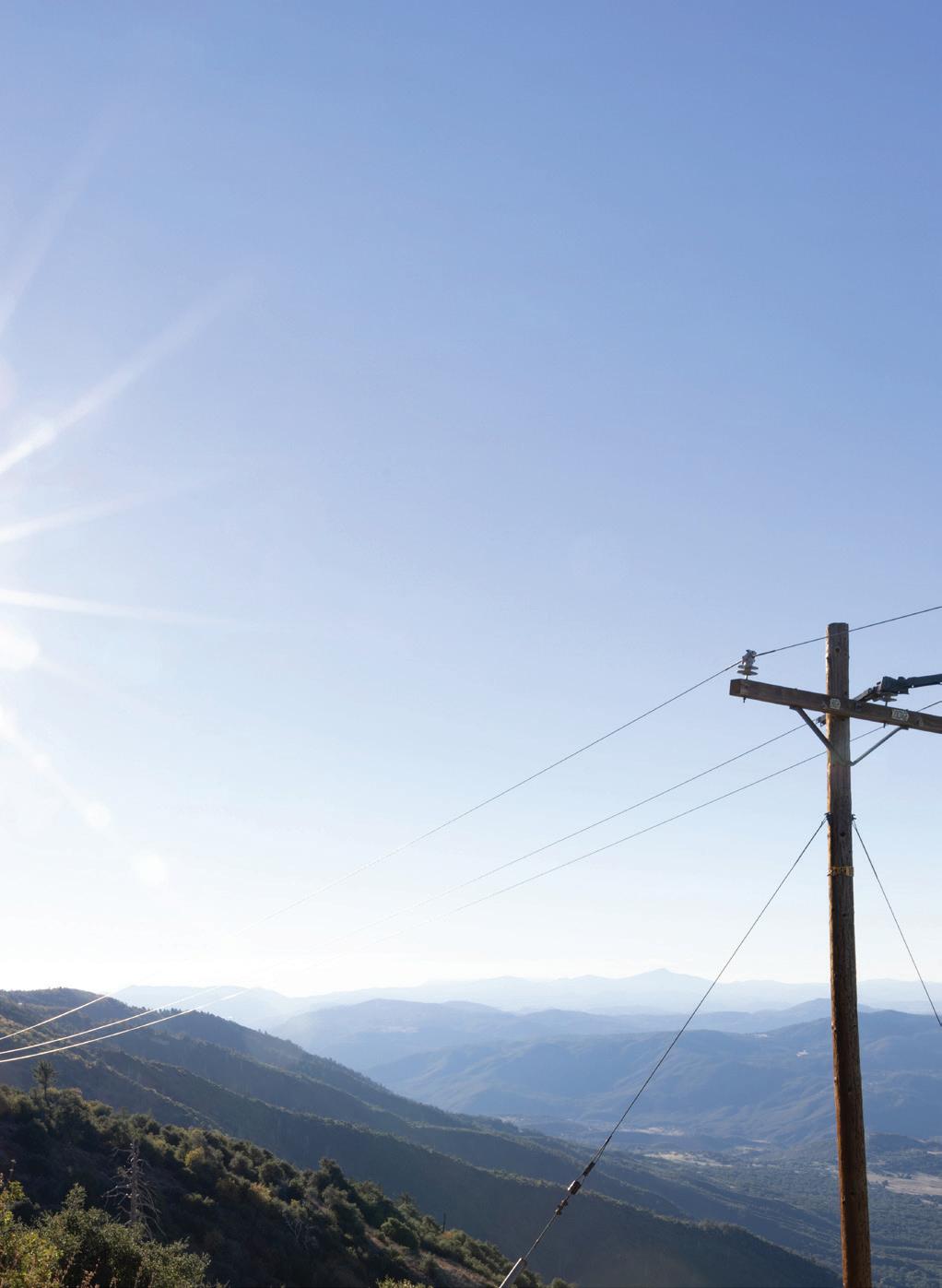
These early conversations helped build trust and set expectations, laying a foundation for acceptance of both PSPS events and the construction disruptions associated with undergrounding. CPAU’s messaging covers what customers can expect from the city in terms of wildfire prevention measures, safety inspections, early warning notifications, emergency response and power restoration, as well as clear guidance on how residents can prepare themselves and their properties for wildfire season. Importantly, while the likelihood of future PSPS events in the Foothills has dropped significantly due to undergrounding, the utility plans to continue direct outreach about both PSPS and wildfire preparedness, reinforcing that resilience is an ongoing partnership between the utility and customers.
Close Calls, Climate Pressure and a Scalable Model
The urgency behind Palo Alto’s wildfire strategy is grounded in recent experience. In 2020, the CZU Lightning Complex fires burned tens of thousands of acres in nearby San Mateo and Santa Cruz counties and came close to the Palo Alto Foothills, with shifting winds preventing a much more direct impact. More recently, the Edgewood Fire in 2025 burned about ten acres in Woodside, just north of Palo Alto, and fire officials later said they were fortunate the incident was not far more destructive. These near misses, layered on top of the broader trends of climate change, prolonged drought and growing development in the wildland urban interface, led the city to declare wildfire mitigation a major municipal priority for 2025 as part of a wider public safety agenda. For other utilities facing similar conditions, CPAU’s experience offers several practical takeaways:
• Targeted undergrounding can be justified even for relatively small customer counts when risk, exposure and potential consequences are high.
• Pairing undergrounding with communications and sensor upgrades multiplies the resilience and operational benefits of each construction dollar.
• A clearly articulated Wildfire Mitigation Plan, aligned with state guidance and subject to external review, helps secure both local political support and positive regulatory feedback.
• Proactive, multi- channel community engagement before, during and after construction builds trust and eases both PSPS operations and major field work in sensitive areas.
As undergrounding emerges as a central wildfire mitigation tool across California — backed by public polling and the experience of larger utilities — CPAU’s Foothills project stands out as a public power example of how to scale a focused, data driven program. In the summer of 2026, when the last pole comes down and the final vault is set, the Foothills will be served by a more resilient, sensor enabled network that reflects not only the changing climate around it but also the evolving expectations of the customers it serves.
CATHERINE ELVERT (Catherine.elvert@paloalto.gov
manager
)
is
the communications
for the City of Palo Alto Utilities, overseeing public information, external affairs, and internal communications for the municipal utility including electric, fiber optics, natural gas, refuse, storm drain, wastewater, and water utility services.



































































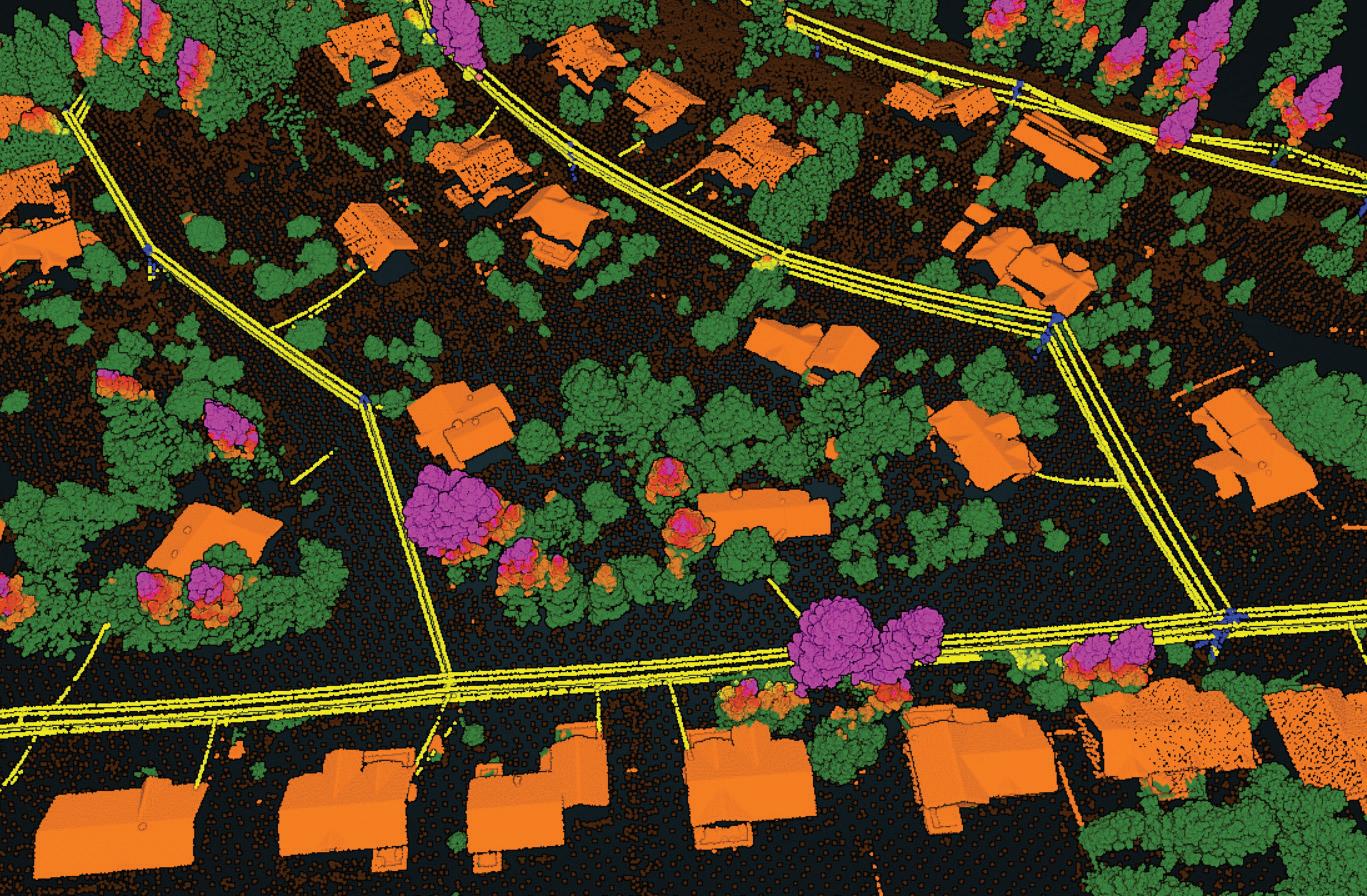
From Ground Patrols to Geospatial Intelligence
Facing high costs and access challenges in the Sierra Nevada, Liberty Utilities adopted lidar technology to efficiently monitor vegetation near power lines. The program has increased inspection scope, lowered operational costs, and provided detailed data for targeted risk mitigation, strengthening wildfire prevention measures.
By PETER STOLTMAN, Liberty Utilities (CalPeco Electric) LLC
In the Sierra Nevada, where steep slopes, dense conifer forests and high fire‑threat conditions define daily operations, veg etation management is essential. Liberty Utilities (CalPeco Electric) LLC, an elec tric utility that serves customers in North and South Lake Tahoe, maintains more than 700 miles of overhead primary lines in terrain that challenges even the most seasoned field crews.
Historically, the vegetation manage ment program relied on traditional,
ground‑based inspections. Arborists walked every span, sometimes hiking miles over mountains, to measure clearances and identify tree hazards. The work was slow, expensive and increasingly mismatched with the pace and scale of wildfire risk.
In the last few years, Liberty made a strategic shift: applying aerial lidar surveys and geospatial analytics to the distribution system. While many utilities at that time questioned whether lidar was the right tool for distribution networks Liberty’s
experience shows that not only does it work, it has fundamentally transformed Liberty’s ability to manage vegetation risk, improve safety and meet regulatory expectations with confidence.
Rethinking an Unsustainable Model
Liberty’s entire service territory lies with in California’s high fire threat districts. The geography is rugged, access is lim ited and the cost of field labor is among the highest in the country. Before lidar, Liberty’s inspection cycle was intended
Classified lidar point cloud of Liberty’s distribution system identifying fall in detections.
Liberty Utilities
to be three years. However, in practice, Liberty doubled the inspections to ad dress the wildfire environment in which Liberty operates.
Liberty faced a choice: dramatically ex pand arborist workforce or find a more efficient way to work.
Lidar offered the efficiency that was sought. Aerial surveys eliminated access barriers, allowing Liberty to “fly the lines” instead of sending crews deep into the mountains. Lidar also provided measure ments that are more precise than hand held rangefinders, capturing tree height, wire position and vegetation proximity with centimeter‑level accuracy.
Initially, Liberty partnered with NV5, a geospatial software and services pro vider, to pilot use of lidar to measure clearance between wires and vegetation. The results were immediate. Lidar iden tified encroachments Liberty would not have caught for years under a traditional cycle. This early success gave Liberty the confidence to expand the program.
Building a Distribution‑Focused Lidar Program
Now NV5 flies Liberty’s entire system at the end of the growing season each year, typically in the late summer or early fall. This timing helps Liberty capture the full season’s growth, analyze data, and gener ate work orders and dispatch crews within a few months.
The lidar is collected at high density (≥30 35 points per square meter) for full wire capture, even in Tahoe’s dense conifer forests. NV5 processes the data to model Liberty’s network, segment vegetation, and run analyses of tree grow‑in, fall‑in and overhang. Liberty also receives tree‑level attributes, including height, crown geom etry and the direction trees are leaning. This information flows into Liberty’s
internal geographic information system (GIS) and work management systems. Instead of walking every mile, arborists can pinpoint locations where lidar shows a clearance or fall‑in concern and inspect those locations. As the program matured, Liberty added satellite‑based tree health monitoring to flag stressed vegetation. While still evolving, this integration helps Liberty identify dead or dying trees earlier and refine prioritization even further.
Operational Impact: Faster Cycles, Lower Costs, Better Targeting
The shift from ground patrols to lidar driven geospatial intelligence has re shaped Liberty’s operations in several measurable ways.
• More inspection miles – By add ing lidar, Liberty has been able to increase the annual inspection scope from 383 miles in 2019 (just prior to implementing the technol ogy) to more than 1,000 miles a year currently. Lidar affords Liberty greater efficiency compared to ground based inspections, enabling Liberty to address risk more quickly by dispatching tree crews directly to locations that need attention. It
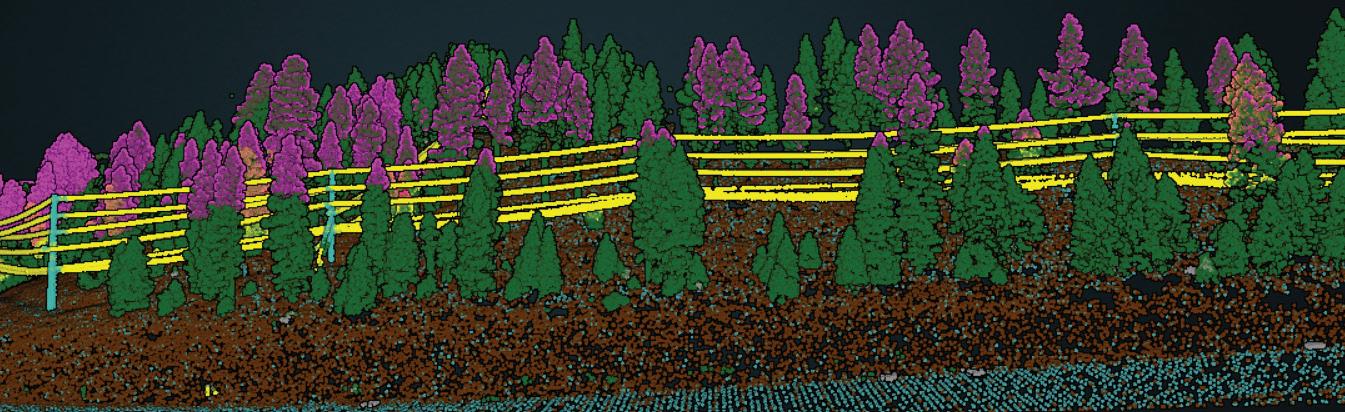
72% Reduction in past 5 years for total grow ins
also re directs arborists to focus on hazard tree assessments, unit reduc tion and customer service.
• Lower costs in a high‑cost market –California arborists are expensive, costing three to four times more than those in other states. Lidar inspections reduce the cost per mile, particularly over challeng ing terrain where human access is difficult. A recent analysis shows that it costs $1,983 per mile for ground based inspections versus $773 per mile for lidar. Addition ally, with lidar data, Liberty can reach out to customers via mail to inform them when tree pruning is required, rather than sending arborists to each site before crews are dispatched.
• Faster cycle times for identifying and mitigating risk – In the early years of Liberty’s wildfire mitiga tion ramp‑up, the workload nearly tripled as areas of risk were more clearly identified by lidar. But the workload stabilized as Liberty caught up and began maintaining the intended inspection cycles. Li dar also has helped Liberty quickly identify where new construction needs to be modified for compli ance, something that may have not been discovered for years with boots on the ground.
• Improved prioritization in high‑risk wildfire districts – With lidar, Liberty can quantify risk, not just identify it. NV5’s analytics have enabled Liberty to model conductor sag and posi tion; score trees based on height,
The amount of grow in / overhang encroachments that have been mitigated since 2021. Liberty Utilities
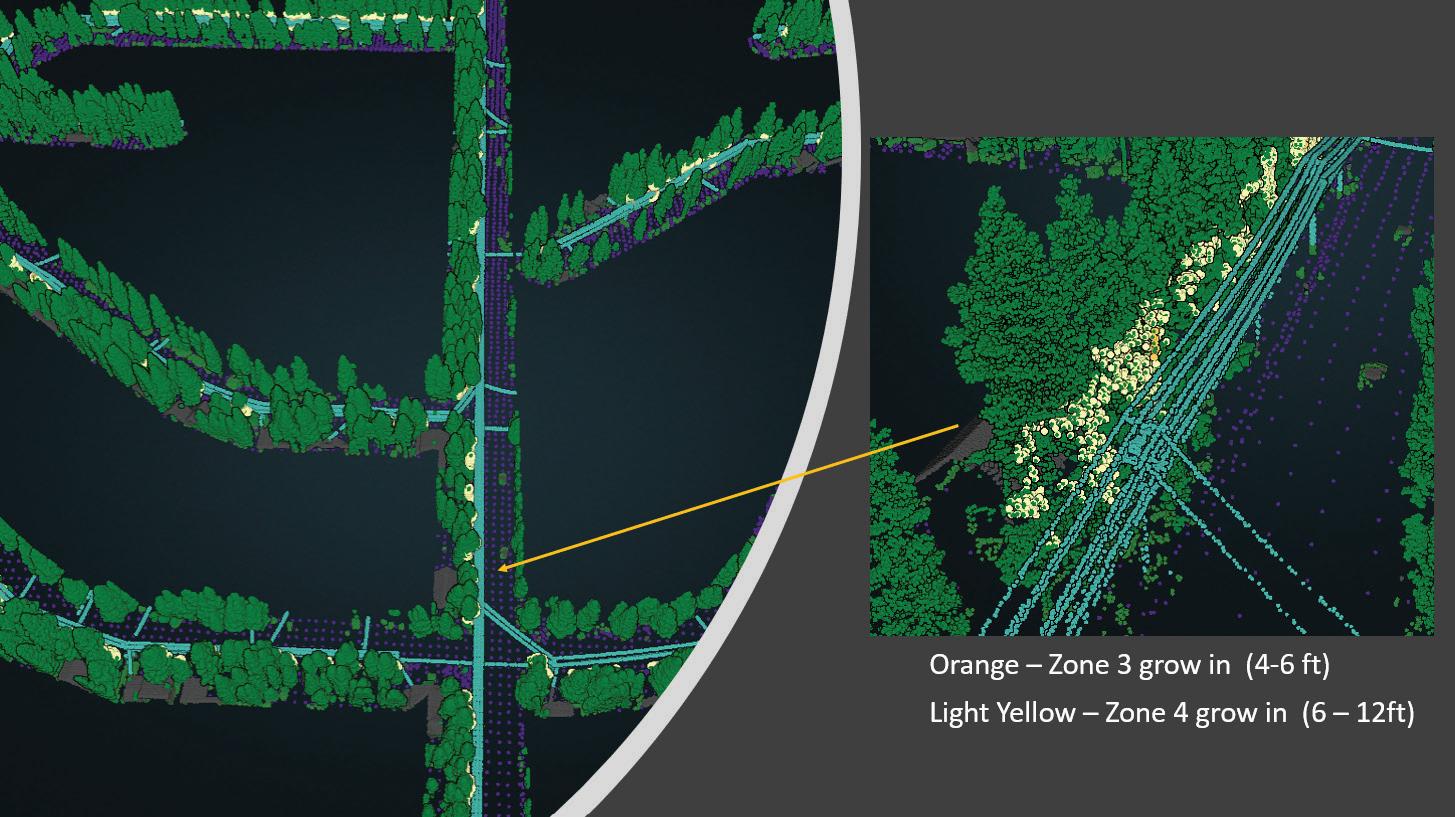
distance and fall‑in potential; analyze tree lean direction; integrate fire‑risk polygons and responsibility areas; and combine satellite‑derived tree health with lidar‑based structure. This combined data enables Liberty to prioritize work where it matters most to reduce fire risk.
Fostering Trust with Greater Transparency
In California, defensibility matters. Regulators expect utilities to demonstrate that they are meeting requirements with au ditable data.
Lidar has become a powerful tool for transparency. With 3 cm to 9 cm accuracy, Lidar can show exactly how close a tree is to a conductor, how tall it is and whether it poses a fall‑in risk. When customers question pruning decisions, arborists can reference lidar data to show them why the work is necessary.
Executives supported the program early, recognizing that while the first years would be front‑loaded with work, the long‑term benefits would be substantial.
Liberty is now exploring how lidar can support broader wildfire mitigation initiatives. For example, Liberty is working with the U.S. Forest Service on fuel‑reduction projects along 300‑foot corridors. Lidar identifies dense stands, stressed trees and areas where treatment will have the greatest impact.
Start Simple and Pick the Right Partner
Utility colleagues often tell me they wish they could hand li dar data directly to tree crews. My response is simple: You can. Liberty’s experience shows that is possible when you start with
Total System Detection Reduction — 5 years

a clear objective and do not overcomplicate the first year. For Liberty, it was: “Tell us how far trees are from wires.” Once that lidar data foundation was in place, Liberty was able to layer on additional analytics.
Another piece of advice: Don’t underestimate the value of a trusted partner. Lidar is not a commodity. The right partner will yield the quality of the data, the repeatability year over year and the ability to translate analytics into actionable work pack ages. This was the key to making Liberty’s program a success.
A New Model for Distribution Vegetation Management
Lidar has allowed Liberty to replace its reactive, labor‑intensive inspections timeline with a proactive, intelligence‑driven vegeta tion management program. In a region where wildfire risk is high and terrain is unforgiving, this shift has improved safety, reduced costs, and strengthened operational and regulatory posture.
For utilities navigating similar challenges, Liberty’s experience shows that lidar is not just viable for distribution, it may be the most effective tool available.
PETER STOLTMAN is the senior manager of Wildfire Prevention for Liberty Utilities (CalPeco Electric) LLC, a California electric utility serving the Lake Tahoe Basin and surrounding communities. Prior to his current role, Stoltman was the manager of Vegetation Management at Liberty, where he helped modernize the utility’s approach to wildfire risk reduction. He has extensive experience as a consulting arborist across residential, commercial, municipal, and utility sectors, holding various positions in both public and private organizations. Stoltman earned his Bachelor of Science degree from the University of Idaho College of Natural Resources and is an International Society of Arboriculture (ISA) Board Certified Master Arborist.

Aerial image from aircraft showing Lake Tahoe and Liberty system and terrain. Liberty Utilities
Examples of grow in detections as seen in the Lidar database. Liberty Utilities

Get more value out of your inbox.
Get more of what you need to stay in the know with valuable insights and timely product news. Sign up today for one of our many newsletters.
ENERGIZING
Delivers timely news and information from the power-delivery industry.
SMART UTILITY
Follows the utility industry’s progression to an automated and efficient power grid.
LINEMAN LIFE
Insights into the culture and work life of electric line workers: field operations tools and techniques, rodeo news and photo galleries.
PROJECTS IN PROGRESS
Shares how utilities and their partners are building out T&D infrastructure.
Reading the Wind
By integrating meteorological support with robust instrumentation, Hawaiian Electric now interprets microclimate variations, fostering transparency, community safety, and long-term wildfire risk reduction across diverse landscapes.
By SAMANTHA PETERSON, R.M. Young Company
When wind speeds spike and humidity drops across a single Hawaiian ridge, operators may have minutes, not hours, to decide whether to shut off power. Realities from microclimates like these are what drove Hawaiian Electric to rethink its approach to weather monitoring. The objective was not simply to improve forecasts; the utility needed a system that could support real-time operational decisions, along with reducing wildfire risk, protecting communities, and strengthening grid resilience across a landscape defined by extreme variability.
Hawaii’s terrain creates one of the most complex meteorological environments in the United States. Within just a few miles, conditions can shift dramatically between dry valleys, humid forests, and high-elevation ridgelines. These microclimates directly influence wildfire behavior, making broad regional forecasts insufficient for operational use.
For Hawaiian Electric, this challenge became a catalyst for change.
From Forecasting to FieldLevel Decision Making
Prior to 2024, the utility’s weather monitoring strategy was largely centered on renewable energy forecasting, with stations positioned at substations or generation sites.
As wildfire risk intensified, particularly following the Lahaina disaster, it became clear that this approach did not provide the level of visibility required for critical decisionmaking. Hawaiian Electric needed data that reflected real conditions at the circuit level where decisions to de-energize or restore power would ultimately be made.
This realization led to a fundamental shift: weather stations would need to be deployed closer to the grid itself, mounted on poles and aligned with transmission and distribution circuits. Data would need to be captured more frequently, integrated directly into operational systems, and accessible in near real time.
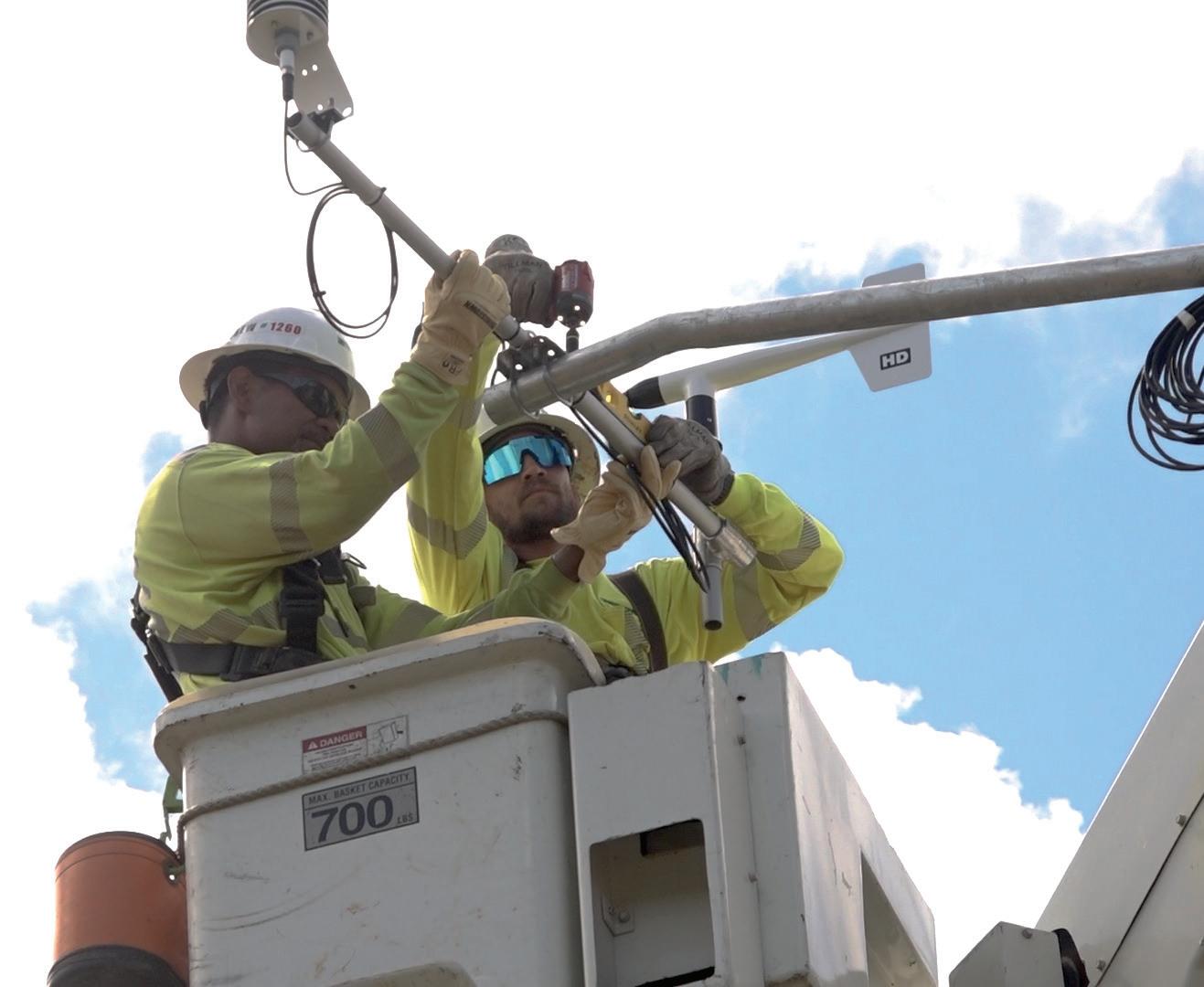
equipment and wiring checks ensure accurate data collection and long-term reliability.
Achieving this transformation required more than new equipment. It required the right combination of technology, expertise, and execution.
Speed, Scale, and the Right Partnership
Hawaiian Electric worked with Western Weather Group to design and deploy the system. Western Weather Group, which has supported utilities across the western United States for over 20 years, specified R.M. Young wind sensors as the core instrumentation. Nathan Todaro, a consultant with Hawaiian Electric, said that Western Weather Group had a solution that would meet requirements “out of the box.” “The instrumentation has been exactly what we needed: durable, accurate, and reliable in the field,” Todaro said
At the same time, the selection of instrumentation became a critical decision point. After evaluating multiple providers, R.M. Young Company was selected based on its experience in demanding environments and ability to deliver consistent, quality measurements without extensive customization. The effort was defined not only by equipment performance, but by the ability to deploy quickly under tight timelines. Hawaiian Electric moved from vendor selection to operational readiness in a matter of months, an accelerated schedule that required close coordination between all parties involved. Nathan Lohse, CEO of Western Weather Group, said that the success of the project was rooted in both technology and collaboration. Western Weather Group has worked with provider R.M. Young for more than 20 years, as the instrumentation has continually performed under demanding conditions.
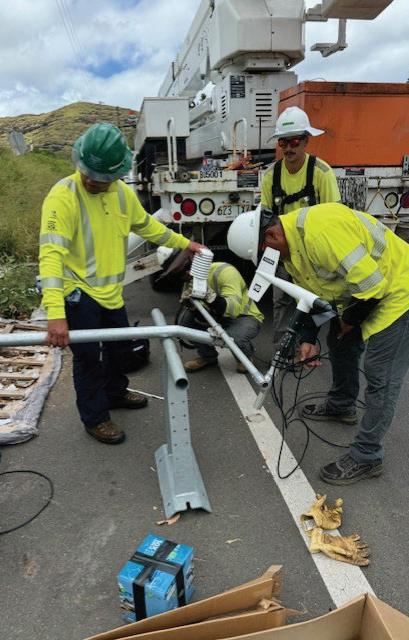
Instrumentation Designed for the Field
At the core of Hawaiian Electric’s network are wind sensors from R.M. Young, selected for their ability to operate continuously in extreme conditions. Across Hawaii’s service
Final
R.M. Young
Crews assemble a crossarm for wind sensors before mounting on the utility pole R.M. Young
territory, instruments are exposed to high humidity, salt-laden air, and severe wind events, all of which can degrade performance in less robust capable systems.
In this environment, durability is not a secondary consideration, it is essential.Field performance has reinforced that decision. Routine calibration has shown minimal drift, and only a small number of sensors have required replacement over time. The majority continue to deliver consistent measurements despite prolonged exposure to harsh conditions.
From an operational perspective, this reliability translates directly into confidence.
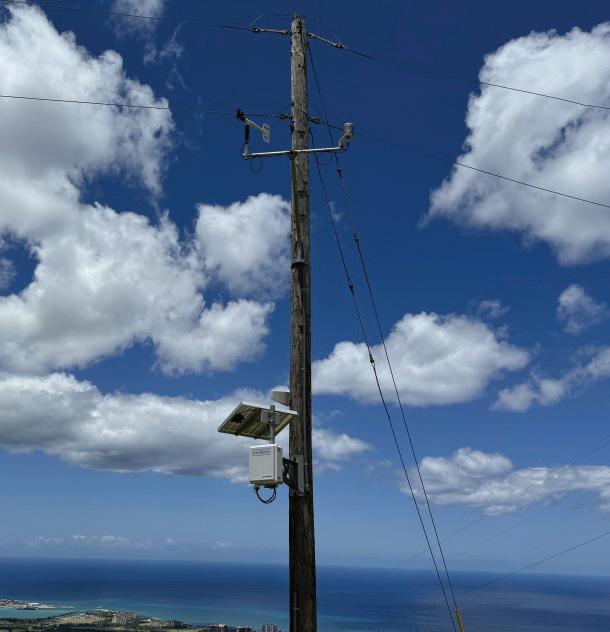
Decisions around Public Safety Power Shutoffs (PSPS) carry significant consequences, and they depend on the integrity of the data being used. When wind speeds rise rapidly or humidity drops below critical thresholds, operators must be able to trust that the measurements reflect reality. The instrumentation provides that foundation and is a key component of Western Weather Group’s networks.
Turning Measurements, Data into Real-Time Action
Today, Hawaiian Electric operates a network of more than 100 weather stations deployed across high- and medium-risk wildfire areas with many more installs coming for 2026.
Each station is tied to a specific transmission or distribution circuit, ensuring that the data being collected is directly relevant to operational decisions. When conditions reach defined thresholds, such as elevated wind speeds combined with low relative humidity, the system supports rapid, informed decisions about whether to de-energize portions of the grid.
Equally important, the same data supports restoration decisions, helping operators determine when it is safe to bring circuits back online.
Western Weather Group supported the capability by helping to deploy and integrate the system. Data is delivered through APIs and incorporated into Hawaiian Electric’s internal dashboards, allowing teams to monitor conditions in real time without relying on external systems or experiencing delayed reporting.
The result is a system where measurement and action are closely aligned, reducing the gap between observation and response.
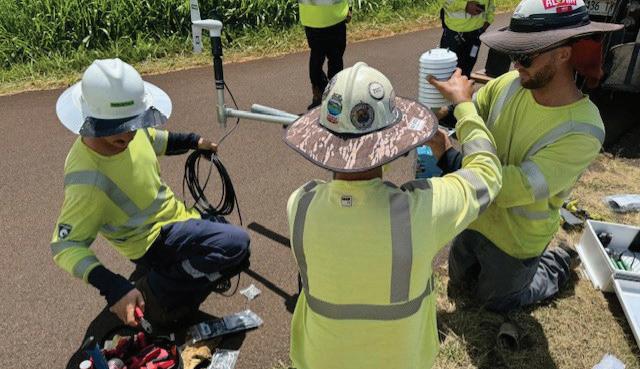
From Data Interpolation to Decision Making
While instrumentation provides the data, interpretation remains critical, particularly in Hawaii’s complex environment.
Western Weather Group’s in-house forecast team has become an extension of Hawaiian Electric’s operational capabilities, offering insight into unusual or rapidly changing conditions. In cases where data may appear inconsistent or unexpected, this expertise helps validate and explain what is occurring in the field.
“It’s not just the equipment, it’s the expertise behind it,” Todaro said. “Having a team of meteorologists we can call and talk through real-world conditions has been incredibly valuable.” This combination of reliable measurement and interpretation has proven valuable in understanding how microclimates influence risk across short distances. It has also helped Hawaiian Electric refine its longterm approach to system planning and resilience.
Transparency and Long-Term Impact
Beyond immediate operations, the weather monitoring network serves a broader purpose. Data collected from the system is shared through third parties, making it accessible to meteorologists, emergency responders, and local communities.
This transparency supports more coordinated decision-making and contributes to improved forecasting over time. According to the National Weather Service, long-term datasets, often spanning a decade, are essential for refining predictive models and understanding regional weather patterns.
In this way, Hawaiian Electric’s investment is not only improving current operations but also contributing to the broader understanding of weather and wildfire risk across the region.
A Blueprint for Wildfire Resilience
The collaboration between Hawaiian Electric and its project partners demonstrates what is possible when instrumentation, expertise, and operational strategy are aligned.
Rather than relying on generalized forecasts, the utility now operates with precise, localized insight into conditions across its grid. Hawaiian Electric operates proactively instead of reactionary, with the help of real-time data.
For utilities facing increasing wildfire and other environmental risks, the implications are clear: resilience depends not only on infrastructure, but on the ability to understand, and respond to, the environment in which that infrastructure operates.
That capability begins with confidently knowing what is happening in the field.
work focuses on shaping messaging that connects real-world applications to the engineering behind environmental measurement.
SAMANTHA PETERSON, marketing manager at R.M. Young Company, brings over 15 years of experience in writing and marketing. She combines her knowledge of the meteorological industry with technical expertise in weather instrumentation. Her
A fully installed weather station on O’ahu that delivers HECO real-time data. R.M. Young
Western Weather Group gives crews hands-on training for installation best practices and standards. R.M. Young
HAWAIIAN ELECTRIC’S WILDFIRE STRATEGY BY THE NUMBERS
By MARC ASANO, Hawaiian Electric
Hawaiian Electric has taken critical steps toward reducing wildfire risk by anchoring its efforts around four guiding pillars:
• Hardening and redesigning its island grids
• Enhancing situational awareness
• Improving operational practices
• Strengthening partnerships with stakeholders and communities
In December 2025, regulators approved Hawaiian Electric’s three-year expanded Wildfire Safety Strategy (WSS), paving the way for deploying new technology, fortifying infrastructure, minimizing fire hazards , and expanding community partnerships to significantly reduce the risk of utility-caused wildfires. Work in 2025 to implement the WSS across the five islands Hawaiian Electric serves included:
• More than 11,000 pieces of critical equipment replaced or upgraded, including lightning arresters, sparkless fuses and smart reclosers
• More than 2,000 wooden poles replaced or upgraded
• 18 miles of power lines upgraded with stronger conductors
• 48 new weather stations installed
• 91 new AI-assisted video cameras installed
• More than 4,900 fault current indicators installed to speed outage detection and resolution
• 100% of vegetation trimming completed on high-risk circuits
• 100% of high- and mediumrisk circuits with enhanced fast-trip protection settings
• 1 meteorologist hired
A major component part of Hawaiian Electric’s WSS is its Public Safety Power Shutoff program, or PSPS, which the company continues to refine. Hawaiian Electric implemented two PSPS events in 2025: one on Maui in July and one on Hawaiʻi Island in November.
In July, high winds and dry conditions on Maui prompted the U.S. National Weather Service to issue a wind advisory. On July 6, 2025, a weather station in Upcountry Maui met PSPS threshold criteria of wind gusts over 45 mph, humidity below 45% and drought conditions. The outage lasted approximately 19.5 hours and affected 332 customers.
On Nov. 12, 2025, Hawaiian Electric implemented a PSPS event in the South Kohala area of Hawaiʻi Island when wind gusts exceeded 50 mph and humidity dropped below 45%. About 1,175 customers were initially impacted. Hawaiian Electric re-energized all circuits the morning of Nov. 13 and continued to monitor conditions with a PSPS watch through Nov. 14.
Hawaiian Electric understands that wildfire safety is a shared responsibility. In 2025, it strengthened community partnerships by participating in more than 90 in-person and virtual outreach events; developing more than 100 partnerships
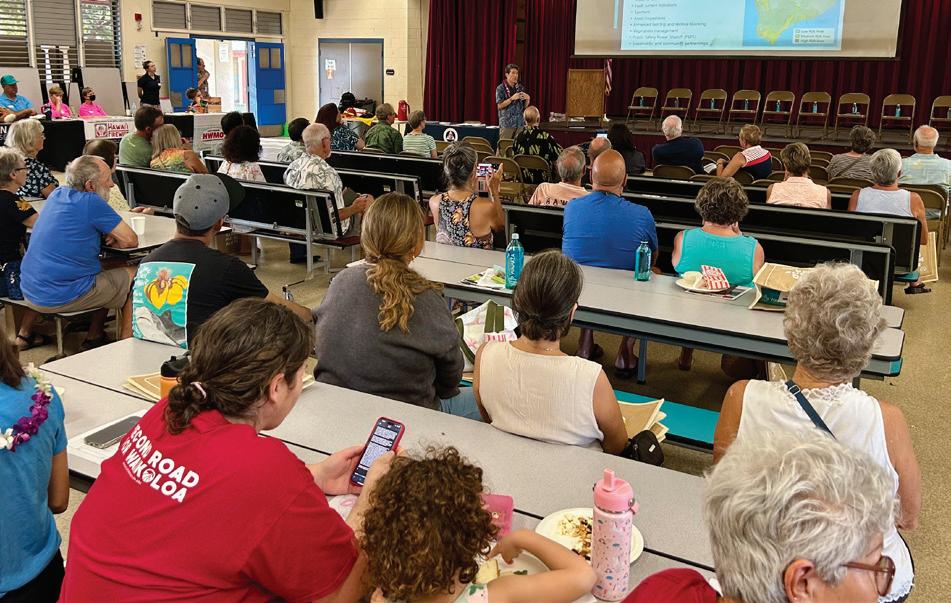
with emergency responders and local organizations; and holding five Wildfire Safety Working Group sessions.
Here’s what Hawaiian Electric is prioritizing in 2026:
• Continuing to harden the grid in medium- and high-risk areas
• Reducing customer impacts during Public Safety Power Shutoffs
• Launching targeted undergrounding in critical safety areas of Lahaina
• Expanding weather monitoring and hazard-detection cameras, including AI-assisted systems
• Strengthening real-time wildfire monitoring and decision-making
• Refining wildfire risk modeling
• Continuing community engagement and partnerships
The Hawaiʻi Public Utilities Commission, in a separate docket, is considering the overall $480 million cost of the three-year WSS, about one-third of which is already funded through existing programs, including a federal grid resilience grant received in 2024.
Approximately two-thirds of the cost will go toward capital investments in upgraded infrastructure, with one-third for operations and maintenance, such as inspections and vegetation management.
Marc Asano is director of wildfire strategy and has more than 18 years of utility experience. He has led Hawaiian Electric’s development of long-range plans and strategies, including its grid modernization strategy and its 2025–2027 Wildfire Safety Strategy.
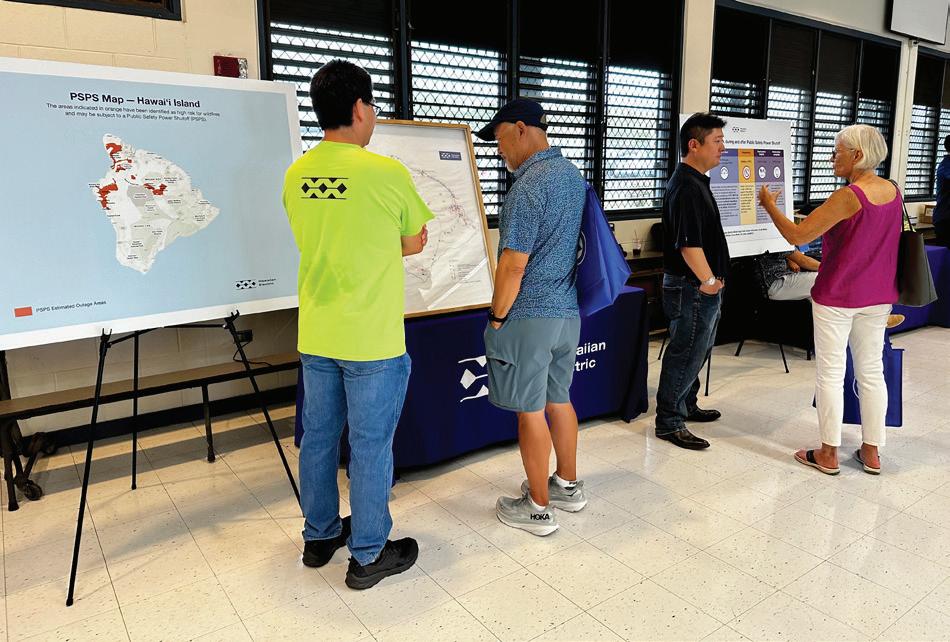


Hawaiian Electric presents its Public Safety Power Shutoff program to community members at Kealakehe High School in Kona on Hawaii Island. Hawaiian Electric
Colton Ching, Hawaiian Electric senior vice president of planning and technology, presents the company’s Wildfire Safety Strategy at a community resilience fair at Waikoloa on Hawaii Island. Hawaiian Electric
Learn
STAY CONNECTED WITH
NEWSLETTERS
Choose



VISIT US ONLINE
Stay





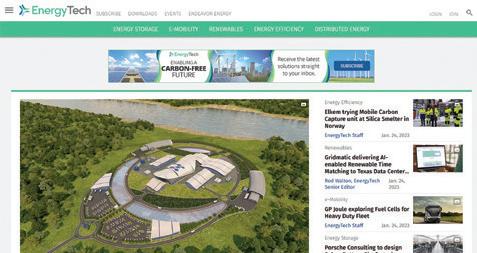

Strategic Weather Monitoring
To combat wildfire threats, Idaho Power installs strategically placed weather stations that deliver real-time, localized weather data. This granular information supports critical decisions such as disabling reclosers and public safety power shutoffs, helping to protect both communities and infrastructure amid topographical challenges.
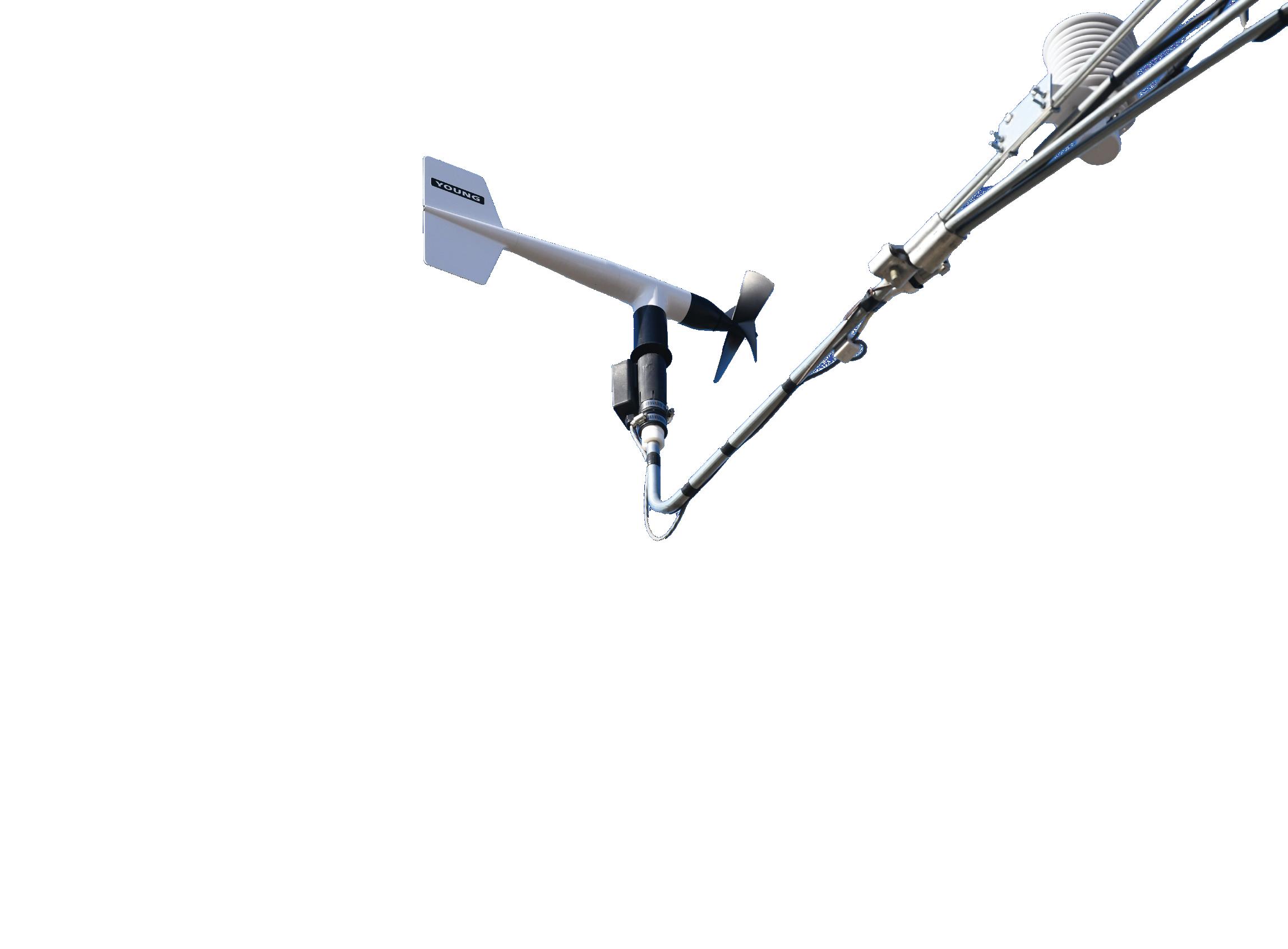
By DANI SOUTHARD, Idaho Power
Like most utilities across the West, Idaho Power is fighting on many fronts to prevent wildfires and protect the grid. Idaho Power trims trees, inspects its lines, installs sparkprevention devices, and repairs and upgrades equipment such as cross-arms and fuses.
No matter how much utilities harden the grid, though, wildfire risk will always be present. One of Idaho Power’s best tools for reducing that risk is a precise understanding of the conditions
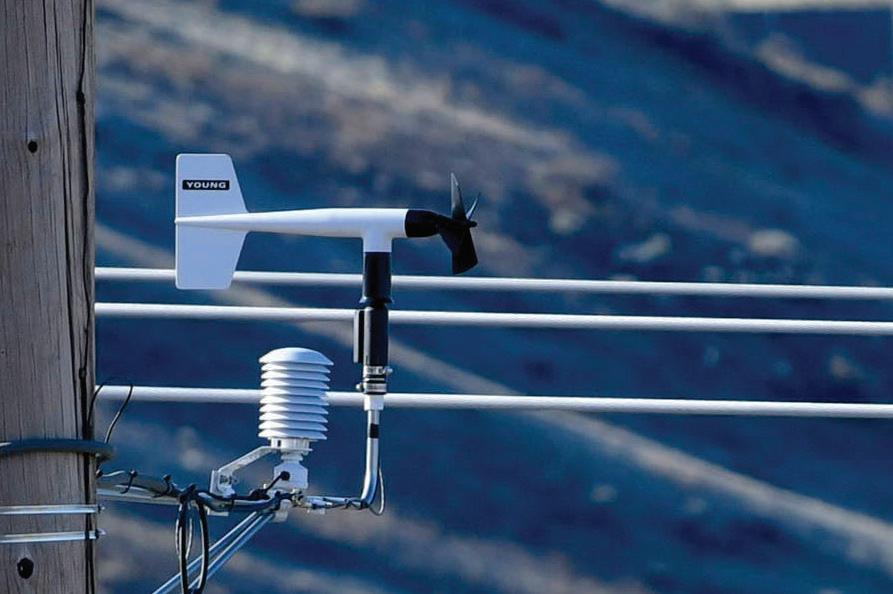
that influence wildfire behavior. That’s why Idaho Power is investing in stations to pinpoint temperature, wind speed and other weather variables at dozens of locations across its service area. These stations, combined with fuel monitoring and short-term weather forecasts, help the company maintain situational awareness during wildfire season and make informed operational decisions to reduce risk.
“These stations really zero in on what’s happening at a granular level,” Idaho Power Atmospheric Science Supervisor Derek Blestrud said. “Instead of telling us what’s happening in, say, a 100-square-mile area, we know weather details down to a few feet around the station. That’s a big deal for Idaho Power because our service area has a lot of topographical variation — forests, mountains, grassy desert areas and all the interfaces between them.”
Idaho Power began installing weather stations in 2023. There were just a handful at first. Today, Idaho Power has more than 100 across its service area, and the company is planning to install another 60 this year.Idaho Power places each one strategically, primarily in or near areas where broader weather patterns, fuels and topography elevate the likelihood of a wildfire or the damage a fire is likely to cause.
The stations are typically mounted on Idaho Power-owned monopoles. Each one is outfitted with temperature and humidity sensors and an anemometer to measure wind speed. They’re unobtrusive enough that they might not be noticeable if one does not know what to look for.

Wildfire weather stations feature heat and humidity sensors, as well as an anemometer to measure wind speed. Idaho Power
Most of the more than 100 wildfire weather stations Idaho Power has installed are in areas where wildfire risk is elevated due to factors like fuels, topography, residential or commercial development, and weather patterns. Idaho Power




UTILITY ANALYTICS TRAINING
UAI provides various learning formats to bring analytics training and expertise to your organization, based on your goals, team size, and delivery preference. Learn from experienced instructors who understand real utility challenges and gain practical skills that teams can apply immediately.
Flexible Training & Development for Utility Professionals
• Live, interactive instruction
• Utility-focused case studies
• Foundational to advanced topics
• CEUs and professional credits (available for select courses)
• Training and coaching aligned to utility realities

LEARN MORE AND REGISTER training.utilityanalytics.com
1
PRIVATE GROUP TRAINING
Bring any UAI course to your team, virtually or on-site. Ideal for organizations seeking teamwide alignment and shared skill development.
2
CUSTOM PRIVATE GROUP TRAINING
One-day courses tailored to your organization’s goals and challenges, including Data Governance, Data Stewardship, Visualization and Storytelling, Data Quality, and Root Cause Analysis.
3
VIRTUAL CLASSROOM TRAINING
Live, instructor-led courses delivered virtually using a pre-purchase ticket model. Join scheduled sessions with peers across utilities.
4
COACHING SERVICES
A strategic complement to training focused on execution, governance, leadership alignment, and long-term analytics maturity.
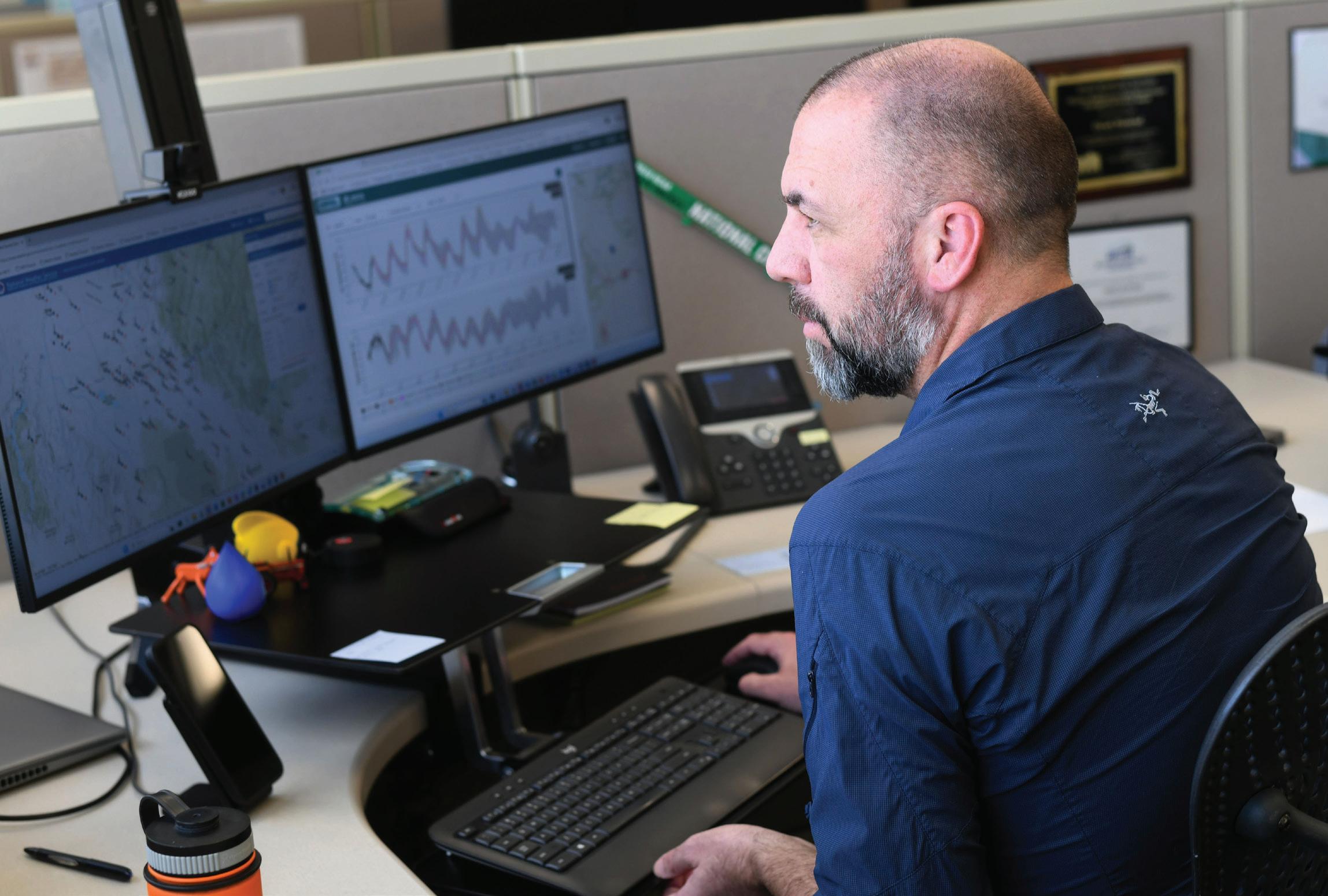
During wildfire season, Idaho Power’s meteorologists monitor data the weather stations provide and communicate it to operations leaders. This information helps inform operational decisions such as disabling reclosers, increasing line sensitivity or initiating a public safety power shutoff (PSPS).
“When you make a decision as weighty as whether to turn off customers’ power to prevent a wildfire, you want the most trustworthy data available,” Idaho Power Wildfire Mitigation Director Jon Axtman said. “Our weather stations give us that.”
Idaho Power makes data from the weather stations available to the public. Anyone with an internet connection can check the weather at any station in the company’s network.
“The National Weather Service folks tell us they get excited every time a new station’s data pops up,” Blestrud said. “Besides the real-time data they’re getting, the accumulation of that data over time enables them to flesh out their longer-term weather models with a degree of detail that was impossible just a few years ago.”
DANI SOUTHARD is Idaho Power’s Wildfire Mitigation Program Leader. She oversees the development, execution, and improvement of the company’s Wildfire Mitigation Plan, guides wildfire risk‑reduction strategy, supports PSPS and fire‑encroachment operations, and manages wildfire mitigation initiatives. She brings extensive experience in strategy, planning, forest restoration, and multi‑party natural resource collaboration through prior roles with ICF International, the National Forest Foundation, and the Idaho Conservation League.
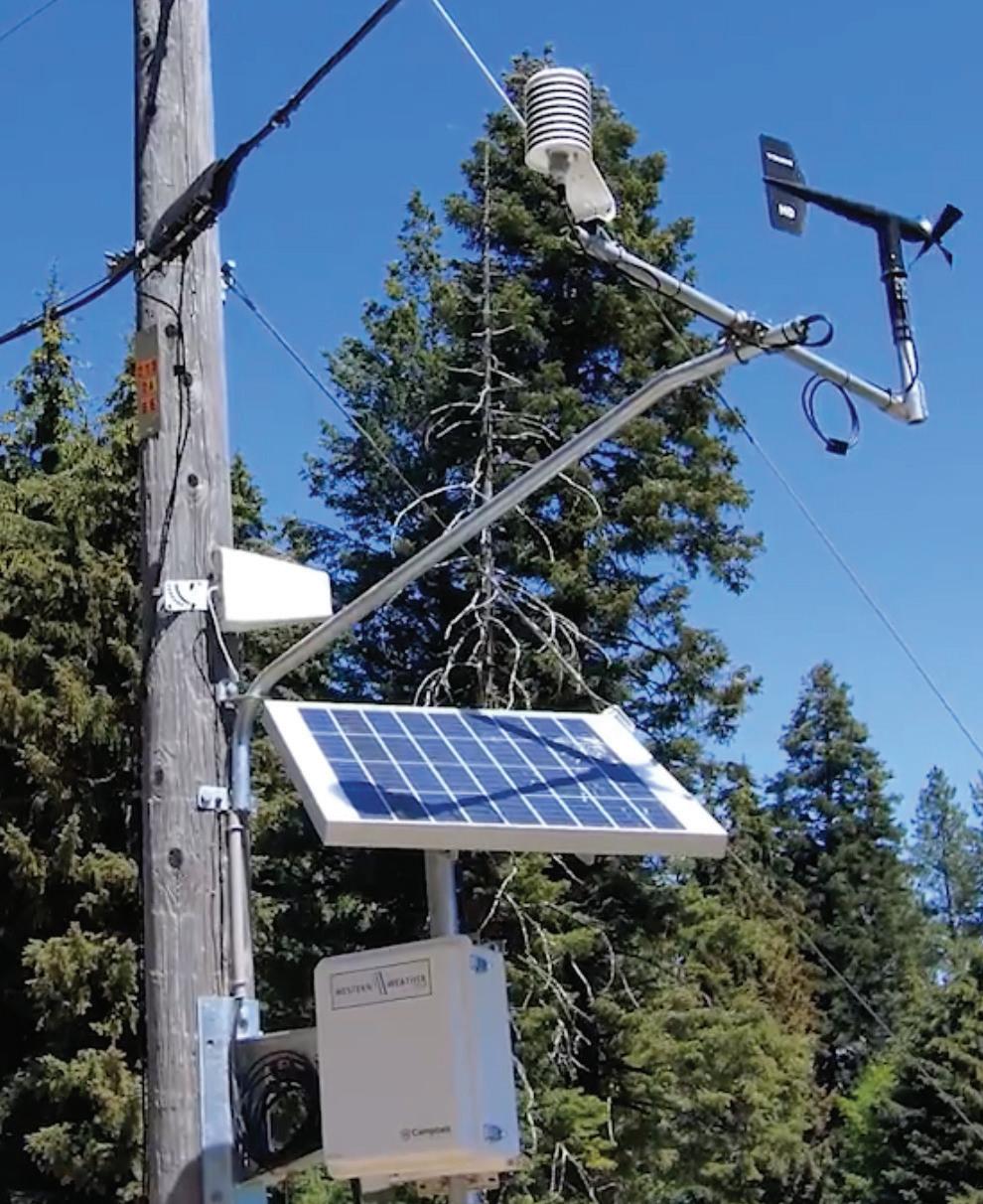
Weather stations are crucial to Idaho Power’s understanding weather patterns across a wide variety of terrain, vegetation, and development densities. Idaho Power
Derek Blestrud, Idaho Power’s Atmospheric Science Supervisor, reviews data from weather stations sprinkled across the utility’s service area, which includes most of southern Idaho and part of eastern Oregon. Idaho Power
Ramping Up Reliability and Resiliency in the Rocky Mountains
Mountain Parks Electric delivers safe, reliable, cost-effective, sustainable energy and services to better the lives of its members and communities.
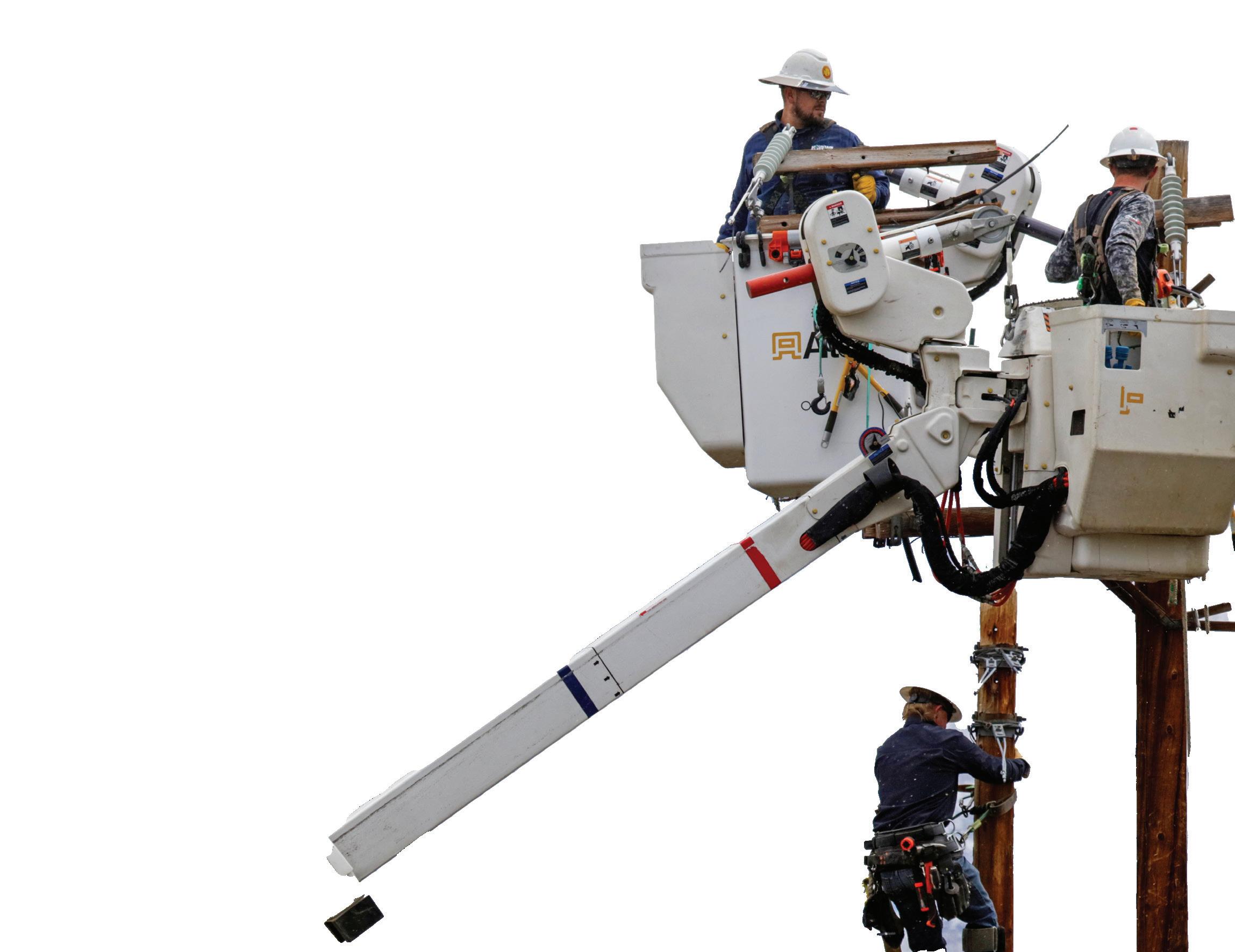
In the wake of a wildfire, Mountain Parks Electric is investing in a system-wide trim cycle and sustainability initiatives to safeguard its system in Colorado.
By ADAM PAULSON, Mountain Parks Electric
Six years ago, the second-largest wildfire in Colorado’s history swept through Mountain Park Electric’s (MPE) service territory with unprecedented speed and force. Wind gusts reached 110 mph, creating a firestorm that leveled entire neighborhoods and disrupted power to thousands.
In the wake of the 2020 wildfire, which appeared to be started accidentally by a hunter or backcountry camper according to reports, MPE was forced to shut off all its Grand Lake load for nearly a week. About 366 homes were lost, and millions of dollars in infrastructure required repair or replacement.
Despite the devastation, the cooperative restored power to every customer who could safely receive it within seven to 10 days. Full system restoration took nearly four years, a testament to MPE’s perseverance and its reliance on partnerships with FEMA, local governments and fellow utilities.
This fire shaped MPE’s recent history, redefined risk and became a turning point. It underscored the urgency of vegetation management and system hardening. MPE responded by rethinking its approach from the ground up.
From Service to Innovation
Nestled in Colorado’s rugged Rocky Mountain region, MPE was established in 1946 and headquartered in Granby, Colorado with a service center in Walden, Colorado, and another in Kremmling, Colorado. This not-for-profit electric cooperative serves about 18,000 members across more than 23,000 meters and 1,900-line miles.
While the cooperative has grown and evolved over the past 75 years, its mission has remained constant: to deliver safe, reliable, affordable and sustainable energy and services while supporting the communities it serves. Today, MPE is tackling challenges that test the limits of modern infrastructure, from wildfire risk to extreme weather and renewable integration. But its approach, rooted in proactive planning, community engagement and technological innovation, is ensuring that even in uncertain terrain, progress is always possible.
As a member-owned cooperative, MPE operates on principles that emphasize democratic control, community involvement and long-term sustainability. These values guide every decision, from rate structures to energy sources to investments in grid reliability.
Mountain Parks Electric
MPE is part of the Touchstone Energy network, aligning with more than 700 other co-ops across the country to share best practices and advocate for rural energy needs. Locally, MPE’s impact goes beyond electricity. The cooperative supports robust scholarship and rebate programs, hosts community events and actively volunteers time and resources to causes throughout the region.
In recent years, the cooperative has also invested in broadband development, working with its Fiber-to-the-Premises (FTTP) partner, Conexon Connect, to bring high-speed internet to homes and businesses across the territory. By leveraging its middle-mile infrastructure, MPE is helping bridge the digital divide in a region where geography often hinders connectivity.
A New Era of Vegetation Management
Before the fire, some areas in MPE’s system followed a five- to 10-year vegetation trim cycle. In the aftermath, the cooperative made a bold decision: to adopt a uniform, system-wide four-year trim cycle, paired with a mid-cycle inspection and annual hazard tree reviews.
This approach, led in partnership with ACRT, focuses on proactive maintenance and rapid response. ACRT manages planning and notifications across MPE’s entire system, and their utility foresters play a hands-on role in day-to-day operations. Len Jagelski, a consulting utility forester, has become known for his persistence in tracking down hard-to-reach property owners. With roughly 75% of homes in MPE’s service area being second or vacation homes, reaching customers for permissions and notifications often requires what ACRT staff call a “private eye” mindset, scouring county records, attempting phone calls and sending certified letters to ensure safe access for tree work.
The updated program also includes the use of Americanmade drones, flown by certified pilots, to support inspection efforts. These drone surveys capture detailed imagery of the terrain, particularly useful in areas where satellite imagery falls short due to tree cover, shadowing or resolution limits. By combining drone views with ground-based audits, MPE can create a layered understanding of system vulnerabilities.
This work is coordinated through a cloud-based dashboard that allows crews and foresters to see which jobs are in progress, which permissions are still pending, and where highrisk areas are located. The transition from paper to digital records has not only improved efficiency, but it’s also created accountability and transparency throughout the workflow.
Technology with a Human Touch
While innovation is key, MPE believes that no technology can fully replace people. MPE acknowledges that while drones are valuable tools, they are not a daily solution. Boots on the ground remain essential for accurately assessing the terrain and maintaining system reliability. The team conducts hands-on inspections throughout the year, often in harsh conditions and remote locations, to ensure nothing slips through the cracks.
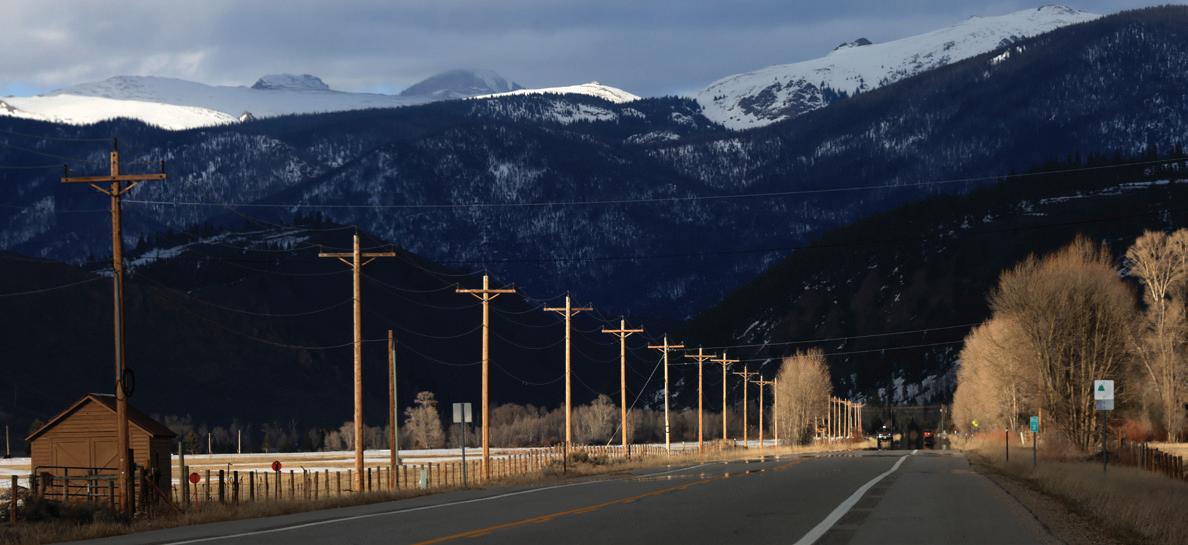
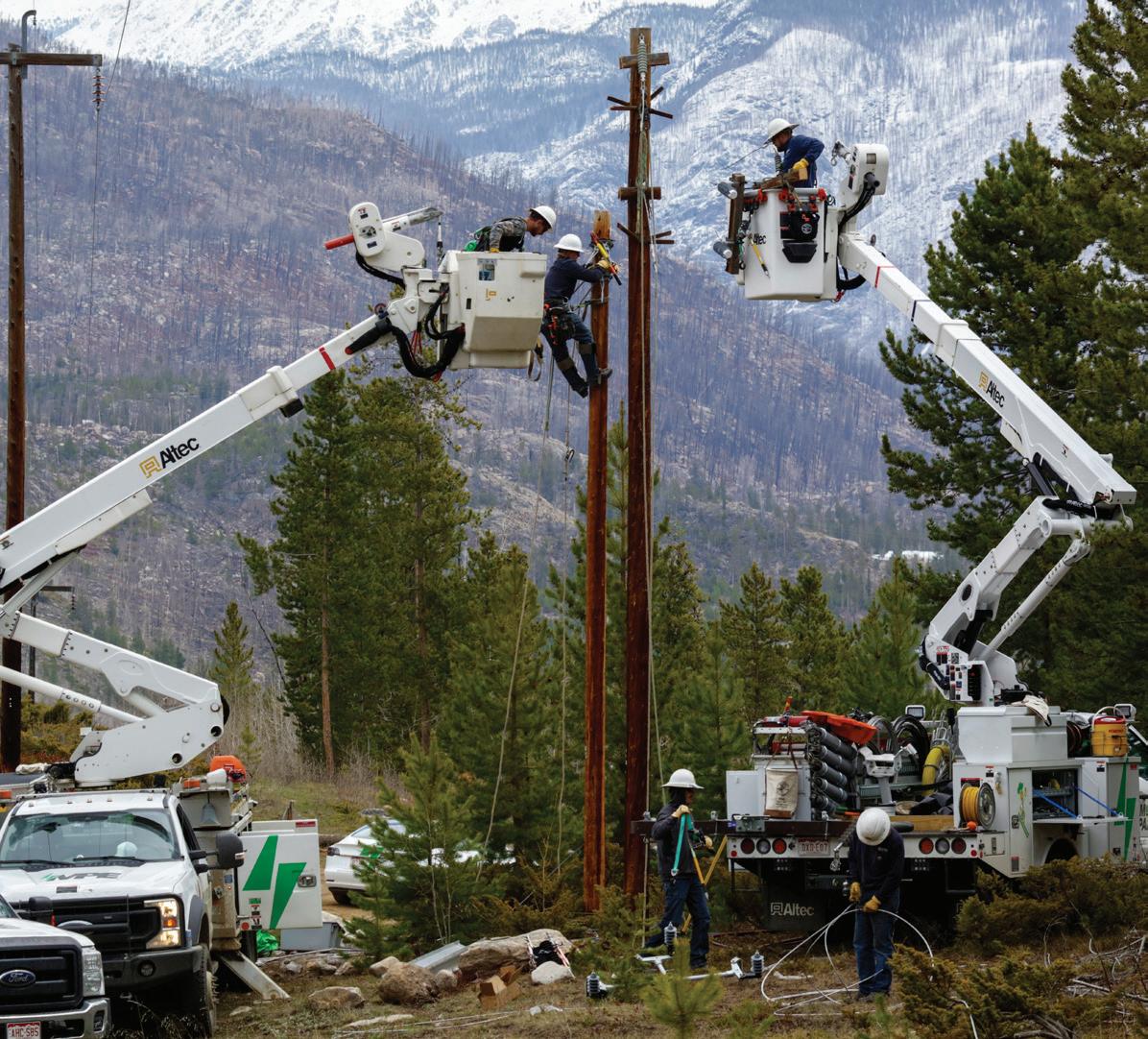
Mountain Parks Electric, Inc. (MPE) is a member-owned electric utility cooperative. Established in 1946 in Walden, Colorado, MPE has been headquartered in Granby since 1953. Mountain Parks Electric
Mountain Parks Electric lineworkers repair a utility pole in Grand Lake, Colorado, featuring burn from the East Troublesome Fire in the background. Mountain Parks Electric
MPE serves more than 20,500 members through more than 23,000 meters across about 4,000 square miles of Rocky Mountain terrain, including all of Grand and Jackson counties, as well as parts of Larimer, Routt and Summit counties.
Mountain Parks Electric
This people-first approach extends to all areas of operation. The cooperative recently celebrated a milestone of four years, as of March 2026, with zero lost-time injuries — a reflection of the safety culture that’s been cultivated over time. MPE places the highest priority on crew safety, with a strong focus on ensuring that every team member returns home safely at the end of each day.
Other concerns include supply chain limitations, particularly for specialized parts. MPE is well-stocked for now, but as infrastructure needs continue to grow, securing essential materials will remain a top priority.
Energy Transformation in Action
On Feb. 1, 2025, MPE completed a major transition from TriState Generation to Guzman Energy. Under its previous supplier, MPE was restricted to a 5% self-generation carve-out. Now, with Guzman, the cooperative has far greater flexibility to procure or produce renewable energy that meets member needs and state mandates.
This shift will enable MPE to meet Colorado’s goal of 80% renewable energy by 2030 and it positions the cooperative for even greater sustainability in the years ahead. The Guzman partnership allows for long-term rate stability, innovation in procurement and the ability to participate in distributed energy markets.
Supporting this effort are grants from state and federal sources. These funds are used to improve system resiliency, invest in community development, and prepare the grid for MPE’s next 75 years.
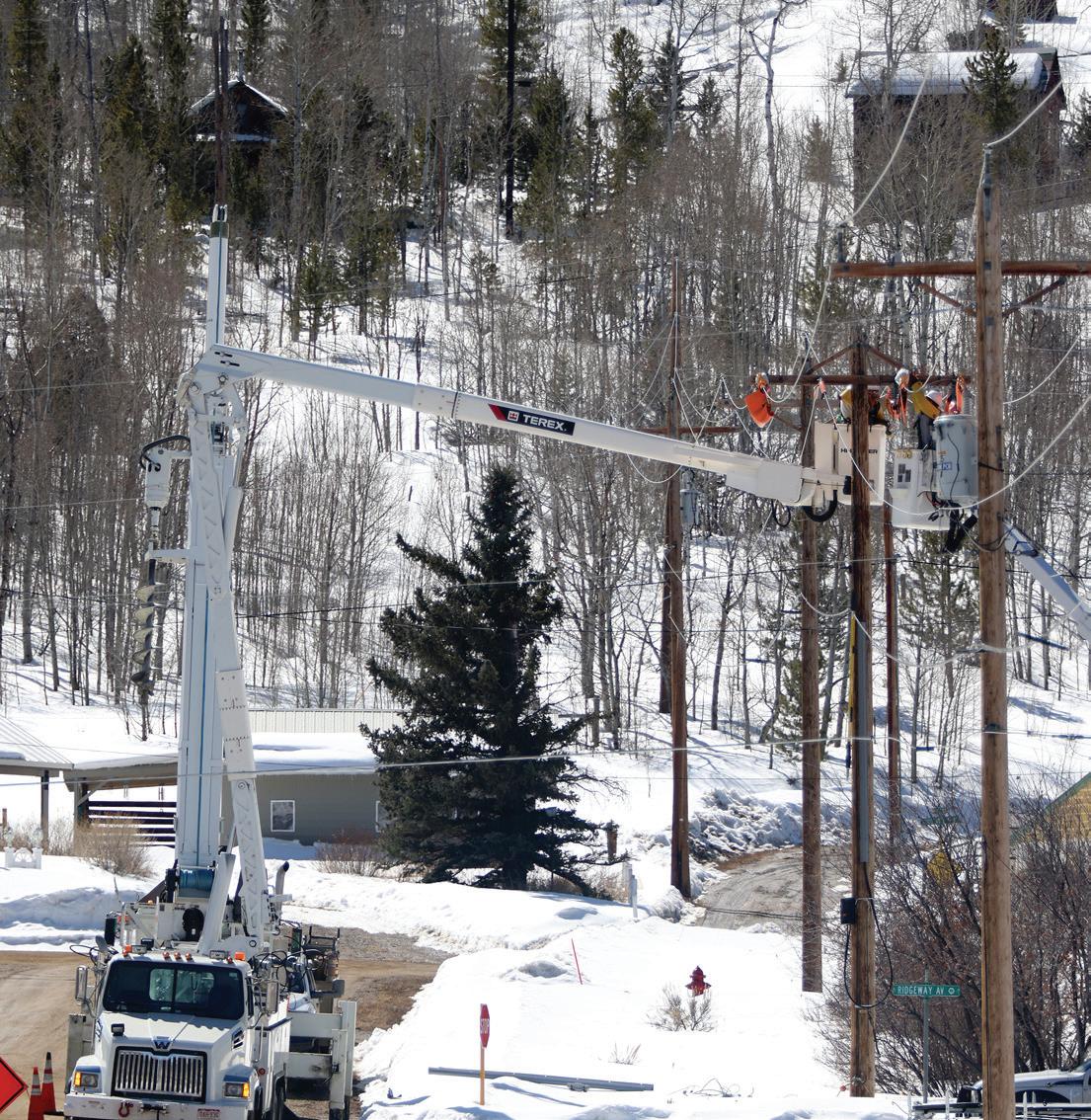
Growth, AI and the Next Chapter
As MPE charts its path forward, it’s embracing the unknown. Artificial intelligence is one area with massive potential, though the specific applications are still emerging. Whether it’s predictive maintenance, outage management, workforce scheduling or customer engagement, AI is expected to play a growing role in utility operations.
Load growth is also a major factor in planning. The Winter Park, Colorado, area continues to expand, with more homes, more infrastructure and more energy needs. MPE is preparing for this growth by building capacity now, investing in protective technologies and prioritizing system planning to avoid future bottlenecks.
Cooperative Power, Mountain Strong
In the end, Mountain Parks Electric isn’t defined by its infrastructure, its rate structure, or even its trim cycle — it’s defined by its people. From lineworkers scaling poles in snowstorms to member service reps solving billing challenges, every part of MPE reflects the cooperative’s mission to serve with care, precision, and purpose.
By blending technology with tradition, foresight with flexibility, and accountability with innovation, MPE is clearing a path to a future that’s stronger, safer and more sustainable, for the mountains and for the members who call them home.
ADAM PAULSON is the vice president of operations at Mountain Parks Electric. He began in the industry as a groundman for Asplundh Tree Experts 20 years ago and worked his way up to a general foreman, where he managed more than 20 crews, coordinated large-scale storm response and handled utility audits and fleet logistics across multiple states. After topping out as a journeyman at Mountain Parks Electric, he became a crew foreman and general foreman. He now oversees dispatch, SCADA, substations, line operations, fleet services and contractors.
A line of winter trees are spread across the MPE territory. Mountain Parks Electric
MEDIA SALES
Account Manager
Brent Eklund
Phone: 303-888-8492
Email: beklund@endeavorb2b.com
Account Executive
Andreja Williamson
Phone: 630-721-0712
Email: awilliamson@endeavorb2b.com
INTERNATIONAL SALES
Europe
Sarah Howell
Phone: +44 7935 299 884
Email: showell@endeavorb2b.com
South America, Central America
Fernanda Vega
Phone: +55 21 97673-9692
Email: fvega@endeavorb2b.com
Middle East, India, Asia, Australia, Africa
Saurabh Kapoor
Email: skapoor@endeavorb2b.com
EVENT SALES
Account Manager
David Silverstone
Phone: 561-285-2592
Email: dsilverstone@endeavorb2b.com
International Linemen’s Rodeo, and Events
Sam Posa
Phone: 913-515-6604
Email: sposa@endeavorb2b.com
MEMBERSHIP SALES UTILITY ANALYTICS INSTITUTE
Membership Development Manager
James Wingate
Phone: 404-226-3756
Email: jwingate@endeavorb2b.com
Utility Analytics Institute, Smart Utility Summit and Smart Water Summit















When Failure is Not an Option Protecting Critical Infrastructure, Powering Everyday Life.




Securing critical infrastructure means ensuring uninterrupted power, water, gas, and electric service. i-PRO Security Radar provides early awareness, wide-area monitoring, and AI-driven verification to enable reliable 24/7 protection with minimal false alarms for the communities that depend on you.
i-PRO Security Radar: Wide-Area Monitoring & High-Precision Tracking
■ Wide-Area Detection: 180° coverage up to 100m (328 ft) for vehicles and 70m (230 ft) for people.
■ Edge-AI PTZ Integration: Connect up to four i-PRO Edge-AI PTZ cameras for auto tracking and rapid visual verification.
■ False Alarm Reduction: Filter wildlife, wind, and environmental movement to reduce false alerts and operator fatigue.
■ Fast Deployment: Integrates with leading VMS and existing systems, with a built-in camera for quick alignment.
■ All-Weather Performance: 60GHz radar detects people and vehicles in fog, rain, darkness, and extreme weather.
■ Mission Critical Reliability: IP66 / IK10 durability with a coastal variant built for salt-heavy utility environments.
■ Industry-Leading Cybersecurity: FIPS 140-3 Level 3 certified, NDAA/TAA compliant, engineered and manufactured in Japan.
■ Lower Cost of Operation: Cover more area with fewer devices, reduced maintenance, lower bandwidth, and no recurring AI fees.