
BEYOND EVERY GROUND, BUILD TO CONQUER.













Cost pressures, cautious eets de ne today’s commercial tire market




forces are bearing down on the truck tire market? Find out, starting on page 38.
Photo: MTD
By


BEYOND EVERY GROUND, BUILD TO CONQUER.
Cost pressures, cautious eets de ne today’s commercial tire market
By
ow bad will a rolling resistance mandate in California be for tire dealers, tire manufacturers and tire buyers? A coalition of dealers, manufacturers and trade associations has counted the ways — and there are more than a few.
They recently shared these points with the California Energy Commission (CEC), the driving force behind the mandate. (Longtime MTD readers will recall that California has been wanting to do something like this for more than 20 years.)
To recap, the CEC intends to establish a ruling that would require all replacement and original equipment passenger tires sold in the state of California to meet a minimum fuel efficiency standard. In this column before, I’ve discussed the many burdens this would place on tire dealers, manufacturers and buyers.
A letter representing two tire manufacturers (Yokohama Tire Corp. and Goodyear Tire & Rubber Co.), the California Tire Dealers Association, the Specialty Equipment Market Association and two other trade associations sent to the CEC on April 24 did an excellent job of articulating various concerns.
The letter started by saying the proposed directive “will increase the cost of replacement tires by approximately $6 to $10 per tire” and that “tires capable of meeting rolling resistance performance ... are typically priced hundreds of dollars more per set than baseline alternatives.”
The letter goes on to say that “California is in the midst of a widely acknowledged affordability crisis” and that by “materially increasing the cost of replacement tires, the proposed standards would impose hundreds of dollars in new upfront expenses on drivers.”
Consumer freedom of choice was also addressed. “California consumers already have access to a wide range of tire options that vary in price, performance, durability, noise, traction and efficiency. Many consumers are willing to pay a premium for fuel-efficient or low rolling resistance tires when the benefits align with their driving needs and budgets. Others prioritize longevity, traction or affordability.
“The proposed regulation removes these choices by mandating a specific performance outcome across the market, regardless of consumer preference, driving patterns or consumer purchasing power. This one size-fits-all approach is particularly problematic, given the cost impacts involved.”
The letter also touched on “operational and compliance burdens” that the proposed mandate would place on automotive repair facilities, including tire dealerships, describing these obligations as “significant and unworkable.”
In one of my previous editorials, I quoted Roy Littlefield IV, vice president of government affairs for the Tire Industry Association, who said the mandate is “really going to impact
retailers. Not every tire is going to be on the (CEC’s) approved list.”

The California Energy Commission wants to enact phase one of its planned rolling resistance mandate in January 2028.
Photo: ID 51127788 © Jon Bilous | Dreamstime.com
He also listed additional requirements that would be placed on dealers. “They’re going to have to be able to inform consumers about what the program is and what their opinions are. You’re going to have to know what it all means.”
From a tire design and manufacturing standpoint, the recent letter raised concerns about “safety, performance and implementation uncertainties,” noting that the CEC’s proposed tire efficiency standard does not “adequately account for real-world safety and performance trade-offs and practical implementation challenges. Reductions in rolling resistance can directly affect traction and braking characteristics, particularly under varied driving conditions, raising legitimate safety concerns.”
As I’ve noted before, not all tire manufacturers will have the ability to meet the CEC’s requirements. (The CEC is planning to develop an online database of low rolling resistance tires sold in California that will contain data supplied by tire manufacturers.)
The authors of the letter are calling for “a balanced path forward. Specifically, we urge the commission to either pause adoption of the proposed replacement tire efficiency standards and revised (expectations) using empirically grounded, market-based cost assumptions that accurately reflect real-world pricing and impact on the consumers ... or shift toward a consumer awareness and transparency strategy, such as enhanced tire labeling, public education campaigns and voluntary, incentive-based programs to make informed choices based on price, performance and efficiency, avoiding mandating outcomes that Californians cannot afford.”
Commenting on option number two, I would ask, “Who’s going to take the lead on developing enhanced tire labeling, public education campaigns and voluntary, incentive-based programs and more importantly, who’s going to pay for all of these things?”(The responsibility certainly should not be placed on independent tire dealers or distributors, who have enough to deal with already. But I digress.)
The CEC is clearly moving forward. In a public statement — also issued on April 24 — the commission said it will implement phase one of its mandate in January 2028, while phase two will begin in January 2031.
If it goes into effect, the CEC’s fuel efficiency mandate won’t just be “contained” to California. You can bet your bottom dollar that other states will try to implement their own mandates, turning a localized problem into a national one. ■
If you have any questions or comments, please email me at mmanges@endeavorb2b.com.
DIGITAL RESOURCES FOR THE INDEPENDENT TIRE DEALER
The Modern Tire Dealer Show is available on Apple Podcasts, Spotify, iHeart Radio, Amazon Music, Audible and MTD’s website.
Sign up for Modern Tire Dealer ’s eNewsletters to receive the latest tire news and our most popular articles. Go to www.moderntiredealer.com/subscribe

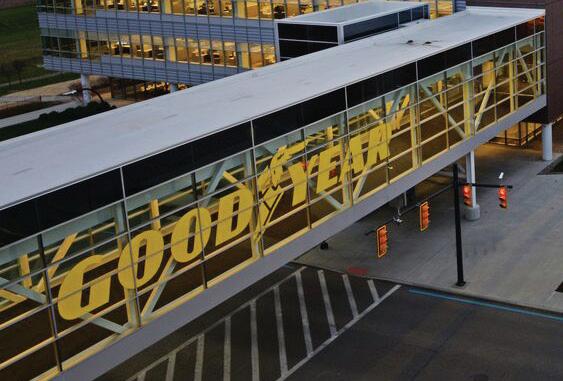
According to MTD’s 2026 Facts Issue, Goodyear Tire & Rubber Co.’s Fayetteville, N.C., factory, which will close next year, has the capacity to build 31,000 passenger tires and 10,500 light truck tires daily.
Photo: Goodyear Tire & Rubber Co.
The closing of Goodyear Tire & Rubber Co.’s Fayetteville, N.C., plant will leave the company with nine remaining factories in North America. Other tire manufacturers are ramping up their investment in the U.S. market while launching a variety of new product lines. These items, including MTD’s 2026 Top U.S. Retreaders list and MTD’s annual tire dealer program groups guide, were among the most-read stories on www.moderntiredealer.com this past month.
1. Goodyear: What’s left after Fayetteville
2. Goodyear to close Fayetteville plant
3. MTD’s 2026 top 50 U.S. retreaders
4. Hankook uses U.S. plant investment to make top-tier case
5. Goodyear takes rst quarter loss
6. Tire dealer program groups add perks
7. Central Tire builds high performance shop of dreams
8. K&M Tire expands Michigan D/C
9. Continental to build new warehouse
10. Linglong showcases off-road tires
Check out MTD ’s digital edition at www.moderntiredealer. com/magazine
PUBLISHER
Greg Smith gsmith@endeavorb2b.com (330) 598-0375
EDITORIAL
Editor: Mike Manges (330) 598-0368, mmanges@endeavorb2b.com
Managing Editor: Sara Welch swelch@endeavorb2b.com
Associate Editor: Aden Graves agraves@endeavorb2b.com
PRODUCTION
Art Director: Erin Brown
Production Manager: Karen Runion (330) 736-1291, krunion@endeavorb2b.com
ACCOUNT EXECUTIVES
Darrell Bruggink / dbruggink@endeavorb2b.com
Marianne Dyal / mdyal@endeavorb2b.com
Mattie Gorman-Greuel / mgorman@endeavorb2b.com
Cortni Jones / cjones@endeavorb2b.com
Diane Johnston / djohnston@endeavorb2b.com
Sean Thornton / sthornton@endeavorb2b.com
Kyle Shaw / kshaw@endeavorb2b.com
Lisa Mend / lmend@endeavorb2b.com
Chad Hjellming / chjellming@endeavorb2b.com
MTD READER ADVISORY BOARD
Rick Benton, Black’s Tire Service Inc.
Jessica Palanjian Rankin, Grand Prix Performance
John McCarthy Jr., McCarthy Tire Service Co. Inc. Jamie Ward, Tire Discounters Inc.
CUSTOMER/SUBSCRIPTION SERVICE (877) 382-9187 moderntiredealer@omeda.com
ENDEAVOR BUSINESS MEDIA, LLC
CEO: Chris Ferrell
COO: Patrick Rains
CDO: Jacquie Niemiec
CALO: Tracy Kane
CMO: Amanda Landsaw
EVP Transportation Group: Chris Messer
VP of Content Strategy, Transportation Group: Josh Fisher
VSRG Editorial Director: Chris Jones
year). All subscriptions are payable in U.S. funds. Send subscription inquiries to Modern Tire Dealer, PO Box 3257, Northbrook, IL 60065-3257. Customer service can be reached toll-free at 877-382-9187 or at moderntiredealer@omeda.com for magazine subscription assistance or questions. Printed in the USA. Copyright 2026 Endeavor Business Media, LLC. All rights reserved. No part of this publication may be reproduced or transmitted in any form or by any means, electronic or mechanical, including photocopies, recordings, or any information storage or retrieval system without permission from the publisher. Endeavor Business Media, LLC does not assume and hereby disclaims any liability to any person or company for any loss or damage caused by errors or omissions in the material herein, regardless of whether such errors result from negligence, accident, or any other cause whatsoever. The views and opinions in the articles herein are not to be taken as official expressions of the publishers, unless so stated. The publishers do not warrant either expressly or by implication, the factual accuracy of the articles herein, nor do they so warrant any views or opinions by the authors of said articles. 3515 Massillon Rd., Suite 200 Uniontown, OH 44685 www.moderntiredealer.com
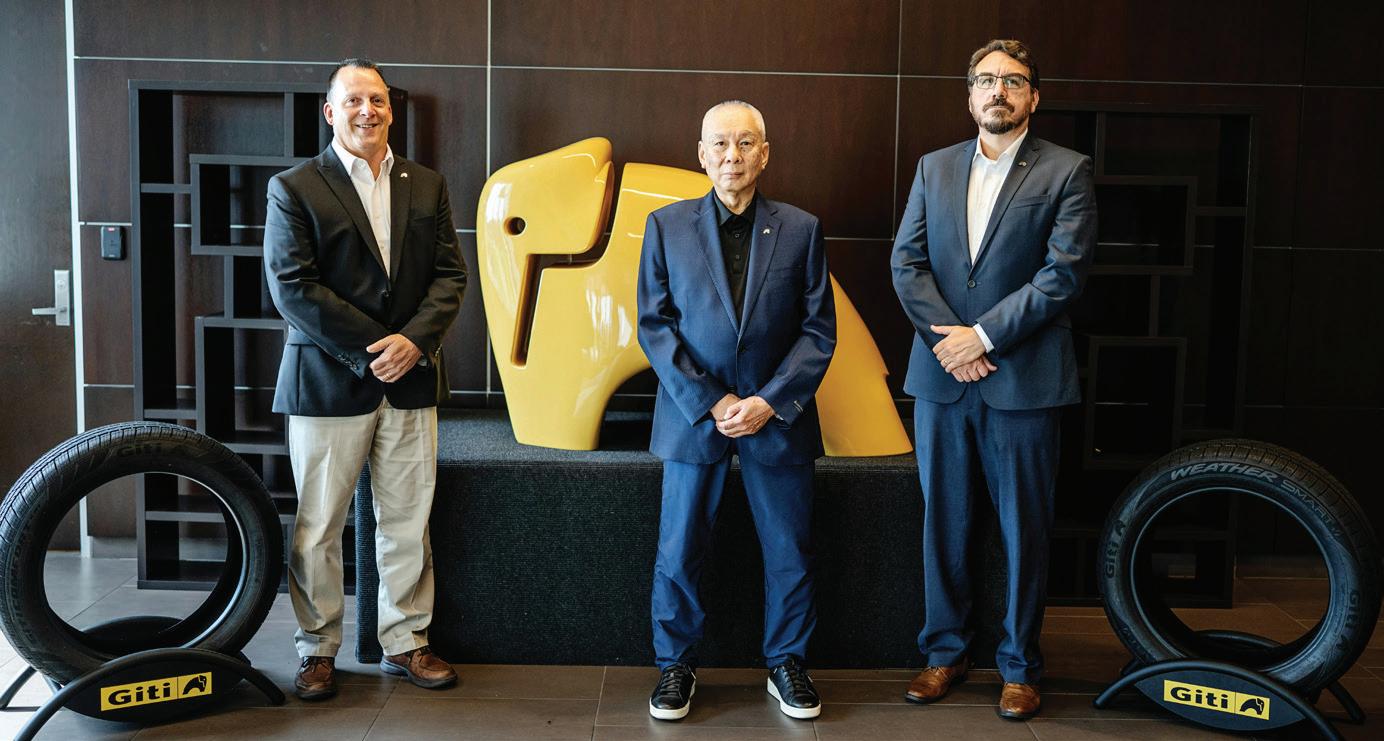
Giti Tire (USA) Ltd. is solidifying its presence in the United States market through increased manufacturing technology, a collaborative product development strategy and its “Made in America” commitment.
The company plans to leverage its Richburg, S.C., manufacturing plannt and R&D center to drive operational growth and fuel its latest product portfolio.
While reinforcing its adaptability and announcing a continued focus on its core tire brands, such as its expanded GT Radial line, Giti Tire recently invited tire dealers, customers and media members to tour its Richburg plant and get an up-close view of its U.S. manufacturing process.
“The whole point is that it’s built here, it’s designed here and it’s engineered here for the U.S. market and U.S. consumers,” said Michael Markoff, Giti Tire’s executive vice president, sales and marketing.
Expanding collaboration with its U.S. manufacturing and R&D teams is at the center of Giti Tire’s mission of producing top-quality tires specifically for American consumers.
One of the company’s five manufacturing plants in the world and four global R&D centers, Giti’s 1,500-acre, 1.8 million-square-foot South Carolina facility is a cohabited space designed for the firm’s research and production teams to work together in a unified tire development system.
Currently employing nearly 900 people with the goal of employing 1,700 people within the next 15 years, the plant produces passenger, light truck, summer, all-terrain, winter and all-weather tires for the U.S. market, with a special focus on 15-inch through 24-inch sizes.
The company produces a variety of Giti-branded tires, the manufacturer’s leading consumer and original equipment brand, as well as GT Radial-branded products, its flagship performance tire line.
Giti Tire’s South Carolina manufacturing plant remains in phase one, which includes producing five million tires per year for the U.S. market when operating
at full capacity. As the company looks to the coming months and years, it eventually seeks to expand to phase two, which would include adding additional technology and equipment, positioning the factory to manufacture up to 10 million tires per year, depending on the state of the tire market.
“If you go back to the past decade since we started (at the Richburg plant), we have been through things that we never planned for” in the facility’s early years, said Wai Yeen Phang, Giti Tire’s CEO.
“We went right smack into the (COVID19) pandemic and after getting out of the pandemic, we ran into global logistics and upheavals. Then, when we were just about to get ourselves ready, we are now seeing these global disruptions. “
He said Giti Tire will stay committed to R&D investment, advanced product development, manufacturing efficiency and accomplishment of its sales and marketing goals — the company’s “foundation of strength” and “core pillars.”
No matter the state of global markets, tire consumption and the reliance on what Phang called “private vehicles” will always remain a necessity in the U.S., as there continues to be nearly 300 million vehicles on America’s roads today.
Current industry conditions are empowering Giti Tire to be a leader in domestic tire production, added company officials.
“It’s been a relatively difficult market ... with the instability of the (Iran) war and supplies,” said Markoff. “We’ve seen compression, pricing and all kinds of dynamics. We believe we have a proposition that really stands out because of why we’re here and we think that has value to America and the rest of the markets.”
To level up its manufacturing timelines and increase efficiency, core components of the Richburg factory include advanced engineering technologies, material handling automation and a skilled workforce to manage production and ensure the quality of Giti Tire’s products.
According to Giti Tire executives, material handling automation helps mitigate various challenges of machine operators.
As the company looks to the future, it also will focus on amplifying its dealer and distribution network.
“Tire dealers are really the key interface between (Giti Tire and) the consumer ... (and) help (consumers) decide on the sale,” said Markoff. “We want to arm them with the right toolkit, in-store materials and training, so they can convey the value proposition between our brands.”
— Aden Graves






























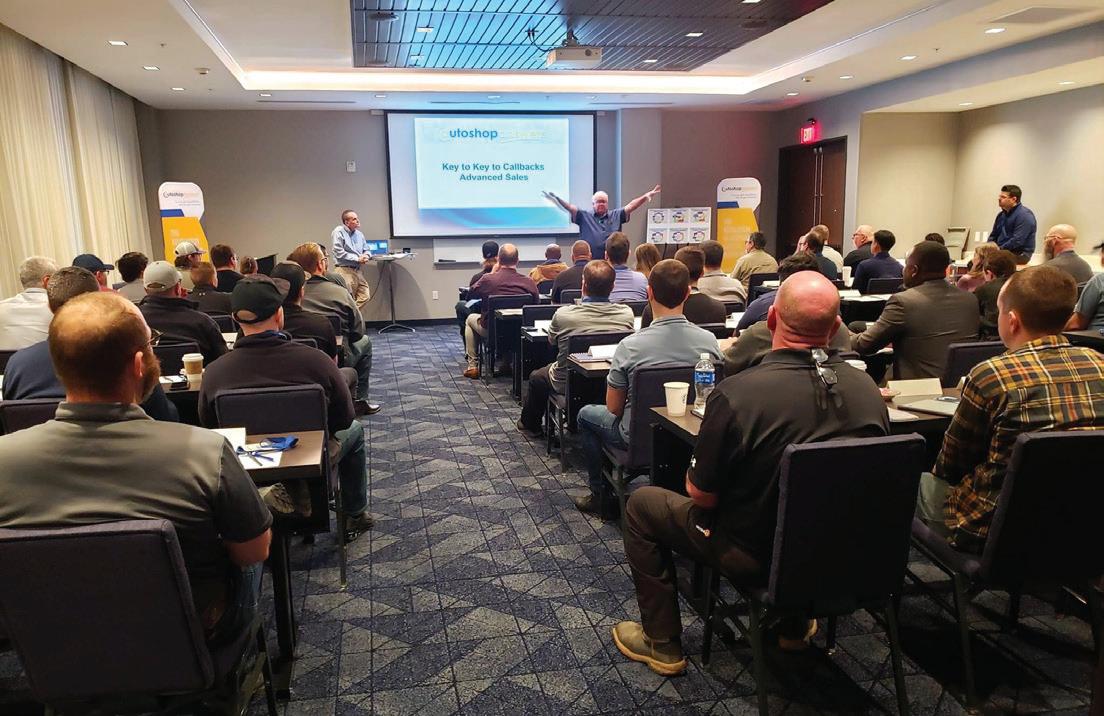






























Sun sees more growth
Sun Auto Tire & Service Inc. has acquired Quality Tire & Auto in Murfreesboro, Tenn. “The addition marks Sun Auto’s third location in Tennessee and is part of the company’s broader expansion strategy, which has added more than 40 new locations this year through acquisitions and new builds,” say Sun Auto Tire & Service officials.
Titan adds tracks
Titan International Inc. is adding Titan Rubber Tracks to its portfolio, “a move long-anticipated by customers,” according to Titan officials. Developed specifically for compact track loaders and mini excavators, Titan Rubber Tracks is a new product category for the company.
Wagner joins Kumho Kumho Tire U.S.A. Inc. has named Carolina Wagner its new vice president of marketing. She will oversee all marketing functions for Kumho, including brand strategy, product marketing, integrated communications, digital marketing, demand generation and sales support.
CMA promotes two
CMA/Double Coin has promoted Patrick Etheridge to director of OEM/truck stop sales and Jose Pfirrmann to director of sales for region one. The appointments are effective immediately.
Cosmo stages Ambush
More than 5,000 people attended Tire Group International LLC’s recent Kool Kat Ambush event in Miami, Fla. Over 750 cars were on display at the event, with 300plus vehicles turned away due to capacity. More Kool Kat Ambush events are in the works.
LWG adds location
Leeds West Groups has acquired a property in Albuquerque, N.M., that will become a Big O store.
Bridgestone Americas Inc. has named Robert Johnson group president, North America, while Scott Damon will continue as CEO of Bridgestone West.
The roles have been “decoupled ... to provide increased clarity of scope and focus on delivering our business goals,” according to Bridgestone officials.
In addition to being CEO of Bridgestone West, Damon held the title of group president, Bridgestone Americas.
Johnson’s new position will include “leadership of North America Core Tire” and he will have “end-to-end ownership and accountability for the full North America profit and loss.”

Goodyear Tire & Rubber Co. is in talks with the United Steelworkers to close its consumer tire plant in Fayetteville, N.C. The Akron, Ohio-based tiremaker intends to shutter the factory, which opened in 1969, by the end of 2027.
“The tire industry is changing fast and Goodyear must change with it,” says a Goodyear spokesperson. “This difficult action is necessary to strengthen Goodyear’s ability to compete in today’s marketplace and support the long-term health of the business.”
According to MTD’s 2026 Facts Issue, the Fayetteville factory has the capacity to build 31,000 passenger tires and 10,500 light truck tires per day.
In terms of daily production capacity, it’s Goodyear’s third-largest plant in North America, behind the firm’s Lawton, Okla., factory, which has the capacity to produce 65,400 units daily, and the former Cooper Tire & Rubber Co. plant in Tupelo, Miss., which can make around 42,000 passenger tires a day when running at full throttle.
American Kenda Rubber Industrial Co. Ltd. is expanding its original equipment (OE) projects by serving as the named tire supplier for the new Slate truck, a customizable electric vehicle (EV).
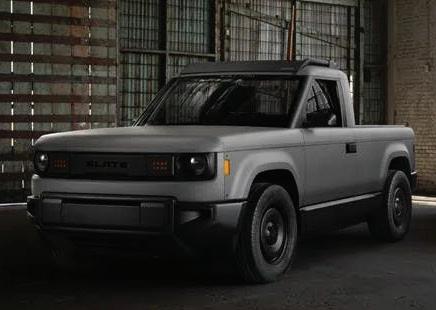
Kenda will research, develop and produce OE and accessory tires for the “Blank Slate,” Slate Auto’s base model vehicle, which is a two-door, two-seat pickup truck that can be customized with over 100 accessories.
A Michigan-based electric vehicle startup company, backed by Amazon founder Jeff Bezos, Slate aims to be an affordable EV option for consumers with its latest truck, which can also be upgraded to a five-seat SUV.
“This gives us a unique partnership,” says Joshua Herron, Kenda’s director of engineering. “As Slate is understanding how to be an OE vehicle company, we wanted to work with them and collaborate on this new vehicle.”
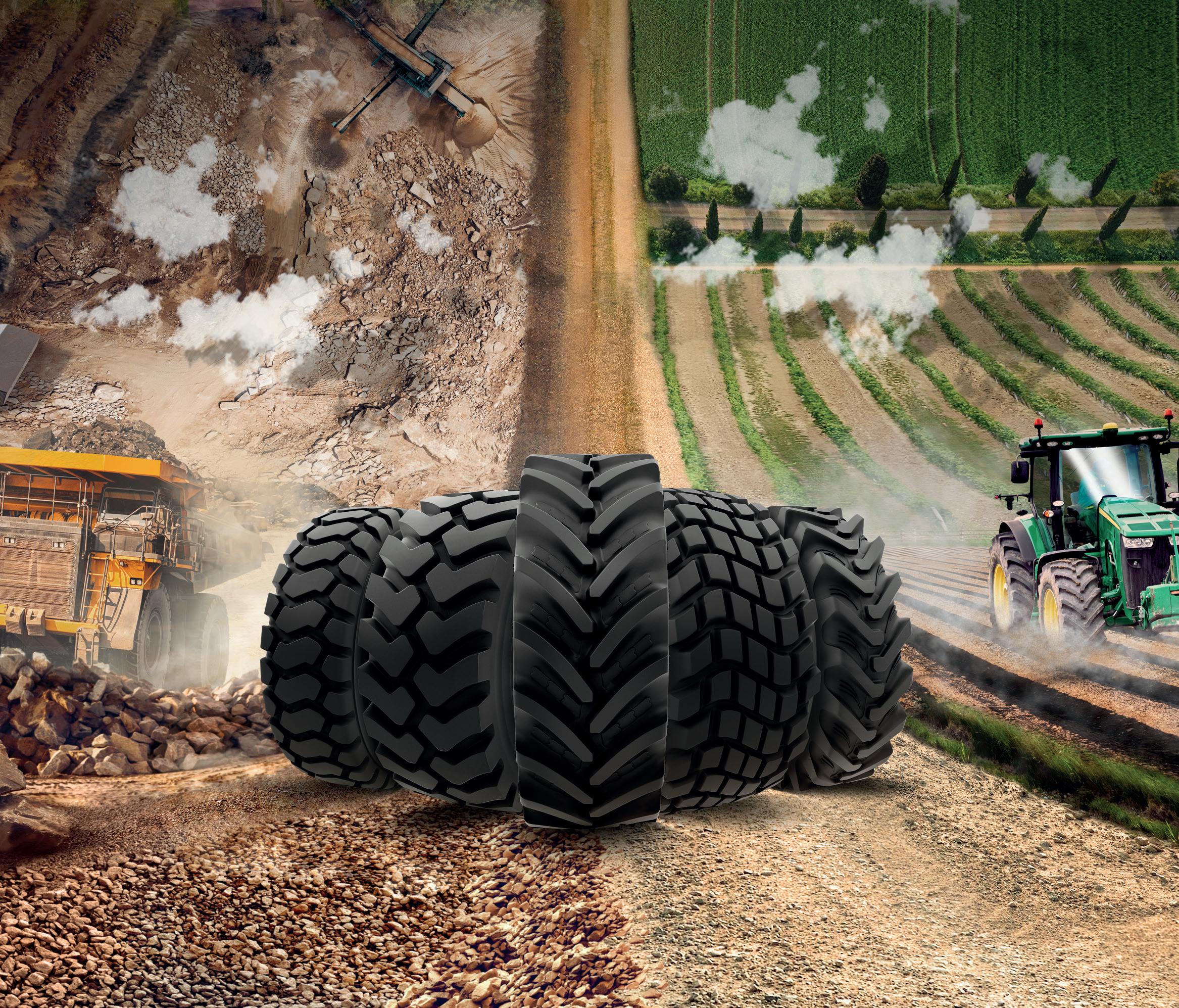
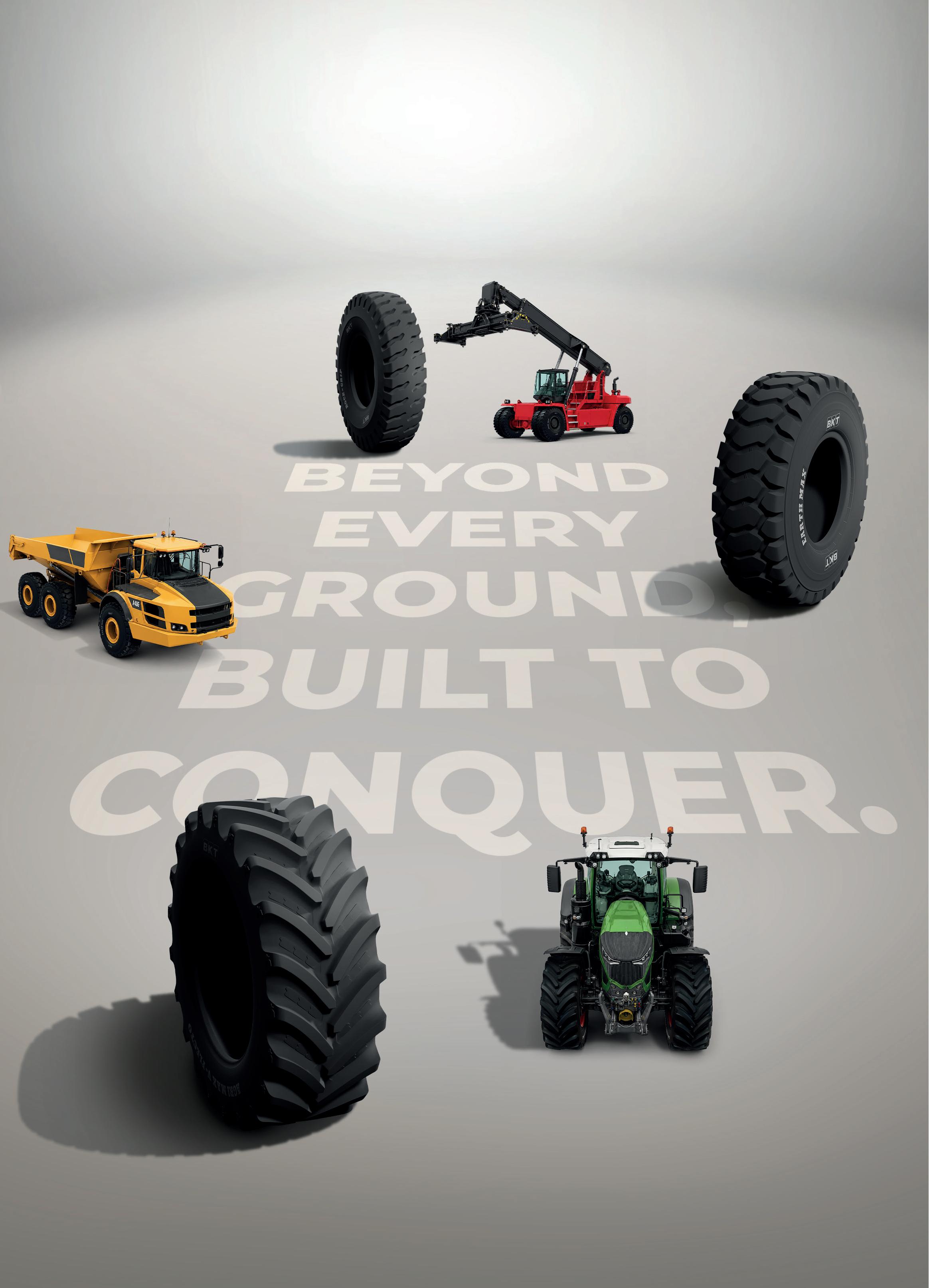
No matter how challenging your needs, BKT is with you offering an extensive product portfolio for every field such as agriculture, OTR and industrial applications.
KT provides concrete, reliable and high-quality solutions to your requests and working needs.
Wherever you are, BKT is with you.
Office: (+1) 330-836-1090
Stellantis has picked the Nexen Roadian GTX to be original equipment on the 2026 Jeep Cherokee, the Jeep brand’s first hybrid model in North America.
The Yokohama Geolandar X-CV will be original equipment on Subaru’s new electric vehicle, the Uncharted, which was introduced to the North American market last year.
GreatWater 360 Auto Care has reached the 155-store mark with the acquisition of Crosstown Auto Repair in the Minneapolis, Minn., area. The chain has also made other acquisitions in recent months.
Anthony Sbona is the new territory sales manager for Radar brand tires in North America. He began his career in the tire industry in 2018 and specializes in sales and customer relationship management.
Maxam Tire North America has named Chris Rhoades zone sales director, north. “Chris brings more than 25 years of international experience and a distinguished track record in the tire industry,” say Maxam officials.
Nokian Tyres has named Glenn Arbaugh as its head of research and development for North America. Nokian says Arbaugh’s appointment reinforces its “commitment to accelerating innovation and delivering products tailored to the evolving needs of drivers.”
Sailun Tire Americas has rolled out an enhanced digital platform featuring dedicated websites promoting its ERANGE EV tire.
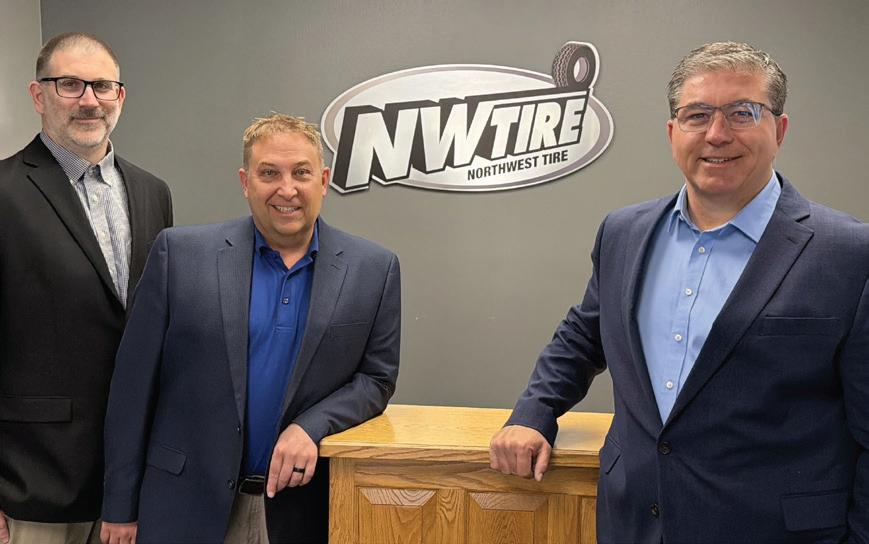
Bismarck, N.D.-based Northwest Tire has named Kory Grossman its president and CEO, Paul Wald vice president and Cody Eckroth its chief financial officer.
“Each of these leaders has built their career within Northwest Tire, serving in multiple roles over the years and contributing to the company’s strong reputation for service, reliability and community commitment,” say Northwest Tire officials.
Founded in 1977, Northwest Tire has grown to include 28 locations, including 24 retail/commercial outlets, four distribution warehouses, a Bandag retread plant and a Mighty Auto Parts location.
Alma, Mich.-based Alma Tire Companies recently cut the ribbon at its remodeled Modern Mechanics store in Midland, Mich.
“We just completed an exterior/interior remodel and wanted to highlight (it) with a grand reopening event,” a spokesperson for Alma Tire Companies told MTD.
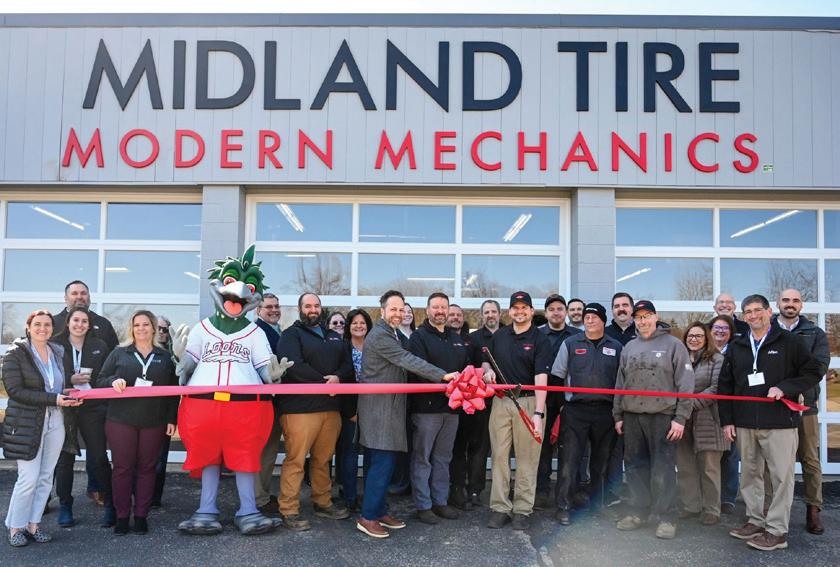
The 5,000-square-foot store has eight service bays and is one of four locations that operate under the Alma Tire Companies’ Modern Mechanics banner. (The others are located in Lansing, Alma and Mount Pleasant, Mich.)
Alma Tire Companies also operates nine commercial tire centers, a location that “services the manufacturing industry” and a 45,000-square-foot Bandag retread plant/ distribution center.
TBC Corp. has promoted Greg Ortega to chief purchasing officer and has named Rachel Tibor chief marketing officer, wholesale. In his new role, Ortega joins TBC’s executive team and will oversee the company’s global purchasing strategies and supplier partnerships. Ortega started with TBC in 1996. He reports directly to TBC President and CEO Don Byrd.
Tibor, who joined the company in 2023, also will report to Byrd and “will lead the company’s insight-driven, go-to-market strategy,” according to TBC officials.
K&M Tire expands D/C
K&M Tire Inc. recently completed an expansion project at its distribution center in Cadillac, Mich, adding 9,900 square feet to the facility. The warehouse now spans nearly 39,000 square feet. Based in Delphos, Ohio, K&M Tire currently has 51 distribution centers across multiple states.
Strandberg joins NBB
Cole Strandberg, author of MTD’s monthly Mergers & Acquisitions column, has joined NBB as a managing director within its auto services practice. Strandberg’s addition helps expand NBB’s “advisory capabilities into key automotive services sub-sectors,” including the tire industry, say NBB officials.
New Cooper branding Goodyear Tire & Rubber Co. has rolled out what it calls “a bold, new global brand look” for its Cooper line. Goodyear says the new branding will be seen on Cooper’s website and social media channels, as well as paid media activity launching in selected markets.
ATI uses AI for service Automated Tire Inc., a recently established firm by the founders of online tire buying portal Simple Tire, has unveiled a new, artificial intelligence-powered robotic platform designed to change tires and balance wheels
Hankook protects H2O Hankook Tire America Corp. is partnering with a Nashville, Tenn., water conservation group, Cumberland River Compact.
OTR’s Tim Good dies
Tim Good, a former Goodyear Tire & Rubber Co. and Maxam Tire North America executive, recently died at the age of 71. He enjoyed a 40-year tire industry career, holding a variety of executive positions in the OTR tire segment.
Virginia Tire & Auto’s latest store — a retail location in Haymarket, Va. — is under construction and will open in July.
The store, which will be the McLean, Va.-based dealership’s 15th location in Virginia, will have 12 service bays and will span 8,000 square feet, the same footprint as the company’s Leesburg, Va., outlet, which opened five years ago.
“We are excited about this new store — our first since 2021,” Julie Holmes, co-CEO of Virginia Tire & Auto, along with her husband and co-CEO, Mike Holmes, recently told MTD.
Byron Center, Mich.-based Wonderland Tire Co. has acquired Triumph Tires, a commercial tire distributor that serves the trucking and logging industries. Triumph Tires is based in Green Bay, Wis.
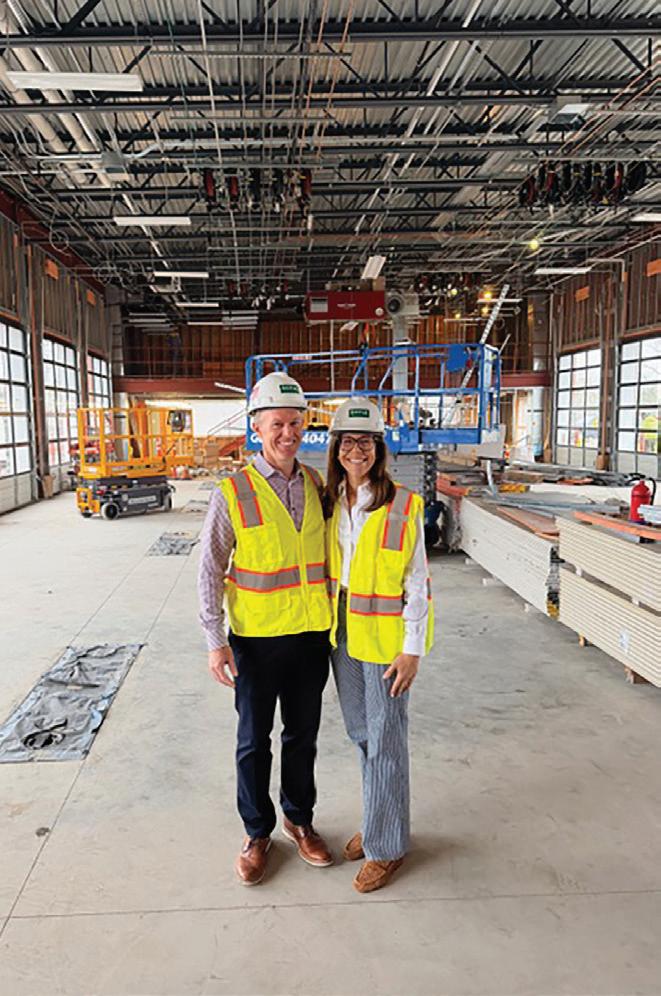
Virginia Tire & Auto’s newest store is scheduled to open next month. (Pictured, Virgina Tire co-CEOs Mike and Julie Holmes.)
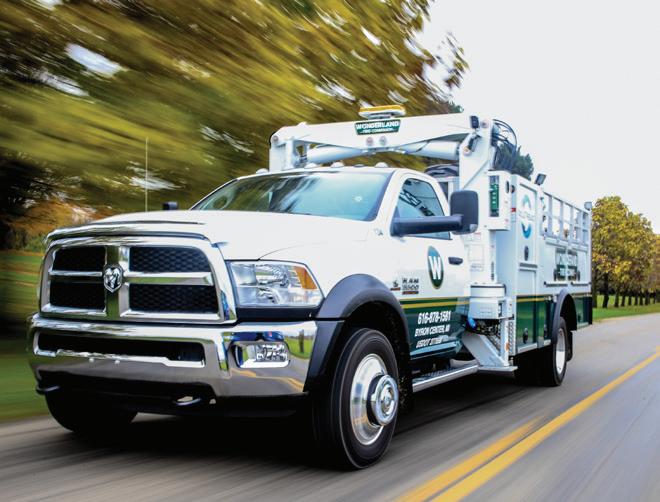
The acquisition “strengthens Wonderland Tire’s commercial presence in the region by integrating Triumph’s customers directly into Wonderland’s existing Green Bay location, expanding capacity while consolidating services under one roof,” say Wonderland Tire officials.
Wonderland Tire officials say customers of Triumph Tires “can expect the same quality of care and access to expanded products and services through Wonderland Tire’s network of 15 full-service tire and repair centers across Michigan, Wisconsin, Illinois, Indiana, Ohio, Kentucky and Tennessee.”
Yokohama Rubber Co. Ltd. will build a new mining and construction tire plant in Mexico, as well as another OTR tire plant in India, as the company works to integrate the OTR tire business it acquired from Goodyear Tire & Rubber Co.
The new plants are designed to take over a portion of OTR tire production, which is currently outsourced to factories in the United States, Europe and other regions.
Together, the new factories represent a $245 million investment and will have an annual production capacity of 20,000 tons.
The Mexico plant, which alone represents an investment of $115 million, will be built on the same site as a Yokohama consumer tire plant that’s under construction. OTR tire production is slated to start at the facility in 2028.
Relevant statistics from an industry in constant motion
$11.7 BILLION
Size in dollars of the replacement medium truck tire segment in the U.S. in 2025.
Source: MTD’s 2026 Facts Issue
MTD
95%

e percentage of total production from Hankook Tire America Corp.’s Clarksville, Tenn., plant that will stay in the United States.
Source: Hankook Tire America Corp.





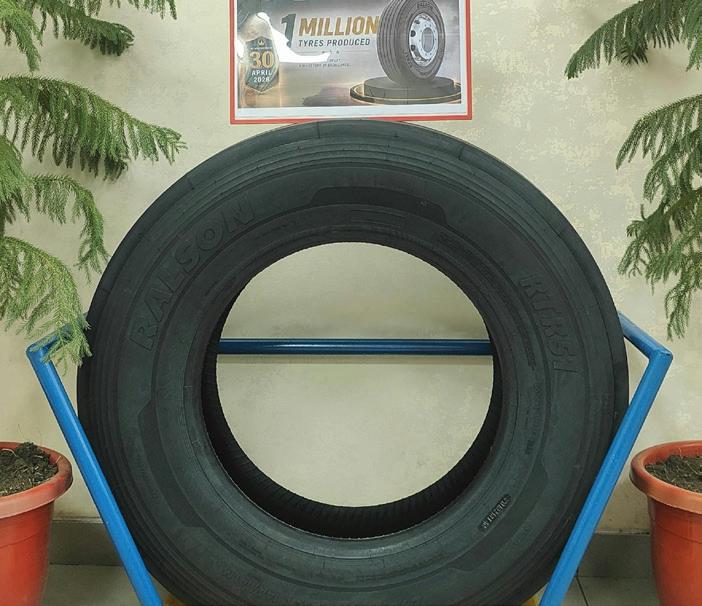
1 MILLION
Number of truck tires Ralson has produced a er three years in the U.S. market and ve years a er breaking ground on its plant in India.
Source: Ralson
Ralson



41,500
e number of consumer tires
Goodyear Tire & Rubber Co.’s Fayetteville, N.C., plant can produce daily. e tiremaker plans to halt plant operations by the end of 2027.
Source: Goodyear Tire & Rubber Co.






46%
Source: MTD’s 2026 Facts Issue
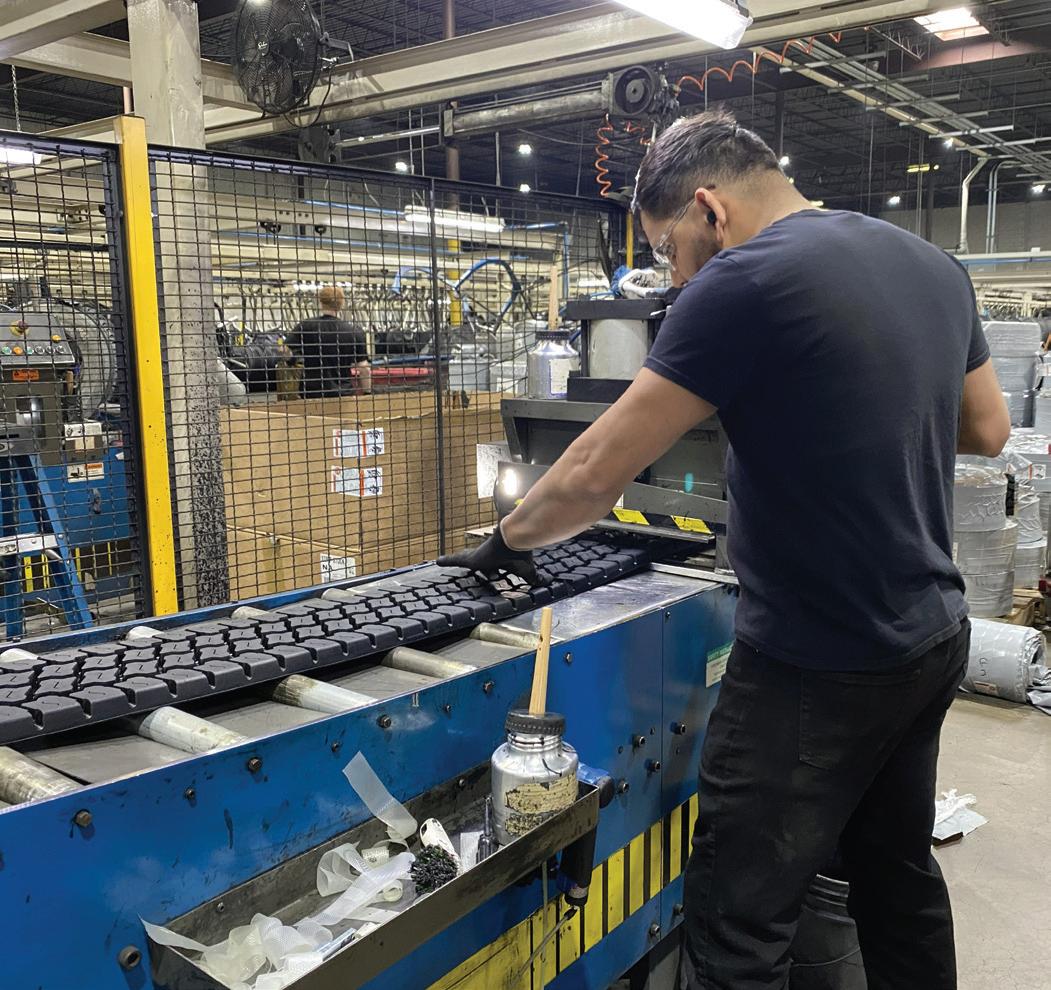
Photo: MTD
Bridgestone/Bandag’s share of the 2025 U.S. retread truck tire market.

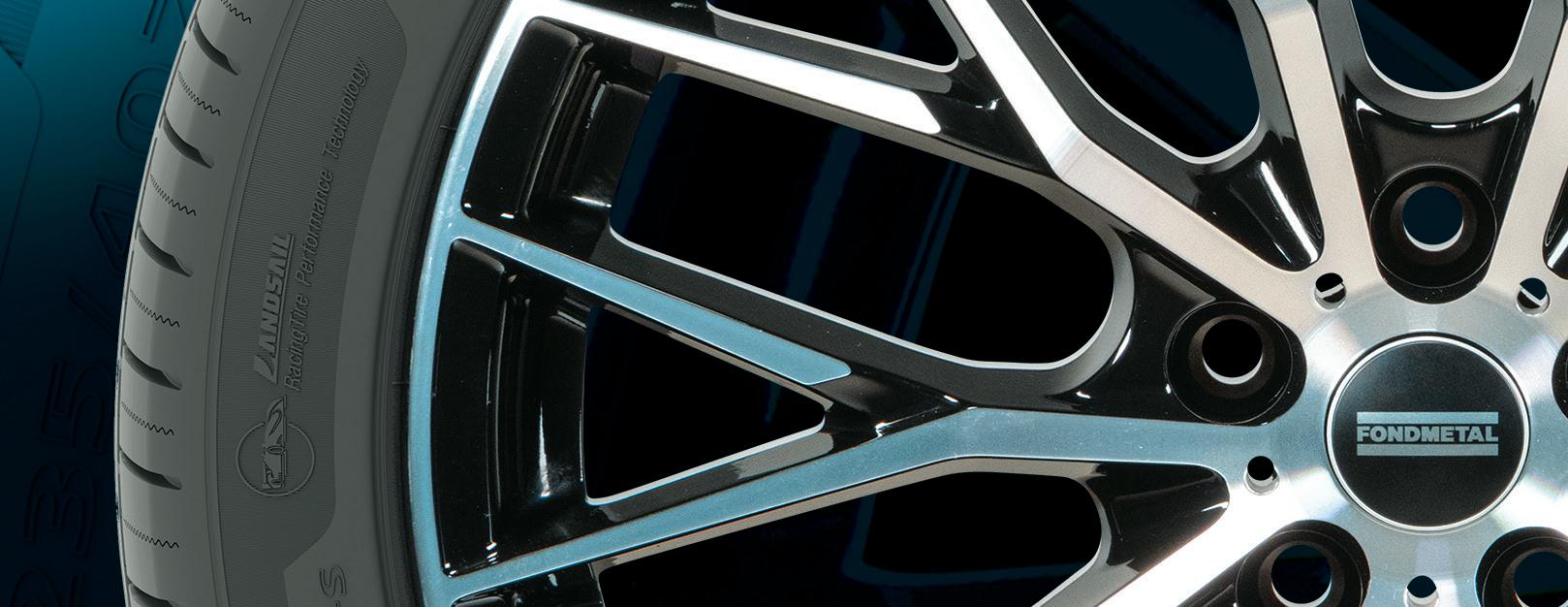
MANUFACTURED IN MOROCCO
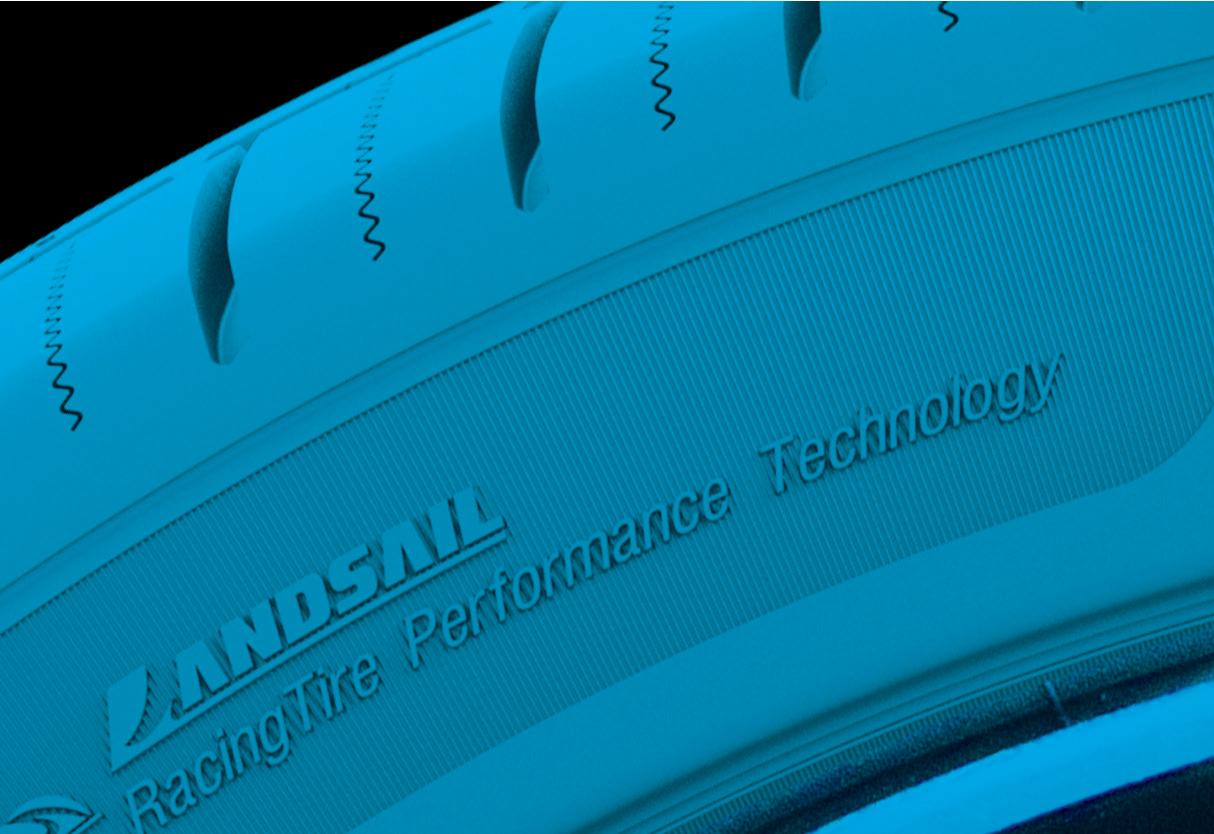
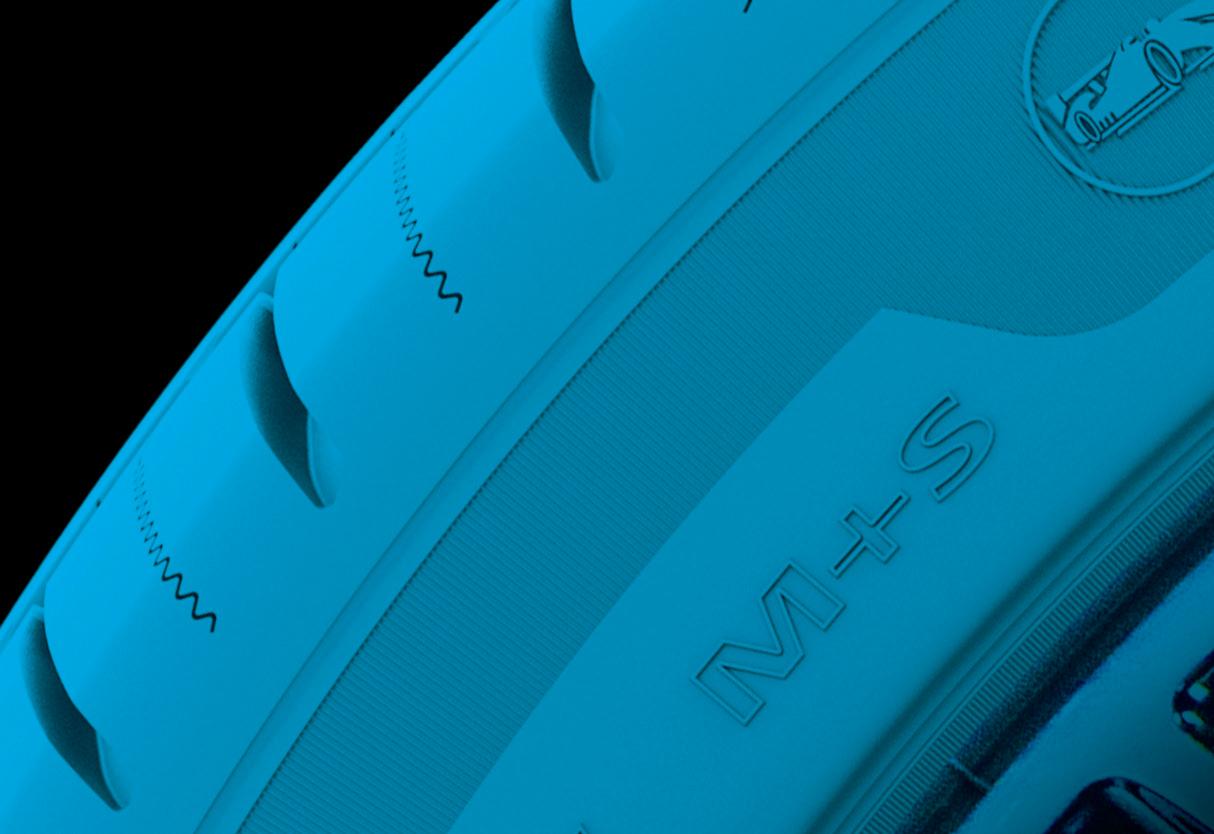
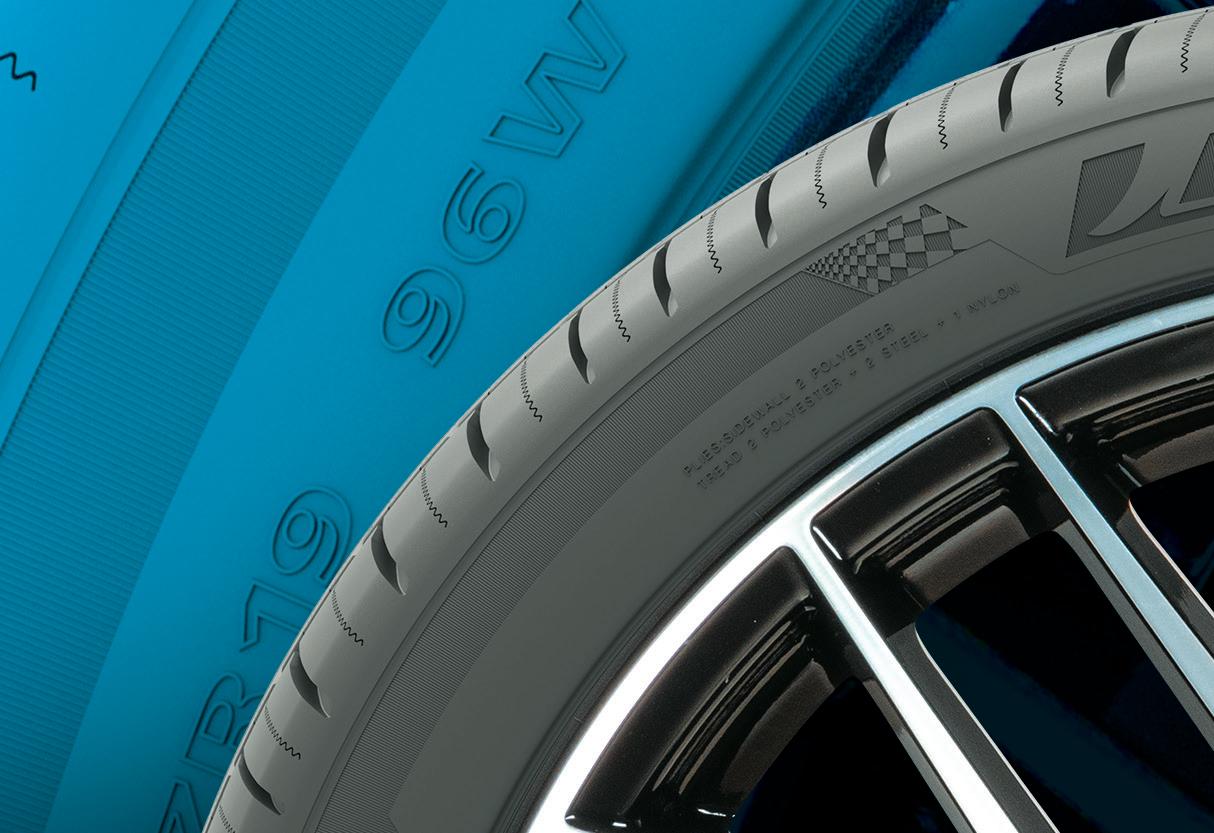
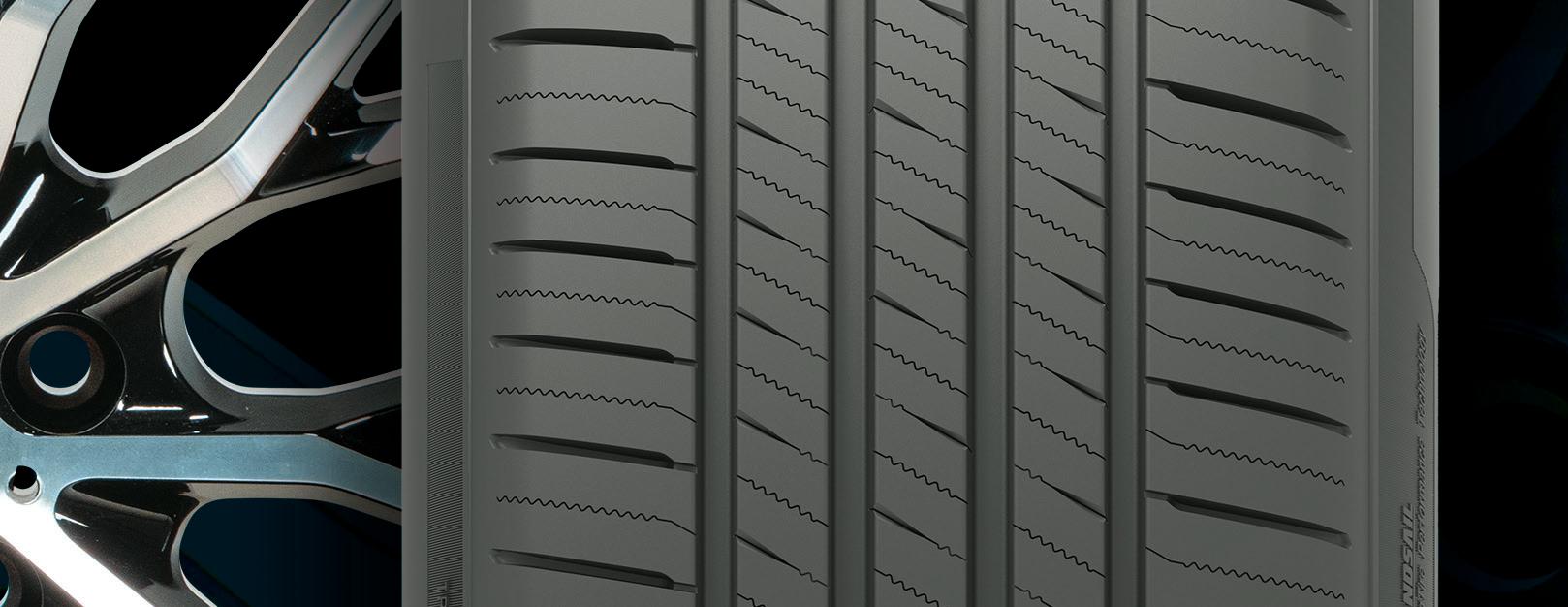
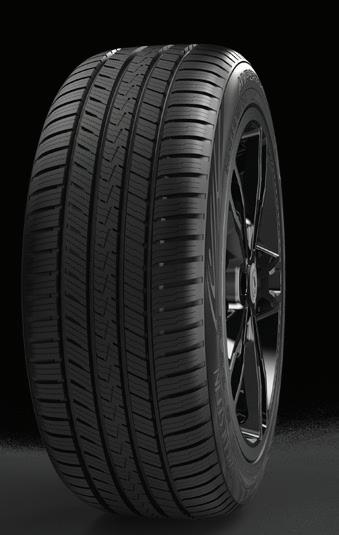
RACE-INSPIRED + EV COMPATIBLE ALL-SEASON

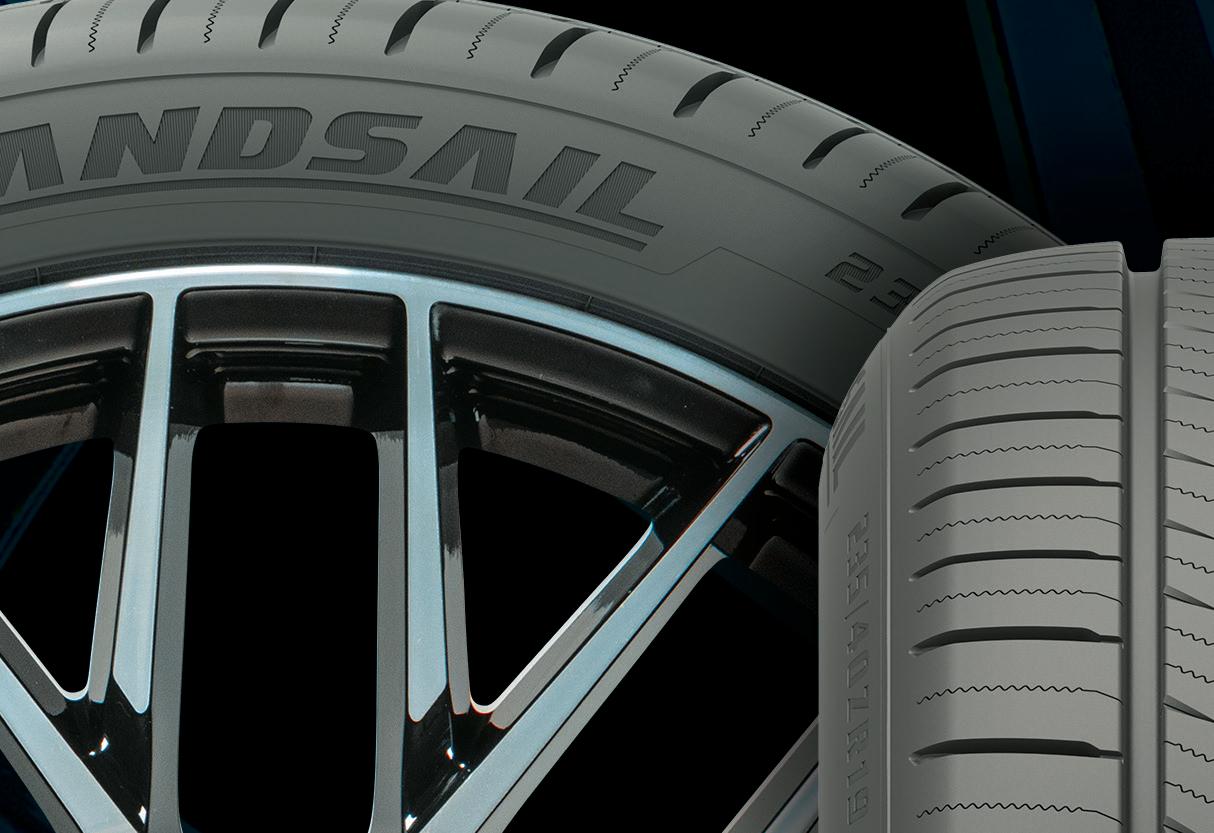

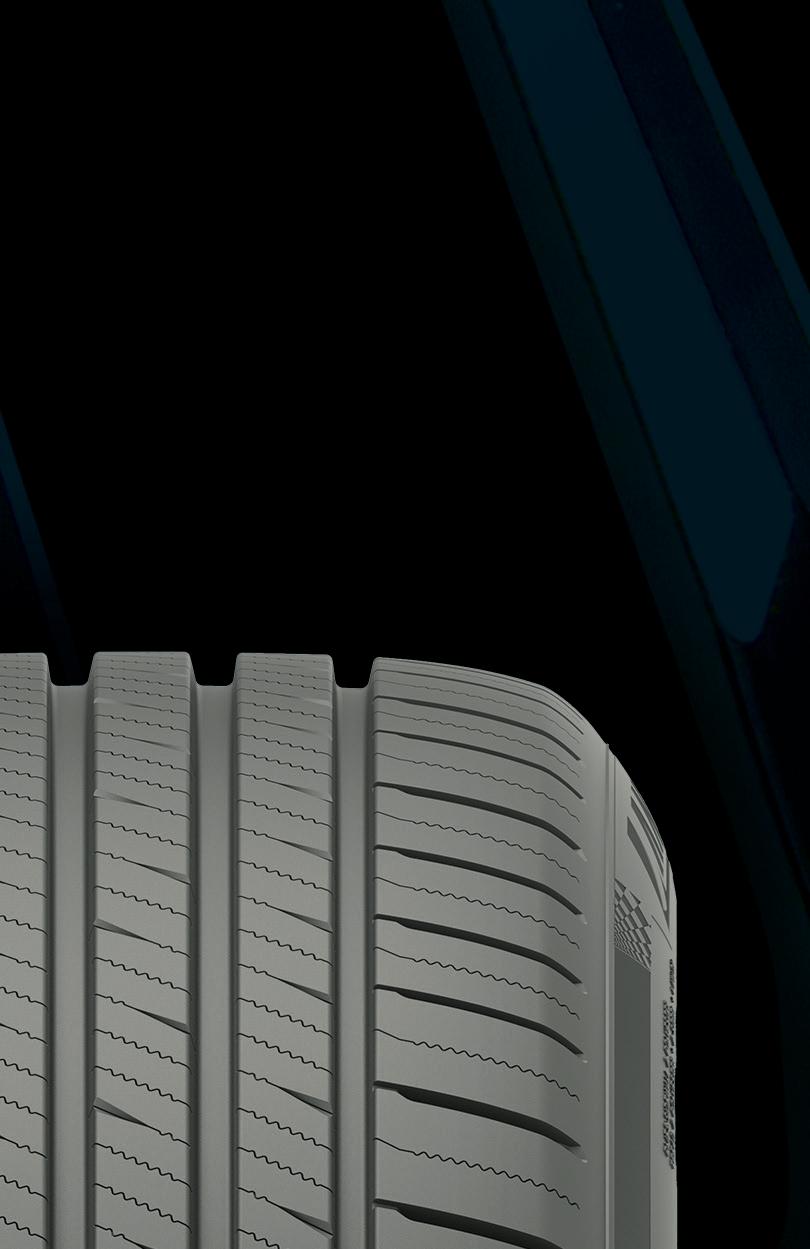


COMPUTER-OPTIMIZED PATTERN
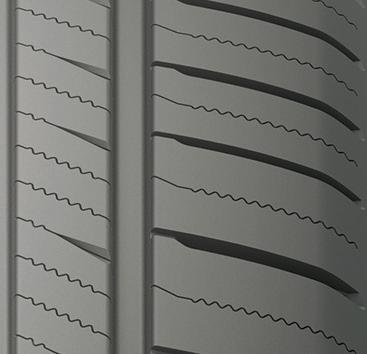
The computer-optimized void ratio and contact patch with uniform footprint pressure distribution improve tread wear, ride comfort, handling, and fuel economy.
NOISE-REDUCING TREAD DESIGN
Developed using computer simulation technology, this tire features an optimized pitch sequence and an off set block design to reduce road noise and give a comfortable ride. LSQ TECHNOLOGY
Our proprietary rapid waterdiversion technology works in combination with the precise depth, width, and placement of circumferential tread grooves to inhibit water turbulence formation and improve drainage, protecting against hydroplaning. M+S RATED
The M+S rating on the tire sidewall indicates engineering for better traction in mud and snow.
SCAN THE QRC ABOVE FOR RD-3 AS SIZE AVAILABILITY #Landsailtires Landsailtires.com Contact 305-621-5101 for warehouse & factory programs.

John Healy By
ecent dealer feedback suggests that retail sellout trends have remained softer than many hoped for, indicating underlying demand conditions have yet to improve to the extent many had hoped.
While retail activity showed modest improvement in March 2026 when looking at overall first-quarter trends, April once again showed low single-digit declines in tire retail demand.
Additionally, despite expectations that more favorable weather conditions and the tax refund season would help support industry demand, that benefit has yet to meaningfully materialize as our tire dealer contacts believe consumers remain in a standstill mindset, pushing off tire replacement.
Independent dealers highlighted average sellout declines of 1.1% in April 2026, which was in line with the 1% decrease in the first quarter. Looking more closely at volume for the month of April on a regional basis, the Southeast region was the lone region to see the strongest positive volumes. Other regions saw flat or negative volume trends, with the Midwest and Southwest regions seeing the weakest trends, down roughly 1% year-over-year.
Dealer commentary suggests that consumer demand for PLT replacement tires was down low-single digits yearover-year on a net basis compared to April 2025, with 33% of our independent tire dealer contacts seeing negative demand
trends during April, down from 27% who observed declines in February. We also note that May 2026 had low single-digit negative comp. When compared to April 2025, May 2025 saw retail sell-out volumes that were modestly lower. If weather conditions are favorable in the months ahead, we would expect volumes to be roughly flat to modestly higher.
Consumer deferment and trade-down have been consistent themes over the past several months and we believe that we may see this soften as consumers begin to think about summer weather. Consumers continue to trade down to tier-two and tier-three tires, as tier-three took the top spot for the third consecutive month.
In assessing raw material prices, our base average-cost-to-build-a-tire index suggested inputs were up 24.3% for the month of April on a year-over-year basis. During the first quarter, on average, the cost to build a tire was up 2.4%, compared to 4% decrease on average seen during the fourth quarter of 2025.
In analyzing specific input costs, natural rubber costs increased 31.2% on a yearover-year basis in April, as supplies thinned and tensions grew in the Middle East. Oil prices increased an average of 65% yearover-year and 11.8% month-over-month, driven by geopolitical pressures in the Middle East impacting supply across the industry. Synthetic rubber costs were up 12.1%
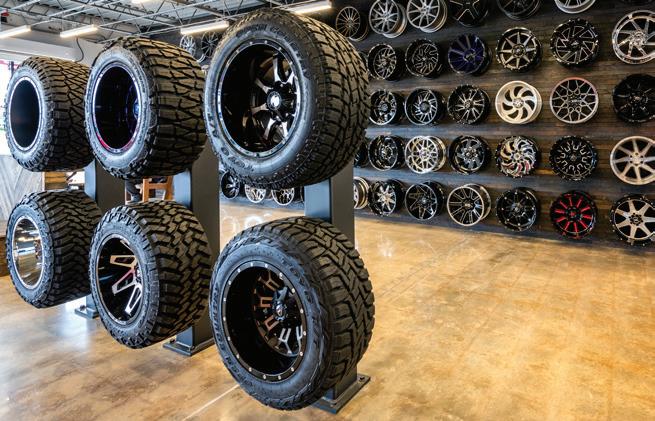
"In assessing raw material prices, our base average-cost-to-build-a-tire index suggested inputs were up 24.3% for the month of April on a year-over-year basis," says Healy.
Photo: TireSouth Inc.
year-over-year, carbon black prices were down 4.4% year-over-year and tire fabric/ cordage costs were up 16% year-over-year. In holding current prices of raw materials constant, we estimate that the average cost to build a tire will increase 4.7% during the second quarter of 2026 and will be up 18% over the remainder of 2026.
Where we go from here is a hard equation to solve for at this time. We have some unique items like America 250, the World Cup and just the summer driving season ahead of us, which could all be catalysts to demand. However, the consumer remains somewhat under siege from fuel and broader inflation.
Given this, we would not be surprised to see the consumer look for deals and potentially go for value-oriented fitments rather than premium name brands.
We note that over the last 12 months, value-oriented brands appear to be share gainers at the margin, based on feedback. We think this dynamic could continue throughout the summer. ■
John Healy is a managing director and research analyst with Northcoast Research Holdings LLC, based in Cleveland, Ohio. Healy covers a variety of subsectors of the automotive industry. If you would like to participate in the monthly dealer discussions, contact him at john.healy@ northcoastresearch.com.





























By Aden Graves
espite a recent slowdown, the global electric vehicle (EV) market is projected to reach $6.5 billion by 2030, according to a recent report from Grand View Research.
As companies that produce EVs continue to improve battery technology, energy e ciency and overall vehicle performance, tire manufacturers that produce and supply EV-speci c and EV-compatible tires are also re ning their products and technologies.
In this MTD exclusive, manufacturers of EV-speci c and EV-compatible tires discuss how this space is evolving.
“Based on our observations, many leading tire manufacturers are shi ing their entire passenger/ CUV/SUV portfolio to be EV-ready, rather than creating EV-only or EV-dedicated SKUs,” says Keith Calcagno, chief strategy o cer, proprietary brands, American Tire Distributors (ATD).
“With the U.S. vehicle car parc getting heavier,



there is an exceeding emphasis for all tires to handle the torque, weight, noise and rolling resistance. Innovations and technological advancements in tire compounding, structural belt package and pattern/ sidewall designs are pushing the frontier to level up every tire produced.”
Karl Jin, divisional head, product and pricing, Apollo Tyres Ltd., says Apollo is focused “on tuning noise and rolling resistance to support range without compromising wear, as the market shi s toward EV-compatible products.”

Customer education is equally important, since many EV owners expect ICE-like tire life, even though added weight and instant torque can accelerate wear.
“EVs bring new challenges, including higher vehicle weight and immediate torque delivery. Despite this, customers expect consistent tyre performance, driving our continued investment in technologies that e ectively address these challenges.”


Longer mileage with high fuel efficiency for long-haul use

Karl Jin, divisional head, product and pricing, Apollo Tyres Ltd., says Apollo is focused “on tuning noise and rolling resistance to support range without compromising wear,” as the market continues to shift.
Apollo Tyres Ltd.

“Based on our observations, many leading tire manufacturers are shifting their entire passenger/ CUV/SUV portfolio to be EV-ready, rather than creating EV-only, or EV-dedicated SKUs,” says Keith Calcagno, chief strategy offi cer, proprietary brands, American Tire Distributors.
American Tire Distributors

Michael Mathis, president, Atturo Tire Corp., says his company’s position “is that any tire meeting the correct size, load index and speed rating for a given vehicle is suitable for use on a hybrid or EV. What truly matters is matching the tire to the driver’s intended use — whether that’s spirited performance, daily commuting or all-weather versatility.
“On the technology side, two advances stand out: the heavy-load (HL) load index designation, which addresses the increased curb weight and instantaneous torque common to EVs and large hybrid SUVs, and cold weather-suitable tread compound engineering, where 3-Peak Mountain Snowflake-rated tires play a meaningful role.”
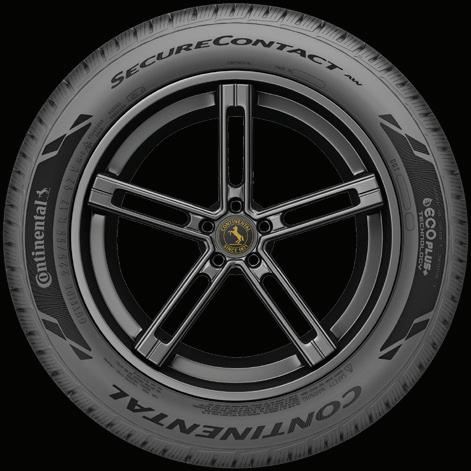
Björn Gläser, head of product, PLT, Continental Tire the Americas LLC, says that for more than 10 years, Continental has “been optimizing our tires to achieve even lower rolling resistance, low rolling noise and long service lives, with zero compromise on safety.
Continental Tire the Americas LLC

“In the U.S., EV tire development is clearly moving in fi ve directions: lower rolling resistance, higher load capacity, lower noise, better wear performance and a dual-track strategy of EV-specifi c plus EV-compatible products,” says David Wang, managing director, Gripmax Tires Inc. Gripmax Tires Inc.
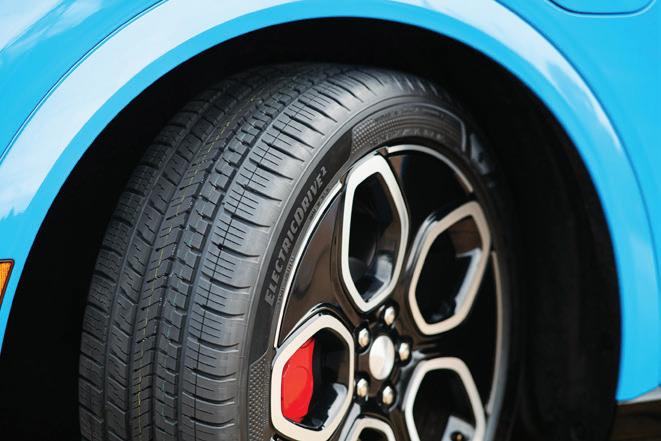
Jenny Walker, director of global product strategy, Goodyear Tire & Rubber Co., says EVs “have accelerated the need for tires that deliver low rolling resistance, advanced noise reduction and reinforced structures, but these attributes benefi t a broad range of passenger vehicles.” Goodyear Tire & Rubber Co.
“The key innovations for EV-speci c and EV-compatible tires in the U.S. focus on extending wear life and lowering rolling resistance, given the instant torque, heavier weight and alignment demands of EVs,” says Ian McKenney, senior product manager, Bridgestone Americas Inc. “Noise reduction is also a factor, since EVs lack engine vibration to mask road noise.”
Björn Gläser, head of product, PLT, Continental Tire the Americas LLC, says that for more than 10 years, Continental has “been optimizing our tires to achieve even lower rolling resistance, low rolling noise and long service lives, with zero compromise on safety. All these measures are now proving especially bene cial in vehicles with electric drive systems, too.”
David C. Poling, vice president, R&D and technical, Giti Tire (USA) Ltd., says that “in order to discuss trends in EV tires, we should distinguish between EV-speci c and EV-compatible. EV-speci c are tires designed speci cally for EV vehicles. EV-compatible are tires that can be properly used on EVs.
“EV-specific tires will target energy e ciency as a main bene t, while giving up treadwear mileage. This trade-off is the exact same trade-o that any OE tire, EV or ICE (internal combustion engine vehicle) makes.”
Jenny Walker, director of global product strategy, Goodyear Tire & Rubber Co., says EVs “have accelerated the need for tires that deliver low rolling resistance,
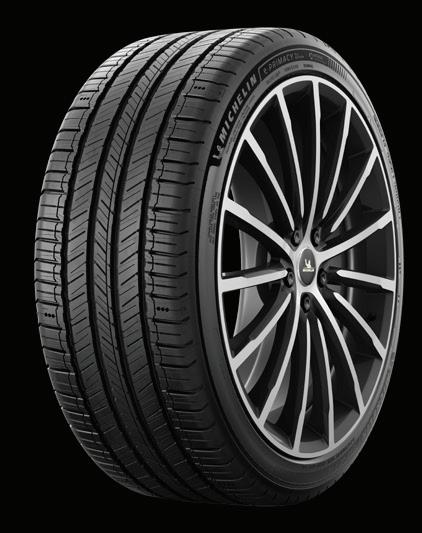
Celine Faure, brand manager, Michelin North America Inc., says Michelin’s “next evolution focuses on EVready tires designed to deliver the right balance of performance, effi ciency and durability” and that “as hybrid adoption accelerates in the U.S., we continue to see strong demand for tires that are optimized for all forms of mobility.”
Michelin North America Inc.
advanced noise reduction and reinforced structures, but these attributes bene t a broad range of passenger vehicles.” She adds that “it is worth reminding (customers) that proper tire pressure maintenance is a key factor in driving rolling resistance down and therefore increasing the vehicle range and reducing ... emissions.”
“Noise comfort has become an important factor in the development of any type of vehicle,” she continues. “ erefore, drivers have become more aware of noise created by tires and road interaction. is is particularly relevant for electric vehicles that due to the absence of an ICE, generate as little as half the amount of noise as traditional vehicles.”
“In the U.S., EV tire development is clearly moving in ve directions: lower rolling resistance, higher load capacity, lower noise, better wear performance and a dual-track strategy of EV-speci c — plus EV-compatible — products,” says David Wang, managing director, Gripmax Tires Inc. “ e reasons are straightforward. EVs are generally heavier, deliver instant torque and expose tire noise more clearly because there is no engine noise to mask it. At the same time, range remains a major purchase consideration for U.S. consumers, so rolling-resistance optimization is still a core engineering priority.”
Robert Nasca, product training manager, Hankook Tire America Corp.,
says EV tire development “is focused on managing weight, torque and noise. This means advanced compounds for lower rolling resistance, reinforced structures for durability and tread designs that extend wear under instant torque.”
“With the rise in popularity of electric vehicles, tire manufacturers are choosing to go one of two routes with their product portfolio — either the dedicated EV tire route or the EV-compatible/EV-ready tire route,” says Shawn Denlein, president of sales and marketing, Kumho Tire U.S.A. Inc. “Currently, Kumho Tire’s strategy is to target both electric and internal combustion engine vehicles simultaneously.”
Adam Homan, development engineer, Linglong Americas Inc., says that “EV-specific and EV-compatible tires continue to prioritize low rolling resistance, reduced cabin noise and high load capacity. Both vehicle and tire designs are also advancing to improve wear performance.”
Celine Faure, brand manager, Michelin North America Inc., says Michelin’s “next evolution focuses on EV-ready tires designed to deliver the right balance of performance, efficiency and durability” and that “as hybrid adoption accelerates in the U.S., we continue to see strong demand for tires that are optimized for all forms of mobility.”
Jay Lee, product planning director, Nexen Tire America Inc., notes that the U.S. EV tire market “is currently evolving around three key areas: efficiency, noise reduction and durability. First, improving rolling resistance has become a top priority, as it directly impacts driving range, which remains one of the most important concerns for EV consumers. Second, because electric vehicles operate much more quietly than internal combustion engine vehicles, tire noise has become significantly more noticeable. As a result, manufacturers are focusing on advanced noise reduction technologies, such as optimized tread patterns and internal sound-absorbing materials. Third, EVs tend to be heavier and deliver instant torque, requiring tires with reinforced structures and enhanced wear resistance to maintain durability and performance. In addition, the industry is increasingly exploring advanced materials and sustainable compounds, as well as smart tire technologies that can monitor real-time performance.”
“Our industry has become more skilled than ever at lowering rolling resistance, maximizing comfort and accounting for EVs’ weight and torque,” says Dave Johnston, director of portfolio, pricing and business planning, Nokian Tyres Inc. “As a company based in the Nordics, where electric vehicle sales are thriving, we have been working on EV innovations for many years now. In fact,
“With the rise in popularity of electric vehicles, tire manufacturers are choosing to go one of two routes with their product portfolio — either the dedicated EV tire route or the EVcompatible/EV-ready tire route,” says Shawn Denlein, president of sales and marketing, Kumho Tire U.S.A. Inc. Kumho Tire U.S.A. Inc.


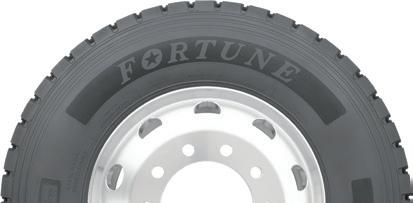
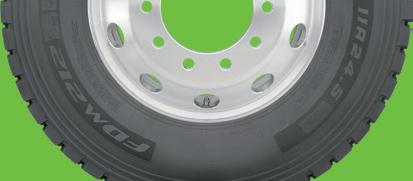
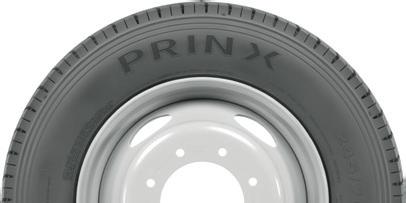
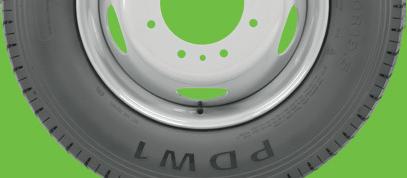
Prinx Chengshan Tire North America helps keep your business moving. Prinx and Fortune offer coverage for more than 95% of tire sizes, including PLT and TBR.
Committed to moving your business forward. Through trusted relationships, we help you go the distance.




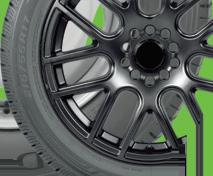



Rob Montasser, vice president, Radar Tires, Omnisource, says “tire requirements for EVs are actually very similar to what’s needed for high-performance combustion engine vehicles on the OE side,” including high load capacity and other features and benefi ts. Omnisource
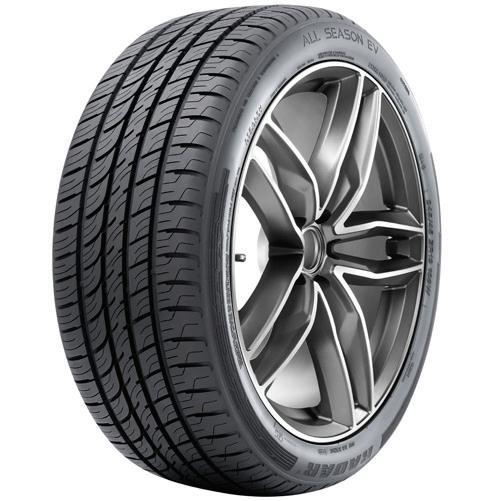
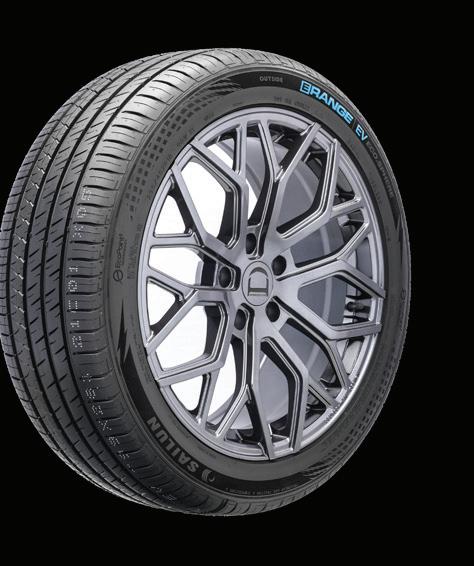
“The EV tire conversation has evolved quickly and today, it’s centered on three critical factors: range, durability and noise,” says Jared Lynch, vice president of sales, corporate accounts, PLT, Sailun Tire Americas.
Sailun Tire Americas
“In our view, for the U.S. replacement market, EV tire demand is evolving with some different priorities compared to OE,” says Jeffrey Zhang, general manager, international business department, Zhongce Rubber Group Co. Ltd. (ZC Rubber.)
ZC Rubber

America Inc. “As a result, several key trends are shaping innovation — low rolling resistance compounds to maximize battery efficiency and extend driving range; enhanced load capacity and reinforced structures to handle heavier EV platforms without compromising other tire attributes; noise reduction technologies, such as foam inserts, to compensate for the near-silent operation of EV powertrains; and instant torque durability, requiring new tread compounds as well as enhanced tread pattern designs to improve wear characteristics.”
Ken Coltrane, vice president, marketing and product development, Prinx Chengshan Tire North America (PCTNA), says that PCTNA “is not launching any EV-speci c tires for the U.S. market.”
However, the company’s next-generation touring, highway-terrain and ultra-high performance lines “will feature lower rolling resistance, as well as popular EV sizes.”
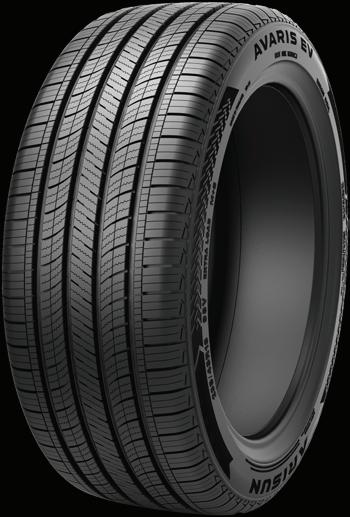
every tire we produce is intended to suit the needs of EVs.”
Rob Montasser, vice president, Radar Tires, Omnisource, says that “tire requirements for EVs are actually very similar to what’s needed for high performance combustion engine vehicles on the OE side: durability, stability, high load capacity, low rolling resistance and low noise. Because of that overlap, we’ve taken the approach of making all of our new premium collection tires EV-compatible.”
“ e U.S. EV tire segment is evolving rapidly, driven by the unique demands of electric vehicles: higher torque, increased vehicle weight from battery packs and the need for extended range,” says Ian Coke, vice president, technical strategy and customer relations, Pirelli Tire North
“ e EV tire conversation has evolved quickly and today, it’s centered on three critical factors: range, durability and noise,” says Jared Lynch, vice president of sales, corporate accounts, PLT, Sailun Tire Americas. “Ask any EV driver what matters most in relation to tires and the answer is consistent:
‘How far can I go, how long will the tires last and how quiet is the ride?’
“From a technology standpoint, we’re seeing rapid advancement across the board: low rolling resistance, compounds that extend range, reinforced constructions designed to handle heavier vehicles and instant torque and noise-optimized tread patterns that enhance overall comfort. In many ways, EVs have elevated the performance standard for the entire tire category.”
Joaquin Gonzalez, president, Tire Group International LLC, says his company is observing “a clear shi toward lower rolling resistance to maximize range, higher load capacity to support heavier vehicles, reduced road noise and more durable compounds to handle instant torque and prevent premature wear. EVs simply demand more from a tire, so the technology has to evolve with it.
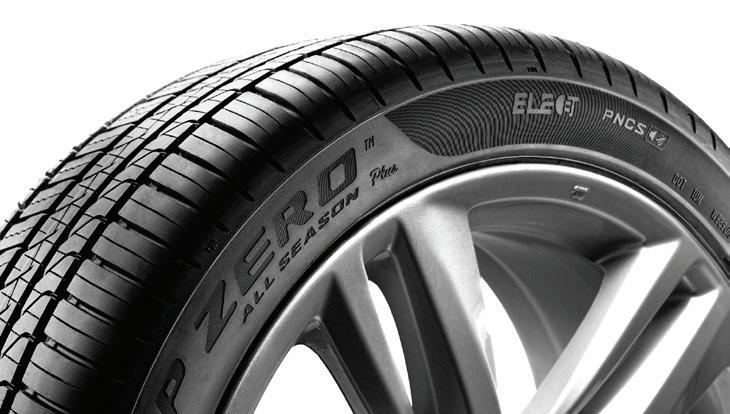
“The U.S. EV tire segment is evolving rapidly, driven by the unique demands of electric vehicles: higher torque, increased vehicle weight from battery packs and the need for extended range,” says Ian Coke, vice president, technical strategy and customer relations, Pirelli Tire North America Inc.
Pirelli Tire North America Inc.
“You’re also starting to see more focus on smarter tire monitoring because eciency and performance are directly tied to how the tire is maintained.”
Todd Bergeson, senior manager, product planning and technical services, Toyo Tire U.S.A. Corp., says that “by now, it’s widely recognized that EVs are amazingly quick and generally heavier than comparable internal combustion vehicles. e instant torque and added weight of EVs can be tough on tires and drivers are more concerned about the range of their vehicle than their internal combustion counterparts. is leaves charging as the only real drawback. It is very easy to nd a fueling station in the U.S. and fill up a tank, whereas charging an EV takes time and the infrastructure is still in its infancy. Time is a luxury, so owning an EV and driving one across the country can be less appealing when compared to an internal combustion engine vehicle. e charging infrastructure is improving and the EV range seems to improve with every new model that releases, so this inconvenience may be temporary.
“I believe that the largest advancements and innovation with regards to tire technology will come out of the necessity to improve compounding, construction and materials to not only support the (electric) vehicles, but to do so in a way that reduces the impact on our environment.”
“In our view, for the U.S. replacement market, EV tire demand is evolving with some different priorities compared to OE,” says Je rey Zhang, general manager, international business department, Zhongce Rubber Group Co. Ltd. (ZC Rubber.) “While low noise, low rolling resistance and reliable grip performance remain important, consumers are paying more attention to tire mileage. In many cases, OE tires for EVs are developed with emphasis on noise reduction, rolling resistance and handling performance.” ■

























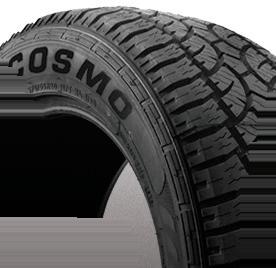



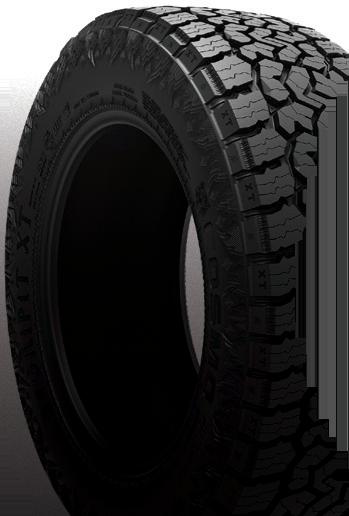
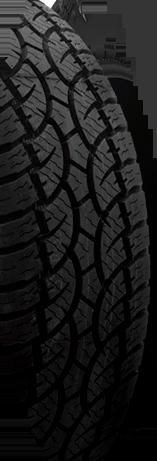

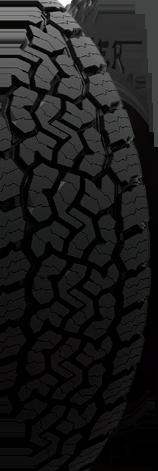



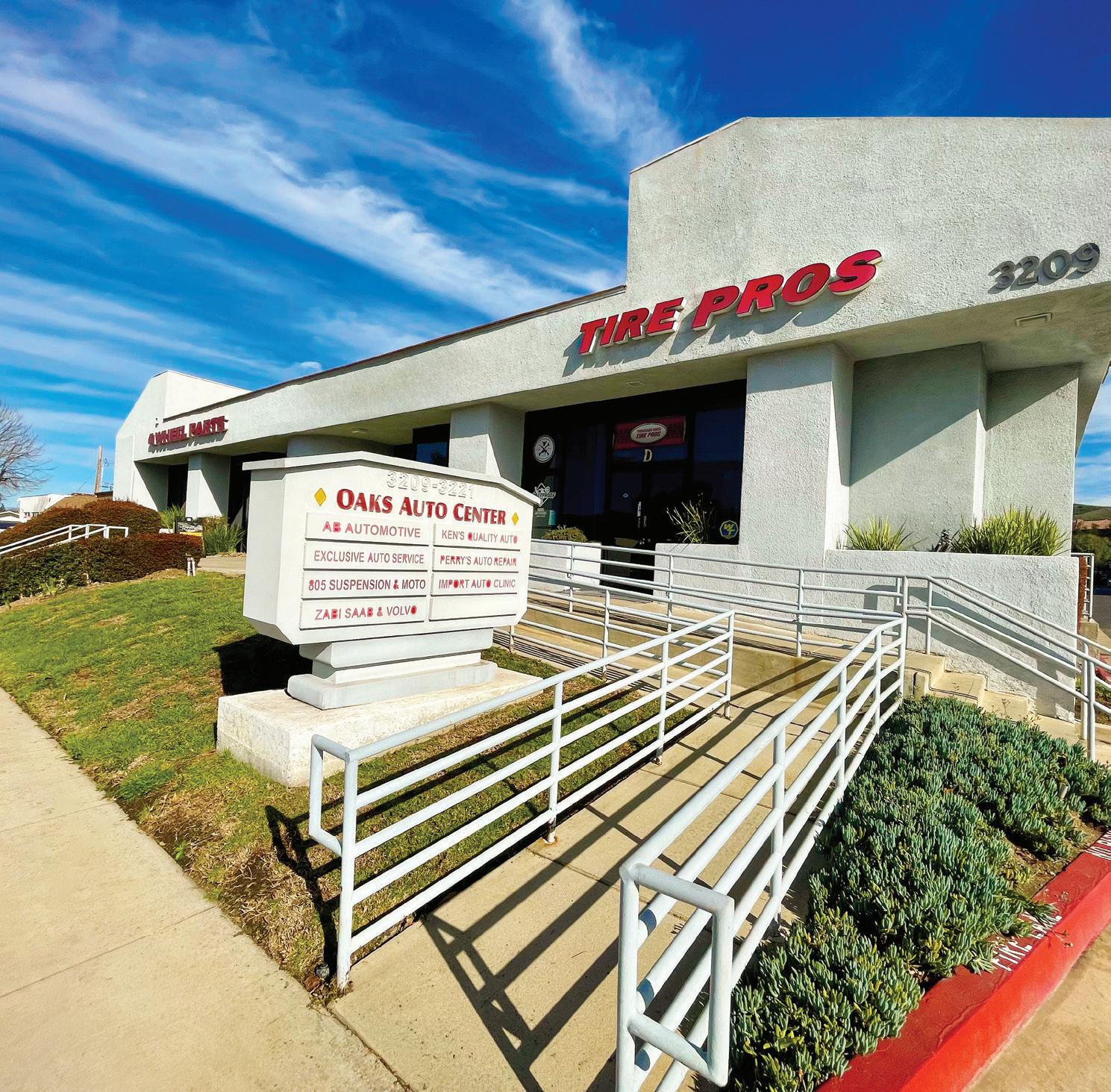
Stepan and Harry Boyajian recently opened their seventh store — a busy location in Thousand Oaks, Calif.
and


Mike Manges By
Stepan Boyajian is the co-owner of seven thriving retail tire stores, along with his brother, Harry Boyajian — a vocation Stepan says neither could have envisioned in 1983, when they emigrated from war-torn Lebanon to the United States with their parents and younger brother.
“We fell into the tire industry almost by accident,” says Stepan, a er he and Harry, who are of Armenian descent, graduated from college in the 1990s.
Stepan and Harry have come a long way since then. Today, the brothers have seven stores in California, including one in ousand Oaks that opened in December 2025 and an outlet in Bullhead City, Ariz. eir dealership, which is part of the Tire Pros network, is enjoying another prosperous year.

“You can’t have seven different ways of doing things at seven stores,” says Stepan Boyajian (pictured right, with his brother, Harry Boyajian.)
Stepan and Harry Boyajian
“I was not a car guy,” Stepan admits. “I had a degree in economics and I wasn’t sure if I was going to do real estate or work in nance,” a er graduating from California
State University, Los Angeles, in 1996. “I was working in a temporary position at a bank. We knew there was a sunset to that job.”
Stepan’s then-girlfriend and now-wife, Vana, encouraged him to talk with her father, Andy Kasbarian, who had earned a degree in electrical engineering and later opened a tire dealership. “She said, ‘My dad has a tire store. It’s not like he’s a mechanic.’”
Stepan liked what he heard and soon stepped into the world of tire retail. “I fell in love with the idea of taking care of customers,” he says. “But I was clueless about what it took to run a business.”
Under Kasbarian’s mentorship, Stepan learned as much as he could and found that he enjoyed his new profession.
“My brother, Harry, who had a degree in computer information systems,” later joined the dealership in 1999.
Within a few years, the brothers decided to venture out on their own. ey opened a store in Glendora, Calif., in 2002. “In September 2003, we opened our second store,” says Stepan. “When we had two stores, we thought, ‘Two brothers? Two stores? Great!’”
A third store followed. But it came with some unexpected challenges. “We had the mentality of shopkeepers,” says Stepan. “Everything came through us.” e result? “We eventually ran into a wall,” Stepan recalls. e brothers even considered walking away from the tire industry.
“We reached out to the Tire Pros folks and said, ‘I don’t know if we’re going to be able to stay a oat,’” says Stepan. “ ey came in and said, ‘Breathe. Count to 10. ere are support mechanisms out there, like 20-groups.’”
Stepan and Harry took Tire Pros’ advice and recalibrated. ( ey are longtime members of Randy O’Connor’s D2D Development Group.)
With renewed enthusiasm, Stepan and Henry began adding stores again. As their footprint grew, they found themselves bouncing from location to location, including their Arizona store, which is hundreds of miles from their other outlets. ey eventually came to another realization: eir management system was unsustainable.
A er years of “running around and juggling duties,” they concluded that “we were too big to be a small company and too small to be a big company,” says Stepan.




They then created “a middle management position,” operations manager — a big step for the two owners who pride themselves on running a lean, ultra-efficient business. Stepan and Henry promoted one of their store managers, Hugo Sanchez, into the new role
Sanchez now oversees all seven of the Boyajians’ stores. “He’s in the trenches with them and works to make sure our expectations — store deliverables and all that — are aligned,” says Stepan.
This has freed Stepan and Harry to work on broader initiatives, including exploring “buying opportunities, negotiating with vendors and bringing in new programs,” says Stepan. “Sometimes you grow and you forget certain elements of your business and all of a sudden, you realize certain projects are collecting dust.”
Stepan and Harry have also focused on inward-facing enterprises. Over the last few years, they’ve made a concerted effort to “systemize” their stores with the goal of ensuring a consistent experience, regardless of location — not just for customers but for their employees, as well.
“Three (store) purchases ago, we said, ‘OK, we don’t want to rock the boat too much’” in terms of changing point-ofsale systems and other in-store functions when acquiring a new location. “Well, we didn’t rock it enough,” says Stepan.
The brothers’ stores now run on the same point-of-sale system and other standardized processes.
“You can’t have seven different ways of doing things at seven stores. We’ve always said, ‘If we parachute a manager into another store, there should be no questions about how this is done or how that’s done.’ It should be so seamless that the only difference between their store and the new store is the physical layout of the place.”
Maintaining a balance between employee, customer and vendor relations is another priority, according to Stepan. “We learned from very early on that the minimum number of legs a stool needs for stability is three. You cannot have a two-legged stool. You cannot have a one-legged stool.
“People say, ‘The customer is number
one. That’s all that matters.’ Well, let’s split hairs a little bit. What good is it if my employees are the greatest and my customers are taken care of, but I’m not paying the bills or bringing the best programs from my vendors to my employees? What good is it if I’m taking care of my vendors and taking care of my employees, but treating customers inappropriately?
“The three pillars of our success are being fair, correct and true to our customers, our employees and our vendors,” says Stepan. “If these three components are on stable ground, the rest will take care of itself.”
As Harry and Stepan position their dealership for more growth, Stepan says they will remain focused on not just the nuts and bolts of efficient operations but also what he calls “intangibles.
“There are many things that contribute to the customer choosing your place. Among those are price, brands and your menu of services. But at the end of the day, people are still dealing with people and appreciate what the other person provides for them.” ■



Aden Graves By
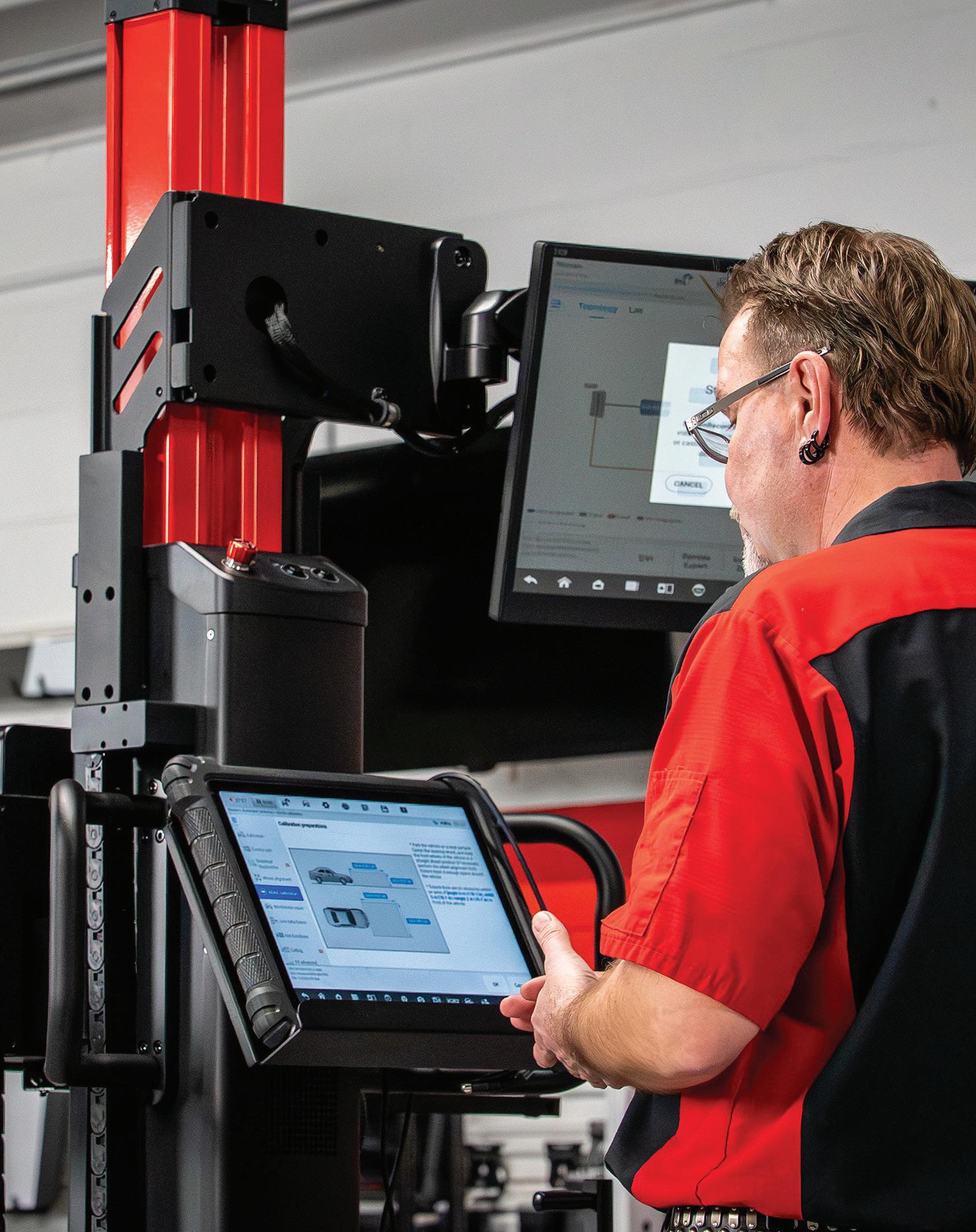
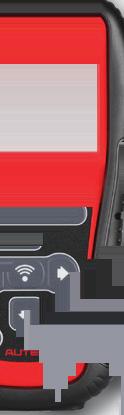
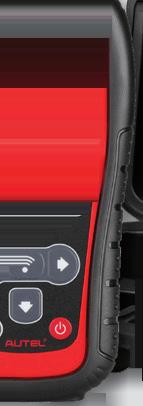
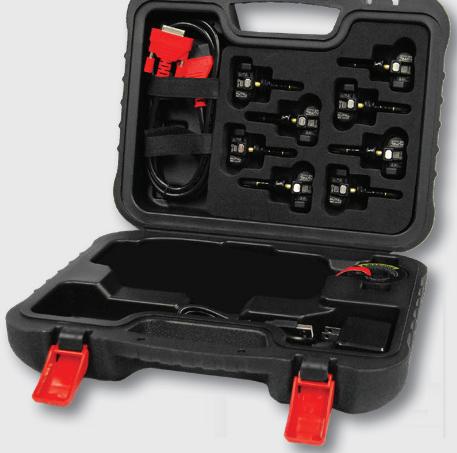
As vehicle manufacturers continue developing highly specialized advanced driver assistance systems (ADAS), there is a growing demand for independent tire dealerships to be equipped to perform calibration work to ensure safety and functionality. Speci c technologies and tools designed to calibrate vehicles have also evolved. O ering ADAS-related services not only o ers an outlet for shops to boost revenue, but it also protects drivers’
safety, as “changes such as tire size, wheel tment, ride height adjustments and vehicle alignments can a ect ADAS performance,” according to Chuck Olsen, vice president of automotive technology solutions, AirPro Diagnostics.
MTD recently connected with several companies that specialize in designing, manufacturing and selling ADAS calibration equipment to understand the biggest trends shaping the broader ADAS conversation and how tire dealers can
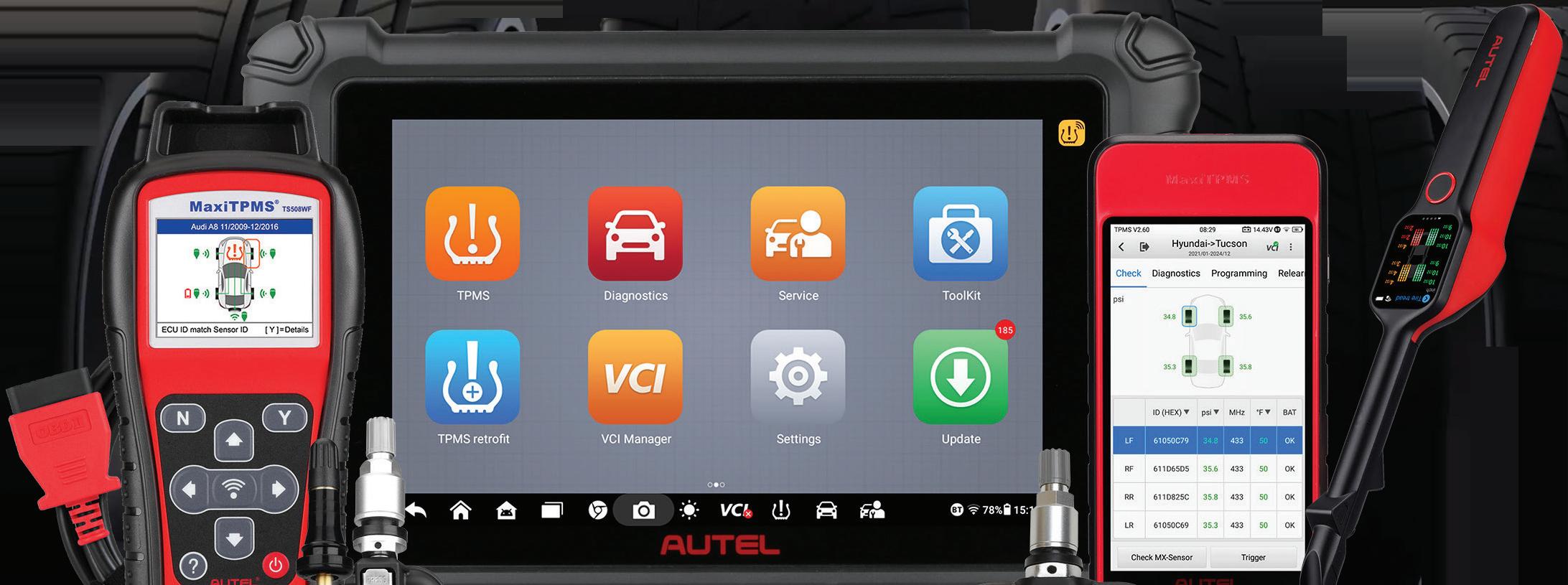
“One of the biggest trends in ADAS calibration equipment is the industry’s growing focus on identifying required calibrations tied to common repair procedures,” says Stew Peregrine, senior executive of ADAS, Autel North America.
make sure their businesses are meeting the moment.
MTD: What’s new in ADAS calibration equipment?
OLSEN (AirPro Diagnostics): Tire service shops will have to consider quite a few things related to ADAS calibration requirements and opportunities, depending on the other types of services they do beyond same tire size replacement, such as tire size changes, suspension work or alignments, not to mention tire pressure monitoring systems (TPMS).
A basic same tire type/size replacement by itself does not typically call for or require ADAS recalibration. However, the TPMS system must be reset and function as tire pressure is used as a data point in many ADAS functions. But if tire size change a ects vehicle speed, sensor input and/or vehicle ride height, this may trigger some ADAS calibration requirements, depending on what systems and sensor types the vehicle is equipped with. Changes in alignment of the vehicle, especially thrust angle, can also trigger calibration requirements.
STEW PEREGRINE, senior executive of ADAS, Autel North America: e newest ADAS calibration systems should be designed to improve set-up e ciency, increase accuracy, reduce human error and strengthen validation and reporting.
MICHAEL CZORNY, marketing manager, Launch Tech USA: As vehicle technology continues to evolve rapidly, we are actively expanding and developing new ADAS calibration targets and coverage solutions to stay aligned with the latest OEM requirements and vehicle applications.
JORDAN KREBS, product manager, wheel alignment and ADAS, Americas, Snap-on Equipment: ADAS calibration












equipment is continuing to expand to meet new and enhanced requirements for vehicle sensors. More OEMs are introducing Level 2.5 and Level 3 autonomous vehicles that rely on increasing levels of sensor fusion or multiple sensors working together to create a complete view of the vehicle’s surroundings. As a result, ADAS calibration equipment manufacturers must remain in constant communication with OEMs to maintain approvals and ensure the proper targets are developed for accurate calibrations. New fixtures, placement targets, algorithms, calibration flows and even alignment specifications are required to fully check, place, calibrate and prove proper calibration.
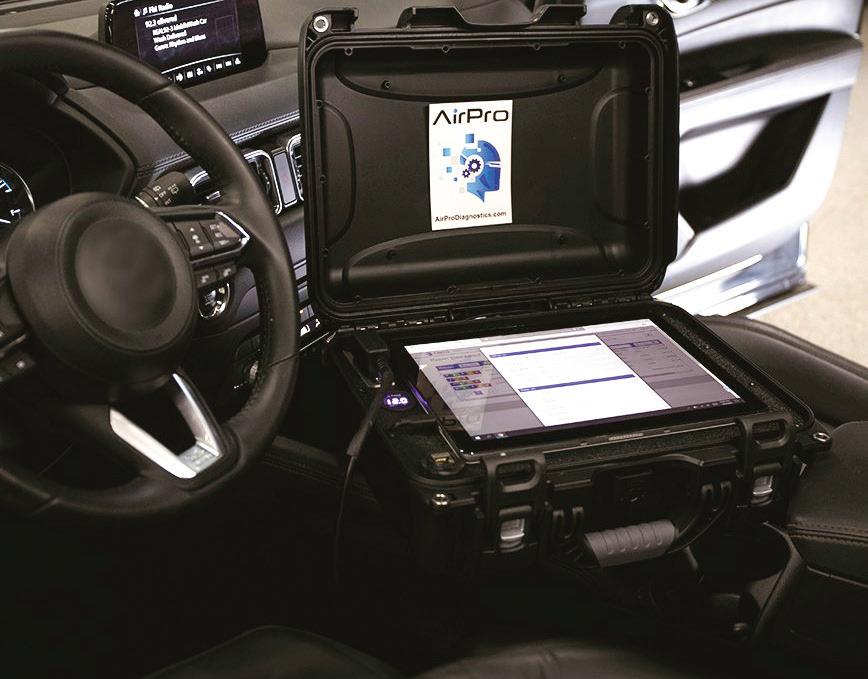
“Tire service shops will have to consider quite a few things related to ADAS calibration requirements and opportunities, depending on the other types of services they do beyond same tire size replacement, such as tire size changes, suspension work or alignments, not to mention tire pressure monitoring systems,” says Chuck Olsen, vice president of automotive technology solutions, AirPro Diagnostics.




DENNIS WHITE, education program manager, TEXA USA: Because of the need for wheel alignments within the world of modern tire dealers today, we now have ADAS running on the shirt tail of wheel alignments. If you are doing wheel alignments, you have to be able to do calibrations today. Modern cars that you’re aligning require calibrations after alignment.
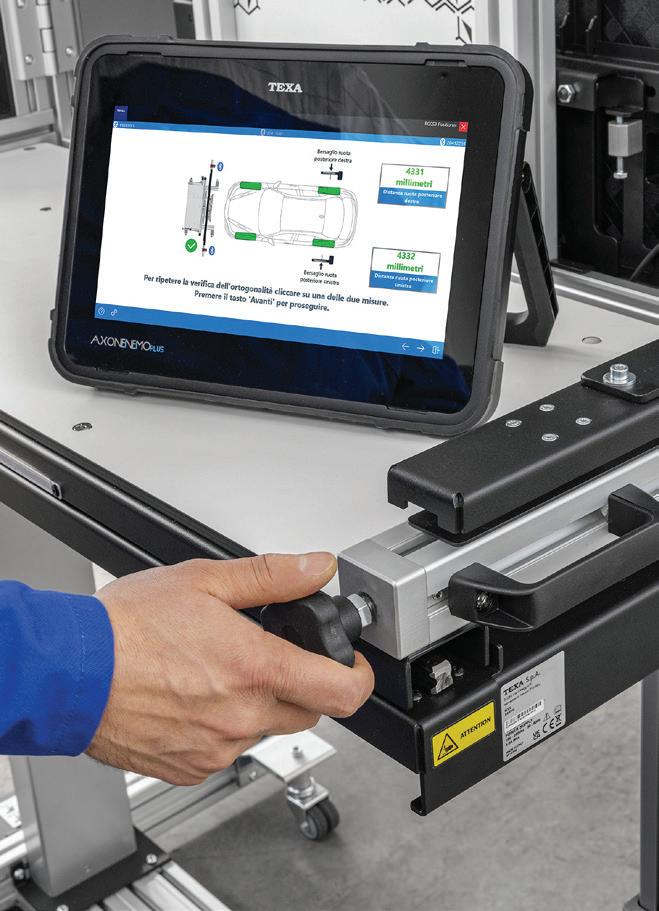
“Technicians must be able to handle the technology of today and also work on yesterday’s cars,” says Dennis White, education program manager, TEXA USA. “The demands of technology are getting harder, but it’s not outside the reach of anybody in the industry.”
TEXA USA
AirPro Diagnostics
MTD: What are some of the trends you’re seeing in ADAS calibration equipment?
OLSEN (AirPro Diagnostics): There have been industry discussions and some early research that indicate ADAS performance may degrade or deteriorate over time. If this is confirmed to be the case, a shop that is equipped to perform ADAS-related calibrations could also offer recalibration as a maintenance item, whether there is a requirement for recalibration related to other services performed or not. Either way, being trained and equipped to identify and execute ADAS recalibrations effectively and accurately is becoming a reality for just about any automotive service operation.
PEREGRINE (Autel): One of the biggest trends in ADAS calibration equipment is the industry’s growing focus on identifying required calibrations tied to common repair procedures like wheel alignments, steering and suspension work. Too often, these critical safety systems are overlooked after a basic alignment, creating both a safety issue and a missed revenue opportunity for wheel and tire shops. Many OEMs now require ADAS calibrations following these repairs and modern diagnostic tools are beginning to clearly identify when

























those calibrations are required. At the same time, shops want systems that are faster, easier to use and capable of validating the work performed.
CZORNY (Launch Tech USA): ADAS calibration procedures are increasingly trending toward static calibrations as the industry recognizes the challenges dynamic calibrations can present, especially in areas impacted by inclement weather and inconsistent road conditions. Static calibrations provide a more controlled and repeatable environment inside the shop, helping improve accuracy, consistency and workflow efficiency.
KREBS (Snap-on): Trends in ADAS calibration equipment closely follow those set by vehicle manufacturers. OEMs set the requirements for calibrations — including space or exclusion zones — target positioning, target size and design and any secondary calibration combinations.
It is the responsibility of equipment manufacturers to ensure their products
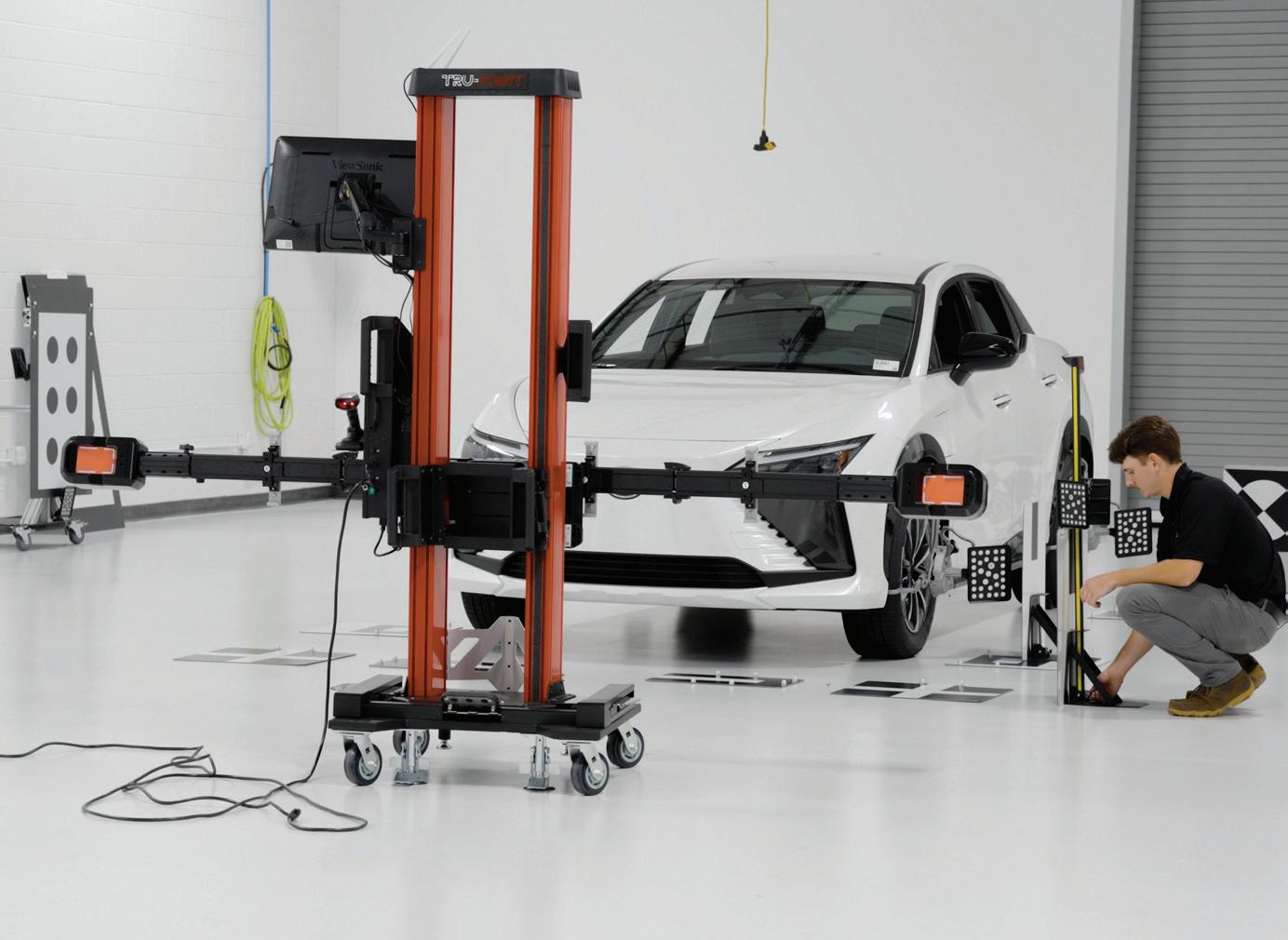
and software workflows align with these requirements. When executed properly, this results in a consistent calibration process and better protection for enduser shops performing final calibrations before vehicles are returned to customers.
Adherence to OEM specifications, along with OEM-specific approvals, also supports shops ... as it enables accurate reporting of ADAS target placement around the vehicle.
“ADAS calibration equipment is continuing to expand to meet new and enhanced requirements for vehicle sensors,” says Jordan Krebs, product manager, wheel alignment and ADAS, Americas, Snap-on Equipment.
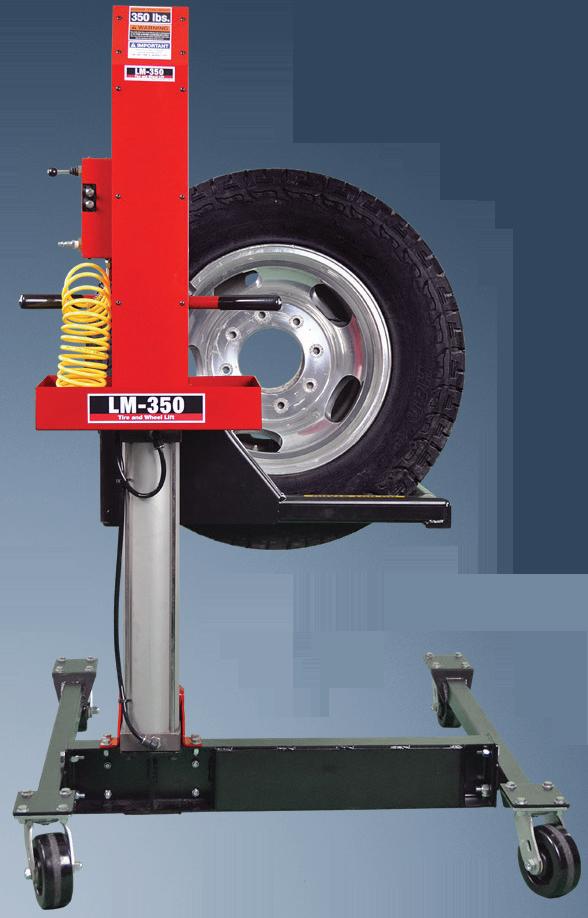
WHITE (TEXA USA): When tire dealers and technicians are performing ADAS calibration adjustments, test drive the vehicle before and test drive the vehicle afterwards. Technicians should be sure to put the four tires on, drive the vehicle and operate the ADAS systems, if they are there. Then, bring it in (and) align the vehicle. When you’re done, zero the steering sensor and calibrate the systems, if need be. After that, test drive the vehicle again to make sure the ADAS systems work as they did before. Now it becomes a bit more of a complicated process. Additionally, calibrations should never be done for free. If tire and repair shops explain to customers that their new cars have features that are required and educate them on ADAS calibrations, it’s a new revenue stream for them.
One of the biggest challenges that we have in the ADAS world is that the roads are shared by many vehicles. In a perfect world, they would get rid of every vehicle that doesn’t have ADAS, but that’s not going to happen. The question is going to be: How do we incorporate all this new technology on the road with all of these cars that don’t have ADAS and how should they coexist? We share the world and roads together. Technicians must be able to handle the technology of today and also work on yesterday’s cars. The demands of technology are getting harder, but it’s not outside the reach of anybody in the industry. As technicians, we are smart enough to figure this out. We just need to make sure we give them good information. ■













































































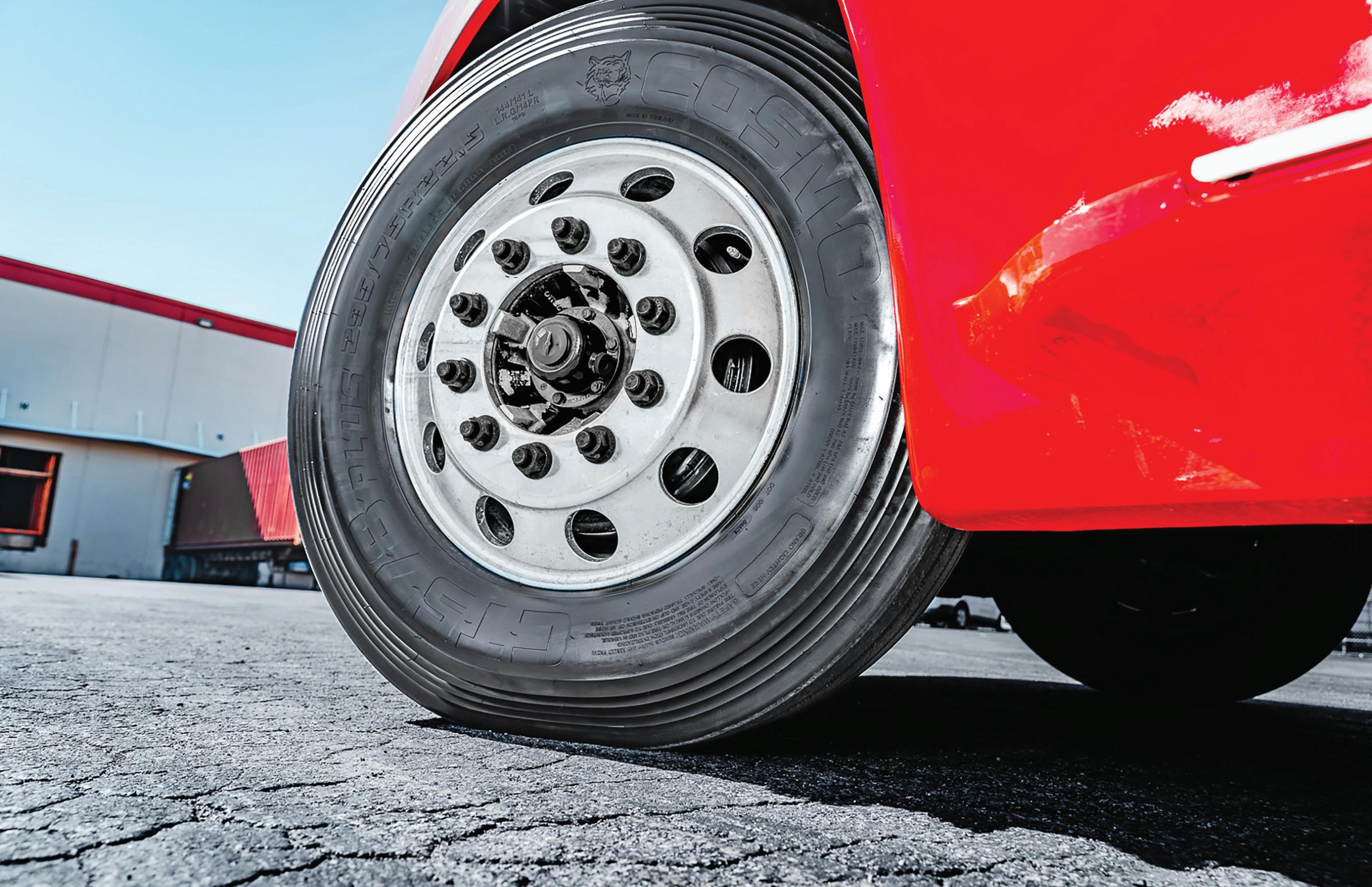
Sara Welch By
The commercial truck tire market entered 2026 on uneven footing, with many manufacturers describing demand as soft, flat, cautious or only modestly positive through the first part of the year.
Freight inconsistency, elevated fuel prices, tariffs, raw material volatility and broader economic uncertainty are keeping fleets disciplined with purchasing decisions and forcing tire dealers and suppliers to compete in a more price-sensitive environment.
That pressure is accelerating one of the clearest shifts in the market, as fleets increasingly consider value. Several manufacturers say tier-three and tierfour products continue to gain traction as fleets try to reduce upfront costs and protect margins. But feedback also shows that price alone is not enough. Fleets still want tires that can prove their value through mileage, fuel efficiency, casing durability, retreadability, uptime and consistent performance across applications.
For tire dealers, the conversation is
“The commercial truck tire market in 2026 has been steady, but much more competitive and value-driven,” says Joaquin Gonzalez, president of Tire Group International LLC. “Fleets are still buying, but every decision is being made with a sharper focus.”
continuing to move from purchase price to total cost of ownership. Manufacturers repeatedly pointed to cost-per-mile, reliable supply, casing value, service support and inventory availability as key differentiators in a market where fleets are cautious but still need to keep equipment moving.
Looking ahead, truck tire manufacturers do not expect a dramatic rebound or a single breakthrough to reshape medium truck tires in 2026. Instead, they see gradual









SOUTHERN CALIFORNIA SENTURY TIRE USA DISTRIBUTION
THAILAND SENTURY TIRE USA SMART 4.0 FACTORY
1-DAY PRODUCT DELIVERY ZONES 2-DAY PRODUCT DELIVERY ZONES
FASTER DISTRIBUTION
Our products are delivered via factory direct or warehouse distribution centers to serve your needs faster & more efficiently than ever before. Our regional hubs deliver 1-day & 2-day from East > Midwest > West.
ASSOCIATE DEALER PROGRAMS
Our two Associate Dealer Programs: Delinte HYPERDRIVE™ & Landsail Elyte™ reward partners for buying Delinte & Landsail products.

SENTURY TIRE USA DISTRIBUTION

NEW SMART 4.0 FACTORY NOW ONLINE IN MOROCCO
Our newest fully automated Smart 4.0 factory is online & shipping your product faster due to its strategic location.
ACCESS 360 ON-DEMAND PARTNER PORTAL
NEW SENTURY WORLD APP














CAROLINA SENTURY TIRE USA DISTRIBUTION SENTURY TIRE USA DISTRIBUTION

SENTURY TIRE USA USA HEADQUARTERS DISTRIBUTION

From streamlining the ordering process to giving visual updates on where orders are “on-the-water”, Access 360 gives you a robust dashboard for all of your partner needs.
Launching to all of our partners in Q1 of 2026, the Sentury World App is a mobile-first app with our first WARRANTY module, making the claim proccess easier.


improvement and continued innovation around the fundamentals. As fleets seek more data, more uptime and more predictable operating costs, they say the commercial tire market’s next phase will be defined by products and programs that help fleets make every tire dollar go further.
MTD: What is the commercial truck tire market like so far in 2026? What key opportunities, challenges and trends are shaping the market right now?
DAVE GOLDMAN, senior vice president of commercial products, American Tire Distributors (ATD): The commercial truck tire market has been modestly positive through the first four months of 2026. One notable trend is fleets tiering-down as they seek more cost-effective alternatives amid ongoing price pressure. As a result, demand for tier-two through tier-four products has increased. Tariffs have also influenced pricing, continuing to be a headwind for the industry.
KARL JIN, divisional head of product and pricing, Apollo Tyres Ltd.: The market so far in 2026 has been soft. Freight has been inconsistent and fleets are being very disciplined with spending. Most customers are managing inventory closely and not making aggressive buying decisions.
ROB SEIBERT, president, North America truck and bus radial, Bridgestone Americas Inc.: The commercial truck market continues to be softer than expected, with some positive signs from OEMs and national accounts. The disruption caused by tariffs in 2026 is starting to normalize low-tier import levels, while supply in the market continues to come down. Total cost of ownership continues to be key as fleets navigate the high cost of oil and shipping disruptions stemming from the conflict in the Middle East.
AARON MURPHY, senior vice president, CMA/Double Coin: In 2026, economic stagnation has created lower demand for tires and this is reflected in shipment data. However, with the difficult economic times, value-priced products are in higher demand due to tight trucking profit margins.
SHAUN UYS, vice president of sales and marketing, truck tires, replacement, USA, Continental Tire the Americas
LLC: We expect 2026 to be challenging but manageable, with pressure from tariffs, fluctuating demand and increased competition in lower-tier segments.
RICK BRENNAN, associate vice president of TBR, Dunlop Tires North America Inc. (DTNA): The commercial truck market is facing challenges on multiple fronts this year. Uneven demand recovery in the freight market, rising operating costs for trucking fleets, tariffs and increasing raw material costs for tires are just a few of the challenges facing tire makers today. With costs rising, fleets are looking for ways to save. Delaying new truck purchases, as well as new truck tire purchases, has reduced demand for both in the first half of the year. We expect to see more of the same as we enter the third quarter of the year. With the global uncertainties we face, the current conditions could last through year-end for the tire industry.
JOSHUA J. BENSON, vice president, First Choice Sourcing Solutions: The commercial truck tire market in 2026 remains highly competitive and cautious. Freight volumes continue to fluctuate, keeping many fleets focused on tight cost control and conservative purchasing decisions. Persistent volatility in fuel prices and raw material costs have added further pressure throughout the supply chain.
A clear trend emerging this year is the growing divide between low-price tires and performance-oriented solutions. While global oversupply has intensified price competition in some segments, forward-thinking fleets are placing greater emphasis on total cost of ownership. Reliability, fuel efficiency, casing durability and consistent performance have become more important than initial purchase price.
This environment creates strong opportunities for suppliers who can deliver not only high-performing products but also supply reliability, structured programs and operational support. In a market defined by uncertainty, consistency and predictability have become significant competitive advantages.
JOE STUGLIS, vice president, commercial sales, North America, Goodyear Tire & Rubber Co.: The commercial truck tire market in 2026 continues to be shaped
Based on an estimated 8.5 million units as of May 31, 2026
by fleets’ focus on controlling total cost of ownership. One of the most significant and often overlooked opportunities for fleets to reduce avoidable costs is through stronger tire health management. Improper tire inflation, undetected tire issues and delayed maintenance continue to contribute to higher fuel consumption, accelerated wear and an increased risk of costly roadside events.
Technology solutions are playing an increasingly important role in addressing these challenges. Fleets are turning to data-driven tools that provide greater visibility into tire and vehicle health so they can move from reactive to proactive maintenance strategies. Real-time insights enable earlier intervention, helping fleets prevent minor issues from becoming major disruptions. Many fleets are placing greater emphasis on retreading as part of a broader approach.






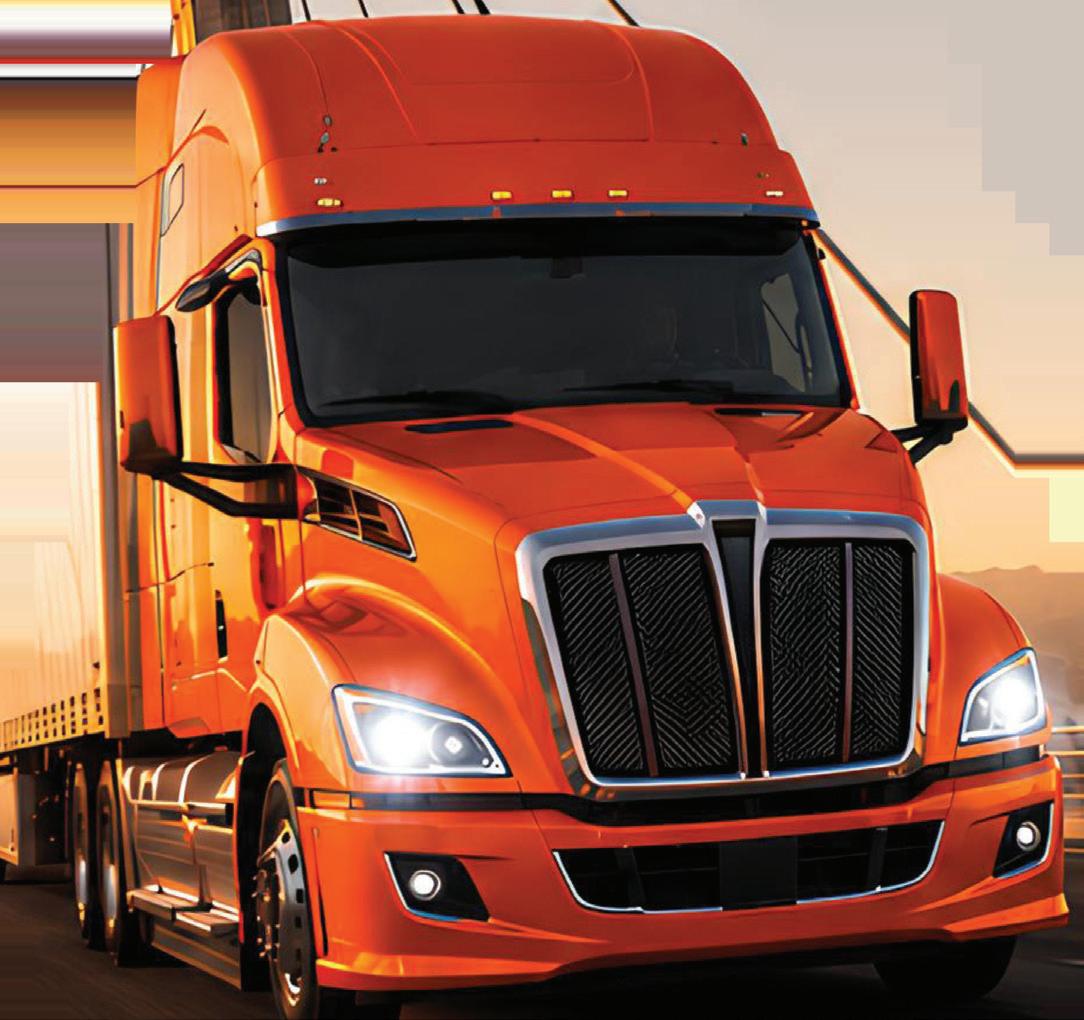




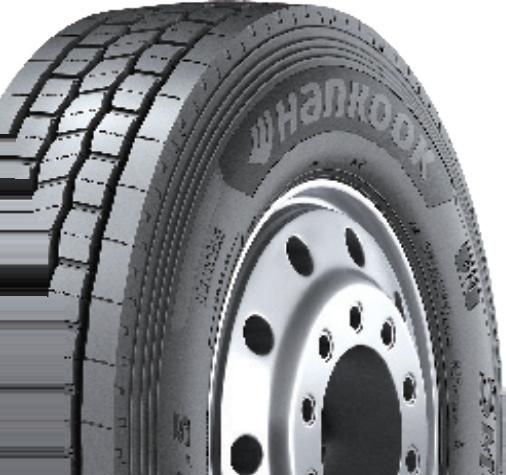
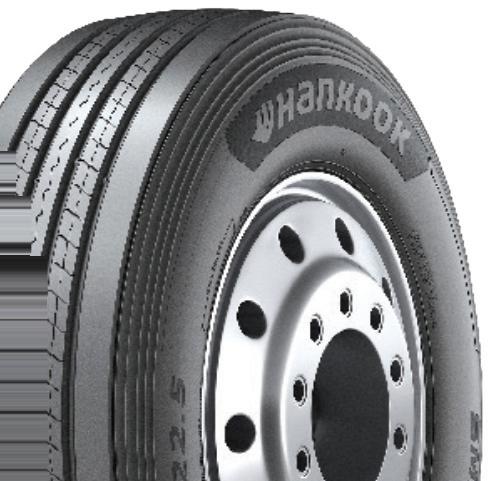
MARK ROE, vice president of U.S. TBR sales, Hankook Tire America Corp.: So far in 2026, the commercial truck tire market reflects a shift driven by economic pressures, regulatory changes and evolving fleet priorities. Compared to last year, the original equipment (OE) market experienced a decline, while the replacement market continued to grow. However, entering the first half of 2026, factors such as new truck-driver–related policies, sharp increases in oil and diesel prices and upcoming Environmental Protection Agency regulations are beginning to influence market demand, which could favor the OE segment.
Vehicle prices are on the rise due to higher manufacturing costs. Challenging compliance or regulations in the marketplace and higher fuel costs are all factors placing additional pressure on fleets to maximize asset life. As a result, one of the most significant trends in the market is the demand for tires with advanced technology that delivers longer mileage, improved durability and lower total cost of ownership or operation.
SHAWN DENLEIN, president of sales and marketing, Kumho Tire U.S.A. Inc.: The TBR tire market is navigating a difficult landscape in 2026, marked by a freight recession that has weakened demand — evidenced by a 15% year-over-year decline in the commercial truck segment in the first quarter — making cost-per-mile efficiency more critical than ever for fleet operators. At the same time, established market leaders are facing intensifying competition.
Despite these pressures, underlying demand drivers remain strong. Rapid e-commerce and logistics expansion is increasing fleet sizes and accelerating tire wear, while significant global infrastructure investment and ongoing construction activity are boosting the need for durable, heavy-duty and off-road truck tires capable of handling challenging terrains. Additionally, the rise of electric vehicles, especially in last-mile delivery, is driving demand for advanced, fuel-efficient and sensor-enabled tire technologies.
However, the industry must contend with persistent challenges, including volatile raw material costs; ongoing supply chain disruptions; stringent regulatory requirements related to emissions and safety, as well as tariffs; pressure from the
retread market and intense competition fueled by continuous innovation and strategic positioning among key players.
CHRIS MILLER, TBR engineer, Linglong Tire Americas Inc: The commercial truck market is strong, with more demand for low-cost Asian brands as fuel, wages and capital costs increase. Opportunities are introducing tires that are more multiple retread-friendly, while maintaining lower price points. Initial service life also requires higher wear before retreading. The rise of electric trucks is creating demand for specialized tires. Challenges are designing lower rolling resistance tires, especially with fuel cost increases in Q1 and Q2 2026, while maintaining/ improving other performance metrics.
SAMUEL FELBERBAUM, president, Prinx Chengshan Tire North America (PCTNA): The commercial truck tire market has been relatively flat to start 2026. One of the most significant factors impacting the market is the geopolitical situation in the Middle East, which has driven volatility in diesel prices. This is affecting both independent owner-operators and large fleets, with rising fuel costs leading to increased transportation expenses, including daily fluctuations in drayage surcharges.
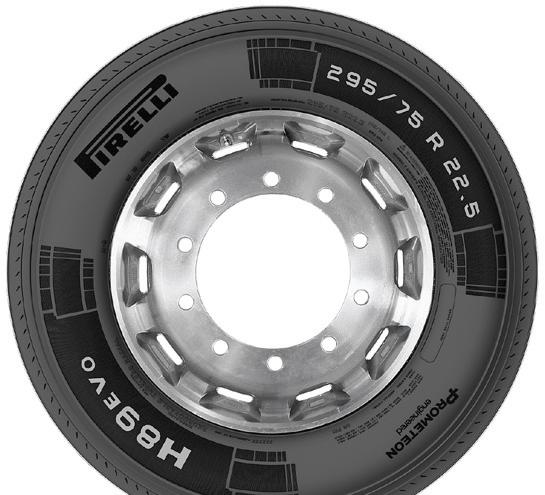
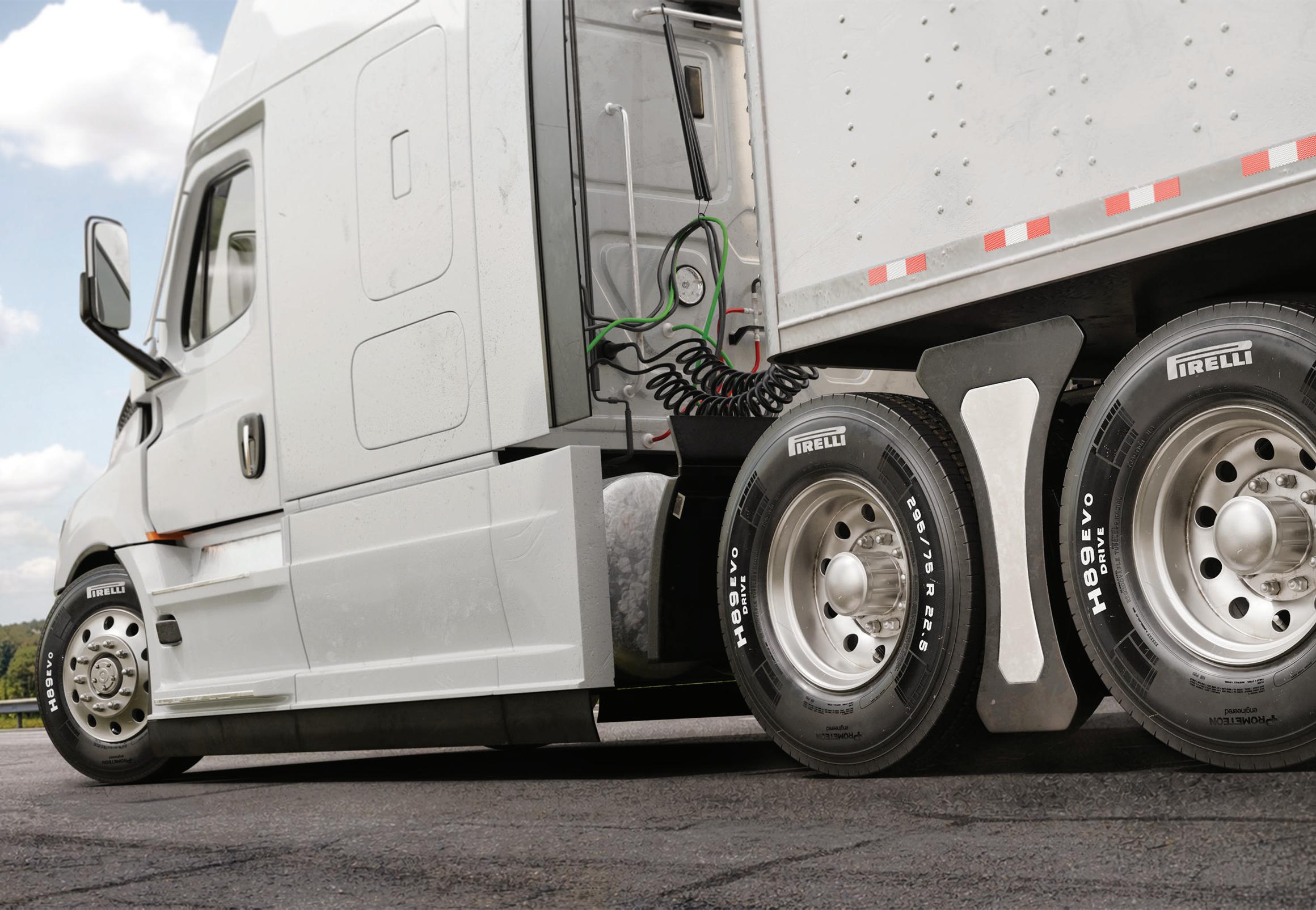
FABIO FAVINI, head of marketing and supply chain, North America, Prometeon Tyre Group: The North American commercial truck tire market in 2026 remains highly competitive and strongly price-focused, largely because freight demand is still soft and low-cost, tierthree and tier-four imports continue to grow. Even when fleets understand the long-term value of premium tires, many customers are shifting to lower-cost brands to manage daily operating costs and short-term profitability. Another major factor shaping the market is the ability to provide strong service support and national account programs. Fleets are increasingly looking not just for competitive pricing, but also for reliable supply, nationwide coverage, road service, fleet programs and strong dealer support.
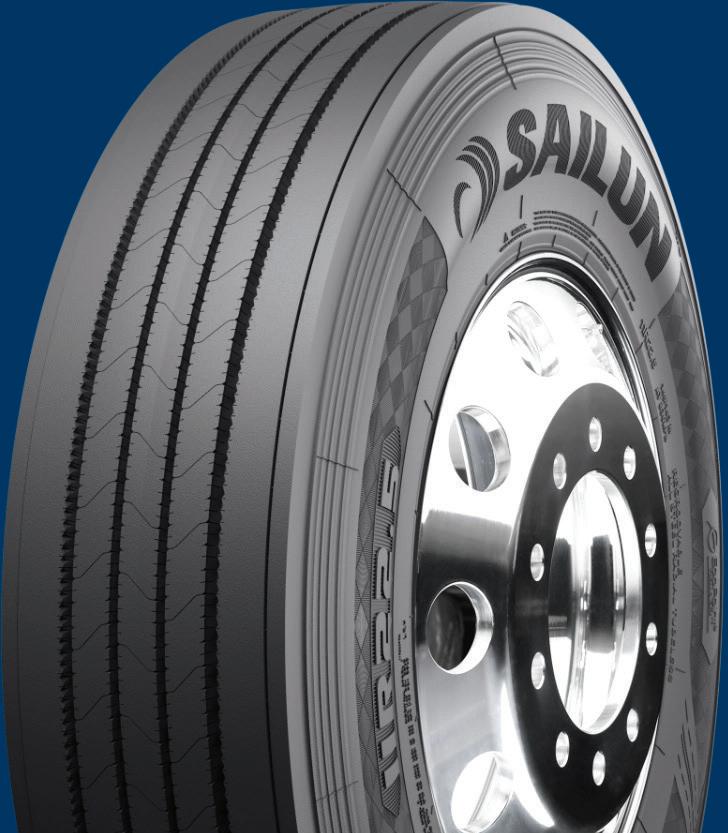
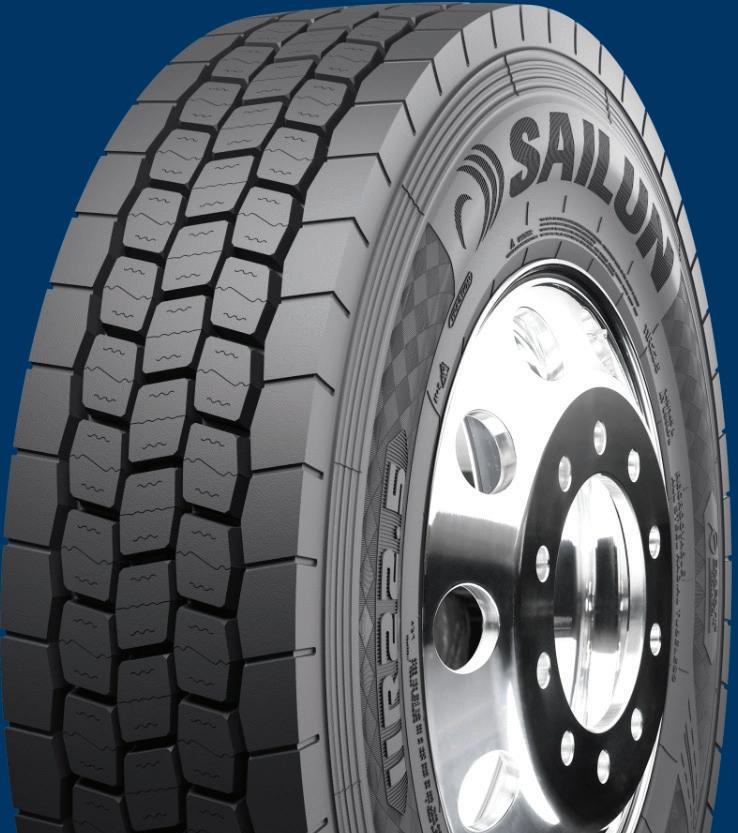
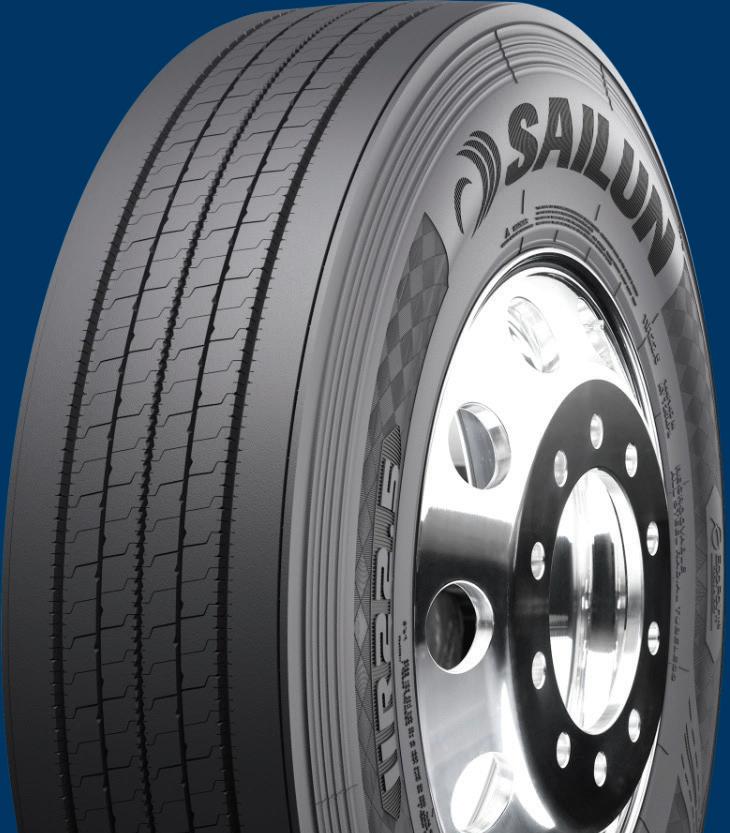
ROB ULIAS, senior vice president of commercial sales, North America, Sailun Tire Americas: The commercial truck tire market in 2026 remains challenging, but
is beginning to show early signs of stabilization. Freight demand and rates are still under pressure, keeping fleets and dealers cautious, while elevated input costs — driven by fuel volatility and raw material swings — continue to squeeze margins. At the same time, aggressive discounting across the market, particularly from overcapacity in global supply, is creating a highly price-sensitive environment.
That said, these conditions are also creating clear opportunities. Fleets are more focused than ever on total cost of ownership, durability and fuel efficiency, accelerating demand for higher-performing, longer-lasting tires with proven data behind them. Programs that combine strong product performance with reliability, casing value and consistent supply are standing out, especially as customers look to reduce operating costs and avoid risk.
NICK GUTIERREZ, territory sales and marketing director, Sentury Tire USA: The commercial tire market has been steadily growing and we estimate it will continue to expand as e-commerce and freight demand continue to grow. The key challenges for fleet vehicle owners are to find products that can be shipped in a competitive timeframe, be durable in today’s unpredictable economy and also provide good fuel economy.
NURALI BUNYATOV, vice president of commercial tire brand management and merchandising, TBC Corp.: Demand across our commercial truck tire portfolio has remained steady through the first part of 2026. With tariff uncertainty now largely behind us, the market’s attention has shifted to increases in fuel and operating costs driven by rising oil prices. What’s notable, though, is how well the industry has adapted. Fleets and commercial dealers have built the operational muscle to proactively manage rising costs and many are doing so by doubling down on brands that deliver a proven combination of performance and total cost of ownership. That’s a shift in mindset from reactive to strategic and it’s creating real opportunity for brands with credibility in both dimensions.
JOAQUIN GONZALEZ, president, Tire Group International LLC (TGI): The commercial truck tire market in 2026 has been steady, but much more competitive











and value-driven. Fleets are still buying, but every decision is being made with a sharper focus on cost control and return on investment. One of the biggest dynamics right now is the pressure from lower-cost products and the reality is that they are performing. The gap between premium and value tiers has narrowed and fleets are realizing they can get solid performance at a better price point. That is putting pressure across the entire market.
The opportunity is for companies that can deliver consistent quality, reliable supply and real-world performance at a competitive cost. The challenge is that customers are no longer paying for perceived value. They want results. At the same time, the focus continues to shift toward total cost-per-mile, uptime and casing value, which is changing how tires are evaluated and sold.
MIKE PARK, assistant director of market intelligence and pricing, Tireco Inc: The commercial truck tire market in 2026 is keeping everyone honest. Freight activity has been uneven, operating costs remain elevated and fleets are exercising real discipline with every purchasing decision. From fuel and labor to insurance, equipment, raw materials and tariff-related uncertainty, fleets are under pressure to make every dollar work harder. Price matters, but cost-per-mile matters more.
Pricing pressure remains intense, particularly with low-cost imports in the market, and dealers are managing inventory carefully. Fleets may be cautious, but equipment still needs to move and replacement demand remains the core driver of the market. The most significant shift underway is fleets pushing harder to optimize tire performance across all applications: regional and long-haul, lastmile delivery and mixed service. The focus is on total cost of ownership, tread life, fuel efficiency, SmartWay-verified options, casing durability and retreadability.
JORDAN VASTINE, field manager of commercial product and business development, Toyo Tire U.S.A. Inc.: Rising raw material costs continue to put pressure on profit margins across the board. While the commercial tire market in 2026 appears uneven, it remains stable overall. Dealers and fleets are prioritizing reliable, proven brands with highly retreadable casings to help maximize
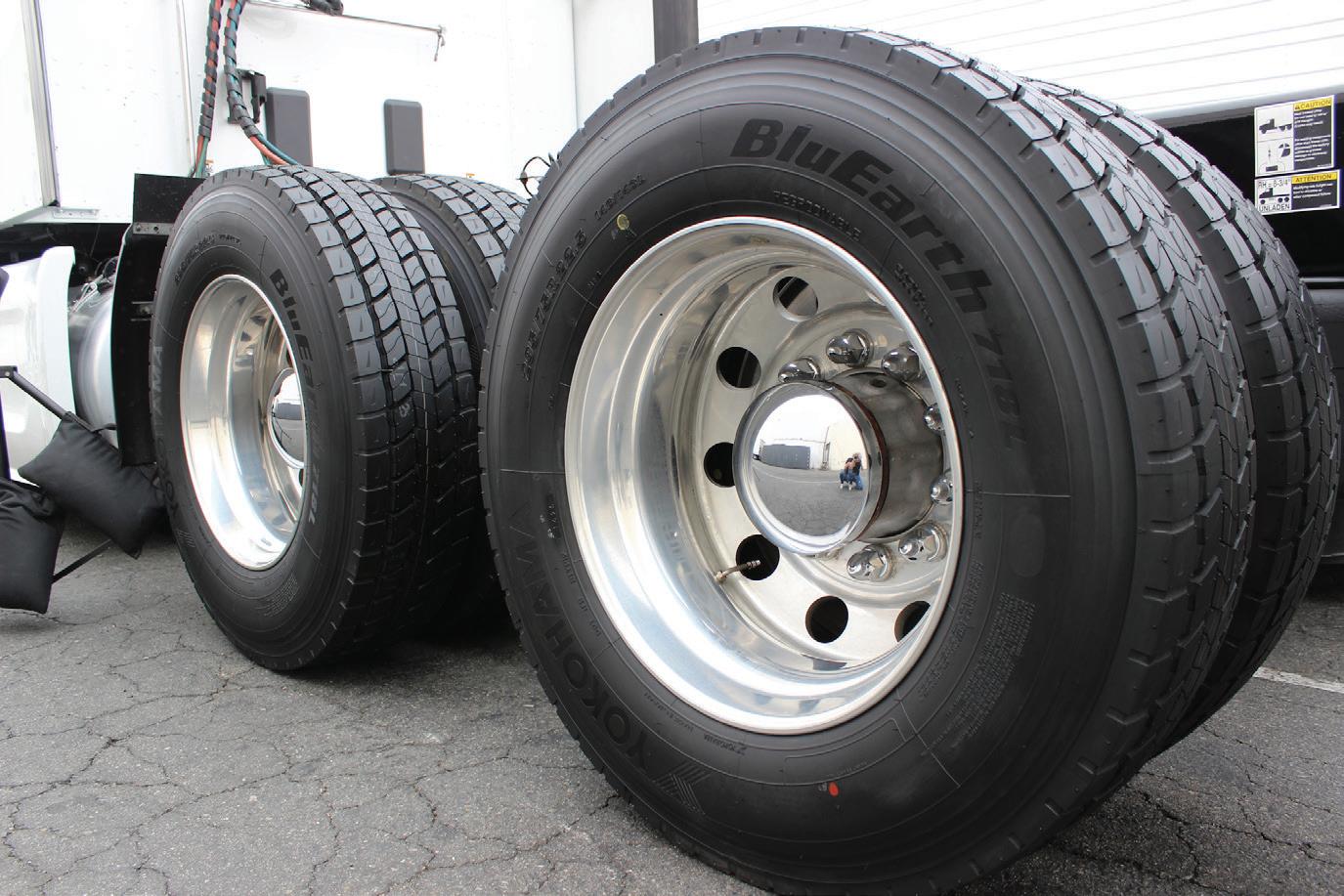
returns. Although retreading has faced some recent challenges, it is still widely practiced and shifts the mindset from short-term purchasing to long-term investment.
Fleets are also extending the life of their equipment to manage costs, which increases expectations for tire durability. Whether in long-haul, regional or construction applications, fleets want confidence that they are investing in the right tire. Key factors include mileage performance, resistance to irregular wear and overall durability, all of which contribute to lowering cost per mile.
CHRIS TOLBERT, senior director of sales, Trimax Tire Corp.: (The market is) soft, flat and concerning. With increased diesel costs, it could be a very challenging year. First (concern) is finding opportunities to help lower costs. Second, the supply chain needs to be stable and third, inflation trends really need to stay way below 3%.
DAN FUNKHOUSER, vice president of commercial sales, Yokohama Tire Corp.: The overall market has had a slow start with year-over-year declines in both replacement and OE through the first quarter. Despite the slow start, outside of the general economic uncertainty, most trucking and freight-related indicators look favorable or at least stable. We’ve, of
course, recently seen the price of diesel skyrocket and expect that trend to continue for what could be a lengthy period of time. In an environment like this, fleets are really looking to help their bottom line. That’s why low rolling resistance products are becoming more common.
MTD: How do you see the market evolving for the remainder of the year? What’s the next big development or innovation in medium truck tires?
GOLDMAN (ATD): We expect the remainder of the year to follow a similar trajectory, with steady but moderate growth. Success will hinge on supply chain efficiency — having the right inventory in the right locations. This approach helps dealers reduce on-hand inventory while still meeting customer demand quickly, which will be a key competitive advantage in a margin-conscious environment.
JIN (Apollo): I think the market will improve, but it is going to be gradual. Fleets are still being disciplined and dealers are focused on turning inventory, so I don’t expect a sharp rebound. As things stabilize, you will see more willingness to test new products, but only if there is a clear path to lowering cost-per-mile. The next big development is around casing value and smart tire technology. Fleets are

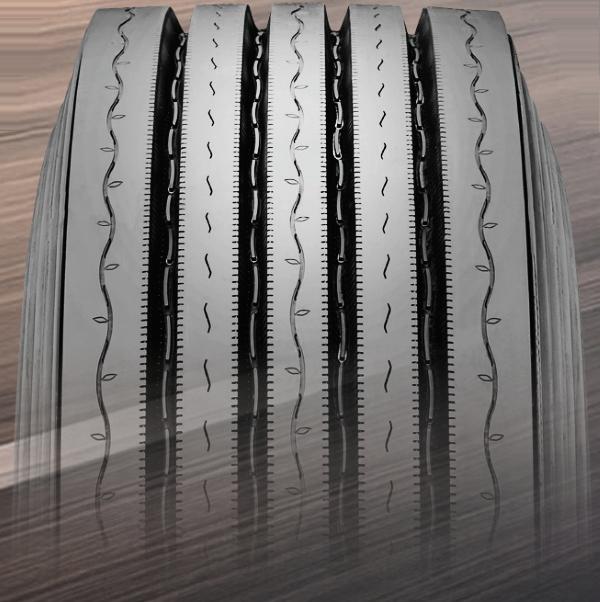


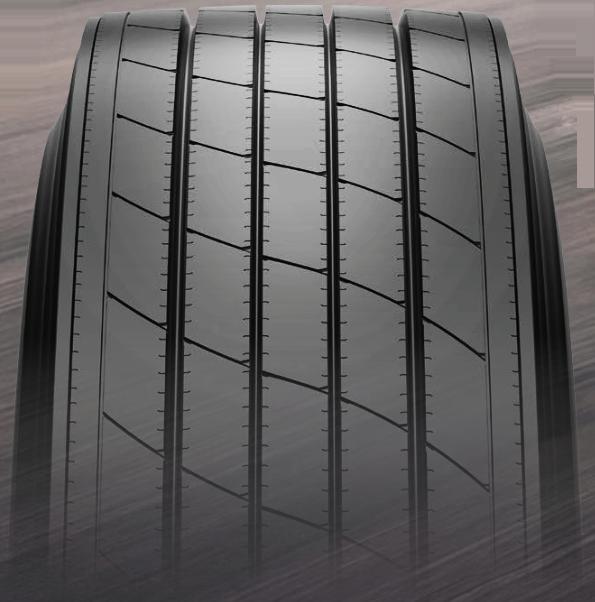

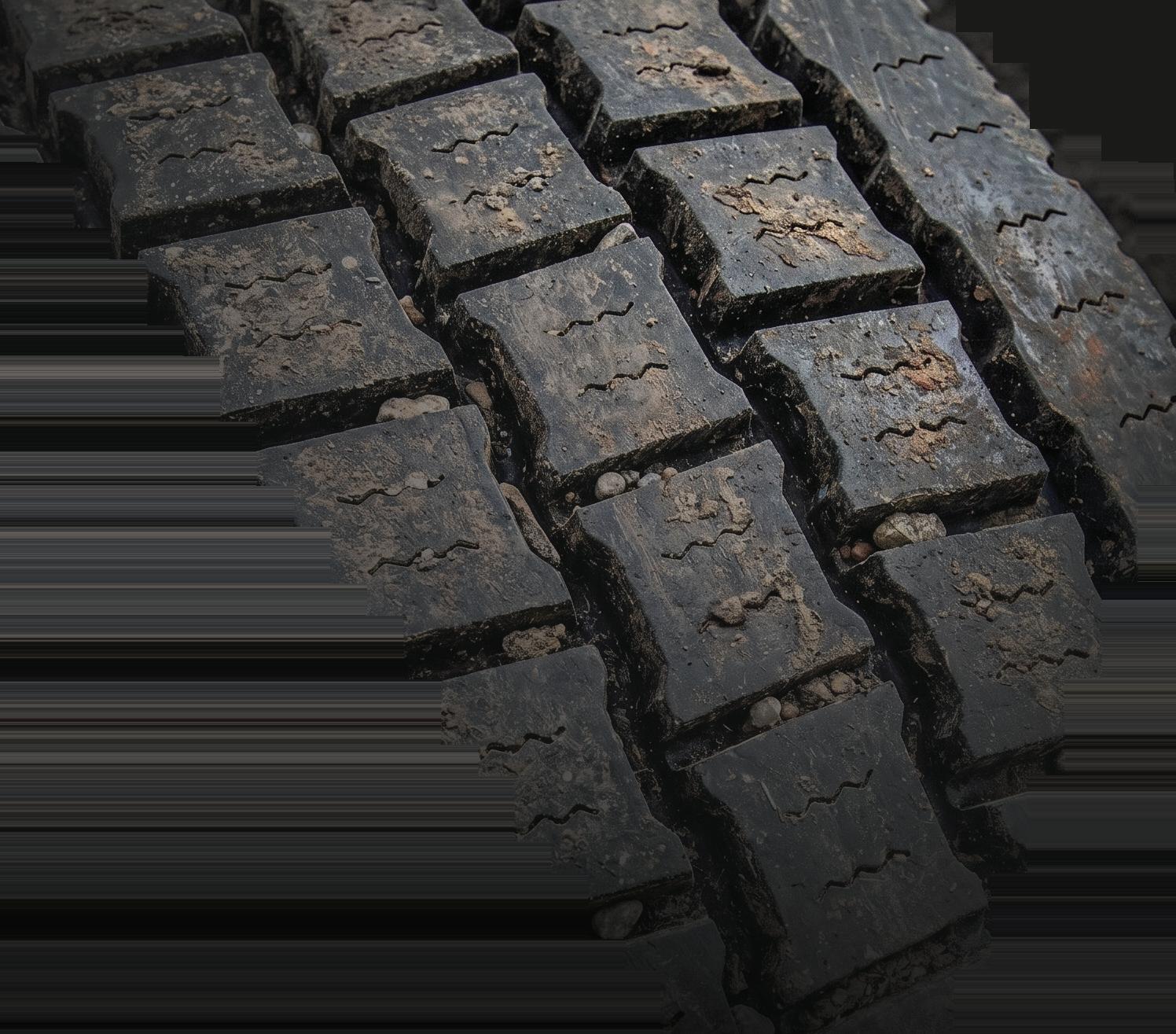






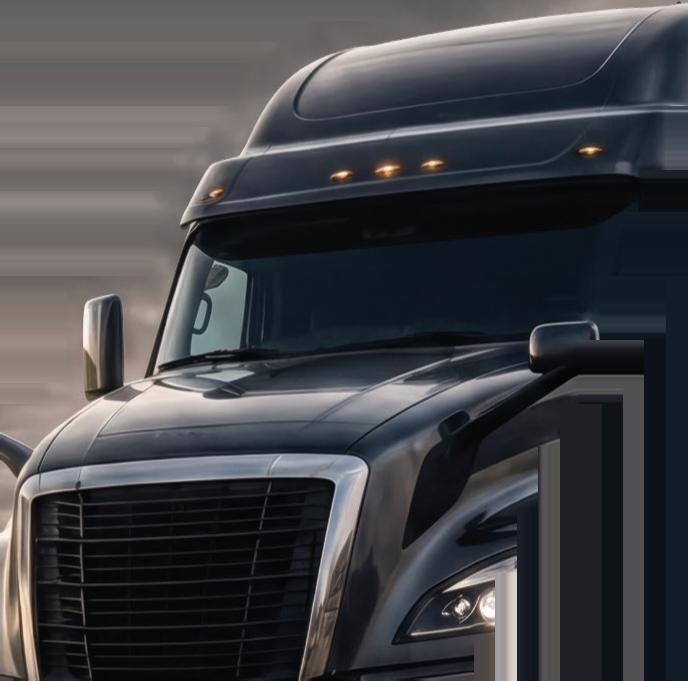

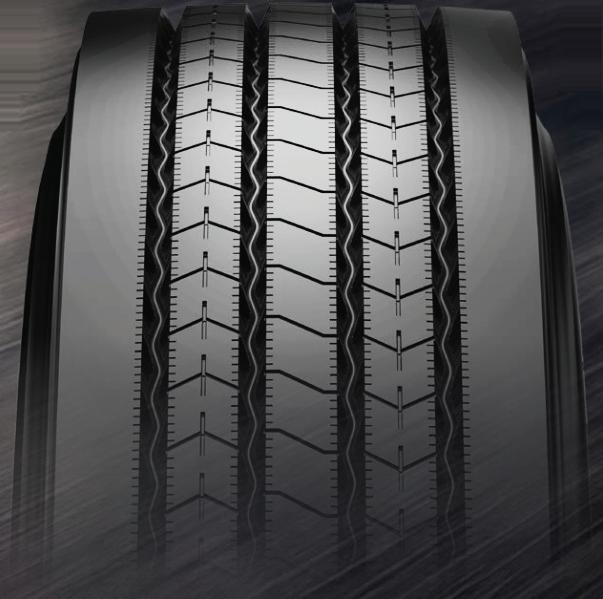























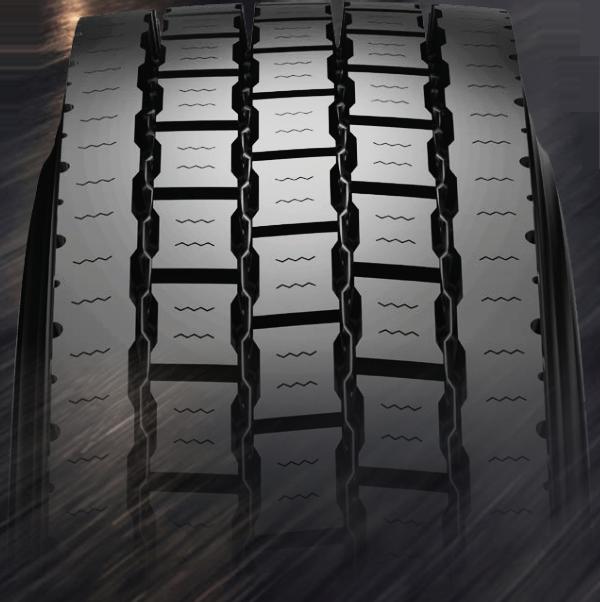





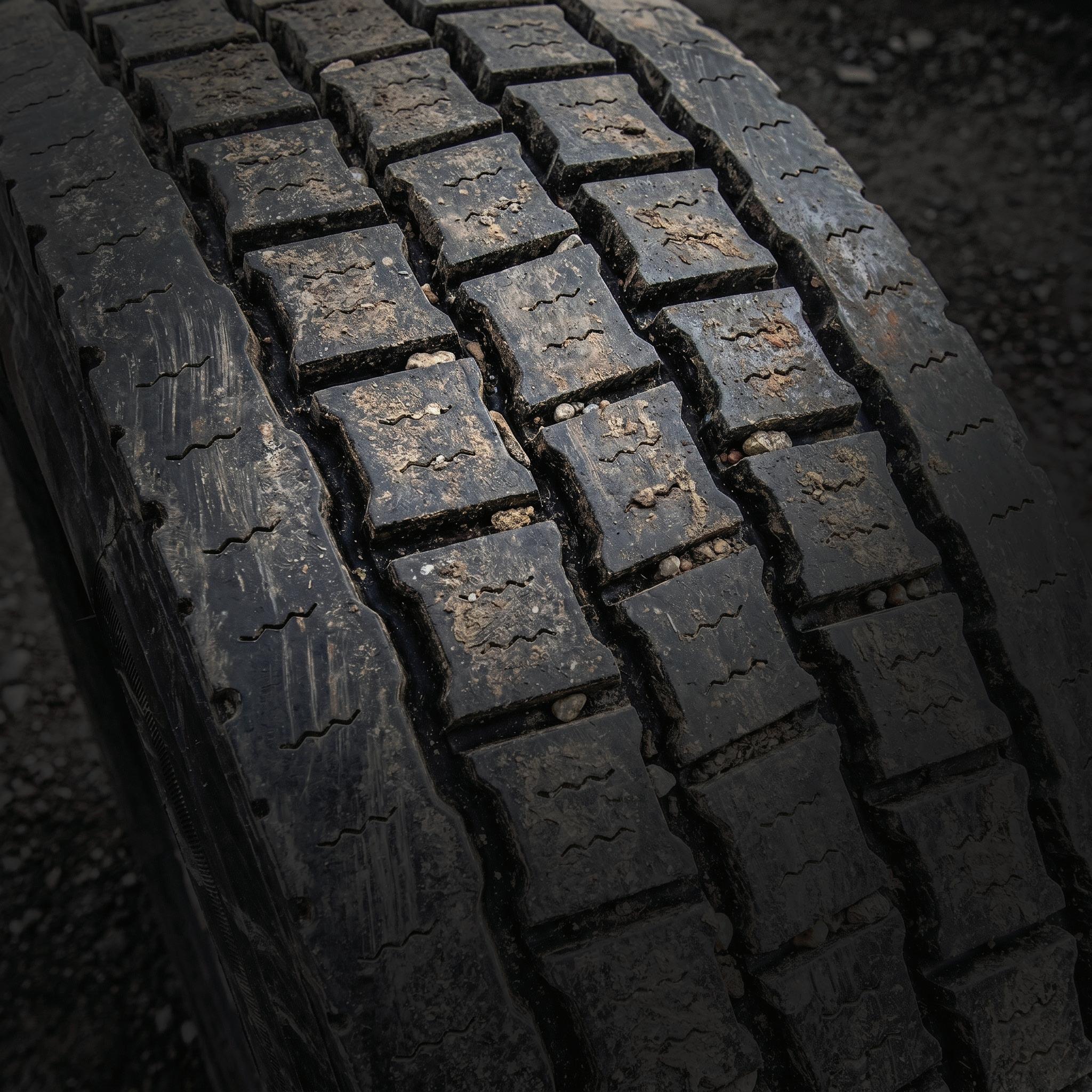

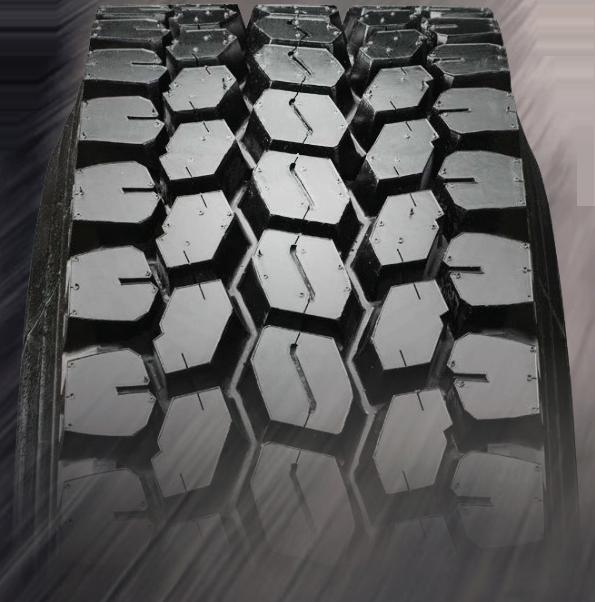

paying a lot more attention to how many lives they can get out of a casing and we are starting to see more interest in tire data to help reduce downtime and control cost. It all comes back to getting more life out of the tire and lowering total cost.
SEIBERT (Bridgestone): The commercial truck industry is becoming more digital as new tools are developed daily to improve operational efficiency. As these tools are quickly adopted, the industry’s next step is for equipment manufacturers to deliver more value beyond just the physical product.
MURPHY (CMA/Double Coin): The economy was expected to grow in the second half due to many incentives and this would have fueled tire demand. We are optimistic it will pick up in the second half of 2026, but a lot depends on the current global issues.
UYS (Continental): Customers are looking for reliability, efficiency and beneficial service and support. In TBR, fleets are

focused on their total cost of ownership. They are focused on prioritizing fuel efficiency, mileage and uptime, which can translate to a demand for premium products and services.
BRENNAN (DTNA): For the future, fleets will increase their demand for tire telematics, predictive maintenance support and integrated fleet management systems.
BENSON (First Choice): We expect the market to continue its steady, measured pace through the rest of 2026 rather than experience a sharp rebound. Replacement demand will remain the primary driver, with fleets staying disciplined on costs and operational efficiency.
On the innovation front, the industry is shifting toward more sophisticated, application-specific tire solutions designed for balanced, full-lifecycle performance. While fuel efficiency remains critical, it is now being integrated with improvements in tread wear, structural durability and retreadability. The next



wave of development focuses on holistic performance — delivering measurable gains across multiple metrics that directly impact a fleet’s bottom line.
STUGLIS (Goodyear): Fleets are increasingly focused on long-term performance across the tire lifecycle, including retreadability, particularly in the medium truck segment, where vehicles often operate on predictable routes. Selecting premium tires designed to be retreaded helps extend casing life, reduce material costs and lower overall cost-per-mile. These benefits are maximized when combined with a comprehensive tire management program. Monitoring tire performance throughout the lifecycle allows fleets to take a more proactive approach to maintenance and can help extend tire life while reducing unexpected service events and downtime.
Rather than focusing solely on the tire itself, fleets are prioritizing tire management solutions that support consistent operating conditions. Fundamentals such as proper inflation, regular inspections
























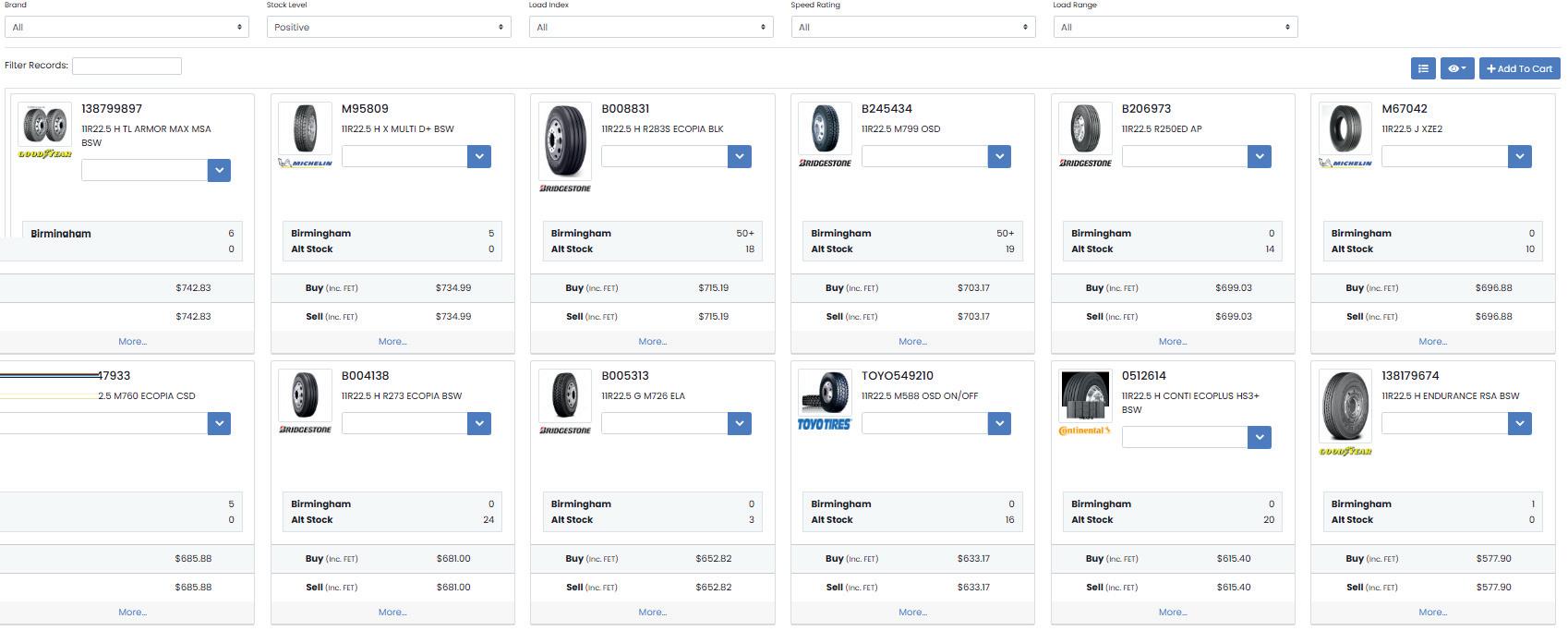


































and alignment checks remain critical, but technology-enabled tools and service support are helping fleets apply these best practices more consistently and at scale. Improved visibility into tire health enables earlier intervention and helps prevent minor issues from becoming costly disruptions.
ROE (Hankook): For the remainder of 2026, the market is expected to continue focusing on efficiency and cost control. Specifically, tire advancements in tread design, compounding and casing durability will play a key role in extending tire life and preserving performance over longer service periods. The next major development in medium truck tires centers on maximizing mileage and low rolling resistance. These innovations help fleets reduce overall operating costs by improving fuel efficiency, extending tire life. Through casing durability, fleets can achieve more retread cycles. As fleets increasingly evaluate tires based on total operational cost rather than upfront price, technology-driven performance gains will remain a key differentiator.
DENLEIN (Kumho): The medium truck tire market is expected to see steady growth in 2026, shaped by major shifts in electrification, sustainability and digital innovation, with the next breakthrough likely centered on artificial intelligence (AI)-driven predictive maintenance and real-time tire health monitoring. As fleets increasingly transition to electric and plug-in hybrid Class 6-8 trucks, demand is shifting toward tires with lower rolling resistance, lighter weight and longer tread life to maximize efficiency.
At the same time, growing environmental regulations and corporate ESG commitments are driving the adoption of more sustainable tires made from recyclable materials, with reduced carbon footprints and enhanced durability. In parallel, advances in AI and digital transformation, including generative AI and data analytics, are revolutionizing manufacturing processes through predictive quality control, optimized tread design and more resilient supply chains, positioning the industry for a smarter and more efficient future.
MILLER (Linglong): For the remainder of 2026, the U.S. commercial truck tire
market is expected to see steady, but not spectacular, growth. Meanwhile, the competitive landscape is shifting. Brands traditionally seen as budget or tier-three options are investing heavily in next-generation products that directly challenge premium brands on performance, not just price.
TBR tires are not typically revolutionary, but evolutionary, driven by constant
improvement of costs and performance. Examples of performance include 3-Peak Mountain Snowflake traction, rolling resistance, wear and casing toughness. Revolutionary changes do exist, however, but are typically introduced once every 20 years.
Examples would be lower rolling resistance breakthroughs, methods to minimize irregular wear in long-haul



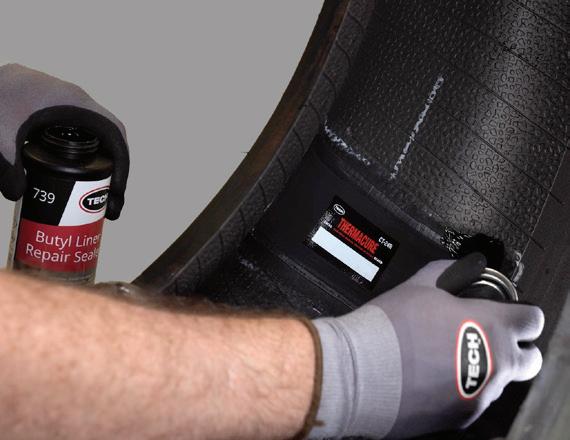


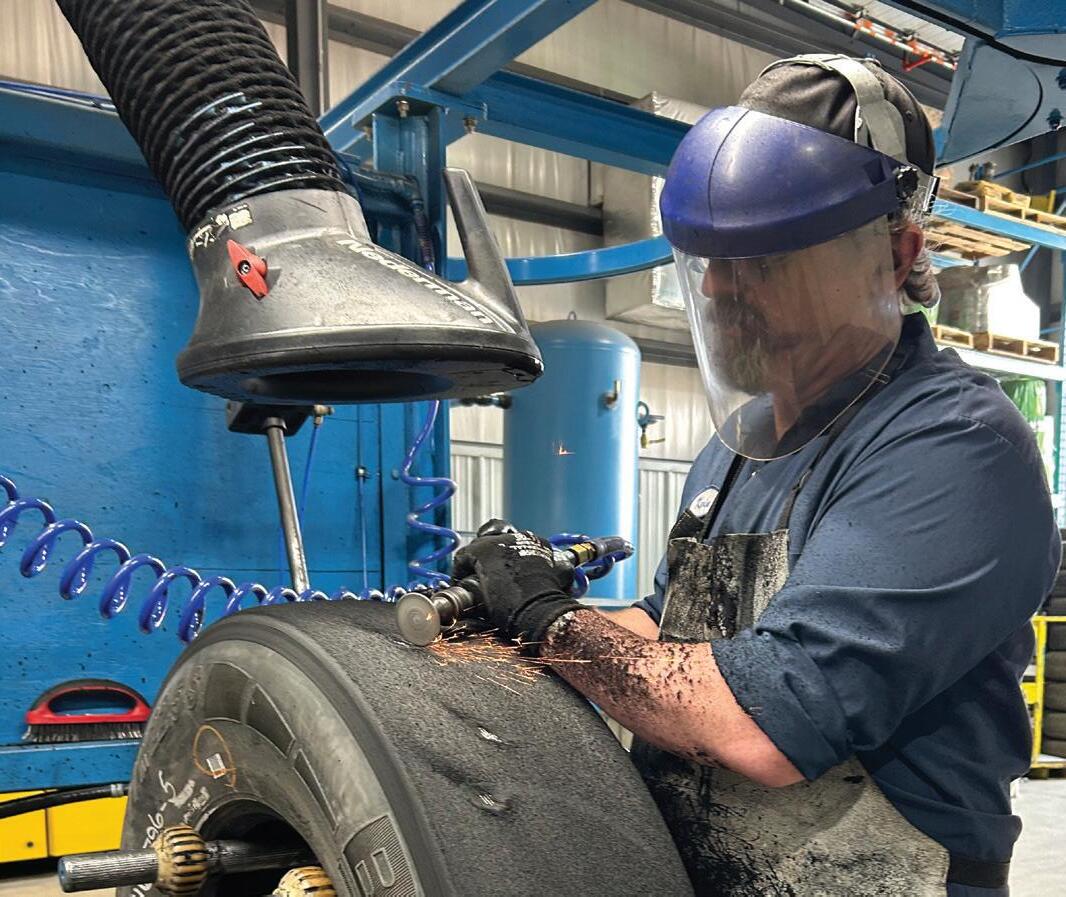




applications and constant traction designs for the initial service life.
FELBERBAUM (PCTNA): We are beginning to see signs of strengthening in the replacement TBR market. This is being supported by increased OE demand tied to new Class 8 vehicles. Advancements in tread design and compound technology are helping improve performance in specialized applications, particularly in mixed service and off-road environments, where reliability is critical.
FAVINI (Prometeon): For the remainder of 2026, we expect the North American truck tire market to remain strongly pricedriven. Even if demand improves gradually, most fleets will continue making decisions based on short-term costs and cash flow, especially in the replacement market, where lower-cost, tier-three and tier-four tires continue to gain ground.
More advanced topics — such as digital tools, tire monitoring and connected fleet systems — will continue to develop, but for now, they will remain in the background. This is primarily due to a period of transition in the industry, where high volatility, transportation uncertainty and global economic instability keep decision-making focused on the immediate bottom line rather than long-term optimization.
ULIAS (Sailun): For the remainder of 2026, the commercial truck tire market is expected to improve gradually, driven by replacement demand and fleets focusing on cost control rather than a sharp rebound in freight. Innovation will continue to center on fuel efficiency, durability and technologies that help fleets better manage performance and operating costs. In this environment, fleets will prioritize proven fuel savings, durability and casing value over upfront price, which plays directly into the strength of premium, application-specific products. As fleets continue to demand measurable improvements, products that clearly demonstrate efficiency gains and long-term value — not just initial cost — will define the next phase of market share growth.
GUTIERREZ (Sentury): Medium truck fleet owners are in need of products that can provide competitive advantages.
BUNYATOV (TBC): The clearest trend
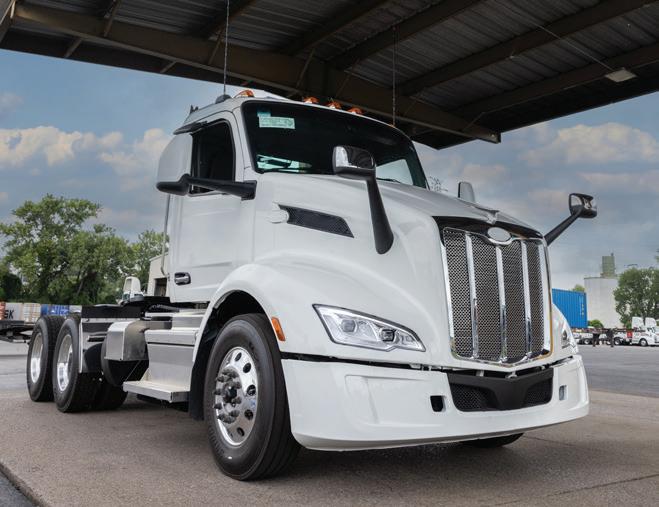
“Total cost of ownership continues to be key as fleets navigate the high cost of oil and shipping disruptions stemming from the conflict in the Middle East,” says Rob Seibert, president, North America truck and bus radial, Bridgestone Americas Inc.
Photo: Bridgestone Americas Inc.
for the remainder of the year is continued market share gains by tier-three and tierfour brands. With fuel costs elevated and fleets under margin pressure, value-oriented alternatives from proven offshore manufacturers are increasingly attractive — particularly when those brands can demonstrate competitive performance data, not just competitive price.
GONZALEZ (TGI): For the remainder of 2026, I expect the market to continue improving gradually, but I do not think it will be a year where everyone wins automatically. The strongest companies will be the ones that manage inventory well, stay close to their customers and provide real value beyond just price.
I believe medium truck tires will continue moving toward smarter, more efficient and more application-specific products. Fleets want tires that are built for the way they actually operate, whether that is regional delivery, long-haul, last-mile, mixed service or electric vehicle applications. The next big development is not one single feature. It is the combination of better compounds, stronger casings, lower rolling resistance, improved durability and more data-driven tire management. The future of this category is about helping fleets make better decisions. A tire that performs well, protects uptime and lowers cost-per-mile will always have a place in the market.
PARK (Tireco): We are cautiously optimistic about the remainder of 2026, but we expect the market to stay competitive and value-driven. Replacement demand
should continue and some fleets that delayed purchases may return to the market as freight activity stabilizes. Pricing will remain one of the biggest variables. Raw material costs, freight and logistics costs, tariff uncertainty and broader geopolitical conditions continue to put pressure on the supply chain. At the same time, the market has limits on how much additional cost it can absorb. That makes disciplined pricing, better forecasting and smarter inventory planning even more important.
The next big development in medium truck tires will probably not be one dramatic breakthrough. It will be the continued advancement of technologies that lower fleet operating costs: improved compounds, stronger casings, fuel-efficient tread designs, better retreadability and more application-specific treads. At the end of the day, the fundamentals still win. Fleets need reliability, efficiency, retreadability, uptime and value. Technology will continue to evolve, but the brands that move the needle will be the ones that help fleets lower cost-per-mile and help dealers sell with confidence.
VASTINE (Toyo): The tire industry continues to evolve rapidly, with manufacturers investing heavily in research, development and manufacturing to stay competitive and better serve customers. At the same time, fleets are adopting more technology, such as telematics and tire pressure monitoring systems, to optimize performance and control costs. In 2026, the market remains challenging but healthy, with the most successful fleets focusing on casing management, technology adoption and cost-per-mile efficiency.
TOLBERT (Trimax): Hopefully, the cost of fuel will go back down. Margins are very thin. Trucking companies must be profitable to survive. Advanced materials (are the next big development), which could help with tires that can self-repair.
FUNKHOUSER (Yokohama): The forecasts are all generally favorable or stable and while we’re expecting the market to pick up as we head into the summer months, it’s still going to be challenging. The country is still dealing with the impacts of the tariffs and now consumer fuel prices, as well as diesel prices, are nearing record highs. ■
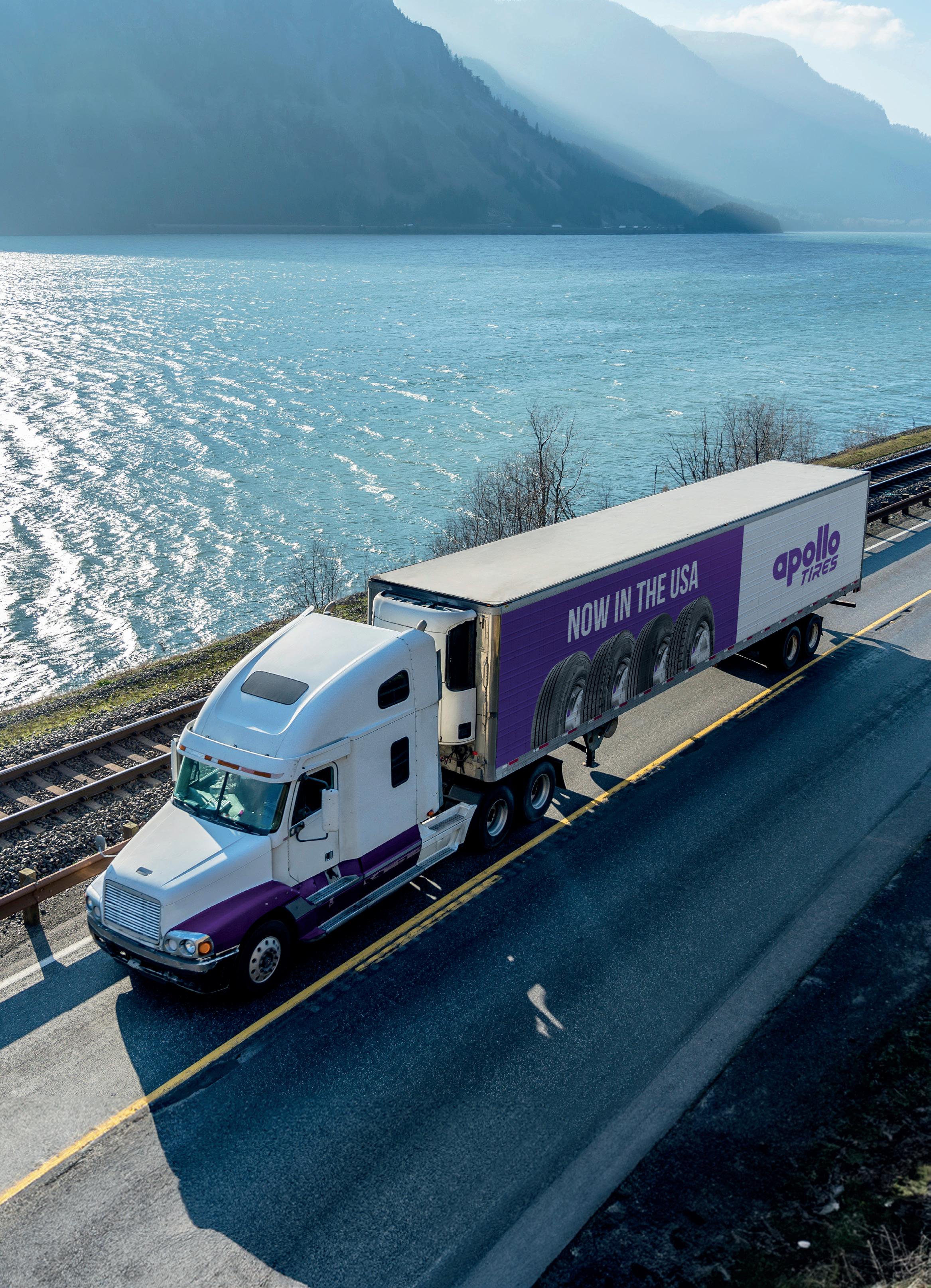
We don’t ask for your trust, we earn it. Apollo guarantees the best cost per mile, or we pay the difference. Add in a 7-year warranty, 3 retreads, and road hazard coverage, and you’ve got the only tire brand that turns promises into paybacks.



Photo: Bridgestone Americas Inc.
Sara Welch By

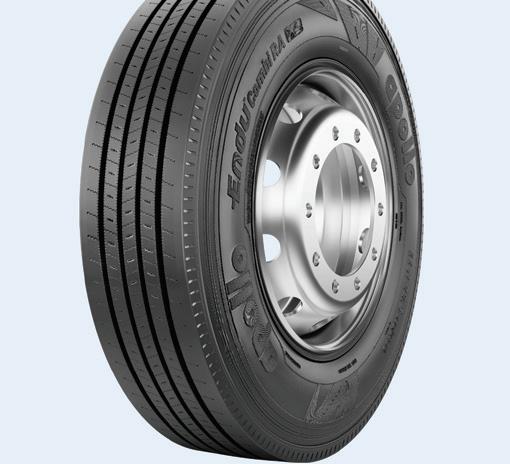
The Apollo EnduCombi RA is a regional all-position tire that features a wide footprint, stone ejectors, deep 3D sipes, zig-zag groove walls and other attributes.


Photo: Apollo Tyres Ltd.

Bridgestone Americas Inc. recently released the Firestone FS592 steer tire for long-haul and regional fl eets, featuring a durable casing, an additional 32nd-inch of tread depth and a wider footprint.
As commercial truck eets continue to manage uneven freight demand, elevated operating costs and pressure to control total cost of ownership, tire manufacturers are bringing forward products designed to address those market conditions.
e following spotlight highlights new and recent additions to commercial truck tire lineups that manufacturers believe meet the needs of today’s eets and dealers.
Across the products submitted, several themes mirror the broader commercial truck tire market in 2026: longer tread life, improved rolling resistance, casing durability, retreadability, traction, fuel e ciency and reliable performance across regional, long-haul, last-mile, mixed-service and vocational applications.
Many of the products also re ect growing demand for application-speci c tires that are designed around how eets actually operate, rather than one-size- ts-all solutions.
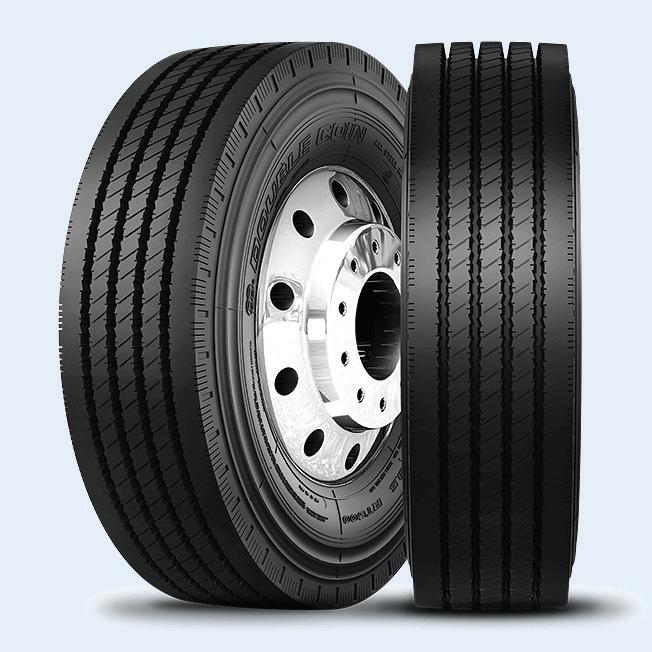
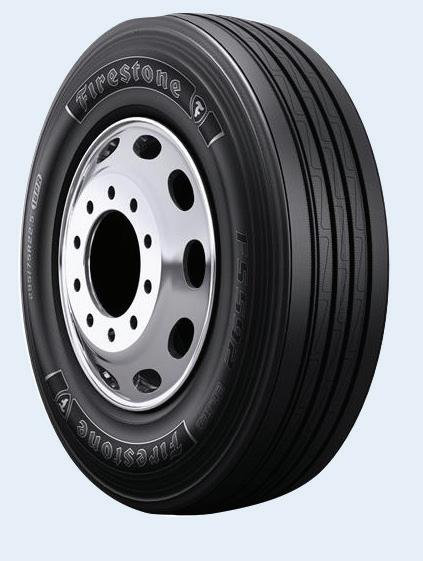

The Double Coin RT600+ in size 225/70R19.5 features an N speed rating, plus updates in casing strength and uniformity.
Photo: CMA/Double Coin

First Choice Sourcing Solutions’ TOP Ironhead TBR portfolio is designed as a coordinated steer, drive and trailer system for longdistance operations.
Photo: First Choice Sourcing Solutions
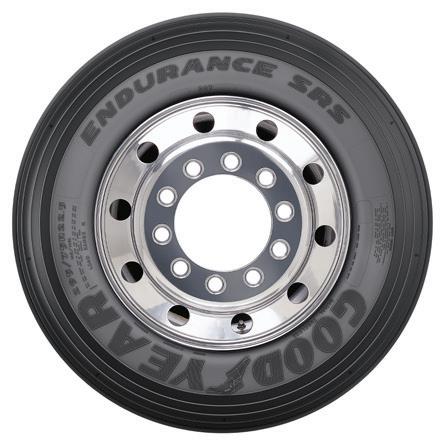

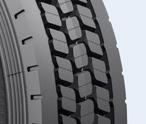
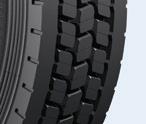

The Goodyear Endurance SRS features a premium casing designed for multiple retreading and is supported by Goodyear’s seven-year limited retread warranty.
Photo: Goodyear Tire & Rubber Co.
e products featured here include all-position, steer, drive, trailer, retread and mixed-service o erings. Together, they show how manufacturers are positioning their commercial truck tire portfolios for a market where eets are cautious with spending, but still need products that can help protect uptime, manage operating costs and extend tire service life.
Apollo Tyres Ltd.’s Apollo EnduCombi RA is a regional all-position tire designed for Class 5-7 medium-duty vehicles operating in urban distribution, pickup and delivery and regional vocational applications. Built for routes with frequent stops and starts, the tire is engineered for traction, even wear and casing durability.
e EnduCombi RA features a wide footprint, stone ejectors for casing protection, deep 3D sipes for traction, zig-zag groove walls and other attributes.
Bridgestone Americas Inc.’s recently released the Firestone FS592 steer tire has been designed for long-haul and regional eets. e tire features Bridgestone’s ENLITEN technology and comes with a durable casing, an additional 32nd-inch of tread depth and a wider footprint.
According to Bridgestone, the FS592 provides 17% more mileage before removal compared to its predecessor, adding approximately 18,000 miles on average.
e improved Double Coin RT600+ all-position tire in the 225/70R19.5 size from CMA/Double Coin features an N speed rating and updates in casing strength and uniformity. CMA/Double Coin o cials say sales of the improved version have surpassed sales of its predecessor. e tire is designed for all axle positions on vehicles such as utility pickup trucks in the three-quarter-ton and above weight range.



First Choice Sourcing Solutions’ TOP Ironhead brand premium linehaul portfolio is designed as a coordinated steer, drive and trailer system for long-distance operations. Key features include wider tread designs for even wear and road contact, fuel-e cient compounds designed to reduce rolling resistance, casing construction designed for retreadability and position-speci c tread patterns engineered for traction and stability.
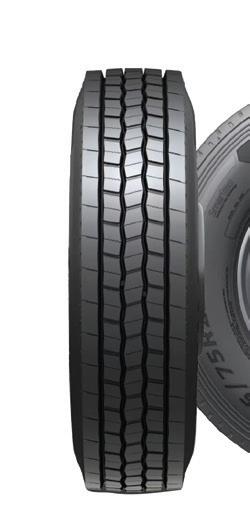
Goodyear Tire & Rubber Co. is preparing to launch the Goodyear Endurance SRS, its rst super-regional steer tire. e tire is designed for higher-mileage regional applications and is engineered to provide a balance of mileage, even wear and scrub resistance. e Endurance SRS is built for eets running regional and super-regional routes, where frequent turns, stops and varied road conditions can accelerate wear, according to Goodyear o cials. e tire features a premium casing designed for multiple retreading opportunities and is supported by Goodyear’s seven-year limited retread warranty.
Hankook Tire America Corp.’s h-generation commercial tire lineup includes the SmartLine AL52 and DL52, which are designed for long-haul applications. e tires feature tread technology focused on wear performance and mileage.
e SmartLine AL52 and DL52 are designed to promote even wear throughout the life of the tire while maintaining traction and stability. e tires are backed by a seven-year warranty. Available sizes and load ranges include 295/75R22.5 in load range H, 11R22.5 in load ranges G and H, 11R24.5 in load ranges G and H and 285/75R24.5 in load ranges G and H.
Kumho Tire U.S.A. Inc.’s KXD12e is a drive tire designed for long-haul and regional applications. e tire is engineered for traction, endurance and control. e KXD12e also carries 3-Peak Mountain Snow ake (3PMS) certi cation and is designed to provide snow traction in severe winter conditions.
Linglong Tire Americas Inc.’s EcoLine D11 is a long-haul drive tire designed for commercial eet applications. e tire is engineered for mileage, traction and rolling resistance. Its tread design includes 3D sipes to support wear and traction performance, Z-zag grooves for grip and a closed shoulder design to promote uniform wear and rolling resistance. e tire also incorporates a velvet knurled front design as part of the EcoLine high-end series.
e Fortune FAM210-A and Prinx AM210-A are part of Prinx Chengshan Tire North America’s mixed-service portfolio. e tires are available in a ve-rib pattern and feature a compound designed to resist scrapes, chips and cuts in severe service applications.
e Prinx DO305 and Fortune DO305 drive tires are newer additions to PCTNA’s TBR portfolio. ey are designed for trucks operating with heavy loads in rough, muddy conditions. e tires feature a tall center lug, shoulder blocks and deep self-cleaning shoulder grooves designed to help evacuate mud and debris. Prinx and Fortune TBR tires are backed by a seven-year, three-retread warranty.
Prometeon Tyre Group’s Prometeon R02 Pro Trailer 235/75R17.5 J/18PLY is designed for heavy-duty regional trailer service at speeds up to 75 mph. It is designed for gooseneck trailers, lowboys and commercial atbeds used in freight hauling, heavy equipment transport and oversized cargo applications.
e tire’s ply rating is designed for heavy commercial trailer operations. e R02 Pro Trailer features a reinforced shoulder intended to support even tread wear, resistance to chipping and chunking and stability against sideways scrubbing.
Sailun Tire Americas’ 70 Series TBR tires are designed for








Hankook Tire America Corp.’s SmartLine DL52 is designed for long-haul applications, featuring tread technology focused on wear performance and mileage.
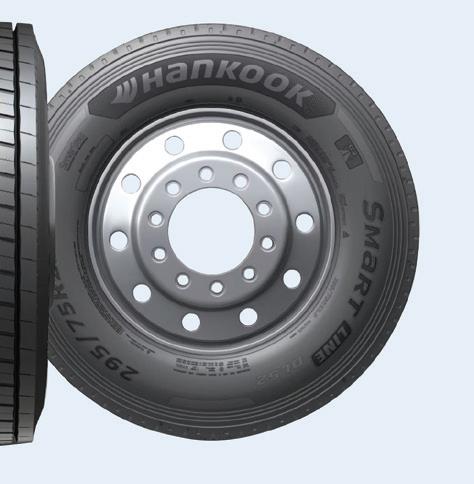
Photo: Hankook Tire America Corp.


cation and is designed to provide snow traction in severe winter conditions.

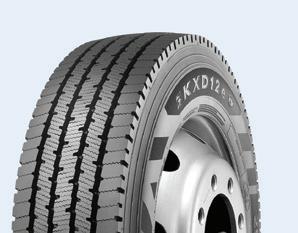
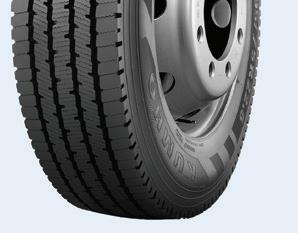
Linglong Tire Americas Inc.’s EcoLine D11’s tread design includes 3D sipes to support wear and traction performance, Z-zag grooves for grip and a closed shoulder design to promote uniform wear and rolling resistance.
Linglong Tire Americas Inc.
The Fortune FAM210-A is available in a fi ve-rib pattern and features a compound designed to resist scrapes, chips and cuts in severe-service applications.
Prinx Chengshan Tire North America





Prometeon Tyre Group
Tire Group International LLC’s Duramás radial line features a block/lug design with angled edges intended to provide grip in wet and dry conditions. Tire Group International LLC




The Prometeon R02 Pro Trailer features a reinforced shoulder intended to support even tread wear, resistance to chipping and chunking and stability against sideways scrubbing.

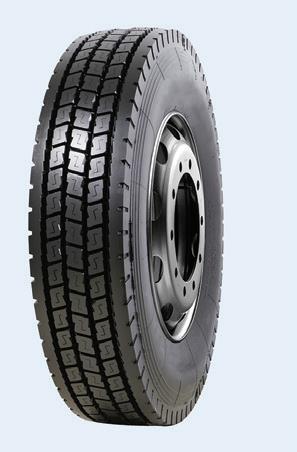

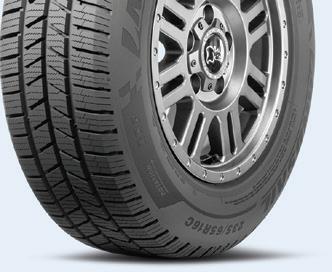

Sentury Tire USA’s Landsail RD-365 LMD AS features Sentury’s axisA3 technology and is designed for all-weather last-mile delivery applications.
Photo: Sentury Tire USA
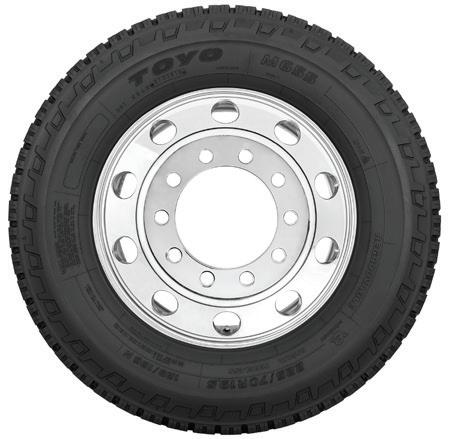

linehaul eets as a complete steer, drive and trailer solution. e tires are built on Sailun’s Technical Optimization of Performance platform. e 70 Series features wider footprints for stability and wear, advanced compounding designed to support fuel e ciency and mileage and tread designs tailored to long-haul applications. e system is designed to reduce rolling resistance across all positions when used together.




Sailun Tire Americas’ 70 Series TBR tires feature wider footprints for stability and wear, advanced compounding designed to support fuel effi ciency and mileage and tread designs tailored to long-haul applications.


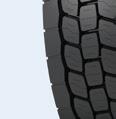
Toyo Tire U.S.A. Corp.’s M655 powerline carries a 3PMS rating and is available in sizes from 17 inches to 24.5 inches, allowing fl eet managers to use one tire across multiple vehicle classes.
Photo: Toyo Tire U.S.A. Corp.
Tireco Inc.’s Milestar AP121 features a fi ve-rib design and advanced construction backed by a two-casing guarantee.
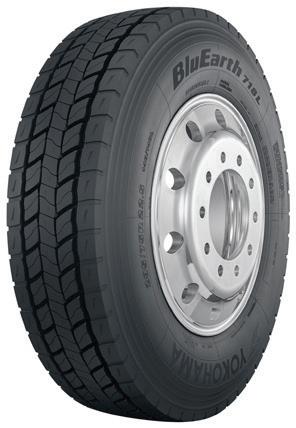
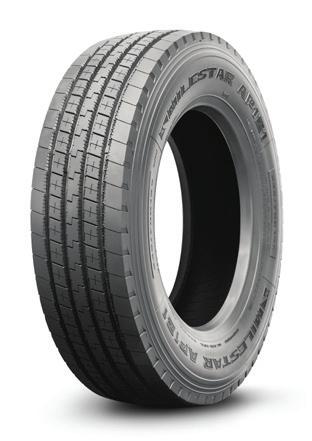
Yokohama Tire Corp.’s BluEarth 718L is designed to deliver low rolling resistance and optimal mileage for fl eets looking to address fuel costs.
Photo: Yokohama Tire Corp.
Sentury Tire USA’s Landsail RD-365 LMD AS features Sentury’s axisA3 technology and is designed for all-weather last-mile delivery applications. e tire carries a 3PMS rating. e RD-365 LMD AS also features a multi-weather tread compound and tread design intended to support traction and handling in dry, wet and snowy conditions. e product’s tread pattern is computer-optimized for tread wear, fuel economy and ride comfort. e tire comes with a 60,000-mile warranty.
Tire Group International LLC o ers its Duramás radial line, which features a block/lug design with angled edges intended to provide grip in wet and dry conditions. Center lugs are designed to provide stability against tread squirm and help prevent heel-and-toe wear. e Duramás line combines tread patterns and rubber compounds selected for the tire’s intended performance characteristics.
Tireco Inc.’s Milestar AP121 all-position tire is engineered for cost-per-mile value and all-position performance. e tire is designed for highway stability, steering and balanced treadwear. e AP121 features a ve-rib design and advanced construction backed by a two-casing guarantee. Stone ejectors are designed to help prevent drilling and retention to protect the casing, while micro rib-edge siping is intended to improve wet traction and braking control. e tire is available in sizes from 17.5 inches to 24.5 inches.
Toyo Tire U.S.A. Corp. recently introduced the M655 powerline, which has been designed for severe-traction applications in the energy and construction sectors.
e tire carries a 3PMS rating and is available in sizes from 17 inches to 24.5 inches, allowing eet managers to use one tire across multiple vehicle classes.
e BluEarth 718L is Yokohama Tire Corp.’s most fuel-efcient drive tire. It is designed with low rolling resistance and comparable mileage for eets looking to address fuel costs. ■

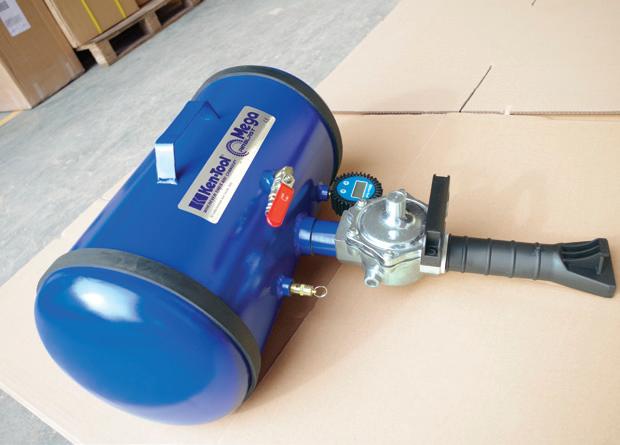












‘CUSTOMER SERVICE IS EVERYTHING,’

By
Bob Ulrich
Close to 80% of the acreage in Union County, Ohio, is dedicated to farming. So is Roger’s Tire Service, a farm and auto tire dealership based near Richwood, Ohio.
“We still have a Richwood address, but my shop is eight miles from Richwood,” says owner Roger Pitchford. “We’re eight miles from everything. We’re in the middle of nowhere.”
at doesn’t keep Roger’s Tire Service from, as its website promotes, “taking care of Union County.” Je Brooks, outside sales/commercial specialist for K&M Tire Inc., the dealership’s main tire supplier, says Union County “is like a lot of counties in western Ohio. It is predominantly a farming community, which consists of miles of corn and soybean elds that are its primary source of existence.
“Unlike the counties further south and east, it consists of few natural gas wells and little to no livestock — and no highly populated cities.”
Pitchford also takes care of customers in Hardin and Logan counties to the west and Marion and Delaware counties to the east. All four counties are adjacent to Union County.
“We also have customers in Circleville, Ohio, in Pickaway County — two counties away.”
In September 2021, Pitchford decided to open his own business a er working more than three decades at a John Deere dealership in Richwood.
He rented a 40-foot by 80-foot building from a grain farmer who used to maintain his farm equipment in it.
“It’s nothing special. It is just an old pole barn that has ventilation and heat and a concrete oor.”
He also bought a one-ton dually when he started and he began changing and repairing tires for farmers and anyone willing to drive to his out-of-the-way shop.
“He had 35 years of tire experience and a determination and positive attitude that
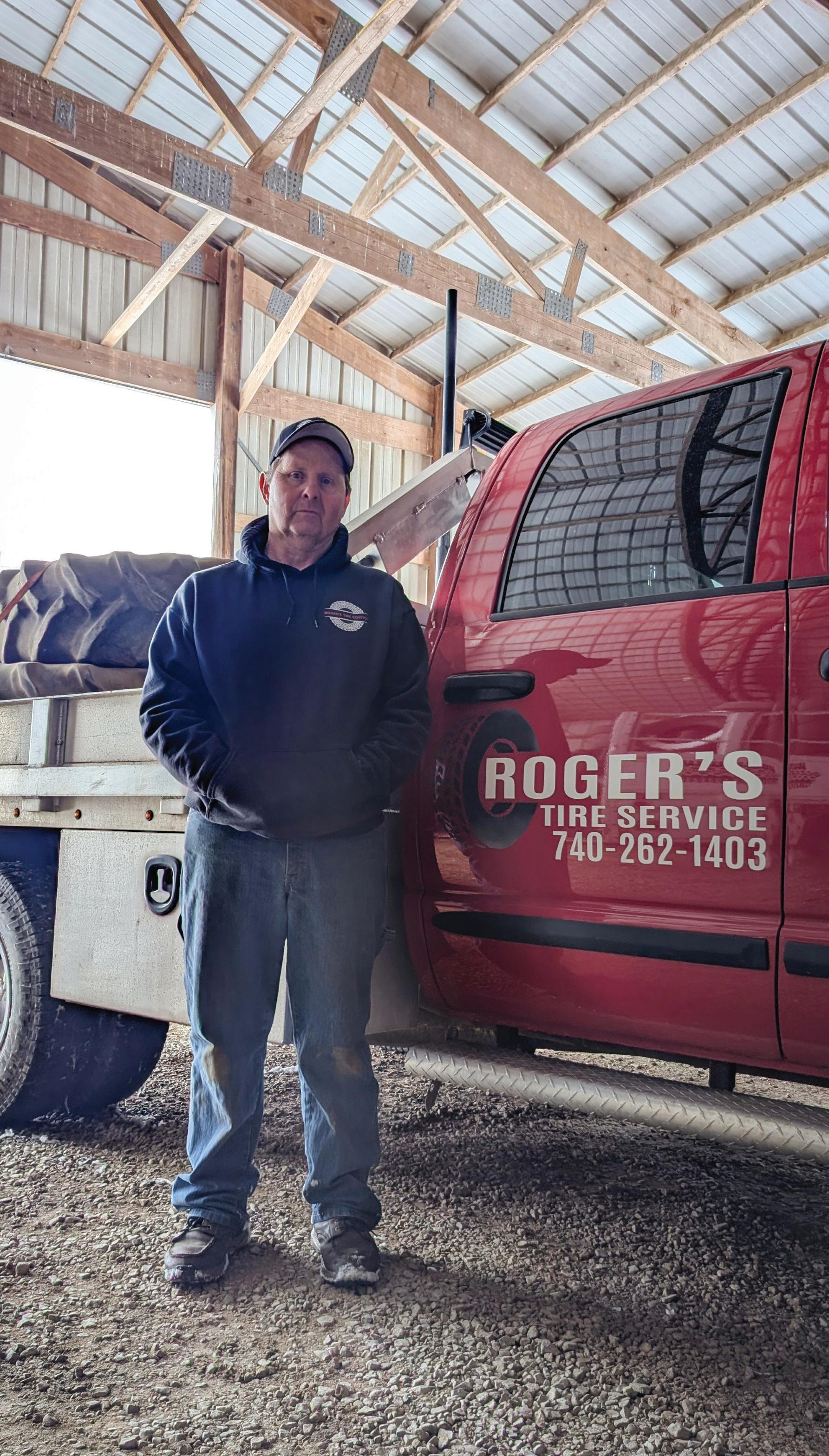
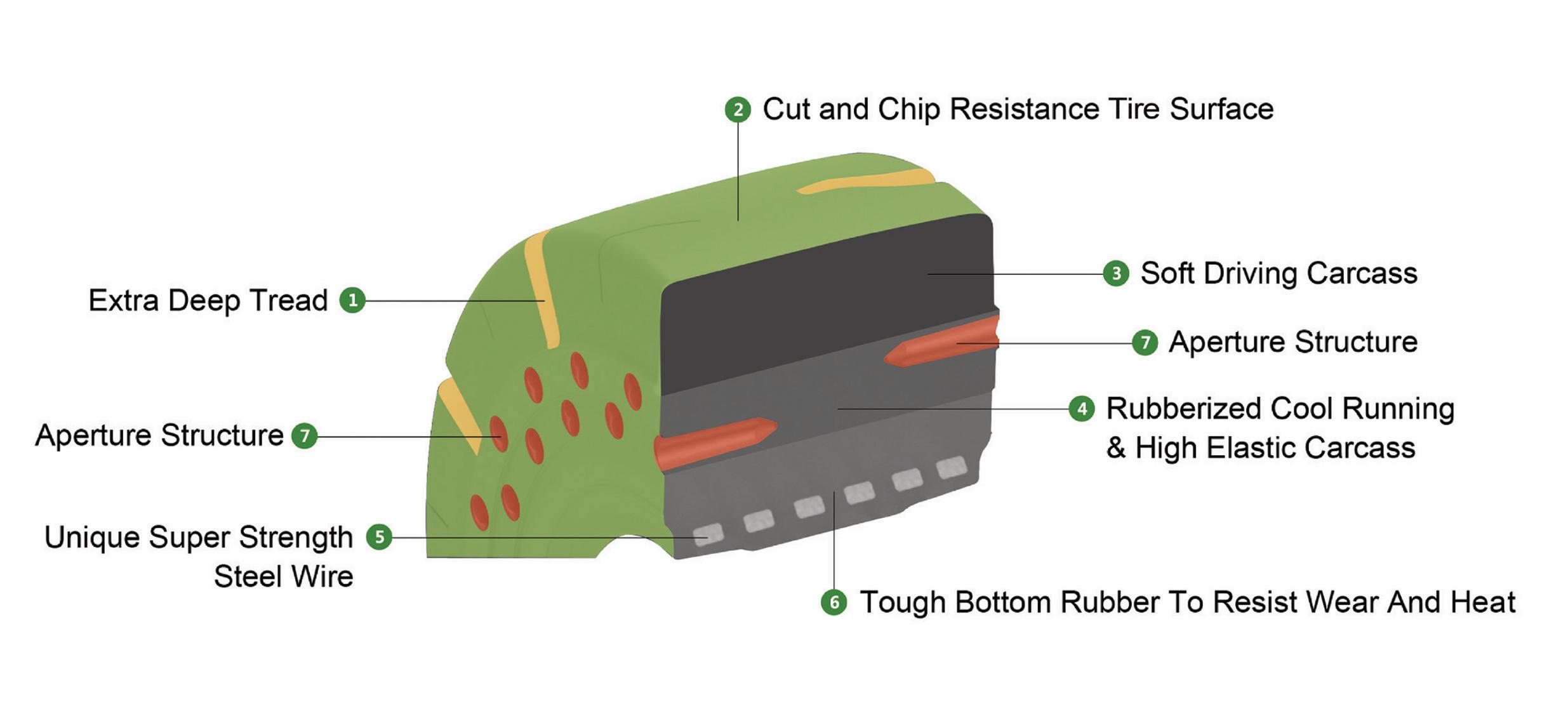













Premium 3-stage construction design



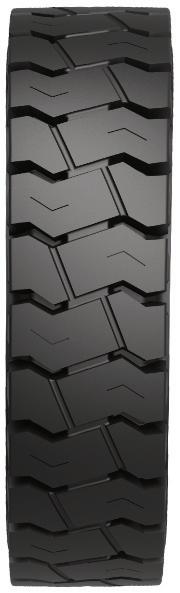
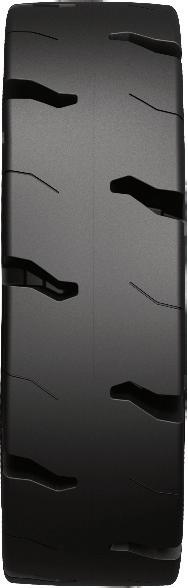
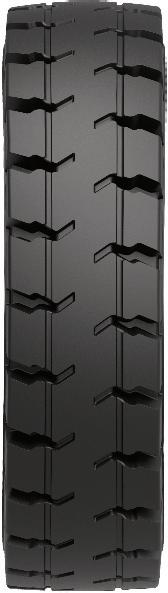
One stop supply, from 8 inch to 35 inch, with more than 500 SKU
The choices of more than 10 premium OEM brands
Continue service more than 160 countries for 30 years plus
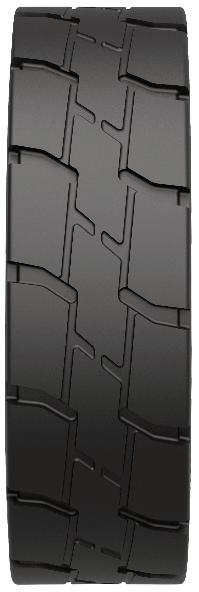

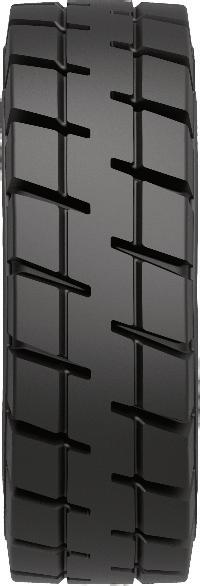
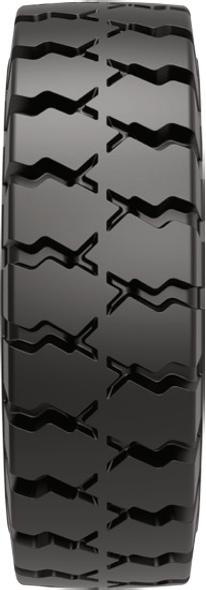
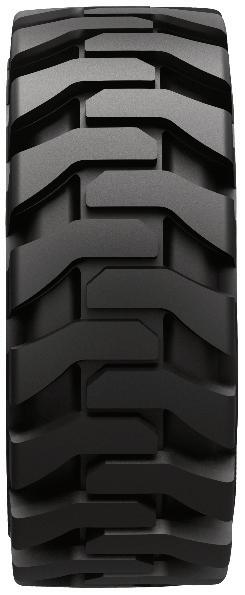
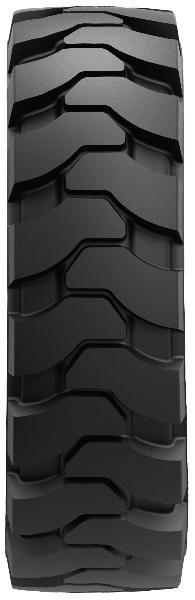

he could make a million dollars or more if he put in enough hours,” says Brooks.
“He did put in those hours, working sun-up to ‘dark-thirty’ seven days a week for the first couple of years.” (“Darkthirty” is military slang for an “unspecified hour in the early morning before the sun has risen,” according to The Free Dictionary website)
Pitchford put that experience to good use. Even his accountant was surprised by his early results.
Over time, he added signage, two service trucks, tire changing equipment and two full-time service employees.
Pitchford considers himself an ag tire dealer. “About 80% of our business comes through farms, whether it be ag tires, car tires, light truck tires, semi tires … we do everything for the farmers,” he says. “Without our local farmers, as big as the area we’ve got to take care of is, I would not be doing what I’m doing.”
He says the key to his success is customer service. “It doesn’t matter if you’re buying $1,000 worth of tires or $100 worth of tires, the difference is the experience you give customers. Customer service is what has made us what we are.”
“When I first got out of high school, I worked for a John Deere dealer, Parrott Implement, in Richwood,” says Pitchford. “It was a family-owned business. We sold car tires, pickup truck tires, ag tires and semi tires. Seventy-five percent of the people in our hometown had no idea we sold car and truck tires. They thought we handled strictly ag tires.
“I worked for the Parrott family for almost 35 years. The first 15, I worked in the tire shop. I was basically a tire technician. One of the guys in the shop told me what to do and I did it. I had a ball.
“The last 20 years, I was actually the tech and the guy who sold the tires. I ran the tire shop with a couple of other guys and did everything I do now.”
Pitchford says he couldn’t have been treated any better while the Parrott family owned the company. That’s why he says he didn’t go out on his own sooner. He left when another company acquired Parrott. “I was almost 55 years old. I decided to take two to three months off work and enjoy life and then go to the local Honda manufacturing plant or Scott’s lawn care facility and get into the
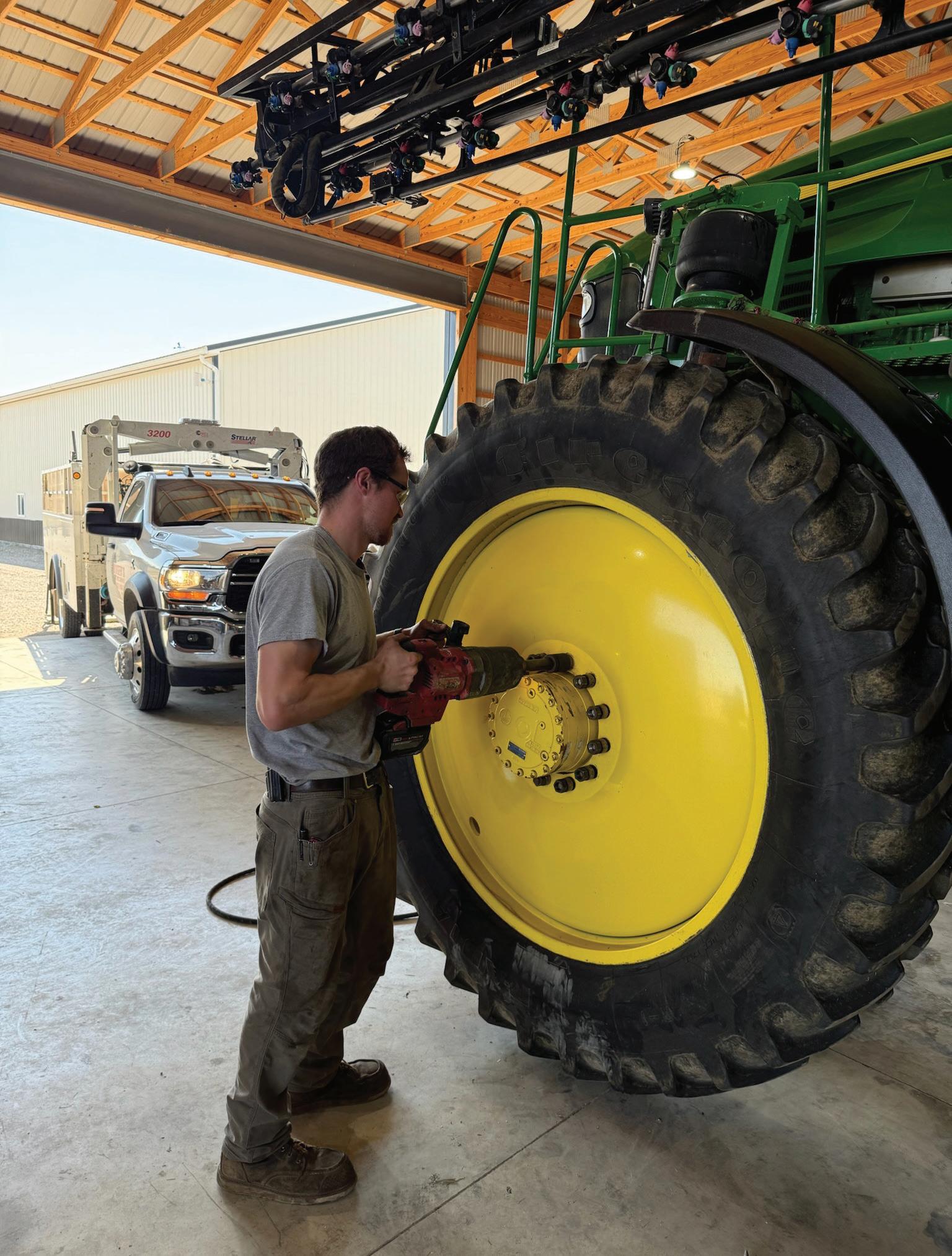
maintenance program, put my 10 years in, shove all my money in a 401 (k) and be done.
“The farmers were the ones to convince me to do what I’m doing now. I still do all the work for the same people I dealt with at Parrott’s.”
With his own place ready to open — “right in the middle of COVID-19!” he says — Pitchford thought he knew the business side inside and out.
“When I started on my own, I thought I had everything figured out. I knew how to sell tires, I knew how to change tires, I knew how long it was going to take to do a job. And then all of a sudden, you
‘There are times where you’re out in the field doing a call at three and something doesn’t go right. We stay out there until we get the job done and get the farmer up and going.’
Garrett Miller, tire service technician, Roger’s Tire Service
get out in the real world and realize you don’t know half of what you think you do.
“Anything that needed to be done, paperwork-wise, at Parrott’s, I handled. I did my own invoicing and put inventory information into the computer. But as far as paying the taxes and keeping everything straight, the women up front took care of all that. I didn’t have to worry about it. Now that I’m on my own, I realize what they actually did and I’m like, ‘Wow!’”
Even before he opened the doors to Roger’s Tire Service, Pitchford looked to his sons, Spencer and Alex, for help. “When I found the building we use now was going to be available, I sat down with my sons and came up with a game plan,” he says. “We figured out how much each one of us could afford to invest in the beginning and that’s how we started our company.”
At first, Pitchford ran the operation by himself and worked seven days a week “because I had to.” His sons would volunteer their time if he needed their help.
“They both have their own companies, but I still consider them a major part of our business. If it wasn’t for their input in the beginning, I wouldn’t be able to do what I do. And if we get to the point where I really need help, either one of those two will free up the time to get over here to help us. It’s Roger’s Tire Service, but it’s our business.”
The first full-time employee Pitchford hired had worked for him at Parrott Implement.
“The guy who has been with me the longest is Garrett Miller,” he says. “Garrett first worked for me when he was in high school. I’ve known him since he was a little kid. Garrett was my first call. Even though Garrett had a full-time job at that time, he would still come in and work for me in the evenings or Saturday mornings.”
Pitchford says Miller is his main service tech. He normally drives the company’s new Dodge 5500, which features a crane and a regular tire bed on it.
His other full-time employee, Tyler Krebehenne, “started working for me when he was a sophomore in high school. He wasn’t always available because he participated in high school sports. But any hours Tyler could work, he would work.
“He just graduated, so he’s in his first year of full-time work. Tyler’s usually in the shop with me, but also runs the other truck when necessary. Anybody who works for me can take either of the service trucks out and do the job.”
Mack Plotner worked for Roger’s Tire Service part-time when he was in high school, then went off to college. He is back working for Pitchford part-time.
“I am blessed that this is the place they all want to be,” says Pitchford. “They are very well-compensated for their time and get paid vacations, but I still think the key is everybody in our building gets along — everybody has a good time.”
The seventh employee is Pitchford’s girlfriend, Lauri Pacha, who was his high school sweetheart. After his divorce, they reconnected.
“I would not be able to do what we do without her, either,” he says. “She deals with the accountant and the tax side of the business. She makes sure the bills are paid and the money gets to the bank.”
She also lets him know if a customer is too far behind in paying his or her bill. “She has no trouble making sure there is something in plain sight so I get reminded, ‘Hey, you need to call this guy,’” says Pitchford.
“If it wasn’t for my two boys, the three people who work for us and Lauri, we could not do what we do today. It’s that simple. Any business without people is never going to be successful.”
“Customer service is everything,” says Pitchford. “There are a whole lot of places for people to buy tires. They don’t have to buy them from us. So it’s up to us to give them a reason to do that.” He says those reasons are varied:
Going the extra mile. Roger’s Tire Service will drive to any farm within two hours of the shop. “If a customer is willing to pay the bill, we’ll go pretty much anywhere.” That also includes servicing tractor-trailers downed on the highway.
Time and travel. During the week, the dealership is open from 8 a.m. to 5 p.m. But Pitchford considers that more of a guide. “Let’s say we’re going to Circleville in the morning. We’ll make sure the service truck is set up the night before, so Garrett can be on his way at 6:30 or 7 the next morning.” Exceptions are also
made for after-hours and Sunday calls. “There are times where you’re out in the field doing a call at three and something doesn’t go right,” says Miller. “We stay out there until we get the job done and get the farmer up and going.”
In-shop vehicle service. Time is of the essence when customers drive their cars — or ag tractors, for that matter — to the shop. “We strictly do tire work,” says Pitchford. “Our average time to service a car, in and out, is less than 30 minutes.” That includes removing the wheels and tires from the car, putting the new tires on, replacing the old valve stems with new ones and making sure the tire pressure monitoring system works. “All the tires are also mounted and balanced. And we torque the lug nuts by hand.” Commercial tires are also replaced with speed and accuracy.
As for inventory, Pitchford keeps some of the more popular consumer and medium truck tire sizes on hand, plus some of the smaller farm implement sizes, “because you don’t know what the day’s going to bring.”
Larger ag tire sizes are a different story. “We let the wholesalers carry them for us. We are very lucky. K&M Tire will come to my shop twice a day,” from its warehouse in Columbus, Ohio.
A local Tech tire repair distributor visits Roger’s Tire Service once a month to replenish the inventory of patches, glues and rubber cleaners.
“I started out with the Tech brand 39 years ago,” says Pitchford. “I’m comfortable with their products. They are not the least expensive and there are probably some materials out there way more cost-effective, but if you find something that works and it isn’t broken, you don’t fix it.”
Pitchford says he buys tires from seven wholesalers. His main ag tire brands are Firestone, BKT and Alliance.
He also sells Firestone, Cooper Roadmaster, Supercargo and Ironhead truck tires and Mastercraft, Toyo, Firestone, Continental, Hankook, Yokohama, Falken and Ironhead consumer tires. (Ironhead is his tier-three, entry-level passenger and truck tire brand.)
“I would say if you take 100% of the tires that we buy and resell, K&M represents probably 65% of that.
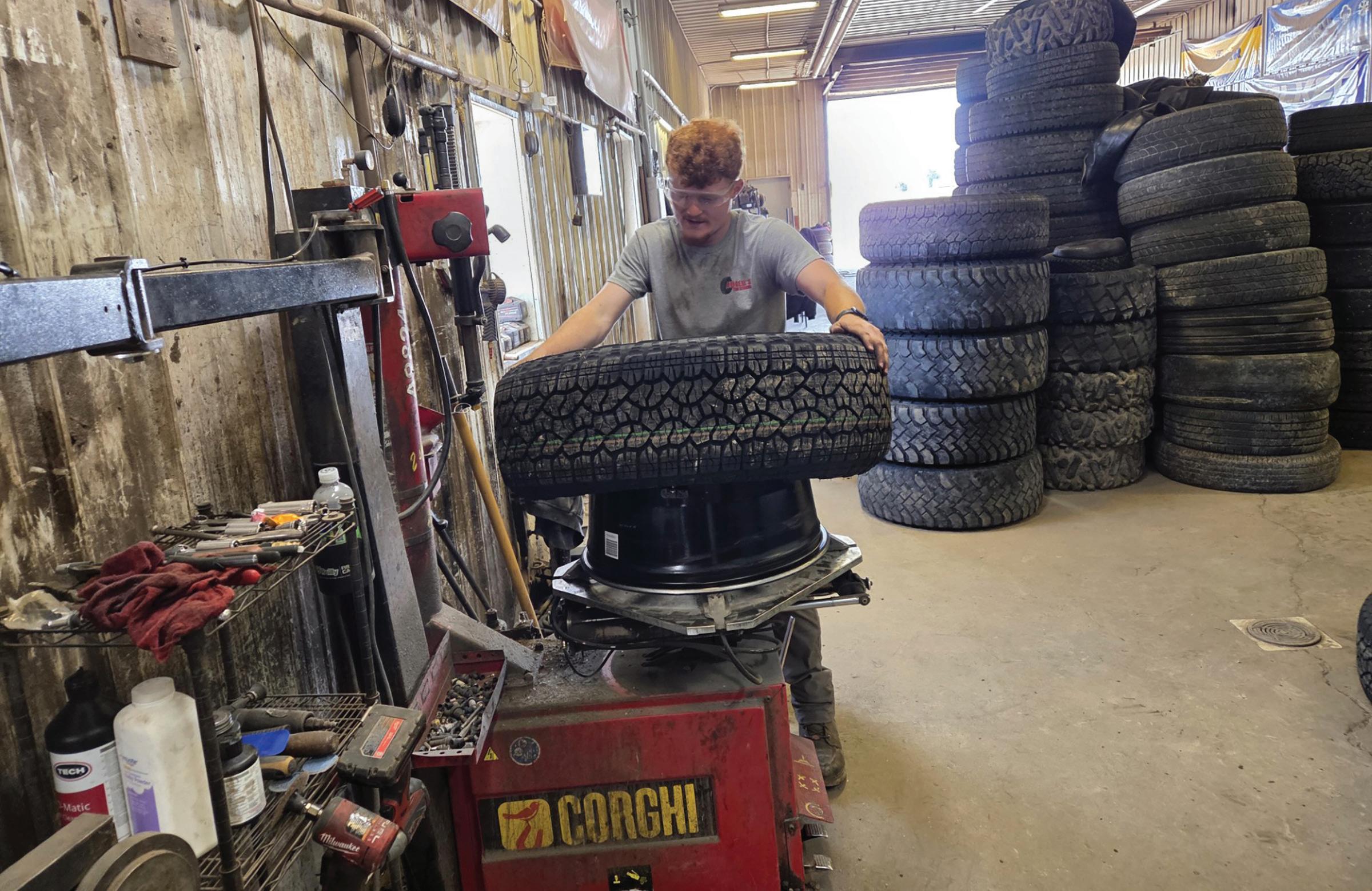
“They are a phenomenal company. I have dealt with K&M now for 30 years and I’m comfortable with everything they do there. They have everything from the inner tubes that I want to the commercial tires that we need.”
Larry Vankannel, outside sales rep in Ohio for K&M Tire, says when Pitchford worked at Parrott Implement, his ag tire purchases were “not nearly at the volume he currently buys. Upon launching out on his own in 2021, his volume in ag, OTR, commercial truck, light truck, passenger, and lawn and garden (tires) has … steadily increased year over year. His volume increased even more when we put him on two-times-a-day delivery.”
As a result of its volume, Roger’s Tire Service is a certified Big 3 Tire dealership. Big 3 Tire is one of K&M’s two dealer programs, along with Mr. Tire — “same program, different name, depending on the state,” says Vankannel.
Roger’s Tire not only takes full advantage of Big 3 Tire’s volume bonus programs, but also K&M’s “national account and government processing” and free transfer on any tire policy, he adds.
If all goes well, Pitchford will move Roger’s Tire Service to a new, greenfield building on a state route no later than this fall. “We bought just under nine acres about 20 minutes from here. It used to be a horse farm. As soon as we can get everything on board with Union County, we’ll build it.”
Pitchford says Union County has “very strict” laws on commercial buildings. “I’ve had houses built before, but as far as how much extra it entails, I never imagined what we would have to deal with to build a commercial tire shop!
“We’ve already gone through the process of buying the land and getting the conditional use designation on the property changed, so I can use the building as a tire shop. And I’ve got my commercial driveway approved. Now we have to get all the other stuff approved from Union County. That’s not exactly the easiest task in the world.
“We did hire a civil engineering company called Choice One to take care of all the other stuff we need done, like the topographical water reports.
“They’re going to be the ones to focus on everything, so I can just keep doing the work I do — now and in the future. It’s super-exciting!”
Pitchford knows that with greater size comes greater responsibility. He readily admits he is not a very good marketer. For example, the company’s website, rogerstireservice.squarespace.com, is pretty bare-bones.
“The website is there because I needed to get on Google, so people could find me easier. I am eight miles from everybody, so the easiest thing to do was get a presence on Google so somebody could bring us up on the internet, hit the button and get directions on how to get to my shop.
“When we get to our new building, we will more than likely end up hiring a company to do our marketing. And we definitely are going to have to hire more people.
“When I started, people said, ‘Location, location, location — this is never going to work!’ But here we are, four years later. The new building will be a gamechanger for us.” ■









































Lower Cost-Per-Mile. Retreadable. Premium Performance.
Next-generation commercial TBR tires engineered for consistent performance, long service life, and stronger returns.



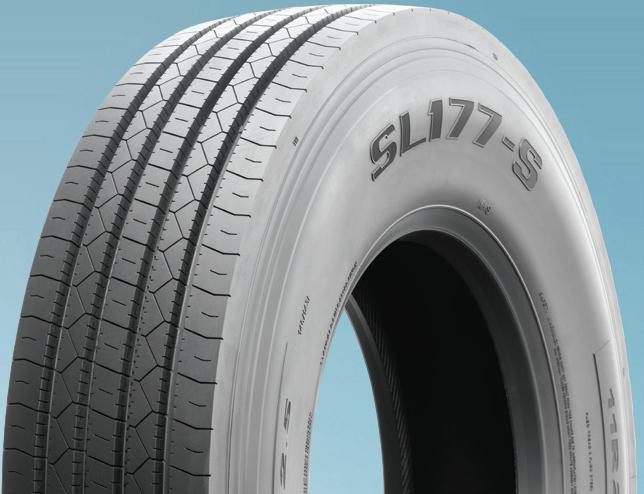

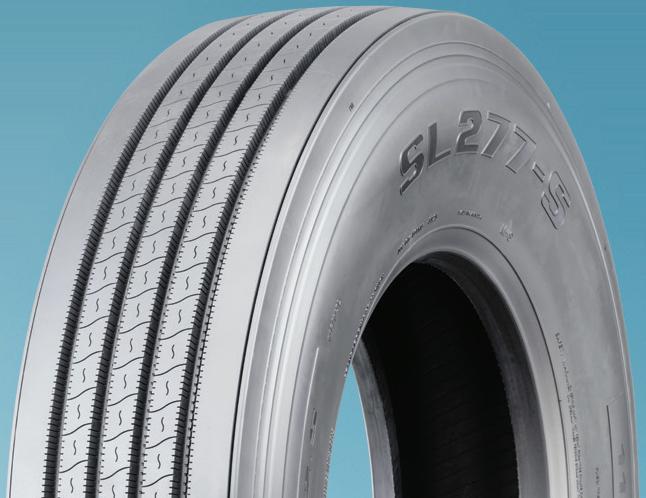


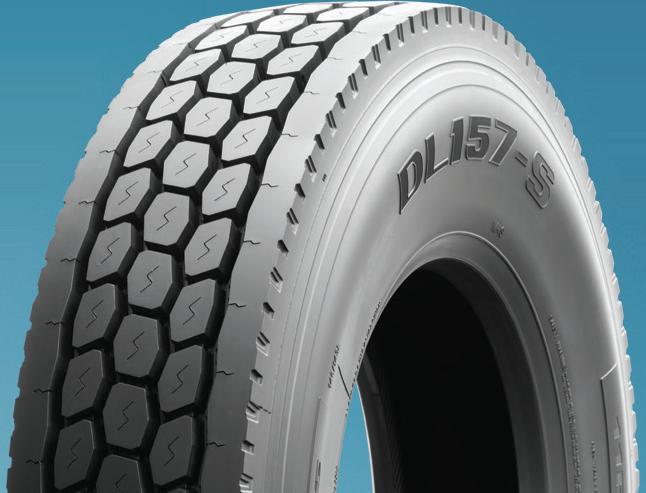


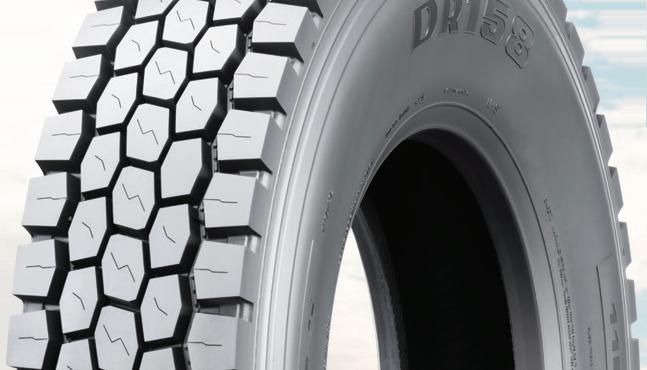




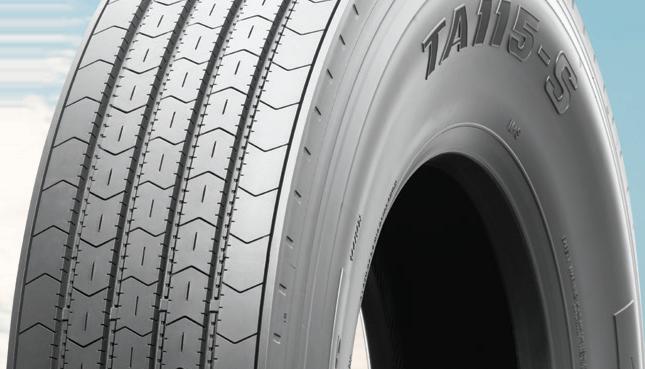










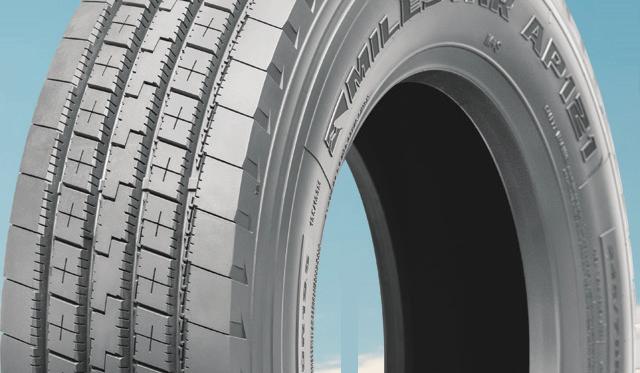









Sara Welch By
The Tire Industry Association (TIA) recently took a significant step toward reshaping training in the commercial tire segment, hosting its first-ever women’s-only Certified Commercial Tire Service (CTS) Instructor Level 400 class.
Held at Haltec Corp. in Leetonia, Ohio, the inaugural program brought together six women from across the United States and Canada for an immersive, hands-on training experience designed not only to teach safety but to prepare the next generation of commercial tire service instructors.
Led by TIA Director of Tire Service Matt White, the class was part of a broader initiative to expand women-led training across the tire industry.
“This was a success,” said White after the event.
Unlike standard TIA CTS courses, the Level 400 class is designed to create trainers — professionals who can return to their organizations and lead their own TIA-certified programs.
“I do what we call ‘toolbox training,’” said White. “I cover everything. Then you apply that to what you’re doing.”
The curriculum includes 19 modules and goes beyond technical instruction. Participants are trained to teach every aspect of commercial tire service, from safety procedures and metrics to hands-on application, by watching White model CTS instruction in real time.
“The worst you can do as a trainer is to judge,” he said. “Our job is to teach — not judge.”
White emphasized that graduates won’t be on their own after completing the program. “The best thing really is that they know with me that it’s not one and done,” he said. “They can call and say, ‘I want to do a class,’ and my whole team will help them set it up.”
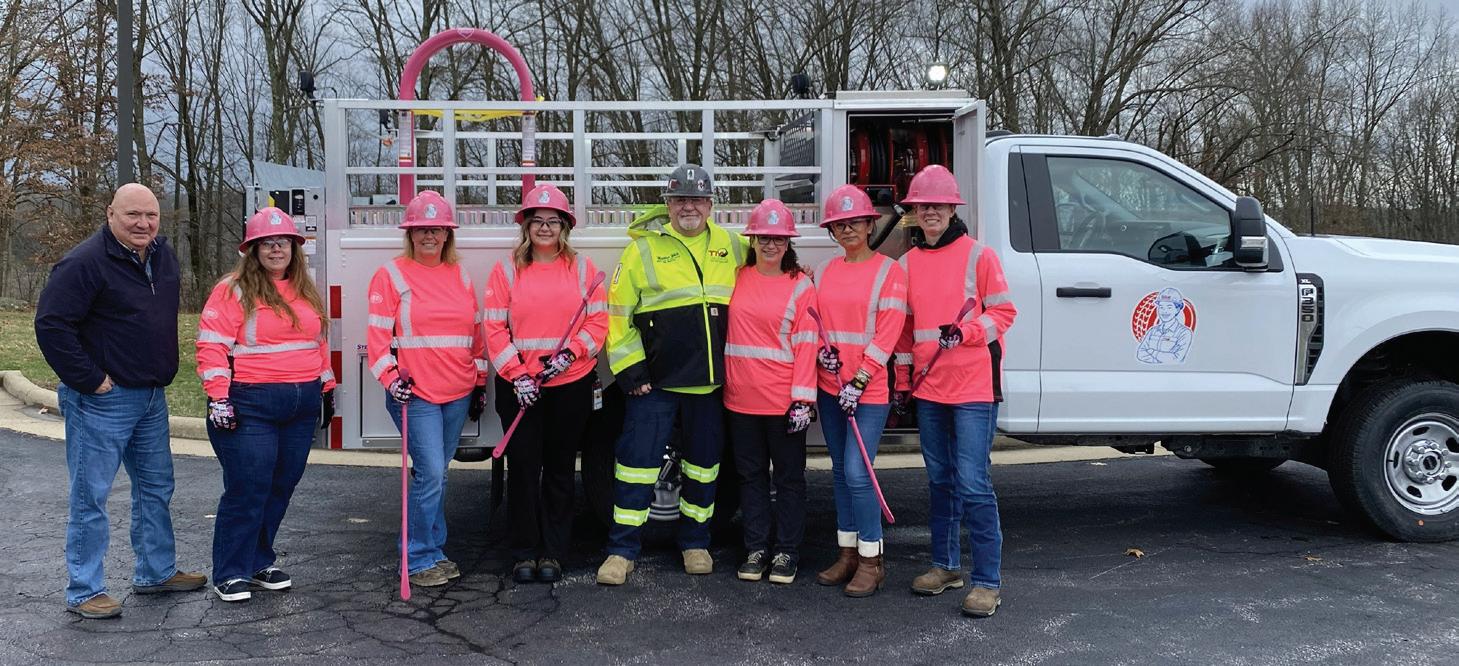
The Tire Industry Association held its first Women’s Only Certified CTS Instructor Class at Haltec Corp. in Leetonia, Ohio. From left to right are Stellar Industries Inc. Director of Sales for Tire Trucks and Manipulators Tom Formanek, Prema Canada Sales Representative Allie Joyce, Steel City Tire and BC Tire Corporate Director of Operations Kari Ruth, Haltec Torque Technician Ashton Hughes, TIA Director of Tire Service Matt White, Protreadz Tirecraft Auto Center Regional Manager Crystal Forth, Rema Tip Top North America Inc. International Sales Representative Monica Hauss and independent consultant Catherine Donovan.
TIA’s first women-only training program dates back more than a decade, when White led an automotive tire service class in Denver, Colo., 11 years ago. But until recently, the commercial segment had not offered a similar opportunity.
“When I did the first one, I don’t think that there were as many females in the workplace of the tire industry,” said White. “Now, we have a lot.”
He pointed to increasing female representation across the tire industry as a driving force behind the program. “We just see the industry evolving to do more training to put (women) into more positions, from tire technicians to sales to development to everything.”
A defining theme of the class was collaboration — both among participants and across the industry.
“When I bring them in for training, it’s all about the tire technician,” said White. “We’re not competitors. I think
this is also powerful, where it’s bringing people together.”
That spirit extended beyond the classroom. Industry partners played a major role in supporting the program, including Rema Tip Top North America Inc., represented by participant Monica Hauss.
“One thing that we did get was an extreme amount of sponsorship,” said White, noting that companies are already committing to future classes. “They are pledging to sponsor it even before I give them a date. ‘Just count me in.’ That’s what they said.”
White added that he already has nearly a dozen sponsors lined up for 2027 programming.
The class emphasized experiential learning, giving participants access to equipment and scenarios they wouldn’t encounter in a standard training environment.
“Everybody’s been glued (to the training),” said White. “Bringing a service truck in just for them to see it, how
it works ... the risk, the cleaning. They wouldn’t get that in a regular class.”
Tom Formanek, Stellar Industries Inc.’s director of sales, tire trucks and manipulators, brought a Stellar service truck to the session and walked participants through its features. “He came in here to help and to help me educate,” White said.
Participants also completed a full tool bag review with White, which allowed them to identify gaps in their equipment.
“When they go back to their organizations, they can see the tools that they’re missing,” said White, who noted that the right tools can improve safety and decrease the physicality of commercial tire service for technicians.
The class even included a collaborative truck tire change, reinforcing teamwork.
White said the women-only format helped foster a more open learning environment. “I saw that in some cases, they didn’t quite ask the questions that they might if it was an all-female crowd. I understand their challenges.”
That environment resonated with participants like Catherine Donovan, an independent consultant from Quebec. “I want to teach people how to get home safe,” she said.
For Kari Ruth, corporate director of operations for Steel City Tire, BC Tire and BC Field Services, the training reinforced the importance of accountability.
“We have to ensure they (our technicians) have had the training (and) beyond a reasonable doubt that they knew what they’re doing,” she said.
Throughout the class, White emphasized that the ultimate goal of training is safety, particularly in high-risk environments like roadside service. “Our goal is to ... get technicians home at night,” he said.
He noted that the majority of serious risks in commercial tire service come from two key areas. “Jacking and inflating are probably 80% to 90% of the dangers that are out there,” said White, adding that the highest number of casualties occur during roadside service calls.
He shared best practices, including positioning service vehicles at least 30 feet behind a disabled truck and working while facing traffic to maintain visibility.
The recent class, which took place on
March 11, was originally scheduled for October before being moved to coincide with Women’s History Month. And it’s only the beginning.
Next year, TIA hopes to expand programming by offering another CTS instructor class and potentially adding an earthmover tire-focused program, with more advanced technical content and additional equipment training.
Ultimately, White hopes the program will create a ripple effect across the industry.
“(There are) great things to come,” said White.
For White, the mission also extends beyond training. “I think the drive for people is to be able to say, ‘I was part of saving lives. I want to teach people how to get home safe.” ■
Modern Tire Dealer has partnered with AG Tire Talk to provide answers to insightful questions that farm tire dealers have about farm tire technology. This is the next installment in our ongoing series, which is designed to help farm tire dealers better connect with their customers. A trending question, followed by answers, will appear in our Commercial Tire Dealer section every other month. For complete answers, click on www.agtiretalk.com.
QUESTIONS: Is tractor misalignment a common issue, what tire problems can result from misalignment and how can you help ensure proper tractor alignment?
ROBERT BENDER, product manager and tech support, off-highway tires, Ascenso Tires North America: When we get new tires on our passenger car or pickup, it’s recommended to have a tire alignment performed for maximum tire life. It’s also recommended for the alignment to be checked periodically. This is no different from tractors.
Producers spend a significant amount of money on tires for their tractors. Those tires should be given the same chance at life
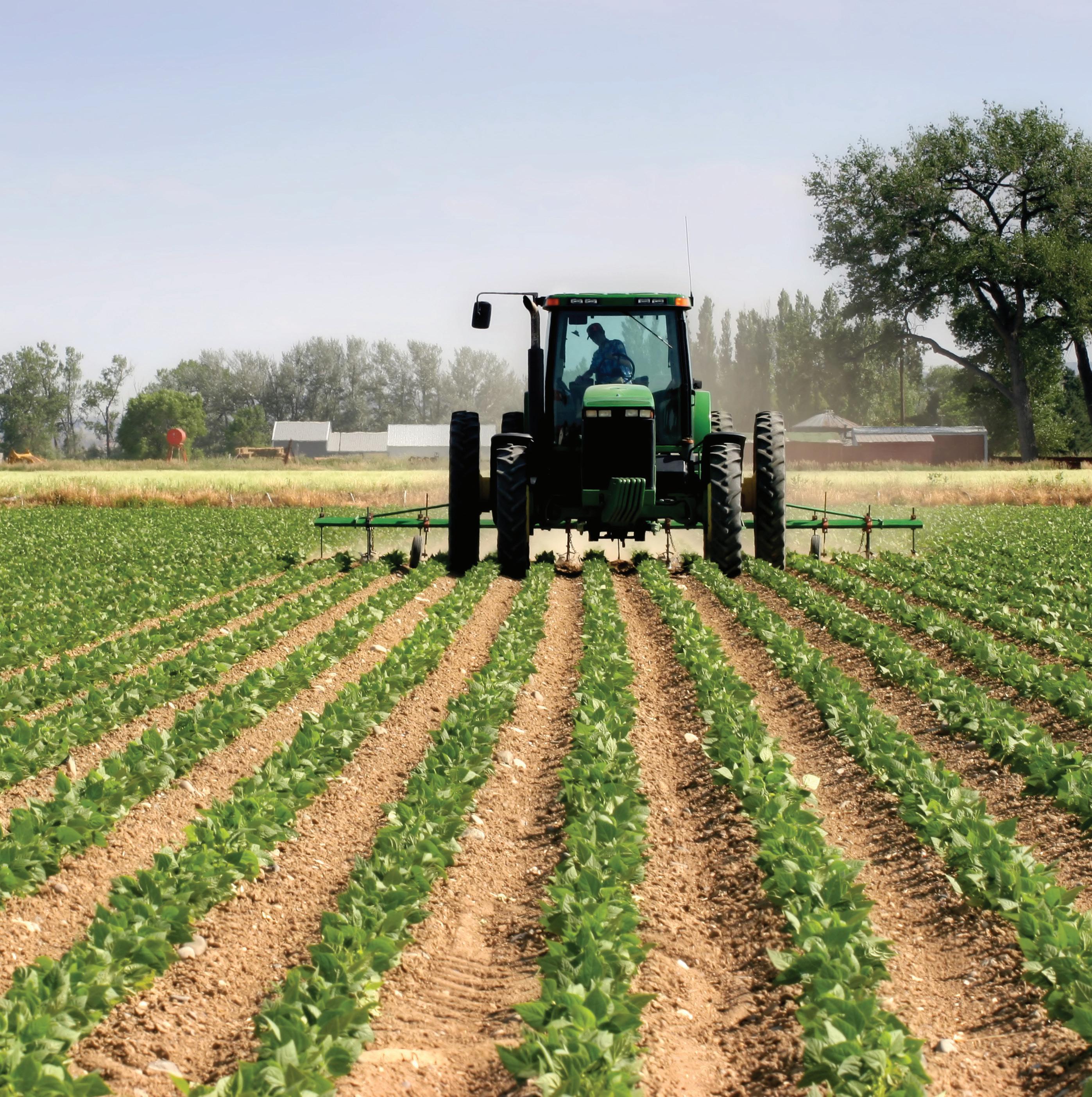
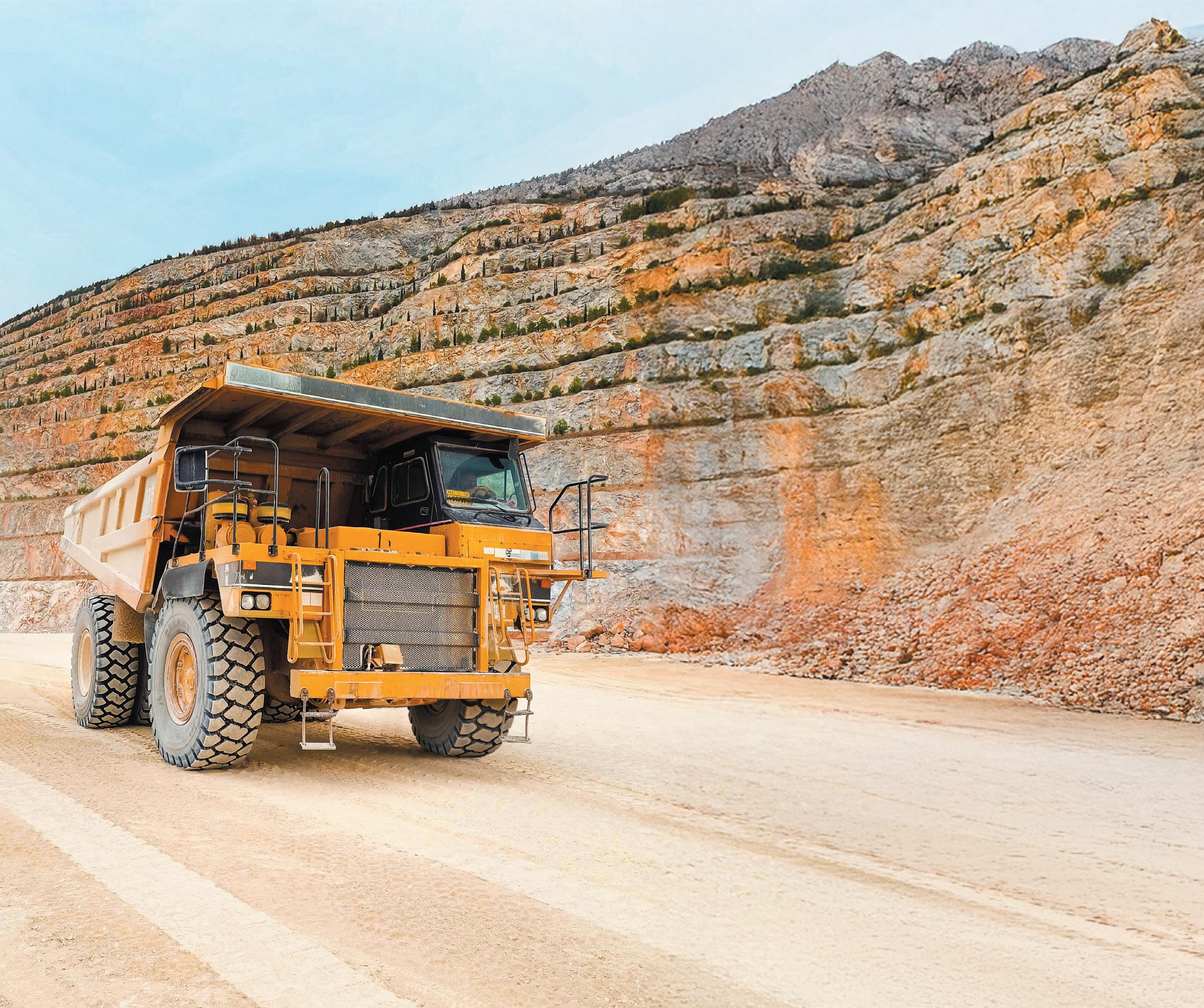

• Deep E-4 Tread Design
Provides extended wear life and consistent traction across harsh, mixed surfaces.
• Application-Specific Compounds
Available in CRC, REG, and HRC options to help fleets choose the right tire for their specific operating conditions.
• All-Steel Radial Construction
Enhanced casing strength and puncture resistance for maximum durability.
• High Turn-Up Ply Construction
Improves lateral stiffness and load stability in heavy haul applications.
• Expanded Radial OTR Coverage
Now available in the 24.00R35 and 18.00R33 sizes, with CRC, REG, and HRC compounds --opening access to a broader range of rigid dump truck platforms in mining and quarry operations.
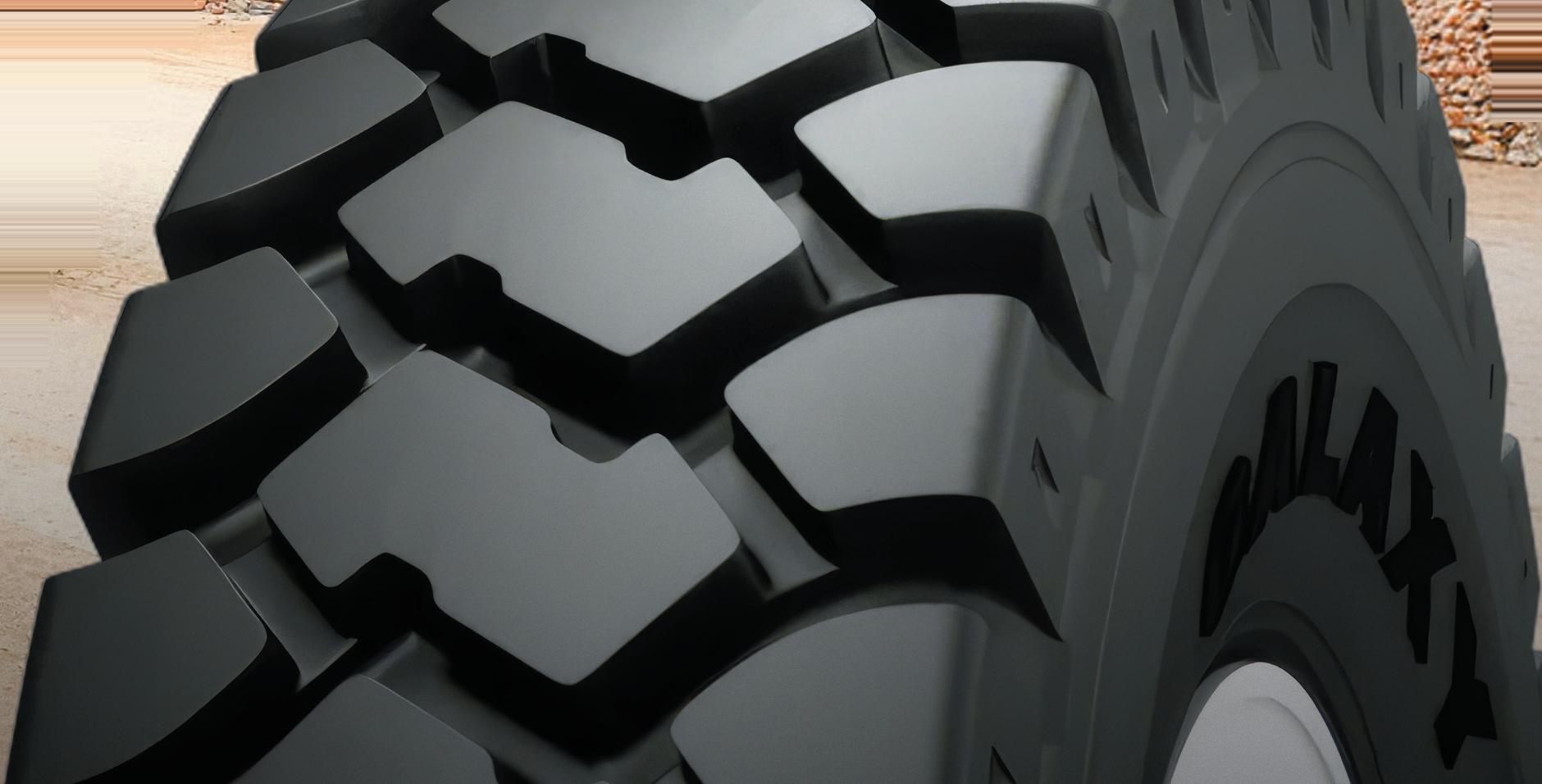

For fleets demanding durability, traction, and long-term value in rigid dump truck applications, the RTSR 400 delivers.
With the introduction of the RTSR 400 in 24.00R35, Galaxy expands into the next tier of rigid dump truck applications—bringing proven performance and value to a broader range of mining and quarry operations.
Designed for rigid dump trucks operating in mines, pits, and quarries, the RTSR 400 positions Galaxy alongside the industry’s leading OTR players. Built with deep E-4 tread, advanced compound technology, and reinforced all-steel casing construction, this tire is engineered to perform in the most demanding haul environments
Galaxy continues to expand its radial OTR lineup—delivering more coverage, more opportunity, and more value to fleets ready to compete at a higher level.
Contact your Galaxy representative today to learn more about the RTSR 400 and available compound options.


as the tires on a pickup truck or car. Watching for irregular tire wear or unusual pull to one side or the other while driving the tractor can be a sign that there is an ag tire alignment problem.
Parallelism is the relationship of the tires to the centerline of the tractor when viewed from the top. It’s imperative that the tires are as close to perfect parallel to prevent premature tire wear from misalignment, as well as to help ensure proper steering performance. With bouncing through fields, over pivot ruts and higher road speeds, tractor steering components take a beating and so do the tires.
Checking parallelism can be done quite simply by using a tape measure or measuring rod and having a flat surface to park on — by marking the inner sidewall at the same height on both front tires and measuring across the front tires, then backing the tractor up until that mark is at the same height on the backside of the axle and measuring again. This will give the toe-in or toe-out measurement. It’s recommended to verify with the service manual for proper adjustment and specifications, but the general rule of thumb is no more than 1/8-inch toe-in. It is equally important to check all front-end components for wear and tear, like tie rods, steering joints, cylinders and bearings. All these components, when worn, can contribute to misalignment, resulting in poor steering performance and excessive tire wear. Even being slightly out of alignment specification, tractor tire wear can increase 12% to 15% and in more extreme cases, up to 40%.
There are other tire alignment angles that can contribute to tractor performance and tire life, but can be more difficult to measure without specialized equipment and may not be as easily adjustable. Visual camber changes can indicate bent or excessively worn front axle components. Caster is the other alignment angle and is primarily a stability angle. Caster is the angle of the steering axis as if there were an imaginary line drawn through the upper and lower steering knuckle pivot points when viewed from the side. In most cases, it will not directly affect tire wear, but will affect higher speed stability.
DAVE PAULK, manager, field technical services, BKT USA
Inc.: When it comes to front tire wear on agricultural tractors, alignment almost always comes down to one setting: toe, which is often called wheel parallelism. In farm conditions, incorrect toe plus worn steering components are the most common cause of abnormal front tire wear. The good news is that toe can be checked quickly with simple tools and it’s one of the highest-return on investment maintenance actions for extending front tire life. Incorrect toe forces tires to scrub sideways as they roll. This causes rapid shoulder wear, feathering (sawtooth wear on lugs), steering wander and in advanced cases, vibration due to uneven lug wear.
How do you check toe alignment? Measure using the rim/ flange as the reference, not the tire. Tire-based measurements can be affected by mounting irregularities, runout, lug shape or bead seating. Here’s a step-by-step procedure:
• Park on a flat, level surface;
• Check front tire installation pressure;
• Center the steering and on MWFD tractors, disengage 4WD;
• At hub height, measure the distance between the two front wheels at the front of the tire, using rim/flange reference points;
• Roll the tractor forward until those same reference points are now at the rear position and measure again;
• Compare front distance smaller than the rear (toe-in) and rear distance smaller than the front (toe-out) and;
• Adjust.
Toe is normally adjusted via the tie rods. After adjustment, re-check measurements and ensure steering is centered. What toe-in tolerance is acceptable? There is no universal toe spec. Toe requirements vary by tractor model, axle design, tire size and front load/ballast configuration.
Always follow the tractor OEM manual for the exact toe-in specification and tolerance. As a general principle, tractors typically require a small amount of toe-in, not toe-out.
GREG GILLAND, vice president, global agriculture, Maxam Tire North America: Tire alignment is a crucial part of any powered machine. Specifically in the ag industry, tire alignment has a direct impact on 2WD tractors, MFWD or mechanical front wheel assist tractors, self-propelled sprayers and floaters. The key component is to ensure that the front tires are functioning as straight or as aligned as possible with rear axle tires. Proper tire alignment ensures that power is efficiently transmitted without affecting performance. Poor tire alignment causes irregular wear, poor service life and more.
When tires are perfectly aligned from front to rear, they are in-parallel. Although ag tires are off-the-road tires designed to operate in multi-surface field operations, ruts, row alignment, debris and other obstacles are common factors that may affect alignment, leading to poor or reduced performance. If the tires are not aligned, they could also suffer from another alignment condition known as the camber effect. Below are some signs of a potential alignment issue:
• When the vehicle is in forward motion, the end user experiences the front tires pulling left or right;
• The end user is constantly correcting his steering because of the vehicle pulling to the left or to the right;
• The end user experiences increased tire vibration as he accelerates due to the tread angles resisting the road;
• When turning the vehicle in any direction, the end user experiences more resistance to the turn in question;
• The end user notices increased tire wear or irregular wear on one side or on both sides of the tires;
• In some instances, the end user experiences reduced traction in the field or reduced braking capability;
In extreme cases, the end user experiences increased fuel use due to loss of traction or more slip.
As with all machinery or vehicles, continuous maintenance will help ensure improved tire performance and optimal tire life. Vehicle alignment will have a direct impact on tire life, fuel efficiency, handling performance and overall productivity.
DAVID GRADEN, global account manager, agriculture, Michelin North America Inc.: When we think about tire performance, air pressure usually gets all the attention. But alignment? That’s just as critical and often overlooked. Alignment is all about how tires sit relative to each other and the machine. If they’re not set
correctly, the end user will see uneven wear, reduced traction and even steering issues. For tractors, the most common culprit is toe setting, but camber and caster play a role, too.
Is misalignment common? Absolutely. It can happen after suspension repairs, hitting obstacles or even the gradual wear of steering components. And because tractors operate under heavy loads and high torque, small errors in alignment can have big consequences.
Check alignment regularly, especially after tire changes or suspension work. Use proper tools or consult manufacturers for precision adjustments. Correct alignment doesn’t just save tires. It improves traction, fuel efficiency, machine stability and overall efficiency/productivity.
CHRIS NEIDERT, ag marketing, training and development manager for Trelleborg and Mitas Tires, North America, Yokohama TWS: Your customer spends thousands of dollars on a new set of tires — front and rear. He roads the tractor approximately 60% to 75% of the time and after a few hundred hours or sooner, starts to notice irregular tire wear on the fronts. Many growers will immediately blame the tire as the cause. We get these calls all the time. Let’s look at what is probably the culprit — and that is your equipment’s tire alignment.
Our discussion will center on tractors. Tractors can be out of alignment, very much like your passenger car or your light truck or over-the-highway trucks. Let’s start by looking at toe. If the front of the tires points slightly inwards, which is referred to as toe-in, there will be wear to the outside of the tires.
The opposite will happen if the front of the tires points outwards, which is referred to as toe-out. In this case, there will be wear to the inside of the tires. In both cases, an adjustment is necessary to reduce wear.
For ag tires, the acceptable toe-in measurement is typically very small — often zero to 1/8 inch of total toe-in, with some sources recommending 1/16-inch as ideal to ensure proper steering and minimize tire wear, though slight variations exist for 2WD versus 4WD tractors, with 4WD sometimes allowing slight toe-out. Always check the specific tractor’s manual, as manufacturers provide precise specs, but the general goal is to keep the front of the tires closer together than the rear for stability.
Camber can also affect tire wear. Camber is the inward or outward tilt of a wheel when viewed from the front of the vehicle,
measured as the angle between the tire’s vertical axis and the road. Positive camber means the top tilts outward. Negative camber means the top tilts inward, like on racecars. Zero camber means the wheel is perfectly vertical.
This alignment affects handling, grip and tire wear, and it maximizes the tire’s contact patch with the ground.
We all know what the correct contact patch with the ground can do.
Checking alignment will go a long way in solving tire wear problems. ■




Dennis McCarron By
mascot for a business plays an important role. It fills an immediate mental image of brand representation. Ronald McDonald. The Phillie Phanatic. Tony the Tiger. (Dare I say, The Marlboro Man?)
Those images also create a feeling — a bond, if you will, to the company’s product. Who can “give a hoot and not pollute?” Our own industry has a mascot that is arguably in the top five of all time: good old Bibendum, the Michelin Man. These connections bridge an emotional gap that a tire, refrigerator, hamburger or cereal cannot create on their own.
But Mickey Mouse does not run Disney. He doesn’t even run the amusement parks. He and Minnie don’t make executive decisions on cash flow or mission statements. The Marlboro Man doesn’t take a long drag of a cigarette (vape pen?) before disciplining an employee for being late for the fourth time this month — nor does he step in and put out fires when customers are complaining about the quality of Marlboro brand cigarettes.
Mascots do not have the power and authority to do the job of managing others or controlling business expenses. Managers, however, do.
We have a problem with our industry. It isn’t unique to us in any way. It’s a problem across most retail organizations. We tend to promote the most successful salespeople to the position of management and there are close to zero transferable skill sets — outside of basic communication — that transfer with that promotion.
Moving a top performer who has excelled in doing things on their own to a demanding position where the majority of success is determined by doing things through others is a jarring experience for both the business and the individual.
Most of the training isn’t in skills. It’s in procedures and tasks: checklists and paperwork and deadlines like ordering inventory and submitting payroll. (Your store’s manager does handle payroll tasks, right?)
Training is a terribly overused word for conditioning automated response. Pavlov trained his dog about dinnertime. We train employees not to break the law. You don’t train a manager on how to manage people. That’s called education. There are lots of assessments and summaries on what the function of retail or frontline management entails. Generally, the core functions are the same — independent authority and power over:
• Team leadership, which includes corrective and collective actions;
• Sales and after-the-sale customer service (complaints);
• Inventory management, including working with vendors;
• Operational management, including safety, compliance and standards enforcement, and;
• Financial management.
You can add to this list, but you can’t subtract from it. You can co-share responsibilities, like firing and discipline procedures, but you shouldn’t. You’ll eventually create a no power/no authority environment. You’ll shoot down all the tough decisions because you don’t have to deal with the consequences.
Your team will realize they are being run by a figurehead — not a leader — and will circumvent this blockade. It’s natural to do so. Why talk to a gatekeeper with no real authority who just parrots the rules when you can talk to the key master? You’ll create two popes and your team will counter with the tactic of divide and conquer. That doesn’t mean you have a bad team. It means you have a bad structure.
‘Mascots do not have the power and authority to do the job of managing others or controlling business expenses. Managers, however, do.’
Mascots are figureheads — ornaments on the tree, where the balls and lights are for decoration only. If you get into an argument with Mickey Mouse over the wait time at Space Mountain, it’s going to end badly. There is no positive outcome. Remember, mascots are for visuals and feelings. They create those things well — both good feelings and bad feelings.
If all you are comfortable with as an owner is having a sales manager — someone in charge of sales, after-the-sale, cash register audits and staffing at the counter — that’s fine. But drop the facade of this person being in control of your store. They are not. Stop hiding behind a “leader” who is tasked with taking arrows in the chest aimed at you, yet has no authority or control over financials, if they don’t know what payroll is or why it needs to be managed down when sales or productivity drops below a threshold. If they don’t know how to calculate net profit, how can you hold someone accountable to that number? Sales managers should be judged and rewarded on sales and gross profit — not net.
This isn’t to say your store manager gets free rein over operations. They have to follow your rules and your guardrails. Let them, if you trust them. If you don’t, educate them. If they can’t be trusted to make good store manager decisions, put them back in the role they thrived in. Let them be happy at work. ■
Dennis McCarron is a partner at Cardinal Brokers Inc., one of the leading brokers in the tire and automotive industry (www.cardinalbrokers.com.) To contact McCarron, email him at dennis@cardinalbrokers.com.




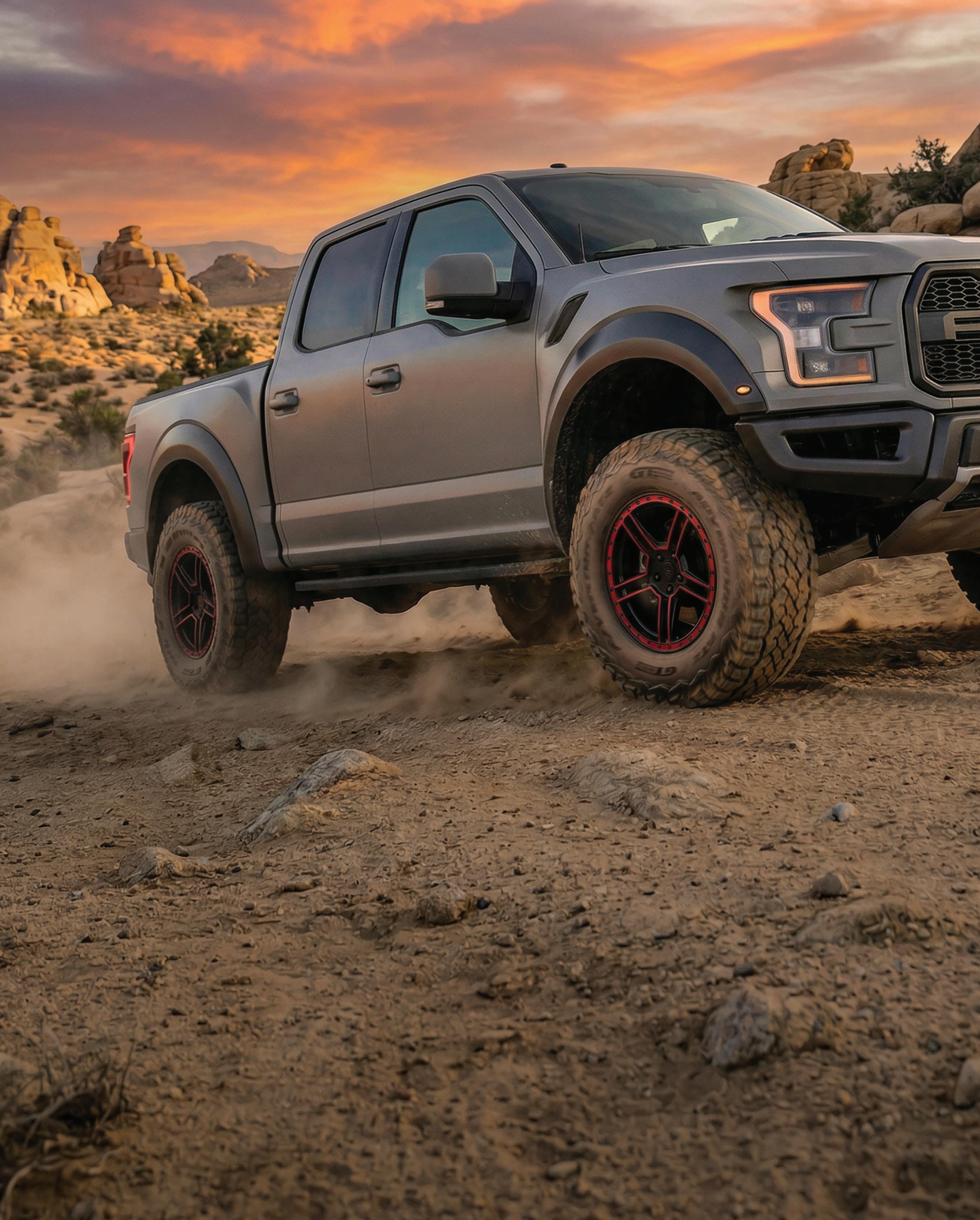









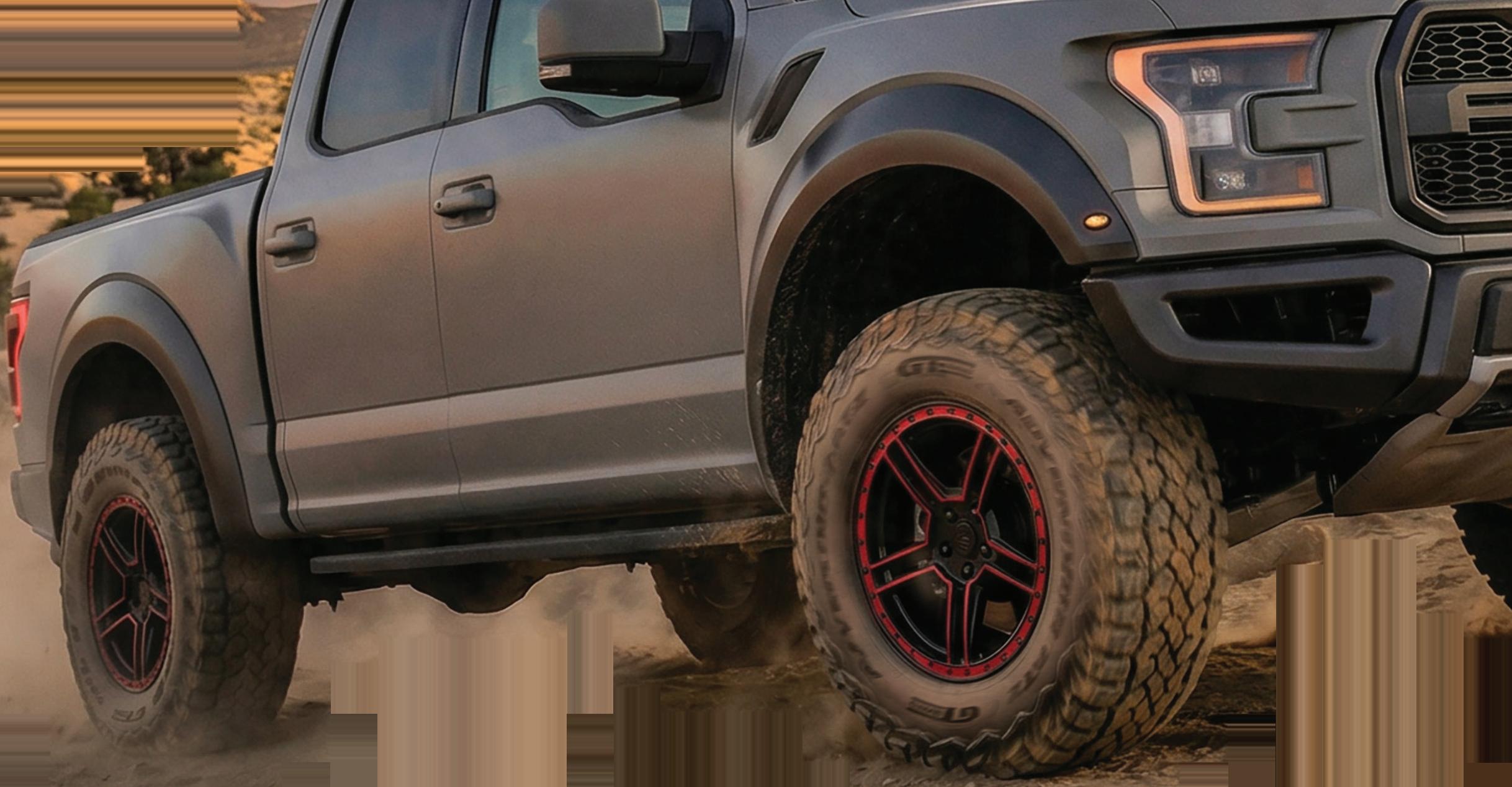


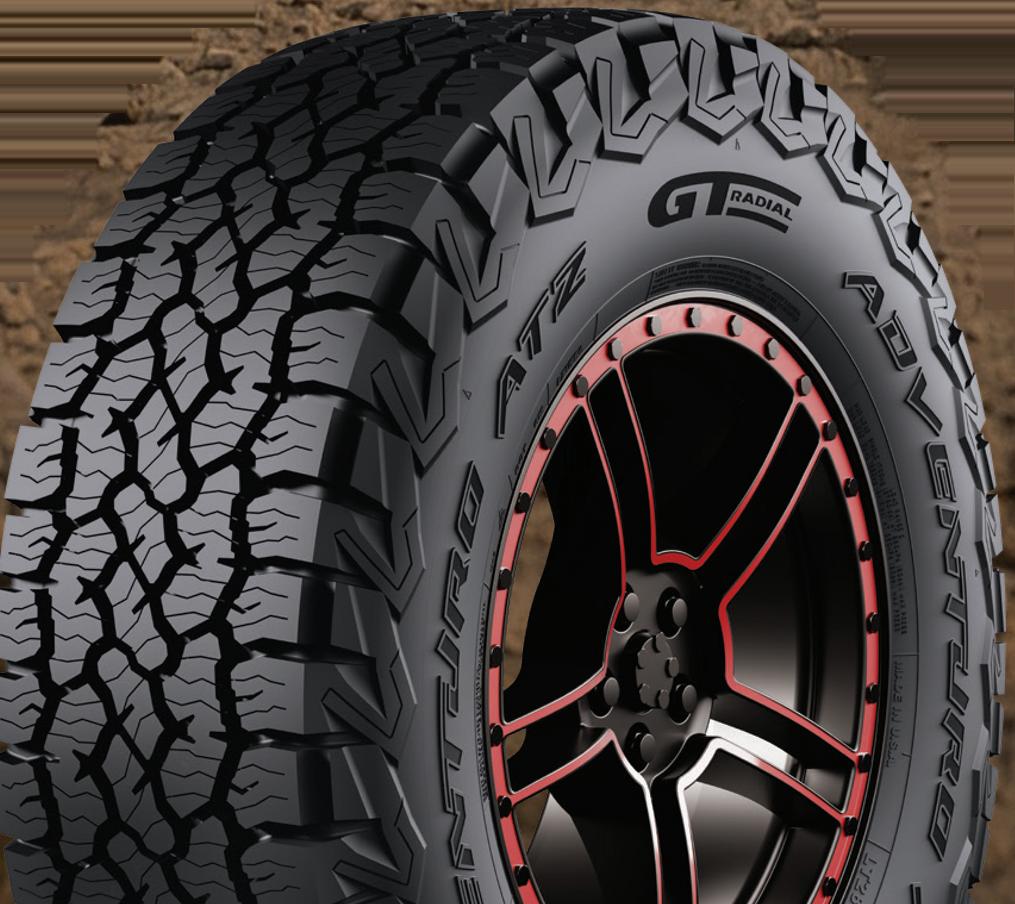




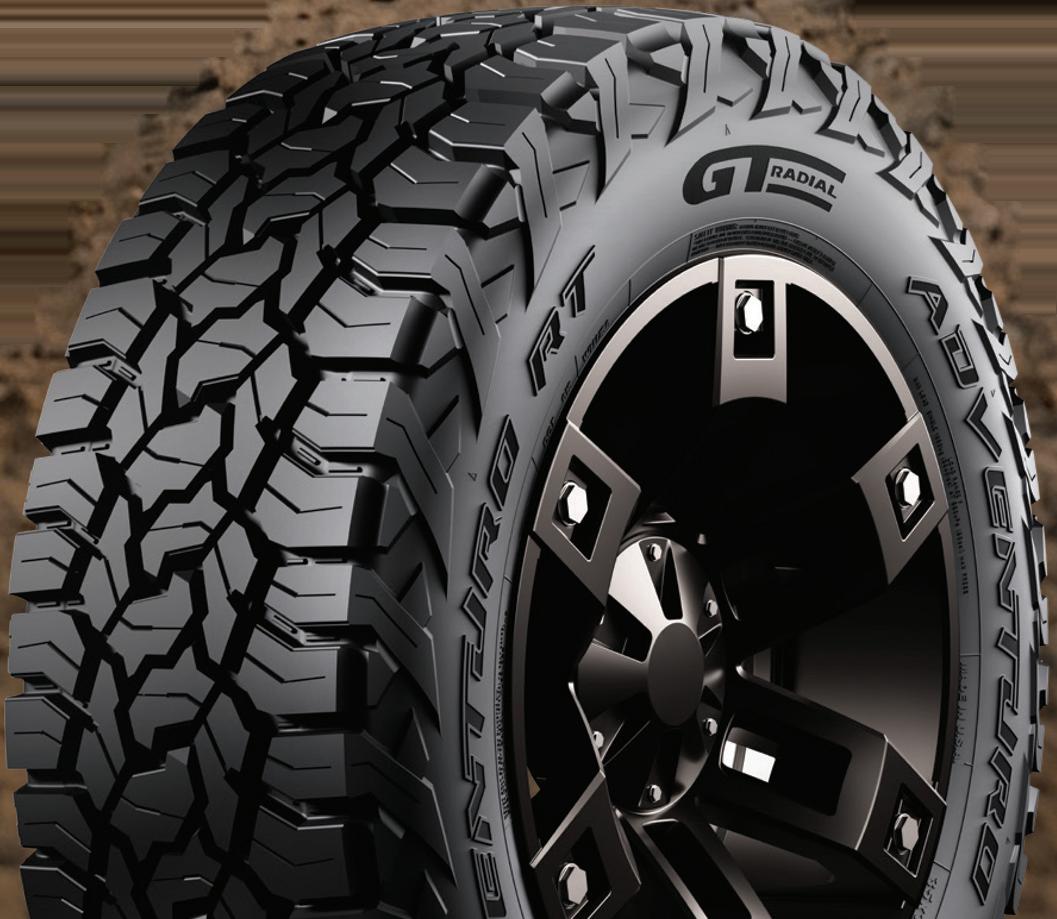




Cole Strandberg By
or years, many tire dealership owners have asked some version of the same question: “What multiple is my business worth?” It’s the wrong question. A better one is, “Who is my buyer and what are they actually buying?”
Not all exits are created equal. In today’s market, the type of buyer you attract will shape not just your valuation, but your deal structure, your role post-close and what your business needs to look like between now and the day you sell. Getting clear on this distinction early is one of the most valuable things an owner can do.
Broadly speaking, there are two types of buyers most tire dealers will encounter: strategic acquirers looking for a clean, profitable business to fold into their existing operations and private equity-backed platforms looking for a business to build around. Both can deliver strong outcomes. But they’re looking for very different things — even beyond size and scale — and the businesses that attract each are often built very differently.
The traditional exit most owners envision involves selling to a strategic buyer — another operator, a regional chain or a national consolidator looking to expand their footprint. In these transactions, the buyer is focused primarily on the immediate earnings power of your business. They’re evaluating four-wall EBITDA, location quality, market density and how cleanly a tire dealer’s operation integrates into theirs.
If you execute this path well, the premium can be real. A wellrun business in a strong market — with clean books and minimal owner dependency — can command an attractive multiple from a strategic buyer who sees clear synergies.
For operators who want full liquidity, a defined transition and a clean exit, this is often the right path. You’ve built something valuable. You sell it. You move on.
But optimizing for a strategic exit means building a specific kind of business. Store-level profitability matters most. Local market dominance matters. Clean operations, clean financials and a business that doesn’t fall apart the moment you hand over the keys matter. The strategic buyer isn’t underwriting your future growth potential. They’re buying what’s in front of them.
Private equity-backed platforms and growth-oriented consolidators are underwriting something very different. They’re not just buying current earnings. They’re buying the ability to scale.
That changes what they value. Infrastructure, leadership depth, reporting systems, brand consistency and acquisition potential all carry significant weight. In many cases, a private equity-backed buyer is evaluating what your business could become, as much as what it is today. They’re asking: “Can this serve as a foundation? Can it absorb future acquisitions? Can it operate and grow without the current owner at the center of everything?”
This is where the distinction between four-wall EBITDA and fully loaded corporate EBITDA becomes important. A tire
dealership that has invested in centralized infrastructure, a strong management team and scalable systems may show lower near-term earnings than a lean owner-operated shop. But to the right buyer, that business is worth more — not less.
Here’s the part that surprises a lot of owners. Some of the investments that depress your earnings today can actually increase your valuation tomorrow, if you’re positioned correctly and are talking to the right buyer.
‘The tire dealers commanding the most attention now aren’t always the most profitable operators in the room.’
The private equity path also offers something the strategic exit doesn’t — the potential for a second bite of the apple. Many platform deals involve the selling owner retaining equity in the combined business, with the expectation of participating in a larger exit down the road.
If the platform continues to grow and eventually sells or recapitalizes, that retained equity can be worth multiples of what you received at the initial transaction. It’s a longer game, but for the right operator, it can be a significantly more lucrative one.
Which path is right for you? There’s no universal answer. The right exit depends on your goals, your timeline and the business you’ve built or are willing to build.
If you want maximum immediate liquidity and a clean transition, optimize for the strategic exit. Build store-level profitability. Keep your financials clean. Reduce owner dependency. Dominate your local market.
If you want to keep growing alongside a capital partner and participate in a larger outcome down the road, start building like a platform today. Invest in your management team. Build scalable systems.
Think about acquisition potential. Make your business look like the foundation of something bigger because that’s exactly what a private equity buyer is looking for.
What’s clear is that the tire dealers commanding the most attention right now aren’t always the most profitable operators in the room. They’re the ones who have built businesses that can operate, grow and thrive without the owner being in the middle of every decision. ■
Cole Strandberg is a managing director and co-head of Automotive Services with NBB, specializing in mergers and acquisitions and capital raising for multi-location tire dealerships and automotive service businesses. Email him at cole@nationalbusinessbrokers.com.


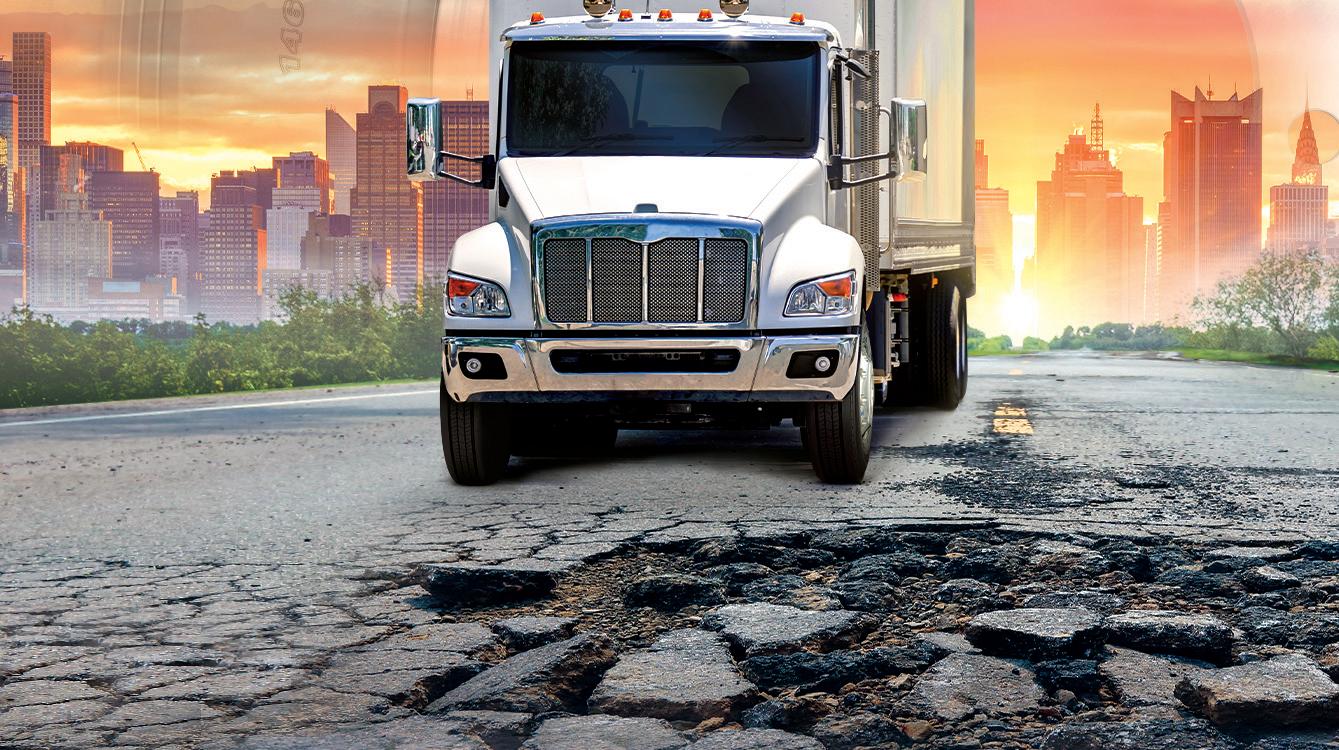



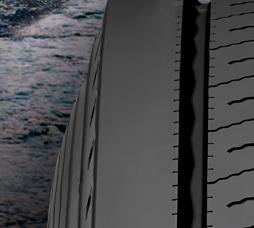


When you need a tire that can handle harsh, unforgiving roads, the Yokohama 116R™ delivers. Developed to be stronger and drive farther, this extra-durable all-position steer tire provides exceptional fuel economy and long tread life to keep your fleet rolling mile after mile. Contact your Yokohama representative today for more information.



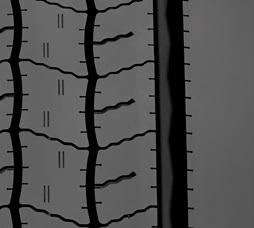








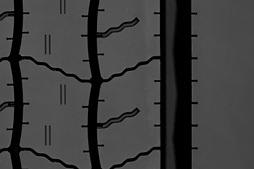







Randy O’Connor By
n a long drive recently, we came over the crest of a hill. Sitting quietly off to the side of the road was a state trooper, lurking in the shadows. Someone in our car said, “Well, they’re certainly not trying to catch someone doing something right today, are they?” It was funny because it was true.
Nobody sees a police car and thinks, “I bet he’s looking for people maintaining the speed limit, using their signal and driving responsibly.” We assume he’s there to catch someone making a mistake. The more I thought about it, the more I realized how often that same mindset exists in our businesses.
As owners and operators, even when we’re not directly responsible for a given action or reaction, we spend a lot of time looking for problems. We notice the comeback, the key performance indicator (KPI) that’s off target, the missed step in a process, the technician who forgot something, the advisor who mishandled a call, the inventory discrepancy or the negative customer review.
To be fair, part of leadership is identifying issues before they become bigger ones. That matters. But if your messaging, regardless of the role, is frequently counter-positive, eventually your dealership’s culture starts to feel like that state trooper sitting over the hill. Employees and customers notice it and that changes how people behave. Shortly thereafter, that changes morale. It changes confidence. It changes initiative. And over time, it changes the culture of your business.
One of the things I’ve learned over the years is that people tend to repeat what gets recognized, not just what gets corrected. I know what you’re thinking: “I bet you slowed down when you spotted the state trooper!” And you’d be right, but only for a short period of time. That distinction matters.
Most tire dealers are pretty good at correcting problems. Far fewer are intentional about recognizing the behaviors they actually want more of. Think about the technician who consistently does thorough inspections without being asked or reminded, the advisor who professionally calms down a difficult customer, the employee who helps a teammate finish a job late in the day and the store manager who calmly handles pressure during a chaotic week. In many cases, those moments pass quietly because nothing went wrong. But those moments are your dealership’s culture — not the mission statement on your wall or the slogan on your website. Culture is the result of repeated behaviors that happen every day inside the business. If you want more of those behaviors, you need to get better at noticing them. This doesn’t mean handing out participation trophies or pretending problems don’t exist. High standards still matter. Accountability still matters. Corrections still matter. But recognition matters, too.
Most people in our industry work incredibly hard. Tire and automotive service is physically demanding, mentally demanding
and increasingly complex. Long days, difficult customers, staffing pressures and constant operational demands can wear people down over time. Most employees don’t need constant praise. Some might even be annoyed by increases in positivity. But they need to know someone notices when they’re doing things well. Because recognition creates reinforcement and reinforcement builds culture.
One of the biggest misconceptions about leadership is believing that culture is built through big gestures or occasional speeches. Most often, culture is built through repetition — in the weeds and away from the center of attention. What leadership consistently notices, addresses, rewards and tolerates eventually becomes the standard. That’s why the best teams I’ve been around operate differently, but they make a habit of noticing the right things — not just ownership or management, but everyone.
‘One of the biggest misconceptions about leadership is believing that culture is built through big gestures or occasional speeches.’
It could come in the form of technicians recognizing another technician for helping on a difficult job, advisors acknowledging someone who handled a customer well or managers pointing out an employee’s consistency, effort and growth in real time. Over time, those small moments shape the culture just as much as policies or processes do.
Most businesses already track KPIs around productivity, efficiency and sales. Maybe it’s worth asking whether recognition should become part of the daily routine, too? The behaviors we consistently acknowledge are usually the behaviors we get more of. And in an industry where stress, pressure and negativity can easily dominate the day, sometimes the healthiest thing a tire dealer can do is intentionally look for what’s going right.
That doesn’t mean ignoring problems or avoiding difficult conversations. Good businesses still require standards and accountability. But if we throw more darts than laurels, eventually people stop taking initiative. They stop feeling ownership. They start working cautiously instead of confidently. Nobody does their best work when they feel like someone is always waiting for them to fail. Catch someone doing something right. Then say something about it. Because over time, people rise to or retreat from the environment created around them. ■
Tire and auto industry veteran Randy O’Connor is the Owner/Principal of D2D Development Group (Dealer to Dealer Development Group.) He can be reached at randy@d2ddevelopmentgroup.com. For more information, please visit www.d2ddevelopmentgroup.com.



Craig Van Batenburg By
Ihave been reporting on the myths about electric vehicles (EVs) for quite some time. This installment is about how far EVs have come. It may surprise you.
The average U.S. electricity rate is 18.05 cents/kilowatt-hour (kWh) for residential and 14.12 cents/kWh for your tire store, as of May 2026. Gasoline at that same time averaged $4.50 per gallon for regular gasoline, with higher octane and diesel significantly more. How long will that last? No one knows. (What if wholesale tire prices were in the same boat?)
To make a comparison between gas and electric, in 1999, the federal government created MPGe or miles-per-gallon gasoline equivalent. Miles per gallon is easy to understand. What about MPGe? (You can use miles-per-watt if you like math.) Great fuel economy for an EV is five miles per 1,000 watts (1Kw).
A barrel of oil, trading on Wall Street, is volatile. Electric rates are regulated by the state you live in — no big spikes. You can make your own fuel, “if you let the sunshine in” — a reference to an old hippie song from years ago.
Automotive Career Development Center (ACDC), my xEV training company, reopened our repair shop called Worcester EVs in January of this year. Twenty-two years ago, I closed Van Batenburg’s Garage Inc. after 25 years as an independent Honda specialist. That is when we changed our focus to hybrid technician training, adding PHEVs and EVs when they went on sale here.
I am back dealing with customers, including their tires and car problems. (More about that in future installments of this column.) As I am an outgoing and friendly type, we also rejoined the local Chamber of Commerce and have attended many evening gatherings. My opening line with the people I meet there is, “Do you make enough money to drive an electric car?” Most people have an answer and are friendly. Some push back with a negative response. I don’t try to educate the anti-EV crowd, as I am there looking for new customers. It is working and I am learning.
An average of about 10% of the people I meet at these chamber events drive an electric car. The open-minded, curious ones ask questions, like “Are the batteries expensive?” My answer is, “Only if you need one.” No one buying a gasoline car asks, “Is the engine expensive?” They expect the engine to last until they trade in their car for a new one, an interval of about six years, on average. High-voltage packs last about 200,000 miles, with 80% of their range left. The Nissan Leaf gave EVs a bad name as its battery pack was poorly designed. In model year 2026, they fixed that problem.
I also hear, “I am afraid I will run out of power and be stranded.” It’s possible once, then you will learn not to. Some people still run out of gas and when they do, AAA brings them
some gasoline. That experience usually teaches you to top off more often. The same applies to EV owners. The majority of EV owners have a place to charge at home. In large cities, they may be able to charge at work. Either way, they top off the battery every day. In 2026, most EVs will have 300 miles of range. Eighty percent of American drivers could use an EV with no change in their lifestyle.
Some people ask, “What about long road trips?” If you’ve bought a Tesla since 2012 or almost any new 2026 EV, the charging system for long trips, called DC fast charging, is built and maintained by Tesla. If you are considering an EV, ask if the car comes with “NACS” charging. NACS stands for North American Charging Standard. If that’s a yes, long trips are easy.
‘A barrel of oil, trading on Wall Street, is volatile. Electric rates are regulated by the state you live in — no big spikes.’
“What does a new EV cost?” New EVs retail from $30,000 to $50,000 for a 300-mile, front, rear or all-wheel-drive sedan or SUV. You can always spend more. What is the cost of a used General Motors plug-in hybrid (PHEV), hybrid (HEV) and electric vehicle (EV) versus a gasoline car? With gasoline and diesel prices as high as ever, many Americans are looking at used electric cars to reduce their fuel costs.
The price of used EVs is rising while gas guzzlers are dropping, according to cars.com. We have seen this movie before and we know the ending. If you just bought a V8 truck, you are telling yourself that these high gasoline prices won’t last. In June 2008, the price was $4, but it lasted only a few months. Will that be the case again? We will see.
A mid-sized EV gets over 100MPGe. The 2020 Chevrolet Malibu with the standard 1.5L turbocharged engine delivers an Environmental Protection Agency-estimated 32 miles per gallon. The Bolt EV’s MPGe is 115, average city or highway. If you keep doing the math, even if gasoline drops back to $3 dollars a gallon, the fuel costs are not in the same ballpark. Give EVs — and EV service — a think. ■
Craig Van Batenburg is the CEO of Van Batenburg’s Garage Inc., dba Automotive Career Development Center (ACDC), which is based in Worcester, Mass. A 50-year automotive service industry veteran, Van Batenburg provides training for facilities that service — or want to service — electric and hybrid vehicles. For more information, see www.fixhybrid.com or email him at craig@fixhybrid.com.
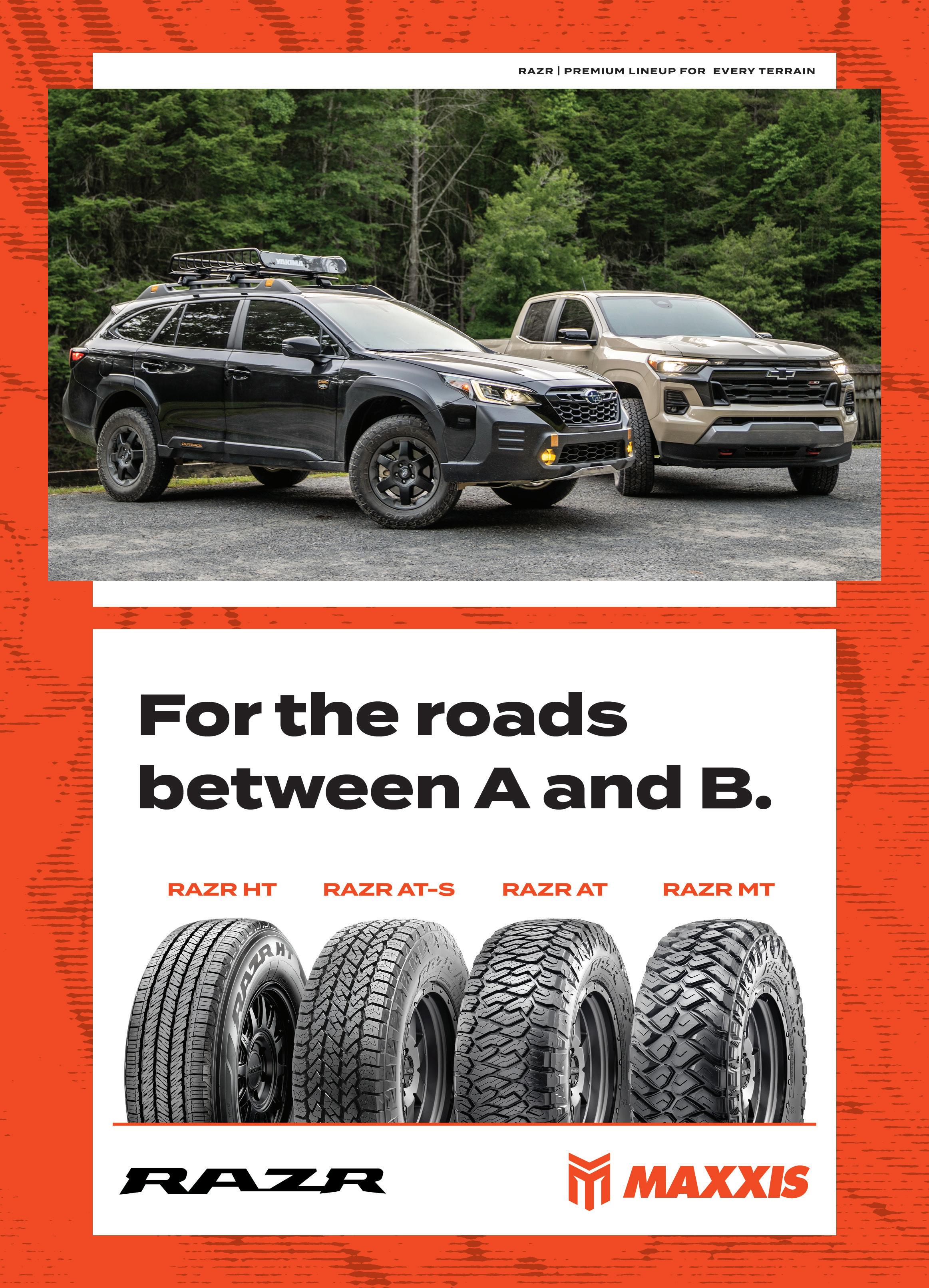
Sara Welch By
Hankook Tire America Corp. took tire dealers and distributors behind the scenes at its Clarksville, Tenn., plant during a recent ride-and-learn event, where autonomous robots nicknamed “Hanks” moved materials across the factory floor and brightly colored machinery transformed raw materials into finished tires.
The company used the event to showcase how its expanding U.S. manufacturing footprint supports its top-tier ambitions, noting that 95% of the plant’s production will remain in the U.S. and 99% will stay in North America.
Just outside the facility, those same products were put to the test on Hankook’s recently constructed Tennessee Proving Grounds — an off-road course designed to showcase the company’s growing Dynapro tire lineup.
“You got to see basically the birth of a tire and then you got to step right outside and see how it performs,” said K.C. Jensen, vice president of PC/LT sales, Hankook Tire America Corp.
Hankook used the event to tell a broader story about its U.S. investment, domestic production capabilities and growth plans in the SUV, CUV, light truck and commercial truck tire segments.
The proving grounds sit on the same property as Hankook’s Clarksville plant, allowing the company to pair a plant tour with a hands-on product demonstration.
The off-road course featured elephant tracks, logs, rutted corners, a sand pit, a rock crawl, gravel pit and tabletop hill. Hankook also used a scenic drive from Nashville, Tenn., to Clarksville to highlight the on-road performance of its Laufenn X Fit AT2 and Dynapro AT2 Xtreme products.
Robert Nasca, product and marketing training manager for Hankook Tire America Corp., encouraged attendees
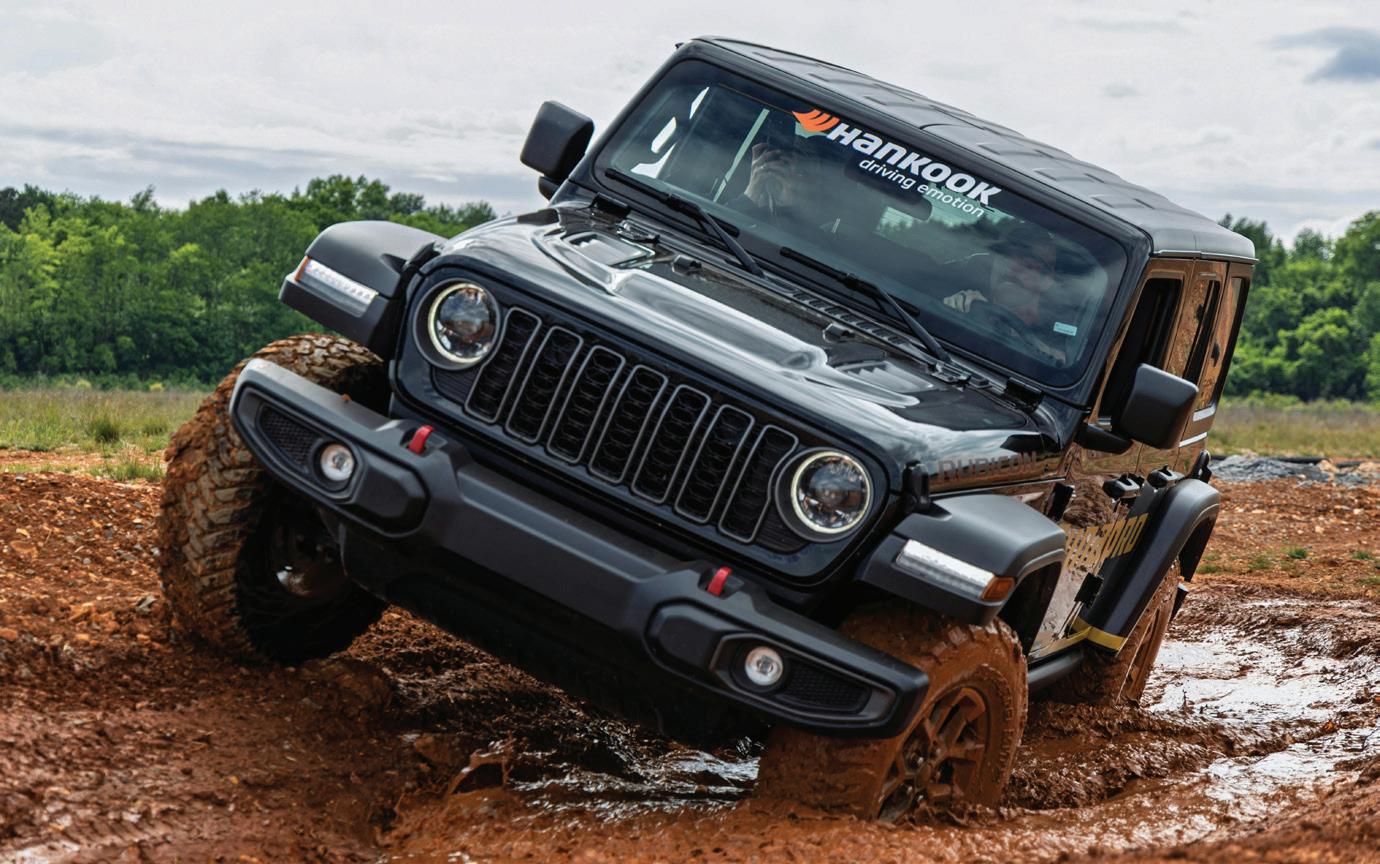
Hankook Tire America Corp. put its Dynapro products through mud and rutted sections of the Tennessee Proving Grounds during a ride-and-learn event designed to show dealers how the tires perform in demanding off-road conditions.
to push the products during the drive. “Brake hard. Gas hard,” Nasca told attendees. “I think you’ll be able to see what our tires are actually capable of.”
The event centered on Hankook’s Dynapro lineup, which serves the SUV, CUV and light truck segments. Nasca said Hankook sees continued opportunity in all-terrain and off-roading applications, noting overlanding continues to gain traction across the U.S.
Hankook highlighted three Dynapro products during the event: the Dynapro AT2 Xtreme, Dynapro XT and Dynapro MT2. The Dynapro AT2 Xtreme is positioned as an 80% on-road/20% off-road tire and carries a 3-Peak Mountain Snowflake (3PMS) rating and up to a 70,000mile limited treadwear warranty. The Dynapro XT is Hankook’s rugged-terrain 50/50 on-road/off-road option, with a 3PMS rating and up to a 50,000-mile warranty. The Dynapro MT2 is the most aggressive product in the lineup and is designed for mud, rocks and more demanding off-road use.
“All the Dynapro products that we’re talking about are going to be made in Tennessee,” Nasca noted. “So we’re very excited about that.”
The event also offered a look at Hankook’s broader manufacturing investment in the U.S. Hankook’s first phase of passenger and light truck tire production has been operating in Clarksville since 2017. The company currently produces just under 15,000 passenger and light truck tires per day — more than 4.5 million units annually, according to Rob Williams, president of Hankook Tire America Corp.
The Clarksville plant is expected to reach an annual capacity of 11 million units over the next 12 months, as Hankook expands both consumer and medium truck tire production.
Hankook has started phase two of consumer tire production at the plant, which was producing about 3,000 to 4,000 tires per day at the time of the event. The company has also started producing medium truck tires, though those products have not yet been released into the market.
Williams said Hankook was producing about 200 to 300 medium truck tires per day at the time of the event and expects it will take about 60 to 90 days to build enough inventory to begin distribution.
At full capacity, the Clarksville plant is expected to produce 10 million passenger and light truck tires and one million TBR tires annually.
U.S. production is becoming an increasingly important part of Hankook’s strategy, particularly as customers look for domestic supply options.
“A lot of fleets are asking for domestic products,” said Williams. “They want the U.S.-made product. They also recognize that the supply chain has less constraints when you have product built in the U.S.”
Williams said that domestic focus is tied to market demand, tariff considerations and Hankook’s emphasis on expanding the Dynapro line-up.
“The U.S. market needs and wants that product. So we’re building products that really are more specific for the U.S.”
During the plant tour, Hankook highlighted the role automation and vertical
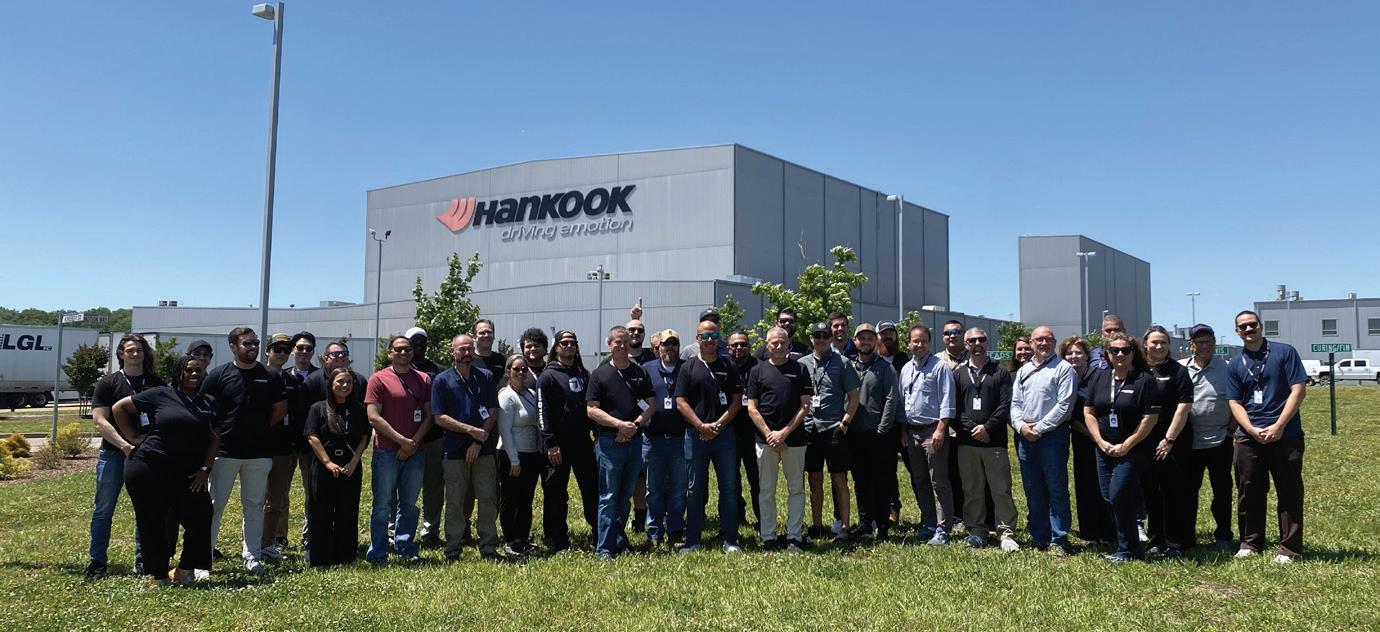
integration play in its manufacturing process. Inside the Clarksville facility, autonomous robots moved through the plant while machinery worked in sequence to move tires from one production stage to the next. The plant incorporates lasers, robotic equipment, Hankook Engineering Works machinery and quality-control inspection areas.
Williams said the company’s vertical integration allows Hankook to control more of the tire development and production process, from research and development to tire molds and production equipment.
“When you’re vertically integrated,
you really control the quality of your product all the way from R&D ... from the concept to getting it to the market and everything in between,” he said.
Hankook officials said the Tennessee event was part of a larger effort to better tell the company’s story to dealers and consumers.
For Hankook, the Clarksville plant and new proving grounds represent more than a manufacturing site and test track. Together, they give the company a platform to show tire dealers and distributors how its products are made, how they perform and why Hankook believes it can compete for a larger share of the U.S. tire market. ■
Aden Graves By
Linglong Tire Americas Inc. chose a desert landscape with high, rugged rock formations to showcase its latest off-road tire portfolio. The company’s first ride-and-drive event recently took place near Las Vegas, Nev.
Linglong Tire Americas celebrated the launch of its Atlas Priva and Leao R/T and X/T lines, which rolled out for the United States market nearly a year ago, by fitting them on a variety of Jeeps and putting them to the test at the Red Rock Canyon National Conservation Area.
The tires “have been engineered for the North American market by a North American team for different elements, whether it’s for warmer areas in the U.S. or a whole variety of climates,” Michelle Subranni, marketing manager, Linglong Tire Americas, said during the event.
The tires are manufactured in Thailand.
The Atlas Priva R/T and X/T — available in a variety of sizes fitting 16 to 22-inch wheels — deliver a variety of off-road benefits.
The Priva R/T provides optimized grip in wet and snowy conditions, a “highstrength carcass” for protection and high mileage and open-shoulder grooves for optimal traction, according to Linglong Tire Americas officials.
The Priva X/T offers a “variable pitch sequencing design” that reduces road noise, with “high-angled grooves” for effective water evacuation.
The company’s Leao Lion Climber R/T and X/T — offered in a range of sizes fitting 16-inch to 22-inch rims — also offer multiple benefits for on- and off-road driving.
While the Lion Climber R/T features biting edges for high traction and a wide tread design, the Lion Climber X/T boasts wide lateral grooves and interlocked tread blocks for enhanced durability.
Linglong Tire Americas also high lighted its broader off-road tire lines — Evoluxx, Crosswind and Green max R/T and X/T tires — during the ride-and-drive.
Positioning the company’s latest line-up for “everyday drivers and families,” Linglong Tire Americas officials say the firm’s top priorities are building brand awareness and highlighting the off-road capabilities of Atlas and Leao brand tires.
“We want our customers to be able to trust their tires,” said Subranni.
“We want people to be able to come off the road and the busy city streets into a place like this (Red Rock) and feel secure with their tires.”
Linglong Tire Americas is “starting from the ground up” with its U.S. marketing efforts and the company is eyeing the addition of more tire options in expanded segments, as well as future ride-and-drive events for dealers.
“I look forward to building stronger, closer relationships with our current customers and dealers from a marketing standpoint, while working closely with our local sales team to support and help grow any new accounts we establish in the future,” said Subranni.
Linglong Tire Americas, established in 1975, operates five manufacturing plants in China with two under construction, plus two factories in Thailand and Serbia. It has plans for a plant in South America.
With several R&D centers around the globe, including its “heart of R&D development” in Akron, Ohio, the company aims to be among the top 10 tire manufacturers in the world by 2030, according to Jason Lee, regional sales manager, Linglong Tire Americas.
The company, which acquired the Atlas brand around 20 years ago and created
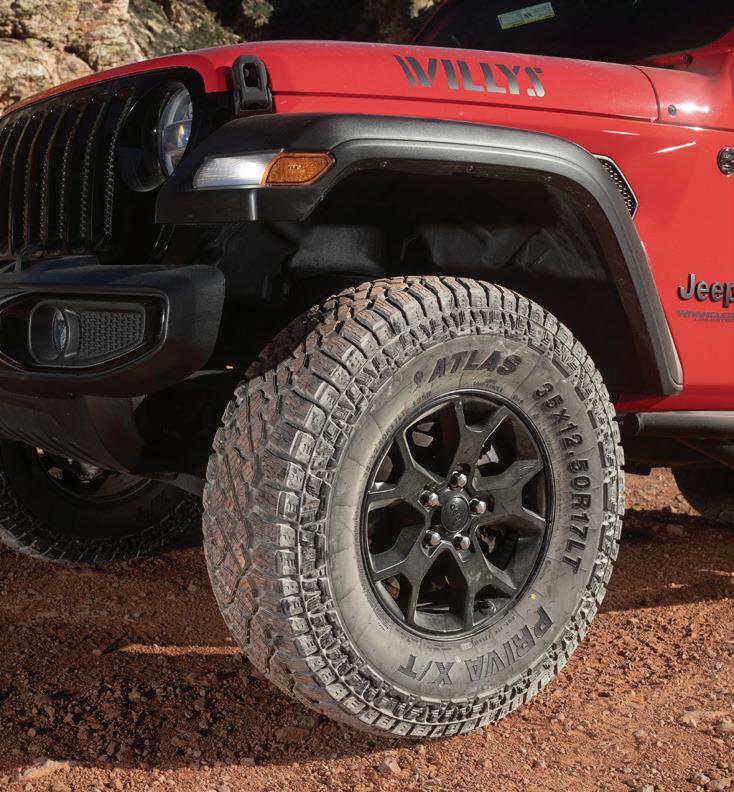
Linglong Tire Americas Inc. demonstrated the capabilties of several new tires, including the Atlas Priva X/T (pictured), during a recent ride-and-drive outside Las Vegas, Nev.
the Leao brand in 2010, is positioning the two lines as its top products for the U.S. market.
“Though we produce tier-one and tier-two-quality tires, our prices are very cost-effective,” said Lee. “That’s part of our competitiveness in the market and we would like to let consumers, dealers and everyone know that.”
While building a comprehensive sales strategy for North America around the two flagship lines, Lee said the distribution strategy for the Atlas and Leao brands includes collaborating with partners such as TBC Corp., Tire Alliance Groupe and Mavis Tire Express Services Corp.
Adam Homan, Linglong Tire Americas’ development engineer, said the characteristics of the company’s off-road tire lines are also intended to be eye-catching for “rugged off-roading enthusiasts.
“Our products validate the segment lines very well and our objectives and performance targets for each X/T and R/T line really meet these niches.”
Homan, who has been with the company for under two years, said working together across teams helps drive growth for Linglong Tire Americas.
“It’s a very collaborative process of feedback on design and construction requirements.
“As our successive products continue, I hope more trust will happen within the echo of the North American market.” ■

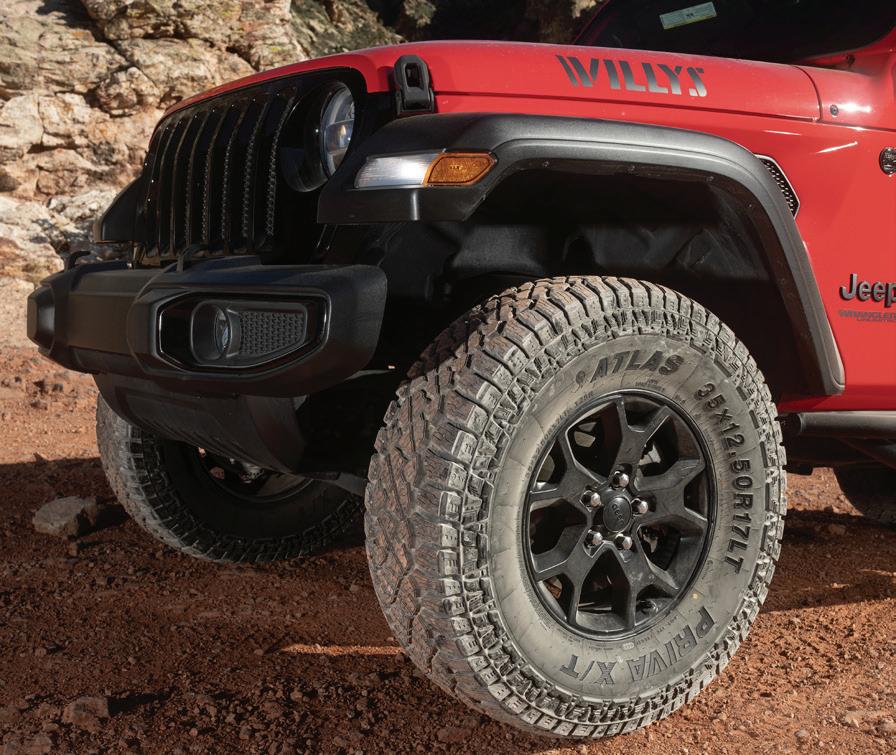




• Cleans and Protects A/C System
• Boosts A/C Performance
• Reduces Temperature by up to 15 Degrees
• A/C Blows Colder Faster
• Contains UV Leak Detection Dye
• Compatible with R134A and R1234YF Systems




• Quick and Easy High-Profit Service
TRUE BRAND A/C REFRESH KIT:
• Neutralizes Odors on Contact
• Odors Are Eliminated, Not Masked
• Removes A/C System Contaminants
• Helps Optimize A/C System Efficiency
• Fast and Easy Application
• No Tools or Expensive Machines Needed
Sara Welch By
In a year marked by economic uncertainty and shifting consumer behavior, leaders across the Big O Tires franchise delivered a clear message during the brand’s 2026 Convention & Trade Show: Growth will depend on execution, communication and a renewed focus on customer retention.
Recently held in Louisville, Ky., the event brought together Big O Tires franchisees, vendors and corporate leadership for general sessions, breakout discussions and a trade show, designed to align the network around priorities for the year ahead.
Despite industry challenges, Big O Tires continues to grow. The franchise added 14 stores over the last year — its largest year-over-year increase in the past decade — bringing the network’s total to 470 locations nationwide. Average store sales reached $2.8 million, continuing a decade-long upward trend.
Those gains come as retail tire sales are down roughly 3% year-over-year, according to Big O Tires officials, while inflation and rising fuel costs continue to weigh on consumer spending.
“While the market and economy may be uncertain, our overall growth strategy for TBC is strong and disciplined and is showing progress,” said Don Byrd, president and CEO of TBC Corp., which owns the Big O Tires franchise program.
While growth remains a priority, much of the conversation in Louisville centered on customer retention. According to data shared during the event, half of Big O stores rely more heavily on new customers than returning ones — a dynamic leadership views as unsustainable.
“Car count is a retention game,” said Jerode Padilla, who leads marketing, merchandising and customer experience for Big O Tires. “If you find a way to ‘wow’ the customer every single day, the KPIs (key performance indicators) will follow.”
To support that effort, Big O is investing in technology and infrastructure, including a transition to a new point-of-sale

system, AutoLeap, and a rebuilt customer relationship management platform to streamline operations, improve customer communication and better connect data.
AutoLeap will allow stores to conduct digital vehicle inspections, communicate in real time with customers and use performance data to identify growth opportunities, according to Big O Tires Chief Operating Officer Gary Skidmore. The rebuilt CRM platform is designed to unify data across marketing, service history and point-of-sale systems to enable targeted communication and improved retention.
“We’re not just reacting to change. We’re leading it,” said Skidmore, noting that technology is now essential to meeting customer expectations of speed, transparency and convenience.
“We do this for everybody in this room,” 2026 Big O Tires Hall of Fame inductee Joe Happel said. “We want to make this better than we found it.”
designed to give franchisees a stronger offering across more price points, while improving margins and differentiation. Another major focus area for 2026 is supply chain performance, with Byrd announcing fill rates are now a KPI for TBC and acknowledging that fill rate has been a recent challenge. Big O Tires is also adding a dedicated product demand planner who “will focus only on the inventory and lines needed for the Big O locations and specific DCs,” said Skidmore.
Beyond individual initiatives, the convention reinforced alignment across Big O Tires’ scope and culture.
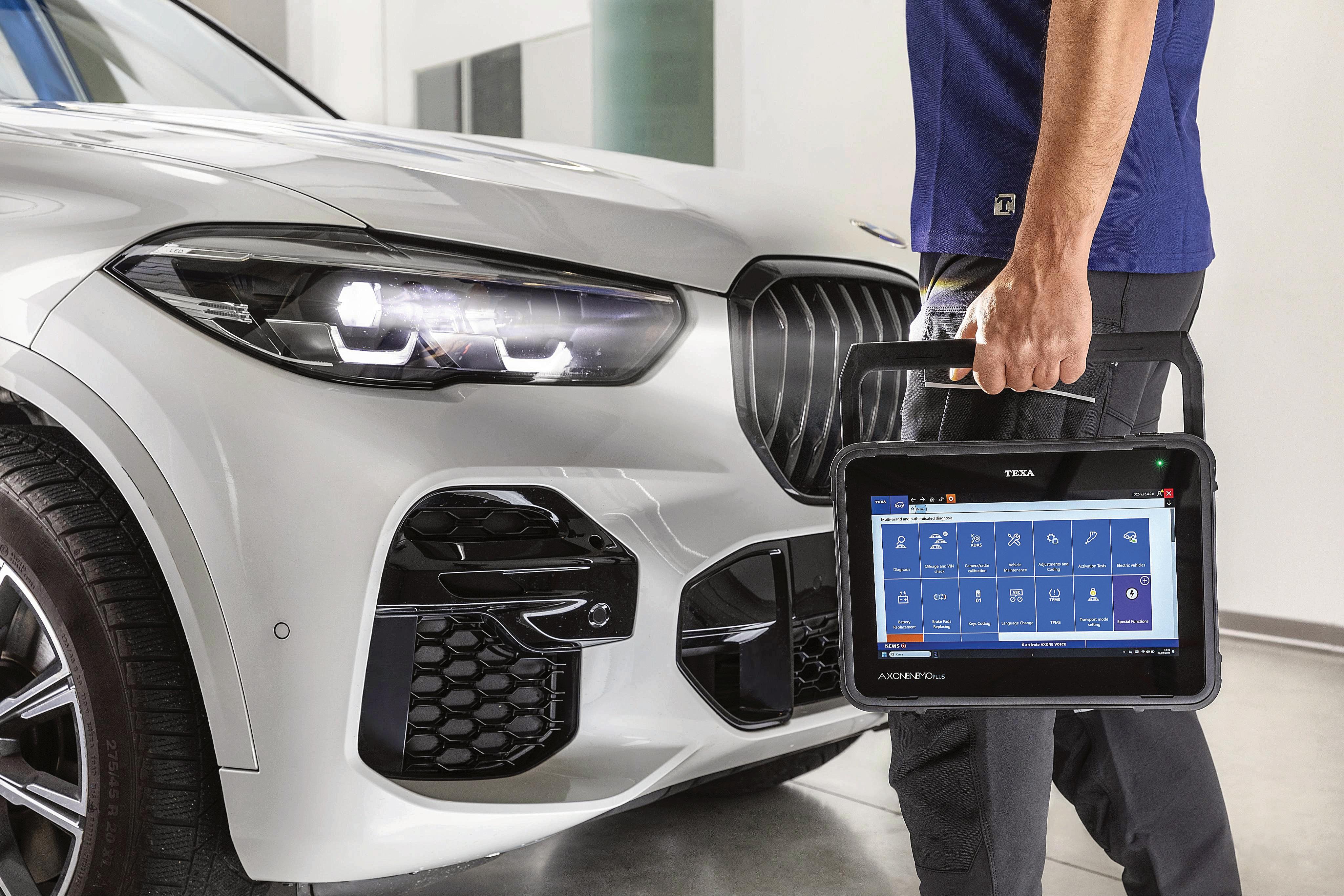
Product development remains another pillar of Big O Tires’ strategy. In 2025, it added 16 sizes to the Big O Legacy AS Plus and 12 SKUs to its Big Foot line, “expanding fitments, improving coverage and giving your stores more opportunity to say yes to customers,” said Padilla.
Big O Tires also plans to launch a new value-tier private label offering later in 2026 and early-2027. Its touring all-season tire is on track for late-2026. A highway all-season tire for pickups and SUVs is slated for late-2026, with the all-terrain following in early-2027.
The new value-tier product is
“We use this kind of as a coup de grâce … to kind of acknowledge where we’ve performed well, where we’ve had challenges — some of the upcoming things,” said Skidmore. “People walk out of here feeling like they’re educated, informed and thinking about where we’re going.”
The event culminated in the induction of Joe Happel into the Big O Hall of Fame. “We do this for everybody in this room,” said Happel, a nearly four-decade veteran of the tire industry. “We want to make this better than we found it.”
Growth remains strong, but success, leaders emphasized, will ultimately come down to execution at the store level.
“We’re in it together,” said Padilla. “We’re in it to win it as one brand, one family, one Big O.” ■










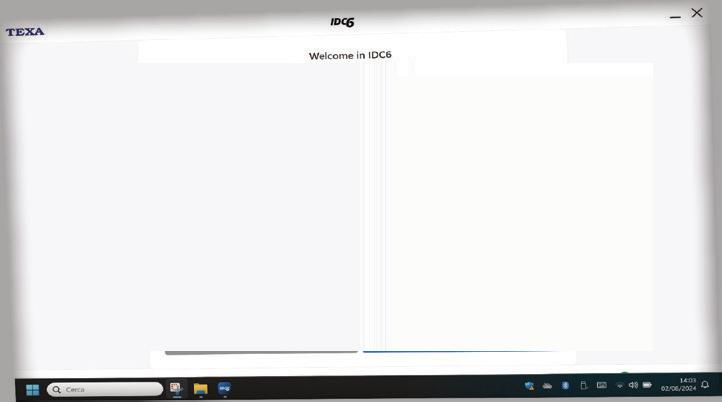

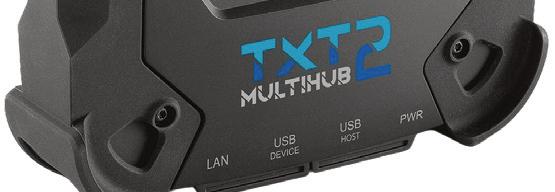


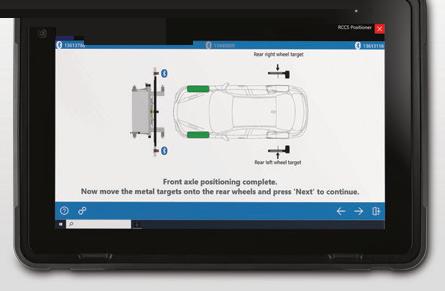
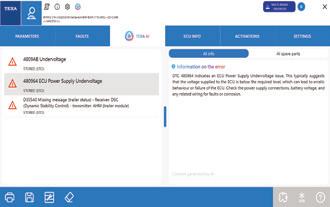
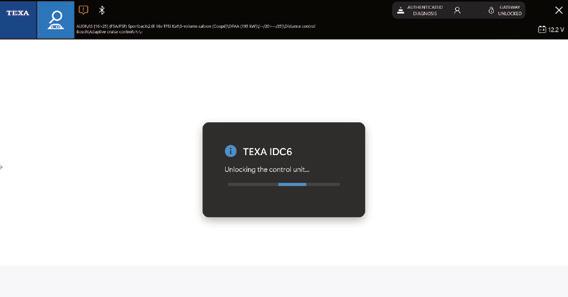
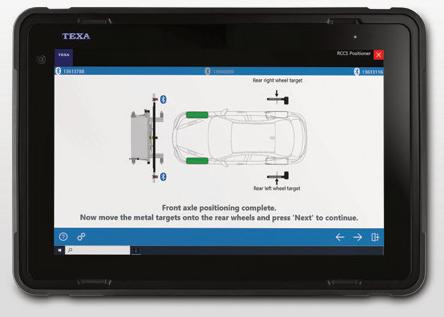
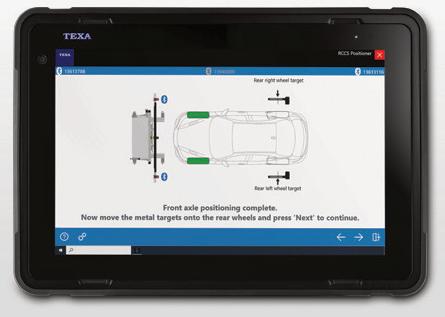
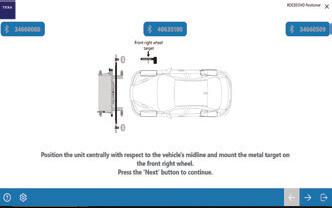



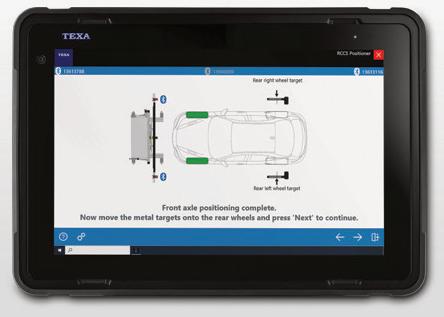
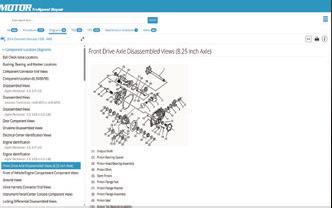


project manager for USA Wheel & Tire Outlet Inc., who helped plan the trip.
Sara Welch By
As dealers boarded a small propeller plane bound for a private island resort off the coast of Belize at the end of March, USA Wheel & Tire Outlet Inc.’s 20th anniversary trip was already bringing customers closer together.
“There’s nothing better that deepens relationships than when you’re sitting like two inches across from the guy next to you,” says Baqi Syed, project manager for Dallas, Texas-based USA Wheel & Tire Outlet. who helped plan the trip.
The wholesale distributor’s trip brought together about 30 people, including dealers, vendors and the company’s leaders. It served as a celebration of USA Wheel & Tire Outlet’s two decades in business and a reflection of how the company hopes to continue growing through closer dealer relationships, smaller group experiences and investments in technology aimed at improving customer service.
Unlike some dealer incentive trips that reward the highest-volume customers, USA Wheel & Tire Outlet used a different metric when selecting attendees.
“A big thing with this trip that we
wanted to highlight was taking our customers who had the most growth and not the most volume,” says Syed.
The strategy aligned with USA Wheel & Tire Outlet’s broader focus on growth, exploration and relationship building,
“It mainly shifts from being strictly business-like to being more like friends and family.”
That family-focused culture was a recurring theme throughout the trip and reflects how USA Wheel & Tire Outlet approaches customer relationships overall, according to Syed.
One of the clearest examples came near the end of the trip, when two dealers who had met for the first time in Belize made plans to continue the relationship after returning home.
“We wanted people to feel like they’re a part of a bigger family ... part of the USA Wheel & Tire family, which I think we accomplished pretty well on the trip.”
The smaller numbers of attendees was also intentional, making it easier to form meaningful relationships.
“On our trip, since it was small — like 30 people max — we were able to get to know each other,” says Syed.
USA Wheel & Tire Outlet plans to continue using smaller dealer experiences moving forward and hopes to make customer trips an annual initiative.
“The main reason for this one was to celebrate our 20-year anniversary,” says Syed. “But I think moving forward, we’re going to try to make it a habit to do it every year.”
The company also used the gathering to discuss several operational initiatives aimed at improving its customer experience.
Among them was a new live-tracking system that allows dealers to monitor delivery trucks in real time. Syed compares the technology to the tracking systems used by food delivery apps.
“You know how Uber Eats has ETAs (estimated times of arrival) that they show you when your food’s about to arrive? We started that with our truck drivers.”
The system provides live delivery updates and automatically adjusts ETAs if delays occur along delivery routes.
USA Wheel & Tire Outlet also is preparing to launch a new B2B website in partnership with Tread OS. According to Syed, the platform will use artificial intelligence to pull product specifications and manufacturer data directly into the site to improve the tire ordering experience.
“We’re evolving and adapting to new technologies here,” he says.
Those investments, combined with initiatives like the Belize trip, represent what Syed describes as the next phase of growth for the company.
“Twenty years shows consistency, obviously. It shows adaptability and obviously, strong relationships that we have with our vendors and customers because we’ve been able to maintain them in the last 20 years. But more importantly, I think, this is like a stepping stone for us and we see it as a starting point for the next phase of growth.”
For USA Wheel & Tire Outlet, the Belize trip also reinforced a broader business philosophy — one that the company believes will continue driving growth long after the anniversary celebration has ended.
“A trip like this creates loyalty that goes beyond tire pricing and products,” says Syed. “There are shared experiences between us and that creates a bond, which I think strengthens business even further because you’re treating them like family.” ■

Mike Manges By
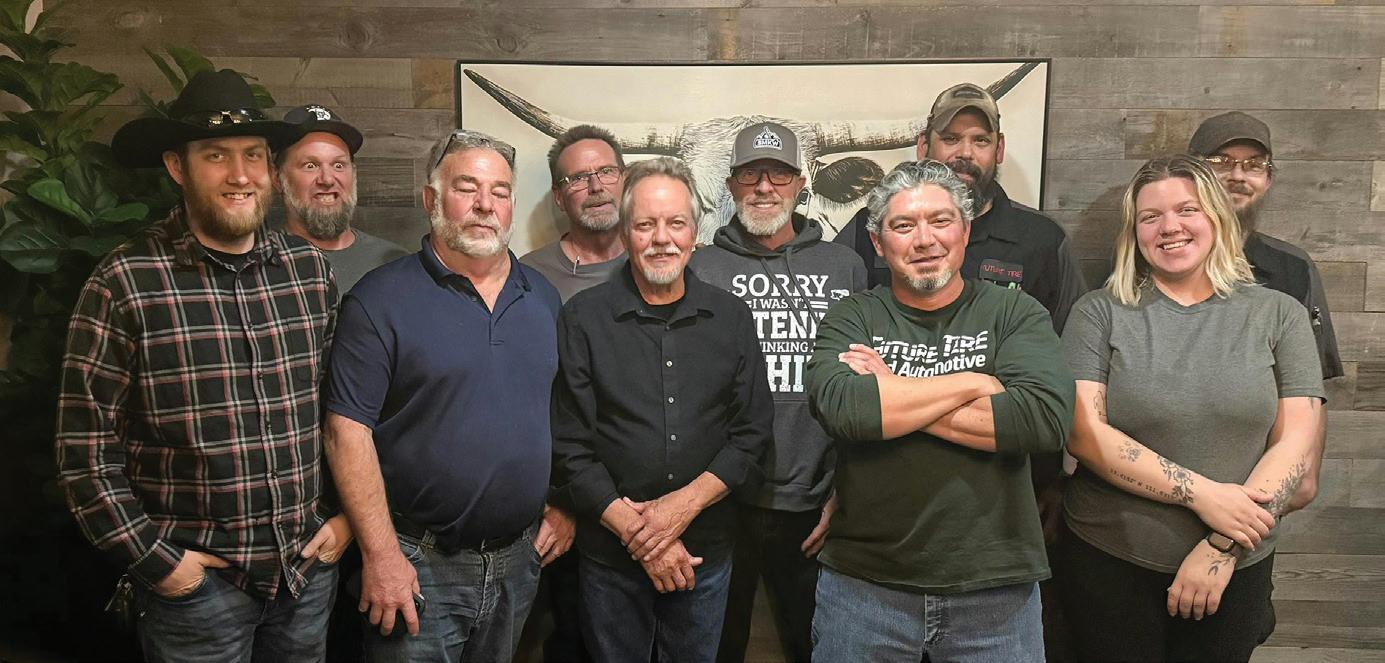
Nestled in the White Mountains of Arizona — hundreds of miles from any big city — Future Tire & Automotive has found a recipe for success. And it includes something that isn’t tangible.
“As cheesy as it sounds, I think what sets Future Tire apart is love,” says Dave Schonaerts, the dealership’s owner. “I’ve formed bonds with my staff and management team that I feel are really rewarding.
“I never feel more on track than when a conversation with an employee ends with, ‘Love you, boss.’ We really care about each other here. I think that’s important in any job.”
Making sure employees know they’re valued has been one of Schonaerts’ priorities since he bought Future Tire & Automotive, which is headquartered in Show Low, Ariz., six years ago.
Before taking the reins at the dealership — which is celebrating its 50th year in business and has four retail stores, a commercial tire center and a warehouse — Schonaerts got his start working for Phoenix Tire, a commercial tire dealership

“We’re isolated here,” says Schonaerts, owner of Future Tire and Automotive in Show Low, Ariz.
that his father, Phil Schonaerts, owned. “The owners of Future Tire were looking for an exit strategy and asked if my dad would be interested, but he was exiting the business, too. He said, ‘You ought to talk to my boy.’ That led to a conversation with the owners and then the bank and here we are!”
Phil sold Phoenix Tire to Southern Tire Mart LLC in 2018. “It was a great move for him and gave me the freedom to see what I could carve out on my own.”
Coming from a commercial tire background, the younger Schonaerts says he spent the first 24 months as a new owner “wrapping my head around” Future Tire & Automotive’s retail operation.
Because of Future Tire & Automotive’s remote location, he quickly learned that “we have to be self-sufficient.”
The company’s distribution center in Show Low supplies tires to the rest of its locations, creating a closed-loop system. “We sell everything from wheelbarrow tires to scraper tires and do everything from oil changes to engine overhauls.
“The communities we serve are pretty small. We don’t have the volume of customers you’ll find in bigger markets. Our strategy has been to focus on buying right.”
He says membership in the Independent Tire Dealers Group LLC has helped.
“We’re not close to any major metropolitan area,” says Schonaerts.
Phoenix, for example, is 180 miles away. Albuquerque, N.M., is 245 miles away. Flagstaff, Ariz., a smaller city, is a 140-mile drive from Future Tire’s home base.
“We’re isolated here. It changes a couple of things. We have to be independent with our inventory. We don’t have just-intime delivery. I’ve learned to sit on tires.”
All of Future Tire & Automotive’s 32 employees also pitch in when needed, regardless of the job. “Nobody is too big to be a delivery guy — myself included. My truck has tires in the bed every day. But I don’t mind.”
Due to a small surrounding population, staffing has been another challenge, according to Schonaerts, who recently lost a manager at one of Future Tire & Automotive’s retail stores, “I’m currently commuting an hour-and-a-half, door to door, every day to manage one of our facilities.”
Schonaerts’ solution to the staffing shortage “is to take care of those who are on our team, so we don’t lose the talent we have.
“Several of our store managers have been promoted from being techs. I have two guys who have been with the company for 20-plus years. I have four guys who are pushing 40 years in the industry. They bring an amazing wealth of knowledge to the table.”
Schonaerts says his dealership “is focused on the ‘right now.’ Opportunities for expansion always pop up and I always investigate them, but we’re focused on ourselves.”
That includes continuing to treat both employees and customers with respect and affection, he adds. “We’re present and involved. It matters.” ■
Sara Welch By
Ahmad Fares knows some customers still want to walk into a tire store, talk through their options and schedule an appointment face-to-face. He also knows others would rather research tires online, compare pricing after hours, send a text instead of making a phone call and pay for everything before they ever step inside a shop.
At Tallmadge Tire Bros, based in Tallmadge, Ohio, Ahmad and his brothers, Morad and Fares, are trying to serve both.
“We’re trying to attract those buyers to us who like to see the pricing (up front),” says Ahmad, co-owner of the five-store dealership, along with his brothers. “You’re not going to be haggled. You’re not (going to get) one person telling you one price and another person telling you another price. You see it right there in front of you.”
Tallmadge Tire Bros, which opened in February 2025, is the newest location in the Tire Bros group. The company also operates shops in the Ohio cities of Bellevue, Cleveland, Columbiana and Mansfield.
The brothers each oversee different locations and say the Tire Bros name grew out of a practical need.
The brothers’ first shop was East Side Tire, a business that already had a name and history in Bellevue. When they later added Columbiana Tire and Westown Tire to their footprint via acquisitions, they initially kept those names, too. As the group grew, the brothers wanted customers to understand the stores were connected, so they added the word “bros” to their business’ name.
The Fares brothers didn’t grow up planning to build a tire dealership group. Their father spent years running convenience stores and the brothers followed that path early in their careers. But Ahmad says the work didn’t feel like the right long-term fit.
“It was good for the money, but not good for the soul,” he says. “We didn’t enjoy it.”
When the brothers sold their last convenience store, they transitioned
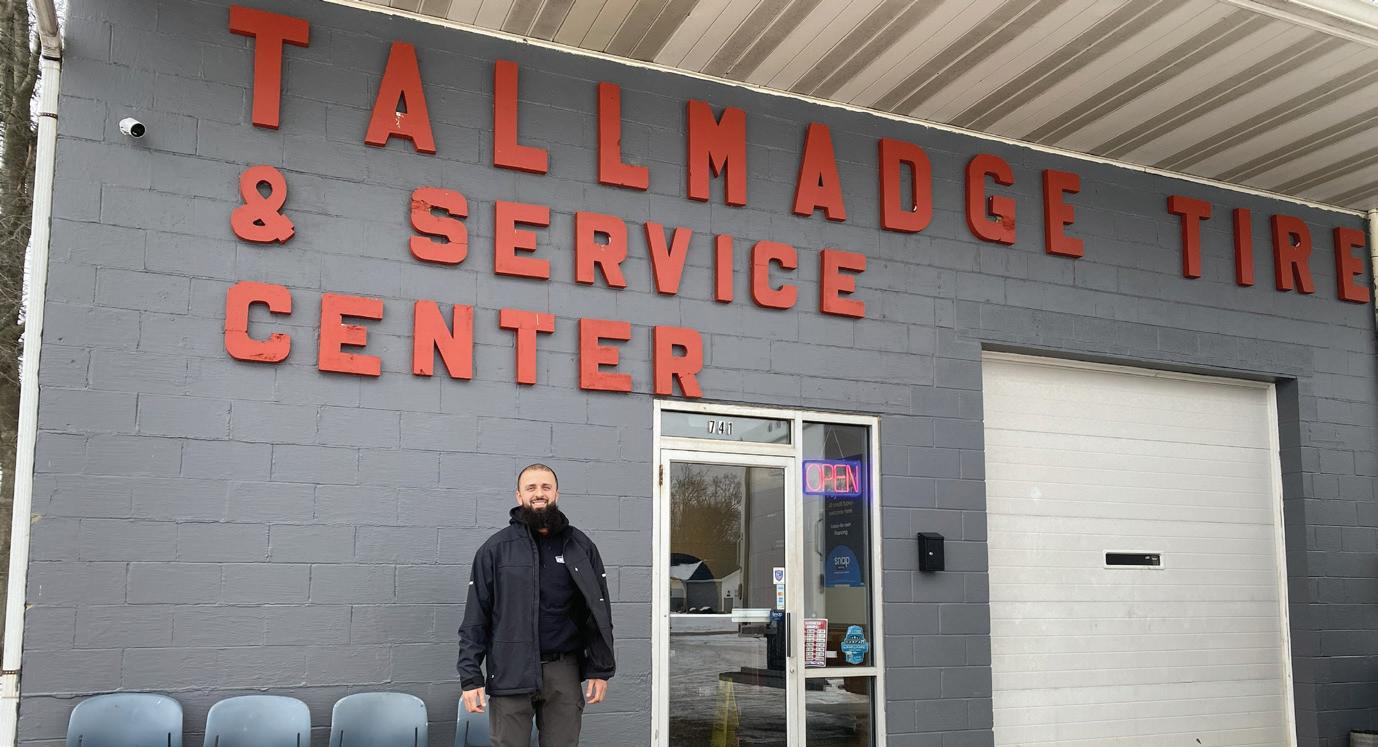
“I do think that it is a good thing to have an online presence, but also a physical place a person can go to,” says Ahmad Fares, co-owner of five Ohio Tire Bros shops.
Photo: MTD
fully into the tire and automotive repair business and Tallmadge Tire Bros became the group’s fifth location.
As Tire Bros has grown, the brothers have invested in making their website more functional. Using a third-party vendor, they’ve added tools that allow customers to shop for tires and wheels, view pricing, schedule appointments and access financing options online.
“In the world we live in today, everything is almost online,” says Ahmad “You even have some people who’ll make those appointments or inquire about tires and they don’t want to be called. They just shoot me a text or send me an email and that, to me, in today’s world, is very beneficial.”
Now customers can select tires, choose a convenient Tire Bros location, schedule an appointment and pay in advance online, but Ahmad doesn’t view e-commerce as a replacement for the in-store experience. “This is really just adding another layer to customer service,” he says.
Ahmad estimates about 80% of sales still happen inside the shop, with roughly 20% generated online. He’d like to see online usage grow, but he also recognizes that customers shop differently.
The company’s online wheel tools have been especially helpful. Customers can

Tire Bros
browse more options than a showroom can physically display and employees can direct shoppers to the site when they want to see styles, availability and pricing across the full scope of products that Tire Bros can stock.
“There are thousands of options of wheels. Online, (we can) show you everything we carry,” says Ahmad.
He believes being able to show customers a wider range of products online helps smaller stores compete with onlineonly sellers, while offering a local place to return to if something goes wrong.
Ahmad also says customers sometimes focus only on the online price of tires or wheels without factoring in mounting, balancing, disposal and other fees. He believes Tire Bros can offer a better balance — digital convenience backed by a physical store and people who can help.
“I do think that it is a good thing to have an online presence, but also a physical place a person can go to.” ■



















































































































THE MR. TIRE AND BIG 3 TIRE PROGRAMS ARE DESIGNED TO HELP YOU STRENGTHEN YOUR INDEPENDENT TIRE DEALERSHIP WITH THE TOOLS NEEDED TO REACH YOUR MAXIMUM POTENTIAL WITHOUT SURRENDERING YOUR IDENTITY.
The tire pressure monitor system on the 2025 Chevrolet Equinox RS warns the driver when a signi cant loss of tire pressure occurs in any equipped tire. e system also allows the driver to view individual tire pressures and their locations on the driver information center.
The system uses the body control module (BCM), driver information center, instrument cluster, remote function actuator module and a radio frequency-transmitting pressure sensor in each tire assembly. Each sensor has its own internal power supply.
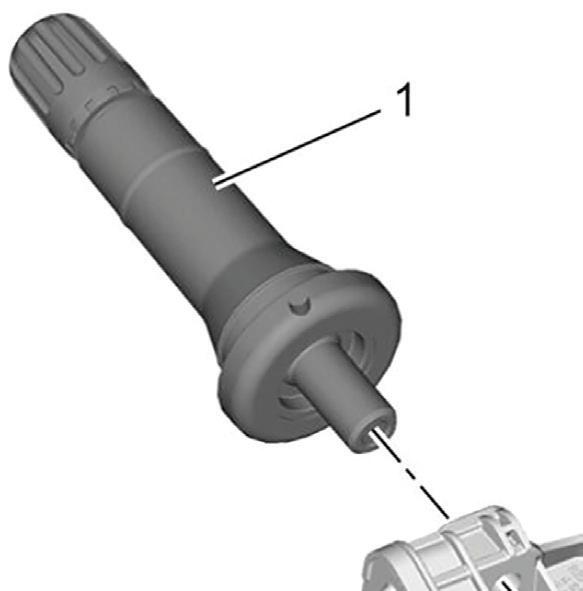

e Tire Fill Alert feature, if equipped, provides visual and audible alerts to help the driver in ate an underin ated tire to the recommended pressure without checking a gauge or instrument panel. When the driver begins lling the underin ated tire, the corner lamp nearest that tire flashes. When the recommended pressure is reached, the horn sounds once and the turn signal lamps stop ashing and brie y turn solid. If the tire is overinated by more than 5 psi, the horn sounds multiple times and the turn signal lamp continues to ash for several seconds a er lling stops.
Software Auto Learn, if equipped, uses information from the tire pressure sensor and the ABS system to determine sensor location. If a new sensor has been installed or the tires have been rotated, the vehicle must remain stationary for about 20 minutes before the system can begin calculating the correct sensor locations. e vehicle then must be driven faster than 12 mph for about 10 minutes.
When the vehicle is stationary, the sensor’s internal shock sensor is inactive, putting the sensors into a stationary state. In this state, the sensors sample tire pressure once every 30 seconds and do not transmit if tire pressure has not changed. As vehicle speed increases, the shock sensor pulses every wheel rotation, putting the sensor into rolling mode. Once vehicle speed is greater than 25 mph, the sensors begin transmitting once per minute to keep pressure data updated.
Each sensor has a unique identi cation code that must be learned into BCM

The fi rst step of installation is to remove the new bolt (3) from the new tire pressure indicator sensor (2) and pull the sensor straight off the new valve stem (1).
General Motors Company/Mitchell 1


When installing a new tire pressure indicator sensor, make sure there is a gap between the valve stem (1) and the tire pressure indicator sensor (2).
General Motors Company/Mitchell 1
memory. Once all four IDs have been learned and vehicle speed is greater than 25 mph, the BCM compares received IDs and pressure data with learned IDs and pressures to determine whether all four
sensors are present and whether one or more tires are low. If the BCM detects a low-pressure condition or system malfunction, it sends a serial data message to the instrument cluster requesting TPMS indicator illumination and, if equipped, a message on the driver information center.
The sensors continuously compare their last pressure sample with the current pressure sample and will transmit in alert mode if a 1.2-psi change in tire pressure is detected in either stationary or rolling state. If the system detects a signi cant loss or gain of tire pressure, the TPMS indicator icon remains illuminated and, if equipped, a check-tire-pressure message appears on the driver information center. e indicator and message can be cleared by adjusting tire pressures to the recommended pressure.
If power is disconnected from the BCM or the vehicle battery is disconnected, each tire pressure sensor ID is retained, but all tire pressure information is lost. In that case, vehicles equipped with a driver information center will display dashes, and a scan tool will show a default pressure value of 32 psi for each tire. To reactivate the sensors, the vehicle must be driven above 25 mph for at least two minutes.
If a TPMS diagnostic trouble code is set, the TPMS indicator on the instrument cluster will ash for about one minute and then remain illuminated for the rest of the key cycle. If the DTC remains a er the next key cycle and bulb check, the indicator will again ash for about one minute before staying illuminated. Any malfunction will cause the driver information center to display a service tire monitor system-type message.
Tire Pressure Sensor Learn with EL-52545, Preferred
e EL-52545 Tire Pressure Monitor Sensor and RF Diagnostic Tool allows tire pressure sensors to be learned without transmitting RF data between the tire pressure sensors and the vehicle. When using the EL-52545, each tire pressure sensor ID is learned to the tool and stored internally. e EL-52545 is then connected to the vehicle data link connector using the OBD2 Interface Module included with the EL-52545 kit. e stored sensor
information is then loaded into the K9 Body Control Module. GM recommends this method because it helps prevent the vehicle from learning an errant nearby tire pressure sensor from another vehicle in a service facility, especially when sensor batteries are low.
1. Turn on the EL-52545.
2. Select RDR from the on-screen display.
3. If available, scan the QR code on the vehicle’s tire placard or certification label. If a QR code is not available, select MMY from the on-screen display and manually input the vehicle information.
Make sure the TPMS tool battery is sufficient to complete the learn process. Do not place the tool directly on the valve stem. The tool should be placed against the tire sidewall near the valve stem. The sensor learn activation procedure may need to be repeated up to three times before determining a sensor is malfunctioning.
4. Starting with the left front tire, read each tire pressure sensor by pressing the green trigger button with the EL-52545 located near the tire valve stem. Read each tire pressure sensor in the order identified on the EL-52545.
If any sensors display “Sensor Not Compatible” on the EL-52545 screen, first make sure compatible sensors are installed on the vehicle.
5. If any tire pressure sensors do not respond, replace the sensor only after several attempts have been made to identify all sensors. An undetected sensor will be identified with “No Sensor Detected” displayed in the table. Once the sensors have been replaced, rerun the
RDR procedure.
6. Verify the BAT value for each tire pressure sensor in the table on the EL-52545 is OK. If the value is not OK, replace the tire pres sure sensor and rerun the RDR procedure.
7. Verify the pressure and temperature values are reasonable based on ambient conditions and 8. 9. 10. 11.
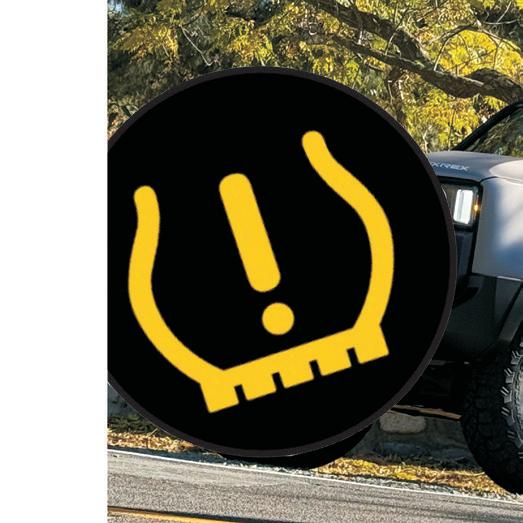
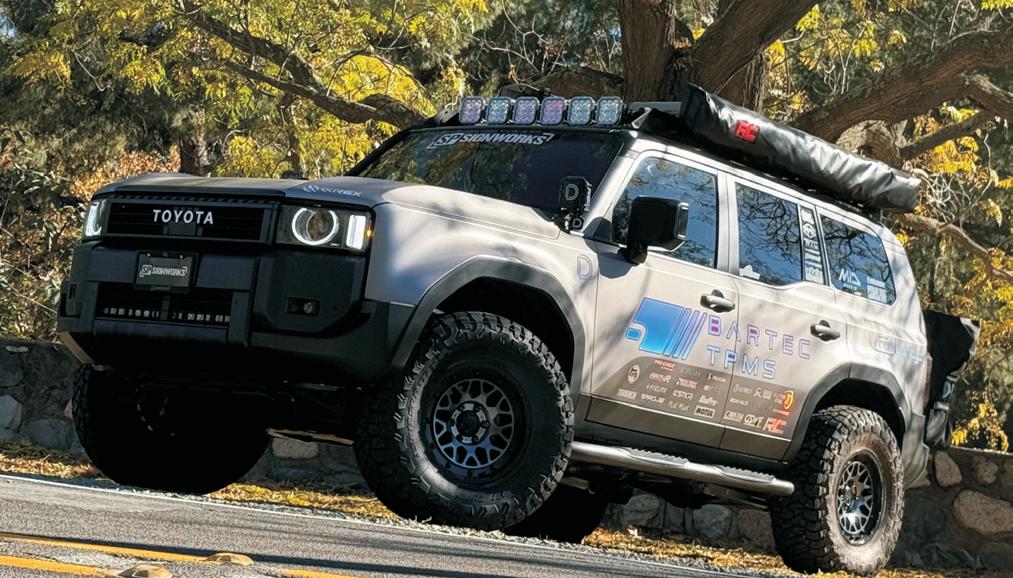

12. Select OK on the EL-52545 and follow the on-screen instructions.
Tire Pressure Sensor Learn with EL-50448, Alternative
When the EL-50448 Tire Pressure Monitor Sensor Activation Tool is used in activate mode, it produces a low-frequency transmission that activates the sensor. The sensor responds by transmitting in learn mode. When the BCM receives the learn mode transmission while in learn mode, it assigns that sensor’s ID to the vehicle location based on the order in which it was learned.
If a particular sensor is activated and the horn does not chirp, it may be necessary to rotate the wheel so the valve stem is in a different position because the sensor signal may be blocked by another component.


1. Turn ignition on/vehicle in service mode. Using the driver information center buttons or a scan tool, if available, initiate Tire Pressure Sensors Learn mode. A double horn chirp will sound, indicating learn mode has been enabled. e le front turn signal will also be illuminated.
2. Starting with the left front tire, activate the sensor by holding the antenna of the tire pressure monitor activation tool aimed upward against the tire sidewall close to the wheel rim at the valve stem location. Press and release the activate button. Make sure the transmit indicator on the tool shows that the sensor activation signal is being transmitted. Wait for a horn chirp. If the horn does not chirp, repeat the activation sequence.
3. A er the horn chirp sounds and the right front turn signal is illuminated, repeat the procedure for the remaining sensors in this order: right front, right rear and le rear.
4. When the le rear sensor has been learned and a double horn chirp has sounded, the learn process is complete and the BCM exits learn mode.
SENSOR REPLACEMENT
Single-Use Fasteners and Components e tire pressure indicator sensor bolt and valve stem are single-use components. Whenever the tire pressure indicator sensor is removed from the rim, install a new valve stem and a new bolt. Do not reuse the old parts.
Removal Procedure
1. Raise and support the vehicle.
2. Remove the tire and wheel assembly.
3. Dismount the tire from the wheel.
4. If tire sealant was used or found inside the tire/wheel, use mild dish soap, clean water and shop cloths to remove the sealant residue from the tire and wheel surfaces.
5. Use a suitable tool inserted into the hole of the valve stem to prevent it from rotating.
6. Remove and discard the tire pressure indicator sensor bolt.
7. Remove the tire pressure indicator sensor by pulling it straight o the valve stem.
8. Remove and discard the valve stem by pulling it through the wheel.

Do not scratch or damage the clear coating on aluminum wheels with tire-changing equipment. Scratching the clear coating could cause the aluminum wheel to corrode and the clear coating to peel from the wheel.
Installation Procedure
Never install the tire pressure indicator sensor on unapproved wheel rims. Before installation, verify the orientation of the valve stem for the correct position of the tire pressure indicator sensor.
1. Remove the new bolt from the new tire pressure indicator sensor and pull the sensor straight o the new valve stem.
2. Apply lubricant to the new valve stem.
3. Using a tire valve stem installation tool, pull the valve stem through in a direction parallel to the valve hole on the wheel.
4. Make sure the at of the valve lines up with the ats of the snap in the enclosure.
5. Assemble the tire pressure indicator sensor to the new valve stem.
6. Use a suitable tool inserted into the hole of the valve stem to prevent it from rotating.
7. Install and tighten the new tire pressure indicator sensor bolt.
8. Check that the valve stem is concentric and completely seated in the valve stem hole of the wheel.
9. Make sure there is a gap between the valve stem and the tire pressure indicator sensor.
e tire should not contact the tire pressure indicator sensor during installation to prevent damage to the sensor.
10. Mount the tire to the wheel.
11. In ate the tire to the speci ed pressure listed on the tire placard.
12. Install the new dust cap.
13. Install the tire and wheel assembly.
14. Perform the tire pressure indicator sensor learn procedure.
15. Remove the support and lower the vehicle. ■
Information for this column comes from the tire pressure monitoring systems data in ProDemand, Mitchell 1’s auto repair information software for domestic and import vehicles. Headquartered in San Diego, Mitchell 1 has provided quality repair information solutions to the automotive industry since 1918. For more information, visit www. mitchell1.com.






And Muscle Without the




The BendPak RWS-200WL batterypowered wheel lift is engineered to tackle the heavy lifting of tires and wheels, significantly reducing technician fatigue and workplace injuries. With a robust 200-lbs . of lifting capacity, precision lithium-ion powered actuator, and rugged steel construction, it offers cordless






• Rechargeable 24V lithium-ion battery













• Ideal for removing and installing heavy wheels on vehicles raised on car lifts or floor jacks





• Integrated smart charger that accepts 110–240V AC input
• Onboard 12V accessory outlet
















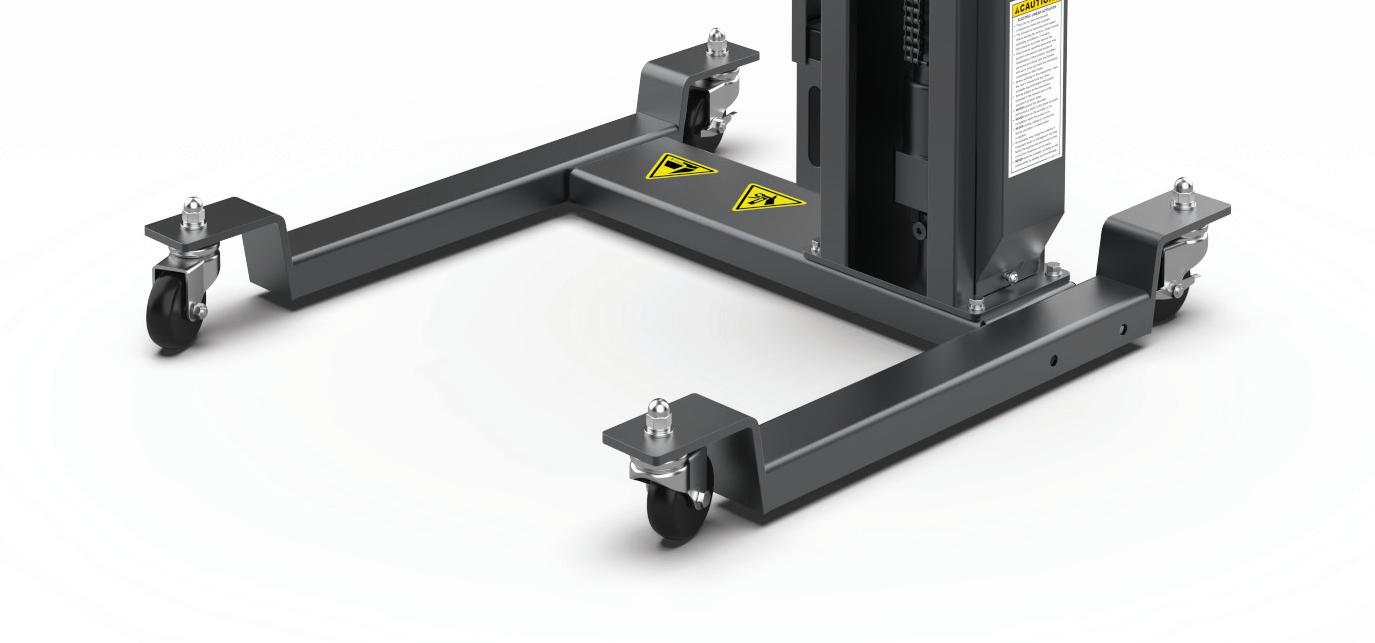

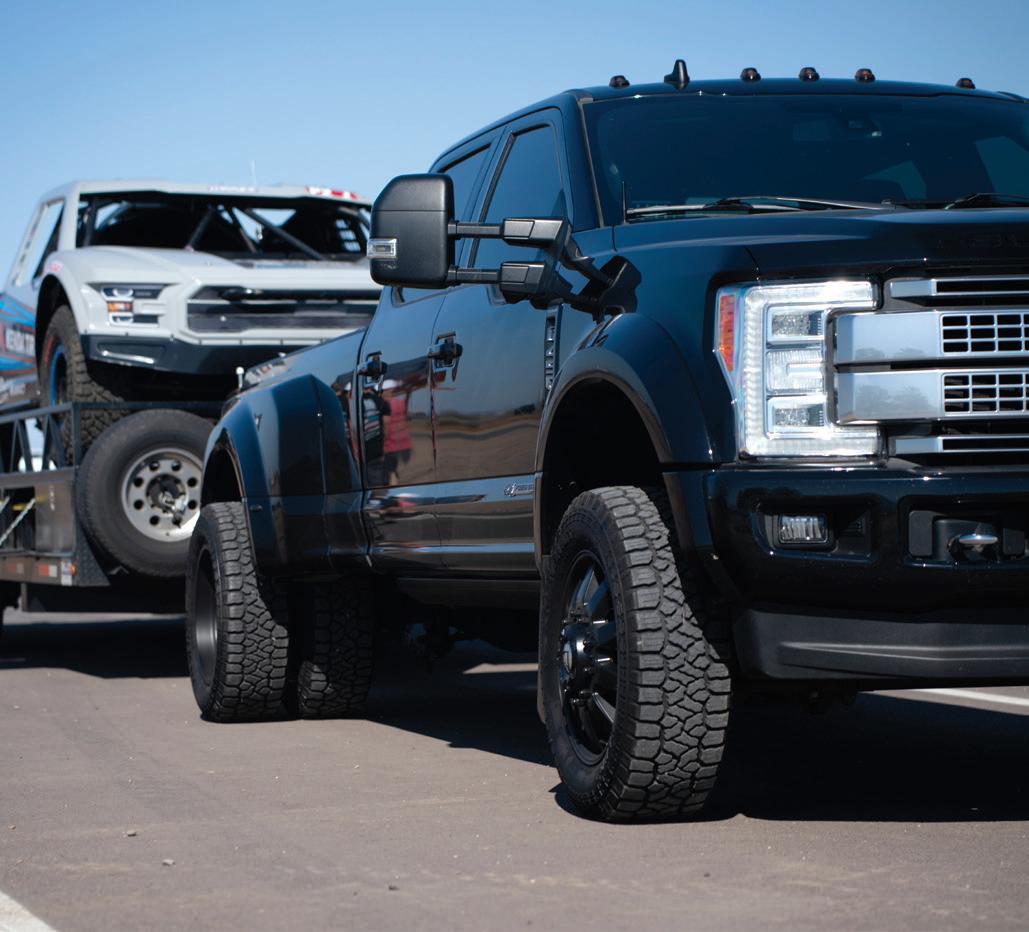
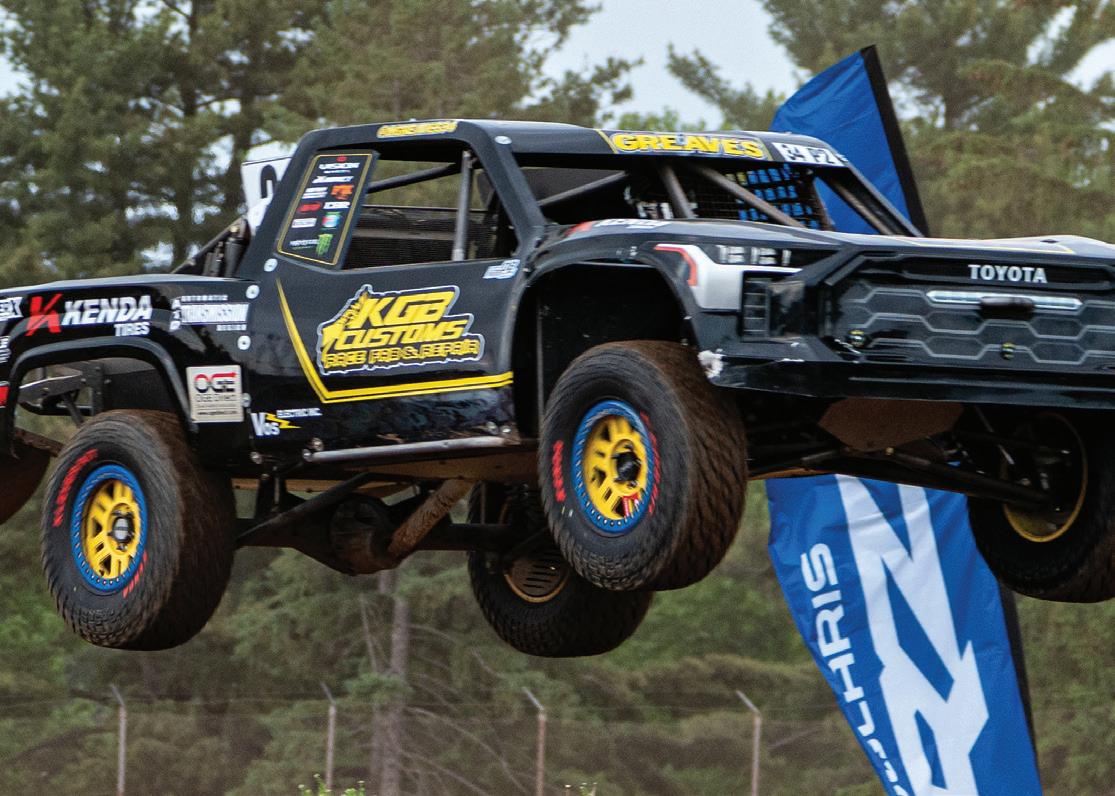
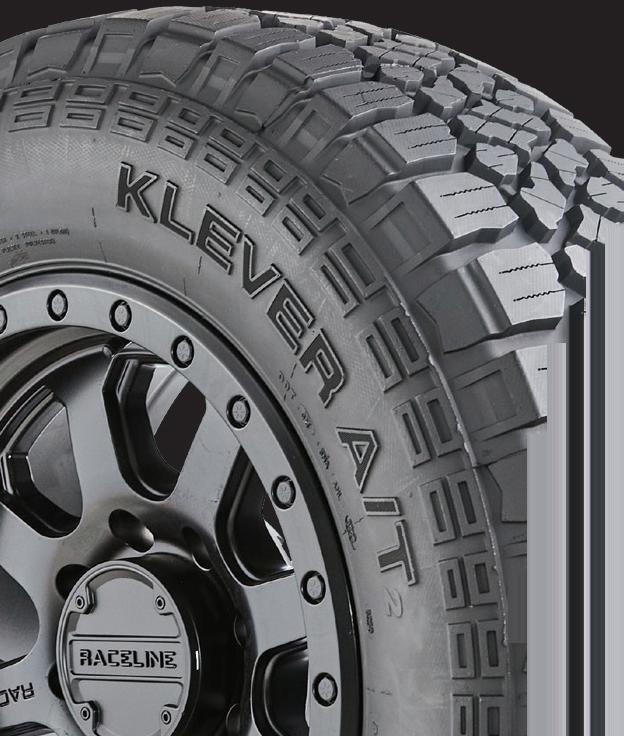
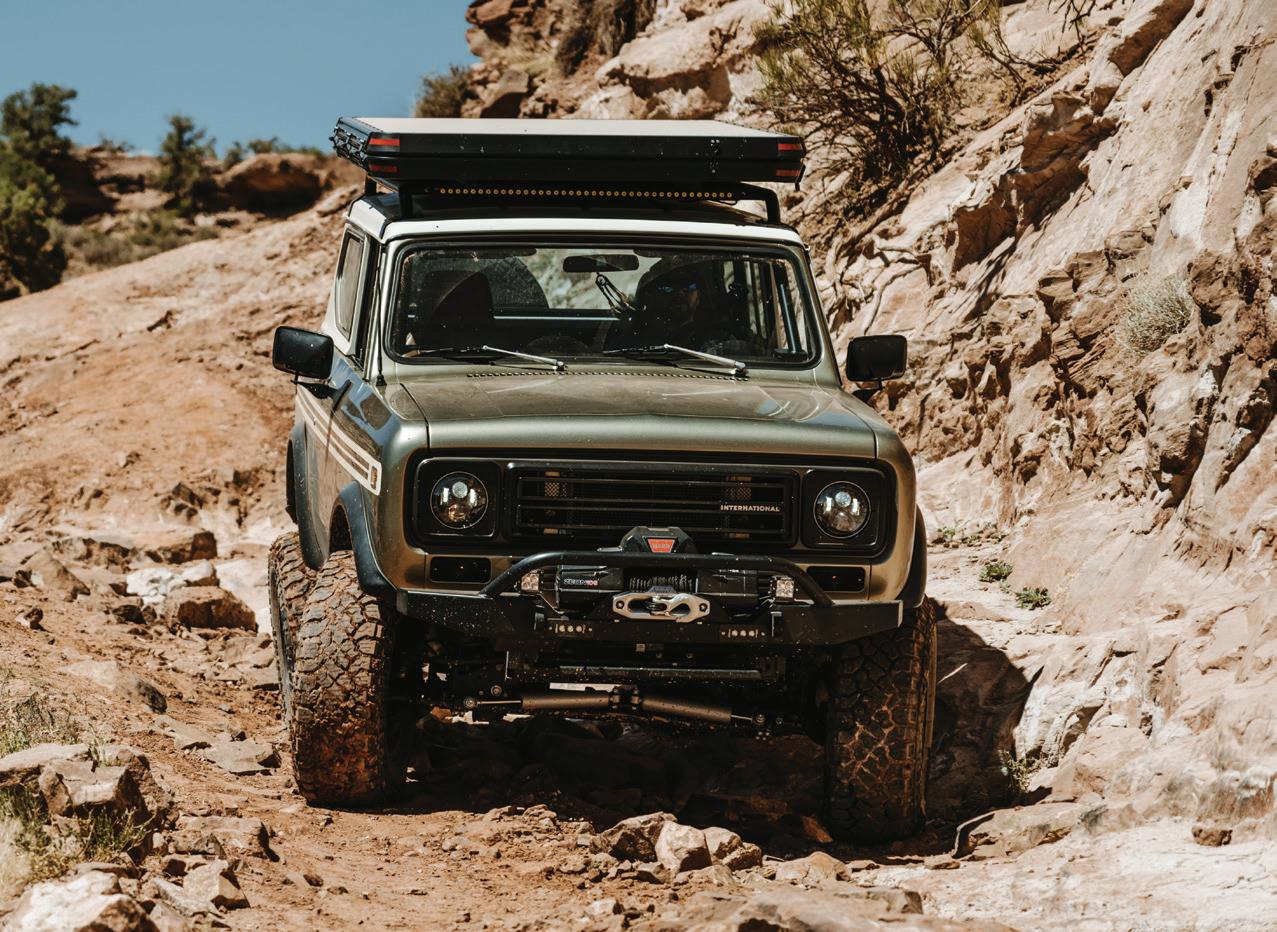
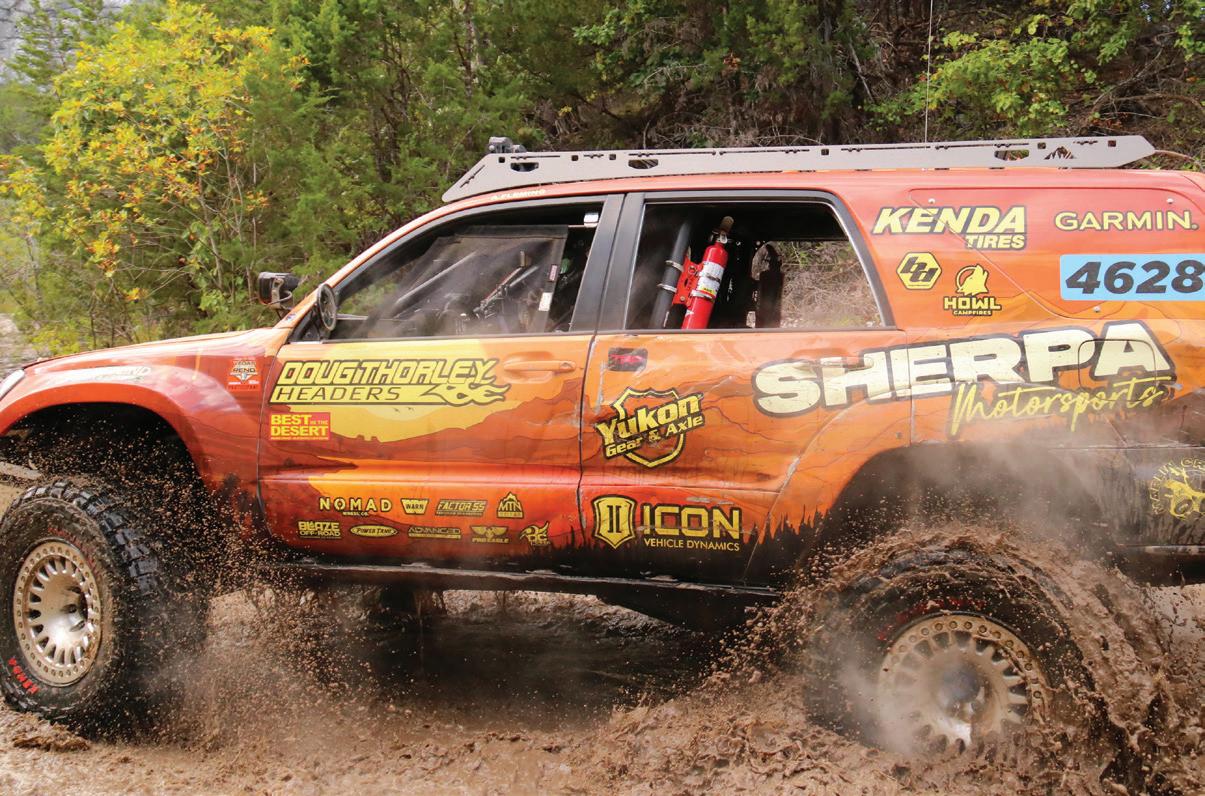
Wherever you drive, confidence matters. Kenda’s KLEVER tire range delivers dependabale handling on the road and relentless traction when the pavement ends. From grueling commutes and butt-puckering trails to high speed pro racing, KLEVER tires are engineered to deliver performance you can count on. Find the performance you need at kendatire.com
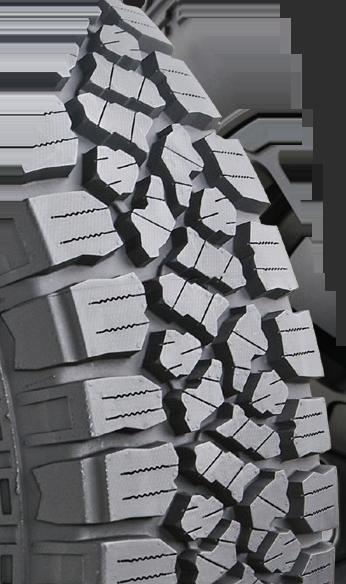

































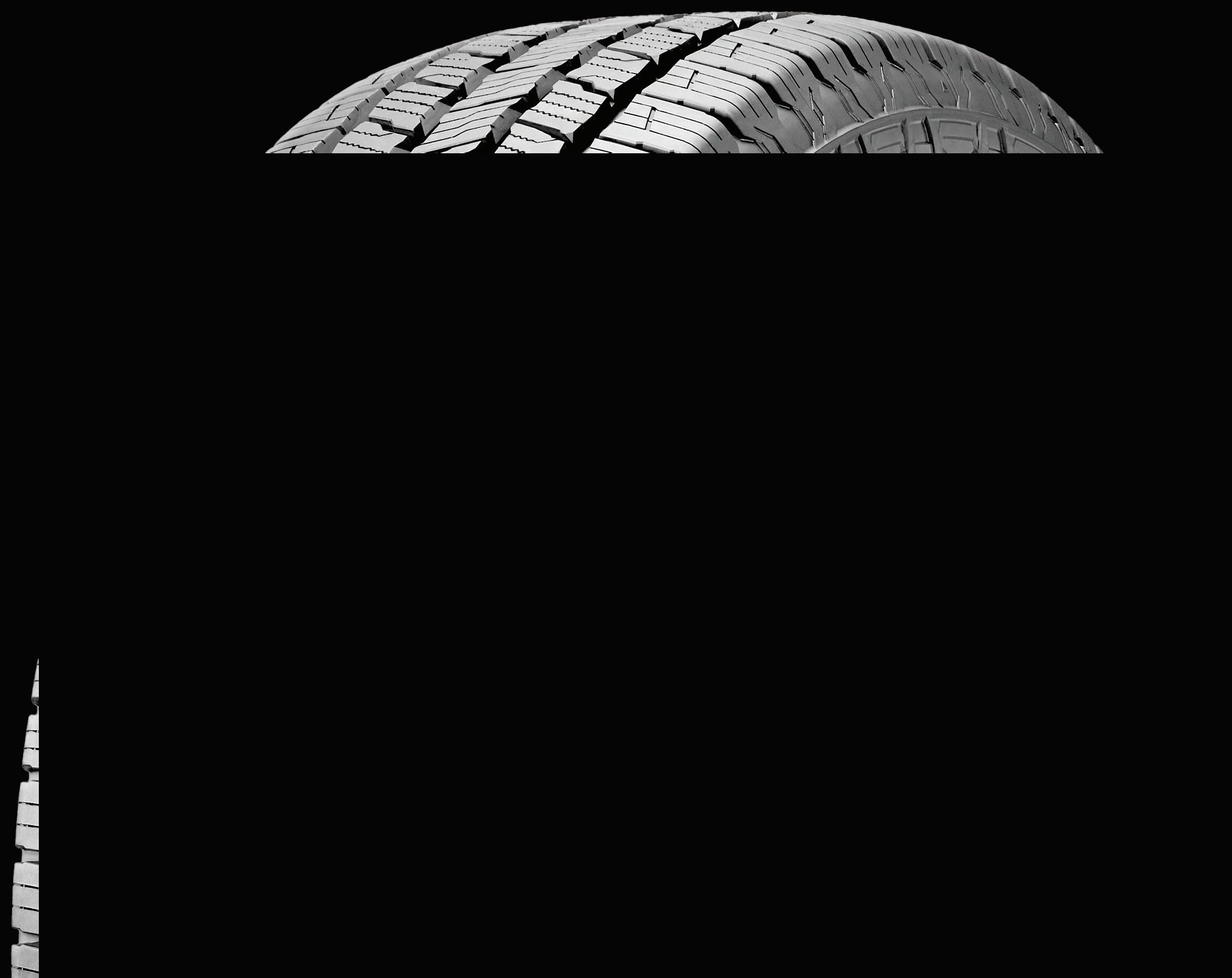
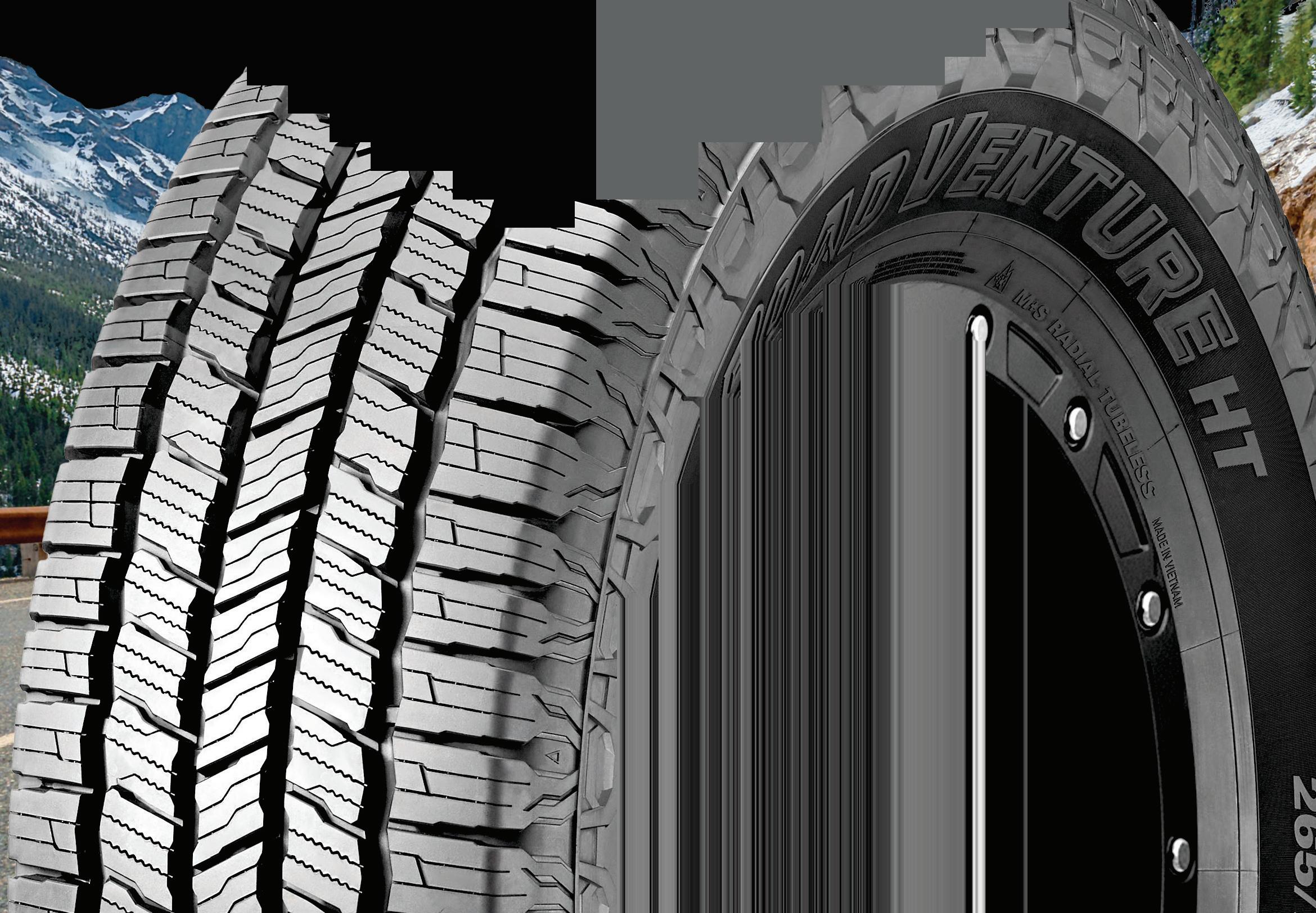










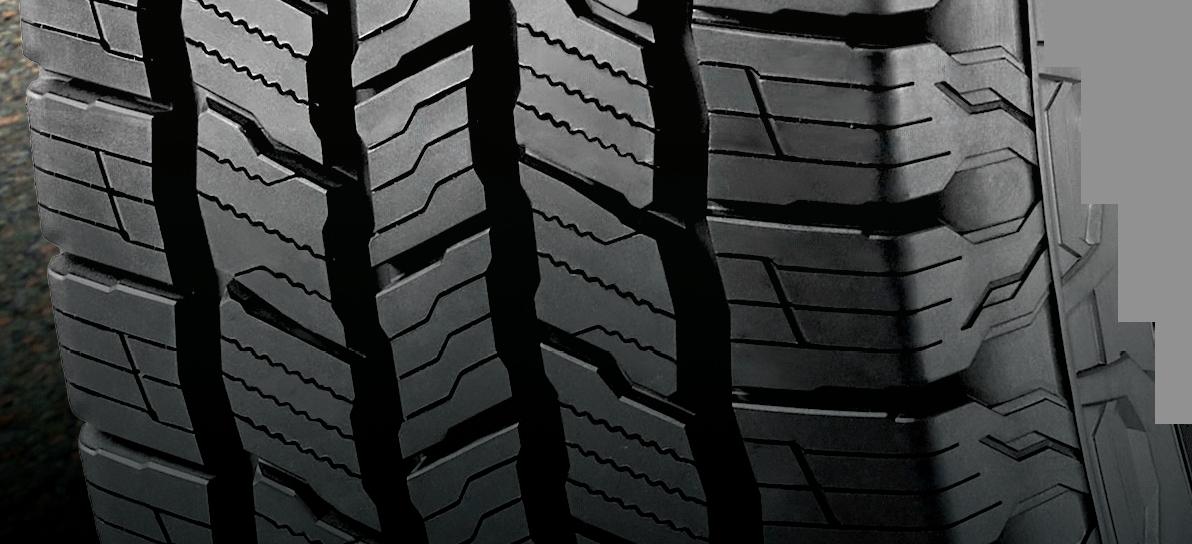






























































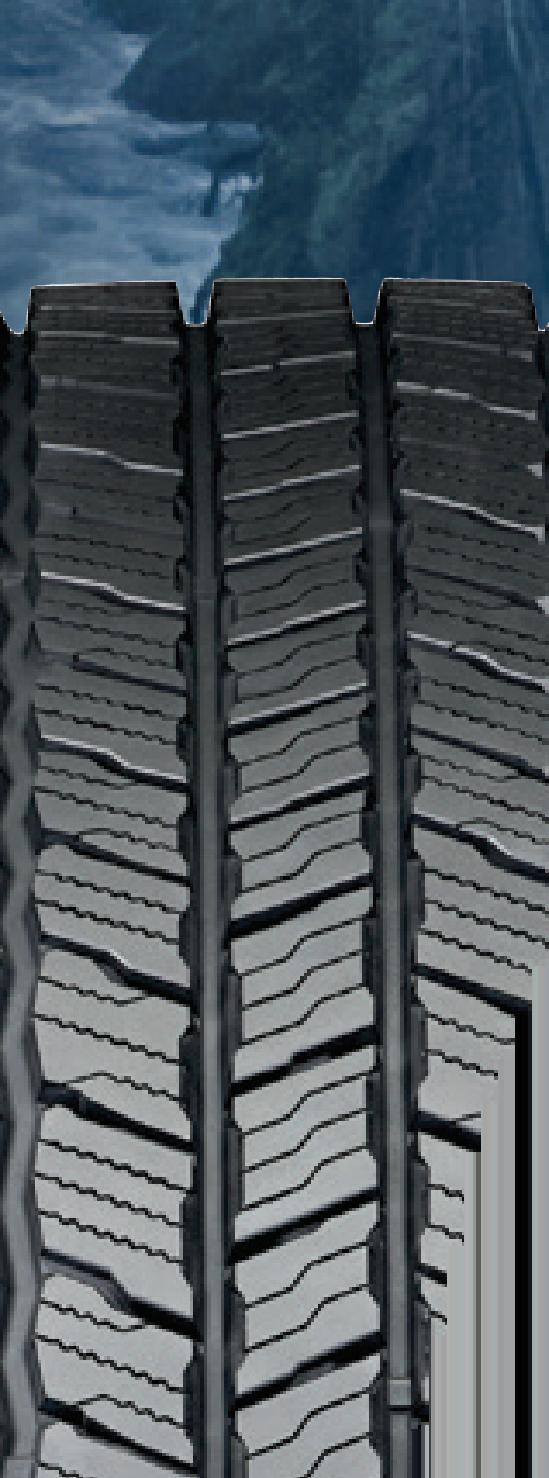














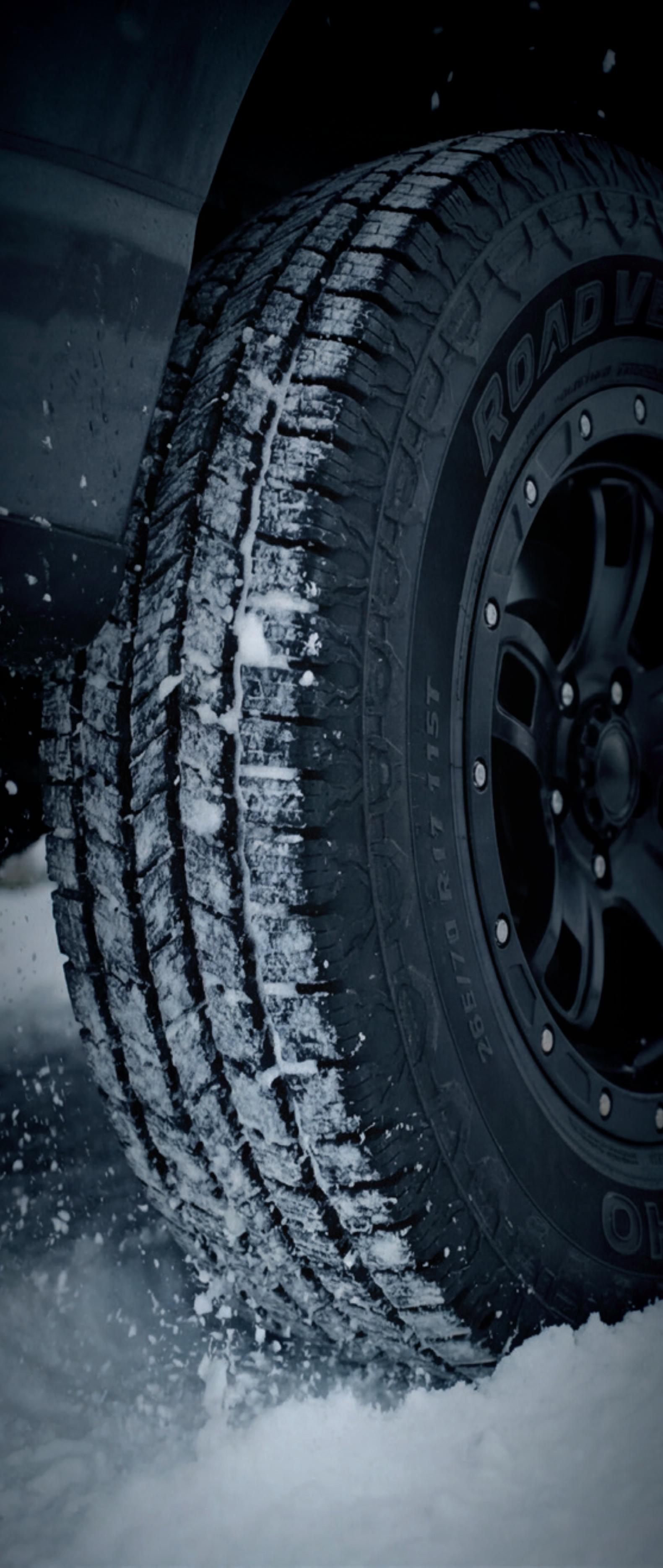





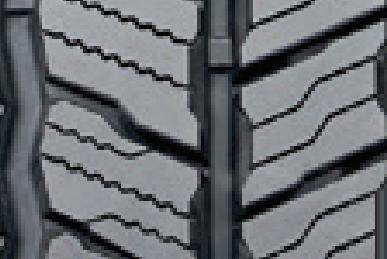



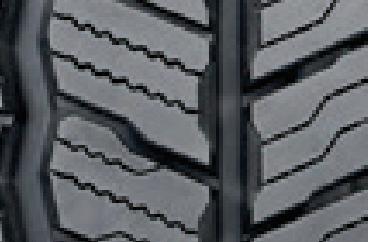




















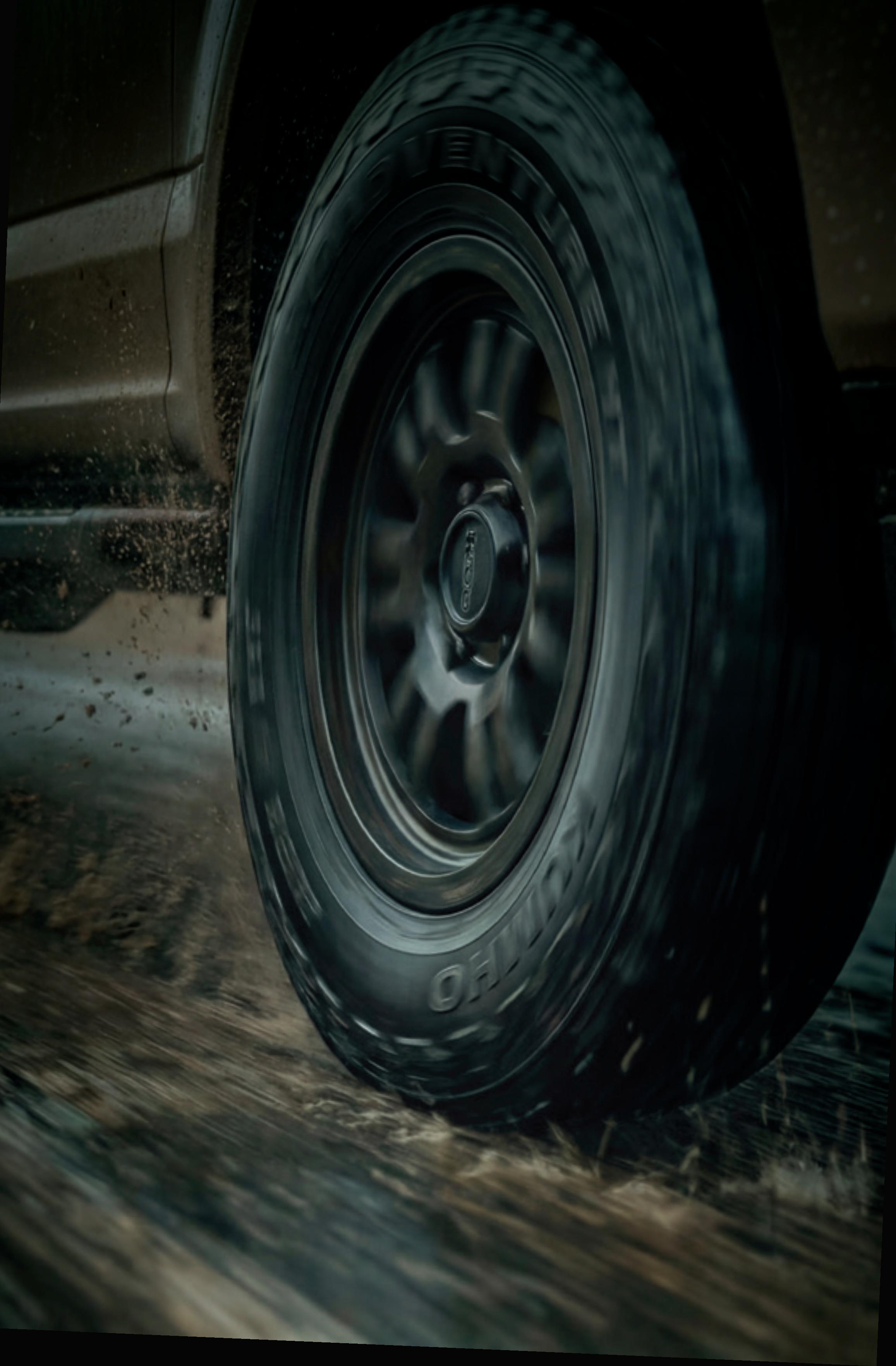








































































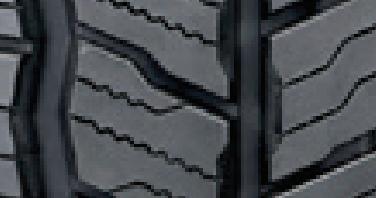









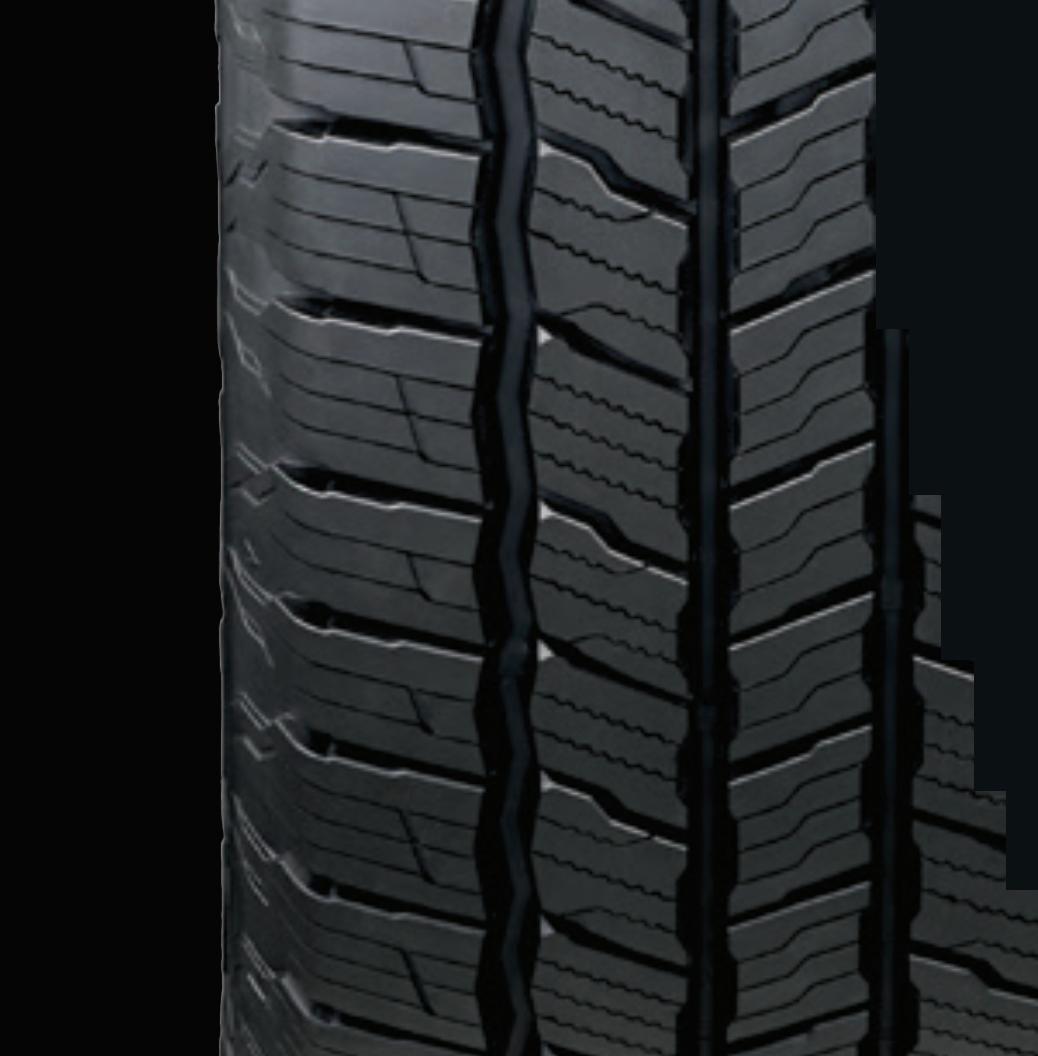
















































































Theall-newRoadVentureHTdeliversthebestofallworlds—extendedtreadlife,exceptionalwetperformance, comfortandquieton-roadandEVcompatibility.Aone-of-a-kindinits’categorywithexceptionalsnow performanceandathree-peakmountaincertification.Engineeredforconfidenceandreliability,it’s designedtoperformatitspeakwherevertheroadtakesyou,inanycondition.

Scan to discover more features & size availability at Kumhotire.com.