Welcome to the February 2023 issue of





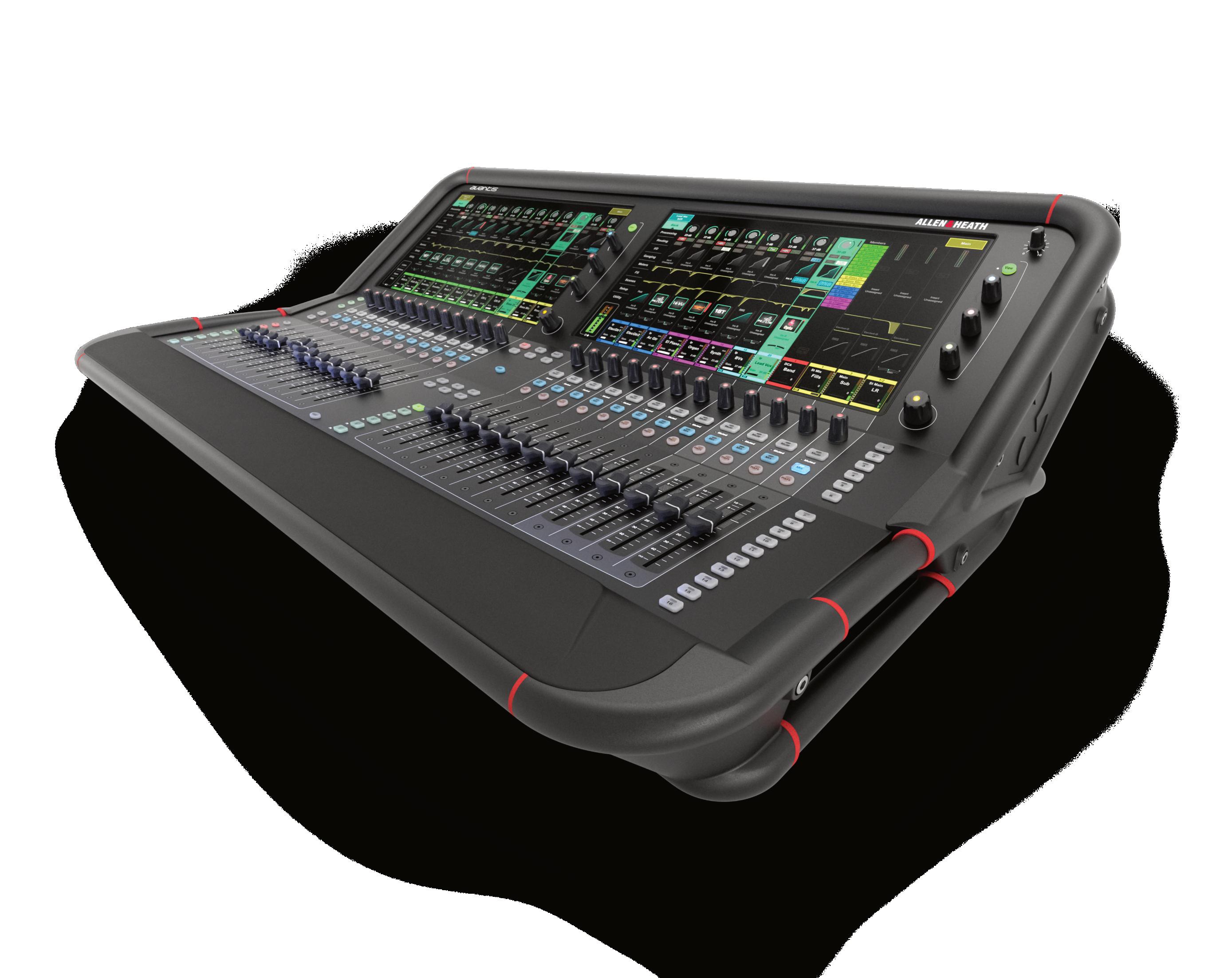
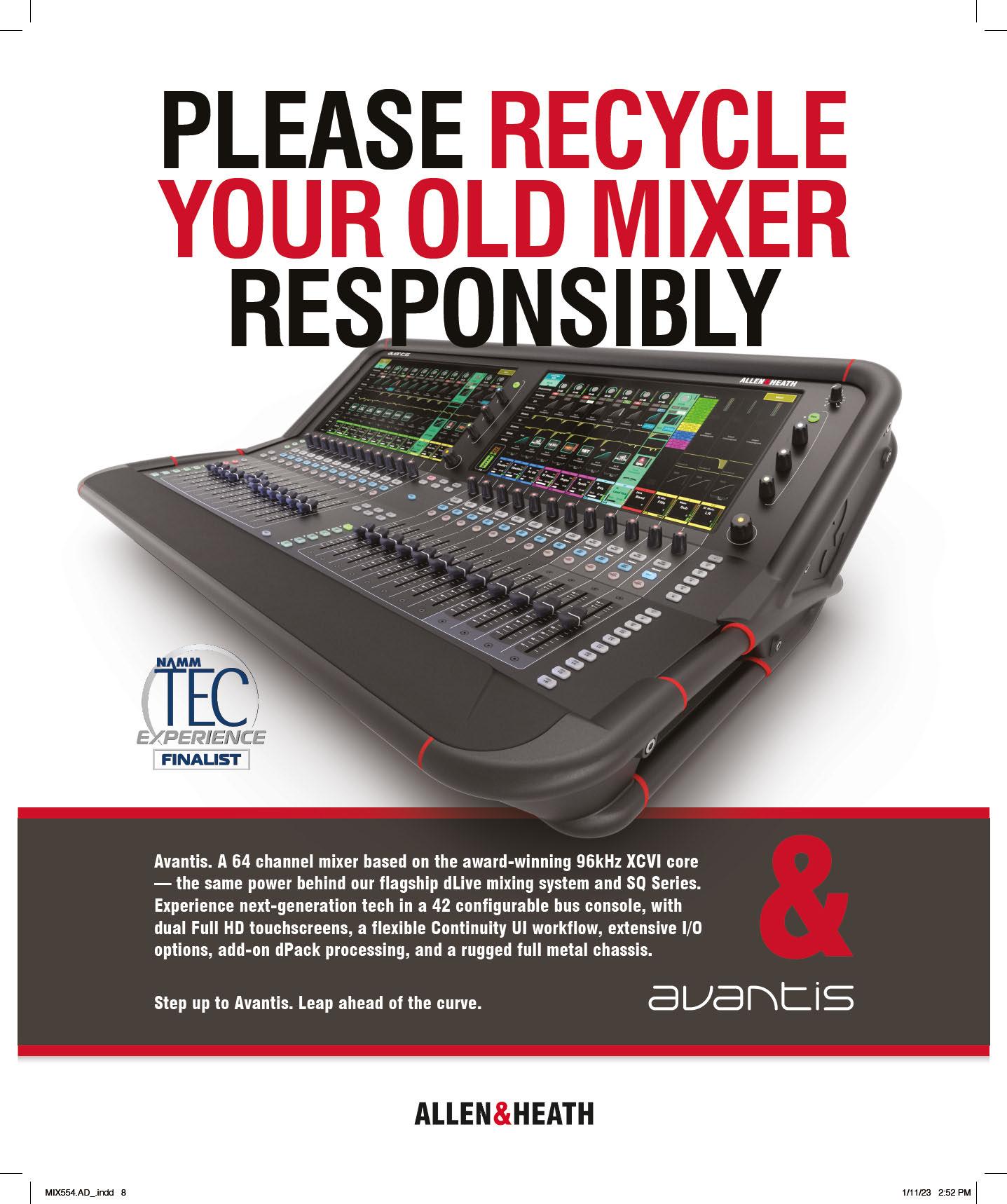
Avantis.A64channelmixerbasedontheaward-winning96kHz XCVI core —thesamepowerbehindourflagshipdLivemixingsystem andSQ Series. Experiencenext-generationtechina42configurablebusconsole,with dualFullHDtouchscreens, a flexibleContinuityUI workflow,extensiveI/O options,add-on dPack processing,andaruggedfullmetalchassis. StepuptoAvantis.Leapaheadofthecurve. PLEASE RECYCLE YOUROLDMIXER RESPONSIBLY
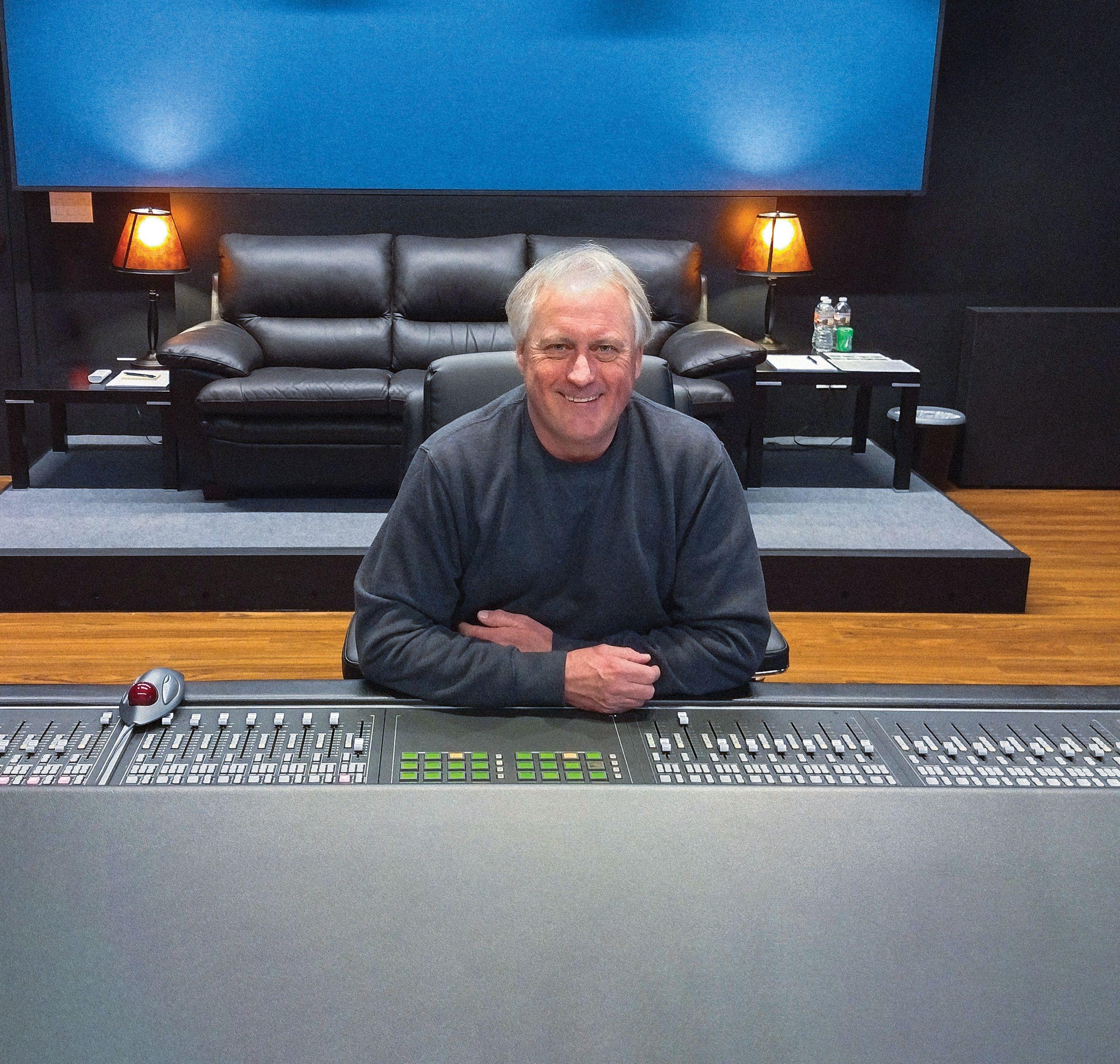

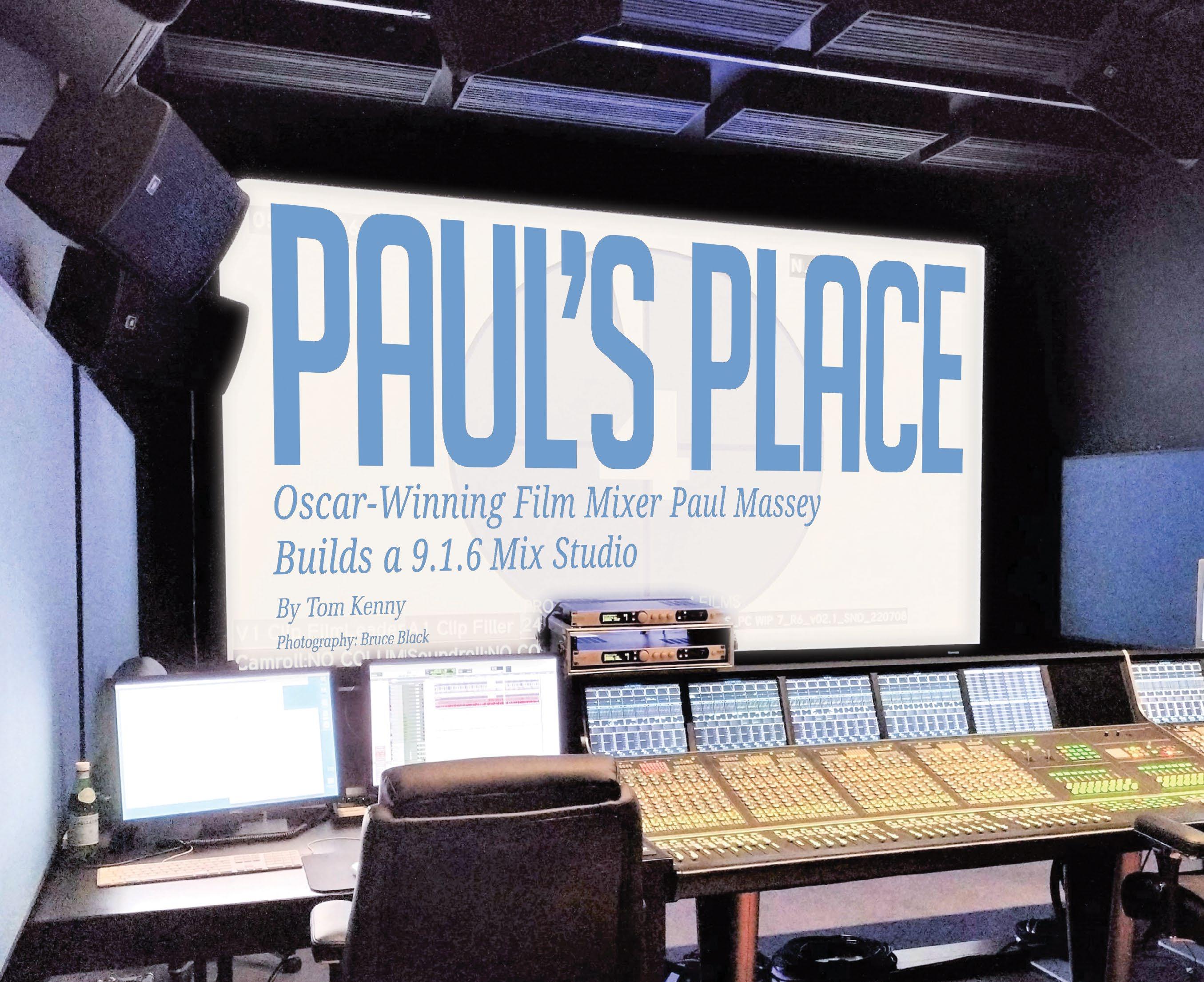
Joe Henry: ‘All The Eye Can See’ ★ Tape ‘Remediation’ With Iron Mountain ★ Philharmonic Studios, Chicago February 2023 \\ mixonline.com \\ $6.99 > Frank Gallagher: ‘Soundman Confidential’ Talks Talking Heads, B-52’s > MAX on Tour > Mixing Courtney Barnett THE NEW HOME OF MUSIC PRODUCTION • LIVE SOUND • SOUND FOR PICTURE REVIEWED • Neumann M 49 V Mic • iZotope RX 10 Advanced • Sonible Metering Bundle • AudioBox Go • Plugin Alliance The Oven OSCAR-WINNING FILM MIXER PAUL MASSEY BUILDS A 9.1.6 MIX STUDIO PAUL’S PLACE
MIX | FEBRUARY 2023 | mixonline com 4 MUSIC 14 Greg Miner’s Philharmonic Studios, Chicago BY STEVE HARVEY 16 News & Notes 18 Classic Tracks: ‘Independence Day,’ Martina McBride LIVE SOUND 22 Soundman Confidential Tells All BY CLIVE YOUNG 23 News & Notes: Casino Adds EAW; Minnesota Wild Install Meyer Panther; MAX Live; Mixing Courtney Barnett TECHNOLOGY 38 Tech Spotlight: Audio Interfaces 40 New Products 42 Review: Neumann M 49 V Microphone BY BARRY RUDOLPH 44 Review: iZotope RX 10 Advanced BY MICHAEL COOPER 46 Review: Sonible Metering Bundle BY MIKE LEVINE 48 Review: PreSonus AudioBox Go BY MIKE LEVINE 48 Review: The Oven BY MIKE LEVINE On the Cover: Three-time Oscar-winning film re-recording mixer Paul Massey has just moved into his new 9.1.6 mix studio, based around a Harrison MPC5 console and JBL/Meyer Sound monitor system, with acoustic design by Bruce Black and system integration by AID. Photo: Bruce Black. DEPARTMENTS 08 From the Editor: (Re) Discovering Why I Love Music 10 View From the Top: Mojave MA-D 12 Current: Industry News 50 Open Channel: You Matter. Yes, You. BY CRAIG ANDERTON 26 Paul’s Place: OscarWinning Film Mixer Builds His Own 9.1.6 Studio BY TOM KENNY 30 Iron Mountain and Remediation: Preserving the Analog Tape Legacy BY STEVE HARVEY 34 All the Eye Can See: Joe Henry Forges a New Path BY
SCHULTZ FEATURES PRESENTED BY 22 34 02.23 Contents Volume 47, Number 2 Mix, Volume 46, Number 2 (ISSN 0164-9957) is published monthly by Future US, Inc., 130 West 42nd Street, 7th Floor, New York, NY 10036. Periodical Postage Paid at New York, NY, and at additional mailing offices. POSTMASTER: Send address changes to Mix, PO Box 8518, Lowell, MA 01853. One-year (12 issues) subscription is $35. Canada is $40. All other international is $50. Printed in the USA. Canadian Post Publications Mail agreement No. 40612608. Canada return address: BleuChip International, P.O. Box 25542, London, ON N6C 6B2.
BARBARA
CONTENT
VP/Content Creation Anthony Savona
Content Directors Tom Kenny, thomas.kenny@futurenet.com Clive Young, clive.young@futurenet.com
Senior Content Producer Steve Harvey, sharvey.prosound@gmail.com
Content Manager Anthony Savona, anthony.savona@futurenet.com
Technology Editor, Studio Mike Levine, techeditormike@gmail.com



Technology Editor, Live Steve La Cerra, stevelacerra@verizon.net
Contributors: Craig Anderton, Barbara Schultz, Barry Rudolph, Robyn Flans, Rob Tavaglione, Jennifer Walden, Tamara Starr
Production Manager Nicole Schilling
Managing Design Director Nicole Cobban
Design Directors Will Shum and Lisa McIntosh
ADVERTISING SALES

VP/Market Expert, AV/Consumer Electronics & Pro Audio Adam Goldstein, adam.goldstein@futurenet.com, 212-378-0465
Janis Crowley, janis.crowley@futurenet.com
Debbie Rosenthal, debbie.rosenthal@futurenet.com
Zahra Majma, zahra.majma@futurenet.com
SUBSCRIBER CUSTOMER SERVICE
To subscribe, change your address, or check on your current account status, go to mixonline.com and click on About Us, email futureplc@computerfulfillment.com, call 888-266-5828, or write P.O. Box 8518, Lowell, MA 01853.
LICENSING/REPRINTS/PERMISSIONS

Apps and websites mentioned in this publication are not under our control. We are not responsible for their contents or any other changes or updates to them. This magazine is fully independent and not affiliated in any way with the companies mentioned herein.
If you submit material to us, you warrant that you own the material and/or have the necessary rights/ permissions to supply the material and you automatically grant Future and its licensees a licence to publish your submission in whole or in part in any/all issues and/or editions of publications, in any format published worldwide and on associated websites, social media channels and associated products. Any material you submit is sent at your own risk and, although every care is taken, neither Future nor its employees, agents, subcontractors or licensees shall be liable for loss or damage. We assume all unsolicited material is for publication unless otherwise stated, and reserve the right to edit, amend, adapt all submissions.
We are committed to only using magazine paper which is derived from responsibly managed, certified forestry and chlorine-free manufacture. The paper in this magazine was sourced and produced from sustainable managed forests, conforming to strict environmental and socioeconomic standards.
STAY
TOP
THE
You'll receive * A 5x/week snapshot of news from Mix, Pro Sound News and other leading sources. * Summaries of what matters to you, written by expert editors to save you time and keep you informed and prepared. Sign up today at mixonline.com under Newsletter MIX SMARTBRIEF
47 Number 2 February 2023
THE SMARTER WAY TO
ON
OF
PRO AUDIO INDUSTRY
Vol.
mixonline.com
FOLLOW US twitter.com/Mix_Magazine facebook/MixMagazine instagram/mixonlineig
Vice President
Chief Revenue Officer,
Vice President, B2B Tech Group
Vice
Sales, B2B Tech Group
Future US LLC, 130 West 42nd Street, 7th Floor, New York, NY 10036 All contents ©2023 Future US, Inc. or published under licence. All rights reserved. No
Mix is available for licensing. Contact the Licensing team to discuss partnership opportunities. Head of Print Licensing: Rachel Shaw, licensing@futurenet.com MANAGEMENT Senior
Group Elizabeth Deeming
B2B Walt Phillips
Carmel King
President,
Adam Goldstein Head of Production US & UK Mark Constance Head of Design Rodney Dive FUTURE US, INC.
part of this magazine may be used, stored, transmitted or reproduced in any way without the prior written permission of the publisher. Future Publishing Limited (company number 2008885) is registered in England and Wales. Registered office: Quay House, The Ambury, Bath BA1 1UA. All information contained in this publication is for information only and is, as far as we are aware, correct at the time of going to press. Future cannot accept any responsibility for errors or inaccuracies in such information. You are advised to contact manufacturers and retailers directly with regard to the price of products/services referred to in this publication.

From the Editor
(Re)Discovering Why I Love Music
I’ve had a whole lot of fun listening to music lately, and it all started about three or four months ago when my daughter Jesse sent a group email to me, my other daughter (and her sister), Molly, and her husband, Nick, along with her godfather, my best buddy Dave, who would be joined by his wife, Emily, as a teammate. The email said, “Hey everyone, John (her longtime partner) and I were wondering if you would all like to join a music league with us. We’re in one right now with John’s friends. It’s free, it doesn’t take a huge obligation, and it’s super-fun! We could call our league Fam Jams. Here’s how it works…”
It’s not that I hadn’t been listening to music, or that I no longer enjoyed it. I put on tunes when friends come over, and it’s always in the background at family gatherings. I click on files sent to me from both PR agencies and friends, and I would open YouTube videos if I had a question about an artist or if a song just popped into my head. Then I’d go right back to work.
The problem is I work from home in front of a laptop screen all day, and have for the past six years. There’s no time alone in the car during the commute, and no more discussions around the conference table with fellow editors. No more Sunday brunches with my teenage girls while listening to Billie Holiday. A large majority of my CDs are now in boxes on a shelf. When the laptop lid closes each night and I begin to make dinner, I find myself much more likely to turn on the Warriors game than pop in Blonde on Blonde.
Music, I would come to realize, was no longer built into my daily rhythms and routines, and it had been drifting away slowly for a while.
Then Jesse sent the email about creating a music league, so I downloaded an app to my iPad and pulled out my four-speaker Harman Kardon Bluetooth monitor. It’s not hi-res by any means, but that’s not the point. I can go to another room for that. For the past four months, I’ve had a total blast in both discovering new music and rediscovering artists from my past. I spend hours going down wonderful rabbit holes, in search of another song. I send text messages to my brothers about a song we both love, and phone conversations with those in our league will inevitably end up revolving around the current week’s theme. I love it! So here’s how it works…
Music League is an app that’s somehow associated with Spotify; I don’t know if the one owns the other, and I don’t really care (other than the fact that it’s awfully hard to find a Neil Young song to submit when you really want to). Somebody in each group serves as the League’s administrator and sets up the parameters for Number of Rounds, the weekly Theme, and the number of Points allotted each Round for voting. Then each member is notified that they have a week to submit a song based on that week’s Theme. Once everyone has
submitted a song, a playlist is generated and each member assigns points to each song, except, of course, for their own. Everything is kept anonymous until all the votes are in and you find out who won the Round.
In our case, Jesse was the Administrator and set Fam Jams up as a six-member, eight-round league, with 10 points each week for voting. Our Themes included Open Season Thanks, Mom and Dad, Grrrl Power, Location, A Family Affair, Current Obsession and a couple of others. With five songs and only 10 points to spread around, you quickly learn that if one song gets a 4, then someone else is probably going to get a 1.
But it’s not about the competition. I didn’t even realize until after Round 3 that there was a tab to click on for the running total. It’s about the conversations, the comments, the strategy, the hours spent digging into Bruce Springsteen to find the right Deep Cut.. It’s about the emotion and memories we attach to a song. It’s about trying to figure out who submitted what while voting, later to find out you were wrong. It’s about the pride in learning that it was your daughter who won that week with Stevie Wonder’s 1995 live version of “Livin’ in the City,” or that your other daughter won for The Tragically Hip’s “Bobcaygeon.”
It pains me that Spotify underpays artists and producers, and I’m fully aware that I’ve been listening mostly on a Bluetooth speaker. But the joy I’ve had these past few months has nothing to do with bit rates or Atmos, and everything to do with memory, emotion and (re)discovery. Music is art, and good art moves us, no matter the medium.
In this issue, Kelly Pribble, director of media recovery technology at Iron Mountain Entertainment Services, tells us that he has a simple motto: “It’s only rock ‘n’ roll if you can play it.” Thank you for preserving the legacy, Kelly! And Craig Anderton talks about the value of music in a way that no spreadsheet can measure.
As Delmar said to Everett and Pete in O Brother, Where Art Thou?, “I’m with you fellers!”
Tom Kenny Co-Editor
MIX | FEBRUARY 2023 | mixonline com 8 Current

Current // Innovations
Assembling A Smooth Alternative
By Dusty Wakeman, CEO, Mojave Audio
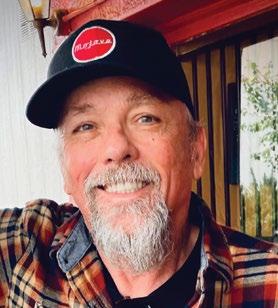
Originally started in a garage by my longtime colleague and prodigious microphone designer David Royer, Mojave Audio has always held outstanding design and innovation as foundational elements of our brand. Since Mojave was founded in 2005, all of our microphones have been designed and built according to David’s exacting specifications, which emanate directly from his lifelong passion for music and audio.
While we are best known for our condenser designs—such as the MA-37 and MA-1000 large diaphragm tube condensers typically used in controlled recording studio environments—we have always wanted to design and develop ‘our take’ on a dynamic microphone. To embark on this journey, we had to ask ourselves what we would do differently—and what we could possibly offer a segment that is already extremely crowded with many other dynamic microphone offerings.
From our perspective, there is still a lot of room for innovation to occur in the dynamic microphone space. In fact, some of the more iconic dynamic microphones were designed back in the 1960s—an era when inferior PA systems were commonplace, and microphones were often used as a tool for rescuing poor audio rather than attaining premium sound. Back in the day, having a presence peak was a good thing because it could help a vocal cut through the mix.
Most modern dynamic microphones still feature a ‘presence bump’ around the 5 kHz to 8 kHz frequency range, often coupled with an exaggerated dip just above the 10 kHz range. This led to our question, “What if we could develop a microphone that had a smoother presence, with a little more ‘air’ on the top end?”
Creating this “smooth alternative” for live sound professionals firmly established our design trajectory and became our primary goal in developing the MA-D. By eliminating the
presence peak and by introducing a shallow peak around the 10 kHz area, we knew we could attain a smoother response with more “air” at the top end — ultimately producing something of a HiFi sound that is uncommon among dynamic microphones.
One of the obstacles we had to overcome was finding a suitable cartridge that met David’s rigorous design specifications, since most of the cartridges we tested imparted the very presence peak we were trying to avoid. This became a multi-year process that involved a lot of testing, listening and refining. Ultimately, moving to a lighter voice coil material and a thinner diaphragm became a big part of the solution.
The diaphragm we chose for the MA-D is made of thinner material, and the voice coil itself is lighter and wound with thinner wire. These material choices, combined with a careful and
more thoughtful design, results in a smoother sound and better transient response than other dynamic microphone designs. Ultimately, we were able to achieve a relatively smooth frequency response from approximately 100 Hz all the way up to 8 kHz, with a broad and relatively shallow peak at around 10 kHz.
At the end of the day, we are pleased to have been able to design and produce a dynamic microphone that could proudly bear the Mojave name. Our new MA-D cardioid dynamic microphone delivers a full frequency response, yet without the midrange harshness that so often accompanies most other dynamic
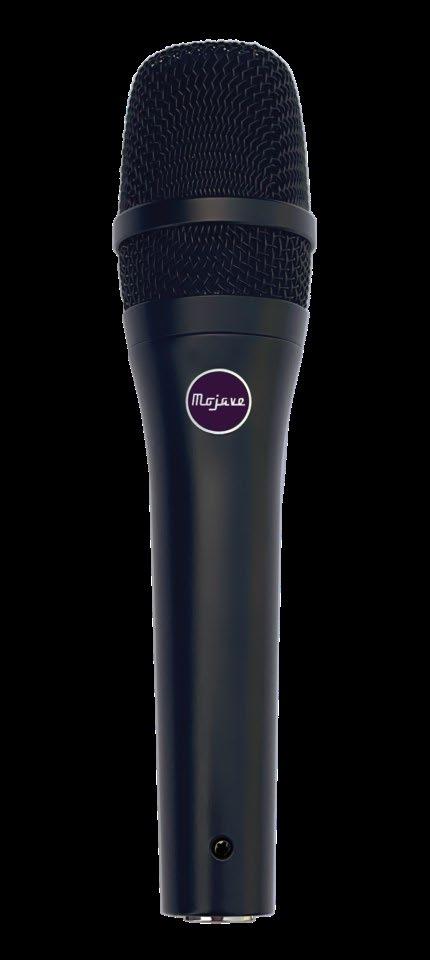
microphones. While it was initially designed for vocalists and this is indeed its primary application, our new MA-D microphone is able to capture increased richness and musicality on any number of instruments, including drums, guitar, brass and many others.
For Mojave Audio, MA-D is an important product milestone since it breaks the mold and introduces a “smooth alternative” for a myriad of live sound professionals. We are hopeful that both new and existing customers of Mojave recognize the MA-D as an innovative solution that is versatile, dependable and nimble in a wide range of live sound applications. ■
MIX | FEBRUARY 2023 | mixonline com 10
We have always wanted to develop ‘our take’ on a dynamic microphone. We had to ask ourselves what we would do differently—and what we could possibly offer a segment that is already extremely crowded with many other offerings.

Current // news & notes
Dan/David Lynch Engineer John Neff Passes at 71
Portland, OR—With a career that saw him work with everyone from Steely Dan to David Lynch, journeyman audio engineer John Neff wore many hats—producer, film mixer, songwriter, studio owner, radio host, label head and many more. That career came to an end, however, on December 27, 2022 when Neff passed in Portland, OR at the age of 71.
Born March 13, 1951 in Birmingham, Michigan, Neff broke into the music business in 1965 as a member of cult act The Ascots (“So Good”). Throughout the early 1970s, he worked as a session musician in Detroit, MI, often working for producer Don Davis at United Sound Systems—a regular gig that resulted in his playing on more than 125 records during his time there. The lure of the road called, however, and Neff spent much of the latter half of the 1970s on the road playing with the likes of Hoyt Axton and Steppenwolf.
Neff closed out the Seventies by moving to Hawaii; landing in Maui, he set up a studio to produce regional acts, founded Maui Zone Records which went on to release 26 albums, and hosted a local radio show for nine years. His reputation within the region’s music scene grew and in 1989, Walter Becker of Steely Dan asked Neff to build a studio for him on the island. Once it was completed, Neff wound up recording solo albums for both members of Steely Dan—Becker’s 1994 collection, Eleven Tracks of Whack,
By Clive Young
and Donald Fagen’s 1993 set, Kamakiriad.
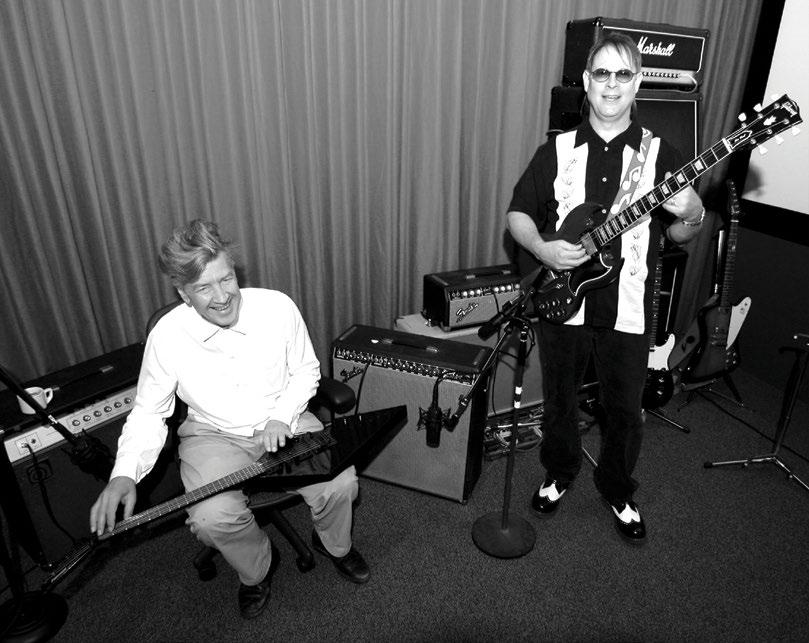
After moving to Phoenix, AZ in 1993 to open a studio, Neff also founded a studio design firm and connected with auteur David Lynch (Twin Peaks, Blue Velvet), creating a theater and professional recording facility (Asymmetrical Studio) in the director’s Los Angeles home. Neff quickly wound up running the studio, going on to work as a score engineer and rerecording mixer on Lynch’s Mulholland Drive and The Straight Story. Collaboration between the pair continued into other realms as they formed a duo, BlueBOB, and spent two years recording the project’s eponymous album, which was released in 2000.
In the mid-2000s, Neff left partway through the creation of Lynch’s 2006 film Inland Empire, moving upstate to Marin County, where he freelanced at Sausalito’s Record Plant Studios, recording among other projects Journey’s multi-platinum Revelation album. He eventually headed further North to Portland, OR, where he opened yet another studio, The Lab, mixing films and music projects. Neff officially retired when he turned 70, closing the studio though he continued to occasionally play live in others’ bands and produce some artists.
Looking back at his career in the early 2000s, he told Mix, “It’s funny—I was never huge at anything, but my education has never ended. Curiosity is a good thing.” ■
Alt. Rock Producer Paul Fox Passes at 68
Los Angeles, CA—Producer/keyboardist Paul Fox, known for his work with some of the biggest names in Eighties R&B and Nineties’ Alternative Rock, died peacefully on December 25, 2022. For the previous decade, he had suffered from Early-Onset Alzheimer’s disease, which he was first diagnosed with in 2012. Fox was 68.
Born May 22, 1954 in Valley Stream, New York, Fox moved to the West Coast, first entering the San Francisco jazz scene before moving to Los Angeles, where he quickly became an in-demand session keyboardist, playing on tracks for Rod Stewart, The Commodores, Patti LaBelle, Natalie Cole, Danny Elfman, Jeffrey Osborne, Vanity, Kim Wilde, 5 Star, Krokus, Edie Brickell & New Bohemians, Thelma Houston, Matthew Wilder, The Tubes, Josie Cotton and Mötley Crüe, among many others.
However, it was arguably his work on keyboards throughout the Pointer Sisters’ mid-80s peak that paved the way for his production career. Tackling Emulator duties for the trio’s 1983 triple-platinum Break Out and then other synths for 1985’s platinum-selling follow-up, Contact, Fox returned to play keyboards but additionally earned associate producer credits on four tracks for 1986’s Hot Together. During this time, he also
By Clive Young
started to land production credits on tracks with other R&B hitmakers of the era, including The Commodores, Princess and Chico DeBarge, all of which led to his big production break, helming XTC’s classic doublealbum of psychedelic pop, 1989’s Oranges & Lemons.
The 1990s saw Fox’s production career explode in the then-emerging alternative rock world, as he produced the likes of The Wallflowers, Phish, The Sugarcubes (Björk), Gene Loves Jezebel, Robyn Hitchcock and the Egyptians, Victoria Williams, Edwin McCain, Ziggy Marley, Semisonic, Sara Hickman, 10,000 Maniacs, Texas, Too Much Joy, Grant Lee Buffalo, Phantom Planet, Sixpence None The Richer, Meredith Brooks, Yes, They Might Be Giants, Boy George and many more.
Following his diagnosis with Early-Onset Alzheimer’s, Fox and his wife, Franne Golde—a multi-platinum award-winning songwriter in her own right—became involved in lobbying both state and national legislators for increased governmental research funding and improved access to care for those afflicted with the disease. In the years that followed, the couple were on the boards of both the Alzheimer’s Association and Music Mends Minds. Fox is survived by Golde and their son, Syd. ■
MIX | FEBRUARY 2023 | mixonline com 12
David Lynch and John Neff as “Blue Bob,” Asymmetrical Studios, LA 2002.
Photo: Mr. Bonzai/David Goggin.
AES to Receive Technical Grammy Award.
New York, N.Y.—The Recording Academy, announcing its Special Merit Awards recipients, has revealed that the Audio Engineering Society is to receive a Technical Grammy Award during the Grammy Week celebration in February 2023. An invitation-only ceremony will be held on Saturday, Feb. 4, 2023, at the Wilshire Ebell Theatre in Los Angeles.

With the presentation of this Technical Grammy, AES joins an elite list of previous recipients which includes Apple Computer, Inc., AMS Neve plc, JBL Professional, Royer Labs, Shure Incorporated, Sony/Philips, Solid State Logic, Universal Audio, Waves Audio, Ltd., and Yamaha Corporation.
This Special Merit Award is presented by vote of the Producers & Engineers Wing Advisory Council and Chapter Committees, and ratification by the Recording Academy’s National Trustees to individuals and/or companies, organizations and institutions who have made contributions of outstanding technical significance to the recording field.
The Recording Academy noted in a statement, “The Audio Engineering Society (AES) is the only professional society devoted exclusively to advancing audio technology. Founded in 1948 with the key goals of collecting, collating and disseminating knowledge of audio science and its application, AES facilitates communication and collaboration that unites audio engineers, creative artists, scientists, and students, with hundreds of local sections worldwide. 75 years on, AES’s members continue to set precedents and standards wherever sound and technology meet, from recording and entertainment to scientific research in emerging fields such as Spatial and Game Audio, Networking and Streaming, and Audio for Virtual and Augmented Reality.”
“Receiving this Technical Grammy Award is a tremendous honor for the Audio Engineering Society,” remarked AES President Bruce Olson. “I could not think of a better present to kick off 2023 as AES begins to celebrate its 75th anniversary.” ■

Current // news & notes mixonline.com | FEBRUARY 2023 | MIX
Philharmonic Studios, Chicago
Producer/Engineer Greg Miner Builds His
By Steve Harvey.
There is almost always somebody in any band who takes an interest in the technical aspects of the production process. “I was that guy,” says Greg Miner, a musician, producer and engineer who has just opened Philharmonic Studios in Chicago’s northern suburb of Vernon Hills.
Miner, who took up guitar as a youngster, initially embraced the road life. “But I got tired of sleeping in bad hotels and in vans and buses,” he says. “I graduated from Full Sail in the Nineties, came back to Chicago and did an internship at Chicago Recording Company, then just started freelancing and honing my craft, biding my time and nursing the idea of having a facility someday.
And here I am.”
Three-Room ‘Dream Complex’
Here he is, indeed, with a purpose-built complex set in a stand of trees on the edge of a business park 20 minutes from O’Hare Airport and 45 miles from downtown Chicago. The outside finishes of Lake Forest, Ill.-based Melichar Architects’ building design echo the surrounding woodland. Inside, Miner says, “I wanted to combine the best aspects of the classic facilities with the advantages of modern workflows.”
He called in the Russ Berger Design Group to provide architectural and acoustical design for the 7,000-square-foot, three-room layout. Berger, headquartered in Plano, Texas, recommended Paul J. Cox Studio Systems in
Los Angeles to handle technical integration. Vintage King Audio consultants James Good and Frank Verschuuren took the lead on equipment acquisition, expanding on the collection Miner had amassed during the past 30 years, and installed some of the gear.
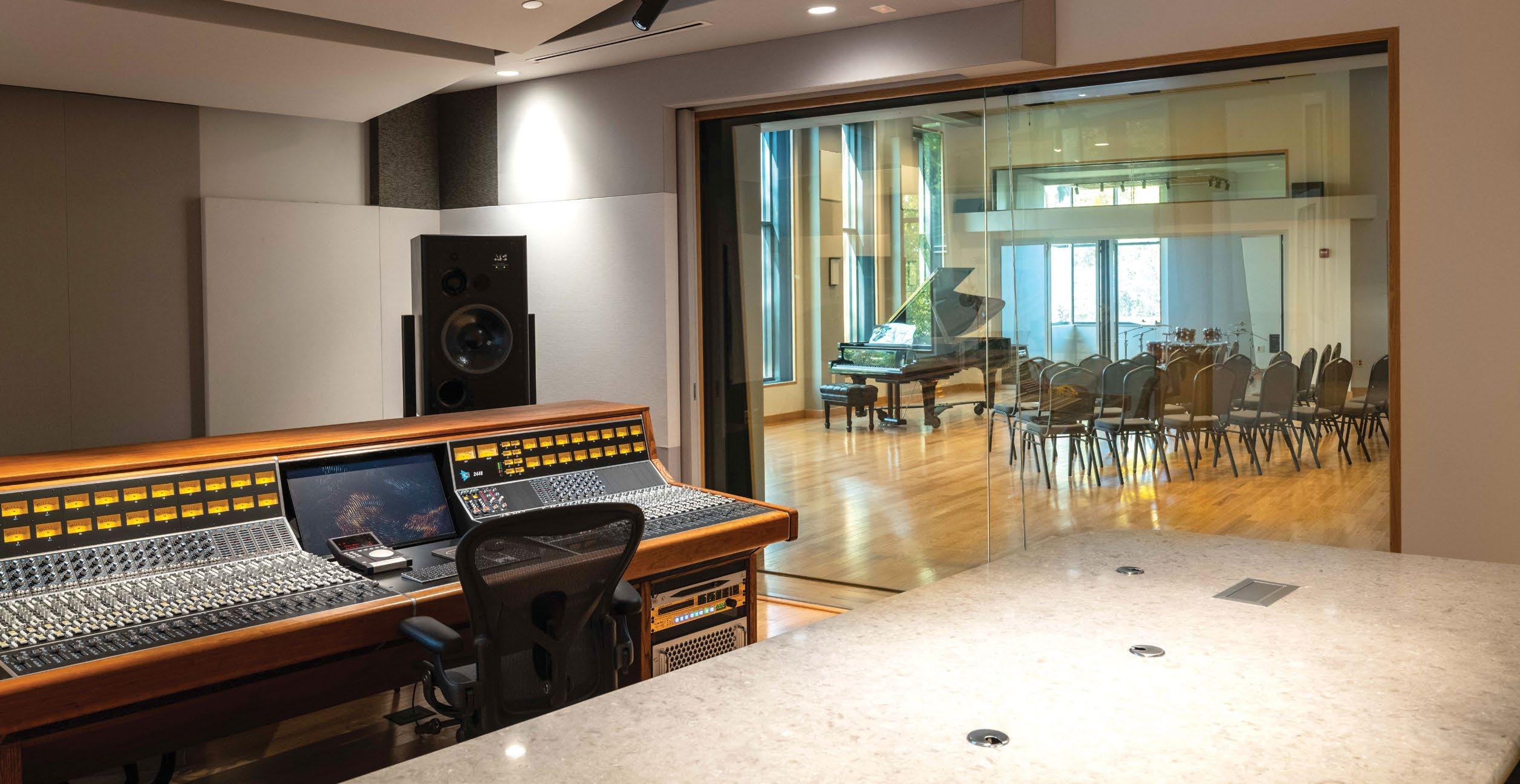
Studio A features a side-address control room with floor-to-ceiling glass, an RBDG design hallmark, overlooking a spacious live space surrounded by three dedicated iso booths, plus an entrance/airlock, all flooded with natural light.
“Studio B can handle Dolby Atmos mixing, but we can also do stereo mastering in that room,” Miner says. “Studio C is more of a modern workflow room geared toward EDM,
MIX | FEBRUARY 2023 | mixonline com 14
Music
PHOTOS: Francisco Marin/Marinimage
Studio A includes a 40-channel API 2448 all-discrete console and ATC monitor system.
pop and hip-hop.”
All three studios are interconnected. “An artist can book out the entire facility, and we can have different personnel working on the same project simultaneously from different places, exchanging files without having to reach for the thumb drive,” he says.
Cox and his integration crew provided interconnectivity in any format, including analog, AES, Dante and video. Even if there’s a big production in the A room, an iso booth can be used as a small control room or editing suite. “Rooms that have direct sightlines have direct ties, aside from the regular studio infrastructure,” Cox notes. “Anything with no line-of-sight, like Studio C, is connected via the machine room.”
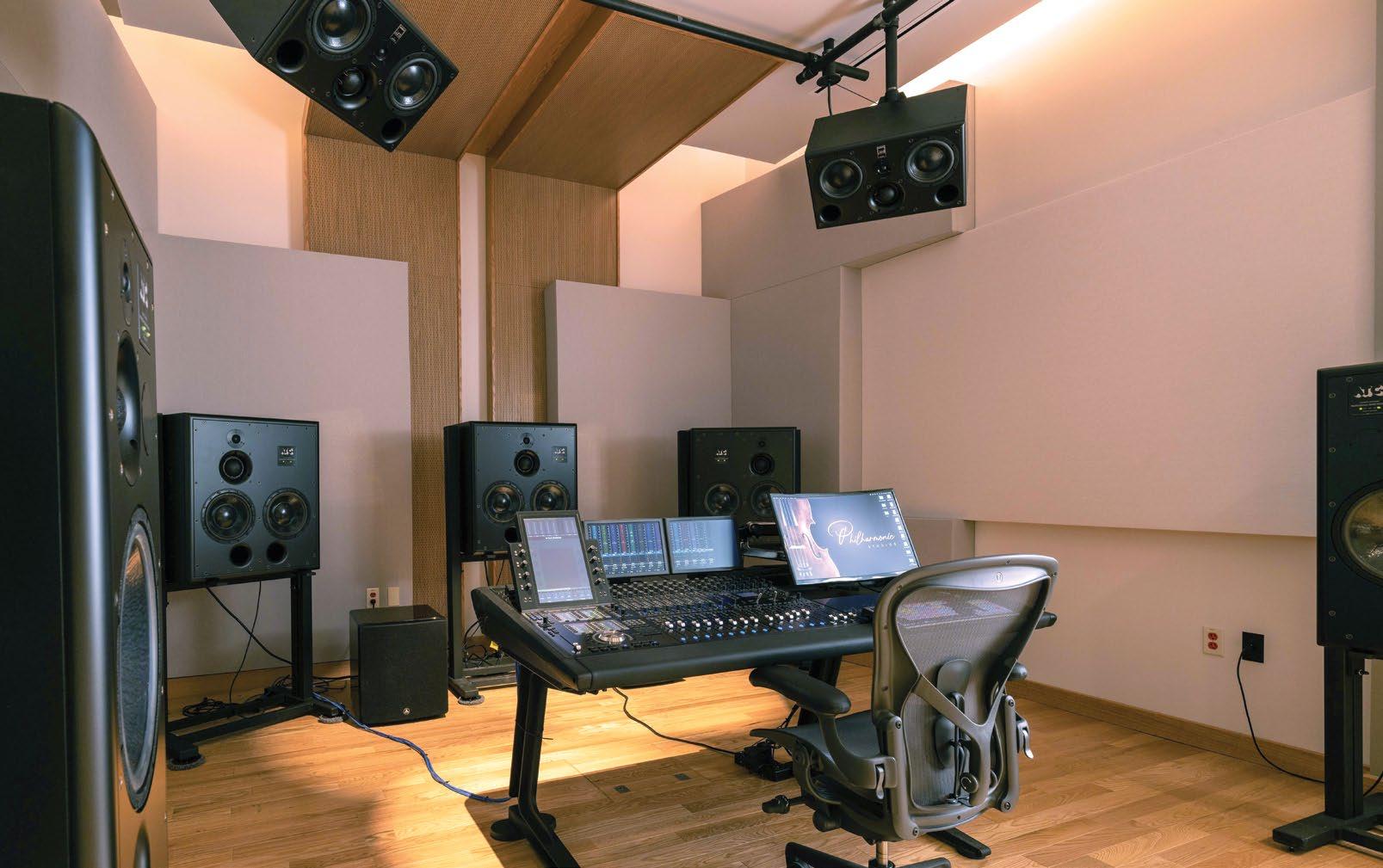
The A control room sports a 40-channel API 2448 all-discrete console and ATC monitor system. “I’ve been using API products for a number of years,” Miner reports, “so I was used to the sound, the workflow and the service from the company. The board has everything you need to conduct a large-scale tracking session. It’s good for cue mixes and things like that; the workflow is excellent. And it doesn’t break the bank in terms of monthly operating costs—
meaning, it doesn’t generate a lot of heat.”
A credenza houses four bays of outboard gear, including various processing and preamp options. “I’m a big fan of outboard mic preamps, so I have quite a few of those,” Miner confirms. “I can use the console pre’s or go straight into the converters and just use the console as a monitor section.”
Neve is another favored brand. Miner has quite a collection scattered about the building, including 1073, 1081 and 1084 Classic modules and remote-controlled, multichannel 1073OPX and 1081R rack units, plus a 33609/N compressor.
A Neve BCM10/2 MK II fitted with two dozen 1084 modules sits on a movable stand. “It’s a floating desk that lives in the A control room,” Miner says. “I’ve got a half-inch machine, and the Neve just sounds fantastic as a front end. It’s a great resource for people who want to track live-to-2-track. It’s great for rock ‘n’ roll drums or cutting a whole band in the old style, which is exciting and immediate. That’s something that’s lacking, I think, in a lot of today’s methodically assembled work.”
Studio B is outfitted for immersive mixing with an Avid S6 worksurface, Dolby Atmos renderer and an ATC 7.1.4 monitor system. “I really like ATC for its midrange clarity, tonal neutrality, lack of distortion and excellent imaging, and they don’t flatter the material,” says Miner, who has long used ATC SCM20 and SCM25 nearfields. “You have to work a little bit to make them sound good, but when you do, you can be confident everything will translate.”
Studio B was originally going to be a stereo mastering room, but Miner was inspired to switch things up after visiting the big Atmos room at Blackbird Studio in Nashville. “I could see all kinds of creative possibilities for the format,” he says. “I think it’s one of the most significant developments
in audio in a long, long time.”
While other facilities are mostly mixing catalog tracks for Apple’s Spatial Audio and other streaming platforms, Miner has a larger vision for Philharmonic. “There are very few people creating new content in the format, so this is an area where I’m hoping that Philharmonic will lead the pack,” he says, noting the expansive live room’s potential for spatial microphone arrays.
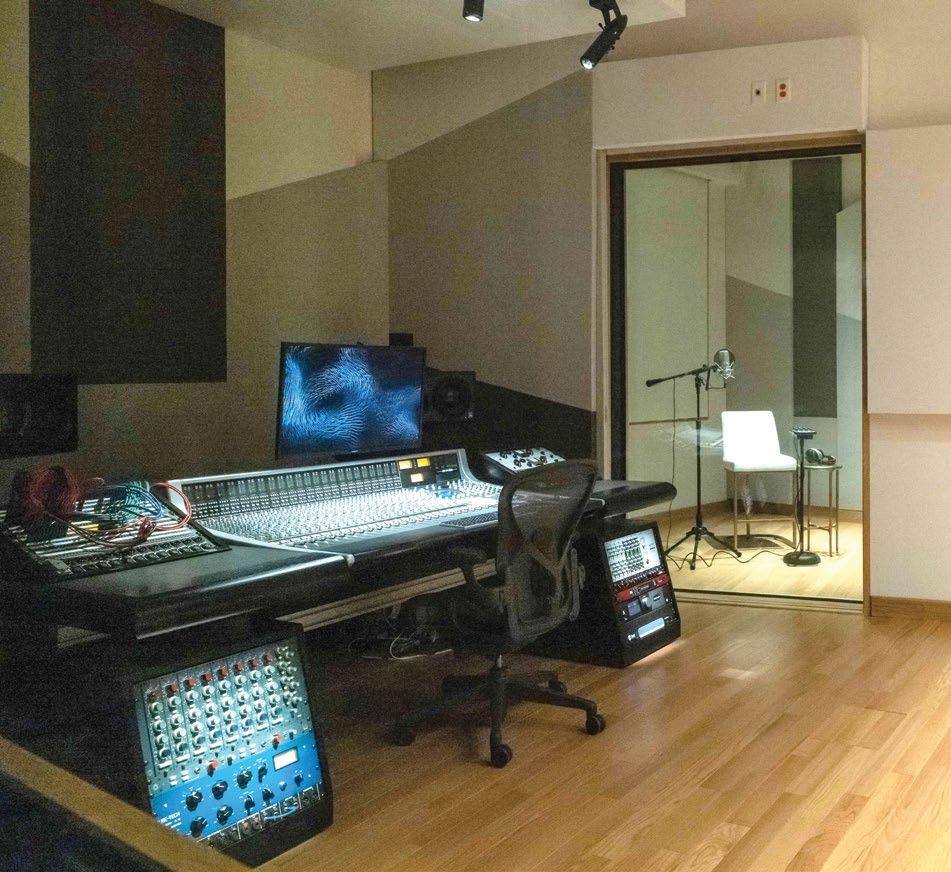
Studio C features an SSL AWS924 analog desk and racks of outboard. The attached vocal booth is suitable for overdub and voice-over work, as well as songwriting or modern music production, and the room can also tap into any other live space, of course, including with a video link.
Miner previously tried his hand at building out spaces in downtown Chicago, but fitting into an old building forced him to make design compromises. “Doing a retrofit can be more expensive and more troublesome than a ground-up build,” he explains. “Having moved out of the city, I began to realize that I could offer something qualitatively different than the competition.” That iterative process was a learning experience, though: “There’s no manual that comes with doing a project like this; it’s kind of a trial by fire.”
Having already hosted some sessions during a soft opening, Miner is looking forward to finally fully realizing his dream of more than 20 years, and to also helping his clientele’s dreams come true. “We want the experience of being in a world-class studio to be available to people who may not have experienced it before,” he says. “And we want the client service experience to be just as memorable as the creative experience. That means we have to have the best coffee, a lounge and free, easy parking. These are the little things that make a big difference.” n
15 mixonline.com | FEBRUARY 2023 | MIX
Studio B, set up for immersive and stereo mixing, includes an Avid S6 worksurface and ATC 7.1.4 monitor system.
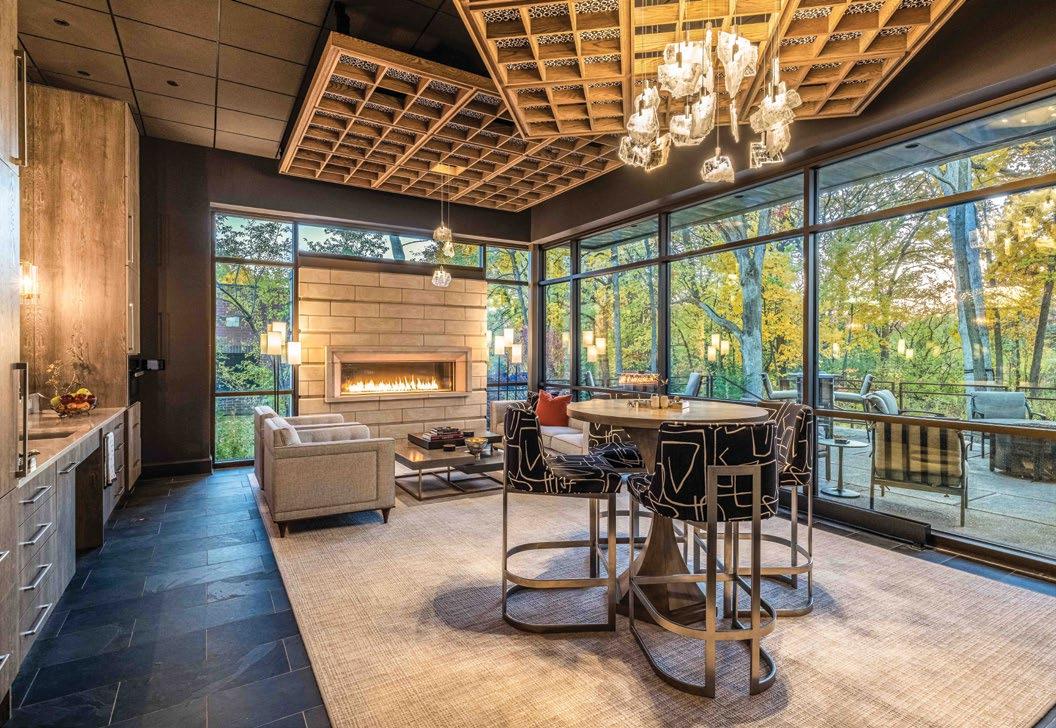
The spacious lounge at Philharmonic Studios, with nature just a few feet away.
Studio C, a production room, is centered around an SSL AWS924 analog console and ATC SCM25 monitors.
Archipelago Entertainment Gets High With Atmos
Breckenridge, Colo.—Ross Lara has what might be the highest altitude Atmos-capable studio in the world after relocating his Archipelago Entertainment to Breckenridge, Colo., which is 9,000 feet above sea level in the Rocky Mountains.
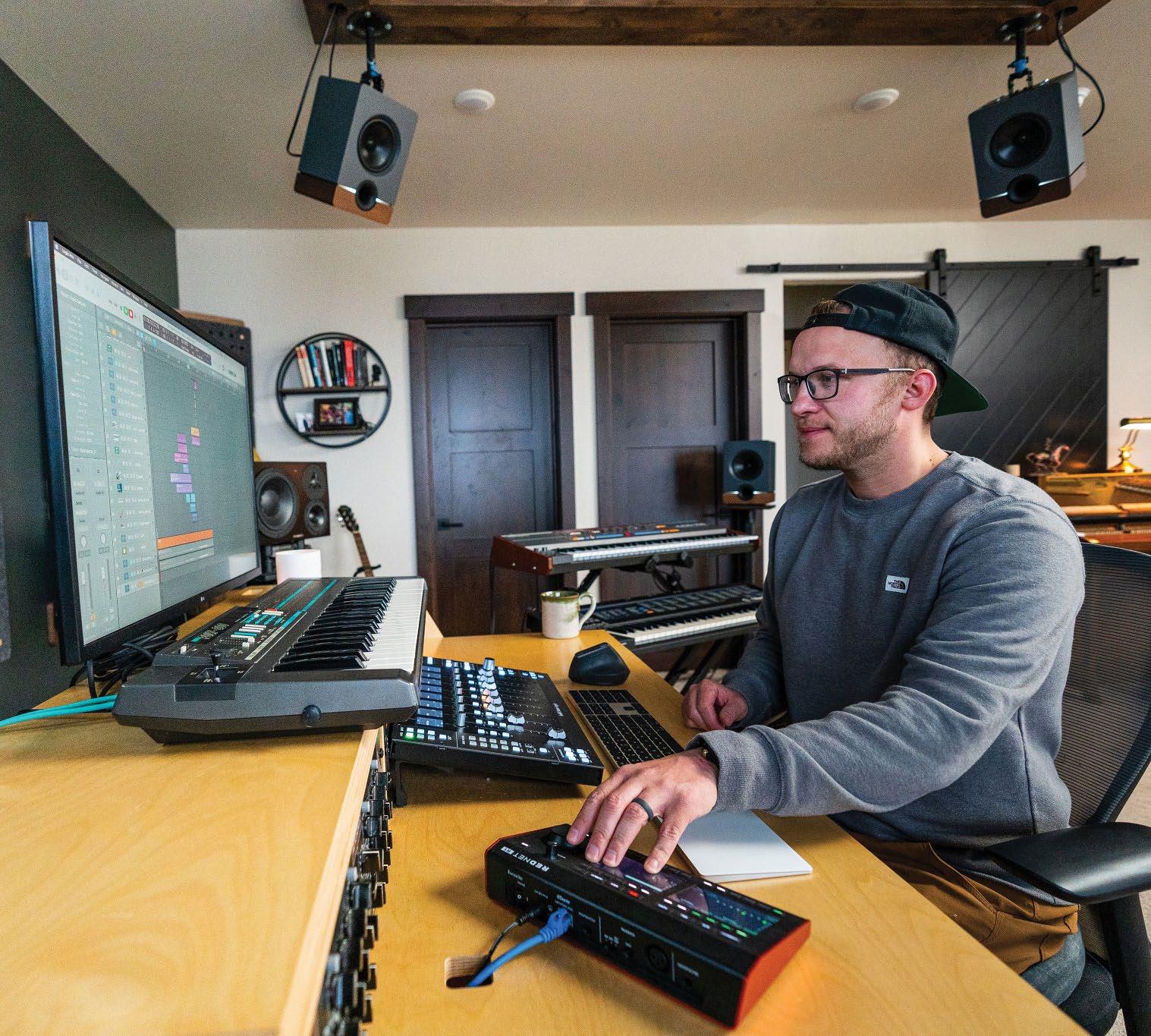
After Lara and partner and business manager Brian Shenefelt built Archipelago Entertainment into a creative force for music production, film scoring, game audio, audio branding and content development, they moved the company and its studio to Colorado—where Lara grew up part-time—from previous quarters in Atlanta and L.A. The eight-year-old audio production company was also ready to adopt Dolby’s
Lara says were crucial in their decision-making. “I prefer to use AES for reliability reasons, and once we had the RedNet D16R in place, any format headaches went away instantly,” he says, noting that it has communications compatibility with the Trinnov D-Mon 12 monitoring controller and room-correction system the studio uses for its 7.1.4 Output Frontier and Genelec subwoofer speaker array.
“The converters are fantastic,” he says of the Red 8Pre, “and the RedNet R1 controller allows us to route and synchronize multiple sources
simultaneously, which really creates efficiencies in the studio. It’s an amazing controller. We’re still doing most of our work in stereo, but as we move further into immersive, its capabilities will become even more important and useful.”
Additionally, Lara says he loves having Focusrite’s classic ISA One microphone preamp. “I’m using it for analog synths and some microphone recording applications,” he says. “It’s portable, so it can go where I go, and it’s especially great for augmenting the low end on some recordings, down around 50 to 60 Hz.” n
Atmos immersive format, which it achieved using components from Focusrite’s RedNet and Red series of networked audio converters and interfaces.
“Focusrite came on our radars when we were researching getting into Atmos,” says Lara, who has produced, composed and mixed music for high-concept projects including MythForce (coming out on Epic Games next year), awardwinning short films and international charttopping artists. “Focusrite also collaborated with us, helping us choose the right components and helping us through the inevitable hiccups of getting started in a complex new format.”
The RedNet D16R MkII is a 16-channel bidirectional AES3 interface that can work with either Dante or AES audio formats—options that
MIX | FEBRUARY 2023 | mixonline com 16
Music // news & notes
Ross Lara
Focusrite came on our radars when we were researching getting into Atmos…helping us choose the right components and helping us through the inevitable hiccups of getting started in a complex new format.
Mixer Bernie Kirsh Switches Coasts, Speakers
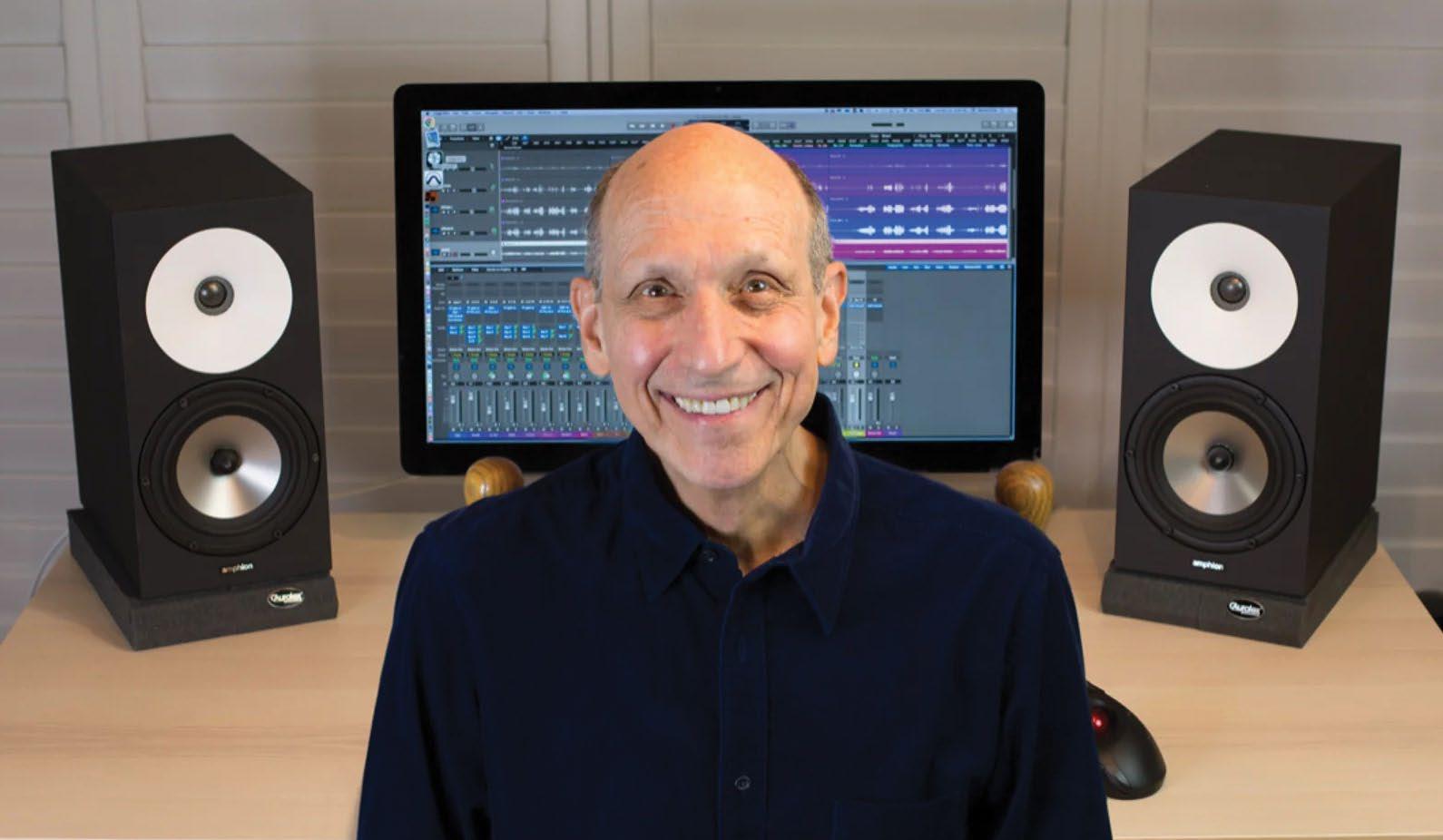
Clearwater, Fla.—When recording and mix engineer Bernie Kirsh relocated to Florida to continue working with longtime collaborator Chick Corea and set up a home workspace, he switched to Amphion speakers.
After starting his career at Electric Lady Studios in New York in the ’70s, Kirsh decamped to the West Coast to be closer to jazz pianist and composer Corea, both in the studio and on the road. In Los Angeles in 1981, he and Corea opened Mad Hatter Studios, which served as Kirsh’s base of operations for two decades until he followed Corea (who passed away in 2021) to Florida.
Kirsh put together a minimalist mixing studio at his new home. “I’ve got my own little setup, which is very simple,” he says. “A converter, a laptop and a couple little speakers from a company called Amphion.”
The change of workspace highlighted some shortcomings with his previous speakers, he reports. “I began to feel like I didn’t have the certainty I needed. I was mixing with what I thought I should be hearing rather than what I was actually hearing. A friend suggested I try out Amphion.”
Kirsh subsequently demoed a pair of One18 speakers with a Amp700 power amplifier in his space. Delving into his mixes, he found the results from the Amphions promising. “Right away, they gave me the clarity to do what I needed to do,” he says. “I wasn’t guessing anymore.
“The ability to hear things clearly makes me secure in any changes I make. I can quickly discern when something is too bright or too dark in the top end, and there’s also plenty of clarity in the midrange.”
The low-end performance surprised him the most, he says: “It’s amazing that the design of the speaker can produce those frequencies so accurately despite the smaller diaphragm. The bass is well defined without being hyped, so I never end up light on bass in my mixes.” n
// news
Music
mixonline.com | FEBRUARY 2023 | MIX
Bernie Kirsh
Classic Tracks
“Independence Day”
Martina McBride’s Passionate and Powerful Anthem
By Robyn Flans
O.J. Simpson may have killed the chances of Martina McBride’s “Independence Day” reaching Number 1. The song, which tackled domestic abuse in a poignant yet powerful manner, was released in May 1994, and Nicole Brown Simpson and Ronald Goldman were stabbed to death on June 12 of that same year. While some radio stations believed the song was relevant, others banned it.
So a song that McBride so passionately delivered and which should have been a Number 1—the Country Music Association pronounced it Song of the Year—halted at Number 12 on the charts.
After hearing from her promotional team that there were multiple stations that would not play the single, McBride actually asked for a list of those music directors and called them. She remembers saying, “I’d like to have a conversation about this song. What’s the problem?
“They said, ‘We just don’t feel it fits on our radio station,’” she continues. “I remember saying, ‘But you’re talking about the O.J. Simpson trial every day on your radio station at noon and 6 p.m. and whenever you do your news. What’s the difference?’ Then I remember another programmer telling me, ‘When that video comes on and my daughter comes in the room, now I have to have a conversation with her about it.’ ‘Yeah, maybe that’s not a bad thing; maybe you should do that.’”
McBride was able to change some opinions, but ultimately 10 stations refused to play the song. From the moment she heard it, however, McBride never hesitated to record it. She says that she felt its power instantly.
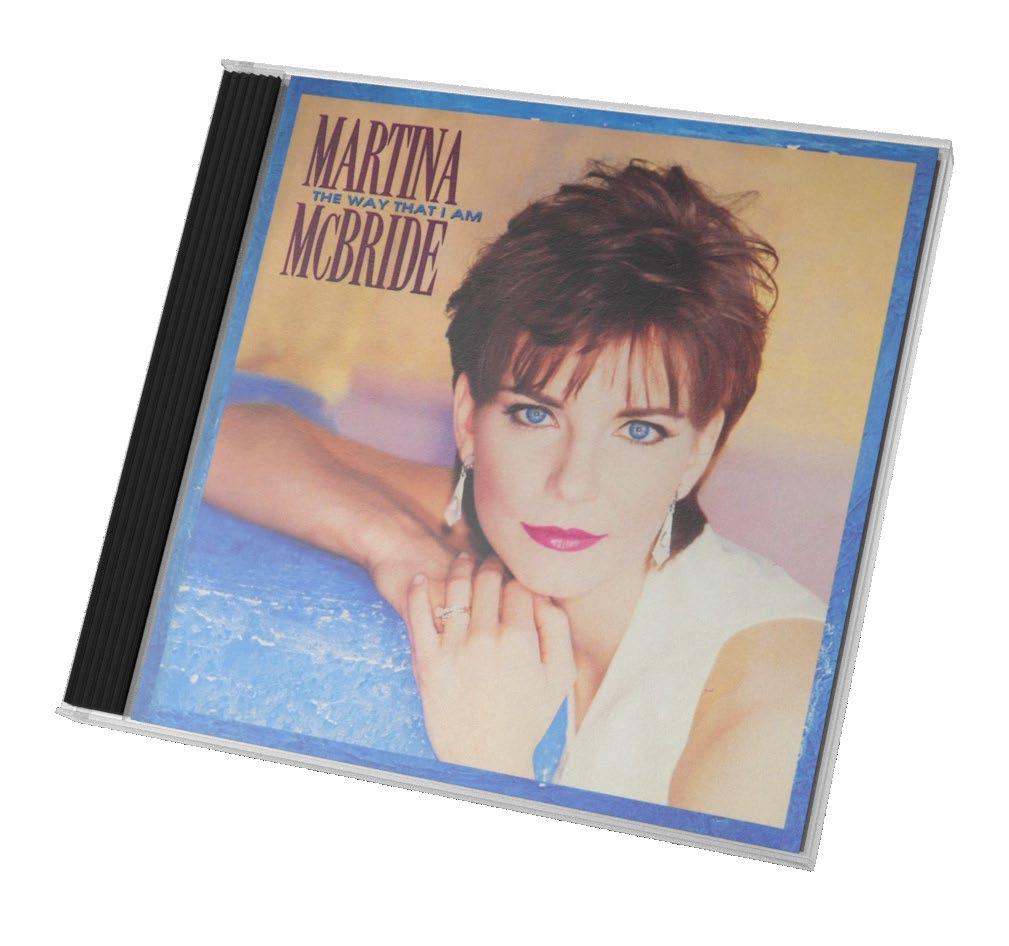
“Independence Day” was the third single from
MIX | FEBRUARY 2023 | mixonline com 18
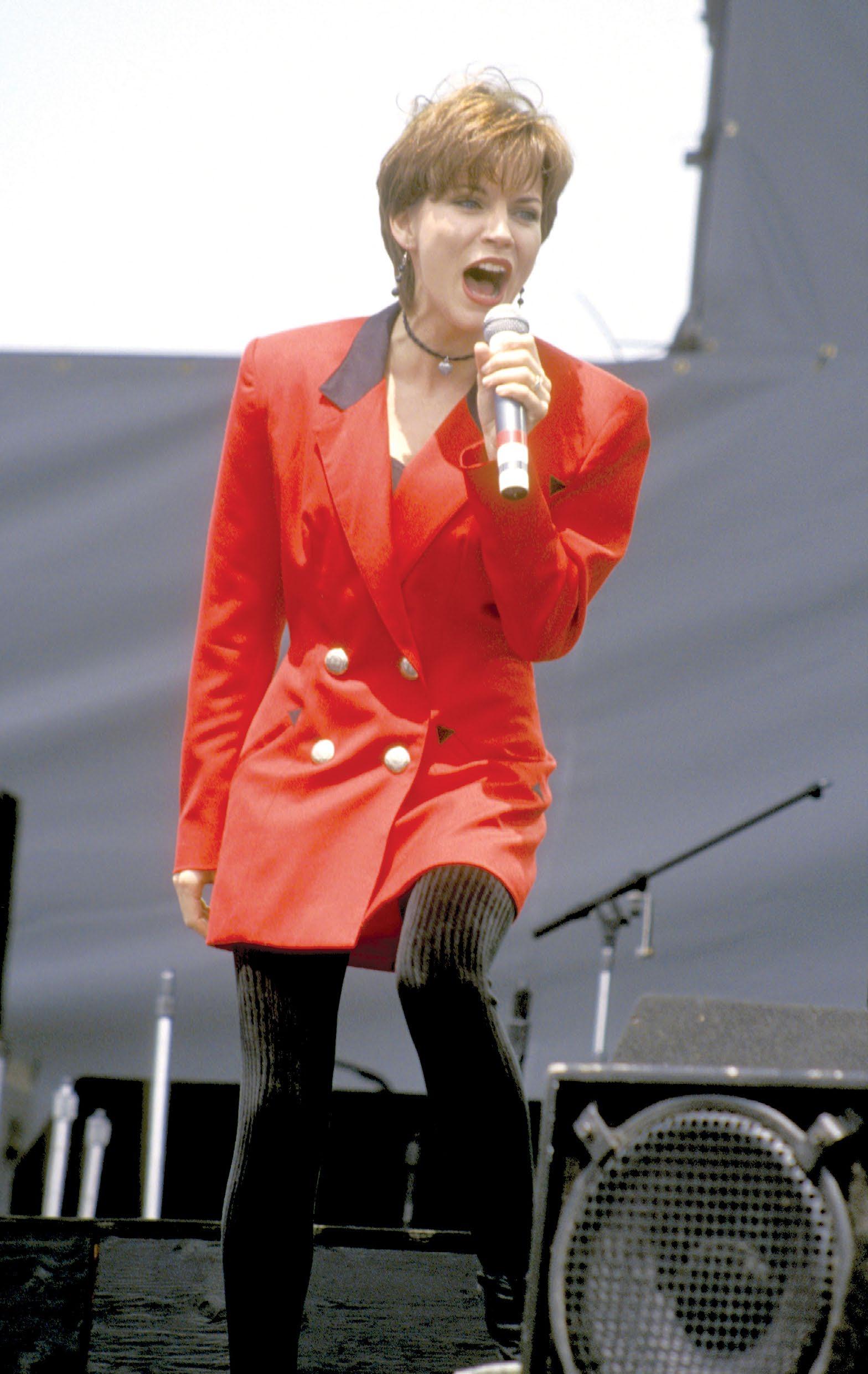
Ron Galella/Getty Images
Martina McBride during 1994 Country Music “Fanfest” at Pomona Fairgrounds in Pomona, California, United States.
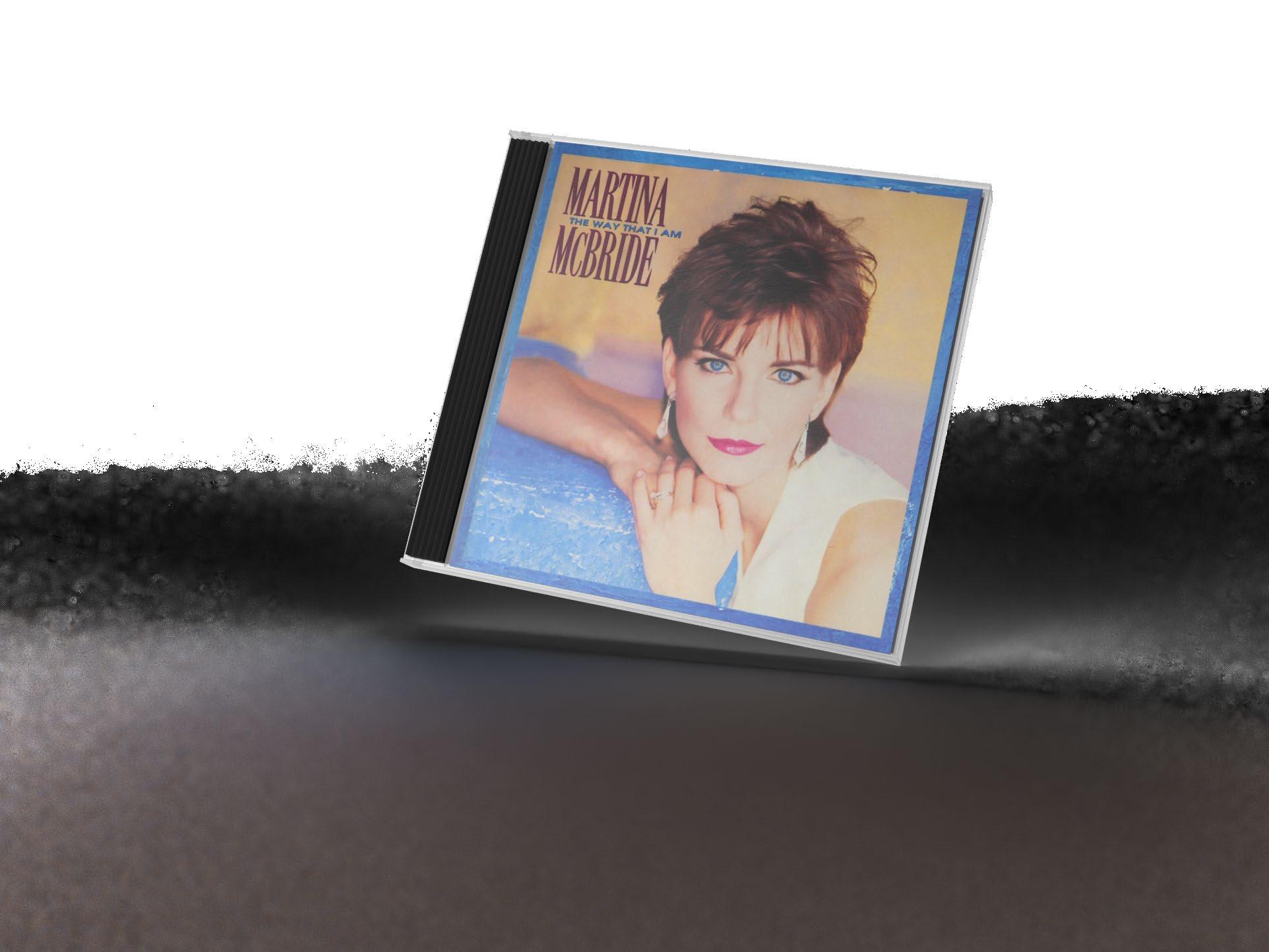
McBride’s second album, The Way That I Am, produced by Paul Worley, Ed Seay and McBride, and engineered by Ed Seay and Clarke Schleicher.
TRACKING AT THE MONEY PIT
Seay recalls that the basic tracks were done at The Money Pit in Nashville, owned by drummer Eddie Bayers, Jr., and his father Eddie Sr. He says they had done something of an overhaul on the studio a couple of years prior, which included the purchase of a Trident 80B console from Track Record Studios in Los Angeles, where he and Worley had been working on a project.
“This Trident 80B had an oversized power supply, or we bought a bigger power supply, just like a bigger engine for the console,” Seay recalls. “We got all the newest chip upgrades; the fastest, hottest-sounding console we could. And then we had a Mitsubishi X-850—that was big in town, but it didn’t sound that great. We got a guy to modify the analog circuitry, and it became the best-sounding X-850 I’d ever heard.”
The main room at The Money Pit was live-sounding, with linoleum floors and a wall covering called OSB that Seay describes as looking like chipboard. The room had a 14-foot ceiling and a vocal booth in one corner, with non-rectangular design throughout.
The control room was expanded to include a medium-wood room, fairly live and splashy. Behind it, the acoustic guitars—in this case, Paul Worley and Bill Hullett—would set up to record. On both acoustic guitars, Seay used AKG 414s through an 1176.
An office was converted into a keyboard area behind the vocal booth for the 9-foot Baldwin SD-10 Concert Grand piano, a Wurlitzer and a Twin reverb. Steve Nathan handled keyboard duties on the session.
Joe Chemay recorded his bass in the control room in front of the console, direct into an 1176. He had a view of drummer Lonnie Wilson, who Seay miked with a Neumann 47 FET on the kick drum into a GML preamp and an ADR Vocal Stressor. Seay placed a Shure SM57 on the snare, through a GML preamp into a GML EQ. On the hi-hat, he used an AKG 451; the overheads were AKG 451s. On the toms, Seay used Sennheiser 421s with an ADR E900 sweep EQ, which he describes as a “musical, but with very aggressive EQ which makes the drums explode.”
His room mics were Crown SASS-Ps—stereo PZM into UREI 1178S. “You put it out in front of the drums, and you get a perfect stereo image,” Seay asserts.
The Money Pit’s “secret weapon,” though, was the Sky Hook.
MAKING IT UNIQUE, POWERFUL
“I really haven’t seen other studios do this,” Seay maintains. “The ceiling in the main drum room was 14 feet high, and the Sky Hook was an SM 57 up at the very top of the ceiling, looking down on the floor. We put a lot of compression on it from a dbx 160X. It added so much explosiveness to the drum sound. It was so exciting, and to mix some of that in, to have a track of that, it sounded like you were in the room.”
Steve Nathan played all the keyboards, including the orchestra bells (overdubbed right after the basics were cut) on his synthesizer.
“A lot of people said, ‘Tell me about the theater chimes,’” Seay laughs. “And I said, ‘Well, Steve played a sample on a synthesizer. I’m not going to lie.’”
THE POWER OF VOICE
The studio had a two-channel headphone system and a gigantic 1,500-watt UREI power amp that many of the players regularly said were some of the best-sounding headphones they ever heard.
Seay says the musicians constantly remarked how inspiring it was to hear McBride in their headphones because, even though she was just providing a scratch vocal to their basic track, she was going for it on every pass.
McBride used a hot-rodded Neumann U 87 converted into a tube mic on the scratch vocals.
Seay says they definitely nailed it by take three, although it was probably take two.
“We had great players, and the song was great,” he recalls. “It was one of those times where everything was 100 percent— the studio was 100 percent, the players were 100 percent, the artist was 100 percent. It was as good as it got.”
Producer Worley and engineer Schleicher oversaw the recording of McBride’s final vocals. Schleicher believes they used a Sony C800G on her voice, but he’s not absolutely sure. No one remembers the studio used, but it didn’t really matter because they brought their own gear for the vocals to keep everything consistent while Seay worked at The Money Pit.
for the listener to feel the implied explosion and fireworks of the subject matter.
Across the hall from the control room was the studio lounge, which doubled as the recording area for electric guitar. Brent Mason was miked with a SM57 into a GML pre to a Sontec DRE 202 compressor, then GML EQ. “It was a real suck-and-blow compressor, Seay explains. “It made up a lot of gain. It would explode. It was an important-sounding compressor. Some compressors tend to turn things down. This one kind of turns things up.”
Steel player Paul Franklin shared the area, but was separated from Mason by a large foam chunk about 8x4x1 feet. Sennheiser 421s were used on each of his cabs.
“We kind of created a vocal path—mics, preamp, compressor, EQ—that we carried with us so we could go anywhere and work,” Schleicher explains. “Our typical vocal path at the time was a GML preamp, an LT Sound CLX-2 compressor and then a GML EQ—and we were working on the Mitsubishi X-850 digital tape machine.”
Schleicher says Worley’s vocal method was to warm up the artist and then have the singer do six or seven top-to-bottom performances. Then Worley would put together a comp from those takes, and Schleicher would make rough mixes and give them to the artist. Schleicher says making comps for McBride was not easy because everything out of her mouth was good.
19 mixonline.com | FEBRUARY 2023 | MIX
Continued
on 49
PRESENTED BY
‘Soundman Confidential’ Tells All
By Clive Young
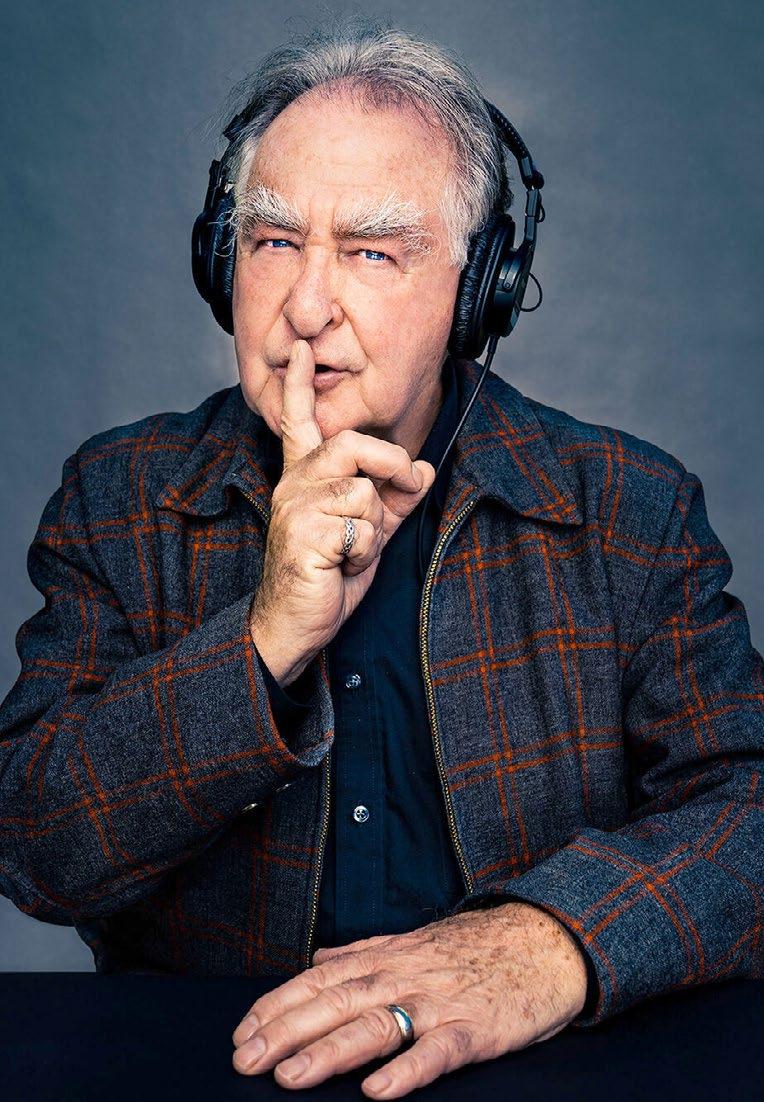
Frank Gallagher has a keen ear for two things—mixing a band and telling a story—and with a resume that includes engineering Talking Heads, Simple Minds, The Go-Go’s, The Bangles, Gang of Four, Buddy Guy, Suzi Quatro, Marshall Crenshaw, Skunk Baxter and dozens more on the road, it’s fair to say he’s done a lot of one, which has led to a lot of the other. Blessed with a wry sense of humor and a Scots accent that sounds like a sly grin, there’s few things he can’t get away with saying—which may explain his longevity in the field.
“I tell bands, if you’re not giving me what I need, there’s no point in me being here— you may want to find somebody else, because I’m not going to sit here and suffer and do damage control,” said the veteran FOH engineer, speaking backstage at New York City’s Beacon Theatre during a recent stop on the B-52’s farewell tour. “This band here, I’m going to give them notes tonight on the show last night. I’m a socialist when it comes to a show—we’re all equal, we’re all in this together!”
Gallagher’s CV is epic—there’s also stints running a hip London eatery in the Seventies,
helping open and book New York’s legendary Irving Plaza in the Eighties, production managing San Francisco’s annual OysterFest for 16 years, doing corporate audio to this day and more—but in recent times, he’s added another occupation to the list: Podcast host. An offshoot of an autobiography in the works, Soundman Confidential finds him talking to old pals and acquaintances, from rockers (Vernon Reid, Davey Johnstone and virtually all the aforementioned artists) to fellow audio pros (Ed Stasium, Steve Lillywhite).
“Originally, the premise was to explore the
MIX | FEBRUARY 2023 | mixonline com 20 Live
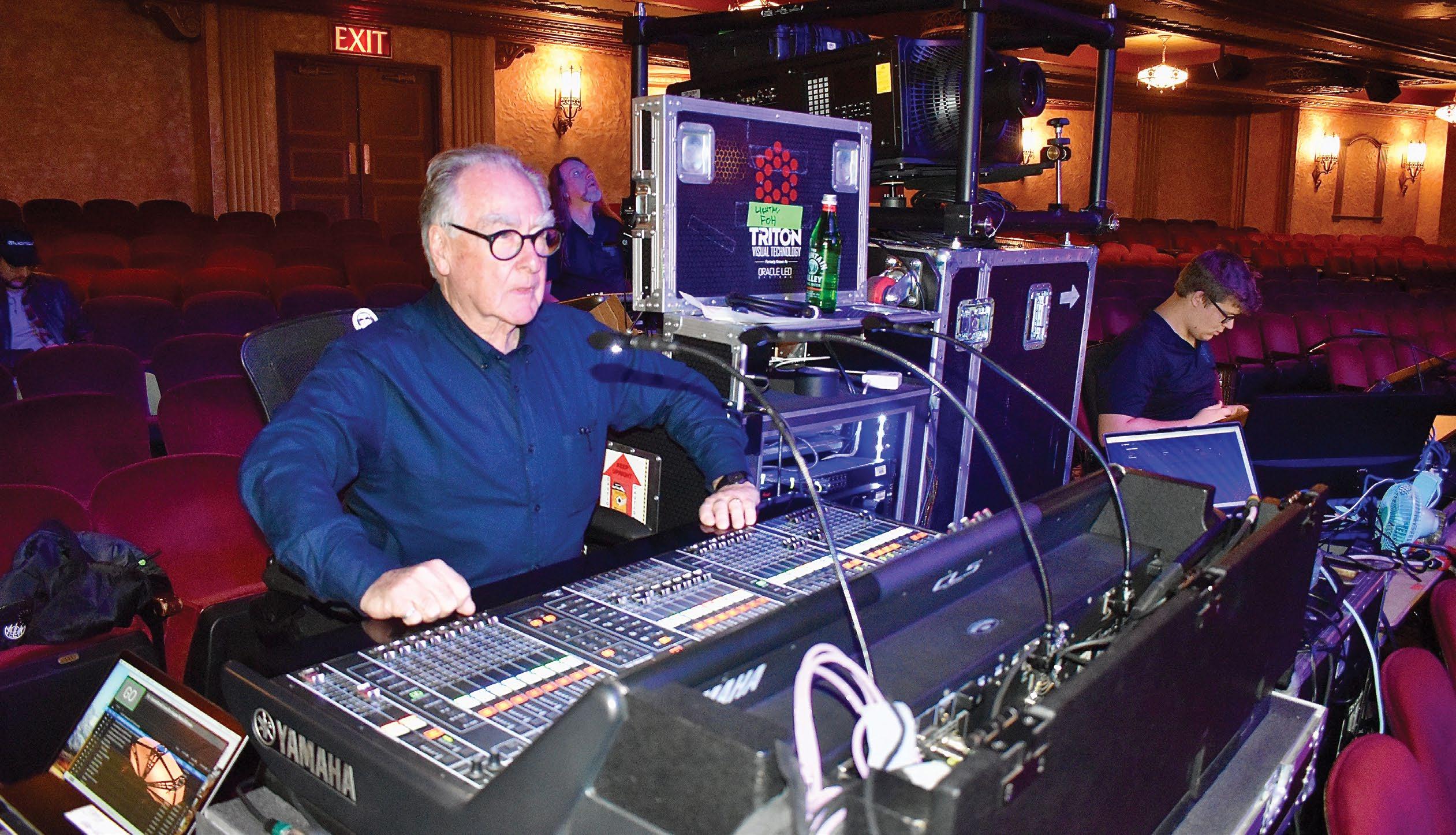
Frank Gallagher, seen here line-checking the B-52’s at New York City’s Beacon Theatre, has started his own podcast, Soundman Confidential, to explore the artist/ engineer relationship.
relationship between the soundman and the band,” he said. “How does what we do get in us— because sound is in us. I remember this vividly: I was three years old, living in a little Scottish mining village. Every year, the traveling fair would come by, and that was the first loud music I heard; it had to be loud to get over the hum of the generators. The speakers were big [Altec Lansing] Voice of the Theater models and they had these Vortexion amplifiers—metal, military-grade P.A. amplifiers that looked like an ammo case and were indestructible.”
The lure of loud sounds eventually snared Gallagher for good (“I got in a van in 1966 and never got out”) and by the early 1970s, he was mixing Suzi Quatro around the world on three prototype WEM six-channel mixers daisychained together and WEM Festival Stacks: “Incredibly clean, and you could do 4,000 people with a couple of bins; they’d blow the ice cream outta your cone.”
Moving on to work at UK audio provider Concert Sound, Gallagher was immediately sent to start a tour in Switzerland: “They couldn’t get anyone to do it; they said, ‘Pick up these two American bands in Zurich’—and it was Ramones and Talking Heads. Ramones had a full crew; Talking Heads had no roadies, no music out in Europe, nothing. The second man on the P.A. got to mix the opener, so I set them up at the Volkshaus in Zurich, barely got a line check. They opened the doors, place was
sold out. Talking Heads came on stage, and first song, I was busy getting a mix. Second song, I began to pay attention. Third song, the hairs on the back of my neck stood up—‘Psycho Killer? What is this?’ True story: I went back to the hotel after the show, barely knew them, had a wee production meeting with them. I had a cup of tea and I said to Chris and Tina and David, ‘I have no idea what’s going on here— but I want in.’ Instant decision. I don’t believe in coincidences. Fate takes a hand, but you’ve got to be smart enough to take advantage of it;
Take Me to the Rink
The key to interviewing Frank Gallagher is to not interrupt, because much like an extended guitar solo, every story is headed somewhere unexpected.
“Manhattan—this was my old hood here. The B-52s, Talking Heads and The Ramones had the same manager; Broadway and 57th was the office. I lived on 85th and Columbus; the Bs used to be sent out as our opening act and we did shows in Central Park at Wollman Rink. I used to skate there every day in the winter—walk to Wollman Rink and then go to the office if I needed to. We played the Wollman Rink with the B’s and the next day, the New York Times had a glowing review of Talking Heads and how it sounded.
[John Rockwell wrote in the August 18, 1979 edition, “The same sound system that had exposed the B-52’s served the Heads superbly, revealing new subtleties in their textural ideas, and providing new confirmation of their success in evolving gripping, interesting live versions of songs….”]
“Talking Heads also played there in 1980, and I will tell you as a soundman—whoa! Talking Heads were very secretive and back then, there’s no cell phones, no faxes; the word would come from the office. I got a call: ‘10 o’clock tomorrow morning, Brit Row rehearsal.’ Britannia Row, Pink Floyd’s sound company, had a warehouse out in Long Island City. I get to Brit Row and there’s Bernie Worrell from Funkadelic. There’s Busta Jones, another bass player. There’s Adrian Belew. There’s Nona Hendryx. There’s Steve Scales, the percussionist. And I walk in on that! That’s how I found out about ‘the big
I’ve never been shy about letting people know. Talking Heads brought me to New York for a couple of shows at the Intermedia Theater in Brooklyn; by that time, they had graduated from CBGBs. We started playing up and down the Eastern seaboard, and in America, I got used to using house systems, which I did not have the luxury of in England; I was so happy!”
The decades that followed found Gallagher moving to the U.S. permanently and honing mixing philosophies that he follows to this day:
band!’ As artists, Talking Heads were very protective of what they were doing and their thinking was, ‘If it don’t work, we don’t want anybody knowing it didn’t work.’ But I had no idea it was coming. I thought, ‘Get on with it. I’ve got a mixer, a box of mics, we just go at it.’ The whole sound for that nine-piece band was sculpted in one day.
“The first show we played with the big band was Heatwave Festival—60,000 people in a field in Canada—and the second show was Central Park. I’m thinking to myself, ‘Oh my God, what are we gonna do with this,’ but you just do it. The only thing I remember was Adrian Belew saying to me—and I usually I hated notes from artists—Adrian said to me, ‘Frank, just make sure that everything I play sails over Central Park,’ and that was how I mixed that show—made it sail.’ Some of it’s on the live album, The Name of This Band is Talking Heads
“Later that year, we were in Paris, set up at the Baltard Pavilion. U2 were the support, but their van broke down in Calais. Again, no cell phones in those days; they showed up with just guitars and drumsticks, and said, ‘Where can we get gear?’ I pointed at the stage and said, ‘Right there.’ They used Talking Heads’ gear as it was and played the show. And they’ve never forgotten.
“Years later, I was in Dublin with Buddy Guy—I toured with Buddy for years—so I called up Paul McGuinness, their manager. I said, ‘Is the Edge in town?’ He said, ‘He is.’ I said, ‘He should come down and see Buddy.’ And McGuinness said, ‘Well, why would he do that?’ I said, ‘He’ll get a free guitar lesson!’” ■
21 mixonline.com | FEBRUARY 2023 | MIX
Continued on 22
Frank Gallagher
Photo
credit: Lindsay Gauthier
Casino Pulls Triple-7 with EAW
Canyonville, Ore.—Seven Feathers Casino Resort in the Pacific Northwest recently hosted a concert by the all-stars of “All-Star,” Smash Mouth. Audio for the event was handled by World Stage Lighting co-owners Dwight Wood and Devin Sunderland.
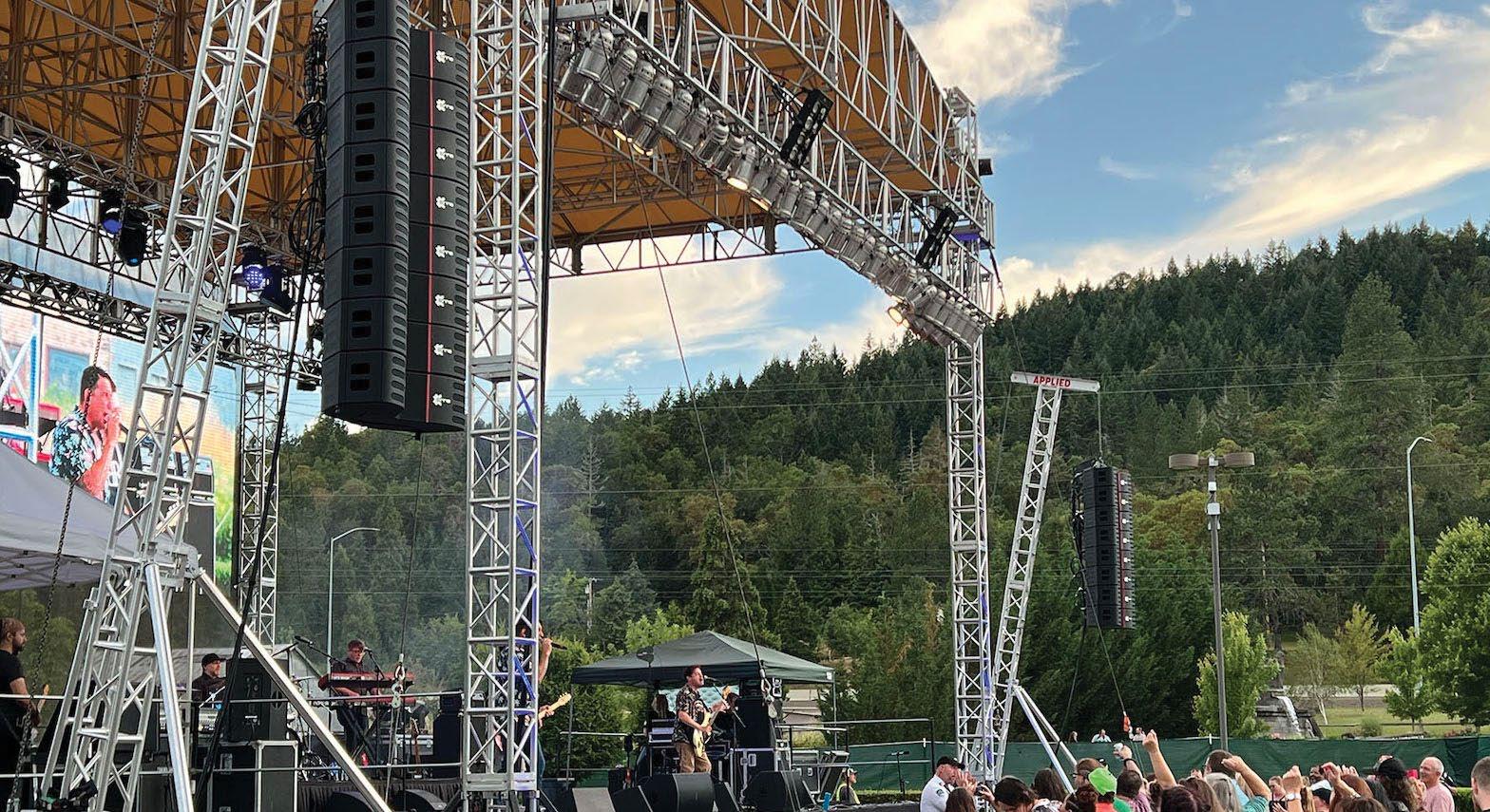
For the Smash Mouth performance, they fielded 16 EAW Anna three-way full-range ADAPTive array modules and eight Otto ADAPTive subwoofers to give the system a matched low end. They also used eight MW12 stage monitors and four RL15 Redline two-way powered speakers in their rig. They report the system has been received well by touring engineers and audiences on the nearly 20 shows for which it has been deployed.
The new EAW system was put to the test for Seven Feathers Casino Resorts’ annual outdoor concert. “This year’s outdoor show was really special to us,” adds Sunderland. “In
addition to the sound, we were also asked to provide a turnkey, full production product including lights, roof and stage. We own a 40-foot-by-40-foot Applied Electronics arched roof system, and instead of adding the speaker bays to the roof, we chose to fly Anna line array speakers on the new Applied Electronic LA12-
25 Line Array Lifting Towers. It was a visually stunning presentation and sounded absolutely amazing. We couldn’t have pulled it off without the help of EAW, Elation Professional, Applied Electronics and, of course, Smash Mouth, their crew and the great people at Seven Feathers.” ■
Continued from 21
• “I believe in keeping it simple. I tell people it’s because I’m lazy, but that’s not the truth. I’m keeping it simple because I’ve learned the less there is, the less that can go wrong.”
• “I never listen to the record. If I’ve got preconceived ideas about what’s going to come off the stage and it doesn’t meet expectations set by the record, that’s not really a good place to start. Also, I’m a realist: I have to deal with what’s coming off the stage because that’s all I have.”
• “When I go into a house these days, I don’t touch the house settings because the guy’s usually got it dialed and why would I want to reinvent the wheel? Also, I want an easy day.”
• “I don’t go over the top with effects. I’ve got one little reverb on drums and one on vocal—and if you can hear them, you’re lucky. I want it to be there without anybody knowing it’s that there, but when you take it away, you can tell.”
• “Rock and roll bands are like buses: There’ll be another one along in a minute. Once you get a couple of names on your resume, people think it means something; it doesn’t. You’re only as
good as your last show.”
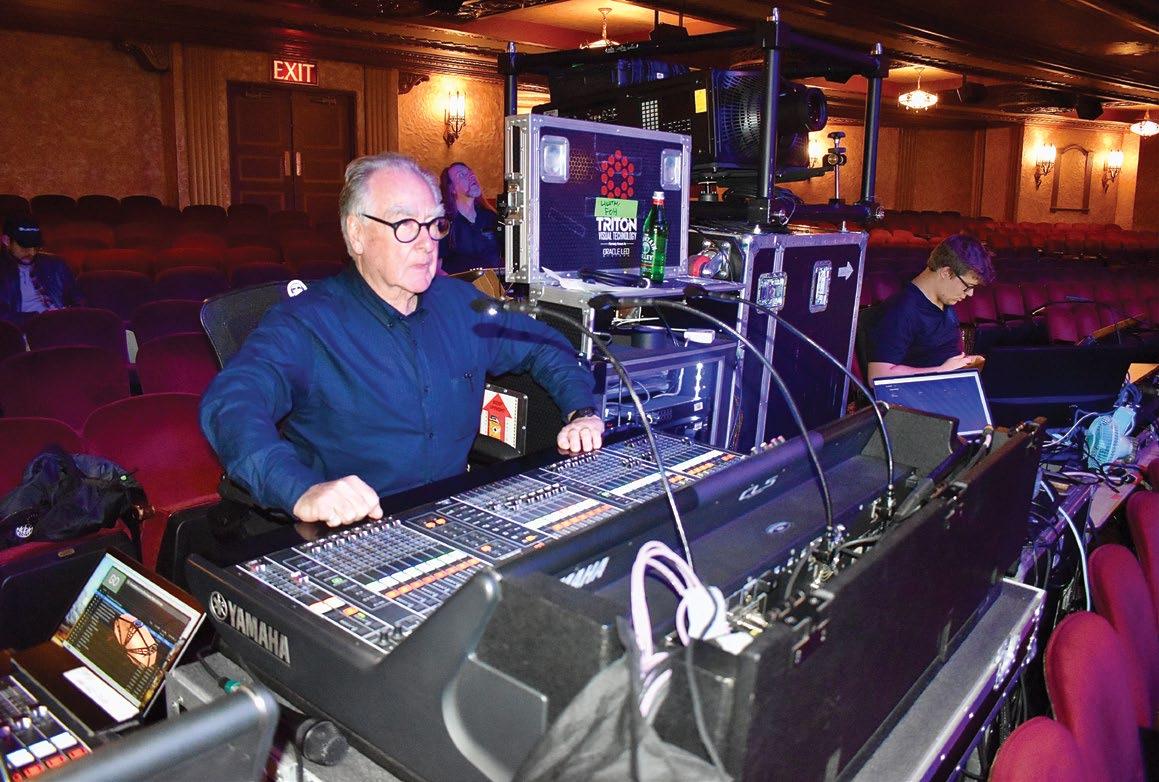
For the B-52’s tour, he adhered to all of those rules and more (“I don’t work for anybody with more than a two-truck tour anymore; the personalities, I don’t want to be dealing with all of that”). For the journey, he opted to mix on a Yamaha CL5 console using only onboard effects (“Never owned a Waves license”), capturing vocals on Shure wireless mics outfitted with Heil PR 30 capsules (“They give me another 10
dB before feedback over anything I’ve heard”).
The jaunt capped off a busy 2022 that saw Gallagher also mix runs with Gang of Four and Skunk Baxter, as well as tech at multiple corporate events. “Post-Covid, people are working again,” he said. “Hugo [Burnham], the drummer from Gang of Four, called and said, ‘Do you want to come out?’ I was quite enjoying being at home—Flagstaff is beautiful—and my wife said, ‘Get out of the house; go do this tour.’ And I’m not gonna say ‘my mojo,’ but my mix is back with a vengeance.”
The B-52’s tour may be over, but Gallagher will see them soon enough, helming the desk for their upcoming Vegas residencies in May and August; more runs with Baxter and Gang of Four, as well as Indian artist L. Shankar, are also in the offing. It’ll be a hectic year ahead, which suits him just fine. “I’ve lived a charmed life,” he admitted. “I’m from a little coal mining village in Scotland, got pulled in by the fairground, and had a restaurant in the middle and a dance hall in Manhattan, so I’m not afraid of anything really. Except my wife. Sometimes.” ■
MIX | FEBRUARY 2023 | mixonline com 22 Live // news & notes //
presented by
“Rock and roll bands are like buses: There’ll be another one along in a minute. Once you get a couple of names on your resume, people think it means something; it doesn’t. You’re only as good as your last show.”
Smash Mouth recently performed through an EAW Anna/Otto rig at Seven Feathers Casino Resort.
// news & notes // presented by
Mixing Courtney Barnett Around the World
London, UK—Like many artists coming back from the pandemic, Australian singer/ songwriter Courtney Barnett spent much of 2022 on the road, bringing her trademark witty style to the masses as she supported her third studio album, Things Take Time, Take Time, which was released in November 2021. The resulting tour found her traveling the world with her band and crew, playing everywhere from small clubs to festivals to opening for The Rolling Stones’ 60th Anniversary show at BST Hyde Park. Two consistent aspects throughout that time, however, were the stageside presence of monitor engineer Kessiah Gordon, who began working with the artist just as the album dropped, and the journey’s audio provider, Eighth Day Sound.
Over the course of 2022, Gordon sent sound to the band’s Ultimate Ears UE11 molds via Sennheiser 2050 dual transmitters, corralling mixes together on Yamaha Rivage desks. “When I first joined the crew, Jason Tarulli [FOH engineer at the time] wanted to give Yamaha’s Rivage a try, specifically the PM3,” said Gordon. “Neither of us had toured with the desk before, so it was really exciting to support each other’s respective curiosities and explorations of the console. I brought with me my knowledge of the CL/QL Series, which helped a lot, and I also enjoyed watching all of the online tutorials offered by Yamaha. With limited rehearsals and tech days, I hit the ground running, and I’ve been using Rivage ever since. I absolutely love it!”
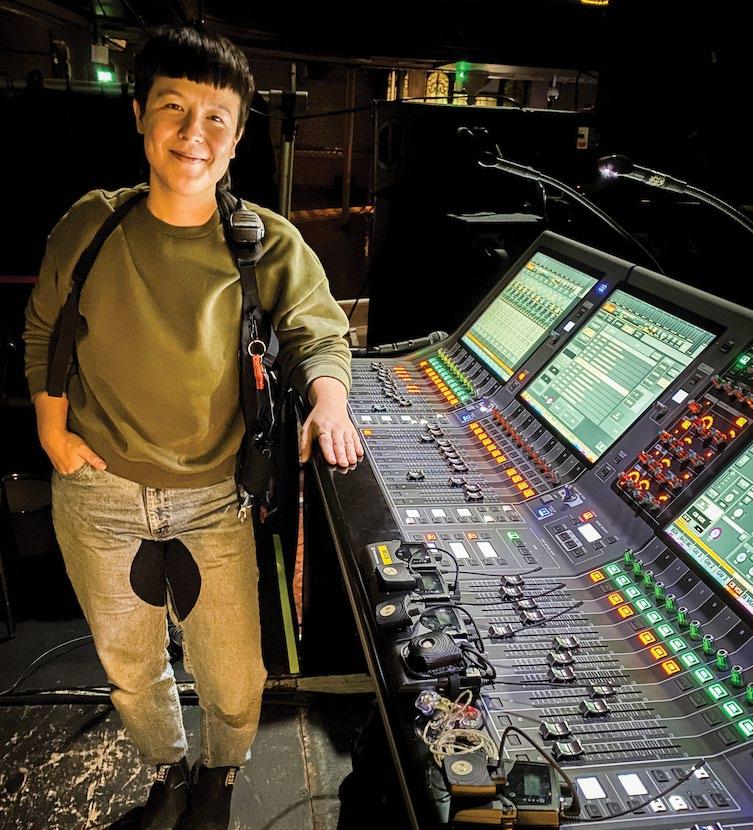
As the FOH role changed, however, the tour’s production package changed as well; the final version included an Avid Venue S6L 24C desk out in the house and a PM5 for monitor mixing. “On this [UK] run, we’re in a trailer, and Emma Hawkes, our amazing tour and production manager, really helped to facilitate our needs; she’s been a great proponent of us having the consoles we want,” Gordon enthused, adding that Eighth Day Sound’s account handler, Stuart Gilmore, was likewise a crucial contact for the production: “Relationships with vendors can feel transactional at times, and it was refreshing to experience something different with Stuart….
I had a brief shop day in London, [at the Clair Global Twickenham offices where Eighth Day Sound resides in the UK], and I got to meet Stuart for the first time in person after a year of working together. It was great to be able to shake his hand. I toured the facility and met the team who put our package together. They were just so lovely and answered all our questions.”
With the tour cycle behind Things Take Time, Take Time now complete, Gordon looks back at the journey as a huge success, recalling, “When I was getting to know Courtney and the band
during rehearsals, one thing I was trying to gauge was what the dynamic might look like between us all. I said, ‘You know, if you can trust me, I’d really love to give this a shot in how I think things should sound. Then if you have any suggestions or things that you’re partial to, of course, let me know and we’ll roll from there.’ I was impressed with how open and receptive they were to my offering. They seemed happy, and any changes were just a little dB here and there. That was a joyful and affirming moment for me as an engineer.” ■
23 mixonline.com | FEBRUARY 2023 | MIX
Live
Engineer Kessiah Gordon tackled monitors for Courtney Barnett throughout 2022 on a variety of Yamaha Rivage consoles supplied by Eighth Day Sound.
news & notes // presented by
Minnesota Wild Nets Largest Permanent Panther Installation
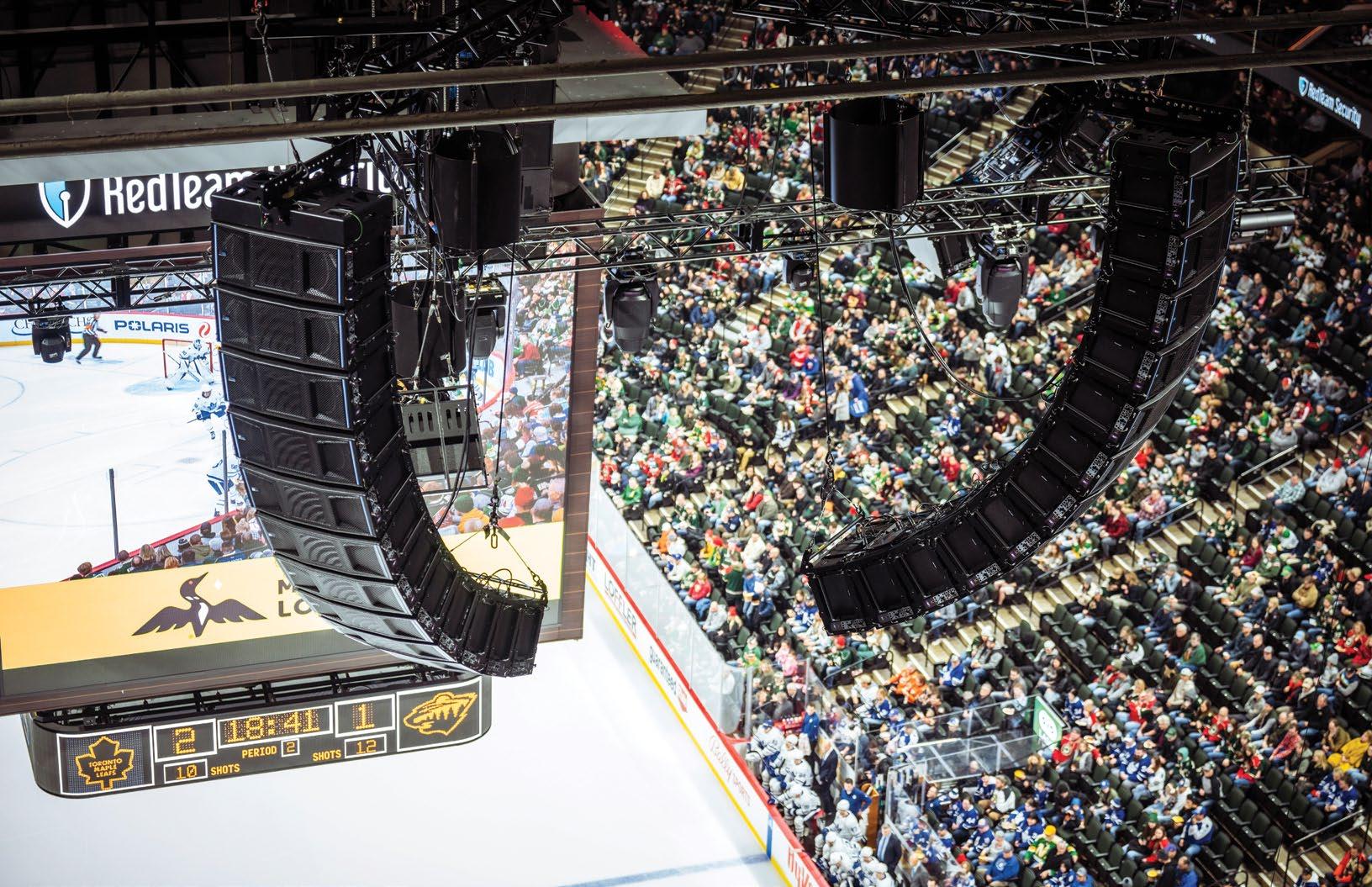
St. Paul, Minn.—The crowd can get pretty raucous at Minnesota Wild games inside the NHL team’s home arena, Xcel Energy Center in Saint Paul. Now ensuring that the crowd can hear every call and exultant cry of “Goal” is a brand-new reinforcement system centered around 96 Meyer Sound Panther large-format linear line array loudspeakers. Designed and installed by Sound Associates of Yonkers, N.Y., the world’s largest Panther installation to date debuted on November 1, 2022 when the Wild defeated the Montreal Canadiens 4–1.
The new Meyer Sound system replaced an aging point-source system that was installed when the 18,000-seat arena first opened in 2000. “We are highly impressed by the way our new Meyer Sound system delivers clear and uniform sound distribution to fans throughout the Xcel Energy Center,” said Minnesota Wild president Matt Majka. “No matter where you are sitting in the arena, the improvement in audio quality is undeniable. Feedback from event attendees has been tremendous. We are extremely pleased with our decision to install a state-of-the-art system to heighten the experience for our fans.”
“What we had was a low-bid system with old technology,” says Jim Pfitzinger, the IATSE Local 13 engineer who has mixed Wild games since the arena opened and who was a key consultant on the upgrade project. “Top team management had heard systems at newer arenas and noticed the difference. Our old system was still intelligible and serviceable, but it lacked real impact. No matter how hard you flogged it, you could only get so much out of it.”
In the spring of 2022, management asked Pfitzinger to fast-track a new system; he, in turn, consulted with Domonic Sack of Sound Associates on possible options at a time when industry supplies were tight. Some makers could not commit to delivering the preferred products on the tight timeline, but Meyer Sound was able to fit the Wild project into its production schedule. Across 11 days, the entire system was wired, hung, and tuned, just in time for the first Minnesota Wild game with the new system.
“Dom had just heard Meyer Sound’s Panther demo in Las Vegas and said he was convinced it was the right solution for this arena,” says Pfitzinger. “We wanted line arrays with a small footprint to stay clear of touring rock shows, plus low power consumption and reduced weight. Powered speakers were high on the list, as we had literally tons of amplifiers and copper cables in the ceiling and we couldn’t take them out until the new system was up and running. Also, everything had to go up and down on the motors.”
Using the MAPP 3D system design and prediction tool, the design particulars were worked out by Sack in consultation with Meyer Sound director of system optimization Bob McCarthy and design services supervisor Alex Harbaugh. As installed, the system comprises eight hangs of 12 each Panther loudspeakers, all with the 80-degree L horn. There are also dual hangs of nine each 1100-LFC low-frequency control elements in cardioid configurations. The entire system is networked for control, monitoring, and audio signal using the Milan AVB protocol, with redundant analog backup.
Two other key members of the project team were Metropolitan Interactive, responsible for rigging design under the guidance of Jeff Mele, and Geiger Engineering, responsible for assuring the structural integrity of all rigging points.
Members of IATSE Local 13 were charged with the final rigging and flying of the system.
“The response to the new system has been overwhelmingly positive,” reports Pfitzinger. “I now have no problem lifting announcer Adam Abrams over the crowd noise; where before he was often buried, now it’s effortless. Nothing ever sounds pushed or distorted. It has clarity and impact, yet even when the music is up you still can carry on a conversation. And there is an incredible difference in the voice quality and clarity of the referee microphones.”
■
MIX | FEBRUARY 2023 | mixonline com 24 Live //
Photo: Luke Schmidt.
Two of the Xcel Energy Center’s eight hangs of Meyer Sound Panther loudspeakers and some of the 1100-LFC low-frequency control elements.
Taking Audio to the Max
New York, N.Y.—Actor-turned-pop artist Max Schneider, a.k.a MAX, hit the road this past fall for a tour that saw him playing in a variety of venues across the U.S. Along for the ride was audio engineer Kyle Chirnside, who mixed FOH, looking after separate FOH and monitor desks… sort of.
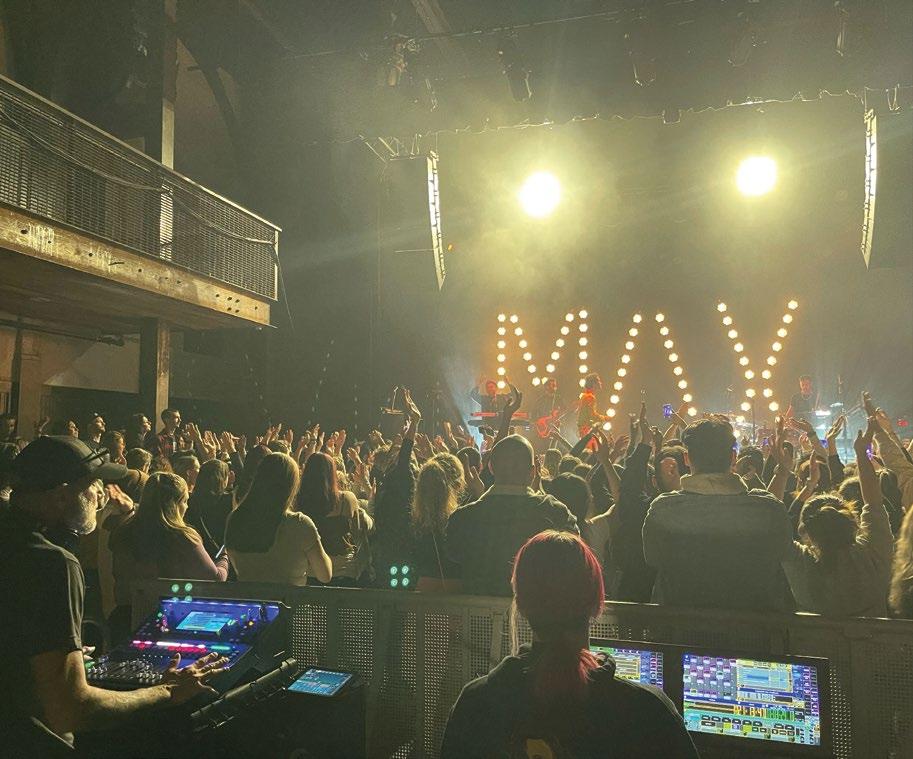
The dual Allen & Heath SQ setup centered around 48-channel SQ-5 consoles at both the front of house and monitor positions, along with a DX168 16-input stagebox for expanded I/O. “I wanted something small and compact,” said Chirnside. “I don’t need any external effects or plug-ins; I use the built-in processing of the SQ. We also will have to fly during this tour, so I kept everything under 50 pounds to meet the requirements for air travel.”
Even with a separate monitor console, there was no need for a dedicated monitor engineer on the tour as each of the performers mixed their own IEMs through the wireless SQ4YOU application. “We basically have a ‘ghost’ monitor engineer,” joked Chirnside. While Chirnside kept an iPad near his desk in order to make adjustments as needed to the monitor SQ-5, it was only there as a contingency plan.
Chirnside used the scenes function on SQ to create automations, allowing him to recall parameters and levels for each song that were fired off with SoftKeys. He also made use of the desk’s built-in SQ-Drive function, which allows users to record either 2-channel stereo or up to 32 channels of multitrack directly to an external USB hard drive. “It’s been awesome
Hard Rock Live Sacramento Rolls Out Audio System
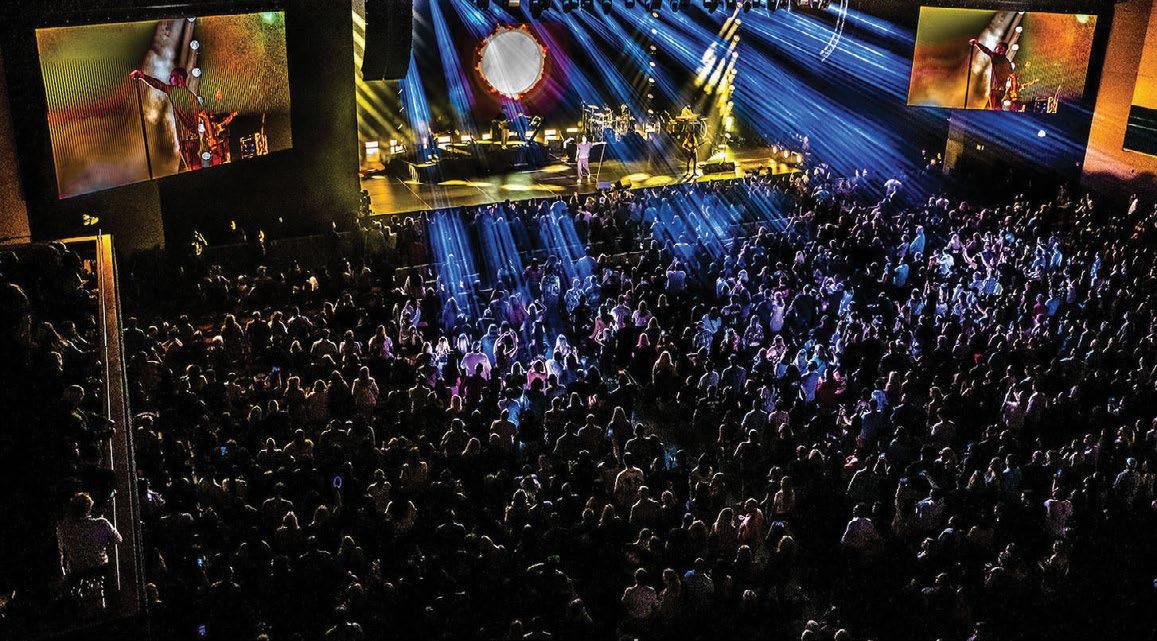
Sacramento, Calif.—The Hard Rock brand has always been associated with music, so when Sacramento’s Hard Rock Hotel & Casino Sacramento at Fire Mountain opened in 2019, the plan was to start hosting major tours and events immediately. The pandemic and persistent supply chain issues got in the way, however, but today, the 2,500-seat venue is open and ready to roll, hosting everything from trade shows to MMA to concerts and more. Providing audio for all those offerings is a sizable audio system that was designed by Montréal-based Scéno Plus and implemented by Clair Global.
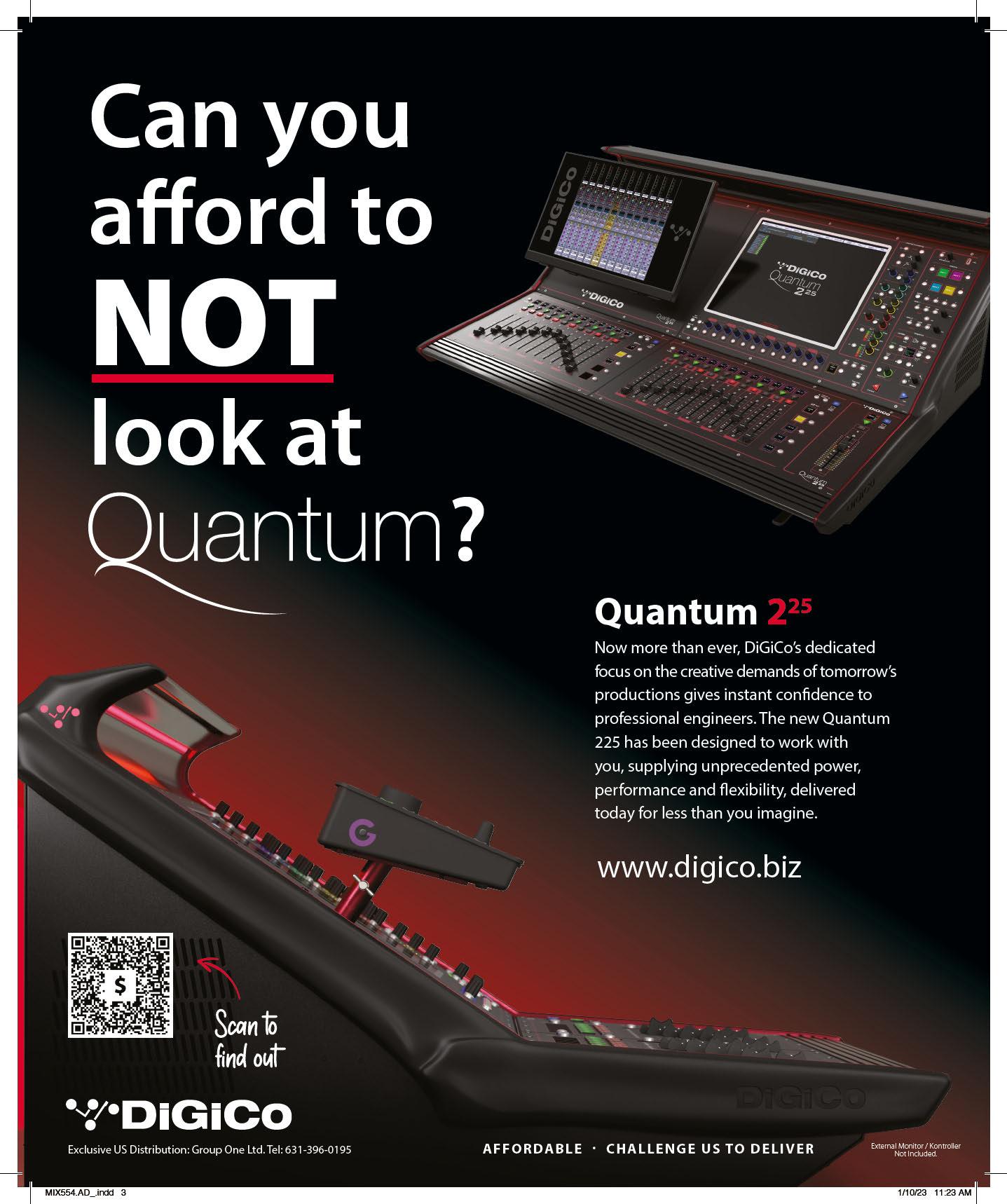
Both the FOH and monitorworld setups center around DiGiCo Quantum225 consoles, with that house desk feeding a new L-Acoustics K2 sound system, with the main P.A. centered around 18 K2 divided into left and right hangs, 60 feet apart, managed by a pair of P1 processors. Meanwhile, 10 KS28 subs anchor the low end and five Kiva II serve as frontfills. A half-dozen A15 Focus speakers handle sidefill duties, supplemented by four KS21 subs, while onstage, a dozen X12 and six X15 wedge monitors are joined by two SB18 subs intended for the drums. Closing things out, 11 LA12X and nine LA4X amplified controllers power the combined FOH and monitor systems.
François Blais, Scéno Plus Vice President of Technology and Specialized Equipment, praised the L-Acoustics system, noting, “It’s a great-sounding system from a rider-friendly brand, which makes it so much easier for the venue to market itself. Today, it’s not enough to only go for the best sound. System designs must keep the economic aspects of venues in mind; they must be cost-effective. You have to look at systems design from the production manager’s perspective, too.”
The system is being viewed as something of a template within the Hard Rock organization, too. “Hard Rock Live Sacramento and its sound will be a model for our new live venue designs,” says Carl Sagen, production manager at Hard Rock Live Sacramento, who previously toured with Diana Ross and Faith No More. “Hard Rock has always been about great sound. We wanted a system that would let this Hard Rock Live handle any event, from concerts to boxing and MMA to trade shows, as well as fulfill any contract rider, and it’s doing just that. And it also sounds fabulous. We have been getting nothing but compliments from touring artists and their crews. The coverage and the sound quality are excellent. It’s what everyone expects from the Hard Rock brand: great sound.” ■
25 mixonline.com | FEBRUARY 2023 | MIX Live // news &
//
notes
presented by
Hard Rock Live at Hard Rock Hotel & Casino Sacramento at Fire Mountain opened its doors last year with an L-Acoustics K2 loudspeaker system
that I can do multitrack or main LR mix to my USB thumbdrive,” he said. “I can hand off those recordings to the tour videographer, or even use them for a virtual soundcheck to tune the P.A.—it’s been a super game-changer for me.” ■
Audio engineer Kyle Chirnside mixed FOH on an Allen & Heath SQ console for artist Max Schneider’s fall tour.
on the cover
It wasn’t the daily Los Angeles commute, the ongoing workflow changes in audio post-production, or even the disruption and frustration brought on by the COVID shutdowns that led film mixer Paul Massey to build a 9.1.6 studio in Ventura. It was simply that he wanted to spend more time with his family.
It’s the same reason as in 2010, when he built his first personal studio—a high-end 5.1 film mix room in Ojai, about 75 miles north of Los Angeles; he even carried forward much of his signal chain, from console to monitors. There is, however, one rather big difference aside from the switch to immersive playback.
From 2010 to 2020, he would walk out the
back door of his home with a cup of coffee and amble down a path to a free-standing, groundup studio he had built on the property at the same time the house went up. Now he drives about 20 minutes to a converted warehouse space in Ventura, and then drives home through a beautiful, rolling landscape. He seems quite happy, though when asked about work-life balance, he chuckles softly and admits, “I’m trying. It’s baby steps.
“When we moved to Ojai, it was about figuring out how to get pre-dubbing and other small work so that I could spend more time with my family,” Massey says. “So we built a professional 5.1 room. But, honestly, when I was at home and
said, ‘I’m going over to the studio for an hour or two,’ I would be there all day tweaking around. I’m taking away time that I should be spending with the family.
“When we moved a couple of years ago, I looked at building another studio on our home lot,” he continues. “Then one day my wife said, ‘You know, why don’t you look for space that’s not at home?’ and it turned out to be a really good suggestion. It means that now when I go to work, I’m going there to work and I’m going there for a reason. I’m not going to waste time there and fiddle around all day long. And then when I’m home, I’m home, which is great. I think it’s worked out well.”
MIX | FEBRUARY 2023 | mixonline com 26
BUILDING A REFERENCE POINT
When we talked in early January, Massey had just returned from a quick four-day hop to London to work on an ongoing mix and was ready to start a project at Warner Bros. in Burbank the following week. As soon as we finished the interview, he was back at his own Harrison MPC5 console, cleaning up a dialog predub for another project. Life at the top of the film re-recording world involves long, long daily hours over extended chunks of time, often many weeks. Massey estimates that during the past six or seven years, 75 percent of his work has been in Los Angeles, much of it at the John Ford Theater on the Fox lot, with the other 25 percent in London.
While having a personal, professional studio near home serves to balance the Life side of the ledger from the Work side, its true value is in providing Massey with a sense of consistency— an audio reference point all his own for when he carries his predubs to the final mix at Fox or Sony or Twickenham, or when he takes into consideration the multitude of streaming services and home playback environments. It was important to him that the new studio be certified for both Dolby Atmos Cinema and Home out of the same playback system. And it is.
“Translation is going to be about 90 percent of what we all do,” Massey says bluntly. “If a room doesn’t translate to where the audio
is going to ultimately end up for the average listener, then what’s the point? I think it’s of the utmost importance that cinemas stay open and we still make soundtracks for theatrical release. But the simple truth is that an awful lot of the audience now is watching from the streaming platforms, and that has necessitated changes in the way we mix and changes in the room sizes that we are mixing in, so that they more accurately transition and translate into what the audience is watching.”
AN ACOUSTIC FOUNDATION
Massey had known Bruce Black for many years as they both built careers in film sound, with
27 mixonline.com | FEBRUARY 2023 | MIX
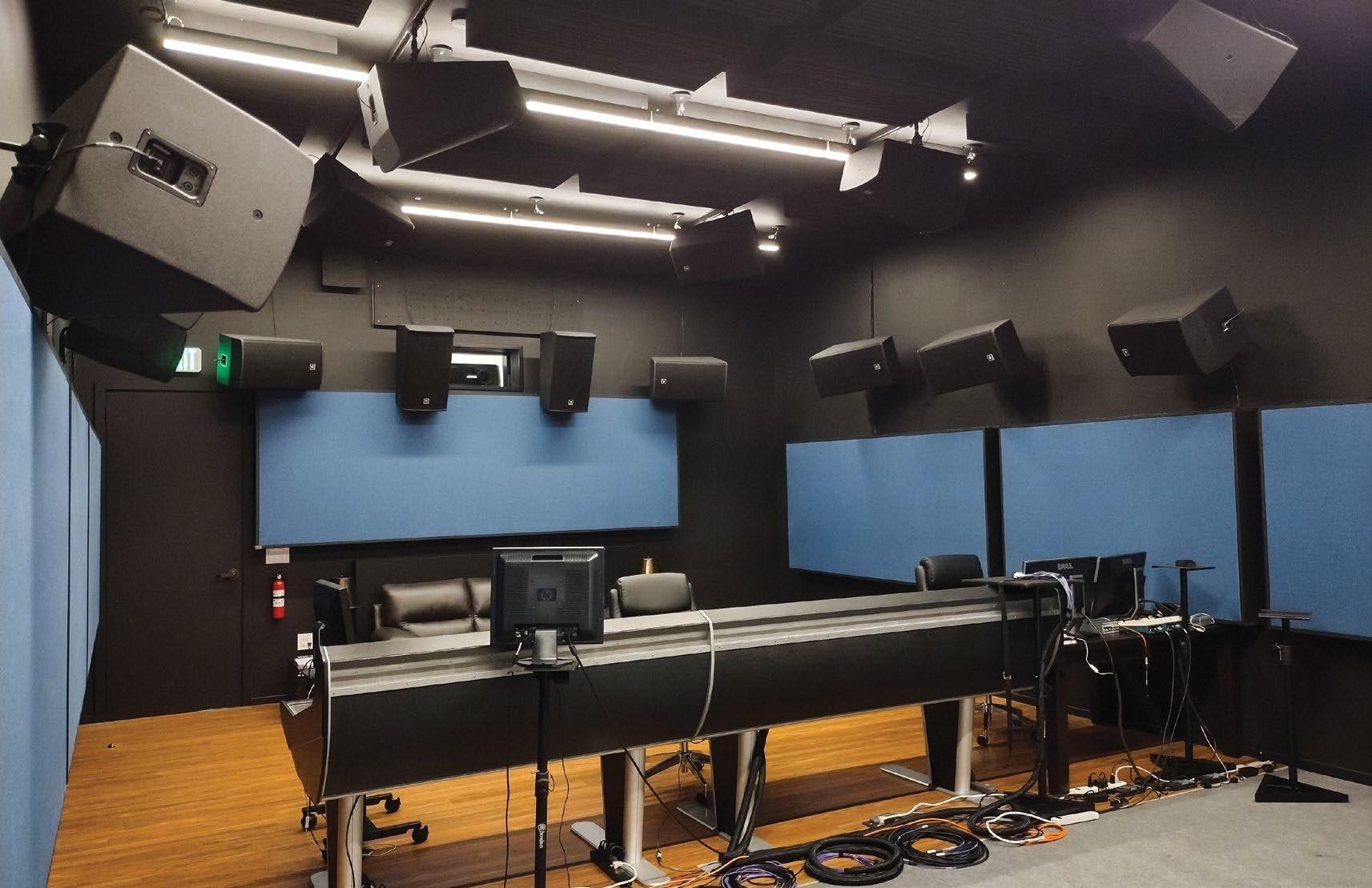
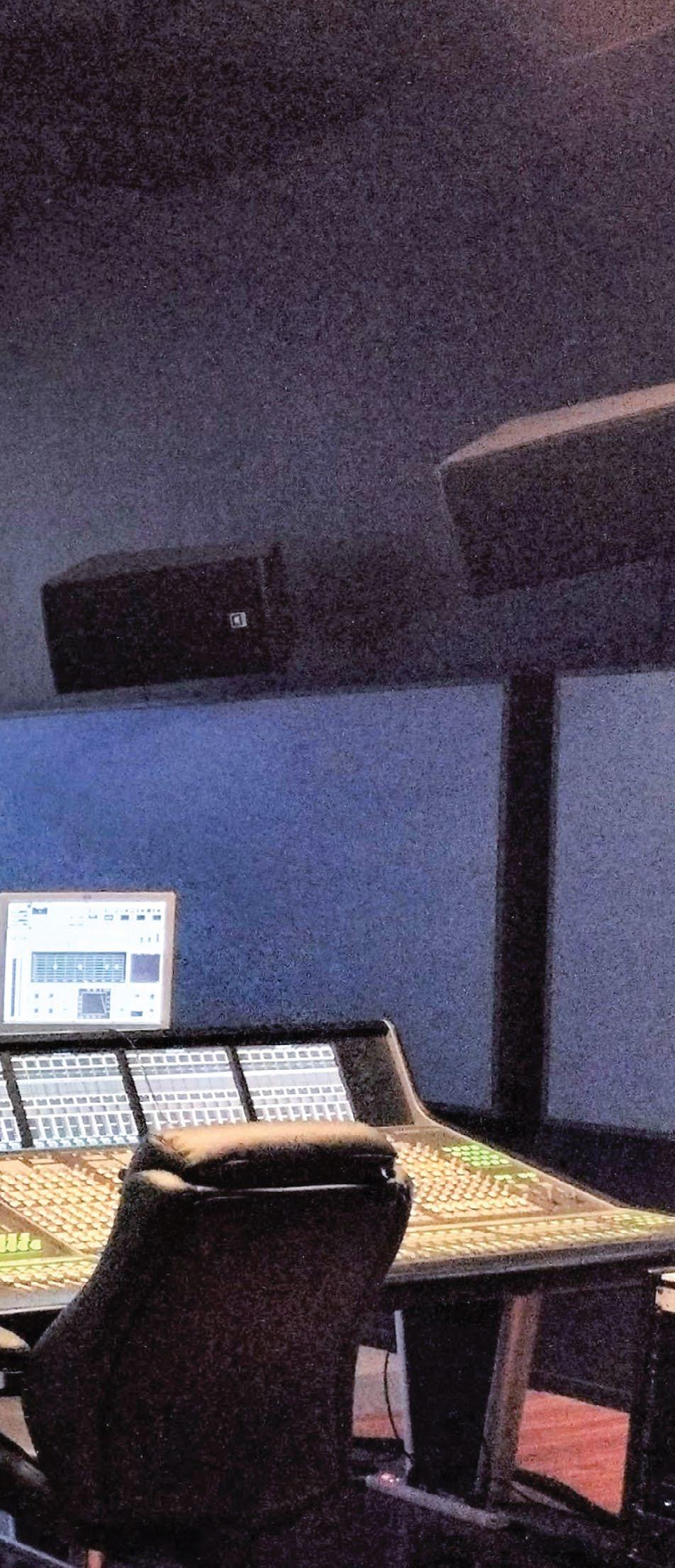
The view from behind the Harrison MPC5 console, with JBL 9320 monitors on the walls and ceiling.
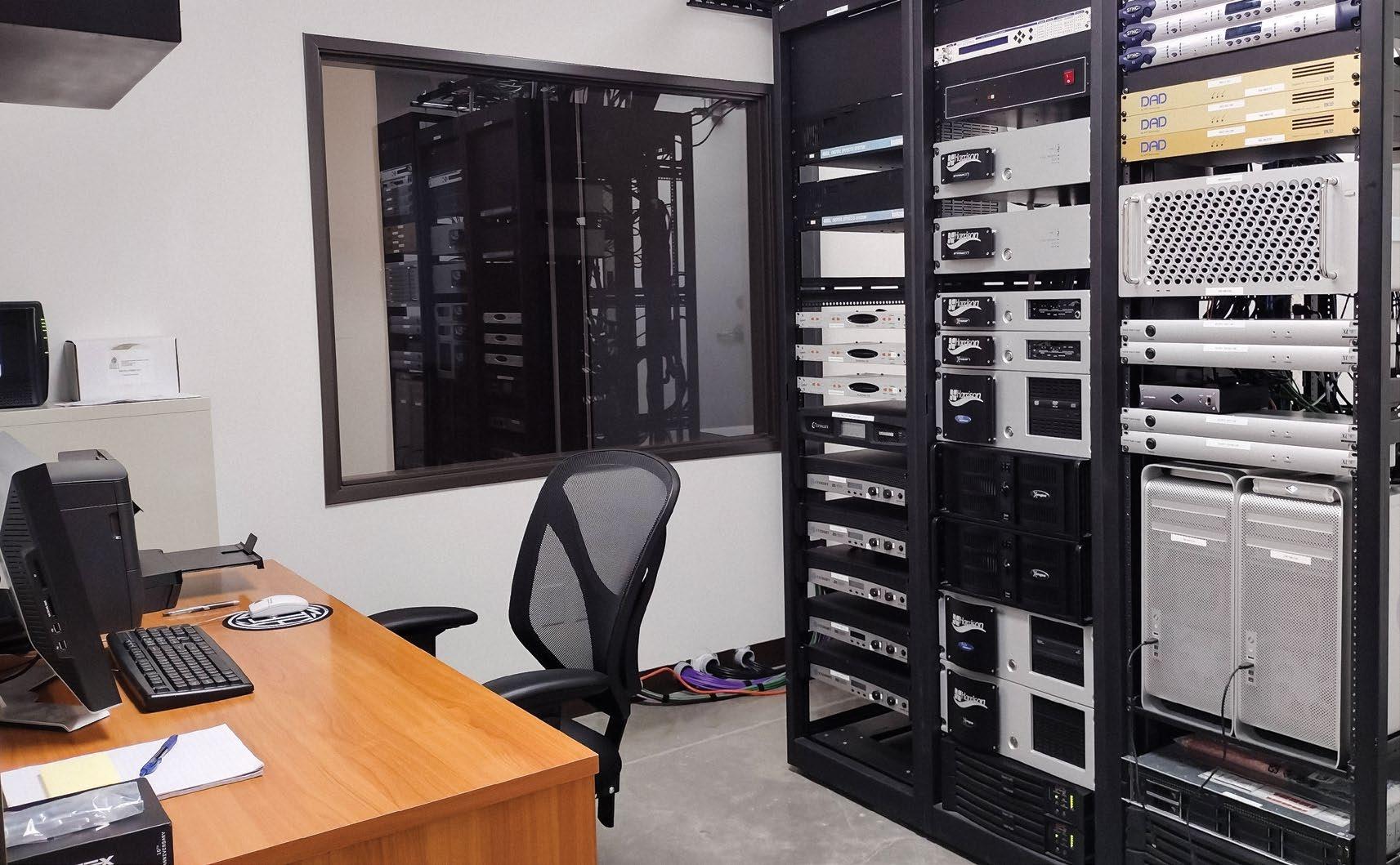
The guts of the Harrison MPC5 console, Avid Pro Tools and every other device fit in three tall racks in the back of an office.
the former typically at the console and the latter in the machine room. On the side, over many years, Black had become a self-educated acoustician and would occasionally engage in casual conversations with Massey about what he’d been learning and how he had been forming his own theories. When Massey was preparing for the move to Ojai, he recalled those chats and brought Black onboard for the acoustic design. He brought him back in 2020 for the move to Ventura.
“I talked to a bunch of acoustic designers at the time, and some of them made things so complicated and so unnecessary,” Massey remembers. “Acoustically, I just thought there’s got to be a better way, a simpler way, a less-ismore way. Then I started talking to Bruce again, but as an acoustic designer and about how he overcomes issues. Bruce is definitely less-
Acoustic Nuts & Bolts
In mid-2022, during the completion of Paul Massey’s mix studio, acoustic designer Bruce Black wrote an eight-part blog for mixonline. com detailing the design and construction process. Here are a few choice excerpts:
The Floating Floor: The project’s structural engineer had dictated a structure, built on its own foundation, outside of the mix room itself, to provide support to the inner room. California is earthquake country, after all. This also presented the opportunity to use the gold standard of studio isolation: a floating roomwithin-a room design. So blue chalk lines were snapped onto the slab, marking the location and width of the new foundation, and the intrepid team fired up the concrete saw and commenced cutting two square slots in the slab, one inside the other, roughly 18 inches apart, and as close
is-more, and he came up with some genuine, unique ways of dealing with acoustic issues. He’s very, very talented.”
Black is also one of those unique audio industry characters. He’s a man of science, with a can-do attitude and quirky sense of humor. Now semi-retired, he’s freer to further develop his theories and techniques, which are based on direct observation and collected data. These sometimes differ from common practice, but he sticks with what he’s learned and developed on his own.
Isolation is paramount to Black (“you want the outside sound to stay outside and the inside sound to stay inside”), and he considers calling it soundproofing misleading. He also balks at bass traps to treat the low end (“It essentially turns all the lows down; instead, just focus on the specific problems and leave everything else alone”) in
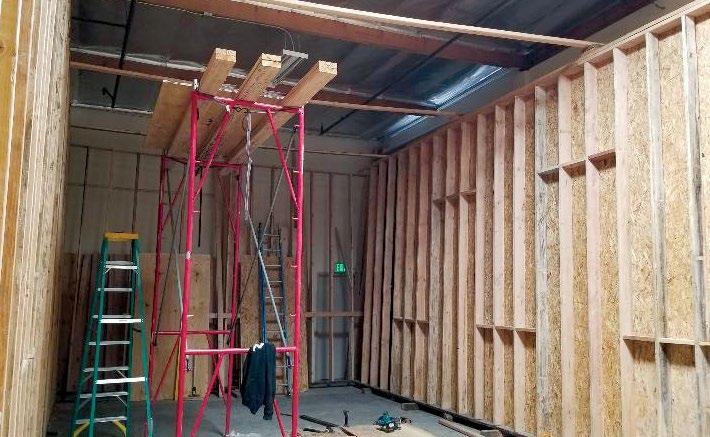
to the unit’s walls as possible. These kerfs marked the location of the outer structure’s new foundation. The jack hammer then broke up the concrete, and a Bobcat backhoe straddled the trench and dug it out to approximately four feet deep. Then came rebar, properly bonded to the remaining slab, and threaded anchors to hold the outer wall’s framing in place. Finally, the trench was filled with concrete, and voila! There was now a concrete slab where once there was only…a concrete slab.
The Walls Go Up: I wasn’t there to witness it, but somehow four burly laborers with a 3-ton floor jack, and likely with some hefty pry bars as well, got the two side walls (the longest and therefore the heaviest) in place on the anchor bolts. Add a bunch of anchor plates and hefty nuts, and the walls are in position and locked down. A big job requiring a lot of muscle power.... The wall at the front, or speaker end of
favor of Helmholz-style resonators, whether a single hole in a box for the deep lows or multiple perforations to treat the upper lows.
He absolutely believes in sturdy structure (“Screws every four inches instead of building code’s spec of up to 16 inches”), and he is chagrined when talking about the preponderance of “flimsy screen walls” that he comes across (“Any energy that gets into them is going to vibrate the wall, essentially making it another speaker that is nowhere near as high fidelity— plus it has a time delay in it”). He leaves the application of EQ to the very end of the process because, he says, there are a lot of acoustic issues that EQ can’t fix (“Response depends on where you measure—if you EQ for the mix position, the response of the room changes as you move, and I’ve never met a mixer who stays in just one place; they’re always moving around”).
the room, is much easier to install. The electrical panel and sprinkler equipment are in that area, with building codes requiring at least three feet of clear space around them for access. Plenty of room for our fearless tradespeople on their scaffolds to install the outer layers on this wall.
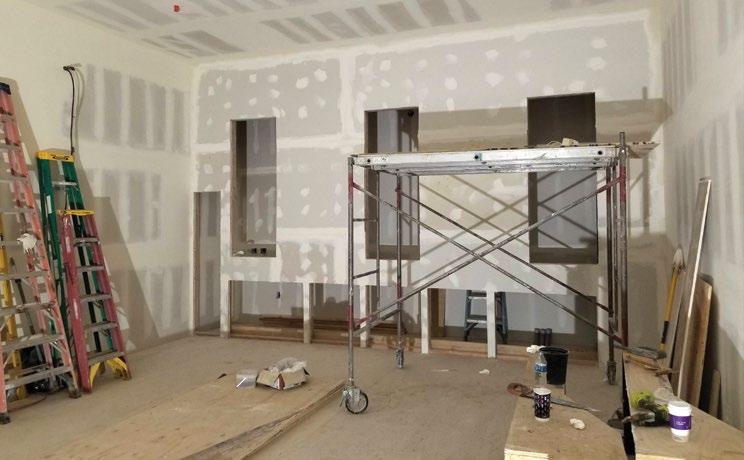
Now the Ceiling: Layering a ceiling is always difficult work, defying gravity with heavy, unwieldy panels. It’s not just a bunch of layers of drywall, as we so often see in common studio construction. My design starts with a layer of ¾-inch plywood, followed by a 1-3/8 inch layer of QuietRock 545. We then put in another layer of ¾-inch plywood, finishing off with a layer of 5/8-inch drywall, with construction adhesive between each layer. And the secret ingredient? The final layer goes on with drywall screws every 4 inches. This may sound unconventional, it may seem extravagant, but it brings an uncanny rigidity to the walls. n
MIX | FEBRUARY 2023 | mixonline com 28
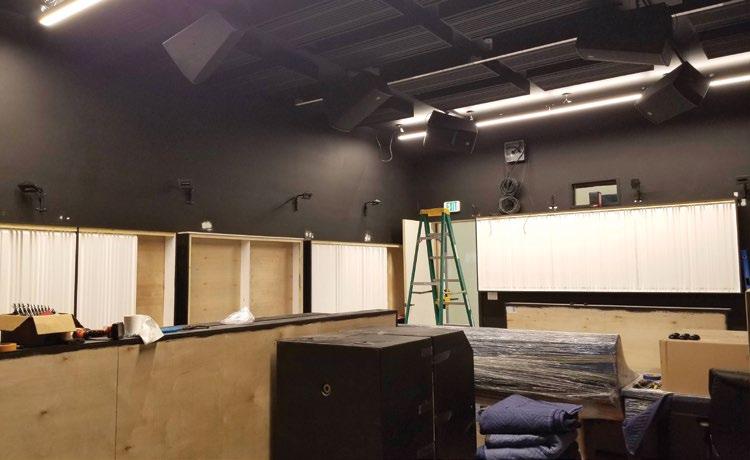
The interior frame is in place as the room begins to take shape.
The all important frame for the screen wall is up.
The screen wall is up and the mounts are in place. Nearly there!
PHOTO: Bruce Black
All of the above approaches were employed in one way or another in the construction of Massey’s new studio, as Black detailed in an eight-part blog for mixonline.com (see sidebar). The design, treatment and tuning—based on frequency, waterfall and decay graphs—was an iterative and collaborative process throughout the two years of planning, four-month build, and the first few months after its soft opening in July 2022.
“I build to numbers and graphs and data like that because that makes the process repeatable and quantifiable,” Black explains. “Once that’s done, Paul does his listening test and he says, ‘Well, I hear a little something here, I’m getting a little something there,’ and we address that. Basically we’re tuning the room to his ears. Paul works in many different studios, and he needs to be confident that what’s on the recorded medium sounds consistent between the rooms that it’s being played in.”

BRING YOUR OWN GEAR
As in 2010, Massey worked with Audio Intervisual Design of Los Angeles on system integration, this time for 9.1,.6 Dolby Atmos Cinema and 7.1.4
for Dolby Atmos Home from the same playback system. While the update included new cable and wiring, a new Dolby RMU software package, new HDX cards, software updates, and reconfigured monitor control and setup, the bulk of the equipment package was brought over from the Ojai studio, including the JBL and BMS Screen monitors, Meyer Sound subwoofers, outboard racks, Christie projector and a beloved Harrison MPC5 console.
“It’s my favorite console in the world; I’d never get rid of it,” Massey says. “I do mix on different platforms, and I do realize I’m swimming against the tide at this point because the S6 is everywhere, and that’s fine. I have no problem with that. The Harrison is just my personal choice. It’s the best sounding console I’ve ever found.”

Massey has certainly earned the right to work the way he wants, including traveling with duplicate MPC5 setups in flight cases—one for when he travels south to L.A., the other which he keeps in London. There’s no worksurface, but each does include the complete Toys package of plug-ins, and he’s had no problems interacting
with alternate workflows and platforms.
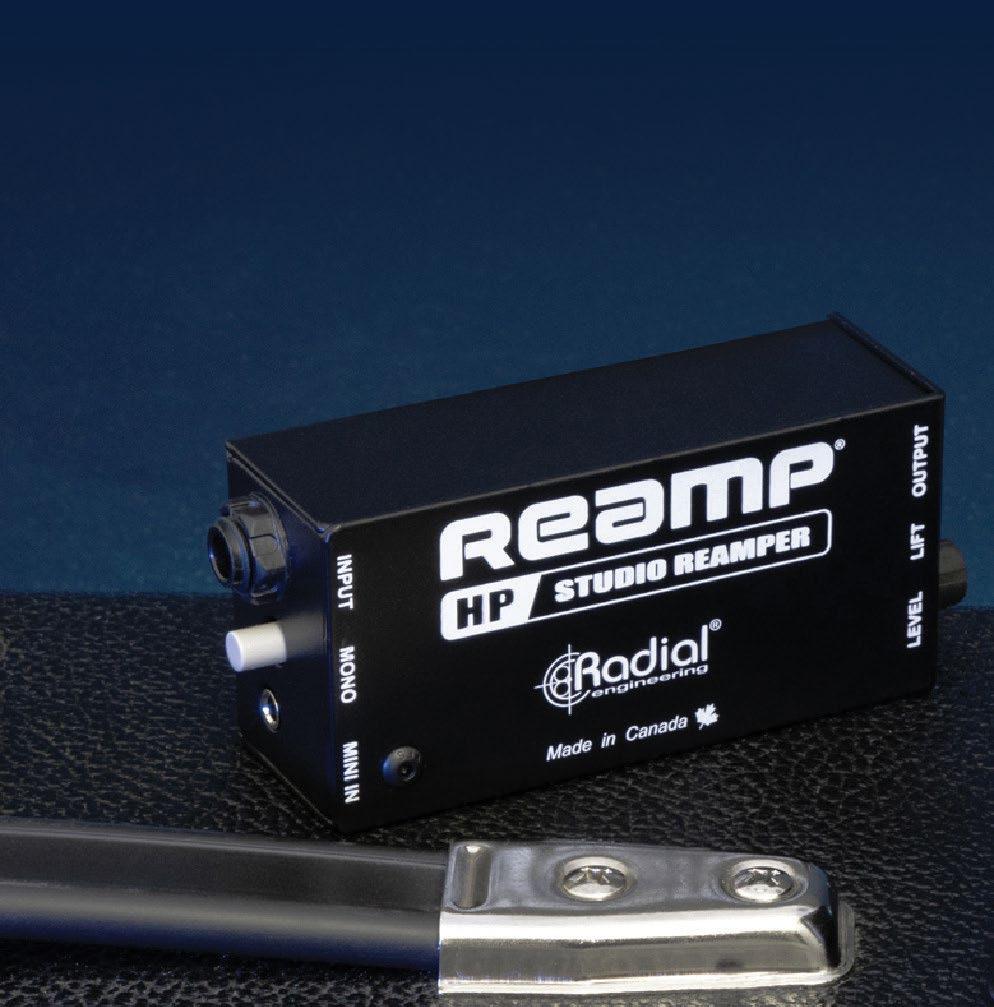
With more than 200 films to his credit, along with 10 Oscar nominations for Best Sound Mixing and a win for Bohemian Rhapsody, Massey could be forgiven for kicking back a little and easing into a slower-paced life in Ventura, with family. Yet, in the past year alone, his work has been heard on films as diverse as The Lost City, Morbius, Dungeons and Dragons: Honor Among Thieves, Moonage Daydream (on this year’s Oscar shortlist) and Whitney Houston: I Wanna
Dance With Somebody
In October, he and Gary Rydstrom finished working on the new Indiana Jones film, to be released in June, and in December, he wrapped up Ridley Scott’s Napoleon, and he’s currently working on a musical version of The Color Purple. He doubts that he’ll ever actually retire.
“I’ve done three projects out of my new studio, and I’m just really happy with the way it’s translating and the overall result—the size of it, the feel of it,” he says. “And honestly, it’s wonderful to be able to walk into a room like this and know that basically everything is exactly the way you left it. So yes, I’m happy.” Then he went back to work. n
First Step:

Remediation

Iron Mountain Preserves and Prepares Legacy Music Media for Modern Playback
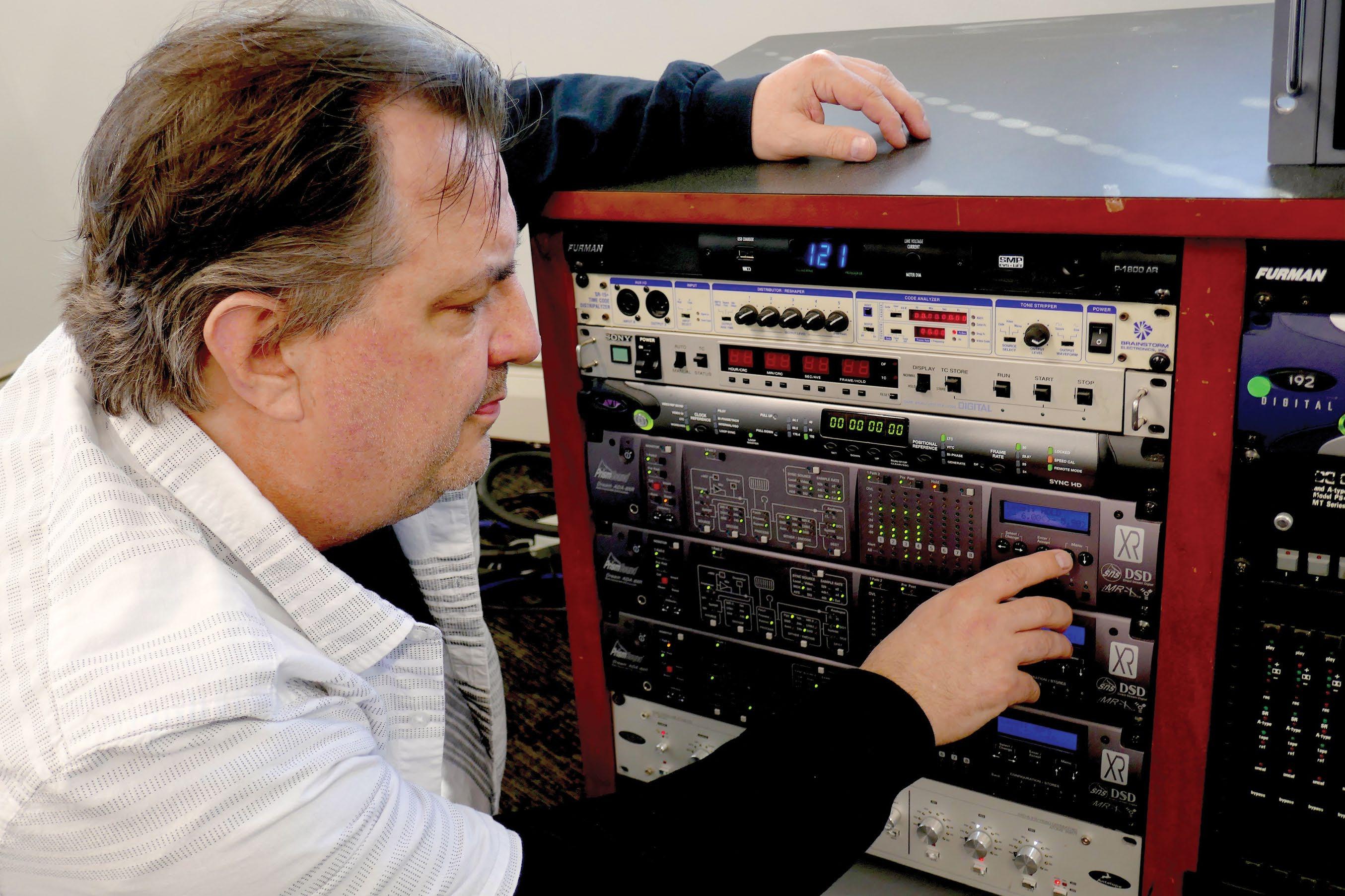 By Steve Harvey
David Bowie, ever the visionary, made a smart move back in 1997, partnering with an investment firm to raise cash from his intellectual property—his catalog of songs—through Bowie Bonds. Ten years later, it became apparent that Bowie had made out like a bandit just as the record business was beginning to crash.
Fast-forward through the new millennium and there has been a Gold Rush over the past few years, as artists from The Beach Boys and The Killers to Genesis and Massive Attack—as well as Bowie’s estate—have cashed out their recording catalogs with a handful of investment firms.
Deal details are rarely disclosed, but some of the reported numbers are eye-popping: Bob Dylan, for instance, may have reaped upward of $600 million for his publishing and masters, while Bruce Springsteen is believed to have received $500 million for his songs and recordings.
For artists, these arrangements offer certain tax advantages while potentially relieving financial pressure for the rest of their lives and, for older musicians, enabling them to plan their estates. As for the catalog aggregators, they are banking on a healthy return on their investments through sync licensing for film, TV and commercials, record reissues, merchandising,
and the like. But to realize any sort of return on their investments, the recordings, some of which may be many decades old, need to be in a playable condition.
Kelly Pribble, director of media recovery technology at Iron Mountain Entertainment Services, has a simple motto: “It’s only rock ‘n’ roll if you can play it.” IMES, which has three digital studios in the U.S. and two in Europe, offers secure physical and digital asset preservation and archiving services for the wider entertainment industry, not just the music business. Pribble, for his part, spends much of his time working with rights holders—whether that’s an artist or one of
MIX | FEBRUARY 2023 | mixonline com 30
Kelly Pribble of Iron Mountain Entertainment Services captures legacy analog media through high-res Prism Sound ADA-8XR converters at 192 kHz, 24 bits.
Photography: Kelly Pribble
such factors, from recordings being fixed in an obsolete format to damage due to storage issues to problems with any associated information— the metadata. It’s the work of Pribble and his IMES team to remediate those issues before archiving assets and their metadata for clients.
Even if they have been previously archived, decades-old original assets can only benefit from being transferred again using the latest technology. Currently, Pribble captures analog audio assets through Prism Sound ADA-8XR converters at 192 kHz, 24 bits.
“I use those Prism units because I just love them,” he says. “They don’t color the sound. As an archivist, I don’t want to color what’s on the tape when I make a digital file. If it’s digital, I go bit-for-bit so there’s no loss.”
Over the years, Pribble has seen it all (but due to strict confidentiality agreements is unable to name all but a few IMES clients). Issues with age-old tapes occur almost daily in his job. “They’re just so fragile. Any manipulation—sometimes even putting them on a machine and rewinding them in a very slow mode—and the tape just breaks,” he says.
One remediation project involved an archive of some of the oldest tapes he’s ever handled. “There were all these challenges that I hadn’t really seen that much because most of the time we don’t deal with 70-year-old tapes.”
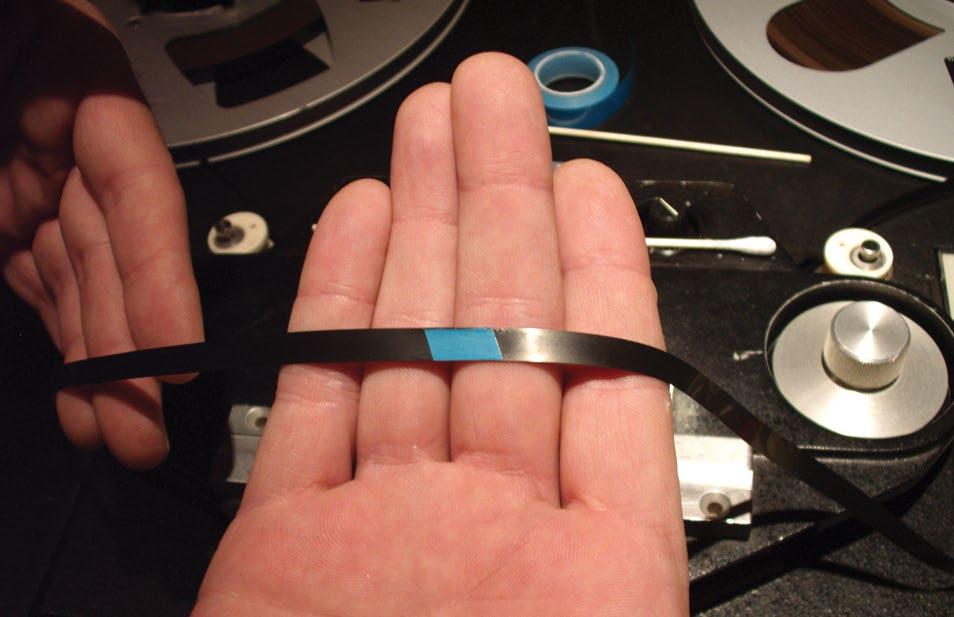
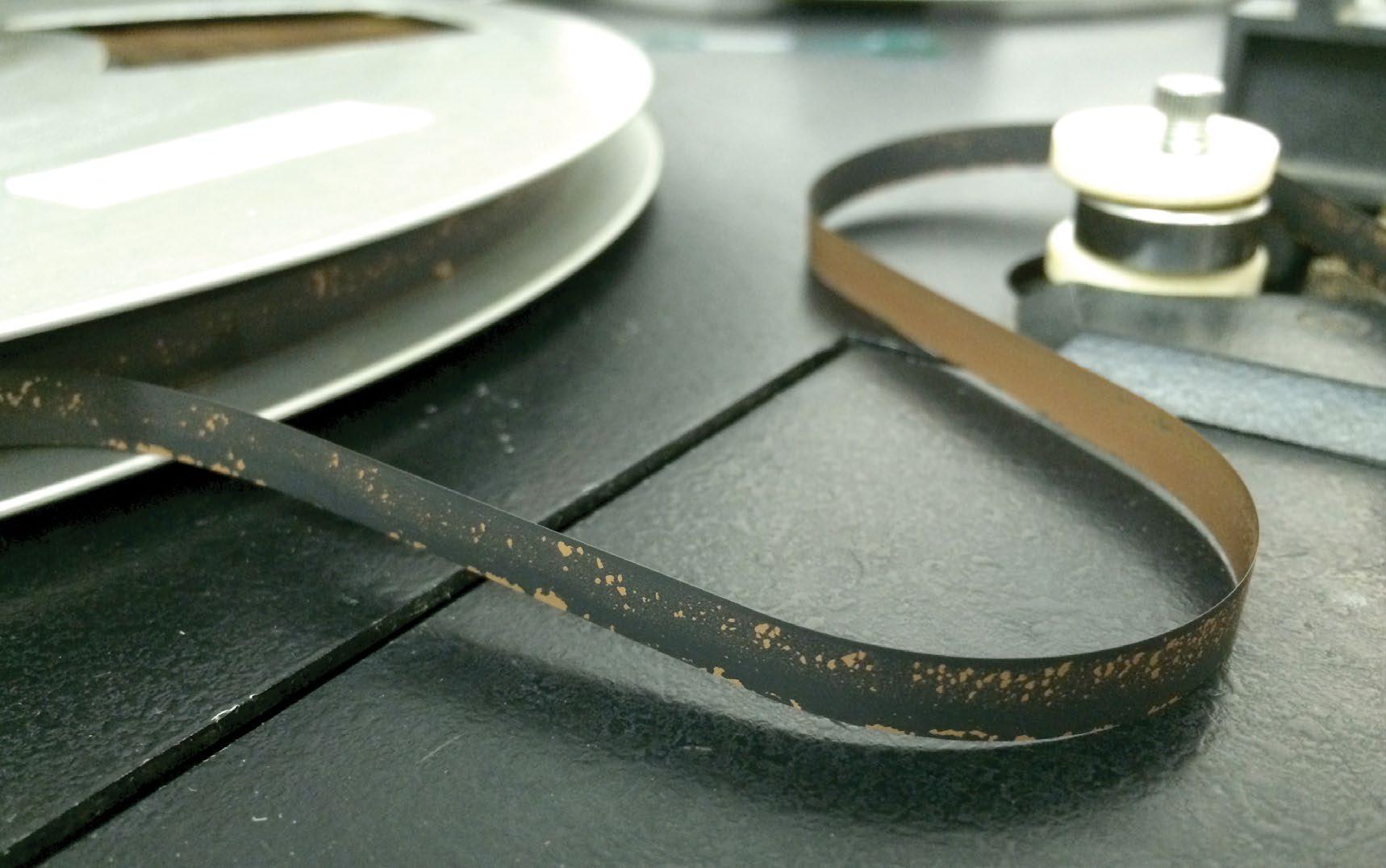
Many of the splices between paper leader and tape, not just at the head and tail but between songs on album masters, proved challenging, with adhesive from the tape breaking down and oozing between layers. Pribble had to carefully peel everything apart without removing any oxide.
“The downbeat is right at that splice, and if one little bit is missing, you’re going to have a
dropout,” he explains, noting that adhesive at the splices had also bound layers together. “As I was getting closer in a very slow rewind mode, I would stop and hand-wind to that point or I could damage the song.”
STICKY SHED AND ADHESION
You may be familiar with sticky-shed syndrome, which causes the magnetized coating on
31 mixonline.com | FEBRUARY 2023 | MIX
Repairing an edit splice on 2-track analog tape.
certain tapes to separate from the backing due to the deterioration of the binder—the glue—holding them together. At a Recording Academy presentation in late 2020, Pribble called attention to a new issue, which he called adhesion syndrome, which had affected the album masters of Bob Dylan’s Empire Burlesque, from 1985, and 1986’s Knocked Out Loaded The records are part of a collection of more than 100,000 items—hours of audio and video, manuscripts, notebooks, photos and other assets—acquired by the George Kaiser Family Foundation and the University of Tulsa, some of them now on view at the Bob Dylan Center in Tulsa, Okla.
Pribble reported that the issue was first observed 10 years previously in South America (tape manufacturing formulations can vary by region) but had become a recent phenomenon in the U.S. “The edges are bound together, and as you unwind the tape, it rips the tape,” Pribble explained at the time. The condition can pull the oxide from the backing, creating pinholes.
“Altogether, there were 63 two-inch masters from Bob’s two records that we were able to safely unbind and transfer successfully,” he continued. “I didn’t have to do much once we were unbound and transferred; the audio was pretty good.”
SAVE YOUR DATA
These days, we think of metadata as information embedded with a digital audio file. For analog material, that metadata is typically the writing on the tape box. But if it’s missing and the producer, engineer or artist is no longer around, identifying a song, much less which take is which, may be problematic.
On one recent project, Pribble was rewinding a tape from a box with scant information on it when he caught something out of the corner of his eye. “Somebody at some point decided to write the name of the song and the artist on the leader tape. That was just so cool,” he says.
With no notes it might not even be obvious how many tracks are on a half-inch multitrack tape, Pribble says, and it doesn’t necessarily help to play it. For instance, a 3-track tape will play on a 4-track machine, and vice versa—just not correctly for archiving purposes. Happily, there’s a tool for that. “We have a magnetic viewer,” he says, noting that it makes the tracks visible.
That said, previous archivists may have done a thorough job. Pribble reports seeing tape boxes noting defective tracks with directions to use a
copy or even an alternate take from elsewhere in the collection, including for some very familiar rock ‘n’ roll classics.
“If we didn’t have this information, we might have used these versions and said, ‘This is not a great version.’ And we may have not known where the other good versions were or where to go look for them,” he says. An outtakes reel may include alternate takes that are practically indistinguishable from the familiar—but now unplayable—released master, which can save the day when a collection is reissued decades later.
WORKING MACHINES
As for obsolete recording formats, devices such as Sony’s PCM-1630 have since become difficult to source, but IMES saw the writing on the wall and has long since amassed a collection
of vintage playback devices, analog and digital. Yet there can still be challenges even when a working playback machine exists.
Spotify requires tracks to be at a minimum 96 kHz sample rate. What if a project was archived to DAT? “DATs are at 44.1 or 48k,” Pribble points out. “As we archive today, DAT is probably one of the worst formats to have your storage on.”
On one recent reissue project, there was an issue with a master that he had only previously encountered with very old acetate tapes, where it starts to shrink as it breaks down and begins to curl within the reel as it unspools. When he played the tape, it would move in and out of contact with the head stack, he says: “I call it dancing. How do we fix that?”
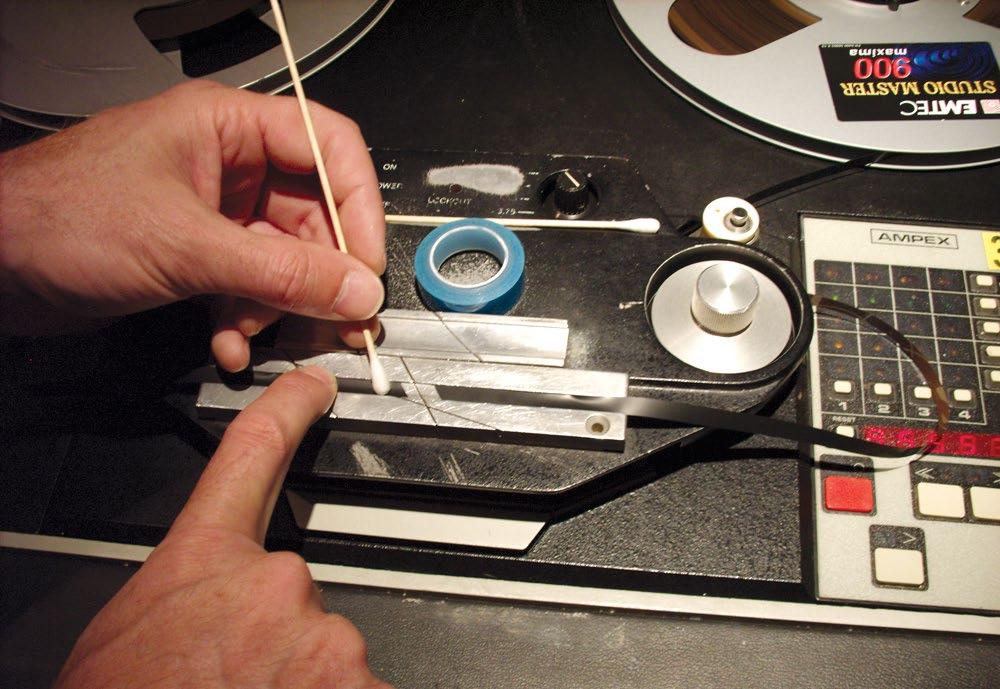
Pribble, a former studio builder and owner who holds a U.S. patent for a method to remediate magnetic tape, is not one to shrink from a technical challenge. “It literally took us four or five days to come up with a fix. I’m an inventor; I never give up,” and neither does his IMES team, he says. In the end, a device made from a piece of foam and some medical tape held the tape against the head just enough, without affecting the speed, to make an archive copy.
“We think we’ve seen most of the problems until we see something like this, and then it’s a new challenge,” he says. “I love challenges, and my team loves the challenge, but we were able to fix it. I’m so very pleased and proud of them.” n
MIX | FEBRUARY 2023 | 32
Cleaning the gum off an old analog splice.

All the Eye
Can See
Joe Henry Forges a New
 Path
By Barbara Schultz
Joe Henry’s song “The Yearling” begins, “I left behind all that I could, took what I might need, walked myself into the wood where the mountains grow to seed. There, yearlings tumbled at my feet, rolling on their way, back before this all began and far beyond today.”
The listener can guess that the yearlings in this poignant song—realized with evocative violin parts by Tony Trundle interweaving with Henry’s guitar playing, Floriane Blancke on Celtic harp, and vocals by Henry and Lisa Hannigan— represent purity and innocence found in the natural world, at the beginning of life.
Most of the tracks on Henry’s new album, All the Eye Can See, are similarly reflective. He wrote in his notes about the songs, “I hear them in part as springing out of our shared and traumatic experiences of the recent past, sure, as well as our present-day responses to them; but if I am honest, I know that I have never allowed myself to write and release songs as personal as these now feel to me.”
Henry had the other side of cancer treatment in his sights when the pandemic closed every door that he thought was about to open. Like many, he felt blindsided, and he took a lot of solitary walks. Songs eventually emerged from the quiet.
“This happened five, six, seven times,” Henry explains. “I had a full song in my head essentially written. I would walk in the door and quickly scribble down the words that had been cycling
through my mind so I wouldn’t forget them, and then I’d find a guitar and figure out how to support what I had just been singing on my walk. Then I would immediately record my part of it, trying to keep it as raw and immediate as I could.
“As soon as I had a version of myself on acoustic guitar and vocals sketched out, I would send that to somebody, most notably my dear friend keyboard player Patrick Warren, who was living just across town. And he would not only send back comments but also he’d return the session files with contributions—maybe a couple of cellos and a pump organ and an upright piano. Then I would see who else needed to get this song, and continue to pass it around to people.”
LEARNING TO RECORD
For a producer and musician who has always preferred the interplay of a live band, this process was born of necessity. “I knew that what I needed was not to sulk at home,” Henry says, “but to throw myself into learning to record myself viably so I didn’t have to stop my creative life or lose connection with the people that I make music with, who are also my closest friends. I immediately started to learn Pro Tools.
“In the past, I’d always waited until I had a full album’s worth of songs written before giving thought to how I might record them, how they might be articulated,” he continues, “but in this case, I was excited about learning to record and feeling an urgency around it as soon as a new song would arrive. I was writing with a sort of fury that I hadn’t experienced before, and I was
34 MIX | FEBRUARY 2023 | mixonline.com
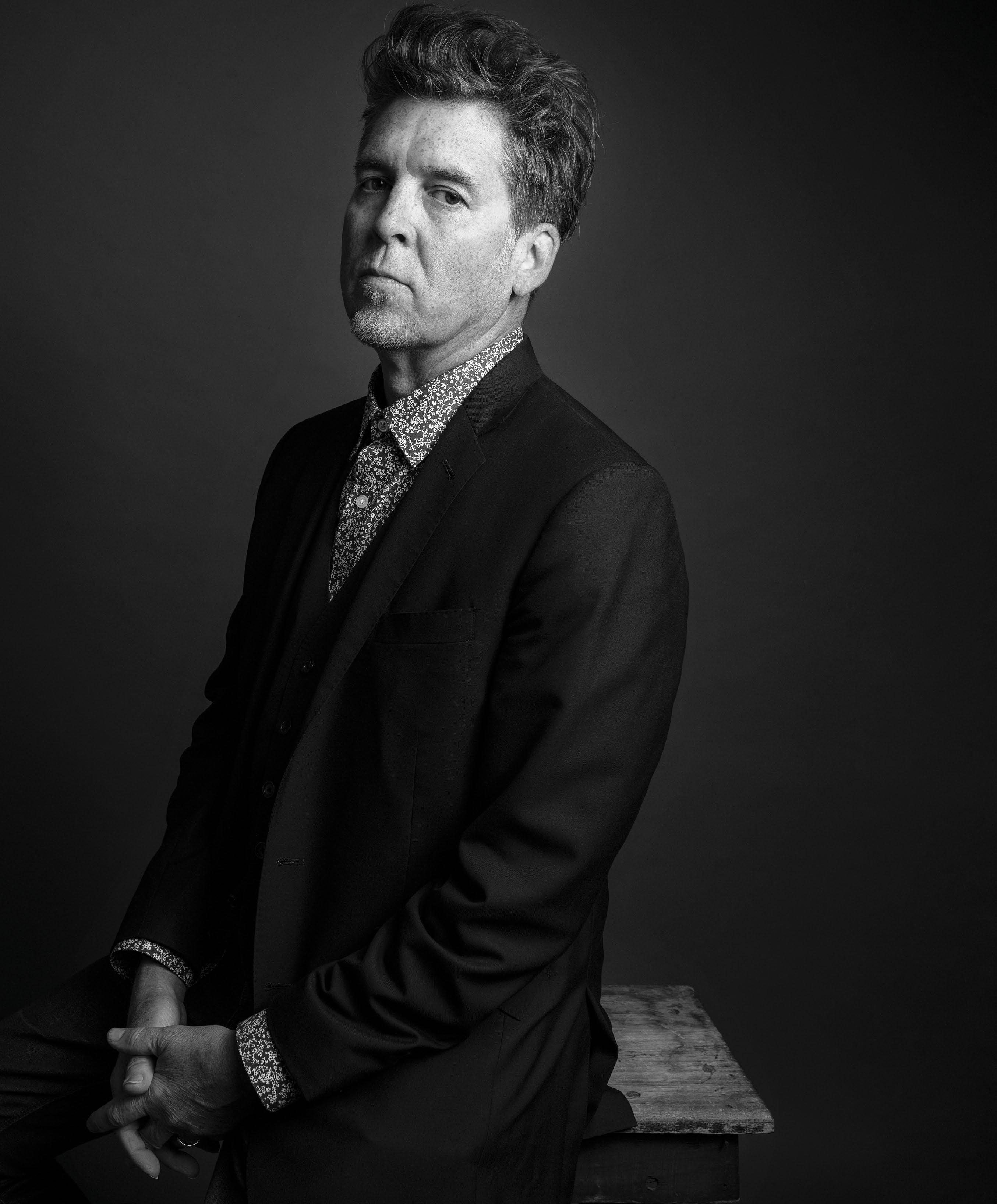
35 mixonline.com | FEBRUARY 2023 | MIX ye
really learning in the real time of recording this record.”
Henry had everything he needed, of course. Over the years, he’d amassed an impressive collection of equipment for his Pasadena, Calif., studio, Garfield House. He was well-versed in the sound and capabilities of his gear, but previously he’d mainly kept his hands free, to focus on his responsibility as a producer, while talented engineers like his frequent studio partner Ryan Freeland were there to capture it. But that was before COVID.
“For the earliest songs on this record, I used my RCA BK-5B microphone [for vocals],” Henry says. “Later, I started using an AEA A440 for vocals a good bit—something I learned from Ryan Freeland, who frequently will pair the A440 with an old [Neumann] M 49. An M 49 is probably my favorite go-to microphone; it gives me the clarity of a tube mic plus a lot of the textural characteristics of a ribbon. I also have a [Shure] SM7 that I use whenever older or more finicky mics don’t have a good attitude.
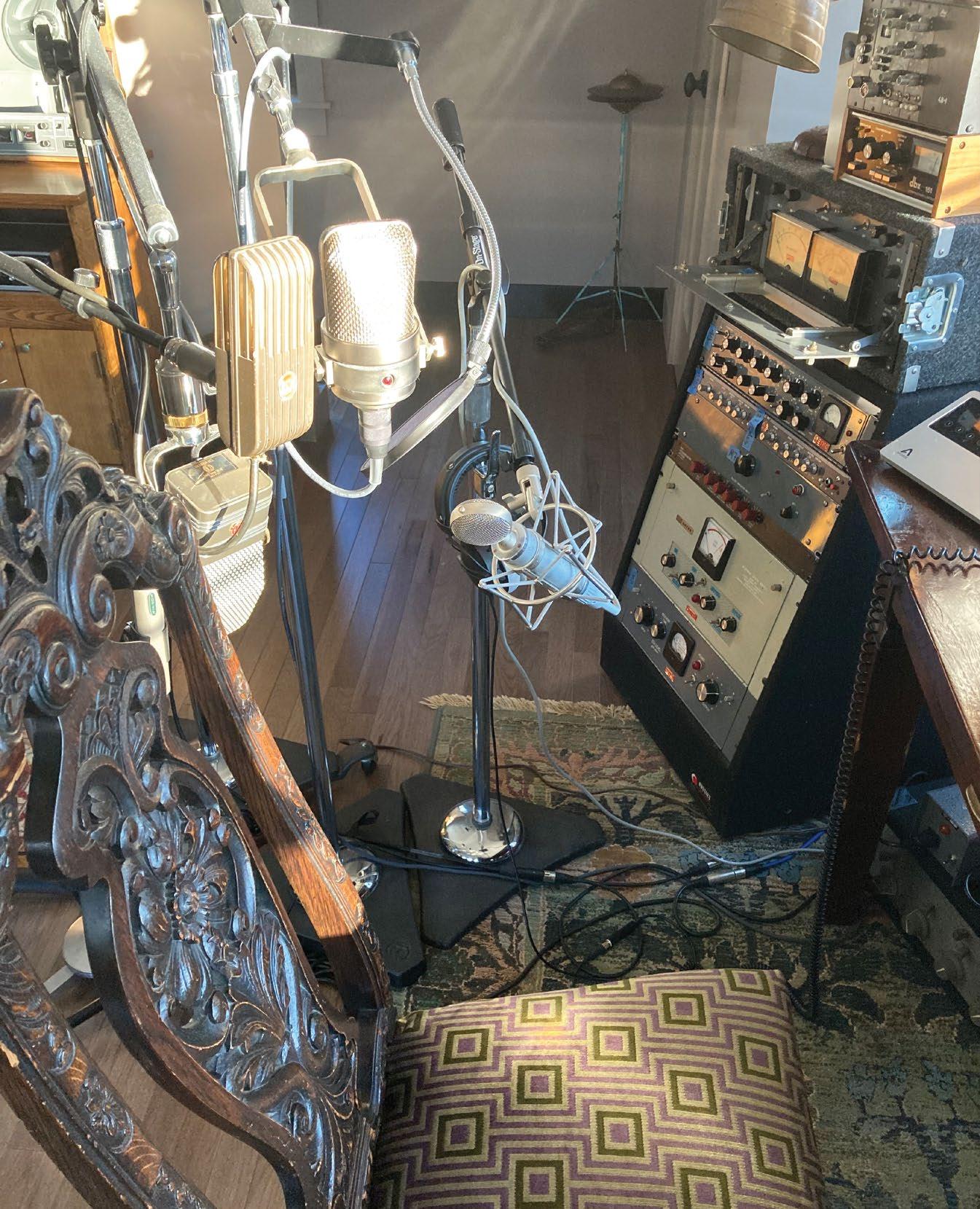

“All of my vocals and guitar happened at the same time,” he continues. “In the early days, when I was using my RCA BK-5B, what I was using on my guitar most was a Royer R-122. When I was using an M 49 for vocals, I started using the AEA A440 and an old Gefell M7 tube mic [on guitar], with the AEA placed a little in front of me so that it was picking up some vocal characteristics as well. Then I would put the Gefell M7 lower to get some bottom-end warmth, so that it wasn’t just strings and attack I was hearing; I really want to hear the body of the instrument.”
Henry is joined on the album by many of his frequent collaborators: drummer Jay Bellerose; bassist David Piltch; keyboardists Warren and Keefus Ciancia; guitarists Marc Ribot, John Smith and Bill Frisell; and his son Levon Henry on clarinet and sax. Also, the sky being the limit to remote collaboration, guests include Daniel Lanois, Allison Russell, JT Nero, Madison Cunningham, Rose Cousins, Francesco Turrisi, the Milk Carton Kids, Tyler Chester, Tony Trundle, Floriane Blancke and Lisa Hannigan.
MIXING WITH OTHERS
Henry’s songs were in various stages of completion when he received an email one day from North Carolina-based engineer Jason Richmond—just a friendly check-in.
“I started telling Jason about this record,”
Henry recalls. “I had toyed with the idea of mixing it myself, just in the spirit of doing more on my own, and I asked him if I could send him a mix for his honest, critical ear. I sent him something that I was really confident about, and he wrote me back, ‘Since you’ve asked me to be honest, the song is great, the performances are great, but as a mix, this feels flat to me. I think you’re losing a lot of your dynamics in how you’re approaching this.’
“He very generously said, ‘Send me the session files for that song, and I’m going to mix it and see if I can show you what I think might be missing from what you’re doing.’ When I got that song back, I understood instantly that I would not be mixing this record.”
“We decided I was doing the whole record at that point,” says Richmond. “I mix a lot of home
recordings, but this one was different in the sense that there’s so many different musicians, all recording in very different locations. There were very clear room tones on certain people’s instruments, and it was my job to get everything to sit together in a cohesive space.”
Richmond mixed the Pro Tools sessions in his personal studio, which is equipped with Amphion One18 and ProAc 100 monitors. He ran everything through Pro Tools and Apogee Symphony converters, his Roll Music Folcrom summing mixer and BAE 1073 mic pres. “For the most part, everything also ran through my 2-bus API 5500 and a D.W. Fearn VT-7 compressor. The VT7 is subtle, but it gave the record a bit of glue,” Richmond says.
“I realized, if a specific instrument had a really clear room tone on it, I probably wasn’t going to
MIX | FEBRUARY 2023 | mixonline com 36
“An M 49 is probably my favorite go-to microphone; it gives me the clarity of a tube mic plus a lot of the textural characteristics of a ribbon. I also have a [Shure] SM7 that I use whenever older or more finicky mics don’t have a good attitude.”
Two views of Joe Henry’s new personal studio.
PHOTO: Joe Henry
be able to get rid of it,” he continues. “So, instead I would push everything else in that direction. The song ‘Small Wonder’ was one where Jay Bellerose’s drum sound is somewhat raw, so I made everything more raw in a way to fit that drum track. Or on ‘Red Letter Day,’ there’s a lot of atmosphere that is mostly built around four or five different delays that are processed with some modulation, so everything sounds closer together.”
Richmond’s go-to plug-ins on this project included SoundToys Echo Boy, PrimalTap and Tremolator, plus a UAD Galaxy Echo plugin. Hardware processing included Retro’s 2A3 (especially on guitars and keys), Crane Song IBISwith Chandler LTD-2 (drums), and on lead vocals, an ADL 1700 parallel processor through LaChapell 583E and Chandler TG2 preamps.
BRINGING IT ALL TOGETHER
“A large part of this record was built around different delays,” Richmond says. “I would pile delays on and tuck them down, and then put some of those delays through a reverb. I found that I could calculate and add those to the vocal or guitar parts and sync everything closer to what the drums sounded like, for example.
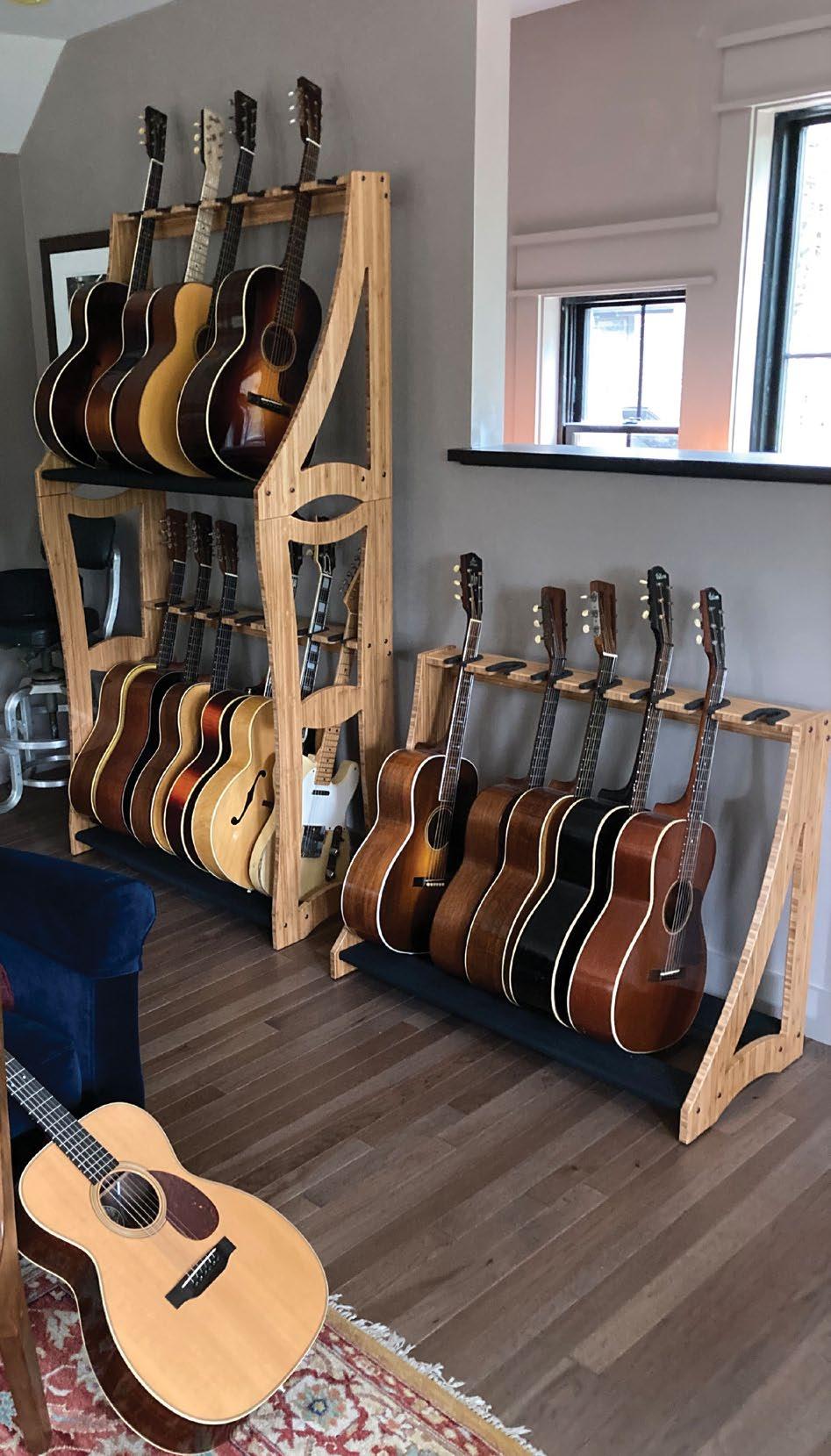
it overriding everything else.”
Richmond also mastered the album, this time working in The Kitchen Mastering, using WaveLab as well as Manley Variable MU, Terry Audio CEQ, Millennia NSEQ-2, Shadow Hills Mono Optograph and FabFilter processing.
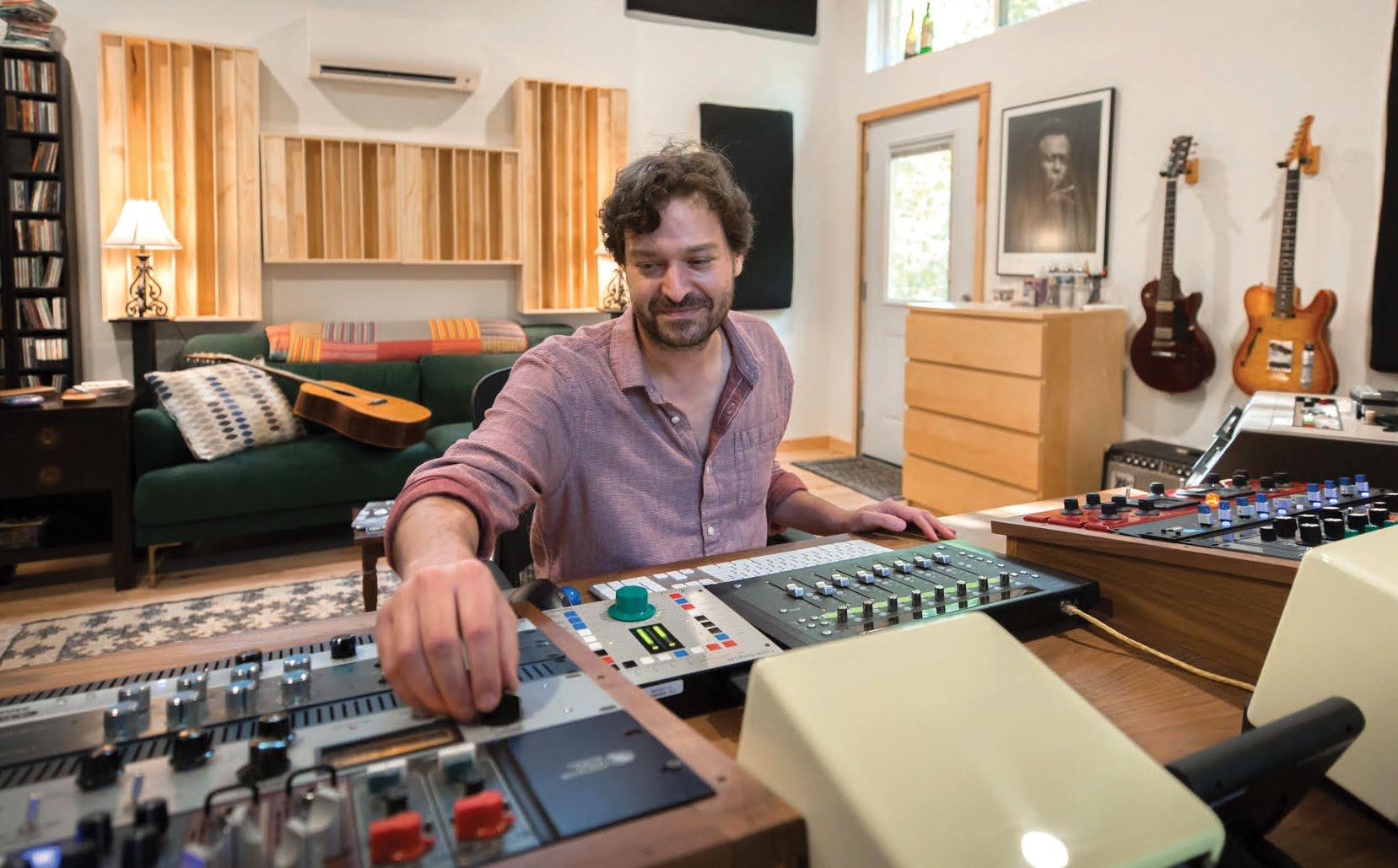
Amid all the disparate parts coming together, Henry made a change that he says was a long time coming: He and his wife packed up and moved from Pasadena to Maine. There’s that line from “The Yearling” again: “I left behind all that
I could, took what I might need…”
Having grown up with four seasons, Henry says that in L.A., “I was always waiting for this other thing to happen, which I found deeply romantic and important.” All the Eye Can See marks a transition for this artist/producer—one of the ways he has chosen to move forward.
“To borrow from Woody Guthrie, this train is bound for glory,” Henry writes in his notes about the album, “and I’ve come to learn that that speaks—always and forever—to journey, not destination.” n

37 mixonline.com | FEBRUARY 2023 | MIX
Mix engineer Jason Richmond.
PHOTO: Teddy Denton
PHOTO: Melanie Ciccone
Tech
Apogee Boom
In July 2022, Apogee Electronics introduced Boom, a new entry-level audio interface aimed at content creators, streamers and the like. The 2×2 USB-C audio interface for macOS, iOS and Windows offers 24-bit/192kHz resolution and includes some of the company’s DSP efforts. Boom offers “professional-spec” AD/DA conversion components with a maximum input level of +18 dBu. The onboard mic preamps offer 62 dB of gain, and the unit includes builtin hardware DSP with Symphony ECS Channel strip. The unit sports a ¼-inch instrument/ line input and a balanced mic/line/instrument Combi input, while onboard outputs include a ¼-inch Zero ohm Headphone output and Left/ Right ¼-inch balanced speaker outputs. The bus-powered unit can connect directly to an iPad Pro and be controlled by the Apogee Control 2 app, which is included.
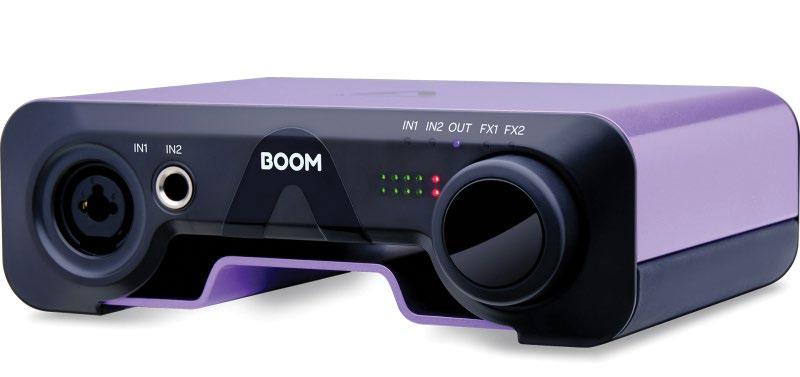
Audient iD44 MKII Audio Interface
Audient has updated its iD44 desktop audio interface with the launch of iD44 MKII. The new unit is said to provide better AD/DA converters
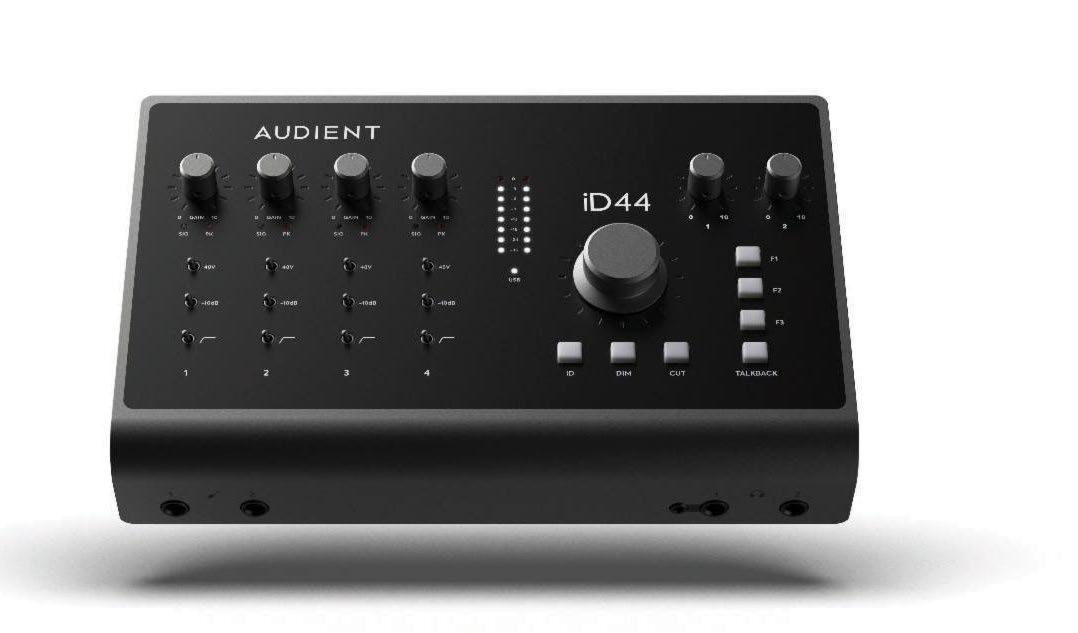
with a 9 dB improvement. The iD44 MKII now also offers Audio Loopback, so users have the ability to capture playback from multiple applications on the computer at the same time as the microphones, catering to a crucial need for content creators, podcasters and streamers. The incorporation of a dual-headphone amp, including both a ¼-inch jack and a mini-jack, means three sets of headphones can be plugged in at once.
Avid MBox Studio
At the October AES Show, Avid brought back its MBox desktop audio interface with the new MBOX Studio, powered by Pro Tools software. MBox Studio operates on both Mac and Windows OS and includes a bundled Pro Tools Studio subscription (one year). The 21-in/22-out
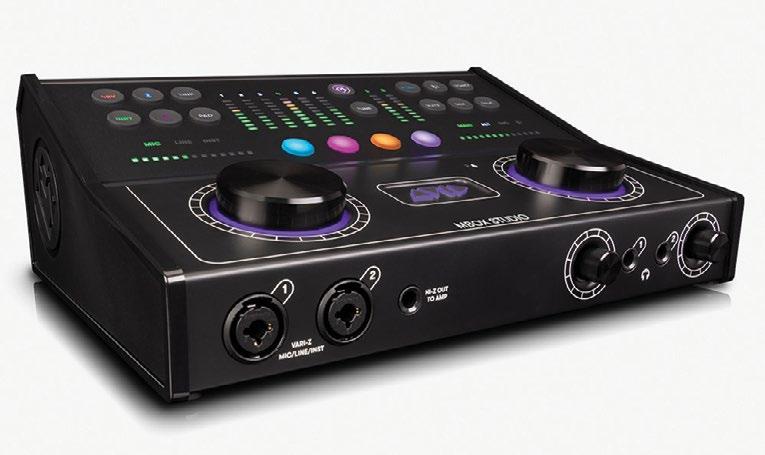
Audio Interfaces
device can connect mics, instruments, studio monitors, Bluetooth devices, and other analog, digital and MIDI gear. MBox Studio relies on the same mic preamps found in Avid’s S6L and Pro Tools Carbon system. Free with the purchase of MBOX Studio are one-year subscriptions for Pro Tools Studio and Avid Sibelius music notation software, in addition to the bundled MBox Ignition Pack. With variable Z impedance switching on instrument inputs, users can change guitar tones while recording to complement the effects chain.
Focusrite Vocaster
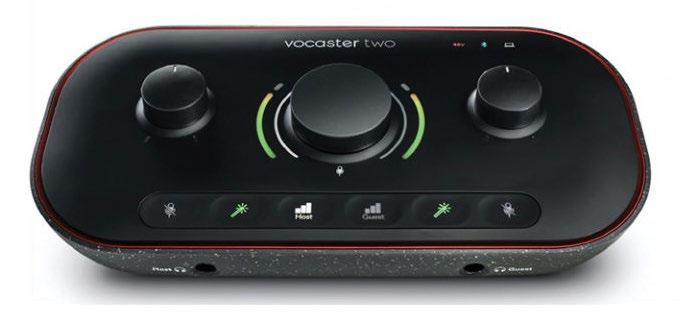
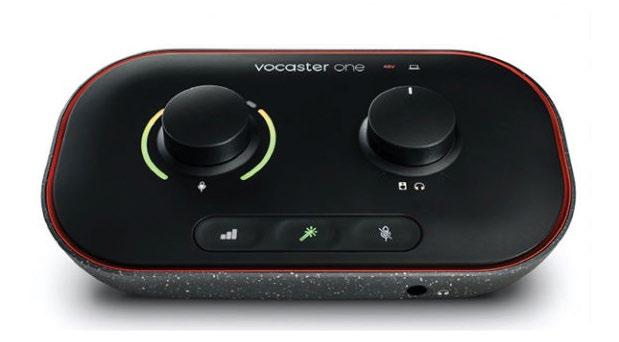
Focusrite is out to court podcasters and content creators with its new Vocaster audio interfaces. Vocaster One is a straightforward interface, intended for the solo podcaster, while the Two is designed for shows that feature two hosts, guests and/or audio segments. Accordingly, it features two mic inputs and two headphone outputs for recording and listening back. With Vocaster Hub, the companion app, users can control interface settings, set levels, route audio from a phone and computer, and more. Features include Auto Gain for setting levels; Enhance, a set of three voice presets; a Mute button; and Loopback, which allows users to stream prerecorded segments directly from a computer. Vocaster One Studio includes the One interface; Focusrite’s DM1 dynamic mic with built-in grille and pop filter; and HP60v closed-back studio headphones. Vocaster Two Studio includes the Two interface; a DM14v dynamic mic with builtin windshield and shock mount; and the HP60v closed-back studio headphones.
MOTU M6 Audio Interface
The compact M6 USB-C audio interface from MOTU is compatible with Mac, Windows and iOS systems and supports up to 192 kHz sampling

MIX | FEBRUARY 2023 | mixonline com 38
rates. It features four mic/line/Hi-Z inputs and two pairs of balanced 1/4-inch outputs. The M6, which joins an M Series line that includes the smaller M2 and M4 units, features ESS Sabre32 Ultra converters and provides a 120 dB dynamic range. In addition, M6 users will experience as little as 2.5 ms of round-trip latency (at 96 kHz with a 32-sample buffer), according to MOTU. The front-panel input channels each have an XLR/1/4-inch Combo input, Gain control, switchable 48V phantom power, and a Monitor
PreSonus AudioBox Go
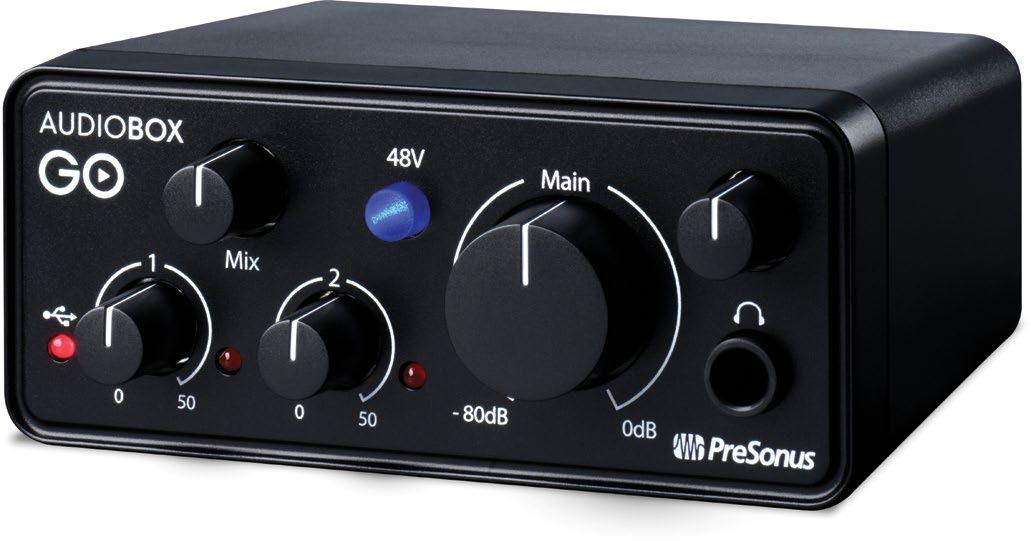
mode switch. The back panel includes two additional 1/4-inch line inputs, which can handle balanced or unbalanced signals. Full-color LCD meters show each individual input and output. The M6 also features a pair of independent TRS headphone outputs, each with its own volume control.
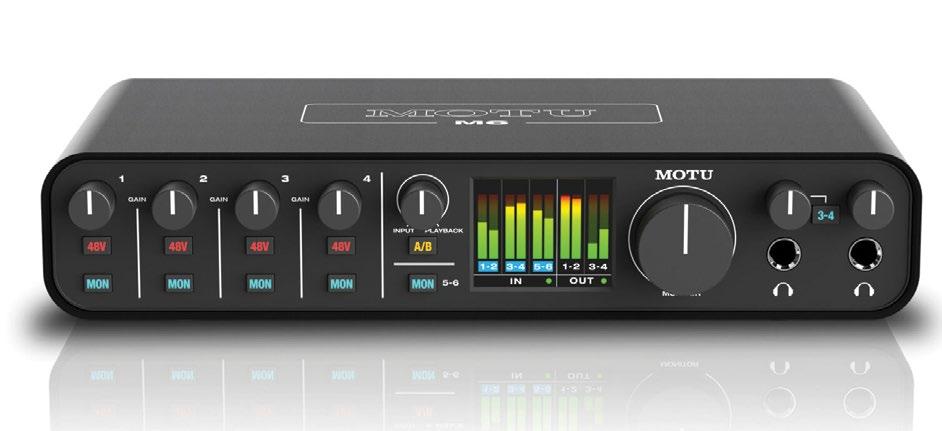
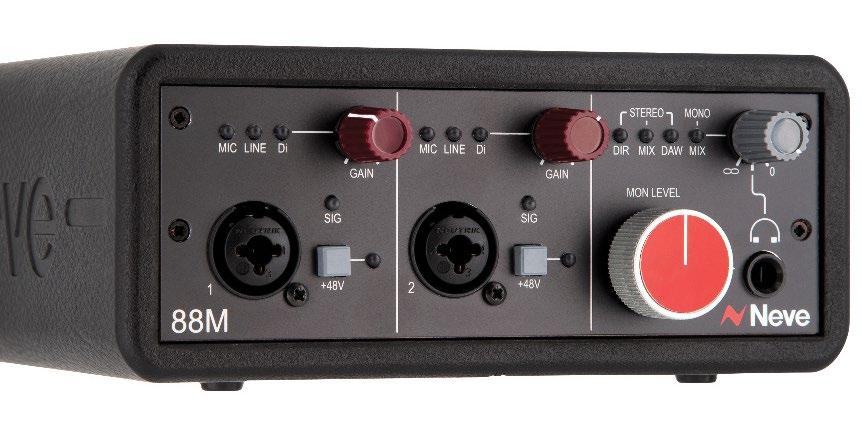
Neve 88M Dual Mic Preamp & USB Interface
Neve launched the 88M, its first Dual Mic Preamp and USB Audio Interface, at the NAMM show in early June. Using the same transformerbalanced technology as Neve’s flagship largeformat 88RS, the 88M is intended to bring sound of AIR, Abbey Road and Capitol Studios into home and portable studio setups. The front-end recording system, with plug-and-play connectivity, is complemented with masteringgrade AD/DA conversion. Analog and digital components are incorporated at every stage throughout the entire signal path.
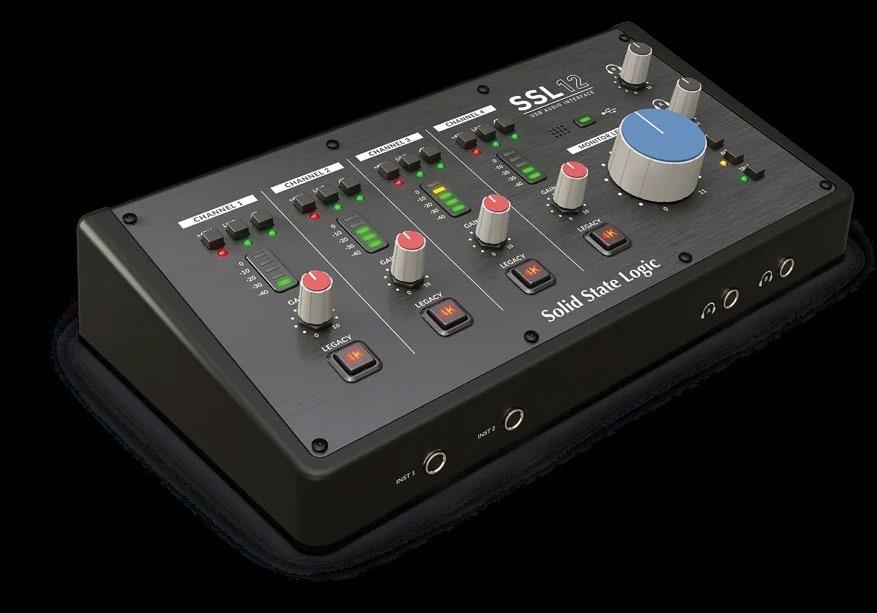
AudioBox Go from PreSonus is USB-bus-powered with Mac and Windows computers, iOS phones and tablets, and many Android devices. It’s also USB-class-compliant and supports up to 24-bit 96kHz audio. Though AudioBox Go is a 2-in/2out interface, it has only one mic input, which is on an XLR/1/4-inch mic/line combo jack with switchable phantom power. The second input is ¼-inch instrument. For outputs, the unit features a pair of TRS balanced outs for feeding monitors and a ¼-inch TRS headphone out. The front panel sports input gain knobs for channels 1 and 2, and the unit features a Mix knob that lets users dial in the ratio of audio returning from a DAW and the direct signal being recorded. The front panel houses a large knob for controlling the level of the main outputs and a smaller one for the headphone volume.
Solid State Logic SSL 12
The SSL 12, a 12-in 8-out USB bus-powered audio interface, expands on the original SSL 2 and SSL 2+ models with: four SSL-designed mic preamplifiers (-130.5 dBu EIN performance and 62 dB gain range); Hi-Z instrument inputs for guitars, bass or vintage instruments; two headphone outputs; and next-generation 32-bit /192 kHz AD/DA converters Advanced routing and monitoring options, combined with ADAT input supporting eight additional channels of digital audio, offer a total of 12 tracks of simultaneous recording and eight channels of playback, The package includes SSL’s 360°
software mixer, Alternative Monitor Switching, Mono Sum, Invert Phase Left, Dim, Cut, as well as access to an onboard talkback microphone. Creating up to four independent, nearzero-latency foldback mixes is possible. SSL 12 also includes the SSL Production Pack, a suite of software instruments, sounds, plug-ins and DAW that includes the Vocalstrip and Drumstrip 2 plug-ins as well as 3-month access to SSL’s Complete subscription.
Universal Audio Volt Series
The new Volt range represents Universal Audio’s first foray into native audio interfaces, with USB-C, tabletop-style devices designed for personal recording, podcasts and other lowinput-count applications. The basic Volt models, the 1x2 Volt 1 and 2x2 Volt 2, come with built-in Vintage Mic Preamp mode, which provides a switchable emulation of the Universal Audio 610 mic pre. The Volt 176 and 276 also include 1176-style compressors on their inputs. The 4x4 Volt 476 features two mic preamps and two line inputs, while the 4x4 Volt 476P (Mac/ Windows/iOS) is the only Volt so far with four mic preamps. It also has four XLR/TRS combo jacks to handle mic, line or instrument-level signals, to go with a pair of 1/4-inch TRS headphone outputs, each with its own volume control. The back panel contains six 1/4-inch outputs—Monitor L and R, and four line outputs—as well as the USB-C port for connecting to your computer, a power jack for the included adapter, and a large Off/ On switch. n
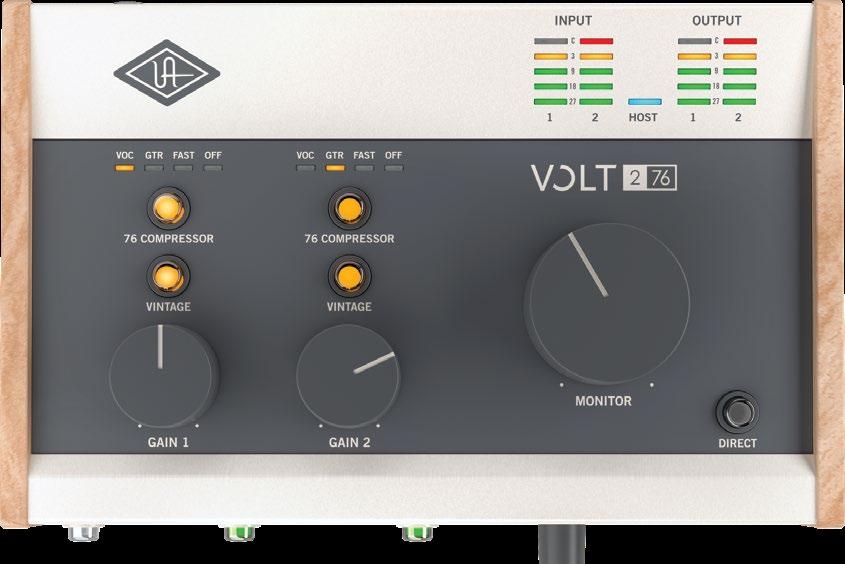
39 | FEBRUARY 2023 | MIX
Tech // new products
Studio & Live Sound
Lindell Audio LiN2A Leveling Amplifier
Lindell Audio has unveiled the LiN2A Vintage Leveling Amplifier, offering the company’s own take on the vibe and sound of a popular vintage dynamics processor in use for the past 60 years. The LiN2A is based around a simple two-knob control setup, with Gain (up to 40 dB ±1 dB) and Peak Reduction. Making use of an internal Black Lion Audio T4BLA custom T4B opto-cell element, the LiN2A provides gain reduction and transparency, but also offers a dynamically responsive Compress (≈3:1) or Hard Limit (∞:1) Mode to offer tube-driven optical compression and limiting with fast attack and level-dependent release. The front panel of a 2U rack-mount design—also home to two US-manufactured Cinemag transformers—includes a vintage-style VU meter with Output +4, Output +10, and Gain Reduction metering options, as well as rear panel-positioned Input and Output on balanced 1⁄4-inch TRS jacks.
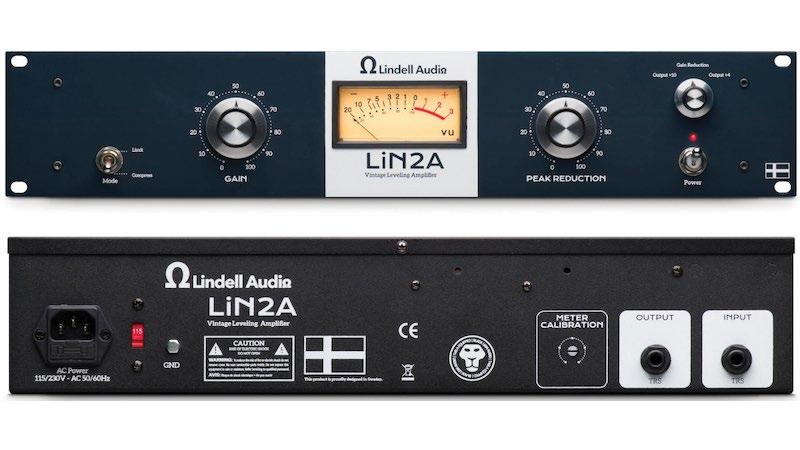
PSPaudioware PSP 285
The sequel to PSPaudioware’s PSP 84 and PSP 85 plug-ins, the PSP 285 allows users to modify its delay time (up to 10 seconds) with modulation, filters, reverb, gating, ducking,
overdrive, an envelope follower, stereo or M/S routing and more. Featuring a semi-modular architecture, the left side of the GUI features Delay Left and Delay Right sections, each featuring Main Time and Pre (delay) Time settings, along with Pan, Gain, Feedback and Feedback Pan controls. When in M/S mode, the left controls become the Mid and Right the Side. Tucked between is the Control module, which allows users to change the sample rate of the delay line, which changes the pitch and speed of the delayed audio. The plugin also features an LFO and ENV section; Filter module; Dynamics module; Mixer module; and an independent reverb processor where a user can dial-in algorithms for Plate, Spring, Room, Chamber, Hall and Ambience. PSP 285 comes with a set of useful presets, including those from the PSP 84 and PSP 85.
built-in support for NMOS IS-04 advertisements and IS-05 connection managements; a maximum router capacity of 2,048 x 2,048; and up to 512 ST2110 streams, each passing between 1 and 80 audio channels.
KV2 Audio ESD8 Loudspeaker
Calrec ImPulse1 IP Audio Processing Engine
Calrec has launched its new ImPulse1 IP audio processing and routing engine, a compact, 1U unit with an optional second core for redundancy, to go with a new 128-input channel DSP pack. ImPulse1 works with Argo Q and Argo S control surfaces, and/or Calrec Assist, a browser-based GUI for remote working, multi-operator and/ or headless operation. ImPulse1 is designed for small to medium single-mixer applications and is offered with an all-new DSP license of 128 input channels without compromising its ST2110 capability. Features include a fully self-contained DSP core, as well as dual AC PSUs; up to 672 processing paths; native AES67/ SMPTE ST2110-30 connectivity;
The new ESD8 from KV2 Audio is a compact, passive, two-way, high-output, fullrange model expanding the company’s ESD range of twoway and three-way passive loudspeakers sitting between the existing ESD6 and ESD10. The ESD8 incorporates an 8-inch trans-coil woofer and a 1-inch compression driver coupled to a wide dispersion horn. To match the rest of the range, it is enclosed in an angled, low-profile Baltic birch enclosure. The ESD8 is intended for use as a main system speaker or as an in-fill for larger systems, and accordingly can be set up on podiums, stands or suspended. Applications range from corporate presentations and functions to in-fill, close monitoring or installation. The new speaker joins the compact ESD Cube, ESD15 and ESD36 in the ESD line.
SSL Blitzer Plug-in
SSL’s new Blitzer compressor plug-in is designed to emulate non-SSL compressors such as the 1176, LA-2A, dbx 160 and others. Its GUI features an Auto Gain button that compensates the Output level when users turn up the input. The plug-in has no threshold control, but the compression increases the harder one hits the input. Blitzer offers 10 preset ratio settings, from 1:1 to 20:1, as well as Attack and Release knobs. The Drive control is for adding harmonic saturation, while the Transients knob dials back in transients that the compression takes out. A numeric Mix control makes it possible to create parallel compression. Blitz mode—something of a “supersize” button—overrides the ratio
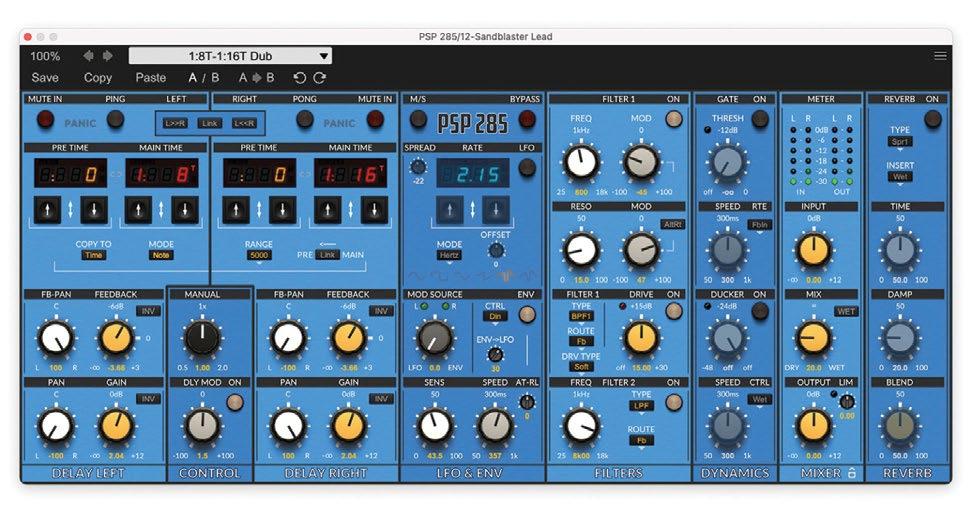
MIX | FEBRUARY 2023 | mixonline com 40
WiSA transmitter, including the Platin Stereo Hub, manufactured for Mesanovic by Platin Audio and featuring an assortment of available inputs, including USB Audio, HDMI, Optical, RCA, AirPlay, Spotify Connect, ChromeCast, and more. The Stereo Hub also features a DSP processor which can be controlled via the Mesanovic App..
Baby Audio Pitch Drift Plug-In Baby Audio has released a free plug-in every year, and at the end of 2022 the company put out the new Pitch Drift plug, introducing pitch fluctuations with the aim of making tracks feel more organic and natural. Powered by the Drift
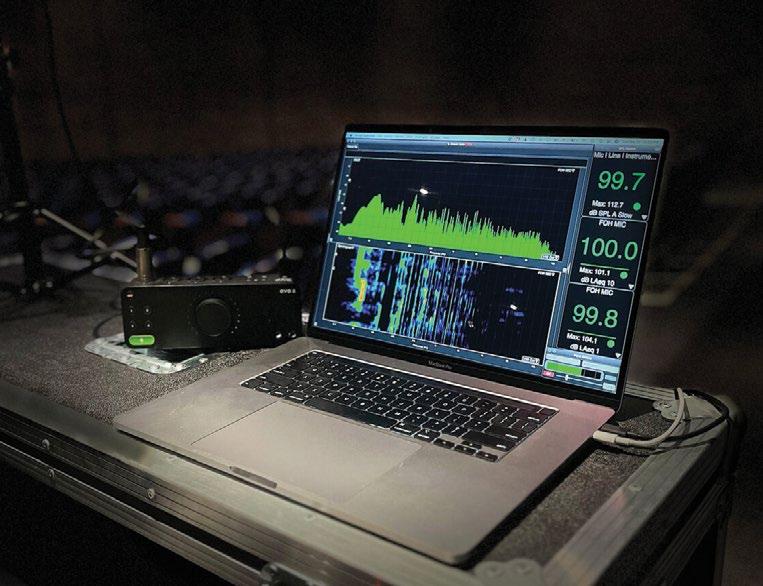
setting and turns on brick-wall limiting with a logarithmic decay. The bottom of Blitzer’s GUI contains the sidechain controls, where a knob controls a Highpass Filter that lets users reduce how much bass gets into the compressor’s detector; next to the knob is the Detection Sidechain section, which facilitates frequencydependent compression.
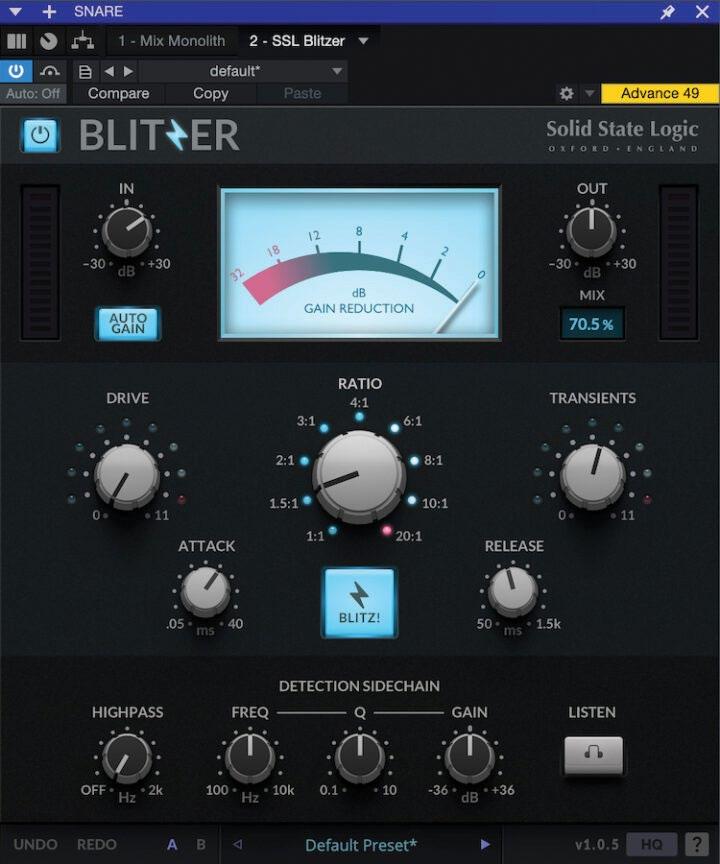
Mesanovic CDM65 Controlled Directivity Monitor
Known mostly for its American-made microphones, Mesanovic has slowly expanded into other parts of the signal chain, now with the CDM65 Controlled Directivity Monitor. As the company’s second studio speaker, the CDM65 is a compact, three-way, active monitor intended for both studio professionals and high-end home audio enthusiasts. The speaker reportedly creates a cardioid response down to nearly 150 Hz, while its waveguide aluminumdome tweeter controls upper range directivity. The CDM65 has a balanced XLR input with a 24-bit, 192 kHz ADC; it is also a WiSA-certified speaker and can receive wireless audio from any
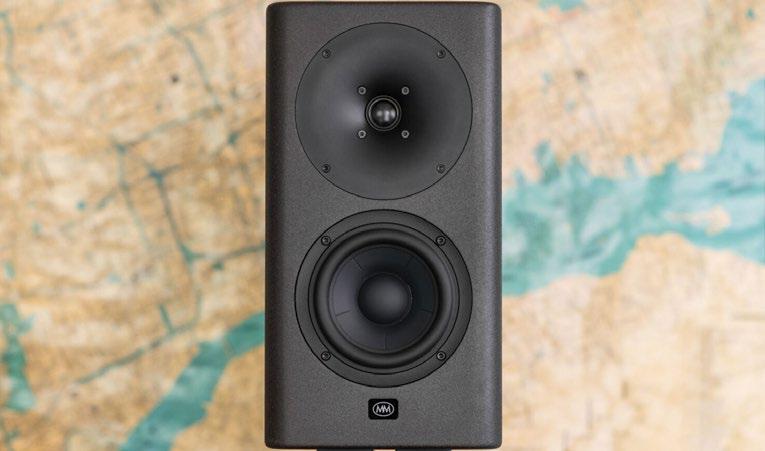
algorithm in the company’s Super VHS plug-in, Pitch Drift offers essentially the same fluctuation effect. Depending on the settings, the effect ranges from subtle instabilities that can make instruments sound less sterile to intense pitch drifting that will make tracks clearly out of tune. Users can control the depth and speed of the fluctuations in a simple interface, with Depth affected by a main slider and Speed controlled by hovering over the screen. The new offering comes on the heels of previous free plug-ins from Baby Audio, including Magic Dice (delay, reverb and modulation textures); Magic Switch (a chorus plug-in); and Baby Comeback (a delay plug-in).
Rational Acoustics Smaart v9.1 Update
Smaart v9.1 from Rational Acoustics is a major version update for the long-running measurement platform, adding new features, usability improvements and bug fixes. Some of the new features stem from the company’s partnership with Audient, integrating the controls for phantom power and gain on EVO audio interfaces directly into the Smaart
interface. Also debuting with v9.1 is the new SyncSource Transfer Function measurement process, which can be enabled via Advanced Preferences. Available in Smaart Suite and RT only, SyncSource TF is a period-synchronous method of real-time transfer function measurement where the output cycle of Smaart’s signal generator is the same length as the FFT size of the measurement, resulting in extremely stable real-time data. Enhanced averaging depth selections for real-time measurements provide a smoother increase in measurement stability (as a variable from 1 to 10), and a default Peak sound level metric for Smaart RT and LE has also been added. The v9.1 update is recommended for all Smaart v9 users and is available at no additional cost.
Sommer Elephant Robust SPM2440 Cable
The new SPM2440 multicore 4.0 mm² SC Elephant Robust series speaker cable, intended for everyday use in large-size line arrays, has reinforced jacket stability to ensure that the cable remains flexible and is not affected by heat, while also providing ruggedness and impact resistance. The cable is also less susceptible to dirt and easier to clean. Within the cable, a special wire stranding ensures a loss-free transmission, plus the interior is well-insulated and the wires are numbered. The outer diameters of the SC Elephant Robust cable were adapted in such a way to enable assembly with popular speaker multipins, such as HI-LK008, NL8, NLT8 and LKS25. 12 amp channels can be transmitted simultaneously and nearly loss-free to the P.A. system, according to the company. n
41 mixonline.com | FEBRUARY 2023 | MIX
Tech // reviews
Neumann M 49 V Microphone
Superb Reissue of Classic Large-Diaphragm Condenser
By Barry Rudolph
The first prototype Neumann M 49 microphones were made in 1949 for NWDR—Northwest German Broadcast—and badged as B-M 49. The remotely controlled M 49 was an instant hit when it was first introduced and shipped in 1951; it was the first studio microphone to have a continuously variable polar pattern and, to this day, is still sought after by engineers and producers.
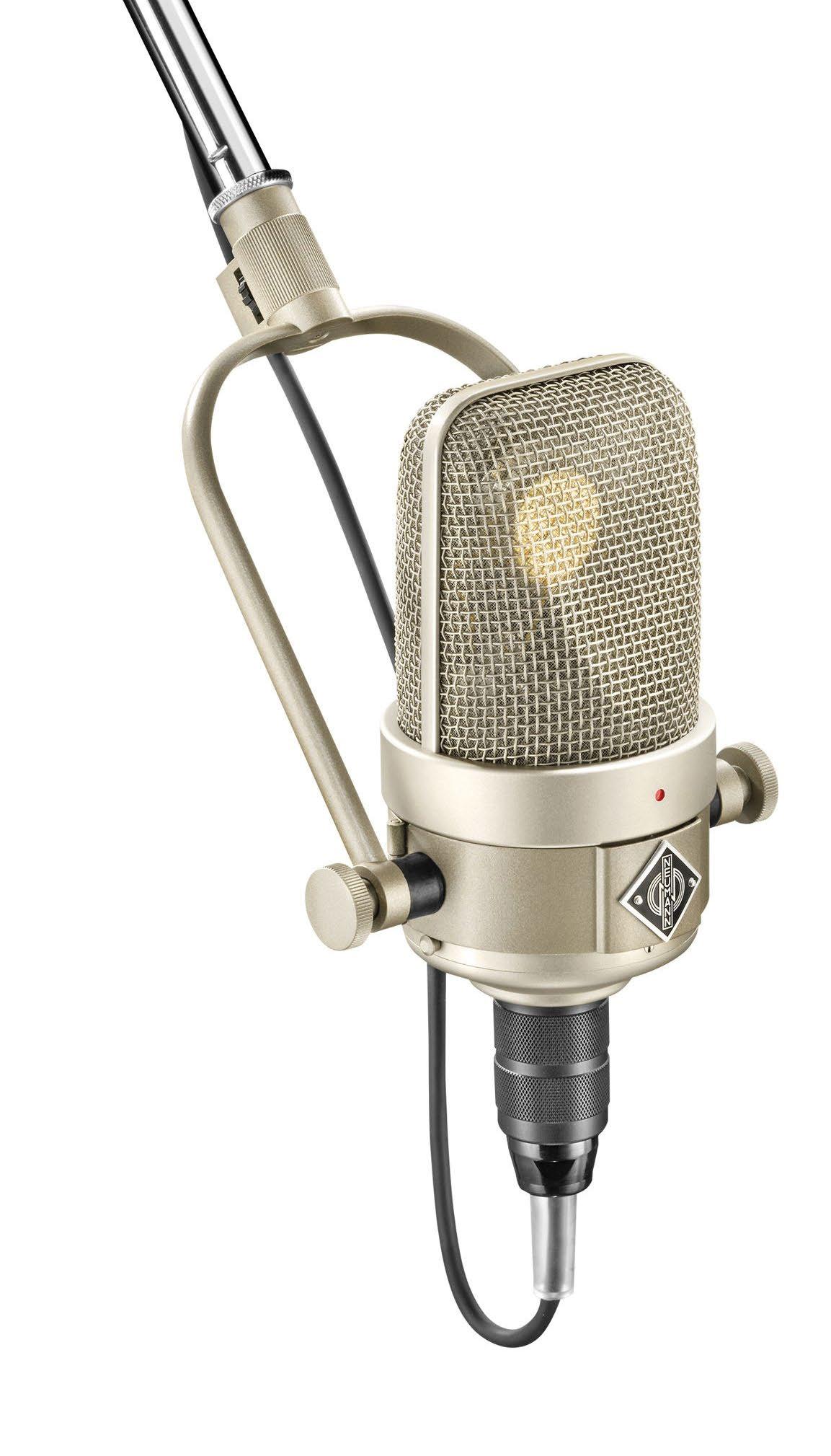
The notable revisions of the first M 49 were called the M 49 B and C, with the broadcast versions labeled M 249 B and M 249 C. M 49 microphones are considered one of the best condenser models for male and female vocalists. Prices for original, pristine, working examples sell for more than $15,000. The new M 49 V uses the same circuit as the M 49 C.
Each mic is hand-built to the original specifications and design documents from the Georg Neumann archives by the three Neumann employees trained and qualified to assemble the reissue, which means that there will be a limited number of M 49 V microphones produced each month.
The original M 49 used the same classic M7 large-diaphragm capsule as the one deployed in the (less expensive at the time) Neumann U 47. The M7 capsule has PVC diaphragms and was later replaced by the more durable K 49 capsule. The center-terminated, dual-diaphragm K 49 capsule is gold-sputtered Mylar with an outside diameter of 34 mm and a free working diameter of 26 mm. The thickness of the two diaphragms is not specified.
The M 49 V uses the same RF-proof, 7-pin Tuchel connector set as the broadcast version M 249, though Neumann reports that there will be no separate broadcast variant: “We refrained from adding complete ‘modern day’ EMC (electromagnetic compatibility) protection measures, as this would not be in line with classic design, and (we are) counting on that the M 49 V will be used in ‘controlled environments.’”
NEW TUBE AND POWER SUPPLY
The M 49 V uses a new pre-selected triode tube (Neumann has declined to disclose its type) to replace the no-longer-manufactured MSC2/AC701K Telefunken tube used in the original. The good news is that the new tube type enables the M 49 V to have lower self-noise than the classic M 49. Maximum SPL is 125 dB (there is no pad switch), S/N ratio is 74 dB, and sensitivity is measured at 8
mV/Pa.
The new tube requires 6.3 volts for the filament as compared to the Hiller MSC2 and later the Telefunken AC701k at 4.2 volts. This necessitated a new power supply called the NM V. The previous N 52 or NN 48 power supplies will not work properly with the M 49 V. Connecting the new mic with an old N 52/NN 48 will appear to work at first, but the under-heated filament will cause a very high noise floor and is not recommended.
I found it interesting that the new NM V supply powers up with 4.2 volts filament voltage and then “ramps up” to change to 6.3V when a new M 49 V mic is automatically recognized—this slow filament heating should help the tube to last longer before replacement.
It is possible to power any vintage M49 or M249 with the new NM V without damaging the MSC2/ AC701 tube inside from excessive filament voltage. The NM V is a linear power supply, not a switch-mode model, and automatically adapts to 110 VAC or 230 VAC mains.
The new power supply has a smooth-operating polar pattern control knob for continuously varying between five different choices. These are: figure-of-8 bidirectional with deep side nulls at full CW; a sub-cardioid mode with broad rear lobes; a cardioid with rear null; a wide and broad cardioid; and omni-directional at full counter-clockwise. Frequency responses and polar plots are listed for each of the five modes and shown in the manual.
OTHER CHANGES
In keeping with the classic design, the same circuit and the same BV 11 output transformer wound to the original specifications are used as in the Neumann M 49 C. The first M 49s had an amplifier frequency response well down into the infrasonic range, but to protect the output transformer (from overloading and distortion)
MIX | FEBRUARY 2023 | mixonline com 42
and also for practical reasons, a broadcast LF roll-off was added, starting at -2.3 dB @ 30 Hz up to -3 dB @ 40 Hz.
The M 49 V comes with the M 49 C’s first-order highpass filter set to 30 Hz, but there is an internal switch (S4) to change that to 12 Hz for extended low-frequency response and a very slight increase of distortion. A second internal switch (S2) locks the polar pattern to cardioid-only, like the original M 49, and at the same time increases sensitivity by 2 dB; a 3 dB increase in signal-to-noise ratio and self-noise is about 1 dB lower.
However, these two switches are not userchangeable. If your workflow is voice-over or overhead pickup only, you might consider ordering the mic in cardioid-only. Everything is the same in cardioid-only, and you may have the mic converted back to multi-pattern by Neumann.
(To change the settings of the internal switches, you should contact Neumann Service. If an unauthorized customer opens an M 49 V to change the switches, or touches the diaphragm and damages it, this is not covered by the warranty.)
The M 49 V comes in a cloth-covered wooden attaché style case that contains the microphone, gimbal style MZ 49A elastic holder, 10-meter (32-feet) KC 5 cable, and EU, UK and USA AC mains cables.
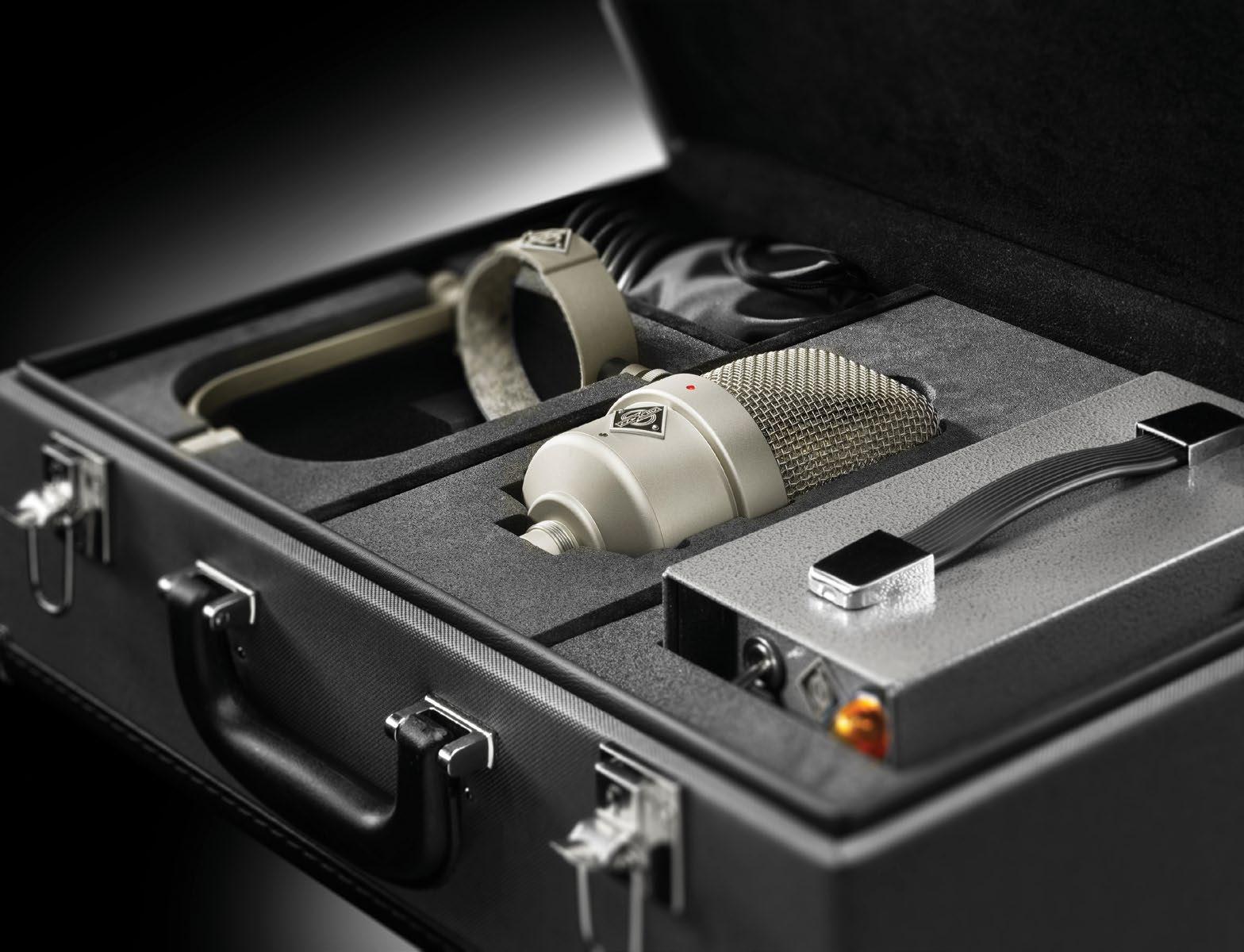
As delivered, I found the KC 5 cable a tangled mess. I tried the M 49 V on many sources, and I had to be careful where I laid down the connecting cable as it is of a small diameter and seemingly fragile, and could be easily cut by a cartage case rolling over it. I also thought there should be a shock mount “basket” accessory offered with this mic. The yoke mount’s rubber spacers on either side of the mic body are shock absorbers.
IN THE STUDIO
My first use for the M 49 V was a male vocal session. I had been using my house standard mic
I know very well, David Bock’s U195 condenser.
I used identical Sunset Sound S1P “Tutti” mic preamps both set to about 35 dB of gain for softer singing close in on both mics.
Both of these mics have large, dual-diaphragm, center-terminated capsules and large output transformers, but similarities end there, as the U195 uses an FET circuit and is cardioid-only.
The M 49 V had a slightly wider pickup pattern with a little more of the room tone captured. On this singer, I heard a little more bottom end—we used the same working distance on both mics.
Comparing the new M 49 V with an M 49 A was interesting. The 70-year old M 49 A came with a “V” yoke mount, but had no modifications and used a European Telefunken power supply
that ran on 240 VAC. It compared well to the new M 49 V, as I found the old A had slightly more output level (the new M 49 V delivered in cardioid-only also has more output) but less lowfrequency energy, more self-noise and a slightly “muddy” sound. The new M 49 V was dead quiet, and the low-frequency response was accurate.
Excellent uses for the M 49 V include orchestral brass in omnidirectional pattern and acoustic upright bass in cardioid about 18 inches out from the “F” hole—depending on the player, you can angle the mic toward the bridge if you need more attack. Overall orchestra pickup in omni works great, but some experimentation with the mic’s exact placement is required.
FEMALE VOCALS!
Of course, female vocals sounded amazing! I prefer singers very close to the mic, and the M 49 V in cardioid seemed to add just the right amount of thickness in the low-midrange frequencies but was not excessively bright and sibilant. My female singer could get right up on the mic and sing at any volume, though you will need a windscreen/pop filter.
During that session, I compared the M 49 V to a Telefunken U47 with M7 capsule and a Sony C-800G—all in cardioid pattern. I used three API 312V mic preamps, with the Sony putting out more level and the Telefunken and M 49 V about the same. Generally, the Sony seemed thin in the low-midrange by comparison and seemed a little bright—it also seemed to “pop” more readily than the others. That midrange “bark” you get with the Telefunken was also there in the M 49 V, just not as pronounced. I thought the M 49 V was overall smoother and more even-sounding, with no peaks from this particular singer.
The Neumann M 49 V is an excellent addition to both the company’s microphone line and its legacy. If you’ve wanted to get a completely updated classic tube condenser microphone, now might be the time! Super-highly recommended! n
43 mixonline.com | FEBRUARY 2023 | MIX
PRODUCT SUMMARY COMPANY: Neumann PRODUCT: M 49 V Microphone WEB: www.en-de.neumann.com/m-49-v PRICE: $8,499 MSRP PROS: Awesome male and female vocal microphone. CONS: Connecting cable seems delicate. No shock mount basket offered as yet. The M 49 V comes in a cloth-covered wooden case that contains the microphone, gimbal-style MZ 49A elastic holder, 10-meter (32-feet) KC 5 cable, and EU, UK and USA AC mains cables.
Tech // reviews
iZotope RX 10 Advanced
Dominant Post-Production Software Ups the Ante
By Michael Cooper
Over the past decade-plus, iZotope RX has grown in favor to become the 800-pound gorilla ruling post-production sound. With the release of RX 10 Advanced, the beast just put on more weight.
As with past releases, leaner versions of the software bundle— RX Elements and RX Standard—are also available for less coin. All versions are now largely compatible with Apple’s M1 chip. (Using M1 native mode, Spectral Editor and Music Rebalance only work in the standalone Audio Editor.) New features for the Advanced version are reviewed here, focusing on the Audio Editor (as my experience with its new modules and corresponding DAW plug-ins was virtually identical).
SEARCH AND RESCUE
When you click the Speech Recognition Word Lane button below the bottom-left corner of the Audio Editor’s spectrogram, RX immediately begins to transcribe your dialog track’s audio into text at seven to nine times the speed of real-time. The text appears in the horizontal Word Lane immediately above the spectrogram, in tabs that are spatially synched to the waveform below.
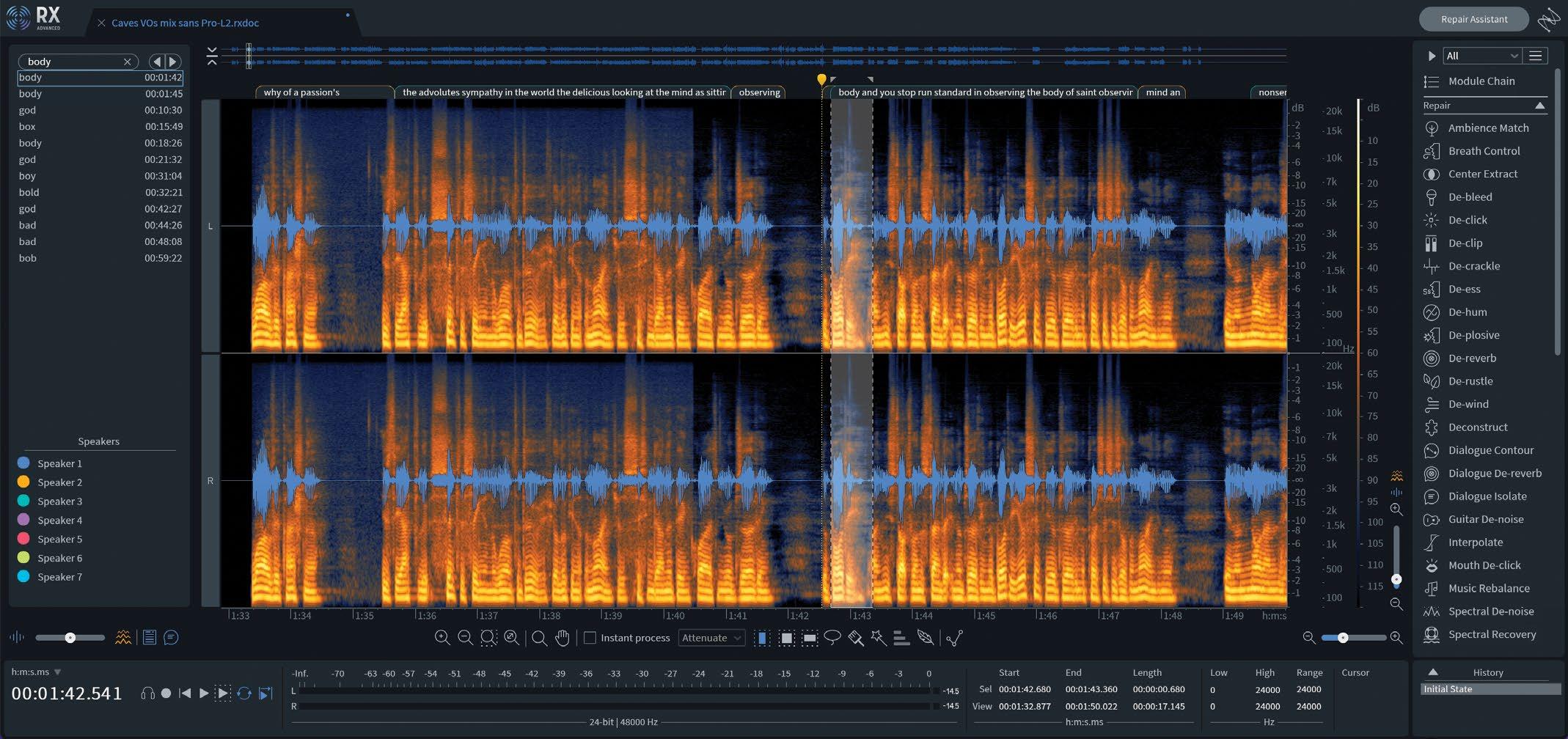
Zoom in enough and each tab shows just one word. Now you can click on a word tab to select the corresponding audio in the spectrogram; expand the selection by dragging the word tab’s opposing handles to the left and right. If a word has been transcribed incorrectly, double-click it and type in a correction.
You can search for different words, or even individual letters, and RX will list all instances (and soundalike variations) of it in a navigable sidebar; clicking on an item in the list moves RX’s playhead to that word in the Word Lane and highlights the corresponding audio. Doing so helps you find an instance where a word was spoken most clearly so you can copy and paste the corresponding audio to where its iteration was less understandable.
Available in RX Advanced only, the new Multiple Speaker Detection function automatically identifies up to eight speakers in a dialog track and assigns the text for each a different color in the Word Lane. Click on a speaker’s editable, color-coded name in the GUI’s left pane to select all instances of its corresponding audio.
The completely rebuilt Repair Assistant module—also included in plug-in form—automatically loads five processing blocks that vary according to the Source Type you select for your audio: Voice,
MIX | FEBRUARY 2023 | mixonline com 44
Text Navigation and Multiple Speaker Detection are new features for the Audio Editor in RX 10 Advanced.
Musical, Percussion or Sound FX. Pressing the module’s Learn button prompts Repair Assistant to analyze the selection you’ve made in RX’s spectrogram and suggest (mostly invisible) settings for reducing clipping, clicks, noise, reverb and sibilance.
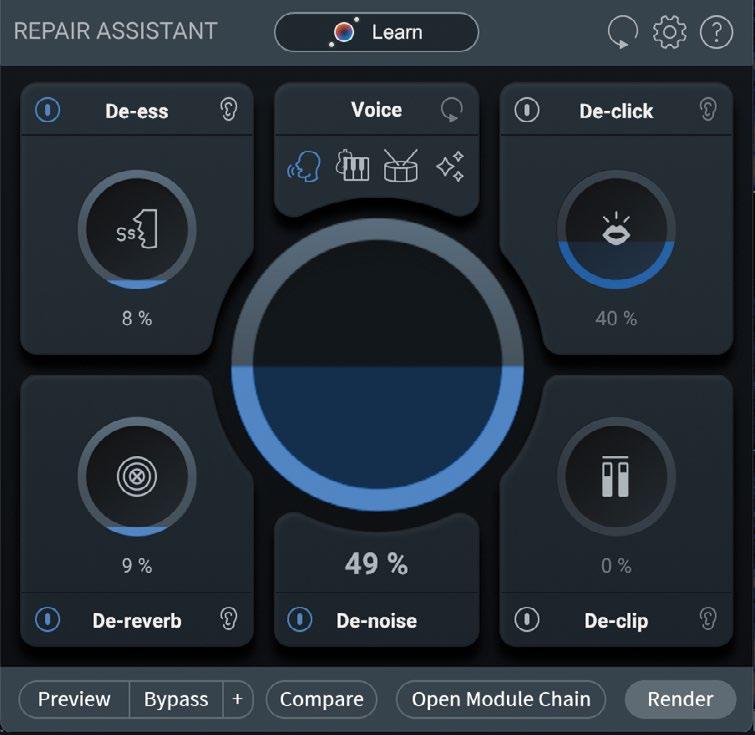
Dragging a block’s macro control adjusts its overall degree of processing, the only parameter adjustment afforded; an Ear button informs how much you should push it by soloing what audio (the goal being just noise) is being removed. Curiously, the De-noise block doesn’t include an Ear button.
The upgraded Spectral Recovery processor— included only as a module in the Audio Editor for the Advanced version of RX 10— can add synthesized low frequencies to restore bandwidth-starved audio tracks. (The quality of re-synthesized high frequencies has also been improved.) Pressing the module’s Learn button sets high and low cutoff frequencies for processing, respectively above and below which synthesized spectra are added to restore fidelity to your audio selection. Manually fine-tune settings for the High Cutoff and Low Cutoff sliders if you wish, and then move the High Gain and Low Gain sliders to adjust the level of synthesized frequencies added in the two bands.
RX’s De-hum module—also included as a DAW plug-in—has been upgraded to include an Adaptive mode that adjusts its notch filters in real time in response to hum that changes pitch. The Audio Editor also now allows you to apply Selection Feathering to smooth the transitions for processing at both ends of a frequency range selected in the spectrogram.
IN RECOVERY
Using Spectral Recovery on a severely bassdeficient oration that was recorded to cassette tape decades ago, I was able to dial in the perfect amount of bass energy below 250 Hz. The result sounded amazingly smooth, natural and fullbodied, transforming the track in a way that was impossible to achieve using conventional EQ.
The De-hum module’s Adaptive mode was equally impressive. On an electric guitar track, the new mode dramatically reduced extreme hum and buzz (nearly as loud as the instrument itself!) that the legacy Static and Dynamic modes couldn’t touch. Default control settings reduced bass content and sustain for the lowest guitar notes to an unacceptable degree. But lowering the Sensitivity slider and raising the Filter Q control
restored low frequencies and sustain to the point that the tradeoffs were totally acceptable and the result a massive improvement over the sound of the (totally unusable) unprocessed track. The cherry on top was that Adaptive mode delivered good results in mere seconds, versus minutes of virtually fruitless fiddling with the module’s legacy modes.
Selecting Voice for Source Type, I got very good results using Repair Assistant on dialog tracks that were slightly noisy, although I often had to lower the degree of processing in some blocks or bypass them altogether to achieve transparent outcomes.
On dialog tracks with knotty noise problems, tweaking RX’s full-featured modules’ controls— for example, adjusting Spectral De-noise’s reduction curve and De-reverb’s frequency-band sliders—yielded much better results but took exponentially longer. (Spectral De-noise still has an insufficient threshold range—a holdover—to treat quiet dialog transparently.)
On a dialog track recorded in a noisy and reverberant woodworking factory, selecting
Percussion for Source Type did a remarkable job in reducing the sound of excessively loud hammering (mitigating its sustain and reverberation mostly) and HVAC noise. The improvements were wrought somewhat at the expense of the dialog’s full-bodied tone and dynamics, but in this extreme case, it was arguably a good tradeoff.
Using Repair Assistant on a noisy singersongwriter’s master—selecting Music for the Source Type—yielded poor results: the noise was admirably reduced but at the expense of the track losing low-frequency content and having its dynamics sound unnaturally squashed. I couldn’t back off the amount of noise reduction to fully restore fidelity without also restoring the noise level.
On interviews of adult males and females in a full-length documentary film, RX only correctly transcribed about half to three-quarters of words spoken in American English—this despite my first cleaning up the tracks using Spectral De-noise, De-reverb, third-party equalization and gain automation.
RX did a fair job detecting multiple AmericanEnglish speakers, with some selections of dialog occasionally errantly identified as belonging to the wrong person. Text navigation worked great for properly transcribed or edited words. But as relatively infrequently as I’ve had to search for specific words on past projects, I’d be loath to spend the few hours necessary to edit the Word Lane on an hour-plus program for the convenience of finding a word here or there. Navigating by DAW markers or picture to sections of program featuring the same speaker has allowed me to reasonably quickly find the spoken words I needed.
I should mention that I got virtually identical sonic results using the Repair Assistant and Dehum plug-ins in Digital Performer 11.2 (not yet officially supported for use with RX) as in RX’s corresponding modules for its Audio Editor.
BUY OR UPGRADE?
Text transcription is a great idea whose execution needs more work, but that shouldn’t deter you from buying or upgrading to RX 10 Advanced. The greatly enhanced Spectral Recovery and De-hum’s startlingly effective Adaptive mode will give you an edge you didn’t have before. Also, post engineers will benefit from using Repair Assistant’s lickety-split solutions on I-need-ityesterday projects with paper-thin budgets. If you work in post, you must own RX 10 Advanced. n
45 mixonline.com | FEBRUARY 2023 | MIX
PRODUCT SUMMARY COMPANY: iZotope PRODUCT: RX 10 Advanced WEBSITE: iZotope.com PRICES: RX 10 Advanced $1,199; RX 10 Standard, $399; RX 10 Elements, $129. PROS: Upgraded Spectral Recovery and Dehum often work miracles. Repair Assistant provides quick, serviceable solutions for dialog tracks. Text navigation works great if used on correctly transcribed words. CONS: Text transcription is highly inaccurate and editing it is time-consuming. Repair Assistant’s De-noise processing block lacks noise-soloing mode.
The rebuilt Repair Assistant module suggests control settings for five processing blocks that vary according to the Source Type you select.
Tech // reviews Sonible Metering Bundle
Handy Plug-ins for Keeping Tabs on Spectral Balance and Loudness
By Mike Levine
Over the past couple of years, Austria-based software developer Sonible has built an impressive portfolio of plugins, including Smart:Comp, Smart:Limit, Smart:Reverb and Smart:EQ. Those processors analyze your music, and with the help of AI, create intelligent starting-point settings.
The two plug-ins in the new Metering Bundle, True:Level and True:Balance, have a different modus operandi. They provide you with precise measurements of spectral balance and loudness, respectively, and compare those with reference levels for different genres or with uploaded reference tracks of your choosing.
Both plug-ins feature helpful tool tips and thorough manuals to help you learn their features quickly.
True:Balance and True:Level require Windows 10+ or Mac OS 10.12 and will run natively on either Intel Core i5 or Apple M1 processors.
TRUE:BALANCE
True:Balance is a real-time spectrum analyzer that allows you to compare the frequency balance of your mix against the average for various music genres or user-uploaded reference tracks. In addition, it provides stereo width and correlation indicators for checking mono compatibility. You’ll notice some similarities if you’ve ever used iZotope’s Tonal Balance Control 2.
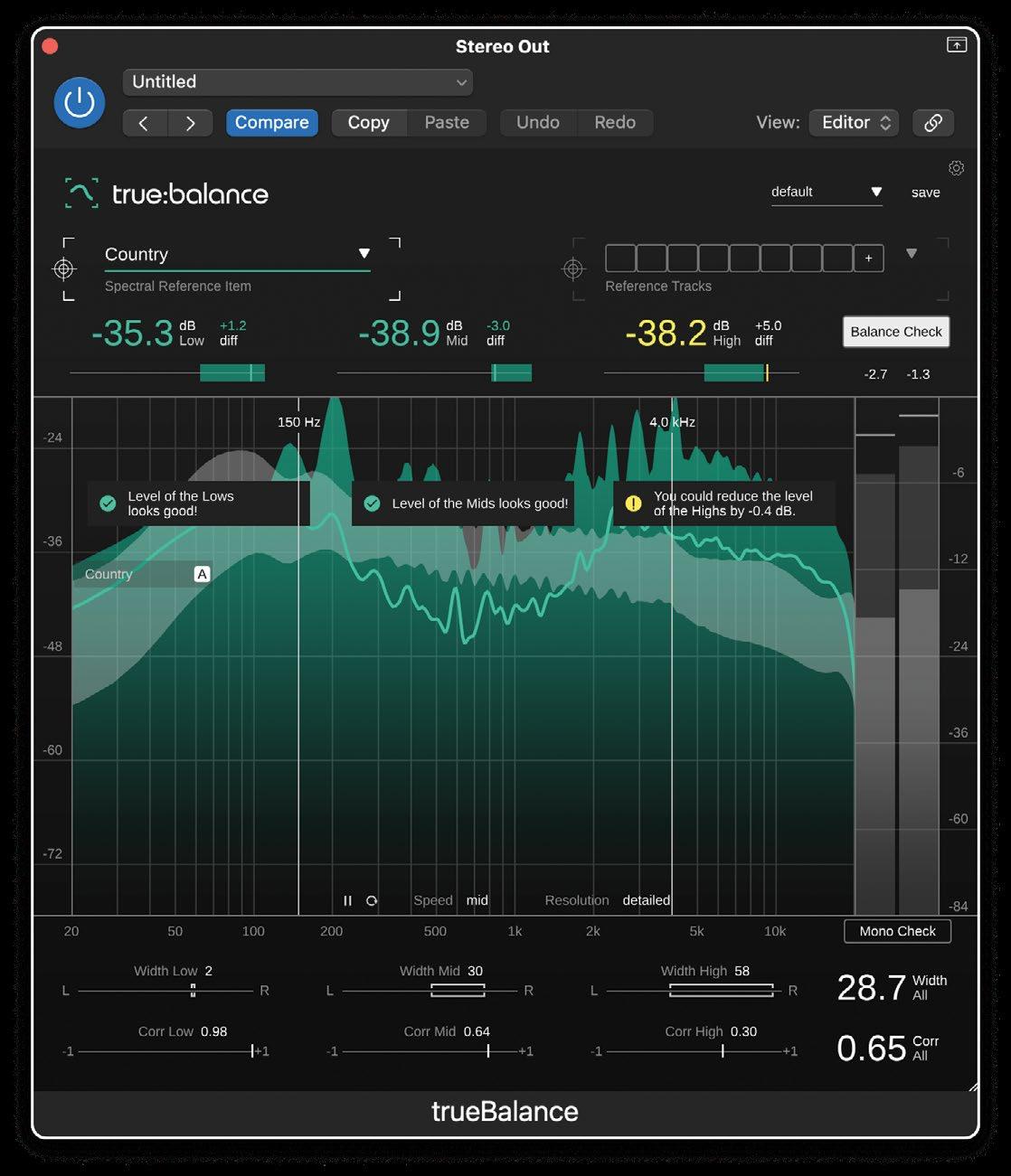
After inserting True:Balance on your master bus and opening it, you’ll see that the central part of the GUI is broken into thirds, for Low, Mid and High-frequency ranges. Most of the space is taken up by the large Spectrum Display, which shows level on the y-axis and frequency on the x-axis.
With the Common References dropdown from the Reference Selector on the upper left, you get a choice of 12 music genres, a Universal reference, and two for speech and one for podcasts. The Low, Mid and High-frequency ranges of the reference get displayed in a gray area called the Reference Zone. The idea is to get your mix’s frequencies to fit inside of it.
When you hit play in your DAW, True:Balance shows a real-time display of the energy in each zone. A green line across the display represents the average levels of the lows, mids and highs in your audio. You can instantly see where it conforms or doesn’t.
What’s more, True:Balance provides a real-time numeric readout for each frequency zone, which indicates its level in dB and also shows how much it varies from the chosen reference. The numeric displays are also color-coded. For each zone, if your audio is within the reference range, the numbers stay green. If not, they turn yellow.
Clicking on the Balance Check button provides text-based guidance. For example, if the average level of the lows in your mix is within the reference area, it will say, “Level of the lows looks good.”
Or if the midrange is 2 dB too high, the text would say, “You could reduce the level of the mids by 2 dB.” If you want to change the crossover points, you can drag the lines separating the zones (I never found a reason to do this, but I’m sure others will).
You can also adjust the speed and resolution of the Spectrum Display by choosing between Slow, Mid and Fast response for the former and Smooth, Medium and Detailed for the latter.
Stereo width and correlation data, organized by the three frequency zones, are presented with horizontally oriented indicators at the bottom of the GUI.
The former shows your audio’s width in the three frequency
MIX | FEBRUARY 2023 | mixonline com 46
True:Balance helps you compare the spectral balance of your audio against real-world references.
zones. One of the essential uses for this data is knowing when the bass energy is too wide. Because our ears don’t perceive stereo as much in bass frequencies, there’s no reason for the bottom end of the mix to be wide, and it can cause phase issues if it is. In a couple of the mixes I did while testing True:Balance, it indicated that the bass frequencies were too broad and needed to be reduced.
Pressing the Mono Check button gives you text-based advice about the Correlation and Width values. You’ll also see a squiggly yellow line at the top of the Interface. According to Sonible, if that line stays static, it indicates that you may have comb filtering when your mix is summed to mono.
One aspect of Mono Check that threw me was that when I turned it on, the audio stayed in stereo. Although the visual features of Mono Check show you the info you need to know, it’s disconcerting to press a mono button and still hear stereo. It would be helpful—and less disconcerting—if you could hear the effect of the summing as well.
TRUE:LEVEL
Now that so much music gets mastered for streaming services, a loudness meter has become an essential tool. To that end, the True:Level plug-in gives you an easy way to check LUFS, True Peak and the Dynamics of your music.
More than just a meter, it lets you compare your audio’s loudness to reference targets for various streaming services, broadcast standards and more, and it lets you know when your levels comply.
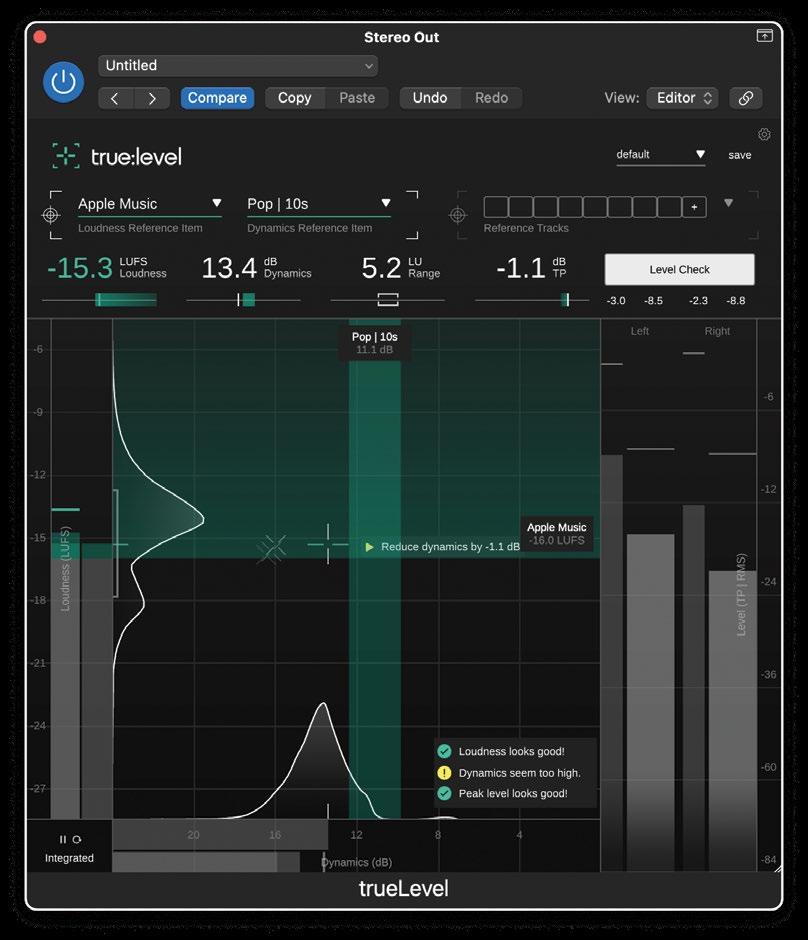
The first thing you do once you open the plugin on your mix bus or master track is to choose a reference from the Reference Dropdown. In the case of True:Level, you pick two, a Loudness Reference and a Dynamics Reference.
For loudness, the dropdown menu offers more than 20 choices, including targets in LUFS for all the primary streaming services for music, podcasts and video. You can also choose from loudness standards such as EBU R128 (from the European Broadcasting Union), ATSC A/85 (for digital TV) and others.
For the Dynamics dropdown, you get a choice of 26 references, including five subgenres of electronic music, three variations of hip-hop, three rock varieties, jazz, country, Latin, metal, speech and more. You can use the Universal setting if your music genre isn’t on the list. Alternatively, you can upload up to eight
different reference tracks for comparison and switch between them.
Reference Tracks are activated by clicking on them. True:Level will include all active ones when computing its level targets.
For measuring dynamics, True:Level offers two measurements: Loudness Range (LRA), reported in Loudness Units, is the difference between the loudest and quietest sections (not including silence); the Dynamics readout in dB is described by Sonible as “the median of all measured PSR (peak to short-term loudness ratio) values.”
True:Level’s graphic display includes a vertically oriented, combined Short-Term and Momentary LUFS bar-graph meter, in which the Momentary readout is less opaque than the Short-Term. Once you understand how it works, it’s pretty easy to read. Next to it is a bar graph showing Integrated LUFS.
Below is a horizontally oriented Dynamics meter showing Short-Term, Momentary and Integrated Dynamics. To the left side of the main display, you’ll find a histogram display of Short Term loudness during the measuring period, allowing you to see the peaks over time. On the horizontal axis is a histogram of short-term dynamics values. If you press the Reset button, it will restart both histograms.
The primary graphic display is called the Loudness and Dynamics Grid and features a graph that shows loudness on the vertical axis and dynamics on the horizontal. A shaded green
PRODUCT SUMMARY
COMPANY: Sonible
PRODUCT: Metering Bundle
WEBSITE: Sonible.com
PRICE: $69
PROS: Easy-to-read graphical and numerical displays. Easy to compare your music to common reference levels, standard targets, or uploaded reference tracks. Balance Check, Mono Check (True:Balance) and Level Check (True:Level) features offer helpful, text-based guidance. Informative tool tips and thorough manuals. Excellent value.
CONS: (True:Balance): Mono Check doesn’t sum audio.
zone indicates the loudness reference level, and a lighter green one displays the dynamics reference level.
The Loudness and Dynamics Crosshairs proved a useful feature. When both the loudness and the dynamics of the audio are within the reference zone, you’ll see the crosshairs turn from white to green.
You’ll also see smaller crosshairs moving in the grid representing the Short-Term and Momentary Loudness and Dynamics readings. The Loudness and Dynamics Grid defaults to a timebase of Integrated values, but you can change that to Short-Term or Momentary if you want.
Above the graphic display are numeric readouts for LUFS, Dynamics, LRA and True Peak in decibels (dBTP). Finally, on the right is an output meter in a bar-graph format that reads both in dBTP and RMS.
Pressing Level Check is similar to the Balance Check button in True:Balance, except that it gives you text-based advice on whether your LUFS, Dynamics and TruePeak levels need to be cut or boosted to comply with the reference targets.
Using a limiter for adjustments and True:Level to display the changing levels, I was able to get my audio into compliance with my chosen targets quickly.
TELL THE TRUTH
True:Balance and True:Level have quickly become end-of-the-master-bus staples for me, both for mixing and mastering. Whether I used True:Balance to check spectral balance or True:Level for Loudness, True Peak and Dynamics, I quickly got the data I needed. I highly recommend them both. n
47 mixonline.com | FEBRUARY 2023 | MIX
True:Level lets you know when your audio meets standard LUFS and True Peak targets or matches your uploaded reference tracks.
Tech // Shorts
PreSonus AudioBox Go
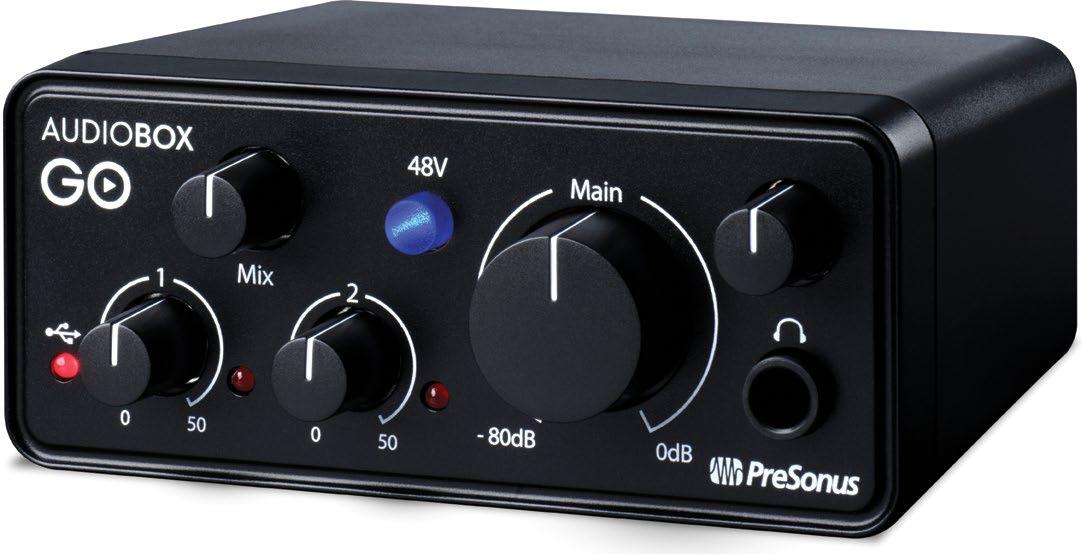
MOST IMPRESSIVE FEATURE
I’m not sure which is more notable: the price of the AudioBox Go or its size. It costs $79.95 and is a mere 4.25 inches wide—a quarter the width of a standard rack device. It only weighs about half a pound and can fit in the palm of your hand.
The AudioBox Go is USB-bus-powered with Mac and Windows computers, iOS phones and tablets and many Android devices, making it even more potent as a mobile interface. It’s also USBclass-compliant and supports up to 24-bit/96 kHz audio.
PreSonus markets the AudioBox Go as “designed to meet the needs of those new to recording, as well as those looking for a flexible, mobile solution.” Considering that most Mix readers aren’t recording newbies, I’ll focus here on the “flexible mobile solution” aspect.
The AudioBox Go is a 2-in/2-out interface—sort of. It has only one mic input, which is on an XLR/1/4-inch mic/line combo jack with switchable phantom power. The second input is ¼instrument. On the output side, the unit features a pair of TRS balanced outs for feeding monitors and a ¼-inch TRS headphone out.
You make all adjustments from the front panel and access all connections—except the headphone output—on the back. The front panel sports input gain knobs for channels 1 and 2.
Because it’s so compact, there’s not a lot of room on the AudioBox Go for meters and indicators. What’s there consists of an LED power indicator, LED overload indicators for each channel, and a blue 48V phantom-power button that lights up when you turn it on.
To avoid latency when recording, the AudioBox Go features a Mix knob that lets users dial in the ratio of audio returning from a DAW and the direct signal being recorded. The front panel houses a large knob for controlling the level of the main outputs and a smaller one for the headphone volume.
PreSonus also includes a USB-C-to-USB-B cable and four stickon rubber feet in the box. Make sure you attach the latter to the bottom of the interface immediately. The AudioBox Go is so light that it slides around way too easily without the feet.
Software includes PreSonus’ generous Studio Magic bundle, which features Studio One Prime, a feature-reduced version of the company’s flagship sequencer, and a selection of processor and instrument plug-ins from Brainworx, iZotope, Lexicon and others. Some are feature-reduced, while others are full versions.
Considering the price of the AudioBox Go, I was impressed with the sound quality. The preamp is an XMAX-L, a variation of the company’s proprietary preamp design. One of the ways I tested it was to record acoustic guitar, banjo, mandolin and vocals, and then
use the same mic to record similar parts through a significantly more expensive preamp. The AudioBox Go held its own when I compared the tracks; It did not sound like an entry-level unit.
That said, the unit does have some limitations. Despite being a two-channel interface, there’s only one preamp, so you can’t record stereo-miked sources. It also has only one line input, so a stereo recording off the board at a live show isn’t possible either.
But if those restrictions aren’t problematic for your workflow, the Audiobox Go is a capable and exceptionally portable interface that’s an excellent value.
—Mike Levine
The Oven
MOST IMPRESSIVE FEATURE
Creative accidents by turning knobs
You often hear about music that’s “hot” or musicians who “cook,” so it’s not all that surprising that mastering engineer Maor Applebaum and Chris Henderson of Hendyamps designed a boutique hardware processor with controls named after those of an oven. And now, they’ve created a plug-in version in conjunction with Brainworx and distributed by Plugin Alliance.
The plug-in’s manual describes the original hardware as “a Vibe/ Coloration/Mojo box with tonal shaping options.” It’s essentially a multiband saturator with lots of control choices.
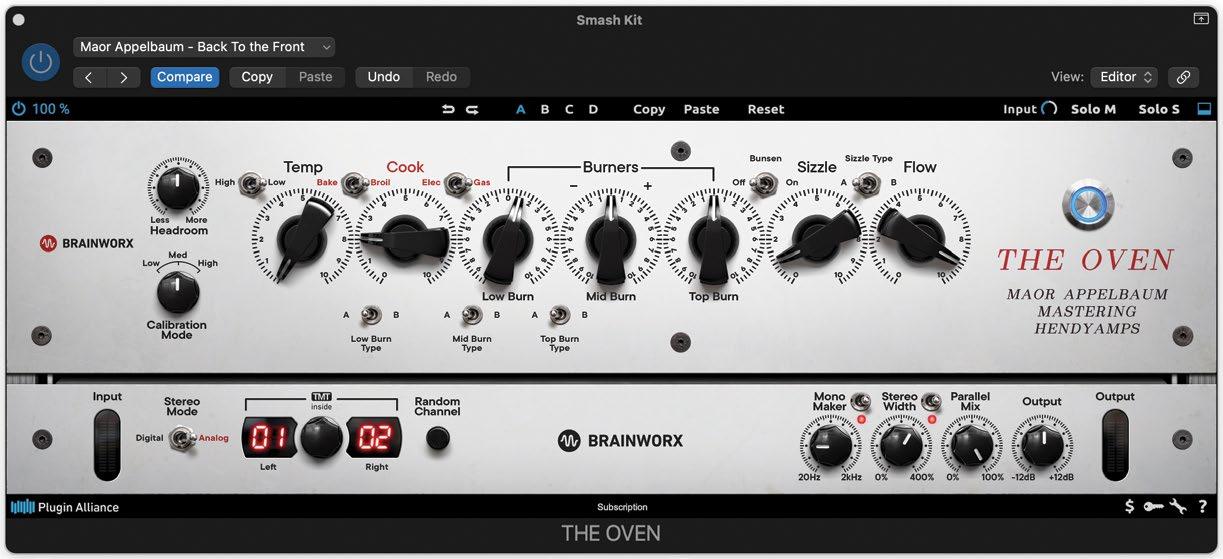
The Low Burn, Mid Burn and High Burn knobs govern the saturation in each frequency range. You can modify the character of the saturation in several ways. For example, the Temp knob lets you drive the saturation circuit harder. The Cook knob thickens the sound from the emulated pentode tube stage. The Bake/Broil switch modifies it more. If you choose Broil, you get added compression and thus more squashing of transients.
The Elec/Gas switch also affects the intensity of the pentode tube stage. The Bunsen switch adds range to the Top Burn control (and
MIX | FEBRUARY 2023 | mixonline com 48
Portability and ease of use
extends the metaphor beyond the kitchen and into the laboratory). The Flow knob maximizes the saturation when set at its full value and lowers the overall output as it is turned down.
Two critical controls that eschew the kitchen theme are the Headroom and Calibration knobs. The former allows you to dial more or less headroom. The lower it goes, the harder the signal drives the input, creating more saturation. You can also modify the operating level of the unit with the Calibration switch, which lets you choose from three different levels. The lower you set it, the easier it is to overdrive the circuit.
Brainworx added some useful “digital only” features to The Oven, including TMT modeling, the company’s proprietary technology. TMT gives each channel of a mixer—or in this case, a processor—slight differences in behavior, like what occurs in analog hardware due to the tolerances of the components.
There’s also a Mono Maker control, which lets you set a frequency level below which the audio is folded into mono, which can help improve phase correlation and mono-compatibility. Another digital-only feature is a Stereo Width control.

The Parallel Mix knob is a wet/dry control for creating parallel compression effects. It’s also handy when the distortion gets too extreme and you want to back things off a little.
The Oven also features input and output meters, an Input Gain control, and M/S monitoring on stereo instances (but not M/S processing).
The Oven is the type of processor where you can start turning knobs without knowing what they do and get excellent results just by using your ears. That said, if you want to control it with precision, you have to take the time to learn what the oven-function names mean in audio terms, which isn’t always so obvious.
Sometimes I wished for more literal naming, particularly for the many switches and knobs that modify the burners, so I didn’t have to keep looking them up in the manual to see what they did.

That minor annoyance aside, The Oven sounds fantastic and is extremely useful when mixing. To continue the kitchen metaphor, you can use it to baste any source with analog warmth. Whether you’ve set it to simmer or with its burners cranked, The Oven helps you cook up some tasty tracks.
Although The Oven’s list price is high, Plugin Alliance often puts its plug-ins on sale. The Oven is also included in several of the company’s Mega subscription bundles. n
Continued from 19 Nonetheless, she would take Comp One home. “And man, she would do her homework!” Scheicher exclaims. “She would come back, warm up, and sing another round of six or seven great vocals. Then Paul would take Comp One and all the new vocals and create Comp Two. For an artist like Martina, Comp Two was all you needed, but I would make a rough mix of it and she would live with it and maybe sometimes she would come back and sing it again or sometimes she would come back and we’d say, ‘Let’s just sing it again for fun. You’ve got Comp Two. It’s genius. Pressure’s off.’ Martina was so good at listening to her performances and adding new great stuff.”
MIXING MARTINA
The Money Pit had lots of outboard gear, which Seay says compensated for the minimal EQ on the Trident console. “The studio had lots of 1176 compressors, and I had four racks of gear that I was bringing,” he remembers. “We had everything we needed. I remember when I mixed the song, I used an EMT 250 Digital reverb, a Yamaha SPX 900 Digital Reverb, and we also had an EMT 140 plate at the studio. If you hear a little tape slap on her voice, it was my Roland Chorus Echo for delay. I spent about a day mixing the song and toward the end of the day, Paul and Martina dropped by and we made a few minor adjustments, and that was it.”
Seay still marvels at what an incredible record “Independence Day” is.
“It was just one of those breathtaking songs. It was so exciting,” Seay says. “It had a soaring chorus. The band was tight and tough, and it went down very quickly. It was just one of those where you felt, ‘This is a real record!’”
McBride agrees: “To me, the recording sounds like the musicians really took it seriously—not like they were playing their fourth song of the day, like it was really important. It feels to me like it has an intention that the musicians played with intention and heart—the bells, the acoustic riffs that start it out, the drums sound big. It always comes down to a lot of things that make a record work, and for that one, it was the power of the lyric, the song and the melody. When you write that lyric out, it’s poetry—all the use of metaphor and how that picture was painted, so real and raw. I think the conviction came through in my vocal, and the band played it with such energy and passion.” n
Classifieds
49 mixonline.com | FEBRUARY 2023 | MIX
For more information about advertising, please contact Zahra Majma zahra.majma@futurenet.com
Stage Pockets
Open Channel

You Matter. Yes, You.
Music is a product of its time. It exists within the context of peoples’ memories and place markers along the timelines of our lives. It’s about the songs that are played at weddings, the music that consoled you in dark times, the hits that resonated with your joy and, of course, the sentimental connections that companies exploit shamelessly in TV commercials. Whether music celebrates passionate sex or the glory of God, you remember when you first heard music that left you transfixed.
“modern” sound. Why? Because clearly the people who did them weren’t very good, otherwise we wouldn’t need to make things right. We need to correct their “errors,” spice up the high end, get rid of those pesky dynamic range variations, and have the sound play back through 72 speakers. There! Doesn’t that sound better?
Uh…no.
By Craig Anderton
Music captures emotions in waveforms. Our art is to create those waveforms, preserve them if possible, and let them go out into the world. But does what you do matter?
In YouTube’s Comments section for Fine Young Cannibals’ “She Drives Me Crazy,” it doesn’t get much more poignant than this:
“[Heard it] in the summer of 1989 when I got married. Great song that takes me right back to my honeymoon in Turkey. Now 32 years later, I am nursing my sick husband to celebrate our last Christmas together. What a blast it has been. Gone so fast.”
That stopped me in my tracks. It should stop you in your tracks, too.
THE POWER OF SONG
Did songwriters Roland Gift and David Steele know they were going to create something that went beyond “just a song”? When the console was powered up in Studio B before the session at Paisley Park, did anyone think what they made would endure in the minds of listeners over 40 years later? Probably not. They were artists. What they did was create art.
Sure, that recording was also a bottom line on a spreadsheet somewhere. But for the person making that YouTube comment, it was a marker on the timeline of a marriage that endured literally in sickness and in health.
And here’s why that comment should stop you in your tracks. These days, I hear much minimizing of what musicians, engineers, songwriters and producers do. “Oh, it’s okay they only get a pittance for streams; there’s so much music being released, can they really expect to make anything from it?”
Or think about the YouTubers with their “pro tips” that say you don’t need to know engineering or production. “Just click on this plug-in from a company I love more than life itself, and you’ll get results as mindblowingly awesome as pros like me!”
Think about the companies that try to convince us we need to take the lightning-in-a-bottle recordings of the past and redo them with a
THE VALUE OF YOU
When I was a studio musician at Local 802 in New York, each check meant that a producer (and maybe even a record company) valued my contribution. Each time I was paid double-scale, I felt doubly acknowledged that I mattered. Clubs at that time didn’t expect you to “pay to play.” Most of the places I played were run by people who may have been sketchy businessmen, but generally they were people who loved music, and at least respected the art that musicians created. Maybe they couldn’t be artists, but in their own way, they could be patrons of the arts.
Today, many engineers, musicians, and live sound mixers can echo comedian Rodney Dangerfield’s famous line: “I don’t get no respect.” But you should. The school boards that think cutting music education is a priority, the venues that expect playing at a loss “for exposure,” the allyou-can-eat streaming services that see songs and recordings as products to be consumed—not art to be appreciated—are explicitly telling you that you’re not worth much.
But you are. You’re worth a lot to the veteran playing “We Gotta Get Out of This Place” over and over to maintain some level of sanity. You’re worth a lot to the young girl who listens to Taylor Swift and thinks, “If she can be herself, so can I.” You’re worth a lot to the person who received a lifeline from you—that you didn’t even realize you’d sent out—in a period of crippling depression. You’re worth a lot to the couples that get tearyeyed whenever they hear “our song.”
You matter. Don’t believe anyone who tells you that musicians don’t matter, engineers don’t have any skills that can’t be acquired by choosing the right plug-in, and producers aren’t needed anymore. I understand why some people think that way: society’s current fixation is on how much you make, not how much you contribute. But maybe that’s one reason why so many people have a nagging feeling the world is going in the wrong direction.
Stand tall. You’re an artist, and anyone who looks down at what you do will never understand what it’s like to create something intangible that changes someone’s life, or that simply triggers recollections that bring joy to someone whose memories of life and music are forever intertwined. ■
MIX | FEBRUARY 2023 | mixonline com 50
Clubs at that time didn’t expect you to “pay to play.” Most of the places I played were run by people who may have been sketchy businessmen, but generally they were people who loved music…