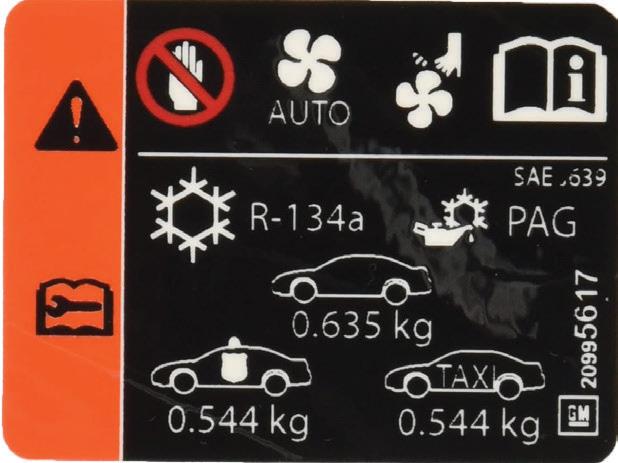
not use seat coversthat block side airbagdeployment
⁄ee owner’s manualfor moreinformation
AVERTISSEMENT
vousappuyez pascontrelaporte⁄
’utilizez pas un couvre siège qui peutbloquerledéploiementducoussingonflablelatéral
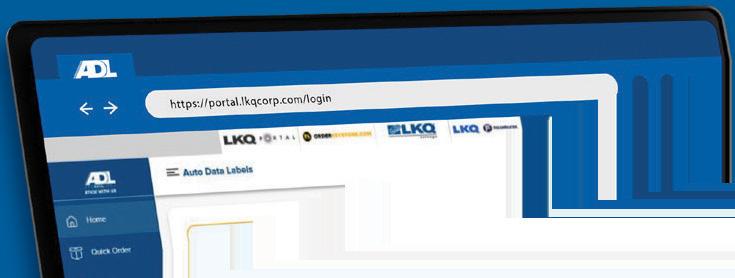
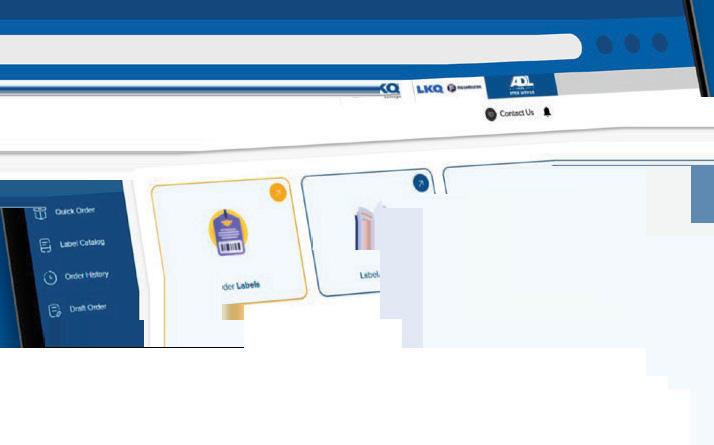
We’re excited to share that the ADL Mobile App and LKQ B2B Web Portal (portal.lkqcorp.com/ login) now use the same login . One password for both platforms — simple, secure, and seamless.
Voirle manueldu conducteur pour deplusamplesrenseignements
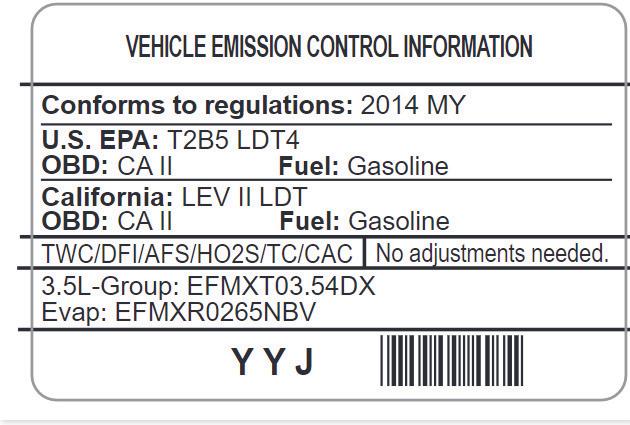
Conformstoregulations: 2015 Fuel: Gasoline U.S.EPAclass/stds: LDV/TIER2 Californiaclass/stds: PC/ULEVqualified Group 0180111.2L
Evap:SFI/H
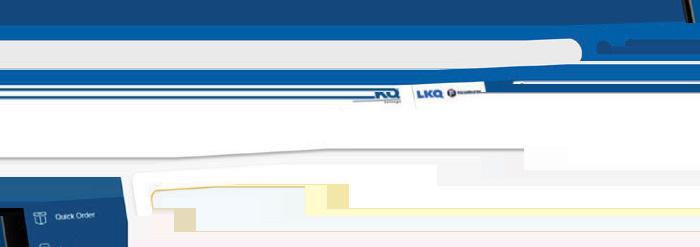
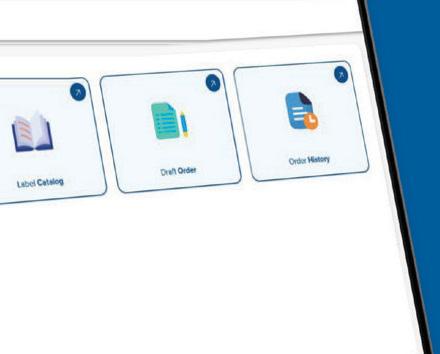
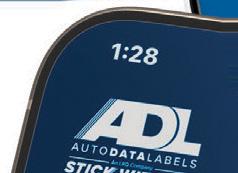
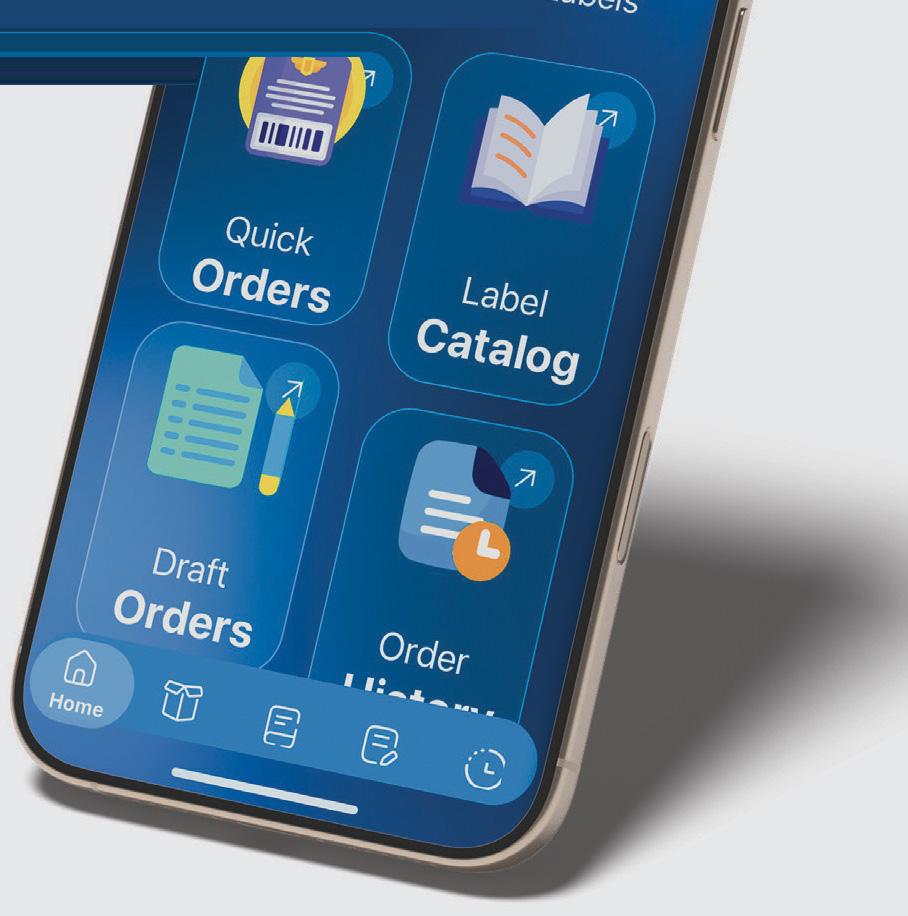
New Dashboard is available on our Website & Mobile App
TIREANDLOADINGINFORMATO
• Faster, Easier Ordering: Place orders in just a few clicks with our streamlined interface.
• Track Your Orders: Get real-time updates on every order you place.
• Order History: Quickly search past purchases and reorders.
• Access Shipping Info & Reprint Invoices: All your order and billing details in one place.
• View Credits: Easily see account activity and available credits.
ONTROLINFORMATION ons: 2016 MY with
ents
Three
BY NOAH BROWN
LINDSEY GAINER
$
148
MORE Synchrony Car Care cardholders spend on average than non-cardholders.*
Opinions expressed in FenderBender are not necessarily those of Endeavor Business Media, and Endeavor Business Media does not accept responsibility for advertising content.
Synchrony Financial
Telwin
WEATHERING THE STORM — TOGETHER
Collision repair has historically been a resilient industry. What changes have you made to get through tough times?
I’M NOT GOING TO SUGARCOAT IT. The collision repair business is a tough one for many right now.
CCC’s Crash Course Report recently reported total loss claims reached a record high of 23.1%. Repairable claim volume declined by 9.7% in 2025, while non-comprehensive volume was down 8% for the year. And to be honest, most observers look for that to get worse before it improves.
But historically, it’s also been a resilient one. From a purely selfish standpoint, my livelihood depends on it, as it has for much of the past almost 30 years. But that means I’m invested in your success, too.
So do you have a game plan to weather the storm? If your business has slowed and you have not already, it’s time to turn to outside assistance to see what you can do to get you through the next couple years of a down market. That can be as simple as starting with a CPA who understands our business. There are a number of collision repair-specific firms, including our own columnist, Mike Anderson’s Collision Advice, that can identify where you should first make improvements.
From a basic standpoint, how are you engaging with your customer base? Are you relying only on Little League sponsorship to keep your name in front of them? Or are you spending time with local media to educate them on their rights as a consumer? If your smaller town has been the victim of increased media consolidation (see, it affects my business, too) with little local coverage, are you leveraging social media? If you do have media outlets, have you tried to make yourself available as the local expert on all things collision or even basic finish care? Establish yourself as the subject matter expert, and it will help you be top of mind when they need you.
When they experience a loss, as you know, it’s a stressful time. They may have even suffered an injury to them or their loved one during the collision. They need to be armed with the knowledge that their insurer may try to steer them to their preferred shop, bypassing you in their decision-making process when they’re consumed with the shock of a traumatic event and the hassle of spending money (even if it’s just their $500 deductible) and logistics of getting to and from work and their kids’ activities. In a world that seems to increasingly be consumed with artificial intelligence, automation, people still prefer to buy from people, for the most part.
We’re here, we hear you, and we want to help you make money, save money, and work smarter. As always, drop me a line if you have an idea of something that can help your fellow repairers.
JAY SICHT EDITOR-IN-CHIEF jsicht@endeavorb2b.com
SOUTHEAST COLLISION CONFERENCE
Check out highlights of what you might have missed in Charlotte.
By JAY SICHT / PHOTOS JAY SICHT
THE ANNUAL SOUTHEAST COLLISION CONFERENCE, a partnership of the Carolinas Collision Association and the Washington Metropolitan Auto Body Association, held its 2026 event in the Charlotte, North Carolina, area April 23-24, at the Embassy Suites in Concord following the Collision Industry Conference the day before.
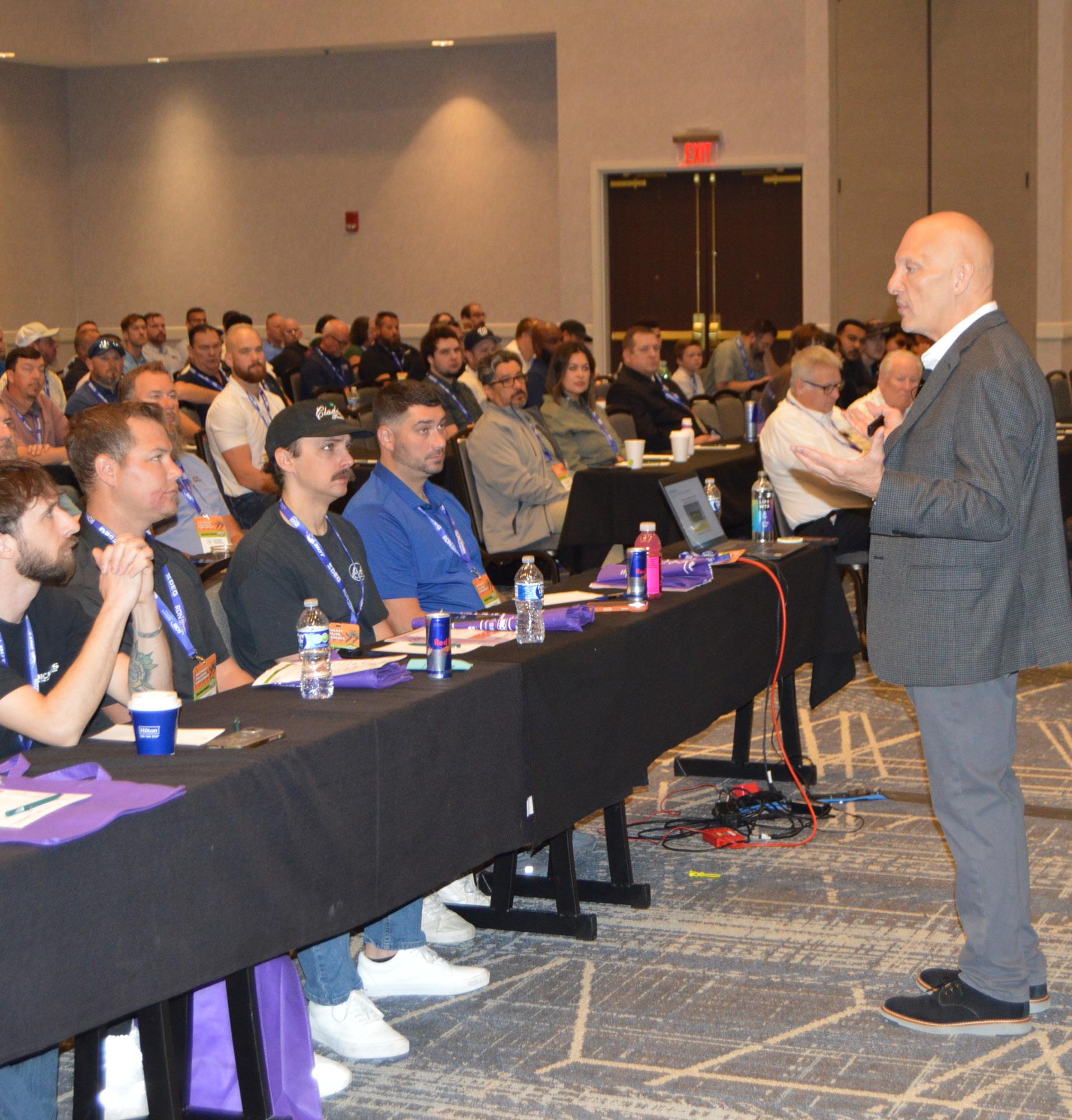
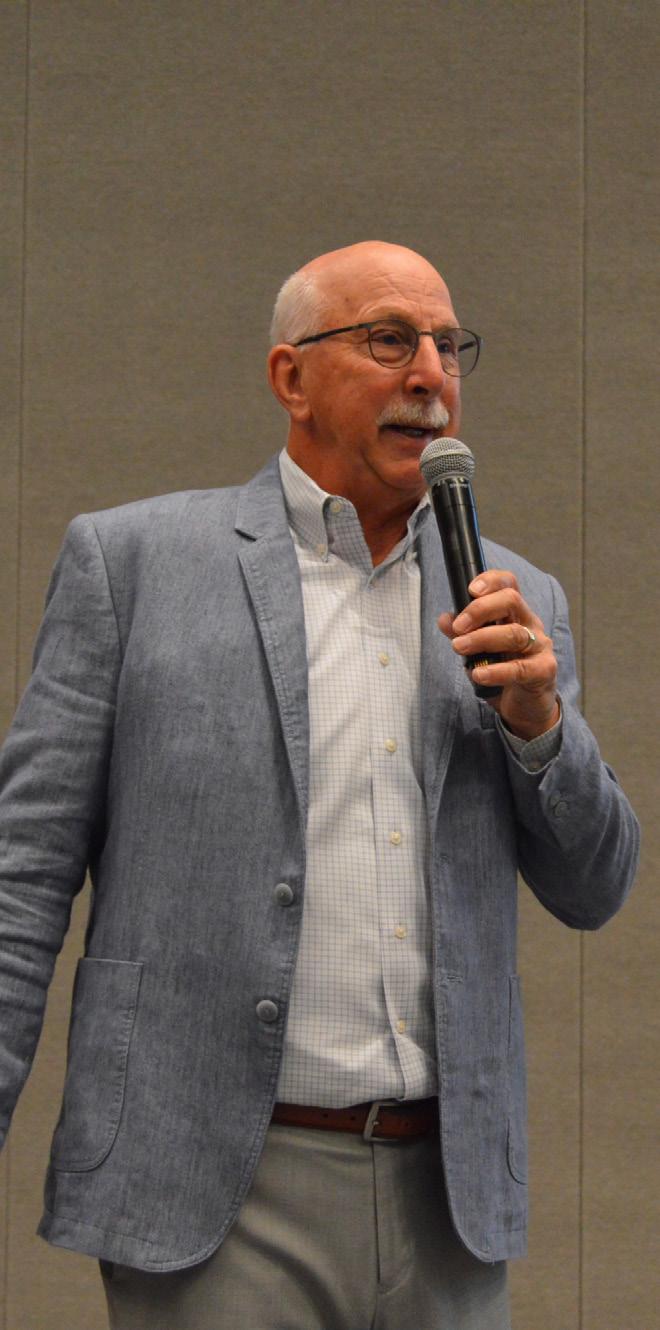
Mike Anderson of CollisionAdvice’s keynote speech challenged attendees to rethink what leadership looks like, both inside their businesses and across the collision repair industry.
One of Anderson’s central themes was trust and how easily it can be lost. Leaders, he said, must be willing to admit mistakes, make things right, and invite accountability from their teams. “If you don’t follow through, your people may love you, but they won’t trust you,” Anderson said.
That foundation of trust, Anderson said, is what allows leaders to have honest conversations, engage in healthy debate, and challenge ideas without damaging morale.
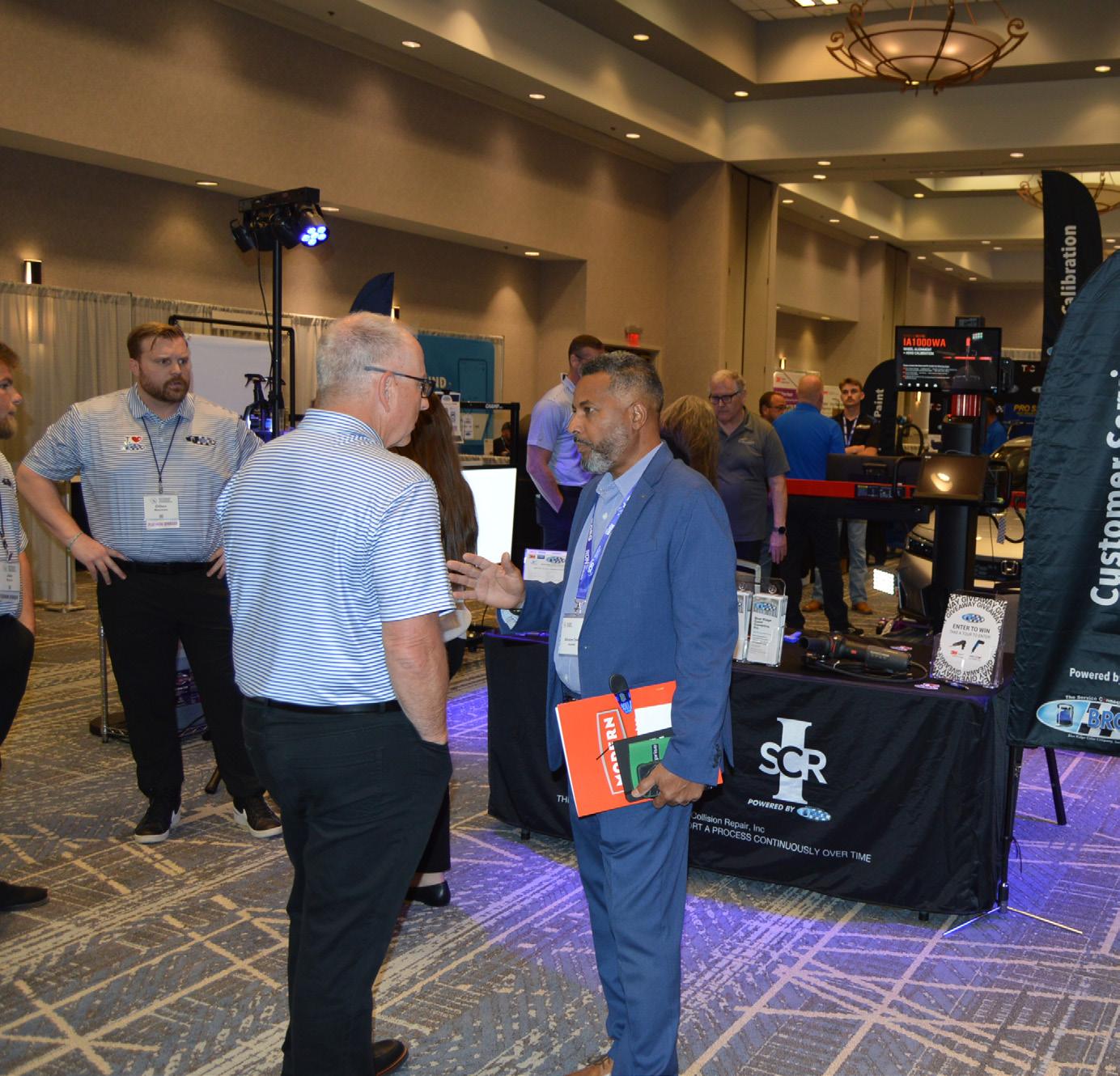
Attendees were treated to a trade show Thursday and Friday morning, a keynote speech by FenderBender Columnist Mike Anderson of Collision Advice, and educational sessions both days covering technical and operations topics ranging from corrosion protection to tactics for getting paid.
Trade Show
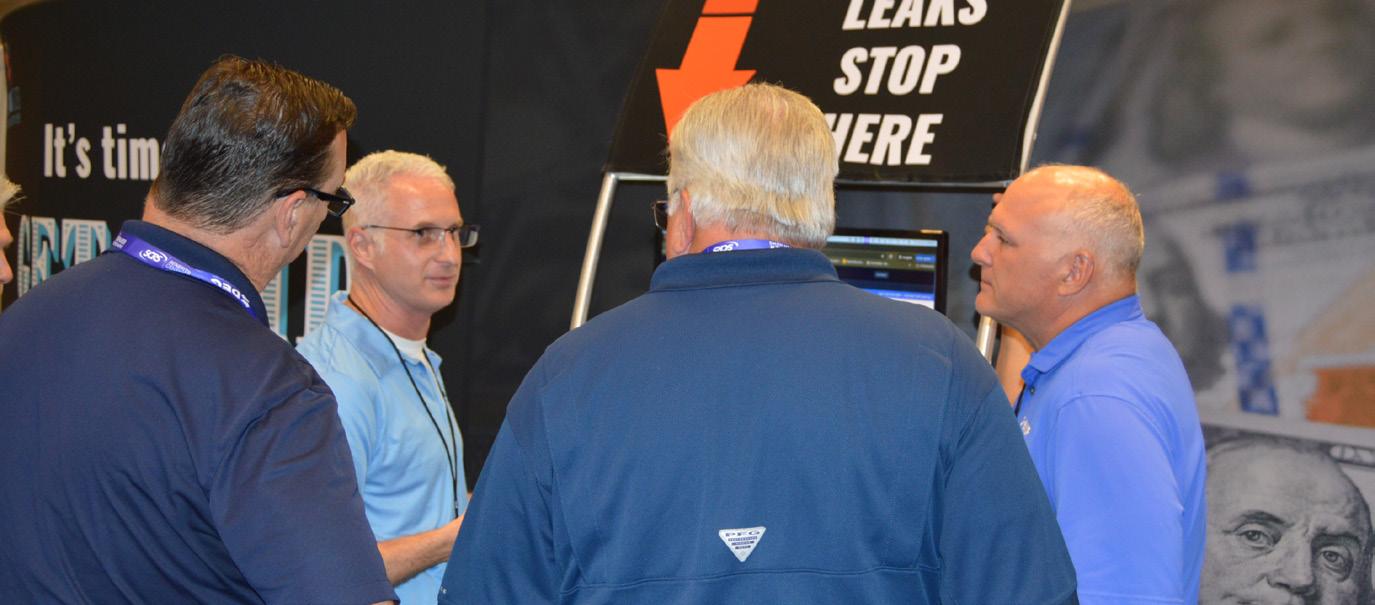
Exhibitors showcased the latest in tools, equipment, and technology for collision repair, diagnostics, estimating, and shop management.
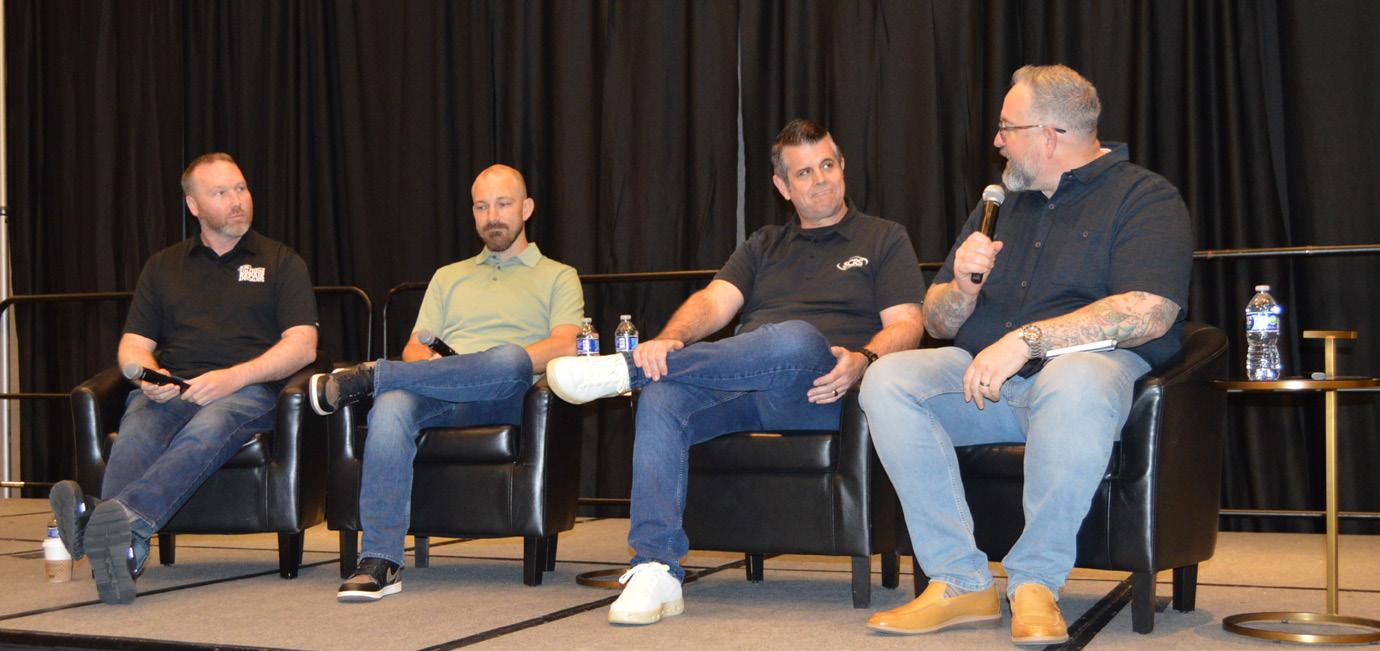
Aaron Schulenburg, executive director of the Society of Collision Repair Specialists (right) moderates a panel on Friday for “The Costs of Not Getting Paid: Changing Tactics in the Changing Marketplace” with, from left, Kris Burton, Rosslyn Auto Body; Michael Bradshaw, K&M Collision; and Barry Dorn, Dorn’s Body and Paint.
Stopping ‘Estimate Leaks’: Thomas Zoebelein, cofounder of Hero Group AI, demonstrates the debut of Reclaimr, which uses agentic AI to find missed estimate items and push back on short pays.
Improving Paint Profitability John Shoemaker’s session advised tightening estimating practices, tracking key performance metrics, reducing waste, and ensuring all paint-related work is properly billed and invoiced.
TACKLING ADAS
CHALLENGES WITH REVV
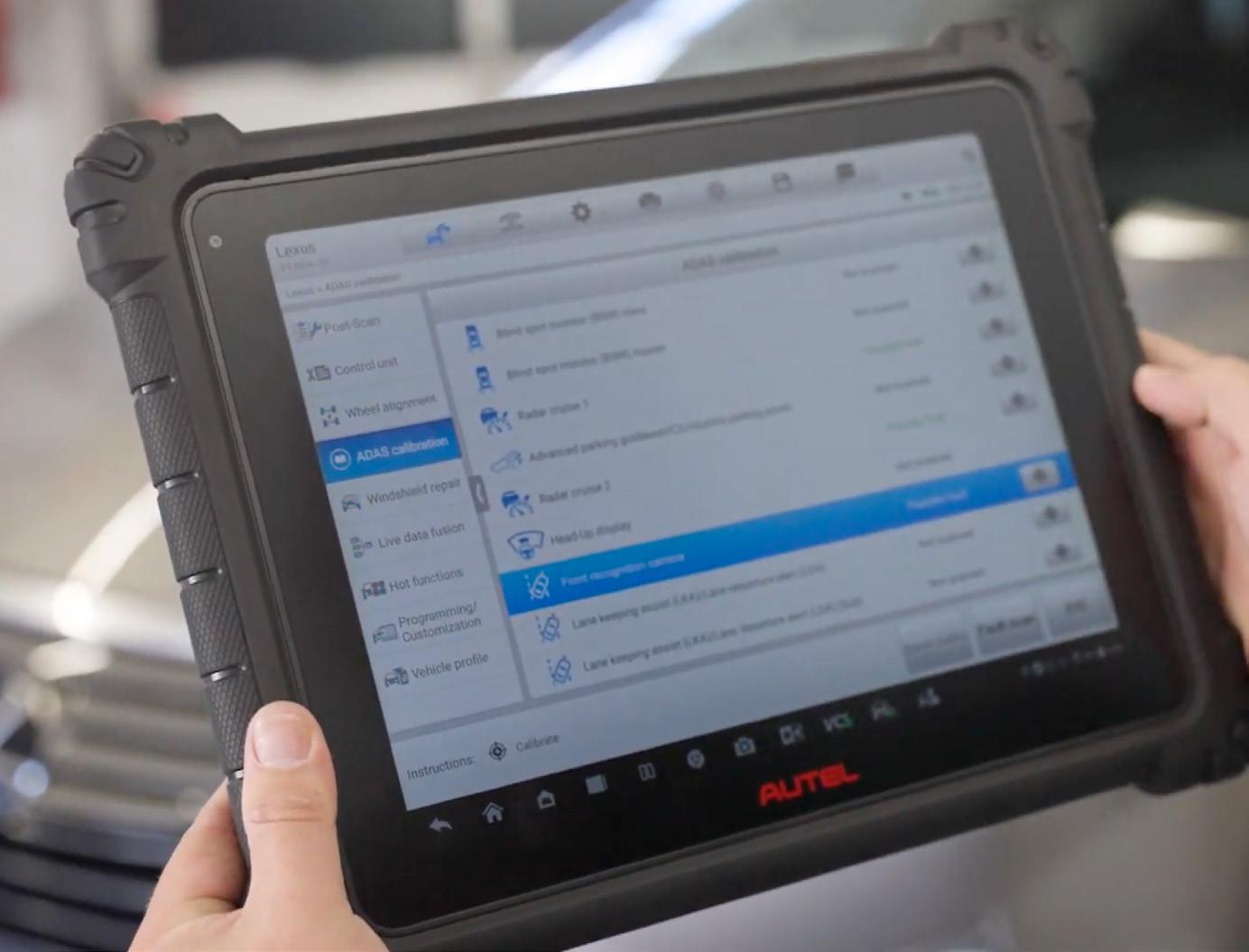
The evolution of ADAS has created new challenges and opportunities for repair shops. Tools like Revv can help streamline processes, ensure compliance, and increase revenue.
By PETER SPOTTS PHOTOS COURTSEY OF REVV
ADAS IS NOT GOING AWAY and is only becoming more prominent in repairs as technology continues to develop. Data from CCC Intelligent Solutions’ Crash Course report shows that repairs used to average about two scans per vehicle; today, it’s closer to five.
Many shops are grappling with how to adapt to the shift and turn it into a revenue opportunity. Revv’s ADAS Calibration Maturity Curve, published on March 3, is “a framework for understanding your shop’s current capabilities and identifying the investments and process improvements needed to advance to the next level.” It identified that out of approximately 300 shops, 42% are either fully outsourcing calibrations or operating with limited, reactive capability. Respondents also reported that 65% of repairs require at least one calibration. As government mandates increase – such as FMVSS 127 which requires automatic emergency braking on all vehicles by 2029 – shops need to prepare now.
“ADAS is the oil change of the future,” says Revv Founder Adi Bathla. “[Government] mandates are accelerating this faster than the industry can absorb. The sooner shops operationalize their workflows, the easier it getsyou don’t have to chew it all at once.”
Revv is one of the tools shops can enlist to help navigate the challenges they face with ADAS, starting with identifying work that isn’t visible and the required supporting documentation.
“The damage isn’t physical - it’s buried in OEM documentation, and you have to dig through the specs to figure out what a calibration even requires,” Bathla says. “That’s why peer education matters. Shops want to hear it from someone who’s actually been in the bay.”
Revv attacks the issue in two parts. The first is to have people who have successfully used Revv’s platform speak to their peers about the success they’ve had. Then, they need to reduce the barrier to entry for ADAS calibrations by having a third party conduct the work instead of the shop.
“Basically, that’s the lowest barrier to entry where you don’t really have to all the work and make any investments,” Bathla says. “But rather, you’re bringing in a third party, which again, shops and the third parties, sublet providers, they collaborate on our network, on the platform.”
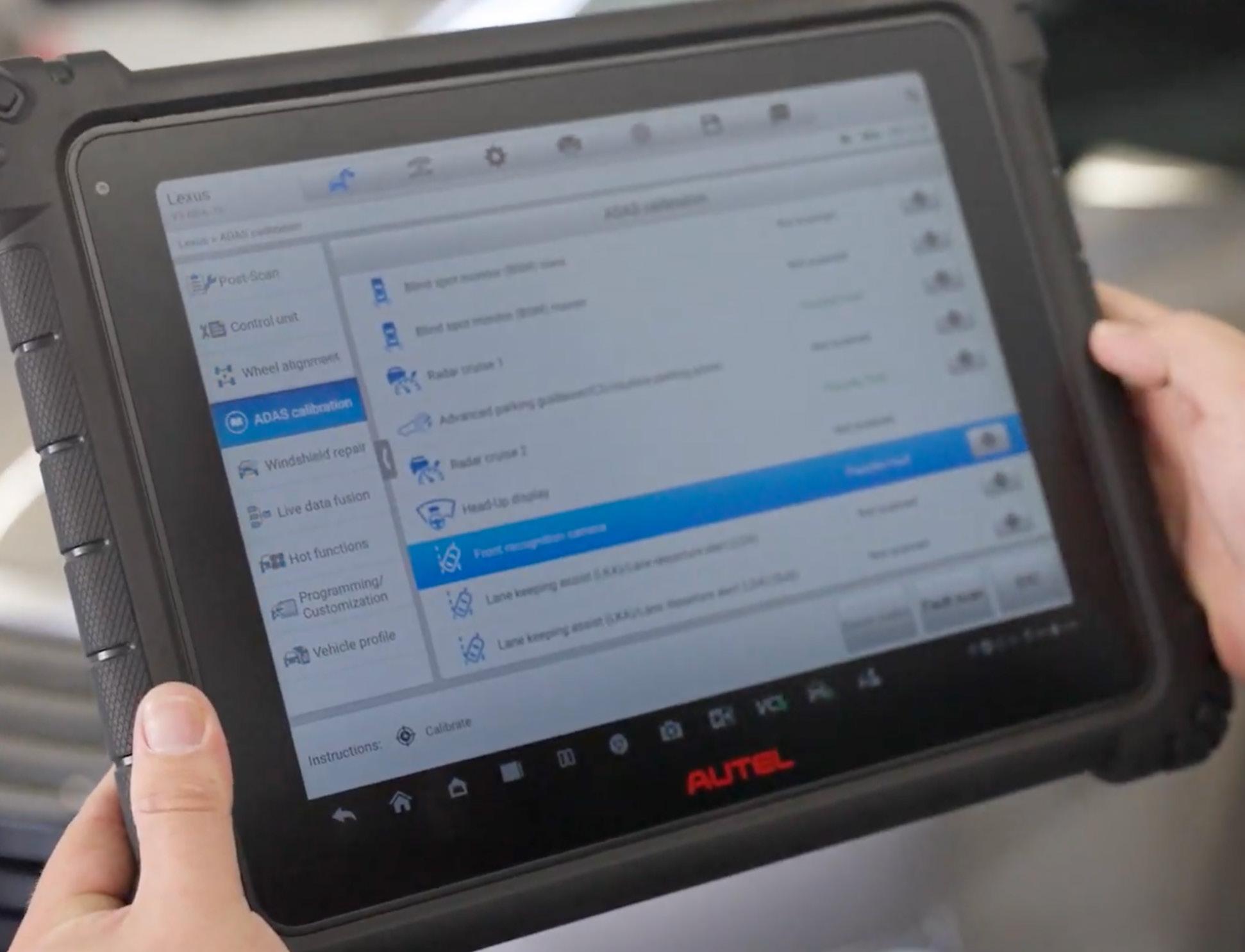
Revv integrates with a shop’s software and hardware, running in the background. When a vehicle comes in, it can analyze the damage recorded during the inspection process and provide step-bystep instructions for what calibrations
are needed, manufacturer-specific documentation to support the claims packet, and capture proof needed to make sure the shop gets paid. Billing and invoicing are handled by Revv as well. Using AI capabilities to make the program more proactive, Bathla says,reduces the skill level required for technicians and frees them up to focus on the most important part of the job – fixing the vehicle.
“We’re in the agentic AI phase. Software can do things it never could before,” he says. “The win is simple - the tech shouldn’t have to learn another tool. The work gets done, the actions get taken, and they get to focus on the car and the customer. That’s their time back.”
The development of ADAS has been “eyeopening” for Bathla and his team since they started work in 2022. The problem the company was trying to solve has expanded from identifying the calibrations a vehicle needs to include:
• How do I capture the proof of repair exactly as the insurer is demanding?
• How do I bill for these?
• How do I collaborate with this third party?
• How do I schedule the work?
• How do I ask them to capture the proof of repair?
• What type of work are they going to be doing?
• How does it affect cycle time?
“Days lost in cycle time is revenue lost,” Bathla said. “The problem got massively more complex, and that’s been the opportunity for Revv - sniff out where the cracks are forming and build toward them, not stay stuck on the point solution we started with.”
The Maturity Curve analysis showed that the gap between market demand and shop readiness for ADAS calibrations is a liability risk and a missed revenue line. Whether it’s Revv, another platform, or even hand-recorded notes in a Google Doc, Bathla stressed the importance for shops to start identifying and documenting all the required calibrations so they can get properly reimbursed for repairing a vehicle to required safety standards.
“It doesn’t have to be Revv,” Bathla says. “Pen and paper, Google Sheets, whatever you’ve got - the point is to identify every calibration the moment the car comes in, way earlier in the cycle. That protects your cycle time and gets you to a clean claims packet. That’s how you get paid for the work you did.”
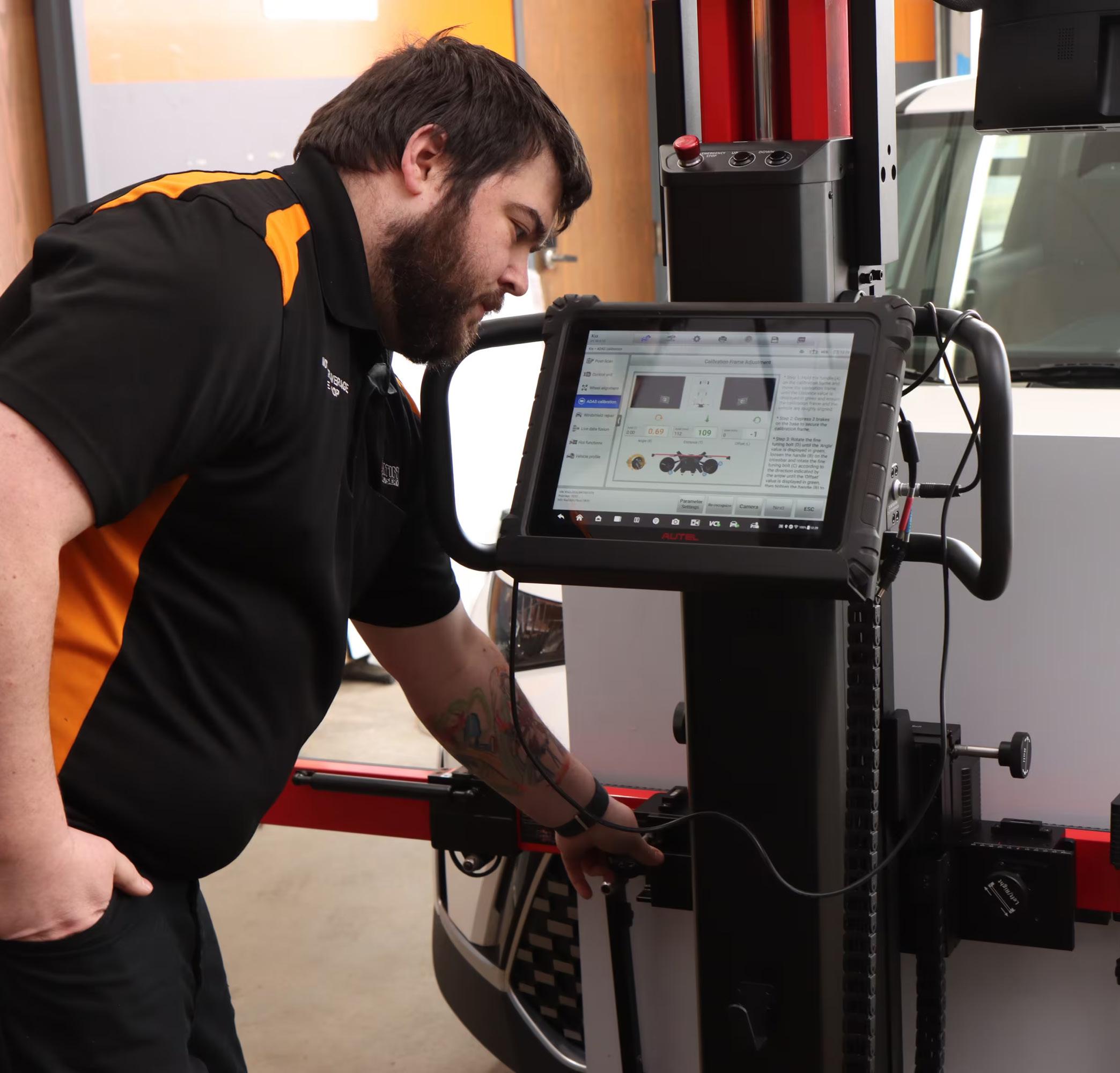
Revved up Collision repair shops can use Revv to analyze the damage recorded during the inspection process, provide step-bystep instructions for what calibrations are needed, and identify manufacturer-specific documentation to support the claims packet.
LIGHT HITS
FLOWER HILL AUTO BODY NAMED LUCID’S 2025 GLOBAL SHOP OF THE YEAR
Lucid Group, Inc. announced the winners of its 2025 “Body Shop of the Year.” Initially revealed at the company’s body repair network conference in March, the awards recognize collision repair partners that demonstrate disciplined execution across safety, repair integrity, guest experience, and program standards.
The 2025 selection process focused on clear, objective measures across the full repair lifecycle. Winners of Lucid’s 2025 Body Shop of the Year were:
• Global Shop of the Year: Flower Hill Auto Body – Roslyn, New York
• Regional Winners:
• Western Region: European Motor Car Works – Costa Mesa, California
• Eastern Region: Flower Hill Auto Body –Roslyn, New York
• Canada Region: Excellence Auto Collision – Toronto, Canada
• Central Region: Gold Coast Auto Body –Chicago, Ilinois
• Southern Region: Windermere Collision Center - Winter Garden, Florida
THE BOYD GROUP APPOINTS NEW COO AND CCO
Boyd Group Services Inc. appointed Steve Hoeft as chief operations officer for the Boyd Group’s U.S. collision business and Zach Balthrop as chief commercial officer. Hoeft joins Boyd following nine years with Bridgestone Americas, where he most recently served as President of the Commercial Truck Group since 2022. Balthrop has been with the company since 2024 and has served as the leader of Boyd’s South Division, where he has consistently delivered strong performance and operational excellence.
COLLISIONRIGHT AND ASTECH PARTNER FOR SCANNING AND ADAS CALIBRATION TECHNOLOGY
CollisionRight LLC, a regional multi-shop collision repair operator, and asTech, driven by Repairify, have partnered to deploy asTech’s
scanning and ADAS calibration technology throughout the CollisionRight network.
The use of asTech’s technology will ensure accurate and consistent scans and calibrations, while seamless integration with CollisionRight’s operating model will support efficient rollout and long-term scalability.
CollisionRight and asTech will work together to support technicians and improve the customer experience across every repair. ADAS calibration is an integral part of modern vehicle repair and essential to driver safety. Because even minor sensor-angle deviation from small body repairs can lead to ADAS malfunctions, CollisionRight performs safety-system operations on approximately 70% of vehicles that enter its facilities — the majority of which are recalibrated to meet original equipment manufacturer (OEM) specifications. CollisionRight technicians will now have access to asTech’s advanced calibration tools including the asTech All-In-One, local and remote services, adasThink and Rules Engine to streamline workflows and ensure calibrations meet industry standards.
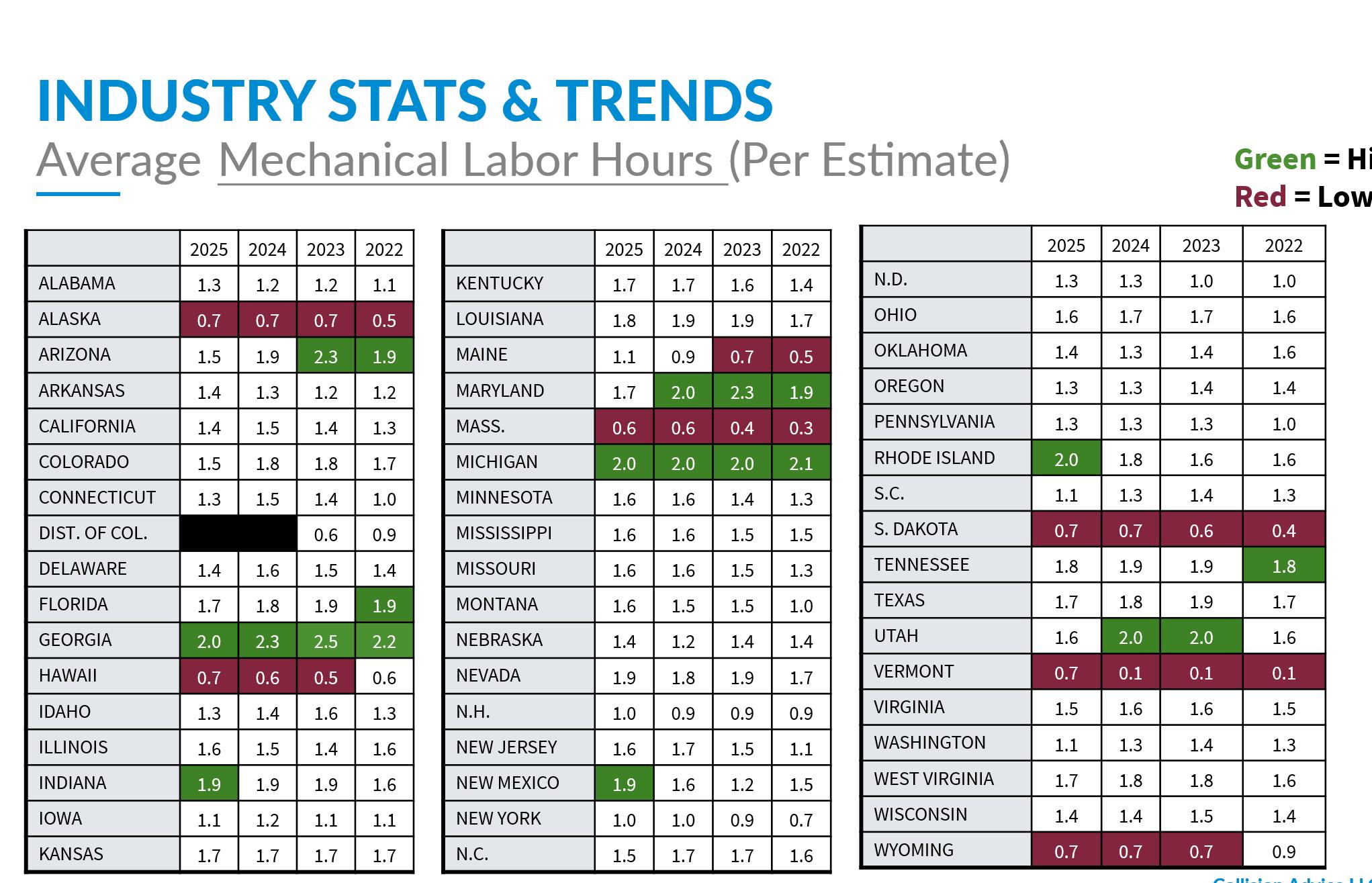
HOW MANY MECHANICAL LABOR HOURS ARE ON
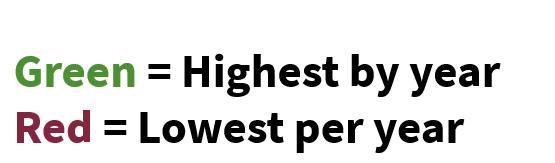
IN THIS ISSUE, Mike Anderson’s column discusses how data compiled by his company, Collision Advice, showed the average mechanical labor hours per estimate were a low of .7 per state and a high of just two hours. Those numbers don’t align with what safe and proper repairs require, he says, for operations including battery support operations and pre-alignments. These figures are compiled by Collision Advice from multiple sources for both DRP and non-DRP shops.
The Power of PMA: Overcoming Negativity for Better Health and Success
Choosing positivity can lead to longer life, better health, and greater success in business and personal life.
It’s interesting how one of the shortest verses in the bible is just two simple words, “Rejoice Always.” As I sit here writing this column, I am in a hospital bed in a post-op room following surgery and will have a pretty rough week ahead of me. Yes, I will “Rejoice Always,” and fortunately, a good outcome should await with a higher quality of life.
In life, every individual has a choice, a fork in the road, if you will. We can take the high road, which we will call the “PMA Road,” Those who choose the low road, the “NMA Road, live in a world that at best is partly cloudy rather than partly sunny. I will never forget my mother telling of one of her co-workers, a germophobe who had chosen the NMA road. He was ultra-paranoid of anything that might contain germs or make one ill. He was quick to tell others of their possible fate of not protecting oneself from this or that. You guessed it, he was diagnosed with cancer and died in his early forties. My mother, now in her eighties, chooses to “Rejoice Always” and is quick to be an encouragement to others on life’s path.
Napoleon Hill was an author from years back who wrote “Think and Grow Rich” and ‘Success Through a Positive Mental Attitude.’ Current studies have proven Hill’s writings that a negative mental attitude (NMA) can cause chronic stress, depression, anxiety, digestive tract, and cardiovascular problems and a weakened immune system. NMA has even been proven to contribute to the onset of Dementia and Alzheimer’s diseases.
On the flip side, studies have also proven that a positive mental attitude (PMA) will increase a woman’s lifespan by 15% and man’s lifespan by 11%, on average. This is primarily due to the better health habits of exercise, little to no tobacco and alcohol use, better eating habits, and lower cardiovascular diseases due to lower stress levels.
A PMA also leads to greater financial success. “Money isn’t a means to a happy life. A happy life is the means to money,” said Abraham Hicks. So how can this be? It’s actually very simple. A life of an entrepreneur is full of opportunities and
setbacks. With NMA, we focus on the setbacks and all the potential failures. Then we become paralyzed by fear. On the flip side, with PMA entrepreneurs focus on all the opportunities. They can see “the diamonds in the rough” and what great potential EACH can have. Then in comparison to those with NMA, thinking of all the hard work that will be needed and the potential financial pitfalls.
I can’t emphasize enough; you must surround yourselves with those with PMA and avoid those with NMA! You become who you hang out with, and this even applies to collision social media groups. I am just waiting for these doomers to start spreading the future date of the coming collision industry apocalypse and imminent death of all independent shops!!
It’s sad to see that many of the followers of these types of groups have so much NMA that their businesses most often stay stagnant. They’re quick to post a win with a particular insurer, but their business continues to stay flat. It’s almost a culttype thinking, and their mind is just packed full of cobwebs!
Now don’t get me wrong here, folks, I am fighting the same fight as you folks are every day. I just had an insurer deny completed safety inspections, which included measuring a steering column, and then denied completed ADAS calibrations. Without question, we made sure our customer left in a safe and properly repaired vehicle. So, why didn’t I take the carrier to court? Well, l understand the brevity of life and I just happen to see this carrier almost weekly. I have a documented tab with them, and I will collect their debt in full, plus interest.
In the end, don’t get sucked into the vortex of negativity of NMA thinking; your physical and mental health will deteriorate. I guarantee it! Always be on the lookout to pull individuals up and out of that NMA. Every time I help someone, I get to make their life better, and it makes mine better, too, even if it doesn’t always come with financial gain. Never forget to “Rejoice Always!”
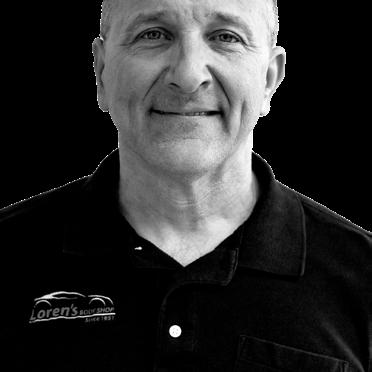
GREG LOBSIGER
Greg Lobsiger has owned Loren’s Body Shop in Bluffton, Indiana, for over 23 years. He has been a member of Mike Anderson’s groups for ten years and had extensive lean manufacturing training.
EMAIL: greg@lorensbodyshop.com
ARCHIVE: fenderbender.com/lobsiger
STRATEGIES & INSPIRATION FOR MSO SUCCESS
TAKING THE NEXT STEP
Three industry leaders explain why planning your next course of action matters, even if you’re not ready to take it yet.
By NOAH BROWN
Regardless of how long you’ve been in the collision repair industry or what your situation looks like, there’s no room for complacency; you always have to be thinking about what’s next.
Consolidation is accelerating. Margins are tightening. Equipment, training, certifications, and carrier expectations continue to rise. And while many shop owners still love fixing cars and serving their communities, fewer feel confident that doing business the same way they did even a year ago will be enough to carry them forward.
“At some point, you’ve got to make a change,” Chris Lane, managing partner of Focus Advisors, says. “You can’t just stay where you are. You’ll die.”
That stark reality is forcing owners across the country to wrestle with the same question: What’s the next step?
Should they sell and exit the business they’ve spent decades building? Should
they merge with another entity? Should they grow by adding locations, partners or outside investment? Or should they try to sustain what they have by working smarter, not necessarily bigger?
The answer is deeply personal, and there’s no one correct solution. One thing, though, is clear: Standing still is no longer an option.
Getting Emotional
Most shop owners feel a deep, personal connection to their business, which can make planning for the next step as much an emotional exercise as it is a strategic one.
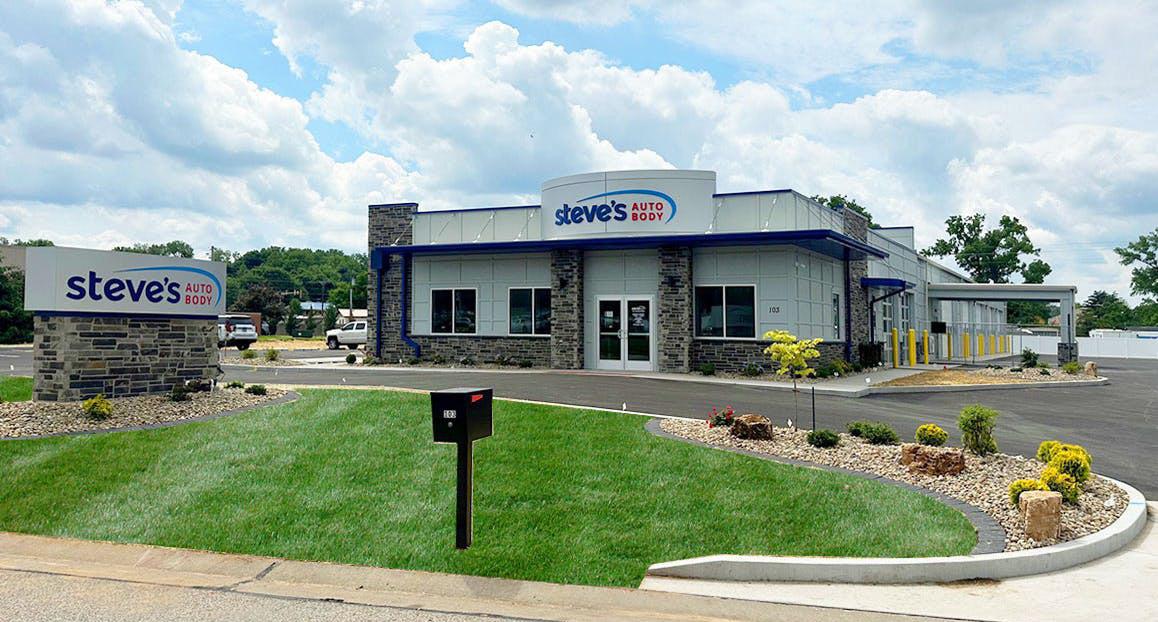
For those who work in a family-owned shop, the emotions can be cranked up even higher. Jordan Beshears, president of Steve’s Autobody in the St. Louis area, knows that firsthand.
He took over the family business as his parents stepped away, a transition that ultimately worked out for everyone, but not without some friction.
“When you mix business in with it, it can get messy at times,” Beshears says. “That was a weird feeling because we have such a good relationship, my parents and me, but emotion got the better of all of us at times.”
Beshears had come up through the shop detailing cars, working in Paint, writing estimates, and running production before stepping into leadership as his parents began slowing down. What he wanted for the business and what they wanted weren’t always aligned.
“I think sometimes we were just looking at it from our own perspective and not the other person’s side,” he says. “Ultimately, it just comes down to communication.”
Looking back, Beshears doesn’t pretend the transition was perfect.
“I wouldn’t say we handled it the best,” he admits. “But we got through it, which was the most important part.”
Now that the transition is done, everyone seems to be in a good spot; his parents are enjoying retirement without the stress of the business, and the company is moving faster with a unified vision.
“It’s got everybody on the boat moving in the same direction,” he said.
That emotional component — identity, family, legacy — is often overlooked when owners talk about selling or succession. But ignoring it doesn’t make it go away, and acknowledging those difficult feelings upfront could help make the process easier for everyone involved.
Back to basics
Whether a shop owner is thinking about selling, growing, or aligning with a franchise or network, preparation is critical. For Bes-
In Growth Mode
Steve’s Auto Body opened its third location, in Collinsville, Illinois, in June 2025.
hears, that preparation started with financial clarity.
“If you don’t have clean financials, it just muddies the waters,” Beshears says. “On the selling side, it can impact the value you’re going to get. On the buying side, it’s going to hurt your relationship with lenders.”
Daryll O’Keefe, vice president of North American business development for Fix Network, agrees.
“If you’re trading on EBITDA,” O’Keefe says, “you better have EBITDA to trade.”
Too often, shop owners delay getting their books in order because they aren’t planning to sell anytime soon. Beshears says even if you’re not planning on making a move, that mindset can backfire.
“You never know when an opportunity is going to arise,” Beshears says. “Somebody might come knocking. And if your financials aren’t clean, it just adds stress and slows everything down.”
Clean books don’t lock an owner into a decision, but they preserve options. Whether the next step involves a bank, a buyer or a strategic partner, clarity speeds the process and protects everyone involved.
Taking a step back
For some owners, the right next step is to exit the business. Lane cautions before selling, though, to consider what that means for you beyond the transaction.
“For most people, their collision repair business is the most important asset they have,” he says. “It’s probably the single most amount of energy they’ve spent building something in their lives. Moving on from it is an enormous decision.”
That’s why Lane says it’s critical to consider both selling and merging.
“If you’re going to sell, it’s usually because you want to retire or do something else,” he says. “A merger is different. You
get to do things that you couldn’t do before while removing some areas of duplicity.”
If a shop owner still feels passionate about the business but is growing tired of the day-to-day, merging with another business, aligning with a franchise or otherwise being acquired can be a good way to stay involved with the shop while removing some of the day-to-day responsibilities.
“You can bring in a partner to help you operate or grow because they are providing some expertise you don’t have, or partner with an investment firm like a PE firm to grow much more rapidly, or partner with an operator who also has locations to grow that way,” Lane says. “But that last possibility is really rare for operational, functional, managerial and directional reasons.”
Further to that point, Lane also says partnerships are not very common, however, and says most shop owners he works with that are looking to sell or be
acquired are doing so with the intention to exit the industry.
“More often than not, it’s because life is determined for them or they have determined in their lives that they want to do something else,” he says. “That’s where we see the decision to exit or the decision to merge be made.”
Even when owners know they want to exit, the emotional reality often surfaces mid-process.
“We see our process stall in certain places,” Lane says. “Not because it’s mechanical or logical, but because there are emotional blocks.”
Those emotions don’t just involve the owner, he adds. Employees are often top of mind.
“When you exit, you’re giving your employees new employers,” Lane says. “You want to make sure they’re put into the best hands possible. That’s hard.”
Lane emphasized that his firm never tells owners it’s time to sell. Instead, the goal is to help them understand their position and options.
“Our job is to help them figure out how to get where they want to be,” he says. “That’s not always financial. A lot of it is personal.”
Growing effectively
For other owners, selling isn’t appealing, but staying exhausted isn’t either.
O’Keefe said many shop owners who initially think they want out are really just burned out by doing everything the hard way.
“When somebody thinks about selling, it’s not because they’re happy with the situation,” he says. “It’s because it’s hard.”
That’s where strategic growth, or alignment with a franchise or network, can change the equation.
“When we show people there’s an easier way to do business,” O’Keefe says, “all of a sudden this becomes an investment again.”
By tapping into standardized processes, operational support, marketing resources, and shared data, owners can reduce the daily burden that leads to burnout.
“They’re not doing all the heavy lifting themselves anymore,” O’Keefe says. “They have people supporting them.”
In many cases, O’Keefe says doing that work to distributing the workload and reimagining how to run their shop pulls shop owners back in and reminds them of why they entered the business in the first place.
“More often than not, people stay,” O’Keefe says. “And not only do they stay; sometimes they go on to buy another shop.”
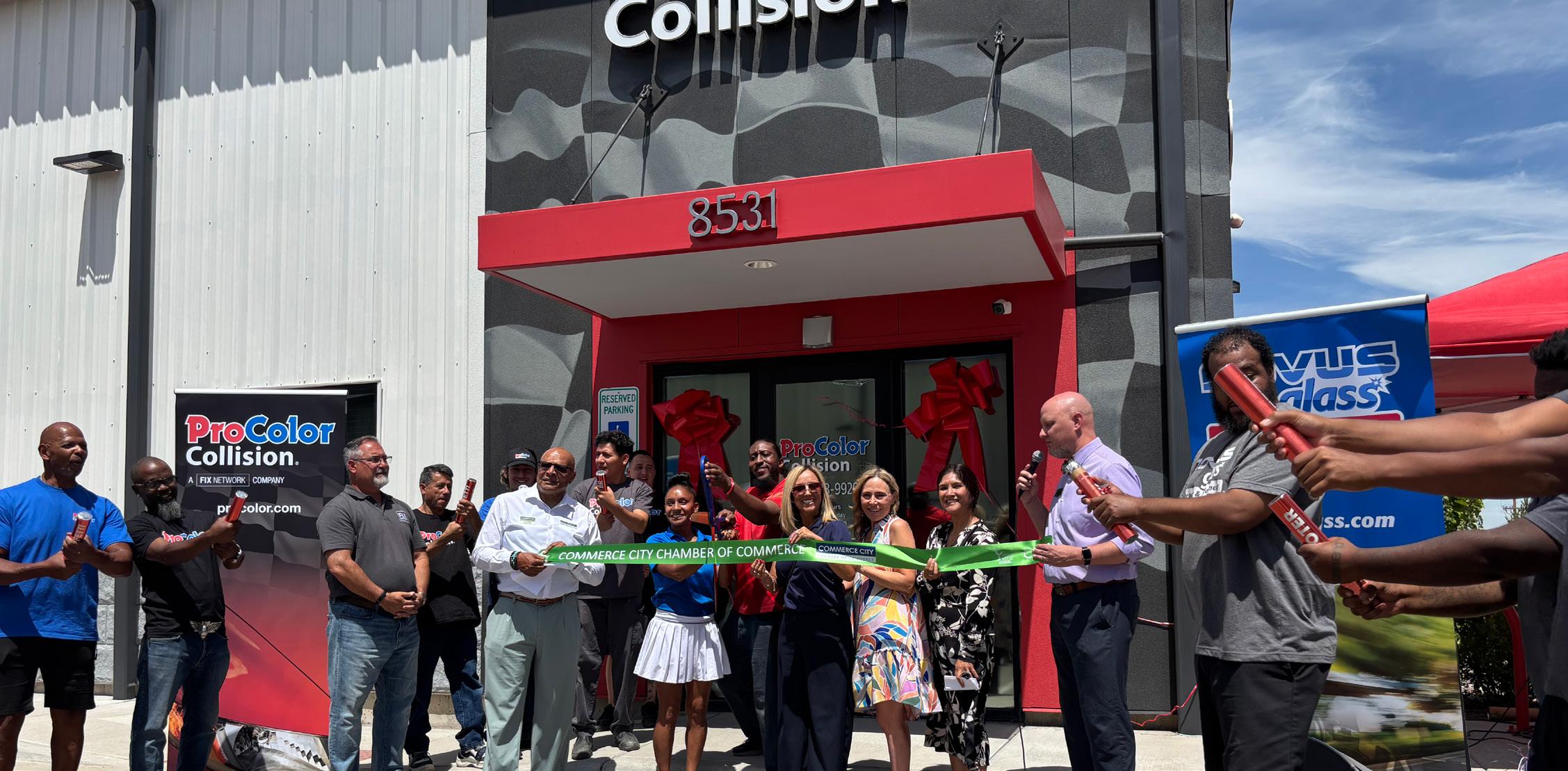
He points to ProColor Collision operators as an example of people who started with one location, refined their processes, then expanded once the systems were in place.
“They realize this isn’t as hard as they thought,” he says. “There’s actually a way to do this business that’s sustainable.”
The Myth of Staying the Same
Throughout every scenario outlined above, one constant emerges: the idea of ‘staying the same’ doesn’t work.
“There is no status quo,” O’Keefe says. “You’re either pushing forward or you’re going backwards.”
Lane agrees, pointing to shrinking margins and increasing competition.
“Fifteen years ago, 50 percent gross margins weren’t unheard of,” he says. “Now the norm is closer to 40 percent, and that pressure isn’t going away.”
Businesses that want to “hold steady” still need to be on top of industry trends and doing everything they can to optimize their workflow.
“If you’re not reinvesting in training and equipment,” O’Keefe says, “you’re actually going backwards.”
That doesn’t mean every shop needs to become a multi-location MSO, but it does mean owners need a plan.
Taking the First Step
One reason many shop owners delay planning is fear of being pressured into a decision before they’re ready.
All three sources stress that those early conversations should be exploratory, not binding.
“This is a no -pressure conversation,” O’Keefe says. “We’re easy to talk to. We just want owners thinking about their business.”
Lane describes his firm’s role similarly.
“We’re happy to help people put a stake in the ground and show them where they sit today from a valuation and market perspective,” Lane says. “They can use that information however they want.”
Planning doesn’t force action, but avoiding planning can eliminate choices down the road.
“The best time to plant a tree was 20 years ago,” O’Keefe says. “The second best time is today.”
There’s no universal answer to whether a shop owner should sell, grow, or align with a franchise or network. Every business and market is different.
There is a common thread among shops that navigate change successfully, though. They prepare early, keep their financials clean and take time to step back from the day-to -day to see the bigger picture. O’Keefe offers a simple exercise.
“Drive to your facility a different way,” he says. “Try to look at it like you’ve never been there before. What’s your impression of your own business?”
That fresh perspective, combined with honest conversations and solid fundamentals, can help owners choose a next step that fits their goals, not just the market’s momentum.
Because in today’s collision repair industry, doing nothing isn’t standing still. It’s falling behind.
Grand Opening ProColor Collision cuts the ribbon in Commerce City, Colorado.
PROCOLOR COLLISION
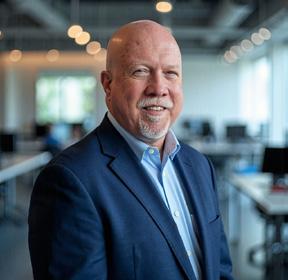
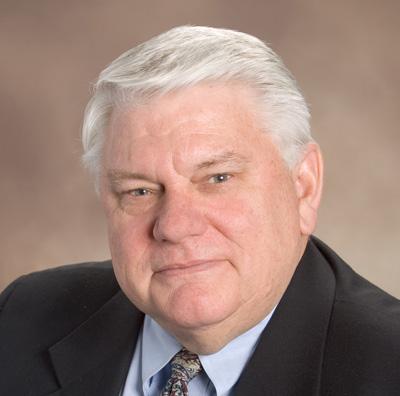
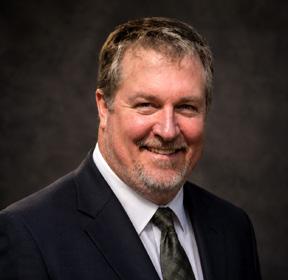
Jordan Beshears
Daryll O’Keefe
Chris Lane
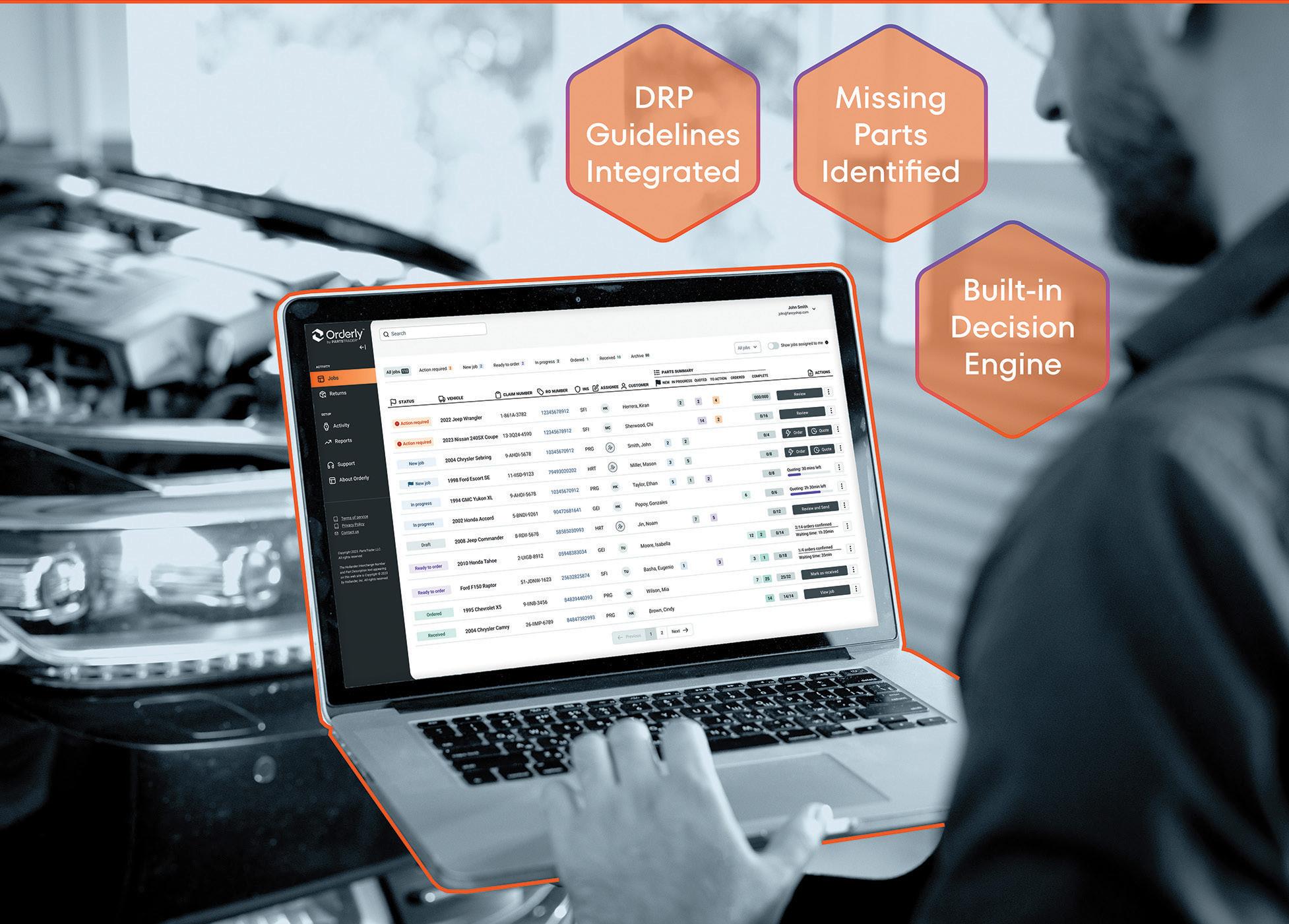
Take the complexity out of parts procurement with Orderly™ by PartsTrader®, the next-gen AI-powered platform. Built with repairer inputs, Orderly seamlessly integrates with your existing estimating software and connects every shop with a trusted network of preferred and verified parts providers, while ensuring compliance through integrated DRP guidelines. This user-friendly platform streamlines workflows, reduces cycle times, boosts margins, and offers transparency at every step. It’s the future of parts management. And it’s Orderly. To learn more or request a demo, visit myorderly.com.
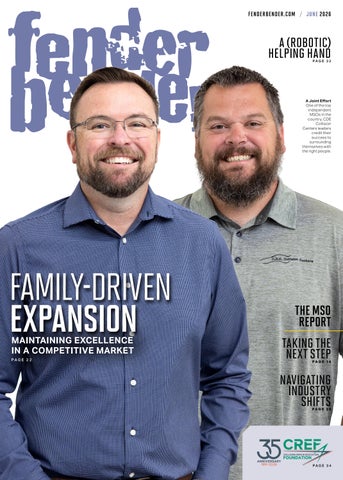
FAMILY-DRIVEN EXPANSION
By LINDSEY
GAINER / NICK HEMPHILL PHOTOGRAPHY
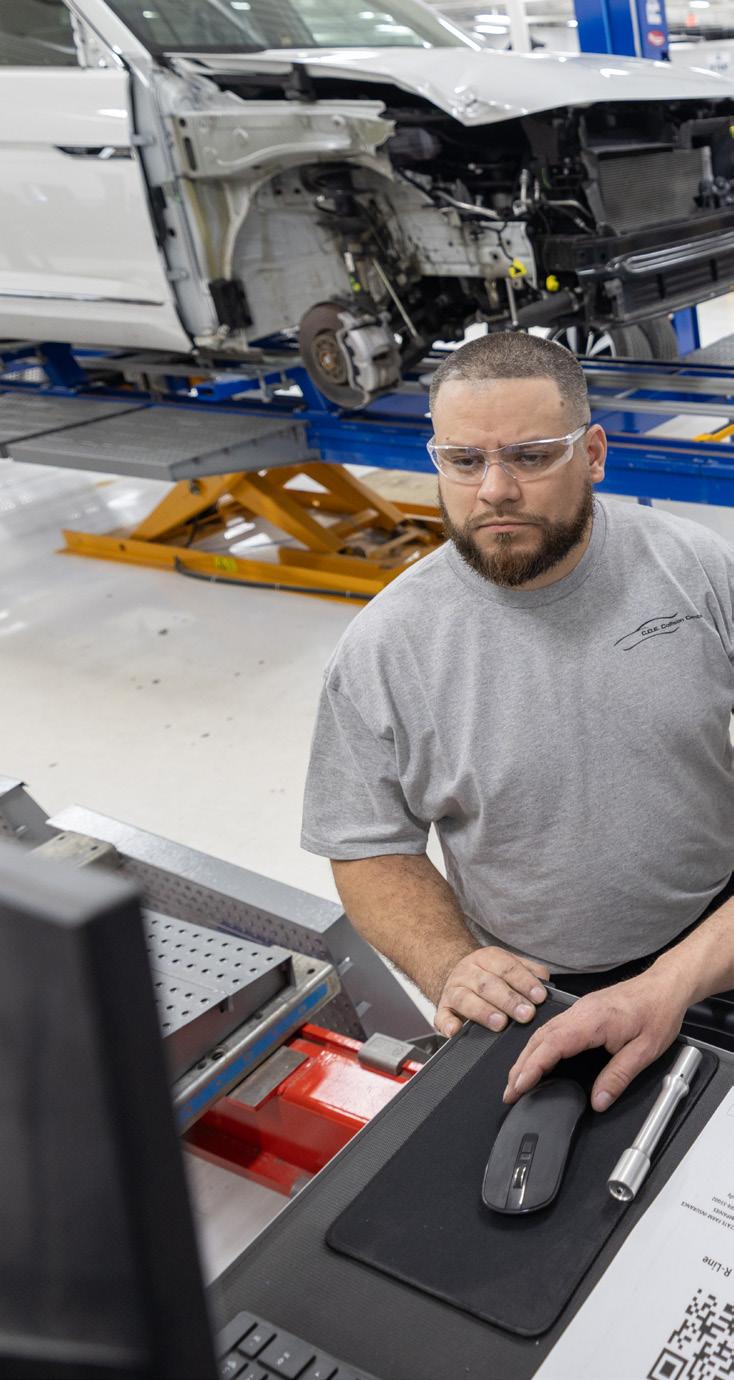
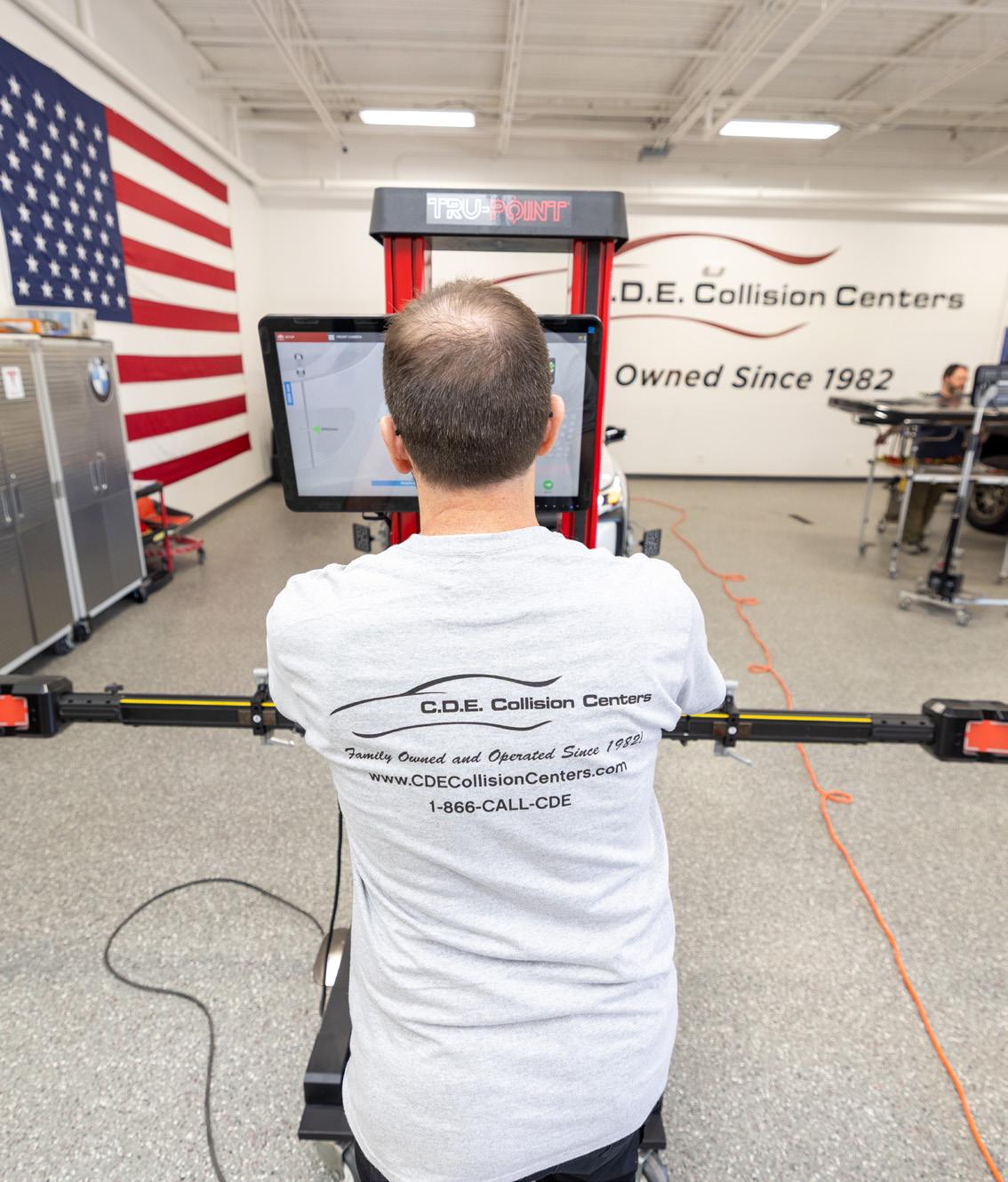
The right team can take you places you never imagined were possible, and no one knows that better than CDE Collision Centers.
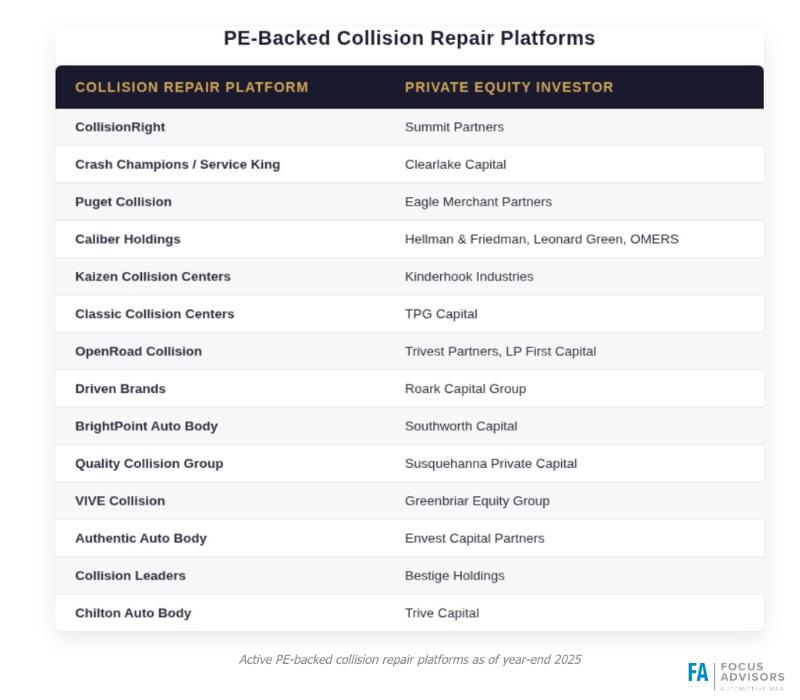
What began as a three-man operation is now over 200 strong, with 16 shops across northern Illinois and Indiana, making them one of the largest independent MSOs in the country. At EOY 2024, Focus Advisors estimated them in the top six, in fact.
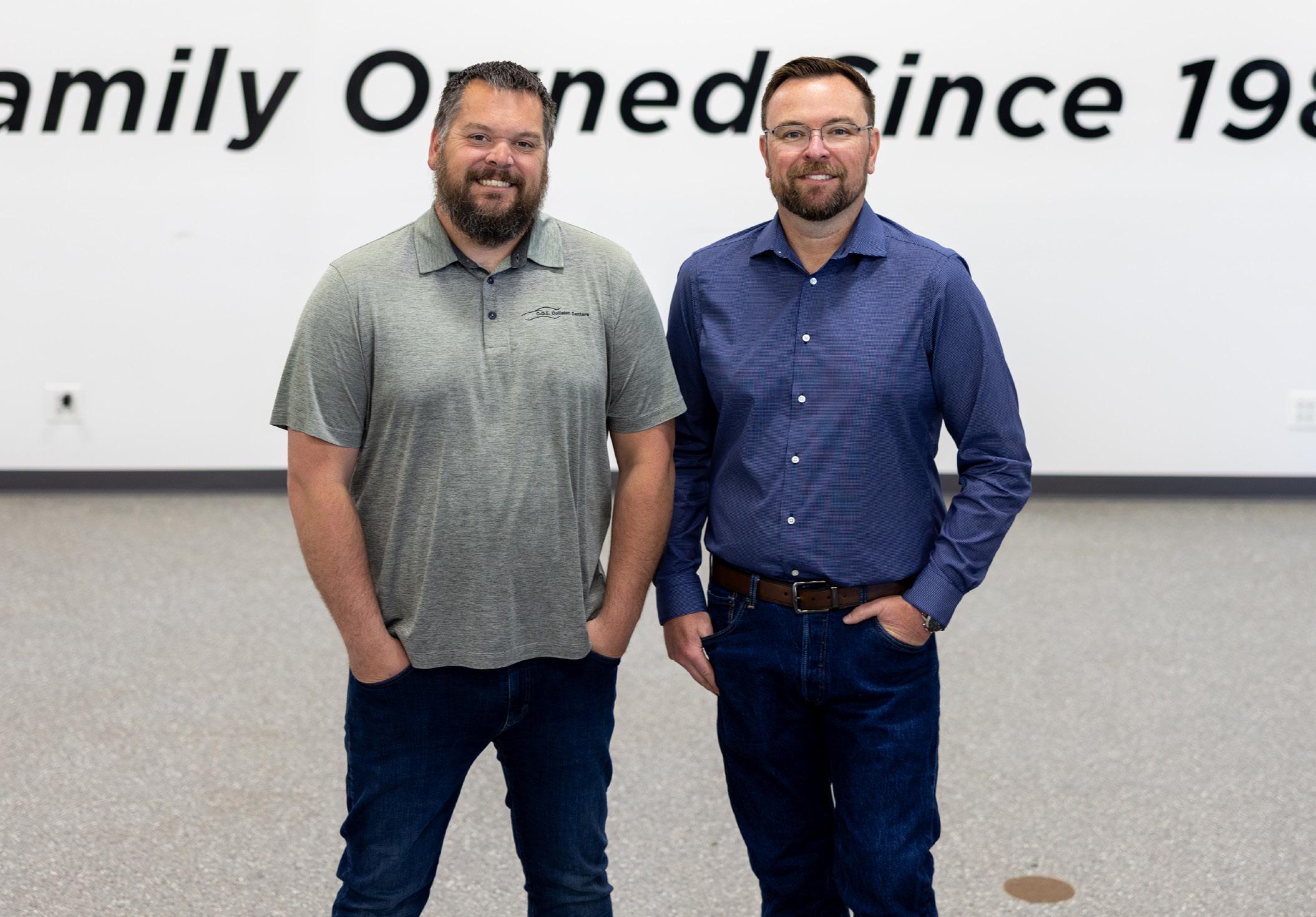
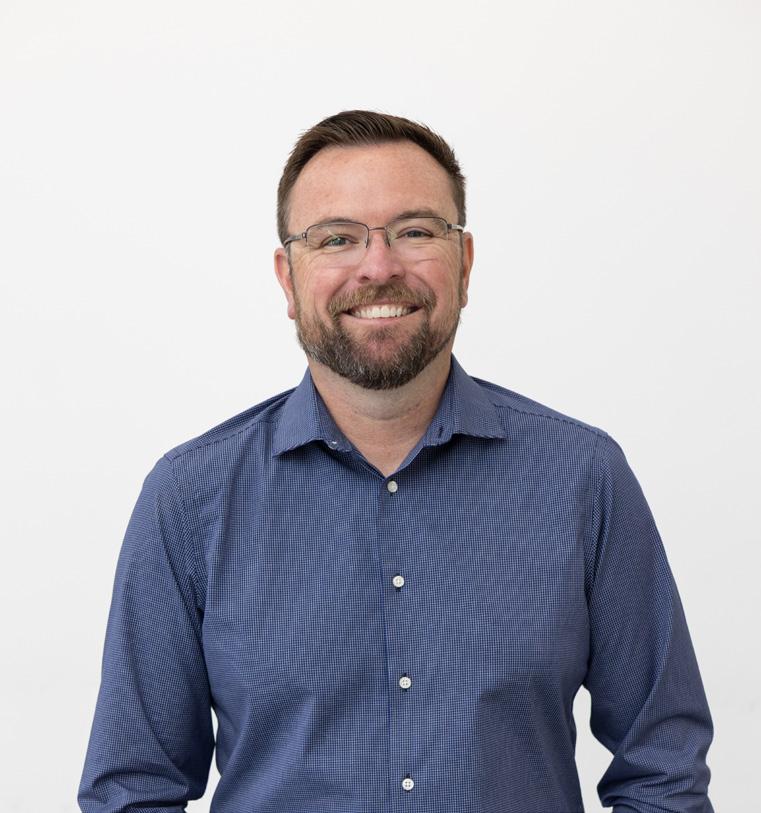
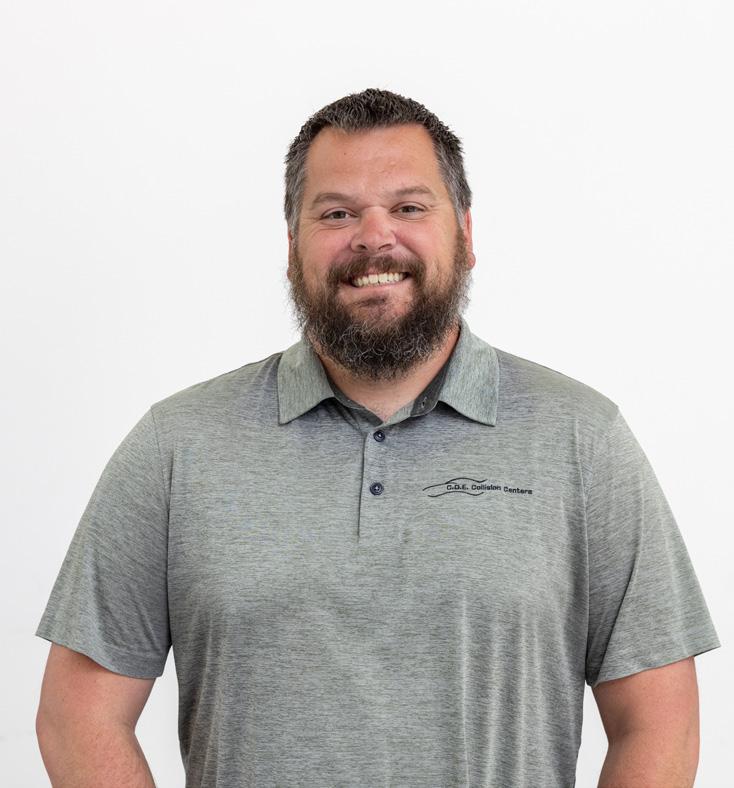
“It’s surreal to see our shop on that list,” admit brothers Eric and Brian Freiberg, second-generation partners and vice president and COO, and building and equipment manager, respectively.
“Everything we’ve built — it all traces back to the team,” Eric says. “You don’t get to this size without having the right people in place — and supporting them the right way. We couldn’t do what we do without all the time, effort, and care they put into the business day in and day out. Our success is truly the result of everyone’s joint efforts.”
A Family Business Through and Through
Chuck Freiberg, C.E.O. and president of CDE (and Eric and Brian’s father), founded the business in 1982 with a single location and a hands-on approach that still defines the company today.
Within just a year of opening, he’d already purchased his second location, the shop he’d been working in with his two original partners when they set off on their own. After his partners departed the business, Chuck’s parents joined him, and several other family members would follow suit over the years, reinforcing a model that blended family involvement with operational discipline.
That combination — hands-on leadership paired with strong internal support — became a defining trait of the business, Eric says.
By the time the third and fourth locations took shape in the ‘90s, Eric and Brian — who both grew up in the business — were kids doing all the odd jobs around the shop they could: cleaning floors, moving vehicles, organizing parts, and helping technicians wherever they needed it.
“We were around it every day,” Eric says. “You learn how a shop works just by being in that environment — how production flows, where bottlenecks happen, how important communication is between the front office and the shop floor.”
During those formative first years, he says, his father’s focus wasn’t just on adding stores — it was on building processes that could scale.
And scale they did.
In 2010, CDE opened its first out-ofstate shop in Hammond, Indiana, and from there, expansion accelerated. Nine additional shops were added over the next decade, building “operationally intentional” density across its core markets — five more in Illinois, and four more in Indiana — sometimes at a rate of more than one per year. Two additional shops opened in the last several years as well, bringing the current count to 16 locations.
“Geography matters more than people think,” Eric says. “We’ve built our footprint so that leadership can be present, teams can support each other, and resources can be shared efficiently.”
The proximity of their shops, he says, allows for tighter oversight, faster problemsolving, and more consistent execution across locations — something many growing MSOs struggle to maintain.
And while there are no plans for more expansion in the immediate future, the family is always keeping an eye out for the right opportunity.
“We get calls constantly from owners looking to sell,” Eric says. “But not every opportunity is a good opportunity.”
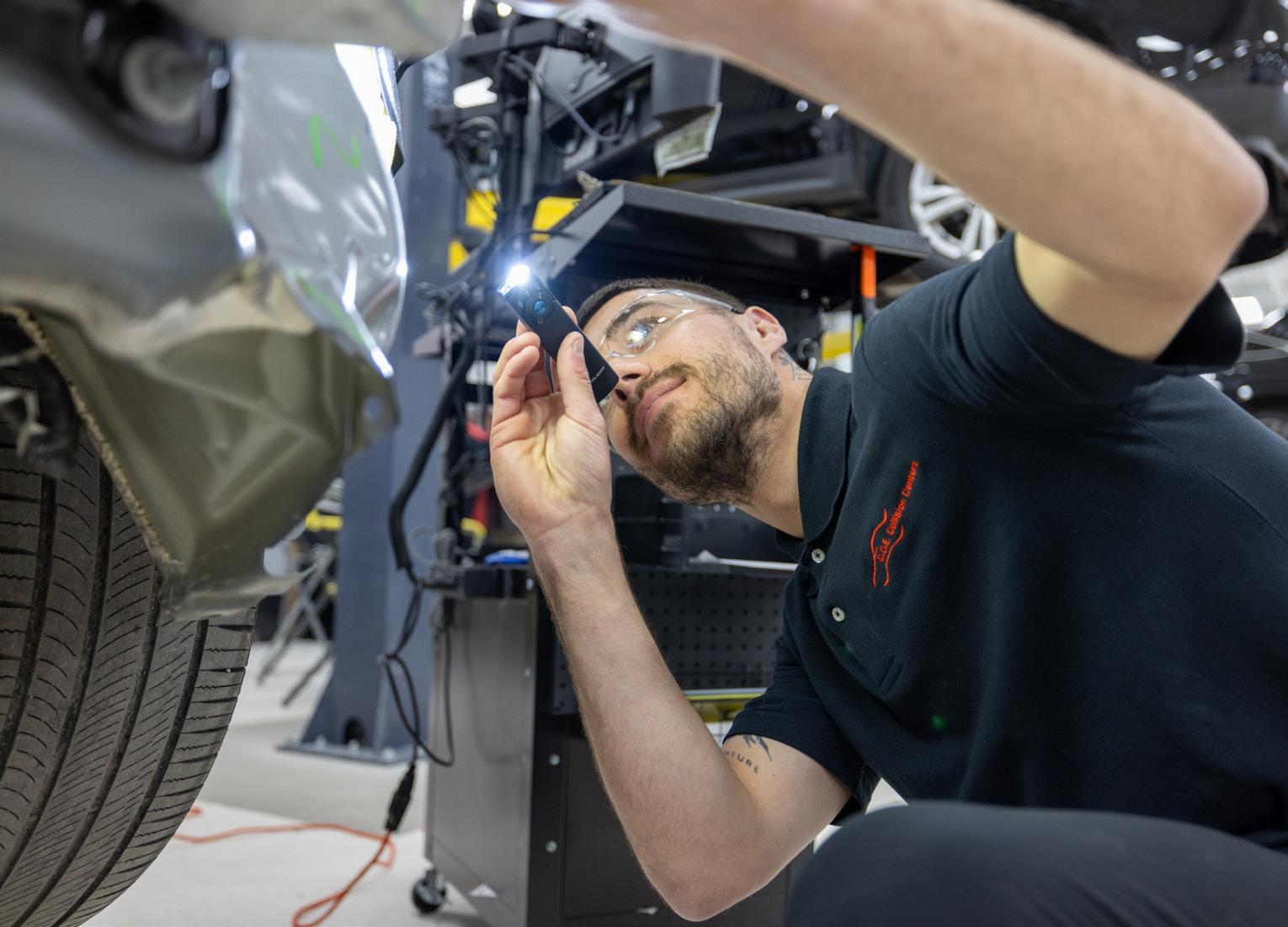
A Different level of accountability OEM certifications force a higher level of discipline that lead to better repairs, says partner Eric Freiberg (top left).
For CDE, he explains, growth decisions are filtered through a clear operational lens: Can the facility support modern repair requirements? Does the location fit the company’s geographic strategy? And just as importantly — has the business invested in its people?
“If a shop hasn’t kept up with training, equipment, or technology, you’re starting behind. You’re not just acquiring a location — you’re inheriting its problems.”
For that reason, CDE prioritizes facilities with strong infrastructure, or properties that can be developed to meet current and future demands. “We’re not looking to add a bunch of locations,” Eric says. “We’re focused on doing things the right way. We’re looking to create sustainable growth…not rapid expansion.”
It’s an approach that has helped CDE compete in one of the most challenging markets in the country.
“In Chicagoland, you’re surrounded by large MSOs,” Eric says. “And in some cases, they’ve built locations within a block of ours.”
But, the Freibergs don’t see that as a threat — just part of the landscape.
“It doesn’t change how we operate,” Eric says. “We’ve always focused on our own processes, our own people, and our own standards, and that’s what we’ll continue to do.”
The team is also willing to think creatively about what a collision center can look like. One of their high-volume locations, Bolingbrook, for example, was previously an Aldi grocery store in the middle of a busy retail area.
“That’s a completely different type of spot for us,” says Eric, “but the amount of walk-in traffic it has is astronomical.”
Their Tinley Park location is another unique footprint for the company.
“We expanded from an industrial space; we still have that original building,” Eric says. “Then we bought an old furniture store about a block away that was on a major artery in and out of Tinley Park, and we now operate both facilities together as one with a combined approximate 35,000 square feet.”
No matter where or how the shops come together, however, they all share commonalities, a signature “look” that’s consistent across the board.
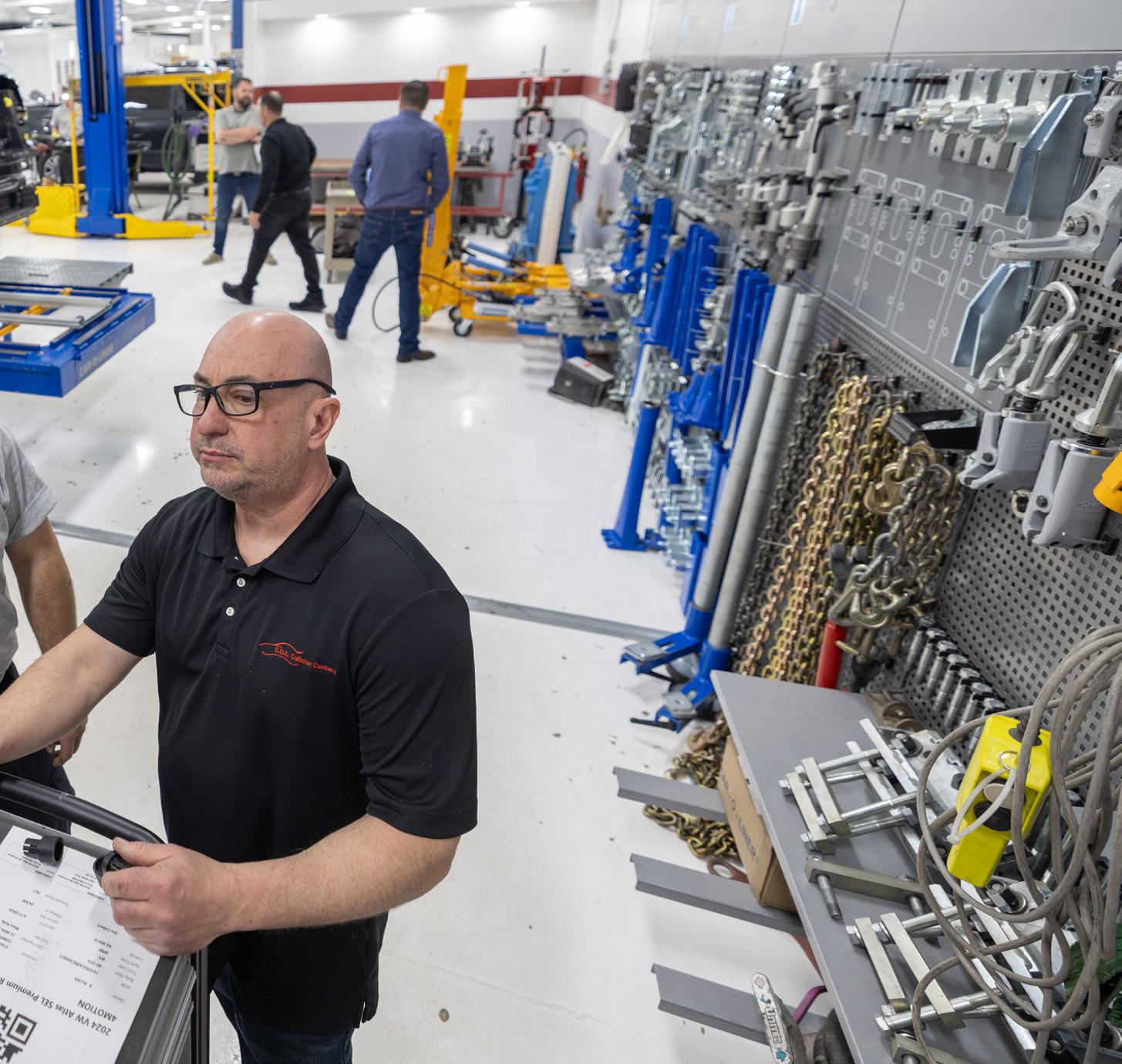
“We kind of model our shops after a service department at a dealership, that kind of look and feel from a cleanliness and organization standpoint,” Brian says. “Bright floors, bright lighting, they’re all similar that way.”
Proudly Independent
Much like their father — who famously ripped up an offer from a large consolidator as he stood and watched Eric and Brian play in the yard as kids, imagining a future of independent, family ownership — the brothers “can’t imagine wearing anyone else’s names on their shirts.”
“That stuck with us,” Eric says. “It shaped how we think about the business.”
Despite the long hours and personal sacrifices, the brothers say it’s what they love doing, and they’re honored to continue a business that reinvests back into the community and provides a living for so many families.
“That drives us to keep it going, to keep it as successful as possible,” they agree.
“Tip to tip, we could drive store-to-store in around two hours. We hire people from the community, and I think that means something to people, too, and it’s a big reason they choose
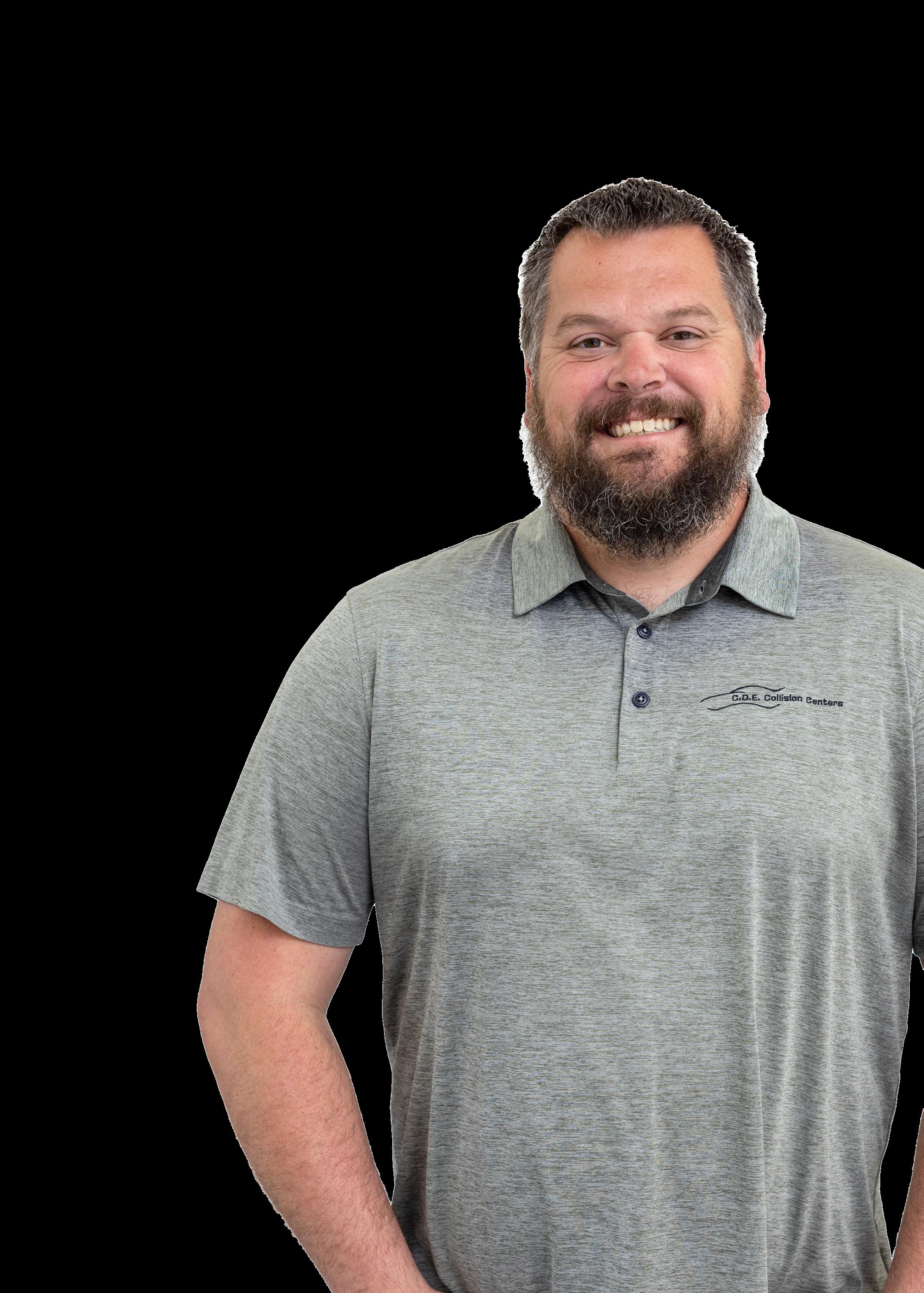
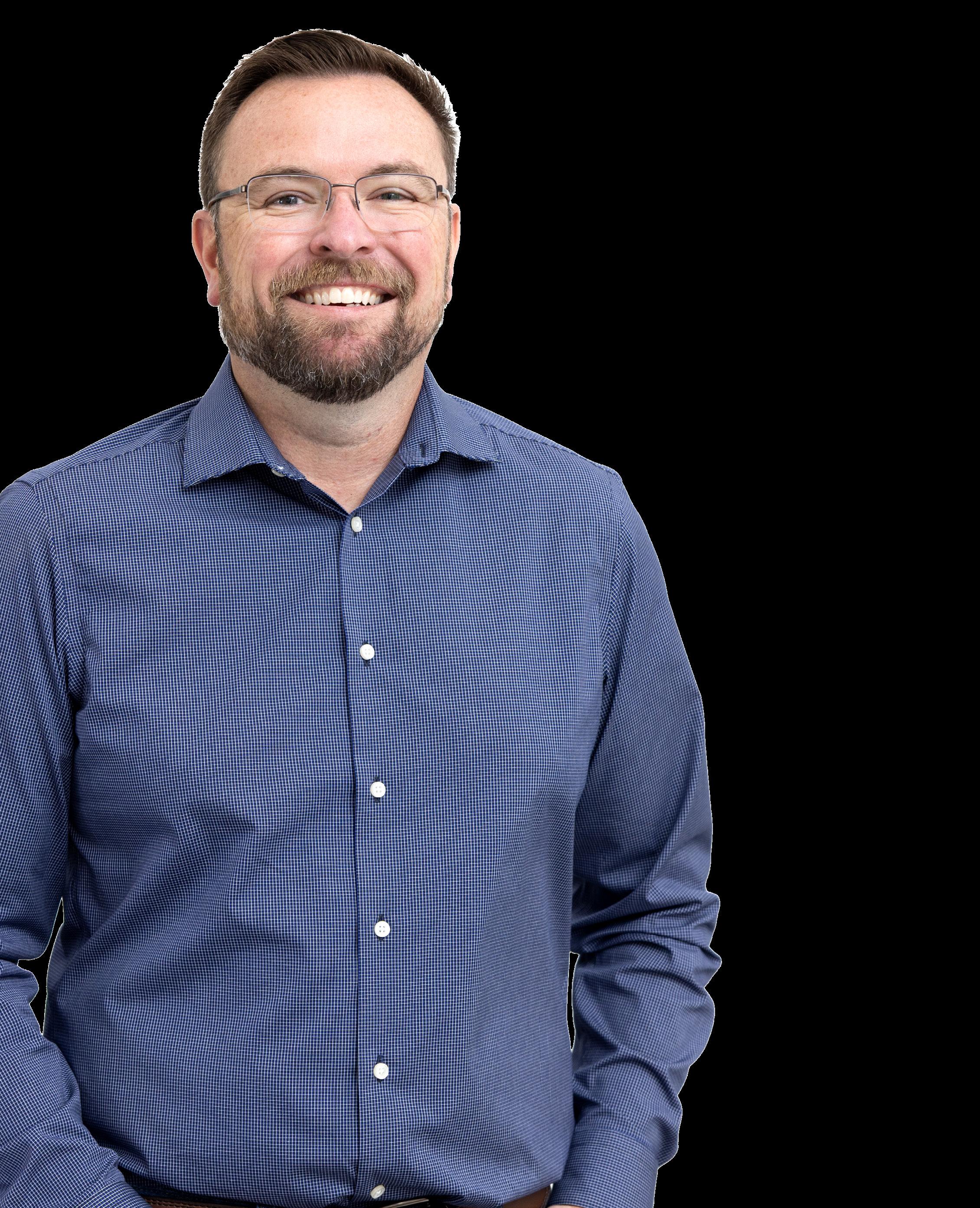
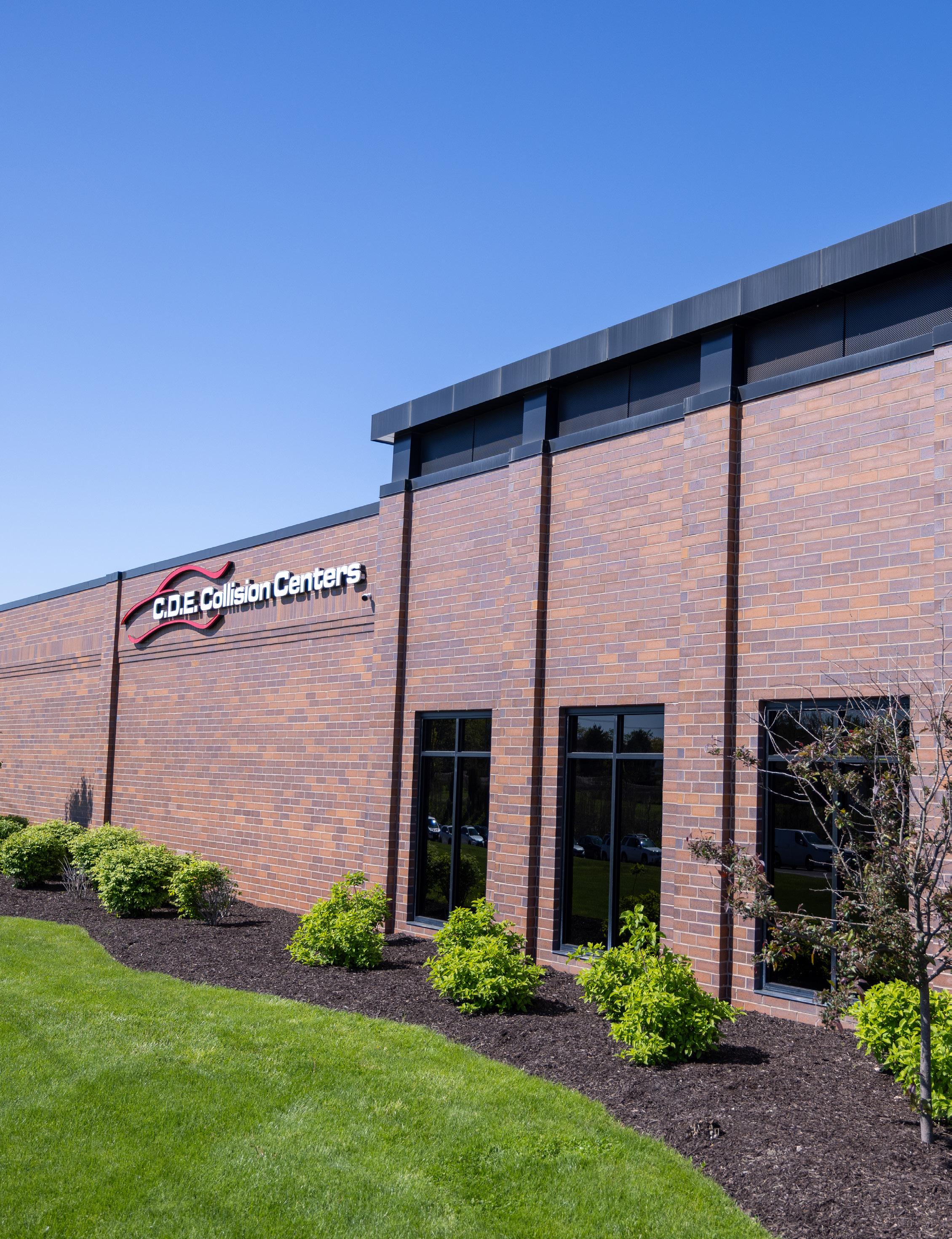
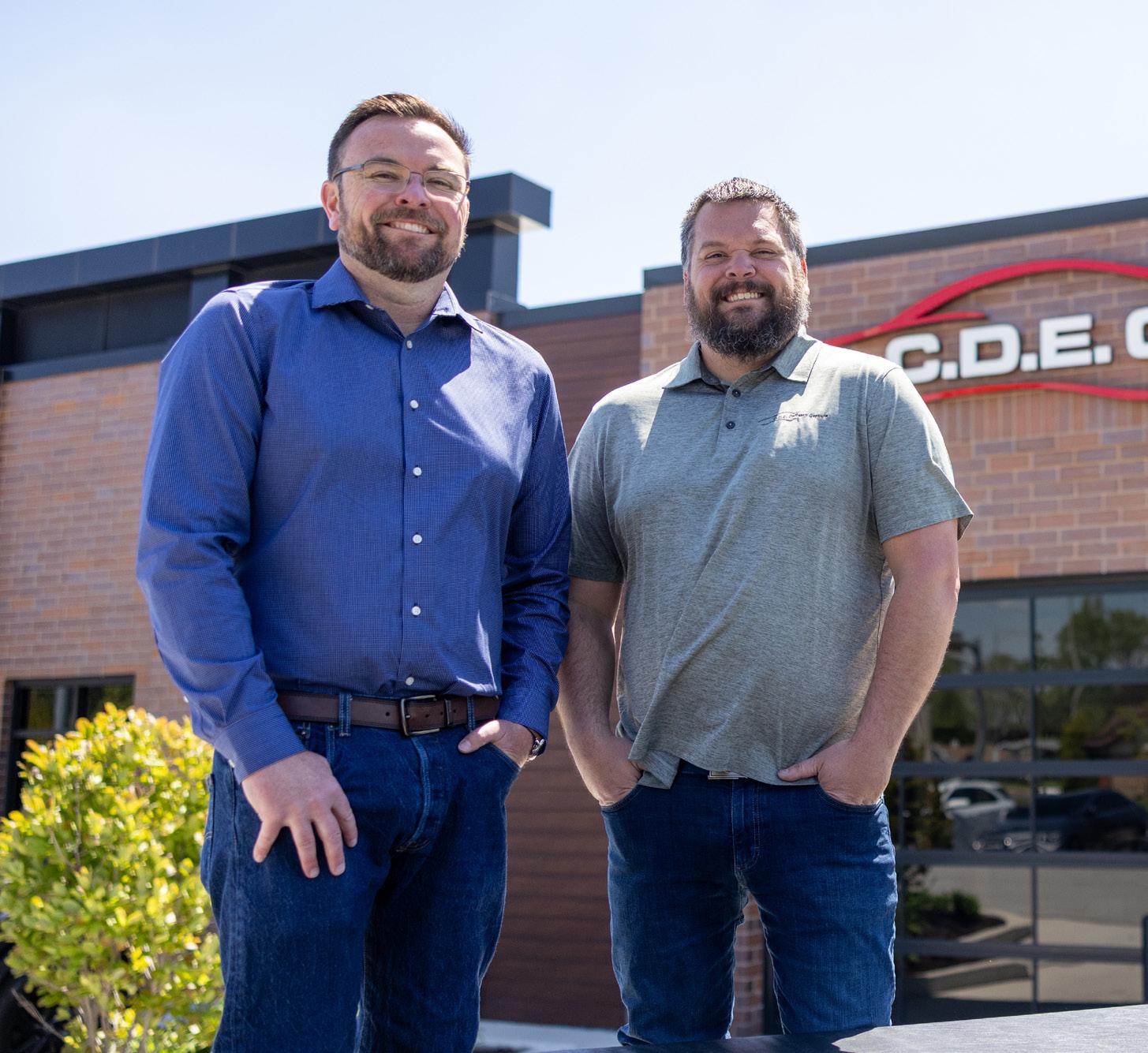
Second-generation partners What began as a three-man operation is now over 200 strong, with 16 shops across northern Illinois and Indiana, making CDE Collision Centers one of the largest independent MSOs in the country. Brothers Brian and Eric Freiberg help lead the organization.
us over competitors…we’re a multi-location brand, but we’re local, and we’ve earned a reputation for excellence. We pride ourselves on how well we take care of our customers.”
The same care is extended to the company’s team, too. No matter how large they become, says Brian, they’ll always be a family business.
“That mindset doesn’t change just because you grow. It’s still a family business, just on a much bigger scale.”
That philosophy shows up in hiring decisions, where cultural fit often carries as much weight as technical experience. “We’ll train the right person,” Eric says. “What’s harder to teach is attitude, work ethic, and how someone fits into the team.”
It also shows up in how the business supports its employees.
From company events and community involvement to day-to-day flexibility when team members need support, CDE has worked to create an environment where employees feel valued.
“We have people who’ve been with us for decades,” Eric says. “That doesn’t happen by accident.”
An OEM Future
For much of its history, CDE’s business model and growth was built around DRP relationships, and acquisitions and brownfield renovations in mutually beneficial markets drove expansion. Moving forward, the team is shifting focus to a certified repair model.
“I foresee manufacturers taking a bigger role in the repair of their vehicles and taking further control of that for a whole multitude of reasons,” Eric says. “I think being more aligned with the manufacturers — and particularly manufacturers that put a lot of effort back into their certified repair programs — is the future.”
CDE’s newest facility — a greenfield build adjacent to a Subaru dealership — reflects that shift in strategy. The location was designed from the ground up to meet OEM requirements, from equipment layout and repair planning areas to workflow design.
“That project really represents where we see things going,” Eric says. “Working more closely with manufacturers and dealerships, and building facilities that support that level of repair.”
Across its network, CDE now holds certifications with a wide range of manufacturers, including BMW, Tesla, Rivian, MercedesBenz, Subaru, Honda, VW, Ford and several others. But earning certifications, says Eric, is only part of the equation.
“Maintaining them is where the real work comes in,” he says. “You have to stay current with training, tooling, and procedures. It’s an ongoing commitment.”
That commitment extends to every part of the operation—from blueprinting and parts procurement to final quality control. “OEM repair brings a different level of accountability. You’re following exact procedures, using approved equipment, and documenting every step. It forces a higher level of discipline, and ultimately, that leads to better repairs.”
From purely a numbers standpoint, CDE’s certified shops tend to stay more steadily busy compared to the insurance-driven stores, too…another motivating factor to focus more attention on the OEM side of things.
But change is never easy.
“It [shifting to an OEM model] is a huge investment, and it’s a huge shift in culture,” Eric says. “It’s a different mindset, a different way of doing business, essentially.” But, he adds, it “definitely seems to be the right direction to move, based on what we’re seeing being immersed in both models. And we’ll still maintain a few key DRP relationships.”
The Framework for Success
To support the shift toward certified repairs, CDE is investing heavily in training as a core component of their operational strategy.
“All of our technicians maintain I-CAR Gold status, but that’s really just the baseline now,” Eric says. “On top of that, we’re investing heavily in OEM-specific training for both technicians and estimators, sending team members to manufacturer training programs, bringing in outside specialists, and working with partners like Axalta and CCC to deliver advanced instruction.”
And, as the company has grown, CDE has placed increasing emphasis on process standardization and communication — two areas that can make or break multishop operations.
“We’ve rolled out new SOPs, updated our handbook, and implemented more structured processes across all locations,” Eric says. “That’s been a big focus.” There’s
also been a renewed emphasis on soft skills training around customer service and implementing new technology into workflows. As a CCC Elevate customer, CDE has implemented web-based estimating tools, improved parts management systems, and explored AI-driven features designed to increase accuracy and efficiency.
The end goal, he says, is consistency — ensuring that a repair completed in one location meets the same standards as one completed in another.
“We’re always evaluating where we can improve,” Eric says. “Whether that’s training, technology, or how we operate day to day.”
The Long Game
Looking ahead, the team plans to keep focusing on strengthening its existing foundation by investing in OEM capabilities, refining internal processes, developing leadership within the organization, and staying disciplined about growth — only pursuing opportunities that align with the company’s long-term vision.
“At the end of the day, it comes back to people,” Eric says. “If you have the right team, and you support them properly, everything else follows.”
For CDE Collision Centers, that wisdom has driven more than four decades of growth — and as the industry continues to evolve, it remains the one constant they’re not willing to compromise.
NAVIGATING INDUSTRY SHIFTS: TOP 5 TRENDS RESHAPING COLLISION REPAIR AND MSO s
Understanding evolving trends such as ADAS integration, increased customer payments, insurer profit strategies, and OEM influence is essential for MSOs aiming to thrive amid industry turbulence and technological innovation.
By DARRELL AMBERSON
THE LAST SIX YEARS have been some of the most turbulent ever in the collision repair industry. Market fluctuations representing famine to feast and back again. Vehicle complexity and other technologies have changed at an unprecedented rate. Insurance policies and premiums have changed dramatically. Claim handling procedures reinvented. New business alliances. The influence of the original equipment manufacturer (OEM) on our industry has never been greater. The consumer and how they look at auto repair has changed.
In light of these recent trends and more, how does an MSO anticipate and prepare for the future? Let’s look at some current trends and consider how they will shape our industry going forward.
ADAS
Advanced driver assistance systems (ADAS), a term we never heard till recent years, has become arguably the biggest driver of change in our industry. It’s been “the wild west” with our industry learning how to address it, including creating training, pricing models, process changes, and understanding safety and other high-risk concerns. We know from data from the information providers that there are too many shops who don’t perform as many pre- and post-repair scans as OEMs tell us to. And our industry is even worse at compliance with required calibrations. There is already evidence of litigation activity in this area,
and we no doubt will hear more of the personal safety and business exposure implications in the future.
As ADAS repair has become more accepted and common, we’ve seen the different approaches to how it’s performed and how it’s compensated for. As we’ve seen in the past with other innovations, we’ve seen some vendors partner with some insurers and create their own pricing and procedure models, no doubt in an effort to gain market share. In many cases, pricing is being accepted and others are following suit. Usually what happens with these kind of schemes is that competitors drop prices to match those who partner with insurers and at the end of the day market share doesn’t change as much as hoped and everyone is doing similar work for less compensation. And in this case some vendors are endorsing mobile calibration work, which in many cases is substandard based on manufacturer procedures.
As we’ve seen many new ADAS oriented companies developed and ADAS businesses created by collision repairers, it’s obvious that this is a rapidly growing industry segment with much more potential. And when there’s a lot of dollars at stake, there is controversy. There are now new ADAS trade associations emerging, many with an interest in defining how work should be performed. Insurers are taking more stances on pricing and procedures. A couple of OEMs, Ford and Rivian, have separate certifications for ADAS work.
Congress has been looking at regulating ADAS. A good example is the ADAS Functionality and Integrity Act already approved by a house subcommittee. It would give the National Highway Traffic Safety Administration (NHTSA) authority to develop calibration guidelines. It would require NHTSA to study ADAS on vehicles that have been modified or customized. (There is a fear that this could be used to force OEMs to provide ADAS data that works with aftermarket parts, including windshields. Aftermarket windshields are the most common cause of forward-facing camera calibration failures.) The bill would affect shop billing and liability issues. Included in this activity, there are those raising questions regarding whether ADAS calibrations should be performed regularly as a maintenance issue, which would also have insurance claim implications. There is also ADAS regulation being considered in some state legislatures. I see two forces at work here. One side would like to create some modest standards, perhaps certification, that implies credibility. They are receptive to compromising where they think it’s ok. Static calibrations performed in parking lots are one dramatic example. This credibility is handy for DRPs and some collision businesses to create the impression of competence and safe/thorough repairs. It keeps the cost down and may simplify the process. Many insurers appreciate the cost
factor and appearance of credibility. And they realize that it is the repairer that carries the primary burden of being responsible for the consequences.
The other side is saying “no” to compromising OEM repair procedures and standards. This side feels that we already have most of the standards we need within OEM procedures and it is unwise to become “amateur engineers” in deviating from them. This side wants any accreditation to be meaningful in truly representing competence based on OEM standards.
I have personally experienced conversations with insurers who refuse to cover some appropriate costs because our shop “could have had a mobile calibration company perform the repairs” cheaper and without moving it to a formal calibration center.
This story is far from written. It will have a significant impact on the direction of the MSO and other repairers, and bears watching closely.
Diversification
Most large MSOs have already created ADAS departments or separate businesses,
including calibration centers. Some have glass businesses. Some collision businesses are dabbling with mechanical work (internal and/or retail), towing, EVs, mediumduty truck repairs, and fleet work.
To do this well, one must understand that different businesses come with different processes/practices, KPIs, management systems, staffing/compensation, and more. To maximize opportunities, one must have an open mind and perform research. Many MSOs tend to be so focused on their model, often evolving around DRPs and one management system, that they don’t get the maximum benefits of different businesses. They try to “collisionize” other business models. While there are some commonalities and synergies, there are some important differences. Think of a grocery store operator trying to manage a shoe store.
I know of one large 20 group of collision repairers who claim to have increased the group’s total 2025 sales, primarily through diversification. 2025 was a year where many MSOs sales dropped 15%-20% from the previous year.
Increasing vehicle complexity and a soft collision repair market are causing diversification to make more sense for some. This may change how our industry looks and operates in the future. It bears watching.
Responsibility Shift from Insurers to Consumers
For years we’ve wondered if the collision repair industry will become like the health industry, in terms that there is typically a difference between health care charges and what insurers cover. It has become the norm that consumers expect some out-of-pocket expense, beyond deductibles, for health care. Today, the number of situations where customers are paying for some differences for collision repair has increased significantly. No doubt, it is driven by how insurance policies are now written, increased repair complexity and costs, increased prevalence of right-to appraisal (RTA), and increasing reluctance of insurers to cover some charges that they feel are excessive or unwarranted. New technologies and safety concerns have provided many repair steps that insurers often question.
NICK HEMPHILL PHOTOGRAPHY
Based on what I often hear from repair staff, it seems that many insurance claims people are not concerned that the consumer will have out-of-pocket expenses. In fact, it may even provide them with some relief.
The tremendous increase in policy costs (I believe an average of 61% since pre-COVID, and a 46% increase just for 2022 through 2024) has caused many consumers to be reluctant to file claims. A trend towards higher deductibles also drives the current increases in customer-pay.
We as MSOs will have to adjust accordingly as this trend plays out.
Insurer Profitability and Claims Practices
If you follow the trade press, you see lots of reports on insurer profitability. State Farm’s net income was $5.3B in 2024 and $12.9B in 2025 (though they will be returning a portion of the increase to qualifying policy holders.) The company’s net worth in the same time period grew from $140B to $175N. Allstate’s net income to shareholders was $4.6B in 2024 and $10.2B in 2025. GEICO generated pre-tax underwriting earnings of $6.8B in 2025. Chubb reported a record-breaking profit of $10.3B in 2025. To illustrate the point further, you may also see in the press reports of insurer CEOs being compensated in the range of $15M to $28M.
What does this mean for the collision industry and particularly MSOs? We know that despite insurers’ current rosy situation, they are more aggressive than a few years ago about keeping costs down. Despite some existing inflation, State Farm has reduced labor rates in most regions, in many cases $6-$8 per hour. If there is a pattern, it seems that insurers are most flexible when collision repair demand is high. Remember 2021-2024, when we saw regular and unprecedented rate increases and more flexibility in negotiating? It feels like many insurers use soft markets to their advantage, strong arming shops to squeeze costs, knowing that they could drop a shop from a DRP and quickly gain another one. In the late 1990s and early 2000s, State Farm was often considered one of the tougher
companies to deal with for a collision repairer. Then they made some intentional changes. They rolled out the first version of Select Service and training shops along with their claims people. Estimators were coached to write complete and thorough estimates. They had an open platform for estimating systems and CSI providers. They limited the use of alternative parts. Their posture and behavior made for an obvious and significant change, for the better in the eyes of most repairers. Why? Was it because of the Avery case on aftermarket parts? Leadership changes? Could be. And in recent years they have strived to get their severity in line with other large competing insurers and have evolved into a more restrictive, dictatorial company again.
Today, the insurers are facing more tough competition, including new OEM insurance companies. They are facing a lot of regulatory challenges, including some states requiring that they refund some of their large profits. (Insurers are the thirdlargest industry in terms of what they spend on lobbyists, only behind pharmaceuticals and electronic manufacturers.)
While sometimes it is difficult to predict insurer trends, it certainly has a big effect on collision repair and bears watching.
OEM Influence
In recent years, OEM certification of shops has become much more prevalent and the OEM’s influence in our industry has never been higher. New technologies and stricter safety standards are driving it. Plus, there are those who refer to shop certification as the “new DRP”. While I believe the influence on our industry has been significant and continues to grow, it hasn’t been happening as fast as some expected, or desired. Many vehicle manufacturers report that only a small and disappointing number of their vehicles receive collision repairs in a certified shop. (Numbers in the 10%-20% range are common.) It is expensive. (Many certifications can cost the shop $100,000 to $400,000 in equipment and training. And that doesn’t include lost production and wage expenses for employees who often travel and spend days, or weeks, on training.) Some of the largest
MSOs only seem to embrace certification in a very limited way.
Yet the number of vehicles arriving at shops due to certifications is increasing. Manufacturers continue to add new aspects of their programs to get more of their damaged vehicles to certified shops. Some are taking steps to take more control of first notice of loss (FNOL). One is piloting a program to get vehicles from the accident scene directly to a certified shop. Some manufacturers are requiring their dealers to use only certified shops for warranty body repair. Some brands are significantly increasing the number of restricted parts (by only allowing certified shops to purchase them.) Insurers are just starting to take note that many of their DRP shops cannot repair some models and types of repairs.
Will we eventually see separate insurance relationships for certified shops? New forms of DRPs? Will the manufacturers gain influence on FNOL? Will the required certified training and equipment become a necessity for all or most shops? Stay tuned.
AMBERSON
Darrell Amberson is the vice president of industry and OEM relations at Quality Collision Group.Previously, he was president of operations for LaMettry’s Collision, a 10-location multi-shop operator in the Minneapolis area purchased by Quality Collision Group in November 2024. Amberson has more than 40 years of collision industry experience and served as chairman of the Collision Industry Conference for the 2021-2022 term, as well as interim chairman for the first two CIC meetings of 2024.
ARCHIVE: fenderbender.com/Amberson
EMAIL: darrell.amberson@qualitycollisiongroup.com
DARRELL
TECH+TOOLS
A (ROBOTIC) HELPING HAND
Robots aren’t here to take over just yet, but they might be a valuable addition to your shop.
By TODD KORTEMEIER / GENESIS FOTIADIS/FOTIADIS PHOTOGRAPHY
WHEN JOHN PICCIANO first heard from a China-based developer of robotic painting arms seeking a U.S. importer, he told them he wasn’t interested.
“I fix cars for a living,” says Picciano, owner of Flower Hill Auto Body, an independent MSO with locations across New York’s Long Island. “I have enough on my plate.” He wasn’t saying no to the technology, however. And when it turned out his friend John Chiafair, as vice president of Centerline Collision Equipment, would be distributing the product, he leaned in. A self-described early adopter, Picciano wasn’t going to be
left behind as a potentially revolutionary technology overtook the industry. And he isn’t alone. Chiafair says that all the system’s early adopters share some things in common.
“They wanted to get in because they identified that this is coming for our industry and were also realizing that they could be along for the ride as it rapidly improves and increases its capabilities,” Chiafair says.
In April, FenderBender featured several perspectives on technology and how shop owners and operators are integrating and planning for the future. While many of these tools are AI- and software-based, robotics,
specifically painting arms, represent a new frontier in shop hardware. In this issue, we take a closer look at what that technology really looks like inside a shop.
The Basic Idea
One of those you heard from in April was Shane Hollas, owner of a Maaco shop in Rockwall, Texas. Like Picciano, Hollas is an early adopter, with an engineering background that gives him a critical eye for how technology will be applied in a shop and a shop owner’s eye for the niche it’s going to fill in his business. Hollas believes robotics are the future of collision repair, able to assist with many of the problems facing the industry, and distributes them through his company, Black Wolf Technology.
“I got into the robot stuff three years ago because of a need to find the balance of the deliverable that needs to happen, according to OE procedures, the shortage of staffing, and cost control and production, so it’s kind of all of these things,” Hollas says.
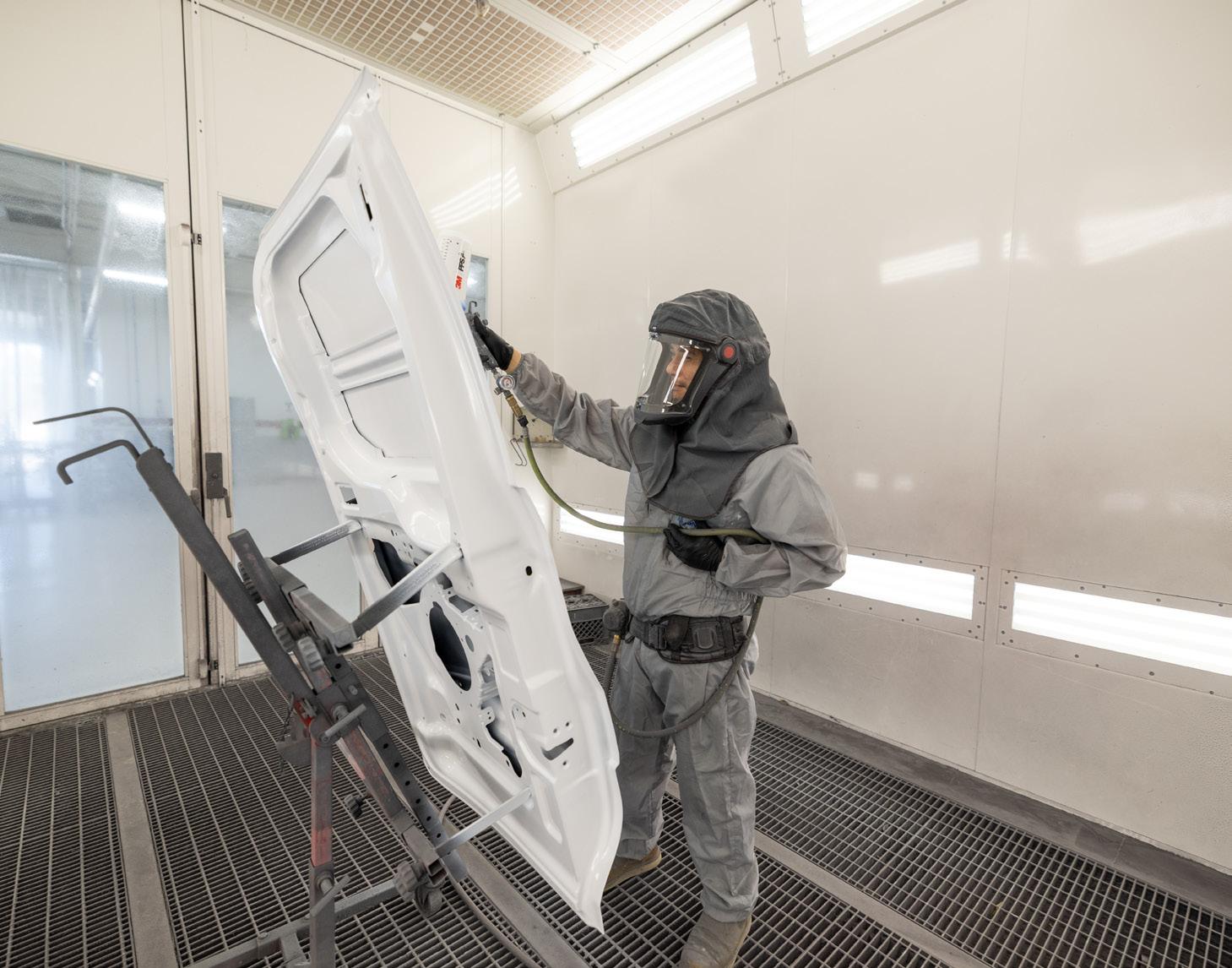
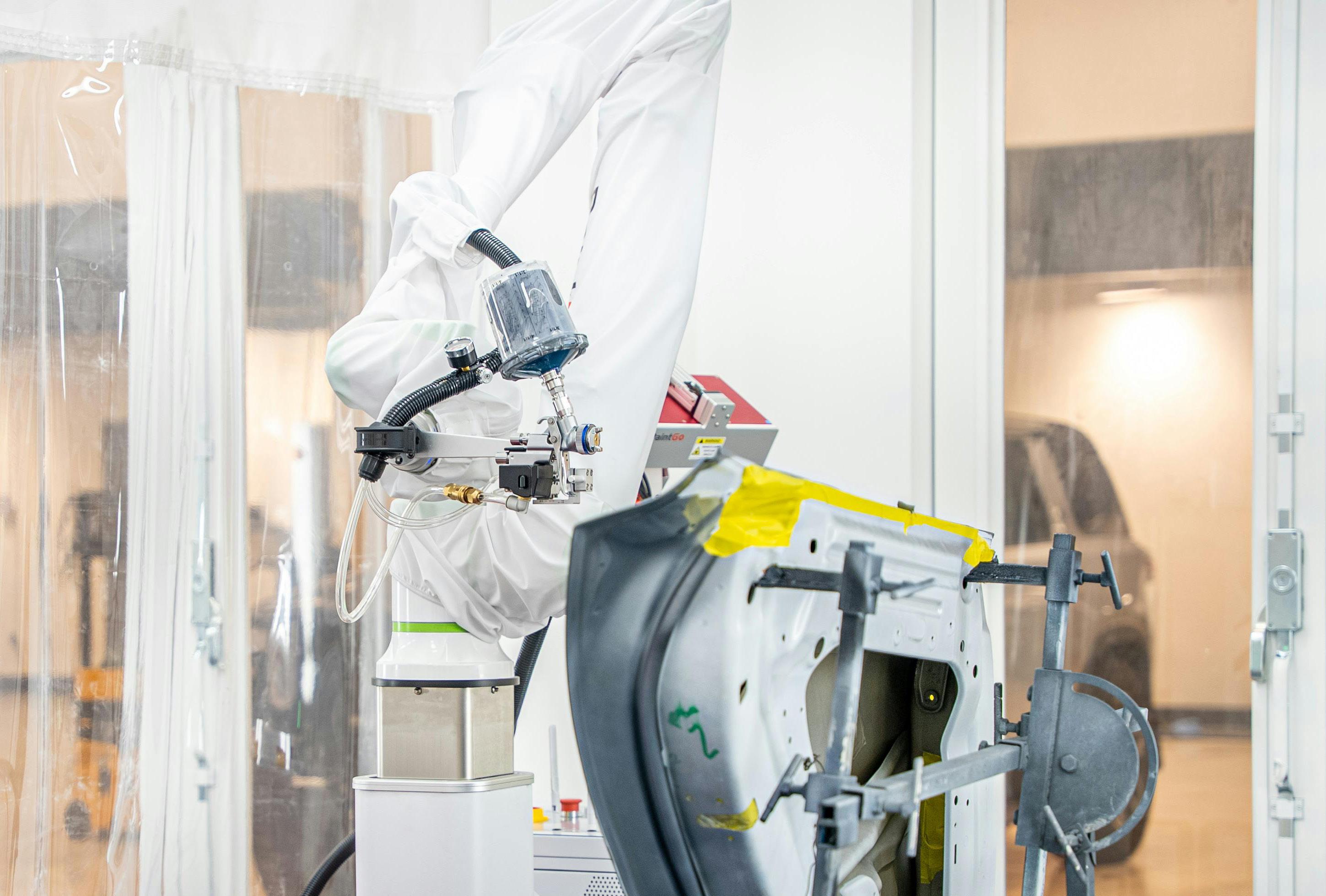
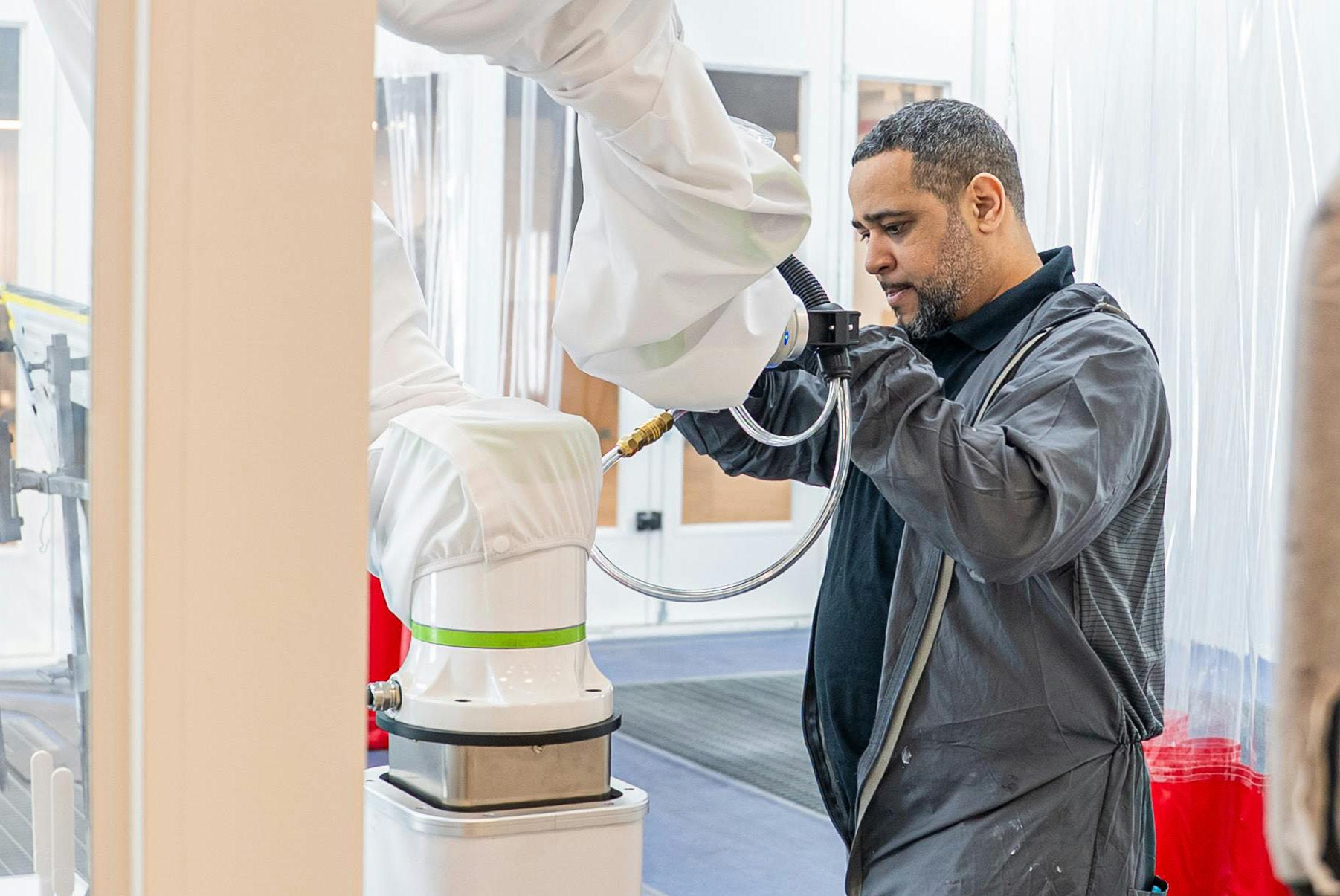
The system distributed by Centerline and installed in Picciano’s shop is called PaintGo, developed in China by a company called ONEW. The PaintGo system was designed to the same standards as the robotic arms which paint new vehicles on an assembly line. It operates with the same precision and efficiency, creating consistent results for the jobs it is assigned to do. The key difference from an assembly line robot is instead of the repetition of painting the same kinds of cars in the same way over and over, PaintGo “reprograms the spray paths and parameters in real time for every individual repair order,” Chiafair says.
The user interface is designed to be as simple as the touch of a button. With a 3D model of a car, a technician can highlight an area on the vehicle, then the system will create transitions and blending zones around that space, with the user able to make adjustments as needed. All you have to do is press “go.”
In the Field
Picciano mentioned he’s an early adopter, so it’s no wonder he was one of the first Rivian owners in his area. One of the big advantages of connected vehicles is the ability to send upgrades via software, but early Rivian models like Picciano’s did not have the hardware necessary to upgrade when full self-driving came out.
“The exact same scenario is a concern of mine, and should be a concern of every early adopter,” Picciano says. “Is the hardware going to support the future software?”
That is certainly the goal with PaintGo, as updates are generally software-based. Customers “own the advancements,” Chiafair says. “They do not miss out on them by getting in too early.” That’s because the hardware is essentially settled; robotic painters have been around for decades. Where PaintGo develops from here is mainly in getting better at what it does.
PaintGo needs to have scanned the exterior of a make and model of vehicle to have sufficient data to perform a paint job. Once that make and model is scanned, it’s in the database forever. But as a new system, these days it makes many first-time scans. Scanning is a lengthy process, says Picciano, taking 45 minutes to an hour, plus the time to upload it into the cloud and be processed into the system to be utilized. But each time
that happens, it enhances the network and provides more data for use. Body shops, Chiafair says, see more than 400 new car models each year, so the more data, the better.
Another focus of improvements is on blending; Chiafair says that there has been an ongoing learning process in terms of the different standards of repairs in the United States compared to overseas. The user interface has been redesigned to allow for more customization while blending, an update which is expected to roll out in the next couple months.
“[This update] will really change it to where they can use it as a workhorse in their shop, and it’ll be producing very well for them,” Chiafair says.
Panel painting is a real strength of the system, Picciano reports. It also applies clearcoats admirably, whether you’re trying to match a factory orange peel or virtually none at all. Further refinement of PaintGo’s blending ability would help transform it into that “workhorse” that is able to take on more nuanced tasks.
Things to Consider
Picciano likens his PaintGo system to a “painter’s assistant,” in that it augments what the painters are doing rather than fully taking over anything. For the time being, it probably makes the most sense for customers who have multiple paint booths, so that they can set the robot on a task in one and paint-
ers and keep production moving in the other one. Chiafair reports that for shops with enough production to command multiple booths, the cost of entry should be doable.
“Figuring for labor reduction, reduction in reworks for paint jobs, and potential increased paint revenue, because we’re seeing that this could potentially benefit customers by giving additional hours, additional capacity, the ROI we’re looking at is a year and a half to two and a half years,” Chiafair says. “So, shorter than the term of the loan if they want to finance the equipment.”
As far as operating costs, customers pay an annual subscription fee, which covers access to the data, software, and 24/7 tech support. Maintenance costs are expected to be minimal, changing out things like hoses and fittings each year. It uses the same spray guns any human would use, which just have to be changed out for any material change.
The long-term impact of robotics on collision repair is still unknown. But it is clear that even today, robots are helping shops. They may not be able to do every job or even most jobs, but Picciano would rather be a part of that process of refinement rather than getting on board too late.
“Kind of the way I look at it is, by the time everyone else gets on, for me, it’s been there, done that,” Picciano says. “It’s all already part of our system, and we’re already on to the next thing.”
BUILDING THE PIPELINE: HOW CREF IS STRENGTHENING COLLISION REPAIR’S FUTURE WORKFORCE
For the past 35 years, CREF has launched impactful grants, career fairs, and innovative donation platforms to support schools and students, ensuring the industry’s future by fostering industry involvement and early career awareness among students.
By JAY SICHT
FOR THE PAST 35 YEARS, the Collision Repair Education Foundation has worked largely behind the scenes, quietly keeping collision repair education alive, and often under difficult circumstances. But as the technician shortage deepens, technology transforms vehicles into rolling computers, and skilled trades re-enter the national conversation, CREF’s role has never been more visible — or more critical.
At the center of that effort is CREF Executive Director Brandon Eckenrode, who has spent nearly 25 years advocating for workforce development and education in the collision repair industry and now leads a staff of six.
From revitalizing shuttered school programs to modernizing how in-kind donations reach classrooms, CREF has evolved to meet the industry’s ongoing challenge to secure its future labor force.
From Curriculum to Philanthropy
Founded by volunteers in 1991 as the I-CAR Education Foundation, its mission was more narrowly focused. Those volunteers recognized early on that schools lacked a standardized, industry-recognized curriculum to prepare students for collision repair careers. Working closely with I-CAR, the foundation served primarily as a conduit for curriculum distribution.
“There wasn’t a set, standardized curriculum that high schools and post-secondary
programs were using to prepare students for industry employment,” Eckenrode says.
That shifted in 2009, Eckenrode says, when both organizations recognized a need for clarity and focus. I-CAR assumed full responsibility for curriculum development and distribution, while CREF began pivoting into a philanthropic organization dedicated to financial and material support and later connecting students to employers through career fairs and other events.
That pivot changed everything.
Doing More with Less
One of the most sobering realities CREF confronts daily is how severely underfunded many collision repair programs are. Budgets that barely cover basic supplies are common, even as the industry expects graduates to enter the workforce job-ready.
He recalls Jeff Wilson, a Houston-area high school instructor who ran a 150-student program on less than $5,000 annually. Tragically, Wilson lost his life in Houstonarea flooding last year, but his story remains emblematic of the challenge.
“This industry has expectations of students graduating properly trained and ready for entry-level employment,” Eckenrode says. “But instructors are working with what they have available to them. That’s why this support is so critical.”
That gap between expectation and funding is where CREF steps in.
Grants, Makeovers, and Measuring Impact
In 2009, as CREF embraced its philanthropic identity, it launched what became known as “makeover grants.” Inspired loosely by the Extreme Makeover television format, these awards were designed to bring immediate, visible change to struggling programs, and generate industry awareness in the process.
“We wanted to make a big splash,” Eckenrode says.
Those grants evolved into what CREF now calls Benchmark Grants, part of a broader, year-round funding strategy. The scale has grown dramatically. At last year’s SEMA Show, CREF awarded more than $700,000 in grants, on top of scholarships and other support. Since 2009, the foundation has facilitated more than $150 million in total support, the vast majority of it from in-kind donations. From safety equipment to tools, lifts, and vehicles, these contributions don’t just keep programs alive; they professionalize them.
“When students walk into a classroom that looks modern and well-equipped, it changes how they see the career,” Eckenrode says.
Connecting Education to Employment
Funding alone, however, doesn’t solve the workforce shortage. Recognizing this, around 2014 CREF began facilitating career fairs, events designed to connect students directly with employers.
“We’re connected to the schools, and we’re connected to industry partners,” Eckenrode says. “It made sense to bring those two together.”
Held everywhere from school gyms to car show floors, these events often become turning points for students, who have even received job offers on the spot.
“You see that light go off,” Eckenrode says. “Students realize there are companies ready to hire for career paths they never knew existed. The evolution of those events and what happens at them is pretty impactful.”
Over time, those career fairs expanded beyond collision repair, reflecting industry feedback that good attitude and work ethic often matter more than specialization. CREF now hosts broader “transportation student career fairs,” welcoming employers from multiple technical fields.
A Career Highlight — and a Life-Changing Moment
Among Eckenrode’s many career memories, one stands apart.
In 2017 at the I-CAR annual conference, CREF awarded the Lon Baudoux Memorial Scholarship to student Destiny Potter. She thought she was asked to speak on stage about the impact of the $1,000 scholarship.
Then came the surprise.
“I had a dry erase board next to me, and with a couple board members, I said, ‘Everybody in the audience knows the difficulty of paying back student debt.’ We showed her what her total student debt was going to look like as she graduated,” Eckenrode recalls. “And then we handed her a dry eraser.”
On stage, in front of the audience, Potter erased her student debt, paid in full by the foundation.
“She’s still in the industry today,” Eckenrode says. “That’s one I’ll never forget.”
Shuttered Programs — and Comebacks
The technician shortage has led many schools to reevaluate expensive collision repair programs, with closures often looming. But Eckenrode has also seen the opposite: shuttered programs reopening when the industry shows up.
One standout example is Rock Valley College in Rockford, Illinois. The program had been closed for years when the school explored expansion of its technical facilities. CREF, local instructors, and industry partners put out what Eckenrode calls the “Bat Signal.”
“The advisory board meeting was standing room only,” he says. “The school told us it was the largest advisory board meeting they’d ever had.”
The result: the program is reopening this fall, moved into a brand-new downtown facility, and expanded capacity from eight students to as many as 30.
That happens when the industry takes ownership at the local level, Eckenrode says.
Modern Tools for Modern Problems
As CREF’s influence grew, so did the logistical challenges of managing in-kind donations. To address that, the foundation recently launched an online Donation Exchange platform.
Historically, facilitating a donation could
take weeks. Now, in some cases it can take only hours.
“It brings technology into the process,” Eckenrode says. “Donors can designate where their donation goes, and instructors can see what’s available and select what they need.”
The platform has already attracted new partners and made long-standing relationships more efficient, all while getting equipment into classrooms faster.
Reframing the Trade — and Starting Earlier
One of Eckenrode’s biggest concerns is visibility. As skilled trades re-enter the national spotlight, collision repair is still too often left out of the conversation.
“When people talk about trades, they mention plumbers, electricians, welders,” he says. “Very rarely do they say ‘collision repair.’”
That omission matters, especially as students are being asked to identify career paths earlier than ever.
“We’ve heard from school counselors that students are being asked to pick career paths in junior high,” Eckenrode says. “That means we need to be part of that conversation earlier.”
CREF has responded with elementary outreach efforts, shop tours, and STEM kits developed through a grant from the General Motors Foundation to introduce young students to the technology behind modern vehicles.
An Industry Responsibility
Despite all CREF does, Eckenrode is clear that the responsibility doesn’t rest with the foundation alone.
“Every business with a local program should be participating, volunteering, and engaged with that local school,” he says. Whether it’s serving on advisory boards or talking with administration about the program’s value, it all matters.
Because collision repair programs are expensive, they are frequently evaluated by administrators. Visible industry support can mean the difference between survival and closure.
“There’s ownership on the industry to make sure these programs succeed,” Eckenrode says. “Just as much as what we’re trying to do to help them with other areas.”
AT A GLANCE
CREF’s Lifetime Figures
• More than $150 Million in total support
• More than $6 Million in Benchmark Awards
• More than $3 Million in scholarships
CREF’s 2025 Activities
Benchmark Awards:
• $726,500 in Benchmark awards
• Distributed to 104 schools serving more than 5,300 students
Scholarships:
• $181,900 in CREF Scholarships benefiting 149 students
• $275,000 in total tuition assistance and tool awards
• 163 total students benefiting from the program
• 43% of recipients are female
• 46% of recipients identify as minorities
• 46% year-over-year increase in applications
In-Kind Support:
• Nearly 10,000 students received costfree access to estimating software
• Over $280,000 of product donations were distributed to 64 registered schools through the new Donation Exchange Platform
Career Fairs & Uniforms:
• Provided uniforms to more than 1,000 students
• Career fairs connected more than 1,000 students from 31 schools with 51 participating employers
WHAT CREF MEANS TO ME
During the past 35 years, many have been instrumental to the development of CREF and continuing its legacy. In this brief tribute is a short selection of whom we asked: What is the importance of CREF, and why should more of the industry begin supporting it? And during your involvement, to what would you point as CREF’s greatest achievement?
By JAY SICHT
Stacy Bartnik Industry relations manager, Intertek
“The Collision Repair Education Foundation plays a vital role in strengthening the industry by helping develop the next generation of skilled professionals. While technology and vehicles continue to evolve, one constant remains: the need for safe vehicles on our roads. CREF supports this mission by providing students and schools with the resources, funding, and opportunities they need, ensuring a pipeline of well-trained, high-quality talent for a sustainable future.
“Over the years, we have continuously reviewed and refined our strategic plan to ensure we are effectively fulfilling our vision and mission. While many organizations are doing important work in our industry, our success depends on maintaining a clear and focused approach.
“Our “North Star” is career placement, achieved by preparing skilled, job-ready
individuals to enter our industry. Staying committed to this focus enables us to make meaningful progress toward our goals.
“At the same time, we recognize that our work is never complete. Rather than defining a single greatest achievement, we remain committed to looking ahead and striving to do more. This mindset drives CREF to collaborate with industry stakeholders and support the schools, instructors, and students who are essential to the future of our industry.”
Mark Claypool Industry relations and strategic partnerships leader
“Since its inception, CREF has had the goal of helping collision repair shops meet their entry-level needs. That’s a tall order, even after 35 years. I continue to hear, even today, that the industry’s biggest challenge is finding qualified entrylevel employees. CREF helps, but it requires a concerted effort by all segments of the in-
dustry to invest in this initiative if CREF is to be successful in meeting this foundational goal. And shops need to partner with the schools and participate in the training on an ongoing basis, not just call the school when they need to hire. Those that do participate will get the choice of the best students coming out of these programs.”
During your involvement, to what would you point as CREF’s greatest achievement?
“We launched the AdvanceTech curriculum that met the ASE NATEF standards and helped qualify schools to become ASE certified training programs. We also created a passport type booklet that accompanied the curriculum. We called it PACE: People Actively Creating Employability. Instructors could sign students off on their competencies and then the student could present that to potential employers. In addition, we rallied the industry around supporting the students representing the SkillsUSA team at the WorldSkills Competition and did an entire PR campaign with posters and brochures shops could use to help with recruiting.”
Brenda Hogen Vice president, strategic accounts, PartsTrader LLC, and CREF chairman of the Board of Trustees
CREF is essential to the long-term health of the collision repair industry, Hogen says.
“It serves as a bridge between education and industry by ensuring schools and students have access to modern equipment, relevant training, and clear career pathways. At a time when technician shortages impact shops, insurers, and consumers nationwide, CREF helps build a sustainable talent pipeline. Greater industry support is critical because workforce development is a shared responsibility. When insurers, OEMs, suppliers, and repairers invest together, the entire industry benefits.”
CREF’s greatest achievement, she says, “has been evolving into a results - driven foundation with measurable, scalable impact. Today, CREF is at an all-time high in sponsorships and donations, reflecting growing industry confidence and engagement. Most notably, the Donation Exchange platform has been a game changer, allowing schools to connect directly with suppliers for vehicles, tools, equipment, and materials. This innovation is dramatically expanding CREF’s reach, accelerating support to classrooms, and transforming how resources flow from industry partners to the next generation of technicians. We look forward to the continued partnership of our donors and sponsors and look forward to continuing to support the industry in our mission.”
Chuck Sulkala Past president, Massachusetts Charitable Mechanic Assocation/CREF Trustee emeritus
credits belongs Jeff
Silver in seeing the need for a dedicated nonprofit arm to strengthen industry education.
“Jeff was truly on top of it and had the foresight that I-CAR could be the industry leader to bring better OTJ education not only to the technicians, but also to the schools that were teaching how to become entry-level technicians.”
At the time, Sulkuala recalls, one of tje biggest challenges was that many graduates from technical programs arrived with minimal practical skills. CREF addressed that by helping create more consistent, industry-aligned curriculum and giving instructors better tools to teach what shops actually needed.
“CREF was also very involved in trying to help bring greater professionalism to the instructors. That is also one of the things that the Sulkala Family fund within CREF will be getting more involved with doing in the years ahead.”
That focus continues, he says, including efforts like the Sulkala Family Fund supporting student access to national competition.
“We became involved because Jeff showed us a way that we could become far more involved and effective in bringing new talent into this industry. And that impact continues to grow.”
CREF’s biggest value is consistency, Sulkala says. With a standardized, OEMinformed curriculum, schools across the country teach the same core material, which gives the industry confidence in what entry-level technicians know when they graduate.
“That has cut the OTJ training significantly and has also allowed the entry-level tech to gut up to speed for pay much quicker than in the past,” he says. “It has been a benefit for everyone.”
CREF’s greatest achievement, Sulkala says, has been to unite the industry for a common goal of developing skilled technicians.
“Whether it was repairer or insurer or supplier, we all needed people who had some degree of technical skills. If each segment decided to simply take care of themselves, then the other segments were always thinking there was a degree
of bias in that person’s opinion or effort. What CREF has done is to bring this united effort together, in and of itself not the easiest of tasks, but now with combined funding, we continue to try and provide the best for us all.”
The work isn’t finished, he says, and the opportunity now is to build on that momentum — continuing to invest in training while also ensuring technicians are valued, supported, and retained. Without that follow-through, we risk losing the very talent we’re working to develop.
Russ Thrall Publisher, CollisionWeek
In the early 1980s, Thrall recalls, his high school guidance counselor steered him away from a career in the collision repair industry — even though his father owned and managed repair facilities.
“That prejudice against the skilled trades was driving a generation of young people away from rewarding careers, even as the industry faced a looming technician shortage,” he recalls. “It’s why I jumped at the chance to volunteer with the Foundation at its founding: schools were still relying on curriculum from the 1960s — that had to change.”
“CREF’s greatest achievement “is the constancy of its vision paired with the evolution of how it has delivered on it over the past 35 years. The early curriculum work professionalized what schools could teach. The transition to a philanthropic model — building industry financial support for grants and scholarships for schools and students — laid the foundation for what CREF does today: more than $14 million delivered in 2024, reaching students in nearly 1,000 schools.”
“More industry support for CREF means more students who never get told, as I was, that this work isn’t worth doing. Every dollar the industry invests in CREF comes back as a better-trained colleague entering our industry.”
While CREF was formed during his term as I-CAR chair, Sulkala, he
Motor Age Training offers the most complete and extensive collection of B-Series Collision Repair training guides available anywhere!
B6 - Damage Analysis & Estimating Certification *training guides available in a variety of formats
THE SILENT SABOTEURS: UNDERSTANDING AND SURVIVING TOXIC LEADERS IN COLLISION REPAIR
Recognize red flags early and protect your team before dysfunction takes root.
By SHERYL DRIGGERS, DR. PAUL WHITE
LIKE ANY BUSINESS, collision centers routinely encounter a range of pressures, including deadlines, parts delays, insurance negotiations, and customer expectations. Most teams develop ways to manage these challenges while maintaining productivity. However, not all challenges come from the workload. Leadership practices can create ongoing issues as well. Over time, unhealthy leader behaviors lead to communication breakdowns, increased frustration, employee disengagement and turnover, and declining productivity. In many
instances, ineffective leadership is a key contributing factor.
Research indicates that workplace stress can result in significant long-term effects on both physical and emotional health. Many collision center owners and managers observe early indicators of these trends. Increased irritability, shorter patience with coworkers or customers, and a noticeable drop in energy are often some of the first signs. As a result, employees who were once engaged may begin to pull back, communicate less, or show less attention to detail. Small mistakes become more frequent, and tension starts to show up in everyday interactions.
These outcomes are not solely the result of a demanding environment; rather, they often stem from poor leadership. Understanding the differences between healthy and toxic leadership behaviors is critical to running a successful business. Collision repair operations require clear expectations, accountability, and consistent follow-through. Effective leaders provide necessary structure and direction.
In contrast, toxic leaders introduce inconsistency, excessive pressure, and confusion. Over time, those patterns take a toll on both people and performance.
How Toxic Leadership Shows Up in a Shop
Toxic leadership may not be immediately apparent. Initially, these leaders may appear driven, confident, and results-oriented. However, problematic behaviors become evident over time through repeated patterns.
Communication is often the first area affected. Information is shared late, passed along indirectly, or not shared at all. Employees are then expected to do their jobs without a clear understanding of what is going on. In collision repair settings, these communication failures result in rework, overlooked procedures, and increased interdepartmental frustration.
Consistency is another issue. Policies may exist, but they are not applied the same way across the board. Some employees are held accountable while others are not. In some cases, leaders step outside the process themselves, skipping steps, making exceptions, or changing direction without explanation.
Those decisions may seem small in the moment, but they create confusion for everyone
else. Employees are left trying to adjust without clear direction, and over time, they start to question whether standards really matter.
Toxic leaders often arbitrarily shift credit and responsibility. They take credit for successes and blame the team when mistakes are made. Employees recognize this pattern, begin to disengage, and resentment builds.
Over time, workplace interactions become increasingly negative. Conversations shift from constructive to critical, and feedback often lacks clarity or respect. Consequently, team members begin to limit communication to avoid difficult conversations and conflict.
In certain cases, leaders manipulate information or individuals to safeguard their own positions. Important details may be withheld or different facts may be shared inconsistently with others. Decisions are influenced by personal image rather than the best interests of the team or operation.
Another pattern is that problems don’t get addressed. Employees stop speaking up because they don’t feel heard or it doesn’t seem worth the effort. Small issues get ignored until they turn into bigger ones that affect production, quality, and customer experience.
By the time the impact is obvious, the damage has already been done. In some cases, leaders step back or distance themselves instead of dealing with the situation.
Organizational Impact of Toxic Leadership
A toxic leader does not affect just one person. The impact spreads across the entire shop, showing up in more negative communication, increased complaints, and a gradual loss of trust. Some employees pull back and do only what is required, while others choose to leave. As that pattern continues, turnover increases, production slows, and quality becomes inconsistent. Because collision repair relies heavily on collaboration and coordination, any breakdown in communication and trust impacts the entire operation.
Personal Consequences of Toxic Leadership
The effects of toxic leadership do not stay at the shop. Team members in these environments often see changes in their personal well-being. Sleep becomes inconsistent, stress levels rise, and patience wears thin. Research also shows that as work stress
increases, so do unhealthy coping habits, including higher alcohol use, smoking, or prescription drug abuse.
Family members and friends often notice the change before the individual does. When work begins to consistently affect health, mood, and relationships, the situation needs to be taken seriously.
Why Employees Stay
Many employees stay in toxic environments longer than they should. Compensation, familiarity, and loyalty to coworkers all play a role. Some believe the situation will improve, while others cope by disengaging or keeping their distance.
That may help in the short term, but it does not fix the underlying problem.
How to Protect Yourself
Leaving right away is not always an option. In these situations, protecting your wellbeing becomes important. That starts with maintaining a professional approach, regardless of the environment. Avoid getting pulled into negative communication and keep your communication clear and direct when possible.
Building relationships with coworkers who are reliable and constructive can make a significant difference. Focus on what you can control in how you communicate and respond, rather than trying to manage everything around you. Seeking an outside perspective from someone you trust can also provide clarity and support.
Most importantly, pay attention to the impact on your health and relationships. Those signals matter.
A Final Word for Leaders
Most shop owners and managers care about their teams and want to build a strong culture. Culture is shaped by what happens every day. Communication style, consistency, and accountability all start with leadership. When those areas are not managed well, the effects show quickly in performance and retention. Strong leadership supports both people and performance. Toxic leadership undermines the health of both the organization and the team members. Recognizing and addressing early signs of toxic patterns is critical to maintain a healthy workplace for all – the owners, managers, and employees.
State Farm: More Ways to Avoid Paying Than a Toddler Has Excuses for Bedtime
Educate consumers about their rights, document meticulously, and seek regulatory support to ensure proper repairs and fair compensation.
I’m just going to say what everyone in the collision industry is already thinking: we are exhausted dealing with State Farm.
Lately, every conversation with another shop owner starts the same way: “What are they doing to you now?” The wording changes, but the frustration is universal. Whether you’re a small independent shop or a multi-shop operation, the stories all sound painfully similar.
State Farm is the largest auto insurer in the country, and they know exactly how much leverage that gives them. The problem is many of us feel that leverage is used against both consumers and repairers. The patterns keep repeating, and customers are starting to notice.
One of the biggest issues is the pressure on customers to use DRP shops. Technically, they can choose any repair facility. In reality, the conversation often sounds more like a warning than a choice: “If your shop charges more, you may be responsible for the difference,” or “We can’t guarantee repairs outside our network.” It doesn’t outright tell them where to go, but it pushes them toward the insurer’s preferred option.
I’ve sat on calls with customers during these conversations. You can hear hesitation and fear being planted. Most people have never filed a collision claim before. They’re already stressed. When an insurance representative implies that choosing an independent shop could cost them money or create problems, many cave.
Then comes the estimate process, which in many markets has become its own obstacle course. Customers trying to request a photo estimate through the app click through prompts steering them toward a DRP facility. Ask for a field adjuster? In some metro areas there are only a few reps handling huge populations.
What happens next is predictable: customers are sent to a DRP shop for an estimate. If they later choose to repair elsewhere, that estimate may not be accepted and the process starts over. It creates delays and confusion, while the insurer benefits every time the process becomes difficult enough that customers follow the path of least resistance.
Another trend is the push toward direct-deposit claim payments. It’s marketed as convenience, but if a vehicle is drivable and the money lands in someone’s bank account, there’s a good chance some of it gets used elsewhere before repairs are scheduled.
Now the customer may never show up at a shop because they don’t have enough funds to cover repairs.
Supplements never get submitted. The insurer avoids paying for rentals or additional repair operations that should have been addressed. It’s a cost-containment strategy disguised as convenience.
And if you’re not part of the DRP network but still manage to get the vehicle into your shop, congratulations: you’ve already done the hardest part.
Next comes the “negotiation” phase, though often there is no real negotiation. Instead of a local field adjuster empowered to make decisions, shops deal with someone behind a computer following strict guidelines and scripts. Supplements come back partially approved, underpaid, or denied with little explanation. Sometimes there’s no phone call, just a revised sheet with line items removed.
How are shops supposed to negotiate with silence?
So, collision repairers have to protect themselves. That means strong repair authorizations reviewed by legal counsel, educating customers upfront about potential payment issues, and documenting every operation, invoice, OEM procedure, and photo, because the burden of proof lands on us.
And even then, there’s no guarantee the repair will be compensated fairly.
That leaves shops making hard decisions every week: absorb the cost and perform the repair correctly, turn the job away, or pass additional costs to the customer and risk becoming the “bad guy” in a situation we didn’t create. None of those choices are easy, especially for independents on tight margins.
This isn’t about a lack of professionalism or knowledge in the collision industry. It’s about a growing disconnect between what proper repairs require and what insurers are willing to pay for. Many of us are eating costs to protect repair quality and customer safety. Others are becoming more selective about which claims they accept because they simply can’t operate otherwise.
The best thing shops can do right now is keep educating consumers. They need to know they have the right to choose their repair facility and understand the difference between insurer convenience and proper repairs. When they feel pressured, they should be encouraged to speak up to their state department of insurance and elected representatives.
Until meaningful legislative and regulatory changes happen, shops across the country will keep fighting the same uphill battle every day.
If nothing else, know this: you are not the only shop dealing with it.
EMAIL: tiffany@prontobodyshop.com
ARCHIVE: fenderbender.com/menefee
Why You’ re Probably Not Charging for Enough Mechanical Labor Hours
Safe and proper repairs require a number of procedures that fall under mechanical labor.
At Collision Advice, we recently finished compiling new data on average severity by state and average body, refinish, frame, and mechanical labor hours per estimate. Our data is based on all insurance claims — both DRP and non-DRP — and pulled from multiple sources. That’s important, because a lot of industry data you see is limited to only DRP assignments. Ours isn’t.
When we reviewed average mechanical labor hours per estimate by state [editor’s note: see the Numbers section in this issue], we saw a low of 0.7 and a high of just two hours. That’s very concerning to me. Not because mechanical labor is a “profit center,” but because those numbers don’t align with what safe and proper repairs actually require.
OEM Repair Procedures
If we’re following OEM procedures — as we’re morally and professionally obligated to — average mechanical labor should be much closer to four to six hours per estimate. Let’s look at a typical collision repair job. Start with scanning. Whether you’re performing a pre-scan, in-process scan, or post-scan, OEMs require battery support before scanning the vehicle. Hooking up battery support is a mechanical labor operation.
Now let’s talk about battery disconnect and reconnect procedures. Every OEM has them, and they’re not optional. One manufacturer may require two follow-up procedures once the battery is reconnected. Another requires nine. These steps often involve resets, calibrations, or relearns, and they’re mechanical operations as well.
Welding brings another layer of mechanical labor that often goes undocumented. OEMs require electronics within a certain distance of the weld area — anywhere from 12 to 21 inches, depending on the manufacturer — to be removed prior to welding. That can include airbags, airbag sensors, speakers, or other electronic components. Removing and reinstalling those components is mechanical labor, plain and simple.
Then there’s pre-alignment. In today’s repair environment, it’s not uncommon — nor inappropriate — to perform a pre-alignment to diagnose potential suspension or structural issues before we write a complete damage analysis. That alignment
check is mechanical labor. Even with alignments themselves, there’s a misunderstanding in the industry. A collision alignment is not the same as a maintenance alignment. OEM procedures often include “not included” operations that estimating platforms don’t automatically account for. One Asian manufacturer, for example, requires crossmember adjustments to address torque steer. That work isn’t included in book time.
You also have tire runout checks. Working with K&M Collision (and a shoutout to Michael and Kyle Bradshaw and their family and team for this) they found that roughly 25–30% of vehicles checked had flat-spotted tires. A runout test is required to identify that issue — and yes, that’s mechanical labor.
ADAS adds even more. After calibrations, OEMs often require test drives under specific conditions — certain speeds, distances, or even road types — to confirm systems function properly. Those verification drives are mechanical operations.
Safey Inspections
And let’s not forget safety inspections. On some General Motors vehicles, a complete post-collision safety inspection can total up to 22 labor hours, with roughly 12 of those being mechanical. Seatbelt inspections alone fall under that category.
I hear the same pushback when I talk about this. Some shop owners or operators say body and mechanical labor rates are the same in their state, so they don’t itemize. That’s the exception, not the rule. Others say they sublet ADAS calibrations for a flat fee. Fine, but I doubt you’re subletting electronics R&I for welding or battery support for scanning. Even if you sublet safety inspections or ADAS calibrations, there is still significant mechanical work required on nearly every collision repair.
This isn’t about charging more. It’s about doing the job correctly. OEM repair procedures are the blueprint for safe and proper repairs. If we truly follow them — and document them — our mechanical labor hours will naturally increase. Profitability may be a byproduct, but it’s not the goal.
The goal is simple: fix the vehicle the right way. And if we’re doing that, 0.7 or even two hours of mechanical labor per estimate just doesn’t add up.
MIKE ANDERSON is president of Collision Advice and provides training and consulting for all collision repair stakeholders. He leverages his life experiences, OEM certification training, and former multi-shop ownership to deliver high-quality and customized services that meet the needs and challenges of the collision industry.
EMAIL: mike@collisionadvice.com
ARCHIVE: fenderbender.com/Mike-Anderson
FenderBender is delivered free to qualified collision repair professionals—USPS periodicals rules require us to update subscriber records regularly. If you haven’t renewed recently, please take a moment to confirm your information. It keeps your issues coming without interruption.
WATERBORNE MADE EASY Cromax®
With a waterborne basecoat that’s easy to mix, match and apply and that uses the same coat flash application you’ve already perfected, Cromax® EZ makes an exceptional finish feel effortless. Discover how easy an outstanding finish can be.