












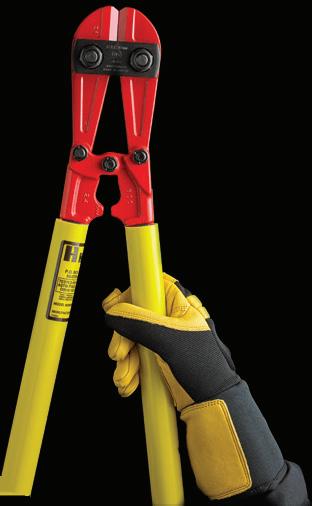
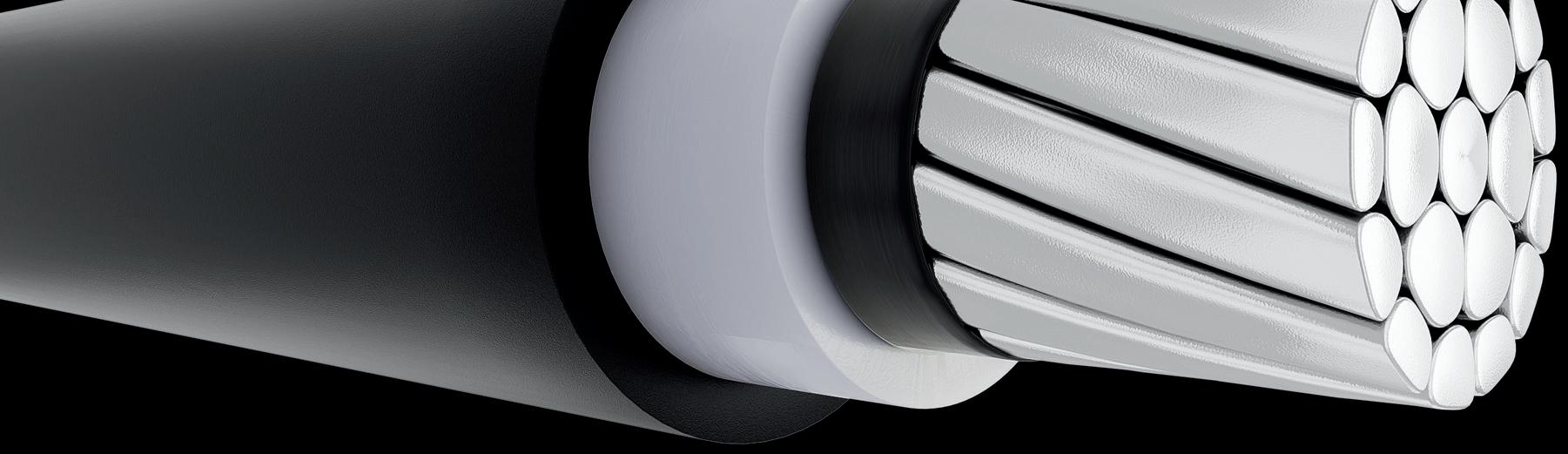
No burn-through eliminates elbow repairs
Lower material and installation costs
Mechanical strength protects conductors
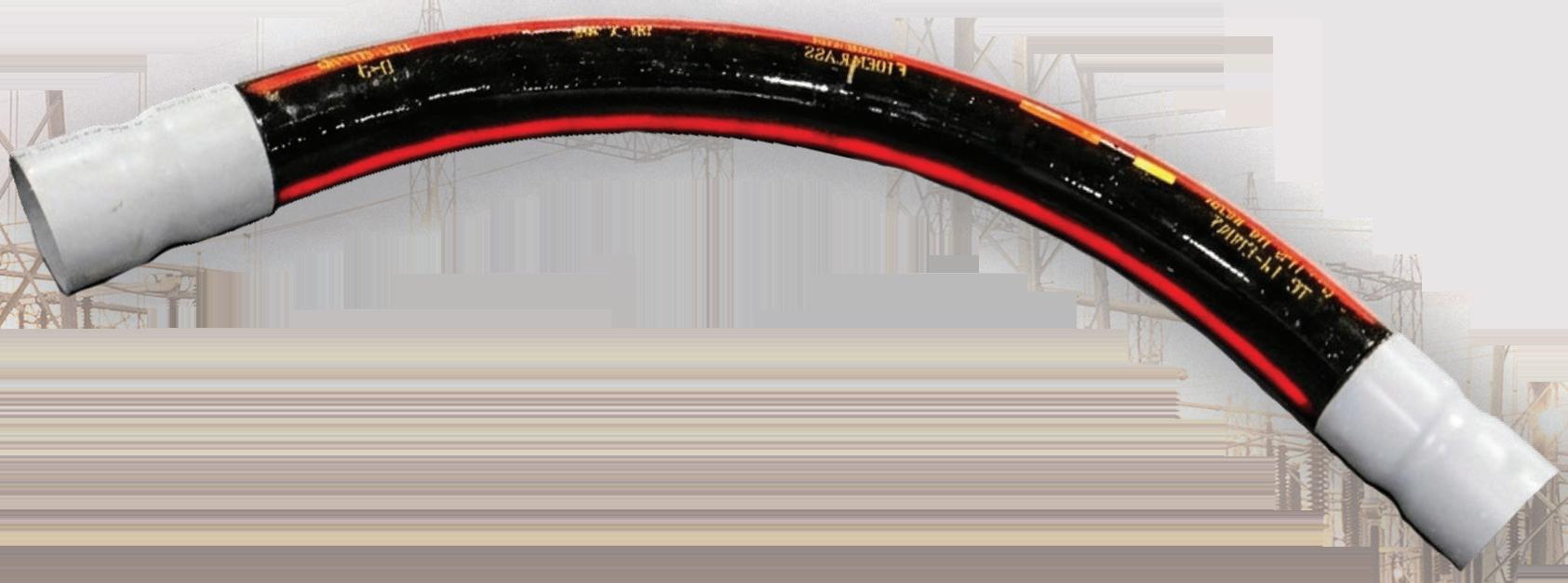
Low coefficient of friction for smooth pulls
Operable in temperatures of -40° to +230°F
Height adjustable utility risers for easy installation






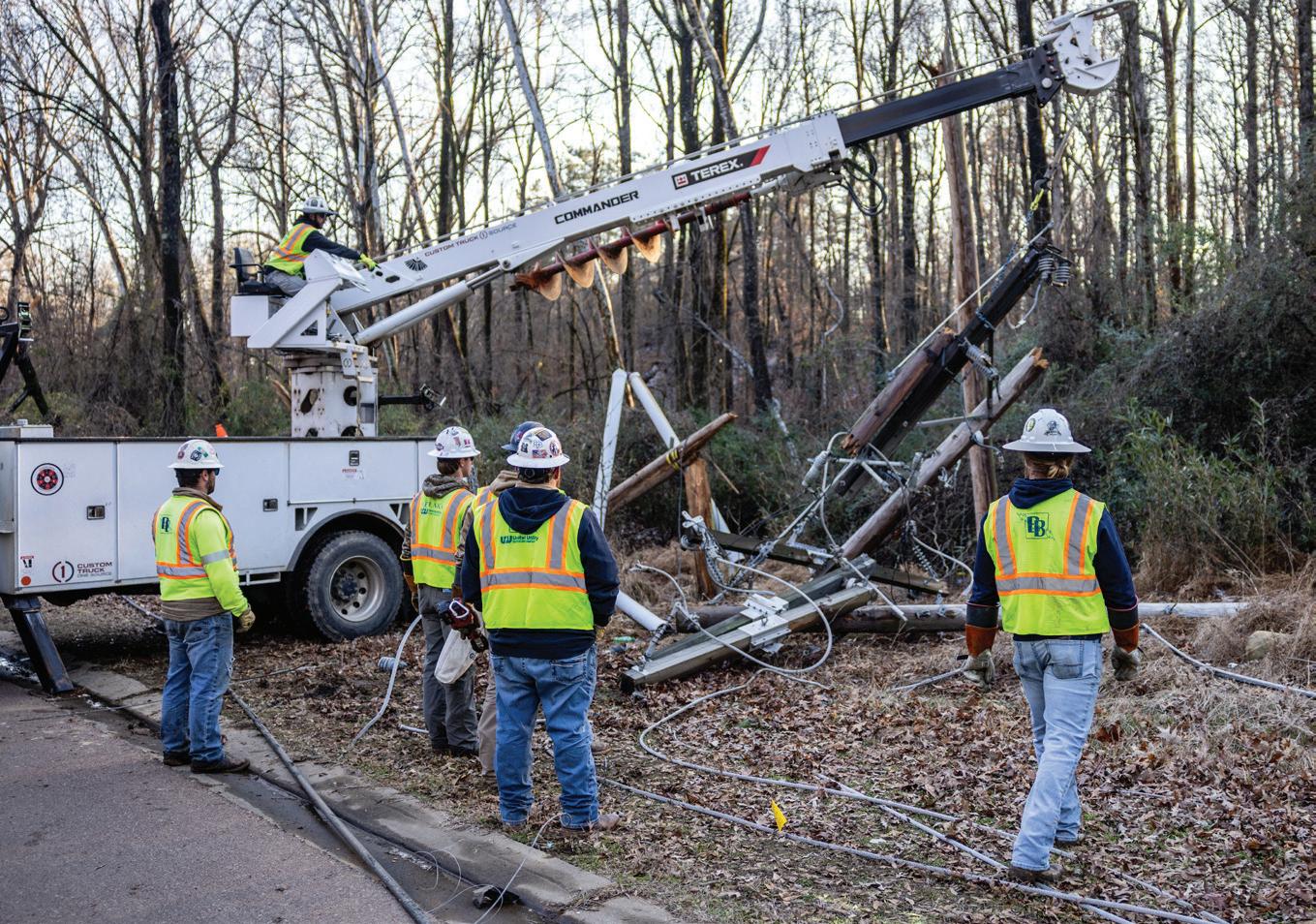
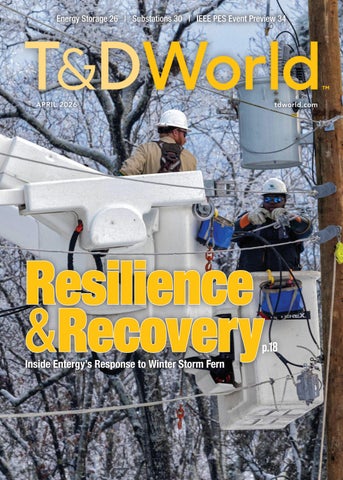
Entergy coordinated a swift effort, safety-first restoration, mobilizing thousands of workers from multiple states in the wake of the winter storm.

The New York Power Authority is researching and demonstrating emerging
In dense cities like New York, high-power electrical equipment much meet exceptionally tough standards, undergo rigorous testing, and deliver unwavering safety and reliability By
JEFF ELLIOTT, Contributing Writer
Jackie Peer of IEEE PES and SEL Inc., and Carla Frieh of ComEd, share how the IEEE PES T&D Conference & Expo is evolving to help utilities tackle reliability, resilience and rapid grid transformation.
Approves NextEra’s and Exelon’s Proposed 765-kV Project
Lineworker’s View
Electric Utilities Can Lead Through the Affordability Crisis
of the Loan Program Office for the U.S.




From material-handling equipment and aerial-work platforms to backup power generation and complete tools solutions, we’ve got the equipment you need for your power project. Planned and unplanned outages, transmission lines or substation construction projects, we’re there for you.
Our team of experts provides a wide range of Safety, Productivity, Training and Power & HVAC-engineered solutions, and we have an industry-leading safety rating with an uncompromising approach to loss prevention and safe behavior.
Call 800.UR.RENTS or visit UnitedRentals.com/Power
















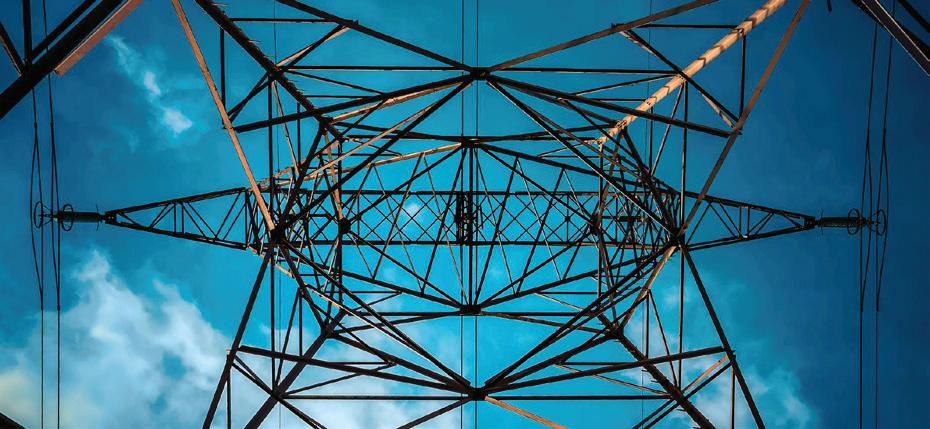
REWIRE Act to Modernize US Power Grid, Streamline Projects Introduced
After two decades of sluggish growth, electricity demand is projected to rise by as much as 5.7% by 2030. www.tdworld.com/55361001
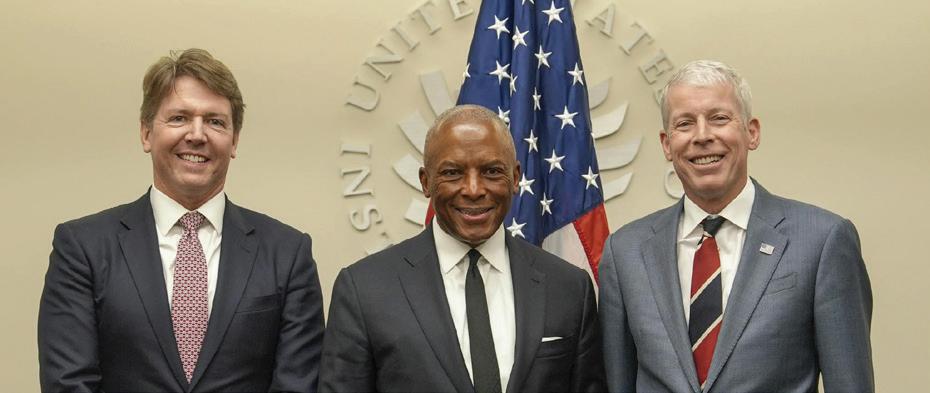
DOE Delivers $26.5 Billion in Loans to Southern Co. for 16 GW in Projects, Including New Nuclear
The pair of loans are to build or upgrade more than 16 GW of baseload power to the grid. www.tdworld.com/55360021

Reliability: Islandwide Blackout in Cuba, Amid US Oil Blockade
The flow of oil into Cuba has effectively been shut down due to US military actions and tariff threats. www.tdworld.com/55364312
Group Editorial Director Nikki Chandler nchandler@endeavorb2b.com
Managing Editor Jeff Postelwait jpostelwait@endeavorb2b.com
Digital Content Specialist Christina Marsh cmarsh@endeavorb2b.com
Art Director Kermit Mulkins kmulkins@endeavorb2b.com
Head of Content Amy Fischbach afischbach@endeavorb2b.com
Technical Writer Gene Wolf GW_Engr@msn.com
Senior Editor-at-Large Geert de Lombaerde gdelombaerde@endeavorb2b.com
VP, Customer Marketing Angie Gates agates@endeavorb2b.com
Senior Production Operations Manager Greg Araujo garaujo@endeavorb2b.com
Ad Services Manager Shirley Gamboa sgamboa@endeavorb2b.com
Audience Marketing Manager Sonja Trent strent@endeavorb2b.com
Audience Development Manager James Marinaccio jmarinaccio@endeavorb2b.com
Endeavor Business Media, LLC
CEO: Chris Ferrell
COO: Patrick Rains
CDO: Jacquie Niemiec
CALO: Tracy Kane
CMO: Amanda Landsaw
EVP Endeavor Business Intelligence: Paul Mattioli
EVP Water & Energy Group Diana Smith
VP of Content Strategy, Water & Energy Group Bob Crossen
T&D World (USPS Permit 795-660, ISSN 1087-0849 print, ISSN 2771-6651 online) is published 9 times a year (February to June, August to October and December) by Endeavor Business Media, LLC. 201 N Main St, 5th Floor, Fort Atkinson, WI 53538. Periodicals postage paid at Fort Atkinson, WI, and additional mailing offices. Canadian GST #R126431964.
POSTMASTER: Send address changes to T&D World, PO Box 3257, Northbrook, IL 60065-3257.
SUBSCRIPTIONS: Publisher reserves the right to reject non-qualified subscriptions. Subscription prices for 12 issues (9 print and 3 digital): U.S. ($137.50); Canada/Mexico ($170.00); All other countries ($210.00). All subscriptions are payable in U.S. funds.
Send subscription inquiries to T&DWorld, PO Box 3257, Northbrook, IL 600653257. Customer service can be reached toll-free at 877-382-9187 or at tdworld@ omeda. com for magazine subscription assistance or questions.
REPRINTS: To purchase custom reprints or e-prints of articles appearing in this publication, contact Reprints@endeavorb2b.com
PHOTOCOPIES: Authorization to photocopy articles for internal corporate, personal or instructional use may be obtained from the Copyright Clearance Center (CCC) at 978-750-8400. Obtain further information at copyright.com
PRIVACY POLICY: Your privacy is a priority to us. For a detailed policy statement about privacy and information dissemination practices related to Endeavor products, please visit our website at www.endeavorbusinessmedia.com
CORPORATE OFFICE: Endeavor Business Media, LLC, 30 Burton Hills Blvd, Ste. 185, Nashville, TN 37215, U.S.; www.endeavorbusinessmedia.com.
© Copyright 2026 Endeavor Business Media, LLC. All rights reserved.
Printed in the USA.

BY NIKKI CHANDLER, EDITORIAL DIRECTOR
The feel of the roar of the engines is one thing that brings NASCAR fans to attend a live race, so it may come as a surprise that ABB and NASCAR have partnered on an EV prototype that they display and demonstrate at those very same live races. But that’s exactly what they have done, and it is truly helping to advance conversations around electrification and electricity reliability.
I grew up going to dirt track races; we were at local tracks every weekend, eating nachos and foil-wrapped burgers, breathing exhaust and swallowing dirt. In fact, my first ever journalism job was a stint at Southwest Missouri Racing News in high school. I was responsible for race summaries at one of the local tracks each week for one summer.

So I understand the excitement and senses around the NASCAR experience (healthy or not). But when I saw these NASCAR EVs used as part of the ABB-Goodyear Pit Stop Challenge, I was impressed with the speed and precision of these models.
Two developmental pit crews forming Team ABB and Team Goodyear raced in a simulated pit stop with NASCAR driver David Ragan operating the car (and adding some burnt rubber at the end of each “stop.”) Fans lined up against the fence in the Fan Zone area to cheer on the crews and see the EVs perform.
Ragan wore a mic during some of the demos, talking through the feel and performance of the EV. “I was expecting to really be able to feel that weight difference, but it surprised me. I could feel the car a little heavier mid-corner, but with the increase of horsepower, allwheel drive, and traction, you don’t notice any difference from an acceleration or deceleration standpoint. It actually handled very similar to what I’m accustomed to.”
explosion and new tariffs possibly spurring more onshoring of manufacturing. We knew electrification was increasing but here we are now, in 2026 and you now know the story….
So, in regard to EV sales, despite a 2025 bumpy market with slowed growth in Europe and the U.S., long-term trends are still showing robust, consistent growth. Global electric car stock is projected to grow fourfold by 2030, driven by China’s market leadership and rising global adoption
The Southeast is particularly trending, where NASCAR originated. According to the Alliance for Clean Energy report from June 2025, electric passenger vehicle sales grew 38%, reaching an 8.3% market share, with Florida surpassing 10%. Charging infrastructure continued to grow, with the region adding more than 2,600 new public fast-charging ports, a 41% increase from the previous year.
Overall, electrification in general is rapidly accelerating, driven by falling battery costs and the continued effort to decarbonize, with the primary focus on EVs and building heating.
“Fans come for the speed and spectacle, but they leave asking questions about charging, power supply and how the grid keeps up with a more electrified world.”
ABB is using the custom-built NASCAR EV prototype to spark broader discussions about the energy transition. The car was developed at NASCAR’s R&D Center in collaboration with Ford, Chevrolet, and Toyota and symbolizes cross-industry innovation. While fans initially ask performance questions (speed, 0–60, regenerative braking), those conversations naturally evolve into deeper discussions about electrification, charging infrastructure, and grid capacity.
My trip to Daytona spurred this column: I wanted to find out where we are on EV uptake in the U.S. In September 2024, I wrote in Global Viewpoint that EV sales were growing then, but not as quick as we had thought (or as utilities thought as they prepared for load growth). That was just before the data center
As I was checking into EV and electrification updated, the Iran conflict happened, and the price of oil spiked to around $100 a barrel on March 6. It remains to be seen if oil prices stay high and cause gasoline prices to increase enough to really influence internal combustion engine vehicles vs. EV sales.
Standing in the Fan Zone at Daytona watching an electric NASCAR prototype spin its tires, I couldn’t help but think about how unlikely that moment would have seemed just a few years ago. For fans who grew up around the roar of combustion engines, electrification might still feel like an outsider in motorsports. But what ABB and NASCAR are really doing isn’t trying to replace that experience—it’s starting conversations.
The EV prototype is less about proving that racing will suddenly go electric and more about showing how technology evolves. Fans come for the speed and spectacle, but they leave asking questions about charging, power supply and how the grid keeps up with a more electrified world.
That’s where the story becomes familiar to the utility industry. Electrification is rarely a straight line. Markets rise and fall, policies shift, oil prices spike and consumer behavior changes. Yet the long-term direction—more electricity powering transportation, buildings and industry—continues to move forward.


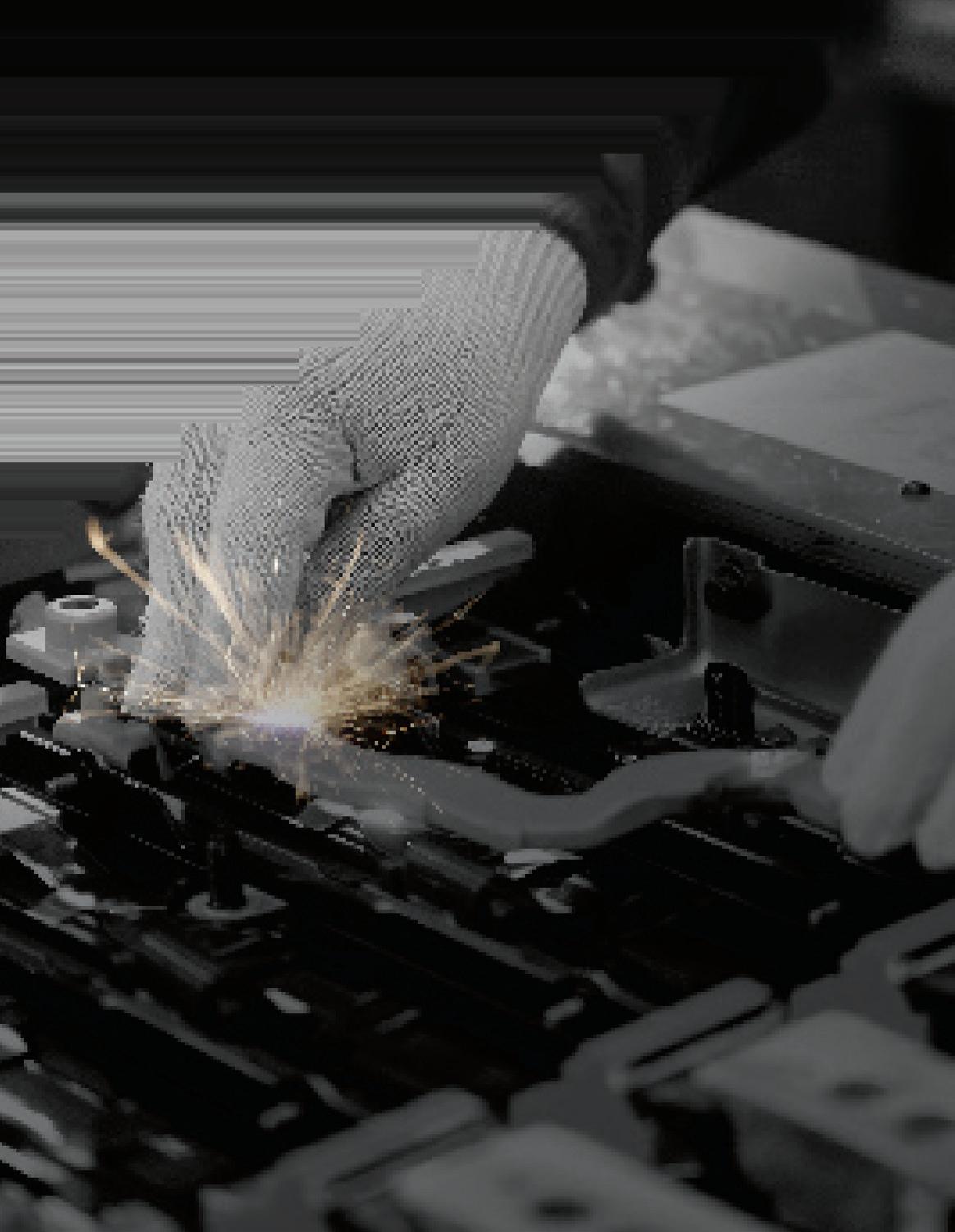




Ultra-Lightweight Electrical Protection
Standard bulky rubber insulated gloves protect EV manufacturing workers like Sam from shocks but often limit dexterity, causing some frustrated individuals to work unprotected.
Ansell’s new ActivArmr Class 0 Ultra-Lightweight (ULW) Electrical Insulating Gloves joins our Class 00 ULW Gloves to offer trusted protection with greater comfort and flexibility to support consistent PPE compliance.
Protect workers like Sam with the reliable protection of ActivArmr ULW Electrical Insulating Gloves.
1. Electrical Safety Foundation International. (2025, January).
Workplace injury & fatality statistics.
Retrieved March 11, 2025, from https://www.esfi.org/ workplace-safety/workplace-injury-fatality-statistics/
* Compared to standard Class 0 Rubber Insulated Gloves, offering the same level of protection ** New as of February 2025
Contact your Ansell sales representatives for more information, or visit Ansell.com.





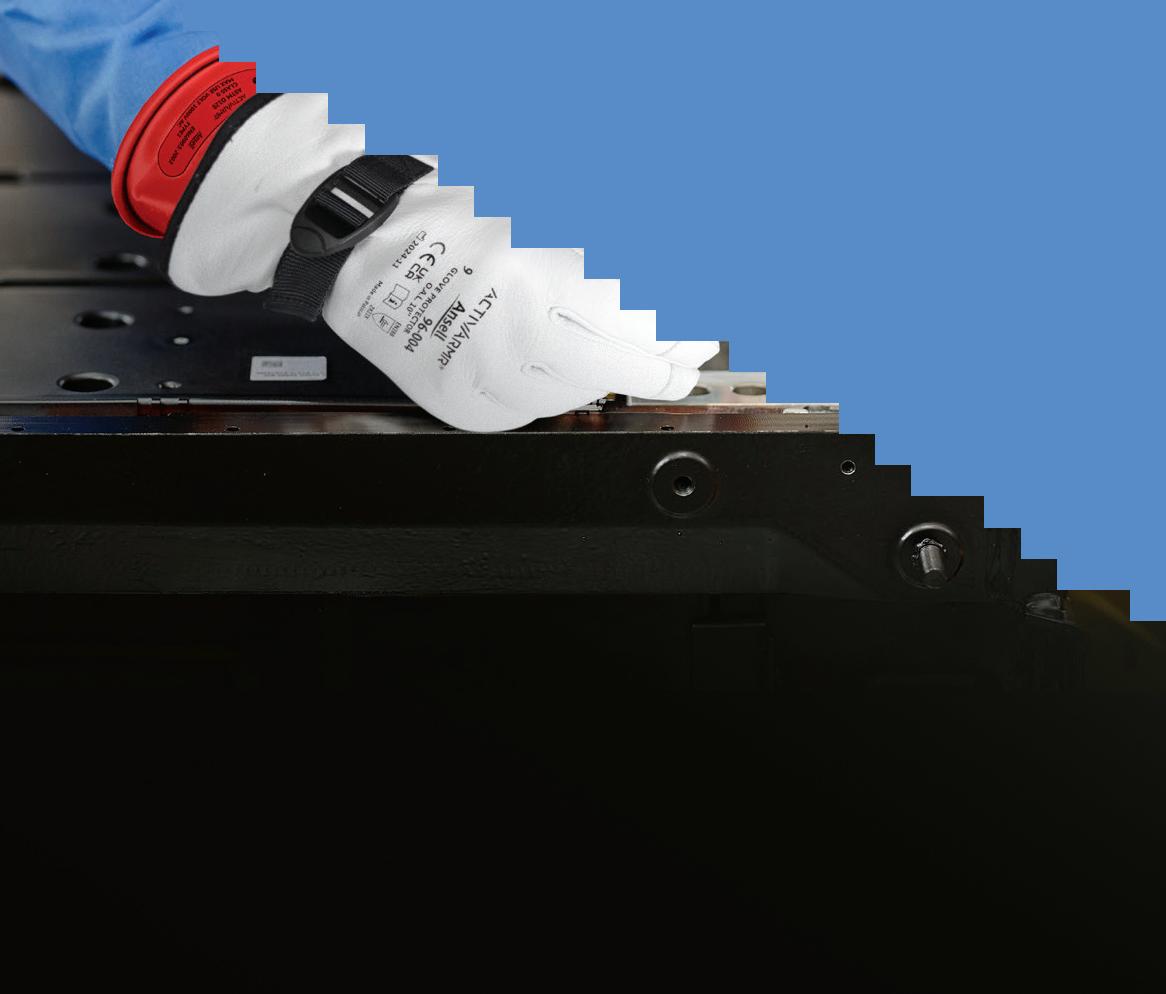
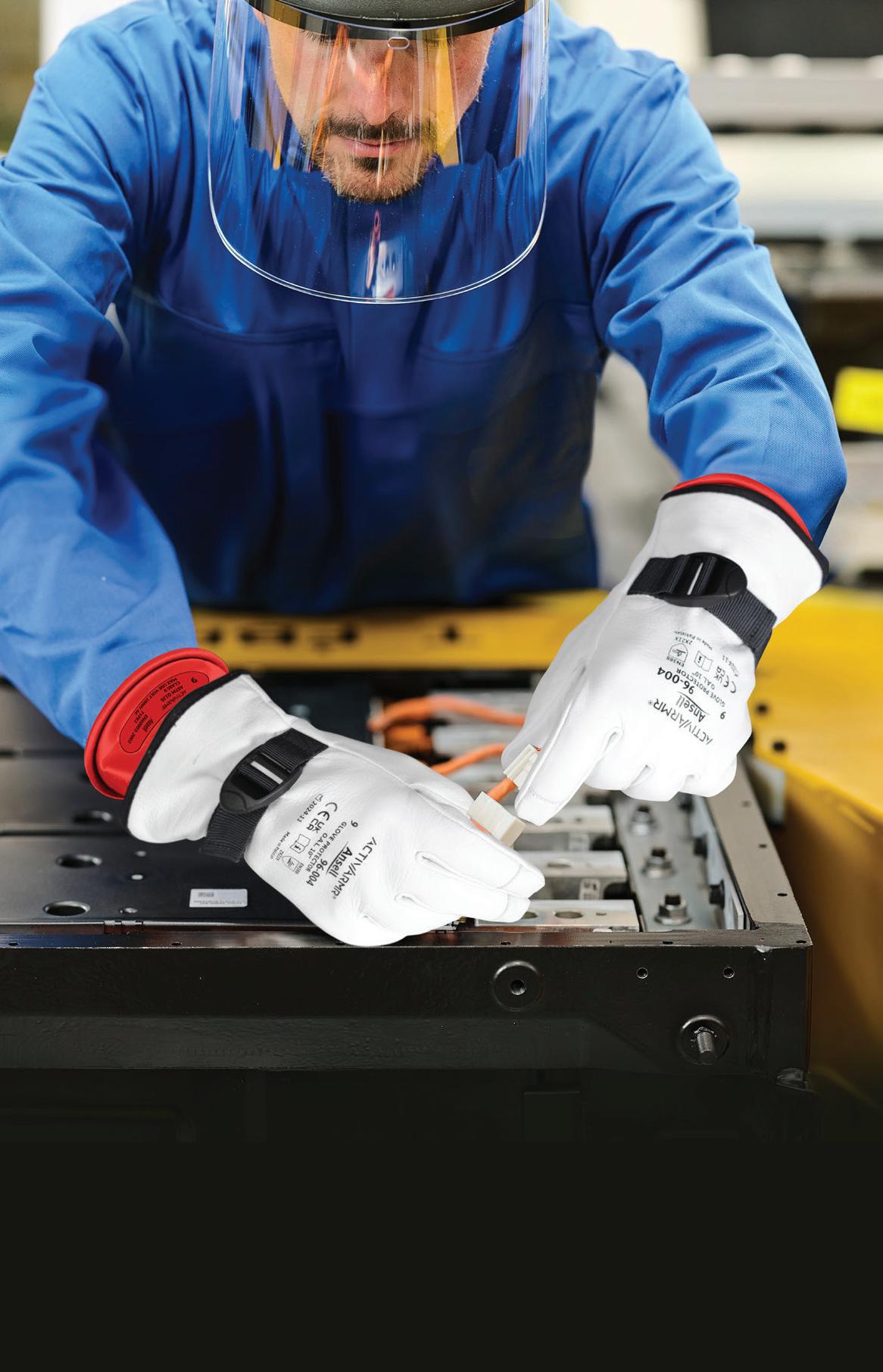
Innovatively Designed for Comfort and Dexterity
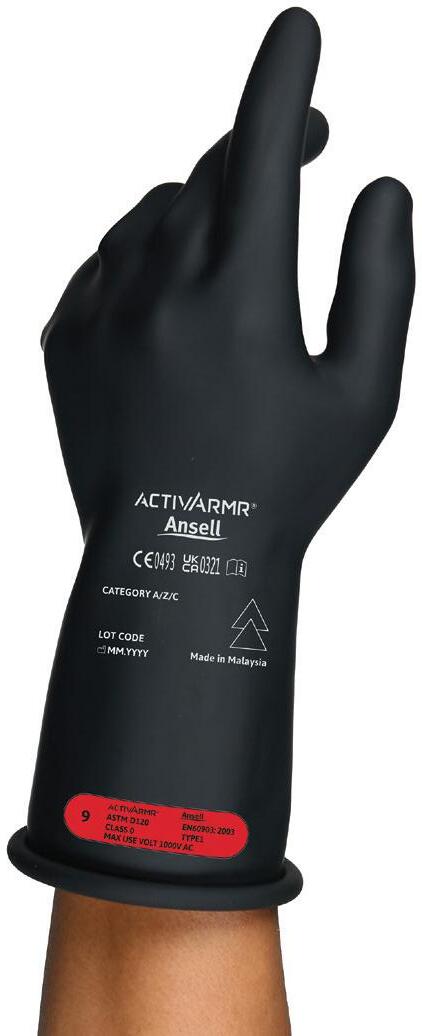

Up to 20% thinner*
While still providing the same level of protection*
Enhanced comfort
Delivers a snug fit, like second skin
Ergonomic design
New form-fit** design boosts dexterity and productivity
Silicone-free design
Prevents contaminant transfer to final product
Pair with ActivArmr
and


I’m a sucker for a catchy power grid headline. Add in the hint of an intriguing mystery, and you have the ultimate clickbait for me. A few days ago I stumbled on one that fit all the criteria. It was a newspaper headline suggesting that utilities have a capacity “secret” that can save the grid from growing demand. My first reaction was uh-oh, it’s conspiracy theory time. This is a reputable publication, my interest had been piqued, I had to read it. Turns out it was speculation driven by legacy-thinking.

The reporter had run into that old-school philosophy of overbuilding infrastructure and generation capacity to handle the highest expected summer peak, which only takes place a few days out of the year. It’s been called over-engineering for reliability and the vintage tradition sparked lots of discussion concerning its effectiveness, not to mention cost. The article suggested that because of this operational framework, the grid has a great deal of underutilized capacity that’s available for most of the year.
That may have been true at once, but time marches on, and today the power grid is faced with growing summer and winter power peaks. Interestingly, those winter and summer peaks are separated by periods of lower demand, which resemble valleys known as “shoulder months.” The reporter recognized this phenomenon but proposed the utilities should be convinced to utilize this non-peak power for system growth like datacenters, and the looming power crisis would be averted.
Once again, the premise was correct in the past, but over the years, these spring/fall valleys have become less pronounced. The winter peak is catching up and in some cases exceeding summer peaks. Don’t get me wrong, we still have summer and winter peaks, but grid operators are expecting them to merge

and shift. The New York Times reports that many grids are experiencing greater strains in winter and “we’re entering a period where we don’t know what’s going to happen next.”
Last year, ASCE (American Society of Civil Engineers) published their infrastructure report card and dropped the energy segment from a C- to a D+. In a nutshell, the power grid does not have the infrastructure or energy capacity to support the rapid demand growth expected. It’s core infrastructure is significantly aged, but that’s only one of the forces at work. There’s a backlog of between 2.3 terawatts and 2.6 terawatts of projects stuck in the interconnection queues. The average delay for transmission projects is more than 6 years. It’s not unusual for the time line to run 7 to 10 years due to permitting, siting, and supply chain issues.
Wood Mackenzie reports that in 2025 substantial amounts of potential renewable generation capacity in the U.S. had been delayed or was at risk due to policy and regulatory uncertainty. In addition, the aging infrastructure makes the power delivery system more vulnerable to climate crisis, floods, wildfires, etc. causing outages and blackouts. It all plays into the D+ grade. Today’s technologies, however, can offer capacity workarounds while we navigate these challenges.
Take wind and solar generation. Critics say those technologies are intermittent and not reliable. That argument died with the introduction of battery energy storage systems. The criticizers then switched to saying these sources weren’t stable due to lack of inertia, but then inverter-based applications were initiated providing synthetic inertia. Today’s power electronics can quickly inject or absorb power. Their fast frequency response counteracts imbalances and boosts grid stability by balancing generation and consumption.
We have discussed grid-enhancing technologies (GETs) several times. They excel when it comes to optimizing existing grid assets by adding capacities. GETs are reshaping the existing power grid by increasing capacity, reliability, and stability without requiring years of planning and permitting, or siting. They’re also inexpensive compared to traditional methods. Supporters say by applying GET technologies, you can get more out of what you have.
We started off this discussion with a “secret” solution utilities possessed that would answer all our growing power demands. That proved to be an outmoded concept about the power grid being designed/built to handle temporary excessive peak loads. Unfortunately, forces like global warming destabilization, extreme weather events, electric vehicles, electrification of heating, and other impacts are pushing demand far beyond those legacy designs. Advanced technologies are proven to work together to increase the power grid’s flexibility and resilience. They’re capable of handling rising demand while integrating utility-scale levels of clean energy.





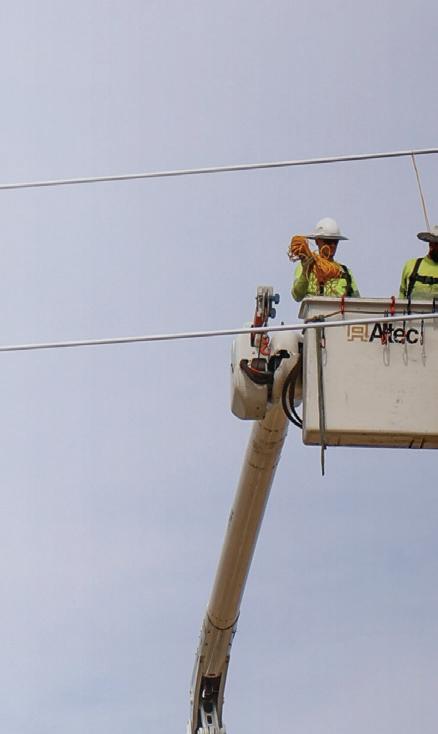

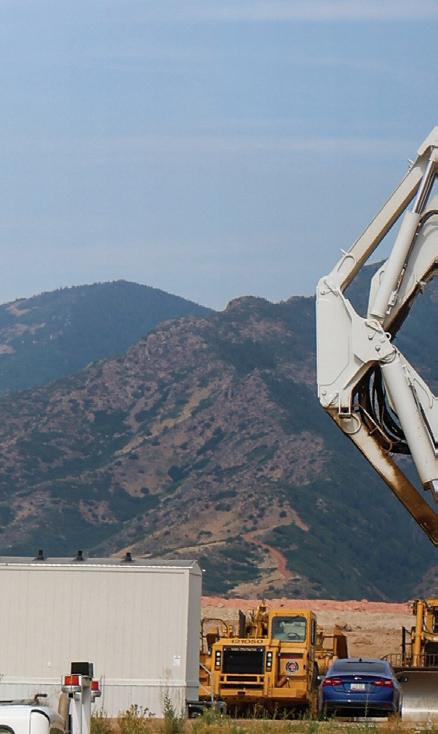

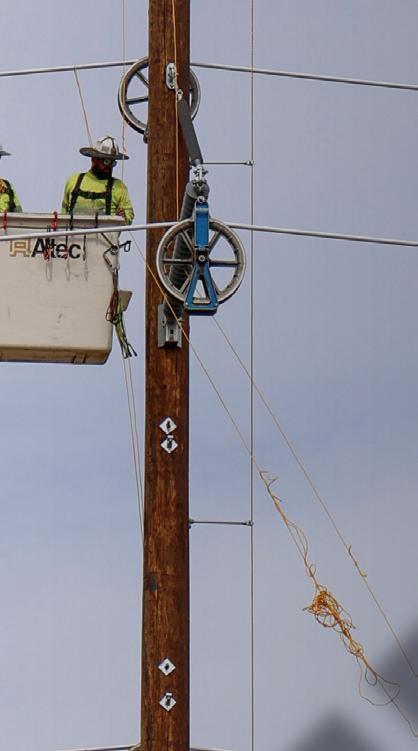



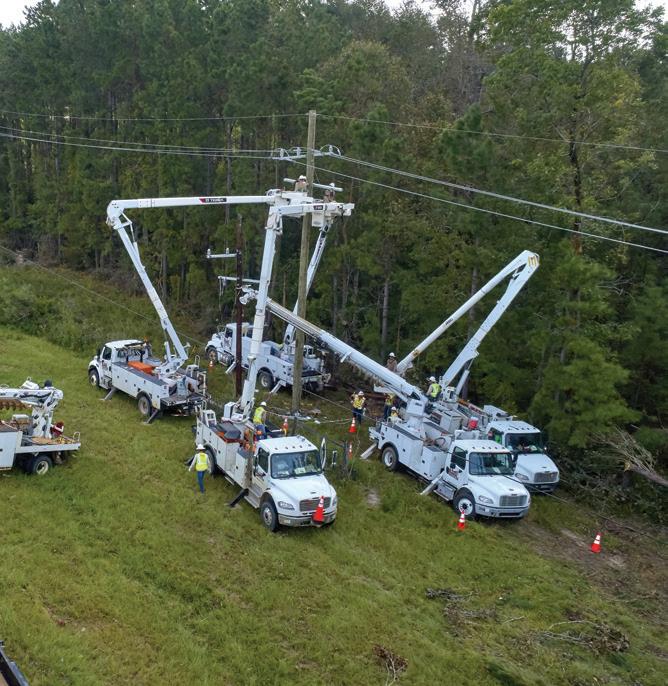
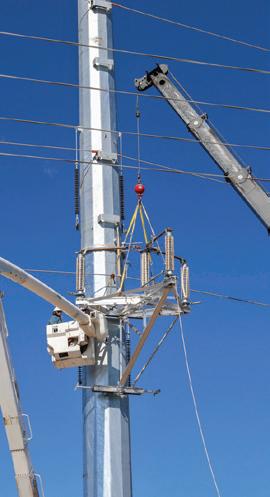


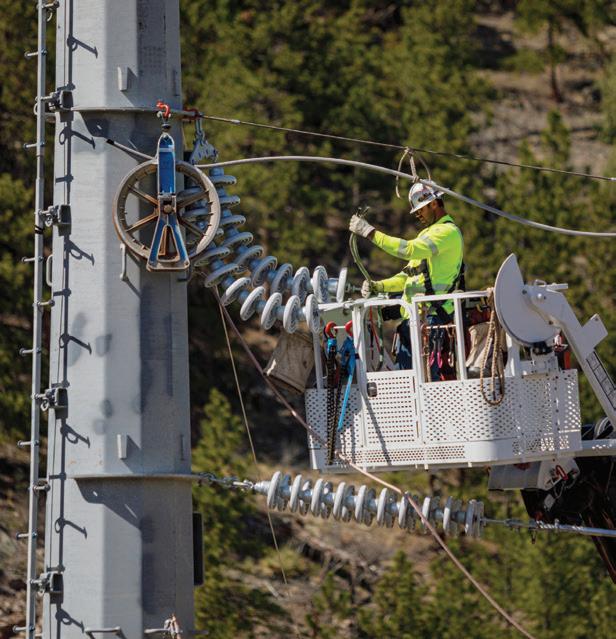
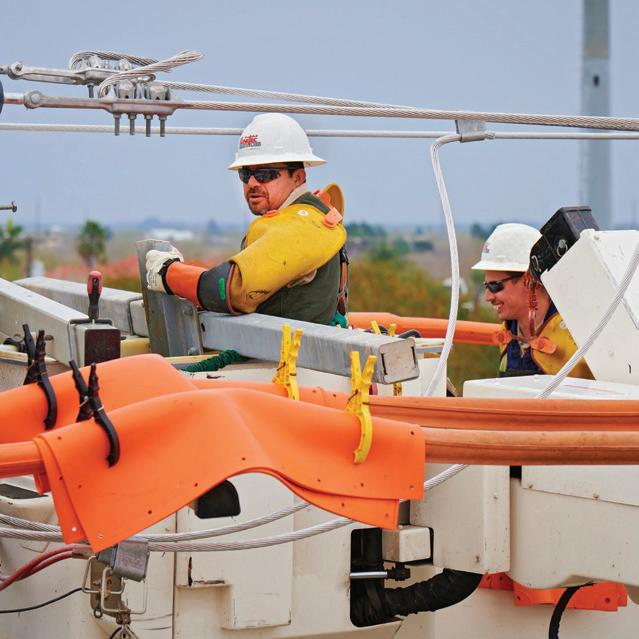
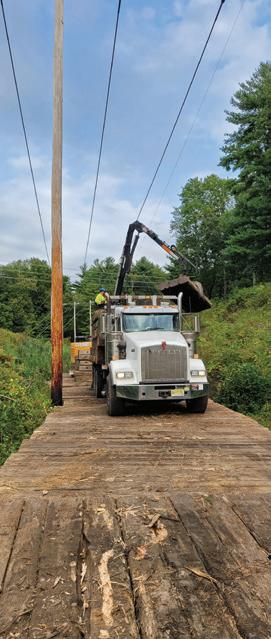
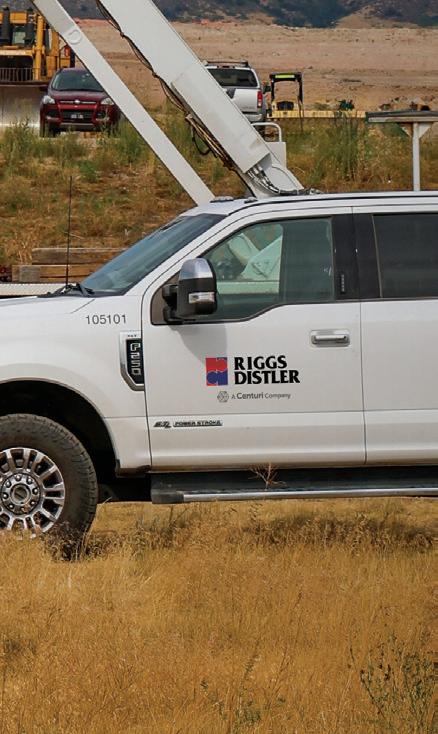





Integrating enhanced digital technologies is the key to increasing grid stability and flexibility.
Whether it’s called a transition or a transformation, the world’s power system is changing as the generation mix changes. Large fossil-fuel power plants are being replaced by inverter-based renewables. The International Energy Agency estimates that 36% of the world’s electricity will be generated by renewable energy sources in 2026 whereas coal is expected to drop to 32%. The U.S. Energy Information Administration reported that overall, renewables made up about 26% of U.S. generation in 2025 and coal only 15% of the generation mix.
The bottom line here — that’s a lot of renewables expected, and it will dominate the global power grid. Remember Newton’s third law of motion? It says for every action there’s an equal and opposite reaction. Well, it applies here. With the increase of inverter-based renewables, conventional synchronous generators are being removed. This is where the third law comes in. Those behemoths of synchronous generation create rotational kinetic energy, more commonly known as grid inertia.
As renewables’ penetration increases, inertia decreases, which is challenging when it comes to maintaining power system stability. High inertia acts as a buffer during power disturbances giving control systems time to respond to what’s happening on the grid. With low inertia, however, there’s no buffer. Lower inertia reduces the time control systems have to respond to rapid fluctuations, resulting in stability issues. This transition of the grid’s energy mix makes supplying dependable electricity challenging for utilities and grid operators as they attempt to modernize and compensate for missing inertia.
With traditional large thermal power plants on the endangered species list, suppliers have been developing technologies to replace rotational inertia. Devices
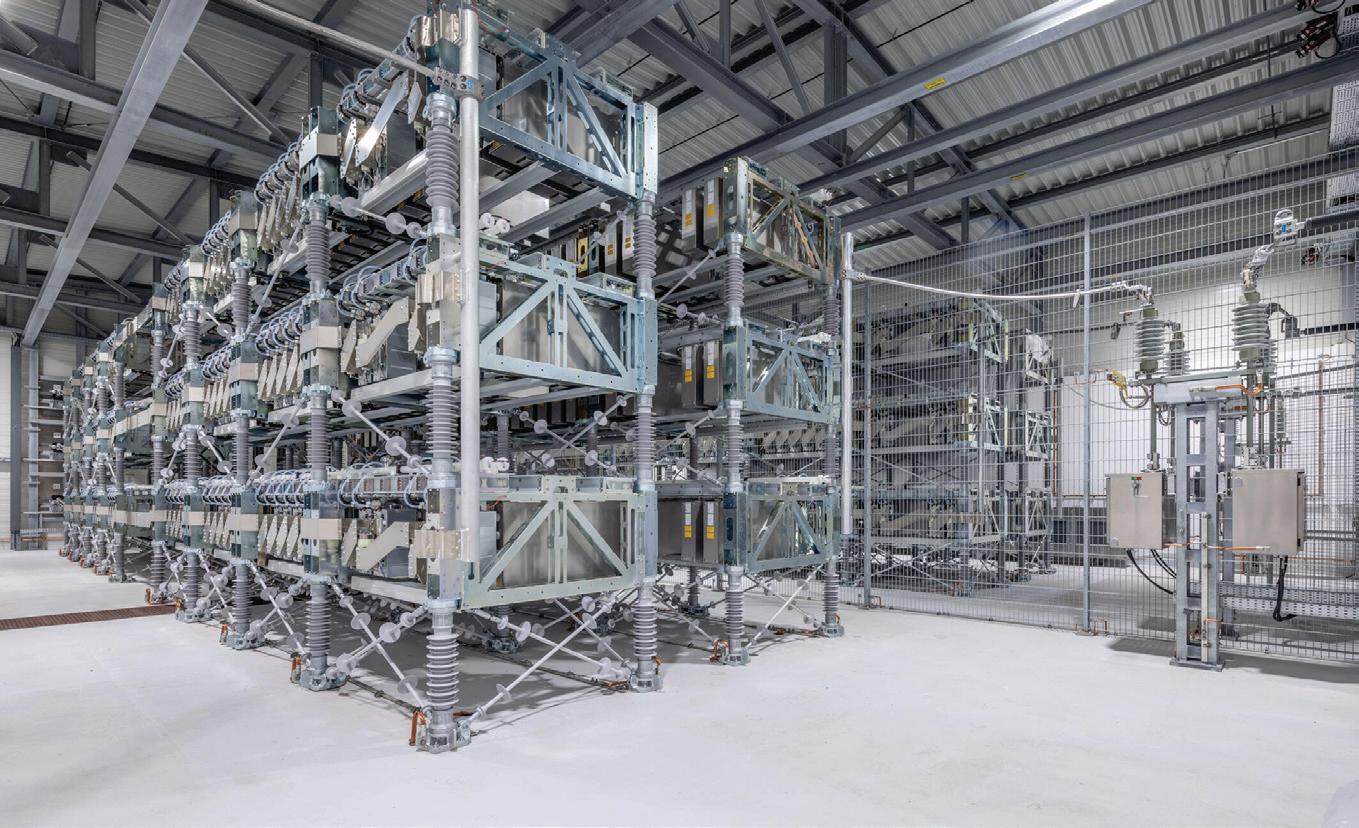
like synchronous condensers, synchronous condensers with flywheels, or conversion kits to turn retired thermal generators into synchronous condensers proved viable solutions. There are, however, some caveats to consider with these devices. The devices have maintenance costs, operational losses, and noise to mention a few issues. That’s why digital technologies and their virtual inertia are trending.
The breakthrough came with the development of grid-forming inverters. Unlike the grid-following inverter technology, they provide digital stability by producing synthetic inertia. Additionally, they are capable of riding through grid disturbances without tripping. Moreover, they have that unique black start ability of being able to restart the grid without relying on large conventional power plants, but it didn’t stop there.
Power electronic-based FACTS (flexible alternating current transmission systems) controllers have incorporated grid-forming technology for decades with a particular focus on enhancing FACTS controller performance. FACTS controllers are famous for improving localized power system performance issue like voltage support and power quality, but more was needed. That’s
where the latest advancement is of interest: the E-STATCOM (energy STATCOM).
The E-STATCOM utilizes energy storage systems like supercapacitors or optional batteries with grid-forming controls. Conventional STATCOM technology mainly manages voltage stability through traditional reactive power compensation. ESTATCOM devices are grid-connected FACTS controllers designed to provide voltage and frequency stability in the transient and dynamic time domain. They can control high-frequency fluctuations and mitigate load changes.
In addition to voltage control through reactive power, they can absorb or inject real power through dynamic control of stored energy to smooth frequency excursions caused by energy fluctuations in the transmission grid. E-STATCOMs with grid-forming control offer superior voltage and frequency stability, and deliver active power in milliseconds, which is crucial for low-inertia power grids. The technology has been rapidly evolving by adding additional control modes to provide more services. Most importantly, it enables adaptive inertia regulation.
In early December 2025, Siemens Energy in partnership with TenneT, the German TSO (transmission system operator), announced that they had energized and commissioned the world’s first supercapacitor E-STATCOM in Mehrum, Germany. According to reports, the technology has taken more than a decade to develop and about three years to construct. The system operates autonomously and can be monitored and controlled remotely, including its diagnostic and control algorithms. It showcases cutting-edge technical capabilities underscoring its advanced design.
The Mehrum E-STATCOM is a unique and complex project. At this point, talking with an expert would help in understanding how it works and why that is important. “Charging Ahead” contacted German Kuhn, Siemens Energy’s Principal Engineer FACTS. Kuhn began the discussion, saying, “The power grid is transitioning from large conventional power plants to inverter-based renewable energy sources like wind and solar. Unfortunately, many of these renewables don’t provide inertia. That makes the grid’s voltage and frequency less stable, but E-STATCOMs powered by supercapacitors change all of that. They are capable of delivering support within milliseconds, providing fast inertial response to compensate for frequency excursions.”
Kuhn continued, “Another consideration is the fact that as large rotating generators are being retired, load flow distances are changing. That’s especially important on large national grids like Germany’s. When this happens, critical areas develop that require attention. They do not have sufficient rotating equipment to provide the inertia that would keep that area stable. E-STATCOMs, however, give grid operators a new tool that can provide that inertia exactly where it’s needed. In addition, grid-forming controls support groups of E-STATCOMs working together for a coordinated approach for voltage and frequency support on the national grid. These devices can be deployed individually or in groups to supply the necessary stability support. Economically, it’s logical
to have the versatility to deploy the exact E-STATCOM configuration where stability is questionable as the power system transitions.”
Kuhn explained, “Mehrum is the first E-STATCOMs based on supercapacitors. It’s a project that’s leading the way in the energy transition sweeping the world’s power systems. The design can be used on a variety of voltage levels in various grid configurations. Its compact design




means that its small footprint is ideal for placement in existing facilities where room may be constrained. Mehrum’s ESTATCOM is rated ±200MW/300MVA with 320MJ of energy storage capacity, providing an inertia-contribution up to 6,000MJ. It proves that supercapacitors can emulate kinetic energy, which can replace those grid-stabilizing functions that were once considered only achieved by large rotating rotors.










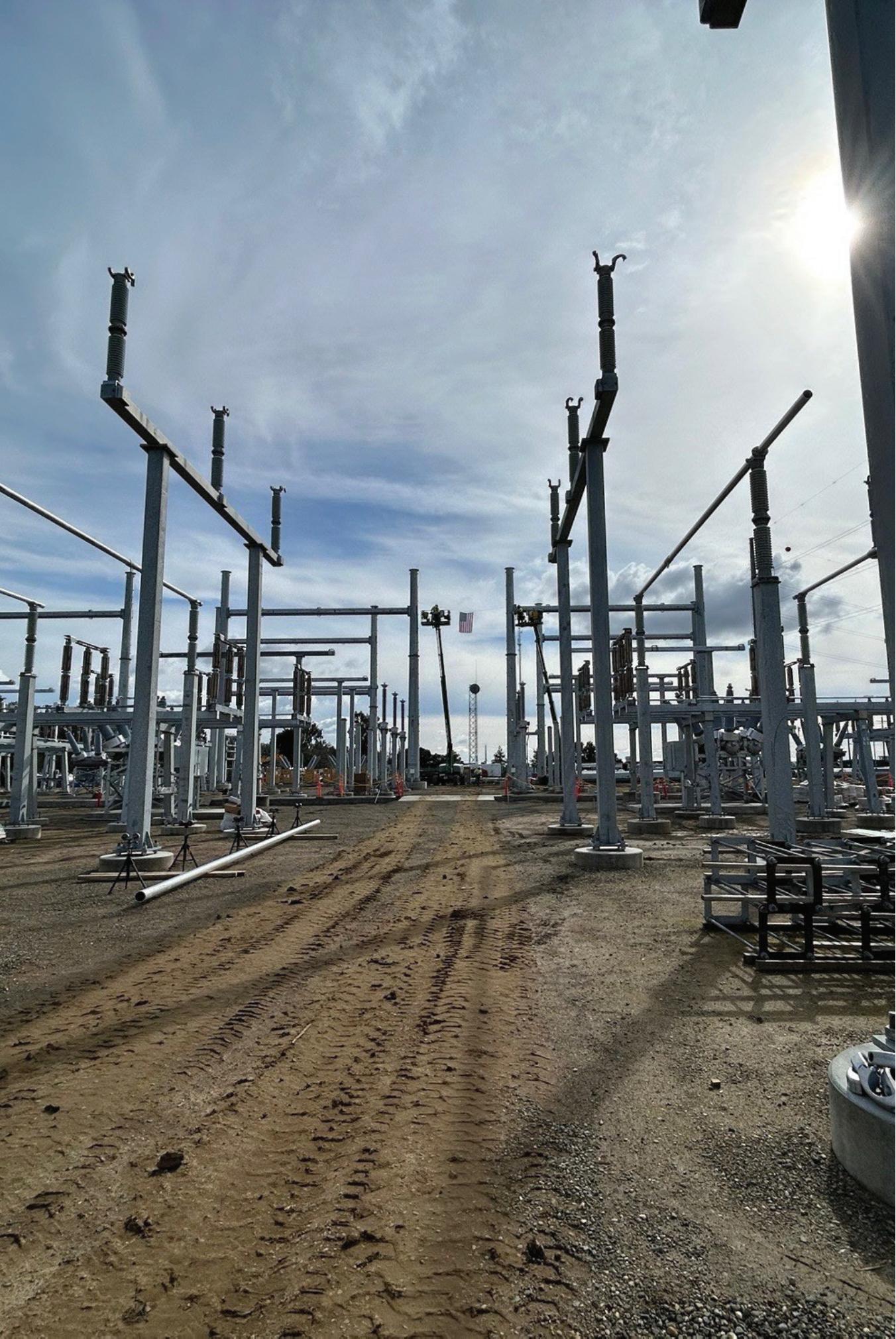


The future of E-STATCOMs has great potential. TenneT estimates that approximately 30 similar systems will be needed across the Germany power grid alone, with additional installations already in the planning phase. Siemens Energy has also received inquiries from Australia, Canada, the United States, and several other countries for E-STATCOM systems. It’s exciting to think of E-STATCOMs as FACTS devices that are TSO grid-forming stability assets.”
In 2024, Hitachi Energy and the German TSO TransnetBW announced they were collaborating on an E-STATCOM project. They are adding two E-STATCOMs on the German transmission system. The Hitachi Energy Enhanced STATCOM with grid stabilization will improve power quality to TransnetBW’s customers. The project consists of E-STATCOMs using supercapacitor energy storage to absorb







and/or inject power into the grid. The ESTATCOMs are expected to be in service sometime in 2026.
In December 2024, the German TSO 50Hertz, announced a contract with GE Vernova and Nidec Conversion to deploy advanced STATCOM technology on their system. GE Vernova will supply three advanced STATCOM FACTSFLEX GFM devices. Nidec Conversion will provide one E-STATCOM with short-term energy storage system utilizing supercapacitors. According to the news release, the installations are needed due to the growing amounts of wind and solar being integrated into the German grid. Operations are expected to begin by 2028.
Grand View Research estimated the global STATCOM market was about US$1.26 billion in 2025 and project its expansion to reach US$2.69 billion by 2033. They attributed the market growth to “the rapid integration of renewable energy sources into global power grids.” They recognize that the market will benefit from technological advancements in STATCOM design including those addressing voltage and frequency instability caused by rising renewable energy penetration.
Those renewable energy sources are expected to continue their explosive growth. By some estimates that expansion is expected to hit 50% of global electricity generation capacity by 2030. Tools like E-STATCOMs and their ability to emulate rotational inertia are essential to utilities and grid operators. They play a critical role for integrating more wind and solar onto the power grid by providing fast and controllable bulk active power keeping the power grid stable.
Enhancements like the E-STATCOMs are providing the tools needed for strengthening the overall performance of power delivery systems worldwide. The fact that manufacturers keep expanding the technologies we rely on is mind boggling, amazing both the techie and newcomers alike. It makes you wonder how they continue to persist in sharpening that cuttingedge of technological advancement, but it’s an undertaking that must happen. A transitioning power grid requires a great deal of innovation!





UAI provides various learning formats to bring analytics training and expertise to your organization, based on your goals, team size, and delivery preference. Learn from experienced instructors who understand real utility challenges and gain practical skills that teams can apply immediately.
• Live, interactive instruction
• Utility-focused case studies
• Foundational to advanced topics
• CEUs and professional credits (available for select courses)
• Training and coaching aligned to utility realities

LEARN MORE AND REGISTER training.utilityanalytics.com
1
Bring any UAI course to your team, virtually or on-site. Ideal for organizations seeking teamwide alignment and shared skill development.
2
One-day courses tailored to your organization’s goals and challenges, including Data Governance, Data Stewardship, Visualization and Storytelling, Data Quality, and Root Cause Analysis.
3
Live, instructor-led courses delivered virtually using a pre-purchase ticket model. Join scheduled sessions with peers across utilities.
4
A strategic complement to training focused on execution, governance, leadership alignment, and long-term analytics maturity.
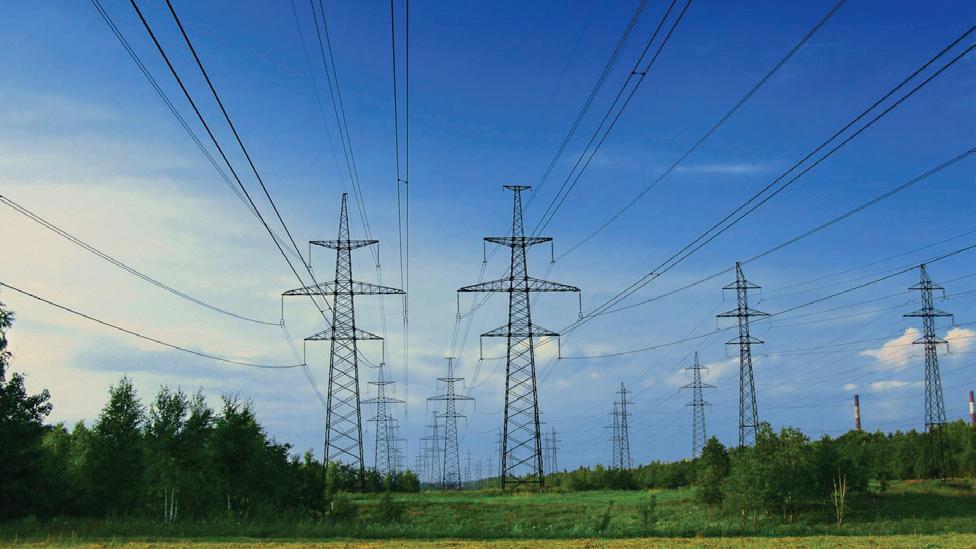
PJM Interconnection’s board of directors has approved a proposed 220-mile, 765-kV transmission line developed by NextEra Energy Transmission, LLC, and Exelon Corp. The companies say the project is intended to improve reliability and affordability in West Virginia, Pennsylvania and the broader Mid-Atlantic region.
PJM determined that addressing emerging reliability challenges will require large-scale transmission investments rather than smaller or localized upgrades. The approval comes as electricity demand is increasing across the region, putting pressure on existing supply. According to the companies, the transmission line would add capacity to the grid and help accommodate new generation resources seeking to connect. They also say the project
is expected to support reliable and affordable electricity for residential customers and small businesses while helping attract industrial investment and economic development. Construction of the line is also expected to create jobs.
“This transmission line enables long-term safe, reliable and affordable power for the region—this is a win for residents and a win for the local economy,” said Matt Valle, president of NextEra Energy Transmission.
Carim Khouzami, executive vice president of transmission and development for Exelon, said the project is aimed at addressing a growing gap between electricity supply and demand.
“As electricity demand increases are outpacing the current supply, this investment will be critical to ensuring we can bring the energy needed to meet the needs of families and small businesses across Pennsylvania and West Virginia while keeping customer affordability at the forefront,” Khouzami said. “This result will allow us to deliver meaningful, lasting value for the region.”
NextEra Energy Transmission and Exelon said they plan to continue engaging with communities as the project advances, including hosting open houses later this year. The companies said the goal is to gather input and minimize potential impacts on landowners and surrounding communities as the transmission line moves forward.
Public Service Enterprise Group Inc. executives have increased their five-year regulated capital spending plan by $1.5 billion versus last year and have lifted their profit growth forecast range by a full percentage point. The leaders of Newark-based PSEG, which serves about 2.4 million electric and 1.9 million natural gas customers in New Jersey and on Long Island, now plan to spend between $22.5 billion and $25.5 billion on regulated projects through the end of 2030. The high end of the previous plan covering 2024 through 2029 was $24 billion. Chairman, President and CEO Ralph LaRossa and his team expect that additional spending to help generate more profits and have updated their long-term growth target for adjusted earnings growth to a range of 6% to 8% from their previous forecast of 5% to 7%. Speaking to analysts and investors on a Feb. 26 conference
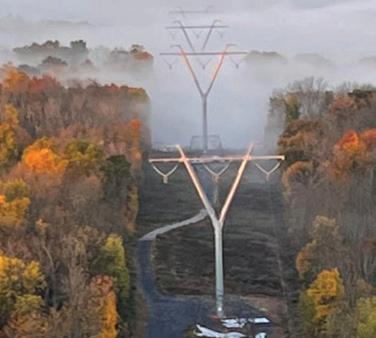
call after his team reported PSEG’s fourth-quarter results, LaRossa said the new growth target could go higher still if PSEG can contract for more generation or is cleared to add to its regulated capex plans, including for transmission and distribution projects.
“The supply-demand dynamic we are seeing in New Jersey has prompted executive orders to be issued to explore supply options, including the development of an additional 3,000 MW of community solar and battery storage,” LaRossa said. PSEG’s plan is expected to help the company’s rate base grow between 6% and 7.5% on average through 2030.
In the last three months of 2025, PSEG produced a net profit of $315 million on operating revenues of a little more than $2.9 billion.
—Geert deLombaerde


Entergy has announced approximately $5 billion in total savings for 2.3 million customers in Arkansas, Louisiana and Mississippi due to data center customer agreements in those states.
The announcement followed the company completing its agreement in Mississippi in 2024 and its latest agreement in Arkansas in December. The customer savings are projected over the next 20 years and come after the regulatory approval or acknowledgement of the public service commissions in those states.
“We proactively worked with our state leaders to recruit a new industry with attractive power agreements that protect and benefit our existing customers,” said Drew Marsh, Entergy chair and chief executive officer. “This public-private partnership is creating new, well-paying jobs, investments and community improvements for the people we jointly serve and will provide lower cost power in the coming years for our customers.”
Beginning 2024, the Entergy region saw the arrival of data center projects by five technology companies, among other commercial agreements:
• AWS announced two campuses in Madison County, Mississippi, in January 2024
• AWS announced a third campus in Warren County, Mississippi, in November 2025
• Meta unveiled a campus in Rayville, Louisiana, in December 2024
• Avaio Digital introduced a campus in Rankin County, Mississippi, in August 2025
• Avaio Digital announced a campus in Little Rock, Arkansas, in January 2026
• Google revealed a campus in West Memphis, Arkansas, in October 2025
• Hut 8 reported a campus in West Feliciana Parish, Louisiana, in December 2025
The projects are expected to generate approximately $47 billion in total new investment for communities in the region, many high-tech jobs, millions of dollars in new tax revenues, improved local infrastructure, spin-off new business and employment opportunities, and a substantial influx of new philanthropic support for schools, non-profits, low-income families, workforce development and other state and community needs.
Entergy Mississippi announced rates that are less than they otherwise would have been during the replacement construction of its power plants without the added contribution of the new AWS data center project, among others. The company is also increasing its investment in grid improvements to reduce power outages at no additional cost to existing customers due to revenues from the project’s power sales.
In addition to lower electric bills for customers, all three Entergy companies have filed plans with their state commissions confirming their favorable resource adequacy, or the ability to serve existing customer power needs currently and into the future, regardless of service to data center projects.

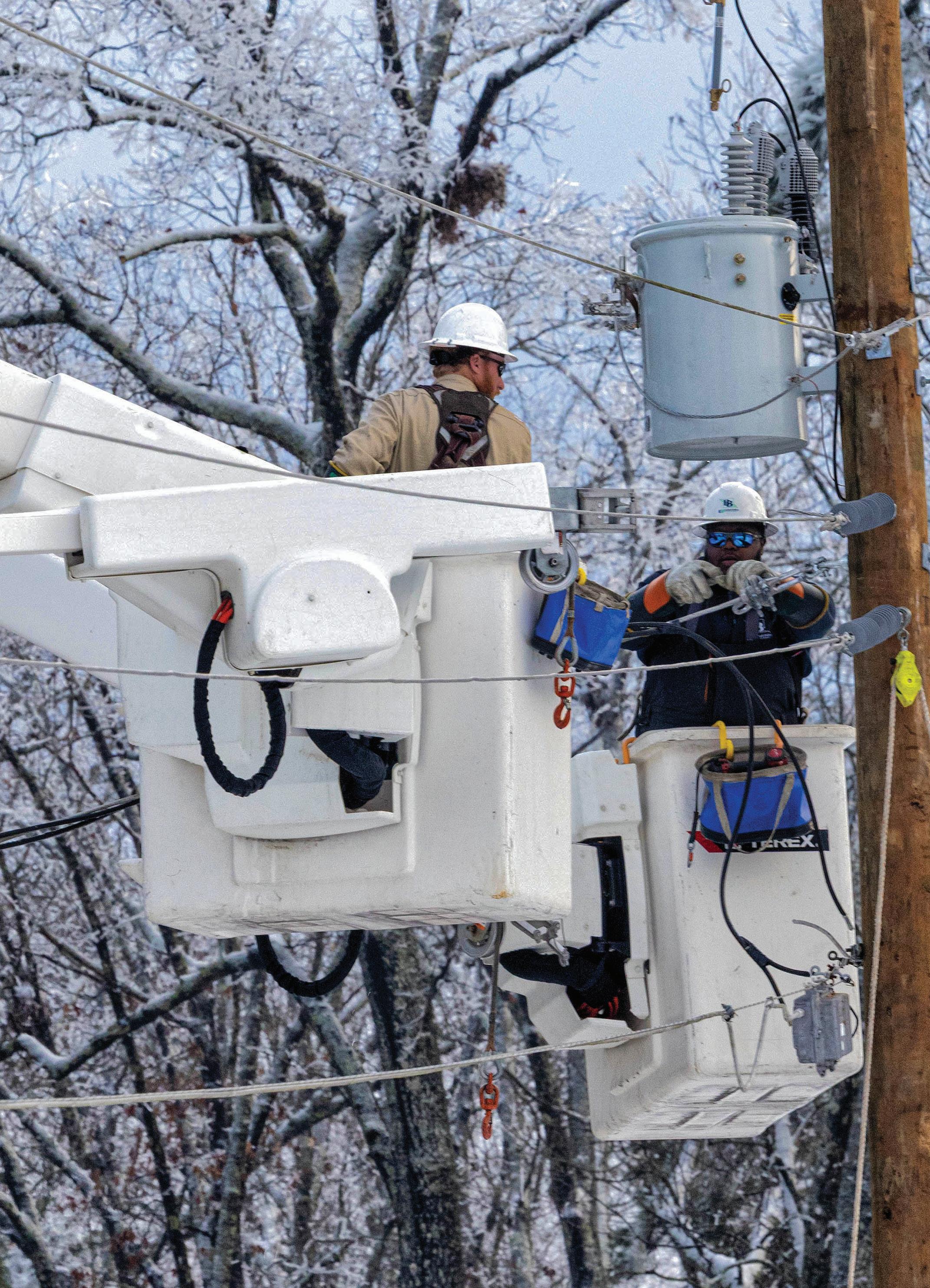
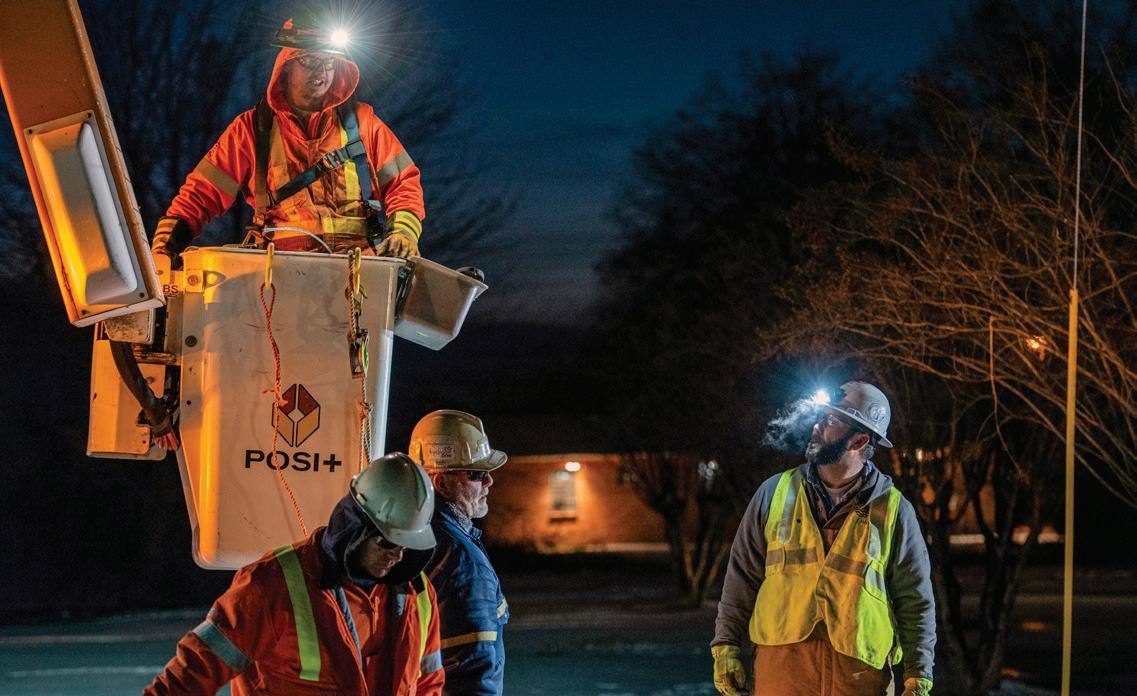
Entergy coordinated a swift, safety-first restoration effort, mobilizing thousands of workers from multiple states in the wake of the winter storm.
By AMY FISCHBACH, Head of Content
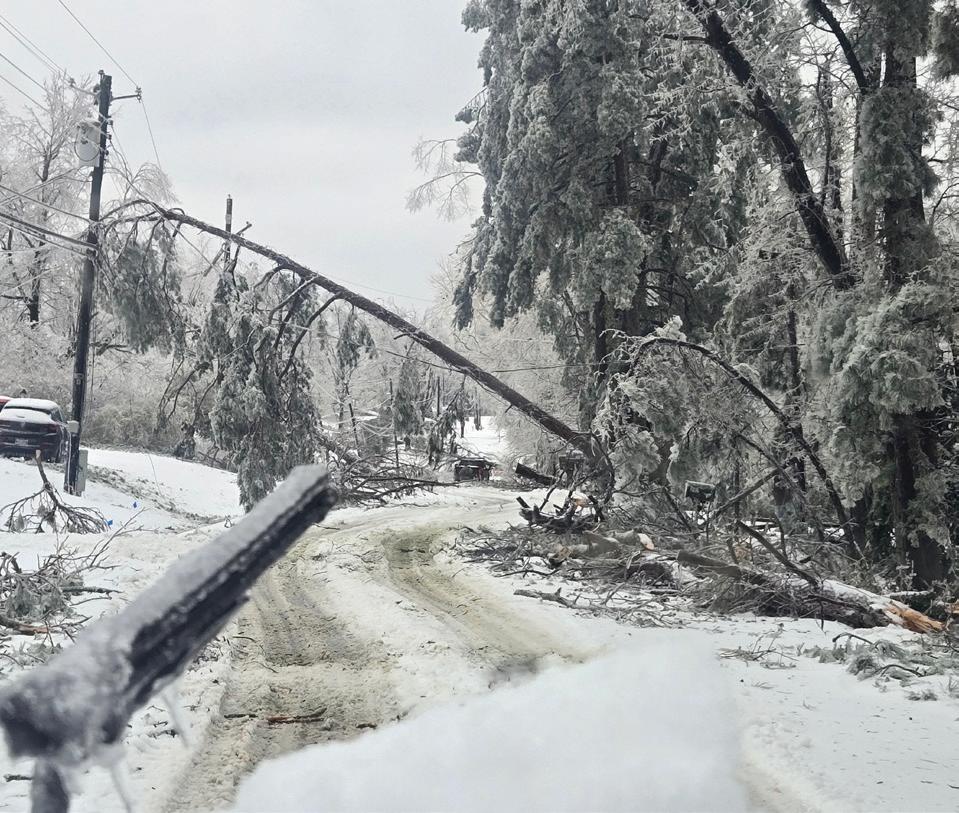
As temperatures plunged, line crews navigated their bucket trucks on icy, snow-packed roads in the wake of Winter Storm Fern. Ice-covered trees crashed onto power lines, knocking out power and blocking roads for lineworkers on patrol.
More than 65,000 mutual assistance workers from 44 states packed their bags and hit the road to help the 24 utilities requiring emergency assistance after the storm cast more than 220 million people in the dark.
Fern, the second deadliest winter storm in North America next to Winter Storm Uri, inflicted widespread power outages and destruction in the South, Midwest and Northeast. Entergy’s

service territories in northern Louisiana and Mississippi were among the hardest hit areas.
Winter Storm Fern’s wrath exceeded the damage Entergy incurred by both Hurricanes Beryl and Francine, which made landfall in 2024. By the end of the restoration, Energy’s lineworkers and mutual assistance crews changed out 4,180 poles and 8,580 spans of wire, repaired 52 substations and swapped out 2,210 transformers.
“It was a marathon restoration with harsh conditions, and it brought more than its fair share of challenges to our customers and the communities we serve,” said Dakin DuBroc, vice president of incident response for Entergy. “Damage from this winter storm resembled a strong hurricane but with more dangerous, icy restoration conditions.”
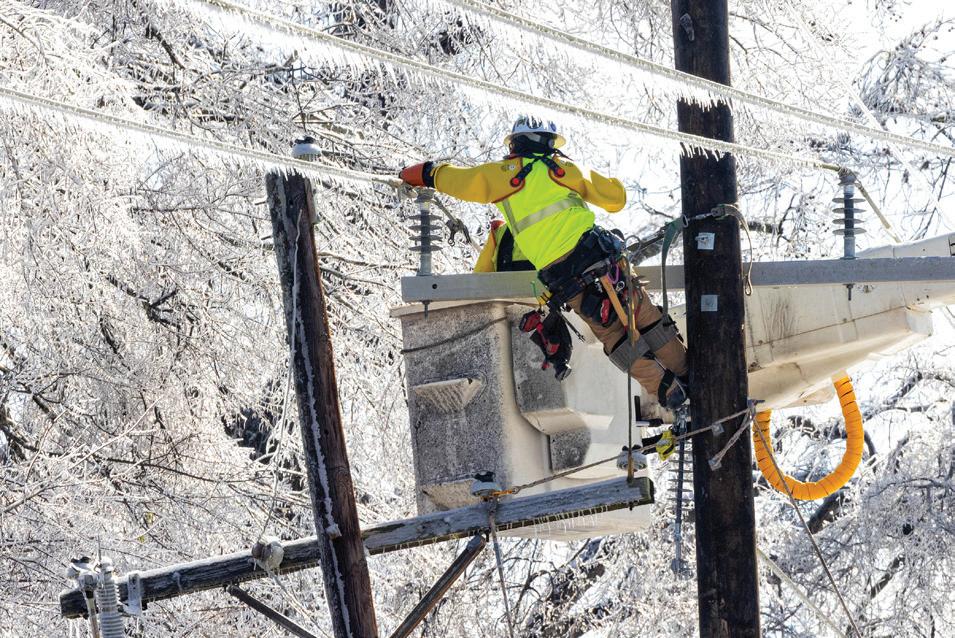
Restoration crews face frigid temperatures, ice and snow to repair a power line in Cleveland, Mississippi, on Jan. 25. Entergy
In Entergy’s service territory, the storm affected 35 de-energized transmission lines, and at the storm’s peak, 167,540 customers were impacted. Line crews ultimately restored more than 360,000 cumulative outages. Heavy sleet of up to 6 to 7 inches also contributed to the collapse of carports, sheds and gas station awnings, according to the National Weather Service.
“It was a historic storm in our hardest hit areas,” DuBroc said. Before the first snowflake even fell in Entergy’s service territory, Entergy’s logistics team was already ramping up preparations for Winter Storm Fern. Workforce mobilization kicked off with the pre-deployment of more than 4,000 workers on Jan. 23, a day before the storm was expected to hit its service area.
“Pre-mobilization in areas expecting damage was critical to enable quick-on-the-ground deployment as soon as the weather had passed through and road conditions permitted safe travel,” DuBroc said. “At peak, we mobilized over 9,400

workers, including 5,700 mutual assistance and contract resources coming from more than 20 states and Canada.”
After the storm passed through Entergy’s service territory, Entergy focused on restoring power to customers as safely and quickly as possible.
“Our restoration process is done in an orderly, deliberate manner,” DuBroc said. “This starts with clearing vegetation that can impede access to damaged assets, assessing the damage, then repairing power plants, transmission lines and substations and then finally the distribution poles and wires in the communities we serve.”
To expedite restoration, Entergy developed the Damage Assessment Collection Tool (DACT), a mobile application that enables efficient and accurate damage collection in the field. Using this app, internal and external resources can ensure a timely, more precise and consistent collection of damage data that can be uploaded back to prioritization teams in real time.
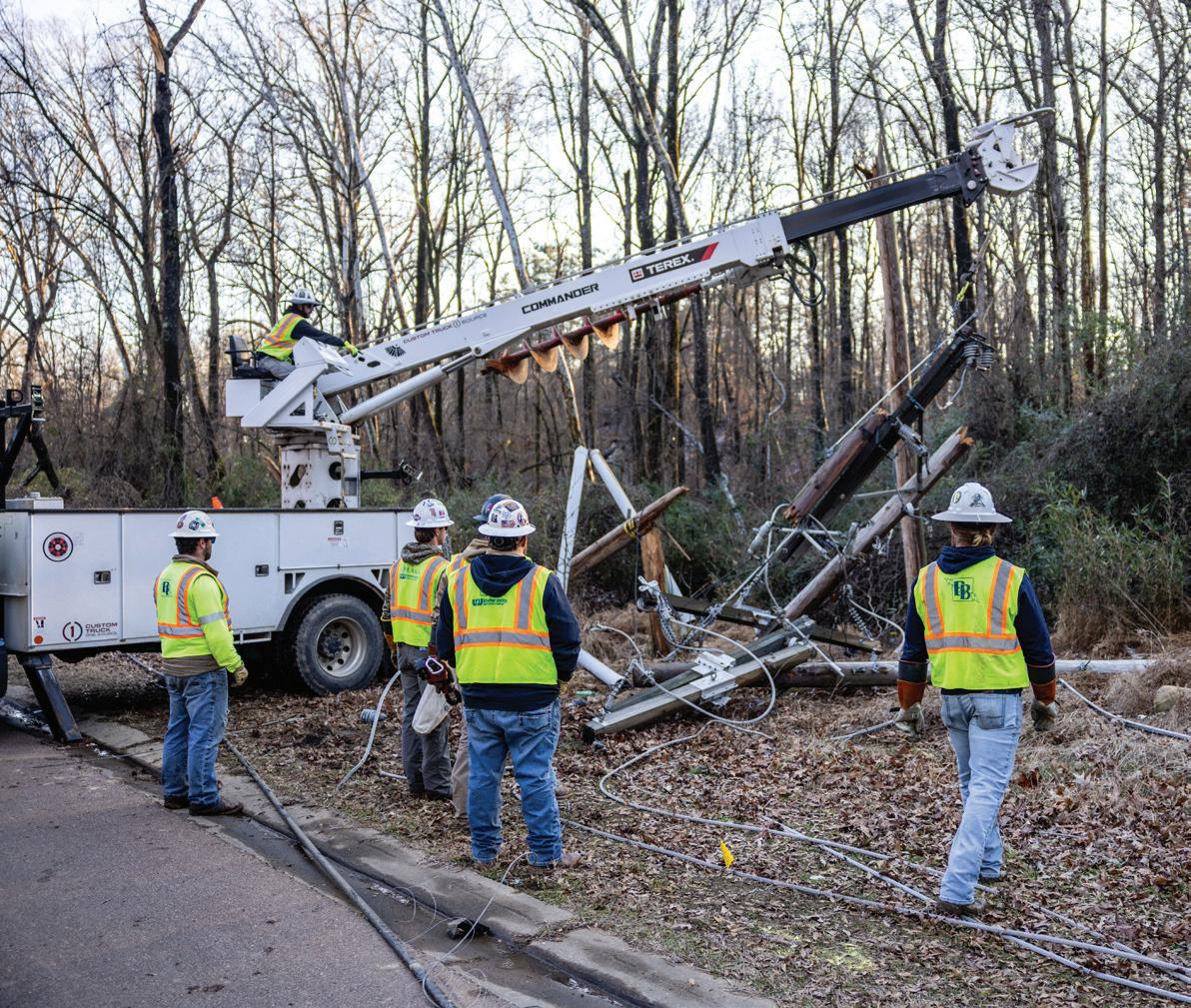
During Winter Storm Fern, temperatures dipped as low as 12° to 15° across much of Mississippi and Louisiana, and line crews worked consecutive days of persistent freezing temperatures. Despite the extreme winter weather, the utility’s generating facilities were prepared and delivered power to customers who could receive it, thanks in part to lessons learned from past winter storms, such as Winter Storm Uri in 2021.
Each power generation facility completes its own winter preparedness plan in accordance with fleet standards. Entergy developed these standards based on industry best practices and prior operating experience during winter weather incidents. Entergy also helped manage the unprecedented surge in fuel cost as Henry Hub national gas spot prices spiked to an all-time high of $30.565/MMBtu during the storm.
Unlike other types of storm restoration, cold-weather response is handled differently. When a distribution circuit is re-energized after an extended outage, the system can experience a phenomenon called cold load pickup.
“Entergy uses a methodical and calculated process in bringing customers back online after a power outage in very cold weather, regardless of whether the initial cause of the outage was specifically weather-related,” DuBroc said. “Rather than
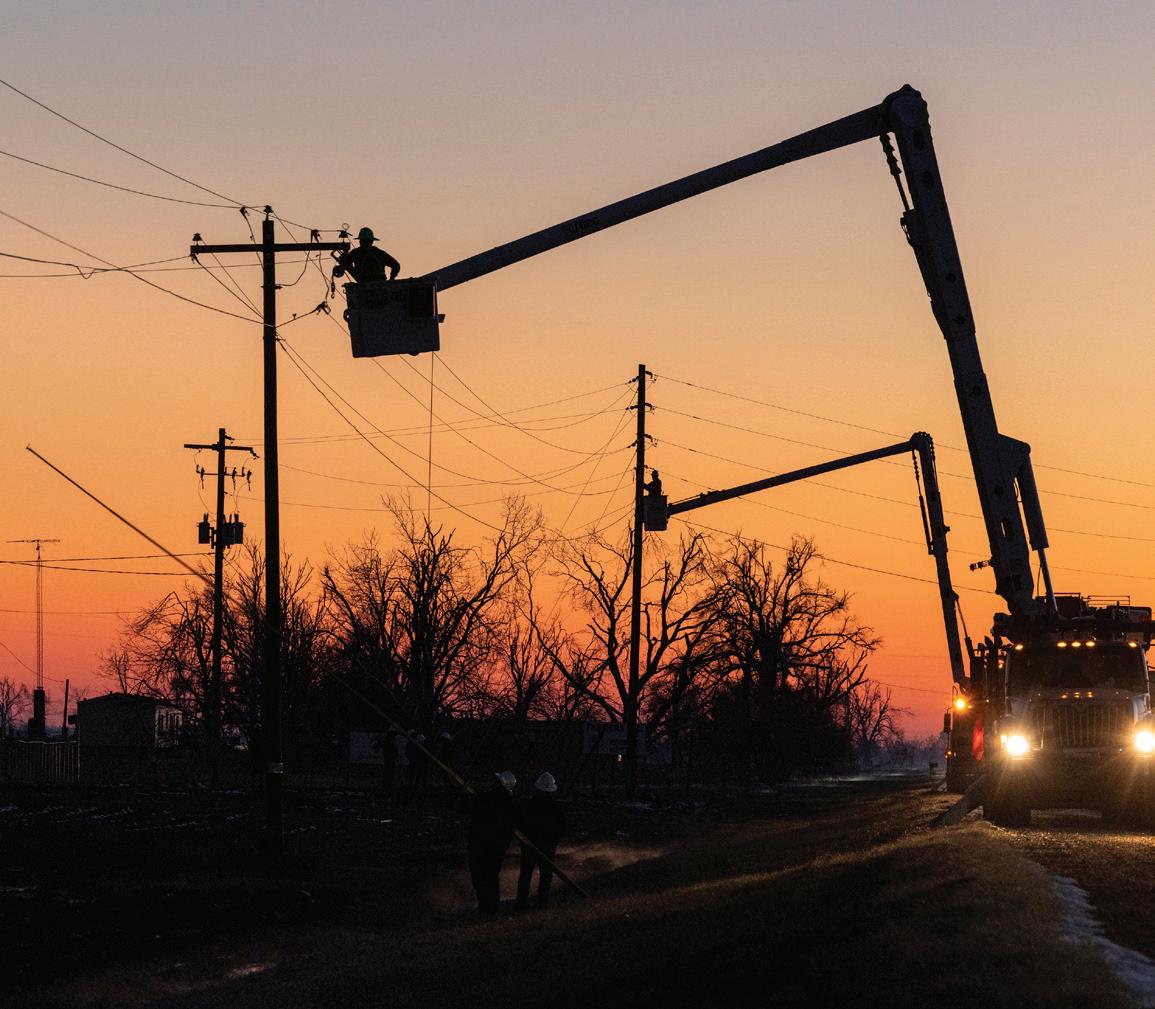
simply energizing an entire power line all at once, we must bring customers back online one section at a time to avoid damage to our system and make the situation worse.”
The reason for the different processes involves the amount of power being used. For example, during temperature extremes — hot or cold — customers tend to use a lot of electricity to keep the air conditioning or heat on or to run other devices. Energy has devices in place to protect its system during normal dayto-day operations and power demand, as well as most weather and other contingencies.
“During weather extremes, we must change our processes to make sure we protect our system and do the right thing by our customers,” she said. “That means restoring power in a way that best ensures safety and reliability for them as well as our employees.”
While the damage to Entergy’s infrastructure resembled that of a hurricane, the line crews had a different obstacle to overcome during the Fern response — significant ice accumulation. Heavy ice inflicted severe tree damage and structural impacts, created widespread debris and blocked access routes, making it difficult for crews to reach the affected areas.
At Entergy, storm preparation occurs year-round through regular procedural reviews and training. Following each storm, the utility examines the storm response across all functions for ways to improve.
For example, Arkansas and Louisiana experienced backto-back winter storms in December 2000. The first storm (beginning Dec. 13) left about 237,000 customers without power across both states, while the second (the Christmas Day storm) caused 235,000 outages across both states. Entergy was also hit with another severe winter storm in February 2021, which impacted a large portion of the country.
Entergy’s employees applied lessons learned to make substantial improvements to the utility’s winter readiness and to ensure it is following the North American Electric Reliability
Corporation’s winter readiness recommendations. On this front, the utility’s power plants have customized plans to support fleetwide winter preparedness efforts that take place well in advance of a storm, including:
• Insulating critical equipment using improved methods and materials to protect it from lower temperatures.
• Insulating all piping, with the potential for standing water during normal operation, to prevent freezing. Workers also install heat tracing on piping where possible to prevent freezing.
• Designing and building permanent windbreaks or enclosures to protect pumps and other critical equipment.
• Exploring the use of wireless instrument line monitoring systems to check temperatures of critical equipment.


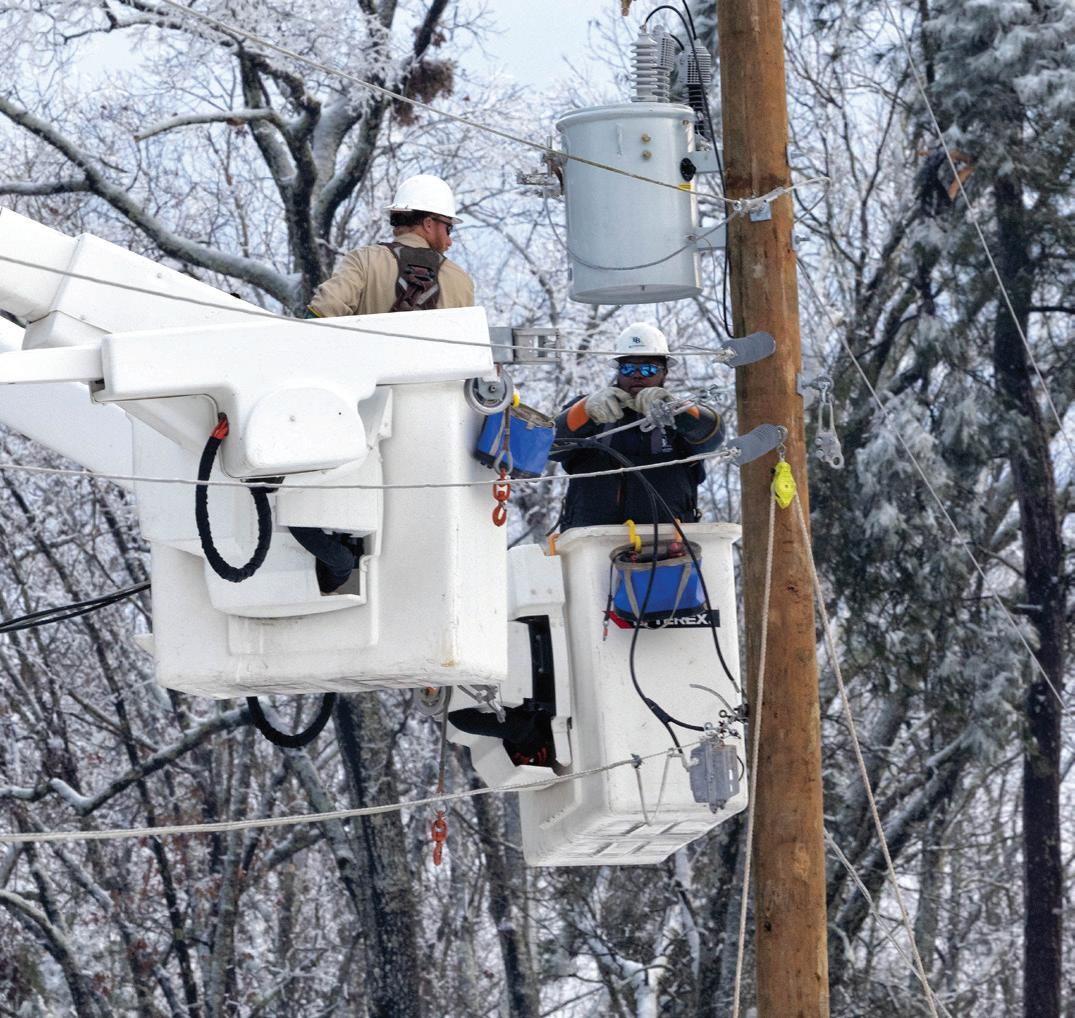
Continuous tree failures brought down additional poles and spans of wire, resulting in additional outages. Entergy focused the bulk of its restoration efforts on the distribution system due to vegetation issues.
“Winter storms present unique challenges to our restoration efforts,” DuBroc said. “In the most heavily impacted and hardto-access areas, crews continued to discover additional damage caused by fallen trees. These restorations are extremely time- and labor-intensive, often requiring specialized off-road equipment and replacing multiple poles and spans.
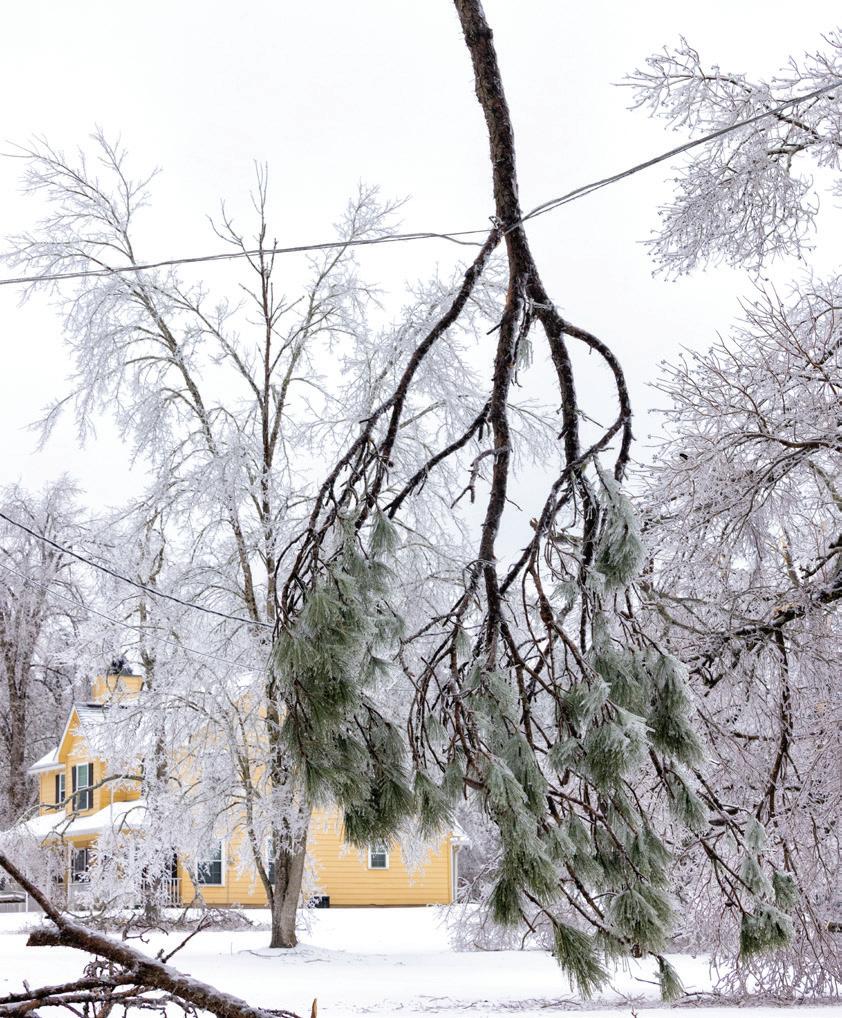
Ice accumulation brought down limbs and trees that damaged power lines, such as this line in Calhoun, La., on Jan. 25.
Entergy
Darren Cox, a lineworker for Entergy Mississippi, said one of the most dangerous parts of the restoration process following Winter Storm Fern was the ice combined with the wind.
“Those conditions can cause trees and limbs to fall while we’re working in the field,” Cox said. “Some of those limbs can weigh hundreds of pounds and can cause severe injury — or worse — if they come down on you.”
While a quarter inch of ice is often enough to strain power lines and cause localized outages, a half inch of ice can add about 500 lbs. to a single power line span, equivalent
Utilities depend on secure, resilient communications to operate and protect the grid. As cyber risks grow and quantum computing advances, utilities need a practical way to strengthen network security now. Nokia Quantum-Safe Networks help safeguard critical energy communications with a multilayer, defense-in-depth approach that supports today’s operations while preparing for tomorrow’s cryptographic threats. Start where protection matters most and build your quantum-safe strategy over time.
Continued on page 23

www.nokia.com/industries/quantum-safe-networks/energy/
By Brandon Scardigli, Entergy
Entergy lineworker Derek Mayo wakes at 5 a.m. His bunk is frigid, just a tick below 20-degrees outside his trailer, and his feet are freezing. He wearily loads up his gear, including extra socks for when his first pair gets too wet in the snow and ice, and saunters over to his team’s morning safety briefing. He is one of the more than 4,000 men and women restoring power to North Louisiana following Winter Storm Fern.
“It’s the worst ice storm any of us has ever seen,” Mayo said. “The conditions are so, so harsh. It’s freezing cold and everything just moves more slowly.”
Mayo and his team load their bucket truck before the sun rises with their supplies for the day, including a lunch that will sit for the better part of five hours before they have a chance to take a bite. The doors to the truck are frozen shut, the only access coming via a lighter to melt the ice that settled into the crevasses overnight.
Once the team buckles in, the truck needs a minute before it agrees to move down the road. The brakes and hydraulics are frozen and need to be warmed up to reach their first job site of the day.
Things don’t get quicker from there.
The roads are iced over and traffic bogs down progress, creeping along to their destination with the end goal of restoring power to the nearly 92,000 customers who lost service in Northern Louisiana, a seemingly impossible task from his viewpoint. Chains on the tires, intended to help grip slick roadways, often break in the slurry of mud and ice.
Entergy
“They’re helpful to a point,” he adds. “But you won’t be getting anywhere fast, and we have to stop every so often to put them back on the tires after they pop off.”
The team almost makes it. The truck hits an impasse in the ice. Luckily, a nearby neighbor sees the issue and has just the ticket: a bulldozer that can give the stuck bucket a little extra encouragement in the right direction.
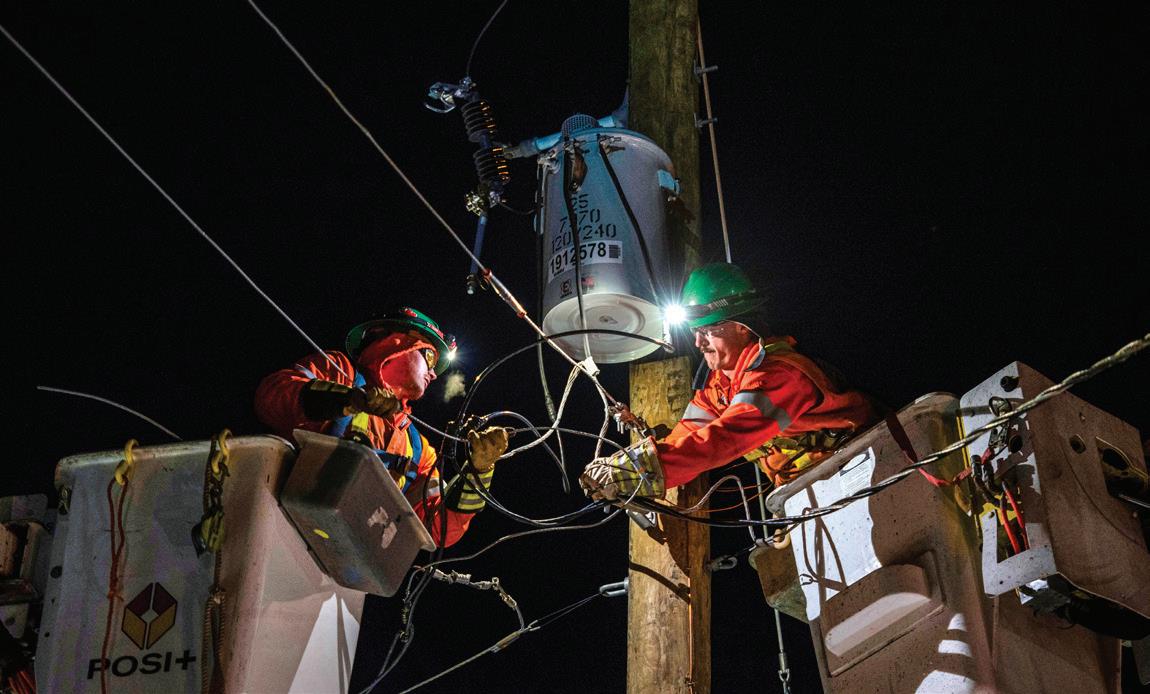
Donned in heavy, stiff, cold-weather gear, they begin the process of replacing poles, wires and transformers. Truck bins are again frozen shut and the lighter has to make its second appearance of the day so the crew can access the necessary equipment.
They roll off the track machine, a specialized all-terrain vehicle that can access the backyards they need to reach to make repairs.
“Just something simple like turning a wrench takes 10-times longer than it normally would,” Mayo said. “Everything is just ice cold; your fingers are so numb you can barely move, and your feet feel like they’re stuck in blocks.”
Finally done replacing the pole, it’s on to the next one. While the repair is solid, too much ice can impede the flow of electricity, regardless of how carefully the wires are replaced. The day heats up, and the ice begins to melt, bogging down the track machine in thick, rich north-Louisiana mud. But Mayo and his team find a way, just as they did yesterday, and the day before that.
“You just can’t imagine what it looks like unless you’re out here,” he said of the harsh conditions. “You’re in the air and all around you can hear ice breaking and branches snapping. This job is dangerous enough, now there’s this whole other element and a whole new set of overhead hazards we have to keep in mind as we’re working.”
Jobs completed, the group now reverses course and heads back. Traversing the same conditions that gave them fits earlier that morning. Exhausted, joints aching and tire chains breaking.
Back at the staging site, Mayo grabs a dinner, showers, drops off his mud-laden laundry and finally has a chance to rest his feet after a grueling 16-hour shift. His head hits the pillow sometime after 11 p.m., only to wake and begin again the next morning.
Continued from page 21
to the weight of a baby grand piano. One inch of ice — which is what Entergy accumulated in certain areas of its service territory — is equivalent to about 750 lbs. per span and is even more likely to cause widespread power outages.
“Ice is particularly harmful to electrical lines,” DuBroc said. “One inch of freezing rain accumulation causes substantial devastation to the overhead distribution system and can cause significant, severe and ongoing tree damage and long power outages.”
Due to the adverse weather conditions and ongoing damage, some customers experienced multiple outages. For example, Entergy Louisiana crews had to restore power five times in one area due to damage caused by falling vegetation in areas that had already been restored.
In the aftermath of the storm, just accessing the storm-response zones proved to be challenging. For this event, many

distribution and transmission lines crossed rural, secluded areas in the hardest-impacted areas. For example, in the Warden area of Richland Parish, Louisiana, lineworkers replaced 75 utility poles to restore power to a single group of 110 customers.
“This work required about 20 crews working for a day-and-ahalf to complete,” DuBroc said. “Situations like this illustrate why restoration in some areas took longer despite significant progress overall. They can extend restoration timelines and lengthen workdays, encroaching on mandatory rest requirements for the safety of restoration workers.”
Snow and ice from the initial downfall and the overnight refreezes also delayed restoration because lineworkers could not safely perform their work. After Winter Storm Fern, line crews relied on specialized equipment to navigate the icy roads and cross saturated ground and standing water. With these machines, they could safely access the off-road terrain and remote locations during the restoration work. For example,




To help Entergy’s customers who lost power during Winter Storm Fern, the utility reached out to the community in its service area with funding and supplies. Here are some ways the utility helped those in need.
Entergy awards an annual $250,000 disaster relief grant to the American Red Cross to assist them with providing shelter, food, water, supplies and volunteers where they’re needed most. Entergy Mississippi contributed an additional $25,000 to provide critical storm relief to the hardest-hit communities.
• Entergy Mississippi partnered with Extra Table FEEDS, a statewide nonprofit foodbank, to provide 40,000 meals to communities.
• Entergy Louisiana donated $50,000 to the United Way of Northeast Louisiana’s Family Relief Effort telethon fundraiser.
crews safely deployed tracked aerial units, tracked digger derricks, backyard buggies, bulldozers and excavators during the winter storm response for damage that extended into remote, rural areas.
“A traditional bucket truck is equipped to handle many off-road scenarios, and it’s still the go-to equipment for most repairs,” DuBroc said. “When terrain is too challenging or unsafe for a bucket truck — due to trees, close-quarter obstacles or extensive mud or ice — crews can use several other pieces of equipment to help restore power to all our customers.”
• Entergy Louisiana and Entergy Mississippi opened customer information centers in heavily impacted areas. Four centers were opened where customers could receive the latest outage and restoration updates, learn about available assistance programs and community resources, charge mobile devices and speak directly with Entergy representatives. From the start, Entergy prioritized affordability and customer assistance by focusing on bill-relief measures, including suspending disconnects for nonpayment for all customers.
• Entergy actively engaged customers, community and government leaders, regulators and the media to share the latest information available. We sent about 6.4 million customer texts, more than 1.9 million customer emails and fielded more than 920,000 customer calls.
To safeguard its field crews during Winter Storm Fern and any storm response, Entergy regularly reviews safety procedures with all employees and restores power only when it is safe to do so.
“Safety is a core value and always comes first in all we do,” she said. “Crews are dispatched when environmental conditions allow.”
Before the line crews can start restoring power, they must follow certain safety protocols. For example, Entergy allows bucket-truck work only when sustained winds are below 30 miles per hour.


The RTDS® Simulator is a key technology for de-risking data center protection, automation, and control systems. HIL testing helps to identify power system vulnerabilities associated with data center integration, ensure their uninterrupted operation during power system events, and improve the speed and cost of data center deployment.
Visit the website below to learn more.


Also, to support safety and avoid fatigue, they should not work more than 16 hours in a 24-hour period or work more than 14 days without a 24-hour rest period.
“This allows our restoration crews to get adequate rest and safely restore power when working,” DuBroc said.
During a winter restoration response like Fern, Entergy equips its workers with additional critical safety items unique to this type of response—including ice cleats, snow chains and salt or ice melt materials for the office or truck walking surfaces.
In addition, the utility prioritizes lineworker safety during restoration by deploying a dedicated team of seasoned mentors. These experienced veterans with decades in the field can actively coach crews on job sites, reinforce strict safety rules, demonstrate proper techniques and share field-proven best practices and tricks of the trade. In addition, they guide both internal and mutual assistance crews in adapting to Entergy’s equipment, process and hazard recognition.
“By providing real-time oversight, translating complex procedures into practical applications and ensuring consistent leadership messaging, they help maintain calm, structured operations, even under emergency conditions,” DuBroc said. “This significantly reduces risks for workers restoring power in challenging winter environments.”
As part of its commitment to safety, Entergy also requires contractors assisting with the storm to complete specific training modules before arriving on-site, ensuring a baseline for readiness.
“Once they arrive, we reinforce safety, switching procedures and operational tasks and adapt them to the environment, ensuring they build with intention, resilience and respect for our customers,” she said.
Despite the storm’s severity and the conditions that followed, crews restored power to 94% of customers within nine days. One key to its response was its work to rebuild the grid, DuBroc said.
“Entergy has been and is continuing to make proactive resilience investments to help our grid better withstand severe weather, and these investments show their value during subsequent storms and restoration efforts like the January 2026 snowstorm.”
One example of these investments is in Rolling Fork, Mississippi. In March of 2023, an EF-4 tornado destroyed nearly 300 homes and damaged more than 700 power poles in this area. Entergy rebuilt the area’s power grid from the ground up even stronger than before—replacing old wooden poles with modern ones and reinforcing critical infrastructure.
“That investment paid off during the January winter storm,” she said. “While severe conditions caused outages across the state, the improvements helped Rolling Fork’s grid stand up to the severe winter weather better than before, allowing our storm response teams to restore power quickly, safely and efficiently. We know investments in resilience work and intentionally build the grid back stronger when making repairs following severe weather.




The New York Power Authority is researching and demonstrating emerging technologies to support its clean energy transition.
By AMY FISCHBACH, Head of Content
The New York Power Authority (NYPA)’s path to energy storage kick-started more than a decade ago, fueled by New York State’s renewable energy goals and its vision of a thriving, resilient New York powered by clean energy. Since then, NYPA has tested new and emerging technologies and advanced several energy storage demonstration projects. Today, the utility is not only leading its own energy transition in New York but also inspiring others to explore energy storage opportunities nationwide.
“As one of the nation’s largest public utilities, NYPA is perfectly positioned to take a leading role in energy storage,” said Steve Wilkie, director, research and development for NYPA.
For example, back in 2017, NYPA was already investigating energy storage through a demonstration project pairing a crushed-rock thermal energy storage unit with a combined heat and power unit. This research focused on allowing excess thermal energy to be stored and used later to boost the system’s
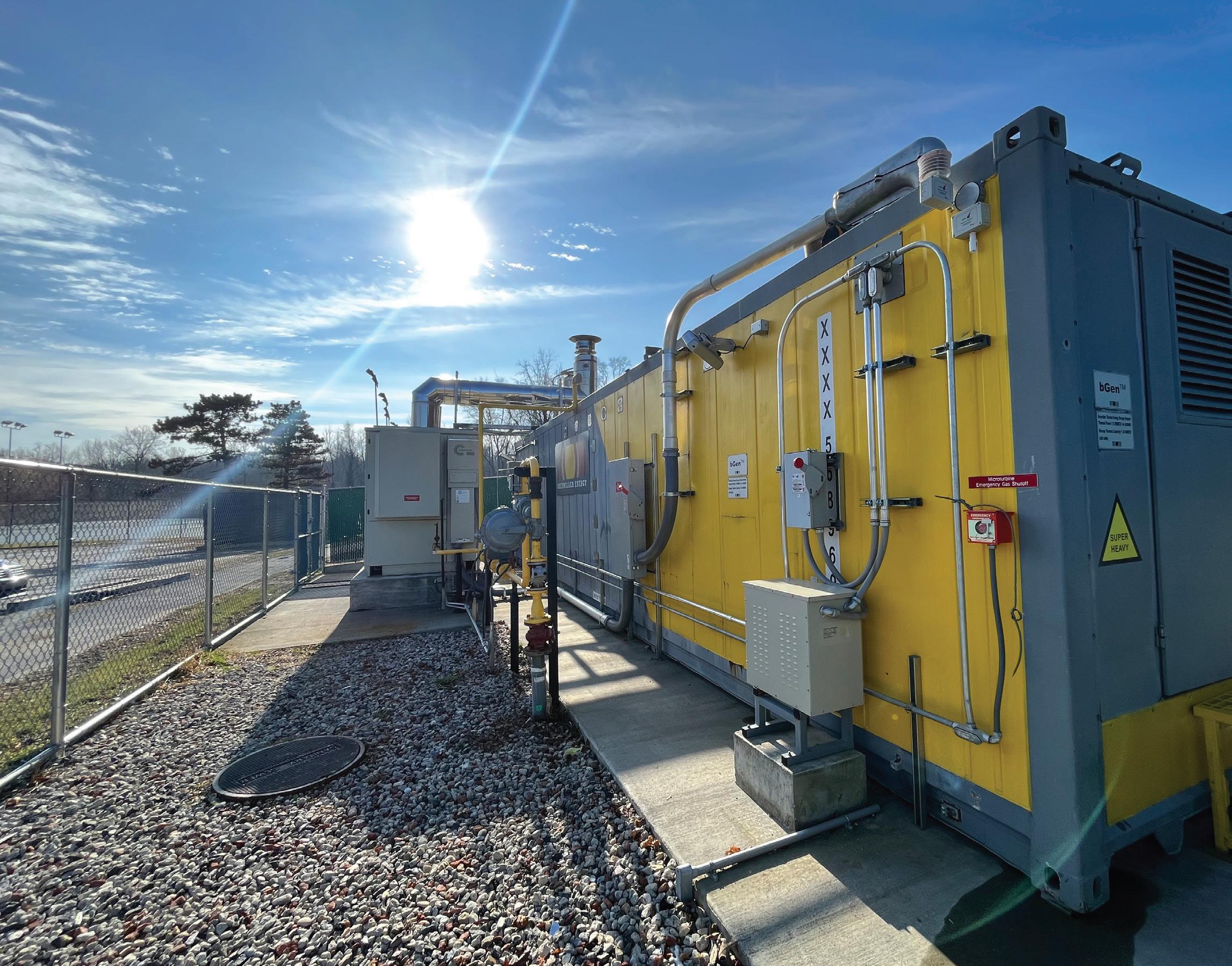
A demonstration project features a Brenmiller bGen TES unit paired with a combined heat-and-power microturbine to provide supplemental heat for a physical education building at Purchase College in Purchase, New York NYPA
overall efficiency and performance. NYPA then helped launch a project demonstrating advanced lithium-ion battery technology to show how energy storage influences demand management and peak shaving in commercial buildings.
NYPA now has many New York State energy storage projects underway, ranging from a mobile battery energy storage unit that could replace portable diesel generators to a long-duration battery using an alternative to lithium-ion technology. These clean energy storage demonstration projects validate the various technologies and illustrate how they can be safely and effectively integrated into communities throughout the state.
“Through collaborations with universities and private energy storage tech companies, we’re working to show the key role energy storage can play in helping New York integrate renewables into the grid more efficiently,” Wilkie said. “We’re also ensuring our grid is reliable, resilient and prepared for increasing energy demands.”
NYPA and Brenmiller Energy collaborated on a project, partially financed by a grant from the Israel-U.S. Binational Industrial Research and Development (BIRD) Foundation, that became operational in 2024. The system, which is still in the demonstration phase, features a Brenmiller bGen Thermal Energy Storage
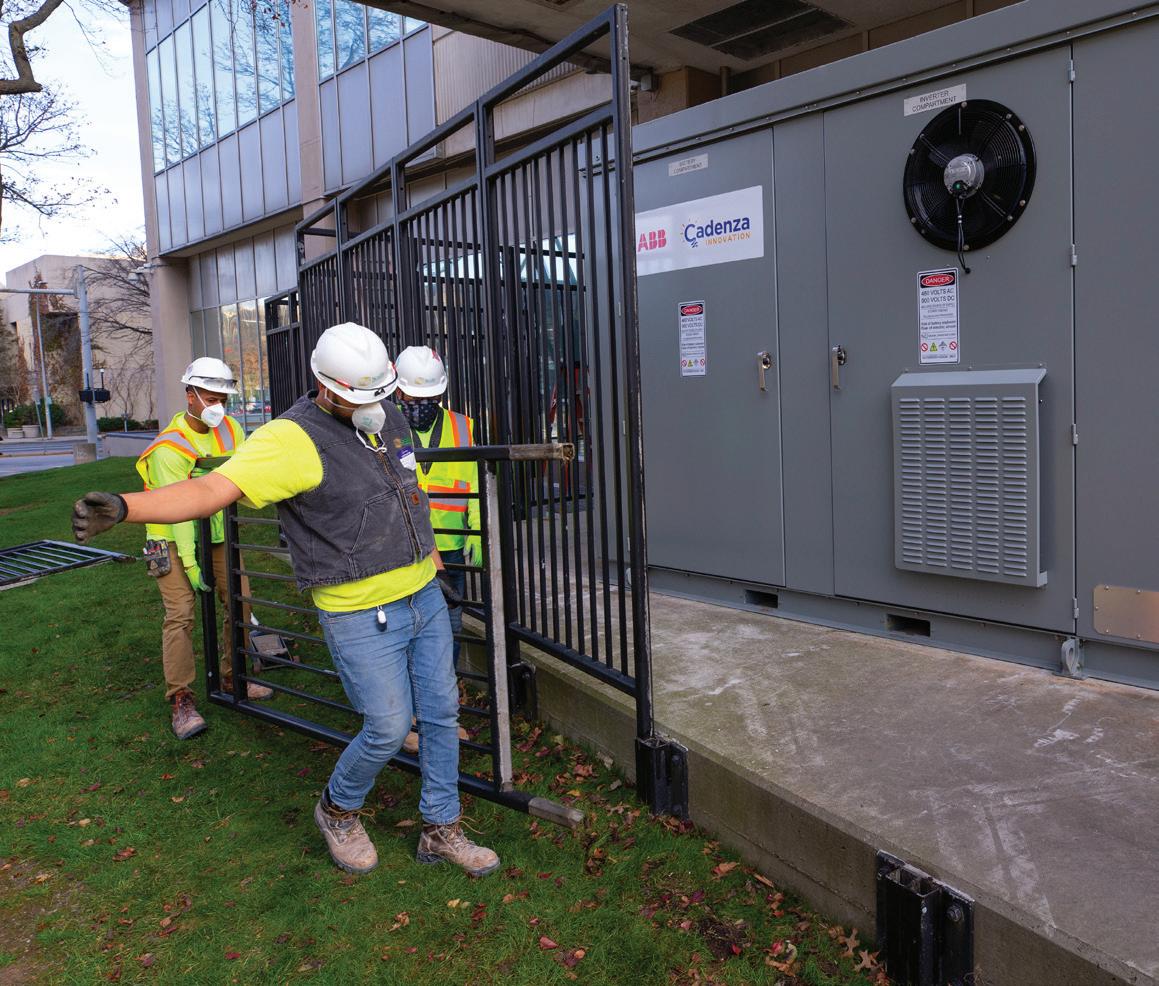
Cadenza Innovation showcased a novel, low-cost li-ion battery technology at NYPA’s White Plains, New York, office to demonstrate how energy storage can reduce the peak load of a commercial building.
(TES) unit paired with a combined heat and power microturbine and equipped with electric heaters to produce supplemental heat during peak demand periods. NYPA is testing the system at Purchase College in Purchase, New York, to supply heating and cooling for specific buildings.
“The thermal energy storage system essentially uses crushed rocks to store heat from the combined heat and power unit exhaust,” Wilkie said.
The system can also heat the storage media to 1,000° F via internal heaters and store it until it is ready to be discharged on demand as hot water. It aims to effectively manage varied thermal demands throughout the day and across seasons. The system may be a viable option for other institutions seeking to reduce carbon emissions with an innovative storage technology.
It recovers the wasted energy normally released into the environment, creating an efficient system that meets nearly 100 percent of the heating needs of the college’s physical education building. It also enhances energy efficiency and helps to reduce operational costs.
Another project underway is exploring how to ensure a stable energy supply during periods of high demand and in extreme weather conditions. As part of its research, NYPA is investigating an alternative to lithium-ion battery technology to assess load management and on-site resiliency. For this pilot, NYPA will test rechargeable zinc-alkaline battery technology that is not prone to thermal runaway.
This technology was originally developed through an ARPAE GRIDS grant at the City College of New York, leading to the formation of the Urban Electric Power (UEP) company in 2012. NYPA is collaborating with UEP on a 600-kW battery with 3.6 MW hours of energy storage to be deployed in upstate New York.
Third-party testing has been performed on UEP’s battery technology in accordance with UL 9540A, the Standard for Test Method for Evaluating Thermal Runaway Fire Propagation in Battery Energy Storage Systems. Initial testing has shown that the batteries did not reach thermal runaway when subjected to external heating and other specified initiating methods. Further, the deployment will be certified in accordance with UL 9540, a
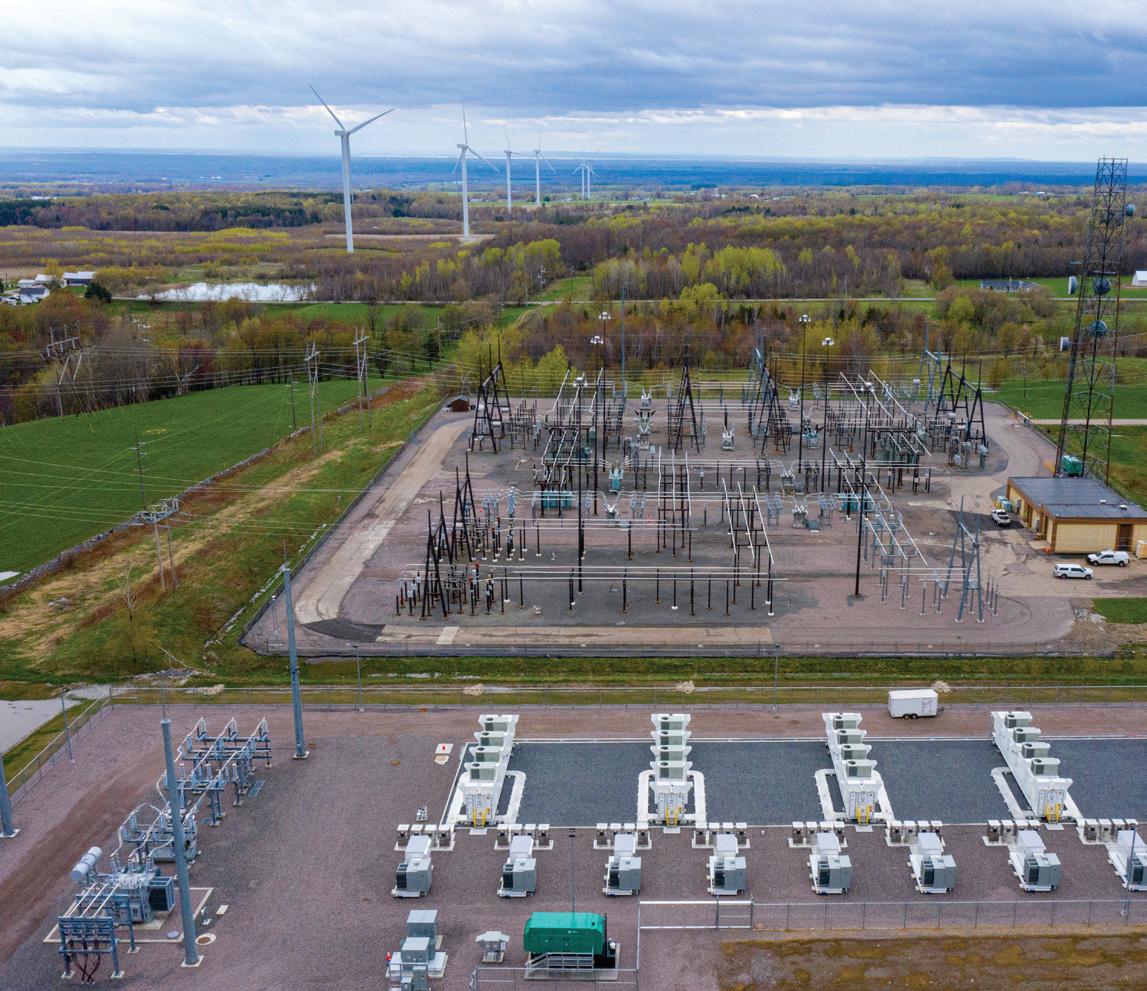
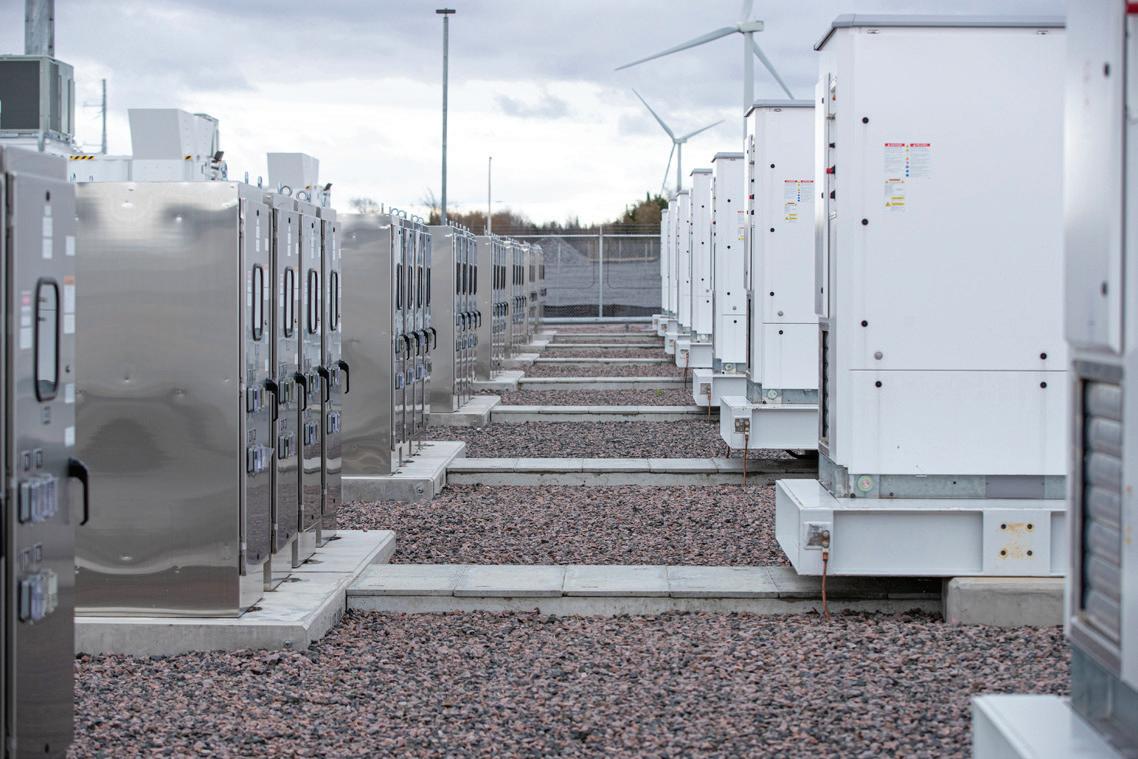
New York’s first stateowned utility-scale battery energy storage project in Chateaugay, New York, is helping relieve transmission congestion and integrate more clean energy into the power system.
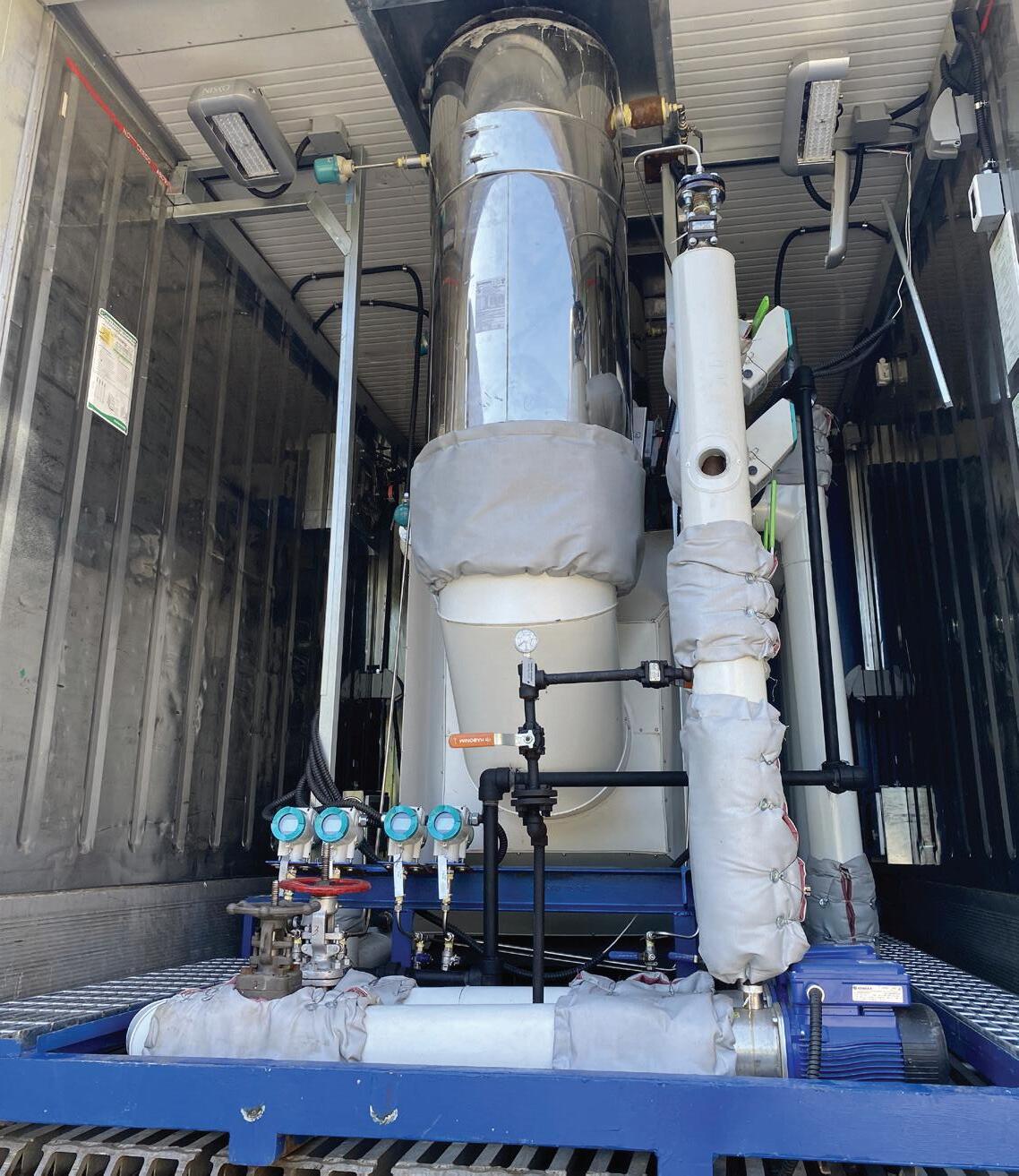
The Purchase College system uses crushed rocks to store energy until it is ready to be discharged on demand in the form of hot water.
In 2018, NYPA developed its first battery energy storage project in the Northeast — a solar-plus-storage demonstration project in New Paltz, New York. NYPA managed the project, which was supported by the Electric Power Research Institute (EPRI), NYSERDA and Central Hudson Gas and Electric and hosted by the State University of New York at New Paltz.
A team installed 217 KW of rooftop solar photovoltaic arrays on the gymnasium and library, integrated with a 100 kW/200 kWh battery energy storage system and smart inverters to create a microgrid. While the PV arrays generate electricity during the day, the battery system stores solar energy to reduce reliance on the grid during peak demand times. In addition, it provides backup power for the gymnasium, serving as a community emergency response shelter during power outages.
Here are some other projects where NYPA has supported investigations and demonstrations related to energy storage technology.
comprehensive standard for Energy Storage Systems (ESS) that covers the entire system, including its design and fabrication.
“This rigorous testing ensures the overall safety of the system by addressing electrical, mechanical, thermal and fire hazards, and will enable us to present this technology as a potential benchmark for safety and performance in the industry,” Wilkie said.
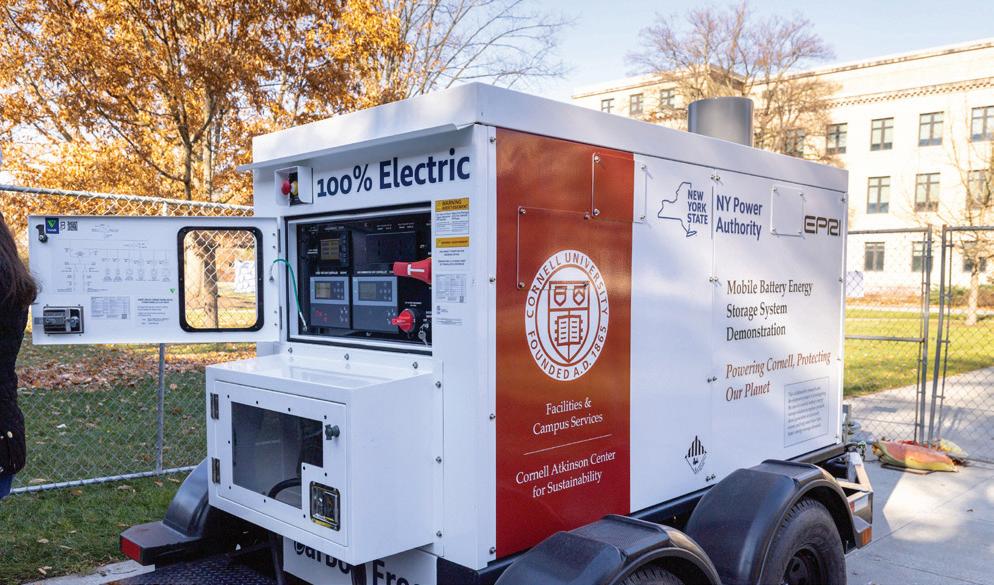
In addition to its stationary energy storage investigative efforts, NYPA is also collaborating with Cornell University and the Electric Power Research Institute (EPRI) to explore mobile battery energy storage systems (MBESS) as a possible alternative to portable diesel generators, which are often noisier and a source of pollutant emissions.
Unlike stationary storage systems, MBESS can be temporarily deployed to off-grid sites to provide temporary power for remote sites, public gatherings and off-grid operations. In emergencies, the mobile units can supply critical backup power for shelters, medical facilities and communications.
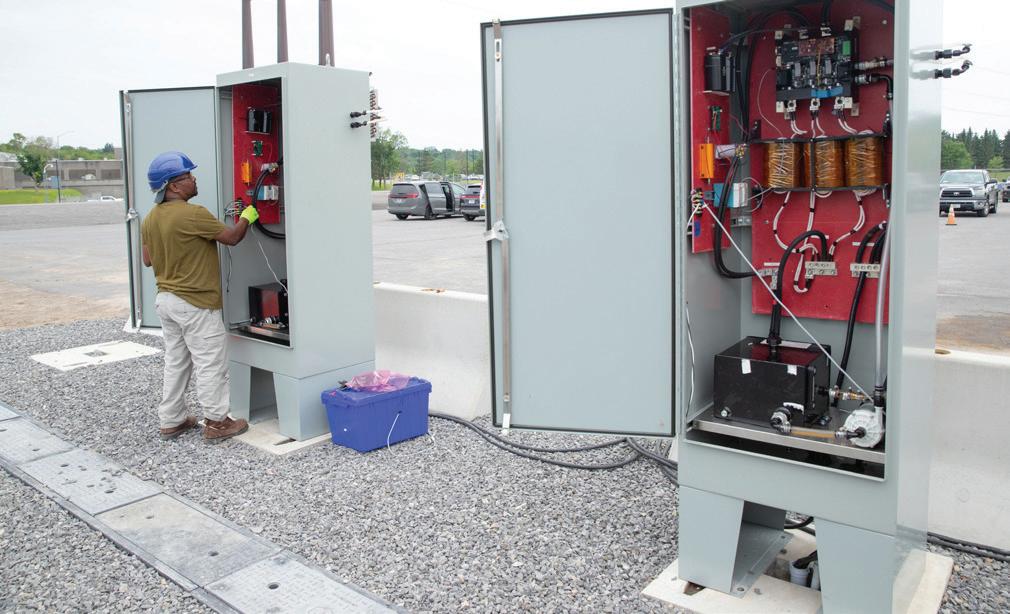
• The 20 MW/20 MWh Northern New York Energy Storage project is used as a testbed to assess other investigative tools, such as monitoring equipment.
• A Cadenza Innovation lithium-ion pilot project spotlighted first-of-its-kind technology to showcase the role that energy storage can play in enhancing demand management and peak-shaving in commercial buildings.
• NYPA plans to develop and demonstrate a 100 kW/1 MWh zinc-air energy storage system at the University at Buffalo.
• The utility is looking for a site to demonstrate an aluminumair technology enabling the generation of clean energy from aluminum, a solid, inert and fully recyclable alternative fuel with zero emissions.
• NYPA is demonstrating a flywheel-based energy storage system paired with a DC fast charger at Clark Energy Center in Marcy, New York, to investigate areas where electric vehicle fast charging is desirable but are otherwise load-constrained.
The unit being demonstrated at Cornell is being kept at the Ithaca, New York, campus, where it can be charged and available for field deployment. As part of the study, the unit will be primarily used for large-scale campus events where electrical infrastructure is not readily available, and noise from a portable diesel generator and exhaust fumes are major considerations. NYPA funded the research project and engaged Cornell’s Atkinson Center for Sustainability and the Facilities and Campus Services Office to host the demonstration.
Because storage is essential to a decarbonized grid, NYPA will continue to pursue pilot projects that advance grid transformation and support customer needs, with support from federal and state partners such as the New York State Energy and Research Development Authority (NYSERDA). By 2030, New York aims to deploy 6 GW of energy storage to decarbonize its power sector and improve energy resilience.
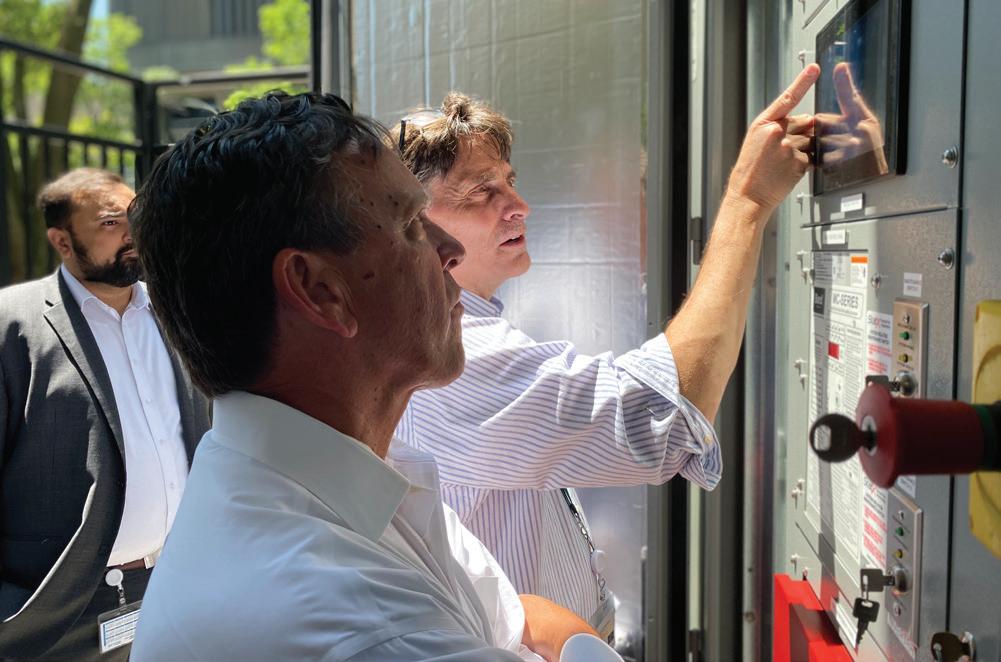

To integrate energy storage while safeguarding communities, NYPA is following these best practices during its demonstration projects.
• Involve subject matter experts (SMEs) during the design and engineering phase.
• Focus on the inclusion of appropriate fire protection systems and features.
• Develop an emergency response plan for energy storage facilities that ensures the availability of an SME in the event of an emergency.
• Conduct site-specific training for local first responders and fire department personnel, as well as periodic refresher training.
“Energy storage is a vital component of New York State’s clean energy transition,” said Chris Hutson, SVP, NYPA Development. “It enables the integration of renewable energy sources, enhances grid stability and supports the state’s clean energy goals. The state’s Energy Storage Roadmap provides a clear strategy to achieve New York State’s ambitious energy storage targets. “
To this end, NYPA has been involved in investigating multiple energy storage technologies and demonstrations to support the state’s clean energy transition. These efforts aim to evaluate emerging storage technologies, enhance grid reliability and integrate renewable energy sources.
For example, in 2023, NYPA was granted statutory authority to develop, own and operate renewable energy and energy storage projects. NYPA can now directly develop large-scale renewable energy projects to fill gaps in private sector participation, own and manage energy storage projects to enhance grid stability and integrate renewables and prioritize equity-focused projects benefiting disadvantaged communities.
“This authority positions NYPA as a key driver in achieving New York’s zero-emission electricity goal by 2040,” Hutson said.
OUR WUNPEECE TRANSMISSION SPACERS REDEFINE THE INDUSTRY STANDARD FOR UNDERGROUND POWER TRANSMISSION INSTALLATIONS. WITH PRECISION ENGINEERING AND UNMATCHED QUALITY,
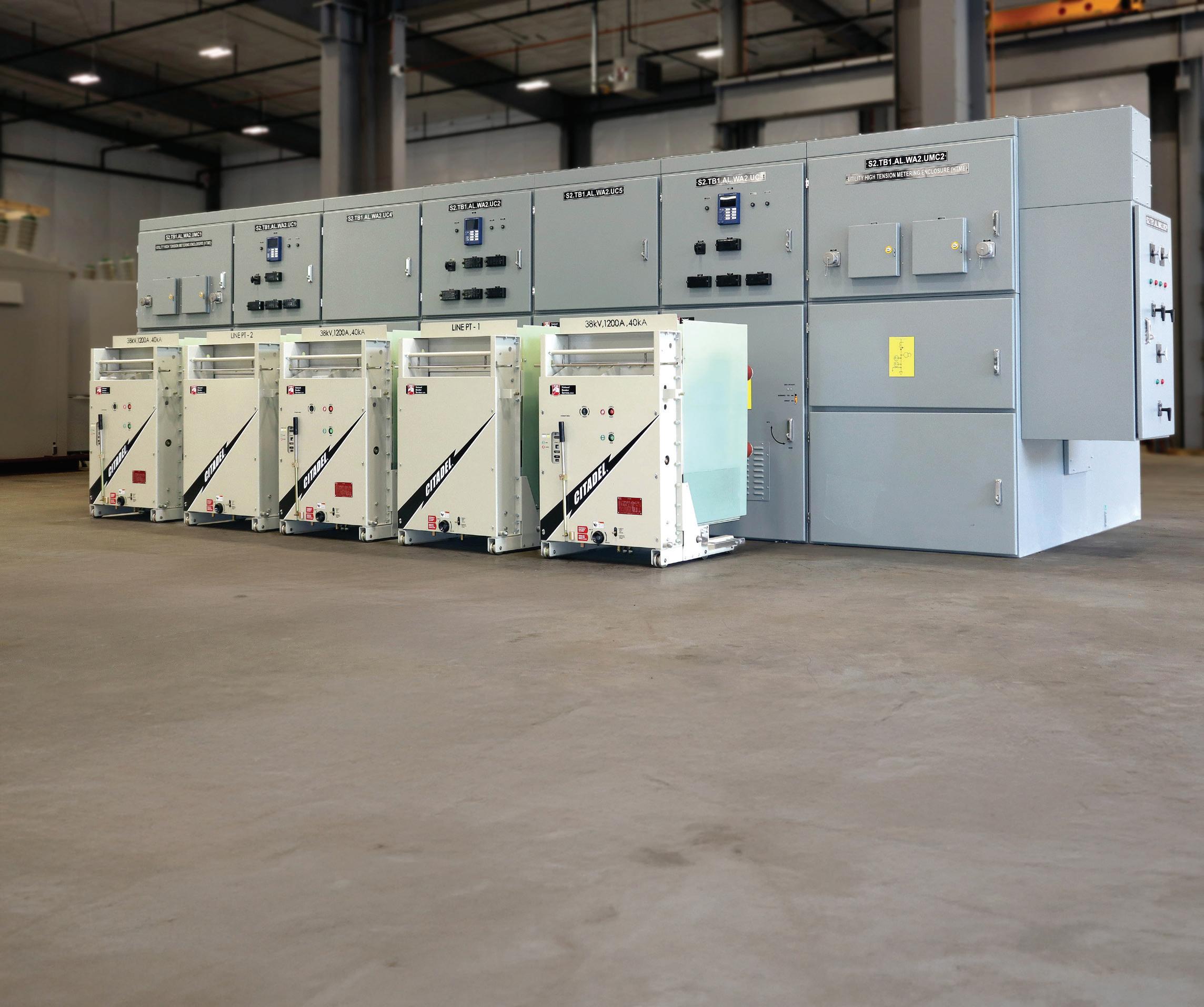
In dense cities like New York, high-power electrical equipment must meet exceptionally tough standards, undergo rigorous testing, and deliver unwavering safety and reliability.
By JEFF ELLIOTT, Contributing Writer
Electrical equipment such as switchgear, transformers, and circuit breakers must meet a range of industry standards established by oversight organizations including IEEE/ ANSI and NEMA to ensure safety, reliability, and performance. Beyond these baseline requirements, some leading utilities impose additional specifications tailored to the unique demands of their networks. These enhanced standards often account for geography, environmental conditions, electrical topology, and established safety and operational practices.
Serving one of the most demanding and densely populated electrical networks in the world, New York City requires industry-leading capabilities for fault close-and-latch and interruption ratings.
Meeting these requirements demands substantially higher mechanical strength and carefully engineered designs that allow a single operator to manage equipment safely and efficiently. In these environments, conventional equipment often proves inadequate, making it essential to rely on manufacturers capable of designing, building, and certifying switchgear in high-power laboratories to meet more rigorous and exacting standards.
This reality became evident during a large-scale energy infrastructure initiative currently under development to transmit 1.2 gigawatts of high-voltage direct current (±400 kV HVDC)
power generated by renewable sources in Québec, Canada, to Queens, New York.
To make the project practical and cost-effective, this large block of clean electrical power will be converted from alternating current (AC) to ±400 kV DC at its source in Canada, transported to New York City over just two 5,000 MCM copper cables with a total insulation diameter of approximately five inches, and then reconverted from DC to 345 kV AC for integration into New York City’s electrical grid.
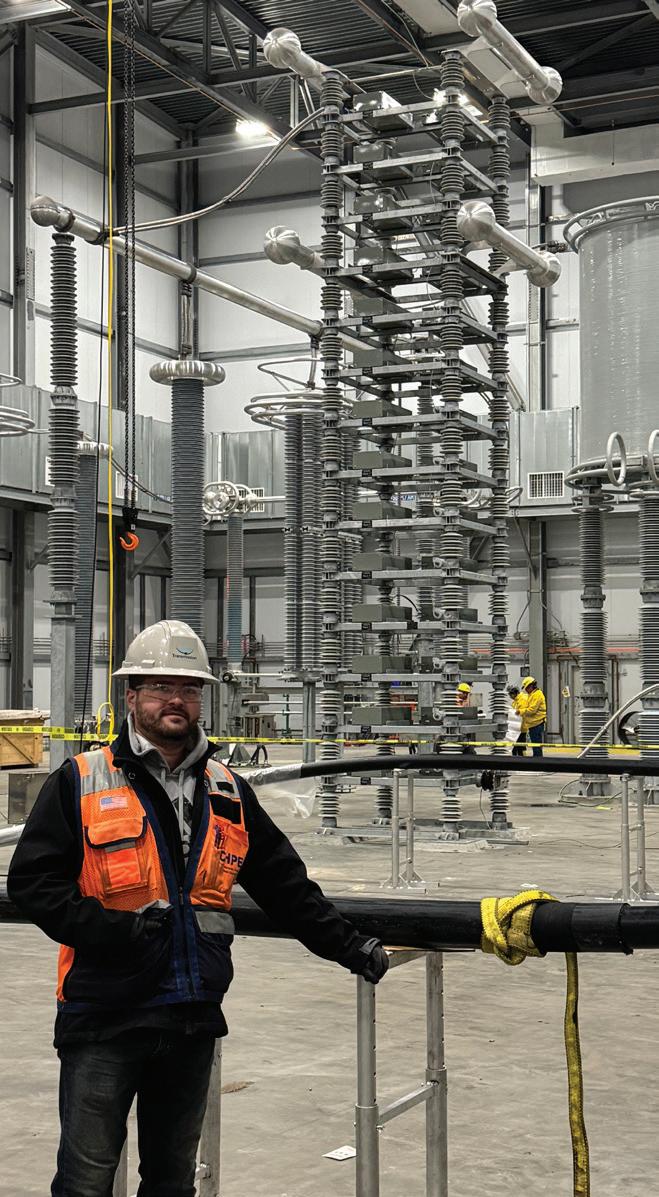
Medium-voltage switchgear directly connected to the New York City grid must comply with the local utility’s stringent requirements for ratings, safety, and operability. Accordingly, the switchgear was required to meet the utility’s 38 kV draw-out specifications, including fault ratings, grounding and test device requirements, and revenue-metering cubicle design standards, among others. Close-and-latch and short-circuit ratings were required to be verified through independent high-power laboratory testing.
The Champlain Hudson Power Express is a permitted high-voltage direct-current (DC) transmission project designed to deliver firm, dispatchable hydropower from Québec directly into New York City through an underground and underwater cable system.
Developed by Transmission Developers Inc., an affiliate of Blackstone, the 330mile line uses Hitachi Energy’s HVDC Light technology and is designed to transmit approximately 1,250 megawatts at ±400 kilovolts — enough clean energy to power roughly one million New York homes.
HVDC technology enables the efficient transmission of large amounts of electricity over long distances and is widely used around the world to move power across borders and under seas. DC transmission minimizes electrical losses, eliminates reactive power issues, and simplifies insulation requirements. By avoiding synchronization challenges, HVDC systems provide the flexibility needed to connect renewable generation sources such as wind and solar to existing grids.
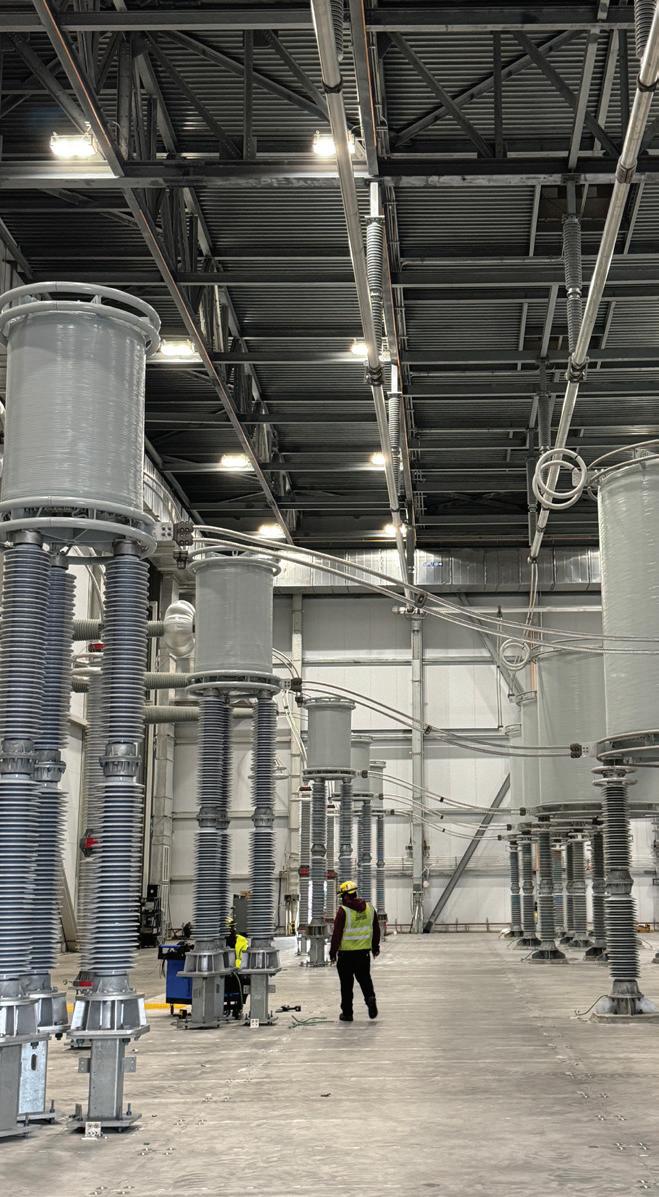
The reliability of the world’s electric power grid is tested time and again by extreme weather, challenging remote locations, or the use of inferior materials for supporting critical structures and circuits. These events can disrupt communities, compromise infrastructure, and leave millions without power. Each disruption underscores how essential it is to maintain strong, resilient connections.
RS | Resilient Structures is a global leader in advanced composite utility poles, trusted by 500+ utilities in 30+ countries to deliver reliable, resilient, cost-effective grid infrastructure.

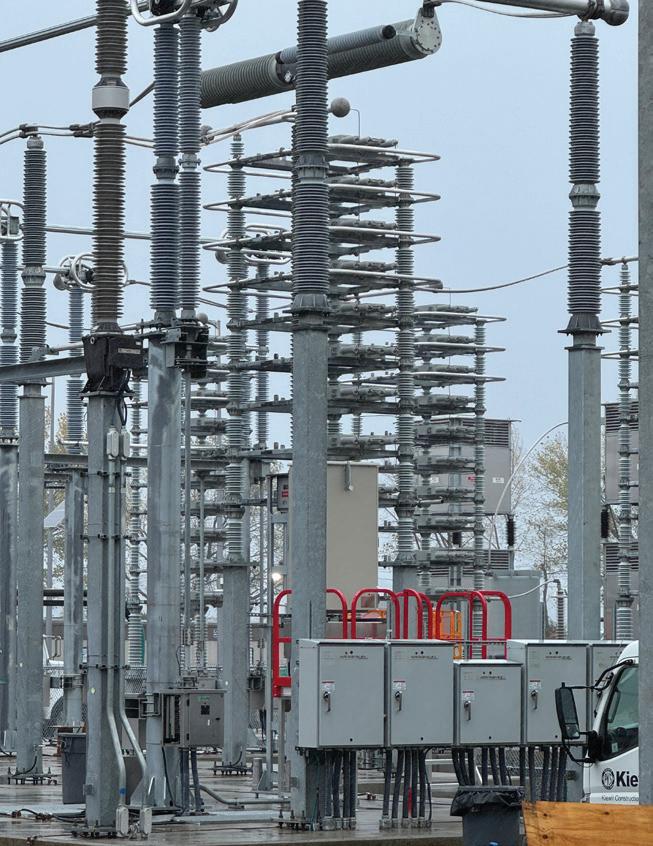
The line originates near Hydro-Québec’s Hertel Substation, runs south beneath Lake Champlain and the Hudson River, and terminates at the converter station in Astoria, Queens. At the Astoria Converter Station, the DC power is
converted back to 345 kV high-voltage AC and tied into the New York Power Authority’s (NYPA) Astoria Annex. From there, the renewable, dispatchable power flows through the Astoria–Rainey cable to Con Edison’s 345-kV Rainey Substation in Long Island City for injection into the New York City grid.
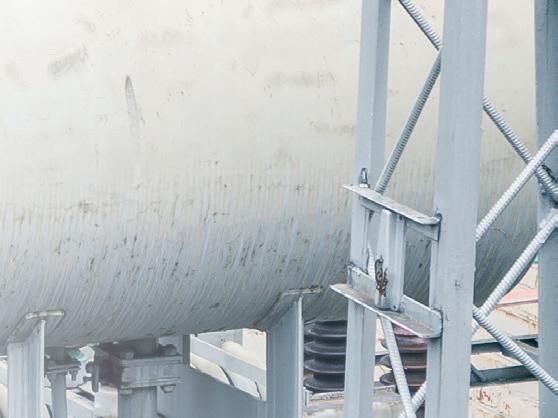
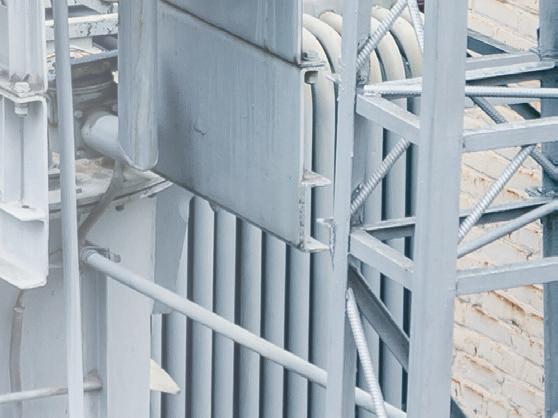
Operating the extensive physical plant surrounding Hitachi Energy’s extrahigh-voltage conversion equipment requires a significant amount of auxiliary, or “house,” power. This power was sourced from the local utility grid. In the Astoria neighborhood, Con Edison’s distribution system operates at 27 kV but specifies the use of 38 kV-class equipment to maintain robust safety margins. As a result, house power for the converter station had to be supplied through Con Edison-approved 38 kV switchgear.
This switchgear plays a critical role, enabling circuits to be isolated, fault currents to be interrupted, and maintenance activities to be performed safely
— particularly under abnormal operating conditions.
As part of the utility’s ongoing system studies and reviews, local 38 kV mediumvoltage (MV) switchgear requirements can exceed the ANSI 40 kA short-circuit rating, depending on location. In these cases, equipment must demonstrate, through formal certification, the capability to withstand fault currents of up to 44 kA. Only a small number of high-power test laboratories worldwide can generate the required 38 kV, 44 kA conditions — along


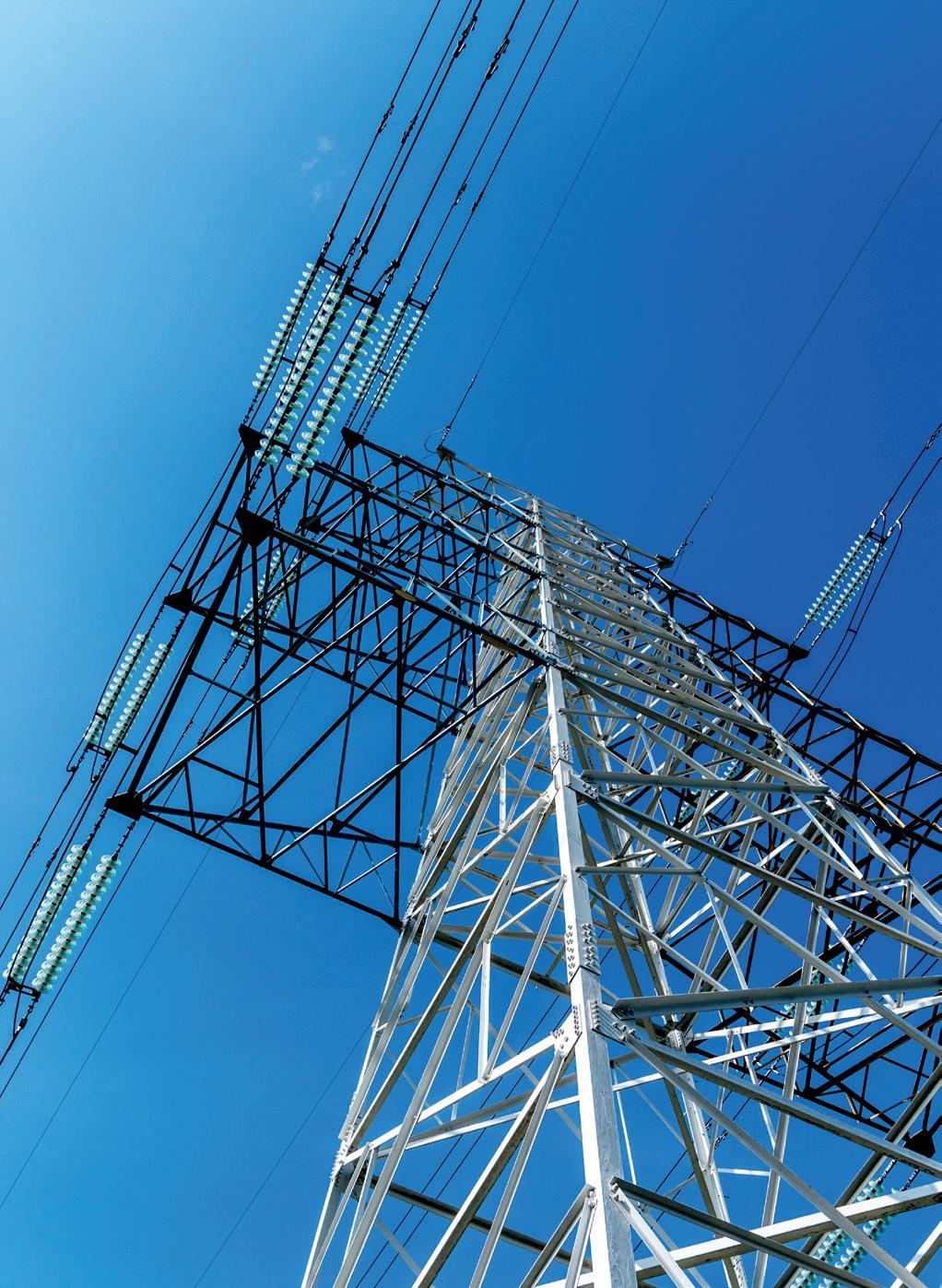

with the associated peak currents — to verify survivability under extreme closeand-latch and fault-clearing events.
Switchgear rated for 38 kV and 44 kA exceeds ANSI’s standard 40 kA design criteria and provides an added margin of certified safety. As utilities encounter portions of their systems approaching the limits of conventional 40 kA equipment, this higher rating allows continued system growth without compromising reliability or safety.
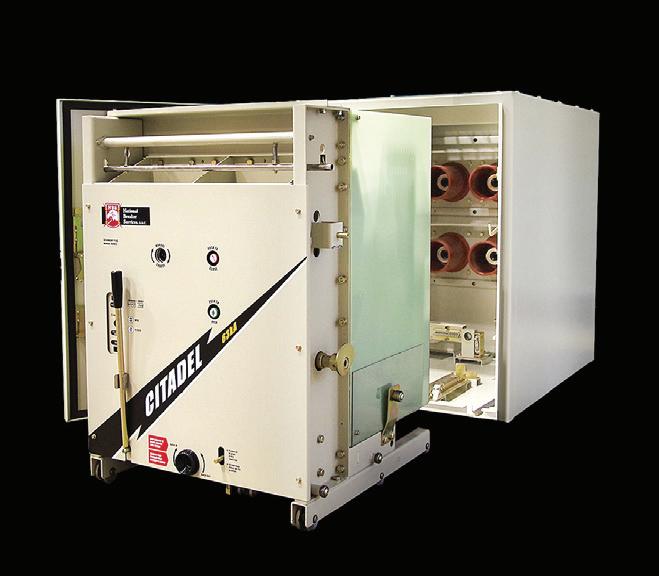
National Breaker Services (NBS) was selected by ABB/Hitachi for this project due to its ability to meet Con Edison’s exacting switchgear specifications. Based in Middlebury, Connecticut, NBS specializes in the engineering, design, and manufacture of medium-voltage circuit breakers and switchgear for electric utility substations and generating facilities.
The company’s flagship product line, the Citadel, reflects its focus on rugged, utility-grade construction. Originally developed as fixed-mounted breaker elements to retrofit legacy switchgear systems, the Citadel element was dimensionally designed to fit nearly any medium-voltage breaker chassis up to 38 kV manufactured by major domestic suppliers since the mid-1940s.
NBS offers Citadel breaker elements and switchgear in both fixed and drawout configurations, spanning ratings from 5 kV to 40.5 kV. The Citadel family includes a comprehensive line of MV roll-in replacement breakers for legacy equipment from manufacturers such as GE, Westinghouse, ITE, Allis-Chalmers, McGraw, and Federal. Free-standing “doghouse” designs are available with ratings as high as 40.5 kV, as high as 63 kA, and up to 5,000 amps (no fans), while draw-out switchgear configurations include indoor, outdoor, shelter-clad, and e-house designs. With KEMA C37.013certified testing, the 5,000-amp, 63 kA elements are well suited for generator circuit breaker duty in applications exceeding 100 MW.
At Hitachi’s request, NBS also engineered and manufactured a reduced-footprint utility revenue-metering cubicle that remains fully compliant with Con Edison’s stringent metering standards. The result is a reliable, space-efficient solution suited
to dense urban environments like New York City, where high real estate costs and limited space make compact, standardsapproved equipment essential.
By adhering to these elevated benchmarks, utilities can improve system reliability, maintain consistent performance across their medium-voltage networks, and support safer operating conditions. Such standards help protect critical
infrastructure as well as the operations and maintenance personnel who work within these systems, offering a framework that may be applied by other utilities facing similar operational and network challenges across North America.
JEFF ELLIOTT is a Torrance, Calif.-based technical writer. He has researched and written about industrial technologies and issues for the past 20 years.
With safety, efficiency and savings as top priorities for you, we know it’s crucial that your equipment arrives on time, and performs correctly from start to finish.
That’s
why you can Trust Tallman to supply the equipment you need, and to get the job done right.

Jackie Peer of the IEEE Power & Energy Society and SEL Inc., and Carla Frieh of ComEd, share how the IEEE PES T&D Conference and Expo is evolving to help utilities tackle reliability, resilience, and rapid grid transformation.
By NIKKI CHANDLER, Editorial Director
As the electric power industry confronts a convergence of pressures—from rapid load growth and electrification to aging infrastructure and intensifying extreme weather—the need to strengthen grid reliability and resilience has never been more urgent. Against this backdrop, the 2026 IEEE PES T&D Conference and Exposition will bring together engineers, utility leaders, and technology providers from around the world to explore practical solutions and emerging innovations shaping the future grid.
Hosted by ComEd and held in Chicago, this year’s event is expected to draw more than 15,000 attendees and over 900 exhibitors, underscoring both the scale of industry transformation and the importance of collaboration. With a theme centered on “Powering Reliability, Engineering Resilience,” the conference aims to highlight how utilities are moving beyond maintaining the grid to actively designing systems that can withstand—and adapt to—new challenges.
In this Q&A, Jackie Peer, director of industry outreach for the event steering committee, and Carla Frieh, co-chair of the local organizing committee, discuss how the conference has evolved, what attendees can expect this year, and why the conversations happening in Chicago are especially timely for utilities navigating today’s complex operating environment.
Q: What is this year’s theme and how was it chosen? How is it relevant for this year?
Carla Frieh: The theme for the 2026 IEEE PES T&D Conference is “Powering Reliability, Engineering Resilience.” This year’s theme reflects what our industry is facing now. Utilities and those in the energy space are seeing growing load, increasing electrification, aging infrastructure and more frequent extreme weather—all of which requires forward looking solutions for customers and those who rely upon the grid. Reliability isn’t a given—it’s something utilities have to deliberately design, operate, and continuously improve. The theme was shaped collaboratively by IEEE PES and the local organizing committee to focus the conference on how we engineer resilience into the grid of the future.
Jackie Peer: The PES T&D Program Committee, led by Kate Cummings of NIPSCO and Shikhar Pandey of GridCo Group, wanted a theme that underscores the need for the industry
to move forward—faster and with greater purpose. We’re all navigating unprecedented challenges... To meet these pressures, power and energy professionals need access to the latest tools, technologies, and engineering advancements.
That’s exactly what this year’s T&D Conference provides. Attendees will be able to see, experience, and discuss the innovations that will help transform tomorrow’s grid into today’s reality. It’s a theme that resonates deeply with the moment we’re in.
Q: How did IEEE PES T&D Conference get started, and how has it evolved over time?
Peer: The IEEE PES T&D Conference traces its roots back to 1964, when it began as the IEEE Underground Distribution Conference. As industry expanded and transmission and distribution technologies advanced, the event evolved as well. In 1984, when it was held in Kansas City, the name was officially changed to the IEEE PES Transmission & Distribution Conference to reflect that broader scope.
Since then, the conference has grown alongside the power industry’s own transformation, which is shaped by the rise of natural gas, nuclear generation, and now modern renewables, electrification, and digitalization. The exhibit floor has expanded significantly as well. This year we expect more than 800 exhibitors representing over 50 countries, which speaks to how global and interconnected the T&D landscape has become.
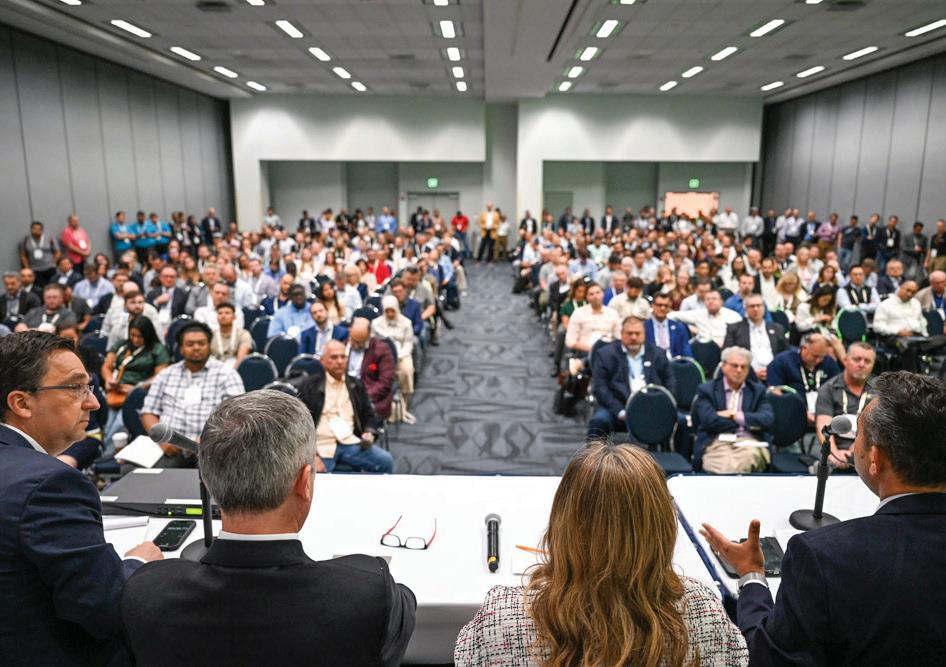
Q: ComEd is the host utility; as the host, how did ComEd contribute to planning, and what involvement will ComEd have at the show?
Frieh: As the 2026 host utility, ComEd has been deeply involved in planning the conference from the beginning, and we’re excited to host over 15,000 engineers and energy sector leaders from around the world this May. We’re leading the local organizing committee in partnership with IEEE Power and Energy Soci ety, which means helping shape everything from the technical program to the overall attendee experience.
As host, ComEd is excited to highlight the power of the grid and our infrastructure serving northern Illinois on center stage with hosting technical tours of ComEd facilities so attendees can see how solutions are applied in practice, welcoming attendees to Chicago through events like the Welcome Reception and Opening Session.
Q: Are there new features, initiatives, or formats being introduced this year?
Peer: We’re continuing to build on the success of the exhibit‑floor stage presentations, which have become a popular way to bring technical content directly to attendees. This year, we have four themed stages—Innovation, Data Centers, Grid Edge, and Re silience & Renewables—each supported by an industry partner: Hitachi, Schweitzer Engineering Laboratories, Siemens, and GE Verona. Their involvement allows us to offer high‑quality sessions right on the show floor, making it easy for attendees to engage with new ideas as they explore the exhibits.
We’ve also expanded sponsorship opportunities to help exhibi tors highlight their brands and technologies, while still ensur ing the event remains strongly connected to the IEEE Power & Energy Society identity.
And finally, the PES Local Organizing Committee has a few surprises planned for the Monday evening opening reception— so attendees can expect a memorable start to the week.
Q: Will there be special speakers or featured sessions involving ComEd as host?
Yes! ComEd leaders and subject‑matter experts will be actively involved throughout the conference. That includes participation in the Opening Session, multiple Super Sessions, and techni cal discussions on topics like reliability, resilience, large‑load integration, grid automation, and resource adequacy. The line up includes our President and CEO, Gil Quiniones, who will be discussing Carbon Goals vs Grid Reality, Dale Player, VP of Engineering discussing the future of grid automation and me—sharing practical experiences in achieving resilience.
For us, it’s about contributing meaningfully to industry di alogue and sharing lessons learned from operating a large, complex grid every day. ComEd is preparing for evolving cus tomer needs and future grid demands. Leaders from across the company will join panel discussions to showcase how we’re planning and modernizing the grid to meet this moment. Our new Long Range Strategy outlines the investments required to maintain reliability and resiliency, integrate more renew ables, and meet state policy goals—all while keeping energy
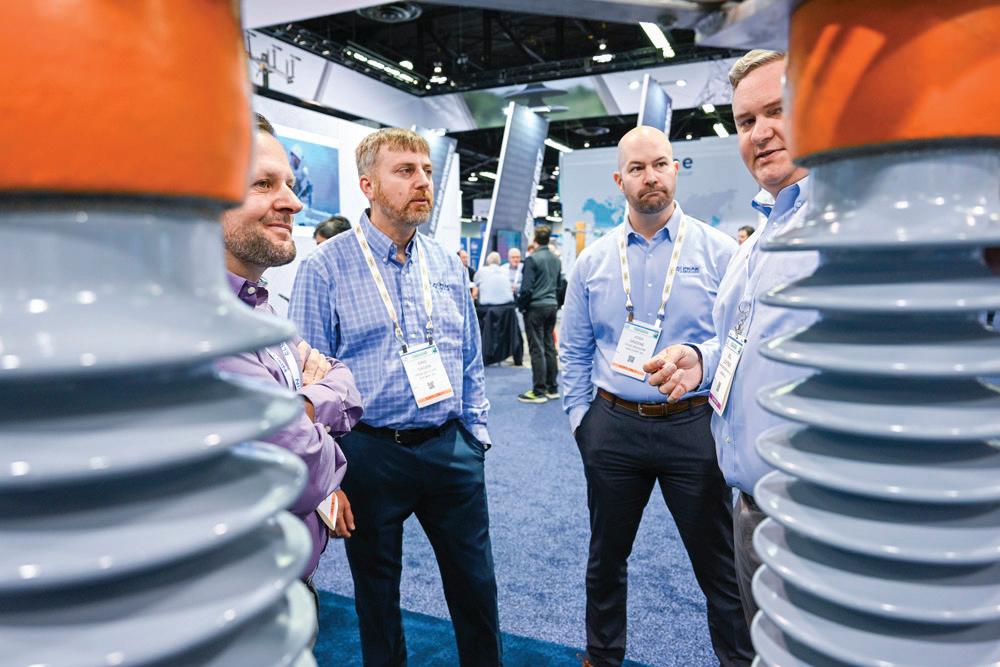
affordable. Achieving this vision will depend on engineering solutions, technology and talent that support the grid for the next decade and beyond.
Q: How does the event balance education and networking?
Peer: The T&D Conference does a great job of blending educa tion with networking. On the learning side, you can dive into technical content in so many ways—through sessions, panels, tutorials, and the stage presentations on the exhibit floor. And a lot of education actually happens right in the booths. Many companies, including SEL, give technical presentations and offer hands‑on demos throughout the week, so attendees can see solutions in action and ask questions on the spot.
At the same time, the event naturally brings people together. The exhibit hall, receptions, and the casual conversations be tween sessions make it easy to connect with colleagues, custom ers, and new partners. You’re constantly running into people you know or people you’ve been meaning to meet, and those conversations often turn into real collaborations.
So, it never feels like you’re choosing between education and networking—they happen side by side, which is one of the rea sons this event is so valuable.
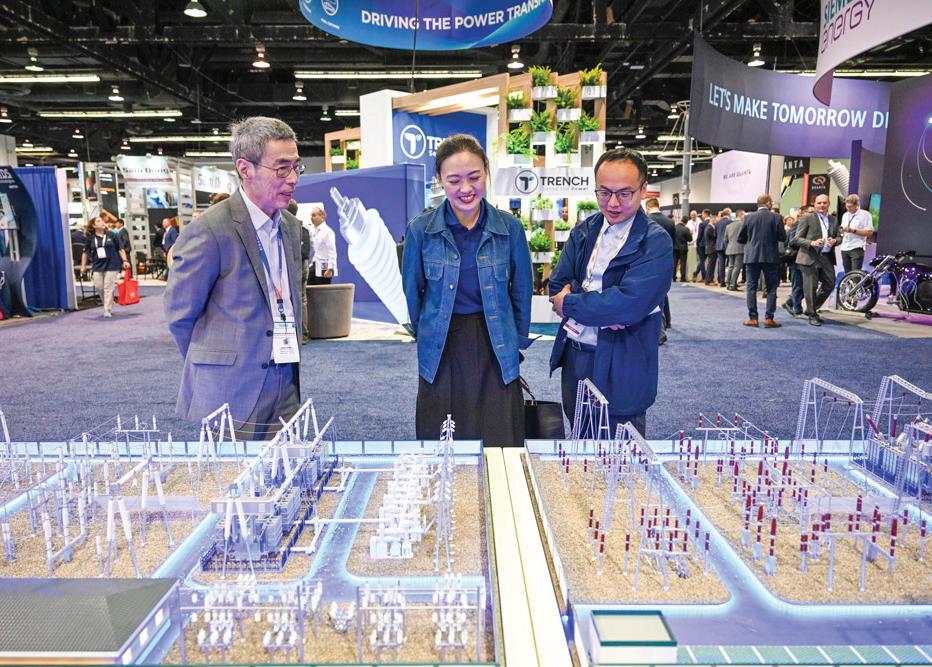
Q: What challenges or opportunities in the industry does this year’s event address?
Peer: This year’s event is centered on the challenges that are hitting the industry all at once—more severe weather, grow ing cybersecurity risks, aging infrastructure, and major load growth from data centers, electrification, and AI. Utilities and manufacturers are being asked to strengthen the grid while also moving faster than ever.
At the same time, there’s real opportunity. Innovations in automation, protection, renewables integration, and grid‑edge technologies are accelerating, and the conference brings all these solutions together in one place. It’s a chance for attendees to compare ideas, learn what’s working, and collaborate on how to build a more resilient and reliable grid.
Frieh: The 2026 conference directly addresses challenges utili ties are dealing with every day. Joining up with our peer utilities for industry events like the IEEE T&D Conference is the best way to share best practices and key learning from around the world, as we are all facing challenges and opportunities to serve our customers with efficient, reliable and resilient power systems.
Q: What are you personally most excited about this year?
Frieh: I’m most excited about the quality of the conversations. The Super Sessions bring together people who are making real deci sions—utility operators, regulators, and technology leaders—who can speak candidly about what it takes to keep the grid reliable.
I’m also excited about showcasing Chicago and ComEd’s grid. We are partnering with IEEE to host a variety of techni cal tours and local programming for attendees to see how resilience and innovation are applied in the field, not just discussed on slides.
Peer: I’m really excited about the opportunity to connect with people—and to help people connect with each other. That’s always been one of my favorite parts of the T&D Conference. Chicago has been a strong location for us in the past with re cord‑setting attendance, and I’m optimistic we’ll see that same level of energy this year.
Q: Anything else you’d like to highlight or say directly to utilities considering attending in Chicago?
Frieh: I would tell others in the power industry that this con ference is worth the time. This year’s event is staged to be the biggest IEEE PES T&D event yet, and there is a great line up of sessions, panels and attendees. The conference is grounded in real world experience that brings together utility peers who are facing the same challenges.
This approach helps all of us strengthen our grid perfor mance today, while building value and collaborating on future concepts to support the exponential change we will see to the utility system in the coming years.
Visit https://ieeet-d.org/ to register.





Exel Composites will showcase its carbon fiber composite cores developed for next-generation conductors for overhead transmission lines. Composite conductor cores are a key enabling technology for high-temperature low-sag (HTLS) conductors used in grid reconductoring and capacity upgrades. Compared to traditional steel cores, composite cores exhibit lower thermal expansion, higher strength-to-weight ratio, and enabling utilities to increase ampacity on existing structures while maintaining required clearances. Exel’s conductor cores are manufactured using a continuous pultrusion process designed for highvolume production with consistent quality and precise dimensional control. The process enables the cores to be produced in continuous lengths and reeled directly onto spools — allowing delivery in several-kilometer lengths suitable for conductor stranding. Exel Composites —https://exelcomposites.com — Booth 4333
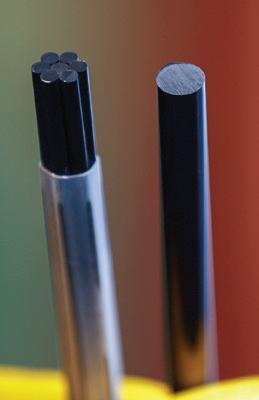
Nexus Engineering Group is a full-service engineering, procurement, and construction management firm, headquartered in Cleveland, Ohio, with offices in Toledo, Ohio, Oak Brook, Illinois, and Midland, Michigan. The firm was found in 2005 and has 250+ engineering, project management, project services, procurement, and construction management professionals on staff. Its services include the delivery of comprehensive power distribution engineering services for utility, industrial, and institutional clients, combining engineering excellence with deep operational insight. The design and support overhead and underground distribution systems across all distribution voltages, providing services that extend beyond design to include utility operations support, construction management, and complex modifications to existing facilities, all while maintaining safety, quality, and uninterrupted service. Nexus Engineering Group — https://nexusegroup.com — Booth 5014
RLC Engineering partners with utilities, ISOs, and developers to identify and evaluate necessary infrastructure upgrades, define study scopes, and sequence projects to maintain reliability while planning for long-term system expansion. The planning team consists of experienced principal-level engineers with broad expertise in transmission and distribution planning, regulatory requirements, and complex system studies. This experience is applied across RLC’s long-term planning efforts, including studies aligned with FERC Order 1920 requirements and integrated resource planning initiatives. Many utility clients engage RLC as an extension of their internal planning teams, working closely with staff to support workload demands, specialized analyses, and planning efforts. In addition to planning studies, RLC provides asset and condition assessments, line reviews, and coordination with in-house power delivery group, allowing clients to move efficiently from planning through implementation.
RLC Engineering — https://rlc-eng.com — Booth 263
KON AR Group is a Croatian high-tech manufacturer and one of Europe’s contributors to the green energy transition. With more than a century of engineering tradition and deep domain expertise, supported by a comprehensive portfolio of purpose built products, turnkey solutions, and lifecycle services, KON AR drives innovation across power engineering, urban mobility, renewable energy integration, and advanced digital platforms. KON AR will present its latest technologies designed to enhance grid reliability, increase system resilience, and support the evolving demands of modern power networks. As one of Europe’s established engineering and energy technology companies, KON AR continues to expand its international footprint.
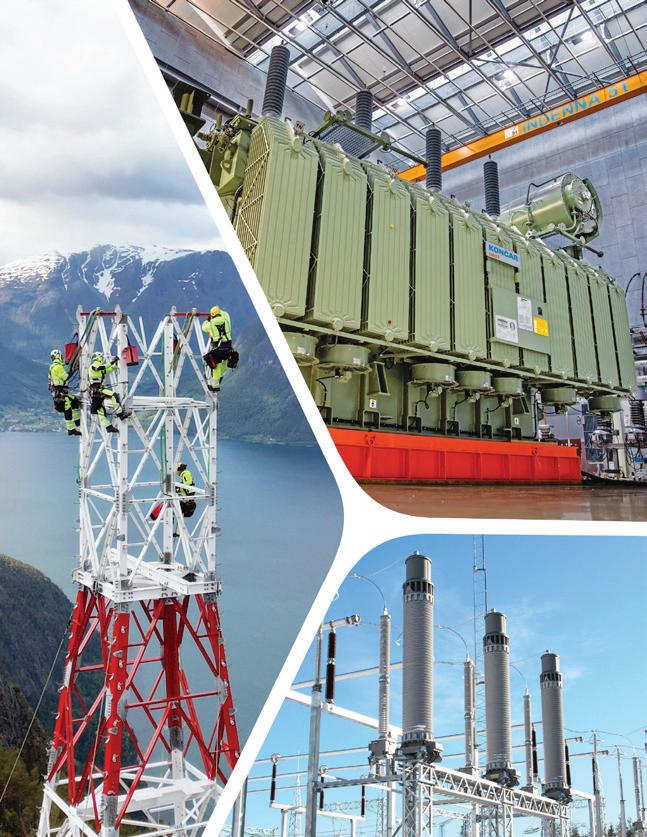
KON AR Group — https://www.koncar.hr/en — Booth 4849
GridWrap will be exhibiting the newest addition to its grid hardening solutions, the DEMIRWRAP Kit. The kit enables utilities to reinforce individual poles using user-friendly, step-by-step application instructions. The solution is not limited to a specific pole material or single use case, making it well-suited for utilities managing multiple risk factors across their systems, including: wildfire mitigation, woodpecker damage restoration, extreme weather and storm resiliency, and aging infrastructure reinforcement. Packaged in 3-gallon buckets, the kit includes: 1 roll of DEMIRWRAP, 1 roll of GridBond 300, 2 pairs of gloves, a one-page user guide. GridWrap’s pole reinforcement solutions are supported by laboratory testing and extensive field deployments at utility sites around the world.
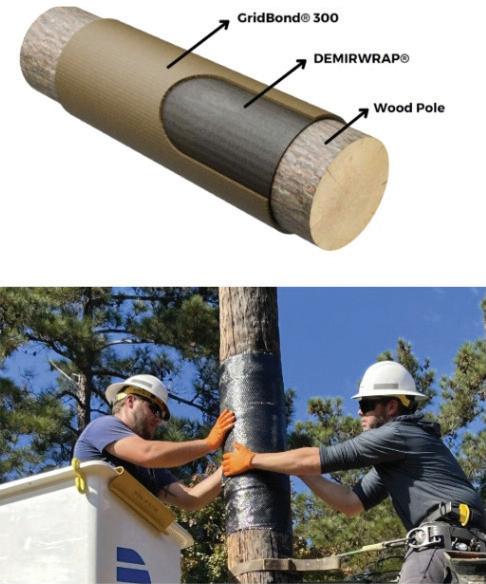
GridWrap — gridwrap.com — Booth 1971
Polecrete Stabilizer is a two-part polyurethane foam backfill solution that improves load transfer, soil interaction, and long-term structural performance. Utility companies are modernizing the grid while managing aging poles, rapid expansion, and rising load demand. More pole changeouts, reinforcement, and storm restoration work is happening under tighter timelines and resource constraints, often in remote terrain where access and logistics add cost and complexity. Polecrete Stabilizer supports these conditions with a rapid-install, field-proven foundation solution that strengthens pole performance, delivers consistent results, and is built to handle higher loading as grid requirements evolve.
Polecrete Stabilizer — polecretestabilizer.com — Booth 4033
S&C Electric Company’s theme will be “Distribution Grid Resilience in Action: How can you move from outage response to grid resilience?”
• TripSaver FXR Recloser: S&C’s latest innovation in the line of TripSaver Reclosers to reduce outage and operational costs on overhead lateral circuits.
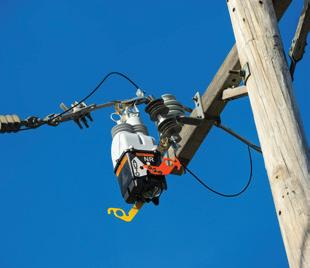
• IntelliRupter PulseCloser Fault Interrupter: Full interoperability with SEL’s upcoming 651RD Advanced Digital Control for a new fiber-enabled architecture and advanced communications capabilities. S&C Electric Company — www.sandc.com — Booth 642
Hubbell will showcase a comprehensive portfolio of transmission and distribution solutions designed to help utilities modernize infrastructure, improve resiliency, and operate more efficiently. Featured innovations include Hubbell’s 765 kV-ready TowerPak kits, which streamline EHV/UHV transmission projects by combining hardware assemblies, connectors, and insulators into a single, integrated solution that simplifies specification, procurement, and installation.
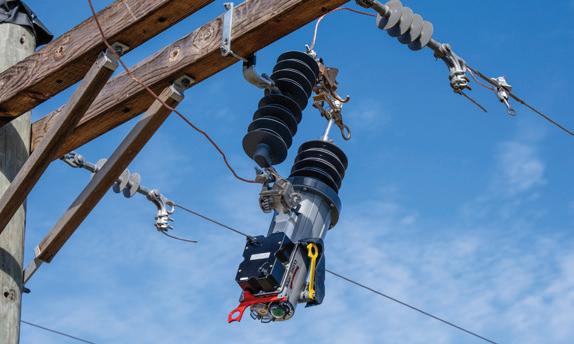
Hubbell will also highlight the pictured LineDefender single -phase recloser, an advanced lateral protection solution engineered to enhance grid reliability and worker safety through outage-prevention reclosing technology, intuitive visual indicators, and maintenance-free operation. The LineDefender recloser offers advanced communications technology, including the benefits of remote SCADA communications for a fleet of single-phase reclosers via cellular, fiber, or other technologies. Additional solutions on display include pad-mounted air-insulated switchgear (AIS) and anchors and foundation systems supporting critical transmission and distribution infrastructure.
Hubbell Incorporated — https://www.hubbell.com/hubbell/en — Booth 631
JSHP’s product portfolio spans 10 kV to 850 kV equipment, including power transformers, shunt reactors, EAF and rectifier transformers, padmounted distribution transformers, cast-resin drytype transformers, and prefabricated mediumvoltage substations. In 2025, the company delivered a 765 kV main power transformer (MPT) to Ohio with a total lead time of one year. Over the past two decades, JSHP has sustained large-scale production and global delivery operations. On average, the manufacturer ships two to three 110 kV–800 kV transformers and shunt reactors per day, thousands of medium-voltage transformers per month, and more than 300 skids monthly from its 100-acre production facility. To date, JSHP has delivered more than 15,000 units of 110 kV–800 kV transformers and shunt reactors to over 100 countries, along with more than 60,000 medium-voltage transformers worldwide. Across these installations, the company reports no catastrophic failures.
JSHP Transformer — https://www.jshp.com — Booth 4005
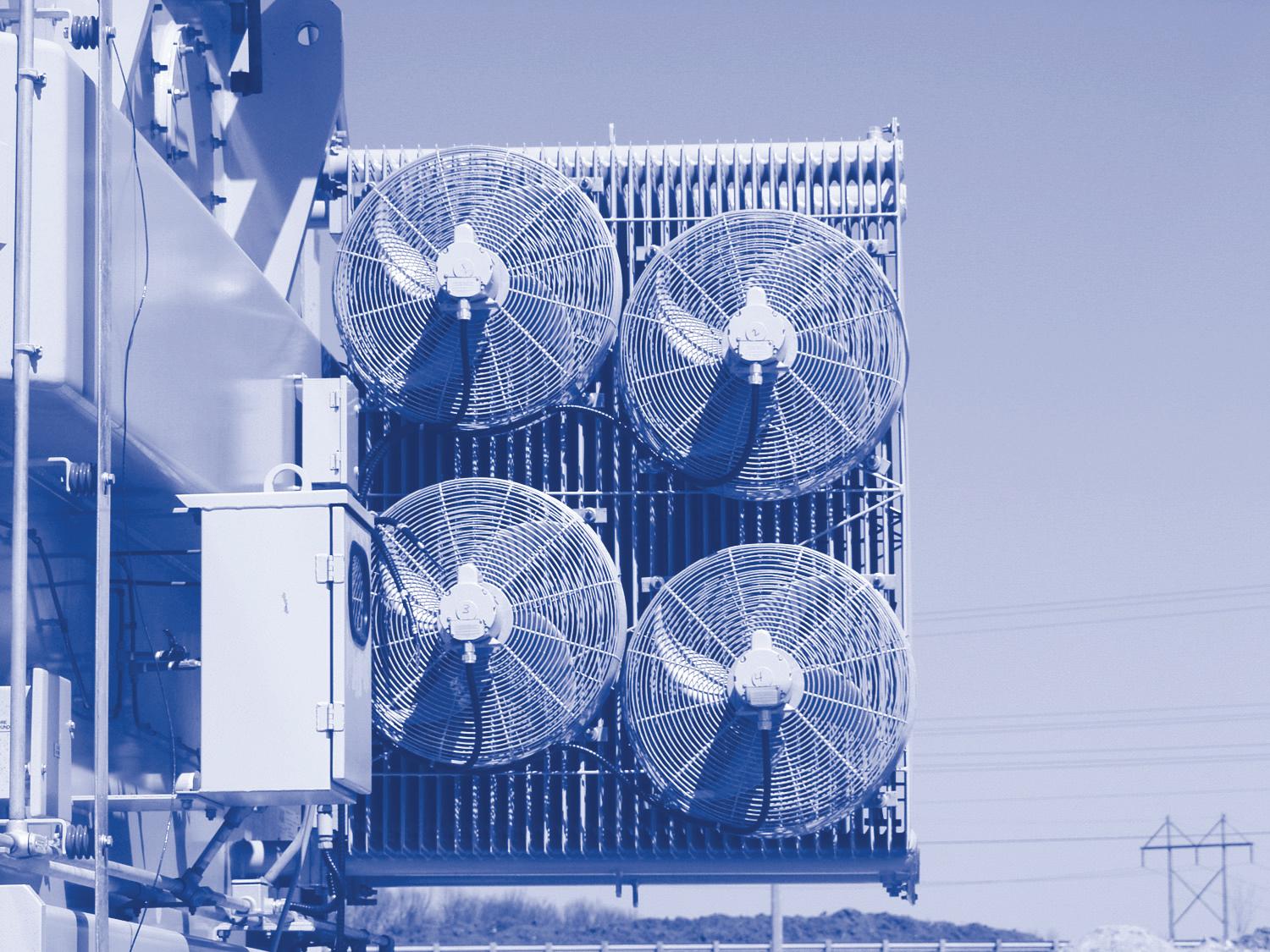
Mangal Electrical Industries Limited will showcase its expertise in transformer core manufacturing and electrical steel processing. The company specializes in precision processing of CRGO slit coils (40–1250 mm widths) and CRGO cut-to-length laminations, including step-lap and mitred configurations used in modern transformer core construction. Mangal also manufactures wound cores, toroidal cores, and amorphous metal cores, along with pre-tested built core assemblies and core-coil assemblies for transformers up to 20 MVA. Production is supported by advanced Georg and SDRI processing lines, designed to maintain burr levels below 10 microns, and comprehensive material verification in an in-house Brockhaus laboratory, including Epstein and single-sheet magnetic testing, ensuring consistent magnetic performance and quality. Mangal partners with transformer manufacturers worldwide to deliver efficient and reliable core solutions for modern power infrastructure. Mangal Electrical Industries Ltd — https://mangals.com — Booth 3244
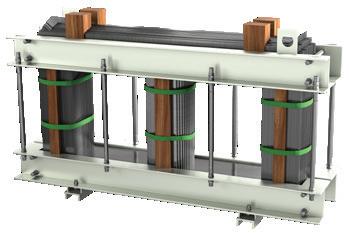
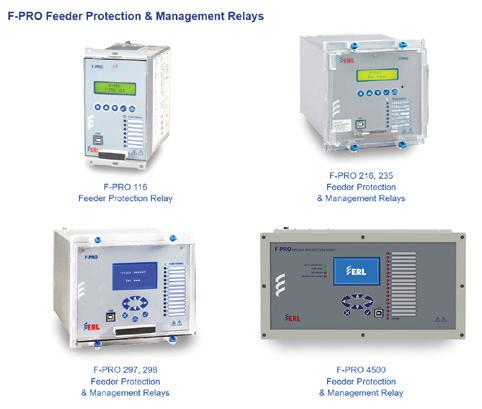
The F-PRO Feeder Protection Relay is designed for mediumvoltage feeder protection applications within metal-clad and metal-enclosed switchgear assemblies. The relay provides phase and ground overcurrent protection, directional elements, breaker failure protection, and comprehensive metering in a compact, panel-ready form factor suitable for OEM integration. The platform supports configurable I/O, multiple communication protocols—including IEC 61850, DNP3, and Modbus—and flexible control logic to accommodate varied switchgear architectures and utility specifications. Its modular design enables streamlined wiring within cubicles and supports integration with standard 14-pin test switches and conventional control schemes commonly used by switchgear manufacturers. The F-PRO includes high-resolution event recording and COMTRADE disturbance capture for post-event analysis and commissioning validation. Time synchronization options support coordination with upstream protection and substation automation systems. Designed with OEM workflows in mind, the relay facilitates factory acceptance testing (FAT), documentation generation, and repeatable configuration templates for standardized lineup production. F-PRO is applied in utility distribution substations, industrial facilities, renewable collector systems, and data center power distribution where compact, configurable feeder protection is required within integrated switchgear assemblies.
ERLPhase Power Technologies — https://www.erlphase.com — Booth 2669
Milbank has introduced the U6641-XL-200-KK-CE meter main, a compact solution designed to simplify installation while meeting NEC 230.85 requirements for an external emergency disconnect. Developed with contractor input, the unit features a side-bussed, straight-shot design for faster wire routing, an extra-wide chaseway, and feed-through lugs for efficient downstream distribution. An integrated eight-space outdoor load center provides flexible power distribution for applications such as lighting, water wells, and outbuildings. Built for long-term durability, the NEMA 3R-rated, ULlisted enclosure is constructed from corrosion-resistant, powdercoated aluminum and is manufactured in the USA. The U6641-XL200-KK-CE delivers streamlined installation, code compliance, and versatile outdoor power distribution—all in one compact solution. Milbank Manufacturing — www.milbankworks.com — Booth 3839
The NGFS Electric Field Sensor is an easy-to-install floating sensor with passive optics near line potential delivering high bandwidth and exceptional frequency response. Ideal for observing harmonics and fast phenomena, the NGFS can be used as temporary investigative tool or installed permanently in conjunction with a voltage transformer as a high-bandwidth measurement solution. The NGFS is designed for safety, with complete optical isolation between the primary sensor and all secondary equipment. Ideal for travelling wave fault location, NuGrid NGFS sensors have been installed on high-voltage transmission networks, successfully locating hundreds of faults with speed and precision. NuGrid sensors offer a transformative approach to grid monitoringt — delivering high-bandwidth visibility, operational efficiency, and asset intelligence at a fraction of the cost of traditional systems. Ease of deployment and low installed cost allow a small sensor installation to trial benefits in a small section of the grid. NuGrid Power — www.nugridpower.com —
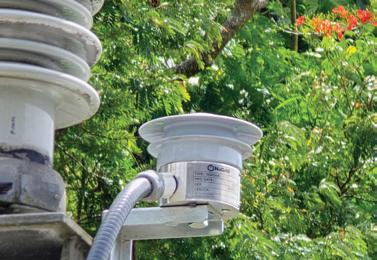
TerraLam CLT Site Access Mats are engineered to deliver strength, efficiency, and sustainability for temporary roadways, crane pads, and work platforms. Built using advanced cross-laminated timber technology, TerraLam mats are manufactured as solid, bolted-free panels that distribute loads evenly and provide exceptional structural integrity under heavy equipment and repeated traffic.
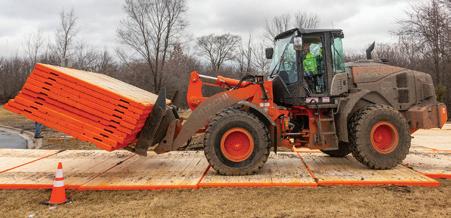
Compared to traditional 8” timber or bolted access mats, TerraLam mats are lighter and more efficient to handle. Their reduced weight allows contractors to transport more mats per truckload, lowering fuel consumption, freight costs, and overall carbon emissions. Fewer loads mean faster mobilization and demobilization, improved scheduling, and less congestion on busy jobsites. In the field, TerraLam mats create a stable, uniform driving surface that minimizes vibration and bounce. This enhances operator comfort, improves jobsite safety, and reduces wear and tear on machinery. The engineered design eliminates weak points commonly found in bolted assemblies, extending service life and delivering consistent performance throughout demanding projects. Sustainability is built in. TerraLam mats are produced from responsibly sourced wood and contain no embedded steel hardware, making end-of-life processing faster, safer, and cost-effective. Sterling Solutions — www.sterlingsolutions.com — Booth 1802
The training director for IBEW Local 17 coordinates the training facility.
• Born in Iron River, Michigan, and has two sisters and two brothers.
• Married to his wife, Lori, and they have three kids: Robbie, 35; Kaylee, 24; and Drew, 23.
• Enjoys sports, hunting and fishing.
• Can’t live without his Bashlin aluminum hooks.
• Loves to climb.
• Has traveled the country for line work.
I am a third-generation lineman. My dad took me to a job when I was a kid, and I fell in love with the trade. My first job was for Henkels & McCoy doing backyard pole changeouts and reconductors in Detroit. I spent the first 15 years of my career on the outside and then went to a utility for 15 years and then went back on the outside for the last five years.
I am going into my 35th year in line work. After starting out at IBEW Local 17, I tramped out west to a utility company in Phoenix. I worked for Salt River Project (SRP) for 15 years, helped to build their apprenticeship program and met some wonderful people during my time there. I’ve also worked in Boston, Connecticut, Rhode Island, New York, Florida, Louisiana, Kansas, Missouri and Arkansas. During my career, I’ve served as an apprentice, journeyman lineman, superintendent, general foreman and foreman and have done work like temporary pole changeouts, cable replacements, transmission maintenance and construction.
I run a training center for IBEW Local 17. I’m very busy building new training tools, setting up training and helping with apprenticeship interviews. My day-to-day responsibilities are overseeing a 116-acre training facility, taking care of the grounds and equipment and coordinating the crane, underground and welding training. At this time, I am building a telecom apprenticeship program and in the process of putting together plans for a substation.
My major challenges are diving into things that I’m not familiar with, and getting good at them is the reward. I try to stay outside of my comfort zone. I’ve never been a big-time equipment operator, but if I see something I don’t know how to do, I do not walk away from it. At 59 years old, I dive into it and figure out how to do it.
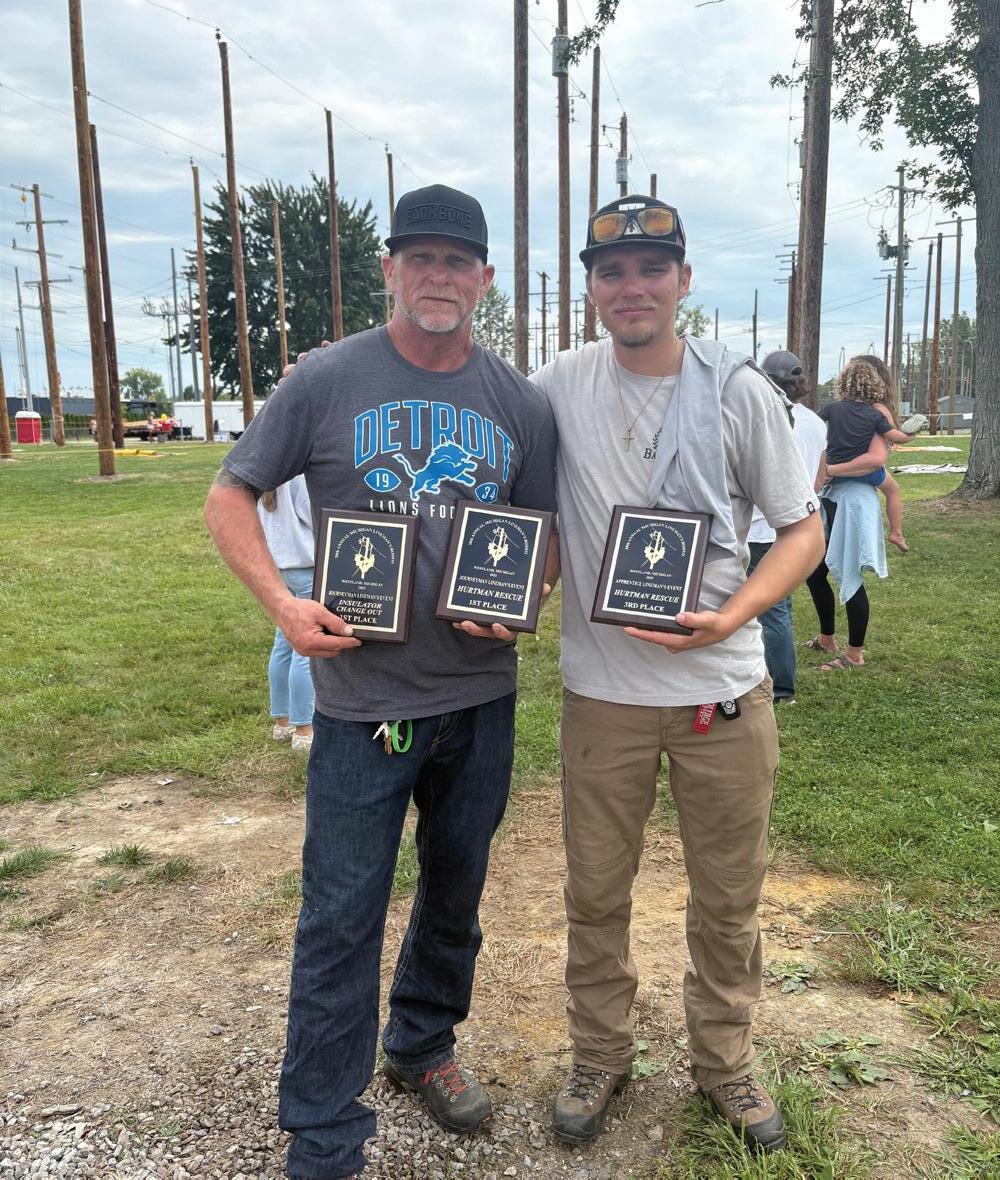
My friend’s son was killed by induction, and it definitely changed my mindset on how we should approach grounding practices in this industry. I helped this kid in the trade, and it hit me really hard when he died. Lineworkers may think we should do grounding a certain way because it’s the way we have always done it and no one is getting hurt. That is not true. We need to do more training in this industry.
Hurricane Katrina was a chaotic storm. We started it in Miami, and we finished it out in New Orleans. When it started, it was a Category 1, and we never thought it would turn into anything. It rained for two or three days before it hit, We traveled across the southern states like Alabama and Mississippi to bypass the country roads, and fuel was $7 a gallon. I had never seen anything like that. When we got into New Orleans, it was ripped apart. Due to the amount of damage caused by the hurricane, I watched people suffering with nowhere to go. They were completely lost. We were living in our trucks and staging in Amite, Louisiana. We came home after 45 days, but some crews were there for a year.
I would definitely go into this industry again. I love being outside building power lines and working with some good people. I’ve probably got about three or four years left, and then it’s off to retirement.
MEDIA SALES
Account Manager
Brent Eklund
Phone: 303-888-8492
Email: beklund@endeavorb2b.com
Account Executive
Andreja Williamson
Phone: 630-721-0712
Email: awilliamson@endeavorb2b.com
INTERNATIONAL SALES
Europe
Sarah Howell
Phone: +44 7935 299 884
Email: showell@endeavorb2b.com
South America, Central America
Fernanda Vega
Phone: +55 21 97673-9692
Email: fvega@endeavorb2b.com
Middle East, India, Asia, Australia, Africa
Saurabh Kapoor
Email: skapoor@endeavorb2b.com
EVENT SALES
Account Manager
David Silverstone
Phone: 561-285-2592
Email: dsilverstone@endeavorb2b.com
International Linemen’s Rodeo, and Events
Sam Posa
Phone: 913-515-6604
Email: sposa@endeavorb2b.com
MEMBERSHIP SALES
UTILITY ANALYTICS INSTITUTE
Membership Development Manager
James Wingate
Phone: 404-226-3756
Email: jwingate@endeavorb2b.com
Utility Analytics Institute, Smart Utility Summit and Smart Water Summit
Putting customers first means getting more value out of today’s grid.
Amid a genuine energy affordability crisis, U.S. utilities appear largely committed to business as usual. Consumer electric bills are rising faster than inflation during a period of widespread economic uncertainty, and energy costs were a ballot issue in last fall’s gubernatorial races. Meanwhile, surging demands for power and a more resilient grid are pushing the system toward expensive overbuild, with utilities seeking $31 billion in rate hikes in the past 12 months. Utilities should draw on decades of pilot programs on demand flexibility and grid enhancing technologies to help solve the affordability crisis. If they do, they’ll earn well-deserved credit — and if not, they will most certainly deserve the blame.

Utilities are vital to scaling the AI industry, whose electricity needs are driving the sharp increase in U.S. demand forecasts. Governors want the expanded tax base that comes with data centers, but only if ratepayers are shielded from unnecessary spending. Similarly, the federal government wants to win the global AI race while cutting consumer energy bills through smarter load growth.
So far, the conversation about powering AI has focused almost entirely on building new generation. But the grid already has substantial unused capacity. Nationally, peak demand is roughly 850 gigawatts (GW), while average load sits just over half that level. The real challenge lies in fewer than 200 hours per year — typically during heat waves or cold snaps — when demand spikes. So this is not primarily a generation problem; it’s a utilization problem. The opportunity is to get far more value out of the grid we’ve already paid for.
Reframing the challenge this way represents a massive cultural shift — one utility CEOs must embrace if affordability is truly a priority. Nearly all solutions that can be deployed quickly and at dramatically lower cost are distributed and therefore nontraditional. But despite strong and consistent voter support, these resources remain the hardest for utility leadership to champion at scale.
The key to getting more out of the grid is to make it more flexible and controllable with a threefold approach. First, add energy storage — especially on the distribution system, at homes, businesses, and utility substations, but also on the transmission grid, where storage is quickly scalable. Second, reward consumers for providing demand flexibility from batteries, solar PV, electric vehicle chargers, smart electrical panels, and flexible loads. Third, deploy grid-enhancing technologies that unlock
up to 25% more capacity from our existing transmission infrastructure. This is not technology for technology’s sake; these solutions are simply faster and cheaper than alternatives, and they’ve been fully rolled out in other countries.
Naturally, regulators must also modernize how utilities are rewarded. Nowhere is this more needed than with virtual power plants (VPPs), which can free up valuable capacity to accelerate data center interconnections while lowering customer bills. Despite years of hype and dozens of pilots, nearly 40 GW of VPP capacity sits mostly untapped because utilities and regulators haven’t figured out how to reward consumers for helping their neighbors through demand flexibility. With up to 160 GW of U.S. VPP capacity projected by 2030 — and mandates already in place in some states — this is no longer a niche issue.
With well-capitalized entrepreneurs and more than 400 utility VPP programs already underway, the challenge is no longer invention — it is scale. Yet regulatory approval processes can take years to advance beyond small pilots. In fairness, commissioners and staff can struggle to keep up with today’s electricity landscape, and our regulatory framework, rooted in the 1950s, only compounds the problem. Even so, legislative mandates mean little if implementation stalls at the regulatory level.
Utilities can accelerate regulatory outcomes by helping commissions make informed, evidence-based decisions. Today’s adversarial proceedings tend to yield narrow, self-interested proposals, with outcomes typically reflecting the dysfunction that produced them. What’s needed is a common framework for crafting effective regulatory policy — one that’s built on a clear understanding and shared vision of the role various technologies can play in energy systems. One such effort, led by the Energy Policy Design Institute, has mobilized a broad industry coalition and actively seeks utility engagement. (A related VPP policy workshop will be held at the NARUC Winter Policy Summit on Sunday, February 8.)
Moments like this highlight utilities’ indispensable role in the economy and in the daily lives of millions of Americans. At an unpredictable moment in the energy transition embracing VPPs and a more dynamic, resilient grid would leave utilities and their customers positioned for success no matter what the future holds.
JIGAR SHAH is the former director of the Loan Programs Office for the U.S. Department of Energy. He was co-founder and President at Generate Capital and is currently host of the Energy Empire and Open Circuit podcasts, and co-managing partner at Multiplier.