Printed in the USA A-Print 1 2 3 4 5 6 7 8 9 10 XXX 27 26 25 24 23
ISBN 979-8-88811-241-0
Prologue Module Overview
Arc B | Feel the Wind
Prologue to L8
• Learning Goal | Determine if the wind is helpful.
• Language Progress | Connect ideas by using linking words.
Prologue to L9
• Learning Goal | Describe different types of wind.
• Language Progress | Connect ideas by using linking words.
Prologue to L10
• Learning Goal | Form opinions about the power of the wind.
• Language Progress | Respectfully agree and disagree.
Arc A | Wild Is the Wind
Prologue to L3
• Learning Goal | Describe the main character in Wild Is the Wind
• Language Progress | Include adjectives to add detail.
Prologue to L4
• Learning Goal | Analyze words and illustrations in Wild Is the Wind to discuss how the wind shapes the earth.
• Language Progress | Support what you say with evidence from a text.
Prologue to L5
• Learning Goal | Examine settings in Wild Is the Wind
• Language Progress | Connect ideas by using linking words.
14
20
26
Arc C | Gilberto and the Wind
Prologue to L15
• Learning Goal | Form an opinion about Gilberto or the wind in Gilberto and the Wind.
• Language Progress | Respectfully agree and disagree.
Prologue to L16
• Learning Goal | Examine the wind’s actions in Gilberto and the Wind
• Language Progress | Connect ideas by using linking words.
Prologue to L17
• Learning Goal | Identify Gilberto’s emotions in Gilberto and the Wind
• Language Progress | Connect ideas by using linking words.
32
38
46
54
60
66
Arc D | Brave Irene
Prologue to L20
• Learning Goal | Describe the characters and settings in Brave Irene.
• Language Progress | Use adjectives to add detail.
Prologue to L21
• Learning Goal | Describe a blizzard.
• Language Progress | Use adjectives to add detail.
Prologue to L22
• Learning Goal | Examine challenges that Irene faces in Brave Irene.
• Language Progress | Connect ideas by using linking words.
Arc E | The Boy Who Harnessed the Wind
Prologue to L25
• Learning Goal | Determine how William is like an engineer in The Boy Who Harnessed the Wind
• Language Progress | Support what you say with evidence from a text.
Prologue to L26
• Learning Goal | Examine the work of meteorologists and engineers.
• Language Progress | Respectfully agree and disagree.
Prologue to L27
• Learning Goal | Examine a character’s actions in The Boy Who Harnessed the Wind.
• Language Progress | Support what you say with evidence from a text.
74
82
88
Arc F | Energy Island
Prologue to L31
• Learning Goal | Examine the actions of the people in Energy Island.
• Language Progress | Connect ideas by using linking words.
Prologue to L32
• Learning Goal | Explain an opinion using evidence from a sidebar in Energy Island.
• Language Progress | Support what you say with evidence from a text.
116
94
102
Prologue to L33
• Learning Goal | Examine community members’ actions in Energy Island
• Language Progress | Respectfully agree and disagree.
Appendices
110
ESSENTIAL QUESTION
How is the wind powerful?
PROLOGUE MODULE FOCUS
In module 3, Arts & Letters Prologue™ lessons focus on helping students deepen their understanding of the power of the wind.
• Prologue lessons support reading development by helping students identify key details necessary for retelling stories. Students learn how the wind shapes aspects of nature in Wild Is the Wind. They gain a deeper understanding about the wind’s power in Feel the Wind. Students learn about the wind’s effect on two children in Gilberto and the Wind and Brave Irene. They learn how William Kamkwamba harnessed the wind’s power to help his village in The Boy Who Harnessed the Wind. Finally, students discover the power of the wind as a renewable energy source in Energy Island.
• Prologue lessons support writing development by providing opportunities for students to develop and share opinions about different topics.
• Prologue lessons support speaking and listening development by providing more instruction and practice for the module’s speaking and listening goals: Support what you say with evidence from a text and respectfully agree and disagree. Use the module Speaking and Listening Goal Tracker to track progress toward these goals.
• Prologue lessons support language development by providing opportunities for students to practice using linking words to connect ideas.
PROLOGUE TEXTS
Books
Literary
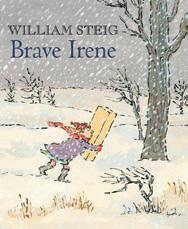
• Brave Irene, William Steig
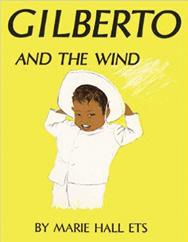
• Gilberto and the Wind, Marie Hall Ets
• Wild Is the Wind, Grahame Baker-Smith
Literary Nonfiction
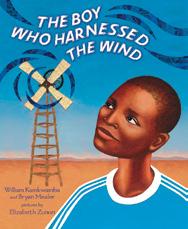
• The Boy Who Harnessed the Wind, William Kamkwamba, Bryan Mealer, and Elizabeth Zunon
• Energy Island: How One Community Harnessed the Wind and Changed Their World, Allan Drummond
Informational
• Feel the Wind, Arthur Dorros
Videos
• “The Beijing Swift,” Great Minds®
• “How Do We Know When It Will Rain?” SciShow Kids
• “Solve Problems: Be an Engineer!” SciShow Kids
KNOWLEDGE THREADS
• Wind is air that moves as warmer air rises and colder air sinks.
• A person cannot see wind, but they can observe its effects.
• Wind can be useful to people, but it can also cause difficulties for them.
• People can use wind to make electricity.
PROLOGUE MATERIALS AND PREPARATION
Prepare the following materials for use throughout the module.
• Determine how to access the module texts.
• Determine how to display Prologue reference charts and select Learn book pages. These are listed in the Materials section of each lesson.
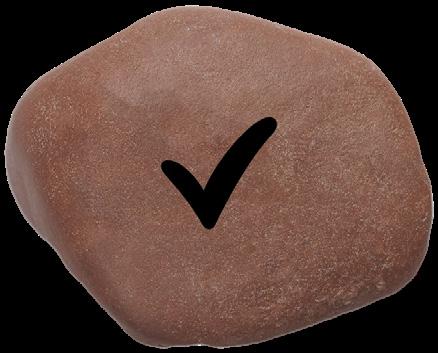
• Make one set of story stones by cutting out the story element images from the Prologue Reference Charts appendix. Alternatively, cut out the images and paste them onto real stones. Save all story stones for future use.
• Determine how to access the Module 3 Speaking and Listening Goal Tracker from the Great Minds® Digital Platform.
• Ensure access to the module 3 Knowledge Cards.
• Ensure students have paper for short responses. They can use their journals or other paper.
• For a comprehensive list of all materials used in the module, see the digital platform.
PROLOGUE ENGLISH LANGUAGE DEVELOPMENT STANDARDS
Arts & Letters Prologue lessons for module 3 provide additional language support to develop the following English Language Development (ELD) standards. Educators should consult their state’s ELD standards and proficiency descriptors to identify the best ways to help multilingual learners reach the module’s learning goals. See the digital platform for a lesson-by-lesson breakdown of ELD standards.
WIDA Standards
ELD-SI.K–3.Narrate: Multilingual learners will
• Share ideas about one’s own and others’ lived experiences and previous learning
• Connect stories with images and representations to add meaning
• Recount and restate ideas
ELD-SI.K–3.Inform: Multilingual learners will
• Describe characteristics, patterns, or behavior
• Sort, clarify, and summarize ideas
ELD-SI.K–3.Explain: Multilingual learners will
• Share initial thinking with others
• Follow and describe cycles in diagrams, steps in procedures, or causes and effects
• Compare and contrast objects or concepts
ELD-SI.K–3.Argue: Multilingual learners will
• Support own opinions with reasons
ELD-LA.1.Narrate.Interpretive: Multilingual learners will interpret language arts narratives by
• Identifying a central message from key details
• Identifying how character attributes and actions contribute to an event
• Identifying words and phrases that suggest feelings or appeal to the senses
ELD-LA.1.Inform.Interpretive: Multilingual learners will interpret informational texts in language arts by
• Identifying main topic and/or entity and key details
• Asking and answering questions about descriptions of attributes and characteristics
ELP Standards
Standard 1: An ELL can construct meaning from oral presentations and literary and informational text through grade-appropriate listening, reading, and viewing.
Standard 2: An ELL can participate in grade-appropriate oral and written exchanges of information, ideas, and analyses, responding to peer, audience, or reader comments and questions.
Standard 3: An ELL can speak and write about grade-appropriate complex literary and informational texts and topics.
Standard 4: An ELL can construct grade-appropriate oral and written claims and support them with reasoning and evidence.
Standard 7: An ELL can adapt language choices to purpose, task, and audience when speaking and writing.
Standard 8: An ELL can determine the meaning of words and phrases in oral presentations and literary and informational text.
Standard 9: An ELL can create clear and coherent grade-appropriate speech and text.
Standard 10: An ELL can make accurate use of standard English to communicate in grade-appropriate speech and writing.
PROLOGUE LANGUAGE CONNECTIONS
Students’ home languages and cultures are assets that everyone in the school setting should value and celebrate. Teachers can support the strategic use of home languages to facilitate activating background knowledge, acquiring ELA knowledge and world knowledge, and engaging with grade-level content. This can happen individually or in groups. Teachers should encourage students to draw explicit metalinguistic connections between English and their home language through cognates and morphological awareness.
Multilingual learners in the United States speak a variety of languages, but an increasing majority speak Spanish at home. In 2019, more than 75 percent of students who were identified as “English learners” spoke Spanish as a home language (National Center for Education Statistics). For this reason, we offer a number of supports for the Spanish language.
Contrastive Analysis
This module focuses on helping students connect ideas using linking words (e.g., and, but, or, so, because). Prologue lessons help students understand the correct use and placement of adjectives. For students who also speak other language(s), the grammatical rules of English may be confusing. Here are some grammatical differences for which students may need extra explanation and modeling of this structure. In addition to Spanish, we compare English to Arabic and Mandarin Chinese, the second and third most common languages spoken among multilingual learners in the United States (National Center for Education Statistics).
Language Similarity Difference
Spanish Linking words are also used in Spanish, with similar meaning to English terms.
Adjectives are also used in Spanish.
Arabic Linking words are also used in Arabic, with similar meanings to English terms.
Adjectives are also used in Arabic.
Chinese Linking words are also used in Chinese, with similar meanings to English terms.
Adjectives are also used in Chinese and come before nouns, as in English.
The uses of so may be confusing for Spanish speakers.
In Spanish, adjectives can come before or after nouns.
There is not a 1:1 correspondence between English and Arabic linking words.
In Arabic, adjectives come after nouns.
Linking words can be omitted in Chinese if the relationship between the two ideas is clear.
Certain conjunctions in English do not correspond to Chinese ones.
Spanish Cognates
Here are Spanish cognates for terms taught in module 3 Prologue lessons. Teacher notes in the lessons draw attention to Spanish cognates. Use an online Spanish dictionary for pronunciation guidance or to play a recording of the Spanish cognate for students.
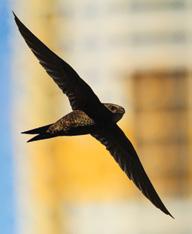
Students view “The Beijing Swift” and describe the swifts. As they discuss the swifts, students practice using adjectives to add details. This work prepares students to retell the events of Wild Is the Wind in lesson 3.
Learning Goal
Describe the main character in Wild Is the Wind. LEARNING TASK: Write a complete sentence describing the swift in the story by using an adjective.
Language Progress
In this lesson, students work on this expectation for the End-of-Module Task: Include adjectives to add detail.
To support students with beginning English proficiency, pause the video frequently and invite them to use adjectives to describe
the feature of the swift being discussed. Write each adjective shared on an index card. Encourage students to use these index cards to describe and write about the swift during instruction. To support students with intermediate English proficiency, encourage them to describe the swift by using more than one adjective by completing this sentence frame: The swift is and .
Vocabulary
adjective (n.) migrate (v.)
Materials
TEACHER
• Wild Is the Wind
• Swift Adjectives chart
• “The Beijing Swift” (digital platform)
• world map
STUDENTS
• none
Preparation
• Wild Is the Wind is an unpaginated text. Number your text; begin with the title page, where the author’s name appears, as page 1. Pages on the left will be even, and pages on the right will be odd.
• Create a Swift Adjectives chart. Determine how to display the chart so student responses can be added during instruction. See the Learn section for details.
• Gather a world map and determine how to display it to illustrate the swifts’ migration. See the Learn section for details.
• Determine how to display the sentence frame. See the Learn section for details.
LAUNCH
5 minutes
Practice Vocabulary
1. Display Wild Is the Wind. Remind students that this story is about a type of bird called a swift. Direct attention to the swifts in the illustrations on pages 28–29. Instruct students to Think–Pair–Share to answer these questions:
What color are the swifts?
What size are the swifts?
2. Reinforce the correct responses: brown and small. Tell students that brown and small are adjectives that describe swifts. Display the Swift Adjectives chart, and add brown and small.
3. Review the vocabulary term adjective by displaying the term. Engage students in Vocabulary Exploration.
Language Support
The term adjective has a Spanish cognate: adjetivo. Share this language connection with students whose home language is Spanish.
4. Emphasize that the adjectives brown and small describe the noun swifts.
Swift Adjectives
5. Tell students that they will learn more about the swift and use adjectives to describe it.
Definition adjective (n.): a word that describes a noun or pronoun
LEARN
20 minutes
Describe the Swift
1. Explain that students will view the video “The Beijing Swift” to find additional details that describe swifts. Tell students that the first detail is about the swifts’ wings. Explain that wings are a part of the bird that helps it fly. Direct attention to the wings in the illustration on page 29 of Wild Is the Wind to help students understand the term’s meaning.
2. Play “The Beijing Swift,” pausing the video after the narrator says, “over the world.” Ask this question:
What did you learn about the swifts’ wings?
Language Support
For students whose home language is Spanish, play the Spanish version of the video.
3. Reinforce the correct response: Swifts have long wings that help them quickly travel great distances.
4. Explain that this part of the video explains that swifts can travel very far quickly. Invite students to act out flying quickly.
5. Instruct students to Think–Pair–Share to answer this question:
What adjectives describe swifts in this part of the video?
6. Reinforce the correct responses: fast and quick. Add fast and quick to the Swift Adjectives chart.
7. Continue playing “The Beijing Swift,” pausing after the narrator says, “slice of bread.” Explain that this part of the video says that a swift weighs as much as a slice, or one piece, of bread. Ask this question:
What adjective describes swifts in this part of the video?
Language Support
For students with beginning English proficiency, explain that weigh means “how heavy something is.”
8. Reinforce the correct response: light. Add light to the chart.
9. Tell students that they will now watch the remainder of the video to find more adjectives that describe swifts. Continue playing “The Beijing Swift.”Ask this question:
What else did you learn about swifts?
Key Ideas
• Swifts spend the summer in Beijing, China.
• Swifts migrate to Africa in the winter to find food.
• They fly over 8,000 miles on their journey.
• Swifts eat and sleep in the air.
• They can fly through strong winds and storms.
10. Emphasize that this part of the video explained how swifts migrate every year. Introduce the vocabulary term migrate by displaying the term. Engage students in Vocabulary Exploration.
Language Support
The term migrate has a Spanish cognate: migrar. Share this language connection with students whose home language is Spanish.
11. Reinforce that swifts migrate from China to Africa every year. Display the world map. Direct attention to China and Africa on the map. Explain that swifts fly over 8,000 miles to get from China to Africa every year. Ask this question:
What adjectives describe swifts in this part of the video?
Key Ideas
• strong
• determined
• smart
Definition migrate (v.): to move from one area to another at different times of the year
12. As students share, add responses to the chart. Review the complete list of adjectives on the chart.
13. Tell students that they will use these adjectives to form a sentence describing swifts. Display and Echo Read this sentence frame: Swifts are .
14. Instruct pairs to use the sentence frame to describe the swift. Listen for students to include these correct responses during their discussions:
• Swifts are brown.
• Swifts are small.
• Swifts are strong.
Language Expansion
For students with intermediate English proficiency, encourage them to use more than one adjective in their description.
LAND 5 minutes
Demonstrate Learning
1. Introduce the learning task. Distribute writing materials. Tell students that they will write their sentence. Prompt students to use this sentence frame: Swifts are .
Analyze Student Progress
Monitor: Do students write a complete sentence that accurately describes swifts with an adjective?
Offer Immediate Support: If students need additional support writing a complete sentence using an adjective, direct their attention to the Swift Adjectives chart. Echo Read the sentence frame, and prompt students to complete the sentence with the adjective they identified.
2. Invite a few students to share their sentences.
Key Ideas
• Swifts are light.
• Swifts are strong.
• Swifts are fast.
3. Reinforce that describing characters can help students better understand what is happening in a story.
Prologue to Lesson 4
Essential Question | How is the wind powerful?
OVERVIEW
Preview
Students analyze words and illustrations in Wild Is the Wind to discuss how the wind shapes the earth. As they discuss how the wind shapes the clouds and the waves, students practice supporting what they say with evidence from the text. This work prepares students to demonstrate how the wind is the “ceaseless shaper of the earth” in lesson 4.
Learning Goal
Analyze words and illustrations in Wild Is the Wind to discuss how the wind shapes the earth.
LEARNING TASK: Share one example of how the wind shapes the clouds or the waves.
Language Progress
In this lesson, students work on this module speaking and listening goal: Support what you say with evidence from a text.
To support students with beginning English proficiency, prompt them to identify a specific part of an illustration that supports their thinking before orally sharing a completed sentence frame. To support students with intermediate English proficiency, encourage them to share additional examples of textual evidence to support their thinking.
Vocabulary
shape (n.)
shape (v.)
Materials
TEACHER
• Wild Is the Wind
• images of basic shapes
• Unique Shapes (digital platform)
STUDENTS
• Wild Is the Wind
• modeling clay or dough
Preparation
• Wild Is the Wind is an unpaginated text. Number your text; begin with the title page as page 1. Pages on the left will be even, and pages on the right will be odd.
• Gather images of different basic shapes (e.g., a circle, square, heart, and triangle) for students to discuss. See the Launch section for details.
• Determine how to display Unique Shapes. See the Launch section for details.
LAUNCH 5 minutes
Practice Vocabulary
1. Display images of different basic shapes. Ask this question:
How are these similar?
2. Reinforce the correct response: The images are different kinds of shapes. Introduce the vocabulary term shape by displaying the term and definition. Engage students in Vocabulary Exploration.
3. Emphasize that a shape is any area inside a closed line. Display Unique Shapes. Instruct students to identify the shapes. Invite a few students to share their responses.
Key Ideas • cat • bus • house
4. Display Wild Is the Wind. Tell students that the illustrations of this text include several shapes. Direct attention to pages 8–9. Ask this question:
What shape do you see in the clouds?
5. Reinforce the correct response: a dinosaur.
6. Tell students that they will look at other examples of shapes in the text.
Definition shape (n.): the area inside a closed line
LEARN 20 minutes
Discuss How the Wind Shapes the Earth
1. Distribute modeling clay or dough to students. Display one of the basic shapes. Instruct students to make the shape by using the dough. Ask this question:
What are you doing with the material?
Key Ideas
• making shapes
• forming it into a square, circle, or triangle
• creating something
2. Use responses to emphasize that students are shaping the clay or dough. Explain that the term shape can also be a verb, or action word. Introduce the vocabulary term shape by displaying the term. Engage students in Vocabulary Exploration.
3. Tell students that they can use the verb shape to describe their actions. Display a heart shape. Instruct students to use their dough to make a heart. Tell students to read aloud this sentence: I shaped my dough into a heart.
4. Tell students that they will now discuss how a character from Wild Is the Wind shapes different things in the text.
5. Direct attention to the illustration on pages 8–9. Remind students that the clouds form a dinosaur shape on these pages. Instruct students to Think–Pair–Share to answer this question:
Who do you think shaped the clouds into a dinosaur?
Definition shape (v.): to form something into a shape
6. Reinforce the correct response: the wind. Instruct students to read aloud this sentence: The wind shaped the clouds into a dinosaur.
7. Display and Echo Read these sentence frames:
• In the book, .
• In the illustration, .
8. Read aloud the fourth sentence on page 9, starting with “The wind is.” Tell students that the word ancient means “very old.”
9. Explain that a speaker can use textual evidence to support their ideas by showing others the pages where they found their evidence. Think aloud to model how to use the sentence frames to support what you say with evidence from the text.
10. Tell students that they will read a different part of the text to discuss what the wind shapes and support their ideas with textual evidence.
11. Distribute Wild Is the Wind to students. Instruct students to follow along as you read aloud the first sentence on page 14, starting with “The wind whips.”
12. Emphasize that this sentence is a long sentence with different parts. Tell students that they will look at one part at a time to better understand what the sentence means. Direct attention to the first part of the sentence, and read aloud “The wind whips the waves.” Tell students that this part of the sentence explains that the wind moves the waves quickly.
13. Direct attention to the last part of the sentence, and read aloud “into wild white horses.” Tell students that this part of the sentence explains what the wind whips, or shapes, the waves into.
14. Echo Read both parts of the sentence: “The wind whips the waves” and “into wild white horses.”
Sample Think Aloud
I think the wind shaped the clouds into a dinosaur. In the book, it says, “The wind is an ancient power.” In the illustration, the clouds form a dinosaur shape.
15. Ask this question:
What does the wind shape during this part of the story?
16. Reinforce the correct response: The wind shapes waves.
17. Instruct students to Think–Pair–Share to answer this question:
What does the wind shape the waves into?
Language Expansion
For students with intermediate English proficiency, prompt them to include adjectives (e.g., wild, white) from the text in their explanation.
18. Reinforce the correct response: The wind shapes the waves into horses.
19. Direct attention to the illustration on pages 14–15. Emphasize that real horses are not in the illustrations. Reinforce that the author uses words to explain how the wind shapes the waves.
20. Instruct students to work with a partner to support the idea that the wind shapes the waves into horses with textual evidence. To help students share the textual evidence, provide this sentence frame: In the book, .
21. Invite a student to share their response. Reinforce the correct response: In the book, it says the wind whips the waves into horses.
LAND 5 minutes
Demonstrate Learning
1. Introduce the learning task. Instruct students to share one example of how the wind shapes the clouds or the waves. Prompt students to support what they say by displaying the illustration or pointing to the part of the text that supports their response.
Analyze Student Progress
Monitor: Do students describe how the wind shapes the clouds and the waves by using textual evidence?
Offer Immediate Support: If students need additional support describing how the wind shapes the clouds and the waves, direct attention to pages 8–9 or 14–15 and prompt them to locate what the wind shapes in the clouds or the waves.
2. Reinforce key ideas.
Key Ideas
• The wind shapes the clouds into a dinosaur. In the illustration, the clouds are in the shape of a dinosaur.
• The wind shapes the waves into horses. In the book, it says the wind whips the waves into horses.
3. Summarize that students thought about the words and illustrations together to better understand the story. Reinforce that they shared where they found the information to better explain their ideas to their partner.
Prologue to Lesson 5
Essential Question | How is the wind powerful?
OVERVIEW
Preview
Students analyze how the setting changes throughout Wild Is the Wind. As they discuss how the setting changes, students practice connecting two ideas by using the linking word and. This work prepares students to discuss the swifts’ journey to determine a central idea in Wild Is the Wind in lesson 5.
Learning Goal
Examine settings in Wild Is the Wind.
LEARNING TASK: Describe two settings in the story by using the linking word and.
Language Progress
In this lesson, students work on this module language goal: Connect ideas by using linking words.
To support students with beginning English proficiency, model how to use the linking word and to describe two of their favorite foods. To support students with intermediate English proficiency, encourage them to use the linking word and to connect ideas by sharing their favorite food and the favorite food of a partner.
Vocabulary
change (v.) migrate (v.)
Materials
TEACHER
• Wild Is the Wind
• setting story stone (Prologue Reference Charts appendix)
STUDENTS
• Wild Is the Wind
• sticky note
Preparation
• Wild Is the Wind is an unpaginated text. Number your text; begin with the title page as page 1. Pages on the left will be even, and pages on the right will be odd.
• Make a setting story stone by cutting out the story element image from the page in the Prologue Reference Charts appendix. Alternatively, cut out the image and paste it onto a real stone.
• Determine how to display the sentence frame. See the Learn section for details.
LAUNCH 5
minutes
Practice Vocabulary
1. Instruct students to Think–Pair–Share to answer this question:
What can you do differently now that you are a first grader and not a baby?
Key Ideas
• I can do more on the playground now that I am older.
• I eat more foods than when I was a baby.
• I know how to talk and walk now.
2. Tell students that they described how they have changed. Display the term change. Engage students in Vocabulary Exploration.
3. Display pages 28–29 of Wild Is the Wind. Instruct students to look closely at the illustrations, and ask this question:
How do the baby swifts change in this part of the story?
4. Reinforce these correct responses:
• The baby swifts change from being inside the eggs to outside the eggs.
• The baby swifts change from small to big.
• The baby swifts change from not being able to leave the nest to being able to migrate.
5. Tell students that they will now think about how the setting changes in Wild Is the Wind.
Definition change (v.): to become different
LEARN 20 minutes
Describe How the Setting Changes
1. Remind students that setting means “when and where a story takes place.” Display the setting story stone to help students understand the term’s meaning.
2. Display the front cover of Wild Is the Wind. Ask this question: What is this setting?
3. Reinforce the correct response: the sky. Explain that many of the settings from the book are in the sky because the text is about swifts.
4. Explain that the location of the sky changes as the swifts migrate. Introduce the vocabulary term migrate by displaying the term. Engage students in Vocabulary Exploration.
Language Support
The term migrate has a Spanish cognate: migrar. Share this language connection with students whose home language is Spanish.
5. Direct attention to the illustration on pages 2–3. Remind students that the swifts are in Africa during this part of the story. Read aloud the portion of page 2 from “All around her” to “to the wind.” Reinforce that the wind helps the swifts migrate to different settings.
6. Display and Echo Read this sentence frame: The wind helps the swifts fly over the . Tell students that they will use this sentence frame to describe different settings of the swifts’ journey.
7. Direct attention to the illustration on pages 14–15. Ask this question: What is the setting during this part of the story?
8. Reinforce the correct response: the ocean. Instruct students to repeat this sentence: The wind helps the swifts fly over the ocean.
Definition
migrate (v.): to move from one area to another at different times of the year
Story Stones
9. Direct attention to the illustration on pages 16–17. Ask this question:
What is the setting during this part of the story?
10. Reinforce the correct response: the desert. Instruct students to repeat this sentence: The wind helps the swifts fly over the desert.
11. Instruct students to work with a partner to find two additional settings. Distribute Wild Is the Wind and two sticky notes to pairs. Direct students to pages 18–25, and instruct them to place their sticky notes on two settings they would like to discuss.
Language Expansion
For students with intermediate English proficiency, encourage them to include an adjective in their description of the settings (e.g., snowy mountains).
12. Invite a few students to share their responses.
Key Ideas
• bedrock
• caves
• mountains
• glaciers
• city
• Beijing
13. Remind students that they previously expanded sentences. Explain that they will learn new words to connect, or link, ideas about how the wind helps the swifts change settings.
14. Display and Echo Read this sentence frame: The wind helps the swifts fly over and . Direct attention to the linking word and. Tell students that and is used to connect two or more ideas.
15. Think aloud to model how to use the sentence frame to describe two settings. Instruct students to repeat this sentence: The wind helps the swifts fly over the ocean and the desert.
Sample Think Aloud
We said that the swifts were flying over the ocean and the desert. My sentence is: The wind helps the swifts fly over the ocean and the desert.
LAND 5 minutes
Demonstrate Learning
1. Introduce the learning task. Instruct students to work with a partner to use the sentence frame to link ideas about the two settings they identified.
Analyze Student Progress
Monitor: Do students use the linking word and to describe where the wind takes the swifts on their journey?
Offer Immediate Support: If students need additional support forming this sentence, prompt them to revisit the settings they annotated in the text and name them. Then instruct them to Echo Read the sentence frame, pausing to allow them to fill in the blank with the settings they named.
2. Invite a few students to share their responses.
Key Ideas
• The wind helps the swifts fly over mountains and caves.
• The wind helps the swifts fly over Beijing and glaciers.
• The wind helps the swifts fly over a city and glaciers.
3. Summarize that students used and to connect, or link, two ideas in one sentence. Emphasize that they were able to share more detail about how the wind shaped the swifts’ journey by linking their idea about the setting with a partner’s idea.
Prologue to Lesson 8
Essential Question | How is the wind powerful?
OVERVIEW
Preview
Students revisit excerpts of Feel the Wind to determine if the wind is helpful. As they discuss if the wind is helpful, students practice connecting ideas by using the linking word because. This work prepares students to identify the main topic and key details in lesson 8.
Learning Goal
Determine if the wind is helpful.
LEARNING TASK: Explain if the wind is helpful by using the linking word because.
Language Progress
In this lesson, students work on this module language goal: Connect ideas by using linking words.
To support students with beginning English proficiency, instruct students to discuss their favorite food by using this sentence frame: I like because . To support students with intermediate English proficiency, encourage them to use the linking word because to share their favorite food and why they like this food.
Vocabulary
helpful (adj.)
wind (n.)
Materials TEACHER
• Feel the Wind
• Helpful photograph (digital platform)
• Knowledge Card: wind
STUDENTS
• tissue or paper (one per student)
Preparation
• Feel the Wind is a paginated text, but several pages are not numbered. For reference during instruction, add the missing page numbers.
• Write the base word help on one index card and the suffix -ful on another index card to use while introducing the vocabulary term helpful. See the Launch section for details.
• Determine how to display the sentence frame. See the Learn section for details.
LAUNCH 5 minutes
Practice Vocabulary
1. Display the Helpful photograph. Ask this question:
What are the children doing?
Key Ideas
• skateboarding
• playing
• helping each other
2. Direct attention to the child standing up. Tell students that this child is helping the other child. Explain that when someone is helping someone else, they can be described as helpful.
3. Introduce the vocabulary term helpful by displaying the term. Engage students in Vocabulary Exploration.
4. Explain that the term is made of two parts: help and -ful. Remind students that the suffix -ful, as in helpful, means “full of.”
5. Instruct students to Think–Pair–Share to respond to this prompt:
Describe a time when you were helpful.
Language Support
If possible, pair students who speak the same home language, and instruct them to discuss the prompt.
6. Tell students that they will now revisit the text to learn more about how the wind is helpful.
Definition helpful (adj.): making it easier to do something
LEARN 20
minutes
Determine if the Wind Is Helpful
1. Display the Knowledge Card for wind, and direct attention to the image to spark students’ memory. Engage students in Vocabulary Exploration. Invite students to blow their breath to mimic the wind.
2. Display the front cover of Feel the Wind, and ask this question: What is the wind doing in this illustration?
Key Ideas
• The wind is blowing the clothes.
• The wind is drying the laundry.
Definition wind (n.): a natural movement of air
3. Tell students that they will now pretend to be the wind blowing the clothes. Distribute a tissue to each student, and explain the tissue is like the hanging clothes. Invite students to hold up the tissue or a piece of paper and to gently blow it with their breath. Instruct students to describe what they observe with a partner.
4. Instruct students to Think–Pair–Share to answer these questions: Is the wind helpful when it blows the clothes? Why or why not?
Language Expansion
For students with intermediate English proficiency, encourage them to use the linking word and to connect two or more ideas.
Key Ideas
• Yes, because the wind could help dry the clothes.
• No, because the wind could blow the clothes away.
• No, because the wind might make it hard to put the clothes on the line.
5. Remind students that they have been using linking words to link, or connect, ideas. Display and read aloud the linking word because. Tell students that because is used to link an idea with an explanation.
6. Display and Echo Read the sentence frame: The wind helpful because . Explain that students first need to decide if the wind is or is not helpful and then explain why the wind is or is not helpful.
7. Think aloud to model how to use the sentence frame to explain if the wind is helpful and why.
8. Instruct students to work with a partner and use the sentence frame to explain if the wind is helpful in the front cover image.
Key Ideas
• The wind is not helpful because it makes it hard for the clothes to stay on the line.
• The wind is helpful because it makes the clothes smell fresh.
• The wind is helpful because it makes the clothes dry faster.
9. Invite a few students to share their responses.
10. Tell students that they will listen to part of the story and determine if the wind is helpful. Display and read aloud page 18, starting with “You can see.” Ask this question:
Is the wind helping the person ride the bike?
Language Support
For students with beginning English proficiency, invite them to act out the scene in the story to help them determine how the wind helps when riding a bike.
11. Reinforce the correct response: No, the wind is not helping the person ride the bike.
12. Instruct students to use the sentence frame to explain if the wind is helpful in this part of the story.
13. Invite a student to share their response. Reinforce the correct response: The wind is not helpful because it makes it hard for the person to pedal.
Sample Think Aloud
I think the wind is drying the clothes and this is helpful. My sentence is: The wind is helpful because it dries the clothes.
14. Display and read aloud page 19, starting with “Then turn your.” Instruct students to use the sentence frame to explain if the wind is helpful in this part of the story.
15. Invite a student to share their response. Reinforce the correct response: The wind is helpful because it makes it easier for the person to pedal.
16. Read aloud pages 20–21, starting with “The wind can.” Ask this question: What is the wind doing in this part of the story?
17. Reinforce the correct responses: The wind is carrying kites, lifting a glider, helping birds soar, and pushing sailboats.
LAND
5 minutes
Demonstrate Learning
1. Tell students that they will now discuss if the wind is helpful on pages 20–21.
2. Introduce the learning task. Instruct students to Mix and Mingle to answer these questions: Is the wind helpful in this part of the story? Why or why not?
Tell students to use the linking word because in their answers.
Analyze Student Progress
Monitor: Do students explain if the wind is helpful by using the linking word because to connect their ideas?
Offer Immediate Support: If students need additional support determining if the wind is helpful, direct them to the illustration on page 21, and ask this question: How does the wind help the sailboats? Instruct students to complete the sentence frame with their response.
3. Invite a few students to share their responses.
Key Ideas
• The wind is helpful because it carries kites up high.
• The wind is helpful because it lifts gliders.
• The wind is helpful because it helps birds soar.
• The wind is helpful because it pushes sailboats.
4. Summarize that students can use the linking word because to explain their ideas.
Prologue to Lesson 9
Essential Question | How is the wind powerful?
OVERVIEW
Preview
Students describe gentle wind and strong wind. As they discuss different types of wind, students practice connecting two ideas by using the linking word or. This work prepares students to compare different texts about the wind in lesson 9.
Learning Goal
Describe different types of wind.
LEARNING TASK: Compare two kinds of wind by using the linking word or.
Language Progress
In this lesson, students work on this module language goal: Connect ideas by using linking words.
To support students with beginning English proficiency, prompt them to use the linking word or to share two treats they would like to have for dessert. To support students with intermediate English proficiency, prompt them to work with a partner to connect ideas by sharing two foods that they both do not like.
Vocabulary
different (adj.) similar (adj.)
Materials
TEACHER
• Feel the Wind
• Venn Diagram for Types of Wind
• sticky notes
STUDENTS
• none
Preparation
• Feel the Wind is a paginated text, but several pages are not numbered. For reference during instruction, add the missing page numbers.
• Make a Venn Diagram for Types of Wind. Draw two large overlapping circles. Label the left circle gentle, the right circle strong, and the overlapping section both. See the Learn section for details.
• Determine how to display the sentence frames. See the Learn section for details.
LAUNCH 5
minutes
Practice Vocabulary
1. Display pages 26–27 of Feel the Wind. Direct attention to the people in both illustrations. Ask this question:
What are the people doing in the illustrations?
2. Reinforce the correct response: One person is holding a sled, and the other is holding a camel. Tell students that the people in the illustrations are similar because they are both holding something.
3. Introduce the vocabulary term similar by displaying the term. Engage students in Vocabulary Exploration.
Language Support
The term similar has a Spanish cognate: similar. Share this language connection with students whose home language is Spanish.
4. Tell students that the people in the illustrations are also different in many ways. Introduce the vocabulary term different by displaying the term. Engage students in Vocabulary Exploration.
Language Support
The term different has a Spanish cognate: diferente. Share this language connection with students whose home language is Spanish.
5. Ask this question:
What is different about the people in the illustrations?
Key Ideas
• One person is holding a sled, and the other person is holding a camel.
• One person is in the snow, and the other person is in the desert.
• One person is outside with others, and the other person is alone.
Definition similar (adj.): almost the same as someone or something else
Definition different (adj.): not the same
6. Explain that discussing what is similar and different is how a reader compares two or more things. Tell students that they will compare different types of winds.
LEARN 20 minutes
Compare Types of Wind
1. Instruct students to listen for details about two types of wind. Read aloud the portion of page 16 from “Some winds blow” to “on a line.” Ask this question: What types of wind were mentioned on this page?
2. Reinforce the correct response: gentle and strong winds. Tell students that they will make a fan to understand these types of wind.
3. Distribute a piece of paper to each student. Model how to fold a paper fan. Instruct students to create a paper fan by folding the paper in about 1-inch sections that alternate directions.
4. Model how to wave the fan slowly and quickly. Tell students that moving the fan slowly makes a gentle wind and moving the fan quickly makes a strong wind.
5. Display the Venn Diagram for Types of Wind. Explain that Venn diagrams can show how things are similar or different, or how they compare to each other. Tell students that they will use the diagram to describe gentle and strong winds.
6. Direct attention to the middle section of the Venn diagram and read aloud the label: both. Explain that this section is for words or phrases that describe what is similar about the gentle wind and strong wind. Instruct students to create a gentle wind and then a strong wind with their fans. Ask this question: How are the gentle wind and strong wind similar?
Venn Diagram for Types of Wind
Teacher Note
Prompt students to move their fans close to their faces to help them understand similarities between the two types of wind.
Key Ideas
• air moving
• makes a sound
• feels cool
7. As students respond, write each response on a sticky note. Add the sticky notes to the middle section of the Venn diagram.
8. Direct attention to the outer sections of the Venn diagram and read aloud the labels: gentle, strong. Tell students that these sections are for words or phrases that describe what is different about the two types of wind. The section labeled gentle will only include details about the gentle wind, and the section labeled strong will only include details about the strong wind.
9. Instruct students to use their fans to make a gentle wind. Ask this question:
How does the gentle wind feel?
Language Support
For students with beginning English proficiency, emphasize that feel in this question refers to the sensations students experience on their skin. Provide a word bank or examples to help students understand.
Key Ideas
10. As students respond, write each response on a sticky note. Add the sticky notes to the section labeled gentle on the Venn diagram.
11. Display and read aloud this sentence frame: The wind feels . Tell students that they can use this sentence frame and words from the chart to describe the wind. Instruct students to Think–Pair–Share by using the sentence frame to describe how the gentle wind feels.
Language Expansion
For students with intermediate English proficiency, prompt them to use the linking word and to describe two ways the wind feels.
Key Ideas
• The wind feels soft.
• The wind feels light.
• The wind feels slow.
• The wind feels calm.
12. Tell students that they will now describe the strong wind. Instruct students to make a strong wind with their fans. Prompt students to use the sentence frame to answer this question: How does the strong wind feel?
Key Ideas
• The wind feels fast.
• The wind feels powerful.
• The wind feels like a lot of air.
13. As students respond, write the descriptors on sticky notes. Add the sticky notes to the section labeled strong on the Venn diagram.
14. Direct attention to the completed Venn diagram. Emphasize that students have identified similarities and differences of gentle and strong winds. Tell students that they will now practice connecting the differences.
15. Remind students that they have been using linking words to connect ideas. Display and read aloud the linking word or. Remind students that or helps a speaker connect ideas when they want to show different choices.
16. Display and read aloud this sentence frame: The wind can feel or .
17. Instruct students to select one word from each side of the Venn diagram to describe how the wind can feel.
LAND 5 minutes
Demonstrate Learning
1. Introduce the learning task. Instruct students to Think–Pair–Share to describe two different ways the wind can feel by using the linking word or. Prompt them to use the sentence frame.
Analyze Student Progress
Monitor: Do students describe two different ways the wind can feel?
Offer Immediate Support: If students need additional support describing two different ways the wind feels, direct attention to the Venn diagram. Instruct students to select a sticky note that describes the strong wind. Then instruct them to select a sticky note that describes the gentle wind. Read aloud the sentence frame and instruct students to add their word during each pause.
2. Reinforce key ideas.
Key Ideas
• The wind can feel fast or gentle.
• The wind can feel strong or soft.
• The wind can feel powerful or slow.
3. Summarize that connecting ideas about the wind can help students compare different types of wind and build their knowledge.
Prologue to Lesson 10
Essential Question | How is the wind powerful?
OVERVIEW
Preview
Students form an opinion about the wind and provide a reason by using evidence from Feel the Wind. As they discuss their opinions and reasons, students practice respectfully agreeing and disagreeing. This work prepares students to identify an opinion sentence in lesson 10.
Learning Goal
Form opinions about the power of the wind.
LEARNING TASK: Share an opinion about the wind.
Language Progress
In this lesson, students work on this module speaking and listening goal: Respectfully agree and disagree.
To support students with beginning English proficiency, invite them to describe their favorite school subject, and model how to respectfully agree with their opinion by using the sentence frame. To support students with intermediate English proficiency, invite them to share their favorite subject with a partner and then encourage them to practice respectfully agreeing or disagreeing with their partner’s opinion and explaining why they agree or disagree.
Vocabulary opinion (n.)
Materials TEACHER
• Feel the Wind
STUDENTS
• Feel the Wind
Preparation
• Feel the Wind is a paginated text, but several pages are not numbered. For reference during instruction, add the missing page numbers.
• Determine how to display the sentence frames. See the Learn section for details.
LAUNCH
5 minutes
Practice Vocabulary
1. Ask these questions:
Do you like windy days? Why or why not?
Language Support
If possible, pair students who speak the same home language, and instruct them to answer these questions.
Instruct students to use a nonverbal signal (e.g., thumbs-up or thumbs-down) when they agree or disagree with other students’ answers.
2. Explain that students shared an opinion about windy days. Introduce the vocabulary term opinion by displaying the term. Engage students in Vocabulary Exploration.
Language Support
The term opinion has a Spanish cognate: opinión. Share this language connection with students whose home language is Spanish.
3. Emphasize that people often have different opinions. Explain that it is important to respectfully agree with others or to respectfully disagree with them if they have an opinion that is different from yours. Display and read aloud these sentence frames:
• I agree because .
• I disagree because .
4. Invite a student to share their opinion about windy days. Think aloud to model how to use the sentence frame to agree or disagree.
5. Instruct students to share their opinions about windy days with a partner. Prompt students to use the sentence frames to respectfully agree or disagree with their partner.
Definition opinion (n.): what someone thinks about a particular thing
Sample Think Aloud
My partner said that they like windy days. I agree because I like to fly my kite on windy days.
6. Explain that students provided a reason when they shared their opinion and when they either agreed or disagreed with their partner. Tell students that they will continue sharing their opinions and providing reasons for these opinions.
LEARN
20 minutes
Form an Opinion About the Wind
1. Display the front cover of Feel the Wind. Remind students that they have learned about different types of wind. Assess and activate prior knowledge by asking this question:
What kinds of wind have you learned about?
Key Ideas
• strong
• gentle
• warm
• cool
2. Tell students that they will first discuss strong winds. Read aloud page 17, starting with “Storms like hurricanes.” Ask this question:
What did you learn about strong winds on this page?
Key Ideas
• The strongest winds are during a hurricane.
• Hurricane winds are faster than cars go.
• Sometimes, hurricane winds knock down trees.
3. Tell students that some people might describe strong winds as scary but other people may have a different opinion. Ask this question:
How would you describe strong winds?
Language Support
For students with beginning English proficiency, provide a word bank of several possible descriptors to help students describe different kinds of wind.
Key Ideas
• cool
• fun
• powerful
• frightening
4. Explain that students can use this information to form an opinion about strong winds and to provide a reason for this opinion.
5. Display and read aloud this sentence frame: I think because . Think aloud to model how to use the sentence frame to form an opinion about strong winds.
6. Instruct students to Think–Pair–Share to share their opinions about strong winds. Prompt students to provide reasons as they share. Listen for students to address key ideas as they share their reasons.
Key Ideas
• The wind can knock trees down.
• The wind moves faster than cars.
• The wind blows very fast.
Sample Think Aloud I learned that strong winds knock down trees. This makes me feel scared. My opinion is this: I think strong winds are scary because they can knock down trees.
7. Tell students that they will read a different part of the text to share opinions about the wind. Read aloud page 28, starting with “Wind is moving.” Ask this question: What did you learn about the wind on this page?
Key Ideas
• moves seeds
• carries soil
8. Ask this question:
How would you describe the wind in this part of the text?
Key Ideas
• helpful
• powerful
• interesting
• busy
9. Instruct students to Think–Pair–Share to share their opinions about the wind in this part of the text. Prompt students to provide reasons as they share.
Language Expansion
For students with intermediate English proficiency, prompt them to use the linking word and to provide two reasons that support their opinion.
10. Listen for students to address key ideas as they share their reasons.
Key Ideas
• The wind is always at work.
• The wind carries seeds to new places.
• The wind can carry away soil.
11. Read aloud page 29, starting with “Wind can even.” Ask this question:
What did you learn about the wind on this page?
Key Ideas
• changes strong rocks
• moves sand
• shapes trees and sand dunes
12. Ask this question:
How would you describe the wind in this part of the text?
Key Ideas
• amazing
• strong
• destructive
13. Instruct students to Think–Pair–Share to share their opinions about the wind in this part of the text. Prompt students to provide reasons as they share.
14. Listen for students to address key ideas as they share their reasons.
Key Ideas
• The wind can change the strongest rocks.
• The wind can shape trees.
• The wind carries sand.
15. Tell students that they will share their opinion about the wind. Emphasize that students should provide a reason for their opinion. Remind students that they should respectfully agree or disagree when sharing opinions. Display and Echo Read these sentence frames:
• I agree because .
• I disagree because .
LAND 5 minutes
Demonstrate Learning
1. Introduce the learning task. Instruct students to Mix and Mingle to discuss this prompt: Share an opinion about the wind. Prompt students to share their reasons and respectfully agree and disagree.
Language Support
For students with beginning English proficiency, help them create a word bank of descriptors to help them describe the wind and form their opinion. They may include words such as calm, neat, scary, and powerful.
Analyze Student Progress
Monitor: Do students share their opinion about the wind?
Offer Immediate Support: If students need additional support sharing their opinion, direct them to the illustration on page 30 and instruct them to use the illustration and the following sentence frame to describe the wind: I think because .
2. Invite a few students to share their opinions.
3. Summarize that respectfully agreeing or disagreeing is important when sharing opinions.
Prologue to Lesson 15
Essential Question | How is the wind powerful?
OVERVIEW
Preview
Students form opinions about Gilberto’s and Wind’s actions in Gilberto and the Wind. As they discuss their opinions, students practice respectfully agreeing and disagreeing. This work prepares students to support their opinions with reasons in lesson 15.
Learning Goal
Form an opinion about Gilberto or the wind in Gilberto and the Wind.
LEARNING TASK: Share opinions about either Gilberto’s or Wind’s action at the end of the story.
Language Progress
In this lesson, students work on this module speaking and listening goal: Respectfully agree and disagree.
To support students with beginning English proficiency, invite students to share their favorite type of weather. Then model using the sentence frames to either agree or disagree with their opinion. To support students with intermediate English proficiency, invite them to share their favorite type of weather with a partner, and then encourage them to practice respectfully agreeing or disagreeing with their partner’s opinion and giving a reason why.
Vocabulary
opinion (n.)
Materials
TEACHER
• Gilberto and the Wind
• Wild Is the Wind
STUDENTS
• none
Preparation
• Gilberto and the Wind is an unpaginated text. Number your text; begin with the title page as page 1. (The page with the illustration of Gilberto and the kite will be page 2.) Pages on the left will be odd, and pages on the right will be even.
• Determine how to display the sentence frames. See the Launch section for details.
LAUNCH
5 minutes
Discuss Prior Knowledge
1. Display Wild Is the Wind and Gilberto and the Wind side by side. Think aloud to share an opinion about the books.
2. Tell students that saying Gilberto and the Wind is better than Wild Is the Wind is an opinion. Introduce the vocabulary term opinion by displaying the term. Engage students in Vocabulary Exploration.
3. Instruct students to work with a partner and to share their opinion about which book they think is better.
Language Support
If possible, pair students who speak the same home language, and instruct them to share their opinion.
4. Invite a few students to share their opinions. Ask this question: Does everyone agree about which book is better?
5. Emphasize that people have different opinions. Tell students that showing respect for everyone’s opinions is important even if you disagree. Explain that students will practice respectfully agreeing and disagreeing with other’s opinions as they discuss Gilberto and the Wind.
LEARN 20 minutes
Form Opinions About Characters’ Actions
1. Remind students that they previously formed opinions about whether the wind is kind or mean to Gilberto. Ask these questions:
What does it mean to be kind?
What does it mean to be mean?
Sample Think Aloud I think Gilberto and the Wind is better than Wild Is the Wind.
Definition opinion (n.): what someone thinks about a particular thing
2. Reinforce that being kind is treating people, animals, and other objects nicely and being mean is treating those things poorly. Tell students that they will now revisit events of the story and form opinions about whether Gilberto and Wind are kind or mean to each other.
3. Display and read aloud page 4, starting with “I hear Wind.” Ask these questions:
What is Gilberto doing in this part of the story?
What is Wind doing in this part of the story?
4. Reinforce the correct responses:
• Gilberto—listening to the wind, getting his balloon, and running out to play
• Wind—whispering to Gilberto
5. Explain that students can form opinions about whether Gilberto and Wind are being kind or mean during this part of the story. Invite a student to share their opinion about Gilberto’s actions.
6. Remind students that people have different opinions and that it is important to respect everyone’s opinions. Display and read aloud these sentence frames:
• I agree because .
• I disagree because .
Tell students that they will use these sentence frames to respectfully agree and disagree during the discussion. Emphasize that when you agree, you share or have a similar opinion to someone else’s. When you disagree, your opinion is different from theirs.
7. Think aloud to model how to either agree or disagree with the student’s response. Emphasize that your response includes a reason that explains why you agree or disagree.
Sample Think Aloud
I do not agree that Gilberto is being kind in this part of the story. I will say: I disagree because Gilberto does not bring a balloon for Wind, which is mean.
8. Instruct students to share their opinions about Gilberto and Wind with a partner. Prompt students to practice respectfully agreeing or disagreeing by using the sentence frames. Listen for them to address key ideas during their discussions.
Language Support
For students with beginning English proficiency, prompt them to focus on Gilberto’s actions and instruct students to first determine if they think Gilberto is kind or mean. Then instruct students to determine if their partner’s opinion is the same or different from their own before deciding which sentence frame to use to agree or disagree.
Language Expansion
For students with intermediate English proficiency, prompt them to discuss both Gilberto’s and Wind’s actions during their discussion.
Key Ideas
• Gilberto is kind. He plays with Wind.
• Gilberto is mean. He does not bring a balloon for Wind.
• Wind is kind. He invites Gilberto to play.
• Wind is mean. He encourages Gilberto to go outside without an adult.
9. Invite a few students to share their responses. Tell students to respectfully agree or disagree with the previous response before they share their own.
10. Explain that students will now form opinions about Gilberto’s and Wind’s actions in a different part of the story. Display and read aloud pages 25–26, starting with “Wind likes my.” Ask these questions:
What is Gilberto doing in this part of the story?
What is Wind doing in this part of the story?
11. Reinforce the correct responses:
• Gilberto—blowing and playing with bubbles
• Wind—carrying bubbles away, blowing bubbles back to Gilberto, popping bubbles
12. Instruct students to share their opinions with a partner about either Gilberto’s or Wind’s actions. Listen for students to address key ideas during their discussions.
Key Ideas
• Gilberto is kind. He blows bubbles for Wind.
• Gilberto is mean. He does not show Wind how to make bubbles.
• Wind is kind. He plays bubbles with Gilberto.
• Wind is mean. He carries the bubbles away and pops them.
13. Tell students that they will now form opinions about either Gilberto’s or Wind’s actions at the end of the story. Read aloud page 31, starting with “But then comes.” Tell students that stir means “to make something move.” Ask these questions:
What is Gilberto doing in this part of the story?
What is Wind doing in this part of the story?
14. Reinforce the correct responses:
• Gilberto—trying to find Wind, laying down, and taking a nap
• Wind—moving a leaf, laying down, and taking a nap
LAND 5 minutes
Demonstrate Learning
1. Introduce the learning task. Instruct students to Mix and Mingle to share their opinions about either Gilberto’s or Wind’s actions at the end of the story. Prompt students to practice respectfully agreeing or disagreeing by using the sentence frames during their discussions.
Analyze Student Progress
Monitor: Do students share their opinion about Gilberto’s or Wind’s actions?
Offer Immediate Support: If students need additional support sharing their opinion, direct them to the illustration on page 31 and prompt them to describe what Gilberto and Wind are doing together. Instruct them to share their opinion about Gilberto and invite them to complete the sentence frame to respectfully agree or disagree with their partner’s opinion.
2. Invite a few students to share their opinions.
Key Ideas
• Gilberto is kind. He rests with Wind.
• Gilberto is mean. He does not play with Wind.
• Wind is kind. He sleeps under the tree with Gilberto.
• Wind is mean. He does not play with Gilberto.
3. Summarize that students formed opinions about Gilberto’s and Wind’s actions during events in the story. Reinforce that they practiced respectfully agreeing and disagreeing during their discussions.
Prologue to Lesson 16
Essential Question | How is the wind powerful?
OVERVIEW
Preview
Students describe the wind’s various actions during Gilberto and the Wind. As they discuss the wind’s actions, students practice connecting two ideas by using the linking word and. This work prepares students to analyze the personification of the wind in lesson 16.
Learning Goal
Examine the wind’s actions in Gilberto and the Wind.
LEARNING TASK: Write a sentence to describe two actions of the wind during the story.
Language Progress
In this lesson, students work on this module language goal: Connect ideas by using linking words.
To support students with beginning English proficiency, prompt them to use the linking word and to describe two things they do at school. To support students with intermediate English proficiency, invite them to work with a partner to connect their favorite things to do after school by using the linking word and.
Vocabulary
verb (n.)
Materials
TEACHER
• Gilberto and the Wind
• Activities image (digital platform)
• Wind’s Actions Chart
STUDENTS
• Gilberto and the Wind
Preparation
• Gilberto and the Wind is an unpaginated text. Number your text; begin with the title page as page 1. (The page with the illustration of Gilberto and the kite will be page 2.) Pages on the left will be odd, and pages on the right will be even.
• Create a Wind’s Actions Chart. Determine how to display the chart. See the Learn section for details.
LAUNCH 5 minutes
Practice Vocabulary
1. Display the Activities image. Direct attention to each child in the image, and ask this question: What is this child doing in this image?
2. Use responses to highlight that students used verbs to describe what the children are doing.
3. Introduce the vocabulary term verb by displaying the term and definition. Engage students in Vocabulary Exploration.
Language Support
The term verb has a Spanish cognate: verbo. Share this language connection with students whose home language is Spanish.
4. Direct attention to the Activities image again, and instruct students to orally repeat and act out the verbs to describe each child’s activity.
5. Tell students that they will use verbs to describe actions of the wind in Gilberto and the Wind.
LEARN 20 minutes
Examine the Wind’s Actions
1. Distribute Gilberto and the Wind to students. Direct attention to the white lines in the top right corner of the illustration on the front cover. Explain that the lines represent the wind. Instruct students to find other examples of the wind shown in the illustrations.
2. Tell students that they will find verbs that describe the wind’s actions. Read aloud the portion of page 4 from “I hear Wind” to “‘You-ou-ou,’ he whispers.” Ask this question: What does the wind do on this page?
Definition verb (n.): an action word
3. Reinforce the correct response: whispers. Explain that whispers is a verb because it is an action or something that you can do. Display the Wind’s Actions Chart. Tell students that they will use this chart to list the wind’s actions. Add whispers to the chart.
4. Tell students that they can use this chart to form sentences that describe the wind’s actions. Invite students to act out whispering as they repeat this sentence: Wind whispers.
5. Direct attention to page 5. Read aloud the portion of page 5 from “At first Wind” to “in the air.” Ask this question:
What does the wind do on this page?
6. Reinforce the correct response: floats. Explain that floats means that the wind is gently moving the balloon around. Add floats to the chart.
7. Instruct students to listen to find out what else the wind is doing. Read aloud the portion of pages 5–6 from “But then, with” to “of a tree.” Ask this question:
What does the wind do on this page?
8. Reinforce the correct responses: grabs, carries. Add grabs and carries to the chart.
9. Remind students that they have used linking words to connect ideas. Display and Echo Read the linking word and. Remind students that the word and connects two or more ideas. Explain that students can use and to describe how the wind does multiple things.
10. Display and Echo Read the sentence frame: Wind and . Instruct students to work with a partner to use the sentence frame to describe two actions of the wind during this part of the story.
Language Support
For students with beginning English proficiency, read aloud the verbs on the chart.
Wind’s Actions Chart
11. Invite a few students to share.
Key Ideas
• Wind floats and grabs.
• Wind grabs and carries.
• Wind floats and carries.
12. Tell students that they will now discuss the actions of the wind during a different part of the story. Instruct students to follow along as you read aloud page 7, starting with “Wind loves to.” Ask this question:
What is the wind doing?
Language Support
For students with beginning English proficiency, instruct them to act out what the wind is doing before sharing their response.
13. Reinforce the correct responses: blows, shakes, and twists. Add blows, shakes, and twists to the chart.
14. Instruct students to work with a partner to use the linking word and to describe two actions of the wind during this part of the story.
Language Expansion
For students with intermediate English proficiency, encourage them to include additional details from the text in their response (e.g., The wind blows the pillow slip and twists the apron).
15. Tell students that they will now write a sentence that describes two actions of the wind in Gilberto and the Wind. Review the Wind’s Actions Chart and invite students to act out each word as they Echo Read the word.
LAND 5 minutes
Demonstrate Learning
1. Introduce the learning task. Instruct students to write a sentence to describe two actions of the wind during the story.
Language Support
For students with beginning English proficiency, prompt them to orally rehearse their sentence with a partner before writing it.
Analyze Student Progress
Monitor: Do students use the linking word and to describe the wind’s actions in the story?
Offer Immediate Support: If students need additional support forming this sentence, prompt them to select two words from the Wind’s Actions Chart and Echo Read them. Then instruct students to Echo Read the sentence frame, pausing to allow them to fill in the blank with the verbs they chose.
2. Invite a few students to share their responses.
Key Ideas
• Wind floats and blows.
• Wind grabs and plays.
• Wind twists and shakes.
3. Summarize that students used a linking word to connect ideas about the wind’s actions in Gilberto and the Wind.
Prologue to Lesson 17
Essential Question | How is the wind powerful?
OVERVIEW
Preview
Students describe Gilberto’s emotions during different events of Gilberto and the Wind. As they discuss how Gilberto feels, students practice connecting ideas by using the linking word but. This work prepares students to discuss how Gilberto feels about the wind to determine a central idea of the text in lesson 17.
Learning Goal
Identify Gilberto’s emotions in Gilberto and the Wind.
LEARNING TASK: Describe two different feelings Gilberto experiences during a part of the story by using the linking word but.
Language Progress
In this lesson, students work on this module language goal: Connect ideas by using linking words.
To support students with beginning English proficiency, prompt them to describe a time when their feelings changed using this sentence frame: I was , but now I am . To support students with intermediate English proficiency, prompt them to work with a partner and describe a time when their feelings changed, using the linking word but.
Vocabulary
none
Materials
TEACHER
• Gilberto and the Wind
• Feeling Words (Prologue Reference Charts appendix)
STUDENTS
• none
Preparation
• Gilberto and the Wind is an unpaginated text. Number your text; begin with the title page as page 1. (The page with the illustration of Gilberto and the kite will be page 2.) Pages on the left will be odd, and pages on the right will be even.
• Determine how to display the sentence frame. See the Learn section for details.
LAUNCH 5
minutes
Build Knowledge About Emotions
1. Display Feeling Words. Review a few feeling words, including excited, disappointed, and proud.
Language Support
For students with beginning English proficiency, emphasize that the word feelings, as used in this instance, refers to emotions and not the physical sense of touch.
2. Invite students to work with a partner to act out how they would feel about receiving a new toy. Instruct students to use a word from the chart to describe how they would feel. Listen for students to address key ideas during their discussions.
Key Ideas
• happy
• excited
• proud
3. Invite students to work with their partner to act out how they would feel if a friend broke their new toy. Instruct students to use a word from the chart to describe how they would feel. Listen for students to address key ideas during their discussions.
Key Ideas
• sad
• mad
• disappointed
4. Reinforce that feelings change in response to different situations. Tell students that they will discuss how Gilberto feels about different events in Gilberto and the Wind
LEARN 20 minutes
Describe Gilberto’s Feelings
1. Display page 5 of Gilberto and the Wind. Read aloud the portion of page 5 from “At first Wind” to “in the air.” Ask this question:
What is Gilberto doing during this part of the story?
2. Reinforce the correct responses:
• playing with a balloon
• playing with the wind
3. Summarize that Gilberto and the wind are playing with the balloon. Direct attention to Feeling Words. Ask this question:
How do you think Gilberto feels about playing with the balloon?
Language Support
For students with beginning English proficiency, invite them to act out playing with a balloon. Then invite students to match the expression on their face to one of the faces on Feeling Words. Instruct students to Echo Read the feeling for their selected face.
Key Ideas
• happy
• excited
• loving
4. Invite students to make the facial expression that matches each feeling as they repeat these sentences:
• Gilberto is happy.
• Gilberto is excited.
• Gilberto is loving.
5. Instruct students to listen to find out what happens to make Gilberto’s feelings change. Read aloud the portion of pages 5–6 from “But then, with” to “But he won’t.” Ask this question:
What is happening in this part of the story?
6. Reinforce the correct responses:
• The wind carries the balloon away from Gilberto.
• Gilberto asks the wind to blow the balloon back.
• The wind does not blow the balloon back to Gilberto.
7. Summarize that the wind has taken the balloon away from Gilberto. Instruct students to Think–Pair–Share to answer this question:
How do you think Gilberto feels when the wind does not blow the balloon back?
Language Expansion
For students with intermediate English proficiency, prompt them to use the linking word and to describe two or more of Gilberto’s feelings during this part of the story.
Key Ideas
• sad
• angry
• disappointed
8. Invite students to make the facial expression that matches each feeling as they repeat these sentences:
• Gilberto is sad.
• Gilberto is angry.
• Gilberto is disappointed.
9. Reinforce that Gilberto experiences different feelings while playing with the wind. Tell students that they can use a linking word to connect ideas about Gilberto’s feelings. Display and read aloud the linking word but. Explain that students can use but to link different ideas.
10. Display and Echo Read this sentence frame: Gilberto was , but now he is . Think aloud to model how to use the sentence frame to describe two emotions Gilberto experiences during this part of the story.
11. Instruct pairs to use the sentence frame to describe two different feelings Gilberto experiences during this part of the story.
Key Ideas
• Gilberto was excited, but now he is angry.
• Gilberto was loving, but now he is disappointed.
• Gilberto was happy, but now he is mad.
12. Tell students that they will now discuss how Gilberto feels during a different part of the story. Direct attention to page 9. Ask this question: What is happening in this part of the story?
13. Reinforce the correct response: Gilberto is holding an umbrella in the rain. Ask this question: How do you think Gilberto feels about holding an umbrella by himself?
Key Ideas • excited
proud
nervous
14. Direct attention to page 10. Ask this question: What is happening in this part of the story?
Sample Think Aloud
At first, Gilberto feels happy because Wind floats the balloon. Then he feels disappointed when Wind carries the balloon away. So I can say, Gilberto was happy, but now he is disappointed.
15. Reinforce the correct response: The wind breaks Gilberto’s umbrella. Ask this question: How do you think Gilberto feels about the wind breaking his umbrella?
Key Ideas
• angry
• worried
• scared
LAND
5 minutes
Demonstrate Learning
1. Introduce the learning task. Instruct pairs to describe two different feelings Gilberto experiences during this part of the story by using the linking word but.
Language Support
For students with beginning English proficiency, invite them to point to the face of the feelings they would like to use for each blank on Feeling Words before completing the sentence frame.
Analyze Student Progress
Monitor: Do students describe how Gilberto’s emotions change by using the linking word but?
Offer Immediate Support: If students need additional support describing Gilberto’s different emotions, prompt them to look closely at Gilberto in the illustration on page 9 and select an emotion from Feeling Words to describe how he is feeling. Then prompt them to analyze Gilberto in the illustration on page 10 and select an emotion from the chart. Echo Read the sentence frame, pausing to allow students to fill in the blanks with the feeling words they selected from the chart.
2. Invite a few students to share.
Key Ideas
• Gilberto was excited, but now he is scared.
• Gilberto was proud, but now he is worried.
• Gilberto was nervous, but now he is angry.
Language Expansion
For students with intermediate English proficiency, prompt them to describe Gilberto’s emotions by using feeling words beyond those listed on the chart.
3. Summarize that students can use the linking word but to connect ideas about how a character’s feelings change during events of a story.
Prologue to Lesson 20
Essential Question | How is the wind powerful?
OVERVIEW
Preview
Students describe the characters and settings in Brave Irene. As they discuss these story elements, students practice using adjectives to add detail. This work prepares students to identify the problem and solution in lesson 20.
Learning Goal
Describe the characters and settings in Brave Irene.
LEARNING TASK: Use at least two adjectives to describe what happens at the end of the story.
Language Progress
In this lesson, students work on this expectation for the End-of-Module Task: Use adjectives to add detail.
To support students with beginning English proficiency, provide a word bank of adjectives and prompt students to provide additional examples. To support students with intermediate English proficiency, display an item from the room and invite students to brainstorm as many adjectives as possible to describe the object.
Vocabulary
adjective (n.)
Materials
TEACHER
• Brave Irene
• setting and character story stones (Prologue Reference Charts appendix)
• Brave Irene is an unpaginated text. Number your text; begin with the title page as page 1. Pages on the left will be even, and pages on the right will be odd.
• Determine how to display the Adjectives Chart. See the Launch section for details.
• Determine how to display the sentence frames. See the Learn section for details.
LAUNCH 5
minutes
Practice Vocabulary
1. Remind students that they have discussed adjectives. Review the vocabulary term adjective by displaying the term and definition. Engage students in Vocabulary Exploration.
2. Display the front cover of Brave Irene. Echo Read the title. Ask students this question:
What adjective describes Irene in the title?
3. Reinforce the correct response: brave. Emphasize that brave is an adjective that describes Irene.
4. Display the Adjectives Chart. Echo Read each adjective, and invite students to act out each one as it is read.
5. Direct attention to Irene on the front cover. Remind students that Irene is walking through the snow to deliver a package. Instruct students to Think–Pair–Share to answer this question:
What other adjectives could you use to describe Irene?
Language Support
Adjectives Chart
For students with beginning English proficiency, ask guiding questions (e.g., How do you think Irene feels walking through the snow?) to help students think of adjectives to describe Irene.
Key Ideas
cold
nervous
determined
6. Tell students that they will now use adjectives to describe the settings and characters in Brave Irene.
Definition
adjective (n.): a word that describes a noun or pronoun
LEARN
20 minutes
Describe the Characters and Settings
1. Remind students that a character is a person or creature in a story. Display the character story stone to support students’ understanding of the term. Instruct students to listen for details about the characters. Read aloud the portion of page 3 from “Mrs. Bobbin, the” to “her daughter, Irene.” Ask this question:
Who are the characters in this part of the story?
2. Reinforce the correct response: Mrs. Bobbin and her daughter, Irene. Instruct students to Think–Pair–Share to answer this question:
What did you learn about Mrs. Bobbin?
Key Ideas
• She is a dressmaker.
• She is tired and has a bad headache.
• She is not feeling well.
3. Explain that tired is an adjective that describes Mrs. Bobbin. Direct attention to the Adjective Chart. Instruct students to Think–Pair–Share to answer this question:
What other adjectives describe Mrs. Bobbin?
Key Ideas
• sick
• unwell
• sleepy
4. Remind students that setting is when and where a story takes place. Display the setting story stone to support students’ understanding of the term. Direct attention to page 4. Ask this question:
Where is the setting during this part of the story?
5. Reinforce the correct response: a house.
6. Instruct students to listen for details about the setting. Read aloud the portion of page 4 from “She coaxed her” to “in the stove.” Tell students that coaxed means “got someone to do something in a friendly way.” Ask this question:
What adjectives describe the house?
Teacher Note
Remind students to refer to the Adjectives Chart throughout the lesson.
Key Ideas
• warm
• cozy
• comfortable
7. Tell students that they can use these adjectives to describe what is happening at the beginning of the story. Think aloud to model how to use the adjectives.
8. Instruct students to work with a partner to use adjectives from the Adjectives Chart to describe what is happening in the beginning of the story. Invite a few students to share.
Language Support
For students with beginning English proficiency, provide this sentence frame to help them organize their responses: In the beginning of the story, Irene leaves her mother in the house.
Language Expansion
For students with intermediate English proficiency, prompt them to include adjectives that describe Irene, her mother, and the house.
Key Ideas
• In the beginning of the story, Irene leaves her sick mother in the warm house.
• In the beginning of the story, Irene left her tired mother in the comfortable house.
• In the beginning of the story, brave Irene left her unwell mother in the cozy house.
Sample Think Aloud Irene left her mother at home at the beginning of the story. I can use the adjective sick to describe Irene’s mother and cozy to describe the house. I can say, “In the beginning of the story, Irene left her sick mother in the cozy house.”
9. Tell students that they will now discuss what is happening in the middle of the story. Direct attention to pages 8–9. Remind students that Irene is trying to deliver the dress to the duchess during this part of the story. Explain that a duchess is a part of a king and queen’s family. Ask these questions:
What is the setting during this part of the story?
What adjectives describe the setting?
Key Ideas
• setting: outside, in the snow, a blizzard
• adjectives: cold, freezing, scary
10. Remind students that they previously used the adjective brave to describe Irene. Direct attention to Irene’s face in the illustrations on pages 8–9. Instruct students to Think–Pair–Share to answer this question:
What other adjectives describe Irene in this part of the story?
Key Ideas
• determined
• hardworking
• cold
11. Instruct students to work with their partner to use adjectives to describe what is happening in the middle of the story. Invite a few students to share.
Language Support
For students with beginning English proficiency, provide this sentence frame to help them organize their responses: In the middle of the story, Irene is in the snow.
Key Ideas
• In the middle of the story, brave Irene walks through the icy snow.
• In the middle of the story, determined Irene is in the freezing snow.
• In the middle of the story, cold Irene walks through a scary blizzard.
12. Tell students that they will now discuss what happens at the end of the story. Direct attention to page 24. Remind students that Irene is delivering the dress to the duchess. Direct attention to the duchess in the illustration. Instruct students to Think–Pair–Share to answer this question:
What adjectives describe the duchess?
Key Ideas
• happy
• friendly
• nice
13. Direct attention to page 25. Remind students that Irene is eating dinner in the palace during this part of the story. Tell students that a palace is a large home. Think–Pair–Share to answer this question:
What adjectives describe the palace?
Key Ideas
• warm
• comfortable
• large
LAND 5 minutes
Demonstrate Learning
1. Introduce the learning task. Instruct pairs to use adjectives to describe what is happening at the end of the story.
Language Support
For students with beginning English proficiency, provide this sentence frame: At the end of the story, Irene eats dinner in the palace.
Language Expansion
For students with intermediate English proficiency, prompt them to use adjectives to describe Irene, the duchess, and the palace.
Analyze Student Progress
Monitor: Do students include at least two adjectives in their description of the end of the story?
Offer Immediate Support: If students need additional support using adjectives to describe what happens at the end of the story, direct their attention to the Adjectives Chart. Choral Read the sentence frame, pausing to allow students to determine the adjectives for each blank.
2. Invite a few students to share their responses.
Key Ideas
• At the end of the story, determined Irene eats dinner in the large palace.
• At the end of the story, the nice duchess invites Irene to eat in the large palace.
• At the end of the story, brave Irene delivers the dress to the friendly duchess and eats in the warm palace.
3. Summarize that students can use adjectives to add detail about the characters and settings in a story.
Prologue to Lesson 21
Essential Question | How is the wind powerful?
OVERVIEW
Preview
Students use sensory words to describe a snowy day. As they discuss a snowy day, students practice using adjectives to add detail. This work prepares students to identify sensory words in the story and visualize Irene’s experience in lesson 21.
Learning Goal
Describe a blizzard.
LEARNING TASK: Use at least one sensory word to describe a picture.
Language Progress
In this lesson, students work on this expectation for the End-of-Module Task: Use adjectives to add detail.
To support students with beginning English proficiency, prompt them to determine which of the following adjectives can be used to describe a toy: delicious, spicy, or fun. To support students with intermediate English proficiency, prompt them to use adjectives to describe their favorite day.
Vocabulary
senses (n.)
Materials
TEACHER
• Snowy Day Sensory Words Chart (Prologue Reference Charts appendix)
• Determine how to display the Snowy Day Sensory Words Chart. See the Launch section for details.
• Determine how to display Snowy Adjectives. See the Learn section for details.
LAUNCH
5 minutes
Build Knowledge About the Senses
1. Display the Snowy Day Sensory Words Chart. Direct attention to the images at the top of the chart. Tell students that the images show different body parts. Direct attention to the image of the eye. Ask this question:
What is this?
2. Reinforce the correct response: eye. Ask this question:
What do you do with your eye?
3. Reinforce the correct response: see. Repeat these questions for the remaining body parts and senses.
4. Ask this question:
What do your eyes see in the room?
5. Invite students to identify other objects around the room that they can experience using the various senses.
6. Explain that when students see, hear, smell, taste, and touch, they are using their five senses. Introduce the vocabulary term senses by displaying the term and definition. Engage students in Vocabulary Exploration.
7. Explain that writers use sensory words—or words related to the five senses—to add details that help readers understand how characters use their senses in stories. Tell students that they will practice using sensory words to help them better understand what happens to Irene in Brave Irene.
Definition senses (n.): the ways through which the body receives information about the world around you, such as touch, taste, smell, sight, and hearing
LEARN 20 minutes
Use Sensory Words
1. Remind students that Irene experiences a snowy day in Brave Irene. Display Snowy Adjectives. Tell students that these are examples of sensory words that can be used to describe a snowy day. Echo Read each word.
2. Display the Snowy Day photograph. Explain that students will use sensory words from Snowy Adjectives to describe the Snowy Day photograph. Direct attention to the snow in the picture. Instruct students to Think–Pair–Share to answer this question:
How does snow feel?
Language Support
For students with beginning English proficiency, clarify that the word feel, as used in this sentence, refers to using your sense of touch.
Teacher Note
Remind students to use Snowy Adjectives to provide sensory words throughout the lesson.
Key Ideas
3. Emphasize that students shared sensory words that describe how snow feels. Highlight that sensory words are also adjectives that describe an object.
Snowy Adjectives
4. Direct attention to the Snowy Day Sensory Words Chart. Tell students that they will add sensory words for each sense to the chart. Ask this question:
Which sense is used to know that the snow is cold, wet, and soft?
5. Reinforce the correct response: touch. Add cold, wet, and soft to the Touch column of the chart.
6. Tell students that they will now visualize what the children in the picture might hear during their snowy day. Remind students that the word visualize means “to make a movie in your mind.” Think aloud to model how to visualize what the children might hear.
7. Invite students to close their eyes and visualize the kids playing outside in the snow. Ask this question:
What might the children hear during their snowy day?
Key Ideas
• laughing
• talking
• wind
8. Emphasize that students shared what the children might hear. Invite students to think of how these things might sound. Instruct students to Think–Pair–Share to answer this question:
How do you think it sounds during the children’s snowy day?
Key Ideas
• loud
• noisy
9. Add loud and noisy to the Hearing column of the chart.
Language Expansion
For students with intermediate English proficiency, prompt them to think of opposite sensory words related to hearing (e.g., quiet is the opposite of loud).
Sample Think Aloud
I see one of the children gathering snow and I think that child might have to walk on the snow. I remember hearing footsteps when I walked in the snow.
10. Tell students that they will now describe what they see in the picture. Ask this question:
What objects do you see in the picture?
Key Ideas
• snow
• trees
• children
11. Tell students that they will now work with a partner to think of sensory words to describe what the children see during their snowy day. Emphasize that students should think of words that describe how the objects look and not just what the children see.
Teacher Note
Provide students with specific objects from the image to describe (e.g., snow, children’s clothing, trees).
12. Invite a few students to share. Add responses to the See column of the chart as students share.
Key Ideas
• white
• bright
• colorful
• brown
• sunny
13. Direct attention to the completed chart. Echo Read the sensory words from the chart. Tell students that they will now form a sentence using sensory words to describe the picture. Think aloud to model how to use sensory words to describe the picture.
Sample Think Aloud
I see children playing in snow. I know that the children are wearing bright clothes and that the snow is cold. This is my sentence: The children wear their bright clothes while playing in the cold snow.
LAND 5 minutes
Demonstrate Learning
1. Introduce the learning task. Instruct students to work with a new partner to form a sentence using at least one sensory word to describe the picture.
Language Support
For students with beginning English proficiency, provide this sentence frame to help them organize their ideas: The children play in the
Analyze Student Progress
Monitor: Do students use sensory words to describe what is happening in the picture?
Offer Immediate Support: If students need additional support forming a sentence using sensory words, instruct them to first determine which object they want to describe. Then direct them to the Snowy Day Sensory Words Chart and instruct them to identify the sensory word they would like to use.
2. Invite a few students to share their responses.
Key Ideas
• The children play in the wet snow.
• The loud children play in the snow.
• The noisy children play near a tall tree.
3. Summarize that students can use sensory words to provide more details when describing different things.
Prologue to Lesson 22
Essential Question | How is the wind powerful?
OVERVIEW
Preview
Students examine Irene’s challenges and how she overcomes them in Brave Irene. As they discuss Irene’s challenges, students practice using the linking word so to connect a cause and an effect in a sentence. This work prepares students to find examples of Irene’s bravery to determine a central idea in lesson 22.
Learning Goal
Examine challenges that Irene faces in Brave Irene.
LEARNING TASK: Explain a challenge that Irene faces, and use the linking word so to explain how she overcomes the challenge.
Language Progress
In this lesson, students work on this module language goal: Connect ideas by using linking words.
To support students with beginning English proficiency, provide a sample sentence that includes the linking word so (e.g., I have a cold, so .), and instruct them to complete the sentence. To support students with intermediate English proficiency, prompt them to use the linking word so to describe an effect of being sick.
Vocabulary
challenge (n.)
Materials
TEACHER
• Brave Irene
• Child Eating a Cookie photograph (digital platform)
• Brave Irene Sentences Chart
• Cause and Effect Sentences (Prologue Reference Charts appendix)
• sticky notes
STUDENTS
• Brave Irene
Preparation
• Brave Irene is an unpaginated text. Number your text; begin with the title page as page 1. Pages on the left will be even, and pages on the right will be odd.
• Create a Brave Irene Sentences Chart. See the Learn section for details.
• Cut apart each cause and effect from the Cause and Effect Sentences. See the Learn section for details.
• Label four sticky notes with the word so. See the Learn section for details.
LAUNCH
5 minutes
Build Knowledge About Cause and Effect
1. Display the Child Eating a Cookie photograph. Ask these questions:
What is the child doing?
How do you think the child feels?
2. Reinforce the correct responses:
• doing—eating a cookie
• feels—happy
3. Emphasize that the child may be happy because cookies are her favorite food. Display and Echo Read this sentence: The child is eating her favorite food, so she is happy.
4. Direct attention to so in the sentence. Explain that speakers can use the linking word so to connect a cause and an effect in a sentence.
5. Tell students that a cause is an event that makes something happen, and an effect is a change that happens in response to an event. Annotate the cause (e.g., The child is eating her favorite food.) and the effect (e.g., She is happy.) in two different colors.
6. Tell students that they will now revisit Brave Irene to find examples of cause and effect in the story.
LEARN 20 minutes
Examine Challenges in Brave Irene
1. Display Brave Irene. Remind students that Irene faces several challenges during the story. Introduce the vocabulary term challenge by displaying the term and definition. Engage students in Vocabulary Exploration.
Definition challenge (n.): a difficult task or problem
2. Tell students that one of Irene’s challenges is traveling through a blizzard. Instruct students to Think–Pair–Share to answer this question:
What other challenges does Irene face?
Key Ideas
• her mother being sick
• losing the dress
• getting lost
3. Display the Brave Irene Sentences Chart. Explain that students will use this chart to form sentences about Irene’s challenges and how she responds to them. Tell students that each challenge is a cause and how Irene responds is an effect.
4. Read aloud this challenge: Irene loses the dress. Add this challenge to the Cause column of the chart.
5. Instruct students to listen to find out how Irene responds to this challenge. Read aloud the portion of pages 12–13 from “Irene clung to” to “allowed to happen?” Read aloud the portion of page 13 from “Irene decided she” to “everything in person.” Ask this question:
How does Irene respond to this challenge?
6. Reinforce the correct response: She decides to tell the duchess what happened. Add this effect next to its cause on the chart.
7. Display a sticky note labeled so. Tell students that they can use the linking word so to connect the challenge with how Irene responds. Add the sticky note between the ideas. Echo Read the completed sentence: Irene loses the dress, so she decides to tell the duchess what happened.
8. Read aloud this challenge: Irene gets lost. Add this challenge to the Cause column of the chart.
Effect
Brave Irene Sentences Chart
9. Instruct students to listen to find out how Irene responds. Read aloud the portion of page 17 from “She was cold” to “be taken in.” Ask this question: How does Irene respond to this challenge?
10. Reinforce the correct response: keeps moving, hoping to find any house. Add this effect next to its cause on the chart.
11. Add a sticky note labeled so between the two ideas. Instruct pairs to read the completed sentence.
12. Tell students that they will now work in small groups to form sentences about how Irene responds to a new challenge. Read aloud these challenges:
• Irene’s mom is too sick to deliver the dress.
• Irene gets buried in the snow.
13. Add these challenges to the Cause column of the chart.
14. Form two groups and distribute the text to groups. Assign each group one of these challenges and instruct them to use the corresponding pages to determine how Irene responds. Prompt students to use the linking word so as they describe how Irene overcomes the challenge.
• pages 4–5: Irene’s mom is too sick to deliver the dress.
• pages 19–20: Irene gets buried in the snow.
Language Support
For students with beginning English proficiency, assign them pages 4–5.
15. Listen for students to determine the correct responses:
• Irene’s mom is too sick to deliver the dress, so Irene decides to deliver the dress.
• Irene gets buried in the snow, so she has to climb out of the snow.
Language Expansion
For students with intermediate English proficiency, encourage them to support what they say by displaying the illustration that supports their response.
LAND 5 minutes
Demonstrate Learning
1. Introduce the learning task. Pair students with a partner who discussed a different challenge. Instruct students to describe Irene’s challenge and to use the linking word so to explain how she overcomes the challenge.
Analyze Student Progress
Monitor: Do students describe a challenge Irene faces and how she overcame it, using so to connect their ideas?
Offer Immediate Support: If students need additional support using so to connect their ideas, direct attention to their assigned challenge on the Brave Irene Sentences Chart. Read aloud their challenge and instruct students to complete the sentence by using so and the response they discussed with their group.
2. Invite a few students to share their responses. Reinforce the correct responses:
• Irene’s mom is too sick to deliver the dress, so Irene decides to deliver the dress.
• Irene gets buried in the snow, so she has to climb out of the snow.
Language Expansion
For students with intermediate English proficiency, prompt them to revisit the text to identify another challenge that Irene faces in the story. Instruct them to describe the challenge and Irene’s response to it, using the linking word so.
3. Summarize that students can use the linking word so to connect ideas that show cause-and-effect relationships.
Prologue to Lesson 25
Essential Question | How is the wind powerful?
OVERVIEW
Preview
Students compare William in The Boy Who Harnessed the Wind to an engineer. As they make this comparison, students practice using evidence from the text to support what they say. This work prepares students to retell the events of the story in lesson 25.
Learning Goal
Determine how William is like an engineer in The Boy Who Harnessed the Wind.
LEARNING TASK: Use textual evidence to describe how William is like an engineer.
Language Progress
In this lesson, students work on this module speaking and listening goal: Support what you say with evidence from a text.
To support students with beginning English proficiency, provide two nonexamples and one example of evidence related to the work of a meteorologist and instruct students to select which evidence supports the topic. To support students with intermediate English proficiency, invite them to explain where to find evidence in a text (i.e., the words and pictures).
Vocabulary
none
Materials
TEACHER
• The Boy Who Harnessed the Wind
• “Solve Problems: Be an Engineer!” (digital platform)
STUDENTS
• none
Preparation
• The Boy Who Harnessed the Wind is an unpaginated text. Number your text; begin with the title page as page 1. Pages on the left will be even, and pages on the right will be odd.
LAUNCH 5 minutes
Build Knowledge About Engineers
1. Remind students that they previously learned about meteorologists. Ask this question:
What are some things a meteorologist does?
Key Ideas
• study the wind
• predict the weather
• study different kinds of weather
2. Tell students that they will now learn about another job that could include the wind: engineers. Explain that students will watch a part of a video to learn about engineers.
3. Instruct students to listen closely for what engineers do. Play “Solve Problems: Be an Engineer!” Stop the video after the narrator describes the three questions that engineers ask. Ask this question:
What are some things an engineer does?
Key Ideas
• design and build things like tablets, cell phones, and computers
• study how and why things work
• ask questions and solve problems
Language Support
For students with beginning English proficiency, explain that how something works means how the thing functions or does what it does.
4. Emphasize that engineers ask questions and solve problems. Tell students that they will now think about how a character in The Boy Who Harnessed the Wind is like an engineer.
LEARN 20 minutes
Describe How the Character Solves the Problem
1. Display The Boy Who Harnessed the Wind. Echo Read the title. Direct attention to the front cover. Ask this question:
Who is the story about?
2. Reinforce the correct response: William. Explain that William is a real person who lives in a small village in the country of Malawi.
3. Tell students that they will determine how William is like an engineer by discussing his actions. Ask this question:
What are the three questions engineers ask themselves when they are working?
Teacher Note Replay the portion of the video that explains the three questions engineers ask themselves to support understanding.
4. Reinforce the correct responses: What is the problem that needs to be solved? Who has the problem? And why is the problem important?
5. Remind students that a problem is something that causes trouble or worry.
6. Tell students that they will now discuss how William asked and answered these questions. Display pages 8–9. Instruct students to listen for details about the problem William is trying to solve. Read aloud page 8, starting with “For all its.” Ask this question:
What is the problem that needs to be solved?
Key Ideas
• no rain
• too much sun
• maize stops growing
• not enough food
7. Use responses to summarize that rain stops falling in Malawi, which causes the maize to die and people to be hungry. Explain that maize is corn, which the people of Malawi eat for every meal.
8. Explain that students can use this information and the illustrations to determine the answer to the second question engineers ask: Who has the problem? Display page 10. Ask this question:
Who has the problem?
Key Ideas
• William
• William’s family
• the people of Malawi
9. Emphasize that the lack of rain is a problem for all the people of Malawi.
10. Tell students that they will now determine the answer to the third question that engineers ask themselves: Why is the problem important? Read aloud page 10, starting with “Soon William’s father.”
Ask this question:
Why is the problem important?
Key Ideas
• William and his family can only eat one meal each day.
• People are hungry.
11. Summarize that William has identified the problem, who has the problem, and why this problem is important. Direct attention to William in the illustration on page 11. Tell students that William is thinking of how to solve the problem on this page.
12. Remind students that they have been supporting what they say with evidence from the text. Tell them that they can use textual evidence to explain how William is like an engineer. Think aloud to model how to use textual evidence to explain how William is like an engineer.
13. Instruct students to work with a partner and to explain how William is like an engineer.
Language Support
For students with beginning English proficiency, provide this sentence frame to help them organize their responses: William is like an engineer because
Language Expansion
For students with intermediate English proficiency, prompt them to use the linking words because and so in their responses.
Sample Think Aloud
I know that engineers ask themselves questions and think about problems. William is thinking of how to solve the problem in this illustration. I will say: William is like an engineer because he wants to solve the problem of there not being enough water for the maize to grow.
14. Invite a few students to share their responses.
Key Ideas
• William is like an engineer because he is thinking of a way to help the starving people of Malawi.
• William is like an engineer because he wants to help the maize grow again.
15. Remind students that engineers design and build things to help solve the problems that they identify. Tell students that they will now discuss the steps William takes to design and build something to solve the problem.
16. Display and read aloud pages 16–19, starting with “In the junk.” Tell students that bolted, banged, and tinkered are verbs that describe William’s actions as he is building. Ask this question:
What is William doing in this part of the story?
Key Ideas
• gathering pieces from the junkyard
• arranging his pieces
• bolting, banging, and tinkering
17. Summarize that William is gathering and using pieces of trash from the junkyard to build electric wind. Invite students to act out gathering and putting materials together. Display pages 22–23. Ask this question:
What does William make?
18. Reinforce the correct response: a windmill.
LAND 5 minutes
Demonstrate Learning
1. Introduce the learning task. Tell students that they will now discuss how William is like an engineer. Instruct students to Think–Pair–Share to answer this question:
How is William like an engineer?
Remind students to use evidence from the text to support their answers.
Analyze Student Progress
Monitor: Do students use textual evidence to describe how William builds the windmill?
Offer Immediate Support: If students need additional support describing how William is like an engineer, direct their attention to pages 22–23. Ask guiding questions such as “What is William doing?” and “Why?”
2. Invite a few students to share their responses.
3. Reinforce the correct response: William is like an engineer because he makes a windmill to solve a problem he identifies.
4. Summarize that students can examine the actions of characters to learn more about different types of jobs, such as an engineer.
Prologue to Lesson 26
Essential Question | How is the wind powerful?
OVERVIEW
Preview
Students describe the work of meteorologists and engineers and form opinions about each job. As they share their opinions, students practice respectfully agreeing and disagreeing. This work prepares students to create a visual display about which job they prefer in lesson 26.
Learning Goal
Examine the work of meteorologists and engineers.
LEARNING TASK: Share an opinion about the work of meteorologists and engineers.
Language Progress
In this lesson, students work on this module speaking and listening goal: Respectfully agree and disagree.
To support students with beginning English proficiency, invite them to share their
favorite ice cream and then model how to either respectfully agree or disagree with their opinion. To support students with intermediate English proficiency, invite them to work in pairs and to practice respectfully agreeing or disagreeing about their favorite ice cream.
Vocabulary
none
Materials
TEACHER
• Meteorologists and Engineers Images
(Prologue Reference Charts appendix)
• Jobs T-chart
• “How Do We Know When It Will Rain?” (digital platform)
• “Solve Problems: Be an Engineer!” (digital platform)
STUDENTS
• none
Preparation
• The Boy Who Harnessed the Wind is an unpaginated text. Number your text; begin with the title page as page 1. Pages on the left will be even, and pages on the right will be odd.
• Create a Jobs T-chart. See the Launch section for details.
• Determine how to display side by side the image of a hurricane and the image of a bridge. See the Launch section for details.
• Determine how to display the images of meteorologists and the images of engineers. See the Learn section for details.
• Determine how to display the sentence frames. See the Learn section for details.
LAUNCH
5 minutes
Practice Vocabulary
1. Display the hurricane and bridge images from the Meteorologists and Engineers Images. Ask this question:
What do these images show?
2. Reinforce the correct responses: a hurricane and a bridge.
3. Remind students that they have learned about meteorologists and engineers. Explain that meteorologists study the weather and engineers build different things. Instruct students to Think–Pair–Share to answer these questions:
Which image shows something related to meteorologists?
Which image shows something related to engineers?
Language Support
If possible, pair students who speak the same home language, and instruct them to discuss these questions.
4. Reinforce the correct responses: The hurricane is related to meteorologists, and the bridge is related to engineers.
5. Display the Jobs T-chart. Echo Read the titles of both columns. Tell students that they will use this chart to organize pictures and words related to meteorologists and engineers. Invite two students to each place one image in its correct column. Label the pictures hurricane and bridge.
6. Tell students that they will discuss the work of meteorologists and engineers.
LEARN
20 minutes
Discuss Meteorologists and Engineers
1. Tell students that they will rewatch part of “How Do We Know When It Will Rain?” Instruct students to listen for details about the work of meteorologists. Play the portion of the video from 1:03 to 2:08. Ask this question:
What is something the video says meteorologists do?
Language Support
For students with beginning English proficiency, adjust the playback speed to slow it down or play it more than once.
Key Ideas
• Meteorologists use special tools to get information about the weather.
• They use radar to see where rain and wind will go.
• They study clouds from satellites in space.
• They study weather patterns.
2. Emphasize key words students include in their responses (e.g., weather, radar, rain, clouds). Add the key words to the meteorologists column of the T-chart.
Teacher Note
Include simple images next to each word on the chart to support striving readers.
3. Tell students that they will now rewatch part of “Solve Problems: Be an Engineer!” Instruct students to listen for details about the work of engineers. Play the portion of the video from 2:13 to 3:28. Ask this question:
What is something the video says engineers do?
Key Ideas
• Engineers build airplanes and rocket ships.
• Engineers design and build roads and bridges.
• Engineers create and use different tools.
• Engineers build engines and machines.
4. Instruct students to Think–Pair–Share to answer this question: What is a word that describes the work of engineers?
Key Ideas
• build
• tools
• bridges
• machines
• engines
5. As students share, add key words to the engineers column of the T-chart.
6. Direct attention to the completed T-chart. Echo Read both columns of the chart. Tell students that they will use the words on the chart to describe pictures of meteorologists or engineers working.
7. Display the meteorologists image. Invite students to identify key words related to this image.
Key Ideas
• radar
• rain
• weather
8. Think aloud to model how to use the key words to describe what the meteorologists are doing.
Sample Think Aloud
I see different colors on the big screen. I remember that this is a radar and these colors show rain and other types of weather. I will say, “Meteorologists use radar to see the weather.”
9. Tell students that they will discuss the work of either meteorologists or engineers. Instruct students to determine which profession they would like to discuss. Then form two small groups based on students’ selections.
10. Distribute either the weather person image or the engineer image to each group based on their selection. Instruct groups to describe what is happening in their assigned image.
Language Support
For students with beginning English proficiency, provide one of these sentence frames to help students organize their ideas:
• Meteorologists use .
• Engineers build .
Language Expansion
For students with intermediate English proficiency, encourage them to add detail by using adjectives to describe what is happening in their assigned images.
11. Invite a few students to share their responses.
Key Ideas
• Meteorologists use a map to show the weather.
• Meteorologists provide a forecast of the weather.
• Engineers use tools to fix the engine.
• Engineers work together to build an airplane.
12. Tell students they will now discuss which job they would prefer, or would like to do the most, and what they would do as a part of that job. Display and Read Aloud these sentence frames:
• I prefer to be a meteorologist so I can .
• I prefer to be an engineer so I can .
13. Think aloud to model how to use the sentence frames to describe a preferred job by using key words from the chart.
Sample Think Aloud
I see a picture of a hurricane in the meteorologists column. I think hurricanes are cool and would want to study them. I will say, “I prefer to be a meteorologist so I can study hurricanes.”
14. Instruct students to select which job they prefer. Form small groups of students who select the same job. Instruct groups to use the sentence frames to discuss their preferred job and what they would do as a part of that job. Listen for students to address these key ideas in their discussions.
Key Ideas
• I prefer to be a meteorologist so I can predict the weather.
• I prefer to be a meteorologist so I can study radars.
• I prefer to be an engineer so I can build machines.
• I prefer to be an engineer so I can fix airplane engines.
15. Remind students that they can respectfully agree or disagree when they share their opinions. Reinforce that agreeing means having the same opinion while disagreeing means having a different opinion.
16. Tell students that they will share an opinion about which job they prefer to do. Explain that students will work with a partner who chose a different job from the one that they chose. Ask this question:
Do you think you will agree or disagree with your partner?
17. Reinforce the correct response: disagree. Explain that students will have a different opinion from their partner. Display and read aloud this sentence frame: I disagree because I prefer to be .
18. Tell students that they will use this sentence frame to disagree with their partner’s opinion and explain which job they would like to do instead.
LAND 5 minutes
Demonstrate Learning
1. Introduce the learning task. Pair students with different opinions. Instruct them to take turns sharing the job they prefer and then respectfully disagreeing with their partner.
Analyze Student Progress
Monitor: Do students use key words related to their preferred job as they respectfully disagree with their partner?
Offer Immediate Support: If students need additional support explaining why they disagree with their partner’s response, read aloud key words related to their preferred job. Then provide this sentence frame: I disagree because I want to be so I can .
2. Invite a few students to share their responses.
Key Ideas
• I disagree because I prefer to be a meteorologist so I can predict the weather.
• I disagree because I prefer to be a meteorologist so I can study radars.
• I disagree because I prefer to be an engineer so I can build machines.
• I disagree because I prefer to be an engineer so I can fix airplane engines.
3. Summarize that students can use their knowledge about meteorologists and engineers to respectfully agree and disagree about the work related to each job.
Prologue to Lesson 27
Essential Question | How is the wind powerful?
OVERVIEW
Preview
Students examine William’s actions in The Boy Who Harnessed the Wind. As they discuss William, students practice supporting what they say with evidence from the text. This work prepares students to discuss a central idea in the text in lesson 27.
Learning Goal
Examine a character’s actions in The Boy Who Harnessed the Wind. LEARNING TASK: Use textual evidence to explain why William is dedicated, hardworking, or responsible.
Language Progress
In this lesson, students work on this module speaking and listening goal: Support what you say with evidence from a text.
To support students with beginning English proficiency, prompt them to identify a specific part of an illustration that supports their thinking and then orally share a completed sentence frame. To support students with intermediate English proficiency, encourage them to share additional examples of textual evidence to support their thinking.
Vocabulary
adjective (n.)
harness (v.)
Materials
TEACHER
• The Boy Who Harnessed the Wind
• Knowledge Card: harness
STUDENTS
• The Boy Who Harnessed the Wind
• sticky notes
Preparation
• The Boy Who Harnessed the Wind is an unpaginated text. Number your text; begin with the title page as page 1. Pages on the left will be even, and pages on the right will be odd.
• Determine how to display the sentence frames. See the Learn section for details.
LAUNCH 5 minutes
Practice Vocabulary
1. Display the front cover of The Boy Who Harnessed the Wind. Echo Read the title. Ask this question:
Who is the boy in the title?
2. Reinforce the correct response: William. Emphasize that William is able to harness the wind in the story.
3. Review the vocabulary term harness by displaying the Knowledge Card. Engage students in Vocabulary Exploration. Direct attention to the image on the card to help students understand the term’s meaning.
4. Instruct students to Think–Pair–Share to answer this question:
How does William harness the wind?
5. Reinforce the correct response: William builds a windmill to harness the wind.
6. Tell students that now they will use adjectives to describe William.
LEARN 20 minutes
Examine a Character’s Actions
Definition harness (v.): to use something for a purpose
1. Review the term adjective by displaying the term. Engage students in Vocabulary Exploration.
Language Support
The term adjective has a Spanish cognate: adjetivo. Share this language connection with students whose home language is Spanish.
Definition adjective (n.): a word the describes a noun or pronoun
2. Display and Echo Read these adjectives: curious, dedicated, hardworking, responsible, and smart. Tell students that these are examples of adjectives that can be used to describe William. Provide brief definitions for each adjective.
Language Support
For students with beginning English proficiency, provide a word bank that includes visuals to support understanding of each adjective.
Language Expansion
For students with intermediate English proficiency, prompt them to think of synonyms for the provided adjectives.
3. Explain that readers can analyze a character’s actions to think of adjectives that describe the character. Instruct students to listen for details about William’s actions. Read aloud page 4, starting with “He dreamed of.” Ask this question:
What did you learn about William?
Key Ideas
• dreams about taking things apart and putting them back together
• wants to know how a radio makes music
4. Instruct students to Think–Pair–Share to answer this question: What adjective from the list describes William during this part of the story?
5. Reinforce the correct response: curious.
6. Remind students that they have been working to support what they say with evidence from the text. Display and read aloud this sentence frame: William is because . Tell students that they can use this sentence frame to describe William and use evidence from the text to support their idea.
7. Emphasize that evidence includes both words from the text and details in the picture. Think aloud to model how to use evidence from the text to complete the sentence frame.
8. Distribute The Boy Who Harnessed the Wind and sticky notes to pairs. Instruct students to place a sticky note on another part of the story where William is curious.
9. Invite a few students to share the page number they chose and briefly explain what William is doing.
Key Ideas
• pages 6–7: wondering how an engine works
• pages 12–13: reading books to answer his questions
• pages 12–13: wondering how windmills work
10. Instruct students to work with a partner to describe how William is curious by completing the sentence frame with textual evidence. Invite a few students to share their completed sentence frames.
Key Ideas
• William is curious because he wonders how an engine works.
• William is curious because he wants to know how the truck moves.
• William is curious because he wants to find the answers to his questions.
• William is curious because he dreams about how windmills work.
11. Tell students that they will now use a different adjective to describe William. Direct attention to pages 6–7. Remind students that William is up at dawn to work in the field. Explain that dawn is the time of day when sunlight first appears. Instruct students to Think–Pair–Share to answer this question: Which adjectives in the list could describe someone who wakes up early to work in the fields?
12. Reinforce the correct responses: dedicated, hardworking, responsible.
Sample Think Aloud
The text says William “dreamed of building things and taking them apart.” This shows that he is curious. I will say, “William is curious because he dreams about building things and taking them apart.”
13. Emphasize that dedicated, hardworking, and responsible can all be used to describe William during this part of the story. Instruct students to work with a partner to complete the sentence frame using one of the adjectives and evidence that supports their idea.
14. Invite a few students to share their completed sentence frames.
Key Ideas
• William is dedicated because he gets up early to work in the field.
• William is hardworking because he works in the field with his family.
• William is responsible because he works in the field even though he wants to know about the truck.
15. Tell students that they will now find another place in the text where William is dedicated, hardworking, or responsible. Instruct pairs to place one sticky note on a part of the text that demonstrates how William is dedicated, hardworking, or responsible.
LAND 5 minutes
Demonstrate Learning
1. Introduce the learning task. Instruct students to work in small groups to complete the sentence frame by using textual evidence to explain why William is dedicated, hardworking, or responsible.
Analyze Student Progress
Monitor: Do students use textual evidence to explain why William is dedicated, hardworking, or responsible?
Offer Immediate Support: If students need additional support using one of the adjectives to describe William, instruct them to identify the illustration they want to discuss. Then prompt them to explain William’s actions in the illustration and determine an adjective that describes him.
2. Invite a few students to share their completed sentence frames.
Key Ideas
• William is dedicated because he works for three days to build a windmill for his village.
• William is hardworking because he gathers the materials to build a windmill.
• William is responsible because he organizes others to help build a windmill.
3. Summarize that students used adjectives to describe William and used evidence from the text to support their ideas.
Prologue to Lesson 31
Essential Question | How is the wind powerful?
OVERVIEW
Preview
Students examine events in Energy Island. As they discuss these events, students practice connecting ideas using a linking word. This work prepares students to retell the problem and solution of Energy Island in lesson 31.
Learning Goal
Examine the actions of the people in Energy Island.
LEARNING TASK: Describe an effect, using the linking word so, that occurs when the people of Samsø decide to stop using energy from the mainland.
Language Progress
In this lesson, students work on this module language goal: Connect ideas by using linking words.
To support students with beginning English proficiency, ask this question: What happens when it rains? Then prompt them to complete this sentence frame: It is raining, so . To support students with intermediate English proficiency, prompt them to use the linking word so to describe an effect of rainy weather.
Vocabulary
energy (n.)
Materials
TEACHER
• Energy Island
• Light bulb photograph (digital platform)
• Microwave photograph (digital platform)
• Computer photograph (digital platform)
• Knowledge Card: energy
• sticky note labeled so
• Energy Island Sentences Chart
STUDENTS
• none
Preparation
• Energy Island is an unpaginated text. Number your text; begin with the title page as page 1. Pages on the left will be even, and pages on the right will be odd.
• Create an Energy Island Sentences Chart. See the Learn section for details.
• Label a sticky note with the linking word so. See the Learn section for details.
LAUNCH
5 minutes
Practice Vocabulary
1. Display a photograph of a light bulb, a microwave, and a computer. Remind students that similar means “almost the same,” and ask this question:
How are these items similar?
Key Ideas
• can be turned on
• may be found in a house
• can be used daily
2. Explain that these items all need energy to work. Introduce the vocabulary term energy by displaying the Knowledge Card. Engage students in Vocabulary Exploration.
Language Support
The term energy has a Spanish cognate: energía. Share this language connection with students whose home language is Spanish.
3. Explain that energy comes from different sources, such as oil, fuel, sunlight, water, or wind. Instruct students to Think–Pair–Share to brainstorm other items that use energy to work.
Language Support
If possible, pair students who speak the same home language to brainstorm items that use energy.
Key Ideas
• cars
• phones
• electric toys
• televisions
Definition energy (n.): the ability of something, such as heat, electricity, light, or wind, to cause change
4. Tell students that they will revisit Energy Island to examine how the people in the story get and use energy.
LEARN
20 minutes
Examine the Events in Energy Island
1. Display the front cover of Energy Island. Ask this question: Where does this story take place?
2. Reinforce the correct response: Samsø, Denmark. Emphasize that Samsø is a real place.
3. Display page 4, and direct attention to Samsø in the illustration. Tell students that Samsø is an island, which means it is land that is surrounded by water.
4. Tell students that they will take a closer look at events that happened in Samsø. Read aloud page 6, starting with “The way we.” Ask this question:
What do you learn about the people of Samsø?
Key Ideas
• use energy
• turn on lots of lights in the winter
• their oil arrives by tanker ship
5. Direct attention to the sticky note labeled so. Remind students that the linking word so is used to connect a cause and an effect in a sentence. Explain that a cause is something that makes another thing happen, and an effect is what happens after a cause.
6. Display the Energy Island Sentences Chart. Explain that students will use this chart to form sentences, using the word so, about the people of Samsø.
7. Direct attention to the illustration on page 6. Explain that this page is about what the people of Samsø do during the winter. Tell students that this page includes several cause-and-effect relationships. Think aloud to model how to identify a cause-and-effect relationship.
8. Add It is cold during winter to the Cause column and the people of Samsø turn up their heaters to the Effect column. Emphasize that the cold of winter causes the people of Samsø to turn up their heaters. Add the sticky note labeled so between the two columns. Echo Read the completed sentence: It is cold during winter, so the people of Samsø turn up their heaters.
9. Ask this question:
What is another effect of the cold winter weather?
10. Reinforce the correct response: taking hot baths. Emphasize that these baths require a lot of hot water.
11. Add It is cold during winter to the Cause column and the people of Samsø use a lot of hot water to the Effect column. Place the sticky note labeled so between the two sentences. Choral Read the completed sentence: It is cold during winter, so the people of Samsø use a lot of hot water.
12. Explain that the things that the people of Samsø do during the winter require a lot of energy. Tell students that this is an effect of darker and colder winter days. Add It is cold and dark during winter to the Cause column and the people of Samsø use a lot of energy to the Effect column. Add the sticky note labeled so between the two sentences. Instruct students to read the completed sentence with a partner: It is cold and dark during winter, so the people of Samsø use a lot of energy.
Language Support
For students with beginning English proficiency, Echo Read the sentence.
Sample Think Aloud
I see snow on the ground in the pictures, and I know that winter is really cold in some places. The book says that the people of Samsø turn up their heaters to stay warm. I think the cold winter weather causes them to need their heaters.
13. Remind students that Samsø is an island that must get its energy from the mainland. Explain that the energy comes from oil shipped in trucks and electricity sent through cables under the sea. Tell students that Samsø wins a competition for thinking of ways to create their own energy.
14. Add The people of Samsø want to stop using energy from the mainland to the Cause column of the chart. Tell students that they will now listen to a different part of the story to find effects related to this cause.
15. Read aloud the portion of page 24 from “The whole island” to “of the wind.” Instruct students to Think–Pair–Share to answer this question:
What are some effects of the people of Samsø wanting to stop using energy from the mainland?
Language Expansion
For students with intermediate English proficiency, prompt them to describe two effects using the linking word and. Key Ideas
• They make their own energy.
• They install solar panels.
• They burn wood and straw.
• They use electric bikes and cars.
16. Add responses to the Effect column of the chart. Read aloud each effect. Tell students that they will form sentences with cause-and-effect relationships using the linking word so.
LAND 5 minutes
Demonstrate Learning
1. Introduce the learning task. Instruct students to work with a partner to form a sentence describing an effect that occurrs once the people of Samsø create their own energy. Tell students to use the linking word so to describe the effect.
Analyze Student Progress
Monitor: Do students use the linking word so to describe the actions that the people of Samsø take to create their own energy?
Offer Immediate Support: If students need additional support using so to connect their ideas, instruct them to identify one action shown on page 24. Then instruct them to complete this sentence frame by explaining what they identified: The people of Samsø want to stop using energy from the mainland, so
2. Invite a few students to share their responses.
Key Ideas
• The people of Samsø want to stop using energy from the mainland, so they make their own energy.
• The people of Samsø want to stop using energy from the mainland, so they install solar panels.
• The people of Samsø want to stop using energy from the mainland, so they use electric bikes and cars.
3. Summarize that students can use the linking word so to connect ideas that show cause-and-effect relationships.
Prologue to Lesson 32
Essential Question | How is the wind powerful?
OVERVIEW
Preview
Students examine a sidebar in Energy Island to form opinions. As they form opinions, students practice supporting what they say with evidence from the text. This work prepares students to analyze the author’s point and reasons in the sidebars in lesson 32.
Learning Goal
Explain an opinion using evidence from a sidebar in Energy Island.
LEARNING TASK: Share an opinion about why it is important for Samsø to use renewable energy.
Language Progress
In this lesson, students work on this module speaking and listening goal: Support what you say with evidence from a text.
To support students with beginning English proficiency, provide two examples and one nonexample of textual evidence related to Energy Island and prompt students to identify which evidence supports ideas in the book. To support students with intermediate English proficiency, prompt them to provide textual evidence that supports the idea that Samsø is successful in using renewable energy.
Vocabulary
renewable (adj.)
Materials
TEACHER
• Energy Island
• Knowledge Card: renewable
• Solar power photograph (digital platform)
• Wind power photograph (digital platform)
• Bus photograph (digital platform)
STUDENTS
• none
Preparation
• Energy Island is an unpaginated text. Number your text; begin with the title page as page 1. Pages on the left will be even, and pages on the right will be odd.
LAUNCH
5 minutes
Practice Vocabulary
1. Introduce the vocabulary term renewable by displaying the Knowledge Card. Direct attention to the prefix re- and remind students that this word part means “again.” Direct attention to the suffix -able and reinforce that this word part means “can be done.” Ask this question:
What does renewable mean?
2. Use responses to reinforce the correct definition of renewable. Direct attention to the image on the Knowledge Card to help students understand the term’s meaning.
Language Support
The term renewable has a Spanish cognate: renovable. Share this language connection with students whose home language is Spanish.
3. Display the photographs of solar power, wind power, and a bus. Explain that these pictures show different kinds of energy. Remind students that energy is usable power (e.g., heat, electricity, light). Tell students that the solar power picture shows energy from the Sun. The wind power picture shows energy from the wind. The bus picture shows energy from gasoline, which is a liquid that people make to fuel automobiles. Instruct students to Think–Pair–Share to answer this question:
Which two photographs show renewable energy?
4. Reinforce the correct response: solar power and wind power. Explain that solar power and wind power are types of renewable energy because sunlight and wind are replaced naturally.
5. Tell students that they will examine Energy Island to learn more about renewable energy.
Definition
renewable (adj.): able to be replaced naturally
LEARN
20 minutes
Examine a Sidebar in Energy Island
1. Direct attention to the sidebar on page 7 of Energy Island. Explain that this part of the text is called a sidebar. Tell students that sidebars provide additional information to help readers understand the story.
2. Instruct students to listen to find out what information is included in this sidebar. Read aloud the first two paragraphs of the sidebar from “Samsø’s gasoline and” to “in power stations.” Ask this question:
What did you learn from these paragraphs?
Key Ideas
• Petroleum, coal, and natural gas are fossil fuels.
• Samsø’s fossil fuels come from the mainland.
• Electricity is sent to Samsø through cables under the sea.
3. Tell students that this sidebar provides information about fossil fuels. Instruct them to listen to find out more about fossil fuels. Read aloud the third paragraph from “Fossil fuels come” to “the Earth’s surface.” Explain that organisms are living things and decay means “to be slowly broken down by natural processes.” Ask this question:
What did you learn about fossil fuels?
Language Expansion
For students with intermediate English proficiency, encourage them to expand their responses by using a linking word. Tell them to share two details using the linking word and or to explain a reason why using the linking word because.
Key Ideas
• Fossil fuels come from plants, algae, and other living things that have died and decayed.
• Fossil fuels are buried deep in the ground or under the sea.
• It takes millions of years for living things to become fossil fuels.
4. Emphasize that fossil fuels take a long time to form and must be dug up from the ground or piped to Earth’s surface.
5. Tell students that they will now form an opinion in response to this question: Do you think it is good or bad to use fossil fuels?
6. Remind students that they have been supporting what they say with evidence from the text. Explain that students can use the linking word because to provide evidence that supports their opinion.
7. Think aloud to model a nonexample of using evidence from the text. Ask this question:
Did that response use evidence from the text?
8. Reinforce the correct response: No. Emphasize that students should support their opinion with information provided in the text.
9. Instruct students to work with a partner to share their opinions. Invite a few students to share their responses.
Language Support
For students with beginning English proficiency, provide this sentence frame to help them organize their ideas: I think using fossil fuels is because .
Key Ideas
• I think using fossil fuels is bad because it takes millions of years for them to form.
• I think using fossil fuels is bad because it takes a lot of work and time to get them.
• I think using fossil fuels is good because they come from plants, algae, and other organisms.
10. Tell students that the next two paragraphs provide information about why fossil fuels are nonrenewable sources of energy. Display the term nonrenewable. Ask this question:
What do you notice about the word nonrenewable?
Sample Think Aloud
I think using fossil fuels is bad because they cost a lot of money.
11. Reinforce that renewable is part of the word nonrenewable. Remind students that renewable means “able to be replaced naturally.” Direct attention to the prefix non- and remind students that it means “not.” Ask this question:
What do you think nonrenewable means?
12. Use responses to reinforce that nonrenewable means “not able to be replaced naturally.”
13. Instruct students to listen for information about nonrenewable energy sources. Read aloud the fourth and fifth paragraphs from “Fossils fuels are” to “sources of energy.” Explain that rate is similar to speed and that consume means “to use.” Instruct students to Think–Pair–Share to answer this question: What did you learn about nonrenewable sources of energy?
Key Ideas
• Fossil fuels are nonrenewable sources of energy.
• Earth cannot create nonrenewable sources of energy fast enough for human use.
• Someday, humans could use up all the fossil fuels.
• Most people on Earth use nonrenewable sources of energy.
14. Remind students that the people of Samsø find ways to use renewable energy sources instead of fossil fuels. Tell students that they will listen to the sidebar again and form opinions about why they think it is important for Samsø to use renewable energy. Read aloud the portion of the sidebar from “Samsø’s gasoline and” to “them all up.”
LAND 5 minutes
Demonstrate Learning
1. Introduce the learning task. Instruct students to work with a partner to answer this question:
Why is it important for Samsø to use renewable energy?
Language Support
For students with beginning English proficiency, provide this sentence frame to help them organize their ideas: I think it is important for Samsø to use renewable energy because .
Analyze Student Progress
Monitor: Do students use textual evidence to explain the dangers of Samsø relying on nonrenewable energy sources?
Offer Immediate Support: If students need additional support sharing a reason why it is important for Samsø to use renewable energy, reread the fourth paragraph of the sidebar. Then prompt them to explain what would happen to the people of Samsø if they were unable to get energy from fossil fuels.
2. Invite a few students to share their responses.
Key Ideas
• I think it is important for the people of Samsø to use renewable energy because they do not have to get their energy from the mainland anymore.
• I think it is important for Samsø to use renewable energy because it is hard to get fossil fuels from deep underground.
• I think it is important for Samsø to use renewable energy because Earth is running out of fossil fuels.
3. Summarize that students use can use evidence from a text’s sidebars to support their opinions.
Prologue to Lesson 33
Essential Question | How is the wind powerful?
OVERVIEW
Preview
Students form opinions about who helped the community of Samsø use renewable energy. As they share their ideas about different contributors, students practice respectfully agreeing and disagreeing. This work prepares students to determine a central idea of the story in lesson 33.
Learning Goal
Examine community members’ actions in Energy Island.
LEARNING TASK: Explain how one person convinced the community of Samsø to use renewable energy.
Language Progress
In this lesson, students work on this module speaking and listening goal: Respectfully agree and disagree.
To support students with beginning English proficiency, model how to use these sentence frames: I agree because . I disagree because . To support students with intermediate English proficiency, prompt them to work with a partner to discuss their favorite place in their community while practicing respectfully agreeing or disagreeing with their partner’s opinion.
Vocabulary
community (n.)
Materials
TEACHER
• Energy Island
• Community photographs (digital platform)
STUDENTS
• coloring utensils
Preparation
• Energy Island is an unpaginated text. Number your text; begin with the title page as page 1. Pages on the left will be even, and pages on the right will be odd.
• Determine how to display the sentence frame. See the Learn section for details.
LAUNCH
5 minutes
Practice Vocabulary
1. Display the photographs of communities. Instruct students to share what they notice and wonder about the photographs.
2. Explain that the photographs show different types of communities. Introduce the vocabulary term community by displaying the term. Engage students in Vocabulary Exploration.
Language Support
The term community has a Spanish cognate: comunidad. Share this language connection with students whose home language is Spanish.
3. Invite students to Think–Pair–Share to answer this question:
What are additional examples of communities?
Key Ideas
• schools
• churches
• sports teams
4. Tell students that they will now think about how the community in Energy Island works together to use renewable energy.
Definition community (n.): a group of people who live in the same area or have something in common
LEARN
20 minutes
Discuss the Community’s Actions
1. Display the front cover of Energy Island and ask this question:
What do you remember about the community in this text?
Key Ideas
• The people live on an island called Samsø.
• The people work together.
• The community is located in the middle of Denmark.
2. Remind students that the people of Samsø work together to think of ways to use renewable energy for a competition.
Language Support
For students with beginning English proficiency, remind them that renewable energy is usable power from sources that can be replaced naturally, such as wind and solar power.
3. Instruct students to listen to find out who helps with the competition and how they help. Read aloud the portion of pages 7–8 from “A teacher named” to “on the island.” Ask these questions:
Who helps on this page?
How does this person help?
4. Reinforce these correct responses:
• who—Søren Hermansen
• how—leads the project, asks his class for ideas
5. Display pages 8–9. Ask this question:
Who else helps on this page?
6. Reinforce the correct response: Søren’s students. Emphasize that Søren gets ideas about renewable energy from the school community.
7. Instruct students to listen to find out more about the school community’s ideas. Read aloud the speech bubbles on pages 8–9. Instruct students to Think–Pair–Share to answer this question:
What are the students’ ideas for using renewable energy?
8. Reinforce the correct responses: riding bikes, using heat from the Sun, burning straw and wood, and using oil from crops.
9. Emphasize that Søren’s students are excited about using renewable energy. Display pages 12–13. Remind students that the adults are not excited about using renewable energy at first.
10. Instruct students to listen to find out how Søren helps the adults in the community get excited about renewable energy. Read aloud the portion of pages 14–15 from “But Søren Hermansen” to “talked to everyone.” Ask this question:
How does Søren help convince his community to use renewable energy?
Key Ideas
• He calls lots of meetings for sharing ideas.
• He visits and talks to everyone in his community about the project.
Language Expansion
For students with intermediate English proficiency, encourage them to share adjectives that describe Søren during this part of the story.
11. Remind students that most adults do not want to use renewable energy even after all of Søren’s work. Explain that one person is able to get people interested in renewable energy.
12. Display pages 16–17. Tell students that Brian Kjær decides to build a small wind turbine for his house. Remind students that a turbine is a machine that produces power through blades that spin by the force of moving water or air.
13. Tell students to listen for how Brian’s wind turbine convinces the community to use renewable energy. Read aloud pages 22–23, starting with “Everything, that is.” Instruct students to Think–Pair–Share to answer this question:
How does Brian’s wind turbine convince the community to use renewable energy?
Key Ideas
• Brian’s house is the only place with electricity because his energy came from the wind turbine.
• Brian invites people to share his electricity during the storm.
• Everyone wanted to make their own energy like Brian does.
14. Emphasize that the community is motivated to use renewable energy after they see that Brian’s house still has electricity during the snowstorm.
LAND
5 minutes
Demonstrate Learning
1. Introduce the learning task. Distribute coloring utensils to students. Instruct students to draw one person who helps the community use renewable energy. Prompt students to include details in their drawings that demonstrate how their selected person helps the community.
Analyze Student Progress
Monitor: Do students draw one community member who contributes to the success of Samsø’s energy independence?
Offer Immediate Support: If students need additional support identifying a community member’s contribution, instruct them to identify in the text an illustration that is related to their drawing. Then ask this question: What is this person doing to show the importance of renewable energy?
2. Invite a few students to share their drawings and explain how the community member they chose helps the community.
Language Support
For students with beginning English proficiency, provide this sentence frame to help them organize their ideas: helps Samsø use renewable energy by
Key Ideas
• Søren helps Samsø use renewable energy by leading the energy project.
• Søren helps Samsø use renewable energy by talking to the adults about renewable energy.
• Søren’s students help Samsø use renewable energy by thinking of ideas to use renewable energy.
• Brian helped Samsø use renewable energy by showing how it can be used during emergencies.
3. Summarize that students can examine the actions of community members to understand how a community works together.
Prologue Vocabulary
adjective (n.)
a word that describes a noun or pronoun to lessons 3, 20, and 27 | lesson 2
energy (n.)
the ability of something, such as heat, electricity, light, or wind, to cause change to lesson 31 | lesson 31
challenge (n.)
a difficult task or problem to lesson 22
change (v.) to become different to lesson 5
community (n.)
a group of people who live in the same area or have something in common to lesson 33
harness (v.) to use something for a purpose to lesson 27 | lesson 25
helpful (adj.) making it easier to do something to lesson 8
migrate (v.) to move from one area to another at different times of the year to lessons 3 and 5
renewable (adj.)
able to be replaced naturally to lesson 32 | lesson 31
senses (n.)
the ways through which the body receives information about the world around you, such as touch, taste, smell, sight, and hearing to lesson 21
shape (n.) the area inside a closed line to lesson 4
shape (v.)
to form something into a shape to lesson 4
different (adj.) not the same to lesson 9
opinion (n.)
what someone thinks about a particular thing to lessons 10 and 15
similar (adj.)
almost the same as someone or something else to lesson 9
verb (n.) an action word to lesson 16 wind (n.) a natural movement of air to lesson 8 | lesson 1
Prologue Reference Charts
Story Stones
Feeling Words
A group of emojis shows different feelings. The drawn faces show happy, loving, sad, angry or mad, disappointed, worried, excited, curious, proud, scared, nervous, and shy.
Adjectives Chart
A page of 14 individual images labeled brave, determined, cold, sick, warm, sleepy, comfortable, nervous, friendly, large, small, snowy, icy, and powerful.
Snowy Day Sensory Words Chart
Word Sight Hearing Touch
A four-column chart with headings labeled Word, Sight, Hearing, and Touch.
Snowy Adjectives
A page of 10 individual images labeled soft, loud and noisy, white, cold, bright, wet, colorful, sunny, brown, and tall.
Cause and Effect Sentences
Two columns of sentence strips with headings labeled Cause and Effect.
Cause
Irene loses the dress,
Irene gets lost,
Irene’s mom is too sick to deliver the dress,
Irene gets buried in the snow,
Effect
she decides to go tell the duchess what happened.
she keeps moving hoping to find any house.
Irene decides to deliver the dress. she has to climb out of the snow.
Meteorologists and Engineers Images
A page of 5 individual images labeled Hurricane, Bridge, Meteorologists, Weather Person, and Engineer.
hurricane bridge meteorologists
weather person engineer
Works Cited
Baker-Smith, Grahame. Wild Is the Wind. Templar Books, 2021.
Dorros, Arthur. Feel the Wind. HarperCollins, 1989.
Drummond, Allan. Energy Island: How One Community Harnessed the Wind and Changed Their World. Square Fish, 2015.
Ets, Marie Hall. Gilberto and the Wind. 1963. Puffin Books, 1978.
“How Do We Know When It Will Rain?” SciShow, 10 Sept. 2018, app.boclips.com/videos/5eeb6c7ee18c7d59712535bc
Kamkwamba, William, and Bryan Mealer. The Boy Who Harnessed the Wind. Illustrated by Elizabeth Zunon, Dial Books for Young Readers, 2012.
National Center for Education Statistics. “English Learners in Public Schools.” Condition of Education, US Department of Education, Institute of Education Sciences, 2022, nces.ed.gov/programs/coe/ indicator/cgf.
“Solve Problems: Be an Engineer!” SciShow, 15 Nov. 2015, app.boclips. com/videos/5eecb506231524048daceaec?referer=ce123192-b7e14b69-827f-b0c322ab0b1.
WIDA. WIDA English Language Development Standards Framework 2020 Edition: Kindergarten–Grade 12. Board of Regents of the University of Wisconsin System, wida.wisc.edu/sites/default/files/resource/WIDAELD-Standards-Framework-2020.pdf
Credits
Great Minds® has made every effort to obtain permission for the reprinting of all copyrighted material. If any owner of copyrighted material is not acknowledged herein, please contact Great Minds for proper acknowledgement in all future editions and reprints of this module.
Karen Aleo, Trevor Barnes, Allie Beman, Madison Bonsignore, Kelsey Bordelon, Sarah Brenner, Mairin Broadwell, Catherine Cafferty, Melissa Chung, Emily Climer, Ashley Cook, Julia Dantchev, Camille Daum, Laurie Delgatto-Whitten, Enaka Enyong, Angelica Escalante, Jen Forbus, Pamela Frasier, Nina Goffi, Caroline Goyette, Lorraine Griffith, Emily Gula, Shelley Hampe, Elizabeth Haydel, Robin Hegner, Sarah Henchey, Patricia Huerster, Holli Jessee, Stephanie Kane-Mainier, Lior Klirs, Liana Krissoff, Karen Latchana Kenney, Karen Leavitt, Farren Liben, Brittany Lowe, Whitney Lyle, Liz Manolis, Meredith McAndrew, Cathy McGath, Emily McKean, Maya McLaughlin, Maia Merin, Patricia Mickelberry, Julie Mickler, Andrea Minich, Lynne Munson, Katie Muson, Gabrielle Nebeker, Amy Ng, Vivian Nourse, Carol Paiva, Catherine Paladino, Michelle Palmieri, Marya Parr, Katie Pierson, Eden Plantz, Jovanni Ramos, Natalie Rebentisch, Rachel Rooney, Miguel Salcedo, Lori Sappington, Amy Schoon, Carolyn Scott, Nicole Shivers, Danae Smith, Rachel Stack, Susan Stark, Seshmi Taylor Williams, Sarah Turnage-Deklewa, Kati Valle, Kara Waite, Keenan Walsh, Katie Waters, Sarah Webb, Erika Wentworth, Margaret Wilson, Eleanor Wolf
Famous Kites of Enshu (Fukuroi, meibutsu Enshu dako)—No. 28, from the series “Fifty-three Stations of the Tokaido (Tokaido gojusan tsugi),” also known as the Reisho Tokaido, Clarence Buckingham Collection, The Art Institute of Chicago; Pages 72, 80 and 86 – Concise Illustrated Biography of Monk Nichiren: In Snow at Tsukahara on Sado Island, Rogers Fund, 1922, The Metropolitan Museum of Art; Pages 92, 100 and 108 – Straw Hat for Tavel and Toys of Windmills, H.O. Havemeyer Collection, Bequest of Mrs. H.O. Havemeyer, 1929, The Metropolitan Museum of Art; Pages 109 and 132 – Katsushika Hokusai (Japanese, Tokyo (Edo) 1760–1849 Tokyo (Edo)), The Met, H. O. Havemeyer Collection, Bequest of Mrs. H. O. Havemeyer, 1929, The Metropolitan Museum of Art; Pages 114, 120 and 126 – Tsukudajima in Musashi Province (Buyō Tsukudajima), from the series Thirty-six Views of Mount Fuji (Fugaku sanjūrokkei), Henry L. Phillips Collection, Bequest of Henry L. Phillips, 1939, The Metropolitan Museum of Art; Pages 115 and 132 – Mr. Kosal/Shutterstock.com; Pages 121 and 132 – Alf Ribeiro/Shutterstock.com; Page 137 – xpixel/Shutterstock. com; Page 143 – Drew McArthur/Shutterstock.com, murattellioglu/Shutterstock. com, Frame Stock Footage/Shutterstock.com, Gorodenkoff/Shutterstock.com, aappp/Shutterstock.com.
All other images are property of Great Minds.
Ana Alvarez, Lynne Askin-Roush, Stephanie Bandrowsky, Mariel Bard, Rebeca Barroso, Brianna Bemel, David Blair, Charles Blake, Lynn Brennan, Adam Cardais, Dawn Cavalieri, Tatyana Chapin, Christina Cooper, Gary Crespo, Lisa Crowe, David Cummings, Cherry dela Victoria, Sandy Engelman, Tamara Estrada Del Campo, Ubaldo Feliciano-Hernandez, Soudea Forbes, Diana Ghazzawi, Laurie Gonsoulin, Kristen Hayes, Marcela Hernandez, Sary Hernandez, Abbi Hoerst, Ashley Kelley, Lisa King, Sarah Kopec, Drew Krepp, Jennifer Loomis, Christina Martire, Siena Mazero, Alicia McCarthy, Thomas McNeely, Cindy Medici, Ivonne Mercado, Brian Methe, Sara Miller, Christine Myaskovsky, Mary-Lise Nazaire, Tara O’Hare, Tamara Otto, Christine Palmtag, Katie Prince, Jeff Robinson, Gilbert Rodriguez, Karen Rollhauser, Richesh Ruchir, Isabel Saraiva, Gina Schenck, Leigh Sterten, Mary Sudul, Deanna Thomann, Tracy Vigliotti, Bruce Vogel, Dave White, Charmaine Whitman, Nicole Williams, Glenda Wisenburn-Burke, Samantha Wofford, Howard Yaffe
MORE MEANINGFUL ENGLISH FOR ALL
Prologue lessons support students’ vocabulary acquisition, and oral language development. Through this research-based instructional approach, students—including multilingual learners and those with language-based disabilities—gain confidence and are better prepared to build enduring knowledge.
Prologue prepares every student to succeed.
ON THE COVER
Ejiri in Suruga Province (Sunshū Ejiri), 1830–1832
Katsushika Hokusai (1760–1849)
Woodblock print, 9⅞ × 14¾ in
GRADE 1 MODULES
Module 1 | A World of Books
Module 2 | Creature Features
Module 3 | Wind Power
Module 4 | World Tales
ISBN 979-8-88811-241-0
Henry L. Phillips Collection, Bequest of Henry L. Phillips, 1939 Courtesy of the Metropolitan Museum of Art