Great Minds® has made every effort to obtain permission for the reprinting of all copyrighted material. If any owner of copyrighted material is not acknowledged herein, please contact Great Minds for proper acknowledgment in all future editions and reprints of this reader.
Pages iii, 15, and 24, Division of Culture and the Arts, National Museum of American History, Smithsonian Institution; page 7, Brian Jackson/Alamy Stock Photo; page 11, Historic Images/Alamy Stock Photo; page 16, (top) Anton Ivanov/Shutterstock.com, (bottom) Zoonar GmbH/Alamy Stock Photo, (left) kamolwan Aimpongpaitoon/Shutterstock.com; page 17, Brian Jackson/Alamy Stock Photo; pages 22–23, SuperStock/IMAGO/ Shotshop/Imago; page 28, Album/Alamy Stock Photo; page 39, Erich Auerbach/Stringer/Getty Images; pages 41 and 42, PA Images/Alamy Stock Photo; page 50, Ray Fisher/The Chronicle Collection/Getty Images; page 52, ullstein bild/Getty Images; page 53, Tsuni/USA/Alamy Stock Photo; page 57, CTK/Alamy Stock Photo; More page, Alex Ramsay/Alamy Stock Photo.
All other images are the property of Great Minds.
Chapter 1
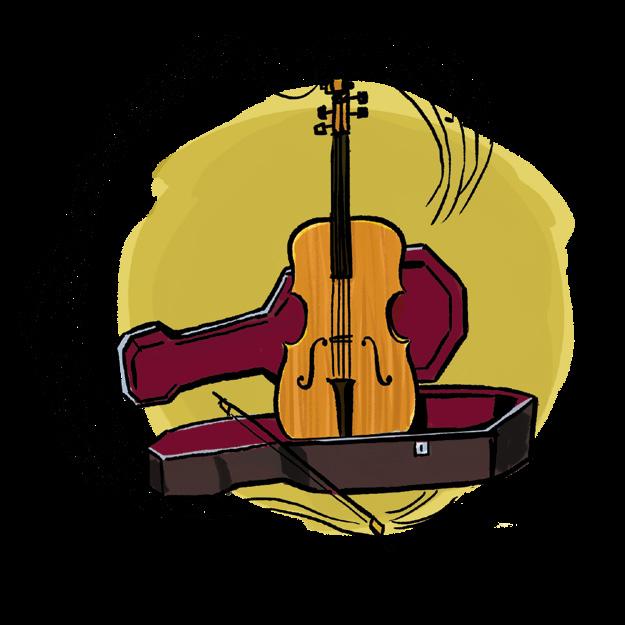
A Cello in Parts
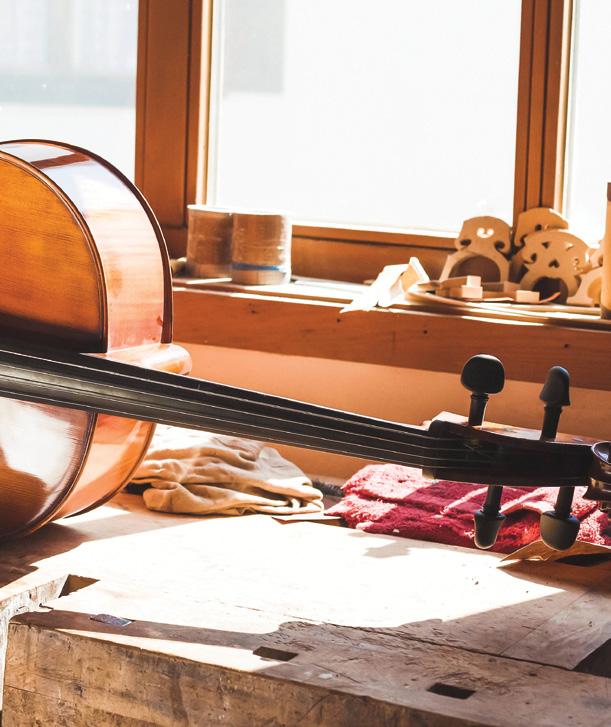
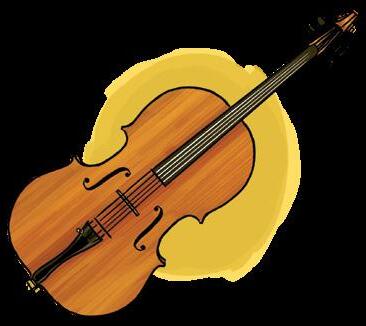
To make a cello, you first need big blocks of solid wood. And then sharp tools to carve, shape, and sand.
Glue to hold it together.
Strings and varnish, too.
But you need a few more things to be a master luthier, an artist who makes stringed instruments. The most important tools are your hands and heart.
And a love of great music.
Listen!
A cello’s sound is produced by the vibration of its strings. It is warm. It is rich. It can also be harsh and metallic.
Ask any cello player, and they will tell you: the cello sounds like a human voice. Its sound has been called soaring. Rich. Deep. Emotional. And
Touch it too hard, and you won’t like the sound. Too timid is not good either. As the wood vibrates, the sound opens.
A cello does not respond the same way to every player. Some players think instruments like this have a memory. They remember how
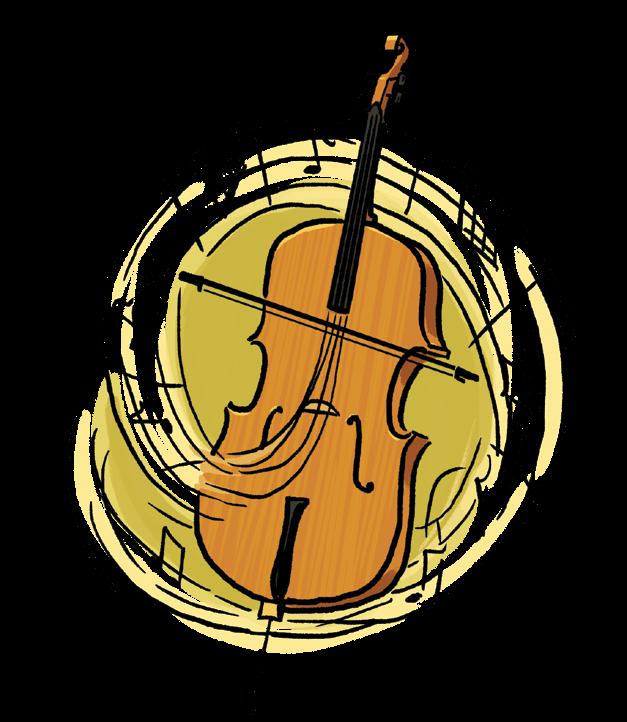
This is the story of one cello.
A beautiful cello.
A fussy cello.
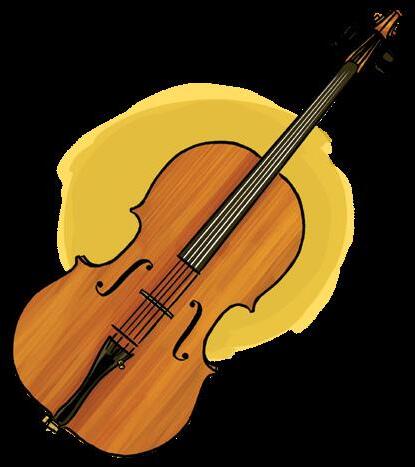
A cello that has been played by some of the greatest musicians in history. It is called the Davidov Strad.
It was crafted by one of the greatest luthiers of all time.
Let’s go back to the beginning to see how it was made. And let’s meet the people who got to play it.
Chapter 2
Welcome to Cremona
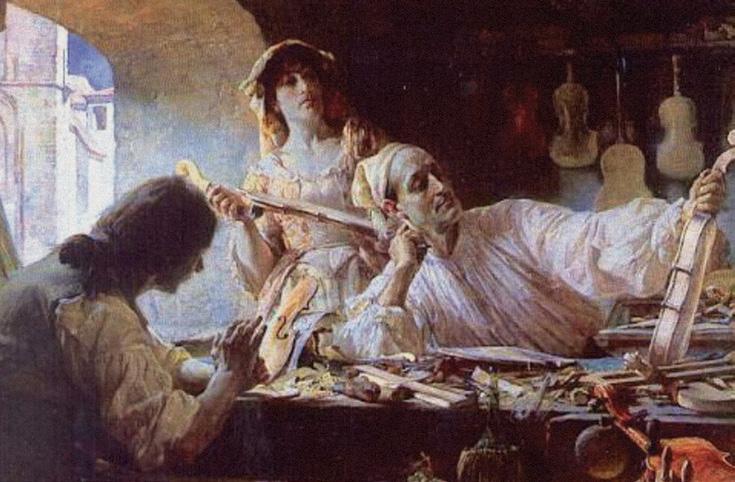
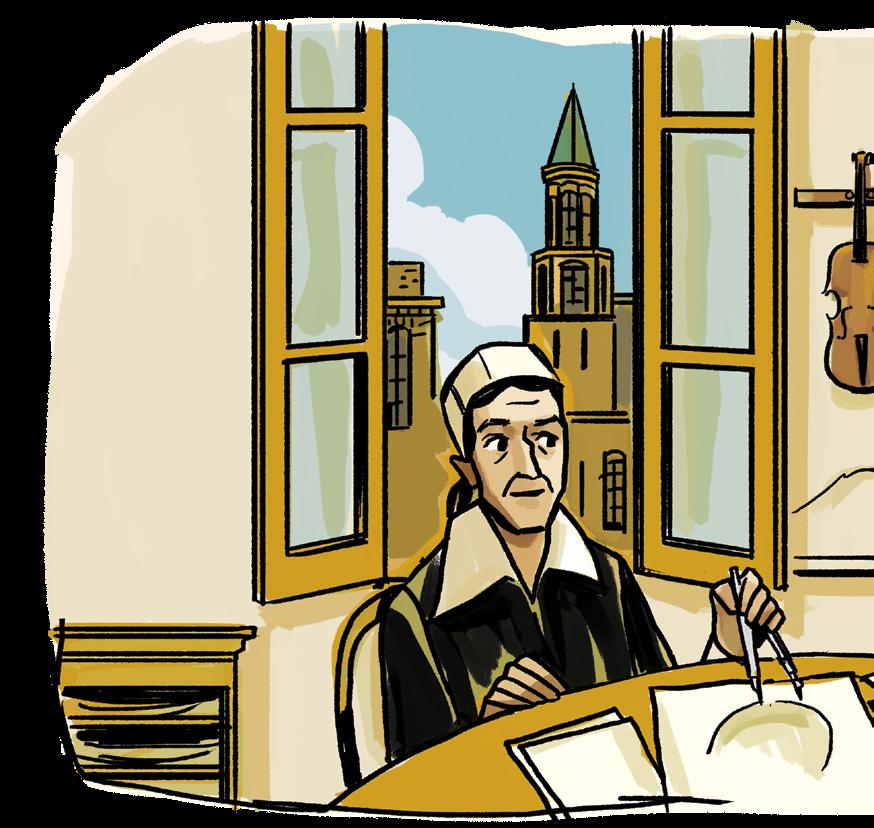
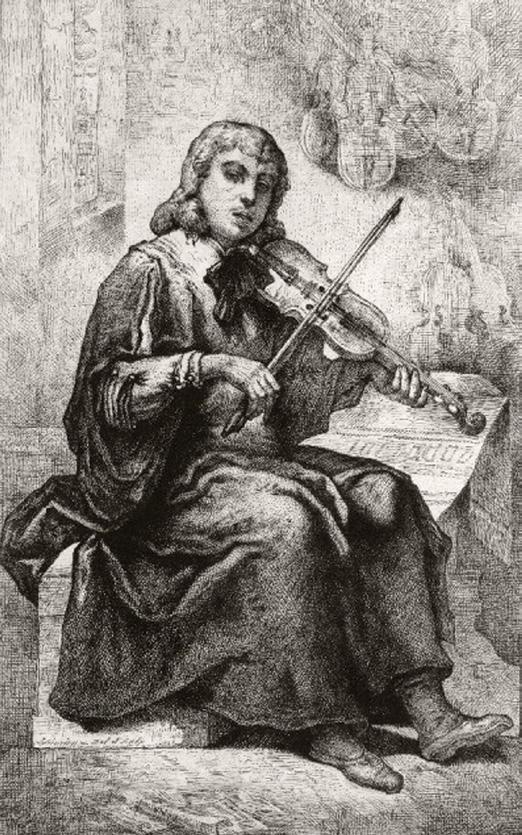
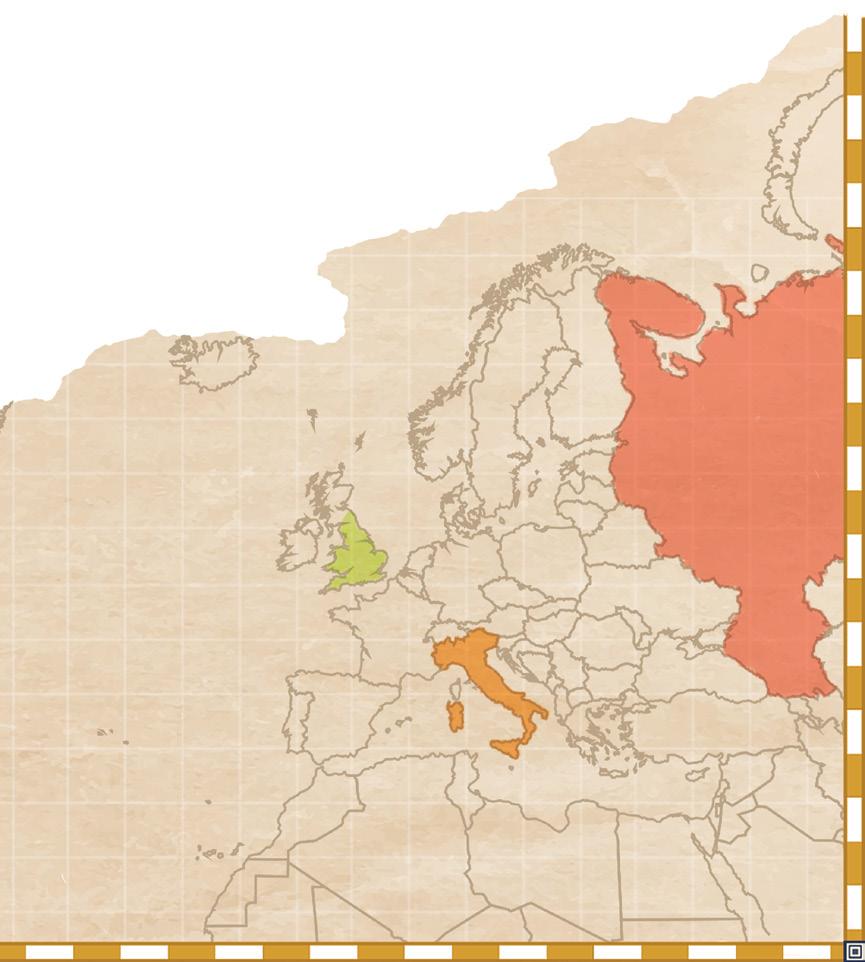
It is 1712, and Antonio Stradivari is up at the crack of dawn. The master luthier hunches over his workspace in his attic studio in Cremona, Italy. The work is precise. He must be careful. Every step is important.
• Antonio Stradivari •
Antonio starts to work as soon as there is light.
In Cremona, this is important since the air will get hot super fast. In fact, his workshop gets so hot that he cannot work between one and three.
Then on most days, he will not stop working until close to seven at night.
This does not bother Antonio. He loves his work. He wants to make the most beautiful sounding stringed instruments in the world. He wants to make a cello for a great artist, the Duke of Tuscany.
Unlike many luthiers of his time, Antonio did not learn his craft from his family. Until 1680, he studied and worked under the great Nicolò Amati.
Nicolò did learn his craft from his family. His grandfather invented the modern violin. By working with Nicolò, Antonio learns a lot about the craft. He learns how to be precise. And at first, when he starts out on his own, he makes instruments like Nicolò’s. But he also has ideas of his own about sound and form.
As he gets better at his craft, he makes changes to his design and molds. He looks for ways to make the cello sound better.
Nicolò Amati
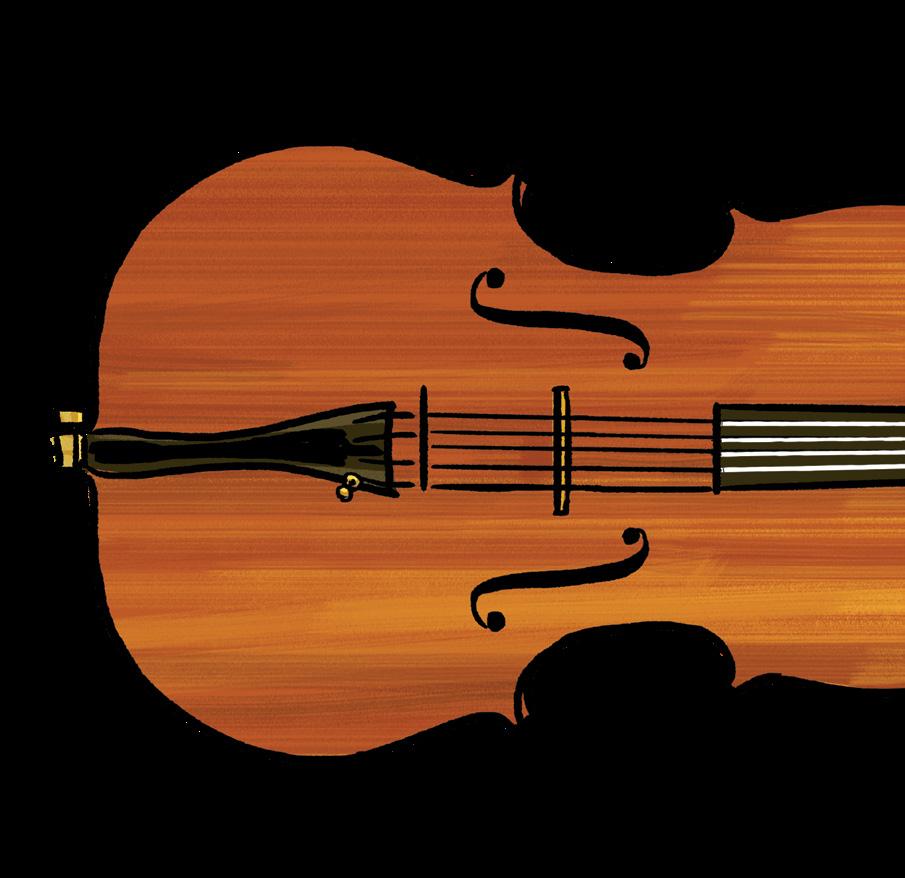
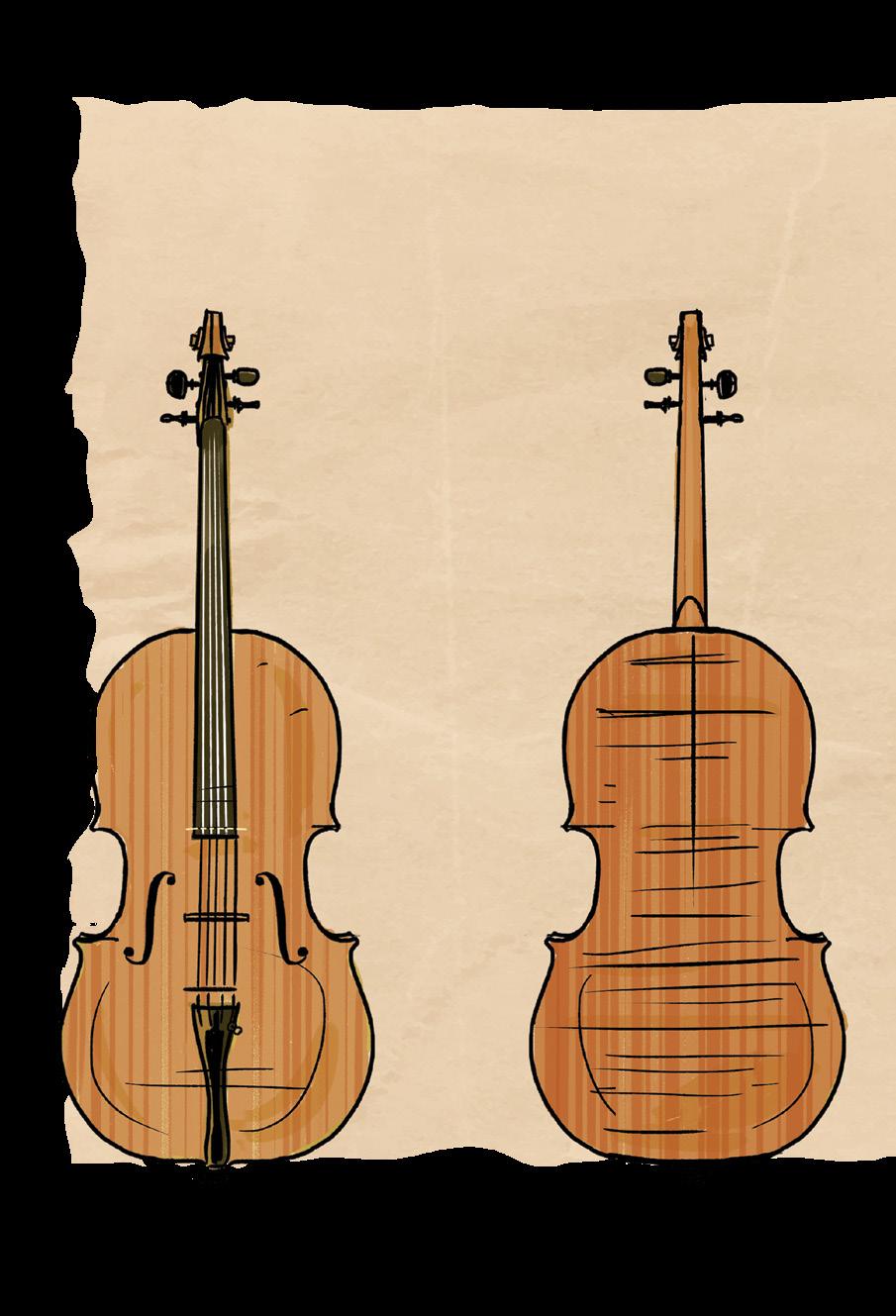
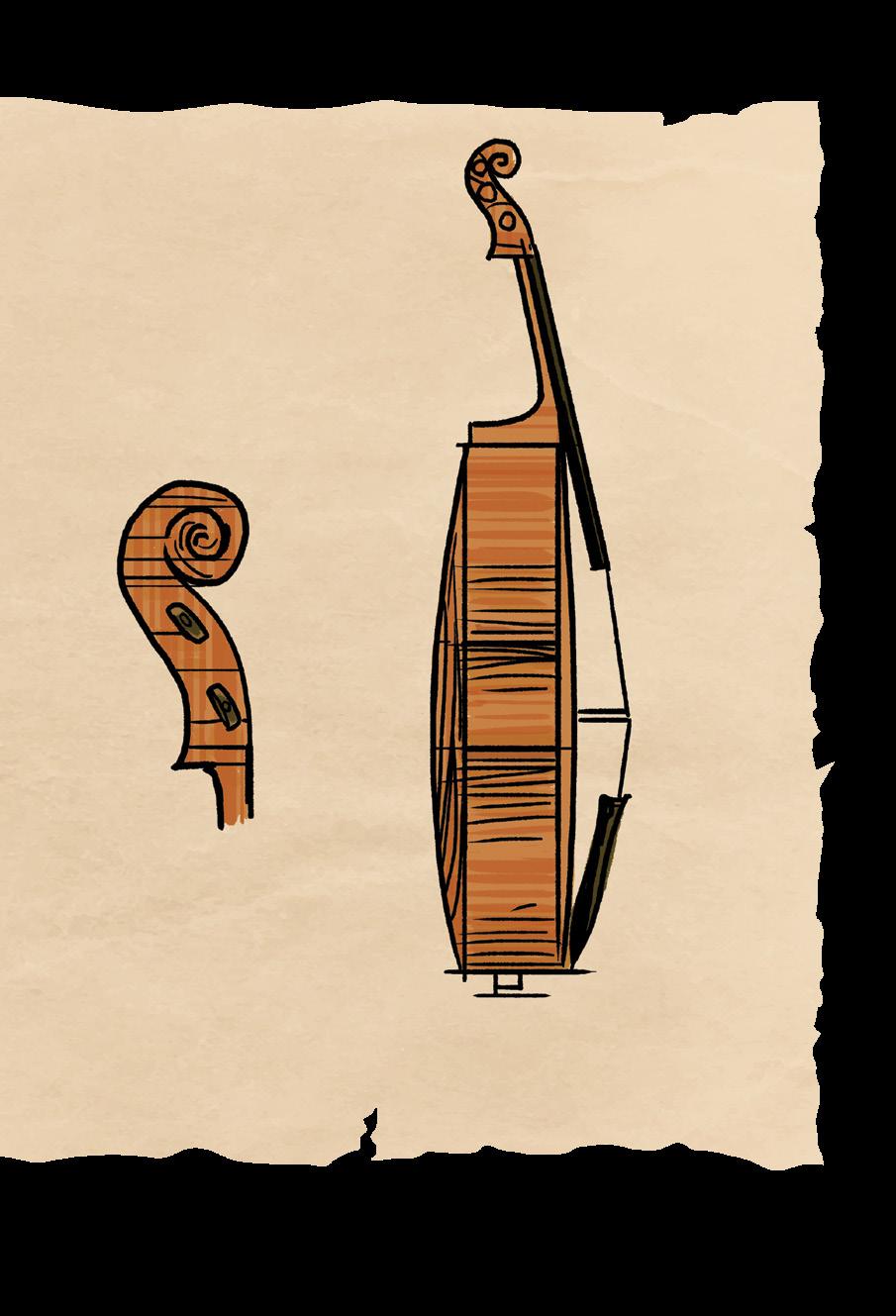
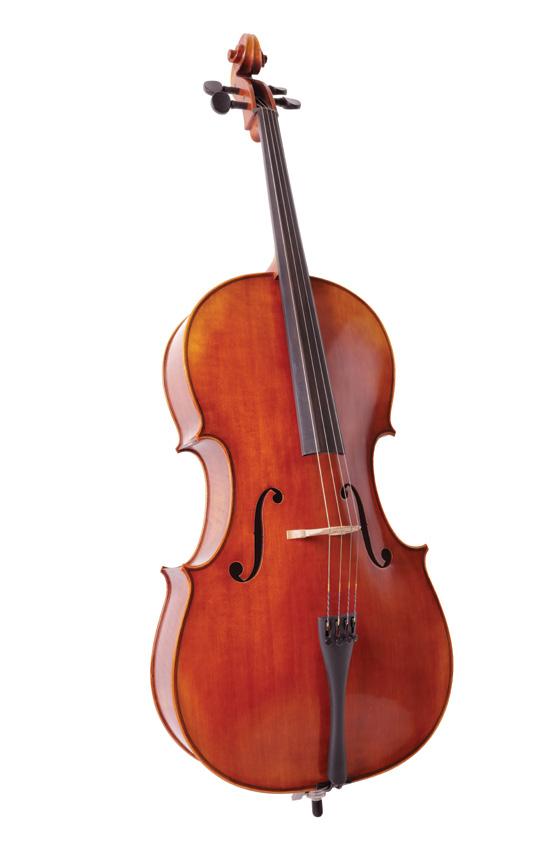
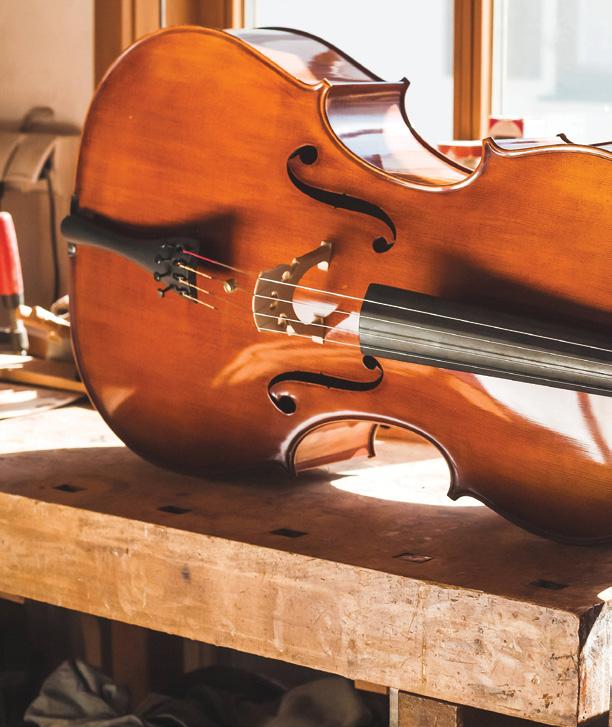
To make that sound, Antonio will build a cello with all the parts it needs. Its hollow body will vibrate to send out notes.
side view
pegs
fingerboard strings
bridge
Pegs will tune the sounds of its four strings. And a bridge will keep the strings up above the cello.
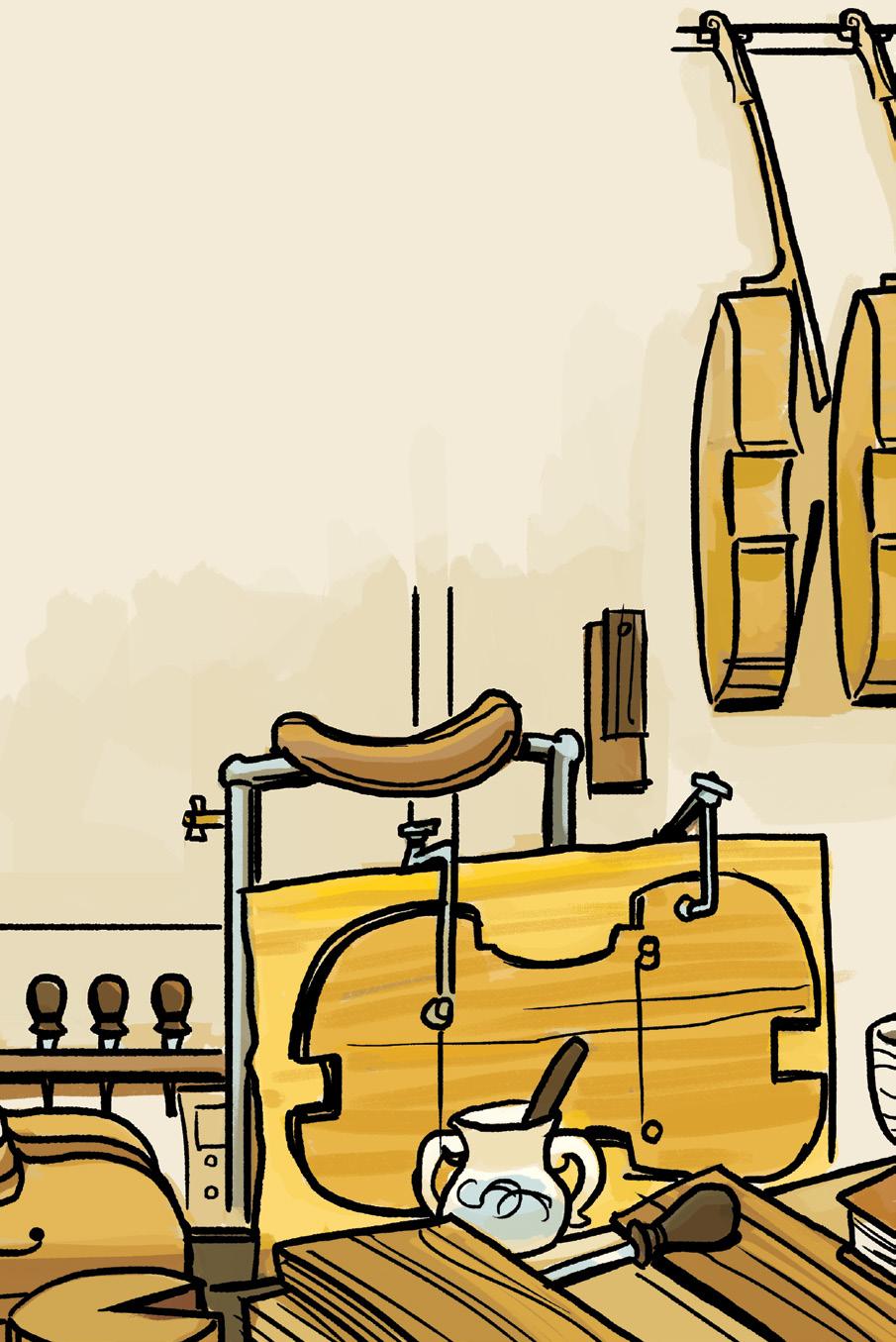
Antonio has made a new mold for this cello. It is smaller than the last one he made. And even though it is a mold he will use again, it will never produce the same cello twice. Each will have its own voice and sound.
There are reasons for this.
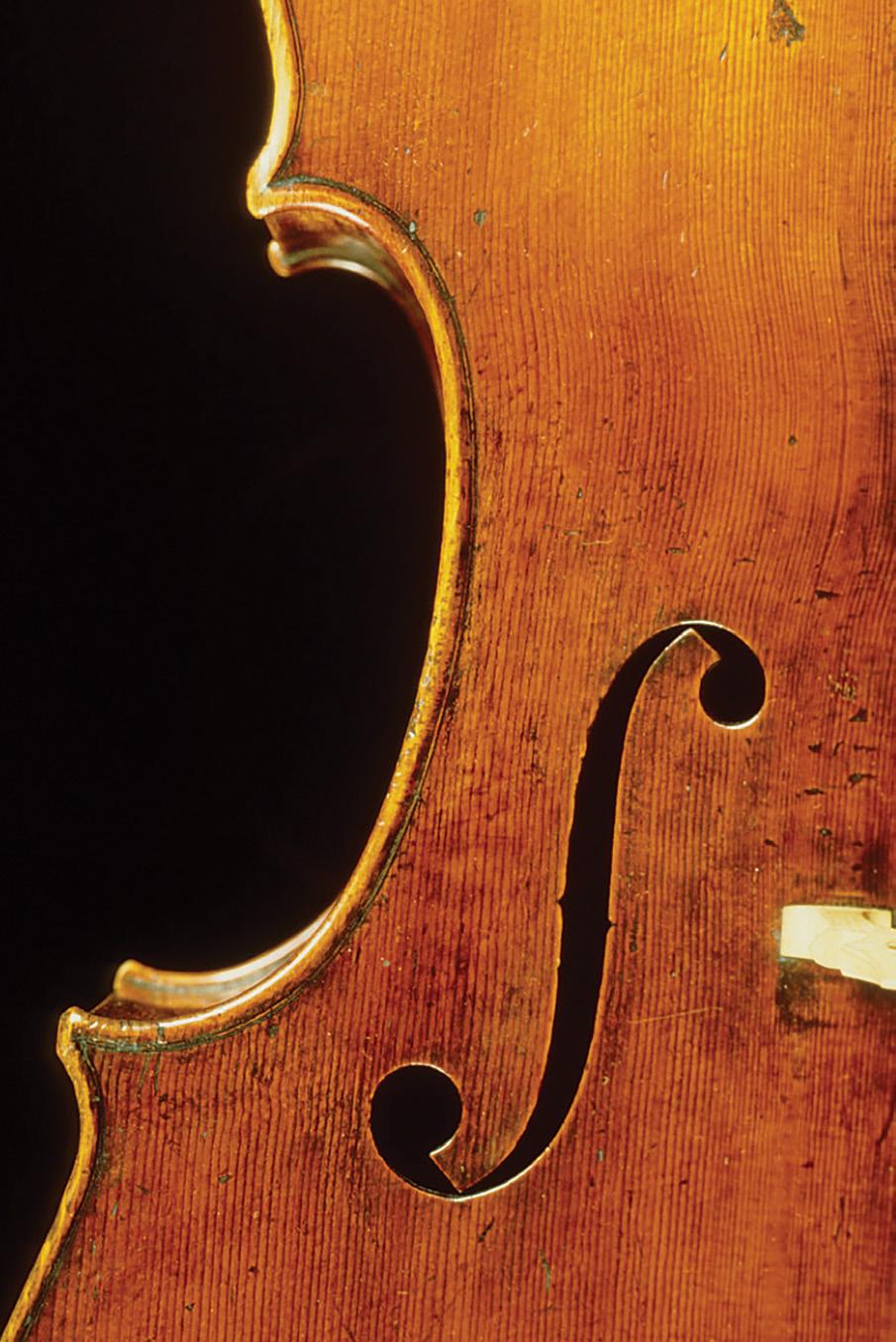
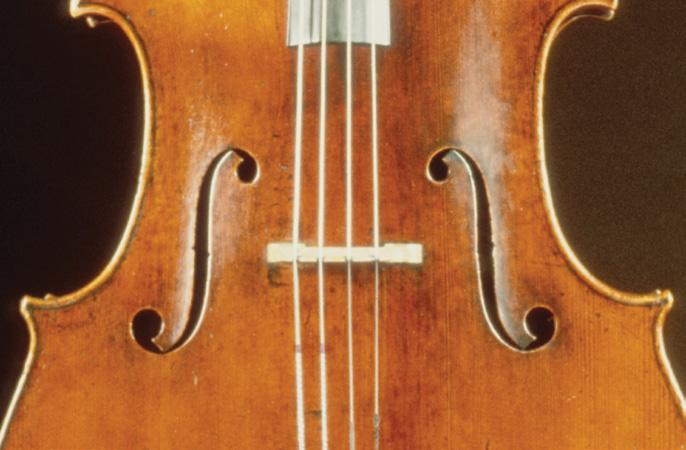
One reason is the holes. Antonio cuts them into the body of the cello. They are f-holes. The holes help project the sound. They also change the tone because the way they are cut makes the top of the instrument vibrate differently.
Another reason is the wood.
Antonio starts with six blocks of wood. He uses spruce for the top and willow for the blocks and linings inside. He uses maple for the back, ribs, and neck.
willow
• maple
spruce
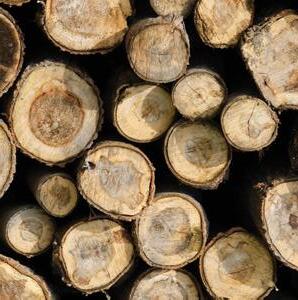
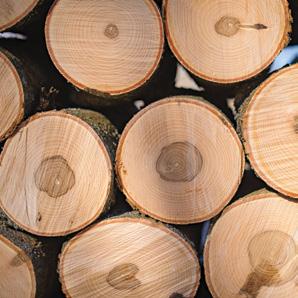
The wood he uses comes from trees so dense and ancient, their rings are difficult to count.
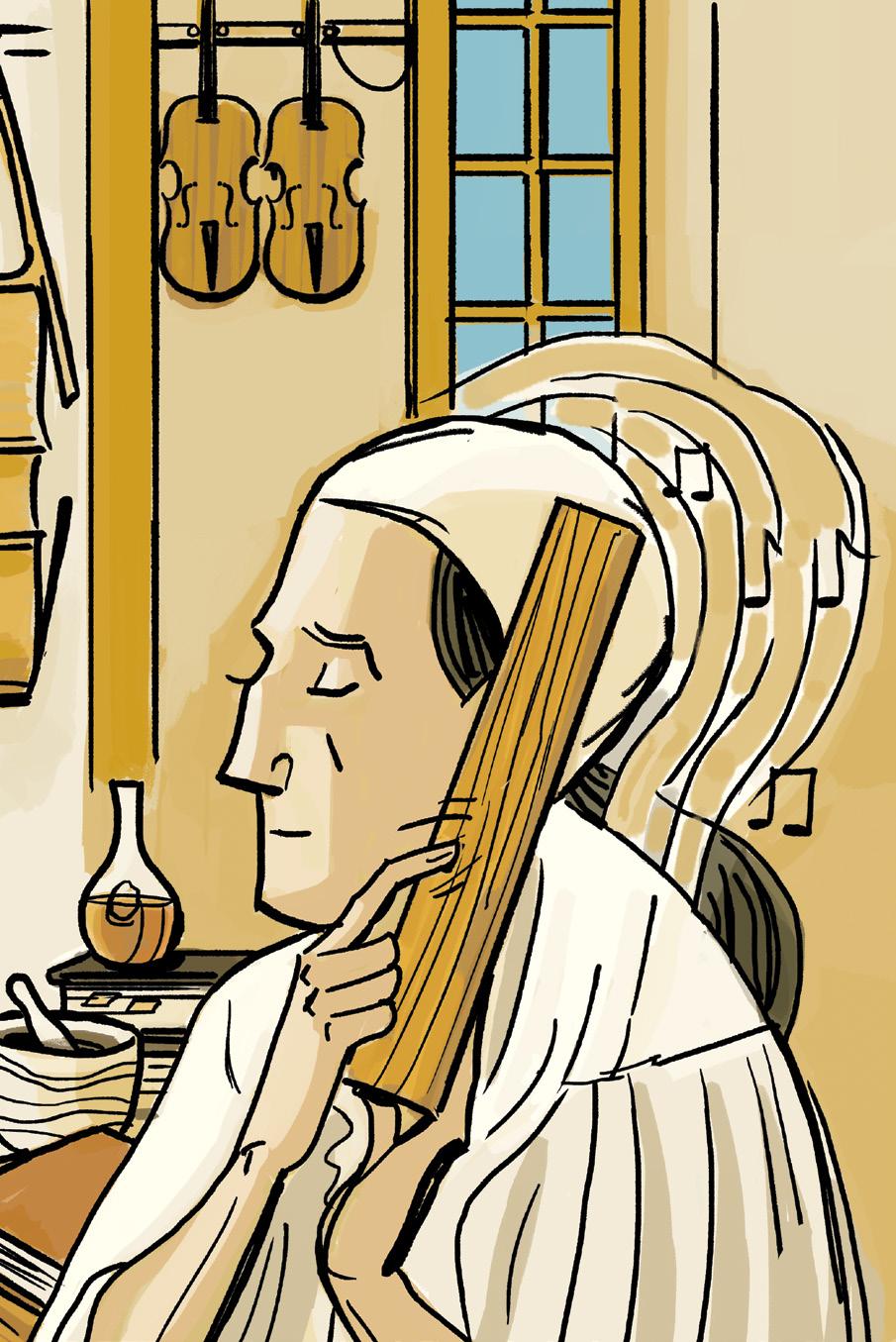
To hear what kind of sound the wood will make, Antonio holds a piece to his ear and scratches it.
Did you hear that?
Already, this wood is making music.
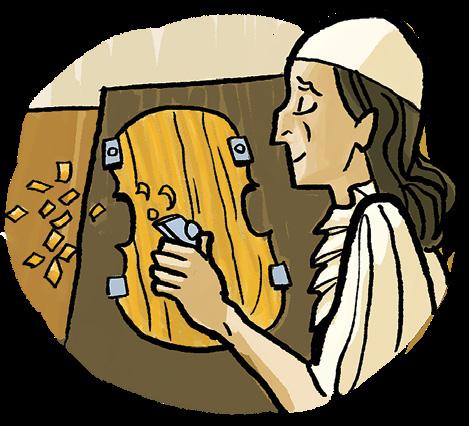
Next, Antonio holds the wood down with clamps. Now he can begin to carve and shape it.
He scrapes the wood, back and forth, back and forth. He works it again and again until it is smooth.
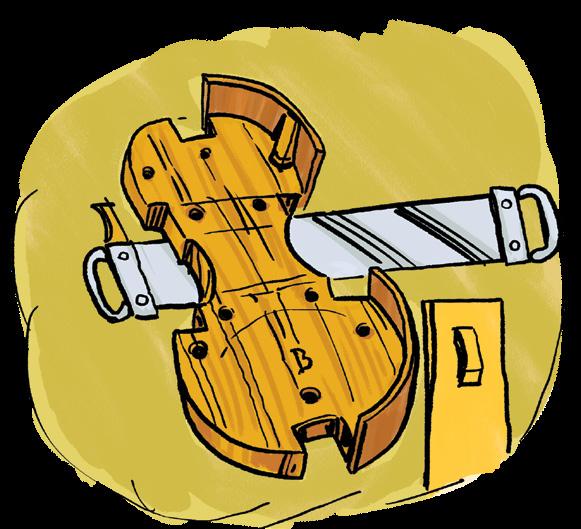
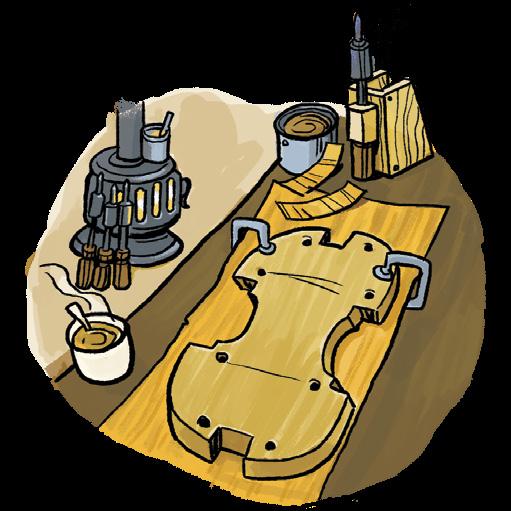
Then, it is time for heat. To heat the glue and bending irons, Antonio has a small stove.
He uses the bending irons to form the ribs between the top and back plates in the cello’s body. He also needs the irons for the neck.
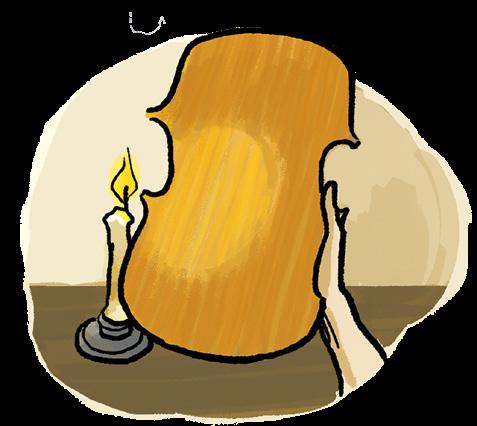
Then he shapes the top and back by the light of a candle’s flame. When he is done carving, shaping, cutting, and molding, it will be time to mount the strings and varnish the instrument.
Antonio’s varnish is so much more than paint. It protects the wood and makes the cello pretty, too. And because the varnish quiets some higher sounds, the cello’s tone is rich and warm.
Antonio applies two layers of varnish. The first is made of oil. It seals the wood. The next layer is tinted red.
Isn’t it lovely?
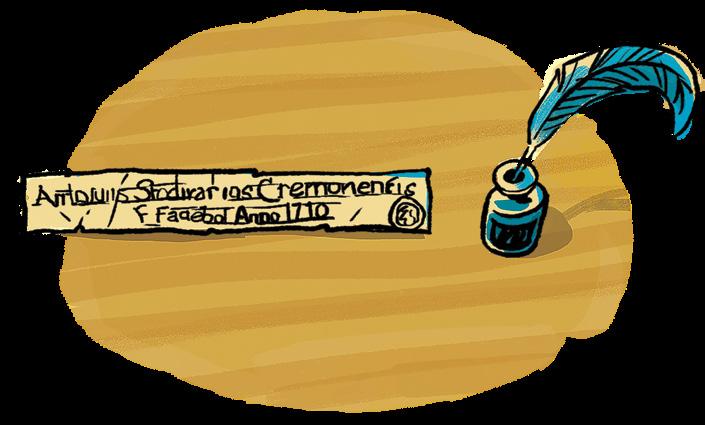
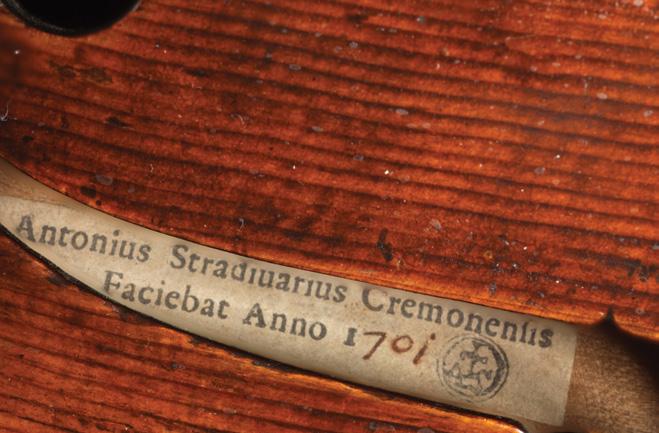
• Antonio’s parchment label •
Last, he writes some Latin words on parchment. Then he glues this label inside the cello. That is how people will know he made it.
In the future, because of his skill, all of Antonio’s instruments will be called by his name. They will be known as Strads.
And now it is time to pick up a bow and play one.
Chapter 3 How This Cello Got Its Name
Over the next hundred years, the cello will belong to music lovers who collect fine instruments and art. They will host parties at their homes where they play music, just for fun.
Just for the love of it.
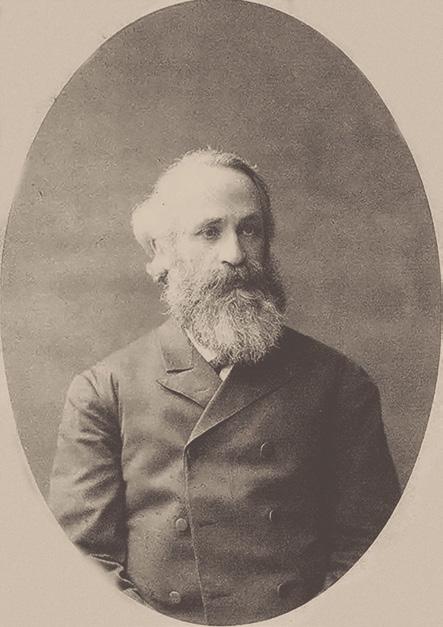
So how does this cello become known as the Davidov Strad? It was named after the cellist, composer, and teacher Karl Davidov.
This is Karl’s story, from the beginning.
Karl is born in Latvia in 1838. He grows up in Moscow. When he is five years old, he begins playing piano. He is clearly going to become a great
musician. At 12, he begins playing the cello, too.
His father is not happy about this. He is a doctor who plays the violin for fun, not as a job. He and his wife want Karl to go to college and complete his education. Karl listens. He decides to study math. But as Karl studies numbers, he also keeps playing his cello. He learns how to make a range of sounds, depending on how he sits and how he uses his bow on the strings.
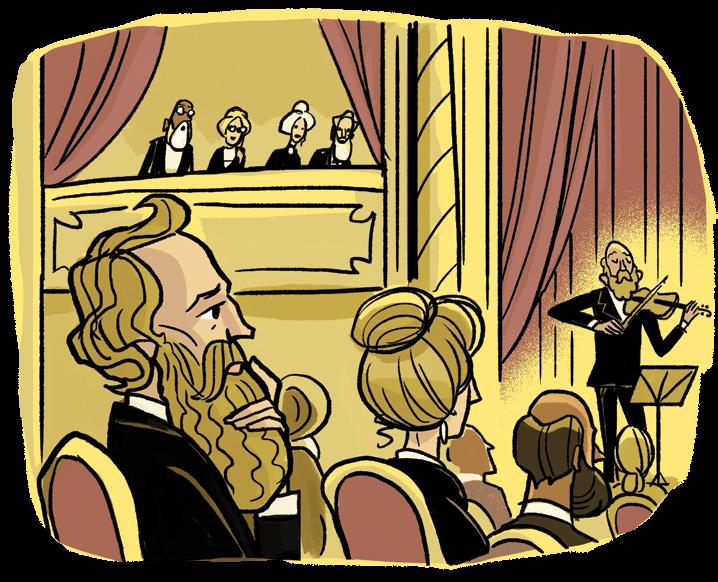
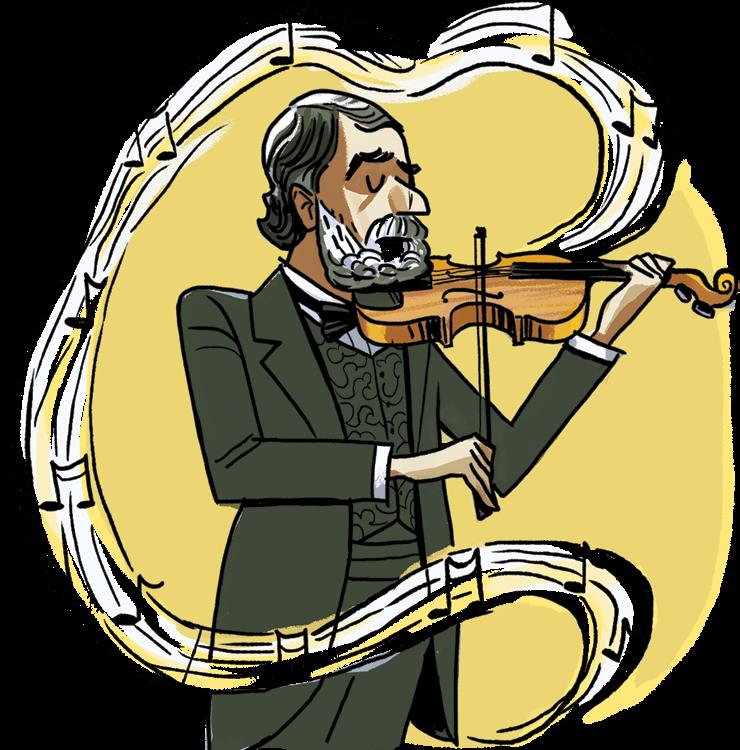
By the time he is 22 years old, Karl’s mind is made up. He wants to be a composer and professor of the cello. But he does not stop performing. He performs on his own and with violinists. He tours all over Europe. He is considered the greatest cello player alive. When he plays, the cello sounds precise, sweet, and powerful.
• Karl Davidov •
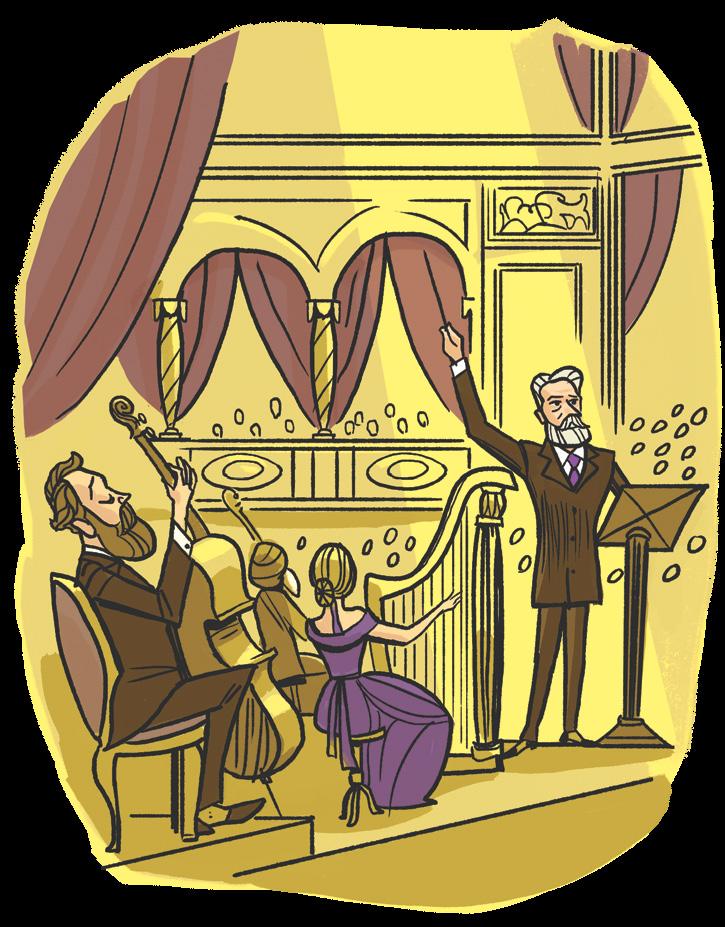
The great composer Tchaikovsky calls Karl the emperor of cello players. That’s high praise!
Karl is one of the first cellists to link the human body with the sounds he can create.
He learns by observing violinists, since they always play the melody. He wants cellists to play the melody, too.
He sees how violinists use their hands to create harmony. He takes note of how they hold their bows.
He also focuses on how to use his thumb on the lower strings. He tells cellists to try using a more flexible wrist. If they apply more pressure, they will have more control.
In 1870, Karl meets Antonio’s cello for the first time. He is 32 years old, visiting a rich count.
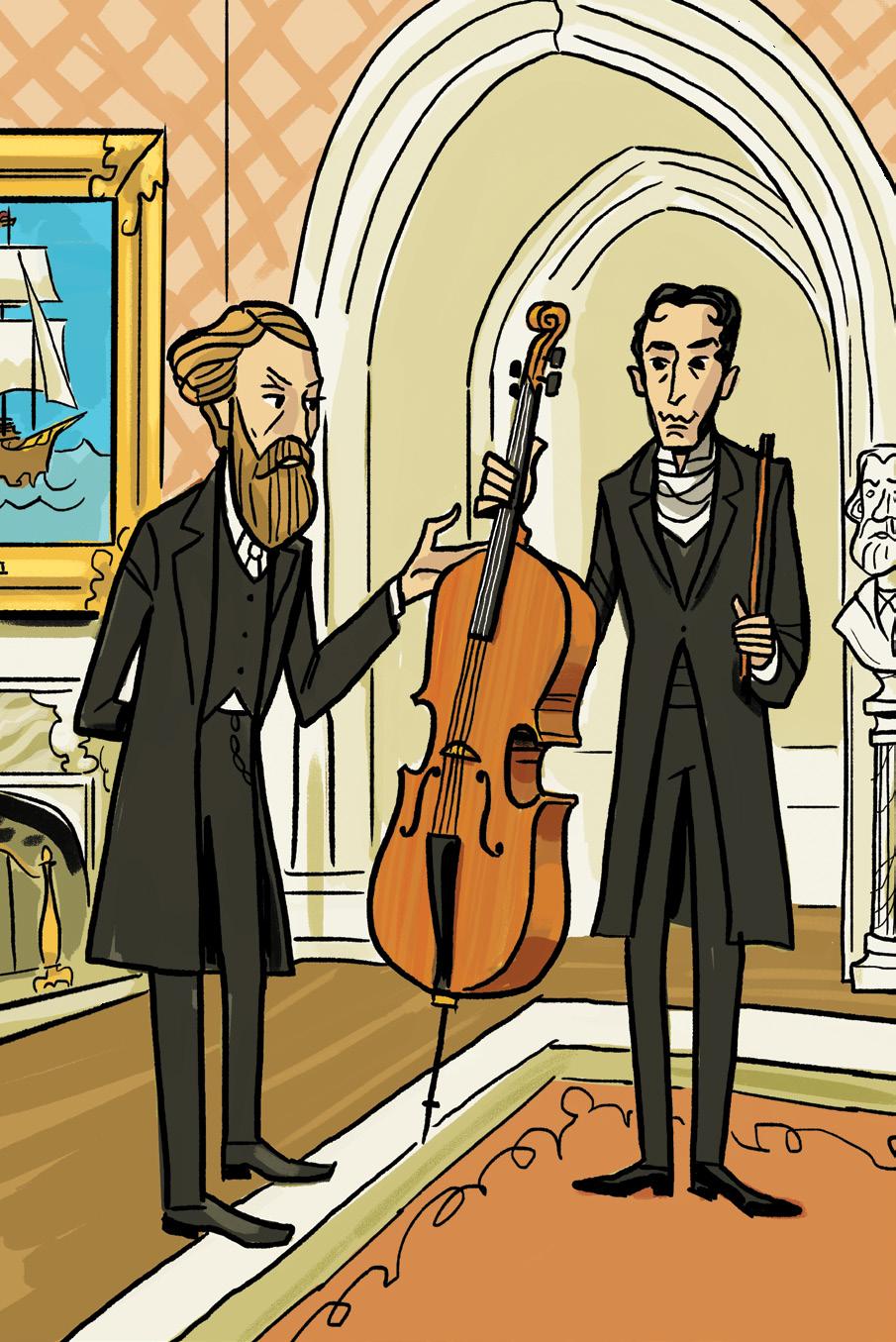
The count takes out his cello and hands it to Karl. He tells Karl he bought the cello for 50,000 francs and two beautiful horses! He asks Karl to play the cello.
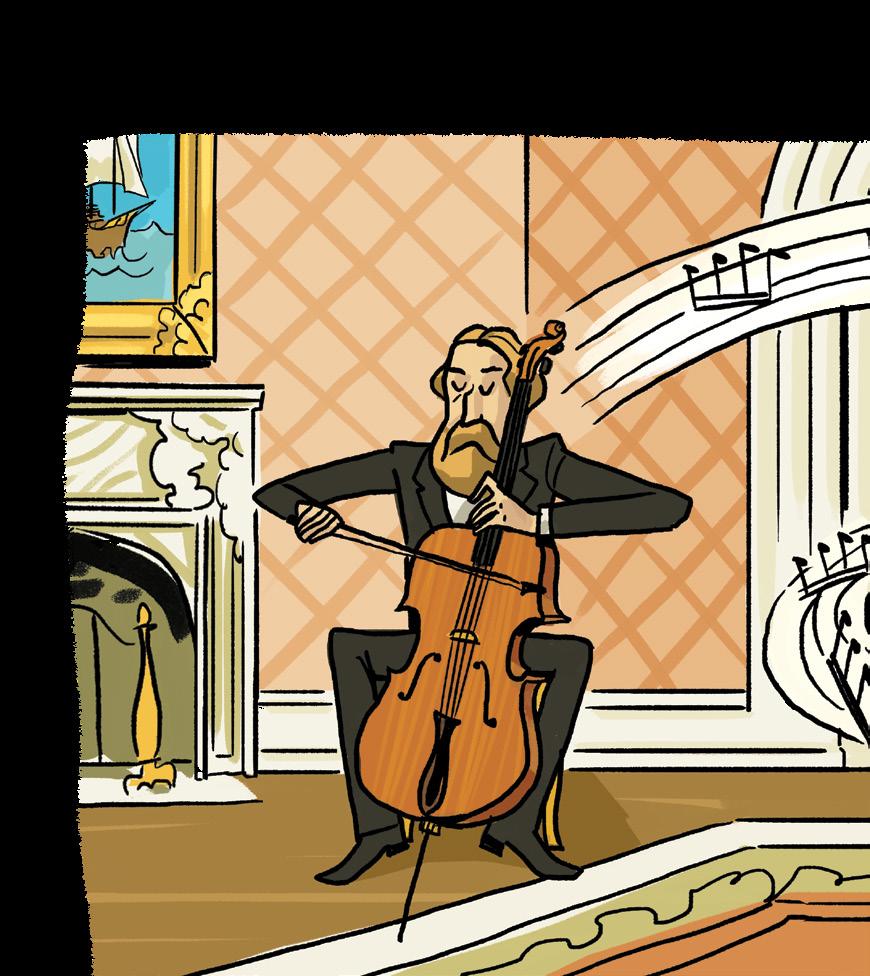
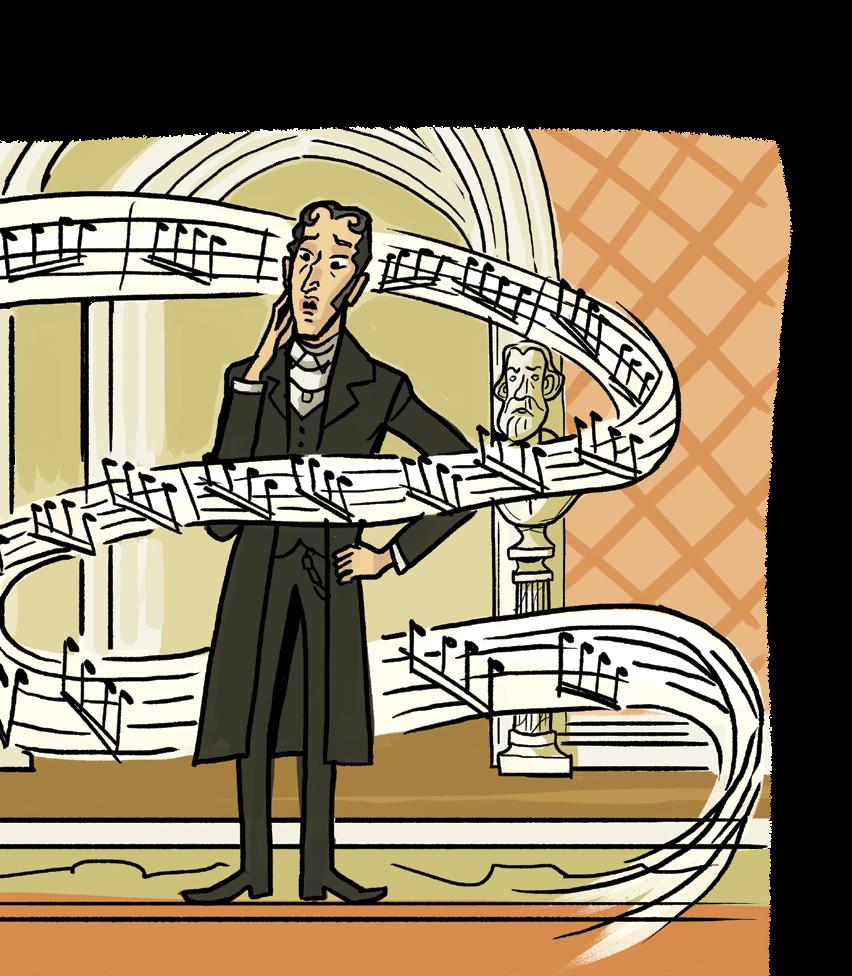
After he plays, the count gives him the cello. Karl plays it for the rest of his life.
With this cello, Karl composes his most famous work, “At the Fountain.” He also writes music to be played by 10 cellos at once. And he writes a book to teach new cellists how to play.
He plays until his death, in 1889.
From now on, Antonio’s cello is called the Davidov Strad. Davidov for Karl. Strad for Antonio.
After Karl’s death, the cello is sold and sold again.
Until 1964, when it finds its way to Jacqueline du Pré, the most exciting performer alive.
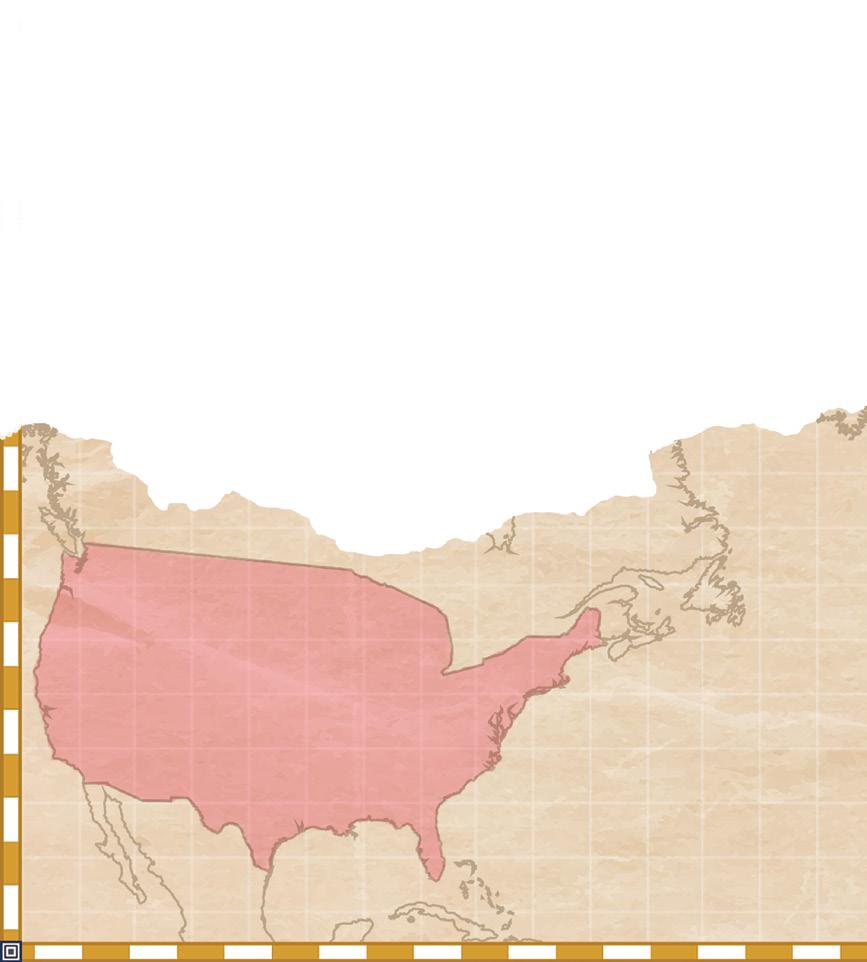
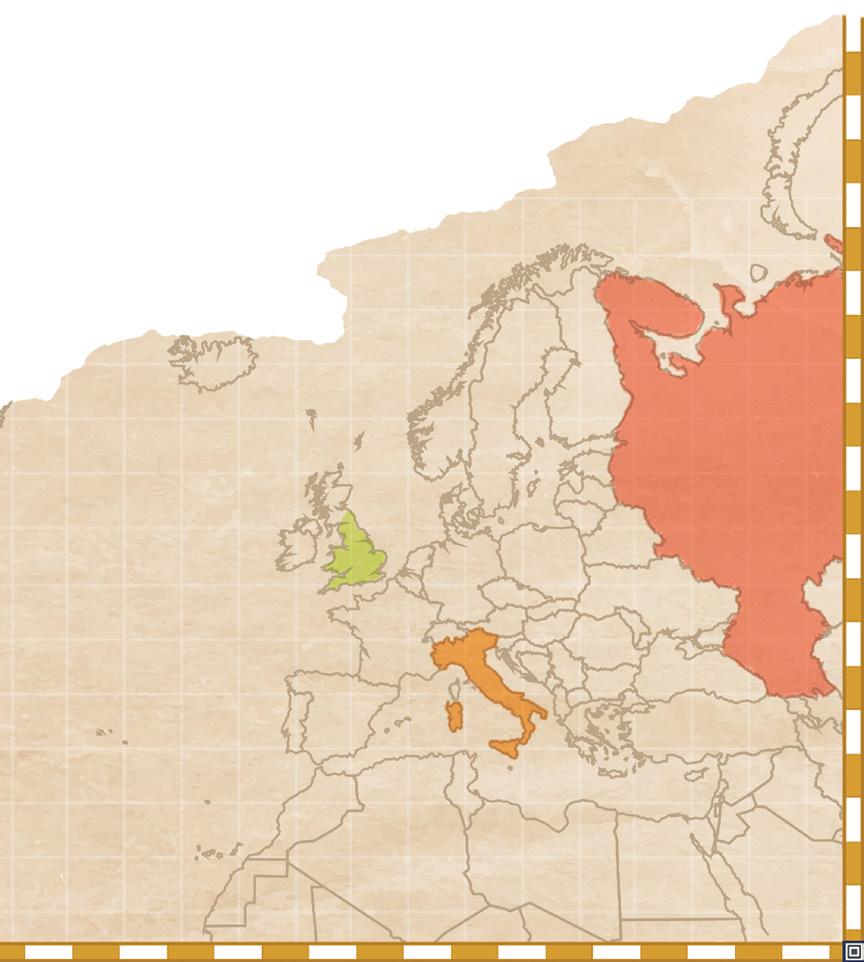
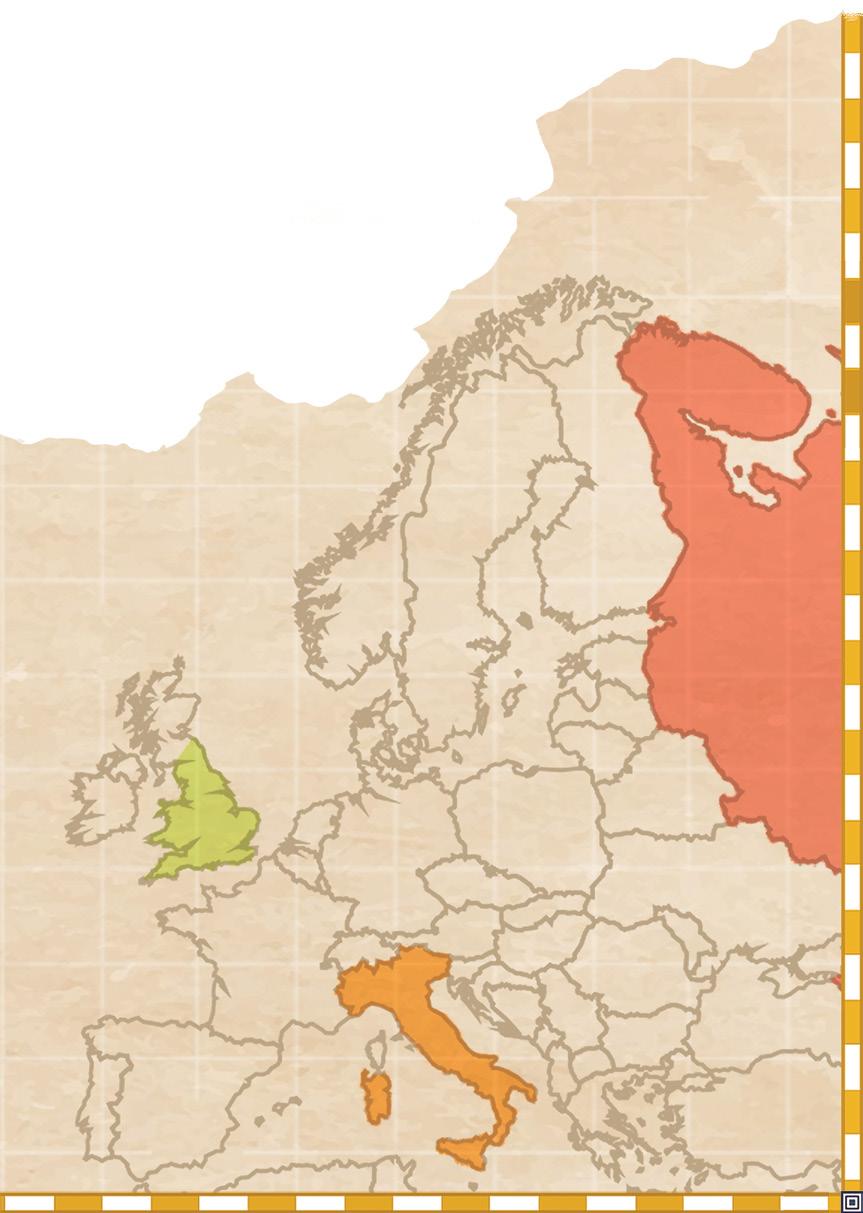
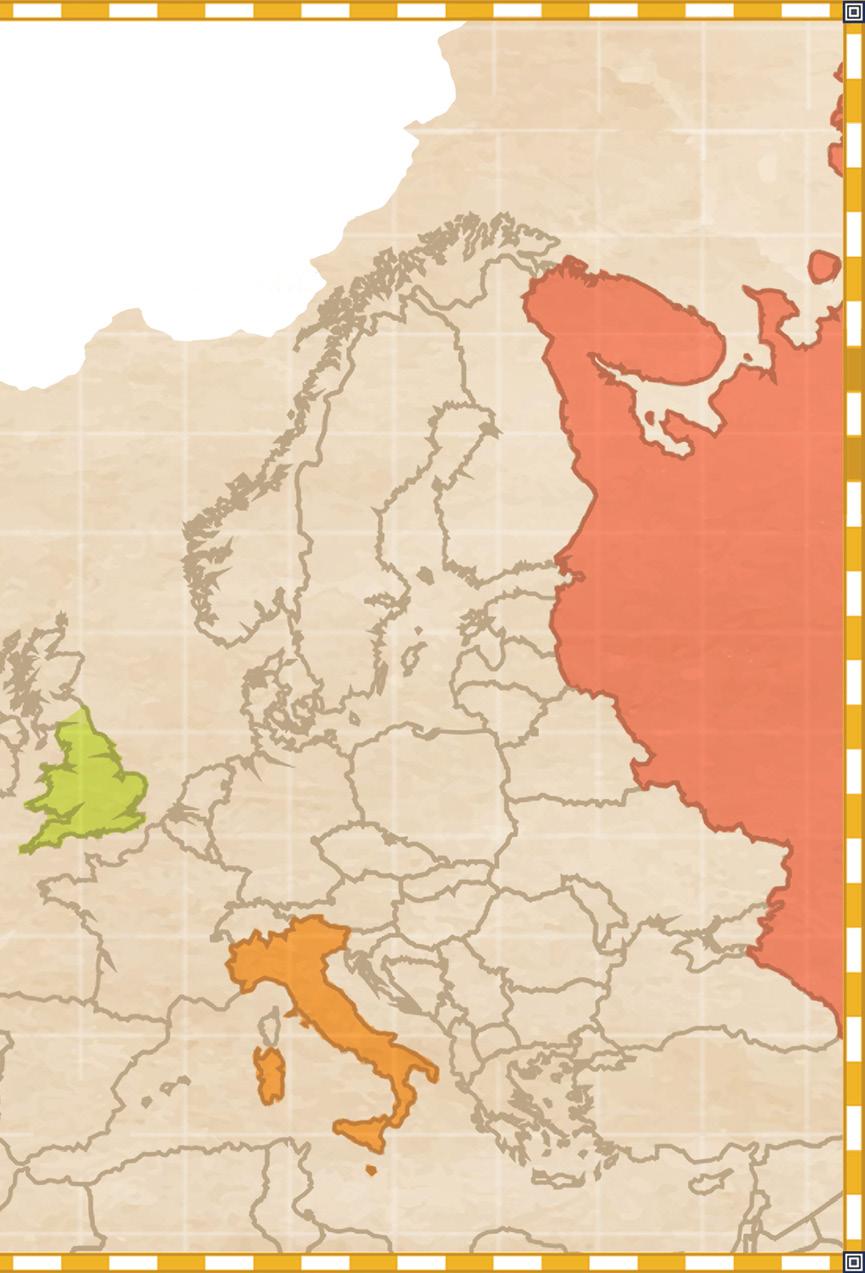
ITALY Cremona
Moscow
Chapter 4 A Shooting Star
Here is Jackie’s story.
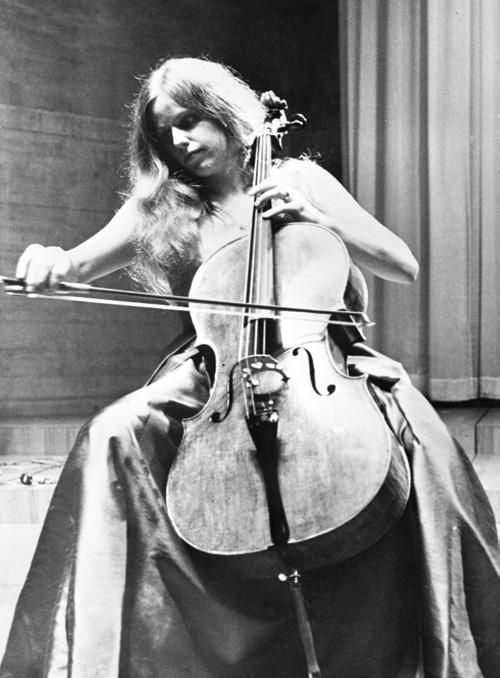
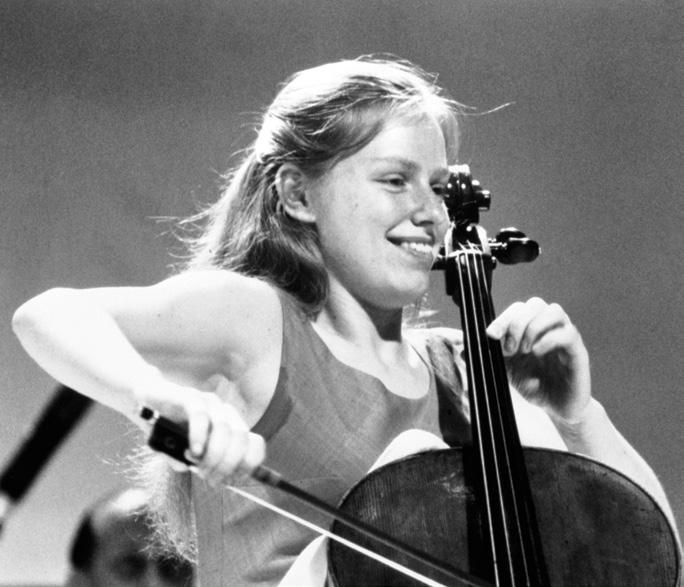
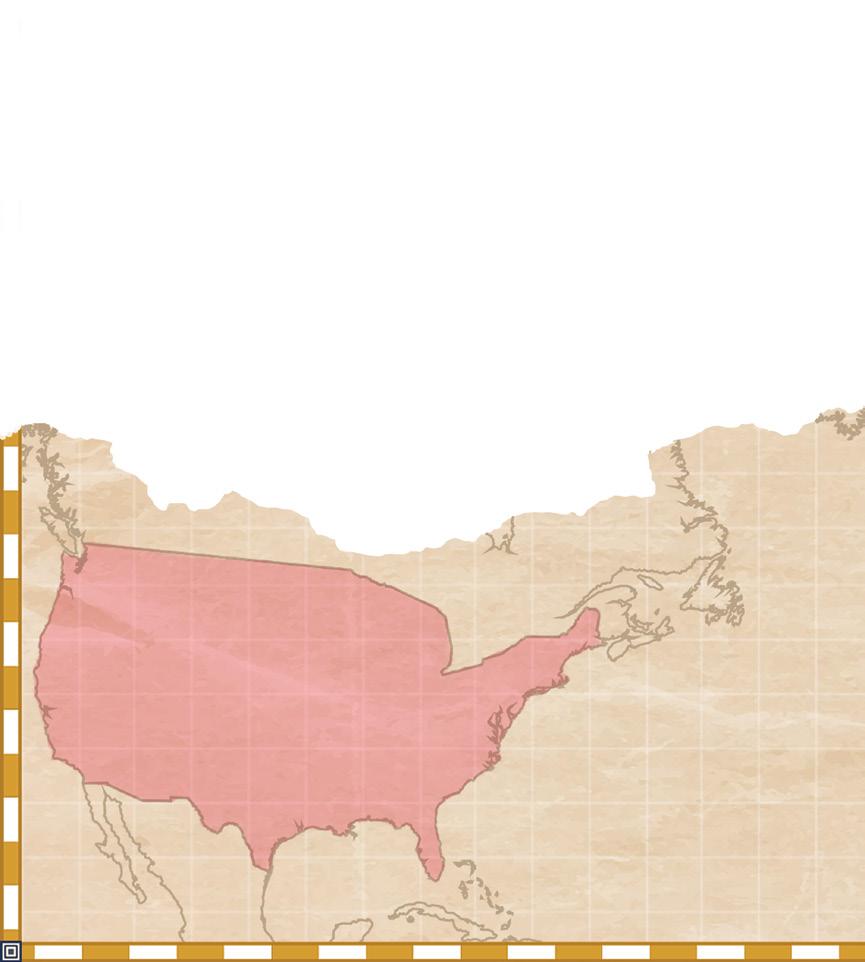
Jacqueline du Pré is born in Oxford, England, in 1945. Her friends call her Jackie. Or Smiley, since she always smiles when she plays.
She loves music so much!
Like Karl, she begins playing music when she is very young.
Unlike Karl, she starts with the cello. Her parents nurture her musical talents early on. They are musicians, too.
Most people wait until they are 15 years old (and fully grown) to play a full-size cello. But Jackie gets hers when she is only four years old! By the time she is five, it is clear she is going to be a great cellist.
She studies with great teachers. She plays in her first concert in 1961, at the age of 16.
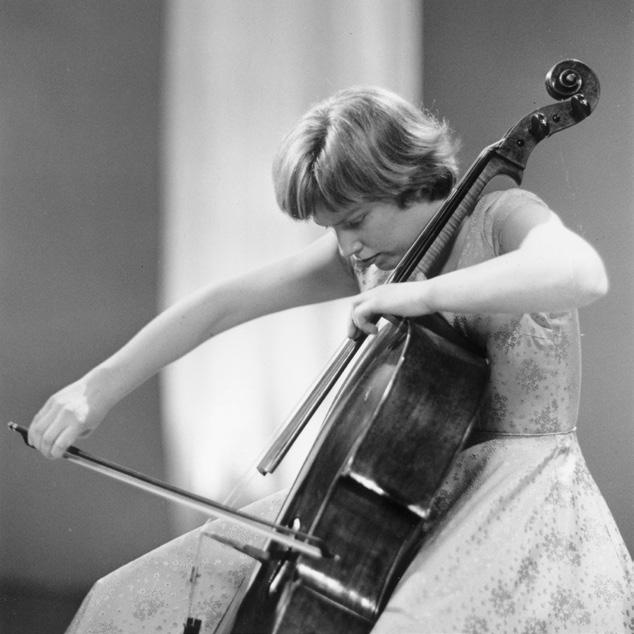
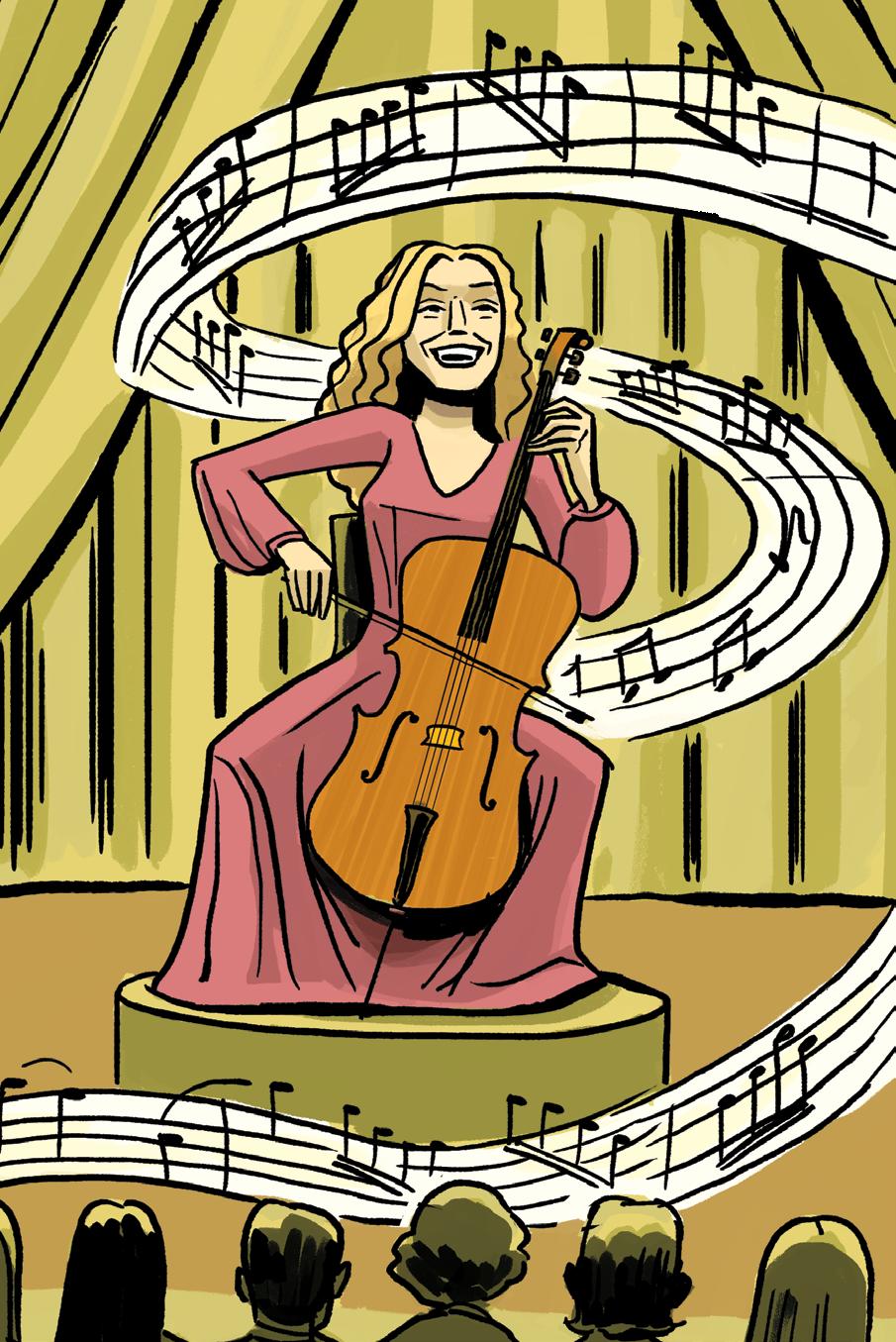
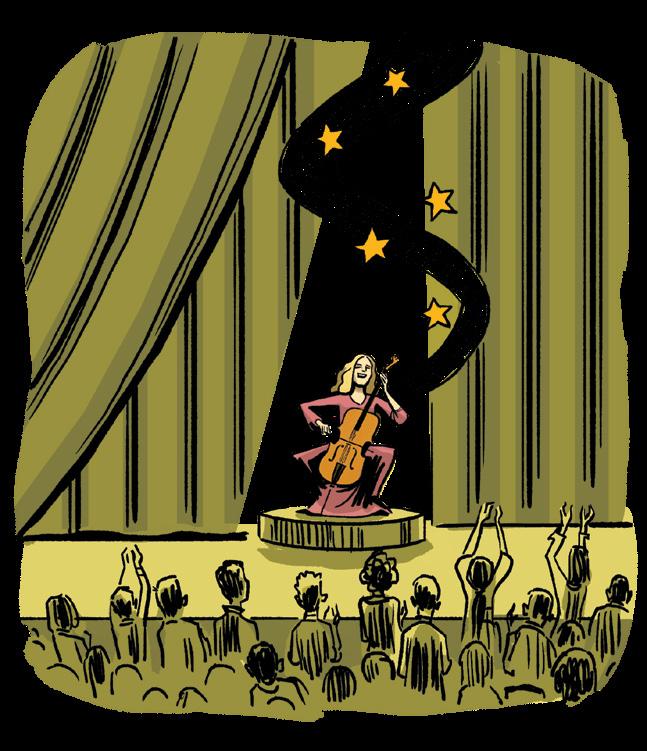
On stage, Jackie is poised and strong.
Audiences can feel her energy.
Watch her play.
Watch both hands.
Look how nimble they are.
When Jackie sits down with her cello, her face lights up. She has a natural flair. She is a passionate player, flawless and instinctive. She makes people gasp.
The music world adores her.
Jackie’s fans call her a meteorite, a shooting star. Her life and energy emerge when she plays. She plays the Davidov Strad between 1965 and 1968.
But here is something interesting. Even the greatest cellists and cellos may not work well together. Sometimes, what looks like a perfect pairing . . . is not.
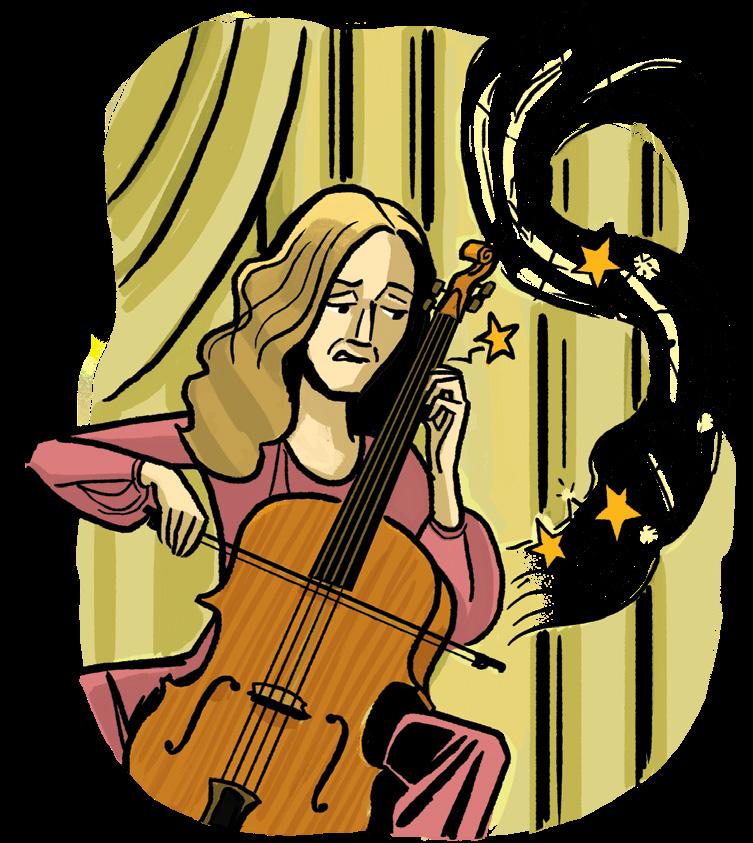
Jackie admires the Davidov Strad and performs on it often, but she does not always like it. She calls the cello unpredictable because it does not always respond the way she wants it to.
After concerts, she must glue the cello back together. She must also fix her bow. She does not like how the wood of the fingerboard responds to changes in humidity. When the air is humid, the wood softens.
The fingerboard can shift up and down and change where the strings sit. Heat can also make the strings feel loose.
After a while, she begins performing on a different cello.
And this is tragic because this shooting star has very little time to give.
Jackie will die of an illness in 1987.
But before she dies, she loans the Davidov Strad to Yo-Yo Ma. He falls in love with it instantly. This time, the feeling is mutual.
RUSSIA
Chapter 5
The Davidov Now
In some ways, Yo-Yo Ma’s childhood is a lot like Karl’s and Jackie’s.
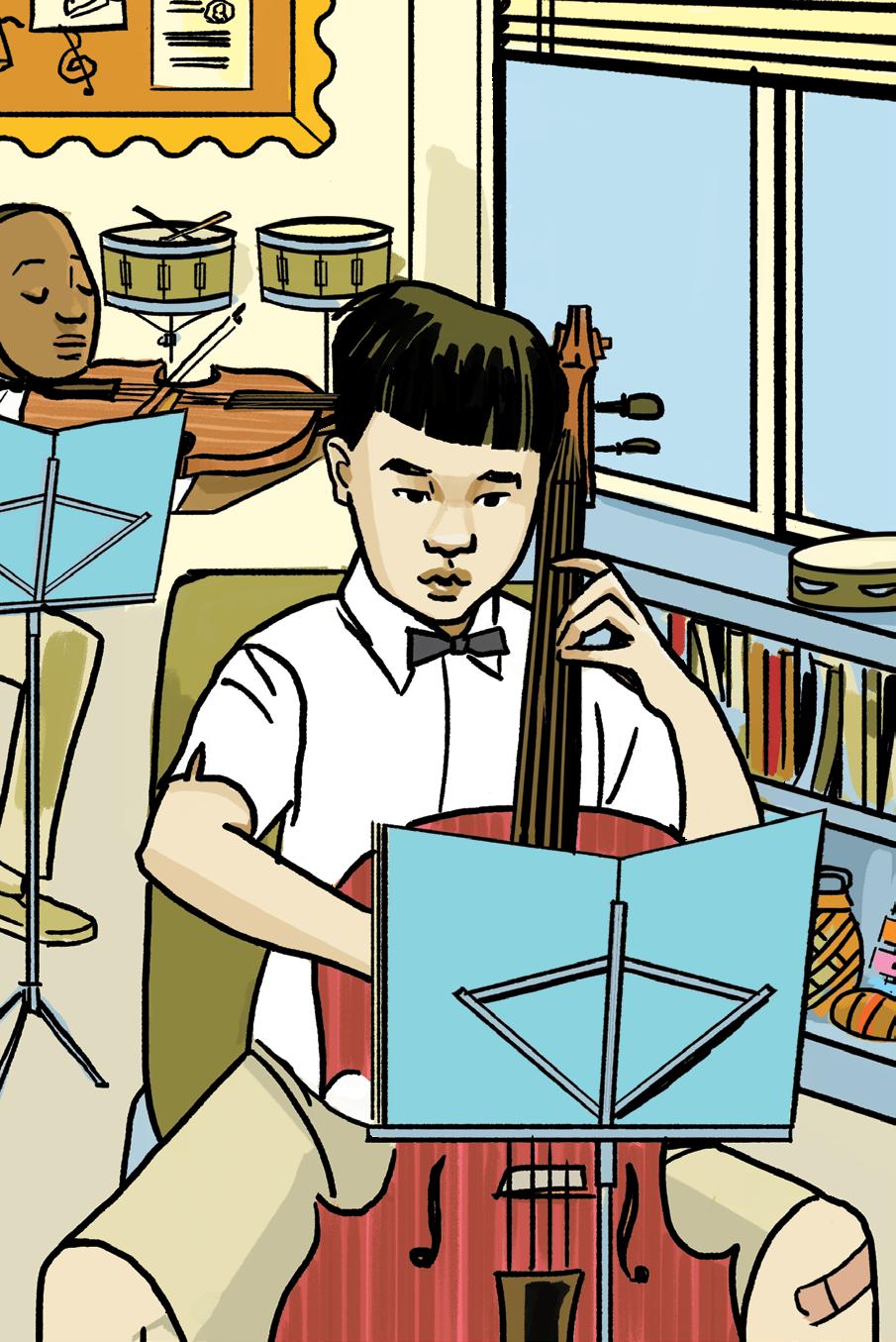
Like them, he is the child of a violinist. He begins playing cello when he is a small child, only four years old. At seven, he and his family move from Paris to New York City. He goes to school to study music.
He performs his first concert when he is only five years old. He performs for presidents, on TV, and in the world’s greatest concert halls.
He plays many cellos. But most of all, he loves playing the Davidov.
It is a work of art that is now worth millions of dollars.
After Jackie dies, he does not have the money to buy it for himself. He must give the cello to its new owner.
Luckily, the new owner allows Yo-Yo Ma to play it for the rest of his life. This is great news.
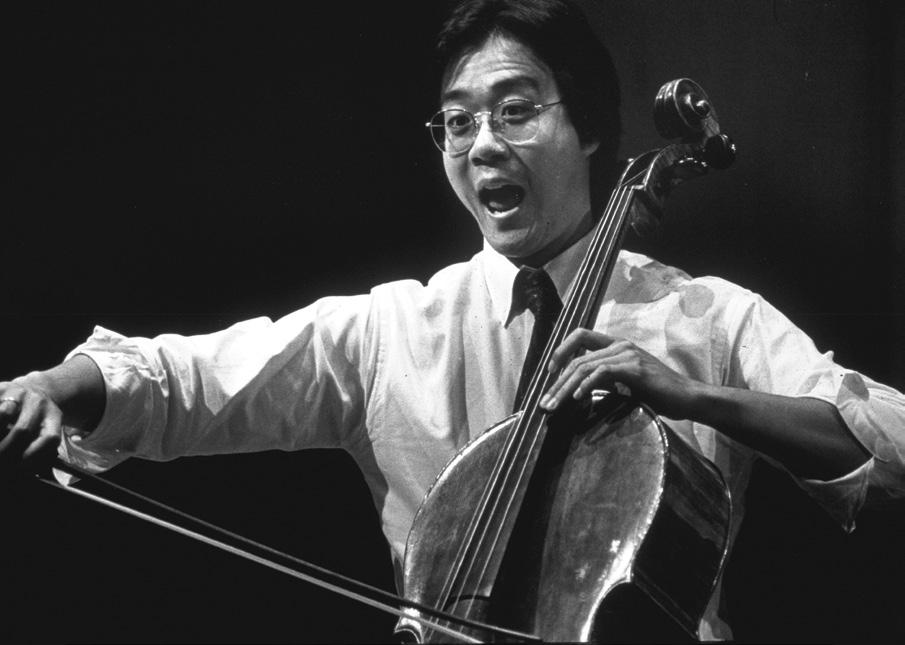
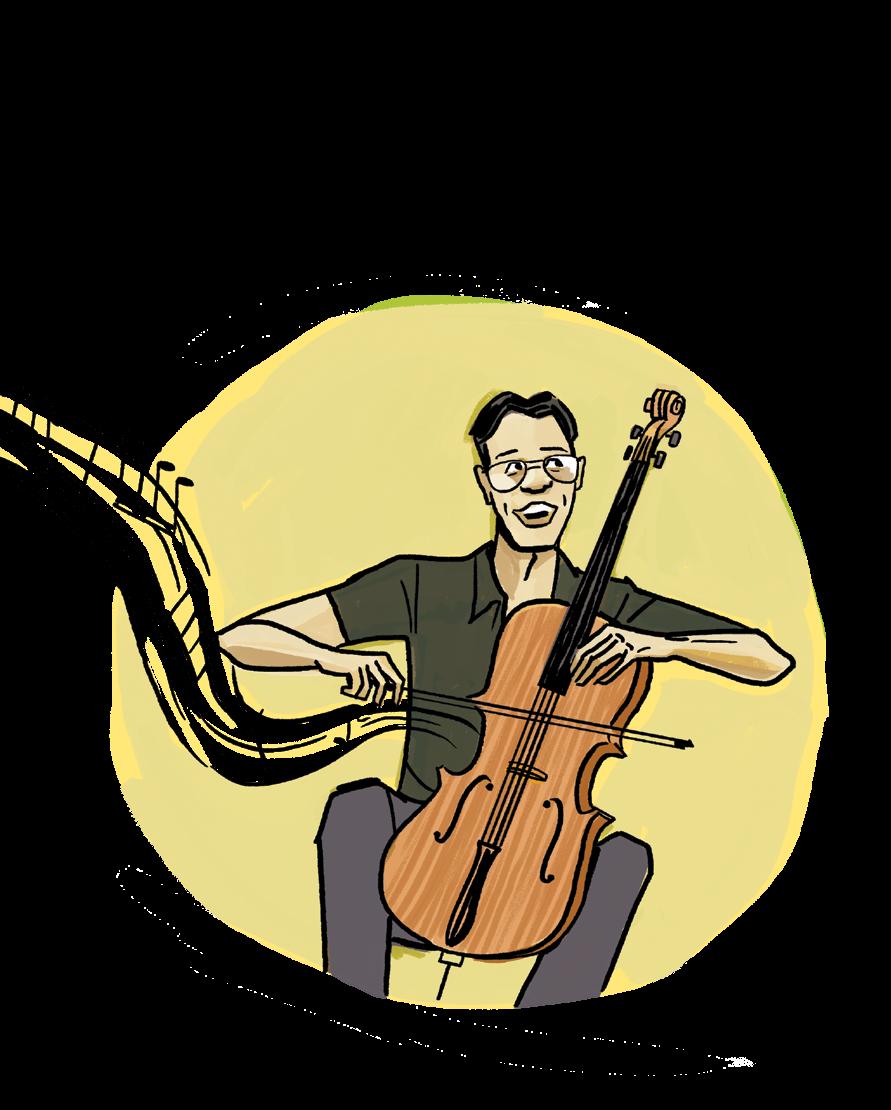
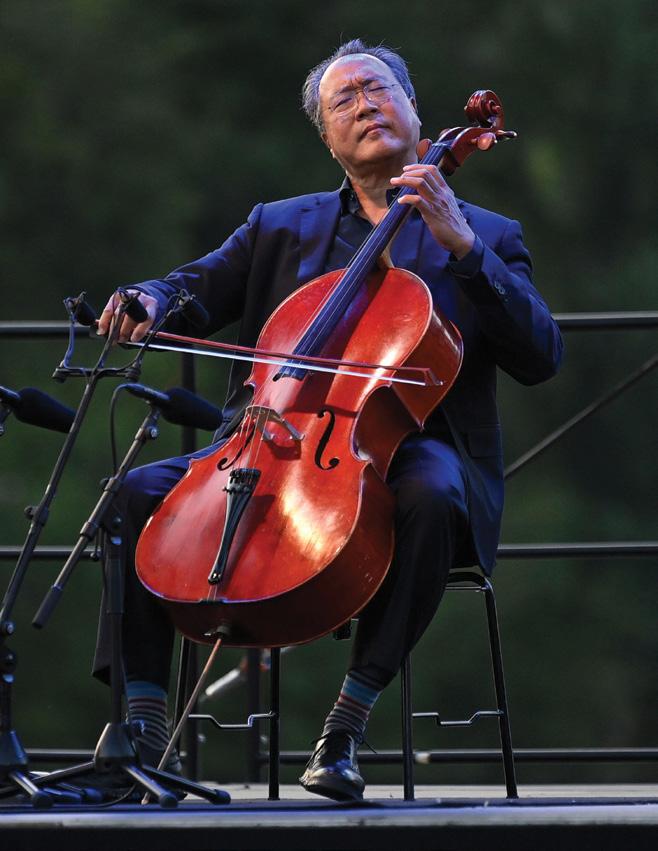
When Yo-Yo Ma plays this cello, he makes magic.
He performs all kinds of music on the cello!
Yo-Yo Ma’s favorite music was composed by Bach. He lived at the same time as Antonio!
When Yo-Yo Ma plays Bach on the Davidov, he feels the music with his entire body.
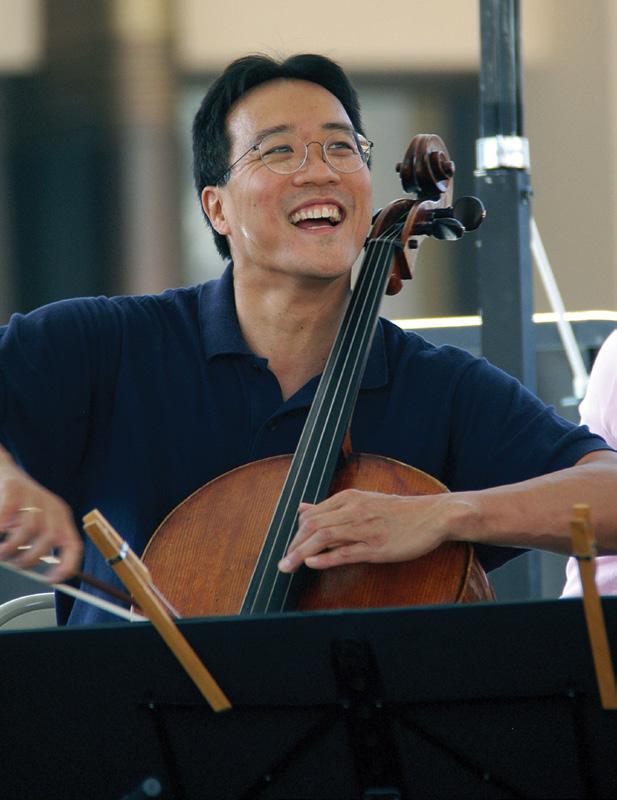
When he talks about playing music, he smiles ear to ear. That’s how much he loves this cello.
This is how he describes the sound of the Davidov.
Rich. Throbbing.
Moving.
Music is sound. It is energy. It is time.
Just like Jackie said, he admits it can be hard to play. It gives him no room for mistakes.
To play the cello, he must listen. He must coax the sound from it. He must respect it.
Yo-Yo Ma believes that music is in our hearts. It heals us when we are scared. It makes us brave, too. And that is not all. He says that art and music bring people together, even people who don’t always get along.
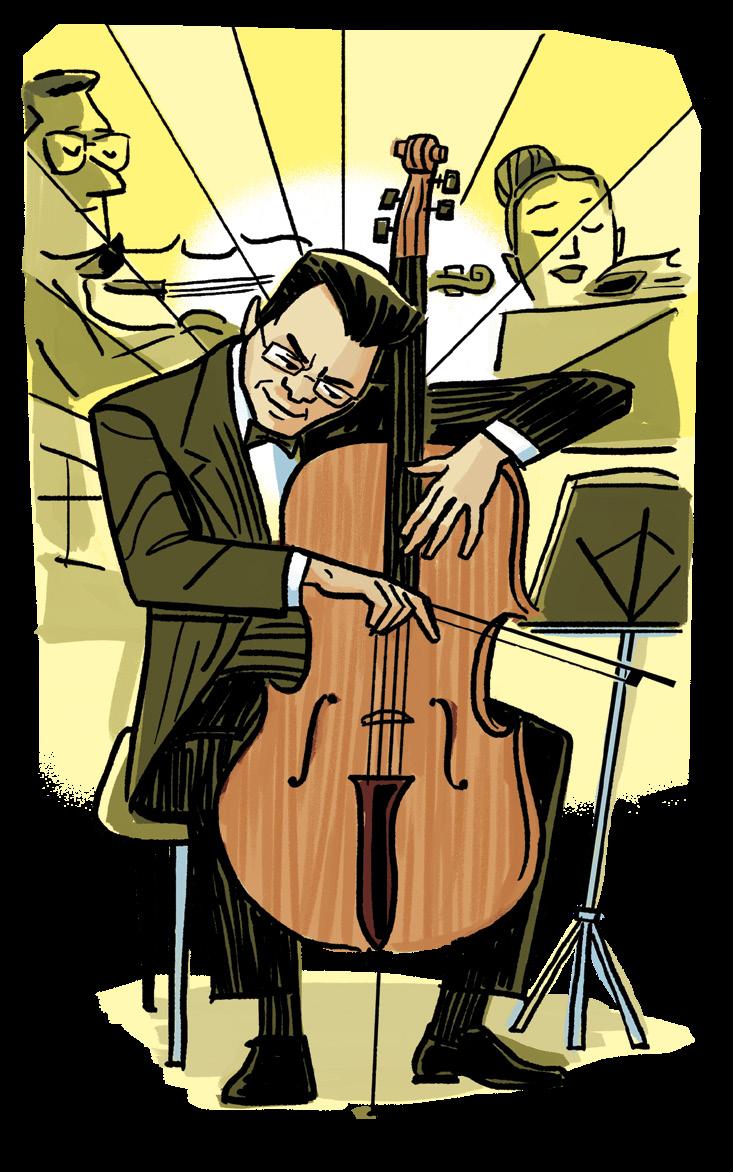
When he picks up the cello, he wants to do more than play. He wants to inspire people to come together and solve problems. And look to the future with hope. And that is what he does. And is still doing today. Listen. Watch. Enjoy.
Join in! Feel the sound of the cello. Feel the joy in Yo-Yo Ma’s heart.
Somewhere there is a kid who wants to play the cello, a kid who could be the next Karl. Or Jackie. Or Yo-Yo Ma. Is it you?
The world and the Davidov Strad are waiting. It’s time to start playing.
More
Imagine a violin forest. What do you see? Violins hanging from branches? A jaunty violinist popping out from behind a tree?
Deep in the heart of northern Italy’s Dolomite Mountain range is a special forest. This “violin forest” is called the Paneveggio.
For centuries, luthiers have harvested Norway spruce trees from the Paneveggio to make violins, cellos, and pianos. The forest is a microclimate. This means that the light, soil, and air in the forest work together in a unique way. They help the trees grow at a regular, slow rate. Slow growth produces very narrow rings in the spruce wood. An instrument made from this wood produces near-perfect sound quality. The trees selected to harvest are often more than 200 years old.
In 2018, a winter storm knocked down more than 10 million trees in the Paneveggio. A donation of wood from the fallen trees went to the School of Violin in Cremona, Italy. At the school, the luthier students use the wood to make violins and cellos. The instruments they craft are known as the Storm Collection.
Some instruments never get old. In 1712, a man in Italy crafted a cello with great care. For the next 300 years, the cello traveled all over the world. It was played by some of the greatest cellists on Earth.