RESULTS BEYOND ARCHITECTURE
RESULTS BEYOND ARCHITECTURE
Strategy and Consulting at Little brings together a diverse team of strategists, Prosci-certified change practitioners, designers, cultural anthropologists, data analysts, and project-type subject matter experts. Together, we help organizations understand how their employees work, how culture evolves, and how space performs. Through strategy, research, and human-centered insights, we turn complexity into clear direction—creating environments that elevate performance and deliver Results Beyond Architecture.
Aligning strategic direction with culture and values through expertguided stakeholder collaboration.
Strategizing for seamless transitions with focus on individual readiness
Leadership Vision
Research & Benchmarking Your Organization
Client Discovery
Analysis of all relevant spatial, operational and strategic documentation and constraints
Optimizing workspace with data-driven insights on utilization and team behavior.
Space Use Studies
End User Evaluation
Assessing user needs, work process for optimal design and experience
Occupancy & Growth
Planning for sustainable, optimized planning or expansion
Start with understanding.
We listen to leaders, teams, and data to uncover how people work, how culture is experienced, and what’s driving change - creating a shared foundation for aligned decisions.
Shape insight into strategy.
We synthesize the information found in our discovery phase into clear, actionable frameworks - connecting vision, space, and performance to guide confident planning and investment. Turn strategy into impact. Through implementation support and change management, we help strategies take hold - delivering environments that perform, adapt, and create lasting value.
Portfolio Snapshot Example
We help organizations understand how their real estate can best support their business— today and in the future. By combining market data, business drivers, supply/demand, and workplace performance insights, we develop a roadmap that informs where to invest, consolidate, grow, or optimize space. Portfolio Strategy typically includes:
• Space distribution, adjacency, and planning scenarios
• Desired amenities and experience features
• Floorplate analysis and test fits
• Consolidation and location strategy
• Recommendations for lease decisions and capital planning
We partner with leaders and employees to understand how work happens today and how it will evolve. Our process connects business goals, culture, and people needs to spatial strategies that improve performance and experience. We validate recommendations through benchmarking, insights, and behavioral patterns.
Workplace Strategy delivers:
• Clear drivers linking business priorities to space decisions
• Workflow mapping and workstyle profiles
• Space type and efficiency ratios
• Mobility, flexibility, and hybrid guidelines
• Recommendations for policies that support new ways of working
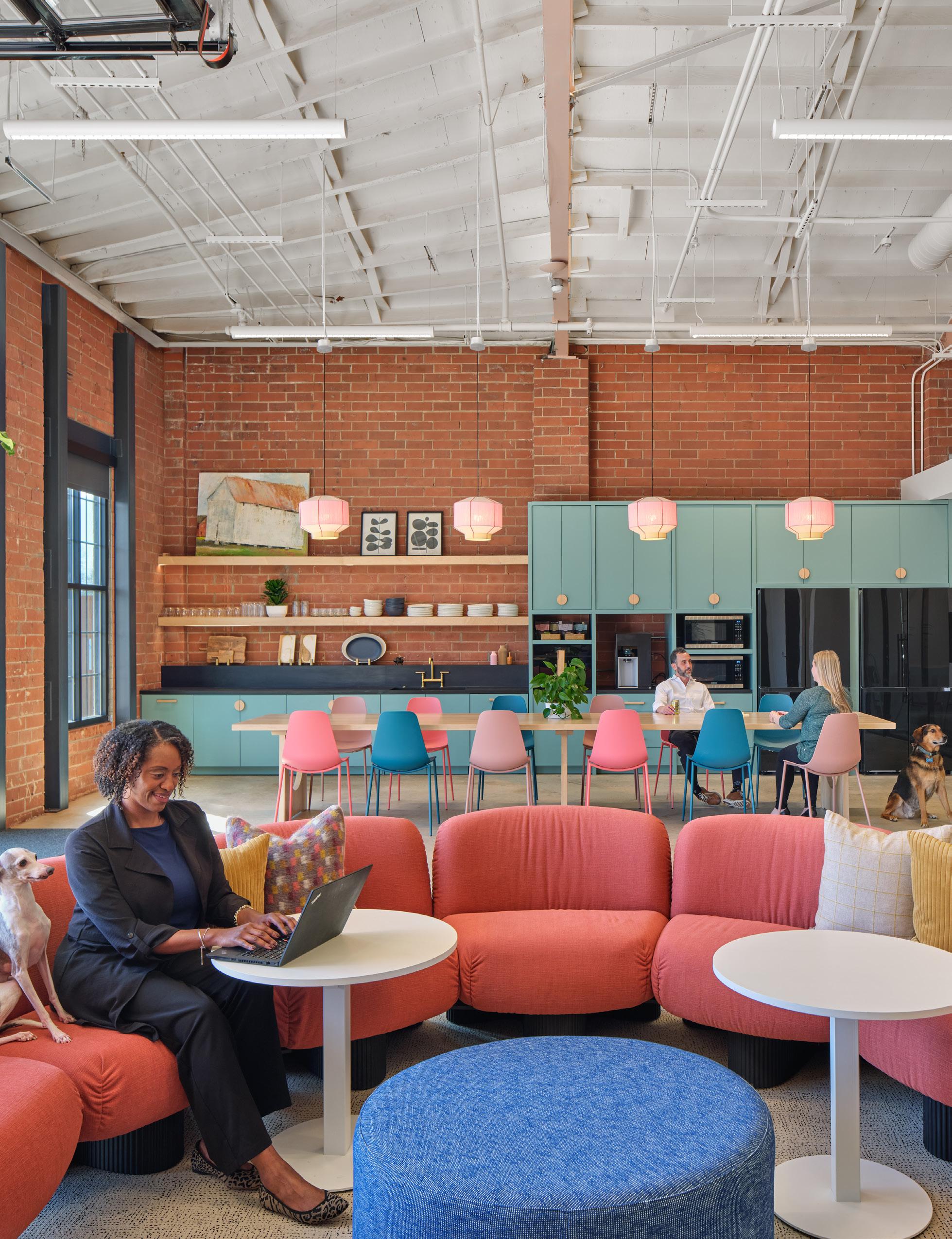
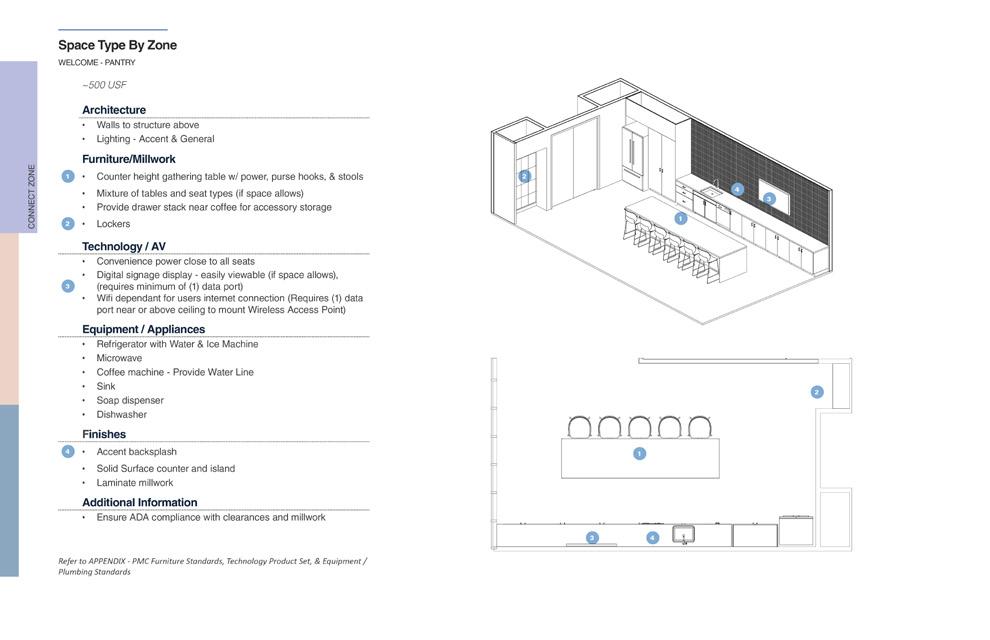
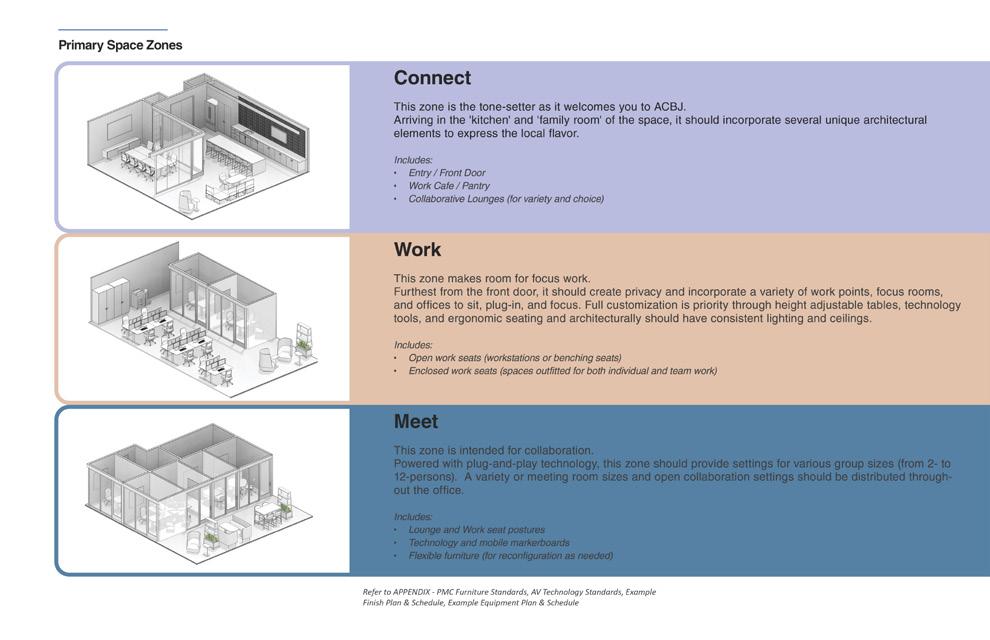
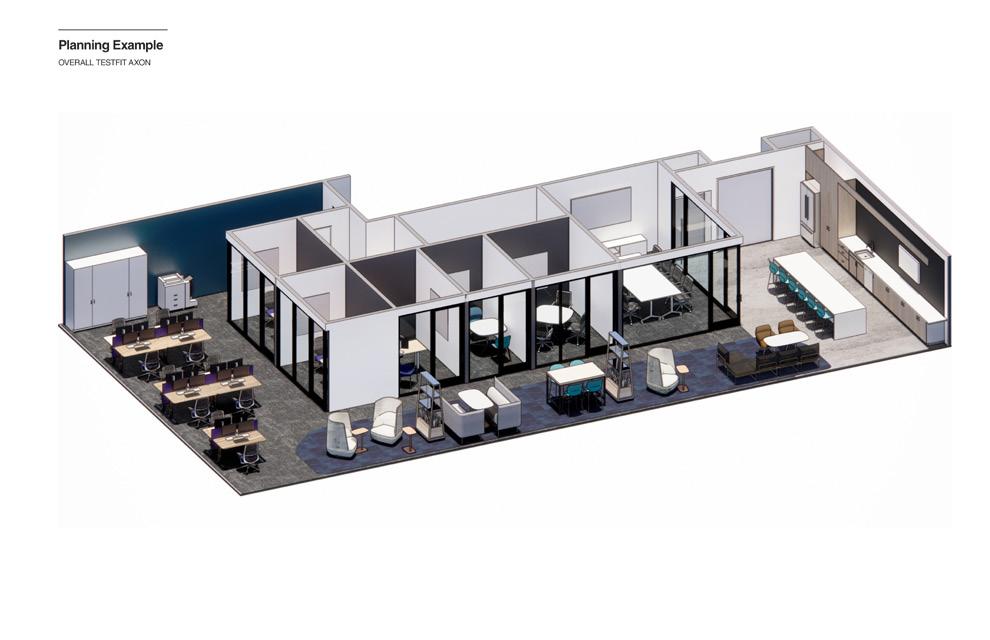
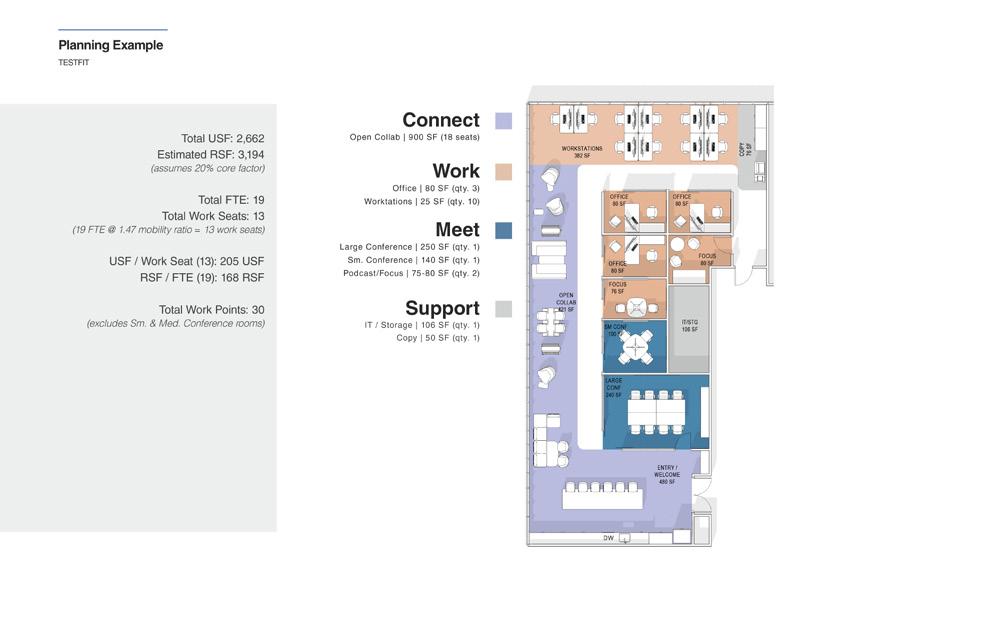
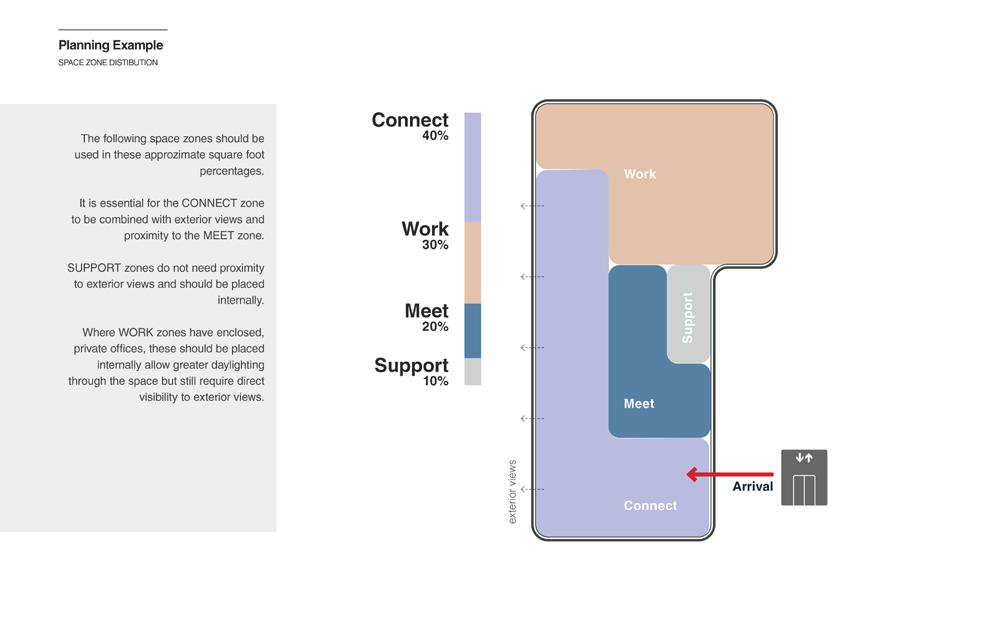
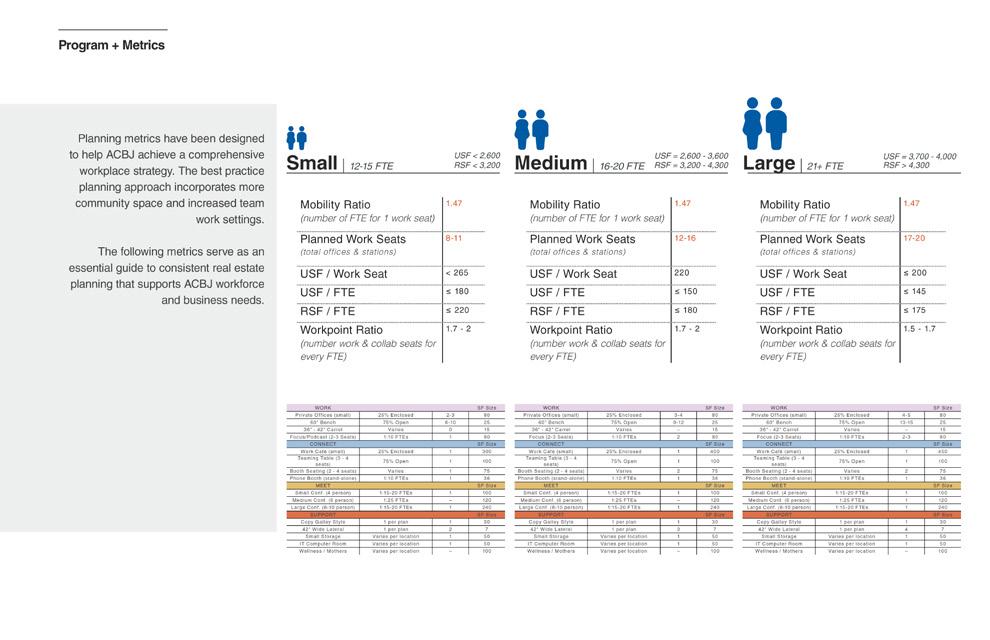
Space guidelines and standards translate your project vision into clear, scalable direction. We develop flexible, insight-driven frameworks that define how your oganization uses space to ensure consistency, efficiency, and experience align with your culture.
Our work includes:
• Space type definitions and planning ratios
• Design principles, brand elements, and experience cues
• Furniture, technology, and amenity standards
• Hybrid, mobility, and reservablespace guidelines
• Documentation and toolkits for easy adoption across locations
People are at the center of every successful transformation. Our certified change practitioners use the Prosci/ADKAR model to help organizations prepare for and navigate transitions—reducing risk, increasing adoption, and improving employee experience. We assess organizational readiness and partner with leaders, project teams, and employees to build awareness, capability, and confidence throughout the process. Our approach helps:
• Increase adoption of new spaces and new ways of working
• Reduce operational disruption
• Strengthen communication and leadership alignment
• Ensure that changes deliver the intended business results
ORGANIZATIONS ARE
3.5 X MORE LIKELY TO OUTPERFORM THEIR PEERS WHEN EXECUTING A CHANGE MANAGEMENT PLAN

PREPARE FOR CHANGE A D K A R AWARENESS DESIRE KNOWLEDGE ABILITY REINFORCEMENT ® MANAGE CHANGE SUSTAIN CHANGE
ADKAR® forms the foundation of successful organizational change / Prosci® Best Practices in Change Management 2018 Edition
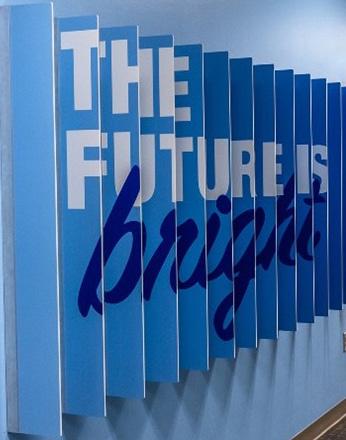
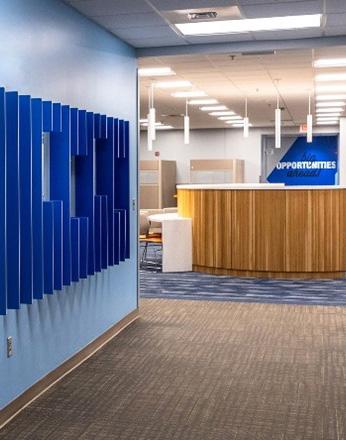
GOODWILL INDUSTRIES OF THE SOUTHERN PIEDMONT
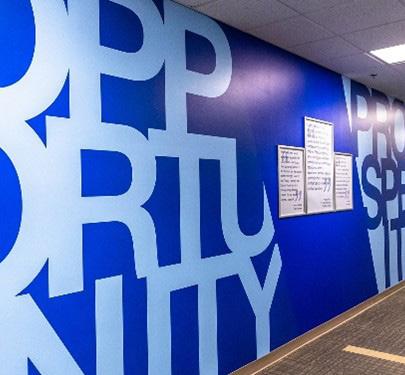
Goodwill sought a unified workplace strategy to optimize its Opportunity Campus while strengthening its mission-driven programs, workforce development services, and evolving hybrid work needs. Through leadership visioning, key goals emerged:
1. Increased visibility and access to shared resources
2. Foster stronger interaction between employees and program participants
3. Ensure space investments actively supported community connection, service delivery, and operational efficiency.
Floorplan (Desired Outcomes)
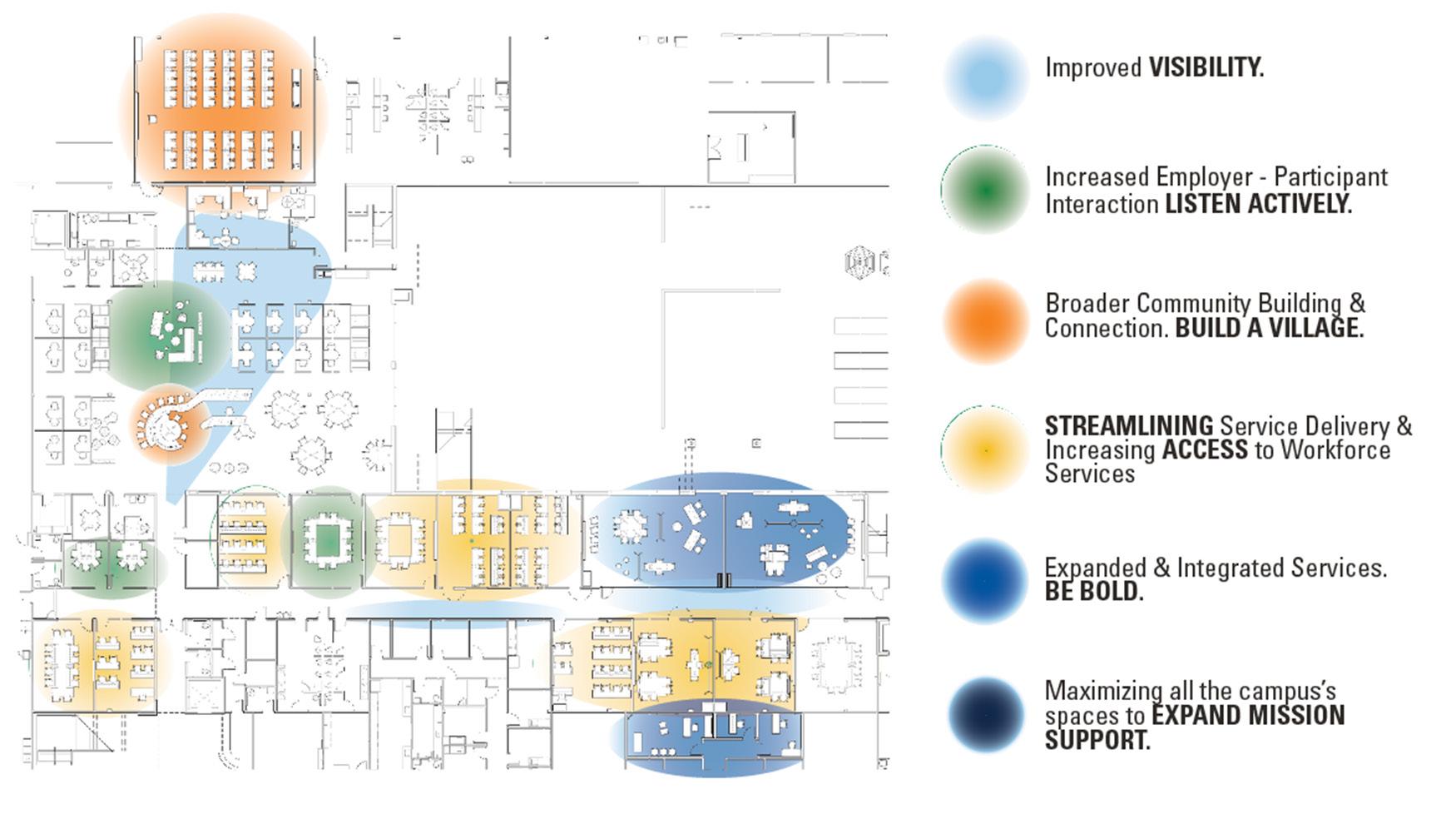
Little led a workplace strategy grounded in leadership alignment, workforce insights, and campus-wide space analysis.
Visioning and mobility profiling clarified how corporate teams, training staff, and communityfacing programs use space differently.
Scenario planning informed a phased approach prioritizing community and program resources first, followed by improved collaboration and work environments for employees.
Recommendations emphasized flexible, multi-use spaces that support active listening, shared services, and evolving program needs while reinforcing Goodwill’s mission and culture.
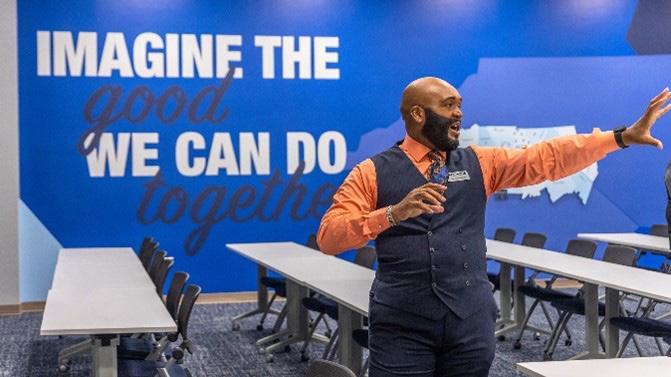
The resulting roadmap provides Goodwill with a clear, datadriven plan to optimize its campus, better support hybrid work, and strengthen alignment between mission-driven programs and physical space.
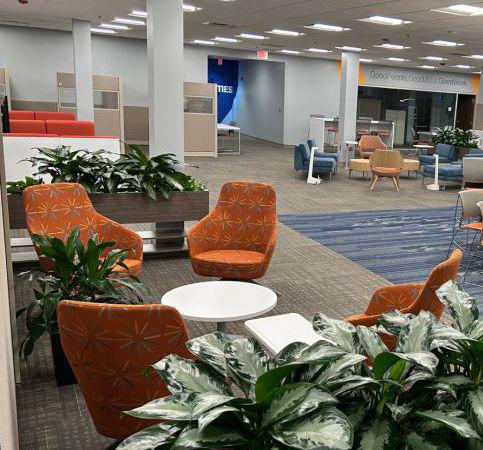
THE GREATEST ADVANTAGE OF THE GOODWILL OPPORTUNITY CAMPUS DESIGN IS ITS REMARKABLE FLEXIBILITY, ALLOWING SPACES TO ADAPT AS OUR NEEDS EVOLVE. THE SPACE ACTIVATION HAS FAITHFULLY ADHERED TO THIS DESIGN PRINCIPLE. THE FACILITY SERVES AS A COMMUNITY GATHERING PLACE, A COLLABORATIVE ENVIRONMENT FOR COMMUNITY PARTNERS, A WELCOMING DESTINATION FOR THOSE SEEKING JOB SEARCH SUPPORT, AND A THOUGHTFUL WORKSPACE FOR TEAM MEMBERS DEDICATED TO ADVANCING OUR MISSION.
LARITA BARBER CHIEF ADVANCEMENT OFFICER GOODWILL
Spartanburg, SC
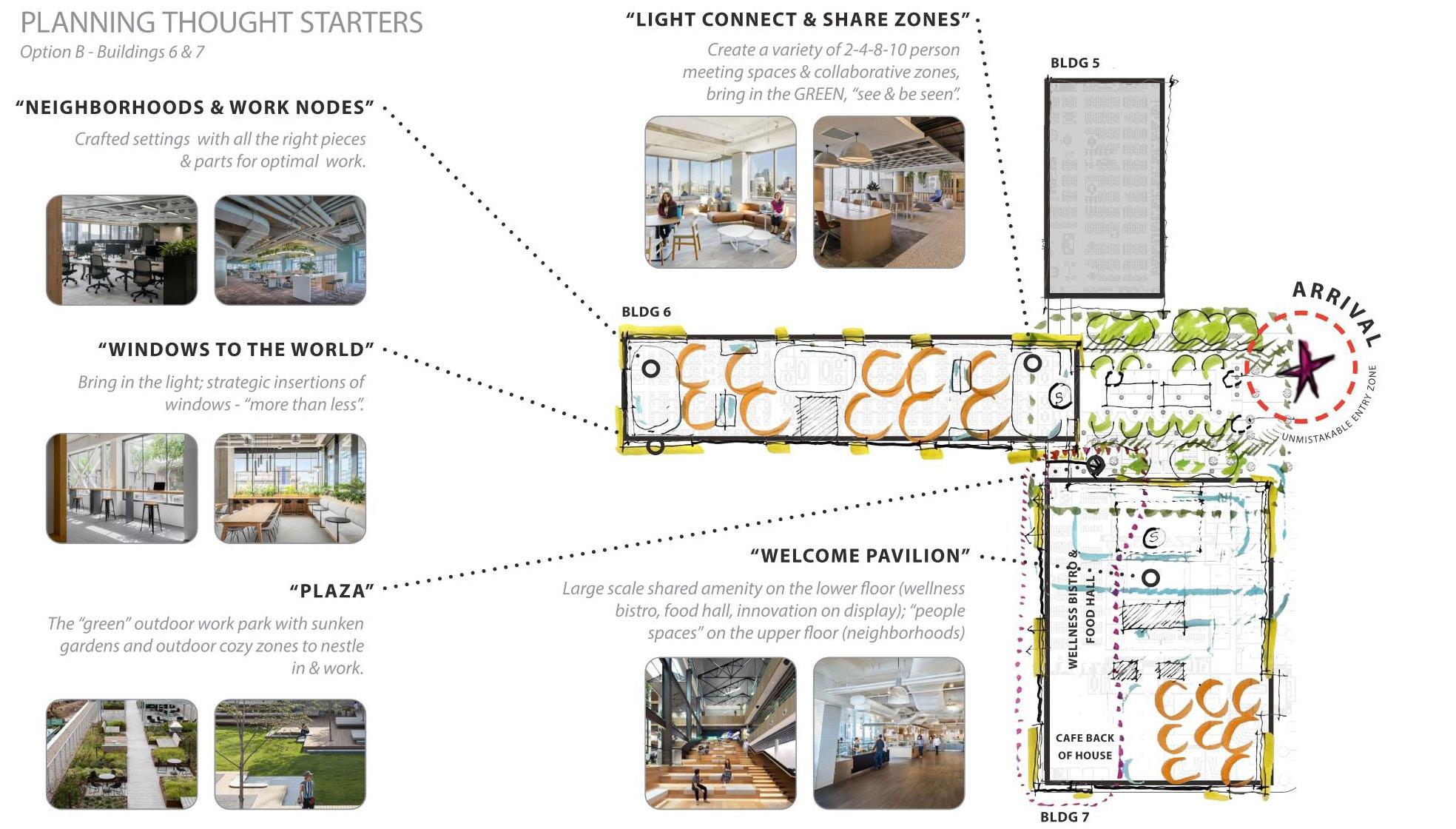
Planning Thought Starters
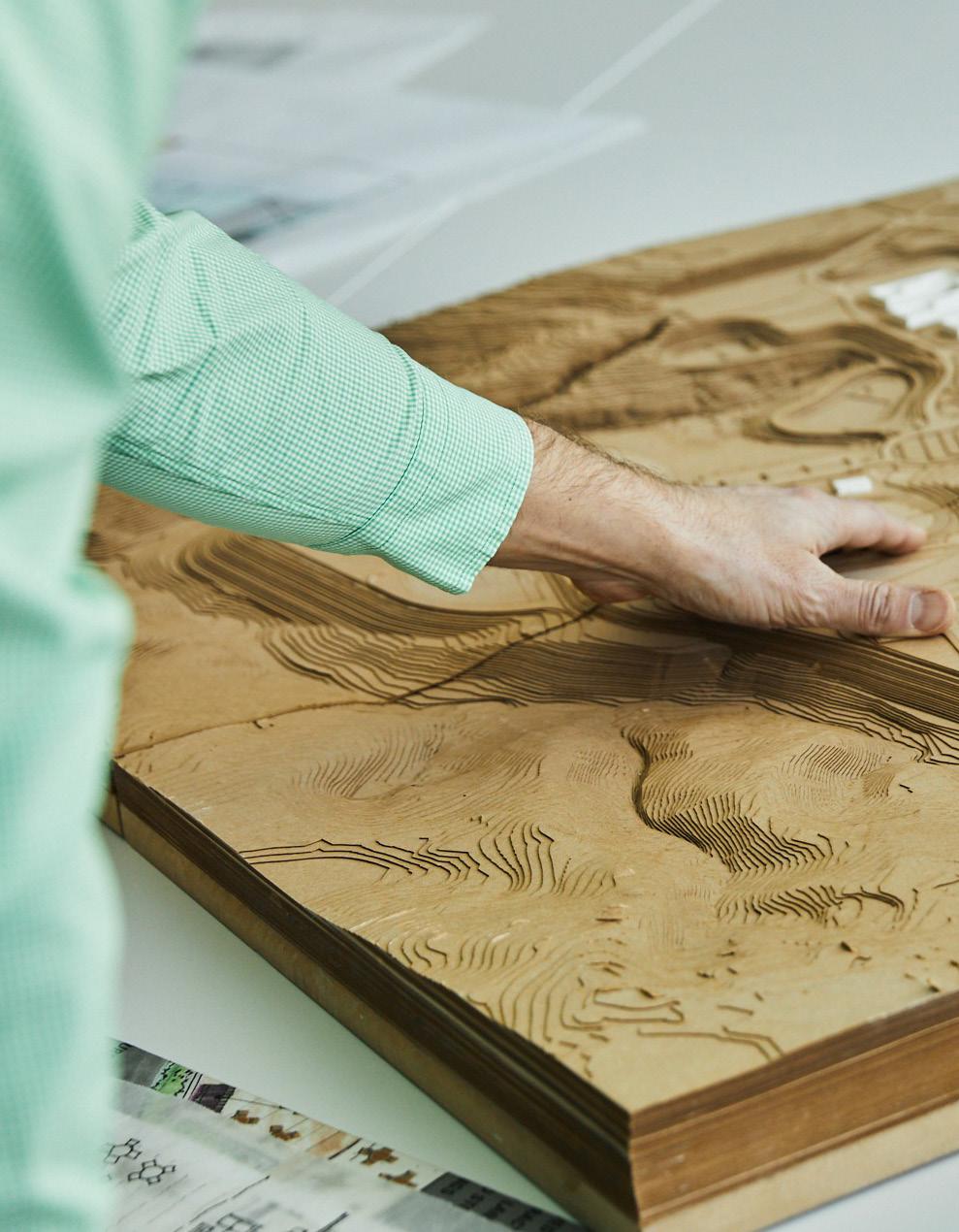
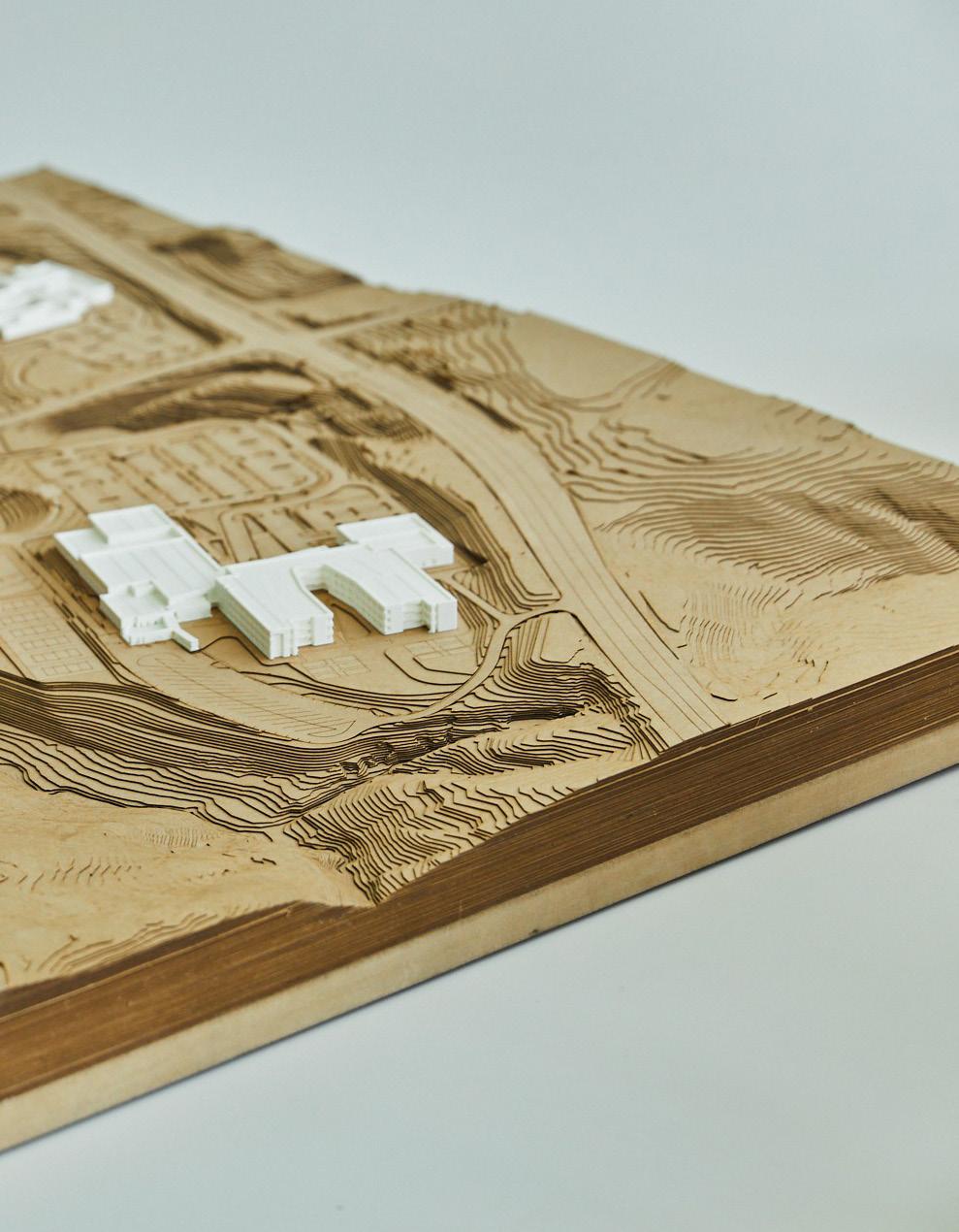
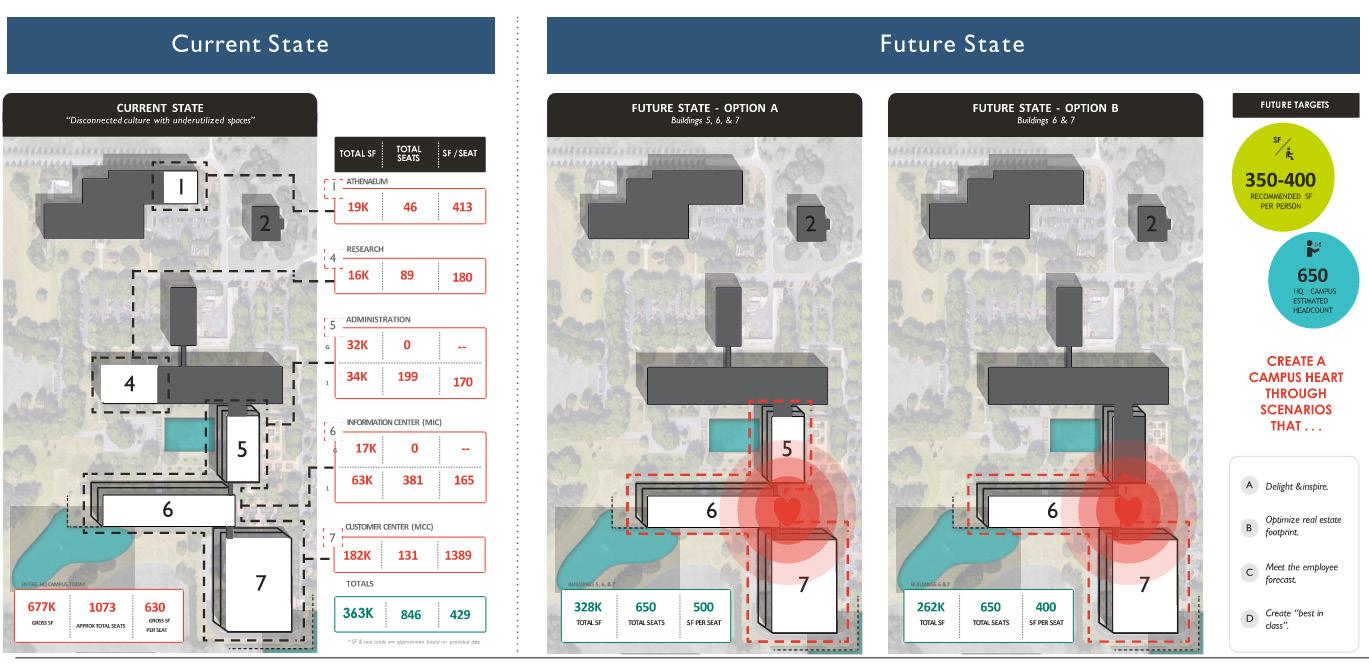
This confidential HQ Campus strategy sought a long-term, peoplecentered approach to guide the evolution of its Spartanburg headquarters campus. With a multibuilding footprint supporting research, corporate operations, and design teams, leadership wanted to strengthen collaboration, modernize aging facilities, and create a campus that reflects the organization’s innovationdriven culture while supporting future growth.
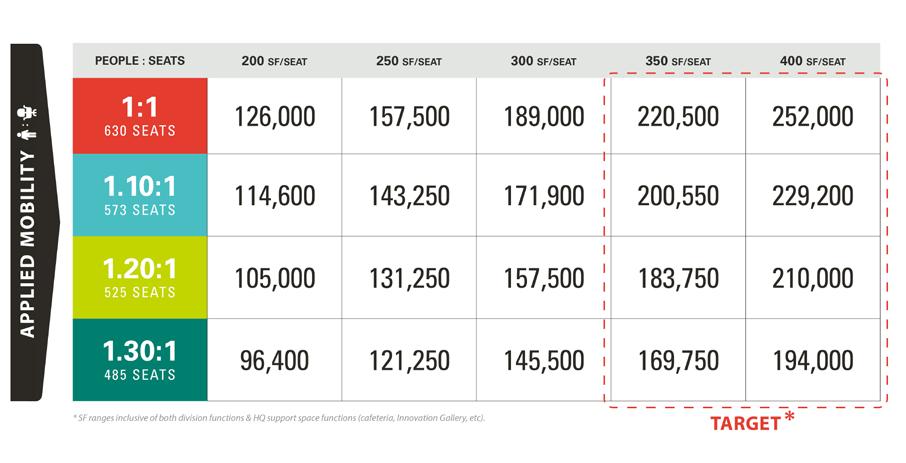
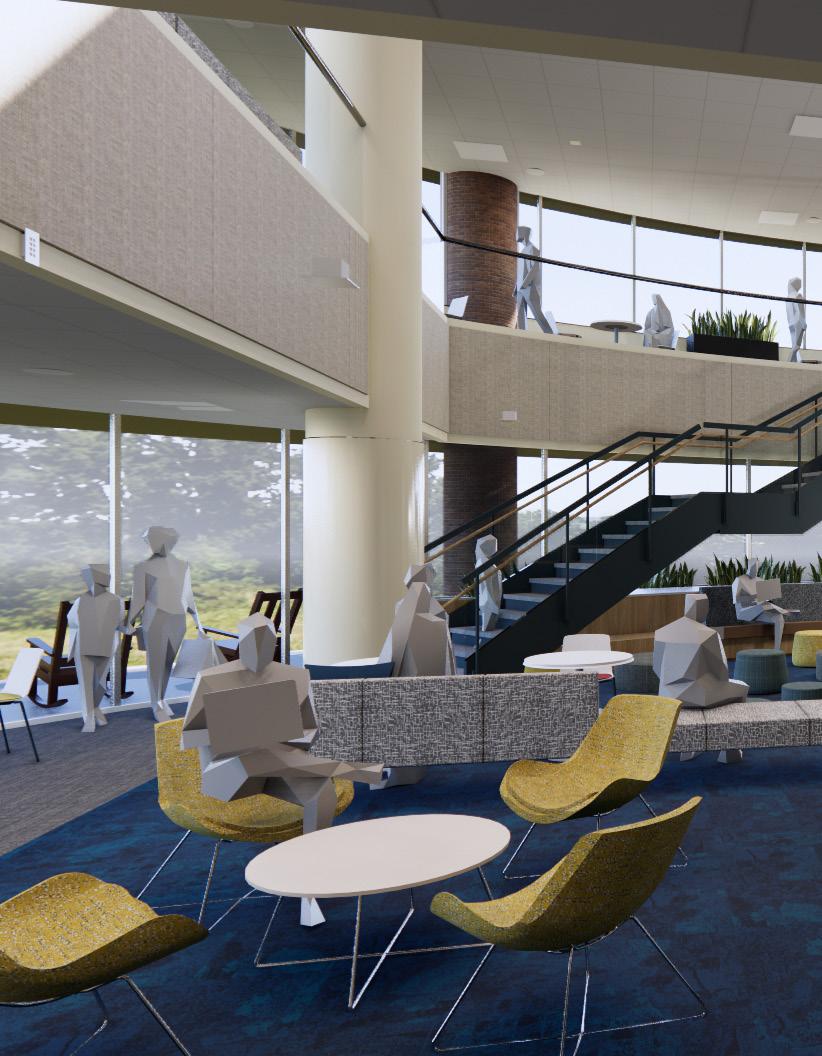
Little led a comprehensive visioning and strategy process that blended leadership alignment, cultural insights, workplace trends, and campus planning analysis. Through engagement workshops, experience mapping, and detailed site assessments, the team identified opportunities to enhance connectivity, modernize underutilized spaces, and improve collaboration zones, circulation, and amenities. Multiple campus-wide scenarios tested options for building use, mobility patterns, outdoor spaces, and phased investment.
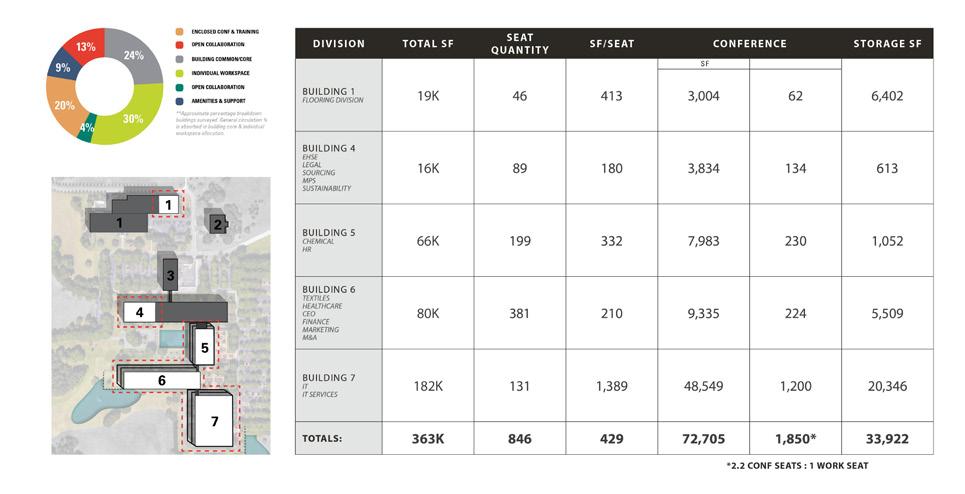
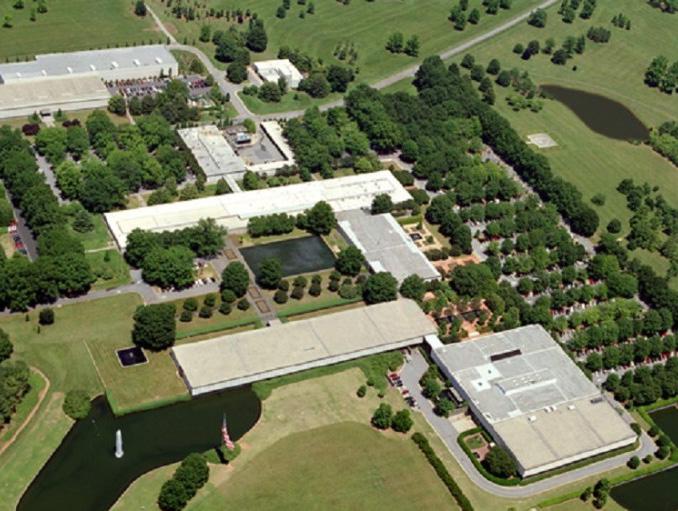
The final roadmap gives the organization a clear direction for near-term priorities and long-range investments—balancing aspiration with feasibility and aligned to business, people, and innovation goals.
IDENTIFIED 100K SF OF UNDERUTILIZED WORKSPACE (ABOUT 30% OF THE ADMINISTRATIVE PORTFOLIO), REPRESENTING A POTENTIAL MULTIMILLION-DOLLAR ANNUAL COST AVOIDANCE OR REVENUE OPPORTUNITY
GOAL SOLUTION
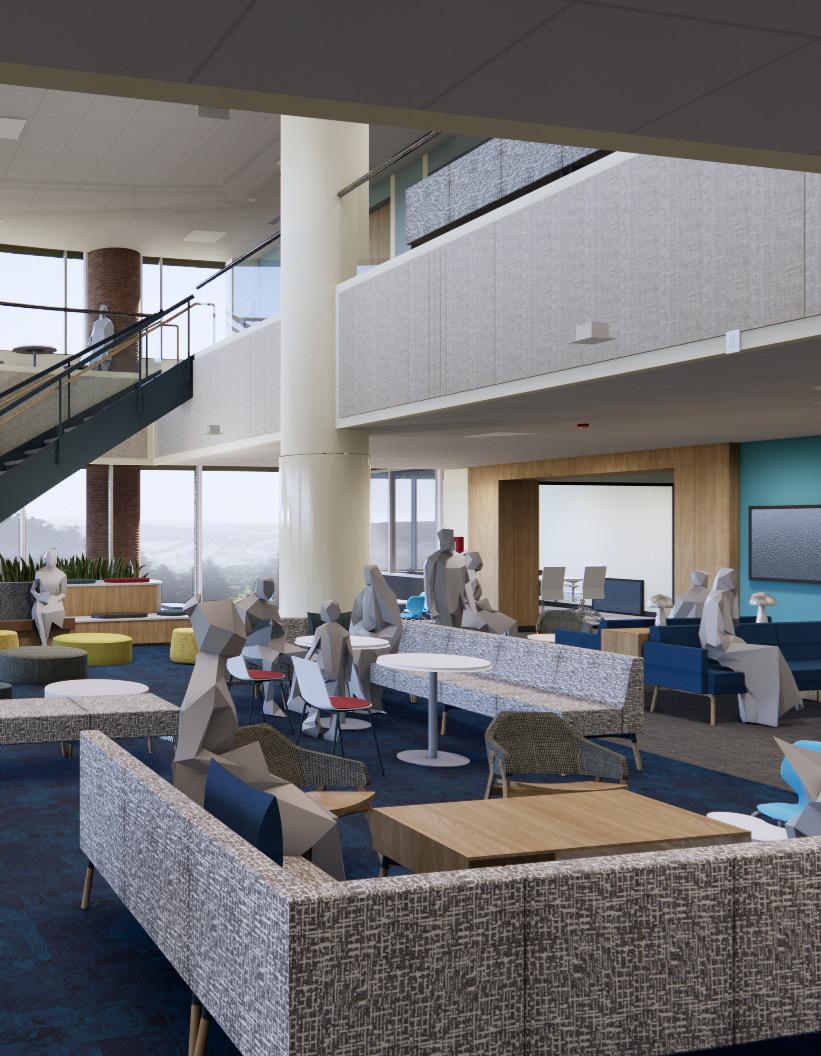
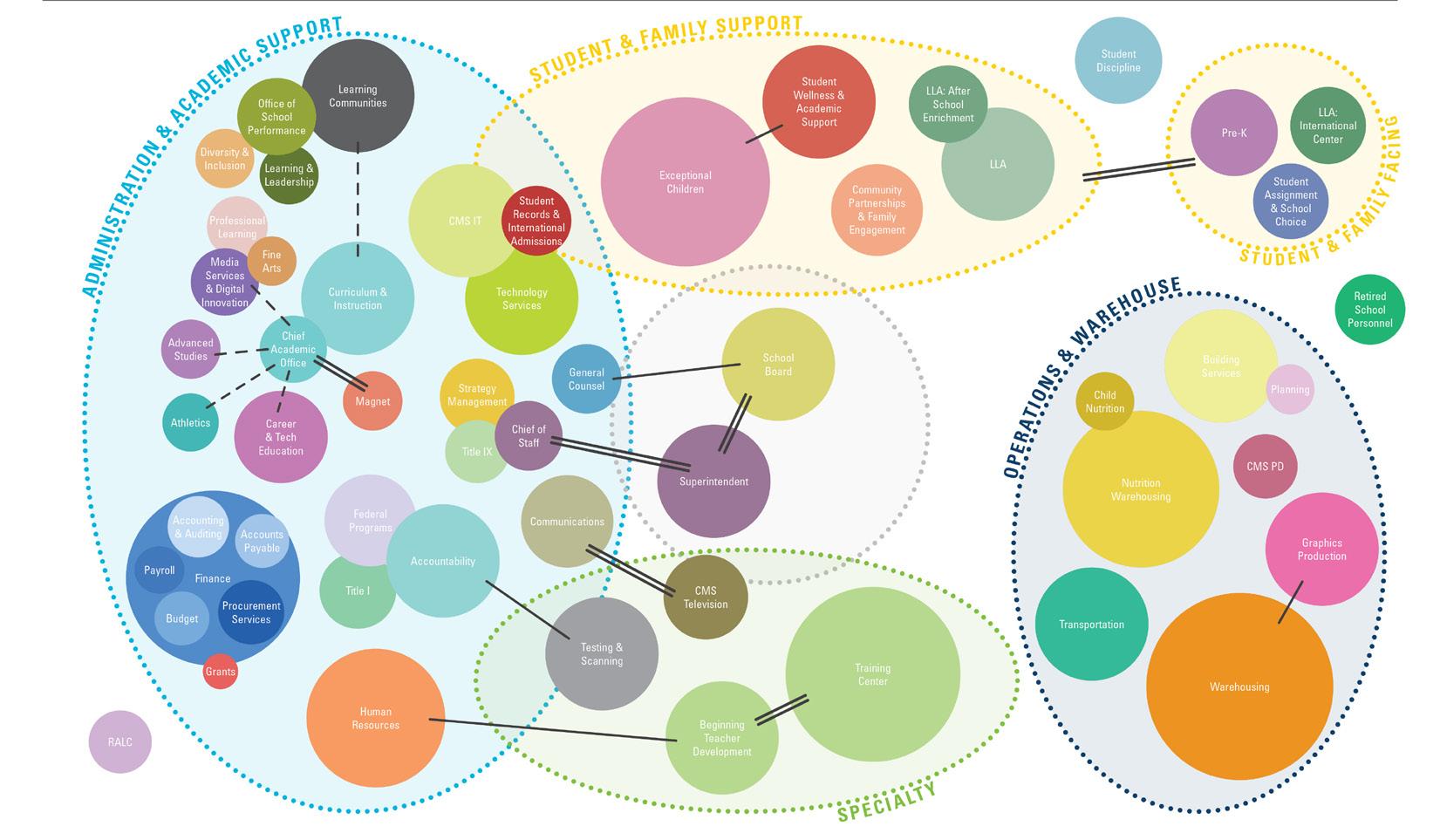
Charlotte-Mecklenburg Schools needed clarity on how to house its diverse administrative departments—spanning academics, HR, operations, finance, and student services—within newly acquired buildings and existing administrative offices. Significant space deficits, complex adjacency needs, and evolving workstyles required a strategic assessment to guide future decision-making.
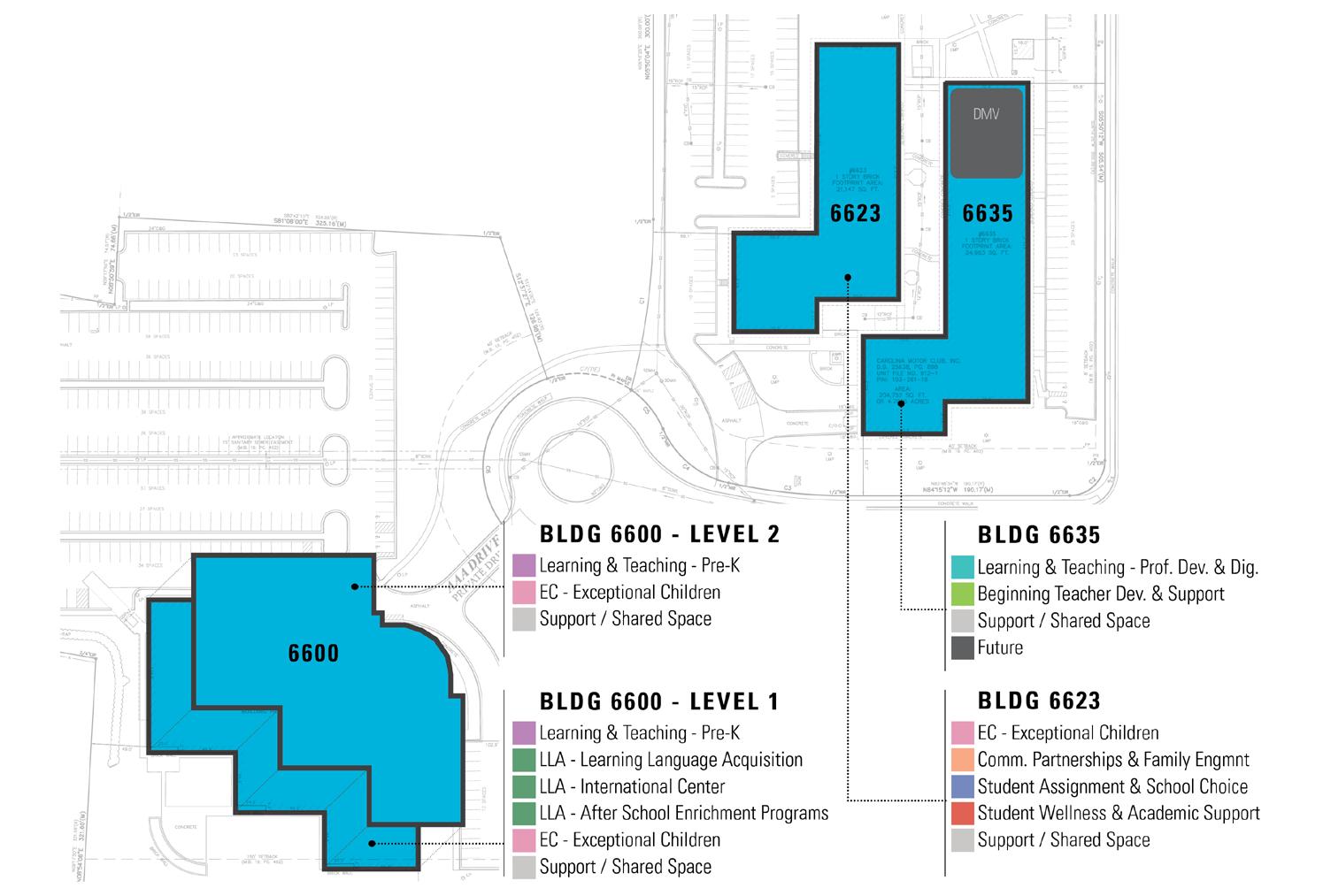
CMS now has a clear, validated plan for their Student & Family Support Center and future state occupancy approach for their Administrative Department Occupancy. This strategy reduces decision-making complexity and identifies opportunities for operational alignment across departments.
Little conducted a comprehensive portfolio strategy and scenario planning study, including departmental programming, adjacency mapping, and fit assessments for multiple campus configurations. The team evaluated space needs with available campus capacity and tested several viable layout options, identifying tradeoffs, shared opportunities, and areas requiring alternative strategies.
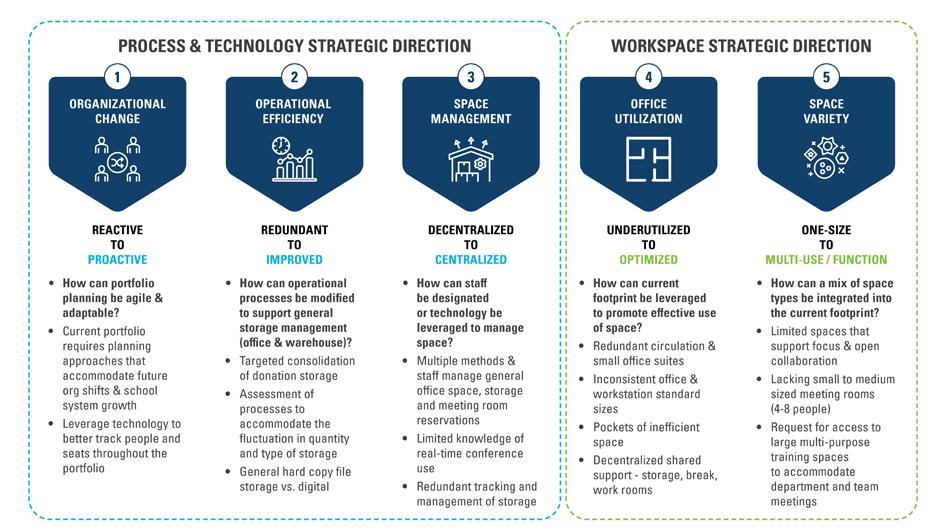
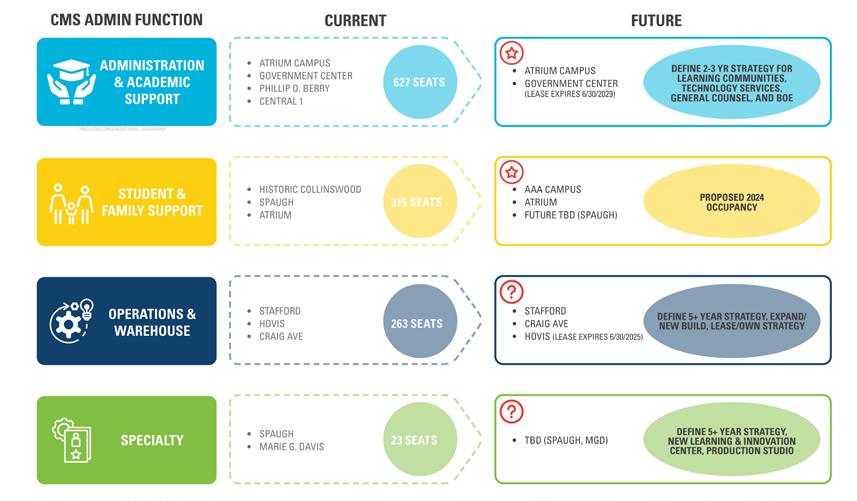
VALIDATED APPROXIMATELY 705K SF OF STUDENT SUPPORT AND ADMINISTRATIVE WORKSPACE , ALIGNING FUTURE SPACE NEEDS WITH CAMPUS CAPACITY
EVALUATED MULTIPLE CAMPUS SCENARIOS TO SUPPORT CONFIDENT, LONG-TERM DECISIONS
IDENTIFIED CONSOLIDATION OPPORTUNITIES TO IMPROVE OPERATIONAL ALIGNMENT






“Holistic workplace and change strategy are ultimately about people— how they work, what they need, and how they experience change. When we design with them, not just for them, we unlock workplaces that support culture, connection, and meaningful performance.”
Rebecca Sistruck, Prosci CCP, LEED AP ID+C
Director of
Space
& Change Strategy Little
NUMBER OF EMPLOYEES 440+
LEED & WELL ACCREDITED PROFESSIONALS
114
LEED & WELL PROJECTS 115+
Certified or Pursuing Certification
CHARLESTON, SC
CHARLOTTE, NC
DURHAM, NC
NEWPORT BEACH, CA
SERVICES
ARCHITECTURE
• Design
• Construction Administration
• Project Execution & Program Management
• Quality Assurance
INTERIOR ARCHITECTURE
• Interior Design
• Programming
• Space Planning
• Occupancy Strategy
BRAND EXPERIENCE
• Branding & Marketing
• Branded Environments
• Signage & Wayfinding
ENGINEERING
• Structural Engineering
• Mechanical Engineering
• Electrical Engineering
• Lighting Design
• Low Voltage Engineering
PLANNING & STRATEGY
• Master Planning
• Asset Audits
• Feasibility / Yield Studies
OFFICE LOCATIONS PRACTICES
ORLANDO, FL
WASHINGTON, DC
• Development Strategy
• End-User Experience
• Portfolio Strategy
• Workplace Strategy
• Guidelines & Standards
• Change Management
COMMUNITY
• Civic
• Justice
• Schools
• Higher Education
HEALTHCARE
• Acute Care
• Specialty Centers
• Medical Office Buildings & Clinics
SITE DESIGN
• Landscape Architecture
• Civil Engineering
• Land & Master Planning
• Urban Design
• Site Development / Entitlements Consulting
SMART BUILDING TECHNOLOGIES
• IWMS Implementation & Support
• IoT Sensor Deployment & Integration
• Workplace / Tenant Experience Apps
• Building Analytics & Operational Insights
SUSTAINABILITY
• Sustainability Consulting
• Certification Management
• Building Performance Optimization
• Energy Modeling
• Daylight Modeling
• Embodied Carbon Analysis
• Life Cycle Analysis
• Life Cycle Cost Analysis
• Corporate & Building Feasibility Studies
VISUAL IMPACT
• Cinematic Storytelling
• Immersive Experiences
• Virtual Placemaking
RETAIL
• Food
• Service
• Store Design
• Multi-Use & Adaptive Reuse
WORKPLACE
• Office
• Interiors
• Mixed-Use
• Critical Facilities
• Science