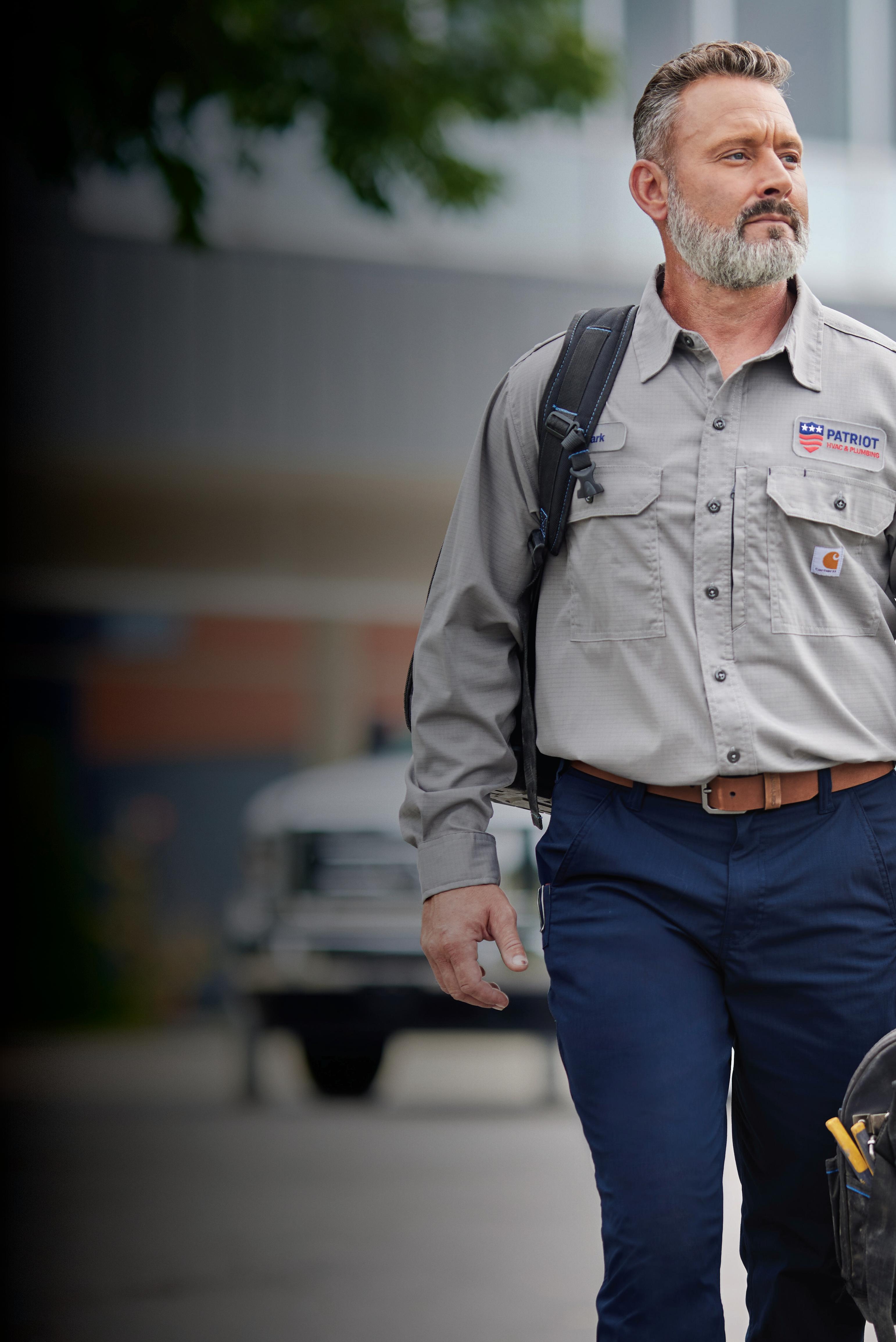
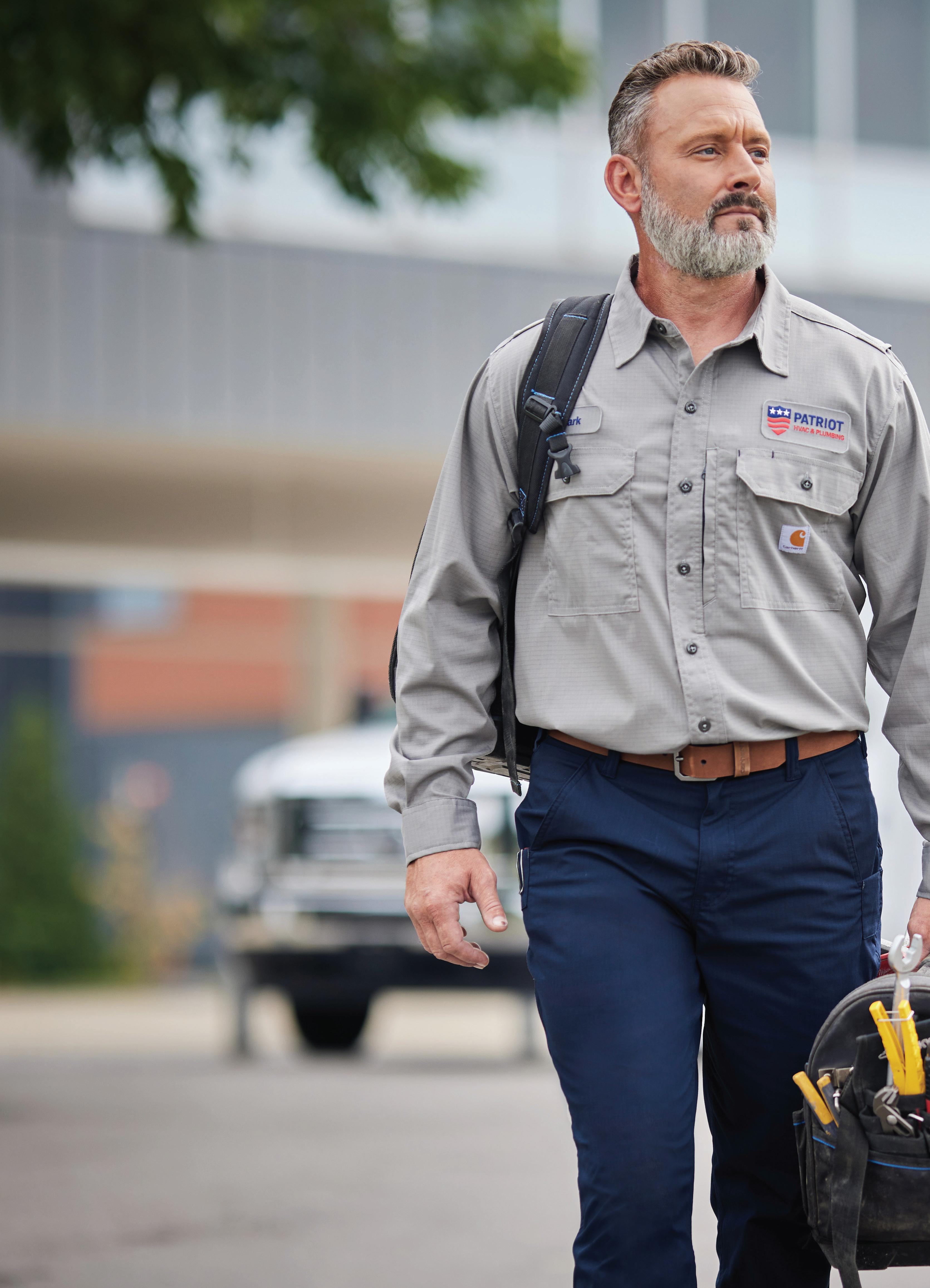
BOOST RECRUITMENT AND RETENTION WITH CARHARTT®
An Apparel+ workwear program gives your business an edge in attracting and keeping top talent with quality Carhartt® gear that makes your team feel valued. Plus world class service at a convenience you never knew existed.
Weekly laundry, repairs and delivery included
No upfront cost required










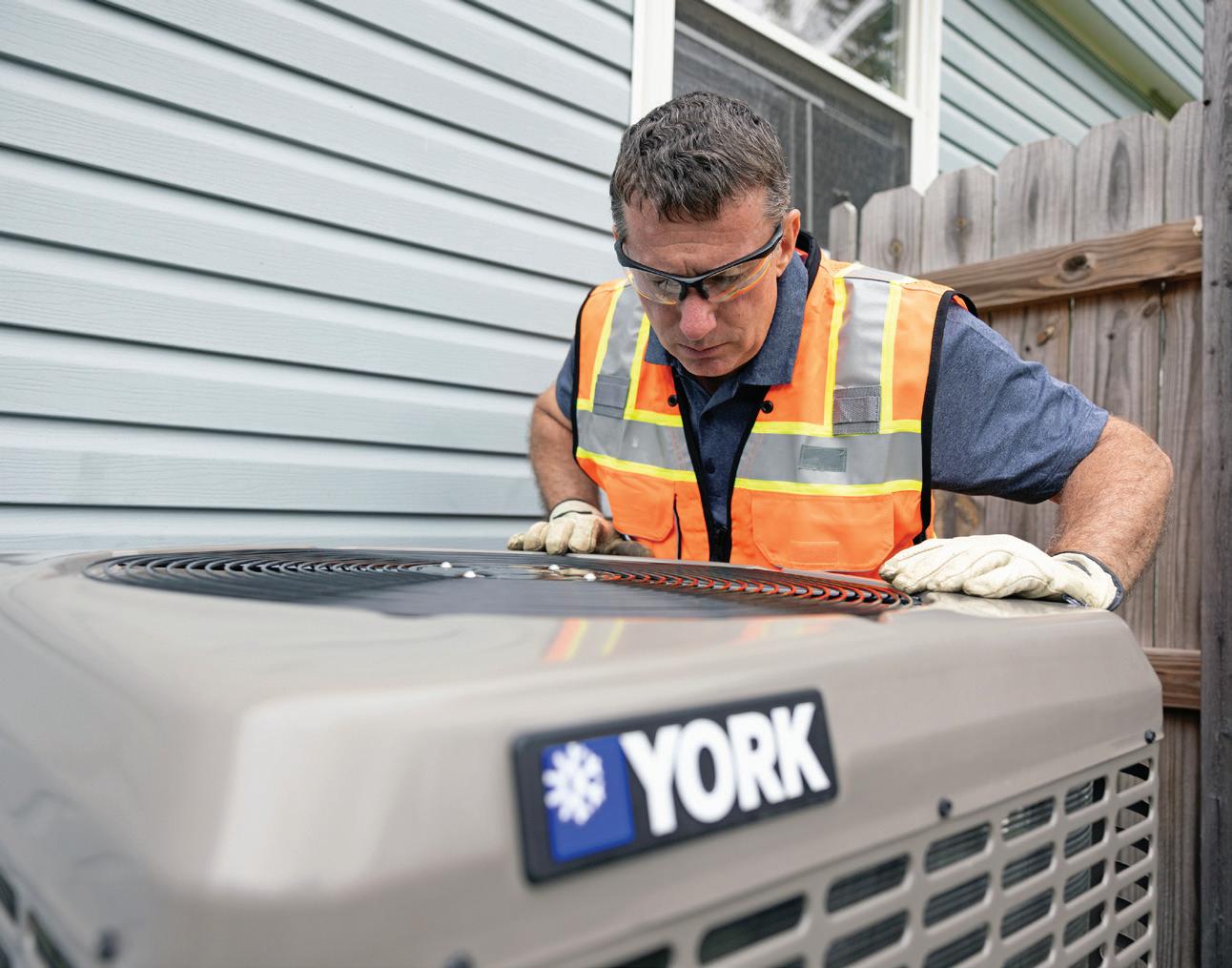
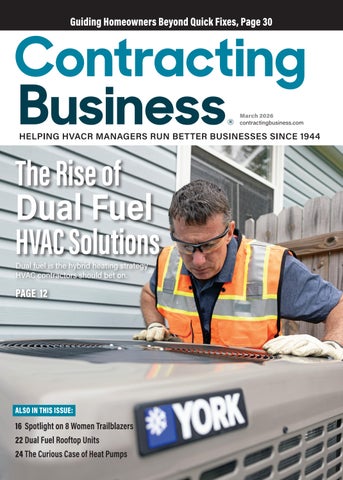
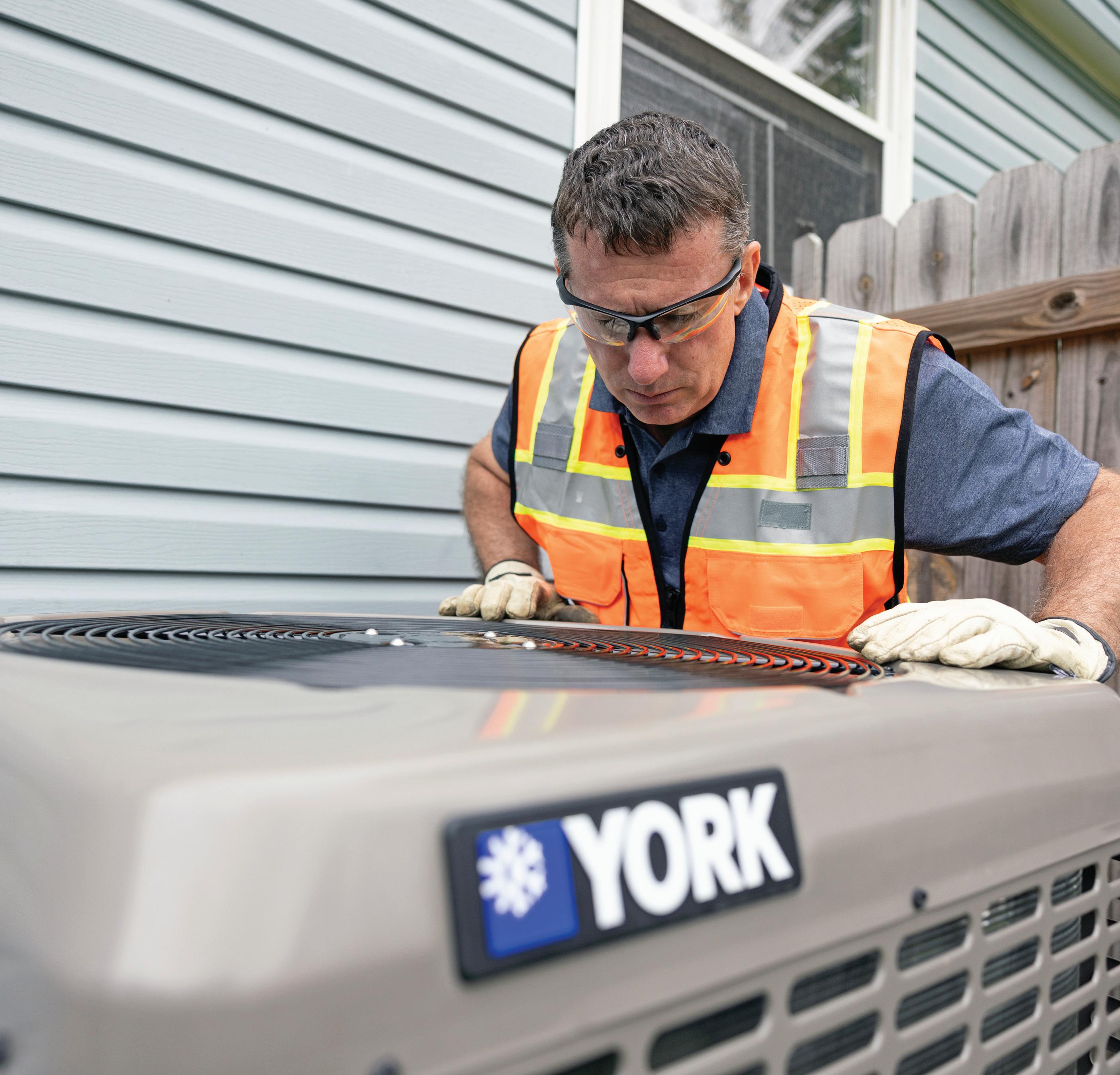
As electrification accelerates, dual fuel HVAC systems are gaining traction in both residential and commercial markets. Learn why manufacturers are doubling down on hybrid technology — and how contractors can turn the shift into a competitive advantage
Bosch Home Comfort Group
Insights from February’s AHR Expo reveal a shift in industry focus and why dual fuel technologies matter now more than ever.

In honor of International Women’s Month, Contracting Business spotlights 8 trailblazing women whose leadership, innovation, and commitment to excellence are shaping the future of the industry.
Dual fuel systems offer improved efficiency, easier installation, and better performance in cold climates, aligning with sustainability goals.
Understanding how refrigeration components connect is essential for grasping how heat pumps deliver efficient heating and cooling.


An industry expert breaks down what’s coming with New York’s Part







UNLOCK MORE POTENTIAL
with a Synchrony partnership



• Streamlined processes
• Flexible financing that works
• Innovation with your business in mind
Here’s how we invest in your success:
Complete consumer financing solutions, including revolving credit and installment loans, with competitive rates
Leading approval rates that help drive higher tickets and more customers
Premier second-look financing that covers more of your customers
Continuous technology investments including seamless integrations with leading software platforms such as ServiceTitan® and WEX®, ensure an exceptional experience for both your technicians and customers
The Synchrony Project Card encourages repeat business, with cardholders spending an average of $4,383—155% more than non-cardholders*
Always-on marketing solutions, such as Synchrony Marketplace—which generates over 650 million impressions annually—help drive new leads to your business effortlessly, requiring no additional effort on your part






VIDEOS & MEDIA GALLERIES ▶
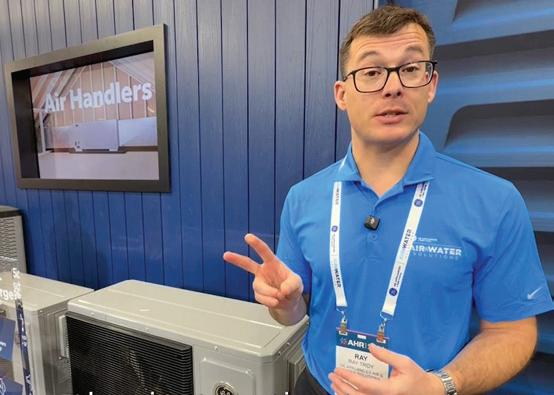
Heat Pumps Take Center Stage: Top Trends from the AHR Expo Floor
At this year’s AHR Expo, one theme echoed across the show floor: heat pumps are driving the next phase of HVAC innovation. Manufacturers share insights on technologies and strategies gaining momentum.
www.contractingbusiness.com/55359543
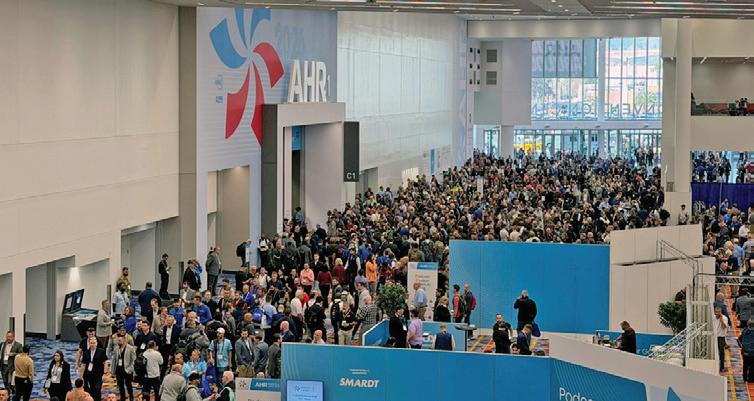
Scenes from Day 3 of the AHR Expo
Check out these candid moments between AHR attendees that capture the sights and energy that closed out another major year for the HVACR industry’s biggest event.
www.contractingbusiness.com/ 55355523
PODCAST ▶
Scenes
from Day 1 of the AHR
Expo
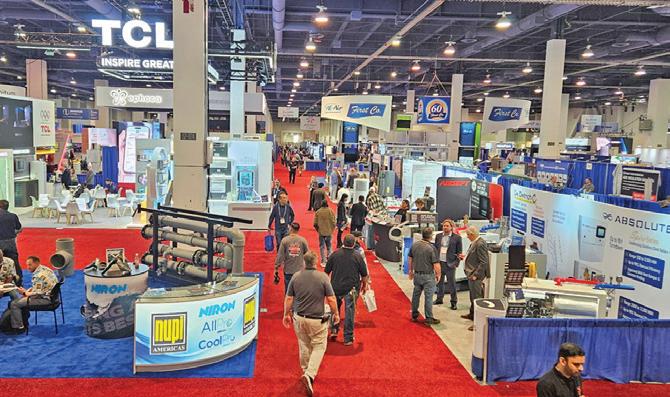
The first day of the AHR Expo in Las Vegas brought innovations, surprises, and lots of foot traffic.
www.contractingbusiness.com/ 55354861
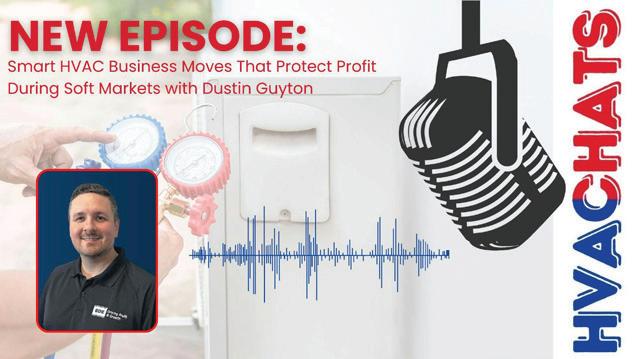
Smart HVAC Business Moves That Protect Profits During Soft Markets
Dustin Guyton of Business Development Resources (BDR) explores how HVAC contractors can recognize early signs of a softening market, set realistic revenue goals using historical data, and stabilize operations through proactive planning.
www.contractingbusiness.com/55353525

Follow us on Twitter at @ContractingBiz , as well as our sister publications, @Contractormag, and @HPACEng. Retweet our up-to-date content, send comments, questions. Expand your world of engagement with us, at no extra charge!
https://www.facebook.com/CBMag
https://bit.ly/CBonLinkedin
VP/Market Leader—Buildings & Construction Group, Mike Hellmann
Editor-In-Chief, Nicole Krawcke, nkrawcke@endeavorb2b.com
Art Director, Julie Whitty
Production Manager, Sam Schulenberg
Audience Development Manager, James Marinaccio, jmarinaccio@endeavorb2b.com
Ad Services Manager, Deanna O’Byrne
CEO, Chris Ferrell
COO, Patrick Rains
CDO, Jacquie Niemiec CALO, Tracy Kane
CMO, Amanda Landsaw
EVP Building & Construction Group, Chris Perrino
VP of Content Strategy— Buildings & Construction Group, Mike Eby
Contracting Business (USPS Permit 010-480, ISSN 0279-4071 print, ISSN 2771-652X online) is published monthly by Endeavor Business Media, LLC, 201 N. Main St., 5th Floor, Fort Atkinson, WI 53538. Periodicals postage paid at Fort Atkinson, WI, and additional mailing offices. POSTMASTER: Send address changes to Contracting Business , PO Box 3257, Northbrook, IL 60065-3257.
SUBSCRIPTIONS: Publisher reserves the right to reject non-qualified subscriptions. Subscription prices: U.S. ($ 105.00); Canada/Mexico ($ 137.50); All other countries ($ 157.50). All subscriptions are payable in U.S. funds. Send subscription inquiries to Contracting Business , PO Box 3257, Northbrook, IL 60065-3257. Customer service can be reached tollfree at 877-382-9187 or at contractingbusiness@ omeda.com for magazine subscription assistance or questions.
Printed in the USA. Copyright 2026 Endeavor Business Media, LLC. All rights reserved. No part of this publication may be reproduced or transmitted in any form or by any means, electronic or mechanical, including photocopies, recordings, or any information storage or retrieval system without permission from the publisher. Endeavor Business Media, LLC does not assume and hereby disclaims any liability to any person or company for any loss or damage caused by errors or omissions in the material herein, regardless of whether such errors result from negligence, accident, or any other cause whatsoever. The views and opinions in the articles herein are not to be taken as official expressions of the publishers, unless so stated. The publishers do not warrant either expressly or by implication, the factual accuracy of the articles herein, nor do they so warrant any views or opinions by the authors of said articles.

Nicole Krawcke © Endeavor Business Media
© Endeavor Business Media
Rob McManamy © Endeavor Business Media
AHR Expo

At its core, this mindset isn’t about doing more for the sake of doing more.
Leading on Purpose A
s a trade publication editor, I’ve traveled to countless industry trade shows and conferences and heard probably over 100 keynote addresses at this point. Most of them tend to blur together. As I write this column, however, I’m just getting back from EGIA’s EPIC 2026 event in Las Vegas and hearing from bestselling author and strategic advisor, Ryan Leak.
Leak is the CEO of a leadership development firm in Dallas, and he and his team help train over 30,000 leaders annually. His keynote on intentional leadership resonated not only because of Leak’s engaging delivery and humor, but also the practical tips he offered up to the audience.
In today’s HVAC contracting environment—marked by skilled labor shortages—leadership can no longer be accidental. Intentional leadership means operating with clarity, purpose, and discipline rather than reacting to daily fires. Contractors who lead intentionally don’t just manage jobs—they build resilient organizations designed to grow, adapt, and outperform the competition.
EDITORIAL
ADVISORY BOARD
TOM CASEY
Climate Partners
Griffin Service
MIKE CONLEY
Pioneer Heating & AC
DOMINICK GUARINO
National Comfort Institute
JESS JIMOH
Bonfe Plumbing, Heating, Cooling, Electrical & Sewer
COLLEEN KEYWORTH
Online Access
EDWARD MCFARLANE
Sila Services
MATT MICHEL
Author
SCOTT SHARROCK
Jolly Plumbing, Heating & Air Conditioning
BRIAN STACK
Stack Heating & Cooling
daily decisions leaders make about communication, development, accountability, culture, and how they treat their people.
HVAC contractors can be intentional in a lot of ways, including offering career roadmaps, not just jobs—this way, your business becomes a long-term career destination, not a stepping stone. Other examples involve creating a culture of recognition to celebrate your top performers and wins, prioritizing work-life balance, and sharing success—tie incentives to team goals.

Leak’s presentation discussed ways for HVAC contractors to communicate more clearly and connect more deeply with their teams. One of his suggestions was simply pulling out a cellphone and sending a “Happy Birthday” video to employees. He reasoned that people always get text messages on their birthday, but how many videos do they get?
Another piece of advice Leak offered—one that I really took to heart—was always ask people how they are doing…twice.
“Because we all lie the first time,” Leak said. “Everybody says, ‘good.’ Nobody ever says ‘depressed.’ Nobody ever says, ‘uncontrollable anger issues, how are you?’ Nobody says that. We are programmed to be ‘good,’ even when we are not.”
Who here hasn’t been guilty of just responding with “good” when someone asks how you are doing? I know I have!
Essentially, both of these pieces of advice Leak offered to the audience align with his principle of “doing things we don’t have to do, but that if we did, would set us apart so people would never want to leave.”
It’s a simple idea—but operationalizing it requires intention. What does that actually look like inside an HVAC contracting business? It shows up in the
I’ve also heard of a few companies that conduct “stay” interviews, not just exit interviews. They ask the hard questions, like “What would make this the best place you’ve ever worked?” and “What would tempt you to leave?” Retention improves when people feel heard before they disengage with the business.
At its core, this mindset isn’t about doing more for the sake of doing more. It’s about asking: What would make this company so well-run, so supportive, and so growth-oriented that leaving wouldn’t make sense?
Contractors who consistently act on that question don’t just reduce turnover—they build organizations people commit to for the long haul.
Long story short: your people are your competitive advantage. When owners deliberately invest in culture, communication, career development, and accountability, they create an environment where employees feel valued, supported, and proud of the brand they represent. That kind of workplace doesn’t just reduce recruiting costs and callbacks—it strengthens both employee and customer relationships. In a trade where skilled talent has options, the companies that lead with intention are the ones employees choose to stay with.
ServiceForge Survey Shows HVAC Customers
Prefer Human Service Representatives
PORTLAND, Oregon—ServiceForge has released a new research report examining how consumers feel about artificial intelligence in customer service for local service businesses.
The report, titled “Keep Service Human,” is based on original survey data and finds that most customers still prefer speaking with a human representative rather than an AI bot, particularly when contacting essential service providers.
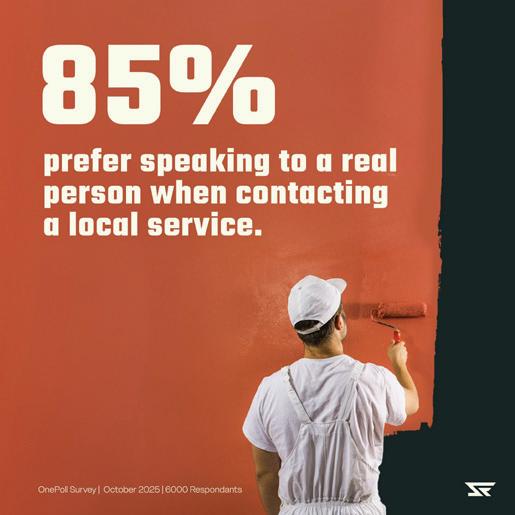
According to the findings, 85% of consumers said they prefer to speak with a real person when contracting a local service business. One in three respondents reported they would hang up immediately if they reached an AI-driven customer service bot.
ServiceForge noted that these reactions could translate into missed opportunities and lost jobs for service-based companies relying too heavily on automated call handling.
“AI has a role to play in automating back-office tasks and improving efficiency,” said Jane Blanchard, head of brand and marketing for ServiceForge. “But when a customer is calling because their heat is out or their basement is flooding, they want things AI can’t deliver: empathy, understanding and reassurance.”
Additional survey results showed that 83% of respondents have actively requested to speak with a human representative instead of AI, while 54% described AI-powered customer service as frustrating. The report also found that 73% of consumers said resolution is more important than how quickly a call is answered.
The full “Keep Service Human,” report is available at www.serviceforge.com/ai-report.
New Bipartisan Bill Could Cover 50% of HVACR Workforce Training
ALEXANDRIA, Virginia—ACCA announced its support for the Employer-Directed Skills Act, bipartisan legislation introduced in Congress on Feb. 11 that would reimburse employers for workforce training costs.
The bill was introduced in the U.S. Senate by Sen. Ted Budd (R-NC) and in the House by Rep. Elise Stefanik (R-NY). It would allow employers to receive reimbursement for up to 50% of training expenses, helping contractors expand in-house workforce development efforts.
“Our members consistently tell us that attracting and retaining skilled workers is their top priority,” said Barton James, ACCA president and CEO. He noted that the bill would make Workforce Innovation and Opportunity Act funds more flexible for both employers and workers.
Under current workforce programs, government agencies typically determine which individuals receive training and what programs they attend. ACCA said this structure can lead to gaps between training outcomes and employer needs. The EmployerDirected Skills Act would shift more control to employers, allowing them to select candidates and direct training toward critical skills.
The legislation would reimburse companies with 50 or fewer employees for 50% of training costs, with scaled reimbursements for larger businesses. Participating employers would work with local workforce boards to establish training accounts and receive reimbursement after training is completed.
ACCA urges contractors to support the legislation by signing a letter here: http://bit.ly/40aJiT1.
PHCC Educational Foundation Expands Online Workforce Skills Courses
FALLS CHURCH, VA (Feb. 2, 2026)—The PHCC Educational Foundation has expanded its online training catalog with new courses focused on communication skills, customer service, and sales development for plumbing and HVAC professionals.
The new offerings are available through the PHCC Academy and were developed with ServiceSkills and the Quality Service Contractors (QSC) group.
The courses are designed to help technicians, apprentices, and office staff strengthen the skills needed to improve customer interactions and support business performance.
The ServiceSkills course library includes short, interactive video lessons that can be completed on a self-paced schedule. Training is accessible on smartphones and tablets and does not require prerequisites.
The expanded catalog includes role-specific coursework for: techs and apprentices working directly with customers; HR pros and leadership teams building workplace culture; and office staff supporting service operations.
The Foundation also launched an online version of QSC’s inperson “Seal the Deal” training program. The course focuses on confidently presenting services, responding to budget concerns, and communicating value to customers.
ACCA said the legislation aligns with its 2025-2026 policy priority of strengthening the HVACR workforce by making federal workforce development funds more accessible to employers.
Dan Quinonez, executive director of the PHCC Educational Foundation, said members have expressed a growing need for professional development that strengthens both communication and sales effectiveness.
The courses vary in price and are also available in bundled options for contractors enrolling multiple employees. Participants receive a certificate of completion after finishing, and no formal exam is required. More information about the PHCC Academy course catalog is available at phccacademy.org/courses.
5 HVACR Trends Spotted Across the AHR Expo Floor
The 2026 AHR Expo show floor made one thing clear: HVACR innovation is accelerating in response to shifting energy priorities, emerging markets, and smarter building demands. 53,315 attendees came together to experience the latest offering from 1,956 exhibitors over 578,980 square feet of show floor. Here are five key trends contractors should know from the industry’s biggest show.
Heat Pumps Proved Electrification Isn’t Slowing Down
The continued surge of heat pump innovation on the show floor signaled that the industry’s shift toward electrified heating is only gaining momentum.
Bosch Home Comfort Group highlighted its Inverter Ducted Split Edge Heat Pump, a new compact outdoor solution in the Inverter Ducted Split (IDS) Family product line. Built on inverter and VRF-based technology, the IDS Edge is a compact, flexible, and efficient solution for both residential single-zone and multizone applications and will be available in both standard and highperformance versions. The product features up to 19 SEER2 and 10.8 HSPF2, cold-climate capable inverter operation, ducted and wall-mounted indoor options, quiet operation as low as 57 dB(A), dual fuel compatible with AHRI-rated coil, and is retrofit-friendly with existing line sets.
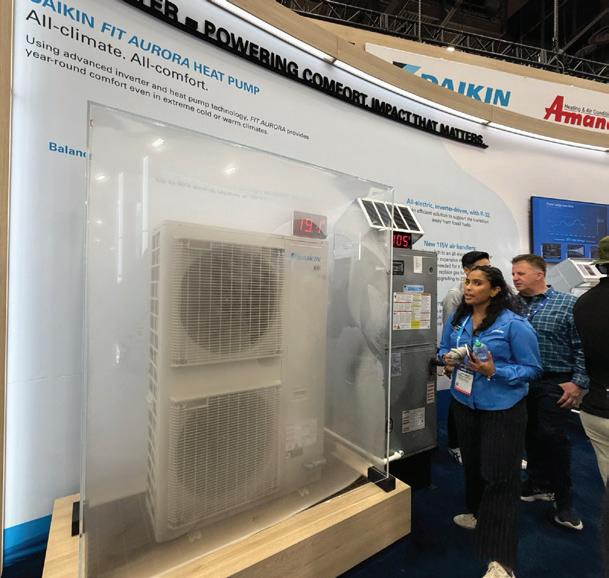
At AHR Expo 2026,Daikin showcased its FIT AURORA Cold Climate Residential Heat Pumps, engineered to provide highefficiency cooling and heating in a wide range of environments with low-GWP R-32 refrigerant. The 2- and 3-ton models meet or exceed specifications for the residential “Cold Climate Heat Pump Challenge” as defined by U.S. Department of Energy (DOE).
Rheem also showcased its Endeavor Line Prestige Series SideDischarge Universal Heat Pump and Endeavor Line Classic Plus Series Top-Discharge Universal Heat Pump.
With cooling efficiencies up to 20 SEER2 and heating efficiencies up to 10 HSPF2, the RD18AY side discharge heat pump minimizes absolute energy use, while its 7mm condenser coil reduces refrigerant requirements by 15% to further lower environmental impact. A variable-speed outdoor unit, RD18AY is compatible with any 24V thermostat, smart thermostat, or Rheem’s EcoNet platform and comes standard with Rheem’s proprietary Universal Algorithm, which adjusts performance to ensure reliability, reduce unit cycling, and deliver long-term energy savings.
in 2–5-ton nominal sizes, with cooling efficiencies up to 17 SEER2 and heating efficiencies up to 9.5 HSPF2. Engineered for universal installation compatibility, the RP17AY pairs easily with virtually any R-454B HVAC system, and is designed as a true universal replacement that requires minimal adjustments.
Dual Fuel: The Best of Both Worlds
David Budzinksi, deputy CEO and regional president, Americas, Bosch Home Comfort Group, highlighted a focus on dual-fuel systems that provide customers with greater flexibility.
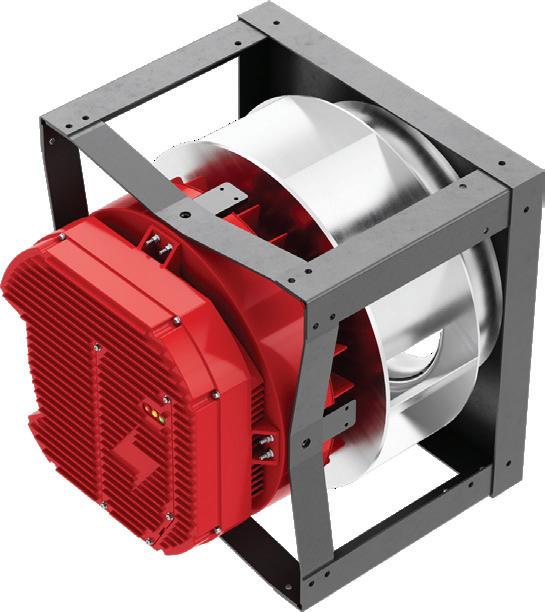
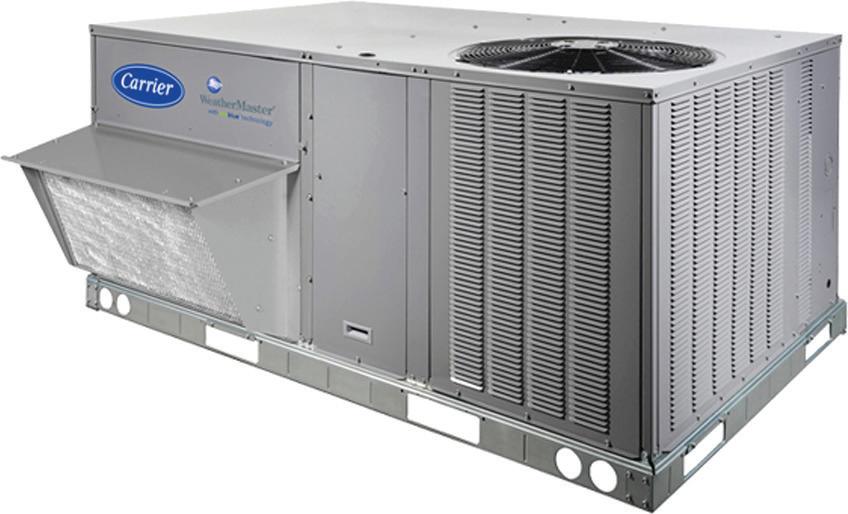
The 48QE is meant to provide: an easy, costeffective retrofit option for light commercial applications by fitting onto existing curb and ductwork with minimal modifications required. Carrier
“We want to be able to give customers the option to install whatever types of products they would like in their homes and in their businesses,” Budzinksi said. “And we’re also a big promoter of dual fuel systems that allow for flexibility within people’s buildings or homes. You’ll see a lot more of us from that overall portfolio, which, combined with our strength in the commercial, just gives us incredible potential in the North American market.” Many manufacturers displayed new commercial dual-fuel options during the expo this year. Among them were:
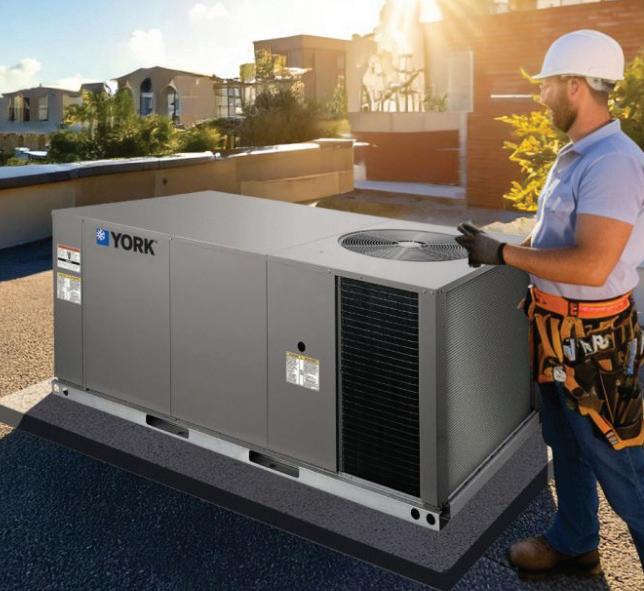
YORK Sun Choice Dual Fuel RTUs combine a heat pump with a gas or propane furnace as a backup heat source to deliver efficient heating and cooling and consistent comfort year-round in colder climates. The systems feature direct drive plenum supply fans, and integrated intelligence automatically transitions heating operation to the most optimal energy source based on outdoor conditions. It is deal for a wide range of light commercial applications.
The RP17AY TopDischarge Universal Heat Pump is available
Endeavor Business Media
Carrier announced a new hybrid heat option for its WeatherMaster line. The 48QE dual-fuel units are available from 3-25 tons. The new design utilizes the electric heat pump as the primary heating source in milder conditions and switches to a natural gas furnace for auxiliary heating when temperatures drop significantly. The hybrid system automatically selects the most efficient heat source based on outdoor temperature to ensure occupant comfort. 48QE units can use both electric and gas heat simultaneously or switch between the two heating sources, helping to ensure optimal performance and lower energy consumption.
The Data Center Boom
With AI, cloud computing, and digital infrastructure expanding rapidly, data center cooling emerged as a major focus across nearly every major booth.
Daikin’s FIT AURORA Cold Climate Residential Heat Pumps meet or exceed specifications for the residential “Cold Climate Heat Pump Challenge” as defined by U.S. Department of Energy (DOE). Nicole Krawcke ©
Johnson Controls dedicated its entire pre-show press conference to highlighting the company’s data center cooling solutions.
“Things that are important to us and important to customers are lower power usage, lower water usage, less sound, but also aligning with what the actual data center customers need,” said Aaron Lewis, vice president and general manager, Applied Equipment, Johnson Controls.
On display was the YORK YK-HT, a high-temperature centrifugal chiller engineered for data centers and large industrial, pharmaceutical, and health care campuses. It delivers a wide operating range from a single driveline with condenser leaving fluid temperatures up to 165° F and up to 110° F of lift. Designed to support closed-loop heat rejection with dry coolers, the YKHT enables heat-pump and heat-recovery applications that can offset more than 35 MMBtu per hour of wasted thermal energy while reducing carbon emissions and energy costs.
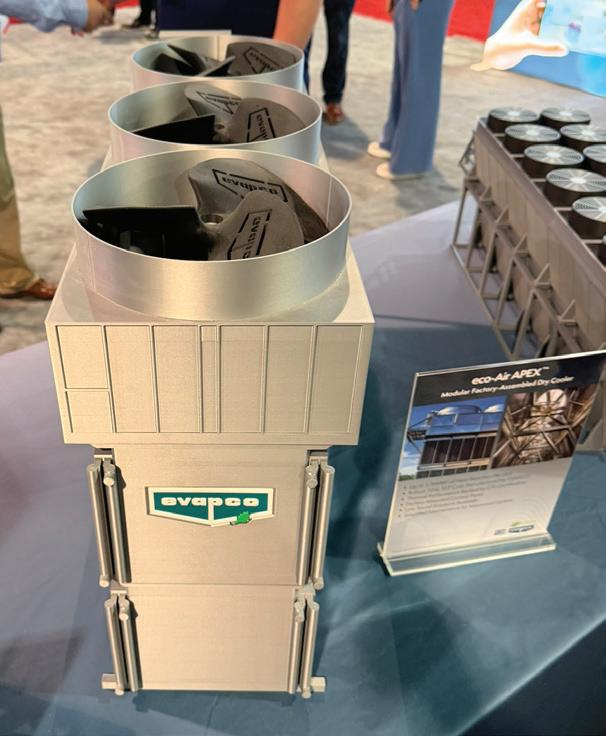
EVAPCO introduced its eco-Air APEX Dry Cooler, the newest product in its eco-Air Series, designed for large-scale, missioncritical heat rejection with zero water consumption. The ecoAPEX is officially the highest capacity, CTI-certified dry cooler in the industry, according to EVAPCO. The eco-Air APEX balances the need for high-density heat rejection on water-constrained projects with urgent deployment timelines, expected by the AI infrastructure boom currently taking place. It features simplified installation and start up, as units ship in three segments with factory-mounted controls and service platforms. A single-point PLC/VFD control panel is factory-wired for plug-and-play benefits and expedited commissioning.
LG displayed advanced chiller technologies in its booth, including its new Inverter Scroll Heat Pump Chiller with Heat Recovery, built on a 30 RT modular platform (30/60/90 RT) using R-32 refrigerant, and an Inverter Screw Chiller engineered for efficient and resilient chilled water operation.
Smart Platforms Took Center Stage
Manufacturers introduced a wave of AI-driven smart platforms designed to improve monitoring, diagnostics, and performance.
Trane introduced Trane Cloud, a secure, unified digital platform that brings together building data, analytics, applications, and services into one seamless experience, enabling operators, facility teams, and energy managers to run their buildings more efficiently and sustainably.

The EcoNet system includes Rheem Family of Brands’ physical products, cloud platform, mobile applications, and a new digital product service, TotalView, which will be available to Pro Partners, later this year.
Rheem
is a generative AI–powered feature that provides additional context and actionable guidance for building operations teams. The feature helps facility managers and technicians interpret AI-driven predictive insights more quickly and act with greater confidence to improve operational performance.
Samsung Electronics’ SmartThings Pro platform equips HVAC pros with an advanced enterprise solution to remotely manage, monitor, and optimize diverse residential and commercial portfolios.
On the residential side, Rheem, in partnership with ecobee, announced Smart Thermostat Lite | Works with EcoNet Technology, and TotalView, which will be available to Pro Partners, later this year. TotalView is a new family of digital tools that enable nearreal-time monitoring and configuration of EcoNet-connected products from anywhere with Internet access.
Future of Refrigeration
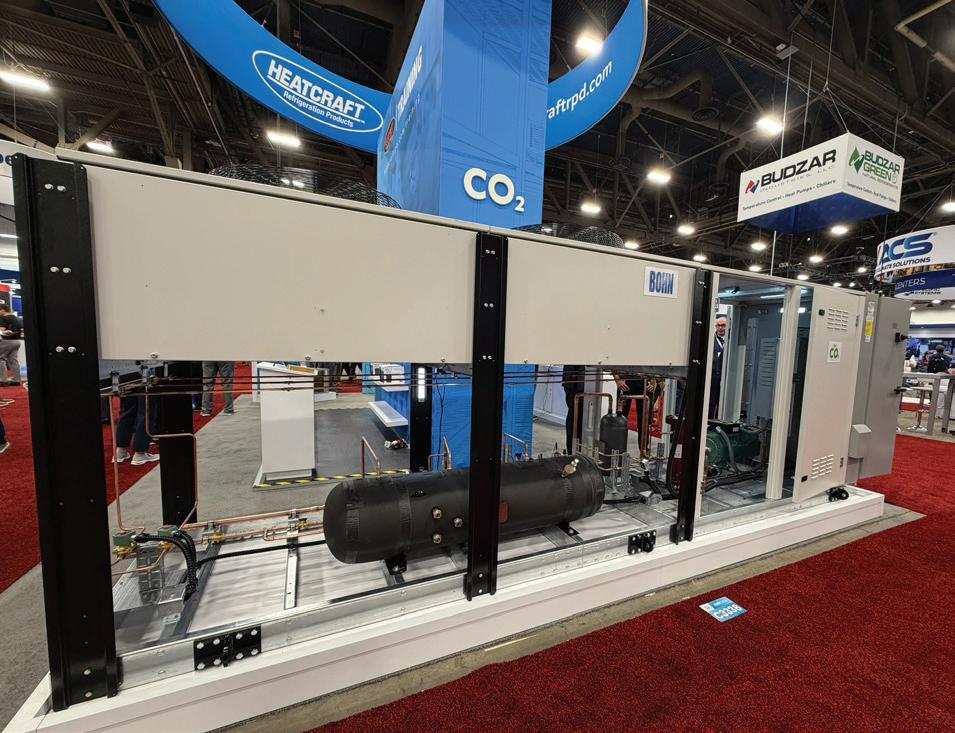
As regulatory pressures and sustainability targets accelerate, refrigeration technologies continue to evolve. Heatcraft highlighted its 15horsepower CO2 vertical condensing unit is the first in a new platform and will be available later in 2026. Designed for
Carrier Abound’s new “Tell Me More,”
EVAPCO displayed 3D printed models of its new eco-Air APEX Dry Cooler, designed for large-scale, missioncritical heat rejection with zero water consumption.
Nicole Krawcke © Endeavor Business Media
Heatcraft’s 15-horsepower CO2 vertical condensing unit is designed for commercial processes and cold storage where large rack systems aren’t required.
Nicole Krawcke © Endeavor Business Media
commercial processes and cold storage where large rack systems aren’t required, the unit offers a low-GWP option that optimizes performance and total cost of ownership through rightsized capacity and footprint.
For contractors, the trends on display point to both challenges and significant opportunities ahead.
To read the full AHR recap of new products on display, visit www.contractingbusines.com/55357992.
The Rise of Dual Fuel HVAC Solutions
Insights from February’s AHR Expo reveal a shift in industry focus and why dual fuel technologies matter now more than ever.
At the 2026 AHR Expo this past February, an increasing number of manufacturers used the industry’s largest stage to showcase their latest dual fuel HVAC systems—signaling a clear shift in product development toward solutions that blend electric heat pumps with traditional fossil-fuel furnaces.
For HVAC contractors, this emerging technology matters because it offers a practical, performancedriven pathway to energy electrification without forcing customers into all-electric systems before
they’re ready. With dual fuel configurations, contractors can deliver year-round comfort and efficiency while helping homeowners navigate rising energy costs and evolving electrification goals— making these systems a compelling option in today’s competitive market.
Increased Interest in Hybrid Systems
Though dual fuel or hybrid HVAC systems are not new in the U.S., there has been recent exponential growth, according to Troy Roberson, director of sales operations, Mitsubishi Electric Trane HVAC US (METUS).
“A combination of factors is driving the increased demand, including advancements in heat pump technology and homeowners’ desire to reduce fossil fuel use and manage their energy costs,” Roberson says. “Hybrid systems give consumers options on how they want to heat their homes.”
Additionally, the market has seen a significant increase in heat pump adoption in colder climates, thanks to advancements in technology, Roberson points out. “With a solid design and proper installation, today’s technology can maintain full-rated heating capacity even in sub-zero temperatures without a furnace ever needing to run. Northern markets, where fossil fuels have been the primary heating source for decades, are seeing the largest adoption rate. Other markets such as the Midwest and Pacific Northwest are also adopting all-climate heat pumps at a tremendous rate.”
Trane is absolutely seeing a growing interest in dual fuel systems across the residential market, notes Jeff Tyminski, vice president, product management, residential HVAC, Trane Technologies.
“Homeowners are looking for solutions that balance comfort, efficiency, and reliability, and hybrid systems can be uniquely positioned to deliver on all three,” he explains. “Utility costs continue to push consumers to look for smarter ways to manage their energy usage, and the ability to optimize between electric and gas heating provides savings over the life of the system.”
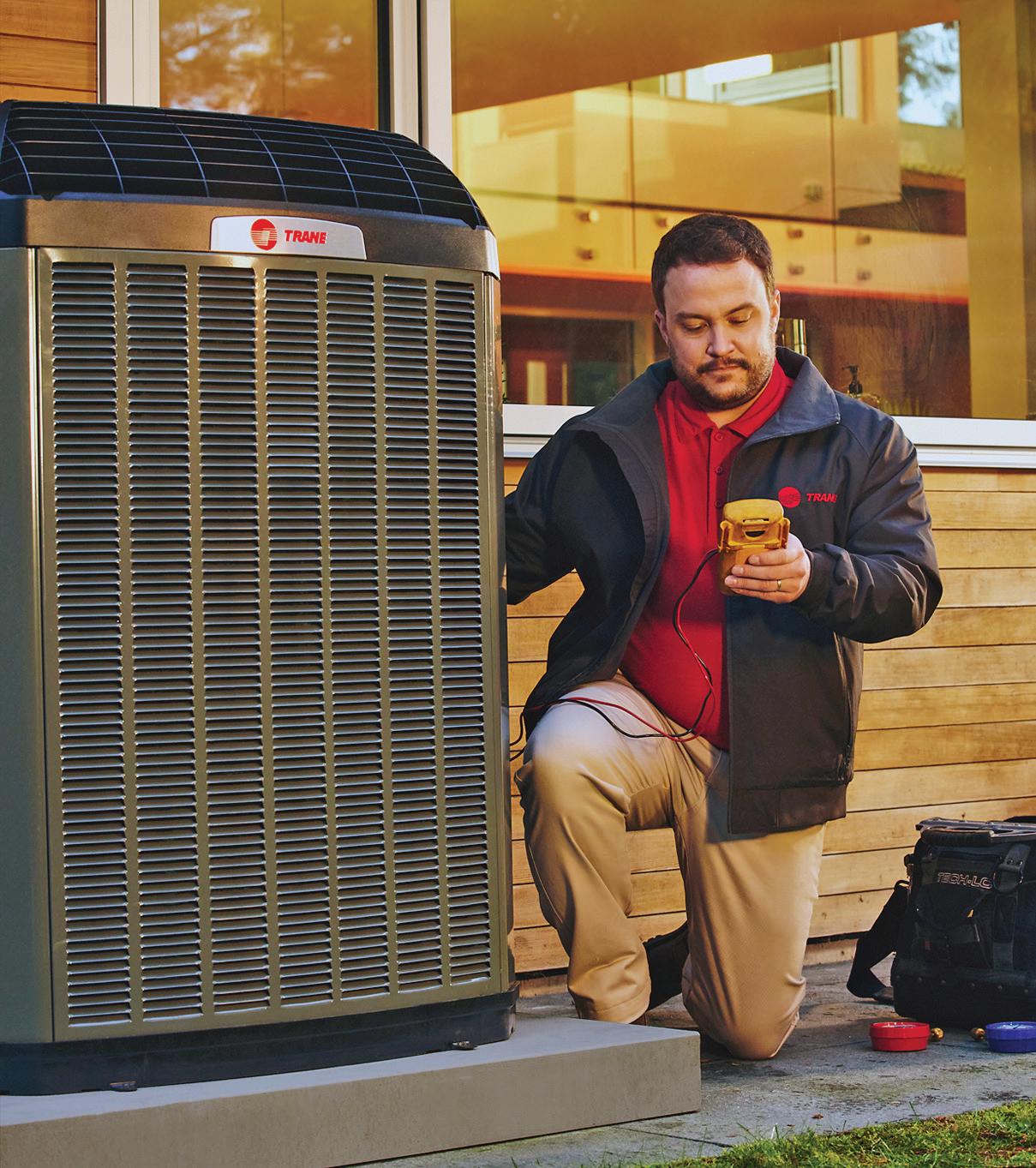
Consumers are drawn to the ability to optimize energy usage between electric and gas heating, according to Trane’s Jeff Tyminski. Trane
Tyminski adds that adoption of dual fuel systems varies by region, climate, and customer. “We’re seeing the strongest momentum in areas where the technology delivers clear, year-round advantages. Regions such as the North and across transitional climates are leading the way. In these areas, homeowners may appreciate the ability to rely on efficient heat pump performance during milder conditions while having the assurance of gas heating during colder periods.”
Nasim Arbab Rahman, PhD, senior product manager at Lennox Commercial, notes that 2025 had the highest heat pump/dual fuel mixes the industry has seen, pointing to AHRI data.
“Traditionally, customers in milder climates see heat pump units as a practical year-round solution,” she says. “Additionally, strong utility incentives and rebates (including incentives from gas utilities) are accelerating adoption as part of broader electrification strategies across North America. Lastly, as electrification targets tighten, dual-fuel systems offer a pragmatic way to reduce carbon emissions today while maintaining performance and resilience.”
And while residential adoption of dual fuel systems is further along than commercial, interest in commercial application is rapidly increasing, according to Rahman.
“One of the key barriers in commercial applications has been electrical infrastructure upgrades, which are typically easier and less costly in residential settings,” she says. “That said, the commercial market is closing this gap through innovative product designs and system architectures.”
Traditionally, there was a trend toward full-electric solutions, but that has cooled off somewhat in terms of adoption of full heat pump systems in homes, notes David Budzinski, deputy CEO and regional president, Americas, Bosch Home Comfort Group.
“We are seeing consumers opting to do more dual fuel systems,” Budzinski says. “And it’s not just consumers, it’s also commercial building owners as well. Because if you look at the real need for it, the largely federal government subsidies have been removed for full electrification. But there are some local utilities and subsidies that are still available to consumers. Then, in terms of overall contractors, we do believe it is an easier install because you are still installing a traditional gas furnace, except for your outdoor coil—then obviously your condenser is a heat pump. It allows you to have that flexibility. There’s still a great payback.”
Transitional Technology or Long-Term Solution?
As electrification policies accelerate and heat pump adoption continues to climb, dual fuel HVAC systems are often framed as a “bridge” between traditional gas heating and an all-electric future. But many contractors are beginning to wonder: is dual fuel simply a temporary stepping stone, or could it remain a longterm strategy for delivering reliable comfort in cold climates, managing utility costs, and meeting evolving efficiency goals?
All of the manufacturers we spoke with agree that dual fuel is here to stay.
“Hybrid systems are positioned to be a long-term solution rather than just a transitional technology,” Tyminski says. “They play an important role in today’s evolving energy landscape by pairing
high-efficiency heat pumps with traditional fuel systems to deliver optimized performance across a wide range of weather conditions.
“As electrification continues to expand and heat pump technology capabilities advance—particularly in cold-climate performance—hybrid systems will remain relevant because they provide reliability, flexibility, and efficiency,” he continues. “A major driver of this momentum is the rapid improvement of Cold Climate Heat Pumps. CCHPs are extending the regions where heat pumps can be applied effectively and dramatically increasing the amount of time homeowners can rely on efficient electric heating instead of fossil fuels. That expanded operating envelope strengthens the value proposition of hybrid systems, allowing the heat pump to carry more of the load while still ensuring reliable backup heat during the coldest periods. This balance of efficiency and reliability will continue to be a strong option for homeowners for many years to come.”
Roberson notes that dual fuel systems have been used in the U.S. for decades and will remain a long-term solution. “As
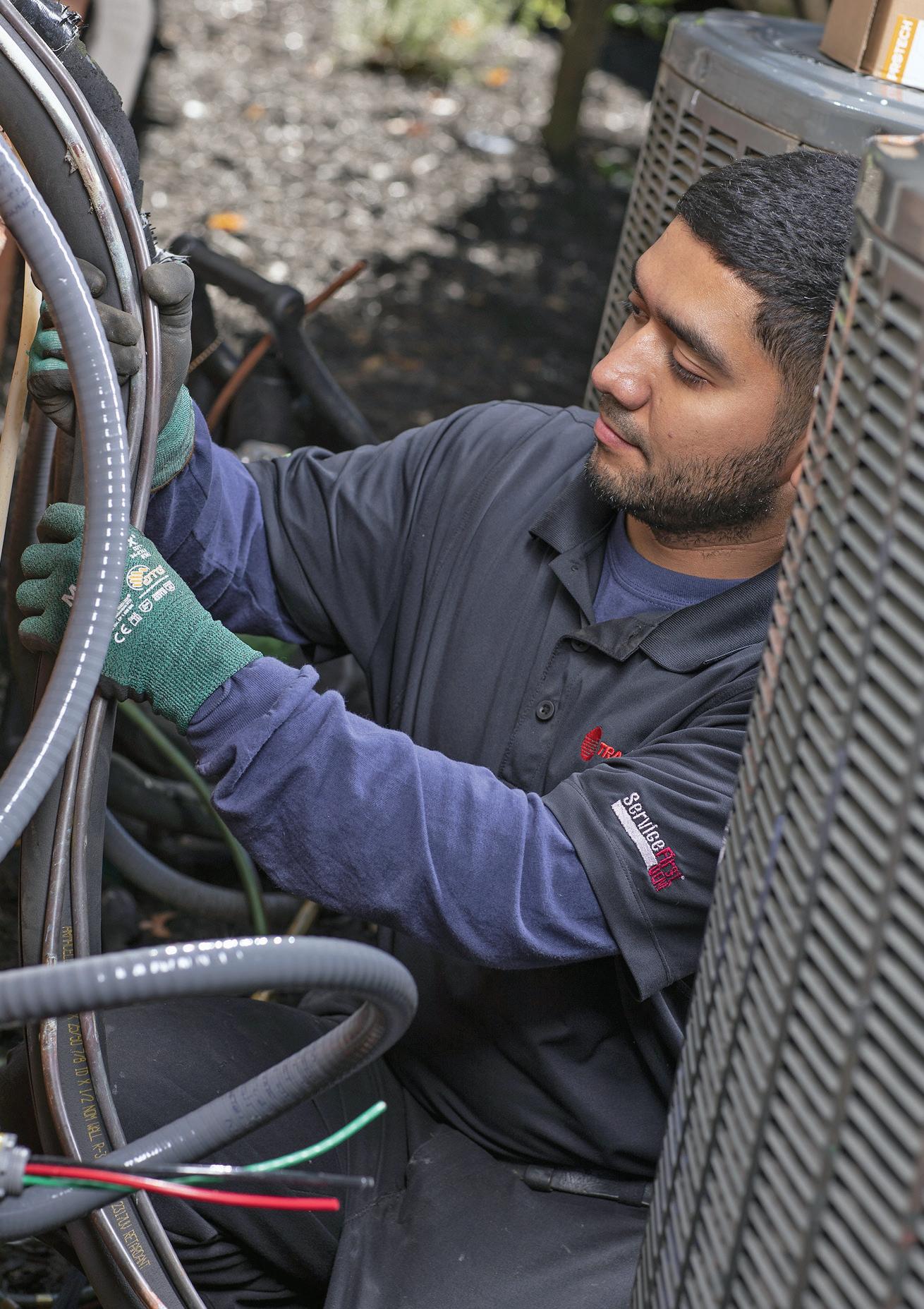
Dual fuel, hybrid HVAC systems are positioned to be a long-term solution for industry professionals. Trane
technology continues to advance, homeowners will no longer need to rely on a furnace as their primary source of heat. It’s not just about technology—natural gas is still relatively inexpensive compared to electricity. However, that dynamic is changing, and as it continues, adoption of heat pumps will only increase further.”
Budzinski also agrees that dual fuel systems are here to stay. “You’re always going to have end users that want to be fully electric and end users that want to be more on the combustion side because they’re just more comfortable with it. Or there’s a cost advantage to just replace what is there with the same traditional system. Some customers will want a new type of solution—a hybrid system with dual fuel allows them more flexibility.”
Dual fuel is a good starting point, according to Heidi Gehring, managing director, light commercial, Carrier.
“Kind of like looking at electric cars—there’s still a lot of hybrid vehicles out there, right?” she says. “So yes, I do see electrification continuing to move toward the future, but I think dual fuel is going to be around in markets for quite a period of time. That being said, we’re part of the DOE Cold Climate Heat Pump Challenge for rooftops, and those rooftops are now in field trials. But that’s also why I think dual fuel will be part of the equation for a long time. The coefficient of performance is still better than your strip heat. We can get it to the point that your capacity is still 100% down at 0°; however, furnaces and gas heat are more efficient when you get into the coldest temperatures, like much of the country experienced in late January. There’s still more work we’ve got to do to really advance it so it becomes a fully electric system.”
According to Rahman, time will ultimately tell. “But hybrid systems are likely to remain a long-term part of the HVAC landscape, not just a transitional stopgap. They represent a practical bridge between today’s mixed-fuel infrastructure and a future that is increasingly all-electric.”
Why Dual Fuel Could Be a Competitive Advantage
Dual fuel systems are creating new opportunities for HVAC contractors. Manufacturers say contractors who invest now in training, proper system design, and customer education will be best positioned to stay competitive as demand for hybrid HVAC options continues to grow.
“As hybrid adoption continues to grow, contractors can stay highly competitive by leaning into training and technology
adoption,” Tyminski says. “Continued learning, whether through manufacturer training, industry certifications, or hands- on workshops, can help contractors stay current on the latest hybrid system designs, installation best practices, and control strategies. This confidence and expertise translate directly into better system performance for homeowners.”
Tyminski emphasized that one of the biggest value drivers in dual fuel installations is that contractors can maximize system performance by fully utilizing advanced controls, configuring hybrid logic around outdoor temperatures, utility rates, and homeowner preferences to automatically optimize the balance between electric and gas heat while delivering meaningful energy savings. Selecting well-matched components is another way contractors can maximize performance. Pairing equipment designed to work seamlessly together helps the system operate at its highest potential and improves long-term reliability.
“Finally, investing a few extra minutes to walk homeowners through how hybrid systems work can go a long way,” Tyminski says. “When customers understand how the system switches energy sources and what to expect in different conditions, satisfaction may increase, and callbacks may decrease. These small steps create a big impact and help contractors differentiate themselves as trusted, knowledgeable partners in home comfort and sustainability.”
Roberson adds that the more contractors stay familiar with hybrid equipment and the available offerings, the more they will continue to be at the forefront of this industry.
“One of the most common challenges I hear from contractors is hesitancy around installation, commissioning, and servicing, particularly related to controls on dual-fuel heat pump systems,” Rahman says. “That hesitation often stems from limited exposure rather than system complexity. Targeted training and hands-on experience can go a long way in building confidence and ensuring systems are configured to deliver their intended performance.”
Rahman advises contractors to invest in training around installation, commissioning, and controls for dual fuel systems, and build real-world experience with these configurations.
“Contractors should educate customers by clearly articulating the benefits, such as total cost of ownership, efficiency gains, operational flexibility, and carbon reduction,” she says.
As the industry evolves, dual fuel gives contractors a practical tool to stay ahead—bridging today’s realities with tomorrow’s energy goals.
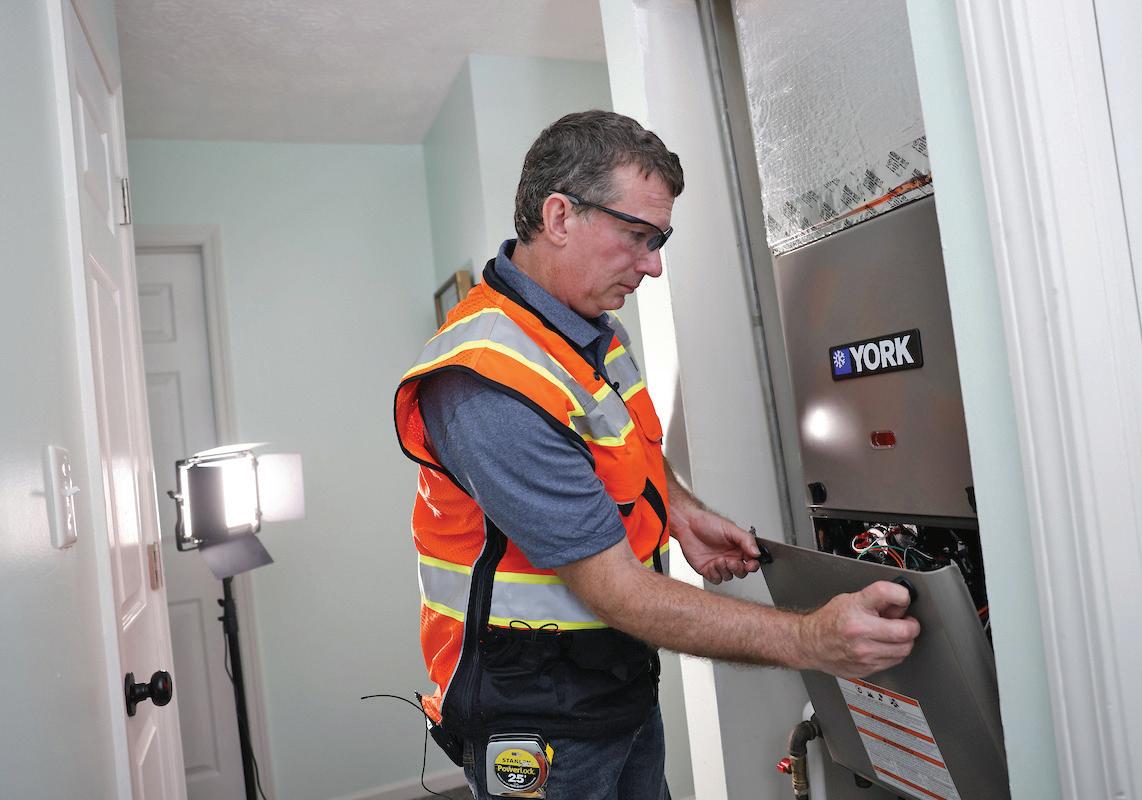
Hybrid HVAC systems with dual fuel offer customers more flexibility, according to Bosch Home Comfort Group’s David Budzinski.
Bosch Home Comfort Group



















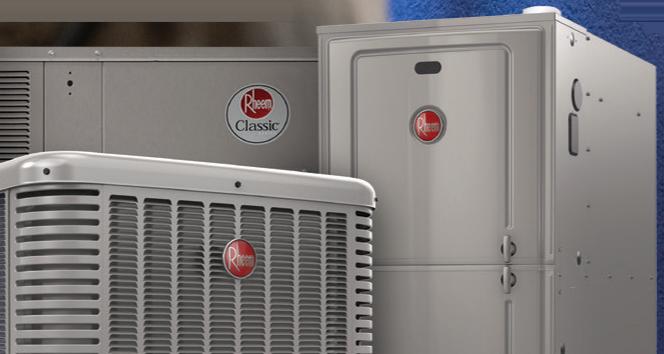
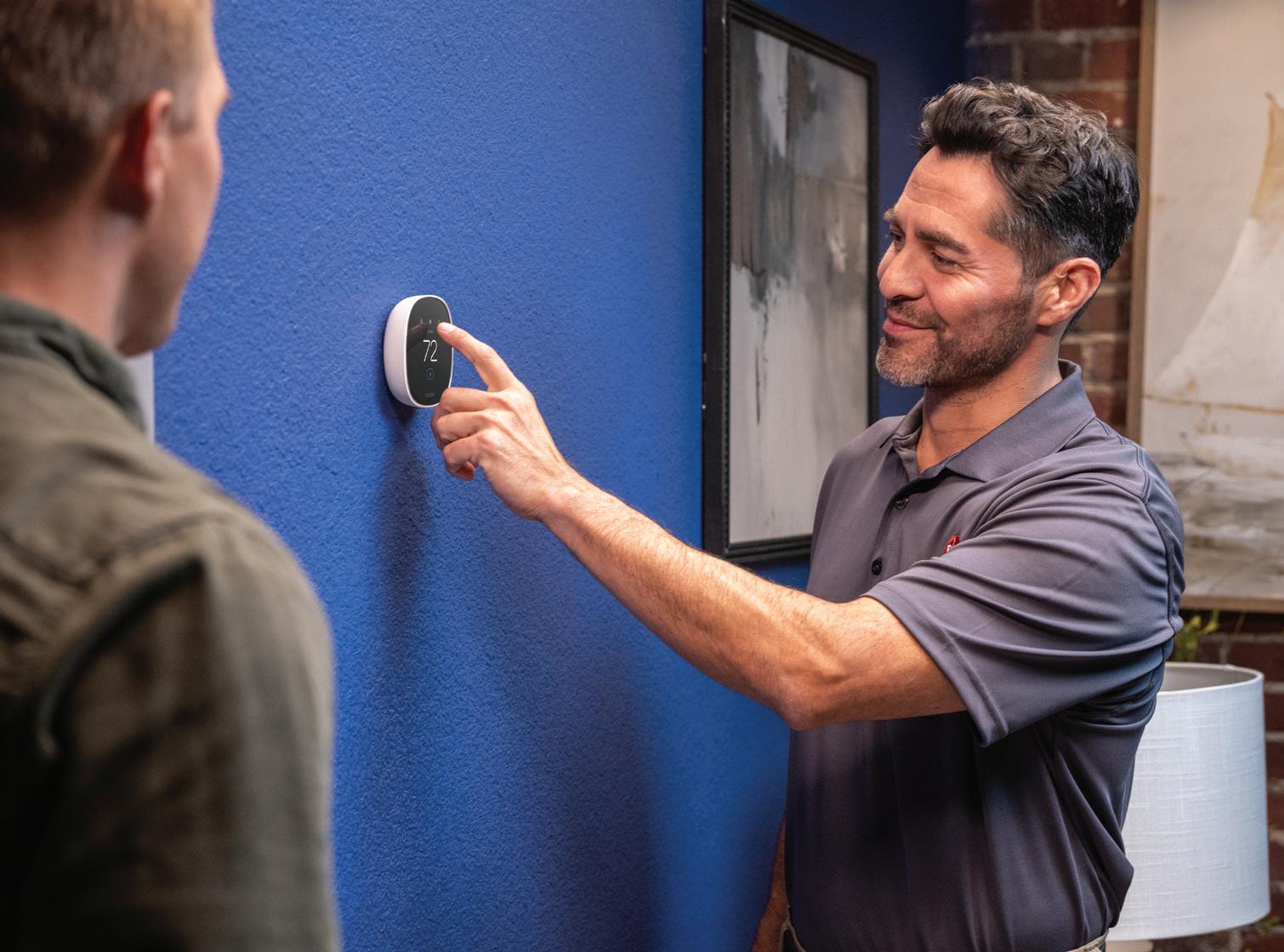
















The ecobee Smart Thermostat Lite | Works with EcoNet ® Technology* was expertly designed to make your job easier. It offers quick setup and installation, plus allows homeowners to access your contact information directly from the touchscreen. Rheem.com/ecobeelite


Spotlight: Meet 8 Women Trailblazers Shaping the Future of HVAC
In celebration of International Women’s Month, Contracting Business is proud to recognize eight exceptional women who are making a lasting impact across the HVACR industry. These leading ladies are helping shape the future of the skilled trades through their commitment to excellence. Their stories highlight the growing influence of women in HVAC—and the important role diverse perspectives play in strengthening the workforce and moving the industry forward.
CB: What was your path into the HVAC industry, and what originally drew you to it?
DH: I was kind of born into the trades. My grandfather started the company back in 1948, and my dad joined after my grandfather unexpectedly passed away at 53. Growing up, I never planned on joining the family business. I honestly thought I’d do something completely different. But when I was in college, I needed a job and jumped in expecting it to be temporary. Pretty quickly, though, I fell in love with it. I loved helping people, seeing the direct impact of my work, and having the freedom to actually contribute and make changes. I could see the potential of what the business could become, and over time, it’s grown even beyond what I imagined.
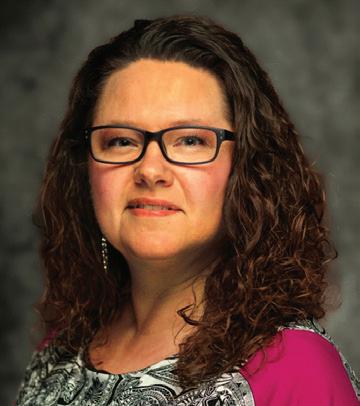
Lara Beltz | 50
Owner / Vice President Beltz Home Service Co., Findlay, Ohio
17 years in HVAC

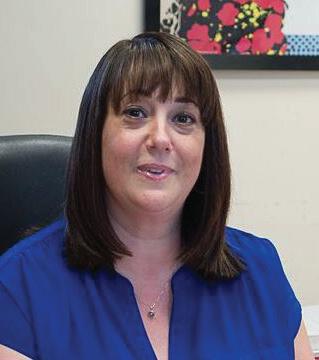
Laura DiFilippo | 58
President and Owner DiFilippo’s Service Company, Paoli, Pennsylvania
34 years in HVAC
AZ: I had no intention of getting int the HVACR industry. I had watched the struggles my parents had growing a business while I was growing up. However, my dad offered me a job when I graduated college. I accepted and the rest is history. That was 21 years ago!
CB: What skills—technical or non-technical—have been most critical to your success as a leader in this industry?
LB: Communication and emotional intelligence have been the most critical skills by far. Technical knowledge matters, but leadership lives in how well you listen, how clearly you set expectations, and how consistently you follow through. Being able to translate between the field and the office, between customers and technicians, and between short-term pressure and long-term vision has been essential. I’ve also learned that being willing to admit what you don’t know is a strength, not a weakness. You don’t have to know all the answers, just where to find them.
CF: Curiosity for sure. There’s always going to be something you don’t know. You have to be willing to keep learning and ask a lot of questions. I would also say patience. When you’re talking about leadership, patience is a big deal. I’m impatient, but I have learned to become patient because a lot of good things happen when you don’t jump to solve the problem yourself, or you wait to see what actually occurs. If I picked others, it could be a long list, but probably resilience because this industry is not for the faint of heart, even though it can be wonderfully rewarding in many ways. It’s a bit of a rollercoaster, and it can be very tough. You have to be willing to show up over and over and over again, even when it’s really hard. And lastly, I would say
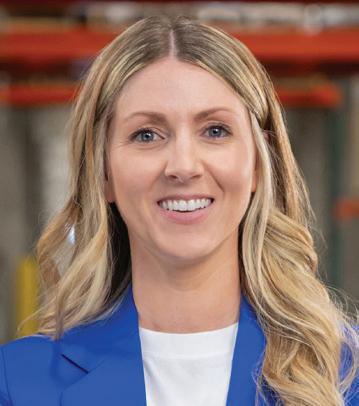
Claire Ferrara | 39 President Standard Heating & Air Conditioning, Minneapolis, Minnesota
10+ years in HVAC

Dayna Hottle | 43
General Manager
C&C Heating and Air Conditioning, Roseville, Michigan
20 years in HVAC
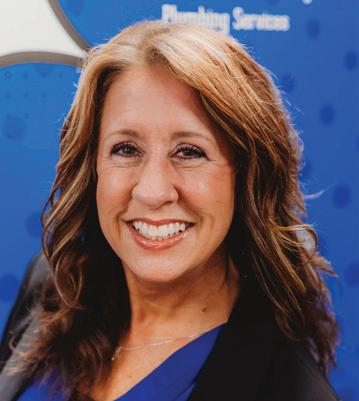
Janeen Norquist | 52
President
Just In Time Heating & Air Conditioning, Inc., Sandwich, Illinois
16 years in HVAC
empathy because it’s human. All of it is human, and the humans are going to be how we have success.
CB: What are one or two operational decisions you’ve made that had the biggest impact on your company’s growth or profitability?
DH: To be candid, 2023 and 2024 weren’t our strongest years. We were coming off the COVID boom, which felt like it would last forever, and we weren’t fully prepared for the slowdown that followed. Last year, my husband and I decided it was time for a reset. We made some tough decisions overhauled our marketing, parted ways with a few long-time vendor partners, and fully committed to streamlining our strategy. Those changes paid off, resulting in 20% year-over-year growth.
CP: Investing early in strong leadership roles instead of trying to do everything myself was a game changer. Another big one was committing to consistent training and accountability systems. Once we stopped relying on heroics and started relying on processes, everything improved: profitability, culture, and customer experience.
AZ: Joining Nexstar was by far one of the best decisions we have made. That was roughly seven years ago. One of the more recent ones was moving away from selling technicians. It’s had a huge impact on us.
CB: How do you balance day-to-day operations with long-term strategy in a contracting business?
JN: I do my best to be very intentional about how I spend my time and energy because I’ve learned that every “yes” is also a “no” to something else. If I don’t protect time for the things that matter most, like my family, our business goals, and my personal mission of developing leaders, then day-to-day operations will consume everything. This is why high-priority, long-term work is scheduled first, when my energy and focus are at their highest.
Operationally, we use our vision, mission, and core values as a filter for decision-making, and we’ve built a culture where responsibility, not just tasks, is delegated. Customer issues are incredibly important, but our team is empowered to handle them, knowing that if their decisions align with our values and are in the best interest of the customer, the team, and the company, they will be fully supported. DISC has played a key role in helping us place people in the right seats and communicate effectively, which allows leadership to scale with fewer bottlenecks.

Cassie Pound Owner, Vice President
Quality Heating, Cooling, Plumbing & Electric, Glenpool, Oklahoma
10+ years in HVAC


Alyssa Rogers | 37 Vice President Rogers Heating & Cooling, South Boston, Virginia
8 years in HVAC
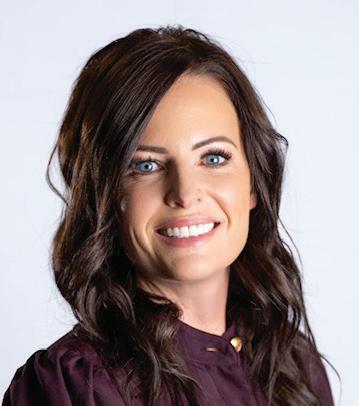
Amanda Zink President Air Control Home Services, Lake Havasu, Arizona
21 years in HVAC
AR: I take things one day at a time. In this industry, you never know what each day will bring. I serve as the integrator of our organization, while my husband is the visionary. I often joke that he’s already living in 2027, and I’m working hard to catch up.
I’m a firm believer in consistency. I show up every day, even when the day-to-day feels overwhelming. When that happens, I remind myself of the longterm strategy, but I also know that big goals are only achieved through small wins, earned consistently.
Social media often shows the highlight reel, not the full story. The truth is, there are more hard days than easy ones. That is why celebrating wins when they come matters because you never know when the next one will.
CB: What were some of the biggest challenges you faced in your leadership role, and how did you overcome them?
LB: One of the biggest challenges was learning to believe in myself in rooms where I didn’t always feel like I belonged. Early on, it was easy to feel pressure to prove you deserved your seat at the table. I overcame that by doing the work, surrounding myself with strong mentors, and staying grounded in our values. Confidence came from competence, consistency, and a little moxie. Sometimes you just have to take up the space no one offered you at the table. The table may even be in your own business. I don’t give up easily, and that tenacity carried me through moments when the only person who fully believed I belonged in the business was my husband. Standing firm in those moments shaped the leader I am today.
LD: One of the greatest challenges was learning to trust myself in high-pressure situations and making difficult decisions with confidence. I overcame this by committing to continuous learning, surrounding myself with strong mentors, and staying grounded in our company’s values. Over time, experience and preparation built the confidence needed to lead effectively.
JN: Learning to let go was hard. Early on, I thought being a good leader meant carrying the load and trying to fix and know everything. Over time, I realized real leadership is about clarity, boundaries, and empowerment of responsibility, not just tasks. I overcame it by getting coached, getting uncomfortable, and being willing to grow alongside the company instead of trying to outwork it.
CP: Learning to hold people accountable without carrying guilt was hard. Early on, I wanted everyone
to succeed so badly that I avoided hard conversations. Over time, I learned that clarity and accountability are actually acts of respect. Coaching, setting expectations, and following through changed everything.
CB: Have you encountered skepticism or bias in the industry, and how do you handle it professionally?
LD: The best advice I ever received came from my father: always be true to who you are and never allow others’ perceptions to define you. I’ve taken every role I’ve held seriously, committed myself to learning, aligned with the smartest people in the room, and stood firm on issues that mattered. Professionalism, preparation, and consistency have always been my response.
CP: Absolutely. Early on, I was often underestimated or mistaken for someone “helping out.” I handle it by being prepared, confident, and consistent. Results speak louder than anything. I don’t feel the need to prove myself anymore; I let the work do that.
AR: I haven’t personally experienced bias because I’m a woman, but I have experienced bias because I’m the wife.
In the early days, many people assumed I handled the books or worked a flexible schedule simply because I was married to the owner. Conversations often framed me as “Joey’s wife,” not the vice president of the company.
Over time, through consistency, results, and hard work, that perception changed. People began to understand the role I play and the hours invested behind the scenes to help grow the organization. Respect followed performance.
CB: What progress have you seen for women entering the trades or leadership roles in recent years?
JN: The progress has been incredible! More women are stepping into leadership, ownership, operations, and technical roles…and they’re bringing confidence with them.
Organizations like Women in HVACR have helped normalize visibility and mentorship, and that momentum is changing the narrative in real time.
AR: There is more opportunity for women in the trades than ever before. Many people still think HVAC is only about technicians in the field, and while that role is critical, it’s only one part of a successful business.
Trades need strong leaders in marketing, HR, finance, customer service, sales, and operations. As the industry evolves, so do the opportunities for women, especially in leadership roles where strategic thinking and people development are essential.
CB: What still needs to change to make HVACR more attractive and accessible to women?
LB: Awareness remains one of the biggest gaps. Many girls are never introduced to the trades as a viable, respected career path. Getting the word out at very early years is our best way to close that gap. Organizations like Explore The Trades are a great way to start the conversation. Continued focus on mentorship, flexible career pathways, and workplace cultures that value different strengths and perspectives are essential. Women don’t need to change to fit the industry, they need the industry to recognize the value they already bring. So many skills that most women already possess (like attention to detail, empathy and ease with customers) are overlooked.
CF: Workplace culture still has a ways to go in many, many places. Creating an environment where women get strong mentorship, for example. I know many women who are like, “I was never taught the financial side. My male peer was, but I never was.” And that’s an intentional decision that a lot of people have not been intentional about. So also making sure that in terms of workplace culture, putting programs in place that retain talent, not just recruit it. I have seen more of a recruiting effort toward women, but the thing that needs to change still is that I don’t know that I’ve seen the retention part. Women may need some flexibility that some of their male counterparts have not asked for before. I’ve had women bring a child into work because school got canceled that day, and they still wanted to be here but they are primary caregiver in their home.
I also think maybe the industry needs to get more intentional even about the visibility and the opportunities that are out there because there’s phenomenal, meaningful careers, and I think we need to talk about it like that. Those things will go a long way.
CB: Looking ahead five years, what do you see as the biggest opportunities—and risks—for HVAC contracting businesses?
LD: One of the greatest opportunities lies in the integration of AI and advanced technology into daily operations. Tools such as smart diagnostics, remote system monitoring, and augmented reality support for technicians can dramatically improve efficiency and service quality. However, these advances also present risks. Overreliance on technology may weaken foundational technical knowledge. Developing “non-thinking” technicians who depend solely on tools rather than understanding system theory would be a mistake. Balancing innovation with strong technical training will be critical.
JN: I feel one of the biggest opportunities is leadership. Companies that invest in culture, clarity, people development, and technology will win.
The see the biggest risk as burnout…owners and teams alike. If we don’t protect our people while scaling, growth may come at too high a cost.
CP: Opportunities include professionalization, branding, technology, and customer experience. The biggest risk is failing to adapt. Companies that don’t invest in people, systems, and culture will struggle. Labor shortages and poor leadership will separate the winners from everyone else.
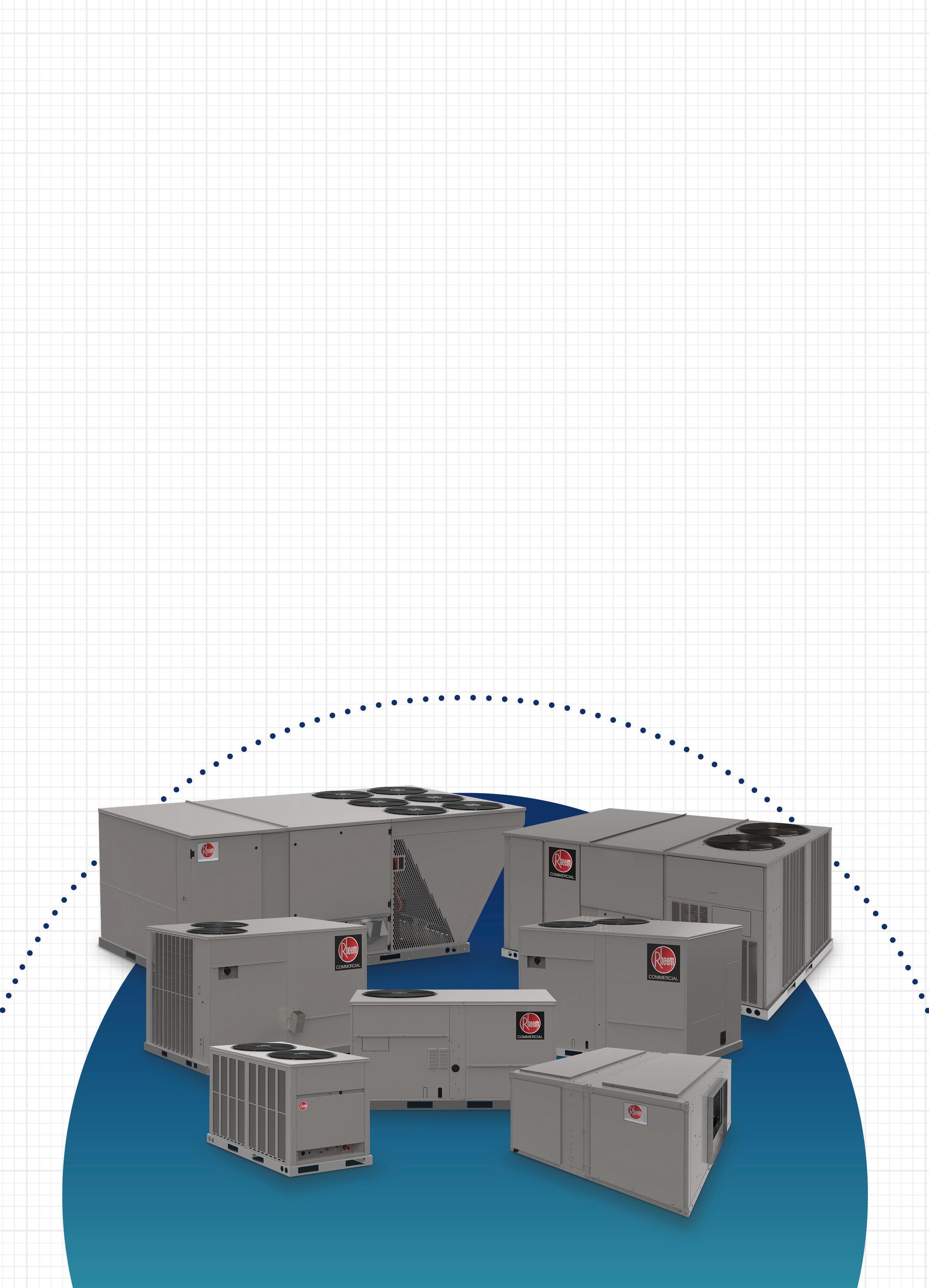

American made.
Commercial HVAC systems. Made here. Ready anywhere. Rheem® commercial air products are engineered and manufactured in Ft. Smith, Arkansas. Our Renaissance™ and Resolute™ Commercial HVAC lines are expertly designed and rigorously tested to deliver strong, efficient performance and meet evolving building‑code requirements. Many models meet the Buy American Act (BAA) and Build America, Buy America Act (BABA) standards with third‑party‑certified domestic content, making Rheem the clear choice for the right solutions—made right here.
See how Rheem commercial systems are built to compete at RheemCommercial.com
Models RACY2078, RACY2090 and RACY2119 are not manufactured in Fort Smith, Arkansas, and are excluded from this certification.
CB: What’s one quirky habit you have in the office or managing the shop?
LD: I make it a point to meet with my office staff every day, not just to discuss work, but to check in on how they’re doing personally. People want to feel seen, heard, and valued. Taking time for those connections strengthens our culture and builds trust.
CB: If you could replace your team’s work trucks with any vehicle from fiction, what would it be?
LB: The A-Team van. Reliable, iconic, and built for a team that gets the job done no matter what is thrown at them. It feels fitting for a trade built on teamwork and grit. All of which we have in abundance.
CP: The Batmobile. Fast, reliable, intimidating in the best way, and it makes a statement when it pulls up. That feels on brand.
CB: What’s the strangest thing your employees have ever found in an air duct or crawl space?
LD: Over the years, we’ve discovered everything from forgotten toys and lost personal items to unexpected wildlife visitors. It’s always a reminder that no two days in this industry are ever quite the same.
CB: Which classic movie character best represents your leadership style?
CF: I do have a TV character that people have referred me to as before—Leslie Knope from “Parks and Rec.” She’s amazing, but her binders and organization are very me. I think some of her enthusiasm and the humanness—I can be clumsy or mess things up or say the wrong thing, but it’s all coming from that really genuine place that I take my job very seriously and like to be organized. If there’s an activity, she’s got binders for things and everyone’s prepared. There are definitely moments
CLEAN. SIMPLE. CONNECTED.
SENSI EQUIPMENT INTERFACE MODULE
(Indoor + Outdoor)
Simplify HVAC installations by reducing the need to pull additional wires during a system upgrade.
-Sensi Touch 2 compatible -3 accessory terminals for IAQ
-Waterproof for indoor/outdoor use
-No separate gateway for Wi-Fi
where I’ve had to learn to throw the binder out the window, but my core is that type of person.
CB: If your team had a spirit animal, what would it be?
CF: I did some crowd sourcing with my team for the animal that represents our team. I got some really great answers. The team really liked the Phoenix, which is a fictional bird known for its rebirth from its own ashes and represents transformation and the ability to continue to transform itself. Our team has continued to learn and grow and has become a new version of itself many times over. From a nonfictional standpoint, the ANT was actually the pick—small but mighty, they work really well as a team and are very productive, producing superhuman strength compared to their size in order to make things happen.
AR: A wolf! Our team is gritty and works

best together. Everyone has a role, everyone contributes, and success comes from trust, communication, and teamwork.
AZ: I was stumped on this questions so I asked Chat GPT what it thought based on the interactions we have had. Here’s that it gave me:
Your company’s spirit animal is the beaver—the quiet engineer of the wild. It doesn’t rely on brute force; it builds systems that make the environment work in its favor.
Like a beaver building a dam, you focus on structure, process, and long-term stability so chaos has nowhere to go. I liked that and feel like it’s spot on!
CB: If your business were staffed by a team of superheroes, what would your superpower be?
DH: We actually call our core values our CARE values, so our superpower is caring. Caring about how we treat our customers, our employees, and our vendor partners. When you treat people right and do the right thing, everything else falls into place.
CB: What’s one tool, gadget, or piece of equipment you secretly love more than anything?
DH: It’s not so much a gadget or tool, but a habit. I listen to industry-related podcasts every morning. I’m a runner, so I’m out the door by 5:30 a.m., and I always have something industry-focused playing. It’s amazing how much you can learn and bring back into your business without ever leaving your state.
JN: Honestly, it is not a traditional tool or piece of equipment…it’s DISC. I use it constantly, and I probably rely on it more than most people realize. As a business owner and leader, DISC has completely changed how I hire, communicate, and develop people. It’s helped me better understand myself, my team, and our customers. It has made difficult conversations clearer and leadership more effective.
In an industry where people are our greatest asset, having a tool that helps place individuals in the right seats, reduce
friction, and build stronger relationships and trust is invaluable.
CB: What’s the funniest or most unusual customer request you’ve ever received?
JN: Actually, in this past year, we had a customer (an elderly lady) ask our
technician, who is in his mid-20s, to join her for square dancing lessons. He was honored.
To view each of our HVAC leading ladies’ individual answers to every question, visit www.contractingbusiness.com/55355960.



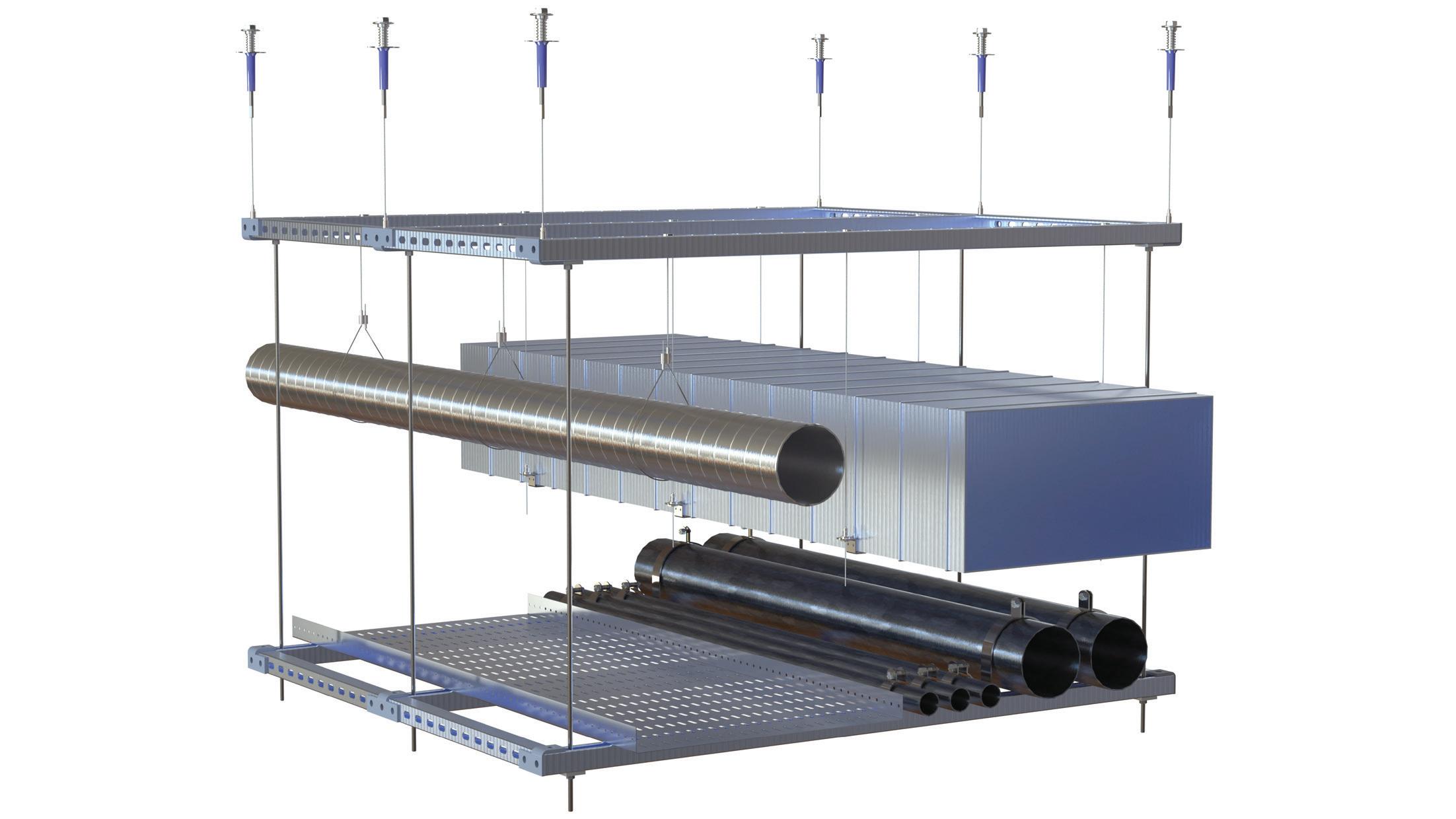
How to Boost ROI with Dual Fuel Rooftop Units
Dual fuel systems combining heat pumps and gas heating offer improved efficiency, easier installation, and better performance in cold climates, aligning with sustainability goals.
Rooftop units (RTUs) have long been a cost-effective way of keeping commercial spaces comfortable. Rather than necessitating separate machines to handle the heating and cooling process, they allow building owners to reap the benefits of a convenient, all-in-one packaged solution, combining heating, refrigeration and filtration properties in one unit—simplifying installation, saving space, and offering greater cost-efficiency per ton.
From evolving legislation to corporate net-zero targets, the pressure is mounting for building owners to explore electrified HVAC applications—though hesitations prevail around high upfront and operating costs, complicated installations, and more.
If this sounds like your customers, let’s discuss how advancements in modern heat pump technology stand to improve—not reduce—ROI with RTUs.
The Evolution of the RTU
pump was struggling to deliver. The problem is that even if performance is made up for with increased electricity usage, the primary benefit to a heat pump—its enhanced energy-efficiency—is therefore sacrificed.
Amid initiatives like the Department of Energy (DOE)’s Commercial Building HVAC Accelerator, HVAC manufacturers are innovating heat pump technology bet-
overall fuel use while also minimizing reliance on inefficient electric heating.
Streamlining Installation, Operation & Maintenance
The switch from a gas heat RTU to a heat pump has traditionally been a dramatic one, facing building owners with hefty costs to upgrade service wiring and other components to allow for greater electrical capacity in the building.
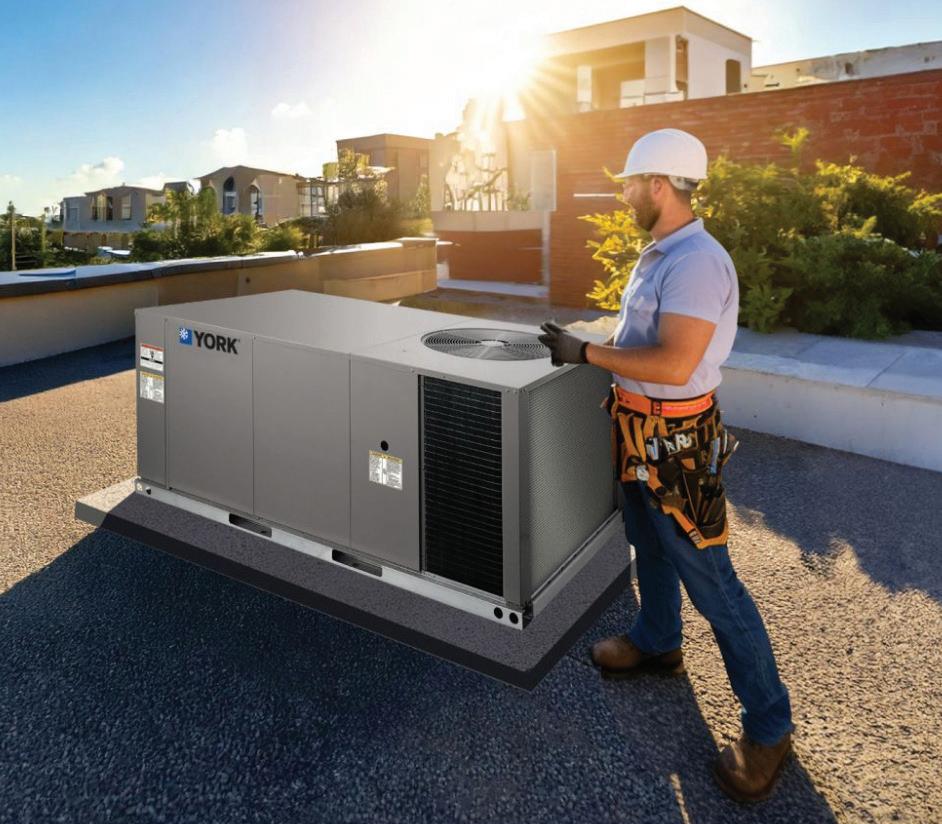
Historically, we’ve had three types of RTUs to work with: one solely for cooling, one that combined traditional air conditioning technology with gas heating, and the heat pump, which uses the same refrigeration process to provide heating and cooling by transferring heat either from outside-in or inside-out.
Heat pump RTUs changed the game in terms of driving efficiency for buildings in milder climates—but these units can struggle to provide the same level of performance in regions where ambient temperatures are near zero degrees or below.
In the past, the workaround was to utilize electric heat to augment what the heat
ter equipped to deliver efficient heating in sub-zero temperatures—a feat that was accomplished on the residential side with the DOE’s Residential Cold Climate Heat Pump Challenge.
But in the meantime, dual-fuel technology has emerged as the latest breakthrough set to transform RTUs in 2026.
Dual fuel systems utilize heat pump technology whenever conditions are mild enough to warrant efficiency, and, in very cold conditions, supplement that technology with gas heat. By utilizing whichever heat source will prove most cost-effective and energy efficient given external circumstances, this unit successfully reduces
This is one area where a dual fuel system can significantly help with bridging the transition, as they require fewer electrical upgrades—offering a more seamless installation for contractors, and a more affordable process for building owners.
The accessible packaged makeup of RTUs makes them incredibly convenient to service, and dual fuel systems are no different—comprised of two technological solutions contractors have long-held experience with.
The misconception that the market isn’t prepared to maintain heat pumps is an outdated one. Technicians have a healthy arsenal of best practices established in this arena by now, and are innovating new solutions for keeping these modern systems up to speed all the time. For instance, the traditional defrost cycle, which heat pumps initiate, melts ice on the outdoor coil, causing water to accumulate on the roof and occasionally freeze. While this may be a unique challenge that traditional RTUs do not present, that’s no reason to shy away from heat pumps—contractors have simply adopted new preventative measures as part of their routines, such as draining water off the roof before it freezes or applying electric
heat to the place where water accumulates so it can’t freeze.
The hardware used in RTUs, dual fuel, and beyond is also paving the way for enhanced serviceability. For example, the traditional supply fan setup in RTUs involved a motor and belt, the latter of which was prone to breaking and emitting dust and other particles into the unit as it wore and tore. Newer machines combine the motor and fan into one connected part, known as direct drive fans, which adjust speed more easily and promise greater reliability.
Connected systems enhance this serviceability even further. Remote monitoring capabilities allow contractors to pick up on deviations in performance from miles away, enabling near continuous performance trending so you can head out and address reduced capacity or abnormal operation before customers even realize it’s an issue. Connected systems also streamline the troubleshooting process, allowing technicians to identify the root of a performance issue without necessarily having to remove a single panel.
Opting for a system with digital controls is vital for enabling the connectivityrelated updates outlined above—and it’s also important for promising the precise comfort your customers deserve. Economizers are another common but crucial component to a well-functioning RTU, as they help save money and energy by bringing in fresh air to support cooling instead of activating the refrigeration process when it’s unnecessary. And finally, hot gas reheat—a function where outside air is brought in, cooled below temperature needs and reheated with hot gas to a more comfortable level—is another must-have feature for humidity control in commercial spaces.
Selling the Value of Dual Fuel RTUs
In summary, there are a few key ways dual fuel RTUs stand to improve ROI that you should emphasize to your customers, including:
• Lower operating costs AND a smaller carbon footprint;
• Better comfort and reliable heat even in extreme cold snaps;
• Compliance with evolving incentives and corporate net-zero carbon emission targets;
• Enhanced energy efficiency with fewer costly electrical upgrades; and
• Streamlined installation and upkeep, with connectivity features supporting enhanced preventative maintenance and reduced breakdowns.
The next time your customers express hesitation regarding the mounting pressure to pursue electrified HVAC
technologies, remind them that a simpler path to greater ROI and efficient, reliable comfort exists in dual fuel RTU applications.
Philip Smyth is an executive director of product management at Bosch Home Comfort Group, where he manages unitary packaged rooftops, splits systems, and other light commercial systems.

Innovative Products.
Proven Performance.
If you only think of Greenheck as a fan company, think again. We engineer and manufacture the industry’s most comprehensive line of air movement, control, and conditioning products for commercial, industrial, and institutional buildings. Our energy-efficient products keep occupants comfortable, productive, and safe while supporting sustainability. Let us help with your next project.
The Curious Case of Heat Pumps
By Bryan Orr

Last month, we took a closer look at the four key components of the vapor-compression refrigeration cycle—compressor, condenser, metering device, and evaporator—and how each one drives the process of moving heat. Together, they raise and drop refrigerant pressure, reject heat outdoors, and absorb heat indoors through phase changes between vapor and liquid. Understanding how these parts connect—and how readings like superheat and subcooling reflect system performance—is essential for grasping how heat pumps deliver efficient heating and cooling.
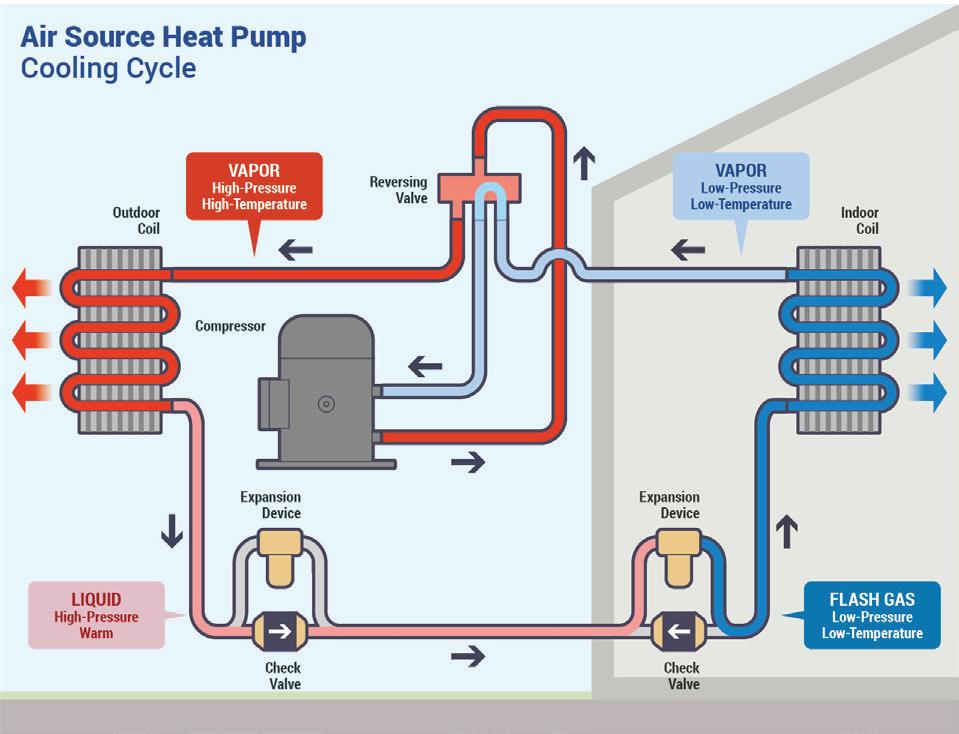
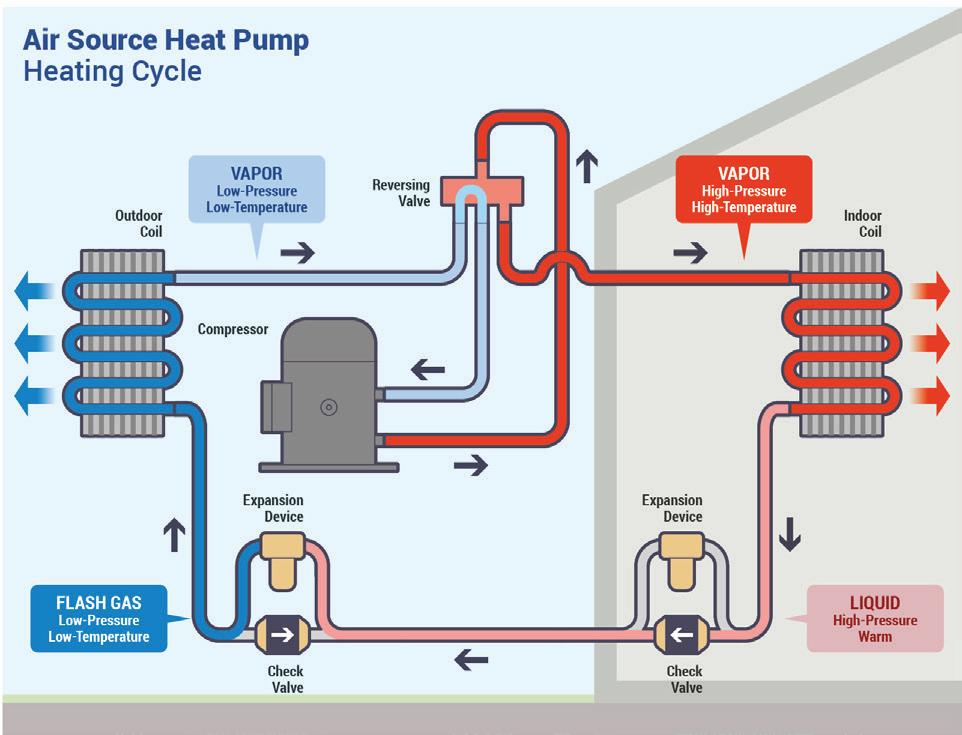
Heat pumps have a unique component that can turn the outdoor coil into an evaporator that absorbs heat and an indoor coil into a condenser that gives off heat. This component is called the reversing valve, and both the suction and discharge lines pass through it.
This valve will always have the discharge line from the compressor feeding into the top, and the suction line to the compressor
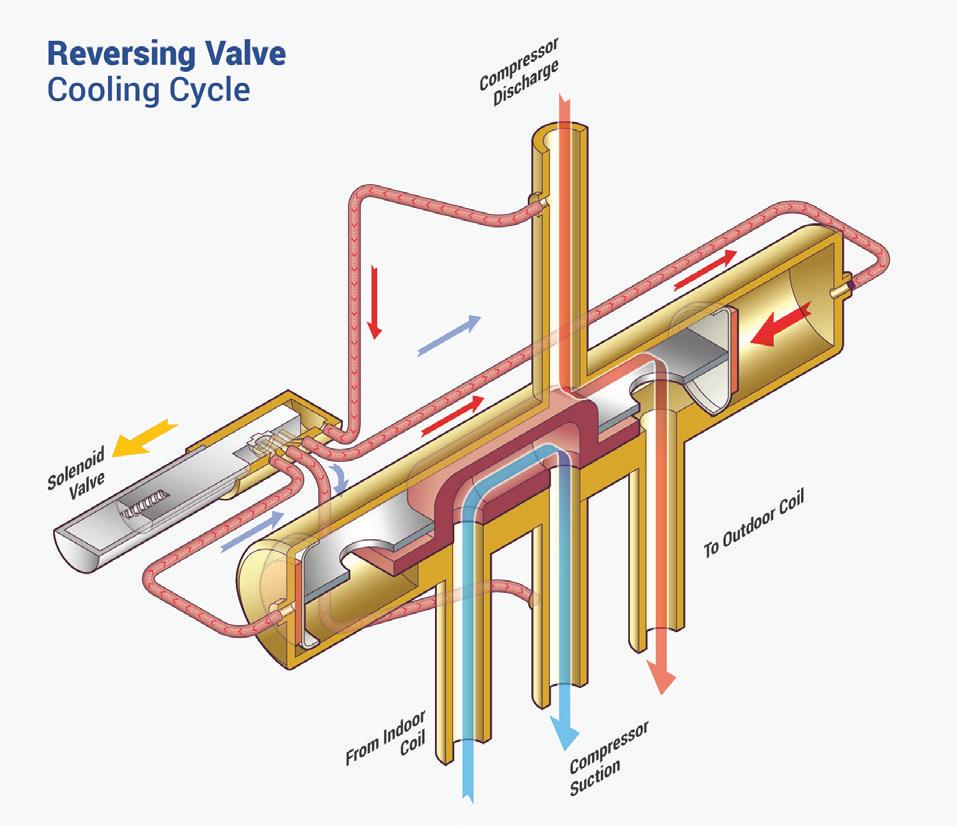
will always feed into the middle of the bottom three pipes. The reversing valve contains a solenoid that’s energized or de-energized by 24V on the O or B terminal on the thermostat (depending on the manufacturer). A solenoid allows some discharge gas to flow through the valve and create a pressure differential that pushes a slider on one end or another. As you can see below, the slider’s position dictates where the refrigerant comes from and goes, which determines the operating mode.
Regardless of the operating mode, one coil still absorbs heat, and the other still rejects heat. It’s just that in heating mode, we’re absorbing that heat outdoors and rejecting it indoors.
Pressure & Efficiency in the Vapor-Compression Refrigeration Cycle
Since the vapor-compression refrigeration cycle moves heat by manipulating pressure, we can gauge its efficiency by looking at pressure ratios. The compressor and metering device divide the
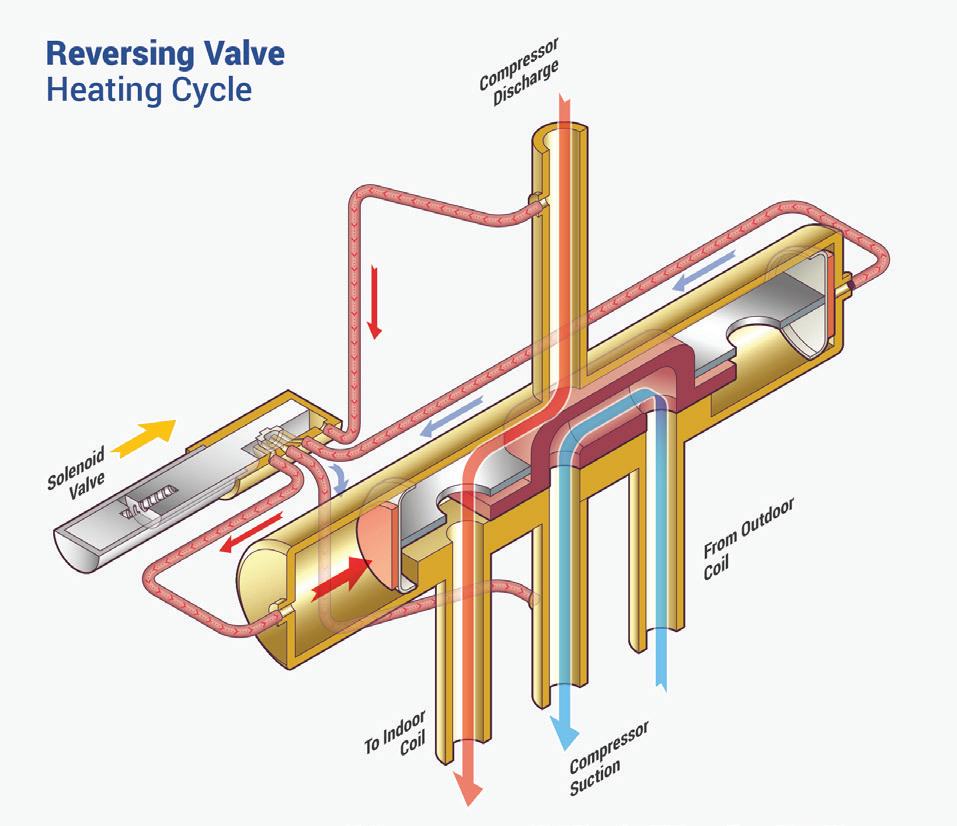
Figure 1: Reversing valve, cooling cycle. Diagrams courtesy of Bryan Orr/HVAC School
Figure 2: Reversing valve, heating cycle.
refrigerant circuit into a high side (post-compressor: discharge line, condenser, and liquid line) and a low side (post-metering device: expansion line, evaporator, and suction line).
As mentioned earlier, the refrigerant lines that connect the components all have temperatures associated with them. You can also measure the pressure of the refrigerant in them at these points. The suction pressure, as its name implies, is the pressure of the refrigerant in the suction line and is usually measured at the suction service port. On the opposite side of the system, we have the head pressure, which is the high pressure often measured at the service port on the liquid line.
Compression Ratio
The ratio of these is called the compression ratio, which can tell us how efficiently a compressor is pumping refrigerant. To find the compression ratio, we need to take the absolute head pressure and divide it by the absolute suction pressure. To get the absolute pressures, we add atmospheric pressure (14.7 PSI at sea level) to each side. Here is an example of the compression ratio equation: (340 PSIG + 14.7) / (120 PSIG + 14.7) = ~2.6
Lower compression ratios are associated with better efficiency, but compression ratios that are too low may indicate poor pumping due to a mechanical issue. Here are some typical compression ratio ranges:
• Air conditioning: 2.1–3.5;
• Medium-temp coolers (R-404A): 3.0–5.5; and
• Low-temp freezers (R-404A): 6.0–13.0.
As you can see, some refrigeration systems have higher compression ratios by design. A compression ratio of 4.3:1 might be completely normal for a medium-temp cooler, but in a heat pump, that could indicate the following problems:
• Compressor overheating;
• Oil breakdown;
• High power consumption; and
• Low capacity.
As such, we want to do everything in our power to keep compression ratios low. Allowing for better heat transfer at the coils
by keeping them clean is a good way to improve capacity, as is using larger coils and compressor cooling technologies, like enhanced vapor injection (EVI).
Vapor-Compression Refrigeration Is a Journey
It may be helpful to think of the vapor-compression refrigeration cycle as a journey of heat movement. The very principle that says we shouldn’t be able to move heat from a subzero freezer to the outdoors on a summer day has been harnessed to do precisely that. We just have to use a fluid other than air as a vehicle to move the heat and manipulate its pressures to make it absorb and reject heat over and over.
The evolution of vapor-compression refrigeration has also been a historic journey, as the machines we use for comfort cooling, cold storage, and icemaking have been a long time in the making. John Gorrie’s ice machine, which relied on compressed air, paved the way for modern refrigeration technology. Willis Carrier (1876–1950), who is credited with inventing the air conditioner for comfort cooling, used cold coils to remove latent heat from the air, and this invention set humanity on the path to comfort cooling as we know it today. Heat pumps, which would have been inconceivable in Carrier’s time, are becoming a household staple even in cold climates.
All of that is to say that vapor-compression refrigeration technology is here to stay. It’s only getting better; it’s used in more sophisticated systems that can match performance to a wider range of conditions, and we now have better ways to control compression ratios and efficiency. It’s quite exciting to think about, isn’t it?

Bryan Orr is the president and co-founder of Kalos Services, a multi-trade contracting company in Central Florida. He started in the field and built Kalos from a twoperson HVAC shop into a large HVAC, refrigeration, electrical, plumbing, and construction team. He also founded HVACRSchool.com, a training platform and podcast used by techs across the industry. Orr focuses on solid processes, real technical skill, and developing the next generation of tradespeople while keeping the straightforward, field-driven values he learned on service calls.
Figure 3: Air source heat pump, cooling cycle.
Figure 4: Air source heat pump, heating cycle.
NEW YORK’S HFC LEAK REPORTING RULE: What Contractors Need to Know
Part 494 will require commercial equipment registration, leak-rate reporting, and detailed refrigerant documentation. An industry expert breaks down what’s coming.
As part of the ongoing implementation of New York State’s Climate Act, the New York State Department of Environmental Conservation (DEC) has adopted an amended Part 494 regulation on hydrofluorocarbons (HFC), the greenhouse gases often used in refrigeration and cooling equipment. To comply with the regulation, commercial property owners with at least one large or medium-size piece of equipment that utilizes refrigerant must register the equipment on a state platform and begin reporting on leakage in 2026.

To understand the practical implications of this new mandate, Contracting Business sat down with Tristan Schwartzman, a principal and the director of energy services at Goldman Copeland, the New York City-based consulting engineering firm. The following is our exchange.

CB: What is the intent behind New York State’s amended Part 494 HFC regulation, and why is DEC focusing so heavily on refrigerant leakage now?
TS: The intent is to quantify and reduce the leakage of refrigerants. In the early 1990s, restrictions were placed on the use of R-11 refrigerants, and later on R-22 refrigerants. The questions now are: What refrigerants are being used? How much is being
used? And how much is released into the atmosphere through leakage? Understanding this will enable the State to shape policy to control its effects.
CB: Which types of commercial buildings and property owners should be paying closest attention to this regulation—and who might be surprised to find they’re covered?
TS: Owners and managers of buildings in New York should be paying attention if any of their buildings has a main chiller plant or a large packaged air conditioning unit or a variable refrigerant flow (VRF) system. They should check the nameplate on the chillers or AC units, as that will indicate how many pounds of refrigerant are in the equipment. For more complicated systems, including VRF, they should seek expert advice. For larger building owners, this should be relatively straightforward and within their competence. But, a wide range of smaller buildings could still trigger the requirements, including multi-family buildings with chiller plants, religious institutions, and larger retail spaces. Additionally, some larger commercial tenants may trigger the requirements with their own independently operated equipment.
CB: How does the DEC define “large” versus “medium-size” refrigerant equipment, and what are some common realworld examples contractors encounter in the field?
TS: Beginning in March 2026, owners must report annual refrigerant leakage rates for registered “large” equipment: 1,500 pounds of refrigerant or more, typically chillers of about 500 tons of capacity or more. Large equipment would include, for example, steam turbine chillers or a main chiller plant for a high-rise building.
By June 2026, owners will be required to register any “medium-size” equipment—from 200 pounds of refrigerant up to 1,499 pounds, which could include units as small as 40-50 tons of capacity—and must report annual leakage rates by March 2027. Medium-sized equipment would include modular chillers or packaged air conditioning units that cover one floor. To determine how many pounds of refrigerant are in a chiller or packaged AC unit of certain refrigerant tons, our analysis shows that 1-3 pounds per refrigerant ton is a good estimate. For VRF systems, the comparable is 4+ pounds per refrigerant ton.
By June 2028, “small” equipment—from 50 pounds to 199 pounds—must be registered.
Tristan Schwartzman Goldman Copeland
ChiccoDodiFC / iStock / Getty Images Plus
CB: What does the registration process look like in practice, and what challenges are you seeing owners face when trying to inventory and register their equipment?
TS: The registration takes place through an online form on the NYS DEC platform and is relatively straightforward. For each piece of equipment, it requires identifying information for the unit and its components, including model number, serial number, and a photograph of the registration plate. To fulfill the form’s requirements, one would need some understanding of chillers, packaged units, and VRF systems—and how many evaporators, condensers, compressors, and expansion valves there are. The technical details will be challenging for smaller owners and those trying to complete the documentation independently.
CB: For large equipment owners reporting leakage beginning in March 2026, what data needs to be tracked now to avoid scrambling later? What service records or refrigerant logs should contractors standardize starting today?
TS: What’s needed are any maintenance or service invoices for the previous year and any invoices for refrigerant bought for the relevant units. It’s best to keep a list of refrigerant purchases and a log of refrigerant added to systems—and to note which refrigerants were purchased, itemized by unit. It’s also important to know what refrigerant is in storage. Many buildings have clear procedures for electronically documenting this information; those that don’t should consider enhancing their preventative maintenance programs.
CB: Leak rate reporting is new for many owners. How is “annual refrigerant leakage rate” calculated, and what are the most common mistakes you anticipate?
TS: Generally speaking, any refrigerant added to the system is the equivalent of what has leaked. Thus, the total leakage should simply be the amount of refrigerant purchased. Issues will be with adequate tracking and documentation of refrigerant purchased.
CB: What role do service contractors and engineers play in helping owners stay compliant, especially when it comes to documentation, tracking refrigerant usage, and recordkeeping?
TS: At Goldman Copeland, we have created a service in direct response to the new Part 494 mandate. Through this service, we conduct an initial survey of a commercial property owner’s refrigeration and cooling equipment, determine what equipment meets the state’s definition of large or medium-sized, register the equipment as required on the state platform, and provide the mandated periodic monitoring and reporting. The initial survey typically takes 2-3 hours per site. Service contractors can provide similar services, including repairing the equipment and refilling the refrigerant.
CB: What new services or maintenance agreements could contractors offer to support ongoing compliance?
TS: They could offer the service cited above. They could also offer leak tests on larger equipment or other methods of quantifying leakage. Regular leak testing could be incorporated into preventative maintenance programs and could have the added benefit of improving overall system performance.
CB: From your experience, how might this regulation change service practices, maintenance planning, or refrigerant management strategies for large and medium-size systems?
TS: This mandate will give both the owners and the State insight into the extent of use of refrigerants and how much potential for carbon emission from leakage there is. It will then encourage a shift to newer equipment with refrigerants that have lower Global Warming Potential. The application of this mandate to mediumsized and small equipment will create a greater challenge, since there is so much more equipment of that size.
CB: What are the potential cost implications for owners— both for compliance and for non-compliance—and how should contractors help communicate that risk?
TS: Owners who fail to comply with the regulation will be liable for a civil penalty of not more than $2,500 for each such violation and an additional penalty of not more than $500 for each day that the violation continues. The cost of non-compliance can then be compared to the cost of hiring a contractor or an engineering firm to address the mandate. The cost of compliance will be dramatically less than the cost of non-compliance. The price differential will make the case, so contractors need to provide information on the regulation to their clients.
CB: How does this regulation intersect with broader decarbonization goals, electrification efforts, or refrigerant transitions already underway in New York City?
TS: The Part 494 mandate is the next iteration of all three: first, it quantifies the carbon emissions from leakage with the aim to reduce it; second, with increased electrification there will be more refrigerant, so the potential for leakage will be greater; third, it will accelerate transitions to equipment using new refrigerants. It’s worth noting that the broad push for the electrification of heating equipment across the city and state will result in a large increase in refrigerant and associated refrigerant leakage. This will significantly offset the carbon benefit of electric heating, so quantifying the impact is essential to understanding how appropriate electrification is as a long-term solution, at least until low-GWP refrigerants are broadly available.
CB: What proactive steps should contractors be taking right now to position themselves as trusted advisors as these reporting requirements roll out?
TS: Contractors should contact owners to let them know about the new mandate and the potential fines for non-compliance, and they should ensure that owners are planning to address it.
Buyers want companies that run on systems, not personal heroics.
Future-proofing Your Contracting Business Starts Earlier than You Think
When you first started your home service company, chances are that conversations about selling, partnering, or scaling rarely came up.
Most contractors are more concerned with winning business, hiring the best technicians, and making payroll. They only begin thinking about “future-proofing” their business when a potential buyer shows interest or when market pressure forces the issue. But by then, many of the operational and financial decisions that determine long-term value have already been made.
The truth is that a business that holds its value later is built years earlier.
Home service business owners who want to protect their culture, their people, and the quality their brand is known for must begin today, long before any sale or partnership is on the horizon. And whether you plan to sell or stay independent for the next 20 years, the steps are the same.
Having led a $20 million HVAC business and worked with owners across the industry, it’s clear what separates companies that thrive from those that stall out. Future-proofing isn’t about predicting the economy or chasing the latest trend. It’s about building a resilient company that has the operating systems, competent leadership, and core values that are strong enough to stand on their own.
Here’s how contractors can start.
Build Operational Systems That Are Scalable
One of the biggest challenges in our industry is that many companies function because the owner is involved in everything. That may work in the early years, but it becomes a liability when you grow or when someone evaluates your business for investment or partnership.
Buyers want companies that run on systems, not personal heroics. Even if you never sell, systems give you the freedom and stability you need to take a vacation, scale back your involvement or even retire.
Consider this: If you stepped back for 60 days, would the business still deliver the same experience? Do you have standard operating procedures for the customer journey? Can new techs ramp up easily because the right processes are in place, documented, and repeatable?
If you answered “no” to any of these questions, you’re not building a business that’s attractive to potential buyers, investors, or even customers.
Strong systems don’t strip away your independence. They protect it.
Operational maturity signals to partners, lenders and employees that your company’s success isn’t tied to one person. It’s tied to a model. And that’s what earns long-term value.
Invest Early in Leadership Development
The first concern of most home service business owners when they consider an exit or a partnership is almost always about protecting their employees and their company culture. But without intentional investment in leadership development, a company’s culture is more likely to unravel during the transition.
If the only real leader in your business is you, your culture is vulnerable. However, if you’ve built a bench of capable, aligned leaders who understand your priorities, standards, and customer service, then your culture becomes something that can endure transitions and thrive in new environments.
The best time to develop leaders is far earlier than most owners think. Not when you’re prepping for a sale, and not when chaos forces you to delegate. Start now.
Leadership continuity not only protects your culture, it’s also the strongest indicator to any investor that your business is built to last. Even if you never intend to sell, developing leaders secures something even more valuable: the long-term strength of your business and its workforce.
Protect Your Reputation by Scaling Responsibly
Many contractors want to scale quickly, but growth amplifies everything, including the good and the bad. If your processes aren’t consistent, if your customer experience isn’t predictable or if your managers aren’t fully equipped to lead, growth can actually damage the reputation you’ve spent years building.
Responsible scaling means prioritizing:
• Quality over short-term volume;
• People development over fast hiring;
• Repeatable systems over improvisation; and
• Culture alignment over convenience.
When owners invest early in these areas, expansion becomes a natural progression and not a risk. Whether you’re preparing for a future partnership or just protecting your brand from the challenges of a changing industry, responsible scaling ensures your reputation stays intact.
Trey McWilliams
Mindset Matters More Than Timing
Future-proofing isn’t just a transaction; it’s also a mindset.
It’s the deliberate choice to run your business each day as if someone might evaluate it tomorrow. It’s about building a company that holds value even if you never choose to sell it.
Investors look for strong systems, strong leadership, and strong culture, but so do employees and customers. The earlier you shift from simply “getting through the week” to intentionally building something durable, the stronger and more resilient your business becomes.
For contractors ready to position their business for longterm success in practical ways, there’s a clear roadmap to follow.
Start by documenting and standardizing your core processes, beginning with the customer journey, and extending into service procedures, dispatching, onboarding, and financial reporting. You also need to develop a leadership pipeline by identifying high-potential employees early and giving them the coaching, authority and accountability they need to grow.
Protect your culture by defining it clearly, discussing it often, and reinforcing it daily. Culture cannot live solely in the owner; it has to show up in everyday behavior across the business.
Strengthen your financial discipline by creating real
transparency through budgeting, forecasting, and data-driven decision-making. Evaluate your brand from an outsider’s perspective and consider what partners, buyers, employees, and customers will see.
Finally, commit to making decisions that will still matter 10 years from now. Every hire, every process improvement, and every leadership promotion shapes the long-term value of your company.
Build a Business That Endures
The contracting industry is evolving rapidly, and the companies that will thrive in the next decade are those laying the groundwork now. Systems, leadership, culture, and responsible scaling aren’t just checkboxes; they’re the foundation of a sustainable business.
Whether you plan to sell, partner, expand or continue leading your company for decades, the work you do today to future-proof your business will protect the legacy you’ve built and the people you trust to carry it forward.



Next-level Pressure Boosting





Trey McWilliams is founder and board member of Blue Cardinal Home Services Group, which partners with home service companies across the country. Raised in the industry, he learned the trade working in his family’s business, McWilliams Heating, Cooling & Plumbing, before leading its expansion. He now guides owners through growth and succession with an emphasis on culture and long-term stability. littlegiant.com
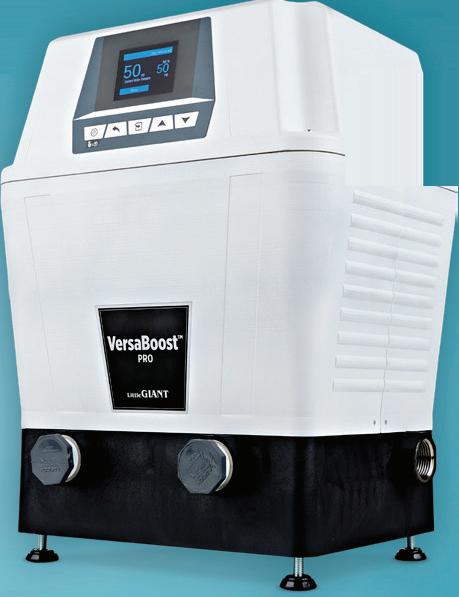






Reliable performance, smart design and trusted support—all in one compact solution. The VersaBoost™ Pro series delivers consistent water pressure, even as demand changes. Patented features and exceptional versatility make it suitable for everything from everyday household tasks to complex multi-pump systems. Watch it in Action

Simply put, it’s not just about the cost of a single repair; it’s about the total cost of ownership.
How HVAC Contractors Can Guide Homeowners Beyond the Quick Fix
The residential HVAC market has seen a clear shift in the last year: more homeowners are choosing to repair rather than replace their systems. It’s an understandable reaction in a time when costs are top of mind, but it’s not always the most cost-effective decision in the long run.
This means the technician’s role has never been more critical—not just in fixing what’s broken, but in educating customers about the full picture of system health to help them make the best choice for their home.
At times, a repair may seem like the cheaper option today, but the real savings come from understanding a system’s lifetime cost. Helping homeowners move from a temporary-solution mindset to planning for the future begins with the right approach in the home, led by knowledgeable, transparent, and well-prepared technicians.
The
Technician
Mindset: Systems, Not Components
Every conversation about repair versus replacement starts with the technician’s perspective. The best HVAC professionals know that a heating and cooling system isn’t just a collection of parts, but a connected home comfort system. When a blower motor or compressor fails, it’s rarely an isolated issue. The question isn’t just if the part can be fixed, but how the repair will impact the system’s overall performance and longevity.
A $400 repair might seem like an easy win in the short term, but it can become a costly pattern if the rest of the system is aging or inefficient. That’s why most manufacturers and leading contractors now use “repair versus replace” worksheets to help quantify how much it really costs to keep an old system running. These worksheets show the projected costs of recurring repairs and higher utility bills, compared with the efficiency gains and reliability of a new unit.
The conversation shifts, showing what makes financial sense over the life of the home.
When to Repair, When to Replace
So, when is it truly the right time to repair, and when is it time to replace? The answer depends on the age of the system, the cost of the repair, and how efficiently the system operates.
If a system is under 10 years old and the repair is minor, it’s often smart to fix it. But once a system passes the 12-year mark—or when a repair costs more than 30-40% of a new system’s price—replacement
becomes the better investment. That’s also when energy efficiency starts to decline sharply, meaning utility costs rise while reliability drops.
Simply put, it’s not just about the cost of a single repair; it’s about the total cost of ownership. A system that’s limping along might need repeated service calls, becoming more expensive to own than replacing it outright. Worse, waiting too long to replace means paying more when it finally fails. Inflation, labor costs, and equipment prices rarely move in a homeowner’s favor five years down the line.
Financing to Make Replacements More Accessible
Even when homeowners understand the long-term math, the upfront cost of replacement can still feel daunting. That’s why it’s critical for HVAC companies to have strong financing options available. Flexible payment plans make replacement more accessible, allowing customers to choose a higher-quality, more efficient system without financial strain.
By framing replacement as a planned investment instead of an emergency expense, contractors can help customers feel in control—turning what could be a stressful decision into a smart, informed one.
How Technicians Can Help Consumers Make Better Choices
Ultimately, what the consumer decides to do is based heavily on what the technician does in the home. Homeowners rely on their techs for honesty, expertise, and clarity. A technician who explains system efficiency, lifespan, and true repair costs can build trust and drive more sustainable decisions.
For business owners, this trust translates into profitability and customer loyalty. The reality is that 65–70% of an HVAC company’s profit comes from installations, not repairs. So while the market may be shifting toward more repairs, successful contractors don’t lose sight of where the majority of their revenue and reputation are built.
As the HVAC industry continues to evolve, the most successful contractors will be those who help customers see beyond the short-term fix. By taking a whole-system approach, offering clear financial comparisons, and providing accessible financing, they can turn repair conversations into replacement opportunities without pressure, just education. John Conway is COO at Redwood Services. For more information, visit redwoodservices.com.
Danfoss
The iC7-HVACR drives come with builtin intelligence, enabling the drive to become the controller with integrated sensors, new add-on sensor types, HVACR specific functions, and powerful analytics to streamline and reduce complexity in building management systems (BMS). The embedded crypto chip provides advanced security protection against cyberthreats, while efficient back-channel cooling eliminates up to 90% of heat loss from enclosures and electrical rooms. Uptime is maximized with a range of features designed to reduce motor wear and protect components. Predictive maintenance with closed-loop, Edge powered conditionbased monitoring means prompt engagement with a service engineer before an issue arises. www.danfoss.com
LG Components
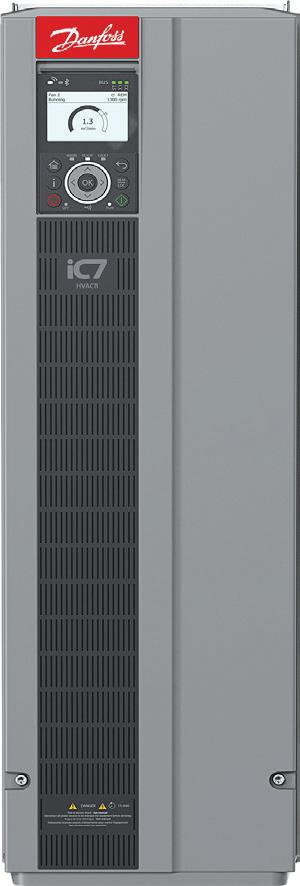
delivering powerful performance with reduced energy consumption. Its precision engineering minimizes noise and
SALES CONTACTS
SOUTH & WEST: SENIOR MANAGER, BUSINESS DEVELOPMENT
Randy Jeter
Office: 512-263-7280
Cell: 512-426-9145
Fax: 913-514-6628
rjeter@endeavorb2b.com
EAST COAST: SENIOR MANAGER, BUSINESS DEVELOPMENT
Brian Sack
Cell: 732-629-1949
bsack@endeavorb2b.com
ACCOUNT MANAGER MIDWEST
Bill Boyadjis
973-829-0648
bboyadjis@endeavorb2b.com
vibration, ensuring quiet and stable operation. Built for outdoor environments, the motor’s robust structure provides excellent resistance to moisture penetration and harsh weather conditions. Designed for constant- speed operation and optimized for 460 VAC systems, it offers reliable performance and long -term durability in demanding commercial settings. www.lg.com
Infinitum
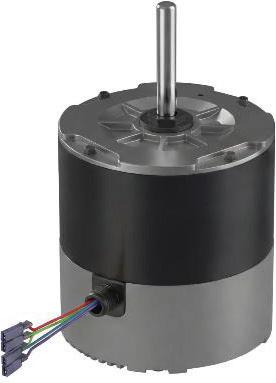
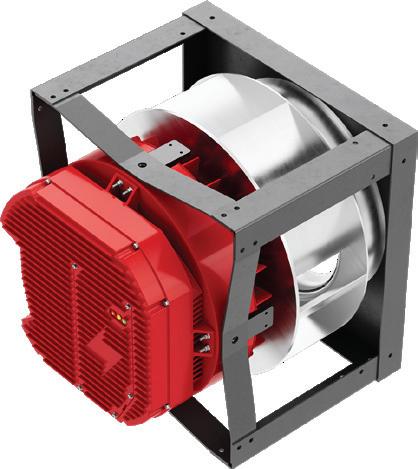
EC Fan Systems are a highefficiency, integrated (fan, motor, variable frequency drive) solution for HVAC, industrial, and mission critical applications. EC Fan Systems feature proven motordrive technology that maintains high efficiency over a wide range and delivers more airflow per kilowatt, with upwards of 25% energy savings and 91% system efficiency. With higher HP motors, customers benefit from 20% fewer motors and fan systems, which draw fewer
CLASSIFIEDS/INSIDE SALES: MEDIA ACCOUNT EXECUTIVE
Steve Suarez
Cell: 816-588-7372 Office: 941-259-0867
ssuarez@endeavorb2b.com
DIRECTOR OF SALES, BUILDINGS & CONSTRUCTION GROUP
Joe Agron 941-200-4778
jagron@endeavorb2b.com







WHERE FACILITY CHALLENGES FIND SOLUTIONS
CENTRAL VALLEY
March 18-19, 2026
Lodi, CA
RENO
August 19-20, 2026
Reno, NV
SOUTHERN CALIFORNIA
April 8-9, 2026
Anaheim, CA
NORTHERN CALIFORNIA
September 2026
Santa Clara, CA
NORTHWEST
April 29-30, 2026
Portland, OR
NORTH TEXAS
October 14-15, 2026
Irving, TX













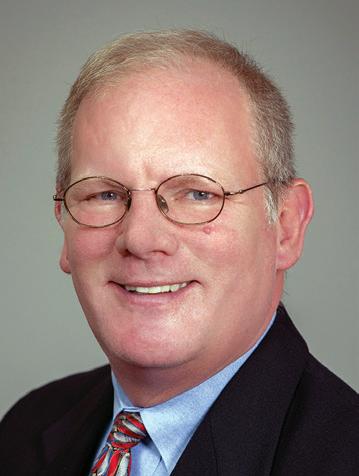
Surprisingly, the post-game turned out to be the most challenging part for the majority of business owners interviewed.
The Sport of the Business Sale
For the book, “The Business Exit Rollercoaster,” Brandon Jacob and I interviewed nearly 100 business owners who sold their companies and a scattering of mergers & acquisitions (M&A) advisors, investment bankers, and buyers. As the interviews progressed, two sports analogies jumped out.
The first is a golf analogy. Imagine an amateur golfer and a professional who look very similar at the driving range. Their short, middle, and long games are the same. Accordingly, the amateur thinks he will hold his own in a match with the pro. He won’t.
The pro has played the course dozens to hundreds of times. The amateur has not only never played the course, he’s never played any course. That’s bad enough, but the amateur compounds his problems by trying to save money on a caddy. Without the guidance of the caddy, the amateur will make mistakes. He will choose a bad approach, select the wrong club, or any number of errors a caddy could have prevented.

The amateur does not even know he’s making mistakes. He just knows that every bad lie, every slice, every hook, every mistake is a new experience. He gets frustrated. He gets angry. He gets emotional. If he had a caddy, the caddy could calm him down and help get his head right.
A broker, M&A advisor, or investment banker play the role of a caddy for the amateur business salesperson who is selling his business for the first time. They prevent mistakes and unforced errors. They help keep the emotions in check. They improve the business owner’s performance in the transactions, giving him a better score (i.e., more money) at the end of the day.
A second analogy involves football. The process of selling a company can be similar to a football game. There’s a pre-game that occurs before anyone takes the field. This is the run-up to selling a business. Some take a planned approach like the starter in a game, who studies film to prepare and thinks through how he will respond in certain situations. These are the business owners who are proactive about selling their companies.
Others are like the fourth-string player who never thinks he will see the field, only to get thrust into the game unexpectedly. He’s not mentally prepared. He’s confused and ends up playing on instinct and reaction. These are the business owners who suddenly find themselves in the market due to health issues or the death of a partner or spouse. There is always some form of catalyst, which results in the business owner starting the game.
The first half of the game is about finding a buyer, negotiating an acceptable price, and getting a signed letter of intent (LOI). This is the point where many think the game is over, but it’s only halftime. It feels good to get the LOI. The owner can imagine the money and the things he will do with it, but the second half awaits, and it will be grueling.
Once the LOI is signed, due diligence begins. Getting through due diligence while continuing to operate a business at a high level is a grind. But eventually, it ends, and the close arrives. After the build-up, the close seems anticlimactic. Well, it is. And while funding is fairly routine, it is lifechanging to see that many digits in a personal bank account.
Some walk away clean at the close, and their game ends. Others stay on for a few weeks up to a few years. The game is still going on, but the difference is that the owner is no longer calling the plays. Eventually, he walks away, ending the game and starting the post-game.
Surprisingly, the post-game turned out to be the most challenging part for the majority of business owners interviewed. A good part of themselves and their lives were wrapped up in and synonymous with the business. Many suffer a loss of identity, if not outright depression. They seek purpose and meaning. The post-game isn’t over until the new purpose is found and the owner can mentally and emotionally move on with his life.
Those who recognize all aspects of the game, prepare emotionally, and enlist some type of representative to aid in the sale of their businesses, emerged the healthiest from both a financial and mental health standpoint.



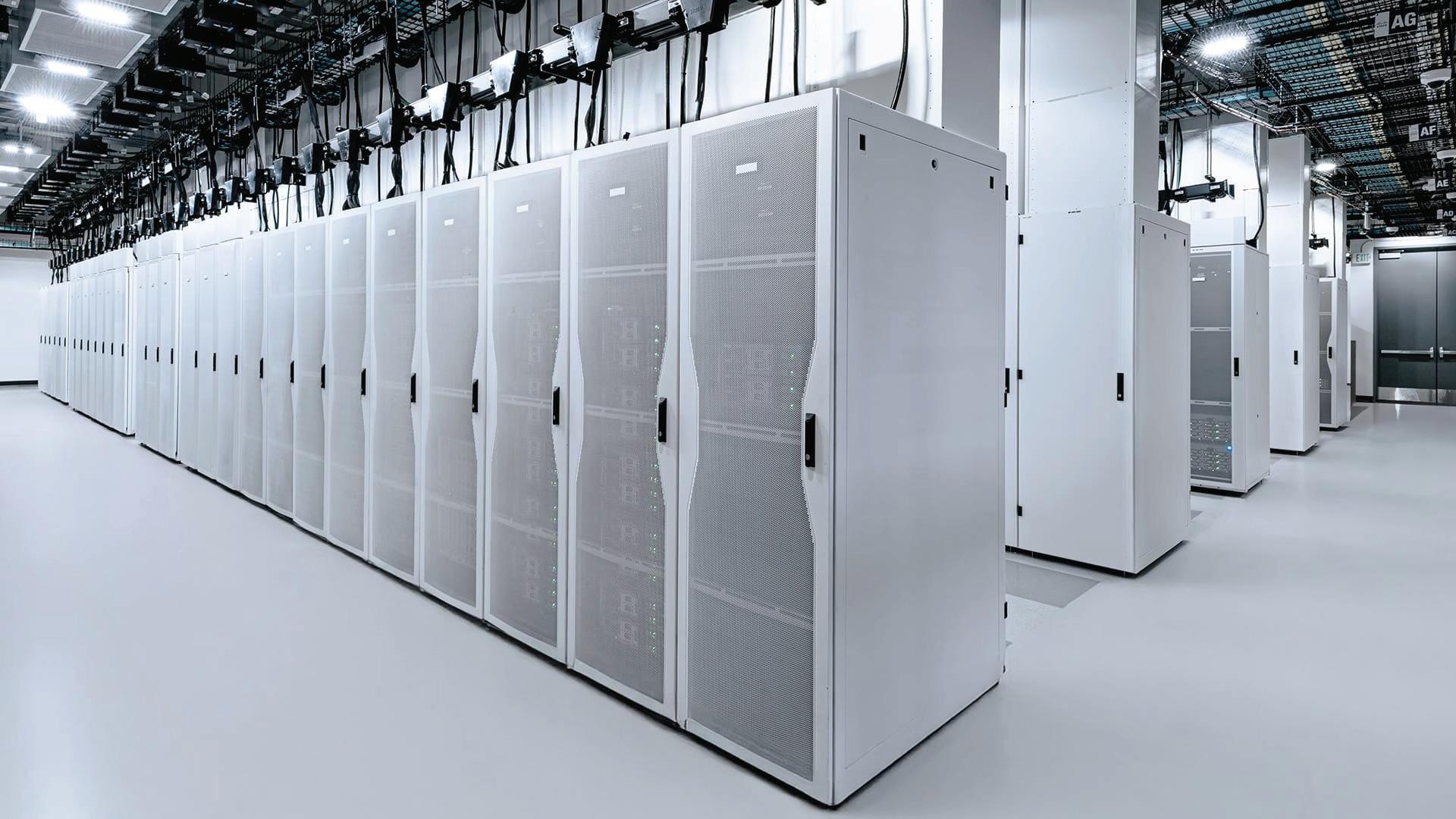


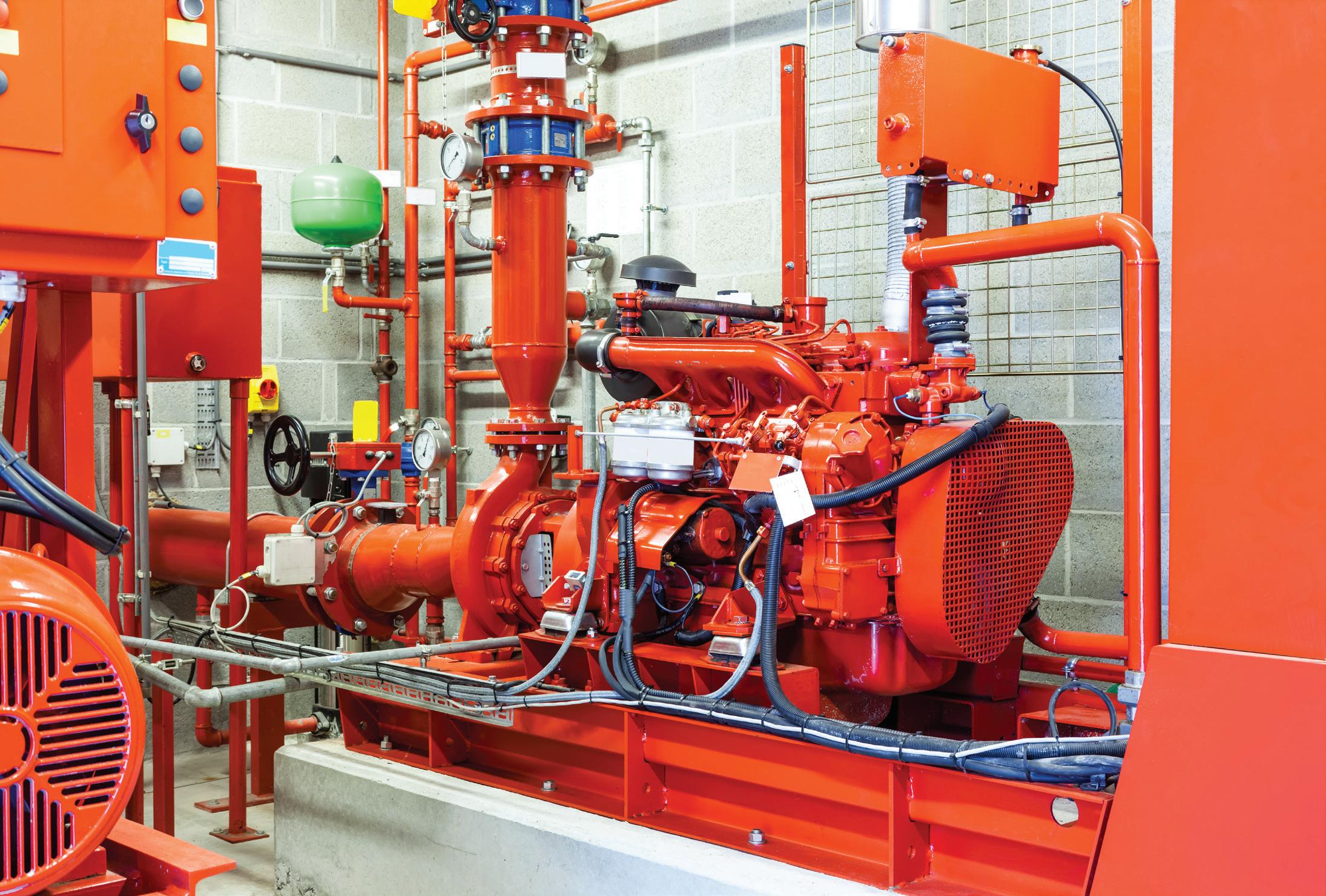
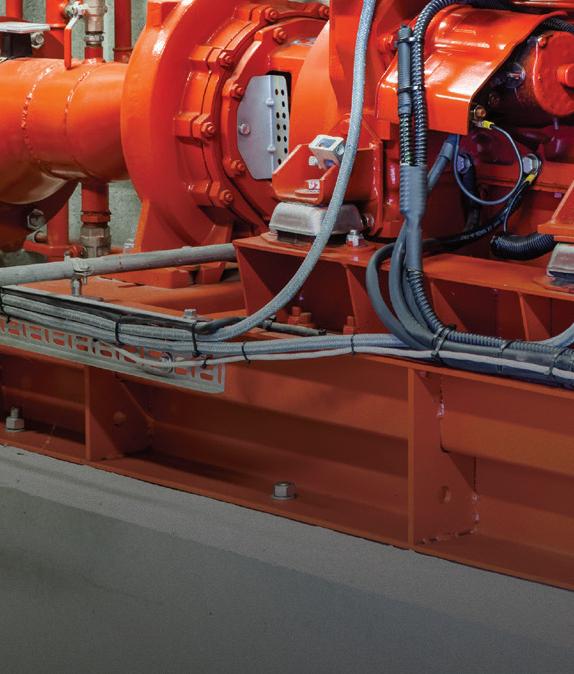










OPTIONS THAT ADAPT TO YOUR APPLICATION
HOT GAS REHEAT*1 ELECTRIC HEAT
ECONOMIZER
STAINLESS STEEL HX (Gas/Electric units) POWERED AND NON-POWERED CONVENIENCE OUTLETS
INTEGRATED CONTROLS AND BACNET™ CONNECTIVITY*2
Daikin NEXIO rooftop units deliver scalable performance, innovative engineering, and flexible configurations designed to meet the evolving needs of light commercial buildings. Available in three performance tiers, NEXIO gives engineers, contractors, and building owners the freedom to select the right balance of efficiency, electrification, and control — without compromise.
Designed for new construction and retrofit applications, NEXIO units span 3 to 25 tons across multiple cabinet sizes, helping reduce installation complexity while delivering reliable comfort and long-term value.





NON-FUSED DISCONNNECT SWITCH LOW AMBIENT KITS
PHASE MONITORS

SMOKE DETECTORS (Return, supply, or both) HINGED PANELS







*1 Hot gas reheat available on NEXIO Plus (High Efficiency) and NEXIO Max (Inverter) models.
*2 Daikin iLINQ controls are available on select models, while NEXIO Max (Inverter) features native BACnet™ integration BACnet™ is a trademark of ASHRAE