HIGH-VALUE SOLUTIONS
Stabilizing Conditions, Expanding Capacity and Evolving Solutions


Key Takeaways
The High-Value Solutions market is stabilizing, with admitted carriers returning to some geographies, increased competition, and expanded Excess and Surplus (E&S) capacity.
Underwriting flexibility is improving for catastrophe-exposed risks, including wildfire, wind, and flood.
Clients may benefit from having their broker market their insurance program including revisiting higher deductibles, water sublimits, and reduced coverages implemented during the hard market.

Product innovation is expanding customization through layered programs, parametric coverage, and deductible buybacks.
Risk mitigation, accurate valuation, and ownership structure continue to influence underwriting outcomes and long-term insurability.
Introduction
The High-Value Solutions market is stabilizing as carrier competition increases, reinsurance conditions improve, and E&S capacity expands.
While underwriting discipline remains strong, carriers are showing greater flexibility for catastrophe-exposed and complex properties, particularly in wildfire-, wind-, and floodprone areas.
Demand for high-value properties also continues to expand as wealth migration drives growth beyond traditional markets and increases the need for specialized insurance solutions.
As market conditions improve, brokers and agents have an opportunity to revisit prior coverage decisions — including higher deductibles and coverage limitations — while exploring E&S solutions aligned with current client needs.

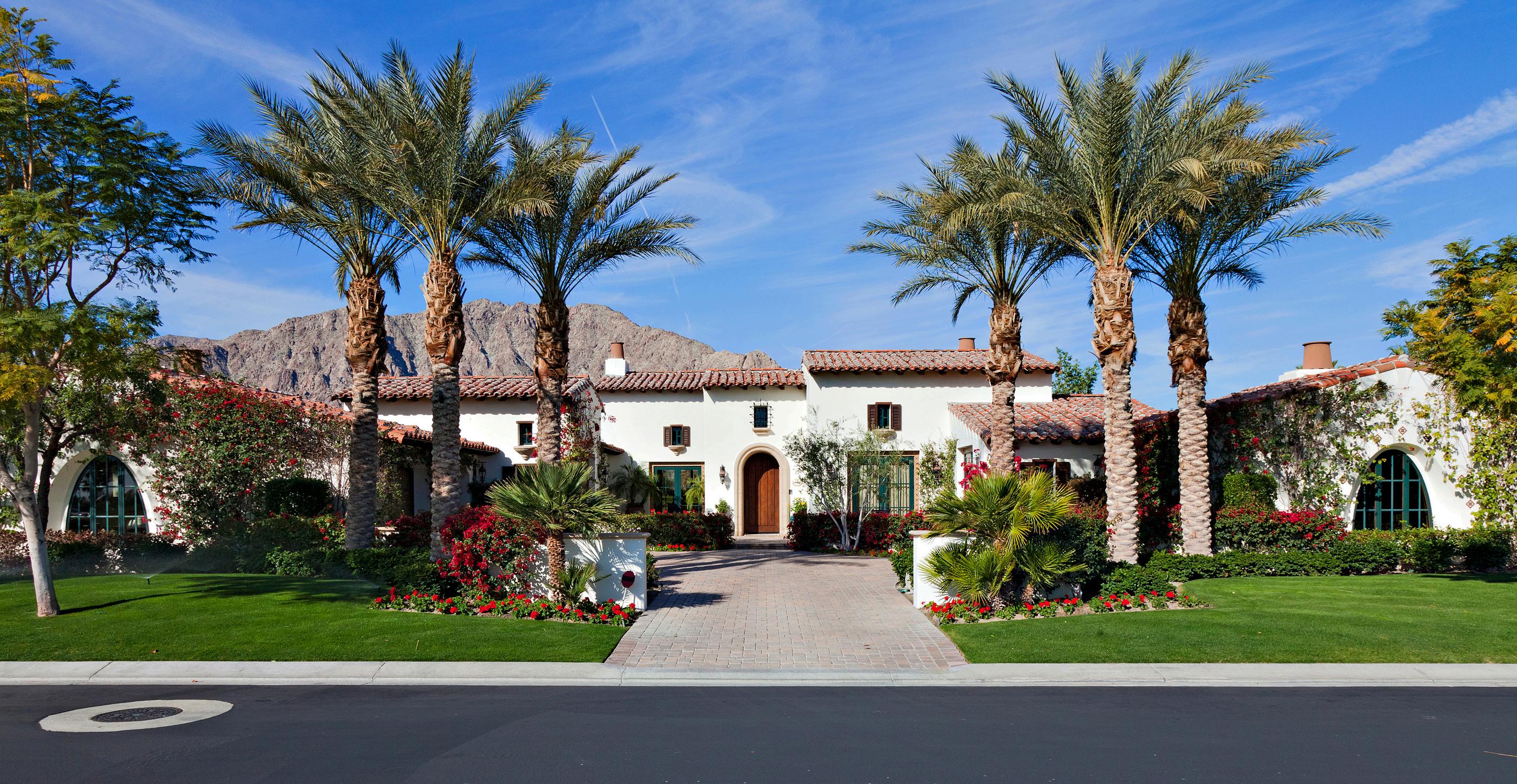
MARKET CONDITIONS Western Region
In the Western United States, wildfire risk remains a key underwriting consideration for highvalue properties. The January 2025 Los Angeles wildfires alone generated an estimated $40 billion in insured losses — the costliest wildfire event on record — underscoring the concentration of high-value property exposure in wildfire-prone areas. Despite ongoing wildfire exposure, market conditions are becoming more competitive, particularly in California, as carriers expand appetite and refine catastrophe modeling. Reinsurance conditions and increased E&S participation are contributing to broader quoting activity for well-mitigated, high-value properties.
UNDERWRITING FOCUS
Carriers are placing increased emphasis on wildfire mitigation and property resiliency, including:
Defensible space
Ember-resistant construction
Class A roofing materials
Noncombustible siding
Wildfire-specific venting systems
PLACEMENT CONSIDERATIONS
Earthquake exposure remains a concern across California and the Pacific Northwest, where elevated reconstruction costs and complex rebuild requirements continue to drive demand for flexible coverage structures. Customized E&S and Difference in Conditions solutions, including access to exclusive Atain Insurance Companies products through Burns & Wilcox, can help support catastrophe-exposed properties.
Burns & Wilcox partners with Wildfire Defense Systems to provide eligible homeowners with access to wildfire monitoring, mitigation, and loss intervention services designed to help protect properties before and during wildfire events.
For well-mitigated risks, rates in wildfireprone areas are beginning to stabilize or soften, creating an opportunity to revisit deductibles and coverage limitations implemented during the hard market cycle.
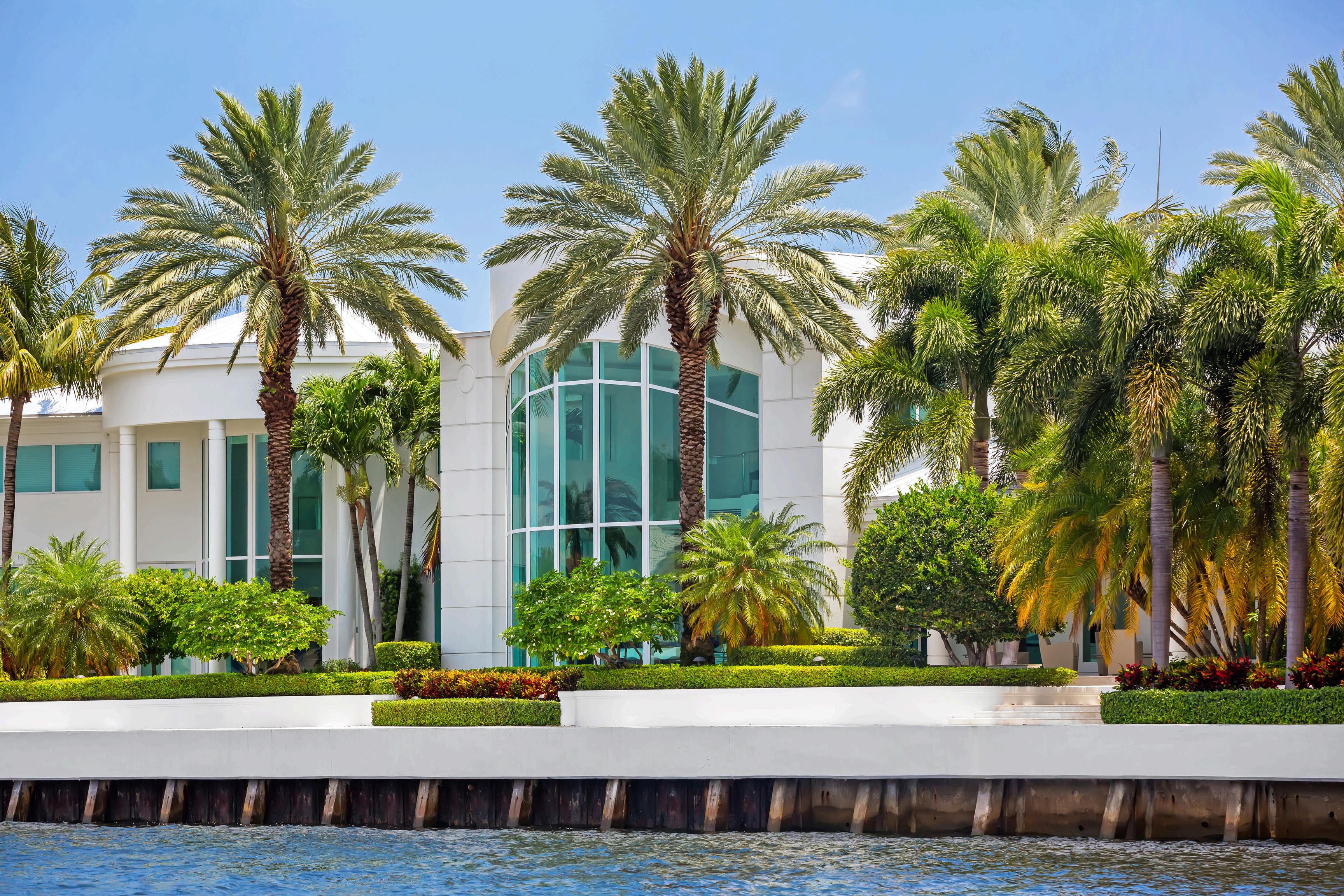
Southeast and Gulf Coast
MARKET CONDITIONS
Across the Southeast and Gulf regions, hurricane exposure remains a significant underwriting concern for high-value properties. While recent seasons have produced lower overall insured losses than prior peak years, events can still generate tens of billions in damage, reinforcing how a single storm can quickly reshape market conditions.
Despite this variability, the Southeast and Gulf Coast remain heavily reliant on the E&S market as carriers manage wind exposure and catastrophe losses, particularly in coastal areas where admitted appetite is limited. Increasing capacity is expanding placement options across a broader range of risks.
UNDERWRITING FOCUS
Wind exposure and water damage continue to drive underwriting decisions, with carriers evaluating location, construction, history, and evolving legislative and regulatory conditions, particularly in Florida.
PLACEMENT CONSIDERATIONS
As conditions improve, carriers are revisiting prior restrictions and may offer more flexibility, including:
Lower wind deductibles
Wind deductible buyback options
Increased or full water damage coverage
Expanded endorsements
Specialized solutions available through Burns & Wilcox can help brokers and agents access broader coverage options for catastrophe-exposed properties.
Midwest, Northeast, and Emerging Catastrophe Regions
MARKET CONDITIONS
Across the U.S., severe convective storms— including tornadoes, hail, and straight-line winds—remain a primary driver of loss activity for high-value properties.
According to the Insurance Information Institute, severe convective storms generated more than $50 billion in insured losses in 2025, marking the third consecutive year losses have exceeded this level.
In the Northeast, exposure to winter storms, freezing conditions, and coastal weather events continues to influence underwriting, particularly for older or historically constructed properties, while infrastructure-related risks can contribute to higher loss severity.
At the same time, so-called “emerging catastrophe” regions—including areas not traditionally exposed to severe weather—are experiencing increased loss activity driven by shifting weather patterns, population growth, and rising property values, expanding underwriting scrutiny beyond historically catastrophe-prone areas.
Despite these dynamics, market conditions across the Midwest, Northeast, Texas, and the Mountain states are showing signs of improvement as carriers refine underwriting approaches, and reinsurance conditions stabilize. Increased E&S participation is supporting broader quoting activity, particularly for well-maintained properties with updated valuations and protective features.
UNDERWRITING FOCUS
Submission activity is increasingly centered on complex risk profiles, including:
High protection class properties
Wood roof homes
Wildfire-adjacent risks
Carriers are also placing greater scrutiny on flood exposure and secondary perils, including severe convective storms, hail, and freeze-related losses, as reconstruction costs rise and weather volatility continues.
PLACEMENT CONSIDERATIONS
Demand for customized coverage structures is increasing as exposures become more complex. Parametric products, layered placements, and Difference in Conditions coverage can help address evolving catastrophe risks.
Product Innovation and Coverage Expansion
Improving market conditions are allowing the E&S marketplace to expand product offerings and support more tailored coverage structures for high-value properties.
Expanded solutions include:
Difference in Conditions coverage
Layered coverage structures
Contents-only solutions
Parametric flood and wildfire products
Wind deductible buyback options
Excess auto physical damage coverage
Multinational homeowners’ capabilities
Personal Liability exposure remains a key consideration for high-value households, particularly as “nuclear verdicts”—jury awards exceeding $10 million—continue to increase in both frequency and severity. According to Sedgwick’s litigation analysis, the number of nuclear verdicts rose by more than 50% in 2024. Rising litigation severity and social inflation are driving demand for higher Personal Liability limits, Excess Liability protection, and Personal Cyber coverage, particularly for clients with complex lifestyles or increased public exposure.
Risk Mitigation, Valuation, and Client Positioning
Even as underwriting conditions improve, carriers remain focused on property resiliency, accurate valuations, and overall risk quality.
Key mitigation measures include:
Water shut-off devices
Fire-resistant construction materials
Impact-resistant roofing
Ember-resistant vents
Smart-home monitoring technology
Backup generators and fire suppression systems
urate replacement cost remains critical as rising struction costs, labor constraints, and severe ther continue to drive rebuilding expenses. erwriters are placing increased emphasis on perty-specific characteristics and local conditions
n determining appropriate coverage limits.
nership structure also plays an important role. perties held in trusts, limited liability companies, or er entities require careful coordination to help avoid erage gaps or eligibility issues.
y collaboration among insurance professionals, lth advisors, attorneys, and property managers can streamline placements and support long-term rability.
Tips for Brokers Agents

Brokers and agents can strengthen placements and improve outcomes by taking a proactive approach to valuation, mitigation, and coverage design.
#1 Revisit hard market coverage decisions.
Review higher deductibles, water damage limitations, and reduced optional coverages that may no longer be necessary as underwriting flexibility improves.
#3 Address mitigation strategies early.
Wildfire hardening, water shut-off devices, impact-resistant materials, and smart home technology can influence eligibility, pricing, and available capacity.
#2 Prioritize accurate replacement cost valuations.
Rising construction costs, labor constraints, and severe weather events continue to create underinsurance concerns for highvalue properties.
#4 Confirm ownership structures are properly disclosed.
Trusts, limited liability companies, and other ownership entities should be accurately reflected within policy documentation to help avoid coverage gaps.
#5 Submit complete underwriting information upfront.
Detailed submissions, including ownership structure, prior losses, mitigation efforts, inspections, and occupancy information, can help streamline underwriting review and support stronger placement outcomes.
#7 Encourage communication among advisors.
Early collaboration between insurance professionals, wealth advisors, attorneys, property managers, and family offices can help streamline underwriting and improve placement outcomes.
#6 Explore E&S solutions for complex risks.
Layered structures, Difference in Conditions coverage, parametric products, and other specialized options can help address catastropheexposed and difficult-to-place properties.
#8 Partner with experienced High-Value Solutions specialists.
Burns & Wilcox provides access to customized E&S solutions, along with specialized expertise for catastropheexposed properties.

As competition increases and capacity expands, brokers and agents can reassess prior coverage strategies while aligning placements with current client needs and risk profiles.
Underwriting discipline remains centered on risk quality, documentation, and mitigation, and demand for customized structures is expected to persist as catastrophe exposure and property complexity increase.
Working with experienced High-Value Solutions specialists can help navigate evolving market conditions and support more effective, long-term coverage strategies.
Contributors
Heather Posner
Kris Guasch Vice President
National Product Leader
Private Client
Burns & Wilcox
Cleveland, OH
Click here for contact details >
Associate Managing Director Underwriter
Personal Insurance
Burns & Wilcox
Ft Lauderdale, FL
Click here for contact details >
Sarah Chandonnet
Private Client
Burns & Wilcox
Detroit/Farmington Hills, MI
Click here for contact details >
Albert Reed Manager Senior Underwriter
Personal Insurance
Burns & Wilcox
San Francisco, CA
Click here for contact details > Director
This commentary is intended to provide a general overview of the issues contained herein and is not intended, nor should it be construed, to provide legal or regulatory advice or guidance. If you have questions or issues of a specific nature, you should consult with your own risk, legal, and compliance teams.