
How to Choose the Perfect Terracotta Pot for Your Plants
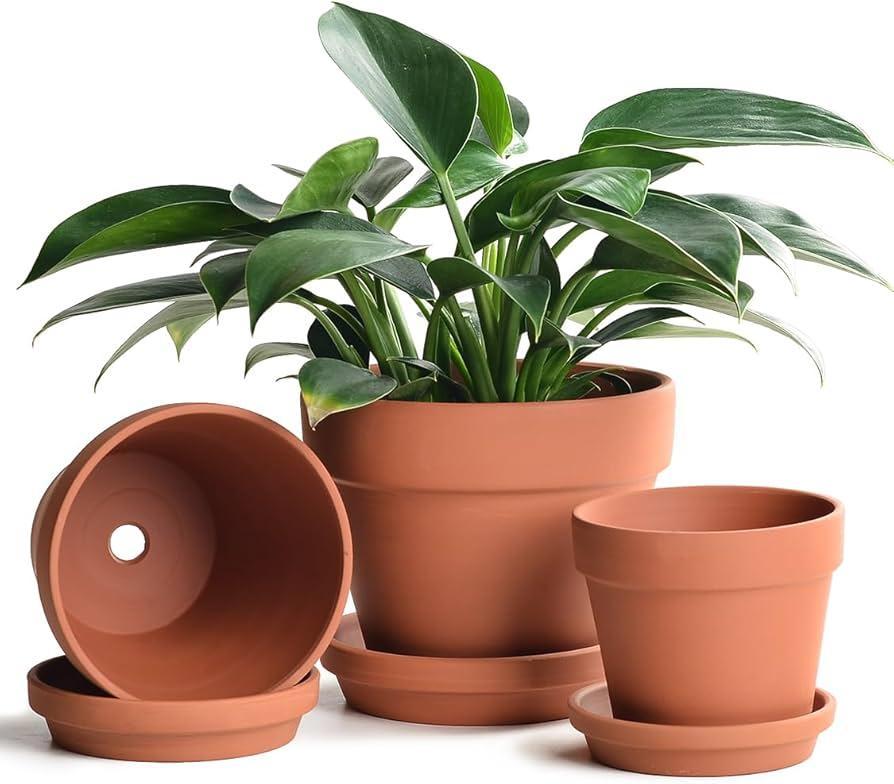
A terracotta pot is made from natural clay and fired at low temperatures, giving it that classic earthy color and porous texture. This porosity allows air and moi Choosing the right terracotta pot is more important than many plant lovers realize. While plants bring life and freshness into your space, the pot you select plays a crucial role in their health, growth, and overall appearance. Terracotta pots have remained a timeless favorite due to their natural look, breathability, and ability to support plant health. But with so many options available, how do you pick the perfect one?
In this guide, we’ll walk you through everything you need to know to select the ideal terracotta pot for your plants while also exploring how decorative elements like ceramic vases fit into your home styling.
Why Choose a Terracotta Pot?
sture to move through the walls of the pot, preventing overwatering one of the most common causes of plant damage.
Because of this, terracotta pots are especially suitable for plants that prefer well-drained soil, such as succulents, cacti, and herbs. They help maintain a healthy root system by allowing excess moisture to evaporate easily.
Brands like DNF Ceramics have enhanced the appeal of traditional terracotta by offering high-quality finishes and durable designs that work beautifully in both indoor and outdoor settings.
Consider the Size of the Pot
Size is one of the most critical factors when selecting a terracotta pot. A pot that is too small can restrict root growth, while one that is too large may retain excess moisture and harm the plant.
As a general rule:
• Choose a pot that is 1–2 inches larger than the current root ball for small plants.
• For larger plants, go 2–4 inches bigger to allow room for growth.
If you’re repotting, always ensure the new terracotta pot provides enough space without overwhelming the plant. Proper sizing helps maintain balanced moisture levels and promotes healthy growth.
Check for Drainage
Good drainage is essential for any plant container, and a terracotta pot naturally supports this due to its porous structure. However, you should also ensure the pot has a proper drainage hole at the bottom.
Without drainage, water can accumulate and lead to root rot. If you find a beautiful pot without a hole, consider using it as a decorative outer cover while placing your plant in a smaller pot inside.
Match the Pot with Your Plant Type
Different plants have different needs, and choosing the right terracotta pot means considering those requirements.
• Succulents & Cacti: Thrive in smaller, well-draining terracotta pots
• Herbs: Benefit from medium-sized pots that allow airflow
• Flowering Plants: Need slightly larger pots to support blooming cycles
• Indoor Plants: Prefer pots that balance moisture retention and aeration
By aligning your pot choice with your plant’s needs, you ensure better growth and longevity.
Style and Aesthetic Appeal
A terracotta pot is not just functional it’s also a design element. Its warm, earthy tones complement almost any décor style, from rustic and traditional to modern and minimalistic.
Today’s manufacturers, including DNF Ceramics, offer a variety of styles such as textured finishes, painted designs, and contemporary shapes. This makes it easy to find a terracotta pot that enhances your home or garden aesthetics while supporting plant health.
Indoor vs Outdoor Use
When selecting a terracotta pot, consider where you plan to place it. Outdoor pots should be thicker and more durable to withstand weather changes, while indoor pots can be lighter and more decorative.
Terracotta performs well outdoors but may crack in extreme cold conditions. If you live in a region with harsh winters, consider moving your pots indoors or choosing frost-resistant options.
Understanding the Difference: Terracotta Pot vs Ceramic Vase
While both terracotta pots and ceramic items are made from clay, they serve very different purposes. A ceramic vase is typically designed for decorative use, often holding cut flowers or acting as a standalone décor piece.
Unlike a terracotta pot, a ceramic vase is usually glazed, making it non-porous and less suitable for planting. It doesn’t allow airflow or moisture evaporation, which are essential for plant health. That’s why vases are better used for decoration rather than as plant containers.
If you want to combine functionality with style, you can pair a terracotta pot with a decorative ceramic vase as an outer cover. This way, you get the best of both worlds healthy plants and elegant décor.
Maintenance Tips for Terracotta Pots
To get the most out of your terracotta pot, proper care is essential:
• Clean regularly to prevent salt buildup
• Soak before use if the pot is new, to avoid absorbing too much water from the soil
• Avoid sudden temperature changes to prevent cracking
• Seal if needed for indoor use to reduce moisture leakage
With proper maintenance, terracotta pots can last for years while maintaining their natural beauty.
Final Thoughts
Choosing the perfect terracotta pot involves more than just picking a design you like. It requires understanding your plant’s needs, ensuring proper drainage, and selecting the right size and placement. With trusted brands like DNF Ceramics offering high-quality and stylish options, finding the right pot has never been easier. Whether you’re a beginner or an experienced gardener, investing in the right terracotta pot will enhance both your plant’s health and your space’s overall look.