CROSSROADS
© 2026 The Photojournalism Students
© 2026 Danish School of Media and Journalism
Published by DMJX Photojournalism
ISBN: 978-87-977293-0-4
Cover photo by Vilma Søndergaard
Print: Ecograf Gruppen v. Lars Bai
Printed in Denmark 2026
Thanks to:
Søren Pagter
Gitte Luk
Lars Bai
Copenhagen Photo Festival Politiken-Fonden
Aarhuus Stiftstidendes Fond
Sony Nordic All-Graphic Goecker
Ecograf Gruppen
KaJ
And a special thanks to everyone who has shared their stories.

A documentary photography magazine and exhibition created by 11 photojournalism students from the Danish School of Media and Journalism (DMJX).
At certain points in life, we move forward without a clear map of what comes next. Without knowing where upcoming roads might merge or split. In these uncertain intersections, we discover resilience, identity, and growth.
Through nine stories, we meet different people and their perspectives. Their stories reflect on the vulnerability and complexity found at life’s many crossroads
My Leonora Kia & Karla Ellingsøe / MIRAY, CAN YOU COME TO
WHILE SILAS WAITS Emil Mogensen / CHITRA’S HOUSE
THE STAGE? Elise Dağdeviren / WHAT OTHERS DON’T SEE Liva Milde / IN THE MOUNTAINS OF TELEMARK Felix Fonnest /
Kristine Bjørg Frank Bojsen / THE BOARDER THAT NO LONGER WAS INVISIBLE
ZAKARIA’S DREAM
Hussein Ali Kazem
Jeanna Nathalie Lund / WHILE THE BOMBS FALL
Benedicte Ramfjord & Vilma Søndergaard / NATURE BEARS, WHAT THEY CARRY
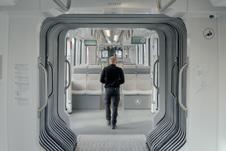
While Silas Waits
by Emil Mogensen
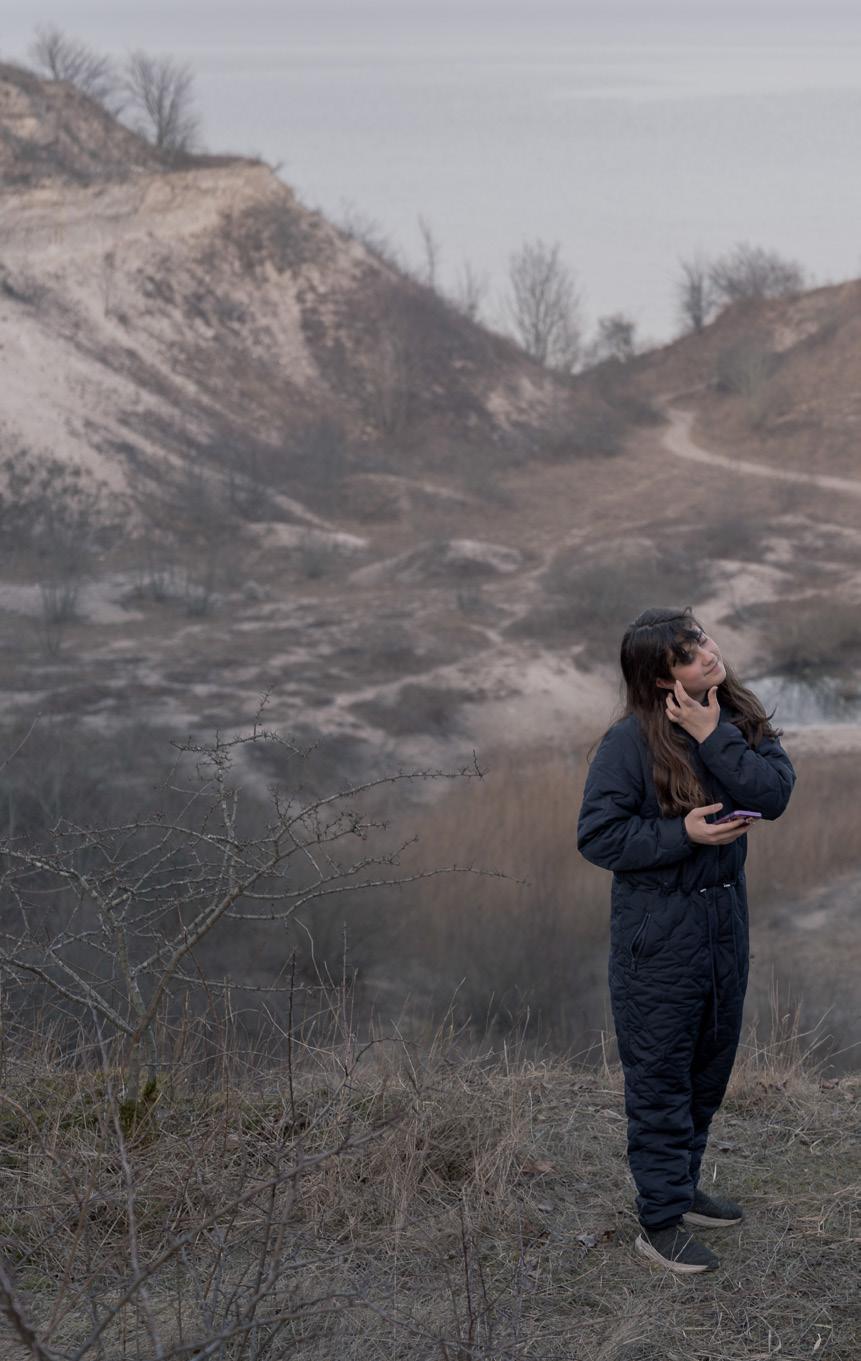
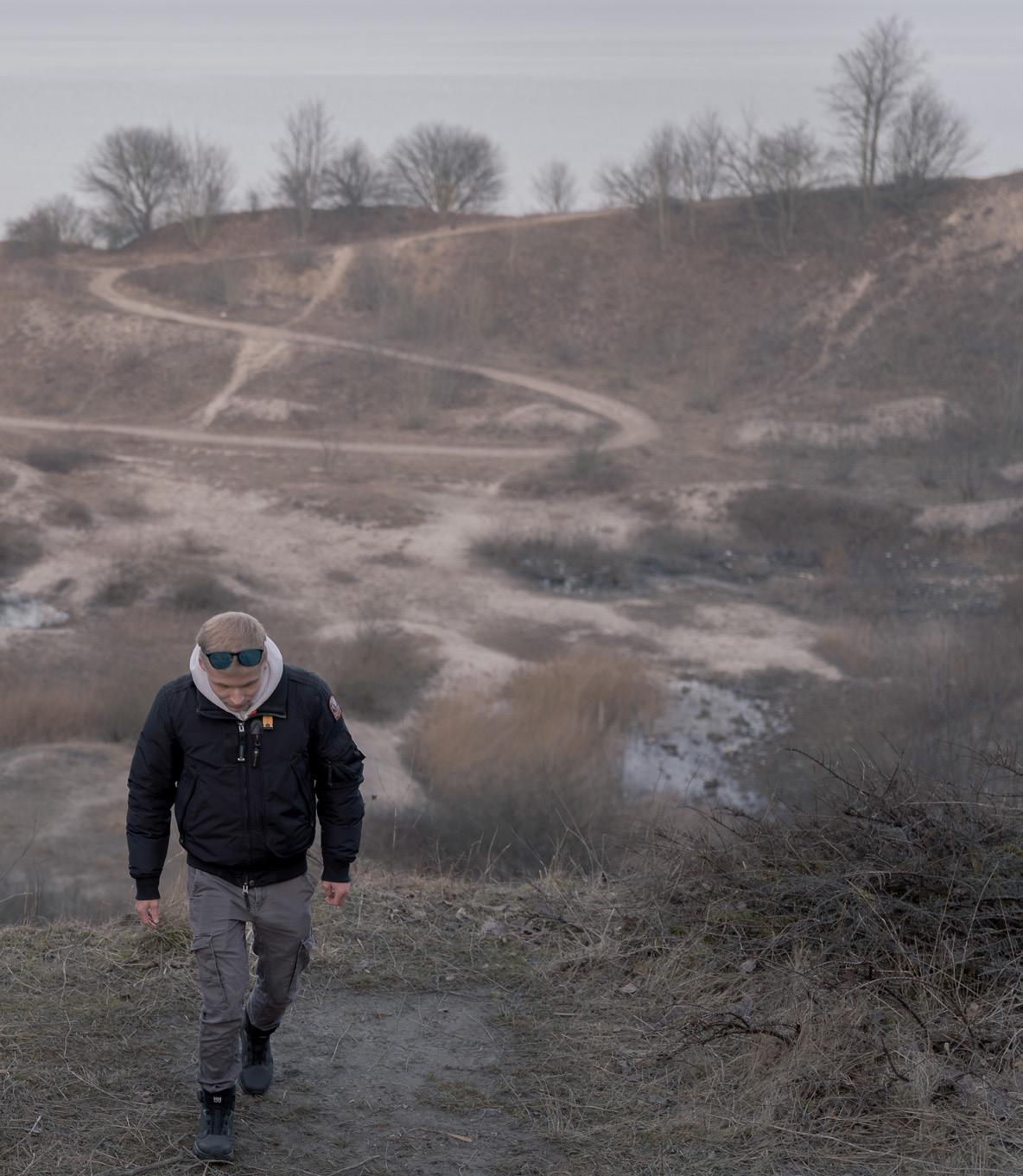
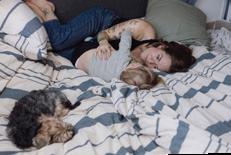
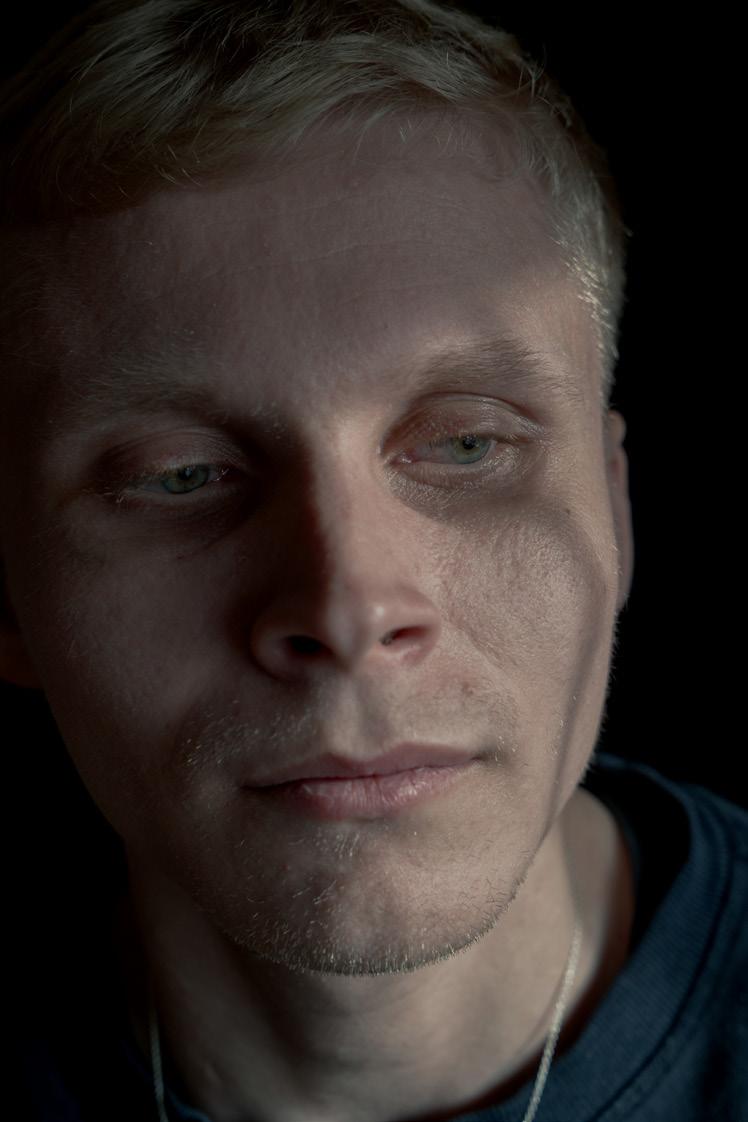
It is a little past nine in the morning, and Silas has just woken up in his apartment in Køge after yet another restless night. In the living room, beneath the windowsill, a lonely grey Under Armour backpack rests against the radiator. It does not contain much yet, but the plan is that one day it will be packed with a set of clothes, sweatpants, a computer, two pairs of headphones, a power bank, and an extra charger. Maybe also Churchill’s biography. Just enough for Silas to get by for a while when he has to put his life on hold at short notice.
“Your body knows it. You can’t put it away. It is so deeply ingrained in you that the call will come at some point. You just don’t know when.”
Twenty-seven-year-old Silas Thing Sørensen is one of approximately 24 Danes currently on the active waiting list to receive a new liver.
Does God Want Me to Have Four Liver Transplants?
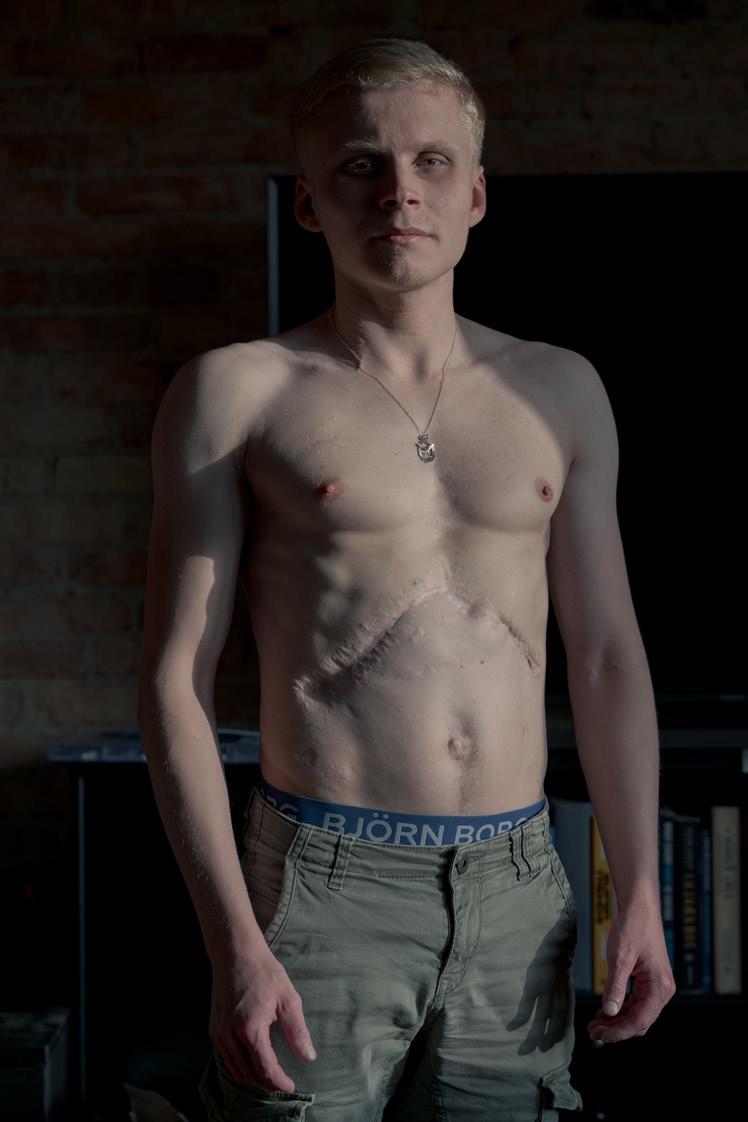
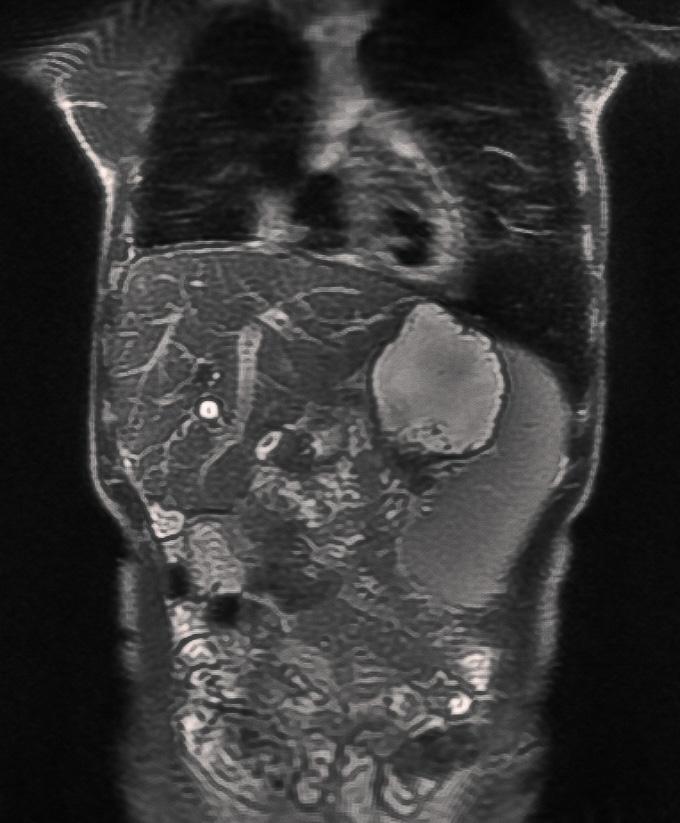
Silas was born with an underdeveloped liver as a result of Alagille syndrome, a rare condition that causes missing or underdeveloped bile ducts in the liver. He was therefore only three years old when he underwent his first liver transplant. A few years later, his condition worsened, and in the middle of second grade he underwent another liver transplant. It failed, causing a blood clot in the liver’s main artery, and a few days later he received his third liver.
It has been more than 18 years since Silas last underwent a liver transplant. Now, early signs of cirrhosis have sent him back onto the waiting list, where he has spent the last nine months waiting for the call that a fourth liver has become available.
“I find it difficult to believe in God when you have to undergo a liver transplant four times. You could of course say that it is God’s way of testing me. But does God want me to have four liver transplants? Then he is kind of an asshole.”
As long as Silas is on the waiting list, his phone is always fully charged and within reach, and he is not allowed to leave the country or visit islands without bridge connections.
Without Disturbance
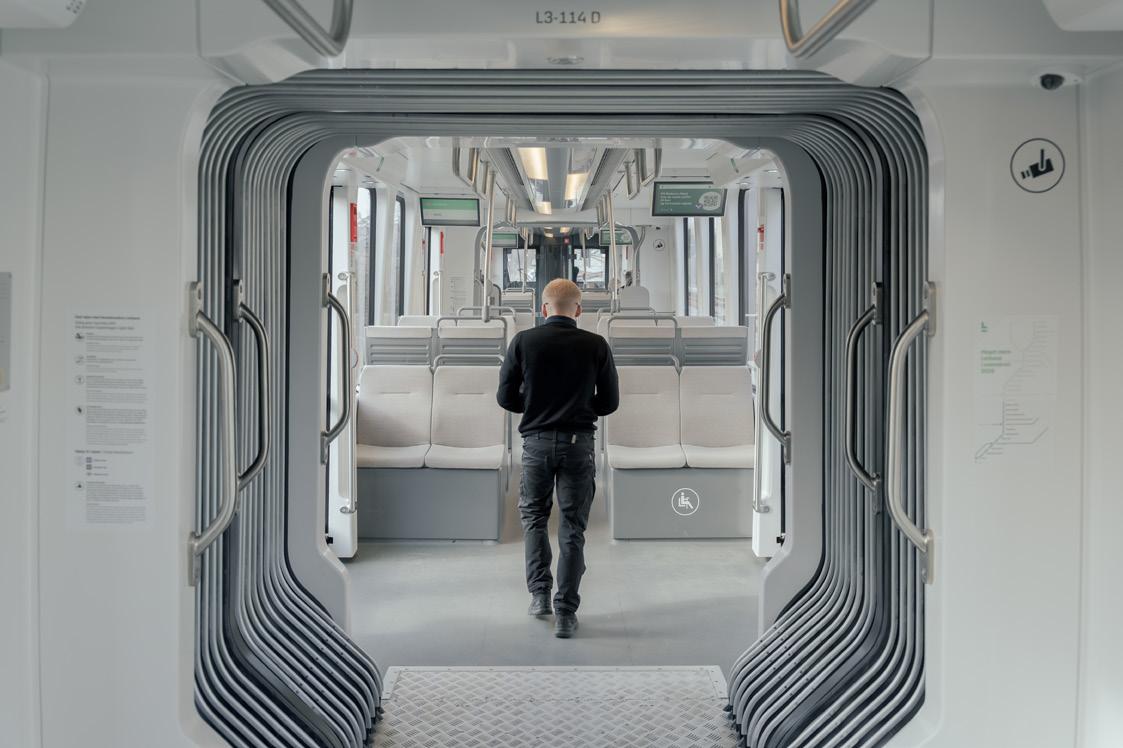
As a child, whenever Silas was admitted to Rigshospitalet, he would go riding S-trains with his grandmother during breaks between examinations. Ever since, trains have been one of his great passions. Two years ago, he was employed at the light rail control centre Metro Service in Glostrup, where he works, among other things, as a light rail driver.
“I think I love this job because it is so simple. As a liver transplant patient, so many things are constantly happening in my life that create unrest. When I am driving, there is no unrest around me. It is just what it is. Completely normal.”
The Two of Us
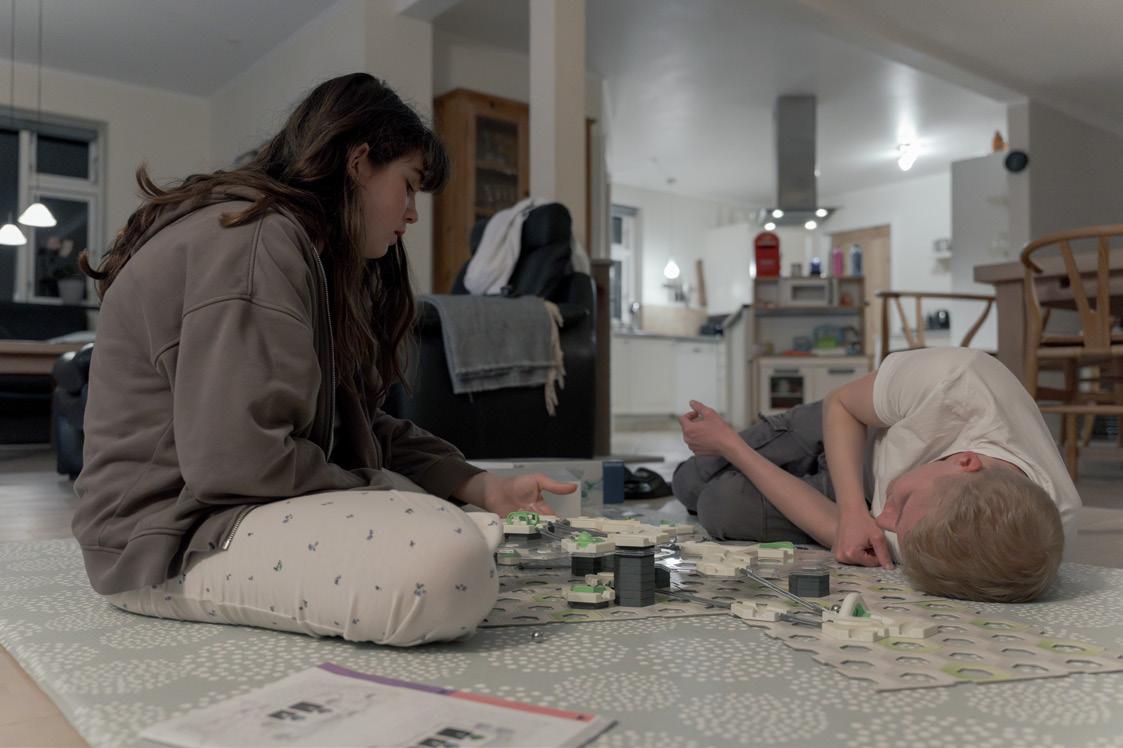
Silas’ entire family lives in the Køge area, and once a week he visits his mother, her partner, and his younger sister Andrea, 12, at the family’s country property a short distance from Holtug Chalk Pit.
“I have been thinking more about how I spend time with my family while I am on the list. I do not know what the outcome will be, or when I will get that call.”
When Silas underwent his second and third liver transplants, he came close to dying. It took him four years to fully recover and return to a relatively normal everyday life. He was therefore initially in doubt about whether it was all worth it when he was told that he would need a fourth transplant. But his desire to see his younger sister grow up became a decisive factor for Silas.
“There was a risk that I would die before her confirmation. I would like to see her finish primary school, complete high school, and maybe start university, whatever she chooses. When our parents are no longer here, it will just be the two of us.”
In Silas’ kitchen hangs a white oven mitt with a drawing of a light rail train. Beneath the drawing, Andrea’s handwritten text nearly spills over the lower edge of the oven mitt:

Silas T. S. best big brother

CHITRA’S HOUSE
by My Leonora Kia & Karla Ellingsøe
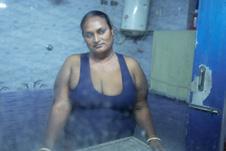
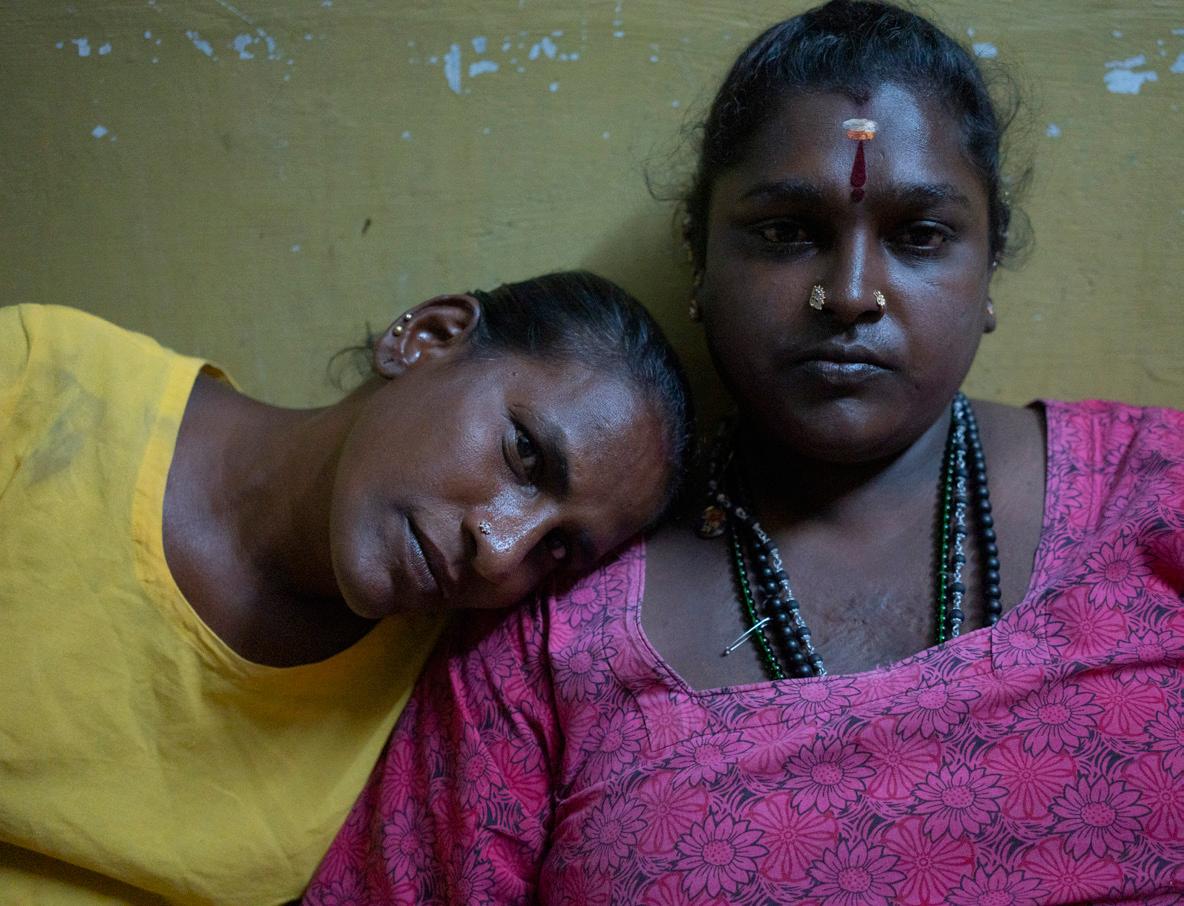
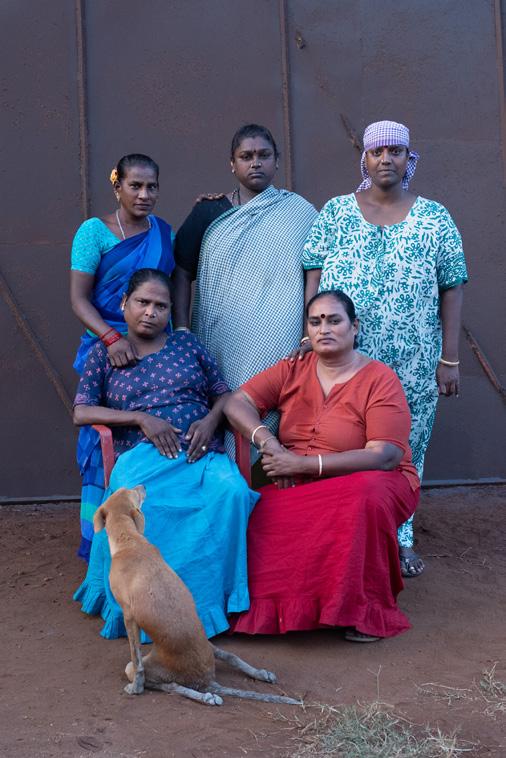
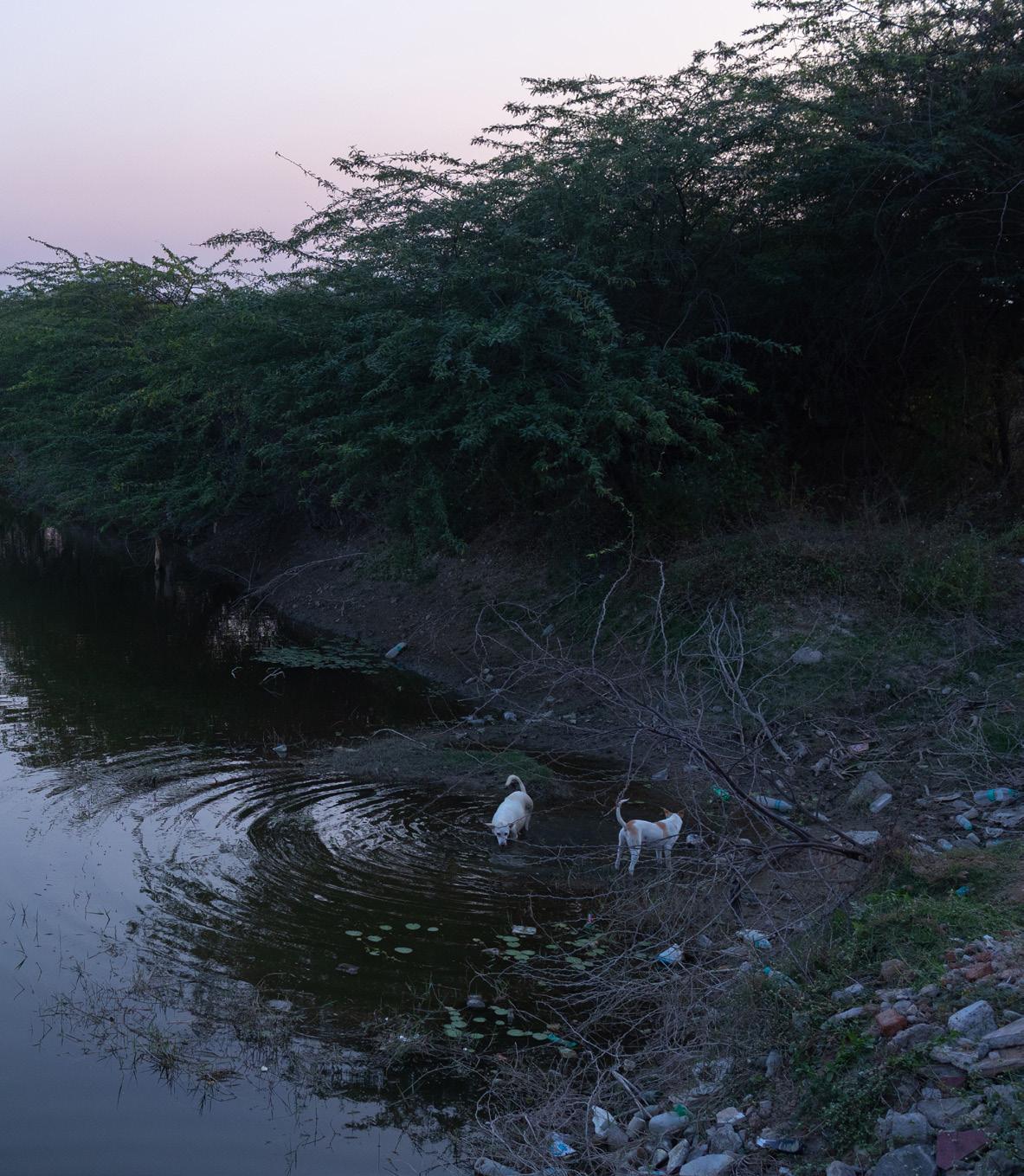
In the countryside of southern India, five older transgender women live together as sisters. In a small house, they have found peace from a past marked by violence and social exclusion.
The youngest is 36 years old, the oldest 46. Vanitha, Kumuda, Sneha, Chitra and Suganya. Most of them stopped taking the hormone injections they once relied on – It doesn’t appeal to them anymore.
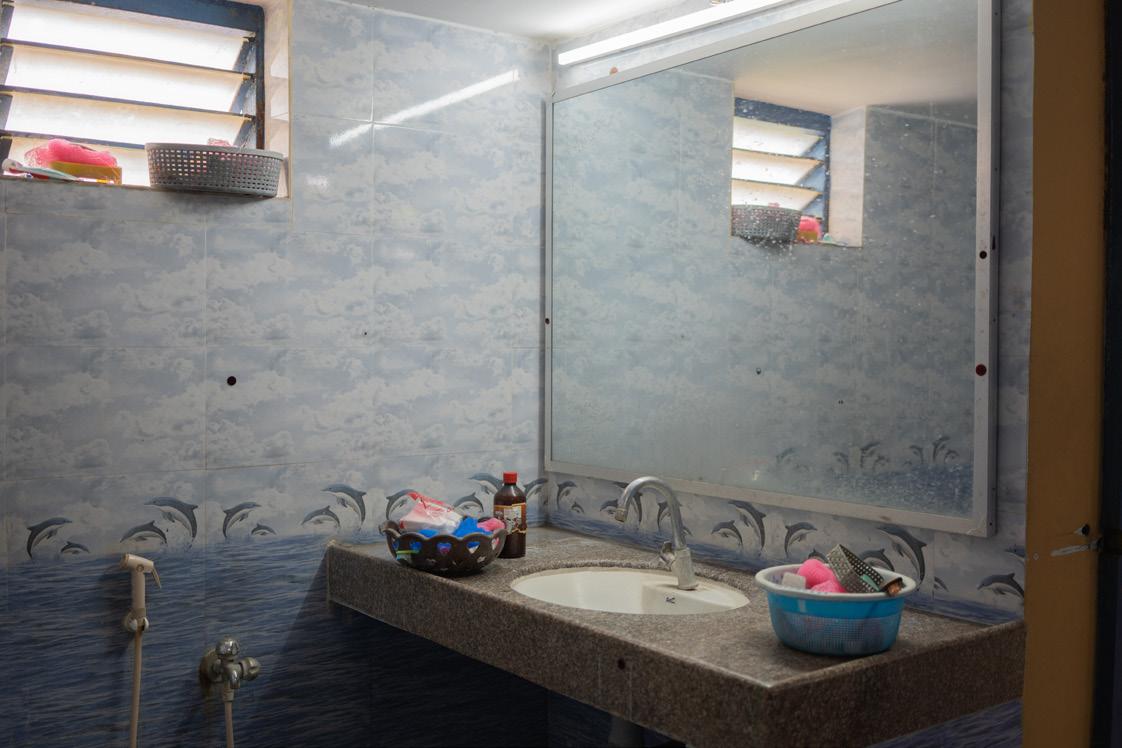
The transwomen in Chitra’s House share the same story of being rejected by their families after expressing their gender identity. In this brightly colored house, there is space for them, and they are met with acceptance among the villagers. Although the transwomen struggle with self-acceptance and sleepless nights, their shared life in the house has given them a sense of belonging.
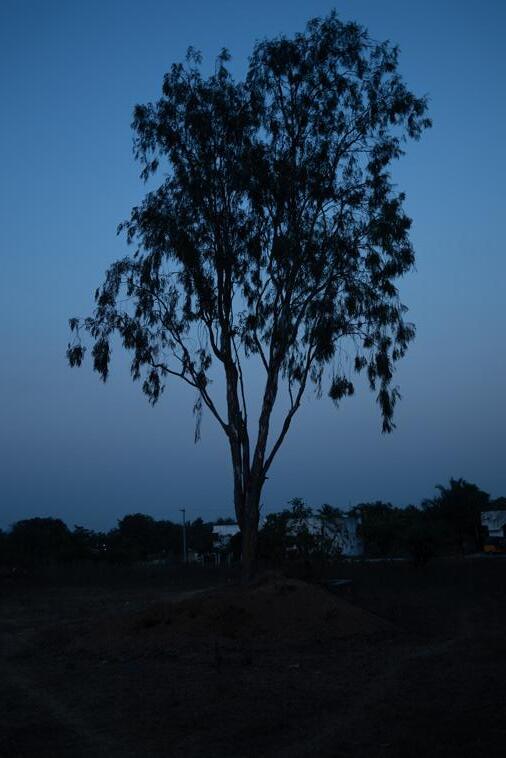
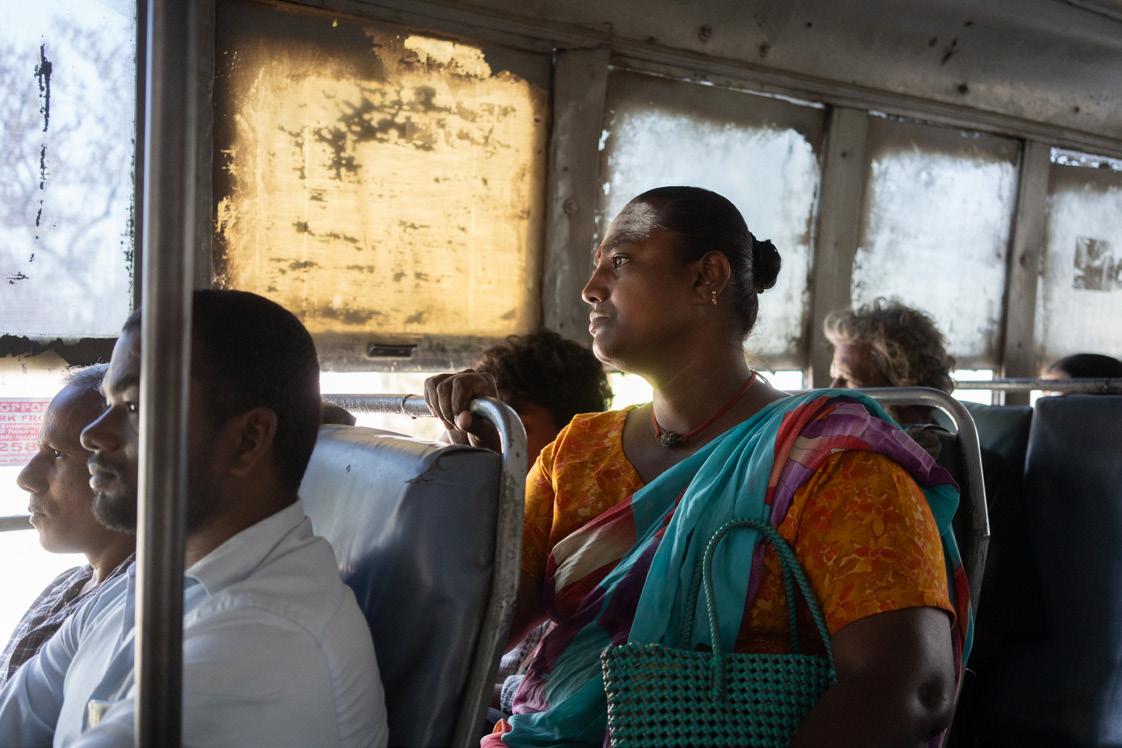
Sneha prefers to take the bus to the town center for her daily begging stroll. In the southern state Tamil Nadu, it is free for women to ride the bus.
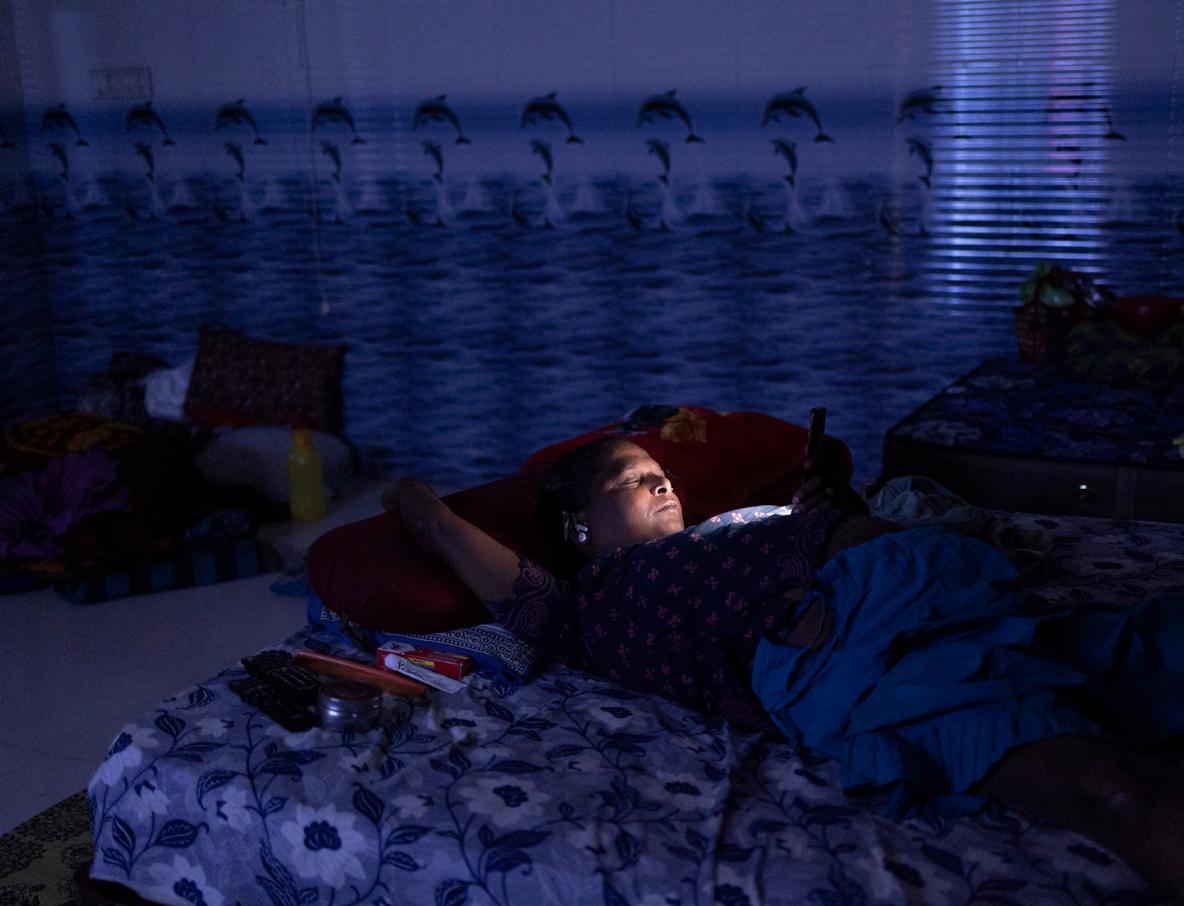

Three beds occupy most of the singular room, but the women of the house prefer sleeping on the cooling floor. All except Chitra. She is the “guru” of the house – the one the others follow and listen to.
Out of India’s population of one and a half billion people, nearly two million identify as transgender. An identity deeply rooted in the country’s culture and traditions, whose legitimacy has shifted throughout history. During British colonial rule, transgender people were branded as criminals. A stigma that ever since exposed them to social marginalization without access to education, shelter, or livelihoods. Relying on mostly begging or sex work to make a living.
“Not even our own families would accept us, so where were we supposed to go to get food on the table?” Chitra says.
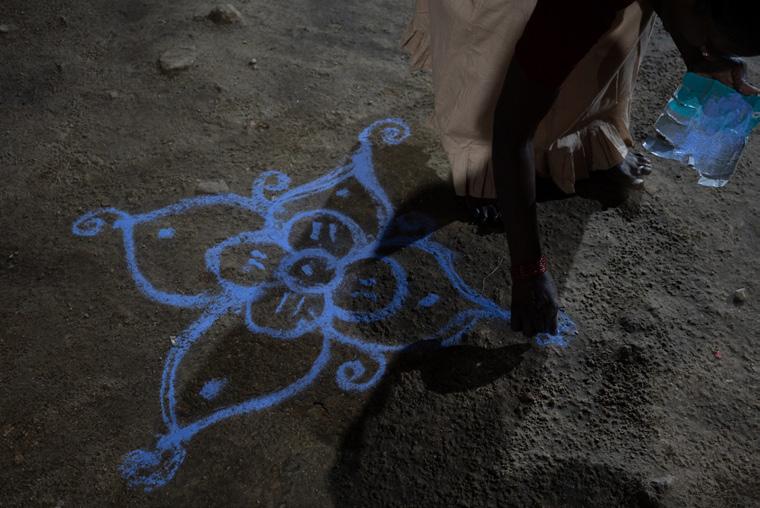
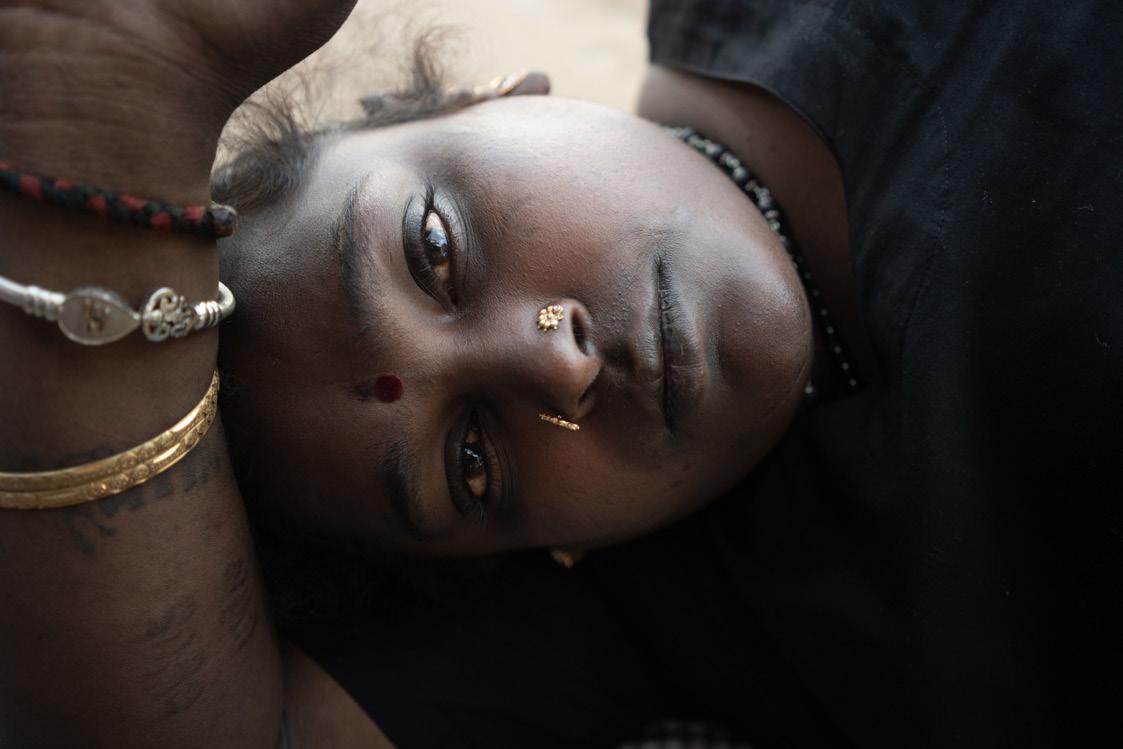
After trusting her mother, father and siblings with her true identity, her family took turns beating Kumuda. She flees her childhood home, and spents the next three weeks as a nomad until she reaches Indias “queer capital” Mumbai.
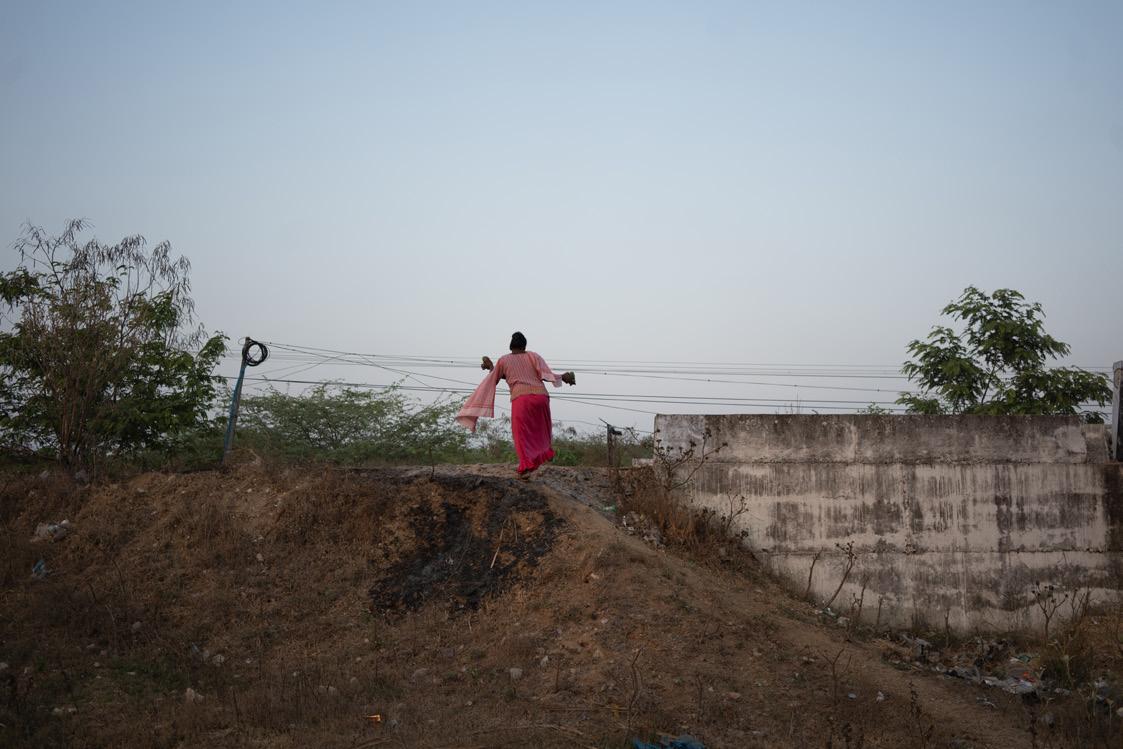
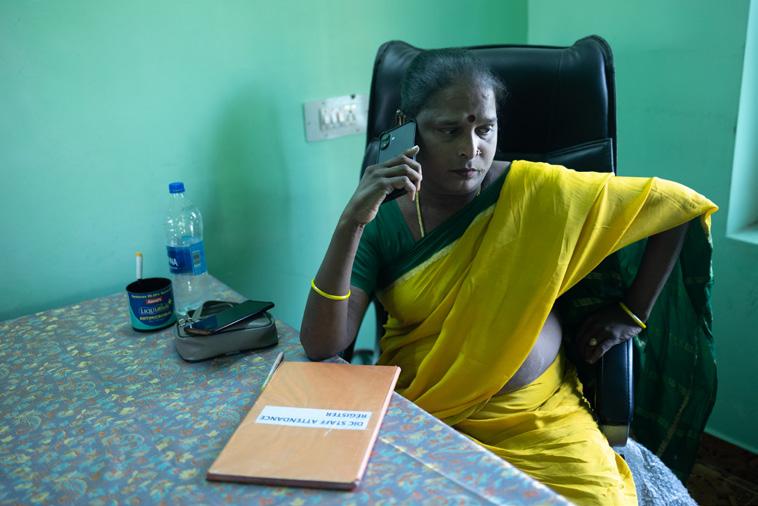
Back in Mumbai several of Chitra’s friends lost their lives to HIV. Four years ago, Chitra decided to start an NGO to help people living with the disease.

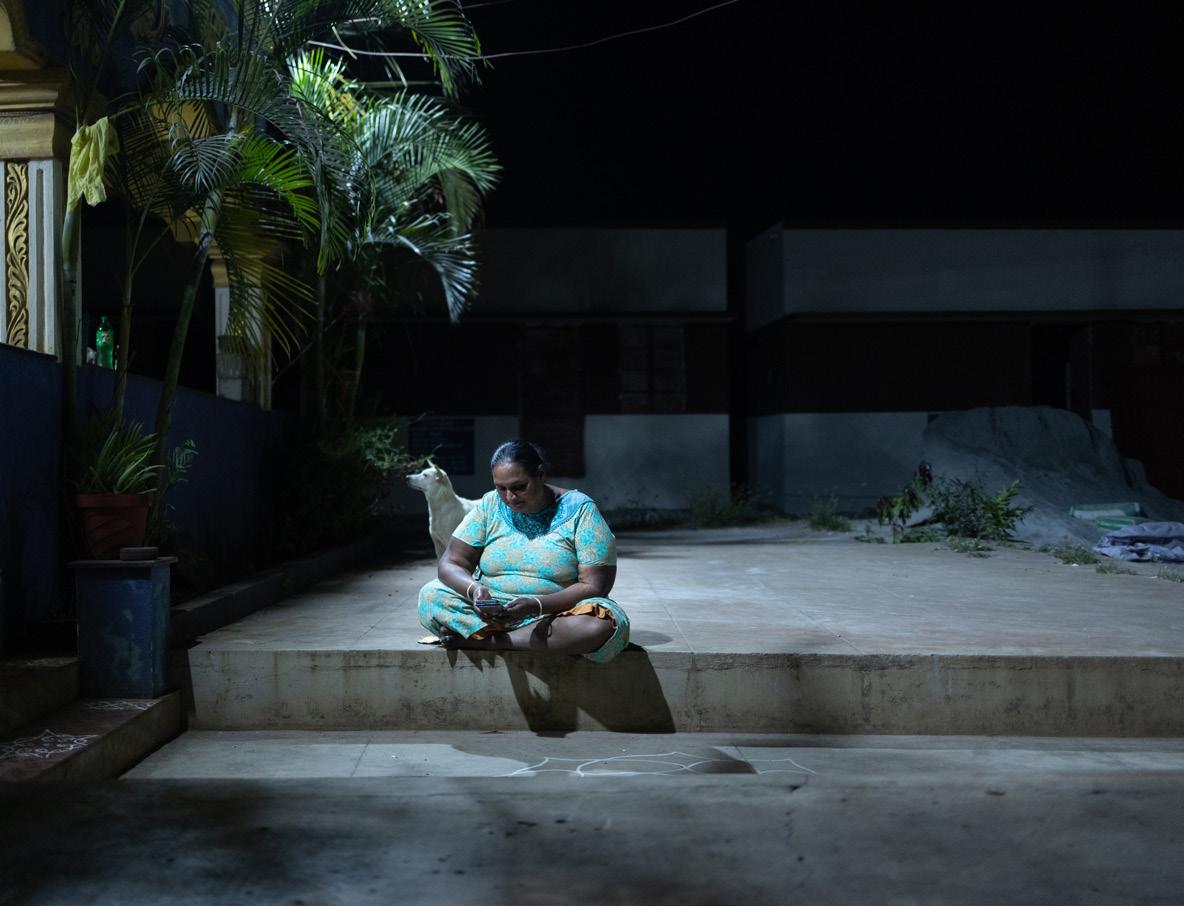
Suganya communicates with her boyfriend daily. They meet about once a month to be intimate.
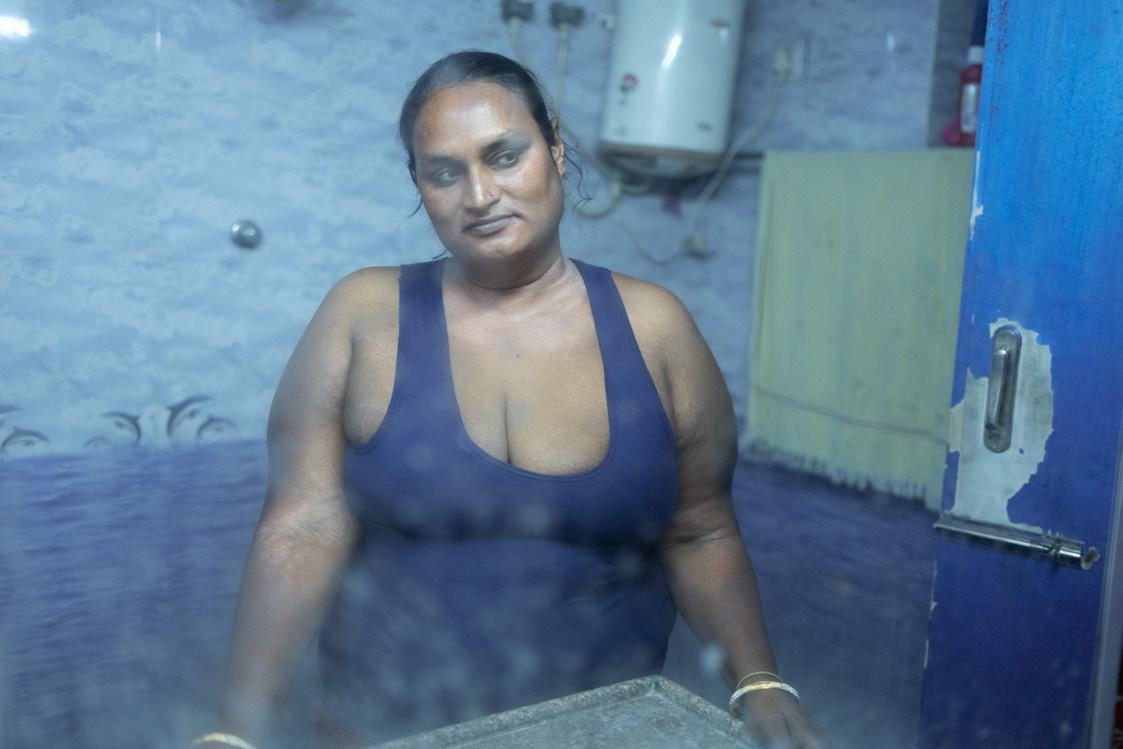
Blue is Suganya’s favorite color. At the bottom of her many saris, she hides her only tank top. When she puts it on, she feels the most attractive.
“When I was eight, I realized I wanted to be a girl,” Suganya says. “I used to do the kind of work usually associated with women.” She preferred helping with the laundry and cooking — ‘feminine things,’ as her brother would say. And for that, he beat her.
Today Suganya finds joy and pride in expressing herself. She daily posts reels of herself on Instagram and tend the communal vegetable garden.
The five transwomen in Chitra’s House, and the rest of Indias LGBTQ+ community are right now facing serious changes of their human rights.
In the end of March 2026 India’s Supreme Court passed a legal amendment stating that medical professionals – not individuals themselves – must determine whether someone can identify as ‘transgender’ or ‘other’. The changes in the law have resulted in protests across the country fighting for bodily autonomy.
Miray, Can You Come to the Stage?
by Elise Dağdeviren
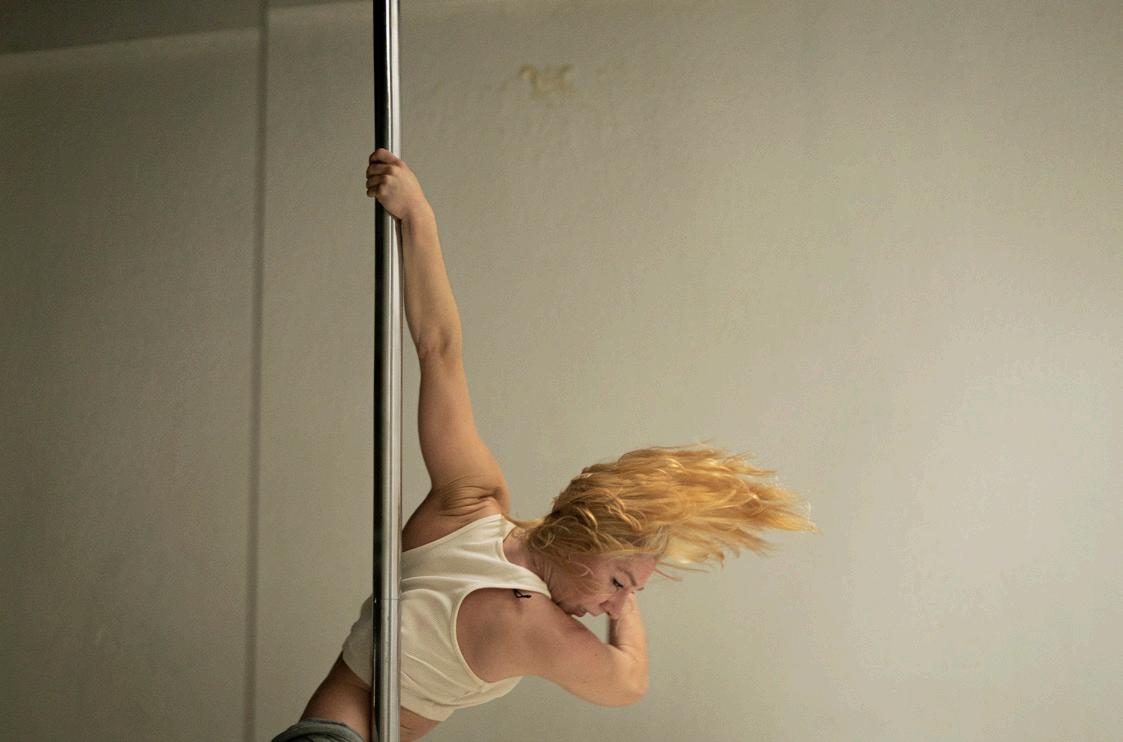
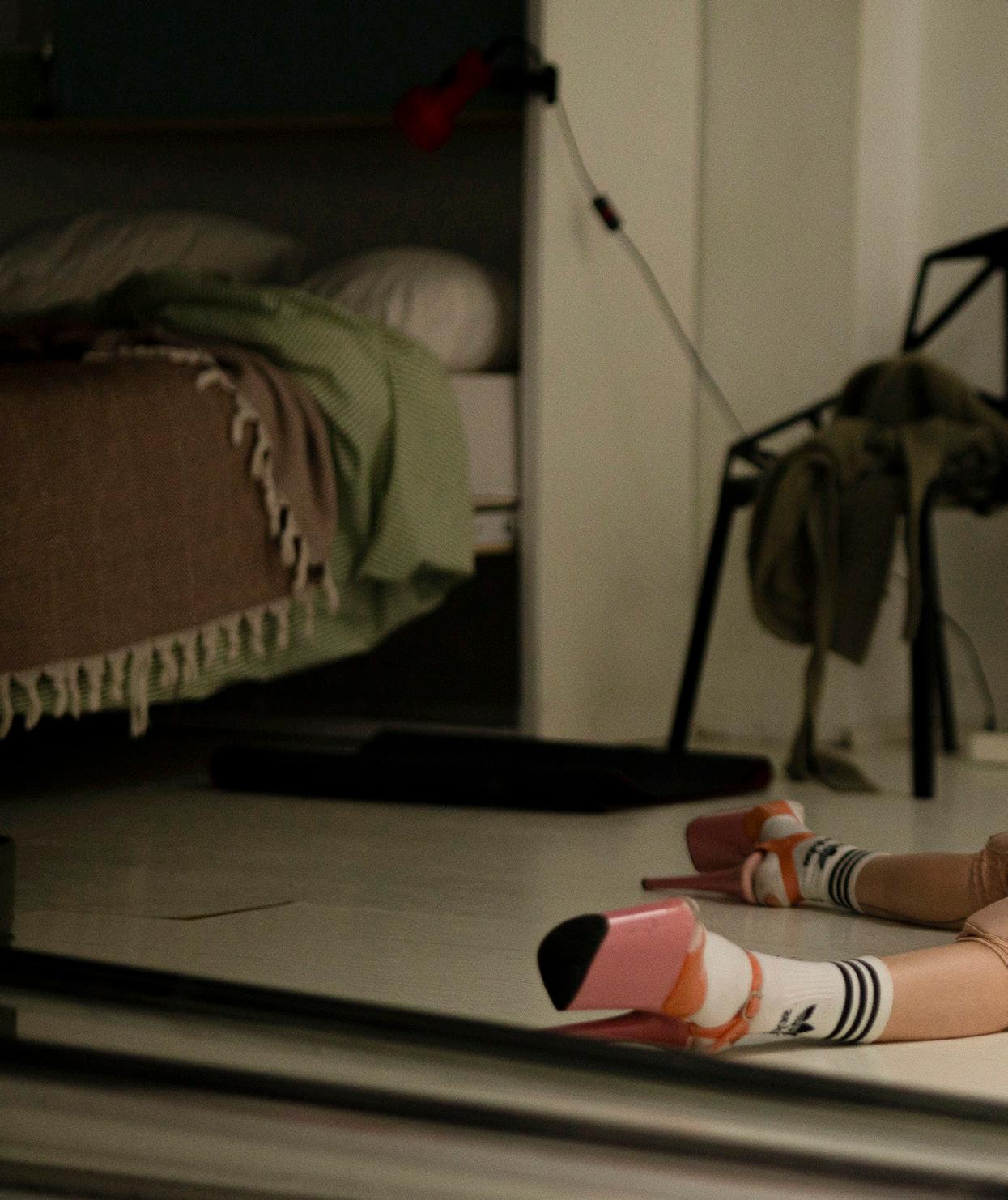
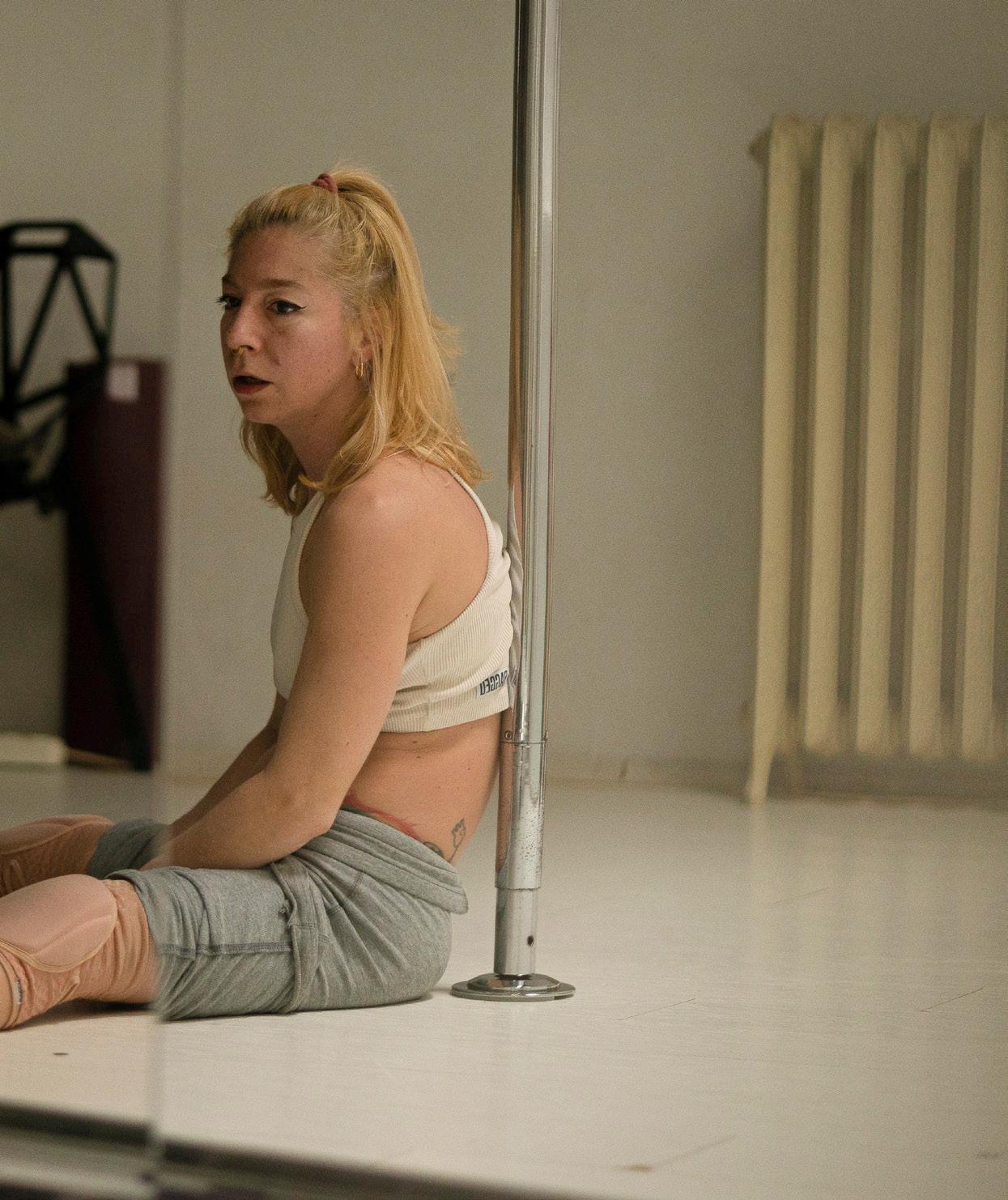
Miray insists on her freedom to be a pole dancer in Istanbul despite resistance and prejudice from society. When she teaches her students, she empowers them to stand up against the oppressive forces that control Turkish women.
Miray Temur is 37 years old and has practiced pole dancing since 2015. Back then she was finishing her degree in interior architecture, but when she got introduced to the art of pole dance, she became obsessed. After only two months of training, she began teaching herself. Three years later, she opened her own studio, The Moon Pole & Dance, at a time when pole dancing had barely arrived in Istanbul. Miray was among the first Turkish women to perform publicly.
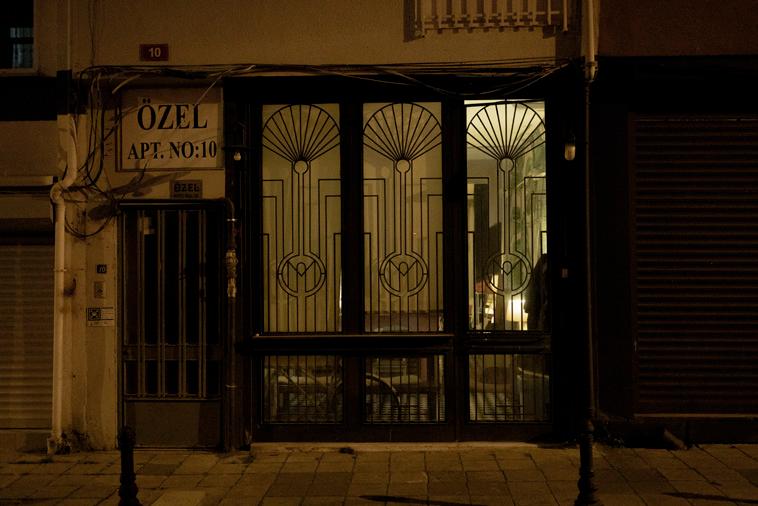
In Türkiye, pole dancing is not illegal by law, but the government could shut down pole studios at any moment. The city of Istanbul prides itself on being modern and liberal, yet many people like Miray feel that religious norms and conservative forces are what truly define right and wrong, making pole dancing unacceptable in many people’s eyes. For this reason, Miray feels compelled to keep her work hidden. For her own safety. From the street, there is nothing to suggest that a pole studio lies behind the iron-barred facade. There is a risk that people might seek her out - even attack her.
Miray knows where she can speak openly about her work and where she cannot. Kadıköy is a safe zone. She also grew up there, which she says has been her luck. Just twenty minutes away, the world is completely different. Areas such as Üsküdar, Fikirtepe, and Fatih are among the more conservative districts.
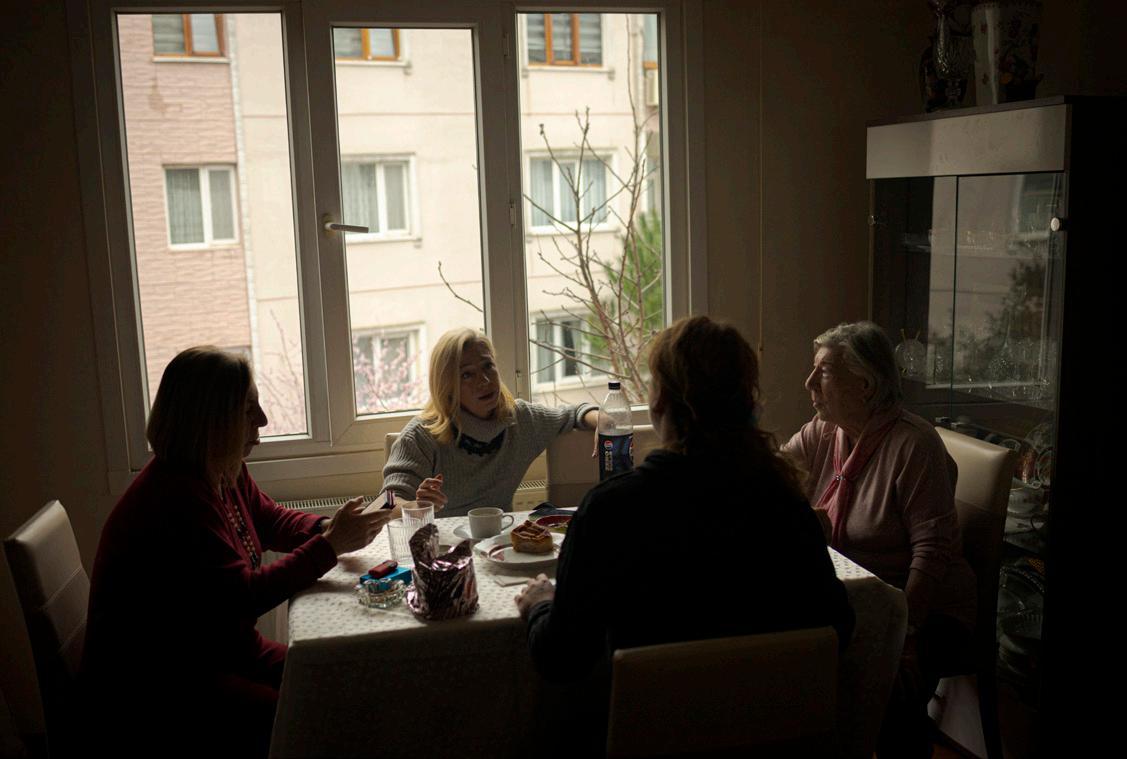
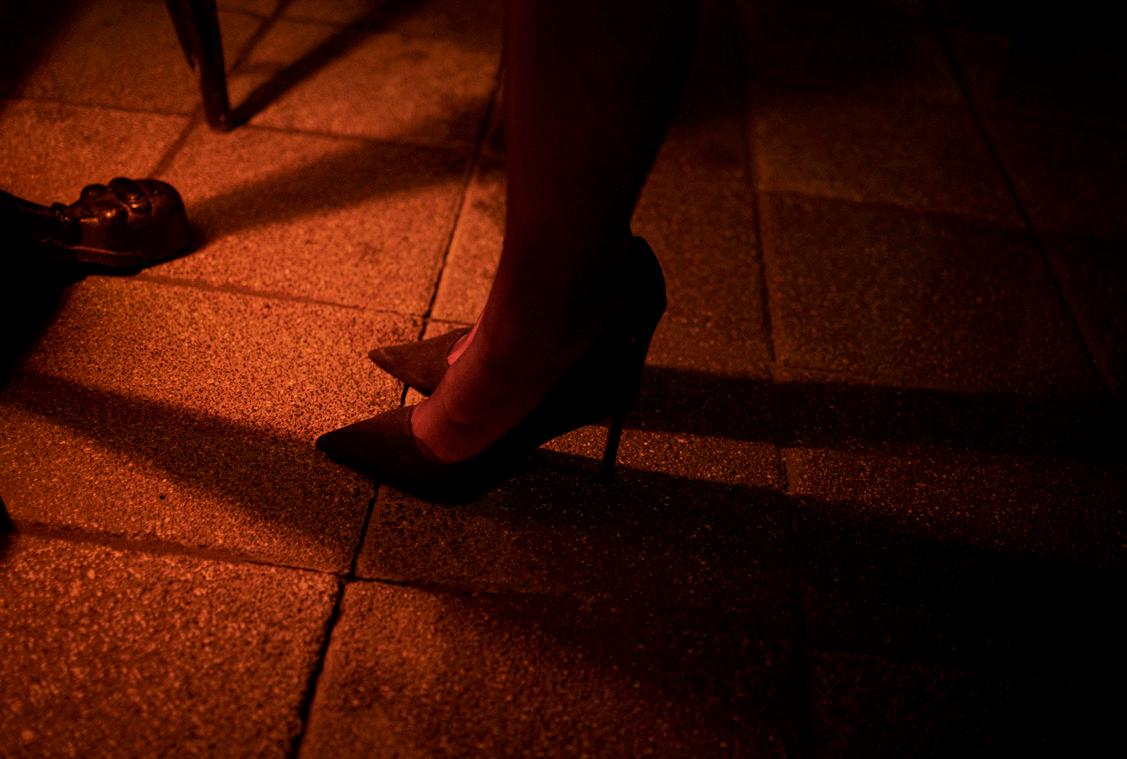
Ever since she was a child, Miray has learned how to navigate this world that holds many opinions. You can read people from the way they speak, the jokes they make, the way they look at you, she explains. There are places where you would never wear a short skirt. You learn that growing up as a young woman in Istanbul and hearing about other people’s experiences. Some women have been assaulted, and the information spreads. That is the system here. But for Miray, the greatest threat to the oppressive structure is a woman who does whatever she wants.
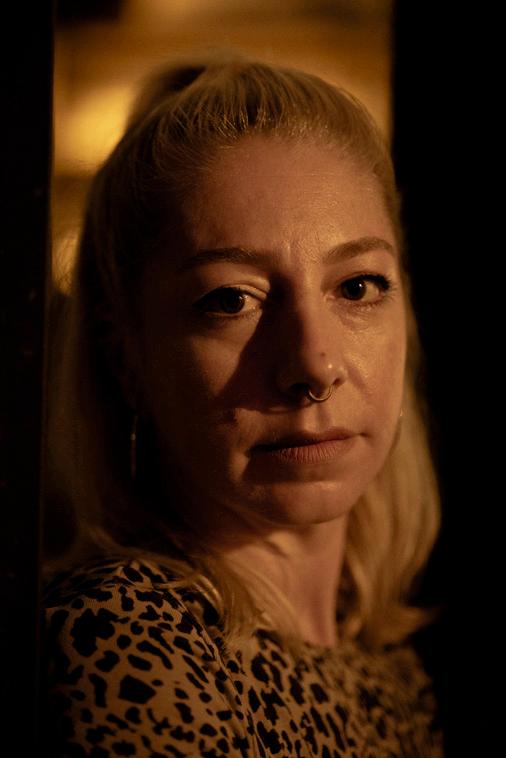
“I am an artist, and I want to express myself through pole dancing.”
Pole dancing is far more than an erotic dance. It is intense physical training. It is push-ups and pullups and a meditative practice for Miray.
“All my anger, all my anxiety I put into the dance.” Although Miray’s closest family know about her work as an instructor, she still must take many precautions. To protect her family’s reputation, she uses the stage name “Rita the Moon” when she performs, shares videos of herself on Instagram, and participates in competitions.
Economic instability and political tensions create a constant sense of uncertainty for women and queers in Türkiye. Therefore, it is difficult for Miray to predict where she will be in a few years, but when she allows herself to dream freely, she sees herself in the United States. The fact that a man like Donald Trump is in power does not scare her. She knows men like him all too well.
“I deal with Erdoğan, so I fuck Trump.”
It is Los Angeles that draws her in. There, she wants to create choreography for Dita Von Teese, a burlesque artist and Miray’s idol. Miray imagines herself in a huge theatre and after the performance, Dita Von Teese comes on stage and says:
“And then I would like to thank you for making this dream stage and choreography for us. Miray, can you come to the stage?”
What Others Don’t See
by Liva Milde
You cannot tell by looking at them. They live lives that resemble everyone else’s. They go to work, study, meet friends, and carry on with everyday routines. That is exactly why eating disorders can be so difficult to recognize.
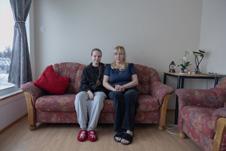
An eating disorder is a mental illness. It is not simply about food, weight or appearance, but about thoughts, emotions, anxiety and control. It is made up of deeply rooted patterns that do not necessarily disappear just because the body is healthier than before. A person can therefore look “normal” in the eyes of others, while still struggling daily with obsessive thoughts, guilt, fear or destructive behaviour.
The National Association of Eating Disorders and Self-Harm estimates that 98.000 people in Denmark are living with an eating disorder. For some, the eating disorder gradually loosens its grip. For others, it changes form. It may no longer dominate life in the same visible way, but it does not necessarily disappear. Instead, it becomes something you continue to live withsomething that still requires awareness, care, and constant attention, even when life appears stable.
When an illness cannot be seen, it becomes more difficult for others to understand. This challenges our understanding of what it means to be “healthy.” Because if recovery is only measured in weight we risk overlooking the psychological reality of the illness.
Sometimes, seeing is not enough.
We also need to understand.
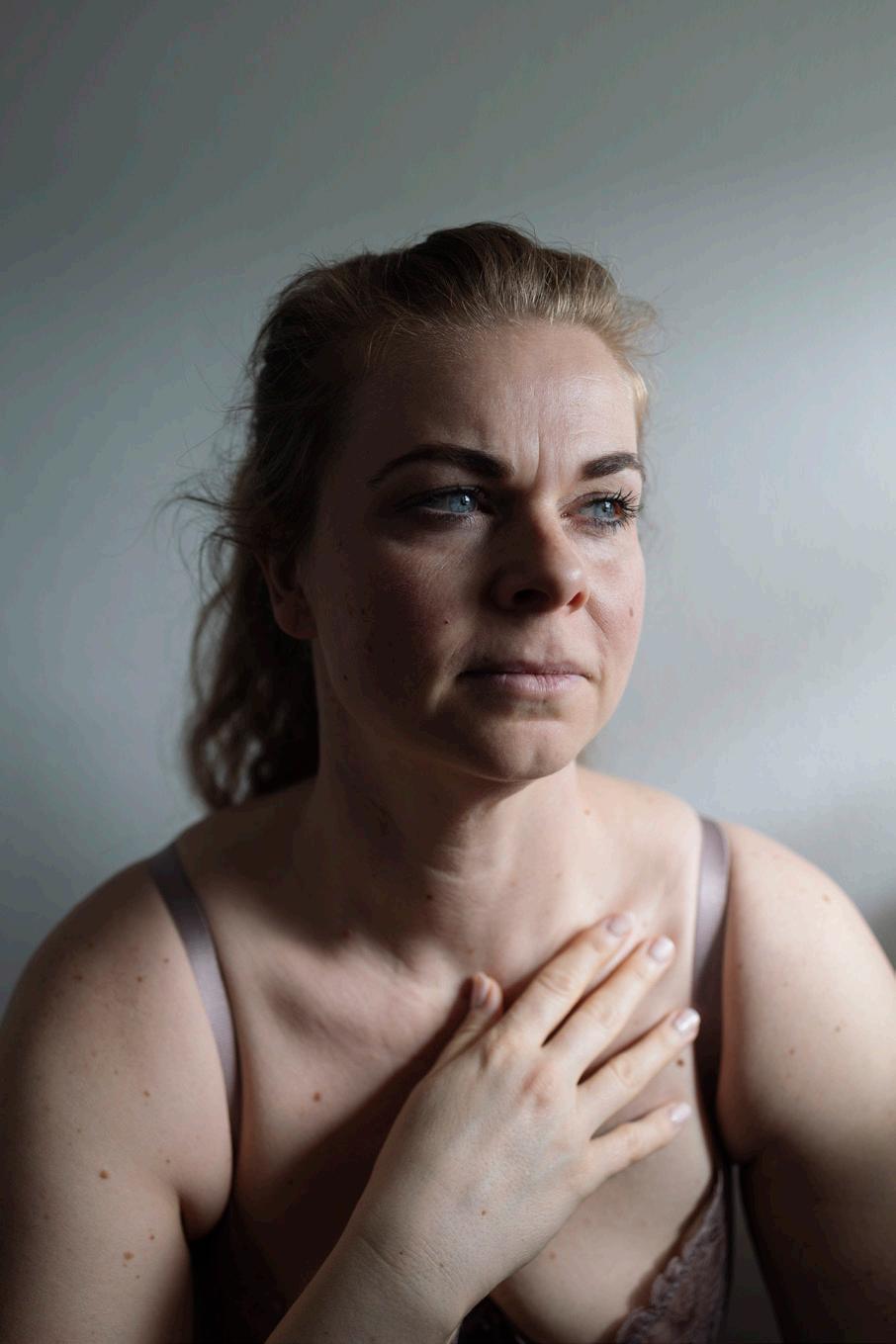
Laura, 34, disability support worker
I am healthy and well; there’s nothing physically wrong with me. I have an average BMI. I shouldn’t have such an excessive focus on food and calories. But I do. I’ve never been hospitalized, because my weight has never dropped to a dangerously low level.
For me and my eating disorder, there are several possibilities: either I overeat, or I don’t eat at all. My meals become totally controlled and restricted. If I’m really stressed, I can punish myself by undereating, but eventually my body becomes so hungry that I binge eat. I never reach the point where I think, “Now I’m full and satisfied.” I eat so much that I can barely move - that’s not being full. That’s overeating.
It’s important to me that other people understand that I know this is unhealthy. I just don’t know what to do about it. I get through everyday life, but not many people know how much space it actually takes up. I already know now how many calories I’m going to eat on Sunday. That’s not normal.
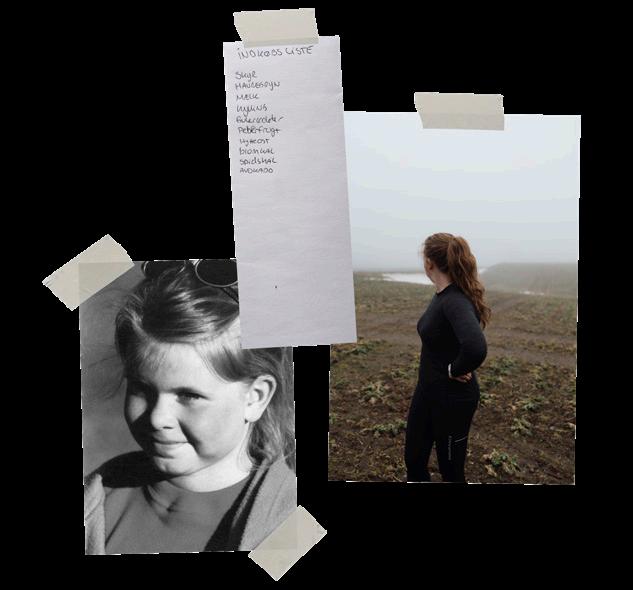
And I can’t just stop eating either. I have to deal with food several times a day. It’s a battle every day. I don’t think it’s something I’ll simply recover from. It’s something I have to learn to balance for the rest of my life. You could say that food is my worst enemy, but somehow also my greatest comfort.
I shop once a week and cook meals for several days at a time, because then I already know exactly how many calories I’m going to eat every day throughout the week. That gives me peace of mind.
And when I feel at peace, I eat less, which only reinforces that sense of calm. I weigh myself every day. When I lose weight, it feels like a victory, and I think, “Then I can probably do without another 200 calories a day.” More always wants more. In that way, the boundaries keep shifting all the time.
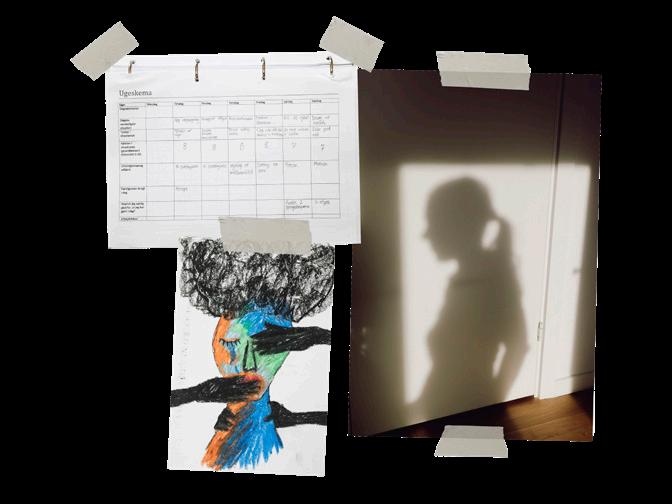
Josefine,
26, psychology student
I largely experience my eating disorder as an addiction. If I were to compare it to anything, it would be substance dependency.
At times, I feel like an anonymous anorexic. Many people around me believe that I have recovered. They tell me how well I am doing and how happy they are for me. When people say those things, it becomes difficult to admit that I am still struggling. You do not want to disrupt their belief that everything is okay.
The eating disorder was a way of coping with emotions and experiences that felt overwhelming. It gave me a sense of power and control. If my stomach growled from hunger, it simply had to submit. It would only receive food when I decided it deserved it. Otherwise, it was punished. My body had to obey me. That sense of control is still deeply rooted in me today.
Sometimes, I even catch myself longing for the period when I was hospitalized. It sounds irrational because that time was terrible. Yet there was also something strangely simple about it. The things expected of me were far fewer. My only responsibility was to exist within the structure of treatment.
Today, I am expected to navigate an ordinary adult life while continuing to live with an eating disorder that remains invisible to others. It feels deeply stigmatized, and I often feel shame about still struggling this way.
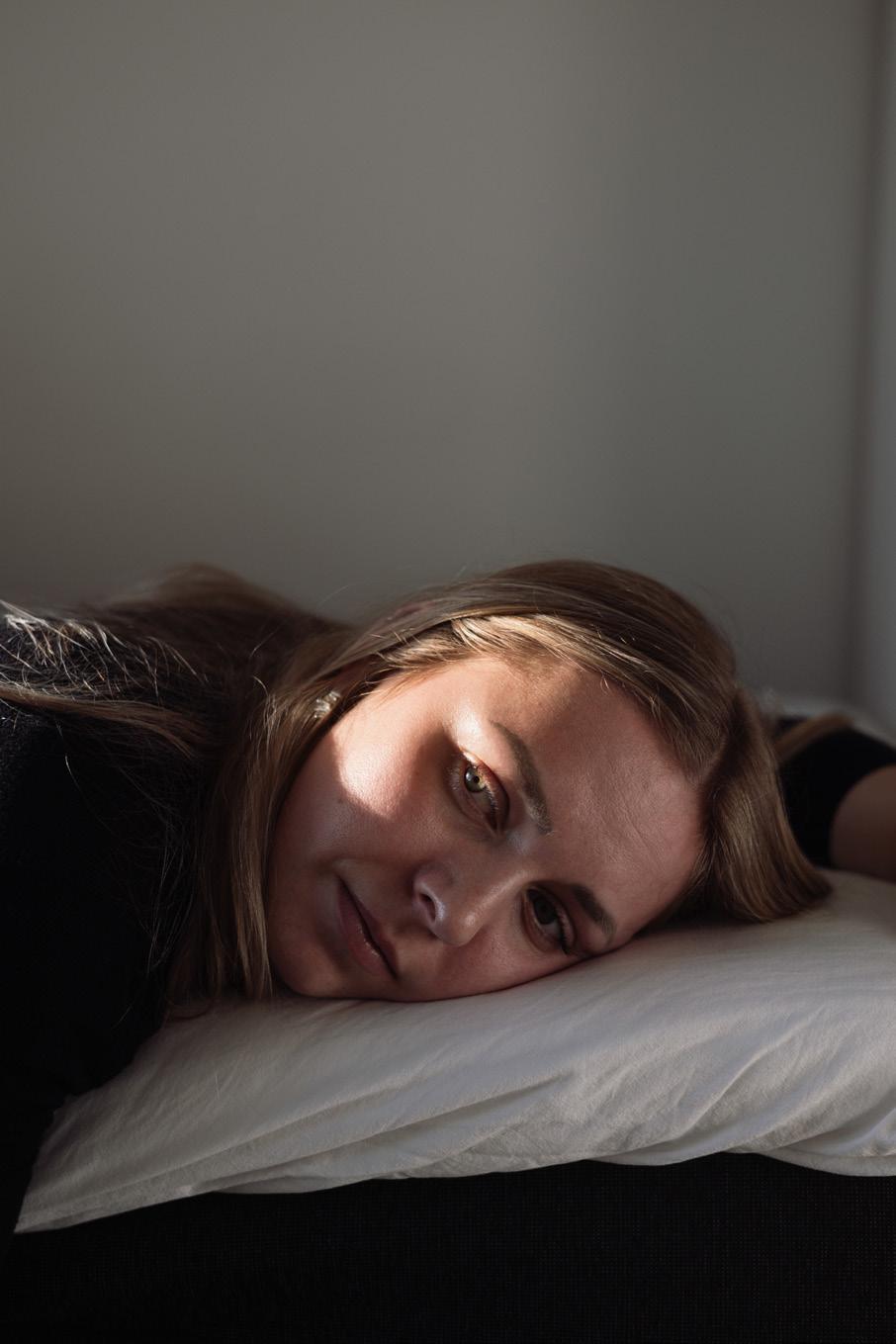
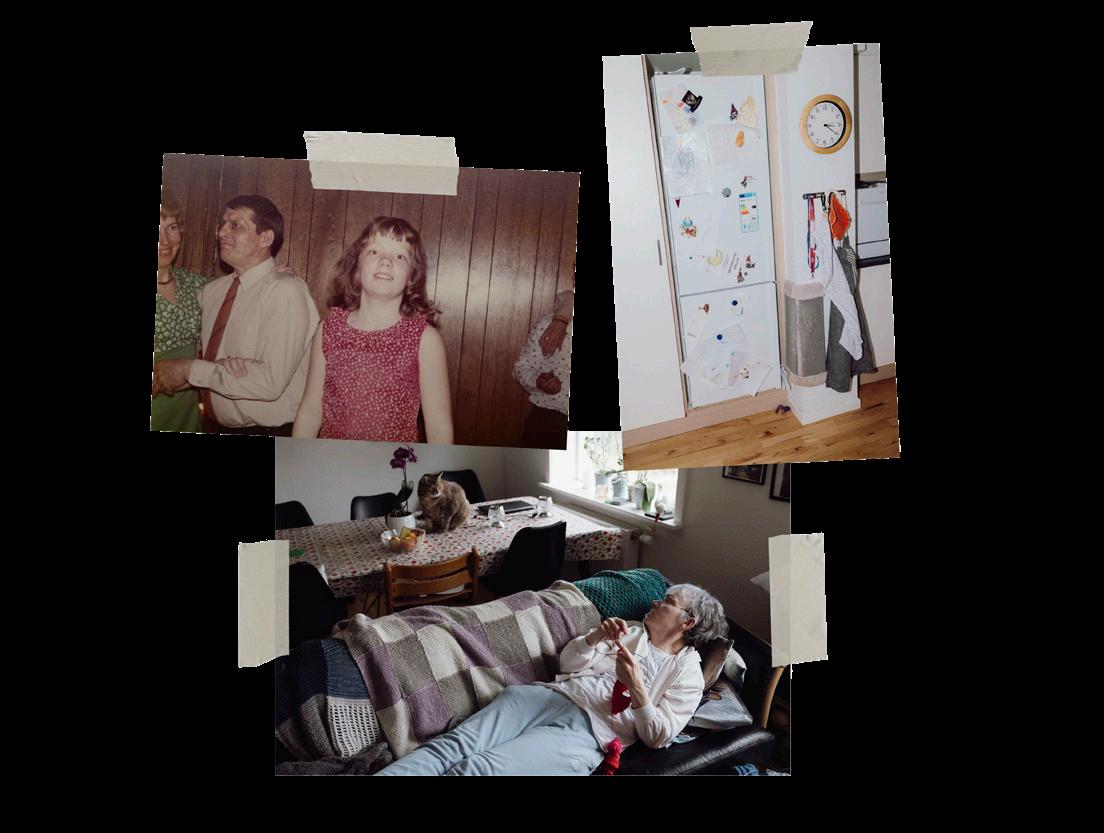
Bettina, 61, retail assistant
My eating disorder has not disappeared, but I am doing better now. Receiving meal support from home care services, has been a big help. After some initial difficulties, I now have a small group of consistent caregivers who understand my situation. That makes a real difference.
Even so, there are still days when my mind feels unbearably loud. The thoughts return, and everything starts spiralling again.
I still count calories. It is a form of control that I have never fully been able to let go of. These days, I usually stay around 1,200 calories a day, and I still log much of what I eat into an app. I have tried deleting it three times, but each time I ended up downloading it again. Without it, I feel as though I lose my sense of control.
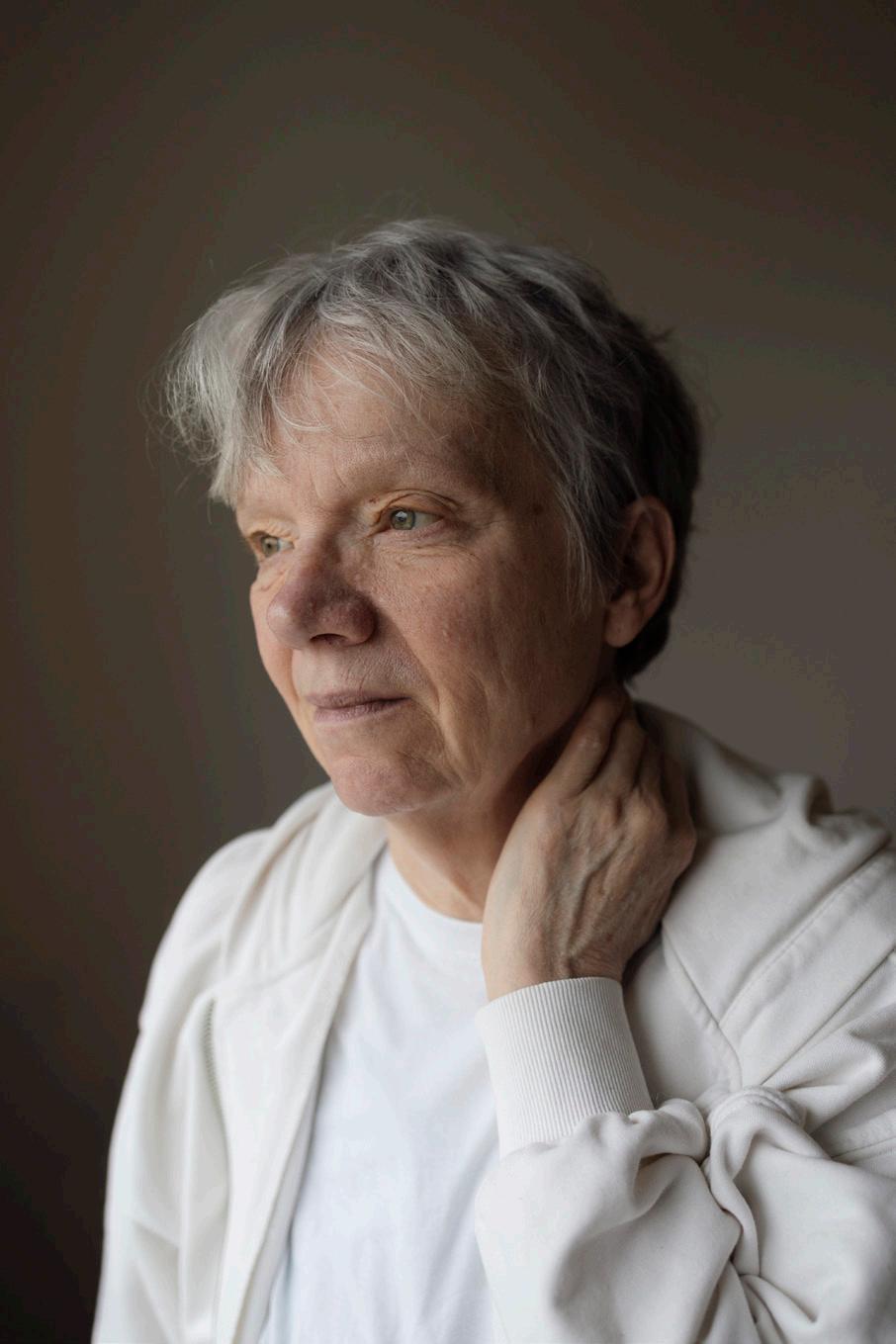
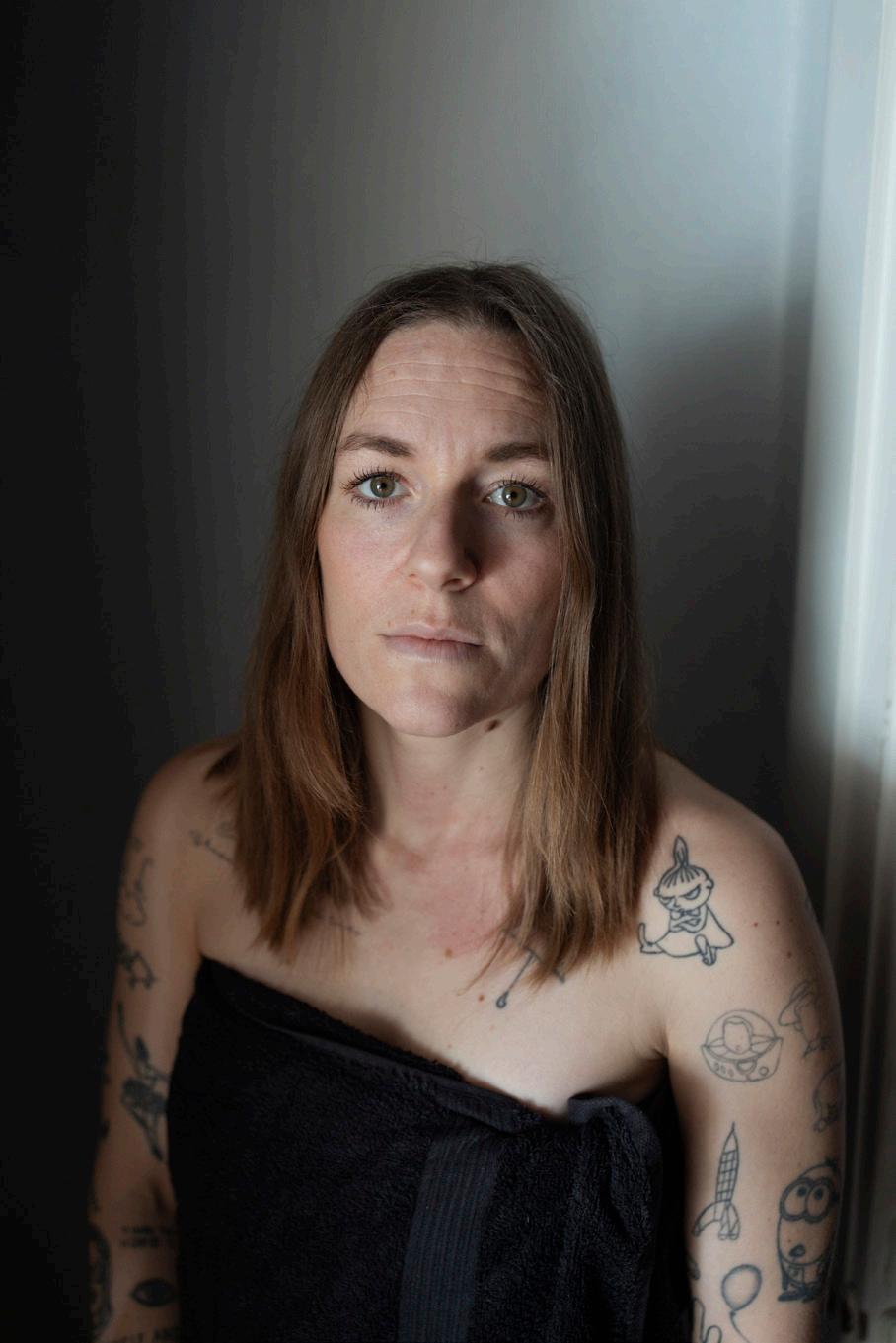

Norma, 33, pedagogue
When I got pregnant, and during the pregnancy I lived quite normally. I ate when I was hungry and reduced my exercise, because I was afraid of harming the baby. But I told my husband several times that I feared the eating disorder would return at full force once the baby was born. And it did. When I am with my son, I try to protect him from it as much as I can. I never have panic attacks in front of him. If I become upset, I go to the bathroom. But I do not hide everything either. If he asks why I am crying, I simply tell him that adults can feel sad sometimes too. It is important to me that he understands that emotions are part of being human.
Becoming a mother has not reduced the eating disorder, as many people assume it would. On the contrary, at times it has intensified the anxity, because I constantly have to make my need for control and exercise fit into a normal family life.
There are many stories about people who fully recover from eating disorders. Those stories offer hope, but they are not necessarily true for everyone. I think it also depends on how severe the illness is.
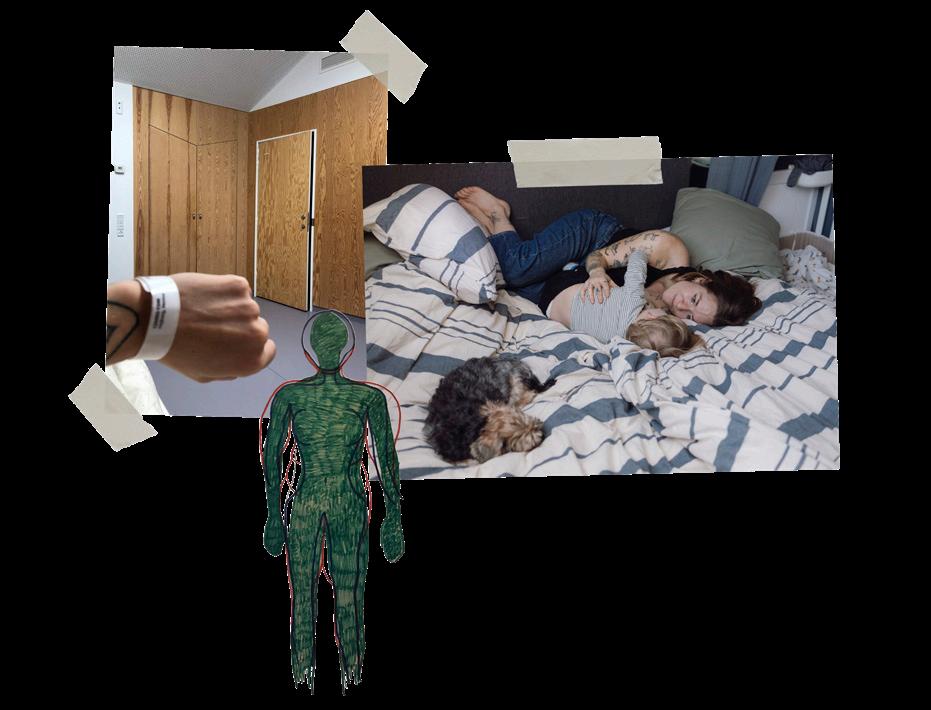
For some of us, it never fully goes away.
IN THE MOUNTAINS
by Felix Fonnest
OF TELEMARK
In the mountains of Telemark in Norway, Fabian practices the art of limitation, living with only the bare essentials. It is a way of life that brings calm to Fabian’s mind and gives him room to dream.
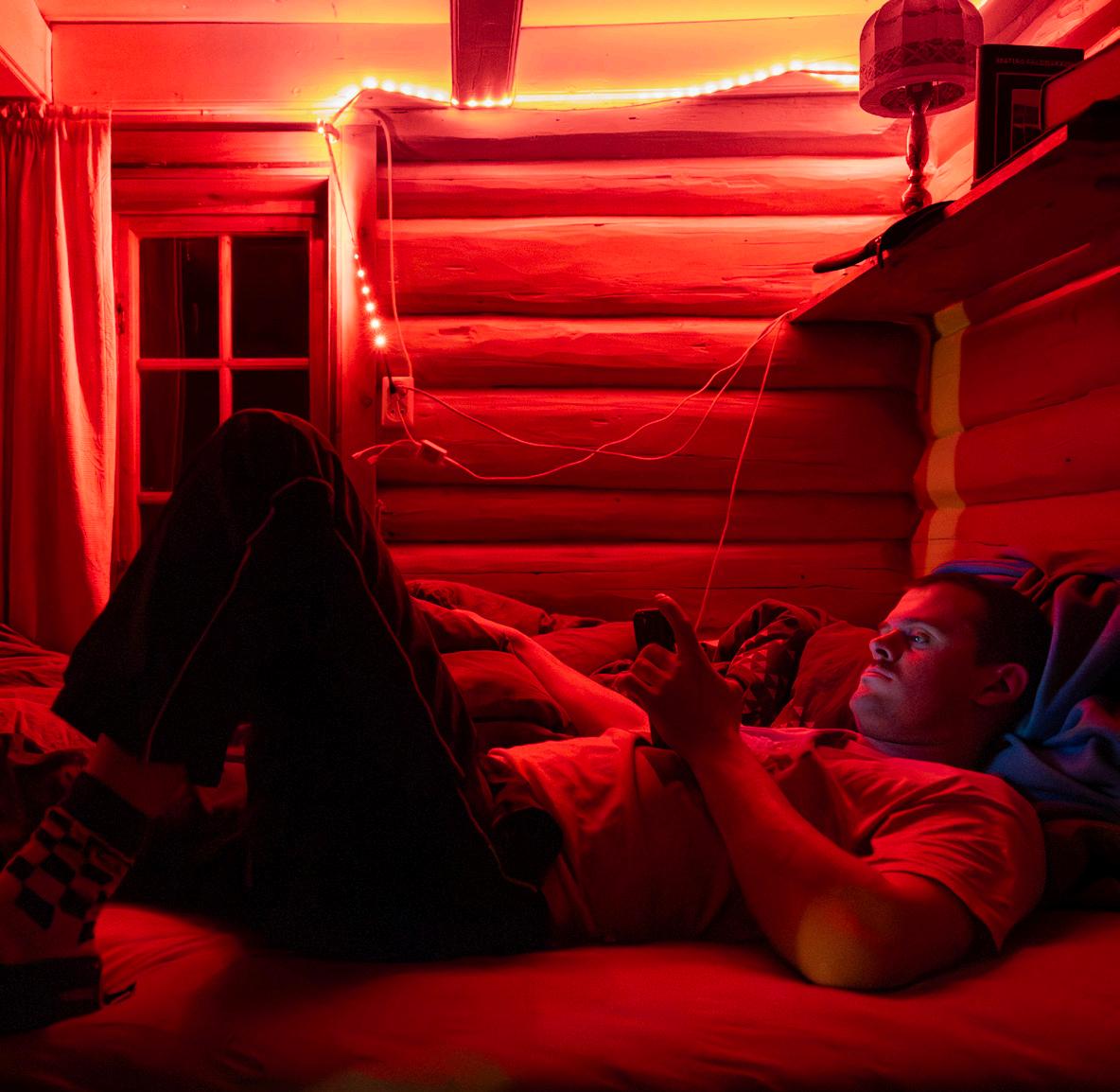
Morning lies like a grey-blue duvet over the forest as Fabian steps onto the frosted grass. He carries his backpack, skis and poles up the hill. The forest is so quiet it feels as if the trees are holding their breath.
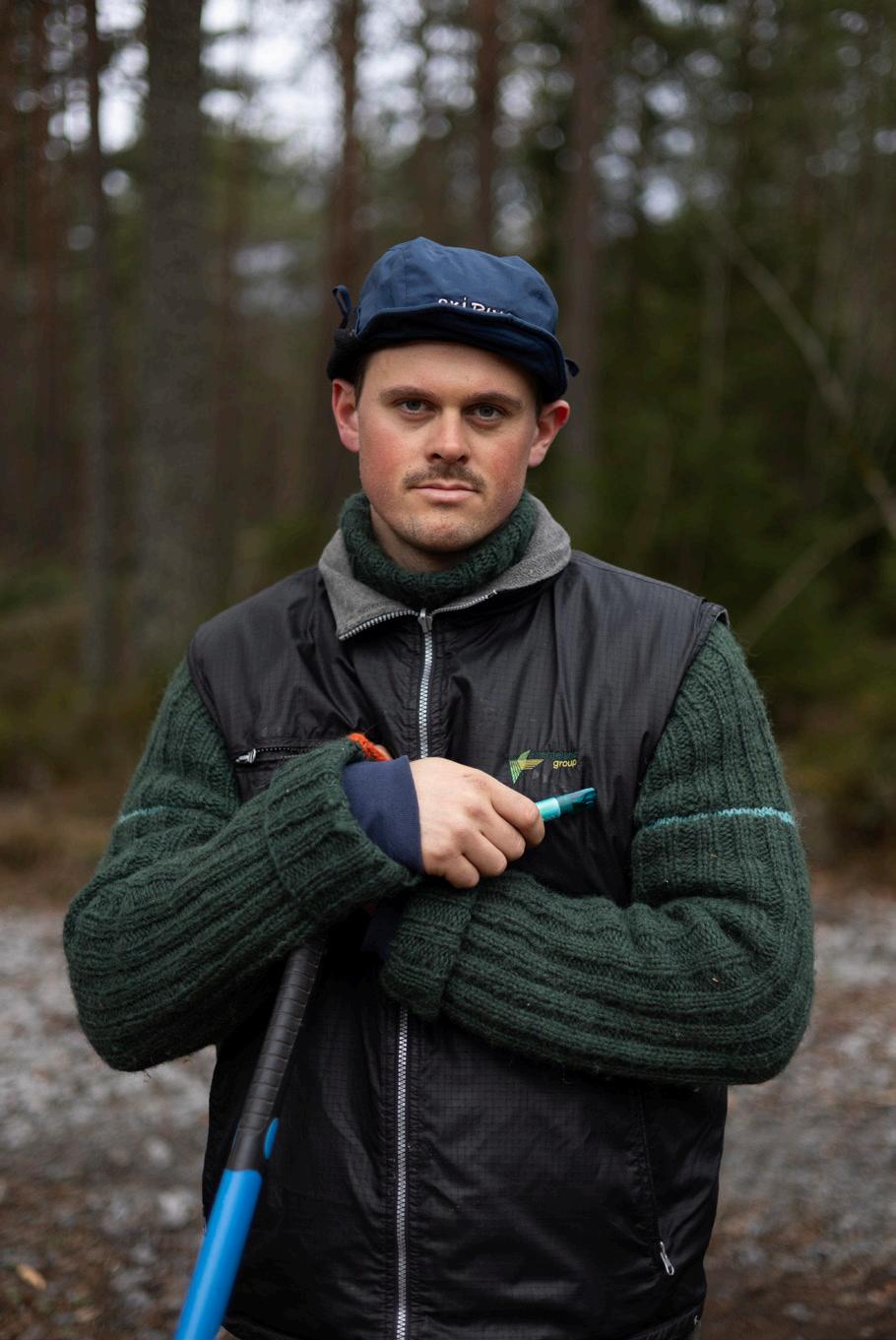
Fabian is 31 years old and studies outdoor life guidance at the University of South-Eastern Norway. Before moving to Telemark, he studied history at the University of Copenhagen. An exchange with an NGO in Palermo, Sicily, influenced significantly the way he thought about life. “I realised that you can live life slowly and not stress so much,” he says.
After completing his degree, Fabian worked at everything from thatching to bicycle deliveries. He had begun to question the straight path a person usually takes from completing university to starting their first job. His home consists solely of a small wooden cabin, with no running water, central heating or flushing toilet. After a long day on Lifjell, he lights the stove. “It is harder than coming home to your sofa,” he says, “but I have a calmness in my mind.”
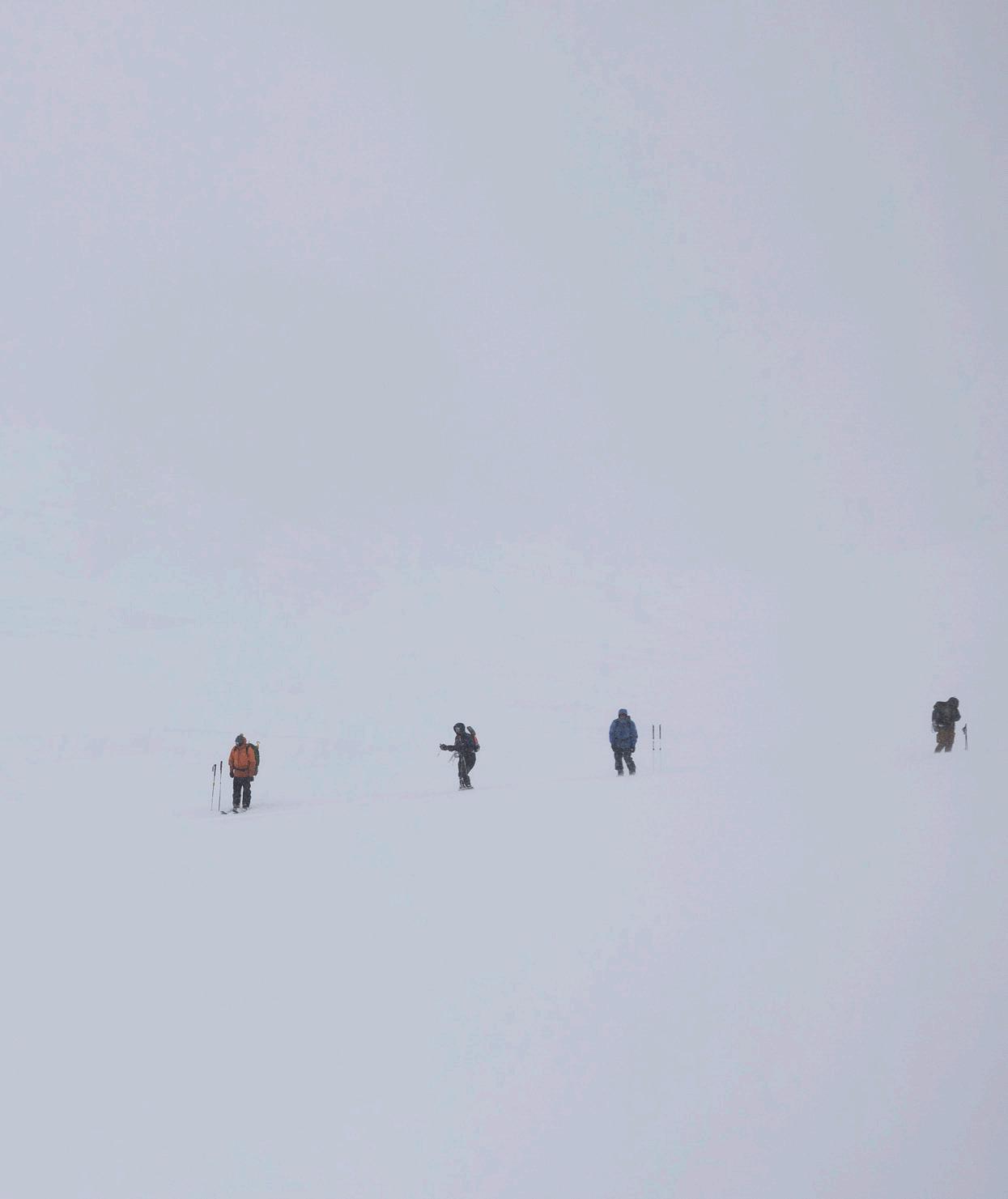
A snowstorm ahead
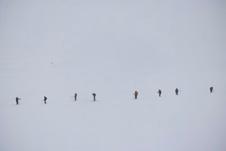
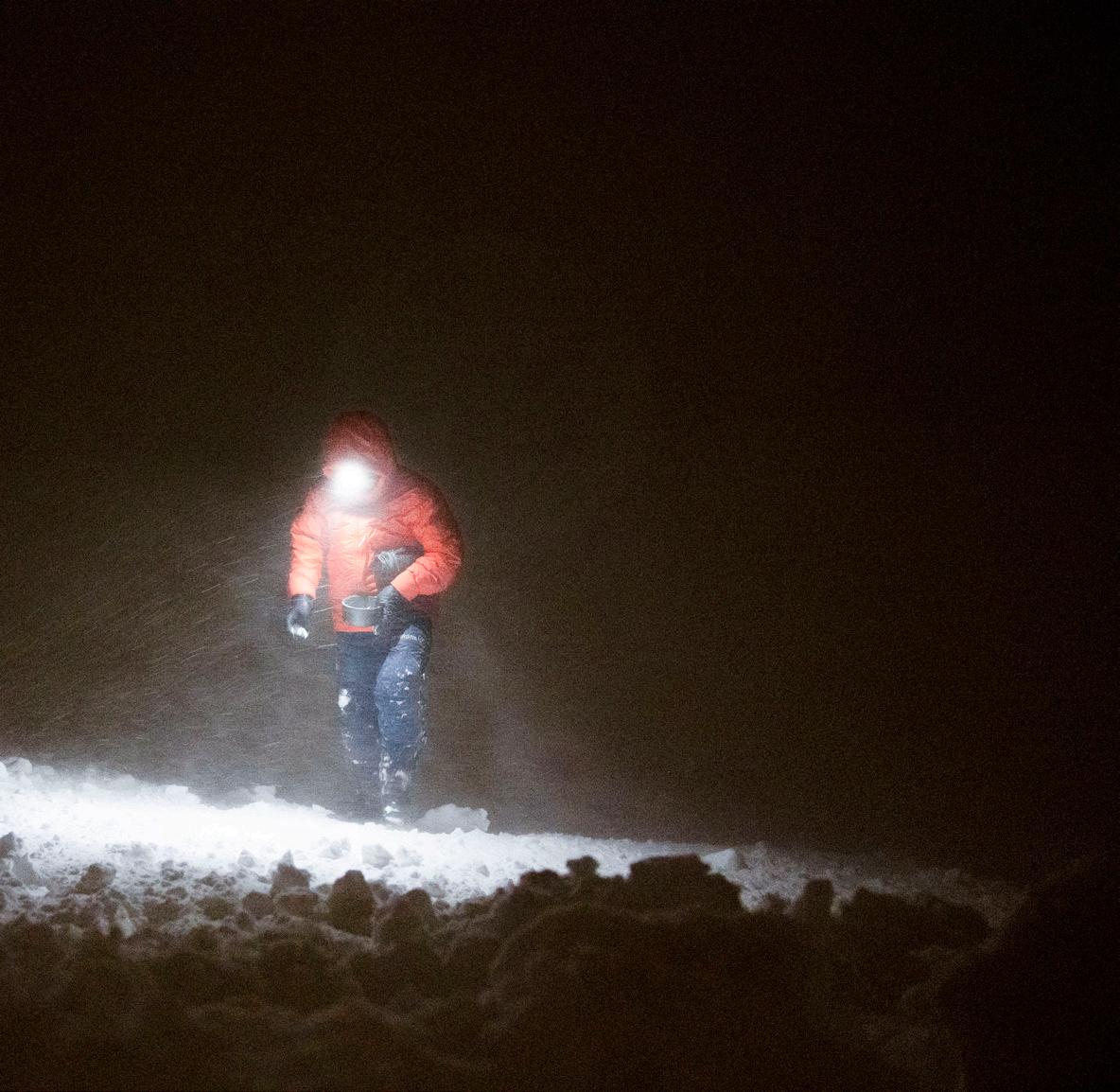
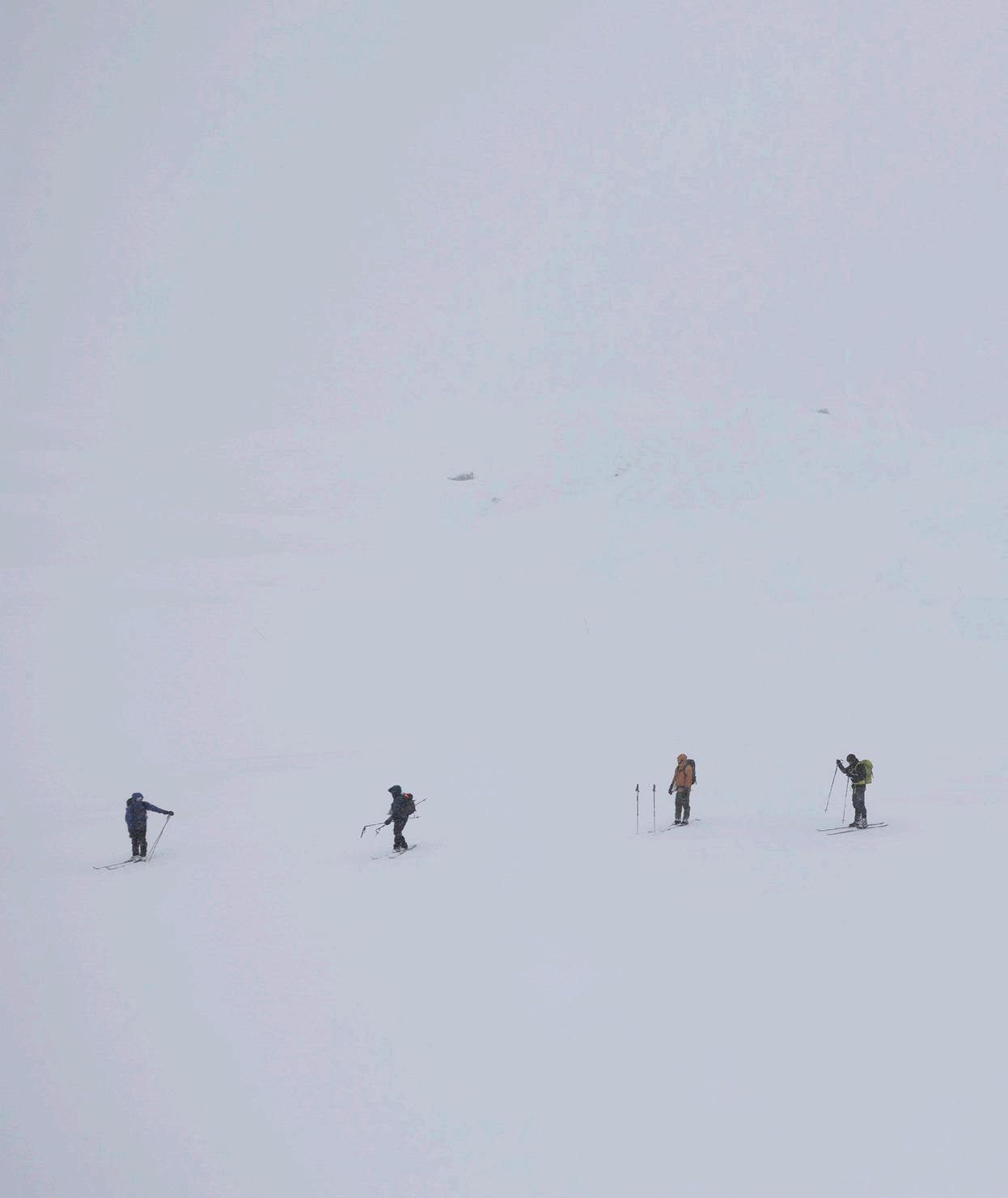
Fabian and the other students prepare for a week-long mountain trip to Haukeliseter. Food is dried into powder and divided into plastic bags. Skis are waxed, balaclavas pulled down and the first camp lies two hours away. On trips like this, the illusion of control disappears. Snow melts on jackets, the wind bites, and after hours in wet clothes, doubt creeps in. “If you walk around all day soaked, it is just awful. In those situations, I can think: “What the hell am I doing out here?” But the hardship also gives the experience meaning.
Outdoor life is exhausting, and precisely because of that, it can feel rewarding. In Haukeliseter, a snowstorm buries the tents, and students have to put on cold, damp clothes to dig themselves free. Later, Fabian’s group receives a message from their teacher: bad weather is coming, and the safest choice is to turn around.
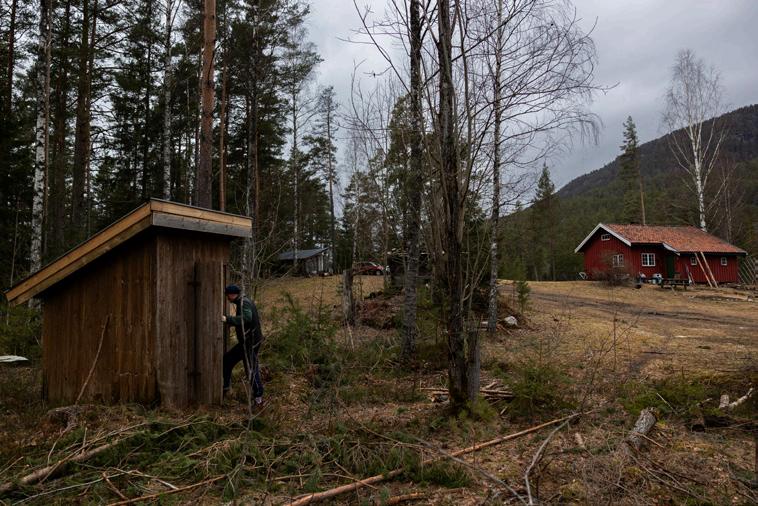
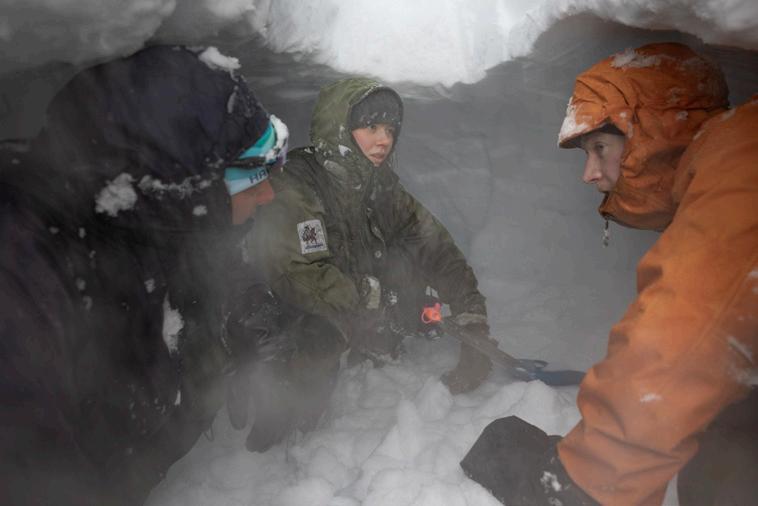
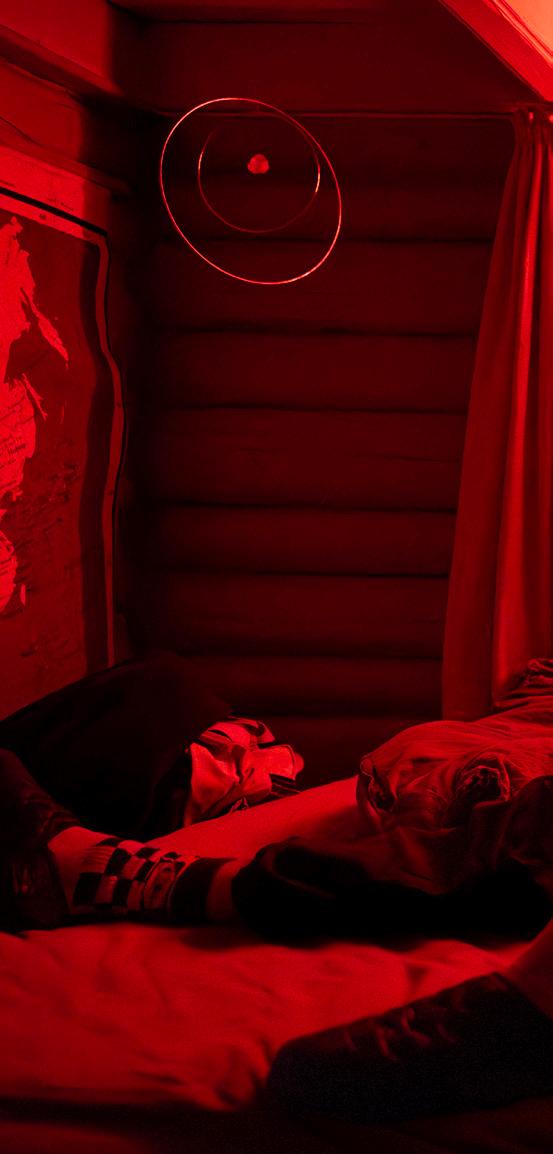
Back in the cabin
Fabian has no fixed career plan. Maybe he will combine outdoor life with history teaching. “The possibility of dreaming has enormous value for me,” he says. “Not necessarily doing all the things I dream of, but simply knowing that the possibility is there.” The future remains open, the dreams survive, and that is how Fabian thrives.
Zakaria’s Dream
by Kristine Bjørg Frank Bojsen
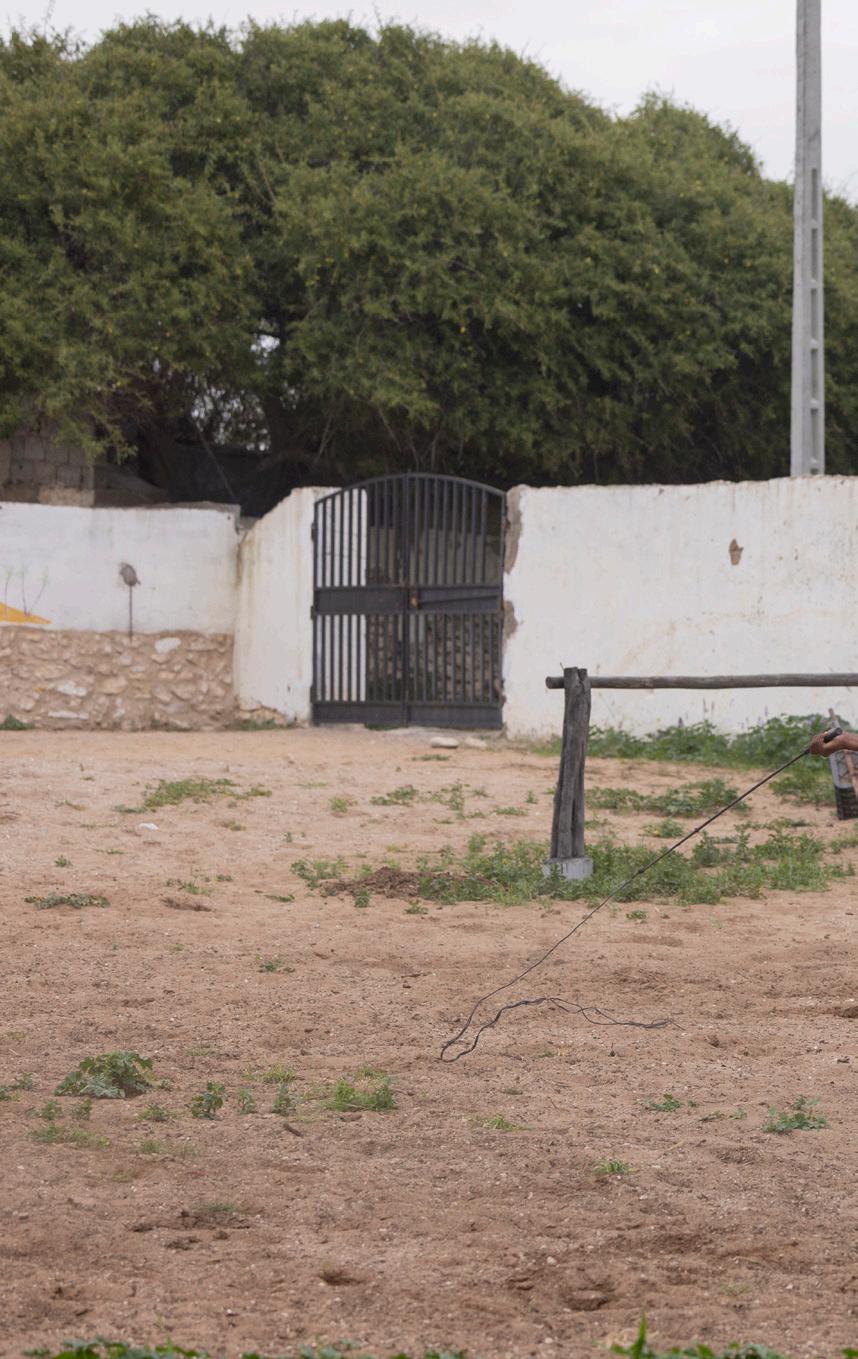
On the windswept Atlantic coast of Morocco, in the small village of Sidi Kaouki, tourism shapes everyday life. But for many young men here, it is also a workplace, and an uncertain one.
With youth unemployment at around 35 percent, many young men turn to the tourism industry to make a living. But the work is unstable, seasonal, and highly competitive. Along the beach, dozens offer the same services, hoping to catch the attention of passing visitors. Some days, there are no customers at all.
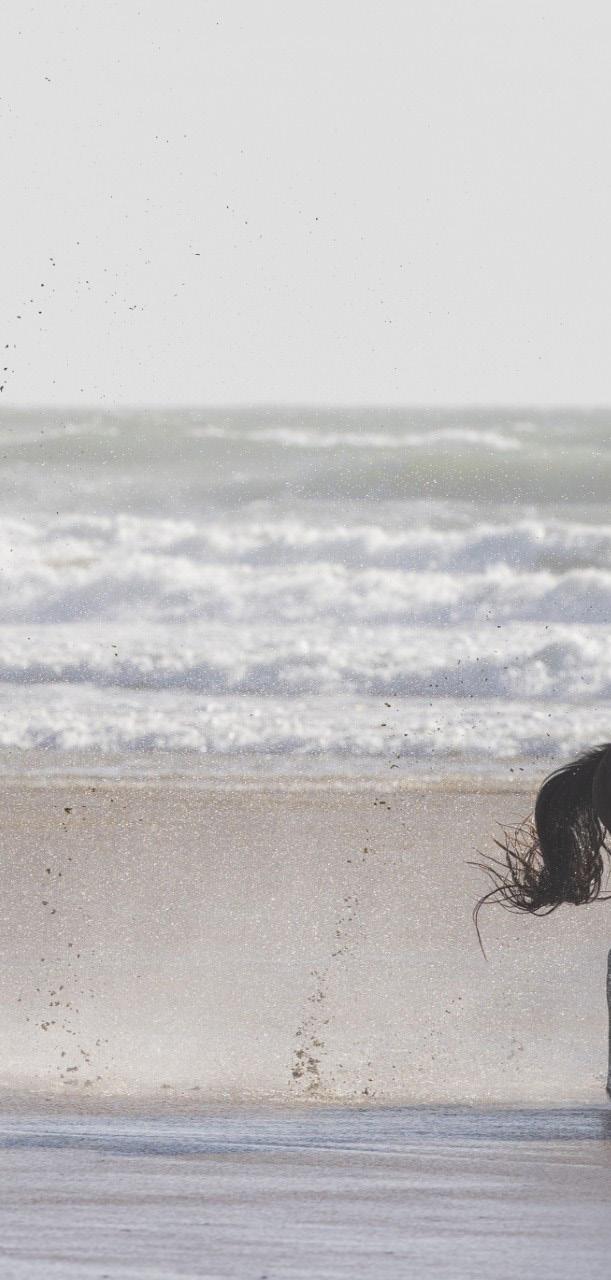
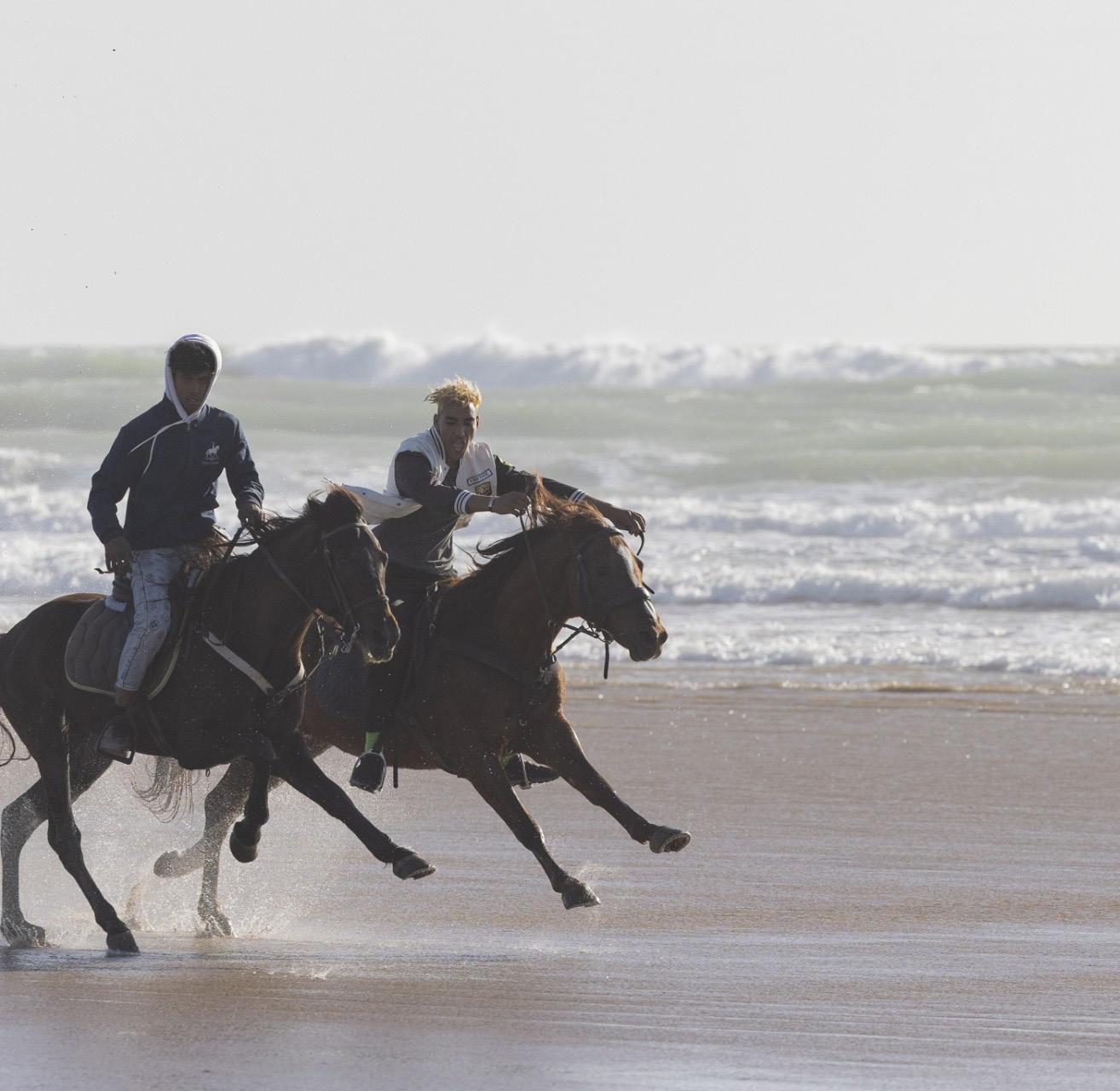
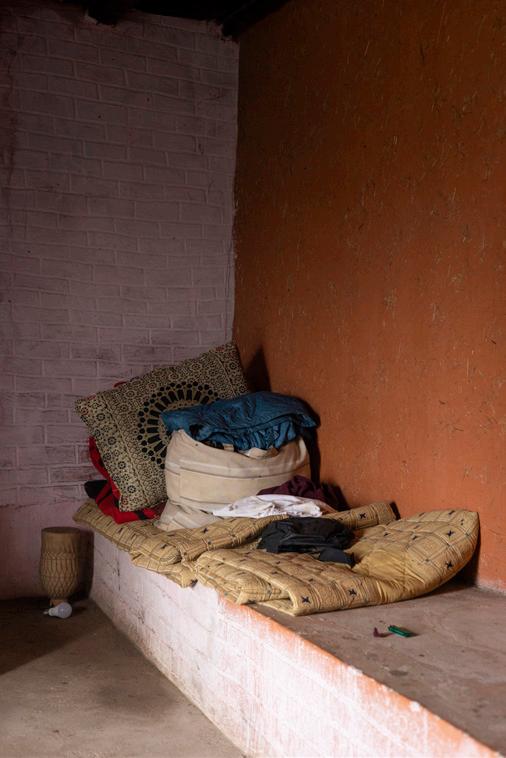
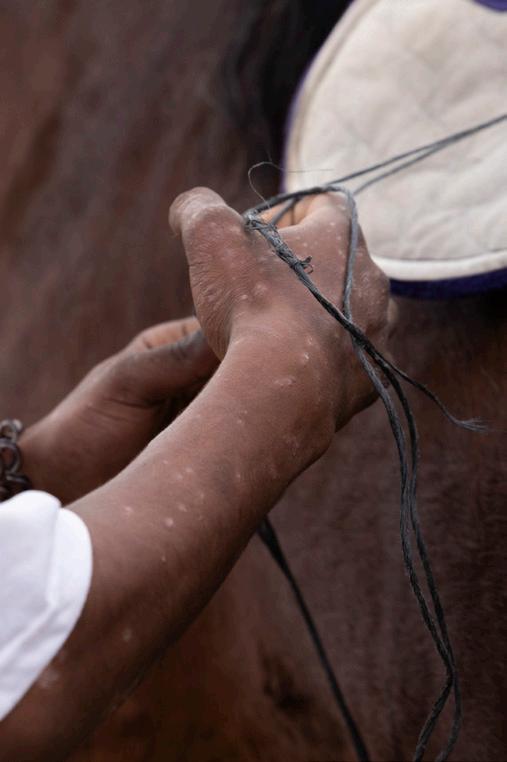
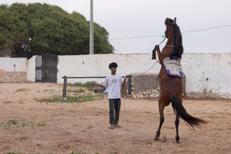
They take off almost at the same moment. Along the beach, with the Atlantic looming heavy and grey behind them, the wind pulls through their clothes and hair. Hafid leans forward in the saddle, elbows out, urging the Arabian stallion Jet into a sudden sprint. He rides the way he speaks, fast, impulsive, always moving forward. Zakaria follows close behind. What begins as a playfull game, soon turns serious. Neither of them says it aloud, but both understand what is at stake. Which horse is the fastest one? Somewhere ahead, just before the stretch of sand breaks into rocks, an unspoken finish line takes shape in front of them.
The horses pound across the hard-packed beach. Faster and faster. Neither rider eases up. Hafid shouts with excitement, urging Jet onward. Zakaria stays quieter, but his intensity is unmistakable. He pushes his horse forward with sharp movements of his arms, moving in rhythm with the animal beneath him. Then, only metres before the finish line, the moment breaks. A small dog suddenly darts between them.
Instinctively, Zakaria pulls his horse to the left while Hafid keeps going straight. Hafid throws an arm into the air in triumph.
“I won!” he yells, laughing.
Zakaria turns his horse back around.
“There was a dog,” he says.
“I would’ve killed it if I hadn’t turned. My horse is just as fast as yours.”
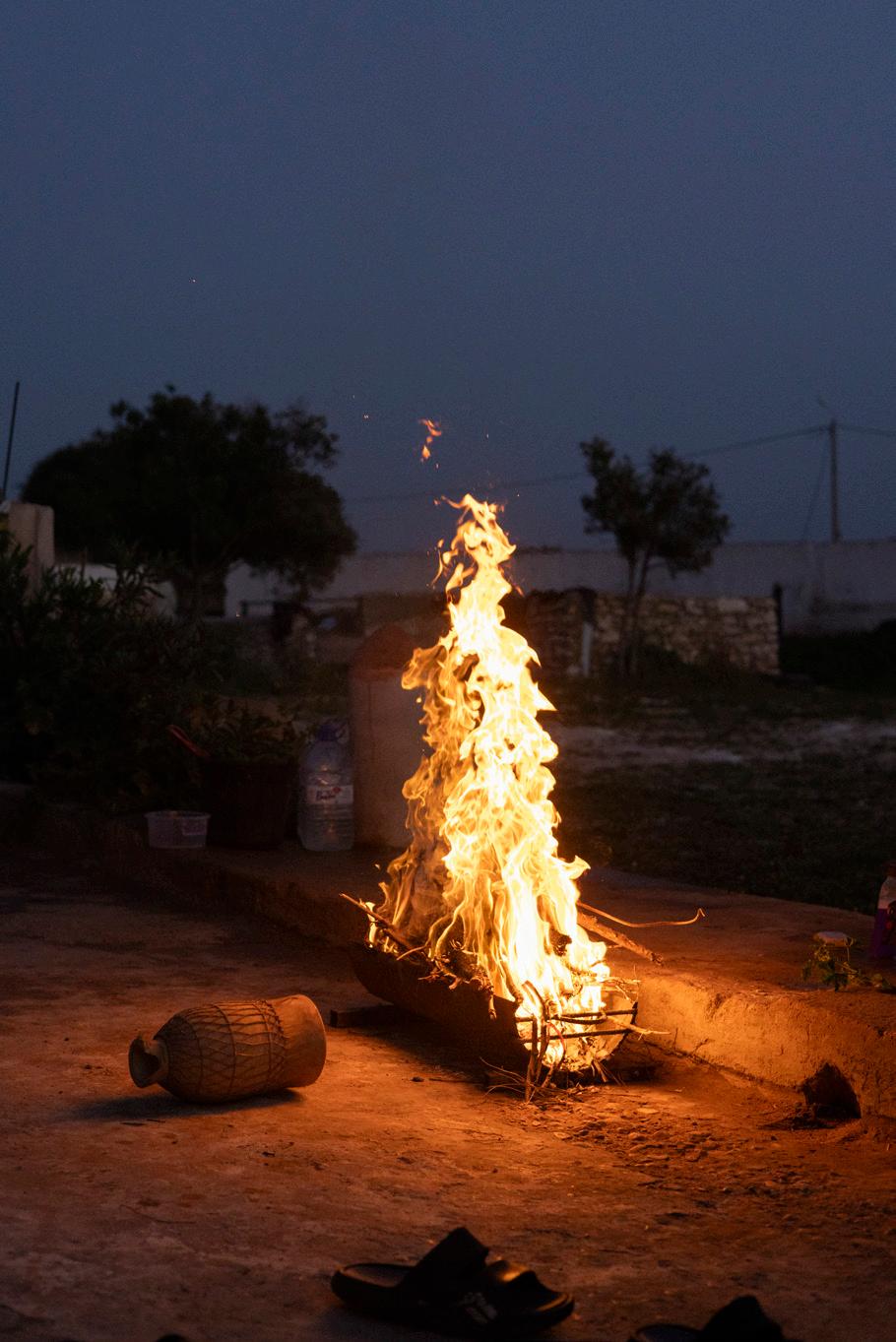
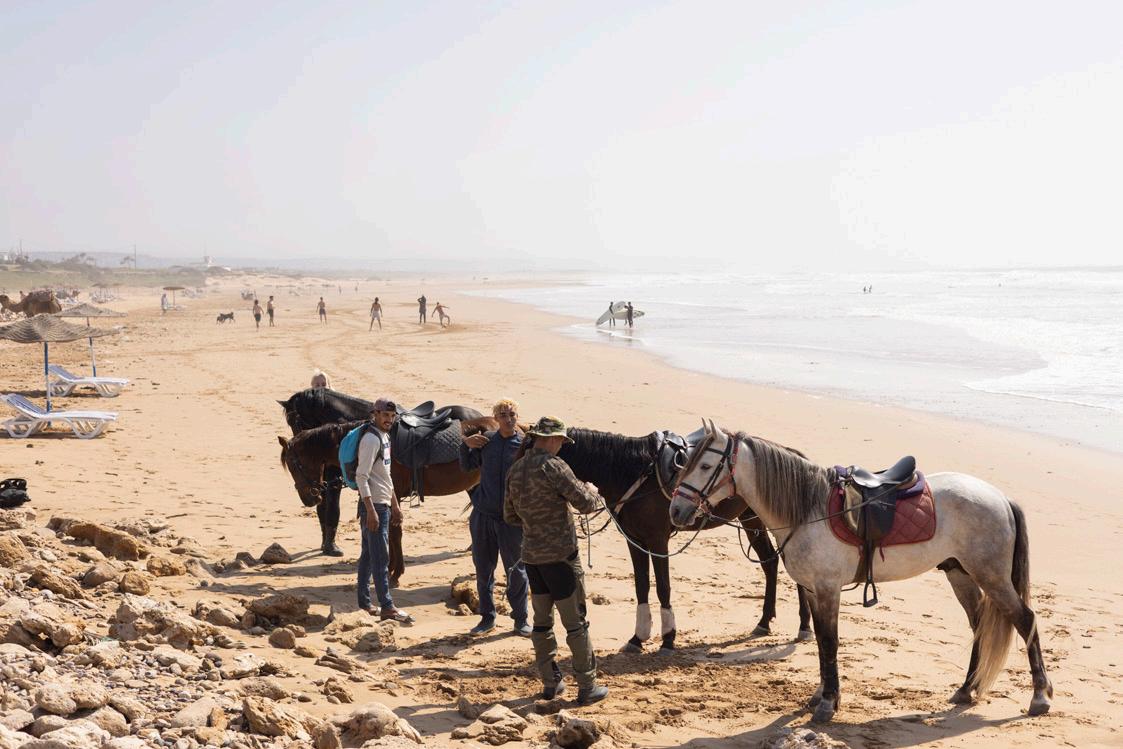
They argue for a moment, voices raised, arms flying through the air. No real winner is decided, but eventually they agree to head back so the horses can drink water.
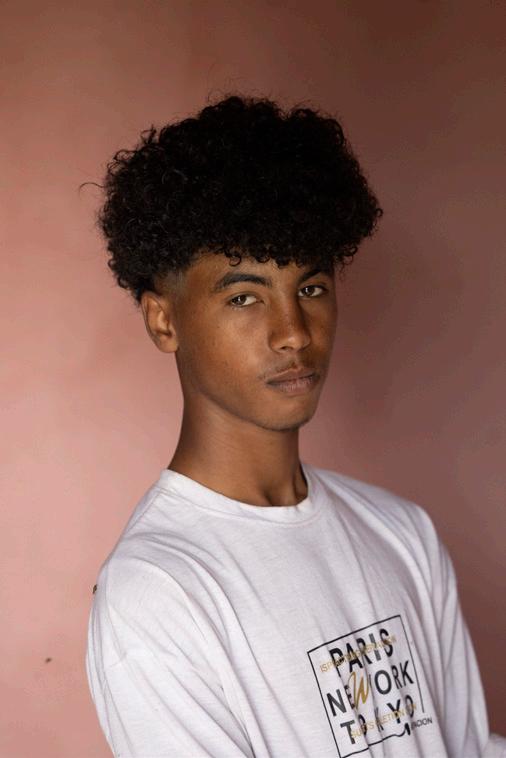
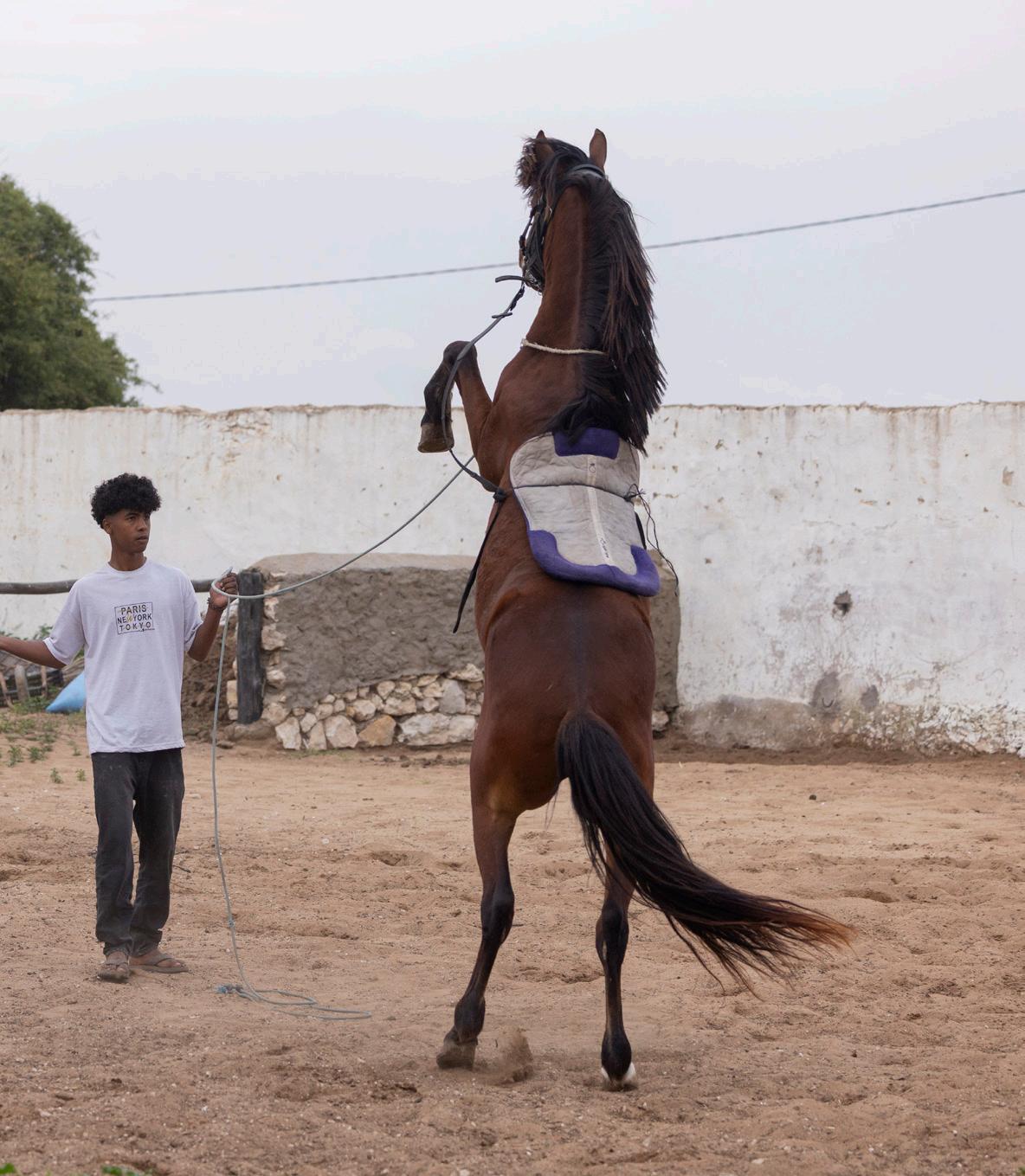
Zakaria Ait Belkass is 19 years old. He earns money by offering horseback rides to tourists and training difficult horses to resell. It is a job shaped by uncertainty. When tourists arrive, there is income. When they don’t, the work continues without pay, horses still need to be fed, trained and cared for.
Zakaria did not grow up with horses, but discovered them as a teenager while working tourist driven jobs after school in Agadir. Today, he has moved to Sidi Kaouki to pursue the work full-time, sharing a small farm with two other men and their horses. Like many others in the area, he depends on tourism. But he is also trying to step outside the system. Instead of waiting for customers on the beach, he hopes to build a business through social media and pre-booked rides, creating a more stable income and better conditions for the horses.
It is a slow process, and competition is strong. More established operators already dominate online platforms with professional content, attracting tourists before they even arrive. For Zakaria, building visibility takes time, something he does not always have.
His long-term goal is independence. To own his own land, his own stable, and enough horses to create a sustainable business. But for now, he remains in a system where work is uncertain, income unpredictable, and the future unclear. Like many young people in Morocco, he is navigating between limited local opportunities and the idea of leaving in search of something more stable elsewhere.
by Benedicte Ramfjord & Vilma
Søndergaard
THE BOARDER THAT NO LONGER WAS INVISIBLE
“I would’ve poured water over the chalk.”
The sentence is written across a blue piece of paper pinned to the library foyer wall, surrounded by colourful handwritten notes from the town’s children. It is one of many responses to the question: Imagine drawing a chalk line straight across the schoolyard and telling everyone they were forbidden to cross it. What would happen if your best friend ended up on the other side?
A little further down hangs another question: What would you do if you could cross the border freely?
On a yellow note, someone has written:
“Shoot Putin, then go shopping in Murmansk.”
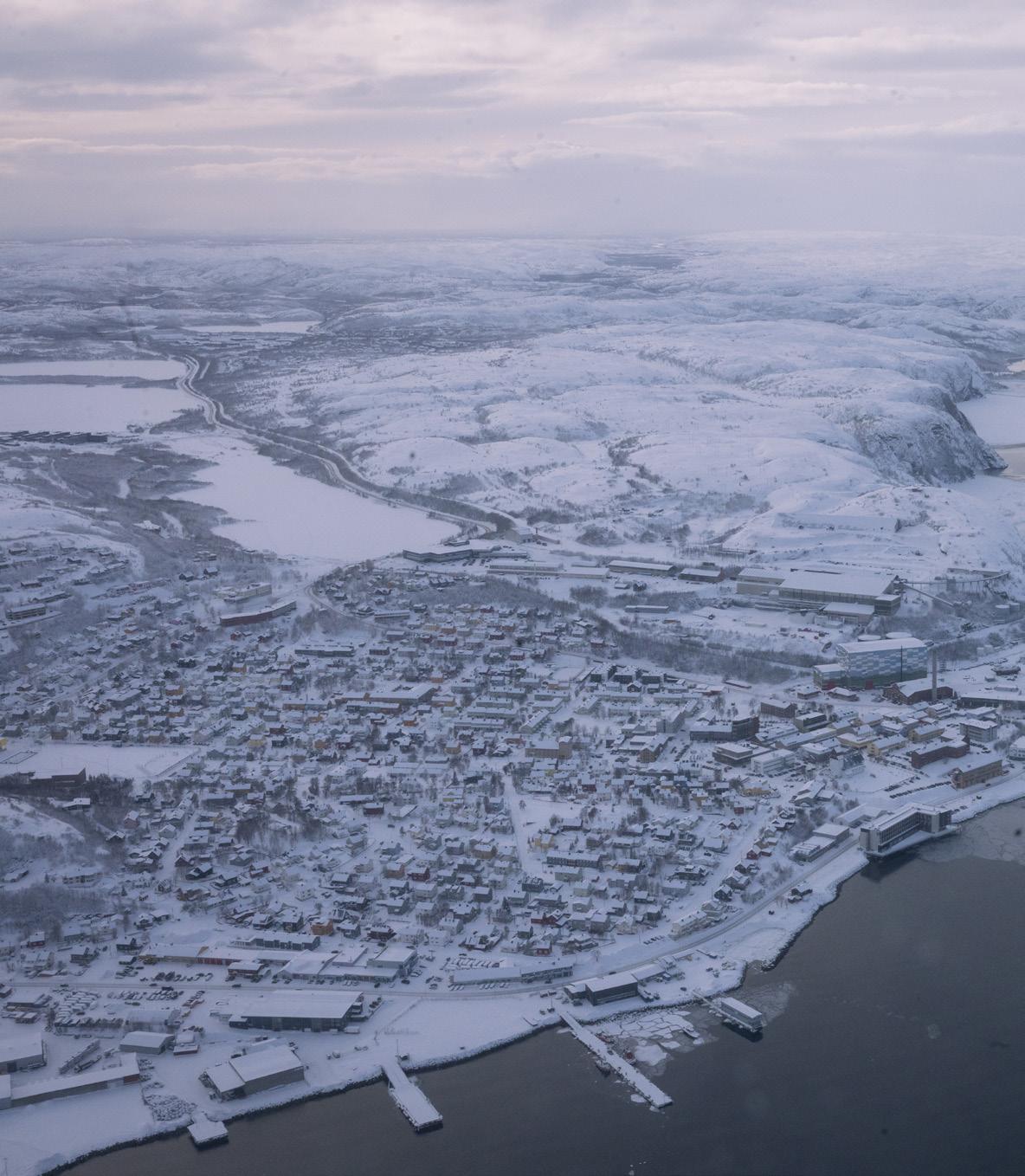
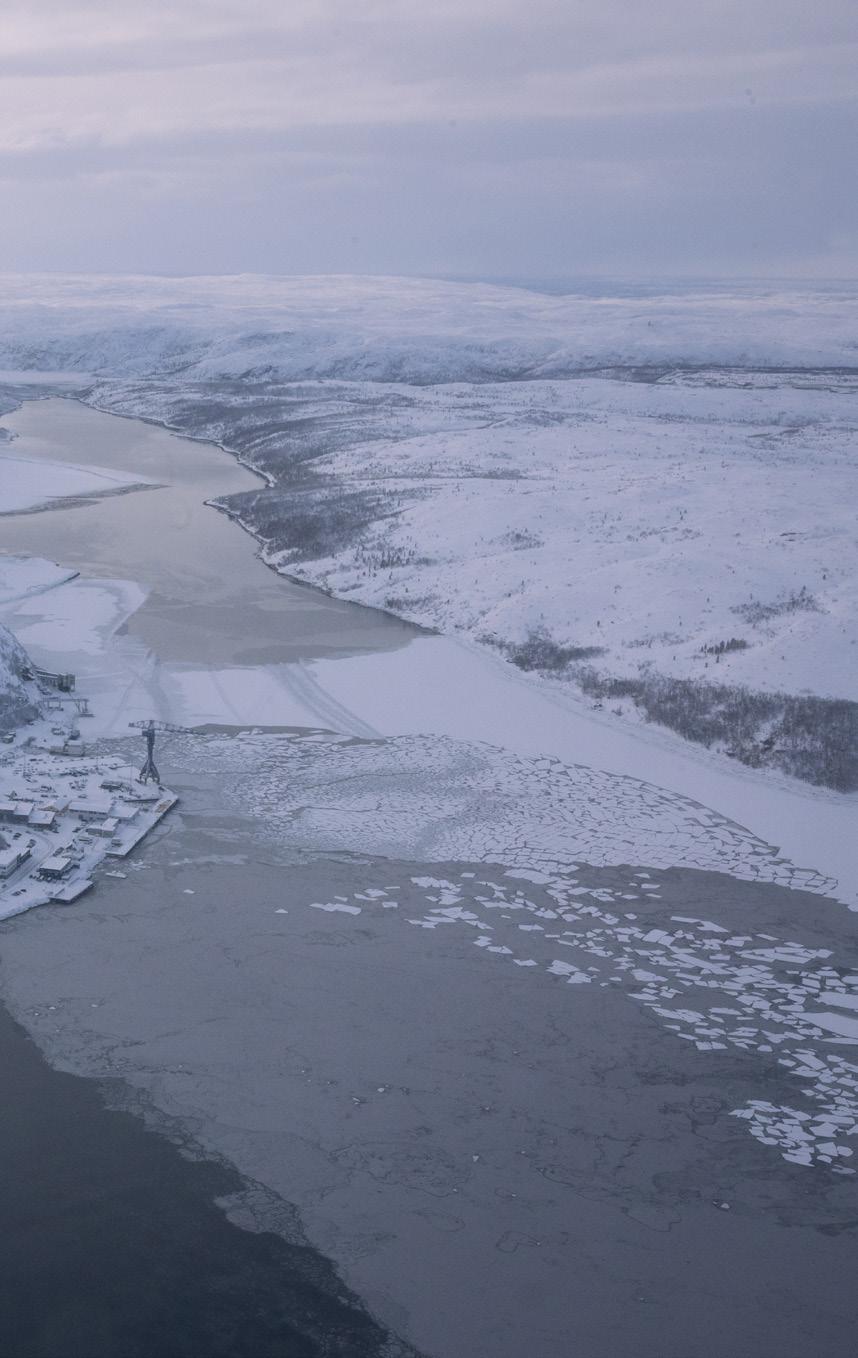
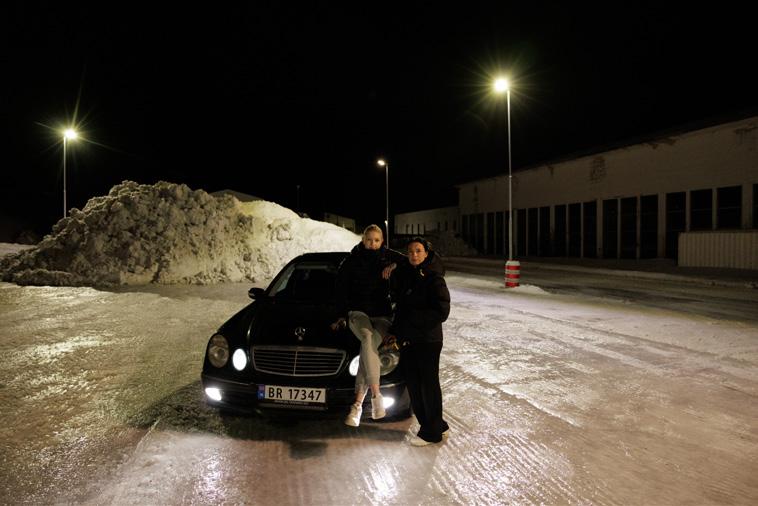
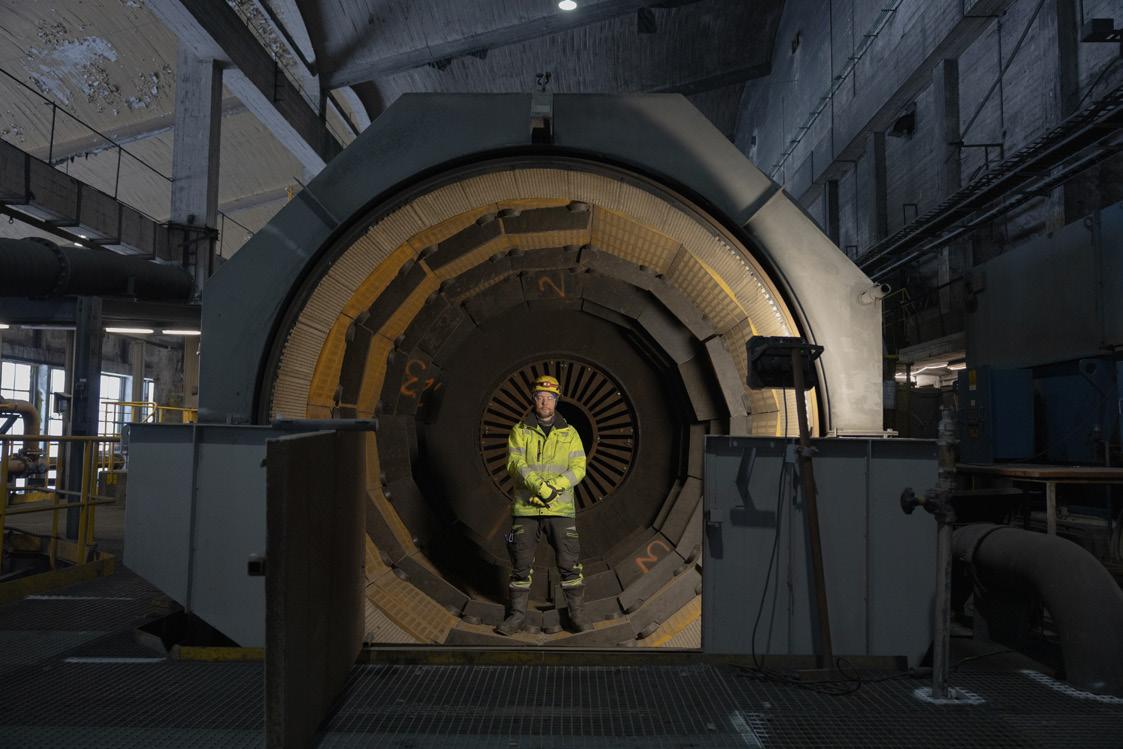
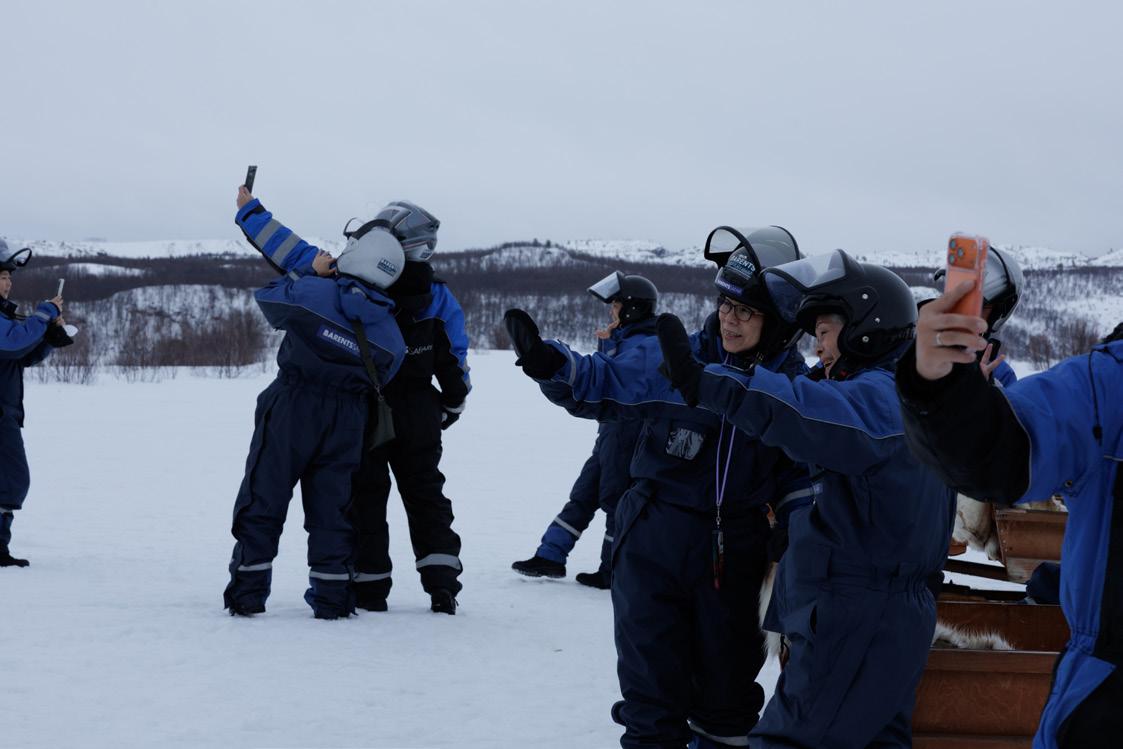
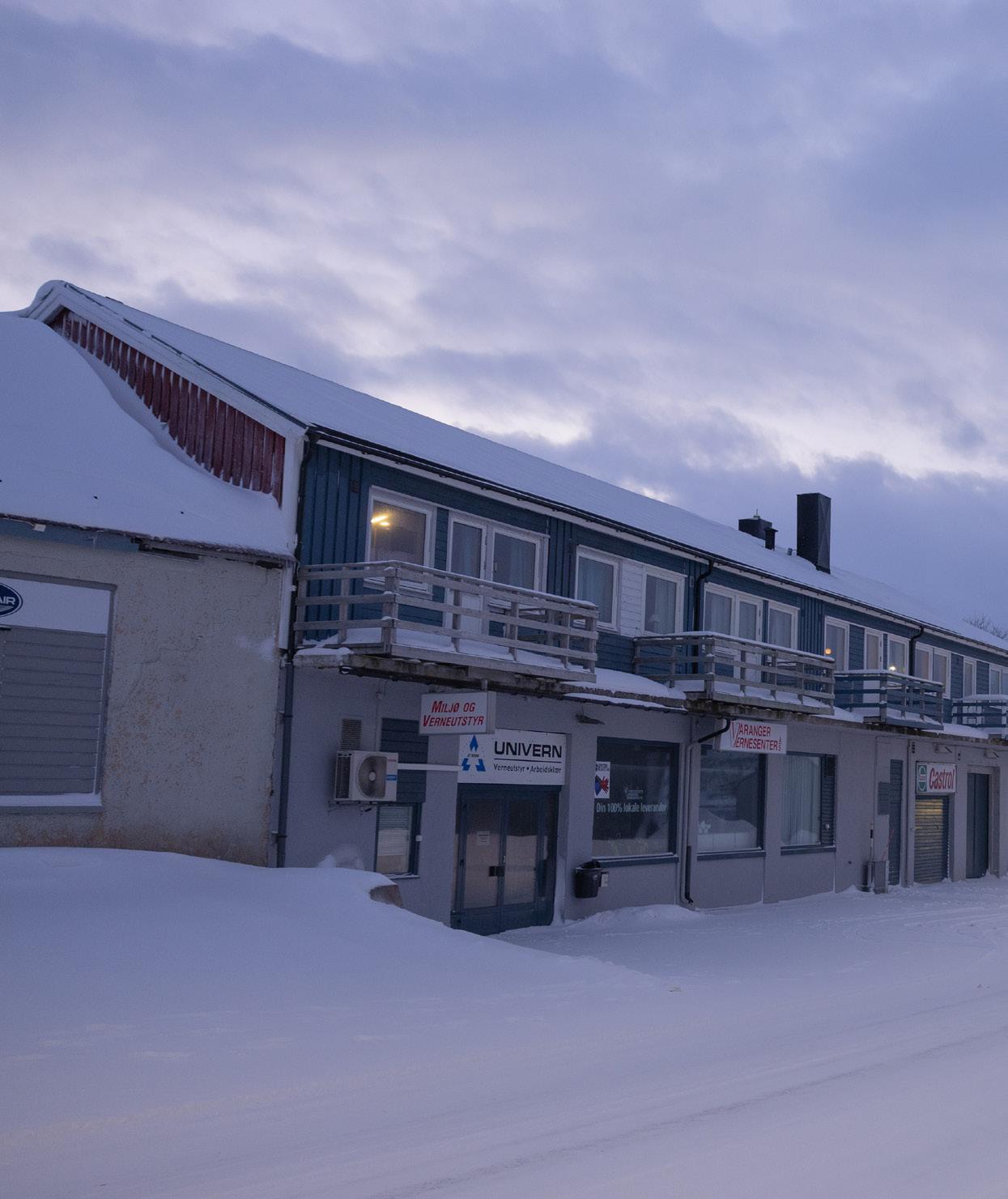
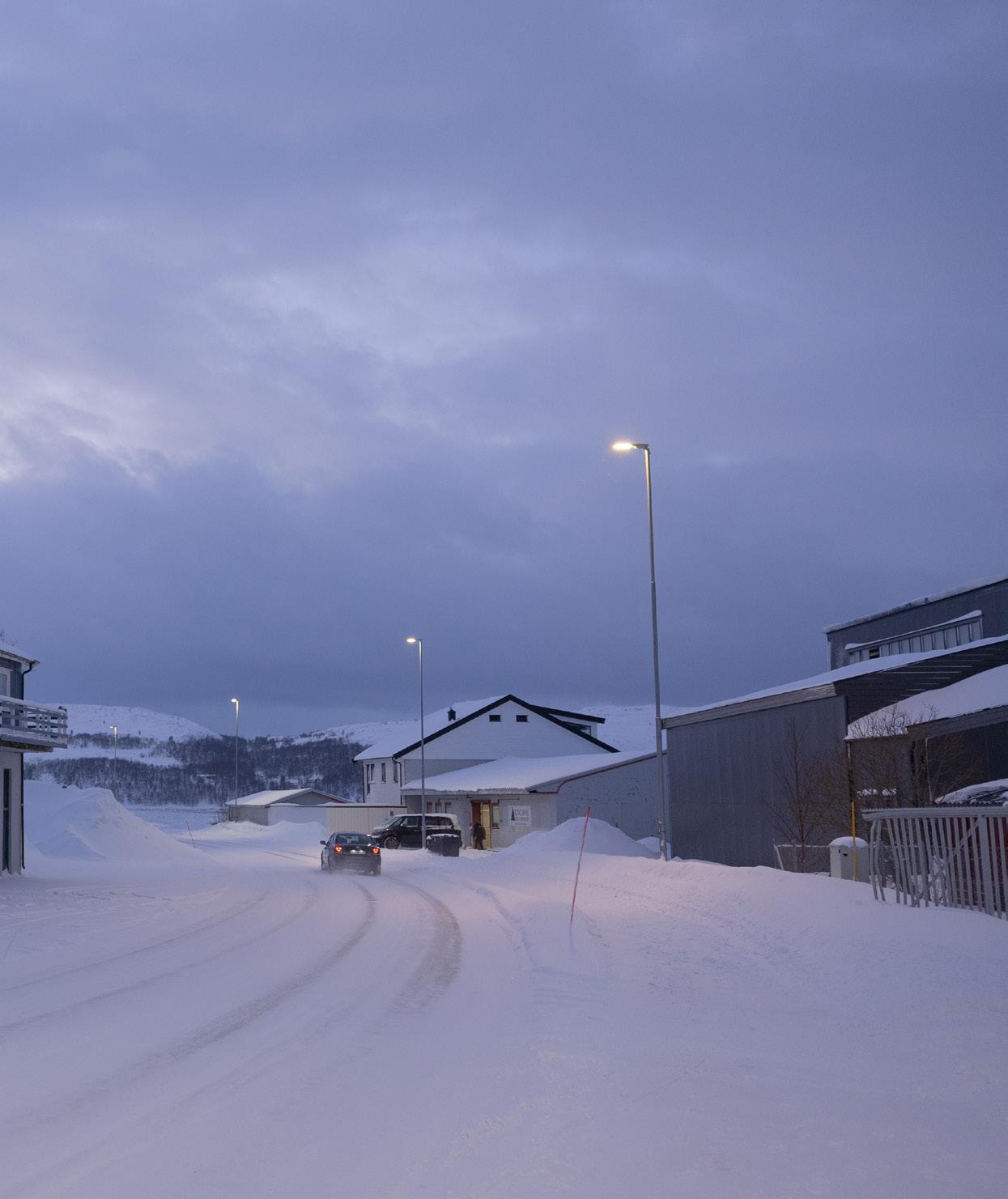
In the far northeast of Norway lies Kirkenes, a town of just under 3,500 people, only a few kilometres from the Russian border, Norway’s only official passage into Russia.
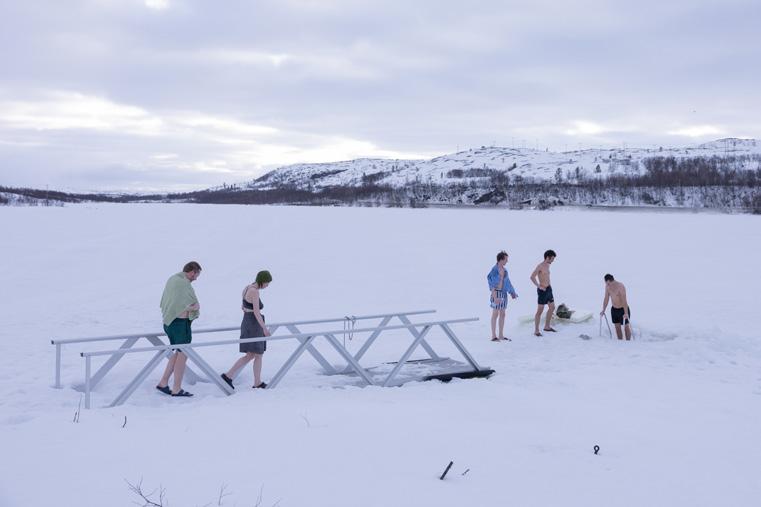
The air here is clear and biting cold, the Barents Sea rough against the horizon, while soft, open tundra stretches around the town.
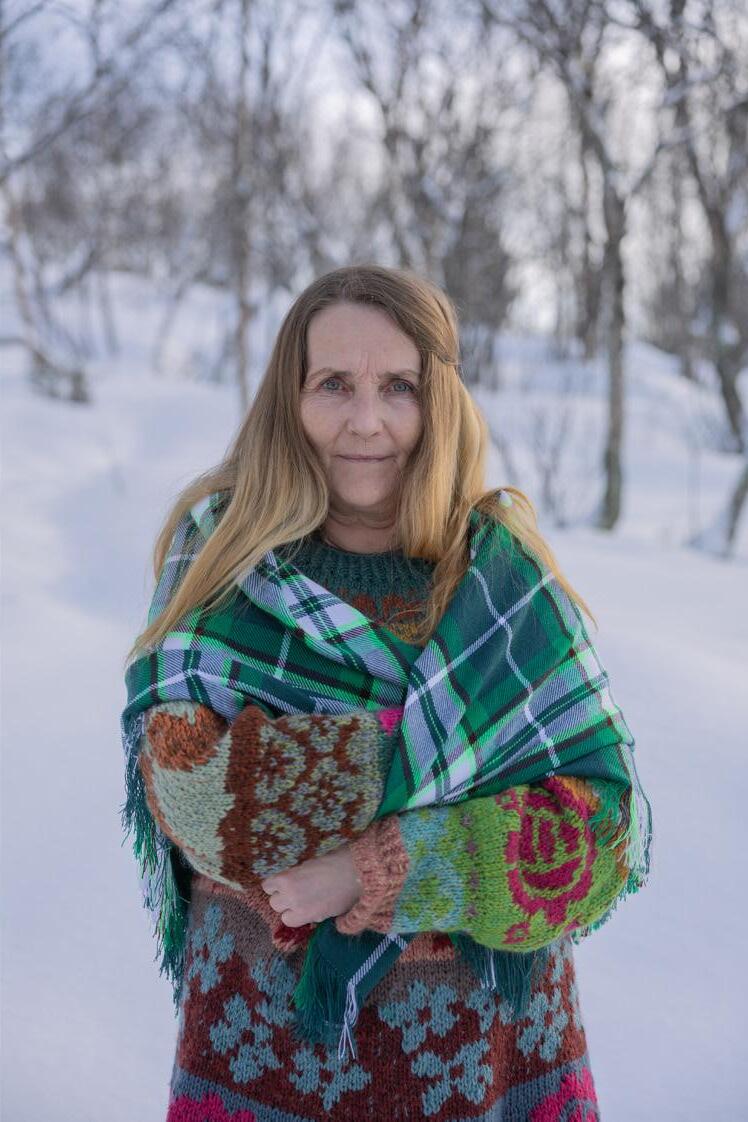
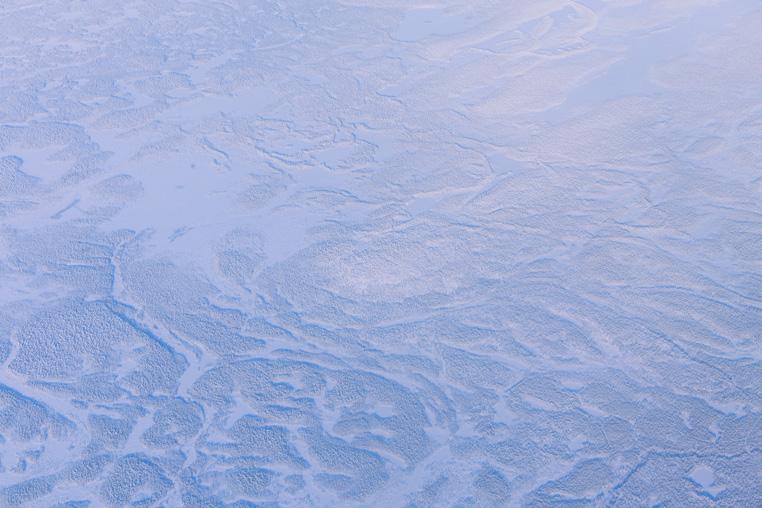
Kirkenes sits in the eastern part of Sápmi, where Sámi and Norwegian culture exist side by side, shaping both language and landscape. The town still carries the marks of the Second World War, when it was almost destroyed before being rebuilt in the post-war years.
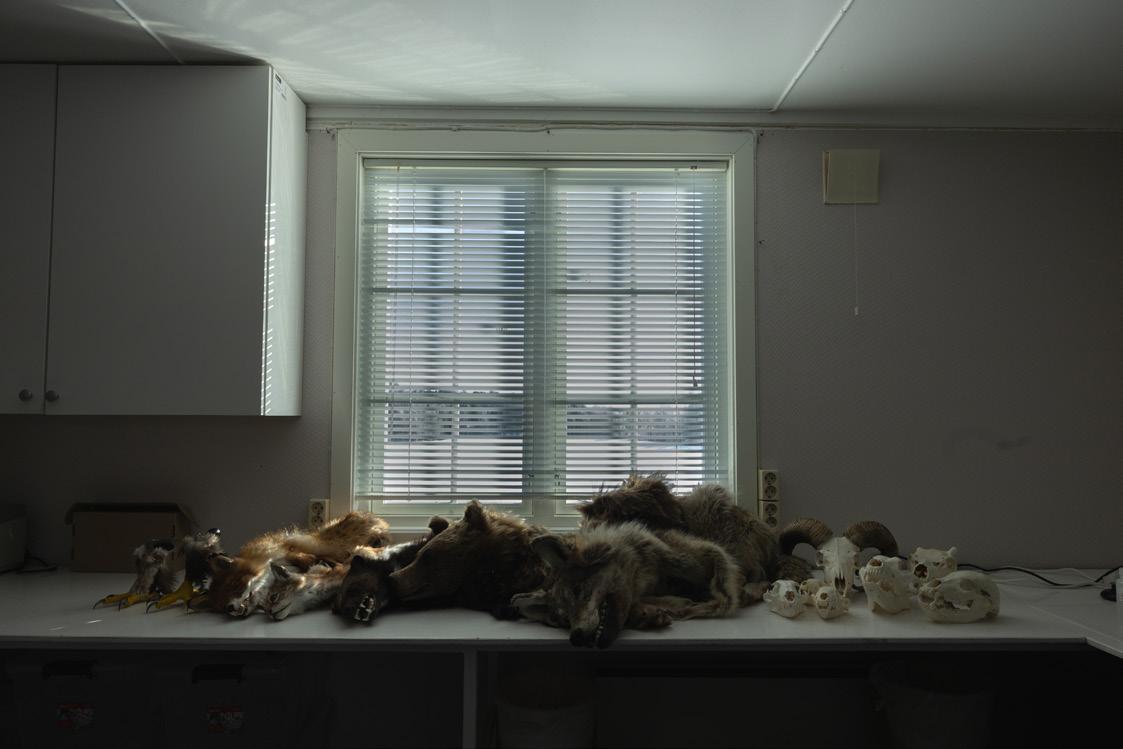
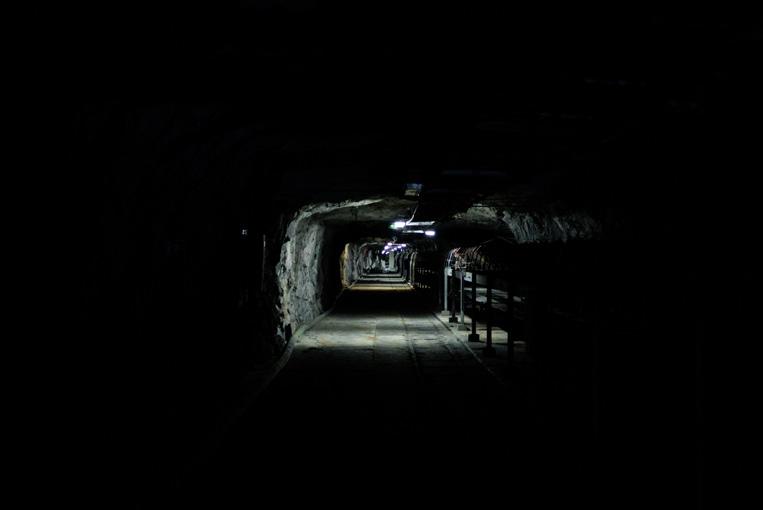
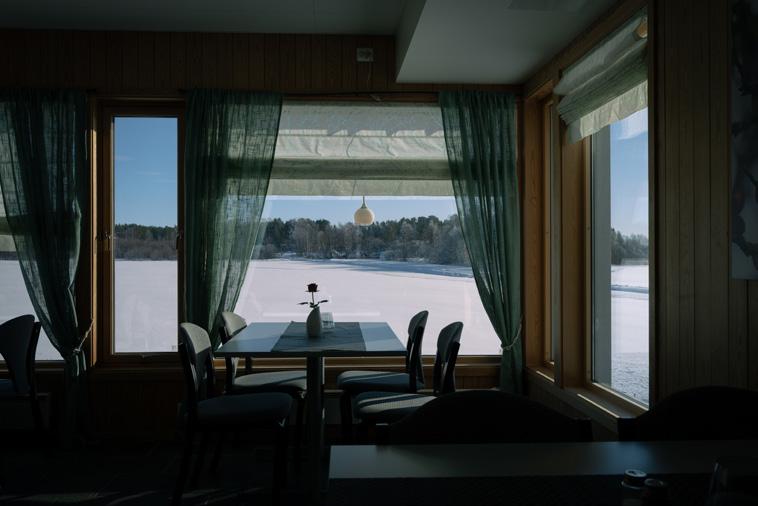
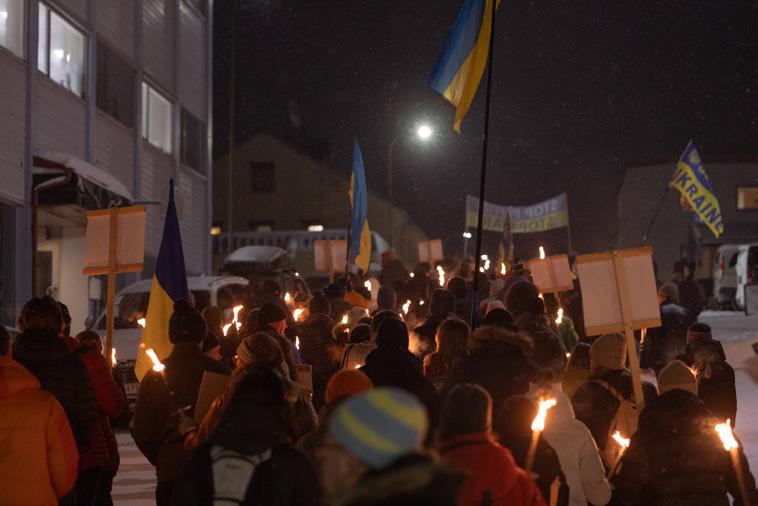
Life in Kirkenes has always been shaped by the border. But the war in Ukraine has changed daily life dramatically. Businesses once tied to cross-border trade have been hit by sanctions, and the steady flow of commerce has all but disappeared. Russians used to come for diapers and luxury coffee wrapped in gold packaging, while Norwegians crossed the other way for fuel, vodka, and cigarettes. Those familiar routines have been broken, and the town’s role as a trading hub has shifted.
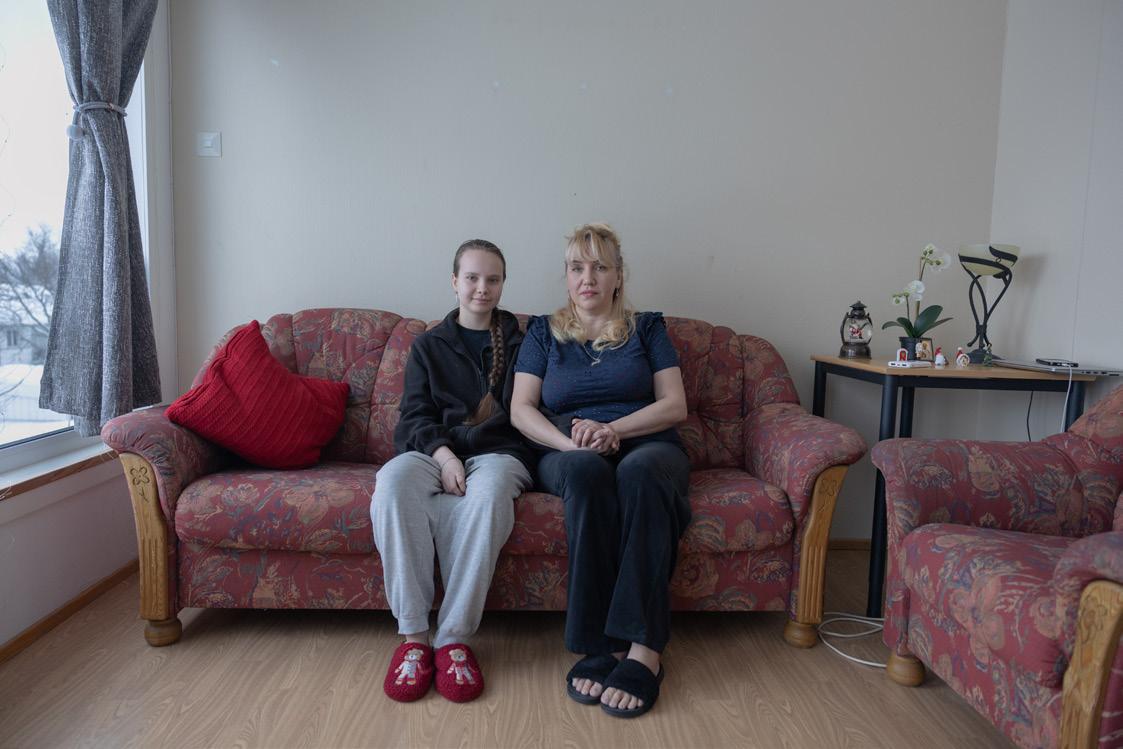
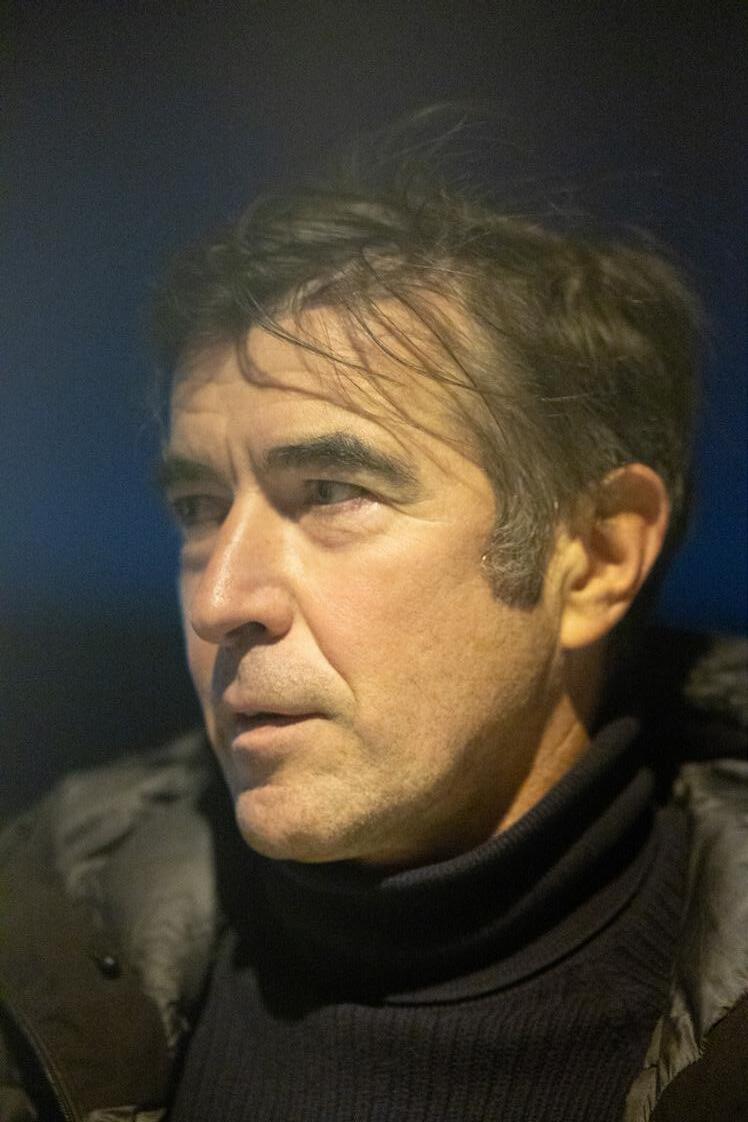
Although Kirkenes has an ageing population, the arrival of refugee families with children is quietly reshaping the town, which today is home to around seventy different nationalities. The new families form connections across generations and cultures, reminding people that even in a remote corner of the country where borders and distance have always shaped everyday life, the future is shaped in the meeting between the old and the new.
Nature bears, what they carry
by Jeanna Nathalie Lund
Severe trauma can settle so deeply within a person that they lose their footing in life. For some, it develops into PTSD, a condition that reaches far beyond war veterans and affects people from many different backgrounds and life experiences.
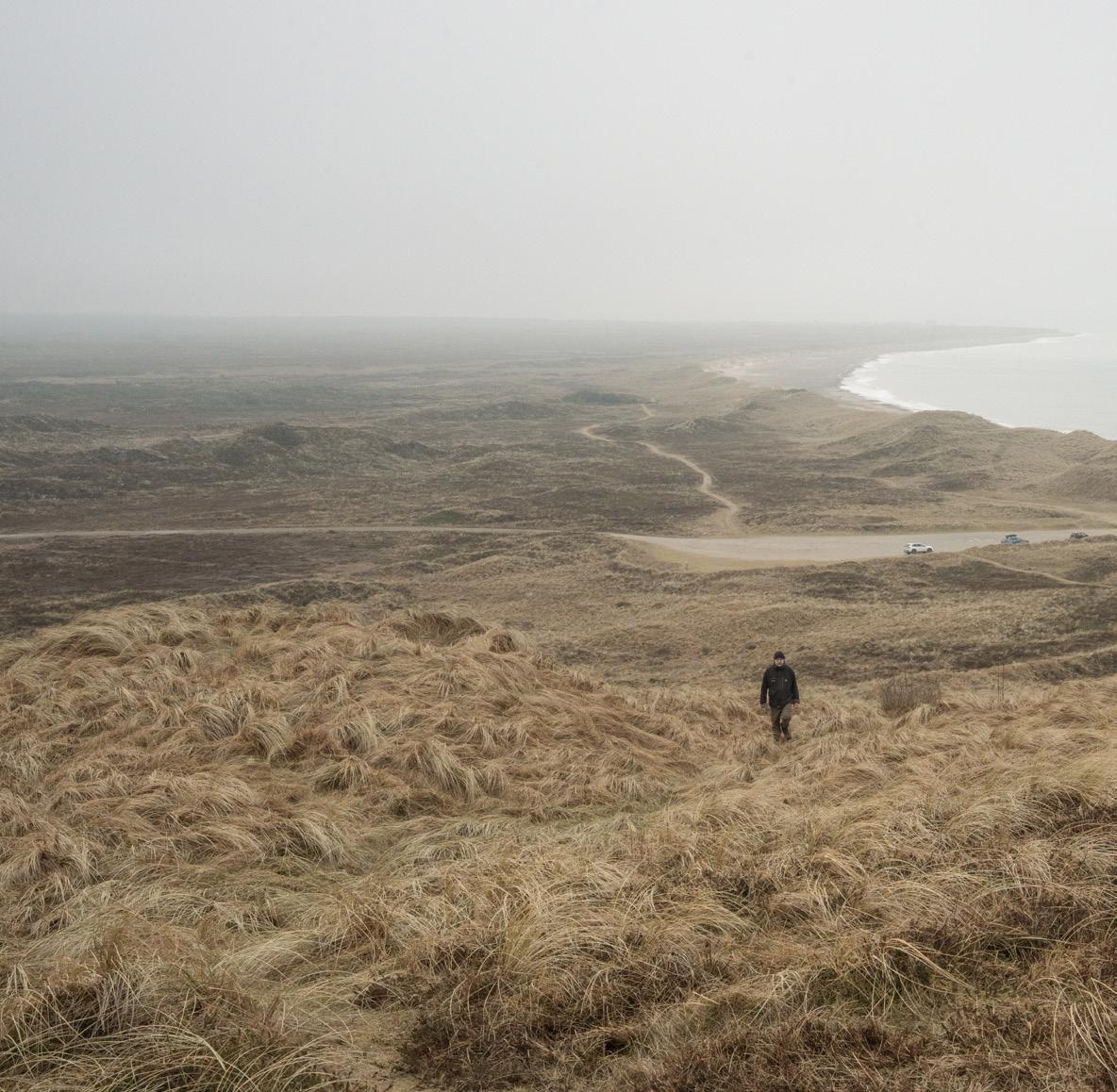
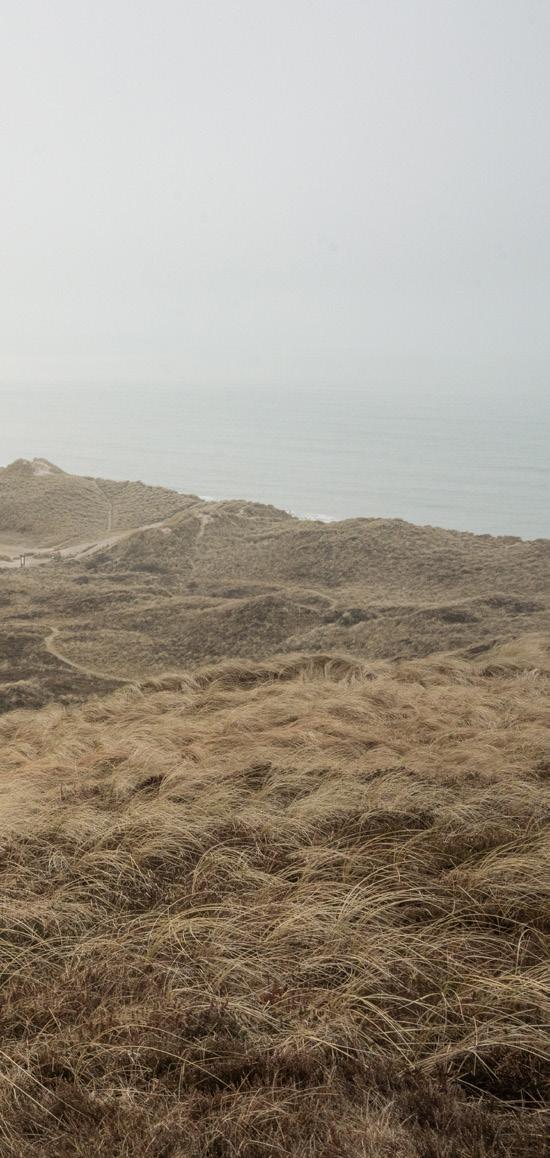
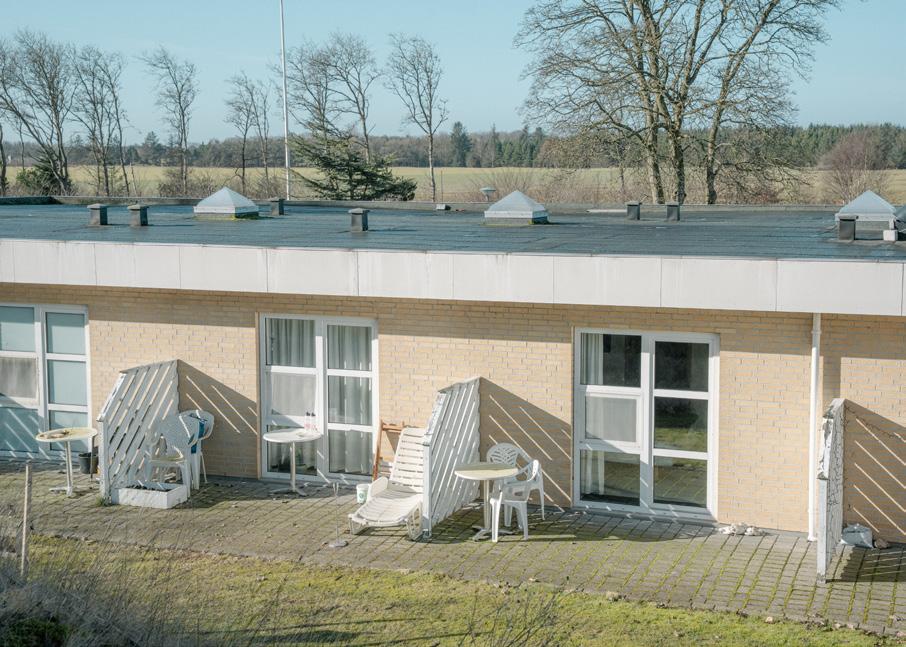
At Dansk Rehabilitering, nature plays a vital role in restoring balance and creating calm in a nervous system that is constantly under pressure. Nature becomes an active part of the healing process; walks in the forest, nights in shelters, campfires, and other sensory experiences help regulate the nervous system and reconnect people with both body and mind.
The stay combines planned, voluntary activities in the house and outdoors in nature, while leaving room for people to seek the calm of nature in their own way and at their own pace. Weekly conversations, practical tasks, house routines, and shared meals create predictability and mental space, giving people better conditions for rebuilding a meaningful everyday life in their own homes moving forward.
Many people experience trauma during their lives, but not everyone develops PTSD. Women are generally more vulnerable, and it is estimated that around 1% of the Danish population lives with the condition. The house accommodates an equal number of women and men who either experience symptoms of PTSD or have already been diagnosed with the disorder. The phone rings daily, and requests for a place in the house are many.
Dansk Rehabilitering is a transitional space where people who have lost their footing can begin taking the first steps toward a life that may never be the same as before, but can still be lived with dignity and purpose.
´Mads´, 50
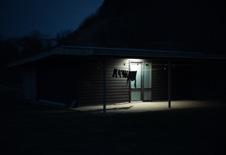
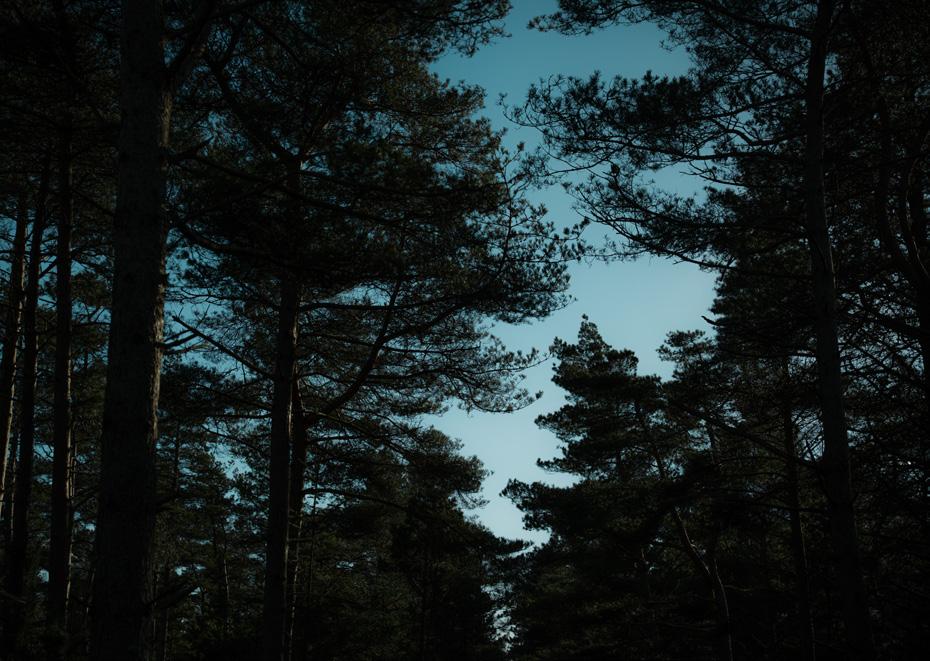
When Mads moved in, he bought a flashlight for his night walks in the forest. Sleep is a constant challenge, and when his mind and body refuse to settle, he often spends the night on his feet. Sometimes it is one in the morning, other times four. He steps into the darkness and lets the light guide his way. His relationship with nature and animals has changed profoundly since moving to the west coast, where they have become a vital part of his existence.
´Mads´ is 50 years old and on disability pension. He has lived at the center since November 2025, after being discharged from the psychiatric ward in Odense and brought there by his contact person, Anders Norge, a physiotherapist and social care worker at Dansk Rehabilitering.
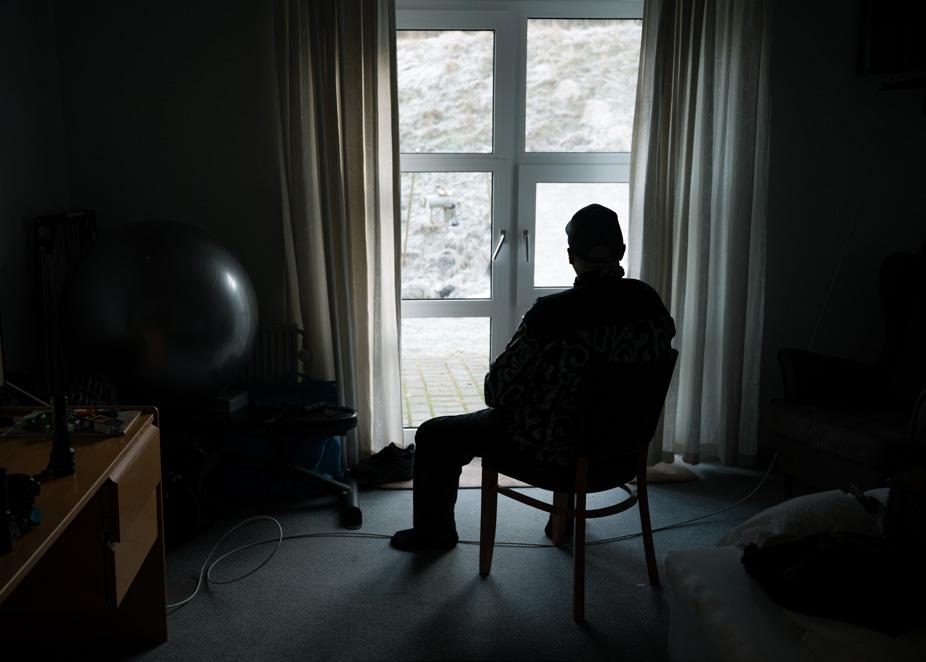
Mads sleeps very little; sometimes several days pass without him closing his eyes. When he finally does drift off, childhood memories begin to surface like an old film reel running through a projector. For him, however, they are not just images; it feels as if he is there again.
Before moving to Dansk Rehabilitering, he could no longer imagine a life for himself. Since developing a connection with nature, his life has taken a different direction.
“I feel I have become a much calmer person. I will never let go of nature; it has been my rescue.”
Nina Olesen, 39
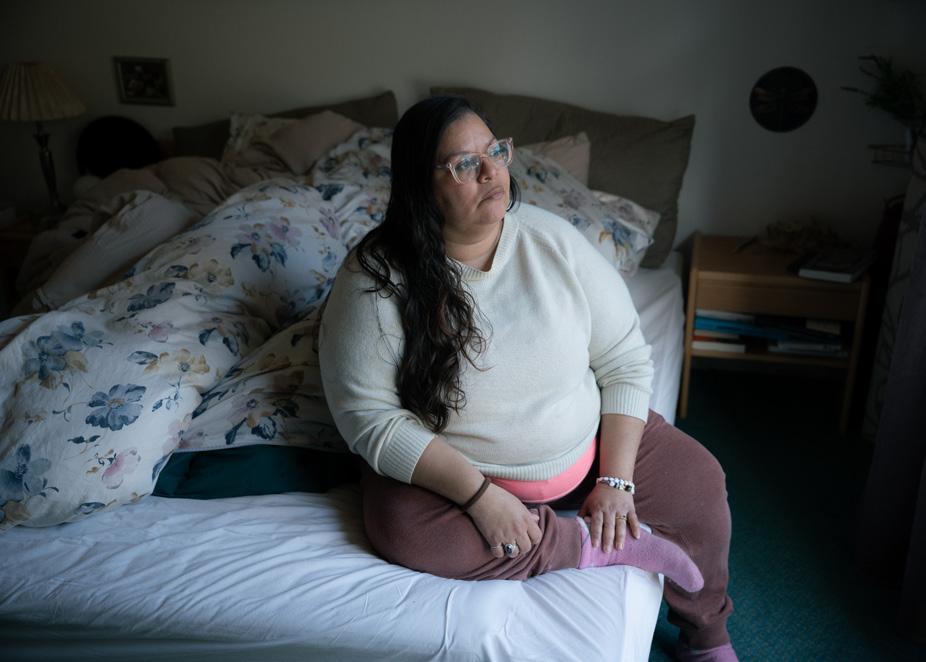
When Nina was around four months old, she was adopted from Colombia. She has experienced a challenging working life marked by repeated periods of sick leave and is currently being assessed for PTSD. She struggles especially in close relationships, where experiences of separation can trigger deep emotional responses tied to her early adoption and separation from her biological family, something that has left a lasting imprint.
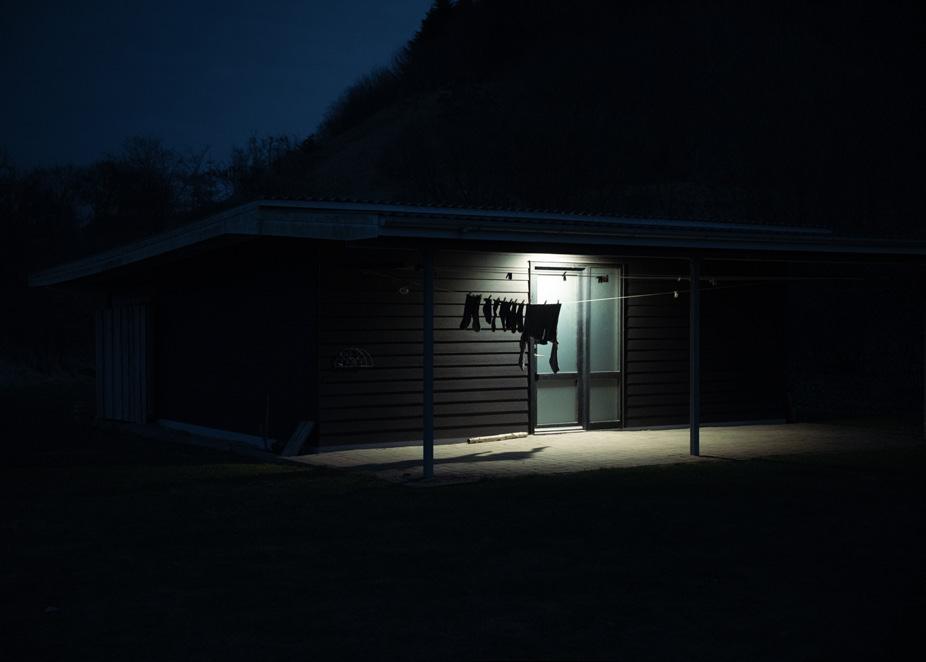
At times, she experiences powerful bodily emotions that can cloud her thinking and feel physically painful. In those moments, she seeks refuge behind a shed between stacks of firewood and fields. Her eyes are closed. In her headphones, the electronic German track “Vielleicht Vielleicht” plays at full volume, a dense, overwhelming sound that leaves no space for anything else. Standing barefoot on the grass, she wears a vibration device connected to her phone, allowing vibrations to be felt throughout her whole body.
“The inner restlessness is so strong that if I increase the external noise, I can manage to stay in it.”
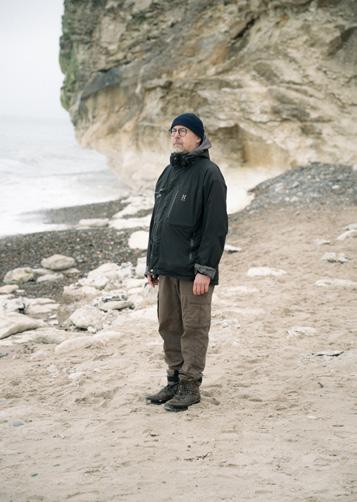
Søren Borg Nielsen, 59
Søren has a background in film photography and was working in Bosnia during the 1990s war, an experience that is the origin of his PTSD. He also lives with bipolar disorder and describes how a depressive episode later in life triggered the PTSD he has carried ever since.
With time, burnout led him to retreat into nature, which slowly evolved into his home. He knows every corner of the forest like the back of his hand. “I spent months out here. I only stopped by my cousin to get a shower or some bread.”
Today, nature serves a different purpose. Instead of total withdrawal, it serves as a way to distance himself from the constant noise of daily life. Still, he moves in a fragile balance between the urge to isolate and the need to regulate his nervous system. Large parts of his life are missing from his memory, leaving him with a sense of not being whole. “I don’t really know who I am.”
Having someone who understands his situation has made a significant difference.
“It’s important to have someone to talk to, someone who dares to give their opinion. That’s what has made the difference for me.”
WHILE THE BOMBS FALL
by Hussein Ali Kazem
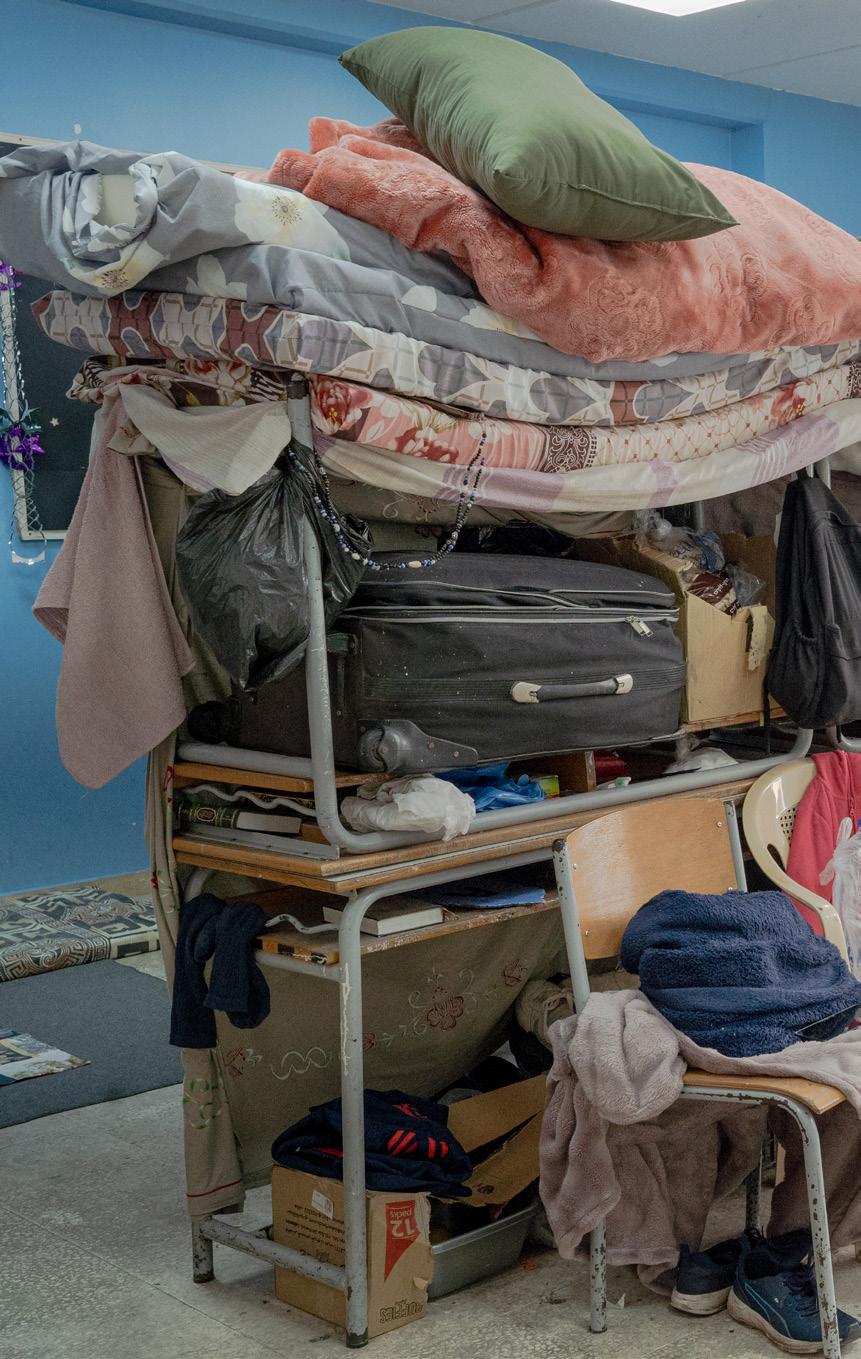
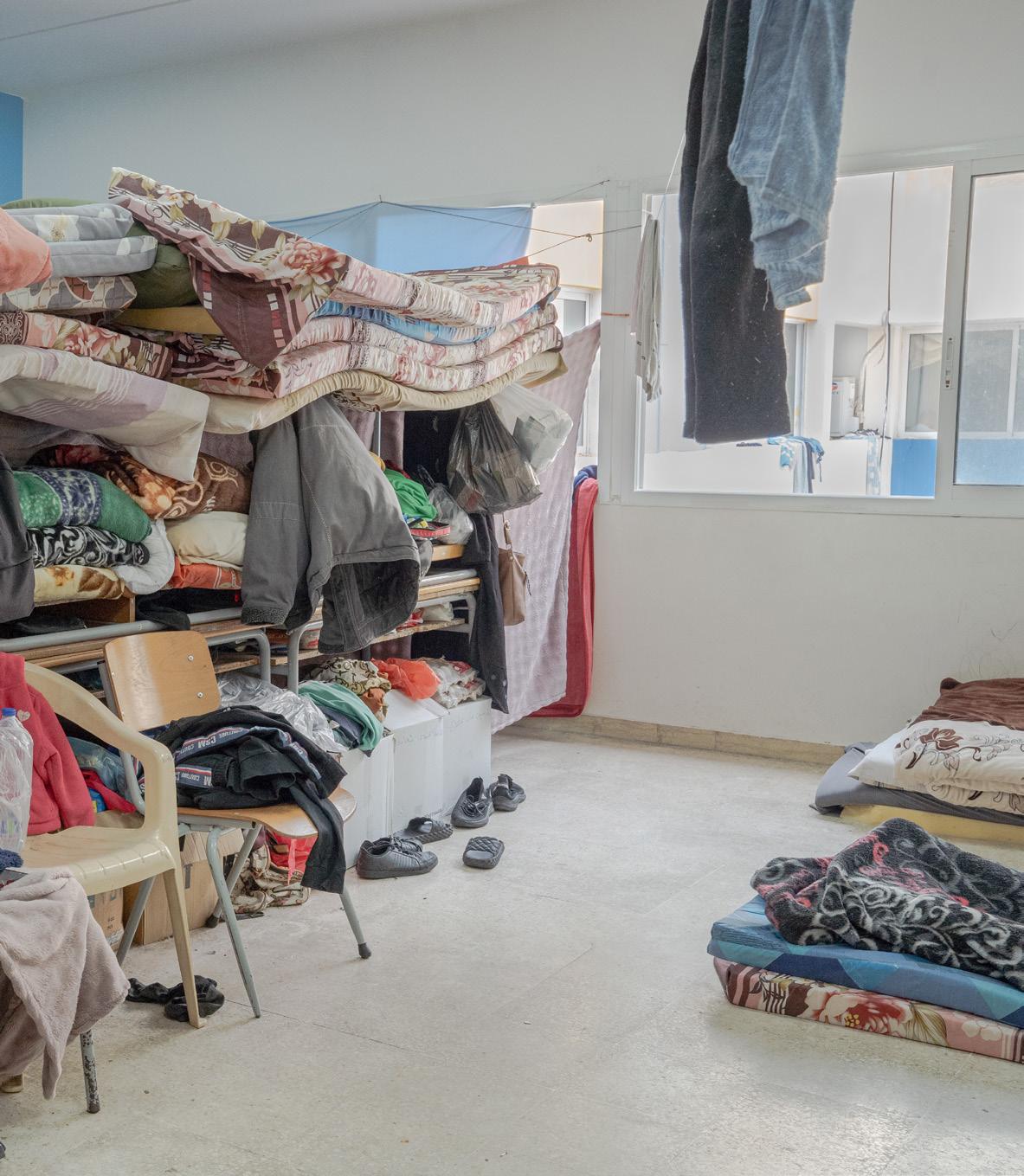
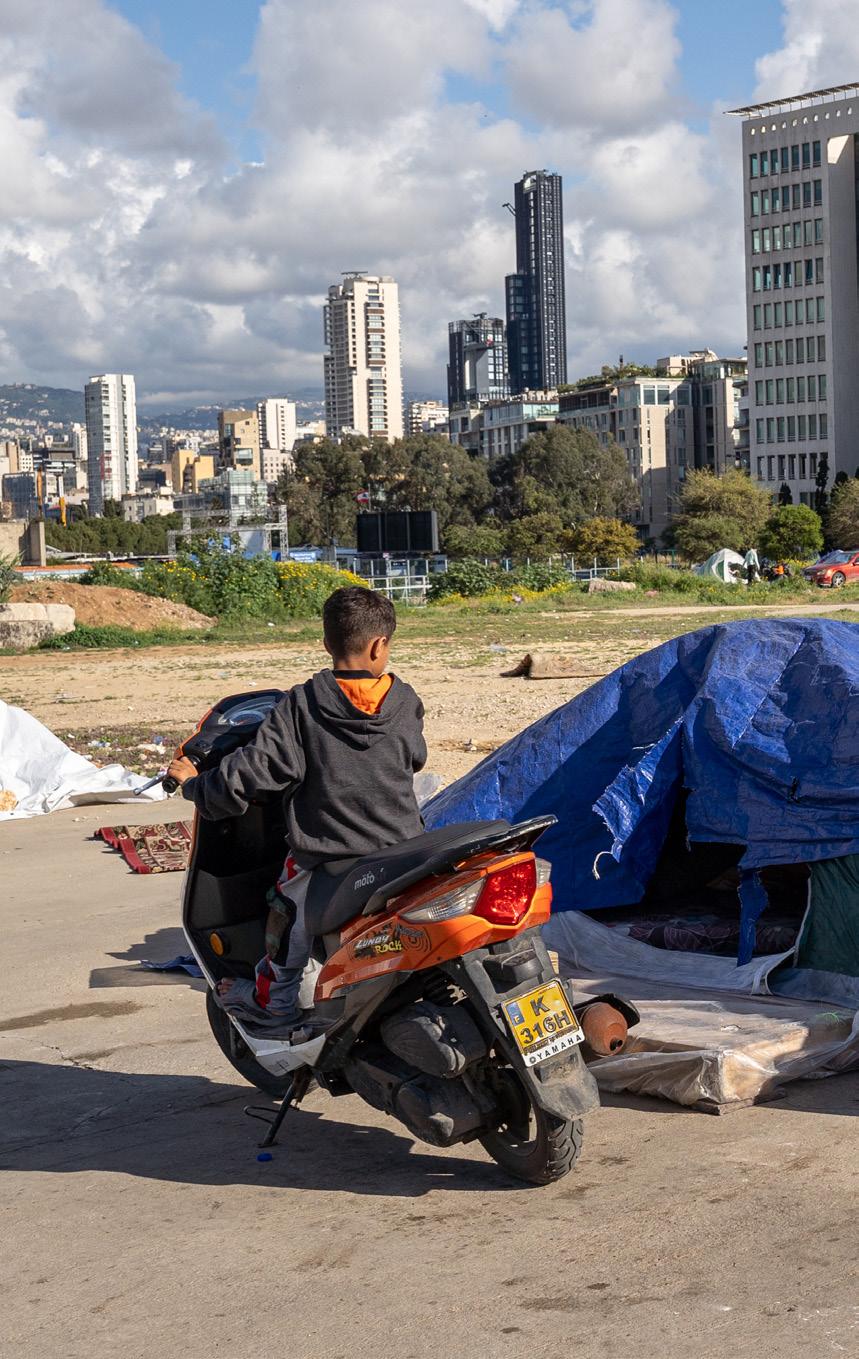
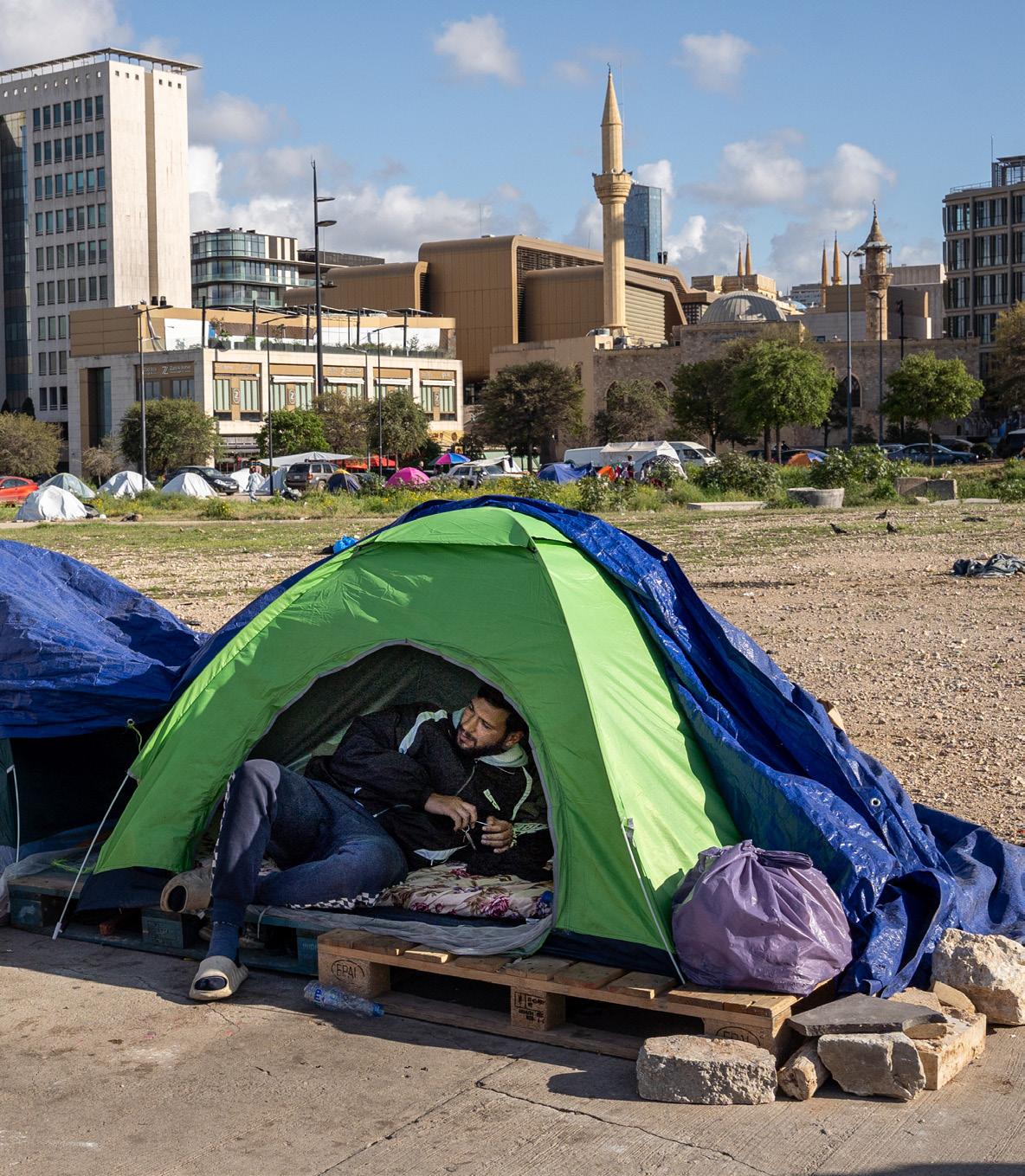
During the recent war between Israel and Hezbollah, large parts of Lebanon were subjected to extensive bombardments. Villages in the south, areas in the Beqaa Valley and parts of Beirut were repeatedly attacked from the air, while thousands of families fled their homes in search of safety.
The war quickly developed into one of the largest internal displacement crises in Lebanon’s recent history. Over 1.3 million people were displaced from their homes, amounting to more than one fifth of the country’s population. Among those displaced are around 400,000 children. More than 3,000 people were killed during the war, and even after the ceasefire, attacks and death tolls continue to rise.
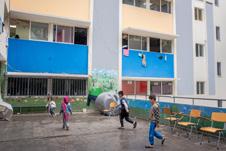
Schools, public buildings and temporary camps were used to shelter the large number of displaced people, while classrooms were transformed into sleeping spaces for several families at a time. The country faced major challenges in accommodating those internally displaced.
For many of the displaced, this is not the first time they have experienced war and displacement. For decades, Lebanon has been marked by conflict, economic crisis and political instability. At the same time, Lebanon hosts the highest concentration of refugees per capita in the world. More than one million Syrian refugees and hundreds of thousands of Palestinian refugees already live in the country, placing immense pressure on society long before the recent war.
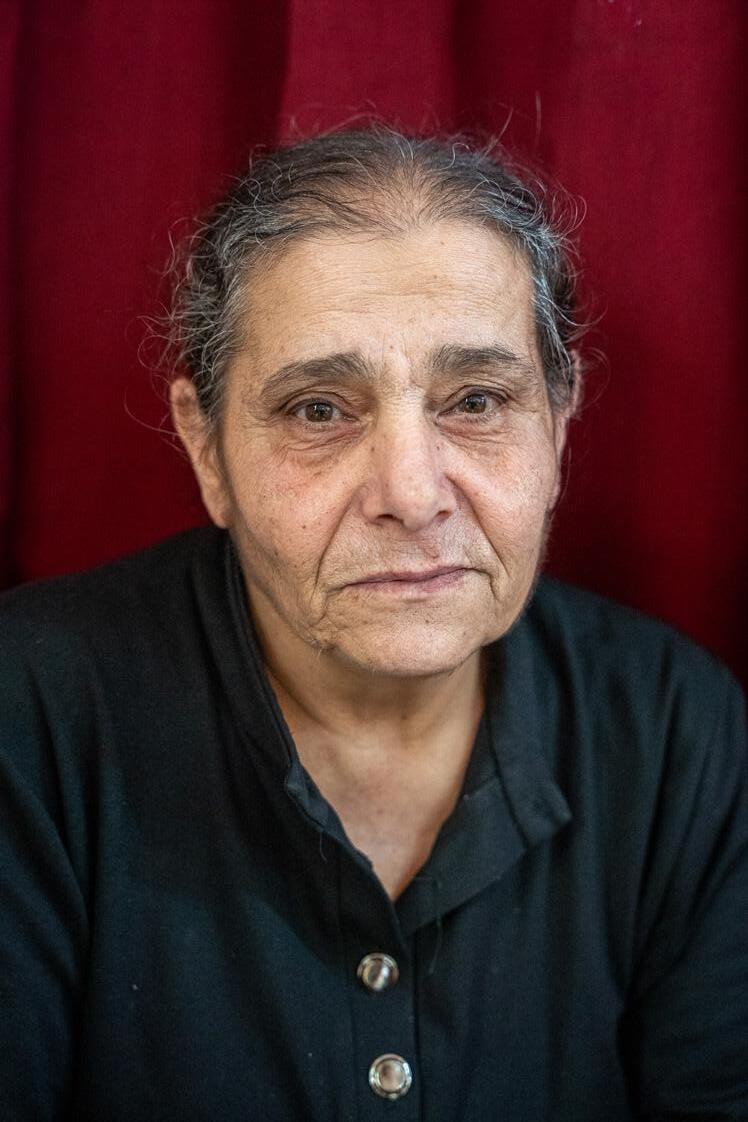
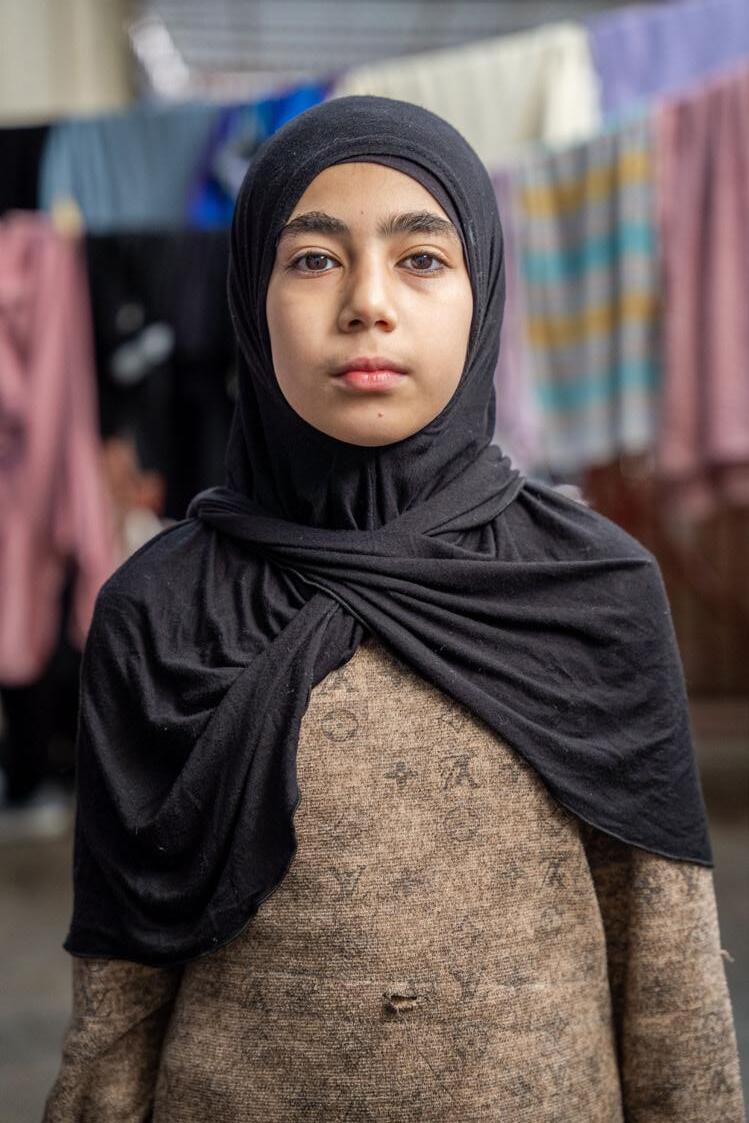
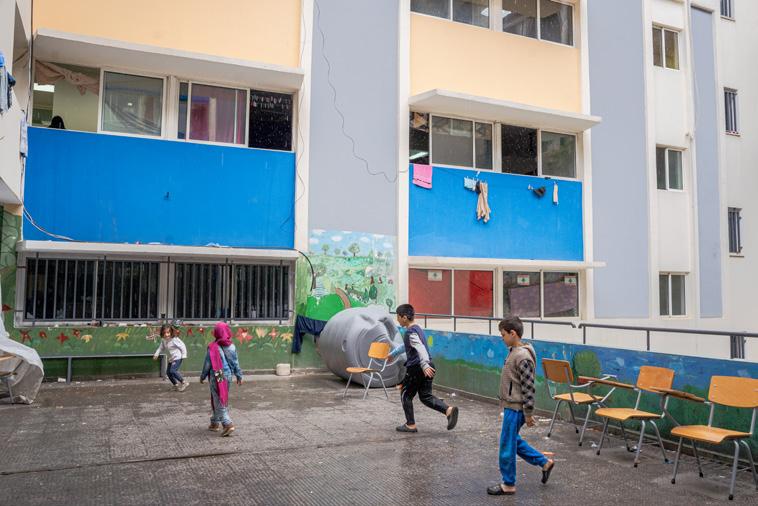
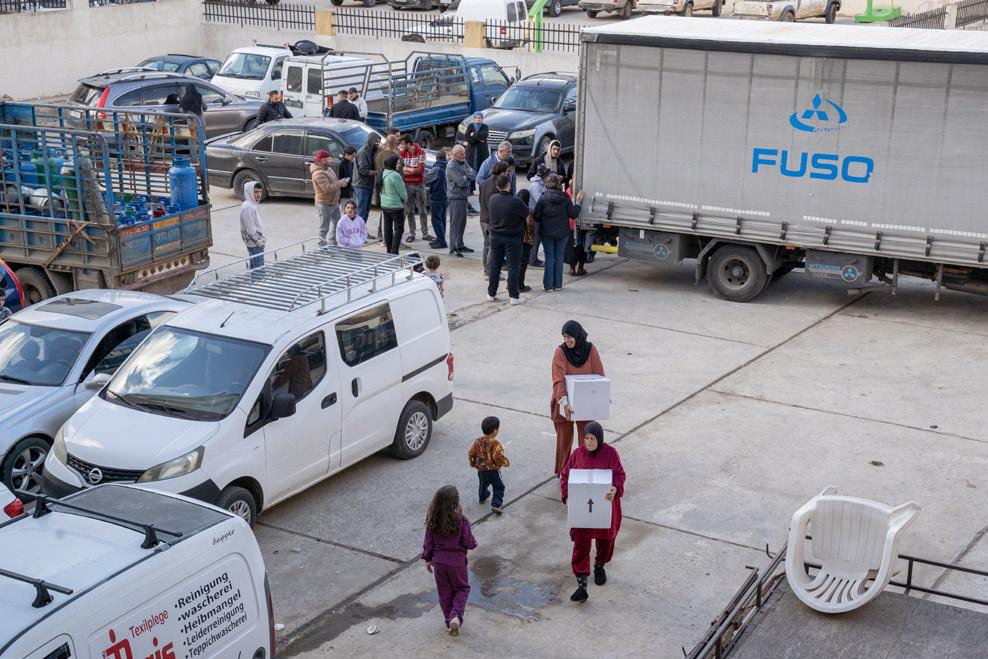
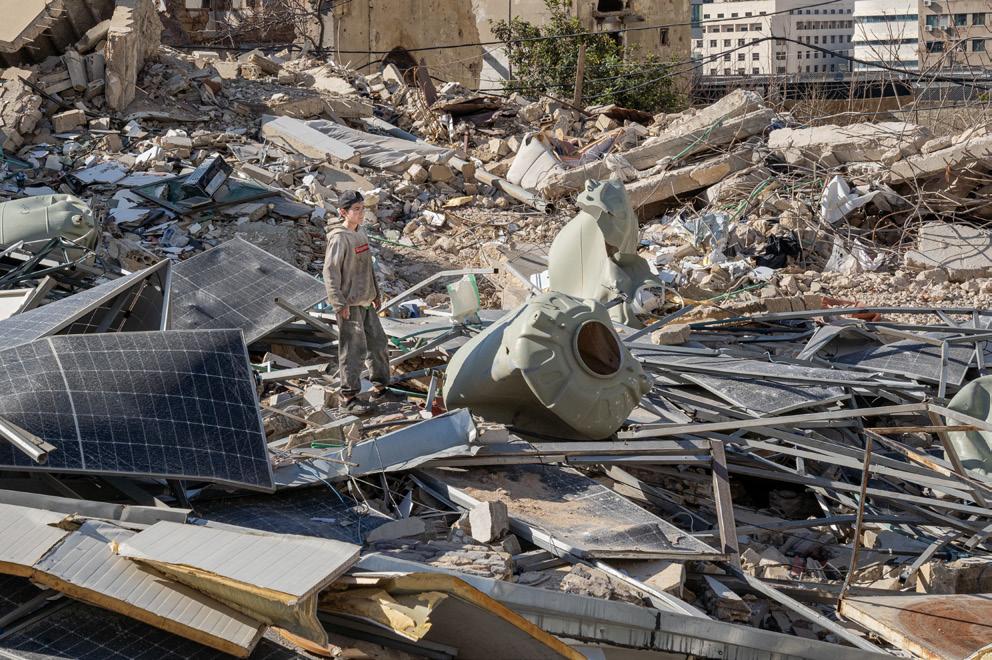
This series was created during the period in which the bombardments were ongoing and families were forced to flee their homes. For most, the displacement occurred within the country’s borders, as people moved away from the attacks in search of safety. Families left their homes with only a few belongings and sought refuge in areas that had not yet been affected by the bombardments.
Today, Lebanon remains in a fragile ceasefire that has repeatedly been broken. At the same time, Israeli forces occupy parts of southern Lebanon, and for many families it remains uncertain whether there is anything left to return to.
While international attention has gradually moved elsewhere, many people in Lebanon continue to live with the consequences of the war, without safety, without stable homes and without certainty about when the conflict will truly come to an end.


POLITIKEN-FONDEN