


Spring is a season of renewal—a time when growth becomes visible and the seeds we’ve planted begin to take shape. Across FirstHealth, that spirit is alive in meaningful ways as we continue to invest in the health and well-being of the communities we serve.
This spring, we are especially proud to mark two major milestones that reflect both our growth and our deep commitment to accessible highquality health care.
In Montgomery County, we recently celebrated the groundbreaking of a new, state-of-the-art replacement facility for Montgomery Memorial Hospital. This investment will bring modernized facilities with a design centered around the evolving needs of the community. For more than 70 years, Montgomery Memorial has been a cornerstone of care in this region, and this next chapter ensures that high-quality, close-to-home care will remain strong for generations to come.
We are also continuing to grow in Hoke County, where construction is underway to expand our hospital campus in Raeford, adding a two-story, 35,280-square-foot hospital tower, 24 additional inpatient beds and a 15,560-square-foot addition to the existing medical office building. This project reflects the rapid growth of the community and our responsibility to grow alongside it.
Together, these efforts represent more than bricks and mortar. They reflect a broader commitment to strengthening access to care in rural communities and ensuring that where you live does not determine the quality of care you receive. At a time when many rural hospitals across the country are facing uncertainty, FirstHealth is choosing to invest more than $93 million in the future.
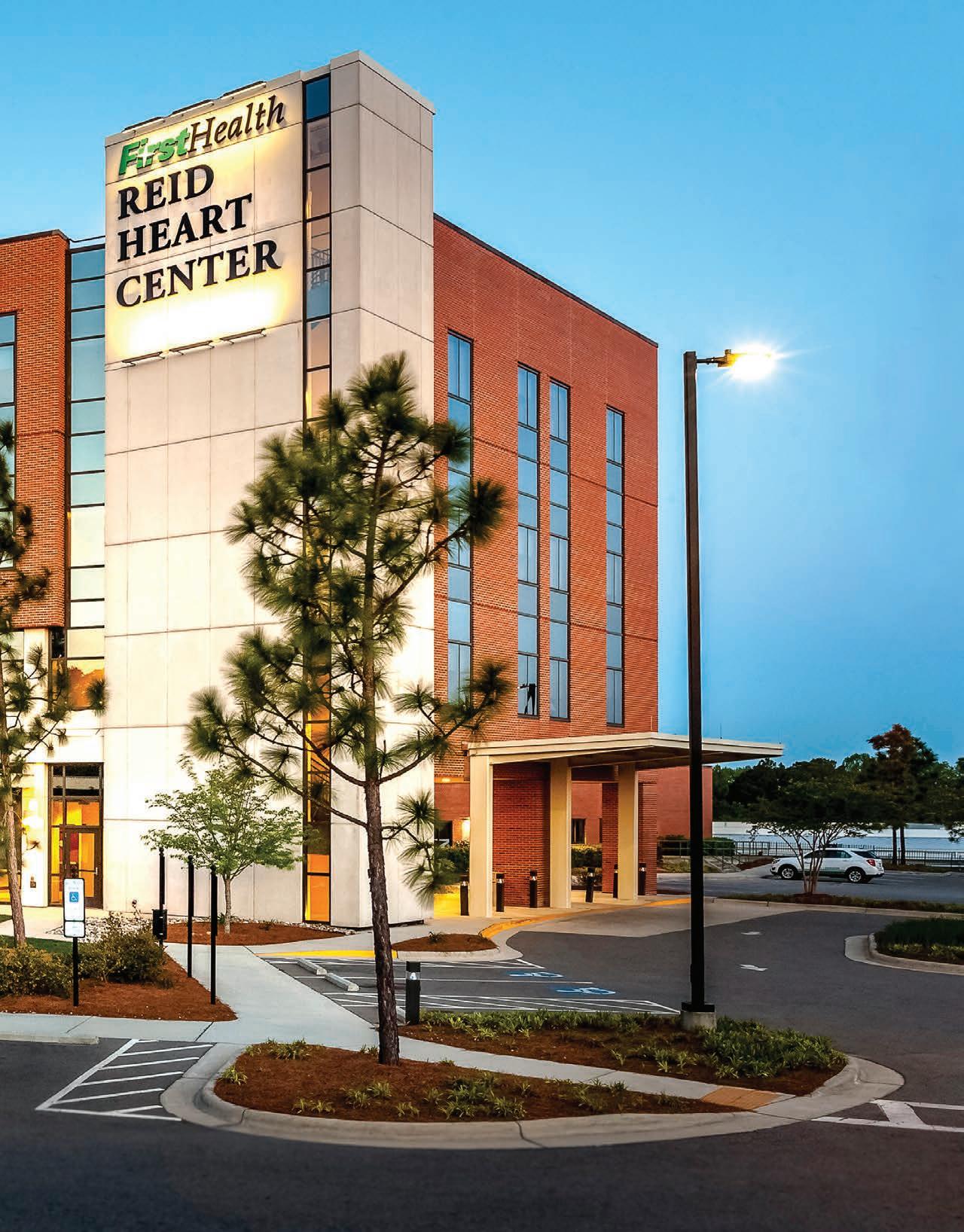
That spirit of investment is not new to FirstHealth. As we highlight in this issue, the Reid Heart Center stands as a powerful example of what is possible when philanthropy and purpose come together. The vision and generosity of the Reid family helped create a destination for advanced heart care—one that continues to impact lives across our region every day.
In many ways, the growth we are experiencing today builds on that same foundation. Whether through community support, philanthropic giving or the dedication of our FirstHealth family, it takes all of us working together to expand access, advance care and strengthen the communities we serve.
As you explore this issue of FirstHealth Magazine, you will see that spirit reflected throughout, from investments in facilities and technology to the people who bring our core purpose—To Care for People —to life each day.
Spring reminds us that growth is the result of steady commitment, shared vision and a belief in what’s possible. I am grateful to our employees, physicians and providers, volunteers and community partners who make that growth possible. Together, we are building stronger communities and a stronger future for health care across the Sandhills and beyond.
With gratitude,

Mickey W. Foster Chief Executive Officer FirstHealth of the Carolinas
155 Memorial Drive
P.O. Box 3000
Pinehurst, NC 28374
FirstHealth.org
Cindy Goodman, Ed.D., Chair
David Wood, Vice Chair
Arthur Medeiros, Corporate Secretary
Ray Allen, Treasurer
Gary VonCannon, Immediate Past Chair
Sherwood Blackwood
Jonathan Brower, M.D.
David Evans
Mickey Foster, MHA
Natalie Hawkins
Ben Jones
Susan Keller
Jefferson Kilpatrick, M.D.
Wayne Lucas, M.D.
James Obi
Sushma Patel, M.D.
Alexander “Sandy” Stewart, Ph.D.
Elizabeth Webster
Chief Executive Officer
FirstHealth of the Carolinas
President, FirstHealth Physician Group
Chief Information Officer
FirstHealth of the Carolinas
Chief Nursing Officer
FirstHealth of the Carolinas
Chief Medical Officer
FirstHealth of the Carolinas
President, The Foundation of FirstHealth
Chief Operating Officer
FirstHealth of the Carolinas
Vice President, Finance
FirstHealth of the Carolinas
Chief Strategy and Innovation Officer
FirstHealth of the Carolinas
President, Western Region
Vice President, Operations
FirstHealth Moore Regional Hospital
Mickey W. Foster, MHA
Daniel R. Barnes, D.O.
Chris Beasley, MBA
Susan K. Beaty, MSN, R.N.
Jenifir Bruno, M.D.
Dana L. Casson, CFRE
Jonathan Davis, MPH, FACHE
Chris Fraley, CPA
Amy Graham, MHA
Kerry Herbine, FACHE
Catherine H. Hughes, MBA, FACHE
President, Southern Region Christy Land, MSN, R.N.
Chief Financial Officer
FirstHealth of the Carolinas Autumn McFann, MBA, CPA
Chief Quality Officer
FirstHealth of the Carolinas Cindy McNeill-McDonald, MSN, R.N.
President, Eastern Region Matthew Prestwood, MHA, FACHE
Chief People Officer
FirstHealth of the Carolinas Berni Szczepanski, MBA
FirstHealth of the Carolinas, a not-for-profit health system, is headquartered in Pinehurst, North Carolina, and comprises Moore Regional Hospital, Montgomery Memorial Hospital, Moore Regional Hospital – Richmond, Moore Regional Hospital – Hoke, The Foundation of FirstHealth and the FirstHealth Physician Group. Comments on the FirstHealth magazine or changes of address should be directed to (800) 213-3284 or Marketing@FirstHealth.org.
FirstHealth is produced by Strategic Marketing and Communications. For more information on any of the programs or services offered by FirstHealth of the Carolinas, please call (800) 213-3284 or visit FirstHealth.org.
Designer Eric Baker
Photographer Eddie Harris, CPP
Writers Emily Sloan, Derek Medlin, Camryn Quick

Reid Heart Center is named in honor of the late Walter and Betty Reid, whose extraordinary generosity marked the largest single gift in the history of the Foundation of FirstHealth. Longtime supporters of hospitals in New Jersey and North Carolina, the Reids believed deeply in the strength of FirstHealth and Moore Regional Hospital and the importance of investing in advanced heart care close to home. Their philanthropic leadership, along with community support through the Foundation of FirstHealth, helped make Reid Heart Center a reality.
Montgomery Memorial has been recognized with the 2025 Performance Leadership Award by the Chartis Center for Rural Health. The Performance Leadership Awards program recognizes top quartile performance (i.e., 75th percentile or above) among rural hospitals in quality, outcomes and/or patient perspective.
On Nov. 12, 2025, FirstHealth completed its 2,000th robotic bronchoscopy, a milestone that highlights our pioneering role in advanced lung care and its impact on patients across the country.
Central to this achievement is internationally recognized leader in interventional pulmonology and Pinehurst Medical Clinic physician, Michael Pritchett, D.O., MPH, who provides patient services under agreement with FirstHealth.
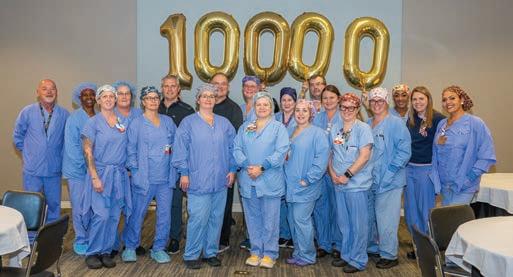
On Nov. 17, 2025, 10,000 surgeries were completed with the da Vinci 5 robotic surgical system, reaching a milestone that reflects our commitment to providing the best possible care to our patients. FirstHealth is one of just five hospitals in North Carolina to offer the da Vinci 5 surgical system.

The weeks after childbirth are often called the “fourth trimester,” and while they are filled with joy and adjustment, they can also be a vulnerable time for new mothers.
To help keep moms safe, Moore Regional Hospital has launched a new postpartum safety program that pairs education with a simple but powerful tool, a bracelet designed just for new mothers.
Mothers go home after giving birth with clear information about the warning signs of postpartum complications and a bracelet to wear for up to six weeks following delivery.
Thanks to the generosity of people throughout the Sandhills and beyond, The Foundation of FirstHealth is thrilled to announce that it has completed its MatchA-Million campaign to raise funds for FirstFutures. The goal of $1 million has been reached, and those donations will be doubled thanks to a matching gift from a generous donor family. The goal of raising $20 million for FirstFutures, a collaborative effort between FirstHealth and The Foundation to recruit and train the health care staff and providers of the future, continues. Learn more about how you can help.
FirstHealth celebrated an important milestone on January 29 with a groundbreaking ceremony to kick off an expansion project at Moore Regional Hospital – Hoke Campus in Raeford. The project is a $50 million investment in the future of health care in Hoke County. It includes a two-story hospital tower, two dozen new inpatient beds and a 15,560-squarefoot addition to the existing medical office building.
We expect construction to be complete next spring and plan to see the first patients in our new space in July 2027.
Another milestone got under way on March 25 with the groundbreaking ceremony for the new Montgomery Memorial Hospital. This $43.2 million facility investment represents FirstHealth’s ongoing commitment to rural health care in Montgomery County. The new hospital will strengthen our ability to provide excellent, accessible care while creating a foundation for growth in primary and specialty services as our community’s needs expand.
Construction is expected to be complete by June 2027. By November 2027, abatement and demolition of the existing hospital are anticipated to be complete. The current medical office building will continue to house services as well as a sleep center. The project provides an expanded campus footprint in Troy.


Pinehurst Neurology joined the FirstHealth family on Dec. 29, 2025, and continues care as FirstHealth Neurology. Providers Misty Sinclair, M.D., Robert Snyder, M.D., Grant Bischof, PA-C, Joyia Montanez, N.P., and Katie Baeza, NP-C, continue to staff the practice.
On March 9, the newly constructed FirstHealth facility in Tramway opened featuring Convenient Care and Primary Care. The facility is located
off US 1 at 103 Marketplace Drive in Sanford. With the opening of this new facility, the current convenient care clinics in Tramway and on Beechtree Drive relocated to this building. Kelli Tillman, FNP, also relocated from Horner Boulevard to practice in primary care, and a new provider will join her later this summer in Tramway. Our FirstHealth location on Horner Boulevard will serve as a new clinic space for our occupational health clients. The ribbon cutting with the
Sanford Area Growth Alliance was March 11.
Also on March 9, we welcomed Andre Hall, M.D., Kelly Helton, FNP-C, and staff from Birth & Women’s Care in Fayetteville to the FirstHealth family. Dr. Hall has been practicing in Fayetteville since 1996 and continues to provide OB/GYN care to patients in that community.
Welcome to the FirstHealth family!
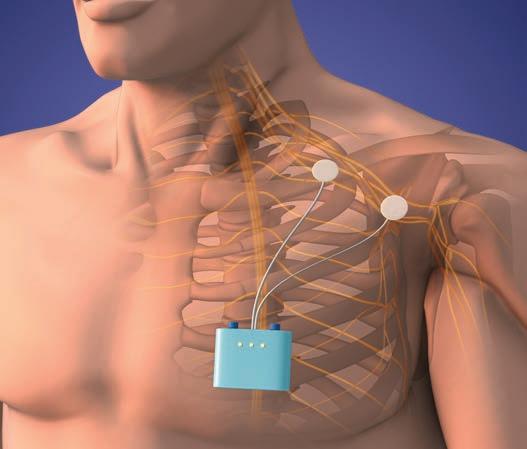
Q: What is peripheral nerve stimulation?
A: Peripheral nerve stimulation (PNS) is a minimally invasive treatment for pain that involves placing a thin percutaneous electrical wire near a peripheral nerve to alleviate chronic or intractable pain through the delivery of an electrical current via an external or implanted pulse generator (battery). The technique targets a specific nerve, which corresponds to an area of the body. The PNS device delivers adjustable rapid electrical pulses that can feel like mild tingling. These impulses block or modify the transmission of pain signals from the affected nerve(s) to the brain. Importantly, while also potentially reducing pain, PNS can improve one’s functional capabilities and reduce reliance on pain medications. The procedure is performed on an outpatient basis, is reversible, typically
well-tolerated and can be customized to the patient’s needs.
Q: What kind of conditions can it provide relief for?
A: PNS is used to treat a variety of chronic pain conditions, including neuropathic pain, complex regional pain syndrome (CRPS), phantom and residual limb pain, low back pain, osteoarthritic related pain, headaches, facial pain, acute and chronic post-surgical pain (such as, residual limb pain following a replaced joint like the knee or hip).
Q: What type of patients are the best candidates?
A: The best candidates for PNS are patients with chronic pain localized to one or two discrete peripheral nerve distributions
who have failed conservative therapies. Ideal candidates include those with neuropathic pain from specific etiologies such as posttraumatic or postsurgical neuralgia, CRPS, phantom limb pain, and occipital neuralgia. PNS also offers key advantages for patients with complex spine anatomy, prior spinal surgery or fusion or an inability to discontinue anticoagulation.
Q: What type of providers do it?
A: Interventional pain medicine physicians most commonly perform peripheral nerve stimulation procedures, particularly utilizing minimally invasive percutaneous techniques with ultrasound and/or X-ray. All pain physicians at FirstHealth utilize PNS as a treatment option.
Q: What is dementia?
A: Dementia is defined by a significant, progressive cognitive decline that leads to functional impairment. Functional impairment can be seen in complex decisionmaking early in the disease course, and with progression, activities of daily living will be affected.
Q: What is the difference between dementia and Alzheimer’s?
A: “Dementia” is an umbrella term that can be used generically, involving numerous subtypes. Alzheimer’s is the most common subtype of dementia.
Q: What are the early signs of dementia?
A: This can be difficult to detect, but family members will often notice an inability to carry out usual tasks such as navigating
without GPS (in familiar areas), paying bills on time, attending appointments or recalling details of recent conversations. This is typically accompanied by a change in mood, personality and behavior.
Q: Is there a way to prevent it?
A: It is not thought to be completely avoidable, given that a combination of genetics and environmental factors are at play, and aging is by far the greatest risk factor for developing dementia. The disease process can be staved off by exercising regularly (especially aerobically), avoiding sugar, alcohol & tobacco and sleeping adequately.
Q: Are there treatments for dementia?
A: There are, and have been, several oral medications on the market for managing the symptoms of dementia, but these do not have any disease-modifying effects. Additionally, a great deal of recent focus has been placed on antiamyloid infusions, which are treatment-specific to Alzheimer’s dementia. These infusions aim to slow the progression of the disease but are not curative.
At FirstHealth, keeping patients safe is at the heart of everything we do. Preventing falls is one of the most important ways we protect patients during their care—and it works best when patients, families and the care team partner together.
Q: Why is fall prevention such a focus in the hospital?
A: Falls are one of the most common safety risks in health care. Illness, surgery, new medications, fatigue or unfamiliar surroundings can increase the chance of falling—even for people who are usually steady on their feet.
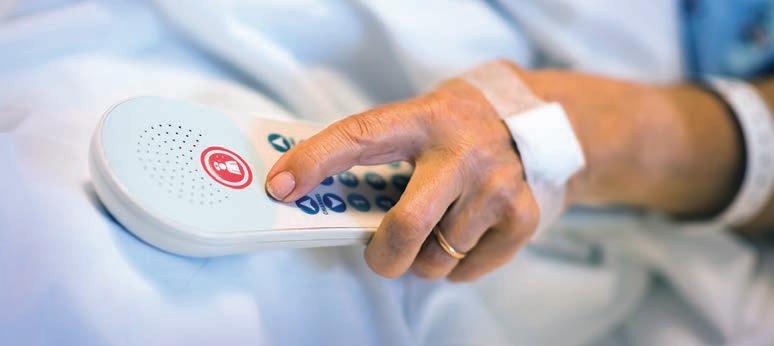
Q: Why are patients asked to use the call bell instead of getting up on their own?
A: Asking for help allows the care team to support patients safely. Standing up too quickly
or walking without assistance can lead to dizziness or loss of balance. Using the call bell helps prevent injuries and keeps a patient’s recovery on track.
Q: Why do staff use non-skid socks, gait belts or extra assistance?
A: These tools help reduce slipping and provide added support while walking or transferring a patient from the bed to a chair. Sometimes, more than one staff member is needed to ensure the patient’s safety.
Q: How can family members help prevent falls in the hospital?
A: Families play an important role by encouraging loved ones to ask for help, alerting staff to dizziness or confusion, and supporting the safety precautions that are in place—even when they may feel inconvenient.
Q: What’s the most important thing a patient or family member can do?
A: Partner with your care team. Ask for help, follow safety guidance and speak up if something doesn’t feel right.

Summer in the Carolinas means sunshine, family outings and plenty of outdoor fun. But with warm weather activities come important safety considerations—especially for children.
Safe Kids Mid-Carolinas, a collaborative community effort led by FirstHealth’s Community Health Services team, is dedicated to helping families enjoy a safe and healthy summer through education, resources and community programs. Here are a few essential tips to keep your loved ones safe while making the most of the season.
Swimming is a favorite summer pastime, but water safety is critical.
• Always supervise children around pools, lakes and beaches—even if they know how to swim.
• Teach kids to never swim alone and to stay in designated swimming areas.

• Consider enrolling your child in swim lessons offered through local programs. FirstHealth partners with community organizations to provide water safety education and resources for families, and FirstHealth Fitness centers offer swim lessons for children and adults.
Summer often means road trips and family travel. Proper car seat use can save lives.
• Make sure your child’s car seat is installed correctly and appropriate for their age, weight and height.
• Never leave a child unattended in a vehicle— even for a minute Temperatures inside a car can rise dangerously fast.
• Safe Kids Mid-Carolinas offers free car seat checks to ensure your child is riding safely.
Heat-related illnesses can happen quickly in summer temperatures.
• Keep children and older adults hydrated and encourage frequent water breaks.
• Schedule outdoor play during cooler parts of the day, and use sunscreen with SPF 30 or higher.
• Watch for signs of heat exhaustion: dizziness, nausea or excessive sweating.
Our team provides education on recognizing and preventing heatrelated emergencies.
Cycling is a great way to stay active, but safety gear is a must.
• Always wear a properly fitted helmet—it’s the best protection against head injuries.
• Teach kids to follow traffic rules and ride on the right side of the road.
• Bright clothing and bike lights improve visibility for evening rides.
Safe Kids Mid-Carolinas supports bike safety initiatives and offers community events to promote safe riding habits.
From car seat checks to safety workshops, FirstHealth’s Community Health Services team is here to help families stay safe all summer long. Learn more about upcoming events and resources at FirstHealth.org/ CommunityHealth n
W hether it’s alcohol, smoking or an addiction to our phones, most of us have a bad habit that we would like to get rid of. Sometimes cutting these practices out of our lives, even for a limited time, requires a complete detox. A detox, short for

“Detoxing from a substance like alcohol is associated with rapid improvements in symptoms of depression, anxiety and overall psychological well-being,” said Weinel. “While patients who completely stop alcohol use
“detoxification,” means adopting a regimen that completely removes something from your routine. Detoxing has many short-term and longterm benefits that will positively impact your health.
Katie Verucchi Weinel, M.D., child, adolescent & adult psychiatrist, confirmed that going through a detox can improve your well-being.
experience significantly larger gains, even those who use again will still show improvements in quality of life.”
Interestingly, detoxing from our cell phones and digital space poses similar psychological benefits to detoxing from alcohol.
“A digital detox is also associated with improvements in well-being, life satisfaction, sleep quality and a reduction in symptoms of anxiety, depression and stress,” said Weinel.
Sarah Steadman, M.S. FirstHealth exercise specialist, said there are many physical benefits to detoxing from certain substances that can take place almost immediately.

to exercise by improving your brain chemistry and dopamine baseline, reducing your perceived exertion and enhancing your rate of recovery and visible progress,” she said.
relevant and time-based (SMART), you will be much more successful,” she said.
Weinel said working with a therapist may also help with supporting healthy habits after you start.
“Choosing to stop drinking and/or smoking is one of the most powerful decisions you can make for your health and wellness,” she said. “When you quit these activities, you will experience improvements to your mental clarity, sleep, heart rate, blood pressure, lung function and circulation.”
Steadman said detoxing from alcohol and tobacco may even increase your motivation to be active.
Sarah Steadman, M.S.
“Alcohol and tobacco cessation positively impact your motivation
When planning a detox, it is important to decide if a gradual reduction or going cold turkey will be more effective and long-lasting for you. Research suggests that usage reduction can lead to longer-term benefits than complete restriction.
Steadman recommends starting your detox with small changes.
“Most often, failure to follow through is a result of setting the bar too high. I think if you start with one small change that is specific, measurable, action-based,
“A therapist can help you develop coping strategies for managing stress without returning to unhealthy habits,” she said. “A therapist can also act as an accountability partner to help keep you in line with your goals and make changes a reality.”
It is important to remember that even if there are moments of relapse or indulgence, it is incredibly common. Every journey has its bumps in the road, and you can always make the choice to start again. n
Learn more: FirstHealth.org/Behavioral FirstHealth.org/Fitness
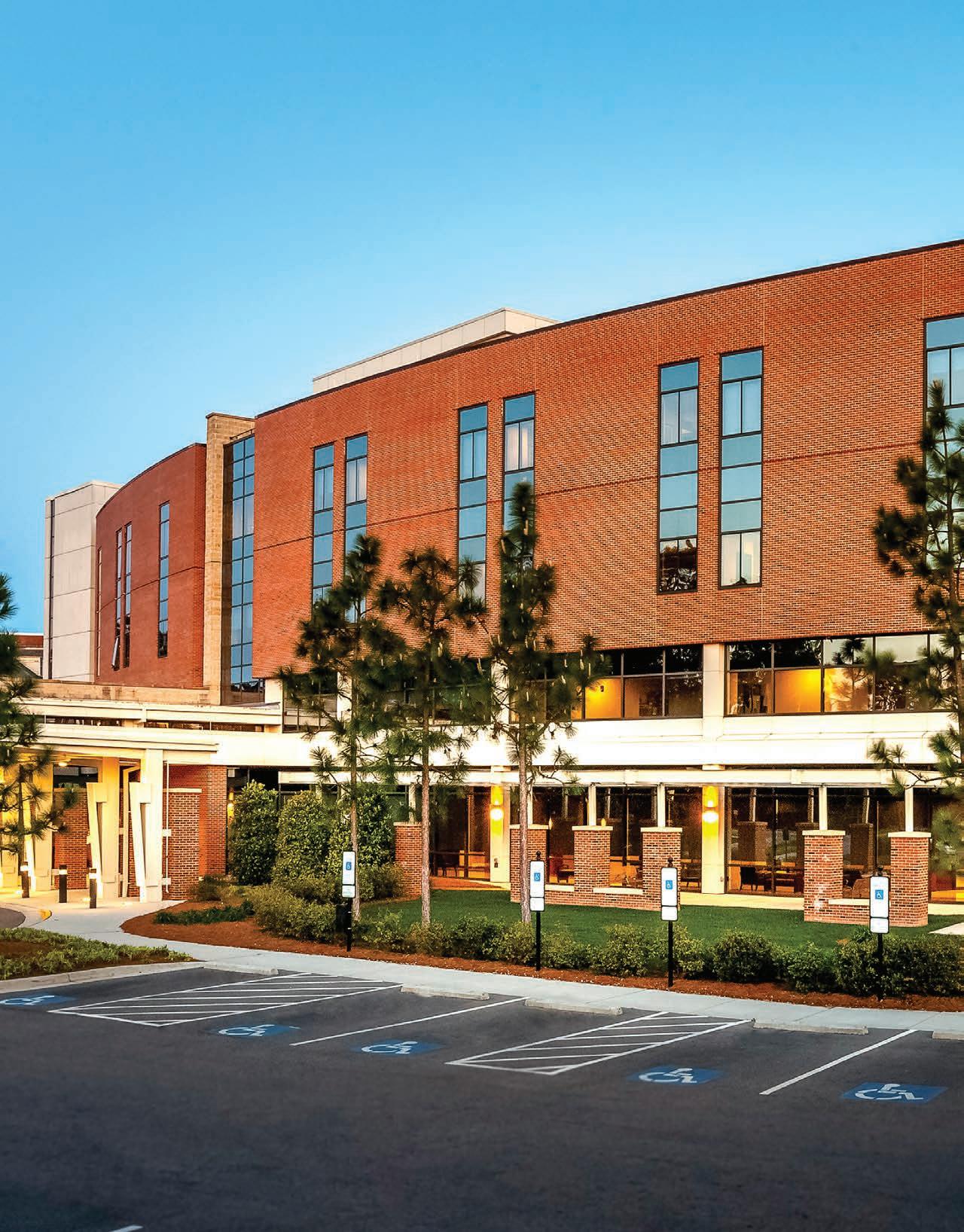
For 15 years, Reid Heart Center has enhanced a heart program decades in the making—bringing advanced, coordinated care closer to home.
Heart care at FirstHealth did not begin with the opening of Reid Heart Center. Long before its doors opened, physicians and care teams were already diagnosing, treating and saving lives across the region—building a heart program grounded in skill, experience and trust.
What Reid Heart Center brought 15 years ago was a pivotal next chapter: a dedicated, purpose-built space designed to bring heart services together under one roof to support patients across the full spectrum of cardiovascular needs—from early diagnosis and minimally invasive treatment to complex intervention and long-term management.
Cardiothoracic and Vascular Surgery: Advanced Care, Close to Home
The cardiothoracic and vascular surgery program at FirstHealth reflects a level of expertise more commonly found at large academic medical centers—delivered within a community-based setting. Within Reid Heart Center, surgeons provide comprehensive surgical care for diseases affecting the heart, blood vessels, lungs and chest, offering patients advanced
options without the need to travel far from home.
Cardiothoracic surgical services include coronary artery bypass grafting (CABG), valve repair and replacement, and complex aortic procedures such as ascending aortic aneurysm repair and aortic root replacement. The team also performs advanced procedures for atrial fibrillation, including minimally invasive MAZE procedures.
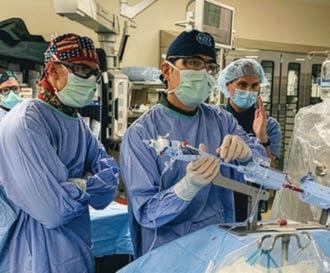
The program’s depth of experience is reflected in outcomes. The program has earned a three-star rating from the Society of Thoracic Surgeons (STS)—the highest possible distinction—for care and outcomes in isolated CABG procedures, a nationally benchmarked measure widely regarded as one of the most rigorous indicators of cardiac surgical quality.
Advanced minimally invasive and robotic techniques are also used in select thoracic and
oncologic procedures, supporting faster recovery while maintaining surgical precision. These capabilities reflect years of programmatic growth and ongoing investment in training and technology. This expertise extends to vascular surgery, where surgeons treat a wide range of vascular conditions. The program was among the first non-academic hospitals in the state to offer transcarotid artery revascularization (TCAR)—a minimally invasive approach that restores blood flow to the brain while significantly reducing stroke risk.
While surgery remains essential for many patients, advances in catheter-based and rhythm-focused treatments now allow others to receive effective care with less invasive approaches.
The cardiac catheterization labs at Reid Heart Center play a critical role in both diagnosis and treatment, supporting a wide range of interventional procedures.
Interventional cardiologists perform everything from diagnostic catheterizations to advanced percutaneous coronary interventions, including treatment for chronic total occlusions—one of the most complex forms of coronary artery disease. These procedures restore blood flow, relieve symptoms and, in many cases, help patients avoid open-heart surgery.
FirstHealth’s structural heart program has further expanded treatment options at Reid Heart Center. In 2013, FirstHealth became the first in the region to offer transcatheter aortic valve replacement (TAVR), bringing
a minimally invasive alternative to traditional heart valve replacement requiring open-heart surgery. The program has continued to advance valve care with procedures such as MitraClip, a treatment for patients with a leaky mitral valve who may not be able to undergo traditional surgery. Advanced programs and treatments like CardioMEMS enable proactive heart failure management for patients, allowing physicians to remotely monitor the function of the heart. The Pulmonary Embolism Response Team (PERT) brings rapid,
impact on surrounding tissue.
The program also offers implantable loop recorders to capture difficultto-detect rhythm abnormalities, as well as the Watchman™ procedure for patients with atrial fibrillation who need an alternative to long-term blood thinners. Reid Heart Center is among the top Watchman implanting sites in the state, reflecting both experience and consistent outcomes in strokeprevention care.
Heart care doesn’t end with a procedure or hospital stay. Reid Heart Center supports patients through comprehensive outpatient services, including general
coordinated care to patients facing life-threatening blood clots—demonstrating the power of collaboration in critical moments.
Electrophysiology: Precision Care for Heart Rhythm Disorders
When the heart’s rhythm is disrupted, symptoms can range from inconvenient to lifealtering. Reid Heart Center’s electrophysiology services provide comprehensive care for patients with arrhythmias, supported by advanced technology and specialized expertise.
Learn more about heart care at FirstHealth.
Care ranges from straightforward ablations to complex procedures for atrial fibrillation and other rhythm disorders. Newer approaches, including pulsed field ablation for atrial fibrillation, allow physicians to treat abnormal electrical pathways with increased precision while minimizing
cardiology, a specialized heart failure clinic, a lipid clinic that offers expertise in treatment of cholesterol disorders and cardio-oncology for patients whose cancer treatments affect heart health. These services focus on prevention, monitoring and long-term management — helping patients navigate chronic conditions, reduce future risk and maintain quality of life.
In recent years, the strength of Reid Heart Center’s programs has naturally expanded its reach beyond the traditional service area, with patients from neighboring and more distant communities choosing Reid Heart Center for comprehensive, advanced heart care. Through ongoing investment in technology, expertise and collaboration, the program remains focused on meeting patients’ needs today while preparing for what’s next. n
By: Michelle Cole, R.D., LDN, CDCES, FirstHealth Diabetes and Nutrition Education Program Manager

By the time backpacks are dropped, emails are answered and someone asks, “What’s for dinner?”—most families are already running on fumes. As a dietitian, I hear this daily: “We want to eat better, but there’s no time.”
The good news?
Healthy eating doesn’t require gourmet meals, endless chopping or perfect routines. It’s about smart shortcuts, flexible planning and foods that work with your life—not against it.
Here’s how busy families can stay nourished, energized and sane as spring rolls into summer—even on the most chaotic days.
Weeknights don’t need to be all-ornothing. A balanced meal can come together in minutes if you think in building blocks: protein, produce, carbs and healthy fats.
Dietitian-approved fast fixes:
• Rotisserie chicken night: Pair with microwaved frozen veggies and a bag of ready rice or quinoa
• Breakfast for dinner: Scrambled eggs, whole-grain toast, fruit and yogurt come together fast and deliver protein and fiber

• Wrap it up: Whole-grain tortillas with hummus, turkey or beans, pre-washed greens and shredded cheese
• Sheet-pan dinners: Pre-cut veggies and chicken sausages tossed with olive oil and roast for 20 minutes
Tip: Pre-washed greens, frozen vegetables, canned beans and microwavable grains are nutrition powerhouses that save time and help reduce food waste.
Smart prep ideas:
• Cook once, use twice (or three times):
– Roast a tray of vegetables to use in bowls, wraps and omelets – Grill or bake chicken for salads, pasta and tacos
• Batch basics: Make a big pot of soup, chili or lentils on the weekend and freeze half for later

• Prep components, not full meals: Wash fruit, chop veggies, cook grains and portion proteins so meals assemble quickly, especially for the upcoming hot summer days when many of us don’t want to cook

Tip: Even 30 minutes of prep can save hours of stress later. Think progress, not perfection.
Spring and summer often mean more time out of the house. Snacks are essential fuel, especially for kids, teens and adults on the go. I recommend pairing protein or healthy fats with carbs to prevent energy crashes and constant snacking.
Portable snacks:
• Trail mix with nuts, seeds and dried fruit

• Cheese sticks and whole-grain crackers
• Apples, oranges or bananas (no prep required)
• Roasted chickpeas or edamame

• Yogurt pouches or protein shakes
• Peanut butter or hummus with pretzels
One of the biggest myths I see is that healthy eating requires elaborate recipes or “perfect” foods. In reality, consistency matters more than creativity—especially during busy, activity-filled seasons.
Keep it simple with:
• Frozen fruits and veggies (just as nutritious as fresh)
• Canned beans, tuna or salmon
• Storebought sauces and dressings to boost flavor fast
• One-pan or slow-cooker meals


Family meals don’t need to please everyone perfectly. Instead:
• Serve meals family-style and let everyone choose portions
• Offer at least one “safe” food for picky eaters

Remember: a sandwich, soup or snack plate can absolutely count as dinner!
Tip: Kids learn healthy habits from exposure, not pressure. Keep offering healthy options, and it will pay off as they grow older.
• Involve kids in choosing snacks or assembling meals
Healthy eating isn’t about doing everything “right.” It’s about making realistic choices that support energy, growth and well-being—especially as life speeds up in spring and summer. n
Michelle is a registered dietitian and certified diabetes care and education specialist with more than 19 years of experience in outpatient diabetes and nutrition education. She specializes in diabetes management, weight management of adults and pediatrics, and prevention and treatment of chronic diseases. Michelle earned her degree in human nutrition from the University of North Carolina at Greensboro.
Every 40 seconds, someone in the United States has a stroke. It’s one of the leading causes of death and disability—but quick action can make all the difference.
May is Stroke Awareness Month, and it’s the perfect time to firm up your own knowledge about the risk factors and signs of a stroke. According to Staci Smith, R.N., the stroke coordinator at FirstHealth, it’s critical to understand that every second counts.
“A stroke happens when blood flow to the brain is interrupted, either by a clot (ischemic stroke) or bleeding (hemorrhagic stroke),” Smith said. “Without the oxygen-rich blood required, brain cells begin to die within minutes, making every stroke a true medical emergency.”
FirstHealth offers award-winning, comprehensive stroke care at each of its four hospitals, from emergency treatment to rehabilitation and support services. Moore Regional Hospital in Pinehurst, MRH-Hoke, MRH-Richmond and Montgomery Memorial Hospital were all recently recognized by the American Heart Association for excellence in stroke care.
The Get With The Guidelines –Stroke and Heart Failure quality achievement awards are earned by hospitals that demonstrate a commitment to treating these patients according to the most up-to-date, research-based guidelines.
Recognizing stroke symptoms early can save lives:
B – Balance: Sudden loss of balance or coordination
E – Eyes: Sudden vision changes or trouble seeing
F – Face: Facial drooping or uneven smile
A – Arms: Weakness or numbness in one arm
S – Speech: Slurred speech or difficulty speaking
T – Time: Call 911 immediately— every second matters
Smith said it’s critical to remember that “time lost is brain lost.” Acting quickly can mean the difference between recovery and lifelong disability. Proper and timely medical intervention can limit the extent of brain injury, increasing the odds of full recovery and reducing the need for long-term rehabilitation.
While some risk factors for stroke can’t be changed, many are modifiable. Strokes often affect women more than men, and pregnancy can be a risk factor. Other modifiable risk factors include high blood pressure, smoking, diabetes, obesity and high cholesterol.
Smith said eating a heart-healthy diet and staying physically active are great ways to lower your risk of stroke.

“It’s also important to manage other lifestyle choices such as avoiding tobacco products and limiting the use of alcohol,” she said.
If you suspect a stroke, call 911 immediately. Do not wait to see if symptoms improve. Emergency medical teams can begin treatment on the way to the hospital, and FirstHealth hospitals are equipped with advanced stroke care to give patients the best chance at recovery.
For ischemic strokes, clot-busting medication (a thrombolytic) can restore blood flow if given within a few hours of symptom onset. In some cases, a mechanical thrombectomy may be performed to remove the clot. After treatment, rehabilitation—including physical, occupational and speech therapy— helps patients regain independence.
FirstHealth Stroke Support Group brings people together to discuss and learn from each other, to share helpful hints and to encourage those who face stroke-related problems. Learn more about our stroke program and our treatment teams at FirstHealth.org/Stroke n
B Balance: Sudden loss of balance or coordination
E Eyes: Sudden vision changes or trouble seeing
F Face: Facial drooping or uneven smile
A Arms: Weakness or numbness in one arm
S Speech: Slurred speech or difficulty speaking
T Time: Call 911 immediately—every second matters
How to know when home care is enough and when it’s time for a pro.
A summer spent outdoors is great for the soul, but not always for the skin. According to facial plastic surgeon and otolaryngologist Deidra Blanks, M.D., FACS, the most common concern patients bring in after months of sun is brown spots.
“That’s just the damage you can see,” she said. “The same sun exposure is also causing invisible injury—breaking down collagen, thinning the skin and accelerating wrinkles and laxity.”
Fellow facial plastic surgeon and otolaryngologist Jefferson Kilpatrick, M.D., FACS, sees the same pattern each year.
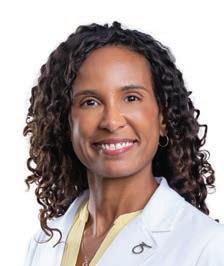
Deidra Blanks, M.D., FACS
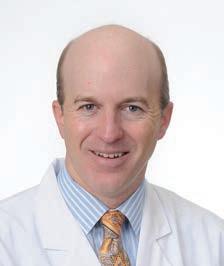
Jefferson Kilpatrick, M.D., FACS
“Ultraviolet exposure stimulates melanin production in the skin, which can lead to brown spots, uneven pigmentation and an overall dull skin tone,”

Kilpatrick explained. “Interestingly, those pigment changes often don’t appear right away. Many patients begin noticing the effects weeks or even months later, which is why sun damage often becomes more obvious in the fall.”
Another frequent complaint are those tiny red veins on the cheeks and around the nose, called telangiectasia.
“They’re broken capillaries,” Blanks said. “Genetics play a role, but sun exposure is a major culprit. It weakens blood vessels and thins the skin, letting those vessels sit closer to the surface.”
Kilpatrick noted that repeated sun and heat exposure can make them more noticeable and persistent.
For early sun damage, a few wellchosen ingredients can genuinely help.
“Sunscreen is the most important step. Preventing damage is always easier than correcting it,” Blanks said. “Retinols boost skin-cell turnover, stimulate collagen
and calm inflammation.”
Kilpatrick also recommends antioxidant support as part of a daily routine.
“Antioxidant serums help defend the skin by neutralizing free radicals generated by UV exposure,” he said. “Ingredients such as vitamin C can reduce oxidative stress in the skin and help limit the amount of pigment that forms after sun exposure.”
But even the best OTC products have limits.
“If you’ve used something consistently for three months without improvement, it may be time for professional care,” Blanks said.
Over-the-counter products can only contain low concentrations of active ingredients. Prescription options or in-office treatments can reach deeper layers and offer more dramatic, faster results.
“If you’re trying to improve or maintain your skin, a consultation can save you from spending hundreds on products that don’t work,” Blanks added. “A visit allows for personalized recommendations and a discussion of options
such as lights, lasers and chemical peels.”
Kilpatrick agrees that professional evaluation helps patients find the most effective treatment plan.
“When we evaluate patients, we consider the full picture of their skin health,” he said. “Laser therapies and medical-grade chemical peels can be very effective for pigmentation and visible vessels, but they work best when combined with a consistent skincare regimen and diligent sun protection.”
Blanks also noted that concerning moles or lesions should always be evaluated by a dermatologist.
For brown spots and broken capillaries, Blanks highly recommends IPL (Intense Pulsed Light).
“It’s a bright, filtered light that targets brown and red areas without downtime,” she explained. “Most people need three to five sessions. Chemical peels are another strong option as they remove damaged cells, lighten brown spots and soften fine lines, though they require some recovery.”
Kilpatrick said laser technology can be highly effective.
“Specific wavelengths of laser energy target pigment or blood vessels in the skin,” he explained.
“The pigment or vessel absorbs
the energy and gradually breaks down, allowing the body to clear it over time and leaving the skin brighter and more even.”
One caveat: timing matters.

“We avoid lasers and chemical peels in the summer,” Blanks said. “The best window is Labor Day through Memorial Day.”
“There are no quick fixes,” Blanks emphasized.
Natural skin-cell turnover takes 12 weeks, meaning visible results take patience whether at home or in the clinic.
Kilpatrick encourages patients to think about skincare as a long-term investment.
“Compare a version of yourself five years from now who maintains annual treatments and consistent sun protection versus one who does nothing,” he said. “That’s where the real difference appears.”
Their shared advice for summer skin?
“Wear sunscreen and reapply. Cover up when you can,” Blanks said.
“A good sunscreen, a hat and a consistent skincare routine with antioxidants can go a long way in protecting your skin,” Kilpatrick added. In other words, this summer’s healthy skin starts now. n
Deidra Blanks, M.D., FACS, practices at FirstHealth Fayetteville ENT & Facial Plastics with Pinehurst Surgical Clinic in Fayetteville, N.C.
Jefferson Kilpatrick, M.D., FACS, practices at Pinehurst Surgical Clinic in Pinehurst and Southern Pines.
Cardiology

Cardiology
DeMarcus Benjamin, FNP
FirstHealth Cardiology – Laurinburg
Sisira Gorthala, M.D.
FirstHealth Cardiology – Pinehurst and Raeford
Family Medicine
Marc Sciarra, D.O.

FirstHealth Family Medicine – Pinehurst
Functional Medicine
Jennifer Pelletier, PA-C, R.D.
FirstHealth Functional Medicine
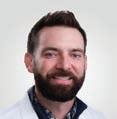
Neurology

Interventional Pain
Justin Richardson, FNP
FirstHealth Interventional Pain – Troy
Katie Baeza, AGACNP
FirstHealth Neurology
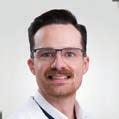
Neurology
Grant Bischof, PA-C
FirstHealth Neurology
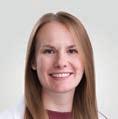
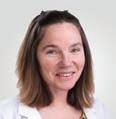
OB/GYN
Neurology
Joyia Montanez, FNP
FirstHealth Neurology
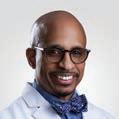
Andre Hall, M.D.
FirstHealth OB/GYN-Cape Center

OB/GYN
OB/GYN
Kelly Helton, FNP-C
FirstHealth OB/GYN - Cape Center
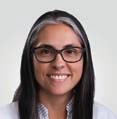
Karen Johnson, CNM
FirstHealth OB/GYN with Southern Pines Women’s Health Center
Primary Care
Primary Care
Tania Oliveira, DNP

FirstHealth Primary Care – Pinehurst
Georganna Moore, FNP
FirstHealth Primary Care – Pinehurst
Primary Care
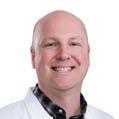
Allen Ballew, D.O.
FirstHealth Primary Care – Hoke

ADDITIONAL NEW PROVIDERS
ANESTHESIA – FIRSTHEALTH
ANESTHESIA
Sharlotte Morgan, CRNA
DENTISTRY – SOUTHERN SMILES
PEDIATRIC DENTISTRY
Zev Orentlikher, DDS
EMERGENCY – SANDHILLS
EMERGENCY PHYSICIANS
Zachary Bohlmann, PA-C
Robert H. Jones, III, PA-C
Meredith Morrone, PA-C
Olivia Snyder, PA-C
GASTROENTEROLOGY – PINEHURST
MEDICAL CLINIC
Farrah Moore, FNP
HOSPITALIST – FIRSTHEALTH HOSPITALISTS
Austin Ross, D.O.
Baikuntha Chaulagai, M.D.
OPHTHALMOLOGY – CAROLINA EYE ASSOCIATES
Molly Walsh, M.D.
ORTHOPAEDICS – PINEHURST
SURGICAL CLINIC
Savannah Chappell, PA-C
PODIATRY – PINEHURST FOOT
SPECIALIST, PA
David Collard, DPM
PODIATRY – PREMIER FOOT AND ANKLE, PLLC
Mansi Patel, DPM
PULMONOLOGY – PINEHURST
MEDICAL CLINIC
Amanda Burd, N.P.
RADIOLOGY – PINEHURST
RADIOLOGY ASSOCIATES
Erica Kerr, P.A.
SURGICAL DOCUMENTATION –FIRSTHEALTH QUALITY
Lauren Chriscoe, AGPCNP
Visit FirstHealth.org/Directory to find a primary care provider or medical specialist.

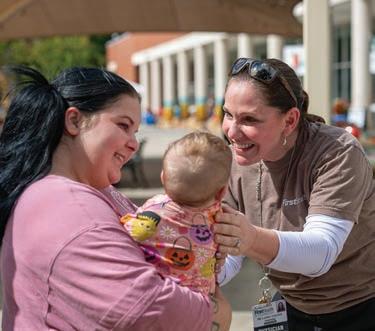
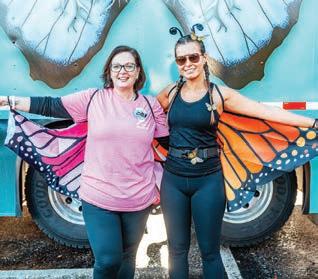
You wouldn’t be-leaf the fun had at our annual Clarke NICU Reunion at FirstHealth Moore Regional Hospital on Saturday, Oct. 6, 2025.
The inaugural Wings of Hoke Walk & Run to raise awareness about lung cancer was a huge success on Saturday, Nov. 10, 2025.
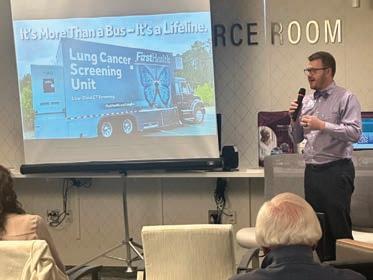
Our community came together to shine a light on lung cancer awareness during the Lung Cancer Vigil on Nov. 20, 2025, at the FirstHealth Cancer Center.
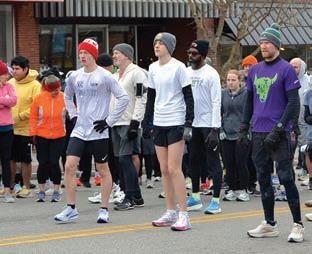
Cold weather didn’t stop runners and walkers from coming out for the FirstHealth Fitness-supported Resolution Run in Sanford on Saturday, Jan. 30, 2026.
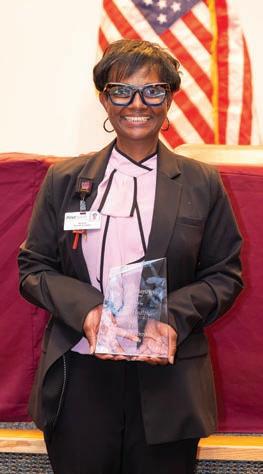
Martin Luther King Jr. Leadership Award – Kelli McMillan, a customer service supervisor in patient accounts, is the recipient of the 2026 FirstHealth award. She has served our system for three decades and is dedicated to serving our communities and exemplifies leadership through compassion, service and a commitment to helping others.
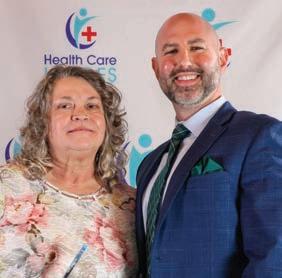
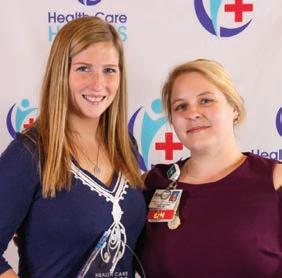
Hope Cole, PA-C with Sandhills Emergency Physicians and Shelby Yow-Hayes, R.T., CRA, imaging director at MRH-Hoke, were recognized at the Greater Fayetteville Business Journal Health Care Heroes Awards in November 2025.

Dear Mr. Foster
I recently had open heart surgery at the FirstHealth Reid Heart Center. I am writing to commend every aspect of the surgery from the actual procedure to the after-care at the hands of the surgeon and team, physician assistants, nurses, ancillary staff and respiratory therapy staff.
After much due diligence, I decided to have Dr. Peter Ellman perform my surgery, involving an aortic valve transplant and LAD bypass. I did not have to have surgery and could have elected to do less invasive procedures or simply nothing at this time. However, I came to the conclusion that while I am still healthy I would have the invasive surgery at the hands of Dr. Ellman. All I can say is that he is truly a gifted surgeon and I owe him my life. He is a credit to FirstHealth, the Reid Heart Center and the greater Pinehurst community.
Running a national network of independent community oncology practices, and spending a lot of time in Washington, D.C., lobbying for cancer care, I have been vocal about the consolidation in health care, especially by mega health systems, and the adverse impact on patient care and costs. However, FirstHealth of the Carolinas stands out as a gem in our community and what a hospital should be – patient centric!
I’m healing way ahead of schedule and attribute that in large part to the care I have received at FirstHealth. Last week, my wife and I delivered cupcakes to the unit as a small token of thanks. However, please thank Dr. Ellman, his team and everyone on the after-care unit for just excellent care.
Thank you!
Ted Okon

Would you consider sharing your experience online? It’s one of the many ways we love to recognize our employees when they deliver on our core purposeTo Care for People.
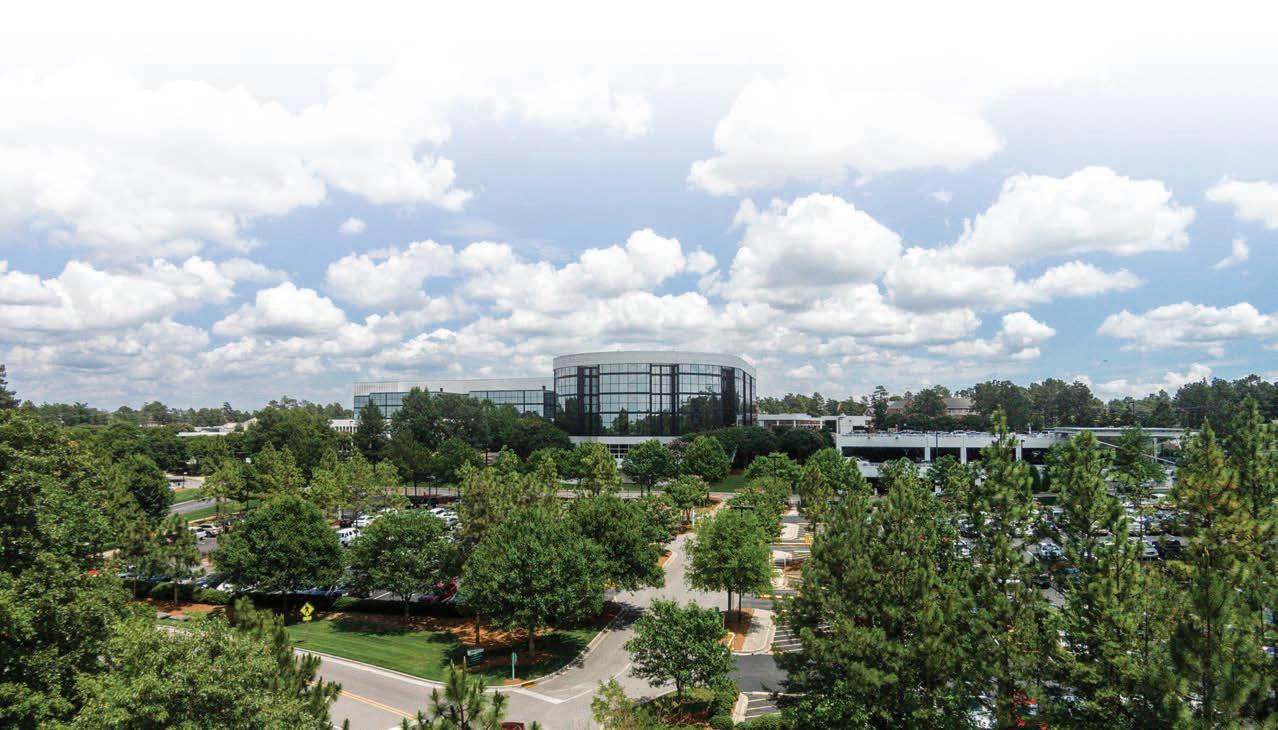
From early milestones to later years, we’re here for every stage of life.
Our primary care, specialty services and virtual options work together to make every visit easier, more connected and more personal — with shorter wait times and quicker referrals when it matters most.
Because when you’ve cared for a community long enough, you don’t just know their names. You know their stories.
You don’t have to travel far for world-class healthcare.
It’s right here at home.
Dan Barnes, D.O. President, FirstHealth Physician Group