Faith, Integrity, Scholarship
President’s Circle Reception
September 14,2008
Hofmann Student Center
Program Highlights
4:00 pm Arrival
4:15 pm
Blessing of Faith, Integrity, Scholarship Welcome.
. Mark DeMarco ’78
Remarks from the Artist . . . . Mario Chiodo
Blessing
4:45 pm Reception
Fr. Andrew Metcalf
Thoughts of our Founder
“Virtue cannot hide. When it is seen it is attractive, and the example it gives makes such a strong impression on those who witness it practiced or who hear it spoken about, that most people are led to imitate it.”
— Saint John Baptist de La Salle
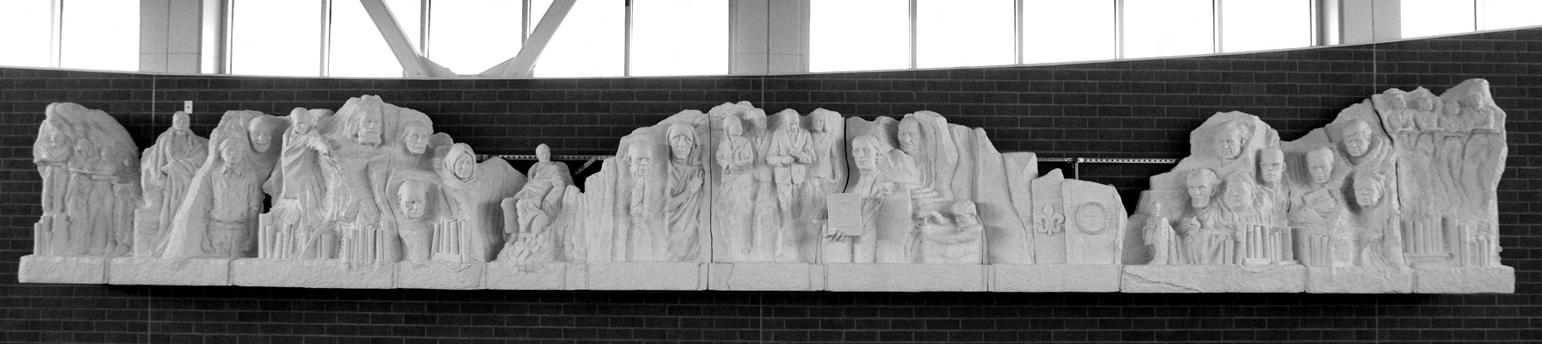
Faith,Integrity,Scholarship
Faith, Integrity, Scholarship
Chief Joseph
Unknown Rebel
of Tiananmen Square
Harvey Milk
Shirin Ebadi
Dr. Martin Luther King, Jr.
Franklin Delano Roosevelt
Coretta Scott King
Thich Nhat Hanh
Saint John Baptist
de La Salle
Mother Teresa
Oskar Schindler
Mahatma Gandhi
Rosa Parks
Frederick Douglass
Ralph Abernathy
Susan B.Anthony
Sir Winston Churchill
Helen Keller
Abraham Lincoln Rigoberta Menchú Tum
Elie Wiesel
Malcolm X
Nelson Mandela
César Chávez
Ruby Bridges
Dr.Maya Angelou
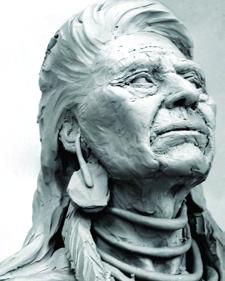
Chief Joseph 1840-1904
Chief Joseph, leader of the peaceful Nez Perce nation in the late 1800s, challenged the plan of the U.S. government to move his tribe from their native lands when the Cavalry reneged on their agreement to let them stay. Not wishing to see more fighting and bloodshed, he negotiated another settlement, saving lives, maintaining his dignity and proving to have more integrity than the victorious soldiers. He was far ahead of his time in his conviction that all men and women should live in equality and peace.
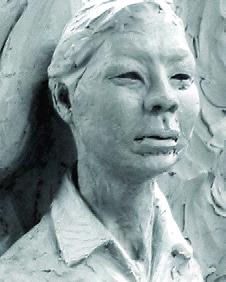
Unknown Rebel of Tiananmen Square
During pro-democracy student demonstrations in China in 1989, the Unknown Rebel of Tiananmen Square physically placed himself in front of a column of army tanks in Beijing demanding that the government acknowledge them and open a dialogue. Although his name and whereabouts are unknown, he remains a role model of courage during a contemporary battle for human rights.
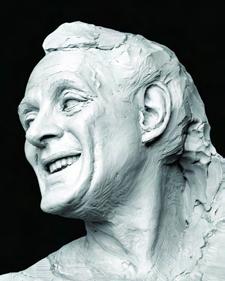
Harvey Milk 1930-1978
Harvey Milk, known as the “Mayor of Castro Street,” was a leading activist for San Francisco’s gay community and minority rights. Elected as San Francisco City Supervisor in 1977, he was the first openly gay official in the United States and sponsored a gay rights bill. As a community leader for social justice, Harvey Milk promoted pride in a person’s unique identity and an individual’s ability to make a difference in society.
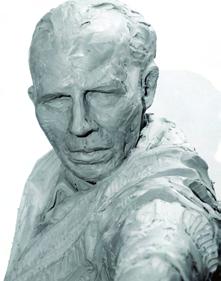
Oskar Schindler 1908-1974
An unlikely savior of thousands during the Holocaust, businessman Oskar Schindler appeared to have a life of luxury but gave up everything he owned to secretly fight the genocide preached by Hitler. He outwitted the Nazis again and again to save more than 1,200 Jews from annihilation during World War II.
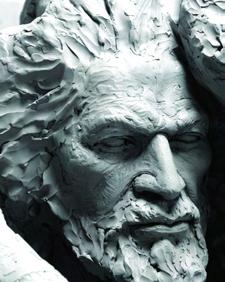
Frederick Douglass 1817-1895
Frederick Douglass was a self-educated activist who survived the atrocities of slavery. He went on to become a great author and orator in the abolitionist movement, was influential to Abraham Lincoln as well as being an inspired advocate of utilizing education to achieve equality. Douglass also supported Susan B. Anthony’s movement for women’s rights.
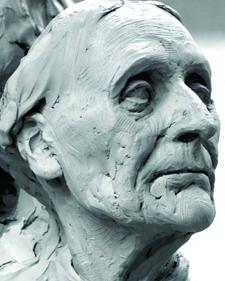
Susan B.Anthony 1820-1906
Susan B. Anthony fought for the rights of women in the late 1800s, including the right to vote. Through lectures, protests, petitions and writings, she campaigned for women’s suffrage, education opportunities and the abolition of slavery. Ms. Anthony suffered and endured bitter treatment by men in her quest to improve the lives of all.
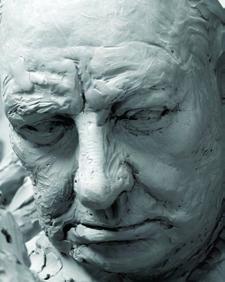
Sir Winston Churchill 1874-1965
Sir Winston Churchill stood alone against fascism, rallied his country’s support and prevented a totalitarian domination of the continent of Europe. In doing so, he also saved the lives of countless Jews and protected human rights in multiple democratic nations. Born into wealth, Churchill chose a more difficult life as a public servant and, because of his military prowess, changed the destiny of the world.
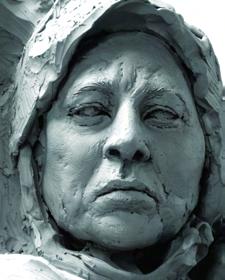
Shirin Ebadi 1947-Present
Shirin Ebadi, former judge and attorney in her native Iran, has dedicated her life to improving the rights of children and women in the Middle East. Despite having endured prison and torture, she continues to lecture, write and legally represent politically sensitive cases. She has established two agencies for protecting children and human rights and won the Nobel Peace Prize in 2003
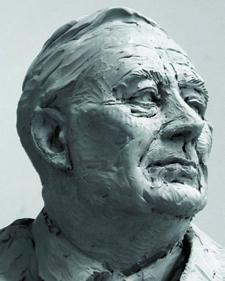
Franklin Delano Roosevelt 1882-1945
Franklin Delano Roosevelt obtained the highest governmental position of our nation as President, despite the fact that he was a paraplegic. After leading the nation in World War II, he initiated the United Nations Charter in the hope that it would help prevent future wars. On January 6, 1941, President Roosevelt proclaimed that four freedoms are essential to a flourishing democracy: freedom of speech and expression, freedom of worship, freedom from want and freedom from fear.
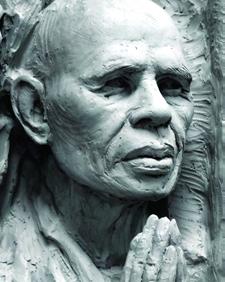
Thich Nhat Hanh 1926-Present
Thich Nhat Hanh, a Buddhist monk, teaches leadership through peaceful means and looks for the common threads of all people to unite them. During the Vietnam War, he was persecuted and tortured by both Vietnamese communists and Christian fundamentalists. Choosing to learn from the experiences,
Thich Nhat Hanh advocates for social change through his books and lectures about nonviolence, peace and reconciliation.
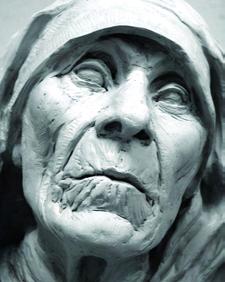
Mother Teresa 1910-1997
As leader of the Order of the Missionaries of Charity, Mother Teresa demonstrated unconditional compassion and mercy in her commitment to taking care of the people that society rejected. Living a life of poverty, she went on to create over 500 centers worldwide. She received multiple awards and distinctions including the Nobel Peace Prize in 1979 for bringing new hope for the future of mankind through her ability to see sacredness in every person.
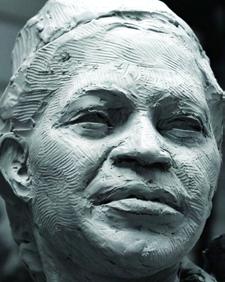
Rosa Parks 1913-2005
Rosa Parks is known as the mother of the civil rights movement for refusing to give up her seat on a bus in Montgomery, Alabama. A petite woman of courage and strength, she stood up to segregation and became an activist in the civil rights movement alongside Dr. Martin Luther King, Jr. In 1987, she established an institute for youth devoted to self-development through study of history and the global human condition.
Parks exemplifies the point that one person can make a difference.
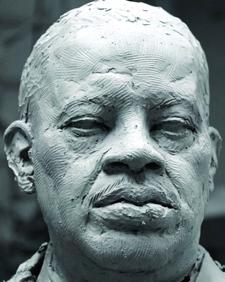
Ralph Abernathy 1926-1990
Ralph Abernathy was Dr. Martin Luther King, Jr.’s partner during the civil rights campaigns of the 1950s and 1960s. He served as President in the Southern Christian Leadership Conference after Dr. King’s death in 1968 until 1977. At his side the day Dr. King died, Abernathy continued to fight for equality by organizing marches, including the Poor People’s Campaign on Washington, D.C.
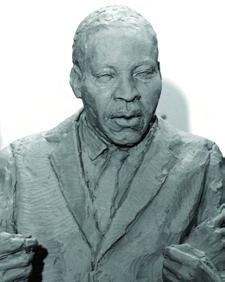
Dr.Martin Luther King,jr.
1929-1968
Pillar of the civil rights movement, Dr. Martin Luther King, Jr. challenged laws of segregation through peaceful demonstration. He paved the way for legislation to be changed that transformed racial division and created opportunities for countless numbers of people. His “I have a dream” speech was made in 1963 from the steps of the Lincoln Memorial in Washington, D.C. In 1964 Dr. King was awarded the Nobel Peace Prize.
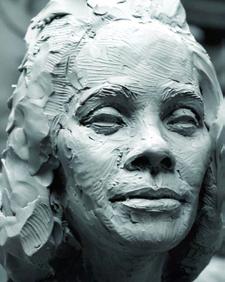
Coretta Scott King 1927-2006
Coretta Scott King, despite having a family to raise, worked alongside her husband, Dr. Martin Luther King, Jr. In fact, the day after Dr. King’s death, Coretta Scott King led a protest march of the sanitation workers (organized by Dr. King) in Memphis. Due to her commitment to the civil rights movement, she persevered and built the King Center that has continued the mission that Dr. King began.
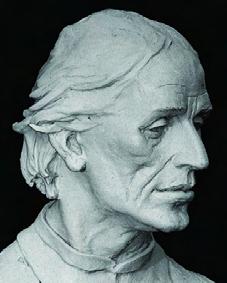
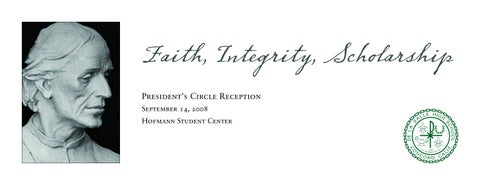
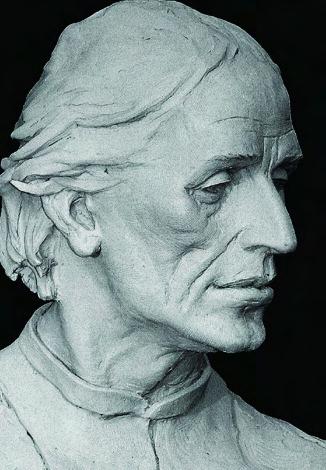
Saint John Baptist de La Salle 1651-1719
Saint John Baptist de La Salle was born in France in 1651 to a wealthy family and would become one of the most innovative educators and thinkers of modern times. In 1684, De La Salle founded the first, nonclerical, male teaching order in the Church. Others had tried but had failed to establish the connection between a life of prayer, the apostolate and community life. De La Salle saw the connection of all three. In 1691, De La Salle, with two other Brothers, made a vow of association: to remain together, to achieve God’s work that had been entrusted to them, despite adverse circumstances.
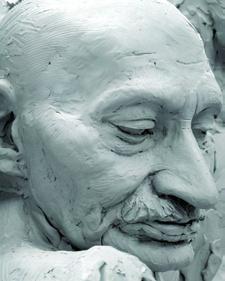
Mahatma Gandhi 1869-1948
Mahatma Gandhi gave up a successful career as a lawyer to pursue his mission of transforming the nation of India through peaceful activism. His teachings and leadership greatly influenced Dr. Martin Luther King, Jr. and Thich Nhat Hanh. Through his persistent pacifism, he was able to overthrow England’s rule and restore India’s right to self-governance.
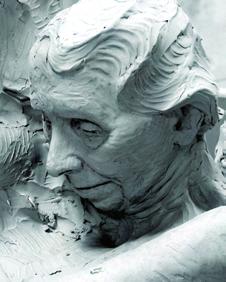
Hellen Keller 1880-1968
Helen Keller, blind and deaf from infancy, overcame a life of silence and darkness to become the “first lady of courage.” She went on to fight for the rights of people with disabilities, for racial and sexual equality as well as becoming a profound writer and public figure. She has proven that regardless of any disability, one can lead a meaningful life and affect the lives of others.
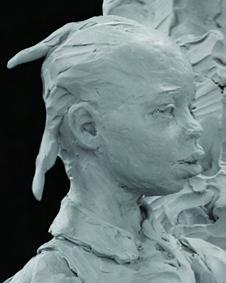
Ruby Bridges 1954-Present
Ruby Bridges, at the age of six braved an angry mob of racist demonstrators to become the first black student to attend an all white school in the South. Her phenomenal courage earned her a place in history and demonstrated to the world the power of not only the individual, but of a child. Ruby served as an inspiration to thousands of other black school children and her legacy remains an inspiration to youth today.
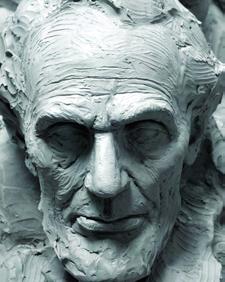
Abraham Lincoln 1809-1865
Against great odds, Abraham Lincoln changed our nation’s direction by paving the way to end slavery. A courageous and diplomatic leader, he accomplished this under severe opposition from the South and many members of his own Cabinet. He is a role model who attained high achievements, even though he was born to a working class family and faced many health challenges.
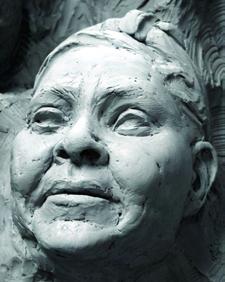
Rigoberta Menchú Tum 1959-Present
Rigoberta Menchú Tum, raised in the Quiche branch of the Mayan culture in a poor peasant family, promotes rights for indigenous peoples in Latin America despite threats against her life. Self-educated, she has written several books and become an activist for human rights and peace. Exiled from her native Guatemala, she was awarded the Nobel Peace Prize in 1992 for being the voice of indigenous peoples.
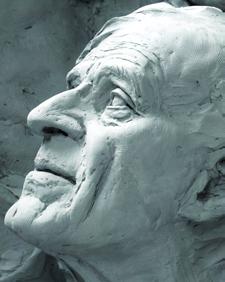
Elie Wiesel 1928-Present
Because he survived the horrors of the Holocaust and most of his family did not, Elie Wiesel dedicated his life to preventing genocide. Author of numerous books on the subject, he is also the leader of several foundations and institutions that support this mission. He has lectured around the world to encourage interaction when human lives are endangered.
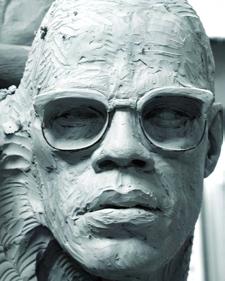
Malcolm X 1925-1965
Malcolm X left a life of crime and dedicated himself to the civil rights movement in the United States by becoming a disciple of the Nation of Islam. After an enlightening trip to Mecca, he saw a vision of global unity that changed his perspective and he devoted the last years of his short life to peaceful activism.
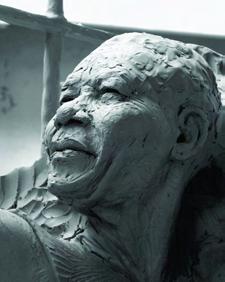
Nelson Mandela 1918-Present
Calling himself “an ordinary man who had become a leader because of extraordinary circumstances,” Nelson Mandela has the kind of courage and perseverance that can change the world. Faced with apartheid, Mandela chose nonviolence as a strategy to achieve an open democracy and through his personal sacrifice and struggle, went on to become the first democratically elected State President of South Africa in 1994. Even when faced with the indignities of prison, Mandela used the time to continue to educate himself and other prisoners.
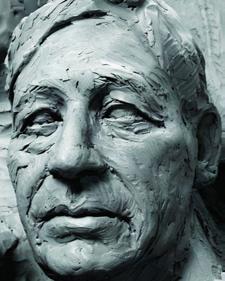
César Chávez 1927-1993
César Chávez, civil rights and agricultural labor leader, took a stand against the social injustice towards farm workers. He is best known as the founder of the United Farm Workers of America, AFL-CIO. He led the fight for major revisions in the laws pertaining to farm workers who had no, or very limited rights in the workplace of America, yet were the backbone of the economic engine of farming.
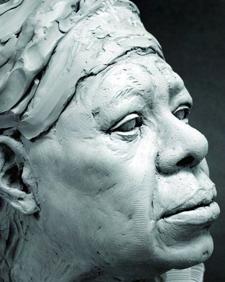
Dr.Maya Angelou 1928-Present
Maya Angelou: poet, educator, historian, best-selling author, actress, playwright, civil rights activist, producer and director, overcame major hardships in her personal life through her autobiographical writings and poetry. Her books and speaking tours inspire countless numbers of people to change their lives. She also participated in the civil rights movements along with Dr. Martin Luther King, Jr., Nelson Mandela and Malcolm X.
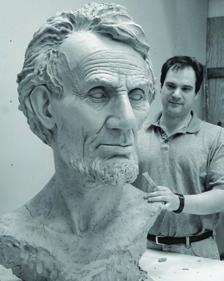
Mario Chiodo Artist’s Statement
I have chosen these humanitarians because, regardless of their individual backgrounds or missions, they share the common threads of courage, perseverance, education, sacrifice and a sincere desire to strive for a better life for all. This monument represents an international cross-section of visionaries throughout several centuries who have inspired and aided others through their passionate beliefs in human rights and peace.
From the vast numbers of humanitarians in the world worth being acknowledged, this unique grouping offers twenty-six individuals who have touched my heart and inspired me in times of darkness.
— Mario Chiodo
Faith, Integrity, Scholarship
De La Salle High School Sunday,September 14,2008