




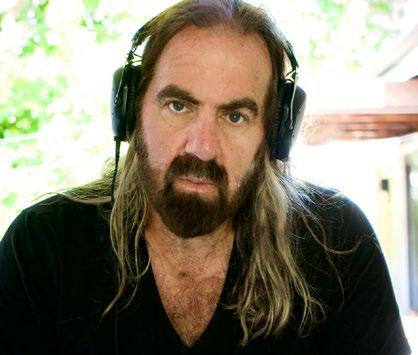
By Jim Tremayne
Atlantic City, N.J. – DJs, it’s not far off… in fact, DJX is on the horizon with its 41st edition since its 1990 inception. Scheduled for August 10-13 at the Hard Rock Hotel & Casino in Atlantic City, N.J., DJX will draw from all sectors of the DJ industry – mobile, club, studio, turntablist, beginner, etc. – with is tried-and-true combo of new-technology exhibits, education, and sponsored After Dark events. Produced by DJ LIFE magazine and Hazan Media Group, DJX will present an exhibit hall full of the latest DJrelated products (audio, lighting, studio, content-creation, accessories, etc.), a slate of 30-plus seminars, panels, and keynotes tackling the most-pressing topics, and nightly parties featuring top DJ talent. Operating for more than three full decades, DJX is the longest-running and most-impactful trade show/event in the North American DJ industry. At presstime, here’s what’s new to this year’s show:
After Dark: For its opening party, DJX will present a pair of dance-music legends – Jellybean Benitez and Arthur Baker. Set to rock the decks at HQ2 Nightclub in the nearby Ocean Casino Resort, the pair will bring out the massive hits of yesteryear – from Benitez’s timeless records with Madonna (like “Holiday” and “Borderline”) and his own hits like “The Mexican” to Baker’s groundbreaking productions like “Planet Rock” and “Looking for the Perfect Beat” (Afrika Bambaataa), “Confusion” (New Order), and “Walking On Sunshine” (Rockers Revenge).
Keynote Q&A Sessions/Presentations: Back at the Hard Rock on the following day, Aug. 11, DJX will offer another double-dose of legendary favors. Jellybean Benitez will do a Keynote Q&A, where he’ll discuss his wildly diverse career. In addition to his successes in clubland, he’ll discuss his big records and remixes, his record labels, his flm and radio work – and his latest project: Jellybean’s Funhouse Record Shop, opening soon in Ft. Lauderdale, Fla.
Afterward, Arthur Baker will present a similar, 30-minute session that will introduce an exclusive screening of his documentary, “Rockers Don’t Stop: The Revival of Rockers Revenge,” which follows the 1980s hitmaking pioneers as they reunite to record their debut album. The doc tracks the group’s journey from their NYC roots to the stage, navigating personal obstacles and channeling their experiences into their music.
And if that’s not enough… in its long history, DJX has presented panels and Keynote Q&A sessions with hip-hop legends, EDM pioneers, scratch masters, pop hitmakers and much more… but it’s never presented a session with anyone like this: Sid Wilson, the menacing, masked DJ
marvel of Slipknot, the Grammy-winning metal band that’s sold more than 30 million albums in its 30-year career.
During his exclusive DJX Keynote Q&A, Wilson will discuss: his deep DJ history and his turntablist infuences; the backstory of his joining one of metal’s most raucous bands; his contributions to Slipknot’s genre-blending sound and its manic stage show; his successful solo career as DJ Starscream; and his ventures into the DJ-gear game with his company, Stop the Panic, which will also exhibit at the show and present a unique Gaming Lounge for attendees.
Additionally, in teaming up with the World Scratch Invitational Organization, Stop the Panic will present the First DJX Scratch Invitational Regional Championship, powered by AlphaTheta, which will happen at the Hard Rock Casino’s VIP Plum Lounge Aug. 10 and Aug. 12. The scratch battle will showcase 16 selected DJs competing for top prizes, including a $1,000 cash award, travel accommodations to next year’s World Scratch Invitational Championship, a Pioneer DJM S7, and a Defsonix Boombox. The runner-up will receive a $500 cash prize and a Pioneer DJM S5 with additional prizes to be announced.
The competition format introduces an interactive twist, allowing audience members to vote via QR codes during battles, ensuring an engaging and dynamic showdown.
For the very latest at DJX’26, please visit www.djxshow. com
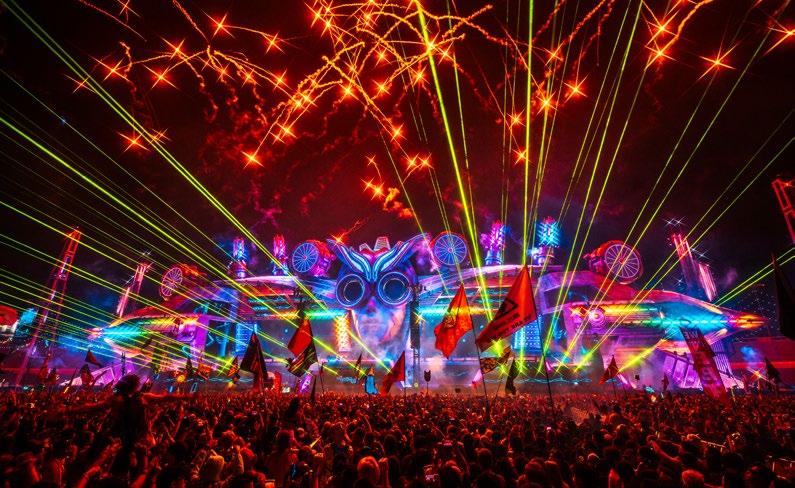
Las Vegas – This past May 15-17, more than 500,000 fans visited the Las Vegas Motor Speedway for EDC Vegas, North America’s largest EDM event. Produced by Insomniac Events, EDC ’26 presented more than 250 performers. For more on EDC, please visit Pg. 20.

By Brian Lawrence
Cover & Contents Images by Pauline Garraud
Legendary French Talent Joachim Garraud Stays Future-Forward With New Tech, While Reviving His Past with a Truly Massive Autobiography By
Jim Tremayne
8 Feedback DJX’26: Latest Sessions Announced for Atlantic City Show
30 Festival Spotlight Coachella: Two Big Weekends
32 Playback
PreSonus AIR XD 12 & Linsoul IEMs
36 Studio Session
SLAB
38 Mobile DJ Profle Philly’s Neeek Nyce
40 DJ Business
for WordPress 7.0 42 Gear New Products from Reloop, Decksaver & More 54 Tracks
Phat Tracks from Roland Clark, Todd Terry & More
56 Club Play Chart
The Hottest Records, As Reported by Our Top U.S. Record Pools
Plenty of DJs may not know Joachim Garraud just from looking at him – he often wears disguises – but they defnitely know from listening. Not only was the Frenchman a producer/collaborator on global smashes like “ World, Hold On” with Bob Sinclar and “Love Is Gone” with David Guetta, his other production credits include stars within and beyond clubland – from Paul Johnson to David Bowie, from Deep Dish to Jean-Michel Jarre and more. Of course, he’s enjoyed global-DJ status for many decades now.
Lucky for us, this past March he attended Winter Music Conference in Miami with French audio brand L-Acoustics. So we made a point to reach out to him to discuss his tremendous career as a DJ/producer/artist, his tech-forward approach (which includes his affliation with the L-Acoustics DJ spatial-audio experience), and “I Love My DJ Life,” his truly massive autobiography. He was gracious to give us his time – and a copy of his 532-page, coffee-table-sized book, which features some of the most amazing pictures of the evolving DJ culture that you’ll ever see. Merci beaucoup, Joachim!
If it’s June, we know that the festival season has begun and that means big DJ-led events across the globe. And in America, it begins with three big festivals: Coachella Valley Music and Arts Festival in Indio, Calif.; Electric Daisy Carnival in Las Vegas: and Movement in Detroit. In this issue, we bring you the sites, if not the sounds, of all three. Enjoy.
From the DJ/artist side of things, our Mark Mancino connects with a pair of very different performers for our Sound Bites section. He goes in the studio with Immersed, the Brazilian duo of Öwnboss and Scorsi, which has morphed from remix collaborators to full-on EDM faves. He also interviewed Melanie C, the Spice Girl star whose solo career has become deeply informed by her DJing.
From our tech reviews, Denver-based DJ/scribe Wesley King tests out AlphaTheta’s SLAB, a hardware controller that natively integrates with Serato Studio, Serato Sample and Serato DJ Pro. Also, in our Playback section, NYC-based DJ Mike Márquez gives the new PreSonus AIR XD 12 active loudspeaker a spin, while Pittsburgh-based jock John Hohman offers some picks from Linsoul’s range of in-ear monitors.
On the mobile side… in his feature, Brian Lawrence details some of the ways that mobile DJs can cultivate better relationships with venues. In Business Line, Jordan St. Jacques offers some tips for implementing WordPress 7.0 for your DJ website. And in Mobile DJ Profle, we visit with Vernique Fields (aka DJ Neeek Nyce), a Philly jock who runs a female-forward DJ company and, via the #NoChaser International Kidz DJ Café, she aims to inspire the next generation of female DJs by teaching the art of DJing and business management.
And, of course, we’re a little closer to DJX ’26. Set for Aug. 10-13 at the Hard Rock Hotel & Casino in Atlantic City, N.J., the show – produced by DJ LIFE and Hazan Media Group –will present: an exhibit hall full of the latest products and technologies for DJs of all stripes; 30-plus panel, tutorial and keynote sessions covering all the pressing topics; and three nights of sponsored parties featuring top DJ talent (like legends Jellybean Benitez and Arthur Baker). Check out Pages 3 and 8 for updates to the DJX’26 schedule. And for the very latest, please visit www.djxshow.com We hope to see you on The Boardwalk in AC!
Cheers,
Jim Tremayne Editor, DJ LIFE
editor-in-chief
Jim Tremayne jtremayne@hazanmediagroup.com
editor-at-large Brian O’Connor boconnor@@hazanmediagroup.com
web editor and social media manager Mark Mancino mmancino@@hazanmediagroup.com
contributors Joe Berinato, Chris Caruso, Shawn Christopher, Paul Dailey, Reed Dailey, Chris Davis, DJ Deets, Tony Fernandez, Tommy D Funk, Lexi Ferguson, John Hohman, Wesley King, Brian Lawrence, Mike Márquez, Lily Moayeri, Jordan St Jacques, Jeff Stiles, Ashley Teffer, Danny Turner, Phil Turnipseed, Joshua Volpe, Travis Wackerly, Curtis Zack
chart coordinator Dan Miller dmiller@hazanmediagroup.com
creative director Janice Pupelis jpupelis@hazanmediagroup.com
director of technologies and project management Steve Thorakos sthorakos@hazanmediagroup.com
Chairperson & COO/Co-Publisher Robin Hazan rhazan@hazanmediagroup.com
President & CEO/Co-Publisher Shawn Hazan shazan@hazanmediagroup.com

visit our website: www.djlifemag.com 516.767.2505
Editorial and Sales Offce: DJ Life, Oyster Bay, NY 11771. (516) 767-2505 • (Sales/all other business): (516) 767-2505 • djlife@hazanmediagroup.com.
Editorial contributions should be addressed to The Editor, DJ Life Mag, Oyster Bay, NY 11771 or sent to JTremayne@hazanmediagroup.com.
DJ Life Mag is published bi-monthly starting with the second month annually.
Design and Contents: copyright © 2026 by DJ Life Mag and must not be reproduced in any manner except by permission of the publisher.
Web: DJLifeMag.com DJXShow.com and HazanMediaGroup.com
Subscriptions: Complimentary Digital Edition. Email: djlifemag@hazanmediagroup.com Phone: 516-767-2505 ext. 502 Web: djlifemag.com/subscribe
| VOL.6 NO.3
Atlantic City, N.J. – Set for Aug. 10-13, DJX’26 will happen at Hard Rock Hotel & Casino in Atlantic City, N.J. The show will present exhibits, educational seminars, and sponsored After Dark events. (For the latest info, please visit www.djxshow. com.) Here are a few of the new seminars set for DJX’26:
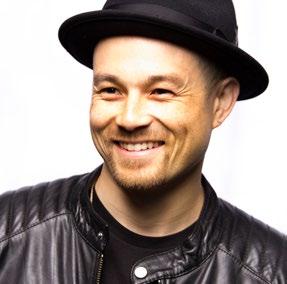
The Side-Hustle DJ: Building Your Career While Keeping Your Day Job.
HAPA the DJ Coach will show you how to maximize your choice of keeping your regular job and DJing on the side. As he’ll explain in this tutorial, it’s all about balance and strategy. You’ll learn practical strategies for balancing your DJ passion with your 9-to-5 gig, including time-management, booking smarter not harder, and knowing when (or if) to make the leap to full-time.
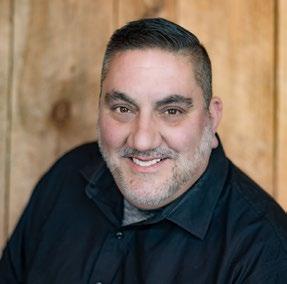
Say It Different: Modern MC Skills for Today’s Weddings. Upstate New Yorker Mark Brenneisen from All We Do Is Epic Dot Com will show you how to step away from the typical frst-pumping format of intros, teach you how to say less, and ultimately have a greater impact as an MC. He’ll help move you beyond predictable intros and tired transitions –
he’ll teach you how to elevate your role from announcer to “experience creator.”
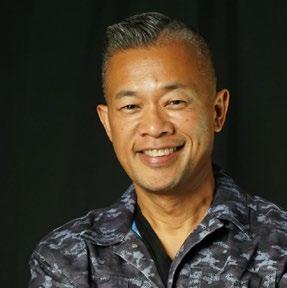
Booked Before You Hang Up: Close Premium Clients in One Call. Mark Imperial, author of “The One-Call Close for DJs,” will show you how to take control of each booking – without scripts, pressure, or chasing. He’ll reveal the tools to help you close right away. In this thoroughly instructive session, he’ll offer a proven conversation framework that gets clients to decide while you’re still on the call – not because you “sold” them… but because the conversation led them there.
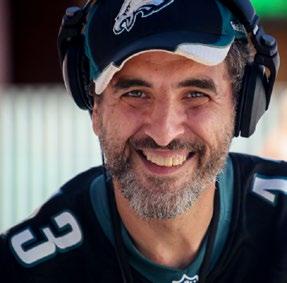
DJ 101: Lifelong Lessons for Beginner DJs. With vital tips on performance, business, and marketing, Philly’s Greg Curran of The DJ Entertainment School will help jumpstart your career in the DJ game. He’ll explain: equipment needs and expenditure; which skills must be perfected; how to get paying gigs; the benefts of social-media marketing/SEO; and how to carry yourself in a professional manner.

The DJX T-Shirt Design Contest Returns
DJX ’26 is Blueprinting
SUBMIT YOUR DESIGN
The design must embody the theme “Blueprinting The Future”
Must Include: DJX ’26 “Blueprinting The Future”, DJX ’26 Offcial Logo and Show Dates.
Design Specs: 1-sided or 2-sided (no sleeves), up to 2 color art on black shirt, Transparent PNG with a maximum size of 9” x 12” @300dpi.
Deadline Date: June 30, 2026
Visual Assets: Downloadable Zip fle
Email Art to: DJX@hazanmediagroup.com
Subject Line: “DJX ‘26 T-Shirt Design Submission”
WINNER PERKS
n DJX Mainstage Announcement + MC Cameo
n 1 Lifetime ALL-ACCESS Pass to DJX
n Spotlight Feature in DJX Remix Newsletter
n Show Floor Arena LED Screen Feature n Announced / Mentions in:
DJX Monthly Remix Newsletter
Socials & Instagram collaborations
Post-show Feature in DJ LIFE Digital Issue
WINNING DESIGN REVEAL: August 11, 2026, on the DJX Mainstage.
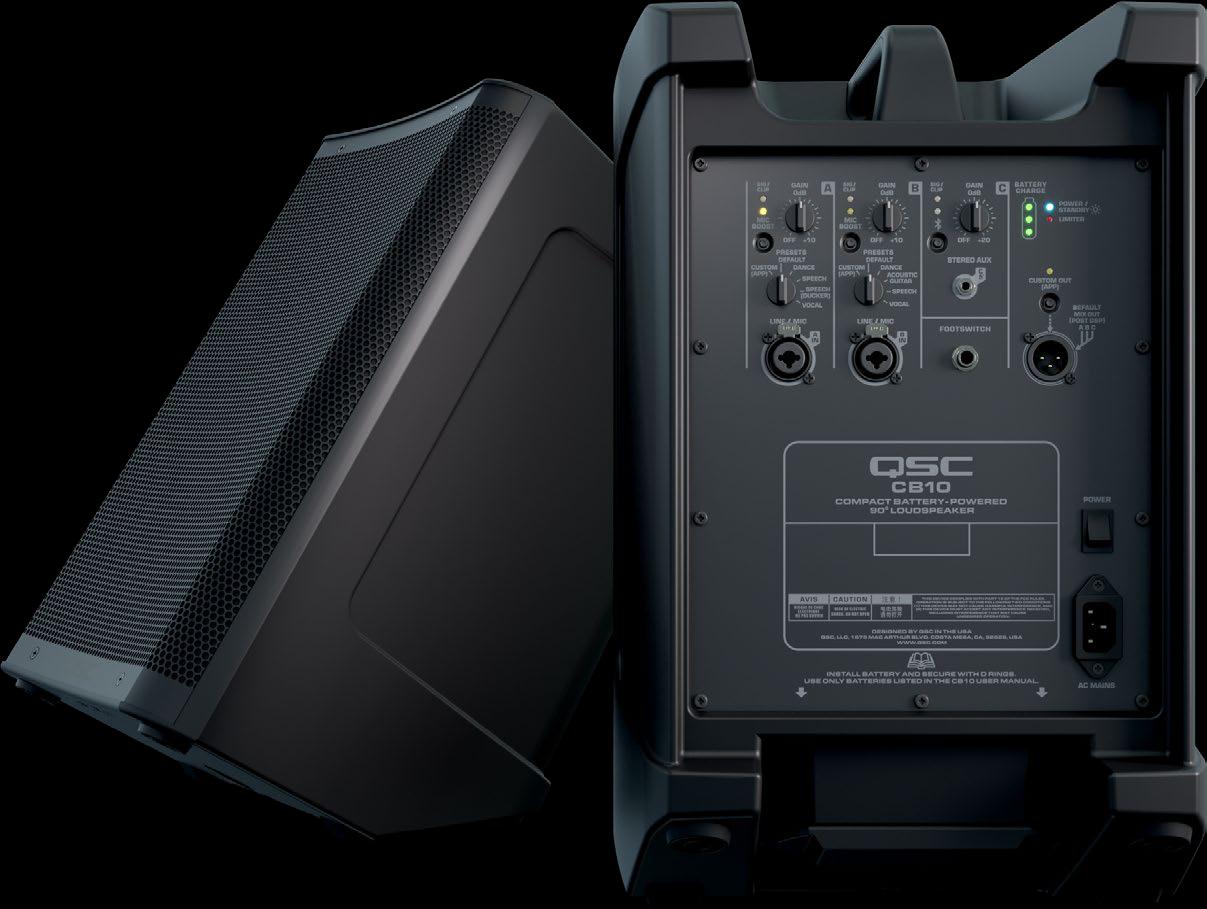
The CB10 is the ultimate compact loudspeaker system, ofering unrivaled audio performance, unmatched versatility and battery-powered portability.
• 127 dB peak SPL
• 10-inch high-output woofer
• 1-inch compression driver
• Bluetooth® audio and control (w/Loudspeaker Control app)
• User-swappable battery with up to 12 hours of runtime
• 200 ms room delay
• 6-Year Warranty* (1 year on battery)
*With product registration within 30 days of purchase. ©2026 QSC, LLC. All Rights Reserved. QSC, LLC’s trademarks include but are not limited to QSC and all trademarks are listed at qsc.com/trademarks, some of which are registered in the U.S. and/or other countries. Patents may apply or be pending.



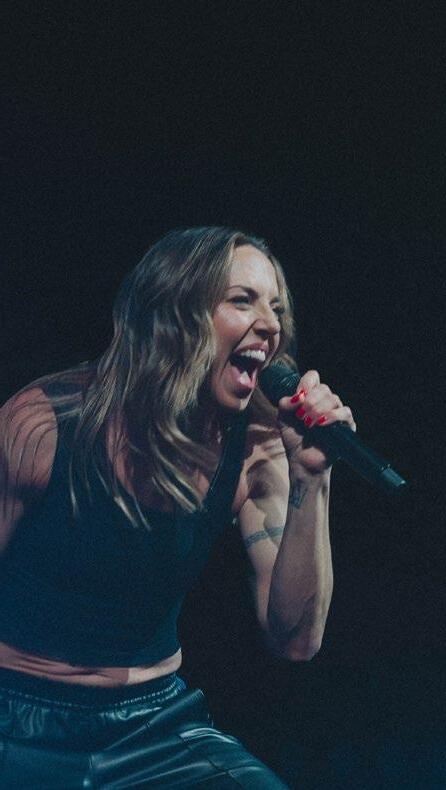
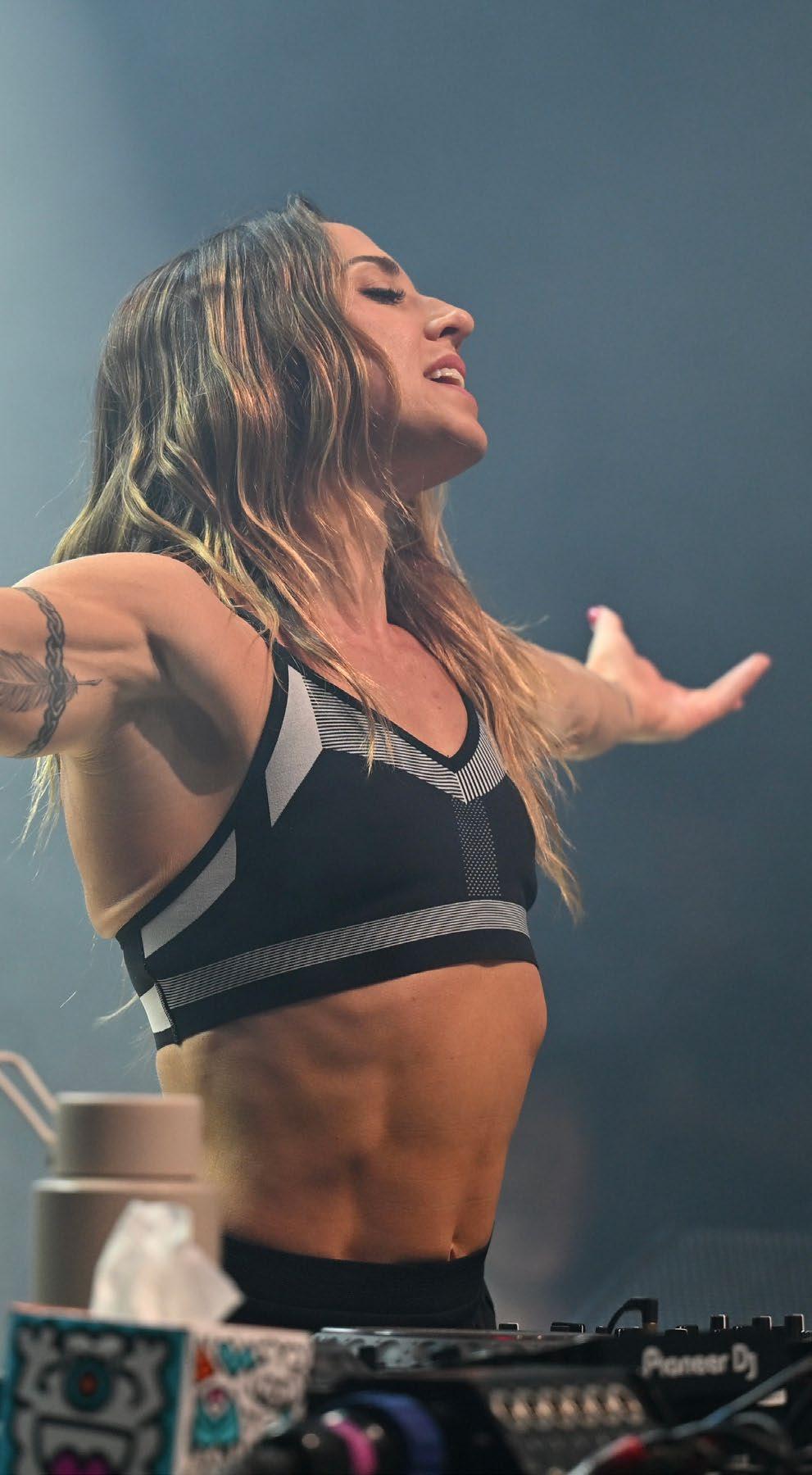
Before Melanie Chisholm became a global pop icon with the Spice Girls, she was a 16-year-old student on holiday in Spain, letting go on the dancefoor to the era’s rave-fueled club music. Mesmerized by the new sounds, she returned to the U.K. and further immersed herself in its ubiquitous warehouse culture, dancing to the early sounds of The KLF, The Prodigy and more.
Of course, that entire world of electronic escapism was put on pause when the Spice Girls blew up into global stardom – when “ Wannabe” dropped in 1996 everything changed. Now, Chisholm, 52, is closing the loop, seamlessly marrying her massive pop legacy with her underground bona fdes for her most euphoric era yet.
Her ninth solo studio album, Sweat , is a full-throttle celebration of movement, community, and resilience. Released via Virgin Music Group, the record serves as a high-energy love letter to her early rave roots and a creative transition sparked heavily by her more recent trajectory as a DJ behind the decks. For example, the album’s title track/lead single, “Sweat,” beautifully invokes retro-workout energy, driving forward as a heavy electro-house banger that loops Diana Ross’ aerobics-era hit, “Work That Body.”
This year’s a busy one for Melanie C, as she’s embarking on a world tour this September. The global trek will hit seven North American cities, then 14 more stops in Europe and Australia. Fans can expect a highly energized, hybrid show that heavily highlights the club-centric tone of her new record. Mel C is approaching the show production with a completely fresh perspective, treating the performances less like a traditional concert and more like a fuid, continuous DJ set, designed to leave attendees feeling elated. We recently connected with Melanie C to discuss her new artistic moves.
DJ LIFE: You’ve been no stranger to dance music at all, with tracks like “I Turn to You.” When did you become a fan of dance music?
Melanie C: It was towards the end of leaving school in the late ’80s. That was when it was starting to flter through into the mainstream. There was so much music in the charts – I’m thinking of bands like KLF and S’Express – and we didn’t even know what this music was. But it was just these new sounds, and it was exciting, though I didn’t really understand that world yet.
DJ LIFE: How did it develop?
Melanie C: I went on a holiday in 1990 to the Costa Brava in Spain. It was the frst time I’d been away without parents. I was with three college friends at the time, and we were dance students. When we started going out to all the bars and clubs and they were playing this music, and everyone was dancing with wild abandon, we were like, “What the fuck is this?” We just absolutely fell in love with it.
DJ LIFE: Which artists inspired you on that front?
Melanie C: It was bands like The Prodigy who crossed over beautifully. It never will stop blowing my mind that they headline festivals now, because I remember seeing them just as a little rave act in a club. I was into hardcore rave, so it was acts like Bizarre Inc and Altern-8. It was this

real British version of all the things they’d been hearing from the U.S. and the Balearics.
DJ LIFE: Do you have any favorite DJs now?
Melanie C: My number one is Carl Cox. I had the best experience in Ibiza last summer; he was playing every week at Hï Ibiza. I’ve obviously been clubbing before, but it was the frst year of Hï. I like going out clubbing now, but I don’t want to be staying up too late hearing the birds sing – those days have gone! But I was adamant that there was no way I was going to leave until Carl played his last song [laughs].
DJ LIFE: And did you?
Melanie C: I did an all-nighter and it was just the most joyful experience! What I love about Carl, and something that inspires me as a DJ as well, is when someone is loving what they’re playing so much. It was funny looking out over a sea of

people at this new superclub, and all you could see were phones and a little bit of moving. Carl was going crazy, and I was with some friends up on the stage next to the DJ booth going crazy, too. We were like, “We’ve just got to teach these kids how to do it. They need to learn how to let loose and let go.”
DJ LIFE: When did you begin to DJ, and what gear did you learn on?
Melanie C: It was Pioneer CDJ-2000s. When I was a raver going back to afterparties at people’s fats, they had vinyl decks. It was so intimidating because I always wanted to have a go, but never had the courage. Then I was actually performing at a club night in East London called Sink the Pink, which is a queer collective over there. One of the founders, Glyn Fussell, and I were talking about how I’ve always wanted to DJ. He said to me: “Just do it. Just give it a go. Just have a lesson. I know this DJ who’s really good at teaching people the basics.” I fgured, what have I got to lose? Even if it’s just something for my own pleasure in my living room, I want to do it. I had one lesson and I was hooked. He brought his decks and his mixer over, and I have not looked back. It’s been eight years, and I still feel very new to this.
DJ LIFE: How has that progressed?
Melanie C: You never stop learning. I’ve got a long way to go as a DJ. For me, every set has hopefully only one mistake, maybe a couple. But every time something happens on the deck that you’ve not seen before, you have to get yourself out of that. I think my experience as an artist has made me really good under pressure. Even though I’m less technically able as a DJ because I’ve not done it as long, when the shit hits the fan, I can get myself out of trouble. I welcome the fuck-ups – it’s defnitely helping me learn the craft.
DJ LIFE: What gear are you playing on now?
Melanie C: I’ve upgraded to the CDJ-3000s and an Allen & Heath mixer. A friend of mine has a little bar in Ibiza called Aluna Funky House. He’s a bit of an Ibiza legend who was dancing at Pacha way back in the late ’80s. Whenever I’m in town, I’ll get up and play on the decks there.
DJ LIFE: Let’s talk about the new single, “Sweat.”
Melanie C: I’ve been working on the record for a couple of years, and it was really shaping into this fun piece of work. I’d already been leaning into ftness and sports and having a little bit of fun with that lyrically, but I felt like I was missing a ftness anthem. That’s what I wanted to create. I had been working on a ftness playlist, and the hook from Diana Ross’s “Work That Body” – “Reach, two, three, four, fve, six, seven...” – was going round and round in my head. I thought, “That would be sick in a song.” I was in the studio with Kingdoms, a great writing and production duo that I work with a lot, and Theo Hutchcraft from Hurts, who’s another great songwriter. We were just talking about the whole aesthetic of how the album was shaping up and having so much fun with it.
DJ LIFE: How did this album-making process compare to your past records?
Melanie C: The biggest difference was the perspective I was coming from. DJing has informed this record more than anything I’ve done before. Listening to a lot more dance music and seeing how other people’s music affects
a live dancefoor really made me want to incorporate that into my own work.
There were similarities because a studio session is a session. I came to L.A. and did a really strong set of sessions, working with lots of different people for a couple of days here and there to build the sound I wanted. I did some work in London as well, holding a little writing camp towards the end to fnd the pieces I felt were missing, and I took a couple of trips over to Stockholm to work with the legendary Klas Åhlund.
DJ LIFE: The Spice Girls’ message was about empowerment and inclusivity. Do you notice a connection between that message and the dance-music community?
Melanie C: Yes, 100-percent – it’s only recently I’ve realized that. When the Spice Girls got together, we were so adamant that we wanted to celebrate our individuality and scream about Girl Power. That inclusivity is exactly what dance culture did. It brought people together who had never socialized before and broke down barriers. I always feel quite emotional when I talk about this because it is such a beautiful thing.
Dance music and rave culture in history can often get a bad name from people focusing on things like the drugtaking, rather than being celebrated for the incredible things it’s actually achieved. It broke down barriers between communities and cultures that would never have peacefully been in a room together before.
DJ LIFE: What’s your DJ set like?
Melanie C: What’s really fun is having all of the original Spice Girls stems, because I can take the vocals and build custom mash-ups. A few edits I have in my arsenal include the Faithless’ “Insomnia” with “Wannabe” mash-up, and another that always goes down well which pairs [Spice Girls’] “Who Do You Think You Are” with Nirvana’s “Smells Like Teen Spirit,” which is pretty sick. I’ve got a Beyoncé one that I do as well, and I’m always looking for new things to mix. Outside of my own edits, the A-Trak remix of the Yeah Yeah Yeahs’ “Heads Will Roll” is a classic that always, always goes off.
DJ LIFE: The industry has shifted massively since you frst started. What defnes success for you now?
Melanie C: The wildest thing about starting out in the Spice Girls is that, because we entered the world with so much massive success so quickly, you inadvertently think that’s normal. Millions of albums, selling out arenas, selling out stadiums becomes your baseline. Then life changes, your status changes, and it takes a long time as an artist to re-adjust to that reality.
For me now, success absolutely has to be personal happiness. I’ve fnally got myself to a place where I love what I do and I’ve accepted that my work and my life are interwoven rather than two separate things. Me being busy, playing live shows, DJing, making great music, and just still being here doing it – that is success to me.
Don’t get me wrong, I want to get my streaming fgures up and achieve what we would deem a hit record. I want to have big hits in the set and not be entirely relying on hits from decades ago for a festival crowd that isn’t necessarily a core Melanie C fan. Achieving more recognition for this new music would be a great thing to achieve with this record, for sure.
– Mark Mancino
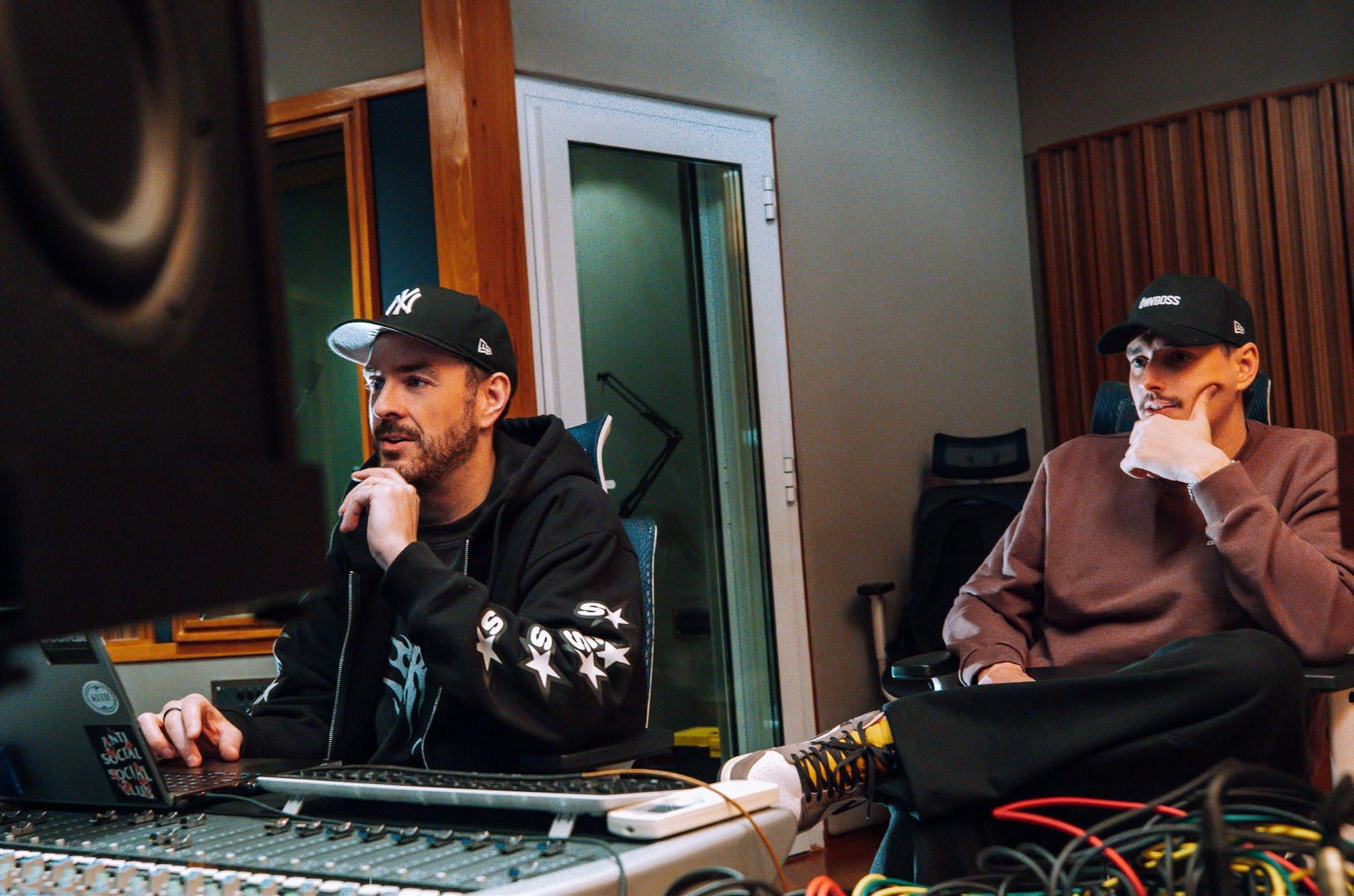
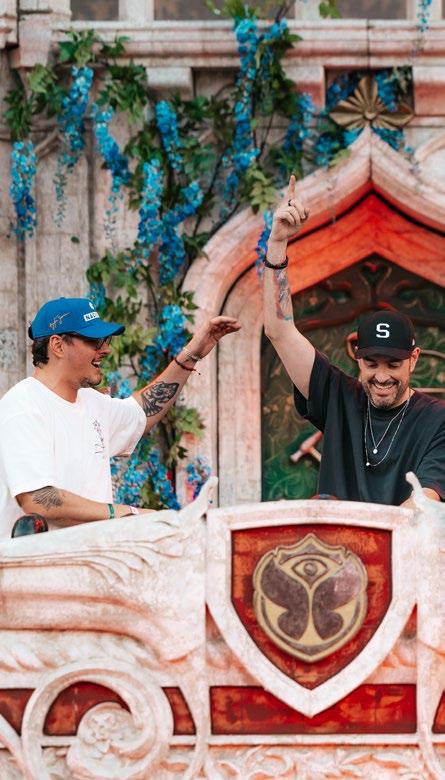
As Immersed, Brazilian producers Öwnboss and Scorsi are channeling years of solo success, underground credibility, and cinematic ambition into one of dance music’s most intriguing new collaborative projects.
Immersed began as a recent remix collab of Nari & Milani’s “Atom,” a big-room smash from 2012; but then it slowly developed into something larger – a shared vision that extends far beyond the dancefoor.
For Öwnboss (Eduardo Fornasa Zaniolo), Immersed arrives after one of the biggest breakouts in recent dance music. “Move Your Body,” his global smash with Sevek, became a defning record of 2022, surpassing 200 million global streams and earning support from some of the biggest DJs in the world. Rather than chasing another viral moment, Immersed refects a more intentional creative direction – and that’s one that’s focused less on formulas and more on longevity and artistic depth.
Scorsi (Christian Corsi), brings a completely different layer to the project. With more than two decades immersed in electronic-music culture, his background stretches from drum-n-bass roots to collabs with artists like ALOK, NGHTMRE, Tropkillaz, and Autograf. That experience gives Immersed an edge that not only feels technically refned, but emotionally grounded. Together, the pair manages to fnd a balance between aggressive low-ends and cinematic tension coupled with melodic restraint and emotional undertones.
From visuals and stage concepts to the recurring use of red as a symbol of intensity and controlled energy, Immersed is being developed as an experience rather than simply a side project. While recent singles such as “Tantra,” “Now You See Me,” and “The Last Time” introduced listeners to different sides of the duo’s sound, the bigger picture is becoming increasingly clear ahead of its forthcoming six-track EP due later this summer through Sony Music. We recently caught up with Immersed.
DJ LIFE: When did you frst realize this needed to be its own project rather than just collaborations between the two of you?
Öwnboss: I think the turning point was when the music stopped feeling like isolated collaborations and started sounding connected, almost like chapters from the same world. We noticed there was a consistent emotional language across the records. Melodies, tension, groove, heavy low-end, and it felt bigger than just “another collab.”
At the same time, the energy between us outside the studio was also becoming part of it. The way we approached visuals, live ideas, even how we talked about the music, started developing its own identity naturally. That’s when we realized it deserved its own name and universe instead of living under our individual projects.
DJ LIFE: You’ve compared the concept to something like Jack Ü, where the project becomes its own identity. What rules did you set early on to make sure Immersed stayed distinct from your solo work?
Scorsi: If it sounds like it could simply be an Öwnboss record or a Scorsi record, it probably isn’t Immersed yet. We wanted Immersed to exist in the middle of both worlds, not as an extension of either one. That meant pushing contrast as a creative tool. Emotional but aggressive, melodic but dark, club-driven but cinematic. We also wanted the project to feel very intentional visually and emotionally... less “content culture,” more atmosphere and immersion. Even the name refects that idea. We’re
not trying to showcase two DJs together. We want people to enter a specifc experience when they listen to the project. But still, you gotta play the content game.
DJ LIFE: Take us back to those frst studio sessions after the “Atom” remix – what was the moment where you both felt the chemistry was different?
Öwnboss: There was a moment where we stopped overexplaining ideas to each other. That’s when we knew something different was happening. Normally in collaborations, you spend a lot of time translating references or defending creative decisions, but after “Atom,” the process became very instinctive. One of us would change something in the track and the other immediately understood where it was going. That level of trust made the sessions move really fast. We weren’t forcing songs into existence; they were almost building themselves naturally. That chemistry is probably the reason Immersed exists at all. But the frst trigger wasn’t even in the studio. We shared the stage to play “Atom,” and in that moment it, clicked. There was a different energy there.
DJ LIFE: How would you describe the creative dynamic between you two in the studio?
Öwnboss: It changes constantly, which is probably why it works. Scorsi usually brings a more aggressive approach to sound design, bass-centered ideas and tension, while I naturally gravitate toward melody, emotion and arrangement. But there’s a lot of overlap, too, and that overlap is where the project really comes alive. The important thing is that there’s very little ego involved. If the track needs something, whoever has the better idea in that moment leads the direction. It’s more about serving the identity of the record than protecting individual roles.
DJ LIFE: In what ways do you fnd working together to be benefcial for you?
Scorsi: Probably perspective. When you work alone for too long, you can get trapped inside your own habits and instincts. Working together constantly chal-
lenges both of us to approach music differently. One person pushes emotion further, the other pushes impact further, and somewhere in the middle the records comes out. It also creates a level of confdence creatively. If both of us feel something emotionally at the same time inside the studio, we know there’s probably something real there.
DJ LIFE: Are there any downfalls to working as a pair on music creation?
Öwnboss: Just waiting on each other’s feedback! Very different schedules and sometimes it takes time.
DJ LIFE: Can you walk us through a typical day in the studio?
Scorsi: Sometimes it’s a vocal, a chord progression, a bass sound, or even just a conversation about how we want something to feel visually. From there, we slowly build the world around it. We usually know a track is fnished when Öwnboss says so. If it depends on me, I’d keep tweaking the record forever! But, in general, at some point you stop hearing the individual layers and only feel the emotion of the record as a whole. That’s normally the moment we stop touching it.
DJ LIFE: What’s your current DAW setup, and what plug-ins or tools are essential for you?
Öwnboss: Ableton Live, [Xfer Records] Serum 2, [Native Instruments] Kontakt and Scorsi has a huge sample library he built over the years.
DJ LIFE: When you’re producing, how do you strike the balance between emotion and impact without leaning too far in either direction?
Scorsi: That balance is basically the core identity of Immersed. We’re very obsessed with fnding the point where both things coexist. Usually the trick is restraint. If the emotional sections become too soft, we add tension. If the heavy moments become too technical or aggressive, we simplify and bring melody back into focus. The contrast is what creates the payoff.
DJ LIFE: Outside of electronic music, what artists or genres have infuenced you?
Öwnboss: A lot of cinematic music, alternative rock and flm scores honestly infuence us more than people would expect. From The Prodigy to Bring Me the Horizon, rap, metal, Motown and even composers like Hans Zimmer have infuenced the emotional scale and tension we like to create. We’re very inspired by music that feels simple and overwhelming, not just functional for clubs.
DJ LIFE: Öwnboss already has massive global recognition from “Move Your Body.” Did that success create pressure coming into Immersed, or did it give you freedom to experiment?
Öwnboss: Honestly, more freedom than pressure. Once you experience something at that scale, you stop chasing moments and start caring more about identity and longevity. Immersed was never created trying to recreate a hit formula; if anything, it exists because we wanted the freedom to build something with more depth and personality outside of our individual projects. That mentality actually removed pressure from the creative process and allowed us to experiment more fearlessly.
DJ LIFE: You’ve signed to Sony and have a six-track EP coming this summer. What can you tell us about the overall concept of the EP?
Scorsi: The EP is really about contrast and representation of our music taste. Every track explores a different emotional angle, but they still belong to the same universe sonically and visually. There are records that feel euphoric and melodic, others that feel darker and more aggressive, but the thread connecting everything is tension, atmosphere and movement. We wanted it to feel less like a playlist of singles and more like entering a world for 30 minutes.
DJ LIFE: When you’re DJing as Immersed, what’s your set-up?
Scorsi: We do the basic – CDJs and mixer only as we focus more on the diversity of music selection. Our big dream is a real immersive experience between the sound and visuals. It’s in the works for the future.
DJ LIFE: Do you have any pre-show rituals or routines?
Öwnboss: We make sure neither of us trips on the stairs or hits their head somewhere. We’re both pretty tall with big feet!
DJ LIFE: How do you approach building an Immersed set differently from a solo set?
Scorsi: An Immersed set is much more narrative-driven. In our solo projects, the focus can sometimes be more functional, depending on the club or festival environment. With Immersed, we think more about emotional pacing, tension and transitions between moments. We don’t plan the set ahead. We load the fash drives with all the songs we like and think relate to Immersed, and we go as the crowd moves. We want the audience to feel pulled into something instead of just reacting drop by drop.
– Mark Mancino
By Jim Tremayne
Photos by Pauline Garraud

Miami, Fla. – Sometimes our annual trip to Miami Music Week provides an editorial opportunity that we wouldn’t always fnd during the regular course of running a magazine. Like Amsterdam Dance Event week, nearly the entire DJ world visits Miami each March, and this time, we were lucky to connect with one of industry’s rare talents: Joachim Garraud.
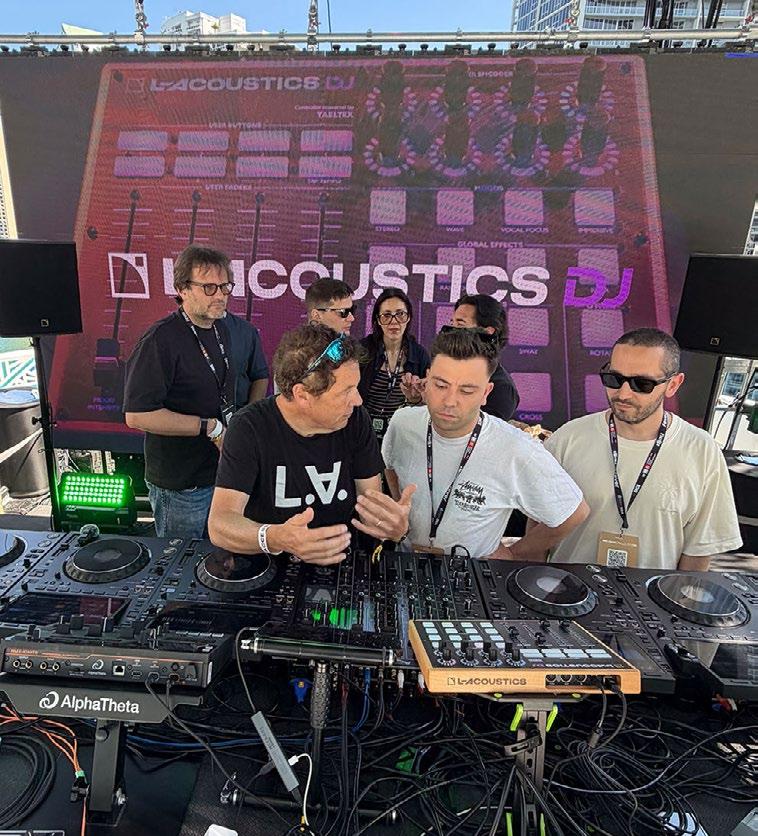
A DJ, remixer/producer and collaborator to the stars, Garraud has been a beta tester/sought-after R&D guy for a variety of software, pro-audio and DJ brands. In Miami at Winter Music Conference, he was showing off L-Acoustics DJ, the French company’s spatial-audio solution for nightclub jocks. So, once I’d secured his attention in the bowels of Kimpton Epic Hotel, we discussed that emerging technology, among other topics, like his new 532-page, coffee-table-sized autobiography. Called “I Love My DJ Life” – and currently available in French – the massive effort details his amazing 40-year DJ career and includes QR links to exclusive music and more. I’ve never seen anything like it.
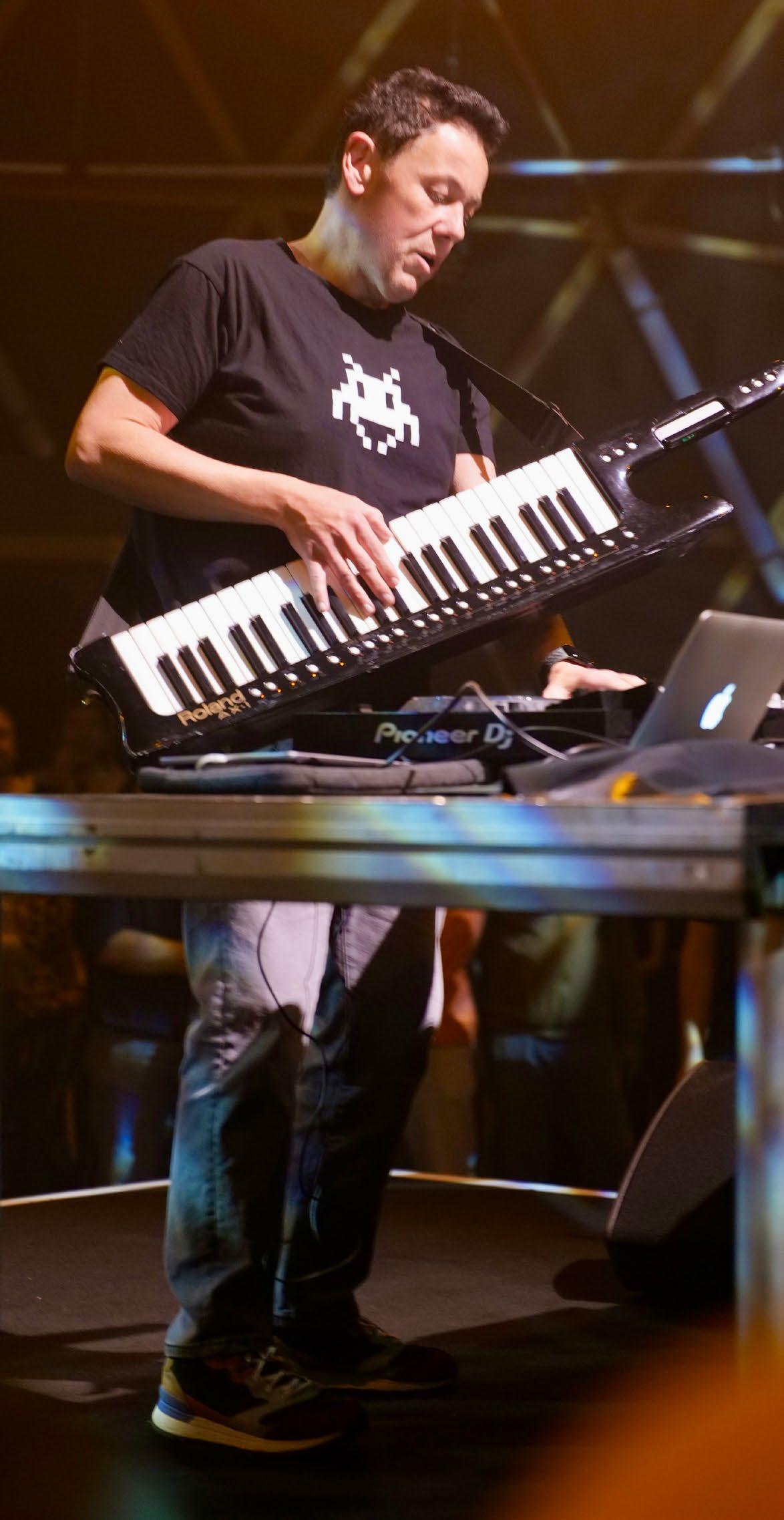
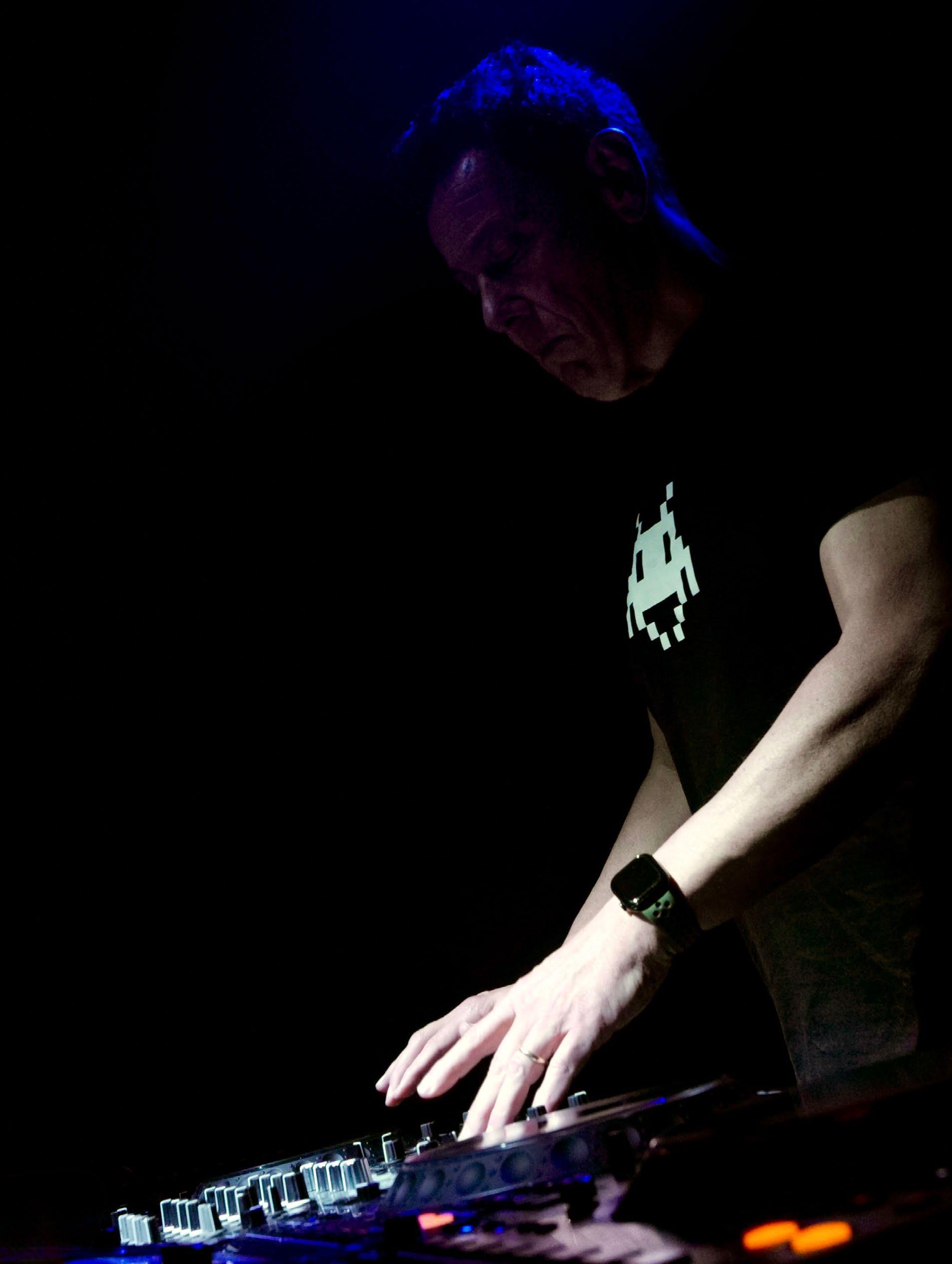
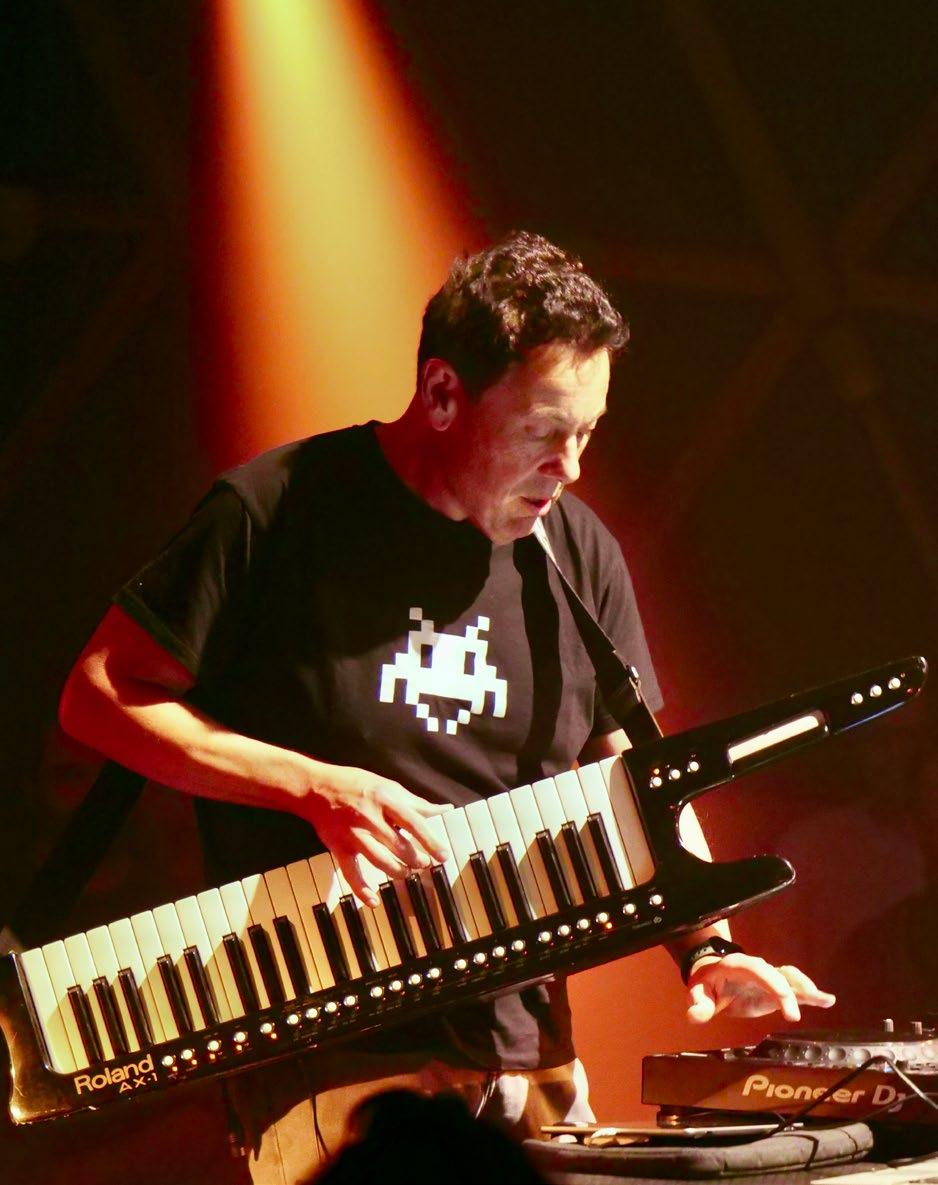
Truth be told, Garraud has been one of my “whitewhale” interviews ever since I caught his act in 2010 at an ultra-glitzy nightclub in Monte-Carlo called Jimmy’z during a now-defunct event called the Monaco International Clubbing Show. To the regular convention-goers grooving on the dancefoor, not to mention some real oligarch types acting the fool in the VIP areas, he was playing a blistering techno set wearing a Space Invaders mask, while I was spending 40 euros for two bottles of Heineken… but that’s another story. It was such a weird scene, I couldn’t help but love it.
Garraud, it seemed, wasn’t one to court the press either. He was confdent in his abilities and his level of popularity (which was way bigger in Europe than the States). Of course, that made me more intrigued.
Not all DJs will know Garraud just from looking at him –as mentioned, he often wears disguises – but they defnitely know him from listening to his music. Not only was the Frenchman a collaborator on global smashes like “World, Hold On” with Bob Sinclar and “Love Is Gone” with David Guetta, his production credits include stars in and beyond clubland – from Paul Johnson to David Bowie, from Deep Dish to Jean-Michel Jarre and more. His work in the techno world has been prolifc as well. (Check out some of his frenzied tracks like 2009’s “Space Invaders Are Back,” 2011’s “Dark Signal,” and 2019’s “3ACID3.”) He’s a complete original.
So, here’s our conversation with Joachim Garraud:
DJ LIFE: What are your thoughts on spatial audio in nightclub applications? And tell us about the L-Acoustics DJ sound solution, in particular.
Garraud: Right now, L-Acoustic DJ uses your stereo mix and brings it to another level. It just converts to an immersive mix, and this works in real-time. You don’t have to send any data in the cloud – this is local only. It brings a better experience for clubbers, because you’re not just listening to the music, you are inside the music, and the difference is huge. This is immersive – and that means you are in the middle of the music.
DJ LIFE: As a DJ, what are you doing?
Garraud: I’m able to separate the stems live and I’m able to move my vocal around you or make the drums go back
and forth, front up, down, behind you. So, it’s 360 – exactly the quality of the theater when you go to see a movie.
DJ LIFE: How is that accomplished?
Garraud: The signal will go out from your mixer, and that signal is a stereo signal. So, it could be from any source. It could be vinyl turntable; it could be a live saxophone or a singer. This signal goes straight to the L-Acoustics processor called P1, and this processor separates the stems live, and then out from your processing you go straight into your multiple speakers. I don’t know how many speakers you need – at minimum, four, but six is better, and 12 is the luxe spectacular! But it goes straight from the P1 to your speakers, and that’s it.
DJ LIFE: No special considerations for a producer to prepare music for spatial?
Garraud: No, nothing… no need for a special mix because you’re using your stereo track. You’re just doing everything on the go, you improvise, and using the L-Acoustic system to separate your stems.
DJ LIFE: I went to a club in Amsterdam called The Other Side, which has the system with multiple loudspeakers around the room, so I got the club experience. It was unique, and very fun to walk around the dancefoor.
Garraud: Yes, this club in Amsterdam is one of the best integrations of L-Acoustics DJ. What makes the experience unique is to be in the middle of the crowd, because you have the very precise sound. Having the sound coming from multiple speakers is better than two speakers because you have less ear fatigue. The balance is better for the sound. Having the sound coming from everywhere is better than having the sound coming from one source.
DJ LIFE: With this system, DJs have a variety of effect choices to use – mood, intensity, riser, etc. Explain how an effect is useful for how you DJ.
Garraud: Let’s say, I want to increase the build-up before the drop. So, I’m doing an audio loop… I can make it come around to you faster and faster and it gives you the impression there’s something alive. I’m using these effects to make my build-ups stronger and – boom! – I go to the drop.
DJ LIFE: As it relates to spatial audio, what do you see in its immediate future? What improvements are necessary?
Garraud: Yes, the frst one is to be linked with lighting systems because if you’re moving a sound around you, and you have the lighting following the sound, that makes the experience much better. It would be for all your senses. Also, having different effects is important, because you can’t just have the music turning around and around for four hours non-stop. So, I think you need to have some special effects, like the build-up I just told you, but then after that, you need to have very smooth
effects, moving just a little bit around you. For example, the vocal might be moving up to you and back to the original position.
DJ LIFE: This book is quite an endeavor. How did you approach the book project, and what did you want to accomplish?
Garraud: I wanted to transmit to the new generation the path and the journey of 40 years of the DJ. When I started in 1984, nobody wanted to be a DJ. But today, 2026, everybody wants to be a DJ, so why? The answers are in the book… to explain how the technology changed our life, how music changed our life, how the status of the DJ changed from nobody knows the DJ to superstar DJ. In 1984, I was playing in my parents’ garage for eight friends and 25 years later I’m playing Coachella for 80,000 people, just to explain the story, because the gap is huge. So that’s why the book is huge, because I have so many stories to explain.
DJ LIFE: The book is also uniquely interactive with loads of QR codes…
Garraud: Yes, you scan the QR code and immediately you have a movie of David Guetta and Bob Sinclar in my studio in Paris, making music with a track never released. It’s just to explain that, before being professional, we were all amateurs of the music, but we stayed in love with the music, so that’s why the book is huge.
DJ LIFE: Tell me about the LA Good Vibe mobile studio…
Garraud: I’m in love with the music, the trip, the desert, and the wild west. In 2006, I went to my frst Burning Man in Nevada, and I felt in love with the BLM – Bureau of Land Management – and all those places you can go with only two rules to respect: leave no trace and no more than 14 days in the same place. Then, in 2020 we had COVID and, for the frst time, I had no travel or shows, so I decided it was time to buy
an RV, a 2009 Fleetwood 36-feet long, and to convert this RV to a solar-powered recording studio on wheels.
DJ LIFE: And that’s LA Good Vibe…
Garraud: Yes, and I’m using this recording studio to bring bands and DJs into special locations, because location gives you the inspiration. You’re not producing the same music when you are in front of the Pacifc Ocean and you can hear the waves, compared to being in the middle of downtown LA with the millions of cars running in front of your window. The experience comes from the location, and that’s why I’m using this RV as my recording studio, and I’m bringing artists into the special place to bring them special inspiration.
DJ LIFE: Is it a commercial space?
Garraud: No, it’s not a commercial space – it’s a very private space. As a publisher and producer, when I’m falling in love with new talent, I’ll send an email saying, “Hey guys, I want to produce your next song or your next track. Come to my LA Good Vibe recording studio. You’re not going to pay anything. This is for free.” I just keep the publishing because I’m going to be your publisher, and we’re sharing the production part. But this is the good way help the new generation, because I give them a professional recording studio and also a beautiful location to have amazing content for Instagram.
DJ LIFE: You came up from a very traditional musical background. When you were very young, you were in conservatory, so tell me a little bit about your frst musical infuences
Garraud: That’s funny, because these are exactly the frst pages of my book. Usually, your frst infuence is your parents’ records, so I was lucky to have a mother who was a modern jazz dance teacher. She had a very small non-proft association in France and every year she tried to invite a famous dancer to come to France. When I was about 12-years old, the dancer Lynn McMurrey came to visit – he’d been in many shows and he came with a lot of vinyl. So I was listening to The Temptations’ “Papa Was a Rolling Stone,” Laurie Anderson’s “O Superman.” So, at 12, I discovered this music, plus my parents had Jean-Michel Jarre’s Oxygène, which was a huge thing. So those were my three records.
DJ LIFE: That’s a pretty good start.
Garraud: A funny thing in the book… I have a video of JeanMichel, Laurie Anderson, and I in the same recording studio because I was producing a track for Jean-Michel with Laurie Anderson, and that day I was crying because I made a gigantic loop of 25 years. I have goosebumps just re-telling the story.
DJ LIFE: How did you become so engaged in electronic music?
Garraud: So, I had this classic music education, learning piano and drums at school. But when I turned 16, I fell in love with the computer, and my frst computer was the TO7 from Thomson. That was the beginning of something that changed my life, music by computer. In 1984, I discovered MIDI – so I was able to merge two hobbies.
DJ LIFE: How did you pursue that?
Garraud: I remember in ’85 my frst track recording with a computer was a cheap sound with only 8-bit, only four or six seconds, was mono. But that was my frst track producing with sampling. That’s why I bought Atari, because Atari was the frst machine having the MIDI connector by default. There was a software called ST Replay, and it was the frst sampler ever, eight seconds/8-bit. After that, I bought an S1000 from Akai, and that changed my life, because there was a real sampler in stereo.
DJ LIFE: The early ’80s was very interesting time for all that


technology. What music were you listening to?
Garraud: Yes, so rich! Prince! And I’m still listening to Prince. In France, Jean-Michel Jarre and Kraftwerk for the German part. I was lucky to be a teenager in the ’80s because it was such a rich period in terms of creativity.
DJ LIFE: How did the DJing come about?
Garraud: At frst, as a DJ, I started to play records like The Cure, Depeche Mode, Kool & The Gang, funk, because I was – how do you say? – a wedding DJ, a mobile DJ. So, as a mobile DJ, you have to play everything. You also carry your equipment and you carry your records, so you have to be strong. And just by luck, when I was 16, my dad bought a wagon car, just to ft the equipment. He was my roadie, my driver and I was very lucky to have very supportive parents.
DJ LIFE: What’s your preferred DAW?
Garraud: Now I’m an Ableton guy, but I was a Pro Tools guy. And I’m very proud to tell you that when I bought my Pro Tools in 1993, I went in California because there was no distribution in Europe, and so I bought the license Pro Tools 00002. I used Pro Tools from 1993 to 2003 non-stop. I was a Pro Tools beta user. I switched to Ableton Live in ’03 because I had to be able to make music on the laptop, like a nomad DJ. Ableton was the first one to consider the DJ like me.
DJ LIFE: Monitors, other pieces?
DJ LIFE: Do you remember your frst DJ setup?
Garraud: The frst turntable, I don’t remember the name – that was a very cheap thing. There was no vari-speed, so I had to go through the electric power controller. I had to trick out the turntable! I was not able to adjust the speed, so I decided to adjust the power. But then, if you go too low, the turntable stops, there was not enough power; and then if you go too strong, you just burn everything inside. So that was a very bad idea [laughs]. The mixer was a Tandy Realistic 3-channel, and in the book I have a picture of my frst rig.
DJ LIFE: What else?
Garraud: When I started to be DJ, it was expensive. I had to pay for that, I had to buy my records, I had to buy my lighting system, my loudspeakers. That was super-expensive, so I had to do some babysitting, wash the cars of the neighborhood, cut the grass to get fve bucks. “Oh, yes! I got fve bucks – I can buy a record!” And then 25 years later, I can make 30,000 euro for two hours of DJing. I’m mixing, I’m driving private jet and fve stars hotel for doing exactly the same thing.
DJ LIFE: It’s better than babysitting. What’s your DJ set-up now?
Garraud: I have two kinds of shows. The frst one is the regular show. I don’t control any video content in the LED screen, so I’m just playing audio. I use the Pioneer DJM-A9. I like the effects and it’s the new generation of the DJM mixers. I am one of the fathers of the DJM-800, so I like the design and format. I also play on the DJM-V10, which also is a very cool mixer. I like the CDJs – two or three is enough for me. When I see some of the newer DJs asking for six units on their rider, I’m laughing.
DJ LIFE: And your other kind of show?
Garraud: Sometimes I need to have the video-content link with the audio, because, for example, I have a huge LED screen behind me. So I’m using a laptop, and in this laptop I have all my QuickTime videos, and I’m connecting the laptop on the LED, and in that case I’m using a special CDJ. I like to have the CDJ-3000 to control my video content.
Garraud: For the studio, I like Focal, the French company, and I like Barefoot Sound. For live applications, I like L-Acoustics. In the studio, I’m working in the box. I’m using the Moog Sub 37 sequencer as my main keyboard and I have some Erica synths from Latvia. It’s so cool to have everything on the on my laptop – all my recording studio, all my sessions. Right now, if you’ve got good cloud connection, you can have terabytes.
DJ LIFE: I want to ask you about the processes with some of your famous collaboration partners – let’s start with David Guetta.
Garraud: David Guetta brings a lot of great ideas about how we can make DJ stuff more accessible to the larger audience. We started making music in 2001. I remember he was coming in the studio with vinyl and saying, “I love this kind of bass – can you play this kind of bass?” Yes, I can because I was lucky to get this classical music education – it gave me access to playing notes or understand chords or harmony. And then, for nine years we produced 109 songs together, and we produced three albums. Then, in 2009, we decided to not work together because… change. The story is in the book, so this is a good teaser,
DJ LIFE: Bob Sinclar?
Garraud: This guy has no musical input as a musician, but he has so many good ideas about sampling parts that have some vibe or groove. DJs are on tour non-stop, so they are in contact with the audience and he’s doing his selections. So working with him, he’s like an artistic director. I love this guy.
DJ LIFE: Jean-Michel Jarre… obviously, he’s not a DJ, but very infuential in the electronic world.
Garraud: Jean-Michel is the godfather for me. Of course, he produced all those famous record in analog. When I met him, I introduced him to the digital world, and now he’s very good on Ableton Live and plug-ins. So, we’re still collaborating on the new project that’s going to be released next year, and I give you a scoop: The name of the project is Oxygène 50 , because that is going to be the 50th anniversary of Oxygène.
DJ LIFE: What’s your advice for young DJ/producers?
Garraud: You mean, advice to one day write a 500-page book! [laughs] Keep the passion alive. Do what you like the most and don’t copy what you think is so successful. Be honest with yourself and trust your own music.


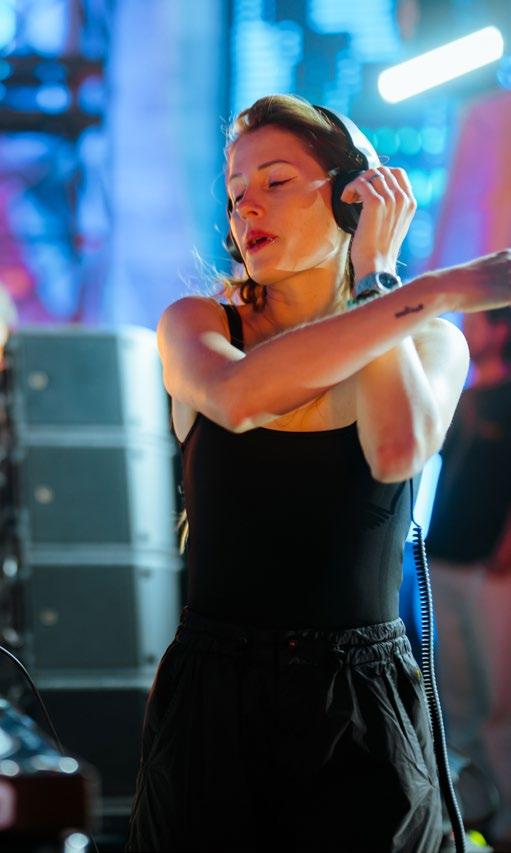

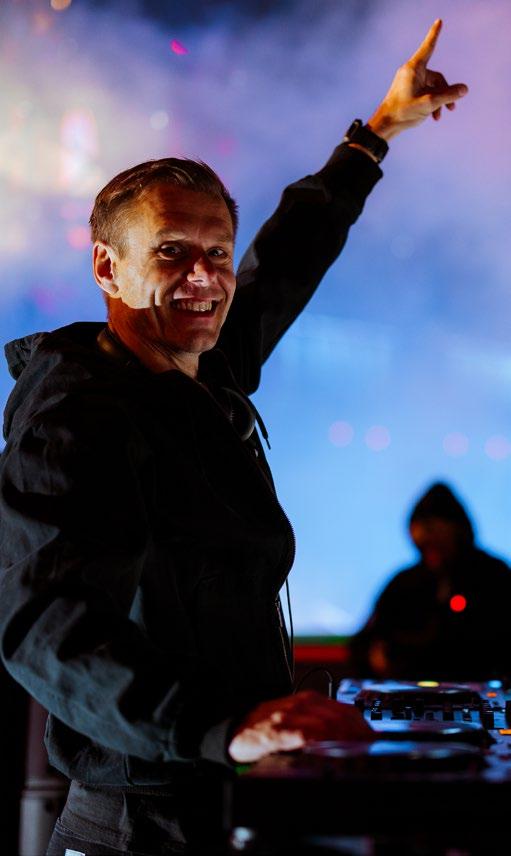
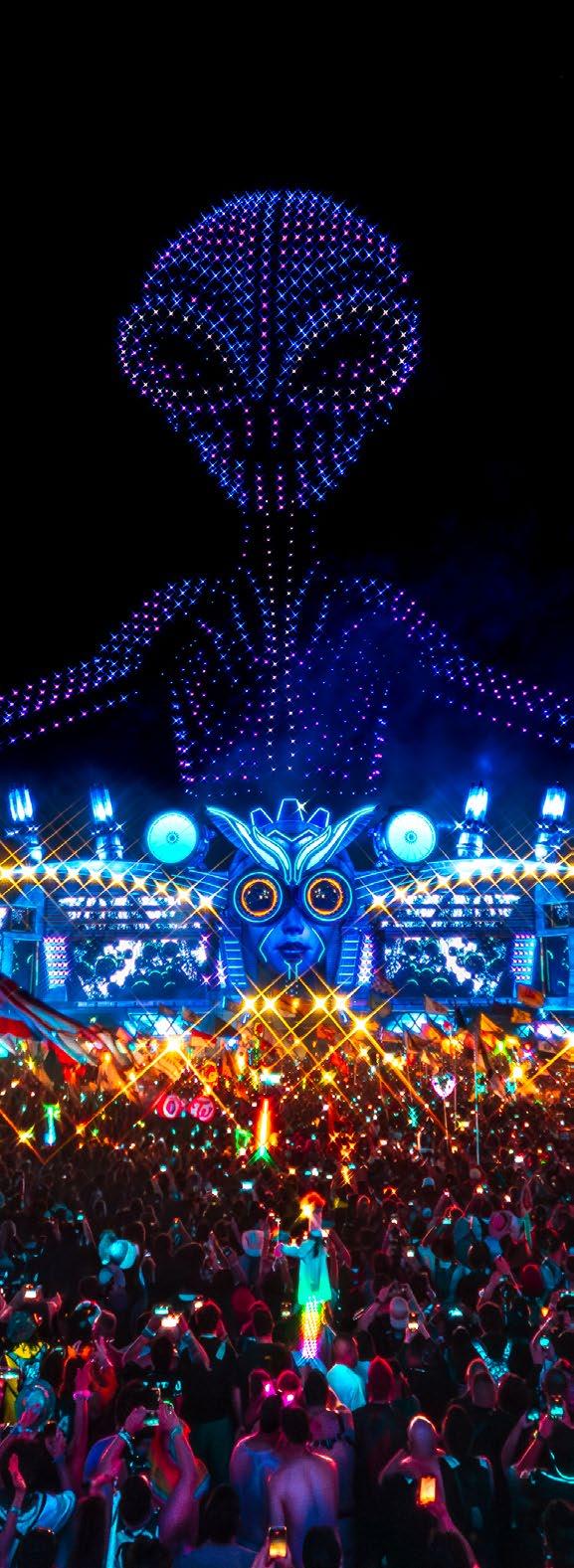
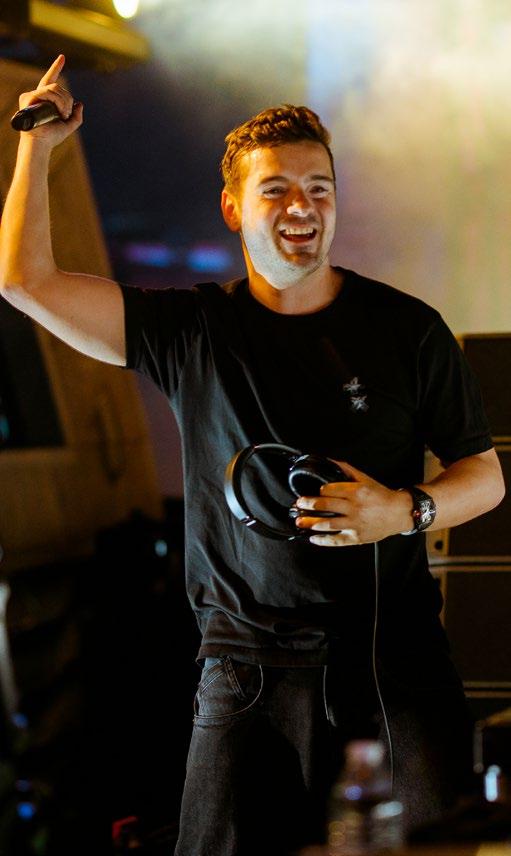
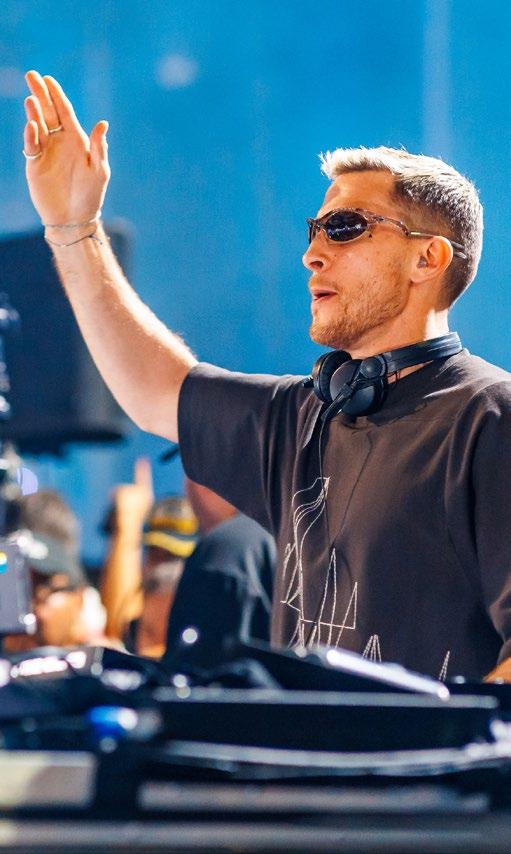
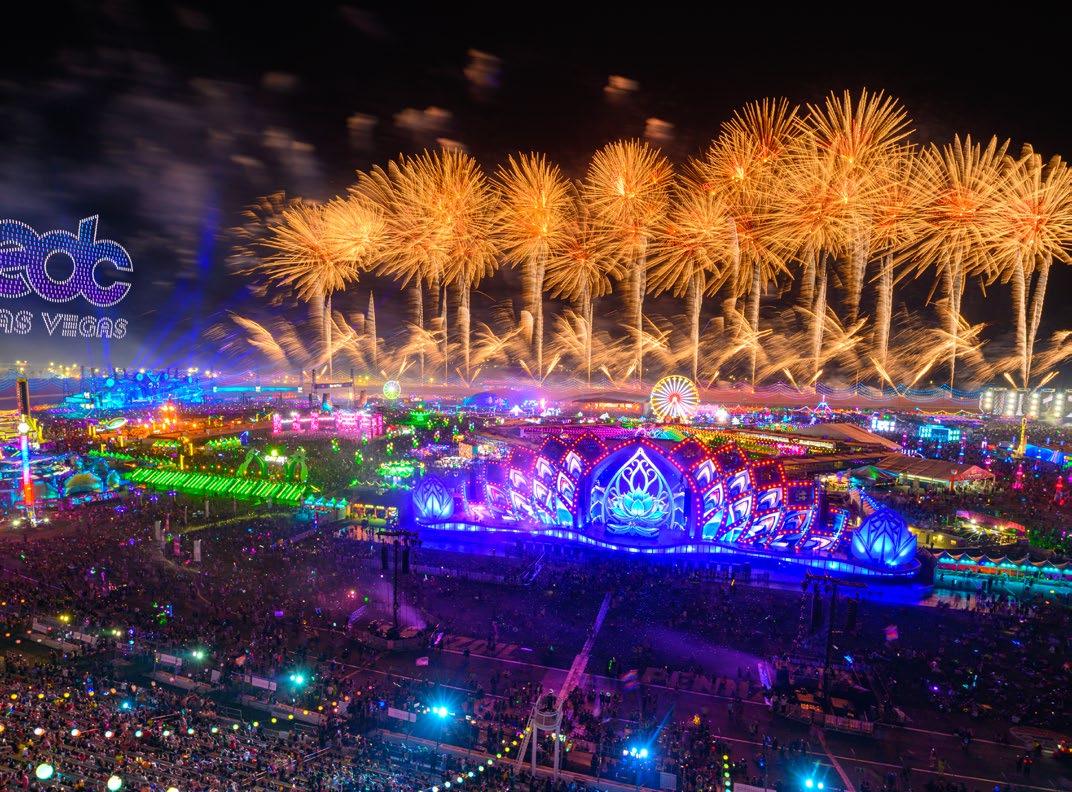
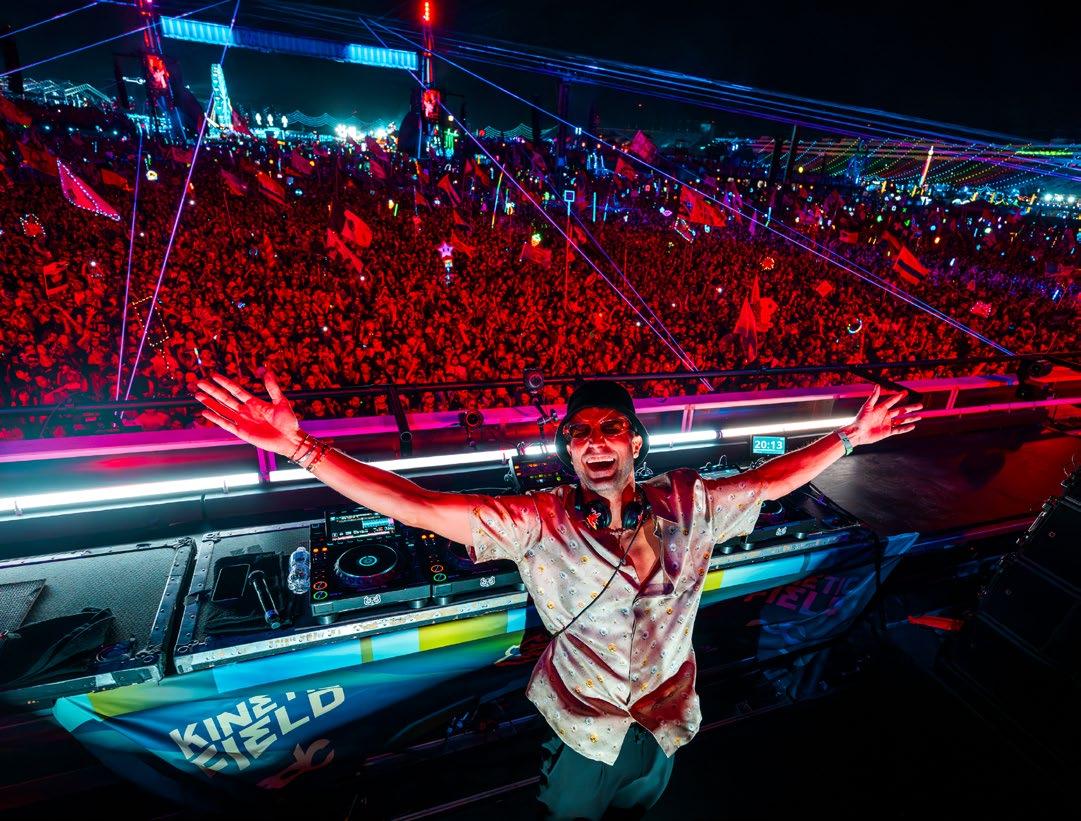
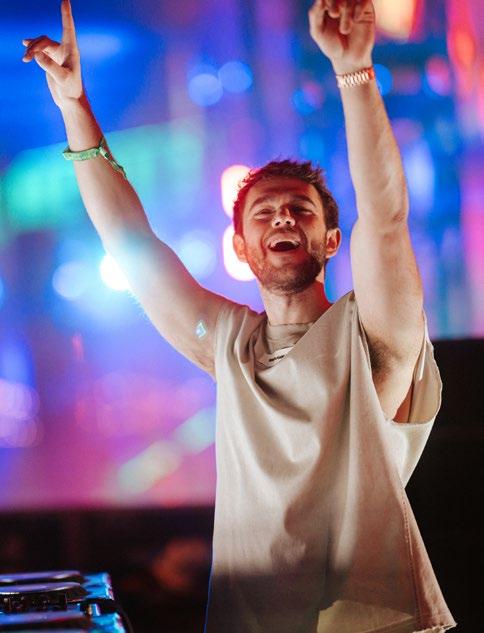
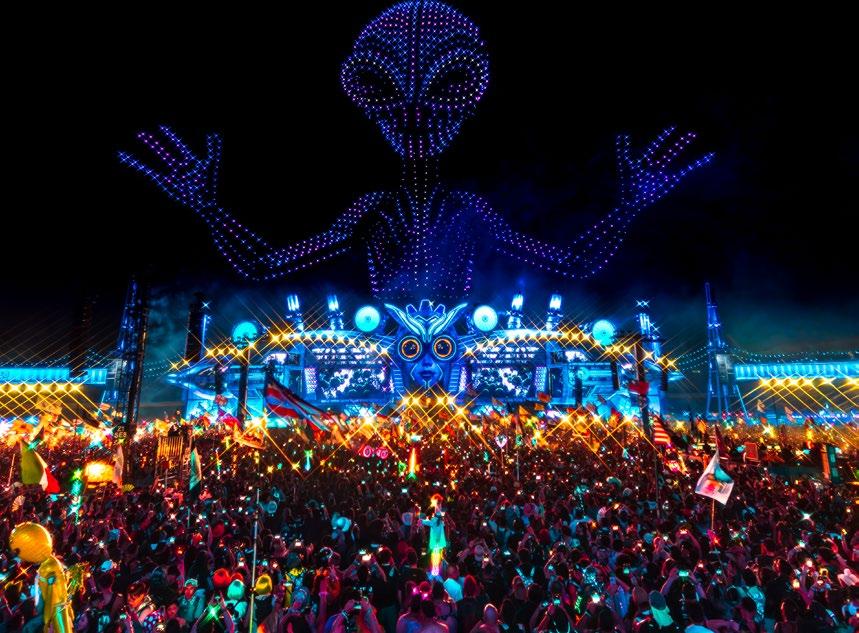
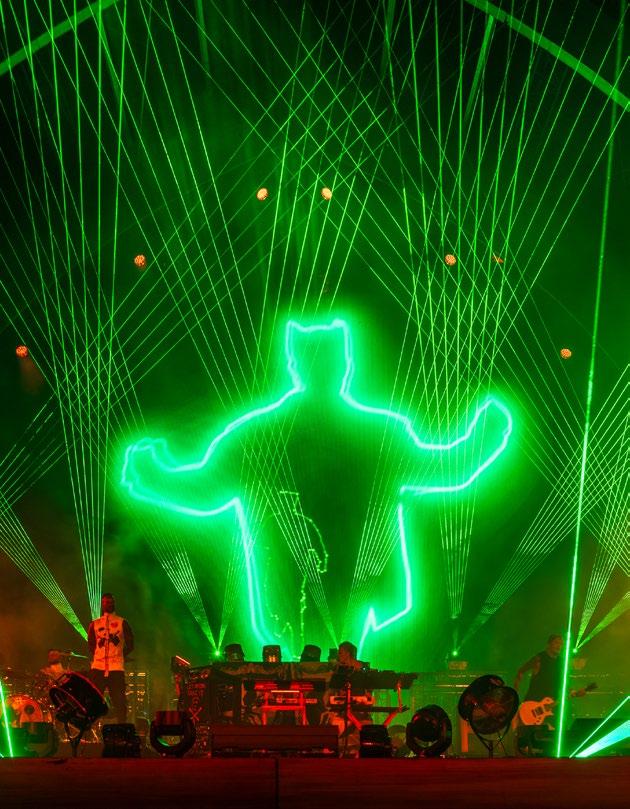
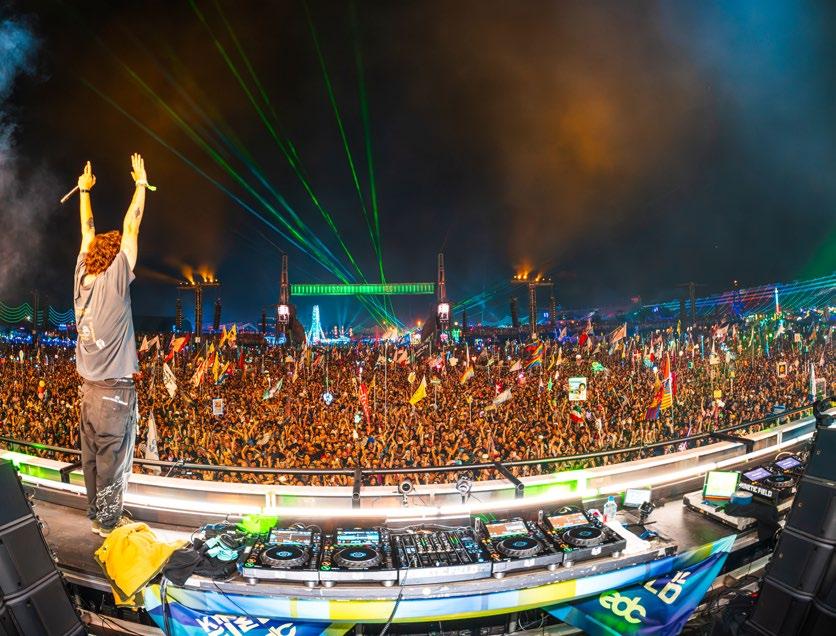
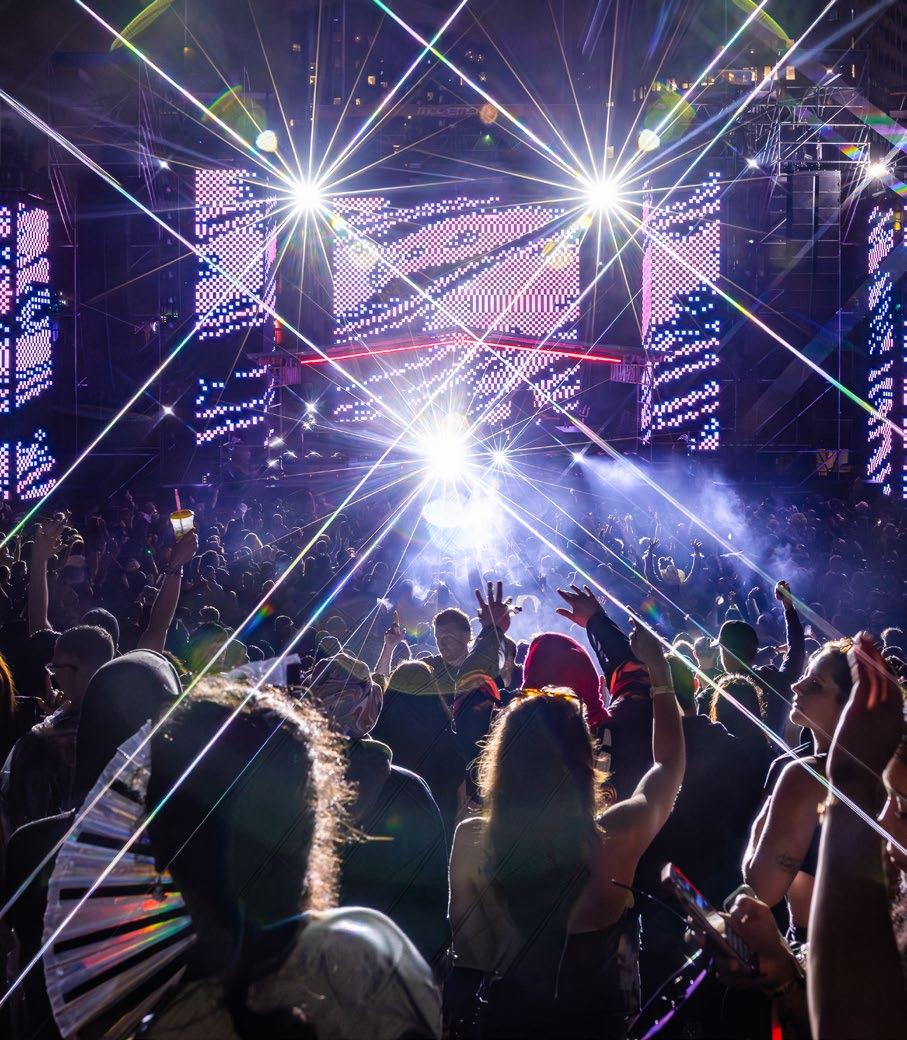
Las Vegas – This past May 15-17, more than 500,000 fans visited the Las Vegas Motor Speedway for Electric Daisy Carnival, North America’s largest EDM event. Produced by Insomniac Events, EDC ’26 presented more than 250 performers including many of world’s top DJs and electronic artists, like Underworld, The Prodigy, Tiësto, Kaskade, Armin van Buuren, Martin Garrix, Charlotte de Witte, Subtronics, and many more. It all looked like this:
4
5
6
7 Atmosphere: Fisher before the throngs.
8 Born Slippy: Underworld takes over.
Sebillo
Clarity: Zedd reaches the masses. Sklyer Greene 10 Close Encounter: Alien sighting at EDC. Treston Van Baalbergen
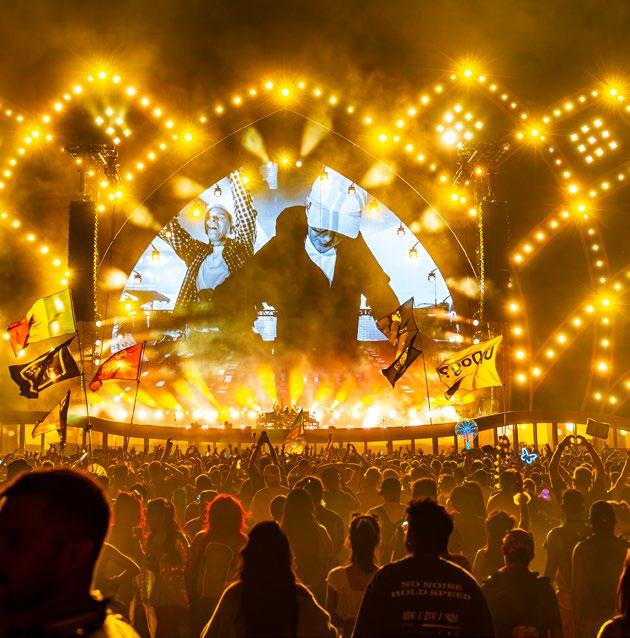
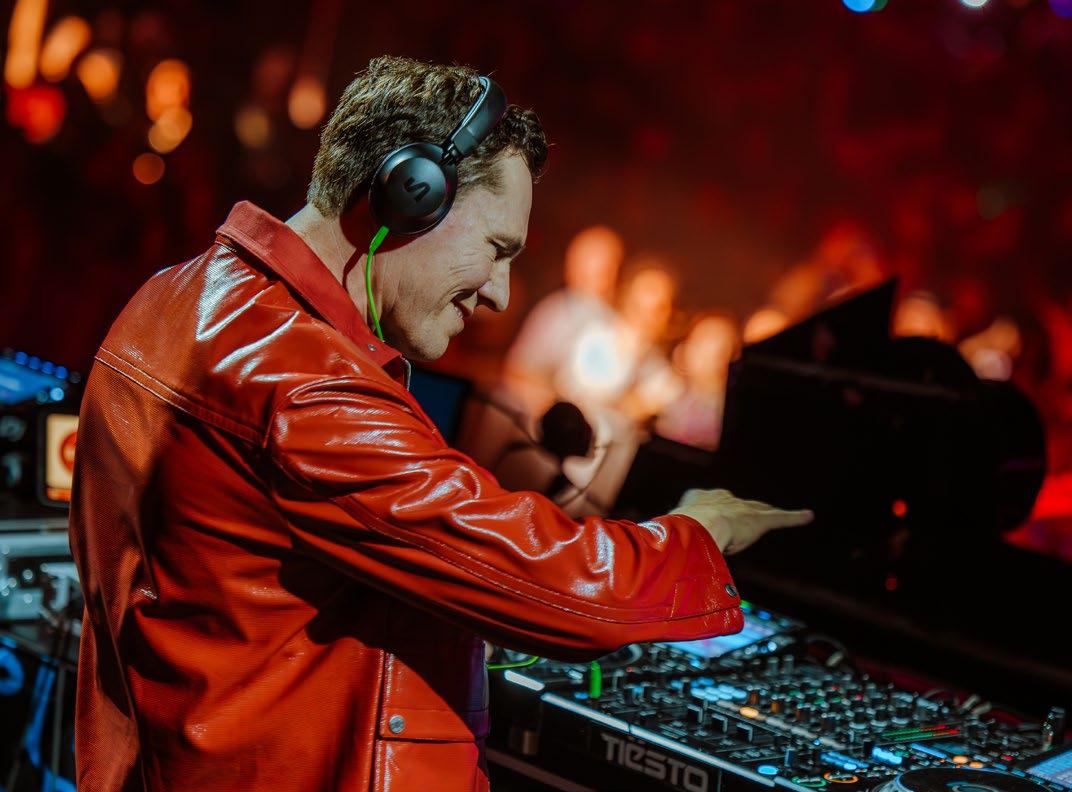
Tiësto drops a beat.
Firestarter: The Prodigy lays it down. Taylor Regulski
B2B: (L-R) Wooli rocks with GRiZ.
Big Boom: Subtronics thanks the crowd.
Thank you, Las Vegas.




During COVID, when much of the wedding industry came to a standstill, many businesses (like DJs) had to decide how to respond.
Some chose to wait it out and conserve energy until things returned. Others stepped into a more active role, trying to help the industry think through what would come next. That was the lane where Alan Berg and I found ourselves. We began hosting a series of webinars to help wedding professionals position themselves to come back stronger when events resumed.
One of the topics that quickly surfaced as something people genuinely wanted to understand better was the relationship between venues and vendors. We brought in panelists representing different types of venues – venue groups, independent properties, all-inclusive locations – and the response was signifcant.
We had well over a thousand businesses registered. That kind of turnout tells you something: It tells you that this isn’t a fringe conversation. It’s something that sits at the center of how many wedding businesses either grow or stall.
If you’ve spent any time in the DJ world, you already understand the weight of venue relationships. For many DJs, being a preferred vendor at one or more venues is not just a nice addition to their business – it is a primary driver of consistent bookings. There are DJs reading this right now whose calendars are largely flled because of the trust they’ve built with a handful of key venues over time.
When you step back and look at how couples plan, it makes complete sense. The venue is often one of the very frst major decisions they make after getting engaged. In many cases, it’s the anchor that everything else is built around. Before they fully engage with DJs, photographers, or other vendors, they tour spaces, ask questions, and imagine their day inside those walls. That puts the venue in
a position of early, signifcant infuence.
There are even earlier touchpoints that most wedding professionals don’t fully consider, like jewelers. When someone is buying an engagement ring, there is already an opportunity for recommendations to begin. It’s an interesting, largely untapped layer, but it reinforces the idea that infuence in this industry starts earlier than many assume.
Bringing it back to venues, what stands out to me is how often DJs underestimate the role they play in an event’s overall success. I was reminded of this recently during a visit to a venue. I saw the space during the day, without any set-up – no lighting, no decor, no tables dressed. It was a perfectly fne room, but it didn’t leave much of an impression. I even suggested to the venue that keeping certain areas styled year-round might help couples better visualize what the space becomes.
A few weeks later, I attended a wedding in that same room. The transformation was obvious, but what really shifted the experience wasn’t just how the room looked. It was what happened once the event began. The DJ engaged the crowd almost immediately, the dancefoor flled, and the energy in the room changed. In that moment, the visual aspects of the space became secondary. What people were responding to was how the event felt.
That’s an important distinction. The venue plays a critical role in getting the booking. It shapes the initial impression, the logistics, and the fow of the day. But once the reception is underway, the guest experience is being driven in real-time, and the DJ is at the center of that.
Knowing that, it’s surprising how little DJs communicate their expertise in relation to specifc venues. You’ve worked in these spaces. You understand the nuances. You know
how the room responds, how the timeline plays out, what tends to work, and what doesn’t. That kind of experience has real value to a couple, but it’s rarely positioned in a way that helps them recognize it.
This is where preferred vendor relationships come into sharper focus. Being recommended by a venue is not the same as appearing on a wedding-advertising directory or displaying a badge. It carries a different level of credibility. From the couple’s perspective, this is the place they’ve chosen to host one of the most important days of their lives. If that venue is comfortable recommending you, it reinforces the idea that you are a safe and trusted choice.
At the same time, the way those recommendations are delivered can vary widely. Some venues provide a printed list. Others feature vendors on their website. Some make direct introductions. Others mention names more casually during conversations. Regardless of the format, a common challenge tends to follow. Timing.
Couples often book their venue well in advance. After that, there can be a pause in their planning process. Months go by before they actively start researching other vendors again. When they return to that process, they are often approaching it through search – Google, AI-driven results, wedding platforms, social media. The venue’s original recommendation may not be top of mind anymore.
This creates a gap that DJs can either ignore or address intentionally.
If a couple lands on your website during that later phase and sees a clear connection between you and their venue, you are effectively reintroducing something that already carried weight for them. It brings back a sense of familiarity and reinforces trust at a moment when they are actively evaluating options.
That only works if the connection is visible.
It should be present on your homepage, on your about page, and on your wedding-specifc content. It should be easy to recognize without requiring the visitor to search for it. At the same time, it’s important not to dilute that message by mixing it in with unrelated credibility signals, such as corporate client logos. Those belong in a different context. Venue relationships should stand on their own because they speak directly to the wedding experience.
Even at that level, simply showing the association can have an impact. It can shorten the path from inquiry to conversation by answering an unspoken question the couple may have about whether you are familiar with their venue.
There is, however, a deeper level that is often overlooked.
Rather than stopping at a list of venues, there is an opportunity to build meaningful content around them. This could take the form of a dedicated section of your website where you highlight venues you regularly work at, not just by name, but with context and insight. You can speak to what the experience is like in each space, how the room tends to fow, what couples should consider when planning there, and how entertainment plays a role in that environment.
This shifts your positioning. You are no longer just presenting yourself as a DJ available for hire. You are demonstrating that you understand how weddings function within specifc venues.
Taking it a step further, instead of linking directly out to a venue’s website, you can create your own pages or posts focused on those locations. Including photos, videos, and real examples of events you’ve been part of builds a stronger connection. When a couple who is considering that venue fnds your site, they are not just seeing a name they recognize. They are seeing proof of your experience within that space.
That kind of familiarity carries weight. It reduces uncertainty and helps them picture what working with you would feel like in a setting they’ve already chosen or are seriously considering.
There is also a longer-term beneft to approaching it this way. While much of the conversation around venue relationships focuses on receiving referrals, there is value in thinking about how you can contribute to those relationships as well. If your content and visibility occasionally lead a couple to inquire about a venue, you have created a scenario where you are not only benefting from the partnership, but also adding to it.
That changes the dynamic. It strengthens the relationship in a way that goes beyond being one of several names on a list.
None of this requires a complete reinvention of how you operate.
Most DJs are already doing the foundational work. They are performing well, building relationships, and earning recommendations.
The opportunity is in how that work is presented and extended through their website and overall presence.
When that connection between your experience and the venues you work at is made clear and intentional, you are no longer just another option that a couple happens to come across. You become part of something they already trust, and that changes how they view you before a conversation even begins.
Brian D. Lawrence is the co-author of “From Browsing To Booking” and owns a wedding and event industryfocused web design and SEO agency. At DJX’26, he’ll present his tutorial,“From Browsing to Booking: The New Age of SEO for DJs.” Please visit www.brianlawrence.com
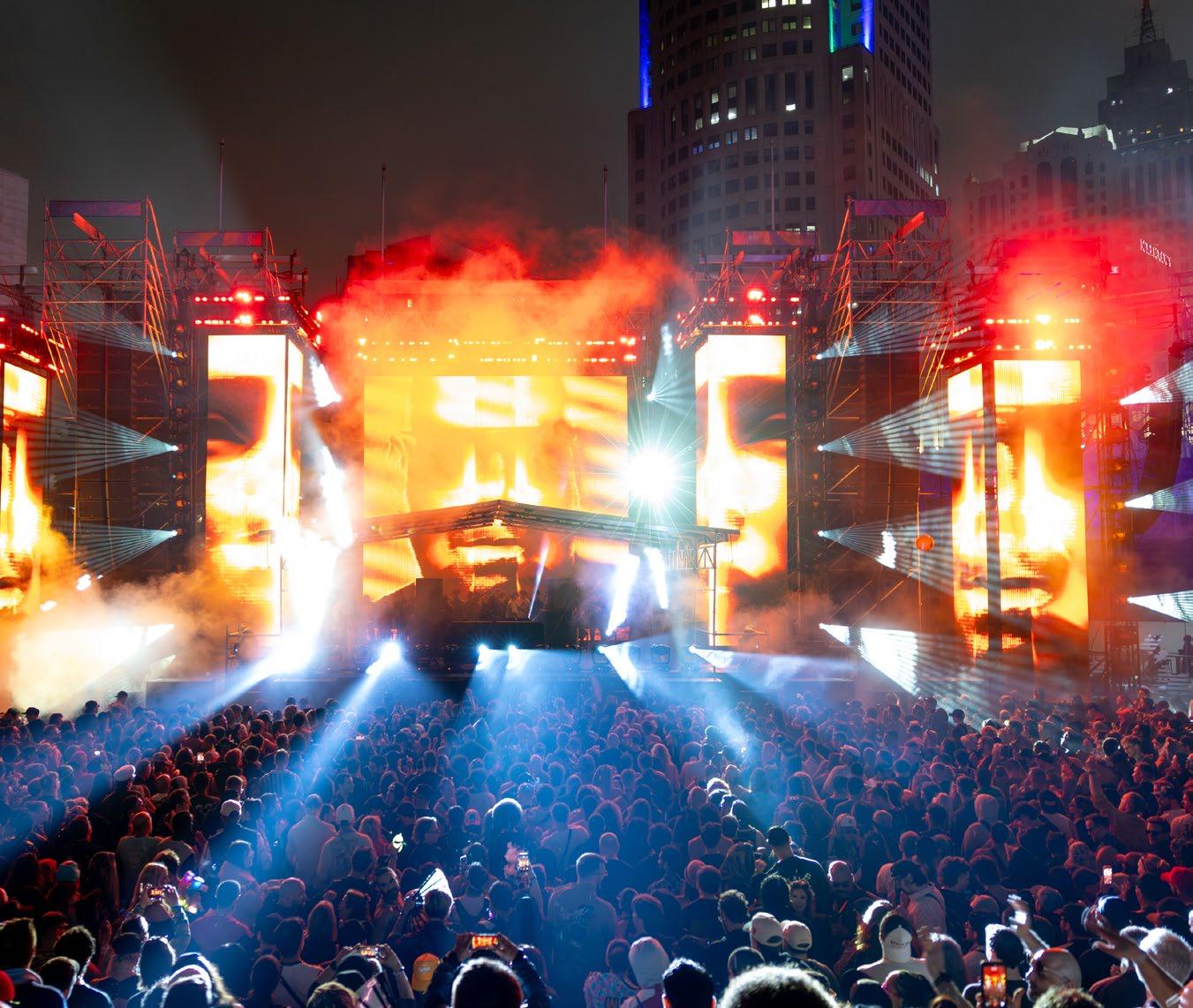
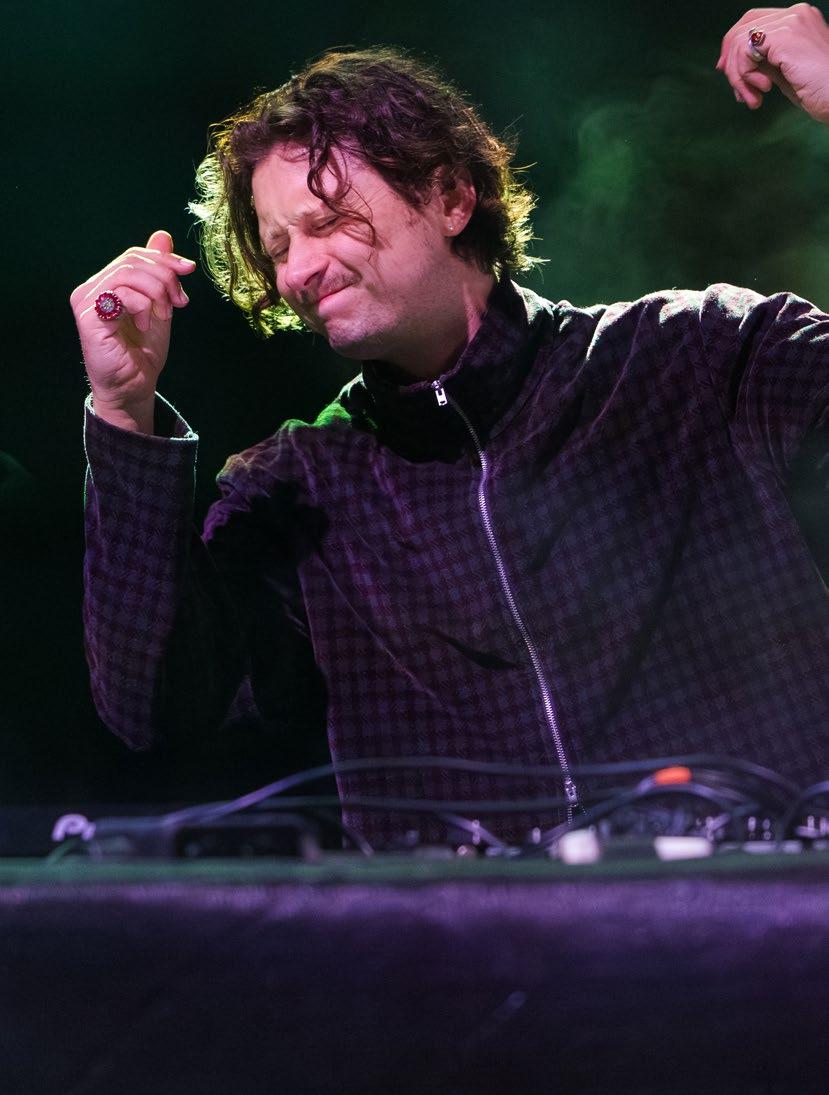
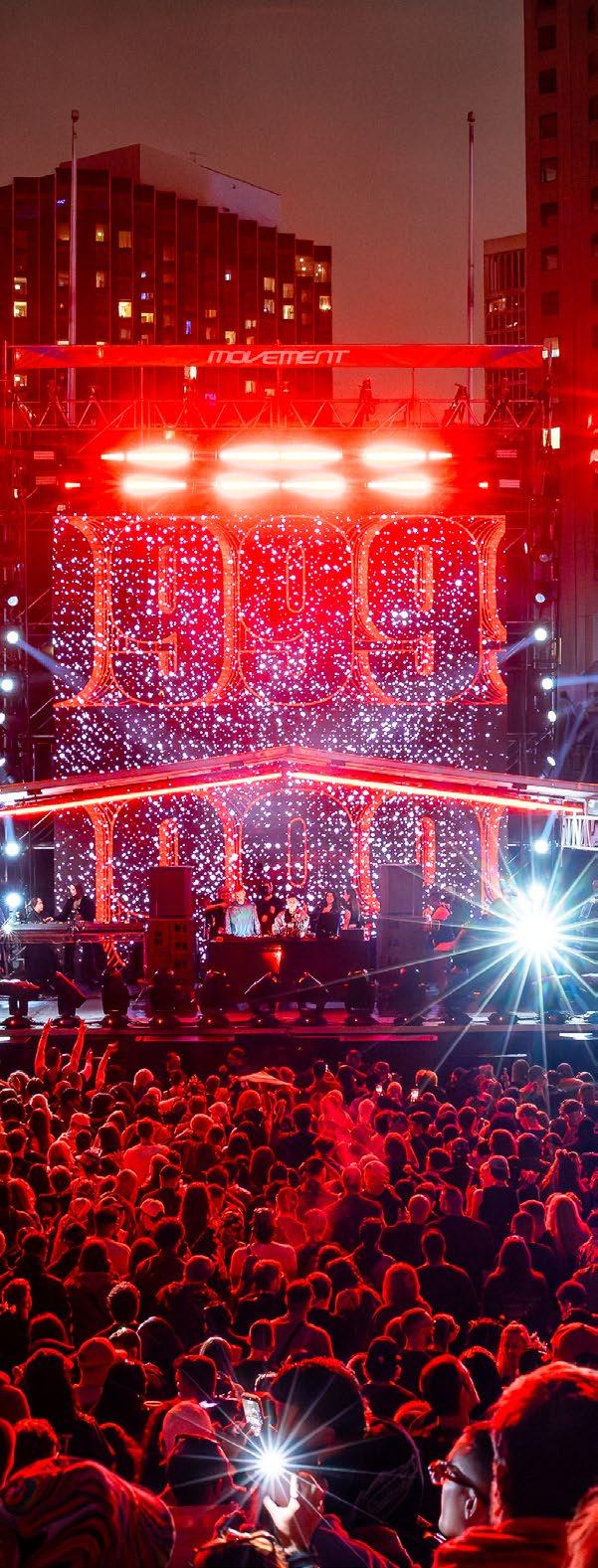
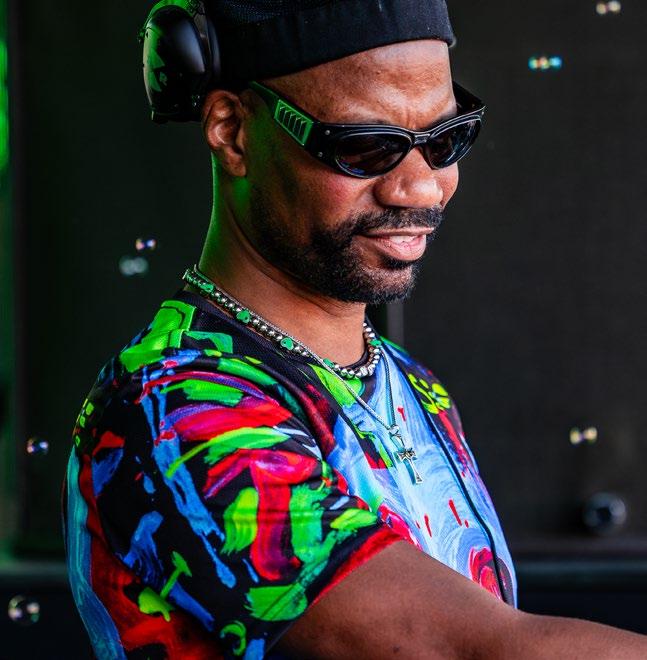
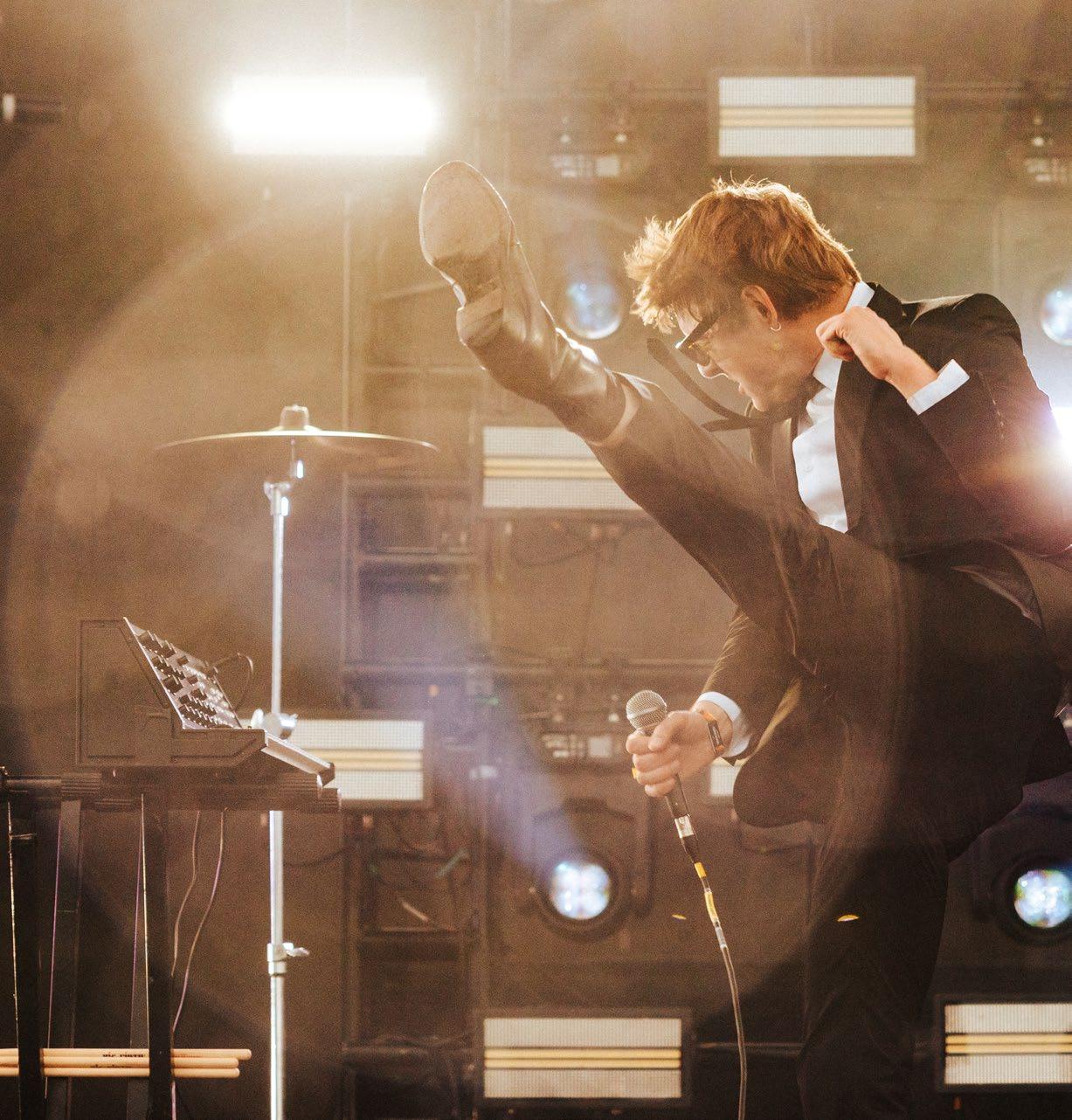
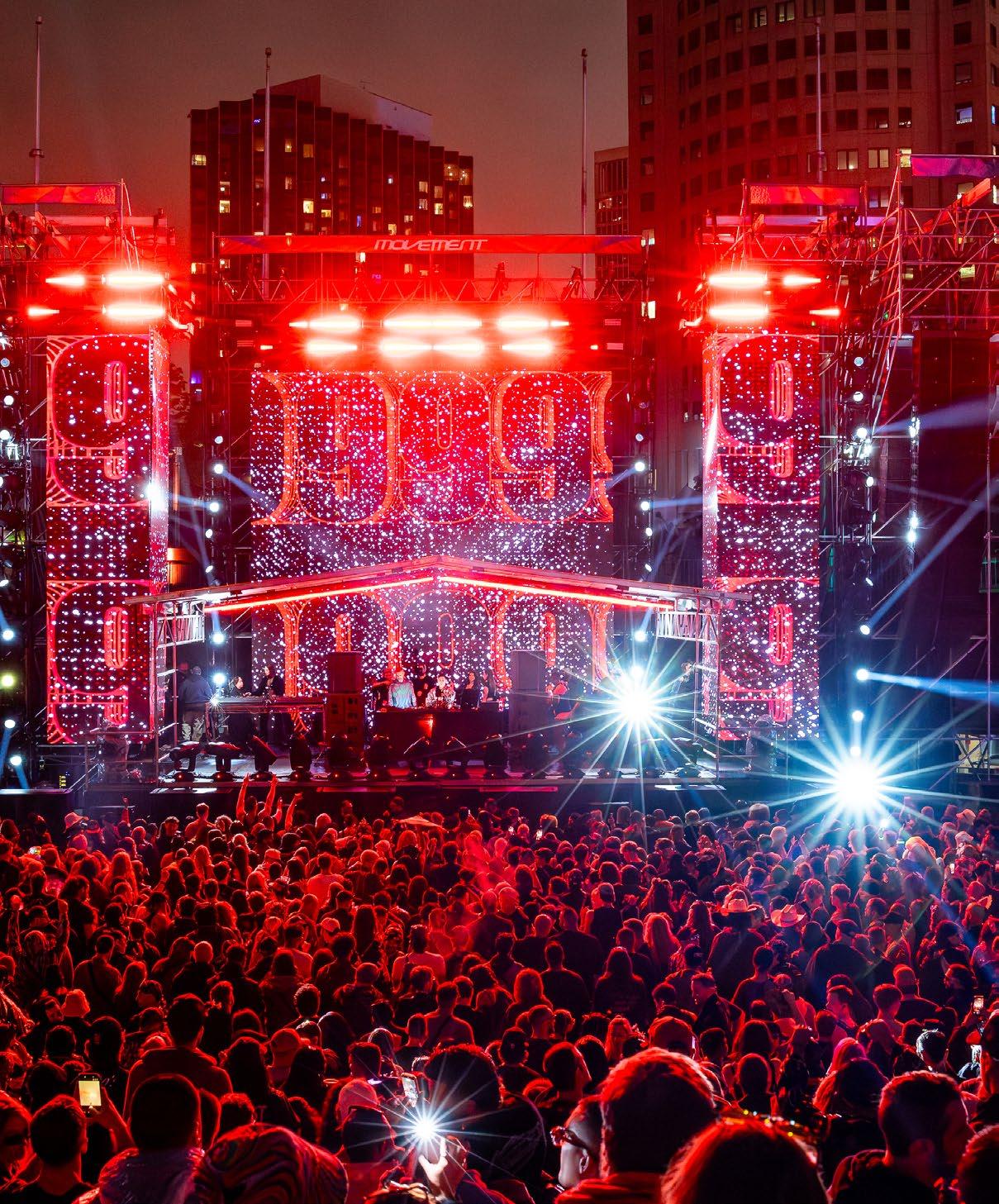
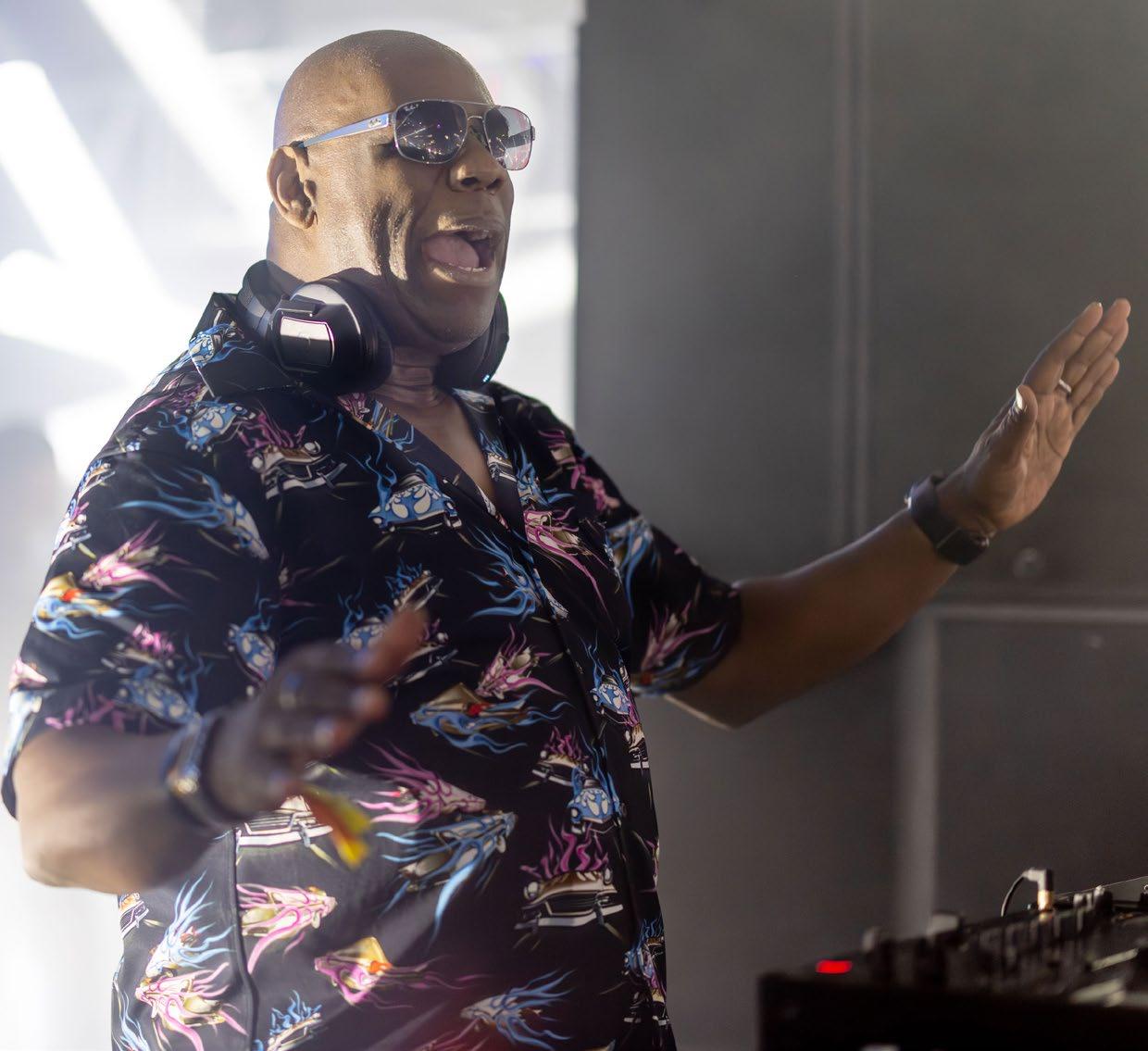
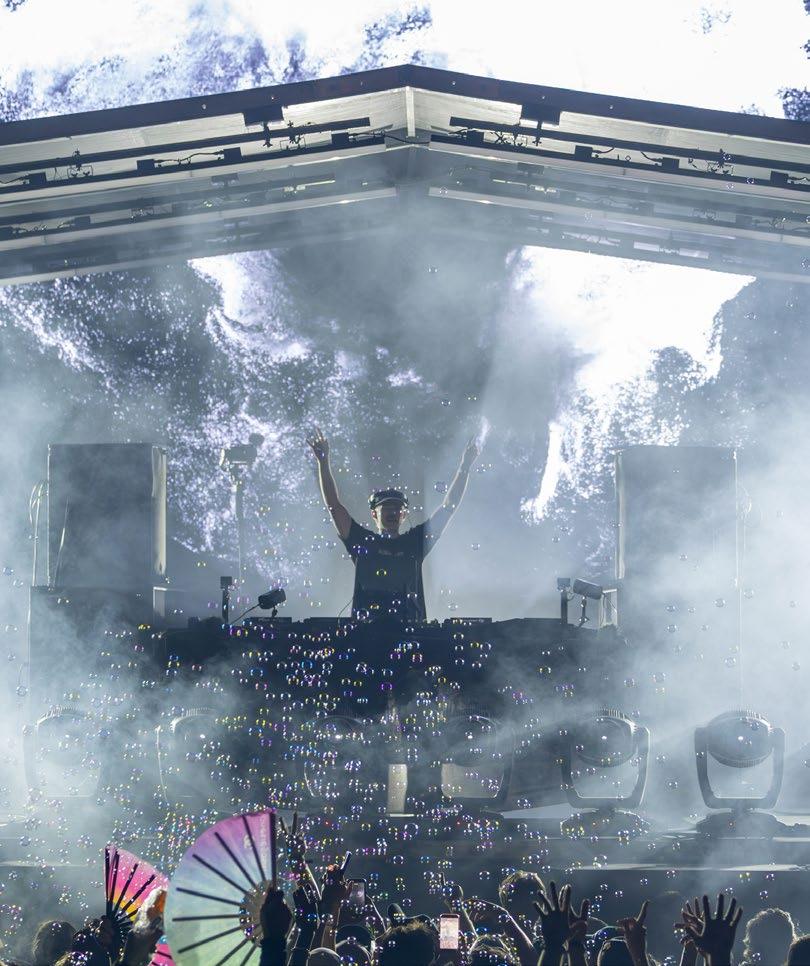
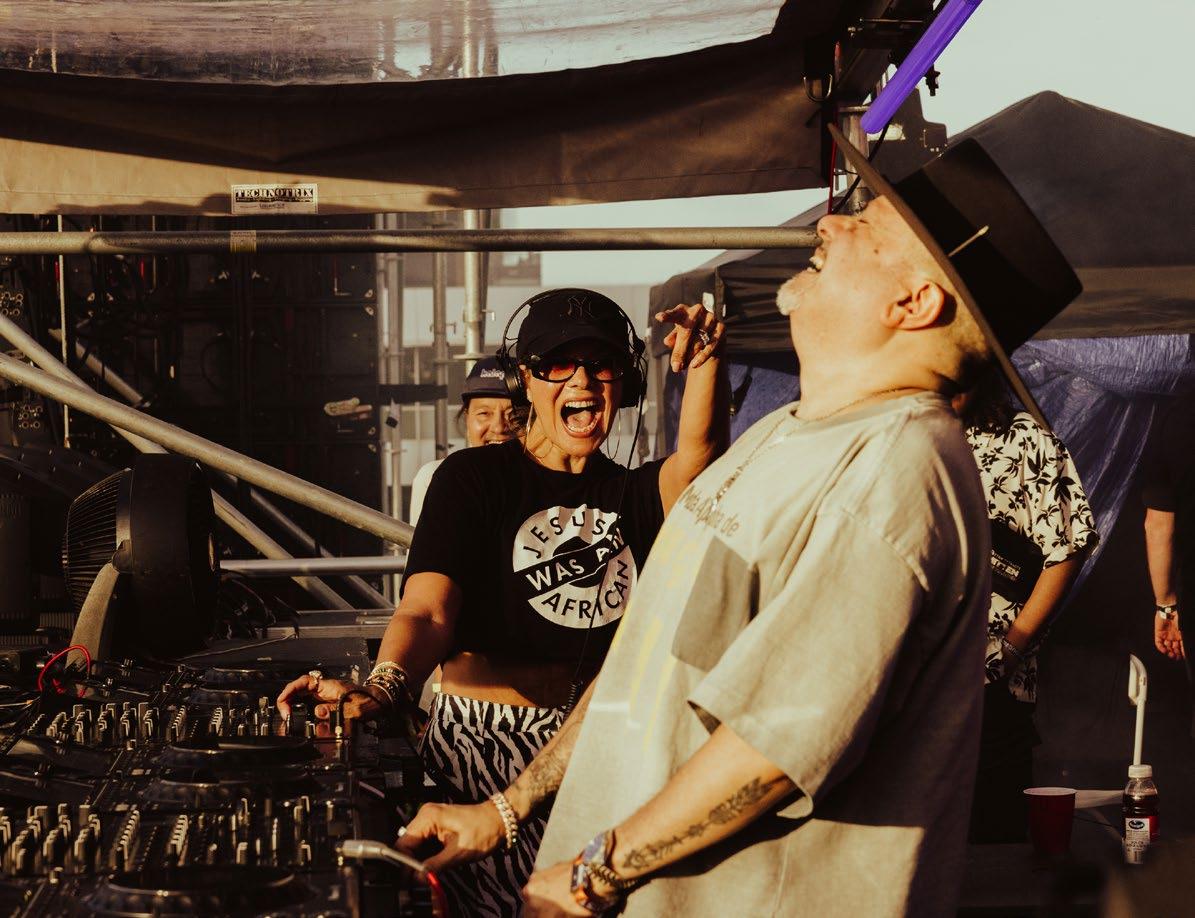
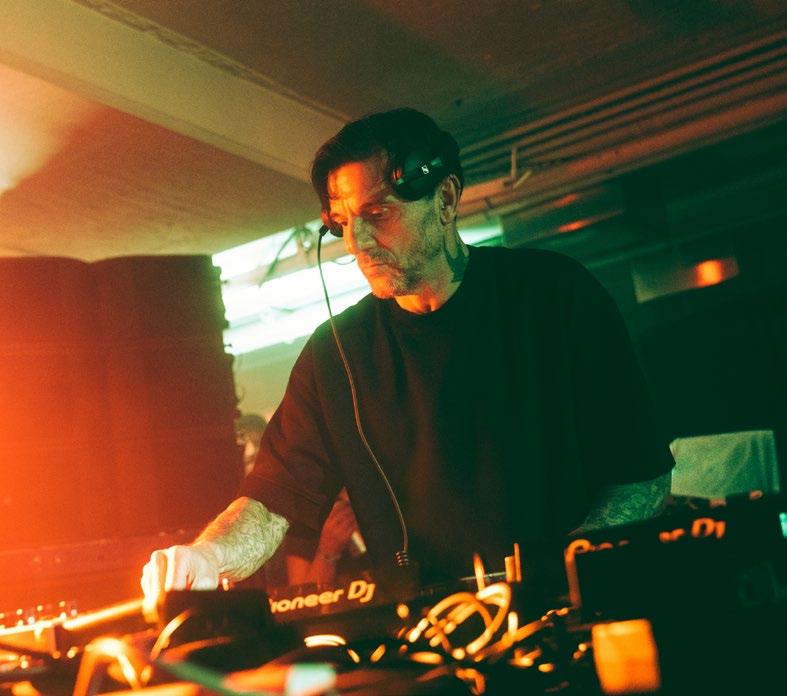
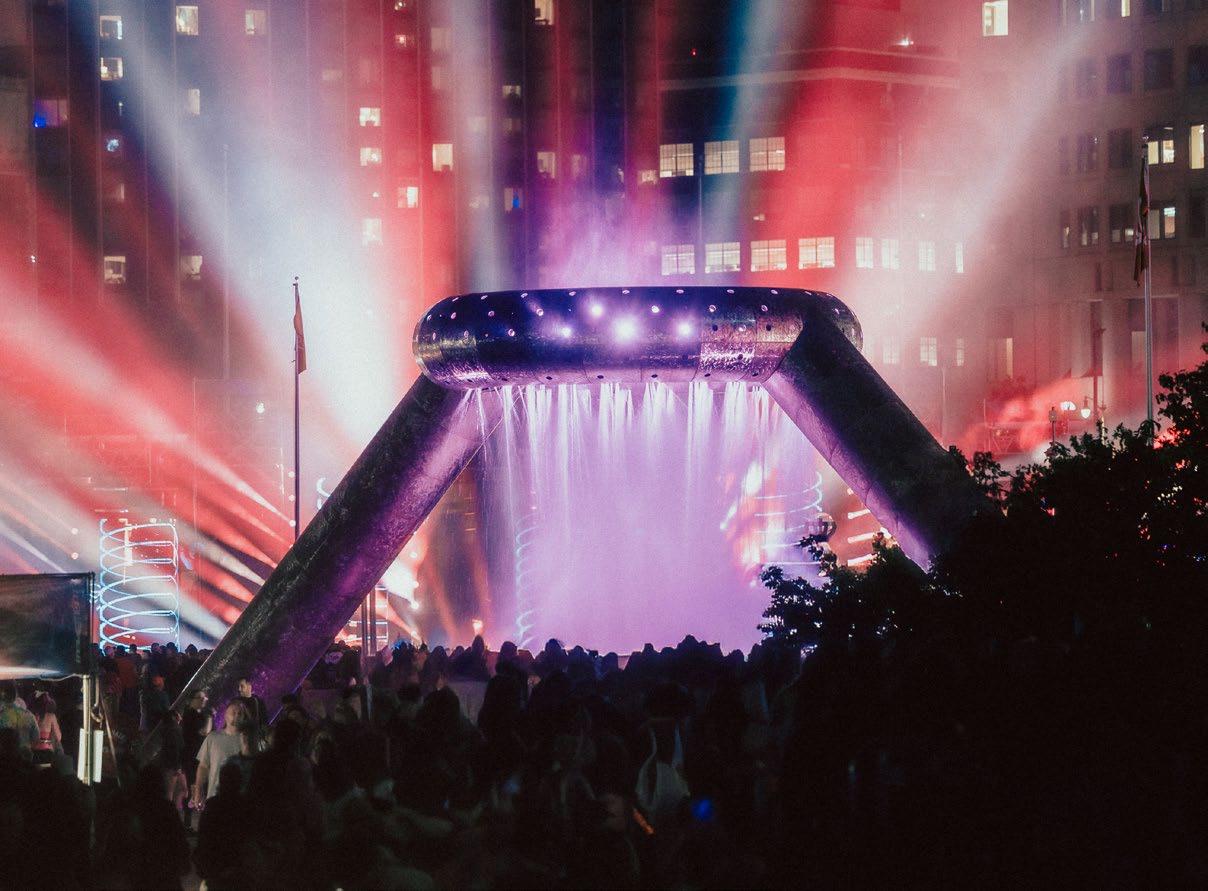
Detroit – Over 90,000 fans arrived at Motown’s Hart Plaza this past May 23-25 for the annual Movement Festival. More than 120 DJ/artists performed on six stages this past Memorial Day weekend. They included Carl Cox, Richie Hawtin, Dom Dolla, Eats Everything, Hot Since 82, Green Velvet, KI/KI, DJ Harvey, and The Ritual with Anané and Louie Vega. Detroit-based acts performing at Movement included Carl Craig, Stacey Pullen, DJ Minx, DJ Holographic, Stacey “Hotwaxx” Hale, DJ Godfather, E-DANCER, DJ Bone, Terrence Dixon, and Detroit Techno Militia. It all looked like this:
999999999: Mainstage on Saturday.
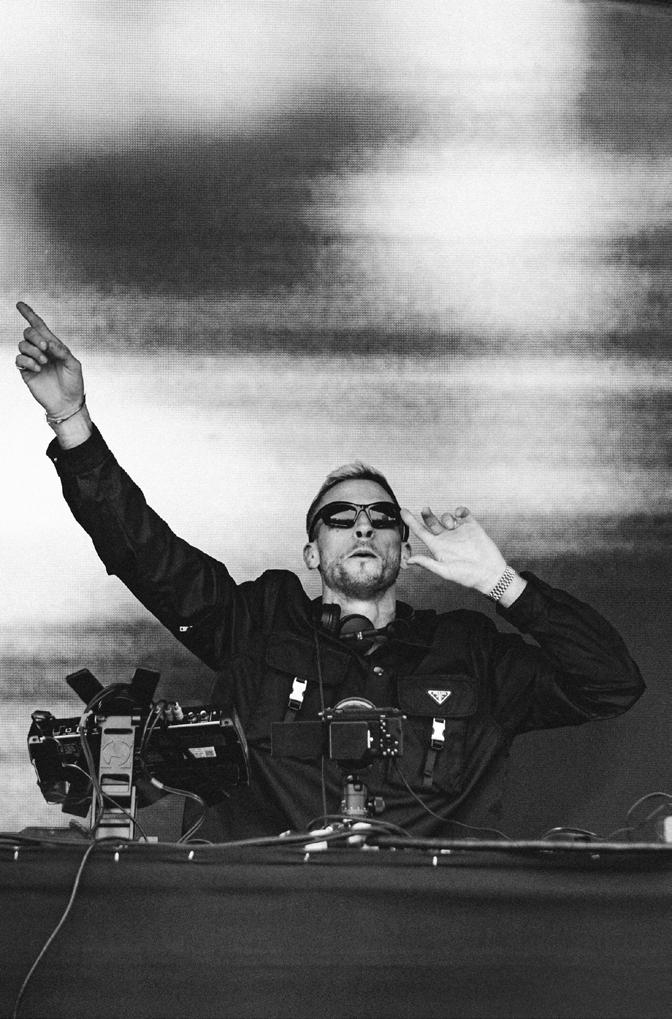
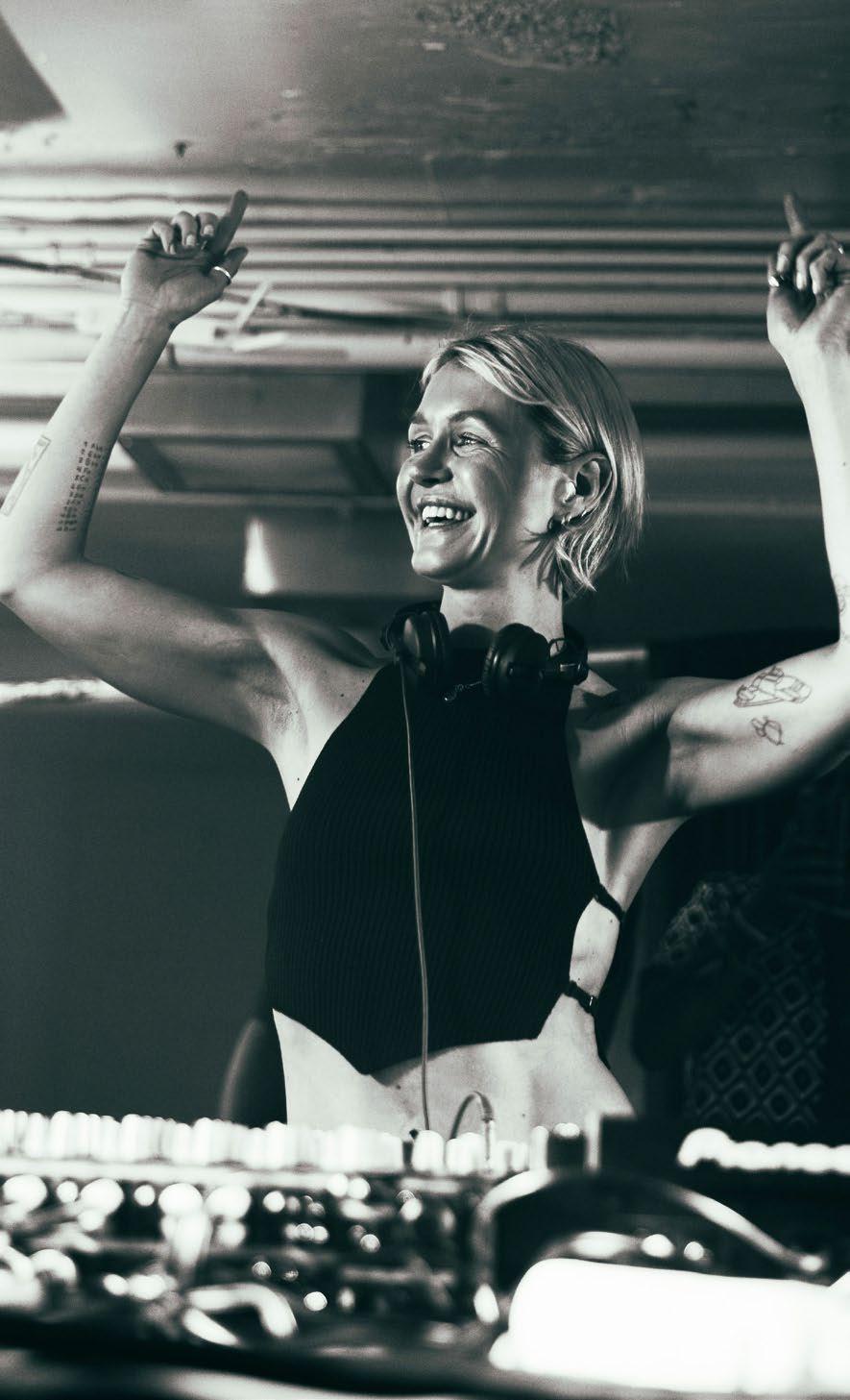
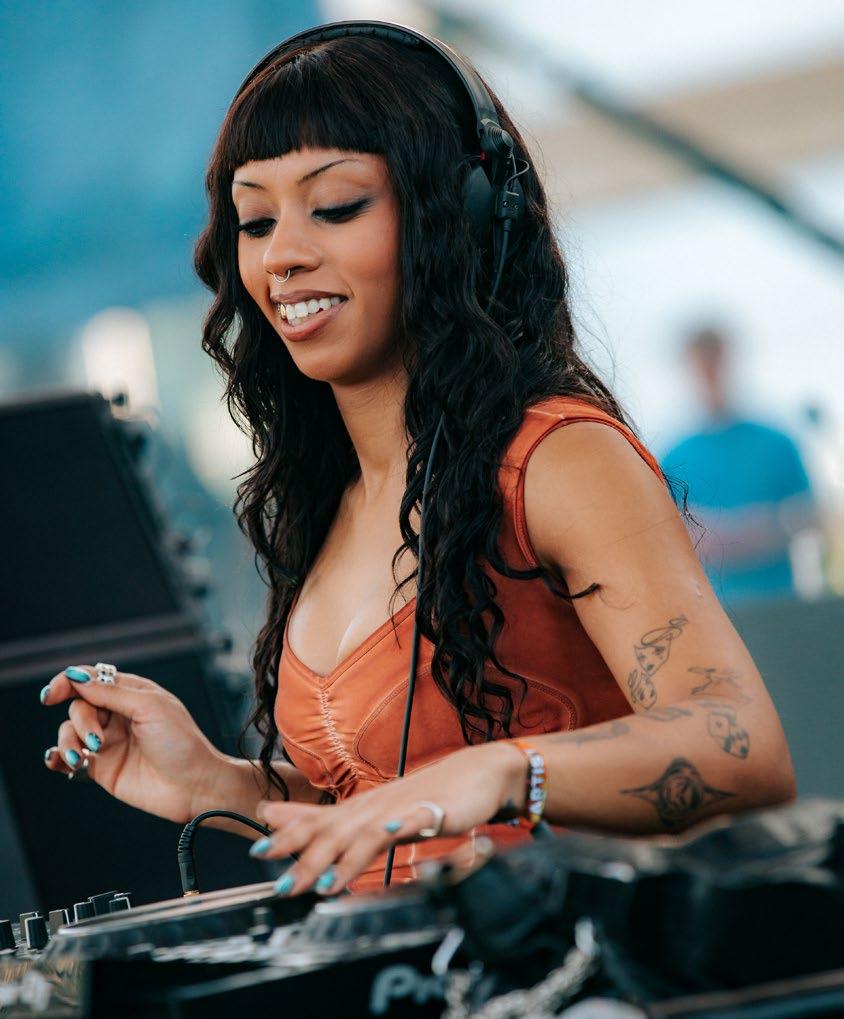
Party:
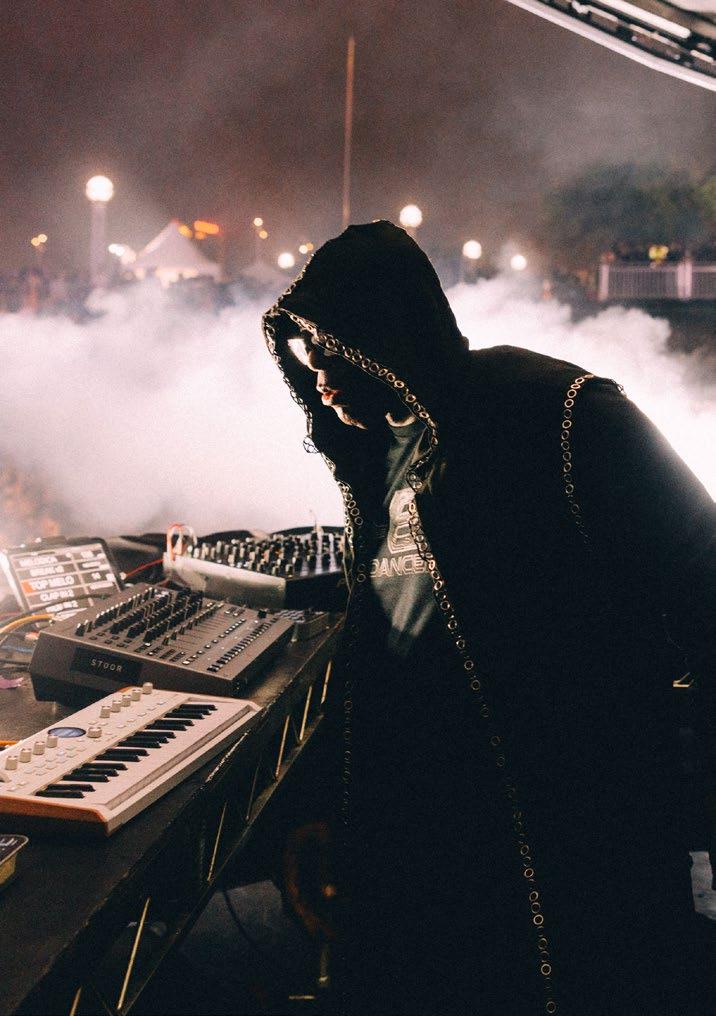
Saturday Closer: Carl Cox pumps it up. Stephen Bondio


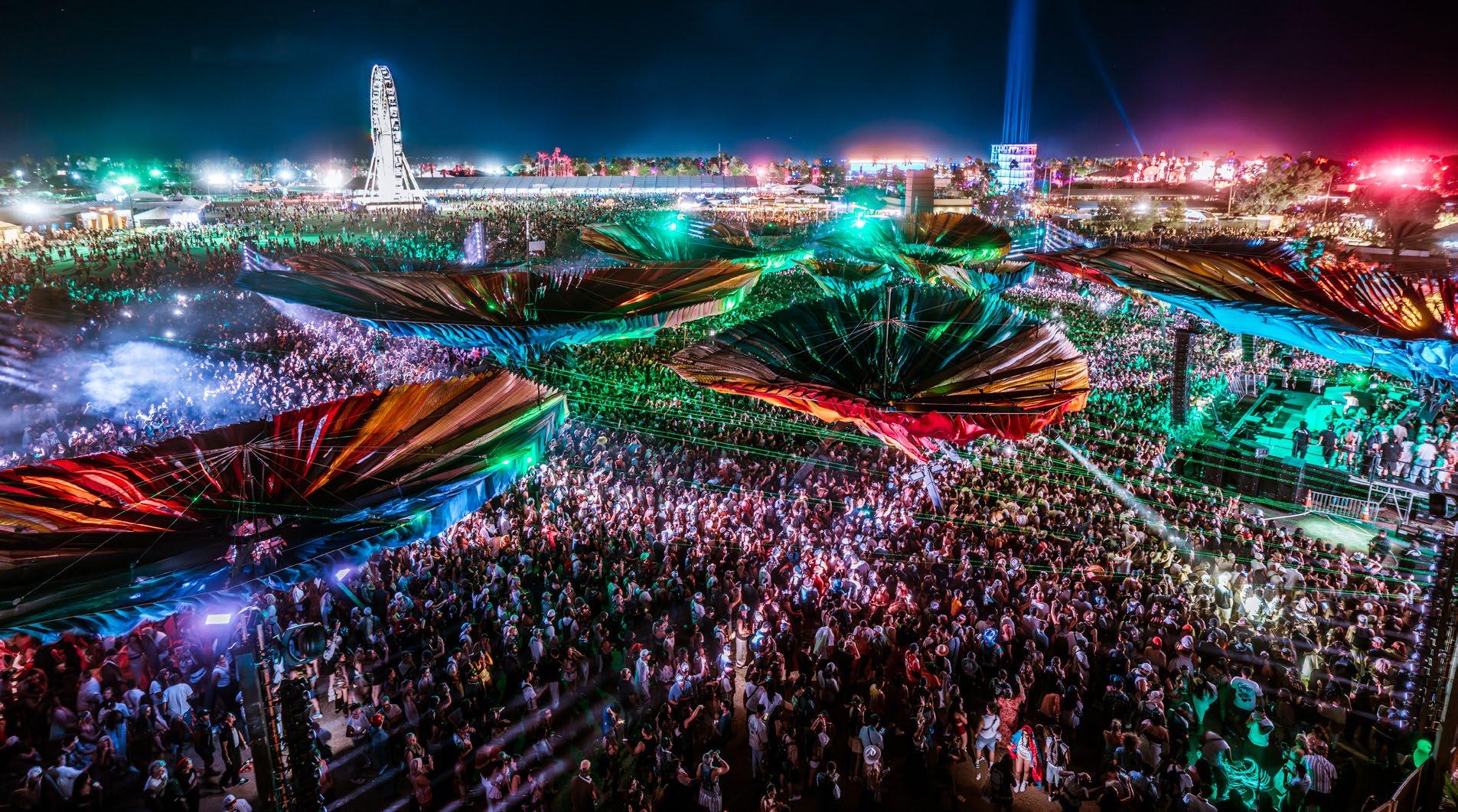
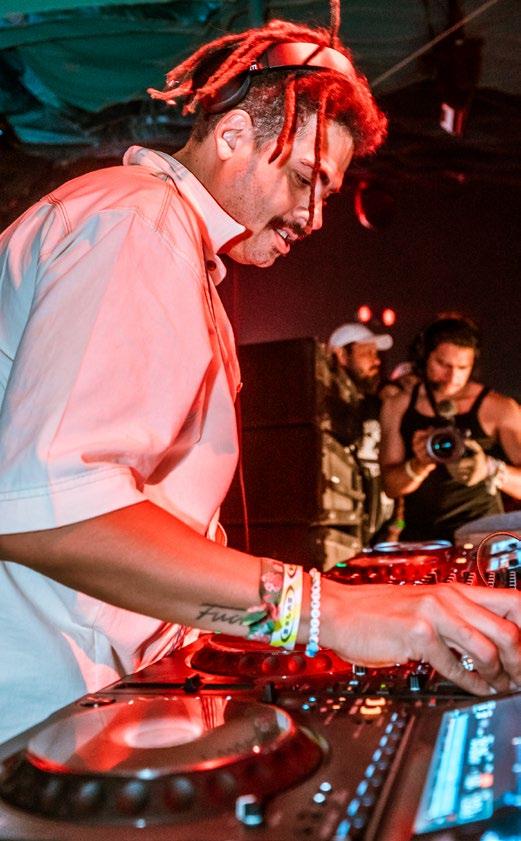
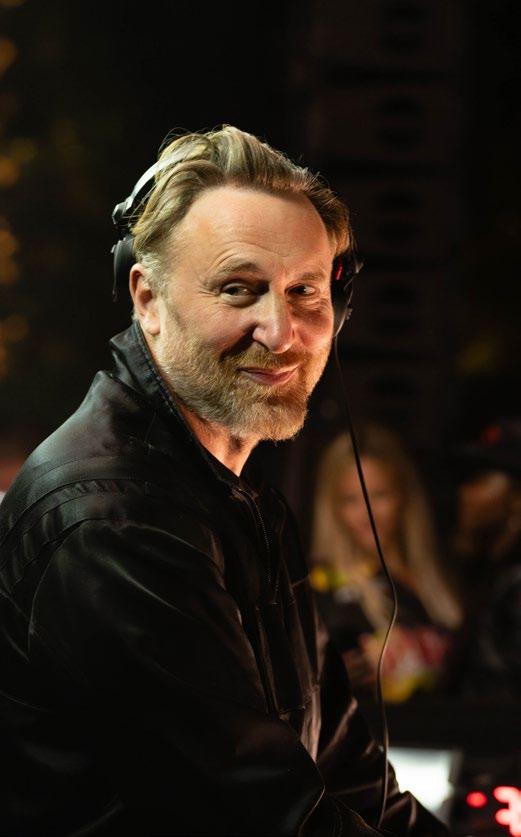
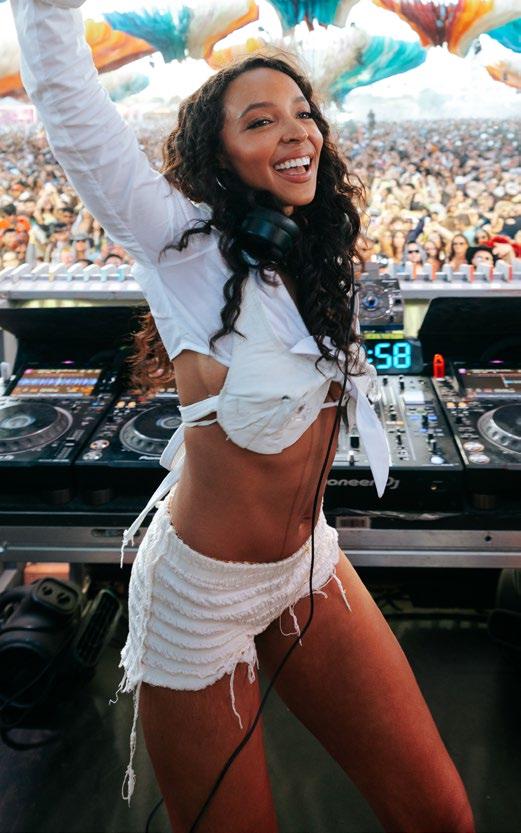
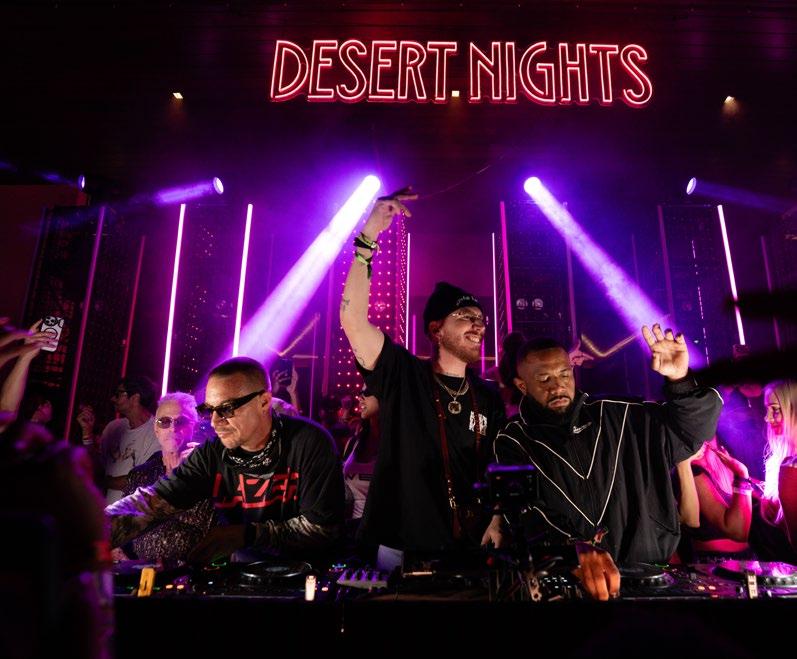
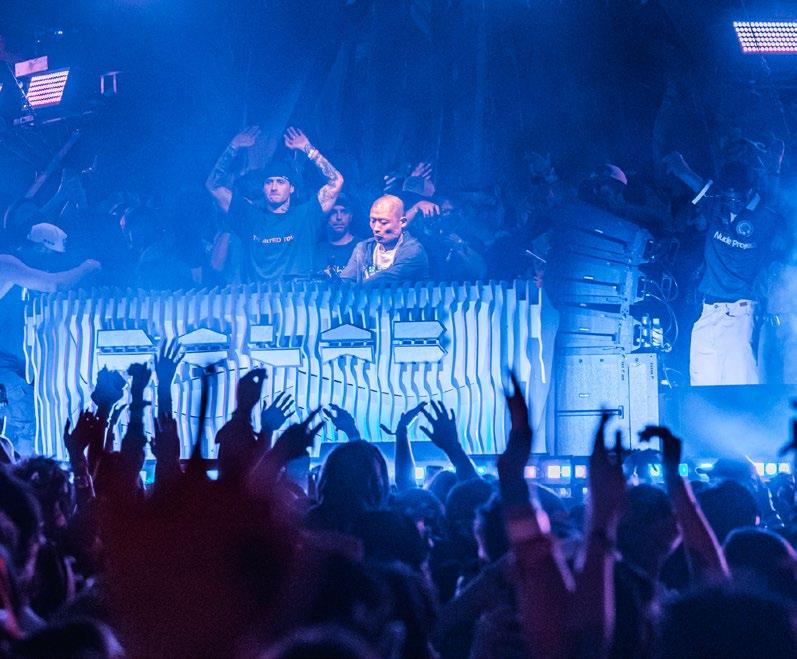
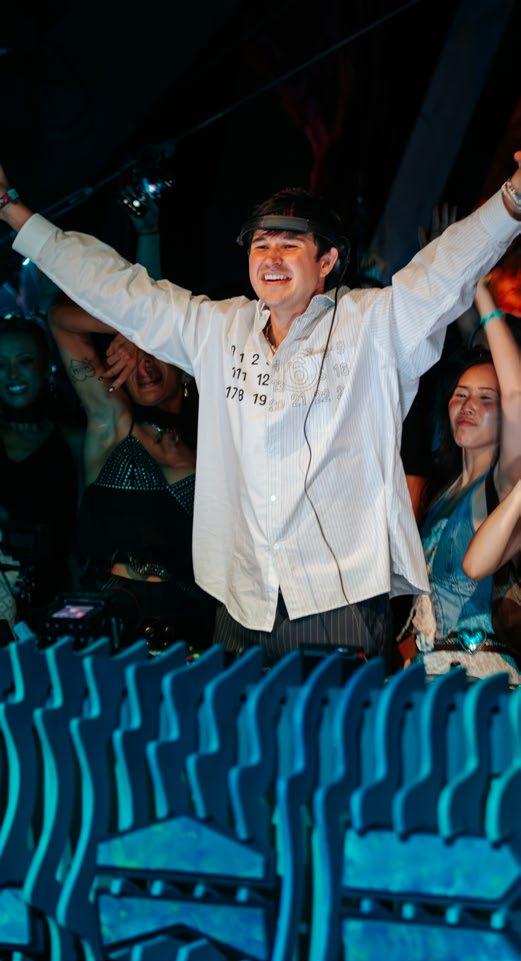
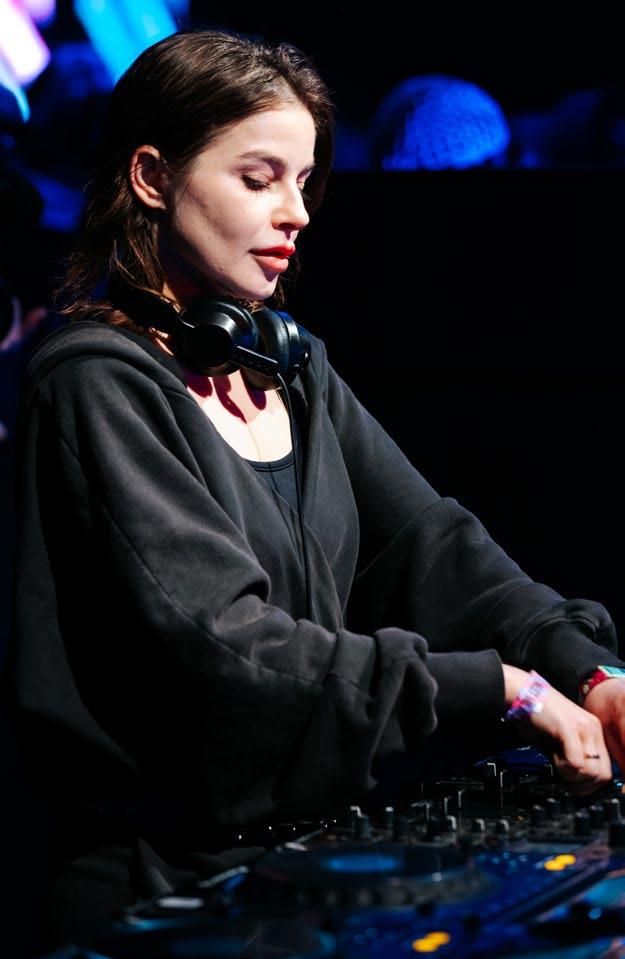
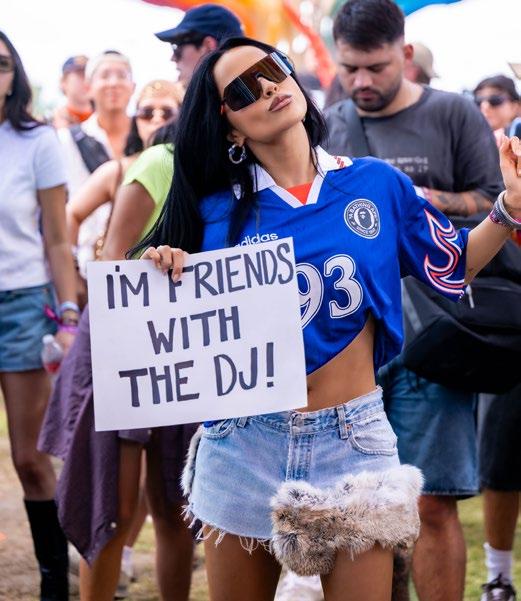
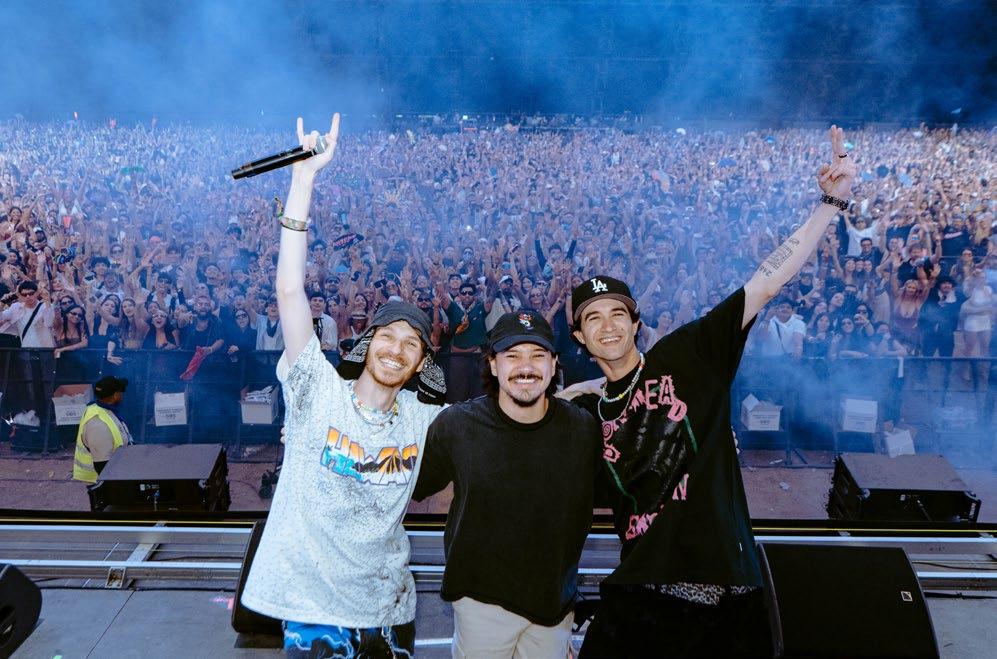
Indio, Calif. – More than 250,000 visitors enjoyed the two weekends of the Coachella Valley Music and Arts Festival this past April 10-12 and April 17-19. Held at the Empire Polo Club, Coachella presented top pop stars like Sabrina Carpenter and Justin Bieber, plus it hosted the return of rock bands like The Strokes and electronic acts like The XX. Also, at its mainstage, at the Do LaB stage, and at the invite-only Coachella Desert Nights stage, the event brought some of the globe’s mostpopular DJs. It all looked like this:
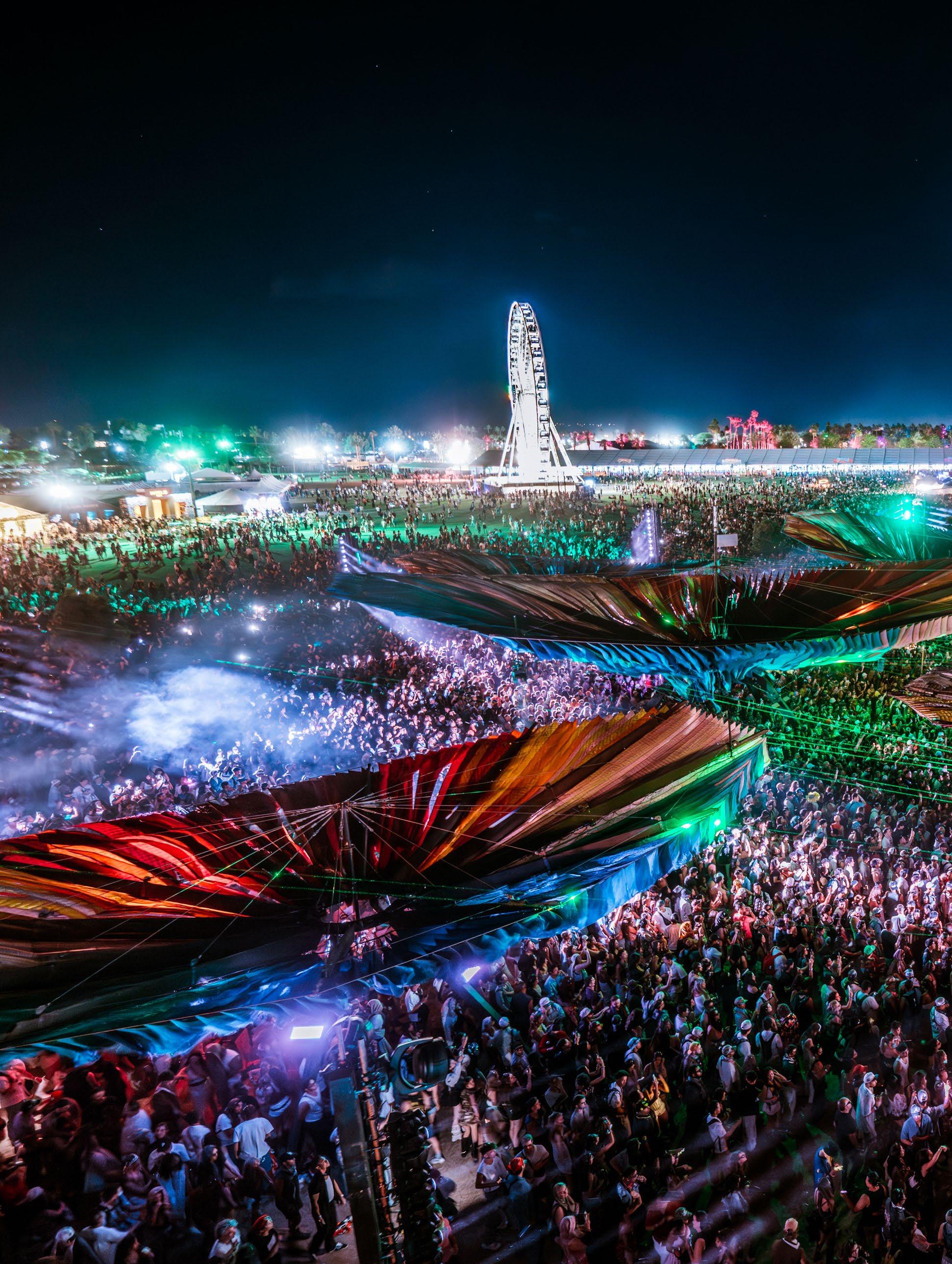
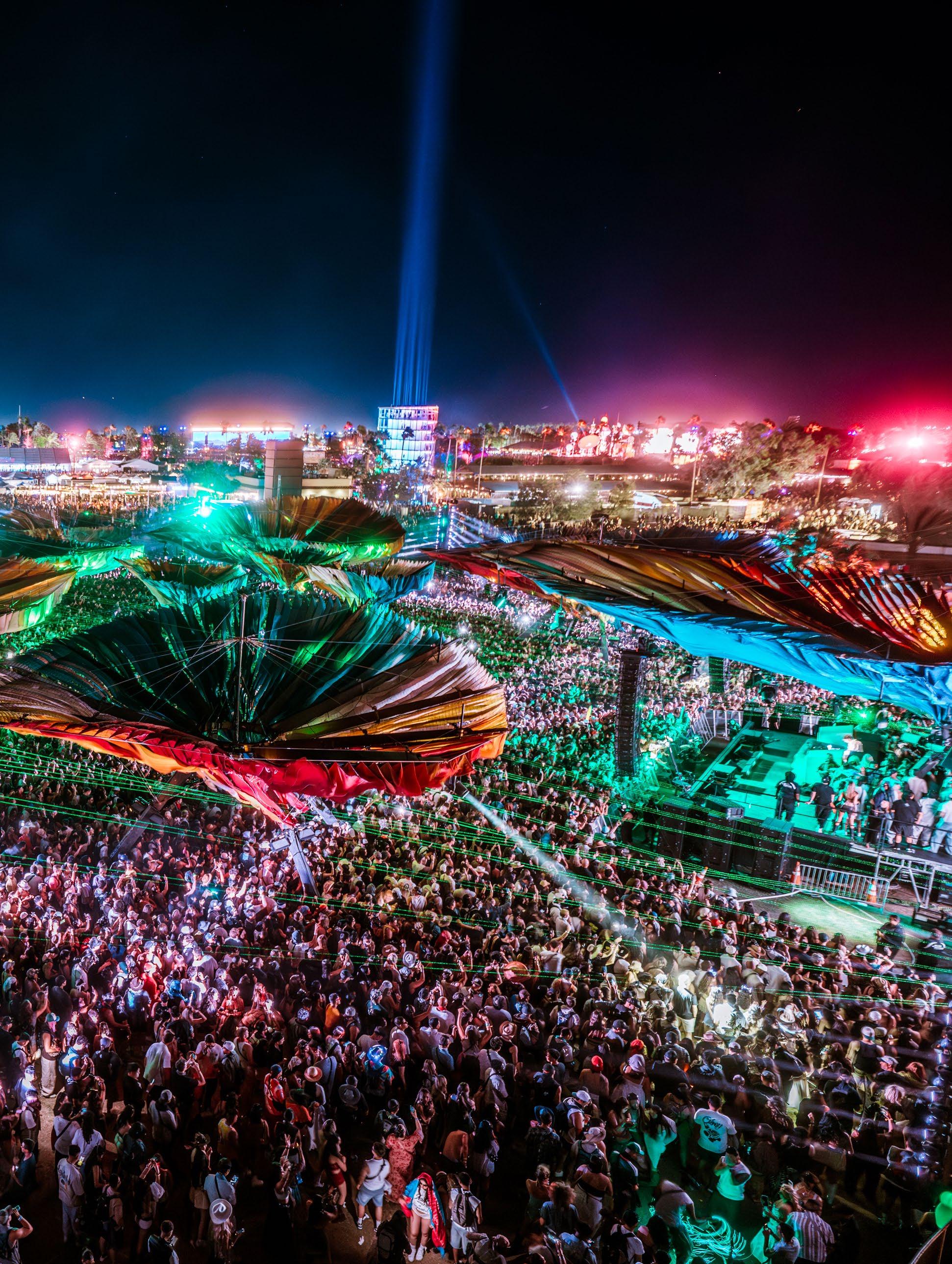
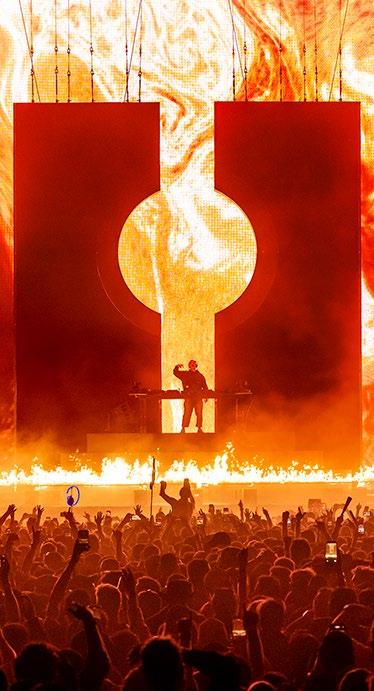
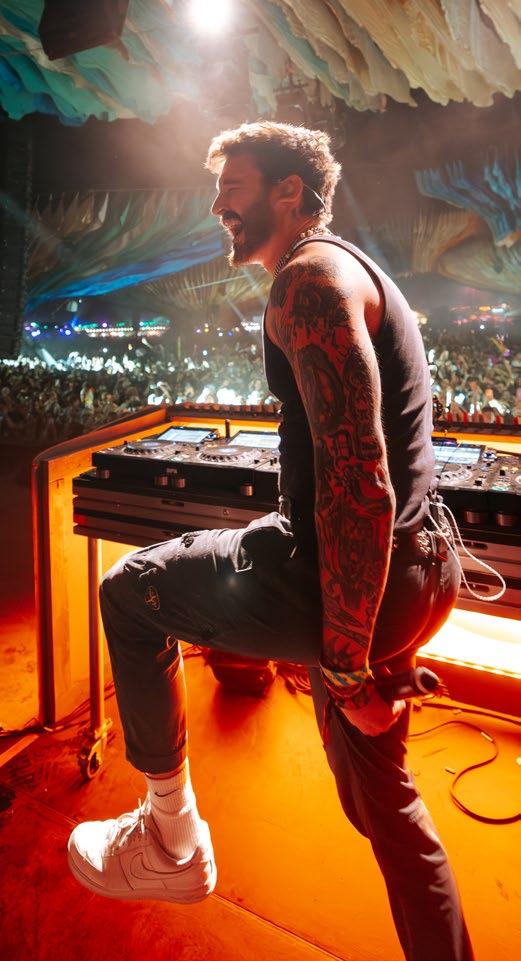
By DJ Mike Márquez
“[FOR DSP,] PRESONUS KEEPS THINGS SIMPLE WITH A CLEAN LCD DISPLAY AND STRAIGHTFORWARD NAVIGATION. THE ONBOARD PRESETS INCLUDE FRONT OF HOUSE, MONITOR, SPEECH, AND DJ MODES… [BUT IT] ALSO INCLUDES PLACEMENT-BASED SETTINGS SUCH AS STAND, MONITOR, AND BRACKET.”
As a club DJ, one of the things I’m most proud of is being the son of a DJ. My father started in the clubs before moving into the mobile world, and over the years I’ve built friendships with some of the most successful mobile DJs in the business. So when DJ LIFE asked if I’d be interested in testing a pair of the new PreSonus 2-way, active AIR XD speakers, I said, “Why not?”
While I don’t work the mobile market every weekend, I know what good speakers sound like and I know the features my event pros and mobile guys depend on. They’re always chasing more power, more features, and gear that simply makes their jobs easier.
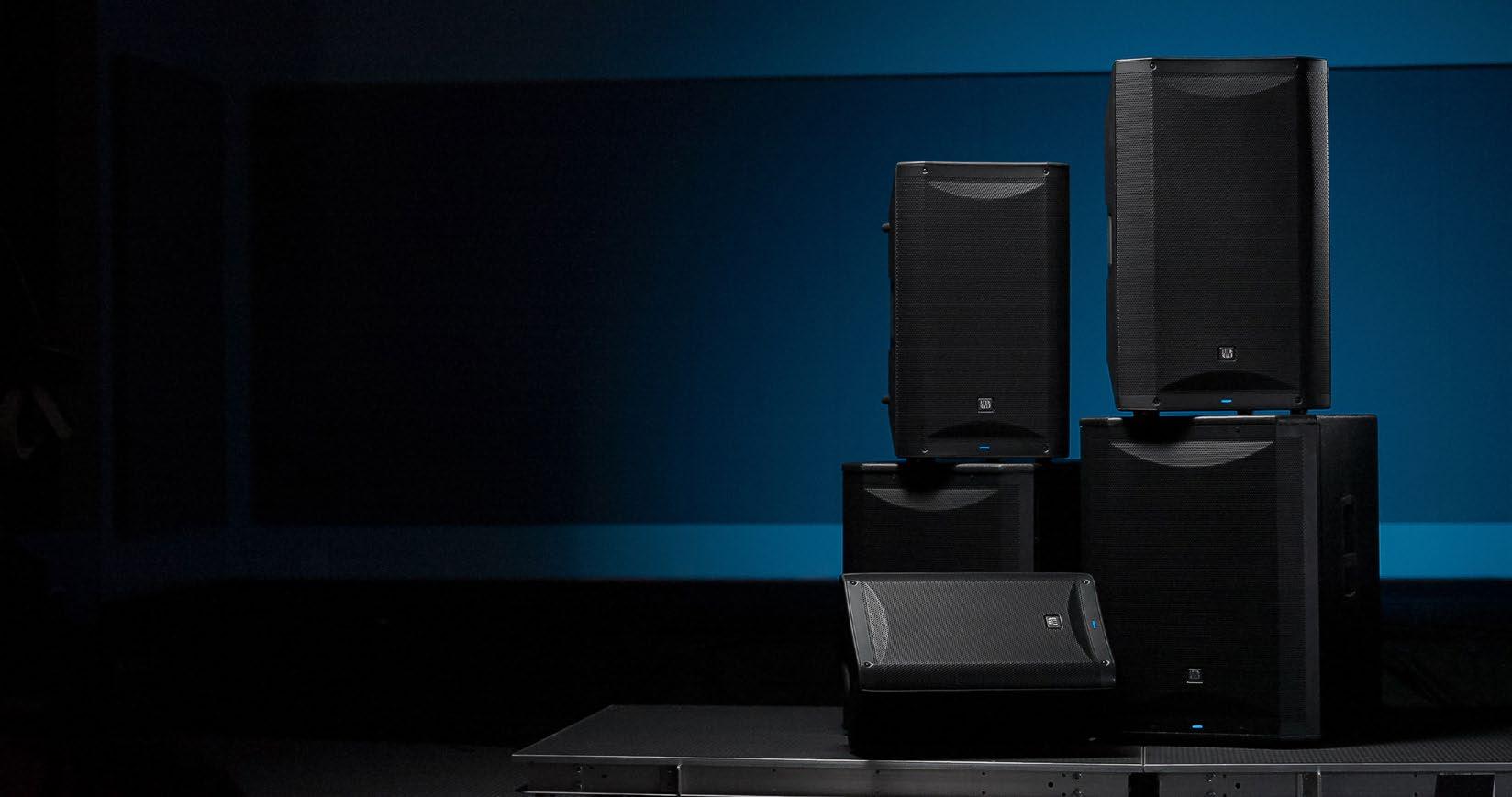
After spending time with a pair of AIR XD 12s, what impressed me most wasn’t a single specifcation. What stood out was how well they balance power, fexibility, and ease of use. With strong output, onboard DSP, Bluetooth connectivity, and fexible deployment options, the AIR XD 12 feels purpose-built for mobile DJs, musicians, event professionals, and small production companies.
For many DJs, the debate always comes down to 10-inch, 12-inch, or 15-inch tops. In my experience, a 12-inch cabinet remains the sweet spot for versatility. You get noticeably more low-end presence than a 10-inch speaker without the bulk and weight that often come with a 15-inch model. That’s exactly where the AIR XD 12 shines. When I saw the FedEx email for these, it said 98 pounds for the pair of boxes. Unpacked, they each weigh about 44 pounds. They are substantial enough to inspire confdence,
but still manageable for solo load-ins and fast event setups. Whether you’re handling wedding ceremonies, corporate presentations, cocktail hours, or smaller reception spaces, the AIR XD 12 offers a practical balance between portability and performance.
One of the frst things I noticed was the cabinet design. The molded enclosure feels durable enough for the demands of regular event work, while the metal grille provides solid protection during transport.
PreSonus also included several deployment options that make the AIR XD 12 more versatile than many speakers in its class. It can serve as a traditional front-of-house speaker, function as a foor monitor, or be permanently installed using its integrated mounting points.
One feature I particularly liked was the dual-angle pole mount. Being able to tilt the speaker downward without changing hardware or using additional accessories may sound like a small detail, but it’s exactly the kind of feature that becomes valuable during a busy setup. Properly directing sound toward the audience instead of the ceiling can improve coverage and overall clarity.
The handle placement also makes transportation straightforward, although DJs accustomed to dual side handles may need a little time to adjust to the lifting approach.
Unlike traditional passive speakers that rely on physical, analog components to separate and route frequencies,
DSP speakers handle this digitally. Many powered speakers include DSP processing, but not all implementations are equally useful. The AIR XD 12’s DSP implementation is one of its strongest features. While some speakers bury important settings behind confusing menus, PreSonus keeps things simple with a clean LCD display and straightforward navigation.
The onboard presets include Front of House, Monitor, Speech, and DJ modes. More importantly, PreSonus also includes placement-based settings such as Stand, Monitor, and Bracket. This is a feature that deserves more attention than it typically gets.
Many users change sound presets, but forget that speaker placement dramatically affects performance. A cabinet on a stand behaves differently than one placed on the foor as a monitor. The AIR XD 12 accounts for those differences, helping users achieve better results without extensive system tuning.
For mobile DJs and event professionals who regularly move between different room layouts and applications, this level of fexibility can be extremely useful.
The rear panel functions almost like a miniature mixer. Two combo XLR/TRS inputs, individual level controls, an auxiliary input, and a mix output allow the AIR XD 12 to handle a surprising number of simple event scenarios without requiring additional equipment.
For ceremony audio, cocktail hour playback, presentations, and smaller events, that simplicity can be a major advantage.
Bluetooth 5.0 is also onboard, along with True Wireless Stereo functionality. While I still prefer wired connections for critical events, Bluetooth can be incredibly useful for quick playback situations, background music, and streamlined event setups. This is especially useful for backyard parties, ceremonies, or any event where simplicity matters. Pairing them with something like the AlphaTheta OMNIS-DUO, which offers Bluetooth output, creates a nearly cable-free setup. Monitor and cue through headphones to avoid latency issues, and you’ve got a clean, streamlined rig.
However, I defnitely recommend always keeping a wired backup available. Bluetooth is a convenience feature, not a replacement for a professional signal path.
Ultimately, none of the features matter if the speaker sounds horrible – but that’s certainly not the case. In fact, L.A.-based DJ/producer Julian Gray is taking a pair of AIR XDs aboard a double-decker tour bus for a sunset DJ set through Los Angeles. That kind of application says a lot about their portability and output capabilities. Simply put, these speakers deliver.
The high frequencies are clear and articulate and handle music and vocals quite well. Mobile DJs will love that vocals cut through effectively for speeches and announcements, and the overall presentation feels balanced and controlled. It performs equally well handling spoken-word content and music playback, which isn’t always the case with powered speakers in this category. For general event work, ceremonies, corporate functions,
and moderate-sized music playback applications, the AIR XD 12 offers plenty of output and headroom. Its published maximum SPL of 132 dB certainly puts it in serious professional territory.
As with any 12-inch full-range cabinet, expectations should remain realistic. It delivers solid low-end performance on its own, but DJs working bass-heavy dance events will still want dedicated low-frequency reinforcement to achieve true club-style impact. DJs can expand the system with compatible AIR-series subwoofers. PreSonus also offers matching 15-inch and 18-inch subwoofers for added lowend extension. (The PreSonus AIR XD family also includes 10- and 12-inch tops, in addition to dedicated soft-shell tote bags and heavy-duty padded covers for protection of all sorts.)
The AIR XD 12 makes a lot of sense for:
• All mobile DJs
• Wedding and event professionals
• Corporate AV providers
• Musicians needing both mains and monitor capability
• Small production companies
• Houses of worship and installed sound applications
• Its ability to move seamlessly between multiple roles is one of its biggest strengths.
The PreSonus AIR XD 12 succeeds because it focuses on the details that matter during actual events. Strong output, useful DSP, fexible mounting options, Bluetooth convenience, and intuitive controls all contribute to a speaker that feels designed by people who understand real-world deployment.
In a market crowded with powered speaker options, versatility is often what separates good products from great ones. The AIR XD 12 may not be the fashiest speaker on the market, but it delivers where it counts: ease of use, dependable performance, and the fexibility to handle a wide variety of gigs.
I can confdently say, for DJs and event professionals looking for a powered 12-inch speaker, the PreSonus Air XD 12s ($549 per unit) are multi-hat wearing speakers that hit a sweet spot that’s increasingly diffcult to fnd: professional output, practical features, and versatility to handle almost any gig you throw at it.
• Custom 12-inch low-frequency driver with enlarged 2.56inch voice coil for extended low-end response down to 40 Hz
• 1.35-inch high-frequency compression driver with PEEK diaphragm for clear, detailed, and durable highs
• 1,500W Class D bi-amplifcation for clean, effcient power and up to 132 dB SPL
• Onboard DSP with performance presets, ±10 dB EQ, and tuning modes for speech, music, FOH, or monitor use
• Full-color 2.6-inch LCD for fast, intuitive metering and system control
• Built-in Bluetooth with TWS Bridge Mode for true wireless stereo pairing
By John Hohman
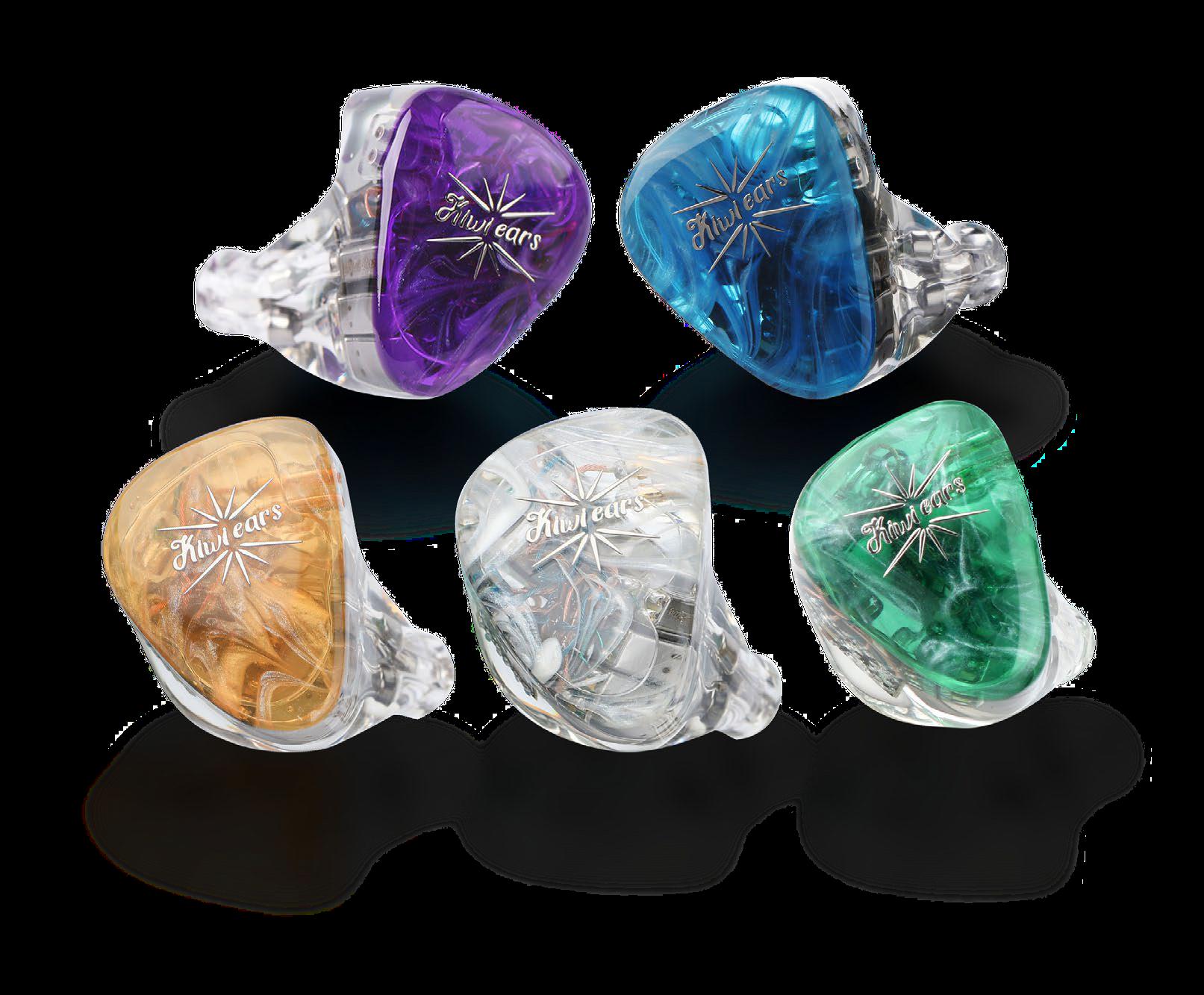
Linsoul is a prominent Chinese retailer and distributor that specializes in high-fdelity personal audio equipment, particularly in-ear monitors (IEMs ), audiophile headphones, DACs, and amplifers. For the DJ and studio markets, their IEMs are applicable, so we took a look at four of those products, all varying in degrees of price and performance.
IEMs
If you’re used to club wedges, nearfelds and big subs, in-ear monitors can feel a bit… surgical. But the latest crop of “musician-tuned” IEMs are getting surprisingly close to putting a mini control room in your ears – without losing the fun.
Here we’ll look at four sets that sit on a clear price ladder:
Kiwi Ears Forteza: $59
ZiiGaat Odyssey: $229
Kiwi Ears Orchestra Lite: $249
Thieaudio Hype 4: $399
Kiwi Ears Forteza
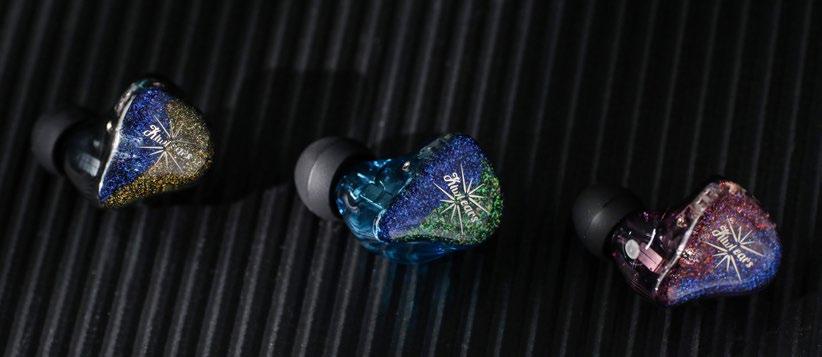
Bass-First Fun on a Budget: Forteza is the obvious entry point: a 1BA + 2DD hybrid with a three-way crossover, tuned for what Kiwi Ears themselves call, a “rich and lush sound signature” with thick, impactful bass.
Sound: Sub-bass is big, rumble and a bit slow – very satisfying for EDM drops and hip-hop, less ideal if you’re judging kick tightness in a dense mix.
Mids are warm and slightly thick; vocals and guitars come forward, but can feel overshadowed by the low end if you’re pushing volume.
Treble is energetic with decent detail, but note that some unevenness and occasional sharpness or sibilance, especially if you’re sensitive up top.
For DJs, Forteza is easy to like: loud, bassy, exciting, good isolation and imaging that’s “more than acceptable for the price.”
For engineers, it’s more of a guilty-pleasure set than a reference. You can check vocal sibilance and FX tails, but the boosted lows and uneven treble mean you probably shouldn’t sign off a master on these alone.
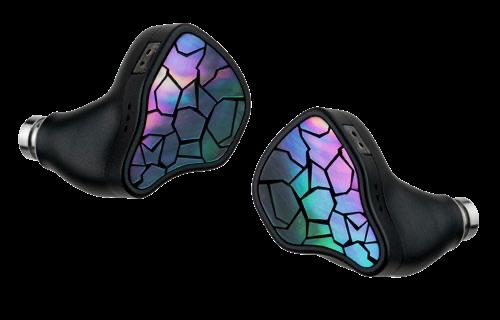
Build & comfort: The shells are 3D-printed resin in a semicustom shape, with sparkly faceplates that look far more
expensive than $59.
The downsides are textbook budget-IEM: a very basic cable and generic tips that you’ll likely want to upgrade, and they beneft from a bit of extra power from a dongle or interface.
Takeaway: Fantastic value and legitimately fun, but voiced more like a “party PA” than a fat monitor.
ZiiGaat Odyssey
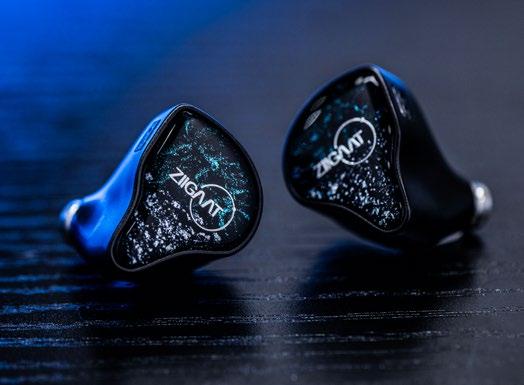
Musical, Smooth, & Nicely Grown-Up: Jump up to around $229 and ZiiGaat’s Odyssey feels like the frst step into “serious tool you might still enjoy on the bus.” It’s a 1DD + 3BA hybrid with a custom 10 mm Topology dynamic driver for bass and Knowles BAs for mids and highs.
Sound: I characterize Odyssey as warm-neutral and relaxed: clean, textured bass, smooth mids, and a non-fatiguing treble that favors long sessions over hyper-etched detail.
Sub-bass reaches well down, with more “subwoofer-like” weight than the graph suggests, though the attack is softer than something like Hype 4 – think rounded, not slam-happy.
Mids are the star: natural, slightly forward vocals and instruments with a pleasing sense of body.
Treble is intentionally relaxed; you give up a bit of air and micro detail, but you can listen for hours without your ears getting fried.
For studio use, Odyssey is good for checking balances and vocal tone, and for catching obvious low-end problems. But it’s tuned for musicality over analysis, so tiny mix faws might be glossed over.
For DJs, it’s a chill contrast to a loud booth – great if you want to hear the whole track as a piece of music rather than just beatmatch.
Build & Comfort: You’re frmly out of budget territory –the shells are nicely contoured, with quality fnish, metal or metal-accented construction depending on batch, and a decent cable and accessory pack.
Isolation and comfort are solid for longer sessions, and the overall feel is “mid-tier monitor” rather than “chi-f experiment.”
Takeaway: a sweet spot for people who want something musical, smooth and forgiving, with enough resolution to be useful but not brutally revealing.
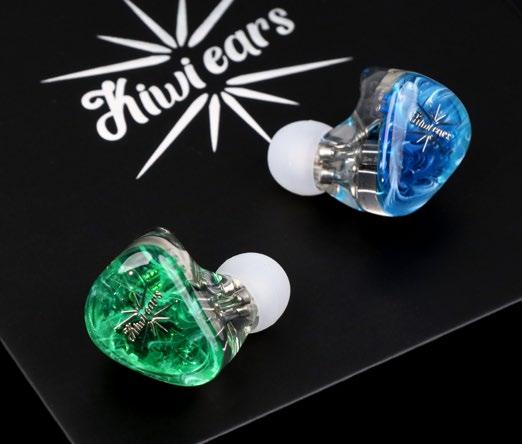
The First Real “Work Tool”: At roughly the same price as Odyssey ($249), the Orchestra Lite takes a very different path: eight balanced armatures per side, tuned specifcally to maintain a natural, balanced tonal profle suitable for professional musicians and engineers.
Sound: The bass is quick and controlled – impressive for all-BA – but it’s not a dynamicdriver slam monster and can feel light if you’re used to club levels.
The midrange is the highlight: vocals and instruments are rendered with a natural timbre and “emotive weight,” making it easy to judge tone, pitch, and compression.
Treble is musical and detailed but not especially airy; treble-heads might fnd it a bit safe, though that same restraint means very low fatigue.
Orchestra Lite as studio-monitor-like in its intent: a mostly fat, slightly warm tuning that prioritizes clarity and balance over wow factor.
For mixing and editing, this is the frst set in the quartet where you can realistically work on vocals, guitars, and midrange-critical material and trust what you’re hearing, as long as you cross-check the subs on monitors or a different headphone. Imaging and layering are strong for the price, so panning and reverb depth translate well.
For DJs, Orchestra Lite can feel a bit polite: it tells you what’s happening, but it doesn’t hype the drop.
Build & Comfort: This is where the price jump over Forteza is really obvious. You get:
Beautiful, all-resin shells with visible internal drivers and a more “custom monitor” aesthetic.
Excellent ergonomics and ft; multiple reviewers call it one of the most comfortable universals they’ve used.
A better stock cable and a practical case, plus a generous selection of tips.
Takeaway: Think of Orchestra Lite as your frst real reference IEM – midrange accuracy and imaging that start to feel like “gear” rather than “gadget,” with the trade-off of more restrained bass and treble excitement.
Portable Studio Monitor With Sub-Bass Swagger: At the top of this mini-ladder sits the Thieaudio Hype 4 at $399. It’s a 2DD + 4BA hybrid using Thieaudio’s IMPACT isobaric dual-dynamic sub-bass module plus four Sonion BAs, aiming for a sub-bass-boosted neutral tuning.
Thieaudio and I describe it as performing “as portable studio monitors,” with wide soundstage, excellent stereo imaging and layering that rival full-size studio cans.
Sound: Bass digs very deep with well-controlled subbass and punchy mid-bass, but the tuning keeps it from
bleeding into the mids – it’s powerful yet disciplined.
Mids sit close to neutral with a touch of warmth; they’re not as forward as Orchestra Lite, have slightly recessed vocals on weaker sources, but resolution and textural detail are a clear step up.
Treble benefts from high-end Sonion “Hummingbird” drivers, delivering extended, detailed highs that stop short of being harsh.
For studio engineers, Hype 4 is the one that best joins the dots: it gives you enough sub-bass to judge modern low-end, a largely honest midrange, and technical performance (imaging, microdetail, separation) that gets close to good open-back headphones. It also scales with source quality, so feeding it a clean interface or DAP pays real dividends.
For DJs, it’s basically a club-capable monitor in your pocket – big, controlled low-end, clear cueing, and isolation/comfort that work well for long sets.
Build & Comfort: You can feel where the extra money goes:
Sculpted shells with smooth curves and multiple color options that look and feel premium.
A legitimately high-grade silver-plated OCC cable (though some wish it were modular 3.5/4.4mm).
Good isolation, low driver fex, and a spacious case –“pro” rather than “hobbyist” presentation.
The accessories (especially tips) could be more generous at this price, but overall fnish and durability feel a step above the others.
Takeaway: The Hype 4 is the set that most convincingly behaves like a reference monitor with sub-bass enhancement – trustworthy enough for serious work but still fun enough for pleasure listening.
So what do you actually get by spending more?
If you’re a DJ or studio engineer who doesn’t live in IEMs, a simple way to frame it is:
Want a cheap, fun backup for gigs or travel? Forteza. Want something musical and easygoing that still gives you a decent read on your mix? Odyssey.
Want a budget “second pair of monitors” in your pocket, especially for vocal and midrange work? Orchestra Lite.
Want the closest thing here to a real reference monitor with club-ready low-end? Hype 4.
Any of them will do the job in a pinch. The question is: How much you want your IEMs to behave like a tool versus a toy? And how much you’re willing to invest to shrink your control room down to two tiny shells?
You can purchase IEMs from them directly through the Linsoul Audio Offcial Store, or via their offcial retail storefronts on marketplaces like Amazon
By Wesley King
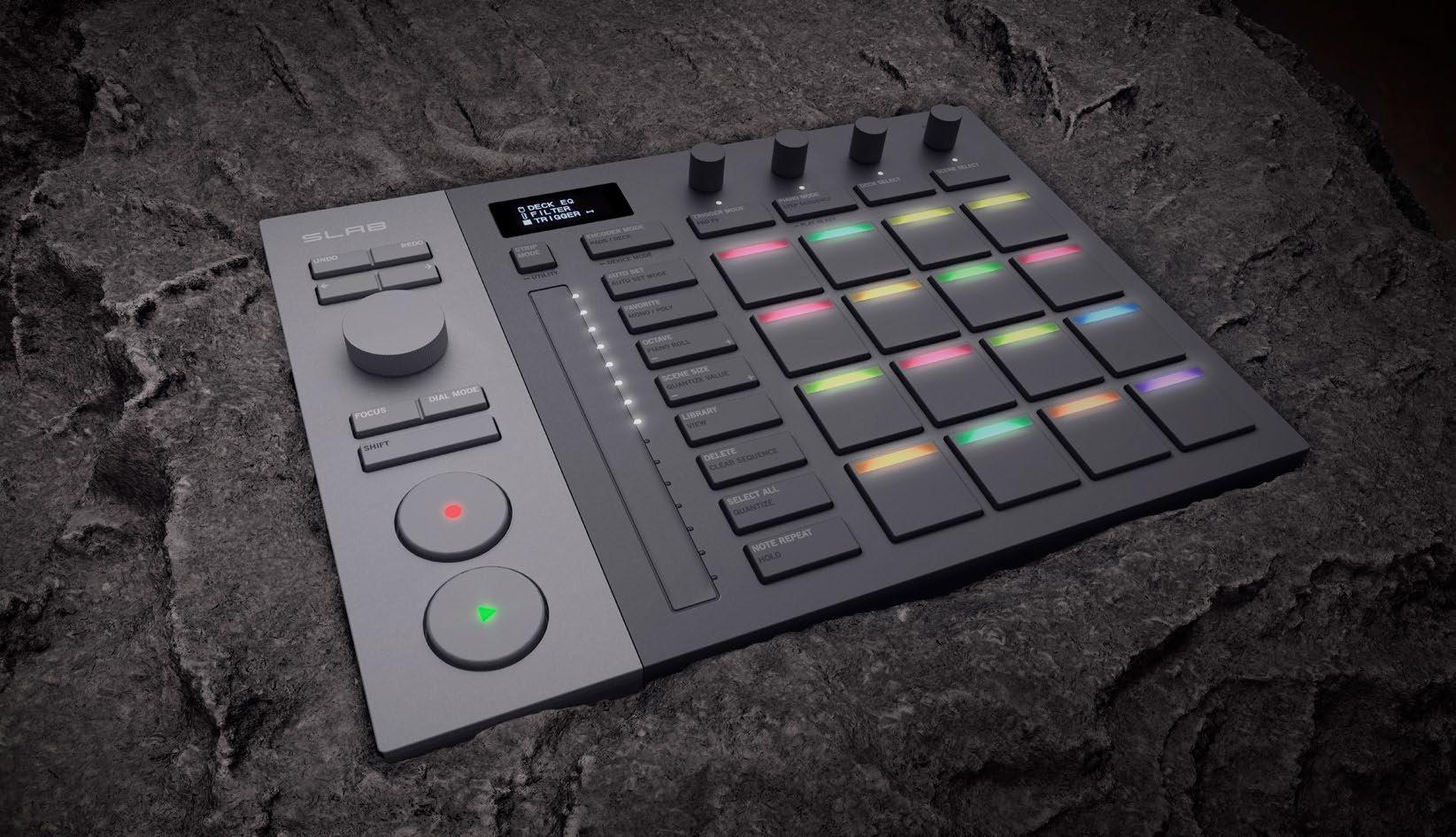
Over the past decade, the worlds of DJing and beat production have continued to blur together in interesting ways. DJs who once focused solely on mixing tracks are now as likely to be dabbling in beatmaking, sampling, and light production work as they are preparing their next club set.
Software has played a big role in that shift, and Serato has been steadily expanding beyond its DJ roots with tools aimed squarely at the producer community. Between Serato Studio for beat production, the Serato Sample plug-in for use inside other DAWs, and the long-standing Serato DJ Pro platform, the company now has a surprisingly broad ecosystem that stretches well beyond the DJ booth. Hardware, of course, tends to follow software. Padbased MIDI controllers designed for manipulating samples and building beats have been plentiful for years, but the introduction of the Serato SLAB signals something slightly different: a device purpose-built to sit directly inside the Serato universe. The collaboration between AlphaTheta (the successor to the Pioneer DJ brand) and Serato suggests a deliberate effort to tighten the connection between DJ culture and beat-creation workfows.
For DJs who’ve occasionally firted with production tools, that’s an interesting proposition. A controller like the SLAB promises a more tactile way to interact with samples and sequences, potentially making the jump between mixing

records and creating original material feel more natural. In theory, it’s a bridge between two adjacent worlds that many DJs already move between.
Whether that promise holds up in practice depends largely on how well the controller integrates into those workfows, and whether it becomes a natural extension of them.
The SLAB arrives as a compact, pad-centric MIDI controller that’s small enough to slip into a backpack alongside a laptop, yet it still feels solidly built. Its name is apt, too; it’s a chunky slab with a two-tone gray fnish that feels solid in the hand, with the pad matrix dominating the top surface.
Those pads are 16 velocity-sensitive, RGB-illuminated ones arranged in the familiar four-by-four grid. They feel responsive and appropriately frm, with just enough travel to make fnger drumming and sample triggering feel satisfying. Around the pads you’ll fnd a collection of buttons and rotary encoders that provide access to transport controls, navigation, sample manipulation, and sequencing functions.
Connectivity is simple and modern; the SLAB connects to a computer via USB-C and is bus-powered, meaning there’s no need for an external power supply. That simplicity reinforces the device’s role as a companion control-
ler rather than a standalone production tool. There is no audio interface or additional I/O to worry about here; it’s strictly about providing hands-on control over software.
Physically, the device strikes a nice balance between minimalism and usability. It avoids the trap of overloading the surface with controls while still giving you enough direct access to key functions to keep your hands off the mouse much of the time. It’s a tidy little unit that’s purpose-built for its intended role.
If anything stands out in those early moments, it’s how clearly the SLAB signals its primary use case. While it might function as a generic MIDI controller, if needed, its layout and labeling make it obvious that it was designed frst and foremost with Serato’s production tools in mind.
In practice, the SLAB’s most natural pairing is with Serato Studio. The software has built a reputation as one of the more approachable beat-making environments on the market, emphasizing fast workfows built around sampling, slicing, and pattern creation. With the SLAB connected, much of that workfow moves directly to the hardware.
Pads can trigger slices from samples, play drum kits, or launch patterns, while the four rotary encoders provide hands-on control over parameters. In Serato Studio, their default role is real-time stem control, allowing you to independently adjust elements like drums, bass, melodies, or vocals from a sample. The encoders can also be reassigned for other parameters such as pitch, flters, or sample start points depending on the workfow. The overall experience feels immediate and tactile in a way that’s hard to achieve when clicking around with a mouse. Building drum patterns or experimenting with chopped samples becomes a more fuid process, and the controller’s tight mapping to Studio’s functions makes it easy to stay focused on the creative side of things.
One particularly useful element in day-to-day use is the SLAB’s small onboard OLED display, which also works in tandem with the controller’s touch-sensitive encoders to show parameter values and contextual information. Depending on what you’re doing, the display can show things like the currently selected sample bank, slice or pad assignments, parameter values for knobs, or navigation through sounds and patterns. In practice, that means you can browse samples, tweak parameters, or confrm settings without constantly shifting your eyes back to the computer screen.
That becomes especially helpful when working quickly with samples in Serato Studio. As slices are triggered from the pads or parameters are adjusted with the encoders, the display refects those changes in real-time, giving you a quick visual confrmation of what’s happening. It’s a small touch, but it contributes to a workfow that feels much more hardware-oriented.
Another clever addition is what AlphaTheta calls Focus Control. With the Focus button engaged, the large central encoder can automatically take control of whatever plug-in parameter your mouse is currently hovering over on-screen. In practice, that means you can reach for a physical knob and immediately adjust a flter, resonance, or any other parameter in a plug-in without needing to
create a manual MIDI mapping. It’s a deceptively simple idea, but one that quickly becomes addictive once you start experimenting with different instruments and effects inside a DAW.
For producers working in other DAWs, the SLAB also works nicely with the Serato Sample plug-in. Sample has become a favorite among producers for its ability to quickly detect keys, slice audio intelligently, and turn existing material into playable instruments. With the SLAB mapped to those functions, triggering slices and manipulating samples from the pads feels intuitive, particularly when experimenting with rhythmic chops or melodic fragments. Here, the display typically refects pad assignments or parameter changes associated with the plug-in, helping maintain that same sense of direct control.
The third potential use case involves Serato DJ Pro. While the SLAB can be used within the DJ software environment, primarily for triggering samples, cue points, or performance features, this feels more like an auxiliary role than anything else. DJs who already use Serato DJ Pro may fnd it useful for expanding performance capabilities, but the controller’s design and layout clearly lean more toward beatmaking and sampling than traditional DJ control.
As with many compact controllers that pack a lot of functionality into a limited number of physical controls, there is a learning curve involved. To really integrate the SLAB into a workfow requires spending enough time with it that the various modes and shortcuts become second nature. That’s not unusual in this category of gear, but it does mean the controller rewards a bit of patience. Once muscle memory kicks in, however, the experience becomes far more fuid.
After several sessions using the controller, it became clear that the SLAB is at its best when treated as a creative sketchpad for sampling and beat ideas. In that role, it encourages experimentation: tapping out rhythms, reshaping samples, and quickly testing musical ideas without getting bogged down in software menus.
The AlphaTheta/Serato SLAB is an interesting addition to the growing ecosystem surrounding Serato’s production tools. Rather than trying to be a universal solution for every workfow, it focuses on providing hands-on control for sampling and beat creation within the Serato environment. Its strongest pairing is clearly with Serato Studio, where the controller feels like a natural extension of the software’s design philosophy. Integration with the Serato Sample plug-in also makes it a useful tool for producers working inside other DAWs, while support for Serato DJ Pro adds a bit of additional fexibility for DJs who want to incorporate sampling into their sets.
At the time of writing, the AlphaTheta/Serato SLAB carries a MAP price of $329 through major retailers, which includes a full license for Serato Studio, adding meaningful value for DJs or producers who may not already be using the software. For producers already working inside the Serato ecosystem, or DJs curious about stepping into beatmaking, it offers a streamlined and approachable way to bring sampling and rhythm creation, directly under your fngertips.
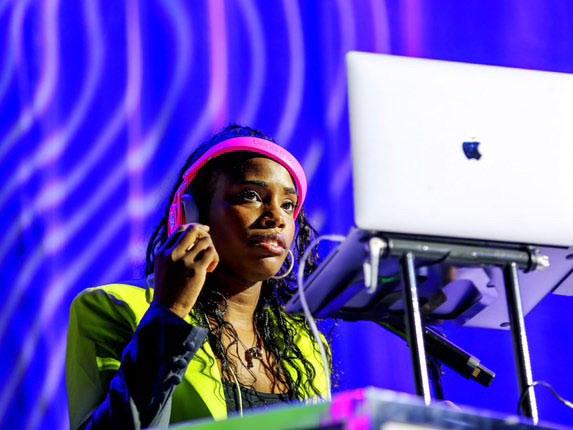
By Jim Tremayne
Philadelphia – We became aware of Vernique Fields during the pandemic when, like a lot of jocks, she smartly found work by booking and playing Zoom parties. We also came to know her all-female company Into Fields Live Entertainment and her leadership with The #NoChaser International Kidz DJ Café where she and others aim to inspire the next generation of female DJs by teaching the art of DJing and business management. We recently caught up with Fields (aka DJ Neeek Nyce) to discuss her story.
DJ LIFE: Where did you grow up and what got you frst interested in music?
Fields: I grew up in Bucks County, Pa., then later moved to Philadelphia at 10-years old. My father was a DJ back in the 1980s.
DJ LIFE: What kind of DJ was he? Is there anything about his DJing that further sparked your interest in music?
Fields: He was a mobile DJ back then. He used to play for clubs and community events. I was introduced to turntables at the age of 7. Although he never taught me about the craft of DJing and music, I developed my own love and interest after college. My interest for music really sparked after becoming a ftness instructor who
wanted to incorporate pre-mixed music into my setlist.
DJ LIFE: What kind of music did you like growing up? Do you remember a song or an artist that you loved?
Fields: I loved ’90s pop music, including Backstreet Boys, NSYNC, Britney Spears, No Doubt, etc. I loved the Spice Girls’ “ Who Do You Think You Are” because the song gave me confdence to be ferce and unstoppable.
DJ LIFE: What got you into DJing?
Fields: My friend gave me a controller and I’ve taught myself how to mix music. My friend from high school mentored me as his roadie and taught me how to work as a mobile professional under his agency.
DJ LIFE: Are you a single operator, or do you have other DJs in your company? What’s your main market and what made you go this route as a fully female-run company?
Fields: No, I have other DJs who work within my company. We’ve operated for nine years and we service Philadelphia and its surrounding area – Delaware, New Jersey, and sometimes New York. I took this path to give female and youth DJs a platform to work under my business.
DJ LIFE: Your website touts that you are “Philly’s #1 Women Owned DJ Company.” How has that helped position you in your market?
Fields: The market of female DJs is very small in Phila-
delphia, but with my abilities to vet, mentor and promote female talent, it’s has allowed our client base to trust our talent.
DJ LIFE: Is there a specialty that your company brings that endears you to your clientele?
Fields: Yes, having a female DJ agency does attract clients to our company because we are women who care about details. The majority of party planners happens to be women, and they trust our judgement when we make suggestions, offer add-on services or feel at ease because of our level of customer service.
DJ LIFE: How many events do you do each year? What’s your percentage breakdown of events?
Fields: I personally work roughly 50 to 60 events per year. The breakdown would be: 40-percent weddings; 30-percent corporate events; 20-percent milestone events; and 10-percent public events.
DJ LIFE: How do you go about marketing your company?
Fields: I honestly haven’t done anything special with marketing. Most of my leads are generated by word-of-mouth, people fnding my local-TV news story on Google and social media, or clients witnessing our services at an event.
DJ LIFE: During the pandemic, you had a unique way to keep your business going…
Fields: Yes, during the pandemic, I was fortunate enough to switch my business venture into the virtual market by hosting private Zoom parties. Once the world opened back up, I resumed working mobile and corporate events.
DJ LIFE: What events do you most enjoy and why?
Fields: I enjoy DJing any event at the Independence Blue Cross RiverRink in Philadelphia on the Delaware River waterfront because it allows me to freely play as an open-format DJ.
DJ LIFE: What’s your DJ-gear set-up?
Fields: I use a Rane ONE MKII controller, Serato DJ software, RCF EVOX J8 active, 2-way loudspeakers, Beats Mixr Headphones, Chauvet DJ Wash FX lighting fxtures, and a Shure wireless microphone system.
DJ LIFE: Tell us about the #NoChaser International Kidz DJ Café – what goes into that project?
Fields: I volunteer my time to give back to youth DJs by teaching the fundamental skills of DJing, entrepreneurship, and professionalism. I give my students the opportunity to work as an apprentice under my agency and selfpromote their skills to my network to help them build their networks and platforms.
DJ LIFE: For you, what’s the best part of your job? What are your most fulflling moments?
Fields: The best part of DJing is educating the youth. I love watching a child develop confdence and talent through music and witnessing their journey from beginning to end. This is meaningful to me as a mentor to give a child an opportunity to learn a life and uplift the spirit of young people near and far.
DJ LIFE: You’ll be doing a tutorial at DJX’26 in Atlantic City – “DJ Business Tips 102: Collaboration Over Competition.” What can DJX attendees expect from your presentation?
Fields: I will be leading this session and will be joined by Miami’s own DJ Rere, one of my collaborative partners, who will provide additional perspective from her experience building within the female DJ community and developing
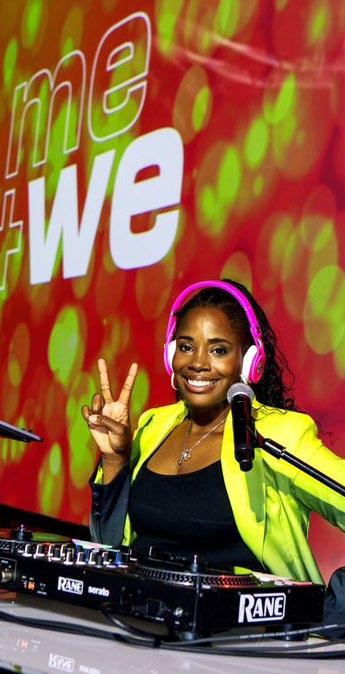
partnership-driven opportunities. Together, we’ll share real-world examples from our work in mentoring emerging DJs and creating multi-operational platforms that extend beyond individual bookings.
Focus areas will include: transitioning from a solo DJ mindset to a collaborative business model; leveraging partnerships to expand bookings, services, and revenue streams; building and managing networks of independent DJs while maintaining brand autonomy; and creating structured, win-win opportunities that support both growth and sustainability.
DJ LIFE: Where do you see yourself and your company in fve years?
Fields: I see myself eventually retiring as a mobile DJ and working to build a DJ course to help DJs fnd purpose and target the clientele they wish to work with.
By Jordan St. Jacques
Imagine you’re in the middle of a packed wedding reception. The dancefoor is packed, the bass is pumping, and suddenly… the power cuts out. Total silence. As a mobile DJ, that’s your worst nightmare. Now, imagine a bride-to-be trying to book your premium package on your website, only for the page to crash or the contact form to freeze. That is the digital equivalent of a blown speaker, and it’s exactly what can happen if you aren’t prepared for major web updates.
Newsfash: WordPress 7.0 has offcially dropped.
This isn’t just a minor security patch; it’s a massive generational leap for the platform, introducing game-changing native AI features, a refreshed admin dashboard, and advanced block controls. Because under-the-hood components like React 19 are being introduced, treating this like a routine update could crash your site.
Here is your pre-event checklist to ensure your mobile DJ website upgrades smoothly without missing a single booking.
1. Back Up Your Site (Your Digital “Backup Generator”)
You wouldn’t roll up to a high-end gig without a backup laptop, a secondary controller, or extra cables. Do not approach a major WordPress update without a fresh backup. Before you click “Update,” ensure you have a complete, independent backup of your website.
The Essentials: You need a copy of both your database (your bookings, reviews, and page content) and your fles (your images, theme, and plug-ins).
How to Do It: Use trusted plug-ins like UpdraftPlus, or log into your hosting provider (like SiteGround or WP Engine) and manually trigger a system-level snapshot. Download a copy to your local hard drive or cloud storage – don’t just rely on the server.
2. Spin Up a Staging Site (The “Sound Check”)
Never test your sound levels directly over the main PA system while the guests are walking in. Similarly, never test a major core update directly on your live website. A staging site is a private clone of your website that’s hidden from the public. It allows you to test WordPress 7.0 behind the scenes.
The Process: Push your live site to a staging environment (most premium web hosts offer this with a single click). Update the staging site to WordPress 7.0 frst.
The Test: Click through your site. Does your music playlist player still load? Does your calendar integration still show your available dates? Is your pricing page formatted correctly? If it breaks on staging, your live site is safe while you fx it.
3. Audit Your Booking Tools and Event Plug-ins
Mobile DJ websites rely heavily on specialized plug-ins. Whether you use a date checker, an interactive event planner (like DJ Event Planner), an instant quote generator, or a calendar booking tool, these plug-ins are your lifelines. WordPress 7.0 introduces deep structural changes to how code is rendered.
Check Compatibility: Look at your WordPress dashboard. Are your crucial plug-ins marked as “Compatible with WordPress 7.0”?
Contact Developers: If you use custom-coded quote calculators or specialized DJ tools that haven’t been updated by their developers recently, reach out to their support teams immediately. Ensure they are ready for the core framework changes.
4. Get Ready for the Exciting New Features
Once you’ve safely upgraded, WordPress 7.0 brings some incredible new tools that are uniquely benefcial for mobile entertainment companies. They include:
Native AI Tools for Content Creation
WordPress 7.0 features a brand-new native AI Connectors Screen (under Settings > Connectors). You can link your site directly to AI models like OpenAI or Google Gemini.
How to Leverage It: This will make it incredibly easy for upcoming AI-driven plug-ins to help you automatically write SEO-friendly blog posts about venues you’ve worked at, generate descriptive alt-text for your gallery images, or quickly draft event summaries.
Device-Specifc Viewport Controls
Ever get annoyed when a gorgeous photo of your lighting rig looks amazing on a desktop computer, but completely cuts off or ruins the layout on an iPhone?
The Fix: WordPress 7.0 introduces built-in responsive controls directly into the block editor. You can now select any block (like a massive video header or a complex contact form) and literally click “Hide on Mobile” or “Hide on Desktop” to perfectly curate the user experience depending on what device the client is using.
For DJs who showcase mix samples directly on their site, the core Playlist block is getting a major cosmetic upgrade with WaveformPlayer visualization. Instead of a boring, fat play bar, your clients will see a sleek, moving audio waveform, giving your site a premium, modern, audio-industry feel.
With WordPress 7.0, you can keep your website as smooth and reliable as your transitions on the turntables. Happy mixing!
Jordan St Jacques is the CEO of Ottawa’s Digitera and New York City’s National Proms
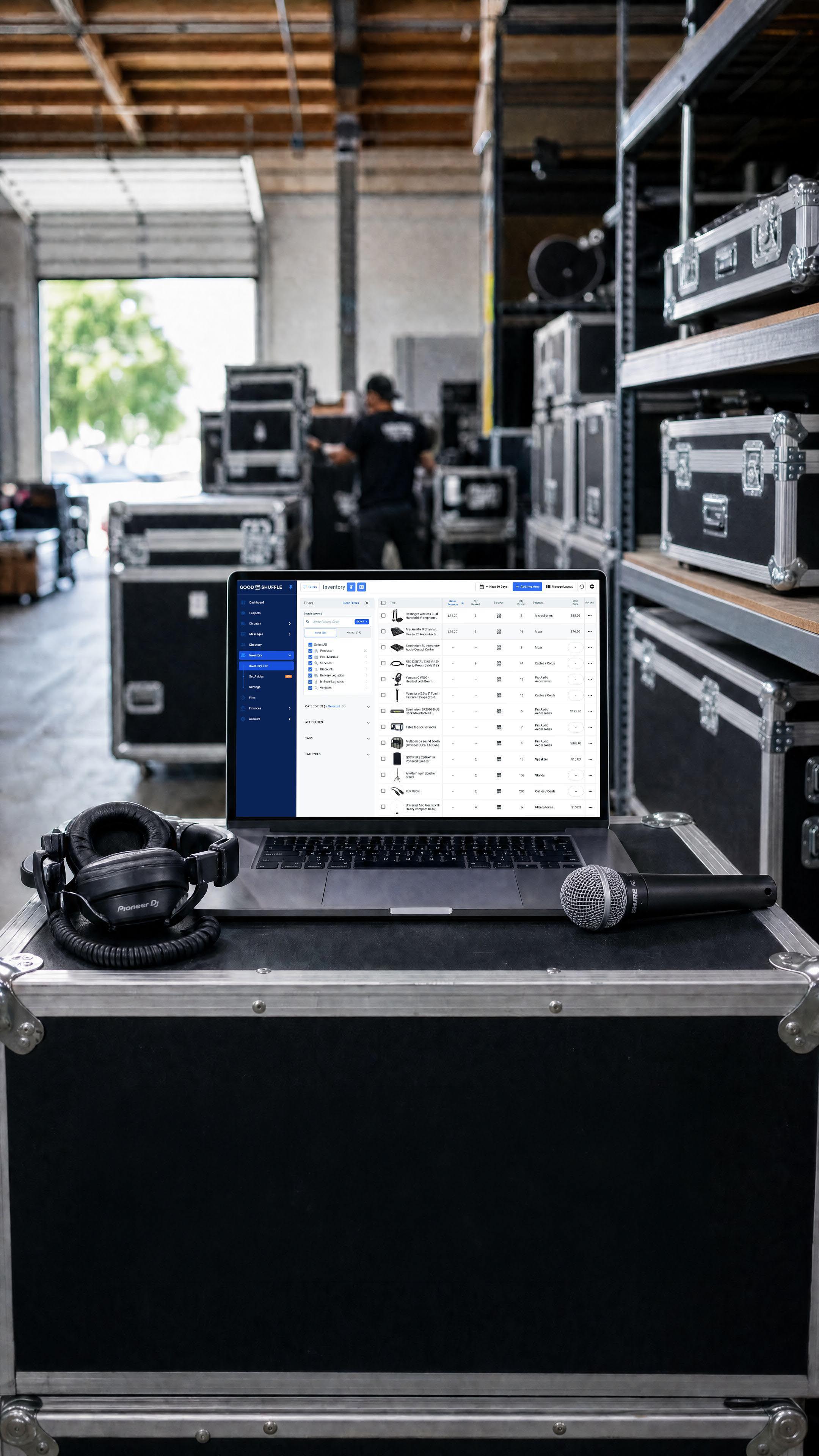


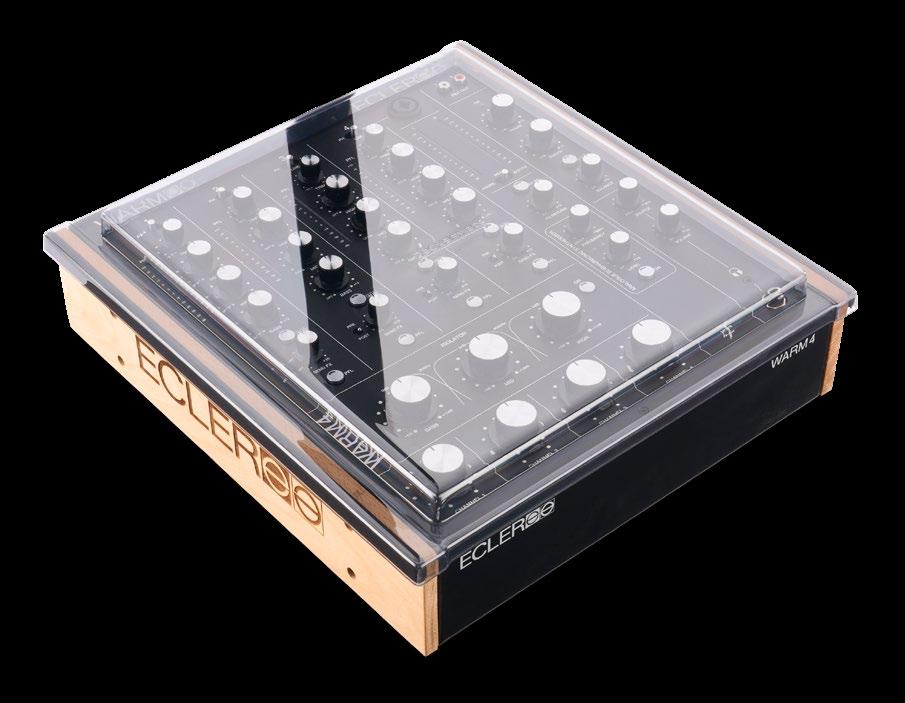
England’s Decksaver, distributed in the U.S. by Mixware, has released its latest collection of covers to protect DJ and musical gear. This latest drop includes 21 new covers, from synths and controllers to top DJ and pro-audio units — all precisionengineered using premium-grade polycarbonate, the same high-impact plastic used in bulletproof glass. For DJs, covers are available for the Reloop RP-7, Ecler Warm 4, AlphaTheta DJM-V5 and Native Instruments Traktor MX2. For other AlphaTheta products, covers are available for SLAB and RMX-IGNITE. Covers are also available for Akai’s MPC Live III, MPC XL, and MPC Sample; Roland TR-1000; Behringer LM Drum; Moog Messenger: Dreadbox Artemis; Sequential Take 5; and Oberheim TEO-5 Desktop Module Cover.
Decksaver/Mixware 3086 W. Post Rd Las Vegas, NV 89118 (818) 578-4030 www.mixware.net
Germany’s Reloop, distributed in the U.S. by American Music & Sound, has re leased the Reloop PTB-2. The portable 2+1-channel DJ mixer features switchable phono/line/USB inputs, an AUX/Bluetooth input and an integrated USB-C audio interface with djay Pro DVS support. The unit can be powered via USB-C and its second USB-C port can be used to power/charge mobile devices. Two chan nel strips, each with gain, treble, bass and flter unit, plus a 45 mm Ultra Glide crossfader, offers a classic layout. Mobile devices such as smartphones or tablets can be integrated smoothly into your workfow via Bluetooth or the 3.5 mm AUX input, giving modern DJs and portablists a wide range of ad ditional capabilities. With other features like adjustable crossfader curve, crossfader reverse and RMX Innofader compatibility, this mobile mixer has been designed to meet the high expectations of discerning turntablists. Reloop/American Music & Sound 310 W. Newberry Road Bloomfeld, CT 06002 (800) 431-2609 www.reloop.com
Akai Professional, an inMusic Brand, has introduced MPC Sample, its most accessible standalone sampler yet, bringing the iconic MPC workfow to a portable, battery-powered device. Inspired by classic MPC systems like the MPC60, MPC Sample allows producers to sample, chop, and build beats anywhere – no computer required. A 2.4-inch full-color display provides waveform editing for precise sample manipulation, while 2 GB RAM, 8 GB internal storage, and microSD expansion provide ample space for projects and sounds. Sixteen RGB-backlit velocity-sensitive MPC pads with poly aftertouch deliver the expressive feel producers expect from classic MPC systems. Three real-time control knobs and a legacy MPC parameter fader provide immediate tactile control, while advanced built-in features and effects enable deep sample manipulation and sound shaping. The unit includes four onboard effects engines with 60 effect types, including Pad FX, Knob FX, FlexBeat and Color-Compressor.
AKAI/inMusic 200 Scenic View Dr. Cumberland, R.I., 02864 (401) 658-3131 www.akaipro.com
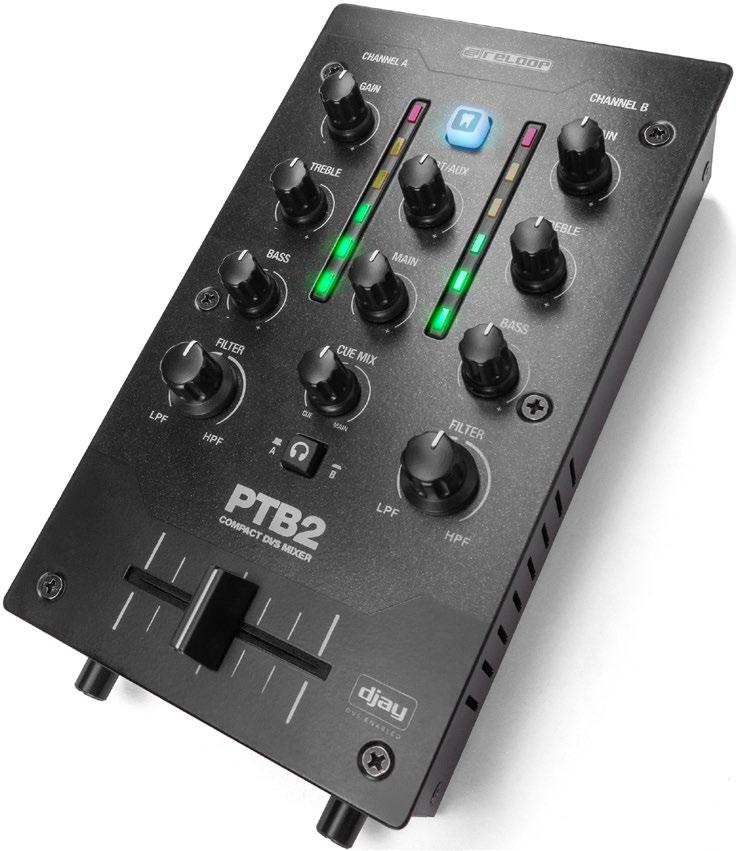
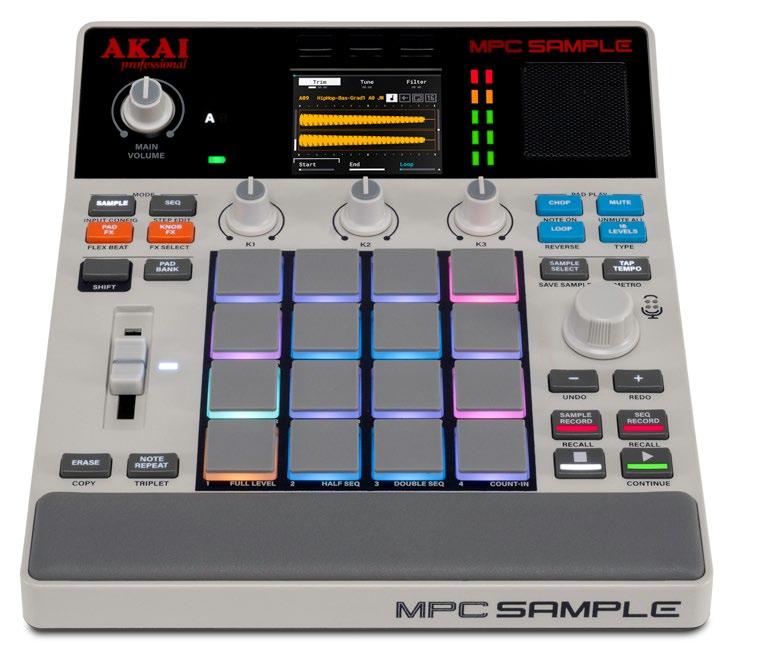





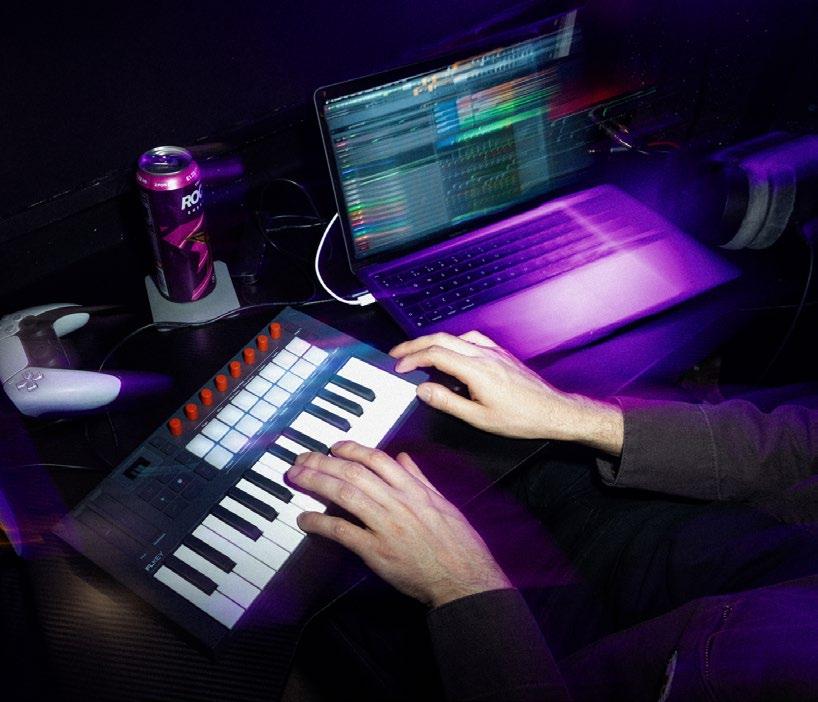
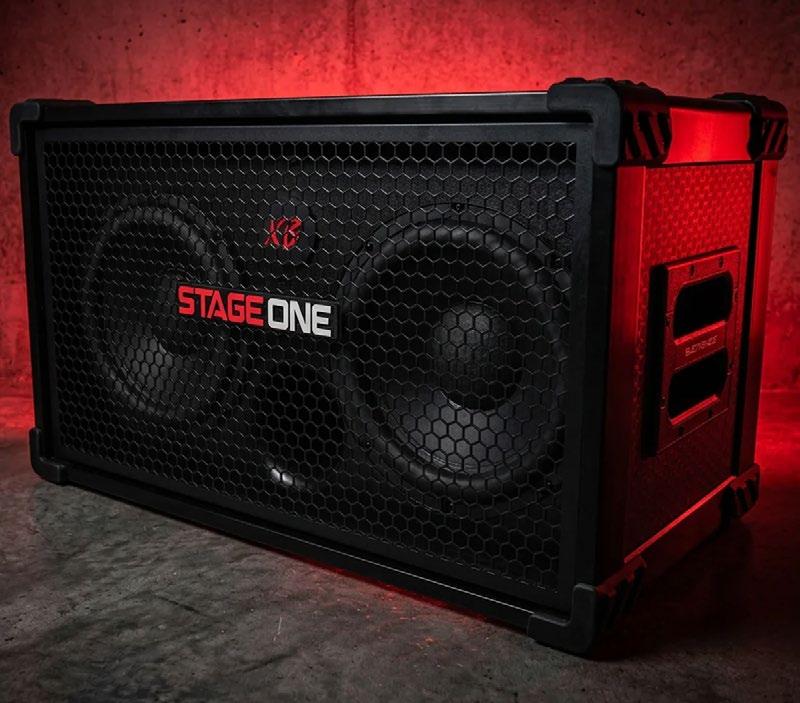
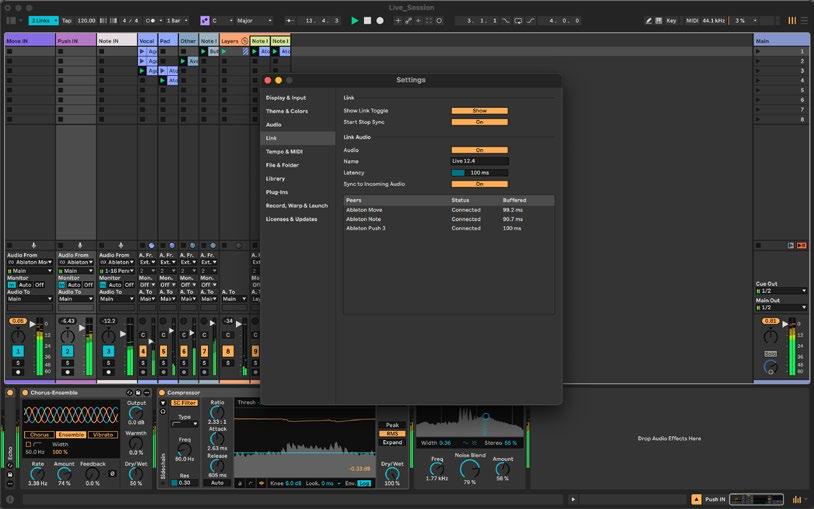
England’s Novation, distributed in the U.S. by American Music & Sound, has announced FLkey 2, its next-generation MIDI keyboard controller range designed specifcally for FL Studio and offcially supported by Image-Line. Building on the original series, FLkey 2 introduces upgraded hardware and deeper integration with FL Studio workfows, including enhanced DAW scripting, more responsive pads, endless encoders, a new OLED display, and built-in creative tools such as Scale and Chord Modes alongside an advanced arpeggiator. The new range includes FLkey 2 Mini 25, FLkey 2 37, FLkey 2 49, and FLkey 2 61, with semi-weighted keybeds featured on the 49- and 61-key models. Each of the new FLkey controllers includes a new software collection: a sub to FL Studio’s Producer Edition; instruments and effects from Native Instruments, GForce, Orchestral Tools and Klevgrand; lessons from Melodics; and Novation Play — a virtual instrument designed to work with FLkey’s controls.
Novation/American Music & Sound 310 W. Newberry Road Bloomfeld, CT 06002 (800) 431-2609 www.novationmusic.com
Electrotec Audio has released the STAGE ONE XB wireless subwoofer. Designed to deliver a remarkable low end from 28Hz to 150Hz, the unit produces peaks well over 126 dB SPL, according to the company. Using SKAA wireless audio technology, the sub features: two custom Electrotec 10-inch neodymium woofers; 3.5mm stereo ins/outs; combo XLR/TRS ins and XLR outs; adjustable lowpass flter (50Hz – 150Hz); adjustable phase control; fexible routing options; stackable and M20-threaded pole-mount; app compatible with iPhone/Android devices; 2 x 200-watt RMS; a battery system that runs more than eight hours at full volume (using both batteries). The XB sub can be paired with Electrotec’s STAGE ONE speaker to form a full-range wireless sound system that can be stacked or polemounted.
Electrotec Audio 17835 Newhope St., Ste. A Fountain Valley, CA 92708 (714) 332-5560 www.electrotecaudio.com
Available for download and free for all Live 12 users, Ableton Live 12.4 introduces new ways to create and collaborate in Live, plus new features and improvements for Push, Move and Note. The update introduces Link Audio, letting users stream audio between compatible devices on a local network in real-time. In Live and Push, audio from other players appears directly as an input, so you can more easily monitor and record external devices and apps. A new version of Erosion lets you blend continuously between sine and noise modulation and mono and stereo noise, and offers real-time spectrum visualization. Chorus-Ensemble now gives you greater control over delay time and structure. Delay gets new LFO time modes and waveforms that offer a wider range of modulation possibilities. Stem Separation is more fexible and intuitive in 12.4.
Ableton Schönhauser Allee 6/7 10119 Berlin Germany (646) 862-7998 www.ableton.com
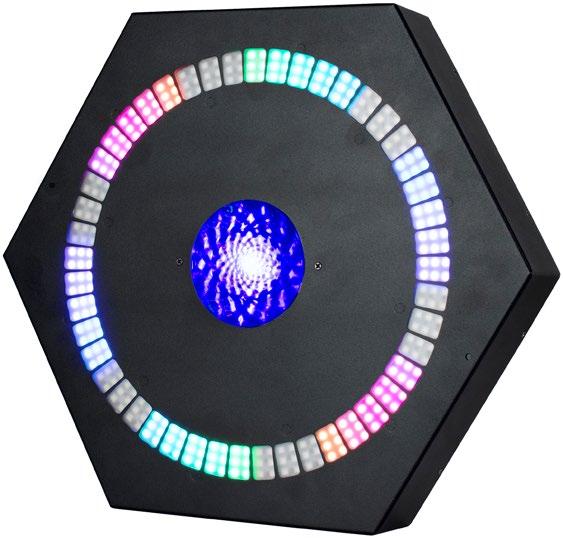
Eliminator Lighting, a brand of the ADJ Group of Companies, has released Fantasy FX, a compact yet powerful duel-effect fxture that combines a center beam with a circular halo of 288 RGB LEDs, delivering both focused wash effects and dazzling multi-colored chases. Ideal for DJs, nightclubs, bars, and more, the Fantasy FX brings imagination and impact to any setup. The fxture’s primary light source is a 40-watt RGBW color mixing LED positioned behind a unique kaleidoscopic lens. This generates both eye-catching visual effects and a tight wash output. Surrounding the main central lens are 288 x 0.5W RGB color mixing LEDs arranged into groups of six. Each of these 48 groups can be controlled individually, allowing for the creation of a wide variety of impressive chase effects. Packed with 128 built-in programs, the Fantasy FX provides endless creative possibilities.
Eliminator Lighting 6122 S. Eastern Ave Los Angeles, CA 90040 (323) 316-9722 www.adj.com

Are you looking to get your original music placed in flm, television, or video games? Innovation Syndicate has launched SyncPlacement, a new, AI-powered sync research and outreach platform designed to help DJ/ artists, managers, and record labels to discover relevant placement opportunities in a variety of media. By showing where similar artists have already been placed, who supervised those placements, and how to reach the right contacts, the platform helps make sync-pitching more informed, targeted, and effcient. In accessing verifed contact information for music supervisors, SyncPlacement uses a live, search-driven platform rather than a static pre-built directory. Pricing is a monthly fee, depending on your needs. SyncPlacement joins the company’s growing suite of music-industry software, which includes PlaylistSupply, Booking-Agent. io, and RadioPromo.io.
Innovation Syndicate 4924 Balboa Blvd #502 Encino, CA 91316 www.syncplacement.com
Peavey Electronics has launched the PBK 12BT and PBK 15BT powered speaker systems. These two-way sound reinforcement systems are designed and engineered for DJing, public address, sound reinforcement, side-fll systems, karaoke, and musical playback. The systems provide a bi-amplifed power section with advanced digital signal processing (DSP) to deliver an accurate and neutral sound for any type of performance. The PBK 12BT is equipped with a 12-inch woofer and a Peavey PD10 1-inch diaphragm dynamic compression driver. It yields a frequency response of 57 Hz to 17 kHz, achieves a peak SPL of 122 dB with music, and weighs 31.5 pounds. The PBK 15BT features a larger 15-inch woofer coupled with the same compression driver, producing a frequency response of 55 Hz to 17 kHz. The 15-inch model achieves a peak SPL of 123 dB with music and weighs 36.5 pounds.
Peavey Electronics 5022 Hartley Peavey Drive Meridian, MS 39305 (601) 483-5365 www.peavey.com
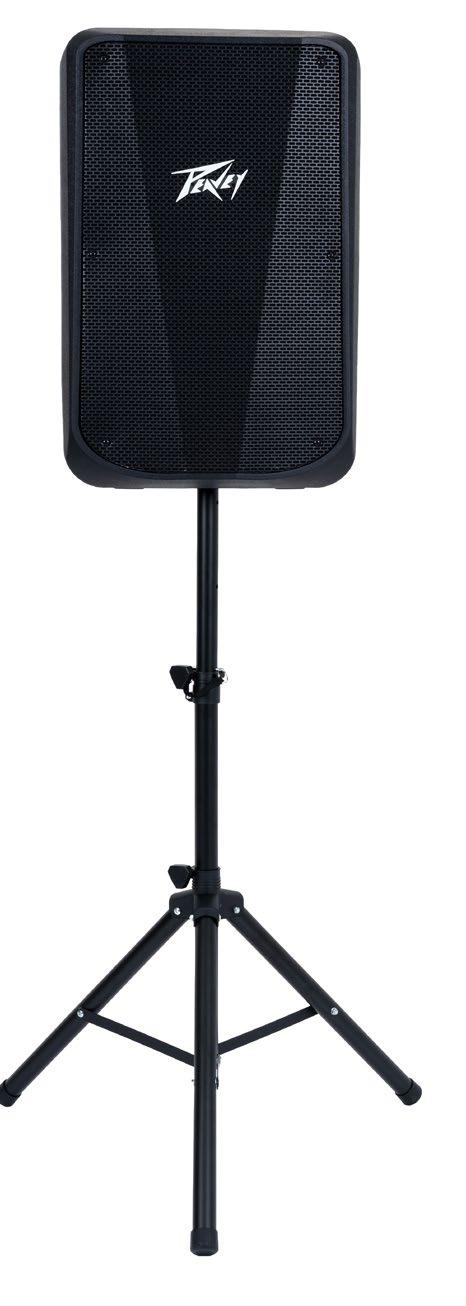


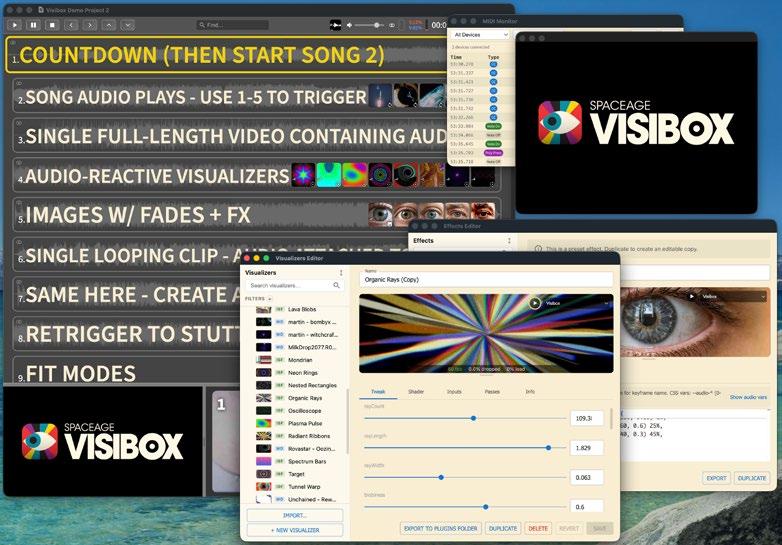
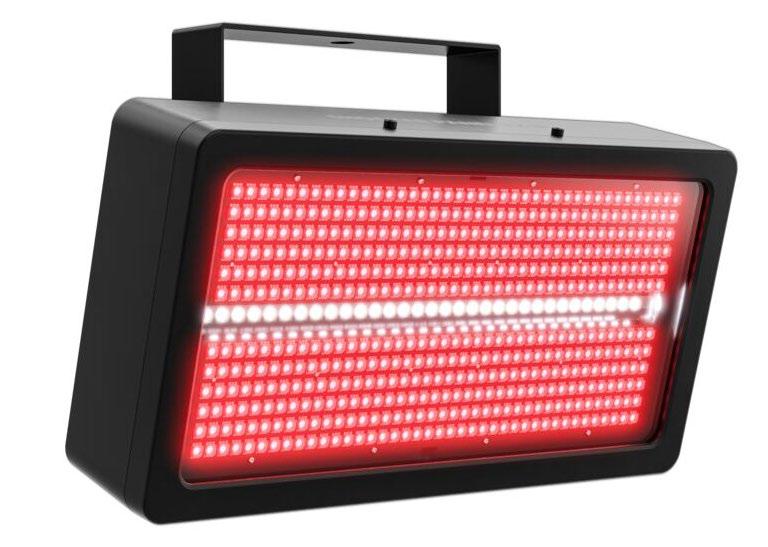
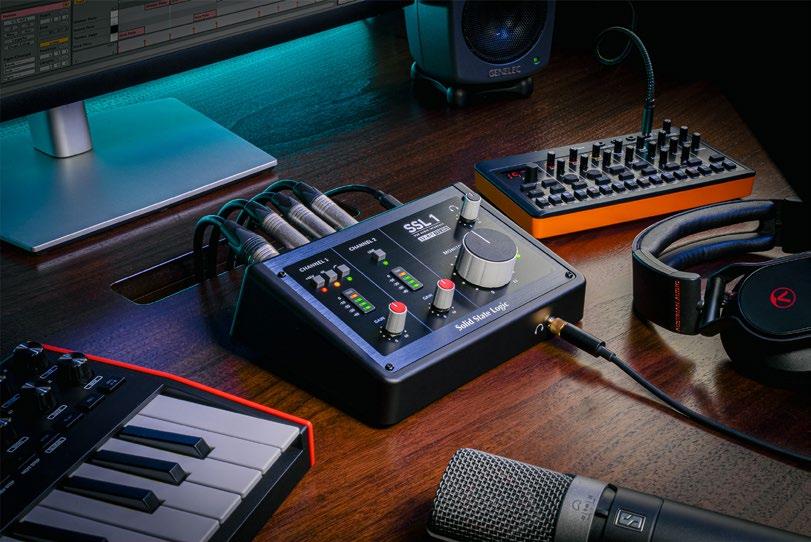
Visibox is a cross-platform audiovisual software app designed to let performers trigger and control live video, images, cameras, and multichannel audio. It allows DJs and other performers to easily sync and display concert-style visuals without needing complex VJ setups. Visibox 5.0 is the biggest update in the product’s history, as it adds audioreactive visualizers and effects, an open API, and natural-language AI control – making Visibox the frst live visual tool where AI helps performers author, edit, and perform from a single project. Performers drag and drop video, images, and camera streams into a project, assign them to triggers, and play them live from a laptop, MIDI controller, or Stream Deck. With 5.0, those clips can now listen back. Visualizer Clips render real-time graphics that move with the music, built from ISF shaders and MilkDrop presets – formats with tons of free, community-made visualizers.
Spaceage, LLC Providence, RI (855) 584-3367 www.spaceage.tv
Chauvet DJ has released a pair of effects – the Shocker FX and the Shocker Panel FX IP. Shocker FX offers a strobe, wash, or blinder look, all with the press of a button. This compact party strobe combines built-in effect presets with eight sections of bright RGB color and four sections of intense cool white LEDs to deliver instant visual impact. Shocker Panel FX IP instantly shifts between strobe, wash, and blinder looks as easily as it moves between indoor and outdoor events. Eight sections of bright RGB color plus an intense 8-section cool white LED strip add up to endless eye candy effects from one compact IP65-rated powerhouse. Setups are fast and secure with a digital touch display for choosing dazzling built-in effect macros and setting password access, all with the press of a button.
Mad FX Chauvet DJ 5200 NW 108th Ave. Sunrise, FL 33351 (800) 762-1084 www.chauvetlighting.com
Solid State Logic, distributed in the U.S. by Group One Ltd., has introduced the SSL 1, a 2channel, plugandplay USB audio interface. Designed for those beginning their creative journey as well as experienced producers on the move, SSL 1 combines a portable form factor with SSL’s sonic character. From its class-leading preamp with 4K analog enhancement to its pro-grade 32-bit/192 kHz conversion capability and high-current headphone output, the SSL 1 is poised to capture creative inspiration for all users. With fexible power options, including bus power or a 5V external source such as a phone charger or power bank, SSL 1 is suited to mobile recording setups and offers seamless use with USB Audio Class 2.0 phones and tablets, as well as Mac and Windows computers. Channel 1 features an XLR input with +48V phantom power, while channel 2 offers a dedicated instrument/line input for direct recording.
Solid State Logic/Group One Ltd. 70 Sea Lane Farmingdale, NY 11735 (631) 396-0195 www.solidstatelogic.com

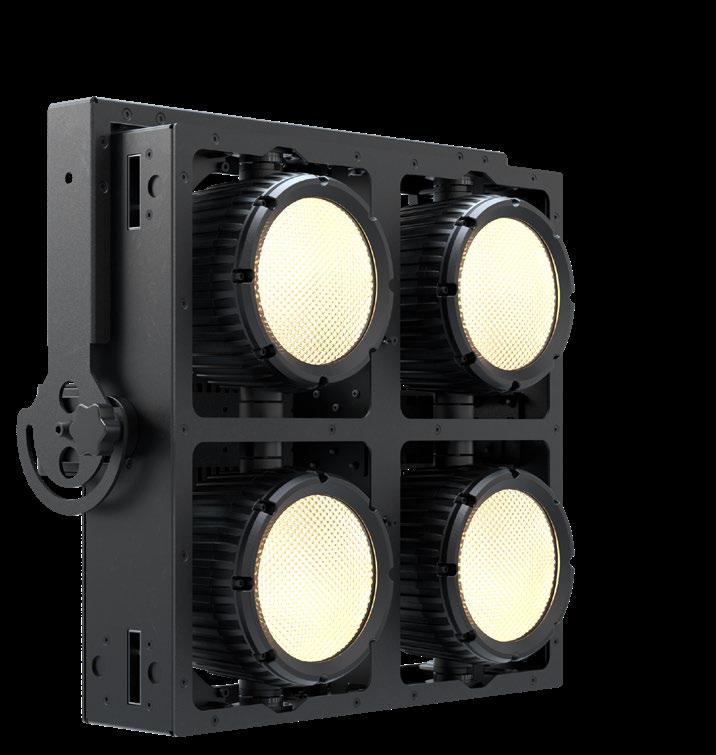
GLP has introduced its MATRIX Series – a modular cluster system that allows multiple frame-based fxtures to be mechanically connected into seamless, custom lighting arrays. Leading the way is the MATRIX Eye, a high-power LED blinder (available in 2-light and 4-light confgurations) equipped with effcient RGBAL LEDs and GLP’s iQ.Gamut color algorithm, offering vivid colors and premium white light with excellent color rendering. Its characteristic dimming curve replicates the behavior of traditional tungsten blinders, delivering an old-school look and feel with all the benefts of modern LED technology. The MATRIX Eye offers an attractive price-performance ratio, fast ROI, and high effciency for rental operations.
GLP German Light Products Inc. 16170 Stagg St. Van Nuys, CA 91406 (818) 767-8899 www.glp.de
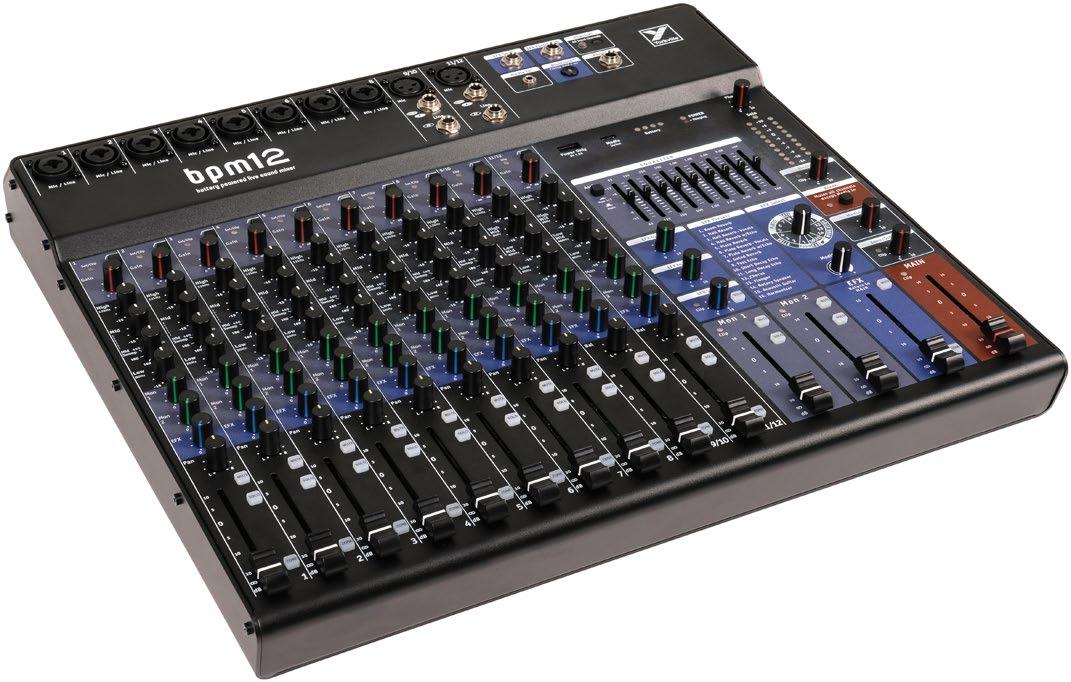
Glorious, distributed in the U.S. by American Music & Sound, has released the Glorious 7’’ Record Box Advanced 110. Designed spe cifcally for 7-inch records and holding approximately 110 singl box’s slanted sides allow for effortless fipping through your c tion, making it ideal for DJs, collectors and anyone who needs fast access to their 45s. Made from sturdy Medium-Density Fiberboard with a scratch-resistant fnish, the box offers reliable protection and stability. Smooth edges ensure safe and comfortable crate digging, while the open design provides a clear overview and easy access to all records. Fully compatible with the Glorious Modular series, the Record Box can be fexibly combined with other units. A stable b ensures secure storage, whether standalone or stacked. Available in black or white.
Glorious/American Music & Sound
310 W. Newberry Road Bloomfeld, CT 06002 (800) 431-2609 www.reloop.com
Yorkville Sound has released the BPM12, a battery-powered compact mixer designed to be the perfect companion for the company’s range of battery-powered speakers. It offers up to 18 hours of battery life on a full charge, and features a USB-A port to charge phones or tablets to keep the music going. Beyond the battery, the BPM12 is a fexible modern mixer with a rich feature set and extended connectivity. It offers 12 channels and 10 mic preamps, plus Bluetooth, USBC, and 1/8-inch media inputs. The USB-C port also enables the mixer to function as a class-compliant stereo audio interface. Equally ready for live sound or studio recording, it also features two monitor outputs, a zone/subwoofer output, 16 adjustable effects, and an assignable 9-band graphic EQ. Yorkville Sound USA 4625 Witmer Industrial Estates Niagara Falls, NY 14305 (716) 297-2920 www.yorkville.com
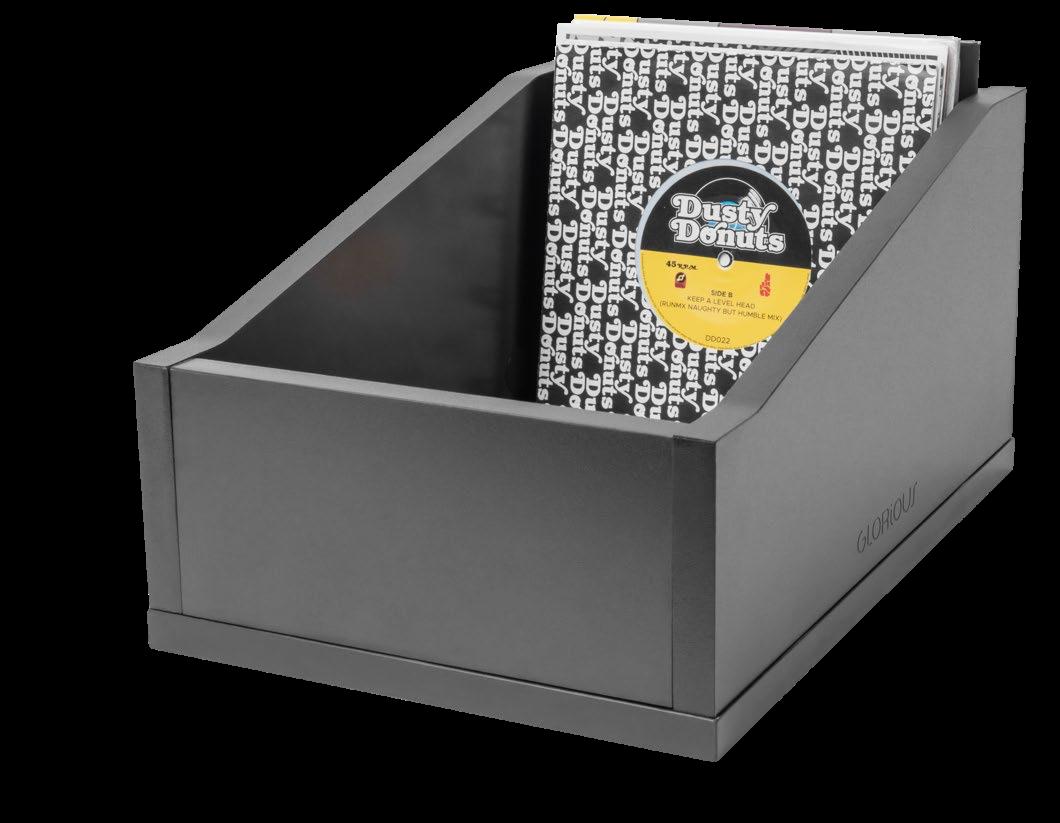


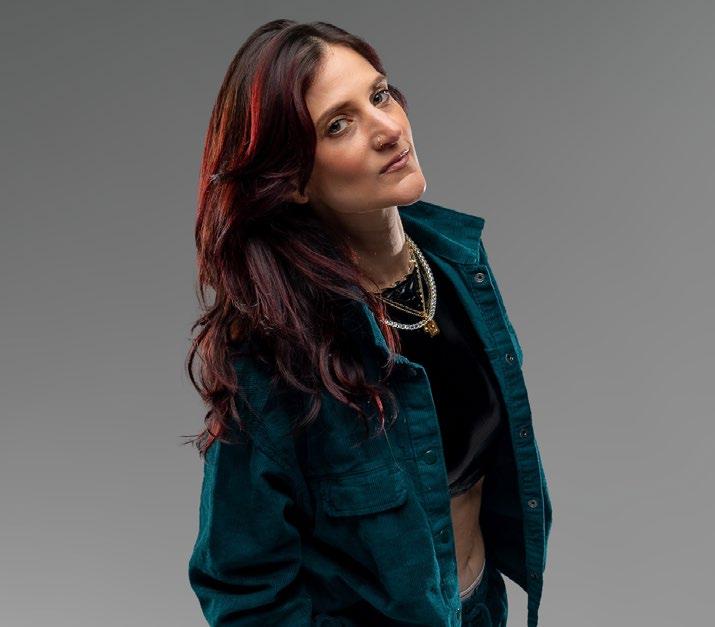
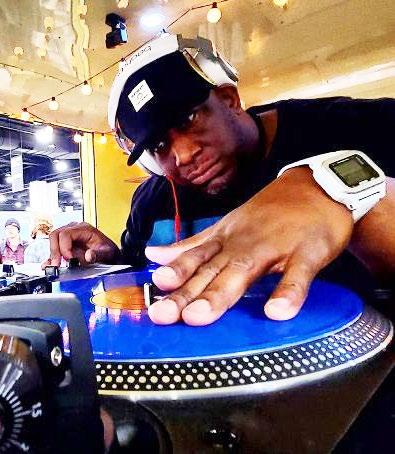
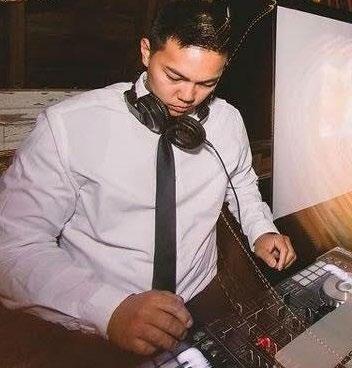
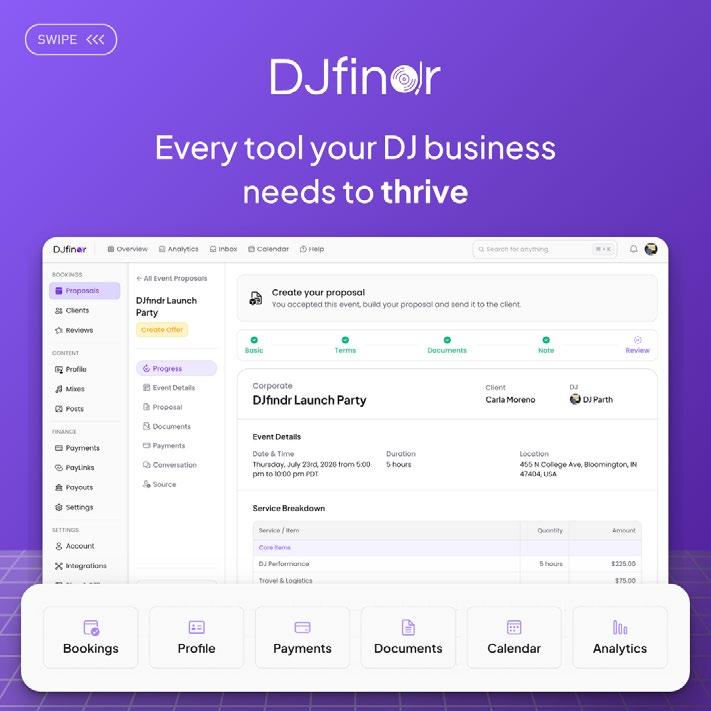
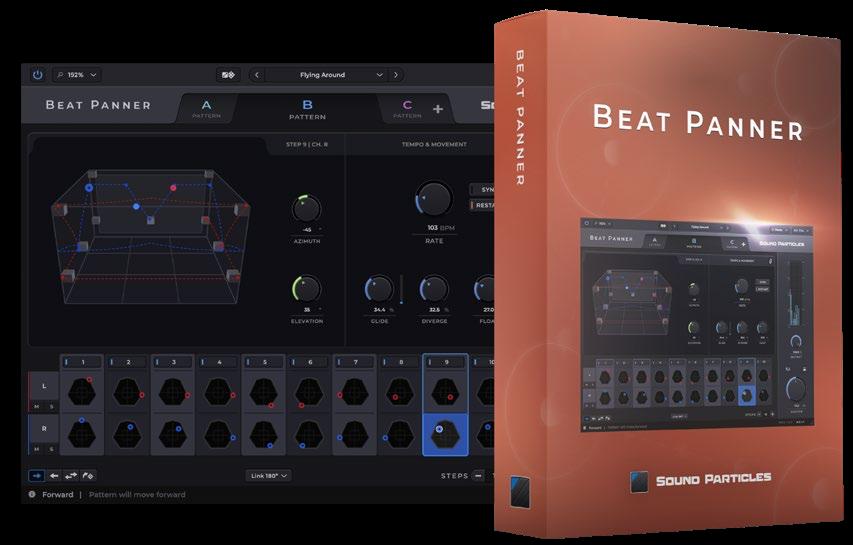
DJfndr is a modern marketplace for hiring DJs, built to make fnding, booking, and paying a DJ simple, fast, and professional by streamlining discovery, communication, booking, and payments in one place. For hosts, it’s a platform to discover DJs faceted by location, occasion, genres, experience, and more. For DJs, it’s a complete business suite with features for discovery, showcase, profle, proposals, payments, contracts, reviews, and more. DJfndr will actively promote DJs on the platform through: paid advertising campaigns; SEO and organic search growth; strategic partnerships; featured regional discovery; and social/promotional campaigns. Simply create your profle and start receiving opportunities. Available to join with Lite, Pro, Premium or Platinum plans.
DJfndr
www.djfndr.com
Sound Particles has released Beat Panner, a creative panning sequencer that makes your sounds move in perfect sync with the beat of your track, delivering results in both stereo and immersive audio. Designed for DJ/producers and more, Beat Panner allows you to create your own movement patterns that can even be synced with your song. From turning simple sounds into rhythmic elements to adding evolution and motion to a mix, Beat Panner transforms panning from a technical mixing task into a powerful creative tool. Key features include: step-based sequencing; multipattern creativity; organic variation; spatial control; preset & inspiration tools; and multichannel support.
Sound Particles Rua da Carvalha 570 2400-441 Leiria, Portugal 351 244 245 830
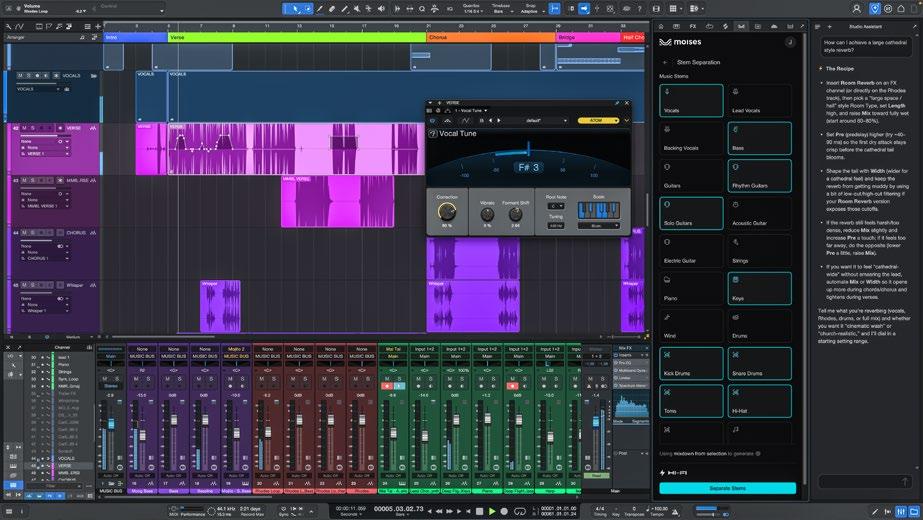
Fender Studio has announced the latest update to its DAW, Fender Studio Pro 8. This release adds an in-DAW Studio Assistant that provides real-time answers and technical direction, and a Vocal Tune Plug-in for native pitch correction. Fender Studio Pro 8.1 offers a frst-of-its-kind integration with Moises Studio, empowering creators to transform vocals and generate accompanying tracks based on a creator’s recordings. Other key features include: sound variations and scoring improvements; pitch curves on audio events; native stem separation improvements; audio-to-note improvements; browser workfow improvements; Dolby Atmos headphone personalization; and shared virtual instrument sets. Fender Musical Instruments Corp. 4625 E. Paradise Village Parkway N Phoenix, AZ 85032 (800) 856.9801 www.fender.com







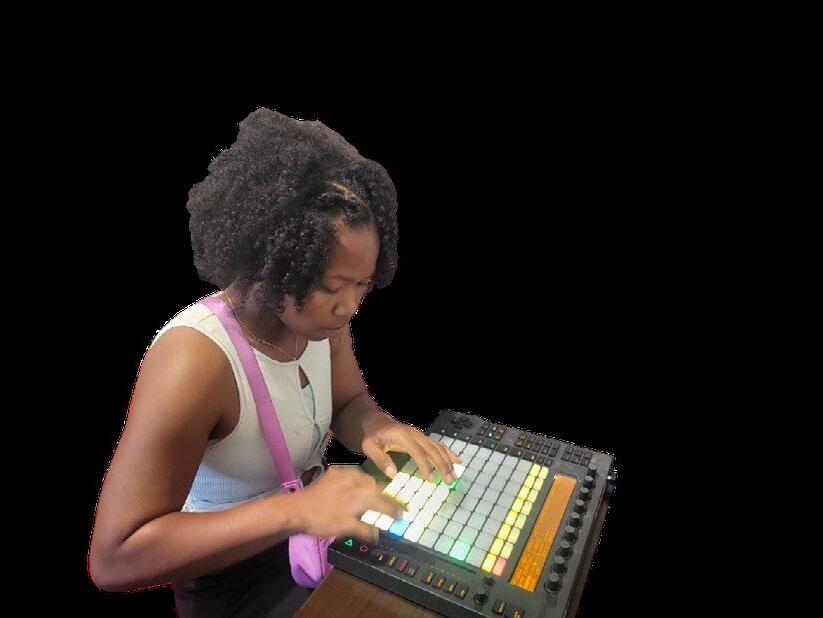





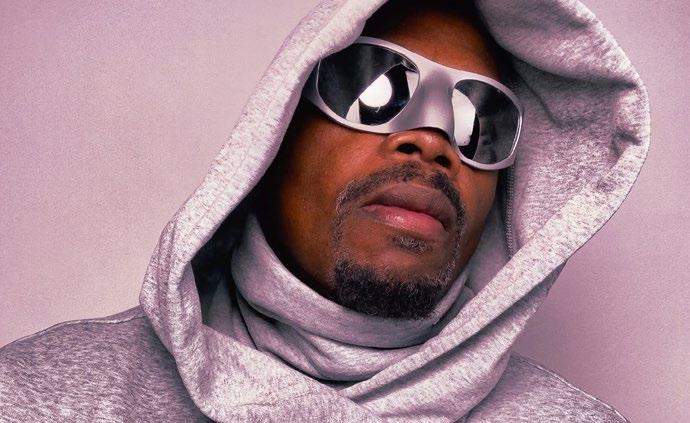
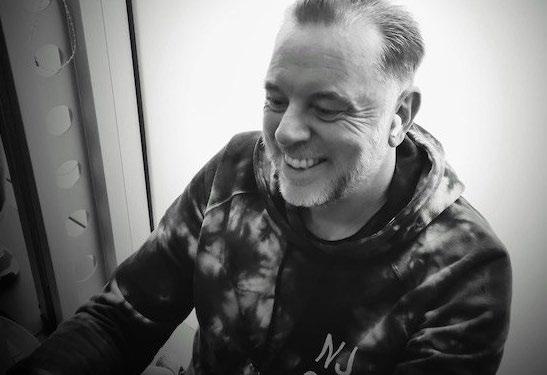

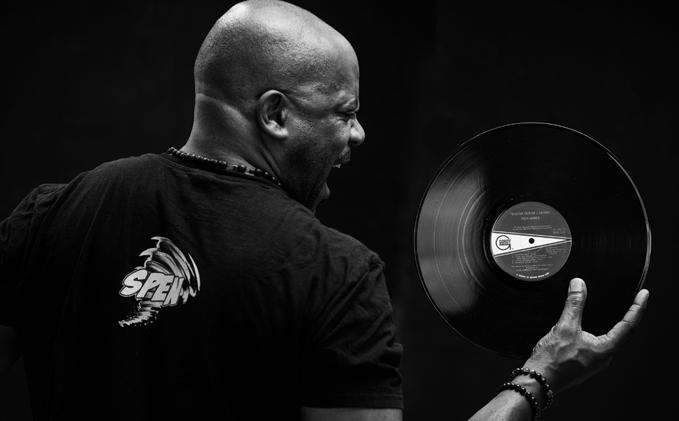
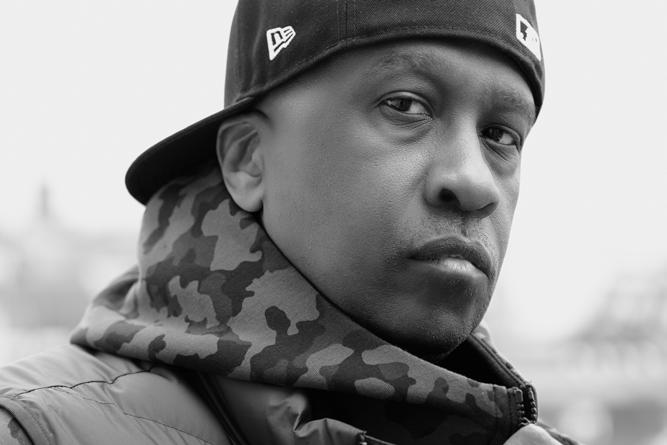
“Cease Fire”
Roland Clark
Roland Clark Records
Taken from The Black Album, Clark’s latest full-length, this track’s gaining traction as it’s loaded with simple, but powerful perspectives laid over rich Afro-house beats. Anchored by Roland’s powerful message of peace, the track somehow transforms serious truth into pure dancefoor energy – the perfect recipe for getting lost in a meaningful groove. Also, check the “Isa Roos Afro House Remix.” Woke for real.
– Joe Berinato
“Shining”
Jaegerossa
Fool’s Paradise
Making a little guest visit on Fool’s Paradise, Do It Anyway
Records honcho Jaegerossa delivers another up-tempo disco delight that is getting some serious A-list attention. Big string licks and an uplifting vocal carry this track to great heights.
– Curtis Zack
“Tumba La Casa” (Mr. Pauer Remix)
Sancocho
Cutting Records
Keeping the irresistible soul of Sancocho’s powerful 1996 Latin-house anthem intact, this updated Mr. Pauer rework leans heavily on driving live percussion and a deep, room-shaking bassline. It stands as a seamless bridge between classic Latin underground roots and forward-thinking Afro-house grooves – guaranteed to ignite peak-time dancefoors.
– DJ Mike Márquez
“When I Needed You Most”
DJ Spen & Tasha La Rae
Quantize
The second single from Spen’s amazing gospel-house LP, Praise Party, this standout cut is everything you would expect and more. A classic groove, outstanding vocals from La Rae, and a remix from Hugo C that could easily pass as vintage Basement Boys.
– Curtis Zack
“See The Light”
Todd Terry feat. Lyn Jada
Freeze Records
Lyn Jada’s otherworldly vocal infections soar over Todd’s pumpin’ house production with irresistible power. The massive chorus and undeniable harmonies make this hook pure dancefoor gold – soul-elevating, uplifting, and impossible to ignore.
– Joe Berinato
“Maria” (Extended Mix)
El Mukuka, Divolly & Markward feat. Mumba Yachi & T-Low
Orianna Records
A brilliant, boundary-crossing fusion of Latin rhumba and Afro-house. Featuring beautiful multilingual vocals from Mumba Yachi and T-Low, the extended club cut leans heavily into chunky tribal drums, hypnotic vocals and an unshakable groove. Defnitely a winner for those wanting to add some percussive vibes to their dancefoors.
– DJ Mike Márquez
“Come Closer”
Angelica de No & Rick Corbo
Songstress
“Come Closer” is what you would class a nice, soulful house workout. Sublime vocals, uplifting piano hooks and crisp beats all combine eloquently. Mix that in with a couple of neat remixes and you have a release to seek out.
– Curtis Zack
“You & Me”
Michael Gray
Sultra
Gray fnally drops his new studio album, and it’s been worth the two-year wait. Including the affrming title track with Mike Dunn, the bumpin’ rework of Maxwell’s “Ascension” (with Bran Mazz) or the recent smash, “Gravity,” this is a long player of real quality. Did you expect it to be any different?
– Curtis Zack
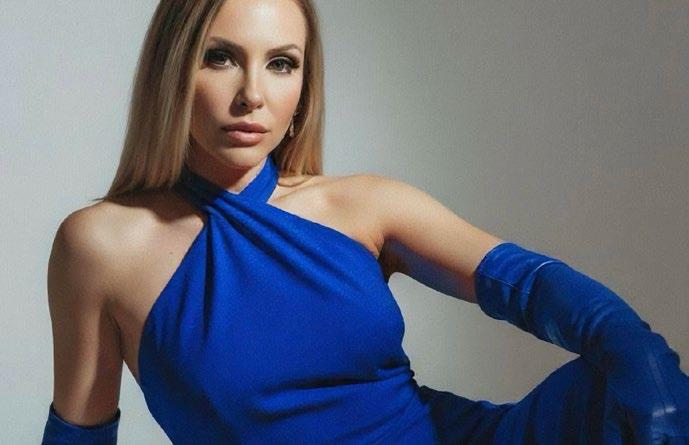
“My Deep” EP
Starr Traxx & Allen(IT)
Snatch! Records
Renowned producer Riva Starr teams with partner Allen to launch a new alias on this stompin’ EP. Channeling the raw, jackin’ energy of Todd Terry, DJ Pierre, and Roger Sanchez with a fresh, contemporary edge, this groove-heavy two-tracker delivers pure dancefoor heat. The title track and “Off Limits” are both bumpin’, sample-rich and plenty funky.
– Joe Berinato
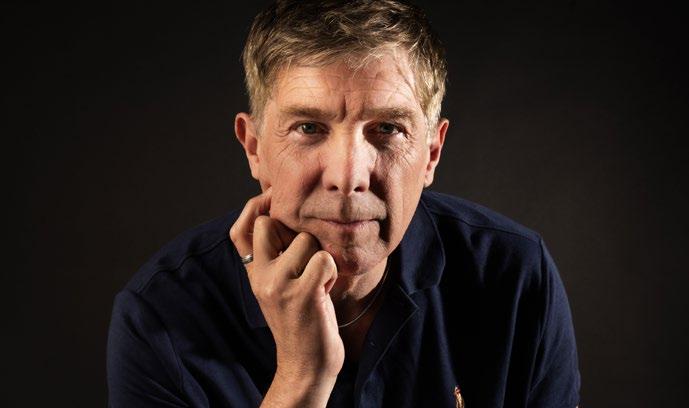
“Since U Been Gone”
Jerry Davila
MEX TRAX
Giving Kelly Clarkson’s massive hit a mainstage makeover, Davila delivers a re-work that clocks in at a driving 136 BPM, using festival-ready synth stabs and thunderous kicks to propel the singalong vocal hook. A peak-hour pleaser.
– DJ Mike Márquez
“Over Like a Fat Rat”
Leroy Burgess & Tyrone Williams
Groove Odyssey
This re-work of the Fonda Rae classic now gets the full Groove Odyssey treatment from Bobby & Steve. Great work from Tyrone Williams and the unmistakeable Leroy Burgess on the mic, and a boogie-driven workout on production make this essential.
– Curtis Zack
“Shine”
JKriv & The Illustrious Blacks
Soul Love
New York City grooves all the way here for this latest release on Seamus Haji’s Soul Love imprint. In an instant, an irresistible disco groove transports your mind, body and soul back to NYC in 1977.
– Curtis Zack
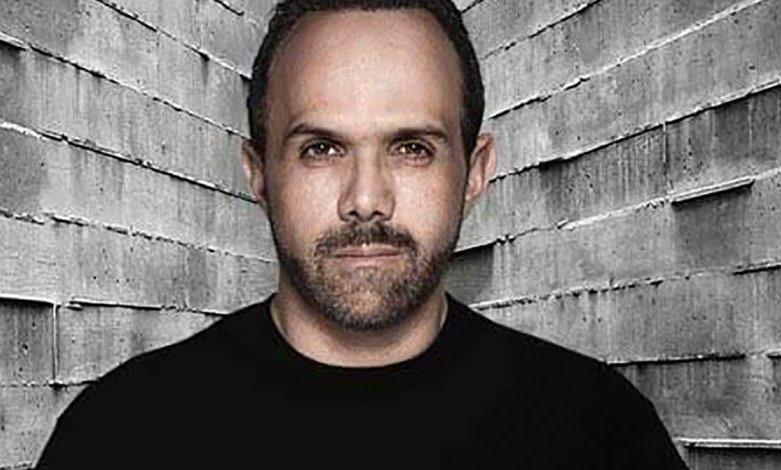
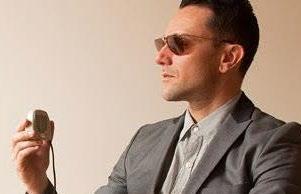


■ Gary Canavo masspooldjs Saugus,MA
■ DJ Sticky Boots The HyperMiXx Syndicated
■ Dan Mathews Rhythm 105.9FM + Syndicated
■ Manny Esparza Nexus Radio Chicago,IL
■ Howard HK Kessler In The Mix With HK Syndicated
■ Steve Tsepelis Pacifc Coast Long Beach, CA
■ DJ Ilan Fong Multiple Pod Casts Columbus, OH
■ DJ Spawn Mix 93 FM Los Angeles, CA
■ Peter K. Productions Peter K Syndicated
■ Alan Chasen
■
Added Tracks
■ North East Record Pool
■ Mixx Hitts Record Pool
■ Ritmo Camacho Record Pool
■ DJ Latinos Record Pool
■ MassPool
■ Record Pool Latino
■ Latin Beat Chicago Record Pool
■ All In Music