
Cross-country riding is all about jumping different types of fence on a variety of terrain. This means the challenge isn’t just about the obstacle your pony has to jump, it’s also about riding across different kinds of ground, over slopes and even through wooded areas. So, how can you prepare your pony to take on these tasks with confidence? Here are my tips.
There are lots of different ways fences can be presented to you and your pony on a crosscountry course, and the best way to help your pony jump confidently is to practise these in training. The most important thing to remember is balance –if your pony is in good balance as you approach a fence, they’ll be more likely to land in balance and keep the essential rhythm to help you be successful.

Alex Bragg is a farrier turned 5* event rider based in Somerset.
did you know?did you know?
The biggest challenge is maintaining a balanced canter downhill, and this might take a few sessions to establish, so don’t rush things.
Being able to maintain rhythm and balance riding up and down slopes is important as you’ll often find them on a crosscountry course. Especially if the slope is in trees, or through a narrow gap – such as a hedge – it can be spooky for some ponies.
Begin by walking up and then down the slope, reassuring your pony and focusing on maintaining balance and
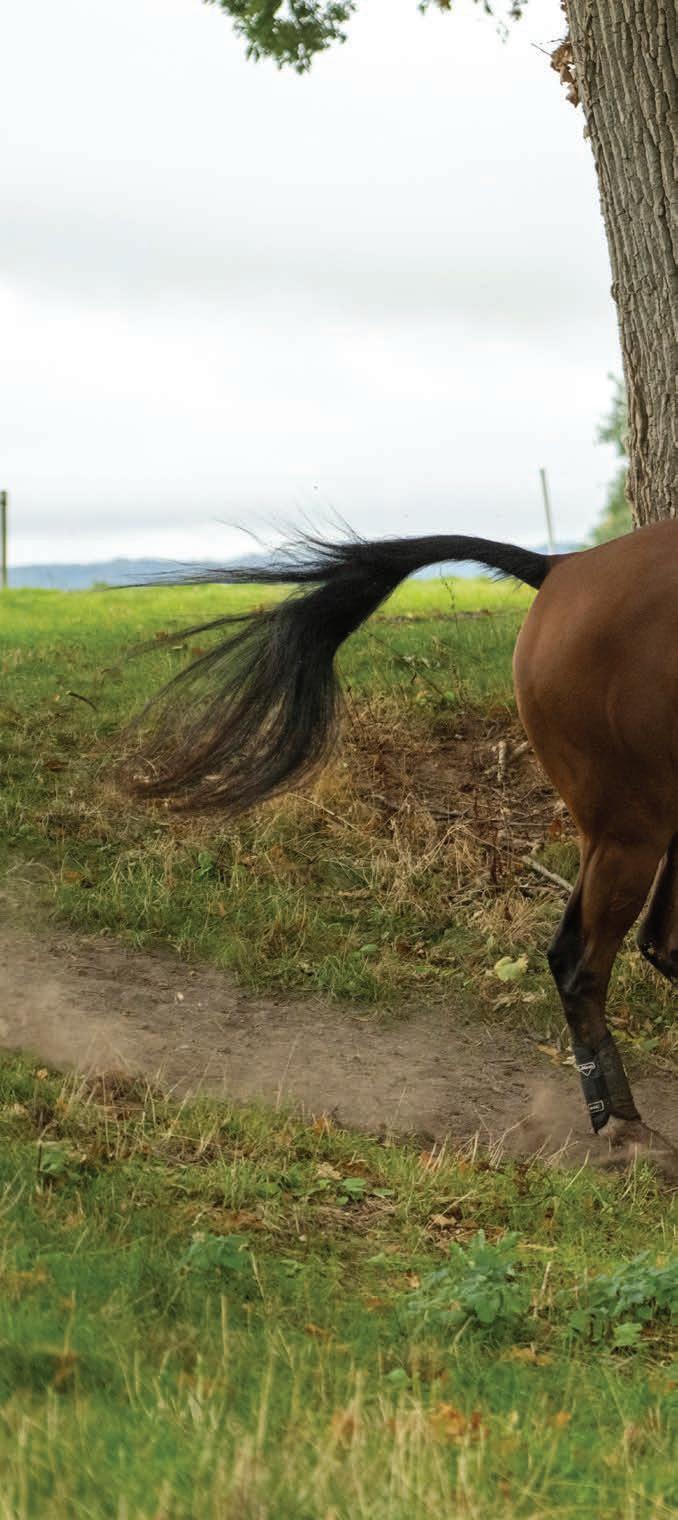
rhythm. When riding uphill, keep your hands soft so you’re not restricting your pony, and maintain impulsion by wrapping your legs around their side. When riding down the slope, remember to sit a bit taller and keep your hands low to help you and your pony stay in balance.
You can introduce trot and canter – add the faster pace going uphill before you try it going down the slope.
When riding over any terrain that’s uphill, it’s important to think about your pony’s canter. They’ll need lots of momentum to maintain their rhythm, but it’s important that they don’t zoom off up the hill because then you’re likely to find you get to the top with a tired pony who then struggles to maintain balance, which could affect how well they jump.
The key is to think about keeping a positive canter but not letting it get quicker.
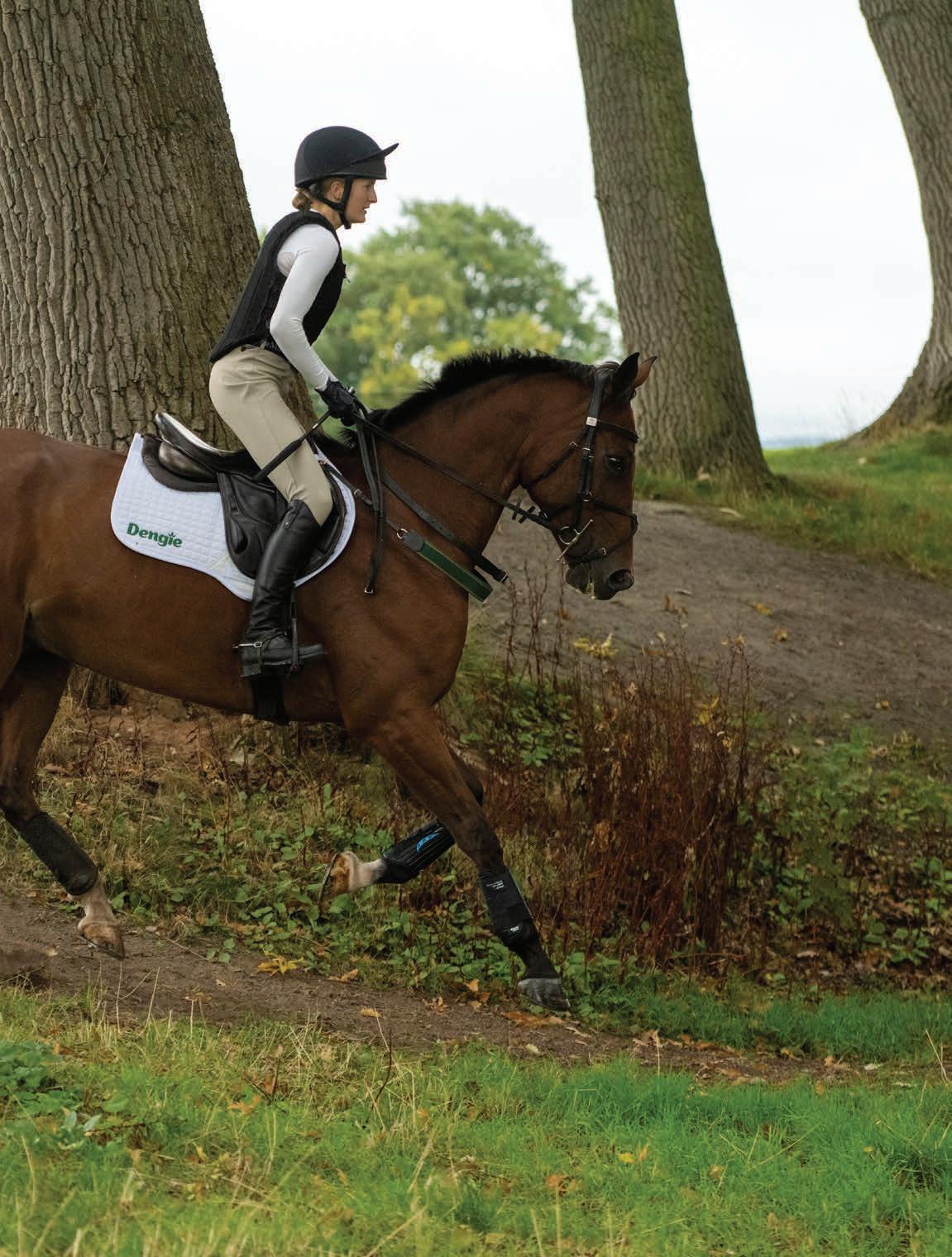
Sometimes you’ll find woodland or shaded areas on the cross-country course, which mean you’re riding from bright sunshine into shade, and then sunshine again in a short space of time. Ponies’ eyes are much slower at adapting to changes in light levels than human eyes, which is why some can be a bit spooky when going from light to dark and back again.
When you’re schooling, try to find an area where you can practise riding through the different patches of light. Start in walk and work up through the paces as your pony feels more confident –begin by making an upwards transition in the shade – so walk in, then trot out, then maintain trot a few times, then trot in and canter out before practising cantering through.
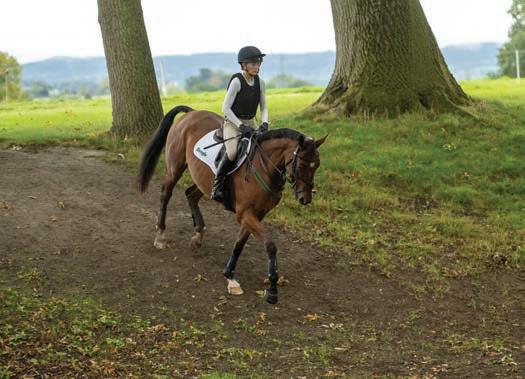

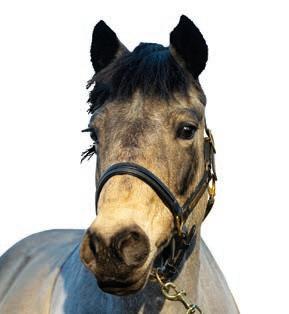

Back in winter when we were getting to know our new bestie Polly, we started out with lots of groundwork to help establish our bond and trust in each other. We found that actually in-hand poles is one of our fave things to do with Polly, and we try to do one session a week. So, if you’re in need of some inspo, try our fun exercise!
You’ll need 10 3m poles for this layout. It’s important to use the same length poles because having a mix of sizes will leave you with gaps in the set-up, which isn’t ideal! Place the first four poles in the middle of the arena to create a diamond. Then add a pole at each end of the diamond. Using this as a guide, position the final four poles around the edge to complete the layout.
Use a bridle rather than headcollar while working over poles in-hand, and always wear your hat, gloves and boots!
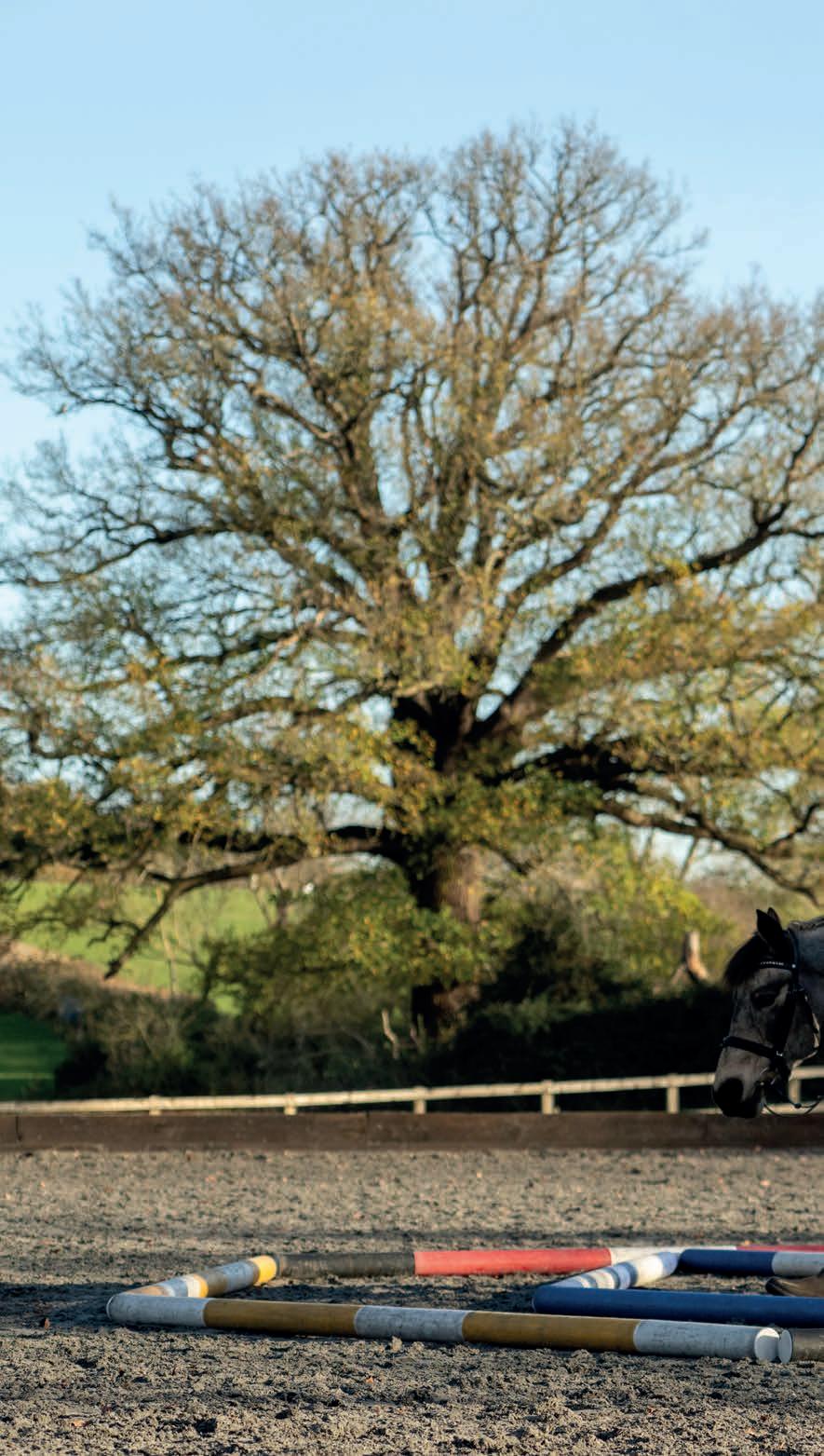
Just because you aren’t riding or doing fast work doesn’t mean you should skip your warm-up! We begin by walking Polly around the arena in both directions, allowing her to stretch over her back. This helps prepare her body for exercise. Although this isn’t hard work, we still want her to be using her body correctly to gain all the benefits of polework and minimise the risk of strain or injury to her muscles and joints.
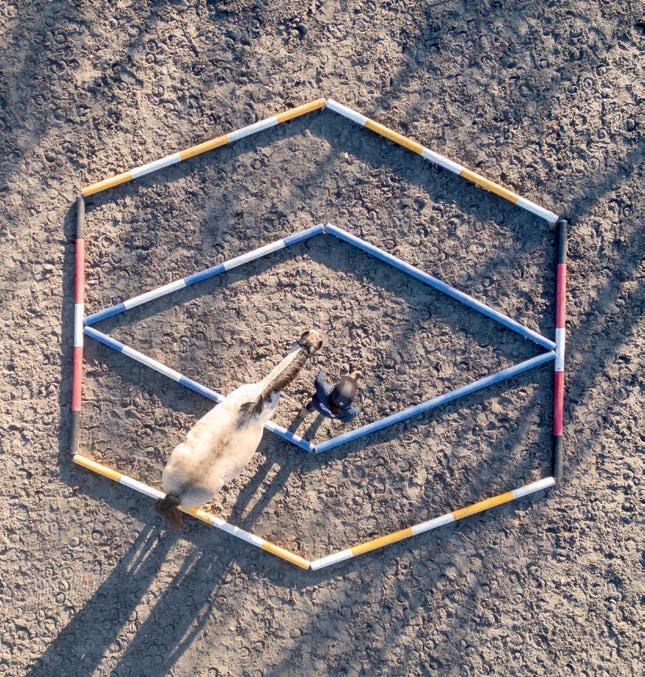
You can try this layout –and all of the exercises – in the saddle, too! did you know?did you know?
First up, walk your pony in a diagonal line over each of the four poles. It’s a good line to start with because the poles are parallel to each other. Try it on both diagonals and in both directions. Switching up the direction you’re going will help your pony maintain focus and prevent them from anticipating.
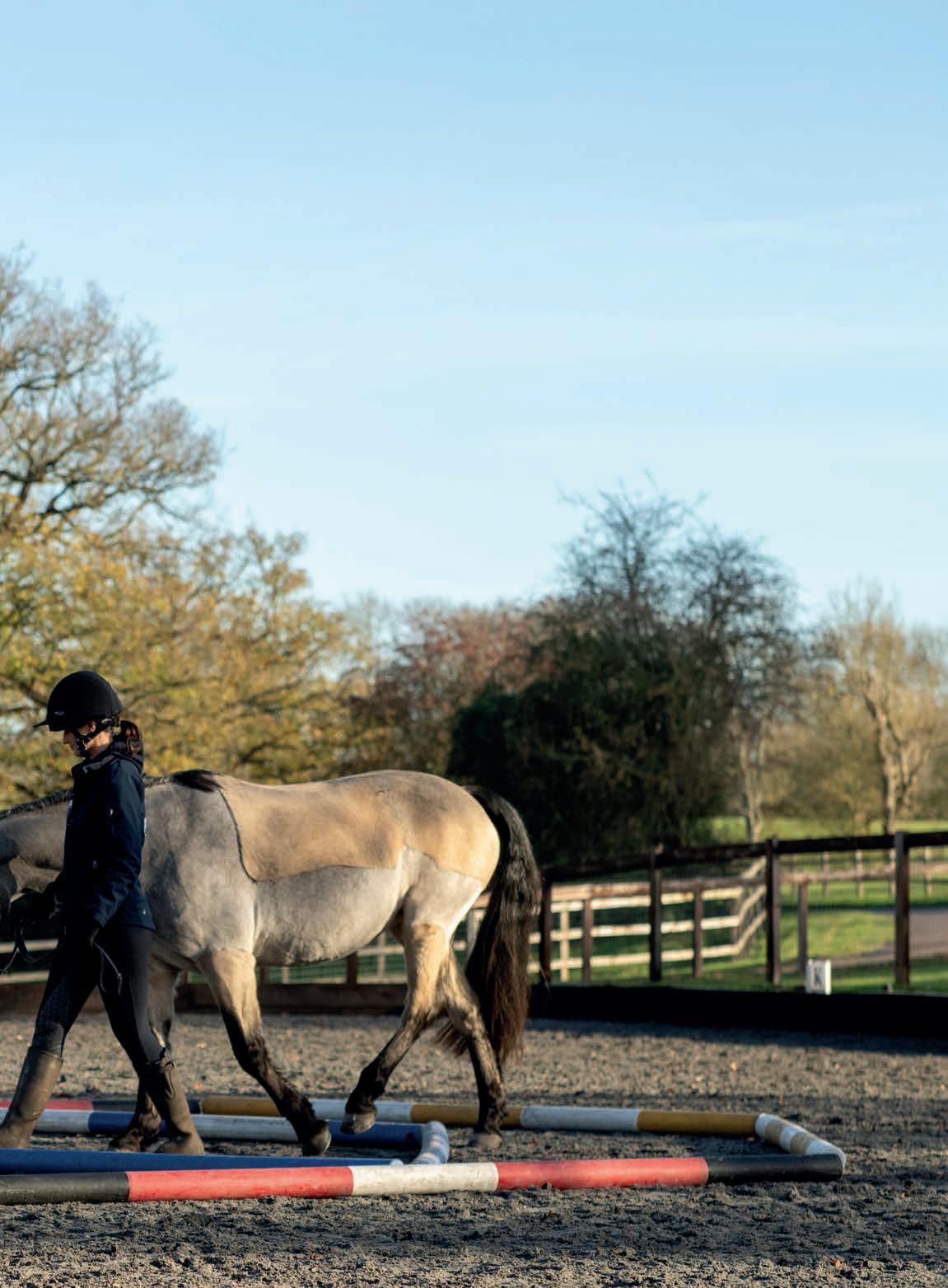
Next, try this trickier line where your pony has to step over four points where two poles meet. Think about asking your pony to step over the point – this will themencourage to engage their core and lift their back, which works lots of key muscle groups and helps posture!
Prepare your pony for the show season with Meg Elphick’s tips!
That show day buzz –there’s no feeling like it!
After weeks or months of training and preparation, the time has finally come to put your skills to the test. But how can you ensure you’re on top form? Here’s what I do.
Your pony’s energy and performance start from within, but there are no quick fixes when it comes to nutrition and it’s really important that any changes are made gradually. Keeping your pony’s diet simple is key! However, this can be easier said than done as there are sooo many options on the market so it’s best to seek advice from a qualified nutritionist.
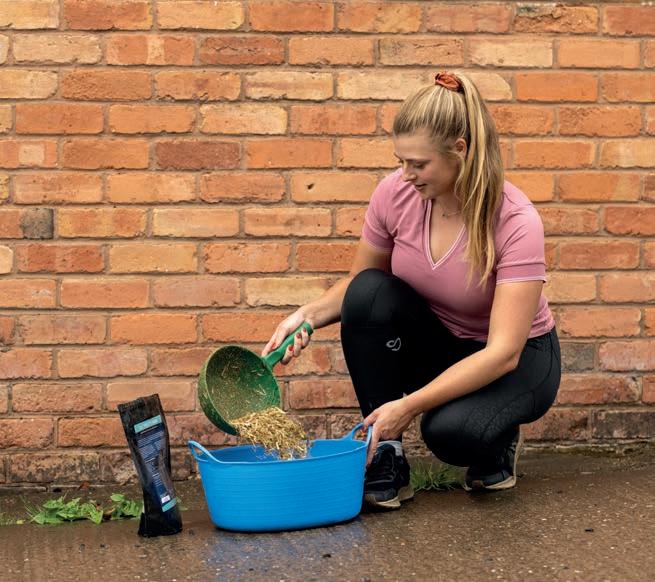
Feeding plenty of high-quality forage and a balancer is a good place to start. Then you can add a chaff, to increase eating time, and any supplements or mashes that your pony could benefit from – such as hoof support or electrolytes.
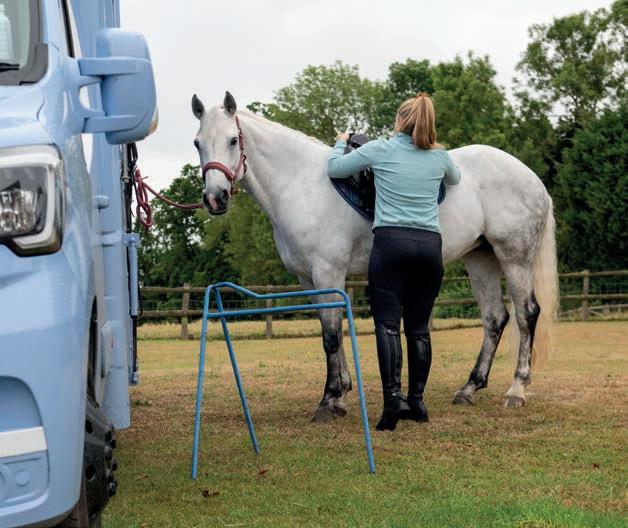
Making sure your pony’s exercise regime is suitable for the level you’ll be competing at is essential –they’ve got to be fit enough and have the skills required to lead you to success and help minimise the risk of injury. So, work with your instructor who will help you prepare to be the best versions of yourselves – both mentally and physically!
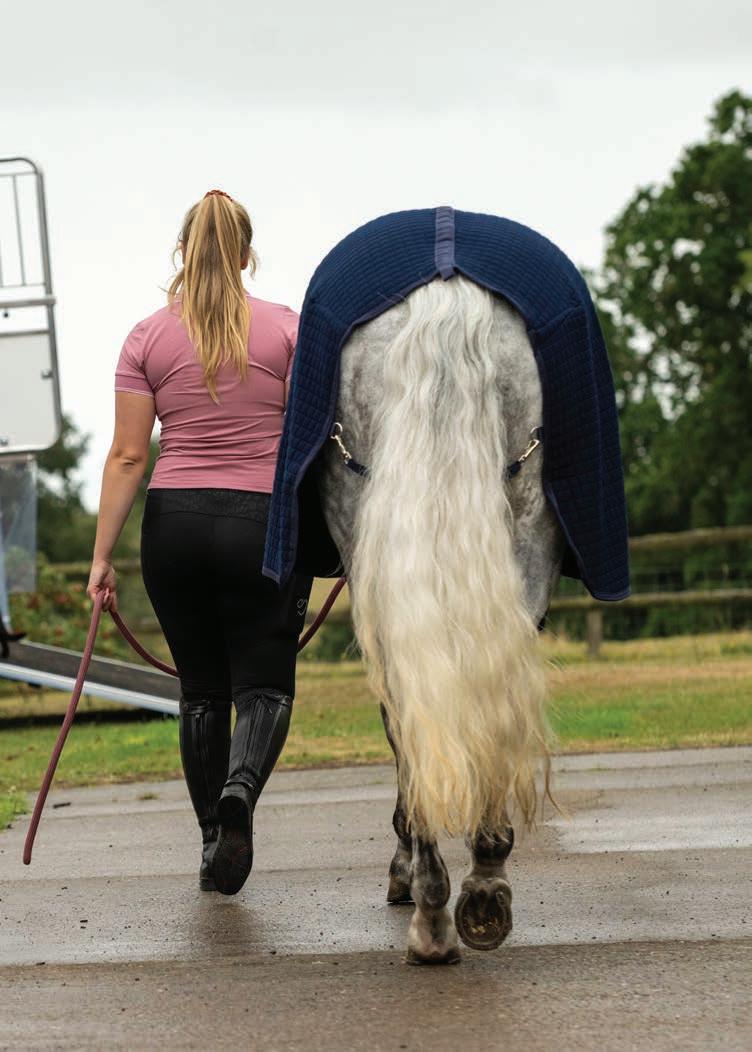
The other thing to consider is that amount and type of training you do in the run-up to show day – some ponies benefit from a quiet hack the day before to save energy while others need a good gallop! Finding what works for you and your pony will be a work in progress, so try different things before training shows to establish your routine.
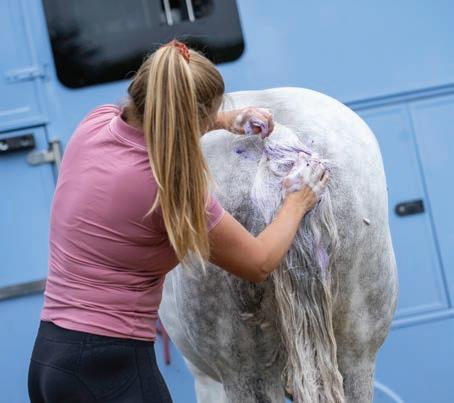
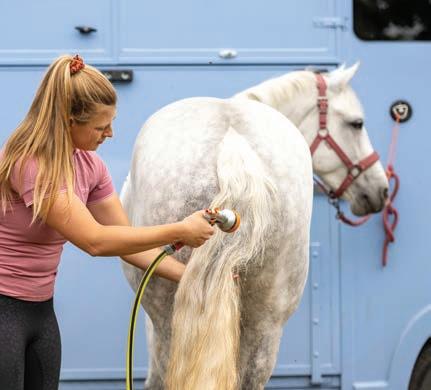
When you look good, you feel good, which can make you feel super confident and perform at your very best! Comfortable, well-fitting competition clothes make a big difference, as does the right footwear – trust me when I say it’s essential to break in your new riding boots before you wear them at a show. Ouch! As for your pony, they need a thorough pamper in the lead-up. If, like me, you have a grey, you’ll know this isn’t a quick task. However, it’s sooo worth it when they’re spotless and gleaming! It’s important to me that my horses have plenty of time in the field, and I avoid wrapping them up too much to prevent them from getting dirty, which means a good bath the day before is a must.