FACTS ABOUT Decompression Sickness
THE SKIN BENDS –SKIN MANIFESTATIONS OF DECOMPRESSION SICKNESS
A post-dive itch or change in the colour or texture of your skin, such as a rash or a marbled appearance, may be decompression-related.
Skin manifestations of decompression sickness (DCS), also known as cutaneous DCS, are more common than you might think. Divers often mistake cutaneous DCS for a rash due to another cause, such as contact with marine life or an allergic reaction, or they may just ignore such symptoms. Although cutaneous DCS is usually a mild and self-limiting disease, disregarding it can sometimes lead to more severe manifestations of decompression sickness.

AN ITCHY RASH
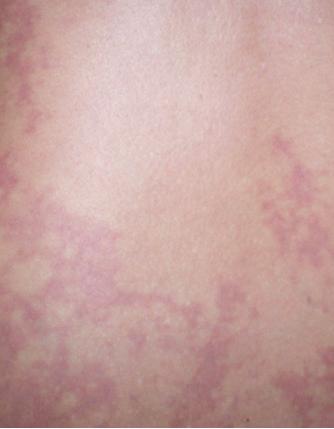
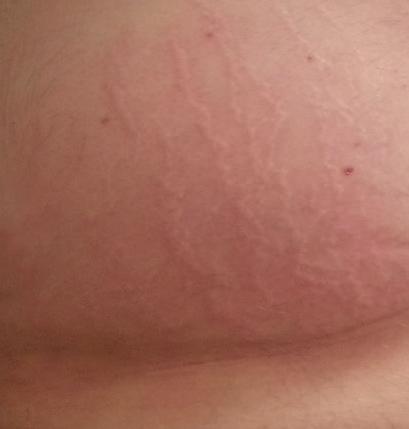
The mildest form of cutaneous DCS is a rash, most commonly on the torso – the chest, belly, back, shoulders, arms or buttocks. Such rashes may look like a sunburn and are usually itchy; some people say it feels as if tiny insects are crawling on their skin. Divers frequently overlook a DCS-related rash, attributing it to other factors or assuming it is nothing serious. Such rashes usually go away in a matter of hours.
CUTIS MARMORATA
A condition called cutis marmorata, characterised by a marbled pattern on the skin, is a more severe form of cutaneous DCS. Such lesions typically appear on the same parts of the body as milder DCS rashes but are usually bright red, purplish or even bluish, with an uneven pattern. The colouration may appear in patches or, in severe cases, may begin on the chest and spread downwards. Cutis marmorata may be extremely itchy, and affected areas sometimes feel tender to the touch. Often, however, divers with cutis marmorata don’t feel anything and become aware of the change in their skin only when they see it.
LYMPHATIC DCS
Lymphatic DCS affects your lymph system, a network of fluid-filled vessels that works in concert with your circulatory and immune systems. Its primary symptom is a swelling of the skin, most often on the chest or arms. Swollen areas will have a pitted appearance, like the skin of an orange, and may be painful. If a swollen area is pressed lightly with the tip of a finger, the resulting indentation will remain for a few moments. If you’re affected by lymphatic DCS, you will usually be aware something is wrong.
ONSET AND EVOLUTION
DCS-related skin changes usually occur within several minutes to several hours after a dive. The more severe your dive exposure, the more quickly symptoms are likely to be evident.
AN ITCH
Is usually the first symptom to go away.
A RASH
May resolve within 24 hours.
MARBLING
Usually fades out over a few days and never changes colour to blue-green, as a bruise does.
LYMPHATIC DCS
May go away on its own, but both marbling and swelling will disappear more quickly with treatment.
WHAT TO DO…
RISK FACTORS
The main risk factor for cutaneous DCS is your dive profile. However, women and divers with a large patent foramen ovale (PFO) – a fairly common, congenital, generally benign hole between the heart’s left and right chambers – may be at increased risk. A history of repeated cutaneous DCS or of DCS accompanied by other symptoms frequently leads to identification of a previously unsuspected PFO.
TREATMENT
20% of divers affected by cutaneous DCS also experience neurological effects that they may not be aware of.
These may include visual disturbances similar to a migraine aura. Some affected divers also report feelings of fatigue and breathing difficulties.
EMERGENCY WARNINGS
Abdominal, back or chest pain accompanied by skin mottling can quickly evolve into severe DCS and should be treated on an emergency basis. The shorter the time between a dive and the onset of symptoms, the more likely it is that severe DCS will develop.
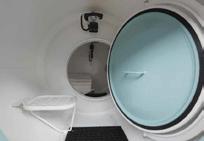
Oxygen first aid should immediately be commenced for a diver exhibiting DCSrelated skin changes, and the diver should be evaluated by a physician. A rash unaccompanied by other symptoms usually doesn’t need to be treated by recompression. But if your physician discovers signs of neurological effects, hyperbaric oxygen treatment in a recompression chamber is usually advised. Appropriate treatment for skin mottling or swelling will depend on the results of a physical examination. Skin changes associated with any other manifestations of DCS should be treated as an emergency.
PRESERVING THE EVIDENCE
If you experience any skin change after a dive, be sure to take a photo of it because it may have disappeared by the time you are able to see a physician. We also invite you to send such photos, along with a description of your symptoms and any treatment you received, to DAN, at medic@dan.org, to help educate other divers.
FIRST AID
In all cases call the DAN Diving Emergency Hotline promptly for advice.
DAN Emergency Hotline 1800 088 200 (within Australia) +1 919 684 9111 (International)
DIVING WITH A
Patent Foramen Ovale (PFO)
WHAT IS A PFO?
It is a hole in the heart that failed to close properly after birth.
A “trap door” which can open letting the blood flow into the left atrium and bypassing the pulmonary filter.
27% 6% of people have a PFO of people have a large PFO
IMPACT ON DIVERS
A PFO may let Venous Gas Emboli (VGE) pass to the arterial side (shunt) and cause decompression illness.
2.5x Greater risk of developing DCI with PFO With PFO
Without PFO
4x Greater risk of neurological DCI
Without PFO
With PFO
WHAT CAN DIVERS WITH A PFO DO?
PFO BECOMES A DCI RISK WHEN:
• A PFO is large
• Valsalva-like manoeuvre opens PFO
• VGE overload
• Target tissue saturated with gas
Right Ventricle
GUIDELINES FOR Flying After Diving
HOW LONG SHOULD YOU WAIT?
SUGGESTED MINIMUM SURFACE INTERVALS
Single day no-deco dive
12+ hours
Multi-day or repetitive no-deco dives Mandatory deco dive
18+ hours
24+ hours
Longer surface intervals further reduce DCS risk
These guidelines apply to divers who have no symptoms of decompression sickness (DCS) and will be flying at cabin altitudes of 2,000-8,000 ft (610 to 2,438 metres)
MILD DCS SYMPTOMS (TYPE 1)
• Musculoskeletal or joint pain
• Skin rashes, mottling or swelling
• Tissue tenderness associated with skin manifestations
• Mild constitutional symptoms
SERIOUS DCS SYMPTOMS (TYPE 2)
• Numbness, tingling or muscular weakness
• Difficulty walking or loss of coordination
• Confusion or impairment of cognitive functions
• Vertigo or spinning sensation
• Chest pain or difficulty breathing
• Bladder or bowel dysfunction
• Tinnitus or hearing loss
FAST FACTS ABOUT EQUALISATION
The Ears & Diving
ANATOMY OF AN EAR
The ear is the organ of hearing and balance. Understanding its anatomy can help better illustrate why it’s essential to equalise. The ear consists of three distinctive spaces filled with either air or liquid: the external, middle and inner ear.
HOW TO EQUALISE
There are several techniques divers can employ to effectively equalise their ears.
PASSIVE
Requires no effort. Occurs during ascent.
VOLUNTARY TUBAL OPENING
Try yawning or jaw wiggling.
VALSALVA MANOEUVRE
Pinch your nostrils and gently blow through your nose.
TOYNBEE MANOEUVRE
As divers descend in the column of water, environmental pressure on the body increases in a linear fashion across the body.
DISCOMFORT SCALE
To prevent pressure-related injuries such as bleeding, edema (swelling) of soft tissues, leakage of fluid into the air space and membrane rupture, divers must actively enable air from the throat to enter through the Eustachian tubes into the middle ear by using equalisation techniques.
Pinch your nostrils and swallow (good technique, if equalisation is needed during ascent).
FRENZEL MANOEUVRE
Pinch your nostrils while contracting your throat muscles and make the sound of the letter “k.”
LOWRY TECHNIQUE
Pinch your nostrils and gently try to blow air out of your nose while swallowing (think Valsalva Manoeuvre meets the Toynbee Manoeuvre).
EDMONDS TECHNIQUEA
Push your jaw forward and employ the Valsalva Manoeuvre or the Frenzel Manoeuvre.
WHY YOU MUST EQUALISE
At 1 metre (3 feet)
At 2 metres (6 feet)
Beyond 2 metres (6 feet)
At 3 metres (10 feet)
Beyond 3 metres (10 feet)
The water pressure outside of your eardrums is 10% greater than the pressure in your middle ears. Your eardrums flex inward to compensate –you may feel some pressure.
The pressure differential is 20% greater than at the surface and your eardrums bulge further. You feel definite pressure, and many begin to feel pain.
Your eardrums are stretched to their limits. Unless you have equalised, you will feel significant discomfort or pain. The tissues and blood vessels in your ear may start to break, and as the pressure differential builds your Eustachian tubes will shut, making equalisation impossible.
If your eardrums haven’t broken yet, the pressure differential begins to draw blood and fluid from the surrounding tissues into your middle ears, causing middle-ear barotrauma. Pain may become a feeling of fullness which will remain for a week or more.
If you haven’t equalised, your eardrum can break and cause water to flood your middle ears. The sudden exposure can cause vertigo.
PRACTICE MAKES PERFECT
Divers who experience difficulty equalising may find it helpful to master several techniques. Many are difficult until practiced repeatedly, but this is one scuba skill you can practice anywhere – in a pool, on a plane or even at your desk. Just do it gently!

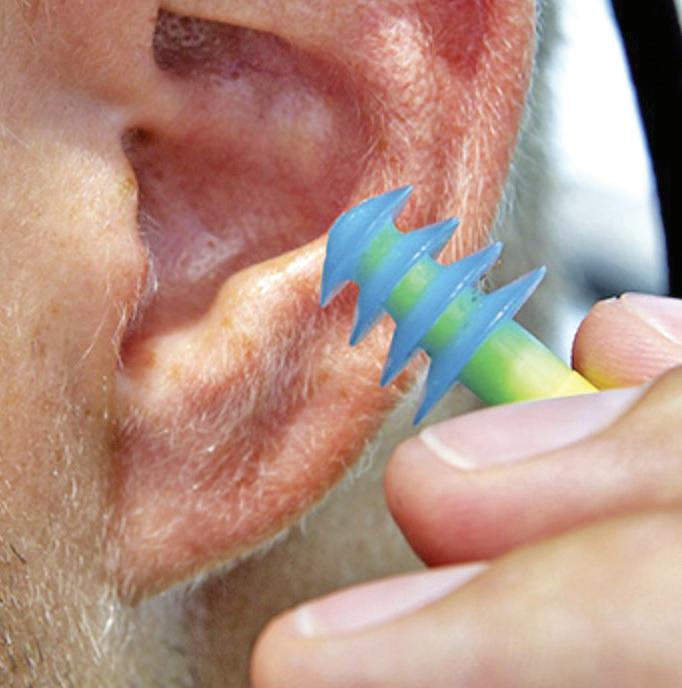
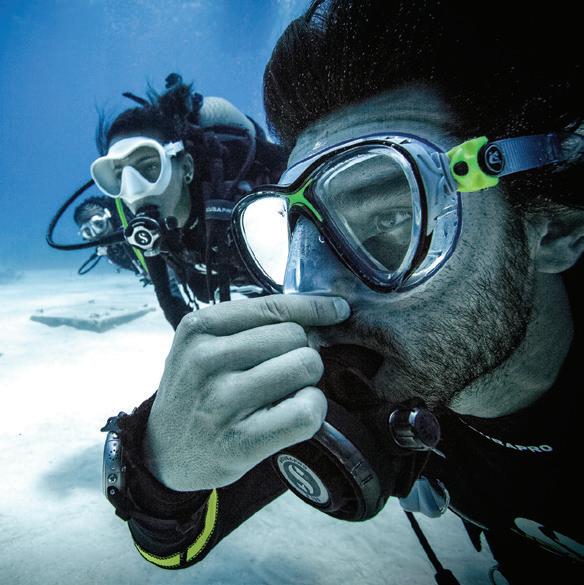
9 Tips for Easy Equalisation
EQUALISE BEFORE YOU DIVE
Prior to descent, while you are neutrally buoyant with no air in your buoyancy control device (BCD), gently inflate your ears using your preferred equalisation technique to check that you are able to equalise.
2 3 4 5 6
DESCEND FEET FIRST
This allows air to travel upward into the Eustachian tube and middle ear, a more natural direction. Use a descent line or the anchor line to control the speed of descent.
EQUALISE OFTEN
Inflate your ears gently every few metres for the first 3-5 metres.
PAIN IS NOT ACCEPTABLE
If there is pain, you have descended without adequately equalising. Ascend a few metres until the pain stops.
STAY AHEAD
If you do not feel your ears opening, stop and try again; you may need to ascend a few metres to diminish the pressure around you. Do not bounce up and down.
TRY TILTING
If you are having trouble equalising on one side, it may be helpful to tilt the blocked ear toward the surface.
STOP IF IT HURTS
If you are unable to equalise, abort the dive. The consequences of descending without equalising could ruin an entire dive trip or cause permanent damage and hearing loss.
DO NOT DIVE WITH CONGESTION
Decongestants and nasal sprays may be used prior to diving to reduce swelling in the nasal and ear passages. If your doctor agrees with your decision to use oral decongestants, take them one to two hours before descent. They should last from eight to 12 hours, so you don’t need to take a second dose before a repetitive dive. Nasal sprays should be used approximately 30 minutes before descent and usually last 12 hours. Take caution when using overthe-counter nasal sprays; repeated use can cause a rebound reaction resulting in increased congestion and possible reverse block on ascent. Decongestants may have side effects. Do not use them before diving if you do not have previous experience.
KNOW WHEN TO CALL IT
If at any time during the dive you feel pain, experience vertigo or note sudden hearing loss, abort the dive. If these symptoms persist, do not dive again and consult your physician.
GUIDELINES FOR RECREATIONAL
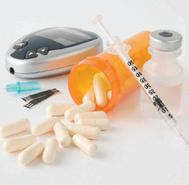
Diving with Diabetes
YOUR BUDDY SHOULD NOT BE DIABETIC
Inform your buddy and leader of your diabetes
WHO CAN DIVE?
18 yrs or older who have:
• Well controlled HbA1c (≤ 9%)
• Good overall health
• Under medical supervision
• No new medications
• No history of hypoglycaemia unawareness
• No instances of hypoglycaemia requiring third party intervention
If you develop any symptoms while diving end the dive, surface and seek medical evaluation.
DIABETICS SHOULD AVOID:
60 mins Depths greater than Dives longer than
30 msw
GLUCOSE MANAGEMENT ON THE DAY OF DIVING
Blood glucose (BG) stable or rising, before entering the water
≥150 mg/dL
Complete a minimum of three pre-dive BG tests to evaluate trends
Delay dive if BG is below 150 mg/dL or over 300 mg/dL
Carry rescue medications during dive and at surface
Monitor blood sugar frequently for 12-15hours after diving
Dives with mandatory decompression stops
Overhead environments (e.g. cave, wreck penetration)
Any situation that may exacerbate hypoglycaemia (e.g. prolonged cold and arduous dives)
DID YOU KNOW
LIVEABOARD SAFETY TIPS
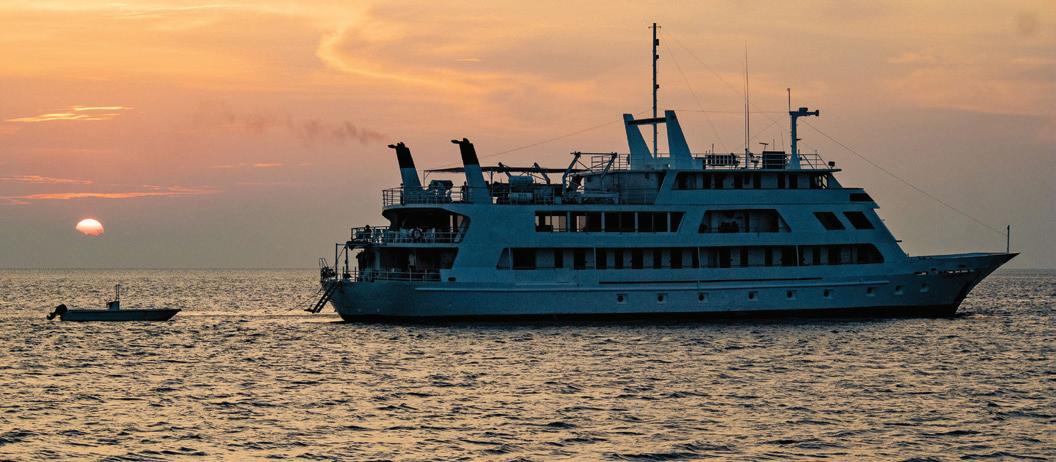
There have been too many accidents since 2001; with 2024 – 2025 showing a sharp increase of almost double the number of incidents in a typical year. Incidents have related to:
• Fires: In the engine rooms or electrical systems, the galley, and suspected recharging stations.
• Sinking, floundering, capsizing.
Contributing to the severity of the incidents are:
• Poor vessel design and maintenance.
• Inadequate operating procedures.
• Lack of emergency equipment.
• Insufficient emergency action plans and drills.
REMOTE DIVING
Liveaboards are often in remote locations, which can mean:
• Restricted or delayed access to help (rescue and assistance services).
• A need for more types and quantity of emergency supplies such as oxygen.
• Lack of local healthcare facilities.
• Change in weather and sea conditions.
• Unforeseen events.
UNDERSTAND YOUR MEANS OF ESCAPE
• Know how to exit living spaces – there should be two ways. Go to the exits and, if allowed, open them to ensure they work.
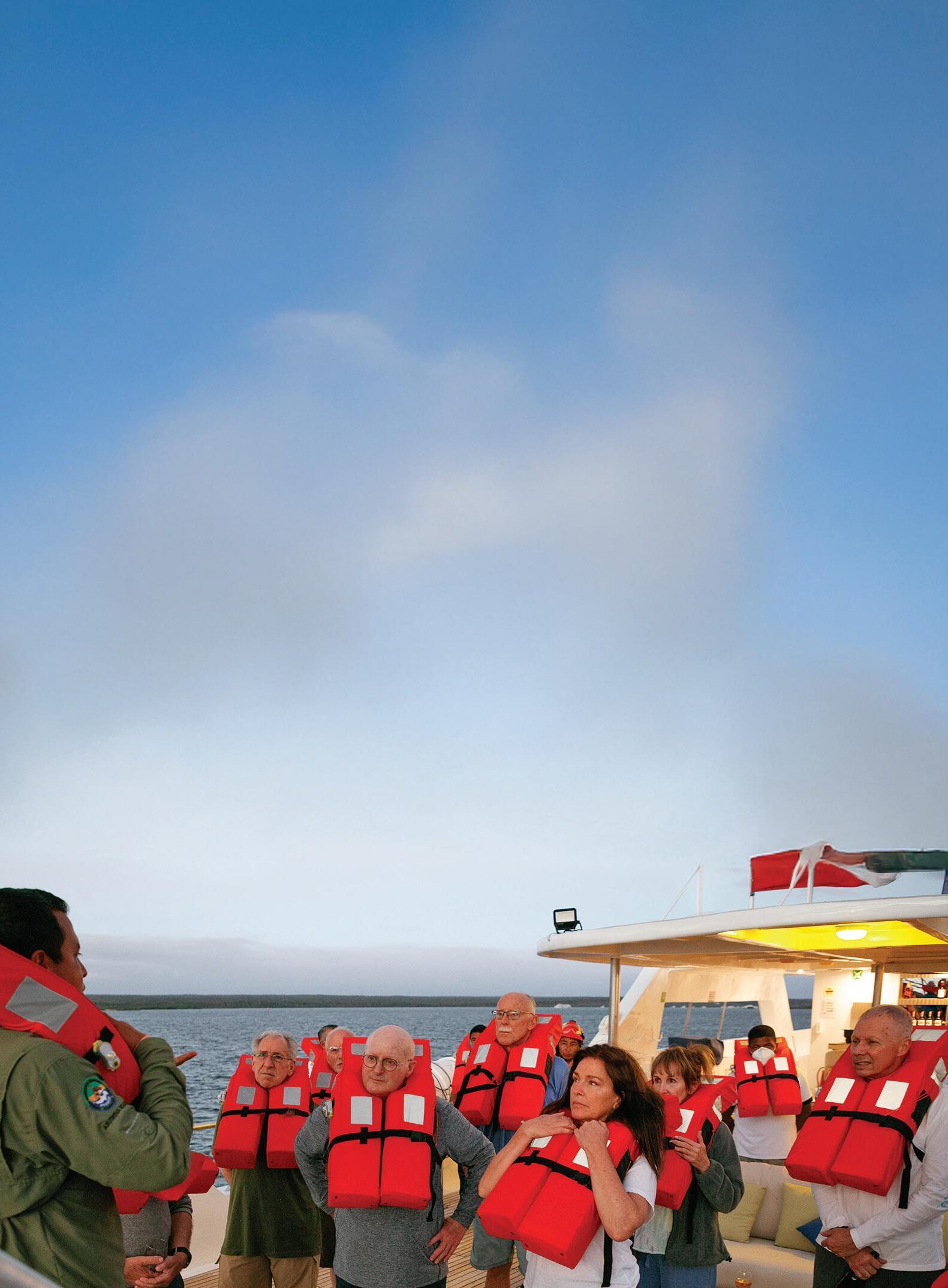
LOCATION OF LIFE PRESERVERS
• Go find them and practice how to put them on.
RECHARGEABLE BATTERY PROTOCOLS
• Follow the dive boat operator’s rechargeable battery protocols: Most boats prohibit charging lithium batteries in guest cabins.
• Bring your own chargers from the original equipment manufacturer.
• Before you leave home, ask about the boat’s power supply, including voltage, power/current, and frequency.
FIRE WATCH PROTOCOLS
• Ask about the crew’s overnight fire watch protocols and observe the personnel in action.
DRILLS
• Take drills seriously and offer to help the crew perform them.
• All vessels are required to conduct emergency drills, including fire, person overboard, missing diver, or abandon ship. The crew may ask you to perform some basic functions to familiarise yourself with emergency gear.
LIVEABOARD SAFETY TIPS
What you can do to ensure your safety
FIRE EXTINGUISHERS
• Check the locations in the living areas of the boat and learn how to operate them.
• If the operator does not perform a fire drill or at least a walk-around and briefing, be sure to ask about it.
CARBON MONOXIDE MONITOR
• Consider bringing a portable, economical carbon monoxide monitor for added assurance when your cabin is below deck. This device can also test suspect cylinder breathing gas.
ALARMS
• If an alarm goes off take it seriously and act immediately.
• You may be in your room and not smell or see smoke, but the fire could be developing above you.
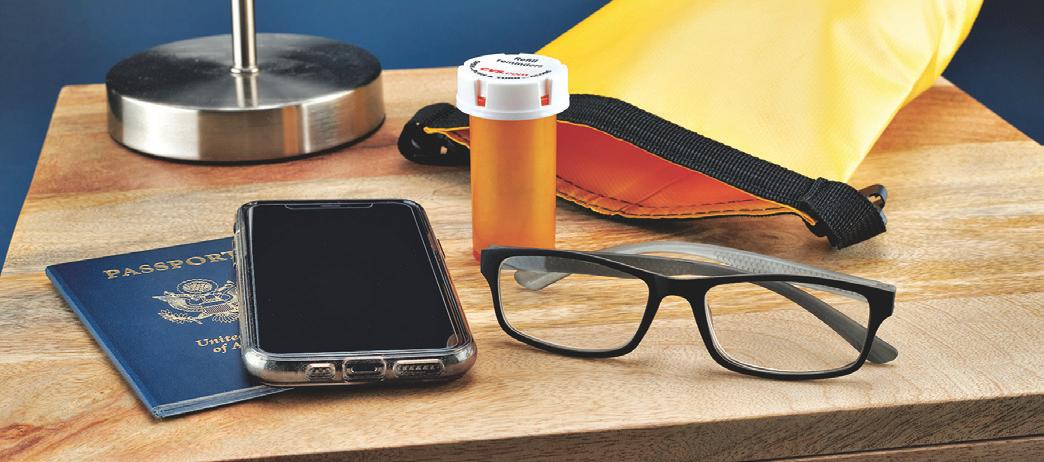
READY TO GRAB KIT
• Keep the following items close to your pillow and ready to grab in an emergency:
• Waterproof flashlight
• A “go bag,” which is a drybag no larger than 2 litres containing your passport, daily medications, credit cards, phone, glasses, and any other important items
• Fume (smoke) hood.
STEER CLEAR OF DIVERS
PROPELLER SAFETY IS YOUR RESPONSIBILITY
BOAT STRIKES CAN KILL
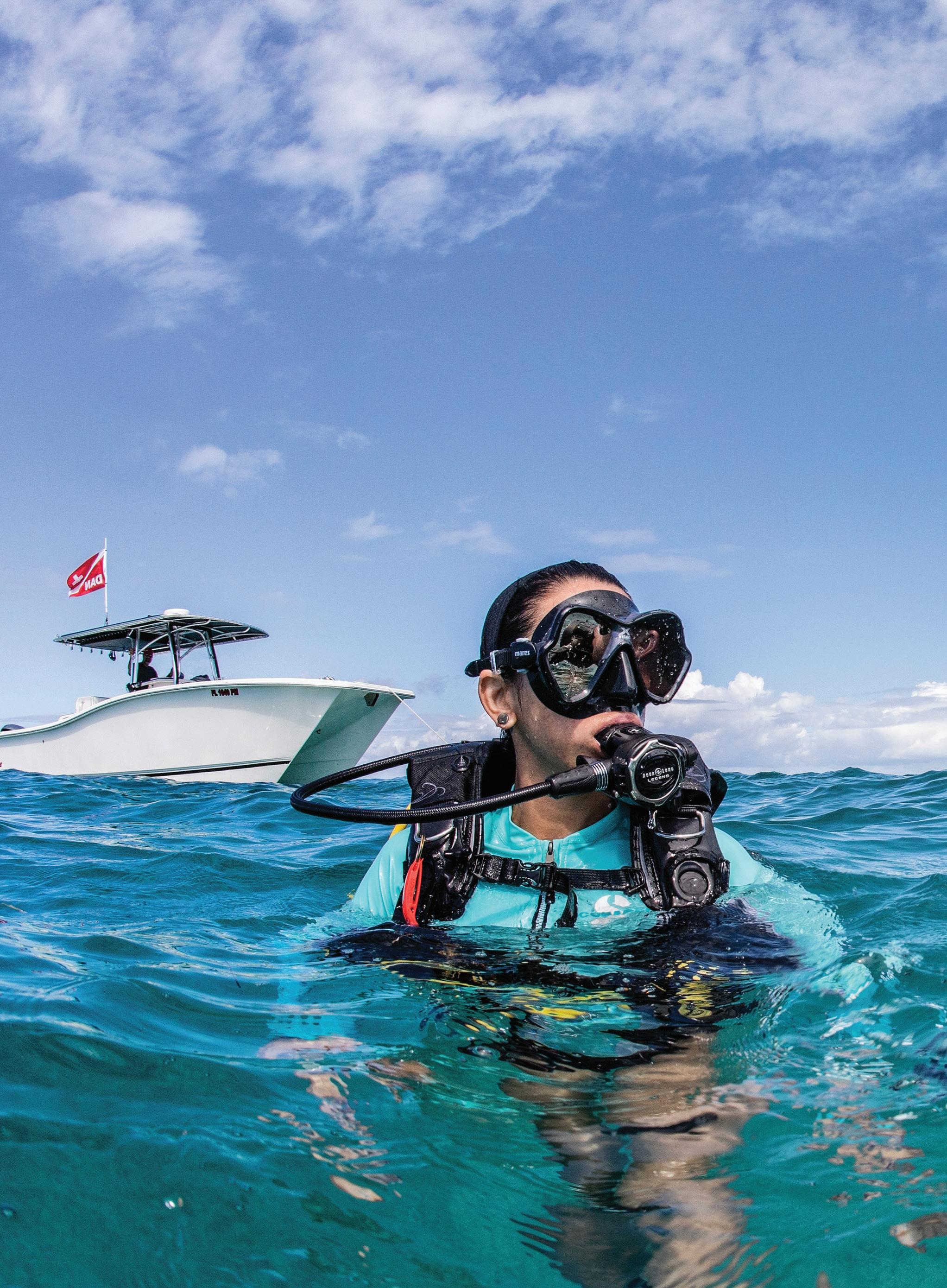
Every year, boat propellers cause serious injuries and deaths among scuba divers and swimmers. These accidents happen quickly and often without warning — but they are preventable.
DIVERS
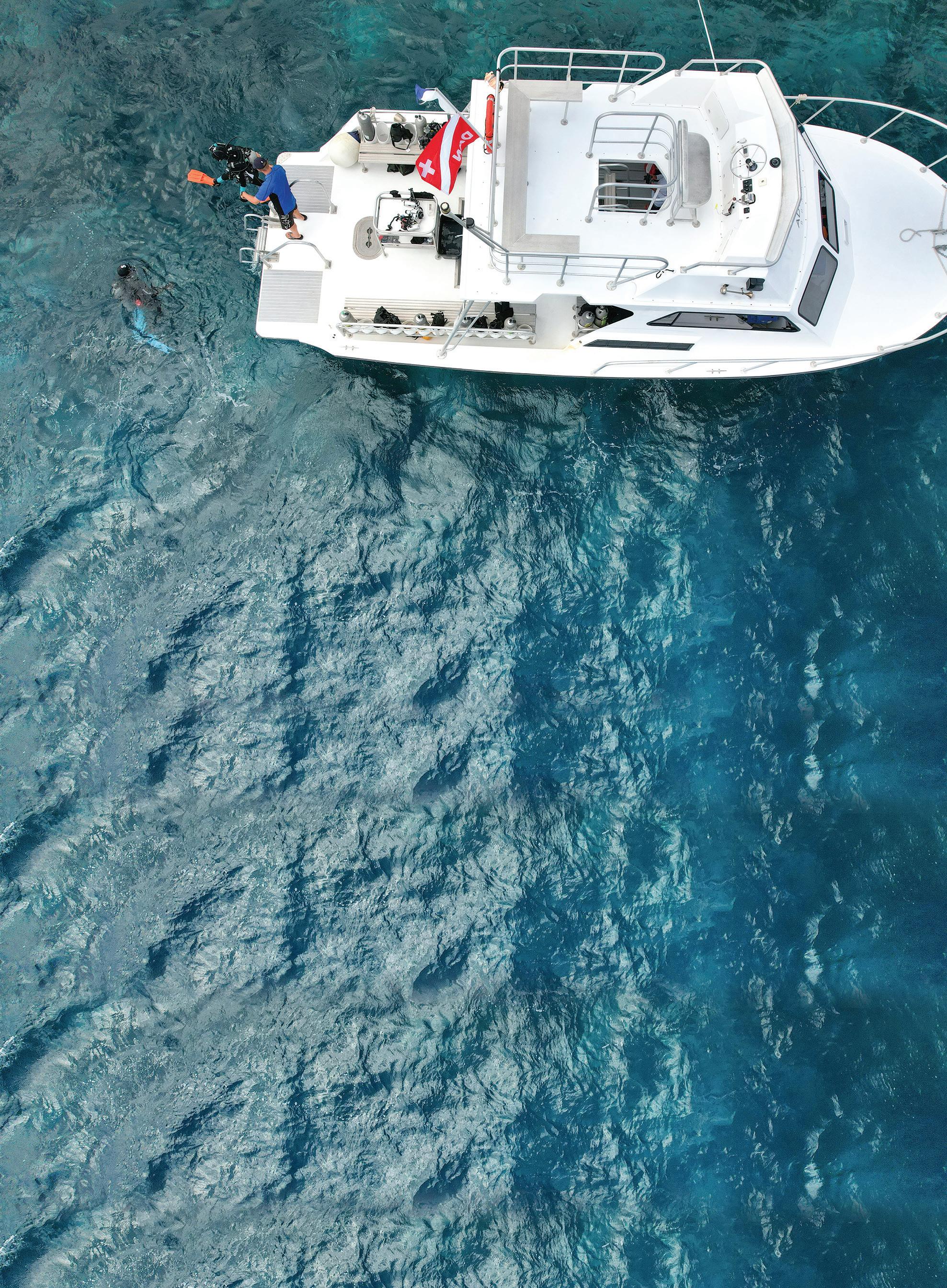
When sharing the water with boats, take steps to limit your risk of being struck or run over.
n Pay attention to instructions for entering and exiting the water.
n Fly a diver-down flag or alpha flag, and ensure it’s visible from all directions.
n Scan for boat traffic before surfacing, and consider deploying a surface marker buoy.
n Surface within 15 meters of your flag. Be sure to comply with local regulations, which vary widely.
STEER CLEAR OF DIVERS
By staying alert and following safe boating and diving practices, we can keep divers and swimmers out of harm’s way.
BOATERS
Be vigilant and sober, and watch out for people in the water.
n If possible, stay at least 90 meters away from dive flags when driving a boat. Be sure to comply with local regulations, which vary widely.
n Don’t allow anyone on the swim platform while the engine is in gear.
n Know where all your divers are before you start the engine.
n Brief divers on water entry and exit procedures.
n Be prepared with first aid equipment and emergency action plans.
Diving Accident Action Plan
MILD SYMPTOMS*
Manage Locally
If the diver is experiencing mild symptoms* following a dive, ask the dive operator to:
• Provide Basic First Aid
• Commence Oxygen First Aid
• Conduct a Field Neurological Assessment
Where possible, activate local emergency services (e.g. Ambulance) IF available in the area, or proceed to the nearest medical facility for evaluation.
if they have little experience with diving injuries and will work with the doctor to assess the diver.
Mild symptoms following a dive can include:
DAN TIPS MILD SYMPTOMS*
• Numbness
• Tingling
• Dizziness (no spinning sensation)
• Joint Pain
• Unusual Fatigue
• General feeling of being unwell
• Skin Rash
• Not all incidents will require recompression. Getting assessed at a hospital or medical facility first is essential.
• When calling DAN, make sure you have a call-back number available in case the call drops out or a follow-up call is required.
• If you have current DAN coverage, be sure to inform the DAN Medic.
• Who can make the call to DAN? If able to, the diver can call, otherwise, your dive buddy, diver instructor/ operator, even the hospital can call DAN on your behalf.
• Don’t delay action, whether that is commencing oxygen first aid, contacting local emergency services, getting to a medical facility, or calling the DAN Hotline.
• All divers can call the DAN Hotline for advice, however, DAN can only arrange an emergency evacuation/treatment and pay for associated costs for divers with DAN coverage and within the limits of their DAN coverage option.
• Do NOT use email or social media to contact DAN if it is an emergency. Call the DAN Hotline.
• For steps to creating an Emergency Action Plan visit DAN.org/EAPinstructions
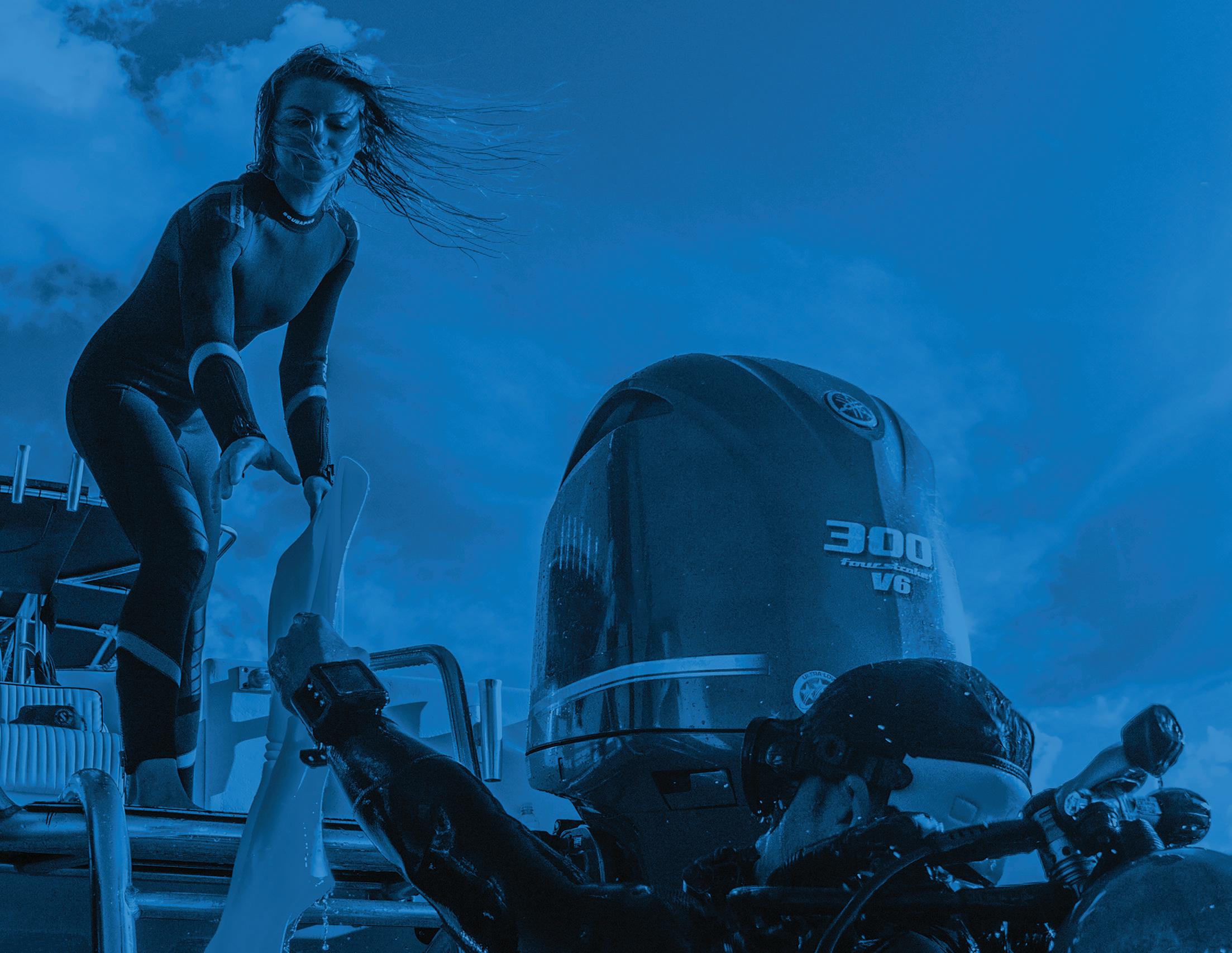
MEDICAL SERVICES
SAFETY SERVICES
RESEARCH
EDUCATION
EMERGENCY
RESPONSE GEAR
RESOURCES FOR CONSUMERS & PROFESSIONALS WE ARE YOUR
VISION
Striving to make every dive accident and injury free. DAN’s vision is to be the most recognized and trusted organization worldwide in the fields of diver safety and emergency services, health, research, and education by its members, instructors, and the diving community.
MEDICAL SERVICES
DAN’s medical assistance services are available to divers, dive professionals and health care providers. We offer an emergency hotline, medical information, physician consultations, continuing medical education, and a worldwide referral network of doctors who evaluate and treat divers. We provide real-time assistance during dive emergencies and work to prevent injuries and promote dive safety.
24/7 EMERGENCY HOTLINE
When you need it most, DAN will be here to help. We are on call 24 hours a day, 365 days a year to assist you in the event of a dive emergency. In an emergency, contact local EMS, then call the DAN Hotline.
MEDICAL INFORMATION LINE
24/7 EMERGENCY HOTLINE
International language and country specific hotlines
English: +1 919 684 9111
Indonesia: 021 5085 8719
Malaysia: 015 4600 0109
Thailand: 1 800 01 8092
Philippines: 02 8231 3601
Australia: 1 800 088 200
DAN staff members are available during regular business hours to answer your questions about dive medicine and fitness to dive. Our team of doctors, nurses, paramedics and EMTs offers medical information, referrals, evacuation assistance and more via phone and email.
DIVER HEALTH & SAFETY RESOURCES
This collection of online resources provides valuable information about the most important aspects of diver health and safety such as cardiovascular health, ears and equalization, decompression sickness, hazardous marine life injuries, and much more.
REFERRAL NETWORK
DAN maintains a worldwide network of physicians and chambers that serve the diving public. If you are looking for a diving physical or would like to speak with a dive medicine specialist near you, give us a call.
World.DAN.org/HealthMedicine/Medical-Services
SAFETY SERVICES
DAN’s primary mission is to assist injured recreational divers. An important secondary mission is to prevent diving injuries. As part of a global campaign to reduce dive injuries and fatalities, DAN strives to fulfill its vision of making every dive accident- and injury-free by identifying and mitigating risks associated with diving operations.
DIVER SAFETY
DAN offers informational resources on a wide range of health and safety topics. These resources help divers make informed decisions and stay safe before, during, and after dives.
DIVE OPERATION SAFETY
DAN works directly with dive operators on a variety of initiatives including hazard identification and risk assessment training, emergency planning tools, and more. We focus on realistic and pragmatic solutions to help owners, operators, and staff identify hazards before they lead to injuries or losses.
CHAMBER SAFETY
DAN engages with chambers in a variety of ways. DAN’s recompression chamber network is a database of chambers that are available to treat injured divers. Our Recompression Chamber Assistance Program (RCAP) supports chambers in need through safety assessments, staff training, and grants.
RETURN TO DIVING SAFELY PROGRAM
DAN has created a comprehensive plan to help you return to diving safely. If you’ve been out of the water for a while, take time to assess your health and fitness, refresh your skills and equipment, and review your travel plans before your next dives. World.DAN.org/Return
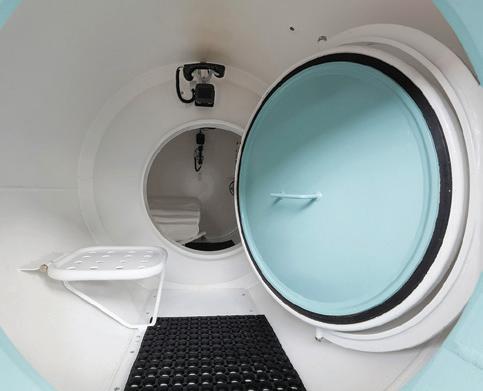
DAN CAN HELP FUND YOUR RESEAR CH
DAN has established a grant program to promote research in various areas related to dive safety, including:
Health and Diving
Decompression Safety
Prevention of Diving Injuries
Treatment of Diving Injuries
We support research that builds strong theory and empirical evidence that contributes to a body of knowledge to improve the safety of divers.
APPLY FOR FUNDING
Scan the QR code below or contact DAN Research at research@dan.org to apply for a grant.
RESEARCH
DAN Research supports DAN’s mission of advancing dive safety by promoting evidence-based preventive measures. The DAN research team collaborates with leading scientists and research institutions to address questions about the safety of underwater exploration.
RESEARCH STUDIES
For decades, DAN Research has conducted studies on subjects of practical interest to divers such as flying after diving, preventing decompression illness, and diving with diabetes. These studies, conducted both in the field and in the lab, provide a solid foundation for globally accepted standards of safe diving.
PUBLICATION LIBRARY
DAN provides free access to publications, articles and reports related to dive research, medicine, and safety. You can read DAN’s annual diving reports, risk assessment guides, workshop proceedings, and more.
GRANTS & COLLABORATION
In addition to conducting our own studies, DAN supports and promotes the work of others in the field through collaboration and funding. Our efforts enable us to share knowledge, propose solutions and reach beyond our limitations to discover innovative ways to improve safety for divers everywhere.
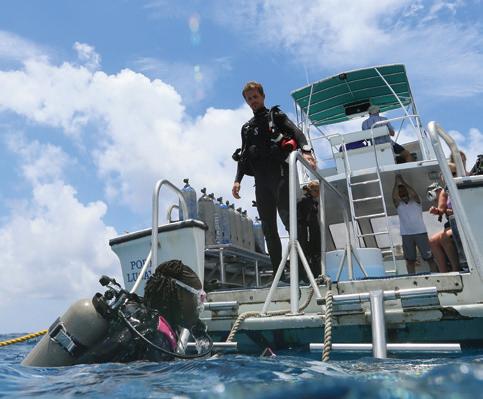



EDUCATION
Promoting dive safety through education is at the core of DAN’s mission. We offer first-class safety training to divers, dive professionals, dive operators, and medical professionals around the world. DAN Instructors are among the most experienced and capable in the industry.
CONTINUING EDUCATION FOR DIVE PROFESSIONALS
DAN’s new online safety course is designed to provide dive professionals and businesses with knowledge and training to reduce the risk of accidents and injuries. As an additional bonus, DAN Professional Members living in countries eligible to purchase liability coverage will receive a discount on their professional liability insurance premium after completing the course.
E-LEARNING
Learn at your own pace from wherever you are with DAN E-Learning. Whether you want to gain new first aid skills, refine the safety of your dive operation, or better educate your students about dive safety or diving science, DAN has a course for you.
CONTINUING MEDICAL EDUCATION
Each year DAN presents two diving and hyperbaric medicine courses for physicians and other medical professionals, highlighting the latest scientific literature in the field, lectures, and case studies.
TEACH DAN FIRST AID COURSES
You can become an instructor through DAN or one of our partner agencies using Powered By DAN.
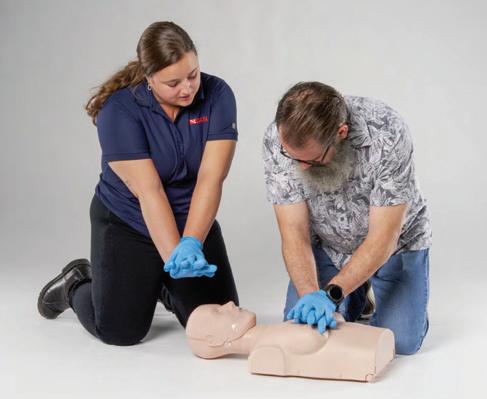

DAN FIRST AID COURSES
Whether it’s being on the scene of an accident or witnessing a medical emergency, most people will be involved in a crisis at some point in their lives. First aid training and incident management skills empower people to step up and take action should these situations arise.
Basic Life Support: CPR and First Aid (BLS)
Emergency Oxygen for Scuba Diving Injuries (EO2)
Diving First Aid for Professional Divers (DFA Pro) World.DAN.org/ Education-Events
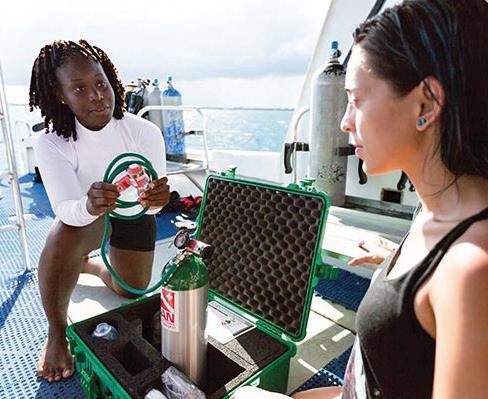
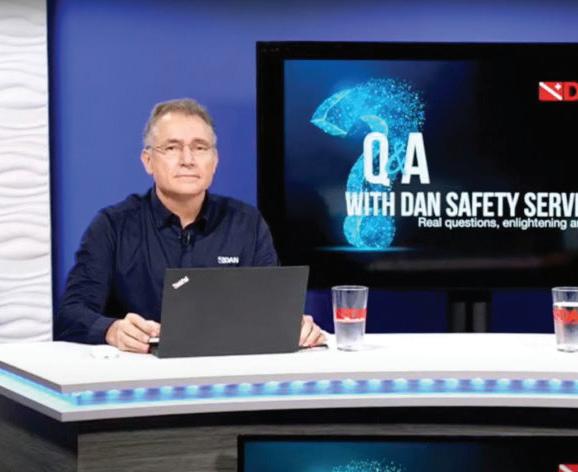
ONLINE STORE
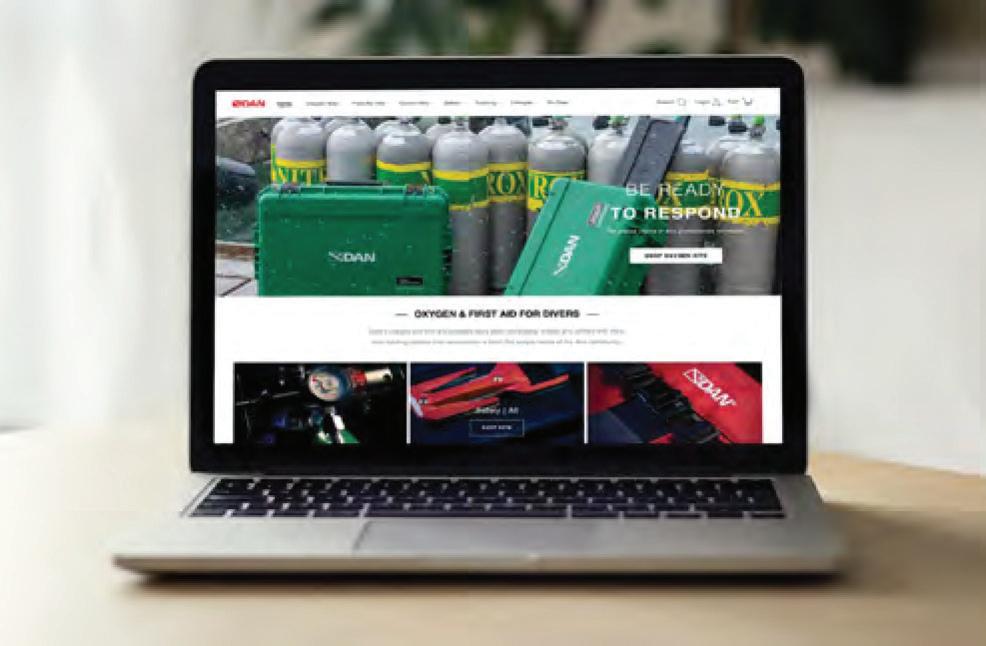
DAN’s online store enhances the user experience on desktop and mobile devices. Discover a reimagined interface, dynamic photography and video, and detailed technical specifications which make finding the right oxygen and first aid kit quick and easy.
Oxygen Kits
First Aid Kits
Combo Kits
Safety Gear
Training Supplies
Lifestyle
EMERGENCY RESPONSE GEAR
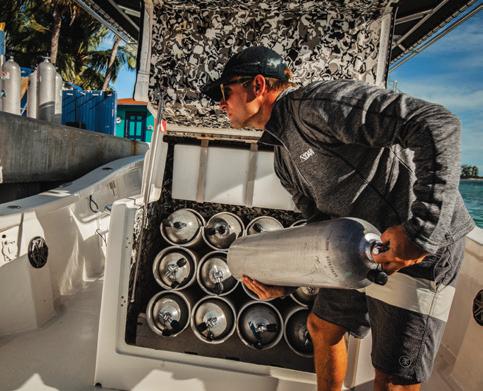
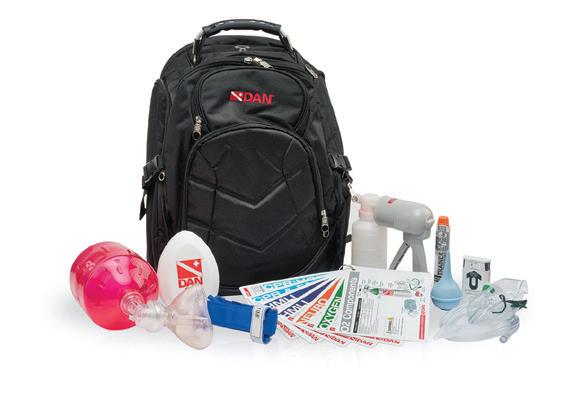
Every day, divers and emergency medical personnel around the world trust DAN’s oxygen units and first aid kits to perform in an emergency. That’s because DAN’s products have been developed, tested and refined with input from leading doctors and researchers to meet the unique needs of the diving community.
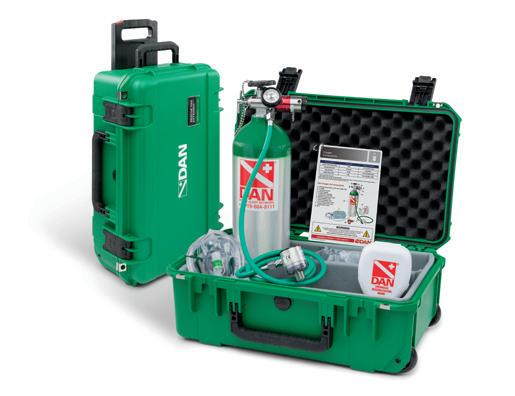
OXYGEN UNITS
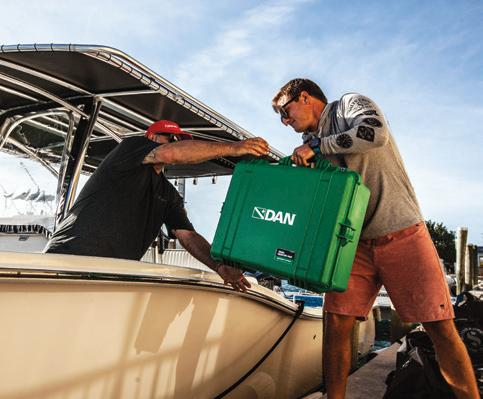
DAN’s oxygen units are designed to withstand the rigors of professional use. Rugged, waterproof cases provide protection for the internal components.
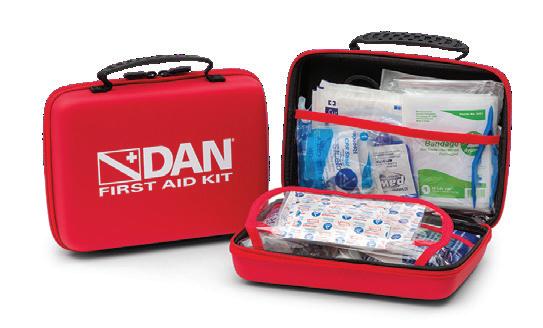
FIRST AID KITS
DAN’s first aid kits enable divers to be prepared in the event of an emergency on the boat, on the beach, or in the dive shop. We offer a variety of kits so you can be ready for anything.
FIRST AID & SAFETY ACCESSORIES
DAN’s first aid and safety accessories are ideal complements to your emergencyresponse gear. Add these items to any kit and be prepared for whatever happens during your diving adventures.
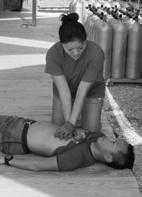
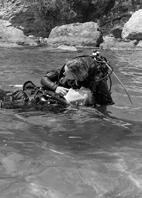
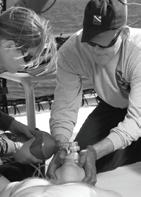
TRAINING MATERIALS
DAN Training educates divers, dive pros, and medical professionals about the best practices in providing care for injuries and illnesses – in the water and out.
RESOURCES FOR CONSUMERS & PROFESSIONALS
DAN’s mission is to deliver extensive educational resources to help you stay safeboth in and out of the water.
DIVER RESOURCES
Health & diving reference library
A comprehensive dive into general fitness and medicallyrelated topics that most commonly affect divers.
Smart guides
Quick reference guides to health and safety issues most relevant to divers.
Infographics
Summarized guidelines on diving with diabetes, flying after diving and more.
Reference books
Comprehensive dives into general fitness and medical topics that most commonly affect divers.
Proceedings summaries
Brief overviews of key research findings on flying after diving, diving with diabetes and other topics.
PRO & BUSINESS RESOURCES
Prepared diver program
Use this free, online course with your students to help prevent the most common accidents in diving.
Giant Stride
This guide is the ideal resource for new divers and includes information about dive equipment, dive planning, underwater health and more.
Case summaries
Reported incidents, analyzed and summarized by DAN experts, ideal for learning safe diving behaviors.
Scientifics guides
Study synopses to make inform decisions in managing diver health and safety.
Workshop proceedings
Proceedings from DAN’s workshops.
DAN annual diving report
Understanding the contributing factors could lead to safer diving. The primary goal of DAN’s Annual Diving Report on Diving Incidents, Injuries and Fatalities is to further this understanding.
Online webinars
Learn more about dive safety without having to leave the comfort of your home by accessing DAN’s library of online seminars and lectures.



DIVE ACCIDENT ASSISTANCE PACKAGES
While diving accidents can be expensive, DAN World’s Assistance Packages are affordable and provide coverage against the costs of dive injuries that are often left uncovered by typical health and travel insurance.
TRAVEL ASSISTANCE PACKAGES
Add a DAN World Travel Assistance Package** to your Dive Accident Assistance and be covered for every trip† you take during your coverage period that is 80 kilometres or more from home, and does not exceed a maximum of 90 consecutive days.