The Future of Immersive Spaces
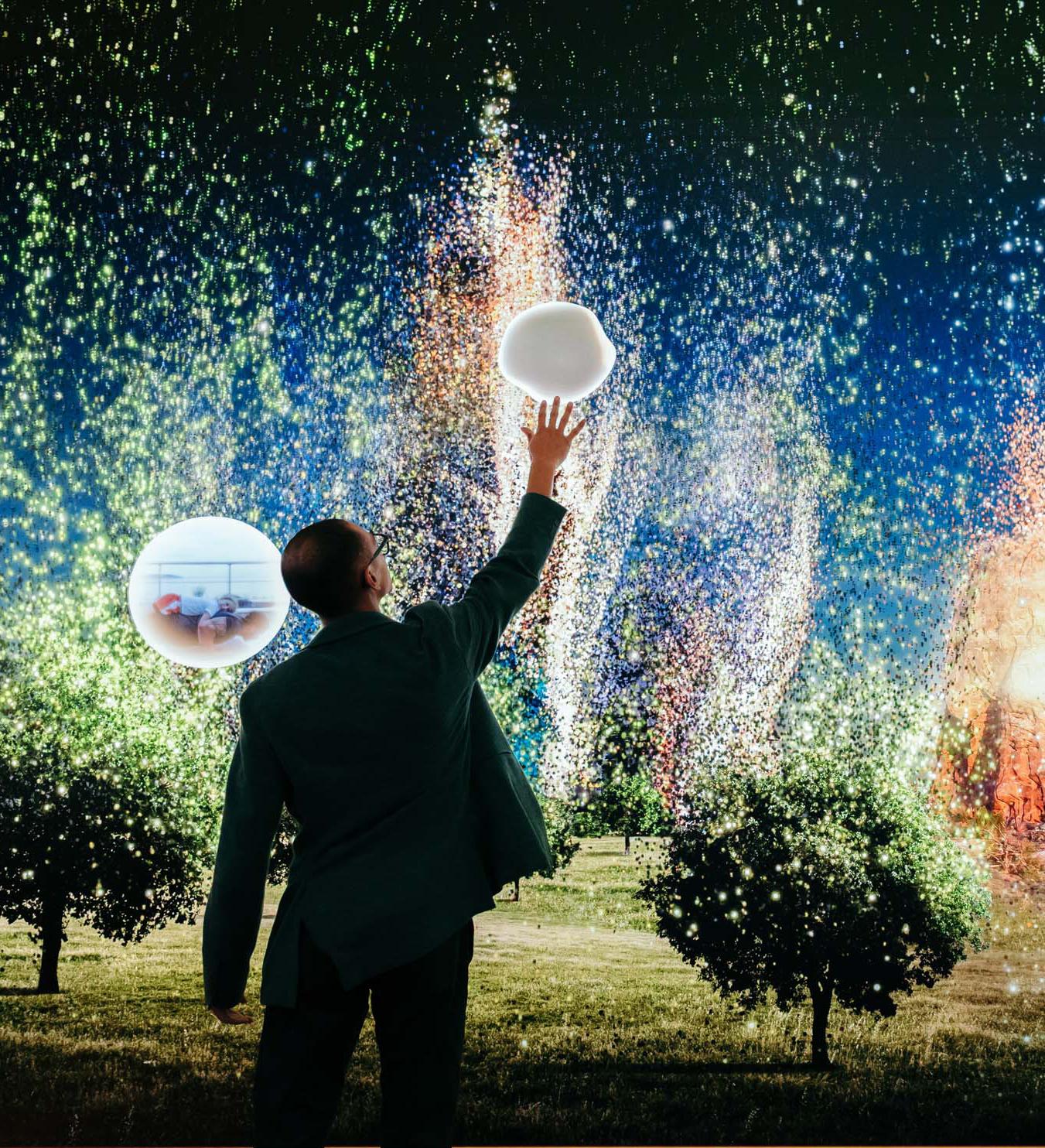
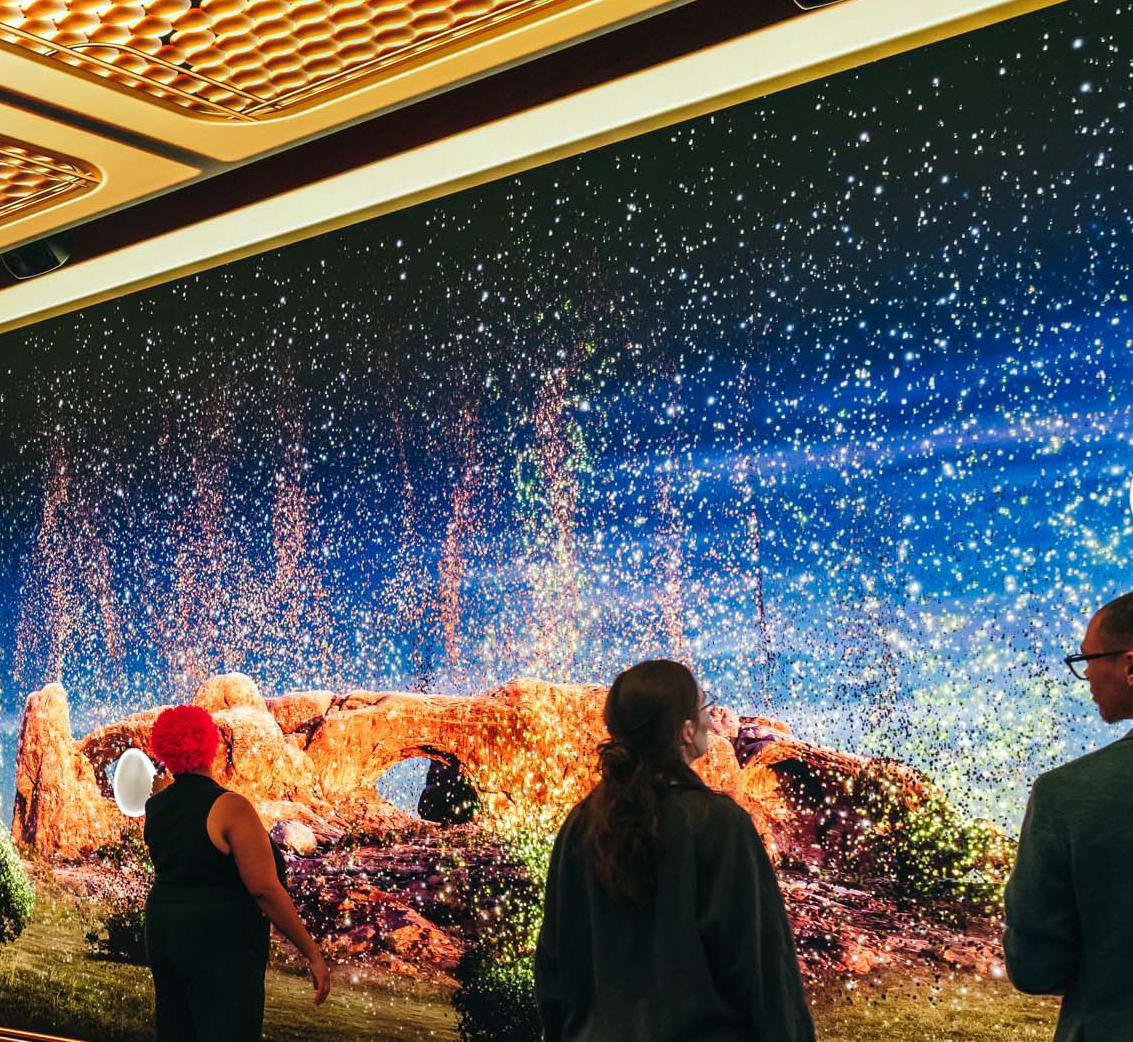
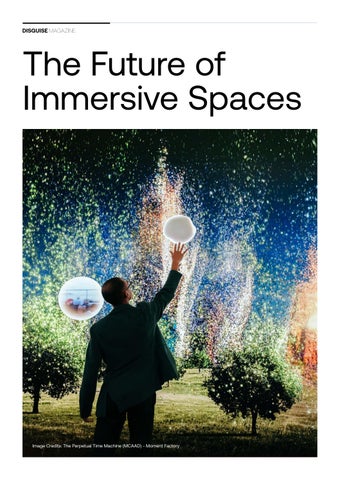
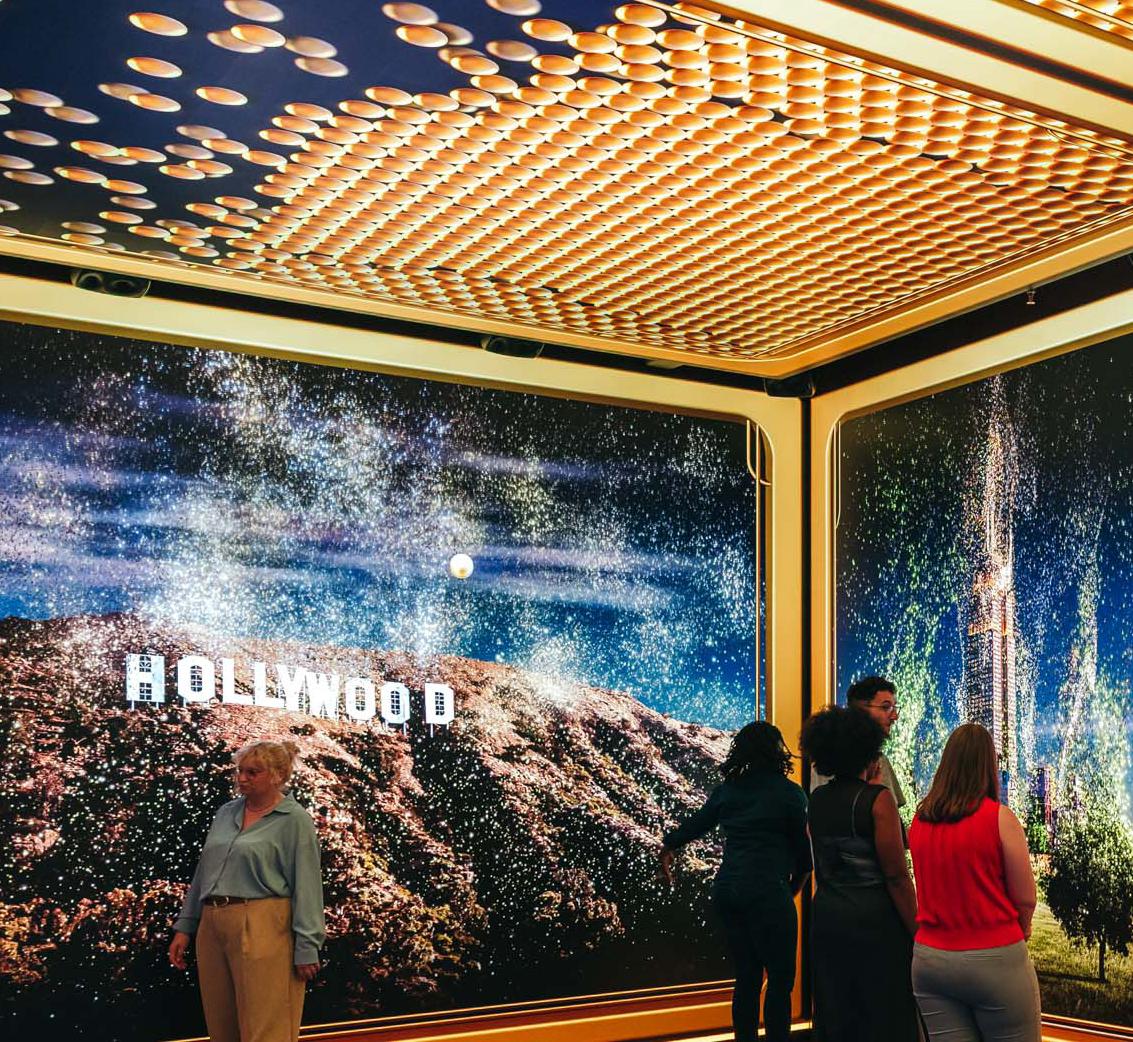
Image Credits: The Perpetual Time Machine (MCAAD) - Moment Factory
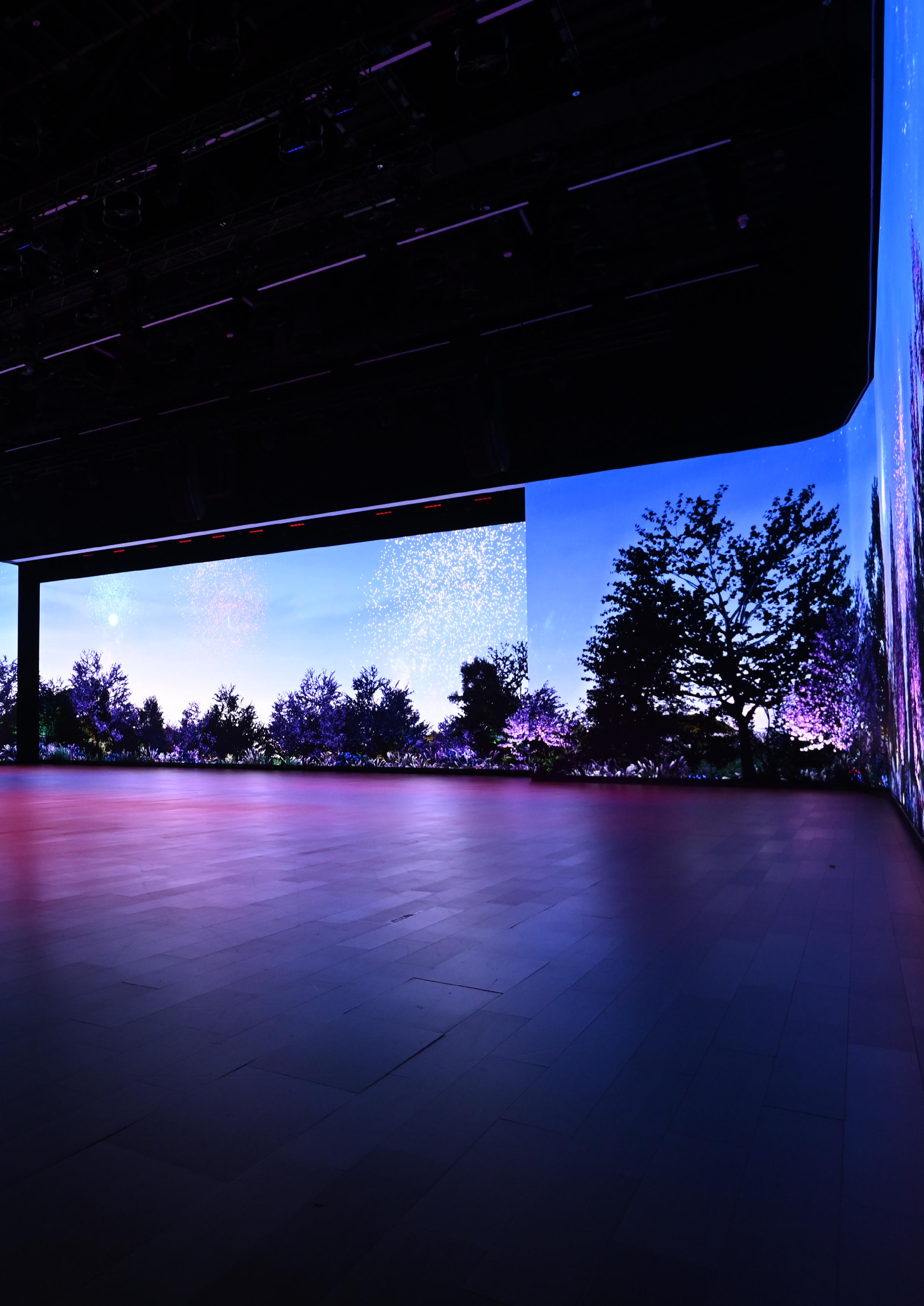
The experience economy is booming. But nextgeneration experiences are only as compelling as the venues that host them. As audiences demand more immersive, flexible and always-on moments, stadiums and arenas are being reimagined as techfirst, multi-use platforms - spaces designed not just for events, but for constant relevance. The challenge that operators and owners face is not just how to fill seats, but how to build environments that justify physical presence in a digital-first world.
The market is already responding. Stadiums now account for the largest share of global entertainment venue revenue, while a growing proportion host concerts, festivals, exhibitions and community programming alongside sport. Investment is flowing rapidly into smart infrastructure, extended reality, and connected systems that allow venues to personalise, adapt and operate year-round. In parallel, flexible and shared event spaces are becoming big business, reflecting a shift away from single-purpose builds toward blank-canvas environments designed to evolve with audience demand. Nowhere is this transformation more visible than in the Middle East. In Saudi Arabia, venue development sits at the heart of placemaking, tourism and economic diversification. Massive giga-projects tied to Vision 2030 - and the 2034 FIFA World Cup - are delivering a new generation of stadiums and districts built specifically for long-term, multi-purpose use. These are not standalone spaces, but integrated cultural, entertainment and community hubs with cuttingedge technology at the heart, designed to host everything from global sport and esports to festivals, exhibitions and daily social life. At this scale, venue design is no longer an operational consideration; it’s a strategic lever shaping the future of live experience itself.
30%
of stadiums and arenas now host non-sporting events (Verified Market Reports)
$68.3B
projected value of the shared, multi-purpose event venue market by 2035 (WiseGuy Reports) 41%
the amount of total entertainment venue revenue held by stadiums and arenas (Market Intelo)
$431B
total investment driving Saudi Vision 2030 giga-projects (Knight Frank)
100+
new event-ready facilities slated for completion under giga-projects (Mordor Intelligence)
+32%
year-on-year growth in Saudi Arabia’s events infrastructure capacity (Arab News)
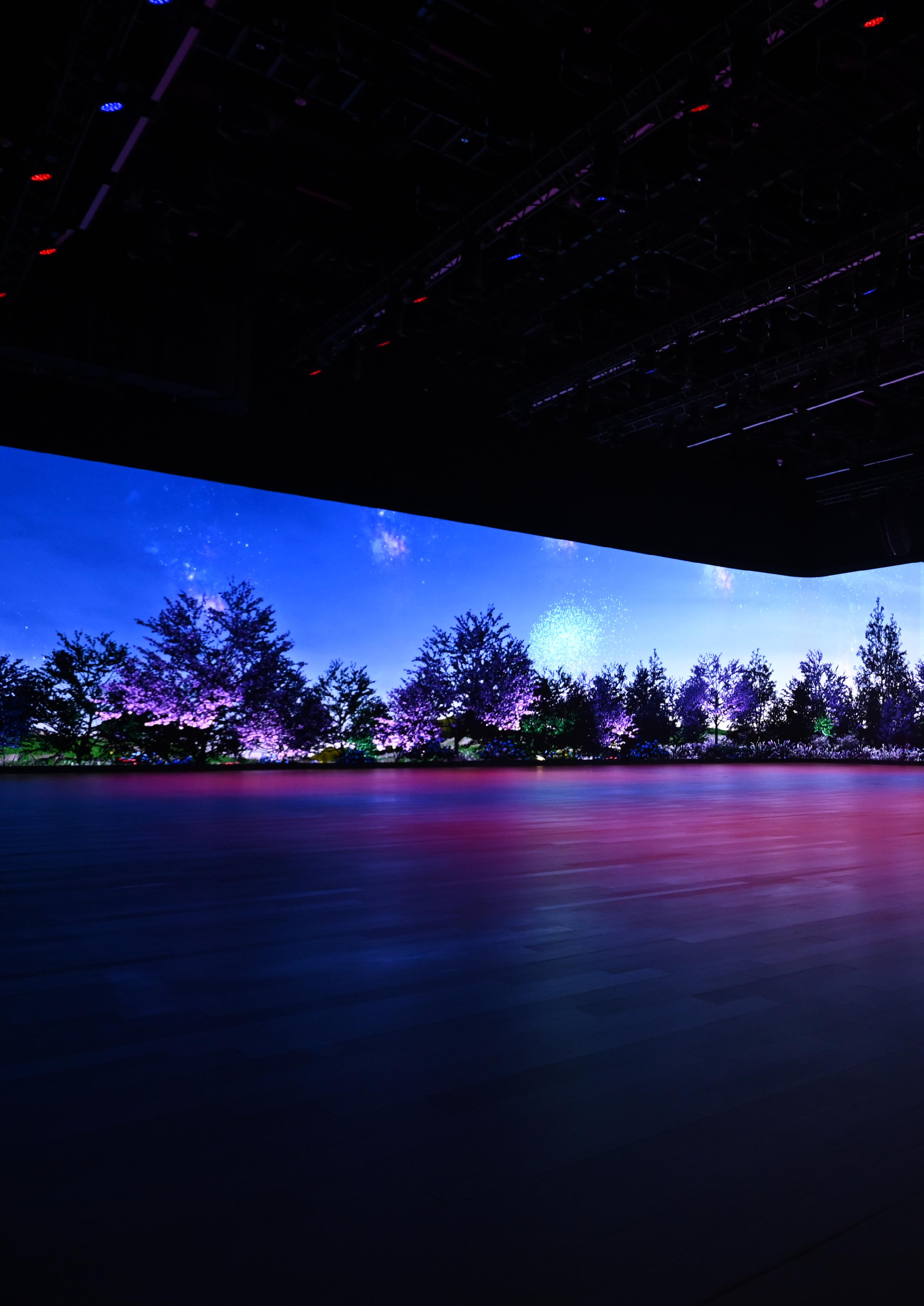
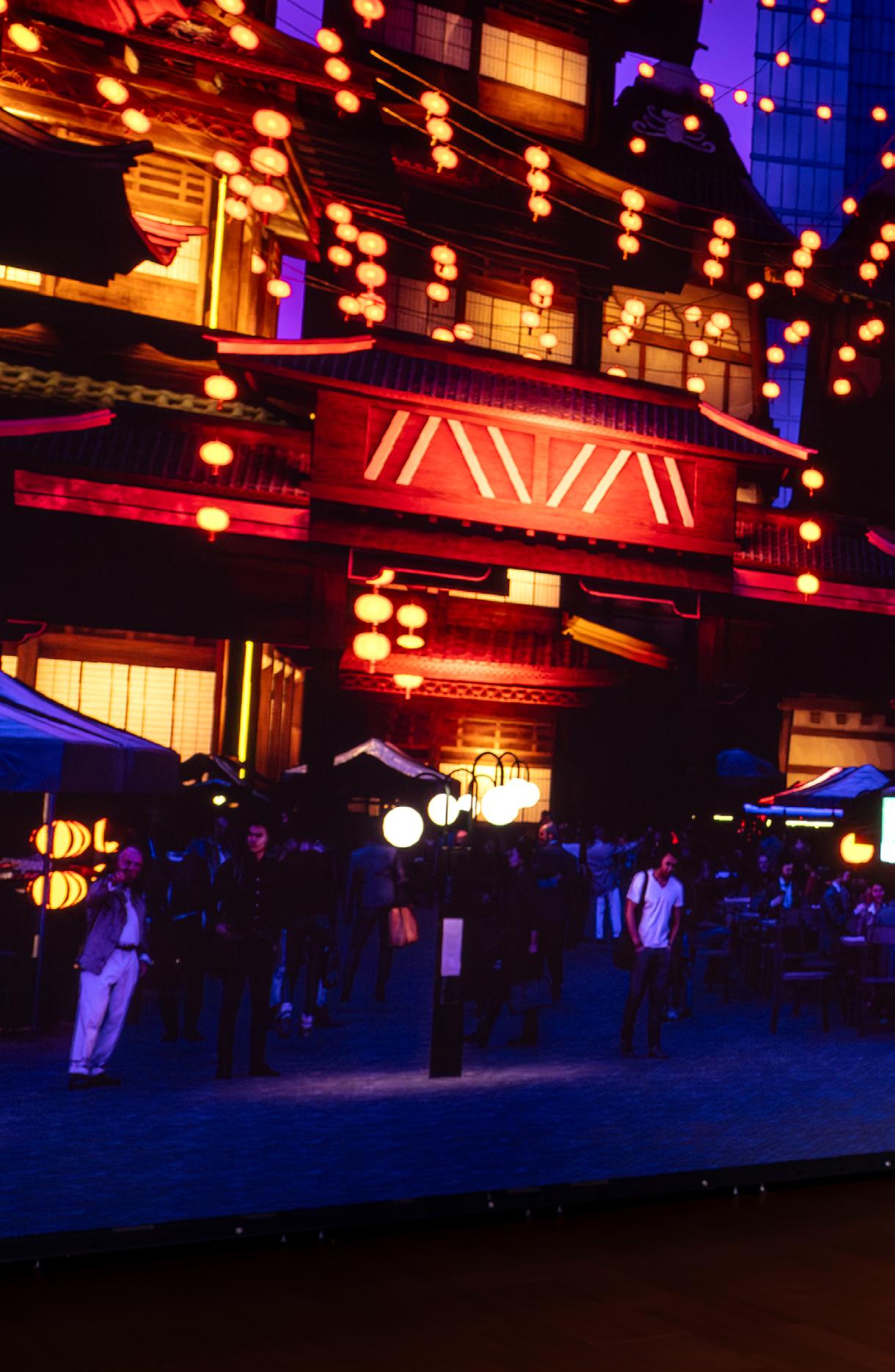
For much of the past decade, immersive experiences have been treated as add-ons - mapped onto existing spaces, or installed temporarily to create fleeting moments of spectacle. But today, that mindset is rapidly being dismantled, and nowhere is this shift more visible, or more ambitious, than in the Middle East. Across this region, immersive storytelling is no longer something placed on top of architecture after the fact. It is being designed into the very bones of cities, museums, cultural districts, and entertainment destinations.
Architecture is no longer just hosting experiences, it’s actively shaping them. And in doing so, the Middle East is positioning itself as a global north star for next-generation immersive environments.
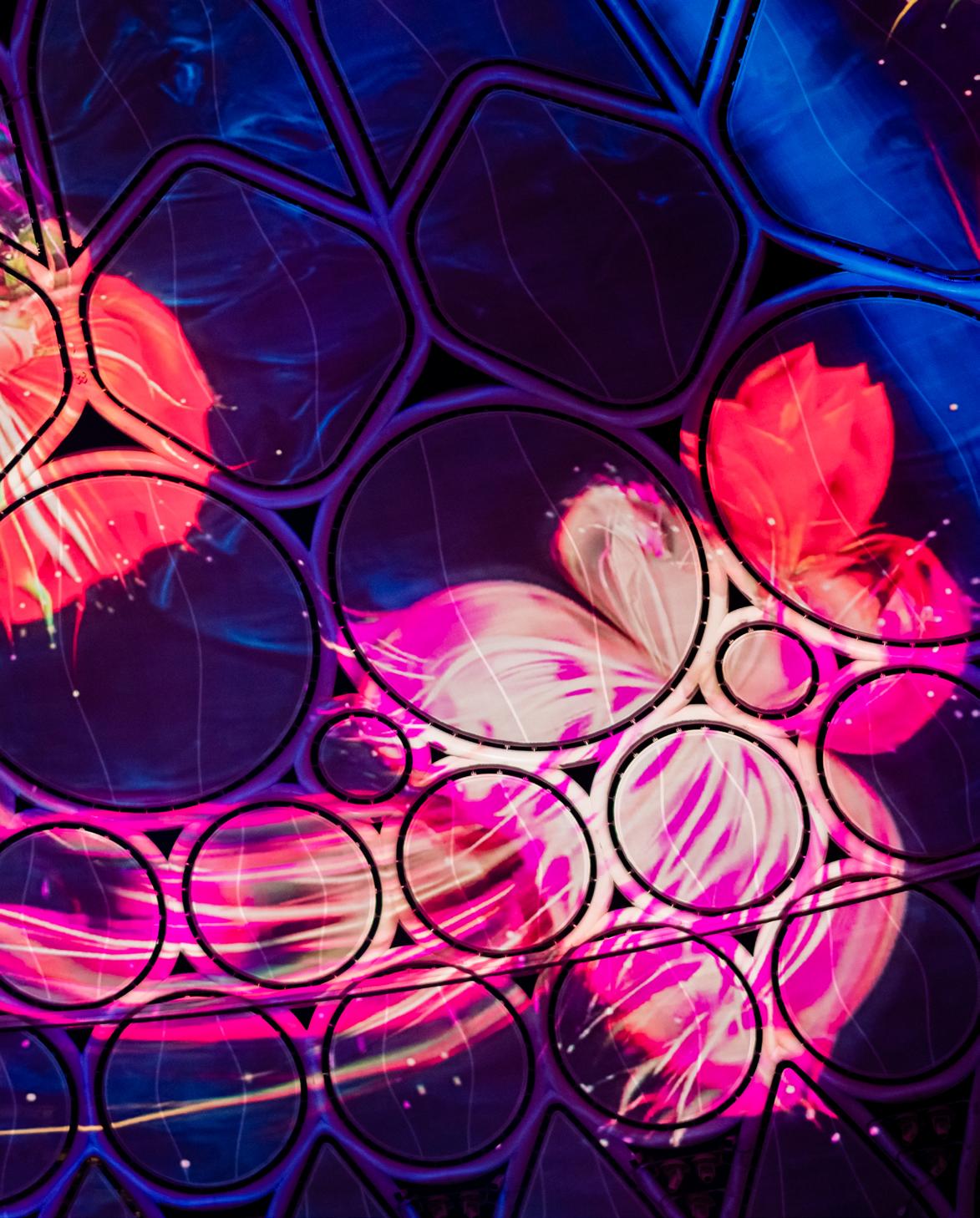
“Five to ten years ago, immersive experiences were often layered onto existing spaces,” says Karl Jenkins, co-founder of A Loud Minority, a leading technical production consultancy based in Dubai specialising in creative and technical direction and production.
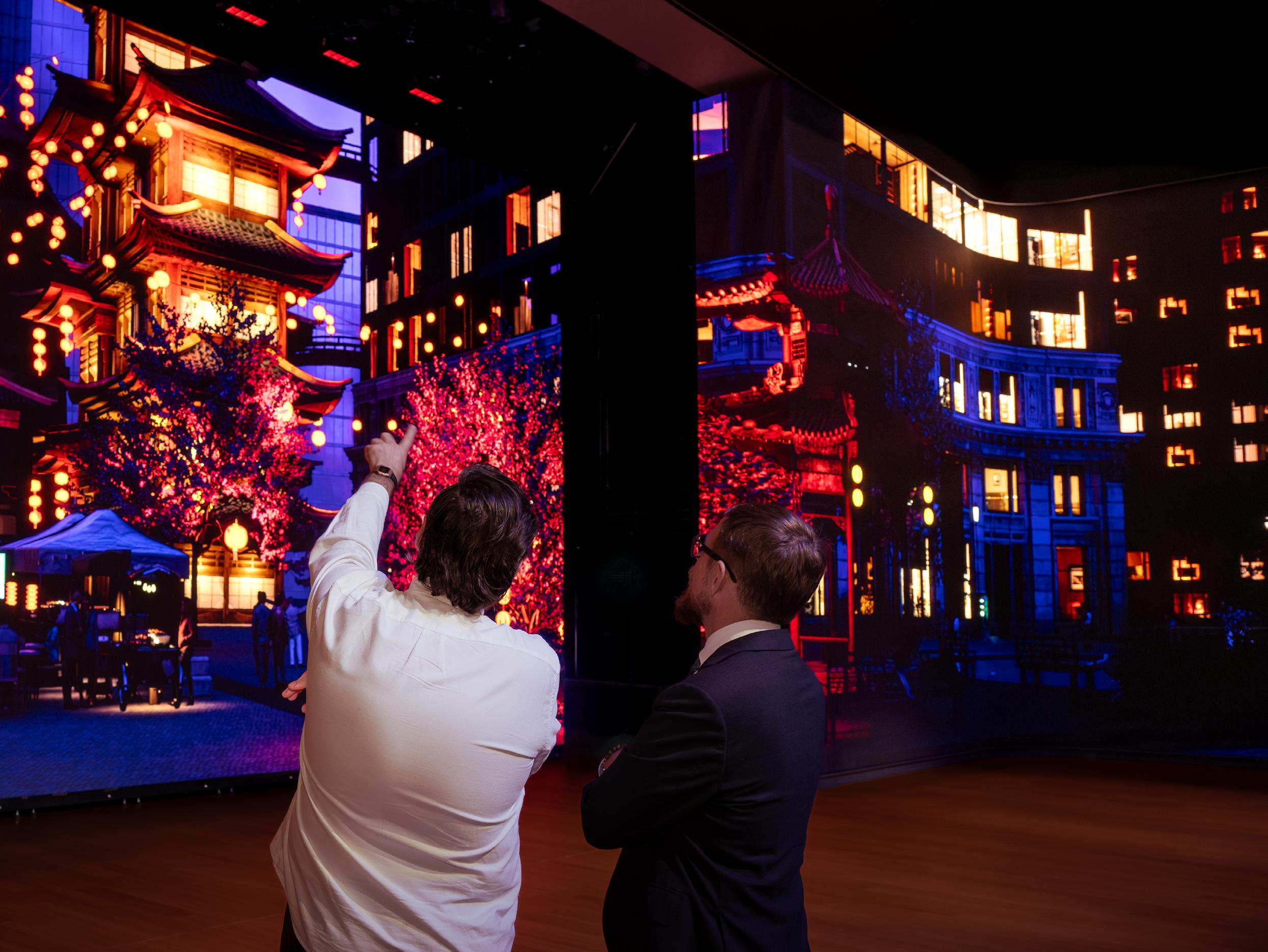
“Today, the built environment is no longer a backdrop to an experience, it’s the co-author.” That shift has fundamentally changed how immersive projects are conceived. Architects, master planners, and immersive designers are increasingly collaborating from the earliest stages, allowing structure, materiality, acoustics, circulation, and even climate to influence narrative and interaction. In the Middle East in particular, buildings are being designed as experiential frameworks - spaces that anticipate media and storytelling as part of their DNA rather than an afterthought. This approach reflects a broader rethinking of what architecture is for. Buildings are no longer static containers, they can be reimagined as dynamic platforms to evoke emotion, meaning, and engagement.

Karl Jenkins Co-founder
A Loud Minority
“The Middle East is rapidly building brand new venues from scratch, enabling them to embed immersion, storytelling and technology into the design from the very beginning.”
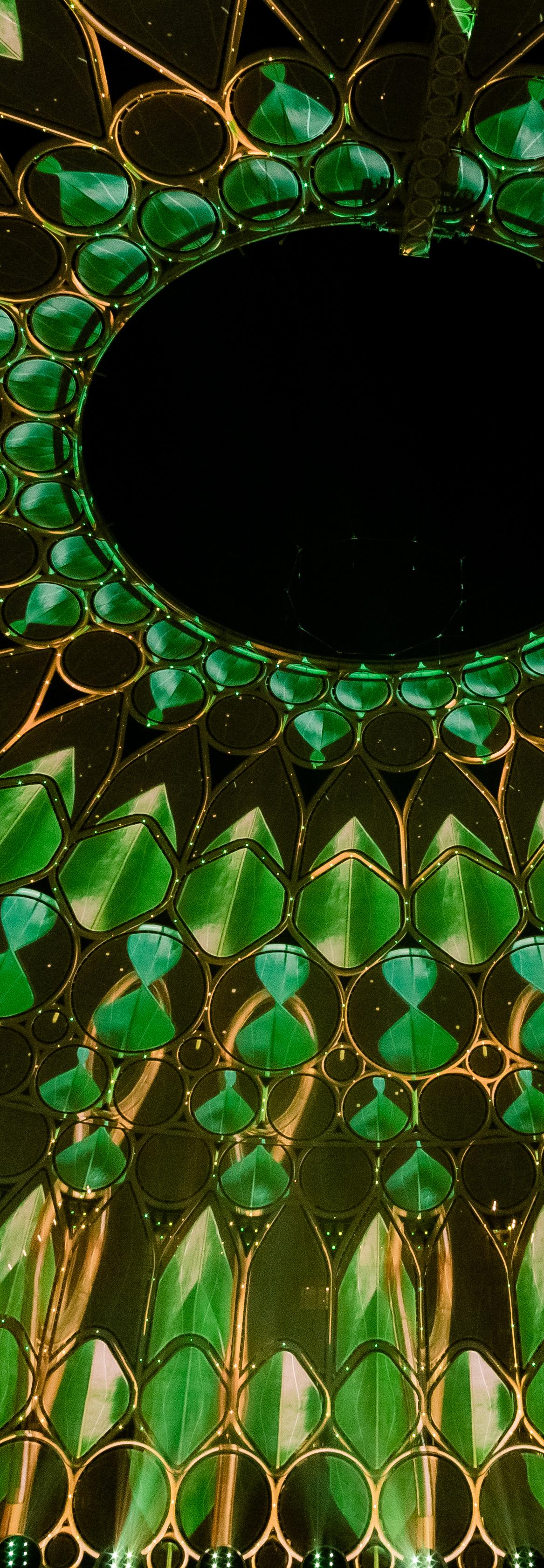
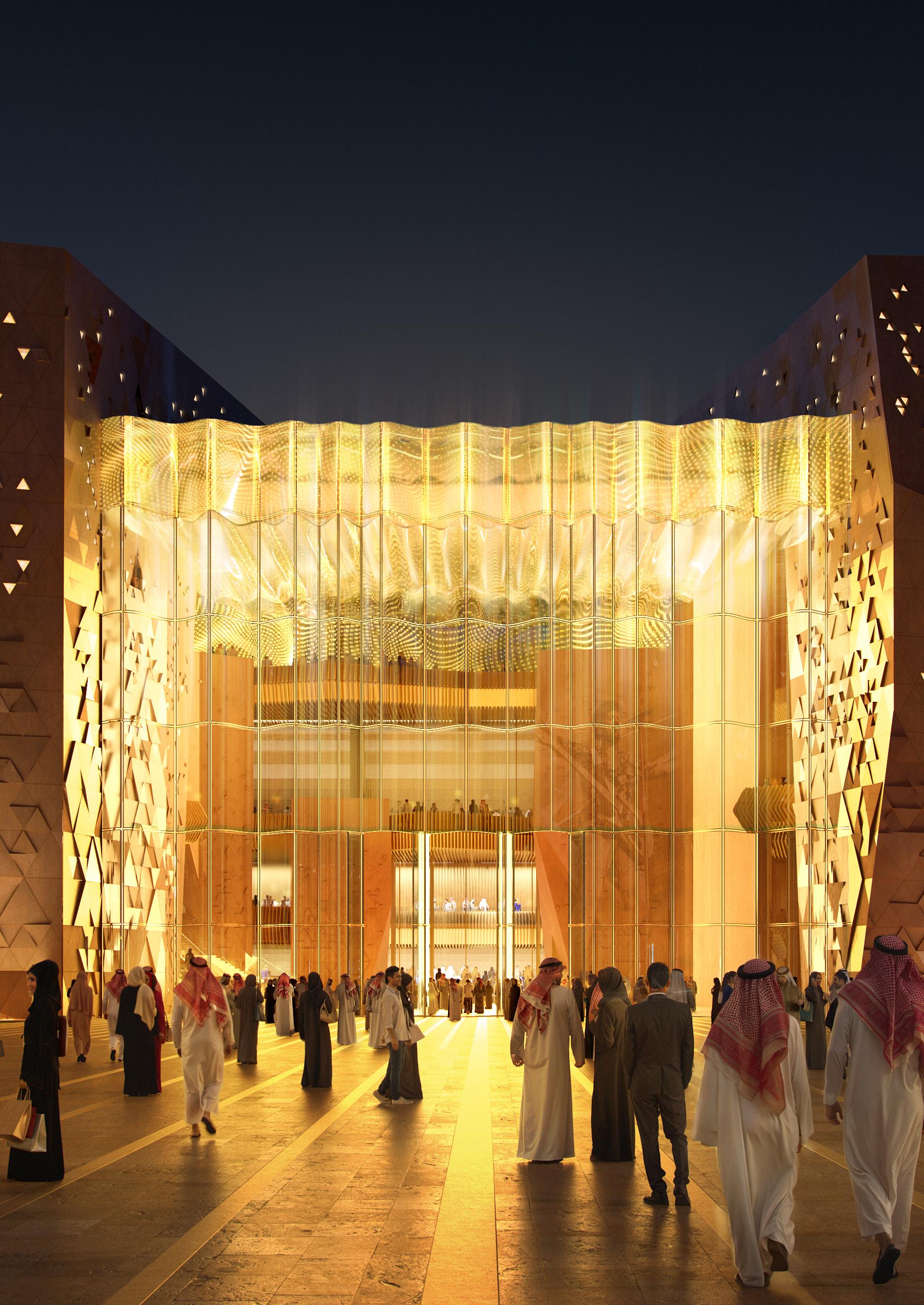
The Middle East has become a uniquely powerful testing ground for immersive environments because it combines several rare conditions: scale, speed, and ambition.
“This is the biggest region in the world for gigaprojects,” says Raed Al Tikriti, Chief Product & Technology Officer at Disguise. “The Middle East is special in that it is rapidly building brand new venues, and even entire cities like Qiddiya from scratch, enabling developers to totally rethink how things can be done and allowing them to embed immersion and storytelling into the design right from the start.”
Giga-projects have also recalibrated what immersive can mean. “Scale is no longer limited to a room or even a building,” says Jenkins. “It can encompass districts, landscapes, and entire visitor journeys that unfold over days.”
Demographics matter too. With a predominantly young population (around 71% of Saudi Arabia’s population are under 35 according to GASTAT) and a strong focus on tourism, experience-led development that speaks to digital-native audiences is no longer optional.
Jenkins also identifies a willingness to rethink fundamentals within the region. “There’s a freedom here to ask big questions - What should a museum be? What is a public space? - without being constrained by legacy thinking. And crucially, immersive storytelling isn’t just spectacle, it’s tied to cultural identity, tourism strategy, and future-facing national narratives.”

This freedom in creative thinking goes hand-in-hand with a decisiveness that directly fuels innovation. Project approvals in the region often come straight from senior leadership, keen to adopt a fast-moving, innovation-led approach to attract local audiences and tourists alike. Technology, as a result, is rarely an afterthought but a vital component of new projects from the start. It’s embedded as an infrastructure, alongside power, water and transport. Digital twins, adaptive media systems and sensor-driven environments are becoming standard rather than experimental. “Awareness of technology is very high,” Al Tikriti explains. “They have the knowledge, the manpower, and the budget. Technology is foundational to these new cities - they want to do what’s never been seen before.”
Despite its futuristic outlook, immersive storytelling in the Middle East remains deeply rooted in regional identity. Rather than replicating global precedents, clients consistently push for originality. Museums and cultural institutions are frequently tasked with telling national stories through contemporary, immersive means, and there is a desire to merge culture thoughtfully with technology to tell the story of the region in a way that connects with the new generation. Jenkins points to the region’s storytelling traditions as a powerful influence. “There’s a deep relationship between story, place, and identity,” he says. “We’re often working with symbolism, epic journeys, and layered meaning. The challenge, and the opportunity, is creating experiences that feel futuristic while remaining grounded in heritage and collective memory.”
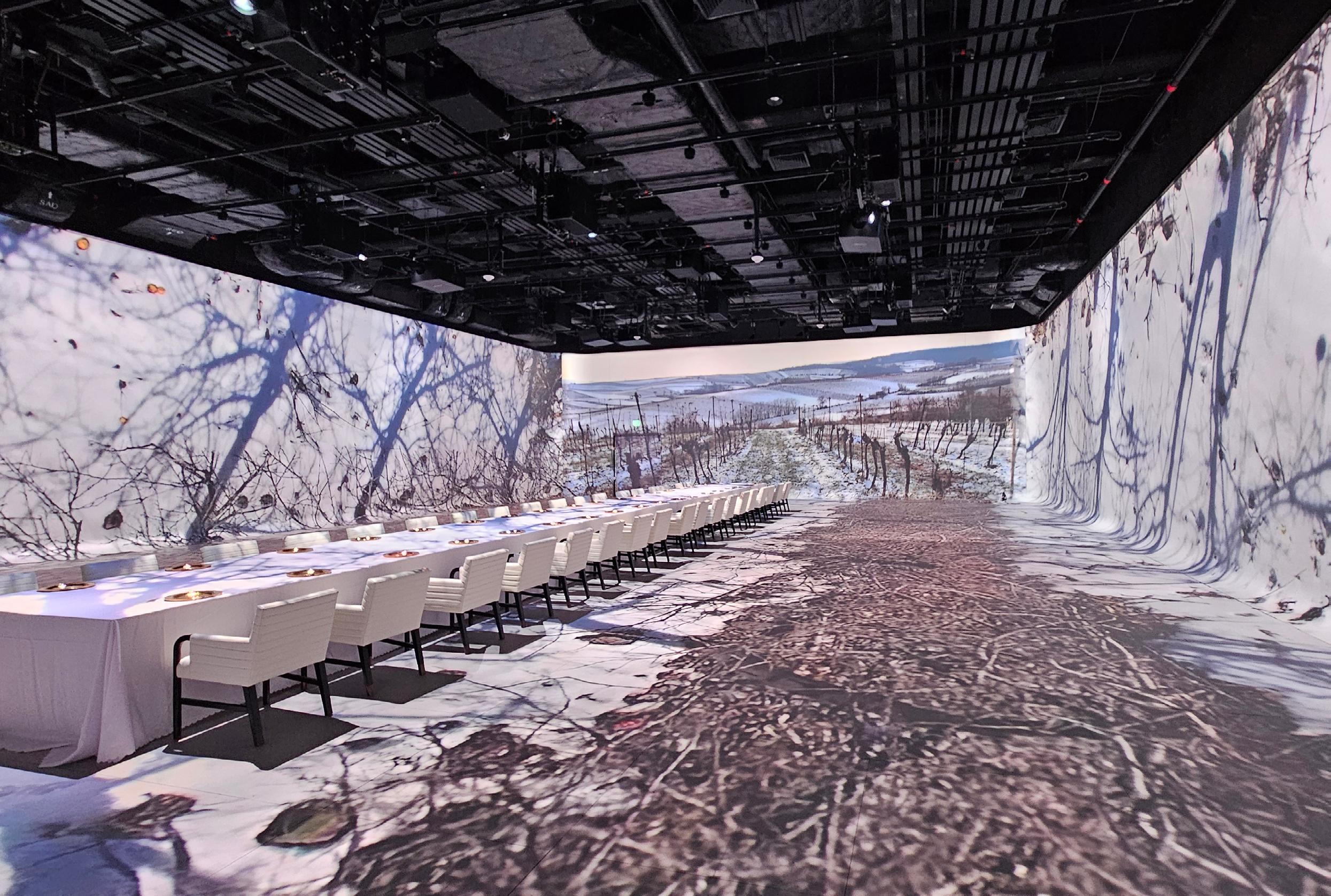
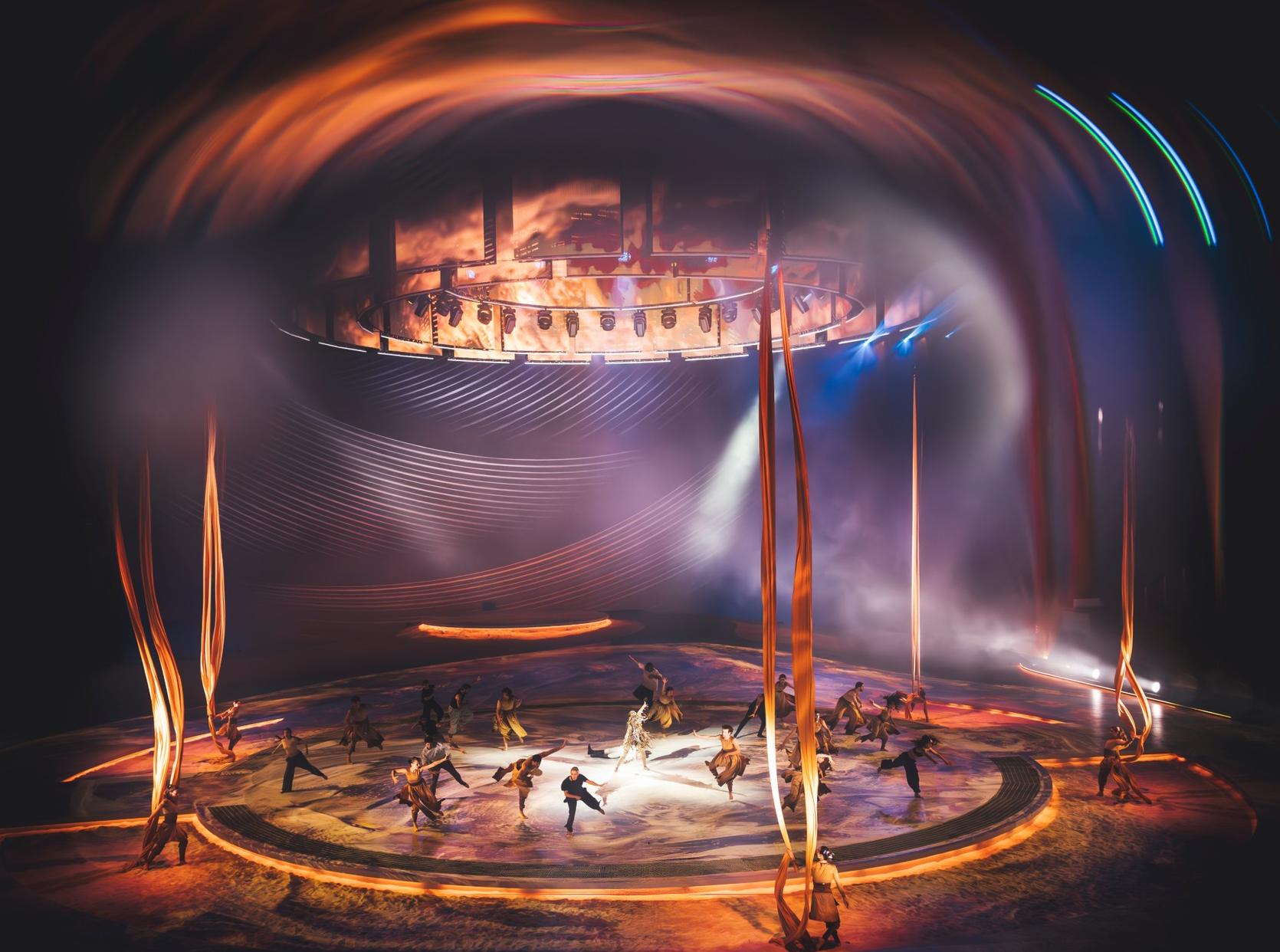
While immersive experiences have often been seen as temporary, Middle Eastern projects are increasingly designed for evolution rather than obsolescence. “There’s a shift away from oneoff installations toward living systems,” Jenkins explains. “Longevity is about relevance - the ability to refresh narratives, respond to cultural moments, and integrate future technologies.” This is reflected in constant upgrades across the region, from media infrastructure to stadiums and fan zones tied to major global sporting events. The goal is clear - to remain at the forefront, not just once, but continuously.
Looking ahead, it’s not hard to see the line between architecture and immersive media dissolving almost entirely. “Architecture will behave more like software: adaptive, responsive, updateable,” predicts Jenkins. “It won’t just house experiences; it will be the experience.”
If other regions could adopt one mindset from the Middle East, it might be this balance of long-term vision and bold execution. As city-scale immersive ecosystems begin to emerge, where architecture, media, data, and storytelling operate seamlessly, the Middle East isn’t just imagining the future of immersive environments - it’s pioneering it.
Entertainment venues are undergoing a significant transformation, and none are witnessing this shift closer than leading architecture firm, HKS, who specialise in the sports and entertainment space. Disguise sat down with Alex Thomas, Regional Design Director and Adrian Cohen, Architect Associate, to hear how design briefs are evolving, what audiences are demanding, and why the built environment will always have a vital role to play.

Alex Thomas Regional Design Director - HKS
Hi Alex and Adrian, thank you for joining us! To kick things off, how would you say audience expectations are changing when it comes to stadiums and arenas?
Alex: Audiences in today’s world have a greater awareness of other experiences than ever before. There is more choice and more competition between acts, shows, and venues, and people now expect much more when they purchase a ticket to an event. At the same time, different events, clients, and fan bases all have different expectations - so it’s never one size fits all.
Adrian: Every ticket should genuinely do something for the fan. It needs to offer a reward or an additional interaction, adding extra value. You now have to consider that the experience starts from the moment you purchase or even search for a ticket, not from the moment you approach the venue. As a result, providers now have to think about integrating countless more touchpoints along the way. It’s not just about physical location anymore - the environment and the overall experience is merging.
Live sport and entertainment now increasingly compete with digital experiences at home. How can architecture help venues offer something audiences can’t get anywhere else?
Alex: There are certain elements of the “in real life” experience that are truly unique and irreplaceable. Being part of a large crowd and sharing the noise, the singing, the chanting - it’s a spine-tingling feeling, and thoughtful venue design can help to amplify those moments. At the other end of the spectrum, digitalonly experiences have the ability to reach far more people. So it’s our job as designers to think about how we can merge the best of both worlds. There’s a very interesting role for technology to play in creating some of those hybrid scenarios.
Adrian: In-venue experiences have the ability to affect all the senses. Recently, I had the pleasure of attending the incredible Hans Zimmer concert, where distinct vibrations literally rippled through the crowd, with only those present feeling its intensity and purpose. It’s exciting to think of technology as an immersive dial that can modify sight and sound, to create a unique and personalised experience. However, it has to be used for the right reasons as a tool to achieve desired immersion.

How early is technology now being considered in the architectural process, and which technologies are having the biggest impact on venue design?
Alex: We view technology as a layer within the design process from the very beginning. It’s a material for us to use the same way as steel, timber and fabric. Not to throw technology in for the sake of it, but to see if it can provide a solution or elevate the experience in some way. I love the fact that technology allows us to flex time and space to create something constantly new and exciting within the same four walls. Take the Cosm immersive entertainment venue in LA, for example - the architecture and technology combine to make visitors really feel as though they have front-row seats at a live event, whether it’s a London Premier League football match, or a cultural experience from the other side of the world.
Adrian: I totally agree. Technology is a fantastic solution, often to problems you don’t know exist at the beginning of a project. Venues that don’t push for innovation from the very start of the process are missing out on huge opportunities to create something truly impactful that will be adored by fans. Whether it’s visual technology that elevates content on LED screens to enhance the physical spectacle, or providing real-time player statistics, technology adds a new reality to the physical experience and fundamentally changes the game when it comes to fan engagement.
Alex: From our experience designing and innovating immersive venues like Cosm, there are some lessons we have applied to every project since. The building is a canvas, and the range of events you can host on that canvas is endless. The sport, music, show, whatever it is, is entirely interchangeable. The immersive design lesson is to flip your perspective so that instead of thinking about just the event itself, you think through the lens of your guest. You have to find the right balance between architecture, event and experience. Fans want to leave our world and become immersed in another. Lighting, smell, visuals, even temperature - everything has a part to play in transporting guests to that alternative world just for one evening.
Adrian: What’s interesting is that many people heavily involved in the immersive industry aren’t necessarily from a technology background. More often than not, they are from theatre and performance backgrounds, which means they are storytelling and engagement experts. When we look at data on what people love about an experience, we see demand not only for a strong narrative but also for opportunities to participate. That’s something stadiums and other venues can really lean into: creating spaces that allow fans to have the interactive experiences they’re looking for. Imagine, say, a stadium could come to life and actually become a character that can interact with and relate to you as a fan - there’s huge potential to learn from immersive venues and build that same level of audience connection.
We’re seeing stadiums and arenas evolve into year-round destinations rather than single-purpose venues. How is this shift changing briefs and design priorities?
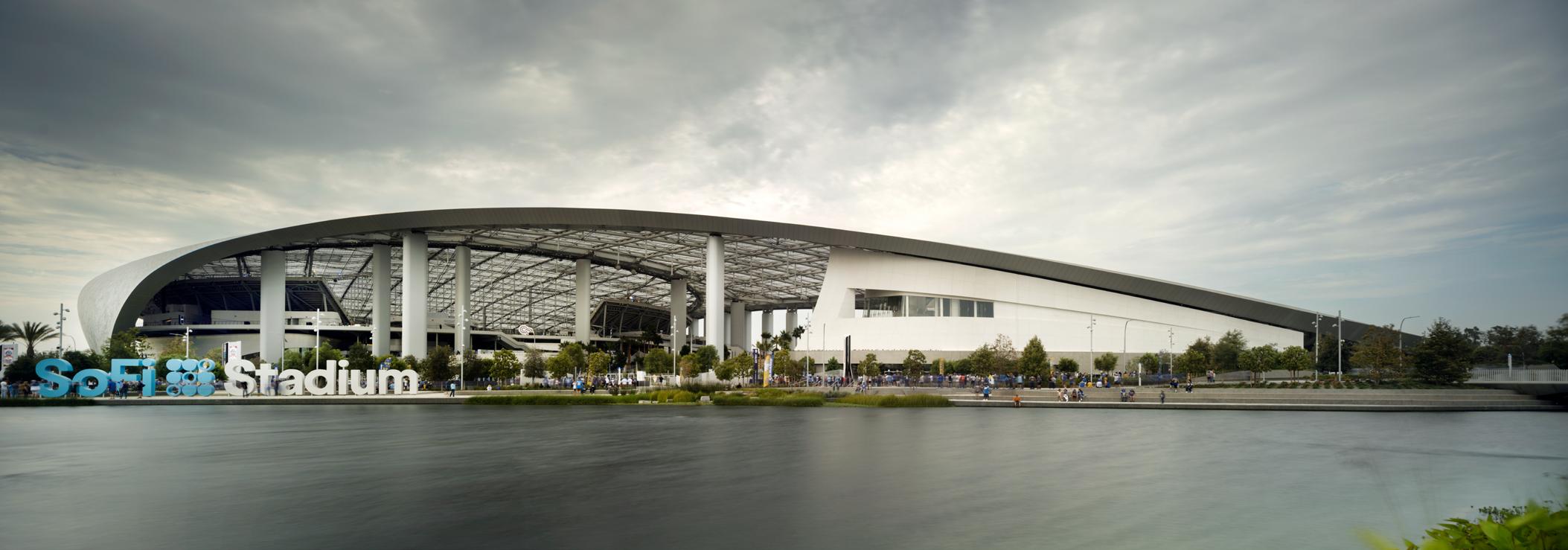
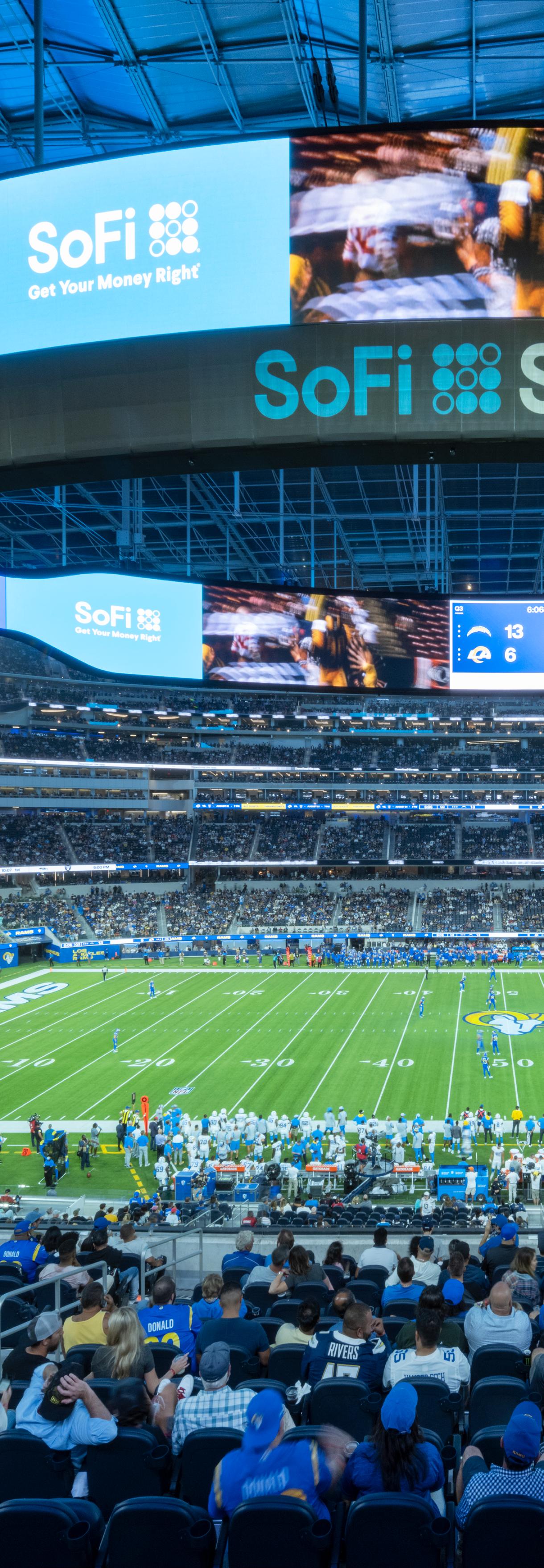
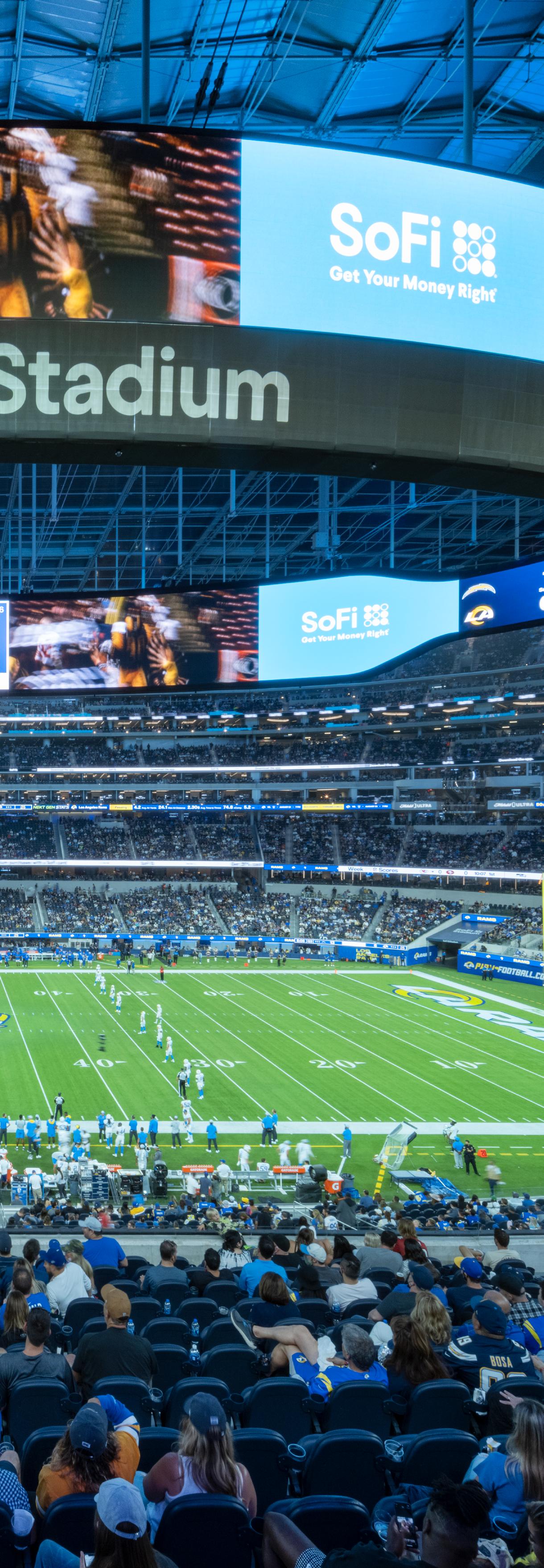
Adrian: “Sweating the asset” has become a key term in conversations we’re having with venues. Owners and operators want to make sure they’re getting the most from their investment and unlocking the full potential of multi-use spaces. A stadium is not just a stadium anymore - it’s a hub for social gatherings, concerts, a wide range of sports, and multiple revenue streams. Building adaptability into the plan is essential. SoFi Stadium in LA is a strong example of a venue that has embraced this approach, integrating with multiple apps, experimenting with AR, and investing in advanced technology to create a flexible infrastructure that will help ensure relevancy across many types of events for years to come.
Alex: Many of the briefs we receive are now far more sophisticated and packed with research and detailfrom economic factors and demographic trends to technical innovation. But this is important, because if you’re not asking the right questions in your brief, you’re not tapping into the full potential of your venue. Designers have a great deal to offer in terms of innovation and insight. We like a well researched brief, but we also like having the space to offer suggestions. These ‘venues of the future’ often act as a point of crossover between many different topics including urban regeneration, sports teams and local community. Designers are well positioned to find more interesting, effective immersive outcomes to bring all these factors together.
Do you see meaningful differences in how venues are being designed across regions, and what can emerging markets or mature markets learn from each other?
Alex: No one wants a one-size-fits-all global solution - part of attending events around the world is all about the cultural experience. Ideas might travel between different regional marketing and we’re seeing lots of cool innovations happening at venues all over the world. But just because you see something that works in an arena in LA, that doesn’t necessarily mean it will work in South Korea. Take a step back and think, why did it work in LA? And what would the equivalent be in South Korea, without replicating it like-for-like?
Adrian: The Middle East is a particularly notable region. There is heavy investment in entertainment, sport, and innovation, with teams learning from mature markets but driven by the ambition to create something entirely new and never seen before. There is a strong understanding and early adoption of where fan engagement is heading, reflected in the hosting of major events such as the Six Kings Grand Slam and countless high-profile boxing matches, as well as in the scale and ambition of the venue designs. There is so much opportunity out there to innovate in this exponentially evolving world, and for us as designers, that’s incredibly exciting.
Disguise helps the world’s most ambitious venues, cultural destinations and entertainment districts transform physical environments into unforgettable, story-led experiences.
From concept ideation and content creation with Disguise Creative Services, through to previsualisation, technical design, system build, playback and delivery, we support every stage of the immersive experience journey.
For immersive spaces, this means bringing together creative ambition, real-time technology and robust hardware to create environments that can adapt, evolve and stay relevant over time. Whether it’s a museum, attraction, immersive theatre, cultural destination or brand experience, Disguise helps teams move from bold idea to fully realised experience, captivating audiences, unlocking new revenue opportunities and bringing spaces to life year-round.