Revolutionary War in Albany County
The Crossroads of the Revolution
Underground Railroad Education Center
194 Livingston Ave., Albany undergroundrailroadhistory.org
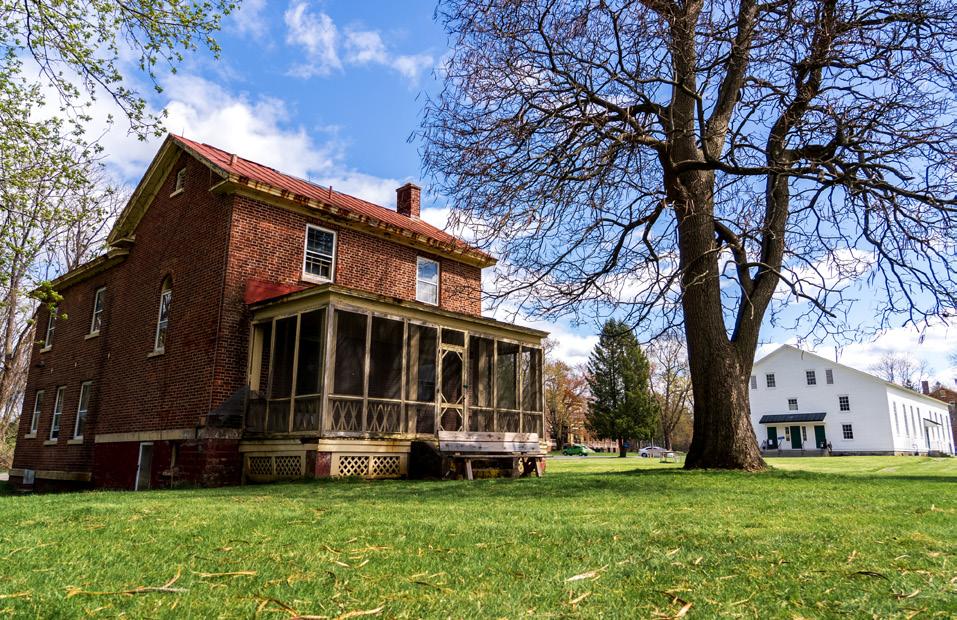
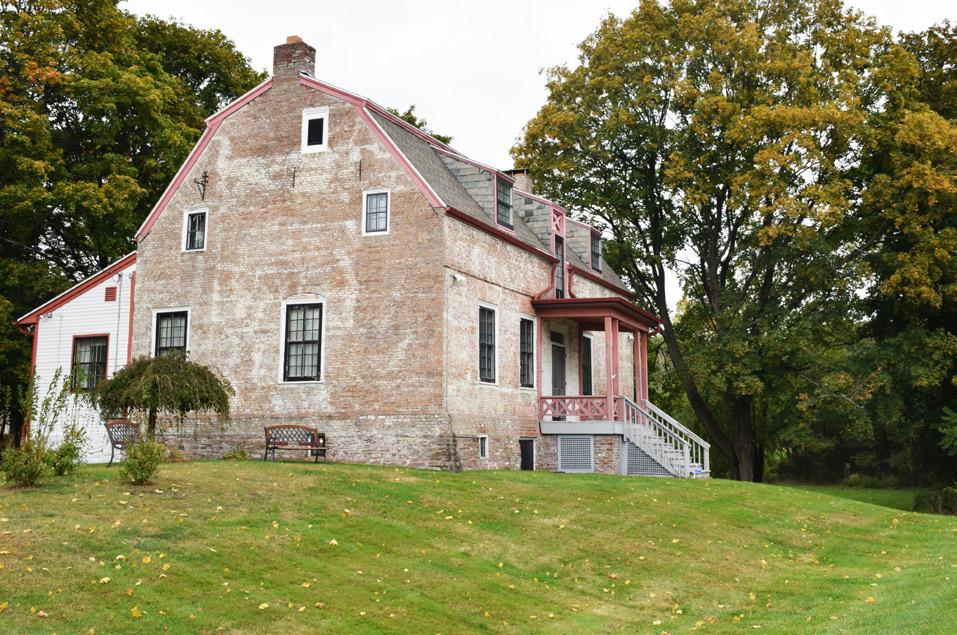
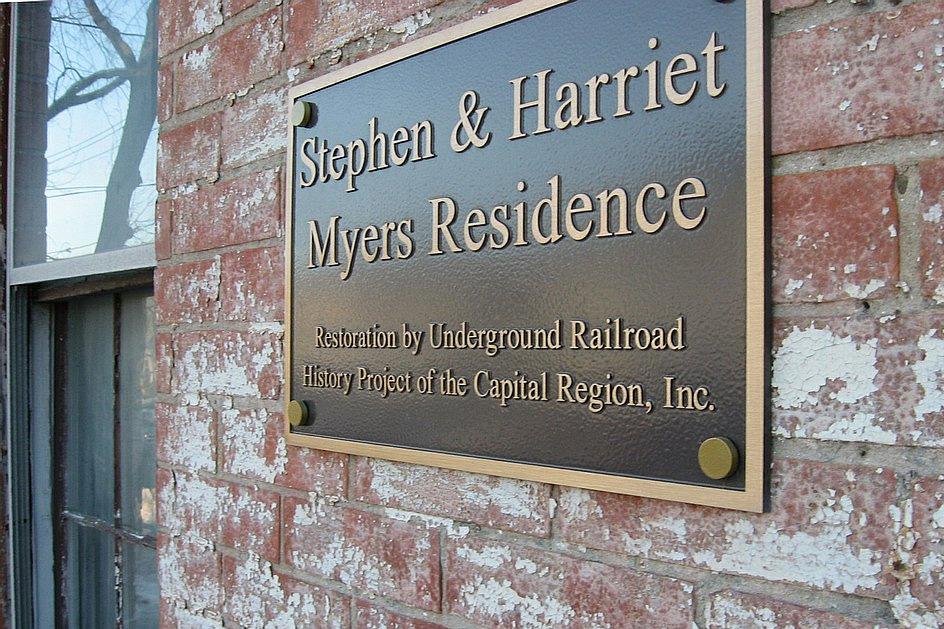
While the American Revolution was successful in freeing the Americas from British rule, it would not provide equal rights for all. Black Americans (both freed and enslaved), Indigenous, and women would continue the fight for equality for generations. The Underground Railroad Education Center is home to The Stephen and Harriet Myers Residence. Stephen and Harriet were a free people of color, and their home was headquarters to the Capital Region’s Underground Railroad during the 1850s. While New York instituted gradual emancipation in 1799, it was not until July 4th 1827 that final emancipation was declared law in NYS.
Want to follow along digitally?
Scan the QR Code below and sign up for The Revolutionary War in Albany County digital pass! The pass will give you directions and allow you to check-in at each site or exhibit!
This brochure was made possible by a grant through the Maurice D. Hinchey Hudson River Valley National Heritage Area in coordination with the Albany County Rev250 Commission and Discover Albany.
VanSchaick
Albany County Historical AssociationTen Broeck Mansion
9 Ten Broeck Place, Albany | tenbroeckmansion.org
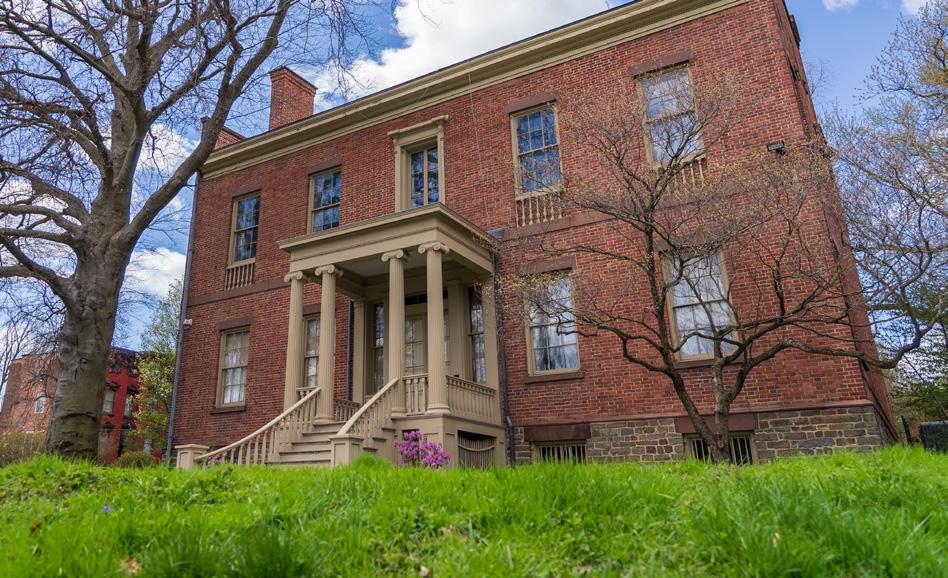
The Ten Broeck Mansion, a Federal-style house with sloping lawns and formal gardens, was built in 179798 for General Abraham Ten Broeck and his wife, Elizabeth van Rensselaer. The ACHA represents the stories of builders and artisans, immigrants and servants, and enslaved persons and free persons of color in its interpretation. Numerous community events occur at the Mansion, including special 250th Focus Tours. Tours and special event dates can be found on their website.
Albany Institute of History & Art
125 Washington Ave., Albany | albanyinstitute.org
Albany Rural Cemetery
Cemetery Ave., Menands | albanyruralcemetery.org
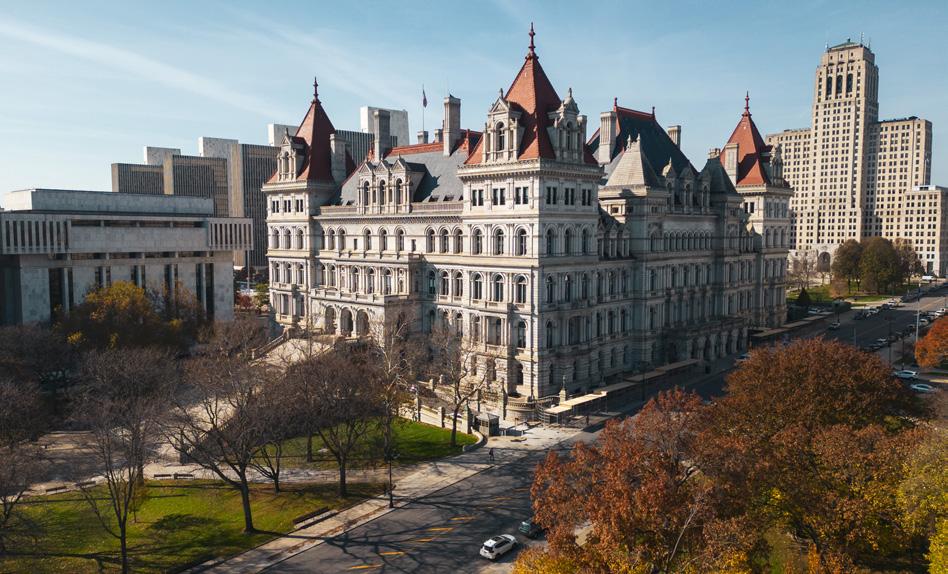
New York State Capitol Building
New York State Capitol, Albany | empirestateplaza.ny.gov/capitol
At the time of the Revolution, State Government resided in the modest Stadt Huys formerly at the foot of State Street. It was home to a local revolutionary movement during the War and was the temporary home for the NYS Legislature after the US won independence from Great Britain. In 1754, the Albany Plan of Union was drafted at the Stadts Huys with Benjamin Franklin, which was the foundation for the Articles of Confederation. Today’s New York State Capitol, constructed from 1867 to 1899, features the “Great Western Staircase” with multiple significant figures in the Revolution among their 78 “famous faces,” including George Washington, Thomas Jefferson, and Molly Pitcher.
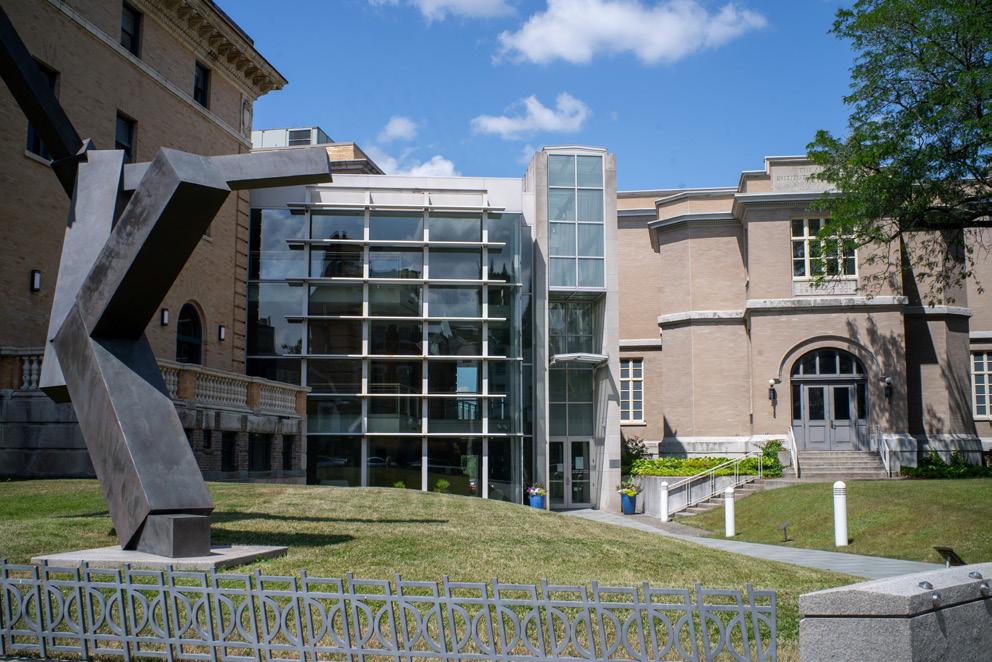
Founded in 1791, the Albany Institute of History & Art is New York’s oldest museum. Its collections document the Hudson Valley as a crossroads of culture, influencing the art and history of the region, the state, and the nation. The Albany, c. 1776 exhibit (October 31, 2026 – May 2027) will explore Albany’s role in the American Revolution and illuminate what life was like in Upstate New York as Patriot allies fought for “the cause of American Liberty.” The exhibition will also offer insights into Loyalists who supported the British Crown.
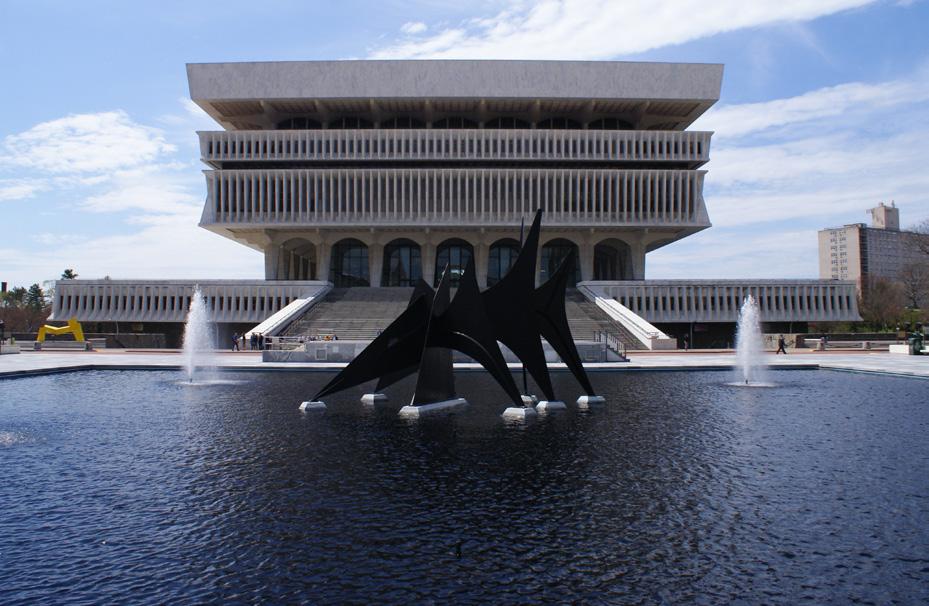
New York State Museum
222 Madison Ave., Albany | nysm.nysed.gov
The New York State Museum was established in 1836 and is the oldest and largest state museum in the country. Featured exhibit Revolutionary New York commemorates America’s 250th anniversary by exploring New York’s role in shaping the ideals of liberty, equality, justice, and democracy. Through compelling stories, artifacts, and historical moments spanning from the American Revolution to the present day, this exhibit highlights the people and movements that have helped shape our nation’s history. Featured artifact is the remains of an 18th-century wooden gunboat uncovered in 2010 during the excavation of the World Trade Center.
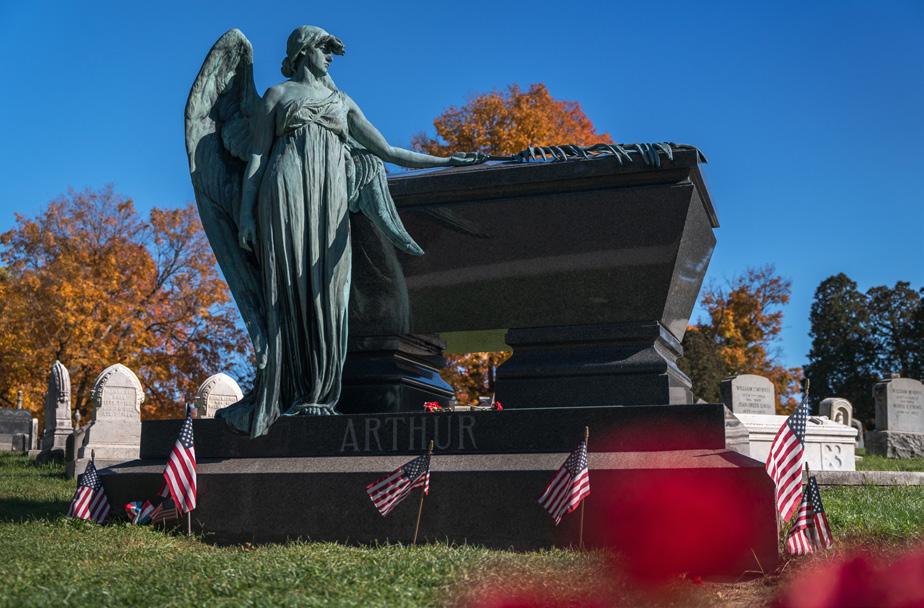
Albany Rural Cemetery was incorporated in 1841. It is one of the oldest and grandest examples of the rural or garden cemetery movement in America. The cemetery is the burial place of various notable Revolutionary War figures including General Philip Schuyler, General Peter Gansevoort and Colonel Goose Van Schaick as week as the burial place of 21st President Chester A. Arthur. Maps can be found on their website.
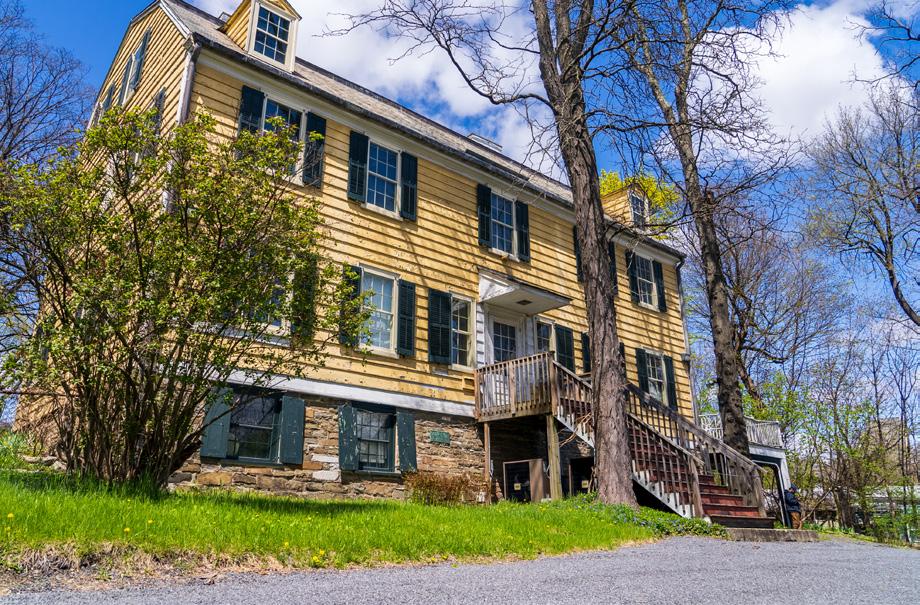
Historic Cherry Hill was built in 1787 as the home of Philip and Maria Van Rensselaer. Cherry Hill’s 2026 focus tour, “For Freedom & Equality: A Revolutionary Tour of Cherry Hill” asks, how did the “founding” generation of Americans think about freedom & equality, and how have those ideas been expanded across American history? The tour highlights include stories and collections from the Revolution while posing some pretty big questions for today.
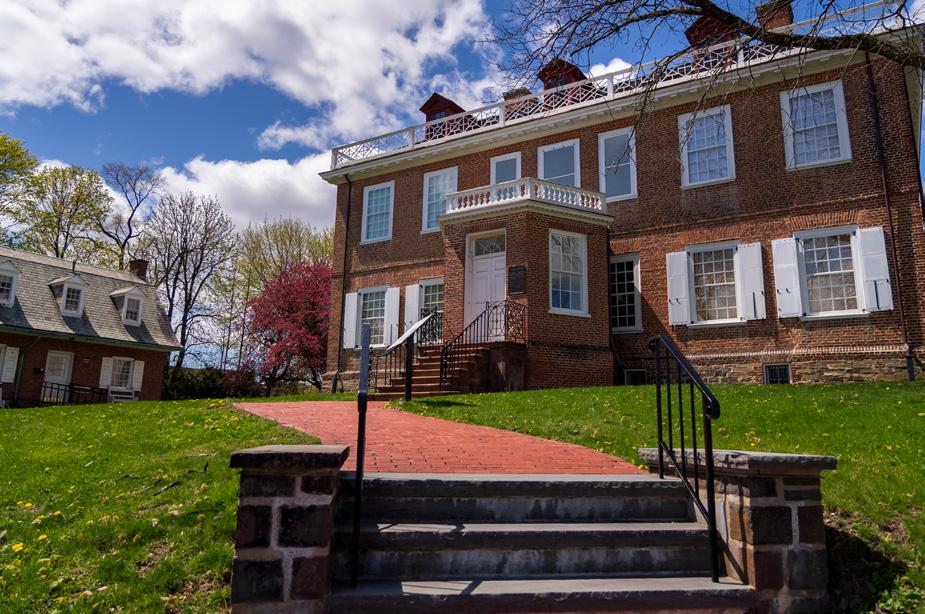
Schuyler Mansion State Historic Site
32 Catherine St., Albany parks.ny.gov/visit/historic-sites/schuyler-mansion-statehistoric-site
Schuyler Mansion was home to General Philip Schuyler and his wife, Catharine van Rensselaer, both of whom descended from affluent and powerful Dutch families. Together they raised eight children in this home. Schuyler was a commanding figure of the American Revolution, who served as a Major General, Federal Commissioner of Indian Affairs for the Northern Department, and as United States Senator. In 1777, British General Burgoyne was a prisoner of war at Schuyler Mansion, following his surrender at the Battle of Saratoga. In 1780, the wedding of daughter Elizabeth Schuyler to Alexander Hamilton took place in the house. For the Public Service – A Revolutionary War Focus Tour is available on select days. Check their website for more information.
House
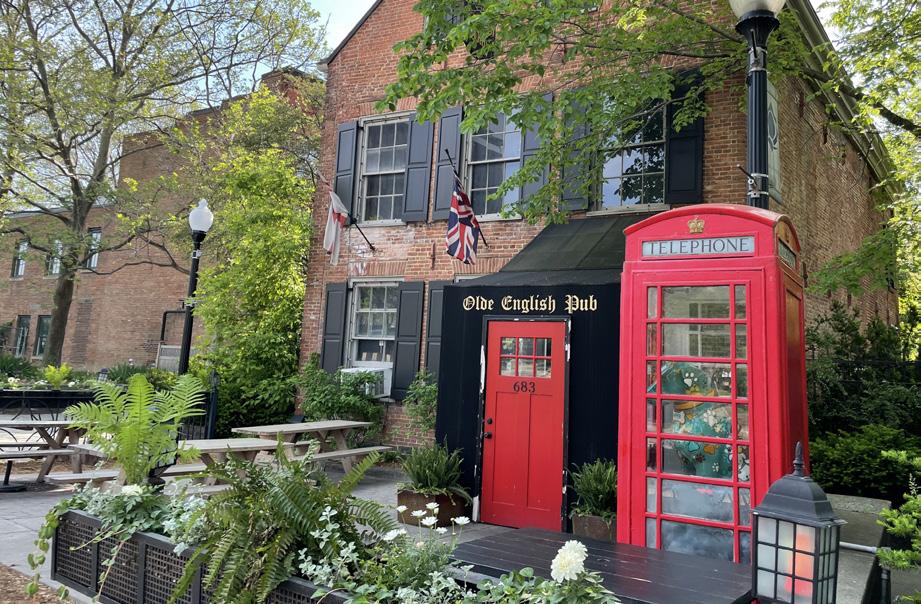
683 Broadway, Albany | theoldeenglishny.com
The pub was originally built in the 1730s as the family home of the Colonel Henry Quackenbush, who served during the Battle of Saratoga. Upon victory, he was tasked with escorting British General Burgoyne to the Schuyler Mansion for imprisonment. Local lore strongly suggests Burgoyne stayed overnight in the Quackenbush home while the Continental troops camped in present day Quackenbush Square, before continuing onward to the Mansion.
Historic Cherry Hill
523 1/2 South Pearl St., Albany | historiccherryhill.org