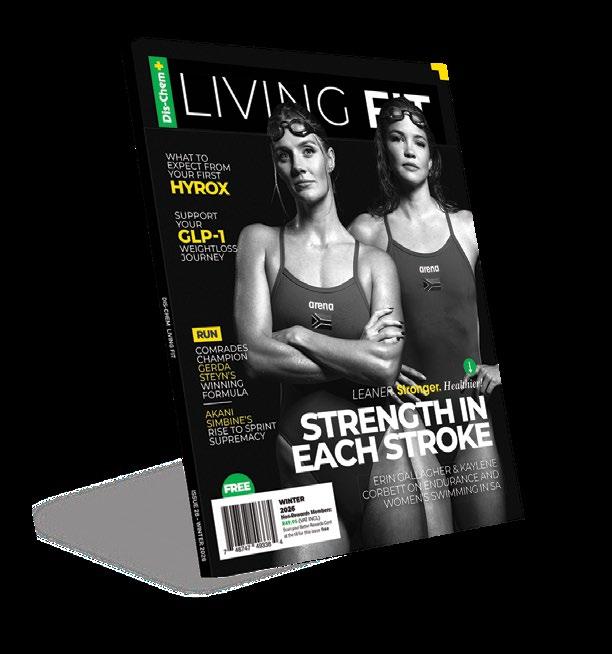
Ask the pros What is the right balance in training?
Exercise
5 exercises you are doing wrong
Living fit
Winterproof your workout
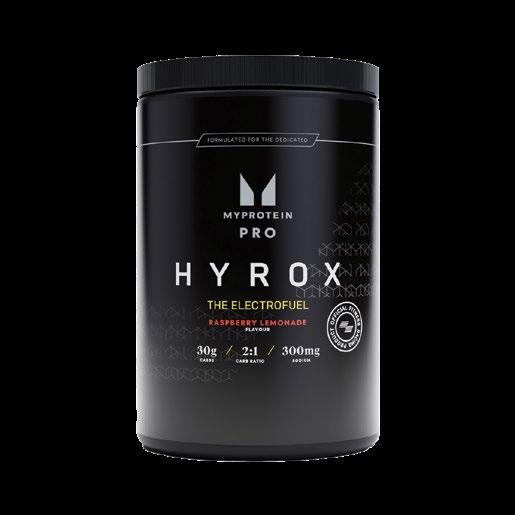
HYROX
Springbok nutrition
Fuelling the Springboks’ performance
Ask the pros
Aerobic decoupling
Coach’s corner Gerda’s tips
Supplements
Ultra fuelling for Comrades
What
Athlete profile
James Moore
Athlete profile
Akani Simbine
A Hub for Healthy Living
From the informative content in this winter edition of DisChem Living Fit to the launch of our innovative new Store of the Future at Melrose Arch, we’re committed to keeping health at the heart of everything we do.
As the 323rd Dis-Chem retail outlet in South Africa, our latest store is a new retail blueprint engineered by our in-house innovation hub, X, bigly labs at our Centre of Excellence.
It’s more than a concept store – it is the operational template for every new store we open from August 2026.
This blueprint prioritises integrated healthcare by moving clinics and dispensaries to the core of the shopping experience, while placing seasonal products and specials front and centre to offer Dis-Chem customers better value through our Better Rewards programme.
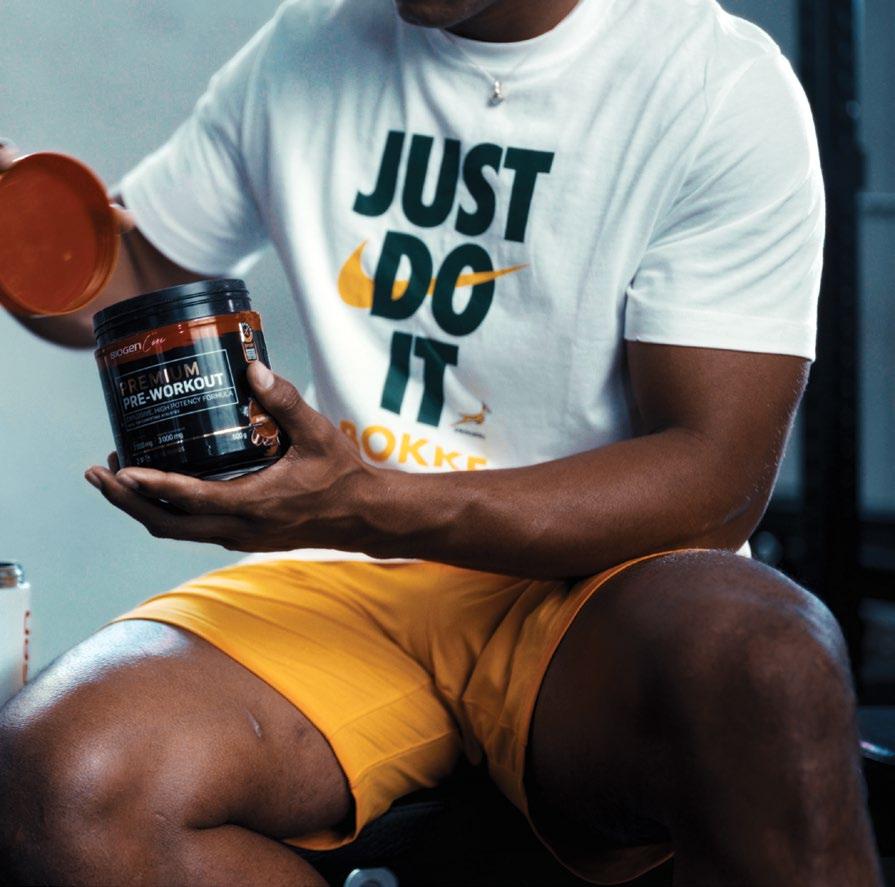
That wasn’t the only big announcement from the Dis-Chem family since the last issue. We are also extremely proud of our new partnership as the Official Sports Nutrition and Vitamin supplier to the Springboks through our Biogen brand.
As the first time that a home-grown vitamins and nutrition brand has become an official supplier and partner to SA Rugby, this three-year agreement is a landmark deal.
The new partnership deepens our passionate support for South African sports and athletes at every level.
This includes our proud support of South Africa’s first World Athletics Continental Tour Silver Label track and field event through our partnership with Biogen-backed sprint sensation Akani Simbine.
The Simbine Continental Classic, which took place in Pretoria in April, brought some of the world’s best talent to South Africa, giving local athletes and track and field fans an opportunity to experience world-class competition on home soil.
Much like the launch of our Store of the Future strategy, Akani and his team, with support from sponsors such as Biogen and Dis-Chem, are striving for bigger and better things in South Africa’s health and sports industries. We’re proud to play a part in all of it!
Yours in Winter Health
Read how Biogen fuels the Springboks on page 96. Read it online
WINTER WINNERS
Winter isn’t a time to slow down, especially if you’re one of the 21,000 runners who has qualified for the 2026 Comrades Marathon up run.
Comrades up ahead
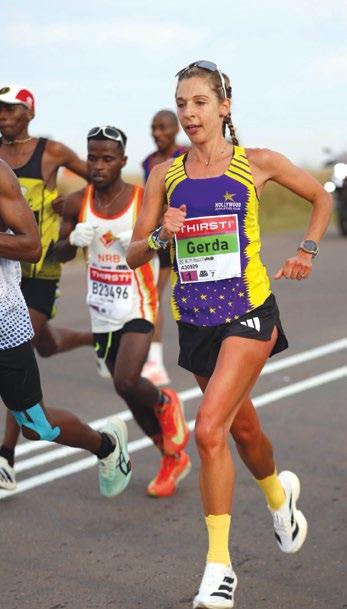
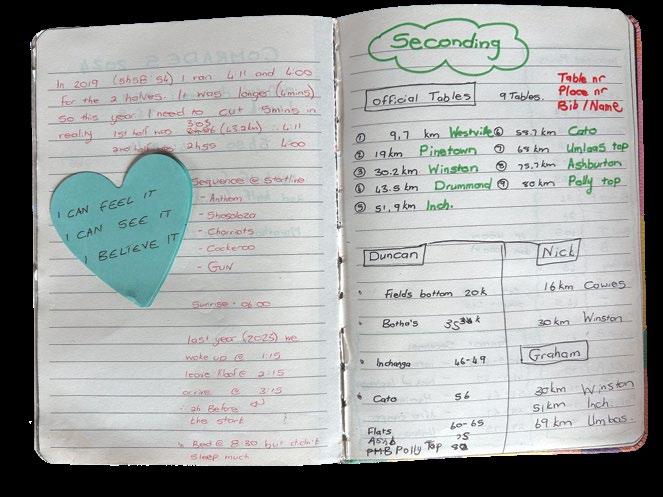
Excitement is building for this iconic South African event, and we have the inside scoop from Comrades Queen, Gerda Steyn. She shares her best tips from her famous training diary for a successful race day.
Plus, we’ve got all the info you need to fine-tune your fuelling strategy to get you to the finish in Pietermaritzburg on page 120. For those interested in something a little shorter, sprint sensation Akani Simbine is our featured athlete in this issue. He shares the training, nutrition, supplement and mental tips that have shaped his record-breaking career on page 124.
HYROX hype
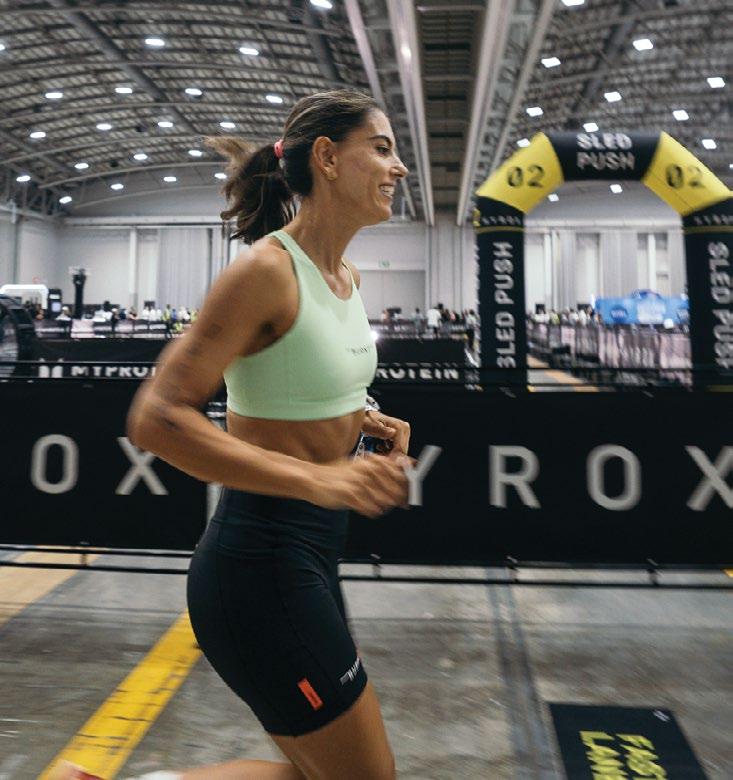
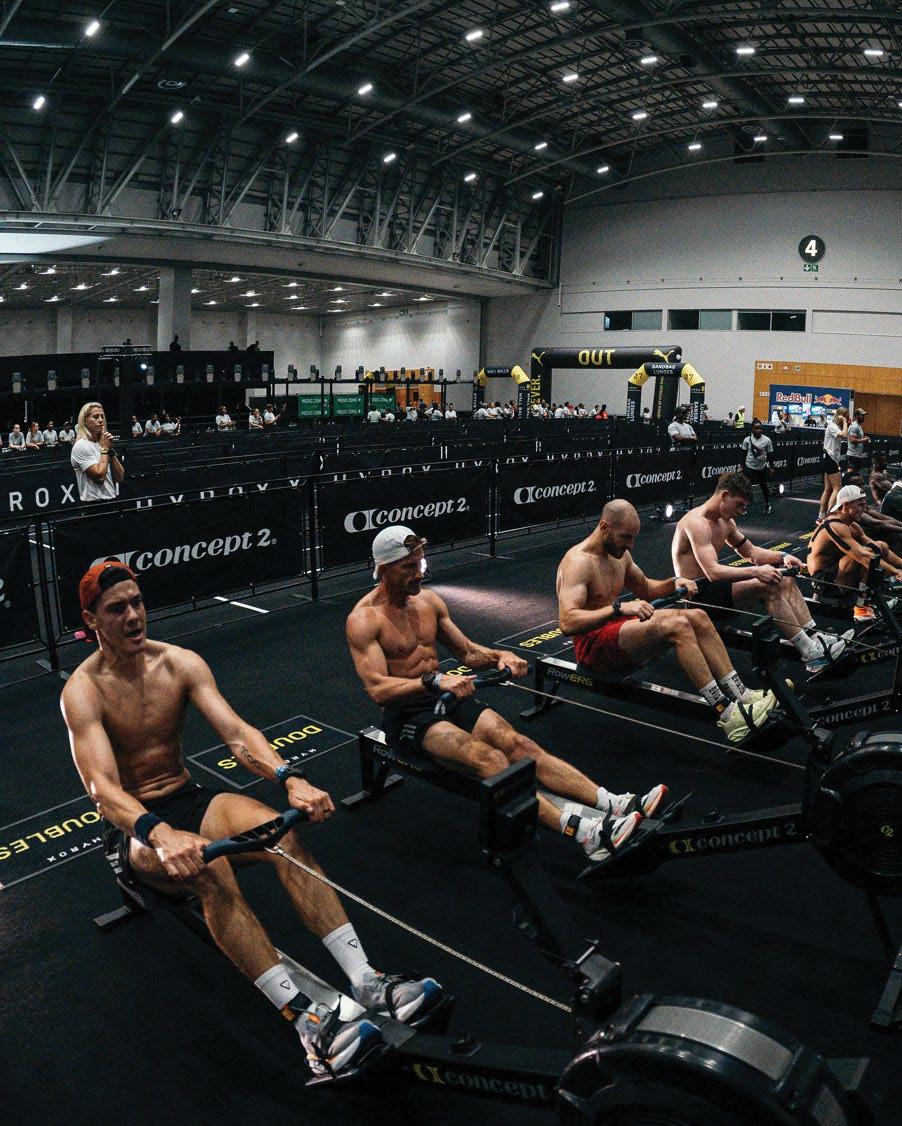
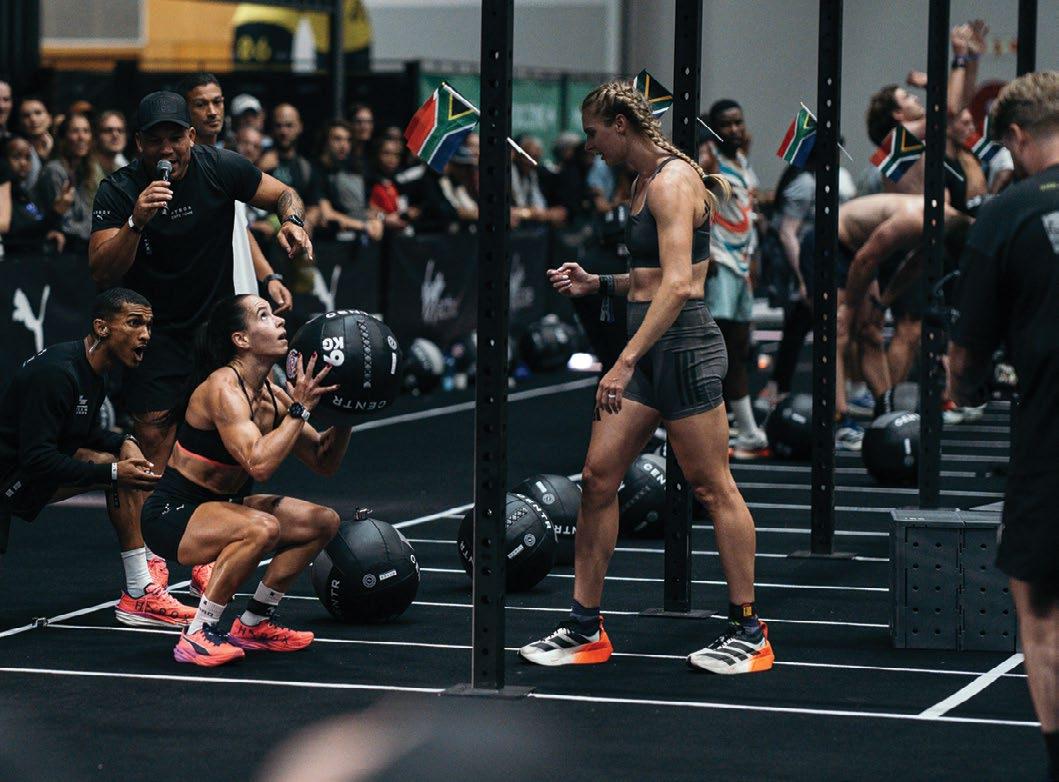
If one sporting code isn’t enough to satiate your urge to get active, HYROX is probably more up your alley. If you’re planning to tackle your first race this year, we’ve got the ultimate guide for novices, so you know what to expect from the first step to the last wall ball on page 86.
A deep dive into concurrent training (pg 70) will tell you
exactly how to balance a hybrid training approach, while our winter workout guide (pg 82) will get you through the cold days that lie ahead.
A new partnership between Biogen and the Springboks gave us an exclusive opportunity to unpack the fuelling and nutrition strategies that build the legendary Bok brawn (pg 96).
Health matters
We get to the heart of important health matters in this issue, with a feature on heart-healthy nutrition on page 46 and the simple steps (quite literally!) that we can take for a stronger cardiovascular system (read more on pg 42).
We highlight the link between menopause and your gut on page 50 for added support during “the change”, with weightloss support covered in our review of GLP-1 medications (pg 58) and the best ways to support your journey to a slimmer you this winter.
Keep warm and stay active!
DISCHEM.CO.ZA/LIVINGFIT
Living Fit Magazine is published on behalf of by (Pty)
Ltd
Publisher: Tanja Schmitz tanja@livingfit.co.za
Managing Editor: Pedro van Gaalen pedro@livingfit.co.za
Creative Director:
Sean MacTavish
Video:
Kayleigh Mocke, Gareth D’Enis-Rowson
Design & Photo:
Shelby Imrie, Ernst Robbertse
Advertising: sales@livingfit.co.za
Copy Editing: Lauren de Beer
Online Media & Editorial:
Gary Fairweather, Logan MacTavish, Laura Smith, Shannon Davies and Siovahn Bezuidenhout
CUSTOMER CARE:
Care-line: 0860 347 243
Telephone: 010 589 2200
Mondays to Fridays: 08:00 to 16:30 careline@dischem.co.za
Price and product disclaimer
All products, prices and special offers displayed or advertised in this magazine were correct at the time of print. Pricing and product availability in-store or online are subject to change without prior notice. While every effort is made to ensure accuracy and relevance in this regard, Dis-Chem and Io Media accept no responsibility for pricing changes, discrepancies and typographical errors, and cannot be held liable for any potential loss, damage or expense incurred as a consequence. In instances of errors, Dis-Chem reserves the right to cancel offers advertised at the incorrect price. Additional restrictions may apply.
Content disclaimer
Dis-Chem Pharmacies (Pty) Ltd and Io Media (Pty) Ltd cannot guarantee the accuracy of the content in this publication, which is provided for general information purposes only – no part of it constitutes medical advice. No liability is assumed by Dis-Chem, Io Media, Living Fit or its contributors for the information provided in the magazine and actual product performance and efficacy may vary based on many factors. Readers are advised to discuss any exercise, dietary, supplement or nutraceutical interventions with a suitably qualified medical, exercise or nutrition expert for individualised advice. Dis-Chem and Io Media accept no responsibility for any direct or indirect loss, damage or injury readers may suffer as a result of using or relying on any information contained in this magazine. All rights reserved.
RUN RIDE SWIM LIFT
STANDARD BANK BERG & BUSH
30-31 May & 5-7 June 2026
Ride up to the top of the Drakensberg escarpment near Harrismith and down into KwaZulu-Natal as you negotiate world-famous single track to the bushveld below into Winterton. Choose from two events – the 2 Day (30-31 May) and the Descent (5-7 June). With farm-style hospitality, an area rich in history and incredible riding, you’ll have a proper adventure on your bike. bergandbush.co.za
VIRGIN ACTIVE HYROX CAPE TOWN
14-15 August 2026
Virgin Active HYROX Cape Town is back as the first event for the 26/27 season. After the 25/26 hype redefined fitness in the Mother City, this rebuilt experience will be bigger, louder, and faster. This is your opportunity to set the pace for the entire season. Whether you’re hunting a solo podium, locking shoulders with a partner, or sprinting the final leg of a relay, the CTICC floor is where your winter training meets its match. The energy will be heavy, the stakes are fresh, and the finish line is waiting to be claimed. Visit hyrox.com for more info and to enter.
ISUZU IRONMAN 70.3 DURBAN
7 June 2026
Experience the Zulu Kingdom at the IRONMAN 70.3 Durban. Durban is a natural paradise known for its sun-kissed beaches and subtropical climate, making it the perfect peakseason race for international athletes and mid- to late-season race for South Africans. A fairly flat and fast course, this race is a firsttimer and club favourite. ironman.com/im703-durban
COMRADES MARATHON
14 June 2026
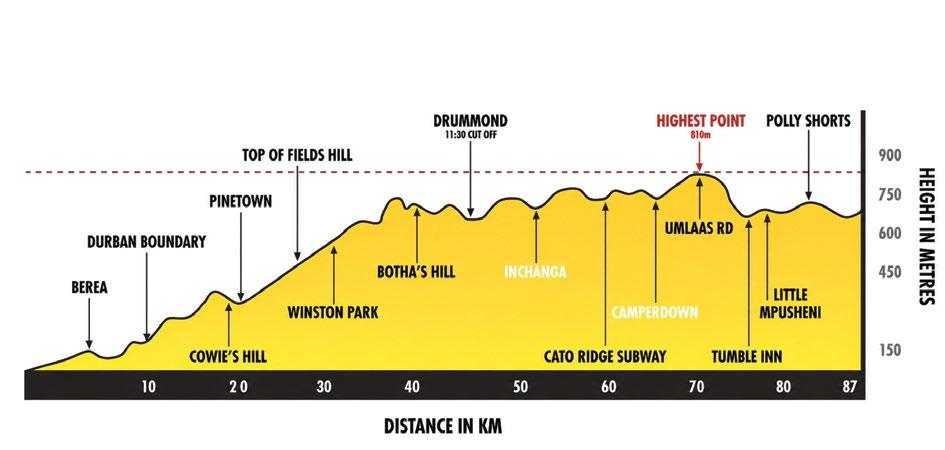
The 99th Comrades Marathon will be an Up Run, starting at the Durban City Hall at 05:00am and finishing at the Hollywoodbets Scottsville Racecourse. As with previous Up Runs, the race distance will be approximately 86km. Entrants will have 12 hours to cross the line to secure their finisher’s medal. It is the world’s largest and oldest ultramarathon race and remains one of the toughest road races on the planet. comrades.com
DEADLY DOZEN FITNESS RACE
Dates: 2 May 2026 (Durban)
9 May 2026 (Johannesburg)
23 May 2026 (Stellenbosch)
13 June 2026 (Potchefstroom)
Deadly Dozen events feature track and gym-based functional exercise challenges designed to test physical endurance and strength. Deadly Run, the main event, combines 12 Journeys (a 400m track run) with 12 Labours (exercise stations). Compete as an individual, in a doubles team or as a relay team. deadlydozen.co.za
GLACIER STORMS RIVER TRAVERSE
31 July - 2 August 2026
With its deep gorges, fertile plains and wild coastline, the Tsitsikamma is undoubtedly one of the country’s most spectacular destinations in South Africa to visit and ride a bike.
Starting at the quaint Storms River Village, the event is firmly family-focused, providing fun on and off the bike for riders of all ages. Rather than a race, it is considered a ride or a tour. A relaxed three days on the bike are punctuated by lingering stops at the Biogen-powered water points, with Beer and Barrel Belgian craft beers offered at the final water point of each stage. stormsrivertraverse.co.za
PRIMAL MUDDY PRINCESS
·13 September, KwaZulu-Natal
· 24 October, Bloemfontein
·14 & 15 November, Pretoria
· 28 & 29 November, Stellenbosch
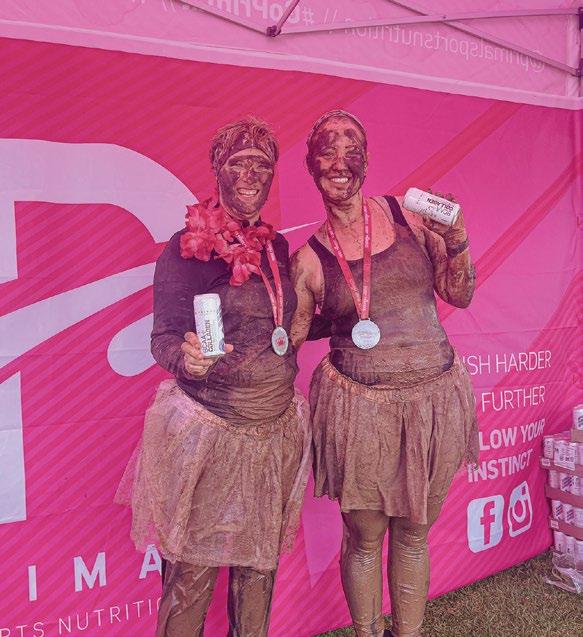
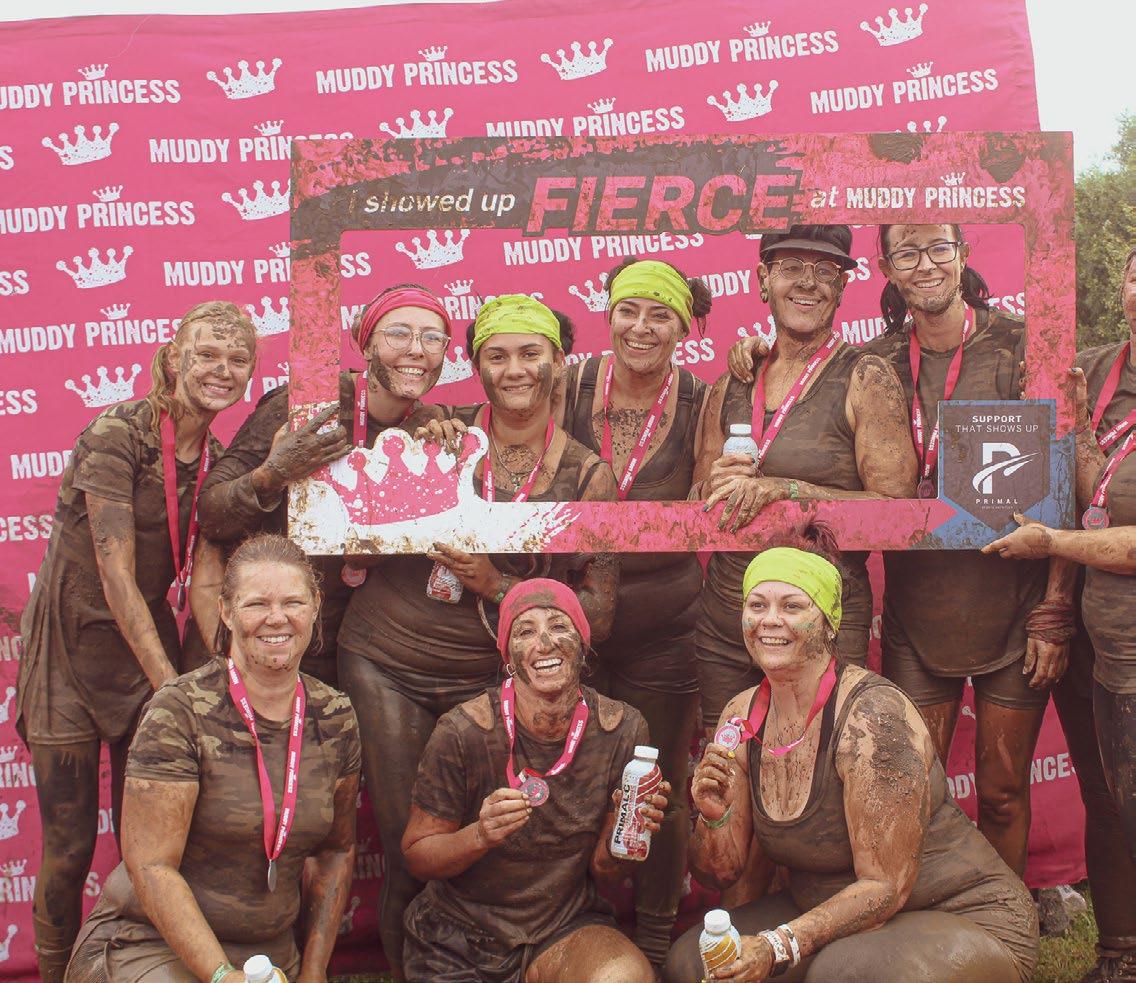
Primal and Muddy Princess are bringing mud, fun and girl power to South Africa with a 5km outdoor obstacle mud run for women – no matter your shape, size or fitness level! The event is all about fun, teamwork and empowerment: there are no winners, no losers and no pressure. Just 15–20 obstacles, a whole lot of mud and the kind of sisterhood that only happens when you’re crawling through a mud pit side by side with your best friends. Come experience a girl power, female bonding, memory making day out for some mud in your hair, laughter in the air and a finish line that feels like the best kind of victory. This season, Muddy Princess has partnered with Primal Sports Nutrition to ensure every Princess has the fuel to power through every crawl, climb and sprint, and recover like royalty afterwards. Muddy Princess has also partnered with PinkDrive, an incredible organisation dedicated to ensuring that women across South Africa have access to life-saving breast cancer screenings and education. Enter now and get ready to team up, dress up and show up to let everybody know that you are a real Muddy Princess! muddyprincess.co.za.
SQUAD GAMES TRIO
1-2 August 2026
This exciting premium functional fitness event will comprise teams of 3 (male/male/female). Teams can compete in four divisions, including Scaled, Intermediate, Masters and Rx’d. There will be 5 workouts over the weekend. The leaderboard is determined purely by the standings of the teams after the 5 workouts. The workouts will test the athletes’ ability to strategise for the best team performance while having a ton of fun. The DJ and MCs will keep the crowd entertained and up to date with all the action all weekend.
scoreit.co.za/scoreitevents
THE DIS-CHEM LIVING FIT BATTLE
Dates: TBC
The Dis-Chem Living Fit Battle is primed to deliver an unparalleled functional fitness experience at the University of Pretoria’s LC de Villiers Sports Grounds. The 2026 event promises a spectacle of strength, agility and determination that will inspire athletes and spectators alike. Battles will rage Friday evening and throughout Saturday. Witness epic big lifts and soul searching fitness challenges under the lights. thebattle.co.za
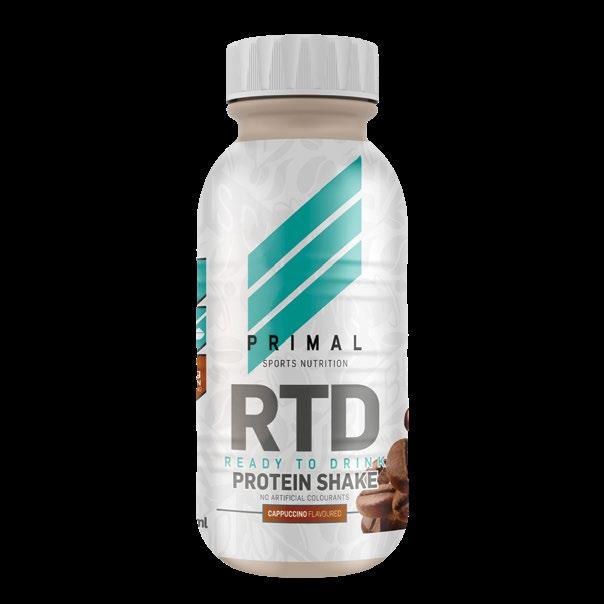
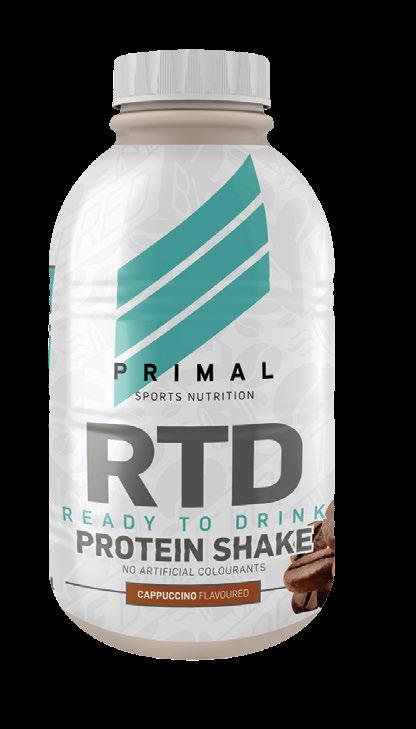
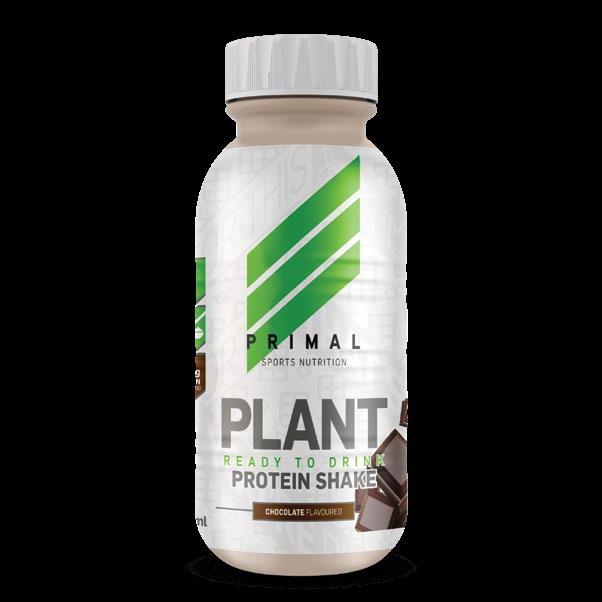
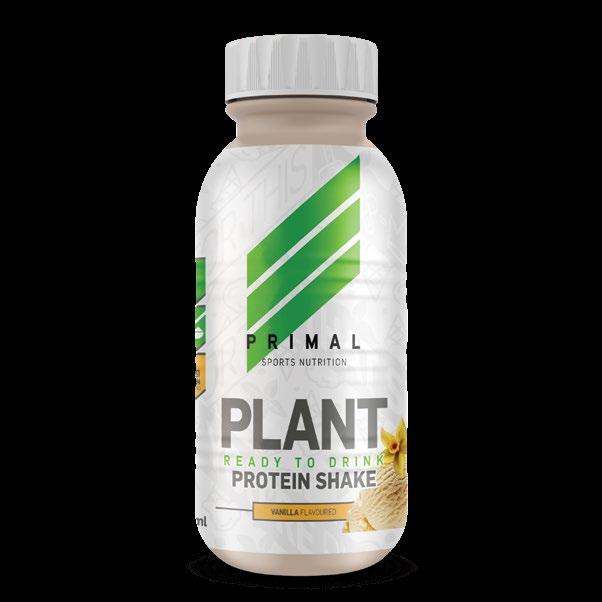
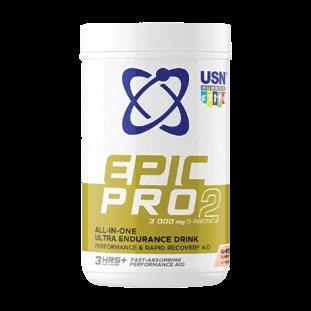
Primal Expands RTD Range with High-Protein, Mass Gainer and Plant-Based Shakes
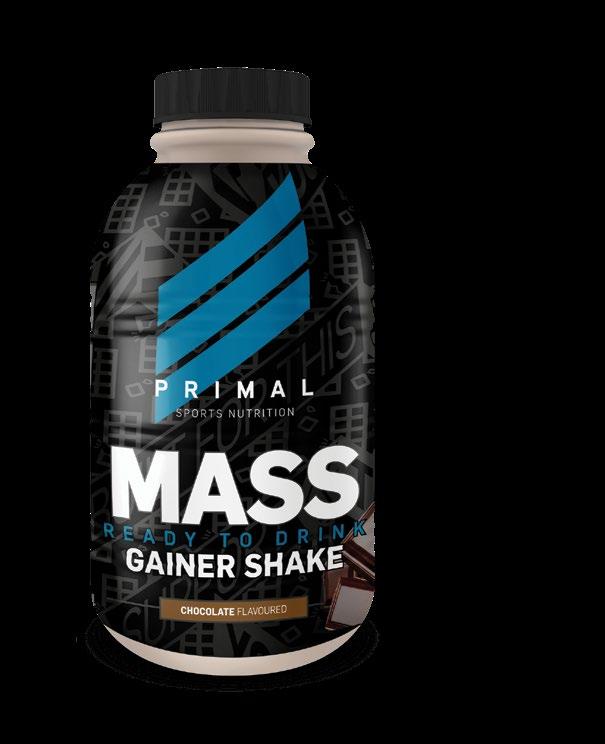
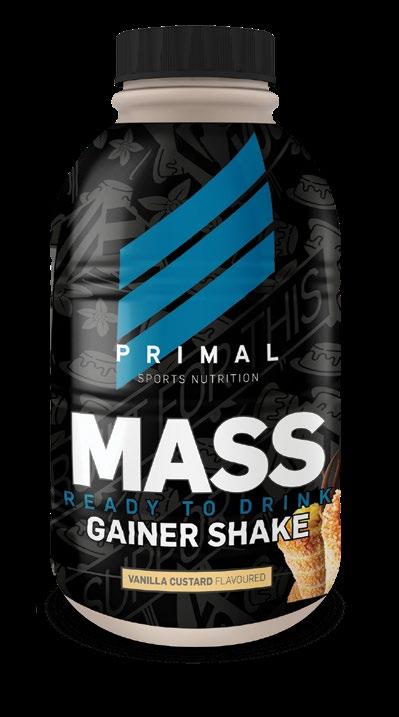
Primal Ready To Drink Mass Gainer Shake
Looking for a convenient way to hit those daily macros to pack on serious size? The new Primal ReadyTo-Drink (RTD) Mass Gainer Shake is designed for those who struggle to find time for high-calorie meal prep. This convenient bottle packs a massive 655 calories into every serving, with a powerful balance for muscle growth, with 33g of protein to spark recovery and a hefty 103g of carbohydrates to maintain glycogen stores and fuel your next session. Available in classic Vanilla and Chocolate flavours.
Upsized Primal Protein RTD
Primal Plant Protein Shake RTD
Upsize your favourite protein RTD with the new 500ml Primal Protein RTD. This bigger version to the popular 350ml RTD is perfect for a clean post-training recovery snack or a convenient calorie boost during a hectic day, with no added sugar and no artificial colourants. This bigger bottle packs 44g of protein and 275 calories per serving, compared to the 350ml bottle’s 170 calories and 25g of protein. It’s the ideal option after a high-volume session or a snack to bridge a long gap between meals. Available in Strawberry Marshmallow, Chocolate or Cappuccino flavours.
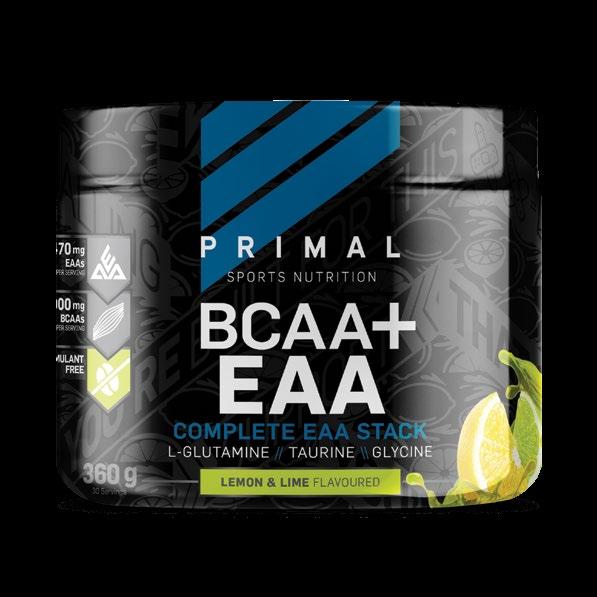
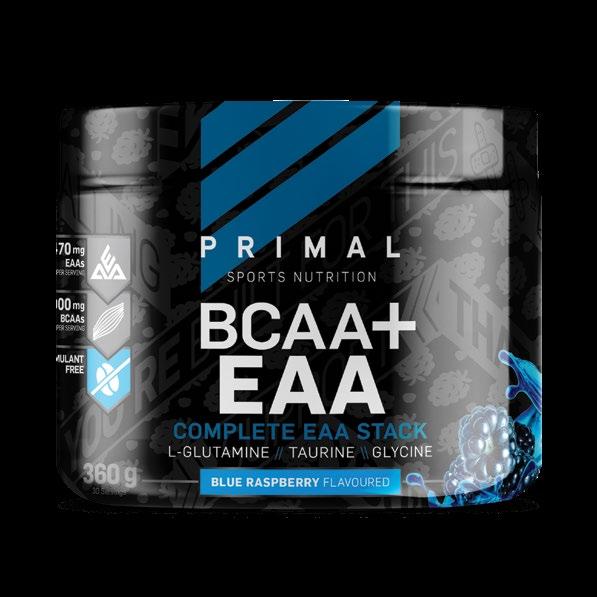
Primal BCAA+EAA
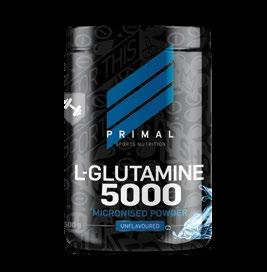
Crush your performance goals and support your recovery with new Primal BCAA+EAA, a complete amino acid stack that provides all 9 essential amino acids (EAAs). Every scoop delivers a potent 5,470mg of EAAs, including 4,000mg BCAAs, ensuring your body gets all the important aminos it can’t produce on its own. Added L-glutamine, taurine and
Plant-based diets are not synonymous with convenience, but Primal is flipping the script with it’s new Primal Ready to Drink Plant Protein Shake. Enjoy plant power on the go after training, between meals or anytime you need a convenient protein boost. Every 350ml bottle delivers 28g of protein to support muscle growth and recovery, with just 116 calories and no added sugar. This is a game-changer for vegan athletes and those looking to add more plant-based nutrition to their routine without sacrificing taste. Available in classic Vanilla and Chocolate flavour
create a powerhouse formula that supports muscle protein synthesis and better endurance. This stimulant-free drink, available in Blue Raspberry or Lemon & Lime, is a versatile addition to your routine, no matter when you train.
NEW POWERHOUSE FORMULA
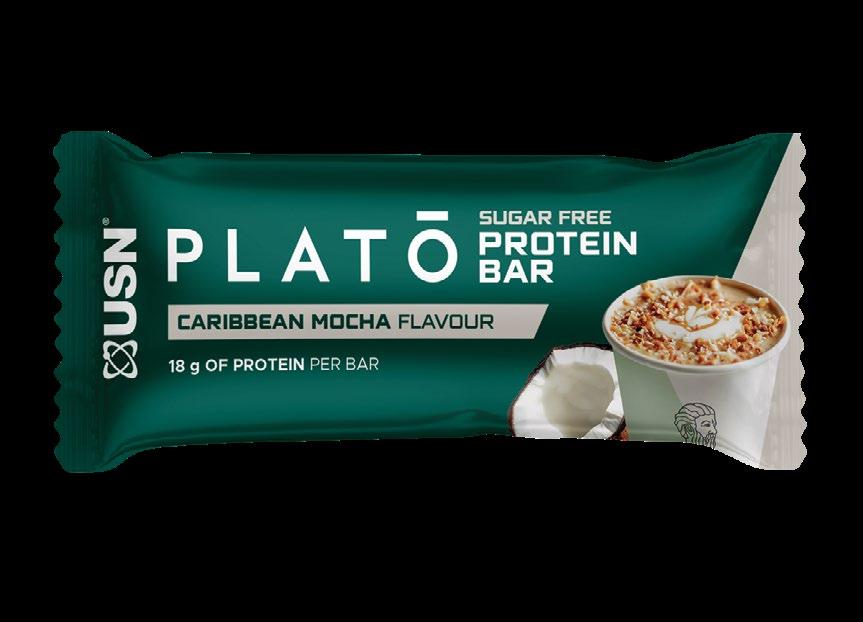
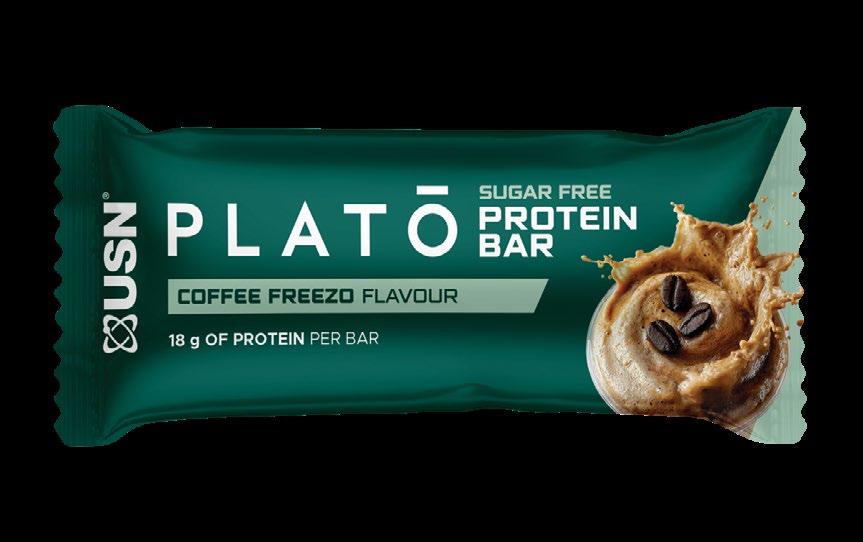
USN x Plato Protein Bars
USN x Plato Protein Bars are a premium high-protein snack designed to deliver great taste and functional nutrition in one convenient bar. Each bar features a deliciously soft and smooth texture and provides 18g of protein, sourced from egg albumen and whey protein concentrate, to support muscle recovery, muscle maintenance and active lifestyles. Available in two delicious coffee flavours – Caribbean Mocha & Coffee Freezo
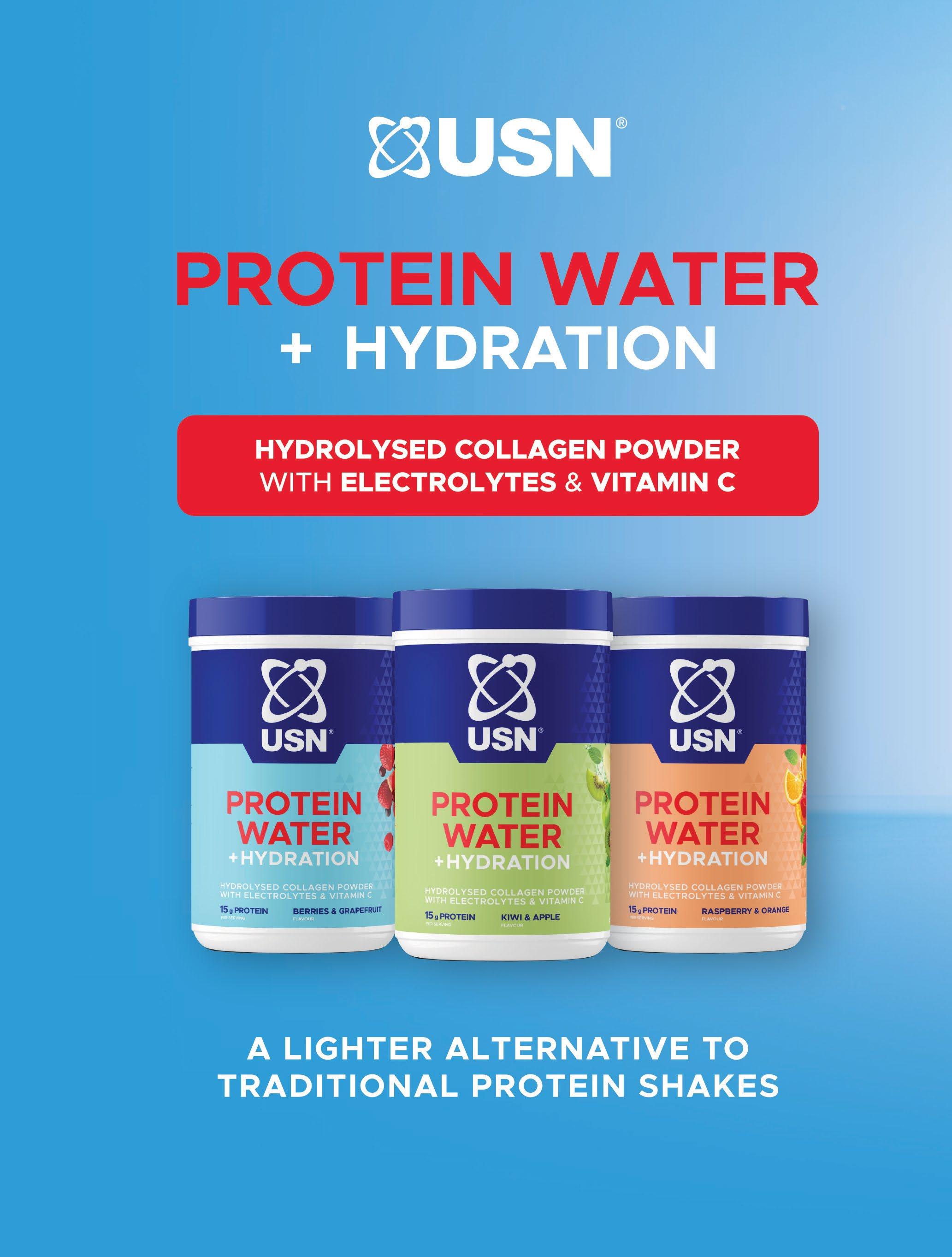
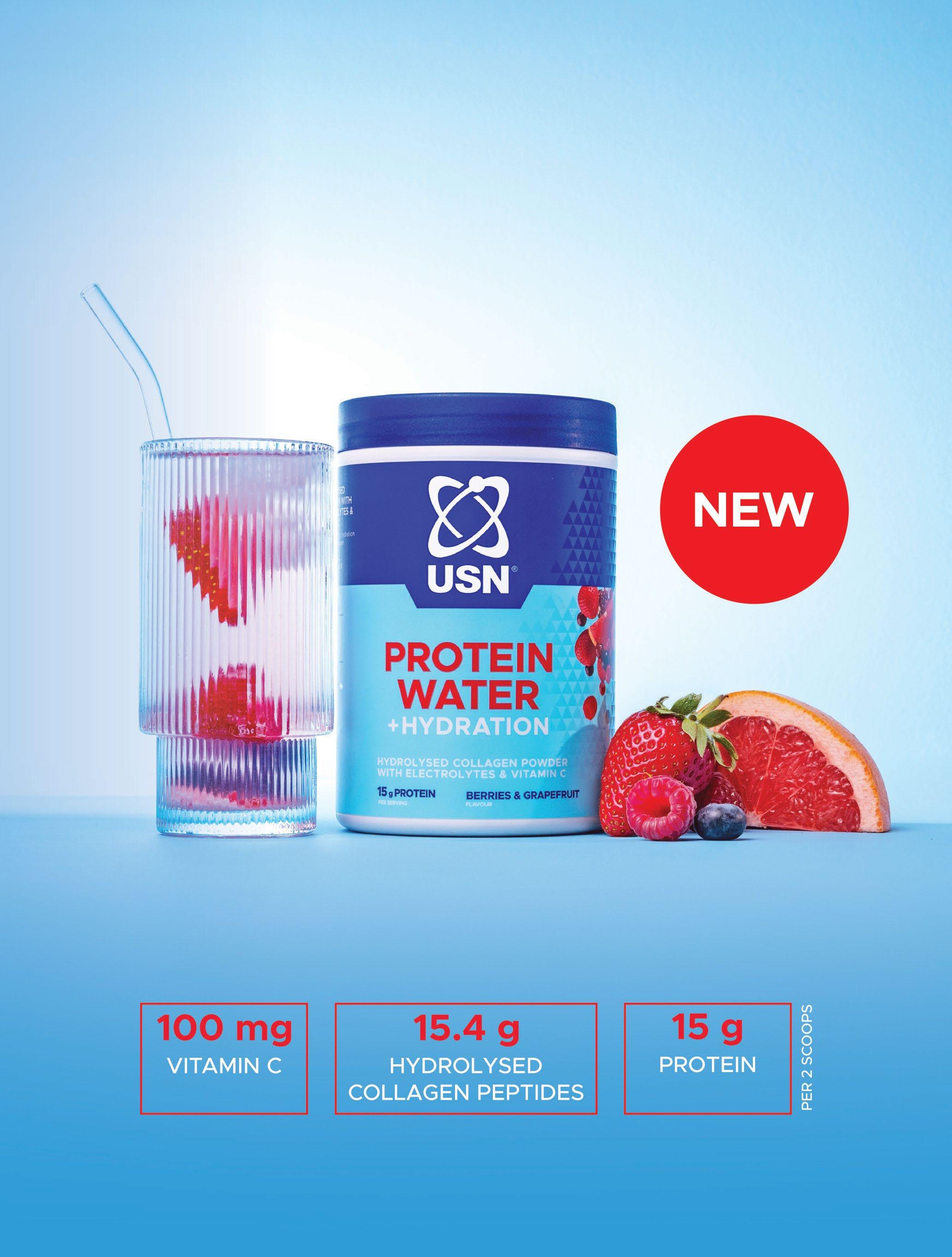
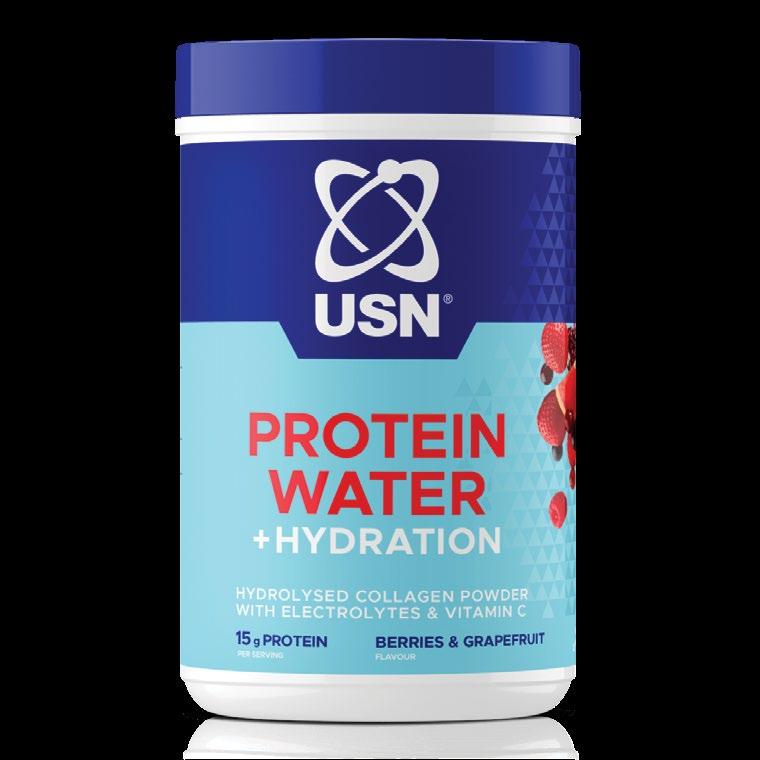
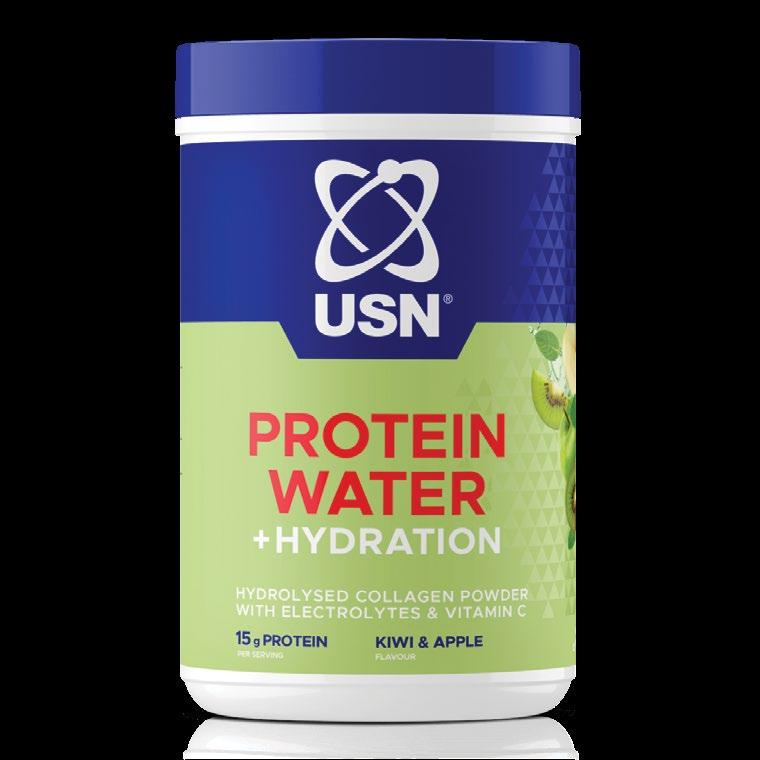
USN Protein Water + Hydration
Protein Water + Hydration delivers 15g of collagenbased protein per serving with added glycine, electrolytes and 100mg vitamin C to support hydration and everyday wellness. Available in refreshing Kiwi & Apple and Berries & Grapefruit flavours.
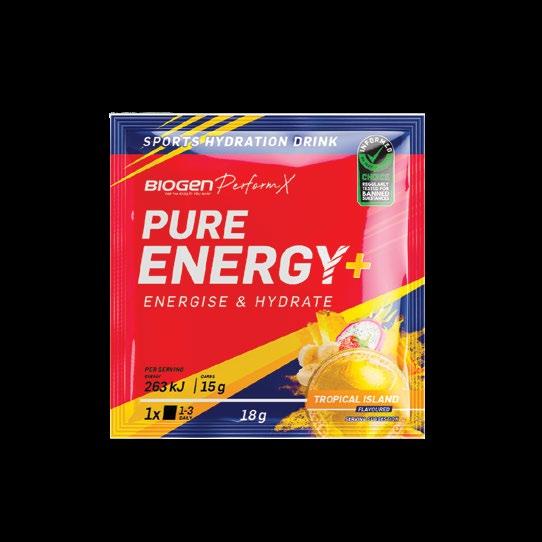
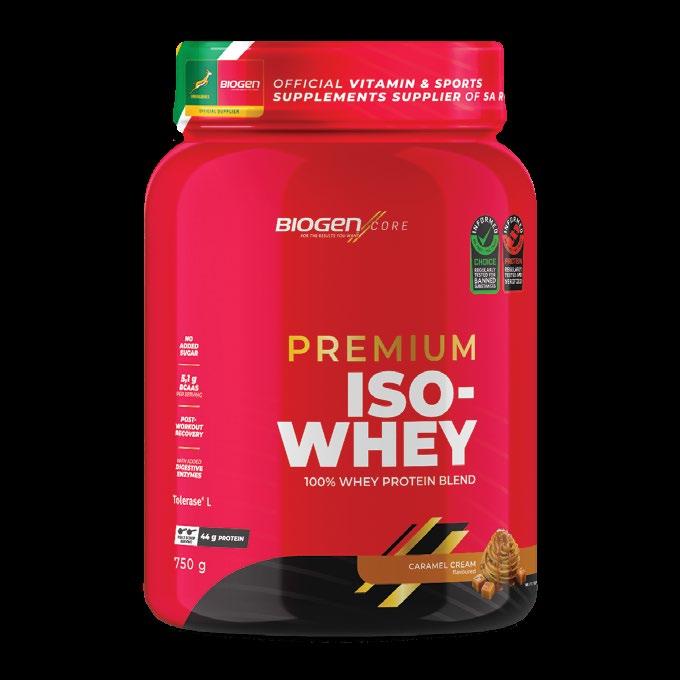
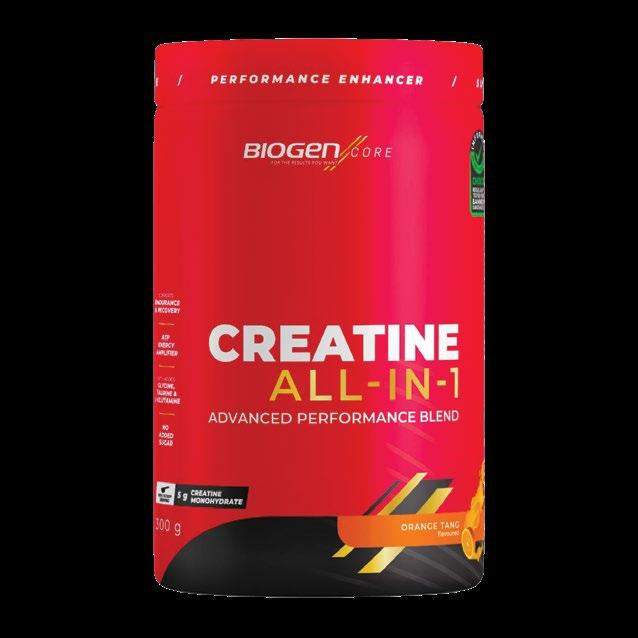
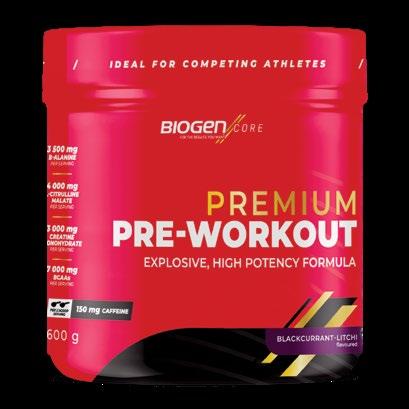
Biogen Unveils a Bold New Era with Fresh Packaging and Innovative Performance Nutrition Launches
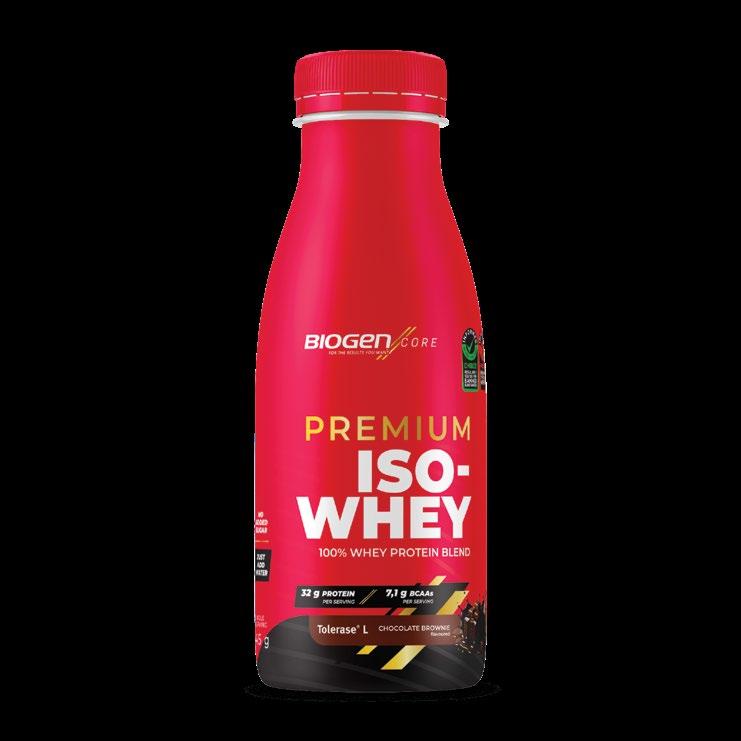
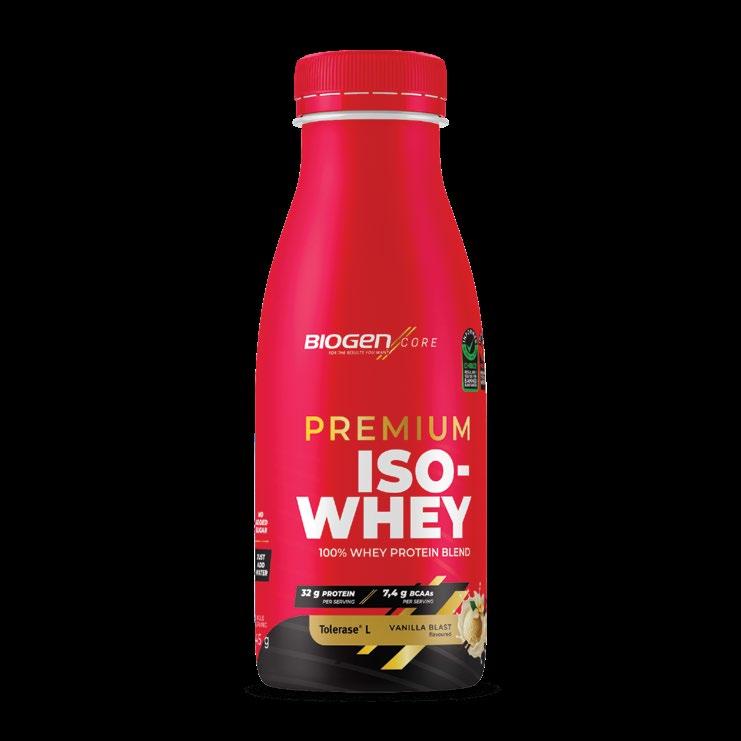
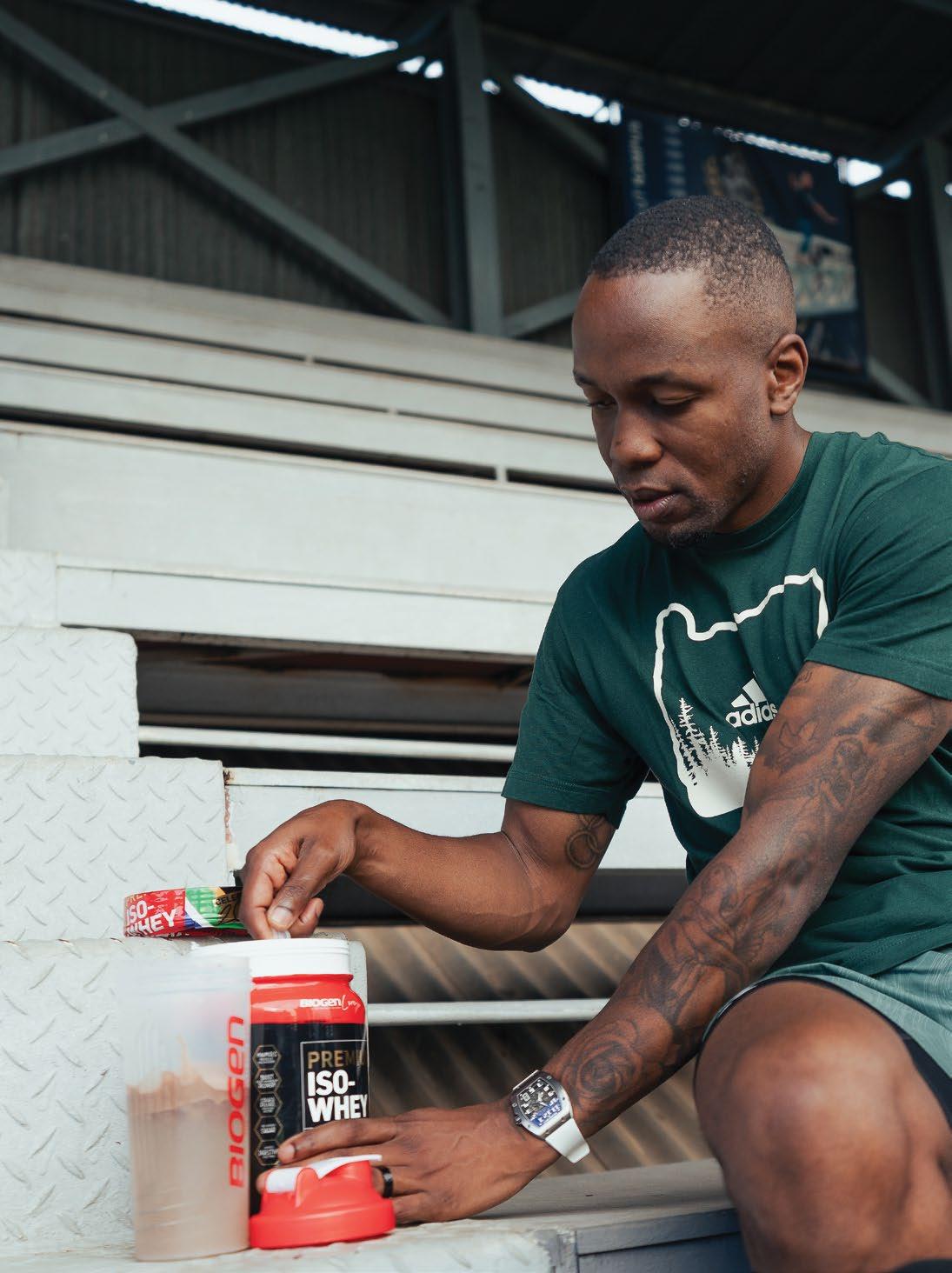
Biogen Premium IsoWhey Shake n Take
Premium recovery support just got more convenient with new Biogen Premium Iso-Whey Shake Pre-measured with a 45g serving, simply add water and shake for an on-the-go drink that delivers 32g and 7,1g BCAAs from a 100% whey protein blend. Available in Chocolate Brownie and Vanilla Blast.
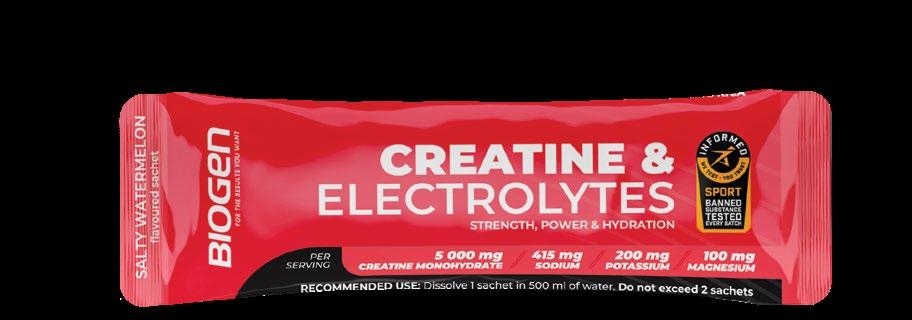
Coming soon! New Biogen Creatine & Electrolytes sachet
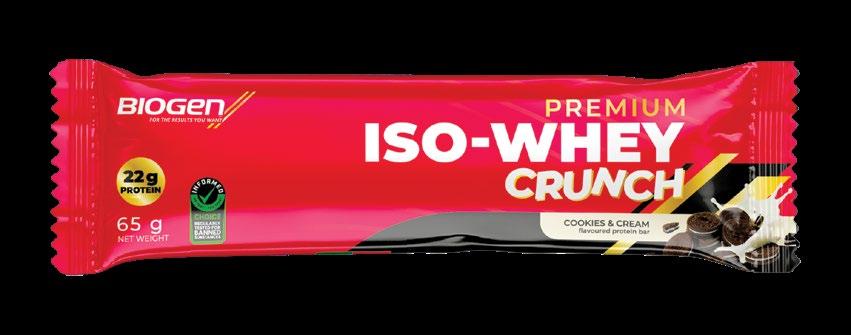
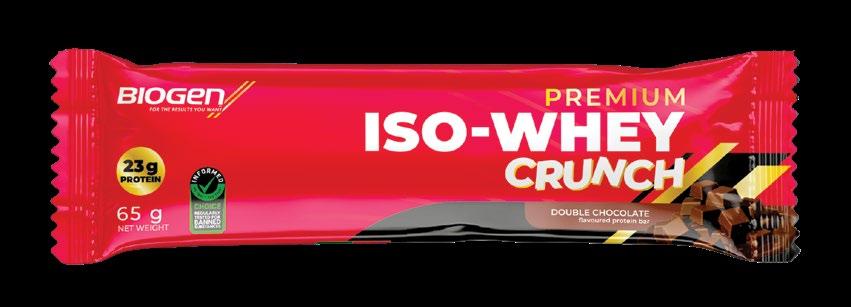
Coming soon! New Biogen Premium IsoWhey Crunch protein bars
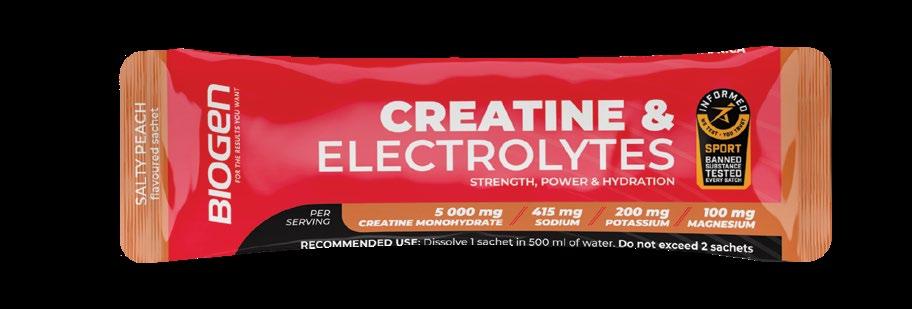
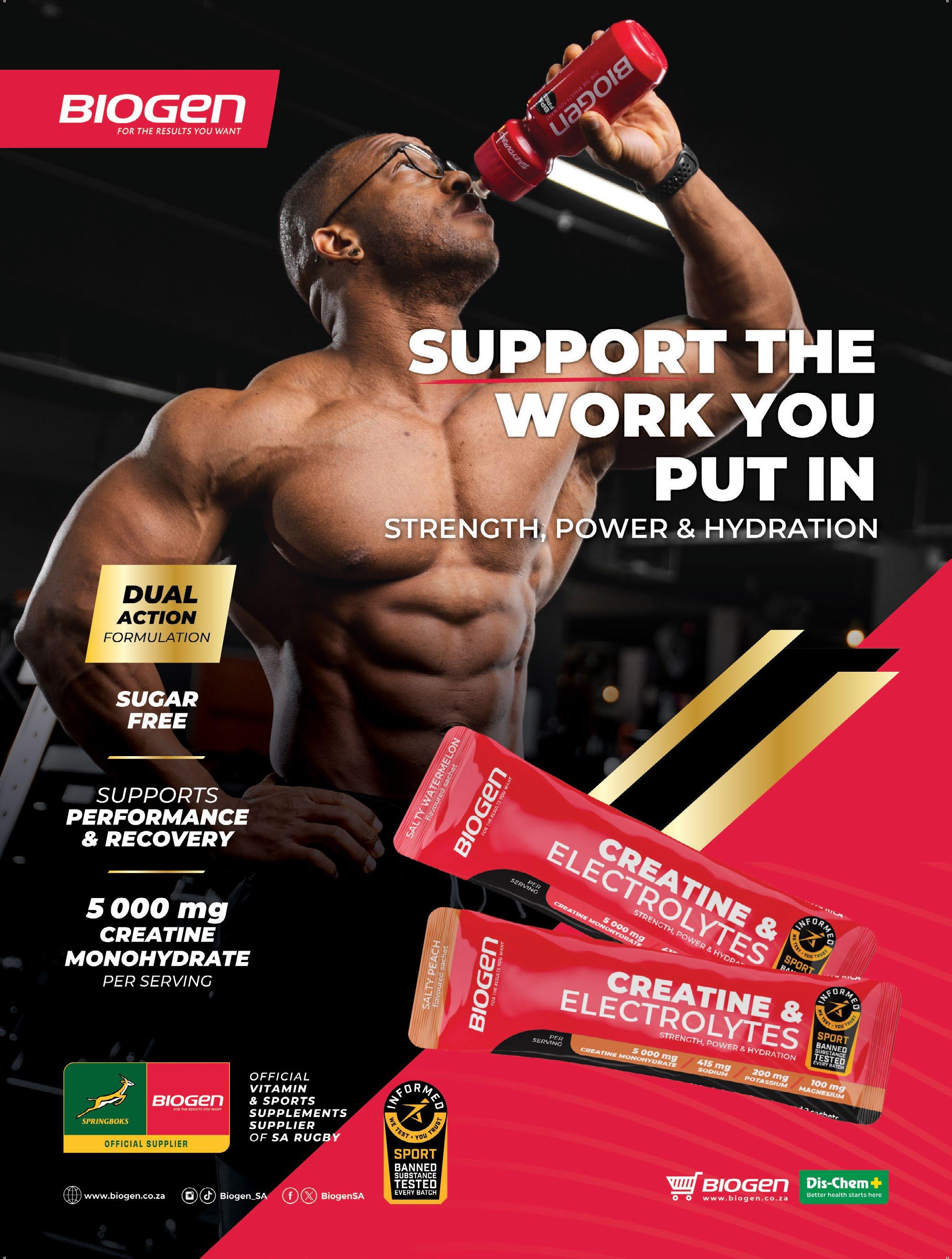
Strength, power and hydration, all in a convenient single-serving sachet. That’s what you get from new Biogen Creatine & Electrolytes, a potent, synergistic allround product for fitness enthusiasts and sportspeople, offering scientifically supported benefits for performance, recovery and hydration. Each sachet delivers 5g creatine monohydrate, 415mg sodium, 200mg potassium and 100mg magnesium. Available in Salty Peach and Salty
Discover premium protein delivered with taste and texture in the new Biogen Iso-Whey Crunch bar. Every delicious bar contains 22g of whey protein, offering a convenient option to meet your daily protein targets, or an indulgent post-workout snack. Available soon in Double Chocolate, Salted Caramel and Cookies & Cream flavours.
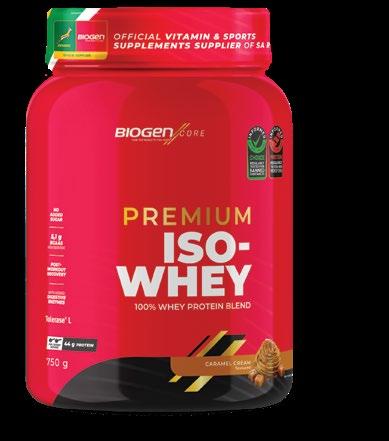
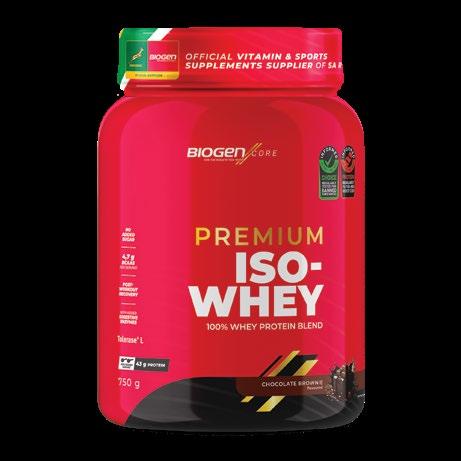
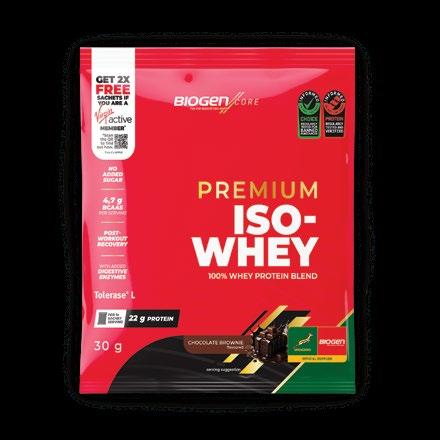
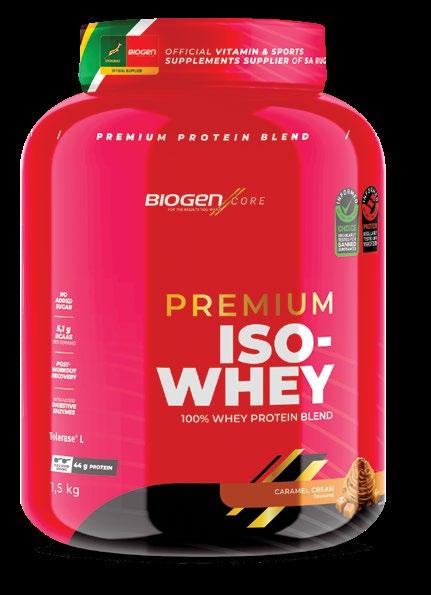
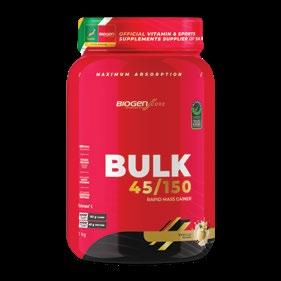
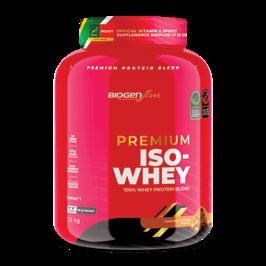
New look for Biogen Premium Iso-Whey Protein
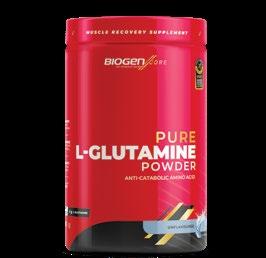
Look out for Biogen Iso-Whey Premium Protein in striking new red packaging when shopping online and in-store. The new-look tubs still contain the premium formulation you’ve come to know and trust, with high levels of EAAs and BCAAs, and a Tri Matrix Protein blend of whey protein hydrolysate, isolate and concentrate.
BIOGEN MELTS RANGE
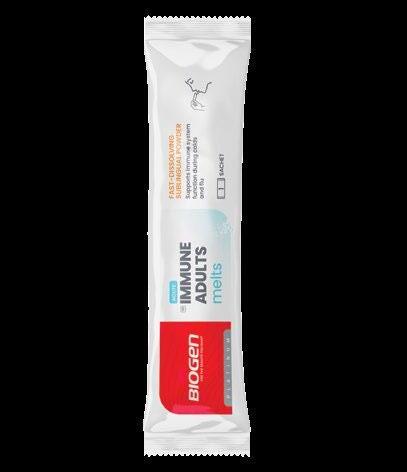
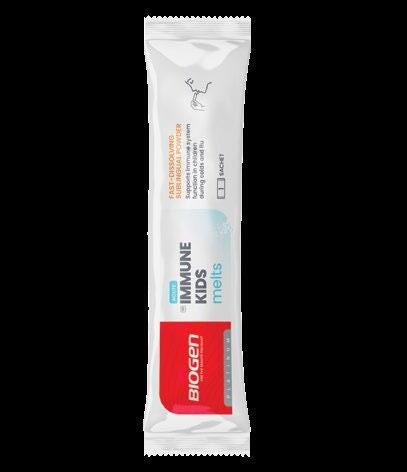
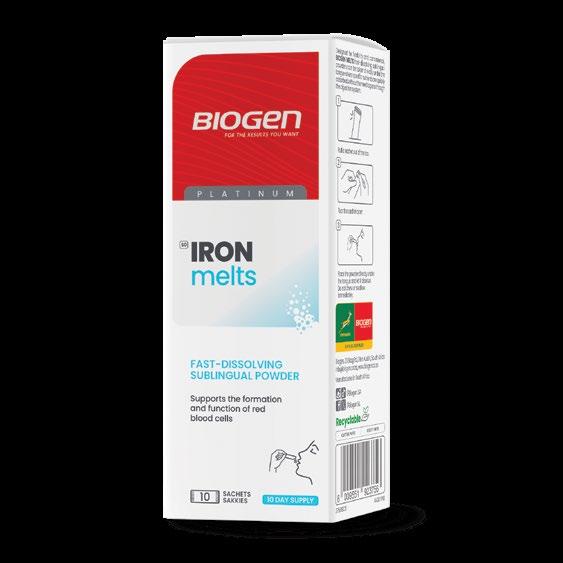
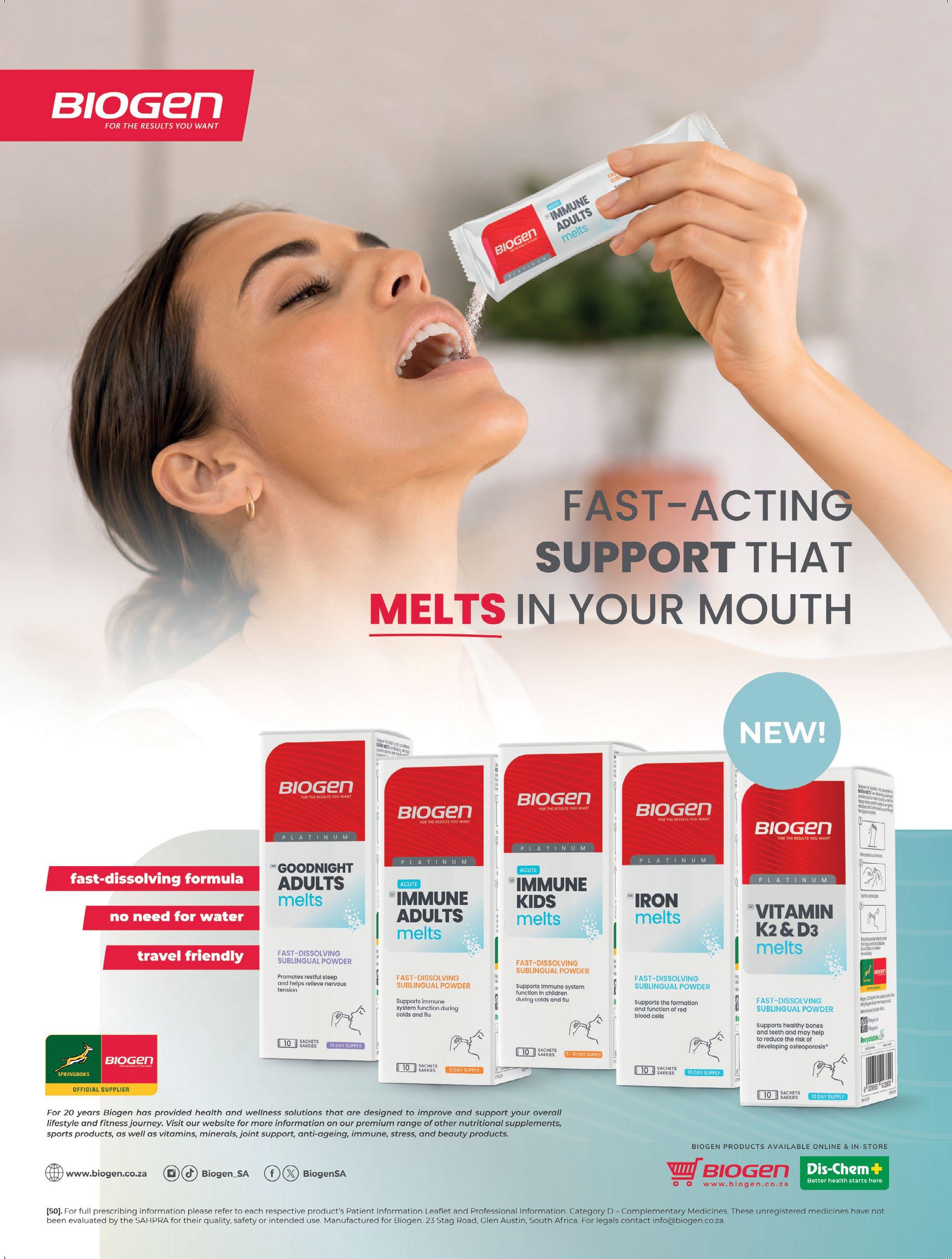
New Biogen Melts are fast-dissolving sublingual powders designed for flexibility and convenience. Take them directly under the tongue to ensure specific nutrients are quickly absorbed without the need to pass through the digestive system, or add the powders to unheated soft food or cold/roomtemperature drinks. The range includes:
Biogen Acute Immune Adults and Kids Melts can help support immune system function during colds and flu with a combination of vitamins and minerals.
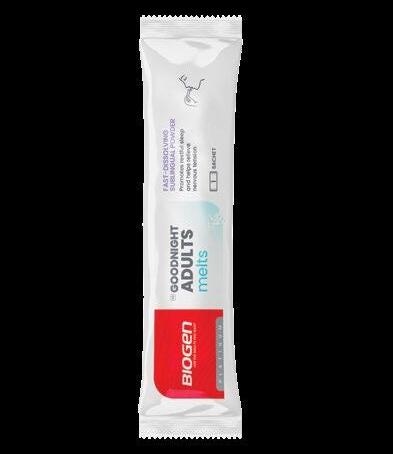
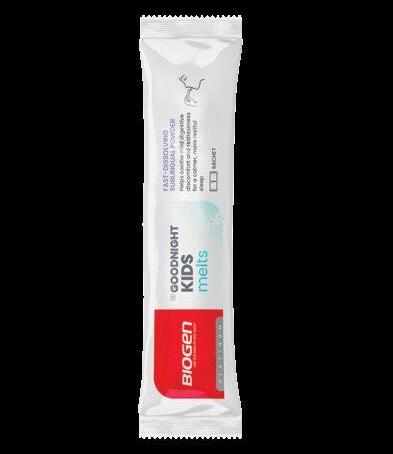
Biogen Goodnight Adult and Kids Melts contain a combination of vitamins, minerals and other ingredients that may calm restlessness and nervousness to support more restful sleep.
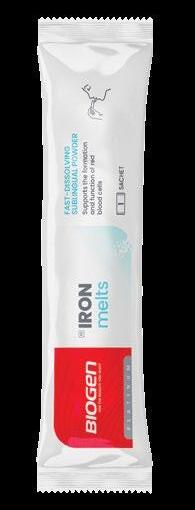
Biogen Iron Melts supports the formation and function of haemoglobin and red blood cells and reduces tiredness and fatigue.
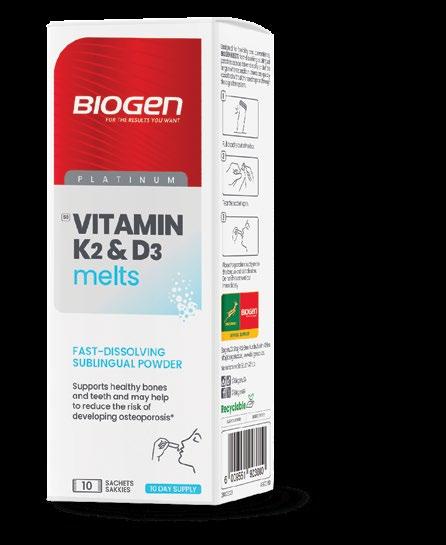
Biogen Vitamin K2 & D3 Melts supports strong, healthy bones and teeth, and may help reduce the risk of developing osteoporosis when combined with sufficient calcium, a healthy diet and regular exercise.
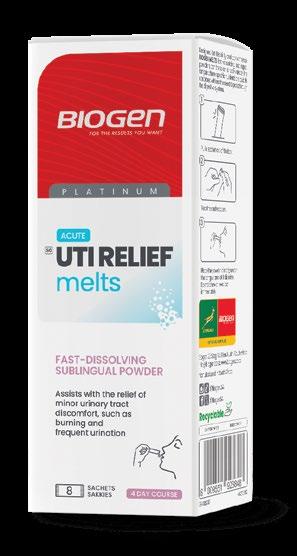
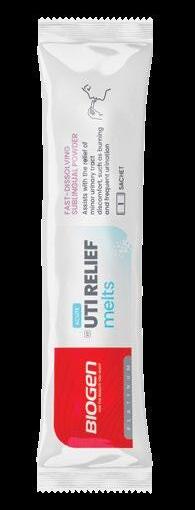
Biogen Acute UTI Relief Melts contains ingredients that can support the relief of minor urinary tract discomfort, such as burning and frequent urination.
[S0]. For full prescribing information please refer to each respective product’s Patient Information Leaflet and Professional Information. Category D – Complementary Medicines. These unregistered medicines have not been evaluated by the SAHPRA for their quality, safety or intended use. Manufactured for Biogen. 23 Stag Road, Glen Austin, South Africa. For legals contact info@biogen.co.za.
Biogen Sublingual Sprays
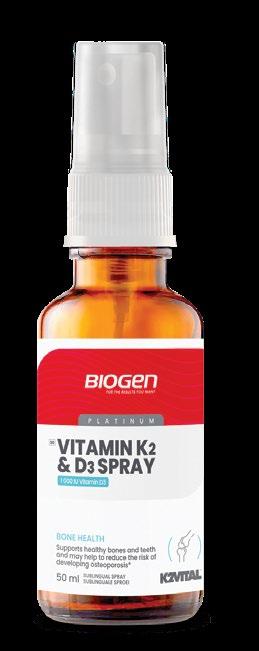
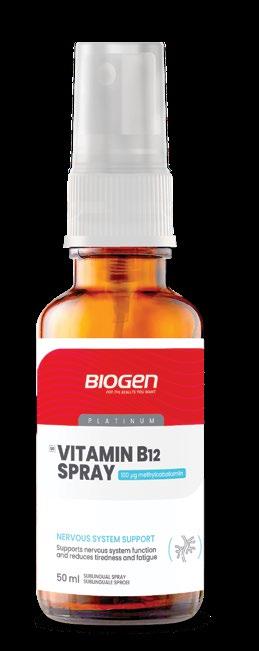
Biogen’s new fastacting sublingual sprays are absorbed under the tongue for quicker delivery and improved bioavailability. They also provide an easy-to-use option for consumers who struggle swallowing tablets or capsules. Biogen Vitamin K2 & D3 Spray provides 1000,00 IU vitamin D3, and 22,50 µg vitamin K2 (as Menaquinone-7 from K2VITAL®) per 6 spray dosage to support strong, healthy bones and teeth, and may help reduce the risk of developing osteoporosis. Biogen Vitamin B12 Spray provides 100 ug Methylcobalamin (the active form of vitamin B12) per 6 spray dosage, for the support of the nervous system and psychological function, as well as the reduction of tiredness and fatigue.
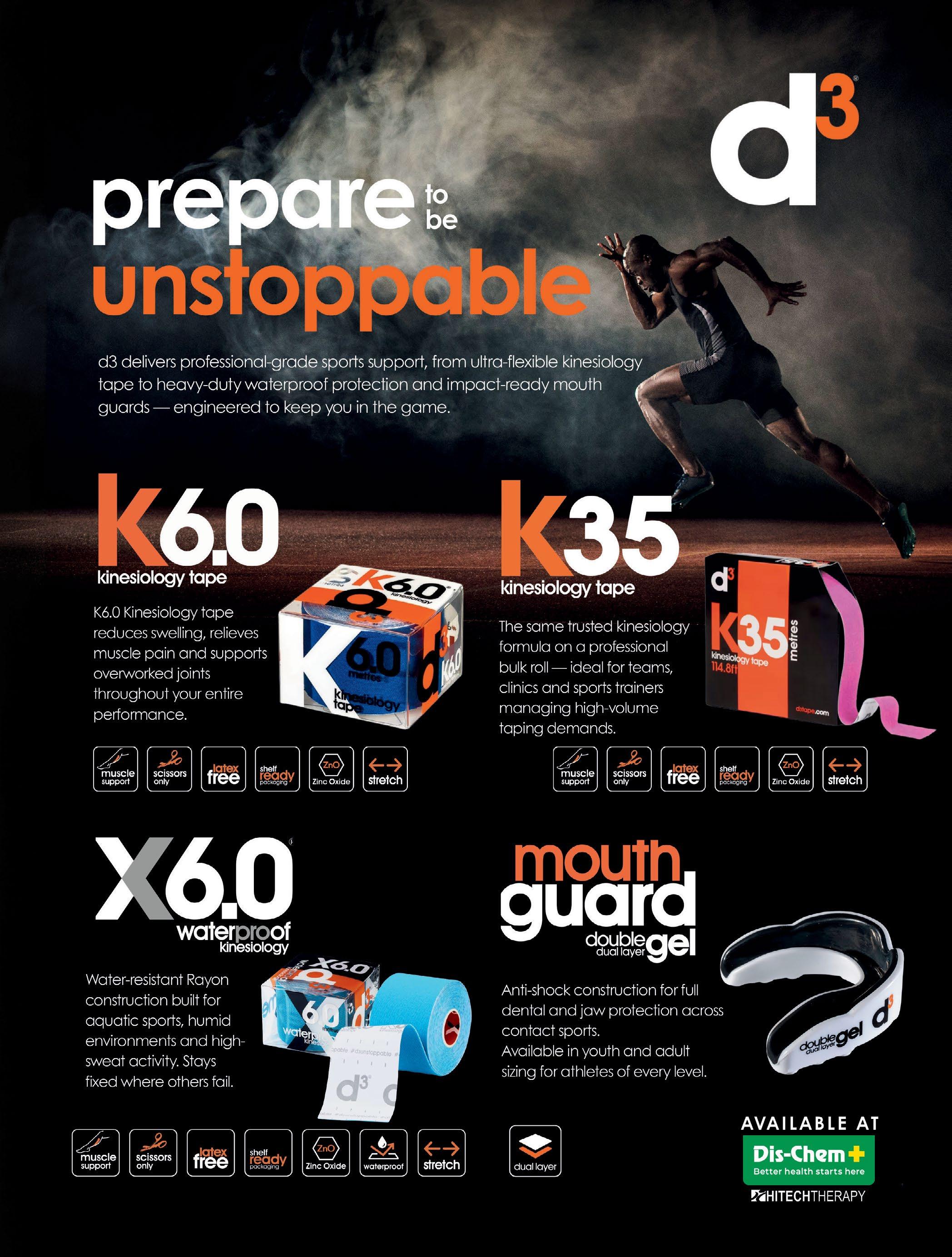
Built for Impact: D3 Introduces Premium
Sports Protection Solutions
Mouth Guard
D3 Kinesiology Tape
Designed for contact and high-impact sports, the D3 Double Gel Mouth Guard delivers advanced protection, comfort and fit. Its multilayer double gel construction and high-density outer shell help absorb and disperse impact, while the soft gel liner moulds to the teeth for a secure fit. Extended wall coverage and anti-slip pads
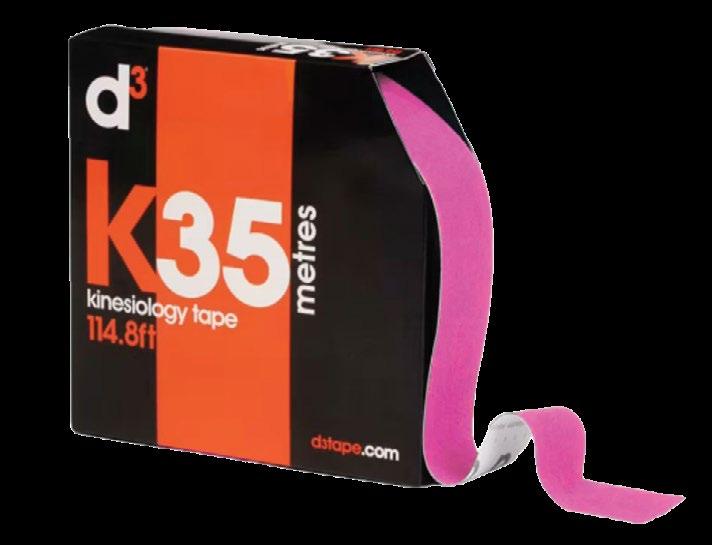
D3 Kinesiology Tape is an elastic cotton blend acrylic coated latexfree bandage used primarily to lessen the burden on muscles by limiting overuse or swelling. The tape may help manage pain from injuries, and supports tired muscles by working with your skin to increase blood flow and speed up healing in the applied areas. With applications suitable for all areas of your body, the tape is highly versatile and can be worn before, during and after various sports. A non-pre-cut roll helps maximise the tape, allowing full use and gaining the full amount of stretch the tape provides. Available in 35m (K35) and 6m (K6) lengths.
D3 Extreme Synthetic Kinesiology Tape
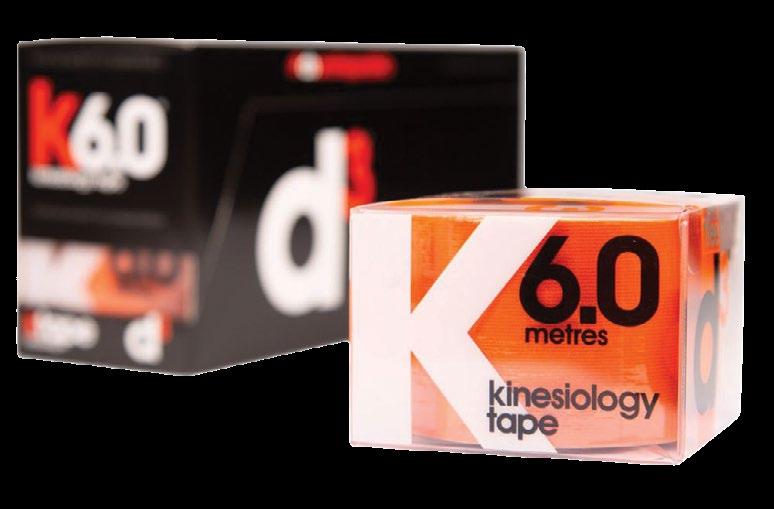
X6.0 Synthetic Waterproof Kinesiology Tape (6m x 5cm) is engineered with advanced materials for peak performance in wet conditions, perfect for winter sports, rainy training sessions and water-based activities. Its lightweight, breathable design allows for a full range of motion, while its longlasting adhesive provides all-day wear, ensuring it stays in place even in the toughest conditions.
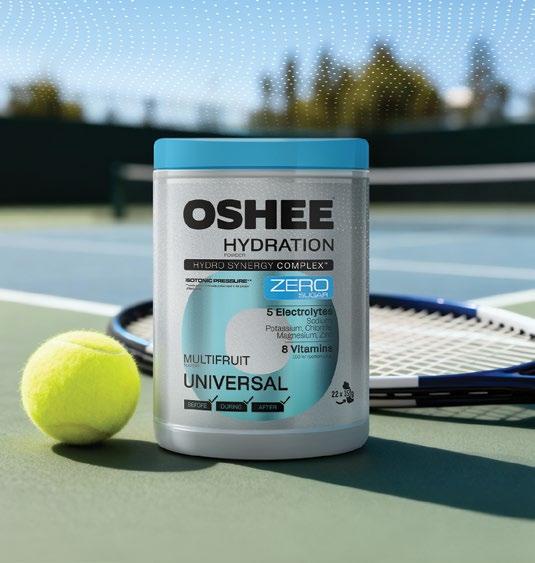
OSHEE Hydration Zero Sugar
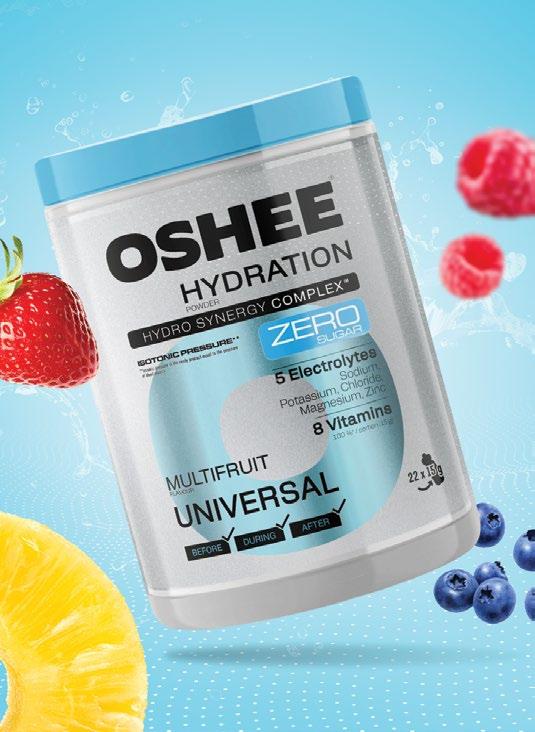
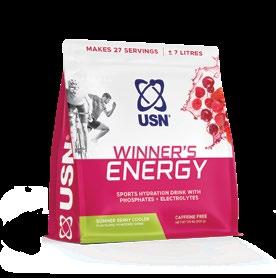
Get effective hydration, natural energy and maximum performance without added sugar from OSHEE Hydration Zero Sugar Powder. This functional powdered hydration drink is designed for physically active people, athletes and anyone who needs extra stimulation and support during exercise. Contains 5 key electrolytes and active vitamins in Grapefruit Electrolyte, Multifruit Universal, Lemon BCAA and Orange L-Carnitine variants to suit different needs and preferences.
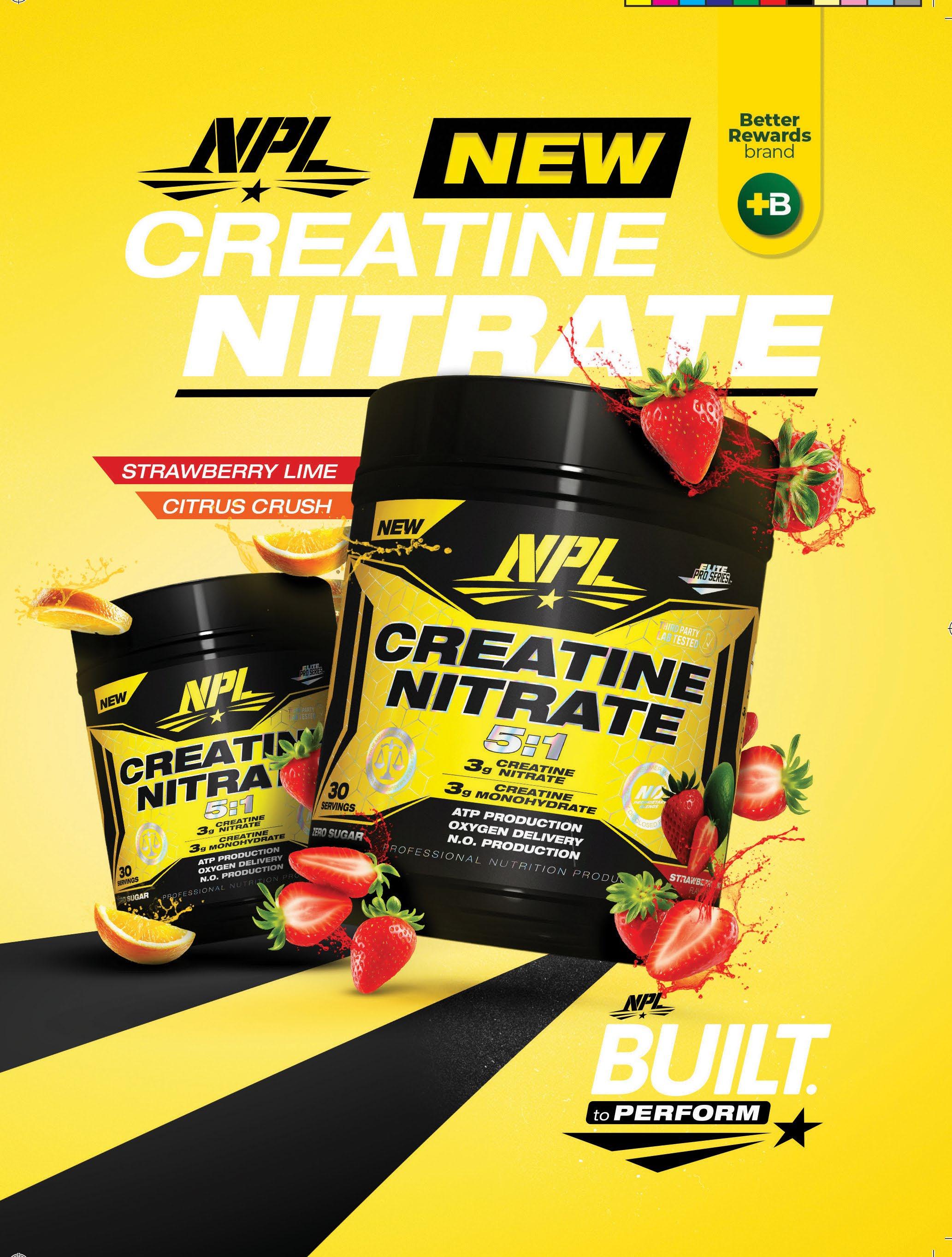
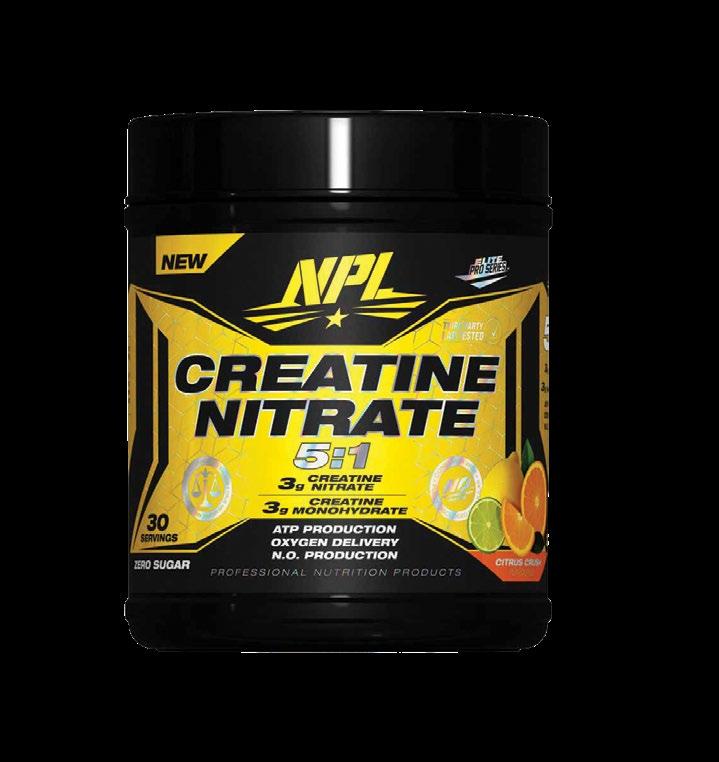
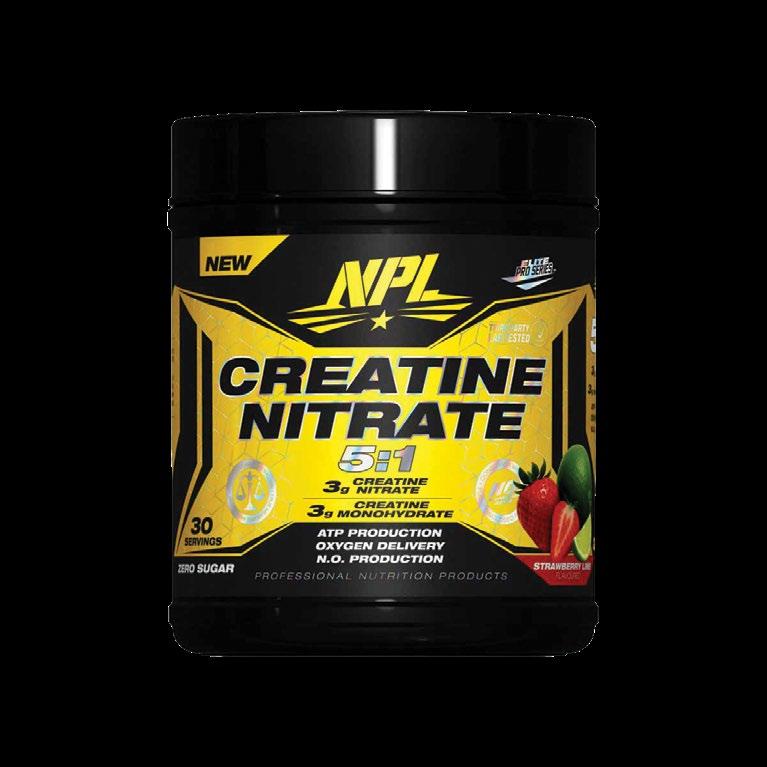
NPL Creatine Nitrate
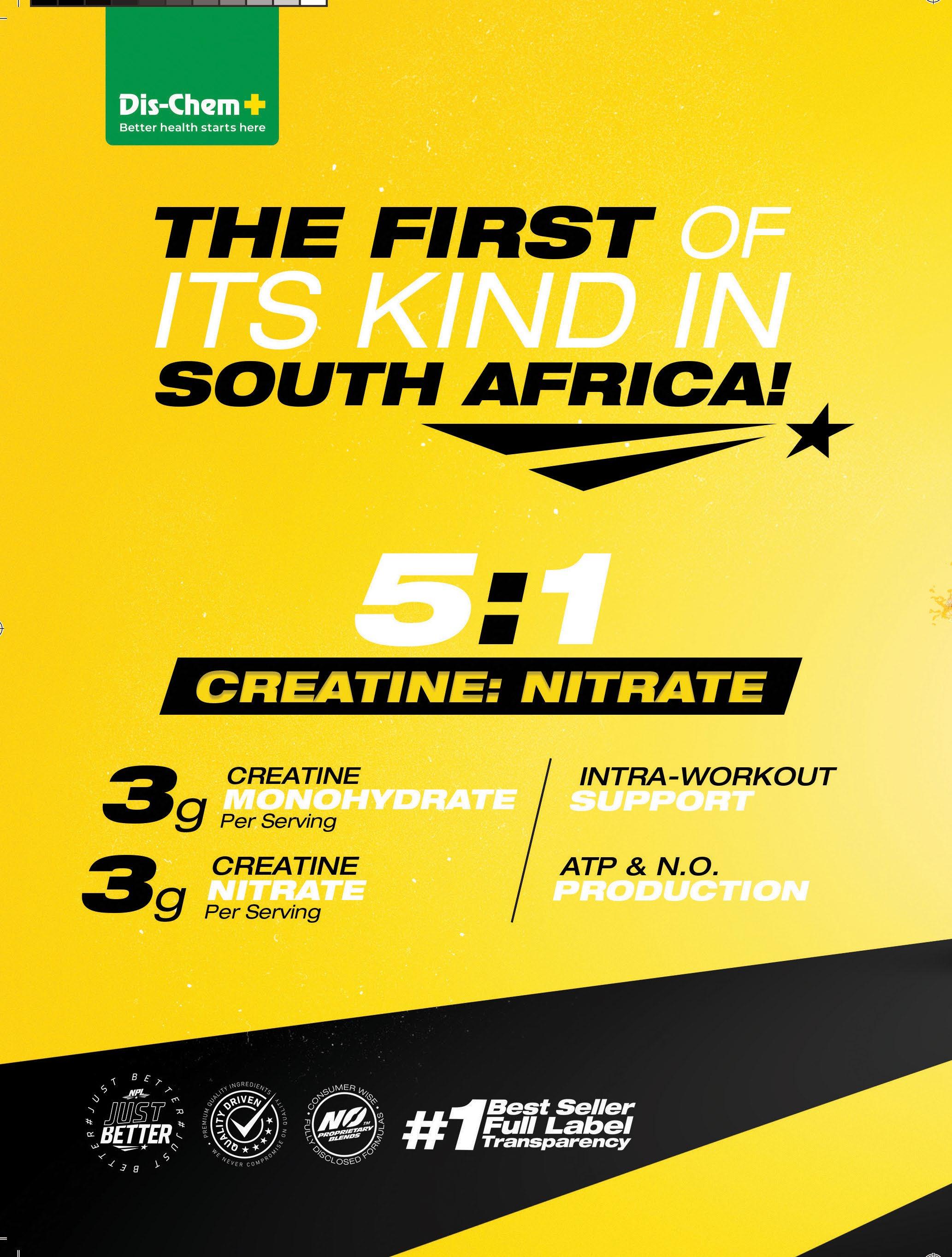
NPL Creatine Nitrate is built for athletes who demand more from their creatine. By combining 3g Creatine Nitrate with 3g Creatine Monohydrate, this formula delivers immediate and sustained performance benefits. Creatine supports ATP production for strength and power, while nitrates increase nitric oxide levels to enhance blood flow, oxygen delivery and muscle pumps. This dual-action system helps you push harder in training, improve endurance and recover more efficiently between sessions. With no stimulants or sugar, it’s a clean performance solution that fits into any training stack. Available in refreshing Strawberry Lime and Citrus Crush flavours.
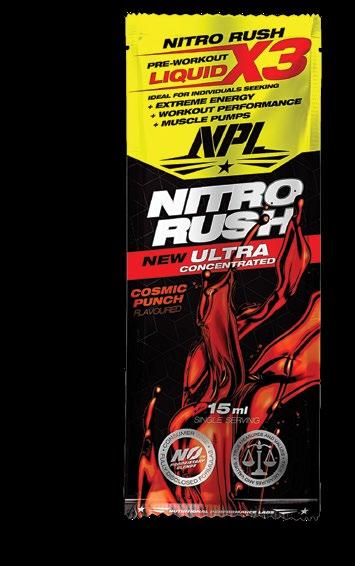
free sample
Selected magazines include a complimentary sample of Nitro Rush, an ultraconcentrated pre-workout liquid designed for rapid delivery of active ingredients to help boost nitric oxide production. This supports increased blood flow and enhanced muscle pumps during training.
Next-Level Performance: Power, Focus & Recovery
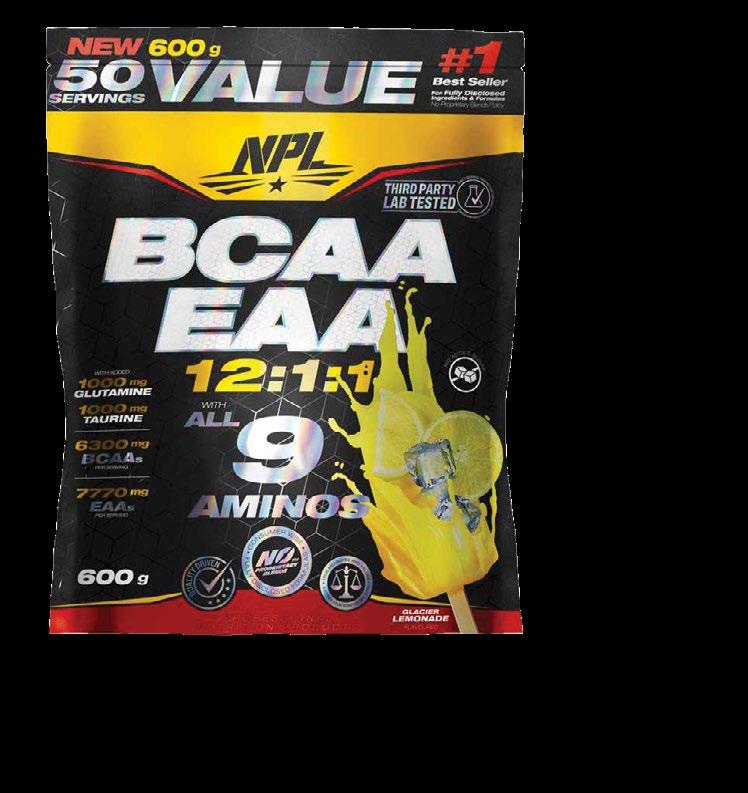
NPL BCAA
EAA 12:1:1
Break the ice on your recovery and performance with the new NPL BCAA EAA 12:1:1 Glacier Lemonade flavour. The crisp, cloudy lemonade-inspired taste delivers instant refreshment with its smooth citrus tang and clean, icy finish, making it the perfect intra-workout drink when you need to stay cool, hydrated and locked in. With the ideal ratio of EAAs and BCAAs to improve muscle recovery, support protein synthesis and energy metabolism for enhanced endurance, this zero-carb, stimulantfree drink may aid physical performance, promote recovery and reduce muscle breakdown.
NPL Energy
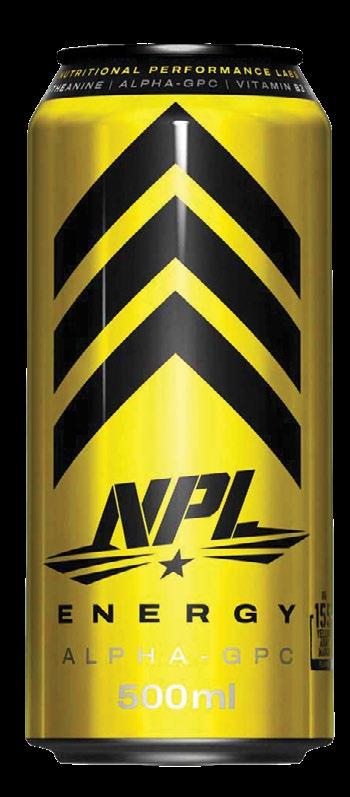
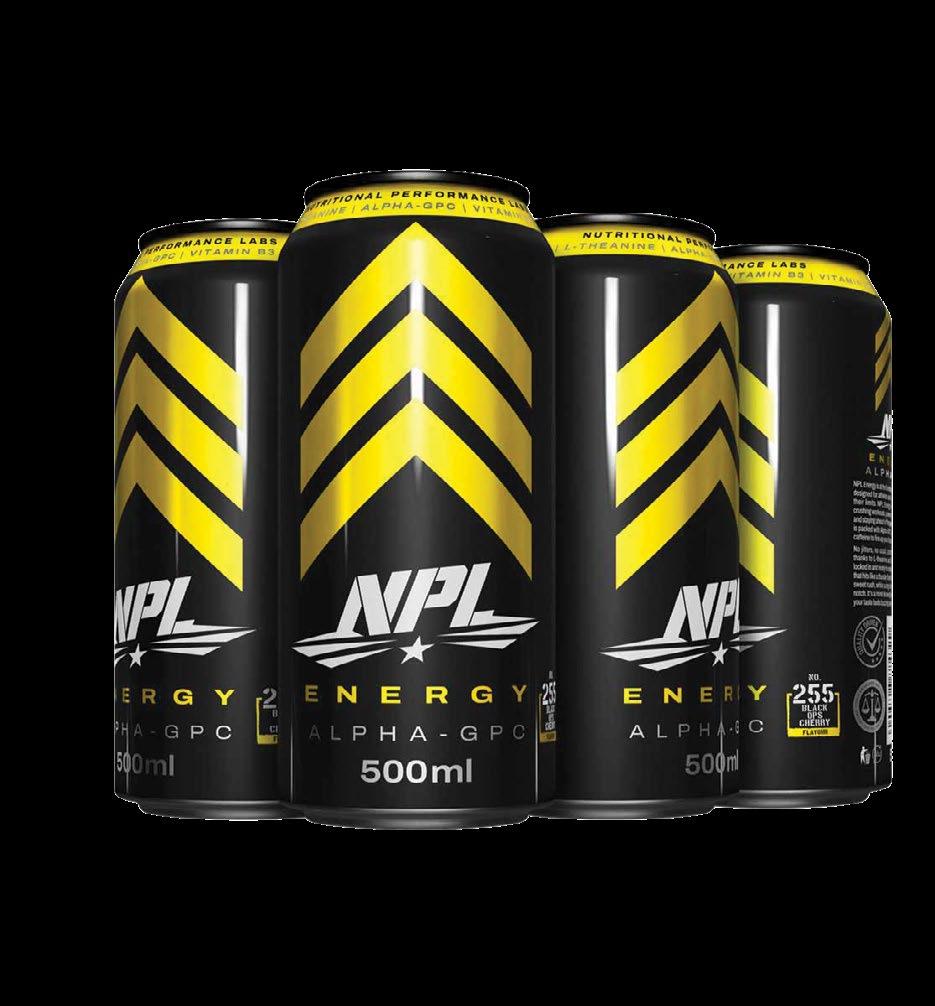
NPL Energy is a performancefocused energy drink designed for athletes and high-performers. Each can delivers 150mg caffeine and 300mg alpha GPC — a powerful nootropic for cognitive performance — alongside L-tyrosine and L-theanine for razor-sharp focus and mental clarity, and B vitamins for sustained energy and drive without the jitters or crash. Available in two bold flavours - Yellow Army Mango
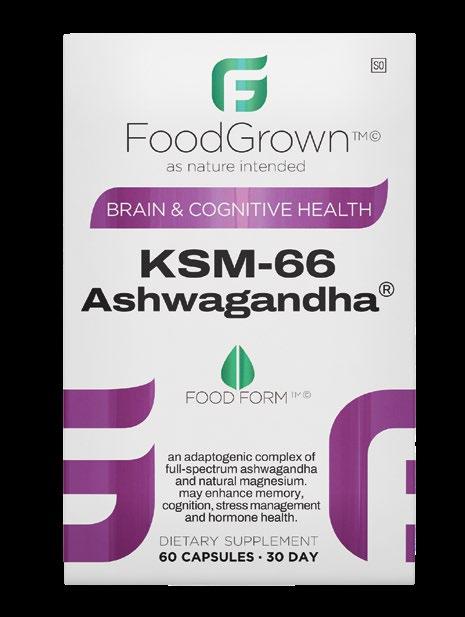
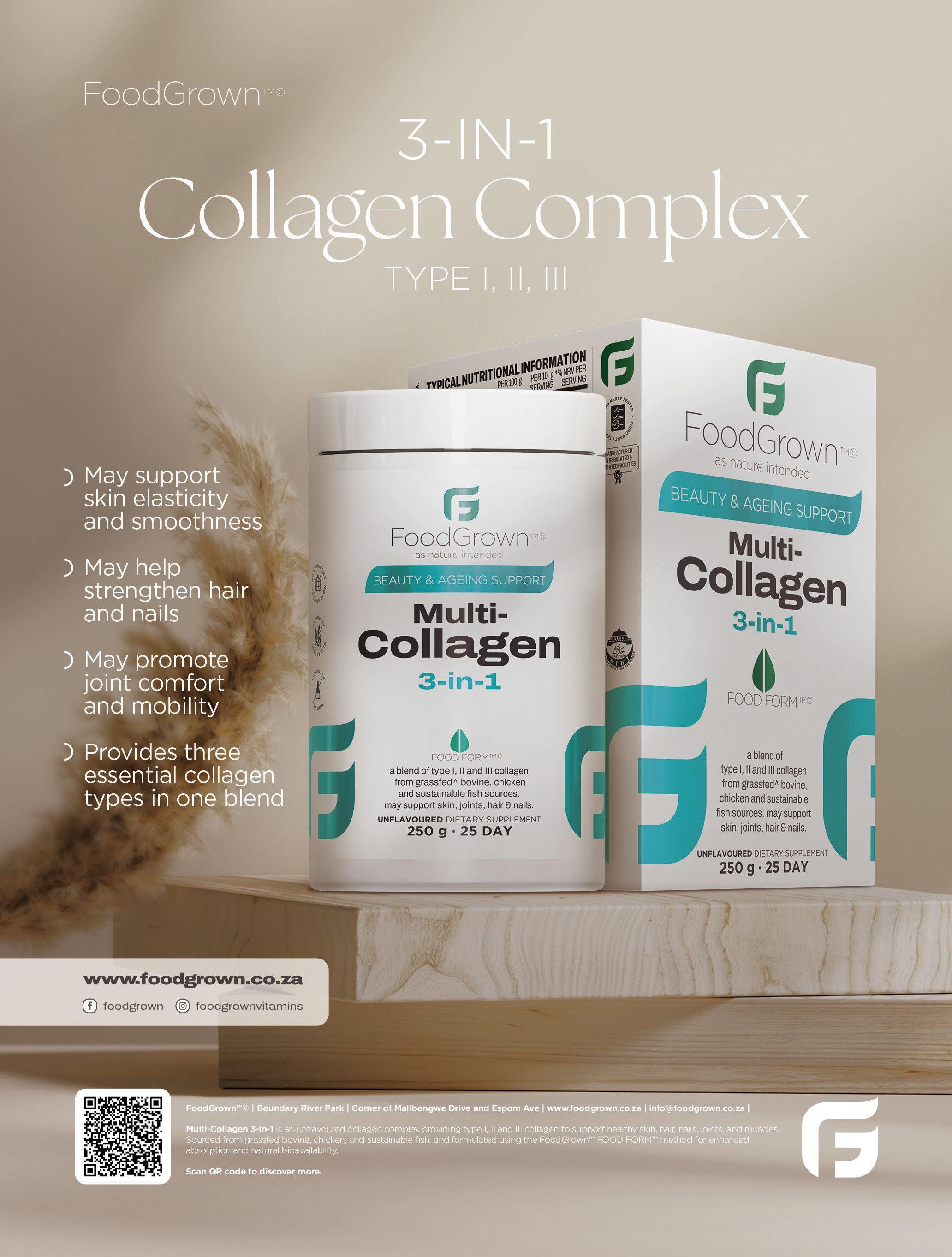
FoodGrown KSM-66 Ashwagandha®
FoodGrown KSM-66
Ashwagandha® is a fullspectrum extract with a high concentration.
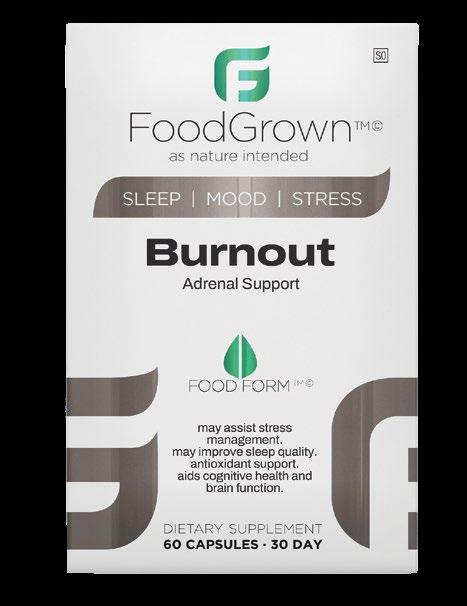
In today’s fast-paced environment, daily stress and lack of sleep can contribute to adrenal burnout. FoodGrown Burnout has been formulated using a blend of naturally sourced vitamins, minerals and herbal extracts that play a role in balancing hormones in the body relating to adrenal fatigue. Also includes antioxidant-rich micronutrients to reduce inflammation and herbal ingredients that have been found to support mood regulation, cortisol management and improve sleep quality. Ideal for use as a daily supplement or as needed during higher-stress situations.
FoodGrown Multi Vita-Mineral
Nourish,
Restore, Thrive: The FoodGrown™ Essentials
for Stress, Sleep and WholeBody Wellness
FoodGrown BioMag+
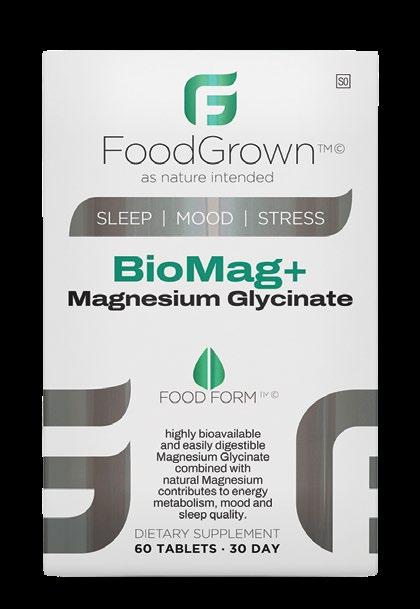
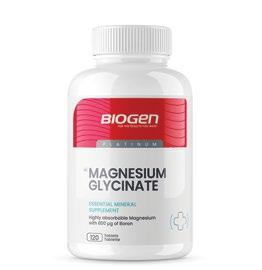
FoodGrown BioMag+ is a highly bioavailable complex of natural magnesium with magnesium glycinate, formulated to aid sleep, mood and nutrient metabolism. Magnesium glycinate is an easily digestible form of magnesium and plays a role in muscle relaxation and the nervous system. BioMag+ also contains natural magnesium derived from yeast for optimal absorption, providing 117.5mg elemental magnesium.
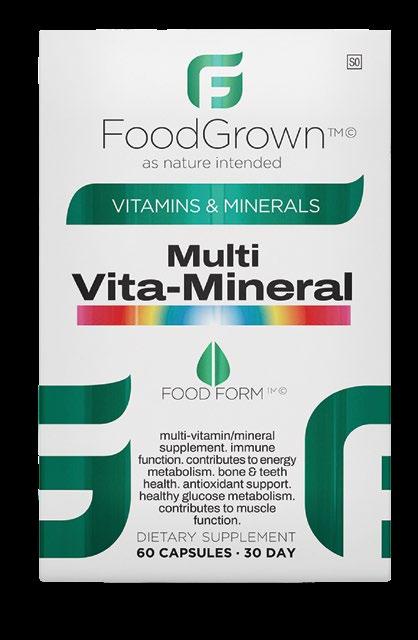
FoodGrown Multi Vita-Mineral is a full spectrum multivitamin and mineral complex containing 16 vital vitamins and minerals, including all the essential micronutrients the body needs to function effectively. This daily supplement may contribute to enhanced immune, bone and nervous system functioning, help improve energy levels and assist with overall health and wellbeing. As far as possible, the vitamins and minerals contained in this supplement have been sourced from natural sources with maximal bioavailability.
Indulgence Meets Performance Nutrition
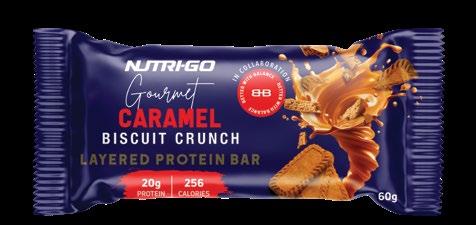
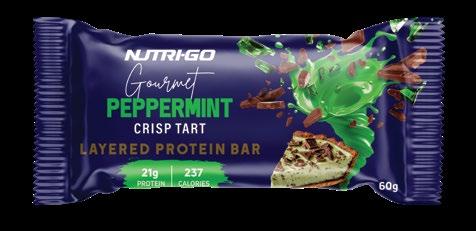
Nutri-Go Gourmet Protein Bars
Nutri-Go Gourmet Protein Bars deliver indulgent flavour, premium texture and functional nutrition, elevating the traditional protein bar experience with a dessert-inspired approach. Each bar is made with high-quality whey protein, delivering more than 20g of protein to support muscle recovery, satiety and active lifestyles. A focus on digestive comfort minimises the bloating commonly associated with many high-protein snacks for a more enjoyable experience. Dessertinspired flavours include Milk Tart & White Chocolate, Peppermint Crisp Tart, Caramel Biscuit Crunch and Peanut Butter & Caramel Popcorn.
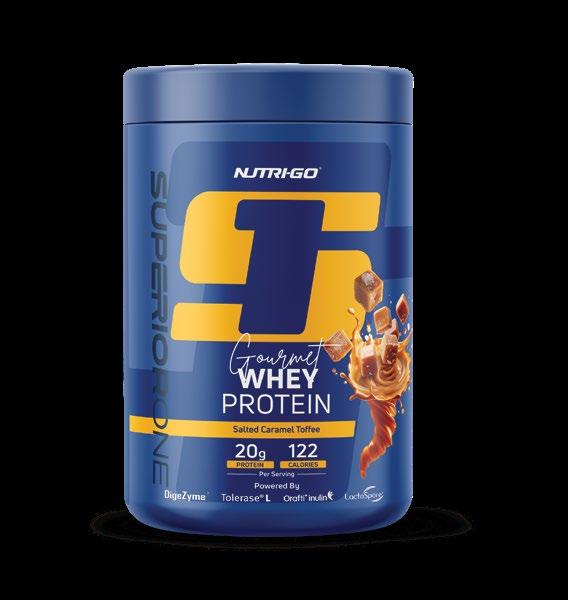
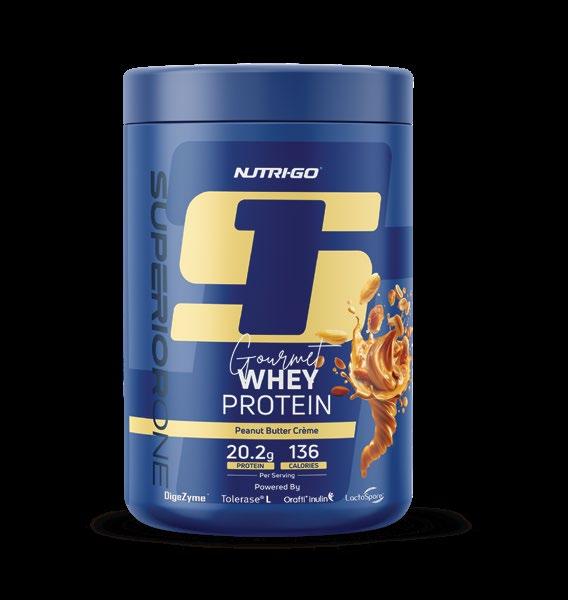
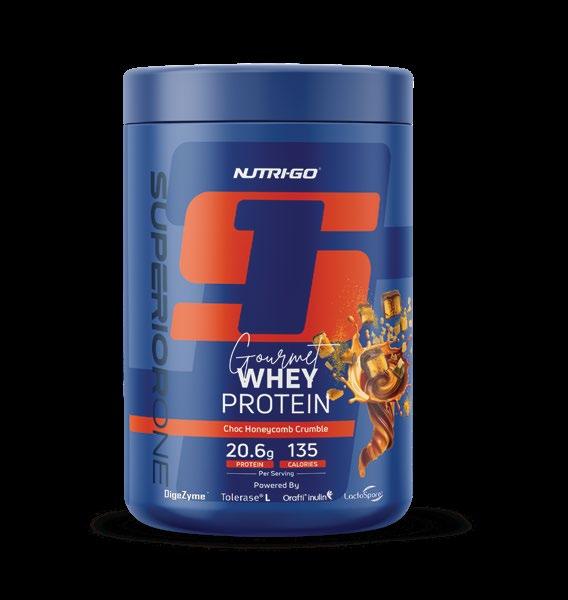
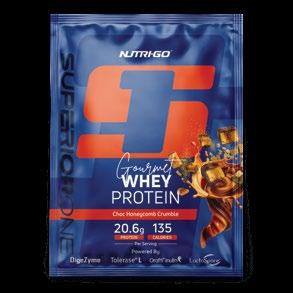
Nutri-Go Superior One Gourmet Whey Protein
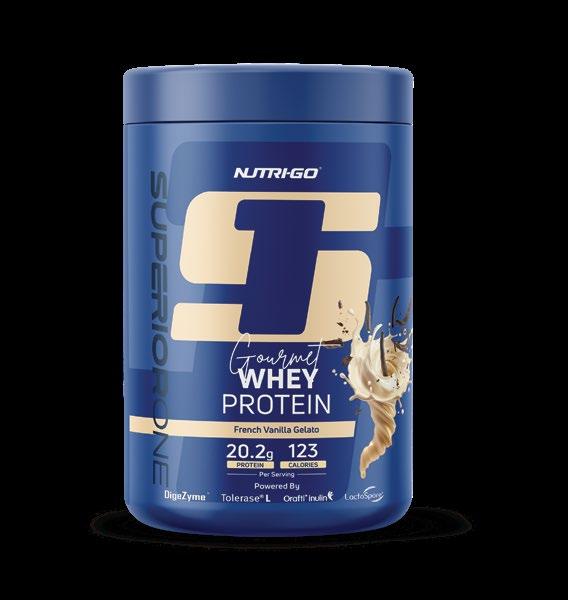
Superior One Gourmet Whey Protein was created to deliver indulgent taste and advanced protein performance. Superior One has been engineered as a complete protein system to optimise protein intake, digestion, absorption and overall nutritional performance. A premium-quality whey protein blend is paired with a functional support matrix that includes digestive enzymes, prebiotics, probiotics and MCT powder. This integrated approach helps support gut health, improve digestive comfort and enhance nutrient utilisation. The result is a premium, functional and enjoyable whey protein experience delivered with rich, dessert-inspired flavours and a smooth, indulgent texture.
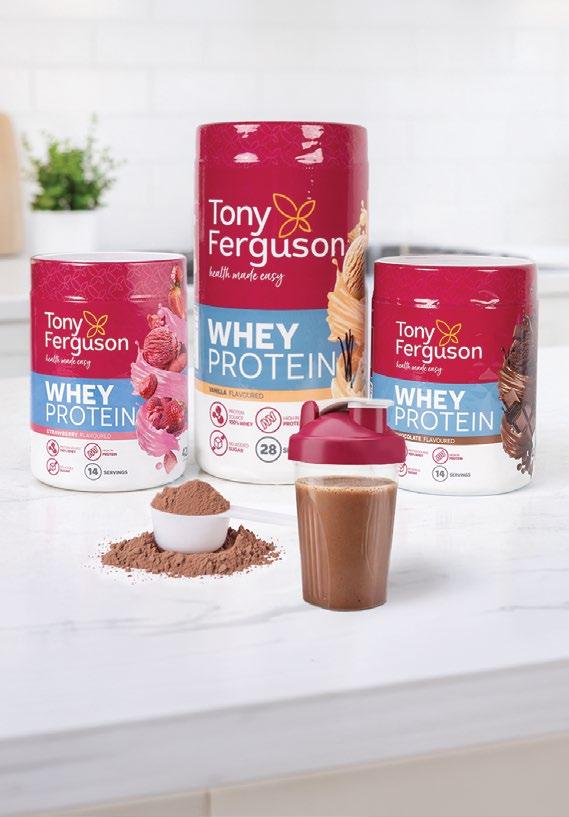
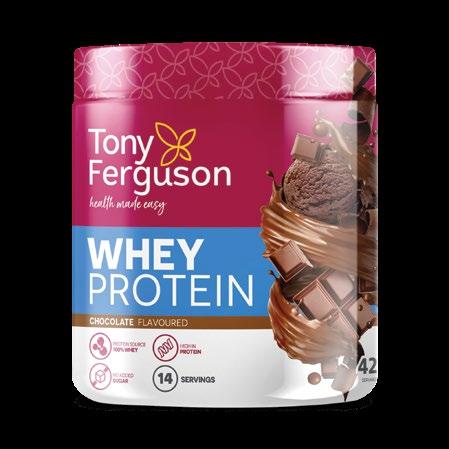
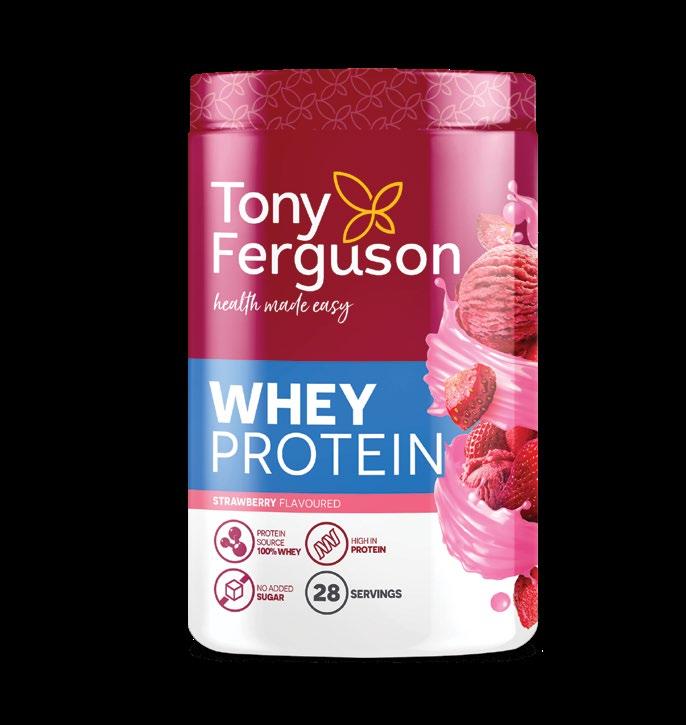
Tony Ferguson Whey Protein
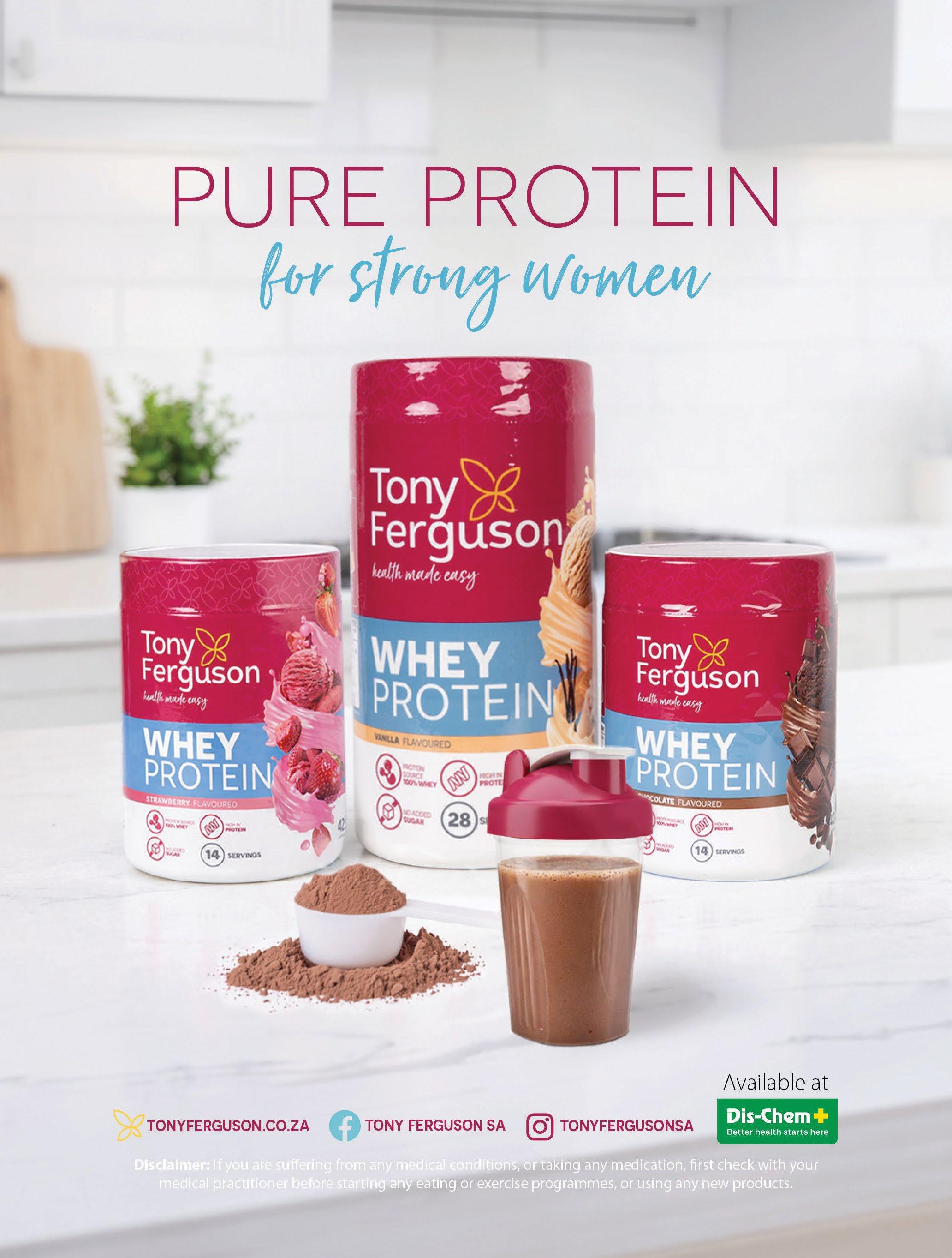
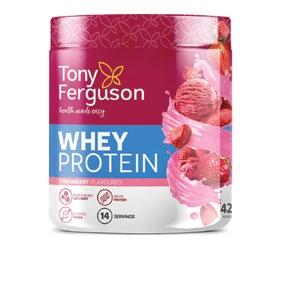
Fuel your day with the new Tony Ferguson Whey Protein, available in Strawberry, Chocolate and Vanilla in 420g and 840g tubs. This high-protein, great-tasting shake is designed to support your active lifestyle, whether you use it as a postworkout recovery shake, meal supplement or part of your Tony Ferguson eating plan. It’s your go-to source of quality protein for lean muscle support and daily nutrition.
1-2 POOPS A DAY
A new study reveals what your pooping frequency suggests about your overall health.
After reviewing data from nearly 1,500 people enrolled in the Arivale Scientific Wellness program (who self-reported the frequency of their daily bowel movements) researchers found that those who were the healthiest said they pooped once or twice a day. But those who pooped more than that or who didn’t poop all that often had a higher risk of having several health issues.
*Study published in Cell Reports Medicine.
20˚C - 25˚C
New thermal-imaging studies suggest that warm or room-temperature liquids approximately 20°C to 25°C support better nutrient absorption and microbiome diversity compared to ice-cold drinks.
Cold consumption can trigger a mild "gastric shock" response, temporarily slowing peristalsis and affecting the gut-brain axis.
*Research conducted at San Diego State University.
“A HEALTHY OUTSIDE STARTS FROM THE INSIDE.”
HEA LIFESTYLE
8 STRAWBERRIES
A simple way to meet your daily vitamin C needs is with one cup of strawberries. About 8 berries provide roughly 80mg, close to the recommended intake for most adults, making it an easy, fresh alternative to supplements.
3 SERVINGS
Forget the “superfood” hype, consistency is the real hero. According to emerging research, consuming three servings of purple-hued flavonoids from foods such as blackberries, blueberries or radicchios daily delays cognitive decline. These compounds cross the blood-brain barrier to dampen neuro-inflammation, effectively “shielding” the brain from the oxidative stress of modern life.
*Study published in Nature Aging.
RECIPES Winter warmer recipes...32
LTHY LIFESTYLE
ASK THE PROS Longevity...38
WELLNESS
Menopause and your gut...50
SUPPLEMENTS
GLP-1 support...58
new
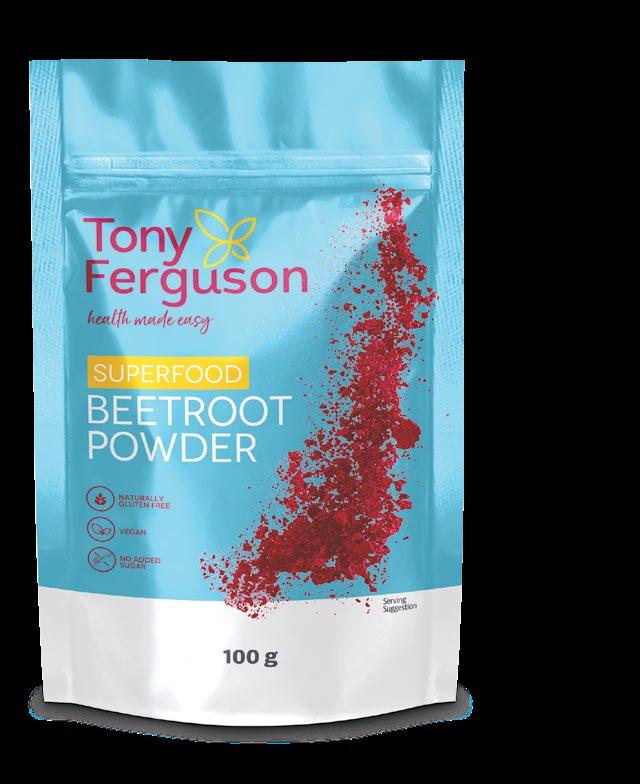
Tony Ferguson Beetroot Powder
Vibrant, nutrientrich and naturally energising, Tony Ferguson Beetroot Powder is a powerful addition to your daily wellness routine. Made from finely milled beetroot, this superfood is packed with essential vitamins, minerals and nitrates that may help support stamina, circulation and overall vitality. Its subtly sweet, earthy flavour blends effortlessly into smoothies, juices or even baking, making it a versatile choice for healthconscious consumers.
At your healthy food store HEALTHY EATING MADE EASY
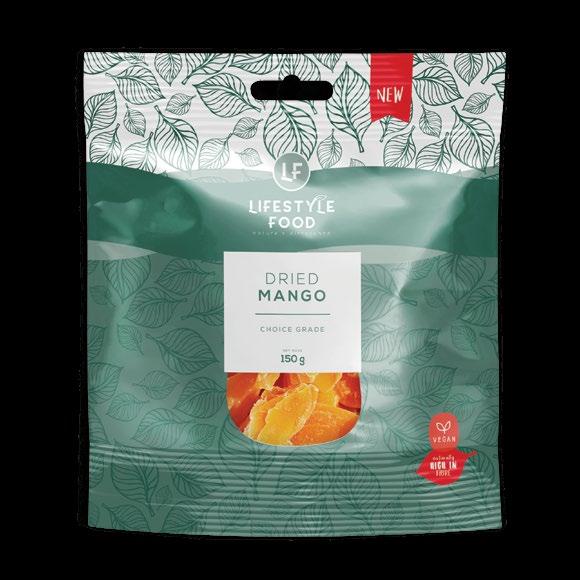
Lifestyle Food Dried Mango
A naturally sweet treat with a tropical twist, Lifestyle
Food Dried Mango is a pantry essential for anytime snacks or lunchbox fillers. Gently dried to lock in flavour and nutrients, each chewy slice delivers a burst of sunny mango goodness. Perfect for on-thego energy, or adding a fruity lift to cereals and salads, it’s a simple, feel-good indulgence.
Lifestyle Food Olive
Oil
A kitchen essential made for everyday ease, Lifestyle Food’s Canola & Extra Virgin Oil blend brings together versatility and flavour in one bottle. Light yet richly balanced, it’s ideal for everything from frying and roasting to drizzling over fresh salads. A simple way to elevate your cooking with a smooth finish and wholesome goodness.
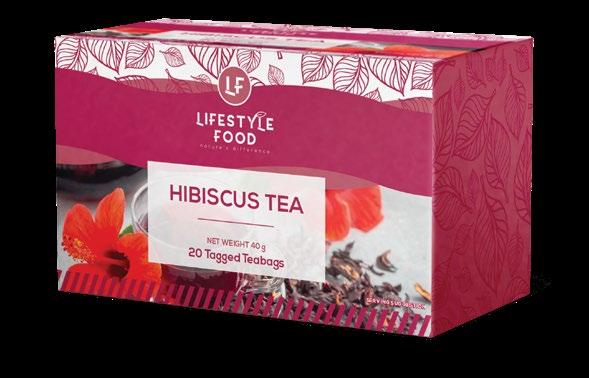
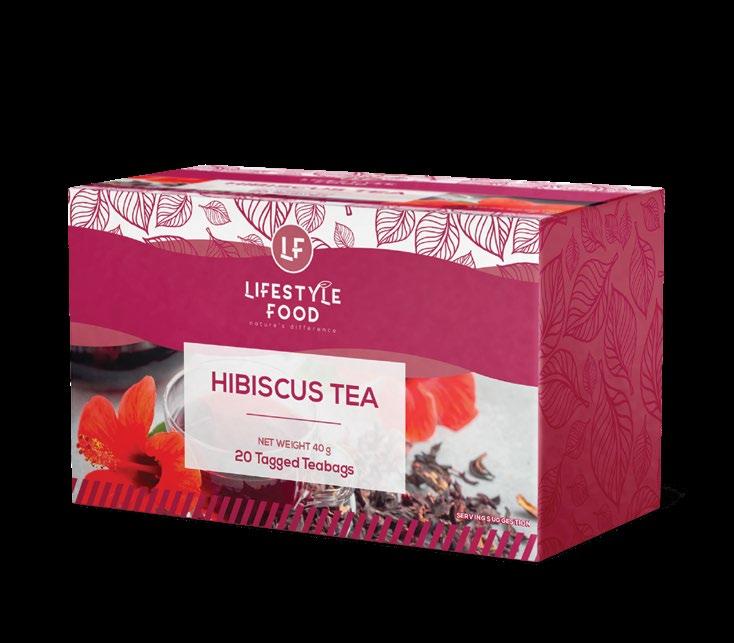
Lifestyle Food Hibiscus Tea
Bright, refreshing and naturally vibrant, Lifestyle Food
Hibiscus Tea is a must-have for tea lovers looking to enhance their daily ritual. Known for its deep ruby hue and tangy, slightly floral flavour, hibiscus tea is as delicious as it is beneficial. Packed with antioxidants, it’s often enjoyed for its potential to support heart health and overall wellness. Whether served hot for a soothing moment or chilled over ice for a revitalising drink, a beautifully balanced taste that feels both indulgent and nourishing.
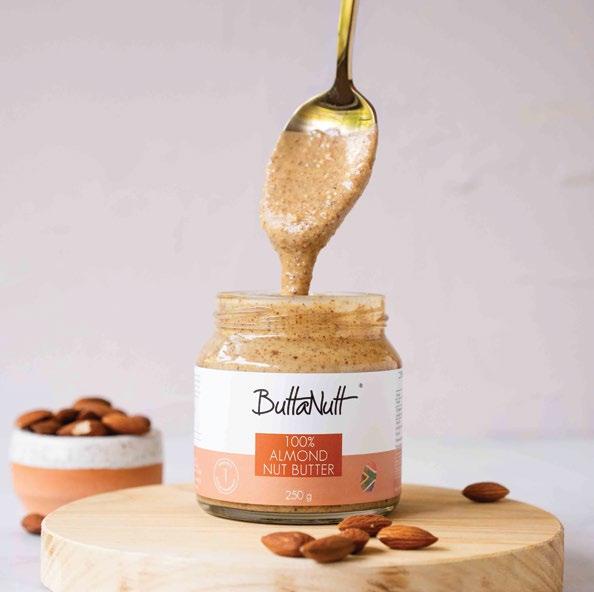
ButtaNutt 100% Nut Butters
Sourced mainly from the sun-drenched Klein Karoo, the almonds used to make ButtaNutt 100% Almond
Nut Butter stone-milled to achieve a balanced texture. ButtaNutt 100% Cashew Nut Butter is silky smooth with a naturally sweet, tropical flavour.
Tony Ferguson Cranberry Concentrate
A tart, antioxidant-rich concentrate that supports urinary tract health and immune function. Mix with water or add to smoothies.
Tony Ferguson Chlorella Tablets
Tony Ferguson Chlorella 500 mg Tablets are made from pure freshwater
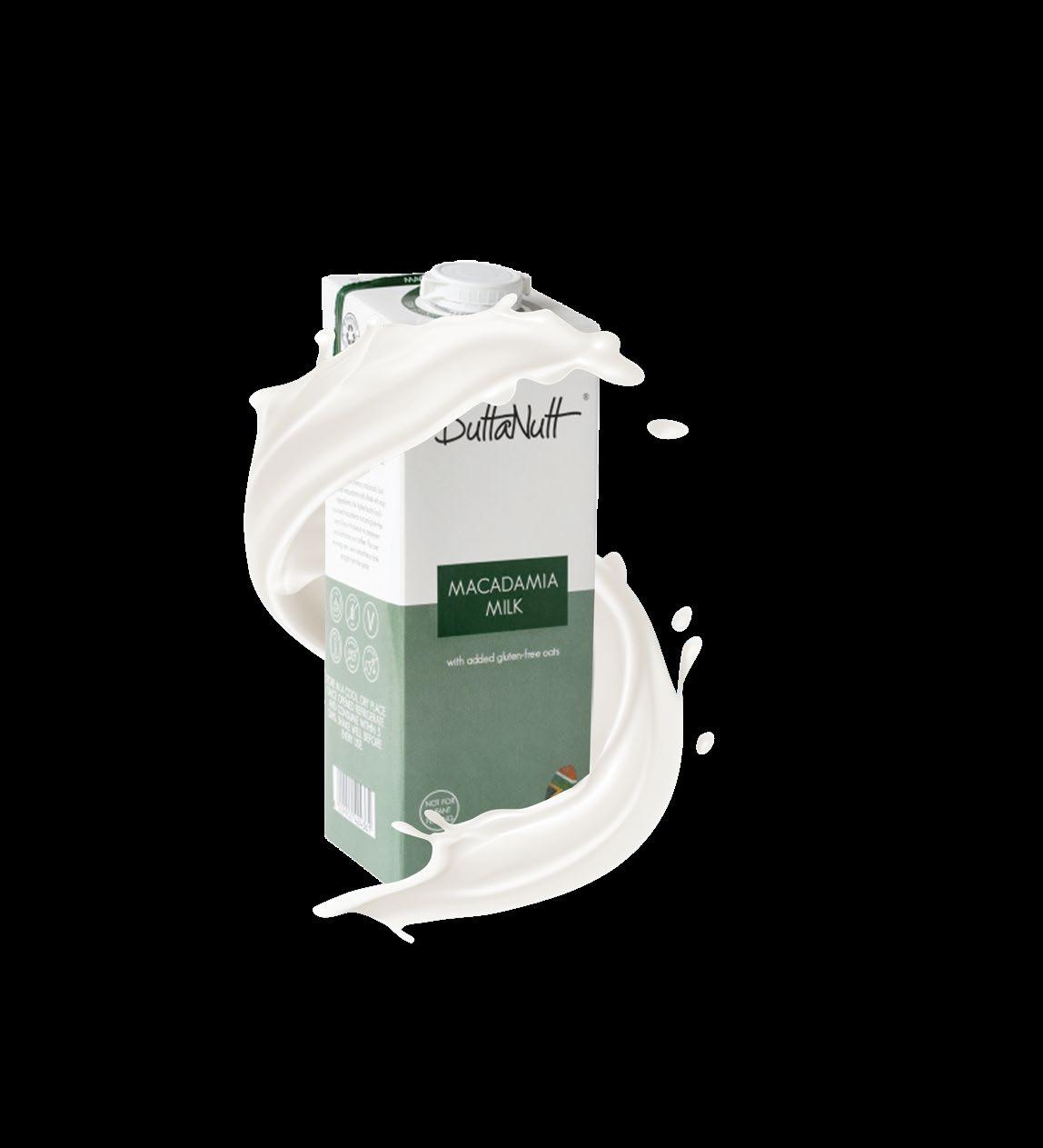
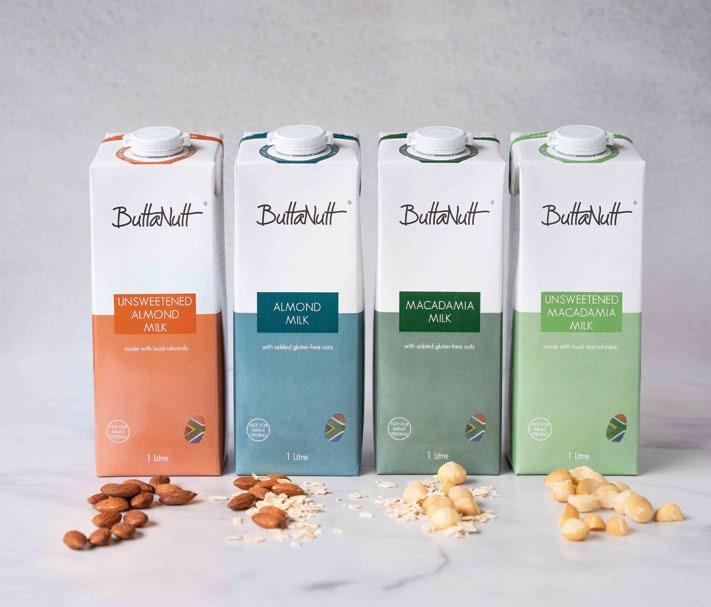
The ButtaNutt plant milk range offers a versatile selection of dairy-free alternatives tailored for both indulgence and From the decadent, velvety Cocoa Oat Milk – crafted – to the clean, backto-basics Unsweetened Almond Milk, the range prioritises pure ingredients and Unsweetened and cooking, while the protein-packed Unsweetened Soy Milk provides a locally made, high-performance option that froths perfectly for barista-style drinks and vegan baking.
ButtaNutt Plant Milks
WINTER WARMER RECIPES
There’s something quietly luxurious about a bowl of vibrant, velvety soup, especially when it doubles as a skinloving boost. This beet collagen soup is rich in antioxidants, naturally earthy in flavour and elevated with a nourishing dose of collagen. It’s the kind of comforting, feel-good recipe that fits just as well into a weekday reset as it does into a weekend wind-down.
SKIN GLOW UP BEET COLLAGEN SOUP
Serves: 4
Prep time: 10 minutes
Cook time: 25 minutes
Ingredients
1½ cups beets, steamed
1 cup cauliflower
½ cup chopped onion
1 vegetable stock cube
4 cups water
2 tbsp Tony Ferguson
Hydrolyzed Collagen powder
Salt and pepper, to taste
1 tsp ground cumin
Pesto, to serve
Toasted seeds, to serve
How to make it
Add the beets, cauliflower, onion, stock cube, water, collagen powder, cumin, salt and pepper to a pot. Bring to a gentle simmer and cook until all the vegetables are soft. Remove from heat and allow to cool slightly, then blend until smooth and velvety. Serve warm with a swirl of pesto, a sprinkle of toasted seeds and a crack of black pepper.
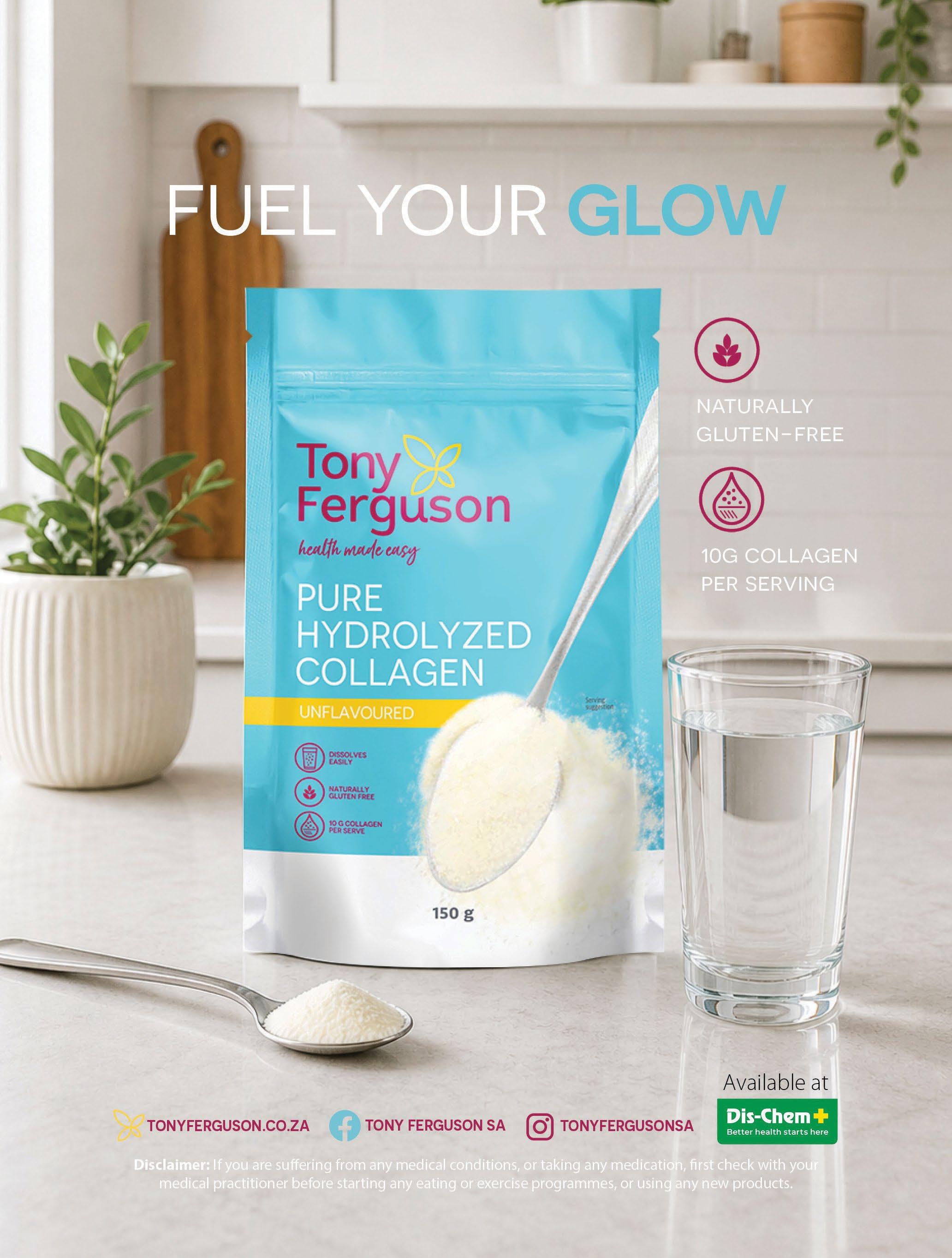
Pure hydrolyzed collagen is a lowcalorie, fat-free and carb-free protein supplement made of easily absorbed peptides
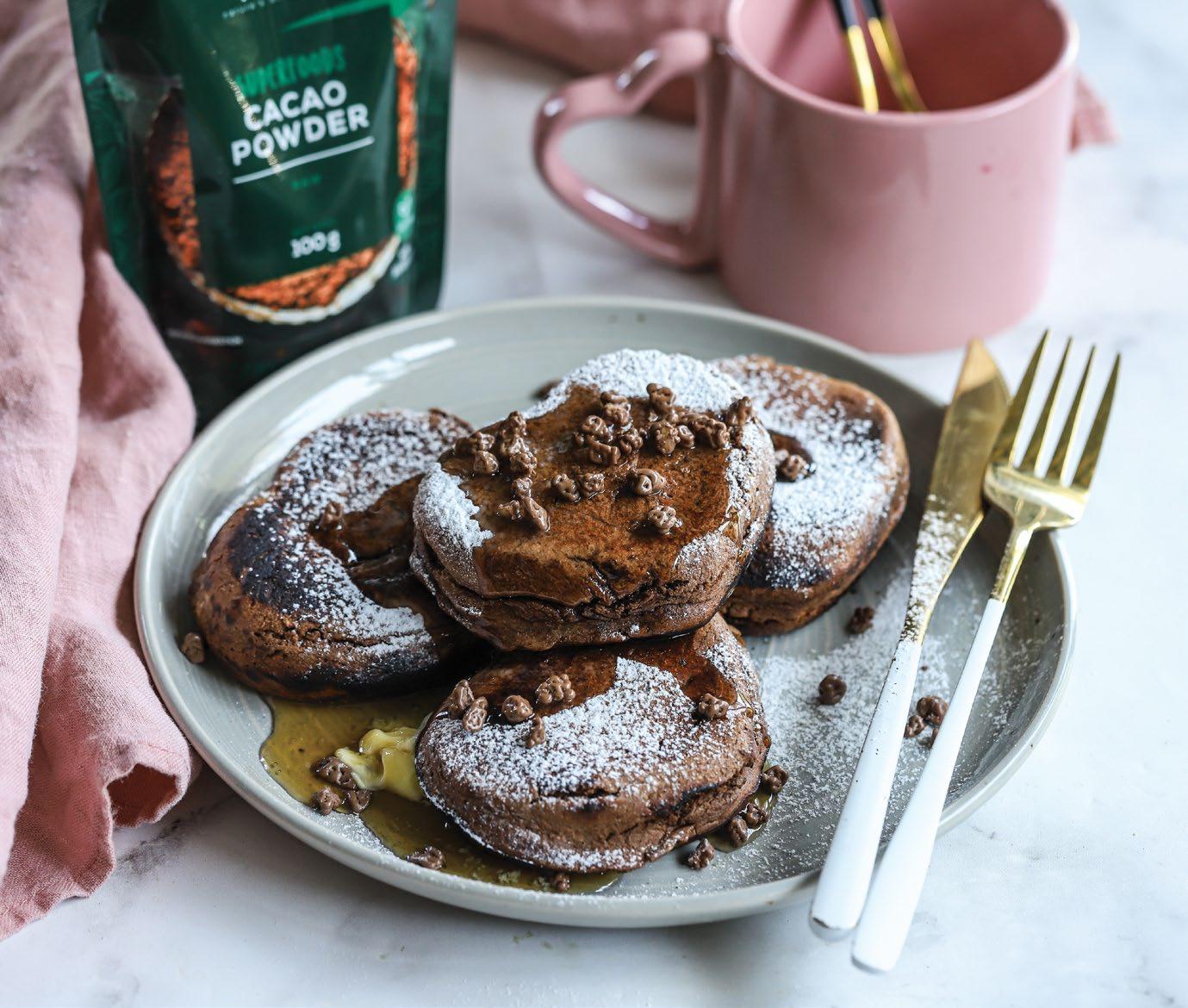
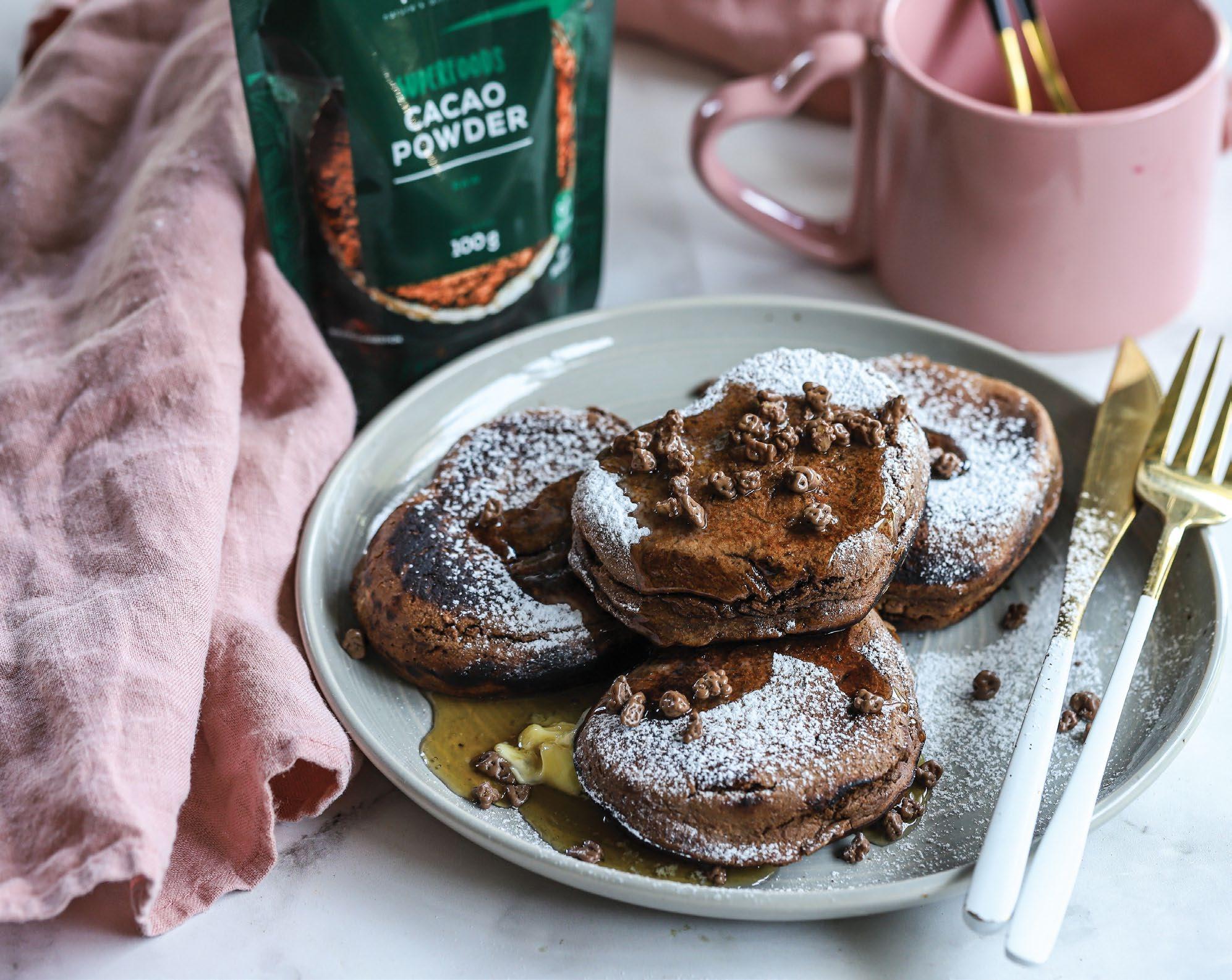
BROWNIE “I HEART” PANCAKES
Serves: 4
Prep time: 10 minutes
Cook time: 25 minutes
Ingredients
1 cup spelt or oat flour
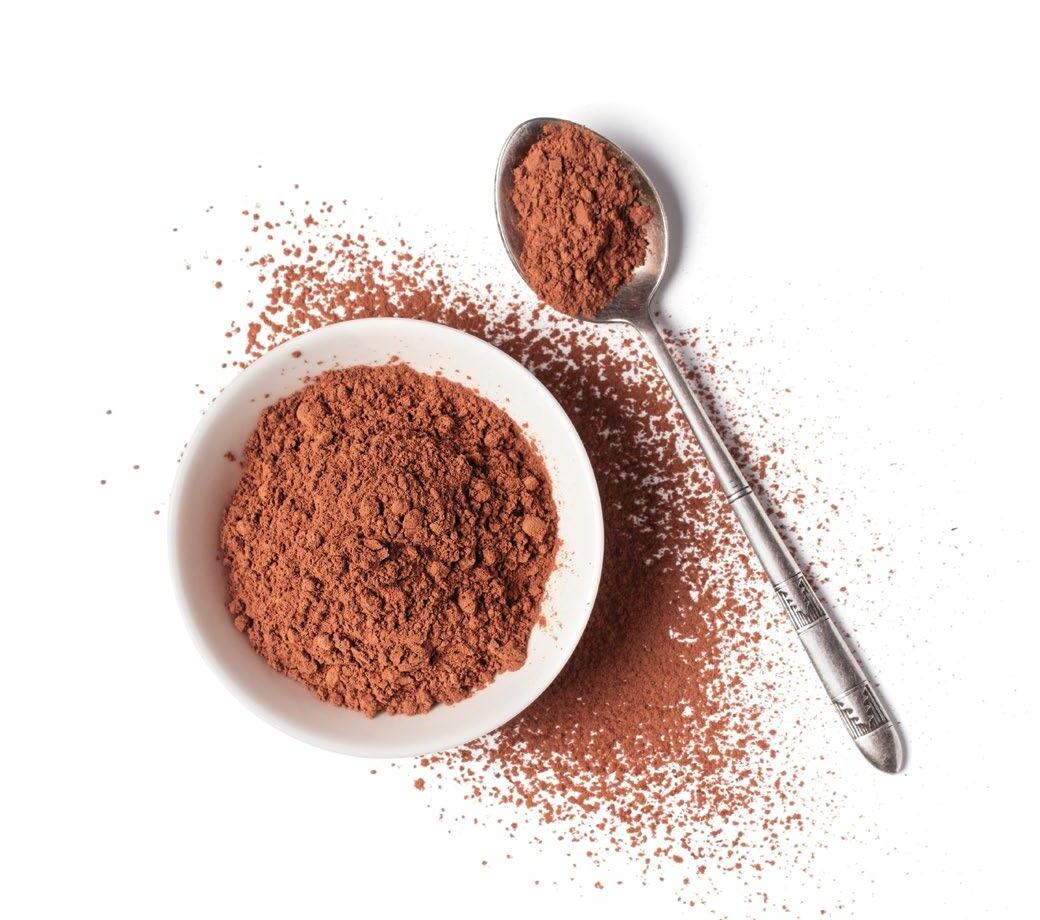
2 tsp Lifestyle Food Cacao Powder
1 scoop protein powder
½–¾ cup milk
1 tbsp Nutella or chocolate nut butter of choice
1 tsp baking powder
Pinch of salt
Butter, to serve
Icing sugar, to serve
Cacao powder is packed with flavonoids, which have been shown to help lower blood pressure, improve blood flow to your brain and heart, and help prevent blood clots. The antioxidants in cacao and cocoa may affect how your body responds to insulin, which could lower your chances of diabetes.
How to make it
In a bowl, mix together the flour, protein powder, baking powder, cacao powder and salt. Gradually add the milk and Nutella (and a drizzle of honey if you’d like extra sweetness), stirring until a smooth batter forms. Heat a non-stick pan over medium heat. Spoon 2–3 tablespoons of batter per pancake (or use a heart-shaped mould if desired). Cook until bubbles form on the surface, then flip and cook until golden brown, keeping the centre slightly gooey. Serve warm with a dollop of butter, a dusting of icing sugar and your favourite toppings like syrup or chocolate bits.
BONE BROTH HOT CHOCOLATE
Comfort meets nourishment in this elevated take on a classic hot chocolate. Rich, warming and subtly indulgent, this version blends the deep flavour of cacao with the benefits of bone broth for a cosy drink.
Serves: 1
Prep time: 5 minutes
Cook time: 5 minutes
Ingredients
1 scoop Lifestyle Food Bone Broth
1–2 tsp Lifestyle Food Cacao Powder
1–2 tsp Lifestyle Food Honey or sweetener of choice
1–2 cups Lifestyle Food Milk
How to make it
Add the bone broth powder and cacao powder to a mug. Stir in the honey, then pour in a small amount of hot milk and whisk until smooth and lump-free. Heat or froth the remaining milk, pour it into the mug and stir well to combine. Serve warm and enjoy.
Bone Broth can make a healthy addition to your diet and contains nutrients such as collagen, electrolytes and various amino acids.
HIBISCUS HOT TODDY
The tart floral notes of hibiscus pair beautifully with citrus, ginger and cinnamon, creating a vibrant, immune-supporting sip that’s perfect for cooler evenings or when you need a calming reset.
Serves: 4
Prep time: 5 minutes
Cook time: 10 minutes
Ingredients
2 Lifestyle Food Hibiscus Tea bags
Fragrant, soothing and gently spiced, this hibiscus hot toddy is a comforting twist on a classic warm drink.
4 cups boiling water
1 orange, sliced
2 cinnamon sticks
¼ cup sliced fresh ginger
Lifestyle Food Honey, to sweeten
How to make it
Place the hibiscus tea bags, orange slices, cinnamon sticks and ginger into a heatproof jug or pot. Pour over the boiling water. Steep for 10 minutes to infuse all the flavours. Sweeten with honey to taste, stir and serve warm.
PRIMAL
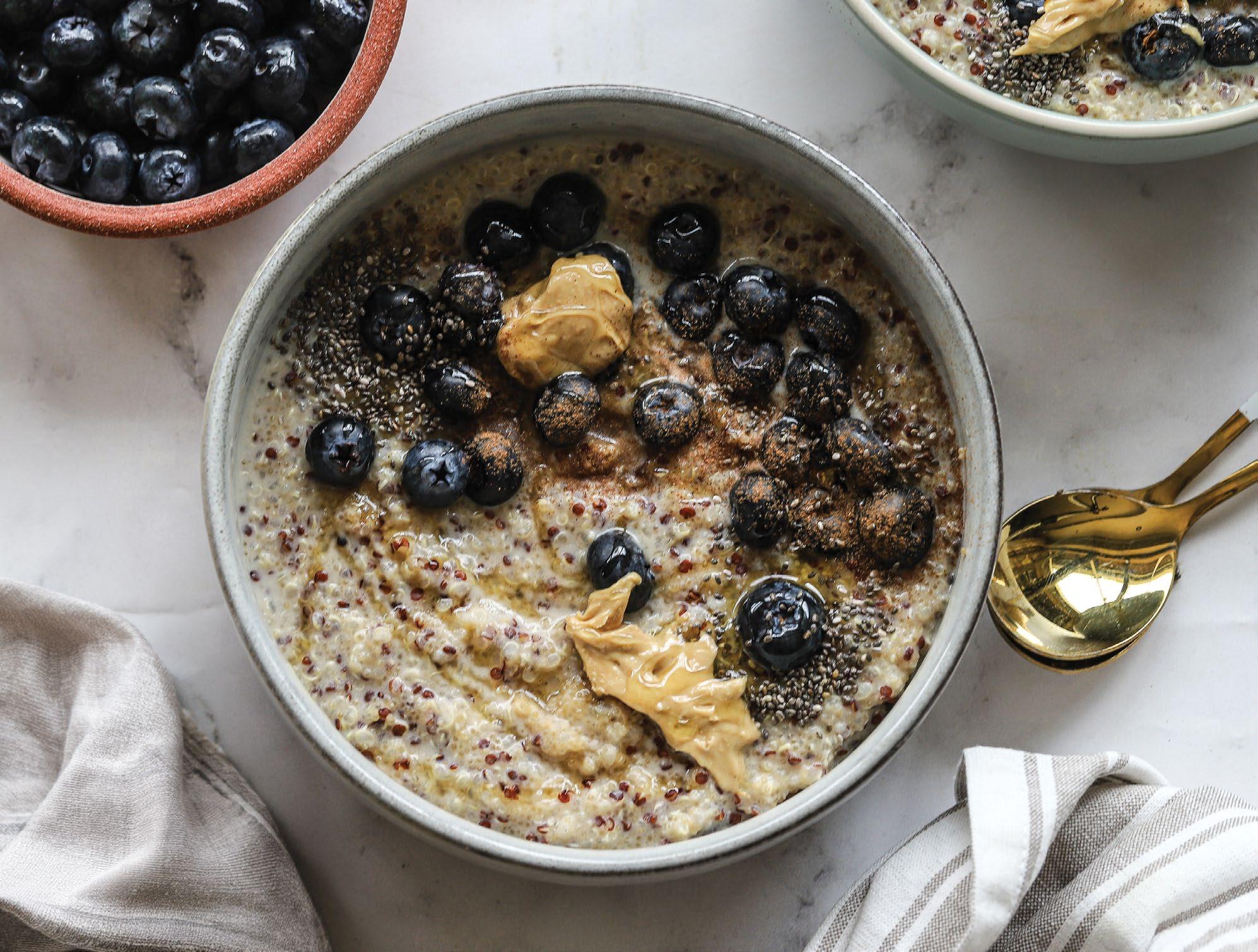
QUINOA PORRIDGE
Serves: 2-3
Prep time: 5 minutes
Cook time: 10 -15 minutes
Ingredients
1⅓ cups dry quinoa
1 cup milk
1 cup water
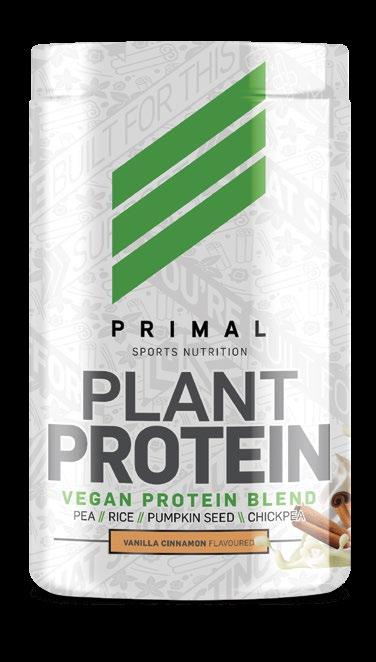
2 scoops Primal Plant Protein, Vanilla flavour
Pinch of salt
To serve
Fresh berries
Honey
Nut butter
A nourishing twist on a breakfast classic, this quinoa porridge is creamy, protein-packed and naturally satisfying. Lightly sweet with a hint of vanilla, it’s the perfect way to start your day feeling fuelled and balanced. Top it with fresh berries, a drizzle of honey and nut butter for a comforting bowl that delivers on both flavour and nutrition.
How to make it
Rinse the quinoa well, then add it to a pot with the milk, half of the water and a pinch of salt. Bring to a gentle simmer. Cook for about 15 minutes, stirring occasionally and adding more water as needed to prevent sticking and achieve a creamy consistency. Once the quinoa is tender, whisk in the protein powder and allow it to simmer for a few more minutes until thick and smooth. Spoon into bowls and serve with fresh berries, a drizzle of honey and a spoonful of nut butter.
ASK THE PROS
I see a lots of tips and information on social media about improving longevity. What’s the most effective way to add years to my life?
Andre via social media
LONGEVITY REFERS TO THE CAPACITY TO LIVE A LONG LIFE, BUT IN DISCUSSIONS RELATED TO OUR HEALTH, IT HAS EVOLVED BEYOND MERE LIFESPAN (TOTAL YEARS LIVED) TO EMPHASISE HEALTHSPAN – THE NUMBER OF YEARS SPENT IN GOOD HEALTH, FREE FROM CHRONIC, AGE-RELATED DISEASES.
While ageing is inevitable, science confirms that there are numerous steps we can take to slow the rate at which it happens and the extent of its effects. The rise of biohacking as a major health trend has thrust longevity into the mainstream, with social media
DID YOU KNOW
Scientists have identified almost 100 genes specifically related to VO2 max
flooded with tips, routines and plans to optimise wellness and extend our lifespan.
Take your health to the max
While some tips are gimmicks, many hold validity, with rigorous research backing their effectiveness. While improving your metabolic health, getting better sleep and lifestyle changes are all effective and relevant ways to improve longevity, one approach seems to be more effective than the others. Increasing your VO2 max is widely considered one of the most powerful, independent, modifiable predictors of longevity and all-cause mortality1
FORTUNATELY, you don’t need to train like a marathon runner to improve your longevity
A moderate improvement in VO2 max can reduce the risk of death by 21% - 30%
While this measure of fitness is usually a focus for elite and serious endurance athletes, as it is a key indicator of performance potential, it is a figure that everyone should understand and know. Research shows that higher cardiorespiratory fitness, measured by VO2 max, is more strongly associated with reduced mortality risk than conventional risk factors, such as blood pressure, smoking or cholesterol levels. This is evident in studies that show endurance athletes typically live longer than the general population. For example, a metaanalysis2 of 24 studies that included
165,033 former elite athletes (15.6% women) showed that, overall, these athletes lived longer and had a reduced incidence of both cardiovascular disease (CVD) and cancer mortality compared with the general population.
Understanding VO2 max
Think of your VO2 max as the size of your body’s “engine”. Just like a sports car can handle more fuel and air to go faster, a high VO2 max means your body is incredibly efficient at using
the oxygen we get from the air we breathe and turning it into energy to power your muscles. Within this context, the term simply means the Volume (V) of Oxygen (O2) your body can use at its Maximum (max) limit. This is known as your aerobic capacity3. VO2 max is typically measured as millilitres of oxygen consumed per kilogram of body weight per minute of exercise (ml/kg/minute).
The longevity link
If you have a high VO2 max, it means your heart, lungs and muscles
are all in peak condition and synchronisation. This means things are less likely to break down. Research shows that people with higher aerobic fitness tend to live longer because their cardiovascular systems are more resilient. A moderate improvement in VO2 max can reduce the risk of death by 21% to 30%, according to research presented in a white paper by Discovery Vitality.
In fact, each unit increase in VO2 max was associated with a 45-day increase in longevity, according to findings from a 2018 study4 Those with a higher VO2 max can handle physical stress better, have lower risks of heart disease, and generally maintain independence much later into old age.
For optimal longevity and reduced all-cause mortality, men aged 40 to 49 should aim for a VO2 max in the “Good” to “Excellent” range for their age (generally >39 – 44 ml/kg/min), while women should aim for >33–39 ml/kg/min. The key is to be in the top 25-50% for your age group, or higher.
The Discovery Vitality research based on member data also found that: The risk of all-cause cancer mortality dropped by 20% and 45% among those with medium and high levels of cardio fitness, respectively.
The risk of certain cancers and diabetes was reduced with an improved VO2 max.
Measuring your VO2 max
The average person doesn’t need a lab with a treadmill and a gas exchange mask (a “CPET” test) to get a very useful estimate of their VO2 max. Since safety is the priority, especially if you don’t exercise regularly yet, there are three reliable ways to do this at home.
THE COOPER 12-MINUTE TEST
If you already walk or jog regularly and feel comfortable pushing your pace, then the Cooper 12-Minute Test is a classic field test.
How to do it: See how much distance you can cover in exactly 12 minutes (running or walking).
Use the following formula:
To calculate your VO2 max: VO2 max = (22.35 x kilometres) – 11.29
Hospital costs were as much as 30% lower among members with higher cardio fitness levels.
Lower levels of obesity (95% lower), high-risk blood glucose levels (84%) and high blood pressure (70%) were found among members with higher cardio fitness.
Anxiety and depression symptoms were lower among these members. Sleep was longer among fitter members.
Strap on wearablea
If you own an Apple Watch, Garmin or Fitbit, you likely already have a VO2 max estimate sitting in your health app.
These devices use optical heart rate sensors to track your heart rate relative to your walking or running pace.
THESE DEVICES TRACK YOUR HEART RATE USING OPTICAL FOR THE MOST ACCURATE READING, ENSURE YOUR USER PROFILE IS UPDATED
While they can be inaccurate and are often off by about 5% compared to a lab test, they are excellent for tracking trends.
If your watch says your number is going up over six months, your heart health is improving. For the most accurate reading, ensure the watch strap is snug, and your User Profile (age, weight, height) is updated.
THE “SUB-MAX” WALKING TEST (ROCKPORT TEST)
This is the safest and most common method for beginners. Instead of running as fast as you can, you walk quickly and use your heart rate to predict your fitness.
How to do it:
Find a flat 1.6km loop or use a treadmill at the gym. Walk the distance as fast as you possibly can without breaking into a run. Note exactly how many minutes/ seconds it took and immediately check your heart rate at the finish.
Input your time, heart rate, age and weight into one of the many Rockport Calculators available for free online.
THE KEY IS TO BE IN THE TOP 25-50% FOR YOUR AGE GROUP OR HIGHER
Think of your VO2 MAX as the size of your body’s “engine”.
Improving your VO2 max
While genetics play a significant role in determining our base VO2 max, it is possible to increase it. Scientists have identified almost 100 genes specifically related to VO2 max trainability5, which indicates your genetic potential to improve your cardiorespiratory capacity with the right type of exercise. Fortunately, you don’t need to train like a marathon runner to improve your longevity. The goal is to make your heart and lungs robust enough to handle whatever life throws at you decades from now.
The best way to improve your VO2 max is by engaging in a structured and varied training programme. The aim is to do about 80% of your activity at a low-to-moderate intensity. This is the foundation of your fitness.
This strengthens your heart’s ability to pump more blood with each beat and helps your muscles use oxygen
more efficiently without overstressing your joints. The other 20% should include some High-Intensity Interval Training (HIIT). This is the most effective way to raise your VO2 max, but you only need to do this 1–2 times a week.
Instead of going fast for a long time, go hard for short bursts – 30 seconds to 4 minutes – then recover with a slow walk or rest. For non-athletes, walking up a steep hill until you’re breathing quite hard is the perfect option. Building more muscle with regular weight training can also improve overall fitness and indirectly benefit VO2 max.
By structuring your training like this, you aren’t just getting fitter and faster; you are widening your aerobic buffer to slow the natural age-related decline in your VO2 max. By starting from a higher point and maintaining it, you ensure that simple tasks, like carrying groceries or climbing stairs, remain easy as you get older.
*To view references for this article, please visit www.livingfit.co.za/issue28/references or scan the QR code on page 7.
DID YOU KNOW
Your heart beats more than 100,000 times a day — or 2.5 billion times in an average lifetime
IMPROVE HEART HEALTH ONE STEP AT A TIME
HEART HEALTH MATTERS
F orget the “no pain, no gain” mantra. While a high-octane gym session has its place in your workout plan, building a more resilient heart isn’t just about HIIT classes or long cardio sessions. Research suggests that as few as 1,000 extra steps a day 1 can kickstart a cardiovascular transformation, lowering blood pressure and sharpening heart efficiency. By layering intentional movement onto these small daily wins, you can unlock a level of vitality that feels less like a chore and more like a lifestyle.
*To view references for this article, please visit www.livingfit.co.za/issue28/references or scan the QR code on page 7.
“Any exercise, no matter how vigorous or for how long, can help to reduce cardiovascular disease risk.”
Why heart health matters
A strong and healthy heart is vital for longevity and overall quality of life, especially as you age.
This powerful organ is responsible for circulating blood throughout your body to nourish your brain, organs and muscles with vital oxygen and nutrients, and to transport important biological compounds, such as hormones and immune cells.
Strengthening the powerful walls of your heart with regular activity and exercise also creates a stronger, more efficient pump that pushes greater volumes of blood around your body with every beat.
This means a stronger heart requires fewer beats per minute to meet our daily demands (that’s why fitter people have a lower heart rate at rest and during exercise).
The first step to heart health
Studies confirm that improving your heart health can be as simple as walking every day. Large, long-term studies2
consistently demonstrate that walking is one of the most effective ways to protect your heart and prevent disease. Whether you are young or old, healthy or recovering from an illness, regular walking improves key health markers such as blood pressure and cholesterol.
A study1 published in the European Journal of Preventive Cardiology found that compared to a daily step count of 2,300 steps, every extra 1,000 steps was linked to a 17% reduction in the risk of developing a major adverse cardiovascular event (MACE), up to 10,000 steps.
Additional steps above 10,000 were associated with a 22% reduction in heart failure, 9% reduction in risk of heart attack and 24% reduction in risk of stroke.
Based on the findings, the researchers concluded that any physical activity is beneficial, and
the faster you walk, the better.
As such, it can be beneficial to perform low-intensity activities more often. This could include going for walks during your lunch break, taking the stairs instead of the lift, or parking at the far end of the parking lot when you go shopping, as examples.
For meaningful benefits to longevity, a study published in the British Journal of Sports Medicine3 found that those who walked more (around 160 minutes/day) showed up to 11 years’ longer life expectancy than the least active.
Strengthening the powerful walls of your heart with regular activity and exercise also creates a stronger, more efficient pump that pushes greater volumes of blood around your body with every beat.
Give your heart a workout
Adding regular cardiovascular exercise to the mix, such as running, cycling, skipping, stepping, rowing or swimming, further improves your heart health by strengthening your cardiovascular and respiratory systems.
Weight training can also benefit your heart and cardiovascular system. In a meta-analysis published in 2024, researchers determined that doing strength-based exercise, like lifting weights or resistance training, is linked to a lower risk of death and major chronic illnesses, including cardiovascular disease.
Regarding exercise, a study5 conducted at the University of Oxford found that there is no upper threshold to the benefits of exercise in improving your heart health. Researchers stated that any exercise, no matter how vigorous or for how long, can help to reduce cardiovascular disease risk. More intense or longer duration exercise benefits your heart by strengthening the powerful walls of your heart, which are made up of cardiac muscle called myocardium. This response to regular exercise creates a stronger, more efficient pump, which means our heart can push greater volumes of blood around our body with every beat. This improves circulation, delivering more oxygen and nutrients to muscles and organs.
When exercising for cardiovascular health, hydration and fuelling matter. Electrolytes, sports drinks and nutrition bars can play a supportive role, but their benefits depend on exercise duration, intensity and individual needs.
Electrolytes, such as sodium, potassium, magnesium and calcium, help regulate fluid balance, nerve signalling, muscle contraction and heart rhythm. During exercise, especially when you sweat, you lose electrolytes along with fluids.
Replacing them with an electrolyte supplement may help maintain proper hydration and a normal heart rhythm. When exercising for longer than 60 minutes, sports drinks and nutritional bars provide carbohydrates which can help maintain blood glucose levels, support endurance and reduce cardiovascular strain during prolonged activity.
For heart health, lower-sugar or diluted options are often preferable to avoid unnecessary calorie and sugar intakes.
Make your move!
What’s clear from all the research on cardiovascular health is that your heart thrives on movement. Whether it’s brisk walks, cycling, running, swimming laps or high-intensity bursts, every heartbeat counts. Start where you are, aiming for at least 150 minutes of moderate exercise or 75 minutes of vigorous exercise per week, including a mix of aerobic activities with strength training for comprehensive benefits. Stay consistent, and your heart will thank you with better health, endurance and more years of life to enjoy.
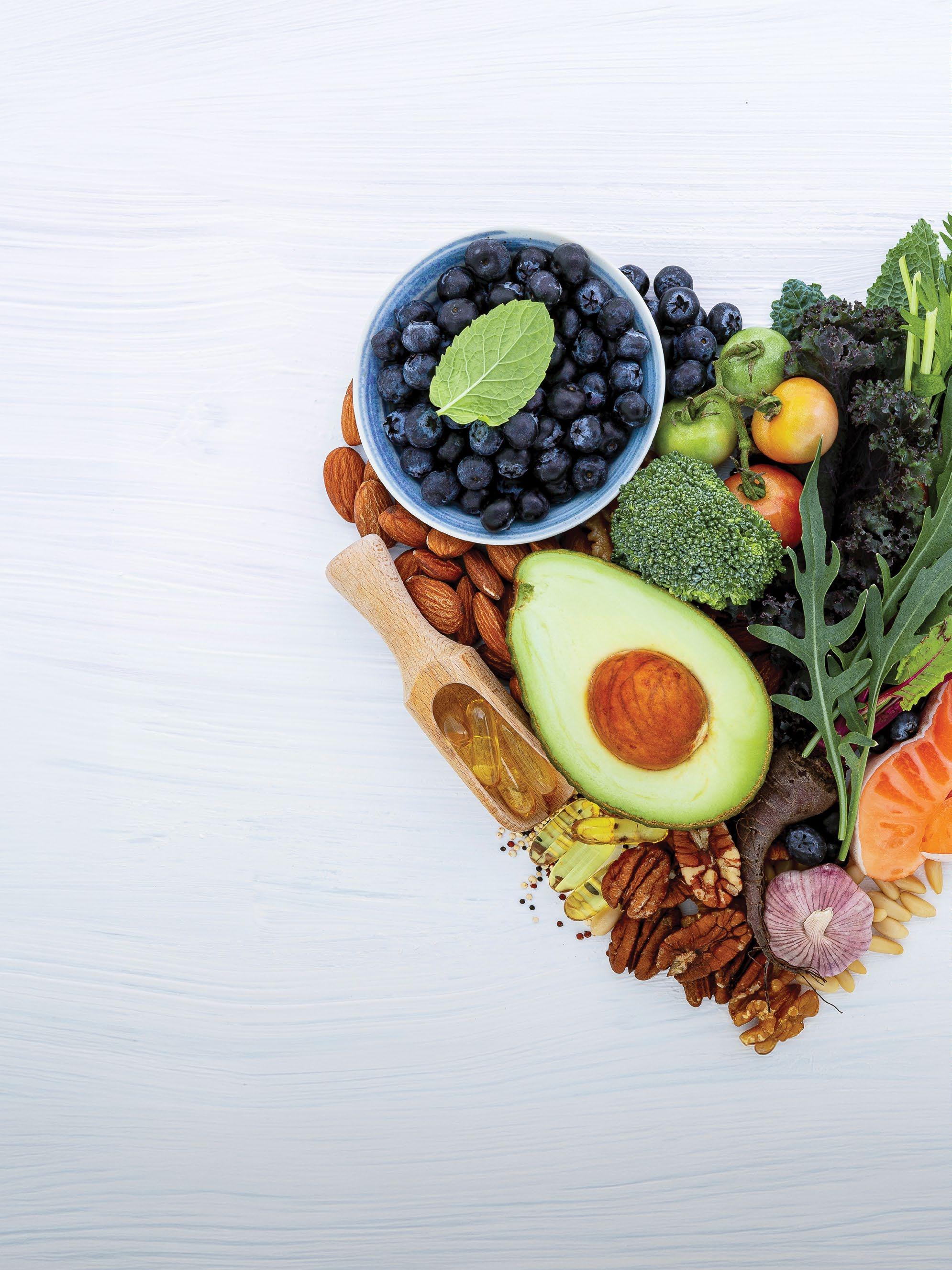
HEART-HEALTHY NUTRITION TIPS TO POWER YOUR ENGINE
HEARTHEALTHY NUTRITION
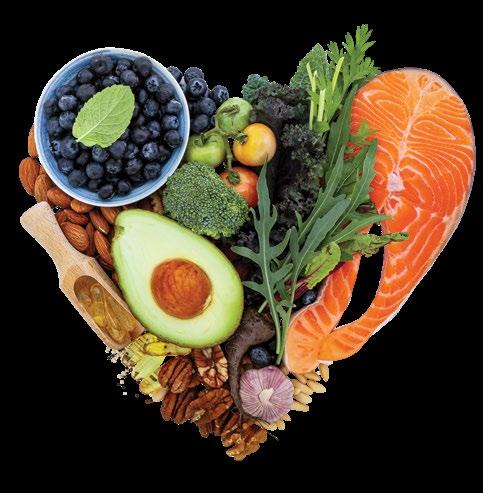
If you want your body and performance to march to a better beat, you need to nourish your heart with nutrients that power your body’s engine. A strong, healthy heart drives your active lifestyle and supports every function in your body. When your heart functions optimally, it doesn’t just keep you alive; it fuels your vitality, sharpens your mind and ensures your body receives a constant supply of oxygen and nutrientrich blood.
*To view references for this article, please visit www.livingfit.co.za/issue28/references or scan the QR code on page 7.
Antioxidant-rich foods like blueberries, strawberries and goji berries are an important addition to any heart-healthy diet. These fruits are loaded with anthocyanins, which are antioxidants that help protect the lining of your blood vessels and reduce oxidative stress, keeping your “pump” running smoothly.
CVD affects the heart and blood vessels, with conditions like coronary heart disease, various vascular diseases, and more than four out of five CVD deaths caused by heart attacks and strokes1.
Heart-healthy oils, like extra virgin olive oil, a staple of the Mediterranean diet, are rich in monounsaturated fats and polyphenols that protect vascular structures, while coconut oil provides unique medium-chain triglycerides (MCTs) that can serve as an efficient energy source for the body, but must be used in moderation.
For many South Africans, this beat is losing its tempo and rhythm. With one in six lives lost to cardiovascular disease (CVD), according to the Heart and Stroke Foundation, the stakes have never been higher.
One of the most effective ways to promote good heart health is by focusing on a heart-healthy diet, with nutritional support from supplements where needed.
Many heart-related conditions stem from lifestyle factors, such as a poor diet, obesity and lack of exercise, as well as high blood pressure, high low-density lipoprotein (LDL) cholesterol, diabetes, smoking and secondhand smoke exposure2
The hearthealthy pantry
What you put on your plate is the most direct way to support your cardiovascular system.
Certain foods act as highquality fuel, helping to maintain flexible arteries and a robust heartbeat.
In one relevant study3, researchers from the Tel Aviv Sourasky Medical Center in Israel determined that diets high in protein, zinc and vitamin B3, like the Mediterranean diet, boost heart health, including “better vascular structure and function”. Omega-rich seeds, like chia seeds and flaxseed, are packed with alphalinolenic acid (ALA), a plant-based omega-3. They help maintain healthy cholesterol levels and support the heart’s natural rhythm.
Nutritional tips:
1. Eat a variety of colours:
At least five portions of different types of fruit and vegetables a day helps you get a range of nutrients and antioxidants.
2. Have a fish dish:
Fish is an excellent source of protein and healthy fats and contains various vitamins and minerals. It’s recommended that we eat at least two portions of fish per week, including one serving of oily fish.
3. Don’t avoid fat:
We need fat in our diet, but the amount and source are two critical factors. Guidelines recommend consuming less than 10% of your daily fat requirements from saturated fat10, with the remainder from unsaturated fats.
4. Move more:
Take the stairs instead of the lift, get off the couch and walk the dog, involve the kids and play outside to keep your heart healthy.
5. Hydrate:
Avoid dehydration by drinking sufficient water (about 2-3L per day). Avoid drinks that are high in added sugars.
Targeted Nutritional Support
While a balanced diet is the foundation, targeted supplementation can provide the extra insurance your heart needs to thrive.
A high-quality multivitamin is a good foundation, acting as a nutritional safety net. Modern heart-friendly multis often include specific doses of vitamin K2, which helps direct calcium to the bones rather than the arteries4, and vitamin D3, which is essential for overall vascular health5 By filling small nutritional gaps, a daily multivitamin ensures your heart has the co-factors it needs for 24/7 function.
Additional supplements linked to better heart health and overall cardiovascular function worth considering include:
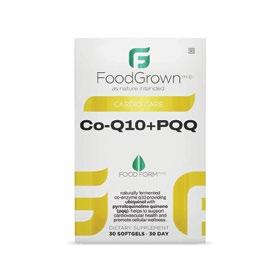
Co-enzyme Q10
In terms of CoQ10, a study7 published in Cardiovascular Pharmacology suggests this substance may have “significant cardiovascular protective effects” that could help prevent cardiovascular disease.
Magnesium
As an essential mineral that is important to the maintenance of good health through its role in energy production and nervous system function, magnesium can benefit your heart in various ways.
• Omega-3 essential fatty acids
• Magnesium
• Co-enzyme Q10 (Co-Q10)
• B-vitamins
Omega 3
In a study6 published in the Journal of the American Heart Association-a metaanalysis that reviewed data from more than 10 studies-omega-3 supplements were shown to lower the risk for heart attack and death from coronary heart disease.
Regarding heart health and function, a high magnesium intake is associated with a lower risk of major cardiovascular risk factors, including metabolic syndrome, diabetes and hypertension, as well as stroke and total CVD8.
Chelated magnesium and magnesium glycinate are two highly bioavailable forms, which means your body can more efficiently absorb these substances.
Vitamin B
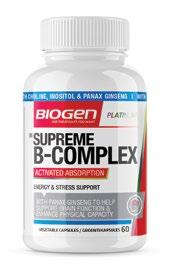
B vitamins have various functions in the body, with their role in supporting nervous system function the most important when it comes to optimal heart function. Study9 findings published in the Journal of the American Dietetic Association found that among those hospitalised for heart failure, 27% had a vitamin B2 (riboflavin) deficiency and 38% had low vitamin B6 (pyridoxine) levels.
FoodGrown Co-Enzyme Q10 PQQ
Dis-Chem Gold
While the changes we experience around menopause and its many symptoms are primarily related to fluctuating hormone levels, your body also experiences other important shifts that can impact your health, bodily function and feelings of wellbeing. We uncover how changes in your gut microbiome during perimenopause and menopause can affect your weight, mood and hormonal profile.
MENOPAUSE AND YOUR MICROBIOME
“Studies link menopause-related microbiome changes with higher waist circumference, blood pressure and cardiometabolic risk markers.”
Multiple functions
We know that our microbiome – the trillions of bacteria that live in our gut – does more than just help digest food and absorb nutrients.
These beneficial bacteria influence our metabolism, mood, immune and brain function, inflammation, body composition and bone density. In women, gut bacteria also help recycle oestrogen during our reproductive years.
As such, the microbiome is deeply connected to our overall health, important bodily functions, performance and recovery.
The transition
During perimenopause, the transitional, often symptomheavy, phase leading up to menopause, your microbiome changes in ways that can impact your entire body.
Typically starting in your 40s or 50s, fluctuating oestrogen and progesterone levels cause irregular periods, hot flashes and emotional changes.
However, these hormones don’t just regulate your reproductive cycle; they also have receptors throughout your body, including in your gut lining.
One of the most overlooked effects of perimenopause is a drop in gut
microbial diversity, which often begins years before your final menstrual period.
Research1 suggests that this drop in sex hormone (oestrogen and progesterone) levels is associated with reduced gut microbiome diversity and changes to the oestrobolome (the collection of bacteria involved in oestrogen metabolism).
In addition, declining oestradiol (the most potent and abundant form of oestrogen) and progesterone may lead to gut permeability, which allows gut bacteria to escape the digestive system and enter the body, leading to issues such as leaky gut syndrome.
Progesterone can also slow gut motility, potentially contributing to constipation, which is common during menopause.
Tummy trouble
Studies2 link these menopause-related microbiome changes with higher waist circumference, blood pressure and cardiometabolic risk markers. An imbalanced microbiome also affects the gut-brain axis – a two-way communication pathway between your gut and your brain. This disruption has been linked to anxiety, depression and cognitive changes, all of which can be more prevalent during menopause. This is a major reason many women notice shifts in weight, energy, digestion and mood during the menopause transition.
Support your gut
The good news is that you can actively support and nurture your microbiome during perimenopause and menopause through diet and lifestyle choices.
The best thing women can do at this stage in their life is to eat foods and make lifestyle changes that promote gut microbiome diversity and help maintain the integrity of their gut barrier.
A comprehensive approach should incorporate four powerful interventions.
Probiotics
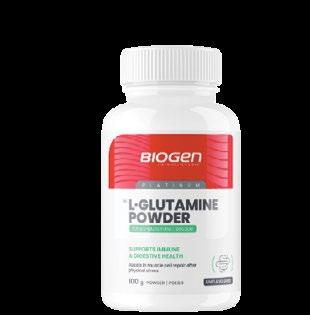
When it comes to supporting your gut lining, research4 shows that glutamine supplements may improve gut health by supporting the microbiome, and gut wall integrity by reducing inflammation.
Probiotics are another supplement that may help support and promote gut diversity through this transitional life stage.
These products contain live microorganisms that can provide health benefits when consumed in adequate amounts. Look for products that list the specific strains and have a colony-forming unit (CFU) count.
1. EAT MORE PLANTS
Eat a wide variety of plants every week, including vegetables, fruits, herbs, legumes, nuts, seeds and whole grains, as these foods provide the compounds that gut bacteria thrive on.
Plants contain different forms of fibre, which are the preferred food sources for beneficial gut bacteria. Aim for at least 25-30 grams of fibre per day from a variety of sources. Eating a wide range of brightly coloured fruits and vegetables also provides polyphenols – natural compounds that act as antioxidants
2. INCLUDE FERMENTED FOODS
Fermented foods contain live probiotics, which can help replenish and maintain a healthy gut microbiome. Consider incorporating:
• Yoghurt
• Kefir
• Sauerkraut
• Kimchi
• Tempeh
• Miso
3. MOVE WITH INTENTION
Movement doesn’t just support muscle and bone health; it also stimulates the microbiome. Exercise, especially highintensity workouts and strength training, has been shown3 to improve microbial diversity and metabolic signalling.
Before starting any new supplement, including probiotics, talk to your doctor or a registered dietitian. They can help determine if probiotics are right for you and recommend specific strains based on your individual needs.
4. SUPPLEMENT YOUR APPROACH
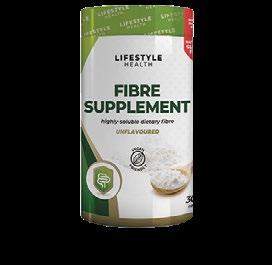
A fibre supplement can help rebuild your gut microbiome, especially if you struggle to eat a variety of natural plant foods or have suffered from a recent illness that required antibiotics. Look for a supplement that includes different fibre sources, ensuring both soluble and insoluble fibre and resistant starch.
TRUST YOUR GUT THIS FLU SEASON
YOUR GUT & IMMUNITY
With the winter flu season looming, it’s time to get with emerging global immunity trends. More health-conscious people are ditching reactive approaches, such as taking a common cold cocktail of vitamin C, zinc and decongestants when infections take hold, and building immune resilience with a proactive approach instead. When it comes to building a more resilient immune response, ongoing research continues to uncover powerful links between our digestive, immune and nervous systems. *To view
DID YOU KNOW
Scientists have found that when the gut-brain connection breaks down, it is linked to serious conditions like depression, anxiety, Alzheimer’s and Parkinson’s.
The gut-immune-brain axis
Known as the gut-immunebrain axis, this dynamic bidirectional communication system involves intricate interactions between the gut, immune responses and the central nervous system1.
Our gut microbiota – the vast community of trillions of microorganisms, including bacteria, viruses, fungi and other tiny life forms, that live inside our digestive tracts –play a crucial role in regulating our physiology.
Research1 has demonstrated that gut microbes not only influence metabolism, but also modulate host immunity, neurodevelopment and brain function.
Your gut acts like a busy internal control centre. The tiny microbes living there, and the chemicals they produce, don’t just help you digest food; they actually “talk” to your immune system and your brain.
This constant communication helps keep your body balanced, ensuring your natural immune defences remain strong and your nervous system functions properly.
Fortify with fibre
Health issues often stem from a compromised gut microbiome. When your gut lining breaks down, conditions like leaky gut
syndrome allow toxins and bad bacteria to slip into your bloodstream.
This doesn’t just cause issues like bloating and a stomach ache; it also sends distress signals to your brain.
In addition to compromised immunity, scientists have found that when this gut-brain connection breaks down, it is linked to serious conditions like depression, anxiety, Alzheimer’s and Parkinson’s1.
Interestingly, a recent study has found that a high-fibre diet can help ease certain neurodegenerative conditions like Alzheimer’s2
Published in the journal Cell Reports, the research showed that mice afflicted with the disease experienced less Alzheimer’s-related frailty, including tremors, when fed a high-fibre diet.
The team found that feeding the mice the anti-inflammatory prebiotic fibre inulin restored balance in their guts.
The researchers explained that inulin makes short-chain fatty acids and other metabolites that concentrate in the gut and can also circulate systemically, improving gut health and reducing chemokine signalling in the brain to modulate the immune response.
The findings bring the gutimmune system to the forefront of neurodegenerative disease pathology, as the gut houses the body’s largest population of immune cells.
NOURISH YOUR BODY
Including more fermented foods in your diet is another effective way to support healthy gut function and, in turn, enhance immunity.
Fermenting better function
In addition to fibre, including more fermented foods in your diet is another effective way to support healthy gut function and, in turn, enhance immunity.
Kimchi offers a prime example, thanks to a recent study3. This Korean side dish is made from fermented vegetables and has the potential to positively influence the many thousands of important microbes that live in the gut and our immune system.
The study found that kimchi affected the immune system in a targeted way. It increased the activity of immune cells called antigen-presenting cells (APCs), which ingest pathogens, process them and show pieces of those pathogens on their surface so the body’s helper T cells (which coordinate overall immune response) know to mount a response against those specific pathogens.
Kimchi also increased the activity of certain genes that act like switches, helping these immune cells send clearer signals to T cells.
Most other immune cells stayed the same, meaning kimchi targeted helper T cells rather than activating the entire immune system.
The researchers explain that maintaining this balance is important because the immune system must be able to respond to infections effectively while avoiding excessive inflammation that can damage tissues.
A two-way street
But it is not just the gut that influences our immune response. The bidirectional relationship means the immune system also impacts the gut.
In this regard, scientists at the University of East Anglia in the UK uncovered a hidden link between gut health and the immune system4
While studying the Seychelles warbler, a small songbird found on Cousin Island, researchers found that their immune genes influence which gut microbes thrive.
They say their work sheds light on how animal immune systems and communities of beneficial gut bacteria evolve together, including in humans. The study is published in the journal Microbiome.
Further highlighting the bidirectional relationship, the researchers explained that our immune system may help determine which microbes can live in our gut, while those microbes, in turn, help support and train the individual’s immune system.
TYPES OF FERMENTED FOODS
Sourdough is an ancient breadmaking technique.
Cheese. While all cheeses are fermented, not all cheeses contain probiotics.
Apple cider vinegar is a fermented food produced by yeast and bacteria converting apple sugars into alcohol, then acetic acid.
Yoghurt
Plain natural yoghurt contains live and active cultures.
SUPPORT YOUR GLP-1 JOURNEY TO WEIGHT LOSS SUCCESS
GLP-1 SUPPORT
In a transformation as striking as shedding 50 kilos, the weightloss world is currently experiencing its most profound transition. After years of relying on “metabolism igniters” and “fat incinerators” through thermogenic fat burners, the focus of weight loss has shifted from the supplement aisle to the doctor’s office.
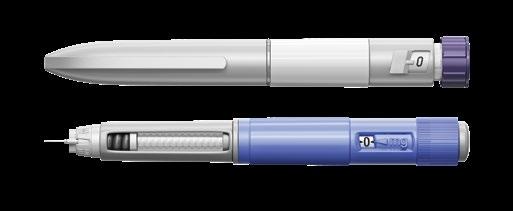
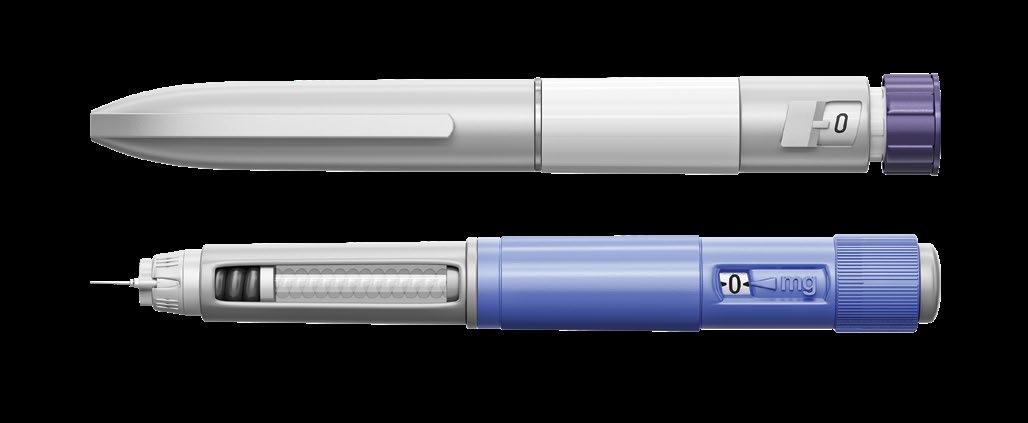
THE LATEST EVOLUTION IN ASSISTED WEIGHTLOSS IS DEFINED BY THE EMERGENCE OF GLUCAGON-LIKE PEPTIDE-1 (GLP-1) AGONISTS – medications that move beyond the “burn” to target the underlying hormonal drivers of obesity, offering a level of sustainability previously thought impossible.
The Origin Story
GLP-1 drugs were initially developed for type 2 diabetes treatment due to their ability to regulate blood sugar1
In the early 1990s, Dr John Eng discovered a hormone in the venom of the Gila monster (a lizard native to the US Southwest) that regulated blood sugar. This led to the first GLP-1 drug (exenatide).
Originally designed strictly to manage type2 diabetes by stimulating insulin production, in a fortunate coincidence researchers noticed a consistent “side effect” in clinical trials: patients lost significant weight, as the drug also regulates appetite and slows digestion.
The drugs were effectively treating obesity by fixing a hormonal imbalance, proving that weight is often a biological issue, not just an issue related to willpower. Based on this discovery, GLP-1 agonists were further developed and approved specifically as weight loss medications for obesity.
Global
Phenomenon
With about 3 billion people globally who are overweight or obese, according to data from the World Obesity Federation, anything that can help stem the tide can have a hugely beneficial impact.
Most people who lose weight often regain a significant portion within one to three years. For example, within one year, the majority of people regain about two-thirds of the lost weight. Long-term success is challenging, with a metaanalysis2 showing that after five years, more than 80% of lost weight is regained.
Unsurprisingly, medications for weight loss have skyrocketed in popularity over the last few years – a 2025 KFF Health Tracking Poll found that about one in five adults in the US has already taken GLP-1 medication, and one in eight continues to use them.
DID YOU KNOW: In traditional ‘yoyo dieting’, after five years, more than 80% of lost weight is regained.”
FLIP THE HUNGER SWITCH
These medications work primarily by mimicking the natural hormone glucagonlike peptide-1, which is naturally produced in the gut, regulating appetite, increasing feelings of fullness and reducing hunger, which is what leads to the weight loss1.
Delayed gastric emptying is the most immediate physical effect you experience when taking these medications. Under normal conditions, when you eat a meal, your stomach contracts to push food into your small intestine fairly quickly, often within two to four hours.
WHAT GLP-1 does:
GLP-1 medications act like a traffic controller, putting up a stop sign. They significantly slow down the motility of the stomach. That means food stays in your stomach for much longer, so you physically feel full after eating.
WHY GLP-1 works:
Slowing your digestion in this way also means that a portion that is half the size of what you normally eat can make you feel satiated. If you try to overeat, the physical pressure in your stomach sends a distress signal, like nausea, forcing you to stop eating.
In addition, GLP-1 agonists bind to receptors in the region of the brain that regulates your energy balance, called the hypothalamus (specifically the arcuate nucleus).
In people who are obese, this regulatory mechanism often gets stuck at a higher weight. When you diet, the hypothalamus panics, thinking you are starving, and floods you with hunger hormones to get you back to your set point.
However, GLP-1 medication convinces your hypothalamus that you have plenty of energy stored, so it stops sending these powerful hunger signals.
Dampens Dopamine
In what scientists are now calling the most revolutionary aspect of these drugs, GLP-1 agonists also work at the hormonal level to suppress emotionally driven hunger.
The reality is that we don’t just eat for energy; we also eat to get a dopamine hit, especially from sugar and fat. This is the pleasure-impulse loop known as hedonic hunger — those cravings for cake, chocolate or ice cream when you are sad or tired.
As GLP-1 receptors are also found in the parts of the brain that light up when we see sugar, fat or alcohol, the medication dampens the dopamine hit you get from calorific food. It turns the volume down on the reward. This benefit is known as hedonic de-escalation.
By working on the brain and the digestive system, the rise of GLP-1 weightloss medication represents a move away from the “furnace” model of weight loss.
The effect that GLP-1 has on the reward centres of the brain is also showing promise in treating addiction, opening new
GLP-1s address the input by silencing the hunger signals that drive overeating.
avenues for applications in food addiction, as well as potential applications in treating drug and alcohol addiction2
Output versus Input
Where thermogenic fat burners tried to outrun excess calories by boosting your metabolism to elevate energy output – a battle that is mathematically very difficult to win (a thermogenic might burn an extra 50–100 calories a day, roughly the amount in half a cookie) – GLP-1s address the input.
By silencing the hunger signals that drive overeating, these medications allow the body to naturally enter a calorie deficit without the white-knuckled struggle of willpower, dieting and excess exercise. However, that doesn’t mean you don’t need to eat well and exercise when taking GLP-1 medications. These medications are typically prescribed alongside lifestyle changes, like diet and exercise, for the best outcomes.
As GLP-1 receptors are present in the brain regions associated with cravings for sugar, fat, and alcohol, the medication appears to blunt the dopamine response typically triggered by calorific foods.
Important Considerations PROTECTING MUSCLE WHILE ON GLP-1 MEDICATIONS
While GLP-1 medications are proving highly effective at helping users treat obesity, this weight loss is indiscriminate.
Studies3 show that those taking these medications lose muscle and fat, which makes it essential that diets contain sufficient protein with every meal, augmented with protein supplements, especially around training.
Anyone taking GLP-1 medications should aim for 20-30g of protein at every meal from foods like fish, chicken, beans, chickpeas or tofu.
FOCUS ON: Aim for at least 1.6g of protein per kg of body weight daily if moderately active, with up to 2.2g/kg/day if you train hard. Combining a higher protein intake with weight training is a great way to maintain and even build muscle while taking these medications.
It is also important to take a more intentional approach to fuelling your body effectively when taking these medications because they suppress your appetite. The reduced energy intake can impact highly active individuals who would require a premium fuelling strategy for each meal.
Top GLP-1 Support Tips:
Fuel Smarter to Sustain Energy and Performance
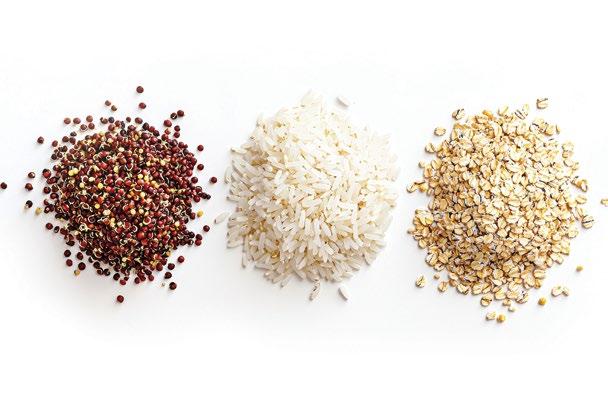
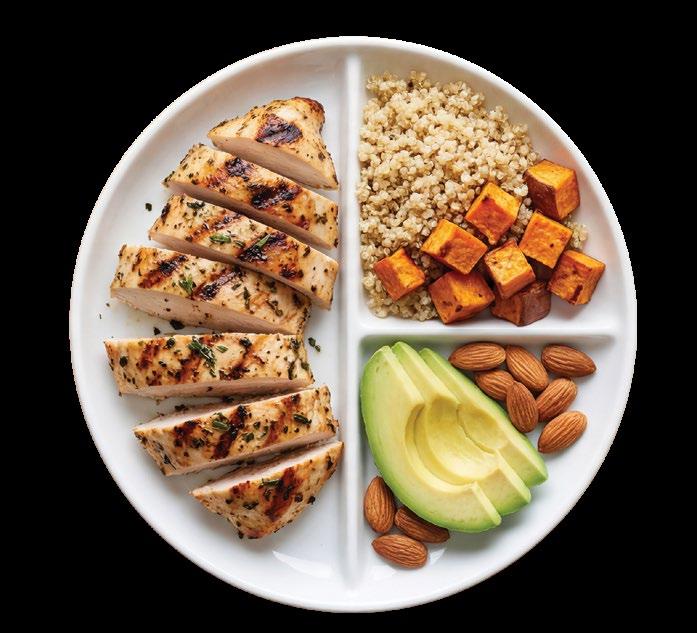
To maintain energy for your workouts and avoid blood sugar crashes, shift towards grazing on nutrient-dense, smaller meals punctuated by snacks, like fruit, nuts or unsweetened yoghurt. When you do sit down to eat, prioritise slow-burning natural complex carbohydrates (like whole grains including oats, millet, quinoa and brown rice, as well as sweet potatoes) over refined grains or sugary drinks.
Healthy Fats and Smarter Meal Timing Matter
Don’t shy away from healthy fats like avocado or olive oil, which are essential for keeping you satisfied and keeping your energy stable. This metabolic shift also requires a different approach to your eating schedule. The very mechanism that helps you lose weight – slowed gastric emptying – can trigger nausea if you eat too much or don’t space meals far enough apart.
Tony Ferguson Whey Protein
Top GLP-1 Support Tips:
Ease Nausea With Lighter, Simpler Foods
3 4 5
To bypass the queasiness, steer clear of high-fat, fried foods or processed meats, which sit heavy in the stomach. Instead, opt for baking or steaming your proteins and lean on bland staples like whole-grain toast, crackers or ginger tea if you feel unsettled.
Prevent
Heartburn With Smaller Meals and Better Timing
Heartburn is another common issue reported by GLP-1 users. This is often caused by lying down too soon after eating or consuming foods like chilli, garlic and black pepper. The fix is often mechanical: keep your portions small and stay upright for at least two to three hours after a meal to let gravity do the work.
We are witnessing the end of the “willpower” era and the beginning of the “biological” era of weight loss.
Hydration and Fibre Are Essential for Digestive Health
Finally, a critical and often overlooked element when taking GLP-1 is hydration and its impact on digestive regularity. The medication can blunt your thirst signals, leading to dehydration that exacerbates both nausea and constipation.
Aim for two to three litres of liquid daily, prioritising water and water-rich foods like cucumbers, watermelon and soups, while minimising alcohol and caffeine. If things slow down too much, address the issue with a combination of soluble fibre (oats, apples), insoluble fibre (vegetable skins, nuts), and plenty of water to keep your system moving. Extreme calorie restriction can also worsen dehydration and may lead to fatigue, kidney problems and nutrient deficiencies that lead to excessive and unhealthy weight loss.
The Next Frontier
Due to the popularity of these medications, a large and thriving black market has emerged where knock-offs are sold to the public, commonly through social media platforms.
The South African Health Products Regulatory Authority (SAHPRA) recently issued a warning to consumers, cautioning against the purchase and use of unregistered and unsafe versions of these medications. SAHPRA has also become aware of companies and individuals illegally marketing GLP-1 products online, and falsely claiming to be affiliated with or authorised by SAHPRA and some of South Africa’s major retail pharmacies.
The current wave of GLP-1 drugs represents the next evolution for obesity treatment and weight loss. We are witnessing the end of the “willpower” era and the beginning of the “biological” era of weight loss. These medicines suggest that we will soon manage obesity exactly like hypertension or asthma: a chronic condition with highly effective, non-judgmental medical solutions.
*To view references for this article, please visit www.livingfit.co.za/issue28/references or scan the QR code on page 7.
TRANSFORMATION WINNER CROWNED
KHONALISA NDLOVU
DISCIPLINE BEATS MOTIVATION FOR KHONALISA’S TRANSFORMATION
FOR KHONALISA NDLOVU, A PERSONAL TRAINER FROM BALLITO IN KWAZULUNATAL, A DIP IN HER ENERGY LEVELS AND A KNOCK TO HER CONFIDENCE WERE THE TELL-TALE SIGNS THAT HER LIFESTYLE NEEDED TO CHANGE.
“I didn’t feel confident in my body, but it wasn’t just about how I looked; it was how I felt mentally and physically. I started noticing that I wasn’t feeling like myself anymore. I felt uncomfortable and frustrated, and my energy was low,” explains Khonalisa.
“I knew I wasn’t operating at my full potential and that could do better. As someone in the fitness space, that feeling didn’t sit right with me.”
She put her weight gain and lack of vitality down to inconsistency, especially with her eating habits.
“There were periods where I wasn’t disciplined, and I allowed emotional eating and lack of structure to take over. I also wasn’t training with a clear goal at the time, which meant I often did too much because I became impatient and wanted quick results.”
However, when those improvements failed to materialise, Khonalisa realised that without structure and discipline, nothing works long term.
A REALITY CHECK
Faced with her reality, Khonalisa took the bold decision to be honest with herself and fully commit to transforming her lifestyle, her health and her body.
“I wanted to feel strong, confident and disciplined again, not just for myself, but also to inspire others who look up to me.”
Knowing that she needed structure, accountability and a challenge that would push her beyond her limits, Khonalisa chose to enter the NPL Body Revolution 12-Week Challenge 9.0
“I wanted to prove to myself that I could transform my body with discipline and consistency. The gap between where I was and where I wanted to be was my driving motivation.”
THE GAME PLAN
Khonalisa’s Body Rev training plan focused on strength training, combined with high-intensity workouts and Body20 EMS sessions to burn fat and build lean muscle.
“I also followed a structured meal plan with balanced meals focusing on protein, controlled carbs and healthy fats. The most important part was keeping my nutrition consistent and clean.”
“I followed a structured meal plan focusing on protein, controlled carbs and healthy fats.”
Her supplement stack was built around NPL ProLifestyle Diet Pro protein powder to help keep her feeling full and satisfied for longer.
“Including NPL Diet Pro in my routine was also convenient and provided weight management support when combined with training and additional fat loss support supplements.”
A WINNING COMBINATION
Khonalisa recalls numerous tough days during the 12-week transformation challenge, but she stayed committed by finding support from people around her who kept her accountable and motivated.
SHOW UP EVERY DAY
WEIGHT BEFORE: 64,8 kg
WEIGHT AFTER: 54 kg
BODY FAT % BEFORE: 29,5 %
BODY FAT % AFTER: 22,3 %
“The hardest part was staying consistent on the days I didn’t feel motivated. Pushing through those moments is what really tested me,” she explains.
“Being in the fitness environment also helped me stay focused and driven throughout the process, and feeling myself becoming stronger every week, not just physically, but mentally, too, also fuelled my motivation.”
Her resolve to see the process through to the end has been extremely rewarding for Khonalisa, with her ultimate reward a better, stronger body, more energy, greater confidence and the title of NPL Body Rev 9.0 Female Winner!
“This journey challenged me mentally, physically and emotionally, but it also showed me how strong I truly am. I learned that discipline is more important than motivation, and results come from consistency, patience and trusting the process.”
But she didn’t just change her body; she built confidence and renewed belief in herself.
“The NPL Body Rev transformation challenge has improved my discipline, confidence and mindset. I’m more focused, more consistent and more driven in everything I do. I am so grateful for the lessons, the growth and the results.”
For anyone else contemplating a similar journey, Khonalisa says start where you are and stay consistent.
“You don’t need to be perfect; you just need to show up every day. Your transformation is possible if you commit to it.”
Registrations for the next NPL Body Revolution Challenge open from 20 July - 23 August 2026. The 12-week challenge starts on 24 August 2026 Visit www.npl.za.com/pages/body-revolution for more info.
THIRTY FIVE
A long-running Swedish study that followed adults for nearly five decades has revealed that your fitness and strength start slipping from around age 35, then worsen gradually with age. However, the researchers found that adults who began exercising later still improved their physical capacity by up to 10%.
*Study published in the Journal of Cachexia.
#@$%!
New research suggests that swearing can boost your physical performance by helping you overcome inhibitions and push harder on tests of strength and endurance, according to a study conducted by the American Psychological Association. Researchers found that this difference could be explained by increases in reported psychological flow, distraction and selfconfidence by participants.
*Published in the journal American Psychologist.
“YOUR HARD WORK TODAY, DETERMINES TOMORROW’S
SUCCESS.”
BRAIN BUILDING
A recent meta-analysis analysed 58 randomised controlled trials involving 4,349 adults to examine how five types of exercise (resistance training, aerobic exercise, HIT, mind–body practices like Tai Chi and yoga, and hybrid routines) affect cognitive health. Resistance training was the most effective at boosting global cognition, which includes functions like memory and attention, and inhibitory control, which is the ability to regulate behaviour.
*Published in Frontiers in Aging Neuroscience.
ASK THE PROS Training myths...70 in this section
WORKOUT 5 exercises you are doing wrong...74
*Published in the International Journal of Exercise Science. 7%
A study has found that the viral 12-3-30 treadmill workout – walking at a 12% incline at 3mph (4.8km/h) for 30 minutes – burns 7% more fat than running, despite expending the same number of calories.
FEATURE Winterproof your workout...82
FEATURE Your first HYROX..86
ASK THE PROS
The old thinking was that cardio kills gains, but HYROX athletes need both. What’s the right balance?
Matt via email
FOR DECADES, LIFTERS CAUTIONED AGAINST THE INTERFERENCE EFFECT — A PHENOMENON WHERE COMBINING CARDIO AND STRENGTH TRAINING SIMULTANEOUSLY MADE IT HARDER TO SEE GAINS IN MUSCLE SIZE (HYPERTROPHY), STRENGTH AND POWER, COMPARED TO LIFTING ALONE.
The theory behind this stance seemed straightforward: if you trigger the pathways for endurance, you effectively turn off the pathways for muscle growth.
But hybrid athletes across the globe have put that theory to the test, with updated
DID YOU KNOW
Perform your most important session of the day first.
research supporting the benefit of concurrent - following a program that includes both strength and cardio –to supercharge your results.
Going to extremes
The latest research confirms that the interference effect only happens at the extreme elite level. Unless you are an Olympic marathoner or a pro bodybuilder, your body is perfectly capable of building muscle while you increase your fitness.
The reality for recreational athletes, especially those who compete in HYROX, is that lifting improves running economy, and improved cardiovascular fitness can help you lift more.
Cardiovascular training increases ways for oxygen to REACH YOUR
MUSCLES.
How cardio helps you lift
On the flip side, aerobic fitness can make you a better lifter.
Increased work capacity:
A stronger aerobic engine (your heart and lungs) allows you to recover faster between sets.
Better nutrient delivery: Cardiovascular training increases capillary density. This means more ways for amino acids, glucose and oxygen to get to your muscles, which speeds up recovery and growth.
More efficient waste removal: Better circulation means your body is more efficient at clearing out the metabolic byproducts (like hydrogen ions) that cause the burn and late-session fatigue.
As far back as 2016, sports scientists were drawing attention to the oversimplification of a complex phenomenon. In a study published in The Journal of Physiology1, the researchers explained that telling athletes they must lift and run on completely different days to avoid cancelling the training effect is an old-school gym myth.
Plotting the paths
The myth stems from two cellular signalling pathways that are seemingly opposed to each other.
• mTOR is the signal to build muscle triggered by heavy lifting.
• AMPK is the burn signal triggered by endurance exercise.
Older research2 suggested that AMPK directly inhibits mTOR, essentially cancelling out your workout.
While performing cardio and strength training in the same session may have a small negative effect on muscle fibre growth (hypertrophy) compared with strength training alone, an updated meta-analysis3 shows that this inhibition is transient and localised.
The data shows that while doing
cardio and lifting together might slightly limit the growth of individual muscle fibres, your overall muscle size usually looks the same as if you only lifted weights.
Interestingly, running seems to interfere with leg gains a bit more than cycling does, likely because the ‘pounding’ of running is harder for your muscles to recover from than the smooth motion of pedalling.
In reality, the interference people feel is usually just poorly managed fatigue (under-recovery), not a biological cancellation of the respective pathways.
Recovery, fuelling and training order matter just as much as the workouts themselves.
Hybrid programming
All you need to become a hybrid phenomenon that can squat 150kg and knock out a sub-20-minute 5k is some logical exercise programming.
• The 6-hour rule:
If possible, separate your running and lifting sessions by at least 6 hours. This allows the acute signalling from one session to settle before you trigger the other.
• Prioritise training modes:
Perform your most important session of the day first. If you’re focusing on strength, lift in the morning. If you’re prepping for a race, run first.
• Manage volume:
The interference most people experience is simply doing too much too soon. If you add 20km of running a week, you might need to drop two sets from your leg day to stay in the recovery lane.
• Fuel your efforts:
Most people lose muscle when they start running simply because they don’t eat enough to cover their higher daily calorie expenditure. If you run for 45 minutes, eat an extra 400–500 calories that day.
*To
IF YOU RUN FOR 45 MINUTES, EAT AN EXTRA 400500 CALORIES THAT DAY.
Building durable athletes
While concurrent training can impact your muscles negatively, the interference effect has largely been sensationalised. By training both systems, you aren’t subtracting from your gains; you’re becoming a more resilient, efficient athlete.
Follow the right approach and you’ll become a more durable and versatile athlete – the hallmarks of the ultimate hybrid warrior.
5 EXERCISES YOU’RE PROBABLY DOING WRONG
AND HELPFUL AND EASY-TO-FOLLOW TIPS ON HOW TO FIX THEM
Whether you’re stepping under a barbell for the first time or you’re a seasoned lifter, there is one universal truth in the weight room: FORM IS EVERYTHING.
Getting your technique right isn’t just about safety; it’s often the difference between a movement that transforms your physique and one that simply wears down your tissues and joints.
When you move correctly, every rep helps build strength, lean muscle and resilience.
Yet in most gyms, athletes still make small mistakes that lead to failed reps, stalled progress or injury. Often, these errors come from bad habits or outdated advice. To master the basics, refine your setup, sharpen your execution and perfect these five foundational movements.
Move #1:
LUNGES
The lunge is a dynamic test of balance, coordination and unilateral strength. However, most people treat it as a simple stepand-drop movement, leading to wobbly knees and unnecessary joint stress.
FORM FIXES
1. Stable stepping: Step forward (or back), keeping your feet hip-width apart. This wider lateral base provides the stability you need to drive through the rep with confidence.
2. The 90/90 rule:
Aim for both knees to form 90-degree angles at the bottom of the movement. Your back knee should hover just an inch off the floor, ensuring a full range of motion.
COMMON MISTAKES
Narrow stepping: Placing one foot directly in front of the other makes your base of support too narrow. This causes the dreaded wobble, forcing your stabilising muscles to fight for balance rather than focus on the lift.
Knee knocking: Allowing your front knee to cave inward (valgus collapse) puts immense strain on the ACL and meniscus.
Forward lean: If your front heel lifts off the ground, you’re shifting all the tension into the knee joint rather than the glutes and quads.
3. Heel drive: Keep your front foot loaded and flat. Driving through the heel engages the posterior chain and keeps the pressure off your kneecap.
4. Vertical shins: Keep your front shin as vertical as possible. If your knee is drifting far past your toes and your heel is lifting, shorten your stride or work on your ankle mobility.
Move #2:
SQUATS
The squat is the most potent lowerbody exercise, which is why it’s done so often by so many in the gym. However, it’s also the most prone to form failures due to poor mobility or a lack of adequate strength to lift the loads that look good on Insta posts.
FORM FIXES
1. Stand strong:
COMMON MISTAKES
Parallel pooh-pooh: Stopping at parallel isn’t a style choice; it’s usually a sign of tight hips and poor ankle mobility. Unless you have a structural injury, cutting your range of motion short leaves massive gains on the table..
Forward tilt: If your torso starts to tilt, your lower back takes the strain. This trunk sway happens when your hips and ankles aren’t flexible enough to keep your centre of mass
Toe-heavy pushoff: If your heels lift, your foundation crumbles. Squatting from your toes erodes stability and puts unnecessary force on the knees.
Ceiling stare: Craning your neck upward doesn’t help you lift more; it actually disrupts the neural pathway between your brain and your muscles,
Forget the “one size fits all” rules about where to position your feet. Your ideal foot width and angle (typically 15–30 degrees) depend on your unique hip anatomy. Experiment until you find a position that feels powerful and natural.
2. Neutral spine: Keep your gaze forward and your neck aligned with your spine. Think of your torso as a rigid pillar – your shoulders and hips should move in one synchronised, upright trajectory.
3. Drive through your feet:
Keep your feet fixed to the floor. Your weight should be distributed across your heel and the ball of your foot. When you’re at the bottom of your squat, try to wiggle your toes. If you can’t do it without falling over, your weight is too far forward. Shift back until you feel anchored.
4. Track the knees: No matter how wide your stance is, ensure your knees track directly over your toes. This prevents internal rotation and keeps the stress on the muscles, not the ligaments.
Move #3:
BENCH PRESSES
The bench press is often treated as a true test of power, but true strength comes from stability and geometry. If you’re feeling a pinch in your shoulders or a wobble in your grip, you’re likely falling into these common traps.
COMMON MISTAKES
Elbow flare: Flaring your elbows out perpendicular to your torso might feel like it’s isolating the chest, but it’s a recipe for shoulder impingement and decreased power.
Floating feet: Lifting your feet off the floor or resting them on the bench is a trend that needs to end. Without your feet anchored, you lose the leg drive that stabilises your entire upper body.
Death grip: Using a thumbless grip or letting your wrists cock back at an angle puts the weight on your joints rather than your muscles. It’s precarious, inefficient and limits muscle fibre recruitment.
FORM FIXES
1. The 75-degree tuck: As you lower the bar, tuck your elbows slightly towards your ribs (aiming for roughly a 75-degree angle). This creates a natural arch in the movement that protects the rotator cuff and engages the triceps.
2. Anchor your feet: Plant your feet flat on the floor, directly under your knees to provide the tension that keeps your torso rocksolid during the press.
3. White-knuckle grip: Wrap your thumbs securely around the bar and keep your wrists stacked directly over your elbows. A crushed grip sends a signal to your brain to activate more muscle fibres, leading to an immediate boost in strength.
Move #4:
HIP THRUSTS
The hip thrust is the gold standard for building glute strength, but it’s frequently turned into a lower-back exercise through ego-lifting and poor mechanics.
COMMON MISTAKES
Rib flare: Many lifters arch their lower back to get the bar higher. This rib flare disconnects your core and puts the weight of the barbell directly on your lumbar spine. Head tilt: Looking at the ceiling during a hip thrust almost guarantees a rounded lower back. It breaks the neutral spine rule that applies to every other heavy lift. Short repping: Stopping just short of lockout at the top means you’re missing the peak contraction of the glutes.
1. Chunky chin: Keep your chin tucked towards your chest and your gaze fixed forward on the wall in front of you throughout the movement. This helps keep your spine neutral and prevents your back from arching.
FORM FIXES
2. Tailbone tuck: At the top of the movement, think about tucking your tailbone. You want your hips to be fully extended and your torso to be a flat tabletop, not a bridge.
3. Vertical shins: Your feet should be positioned so that when your hips are at the highest point, your shins are vertical. If your feet are too far out, you’ll feel it in your hamstrings.
4. Pause:
To ensure you aren’t using momentum, hold the top position for a full second. Squeeze your glutes like you’re trying to crush a coin between them.
Move #5:
DEADLIFTS
The deadlift is a powerful posterior chain exercise, but get it wrong and it can do some serious damage.
COMMON MISTAKES
Stiff legs: Attempting to rip the bar off the floor with locked knees forces your lower back to do all the work. This is the fastest way to a disc injury.
Rounded back: Rounding your shoulders or arching your lower back (hyperextension) creates uneven pressure on your vertebrae.
Wide stance: Setting your feet too wide in a standard deadlift pushes your arms out, forcing your shoulders to round and weakening your leverage.
FORM FIXES
1. Hip hinge:
Think of the deadlift as a horizontal movement first. Push your hips back until you feel tension in your hamstrings, keeping a slight bend in the knees. The lift starts with the legs and finishes with the hips.
2. Pack your shoulders:
Before the bar even leaves the floor, imagine trying to squeeze a lemon in each armpit. Pulling your shoulder blades back and down sets your lats and protects your spine.
3. Keep it close:
Keep your feet hip-width apart and ensure the bar stays in contact with (or very close to) your shins throughout the lift. The shorter the distance between you and the bar, the safer and stronger the lift.
4. Eyes on the horizon:
Keep your neck neutral and your gaze cast slightly forward, not at your toes and not at the ceiling. This keeps the neural pathway clear and your spine aligned from top to bottom.
Mastering these five movements requires slowing down, checking your ego at the door and prioritising mechanics over the number on the plates. Get that equation right, and you’ll unlock a level of strength and physical transformation that sloppy lifting can never provide.
WINTER-PROOF YOUR WORKOUT
WORKOUT WINTERISATION
Winter is usually where progress and gains go to die. Between the biting cold and the comfort food, most fitness journeys hit a dead end as temperatures plummet. But while the rest of the world is hibernating, the truly committed recalibrate. You don’t need warm weather and comfort to maintain your peak; you need a strategy that turns the drop in temperature into an advantage.
So stop waiting for spring to get back in shape and start winter-proofing your routine. It’s time to bridge the gap between winter and your best physiqueyet.
MASTER YOUR MORNING
The hardest part of any winter workout regimen is taking action when your alarm goes off. To beat the “snooze” cycle, move your phone across the room so you’re forced to leave the warm, cosy confines of your bed to silence it.
Once you’re up, flick the lights on immediately. Even better, if the sun is up, rip those curtains open for some sunlight. Exposure to light signals your brain that it’s time to wake up, helping to regulate your internal body clock (or biorhythm), which can get sluggish during shorter winter days.
Follow this with a quick 10-minute mobility drill or yoga session to raise your internal temperature and get the blood flowing.
“Investing in high-quality winter gear is the best way to ensure you stay comfortable while you’re training, especially when heading outside”
SLEEP MORE TO DO MORE
It is also important to realise that your struggle to keep training through winter is not just a motivation issue –it’s more than just “laziness”! Humans are biologically programmed to want more rest in winter.
According to recent chronobiology research1, including a notable 2023 study from the Charité Medical University of Berlin, humans undergo distinct physiological shifts in winter that make us feel like we need more rest. In winter, the sun rises later and sets earlier. Because darkness triggers the release of melatonin (the hormone that tells your brain to sleep), your body starts producing it earlier in the evening and continues producing it later into the morning.
The result is that your brain remains in “sleep mode” in the morning, chemically speaking, because the sun hasn’t signalled the pineal gland to stop the melatonin flow.
Research1 shows that humans experience significantly longer rapid eye movement (REM) sleep in winter, with up to 30 minutes more than in summer.
To stay refreshed, try adding an extra sleep cycle (about 90 minutes) to your night. If that’s not possible, heading to bed 20–30 minutes earlier can provide the extra shut-eye needed to feel invigorated when that morning alarm cuts through the cold morning air.
Gear Up and Layer Up
A popular saying among committed athletes states: “There is no such thing as bad weather, only bad clothing.” Investing in high-quality winter gear is the best way to ensure you stay comfortable while you’re training, especially when heading outside.
The secret is layering. Start with a moisture-wicking base to keep sweat away from your skin, add an insulating middle layer and finish with a wind-resistant outer shell. This allows you to strip away layers as your workout intensity heats up.
Winter-Proof Your Routine
If the thought of the gym at 5am is too much to bear, adapt your schedule. For example, try training in the late afternoon or early evening when the temperature is milder and you can de-stress after work. You can also choose to up the intensity by swapping long, slow sessions for highintensity interval training (HIIT) or compound moves like deadlifts and squat presses. You’ll burn more calories in less time, and get the metabolic boost that leaves you feeling warm and energised.
Research1 shows that humans experience significantly longer rapid eye movement (REM) sleep in winter, with up to 30 minutes more than in summer
Fuel and Protect
Colder months often bring unwanted colds and flus. To keep your immune system robust:
Supplement wisely: Aim for 1,000mg of vitamin C daily to shorten the duration of cold symptoms.
Supplement sunshine: Since we spend more time indoors and bundled in layers, consider a vitamin D supplement to compensate for the lack of sun exposure.
Training with a slightly stronger partner can boost your workout intensity and duration by up to 200% , according to research published in the
COMMUNITY MEANS CONSISTENCY
It’s easy to cancel on yourself, but much harder to cancel on a friend waiting for you in the cold. A training partner adds accountability and a social spark to dreary days.
Warm pick-me-ups:
A cup of green tea, a pre-workout or a thermogenic supplement can raise your core body temperature and provide the energy boost needed to tackle a tough session.
This is the power of the Köhler Effect: a psychological phenomenon where individuals work harder when part of a group or partnership than they do alone.
A 2012 study2 published in the Annals of Behavioral Medicine confirmed that exercising with a partner, specifically one perceived to be slightly more capable, can increase workout intensity and duration by as much as 200%.
Beyond mere accountability, a
Winter doesn’t have to be a season of hibernation. By adjusting your goals and leaning into community events like parkrun, you can emerge in spring feeling stronger and better than ever.
partner provides a vital buffer against the seasonal dip in neurochemicals. While the lack of sunlight can sap your serotonin, the social interaction of a shared session triggers a release of oxytocin and endorphins, effectively “biohacking” your way out of the winter blues.
Research3 from the University of Aberdeen suggests that the secret to a consistent routine isn’t just finding a friend to sweat with, but finding someone who offers emotional support rather than just physical competition.
When the winter chill bites, having someone to share the struggle transforms a gruelling chore into a social ritual, ensuring that your motivation remains resolute even when the temperature is frigid.
Annals of Behavioral Medicine
HYROX WHAT TO EXPECT AT YOUR FIRST
SO, YOU CAUGHT HYROX FEVER AND ENTERED YOUR FIRST RACE! FOR MOST FIRST-TIMERS, THE CHALLENGE IS AS EXCITING AS IT IS DAUNTING, WITH MANY LEFT WONDERING, “WHAT EXACTLY HAVE I GOTTEN MYSELF INTO?”
WHILE THE RIGHT TRAINING PLAN AND NUTRITIONAL APPROACH WILL MAKE FOR A MORE ENJOYABLE RACE DAY, IT ALSO PAYS TO KNOW WHAT TO EXPECT FROM THE FIRST STEP TO THE LAST WALL BALL. But crushing it on race day requires more than just hard work in training. It can all unravel pretty quickly if you don’t nail your nutrition strategy.
Photo: Roy Potterhill
The HYROX Challenge
Every HYROX race around the world pits athletes against the same physical challenge – a 1km run followed by one functional workout station, repeated eight times.
The race takes place indoors, typically inside expansive exhibition halls, convention centres or stadiums, which creates a contained, immersive and electrifying atmosphere for competitors and spectators.
What To Wear
Comfort is crucial during a HYROX race. Wear clothes that you’ve trained in and know won’t cause chafing.
Lightweight shoes with good grip can make a significant difference, especially during the sled push and pull.
Find Your Category
HYROX races are designed to be inclusive, offering multiple divisions and age categories so that athletes of all levels can compete.
The standard individual divisions include Men’s and Women’s Open and Pro, with the Pro division featuring heavier weights.
There is also a Doubles division, where two athletes split the workload, and a Relay division, where four participants each complete two workout stations.
The Race Format
The race starts with the first 1km – typically completed with a few laps around the perimeter of the venue.
During an event, which is often spread across multiple days, waves of competitors set off at regular intervals throughout the day; it is typically a seamless experience, with a tried and tested format that keeps an event of this scale running smoothly.
Every competitor has a timing chip to track their progress around the course, with their times displayed on a giant scoreboard.
The scoreboard tells you: Your current stage What lap of which run
When you’re about to complete your 1km loop
Which workout station you need to do next
There are judges positioned around the course to monitor rule and movement standard compliance (more
Photo: Fahwaaz Cornelius
Setting A Goal
As a first-time HYROX competitor, your main goal should be to arrive at the start prepared and simply aim to finish the race to gain some valuable experience (and have some fun while doing it).
The good news is there is no official time limit or cut-off for HYROX races. Participants are free to complete the course at their own pace, as the event is designed for all fitness levels.
However, for anyone looking to set themselves a goal time to measure their performance against other novices, research conducted by HYROXDataLabs offers a few interesting and relevant benchmarks.
After analysing more than 700,000 HYROX race results, HYROXDataLabs defined the following benchmarks for race times across all age groups:
• Average finish time for novices:
1h40 - 2h20
• Average total race time:
1h20 - 2h00
“HYROX is best understood as an interval-based endurance sport, with endurance training volume and better running economy linked to faster finish times.”
Planning Your Race Strategy
Pacing is crucial in HYROX. With 8km of running broken up by functional stations, you need to find a sustainable pace that allows you to complete all the runs and stations without burning out.
It’s easy to go too hard on the first few 1km laps and the first couple of stations, but this can leave you struggling for the remainder of the race.
Recent research1 found that HYROX is best understood as an interval-based endurance
sport, with endurance training volume and better running economy linked to faster finish times.
The data shows that runs make up nearly 60% of the total race time (roughly 51 minutes of an 86-minute finish time).
However, the study findings note that maximum Blood Lactate (BL) and Rate of Perceived Exertion (RPE) are higher at the stations than during the runs. As your body produces more waste products, such as lactate, during the exercises, you then need to flush these exercise metabolites while running the next kilometre interval.
Photo: Fahwaaz Cornelius
Photo: Roy Potterhill
“HYROX races are designed to be inclusive, offering multiple divisions and age categories so that athletes of all levels can compete.”
With this in mind, on the runs, starting more conservatively and keeping your interval splits relatively even, avoiding bursts of speed. goal is the right balance of intensity and speed to support recovery before the next station without sacrificing too much time. A final word of warning! The research highlighted that heart rate, BL and RPE all peaked during the final station: Balls. So expect to be at your absolute physical and mental limit during the final station.
Wall Ball Tips
Drop your arms to relieve tension in your shoulders after each throw. Keep your head straight rather than looking up (move your eyes, not your head!)
Break it into sets of 10-15 with 5-10 seconds of rest in between. Aim to do the last 20 reps without a rest.
CHEAT CODES
How to make each station more manageable:
1. SkiErg: Use a lower damper setting in your first race. A setting of 4.5 to 5 optimises power output without draining your energy level. FOCUS: Pull with your back and core, not your arms, with an explosive pull down.
2. Sled Push: Strategic breaks are your friend! Don’t wait until your legs are swimming in lactic acid before taking a break. FOCUS: Pacing your effort will keep you moving faster overall.
3. Sled Pull: Smart rope management is the name of the game! FOCUS: After each pull, organise the rope quickly to keep your space clear.
4. Burpee Broad Jumps: Remember, chest to ground – no exceptions! Use this as an opportunity to take a deep breath and lower your heart rate. FOCUS: This short pause can help you conserve energy and maintain a steady rhythm throughout the race.
5. Rowing: Avoid going at an all-out sprint on the rower. Use this station as a strategic active recovery opportunity.
6. Farmer’s Carry: Make sure you have a strong, secure grip before setting off to avoid dropping the kettlebells, as this costs you time and drains energy.
7. Lunges: Find a controlled, sustainable rhythm that allows you to keep moving without unnecessary breaks.
And don’t waste time on transitions.
The Roxzone – the time it takes from your run finish line to the station and back to the run start line – can add minutes to your overall time.
Photo: Fahwaaz Cornelius
What Happens When You Get It Wrong?
It is surprisingly easy to make a technical error that can result in a time penalty or, in some cases, immediate disqualification (DQ). Here is a breakdown of how penalties work and the most common ways to incur them:
Minor Infringements: 15 seconds to 2 minutes.
Major Infringements:
3 to 7 minutes (usually for distance errors).
Disqualification (DQ): For safety violations, missing entire stations, or repeated infractions.
THIS IS WHERE ATHLETES TYPICALLYMAKE MISTAKES:
1. The Roxzone: The transition area has very strict traffic rules. Athletes must enter the Roxzone through the IN arch and exit through the OUT arch. Getting it wrong will cost you 2 minutes.
2. Wrong station order: If you skip a station and go to the next one out of order, you will get a 3-minute penalty for the first offence. Doing it again results in a DQ.
3. Missing a lap: Most HYROX courses require multiple laps to complete 1km. If you miscount and enter the Roxzone a lap early, you’ll get a time penalty, which will depend on the lap length at that specific venue.
4. Missing a run: Bypassing a full 1km run entirely results in a DQ.
5. No reps: Each station has a movement standard that every rep must meet. If you fail to do so, a judge will give you a “no-rep”, which means that rep doesn’t count and you must redo it. Repeated violations can lead to time penalties.
Penalties are typically added to your final finish time after the race is over, though “no-reps” happen in real-time.
Photo: Roy Potterhill
Before You Start
It is important to manage stress levels before your first race, so make sure you get to the venue early to get through the registration process and have time to walk the course to make sure you know where to go, and where the water stations are, and visit the bathroom.
RACE-DAY CHECKLIST:
Check in at athlete registration
Collect race bib + timing chip
Kit up, pin your race bib and make sure you have everything (race shoes, watch)
Drop your bag at the bag drop area
Line up in your assigned start pen
Final gear check (shoes tied, watch on, bib secure)
Have an energy gel or the last sip of your energy drink
Get ready, take a deep breath, and go.
Photo:
Fahwaaz Cornelius
Photographer: Fahwaaz Cornelius
James Moore
MAKING HARD ENDURO LOOK EASY
Photos by FIM Hard Enduro World Championship and Moises Aguilera
In the world of off-road dirt biking, the physical challenge posed by Hard Enduro racing sets these phenomenal athletes apart from traditional motocross riders, who compete on high-speed, manicured tracks.
Hard Enduro pits man and his machine against the harshest conditions nature has to offer. It’s a sport characterised by vertical rock faces, tricky boulder gardens and thick mud, where success is measured by the ability to maintain forward momentum when gravity and geology conspire to stop you in your tracks.
BUILT TOUGH WORLD CHAMPION STATUS
To compete at the elite level, a rider must possess a rare mix of physical and mental attributes, along with technical precision in bike handling and the raw grit and stamina of an elite marathon runner.
At high-altitude races, like the Maloti Mountains in Lesotho, your appetite vanishes and focus becomes harder in the rarefied air, making the margin for error razor thin. This is where training, nutrition, recovery and skill development must all come together to achieve success.
James’s journey into dirt biking started at age two, when his father put him on an Oset trials bike, sparking a fire that quickly grew beyond a hobby.
“I grew up around bikes, so riding came naturally. At first, my dad inspired me, but that shifted to a desire from myself to race and win,” recalls James.
That internal hunger has carried him from the dusty trails of the Free State to the pinnacle of the sport, with 2025 a breakout year following an overall victory at the legendary Roof of Africa and his FIM Junior World title.
And few riders understand this equation better than James Moore. At just 19 years old, the Harrismith native has transitioned from a promising local talent to the 2025 FIM Junior Hard Enduro World Champion.
With a riding style that is calculated and smooth, yet capable of explosive aggression when the terrain demands it, this USN-backed local rider has emerged as a rising star on the global Hard Enduro stage.
WHAT IS HARD ENDURO?
“Hard Enduro hooked me because of the challenge; it pushes you physically and mentally in ways no other discipline does,” explains James.
James developed his distinct riding style through hours on the bike in varying conditions, learning from mistakes and competing against top riders.
“I’ve worked on being smooth and efficient, but I also try to be a sponge when I’m around worldclass athletes.”
He also credits his success to date to a mix of consistent training, a strong support team and gaining more international race experience.
“Focusing heavily on my mindset and staying calm under pressure has also made a significant difference.”
THE SCIENCE OF SURVIVAL
In Hard Enduro, fitness becomes an all-encompassing concept. James spends his weeks balancing strength training, mobility work, core exercises and long hours doing zone 2 training on his bicycle to build the aerobic base needed for multi-day stage races.
“I usually ride several days a week, mixing in strength and endurance sessions while focusing on rest and recovery. I also love downhill mountain biking, which I fit into my schedule whenever possible.”
Beyond the training, James understands the role and relevance of optimal nutrition when training hard or racing in extreme conditions.
James takes USN All9 Aminos before training, and follows that up with USN BlueLab 100% Whey Protein after a workout to support muscle repair and recovery.
“We compete in so many different environments that my strategy is constantly evolving,” he explains.
Before a race or training, James has a solid breakfast along with some USN Creatine Monohydrate and a USN Vooma Bar.
“For hotter races, hydration is key, so I increase my fluid and electrolyte intake. For tougher, slower technical races I focus more on steady carbohydrate intake to maintain stamina.”
“Ride as much as possible and be intentional with your practice, but don’t rush the progress. Most importantly, keep it fun.”
A go-to combination for his hydration pack and water bottle during training and racing is USN Carb 300 mixed with USN Winner’s Energy
“Afterwards, I focus on fast-absorbing protein, like USN Pro Recover. I also use the new USN Super M High Protein drink for extra recovery. Having this level of support from a nutrition partner allows me to focus fully on the racing itself.”
ATHLETE STATS:
Team: Factory Beta AG Racing
Sponsor: USN, Rocksteady
IG: @jamesmoore.25
Facebook: James Moore #25
“The obstacles are brutal, but so is the determination to keep going.”
Despite the gruelling nature of the sport, James maintains a perspective that keeps him grounded. When he isn’t wrestling a Beta 300 up a rock face, he’s likely on his downhill mountain bike or relaxing at home with his dogs.
“People often ask me, ‘When do you have time to have fun?’ and I always reply, ‘When am I not having fun?’ I feel privileged to live my dream,” he says.
But he acknowledges that the path for a South African rider isn’t without hurdles. The costs and logistics of competing in Europe are immense. James is tackling this head-on by spending more time abroad, building the feel for European soil that only comes with time in the saddle.
THE MENTAL GAME CONQUERING THE NEXT SUMMIT
Despite only recently joining the senior ranks, James has already set his sights on chasing more world championship titles. Yet, for all the trophies and titles, his ultimate motivation remains deeply personal.
“I want to keep improving and compete consistently at the top level,” James says. “But, most importantly, I want to bring glory to God through my life and career.”
For the novice rider looking to follow in his tyre tracks, James has simple advice. “Ride as much as possible and be intentional with your practice, but don’t rush the progress. Most importantly, keep it fun.”
With a world title already under his belt, unwavering support from his family, team and sponsors, and a relentless focus on the fundamentals of recovery and preparation, James is ready to dominate Hard Enduro on the global stage.
BUILDING BOK BRAWN
THE NUTRITIONAL STRATEGY FUELLING THE SPRINGBOKS’ PERFORMANCE
THE NUTRITIONAL STRATEGY FUELLING THE SPRINGBOKS’ PERFORMANCE
Developing physical dominance on the field means players win more of the physical battles at the gain line and the scrum, but requires a scientific approach fuelled by a meticulous high-performance culture and nutritional precision.
The hallmark of this strategy is sustained explosive power. Where most teams see a dip in physical intensity in the final 20 minutes, the Springboks often increase it, with the Bomb Squad used with devastating impact to amplify the effect.
This requires a specific physiological player profile: high lean muscle mass combined with the strength endurance to maintain intensity.
On the Springbok menu
To sustain this work rate on the pitch, the Springbok camp follows a tried and trusted nutritional framework that focuses on personalisation and prioritisation. From a personalisation perspective, each player has a bespoke plan. “Energy and macronutrient requirements are based on a player’s age, height, weight and physical activity, as well as the body composition goals they’re working towards, like trying to gain or lose weight, or recover from injury,” says Robyn Moore, National Team Dietitian for the Springboks.
“All these factors would influence a player’s requirements and, subsequently, their food intake and supplement usage. Generally speaking, the forwards would have higher requirements than the backs and would need to fuel themselves accordingly.”
Moore explains that the Springbok team prioritises a food-first approach that encourages players to eat a balanced diet, consuming a variety of foods to ensure they get all
RESEARCH SHOWS THAT FUELLED AND HYDRATED ATHLETES TRAIN, PERFORM AND RECOVER BETTER.
the essential nutrients their bodies need.
“Rugby players have increased nutritional requirements, which are often very difficult, although not always impossible, to meet with food alone. For this reason, we also make use of supplements to add to their food intake to meet their nutritional requirements.”
Beyond supporting the higher nutritional demands of Test rugby players, who have longer seasons due to National, Provincial and club commitments, Moore highlights the challenge that the Springbok players face when spending prolonged periods away from home and in hotels.
“Because of this, we try to keep the menus exciting by including a mix of new and familiar recipes. This includes hosting theme nights and popular local dishes from wherever in the world we are. We always include foods from home even while travelling abroad, like braai nights and biltong.”
ENERGY AND MACRONUTRIENT REQUIREMENTS ARE BASED ON A PLAYER’S AGE, HEIGHT, WEIGHT AND PHYSICAL ACTIVITY, as well as the body composition goals they’re working towards.
Robyn Moore, National Team Dietitian for the Springboks
SUPPLEMENT SUPPORT
Moore and her team also strive to make it easy for players to meet their nutritional goals, stay fuelled and recover well by making good nutritious meals, snacks and safe supplements accessible wherever and whenever needed, whether in the gym, on the training field or while travelling.
“Research shows that fuelled and hydrated athletes train, perform and recover better. As such, we use nutrition and supplementation to maximise that effect,” continues Moore.
The team ensures players start their training in a state of euhydration (a state of optimal total body water content), which is achieved by making sure there are hydration options, like water, electrolytes and Powerade, around them at all times –at the hotel, in the bus and on the field.
“Players should have had a good meal before they start training, but there are always options to top up on energy
before the session starts,” says Moore.
These include food options, like a selection of fresh and dried fruit, or some pretzels, and there are also supplements like energy gels.
“After sessions, we encourage players to replenish what they’ve used in a session through our recovery options, like Biogen IsoWhey Premium Protein shakes, protein bars, electrolytes, tart cherry, flavoured milk, biltong and fruit. We want them to get in protein, carbohydrates, fluids and electrolytes after training and games.”
From a performance perspective, Moore highlights certain wellresearched ergogenic aids that the team believes are beneficial for the players to use.
“Sometimes, these are more convenient to take in a supplement form than from food. For example, we encourage the players to consume 5g of creatine daily. However, getting that dose from food alone would require eating 1kg of steak, which is not always practical. A more convenient approach is one scoop of Biogen Creatine Monohydrate powder added to a liquid.”
Rassie Erasmus, South African rugby coach and former professional rugby player
USING SUPPLEMENTS CONFIDENTLY
Given the role and relevance of supplements in the Springboks’ nutrition plan, it is critical to partner with a brand that prioritises Informed Sport and Informed Choice certifications for their products.
“Informed Sport certification is our starting point in considering a supplement brand,” affirms Moore.
“It’s our first criteria and we would not entertain supplements that are not tested by Informed Sport, as the industry is poorly regulated, if at all. This puts athletes at risk, as untested supplements run a higher risk of containing prohibited substances, which could affect an athlete’s career and their health.”
Moore highlights how this can happen from simple crosscontamination in a factory where prohibited substances are used, necessitating strict safety and compliance standards from sourcing and manufacturing to bottling and distribution.
“Our commitment
to our athletes is that we would only provide them with a supplement if we have a batch certificate to show that the specific batch of that specific product has been tested for prohibited substances,” elaborates Moore.
Having worked with multiple sporting codes, professional teams, athletes and national events since inception, including two major SA rugby franchises, Biogen has an acute grasp of the quality requirements and safety protocols for athletes at every level, including professional rugby players. Biogen’s credentials include more than 11 years of Informed Sport product testing, which involves banned and prohibited substance testing, manufacturer audits and the scrutiny of product formulas for safety and efficacy.
“Informed Sport certification is our starting point in considering a supplement brand.”
“We appreciate Biogen’s longstanding relationship with Informed Sport, and how they have helped us honour this commitment to our athletes,” asserts Moore.
The Biogen Informed Sport and Informed Choice range includes
Adding an additional layer of safety, all players at every level attend an annual antidoping education session by the South African Institute for Drug Free Sport (SAIDS).
“This education includes how to avoid inadvertent doping, like avoiding supplements which are not batch tested. They also look at the risks associated with using supplements that are not batch tested, and cases of athletes who have tested positive from contaminated supplements,” explains Moore.
“We also provide continued support and advice to our players throughout the year to ensure we are aligned on our supplement protocols.”
The macro and micro factors UNMATCHED INTENSITY
Bolstering its commitment to quality, Biogen also recently added its flagship whey protein powders to the Informed Protein programme, which verifies protein content and subjects products to heavy metal testing for added safety.
“The Informed Protein program assures us that the protein powder we use from Biogen contains the amount and type of protein we need for our athletes to meet their daily protein requirements, because you can’t always trust that a protein supplement has the amount and type of protein they claim to on the label,” continues Moore.
In addition to its role as sports nutrition partner to the Springboks, Springbok Women and the national sevens and U20 teams, Biogen also provides critical vitamin and mineral supplements to the players.
“As with macronutrients,
athletes generally have higher micronutrient requirements too due to their high outputs and increased losses from intense training,” continues Moore.
“We encourage our players to have fruit and vegetables at every meal, and to consume a variety of colours to ensure they get all the vitamins and minerals they need, but we also supplement with vitamins and minerals to ensure everyone meets their micronutrient requirements.”
According to Moore, these products include a multivitamin, an immunobooster, vitamin D, omega-3 and probiotics, among others, to prevent illness, maintain gut health, promote heart health and counter inflammation.
Precision nutrition lays the foundation for the team’s dominance.
“Sleep also plays a major role in recovery, and we use supplementation to assist with sleep as well.”
In the physically demanding arena of Test rugby, where games are typically won by the team with the mental fortitude and physical resilience to outduel their opponents, this meticulous focus on providing players with energy, strength and stamina through precision nutrition lays the foundation for the team’s dominance
The Springboks’ blueprint for success is clear: support player physicality with highquality fuel and fine-tune their output with premium supplementation, enabling them to unleash a level of intensity on the field that other teams simply cannot match.
Springbok and Biogen partnership announcement
IMMUNE BOOSTER ENDURA
New FAPESP-funded research shows that endurance exercise may train the immune system as much as it does muscles. A team of international researchers found that older adults with decades of running or cycling experience had immune cells that functioned better and aged more slowly. Their inflammation levels were lower, and their cells resisted fatigue even under stress.
*Research published in Scientific Reports.
While pure water is essential, structured hydration is a new buzzword in the health sector. Recent longitudinal data suggests that a 7:1 ratio of water to polyphenol-rich infusions (green tea or black coffee) maximises cellular longevity. The antioxidants in these brews appear to work synergistically with water to improve vascular elasticity.
*Data from the International Journal of Obesity & Metabolism. 7:1
HYROX HARDINESS
Two studies released in 2025 have found that building aerobic capacity should be the performance foundation for every HYROX athlete. The research findings are unequivocal: endurance training volume and VO2 max are the strongest predictors of race-day success.
*Research published in Frontiers in Physiology (Brandt et al., 2025) and Strength & Conditioning Journal (Davids, 2025).
10-15%
An analysis of more than 400,000 people found that those who did between 150-300 minutes of moderate-to-vigorous intensity physical activity per week had a 10-15% lower risk of developing atrial fibrillation (an irregular heart rate) compared to those who were inactive.
*Published in European Heart Journal.
“THE FINISH LINE IS JUST THE START OF YOUR NEXT GOAL.”
ASK THE PROS What is aerobic decoupling...106 in this section
COACH’S CORNER
FEATURE
Tips from Gerda...116 ATHLETE Akani Simbine ...124
Ultra fuelling for Comrades...120
ASK THE PROS
I’m hearing a lot about aerobic decoupling.
What is it and is it important for endurance athletes?
Dylan via social media
THERE HAS BEEN A NOTICEABLE SHIFT IN FOCUS AMONG ATHLETES REGARDING HOW THEY TRACK AND MEASURE PERFORMANCE IMPROVEMENTS OVER TIME.
While VO2 max, exercise economy and thresholds are common benchmarks, these measures of endurance performance deteriorate with prolonged exercise and, as such, performance capacity also decreases1.
Durable athletes
For these reasons, durability has emerged as another important component when measuring endurance performance.
DID YOU KNOW
During intense exercise, up to 80% of blood flow is diverted away from the gut
Also known as athletic resilience, recent studies2 define durability as the resistance to deterioration in physiological determinants, such as running economy, during prolonged exercise.
Basically, it is the ability to maintain physiological efficiency the longer you get into a race.
One way to measure aerobic resilience or durability is through aerobic decoupling. This training metric measures the relationship between your heart rate and power or pace during long-duration, steady-state exercise.
To understand decoupling, you have to look at the relationship between two different types of data:
• External load (output):
This is your power (Watts) or pace (min/km). It is what you are actually doing.
• Internal load (input):
This is your heart rate measured in beats per minute (BPM). It is what it costs your body to produce that output.
Drifting away
By tracking the rate and amplitude at which your heart rate ‘drifts’ away from a sustained power or pace, athletes can find the point when your internal cost begins to outpace your physical output.
This drift indicates cardiovascular fatigue – if your heart rate rises significantly while power or pace remains constant (decouples), it signifies decreased aerobic efficiency and rising fatigue levels.
While cardiac drift is a natural phenomenon where your heart rate gradually rises during steady-state exercise, even if your intensity stays constant, there are various factors that can cause it.
Shifting blood volume
It is primarily driven by dehydration and thermoregulation.
AEROBIC
DECOUPLING
measures the relationship between your heart rate and pace during steady exercise.
As you sweat, your blood plasma volume decreases, meaning your heart has to pump faster to circulate the same amount of oxygenated blood. Additionally, your body redirects blood to the skin to help you cool down through sweating. This leaves less blood available for the working muscles, forcing the heart to compensate with more beats per minute.
Digestion is another, often significant, contributor to cardiac drift, especially in ultra-endurance events like Comrades or Ironman triathlons.
Under normal conditions, your digestive system receives ample blood flow to process nutrients.
However, during intense exercise up to 80% of blood flow is diverted away from the gut to the working muscles and skin.
When you consume solid food at an aid station, your body must redirect some blood flow back to the stomach and intestines to facilitate transport and absorption.
To maintain the same pace while supporting digestion, your heart must beat faster to compensate for that diverted volume.
This is often why athletes see a step-up in heart rate shortly after eating a large amount of solid food.
HEART RATE
(Internal load)
POWER/PACE (External load)
DRIFT RATE (Cardiovascular fatigue)
BY TRACKING ‘DRIFT’ RATE, ONE CAN FIND THE POINT WHEN THE INTERNAL COST BEGINS TO OUTPACE THE PHYSICAL OUTPUT.
The conditioning link
The other major factors to consider – and why aerobic uncoupling has become such an important metric in endurance coaching – include under-fuelling and cumulative fatigue. In this regard, there are two key indicators that coaches will look at:
• Linear drift: A steady, slow rise usually indicates a lack of aerobic base or gradual dehydration.
• Step drift: A sudden spike in heart rate while your pace or power output stays the same often indicates a breakdown in form, a change in
WHEN YOU CONSUME SOLID FOOD, YOUR BODY MUST REDIRECT SOME BLOOD BACK TO THE STOMACH TO FACILITATE ABSORPTION.
temperature or a fuelling failure. If your heart rate stays perfectly coupled with your power, your decoupling is effectively 0%. If your heart rate rises while power or pace remains steady, the percentage increases.
The current threshold among endurance coaches is 5%. Keeping aerobic decoupling under 5% signifies a small but immaterial drop in efficiency, which suggests that you are
getting fitter for that specific duration and intensity.
Going beyond 5% may indicate issues that need addressing. This degree of drift suggests a lack of durability, which could be a signal that you haven’t yet developed the aerobic engine or strength to handle that distance, you’re under-fuelled, or that environmental factors, like heat or humidity, are overtaxing your system.
*To view references for this article, please visit www.livingfit.co.za/issue28/references or scan the QR code on page 7.
FUELLING THE FUTURE OF WOMEN IN SOUTH AFRICAN SWIMMING
The tide of South African swimming is rising, and it is being fiercely led by the phenomenal power of female athletes.
At the forefront of this movement are Kaylene Corbett and Erin Gallagher — two of the nation’s fastest, most relentless competitors, and the newest elite athletes to be fuelled by Biogen. This partnership is more than just a sponsorship; it is a vital investment in the future of women’s sports in South Africa, ensuring that our female champions receive the worldclass nutritional backing they need to continue conquering the global stage. Training side-by-side at the prestigious TuksSports Swimming Complex, Kaylene and Erin have proudly carried the South African flag at both the Tokyo and Paris Olympic Games. But they aren’t just representing their country — they are making history and redefining what is possible for women in the water.
The Breaststroke Powerhouse:
Kaylene has established herself as a formidable force in the 100m and 200m Breaststroke. Her relentless drive has earned her bronze medals at the 2022 Commonwealth Games and the 2025 World Aquatics Championships in Singapore, alongside a staggering collection of multiple golds at the African Games.
The Sprint Sensation:
Matching that fierce energy is Erin, an absolute powerhouse in the 50m and 100m Butterfly and Freestyle events. A consistent threat on the global podium, Erin’s explosive speed secured her silver medals at both the 2023 FISU World University Games and the 2022 Commonwealth Games.
Together, these two extraordinary athletes are not just breaking personal records — they are shattering glass ceilings and inspiring the next generation of South African girls to dive in, push their limits and dream bigger.
Both athletes have a wealth of experience that can help any swimmer, from triathletes to open water swimmers, improve their performance. We asked them for their insights to help swimmers at every level improve their performance in the water and become an aquatic ace.
FORM FIXES
As amateur swimmers often try to muscle their way through the water, resulting in spiked heart rates and early fatigue, a shift in focus from force to form can deliver the biggest gains in efficiency and performance.
Erin describes swimming as an art form, like ballet, requiring grace to move through the water with the least resistance.
“Think of the water as your friend, not an opposing force you need to plough through,” recommends Erin.
“Staying relaxed makes you more buoyant, which helps you move through the water.”
Kaylene explains that an experienced coach is the key to finetuning your form in the water.
“Amateur athletes underestimate the impact that proper form and technique have. Finding someone who can teach you the correct way to swim before you start building mileage in the pool is critical to avoid entrenching bad habits, and lays the foundation for fast swimming.”
THE CORE CONNECTION
Both Erin and Kaylene highlight the important role that body alignment plays in efficient swimming.
“Holding a streamlined position in the water is so important, but it is difficult even for the pros,” states Erin. “Personally, I have seen a huge difference after I started working on my core, because it connects my upper and lower body, and keeps my back aligned and my hips up.”
Both swimmers incorporate Pilates into their routines, with gym-specific training focused on engaging the deep inner core muscles. Exercises include V-ups, hanging leg raises and stability work on the Bosu ball and Swiss ball.
“Our strength and conditioning coach also plans our training to include exercises that reinforce the proper swimming position,” adds Kaylene.
DRYLAND DEALINGS
There are also additional activities that athletes can engage in outside of the water to improve their swimming skills.
As swimmers need good strength symmetry between their left and right sides, Erin says they focus a lot on workouts that strengthen the body as an integrated system.
“Gym sessions generally include heavy weight training, depending on the phase
we are in. We would de-load the weight training when we’re in highvolume blocks, for example, as we accumulate a lot of fatigue.”
The swimmers also include lots of static stretching and mobility work, particularly as part of a vigorous warm-up before training or racing.
“Athletes who swim often overlook the importance of flexibility and the role it plays in their ability to apply greater force with every stroke in the water,” explains Kaylene.
BREATHWORK
Breathing mechanics is another important area where amateur swimmers can extract huge benefits. Breathing is usually the first thing to fall apart when fatigue sets in, or a swimmer gets flustered in open water, which can impact stroke rhythm and send your heart rate skyrocketing.
“Timing your breathing is important with any stroke to ensure you can fill your lungs with air at the right time,” explains Kaylene.
“Proper breathing comes from being graceful and relaxed in the water,” adds Erin.
To build better lung capacity, Erin says they perform hypoxic (low oxygen availability) swimming drills. “This entails breathing every 2, 4, 6 and 8 strokes. Over time, your body adapts to
A SHIFT IN FOCUS FROM FORCE TO FORM CAN DELIVER THE BIGGEST GAINS IN EFFICIENCY AND PERFORMANCE.
working for longer periods without a breath.”
Kaylene also does lung capacity training out of the pool, using a spirometer to encourage slow, deep breathing, and expand and strengthen her lungs and diaphragm.
While Erin prefers breathing on one side, which suits an even count, some athletes, especially those who swim in open water, may prefer an odd pattern so they alternate sides.
PERFORMANCE FUELLING
Biogen supplements play an important role in Erin’s and Kaylene’s training and racing, with the new Elite range featuring prominently in their approaches.
Both swimmers take Biogen Elite Carb Gels before races and hard training sessions. Erin also likes to take a Coffee-flavoured Biogen High Energy Gel 30 minutes before a race for the caffeine kick, and sips on a Biogen Elite Carb Drink. “The Light Citrus flavour is my favourite,” she says.
Bar, while Erin’s go-to is Biogen Premium Iso-Whey Protein to support muscle repair.
“Creatine has also had a hugely positive impact on my recovery,” says Erin, with Biogen’s Informed Sport Certified Creatine Monohydrate a mainstay in both her and Kaylene’s daily supplement regimen.
Both swimmers highlight the critical role that sleep plays in their recovery.
“I shut down early at night, starting to wind down at 7:30pm to get at least 8-9 hours of sleep a night when my studies allow. Once you establish a routine, you start to fall asleep faster,” says
Erin.
Kaylene monitors her sleep quality with a Whoop band, which measures metrics like duration, quality and heart rate variability (HRV).
“Changes in HRV may indicate that I’m getting sick, or that my body is not absorbing my training load properly, which is when I turn to Biogen Immuno Boost to support my immune system.”
Kaylene and Erin also use supplements to support their sleep, with Biogen Magnesium Glycinate a core inclusion for its bioavailability. “I like to alternate with Biogen Magnisol Sleep,” adds Kaylene.
Erin adds that swimming tends to mask how much you sweat, so it is important to replace lost electrolytes.
“I add a Biogen Electrolyte+ effervescent tablet to water three times a week to support my hydration between sessions.”
RECOVERY
Due to the high-volume nature of swim training, athletes need to focus on recovery between sessions to manage the load.
Kaylene focuses on replenishing depleted glycogen stores after a session with a Biogen Elite Carb
life lessons
CREATINE HAS HAD A HUGELY POSITIVE IMPACT ON MY RECOVERY.
LOOKING AT THE PROGRESSION OF THEIR CAREERS, ERIN AND KAYLENE HAVE LEARNT OTHER VALUABLE LESSONS ALONG THE WAY.
“The most important lesson for me was learning to avoid comparing myself to others,” explains Erin.
“Comparison is the thief of joy, and I’ve come to realise that when it’s your time, good things will happen. When I stopped comparing myself to others’ achievements, I was able to celebrate them and I was kinder to myself, which helps me enjoy swimming more.”
Kaylene echoes a similar sentiment, choosing to focus on the journey rather than the accolades achieved along the way to ensure she enjoys the experience.
“The memories of those big moments along the way will fade, but if you enjoy the journey, it will be more fulfilling.”
COACH’S CORNER
TIPS FROM GERDA’S TRAINING NOTEBOOK
“SOUTH AFRICA’S QUEEN OF THE ULTRAMARATHON, GERDA STEYN, IS RENOWNED FOR MANY THINGS – HER RECORD-BREAKING PERFORMANCES, HER RELENTLESS DETERMINATION AND HUMILITY, AND HER UNWAVERING POSITIVITY, EXPRESSED THROUGH HER ENDURING SMILE, EVEN IN THE TOUGHEST RACE MOMENTS. When it comes to the nuts and bolts of training, she is also famous for her meticulous note-taking.
with — gerda steyn
The notebook
Gerda’s set of detailed, handwritten log books are now legendary. They are a treasure trove of insights as she has recorded every aspect of her training, racing, fuelling, emotions and her recovery since 2014.
The notebooks include detailed notes on every training session and race, including daily activities, long-term targets, short-term goals and how she felt during and after every run.
This personal diary allows her to track, analyse, reflect on and adapt her preparation and performances, acting as a crucial tool for her success.
“The idea of a handwritten diary has always appealed to me as I find it much more personal than an online, public platform. As much as I enjoy
using digital platforms, I believe that my handwritten diaries have helped me get to know myself a lot better and have given me a deeper understanding of my own progress or, at times, lack thereof,” says Gerda.
“It doesn’t take long to scribble down details about your training together with a short explanation about how you felt. After a while, it becomes a habit. I love paging through my diaries before I start my preparation towards the next goal.”
Until recently, no one had seen her diary entries, but since launching her Own My Run platform, she has started sharing her years of experience to help other runners. We met with Gerda in the midst of her Comrades Marathon prep to take a peek inside her diaries and share some of the most important lessons and learnings before the 2026 up run.
“My greatest tip: study what you are setting out to do and have a plan”
— GERDA STEYN
GERDA’S TOP TIPS:
Taper week
Reflecting back on my notes before a race always reminds me that I’ve done all the work and I am ready to perform.
This is important for any runner to acknowledge, because you won’t build more fitness in the last two weeks. Runners must understand that training breaks us down, but recovery makes us stronger.
This is the aim of a taper: it’s the time your body needs to recover and replenish from all the training so that you get to the start line fully fit and strong.
Going over your notes offers perspective on all the training you’ve done, which can help ease those pre-race nerves and build your confidence.
I have also used my notes to fine-tune my training taper. I do not stop running as I like to keep the legs moving. I don’t do anything too intense or anything that is too fatiguing – I just keep my legs moving as they are accustomed to running every day.
I will follow my usual routine, getting out for morning runs. On the days I typically have a workout, I will do a short session with some intensity in race week, but nothing too taxing. This keeps some familiarity in my daily routine so my body doesn’t go into shock.
Nutrition and fuelling
Carbo-loading is something I still do because it is an approach I have used successfully in the past, but this is only for those who have done it before.
During race week, I keep my meals as simple as possible, sticking to what my body is used to – mainly plain chicken and rice. No creams and spices.
I also make a point to stay hydrated in the days before Comrades, because it is long and hot. I will use Biogen Electrolyte+ in water every day to ensure I start the race replenished and not depleted. Keeping notes on what fuelling approaches have and haven’t worked for you during races is also invaluable.
Every runner needs nutrition during the race to fuel you to the finish – and you probably need more than you think – but there is a lot of information out there, which can make it confusing. My advice is to make it as
The route
By now, I know the Comrades route like my local training loops in France and Northcliff. Referring to my notes has helped me find where I can shave valuable seconds off my time each year to keep trying to break records.
But not every runner needs to break the race down kilometre by kilometre.
simple as possible by sticking to the basics.
HOW I FUEL:
My approach is one gel and an energy drink every 5km. I have used the approach for years – the only variable has been the source of my carbs and energy.
I currently use Biogen Energy Gels – the coffee flavour is my favourite. It delivers 26g of carbs per gel, which means I get between 80-90g per hour when combined with an energy drink.
The most important point for every runner is to find what works best for you. That means finding the combination of gels, bars, chews and drinks that works best for you from a taste, texture and convenience perspective.
Once you’ve defined this strategy, practice what you plan to use on race day, following the same timing, and then only eat and drink what you did during your long runs in training –nothing new on race day, ever!
“Practice what you plan to use on race day, following the same timing, and then only eat and drink what you did during your long runs in training –nothing new on race day, ever!”
— GERDA STEYN
For the up run, the most important tip is to take it very easy in the first half. Hold back intentionally and constantly check your pace. Do not be concerned if you are slightly behind on goal pace. If you get to halfway feeling relatively fresh, you can get back on pace if you have done the right training and have your fuelling dialled in.
The best strategy for the up run is to aim for a negative split (running the second half faster than the first).
Mental tips
Do not underestimate the mental prep needed for a successful race day. I plan my strategy in my diary long before race day.
I am a student of the race – I study the course, spending hours looking at the route, and set time goals for specific points in the race to know I am still on track. This helps me focus on what I need to do to achieve my goal.
That’s probably my greatest tip – study what you are setting out to do and have a plan.
Know the course – where each of the big five hills are and where you can make up time – and plot where and when you will take on nutrition and drinks. With this knowledge, you know what lies ahead, so nothing can surprise you.
Consider every scenario – positive and negative – and have a fallback plan if things go wrong. This ensures you know how to handle a difficult situation to get back on track.
Visualise your race during your training and taper, and keep crossing the finish line in your mind – know that something amazing is waiting for you at HollywoodBets Scottsville Racecourse in Pietermaritzburg. This helps develop your mental strength, just like the training conditions your muscles.
I also write down some phrases for positive reinforcement before every race, which I call on when I start feeling tired. Phrases like “I know I can”, “I believe I can”, and “I have done it before, so I can do it again” can help pull you through a tough patch.
Lastly, find a reason within yourself to keep going and to conquer the Ultimate Human Race, because there is a point for everyone where you will question yourself and your ability. If you are doing it for someone else, write down why and read it often. Bring that purpose back to your thoughts when things get tough. This will keep you going when the body is ready to stop.
Post-race recovery
After the race, try to get some carbs and protein in as soon as possible. You have stressed your body.
While it is usually chaotic for me after the finish, I try to have a Biogen Iso-Whey shake in a shaker bottle at the finish to support my recovery. Keeping a protein powder sachet in your drop bag with a shaker bottle is a good idea for all runners.
It is also important to give your body time to recover after the race. What I’ve learnt is that not all post-race recoveries are the same. Sometimes it just takes longer than previous years before your body is ready to run again. It is important to listen to what your body is telling you and ease back into running. Don’t force it – it will only push out your return to training.
WHY DOUBLING YOUR MARATHON FUELLING STRATEGY COULD BACKFIRE ON RACE DAY
Ultramarathon CONQUER COMRADES WITH SMART FUELLING
Running a qualifying marathon is a prerequisite to get to the start line of South Africa’s most iconic ultramarathon, the Comrades.
Having successfully completed the 42.2km race distance, many runners may think the key to conquering the 87km Comrades course is about replicating what worked for them during the marathon, including what they ate and drank during the race, simply doubled.
However, there are distinct physiological differences between the demands of a marathon and an ultra-distance race.
While an all-out marathon effort is typically a glycogen-fuelled race run near your physiological limit, an ultra is a game of metabolic efficiency, requiring a masterclass in managing biological resources.
To master your race-day nutrition, you need to understand your digestive system and how it shifts as you move at distinctly different intensity zones.
UNDERSTANDING GUT FUNCTION
The biggest hurdle in fuelling any race isn’t always muscle fatigue; it’s often gastrointestinal (GI) distress. The most significant barrier to fuelling during runs, especially at higher intensities, is the redistribution of blood. Your splanchnic circulation – the blood flow dedicated to your stomach, intestines, liver and spleen – is highly sensitive to exercise intensity.
In a standard marathon, most runners hover just below or at their lactate threshold (LT). To keep your legs moving, the body can shunt up to 80% of blood flow away from the gut and towards the working muscles and skin (for cooling)1
When splanchnic blood flow drops:
Gastric emptying slows: Food sits in the stomach longer, which can lead to that heavy sloshing feeling or an inability to eat more later in the race.
Absorption declines: The intestinal lining can’t efficiently transport nutrients into the bloodstream, leading to the dreaded gut rot, which often results in bathroom emergencies.
As such, marathon runners typically rely on gels and liquids to meet their energy demands – they are easier to carry and digest, with shorter gastric emptying rates and better absorption than whole foods.
THE ULTRA PARADOX
THE BODY CAN SHUNT UP TO 80%
OF BLOOD FLOW AWAY FROM THE GUT AND TOWARDS THE WORKING MUSCLES AND SKIN.
Runners might feel it is necessary to replicate this intake over the course of an ultramarathon, or some might believe that because an ultra is longer, you need more carbs per hour. Paradoxically, the opposite is often true.
Ultramarathons like the Comrades are typically run at a much lower intensity, well below your LT, typically in zone 2. At this intensity, your splanchnic circulation is much better preserved compared to an all-out marathon effort.
With new innovations in formulations that exploit different transporter pathways, these intakes can reach high levels, with 90–120g of carbohydrates per hour not uncommon among serious and elite marathoners today.
At these lower intensities, your body is also much more efficient at burning stored body fat for fuel. As such, your muscles don’t burn through glucose as fast, which means you require fewer carbs per hour.
For most 7–10 hour ultrarunners, 60–80g of carbs per hour is the “sweet spot” that provides enough fuel without overwhelming the digestive system over a nearly half-day effort.
Balancing Solids, Liquids and Gels
In a marathon, you can survive on gels (and water) alone, but in a 7–10 hour ultra, you need variety to address issues like flavour and texture fatigue, and keep the stomach settled. Thankfully, since blood flow to the gut is higher, you can handle more complex foods in the form of solids, at least in the early stages of an ultra.
A SOLID START
In the first 3–4 hours, your intensity is typically lower and your digestive system is still functioning well. This is the time to include solid foods, like small boiled potatoes with salt, bananas or energy bars. Solids provide a sense of satiety that liquids lack, preventing that empty stomach feeling that can cause nausea.
Blending Feeds
As the hours tick by, blood pools in your legs, and chewing can become a chore. The second half of the race is an ideal time to transition to a mix of liquid-based calories and gels. High-quality energy drinks allow you to sip your carbohydrates, providing a steady stream of fuel without requiring mechanical digestion (chewing).
When you make this transition, the goal is to stay hydrated without overhydrating, which can lead to hyponatremia. Follow these guidelines to avoid drinking too much:
Use water to wash down solids and standard gels.
If you are using high-calorie liquid fuel, be mindful of how much extra water you take at aid stations. You want your gut to be a sponge, not a bucket.
GEL INNOVATION
Furthermore, your body requires water to digest concentrated sugars. If you take a standard energy gel without enough water, the gel can actually draw water out of your system and into your gut, leading to bloating, cramps and bathroom emergencies. One way to bypass this is through hydrogels. Unlike traditional gels, hydrogels use pectin and sodium alginate to create a pHsensitive barrier. This encapsulates the carbohydrates, allowing them to pass through the stomach acid and into the small intestine faster, a
process called gastric emptying.
Another innovation helping athletes push the boundaries with the amount of carbs they can tolerate during sustained race efforts is the 1:0.8 glucose-tofructose ratio, which is popular in hydrogels.
By unlocking a second channel for absorption, this ratio supports higher carbohydrate oxidation rates2, which means you convert more of what you swallow into usable energy, with less risk of GI distress.
This is what allows runners to
comfortably tolerate 90g of carbs per hour. Practically, it means you can hit your targets with just two high-capacity gels (45-50g each) rather than the 4 or 5 standard gels previously required, which often sat unabsorbed in the gut and caused gut issues.
PROTEIN AND AMINO ACIDS
Another important distinction between a marathon and an ultrarace is the role and relevance of protein.
In a marathon, protein is largely unnecessary, but in a tough 87km road race like the Comrades up run, your body enters a catabolic state, where it begins breaking down muscle tissue for energy.
Using a hydration or energy product that contains branched-chain amino acids (BCAAs), specifically Leucine, Isoleucine and Valine, can reduce the rate of muscle protein breakdown during the race.
There is also evidence that BCAAs can prevent the brain from taking up too much tryptophan, which is the precursor to serotonin. High serotonin levels during a race can make you feel sleepy or lethargic.
Furthermore, a small amount of protein every hour can help turn off the hunger signals that can become distracting during a 10-hour day.
Aim for a 4:1 carbohydrate-to-protein ratio in the middle stages of the race (hours 4–7), or look for energy drinks that include approximately 5–10g of protein.
YOUR COMRADES FUELLING PLAN
HOURS 1–3: Solids + water (A boiled potato, half a banana or a small energy bar every 45 mins). Include some electrolytes.
3 UNIVERSAL ULTRAFUELLING LAWS
Whatever strategy you choose, these three rules are nonnegotiable, whether you are an elite athlete or a bus runner.
HOURS 4–6: Blended feeds (Alternate between 1 hydrogel and an energy bar or chews every 30 mins + sips of an energy drink with 5-10g of protein/BCAAs.)
HOURS 7–9: Liquids & gels (Alternate between 1 gel every 30 mins and 200ml of a calorie-dense sports drink.) Include some electrolytes, especially sodium.
FINAL HOUR: 1 caffeinated gel + sips of flat cola for simple sugars. 1 3 2 4
1. KEEP IT SIMPLE: Don’t overcomplicate the menu.
2. DRIP-FEED: Don’t wait for a crash. Eat little bits early and often (every 20–30 minutes).
3. NOTHING NEW ON RACE DAY: If you haven’t tested that free energy bar you got at the expo during a 50km training run, don’t touch it on race day.
LIFE FAST LANE: IN THE
AKANI SIMBINE’S
RISE TO SPRINT SUPREMACY
SOUTH AFRICAN SPRINT SENSATION AKANI
SIMBINE LIT UP ATHLETICS
TRACKS ACROSS THE GLOBE IN 2025, WINNING MULTIPLE 100-METRE SPRINT RACES, DIPPING UNDER 10 SECONDS FOR ALL OF THEM!
These performances helped Akani break Usain Bolt’s record by becoming the first athlete to run the 100m in under 10 seconds for 11 years in a row when he clocked 9.90 seconds at the Botswana Golden Grand Prix in April.
Akani also holds the South African men’s 100m record, after running 9.82 seconds on August 3, 2024 in the men’s 100m Olympic final in Paris.
This time broke his own previous South African record of 9.84 seconds set in 2021.
His scintillating speed was a continuation of the form that finally earned him a highly deserved medal on the world’s biggest stage.
After many narrow fourth-place finishes at major competitions, Akani anchored the 4x100m South African men’s relay team to silver!
Behind the explosive starts and record-breaking finishes lies a story of tireless training, mental tenacity, recovery science and smart nutrition.
CENTRAL TO AKANI’S HIGH-PERFORMANCE LIFESTYLE IS HIS DISCIPLINED APPROACH TO NUTRITION, WITH A NEW BIOGEN BRAND PARTNERSHIP ADDING FUEL TO HIS BURNING DESIRE TO BECOME AN OLYMPIC CHAMPION.
“I was enlightened about the sport and how it works and where I could go, and that there’s money I can make if I do it right.”
Speed merchant
In recent years, Akani has emerged as a regular fixture in international athletics, notching up more
sub-10 second finishes than any other South African in history.
He attributes this consistency and continuous improvements over the last decade to his training, self-belief, belief in his coach and his ability to push himself.
Choosing sprinting
For a boy who once dreamt of becoming a pro soccer player, the journey to becoming South Africa’s most consistent sub-10 second sprinter has been nothing short of extraordinary. Akani’s sporting transition began in high school after a conversation with his parents.
“The one thing that came out of this discussion was that with track, if I win then it’s me, and no one can take it away from me,” he recalls. “With team sports, the result isn’t solely based on your performance. So, I gave up a lifelong dream for something I had no clue about.”
“It’s not an overnight thing –the process behind that is years in the making.”
That leap of faith paid off. After breaking the South African junior record, Akani knew he had found his calling.
Behind the scenes, his training is orchestrated by coach Werner Prinsloo, whom Akani trusts implicitly.
“I leave the planning to coach Werner. I just show up and do what he says,” he laughs.
His weekly regimen is intense, with six days a week of track and gym sessions, with physio and recovery work integrated throughout.
“We train twice on Mondays and Wednesdays. Physio is on Tuesdays and Thursdays, and sometimes Saturdays, too. We also include recovery track sessions.”
Fuelled for fast
Central to Akani’s highperformance lifestyle is his disciplined approach to nutrition, with a new Biogen brand partnership adding additional performance fuel to his burning desire to become
AKANI’S BIOGEN SUPPLEMENT STACK:
BIOGEN PURE ENERGY: Used during training sessions for sustained performance.
an Olympic and World Champion.
Akani uses numerous products from Biogen’s Informed Choice and Informed Sport certified range, ensuring the professional athlete can use the products with confidence, knowing there are no banned substances.
“I take Biogen Creatine Monohydrate, Biogen Premium Pre-workout, and Biogen Beta-Alanine before training, and Biogen Pure Energy during sessions,” he explains.
BIOGEN ISOWHEY: Post-training for muscle recovery and repair.
BIOGEN CREATINE: Pre-training to support power and strength.
BIOGEN PREMIUM PRE-WORKOUT & BETA-ALANINE: Taken pre-training for explosive energy and endurance.
“These are part of my daily plan to make sure I train hard and recover harder.”
Maintaining the machine
When he’s done ripping up the track, recovery is an equally vital part of the equation.
“After tough sessions, it’s ice baths, recovery boots, physio sessions, massage guns, stretching and the sauna,” he says.
“These are part of my daily plan to make sure I train hard and recover harder.”
Akani gives throughback the Akani Simbine Foundation.
“Then, it’s straight to a Biogen Iso-Whey shake to support muscle repair.”
Akani credits this structured, science-backed approach with helping him stay largely injury-free across a decade of elite competition.
“We look at my body and mind like a machine, and everyone contributes to keep it running properly.”
Mental muscle
Mental preparation is just as crucial as the physical work for Akani. He works with a psychologist to stay focused, especially on the world stage.
“The mental part of being an elite athlete is one of the most important factors – it can be the deciding factor whether you make it or not.”
He is also a vocal advocate for mental health among athletes, who can often struggle with the pressure of performing at the elite level.
“See a therapist, and don’t let track take over your life. Always remember that there’s more to life than running. Sport should be fun. I always remind myself of kids racing in the street, just for the joy of it.”
Leaving a legacy
While Akani’s career is already filled with highlights, he doesn’t single out one defining moment. “My whole career has been one to remember, but the book’s not done yet. I’m always learning, always searching for ways to improve. That’s the mindset that keeps me going.”
Even after earning Olympic silver in 2024, he remains hungry. “It felt really great to win a major medal, but it doesn’t mean my job is done. I move on. I’ve learned not to dwell on things, as every season brings new moments.”
When he’s not sprinting, Akani draws strength from family and business ventures.
“Family is very important. That’s what fuels me. You need a different view from just lanes and running fast.”
And while his ultimate goal remains clear, Akani knows that greatness isn’t just about medals. It’s about what you give back, how you stay grounded and
surrounding yourself with a team that helps keep you sprinting at your best.
Akani primarily gives back through the Akani Simbine Foundation, which he runs with his wife, Terisa. This non-profit organisation is dedicated to the holistic development of youth in underprivileged communities.
Formally launched in early 2025, the foundation operates through three primary pillars of sport, education and health to provide vulnerable children with the tools needed to reach their full potential. But it’s not just philanthropy where Akani focuses his unrelenting energy. His current venture to give back to African athletes and athletics fans in South Africa is the Simbine Continental Classic 2026.
The first World Athletics Continental Tour Silver meeting to take place in South Africa, the inaugural Simbine Continental Classic brought international athletics to South Africa, giving local athletes and track and field fans an opportunity to experience world-class track and field competition on home soil. His ultimate goal is to grow the event into a Gold or even Diamond status event, creating more opportunities for African athletes to earn valuable world ranking points to help them compete on the global stage.