
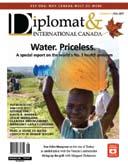
water. Priceless.
a special report on the world's no. 1 health problem
a uth O ritative analysis B y: Geor G e Yap. Davi D B. Brooks. Les L ie More L an D . C L arissa Br oC k L ehurst. Mar G aret Cat L e Y-Car L son.
p L us : a guide t O water c O nflicts in human hist O ry.
Fen Osler Hampson on the rise of Turkey
A candid Q&A with the Vatican’s ambassador Firing up the grill with Margaret Dickenson

e Westin Ottawa Unveils Its $35-million
‘refreshing’
transformation
By John Charles
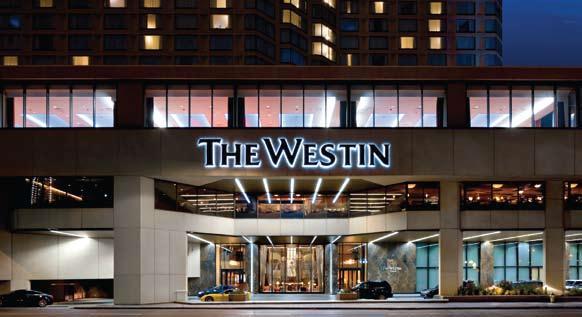

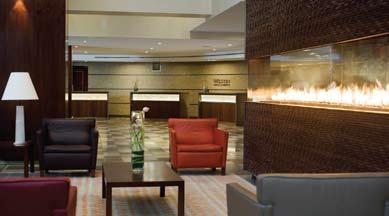
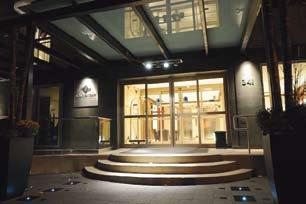
Even before entering the lobby, prospective guests sense in the transformed 496-room hotel a new sense of welcoming and openness. “Out front, just as throughout the hotel, we’re giving our guests a new sense of arrival, a sense of ‘hominess,’” says General Manager John Jarvis. “With the more extensive windows and heightened ceiling, you can see into the lobby with the replace and the beautiful chandeliers … and you quickly nd yourself relaxing from your travels. That is the Westin Experience.”
The new Westin brings an upscale sense of openness and light for a whole new lifestyle experience -- whether guests stay overnight in a lavishly-renovated guestroom, or come to the hotel for professional meetings, diplomatic functions or social events.
The Westin Ottawa announces a $35-million transformation. that offers guests a whole new lifestyle experience … whether they are staying overnight, or have come to the hotel for professional meetings, diplomatic functions or social events.
General Manager John Jarvis says the changes amount to “a complete repositioning of the Westin from a hotel experience like others offer to one that, after three years of hard work, promises people a complete sense of renewal as they enter the premises.”
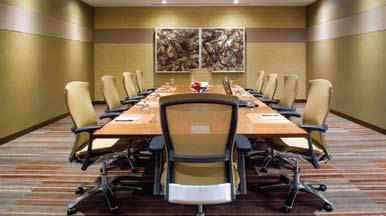
There’s a new and elegant port-cochere, a beautiful lobby that now stands two stories high with elegant accoutrements and lighting, many meeting rooms, and a huge premium ballroom overlooking the Rideau Canal and the Parliament buildings.
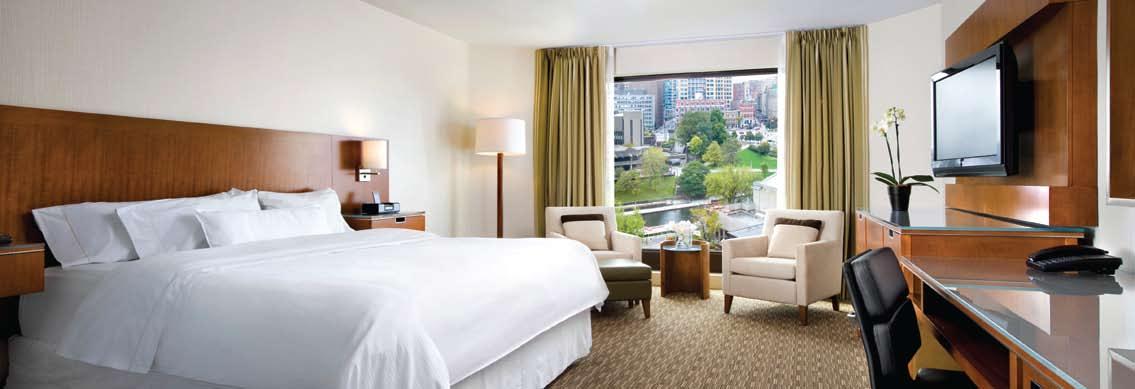
The guest rooms have been extensively renovated to give a contemporary and upscale sense of openness and light. And the ‘people experience’ of staying at the Westin has been brought to new heights.
“It may surprise, but our paradigm is no longer to provide service,” says Mr. Jarvis. “No, now our aim is to provide memorable experiences to our guests. We want people to feel better and more special when they stay at the Westin.” That explains why his second
When guests arrive at the front desk, for example, they no longer speak across a long counter to a hotel agent. Instead, the agents step out from behind the counter and approach our guests to welcome them, shake their hands, and speak to them at an intimate distance.
“All our employees, all through the hotel, are now focused on providing a personal, instinctive and renewing experience.”
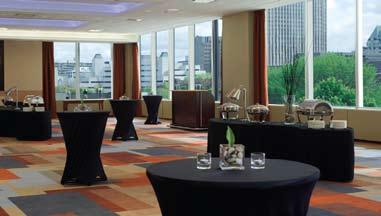
> The light-drenched Governor General ballroom promises to be a prime choice for diplomatic events and celebrations. The oor-toceiling windows give a view of Parliament, the Rideau Canal and the very core of the city. With a new convention centre attached to the Westin soon to be completed, with renovations to the Rideau Centre planned, and with the ByWard Market only steps away, the Westin has “the best location of any hotel in any G-8 city – and an ideal place from which to serve the entire diplomatic community,” says John Jarvis.
The guest rooms have been renovated at an average expense of $33,000, well repaid by the clean contemporary look, the large at-panel televisions and the glass-enclosed showers that many of the rooms now boast. “Our new look re ects our commitment to help our guests retreat from the rigours of the road and help them to perform at their best,” says General Manager John Jarvis.

William Verhey, Director of Protocol Events and Diplomatic Hospitality, has a long connection to Ottawa’s diplomatic community. He’s served their interests both at the hotel and offsite, often catering to diplomatic events. And with the hotel’s reopening, that close connection is one he’s eager to re-establish.
class service to the embassies and high commissions of this city,” he says. “The facilities we have for National Day celebrations or, indeed, any kind of event, are pretty hard to top.”
This message is crucial, Mr. Verhey says – not only because many in the diplomatic community have not seen the Westin since completion of its renovation, but because there has been a large turnover in the community, especially among heads of mission.
“Now, I would like to meet the new members of the community,
get reacquainted with the friends of long date, and showcase for both what the hotel now offers.”
dows and view of the Rideau Canal, to make a particularly strong impression.
At 7,000 square feet, that ballroom can accommodate virtually any event, but if something larger is needed, the Confederation Ballroom has managed to seat more than 1,100 people for dinner.
host 250 people, can be perfect for mid-sized events, particularly in summer.
“But we don’t want to talk about these facilities – we want to show them,” Mr. Verhey says. “After 27 years, we’re like kids with a new toy.”
Past host to Bill Clinton and George W. Bush, to Mikhail Gorbachev and Vladimir Putin, to Chinese President Hu Jintao, to the Sultan of Brunei Hassanal Bolkiah and other statesmen, the Westin has served the diplomatic community since its opening in 1983. With its recent refurbishment, it stands ready to provide even ner service and experiences to its guests … to o er, in the words of General Manager John Jarvis, “a relaxing and refreshing sense of arrival and of home to the people we are honoured to host.”















custom home
A luxurious awaits your

personal mark.
Do you hold in your imagination a picture of how luxurious your next home could be? Share what inspires you with us and together we will explore how Custom Homes by Minto can bring your vision to life. We currently have a limited number of sites – including the 7 lots of Butternut Creek in Manotick and waterfront lots on Winding Way –to build your amazing custom home.
To see the incredible homes we’ve built, and to learn more, visit customhomesbyminto.com, then contact Jeff Low at jlow@minto.com, or call 613.782.5749










Dantessa





on the Ottawa River





















































close to home!













Do you have a clear view of the people and organizations you deal with?
KPMG Corporate Intelligence can help you get the information you need quickly, thoroughly, discreetly and legally.
There’s lots of information out there, beyond the search engines, and we know where to look.
Our network is on the ground now— around the world—with access to the background information sources you need.
Mitigate your financial risks and reputational risks.
Get the whole picture.
Contact KPMG Corporate Intelligence: Peter Armstrong 416 777 8210 pearmstrong@kpmg.ca
www.kpmg.ca

PUBLISHEr
Donna Jacobs
ASSOCIATE PUBLISHEr
Neil reynolds
EDITOr
Jennifer Campbell
ArT DIrECTOr
Paul Cavanaugh
ADVErTISING ADVISOr
Cu Van Ha
cu@cuative com 1-613-262-4908
BOOKS EDITOr
George Fetherling
CONTrIBUTING EDITOrS
Don Cayo
CULTUrE EDITOr
Margo roston
CONTrIBUTING WrITErS
David B Brooks
Anthony Cary
Margaret Dickenson
Fen Osler Hampson
Leslie Moreland
Laura Neilson Bonikowsky
Matt renshaw
Jessie reynolds
Asha suppiah
Pieter Van den Weghe
George Yap
CONTrIBUTING PHOTOGrAPHErS
ulle Baum
Peter Bregg
Larry Dickenson
Mark Holleron
Frank scheme
Lois siegel
Dyanne Wilson
BUSINESS MANAGEMENT
Jessie reynolds
WEBMASTEr
Leslee McCabe
DIPLOPOrTAL WEB PArTNErS www diploportal com
Alastair sweeny richard evers
(Northern Blue Publishing)
PUBLISHEr EMErITUS
Lezlee Cribb
ADVErTISING INQUIrIES
Contact Neil reynolds or Donna Jacobs info@diplomatonline com
SUBSCrIPTIONS
Diplomat & International Canada is published four times a year subscription rates: individual, one year $35 70 For Canadian orders add 5 per cent GsT u .s orders please add $15 for postage All other orders please add $25
SUBMISSIONS
Diplomat & International Canada welcomes submissions
Contact Jennifer Campbell, editor, at editor@diplomatonline com or (613) 231-8476
DIPLOMAT & INTErNATIONAL
CANADA
P O Box 1173, station B
Ottawa, Ontario Canada K1P 5r2
Phone: (613) 422-5262
Fax: (613) 422-7557
e-mail: info@diplomatonline com www.diplomatonline.com
Published by sparrow House enterprises Inc


DIPLOMATICA|
DISPATCHES|
DIGNITArIES|
DIPLOMATIC MISSIONS
DESTINATIONS|
The World in Canada

wanted: clean water
“In an age when man has forgotten his origins and is blind even to his most essential needs for survival, water, along with other resources, has become the victim of his indifference ” so wrote r achel Carson, marine biologist, writer and an “environmental activist” before the term existed
We are indeed often blind, particularly in Canada, where water is abundant But look around and the statistics are sobering . A total of 3 .5 million people (that’s more than a tenth of Canada’s population) die each year from a water-related disease, most of them children below the age of 14
One in eight people in the world lacks access to safe water supplies
In this issue, we examine water from all angles . To begin, we have a guest column from Bev Oda, minister of international cooperation . To put a human face on what a lack of water feels like, we tell the story of Jitu Dadi, a widowed ethiopian mother whose life has changed immeasurably since her community got access to water
Also in our water package are stories of two water crusaders Margaret CatleyCarlson is on the advisory board to the uN secretary General’s Task Force on Water and sanitation . she dispels some myths that muddle our thinking about water and sanitation Clarissa Brocklehurst, chief of water, sanitation and hygiene for uNICeF, shares her experiences working with some of the 2 6 billion people worldwide who
live without sanitation But as she chillingly explains, it’s not a matter of “build it and they will come” — millions of people must come to understand why they should use real toilets Often they simply don’t
Writer David Brooks gives us a whole other side of the water story Much has been made of the idea that the next resource over which the world will go to war is water Brooks disagrees As he explains, in places such as Israel and Jordan, where water is a scarce commodity, countries have shown they’re more likely to cooperate than to clash
Finally in our water package, we hear the story of a young woman who has turned a successful high school science project into a patent-pending desalination technology
We thank Andrea Helfer of WaterCan for her invaluable help in putting together this special report Also thanks to photographer Peter Bregg, whose images bring the package to life
In our books section, George Fetherling brings us timely reading on earthquakes and volcanic eruptions, a subject of high relevance given recent disasters in Haiti and Iceland
On a lighter note, wine columnist Pieter Van den Weghe suggests great summer whites, along with a couple of lighter reds that will match well with summer salads . Margaret Dickenson fires up her grill for a column on barbecuing, complete with a recipe for irresistible ribs Congratulations to Margaret and her husband, Larry, who recently received three awards from the Cordon d’Or Gold ribbon International Academy of Culinary Arts Further in our Delights section, we look at the home of spanish Ambassador eudaldo Mirapeix and his wife, Bettina Figueiredo, and tell the story of Canadian explorer — no, not the same scot who was prime minister — Alexander Mackenzie We wrap things up with a lively account of a road trip through California
Jennifer Campbell is Diplomat’s editor
u P fr O nt
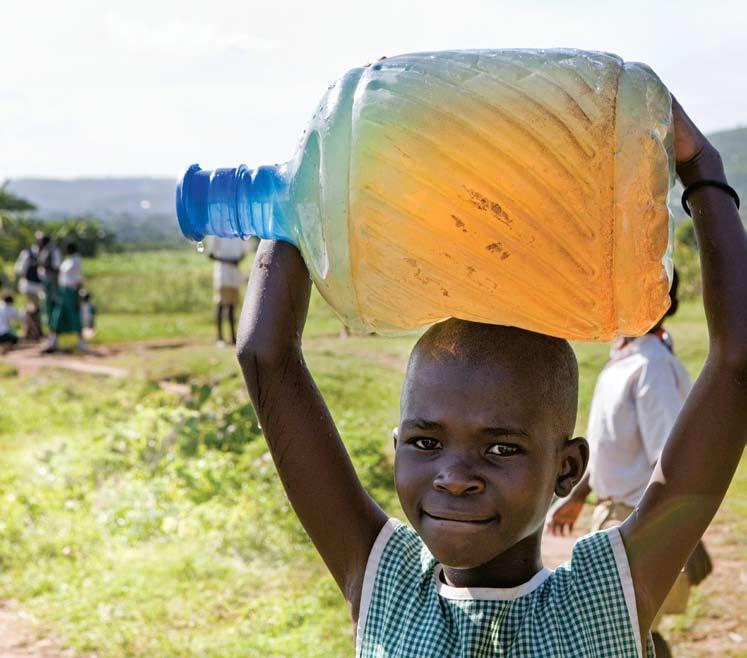
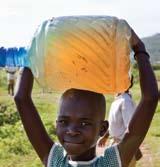
Veteran photographer Peter Bregg traveled to Kenya last October, after having gone to Africa in 2006 with WaterCan honourary chairwoman Margaret Trudeau and her daughter-in- law, sophie His cover photo shows a little girl taking a large jug of contaminated water from the Kutho spring in Obunga The water is destined for cooking, drinking and washing at her nearby home Nearly 40 percent of Kenyans do not have access to a clean drinking water source Our package on water and sanitation begins on page 26 .
O ntri B ut O rs

Leslie Moreland works as a program officer with WaterCan as part of the international program team in Ottawa s he oversees the organization's operations in Africa and is responsible for the Clean Water for schools program . she also contributes to WaterCan’s policy, advocacy and public engagement activities in Canada Ms Moreland has worked for various NGOs including PLAN Nicaragua, Aga Khan Foundation in India and World Literacy of Canada . she has a bachelor’s degree in environmental science and international development from Queen’s university
david B. Brooks
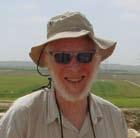
David B Brooks, whose formal studies were in geology and economics, has recently retired after 14 years with the International Development r esearch Centre . He is now a senior advisor for Fresh Water for Friends of the e arth-Canada (part-time) His main research interests lie in the links between environmental protection, on the one hand, and the use of minerals, energy and water, on the other He’s written several books including Zero Energy Growth for Canada (McClelland & stewart, 1981); Watershed: The Role of Fresh Water in the Israeli-Palestinian Conflict (ID r C Books, 1994 — as coauthor); and Making the Most of the Water We Have: The Soft Path Approach to Water Management (earthscan, 2009 — as co-editor) .
c
leslie moreland
jennifer cam PB ell
a few nuclear power facts
re: Nuclear Power: The Proliferation Problem
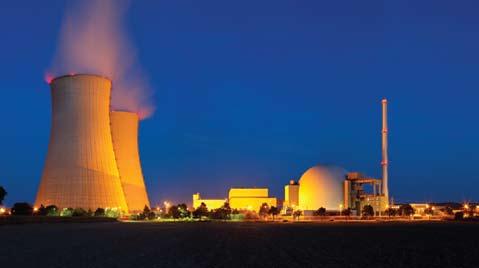
I have read Paul McKay’s article in the spring issue of Diplomat & International Canada entitled Nuclear power: the proliferation problem and would like to offer a few clarifications in response to Mr McKay’s argument that suggests the on-line fuelling system of CANDu reactors increases the likelihood of plutonium diversion
Fact: The production of plutonium as a result of the fission of uranium inside nuclear reactors is well-known in nuclear science It occurs in all nuclear power reactors The Canadian Nuclear s afety Commission (CNsC) and the International Atomic energy Agency (IAeA) have put stringent safeguards requirements in place to monitor all refueling processes The IAeA safeguards approach for CAND u reactors and their associated spent fuel dry storage facilities includes the use of comprehensive containment and surveillance features and both unannounced and short-notice inspections Canada, through the CNsC, monitors and reports on the transfer and accounting of nuclear fuel materials, including uranium and plutonium . It should be noted that there has never been an incident of nuclear fuel diversion in Canada .
Fact: At an IAeA meeting in september of 2009, it was affirmed that the CANDu reactor’s design and operational characteristics have strong intrinsic or built-in features that facilitate robust, effective and well-defined safeguarding procedures The proliferation resistance of CANDu reactors compares well to that of any other commercial reactor .
Fact: s pent fuel from CAND u reactors has low concentrations of plutonium CAND u reactors produce only half as much plutonium by discharged mass as a light water reactor Plutonium in spent fuel is not useful in the manufacture of nuclear weapons unless it is extracted in a highly complex process called reprocessing . There are no reprocessing facilities in Canada
Fact: s pent fuel is safely stored in engineered pools and subsequently in dry storage containers The storage and security measures in place ensure that the material can be safely and securely stored, thus posing no risk to the public or the environment, nor a proliferation risk .
Fact: Power plant operators have 24hour, armed security in place to ensure the protection of nuclear materials, with very sensitive radiation detection devices that eliminate the risk of unauthorized removal of radioactive materials In addition, CNsC and IAeA inspection activities ensure strict compliance by facility operators with regulatory and safeguards requirements In conclusion, I would like to reassure your readers and Canadians that, for over 35 years, the CNsC, a transparent and independent regulator, has been stringently monitoring and safeguarding the operation of CANDu reactors in Canada . The CNsC would not issue a licence to any facility that does not meet non-proliferation requirements
Michael Binder President Canadian Nuclear safety Commission Ottawa
We welcome letters to the editor. Please send them to Jennifer Campbell (editor@diplomatonline.com).


‘Poverty should not be a barrier to clean water’
By Beverley J. Oda Minister of International Cooperation
Canada is a country blessed with an abundance of water with the world’s third largest supply of renewable fresh water We have gone to great lengths to protect this vital and valuable natural resource Our infrastructure is solid, as are the regulations that govern how we manage our reserves In other countries, however, many are not as fortunate, particularly those living in poverty
Water is the source of life Without an adequate supply, lives and livelihoods are at risk Today, nearly one billion people in developing countries do not have access to water and 2 6 billion people lack basic sanitation, jeopardizing their health and survival . In too many parts of the world, a shortage of water means people struggle to survive, let alone thrive . As the changing climate continues to affect the environment, a lack of water, in any form, brings devastation to poor farming and herding families, particularly in rural Africa
The International Panel on Climate Change predicts that up to 1 .8 billion more Africans will be at risk of water stress in this century, as modest rises in temperature reduce water availability in parts of the continent In recent years, we have seen how recurring droughts can lead to extensive crop damage, dramatic reductions in yields and livestock deaths
This, in turn, affects the economies of families and nations . Farmers are unable to contribute meaningfully to the agricultural sector and families struggle to find enough food to adequately sustain themselves . smallholder farmers, particularly women farmers, and female-led families, feel these impacts most severely In 2009 alone, aid agencies fed roughly 23 million people in seven e ast African countries because of crops decimated by a decade of poor rains .
The problem is compounded in developing countries where people rely on lakes, rivers and open-wells for their water unfortunately, its quality is often so poor that it is the main cause of sickness and death, particularly among young children Clean water sources are also not available in the slums and outer reaches of city centres, contributing to increased illness among the growing urban poor
population In fact, the second most common cause of child deaths in developing nations is diarrhea, estimated to be responsible for nearly 1 .5 million or 20 percent of all deaths in children under five years of age The World Health Organization has estimated that 88 percent of all cases of diarrhea each year are attributable to poor water, sanitation and hygiene
Clearly, action is required if we wish to reverse these alarming statistics That is why water and sanitation is an important element of CIDA’s children and youth and food security strategies, two of CIDA’s priority themes CIDA’s programming in this field includes developing sound water resources policies and management, protecting water sources, water supply, sanitation and waste management Between 2006 and 2009, the Canadian government’s disbursements in water supply and sanitation support have totalled approximately $208 million . These investments have resulted in improved access to better water for
thousands of people in need
In line with CIDA’s food security strategy, water and irrigation will continue to play an important part of CIDA’s programming supporting the agricultural sector We estimate that 50 percent of our 2009 G8 commitment of $600 million, doubling Canada’s contribution to food security and agriculture, would be targeted to Africa
CIDA has also made water and irrigation one of its critical priorities in Afghanistan . After decades of neglect, the Dahla Dam and its irrigation and canal systems in the Arghandab Valley urgently need rehabilitation as Kandahar province’s main water source The system provides water to 80 percent of the population in the province and irrigates one of the most fertile regions of Afghanistan Canada`s commitment to rehabilitate the Dahla Dam and its systems is progressing with the replacement of necessary gates and the removal of built-up silt As the water moves down stream more readily, the
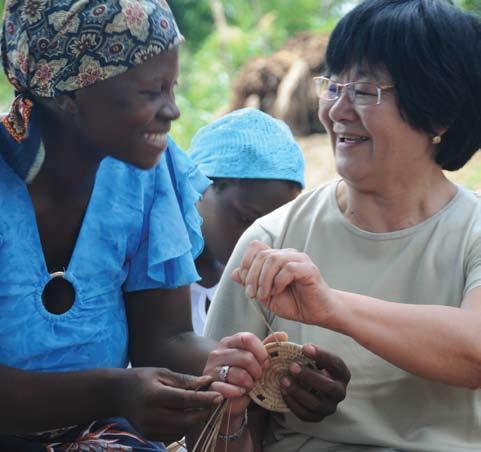
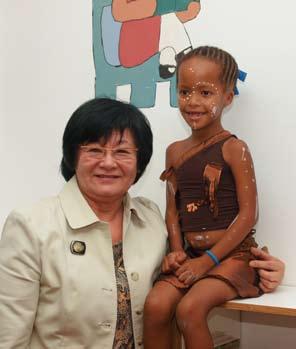
Minister Oda visited Mozambique in February 2009.
cida
fields and orchards are flourishing
Within its child and youth strategy, CIDA recognizes the importance of sustainable access to safe drinking water and improved sanitation and hygiene practices to achieve progress in improving the health of mothers and children . In Africa, CIDA is supporting the rural water supply and sanitation initiative with $36 million over three years The project helps member African countries develop water and sanitation strategies, and aims to extend the access to safe water and basic sanitation to 80 per cent of the rural populations by 2015, from a base level of about 47 percent coverage for water supply and 44 percent for sanitation in 2000
In Mozambique, CIDA investments have improved access to drinking water for an estimated 118,500 people by building 214 water points with hand pumps, installing eight solar-powered pumping systems and a further 260 family cisterns for rainwater harvesting The same in Ghana, where 245,000 people now have potable water through the CIDA-supported construction of 577 water points and the rehabilitation of 252 others e lsewhere in the world, CIDA has been equally active, and has delivered equal results . In Honduras, one of Central America’s poorest countries, CIDA has built 56 water systems and thousands of latrines, improving the health of families in 82 communities The agency has also protected more than 11,000 hectares of watershed area in order to protect the water at its source .
people worldwide remain without improved water and sanitation According to the same 2008 report, reaching the target is still within our grasp
As part of its G8 presidency this year, Canada has chosen to champion the health of mothers and children under the age of five, part of the fourth and fifth Millennium Development Goals some progress has been made in reducing maternal and child mortality, but our international efforts must be accelerated if the set targets are to be reached Our efforts must also focus on s ub- s aharan Africa, where the highest rates of maternal mortality are reported Increasing access to safe, potable water and sanitation, in addition to ensuring an adequate food supply, are key factors to improving maternal and child health
Working together with the international community, CIDA will continue to invest in water and sanitation in order to help meet the united Nations Millennium Development Goals . recognizing how fortunate it is with its most precious resource, water, Canada is committed to do its part to bring healthy and clean water to those in the developing world who so desperately need it Poverty should not be a barrier to water and a lack of clean water should not be a barrier to thrive in life D
Canada is committed to helping the poorest in developing countries gain access to safe drinking water and basic sanitation, essential for the protection of health among those living in poverty Our continued efforts support commitments that Canada has made at previous G8 summits, including last year’s in L’Aquila, Italy, where countries agreed to work together for a stronger G8 Africa partnership on water and sanitation .
Our work complements the u nited Nations’ pursuit of its Millennium Development Goals, related to water and sanitation In 2000, the uN set a target to reduce by half the proportion of the population without sustainable access to safe drinking water and basic sanitation by 2015 . According to the 2008 Millennium Development Goal report, some 2 5 billion

Minister Oda in Mozambique.
cida

turkey: the rise of a new global player
Later this year, two architectural icons of modern-day Turkey will open One is the Pera Palace Hotel in Istanbul, which was built in the late 19th Century to house travelers who had disembarked from the Orient e xpress, and was frequented by such notables as Agatha Christie (who is rumoured to have penned her novel, Murder on the Orient Express, while staying there), ernest Hemmingway, and the kings and queens of europe — among them King George V, emperor Franz Josef of Austria-Hungary, and Kaiser Wilhelm II of Germany The hotel, which for many years had languished in a state of neglect, has been extensively restored and remodeled for its re-opening in June 2010 . The other — and to my mind the much
more exciting symbol of contemporary Turkey — is the stunning new Atatürk Opera and Concert Hall in the bustling city of Bursa, the first capital of the Ottoman empire in the 12th and 13th Centuries and now a key manufacturing centre which also hosts much of Turkey’s booming auto sector This magnificent structure is approached by a pedestrian walkway and its massive, towering form is broken by a public plaza . The plaza, that lies under the clean lines of its overhanging roof, is intended to welcome the citizens of Bursa while addressing the surrounding urban setting It will open at the end of this year
Designed by one of Turkey’s most renowned architects, Cafer Bozkurt, the complex sits on the refurbished grounds of the old Merinos textile factory in the centre of the city. The Merinos factory was built during Turkey’s early republican period and formally opened by Turkey’s revered and revolutionary founder, Kemal Atatürk, who modernized the country and established a democratic, secular state after the fall of Ottoman rule The new hall marries form to function with its placement alongside the Merinos Cultural Centre, which houses a music conservatory, art galleries, art studios, library, textile and
silk museums Together, the buildings will play a key educational and cultural role in Bursa’s development and the efforts of its city leaders to further diversify the local economy while meeting the city’s rapidly growing social and cultural needs
The Merinos Park, the Merinos Culture Centre, and the Atatürk Opera and Concert Hall are not just symbols of urban renewal, they are key symbols of a dynamic, thriving country that is on the move, even as it struggles with its place in the world as a bubbling political cauldron where Islam, Western-based secularism, modernity, militarism, democracy and traditionalism co-mingle uneasily yet co-exist
Turkey’s dynamism is driven by its economy and its embrace of globalization
As the european union’s (eu) Mediterranean members — Greece, spain, Portugal and Italy — struggle with their continuing financial and economic woes, Turkey — which the russian Tsar, Nicholas I, allegedly once referred to as “the sick man of europe” — stands tall, as a rising tide of red ink washes over its neighbours
The situation is more than a little ironic as the eu has repeatedly stalled — if not rebuffed — Turkey’s efforts to accelerate its entry into the eu . recent economic forecasts have shown
fen Osler h a m P s O n
Architectural drawings show the new Atatürk Opera and Concert Hall in the city of Bursa, Turkey.
Turkey’s economic growth is catching up with China’s, even though Turkey’s economy, like many others, was hammered by the economic and financial crisis of 2008-09 Pre-crisis, Turkey’s economic growth rates were running at an impressive six-to-seven percent of GDP. After an economic downturn, which saw a spike in inflation, the growth rate rebounded and is now running at 10 percent, largely because Prime Minister Recep Tayyip Erdoğan’s conservative AKP party government has exercised tight fiscal discipline, targeted spending on key public investments, accelerated the privatization of the economy, and worked hard to integrate Turkey with the global economy.
Turkey has also become an important tourist destination some 27 million tourists from Germany, the uK, France, Italy, russia and the united states visited the country in 2009 alone For foreign companies that do business in Turkey, however, concerns about the existence of a so-called “black economy” and unfair competition continue to exist . Many local enterprises are not registered and do not pay taxes or social security payments However, the Turkish government has introduced legislation that would close many of these loopholes and improve transparency and corporate accountability More generally, a new cadre of ministers, such as Ali Babacan and Mehmet Şimşek, is also playing a pivotal role in creating an enabling environment for foreign investment
Turkey’s impressive economic performance is somewhat overshadowed by continuing concerns about the country’s political stability and lingering suspicions about the real political intentions of the AKP, which has Islamist roots . The AKP has pushed for a widespread series of reforms targeted at changing the process of banning parties, making the army more accountable to civilian courts, and reforming the country’s judiciary and the supreme Board of Judges and Prosecutors (HsYK) In addition to seeking an expansion in the HsYK’s membership, the AKP also wants the country’s president to have the power to appoint Board members together with the Constitutional Court, supreme Court of Appeals, the s tate Council, and the Turkish Justice Academy — a move that some fear would compromise the independence of the judiciary Although the AKP’s proposed changes regarding approval processes for political parties would have made it easier for religiously-based parties to enter the political arena, the proposal was recently dropped because it failed to
secure the required number of votes in the Turkish parliament
There are many shades of gray in Turkey’s political spectrum and outside observers are often baffled by the complexities and intricacies of Turkish politics But one thing is sure Turkey is no Iranin-the-making There is a strong, deeply ingrained, secular tradition that goes back to the republic’s founding and the political vision of Kemal Atatürk The current government has pursued a generally moderate and pro-business agenda that is completely devoid of the populist, economically ruinous policies of the Iranian government or other immoderate regimes
Under
AKP,
s OM e OF TH e g O vern M en T ’s ini T i AT ives HA ve s AT
U n COMFO r TAB ly W i TH i T s
F ell OW n ATO M e MB ers.
Turkey is also a growing democracy with an increasingly mobilized civil society The Turkish military, which has staged coups in the past (the last one in 1980) and intervened in politics, is a somewhat diminished political force, particularly following the arrest of some 40 officers, who earlier this year were charged with attempting to overthrow the government in the so-called “sledgehammer” plot The charges against some officers were later dropped However, controversy continues because some worry the government is deliberately trying to reduce the influence of the armed forces which they see as a bulwark against religious extremism .
u nder the AKP, Turkey has also had a much more activist foreign policy although some of the government’s initiatives have sat uncomfortably with its fellow NATO members Turkey’s foreign minister, Professor Ahmet Davutoğlu, has tried to position the country as a mediator in the dispute between the united states, european union, and Iran over the latter’s nuclear enrichment policies . He unsuccessfully tried to stave off further uN sanctions on Iran on the grounds that
more can and should be done diplomatically to avoid a further escalation of this dispute
Turkey’s longstanding cordial relationship with Israel has deteriorated in recent months . In early June, eight Turkish nationals and one Turkish-American were killed in an Israeli attack on a humanitarian flotilla that was taking aid to Gaza
The attack and its aftermath have frayed diplomatic relations to the breaking point
This stands in stark contrast with Turkey’s improved relations with its other neighbours . Turkey has strengthened its ties with Greece, syria, Lebanon, Jordan, russia and Iraq and begun to expand its relations with the African subcontinent with recent prime ministerial and trade mission visits to Cameroon and the Democratic republic of Congo — what some are now calling a neo-Ottoman foreign policy in which Turkey is positioning itself to be not just a regional but a global player . (Others refer to Turkey as an emerging “strategic middle power ”)
u nder Ottoman rule, Turkey had Islamic roots but strong Western tendencies and leanings From the middle of the 15th Century, when Fatih sultan Mehmet conquered Constantinople, until the 19th Century, many of its rulers were generally tolerant of religious differences and embraced Western arts and culture . some, notably sultan Mahmud II and sultan Abdulaziz, both of whom reigned in the 19th Century, were remarkably progressive and Western in the way they approached administrative, military, educational and fiscal reforms But liberalism ended in the late 19th Century under the rule of sultan Abdulhamid II and his embrace of PanIslamism even as the empire lost lands in europe and the Middle east
Nonetheless, much of Turkey’s Ottoman past underlines the fact that Turkey’s modernization project has deep roots in history The way the country is now trying to re-establish itself as a regional and global power is critical for the regaining of self-confidence for its public, too . Having being rebuffed by the eu, the public feels strongly that Turkey should be a pro-active player in international politics The expanding power and interests of Turkey’s own private sector is also playing a critical, dynamic role in this process The Turkish economic “tiger” is clearly on the prowl . D
Fen Osler Hampson is director of Carleton university’s Norman Paterson school of International Affairs .
Britain’s coalition: Breaking the mould
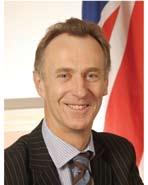
first name: Anthony
last name: Cary
citiZenshiP: British
Presented credentials as amBassadOr: Feb. 7, 2007
PreviOus POstings: germany, sweden, Malaysia, the U.s. and sweden.
it was fascinating to follow the British election from Canada The extent of Canadian interest and the depth of knowledge here offered eloquent testimony to the health and strength of our relationship The British and Canadian political systems are so similar that people were bound to draw parallels Polls were predicting a “hung Parliament,” as we call it, so there was lots of excited chatter on this side of the Atlantic about your experience with minority government, as well as with coalitions and would-be coalitions — from the pre-Confederation Great Coalition between sir John A Macdonald’s Tories and the Parti Bleu, to the excitements of late 2008
I was struck, immediately after Britain’s Conservative-Liberal Democrat coalition had been announced, by the hard-boiled, even cynical, reaction of many experienced Canadian observers . everyone wished the new government well — and meant it some hoped that a spirit of co-operation across party lines might prove infectious in a Trans-Atlantic way But many were frankly doubtful Campbell Clark in the Globe and Mail was perhaps typical Liberal Democrat leader (and now Deputy Prime Minister) Nick Clegg, he said, had entered into a coalition with Prime Minister David Cameron’s conservatives “for now, but only after flirting with Labour, and deciding that teaming up with the losers was bad politics There’ll be another election, and Britain can’t be sure when ” His vision reminds me of Ambrose Bierce’s definition of politics as “a strife of interests masquerading as a contest of principles” — a small-minded jockeying for advantage .
I may be a Pollyanna, but I sense that he is wrong . The coalition is emerging as much more than a marriage of convenience The announcements it has made in its early days reflect grave concern about the economy and a determination, in the national interest, to provide strong, principled, stable government over an extended period The coalition represents some 60 percent of the vote . From that point of view, it is by far the best supported government Britain has had since the Whigs of the early 19th Century The new business secretary, Vince Cable, was reported to have joked at the first meeting of the new cabinet that
arranged marriages were often more durable than love matches .
The government has announced that one of its first acts will be to introduce a binding Parliamentary motion specifying that the next general election should be held on the first Thursday of May 2015 Again, this provoked some hollow laughter from knowing Canadians — and there has been much comment in the uK, too . But it is further evidence of the seriousness of purpose with which the new coalition has embarked on its work, and its wish to redraw the contours of British politics
I would offer one other illustration of the principled approach being taken by the new coalition It has committed to spend 0 .7 percent of gross national income on international development from 2013 onwards — maintaining the last government’s pledge to fulfil Lester Pearson’s famous recommendation Furthermore, it has undertaken to enshrine that commitment in law
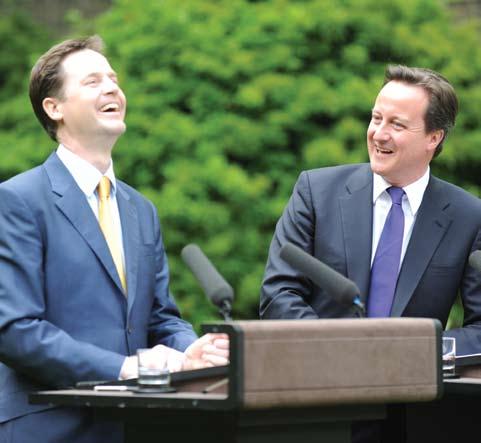
deputy Prime Minister nick Clegg, left, and British Prime Minister david Cameron, share a laugh at their first press conference together.
The government knows that huge challenges lie ahead It has to reconcile the different policies and priorities of the constituent parts of the coalition The coming period of budget cuts — and the fight to control the deficit — is bound to be painful . But the coalition is knuckling down to the work on the basis of a full “Programme of Government” that has already been agreed to between the coalition partners As David Cameron and Nick Clegg say in their introduction to that document: “When we set off on this journey, we were two parties with some policies in common and a shared desire to work in the national interest . We arrive at this programme for government a strong, progressive coalition inspired by the values of freedom, fairness and responsibility This programme is for five years of partnership government driven by those values We believe that it can deliver radical, reforming government, a stronger society, a smaller state, and power and responsibility in the hands of every citizen . ”
We are in exciting new territory: the first peacetime coalition since 1931 (though there have been occasional “confidence and supply” pacts) My new boss, William Hague, who is secretary of state for foreign and commonwealth affairs, spoke to the foreign office on the morning of his arrival . His vision, he said, is unashamedly ambitious . He seeks a distinctive foreign policy that will make the most of the opportunities of the 21st Century and uphold the highest values of our society—political freedom, individual aspiration, democratic choice, human rights, free trade and the eradication of poverty He spoke of his ambition to make more of the Commonwealth and of his strong commitment to the North Atlantic alliance . But beyond this, he wanted domestic departments of government to join in this work, so that foreign affairs “run through the veins of the entire administration ” Already the new government has created a national security council chaired by the prime minister Its first task will be to prepare a strategic defence and security review, and Mr . Hague wants the foreign office to play a leadership role in that project . My overwhelming impression is of a government determined to break the mould of British politics, and of a people who share that ambition
I have no doubt that Canada will offer all the support it can
Anthony Cary is the British High Commissioner to Canada


What does your daughter want to be? Who will she become? She can get there from here.
At Elmwood School, each girl is inspired to reach her full potential. In our all-girls environment she is encouraged to take on new challenges, develop her self-esteem and confidence, motivate others and of course, excel in the classroom.
Elmwood School Highlights:
IB Programme at all levels ensures ease of mobility for diplomatic families
Outstanding graduate achievement and university placement
Inspiring, dedicated faculty
Supportive atmosphere eases transition to new school and city
Diverse, globally aware student body ESL instruction available from JK to Grade 12
For more information on the advantages of an Elmwood education, please visit elmwood.ca. To schedule a private tour, please call (613) 744-7783 or email admissions@elmwood.ca.
dinner by chance, for a good cause
think of it as a kind of russian roulette of dinner parties . The unique spring fundraiser for the Friends of the Village of rockcliffe Foundation began at the rockcliffe Community Centre and Public Library where 118 guests assembled to find out exactly where they’d be feasting that evening
Called Dining with the Ambassadors, the event included the participation of 11 different embassies and high commissions including e gypt, Germany, Guatemala, Ireland, the Netherlands, Nigeria, Thailand, Tunisia, Trinidad and TobagoLand
uganda The evening began with a cocktail party for all guests at the community centre, and then they received their envelopes telling them where to go for dinner All the diplomatic residences were located within minutes from the community centre
The event, which raised money to support community facilities, the conservation of the environment and the heritage nature of the rockcliffe Park community, has been put on in the past but this was the first time since 2007 each participant paid $150 for a ticket and with sponsor-
ship from several sources, the event raised more than $20,000 . Most of the guests live in the rockcliffe Park area so they have, along with resident diplomats, a special interest in maintaining its character
“One of the things that makes r ockcliffe Park so special is having all the diplomatic residents,” explained event organizer Maureen Boyd “so for the diplomats to be able to open up their homes and meet their neighbours is, for us, really terrific It’s allowing us to raise money for the foundation but one of the goals of the foundation is to preserve the character and this also serves the function of getting everyone together ”
Ms Boyd said the event is so popular they really only have to advertise within the neighbourhood and it quickly sells out
“People walk by these houses and residences and everyone knows a residence is a tool for the diplomats to show off their countries,” she said “This is a way for them to allow their residences to be seen by their neighbours ”
Of course it wouldn’t happen without the generosity of the diplomats who provide the dinners for between eight and 14 guests Guatemalan Ambassador Georges de La roche and his wife, Alice, hosted one such dinner
“We live there – our residence is in rockcliffe and our neighbours are participants Maureen Boyd is a neighbour from two doors down,” Mr . de La roche said . “It’s something to help the community and we use the space to promote our country It seems to be a win-win We like entertaining and showcasing Guatemalan food ” D

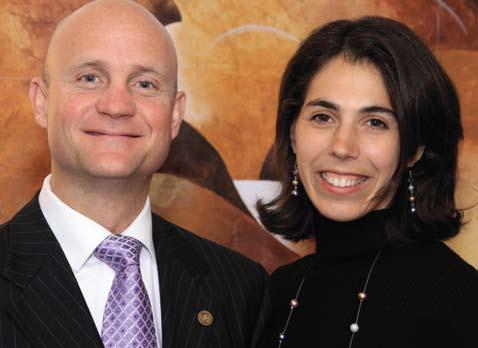
guatemalan Ambassador georges de la roche and his wife, Alice, hosted a dinner to help raise money for the rockcliffe Community Centre and Public library.
catholic
church: ‘we are trying to change — please see that we are’
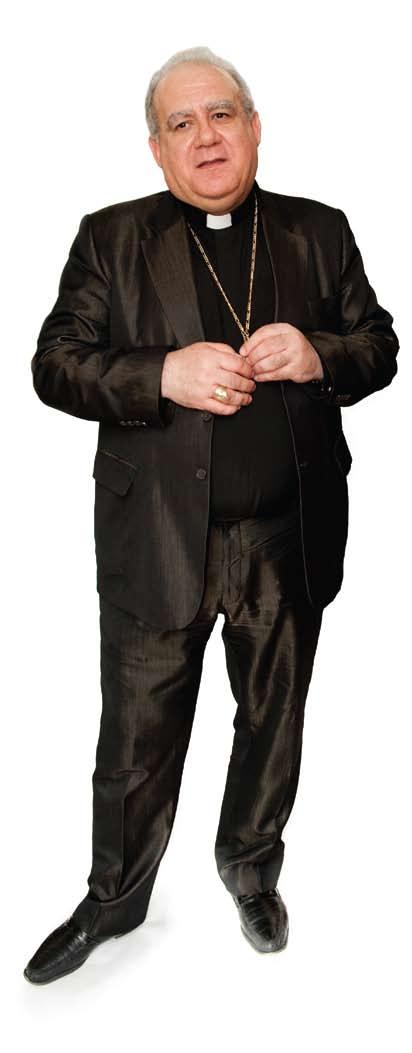
opez Quintana, the Apostolic uncio in Canada, was born in spain and entered the priesthood t wasn’t his plan but he was hand-picked, while studying in rome, to join the see’s foreign service. He’s had postings in Madagascar, Philippines, and india and has held several positions at the vatican. As do all diplomats from the Holy see, he has a Phd (his is in canon law) and he speaks five languages.
He arrived in Canada at the end of February but because of the strange-weather winter that just passed, he hasn’t seen snow. He considers himself blessed in that regard.
He sat down with Diplomat’s editor, Jennifer Campbell, to talk about his job and the issues facing the vatican in 2010.
m agazine: You have a unique job in the diplomatic What do you see as your priorities for your posting here in
opez Quintana: As a representative of the Holy Father, we have a very particular role because we have We have a role to represent him in front of the local church, the Catholic church in Canada Our function is to try to reinforce the relationship between the local church and the Holy Father and for that, we have special permission to work with the bishop, to inform the bishop about the positions of the Holy Father, to see if it is
Also, we have an important role to advise the Holy Father on the appointment of bishops (in the country of We are also responsible for identifying possible candidates This is my main job on the ecclesiastical part As a diplomat, I also have to represent In some parts of the world, we try to sign agreements between the
church and the government Our mission is to defend the activities of the church to the government in question, and to promote values such as human rights, life, family and the moral values of a society As a country, we are not big — we have no trade responsibilities, for example — but the church has been around a long time and there’s a strong element of culture and arts . Because we have no real geo-political role, we end up also frequently representing the country (we’re posted to) to the Holy Father
dm : s o you become an ambassador for the country in which you’re posted as well Would the idea of having Pope Benedict come for a visit be something you would propose and lobby for?
PlQ: Yes . That is definitely of interest . We should always try to bring him but we also have to be aware that his schedule is heavy and that may not always be possible but yes, we would research that and then propose locations
dm: You became a priest at the age of 27 and a diplomat at 31 . What made you enter the diplomatic service?
P l Q: I entered the priesthood without thinking about a diplomatic career In our system, you don’t choose diplomacy, it’s chosen for you When I started my studies, my bishop sent me to rome and there somebody proposed to send me to the diplomatic academy.
dm: Was that flattering?
P l Q: Well, it depends For me, it was a sacrifice in the beginning When you’re a priest, the idea is pastoral work, working with people Diplomacy is a sacrifice in this way — it’s a renunciation of our pastoral activity because you become more of a functionary . But, on the other hand, it’s a service in the church and if I had said no, then I’d be asking someone else to make the sacrifice so, I was called for this and went to the academy for diplomats in rome You have to have a doctorate in order to enter the service
dm: You’ve been posted to Madagascar, the Philippines and India . What was your favourite posting?
P l Q: Madagascar was my first country and my first love It’s a very beautiful country and the people were extraordinary Philippines was a discovery because I’m s panish To see the deep roots of spain made me feel very much at home there . But the country that made a real impression on me is India . I returned twice, once as counselor for three years, and then 13 years later, I went back for my first assignment as ambassador India touched me very deeply I feel I grew very much spiritually in India Catholics only represent two percent of the population but India is a country with a very deep religion and spirituality . It helped me to deepen my own faith and discover the beauty of my faith When you’re in open dialogue with people from other religions, it helps you either deepen your faith, or, maybe if you can’t find the answers, to have a crisis (of faith)
dm : Is Canada considered a good posting?
P l Q: Yes . Canada is a very interesting country Like India, it is multicultural, multi-ethnic People from all over the world find here a place I think Canada is still discovering its own identity It’s
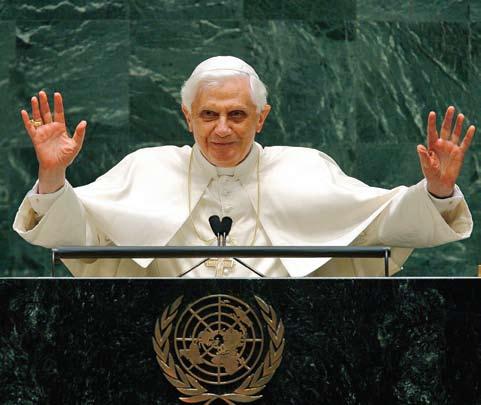

Pope Benedict Xvi met, in Malta in April, with victims of sexual abuse by Catholic officials. Apostolic nuncio Pedro lopez Quintana says that it was a moving experience and good for the families to confront this problem with him. "now we're asking the public to judge the Church for what it's done. We've made mistakes and apologized for them."
trying to do that while respecting all the cultures In Montreal, there are (Catholic) masses in more than 15 languages In Toronto, it’s 13 It’s interesting to see how Canada manages these things
dm: In terms of clerical sex-abuse, the Vatican has promised “effective measures” to protect children and Pope Benedict wept alongside abuse victims in Malta Is real change coming?
PlQ: Yes In all these things, to be fair, the church is living in its time Twenty-five years ago, it was acting, in some of these cases, according, more or less, to the behaviour of society . s ociety has changed in its sensitivity to this crime . The church has changed, too . In the past, the way to confront the criminals was different for the church
Now, after 2001, there has been extraordinary change in the inclination of the church to confront that We are now considering that this is the most abominable crime a priest can commit The church is supposed to be a safe place for a child . The way of action has changed very much The church has made strong legislation to accelerate the internal and external process (to punish perpetrators ) It’s a sin, and our
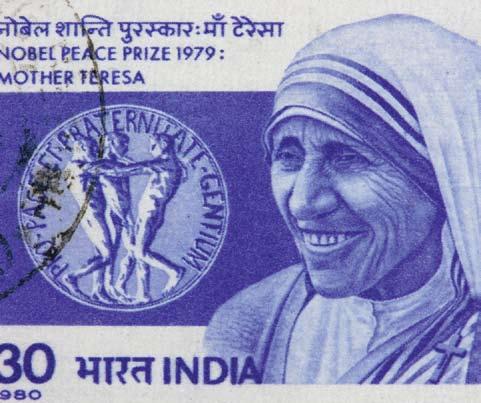
While Catholics represent only two percent of the population in india, Pedro lopez Quintana, the vatican’s Apostolic nuncio in Canada, says that the church operates extensive charities there. Mother Teresa, portrayed here on an indian postage stamp, personifies the church’s good works.


Reach Your Goal

Lang Michener’s Government Relations/Public Advocacy professionals have the experience and network to help you reach your goals in the Canadian and international marketplace. Our specialized legal knowledge is strategically applied to advance the interests of our clients, involved in all levels of government.
How We Can Help:
■ Representation at government tribunals and review boards, and before House of Commons Sub-committees and Senate Standing Committees
■ Advising on international trade law, including representation before national and international regulatory and advisory bodies
■ Monitoring and advising on political, legislative and regulatory issues

■ Assisting in drafting procedures for advisory bodies
■ Advocacy and regulatory matters, including competition law, foreign investment, commodity taxes, communications and procurement
For more information, please contact Emanuel (Manny) Montenegrino, Group Chair 613-232-7171 ext. 121 | manny@langmichener.ca

way to proceed is being accelerated Now there is zero tolerance, and we are asking the bishops to implement this
The Holy Father met with victims in Malta; it was very touching It was good for the families to confront this problem This is a plague We are very much looking at how to confront this horrendous crime .
dm : What’s being done to prevent it in the first place?
PlQ: Already, some years ago, we began a strong screening of candidates for the priesthood and we looked at how to screen and how to follow the psychological development It used to be that you had to pass a psychological screening to see if the person was sound and balanced but sometimes there’s a case where these tendencies are difficult to discover But we are very much interested in this
dm: Did you have psychological testing when you entered?
PlQ: No Not back then There was some psychological testing to see about my

intentions — whether it was an escape, or a serious decision — to enter the priesthood They were looking for the maturity of the candidate No one was talking about (sexual abuse ) Maybe the problem was there but no one was talking about it . Nowadays, they are thinking about it . Also, we have institutions to help these people .
In the ’90s, they were thinking this kind of tendency could be cured and there were psychological centres, but they discovered it’s very difficult to cure The person can fall back, like in alcoholism Now, they are trying to address this Now we’re asking the public to judge the church for what it’s done . We’ve made mistakes and apologized for them We are trying to change — please see that we are
dm: Christians around the world are being persecuted — in many places, the Bible is banned and conversion is punished Could you discuss this with some particular examples?
PlQ: While I was in India, Christians suffered persecution . There was an incident on the part of some fanatical Hindus There was an attack where they killed 100 Christians last year They destroy schools, and hospitals, institutions of the church Putting politics and religion together makes a bad cocktail The situation of Christians in Iraq is very sad . They lived peacefully in that country in the past but now, almost 50 percent have left Also Pakistan, and Indonesia I’m not saying that because they’re Muslim countries — it’s some fanatical groups I was amazed when I was in India, to find that some Buddhists can be fanatical There’s Christianophobia, Islamophobia, xenophobia in the world and we must fight against these phobias, not because you defend a particular religion but rather to defend human rights and freedom of conscience
As a church, we ask people to respect everybody
dm : How many embassies do you have around the world? Are there places where you aren’t permitted to set up offices?
PlQ: We have no relations with 16 countries in the world (Afghanistan, Bhutan, Brunei, Comoros, Laos, Malaysia, Maldives, Mauritania, Myanmar, North Korea, Oman, China, saudi Arabia, somalia, Tuvalu and Vietnam ) We also belong to a number of international organizations We have relations with Palestine We have no relations with China — we have relations with Taiwan . The policy of the
church is not to request relations but to accept relations However) to accept relations, we require that the country accept human rights and to have clear borders Countries with which we have no relations are countries where these conditions aren’t met
Of the countries we have relations with, we have 180 diplomatic members abroad . s ome are at international organizations such as uNesCO (united Nations education, scientific and Cultural Organization) and FAO (uN Food and Agriculture Organization ) We have 106 embassies, while in the Vatican, there are 69 embassies that are resident . We don’t accept diplomats who are based in r ome (for dual accreditation) because we want to be clear they’re different The ambassador can be in Madrid, or Paris Just not rome It’s to avoid confusion The Vatican is a very tiny country but countries have relations with the Holy see, which is the government of the church .
dm: You said it’s policy for the Holy see to accept requests but that you don’t make requests for diplomatic relations Are there any countries with which you wish you had relations but don’t because
they haven’t approached you?
P l Q: We have a dialogue with the r epublic of China and also we hope that it will be not too late to have relations with Vietnam We’re involved with Vietnam because of the appointment of bishops We’d be happy to have an agreement .
dm: What social work does the church do internationally in terms of missions, hospitals and the like?
PlQ: This is the most important role of the church around the world The Catholic church has had a long history of helping When we think about the Middle Ages, who was preserving culture? It was the church . Who was first to establish schools? It was the church . Hospitals, before governments were able? It was the church The idea is to show Christ by good works The word is love; love others We need education, healthcare and social promotion In many countries, we are doing strong social work in schools and hospitals . In India, for example, more than 20 per cent of the children are in the Catholic schools We aren’t doing that to convert people People aren’t converting We propose through our actions and our works but we are not forcing anybody D



‘the most valuable stuff in the world’
a progress report on the global water crisis
“People kill each other over diamonds; countries go to war over oil . But the world’s most expensive commodities are worth nothing in the absence of water . Fresh water is essential for life, with no substitute . Although mostly unpriced, it is the most valuable stuff in the world . ”
— The economist, May 2010
For a widowed mother, a miracle
“Before, when our village didn’t have water, i would ask god why? But i also knew that this was our reality. yet this didn’t change the fact that i still felt sad and sorry because we didn’t have water.“
— Jitu dadi, mother of six in ethiopia
By Leslie Moreland
the rain continues to fall, flooding the newly paved road as my colleague and I leave behind Addis Ababa I know that there is a small chance we may not be able to visit some WaterCan-funded projects outside ethiopia’s capital due to the flooding of the access roads, or, more accurately, the farmers’ fields we cross to reach schools and communities .
We’re on our way to the field office of
our African partner, Oromo self reliance Association (OsrA), two hours away. The drive is always an experience Women walk along the road, carrying heavy loads of eucalyptus branches for firewood, their brightly coloured scarves trailing behind them in the wind Men herd their cows, goats and donkeys along the road to the nearest market, protecting them from suVs and speeding overloaded trucks .
Our white truck is mud-spattered as we
pull in, eager to meet Jitu, who is waiting for us in the dimly lit office . Though we can’t understand each other’s language, her calm presence, warm smile and handshake surpass words Her hands are rough from many hours working her land in the hot ethiopian sun to provide for her family The wrinkles on her face make her appear older than her 38 years, yet her eyes have a youthful spark . she gestures for me to sit, and we sip coffee while my
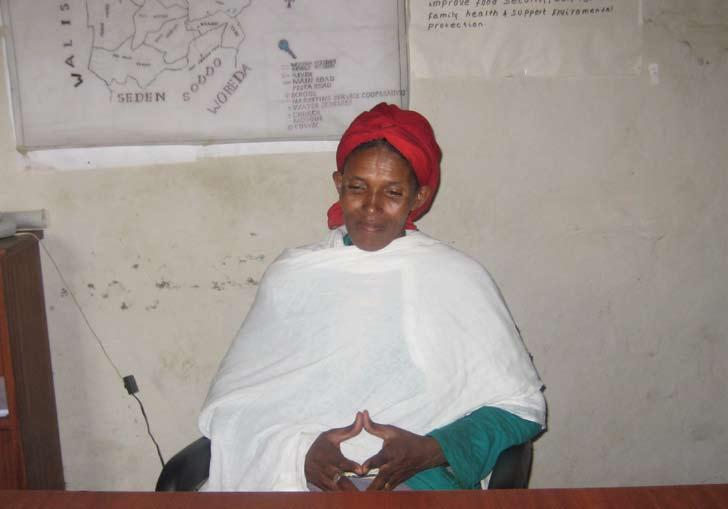
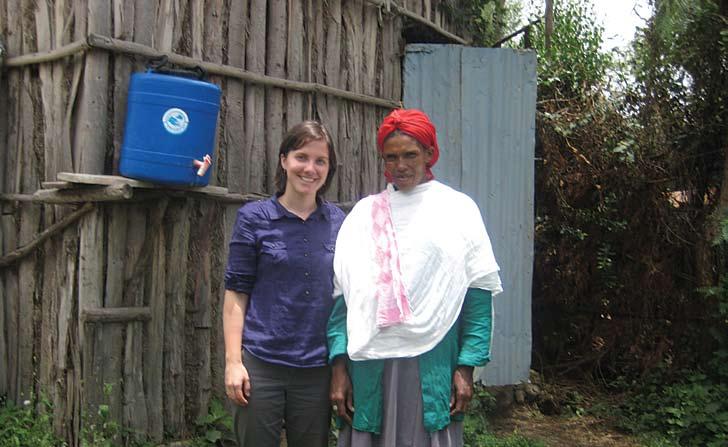
For Jitu dadi, a widow and mother living outside Addis Ababa, the capital of ethiopia, life has improved dramatically since her community got access to clean water.
colleague, Getu Alemu Hunde, makes introductions .
The disturbing story she tells me is like the stories told by millions of other African women s peaking softly in Oromo, the dominant language in the region, she describes the day her daughter was born
“One day during my pregnancy with my fifth child, my daughter, I was cleaning and re-plastering our floor with a mixture of cow dung and water . To complete the floor, I had to go and collect more water at the river, but the river and nearby hand-dug wells were dry
“I had no other choice but to return home As I entered the house, my water broke and I went into labour Luckily my husband noted that we had no water and went to the village to try to find some . But on the way, he was attacked and bitten by a stray dog However, he managed to get water from a neighbour but it was incredibly dirty and we didn’t want to use it to wash our new baby girl
“As I had given birth in the evening, we didn’t clean my new baby daughter or the floor, where I had given birth, until the next day. I also couldn’t clean myself and I remember being very, very thirsty.”
I cannot help but think of the wonderful maternity facilities in Canada . Where does a woman like Jitu find the strength to give birth in such difficult circumstances, knowing that she will remain dirty and parched for hours to come, and knowing that she may die during pregnancy or childbirth? (she faces a one-in-16 chance) she, too, was thinking of hardship: “Before, when our village didn’t have water, I would ask God ‘why?’ But I also knew that this was our reality Yet this didn’t change the fact that I still felt sad and sorry because we didn’t have water ” she tells her story first, then formally introduces herself as Mrs Jitu Dadi, mother of six — two boys and four girls Yet like many other women of her age in ethiopia, she has also taken care of children from her husband’s first wife . Jitu and her family live in Keta Insilale Kebele in Deme Village The nearest town is Tulubolo, where we are today for our meeting s he is a widow Her husband died two years ago, making her the sole caretaker of her family s he lives with three children, the others have married and live elsewhere . Two of her children are still quite young and attend Keta
Insilale Primary school, less than a kilometer from her house e arlier this year, the school received a well and sanitation facility from a project supported by WaterCan, and she noted a great change at the school where her children are learning to care for a new garden They also now go to the washroom in privacy and wash their hands at the newly installed handwashing facilities
I say that being the sole caretaker of such a large family must be difficult, and ask what she does for a living she answers me with a motion — it looks as if she is stirring something she is showing how she harvests teff (used to make the local bread injera ) . Along with teff, she also harvests chickpeas on the 2 . 5 hectares (6 .1 acres) of land that she owns . To complement her formal farming activities, she makes and sells local brew to the members of the village and nearby town I think that between farming, looking after her children, and undertaking other household chores, she would have very little time for much else . Yet she continues to surprise me
Jitu is also a member of the Water and sanitation Committee for Deme Village in
Jitu dadi, right, tells writer leslie Moreland that deme village manages its water “as if it were one of our children, because we never want to return to the previous situation and lose what we have now.”
Keta Insilale Kebele she is the only female member of the seven-member committee In 2008, WaterCan and OsrA supported development of a well for the 57 households in Deme village
Jitu says the well and access to clean, safe water has made a big change for her family and her neighbours . “Before the well, the women and children would collect water from a river located three kilometers from the village During the rainy season, the journey to collect this water would take an average of two hours each way ” Jitu tells me she would make this trek at least two times a day, once in the morning and once in the evening . “each time I would collect about 20 litres of water in my clay pot that I carried on my back secured by a cloth s ometimes my daughters would also accompany me, each with her own 10-litre jerry can ”
Although it is hard to imagine it, with the rain falling so heavily outside, I ask her about collecting water in the dry season .
“During the dry season other women and I would collect water from hand-dug wells we would dig beside the river Collecting water presented many risks The hand-dug wells would often collapse With the hard soil, they were also very difficult to dig in the first place The queues could be quite long and there were dangers along the way.
“sometimes, when we would walk the along the path to collect water, boys would come and bother us One day, as we were walking along the path, my friend’s clay pot (for collecting water) broke and she was suddenly grabbed by a young boy We heard her crying and shouting some of us who were waiting in the queue went to see what was happening and to try to help her .
“However, in Oromia it is not uncommon for this to take place If you are poor and can’t afford a dowry, a young man or boy can abduct you and force you to marry him This is what happened to my friend Now she has three children with this man That day a quarrel also broke out because those of us who went to try to help her lost our spot in the queue for water ”
Jitu takes a sip of her coffee, and asks if we can change subjects and talk about the present, how things have changed for the better — not only for her but for Deme Village and the surrounding area I sense that she has just shared a painful memory I am shocked by the revelation of this type of forced marriage and abduction, and see how access to clean, safe water really
can create change well beyond health improvements In this case, it gives safety to the young girls and women of this village
Jitu says that before the village had clean water, children and the elderly were often sick and went to the clinic to get treated, most often for amoebae, worms and diarrhea
“Before we promoted the construction of household latrines in our village, people practiced open defecation in the surrounding bush some people did have latrines at their homes, but for those that didn’t, this is how we relieved ourselves .
“The small children would defecate around the house and then someone would clean it up The elders and women would go to defecate in the bush e ven though it was risky, we had no alternative,” she says “Only after OsrA’s training did I construct a latrine Now there
“T H ere A re n O
WO rds TO re F le CT M y HAPP iness. J U s T i C e HA s
COM e A nd li FT ed U s
F r OM TH e si TUAT i O n W e
W ere in. We A ll F eel
re BO rn. i F eel s O rry FO r
OU r elders WHO PA ssed
AWA y A nd never g OT TO
K n OW TH is B e TT er WA y.“
is no more open defecation because we learned about the importance of using a latrine
“After O sr A’s training, we made an agreement with the water users and community that if someone practices open defecation, he or she will be punished, will be refused access to the water point . ”
How does she feel about having access to the community well, and to a clean, safe water source? she looks at me and sits silently for a few minutes, eyes watering
“There are no words to reflect my happiness,” she finally answers “Justice has come and lifted us from the situation we were in . We all feel reborn . I feel sorry for our elders who passed away and never got to know this better way We can now
wash our clothes in our village rather than walk to the river or carry the water home We take better care of ourselves, including showering regularly . We have less skin diseases and don’t have to go to the clinics very often anymore, which saves us time and money
“Our community is happy,” she says Her last words, in particular, strike a chord: “We manage water as if it were one of our children, because we never want to return to the previous situation and lose what we have now .” The analogy of treating water like she would treat her own precious child is touching . Jitu knows, like millions of others around the world, how precious water is, and how access to this resource can’t be taken for granted
The conversation is over: she must go and pick up the children she brought with her into town and make her way on the bus to Addis Ababa for the day. I stand up and we walk outside together . We pose for a few photos, and I realize we are of similar stature I show her the photo of the two of us, her bright red head scarf and soft white shawl offer a stark contrast to her brown skin and dark, determined eyes she smiles, and we are alone for a few moments while my colleagues gather materials from the office . I’m not quite sure how to thank this woman for giving me some of her valuable time, but more importantly for sharing her personal stories with me We hug, and say goodbye Again, I tell her that her story will be shared with hundreds of Canadians, that her experiences represent the lives of millions of other women across this great continent, and the world . I promise to keep a copy for her so that she, too, can see the impact of her time with me today
How can I thank Jitu for sharing something so personal, so touching, so meaningful, without asking for anything in return? With the assistance of organizations such as OsrA, the support of WaterCan, and the commitment from local government and community members, families and women like Jitu have the chance of a better life, of safety, security and — what everyone deserves — dignity
On our ride back to Addis Ababa, sun is shining All I can think of is how the work we support truly makes a difference, one drop at a time
Leslie Moreland is a program officer with WaterCan, a Canadian charity dedicated to helping the world’s poorest people gain access to clean water, basic sanitation and hygiene education
For children, death by diarrhea
the united nations’ goal for sanitation is to cut in half, by 2015, the proportion of people worldwide who lack drinkable water and basic sanitation. water is on track (if you don’t live in sub-saharan africa or oceania) but sanitation will still be a distant dream.
By George Yap
visit a typical village in rural subs aharan Africa and ask people about the biggest local problems, and I can almost guarantee the conversation will turn to water . In countless encounters I have had in Africa and Asia over the past two decades, poor people consistently put clean drinking water and, increasingly, toilets, among the top items of their long list of needs For people with jobs like mine, this is no surprise
Nearly 900 million people — about a seventh of the world’s population — have no safe drinking water A further 2 6 billion people live without basic sanitation — almost half still defecate in the open This means no toilets, no latrines, and no separation of human waste from daily life
As a consequence, each year, 1 5 million children die from diarrheal disease . That is equivalent to 16 airliners crashing unnoticed day after day.
The united Nations Millennium Development Goal for water and sanitation is to cut this misery in half by 2015 Progress has been uneven The water supply target is on track in all world regions except for sub-saharan Africa and Oceania (the south Pacific region) . sanitation is dangerously off-track; at the current rate of progress, one billion people will miss out on the 2015 target
the slums of Kibera in Kenya
The most graphic cases of the global sanitation and water crisis are in the slums of the developing world In Kenya, more than half of Nairobi’s residents live in slums (“informal settlements” in the sanitized lingo of official reports) . Kibera is the largest of these, covering 225 hectares and home to an estimated 700,000 people It is one of the most densely populated places on earth A bewildering maze of dirt paths interconnects neighbourhoods of cheaply built houses topped with rusting corrugated metal roofs entire families live in rented rooms measuring barely three metres by three metres .
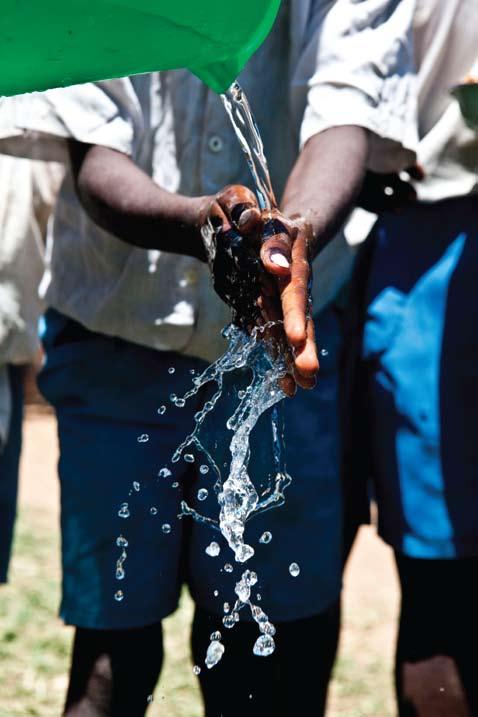
WaterCan works with more than 40,000 students and their teachers in 57 schools.
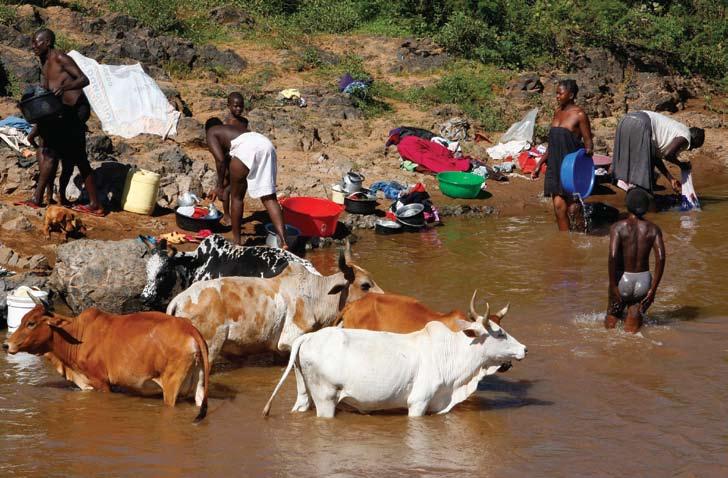
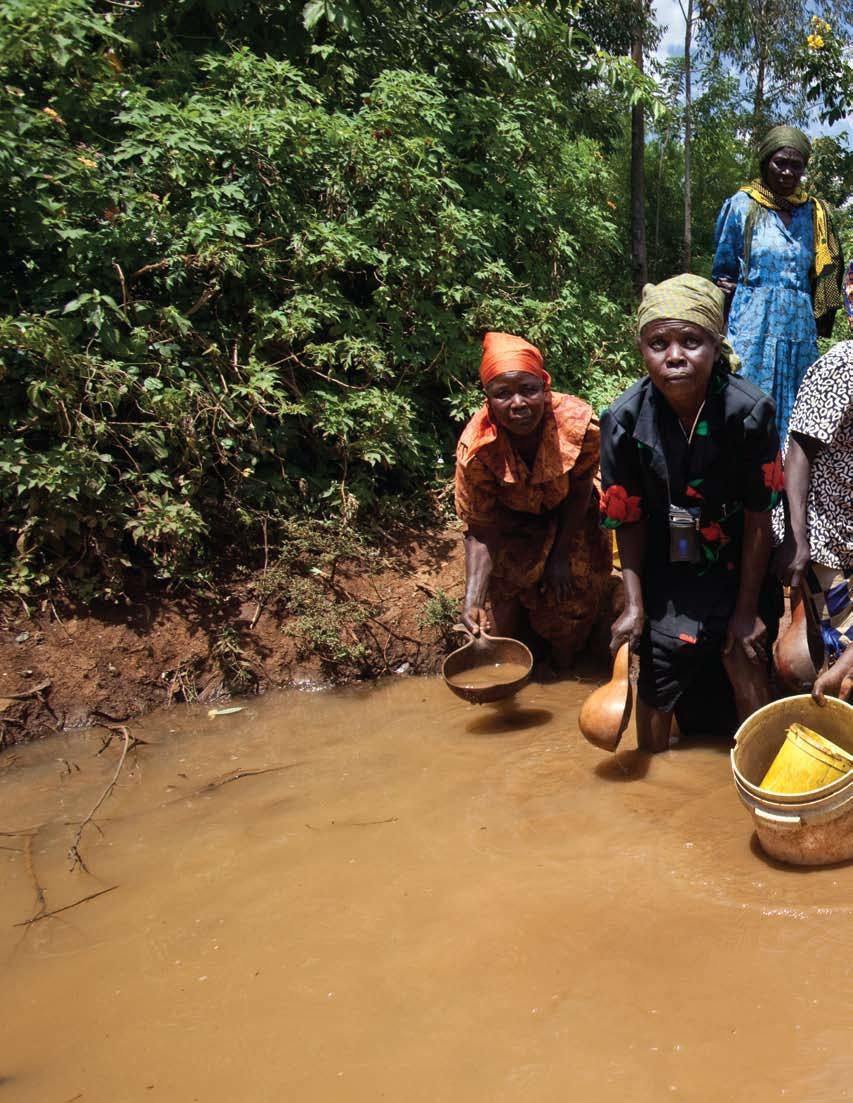
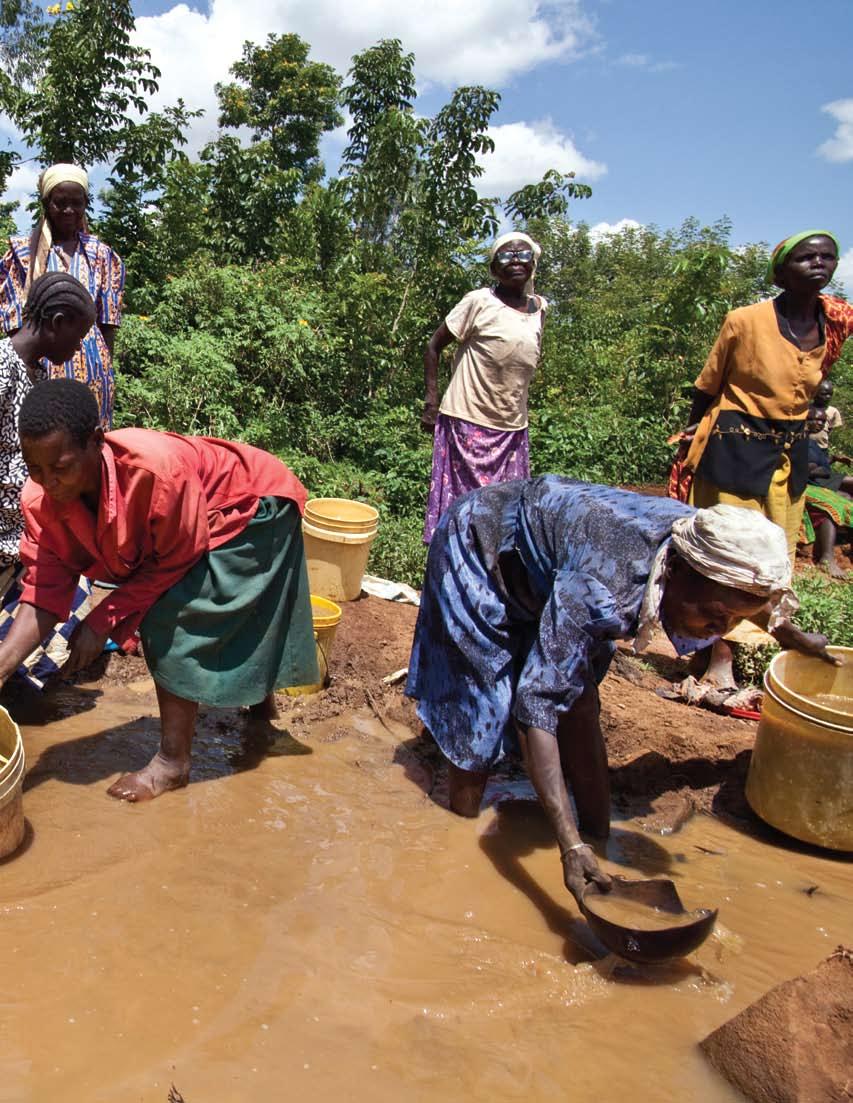
in Kenya, locally available water sources — rivers, ponds or seasonal streams — lie at the heart of rural community life. livestock quench their thirst and cool themselves; children bathe and play, while women do their laundry and collect water for drinking and cooking.
Many residents get their water from privately owned kiosks with official connections to the main municipal network It is not uncommon for one of these facilities to serve 1,000 people or more, resulting in long, frustrating line-ups Inevitably, this has encouraged illegal water connections — often jerry-rigged with plastic pipes and garden hoses bound together with rags or black electrical tape . This water is likely to be highly contaminated . residents with no access even to these shoddy sources are forced to buy water from roving tanker trucks that drive in from outside the slums During shortages, when the pipes run dry, the tanker price can increase dramatically The truly desperate scoop water into buckets from ditches and the polluted Ngong r iver which winds through the area
During the rainy season, a sudden downpour can transform Kibera’s laneways into muddy streams Homes in low-lying areas are flooded with dirty, pathogen-ridden water There are almost no proper toilets and or garbage removal services .
“Flying toilets” is a local expression for
people defecating into paper or plastic bags and throwing them onto the streets or roof tops Traditional pit latrines are prevalent but poorly built and maintained, filling up quickly because each latrine commonly serves 200 people or more e mptying them is a problem because they are hard to get at . Not surprisingly, outbreaks of diseases like cholera and typhoid are common .
WaterCan and other international charities, such as CAre, WaterAid, and PLAN work in desperate places like Kibera to help residents build and operate their own water systems and public toilet blocks This includes teaching young people and women to run the equipment and to fix it when things break down . unfortunately, some development organizations just build facilities and then disappear, leaving only a sign promoting their efforts such lack of follow-through helps explain why broken wells and abandoned toilet blocks stand as monuments to futility in Africa and other parts of the developing world
Although water and sanitation projects prevent the diseases that undermine basic survival, let alone prosperity, a pocketbook
equation is what drives a community to solve its water problems By reducing dependence on expensive tanker trucks, people save money — crucial in the poorest households which can spend as much as half of their income just for drinking water Freed-up money can go for better food, school fees or perhaps to start a small business . As well, people are less likely to spend their meagre savings for medical treatment of water and sanitationrelated diseases And the more subtle but all-important result is self-confidence and hope — without them, there is no future
watercan’s approach
WaterCan is an Ottawa-based charity dedicated to providing clean drinking water, basic sanitation and hygiene education so people can live healthier and more productive lives With an annual budget of about $2 million, one-third of WaterCan’s income comes from the Canadian International Development Agency (CIDA) Most of the rest comes from private, community and school groups, corporations and foundations in Canada . WaterCan since its creation in 1987 has
helped more than 1 1 million children, women and men, with projects in ethiopia, Tanzania, uganda and Kenya Margaret Trudeau volunteers as the organization’s goodwill ambassador, and speaks to audiences across Canada on water and sanitation in developing countries .
WaterCan works in some of e ast Africa’s most vulnerable rural and urban communities In rural areas, it is common to see villagers, almost always women and girls, getting up at first light to walk two or more hours to fetch a single 20-litre jerry can of water for their families
Many know their efforts will be rewarded with the chance to dip their containers into a distant muddy pond or stream polluted by cattle simple, fieldproven wells with robust hand-pumps, rainwater tanks, and gravity-fed springs, can sharply cut the time and effort needed to fetch water such water systems, when bundled with culturally fitting hygieneand sanitation-promotion activities (such as community theatre and home visits) can deliver a significant bang for the donor’s buck
s chools are a priority for WaterCan, because their water and sanitation conditions are often abysmal We currently work with more than 40,000 students and their teachers in 57 schools Toilets and clean drinking water boost attendance and learning, especially among girls .
WaterCan works with local non-governmental organizations to build African skills and knowledge This means improving local technical and managerial abilities to carry out suitable and long-term sustainable water and sanitation projects Planning and training workshops, and using local water and sanitation experts as project advisers are among WaterCan’s methods .
swan canada
Canada currently spends about two percent of its annual foreign aid budget on water and sanitation
WaterCan has teamed up with 18 other Canadian NGOs, to establish s anitation and Water Action Network Canada (sWAN Canada), which works to reinforce global water and sanitation targets and ensure that Canada’s two percent might increase Launched on World Toilet Day in 2007, the coalition has written to Prime Minister stephen Harper and International Cooperation Minister Bev Oda, met with government officials and sent educational materials to MPs and senators . Last year, on Parliament Hill, there was
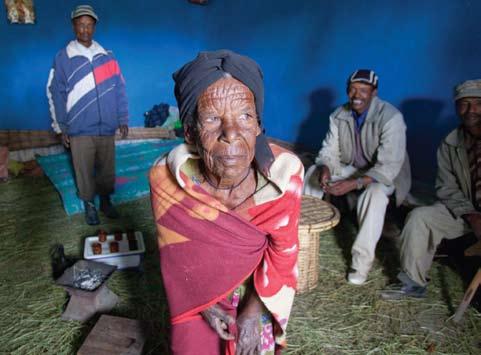
a display of 50 signed toilet seats to bring attention to the sanitation crisis in the developing world Hundreds of Canadians from across the country signed the seats with felt markers, contributing to one of the most memorable petitions the Hill has received .
One of s WAN Canada’s accomplishments has been to help ensure water and sanitation as part of CIDA’s Child and Youth strategy More recently, the G8 Development Ministers meeting in Halifax in April recognized that drinkable water and sanitation are crucial to the health of women and children Prime Minister stephen Harper made clear his continued focus on this goal as host of the G8 summit in Muskoka in June .
Many Canadian NGOs of the “water world” belong to a network that operates mostly below the public radar, the 170-member, uK-based international campaign called end Water Poverty It aims to boost water and sanitation investment as part of the global anti-poverty drive .
toward the future
In regions such as east Africa, where the water situation is dreadful, WaterCan and its local partners can complement the efforts of overstretched national and district governments But in addition to getting clean water in the pipes, and more toilets that work, they must strengthen local technical and managerial capacities to keep them working
There’s a myriad of excellent NGO, uN and local water and sanitation efforts going on, but the world must spend more to get the Millennium Development Goals for water and sanitation back on track
sWAN Canada believes the Canadian government can contribute in three ways First, CIDA needs a water and sanitation action plan to engage canadian NGOs, uN agencies, and developing country governments in its Child and Youth s trategy, where that strategy bears upon water and sanitation efforts
second, CIDA should allocate at least five percent of its budget to water and sanitation . This would help the most off-track countries such as ethiopia, one of CIDA’s 20 priority countries .
Third, as host of the G8 and G20 summits in June, Prime Minister Harper exploited this golden opportunity to ensure that water and sanitation play a part in supporting efforts to improve maternal and child health, education and food security
The Canadian public has made it clear that our foreign aid should be aimed at poverty, and it wants cost-effective methods and results that take into account the perspectives of the poor Investing in water and sanitation is one of the best ways to do it
George Yap is program director of WaterCan . He also serves as coordinator for the NGO coalition sanitation and Water Action Network Canada
The elderly — such as Jitu Tulu, age 80, of ethiopia — often face the greatest challenge in getting access to clean water and basic sanitation services.
It’s more than money . It’s behaviour
some 2.6 billion people worldwide live without sanitation but it’s more than a matter of building toilets — people must be willing to use them.
By Donna Jacobs
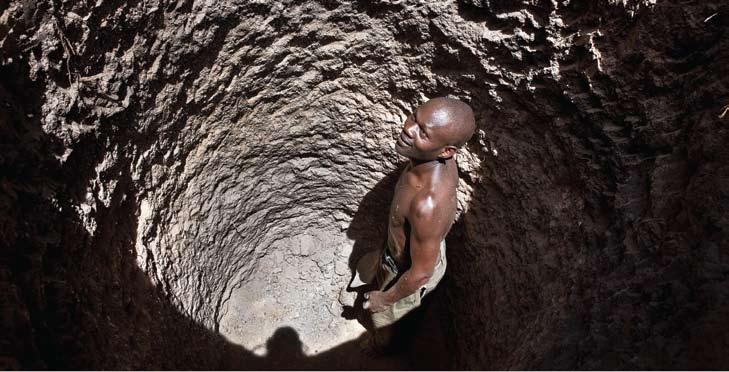
she is a Canadian civil engineer she is chief of water, sanitation and hygiene for uNICeF And she is plain spoken
“I go around the world looking down people’s toilets,” says Clarissa Brocklehurst “I’ve peered down many toilets and been to many places where open defecation is the norm and, yeah, that doesn’t mean that you somehow ever get used to it I don’t think you ever come to terms with it — it’s still disgusting ”
That disgust is innate in humans and, fortunately, it is easily awakened even where generations of people stoop but don’t cover their feces It’s fortunate, also, because the “completely new approach” to sanitation taps into this revulsion to change people’s mindset about what they’ll accept in the disposing of body wastes .
In the twin race for clean water and good sanitation, she says, sanitation is los-
ing “There are 2 6 billion people globally without sanitation, whereas there are less than 1 billion people — really 900 million people — without water supply.”
Basically two reasons explain the gap, she says One, sanitation, until recently, didn’t get enough attention And two, she says bluntly, “the approaches we took just haven’t worked We’ve treated sanitation as if it were the same as water supply which means we treated it as a technology issue .”
she says it’s a lesson the uN and NGOs, such as WaterCan and its partners, are learning as they try to bridge the “huge gap ” (For an interactive view of progress, country by country, see www wssinfo org for the Joint Monitoring Program report, released in March by the united Nations Children’s Fund and the World Health Organization )
Water, she says, is a purely technological problem: Build a water supply system
and people will use it But sanitation is a different story, she says “sanitation is a behaviour . It’s not just about technology.”
Many people globally don’t have toilets — the rate of open defecation is “amazingly high,” she says In places such as rural India, the rate is 75 percent, that is, about three quarters of the population use no toilet at all
And, unlike water systems, it is not a case of “build it and they will come ”
“Just because you came in and, out of the goodness of your heart, built a toilet for them,” she says, “does not mean that they would use it Nor would they maintain it Nor would they replace it
“There is no sense in being delicate ” she says “If you are practising open defecation and all your neighbours are, basically it means that you’re all living in each others’ shit . And that is very harmful . You have to harness the power of people’s natural hardwired disgust at fecal mat -
A skilled mason digs a latrine pit at a primary school in Kenya.
ter to make them realize ‘Oh, I should be disgusted by the fact that my neighbour is defecating behind my house ’”
It’s often a simple matter of walking through a village and pointing out to people where there are fresh feces on the ground, she says . The repulsion response is instinctive and has nothing to do with education in the germ theory of disease . “There are plenty of places where people don’t know what bacteria or viruses are, but it doesn’t mean that they like feces ”
The idea, she says, is to trigger both disgust and a desire to fix the problem It can be a simple, affordable type of toilet using the same building materials they use for their homes .
sanitation isn’t rocket science, after all, “As long as you’re in a place you can build a simple pit latrine, you’re OK You know, the soil has an amazing capacity to isolate and help treat fecal material The problem arises when people live in densely populated urban settlements and there are just not enough places for pit latrines . ”
In rural areas, a re-intensified search is on for cheap toilet materials to substitute for concrete slabs In cities, though, where there is no room for pit latrines, or in flood zones, the problem becomes, once again, technological While sewers are extremely expensive, and there is no obvious place for septic tanks, lower-cost small pipe networks, called condominial sewers, are a solution . “But they still cost money ”
While u NIC e F’s role in water and sanitation is large, she says, it sure isn’t exclusive
“We’re probably one of the bigger actors,” she says u NIC e F has water and sanitation programming in 101 countries, disperses close to $250 million a year with a staff of some 400 . And yet these investments, mostly donations, are “a drop in the bucket” compared to both the total need and to funds provided by governments and by people, themselves
“I don’t kid myself that even though uNICeF is big, that we or any of the other agencies, are going to single-handedly address the huge gap in the water and sanitation sector .”
u NIC e F, which works closely with governments worldwide on planning and policy, is keen on new approaches, she says, and is keen on tackling the problem with low-cost working models suited to communities The agency is now looking at the effects of climate change on ground water levels and developing “a sort of tool kit” to deal with new water problems . s he has been in her current u NIC e F
“ i TH in K THAT WAT er
A nd s A ni TAT i O n A re s TA r T ing TO COM e
OUT OF TH e s HA d OW s
A s B eing TH is K ind OF
O dd BA ll TH ing THAT A
BU n CH OF engineers did, TO B eing s OM e TH ing
THAT P e OP le re CO gnize
A s B eing re A lly
FU nd AM en TA l TO H e A l TH
A nd devel OPM en T.”
posting since 2007 . Previously, she has been a consultant for the World Bank, the Water and sanitation Program (WsP), the Canadian International Development Agency (CIDA), Building Partnerships for Development (BPD) and WaterAid
Besides her frequent travels, she worked on long-term projects for about eight years while she lived in Togo, sri Lanka, Bangladesh and while covering the south Asia region, in New Delhi . Did she, when she first enrolled in the u niversity of Toronto’s school of engi -
neering, where she eventually earned her bachelor and master’s degrees, ever imagine she’d be travelling the world assessing toilets and lack of sanitation?
s he laughs: “No, I don’t think I did ever imagine it . ”
It fit with her plans, though “I wanted to go into international development That’s why I went into engineering The route to it — and I think this is not unusual among Canadian professionals — is that I worked on native issues first ”
Why international development? “I don’t know . That’s a good question — a sense of wanting to be useful . I guess it’s a sense of social justice .”
However daunting the water and, especially, the sanitation problems are, she is optimistic on several fronts
First, the uN’s Millennium Development Goals focus on the simple truth that without clean drinking water and good sanitation, “we can’t keep children healthy . We can’t make sure they go to school and develop And it is a huge issue for women’s equity
“I think that water and sanitation are starting to come out of the shadows as being this kind of oddball thing that a bunch of engineers did, to being something that people recognize as being really fundamental to health and development ”
When she spoke to Diplomat, she and colleagues were preparing a brief for a recent inaugural gathering in Washington, the first meeting of s anitation and Water For All “A big alliance is starting to emerge,” she says, among donors, uN agencies and civil organizations in developing countries . “I find that very heartening ”
The new priority notwithstanding, she adds realistically, “I’m pessimistic because we still don’t have enough solutions s ometimes water and sanitation does come down to technological innovation and it would be nice to see more of that But we know that’s not the only answer
“There are some places in the world that are very, very difficult to serve with reliable, cost-effective water and sanitation I’ve just come from a symposium in uganda on rural water supply and in some of the remote African settings, it’s very difficult to supply affordable, sustainable rural water supply
“And that gets very frustrating sometimes,” she admits . “But as long as we see growing political will, I think we’ll find ways of doing it .”
Donna Jacobs is publisher of Diplomat
Clarissa Brocklehurst
Water conflicts? Yes . Wars? No
nations faced with conflicting claims on water have traditionally found a way to cooperate, rather than fight over them
By David B. Brooks
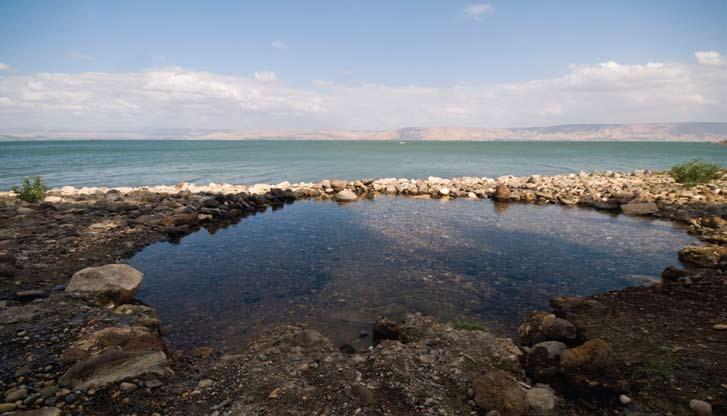
afew years ago, then-World Bank vice-president Ismail s erageldin stated that “the wars of the 21st century will be about water ” The late King Hussein of Jordan is alleged to have said that water was the only conceivable reason for Jordan to go to war with Israel (Though often mentioned with quotation marks, no one has been able to prove that he actually did say this) . s ome people have written books about water wars or what academics prefer to call “the hydraulic imperative ”
The problem is that all such statements, to say nothing of the books, lack substance Nations faced with conflicting claims to water have historically found ways to cooperate rather than to fight . Water wars may make good press, but they seldom make good politics . even in the
Middle east, where water is scarcer than anywhere else in the world, water has more often been a source of cooperation than of conflict
This apparently anomalous situation does not mean that we will avoid conflicts over water in the future To the contrary, there will be many conflicts, and in developed as well as in developing countries However, it does mean that such conflicts will seldom, if ever, escalate to hot wars .
the growing water shortage
With the partial exception of global climate change, a lack of fresh water is the most serious natural resource problem facing the world (It is only a partial exception because climate change has enormous effects on the availability of water .)
The facts are stark, and every year they
get more so . For example, as many as one billion people drink dirty water every day, and some 10,000 die daily from the most common water-borne diseases — cholera, typhoid, hepatitis-A and dysentery, all of which can lead to uncontrollable diarrhea
Within the next 20 years, one-third of the world’s population will experience severe water scarcity, and another third moderate scarcity.
Despite the foregoing, the world’s major water problem is not water to drink but water to grow food It takes 100 times as much water to grow the food we eat as the water we drink These problems are accentuated in the drier parts of the world
Watersheds located in arid and semiarid regions are home to about one-fifth of the world’s population, but contain 70 percent of the world’s poorest people,
Water conflicts occur but war is unlikely, says author-conservationist david B. Brooks. syrian attacks on israeli construction sites in the 1960s forced relocation of the mouth of israel’s national water carrier (it carries water from the sea of galilee, pictured, to cities and towns located more centrally). in the 1967 War, israel bombed a partially completed Jordanian-syrian dam on the yarmouk river.
and 44 percent of the children stunted by malnutrition
Of 21 non-island nations with internal renewable fresh water availability below 1,000 cubic metres per capita-year (a commonly used determinant of water stress) 15 are in the Middle east and North Africa (MeNA) . Hungary also falls below that indicator, as do five nations in Africa: Angola, Burundi, Djibouti, Kenya and rwanda As well, large parts of China and India are under the line
If we add in the effects of global climate change, the results are mixed for China and India, depending on the model, but uniformly adverse throughout the Middle east and North Africa .
the case against water wars
Growing shortages of fresh and clean water may make the idea of water wars plausible, but, ironically, it is realpolitik and hard economics that makes them unlikely Professor Aaron Wolf at the university of Oregon has compiled a Transboundary Freshwater Dispute Database . In examining the cases generally considered to be examples of international water conflict, they have arrived at a surprising conclusion Instead of fighting, countries that share water resources tend to maintain dialogue and negotiation leading to treaties for joint management of water About two-fifths of the world’s population and about half of the world’s land area occur in the 264 river basins shared by more than one country Yet, there have been only seven minor skirmishes over international waters in modern history, and each of these involved other factors besides water Meanwhile, about 150 international treaties have been negotiated to deal with sharing water in the past century alone .
For example, despite three wars and numerous skirmishes since 1948, India and Pakistan have managed to negotiate and implement a complex treaty on sharing the waters of the Indus river system It is significant that during periods of hostility, neither side has targeted the water facilities of the other nor attempted to disrupt the negotiated arrangements for water management .
In Africa, where 11 countries share the basin of the Nile river, cooperation over water is more evident than conflict egypt and s udan have a treaty that regulates how much water will flow northward across the border, and upstream nations have been cautious about extracting too much water from the Blue and the White Nile, which have their sources in ethiopia
and uganda, respectively All of the nations participate in a number of processes designed to facilitate more equitable use and to resolve conflicts before they become dangerous
Closer to home, the International Joint Commission, which manages waters shared by Canada and the united states, and the Prairie Provinces Water Board, which manages waters in Manitoba, saskatchewan and Alberta, are considered such models of success that they are being emulated by other nations
g r OW ing s HO r TA ges OF F res H A nd C le A n WAT er
MA y MAK e TH e ide A OF WAT er WA rs P l AU si B le,
BUT, ir O ni CA lly, i T is re A l PO li T i K A nd HA rd
e CO n OM i C s THAT MAK es
TH e M U nli K ely.
In short, the presence of water on (or, in the case of aquifers, under) an international border is more likely to provide a catalyst for cooperation than conflict between the countries that depend on it .
water for what and for whom One good reason to avoid hot war is that it is so expensive Professor Frank Fisher of MIT showed that the total value of water in dispute between Israelis and Palestinians cannot exceed $600 million per year, which is not very much in international terms . That sum is well under the daily cost of modern warfare . Another reason is that only a surprisingly small share of the world’s water is needed for direct consumption Agriculture accounts for, by far, the bulk of water use in most countries — two-thirds of all water around the world for irrigation alone; more if stock watering is included (Canada is one of the few exceptions; less than 10 percent of our water is used for irrigation .) even in urban areas, non-potable uses of water are several times larger than potable
The importance of this data is that potable water is highly valuable; agricultural water is not Nations may be willing to go to war to get drinking water but seldom to irrigate fields . There is no substitute for drinking water; there are many for irrigation water . Modern irrigation techniques,
shifts to less water-consuming crops, and use of reclaimed sewage can cut fresh water use by two-thirds or more — but typically only after the investment of more capital than many farmers in developing countries have available .
Finally, with the exception of a few countries, farmers do not typically have the political power to affect international relations (Israel is, admittedly, one of the exceptions ) Faced with a range of relatively low-cost options to relieve the pressure on limited water supplies, nations are not likely to risk military conflict
Of course, there are occasional examples of shots being fired or bombs dropped on water installations . syrian attacks on Israeli construction sites in the 1960s forced relocation of the mouth of Israel’s National Water Carrier (a 130 kilometre-long pipe, canal and pump system that brings water from the sea of Galilee to cities and towns in the central part of the country) Perhaps in retaliation, Israel bombed a partially completed Jordanian-syrian dam on the Yarmouk river late in the 1967 War Iraq destroyed much of Kuwait’s desalination capacity before retreating near the end of the First Gulf War in 1990
However, to go from these examples to a general proposition of water wars ignores the fact that, to choose a specific example, Arab-Israeli warfare has never been motivated by the desire to assert control over water resources Despite numerous statements to the contrary, nothing suggests that water was a factor in strategic planning by any of the armies before periods of hot war True, the 1967 War did effect a major change in water control in favour of the Israelis, but to go from that fact to an assertion that water was a cause of the war is to commit the logical fallacy of post hoc; ergo propter hoc (“after this; therefore because of this”), which connects one cause to a subsequent event which may be unrelated In some cases, belated decisions were made to secure water sources when, in the course of the war, it became evident that they were within reach, but this is hardly evidence for a “hydraulic imperative . ”
israel and water conflicts
If war is neither a logical nor a likely way of resolving water disputes in the Jordan Basin, how will they be worked out? After all, the Jordan Basin is probably the most heavily contested body of water in the world Israel is both economically and militarily dominant in the basin, and politicians continually emphasize the im-
Kazakhstan, india and Japan have led in nuclear desalination with dual-use nuclear plants that produce both electricity and potable water. The U.s., UK, China, russia, Pakistan, Tunisia, Morocco, egypt, Algeria, libya, iran, Qatar, Jordan, Argentina, south Korea and spain are among countries likely to pursue the nuclear desal option.
portance of protecting its sources of water Indeed, water was a significant element in the planning of Zionists long before the state of Israel was created Nevertheless, over the years Israel and her neighbours have more often sought collaborative rather than confrontational solutions to their water problems
The best example is Jordan, which shares much of the course of the Jordan river with Israel Israel and Jordan were technically at war for more than 45 years, yet the two nations agreed to manage the water jointly long before they signed a peace treaty. At first, they worked together through the now-famous “picnic table summits” conducted on an island in the river Later, when the Peace Treaty between them was signed, it contained a detailed annex on water that is well crafted and shows more concern for economic efficiency and ecological security than fear of military action . sharing water with the Palestinians will be more difficult, but mainly because Israel has all but annexed Palestinian water supplies since 1967 Palestinians living on the West Bank and Gaza have to get along with one-quarter to one-half the water accorded to Israelis even Palestinian communities within the 1967 borders of Israel — Arab citizens of Israel — get less water (and less clean water) than Jewish communities . However, these policies are largely
economic in origin, and have little to do with military power restrictions on Palestinian water use were designed to protect the highly subsidized (many say coddled) farmers in Israel from lower-priced fruits and vegetables from Palestine
Nor is water going to be a deal breaker in “final status negotiations” with the Palestinians, or in bilateral negotiations with Lebanon or syria A study by the Jaffee Center at the university of Tel Aviv some years ago showed that there was more to gain from negotiation than conquest Moreover, whenever water seemed to create a barrier in formal negotiations, diplomacy found a way around . Thus, when bilateral talks with Jordan threatened to hang up over allocation rights to water, the drafters of the final treaty referred to rightful allocations
The situation with Lebanon is relatively simple, as little of this mountainous nation lies in the Jordan Basin . The only significant flow is that from the Hasbani spring, which occurs just north of Lebanon’s border with Israel and provides about 25 percent of the flow of the Jordan Apart from local withdrawals, the Hasbani has always been allowed to flow naturally across the border syria, which (one might think) would be inclined to urge Lebanon to restrict the flow into Israel, hesitates even to suggest such action lest it tempt Turkey to adopt a similar attitude on the
euphrates river, which flows southeastward from Turkey into syria Once syria moves toward peace with Israel, Lebanon will follow
As for the Litani, one of the large few rivers in the region that does not cross a border, there is nothing to negotiate . Despite irresponsible claims to the contrary, Israel is not taking water from the Litani Nor will it be able to do so in the future, as Lebanon will need all available water in the river by about 2020
The situation with syria is more complex, but no less subject to negotiation . The Banyas spring, the source of another 25 percent of the Jordan river, occurs less than one kilometre on the syrian side of land that is sure to be returned by Israel when a peace treaty is finally signed Local syrian farmers could use only a small amount of the flow Faced with the alternative of going to the expense to pump that water uphill to reach communities on top of the Golan that already have a pretty good water regime, syria is likely to follow Jordan’s example and sell the water to Israel
syria also claims a share of the waters of the sea of Galilee, but this claim is no better than Israel’s claim to the Golan; both claims stem from conquest The sea lies entirely within the internationally agreed borders of Israel, but, during the 1948 War of Independence, syria captured a strip of Israeli land along its eastern shore and occupied it from 1948 until 1967, when Israel not only recaptured this land but took the Golan as well The logic of a peace treaty is simply that, if Israel must return the Golan Heights, which it took by conquest, so too must the syrians give up their claims to Kinneret Of course, in a peace treaty all sorts of compromises, as with rights for syrian fishers to gain access to the lake, are possible
water and local conflict
If water wars are unlikely, does this mean that we need not be concerned about conflict over water? Not at all ever since biblical days, and no doubt before, water has been hotly contested in the Middle east . Today, it is no less hotly contested in many other parts of the world, including the industrialized countries However, conflicts resulting from shortage of fresh water are much more likely to occur within countries than between countries: urban dwellers seeking drinking water versus farmers seeking irrigation; or farmers versus pastoralists; or local interests versus national plans for high dams; or
Sources: Paci c Institute, The World’s Water, 2009.
environmentalists versus industries that seek to drain headwater ponds s uch conflicts are not to be ignored They have the potential to cause suffering, to lead to riots, even to destabilize governments — witness the violence that erupted a few years back in Cochabamba, Bolivia, following tariff increases for municipal water, and violent opposition to proposed dams in Nepal, Thailand and many other countries The Hollywood movie Chinatown depicted the bitter struggle to make money by selling water to Los Angeles With globalization of the water industry, such conflicts will also become common space limitations do not permit much discussion of what has to be done to correct this situation Briefly, the acknowledged Israeli success in treating urban wastewater for agricultural use has to become the norm, not the exception Higher prices for water must be charged for both urban and rural uses (It is not difficult to devise policies to ensure that everyone, regardless of income, gets enough water for household uses and sanitation; the quantities required are tiny ) As much attention as has been given to irrigation in the past few decades must now be devoted to rain-
30 percent and by twice that amount with more expensive techniques — and they could do so in less time, with less capital, and with less environmental disruption than building further additional water supply systems .
a last word
The problem, then, is not any likelihood of water wars It is, rather, that almost all nations in the Middle east and North Africa (MeNA), and many elsewhere in the world, are using more water than they can expect to have on a sustainable basis Putting aside the oil-rich nations, which can afford to use low-grade oil to power desalination plants, most other M e NA nations are depleting both surface and underground water and polluting any water
substantial volumes of water, and none offers its citizens anything like a model program for water conservation
The World Bank’s recent flagship development report on water shows that MeNA nations already withdraw nearly 80 percent of total renewable resources — south Asia is in second place, and it withdraws less than 30 percent — and that half of those nations withdraw more than 100 percent (which means that they are drawing down aquifers)
In summary, my argument is not that conflicts over water are unlikely to occur If anything, conflicts will become more frequent and more serious . r ather, my argument is that such conflicts are likely to lead to internal disruption rather than international war The next war in the region — may it be avoided — is not likely to be about fresh water, nor is water likely to be a deal breaker in any peace treaty May the latter come soon The search for sustainable water management is the real task ahead . It may not be an easy task, but there is no alternative, and delay only makes the problem grow worse and the costs climb higher

timeline: 203 crises in 5,000 years
1. sumerian and Biblical legends recount deluge from deity (circa 3000 BC)
2. lagash-Umma border dispute involves water diversion (circa 2500 BC)
3. Hammurabi’s Code includes laws on water (1790 BC)
4. Tigris river dammed (1720 - 1684 BC)
5. Kishon river flooded in defeat of sisera (circa 1300 BC)
6. Moses parts the red sea (circa 1200 BC)
7. Assyrian king destroys Armenian irrigation network (720 - 705 BC)
8. sennacherib razes Babylon (705 - 682 BC)
9. Hezekiah stops springs in advance of Assyrian invasion (701 BC)
10. Assyrian king cuts off water of enemy (681 - 699 BC)
11. Assyrian king dries up enemies’ wells (669 - 626 BC)
12. Khosr river diverted by Babylonians (612 BC)
13. nebuchadnezzar uses euphrates river as defense (605 - 562 BC)
14. Assyrians poison wells of enemies (6th Century BC)
15. Athens poisons enemies’ water (590 - 600 BC)
16. Cyrus diverts the diyalah river (558 - 528 BC)
17. Cyrus diverts the euphrates (539 BC)
18. spartans poison cisterns of Piraeus (430 BC)
19. Alexander tears down Persian dams (355 - 323 BC)
20. rome’s siege of new Carthage fords lagoon (210 - 209 BC)
21. Jewish protestors killed by roman troops in protest over stream diversion (30 Ad)
22. goths cut roman aqueducts (537)
23. saladin cuts off Crusaders’ water (1187)
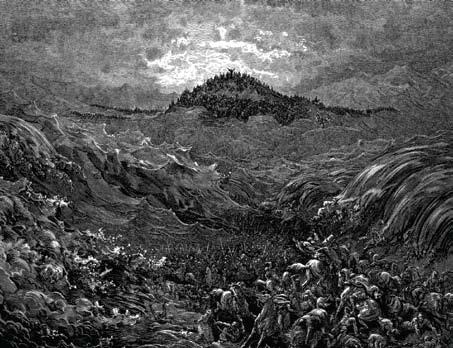
6. Circa 1200 BC, when Moses and the retreating Jews find themselves trapped between the Pharoah’s army and the red sea, Moses miraculously parts the waters of the red sea, allowing his followers to escape. The waters close behind them and cut off the egyptians.
24. Florence draws plan to cut Pisa’s water (1503)
25. dutch flood land to repel spaniards (1573 - 1574)
26. Canal planned to divert shipping and damage dutch economy (16261629)
27. China floods rebel peasants (1642)
28. dutch flood land to repel French (1672)
29. Ferry house fire inflames new york water dispute (1748)
30. British attack new york’s water (1777)
31. napoleon orders canal to divert trade to southern netherlands (1804)
32. reservoir destroyed in Canada (1841)
33. Mob destroys reservoir in Ohio (1844)
34. new Hampshire residents attack dam (1850s)
35. Mobs destroy canals in indiana (1853 - 1861)
36. U.s. Civil War soldiers poison wells (1860 - 1865)
37. levees cut in vicksburg, virginia (1863)
38. China removes unauthorized dams (1870s)
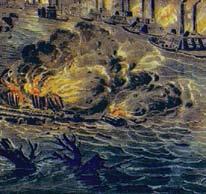
37. in 1863,general Ulysses s. grant, during the Civil War campaign against vicksburg, cuts levees in the battle against the Confederates.
39. Water rights disputes lead to violence in new Mexico (1870s to 1881)
40. Mob dynamites Ohio reservoir (1887)
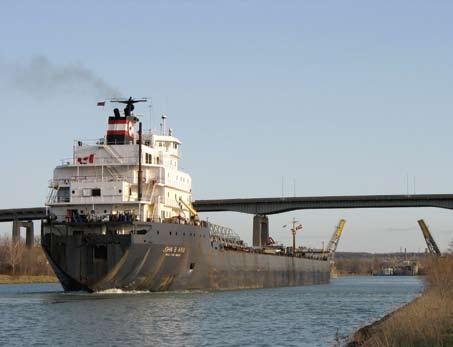
41. in 1890, a partly successful attempt was made to destroy a Welland Canal lock in Ontario, either by Fenians protesting english policy in ireland or by agents of Buffalo, ny grain handlers who were unhappy at the diversion of trade through the canal.
41. Canal lock destroyed in Canada (1890)
42. France and Britain battle over nile (1898)
43. los Angeles aqueduct bombed (1907 - 1913)
44. violence over fishing in Tennessee (1908 - 1909)
45. german troops poison south African wells (1915)
46. Arizona mobilizes troops to protest Parker dam (1935)
47. dams attacked in spanish Civil War (1937)
48. China floods yellow river to defend against Japan (1938)
49. dutch flood valley to defend from germany (1939 - 1940)
50. Japan’s Unit 731 poisons wells (1939 - 1942)
51. dams bombed in WWii (19401945)
52. soviet dam targeted during World War ii by soviets and germans (1941)
53. german dams destroyed by Allies (1943)
54. germans use italian rivers against Allies (1944)
55. germany floods Pontine Marshes (1944)
56. germans flood Ay river (1944)
57. germans flood ill river valley (1944)
58. germans pollute reservoir in Bohemia (1945)
59. ganges divided between Bangladesh and india (1947 onwards)
60. indus divided between india and Pakistan (1947 - 1960s)
61. Arabs cut off Jerusalem water (1948)
62. U.s. attacks north Korean dams (1950s)
63. north Korea floods Pukhan valley (1951)
64. israel and syria fight over yarmouk river (1951)
65. israel and syria clash over sea of galilee (1953)
66. egypt and sudan clash over nile (1958)
67. U.s. bombs irrigation systems in vietnam (1960s)
68. Brazil and Paraguay clash over Paraná river (1962 to 1967)
69. israel destroys irrigation ditches (1962)
70. ethiopia and somali nomads fight for desert water (1963 - 1964)
71. Cuba cuts off water to U.s. at guantanamo (1964)
72. israel drops bombs over dan river (1964)
73. British defend south African dam (1965)
74. Palestinians attack israeli water pumps (1965)
75. israel attacks over Arab water plan (1965 - 1966)
76. U.s. attempts to flood vietnam (1966 - 1972)
77. israel attacks Jordan water works (1967)
78. israel destroys Jordan canals (1969)
79. Weathermen target U.s. water supply in alleged plot (1970)
80. Argentina v. Brazil, Paraguay on Paraná river (1970s)
81. Conflicts over use of China’s zhang river lead to violent conflict (1970)
82. Attempt to poison Chicago’s waters (1972)
83. new york water threatened (1972)
84. U.s. bombs water works in vietnam (1972)
85. german water supply threatened (1973)
86. iraq threatens syria dam (1974)
87. iraq, syria mobilize troops over drought tensions (1975)
88. south Africa takes over Angolan dam (1975)
89. Militia Chief shot in China’s zhang river conflict (1976)
90. north Carolina reservoir poisoned (1977)
91. egypt threatens ethiopia over nile plans (1978 onwards)
92. sudan kills canal protestors (19781984)
93. Mozambique targets dam in fight vs. south Africa (1980s)
94. iran floods iraqi defenses (19801988)
95. iran targets iraq hydroelectric dam (1981)
96. namibia targets Angola pipeline (1981 - 1982)
97. Plan to poison los Angeles water thwarted (1982)
98. israel cuts off Beirut water (1982)
99. guatemala kills dam protestors (1982)
100. Terrorists destroy U.s. military barraks in lebanon (1983)
101. Terrorists plot to poison israel water (1983)
102. Oregon water supply poisoned (1984)
103. Cult plans to poison U.s. waters (1985)
104. south Koreans uneasy over north’s dam (1986)
105. Bloodless coup in lesotho, partly over water. (1986)
106. south Africa supports coup in lesotho; the lesotho Highland water agreement is quickly signed. (1986)
107. Angolans attack south African dam (1988)
108. south Africa cuts off black community’s water (1990)
109. Turkey’s Ataturk dam a weapon of war (1990)
110. violence over use of india’s Cauvery river (1991 - present)
111. iraq destroys Kuwait desalination plants (1991)
112. British Columbia water supply threatened (1991)
113. Un considers cutting river flow to iraq (1991)
114. U.s. destroys iraq water systems (1991)
115. Chinese villages exhange mortar fire over water diversion (1991)
116. Hungary and Czechoslovakia dispute over danube (1992)
117. Turkish air base waters poisoned (1992)
118. serbs cut off water and power to Bosnian cities (1992)
119. Canal on China’s zhang river bombed (1992)
120. iraq uses water to silence opposition (1993 - present)
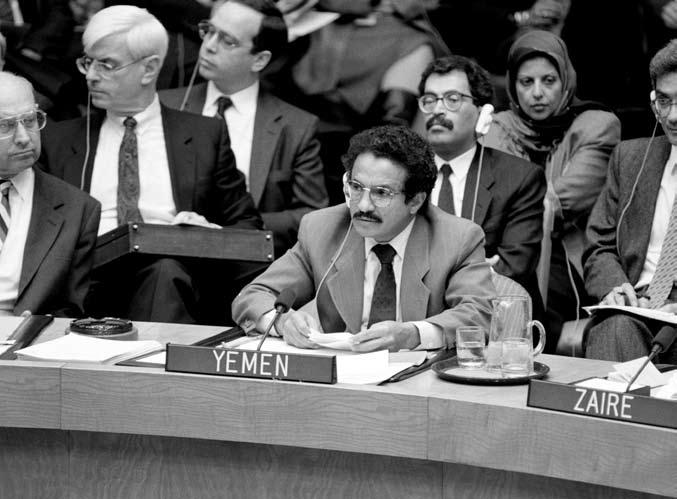
113. in 1991, discussions are held at the United nations about using the Ataturk dam in Turkey to cut off flows of the euphrates to iraq.
121. iran threatens West’s water (1993)
122. yugoslavian army destroys dam (1993)
123. Moldova threatens russian army’s water (1994)
124. Arizonan hacks water facility (1998/1994)
125. ecuador, Peru fight over Cenepa river (1995)
126. Malaysia threatens to cut singapore’s water (1997)
127. guerillas threaten Tajikistan dam (1998)
128. Angolan rebels, government fight at dam (1998)
129. Congo rebels attack dam (1998)
130. Water plants destroyed in ethiopia-eritrea war (1998 - 2000)
131. Wells contaminated during Kosovo war (1998 - 1999)
132. zambia water cut off (1999)
133. nATO targets dam in Kosovo (1999)
134. Protestors injured in Bangladesh (1999)
135. nATO strikes water facilities in yugoslavia (1999)
136. yugoslavia refuses to clear river debris (1999)
137. serbs cut off water to Pristina (1999)
138. Bomb discovered at south Africa reservoir (1999)
139. 100 bodies found in Angolan wells (1999)
140. Puerto ricans protest U.s navy’s water use (1999)
141. Chinese farmers fight over water (1999)
142. indonesian militia dump bodies in wells in east Timor (1999)
143. villagers killed in yemen water clash (1999)
144. African nations fight over zambezi island (1999 - 2000)
145. ethiopian killed in water fight (2000)
146. Central Asian nations cut off water to neighbors (2000)
147. French workers pollute river over labor dispute (2000)
148. Afghanistan villages fight over water (2000)
149. riots erupt over water in gujarat, india (2000)
150. Water privatization causes riots in Cochabamba, Bolivia (2000)
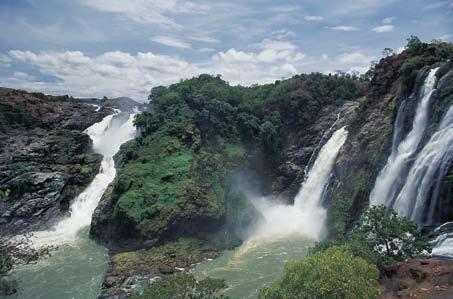
110. starting in 1991, violence over the allocation of the Cauvery (Kaveri) river in india between Karnataka and Tamil nadu flares up. riots, property destruction, arrests, and more than 30 injuries occurred in september and October of 2002 alone.
151. Terrorist drill gets out of hand in California (2000)
152. Kenyans battle monkeys for drought relief (2000)
153. Australian hacker causes sewage spills (2000)
154. People killed in riots in northern China (2000)
155. Palestinians destroy water supply to israeli settlements (2001)
156. Water shortages in Pakistan lead to unrest (2001)
157. Water cut off in Macedonian conflict (2001)
158. Chinese protestors block canal (2001)
159. Philippine water poisoned (2001)
160. U.s. bombs Afghan powerhouse (2001)
161. nepal rebels blow up powerhouse (2002)
162. italy foils terror plot (2002)
163. deadly clash in Kashmir, india (2002)
164. Terrorist targets water systems (2002)
165. Colombian rebels bomb dam (2002)
166. violence breaks out over Cauvery river in india (2002)
167. Colorado eco-terrorists threaten water supply (2002)
168. Al Qaeda theatens U.s. water (2003)
169. Bombs found at U.s. bottling plant (2003)
170. Colombian water plant bombed (2003)
171. iraq attempts to poison water at U.s. base (2003)
172. Water systems damaged in U.s.iraq war (2003)
173. insurgents bomb iraq pipeline (2003)
174. sudan targets water in civil war (2003 - 2007)
175. Mexican farmers shot in duel over spring (2004)
176. Pakistan targets terrorists’ water (2004)
177. Terrorists bomb water pipe in india (2004)
178. Police officer and farmers killed at dam protest in China (2004)
179. Taiwan to target China’s water in defense? (2004)
180. violent protests in south Africa over water and sanitation (2004)
181. U.s. halts water projects in gaza (2004)
182. Police kill water protestors in india (2004)
183. violence over water in ethiopia (2004 - 2006)
184. Over 90 dead in Kenya water fight (2005)
185. Armed clashes in yemen (2006)
186. dam protester executed in China (2006)
187. violent water clashes in somali region (2006)
188. Water clashes kill 40 in Kenya and ethiopia (2006)
189. sri lankan rebels cut water supplies (2006)
190. lebanon, israel target water infrastructure in attacks (2006)
191. Protestors injured in Orissa, india (2007)
192. Battles at Kajaki dam, Afghanistan (2007)
193. Toronto man tampers with bottled water (2007)
194. decreased rain leads to conflicts in Burkina Faso (2007)
195. Water price leads to violent protests in nigeria (2008)
196. China cracks down on Tibet (2008)
197. Taliban threatens water supply (2008)
198. China tries to block loan to india for water projects in territorial dispute (2009)
199. Water release from north Korean dam kills six in south Korea (2009)
200. village attacked in ethiopian water pipe conflict (2009)
201. Tamil fighters blast reservoir to stall sri lankan troop advance (2009)
202. drought and inequality in water distribution spark killings and conflict in india (2009)
203. Man killed in Mumbai protest over water cuts (2009)
source: Pacific institute
Margaret Catley-Carlson: Myth-buster
the biggest user of water is agriculture. every calorie of food production, a global authority says, requires one litre of water to produce. extrapolated, this implies “a very nasty future“
By Donna Jacobs
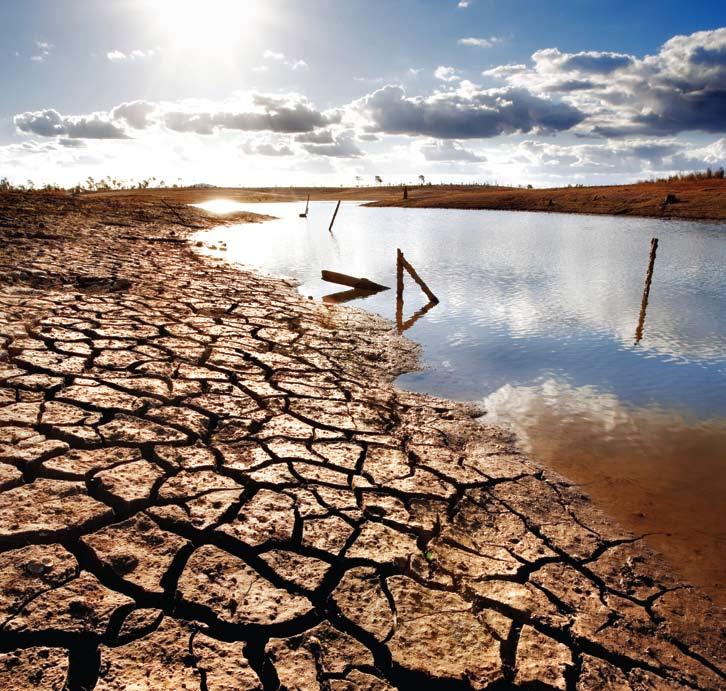
Margaret Catley-Carlson says that as many as 70 rivers no longer reach the sea, or, if they do, they arrive in a mere trickle.
Margaret Catley-Carlson is a “has-been” in a fine sense of the phrase
s he “has been” a diplomat s he “has been” Canada’s deputy minister of health s he “has been” the (Pierre Trudeauappointed) president of CIDA she “has been” uNICeF's deputy executive director in New York .
And she is very much an “is-now ” she spends two thirds of her time travelling the world to serve on international boards in her usual protective role — crop diversity, water use, fertilizers — and she serves the advisory board to the uN secretary General’s Task Force on Water and sanitation .
Beyond boards and bureaucracy, she is a people’s choice winner Last year she was awarded a reader-nominated, juryselected prize: reader’s Digest Canada’s Public Life Hero Award for her work on the world’s most crucial water-related problems . In 2002, she was made an officer of the Order of Canada . When it comes to water shortages and purity — she’s spent the past two decades studying them up close — she is a myth buster
myth 1: it’s all about the drinking water and the sanitation.
Wrong, she says, it’s all about the water sources themselves . “We’ve mistreated this resource a lot . We’ve got about 70 rivers around the world that no longer reach the sea, or arrive in a mere trickle
“There is a lot of trouble ahead for people who live downstream of those rivers — people who depend on the deltas of those rivers for the fish that used to live there, for all the life forms and livelihoods from those deltas,” she says .
“When you stand on a bridge in Cairo and you see the big, beautiful Nile river flowing, you should know that only 2 or 3 percent of this water reaches the Mediterranean The Colorado river, the rio Grande river, the Ganges river, the Indus river, the Yellow river in China — all of these in the last 10 years have had major time periods when they didn’t reach the sea .
“That’s very serious ”
When a river flows into the ocean, she says, it prevents the salt water from coming inland and ruining agricultural land and from seeping into groundwater When rivers do not reach the ocean, you get temporary and permanent damage . Further, the ecosystems in the delta are probably being irremediably damaged
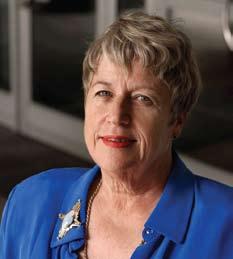
myth 2: it’s all about drinking water and sanitation using up water resources.
Wrong again r ather, it’s about agriculture which uses about 70 percent of water worldwide .
“
e very calorie,” she says, “takes one litre of water to produce .
“We’ve got a world’s growing population, very close to 7 billon now and moving up to 8 5 billion or 9 billion (estimated for 2050),” says Ms Catley-Carlson, who is also the former president of the rockefeller-endowed Population Council “What water are we going to use to grow the extra food we need?”
And demands for water will only increase, both because of more people and because of their changing tastes “With increasing prosperity, people don’t want cereal food only They want protein foods, animal based The amount of water required to produce an egg or a kilo of chicken or a kilo of beef is about five-toseven times the amount of water required to make a kilo of wheat ”
Take that demand — which is changing the levels in lakes, rivers, aquifers and groundwater that supply individual communities — and add climate change “You get the final variable for a very nasty future, indeed, for many communities . ”
myth 3: it’s all about drinking water.
“It’s a watery world but only 3 percent of it is fresh water, and only about 3 percent of that 3 percent is accessible or usable to us,” she says
Drinking water only uses 7 percent of the 3 percent of the 3 percent so it’s “part of the equation, a very small but totally essential part . ”
myth 4: we have, through the hydrological cycle of evaporate and precipitate, the same amount of water as the dinosaurs had, that the world of julius caesar had. so what’s the problem?
“The water that’s in the life of any individual, any community, any city,” she says, “is a much more finite piece of water than that constantly circulating hydrological cycle presented by rain, by rivers, by aquifers, by lakes The water that exists in a single community is the water that’s in its river, its ground water or its rainfall pattern And so, therefore, when you zoom into a single town, a single city, a single farm, a single individual, you find that it may not be such a watery world at all ”
It really comes down to this person, this community, this animal, this plant, this micro-organism — all fellow denizens of that ecosystem — whose water source has evaporated, been diverted, been polluted, been drained dry, she says . “It’s awfully difficult for people to realize that water has changed remarkably in last 50 years ”
We can drain dry the river by irrigation, we can pollute it with runoff or with discharges, we can over-extract lakes, she says Like the Great Lakes, the gift of the ancient gouging glaciers, many lakes depend on rivers to replenish them: “If we emptied them,” she says, “we couldn’t fill them up again
“The groundwater under everybody is different from groundwater under everybody else How much is there? What kind of geology is it in? What kind of geography is it in? If I use it today, will it be there tomorrow?
“In other words, is there something refilling that groundwater? Or, if I use it today, is it gone forever — as it is in Libya and saudi Arabia where you’ve got fossil groundwater, put down (long ago) and you use it, and it’s gone If you use groundwater in Vancouver, you’ve got a much better chance that other water sources will replenish that groundwater . But (even that) will be over some period of time and that needs to be determined .”
myth 5: climate change will set its own water patterns and we can anticipate and adapt.
“When you look at the Intergovernmental Panel on Climate Change projections for rainfall, for drought, and for less water than there used to be in many places, you
Margaret Catley-Carlson, water crusader
Wastewater, a global problem with di ering regional issues
Sources: WHO database, data for 2002; FAO database; Babel et Walid, 2008: European Environment Agency, 2009; Diaz, R., et al , 2008.
Variation within Europe: Exceeding critical nutrient loading
Eutrophication equivalents (N) per hectare and year
to
to
to 1
Mapping death, disease and ecological damage.
find that in a lot of places that are already having difficulty with water all around the world
“The prognosis, the forecast, is for even more difficult situations because it’s a finite system and because it’s a closed system,” she says “That means that the water is going to go somewhere so other places are going to have more intense water events, storms, floods And by the way, some of these places will be the same places that have droughts and weather
events
Dead zones
Total fer tilizers usage Million tonnes over 1980-2002 period
Polluted river basins


Brahmaputra Meghna
Wa stewater discharge (Billion cubic metres per year)
* Defined as the land ratio without vegetation coverage (for est ar ea and wetlands) used to present the contribution of an ecosystem’s deterioration to the vulnerability of its water resour ces.
What they won’t have, she adds, is the usable precipitation that their rainfalls used to have
she illustrates: “We’ve seen floods in last five years in places we never thought would have had them,” such as Central europe and Britain’s two floods that covered cars in the middle of the country And there are the great floods in Mozambique and Brazil in the past year, in China, and (in the southern u .s ) Tennessee
myth 6: development assistance (foreign aid) is the big fix — always has been.
A variety of studies estimate $10 billion to $16 billion yearly in additional investment would meet the 2015 u N Millennium Development Goal of reducing by half the number of people who, in 1990, lacked sustainably safe drinking water and lacking good sanitation Is this money spent in or by the developing world?
Ganges
Indus
Helmand
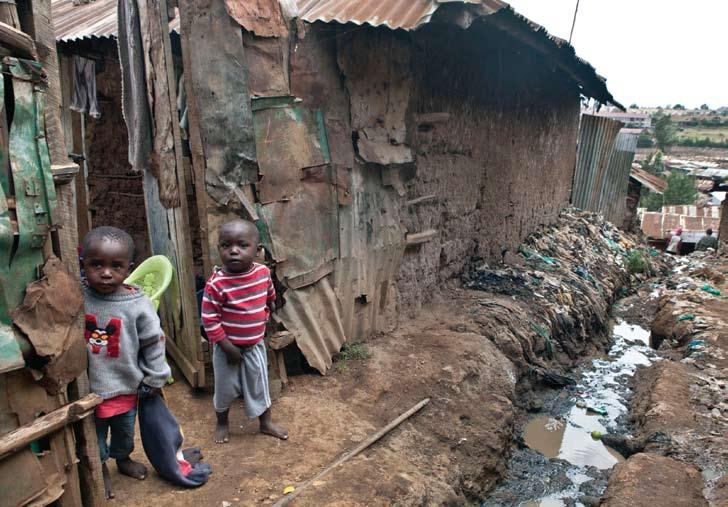
“In! In! In! Development assistance accounts for something like 5 percent of all spending,” she says “People look at it as if it’s the motivating force It isn’t There is very little development assistance that goes to water and, of that, hardly any of it goes to Africa . ”
s he says the aid goes where it is requested as a priority item on a country’s agenda “And the reason people don’t have water is that water is not the priority of the country in question
“The world does not revolve around development assistance We have this thing about ‘Where is the aid going?’ Do you think China with its billions of people got water to everybody in China by using development assistance? What nonsense
“They made the decision that they were going to get water to (their people) — I think it’s well over 90 percent now — and they did it And their sewage and sanitation levels are also going up That had nothing to do with developmental assistance . “
s he adds: “The fact that India hasn’t made that decision is an Indian decision It has nothing to do with development assistance ”
solutions
Ms Catley-Carlson has strong opinions on everything and one look at her biography shows how widely she has cast her intellectual net Besides chairing the Board of the Crop Diversity Trust and the World economic Forum Global Agenda Council on Water, among others, she is patron of the Global Water Partnership and has chaired the Water supply and sanitation Collaborative Council at the WHO .
Ask her for solutions, and she is equally blunt
“I am not sure there are solutions to some of these things That’s a message people don’t like very much I think some of the changes have gone past the solution point ” she has no trouble coming up with the ones that are doable, however .
solution 1: agriculture
It uses the most water, she says, so crank up its productivity Choose your crop and your farming method to make the most of the water Grow crops where the water is rather than move water to the crops or exhaust water bodies to sustain crops . It means not growing some crops — a revolution since some very profitable crops also devastate water balances — and importing them from trading partners
s he says u .s . production of sugar cane and sugar beets is a fine example of a water-intensive crop that can be grown elsewhere in the world with less water stress California’s Central Valley is “a very productive system,” she says, but it took moving the Colorado r iver to California rather than growing the food near a naturally sufficient water supply
southern Alberta has irrigation licenses, including those for sugar beet crops, that are unrealistic as glaciers melt . “something
Kibera in Kenya, one of Africa’s largest urban settlements, is home to an estimated one million men, women and children. Water and sanitation facilities are few. This causes disease, which traps many in an inter-generational cycle of poverty.

has to be done to stop using that amount of water or otherwise you’re going to have those rivers also drying up and causing great difficulty with the environmental services that the river provides and with the environmental flows ”
Take a hard look at growing crops as biofuel, she advises . “If we start using a lot more biofuels for our energy system, we’re going to completely change and distort the water that is required for food systems and for other parts of the biosphere
“That doesn’t mean biofuels are wrong if you can grow them with slightly salty water, if you can grow them on land that is really not useful for other things, if you can grow them and get high return on the water use ”
Biofuels make sense for landlocked countries, she says, “if that avoids trucks travelling 3,000 miles (4,800 kilometres) to the ocean for fuel ”
s he says that “we’ve got to be a lot wiser to go into wholesale biofuel production without thinking about the impact on water or food supplies . ”
The most basic solution is to place a high value on water “It’s the most puzzling one of all,” she says “that usability of this vital resource is diminishing in front of our eyes and yet we don’t change behaviour .
“We still resist the fact that if you don’t pay for water systems, they crumble,” she says “so even when countries build them, they don’t maintain them because you’ve got a lot of political resistance against charging a tariff ”
And when water systems crumble, she adds, the rich and the middle class are still served when the system doesn’t extend, can’t extend or is broken down at the edge
The cheapest, best water system for poor people is one that is organized collectively by municipality or county or community system, she says “If everybody pays a little bit for water, the likelihood for having a system that will reach everybody increases greatly.”
she tells a story “I was in Kenya once — it was a government ago so I can say it — the governments of Nairobi and Kenya decided to not extend water to the area slums But the family of the minister responsible for water owned the trucks that delivered municipal water to people in the slum areas and charged them more than they would have paid if the municipality had extended its service
“You know, water is a very corrupt system — an estimated 30 percent of water connection costs usually go off in corruption fees,” she says, and adds that water distribution needs more monitoring and stronger policy.
even the lack of policy reflects the low value placed upon water
“Nobody cares enough to check on these things We check on oil If 30 percent of oil was disappearing, people would care about it
“The fact that your friendly neighbour water connector, who probably isn’t paid very much, is charging people for connections where he shouldn’t be charging, can
solution 2: value water.
Agriculture is the heaviest user of water so Margaret Catley-Carlson suggests cranking up its productivity by choosing crops strategically, and growing them where the water is rather than moving water to where the agriculture is, and exhausting water bodies to sustain crops.
be part of the political system or may be part of his calculated salary ”
solution 3: tackle clean water supply on a big scale using infrastructure.
Development money should go toward upgrading a utility’s water service delivery — and making it more professional . And the way to do that, she says, is to help developing countries create a capital market to get loans and float bonds to raise the local capital to extend services and maintain systems
“I’m not talking about (such NGOs as) WaterAid because those involve small amounts (of money) and that’s solidarity — people-to-people — and it’s usually rural But we’re now over 50 percent an urban planet and the real problems are in the urban areas around the world, and in particular, India ”
Look, she says, to places like Cambodia which has a properly functioning water system in Phnom Penh . “It charges every-
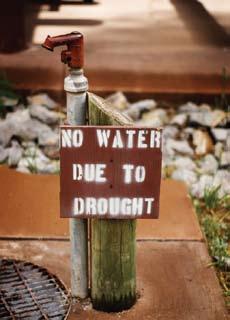
But they’re systems that have made a contract with people They will deliver water in return for people paying modest amounts on a regular basis to keep the system going ”
she says it is entirely possible to supply everyone in the world with drinking water .
It’s such a small amount, she says, that it comes down to a managerial, financial and priority decision “If you can get water to everybody in sao Paulo or everybody in New York City, you can certainly get water to anybody, anywhere It’s called infrastructure . And this is why the work I do is always concentrated on trying to improve the systems for delivery — trying to improve the municipal systems
”(Individual small) projects that deliver
water to a community are very gratifying and helpful for that community at that time But about 80 percent are not working after five years
“All water requires infrastructure — even a pail full,” she says . Few places have pure enough water to drink without treatment even in Canada, she says, it’s very likely untreated water could have giardiasis (beaver fever) protozoa that cause diarrhea
s he says providing all humans with clean drinking water only takes some readjustment in priorities: “It’s a question of whether we care (if) people have water, have drinking water — the moneys involved are not that much ”
Donna Jacobs is Diplomat’s publisher
body. It’s publicly owned . It’s starting to put in the sewage system that goes with it . It borrows its own money to keep the system going It’s run by a very charismatic guy with lots of contacts at the political level
“If you can do this in Phnom Penh, if you can do this in entebbe and Kampala in u ganda — you can create municipal systems (elsewhere . ) These are desperately poor places, desperately poor places .
Kingston welcomes you! Kingston vous souhaite la bienvenue!
special place to call home!
Ms Catley-Carlson says providing all humans with clean drinking water only takes some re-adjustment in priorities.
A solar solution
while still in grade school, writer Asha suppiah developed a patent-pending technology that can produce nine times the amount of water a standard solar desalination system can produce.
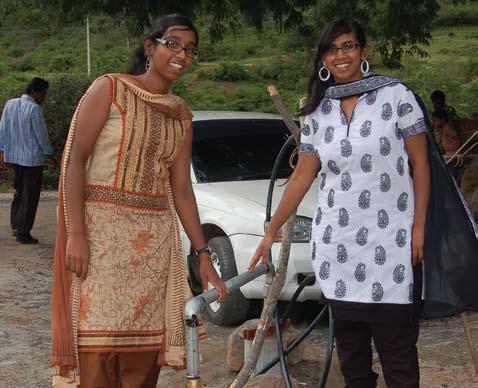
experts estimate that two-thirds of the world’s people will struggle to find drinking water within the next 15 years, so the need to protect this resource is more evident than ever Canada has seven percent of the world’s renewable fresh water, half of one percent of the world’s population and is the secondlargest consumer of water in the world .
Clearly, we have a responsibility to conserve this resource After all, the human species depends on water to survive Fortunately, technologies exist to collect or process or desalinate available but impure water into clean, drinkable water But they need more attention to achieve their full potential, and I have focused on one of them – desalination .
Water treatment technologies worldwide are both varied and evolving Many municipalities treat dirty water with chemicals and then filter it Treating waste water is becoming more common as people realize the need to renew and reuse the water we do have . More advanced technologies include ITT Corporation’s Dissolved Air Flotation (DAF) water clari-
fication system The company recently opened North America’s largest DAF plant in Winnipeg e ach day, this plant produces 400 million litres of clean water from shoal Lake through this cost-effective way to treat any water which carries a wide variety of organic and inorganic contaminants .
DAF dissolves high-pressure air into water to produce micro-bubbles which lift particles of impurities to the surface for easy removal This technology has low capital costs but its heavy energy requirements are troubling
For countries in dire need of water but that can’t afford the infrastructure required to produce it, there are cheaper options .
One is called “Pur Purifier of Water .” Produced by Proctor and Gamble (P&G), it’s a powdered water clarifier and disinfectant, which removes dirt, pollutants and sediments through flocculation (clumping) and kills bacteria and viruses with its disinfectant properties People in more than 40 countries in Africa, Asia and the Americas use it . since 2004, P&G in partnership with the Children’s safe Drinking Water
Program, has provided 130 million sachets to purify 1 3 billion litres of water
P ur is relatively cheap One packet (costing approximately $1 10 each, however a lot of organizations are giving these packets away for free to countries in need) can decontaminate 9 5 litres of drinking water, enough to support a typical household for two to three days . small and portable, P ur is an obvious choice for emergency relief efforts after natural disasters and in areas where contaminated water is the only source available
Many countries have no large bodies of water and rely solely on groundwater even in Canada, nine million people have this as their sole resource . This highlights the immense need worldwide to develop technologies to maintain and replenish groundwater supplies
An impressive idea that I saw firsthand last summer is rain troughs Troughs collect water that doesn’t get absorbed into the ground because of urbanization Wellplaced troughs collect and direct the water back into the ground or the body of water that serves as the community’s source . siruthuli (a Tamil word meaning “small drop”) is an organization that installs rain troughs in Coimbatore, India When I met the managing trustee and the board of directors, they stressed the importance of replenishing groundwater levels across the world, levels which are dropping due to urbanization and industrialization . Bringing rain water back into the ground is essential
And then there’s desalination, a well-established purification method Just ask the saudis saudi Arabia is the world’s Number 1 producer of desalinated water, meeting 70 percent of the country’s drinking water needs . Desalination mostly relies on reverse osmosis, a process that uses pressure to push sea water through a membrane to produce salt-free water But this technology, too, requires high energy inputs
Another desalination technology with great potential is solar desalination It uses two freely available natural resources — sun and seawater — to produce fresh water . The sun evaporates seawater, leaving the salt behind, then the water vapour is condensed on a cool surface as clean drinking water
Asha suppiah, right and her sister, roopa, beside the bore-well they installed in August 2009 in Kondanoor-Pudur, Tamil nadu india.
seeing the promise of this technology while visiting relatives in India, I found out it was not in wide use because of high costs and low efficiency Then a series of science fair projects when I was a grade school student in Deep river, Ont , gave me the opportunity to develop a novel, cost-effective solar desalination system that more than doubles the efficiency of standard equipment
My desalination plant is a bench-top model made with simple materials I tested it inside with an infrared heat lamp and outside in my backyard using the sun It accurately simulated the “insolation” (energy from the sun) by ensuring the amount of heat hitting my desalinator was similar to the heat hitting the earth’s surface from the sun
I measured efficiency by using the desalination industry’s standard calculation and conducted hundreds of experiments
The system reached as high as 90 percent efficiency a measure of the system’s actual performance compared to an ideal system . I won medals at national science fairs and the honour of being named one of Canada’s “Top 20 u nder 20” in 2007 My patent-pending technology, which uses a unique technique of increasing the area of evaporation, resulting in a more efficient process, measures up well against standard solar desalination plants, which get by with only 30 percent efficiency
Along the way, I have been contacted by members of Canadian, Indian and Israeli governments as well as venture capitalists
The environmentally sound nature of solar desalination should push it to the forefront of water purification technology I hope to set up my first large-scale test plant — given sufficient sponsors and grants — to demonstrate these efficiencies With the thirsty world needing new water purification methods, Canada has a fine chance to develop, manufacture and market these new technologies
As Mahatma Gandhi once said: “The difference between what we do and what we are capable of doing would suffice to solve most of the world’s problems .” How true that is of clean drinking water
Asha suppiah (suppiaha@gmail com) has a Bsc from the university of Western Ontario, and is founder of WaterCan @ Western she recently visited India to install a bore-well in a poor village with funds she and her sister, roopa suppiah, raised in Canada

cracks in the earth, fire in the sky
By George Fetherling
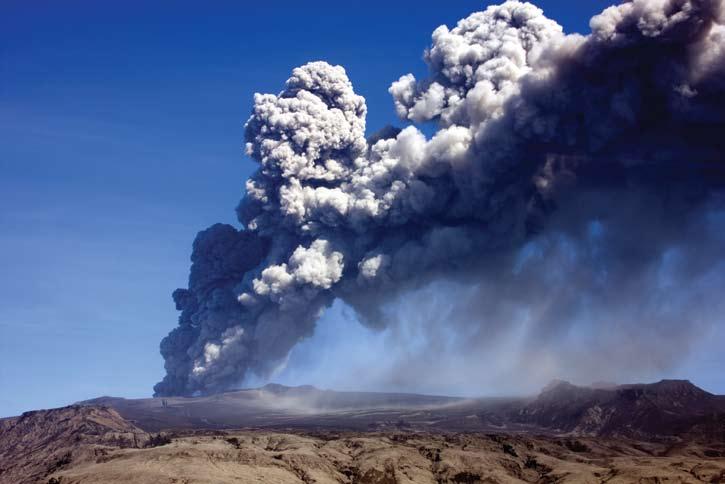
experts say earthquakes and volcanic eruptions, such as that of eyjafjallajökullin in south iceland in April, are no more frequent or severe these days — we’ve just had a bad run of luck.
By the time Hurricane Katrina finished its work, a great many books about New Orleans seemed to have to come alive again, their antique insights suddenly restored to relevance by events depicted in the news By the time of the disaster’s first anniversary, entirely new works on the subject were appearing rapidly . such is often the way . Take, as one example, the case of sidney W Mintz, a distinguished American anthropologist He could not possibly have foreseen that his new book, Three Ancient Colonies: Caribbean Themes and Variations (Harvard u niversity Press, us $27 95), when published last March, would have considerable immediacy outside the scholarly world But the three former
colonies whose tragic histories it plumbed were Puerto r ico, Jamaica — and Haiti The Haiti so thoroughly ravaged by earthquake only a month earlier
e xperts tell us that that earthquakes and volcanic eruptions are neither more frequent nor more severe now than in the past We have merely been having a bad run of luck in that a number of calamitous events have taken place in densely populated places (or at least, as with the eruption of eyjafjallajökull in Iceland last April, have brought chaos to a very wide area) s cientists rebut the assertions of amateur doomsayers that nature, growing angrier and angrier, has decided to fight back against its human adversaries by spewing magma or causing the earth
to collapse under us They are, of course, similarly dismissive of those who blame God and even of those who believe that some humans or various animals have forewarnings of earthquakes surprisingly, though, there is apparently some division of opinion as to whether the moon might have some bearing on seismic activity. s uch is the discourse inhabited by people such as susan Hough, an American seismologist and frequent earthquakeexplainer Predicting the Unpredictable: The Tumultuous Science of Earthquake Prediction (Princeton university Press, us$24 95) is her latest book on the subject aimed at a non-scientific audience . One of the others was a biography of Charles r ichter (1900−85), the celebrated seismologist (and
nudist) He was, of course, the originator of the richter scale, which has since been largely replaced, at least in the scientific world, by the Moment r elease method, a measurement of the energy required to trigger a given eruption rather than the violence of the eruption’s effects
Here, in brief, are some of Prof . Hough’s major points:
Knowledge has come a long way since the fourth century BC e when Aristotle attributed earthquakes to subterranean winds seismology as a field of study came about during the enlightenment and grew more sophisticated only as the means of measuring the events improved . Only a few primitive geodetic recording devices were in operation during the s an Francisco earthquake (and subsequent fire) in 1906, a disaster whose enormity led not only to better instruments but to deeper thinking as well During the Great War, the idea that earthquakes result from stresses building up in the earth’s crust began to be understood . In the following generation or two came acceptance of plate tectonics . “Plates,” Prof Hough writes, “move about as fast as fingernails grow ” But no two move at exactly the same rate, though all the movement is steady and unstoppable e arthquake prediction is thus a matter of trying to determine when two plates will collide with sufficient force to cause a major calamity. These days, science draws heavily on GP s technology, though the method is less effective than scientists would wish, since it relies on satellites for data that become slightly distorted by the rotation of the earth
Prof Hough writes: “Arguably the biggest unanswered question in earthquake science is this: what, if anything, happens in the earth that sets a big earthquake in motion? The answer might be Nothing . earthquakes might pop off in the crust like popcorn kernels, at a more-or-less steady rate, leaving us no way to tell which of the many small earthquakes will grow into the occasional big earthquake If this is the case, too bad for earthquake prediction ” some scientists have come to believe, in fact, no “launch sequence” can be found
Among the things that are known is that just as earthquakes are preceded by tremors and followed by aftershocks, so too are major earthquakes often merely the loudest voice in a whole chorus of eruption One of the most remarkable events of early 19th-Century America was what’s known as the New Madrid earthquake, though it was actually a cluster of them . New Madrid (pronounced, in this case,
MAD-rid) was and is a small town in present-day Missouri, very near the confluence of the Ohio and Mississippi rivers Two big quakes, thought to measure 8 and 8 . 3 on the r ichter s cale, struck on Dec . 16, 1811, followed by others over the next three months, including a second measuring 8 They were felt over an area almost
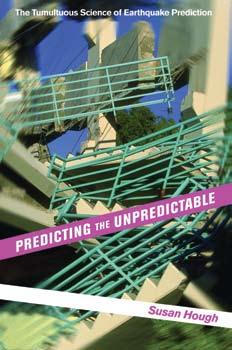
three times as large as that affected by the san Francisco quake almost a century later Loss of life was slight, however, as the countryside around New Madrid was a scarcely populated frontier at the time, but the motion of the earth is said to have caused church bells to ring uncontrollably in York (the future Toronto) and Boston
earth scientists, who are more skilled at assessing old earthquakes than foreseeing new ones, know that the New Madrid area had suffered earthquakes twice before — in the years 900 and 1450 Dr Hough: “At some point in the past ten thousand years, the Madrid zone turned itself on; at some point presumably it will turn itself off .” Yet as vague as that sounds, “there is a healthy measure of predictability associated with earthquakes” considered as a physical process “In active regions like California, Alaska, Turkey, and Japan, we know where earthquakes tend to happen, and at what long-term rates We know, more generally, that a whopping 99 percent of the world’s earthquake energy release will happen in the small fraction of the
planet that lies along active plate boundaries Most of this energy will further be released in collision zones, where the seafloor meets and subducts under a continent, or a continent-continent collision such as the ongoing pile-up of India into eurasia .”
At the end of the day, though, this prediction science is not an exact science
“When a baby is overdue, it will arrive in at most a couple of weeks,” writes Dr Hough “When a bill is overdue, it will get paid in at most a month or there will be consequences [But] when an earthquake on a certain fault is overdue according to the law of averages, it might still be fifty or even one hundred years away.” That is farther in the future than most societies are able or willing to plan for Building codes generally promote the lives of buildings more than those of people An earthquake in Iran in 1990 took 35,000 lives This was hardly one of the deadliest such events There have been at least 13 earthquakes that have killed 100,000 or more (and the worst one in Chinese history, in 1556, is thought to have left 830,000 dead) But Iran responded aggressively and is now considered the world’s leader in risk reduction Iranian earthquake scientists, Dr Hough tells us, “take great pains to avoid talking to policy makers or the public about prediction, lest they be inspired to chase an elusive goal at the expense of one that engineers know will make real contributions to societal resilience ”
As for such scientists in general, many of them, she goes on to say, “stop short of unbridled pessimism If we don’t know exactly what goes on in the earth before stress is released in a large earthquake, who is to say that the process isn’t accompanied by some sort of change we might be able to detect in advance? Maybe large quakes are set off by the kind of slow slip events that scientists have observed along subduction zones Maybe small and moderate quakes in a region do follow characteristic patterns as a major fault nears the breaking point . Maybe mineral alternations deep in the earth’s crust do release fluids that percolate through rock and eventually trigger big quakes Maybe rocks do start to crack as stresses on a fault reach a breaking point ”
Despite a prose style that keeps aspiring to perkiness, Predicting the Unpredictable conveys a great deal of serious information about seismology . It does so, however, without much reference to the mathematical questions that are also an important aspect of earthquake predic -
tion That highly specialized (and to me, I confess, largely incomprehensible) area is covered in great detail in Earthquake and Volcano Deformation (Princeton, us$90) by Paul segall, a geophysicist at stanford u niversity in California It is also addressed, in interesting fashion and at useful length, in Megadisasters: The Science of Predicting the Next Catastrophe (Princeton, us $24 95) by Florin Diacu, a mathematician at the university of Victoria This is a rare thing, a popular book on chaos theory, that branch of mathematics, philosophy and physics concerned with how systems as different as, say, numerical calculation on the one hand and the weather on the other, are made largely unpredictable by the effects of minor inconsistencies, whether inherent or otherwise Like Dr segall, Dr Diacu looks at both earthquakes and volcanic eruptions, for these are sister phenomena after all (He also deals with tsunamis, climate change, pandemics, and even stock market crashes ) readers come away with the impression that he must be a charismatic teacher
This may seem a ridiculous thing to say, but reading all these new books leaves me with the feeling that volcanoes have personalities in the way that earthquakes don’t . earthquakes take place and then disappear . Often they leave no trace visible to the untrained eye Whereas volcanoes are, in a way, closer to living things They are permanent features of the landscape; they erupt and will erupt again, slaves to their mood Alwyn scarth, a former professor of geology at the university of Dundee in s cotland, actually uses the word personality in relation to the subject of his new book Vesuvius: A Biography (Princeton, us$29 95)
been active for about 300,000 years People have been writing about it, in the form of reporting or literature, for the past 2,000 — ever since the eruption of 79 Ce, when
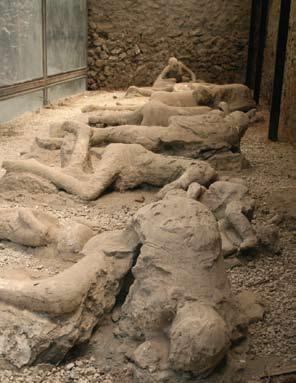
some 1,700 years after a vesuvius eruption, archeologists found hollow spaces where trapped people had lain. now, the plasterfilled holes are life-like casts — and a tourist attraction.
lava and ash destroyed two very different communities, Pompeii and Herculaneum
8,000 slaves Herculaneum, an older place with a population of perhaps 5,000, was a resort At one time, both Julius Caesar and Augustus had homes there Most everyone was killed, including the naturalist Pliny the elder . His death, and the larger story of the eruption, were told by his nephew, Pliny the Younger . Today, Pompeii is the more famous of the two communities because of discoveries made there 1,700 years later The ash that buried the city and its residents turned hard as it cooled The bodies of those trapped in their homes and shops or in public areas decayed, leaving hollow spaces where they had lain — some, notoriously, in compromising positions Over the generations, Neapolitans paid scant attention to this treasure of historical knowledge They built over it, generation after generation In the 18th Century, the cavities began to be discovered and the lost buildings and streetscapes excavated The leading figures in this grand archaeological adventure, so characteristic of the e nlightenment, were e nglish and French They found that by pouring plaster in the holes that had once been unintentional graves, they could make startlingly lifelike casts, often complete with impressions of the victims’ clothing and facial features
Like s usan Hough, Dr s carth is a prolific volcano enthusiast but differs in writing books about individual volcanoes as well as ones about the subject generally s ome of his previous works are Savage Fire: The Dramatic Story of Volcanoes and Earthquakes, Vulcan’s Fury: Man against the Volcano, and (in collaboration with JeanClaude Tanguy) Volcanoes of Europe But also on the list is La Catastrophe: The Eruption of Mount Pelée, the Worst Volcanic Disaster of the 20th Century, which tells the story of the tragedy that very nearly destroyed the Caribbean island of Martinique in 1902 His new one is in a similar vein but has the advantage of dealing with the most famous volcano of all . Vesuvius has
The volcano, or more precisely the set of volcanoes, is the most unavoidable geographical feature of Naples, which the Greeks first called Neapolis — the new city, replacing what then came to be known as Paleopolis, the old city But the Greeks, like the romans who succeeded them, were, of course, late-comers In 1970, the skeletons of two Bronze Age residents killed in some early eruption — a strongly built elderly man and a young woman — were discovered under many strata of hardened ash . In 2001, archaeologists uncovered traces of an entire Bronze Age village, once home to perhaps a hundred people The lesson is that the Bay of Naples and the lush Campanian countryside surrounding it have always attracted settlement Of the two famous cities smothered in 79 Ce, the event that occupies the core of Dr . scarth’s book, Pompeii was a market town, prosperous but provincial, of about 12,000 citizens and
These excavations are little more than incidental to Vesuvius, A Biography but have occupied a great many earlier books as well as one new one, The Fires of Vesuvius: Pompeii Lost and Found by Mary Beard (Harvard, us$26 95) . Hers is a fascinating social history, drawing on what archaeology has taught us about daily life in a roman town of the period — in this case, a not terribly important but quite cosmopolitan one, with traces of Greek, e truscan, Indian, e gyptian and Jewish culture in religion (for the romans didn’t clamp down on non-roman forms of worship until they recognised Christianity as a threat) and in other departments of life . Dr . Beard pays special attention to the layout, construction and decor of domestic and commercial buildings and also to food as an indicator of social class and economic difference Pompeii’s wealthy ate while reclining on couches but less prosperous residents “might occasionally take a special meal in a place such as the dining room in the Chaste Lovers bakery, where you could pay to eat in that style (even if it was located inglamorously between the
pack animals and the flour mills) ”
The archaeological treasures of Pompeii were long one of the Mediterranean’s most important tourist attractions But their allure was dimmed by bombing in the second World War, perennial vandalism and the general decline of interest in classical culture . Then, in 1980, damned if an earthquake didn’t wreak havoc on what the great eruption had unwittingly preserved
I would be remiss without recommending another volcano book, first published in 2003 but now widely available in paperback simon Winchester was a dashing foreign correspondent of the Sunday Times of London . Following the Falklands War, he retired from newspaper work to write wonderful books of travel and history Far and away the best known of these is The Professor and the Madman s everal times he has also made hay from the fact that his Oxford degree was in geology so it was that he wrote Krakatoa: The Day the World Exploded—August 27, 1883 (HarperCollins Canada, $17 95), about the volcano that erupted (the verb is hardly adequate) in what is now Indonesia It is a book that combines science, history, communications theory, politics and several others subject headings in an eccentrically brilliant way that few other authors could manage
Mr Winchester writes: “For 60 million years, the two tectonic plates that converge on Java had been grinding slowly and steadily toward each other, four inches every year ” When, at 10:02 on a Monday morning, they bumped heads, the noise was “enormous, almost certainly the greatest sound ever experienced by man on the face of the earth No manmade explosion, certainly, can begin to rival the sound of Krakatoa — not even those made at the height of the Cold War’s atomic testing years Those other volcanoes that have exploded catastrophically in the years since decibel meters were invented — Mount s t Helens, Pinatubo, u nzen, Mayon — have not come close: no one suggests that the explosion of Mount st Helens in May 1980 was heard much beyond the very mountain ranges in which it was sited .” By comparison, the explosion of Krakatoa was audible 2,968 miles away, approximately as far away as Montreal is from Vancouver None of Krakatoa’s “earlier throat-clearings” had prepared the world for such a force Towns and islands were obliterated Large ships were sunk or, in one case, carried miles inland and deposited there . About 36,000 people were killed, mostly in tsunamis as high as 135 feet, though other effects are what most
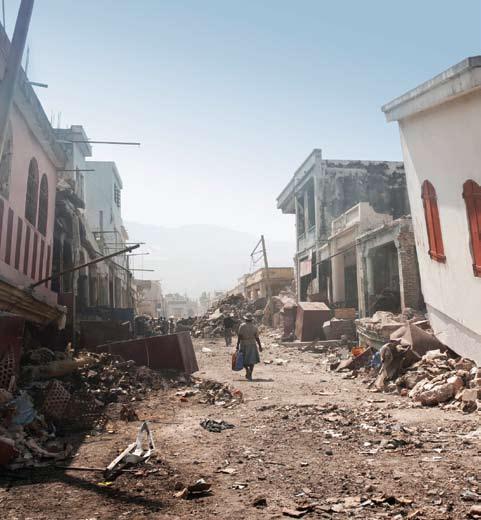
interest the author
News of the eruption reached the British public through a seven-word report buried deep in The Times , but the story soon grew as survivors and witnesses came forward and as scientists round the world began collating what their instruments had recorded The agency of all this information build-up, creating pressure in its own kind of plate tectonics, was the telegraph, which by then had encircled the globe, “so by the time of the Krakatoa eruption, the places where the explosion was seen and felt and heard and suffered were all connected by the dots and dashes of Mr Morse’s code, to the world beyond The eruption of Krakatoa was, indeed, the first true catastrophe in the world to take place after the establishment of a worldwide network of telegraph cables — a network that allowed news of disaster to be flashed around the planet in doublequick time The implications of this rapid and near-ubiquitous spread of information were profound ”
Mr Winchester devotes an entire chapter to the role of what another writer has called the Victorian Internet Like the rest of the book, it is wonderfully loopy and learned, rich in fascinating footnotes and often bizarre period illustrations . He reveals how Krakatoa was the beginning of the end for the Dutch empire in the east Indies, which nonetheless dragged on another 70 years, and also helped signal the rise of the type of militant Islamic fundamentalism that so terrifies the western powers today.
No doubt emboldened by the book’s success, Mr Winchester later produced A Crack in the Edge of the World: America and the Great California Earthquake of 1906.
But it failed to make as much noise as the other, for the subject was more familiar and had been pursued by numerous other authors
George Fetherling’s latest book is the novel Walt Whitman’s Secret (random House Canada)
Haiti was hit by a devastating earthquake in January 2010.
istock
summer is officially here . Not only are we now happily ignoring our coats, overshoes and hats, we’ve become quite attached to our shorts and sandals We’ve shed layers and attire to make ourselves more comfortable, and we seek out both lighter and fresher foods . r ich and dense gives way to light and vibrant . And it’s the same for the wine . On a hot, sunny day, a cool,
shiraz some of the wines I’ve had a chance to taste of late are perfect for the long days of summer .
A great opening act is always a sparkling wine, and Nino Franco’s Prosecco Brut plays the part per fectly Founded in 1919, Nino Franco is a third generation family-owned winery in Italy’s North- e astern Valdobbiadene region . Its Brut Prosecco embodies freshness with its light bubbles . The palette has lots of citrus with some apple and flower notes, and they all lead to a tangy, clean finish This sparkler drinks well on its own but works brilliantly with a variety of appetizers and finger foods . There may be some of this Prosecco still at a Vintages (349662) or it can be sourced from the rog-
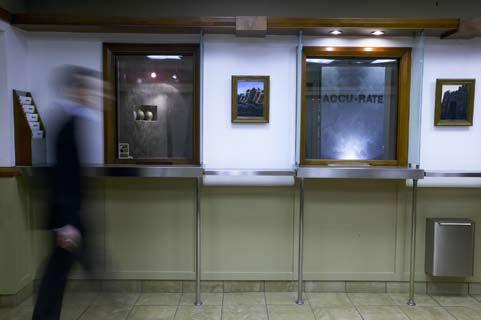
Diplomats and embassy employees may exchange their personal cheques without paying extra fees. Accu-Rate Corporation specializes in electronic and cheque payments in over 55 currencies.
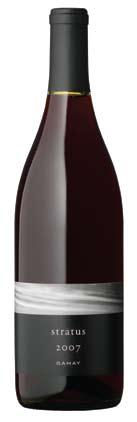
us a great follow-up with a fantastic white wine perfect for this time of Its their 2009 “Fresh White” and it’s made of 100 percent vidal, a French hybrid grape varietal, which is far more typically seen on late harvest and Icewine labels
However, in this case, s outhbrook has produced an exciting and shamelessly happy white table wine . Lots of apple and stone fruit on the nose leads to a palette consisting mostly of juicy sweet apple with a touch of soft mineral Crisp, mouthwatering and light (at only 9 7 percent alcohol), it’s an excellent accompaniment for afternoons, patios and 25˚C. The Fresh White Vidal is available for $16 . 95 and can be ordered (for delivery to an Ontario address) through s outhbrook Try it with all sorts of seafood and vegetable dishes
For your personal consultation please call: Marie Boivin Managing Director 613-596-5505 ext. 101 marie@accu-rate.ca
Pieter van den w eghe
If you prefer a white wine of a slightly richer style, Italy’s Marche region provides the answer This area, along Italy’s west coast, borders the Adriatic and is certainly no stranger to warm summers so it’s no wonder Marche producers can make such a beautiful food-friendly white wine — the perfect summer sippers . Called the “Podere Colle Vecchio” Offida Pecorino, it is made by one the region’s most respected producers, Cocci Grifoni Over the last 30 years, they’ve completely succeeded in rescuing this wine’s ancient local grape variety, Pecorino, from complete obscurity The resulting wine has evocative aromas of spice and flowers, and its palette brings forth a lovely texture with flavours of apple, tree fruit and anise Fantastic with fish, poultry and cured meats, this wine is available from Toronto’s The Vine — robert Groh Agency for $22 25 (see contact information to the left )
Thankfully, the summer heat doesn’t mean reds are completely off the menu . Varietals which are generally lighter and fresher can be easily just as good on a summer’s evening These include Pinot Noir, Barbera and, a favourite grape of mine, Gamay Noir Though its home is France’s Beaujolais region, Ontario’s Niagara region produces many great examples Of these, s tratus makes one of the best . Their 2007 Gamay Noir is a gorgeous wine which, while bold and richly flavoured, still retains both balance and Gamay’s charming freshness This great alternative to big bruising reds such as Cabernet s auvignon and s yrah is only available through the winery, but can be conveniently purchased on their website (contact information below) for $29 . serve very slightly chilled alongside sausages or pork dishes .
Though the heat may be upon us, there’s no need to sweat when it comes to finding the right wine to fit a summer forecast Just keep the style of wine light, fresh and vibrant, and you’ll feel the same way
Contact information:
The Vine r obert Groh Agency: (416) 693-7994, www .robgroh .com s tratus Vineyards: (905) 468 1806, www stratuswines com r ogers & Company wine agency: www rogcowines com or (416) 961-2294 southbrook: www southbrook com
Pieter Van den Weghe is the sommelier at Beckta dining & wine .



On a hot summer day, who wants a massively concentrated, inky shiraz? A bright, light sauvignon Blanc, or a bubbly Prosecco will go down much more easily. if you want red, try a lighter one, such as stratus’ 2007 gamay noir, pictured left.
firing up the grill
When it comes to dining, nothing says “summer” better than an al fresco experience It has become a quintessential part of our North American lifestyle Although there are many ways to enjoy al fresco dining through picnics and restaurant patio meals, barbecues are definitely the most widely celebrated choice The seductive aroma of grilled food, without question, challenges the often-uttered expression “We eat with our eyes ”
There was a time when grilling favourites basically included the limited repertoire of steaks, hamburgers, hot dogs, chops, chicken and kebabs Today, we’re tossing just about anything on the grill . Grilled vegetables, as tasty as they are, are “old hat” — so is cedar-plank salmon The new kids on the block are barbecued oysters, squid, mussels, pizza and even avocado
Indeed, amateur cooks and awardwinning chefs alike are grilling everything from hors d’oeuvres to dessert with great gusto . As for myself, I love grilled polenta topped with a mushroom and sun-dried tomato cream sauce, seared tuna, cranberry and chicken quesadillas, and baby lamb tenderloins marinated in oriental sauce s erved with a mustardmint sauce, the lamb is one of my signature recipes
And when it comes to roast beef, quail, and pork ribs (be it winter or summer), mine always go on the barbecue . The flavour it imparts is amazing . In addition, pineapple, pears, peaches and dense textured cake all lend themselves to successful grilling Drizzled with a caramel sauce and topped with ice cream, dessert becomes stress-free However, for reasons of logistics and the possible interference of flavours and aromas, I rarely grill more than one or two courses of a meal on the barbecue .
margaret’s grilling tips:
1 Pour yourself a glass of wine (optional)
2 . Be organized . Have your oil, brush, tongs, instant-read thermometer (if necessary), receiving tray and spray bottle of water handy
3 Particularly if you roll out your barbecue when required, verify that it is placed on a level surface to ensure an efficient flow of propane
4 Verify that you have sufficient fuel (If it’s a gas barbecue, it’s a good idea to have an extra full tank of propane on hand .)
5 Preheat the grill and set it to the correct temperature before cooking
6 Avoid taking food directly from the refrigerator (with the exception of fish and seafood) and placing it on a hot grill Meat and poultry brought closer to room temperature will be more tender and will cook more evenly.
7 . If using wooden skewers, soak them completely in water for at least 1/2 an hour before use, to prevent burning rosemary spears, lemongrass stalks or pieces of sugarcane soaked in rum make creative and flavourful skewers
8 If using a cedar plank upon which food is to be grilled, soak it in water overnight . Heat the plank over high heat for 5 min-
utes until wood begins to smoke before adding the food to be cooked .
9 . Pat your food dry, then oil both it and the grill .
10 Wash your hands well after touching raw meat, poultry, fish and seafood
11 Although there are exceptions (sausages, ribs, chicken drumsticks, etc ) in general, turn meat only once and resist moving it around Food needs time to form a crust so that it won’t tear and/or lose juices .
12 u se tongs or a long-handled wide spatula to turn food Piercing with a fork will release juices
13 When using a marinade, save some unused marinade to baste food while cooking (or to glaze food later) If you want to use the marinade the meat was in, do so only during the first few minutes of cooking or cook the used marinade before basting meat to avoid any cross-contamination .
14 When cooking with the hood down, avoid lifting it unnecessarily as it could seriously increase the cooking time
15 u se an instant-read thermometer to ensure food has reached the desired temperature
16 . When removed from grill, cover your proteins with aluminum foil (shiny side
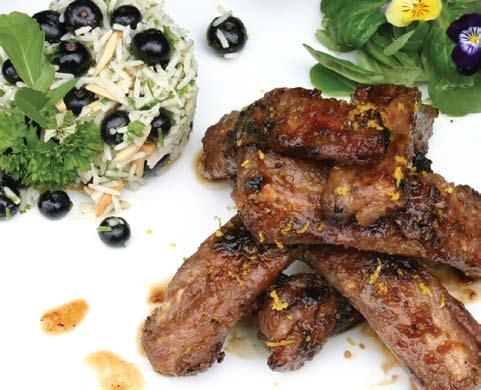
in) and let rest for 5 to 10 minutes (or longer for roasts or whole fowl) to allow the redistribution of the juices
17 Keep raw food away from cooked food
Do not use the same plate, tray or utensils for raw and cooked foods
18 . As soon as food is off the grill and while grates are still hot, clean the grill grates with a wire grill brush (As required, remove grates and give them a good scrubbing with soap and hot water )
19 Pour yourself another glass of wine (optional)
20 relax and have fun! Bon Appétit!
Quick irresistible Barbecue ribs Makes 4 servings
2 racks pork back ribs (each rack about 2 lbs or 900 g)*
1/2 tsp (3 mL) finely grated orange zest Marinade
1/2 cup (125 mL) sugar
1/3 cup (80 mL) soya sauce
1/4 cup (60 mL) hoisin sauce
1/4 cup (60 mL) dry sherry
2 tbsp (30 mL) peeled and grated fresh gingerroot
1 tbsp (15 mL) finely chopped fresh garlic
1 1/2 tsp (8 mL) finely ground star anise
1 Cut racks into individual ribs; transfer to 2 large plastic bags
2 In a medium-size bowl, whisk together marinade ingredients . (Makes 1 1/4 cups or 310 mL of marinade .) set aside 1/4 cup (60 mL) of marinade to drizzle cooked ribs at serving time (i e , step # 9)
3 Pour remaining marinade equally over ribs in plastic bags (i e , about 1/2 cup or 125 mL per bag) remove air and seal bags securely Turn ribs in marinade to coat thoroughly; refrigerate for at least 6 hours or overnight, turning bags and ribs from time to time .
4 Before cooking, remove ribs from refrigerator and allow to come closer to room temperature
5 Thirty minutes before serving, drain (well) marinade from ribs and set marinade aside for basting (There will only be about 1/3 cup or 80 mL )
6 Oil ribs very lightly and place on a well-oiled preheated (high) grill with bone side down and immediately reduce heat to medium (or slightly higher) . Turn ribs as browning occurs and a stable crust is formed Only for the first 5 or 6 minutes, baste lightly with marinade drained from ribs (i e , step # 5) Discard any remaining

used marinade
Note: Try to keep lid closed as much as possible, and oil grates again if required
7 Continue to grill ribs, turning occasionally for about another 5 to 10 minutes until meat next to the bone is no longer pink However, if meat is still pink, reduce heat to low and cook ribs until done .
8 Immediately transfer ribs to a platter, cover loosely with a double layer of aluminum foil (shiny side in)
9 serve ribs arranged artistically in a vertical pile, drizzled lightly with remaining unused marinade If desired, sprinkle sparingly with grated orange zest
Note: use your fingers and nibble meat off bone
* Avoid using larger racks or other less tender types of ribs
**The marinade contains uncooked juices from the pork If it is used during the last few minutes of grilling, there may not be sufficient time to allow for thorough cooking of the pork juices
Margaret Dickenson is author of the Margaret’s Table – Easy Cooking & Inspiring Entertaining. see www margaretstable ca for more
humour tempers this home’s spanish elegance
By Margo Roston
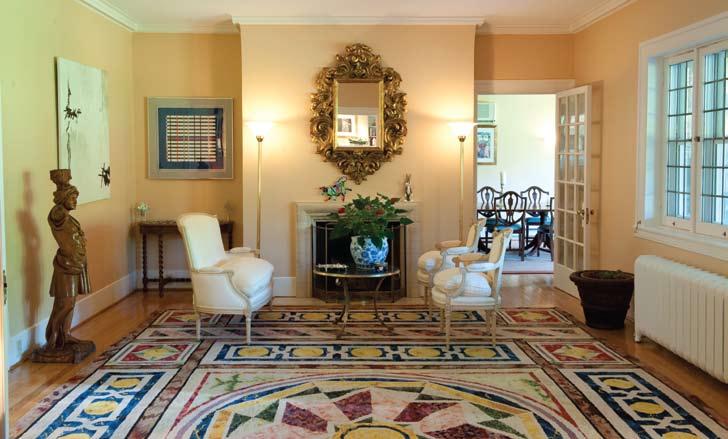
Maria elizabeth Figueiredo and her husband, spanish Ambassador e udaldo Mirapeix, are delightfully casual as they open the imposing door to Lindenelm, their historic r ockcliffe home He’s charmingly unambassadorial in an open-necked shirt, sports jacket and amusing orange and blue socks she wears jeans and a tank top and is informal, telling a photographer and reporter she prefers to go by her nickname Bettina . Lindenelm came into existence around 1911, when society architect Allan Keefer designed the Crescent road mansion for Wilson s outham, and the mansion next door, Casa Loma, now the Austrian embassy, for his brother Harry
More stately attire than the s panish couple’s would have been the norm for the southam progeny. sons of the founder of
the southam publishing house, the brothers ran the Ottawa Citizen, purchased by their dad in 1896 . Wilson and his wife, Henrietta Cargill, lived in the Tudor revival-style home with its mix of rough-cast stucco, timber and brick exterior, a large patio and a huge lawn, where their children enjoyed games such as prisoner’s base and kick the can, according to the late Hamilton southam, Wilson and Henrietta’s son, who is quoted in Martha edmond’s Rockcliffe Park, A History of the Village . The Crescent road entrance to the two southam properties was guarded by red-brick columns and iron gates designed by Keefer
The s panish government bought the house in 1954 as its ambassador’s official residence, and has been diligent in keeping the house true to its original state, right down to the radiators that line the walls of the reception rooms
The ambassador and his wife, who have been in Ottawa for a year, gave the house a face-lift when they arrived, painting the reception rooms a pale peach and making a discovery in the process When they removed a false front from the small fireplace in the living room, they found the original, cut from grey granite and featuring an engraved moose They’ve seen a photograph of the southam family posing in front of that same fireplace . Mrs . Mirapeix finds the area so cozy, she bought an inexpensive table and two chairs so the couple can have intimate dinners there
A huge picture window in the main reception room looks out over an expansive garden that runs alongside the NCC rockeries, originally private rock gardens built by the southam brothers . Descending the back slope of their properties, the gardens were augmented by more land bought to
The spanish ambassador’s residence, once the family abode of Wilson southam, has had a facelift. When eudaldo Mirapeix and his wife, Bettina, moved in, they had the walls of the reception rooms painted a pale peach colour.
dyanne
wilson
protect the southams’ view of the Ottawa river
“The window is like a picture,” says Mrs Mirapeix With their two adult children living in spain, the couple now has a little family of four schnauzers who play on the lawn, and she notes, they share a groundhog with the Austrian embassy next door .
The wooden floors are covered with stunning spanish carpets, and the most beautiful, a startling modern carpet from Madrid’s famous royal Tapestry Factory, founded in 1721, fills a smaller sitting room
The ambassador served for 14 years in the Middle east, including Cairo, Jordan and Israel, which was his last posting before Ottawa, and there are mementoes throughout the main-floor reception rooms A collection of Bedouin jewelry and another of silver inkwells are interspersed with the delightfully whimsical metal sculptures by Israeli artist David Gerstein, including a full-length piece depicting the Israel stock exchange As the eye scans the artwork, amusing toys including cartoon characters Mickey Mouse, roger rabbit and s noopy catch the eye, mixing and mingling with the works of art A Groucho Marx doll lolls in a basket beside the fireplace The ambassador bought it from the private collection of a local art dealer
“They belong to Bettina,” laughs the ambassador of the characters .
“No, he collects them,” she argues “We have lots of toys ”
The spacious dining room seats 27 for dinner, where fortunate guests often dine on spanish specialties cooked by a young chef the couple brought from s pain Basque-style fish, lamb dishes, and an almond-and-egg dessert from Galicia, are typical of the culinary journey the couple provides for guests
Along with seven bedrooms, the second floor has a “California” room that runs along the length of the house over the patio This is where the ambassador and his wife spend their off time, in winter and summer Pictures of the house in the 1920s clearly show the room, although it is unclear whether in those days the space had screens instead of glass, as it does now recently, the ambassador and his wife entertained a large crowd for the Thirteen s trings Chamber Orchestra and plan to have more such charitable events at the residence If you have a chance to visit, don’t miss it .
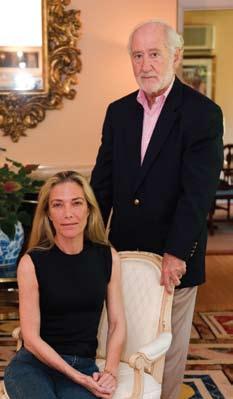
Elite's talented team of designers and technicians can take on any project of any scale — from expertly handcrafted draperies to interior design to complete custom home renovations. Elite has the depth of experience and capabilities to make your dream project a reality.
Margo roston is Diplomat's culture editor
The ambassador and his wife are comfortable in their newly painted home, surrounded by plenty of original art.
alexander mackenzie was here
By Laura Neilson Bonikowsky
When you drive across Canada, you see travellers’ commemorations of their journeys painted on overpasses and on rocks on hillsides such roadside graffiti generally comprises names and dates — “Joe was here 2001” and “Amy + Andy 2003 ” such small travelogues have existed since people began making their way across this country . The first person to graffiti a rock on a trans-Canada journey was the first european to traverse the North American continent north of Mexico, s ir Alexander Mackenzie, in 1793 He recorded in his journal that he left his mark on the Pacific Coast
“I now mixed up some vermilion in melted grease, and inscribed, in large characters, on the south-east face of the rock on which we had slept last night, this brief memorial — Alexander Mackenzie, from Canada, by land, the twenty-second of July, one thousand seven hundred and ninety-three . ”
Propelled by the fur trade and his own wanderlust, Mackenzie undertook his 6,400-kilometre trek to the Pacific on behalf of the North West Company, in the process revealing the promise of the Canadian Northwest and much of the geography of western North America . All who followed, including Lewis and Clark 12 years later, benefited .
Mackenzie saw an opportunity to explore and acquire personal wealth Indeed, the history of Canada’s fur trade is as much about exploration as economics Competition for fur was intense, especially after New France seceded to Great Britain in 1763 The Hudson’s Bay Company and the North West Company engaged explorers and cartographers to extend their trading networks . Between
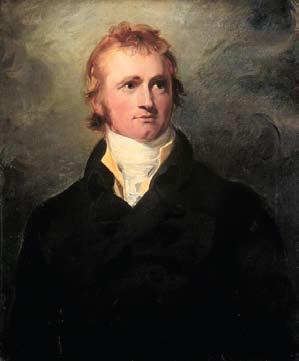
Montreal, the centre of the fur trade, enticed Mackenzie in 1779 Fur trading must have seemed a tremendously exciting occupation to a boy who was nearly a man He had arrived in North America from scotland at the age of 12, in 1774, just before the American revolution erupted . His father joined the British army and Mackenzie was sent to Montreal . Only five years after joining the firm of Finlay, Gregory and Company, Mackenzie was sent to Detroit as a trader The firm’s partners, noting Mackenzie’s business and leadership skills, offered him a partnership “on condition that (he) would proceed to the Indian country the following spring, 1785 ” The “Indian country” was the Canadian Northwest
1774 and 1821, the rival companies established 601 posts throughout the Northwest, trying to gain the confidence of Aboriginal populations and merging with smaller companies
Mackenzie’s company initially resisted joining the NWC . Peter Pond, one of the partners, was implicated in a murder during a dispute between the companies, which became a catalyst for the eventual merger Pond, experienced but eccentric, couldn’t be fired immediately In 1788, he was sent to the Athabasca country with Mackenzie as his second-in-command — and replacement Pond believed Cook Inlet was the mouth of a large westwardflowing river that would take travellers to the Pacific . His influence impelled the two expeditions that made Mackenzie famous
Mackenzie set out from Fort Chipewyan on the Athabasca river in 1789 to test Pond’s theory After an arduous, 2,500kilometre canoe trip, he found himself at a colossal dead end, for the river flowed to the Arctic Ocean, not the Pacific Despite the first expedition’s difficulties, Mackenzie immediately began planning a second He determined that a possible route lay up the Peace river . He set out again in May 1793 with Alexander Mackay, two native Beaver guides and six voyageurs They navigated treacherous rapids, made numerous difficult portages and stopped repeatedly to maintain their heavily laden birchbark canoe s everal times they nearly lost the canoe to the current, along with the men trying to keep it on course . Mackenzie’s leadership was tested when the men wanted to turn back, but he persuaded them to continue, with some help from a ration or two of rum
They completed part of the journey overland, guided by NuxälkCarrier people, a distance of more than 400 kilometres through rugged terrain They completed the final westward leg of their journey by canoe, down the fast-flowing Bella Coola river, and finally emerged on the Pacific Coast When Alexander Mackenzie reached the Pacific “from Canada, by land,” he played a momentous role in forging lucrative trading partnerships for Canada . But his more significant contribution was his role in establishing a great nation Alexander Mackenzie left the West in 1795 and took a position as a partner in McTavish, Frobisher and Co , managers of the Northwest Company He dreamed of a union of the NWC and Hudson's Bay Company to establish a trans-continental trading concern . He was unable to bring it about Mackenzie returned to england in 1799 and published his travelogue, Voyages, in 1801 and was knighted in 1802 He married in 1812 and retired to an estate in scotland He died in 1820, two years before the birth of the Alexander Mackenzie who became the 2nd prime minister of Canada .
Laura Neilson Bonikowsky is the associate editor of The Canadian Encyclopedia
Alexander Mackenzie, explorer.


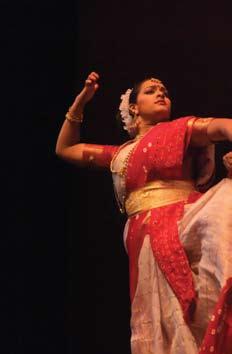
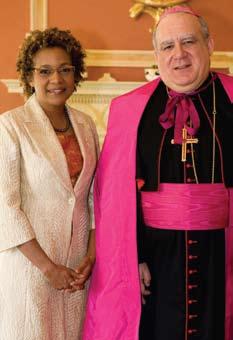
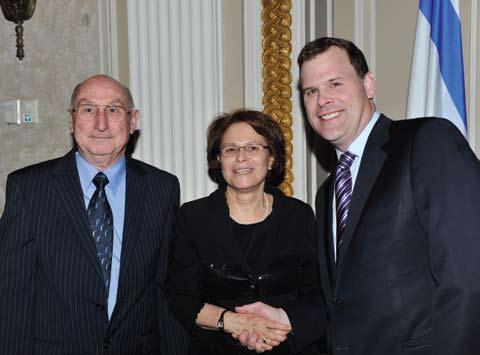
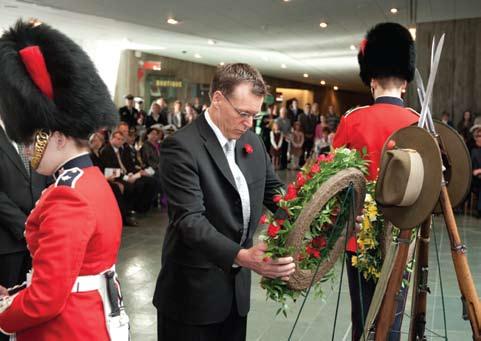
this Page : 1. To celebrate Pohela Baishakh (new year) and rabindra and nazrul Jayanti (a cultural festival named for two national heroes), Bangladeshi High Commissioner yakub Ali hosted a cultural evening — which featured dancers such as this woman — at the Museum of Civilization May 13. (Photo: Ulle Baum) 2. To mark the 62nd independence day of israel, Ambassador Miriam ziv and her husband, Ariel Kenet, left, hosted a reception at the Fairmont Château laurier Ballroom on April 19. Here, they greet Transport Minister John Baird. 3. new zealand and Australia Army Corps co-hosted AnzAC day at the Canadian War Museum in April. new zealand High Commissioner Andrew needs lays a wreath at the moving ceremony to mark the national day of remembrance that honours those who fought at gallipoli in Turkey in the First World War. 4. Australian High Commissioner Justin Brown spoke at the gathering. (Photos: Mark Holleron) 5. Pedro lopez Quintana, Apostolic nuncio, presented his credentials to gov. gen. Michaelle Jean in April.
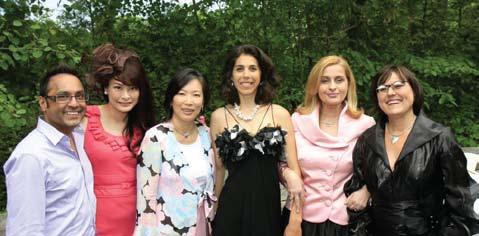
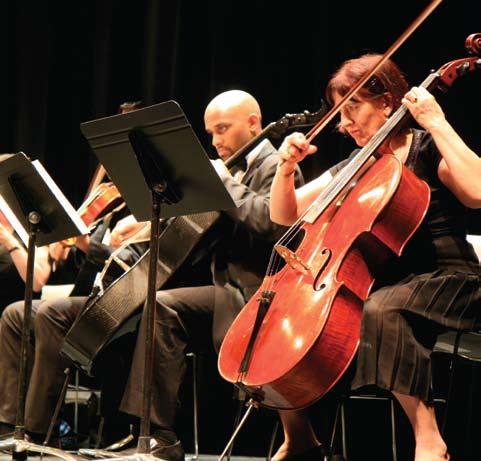
this Page 1. david lee, representative of the Taipei economic & Cultural Office in Canada, and his wife, lin Chih lee, hosted Breast Cancer Action's pink cocktail reception in May. From left, fashion designer Frank sukhoo, Mimi surada, lin Chih lee, Alice de la roche (wife of guatemala’s ambassador), Katherine Matsis (wife of greece’s ambassador) and sabine Witschel (wife of germany’s ambassador). (Photo: Frank scheme) 2. Ashbury College hosted an international soccer tournament featuring diplomats last month. Here the Americas team steals the ball. (Photo: lois siegel) 3. slovak Ambassador stanislav Opiela and his wife, viera Opielova, finished their posting in May. Mrs. Opielova is shown at a farewell with Keiko nishida, wife of the Japanese ambassador. (Photo: Ulle Baum) 4. To mark the 92nd anniversary of Azerbaijan's independence, Ambassador Farid shafiyev and his wife, Ulkar shafiyeva, hosted a reception and concert at the national gallery. shown is cellist Tatiana Hajiyeva (wife of the conductor ismayil Hajiyev). 5. new zealand Prime Minister John Key visited in April. Here, he exchanges hockey jerseys with Prime Minister stephen Harper. (Photo: PMO)
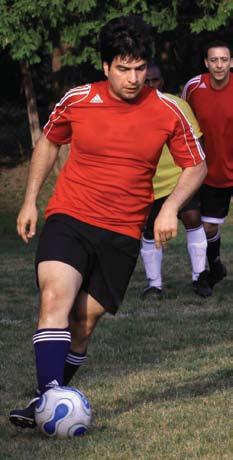
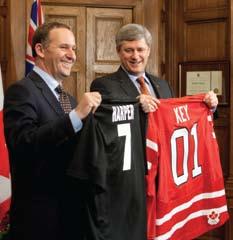

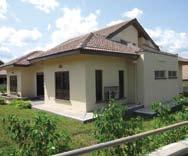
4
Gated community provides privacy and security. 4 bedrooms with a loft; 2807 sq. ft., 3.5 Bathrooms. Air-conditioned. suitable as a residence for an embassy, an nGo, or a private company.
http://bit.ly/Accra_Ghana
Contact: Tel: (613) 220-3869
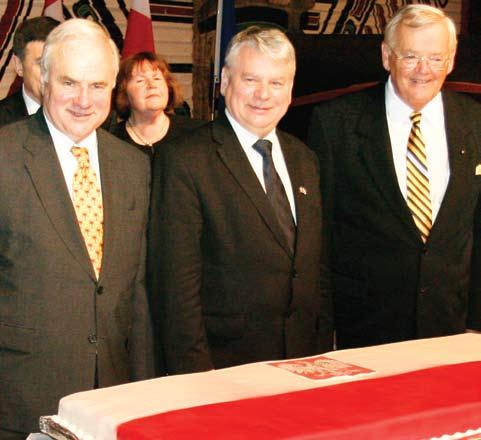
this Page : 1. russian Ambassador georgiy Mamedov hosted a piano recital featuring evgeny starodubtsev, 2009 laureate of the Honens international Piano Competition at the embassy in May. Mr. Mamedov, right, and Honens director Harvey slack flank U.s. Ambassador david Jacobson. 2. Polish Ambassador zenon Henryk Kosiniak-Kamysz hosted a national day reception at the Canadian Museum of Civilization in April. Poland’s senate speaker, Bogdan Borusewicz, was the guest of honour and senate speaker noel Kinsella, right, surprised him with a giant cake. House of Commons speaker Peter Milliken is on the left. To remember the 96 victims of the plane aircrash near smolensk, Canadian violinist ralitsa Tcholakova-Macrae played Frédéric Chopin.
House for rent Accra, Ghana
Bedroom executive Bungalow Located at the exclusive ACP estates at Pokuase with panoramic views.
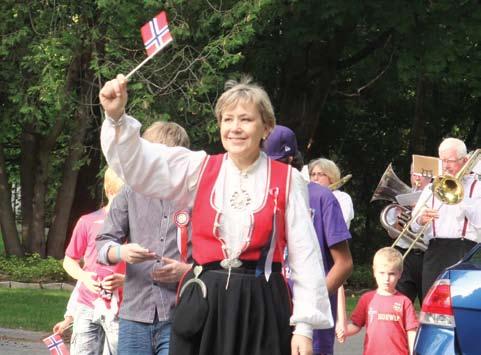
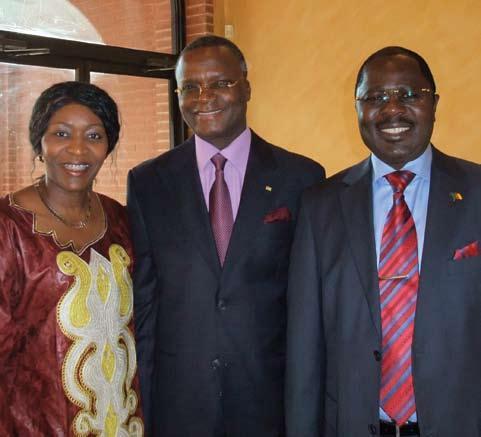
notarehSerehw elpoep.rehtagetarbeleC rehtegothtiwtneve deroliatehtelytsdna setsatruoy.puorg-ffO etisgniretacelbaliava lacolseunevgnidulcni ehttnemailraP.sgnidliuB weiVelpmassunem .moc.awattonotarehs
tnageleesruoc-4 rennidmorf rep$nosrep
3168320051
this Page 1. n orwegian Ambassador e lse Berit e ikeland hosted a national day celebration in rockcliffe in May. in this photo, she was leading a parade outside her residence. Members of the norwegian community of Ottawa followed with instruments, flags and banners. 2. To mark the 50th anniversary of Togo’s national day, Bawoumondom Amelete and his wife, Bossa, hosted an event with the Togolese diaspora at the st. elias Centre in May. The Ameletes are shown with solomon Anu'a-gheyle, High Commissioner for Cameroon. (Photos: Ulle Baum)
sexaTdnaseitiutarg.artxesecirPtcejbus .egnahctcatnoCmoc.awattonotarehs@selasrof llufsmretdna.snoitidnoc0102©doowratSsletoH& stroseR,ediwdlroW.cnIllAsthgir.devreser
1.
2.



Bruno van der Pluijm
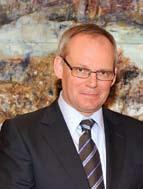
Mr . van der Pluijm joined the Belgian foreign service in 1991 and holds a degree in classical philology from Antwerp university and Leuven university
Between 1994 and 2005, Mr van der Pluijm had postings in Lebanon, Costa rica and the united Nations in New York More recently, he served as chief of staff to the minister of development cooperation . He also served in the cabinet of Foreign Affairs Minister Karel De Gucht, where he was in charge of multilateral affairs In this position, he spent much of his time working on Belgium’s bid for uN security Council membership
Mr van der Pluijm is married to Hildegarde Van de Voorde and has four children .
dominique Kilufya Kamfwa ambassador of the democratic republic of congo
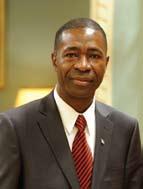
Mr . Kilufya Kamfwa was born in Lubumbashi, Congo He completed his bachelor’s degree in law in 1987 and joined the foreign ministry and, in turn, the diplomatic corps, one year later He worked in the ministry for nine years before being named chief of protocol for Congo
He is a co-founding member and chairman of the group for study and research in
diplomacy and helped establish Congo’s diplomatic academy He has worked and studied in many countries including the u .s ., France, south Africa and China
Another career highlight came late last year when he was promoted to the rank of secretary general in public administration and soon after, named ambassador to Canada
dienne h moehario ambassador of indonesia
Ms Moehario began her diplomatic career
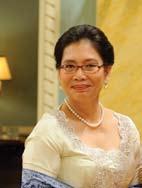
in 1984 she has served abroad as a member of the political affairs staff at Indonesia’s permanent mission to the uN in New York she also had tenures at its permanent mission to the uN in Geneva and at the Indonesian embassy in the Hague
Prior to coming to Canada, she served for four years as inspector-general of foreign affairs, and for the two years prior to that, as chief of protocol at the directorategeneral of protocol and consular affairs
she has a bachelor’s degree in law from the university of Indonesia in Jakarta, and a master’s in law from st John university in New York
ali al-sammak ambassador of Kuwait
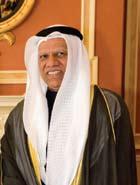
Mr Al-sammak became a diplomatic attaché in 1974 and was promoted to first secretary a year later . From 1985 to 1992,




ambassador of Belgium
he served as deputy head of mission in Belgium (and the european Community ) He was ambassador to the Netherlands for four years after that and then spent three years as head of Kuwait’s delegation to the Organisation for the Prohibition of Chemical Weapons and the Law of the sea Conference .
From 2002 to 2007, he was ambassador to Argentina (with non-resident responsibilities for Paraguay, uruguay and Chile) and for the past three years, he has served as director for the Americas at headquarters in Kuwait
He is married and has three children
josé antonio Bellina ambassador of Peru
Mr Bellina joined the foreign ministry after completing a master’s in political science and studies at his country’s diplomatic academy. His first posting was to switzerland, where he spent six years It would be another 16 before his next posting During that period, he worked on multilateral files, as well as disarmament and North and Central America and Carib-
bean affairs In 2000, he was chief of staff to the foreign affairs minister and became ambassador to Panama a year later When he returned in 2006, he became director of security and defence affairs, then directorgeneral for international affairs and finally vice-minister for defence policies .
Mr . Bellina is married to rosa Garcia rosell de Bellina They have four children
amadou tidiane wone ambassador of sénégal
Mr Wone began his career working in the private sector in Paris On his return to senegal, he worked as permanent secretary of the National Confederation of employers before becoming advisor to the country’s president
As minister of culture in 2001, he participated in the negotiation for the adoption of the convention of cultural diversity on behalf of uNesCO . He later returned to the president’s office where he was charged with looking after mobilisation and culture for the Islamic summit held in Dakar in 2008
Mr Wone is also a novelist In 1990, he
published Lorsque la nuit se dechire and, in 2006, Le Crepuscule des Vanités
He is a married father of four
sy vuong ha le ambassador of vietnam
Mr Le began his diplomatic career in 1976 as a student at the college of foreign affairs in Hanoi His first job was as a desk officer in the Asian department A year later, he went to Belgium to do post-graduate studies at Louvain la Neuve university.
In 1984, he joined the ministry’s press and information section, where he stayed for eight years, with one brief study tour to France, before being appointed second secretary at the embassy in Paris From 1992 to 1997, he returned to the press section, this time as deputy director general From there, he became acting director general of the protocol section and finally chief of protocol
Mr Le is married to Lan Anh Nguyen and has one son









Australia
Kerry harris First secretary & Consul
Azerbaijan
eljan habibzade First secretary
China
guoliang ma First secretary
Croatia Zoran jokovic
Attaché
mario martinec Third secretary
Czech republic
michaela fronkova Minister-Counsellor
ecuador
christian tandazo granda, defence Attaché
iran
seyed mohammad hassani First secretary
israel
uriel Bar lev Attaché
Kazakhstan
assima aubakir second secretary
laos
Bouapha Phommaseng First secretary
libya
abubaker.m a. Karmos Counsellor
abulfutuh.m m farag Third secretary




Mary Burke-Cameron Account Manager Embassy/ Not-For-Profit Markets 613-564-2951 mary.burke-cameron@rbc.com

Agnes Demers Account Manager Embassy/ Not-For-Profit Markets 613-564-2777 agnes.demers@rbc.com

Myriam Sepulveda Diplomat Account Manager 613-564-2784 myriam.sepulveda@rbc.com To start a conversation today, please contact one of our team members.
AFGHANISTAN
His ex Jawed Ludin embassy of the Islamic republic of Afghanistan
240 Argyle street
Ottawa, Ontario K2P 1B9
TeL 563-4223 FAX 563-4962 contact@afghanemb-canada net www afghanemb-canada net
ALBANIA
His ex Besnik Konci embassy of the republic of Albania
130 Albert street, suite 302 Ottawa, Ontario K1P 5G4
TeL 236-4114 FAX 236-0804 embassyofalbania@on aibn com
ALGErIA
His ex smail Benamara embassy of the People’s Democratic republic of Algeria 500 Wilbrod street Ottawa, Ontario K1N 6N2 TeL 789-8505 FAX 789-1406 www embassyalgeria ca/eng htm
ANGOLA
embassy of the republic of Angola 189 Laurier Avenue east Ottawa, Ontario K1N 6P1
TeL 234-1152 FAX 234-1179 info@embangola-can org www embangola-can org
ArGENTINA
His ex Arturo Bothamley embassy of the Argentine republic 81 Metcalfe street 7th Floor Ottawa, Ontario K1P 6K7
TeL 236-2351 FAX 235-2659 embargentina@argentina-canada net www argentina-canada net
ArMENIA
Mr Arman Akopian
Chargé d’Affaires embassy of the republic of Armenia 7 Delaware Avenue
Ottawa, Ontario K2P 0Z2
TeL 234-3710 FAX 234-3444 armcanadaembassy@mfa com www armembassycanada ca
AUSTrALIA
His ex Justin Hugh Brown Australian High Commission 50 O’Connor, suite 710 Ottawa, Ontario K1P 6L2
TeL 236-0841 FAX 236-4376 www canada embassy gov au
AUSTrIA
His ex Werner Brandstetter embassy of the republic of Austria
445 Wilbrod street
Ottawa, Ontario K1N 6M7
TeL 789-1444 FAX 789-3431
www austro org
AZErBAIJAN
His ex Farid shafiyev embassy of the republic of Azerbaijan
275 slater street, suite 904-C
Ottawa, Ontario K1P 5H9
TeL 288-0497 FAX 230-8089
BAHAMAS
His ex Michael D smith
Bahamas High Commission
50 O’Connor street, suite 1313
Ottawa, Ontario K1P 6L2
TeL 232-1724 FAX 232-0097
ottawa-mission@bahighco com http://bahamas com
BANGLADESH
His ex A M Yakub Ali High Commission for the People’s republic of Bangladesh
340 Albert st , suite 1250
Ottawa, Ontario, K1r 7Y6
TeL 236-0138 FAX 567-3213
bangla@rogers com www bdhc org
BArBADOS
His ex edward evelyn Greaves
High Commission for Barbados
55 Metcalfe st , suite 470
Ottawa, Ontario, K1P 6L5
TeL 236-9517 FAX 230-4362 ottawa@foreign gov bb
BELArUS
Mr Pavel Pustovoy Chargé d’Affaires
embassy of the republic of Belarus
130 Albert street, suite 600
Ottawa, Ontario K1P 5G4
TeL 233-9994 FAX 233-8500 belamb@igs net
BELGIUM
Hi ex Bruno van der Pluijm embassy of Belgium
360 Albert street, suite 820
Ottawa, Ontario K1r 7X7
TeL 236-7267 FAX 236-7882
ottawa@diplobel fed be www diplomatie be/ottawa
BENIN
His ex Honoré Ahimakin embassy of the republic of Benin 58 Glebe Avenue
Ottawa, Ontario K1s 2C3
TeL 233-4429 FAX 233-8952 ambaben@benin ca
BOLIVIA
His ex edgar Torrez Mosqueira embassy of the republic of Bolivia
130 Albert street, suite 416 Ottawa, Ontario K1P 5G4
TeL 236-5730 FAX 236-8237 info@emboliviacanada com www emboliviacanada com
BOSNIA-HErZEGOVINA
Her ex Biljana Gutic-Bjelica embassy of Bosnia and Herzegovina
130 Albert street, suite 805 Ottawa, Ontario K1P 5G4
TeL 236-0028 FAX 236-1139 embassyofbih@bellnet ca www bhembassy ca
BrAZIL
His ex Paulo Cordeiro Pinto embassy of the Federative republic of Brazil
450 Wilbrod street
Ottawa, Ontario K1N 6M8
TeL 237-1090 FAX 237-6144 mailbox@brasembottawa org
BrUNEI DArUSSALAM
Her ex rakiah Haji Abdul Lamit High Commission for Brunei Darussalam
395 Laurier Avenue east Ottawa, Ontario K1N 6r4
TeL 234-5656 FAX 234-4397 bhco@bellnet ca
BULGArIA
His ex evgueni stoytchev embassy of the republic of Bulgaria 325 stewart street Ottawa, Ontario K1N 6K5 TeL 789-3215 FAX 789-3524 embgottawa@hotmail com
BUrKINA FASO
Her ex Juliette Bonkoungou embassy of Burkina Faso 48 range road Ottawa, Ontario K1N 8J4 TeL 238-4796 FAX 238-3812 burkina faso@sympatico ca www ambaburkina-canada org
BUrUNDI
embassy of the republic of Burundi
325 Dalhousie street, suite 815
Ottawa, Ontario K1N 7G2
TeL 789-0414 FAX 789-9537 ambabottawa@yahoo com http://ambabucanada le-site info
CAMErOON
His ex solomon Azoh-Mbi Anu’aGheyle
High Commission for the republic of Cameroon 170 Clemow Avenue
Ottawa, Ontario K1s 2B4
TeL 236-1522 FAX 236-3885 cameroon@rogers com www hc-cameroon-ottawa org
CHILE
His ex roberto Ibarra García embassy of the republic of Chile 50 O’Connor street, suite 1413 Ottawa, Ontario K1P 6L2
TeL 235-9940 FAX 235-1176 echileca@chile ca www chile ca
CHINA
His ex Lijun Lan embassy of the People’s republic of China 515 st Patrick street Ottawa, Ontario K1N 5H3 TeL 789-3434 FAX 789-1911 www chinaembassycanada org
COLOMBIA
His ex Jaime Giron-Duarte embassy of the republic of Colombia 360 Albert street, suite 1002 Ottawa, Ontario K1r 7X7 TeL 230-3760 FAX 230-4416 embajada@embajadacolombia ca www embajadacolombia ca
CONGO (ZAIrE)
His ex Dominique Kilufya Kamfwa embassy of the Democratic republic of the Congo 18 range road Ottawa, Ontario K1N 8J3 TeL 230-6391 FAX 230-1945
COSTA rICA
Her ex emilia Maria Alvarez Navarro
embassy of the republic of Costa rica 325 Dalhousie street, suite 407 Ottawa, Ontario K1N 7G2 TeL 562-2855 FAX 562-2582 embcrica@travel-net com www costaricaembassy.com

DIPLOMATIC
CÔTE D’IVOIrE
His ex Louis Leon Boguy Bony embassy of the republic of Côte d’Ivoire
9 Marlborough Avenue
Ottawa, Ontario K1N 8e6
TeL . 236-9919 FAX 563-8287 acica@ambaci-ottawa org www ambaci-ottawa org
CrOATIA
Her ex Vesela Mrden Kora´c embassy of the republic of Croatia 229 Chapel street Ottawa, Ontario K1N 7Y6
TeL 562-7820 FAX 562-7821 Croatia emb@mvpei hr www croatiaemb net
CUBA
Her ex Teresita de Jesús Vicente sotolongo embassy of the republic of Cuba 388 Main street Ottawa, Ontario K1s 1e3
TeL 563-0141 FAX 563-0068 cuba@embacuba ca www embacuba ca
CZECH rEPUBLIC
His Ex. Karel Žebrakovský embassy of the Czech republic 251 Cooper street Ottawa, Ontario K2P 0G2
TeL 562-3875 FAX 562-3878 ottawa@embassy mzv cz
DENMArK
His ex erik Vilstrup Lorenzen royal Danish embassy 47 Clarence street, suite 450 Ottawa, Ontario K1N 9K1 TeL 562-1811 FAX 562-1812 ottamb@um dk www ambottawa um dk
DOMINICAN rEPUBLIC
His ex Jose Del Carmen urena embassy of the Dominican republic 130 Albert street, suite 418 Ottawa, Ontario K1P 5G4 TeL 569-9893 FAX 569-8673 www drembassy org
ECUADOr
His excellency Franklin Chávez embassy of the republic of ecuador 50 O’Connor street, suite 316 Ottawa, Ontario K1P 6L2 TeL 563-4286 FAX 235-5776
EGYPT
His ex shamel elsayed Nasser embassy of the Arab republic of egypt 454 Laurier Avenue east Ottawa, Ontario K1N 6r3 TeL 234-4931 FAX 234-4398 egyptemb@sympatico ca www mfa .gov eg
EL SALVADOr
His ex rafael Alfaro embassy of the republic of el salvador 209 Kent street Ottawa, Ontario K2P 1Z8 TeL 238-2939 FAX 238-6940 embajada@elsalvador-ca org
ErITrEA
embassy of the state of eritrea 75 Albert street, suite 610 Ottawa, Ontario K1P 5e7 TeL 234-3989 FAX 234-6213
ESTONIA
rasmus Lumi
Chargé d’Affaires embassy of the republic of estonia 260 Dalhousie street, suite 210 Ottawa, Ontario K1N 7e4
TeL 789-4222 FAX 789-9555
embassy ottawa@mfa ee www estemb ca
ETHIOPIA
Ms Almaz Amaha Tesfay
Chargée d’Affaires embassy of the Federal Democratic republic of ethiopia 151 slater street, suite 210 Ottawa, Ontario K1P 5H3 TeL 235-6637 FAX 235-4638 info@embassyofethiopia net www embassyofethiopia net
EUrOPEAN UNION
His excellency Matthias Brinkmann Delegation of the european Commission to Canada 150 Metcalfe st suite 1900 Ottawa, ON K2P1P1 TeL 238-6464 FAX 238-5191 delegation-canada@ec europa eu www delcan ec europa eu
FINLAND
His ex risto ensio Piipponen embassy of the republic of Finland
55 Metcalfe street, suite 850 Ottawa, Ontario K1P 6L5
TeL 288-2233 FAX 288-2244 embassy@finland ca
FrANCE
His ex Francois Delattre embassy of France
42 sussex Drive
Ottawa, Ontario K1M 2C9 TeL 789-1795 FAX 562-3735 www ambafrance-ca org
GABON
His ex André William Anguilé embassy of the Gabonese republic 4 range road, P O Box 368 Ottawa, Ontario K1N 8J5 TeL 232-5301 FAX 232-6916 ambgabon@sprint ca
GErMANY
His ex Georg Witschel embassy of the Federal republic of Germany 1 Waverley street
Ottawa, Ontario K2P 0T8 TeL 232-1101 FAX 594-9330 info@otta diplo de http:/www ottawa diplo de
GHANA
His excellency richard Benjamin Turkson High Commission for the republic of Ghana 153 Gilmour street
Ottawa, Ontario K2P 0N8 TeL 236-0871 FAX 236-0874 ghanacom@ghc-ca com www ghc-ca com
GrEECE
His . ex . Nikolaos Matsis embassy of the Hellenic republic
80 MacLaren street, suite 76 Ottawa, Ontario K2P 0K6 TeL 238-6271 FAX 238-5676 embassy@greekembassy ca www greekembassy ca
GUATEMALA
His excellency Georges de La roche embassy of the republic of Guatemala
130 Albert street, suite 1010 Ottawa, Ontario K1P 5G4 TeL 233-7237 FAX 233-0135 embassy1@embaguate-canada com www embaguate-canada com
GUINEA
Mrs Hawa Diakité
Counsellor & Chargé d’Affaires embassy of the republic of Guinea 483 Wilbrod street Ottawa, Ontario K1N 6N1 TeL 789-8444 FAX 789-7560 ambassadedeguinee@bellnet ca
GUYANA
His ex rajnarine singh High Commission for the republic of Guyana
151 slater street, suite 309 Ottawa, Ontario K1P 5H3 TeL 235-7249 FAX 235-1447
HAITI
Ms Marie Nathalie Menos-Gissel Chargé d’Affaires embassy of the republic of Haiti 130 Albert street, suite 1500 Ottawa, Ontario K1P 5G4 TeL 238-1628 FAX 238-2986 bohio@sympatico ca
HOLY SEE
His ex Pedro Lopez Quintana Apostolic Nunciature 724 Manor Avenue
Ottawa, Ontario K1M 0e3 TeL 746-4914 FAX 746-4786
HONDUrAS
Chargé d’Affaires embassy of the republic of Honduras 151 slater street, suite 805 Ottawa, Ontario K1P 5H3 TeL 233-8900 FAX 232-0193
HUNGArY
His ex Pál Vastagh embassy of the republic of Hungary 299 Waverley street Ottawa, Ontario K2P 0V9 TeL 230-2717 FAX 230-7560 www mfa gov hu/emb/ottawa mission ott@kum hu
ICELAND
Her excellency sigridur Anna Thordardottir embassy of Iceland
360 Albert street, suite 710 Ottawa, Ontario K1r 7X7 TeL 482-1944 FAX 482-1945 icemb ottawa@utn stjr is WeB: www iceland org ca
INDIA
His ex shashishekhar M Gavai High Commission for the republic of India 10 springfield road Ottawa, Ontario K1M 1C9 TeL 744-3751 FAX 744-0913 hicomind@hciottawa ca www hciottawa ca
INDONESIA
Her ex Dienne H Moehario embassy of the republic of Indonesia
55 Parkdale Avenue
Ottawa, Ontario K1Y 1e5
TeL 724-1100 FAX 724-1105 info@indonesia-ottawa org www indonesia-ottawa org
IrAN
Mr Bahram Ghasemi
Chargé d’Affaires embassy of the Islamic republic of Iran
245 Metcalfe street
Ottawa, Ontario K2P 2K2
TeL 235-4726 FAX 232-5712 iranemb@salamiran org www salamiran org
IrAQ
His ex Abdulrahman Mohammed Al-Hussaini embassy of the republic of Iraq 215 McLeod street
Ottawa, Ontario K2P 0Z8
TeL 236-9177 FAX 236-9641 media@iraqembassy ca www iraqembassy ca
IrELAND
His ex Declan Kelly embassy of Ireland
130 Albert street, suite 1105
Ottawa, Ontario K1P 5G4
TeL 233-6281 FAX 233-5835 Ottawaembassy@dfa ie www embassyofireland ca
ISrAEL
Her ex Miriam Ziv embassy of Israel
50 O’Connor street, suite 1005 Ottawa, Ontario K1P 6L2 TeL 567-6450 FAX 567-9878 info@ottawa mfa gov il www embassyofIsreal ca
ITALY
His ex Andrea Meloni embassy of the Italian republic 275 slater street, 21st Floor Ottawa, Ontario K1P 5H9 TeL 232-2401 FAX 233-1484 ambital@italyincanada com www italyincanada com
JAMAICA
Her ex sheila Ivoline sealyMonteith
151 slater street, suite 1000 Ottawa, Ontario, K1P 5H3 TeL 233-9311 FAX 233-0611 hc@jhcottawa ca
JAPAN
His ex Tsuneo Nishida embassy of Japan 255 sussex Drive Ottawa, Ontario K1N 9e6 TeL 241-8541 FAX 241-2232 infocul@embjapan ca www ca emb-japan go jp
JOrDAN
His ex Nabil Ali Barto embassy of the Hashemite Kingdom of Jordan 100 Bronson Avenue, suite 701 Ottawa, Ontario K1r 6G8
TeL 238-8090 FAX 232-3341
KAZAKHSTAN
His ex Yerlan Abildayev embassy of the republic of Kazakhstan
56 Hawthorne Avenue
Ottawa, ON K1s 0B1
TeL 788-3704 FAX 788-3702
KENYA
His ex simon Wanyonyi Nabukwesi High Commission for the republic of Kenya
415 Laurier Avenue east Ottawa, Ontario K1N 6r4
TeL 563-1773 FAX 233-6599 kenyahighcommission@rogers com www kenyahighcommission ca
KOrEA, rEPUBLIC
His excellency Chan-ho Ha embassy of the republic of Korea
150 Boteler street
Ottawa, Ontario K1N 5A6
TeL 244-5010 FAX 244-5034 www emb-korea ottawa on ca
KUWAIT
His ex Ali Al-sammak embassy of the state of Kuwait 333 sussex Drive
Ottawa, Ontario, K1N 1J9
TeL 780-9999 FAX 780-9905
LATVIA
His ex Mar ` gers Krams embassy of the republic of Latvia
350 sparks street, suite 1200 Ottawa, Ontario, K1r 7s8
TeL 238-6014 FAX 238-7044 embassy canada@mfa gov lv www ottawa mfa gov lv
LEBANON
embassy of Lebanon
640 Lyon street
Ottawa, Ontario K1s 3Z5
TeL 236-5825 FAX 232-1609 info@lebanonembassy ca www lebanonembassy ca
LESOTHO
High Commission for the Kingdom of Lesotho
130 Albert street, suite 1820
Ottawa, ON K1P 5G4
TeL: 234-0770 FAX: 234-5665
LIBYA
embassy of the Great socialist People’s Libyan Arab Jamahiriya 81 Metcalfe street, suite 1000 Ottawa, Ontario K1P 6K7
TeL 230-0919 FAX 230-0683 info@libya-canada org
LITHUANIA
Her ex Ginte Damusis embassy of the republic of Lithuania
150 Metcalfe street, suite 1600
Ottawa, ON K2P 1P1
TeL 567-5458 FAX 567-5315
MACEDONIA (rEPUBLIC OF)
His ex Ljuben Tevdovski embassy of the republic of Macedonia
130 Albert street, suite 1006
Ottawa, Ontario K1P 5G4
TeL 234-3882 FAX 233-1852
MADAGASCAr
His ex simon Constant Horace embassy of the republic of Madagascar
3 raymond street
Ottawa, Ontario K1r 1A3
TeL: 567-0505 FAX 567-2882
ambamadcanada@bellnet ca www madagascar-embassy ca
MALAYSIA
His ex selwyn Vijayarajan Das High Commission for Malaysia
60 Boteler street
Ottawa, Ontario K1N 8Y7
TeL 241-5182 FAX 241-5214 malottawa@kln gov my
MALI
His ex Mamadou Bandiougou Diawara embassy of the republic of Mali
50 Goulburn Avenue
Ottawa, Ontario K1N 8C8
TeL 232-1501 FAX 232-7429 ambassadedumali@rogers com www ambamalicanada org
MEXICO
His ex Francisco Javier Barrio Terrazas embassy of the united Mexican states
45 O’Connor street, suite 1000
Ottawa, Ontario K1P 1A4
TeL 233-8988 FAX 235-9123 info@embamexcan com www embamexcan com
MONGOLIA
His ex Tundevdorj Zalaa-uul embassy of Mongolia
151 slater street, suite 503
Ottawa, Ontario K1P 5H3
TeL 569-3830 FAX 569-3916 mail@mongolembassy org
MOrOCCO
Her ex Nouzha Chekrouni embassy of the Kingdom of Morocco
38 range road
Ottawa, Ontario K1N 8J4
TeL 236-7391 FAX 236-6164
MYANMAr
Aung Ba Kyu
Charge d'Affaires
embassy of the union of Myanmar 85 range road, suite 902
Ottawa, Ontario K1N 8J6
TeL 232-9990 FAX 232-6999 meottawa@rogers com
NEPAL
His ex Bhoj raj Ghimire
Chargé d'Affaires
embassy of Nepal
408 Queen street
Ottawa, ON K1r 5A7
TeL 680-5513 FAX 422-5149
NETHErLANDS
His ex Wilhelmus J P Geerts
embassy of the Kingdom of the Netherlands
350 Albert street, suite 2020
Ottawa, Ontario K1r 1A4
TeL 237-5030 FAX 237-6471 Ott-cdp@minbuza nl
NEW ZEALAND
His ex Andrew Needs
New Zealand High Commission 99 Bank street, suite 727 Ottawa, Ontario K1P 6G3
TeL 238-5991 FAX 238-5707 info@nzhcottawa org www nzembassy com/canada
NIGEr
Her ex Nana Aicha Foumakoye embassy of the republic of the Niger
38 Blackburn Avenue Ottawa, Ontario K1N 8A3
TeL 232-4291 FAX 230-9808
NIGErIA
ex Iyorwuese Hagher
High Commission for the Federal republic of Nigeria
295 Metcalfe street
Ottawa, Ontario K2P 1r9 Tel 236-0521 Fax 236-0529
NOrWAY
Her ex else Berit eikeland royal Norwegian embassy
150 Metcalfe street, suite 1300 Ottawa, ON K2P 1P1
TeL 238-6571 FAX 238-2765 emb ottawa@mfa no www emb-norway ca
O/OF EASTErN CArIBBEAN STATES
His ex Brendon Browne High Commission for the Countries of the Organization of eastern Caribbean states
130 Albert street, suite 700 Ottawa, Ontario K1P 5G4
TeL 236-8952 FAX 236-3042 echcc@oecs org www oecs org/ottawa
PAKISTAN
His ex Akbar Zeb
High Commission for the Islamic republic of Pakistan 10 range road Ottawa, Ontario K1N 8J3
TeL 238-7881 FAX 238-7296 parepottawa@rogers com
PALESTINE
Mr Amin Abou-Hassira Head of the General Delegation 45 Country Club Dr , Ottawa, Ontario K1V 9W1
TeL: 736-0053
FAX: 736-0535 palestinegd@rogers com
PANAMA
His ex Francisco Carlo escobar embassy of the republic of Panama
130 Albert street, suite 300 Ottawa, Ontario K1P 5G4
TeL 236-7177 FAX 236-5775 embassyof panama@gmail com
PArAGUAY
His ex Manuel schaerer Kanonnikoff embassy of the republic of Paraguay
151 slater street, suite 501 Ottawa, Ontario K1P 5H3
TeL 567-1283 FAX 567-1679 consularsection@ embassyofparaguay ca
PErU
His ex José Antonio Bellina embassy of the republic of Peru
130 Albert street, suite 1901
Ottawa, Ontario K1P 5G4
TeL 238-1777 FAX 232-3062 emperuca@bellnet ca
PHILIPPINES
His ex Jose s Brillantes embassy of the republic of the Philippines
130 Albert street, suite 606
Ottawa, Ontario K1P 5G4
TeL 233-1121 FAX 233-4165 embassyofphilippines@rogers com www philippineembassy ca
POLAND
His ex Zenon Kosiniak-Kamysz embassy of the republic of Poland 443 Daly Avenue Ottawa, Ontario K1N 6H3 TeL 789-0468 FAX 789-1218 Ottawa@polishembassy ca
POrTUGAL
His ex Pedro Moitinho de Almeida embassy of Portugal 645 Island Park Drive Ottawa, Ontario K1Y 0B8 TeL 729-0883 FAX 729-4236 embportugal@embportugal/ottawa org
rOMANIA
Her ex elena stefoi embassy of romania 655 rideau street Ottawa, Ontario K1N 6A3 TeL 789-3709 FAX 789-4365 romania@romanian-embassy com http://ottawa mae ro
rUSSIA
His ex Georgiy Mamedov embassy of the russian Federation 285 Charlotte street Ottawa, Ontario K1N 8L5
TeL 235-4341 FAX 236-6342 info@rusembassy ca www rusembassy ca
rWANDA
Her ex edda Mukabagwiza embassy of the republic of rwanda 121 sherwood Drive Ottawa, Ontario K1Y 3V1 Phone: 569-5420/22/24 Fax : 569-5421/5423 generalinfo@ambarwaottawa ca www ambarwaottawa ca
SAUDI ArABIA
His ex Osamah Bin Ahmad Al sanosi Ahmad royal embassy of saudi Arabia 201 sussex Drive
Ottawa, ON K1N 1K6
TeL 237-4100 FAX 237-0567
SENEGAL
His ex Amadou Tidiane Wone embassy of the republic of senegal 57 Marlborough Avenue Ottawa, Ontario K1N 8e8
TeL 238-6392 FAX 238-2695 ambassn@sympatico ca
DIPLOMATIC CON ta
SErBIA
embassy of the republic of serbia 17 Blackburn Avenue
Ottawa, Ontario K1N 8A2
TeL 233-6289 FAX 233-7850 generalinfo@serbianembassy ca www .serbianembassy.ca
SLOVAK rEPUBLIC
His ex Milan Kollár embassy of the slovak republic 50 rideau Terrace Ottawa, Ontario K1M 2A1
TeL 749-4442 FAX 749-4989 ottawa@slovakembassy ca www ottawa mfa sk
SLOVENIA
ex Tomaz Kunstelj embassy of the republic of slovenia 150 Metcalfe street, suite 2200 Ottawa, Ontario K1P 1P1
TeL 565-5781 FAX 565-5783 vot@gov si http://ottawa veleposlanistvo si/
SOUTH AFrICA
His ex Abraham sokhaya Nkomo High Commission for the republic of south Africa 15 sussex Drive Ottawa, Ontario K1M 1M8
TeL 744-0330 FAX 741-1639 rsafrica@southafrica-canada ca www southafrica-canada ca
SPAIN
His ex . eudaldo Mirapeix embassy of the Kingdom of spain 74 stanley Avenue
Ottawa, Ontario K1M 1P4
TeL 747-2252 FAX 744-1224 embespca@mail mae es www embaspain ca
SrI LANKA
Her ex Chitranganee Wagiswara High Commission for the Democratic socialist republic of sri Lanka
333 Laurier Avenue West, suite 1204 Ottawa, Ontario K1P 1C1
TeL 233-8449 FAX 238-8448 slhcit@rogers com www srilankahcottawa org
SUDAN
embassy of the republic of the sudan 354 stewart street Ottawa, Ontario K1N 6K8
TeL 235-4000 FAX 235-6880
SWEDEN
embassy of sweden
377 Dalhousie street
Ottawa, Ontario K1N 9N8
TeL 244-8200 FAX 241-2277
sweden ottawa@foreign ministry se www swedishembassy ca
SWITZErLAND
His ex Werner Baumann
embassy of switzerland
5 Marlborough Avenue
Ottawa, Ontario K1N 8e6
TeL 235-1837 FAX 563-1394
ott vertretung@eda admin ch
SYrIA
His ex Jamil Haidar sakr
embassy of the syrian Arab republic
46 Cartier street
Ottawa, ON K2P 1J3
TeL 569-5556 FAX 569-3800 www syrianembassy ca
TAIPEI economic & Cultural office
David Tawei Lee, representative
45 O’Connor street, suite 1960
Ottawa, Ontario K1P 1A4
TeL 231-5080 FAX 231-7112 publicaffairs@on aibn com
TANZANIA
His ex Peter Kallaghe
High Commission for the united republic of Tanzania
50 range road
Ottawa, Ontario K1N 8J4
TeL 232-1509 FAX 232-5184 tzottawa@synapse ca www tanzaniahighcommission ca
THAILAND
His ex Adisak Panupong
The royal Thai embassy
180 Island Park Drive
Ottawa, Ontario K1Y 0A2
TeL 722-4444 FAX 722-6624 thaiott@magma ca
TOGO
His ex Bawoumondom Amelete embassy of the Togolese republic 12 range road
Ottawa, Ontario K1N 8J3
TeL 238-5916 FAX 235-6425
TrINIDAD AND TOBAGO
Her ex Camille rosemarie robinson-regis High Commission for the republic of Trinidad and Tobago 200 First Avenue, Third Level
Ottawa, Ontario K1s 2G6 TeL 232-2418 FAX 232-4349 ottawa@ttmissions com
TUNISIA
His ex Mouldi sakri embassy of the republic of Tunisia 515 O’Connor street Ottawa, Ontario K1s 3P8 TeL 237-0330 FAX 237-7939 atottawa@comnet ca
TUrKEY
His ex rafet Akgünay embassy of the republic of Turkey 197 Wurtemburg street Ottawa, Ontario K1N 8L9v TeL 789-4044 FAX 789-3442 turkishottawa@mfa gov tr www turkishembassy com
UGANDA
His ex George Marino Abola High Commission for the republic of uganda 231 Cobourg street Ottawa, Ontario K1N 8J2 TeL 789-7797 FAX 789-8909 uhc@ugandahighcommission com www ugandahighcommission ca
UKrAINE
His ex Ihor Ostash embassy of ukraine 310 somerset street, West, Ottawa, Ontario, K2P 0J9 Tel 230-2961 Fax 230-2400 emb_ca@ukremb ca www ukremb ca
UNITED ArAB EMIrATES
His ex Mohamed Abdulla M Bin Mutleq Al Ghafli 125 Boteler street Ottawa, Ontario K1N 0A4 TeL 565-7272 FAX 565-8007 Consulate FAX: 565-1444 safara@uae-embassy com www uae-embassy com
UNITED KINGDOM
His ex Anthony Cary British High Commission 80 elgin street Ottawa, Ontario K1P 5K7 TeL 237-1530 FAX 237-7980 www britainincanada org
UN rEFUGEE AGENCY
His ex Abraham Abraham uNHCr representative in Canada 280 Albert street, suite 401 Ottawa, Ontario K1P 5G8 Tel: 613-232-0909 Fax: 613-230-1855 www unhcr ca
UNITED STATES OF AMErICA
His ex David Cary Jacobson embassy of the united states of America
490 sussex Drive
Ottawa, Ontario K1N 1G8
TeL 238-5335 FAX 688-3088
www usembassycanada gov
UrUGUAY
His ex enrique Juan Delgado embassy of the Oriental republic of uruguay
130 Albert street, suite 1905
Ottawa, Ontario K1P 5G4
TeL 234-2727 FAX 233-4670
VENEZUELA
Her ex Jahnnet María Madriz sotillo
embassy of the Bolivarian republic of Venezuela
32 range road
Ottawa, Ontario K1N 8J4
TeL 235-5151 FAX 235-3205
www misionvenezuela org
VIETNAM
His ex sy Vuong Ha Le embassy of the socialist republic of Vietnam
470 Wilbrod street
Ottawa, Ontario K1N 6M8
TeL 236-0772 FAX 236-2704
YEMEN
His ex Khaled Mahfoodh Bahah embassy of the republic of Yemen 54 Chamberlain Avenue
Ottawa, Ontario K1s 1V9
TeL 729-6627 FAX 729-8915
www yemenembassy ca
ZAMBIA
His ex Nevers Mumba
High Commission for the republic of Zambia
151 slater st , suite 205
Ottawa, Ontario K1B 5H3
TeL 232-4400 FAX 232-4410
ZIMBABWE
Her ex Florence Zano Chideya embassy of the republic of Zimbabwe
332 somerset street West
Ottawa, Ontario K2P 0J9
TeL 421-2824 FAX 422-7403
info@zimottawa com
visa@zimottawa com
www zimottawa com











chamberfest 2010
From July 24 to August 7, over 250 of the world’s finest musicians will gather for the 17th Ottawa International Chamber Music Festival for two weeks of superb music-making since its inception in 1994, Chamberfest has grown to become one of the most artistically exciting, dynamic, and widely envied classical music festivals in the world, not to mention the largest festival of its kind . set against the stunning backdrop of Ottawa in summer, Chamberfest has become a much sought-after cultural destination for music lovers from across the globe, thanks to the innovation of its programming, the extraordinary calibre and diversity of the artists, the passion and commitment of the staff and volunteers, and the word of mouth of thousands of delighted patrons .
The diplomatic community contributes significantly to the Festival, as this
the launch of Chamberfest A large and enthusiastic audience was welcomed by His excellency Zenon Kosiniak-Kamysz, and enjoyed brief performances by the Gryphon Trio and up-and-coming Toronto-based singers Anna Kwiatkowska and Maciej Bujnowicz . r oman Borys, Artistic Director of the Ottawa International Chamber Festival, announced the impressive lineup and details of the over 95 outstanding performances coming to numerous venues across the capital this summer
Chamberfest begins with a spectacular Opening Concert featuring international vocal superstar, mezzo-soprano Frederica von stade as she graces the Ottawa stage as part of her farewell tour
Audiences can take in the once-in-alifetime opportunity to hear all 32 of the Beethoven piano sonatas, often considered Beethoven’s most accomplished achievement, performed from memory by the remarkable young Canadian pianist stewart Goodyear . Young People’s Concerts make their popular return, along with the incredibly successful family-friendly concerts
ing while participating in the rideau Canal Festival’s Bicycle Parade! The Canal Festival’s Flotilla features Chamberfest musicians animating dozens of decorated boats as they perform on the water, on the shore and on the bridges above Constantinople , a multi-media spectacle melding e ast and West, past and present, is a feast for eyes and ears This imaginatively staged production features the Gryphon Trio and singers Maryem Hassan Tollar and Patricia O’Callaghan against a backdrop of projected visuals and has played to sold-out audiences in Canada, the us and London, uK
Demonstrating the festival’s ongoing commitment to new music, New Music Dialogues, provides a delightful opportunity to discover new directions in music
The series includes the spellbinding Take the Dog Sled, a piece for two Inuit throat singers, as well as a number of world premiere performances .

Offering Free Courier Service
ideau -
Chamberfest’s popular Late Night series returns to saint Brigid’s Centre for the Arts’ newly renovated (and re-named) Kildare room Increasingly popular with festival-goers, these after-hours concerts offer a wonderful diversity of musical experiences in a casual, creative loungestyle (and licensed) environment where there is always the possibility of a little impromptu musical magic .
And there is so much more to look forward to during Chamberfest 2010 Important anniversaries are acknowledged with performances of the repertoires of s chumann, Chopin, Dohnányi, Mozart and shostakovich The Grammy Award-winning Pacifica Quartet makes a dazzling debut . Colin Fox narrates an intimate tribute to the romance between r obert s chumann and his lifelong love Clara in an afternoon featuring songs and readings from the couple’s letters Quebecoise violin star Angèle Dubeau performs while accompanied by her heralded all-female ensemble La Pietà early Music fans will thrill to the extraordinary a capella interpretations of Ludus Modalis, the energetic ensemble Caprice, and ever-popular Les Voix Baroques . And these are only a taste of some of the programming delights audiences can savour
Chamberfest must come to a bittersweet close, and does so with a dazzling concert performed by the renowned and much-loved Tokyo string Quartet
All ticket information and the full schedule is available online at www . chamberfest com or by calling 613-2346306


a convertible californian odyssey
By Jessie Reynolds and Matthew Renshaw
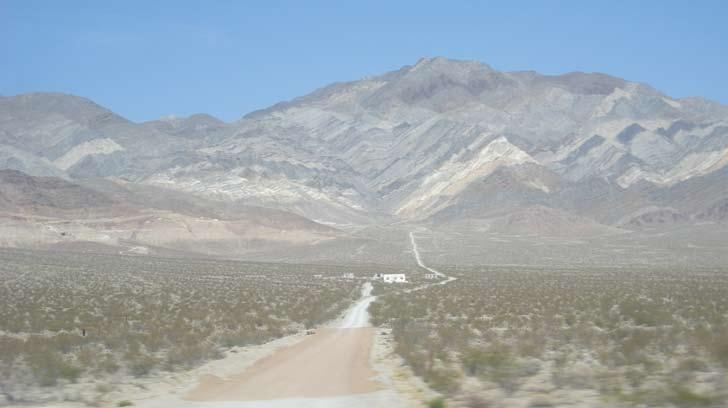
our vacation started before we even reached the airport
Depending on the day of the week, you can save between $200 and $500 by flying to California from a New York state airport instead of a Canadian airport . so we began our California road trip by motoring to New York City. It was a good excuse to experience the City that Never s leeps After roaming its great neighbourhoods, Central Park and watching a Broadway play each night, we got on the plane destined for another of America’s most amazing cities, Los Angeles
Los Angeles International Airport is massive . Its shuttles, which connect the numerous gates and terminals, are smooth-running, clean and staffed by affable employees In fact, we were met with this friendliness throughout our entire California tour Our 2010 Mustang convertible rental took us on a wildly varied route, from Los Angeles to Calico, from Death Valley to Yosemite National Park and from san Francisco down the Pacific
Coast Highway to santa Barbara, and back to LA again
day 1-2
We checked into the Westin Bonaventure, Los Angeles’ largest hotel . e ven if you haven’t been there, you may still be familiar with the hotel if you’ve seen it in In the Line of Fire or True Lies, two of many movies partly filmed there The hotel features glass-walled exterior elevators, a series of connected ponds with streams of water shooting over the lobby walkways, incredibly helpful staff, and luxurious rooms We consulted the Westin’s patient concierge whose knowledge let us make the most of our limited time in LA
During the $65 Guideline Tours city tour — an investment of only a few hours — we took in a must-see list of attractions We were initially disappointed by the bus’ sealed, tinted windows, but the knowledgeable driver more than made up for our foggy through-the-window photos by giving a comprehensive tour of the
sprawling city and the hills that overlook Los Angeles (skip the stars’ homes portion — it’s more of a “where the stars used to live” tour )
day 3-6
Our first stop was Olvera street . This old s panish settlement’s main draw is the Avila Adobe, the oldest residence — built in 1818 — in Los Angeles Outside our restaurant of choice, Casa La Golondrina (est 1924), grapevines grew overhead The restaurant felt authentic and served delicious, generous servings of fresh and interesting Mexican-themed dishes . For a great but not-too-filling sampler, we recommend the shared appetizer platter before dinner .
We had to choose our daytime activities carefully as there is enough to do in LA to fill three months, let alone three days The Farmer’s Market, huge despite its downtown location, is split between food and merchandise s tands selling locally grown produce and restaurants are at one end with retail shopping at the other . We
Our travelers took a road trip from los Angeles to Calico, from death valley, pictured here, in the haze of intense heat, to yosemite national Park and from san Francisco down to the Pacific Coast Highway to santa Barbara.
Jessie r eynolds
stuck with the food Magee’s provided an excellent reuben sandwich and traditional burrito We compared several fruit and vegetable stands until we found the single biggest peach, grapefruit-sized, for dessert From there, we toured Mulholland Drive, a famous route from which to view the city and Beverly Hills estates .
Of the many beaches down the California coast, the best place to go is right in the city’s backyard: santa Monica Beach
The pier, famous for its food, rides and restaurants, divides the miles-wide sand beach The water is clear, blue, warm and, unlike several other beaches in the area, seaweed-free . Neighbouring Venice Beach, thanks to the ocean-side open-air gym and fitness equipment, is easily identifiable as the famous Muscle Beach Aside from walking along the beach path to get a feel for the area, we didn’t stay long as the beach is loud and dirty Hemp stores, sunglass stands (10 pairs for $5 00) and tattoo parlours dominate the strip .
We decided on two big studio tours: sony and Warner Brothers . sony, formerly MGM studios, is home to world’s secondlargest sound stage The tour featured the sets for Jeopardy!, The Wheel of Fortune and the sound stage used for filming The Wizard of Oz Warner Brothers provided a look into the making of movies, from fake gunshots to backdrop painting . Later, we walked among WB’s famous cars: the Get Smart sunbeam, Gran Torino’s Gran Torino, Harry Potter’s Ford Anglia and the Batmobiles, both old and new Of the two, we’d recommend the WB tour; it was more comprehensive and, overall, enjoyable
At night, we explored West Hollywood’s sunset strip Home to Whisky a Go-Go, The Viper room and The House of Blues, it lived up to its lively reputation . We also toured Hollywood Boulevard, including visits to the Kodak Theatre, the Hollywood Walk of Fame, Grauman’s Chinese Theatre, the cemented handprints and footprints of the stars and, when we were tired, we rested over a delicious freshly stuffed-to-order cream puff pastry from Beard Papa’s . Walking through Hollywood, we happened upon the filming of an episode of NCIS: Los Angeles . simply strolling around the city guarantees you at least one such sighting Another good way to spend an evening is to visit universal studio’s Citywalk It’s free and open until late evening We didn’t arrive until after the bus service stopped and, as a result, had a daunting uphill walk . When it’s running, Los Angeles’ transit system, bus and subway included, is clean, safe and
incredibly easy to navigate so don’t be scared to use it as a cheap and fast way to get around the city
day 7
Before leaving Los Angeles for Death Valley, we enjoyed a remarkable breakfast at Jen’s r estaurant in West Hollywood It’s fresh, generous and affordable . After a short stint on route 66, we put the roof down and enjoyed the 35- to 40-degree Celsius temperatures during our desert drive to Death Valley On the way, we stopped at Calico, a former mining town established in 1881, which offered as many details of life at the time as it did key chains, bumper stickers and t-shirts
Leaving Calico, we didn’t encounter much else aside from stretches of sand, cacti and dust devils, small whirlwinds of varying sizes which pick up sand as they travel
day 8-9
Not satisfied by the commercial feel of Calico, we decided to visit the historical Nevada Townsite of rhyolite, named for the volcanic rock found there Making our way between the “danger: rattlesnakes” signs, we walked through a graveyard of stone building fronts and the walls of homes, businesses, a jail and a school The authenticity makes this ghost town appealing and rewarding . Informative pamphlets are available for self-guided tours . istock
it may sound like a cliché but trust us — no visit to san Francisco is complete without a ride on an iconic trolley.
The town’s population peaked somewhere between 5,000 and 10,000 in 1907 and experienced a steady decline after s an Francisco’s 1907 earthquake and financial crisis . Thirteen years later, the population was close to zero
Death Valley National Park is less than an hour from r hyolite The fee to enter the park, paid by honour system, is $20 per car and is valid for a week Amply reinforcing its name, signs posted at the park entrance warn against dehydration, sun exposure and heat stroke . Death Valley, the hottest and driest place in North America, reached just under 46 degrees Celsius when we were there It wasn’t at its most scorching, though — the highest recorded temperature in Death Valley was just over 57 degrees Celsius Being in Death Valley felt like putting your arms in an oven: dry and oppressively hot .
To see the lowest point in Death Valley (and North America), drive to the Badwater Basin, park and walk towards the salt flats which lie 282 feet (85 metres) below sea level The surface of the basin is covered in small mounds of hard salt and is devoid of plant and animal life For the geographer in everyone, a handy sign painted on a neighbouring cliff documents sea level If there ever were a place that was more isolated and desolate, we haven’t experienced it Interestingly enough, Death Valley is only 100 kilometres east of the highest point in the continental u .s .: Mount Whitney
Leaving Death Valley’s western sand dunes, we headed immediately uphill, on the way to Mount Whitney In less than half an hour, the temperature dropped
from 35 to 13 degrees Celsius The only thing that went up was our convertible top
day 10-13
If you’re the camping type, Yosemite should be on your must-see list We had limited time, so we only managed a drive through the park (on the only “‘highway” that bisects it) and a four-kilometer hike to a sequoia grove The walk was worth it . sequoias can live for 2,000 years and are truly massive . They grow to more than 200 feet (60 metres) with the largest known sequoia trunk measuring up to 100 feet (30 metres) around The magnificently tall waterfalls of Yosemite are another highlight
After this brief escape from civilization, we headed to san Francisco upon arrival, we wondered why everyone was wearing a s an Francisco sweater . s oon enough, we realized it wasn’t due to an unusually strong city spirit, but rather the temperature san Francisco was consistently seven degrees colder than Los Angeles, despite their proximity san Francisco is every bit as foggy and windy as they say, so come prepared (or be prepared to end up back at home with a collection of I Love s an Francisco outerwear) .
Only having two days there, we had to be selective Don’t miss a walk on the Golden Gate Bridge, a ride on the city’s famous trolley system, a visit to the island prison of Alcatraz (read up on it before you go as the tour omits quite a bit of fascinating information ) Also, make sure to book your Alcatraz tour in advance, at least by two weeks in the busy season, as
the lineups are long and the tickets sell out quickly
Back in san Francisco, Lombard street, famous for its repeated ‘s’ curves, makes for an exhilarating drive And, when you park the car and become tired walking up the city’s famous hills, head to the piers: Fisherman’s Wharf and Pier 39, the latter’s world-famous reputation is owed to its resident population of sea lions who sun themselves off the pier (In November, around 1,500 sea lions left amidst public and scientific debate over why and whether they’d be back They have been returning, though in smaller numbers, in time for high tourist season .)
While you’re there, enjoy the Blue and Gold Fleet’s Bay Cruise Adventure On the one hand, Captain Nemo will narrate your cruise, removing a fair portion of your potential enjoyment (The nautical clichés and humour geared towards children are as frustrating as the fact that the information is pre-recorded — so forget about asking questions . Your fellow passengers will speak loudly and drown Nemo out, anyway ) On the other hand, the cruise itself is a great vantage point for seeing the city and the Golden Gate Bridge
Here are a few things to avoid: 1) The ristorante, Fior d’Italia claims to be America’s oldest Italian restaurant . u nfortunately, old is not necessarily good . 2) skip the Open Top sightseeing tour bus and its inexorable pre-recorded travelogue Depending on the traffic, your history lesson may miss its corresponding landmark by five minutes We did find, however, that this tour was a good way to get out of the cold and catch a quick nap
day 14-15
We left s an Francisco via Highway 1 . Commonly known as the Pacific Coast Highway, it runs directly along the California coast that you’ve likely seen in car ads There are stretches of road that are literally only feet from the ocean-side cliff which turns this stretch into its own tourist attraction or white-knuckle thrill ride However stunningly beautiful the scenery, the driving can be dangerous due to the many sharp turns in the road and the absence of a reassuring barrier between you and the ocean below It’s a drive best attempted during the day Two hours south of san Francisco, we stopped for the night in Carmel-by-the- s ea Famous for its charm and for former Mayor Clint eastwood (1986-1988), the town is as picturesque as we expected The shopping is excellent; the beach is beautiful and
Pier 39 in san Francisco is famous for its population of sea lions who sun themselves here. in november, about 1,500 of them departed, leaving tourists and scientists alike puzzled but slowly these delightful-to-watch mammals are returning.
day 16-17
We chose to spend our last few days in santa Barbara, an oceanfront resort town with tall palm trees planted in rows along the coastline, and to take a look at the resident Moreton Bay Fig tree, distinctive for its buttress roots and broad canopy. It is quite possibly the largest specimen of its kind in the u .s ., which was brought to California from its native Australia
santa Barbara: the shopping, scenery and general laid-back attitude are refreshing Make sure to walk the open-air mall and stores on the main drag, state street
the town is populated by friendly locals and their equally sociable dogs The Best Western Carmel Bay View Inn is centrally located and a good starting point for a walking tour of Carmel, which takes only a few hours . On the outskirts of town, the Mission san Carlos Borroméo de Carmelo, founded in 1770, is architecturally and historically interesting With its meticulous gardens, it is designated as a u .s . National Historic Landmark
santa Barbara, typical of coastal towns, has no shortage of hotels We passed on several brand-name chains either for their bad location and/or inflated price Driving down a side street, we happened upon the Harbor House Inn For $100, we stayed in one of their suites, complete with kitchen, living room and back porch The Inn supplied free towels, beach accessories and bicycles for the duration of our stay — to say nothing of the complimentary welcome breakfast basket and the in-room tourist books
Before deciding what you want to do in this city, take the santa Barbara Trolley Company tour . A lively tour guide gave the best narrative of our whole trip (and the attraction, merchandise and restaurant discounts on the back of the tour tickets didn’t hurt either) It’s easy to spend a few days in
Attempting to see so much of California in two weeks required us to stringently plan and limit our itinerary . s an Diego and Napa Valley will bring us back another time Los Angeles, now one of our favourite American destinations, demands at least a week The museums, movie industry attractions and fine dining aside, we could have happily spent our time simply exploring the stretches of beach near LA .
renting a convertible improved every aspect of our trip Whether we were driving in the desert, on the coast or in the mountains, it was worth the extra cost California has everything — the thrill of a big city and the sun and sand of a tropical resort town No matter what you enjoy, you can find it, and safe to say, on a magnificent scale .
Jessie reynolds and Matthew renshaw live in Toronto and work for an international financial services firm she is a corporate intelligence analyst and he is a financial statement editor

When in san Francisco, don’t miss a walk on the golden gate Bridge.