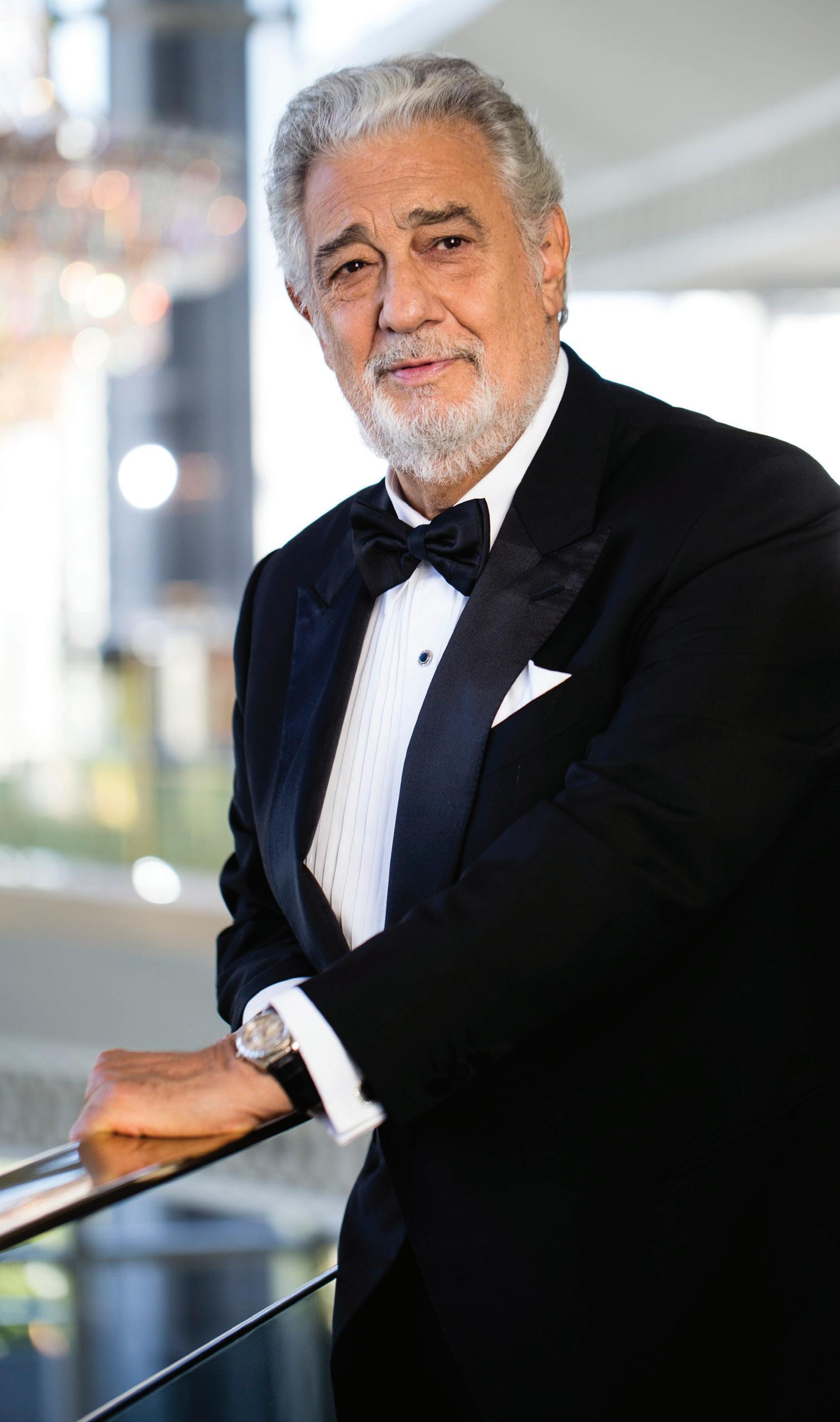
WORLD-RENOWNED OPERA SINGER PLÁCIDO DOMINGO, THE MOST FAMOUS OTELLO IN THE CONTEMPORARY OPERATIC WORLD, HAS BEEN ENCHANTING MUSIC LOVERS AROUND THE WORLD WITH HIS DISTINCTIVE AND EMOTIVE VOICE FOR MORE THAN SIX DECADES. IN LINE WITH HIS MOTTO OF "IF I REST, I RUST,” THE MAESTRO IS STILL EXTREMELY ACTIVE AT HIS AGE OF 85 YEARS.
Malta
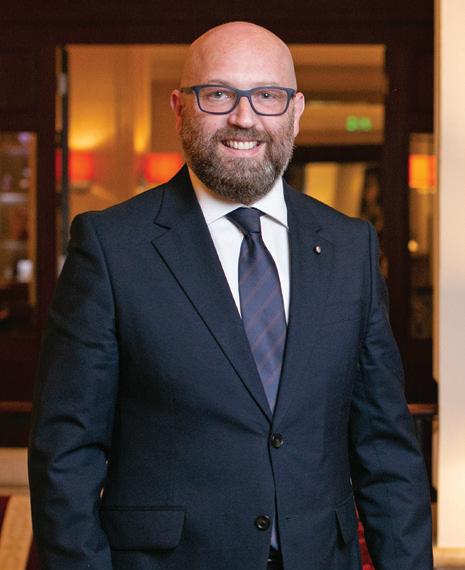
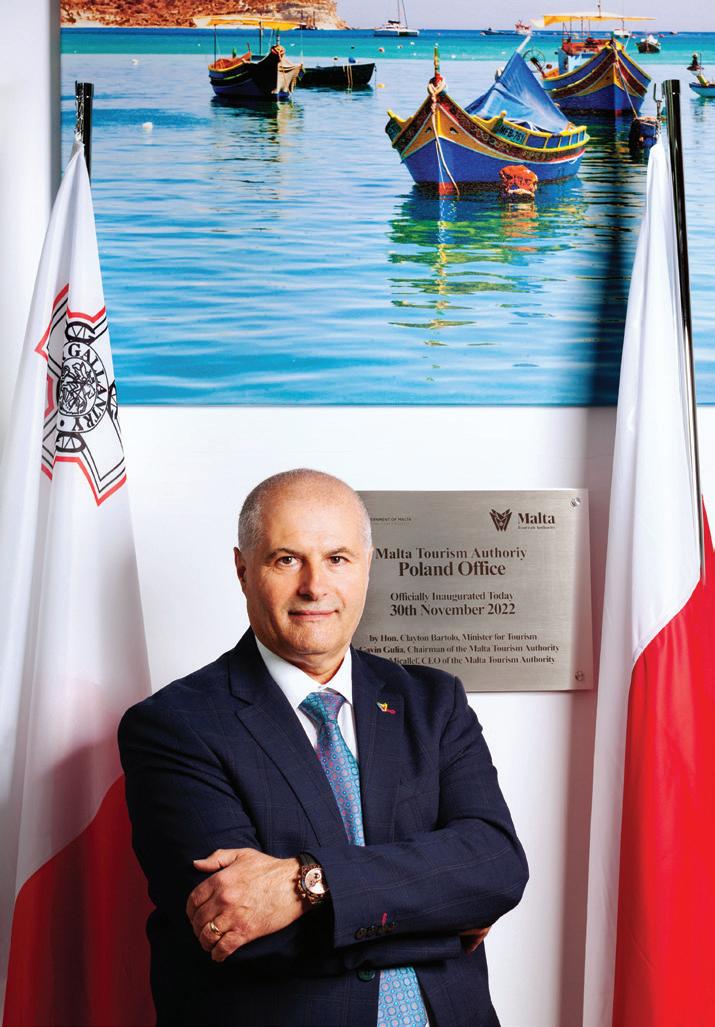
The Maltese ambassador to Hungary, Roberto Buontempo, although based in Malta, has been actively involved in the maintenance of bilateral diplomatic relations. He says that whenever he visits Hungary, he is always struck by how open and welcoming people are and how warmly he is received. In addition to his interview, the Maltese Focus also includes the presentation of Hungarian-Maltese relations in the field of tourism and gastronomy.
see articles on pages 08-14
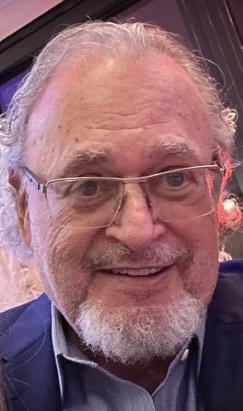
Talent is evenly distributed across society: in every town and in families of all social and economic backgrounds, there are talented young people. Access to opportunity, however, is far from equal. This structural challenge is the focus of a campaign launched by the Hungarian Business Leaders Forum (HBLF) on the occasion of the International Roma Day. see article on page 16
letter from the publisher
The world-renowned Spanish-Mexican tenor Plácido Domingo has performed more than 150 roles during his extraordinary career, bringing a remarkable range of characters to life on stage. Widely regarded as the most celebrated Otello of the contemporary operatic world, he tells Diplomacy & Trade that Hungary holds a prominent place on the international classical music scene. He is a frequent visitor, appearing here both as a performer and as a jury member on a televised classical music talent show.
Hungary’s parliamentary elections on April 12 brought a historic political shift, ending the 16-year rule of Viktor Orbán and his Fidesz party. The outcome sent shockwaves well beyond Hungary’s borders, drawing significant international attention. We will continue to follow developments closely and keep our readers informed in future issues as the new government takes shape.
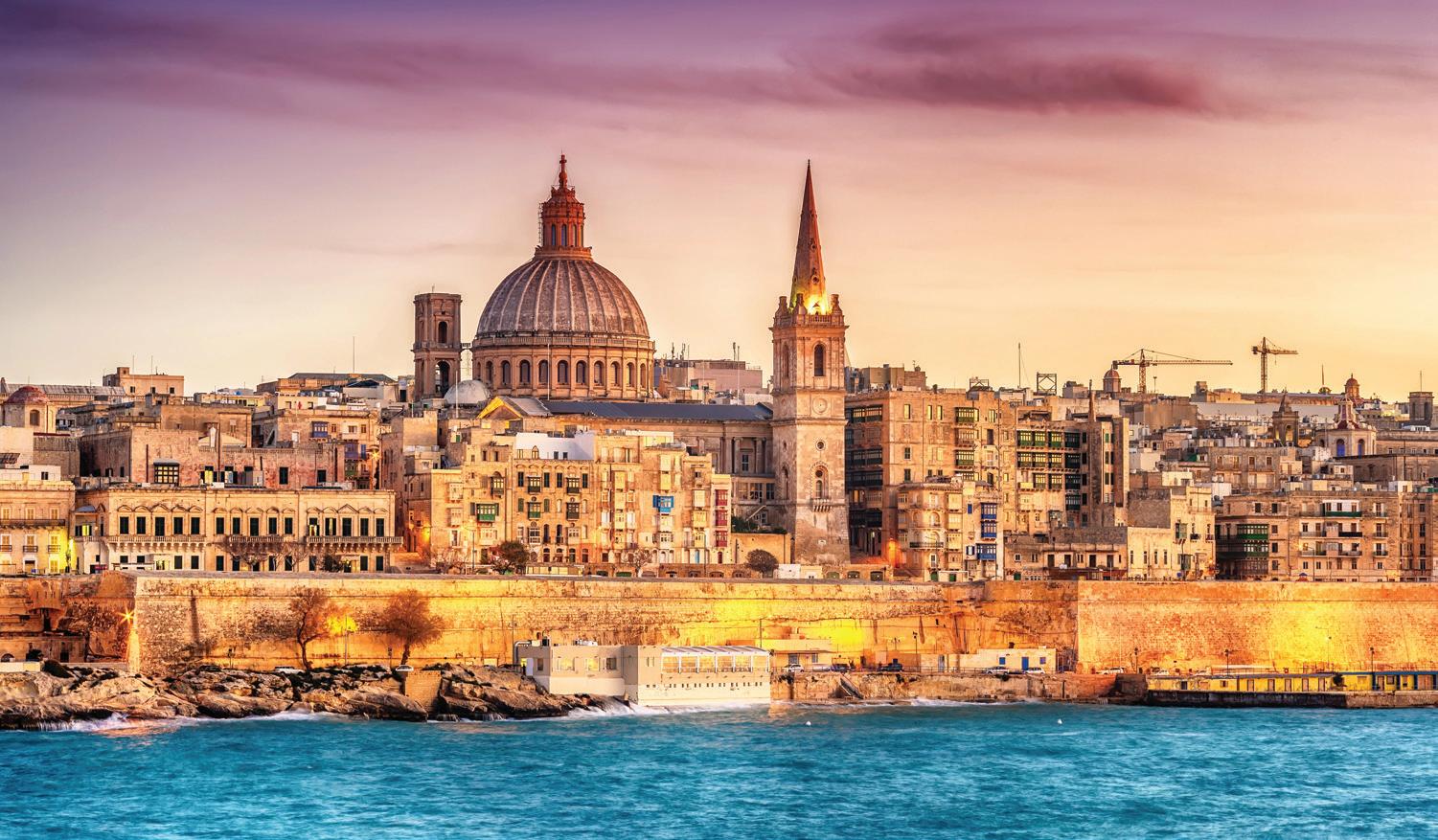
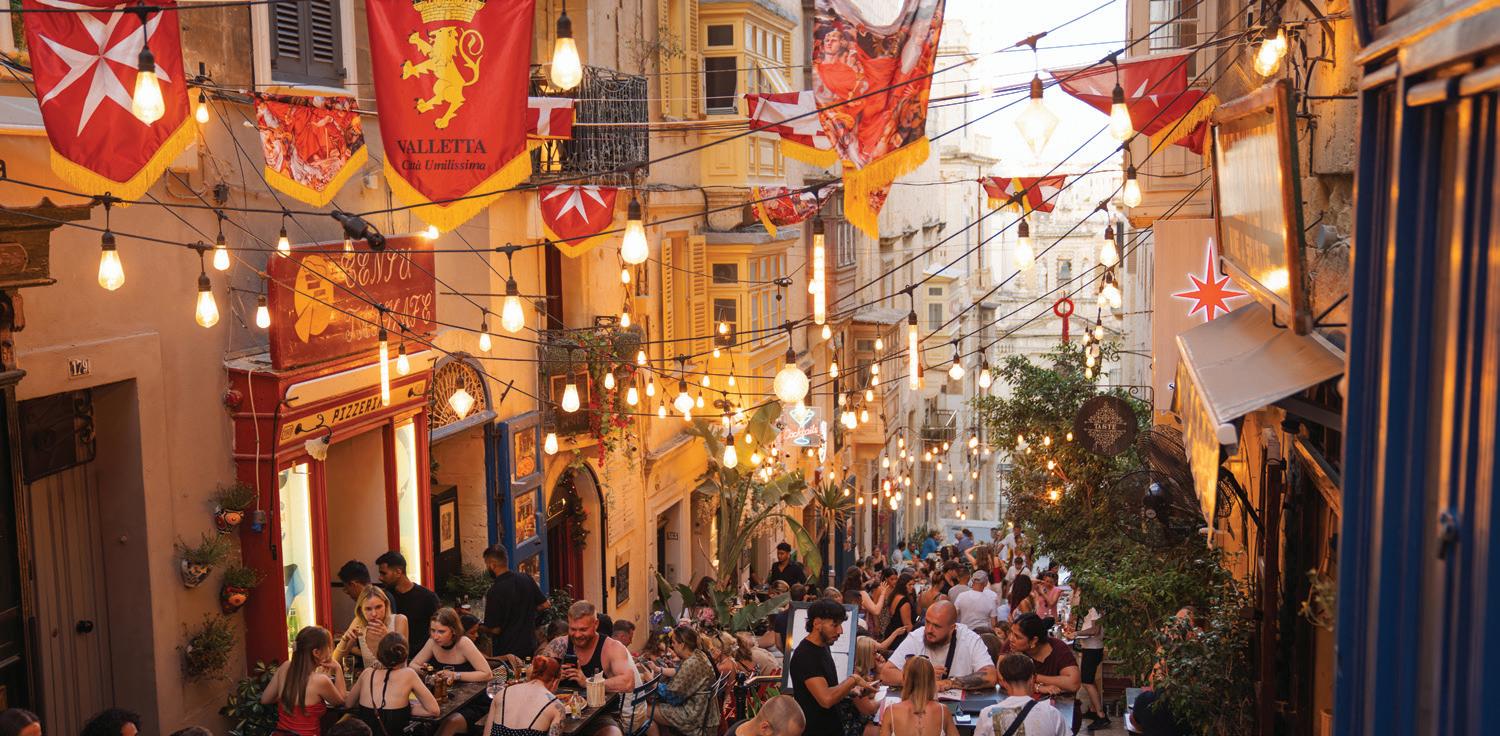
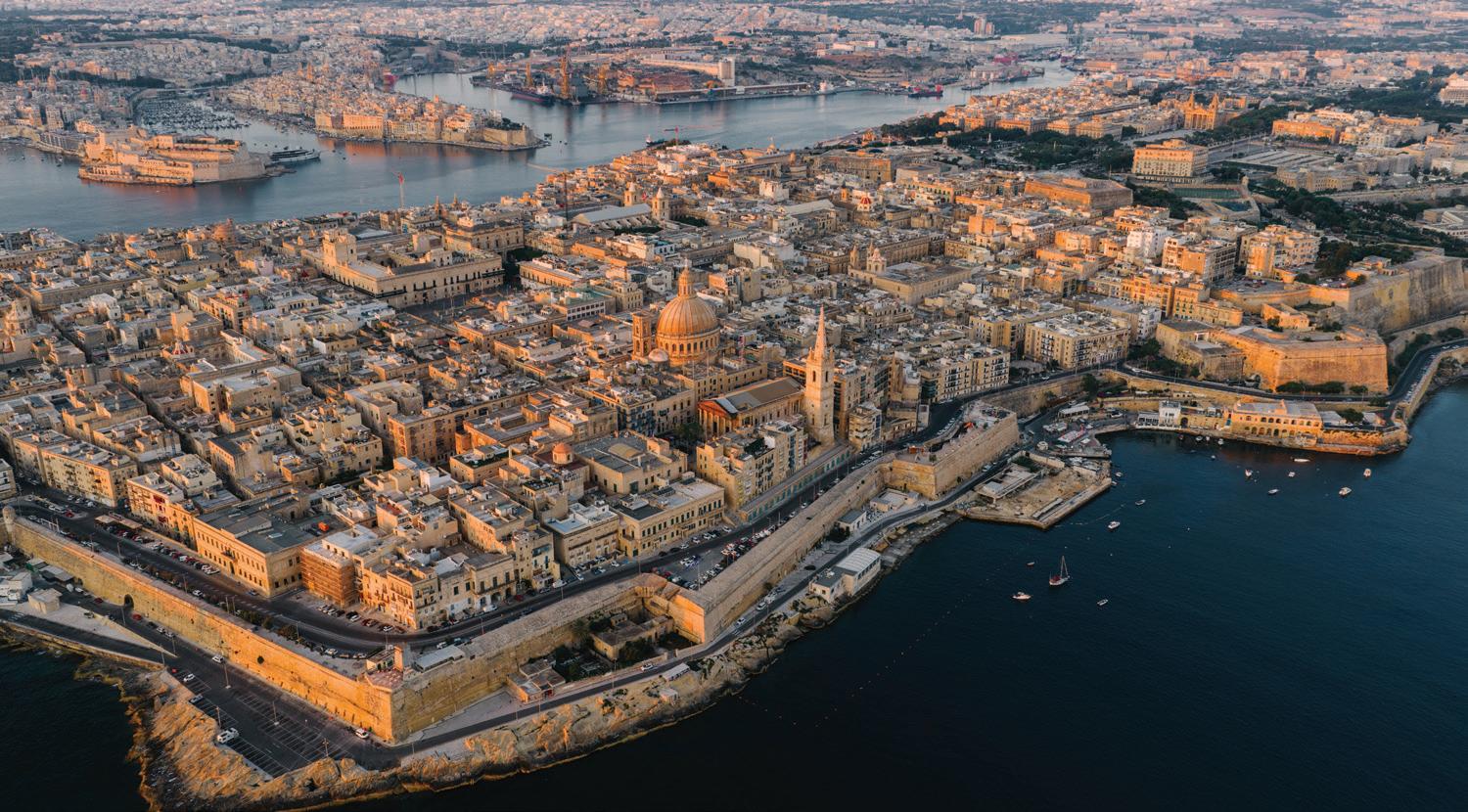
The focus country in this issue is the Republic of Malta. The island nation’s non-resident ambassador to Hungary highlights ongoing efforts to further strengthen bilateral relations across several fields, including education, cultural heritage and tourism.
Maltese students continue to pursue veterinary studies in Hungary, while Hungarian students travel to Malta to study English. In this section, we also explore Malta’s tourism sector through both regional and Hungarian perspectives, and present Malteserelated businesses active in Hungary.
“Europe, as a whole, has been slipping in recent decades.” This observation underpins our international analyst’s argument that the European Union must redefine its role under changing global circumstances. As the United States appears increasingly focused on the Americas and the Indo-Pacific region, the European Union, he suggests, should move decisively toward greater “strategic autonomy.”
The Roma community represents the largest minority in Hungary, yet Roma professionals remain underrepresented in leadership positions within the business sector. The Hungarian Business Leaders Forum is working to change this reality. Recognizing that the issue is not a lack of talent but limited social mobility, the organization has established a foundation –together with leading companies – to support Roma students’ access to higher education and to help ensure that equal opportunity becomes a lived reality rather than a slogan.
In this issue’s WittyLeaks column, the Belgian Ambassador to Hungary reflects on the rich and often turbulent history of the building that has housed both the embassy and the ambassadorial residence for more than a century – standing as a silent witness to Budapest’s dramatic 20th-century past.
As always, this issue brings together diplomacy, business, and culture – offering insights into a world that is both interconnected and rapidly evolving. In a period marked by political change and shifting global priorities, maintaining strong partnerships and open dialogue remains essential. We thank our readers and partners for their continued trust and engagement.
Peter Freed PUBLISHER
PUBLISHER: Peter Freed PHOTO EDITOR: Dávid Harangozó
ADMINISTRATION: Blanka Szalontai
CONTRIBUTORS: Sándor Laczkó, Tamás Magyarics, Jeroen Vergeylen
PHOTO CONTRIBUTORS: Fiorenzo Niccoli (cover), HBLF (cover), depositphotos.com, TISZA Party Facebook, honvedelem.hu, Courtesy of Katalin Karikó, Budapest Airport, Mercedes-Benz Hungária, telekomspots.hu, metrinox.hu, Saint James Hospital Group, Malta Tourism Authority, Gábor Stiglincz, HBLF, Bence Hegedűs, Kaori Suzuki, Belgian Embassy, Live Nation, Müpa, Albert Anker/Girl Peeling Potatoes - Collection of Christoph Blocher
cont en ts
03 ON THE RECORD 04-05 COMPANY BRIEFS 06 ANALYSIS
The EU has to find its place under the new circumstances 08-14 MALTESE FOCUS
Interview with Ambassador Roberto Buontempo; Caviar&Bull; Saint James Vision & Aesthetics Center; Malta Tourism Authority
16 EQUALITY
Female business leaders stand for Roma equality 17 CULTURE
Plácido Domingo on versatility and musical diversity 18 WITTYLEAKS by the Ambassador of Belgium 19 WHAT’S ON Concerts, festivals, events and exhibitions in and out of Budapest
AMERICAN FOCUS – COMING SOON
This July, Diplomacy&Trade presents a special Focus section on US-Hungarian relations on the occasion of the 250th birthday of the United States of America – in cooperation with the US Embassy in Budapest and the American Chamber of Commerce in Hungary. We will feature an interview with the Chargé d’Affaires of the American Embassy in Budapest on the main aspects of bilateral relations. The United States is the second largest investor in Hungary regarding the number of jobs provided by the over 1,500 U.S. companies operating in this country. In 2025, the volume of bilateral trade reached a historic high as did the volume of American investments here in a single year. In 2026, the volume of bilateral trade increased further and new investments were announced. In the American Focus, we provide U.S. companies present in Hungary with the opportunity talk about their activities and their contributions to the community.
Event guide to the Hungarian capital page 19
The EU has to find its place under the new circumstances page 06 Historic background to the Belgian residence in Budapest pages 18
TISZA WINS SUPERMAJORITY IN HUNGARIAN PARLIAMENTARY ELECTIONS
National Election Office released show that the Tisza Party will have 141 representatives in Hungary's 199-seat parliament, a comfortable two-thirds majority with 70.85%. The Fidesz-KDNP alliance will have 52 representatives (26.13%) and Our Homeland ('Mi Hazánk') six (3.02%).
Tisza's mandates include 96 from individual constituencies and 45 from national party lists. Fidesz's mandates comprise ten from individual constituencies and 42 from national party lists. All six of Our Homeland's mandates are from national party lists.
In Hungary's parliament, 106 mandates come from individual constituencies and 93 from national party lists. Results of the list voting show Tisza took 3,385,890 votes, 53.18% of the total. Fidesz-KDNP had 2,458,337 votes (38.61%) and Our Homeland 358,372 votes (5.63%).
The data show 337,439 Hungarians voted by post and 335,595 of those ballots were valid. Fidesz-KDNP took 84.23% of the postal votes, Tisza 13.82% and Our Homeland 1.45%. There were 494,244 Hungarians registered to vote by mail.
The turnout rate for voters with a Hungarian address was 79.69%. The participation rate for all eligible voters, including mail voters, was 78.99%.
HUNGARIAN TALENT
LESS CONFIDENT IN BUSINESS OUTLOOK
Talents at Hungarian workplaces are less optimistic than their global peers when considering their organization’s business outlook in 2026, as well as when looking at AI’s impact on productivity. They hold lower levels of trust in leadership, colleagues and their managers, but are more focused on pay and benefits when considering staying in their current role compared to global averages.
explores the views of talent in 35 markets across Europe, Asia-Pacific and the Americas, providing an inside look at their attitudes, ambitions and expectations as the world of work continues to transform.
on the record
Its market snapshot on Hungary highlights that a more fraught external environment and the impact of artificial intelligence (AI) mean both talent and employers need to adapt traditional work formats and roles.
43% of employers are confident of growing next year, compared to 45% across the globe. 15% of talent surveyed share their optimism, less than the global average (21%).
To help with the rising cost of living, 48% of talent state they have taken on or are looking to take on a second job, compared to the global average of 40%.
When considering AI, 48% of talent feel that AI helps improve their productivity (global: 62%), as do 63% of employers (global: 54%).
TWO THIRDS OF EU'S GEOTHERMAL POTENTIAL IN HUNGARY
Around 43 GW of enhanced geothermal capacity in the European Union could be developed at costs below EUR 100/MWh today, comparable to coal and gas electricity. The largest potential is concentrated in Hungary, followed by Poland, Germany and France, according to a new study by the global energy think tank EMBER that accelerates the clean energy transition with data and policy. The organization highlights that advances in drilling and reservoir engineering are unlocking geothermal electricity across much wider parts of Europe, at a time when the power system needs firm, low-carbon supply and reduced reliance on fossil fuels. Once limited to a few favorable locations, geothermal is now positioned to scale.
Explaining Hungary's outstanding potential, the Hungarian Geothermal Association points out that one reason for this is the high temperature increase with depth: the geothermal gradient is approximately 45°C/km, compared to the average value of 20-30°C/km. Thus, at a depth of 500 meters, the average temperature is already 35-40°C, at a depth of 1,000 meters it is 55-60°C, at a depth of 2,000 meters it is 100-110°C, and in warmer areas it can even reach 120-130°C.
On the other hand, a significant part of the country's territory contains debris sediments or karstified, cracked limestone and dolomite rocks under the surface, which are saturated with water and have considerable waterconducting capacity.
Fluid is also needed to bring the heat from natural geothermal systems to the surface. In Hungary, thermal water – which is at least 30°C according to the domestic definition – is available in more than 70% of the country's territory as a medium for geothermal heat.
HUNGARY TO RECEIVE FOUR NEW GRIPEN FIGHTERS
Hungary will take delivery of four new Gripen fighter jets at the Kecskemét airbase, East Central Hungary, by the end of June this year.
Hungary's 14 Gripens have defended not only its own skies but also those of Slovakia and Slovenia for two decades, with Hungarian pilots completing four tours in the Baltic mission. Last year's deployment alone saw over 400
flight hours, 22 live scrambles, and more than 80 training alerts. The upgrade of Hungary's military has also included Airbus aircraft and helicopters, with A319s currently supporting evacuation flights amid the Iran conflict, and H145M and H225M helicopters deployed in flood rescues, fighting wildfires in the Balkans and KFOR missions.
Under a 2024 decision, Hungary's Gripen fleet will expand to 18 jets with the addition of four new aircraft, all set to arrive in Kecskemét by June 30.
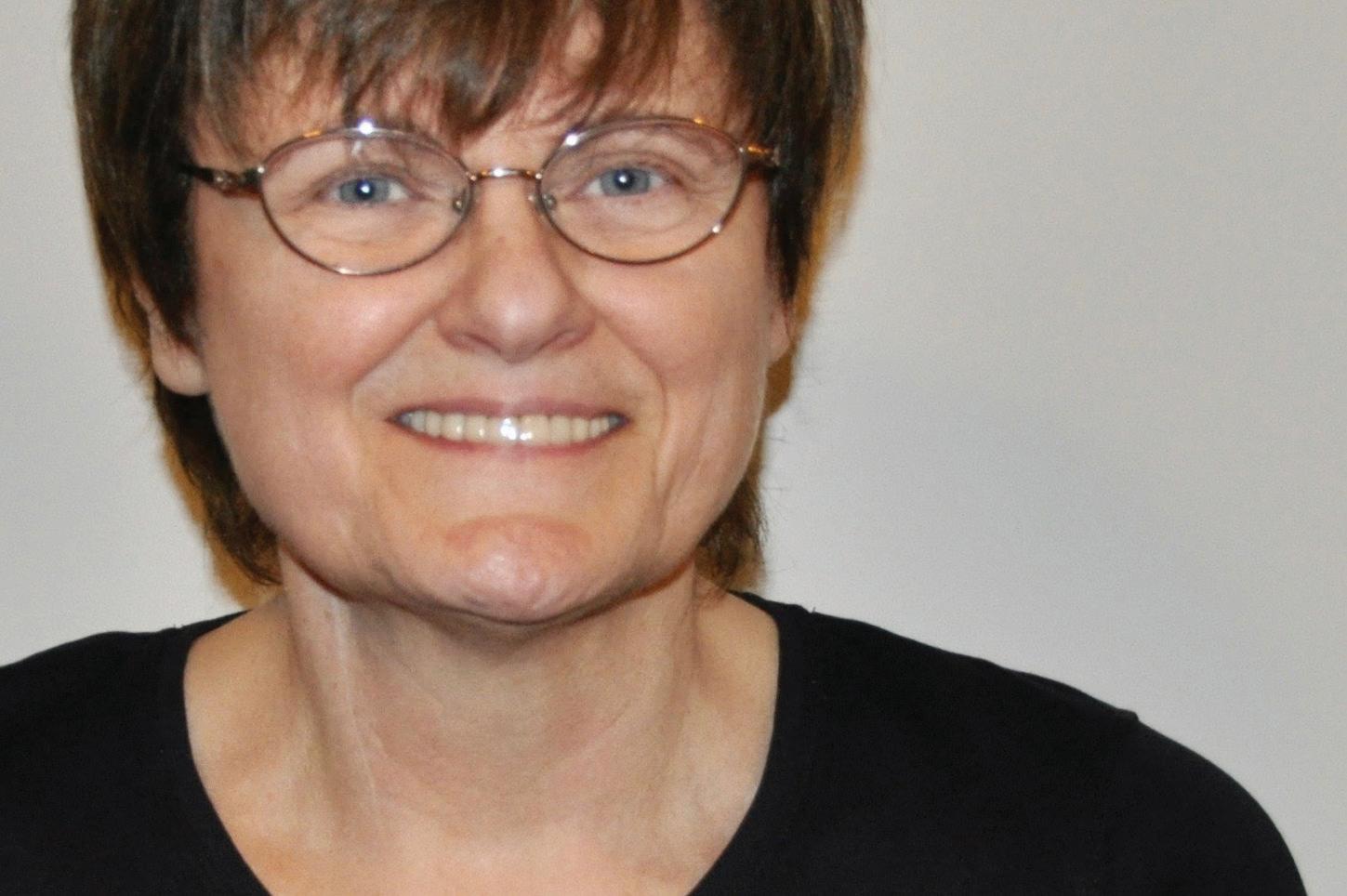
KATALIN KARIKÓ ON FORBES'S GREATEST LIVING INNOVATORS LIST
Hungarian Nobel Laurate Katalin Karikó has been selected by Forbes magazine as one of the top 250 innovators who "best embody the creative spirit." She is on place 169 on the list prepared to mark the 250th anniversary of the founding of the United States.
According to Forbes, those on the list "aren't just inventors; they're business leaders who bring their breakthroughs to market, transforming entire industries and create new ones."
The list, compiled by Forbes journalists, is topped by Elon Musk, owner of Tesla, SpaceX, and Neuralink, followed by Jeff Bezos, founder of Amazon, and Bill Gates, co-founder of Microsoft.
The top ten also includes filmmaker George Lucas, Jensen Huang, founder and CEO of Nvidia, Sam Altman, head of Open AI, Phil Knight, co-founder of Nike, Martine Rothblatt, creator of SiriusXM, media mogul Ted Turner, and Vinod Khosla, co-founder of Sun Microsystems.
Katalin Karikó, born and educated in Hungary, ranked 169th on the list. The scientist, who has lived in the United States for decades, received the 2023 Nobel Prize in Physiology or Medicine (with Drew Weisman) for their discoveries related to nucleoside modifications, which enabled the development of effective mRNA vaccines against the new coronavirus (COVID-19).
Those are the findings of the latest Randstad Workmonitor that
company briefs
NEW TERMINAL TO BE BUILT AT BUDAPEST'S MAIN AIRPORT
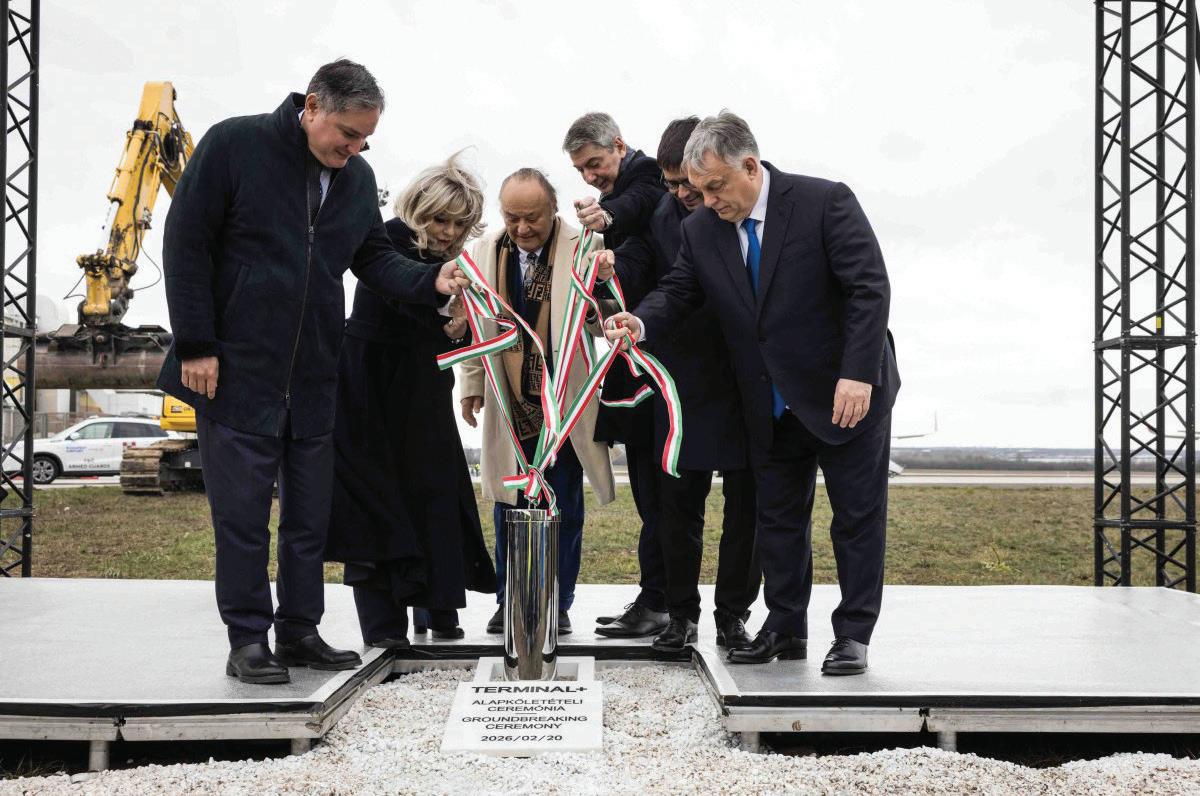
The foundation stone of Ferenc Liszt International Airport’s new terminal was laid in Budapest this February. According to a statement by the airport's operator, Budapest Airport, the event officially marked the beginning of ambitious expansion and modernization works.
Following an exceptional year in 2025, during which the airport welcomed nearly 20 million passengers, representing a 35% increase in traffic since VINCI Airports took over operations after a joint investment with the Hungarian state, this large-scale project aims to meet the growing demands of air traffic and deliver world-class facilities tailored to the future needs of travelers, the statement adds. This development program, supported by a total investment of EUR 1 billion over the next ten years, ranks among the most significant airport investment projects in Central Europe during the coming decade. The program includes a new main terminal spanning 35,000 sqm, featuring centralized check-in facilities, optimized security screening areas and integrated commercial spaces to create a seamless and enhanced passenger experience; a new 19,000-sqm passenger pier along with the expansion of aircraft apron areas over 132,000 sqm, which will include 13 new aircraft stands and a dedicated
de-icing area; and the refurbishment of car parks, improvements to external and internal roads, and curbside upgrades to match the new centralized building.
Last September, the government also announced significant developments to the infrastructure connecting to the airport, including the construction of a direct rail link to the airport, as well as the refurbishment of the express road leading to the airport and its expansion to multiple lanes.
MASTER GOOD EXPANDS AT MULTIPLE LOCATIONS
Through significant investments, the Hungarian-owned poultry company strengthens its market position, the Hungarian Investment Promotion Agency (HIPA) reports.
The Bárány family has been involved in poultry farming for over 100 years, spanning four generations, making it Hungary's oldest poultry farming dynasty. Master Good Ltd., fully Hungarian-owned, was founded over 30 years ago with five employees. Today, the company operates across all areas of the industry, handling a significant portion of domestic poultry processing.
As part of its long-term export strategy, Master Good is undertaking a EUR 150 million capacity-expansion investment at its Kisvárda plant (NE Hungary), creating 600 new jobs and significantly contributing to the region's economic growth. The goal of this development is to double production capacity and strengthen export capabilities. By implementing automated processing technologies, Master Good continues to enhance its market-leading position and contribute to the international competitiveness of Hungarian food production. As an industry leader, Master Good says it is committed to sustainability, applying the most advanced technologies to reduce its ecological footprint while ensuring the delivery of high-quality food products. To further these efforts, the company is installing solar and waste heat recovery systems in Kisvárda and nearby Petneháza. The EUR 31.66 million investment, carried out under the Factory Rescue Program, will lower operational costs while increasing energy savings. Through strategic infrastructure developments, Master Good is not only adapting to market changes but also ensuring long-term growth.
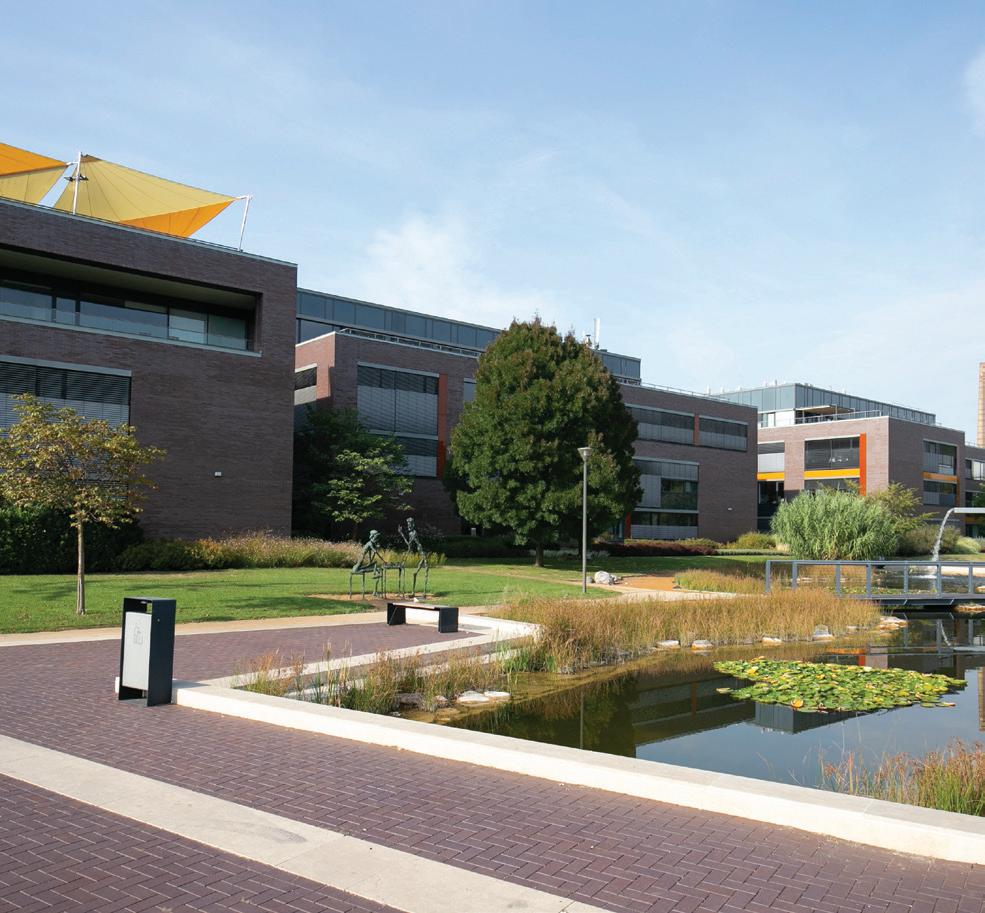
GROWING PRO FORMA NET PROFIT AT GRAPHISOFT PARK
In line with the company's extraordinary announcement on February 2, 2026, Graphisoft Park SE that operates industrial and office facilities in Budapest achieved EUR 8.31 million from normal business operations, which, combined with an additional EUR 12.17 million in one-off extraordinary results, resulted in a total pro forma net profit of EUR 20.48 million, the company's annual reports says.
In view of recent trends in the office market, in 2024, the company decided to examine the possibility of developing residential and service functions in the southern development area instead of offices, which is more appropriate from an urban landscape, urban planning and business perspective than further office building development. In line with this, the company sold the area to Synergy Construction Hungary Ltd., which is interested in residential development. Following the transaction successfully completed in July 2025, the company realized a one-time extraordinary profit of EUR 11.1 million. Furthermore, given that the refinancing of the preferential NHP loan, which expired at the end of 2025, would have had a negative impact on future results given the current higher interest rates, the company repaid the principal amount of about EUR 6.5 million at maturity. Upon closing the hedging transaction related to the loan at the end of 2025, the company recognized a one-time exchange rate gain of EUR 1.07 million. The repayment was covered by the company's previously accumulated cash reserves, so, this did not affect the use of one-off and extraordinary results.
In addition to all this, normal business operations also performed better than expected, largely due to the fact that Graphisoft Park's occupancy rate remains high: by the end of 2025, it had increased to 96% as a result of meeting the minor space expansion needs of several existing tenants, significantly exceeding the 87% average for the Budapest office market.
MERCEDES-BENZ CELEBRATES 140 YEARS OF INNOVATION
Between 2025 and 2027, Mercedes-Benz presents nearly 40 new or fundamentally redesigned models to the public – from entry-level to top-of-the-range models, with both internal combustion and electric powertrains. This comprehensive product offensive is perfectly timed to coincide with the brand's 140th anniversary. In 2026, Mercedes-Benz Hungária will celebrate this important milestone with the wide-ranging "Mercedes-Benz City" concept, which includes several important stops, including an exclusive exhibition of the Mercedes-Benz Art Collection.
The brand has remained perfectly true to its core values ever since: in 1886, Carl Benz registered the patent for the world's first automobile, the Motorwagen. Since then, Mercedes-Benz has been shaping the future of mobility in the areas of technology, design, digitalization, and customer experience: it is a story of success, innovation, and courage!
The strategy presented at the press event in Budapest this February focuses on clearly defined goals: further increasing sales, strengthening its position in the top-end vehicle segment, and increasing the share of electrified powertrain (xEV) models, all while maintaining Mercedes-Benz's core values of premium quality, safety, comfort and driving pleasure.
Sales figures in Hungary are in line with the Group's strategy: in 2025, passenger car sales grew by 8.7% compared to the previous fiscal year, and revenue increased by 11% from 2024 to 2025. Every third vehicle sold belongs to the TopEnd Vehicle segment, and AMG sales account for 20% of TEV. Fully electric models accounted for 9.1% of total sales. Mercedes-Benz AG's medium-term strategic plans include further growth in the Top-End segment and an even greater share of electrified models, in addition to sales of ~2 million units, all supported by a comprehensive and comprehensive product portfolio that meets all customer needs.
company briefs
BIOLAB CAPACITY EXPANSION IN POMÁZ
Hungarian-owned Biolab Diagnostic Laboratory Plc. is implementing a EUR 3.26 million capacity expansion project at its Pomáz site (NW of Budapest), the Hungarian Investment Promotion Agency (HIPA) reports.
The company manufactures microbiological diagnostic products for the pharmaceutical and medical technology sectors and is the only company in Central Europe to provide laboratories with
SIGNIFICANT NET INCOME INCREASE AT MAGYAR TELEKOM
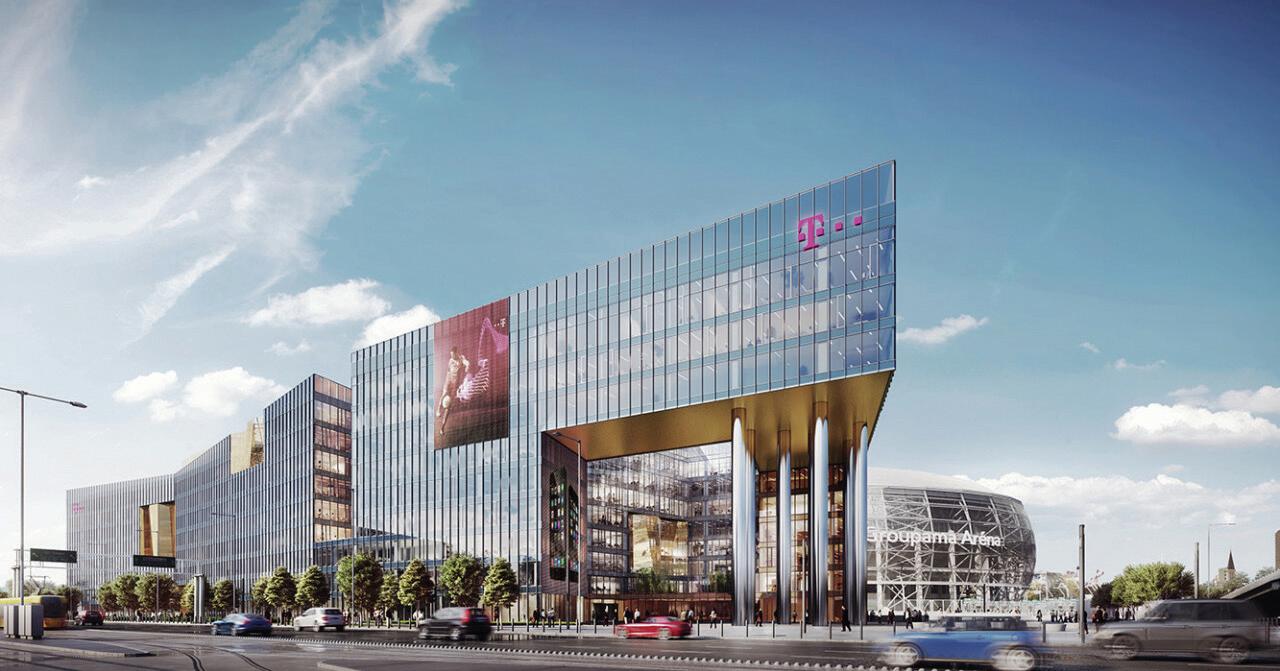
Net income of Hungary’s leading mobile service provider, Magyar Telekom rose 32% to HUF 208.4 billion in 2025, the telecommunications company said in an annual report released on the website of the Budapest Stock Exchange. Revenue edged up 2% to HUF 983.9 billion.
Direct costs were practically flat at HUF 377.5 billion and indirect costs fell 16% to HUF 188.6 billion, supported by the elimination, from the start of the year, of a supplementary telecommunications tax.
EBITDA rose 15% to HUF 417.8 billion and operating profit climbed 23% to HUF 274.5 billion. Capex after leases increased 19% to HUF 135.1 billion.
According to the Magyar Telekom statement, its board
proposes payment of a HUF 136.4 billion dividend on 2025 earnings. Additionally, the board envisages a share buyback of up to HUF 50.0 billion. Both the dividend and the buyback imply a payout ratio of around 90% of consolidated adjusted net income.
In guidance for 2026, Magyar Telekom put revenue growth in the "low single" digits and adjusted net income growth in the "mid-single" digits.
The company’s CEO, Tibor Rékasi, commented in the report by saying that “2025 marked an important year for Magyar Telekom. Consistent execution against our strategic priorities – digital transformation, a strong customer-centric approach and operational resilience – translated into robust financial performance. Continued investment in our fixed network, including the rollout of an additional 250,000 gigabit-capable access points, expanded our footprint to over 4.0 million gigabitcapable access points by year-end."
a complete range of equipment and materials. The investment will create 25 new jobs, thereby boosting employment in the region.
The project supports the introduction of new manufacturing technologies, digitalization of operations and the expansion of the site’s infrastructure. As part of the modernization, an automated vial blowing unit will be commissioned, integrated into the digital manufacturing processes, enabling the local production of products previously sourced from India. The program also includes energy modernization, with an expansion of the solar power system and the installation of a battery storage solution. This will ensure that
METRINOX INAUGURATES SMART METER PLANT
Metrinox has inaugurated a manufacturing plant in Szerencs (NE Hungary). The site will produce smart gas and electricity meters in the future.
Metrinox CEO Zoltán Jászberényi stated in his address that the plant currently employs ten people, but they aim to increase this number to 50 by the end of the year. He emphasized that, in the first phase, they will focus on calibrating and repairing residential natural gas meters.
He added that there are 3.2 million residential natural gas meters installed in Hungary, of which
the majority of the site’s electricity consumption is supplied from renewable sources.Biolab relies on Hungarian suppliers for 70% of its inputs, stimulating the domestic economy and enhancing the competitiveness of local industrial players. With its products, Biolab is present not only in Hungary but in more than 50 countries across five continents. In 2022, it won the award for the most successful manufacturing business in Zugló (District 14 of Budapest), and in 2024, it represented Hungary at one of the world’s largest international pharmaceutical trade exhibitions.
between 10% and 12% require repair, verification and recalibration annually.
According to the information provided, the second phase, in collaboration with an international partner, involves implementing smart natural gas metering.
The first few hundred smart meters, based on the world's most advanced ultrasonic technology, will be installed in homes in Szerencs, NE Hungary.
Metrinox Plc. is a 100% Hungarian-owned company, created in 2024 with the collaboration of national investors with the aim of creating, by starting up the metering division, a production and development base in Hungary that covers the entire value chain of modern natural gas and electricity meters, from manufacturing to certification and innovation.
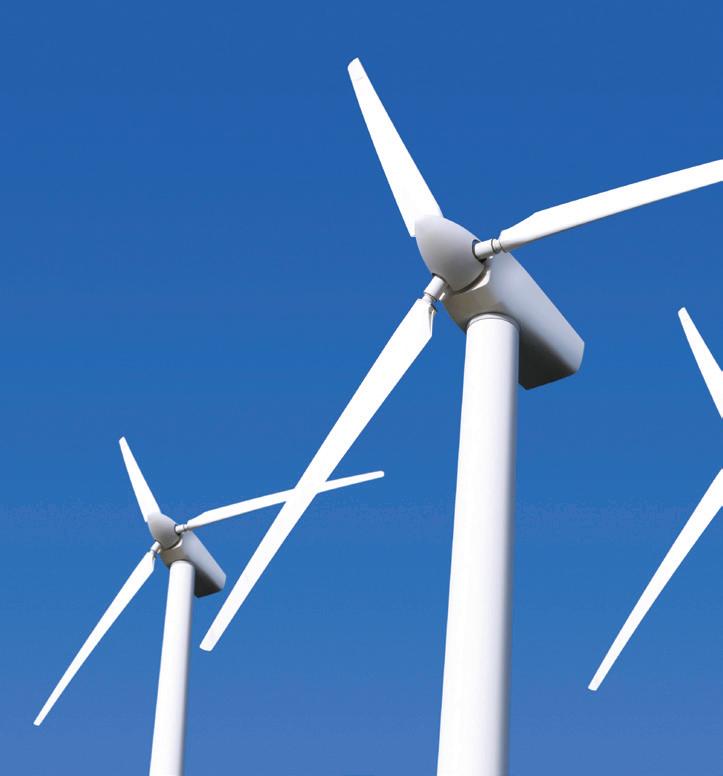
GREEN ENERGY INVESTHOR WIND FARM IN HUNGARY
Green Energy Investhor is acquiring permits to build a 499 MW wind farm on the outskirts of Vadosfa (NW Hungary), the company told the news agency MTI.
The planned investment will create a total of 499 megawatts (MW) of new installed capacity with 70 modern wind turbines (each with a unit capacity of 7-7.2 MW), which is expected to generate 1,200 gigawatt hours (GWh) of electricity annually.
Hungary currently has approximately 330 MW of installed wind power capacity, which has not expanded significantly over the past decade. Solar energy has played a key role in the green transition of the domestic energy system so far, while wind energy has remained untapped, they said.
The turbines will have a tower height of up to 130 meters, a total structure height of 220 meters and a rotor diameter of 90 meters, ensuring efficient operation even at lower speeds. When selecting the components, a key consideration is that noise and vibration levels remain below regulatory limits at all times of the day, with a distance of typically more than one kilometer from residential and recreational areas, instead of the minimum 700 meters specified by law, the company said.
According to the announcement, the investment is currently in the building permit phase. A year of environmental monitoring and measurements was completed in January, and with this data in hand, the permitting process could begin. Archaeological sample excavations have begun on site. The entire wind farm is expected to be operational at the end of 2029 or early 2030.
analysis
EUROPE’S MOMENT TO GROW UP?
THE EUROPEAN UNION HAS TO FIND ITS PLACE UNDER THE NEW CIRCUMSTANCES
BY TAMÁS MAGYARICS
’You never want a serious crisis to go waste’, declared famously then Chief of Staff in the Obama administration, Rahm Emanuel at the financial crisis in 2008. And the world is in turmoil without question. We are living in an age when a new world order is taking shape. The so-called liberal world order is waning, and there is a definite shift towards a traditional balance of power system. Europe, more specifically, the European Union has to find its place under this new sun. It is possibly one of the last moments for it to adjust to this new reality – or else.
Rules dictated by others Europe, as whole, has been slipping in the past decades and, unfortunately, few can argue otherwise. Europe was leading the world in terms of economic output in 1980 with approximately 27% of the global GDP in Purchasing Power Parity (PPP), closely followed by the U.S. with some 25-26%. Now, China is number one with close to 20% of the global GDP measured in PPP, the U.S. is second with 14.5%, and Europe slipped to third place with 13.77% according to the IMF. The EU, which prides itself on being a sort of postmodern political entity, that is, one which is discounting the use of force in international relations and trying to represent human and civil values in general, has had to realize that, on one hand, these values are not welcomed everywhere. And, on the other one, it has turned out that the use of force, or the threat with the use of force, have not gone out of fashion. The Europeans have to realize that times have gone when Europe
set the rules for some 500 years until the 21st century. Therefore, if the EU wants to preserve its global standing, it has to play by the rules which others are dictating now.
Strategic autonomy
It seems that military capabilities do count in international relations. The Europeans were enjoying a ’free meal’ until recently: the U. S. security umbrella provided security protection. To further distort the balance in direction of the U.S., most of the European NATO-allies took out a ’peace dividend’ after the dissolution of the Soviet Union; currently, they contribute only 30% of the costs of the alliance. However, the Obama, and now the Trump administrations demanded respectively that they increase their defense spending up to 2%, then 5% of their GDP. It may enable the Europeans to act more independently from the Americans in the medium term, and, consequently, to improve their standing vis-á-vis the three major centers of power: the U.S., China and Russia. President Trump’s policies help the Europeans find their own voice too. The British were practicing the policy of ’benevolent neglect’ concerning their North American colonies in the 18th century. We are witnessing a ’reverse (not so benevolent’) neglect on behalf of the Americans regarding Europe; Washington’s major spheres of interests as defined in the National Security Strategy of November 2025 are the Americas and the IndoPacific region. This approach may strengthen the efforts to create a ’strategic autonomy’ repeatedly called for by such French leaders as Charles de Gaulle and Emmanuel Macron.
‘De-risking’ and ‘de-coupling’ Lately, the meeting of the EPP representatives in Zagreb expressed their intention to provide
a new role to the EU as a security actor. The EU-Mercosur, the EU-India and the EUIndonesia trade deals rather openly support the diversification of the EU’s trade relations. Nowadays, the U.S.-EU trade volume is some EUR 1.6 trillion per year, and the FDI in 2023 exceeded USD 4.7 trillion. The EU has moved towards independence in some areas: only 35% of the planned EUR 150 billion program to boost defense investments can come from countries outside of the community. There is an ongoing dispute between the two sides of the Atlantic with regard to the platforms used by offices and the people at large: the French are banning public officials using such American platforms as Google Meta or Zoom, and the EU as a whole may follow suit. Overall, naturally, the EU does not wish to drastically cut ties with the U.S.: it is pursuing a ’de-risking’ policy instead of a ’decoupling’ one. The bilateral trade agreements, the reduction of the role of American platforms are accompanied by the EU’s policies of ’decoupling’ from Russian energy supply, and efforts to curb Chinese economic penetration into the EU in fields such as critical telecommunication and infrastructure. The goal is to be able to act more independently from these power centers, and to strengthen financial and trade relations with medium-sized countries in the world.
Cautious in taking sides
There seems to be an opening for the Europeans to play a role in the Middle East as well. True, the EU allies have not assisted the U.S.-Israeli military operations, but, at least in the words of German Chancellor Friedrich Merz, the Europeans possessing meaningful power projection capabilities will stand ready to help secure traffic in the Strait of Hormuz after the conclusion of the hostilities. The Europeans were
more than cautious in taking sides in the IsraeliPalestinian conflict, and they were reluctant to get directly involved in the American military actions against Iran too. To a certain extent, there is nothing new in this approach: the ’Arabists’ in the British and the French governments, in the first place, have always been wary of alienating the Arab countries/leaders for good reason: one of them was, and is, that a portion of the vital energy supplies come from the Gulf countries.
Forged in crisis?
Having said all of that, the EUR one million question is whether the EU leaders are capable of thinking strategically, or not, and if yes (and there is a big question mark), whether the current structure of the EU is suitable for imaginative medium and long-term planning, and the implementation of these plans. The external factors are inviting the EU to cut a number of umbilical cords in terms of security, energy supply and markets. Nevertheless, the internal fragility seems to be less promising. The economy should climb back to a position where it was a few decades ago, but it is a tall order in light of the gap in, among others, cutting edge technology. What seems even to be more important is that the EU should put its house into order with reference to unresolved social questions, deepening political divisions within some of the larger members and, consequently, rather fragile governments which are not in a position to commit their countries to take bold, albeit necessary, steps in a number of fields. We can only trust in Jean Monnet’s dictum: „Europe will be forged in crises.” Alas, there are no Jean Monnets or Robert Schumans around this time.
Tamás Magyarics is a foreign policy analyst
CONSOLIDATING THE GOOD BILATERAL RELATIONS
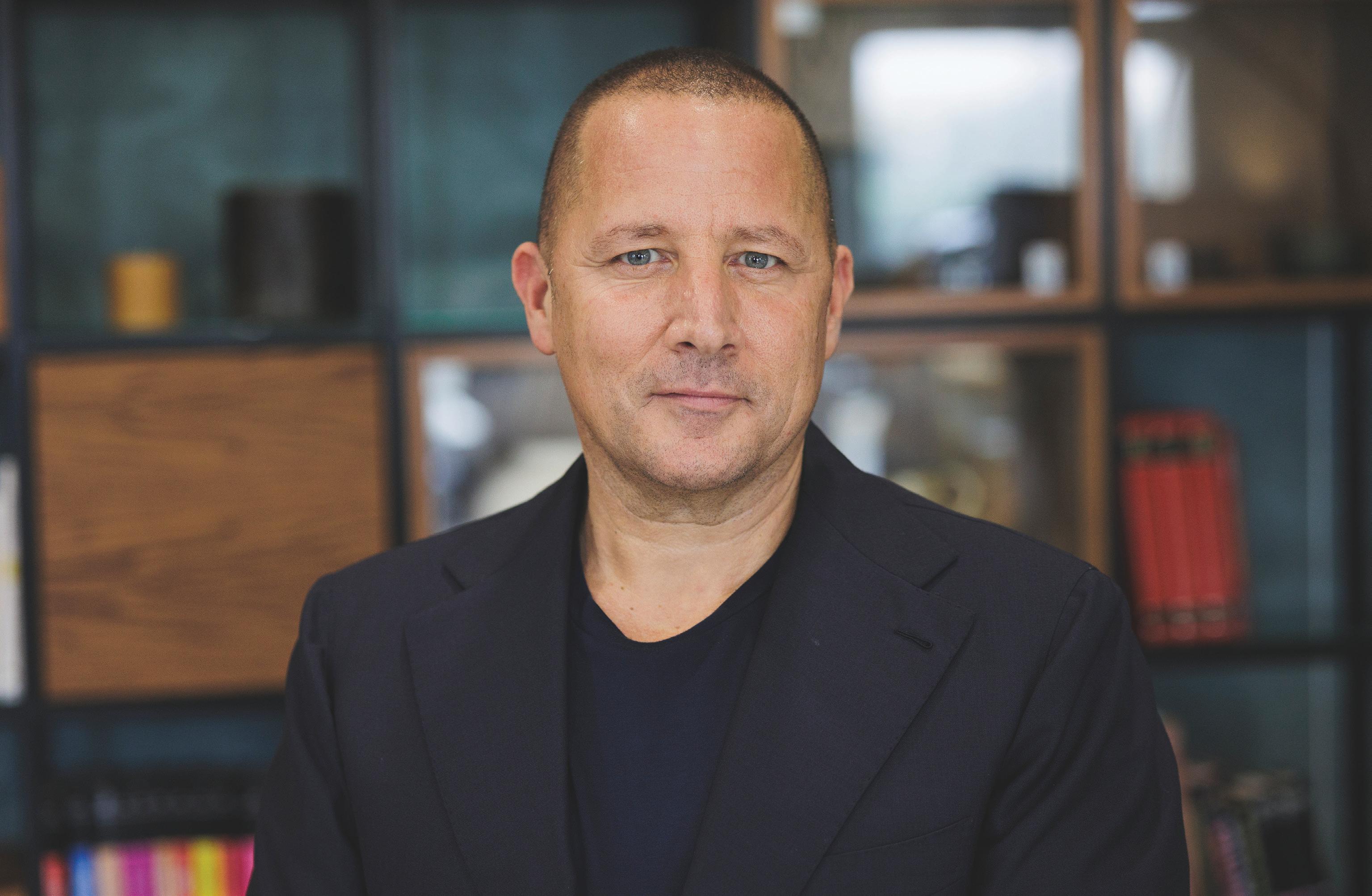
INTERVIEW WITH THE AMBASSADOR OF MALTA, ROBERTO BUONTEMPO
Roberto Buontempo, Ambassador Extraordinary and Plenipotentiary of the Republic of Malta to Hungary, presented his credentials to the Hungarian President at the Sándor Palace in Budapest in the spring of 2024. Since then, while based in Malta, he has been actively involved in the maintenance of bilateral diplomatic relations. Diplomacy&Trade caught up with him at his recent visit to the Hungarian capital.
BY SÁNDOR LACZKÓ
“Whenever I visit Hungary, I’m always struck by how open and welcoming people are, and how warmly I’m received. Like many of my fellow ambassadors, my role is to further strengthen the already excellent bilateral relations between our two countries. One of our current priorities is to increase the volume of bilateral trade and to expand the presence of Maltese businesses in Hungary, as well as Hungarian businesses in Malta. I am confident that these efforts will bring meaningful benefits to both nations,” he points out.
The best of both worlds
As to what differentiates him and his position from other ambassadors who are based here in Hungary, the Ambassador highlights that “there is definitely a challenge because once you are not on the ground,
engagement needs to be selective and targeted.
Whenever I’m here for official events like the annual reception by the Hungarian President in January, I try to include many meetings on the margin.”
He adds that this challenge, however, is mitigated
because fortunately, he is able to utilize the very good connection by airlines that operate between Malta and Budapest. “So, if there is something that really and truly requires me to be here, physical presence is a quick and easy process. Serving as a non-resident ambassador offers the best of both worlds where I am able to maintain close ties with the authorities in Malta while also remaining readily available to engage with my counterparts in Budapest at short notice. I make it a point to visit Hungary around six times a year, and this is a rhythm that has worked very well over the past two years.”
Culture and education
One of the most successful areas of MalteseHungarian relations Ambassador Buontempo is involved in is cultural diplomacy on which, he says, he is trying to consolidate a lot. “In fact, this past December, Malta had a quartet, including two sopranos, a harpist and a clarinetist playing in three concerts in Székesfehérvár, SW of Budapest. The event was indeed a successful one, and
maltese focus
I intend to build on this, where hopefully, next year, I am looking at taking a Hungarian ‘a cappella’ choir to perform in Malta. We are also engaged in sports cooperation where Malta tries to make arrangements as well for Hungarian athletes to attend training camps in Malta.”
There are a number of Maltese nationals studying at Budapest’s University of Veterinary Medicine with around 48 out of around 2,000 students being Maltese. “I have also facilitated a working connection between a Maltese higher education institution specializing in facilities management and the University of Veterinary Medicine of Budapest, where I am sure we will announce concrete collaboration soon. Perhaps, some of the courses can be done either together or can commence in Malta and continue in Hungary. We are in talks to try bring students from another university, the Budapest University of Economics and Business to carry out placements with the tourism industry in Malta,” he notes.
There is also the Museum of Fine Arts in Budapest, and the huge state of the art National Museum Conservation and Storage Center. He has recently
visited it to talk about possible exchange of curators and conservation specialists between both countries. “Although Malta might not have the same resources, we consider Malta’s cultural heritage to be one that is very rich where we can actively contribute to achievements in this field,” he adds.
He underlines that there are around 2,500 Hungarians currently living in Malta officially, “but we believe this to be a conservative number with many more working or studying in Malta. When I'm invited to something organized in Malta by the Hungarian representative office in Malta, the theater is always full of Hungarians. So, the Hungarian community in Malta is very vibrant and the integration with the locals is fantastic.”
Good connection
Malta’s strategic geographical position makes it excellent for tourism. Statistical data shows that the number of Hungarian tourists to Malta has risen sharply in the past few years. The Ambassador stresses that this growth has a lot to do with the improvement of travel connections between the
two countries, as well as with the activities of the Malta Tourism Authority’s long-time representative in Hungary, Edina Hangya. “She is doing a great job in representing Malta. In fact, a lot of Hungarians have come – and are coming – to visit Malta, as a result of word of mouth, providing good publicity for Malta. In my country, there are so many cultural opportunities for one to observe. For example, during the summer period, there are various cultural village celebrations in each locality, feasts (known as festi in Malta) that portray the Maltese way of celebrating patron saints, which is, obviously, a bit different than here in Hungary.”
Another growing trend in bilateral relations Ambassador Buontempo mentions – and that he would like it to increase even more – is that many young Hungarians are attending courses of English language there. “I believe that these English language schools in Malta are some of the best in this business where one can combine language studies with the benefit of the all-year-round good weather that the country has to offer.” Quoting numbers, last year, there were about 80,000 Hungarians that travelled to Malta for holiday purposes. It means an increase of 17.9% in just twelve months. The number of nights Hungarians spent there went up by 11.4% and the money spent by them showed a 12.6% increase. As for the English language students, there were about 1,200 Hungarians in Malta in 2025. “These figures are promising, and it is something Malta wants to improve. They are very encouraging for increased people-to-people contacts.”
Malta has its voice heard Malta and Hungary joined the European Union together in 2004. Ambassador Buontempo points out that although Malta is a small country, it still has its voice heard within the EU and other international bodies.
“Despite our size, it has not deterred us from making our voice known on the international stage. Over the past years, our country held important
positions including the Chairmanship in Office of the Organization for Security and Cooperation in Europe (OSCE) in 2024, the Presidency of the Council of Europe last year, and even served as an elected non-permanent member of the United Nations Security Council from 2023–2024. We firmly believe that we belong at the same table as all others. Our voice is present and active, and we are always ready to contribute constructively wherever required. We are also aligned with the majority of EU countries on the Russia-Ukraine conflict and seeking an end to the conflict in Ukraine. In light of our constitutional neutrality, we ensure that the contributions we provide serve goals in humanitarian assistance, not in armaments.”
Migration not unfamiliar to Malta
One of the issues that remain high on Malta’s agenda – given its geographical location in the Central Mediterranean – is migration.
The Ambassador stresses that “for most of its history, Malta has always been an important cross point in the Mediterranean and remains at the forefront of the irregular migration to Europe from North Africa. Malta has advocated, and continues to advocate, for the safe and regular migration as well as the safety of the person trying to reach the island. However, we always try to communicate effectively with our neighbors, including the rest of the EU nations, so that the burden does not fall only on Mediterranean countries. However, we also acknowledge that the situation and approach in each country is different. Malta has also embraced the need for regular migration as a means to continue to support our growing economy and fill in the human resource gaps in sectors such as healthcare, and the service industry.”
A friendly country with so much to give
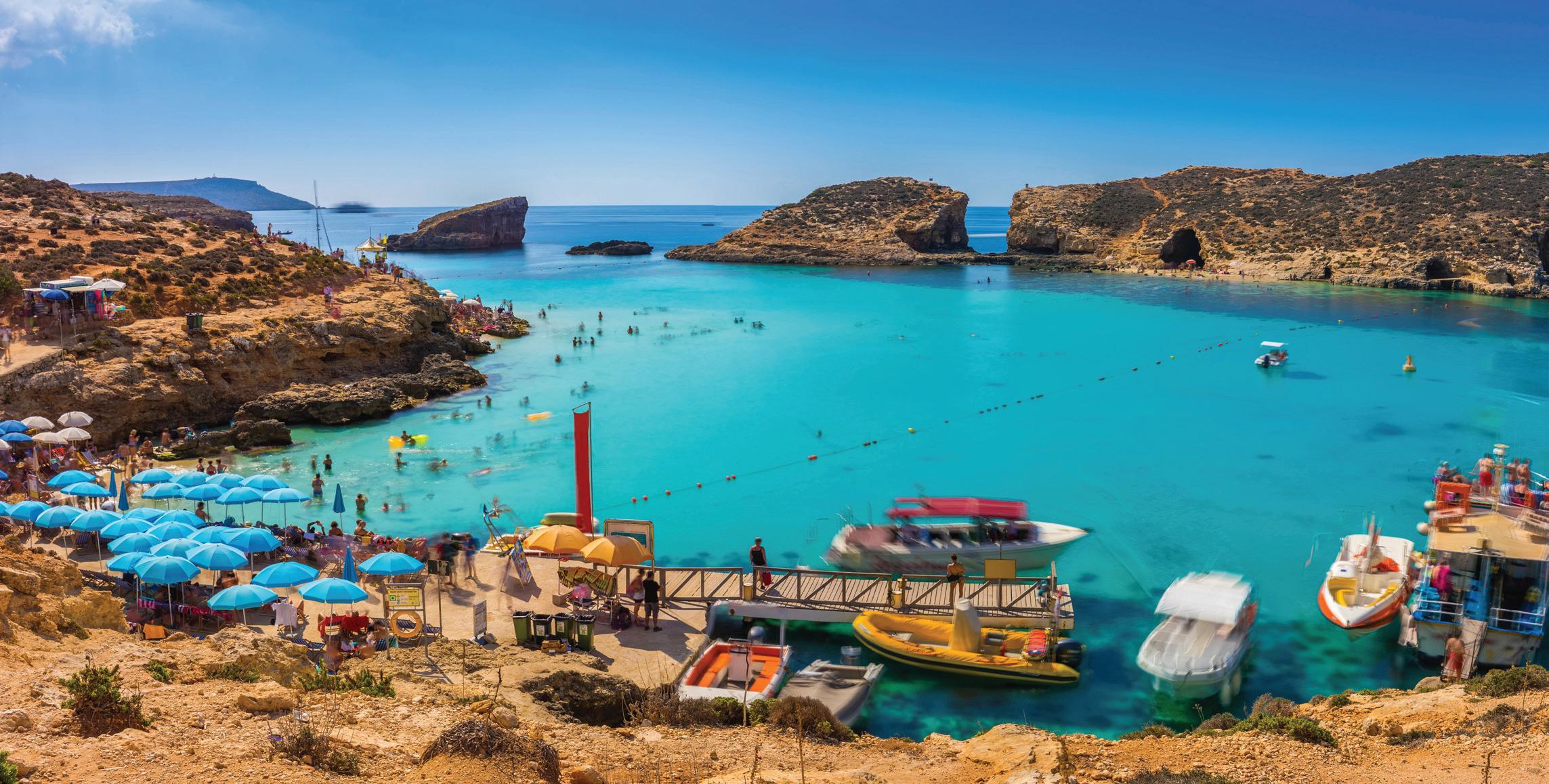
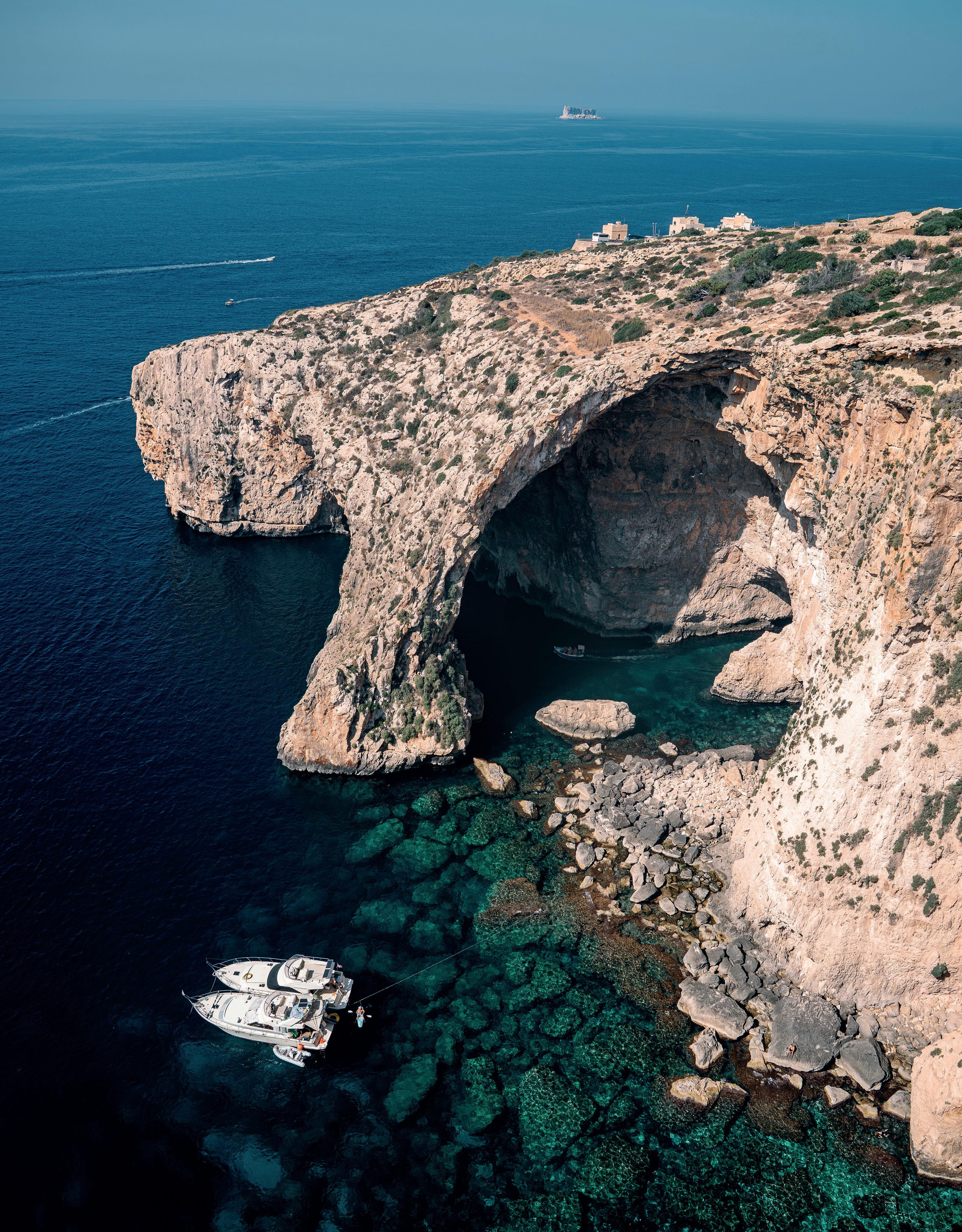
Given the numerous attractions Malta has, the Ambassador stresses that those who come to Malta, as many thousands of Hungarians do each year, fall in love with it – with the people, the culture and the climate. “Malta’s history and culture offer endless opportunities for a Mediterranean experience. From a religious perspective, we have around 365 churches, where each one of them is like visiting a museum. The islands (Malta, Gozo and Comino) are surrounded by a crystal blue sea and you can walk around the coast wherever you want. One of the most beautiful destinations is the Blue Lagoon in Comino. We also have the oldest known freestanding temples built by people and are dated around 7,000 years old, making them even older than the pyramids of Egypt. Then, there is the warmth of the Maltese people. Visitors will also notice signs of our British heritage in our architecture, and one can still see the vintage English buses providing tours around the island. The vast majority of Maltese speak English, making communication easy. I believe that when people visit Malta, they can see what a friendly country it is, that has so much to offer for its size. It is also a safe country – I never felt any issues with that. So, I suggest for people to come no matter the season, as there is always so much to see and experience in Malta,” Ambassador Roberto Buontempo concludes.
maltese focus
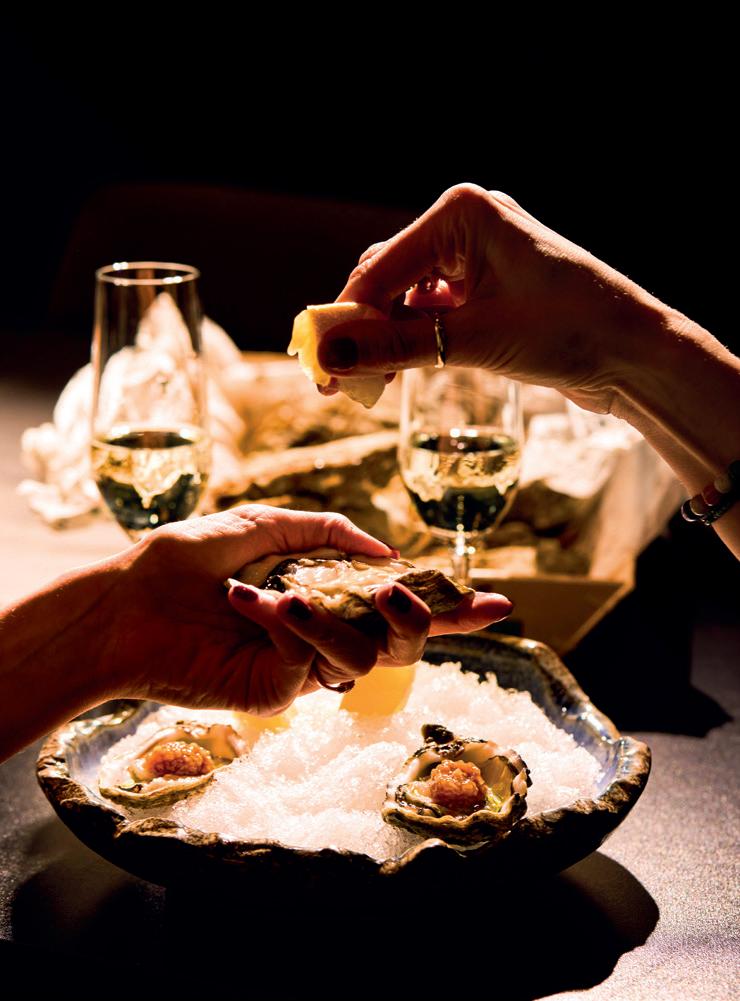
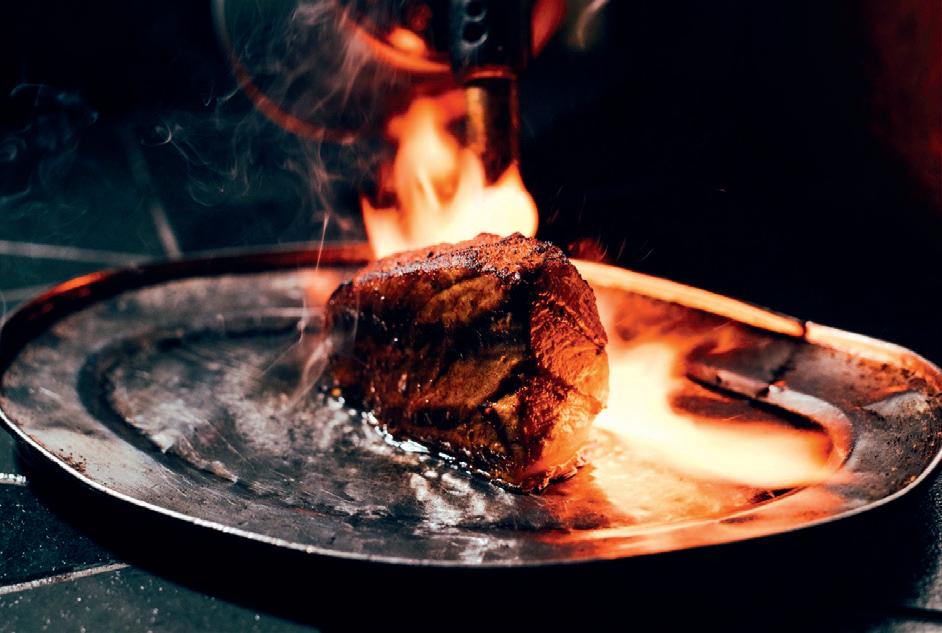
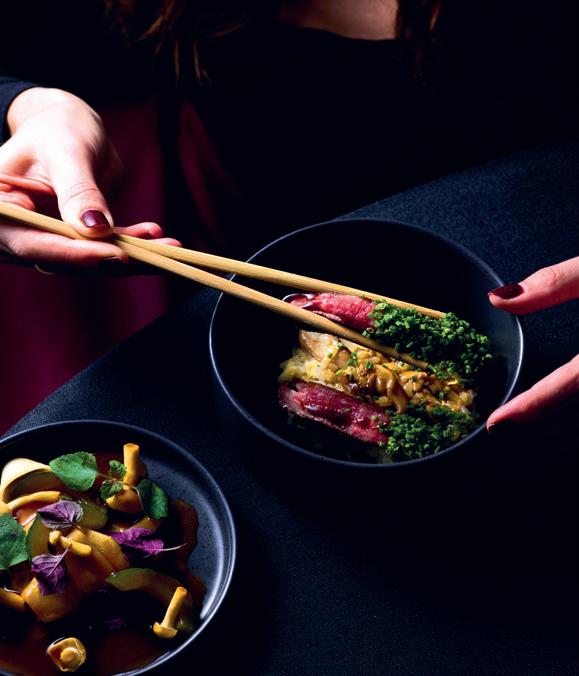
Caviar & Bull Budapest offers guests a journey of exceptional flavors and unforgettable moments. For Marvin Gauci, this promise is about much more than luxury ingredients on a plate. The restaurant describes itself as a journey of flavors built around fresh and high-quality ingredients, local sourcing and global inspiration. In practice, that means signature caviar and beef dishes, molecular touches, seafood and Hungarian ingredients such as foie gras, Mangalica pork, paprika and Tokaj wine, while ensuring that the Budapest restaurant keeps its own identity instead of becoming a copy-and-paste version of that in Malta.
International concept with local influence The concept proved itself very quickly: the restaurant became a real talking point soon after launch, and Marvin Gauci was named Chef of the Year at the Best of Budapest & Hungary Awards in 2018, and the restaurant still holds a 4.8/5
At the Caviar & Bull Budapest restaurant in the downtown area of the Hungarian capital, every dish tells a story through flavors and textures. The owner of the culinary establishment, Chef Marvin Gauci tells Diplomacy&Trade that when the restaurant was opened in 2017, the goal was to create a destination for guests who wanted something elevated, distinctive and memorable in the heart of the city.
Tripadvisor rating from more than 2,300 reviews together with a 2025 Travelers’ Choice award. “The feedback guests give us most often is about the quality of the food, the wine pairing, the attentiveness of the service and the fact that the Budapest restaurant has its own Hungarian personality rather than feeling like a copy of Malta,” he says, referring to the Caviar & Bull restaurant in St. Julians in the Mediterranean country.
Trusted Maltese relationship
As to how the Maltese-Hungarian connection has come about in the field of gastronomy, the Chef highlights that the relationship developed very naturally through the Malta-based Corinthia Group. “I had already built a strong working relationship with the Corinthia team in Malta, and in late 2016, I was invited to Budapest to look at an underused space at the Corinthia Hotel Budapest.” After walking the neighborhood, he had a strong feeling that there was room for a proper fine-dining concept there, and that is how the Budapest chapter began. “In that sense, Hungary was not a random export market for me but rather a venue for a well-founded business decision; it was a trusted Maltese relationship opening the right door at the right time.”
Dinner like travel
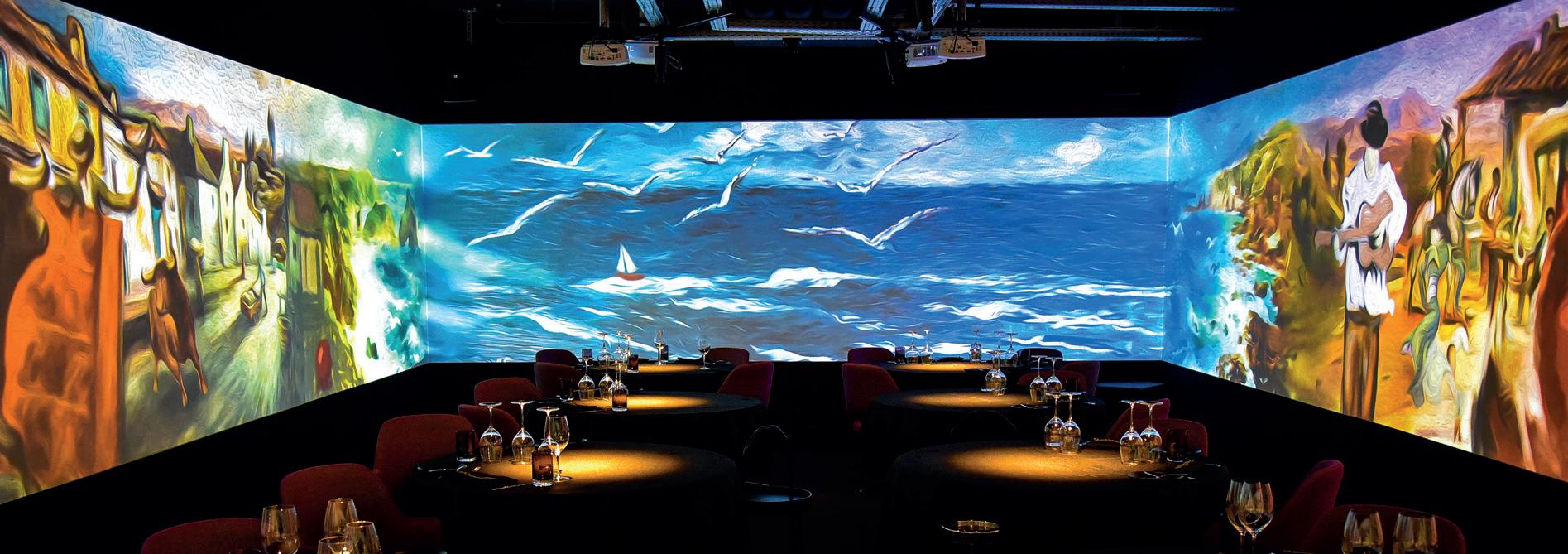
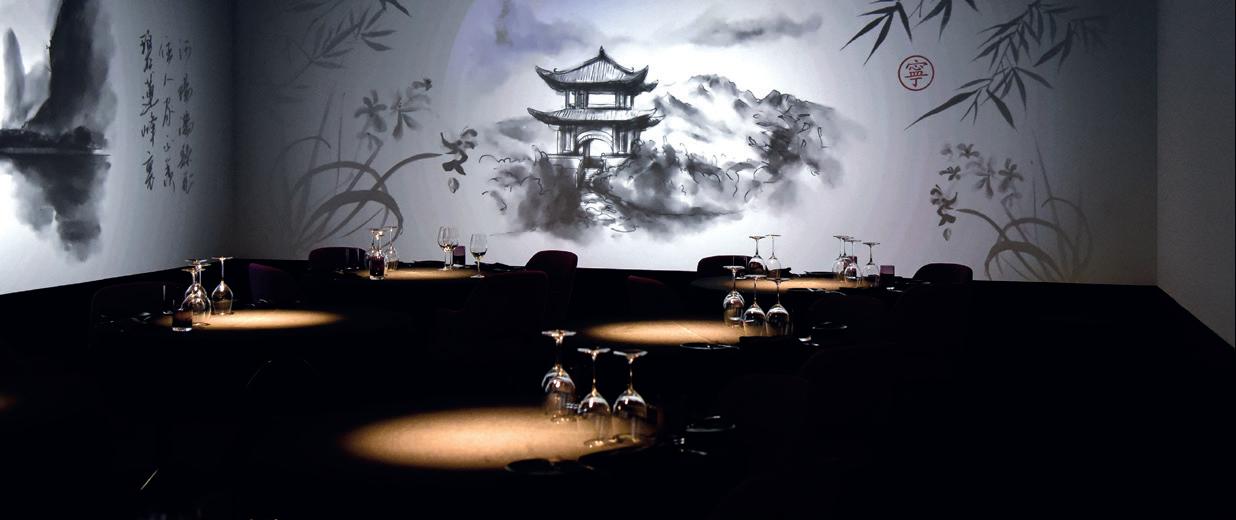
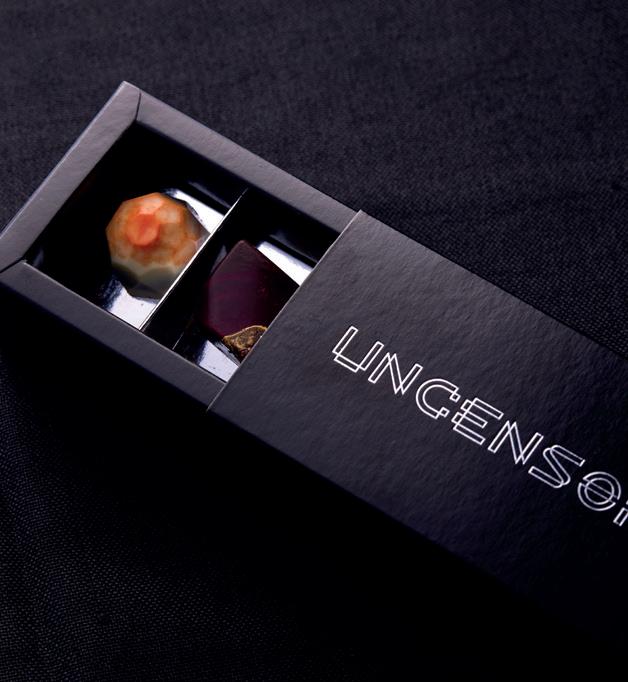
Located next door to Caviar & Bull Budapest is the Uncensored Restaurant – they are part of a structured, multi-concept group. As for the idea behind it, as Marvin Gauci, who also owns this place, points out that “Uncensored is our more immersive, theatrical concept. It is an exclusive 10-table experience, entered through secret doors, where the food, music and 360-degree audiovisual mapping take guests through a series of countries in one evening, roughly every 20 to 25 minutes. The idea is to make dinner feel like travel: not just tasting dishes inspired by different places, but feeling the atmosphere, rhythm and emotional texture of each destination as well.”
Caviar & Bull brings together the finest ingredients from land and sea in a vibrant, contemporary setting. Each dish is crafted to surprise, turning every visit into an occasion.
photo by
GÁBOR
STIGLINCZ
maltese focus
A DISTINGUISHED RESTAURATEUR
Maltese Deputy Prime Minister and Minister for Foreign Affairs and Tourism, Ian Borg, is proud to say that “Marvin Gauci is one of Malta’s foremost restaurateurs, a dedicated family man and the ambassador of Maltese gastronomy. Having experienced his exceptional hospitality firsthand, I can attest to his passion, innovation, and unwavering commitment to excellence, which continue to elevate Malta’s culinary reputation on the international stage.”
The Maltese Ambassador to Hungary, Roberto Buontempo states that Marvin Gauci is officially the culinary and gastronomy ambassador of Malta. "Through his vision and dedication, he has played a pivotal role in elevating Malta’s gastronomic landscape to international standards, seamlessly blending innovation with an authentic and refined sense of hospitality. His establishments consistently deliver outstanding dining experiences, earning the admiration of both local and international guests, including members of the diplomatic and business communities. I can personally attest to this, having had the pleasure of hosting both Maltese and foreign guests at his restaurants on several occasions – each visit distinguished by its quality, attention to detail, and the unmistakable mark of excellence that defines his work."
UNCENSORED
THE WORLD IS SERVED
Enter UNCENSORED by Caviar & Bull, where one evening unfolds into a journey across continents through flavour, sound, and immersive 360° storytelling. More than dinner, it is a curated multisensory experience designed to transport you beyond the expected into the heart of every destination. We invite you to discover a dining concept that challenges convention and elevates every sense.
FIXED DEGUSTATION MENU WITH A SINGLE SEATING AT 19:30 1073 Budapest, Erzsébet Krt. 43–49. • +36 30 171 8011 • budapest@uncensoredrestaurant.com
Culinary trailblazer
As already mentioned, these restaurants work with special ingredients that are not so common or easy get hold of. Regarding where these come from and how their consistent supply can be ensured in Hungary, the Chef explains that they use a hybrid sourcing model. “In Budapest, we rely heavily on local Hungarian ingredients – earlier indicated products like Mangalica pork, foie gras, paprika and Tokaj wine already sit naturally within the Caviar & Bull story – from reliable sources strong on quality, while for seafood, as I have said, it is something that we try to source from the closest possible origin at the highest possible quality. At the same time, we have increased control over certain products by making bread and butter in-house, using our own salt and honey, and even serving our own Hungarian wine across the group. That combination of strong local sourcing and tighter ingredient control is what helps us protect consistency in Hungary.”
Maltese gastronomy ambassador
Marvin Gauci, who, in the capacity of Ambassador of Gastronomy, serves as an official representative in foreign and domestic affairs for Malta, also expresses his ideas concerning these restaurants, and his ventures in Malta, for the next few years. “My vision is not expansion for expansion’s sake, but making each concept sharper, stronger and more distinctive. I have always believed that restaurants should not be copy-and-paste projects; every venue has to reflect its city, its ingredients and its audience. Today, the group highlights six concepts across Malta and Budapest, and a new Caviar & Bull Valletta has already been announced with a philosophy built around exceptional ingredients, long-term relationships and tighter ingredient control. So, the direction is clear: selective growth in Malta, continued refinement in Budapest, and an even stronger focus on quality, originality and experience across the board,” he concludes.
maltese focus
TAKING PRIVATE HEALTHCARE TO THE NEXT LEVEL
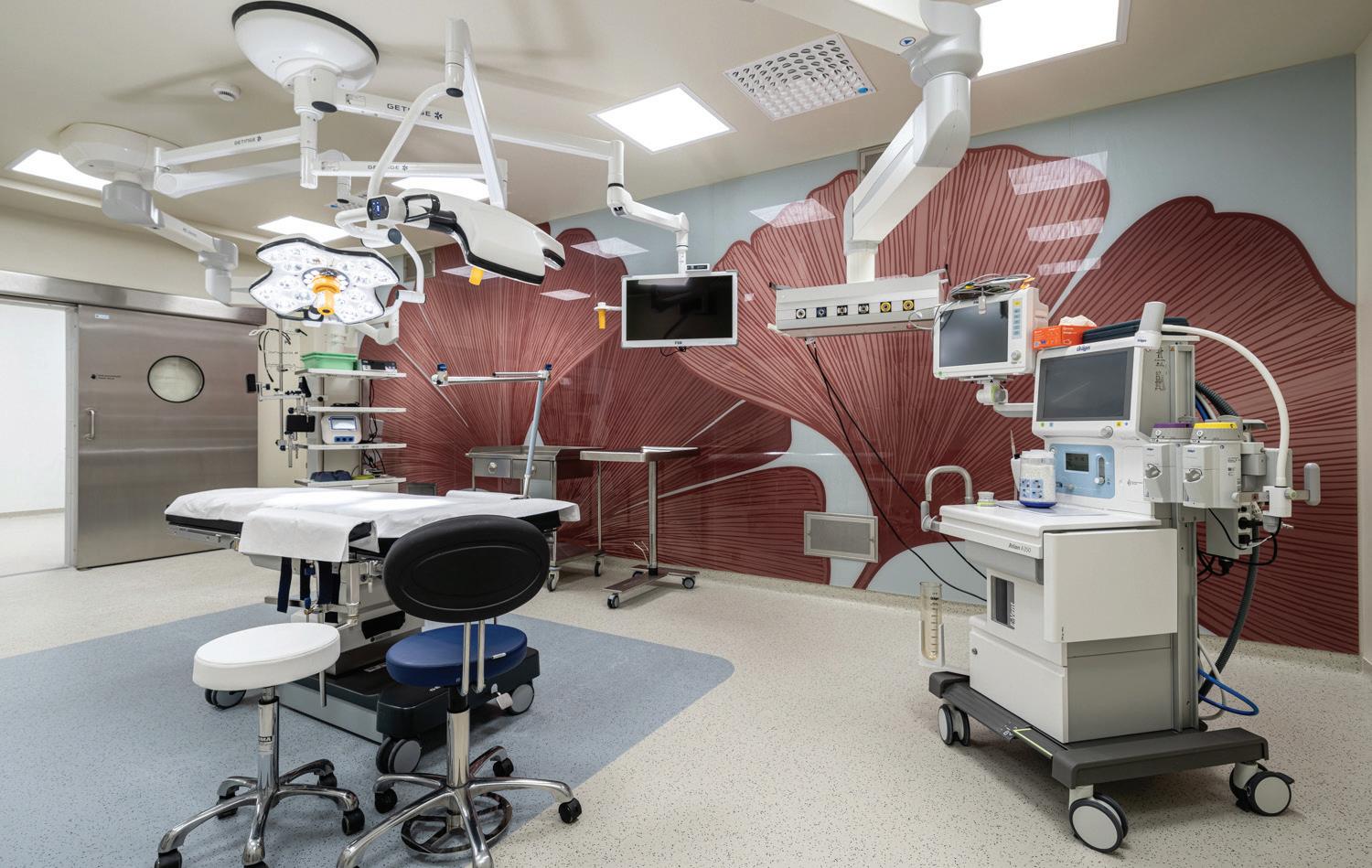
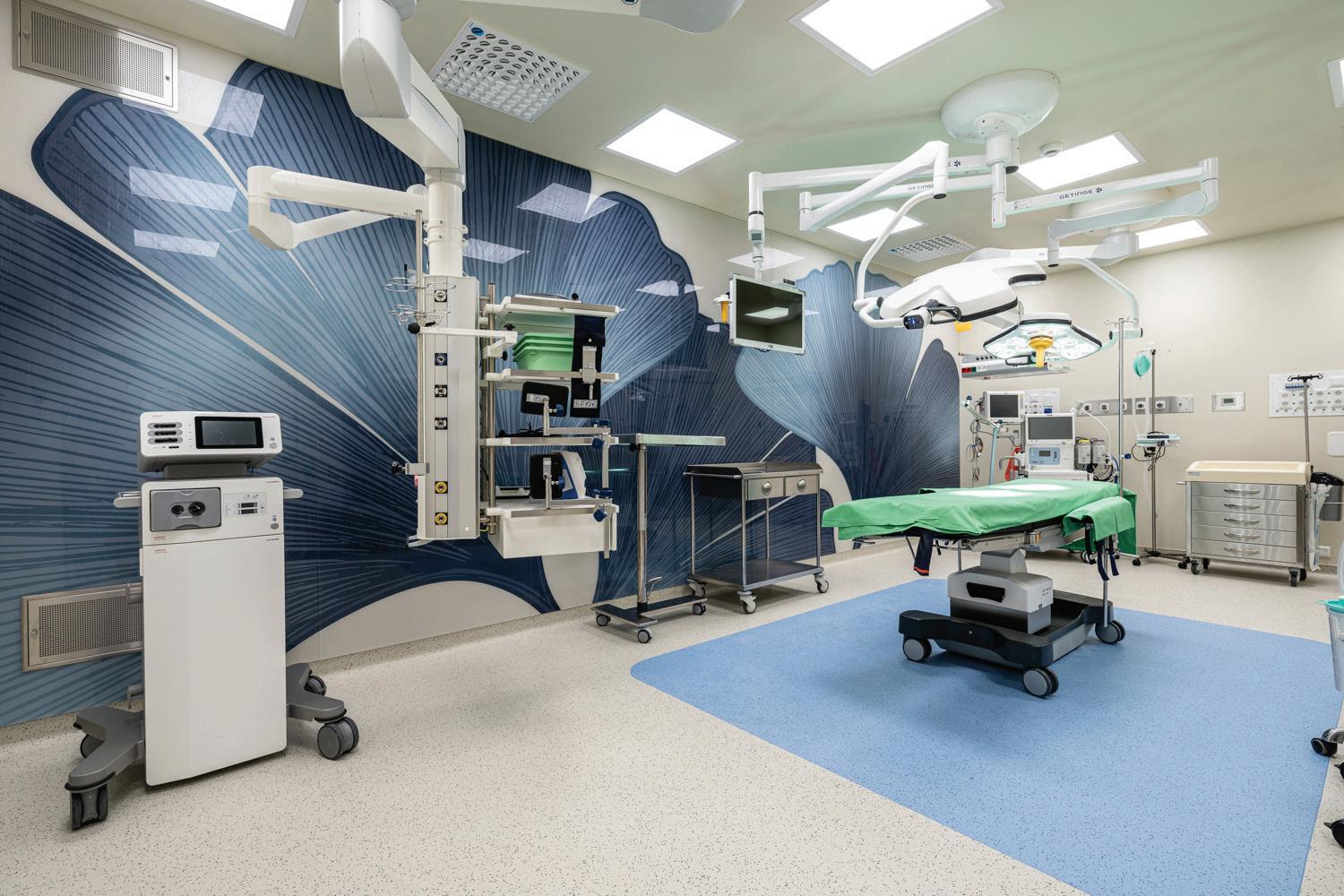
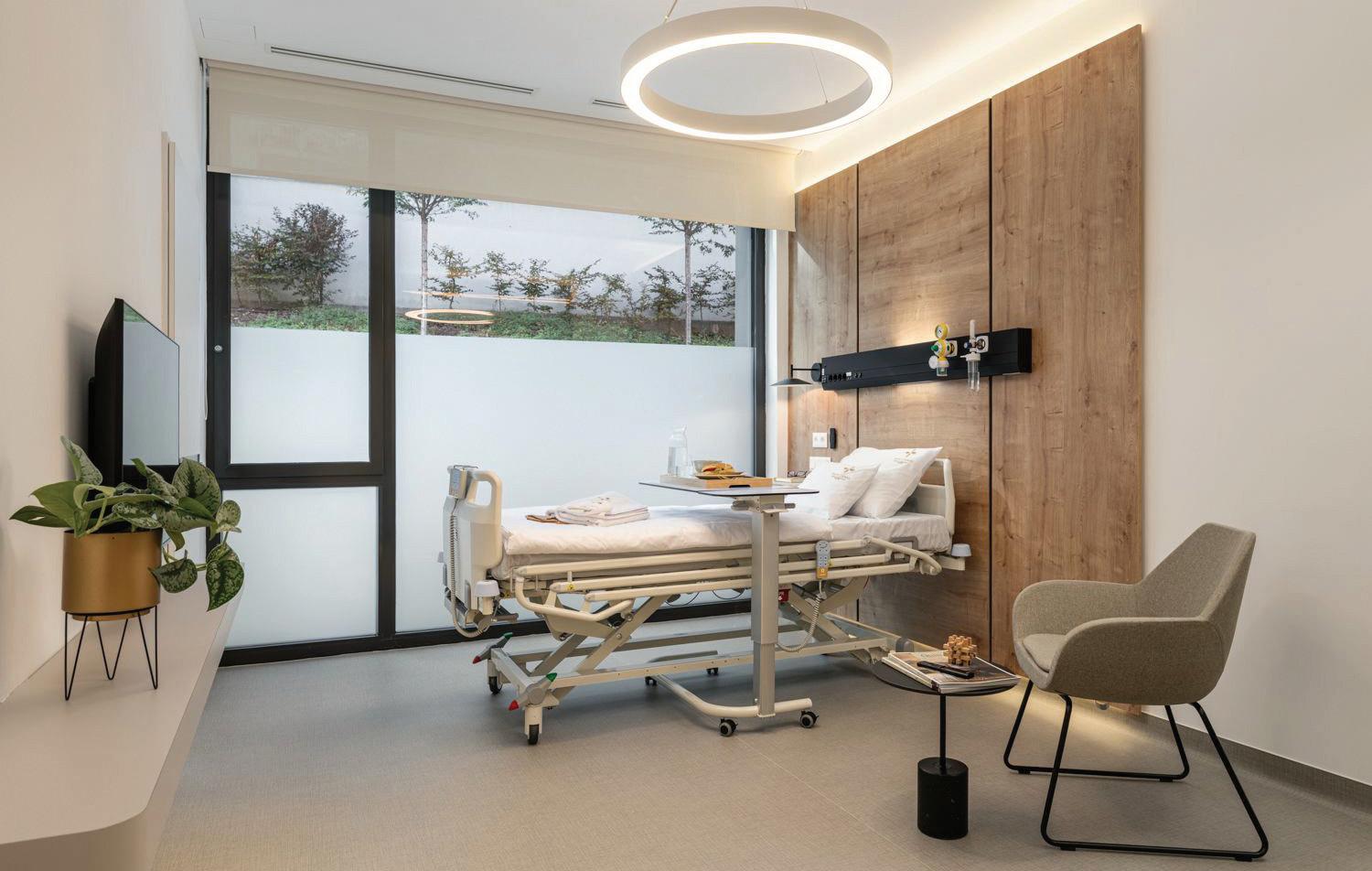
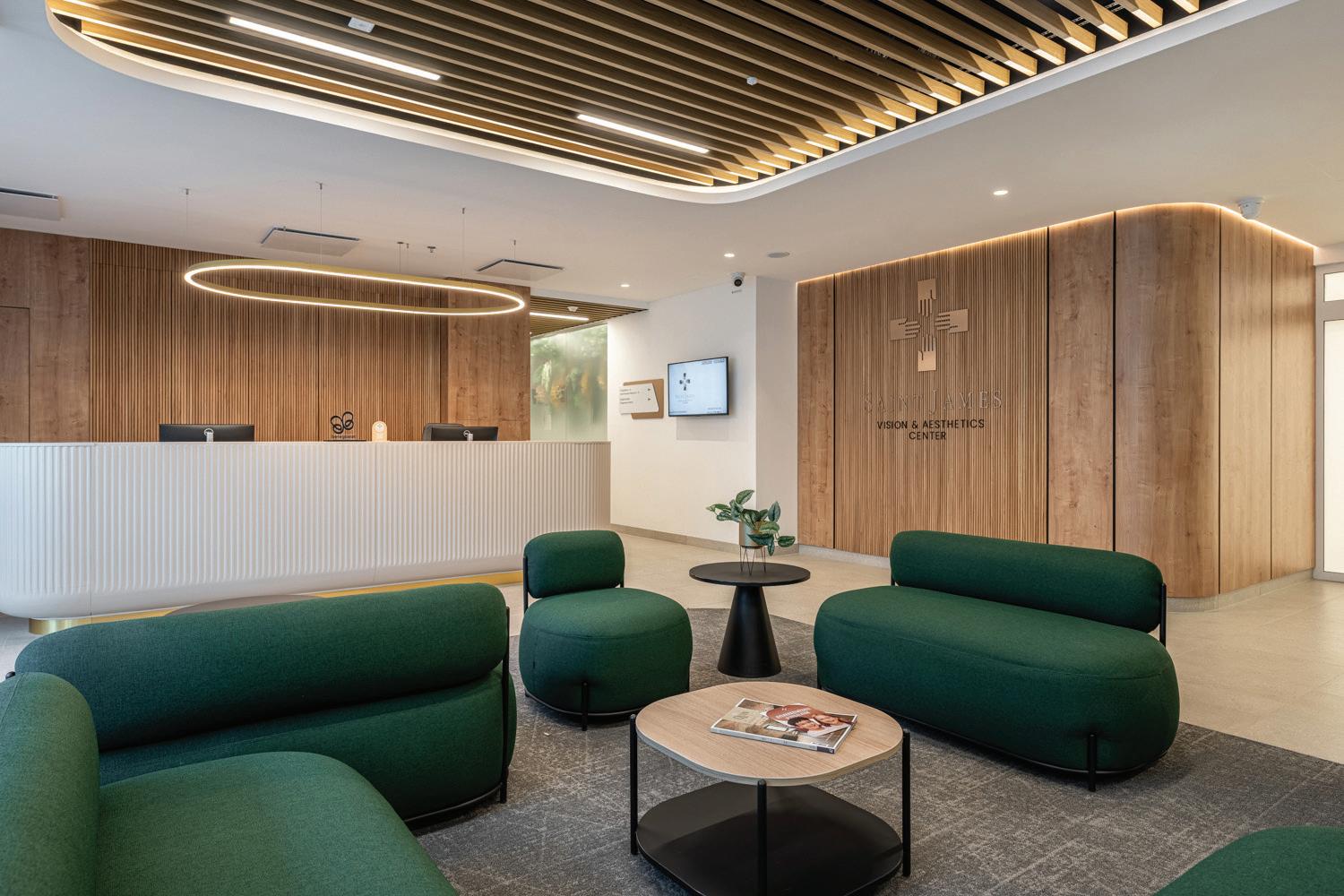
It was just last year that the Saint James Vision & Aesthetics Center opened in Budapest's 3rd District with the Maltese Saint James Hospital Group venturing into the field of aesthetics. The CEO of Saint James Hospitals & Clinics, Jean Claude Muscat tells Diplomacy&Trade how the Group, present in Hungary now for 17 years, has developed its services to gain prominent status in the private healthcare system here by going beyond simply providing medical services.
“The Saint James Budapest Vision & Aesthetic Clinic that we opened in the third quarter of 2025, represents a natural evolution of our journey in Hungary,“ the CEO explains the importance of this healthcare unit for the Group. “We first established our presence in this country in 2009 with a specialized ophthalmic clinic, and over the years, we built a strong reputation for clinical excellence, advanced technology and patientcentered care. As demand grew, it became clear that we had outgrown our original facility. The new center is therefore not just a relocation – it is a strategic upgrade. It allows us to significantly expand our ophthalmic services while introducing a fully integrated Plastics and Aesthetics center, bringing together medical precision and aesthetic expertise under one roof.” Jean Claude Muscat is proud to call attention to the fact that the feedback from patients has been extremely encouraging. “What stands out most is
photo by SAINT JAMES HOSPITAL GROUP
maltese focus
not only the appreciation for the technology and the comfortable and welcoming environment, but also for the level of care that is our core focus –patients consistently highlight the sense of trust, comfort, and empathy they experience with our team. This, ultimately, is what defines us.”
Focused on raising standards
The Saint James Hospital Group is a prominent private healthcare provider based in Malta, with over 35 years of experience in offering medical, surgical and allied health specialties.
Highlighting how the Group has expanded from a small family clinic into what it is today, the CEO recalls that the Saint James Hospital Group was founded in 1986 by his father, an obstetrician, with a very clear philosophy: to always be one step ahead and be a leader in the medical field at a time when private healthcare in Malta was in its infancy.
“From those beginnings, we grew organically, across Malta through a series of targeted investments, consistently introducing new technology and new medical services – whilst remaining focused on raising standards, and building strong clinical teams. Our growth has never been accidental; it has been deliberate and forward-looking.”
Given Malta’s size, the Group eventually reached a natural ceiling for expansion,
which led the owners to look internationally. They first ventured into Libya in 2006, followed by Hungary in 2009. “Today, what defines the group is not just its footprint, but its mindset – continuous investment, clinical excellence and the ability to identify and develop opportunities where we can genuinely add value to a healthcare system,” he adds.
Platform for broader healthcare expansion
Currently, the only country – outside Malta –the Saint James Hospital Group is present in is Hungary. As to why Hungary was chosen and how this Maltese-Hungarian collaboration has developed, Jean Claude Muscat points out that while their international journey originally included both Libya and Hungary, these paths evolved very differently.
While Libya initially delivered significant growth, geopolitical instability made it impossible to sustain operations there. Hungary, on the other hand, has offered a stable and structured environment, as well as a clear opportunity to build something meaningful.
“Interestingly, our initial thinking was to enter the aesthetics field. However, following some careful market analysis, we identified a significant gap in high-quality ophthalmic services and that insight shaped our strategy.”
The Group built its presence in Hungary from the ground up, focusing on ophthalmology. “We identified premises where to develop the eye clinic, we designed the facility, purchased the equipment and employed the doctors and all the supporting clinical and administrative staff. Over time, we have developed into a leading provider in this space. What started as a single clinic has now evolved into a platform for broader healthcare expansion,” the CEO explains.
Clear focus on quality
Regarding what place it the Saint James Hospital Group has managed to take up in the private healthcare industry in this country since 2009, the CEO recalls that the first years in Hungary were not without challenges. “Entering a new market always requires adaptation, persistence, and long-term commitment. However, by maintaining a clear focus on quality and outcomes, we gradually established our position. Today, we are probably market leaders in cataract surgery and refract ive lens exchange, and we rank among the top providers in laser refractive surgery. With the launch of our Plastics and Aesthetics services, we are now replicating the same model –combining medical expertise with advanced technology and a strong patient experience. Our ambition is clear: to achieve a leading
position in this field as well. Beyond that, this is part of a broader vision. Our long-term goal is to see our Budapest operation evolving into a fully-fledged multidisciplinary hospital over time.”
Well into the journey
The Group’s accentuated mission is to take private healthcare to the next level. As to what they mean by that and at what stage they are in that 'journey’, Jean Claude Muscat stresses that “for us, taking private healthcare to the next level means going beyond simply providing medical services – it is about providing a high quality and empathic standard of care in a safe and genuinely caring environment.” It involves integrating advanced technology, highly specialized medical expertise, and a patient experience that is seamless, personalized and built on trust.
“In Hungary, we started operations in 2009 with a specialized ophthalmic clinic. Last year marked a major milestone with the opening of our 2,500-square-metre facility, where we brought together ophthalmology, plastics, and aesthetics into one cohesive center. This is not intended to be the end point. Once the operation is fully consolidated, our next step will be to expand into a multidisciplinary hospital, replicating the model we have successfully developed in Malta. In that sense, we are well into the journey – but still very much building the next phase,” he concludes.
maltese focus
MALTA AS A YEAR-ROUND DESTINATION
MALTA TOURISM AUTHORITY TO PROVIDE HIGHER-VALUE TOURISM AND ENSURE MORE SUSTAINABLE GROWTH
With its rich cultural heritage, Mediterranean climate and diverse tourism offering – from historic cities and vibrant cultural life to gastronomy and world-class diving –, Malta continues to reinforce its position as an ideal year-round destination. The latest results presented by the Malta Tourism Authority highlight not only strong growth, but also a clear strategic shift toward sustainable, experience-driven tourism.
“2025 was an exceptionally strong year for Malta, once again surpassing expectations. Tourist arrivals surpassed 4 million – representing a 12.9% increase compared to the results achieved in 2024 – while the number of guest nights reached 25.4 million and total tourism expenditure amounted to EUR 3.9 billion," the Malta Tourism Authority Regional Director of Poland, Eastern Europe and the Baltics, John Mary Attard highlights. “Equally important is the continued improvement in seasonality. While summer remains the most popular period, Malta is increasingly attracting visitors in spring, fall and even winter, confirming its transition into a true year-round destination,” he adds.
Higher-value tourism
The evolving travel patterns further underline this transformation. “We are clearly seeing a shift toward higher-value tourism, with steadily increasing average visitor spending and a growing demand for authentic experiences,” the Regional Director explains. “At the same time, shorter and more frequent trips, such as long weekends, are becoming more common, while off-season travel continues to gain popularity,” he notes.
More Hungarians visit Malta
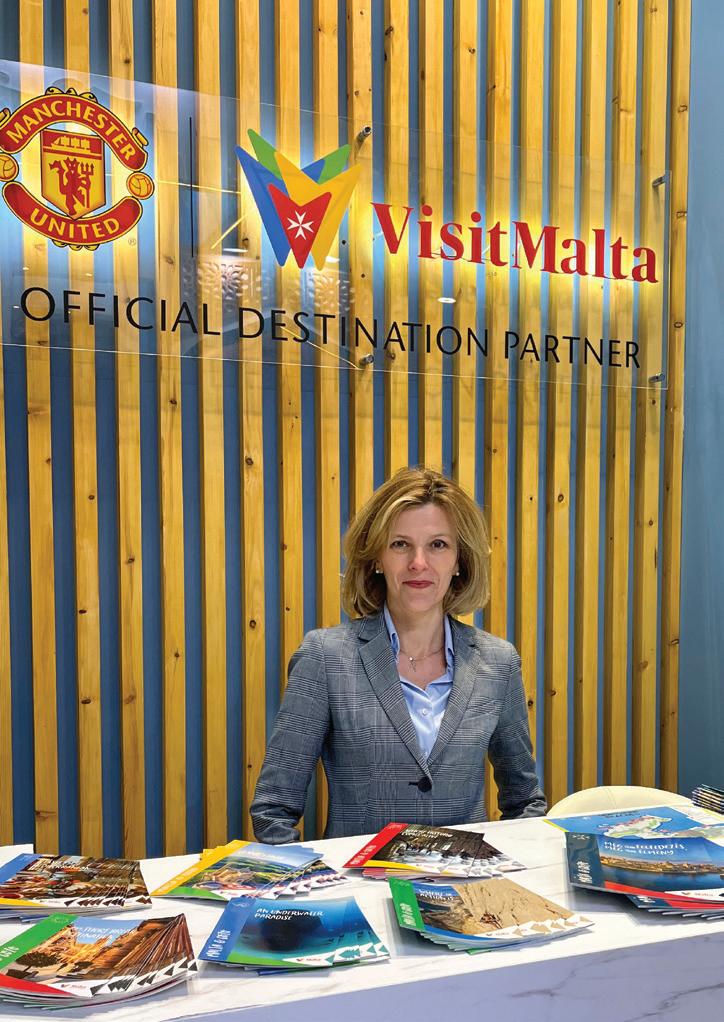
The Hungarian market remains one of the success stories within this growth. “Hungary continues to show dynamic development, with visitor numbers to Malta rising significantly again in 2025, approaching 80,000 arrivals,” the Representative of the Malta Tourism Authority in Hungary, Edina Hangya points out. “Although the average length of stay has slightly decreased, this
reflects the increasing popularity of short breaks. It is also encouraging to see more Hungarian travelers choosing Malta in spring and autumn, with winter travel also on the rise,” she says.
Ensuring more sustainable growth
At the same time, Malta is addressing the challenges that come with success. “The key priority now is to ensure that growth remains sustainable,” John Mary Attard emphasizes, adding that the focus is no longer on increasing volume at any cost, but on maintaining quality while protecting the environment and preserving the quality of life for local communities. This requires a more strategic and focused approach to tourism development.
This vision is reflected in Malta’s long-term tourism strategy. He stresses that the priorities include strengthening Malta as a year-round destination, creating higher-value, experiencebased tourism products, and ensuring a sustainable and high-quality accommodation offering. “At the same time, we are placing strong emphasis on community involvement, smarter air connectivity, environmental responsibility, and the growing role of digitalization and artificial intelligence in tourism,” he adds.
Airport expansion
Infrastructure development also plays a key role in supporting these ambitions. In this regard, the Regional Director highlights a major milestone, the ongoing expansion of Malta International Airport, which is part of a EUR 345 million investment program and will be completed by 2028. “The project includes a new, 6,000-squaremeter terminal, expanded check-in and baggage
particularly during peak periods,” he explains.
Thematic tourism
Malta is also continuing to expand and diversify its tourism portfolio. Edina Hangya underlines that “we are increasingly focusing on niche segments and thematic experiences. New areas such as military tourism and dark tourism complement well-established segments like destination weddings, film tourism and faith tourism. These initiatives allow us to build on Malta’s unique heritage while responding to the demand for more immersive and meaningful travel experiences.”
Promotion in digital platforms
The Malta Tourism Authority plays a central role in driving these developments. “Through the VisitMalta brand, we promote the destination across a wide range of international markets, using a targeted and segmented marketing approach,” John Mary Attard notes. “In parallel, we have significantly enhanced our digital platforms to make them more user-friendly, informative, and inspiring for travelers as well as industry professionals,” he explains. These platforms include visitmalta.com, the main consumer website offering practical information,
news, event calendars and travel inspiration; vmim.visitmalta.com, a dedicated platform supporting the MICE segment (Meetings, Incentives, Conferences and Events) with professional content, ideas and industry insights; and mta.com.mt, the official corporate website of the Malta Tourism Authority, providing primarily industry-focused information and resources.
A destination with unique character Looking ahead, Malta’s direction is clear. “Our vision is to build a more resilient, sustainable and experience-focused tourism model,” the Regional Director concludes. By focusing on quality, innovation, and strategic growth, the Malta Tourism Authority aims to ensure that Malta remains a competitive and attractive destination while preserving its unique character.
handling capacity as well upgraded passenger facilities. Importantly, the objective is not simply to increase passenger numbers, but to significantly enhance the overall travel experience and service quality,
JOHN MARY ATTARD
EDINA HANGYA
equality
Talent is evenly distributed across society: in every town and in families of all social and economic backgrounds, there are talented young people. Access to opportunity, however, is far from equal. This structural challenge is the focus of a campaign launched by the Hungarian Business Leaders Forum (HBLF) on the occasion of the International Roma Day.
BRINGING TALENT AND OPPORTUNITY TOGETHER
FEMALE BUSINESS LEADERS STAND FOR ROMA EQUALITY IN AN HBLF INITIATIVE
The initiative is supported by nine prominent female business leaders who believe – both in their professional roles and on a societal level – that the ability to succeed should not depend on the circumstances into which someone is born. The campaign’s professional credibility is reinforced by the Romaster Foundation, established by HBLF. The initiative is implemented in partnership with Romani Design, which also believes that recognizing and supporting talent is not only a social issue, but an economic one as well.
Who decides who gets to become a professional?
The Roma community is the largest minority in Hungary, yet Roma professionals are rarely represented in leadership positions within the business sector. HBLF finds it important to emphasize that this is not due to a lack of talent, but rather the result of limited social mobility. This is why the HBLF–Romaster Foundation was established: to support Roma students’ access to higher education in collaboration with the business sector, and to create conditions where equal opportunity becomes a reality rather than a slogan.
According to Hungarian data, Roma employment rate is approximately 45.9% vs. 77.9% for the total population; employment rate of Roma women is approximately 34%; nearly 40% of Roma youth are neither in education nor employment (NEET); only 3.3% of Roma adults have a higher education degree; and around 7% of Roma employees work in white-collar jobs. These disparities, the Foundation says, are not the result of individual choices, but of overlapping structural disadvantages, including access to education, social capital, networks and institutional practices.
Future truly belongs to everyone
The goal of the HBLF–Romaster Foundation is to support talented Roma youth and raise awareness that access to opportunity should be universal.
HBLF President Andrea Istenes Solti highlights that “as female leaders, many of us have experienced what it feels like to be in a minority in the business world. Perhaps that is why we feel it is especially important to stand up for a cause that creates opportunities for others. As influential leaders, we have a responsibility to give back to society and to show the way for
young people who have the talent. I believe that when opportunity meets talent, the future truly belongs to everyone.”
As the Founder and Artistic Director of Romani Design, Erika Varga puts it, “for us, Romani Design is not primarily about visibility, but about who shapes the future and what values they represent. Wearing Romani Design is a visible gesture in support of a mindset that values talent, dignity, cultural heritage and social responsibility at the same time.”
A collective response to a social challenge
In addition, Hungarian brands such as Romani Design and REKAVAGO, as well as ACG agency, Bobbi Brown and Jean Louis David also contributed to the creative execution of the campaign.
The campaign message is further supported by a fashion exhibition held between April 8 and 30 at the Pullman Hotel in downtown Budapest.
Access to opportunity
The Hungarian Business Leaders Forum launched the ROMASTER talent development program in 2007, followed by the establishment of the HBLF–Romaster Foundation in 2010. Through mentoring, corporate partnerships and long-term support, the program aims to reduce structural barriers to social mobility.
This campaign highlights how access to opportunity can become systemic, and how both individuals and companies can contribute to making this mindset the norm. It emphasizes that while social mobility is not the responsibility of a single institution or actor, the business sector plays a crucial role in connecting talent with opportunity.
A key element of the campaign is demonstrating that business leaders can actively shape these processes. This is reflected in the involvement of leading female executives such as Nikolett Blaskó (Founder and CEO, ACG Advertising Agency), Teodóra Bodó (Head of Communications and Government Relations, Bosch Hungary and Adriatic Region), Éva Hegedűs (Chairman and CEO, Gránit Bank), Gabriella Heiszler (ChairmanCEO, SPAR Hungary), Andrea Istenes Solti (President, HBLF), Tímea Jamniczky (CEO, JCDecaux Hungary), Beáta Juvancz (Managing Director, BlackRock Hungary), Krisztina Kende-Hofherr (Communication Expert, Director of MVÜK Women’s Business Club), Zsófia Makádi (Managing Director, Romaster Foundation) and Mónika Pais (CEO, Diageo Hungary).
EXPRESSING THE MAGIC OF THE OPERA
PLÁCIDO DOMINGO, THE MOST FAMOUS OTELLO IN THE CONTEMPORARY OPERATIC WORLD
World-renowned opera singer Plácido Domingo has been enchanting music lovers around the world with his distinctive and emotive voice for more than 60 years. Recognized as one of the finest and most influential singing actors in the history of opera, the multifaceted artist is also a conductor and a major force as an opera administrator. His repertoire now encompasses more than 150 roles, with over 4,400 career performances. In line with his motto of "If I rest, I rust,” the Maestro is still extremely active at his age of 85 years.
Speaking of his versatility and musical diversity, are these attributable to conscious pursuit or is it something that naturally stems from his talent? As he explains to Diplomacy&Trade, “the truth is that music has always fascinated me, since I was a child. I saw my parents who were singers of zarzuela – a Spanish lyric-dramatic genre that alternates between spoken and sung scenes, the latter incorporating operatic and popular songs, as well as dance – and I admired their work so much. Every aspect of theater has always fascinated me and I started working in theater at a very young age. This is why I studied the piano from an early age.” He dreamed of becoming an orchestra conductor, but in the meantime, his mother discovered that he had an interesting voice and so many different paths opened up in front of him. “I tried to carry these forward together. This has helped me a lot in my career and personally; it is very nice to have a complete view of the work you are doing,” he adds.
Expressing the composer’s idea Plácido Domingo has sung in more than 150 different roles, bringing a wide range of characters to life on stage. As to how he steps into the personality of a fictional figure or a historical character, he stresses that “as I said before, it's nice to use a 360-degree approach: knowing the ‘libretto’, but also the story from which an opera is born and then entering into the music and understanding the relationships that this character has with others. Getting in tune with the character means trying to understand what the composer wanted to express with that music and those words. I think that the goal of an interpreter is precisely this: to respect the composer's will.”
Triple debut
When asked which performance has been the most exciting for him so far and why, the Maestro admits it is a very difficult question to answer.
“Every performance is something unique. Everything happens live, in front of the audience and I always try to give the best of myself to the public. Of course, I remember incredible performances, especially my debut at the Metropolitan Opera in New York City next to Renata Tebaldi or at La Scala Theater in Milan directly at the premiere of Sant'Amborgio, which is a unique event for a singer... and the most unusual, the one that marked my debut at the Arena di Verona in the summer of 1969. On that night, they were three debuts in one: I made my debut in Italy, I made my debut in Turandot and I sang for the first time with Birgit Nilsson... and in those hours, man set foot on the Moon! In short: a triple somersault... but it went well!”
Always like the first time
Describing his feelings at the moment he steps onto the stage and the lights come on, the Spanish-Mexican artist recalls three things: “adrenaline, anxiety, emotion... always! This never changes, even after more than half a century. Every time it's like the first time, every night you have to give everything you can and you're worried about that before you start. Then the music begins and something special happens... and stress becomes energy.”
Verdi and Shakespeare together
Plácido Domingo is considered the most famous Otello in the contemporary operatic world. He says it is actually one of his favorite roles. “It has given me so much. Verdi and Shakespeare together! You can't wish for anything greater. But it's also tremendously challenging. Otello is not a positive hero, you have to enter his sick mind to try to bring out all his humanity, his anguish, his extreme fragility. Another exceptional role is Macbeth... and once again, it is the VerdiShakespeare duo!”
culture
The magic of opera
When comparing what can opera offer young people today that pop music genres cannot, the Maestro highlights his belief that “music must be able to make us dream, make us empathize, sometimes suffer and sometimes feel better... –in one word: music must give us emotions. Opera can do this in an overwhelming way, even for a young boy or a young girl. Indeed, especially for young people. The opera has music, singing, scene, ballet, costumes and, above all, it is live and always new. We must give young people the right opportunities to come to the theater... the magic of opera can fascinate young people.”
Profound musical sensitivity
Hungary holds a prominent position on the international classical music scene. As to
what extent he himself experiences that and feels it to be true, Plácido Domingo’s remark is: “very much so. Hungary has given the world extraordinary composers, conductors, instrumentalists, and singers. There is a deep musical culture here –a respect for tradition combined with strong artistic education. Through my experiences with Hungarian artists and through initiatives like the classical music talent show ‘Virtuosos’, I see the exceptional level of talent and dedication among young musicians here. It is not only about technical skills, there is a profound musical sensitivity that comes from cultural heritage. I am always happy to witness this tradition continuing with new, brilliant young artists,” he concludes.
witty leaks
L E A K S
IN THIS SERIES, DIPLOMATS SHARE PERSONAL ACCOUNTS OF THEIR EXPERIENCES ON “EXCURSIONS” into Hungarian culture, art, gastronomy & scenery.
THE HOUSE OF BELGIUM
HISTORIC BACKGROUND TO THE BELGIAN RESIDENCE IN BUDAPEST
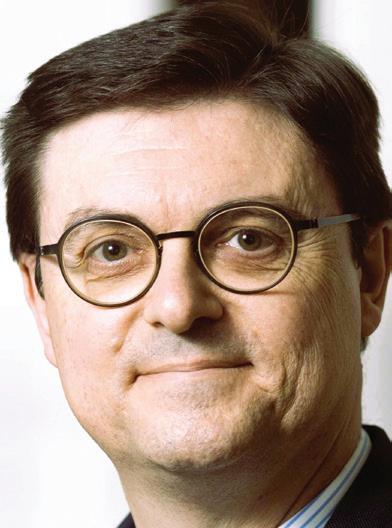
BY JEROEN VERGEYLEN, AMBASSADOR OF THE KINGDOM OF BELGIUM
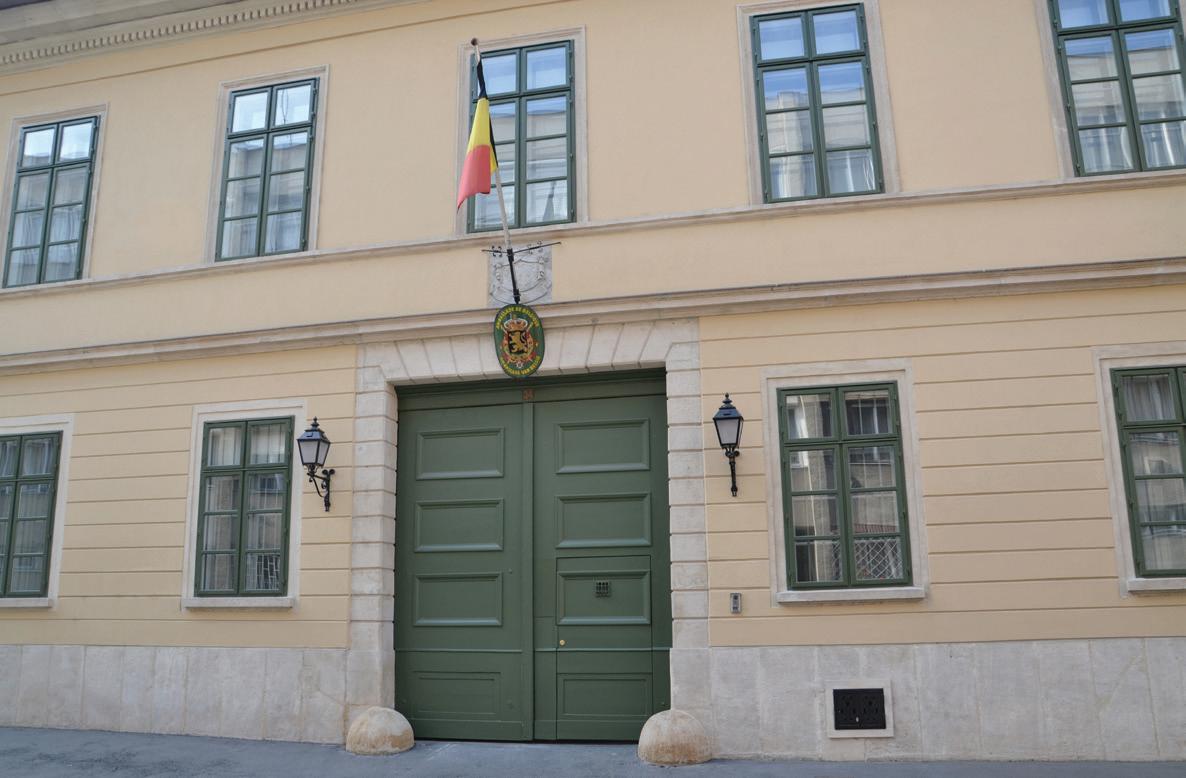
Having arrived in Budapest as the Ambassador of Belgium in August 2023, one of the perks I greatly enjoy is the location, beauty and rich history of the Belgian Residence, which I am privileged to live and work in. The residence is situated on Donáti Street 34, in the attractive historical First District at the bottom of the Buda Castle Hill. I can easily climb the leafy stairs to reach Matthias’ Church and the Fisherman’s Bastion in ten minutes, while the Danube embankment on Batthyány Square with its splendid views on the House of Parliament across, is less than five minutes away. It offers Belgium a prestigious location from where Belgian-Hungarian relations can be strengthened in a credible and dignified way.
Historic background
The premises were acquired by the Belgian State on December 31, 1921, as formal diplomatic relations between Belgium and Hungary were established in 1922 after the collapse of the Austro-Hungarian monarchy. I am told that Belgium is one of the only countries whose pre-war Residence and Embassy in Budapest have never moved until this day. We are immensely proud of that and it underlines how happy and well-established we are in this neighborhood. However, the history of the premises goes back much longer. The first owner of the estate is thought to have been a prestigious nobleman from Buda, József Ferenc Falk, the administrator of the Danube Shipping Chamber, who gained hold of the property in 1781. Later on, the stonemason family Hofhauser from Augsburg acquired the property and built one of the earliest residences. Antal Hofhauser, one of Budapest’s famous architects born in 1853, remembered visiting his grandfather’s house there. The current wing on Donáti Street was
allegedly built between 1828-1830, the year of Belgium’s independence. The Hofhauser family sold the house in 1881. From then until 1919 (when the premises were briefly nationalized under the short-lived communist republic), the house had several owners and tenants, including high officials, lawyers, university professors, bankers and some famous personalities such as Béla Brunhuber, who became Archduke Joseph of Habsburg’s court photographer. Interestingly, from 1881, the building also housed the secretariat of the Hungarian National Shooting Club.
Belgian residence
In 1921, it was Belgium’s newly arrived envoy, Maximilien-Henri van Ypersele de Strihou, who chose the building as Belgium’s first Embassy in Budapest. From 1922, architect István Medgyaszay initiated a major reconstruction of the Donáti Street building and a new façade was built for the adjacent Toldy Ferenc Street entrance to the offices of the
Embassy. Ambassador van Ypersele was succeeded by Vicount Jacques Davignon, whose son Etienne, who later became a prominent Belgian diplomat and Vice-President of the European Commission, was born in the residence. In fact, he was named after Hungary’s first king and spiritual patron, St Stephen. During the Second World War, when diplomatic relations were severed, Belgium’s premises were temporarily administered by the US, Swiss and ultimately Swedish Embassies. During the war, the building offered refuge to a number of Jewish families against fascist persecution. Fortunately, the building suffered only minor war damage, but a smaller reconstruction was necessary in 1947. During the events of 1956, Belgium’s chargé d’affaires Frédéric Collon reported that debris fell into the residence’s courtyard after a neighboring building had been bombed, also resulting in several windows being
blown out, while a number of high officials and members of the Imre Nagy government and their families temporarily found refuge in the residence as the Revolution was crushed by Soviet troops.
A strong link
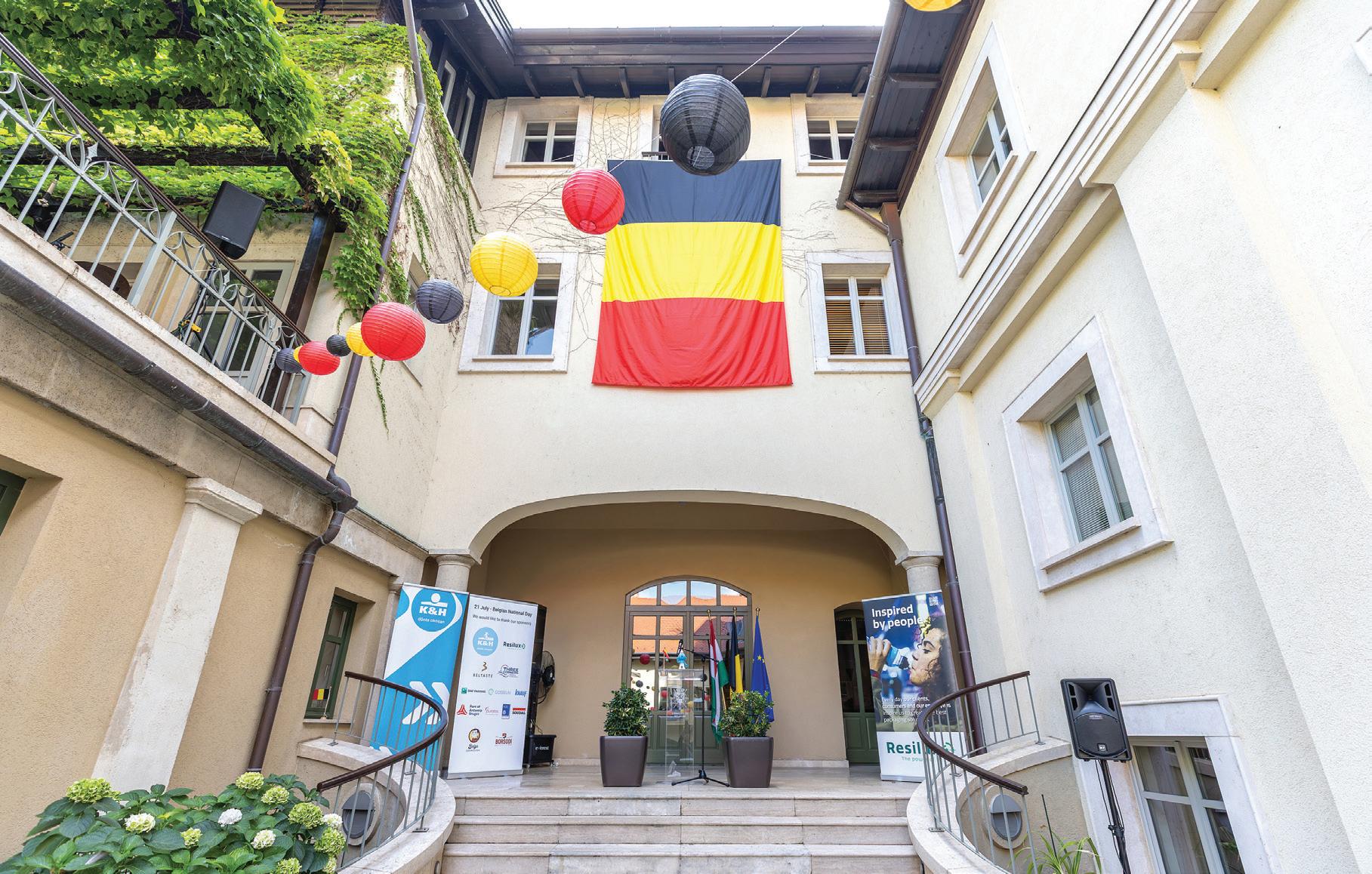
It is evident from all this that the Belgian Embassy Residence was not insulated from Budapest’s turbulent 20th century history. It is the reason why I have come to consider the building itself as a strong link between our two countries and a credible witness of the solid foundation of our relations of friendship and cooperation. Fortunately, the Embassy Residence has also served as the venue of countless joyous occasions, including colorful National Day celebrations, and the visits of not less than three Belgian kings,
Their Majesties King Baudouin (in 1990), King Albert II (in 2002) and our current King Philippe (in 2000, in his capacity as Crown Prince, leading an important economic mission), as well as numerous politicians, diplomats, artists, academicians, students, journalists, civil activists and business leaders. A last thorough renovation and modernization of the residence and embassy compound was realized in 2007-2011 under Ambassador Pierre Labouverie. Minor adjustments have followed, including of the inner courtyard garden terraces which I enjoy embellishing, e.g. with an olive and fig tree as the most recent additions. The residence is listed as a historic building by the directorate of Hungarian national monuments due to its historic and artistic value.
The House of Belgium
Ever since its acquisition by the Belgian State more than a century ago, it has loyally fulfilled its duty as a stage for precious encounters, meaningful discussions and new initiatives, strengthening the cordial and long-standing bilateral relations between Belgium and Hungary, who are destined to remain strong partners in the European Union. We are ever so proud and grateful that so many Hungarian, Belgian and diplomatic guests have enjoyed attending numerous functions at the Belgian residence on Donáti Street, and I personally look forward to welcoming many more, after which my successors will take over, but the Residence will always remain the House of Belgium in Budapest.
(I am grateful for the historical research of Dr. Gergely Fejérdy and several of my predecessors)
RICKY MARTIN SHAKES UP THE BUDAPEST ARENA
JULY 06, 2026, BUDAPEST ARENA, BUDAPEST
Hungarian fans are in for one of the hottest concerts of the summer in the Hungarian capital as Ricky Martin brings his electrifying hits to the Budapest Arena.
Ricky Martin is an iconic figure of Latin pop, etched into our memories with hits such as “Livin’ la Vida Loca,” “Maria,” “She Bangs” and “Nobody Wants to Be Lonely.” He began appearing in commercials at the age of nine, and at twelve he launched his pop career as a member of the boy band Menudo. He released his first solo album in 1991 and has since sold more than 95 million records worldwide, earning dozens of platinum certifications, two Grammy Awards, and five Latin Grammy Awards. He is equally a master of hip-shaking, dance-floor anthems and passionate, romantic ballads. He last performed in Hungary in 2024 at Heroes' Square. The world-famous superstar recently appeared at the Super Bowl LX halftime show alongside Bad Bunny and Lady Gaga, performing an acoustic version of “Lo Que Le Pasó a Hawaii.” The 13-minute show celebrated Puerto Rican culture. In Budapest, the audience can expect a similarly fiery, Latin-infused party this summer. livenation.hu
FESTIVAL SEASON ATMOSPHERE AT MÜPA
JUNE 04-10 AND JULY 06-08, 2026
PALACE OF ARTS, BUDAPEST
The festival season kicks off at Müpa in May with the Ripoff Raskolnikov Band’s album release concert, and the June edition of Hey, June! will feature not only other giants of Hungarian pop music – Magashegyi Underground, Frenk, and Anima Sound System – but also young talents like Indigo and gyuris. Csángó motifs, classical piano, and elements of alternative and hip-hop will add color to the concerts. As a bonus, in July, Grammywinning artists – Ledisi and Corinne Bailey Rae, performing before a Hungarian audience for the first time, as well as the Miles Electric Band –will fill the venue with music.
The Miles Electric Band takes jazz fans straight into Miles Davis’s electronic era. The group was founded by Vince Wilburn Jr., the nephew of the legendary musician who was born a century ago, and for the stops on the centennial tour, Davis has been joined by such brilliant former bandmates as bassist Darryl Jones, keyboardist Robert Irving III, percussionists Munyungo Jackson and Mino Cinelu, with trumpeter Keyon Harold also playing a prominent role. mupa.hu
DESIRE FOR AN EARTHLY PARADISE UNTIL JUNE 07, 2026, MUSEUM OF FINE ARTS, BUDAPEST
Over recent decades, Silvia and Christoph Blocher have assembled one of the most important private collections of Swiss art, which is now being presented outside Switzerland for the first time. The exhibition, which features a selection of masterpieces from the collection, ranges from realism to symbolism and expressionism, showcasing works by Albert Anker (whose 1886 oil on canvas painting ‘Girl Peeling Potatoes’ we feature here) as well as Ferdinand Hodler, Giovanni Segantini, Félix Vallotton, Giovanni and Augusto Giacometti, Cuno Amiet and Adolf Dietrich. Modern Switzerland, a multilingual federal democracy, was established in 1848. Due to historical development, there were no royal art collections or formal art academies in the country, nor a national school of painting; therefore, Swiss artists from Hans Holbein the Younger to Ferdinand Hodler studied in the foremost centers of art – Paris, Munich and Vienna –, joining the international art scene. They gained fame in different artistic movements, yet there are similarities in their works: their common theme is the Swiss landscape and the everyday lives of the people who live there. mfab.hu
RITA ORA BACK IN BUDAPEST
JULY 29, 2026, BUDAPEST PARK Rita Ora is bringing her biggest hits to Budapest Park this summer to light up the city’s nightlife on July 29. Known for songs such as Anywhere, Let You Love Me, and Praising You, the internationally acclaimed performer has already appeared at several Hungarian festivals. This time, however, she will captivate the Hungarian audience with a full headline show.
Rita Ora is a Kosovo Albanian–born British singer, actress, and fashion icon. She boasts 10 billion streams worldwide and 13 Top 10 singles, four of which reached No. 1 on the UK charts. She was also among the first recipients of the BRIT Billion Award after surpassing one billion streams in the United Kingdom. Her latest album, You & I, was released in 2023 and immediately claimed the top spot on the UK Official Independent Albums Chart. Rolling Stone described the record as a “stunning collection of love songs,” featuring hits such as Praising You with Fatboy Slim and You Only Love Me. livenation.hu
Explore more horizons
Malta, Gozo and Comino o er stretches of countryside and stunning coastlines that are just waiting to be explored!