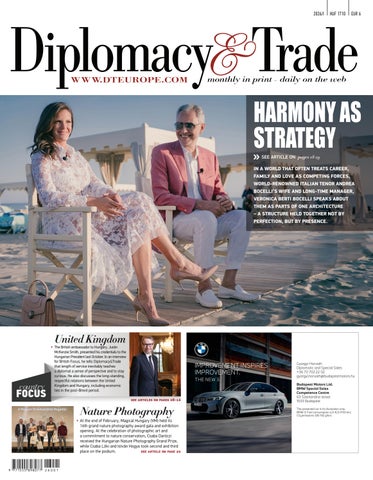
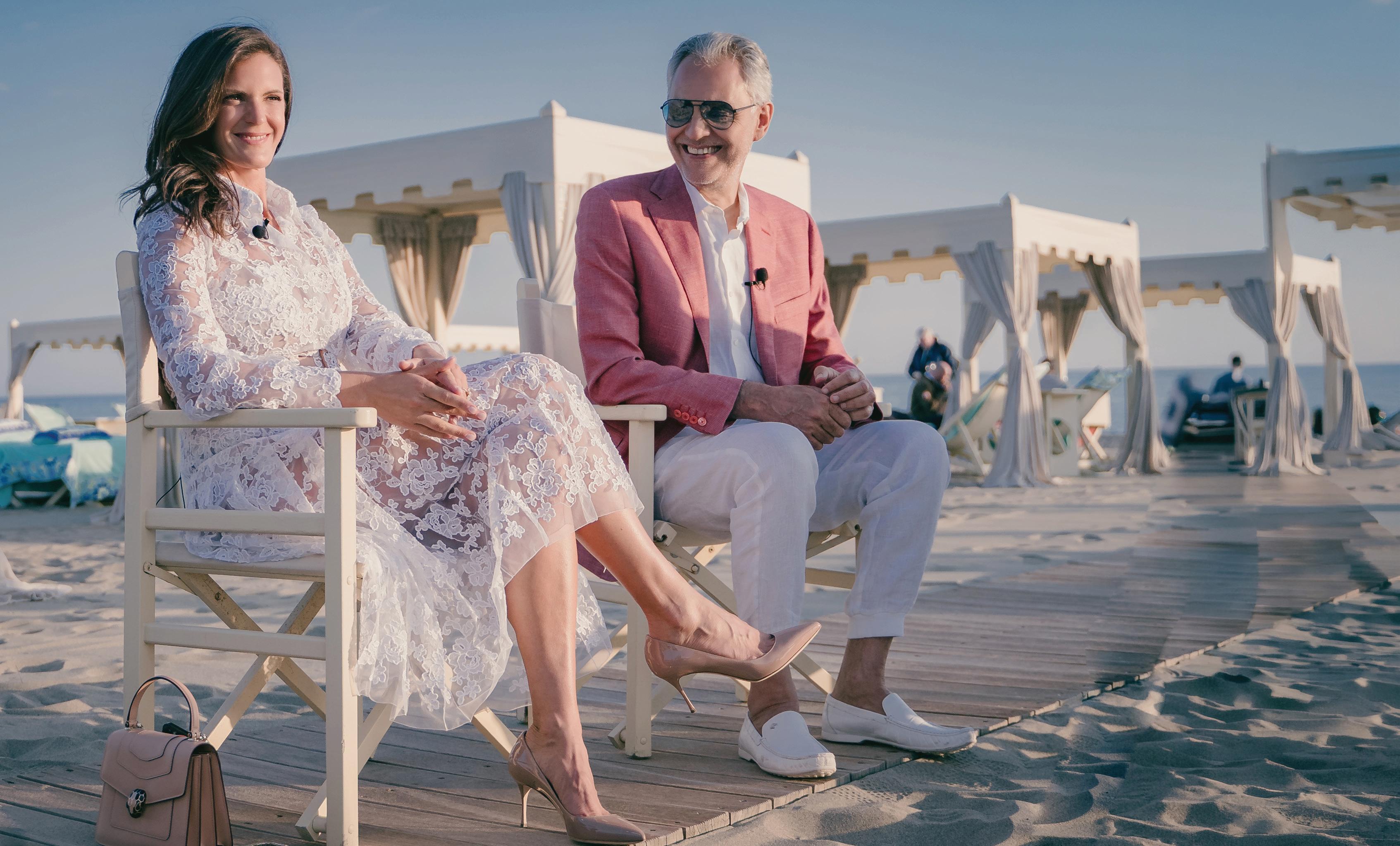
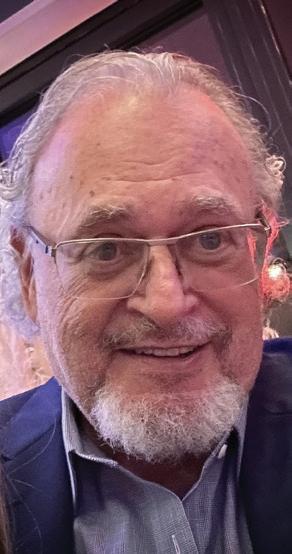
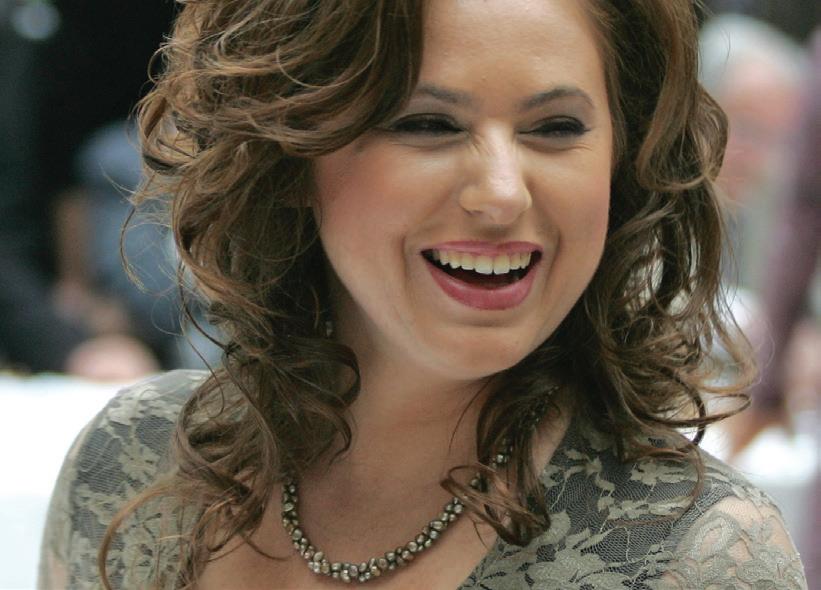
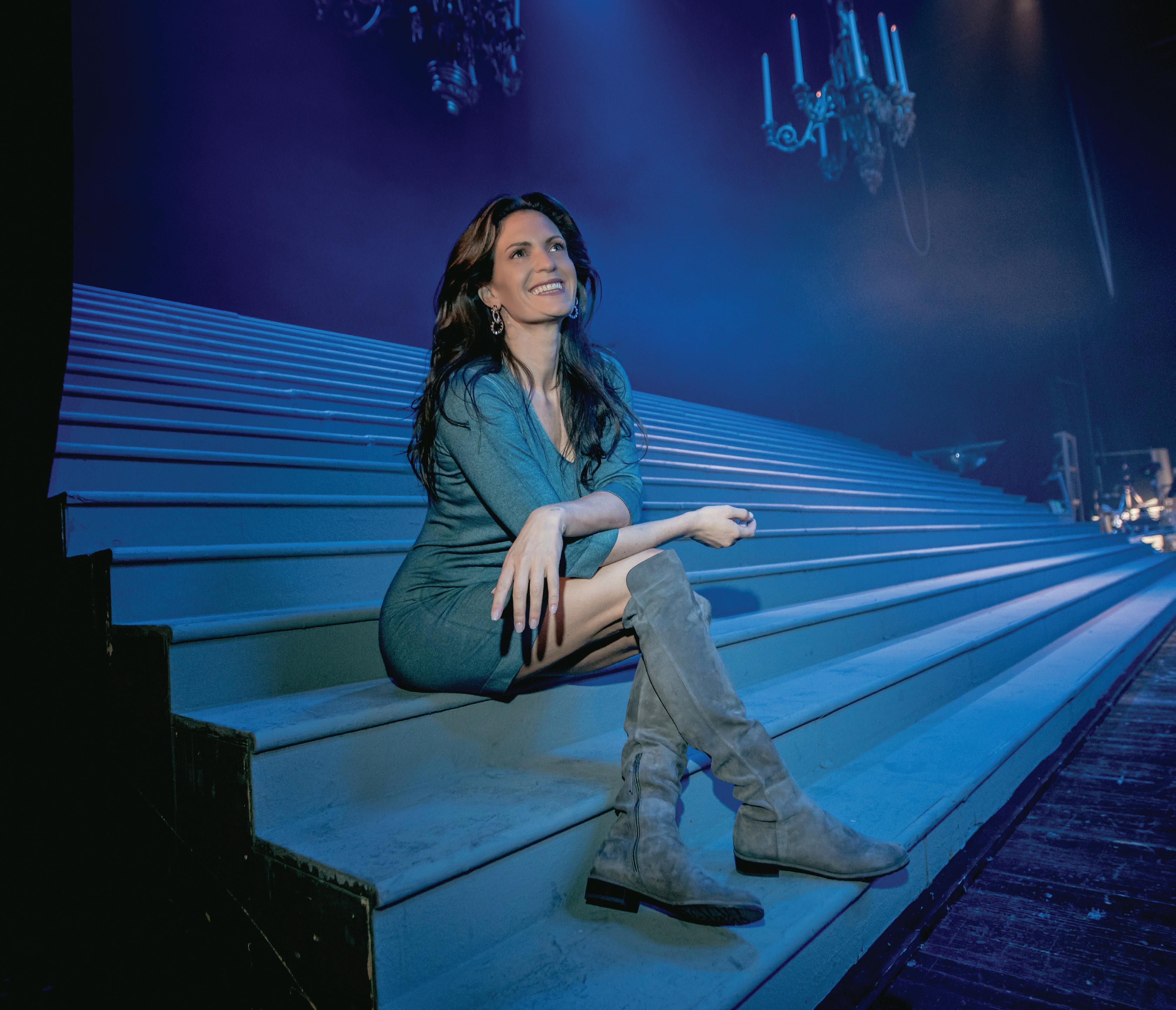
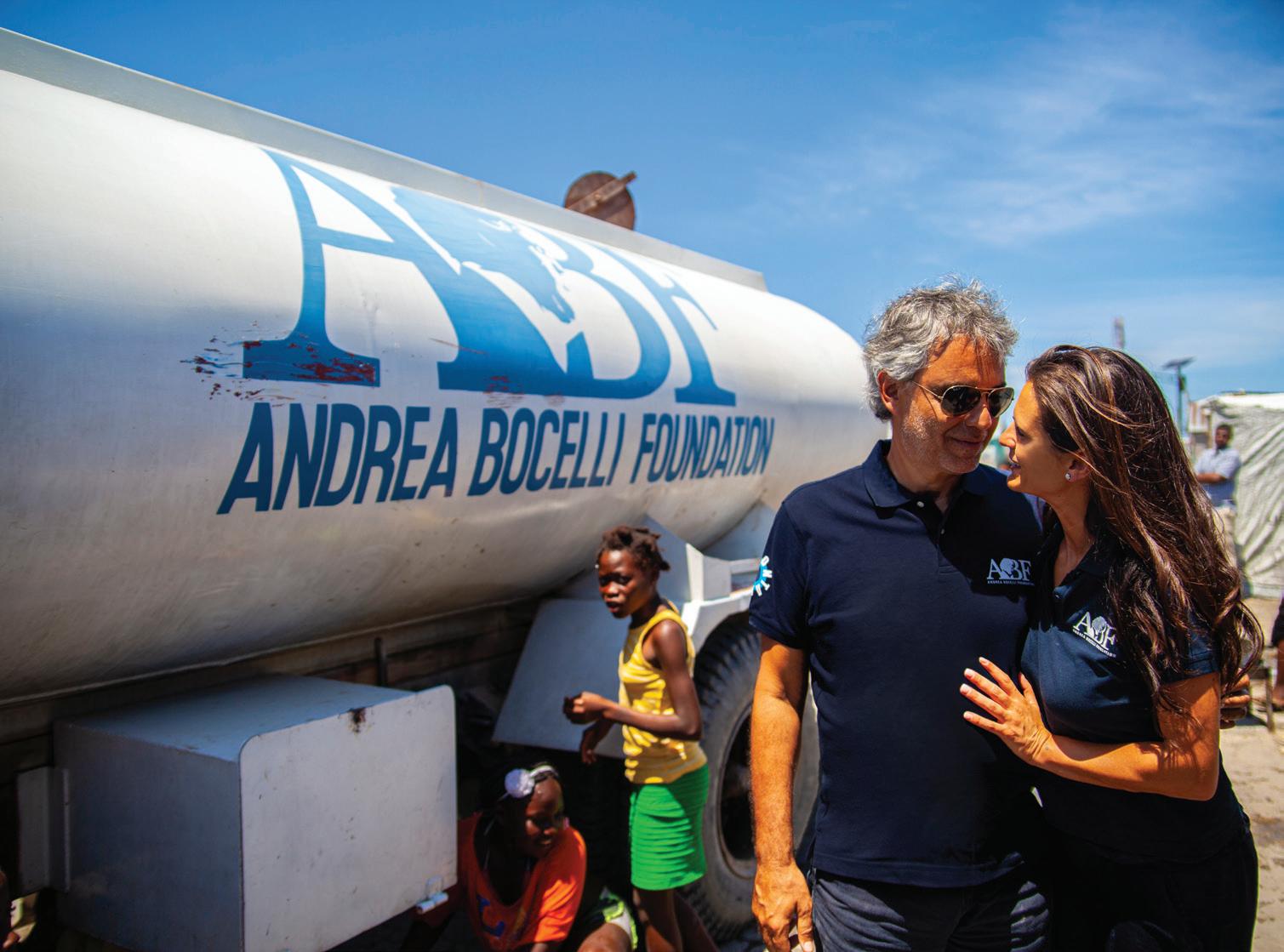
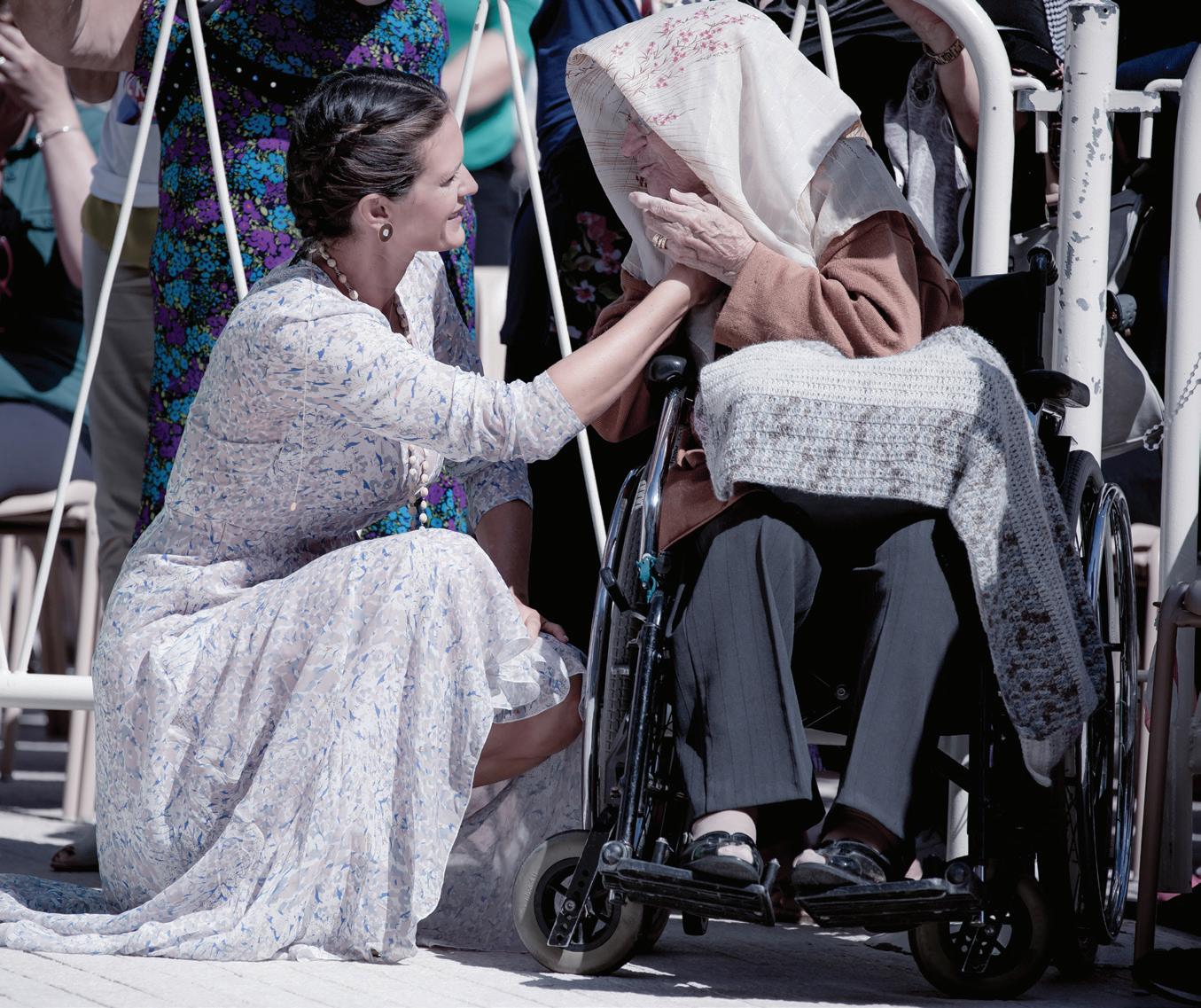
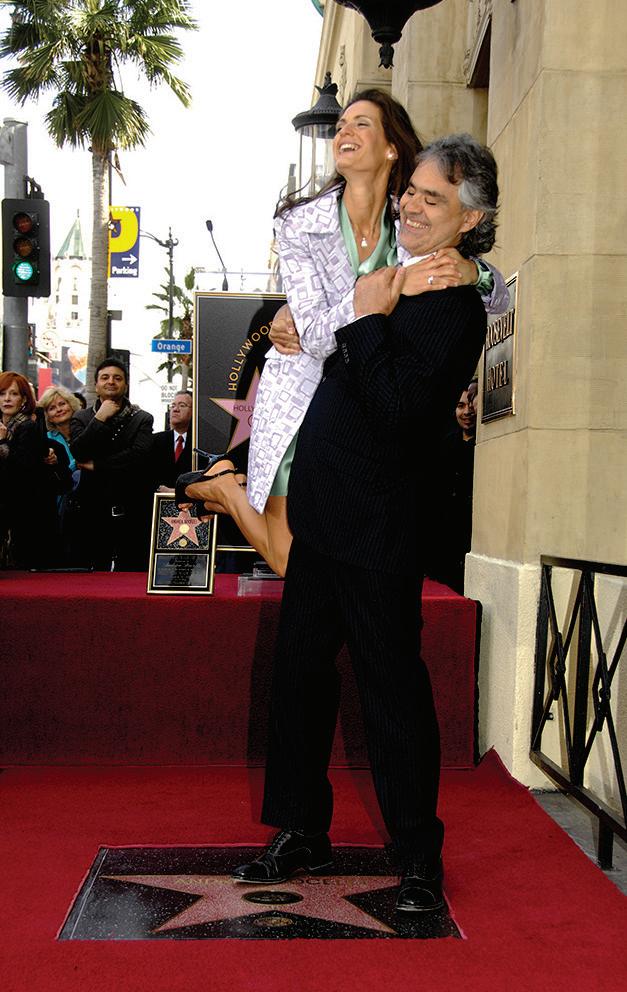
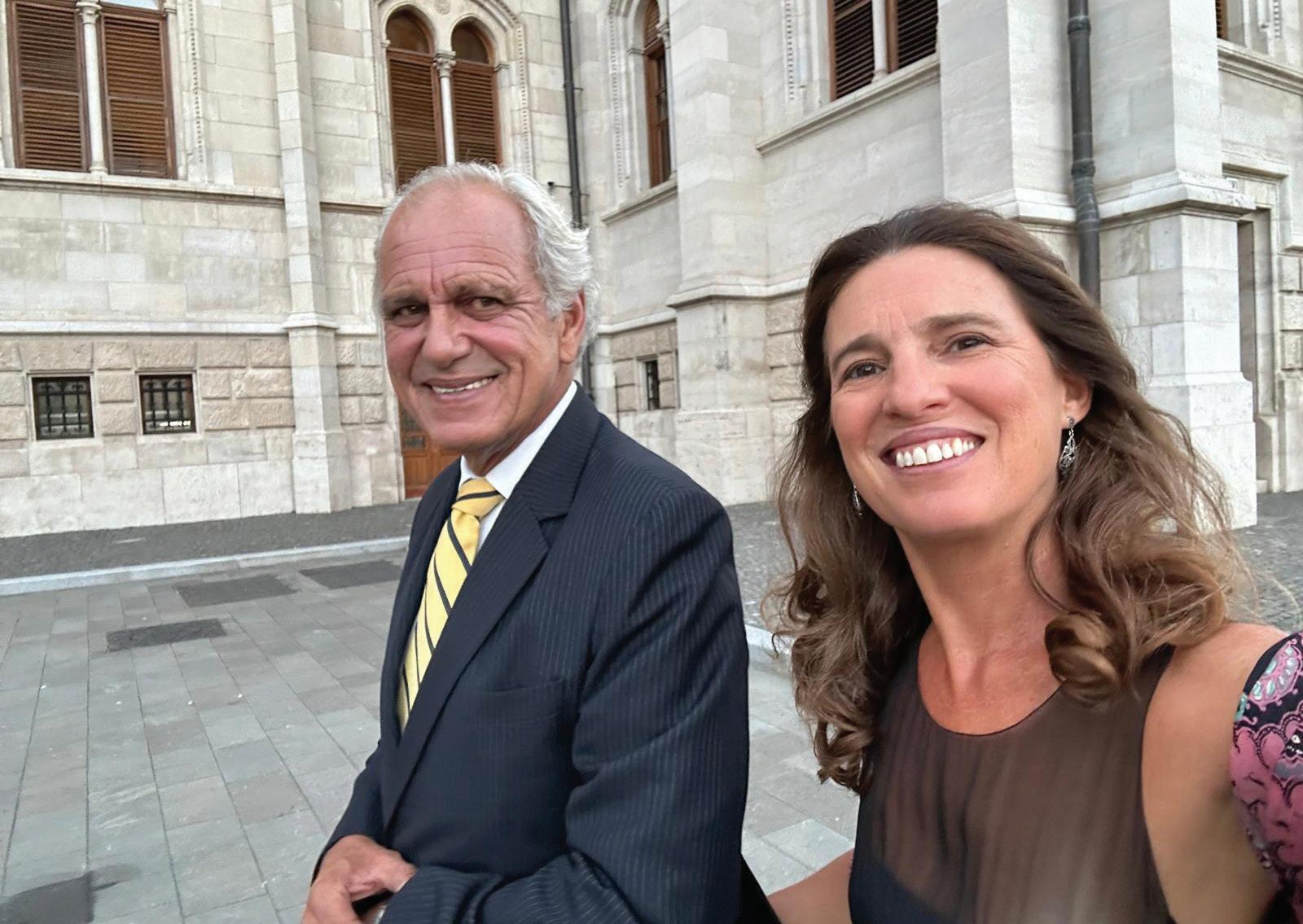
IN A WORLD THAT OFTEN TREATS CAREER, FAMILY AND LOVE AS COMPETING FORCES, WORLD-RENOWNED ITALIAN TENOR ANDREA BOCELLI’S WIFE AND LONG-TIME MANAGER, VERONICA BERTI BOCELLI SPEAKS ABOUT THEM AS PARTS OF ONE ARCHITECTURE – A STRUCTURE HELD TOGETHER NOT BY PERFECTION, BUT BY PRESENCE.
United Kingdom
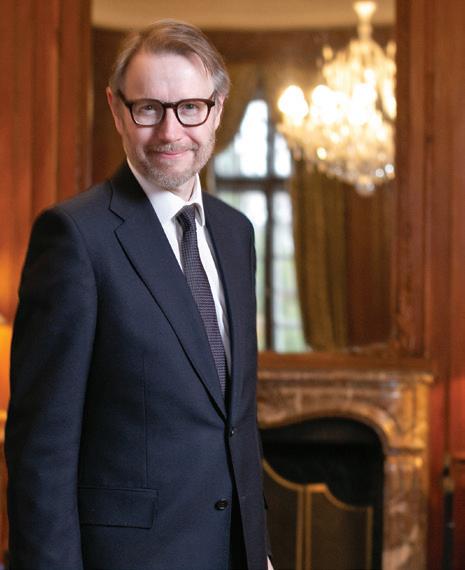
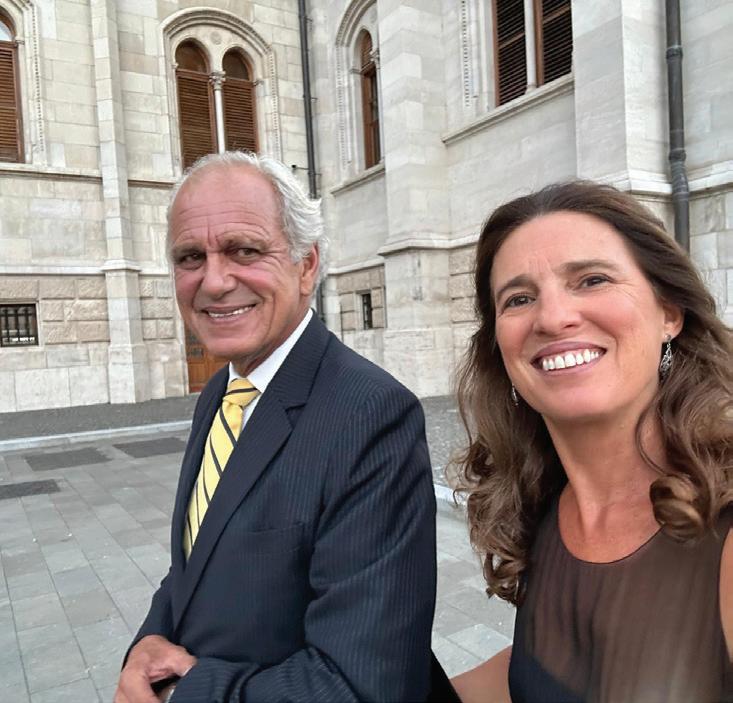
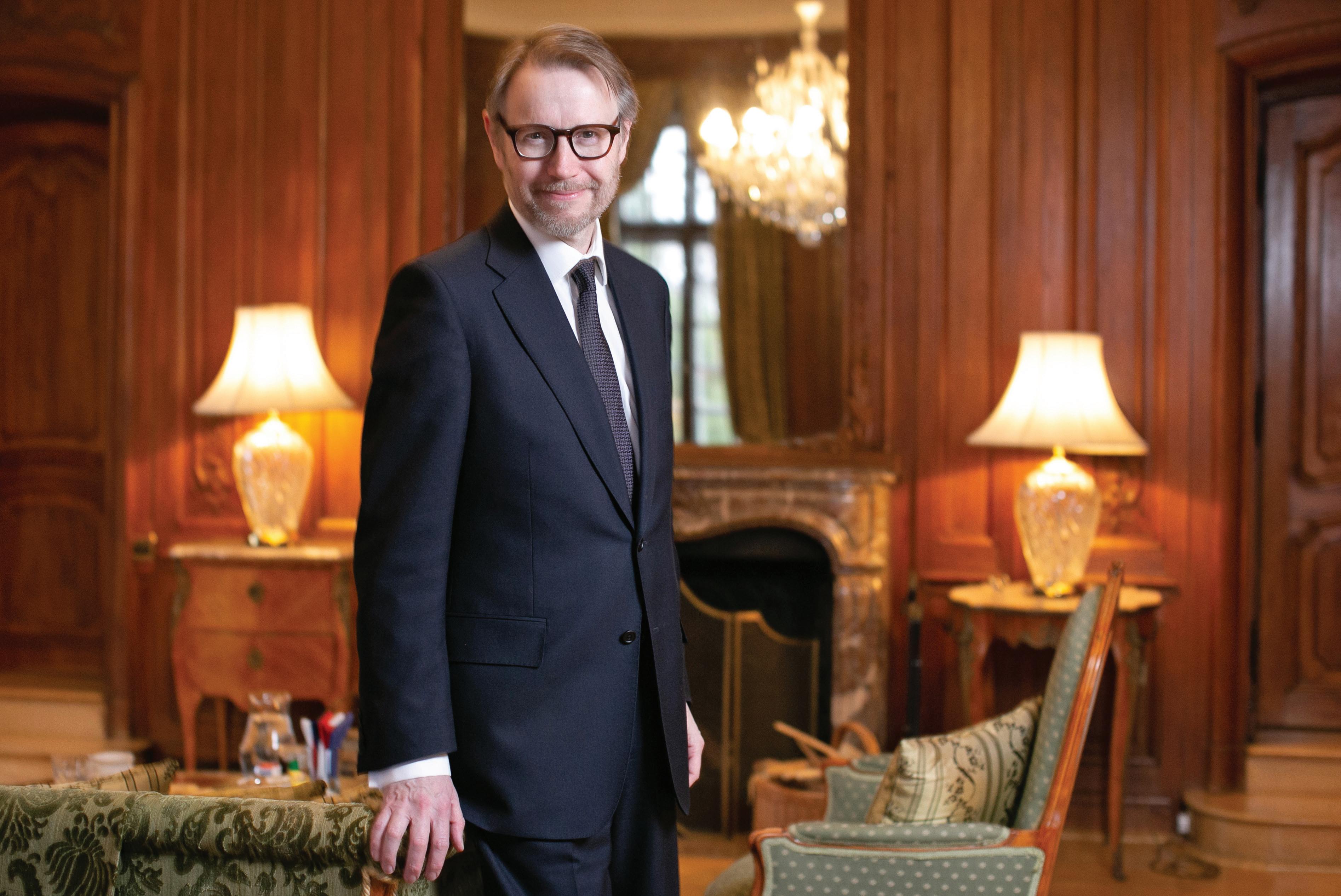
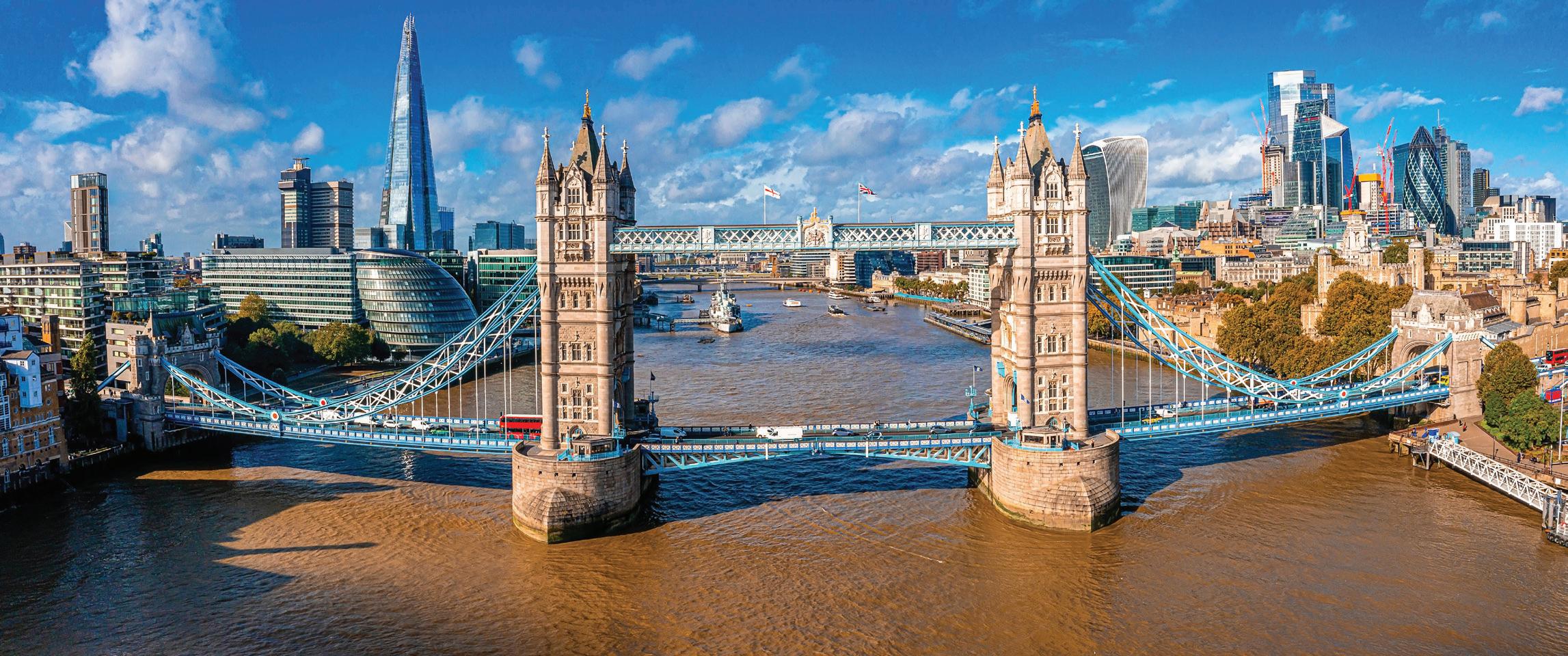
The British ambassador to Hungary, Justin McKenzie Smith, presented his credentials to the Hungarian President last October. In an interview for British Focus, he tells Diplomacy&Trade that length of service inevitably teaches a diplomat a sense of perspective and to stay curious. He also discusses the long-standing, respectful relations between the United Kingdom and Hungary, including economic ties in the post-Brexit period.
Nature Photography
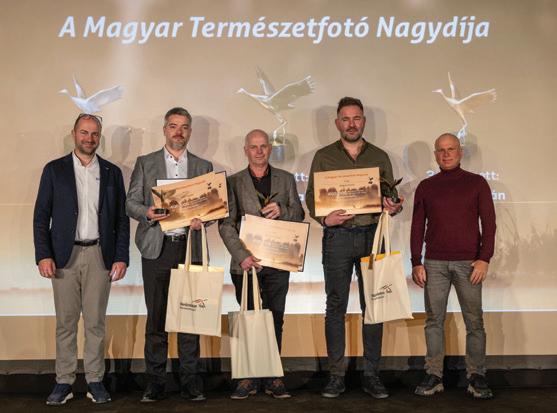
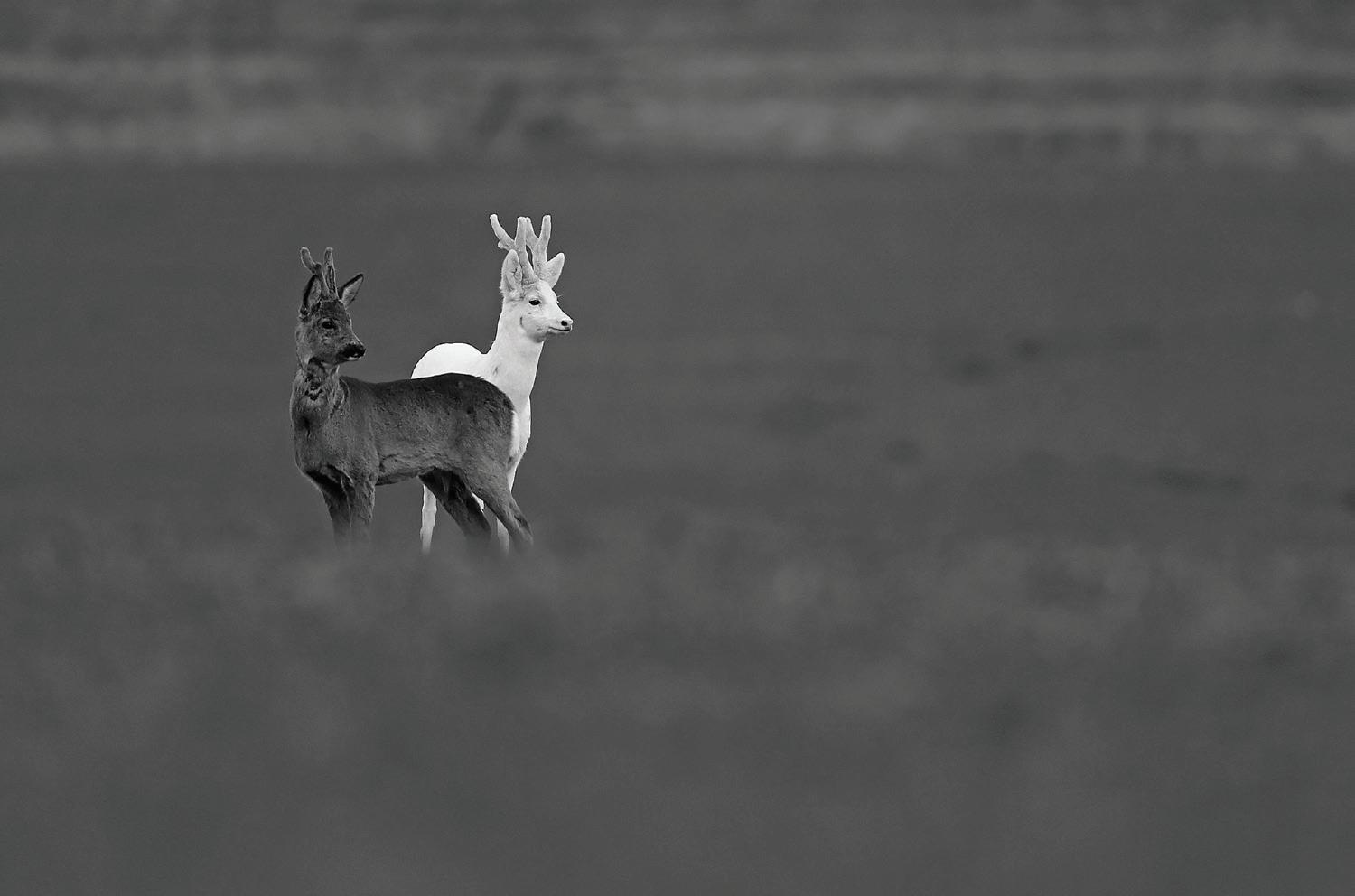
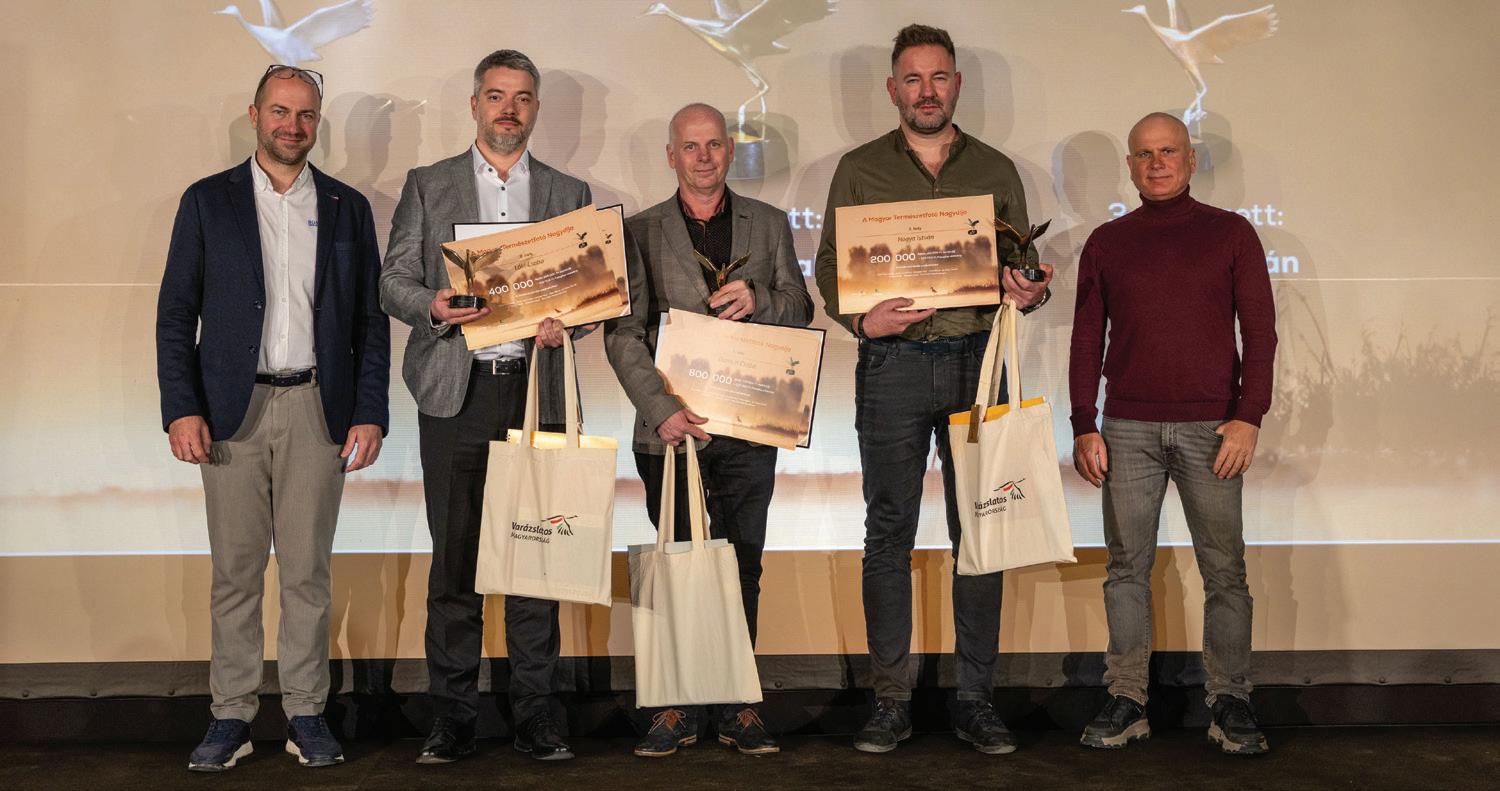
At the end of February, Magical Hungary (VM) held its 16th grand nature photography award gala and exhibition opening. At the celebration of photographic art and a commitment to nature conservation, Csaba Daróczi received the Hungarian Nature Photography Grand Prize, while Csaba Lóki and István Hogya took second and third place on the podium. see article on page 20
letter from the publisher
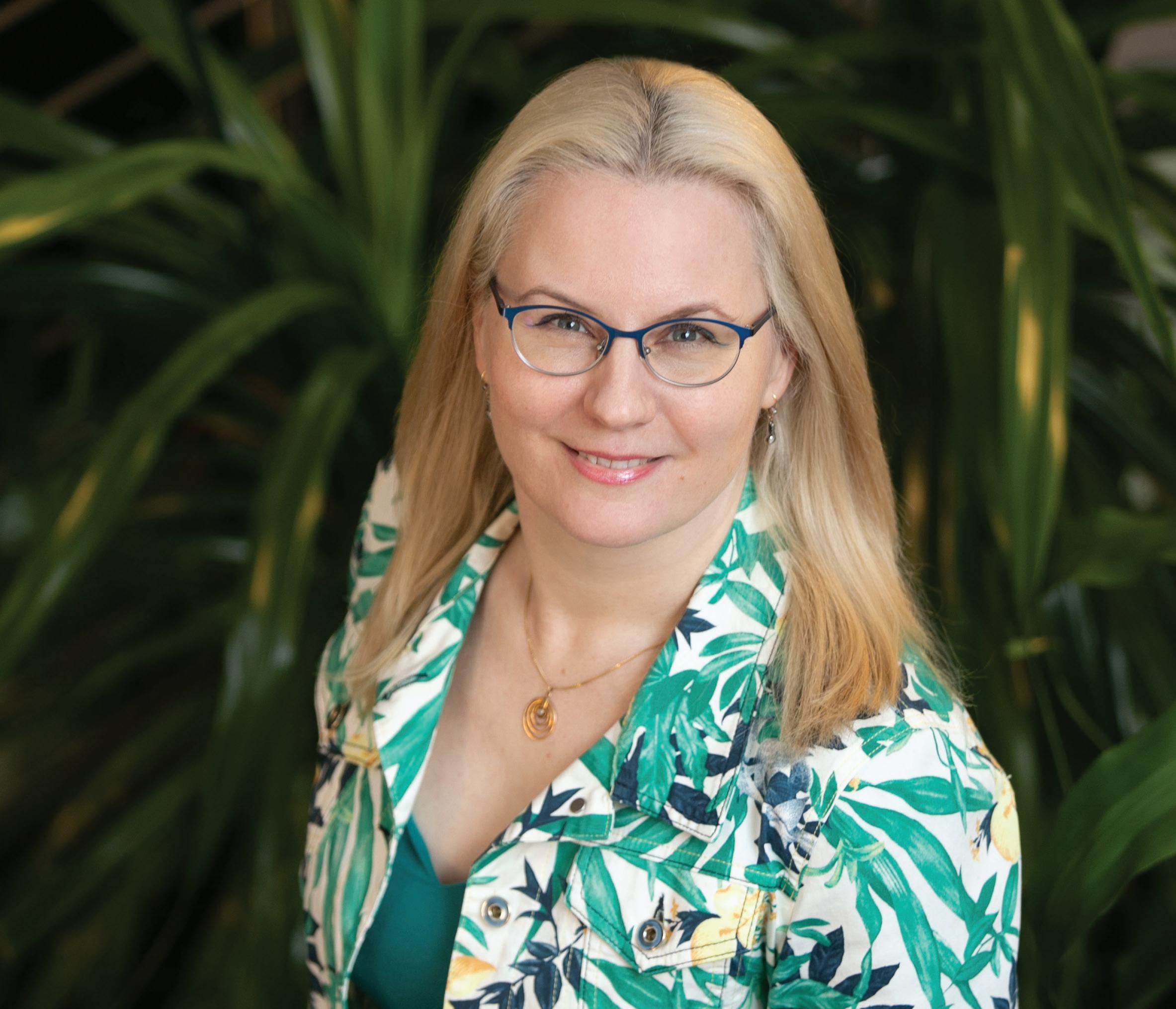
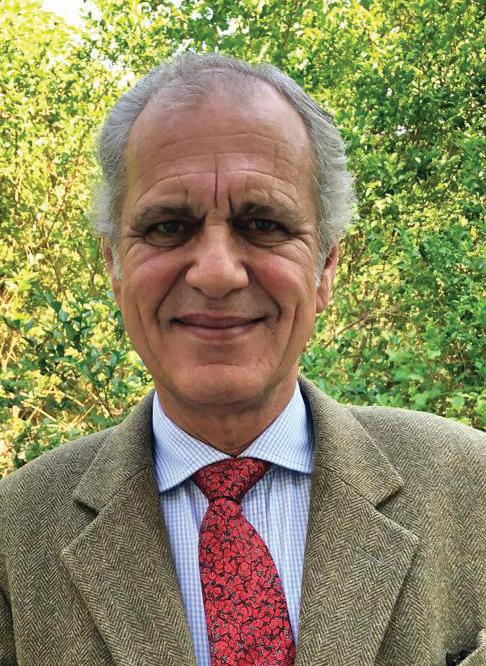
“For me, first and foremost, he is Andrea,” says Veronica Berti Bocelli, wife and long-time manager of world-renowned Italian tenor Andrea Bocelli. In her conversation with Diplomacy & Trade, she offers a rare and intimate perspective on a life built on family, responsibility, and culture. She underscores the remarkable consistency between the man on stage and the man at home: the same seriousness, the same respect for his craft, the same coherence of character. What stands out most in her portrait is not celebrity, but temperament – calm, steady and rarely touched by anger.
As February 24 passes, Russia’s invasion of Ukraine enters its fifth year, with no end to the war in sight. Our international analyst notes that the fundamentally contradictory demands of the two sides regarding Ukraine’s territorial integrity remain entrenched as firm red lines. Even the United States, despite its diplomatic efforts, has so far been unable to bridge the widening gaps between them.
In this issue, our Focus section turns to relations between Hungary and the United Kingdom. The new British Ambassador to Hungary, Justin McKenzie Smith, explains that his mission begins with listening carefully to the positions of the Hungarian government, making full use of the breadth of the UK-Hungary relationship, and exploring what more can be done to energize and strengthen economic ties for the benefit of both countries. We also examine the work of the trade and investment section of the British Embassy and the British Council, the United Kingdom’s organization for cultural relations and educational opportunities. In addition, we profile several of the many British companies active in the Hungarian market today.
Through dynamic growth and an expanding portfolio, Mellow Mood Hotels has evolved from a traditional hotel chain into a comprehensive tourism and asset management enterprise focused on long-term value creation. Our hospitality pages highlight recent developments within the group – including hotel and restaurant rebranding – and how these changes have been received by guests and business partners, as seen through the perspective of General Manager Máté Veégh, who has led the company since early last year.
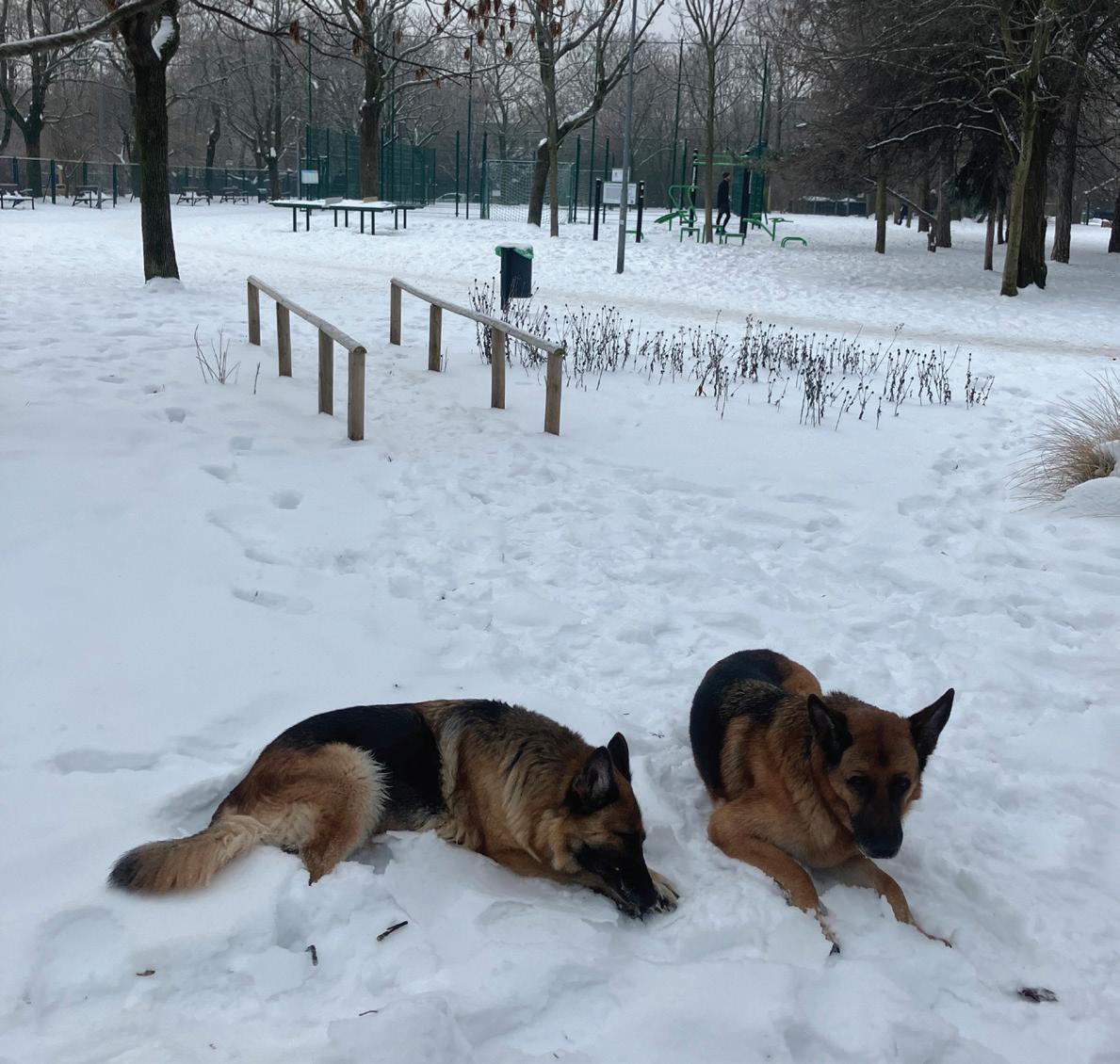
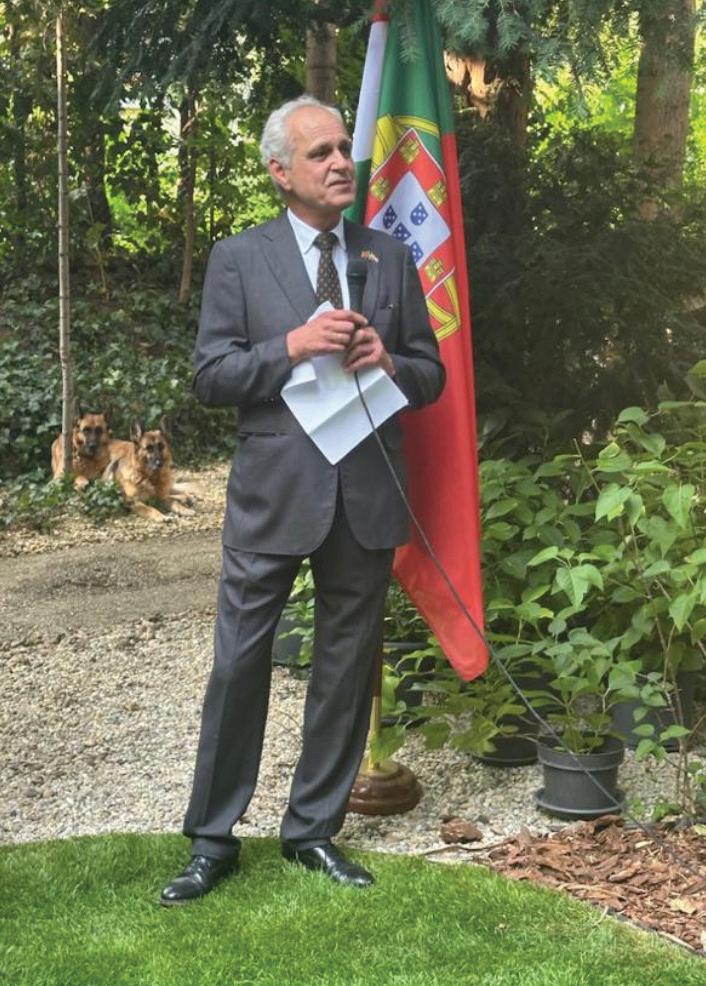
Meanwhile, the departing Portuguese Ambassador bids farewell after nearly six years that, in his words, “turned out to be the happiest of my life.” In this month’s WittyLeaks column, he recalls how his discovery of Budapest was initially delayed by the new coronavirus pandemic, only to be followed by a deeper exploration of the capital’s history, cultural richness, gastronomy – and the simple pleasure of walking his dogs in the Buda Hills.
As always, this issue reflects the blend of diplomacy, business, culture and human stories that define our publication. At a time when global tensions remain high and economic uncertainty persists, meaningful dialogue and long-term relationships matter more than ever. We thank our readers and partners for being part of this ongoing conversation.
Peter Freed PUBLISHER
PUBLISHER: Peter Freed PHOTO EDITOR: Dávid Harangozó
ADMINISTRATION: Blanka Szalontai
CONTRIBUTORS: Sándor Laczkó, Tamás Magyarics, Matteo di Vora, Jorge Oliveira
PHOTO CONTRIBUTORS: Lorenzo Montanelli (cover), Magical Hungary (cover), depositphotos.com, Müpa, panattonieurope.com, bondvit/ depositphotos.com, bplusn.hu, Lorenzo Montanelli, Andrea Bocelli Foundation, Bob Freeman, Lexus, István Hogya, Csaba Lóki, Csaba Daróczi, Magical Hungary, Vera Abreu, Bálint Hirling, Presspresso, Live Nation, Denis O'Regan 1986
cont en ts
03 ON THE RECORD 04-05 COMPANY BRIEFS 06 ANALYSIS
US-Ukraine-Russia talks while war enters its fifth year 08-16 BRITISH FOCUS
Interview with Ambassador Justine McKenzie Smith; International Trade & Investment Section; British Chamber of Commerce in Hungary; GSK; Provident; British Council
18-19 CULTURE
Veronica Berti Bocelli 20 NATURE
Nature Photography Award Gala 21 AUTOMOTIVE
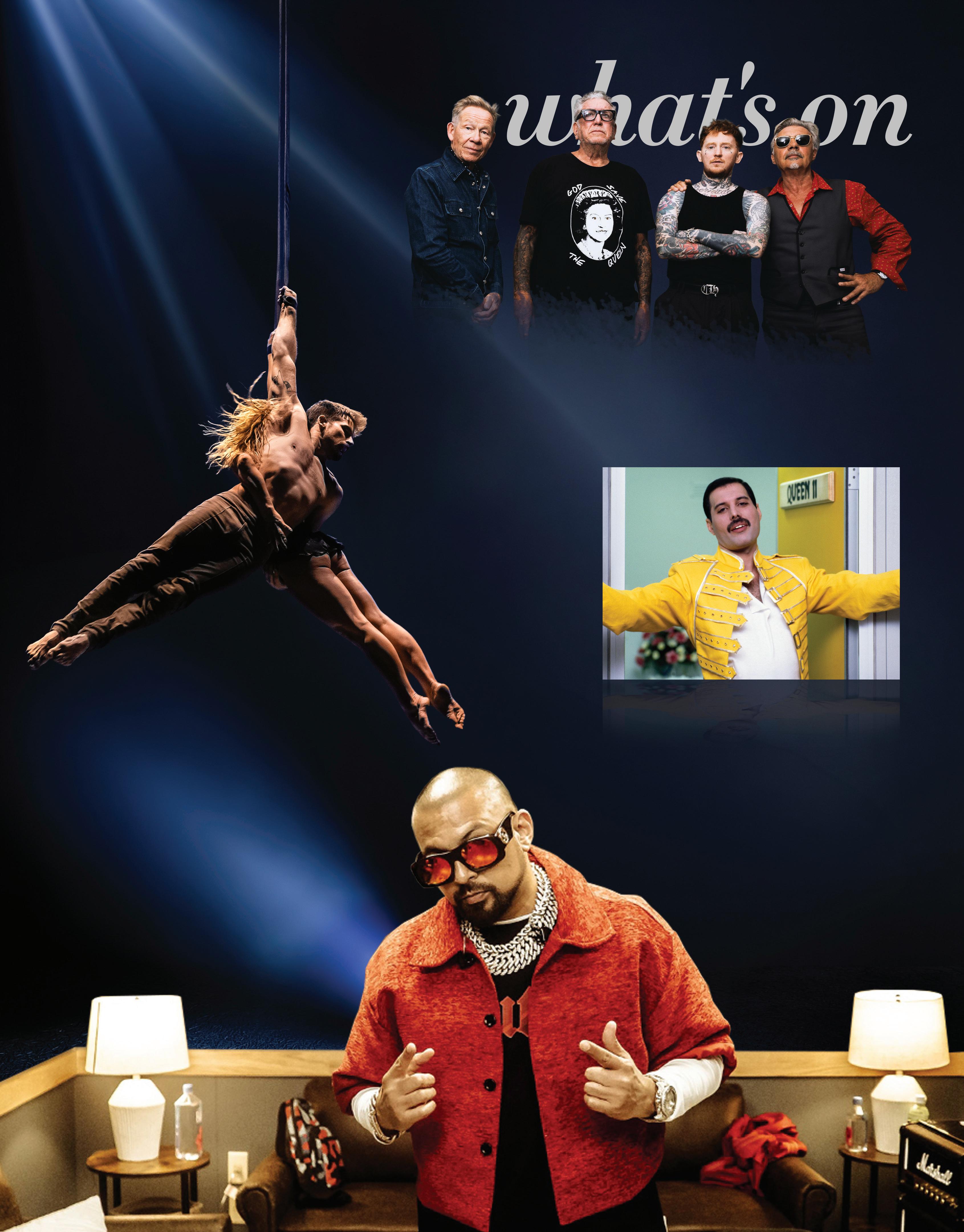
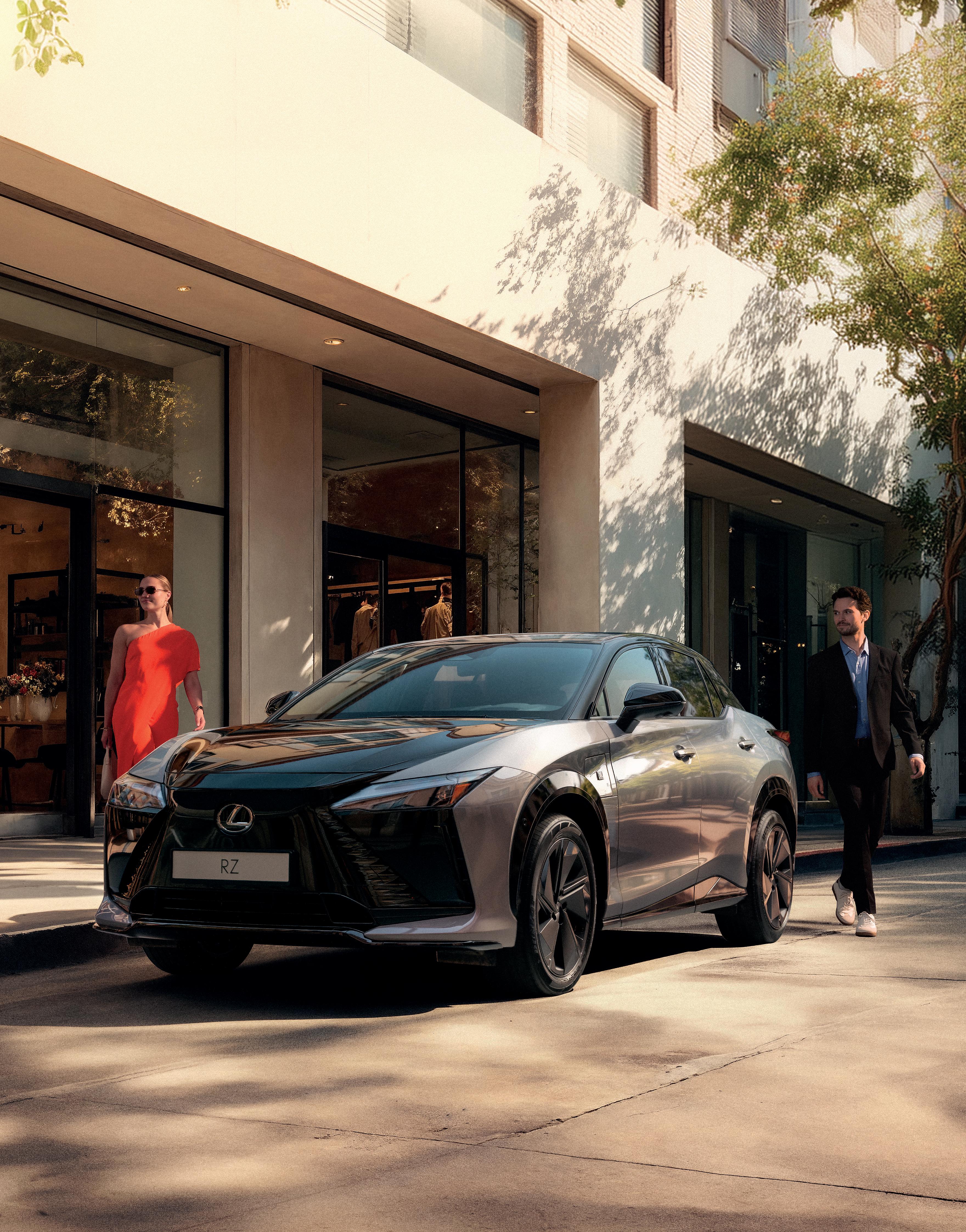
Lexus RZ 22 WITTYLEAKS by the Ambassador of Portugal 23 WHAT’S ON Concerts, festivals, events and exhibitions in and out of Budapest
HUNGARIAN FOCUS – COMING SOON
In an upcoming issue, Diplomacy&Trade is going to present a special Focus section on Hungarian companies that are engaged in significant cross-border activities, i.e., they are increasingly present in neighboring countries and, in many cases, have gained access to major export markets beyond the region. Many companies continue to expand, which is ensured by investments and product development. We also plan to highlight organizations helping Hungarian companies expand internationally. HEPA primarily assists Hungarian companies expanding abroad with export development solutions and consulting, while the National Capital Holding is expanding access to financing with a budget of HUF 60 billion, thereby enabling capital-intensive investments and the international expansion of domestic companies.
Event guide to the Hungarian capital page 23
Memories of Budapest by the departed Portuguese ambassador page 22 Russia’s war in Ukraine enters fifth year pages 06
AMBASSADORS BRIEFED BY NATIONAL ELECTION OFFICIALS
The heads of the National Election Office (NVI) and the National Election Commission (NVB) held a briefing this February for ambassadors accredited to Hungary about the parliamentary election to be held on April 12.
Róbert Sasvári, President of the National Election Commission and Attila Nagy, President of the National Election Office welcomed diplomats at the headquarters of the National Election Office, where – similarly to previous years’ practice – they provided key information related to the conduct of the upcoming parliamentary elections. The NVI President gave a detailed overview on the Hungarian electoral system, the legislative changes since the general elections held in 2022, as well as on the steps made by the Office for the preparation of the elections. He also highlighted the main guarantees of the electoral process and presented the rules for international observers. The President of the NEC summarized the rules of procedure of the NEC and previous experiences.
GKI ECONOMIC SENTIMENT INDEX: SLIGHT DECLINE IN EARLY 2026
According to a survey by GKI Economic Research Co., conducted with EU support, consumer outlooks in January remained unchanged compared with December, while those of companies deteriorated slightly. The summary indicator of expectations, the GKI Business Climate Index, fell by almost three points. Firms’ willingness to hire remained unchanged, and their overall expectations for the development of selling prices edged up slightly on a monthly basis. In the first month of the year, respondent companies judged the predictability of the business environment to have improved noticeably. GKI’s business confidence index declined by nearly four points in January compared with the previous month, effectively returning to its level of last November.
The industrial confidence index dropped sharply, by almost five points, while both the retail and services indices fell by three points each. By contrast, the construction indicator rose by three points, albeit from a relatively low base. Looking ahead, construction remains the least optimistic
on the record
sector, while business services are the most upbeat. The overall employment indicator, which reflects companies’ staffing expectations, remained unchanged in January compared with December. Over the next three months, 9% of firms plan to expand their workforce, while 12% expect to reduce it. In industry and business services, those intending to hire outnumber those planning layoffs. By contrast, in construction, the majority of firms anticipate staff reductions.
OVER 3 BN BEVERAGE CONTAINERS RETURNED IN HUNGARY IN 2025
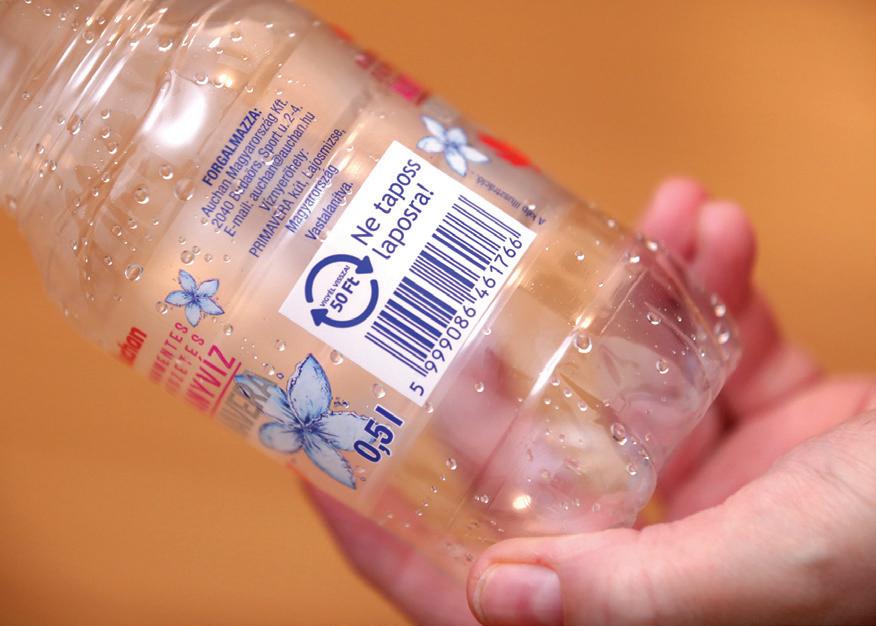
Last year, people in Hungary returned more than three billion beverage containers (bottles, cans and glass bottles) through the MOHU REpont return system, which is almost 90% of the beverage containers that entered the market, MOHU, the company in charge, said. They pointed out that before the introduction of the MOHU REpont system, only a fraction of beverage packaging was recycled, with most of it ending up in municipal waste bins or, in the worst cases, on riverbanks. Thanks to the REpont system, however, these bottles are returned to the cycle and turned into new bottles. Last year, bottles made from raw materials obtained from REpont machines were already available.
The statement highlighted that by 2025, the redemption rate in Hungary had increased to 88.8%, indicating that the system is taking off much faster than expected, as the EU has set a target of 90% by 2027.
People typically consume the most beverages during the summer heatwave or major holidays, and the most bottles are collected at vacation spots, in the capital and in larger cities. On average, consumers returned 23 bottles per transaction at vending machines, which is an increase of five bottles compared to the 2024 average. The average number of bottles returned per person per year rose to 310, which is a significant increase compared to 101 in 2024.
By the end of 2025, the system included 32,700 registered, redeemable products from 934 companies. 92% of registered products are single-use beverage containers, while 8% are multi-use, refillable bottles, according to the MOHU statement.
DOCUMENTARY ON JUDIT POLGÁR AT SUNDANCE FILM FESTIVAL
The documentary 'Queen of Chess', chronicling the life of Hungary's Judit Polgár, the greatest female chess player of all time, premiered at the Sundance Film Festival this February. Directed by Oscar-nominated filmmaker Rory Kennedy, the film explores Judit Polgár's extraordinary journey.
"Two years ago, Rory Kennedy approached me about making this documentary," the former chess player said at the world premiere in Park City, Utah in the United States.
"After receiving many offers following [the feature film] The Queen's Gambit, I chose to work with Rory because
I wanted a female director to tell my story. I was also intrigued by the fact that she is not a chess player. How would someone outside the chess world capture the depth, drama and tension of my life and my family's story? Rory exceeded all expectations - she created a wonderful film."
Rory Kennedy, the director, shared her initial inspiration: "I first heard about Judit from a producer friend. Her story – her struggles, her triumphs, and her rise to become the best female chess player in history – completely captivated me. I believe her story deserves far more attention than it has received."
The 93-minute documentary features previously unseen archival footage and was released globally on Netflix at the end of January.
GYÖRGY KURTÁG, HONORARY DOCTOR AT THE MUSIC ACADEMY
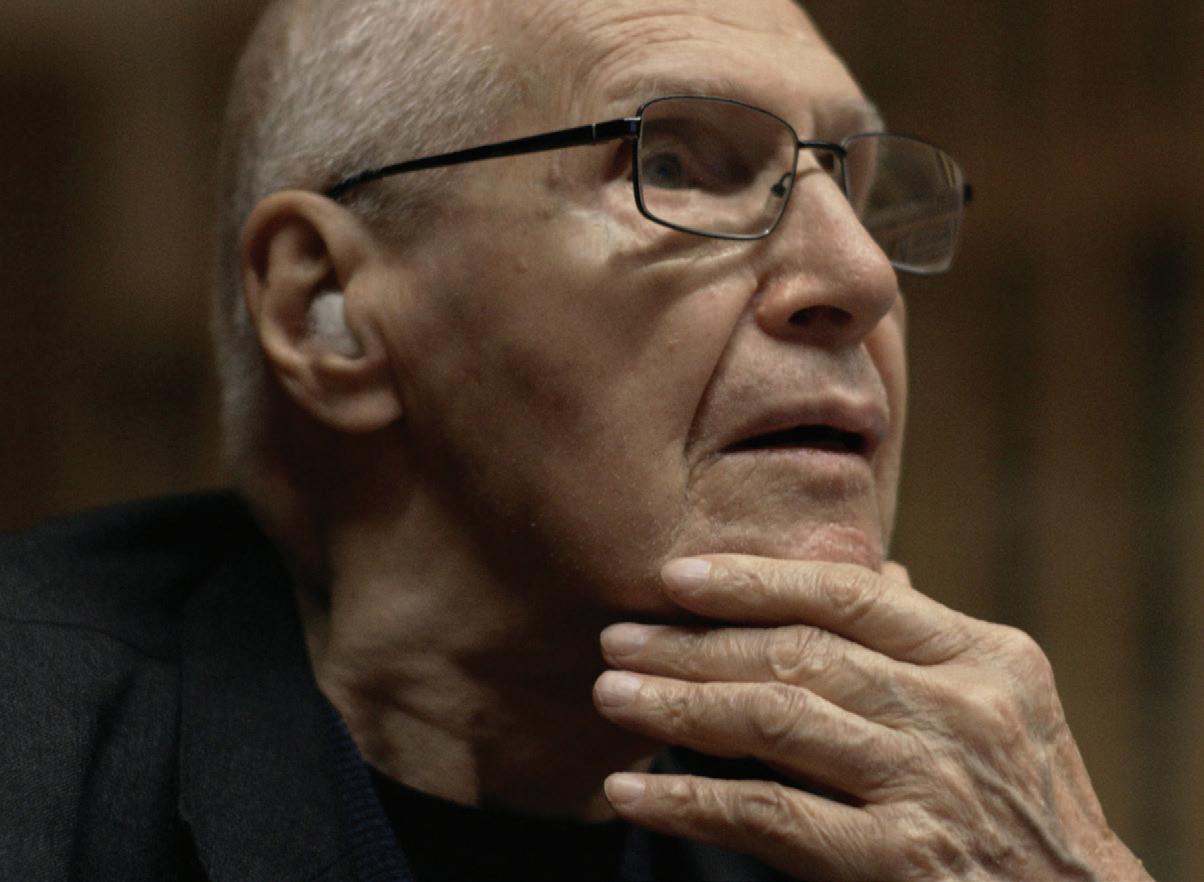
The Ferenc Liszt Academy of Music in Budapest awarded world-renowned Hungarian composer György Kurtág an honorary doctorate on the occasion of his 100th birthday. The artist, who is a former student and teacher at the Academy of Music, received his honorary doctorate from the university's management on February 6.
György Kurtág is two times winner of the Kossuth Prize and three times winner of the Ferenc Erkel Prize and considered one of the most significant contemporary Hungarian composers alongside György Ligeti and Péter Eötvös, turned 100 on February 19. The honorary doctorate was presented to him by Gábor Farkas, rector of the Liszt Ferenc Academy of Music.
To mark György Kurtág's 100th birthday, the Budapest Music Center (BMC) is organizing a large-scale, year-long series of events across the country. The Kurtág100 festival features international stars and leading performers from the Hungarian contemporary music scene presenting a cross-section of Kurtág's oeuvre with programs held in the Palace of Arts, the Academy of Music and the Budapest Music Center in the capital, as well as in the cities of Győr, Szombathely, Pécs and Szeged.
company briefs
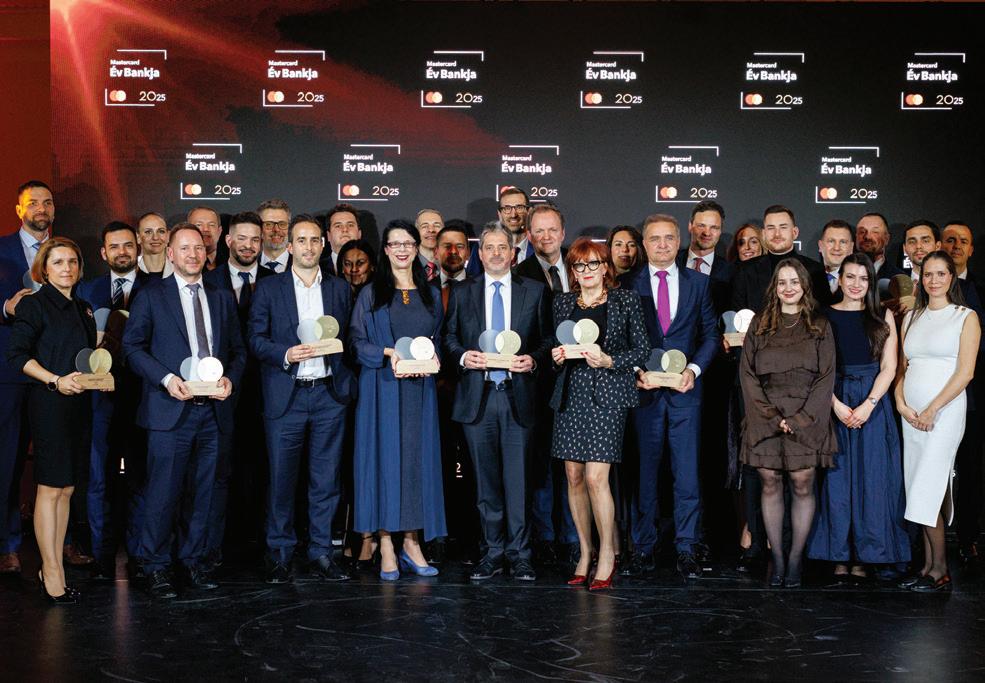
MASTERCARD BANK OF THE YEAR GRAND PRIZE FOR OTP BANK
The Mastercard – Bank of the Year competition, which has become a key professional event in the domestic banking sector over the past two decades, was held for the twentieth time, with the top prize going to OTP Bank.
This year, the competition was revamped, with the organizers dividing the nine categories into three segments in which the winners delivering the most outstanding performance according to the professional jury's evaluation were as follows: OTP Bank in the Daily Banking segment; Gránit Bank in the Innovation segment; K&H Bank in the Beyond Banking segment. The Mastercard - Bank of the Year 2025 grand prize was awarded to OTP Bank. "For twenty years now, the Mastercard – Bank of the Year competition has been one of the most important professional events in the Hungarian banking sector, focusing on recognizing and celebrating the performance of banks. The number and diversity of this year's entries indicated that professional interest in the program remains strong. The solutions submitted clearly showed that banks are shaping their services with a long-term perspective, focusing on innovation. The jury's decisions this year once again reflected that the solutions that
stand out are those that transform technological possibilities into tangible value that is easily understood by customers," according to Gergely Márkus, Country Manager for Mastercard Hungary and Slovenia.
The 2025 competition placed greater emphasis on areas where there has been significant progress in the sector: customer retention, artificial intelligence and merchant partnerships.
2CONNECT-YETTEL WHOLESALE BROADBAND CONTRACT
As part of the agreement between the mobile service provider Yettel Hungary Plc. (Yettel) and 2Connect Telecommunications Infrastructure and Network Services Ltd. (2Connect), the latter will provide wholesale access to its fixed broadband infrastructure for Yettel. This will enable Yettel to offer fixed electronic communications services to residential and business customers as part of its own service portfolio. The agreement reinforces the market relevance of the neutral wholesale infrastructure provider model, while supporting the efficient use of network resources. Yettel Hungary is one of the most dynamically developing and innovative players in the Hungarian telecommunications market,
driven by real customer needs and committed to making digital everyday life simpler, faster and more reliable. Years of network investment have delivered tangible results: according to nationwide aggregated data published on NMHH’s szelessav.net, Yettel provides the fastest mobile download speeds in Hungary, underscoring both its technological strength and dedication to service quality. Building on the success of mobile based home internet – which has proven to be a fast, flexible, installation free alternative – Yettel is now taking a major step forward by adding fixed broadband to its portfolio. Integrating mobile and fixed technologies broadens customer choice and ensures that users can access the service that best fits their needs from a single provider, all at a consistently high level of quality. Through this cooperation, Yettel can deliver gigabit capable fixed internet to a much larger area and broader customer base, offering more complete and easier-to-use connectivity solutions.
KOMÉTA INVESTS EUR 117 MN IN CAPACITY EXPANSION
Italian-owned Kaposvár-based Kométa 99 Plc., specializing in pig slaughtering and the production of meat industry products, is expanding its site with an investment of EUR 117.1 million. As one of the key players in the domestic food industry, it employs more than a thousand people in Kaposvár (SW Hungary).
Under the program, the new state-of-the-art slaughterhouse, the introduction of a two-shift work schedule, and automated solutions will significantly increase the plant’s processing capacity. Alongside the expansion of the production area, new high-performance machinery will be installed to support both prepared food production and meat processing. A new cold storage facility will be
EU GRANT FOR CRU HUNGARY DIAGNOSTIC PLATFORM
The clinical research company CRU Hungary has won HUF 557 million in European Union and state grant money to support the development of a multimodal diagnostic platform in Encs, NE Hungary.
According to the announcement, the development is based on the coordinated processing of blood-based biomarker analyses and digital health data collected using non-invasive and wearable devices in clinics. As part of the project, the company will develop the necessary data processing and IT infrastructure and prepare the solution for practical application and validation.
The press release says that the widespread use of the diagnostic tools developed will create opportunities for the digitization of healthcare and disease prevention. The technology will also contribute to the Hungarian healthcare industry and its international competitiveness, creating new business opportunities for the domestic biotechnology and medtech sectors, CRU Hungary said.
The development project for the early detection and prevention of health risks related to climate change is set to wind up in about one year.
built, and the slicing, packaging, and storage capacities, as well as warehouse functions, will be strengthened. These measures will improve energy efficiency in production and significantly enhance food safety.
One third of the invested amount for this project that promises to create close to 400 jobs is paid for by Hungarian taxpayers through a government subsidy scheme.
The company exports its products to 40 countries, with Italy as its main market, but they are also popular in Japan, Korea, China, and Canada, among others. One of Hungary’s most modern pork processing plants relies primarily on Hungarian suppliers, whose share reaches 80%. The meat industry company is a regular re-investor in Hungary, thereby not only creating jobs and modernizing processing facilities, but also supporting the competitiveness and international recognition of the Hungarian food industry.
company briefs
RECORDS FOR DH GROUP IN Q4 2025
Both core segments of the real estate Group (formerly called Duna House) grew by nearly 30% year-on-year, reaching all-time highs, according to a company report published on the website of the Budapest Stock Exchange. Financial intermediation was supported by the favorable interest rate environment and OSP, while the volume of real estate services was boosted by the acquisition of Spain's Donpiso, while the volume
PANATTONI PLANS HUF 10BN LOGISTICS DEVELOPMENT
German-owned industrial property developer Panattoni will spend HUF 10 billion on developing two halls in its logistics park Panattoni Park Moson, near Hungary's border with Austria and Slovakia, the company said in a statement. Panattoni signed a lease contract to rent 51,000 sqm meters in the buildings to German-owned forwarding and logistics company Fliege. The projects are being implemented by Recorde Panattoni RPM Real Estate Funds, which are managed by Recorde Asset Management Ltd., a subsidiary of Concorde Group. Panattoni Hungary told MTI that the vacancy rate in the domestic industrial real estate market is currently around 13%, which is high compared to previous years. The wave of development that began in 202122 amid low vacancy rates was adversely affected by the war, the energy crisis, and the decline in demand, while the reorganization of supply chains was unable to significantly offset this impact.
They added that demand has already started to pick up in Western Europe and it is expected to happen in Hungary in the second half of 2026 and the first half of 2027. Build-to-suit (BTS) developments based on longer-term leases remain popular, ensuring that the property is built to the tenant's specific requirements, the company said.
Panattoni is one of the world's largest privately owned industrial real estate developers, with 70 offices in North America, India, and Europe. Its global portfolio includes more than 60 million square meters of completed space for over 2,500 customers.
Panattoni Hungary was established in 2021 and has completed four developments over the past four and a half years, all of which are 100% leased, with a combined size of over 130,000 square meters. Panattoni Park Moson is the developer's fifth investment in Hungary. In the coming years, in line with economic conditions and demand, the company plans to launch several BTS and speculative developments.
Panattoni Hungary had net sales revenue of HUF 20.8 billion last year, public records show.
of Italian loan intermediation grew by 13% yearon-year to HUF 184 billion in Q4 2025, which is another historic record, the executive summary of the report says.In Hungary, the 3% Home Start Program (OSP), launched on September 1, 2025, for first-time home buyers, generated significant demand in the real estate market. As a result of the program, there was an outstanding 90.5% yearon-year increase and a 75% quarter-on-quarter increase in the volume of financial brokerage. In addition, real estate brokerage volumes remained below the record level of Q3, with a 5% year-on-year increase and a 9% quarter-on-quarter decrease.
B+N GROUP, AMONG THE TOP CLEANING ROBOT FLEET OPERATORS
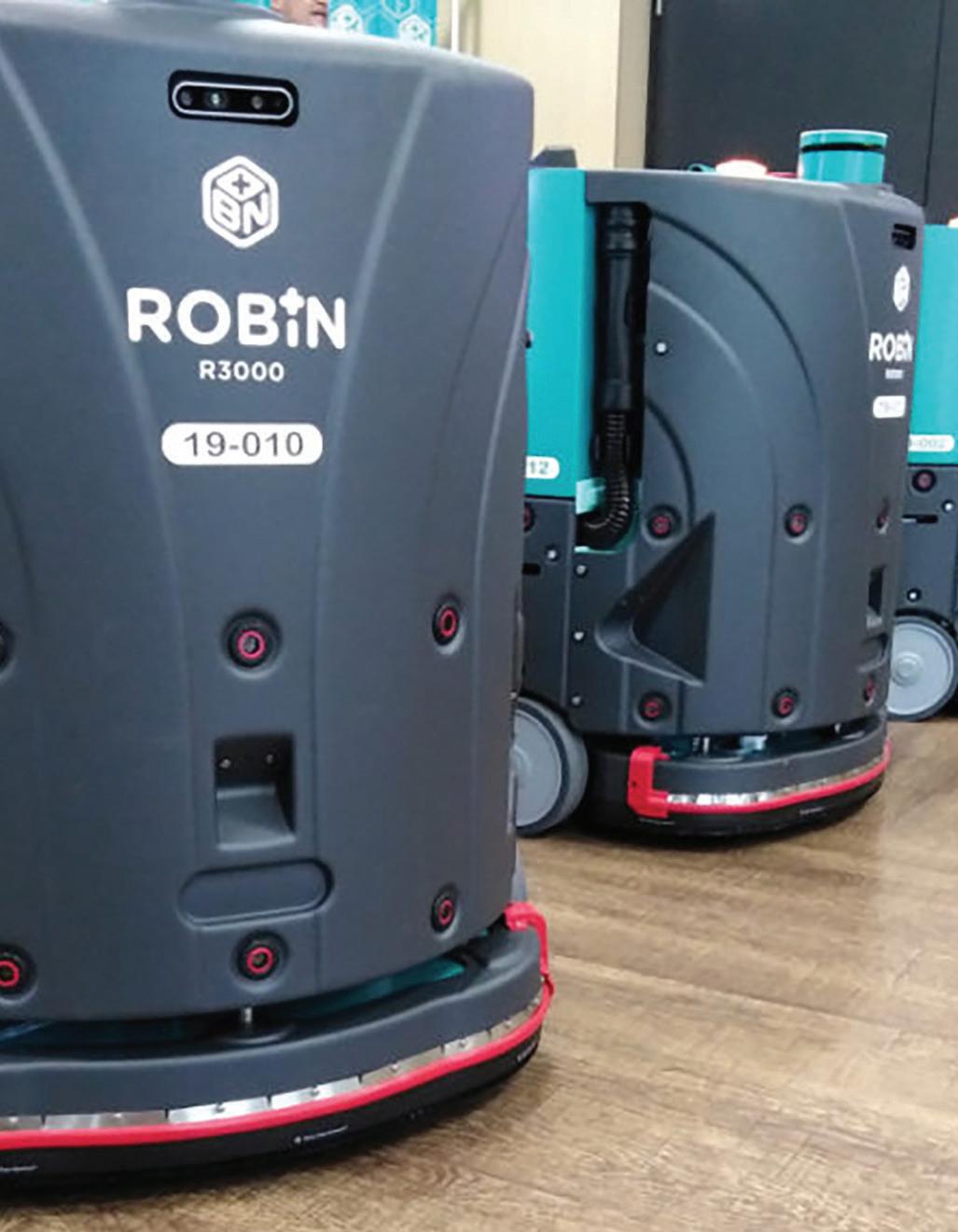
The Hungarian-owned B+N Group ranked 8th among the world's largest cleaning robot fleet operators according to an independent international survey by FieldBots Radar 2025, the facility management services company told MTI.
VOLKSWAGEN EXPANDED IN HUNGARY IN 2025
Sales of the Volkswagen brand grew by 6.8% in 2025 on the Hungarian new car market, slightly exceeding the 6.5% growth of the overall passenger car market. The brand sees potential for growth this year in targeting private buyers, according to Zoltán Papp, brand director at Porsche Hungaria, which imports Volkswagen Group brands.
In 2025, 129,440 vehicles were sold on the Hungarian new car market. Volkswagen's market share at the end of the year was 6.7%, placing it in fourth place in the brand rankings.
Assessing the Hungarian market, Zoltán Papp explained that SUV models account for 60 percent of the market, which is an outstanding figure even in Europe, although the predominance of this category is an international phenomenon. VW's model range is strong in the SUV segment, with 8 of the 18 models on offer being SUVs; the brand's most successful model in Hungary is the T-Roc, he added. He pointed out that there has been a steady decline in the station wagon segment, which was previously strong in corporate purchases.
In Poland, the volume of financial brokerage jumped to a new high, growing by 40% year-onyear, and franchise network commissions also increased by 8%. The markets are supported by the Polish interest rate reduction cycle and are expected to remain strong in the coming months. In November 2025, the Group acquired a 22% stake in Spain's Donpiso, which will be consolidated with equity method at start. The Barcelona-based network generated a total of nearly HUF 1.1 billion in network commission income in October-December 2025. The Group decided to close its marginal Czech operations and focus its resources on other markets.
The company operates 176 ROBIN professional cleaning robots developed in-house, surpassing several global players in the international survey, including German, French, Japanese, and Chinese companies.
The announcement quoted Zakariás Boldizsár, the company's technology director, who said that the labor shortage in cleaning jobs is becoming increasingly serious, while the age of workers is constantly rising. Therefore, it was clear to them that if they wanted to maintain the quality of their services in the long term, they would have to automate certain processes. That is why they decided to create their own cleaning robot. They pointed out that the development of ROBIN began in 2020. The robot is specifically designed for the efficient and safe cleaning of public buildings with high traffic and complex spaces, such as airports and hospitals. In addition, this development allows the approximately 15,000 people working in cleaning at B+N to focus on the quality of their work, thus taking a burden off their shoulders.
They emphasized that in Europe, robotic developments are primarily aimed at optimizing work processes, not reducing headcount, as the goal is to support human work: by taking on monotonous, physically demanding tasks, robots relieve the burden on employees.
As announced in early March this year, B+N Group continues its operations and international growth under a new brand name: LIWO Group.
private buyers in Hungary, which is why they will focus on private buyers in the coming period. He noted that as part of this, at the end of the year, they put together a Polo model that could be offered by dealers as the lowest-priced car in Hungary. Private buyers account for 32% of the Hungarian new car market. According to the brand director's data, they account for 23.3% of VW sales.
Zoltán Papp indicated that this year the brand will enter the 0 (small cars) segment, in which it has not been present until now, and will expand its electric range with new models, among other things. VW sold 495 electric passenger cars in Hungary in 2025, 48% more than in 2024. This increased its market share in the electric segment to 4.5%, but its goal is to catch up with the position of its other drive models.
The brand director mentioned as a success that Volkswagen is the most attractive brand among
analysis
CRISSCROSSING RED LINES
THE US-UKRAINE-RUSSIA TALKS
BY TAMÁS MAGYARICS
There is a saying with reference to the long-standing Israeli-Palestinian conflict: either they come to an agreement or a miracle happens. Of the two options the latter one is more likely than the former one. It seems that the situation in the Russo-Ukrainian war is bound to follow suit. The two sides at war have drawn a number of red lines – literally, on the map, and figuratively, at the negotiating table. And, to all intents and purposes, these red lines are as far from each other as can be. The Trump administration’s uphill battle to bring the rigid positions closer to each other has not produced any visible result. The pattern is exasperating: after each round of the US-Ukrainian, USRussian and Ukrainian-(US)-Russian talks at various parts of the globe, the negotiating parties issue anodyne statements about serious, factual, to the point talks and progress – and then they publicly repeat their base lines which do not seem to move an inch either way.
Demands and counterdemands
Russia launched the ’special operations’ (a.k.a. ’war’) officially, among others, for preventing Ukraine from becoming a member of NATO, protecting the Russian minority in the east of Ukraine and preventing the formation of a ’Nazi’ government in Kyiv. President Putin pledged to pursue the military actions until these basic goals are achieved. As the war continued, and various options put forward regarding a sort of peace-keeping force along the future ceasefire line, Moscow also excluded the presence of troops from NATO countries there. Ukraine, on the other hand, demands self-determination with reference to joining international organizations, denies any
discrimination against the ethnic minorities on her territory, and, of course, rejects accusations that there are neo-Nazi or other extremist political forces in the country. It demands the total withdrawal of Russian forces from the areas invaded by Moscow, including Crimea too, besides demanding a huge amount of money from Russia as a compensation for the damages. First of all, it calls for water-proof security guarantees from the U.S. and the EU, as well as the right to keep an 800,000-strong military force to deter any potential future Russian attack.
Political futures
It does not take a genius to see that these contradictory demands will not be realized any time soon in the future. As war is ’a continuation of political intercourse’ (Carl von Clausewitz), arguably one of the largest obstacles to any negotiated settlement is the political future of the Russian and the Ukrainian regimes. Both are in a fix: they have to justify the rationale of the huge human and material losses over the years to their respective populations. In other words, it is not only their countries’ security future that is hanging in the balance in the current conflict, but also their respective political future too.
Red lines
At the bottom of the problem, there is a deep distrust between the West and Ukraine on one hand, and Russia on the other one. The majority of the European leaders share the Ukrainian leadership’s argument that if Russia wins in this war (or, at least, is not weakened or defeated definitely), that would mean encouragement for Moscow to try to expand its borders towards the West; in the final analysis, the Russian military machine would not stop until it reached the Atlantic. This view is rather disconnected from
reality in the light of the state of the Russian military and economy, to mention only two important factors. One cannot but suspect that this scenario is promoted to justify Ukraine’s immediate admission into the EU and the increased military spending in the EU countries. A somewhat politically incorrect interpretation of this view is that the EU would like to build up Ukraine as a buffer zone between itself and Russia, and it hopes that a Ukraine economically and financially propped up, and armed to the teeth by the West would provide a deterrent and a line of first defense against any potential Russian aggression in the future. The Russians repeatedly refer to the ’red lines’ the West (NATO) has transgressed since the collapse of the Soviet Union despite an oral promise to the contrary by then Secretary of State James Baker III made to Mikhail Gorbachev. Moscow also attributes aggressive intentions to the West: it claims the U.S. and the EU wish to encircle Russia and deny a buffer zone to Moscow along its western borders. To put it bluntly: Ukraine is to be served as a buffer zone for the West and Russia, of course, inversely, and the whole country is itself a kind of ’red line’ for them. For the Ukrainians, the ’red line’ on the map is their pre-2014 eastern border, while the Russian ’red line’ is the post-2014 borderline in Crimea, and the western part of the Donbas region.
American threats and incentives
Just as the respective real ’red lines’ are rather far apart from each other, so are the virtual ’red lines’ at the negotiating table. The only actor in this drama that has been making efforts to bridge gaps between the real and virtual ’red lines’ is the U.S. The Trump administration is trying to put pressure on the
two sides at war using different incentives. As for Ukraine, Washington is willing to provide means (technical, economic, and diplomatic) for a settlement, including a limited period of security guarantees (15 years, without formal NATO-membership), and a comprehensive economic reconstruction package, among other things. Otherwise, Washington threatens with terminating financial and military aid to Kyiv. The U.S.-Russia talks are broader in scope, reflecting the different levels of the geopolitical/geostrategic importance of Ukraine and Russia. On the pressure side, Washington is attempting at deploying the ’energy weapon’ against Russia, while the incentives include, among others, a potential re-integration of Russia into the international community as far as trade and finances are concerned, and, above all else, a negotiation about a global security structure in which Moscow is accorded an active role. Ironically, it is Donald Trump who has more to lose in the short run (partly because of the upcoming Congressional midterm elections) if his efforts do not bear fruit; both Volodimir Zelensky and Vladimir Putin seem to believe that time is on their side, and they may get a better deal later on. The problem is that their mutual (mis)calculations cost lives on both sides, and generate ever greater hatred and distrust. And, though this issue is rarely discussed, there is a number of outsiders who are interested in prolonging the war for various reasons, from financial through economic to political ones, and who see the Russo-Ukrainian war in terms of a proxy war. So long as they are able to exert excessive influence over the belligerents, the ’red lines’ are not likely to meet half way or any way at all.
Tamás
Magyarics is a foreign policy analyst
BY SÁNDOR LACZKÓ
“First of all, I'm really pleased to be here. It's the job I wanted, so I'm delighted and I feel very lucky to have the opportunity to spend four or five years in Hungary, in Budapest, and really get to know the country as much as possible,” Ambassador McKenzie Smith tells Diplomacy&Trade.
Ambassador in listening mode
He adds that he sees his primary role at this moment and time as a listening role. “I will listen carefully to positions of the Hungarian government so that I can explain and convey those to London as accurately as possible. The flip side of that is that in return, I will explain British government positions honestly and respectfully, including where we don't agree. So, that's my starting point. The second plan is to really make the most of the breadth of the relationship between the UK and Hungary.
I want to make sure we're making the best use of a relationship, which goes back decades, if not
LONGSTANDING, RESPECTFUL RELATIONS
INTERVIEW WITH THE AMBASSADOR OF UNITED KINGDOM, JUSTIN MCKENZIE SMITH
centuries. And the third plan that I come with is to see what more we can do to energize, strengthen the economic links between our two countries in the interest of both sides. If I can do half of all that, I'll be very pleased.”
Perspective and curiosity
Justin McKenzie Smith is definitely not new to British diplomacy – he has an experience of over three decades. He believes what length of service teaches a diplomat is inevitably a sense of perspective and also to stay curious.
“Curiosity on a very personal level is what motivates me in this job. I am genuinely curious and fascinated to find out more.” And a third thing that comes to his mind: “what 32-33 years of foreign service has taught me is actually the importance of younger generations. As diplomats, ambassadors, we are very much caught up in what is happening today.
I think it's really important to keep a lot of space in our minds for what happens next, about the future and the people that are going to shape that future,
british focus
that is, the younger generations. So, I always feel a responsibility to devote time to listening to younger generations wherever I am.”
Mutually respectful relationship
Regarding British-Hungarian political ties, Ambassador McKenzie Smith is of the view that there is a very respectful relationship between the two governments, as one would expect between NATO allies and long-term partners, pointing out that the relationship even between governments is on several levels at the same time. “In my first week in Hungary, I went to a meeting between British and Hungarian military medical personnel where there was a very valuable two-way exchange of experience and expertise. Another example of cooperation is tackling international organized crime. So, there's a great deal of operational cooperation to which both sides are committed. This is very valuable to both governments, to both countries.”
Healthy economic relations
The Ambassador describes bilateral economic relations in these post-Brexit times as healthy in both directions. The UK is one of the largest (8th) investors in Hungary with a total investment stock of over GBP 3 billion. British investors (over 600 companies) employ approximately 45,000 people in this country. These include Tesco, Unilever, Shell, Diageo, GSK, Specsavers, EY, PwC, Provident, BT, BP and JLR. Shared services centers from Britain, such as those of British Petroleum, British Telecom and Diageo, are also thriving in Hungary. Ambassador McKenzie Smith stresses that the United Kingdom welcomes ambitious innovative businesses, including Hungarian firms, and, as the most vibrant tech ecosystem in Europe, can serve as a launchpad for them to go global. The main Hungarian companies investing in the UK he mentions are WizzAir, Gedeon Richter and Futureal. Regarding bilateral trade, Hungary is the 18th largest European trading partner of the UK, with a strong trade surplus (GBP 2 billion) for Hungary in trading with the UK, in particular in sectors like IT, logistics and tourism. Following the introduction of the UK/EU Trade and Continuity Agreement,
total bilateral trade (goods and services) between Hungary and the UK dropped to GBP 5.6 billion in 2021, but since then, it has increased by more than 50% to GBP 8.3 billion in 2024.
Feeling well supported
When it comes to partners and support in his work of enhancing bilateral relations, Ambassador McKenzie Smith feels very lucky to be leading a really talented and experienced team at the British Embassy here in Budapest, a team that represents the whole of the British government. “Obviously, we have representatives of the Foreign Office, but we also have representatives of the Ministry of Defense, of the Department for Business and Trade, of the British Council and of other parts of the British government. Beyond the Embassy, I feel that I have a number of other partners who are working in the same direction. I am keen to continue to stay in close contact with them. For example, the British Chamber of Commerce in Hungary is supporting the development of a diverse range of links and contacts between our two countries. So, I feel very well supported.”
A visit to Debrecen
The first major city Ambassador McKenzie Smith visited in Hungary was Debrecen this January. “I take seriously my role as British ambassador to the whole of Hungary, not only Budapest! I fully intend to travel regularly and widely across the country. There were a number of compelling reasons why we chose to go to Debrecen first. There's something very exciting about a place with a strong university and I know that the University of Debrecen is in very good health at the moment. It's something we see in the UK also that a lot of innovation, and energy, is coming out of university towns like Cambridge
and Oxford as well as right across the United Kingdom where you have that partnership between government, business and universities. It's very well suited to the economic and social challenges that we face today. Debrecen very much fits into that category. Among others, I paid a visit to British Telecom there. I was also pleased to hear that a British investor has just taken over ‘Loki’, as the fans call the local first division football team. Sport, of course, is another area where there's a real shared interest between the UK and Hungary.”
Cultural connections
“One of the real delights of settling in here in the first few months has been to really see the breadth and the depth of the links that exist between our two societies, between our two countries. As I mentioned earlier, those go back a very long way,” the Ambassador notes. He adds that these are not only historical, but also quite forward looking, mentioning, as an example, Hungarian students studying in the UK. “That's the kind of connection that will last long after my period of service in Hungary comes to an end.” He recalls celebrating Burns Night this year with a large number of Scottish and Hungarian friends who are great supporters of Scottish cultural links. Another celebration, that of the Day of St. David, the Patron Saint of Wales is on March 1. Here, he mentions the poem ‘A walesi bárdok’ (The bards of Wales) by 19th century Hungarian poet János Arany, another important cultural connection between Hungary and Wales. “These are things that I enjoy, that make me curious and which I look forward to supporting in the period ahead.”
For the Ambassador, the best example of civilian ties is the nearly one million Brits that come to Budapest
every year. “That brings a great level of connection, a level of exchange and familiarity that can only be good. When I’m traveling around the city on the excellent public transport system, I often hear British people. The connectivity that comes from as many as 14 flights a day from different parts of the UK is very high.”
Local language skills
Social media users express special appreciation when they hear Justin McKenzie Smith speak Hungarian. He explains that he is trying to improve his Hungarian and will continue to do so. “It is an absolutely fascinating language and a very beautiful one, which obviously has generated wonderful poetry and literature as well. With Hungarian, as with the other languages in my career – Russian, Spanish and Georgian – I've been very lucky to have the opportunity to learn. For me, it is the key. It's the route into a country's culture, history and people-to-people relationships – our understanding is of key importance. And if I'm going to be in a country for three, four or five years, I absolutely want to feel that kind of connection. So that's my motivation.”
A welcoming country and people
As for his impression of Budapest and the Hungarian people in the first few months of his tenure in this country, the British ambassador says he is really touched and grateful for the warmth of the welcome he has received in person and in all his contacts so far. “People sometimes say to me that the United Kingdom has a special place in the Hungarian mentality and I'm beginning to recognize that. I'm very grateful and I hope I can live up to that. So, all this is very, very welcoming.” He considers Budapest “a very special place and I can only claim to be no more than scratching the surface so far. I have an awful lot to learn but I'm looking forward to that. I think it's a young and dynamic city in many ways and it also has a fascinating history, a history which connects it to the UK in some places. I am very much aware of the symbolism of Lánchíd (Chain Bridge) in HungarianBritish friendship. And if I can confess, I'm even a little bit proud about the particular connection with Scotland, which is where I’m from, and the role played by Adam Clark and the Scottish builders who helped to make that vital connection on the River Danube between Pest and Buda.“
Ambassador at the Chain Bridge
british focus
BUILDING BRIDGES IN A CHANGING WORLD
DEEPENING
THE UK-HUNGARY TRADE AND INVESTMENT RELATIONSHIP
Diplomatic relations between the United Kingdom and Hungary date back to more than a century with evolving economic and commercial partnerships. Over this time, the International Trade & Investment Section of the British Embassy in Budapest has become a central pillar of this partnership, supporting British companies to export to and invest in Hungary and helping Hungarian investors to enter to the UK. These days, the team operates in a rapidly changing global environment – yet, its mission remains constant: to strengthen bilateral trade and investment links by building bridges between the two nations.
Leading the International Trade and Investment Section of the British Embassy in Budapest for over 15 years now, Country Director (Hungary), Dr Dora Kulauzov highlights to Diplomacy&Trade that the United Kingdom remains one of the most significant foreign investors – currently the 8th largest in Hungary with a total investment stock of over GBP 3 billion, thanks to Hungary’s stable and favorable business environment. Over 600 British companies employ more than 45,000 people in Hungary – the equivalent of a medium-sized town. These firms operate across a wide range of sectors, from telecommunications and pharmaceuticals to food production and retail.
As for trade between the two countries, Hungary –which is the UK’s third largest export market in Central and Eastern Europe – has a significant surplus in its trade balance with the United Kingdom.
Close ties even after Brexit
Brexit introduced new layers of complexity to bilateral trade, but it did not slow momentum. On the contrary, she says, both countries have demonstrated a clear commitment to maintaining close economic ties and trade and investment data underpins this. The Country Director points out that following the introduction of the Trade and Continuity Agreement, total bilateral trade (goods and services) between Hungary and the UK dropped in 2021, but since then, it has increased by more than 50% to GBP 8.3 billion by 2024, reflecting on the resilience and depth of the relationship. British companies now rely more on the Embassy for guidance on customs procedures, regulatory frameworks and market entry rules.
International Trade & Investment team has responded by deepening its technical expertise and strengthening cooperation with Hungarian authorities and business associations. The result is a more strategic approach to supporting companies on both sides.
A number of leading Hungarian companies have established a presence in the United Kingdom, particularly in the aviation, pharmaceutical and construction sectors. They have chosen the UK as a strategic location for expansion, contributing to the dynamism of the British economy.
Promoting high-value opportunities
Trade promotion remains at the heart of the team’s activities together with market access work. British businesses rely on the Embassy for high quality market intelligence and regulatory advice. In recent years, the focus has shifted towards identifying high value opportunities and from traditional business-tobusiness towards government-to-government and business-to-government activities. “The new approach is that we should focus on activities that ‘only government can do’ as this provides the essence of value added of our support,” Dr Kulauzov notes.
The team consists of experienced Hungarian staff, combining global perspective with deep local insight. Each member leads a portfolio of priority sectors, keeping up-to-date on market
developments and establishing strong relationships with key companies and other stakeholders. “The priority areas that the team is focusing on reflect on both countries’ strengths and ambitions and are rooted in the UK’s new Industrial Strategy: clean energy (including nuclear energy and renewables), advanced manufacturing (including space), financial services and life sciences,” she adds. Sustainability is a cross-cutting theme that increasingly shapes trade and investment considerations. The UK’s ambitious net zero commitments have created strong demand for British expertise in hydrogen, circular economy solutions and green finance. The Embassy promotes these capabilities in Hungary while supporting Hungarian companies investing in the UK’s green sectors.
Bilateral cooperation in focus
“Partnerships are essential to success. In Hungary, the team works closely – and has an excellent relationship – with the Ministry for Foreign Affairs and Trade, the Hungarian Investment Promotion Agency (HIPA), the Hungarian Export Promotion Agency (HEPA) as well as with chambers and business associations, regional development agencies, scientific organizations, and innovation hubs. We also cooperate with the Hungarian Embassy in London. A practical example of this cooperation is a bilateral forum, the so-called Chain Bridge Forum that we jointly organize on an annual basis with a view to fostering the bilateral
relationship. Our local delivery partner is the British Chambers of Commerce in Hungary (BCCH), in which Ambassador Justin McKenzie Smith has the role of Honorary President and I have the role of Honorary Vice-President – these roles relate to positions held, not to the actual persons,” the Country Director explains.
Looking ahead, she expects to concentrate the work of the team even more on the highest value opportunities, keeping in mind that sustainability considerations and digital solutions linked to the application of artificial intelligence are rapidly emerging as key areas of mutual interest. “Clean energy and energy security will remain central priorities. Digital transformation – including artificial intelligence, cybersecurity, and fintech – will continue to gain importance. Supply chain diversification is likely to create new opportunities for cooperation, particularly in advanced manufacturing. Space research is one of the most rapidly growing fields where there are a number of emerging opportunities for deeper collaboration. In line with the changing external environment, our overarching goal remains the same: to ensure that the UK–Hungary bilateral trade and investment relationship is resilient and mutually beneficial.” As global challenges evolve, the British Embassy’s trade and investment team stands ready to continue to build bridges between the two nations to generate growth and prosperity both for Hungary and the United Kingdom.
The
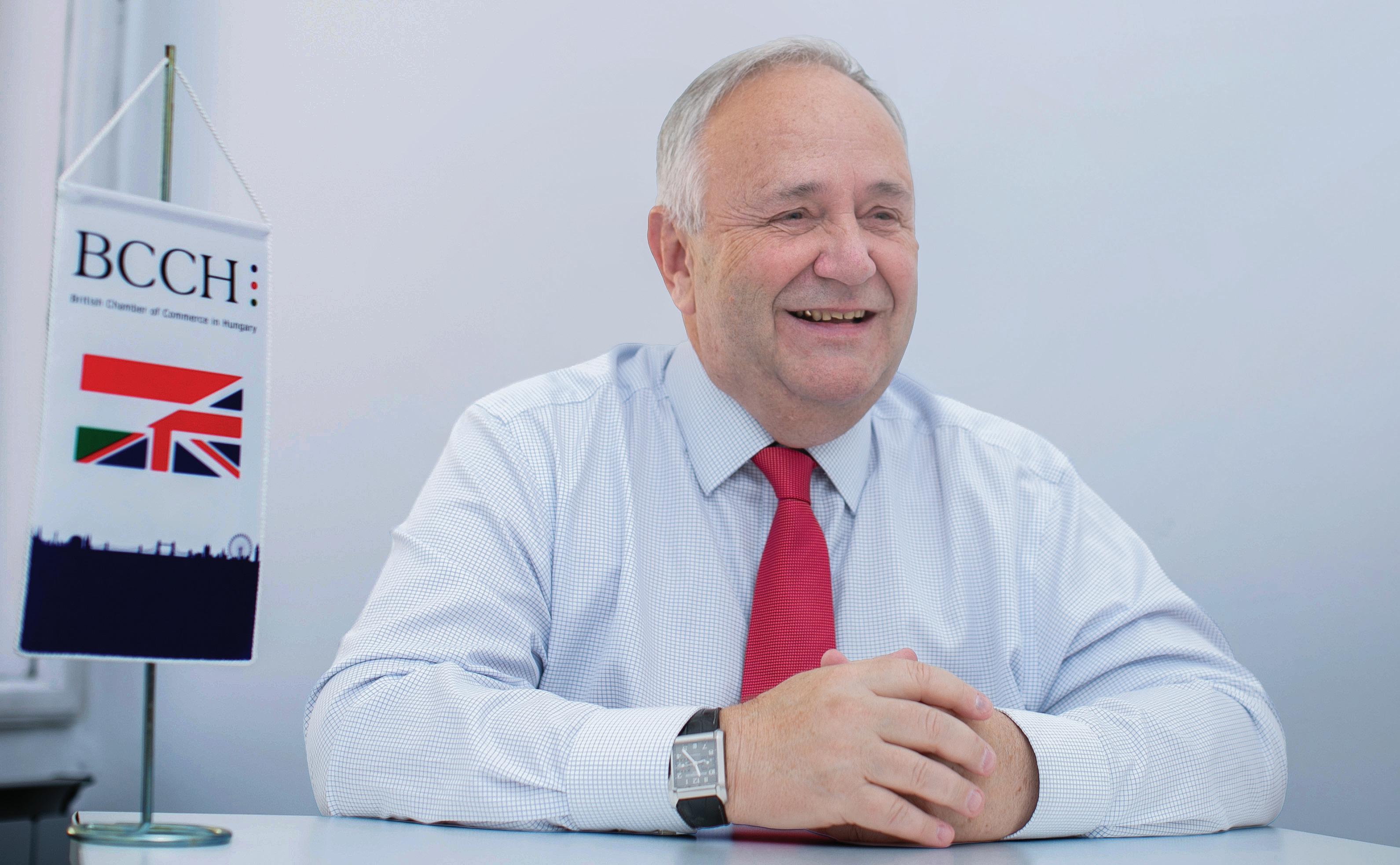
“I think the greatest achievement for us throughout our history has been to bring the vision of what we think is British to the Hungarian government and to the people to say: this is exactly who we are and this is the way that we do business. And it's been very successful,” BCCH Chairman Duncan Graham tells Diplomacy&Trade.
He stresses that the United Kingdom is one of the top ten investor countries in Hungary and British companies employ somewhere in the region of 70,000 people within Hungary. “So, for all of that time, we wanted to show support to Hungary then as a fairly new free nation. We wanted to show support for the people here, but then having done that, we wanted to back it up by bringing infrastructure and help create jobs wherever we could. And I think we've stuck with that. I think even through Brexit, we've shown ourselves to be good friends of the Hungarian people.”
Cherishing
Hungarian talent
Regarding the major areas of business where British companies are involved in Hungary, the Chairman believes it is starting to change. “For a long time, it was business services and global headquarters for some of our major companies. That's because there was a very high-quality employee pool able to do this work thanks to a high level of education in Hungary. So, that gave us a really good quality workplace to the point where even the likes of Tesco business services relocated from India to Budapest. So, it wasn't all about money. It had to be about the quality of the workforce and so forth, and a country that wants to move forward. However, I think now we're looking more to things like data, artificial intelligence (AI), technical services, we're seeing that there's an awful lot of talent here and that's an area that the UK is really trying hard to develop, and to be at the forefront We see this area in the whole region as really important. Hungary is such a great hub, not only for just businesses in this country, but also dealing with businesses across border with the neighbors.“
Success attracts more members
The membership base of the British Chamber of Commerce in Hungary has seen a great expansion in the past few years with important firms joining. Duncan Graham is of the view that this development is due to the success of the chamber’s work and it is that achievement that has attracted interest from other companies. ”Due to the crisis caused by the new coronavirus epidemic, there was a move for a while away from face-to-face meetings and direct business-to-business negotiations. Over the past three or four years since the pandemic, you've seen it move very much back to ‘I want to meet who I'm dealing with and I want to explore ideas’. So, the idea of networking and meeting other key personnel has shown to be very, very important, especially when a lot of your workforce are remote. We've been very successful in getting them involved.”
Transparent and direct in business
One of the aims of BCCH is representing the principles of British business values. In that regard, the Chamber’s Chairman stresses that they like to be direct in business. “We like to give a set of promises, which we are able to keep or a time frame of promises that we're able to keep. I think the Hungarian businesses or the Hungarians that work for British businesses like that approach. They like the way that we deal with companies. They like
british focus
GOOD FRIENDS OF THE HUNGARIAN PEOPLE
BCCH AIMS AT REPRESENTING THE PRINCIPLES OF BRITISH BUSINESS VALUES
The British Chamber of Commerce in Hungary (BCCH) has a history of over three decades. Its successful activities have resulted in its membership being expanded over the past few years, further spreading British good business practices in Hungary. It has fruitful collaboration with fellow chambers in Budapest and looking forward to the same with the new British Ambassador as well.
that even if we can't deliver on time, we're very clear about what we can do, which has been a British business practice for a long time. Obviously, most of our member companies now have Hungarians in all the key posts as opposed to years ago when we brought British people in – we don't do that anymore. The quality of Hungarian CEOs is excellent. As CEOs of British companies, they understand the approach that we have: trying to be transparent and direct.”
CEO dinners
The British Chamber of Commerce in Hungary organizes several events for providing networking opportunities for its members to facilitate direct business contacts. “From this point of view, I think our CEO dinners are excellent events, very well attended. We have one every month and we have a key CEO from a company that he/she would like to present and have a discussion. These top managers are not necessarily from a BCCH member company, sometimes we've had some that aren't. In October, we welcomed the head of a company that isn't a member at the moment. Recently, we had one
with the CEO of 4iG, the company that took over Vodafone Hungary (which is now called ‘One Hungary’). They became one of our newest members and wanted to be active and involved straight away,” Duncan Graham highlights.
Taking care of members
It is also important for BCCH to listen to what its members have to say, what issues they raise, matters that may concern several member companies like the current business environment in Hungary. “I think there are issues for some companies in this respect, and it depends on the area. So, for instance, you have the likes of Tesco and others that are under pressure – some of the foreign retailers in the food industry are under pressure. But then, we can help them by collaborating with partners like the GermanHungarian Chamber of Industry and Commerce that are concerned about Penny Market, Aldi and so forth, or the French-Hungarian Chamber of Commerce and Industry that has firms like Auchan that face such issues. Then, we can make joint submissions to say ‘could you please look at this
area and are there changes that can be made?’ So, we're able to offer not just the networking opportunities, but a chance for us to lobby on behalf of the members with the government departments that we have a good connection with,” the Chaiman says.
Collaboration of chambers
As for the most important partners in Hungary to work with to achieve all these objectives, Duncan Graham points out that they have got some good connections. “Obviously, the UK Embassy is vital from our point of view and we have a very good working relationship with our Department of Business and Trade (DBT) who are based here. Both the embassy and DBT have been extremely helpful and very supportive. Although we're not in the EU anymore, we're still founding members of the EU-Chambers. They've been good enough to let us remain and we have a really good working relationship. I already mentioned our friends at the German and French chambers. They have been extremely helpful and the same can be said about the Italian Chamber here as we all have similar issues. Understandably, our members don't want to meet the same members every month and thus, the collaboration across joint meetings with other chambers really helps to create a good atmosphere.”
New ambassador
As of last October, Justin Mckenzie Smith took over as the new British Ambassador in Budapest. “He's a Scot, which is good from my point of view as a fellow Scot, but I'm also very much looking forward to continue working with him professionally,” the BCCH Chairman says. “Ambassador Justin Mckenzie Smith has immediately set to work. In just a few weeks, he has shown support to British business and the community at large. He has visited various cities and towns already. With his team in support, I believe we are moving into a very positive year for developing further the relationship between the Hungarian and British people.”
british focus
GSK, A GLOBAL COMPANY OF RESPONSIBLE BUSINESS
GÖDÖLLŐ, A SITE OF EXCELLENCE IN VACCINE PRODUCTION
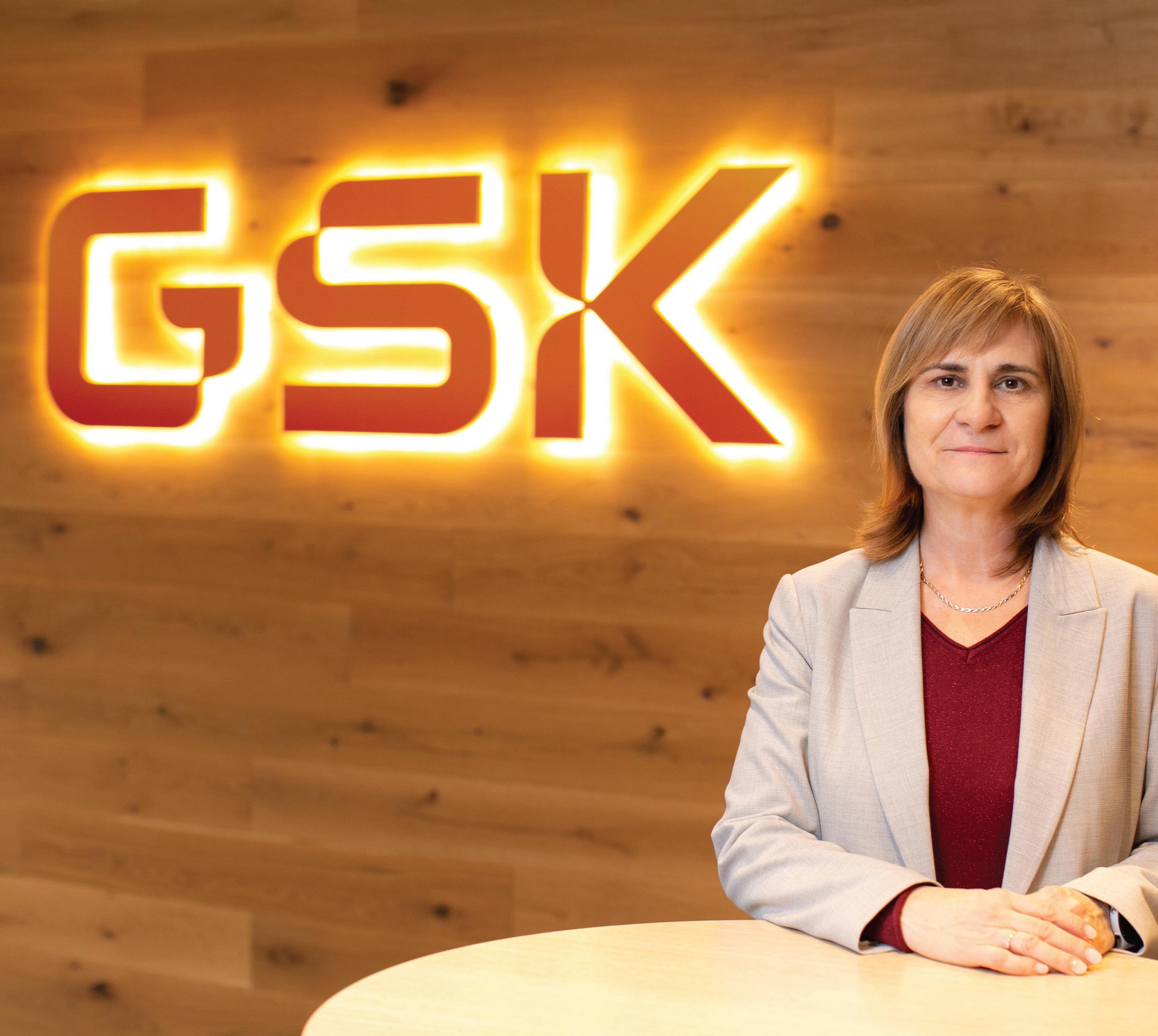
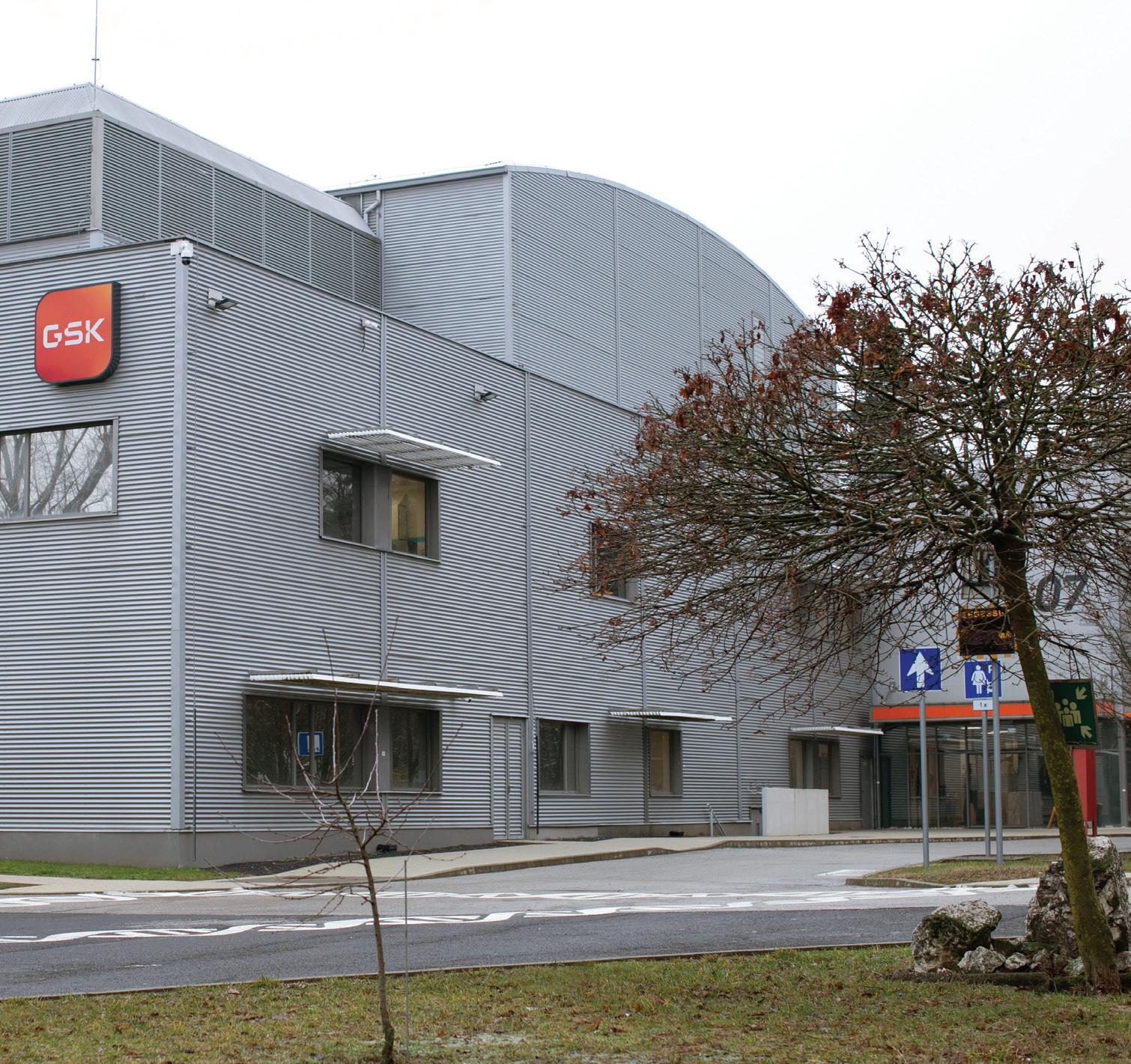
GlaxoSmithKline Biologicals Ltd., based in Gödöllő, about 30 kilometers northeast of Budapest, serves as one of the world’s centers of excellence for vaccine manufacturing. The Gödöllő site has been producing vaccine components, bulk antigen and carrier protein since 2002, building on a 50-year scientific competence heritage in Hungary.
The site produces the raw materials for approximately 100 million vaccine doses each year and these components are delivered to other GSK sites in the network for further manufacturing. The final products, providing protection against life-threatening
diseases, reach 96 countries worldwide and contribute to protecting the health of many people in the world, including infants, children, adolescents and the elderly, Site Director Ibolya Tarjáni, a professional with extensive pharmaceutical career, explains to Diplomacy&Trade.
photo by
DÁVID HARANGOZÓ
Employees at the heart of operation
She adds that at the site, they are providing a safe work environment to around 300 people, while operating in full compliance with the relevant Hungarian and international requirements, with the aim to protect the health of employees and patients worldwide.
british focus
“In Gödöllő, we have always put people at the heart of our operations. Our employees cooperate and collaborate, boosted by a unique factor that nearly half of our workforce holds a university degree. Here, engineers, scientists and highly skilled technicians are all contributing to global health to get ahead of disease, working every day in an international and dynamic environment, fully leveraging everyone’s talent and enabling each individual to keep learning and growing so that anyone can thrive,” Ibolya Tarjáni, a passionate supporter of a culture of collaboration, innovation and inclusion within the organization and the local community, highlights.
Measures to protect the environment
So far, GSK invested around EUR 170 million in Gödöllő to guarantee the state-of-the-art capabilities both in infrastructure, technologies, automation and in human competencies to create a highly proficient environment for the manufacturing, development and testing of biologicals products. GSK is committed to supporting the wellbeing of the communities in which it operates, including protecting the natural environment. The company is taking active steps to reduce the carbon footprint its operations and decrease its use of water and other natural resources.
The Site Director stresses that “at our Gödöllő site, these commitments are fully embedded in the way we operate, positioning the facility as a leader in responsible vaccine manufacturing. Couple of years ago, we launched a comprehensive, site wide initiative to support our efforts. We have installed a solar panel system on most of our buildings, we have been actively utilizing heat pumps (for heating and cooling) and optimized HVAC systems to reduce energy consumption of the site. These initiatives all aim to achieve full CO₂ neutrality by 2030 – an important milestone in our efforts to help safeguard the planet for future generations.”
GSK, a global company
GSK is a focused biopharma company that prevents and treats disease with specialty medicines, vaccines and general medicines. The company focuses on the science of the immune system and advanced technologies, investing in four core therapeutic areas –respiratory, immunology and inflammation; oncology; HIV and infectious diseases – to impact health at scale.
Populations are ageing, chronic diseases are taking a greater toll than ever before, and infectious diseases are still spreading. All of this is creating unsustainable pressure on health systems and economies. “That’s why at GSK, we
believe we have an opportunity to prevent disease in the first place, so we’re turning science and technology into solutions that can get ahead of disease – helping to prevent illness in the first place as well as intervening earlier to limit complications. More than ever, we believe that getting ahead of disease is the best investment – for patients, communities, health systems, the environment and economies. Together, we have an opportunity to reimagine health – to not just treat sickness, but to invest in keeping people well,” Ibolya Tarjáni emphasizes.
Areas of responsible business
At GSK, building trust and transparency remains central to sustaining innovation and bringing medicines and vaccines to patients; it is also core to delivering on the company’s ambitions for shareholders and society at large. As the Site Director puts it, “we recognize that challenge and this is why we have embedded six areas of responsible business –access; global health and health security; environment; inclusion and diversity; ethical standards; and product governance. These are the areas where we can have the greatest impact. This ranges from delivering medicines and vaccines to the right patient, at the right time, to responding to risks posed by new pandemics, increasing resistance to antimicrobials and addressing the consequences of climate change and nature loss.”
The GSK portfolio of more than 20 vaccines protects people at all stages of life – from birth (via maternal immunization) through infancy, childhood and adolescence, up to adulthood and elderly. To make this happen, GSK is partnering and cooperating with leading companies, institutions and experts to provide the best solutions possible.
“Every day, every minute in every region of the world, 4 children out of 10 are protected by a GSK vaccine. Thanks to the power of our worldwide manufacturing and supply network, our products are reaching a population of 160 countries globally,” GSK Gödöllő Site Director Ibolya Tarjáni concludes.
british focus
FUNDAMENTALLY BUILT ON CUSTOMER TRUST
PROVIDENT HAS ALWAYS TREATED FINANCIAL AWARENESS EDUCATION AS A PRIORITY
Provident Financial Ltd. has been a leading player in the personal loan market in Hungary for a quarter of a century now. The CEO of the company, Viktor Boczán, who has been with Provident in different positions and in different countries for also 25 years, explains to Diplomacy&Trade how Provident can maintain a long-term, predictable presence on the Hungarian market in a responsible and sustainable manner.
Regarding the market and how Provident has built up a successful operation here, the CEO points out that even when this service was launched 25 years ago, in 2001, it was clear that it filled a gap in the financial services market. “Provident operates in a segment where banks typically do not. In fact, classic banking products were designed for larger expenses, such as purchasing goods of greater value or buying a home, but bridging solutions did not really exist in Hungary at the time – this is
typically Provident's domain. In addition to planned expenses, we see that roughly 80% of our customers use our services for unexpected expenses of various kinds, essentially as a bridging solution. A lot has changed in the market over the past quarter of a century, our customers have changed a lot, and perhaps one of the constants that has remained over this period is this bridging nature, when customers do not want to get into long-term debt – and that is when Provident comes in.”
Sharing best practices
Viktor Boczán took over the management of Provident in Hungary two years ago. He highlights that “even within this company, there may be countless initiatives that worked very well in the past but, for some reason, have fallen by the wayside – things that resonated with customers, that employees liked and that we see are good for the company. We bring these back if they have been put on the sidelines for some reason but we feel they can still, or again, be
useful. Another aspect is that I personally had the opportunity to work in two other markets besides Hungary and experienced best practices that can be brought in from abroad, just as I tried to transfer Hungarian know-how to Romania, and then, I went to the Czech Republic with a package that already included Romanian and Hungarian elements. Also, when I came home, Czech elements were added to it. One of the biggest advantages of belonging to a corporate group is that this best practice sharing can be realized much more easily.”
International background
Best practice sharing is also facilitated by the fact that Provident Financial Ltd. is part of the UK-based group International Personal Finance Plc., a global financial services provider that plays a vital role in the lives of millions of
photo by
DÁVID HARANGOZÓ
customers and also provides an international background for Provident's activities in Hungary. Viktor Boczán notes the importance the establishment of the Group’s European division around 2019, “as we are present in numerous countries with different products.”
In Hungary, Provident is best known for their home service product, which they deliver to customers’ households through a network of representatives, but within the group, there is also digital lending, even in countries such as Australia, Mexico or the Baltic states. However, the international background also extends beyond a stable financial framework. International Personal Finance’s European presence represents a collaborative system where the experiences of different countries are continuously integrated into each other’s operations. This Europe-wide knowledge sharing enables the company to respond quickly and effectively to a changing environment while also taking local characteristics into account.
Financial awareness
Provident provides services for customers in various countries of slightly different markets, even if they are similar in certain respects. As regard the financial awareness of Hungarians compared to those in the neighboring countries, the CEO says he does not see that much of a difference.
“Interestingly, if I look at the different countries from a macroeconomic perspective, there are differences, and I really felt this when I was working in the Czech Republic. However, in the segment that is Provident's target group, i.e., below banks or one level below bank services, I didn't see such big
british focus
differences – neither in consumer preferences nor in financial literacy, etc., in the Czech Re public, Hungary or Romania.”
Looking at this matter from his perspective, he stresses that “since 2001, when I started to work for Provident, I have seen progress, but I think there is still a long way to go, and it may be worth approaching this by age group, as we see a very large gap, especially among the older generation. So, I think that one part of it is how financially educated people are, and the other is that service providers are able to deal with what I would call a general crisis of confidence in financial services, because it's one thing to understand, but it's another to be confident and brave enough to use it.”
Financial services in social context
In Hungary, Provident is active in promoting financial literacy. “There are quite a few things I can be very proud of, and this would definitely be on that list: from the very beginning, we’ve made financial literacy and education our top priority. Initially, we wanted to help families manage their available income effectively. Even now, financial education is actively and vigorously promoted at retirement academies as we specifically want to focus on the older generation. Education has always been a part of what we do. What has changed that we have always strived to ensure the knowledge we impart – whether in terms of content or teaching methods – aligns with the spirit of the times. On the other hand, we have always sought to focus on the most appropriate target group based on what our surveys indicated,” the CEO points out.
Going into details, he calls attention to one key feature of Provident’s operations in Hungary, which is that it views financial services not in isolation, but within a broader social context.
In addition to responsible lending and customer focus, creating social value plays a prominent role in the company’s strategy.
A key element of this is the ‘Invisibles’ program, which is implemented in cooperation with the Hungarian Interchurch Aid Organization. The initiative aims to reach social groups that are often overlooked by traditional financial solutions and to support them in their daily lives with practical tools. The program includes financial education, community experiences, and elements that promote self-reliance, thereby contributing in a comprehensive way to the creation of a more stable life situation.
The company’s educational activities also extend to the older generation: through the Pensioners’ Academy, they provide easy-to-understand and immediately applicable financial knowledge, reinforcing confident decision-making.
All of this is closely linked to the recognition that, in addition to financial knowledge, trust is also key. Provident therefore not only provides information but also creates points of connection that enhance customers’ sense of security.
Excellence in customer service
This January, Provident was once again named ‘Hungary’s Best Workplace’. Viktor Boczán notes that his personal credo, which he always shares with his colleagues, is that “it’s not me who pays their salaries – our customers pay us all. This shows just how important excellent customer service is, especially at a company like ours, which is fundamentally built on trust,
in a world where financial services in particular are surrounded by a general sense of mistrust. I can only provide excellent service to our customers if it is delivered by highly trained, deeply committed employees, and that brings us to why commitment is important to the company, why it is important – as revealed by the Top Employer designation – that our HR processes meet the highest standards. If the company operates this way internally, then we have the foundational infrastructure that enables us to provide our clients with exemplary service, and if I may share just a bit more on this, I’m not only proud of this –I consider it a truly important strategic objective.” As an example, he mentions the ‘Excellence in Customer Service’ competition organized by Client First, in which “we have not only participated regularly since roughly the early 2010s, but we have also consistently either won or took a place on the podium, which is important proof that we don’t just talk the talk, we walk the walk, and not only do we conduct internal customer satisfaction surveys, but we have also incorporated these into our compensation system. Our customer satisfaction index for last year, as far as I can see, was consistently above 90% – I’m referring here to those who interacted with our service. This is our so-called Net Promoter Score, which averaged over 70% for the year and even reached 77% in December –a remarkably high level of satisfaction, especially in the financial services market, whether we’re talking about banking products or other offerings. It is very important to us that our customers feel valued, and to achieve this, we need excellent colleagues.”
british focus
BRITISH COUNCIL, A COLLABORATIVE ENVIRONMENT
ENGAGING WITH THE MOST IMPORTANT AREAS OF HUMAN CONNECTION
The British Council is the United Kingdom's international organization for cultural relations and educational opportunities. Its aim is to bring together all areas of the British Council under an integrated country offer for customers and partners.
The history of the British Council dates back 92 years. As to how successful the organization has been over these nine decades in promoting English language education and that of British culture, Country Director of the British Council in Hungary, Georgina Szilágyi tells Diplomacy&Trade that “our objective is still to help young people to gain the skills and confidence and the connections that they are looking for to realize their potential and participate in strong and inclusive communities and we support them to learn English via our English teaching and to get high quality education and gain internationally recognized qualifications via our exams.”
Important areas of human connection
She adds that now, as in 1934, British Council teams around the world are supporting peace and prosperity by building connections, understanding and trust between people in the UK and countries worldwide. “We do this by engaging with the most important areas of human connection: arts and culture, education and the English language, supported by our unique strengths.”
The world is more fractious, polarized and dangerous than it has been for some time. One in seven people experienced conflict in the last year. There is a clash of values and disagreement on how the world should be governed, and people should live. Disinformation is spreading, threatening democracy and the concept of truth. “These dynamics echo those that were present when we were founded 90 years ago. But today’s context is more complex, shaped by intense geopolitical competition, technological disruption and profound cultural shifts.”
As a result, expectations on organizations like the British Council are changing. Countries want partnership and locally-led solutions, and are not relying on traditional alliances. Cultural and education institutions want global recognition and deeper collaboration. English is still the global language, but learners want personalized experiences that help them connect and succeed. Young people around the world are digital first and are challenging the way things have traditionally been done, she explains. In her work, she encourages a collaborative environment where open communication is valued, encourage teamwork across all our functions and creating a positive and thriving atmosphere. ”I think with the positive attitude and openness towards others, the willingness to listen and creating trust to improve
the communication within the team. People we have reached have participated in activities like workshops, artist talks, hackathons, book clubs, film screenings.”
Not just in the capital
In cultural engagement, most of the British Council Hungary activities are based in Budapest.
“However, in 2023, we took part in the Veszprém European Capital of Culture series of events where we had a literature night with EUNIC, which is an umbrella organization for cultural institutions in the European Union. We also had
an exhibition in and around Veszprém, a residency arts project. Literature nights take place regularly in Debrecen as well and it is now being looked at expanding it to other regional cities. Working together with NGOs we had workshops for students in Szeged and Pécs on media literacy. These workshops are aimed at enhancing and developing skills like critical thinking and presentation skills, soft skills, so, basically all the skills that are out of the curriculum or the school system but are very important these days we try to engage university students – not necessarily just students from the one university with which
we organize the event in partnership. So, we get participants coming from regional cities and towns. In exams, one of our aims is to make our exams more accessible to our candidates,“ Georgina Szilágyi highlights.
Language education
One issue that people definitely associate with the British Council is the English language education courses and exams. As for the specialty of the British council in this field compared to many other language schools and exam centers, Georgina Szilágyi believes that it is equality diversity and inclusions that the British Council caters for special needs, whether it's neurodiversity or any other disabilities that the candidates might have. “Nothing is impossible when it comes to teaching and assessment. Also, we don't just teach the language but we give the cultural element as well so our students can learn about UK culture and British values.”
In Hungary, the British Council has achieved about 15% growth over the past three years in the number of language exams taken. Last year, it launched the Advantage program, which supports and rewards institutions that prepare students for Cambridge English Qualifications exams, and this year, a similar program, the ‘IELTS Partnerships Program’ was launched for teachers and institutions that prepare students for the IELTS exam. The end of 2024 saw the introduction of ‘Aptis ESOL’ to the Hungarian market, an innovative English language exam developed entirely by the British Council.
The goal is to “make the language exams we offer more accessible to test takers, so in addition to our Budapest center, we want to make them more accessible nationwide by involving partners in other parts of the country,” she adds.
The Country Director stresses that “as well as building and promoting cultural links between our countries, our organization has been involved in language teaching and testing for over 90 years, contributing to social mobility around the world. In all walks of life whether in business, academia, science, or travel, the ability to speak and understand English opens doors to opportunity. It helps young people access higher education, work internationally and engage confidently in our interconnected world.”
Partners and programs
The British Council has several partners to work with in Hungary in achieving its goals. These include universities and other higher education institutes, NGOs and cultural institutions. Also among them is the Ministry of Interior on a teacher training project, running for over 20 years now, for public school English teachers. Highlighting partnerships from previous years, the Country Director recalls last September when they partnered with the Museum of Fine Arts in Budapest on the William Blake exhibition ‘The Marriage of Heaven and Hell’, which was a huge success with many more visitor numbers than originally anticipated by the museum. “This January, we had a literary event where contemporary Hungarian poets were asked to translate or retranslate William Blake's poems. 2026 will be the second year that we organize the British Film Days together with the Budapest International Film Festival. The one we had last year was the first one organized after 18 years. We are trying to screen films that are right along our values.”
VERONICA BERTI BOCELLI: HARMONY AS STRATEGY
INSIDE A LIFE BUILT ON FAMILY, RESPONSIBILITY AND CULTURE
In a world that often treats career, family and love as competing forces, Andrea Bocelli’s wife and long-time manager speaks about them as parts of one architecture – a structure held together not by perfection, but by presence. For her, the point is not to “balance” three separate worlds, but to keep everything anchored to what she calls the essential: the people you love, and the concrete good you can generate.
At the center of that vision is motherhood – not as a private label, but as a daily compass. “Family and love are two different ways of saying the same thing,” Veronica Berti Bocelli says, describing them as the “we” built day by day. Motherhood, in her words, is the strongest motivation precisely because it continually brings her back to fundamentals: responsibility, time, and meaning. That same logic shapes how she thinks about work. Rather than presenting career as self-expression alone, she frames it as opportunity plus duty – something that can stand firmly only if it remains connected to people and purpose.
It’s a worldview that sounds almost diplomatic: values first, roles second; continuity over spectacle; substance over noise.
Beyond the legend: the private Andrea living Being next to one of the most recognizable voices on the planet inevitably invites a public narrative – but Veronica insists the private story is simpler, and more instructive.
“For me, first and foremost, he is Andrea,” she says, emphasizing the consistency between the man on stage and the man at home: the same seriousness, the same respect for craft, the same coherence of character.
photo
culture
What stands out most in her portrait of her husband is not celebrity, but temperament –calm, steady, rarely angry. Over time, she explains, that calmness has given their life equilibrium and even softened what she calls some of her own rigidity.
In a partnership where choices can carry public and professional consequences, she describes him as more than a spouse: “my best friend and my first adviser,” especially at decisive moments. It is a definition of strength that is quietly modern: not dominance, not performance but reliability –an “alliance,” as she calls it, that becomes a fixed point amid constant motion.
Femininity, complementarity and the discipline of the everyday
The public may see her in multiple roles at once: manager, wife, mother, supporter, public figure. She does not romanticize the complexity. Holding these dimensions together, she admits, is “truly complicated” at times – and the most honest risk is ending up doing everything “halfway.” Results can be “debatable,” she says with disarming self-awareness. Still, her approach is not to retreat from responsibility, but to meet it with discipline and duty. Where some would talk about “having it all,” she talks about learning – daily – to choose, to show up and to accept the need to begin again. Her view of femininity follows the same pragmatic line. She describes it less as aesthetic identity and more as awareness of women’s fundamental role in family and society – a role that includes strength, potential, and difference. Crucially, she frames this within the language of complementarity: distinct tasks and distinct “languages,” without confusion, without competition. Her greatest strength, she says, comes from everyday responsibility and a continuous search for equilibrium. And if there is a single word that holds the structure together, it is the one she returns to repeatedly: harmony – not a passive state, but active work. A practice. A strategy.
Education as a public investment: protecting fragile talent
If the private sphere gives her the compass, the public sphere gives her a mission. Veronica Berti Bocelli speaks with particular clarity about
supporting children and young people, shaped by an understanding that talent often appears early – and can also be fragile.
Supporting young people, for her, is not symbolic charity. It means building pathways that offer real formation, real opportunity, autonomy and dignity. It also means rejecting short-term gestures in favor of systems: ecosystems of quality that can be measured and replicated. Within the work of the Andrea Bocelli Foundation (ABF), where she has been involved since its creation, this translates into education understood in the broadest sense – growth of the person as a whole, including dignity, confidence, hope and concrete prospects. The foundation’s mission, “Empowering people and communities,” becomes, in her description, a commitment to build environments where a young person can genuinely develop – and where the benefits spread beyond the individual.
It’s an argument that resonates strongly in today’s Europe: investing in children and young people is not only a moral act, but a form of rebuilding the present and shaping a more equitable, shared future.
Virtuosity and responsibility: when excellence leaves no easy choices
Her experience as a jury member on Virtuosos offered a different angle on talent: not its promise, but the ethical weight of evaluating it. What remained most memorable for her was the extraordinary level of the young musicians – so high that decisions were rarely about obvious gaps.
“You realize the choice isn’t between ‘good’ and ‘less good’,” she reflects, “but among truly gifted artists, with minimal differences.” In that environment, selection becomes an act of responsibility: choosing someone inevitably means leaving someone else behind. Her contribution, she explains, was that of a manager – bringing an eye trained not only on artistry, but on the demands of professional trajectory: stage presence, communication and the responsibilities of public life. The human dimension mattered too, and she recalls a strong sense of harmony within the jury – including the personal privilege of sharing the experience with
Domingo whom she describes as both admired and dear.
Music and love: the education of listening
Perhaps her most revealing perspective comes when she describes the relationship between music and love – not as metaphor, but as training. Love, she suggests, gives substance to what we want to say; music is one of the highest forms through which we can say it to others.
Then she moves from philosophy to practice by saying that music educates us in love because it educates us in listening. In choral singing, she notes – including projects at the heart of ABF’s “ABF Voices Of” – you learn to breathe with others, cooperate, support and be supported. In other words, music becomes a school of authentic relationship, and therefore of mutual responsibility.
“When music is true,” she says, “it creates bonds – it unites what life tends to separate – and it transforms encounter into growth.”
Hungary, a musical powerhouse with cultural memory
Her relationship with Hungary is long-standing, born of frequent returns for concerts over more
than a quarter of a century. Over time, she says, a warm and genuine bond has formed with Hungarian audiences – one they feel each time they come back. Hungary, in her view, deserves its reputation as a musical powerhouse. Music here is woven into cultural life with a naturalness and discipline that are immediately recognizable – supported by a legacy of composers and performers who shaped history, and by the living continuity of study, performance and listening. Beyond concert halls, she also highlights the wider cultural frame: the arts, natural beauty and a rich gastronomic world – the kind of context that stays in memory and turns return into affection and gratitude.
A quiet conclusion
Asked indirectly – as public figures often are –“how do you do it?”, she refuses any mythology. No recipes. No pretension of perfection. Only daily work: small choices, presence and the patience to start again. In an era hungry for fast answers, her approach feels almost countercultural: harmony as a discipline, not a slogan – and a life built not around the fear of the Bermuda Triangle, but around the steady decision to keep everything attached to what matters.
Plácido
nature
NATURE PHOTOGRAPHY AWARD GALA AND EXHIBITION
It was at the end of February that Magical Hungary (VM) held its 16th grand nature photography award gala and exhibition opening. For the second time, the prestigious event was hosted by the Biodome of the Budapest Zoo and Botanical Garden, which provided a fitting venue with its unique atmosphere for the closing of the 2025 competition season.
At the event, which was both a celebration of photographic art and a commitment to nature conservation, Csaba Daróczi received the Hungarian Nature Photography Grand Prize and the accompanying Golden Crane statue, while Csaba Lóki and István Hogya took second and third place on the podium.
Commitment to the values of nature
After the opening speech by Dr. Endre Sós, Director General of the Budapest Zoo and Botanical Garden, the founder and owner of Magical Hungary, Péter Gaál, spoke about the philosophy behind the organization. He emphasized that VM's mission is to operate a platform that supports the professional development of nature photographers with the most comprehensive set of tools possible, while also paying special attention to shaping public attitudes and deepening commitment to the values of nature.
The prestige of the Hungarian Nature Photography Grand Prize is enhanced by its distinguished professional jury. Although nature photographer Tibor Litauszki was unable to attend the event in person, the other members of the jury – including worldrenowned photojournalist Britta Jaschinski, nature photographers Bence Máté and László Suhayda, Attila Szilágyi, nature conservationist and nature photographer, Zsolt Marcell Tóth, nature filmmaker, and Tamás Vitray Jr., editor of National Geographic Hungary Magazine – made the award ceremony even more festive, according to the statement issued by Magical Hungary.
Photography as a tool
As the guest of honor for the evening, Britta Jaschinski, a German-born, London-based photojournalist renowned for her distinctive approach to documenting crimes against wildlife and nature, spoke about how she uses photography as a tool in the fight against the exploitation of wild animals and how her images reveal the shocking, hidden reality of trophy hunting and the wildlife trade. Her photos and exhibitions contribute to keeping the necessary legal measures, including the ban on trophy imports, on the agenda of the British Parliament.
Through Péter Gaál's personal story, those present remembered with deep respect and affection the recently deceased Éva Keleti, a fantastic photographer who left behind
a legacy of work and was a member of the Magical Hungary jury for 14 years. Although, she did not consider himself a nature photographer, she believed that all good pictures are about the same thing: life, light, and the true moment.
András Kádár, Secretary General of the Jane Goodall Institute, also took the stage at the ceremony and spoke about the deepening professional partnership between the two organizations, which began with the Magical Hungary nature photography and conservation magazine's issue honoring Jane Goodall. He announced that as part of the collaboration, the ‘Jane90 – Stories of a Lifetime’ exhibition will once again be open to the public.
The exhibition
At the end of the program, visitors could explore the exhibition based on a spatial installation in the clean spaces of the Biodome, which presented the most beautiful moments of this year's competition through 206 photographs by 56 artists. The portfolios of the top three winners of the Hungarian Nature Photography Grand Prize played a prominent role in the exhibition, but selected works by the winners of the various competition categories were also included in the selection. The exhibition also provides a comprehensive overview of the stunning natural world of Hungary's ten national parks, showcasing the country's habitats and natural treasures.
This year, as part of a special collaboration, the poetry of József Attila Prize-winning poet Tibor Weiner Sennyey helps to deepen the atmosphere of the panels presenting the world of national parks. Accompanied by photos and nature sounds, the poems invite visitors to discover new layers of their own relationship with nature. The uniqueness of the evening and the venue was further enhanced by a separate exhibition printed by CEWE, made possible thanks to the support of Magical Hungary's partner, which features a total of 31 images by the grand prize-winning photographers and the CEWE special prize winner.
This year, the VM exhibition are held at eight locations, while the CEWE x Magical Hungary exhibition, showcasing the grand prize winners' photos, is expected to be on display at several locations across the country.
At this year's first venue, the Magic Mountain at the Budapest Zoo and Botanical Garden, an exclusive selection from the 'Jane90 – Stories of a Lifetime exhibition' is on display for two months alongside the VM and CEWE exhibitions.
PICTURED FROM LEFT TO RIGHT: MAGICAL HUNGARY FOUNDER, PÉTER GAÁL; AWARD WINNERS CSABA LÓKI, CSABA DARÓCZI, ISTVÁN HOGYA; AND NATURE CINEMATOGRAPHER ZOLTÁN TÖRÖK
BLACK & WHITE, AGGTELEK NATIONAL PARK BY ISTVÁN HOGYA
GREEN DINNER, KISKUNSÁG NATIONAL PARK BY CSABA LÓKI
SHADOW WORLD, KISKUNSÁG NATIONAL PARK BY CSABA DARÓCZI
Lexus has given the RZ, its first dedicated battery-electric model, a far-reaching update that goes well beyond the usual mid-cycle revision. The new version arrives with more power, improved charging capability, a larger battery and a new steer-by-wire system, making it one of the most technically ambitious cars the brand has launched in recent years.
The changes also suggest that Lexus sees the RZ as more than a single model refresh. In a premium EV market increasingly defined by aggressive competition, the company is using the revised crossover to set out a broader case for how it intends to balance innovation, refinement and long-term dependability.
A broader rethink, not a routine facelift
When the RZ first appeared, it marked an important milestone for Lexus as the brand’s first model based on a dedicated electric platform. Now, just a few years later, the company has substantially reworked the car.
The updated line-up includes the front-wheeldrive RZ 350e, the all-wheel-drive RZ 500e and the new range-topping RZ 550e F SPORT. Power has increased across the board. The RZ 350e produces 167 kW, or 227 hp, while the RZ 500e delivers 280 kW. At the top of the range, the 550e F SPORT develops 300 kW, equivalent to 408 hp, and is claimed to accelerate from 0 to 100 km/h in 4.4 seconds.
Those figures place the new RZ in a more competitive position, but the most significant part of the update is not the extra performance. It is the technology Lexus has chosen to introduce alongside it.
Steer-by-wire becomes the headline feature
The revised RZ will be the first Lexus to use the brand’s next-generation steer-by-wire system. In practical terms, that means there is no conventional mechanical connection between the steering wheel and the front wheels. Driver inputs are transmitted electronically instead. That allows the system to vary steering response more flexibly depending on speed and conditions, while also reducing some of the vibration and kickback that would normally be transferred through a traditional steering column. The technology also makes possible a yoke-style steering wheel, because the required steering movement is reduced compared with a conventional setup.
For years, steer-by-wire has been discussed as a possible step forward in automotive design, but relatively few manufacturers have introduced it in large-scale production models. Its arrival in the RZ therefore gives the car a significance that extends beyond Lexus’s own range. The key question will be whether customers see it as a meaningful improvement in everyday driving rather than simply a novel engineering exercise.
More range, faster charging Lexus has also addressed the practical side of EV ownership. The updated RZ uses a new 77 kWh battery, with improvements aimed at both driving range and charging performance.
According to Lexus’s Hungarian market information, the RZ 350e offers a WLTP range of up to 568 kilometers, while the RZ 500e is rated at up to 500 kilometers. The company also highlights a new 22 kW onboard AC charger,
automotive
LEXUS RZ OVERHAUL
IT SIGNALS A NEW PHASE IN THE BRAND’S EV STRATEGY
With steer-by-wire technology, improved range and a sharper performance line-up, the updated Lexus RZ shows how the Japanese premium brand plans to compete in an increasingly crowded electric market.
battery pre-conditioning and revisions to the cooling system. Under suitable conditions, Lexus says the battery can be charged from 10 to 80% in around 28 minutes.
These are the kinds of changes that matter at least as much as headline performance figures. Premium EV buyers are not only looking for speed or novelty, but also for consistency, ease of use and fewer compromises in day-to-day driving.
Adding character to electric performance
Lexus is also trying to make the driving experience itself feel more distinctive. In the RZ 550e F SPORT, the company introduces Interactive Manual Drive, a system that simulates an eight-speed manual gearbox in an electric vehicle.
Using paddle shifters, altered power delivery and synthesized sound, the system is designed to recreate some of the rhythm and involvement associated with conventional performance driving. It is an unusual move at a time when many EVs are moving toward ever smoother and more simplified operation. Whether the feature proves genuinely engaging or merely theatrical will depend on how it performs on the road. Either way, it points to an important part of Lexus’s thinking: in a market where electric vehicles can often feel mechanically similar, emotional differentiation may become increasingly valuable.
Refinement remains central to the Lexus formula
Alongside the more visible technical changes, Lexus has also focused on areas that have long defined the brand’s appeal. The company says it has increased body rigidity, revised the suspension and introduced further soundinsulation measures to improve refinement. Inside, the cabin receives a series of detail changes, including new trim treatments, updated ambient lighting and an electrochromic panoramic roof. These are not dramatic headline items, but they fit with Lexus’s broader attempt to position the RZ as a premium product built around calmness, precision and craftsmanship rather than spectacle alone.
That may prove especially important in the electric era, where the absence of engine noise and vibration tends to make weaknesses in ride comfort, cabin quality and material execution far more noticeable.
A key model in Lexus’s wider transition
The importance of the updated RZ lies partly in what it says about Lexus’s broader strategy.
The brand has spent two decades building its reputation on electrification, beginning with hybrid technology, and it is now trying to translate that legacy into a more competitive battery-electric offering.
According to figures cited in the Hungarian market report, electrified vehicles account for 52% of Lexus’s global sales and 91% of its European volume. In Hungary, the company is positioning the renewed RZ as one of its key launches for 2026, alongside the updated ES. That makes the RZ a strategically important model. It is expected not only to attract EV buyers directly, but also to signal how Lexus intends to evolve as regulation tightens and competition intensifies across the premium segment.
Reliability still underpins the brand’s case
For all the emphasis on new technology, Lexus continues to rely heavily on one of its oldest strengths: reliability. The brand’s strong performance in recent dependability studies remains central to its image, and that
reputation forms part of the context in which the RZ will be judged.
This matters because many carmakers are still asking customers to accept a degree of uncertainty as they push further into softwareheavy, rapidly evolving electric platforms. Lexus, by contrast, appears to be making a more conservative argument: that advanced technology can still be introduced without abandoning the engineering discipline and quality control that helped establish the brand in the first place. That may not be the most dramatic strategy in the sector, but it could be an effective one.
The bigger picture
The updated Lexus RZ does not attempt to redefine the EV market through shock value alone. Instead, it brings together a set of carefully chosen advances: a steer-by-wire system, stronger performance, better range, faster charging and a continued focus on refinement. Taken together, those changes suggest Lexus is trying to position the RZ as a more complete premium electric vehicle rather than simply a technological showcase. In a market where many rivals are still chasing attention through extremes of design, software or acceleration, Lexus is presenting a different vision of progress — one rooted in usability, polish and measured innovation.
That approach may not generate the loudest headlines, but it could prove well suited to buyers looking for an EV that feels less experimental and more fully resolved.
witty leaks
WITTY
L E A K S
IN THIS SERIES, DIPLOMATS SHARE PERSONAL ACCOUNTS OF THEIR EXPERIENCES ON “EXCURSIONS” into Hungarian culture, art, gastronomy & scenery.
IN LOVE WITH THE HUNGARIAN CAPITAL
BUDAPEST CAPTURING THE AMBASSADOR’S HEART
This is a difficult text to write. Not just because of my usual procrastination, but because it is a farewell. Through this magazine – Diplomacy&Trade, which has been a regular companion, and WittyLeaks a must to read –, this is, in reality, a goodbye to a country, to friends, to almost six years that turned out to be the happiest of my life. Wit does not flow naturally from this. My first impulse would be to simply state that Hungary, and Budapest in particular, gave me these most joyful years. Yet, memories keep surfacing, reminding me of everything we are about to lose.
The arrival
Vera and I arrived in late February 2020, planning our wedding for the summer. Those first two weeks in Budapest, although the world was spinning into turmoil, were blissful, exploring the Buda Hills and its staircases. Then, reality set in, and with it, the new coronavirus pandemic. Borders closed, travel became difficult, and her professional life would suffer. So, in the early spring, we challenged the virus and opened the Embassy for our own marriage, witnessed by my deputy and by the head of consular affairs. The truth is that over these years, I have been checked on a daily basis by those who married us. You don’t get that kind of follow-up from a priest.
Discovering Budapest after the pandemic
The world was shut down. For months, we could hardly do anything outside, or with anyone. When the city slowly reopened, its cultural riches poured in – classical and modern alike. The Palace of Arts (MÜPA), Pesti Vigadó, the National Dance Theater, the Liszt Academy, the House of Music, Akvárium Klub, A38 boat, Kobuci Kert, Papp László Aréna – in all these venues, we lived unforgettable music. Concerts also drew us to St. Stephen’s Basilica and
Matthias Church in Buda Castle.
Twice I watched Portugal win against Hungary at the Puskás Aréna, and somehow managed to maintain good diplomatic relations. I also attended summits there during Hungary’s successful Presidency of the Council of the EU. And I had my own Portuguese Presidency, first semester of 2021, mostly online and dealing with covid issues.
City walks with dogs and friends
Saturday mornings have also meant rising before dawn for the Ecseri flea market, this program more for Vera and friends than for me. Herendi porcelain, Zsolnay vases, Habsburg-era postcards and endless haggling, followed by fresh lángos. The blanket of snow which is covering Budapest this January, after the largest snowfall in a decade, can also transform the city almost into a fairy tale, the Danube edged in frost. It reminded me of the short ski trips to nearby Eplény, when the pandemic was coming to an end. Our dogs, Lucas and Angie, thrived here too. This is a great city for dogs, with excellent support. Every morning, we would walk in the woods near us, in Szépvölgy and Nyék, along the grass airport for gliders. It was also a daily measure of how safe this city truly is. Little girls riding bikes alone, ladies with dogs, proof that everyone felt safe. It
became a great way to get out of the diplomatic bubble. I made Hungarian friends and many acquaintances. Crossing the Margit híd bridge early in the morning, with the waters calm as a lake in front of the Parliament building – the most beautiful in the world, I might add – will always remain one of the most beautiful sights I know. Just as the Parliament lit at night is magical, a strong suggestion we always gave all the visitors we had over these years.
Buda and Pest
And what two different cities, Buda and Pest. The joke goes that when they merged 150 years ago, Pest was unhappy that the new name was not Pestbuda. But even the Danube seems to refuse to pick a side. Both are beautiful in their own way. Buda, with echoes of Lisbon, rising dramatically with castles and sweeping views. Pest is where begins the Great Hungarian Plain. Totally flat, chaotic when compared to the other side of the river, and always alive with energy. Seven bridges link the two sides, shining like jewelry at night, give center stage to the river. Imperial grandeur, Ottoman layers, Habsburg pomp, romance, you can find all that in Budapest, in its streets and in its architecture. Thermal baths and ruin bars, inner courtyards everywhere, cozy cafés and some of the most beautiful street doors. Lastly, we put initial effort into learning some Hungarian, but stayed only on the outskirts. Sajnos, csak kicsit beszélek. Only one complaint in all these years, winter darkness falling too early in the day. Though, as Simon and Garfunkel sang, darkness can be an old friend. Two cities, one name, whatever it is called, it captured our hearts forever.
CANINE FRIENDS: LUCAS AND ANGIE
WALK MY WORLD
UNTIL MARCH 29, 2026, MILLENÁRIS, BUDAPEST
'Walk My World' brings to life the tragic love story of Aeneas and Dido, an epic episode by the ancient Roman poet Virgil, where the mythic heroes of Troy and Carthage speak to you in the language of dance and contemporary circus. Passing through the gates, viewers enter breathtakingly rich spaces: gods, mortals and strange creatures from mythology surround them as each scene reveals new secrets, hidden details, fierce battles, bustling crowds and demigods from the underworld. In this world, woven with power games of gods, intrigue, deceit and love, anything can happen. It’s entirely up to the audience to decide where to go, what to discover, whom to follow, whose secret room they peep into and whether they take a sip of the potion left on the table in one of the steamy rooms. The concept of this immersive production was created by the worldrenowned Hungarian contemporary circus company Recirquel, under the direction of Bence Vági. Over the past decade, the company has pioneered a new direction in contemporary performing arts by developing its own unique artistic language, cirque danse – a seamless fusion of contemporary circus with elements of modern and classical dance. walkmyworldshow.hu
SEAN PAUL IN THE BUDAPEST PARK
MAY 17, 2026, BUDAPEST PARK
Jamaica's biggest export, the world-famous star, the "big voice of a small island," the performer of Get Busy, which took listeners back to the 2000s, is coming to Budapest in 2026 as part of his European tour, Rise Jamaica.
Sean Paul burst onto the scene in the late 1990s and has dominated the world charts ever since, showing no signs of slowing down three decades later.
With countless hits and concerts in more than 120 countries, Sean Paul is undoubtedly Jamaica's most important export.
His international debut was with the 1997 hit 'Infiltrate'. The Jamaican star achieved his first major success with his 2002 Grammy Award-winning album 'Dutty Rock', which included the songs 'Gimmie the Light' and 'Get Busy'.
His 2005 album 'Trinity' broke new records and quickly went platinum, with the smash hit 'Temperature' making him a global star and reaching the Top 10 in Canada and France, as well as the Top 20 in Australia and the United Kingdom.
By the 2020s, Sean Paul's status as the world's leading representative of Brand Jamaica had been officially recognized by the Jamaican government with the Order of Distinction, but with decades of awards, chart-topping hits and a dedicated fan base around the world, his legacy as a musical icon has also received universal recognition. budapestpark.hu
SEX PISTOLS FEAT. FRANK CARTER
JULY 20, 2026, BUDAPEST PARK
The Sex Pistols are the heart and fist of the British punk movement; with their music, they paved the way for generations, forever changing the conventions of the style and society itself. The birth of the punk movement is dated to 1976, and Sex Pistols feat. Frank Carter is celebrating this with their 50 Years of Punk concert series, which will also bring them to Budapest Park on July 20. What’s more, they will be joined by The Damned, considered another “old giant” of the era. Although they released only one studio album, ‘Never Mind the Bollocks’ turned everything upside down: the Sex Pistols channeled the frustration and anger of generations into their songs, holding up a distorted mirror to the monarchy with punk anthems like God Save the Queen and Anarchy in the UK. The band’s career lasted just two and a half years, not without scandals and conflicts, but their music brought something brutally honest and refreshingly powerful. Without them, many bands we consider groundbreaking today simply wouldn’t exist. budapestpark.hu
FREDDIE - THE EXHIBITION
FROM SPRING 2026, HOUSE OF MUSIC, BUDAPEST
Opening in spring 2026, 'Freddie – The Exhibition' reveals the personal story of Freddie Mercury, one of the world’s most famous rock icons. Together with 'World of Freddie', The House of Music Hungary, located in Budapest’s City Park, is creating a uniquely designed exhibition that will present the personal story of one of the world’s greatest rock icons, Freddie Mercury, as never seen before. 'Freddie – The Exhibition' is timed to mark the 80th anniversary of the superstar’s birth and the 40th anniversary of his unforgettable 1986 Budapest concert. Through hundreds of original, personal artefacts and exclusive recollections from friends and colleagues, the exhibition will take visitors behind the scenes to discover Freddie and a human side of the icon that fans have previously only ever glimpsed. Rich in the innovative and interactive elements, the exhibition guides visitors through nine thematic spaces from Freddie Mercury’s universally beloved stage persona to the man only his closest friends truly knew. Alongside the hundreds of original items offered by the World of Freddie – stage costumes including the iconic jacket and shoes worn at the Budapest concert, handwritten lyrics, Freddie’s own drawings, antiques collected during his travels and furniture from his home at Garden Lodge – friends and colleagues share personal stories that offer insight into the star’s everyday life. zenehaza.hu