This statement has been made on behalf of the Catholic Diocese of Maitland-Newcastle.
This Statement covers all entities owned or controlled by the Diocese of Maitland-Newcastle.
Trustees for the Roman Catholic Church and the Diocese of Maitland-Newcastle.
ABN 62 089 182 027
841 Hunter Street, Newcastle West NSW 2302
Our Vision and Mission Vision
To live the joy of the gospel and share it with the world.
Mission
We are committed to serving all in the community so that they may experience life to the fullest.
Statement of commitment
Approval and signature
This is the fourth Modern Slavery Statement for the Catholic Diocese of Maitland-Newcastle describing the progress the diocese and its agencies have made during 2023 towards fulfilling our shared commitment with other Catholic entities and community organisations here and abroad to fulfil a common goal of ending modern slavery.
Globally the number of people experiencing modern slavery is not diminishing. Despite this sad fact, the CDMN is continuing its efforts to mirror the strong Australian government response to modern slavery. The Australian government response to modern slavery is ranked as the second strongest response globally.1
This does not mean we should pause the pace of our efforts, ending modern slavery is a complex task. Pope Francis reminds us that ending modern slavery demands patience, perseverance and courage from each one of us.
Our Catholic Social Teachings call for the dignity of work, the rights of workers and advancing the common good. These are the principles that guide our Modern Slavery Policy.
As we continue on our journey to fulfill the mission of the church, proclaiming Jesus Christ and the gospel of god’s love and mercy we reaffirm the Diocese’s
commitment to doing what we can to end modern slavery practice and strive to protect the freedom, dignity and rights of people everywhere.
We expect all our employees, contractors, and suppliers to comply with all aspects of our policy as we act to eliminate modern slavery practices from our operations, business partnerships and supply chain.
This Modern Slavery Statement was approved by the principal governing body of the Diocese of MaitlandNewcastle as defined by the Modern Slavery Act 2018 (Cth) (“the Act”), being the Trustees of the Roman Catholic Church for the Diocese of Maitland-Newcastle on 21/06/2024.
This Modern Slavery Statement is signed by a responsible member of the Diocese of Maitland-Newcastle as defined by the Act.
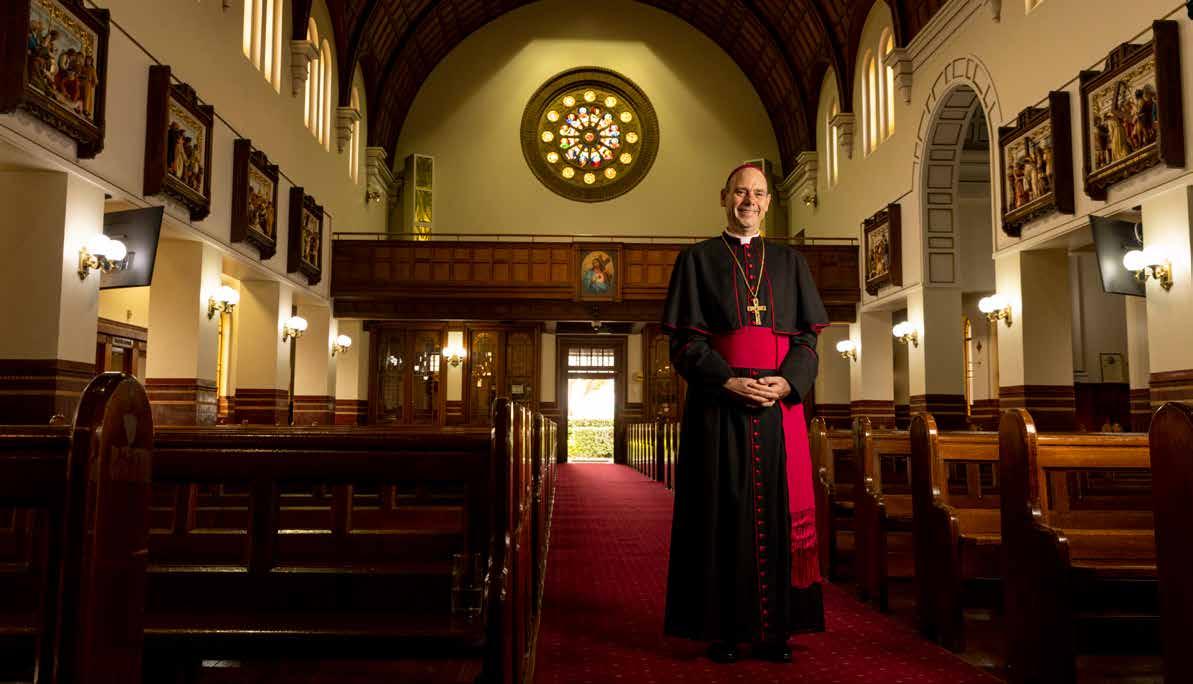
Your sincerely in Christ, Bishop Michael Kennedy, Diocese of Maitland-Newcastle
June 2024 1 Walk Free Global Slavery Index as of 31 August 2022
About Us
The Diocese of Maitland-Newcastle represents the Catholic Church in a region extending from Lake Macquarie to Taree and as far inland as Merriwa and Murrurundi. A diocese is simply a community of Christ’s faithful – it represents a portion of the people of God in a particular area, which is entrusted to a bishop.
The Diocese of Maitland-Newcastle serves the Hunter and Manning Regions which have a population of more than 147,000 Catholics. Through its parishes, pastoral groups, and its agencies including Catholic Schools, Catholic Development Fund, CatholicCare Social Services, St Nicholas Early Education and OOSH, Hunter Community Housing the Diocese provides pastoral, educational, social welfare, housing and community development services. The Diocese of Maitland-Newcastle employs approximately 5,565 staff across these agencies
The Diocese Head Office is located at: 841 Hunter Street, Newcastle West NSW 2302
The annual consolidated revenue of the Diocese of Maitland Newcastle is: $569,036,868.
Our services
58 schools with over 20,897+ students
22 St Nicholas OOSH services with 5,557+ students enrolled
11 St Nicholas Early Education centres serving more than 1,776+ children
Training by the Office of Safeguarding provided to over 1,328 staff
203+ children and young people in care supported through CatholicCare
14,000+ counselling and assessment sessions provided by CatholicCare
147,000 Catholics in the region
5,565+ Employees in our Diocese
38 Parishes in our Diocese
62 Clergy
5,256+ Volunteers
ORGANISATON CHART
Organisational overview
Governance framework
MODERN SLAVERY COMMITTEE
Overarching responsibility for compliance with the Modern Slavery Act lies with the Governance Department of the Diocese.
As our program matures, we aim to empower our teams with the right tools and processes to identify and act on modern slavery risks. These teams will be supported through our Modern Slavery Liaison Committee, a committee attended by senior stakeholders from across the Diocese.
The Modern Slavery Liaison Committee acts as an advisory committee to the Diocese of MaitlandNewcastle; it is accountable to the Chief Operating Officer for its performance with progress on operations and activities reported to the Diocesan Leadership Group.
CONSULTORS/TRUSTEES
Vicar(s) General Chancellor
(Including of the Catholic Schools Office Maitland-Newcastle) Diocesan Financial Administrator
The Diocese of Maitland-Newcastle serves the Hunter and Manning regions which have a population of more than 147,000 Catholics.
We provide pastoral, educational, social welfare, and community development services through various agencies in a region extending from Lake Macquarie to Taree and as far inland as Merriwa and Murrurundi, including:
Pastoral Ministries, support the work of our parishes including youth and children’s ministries, faith formation and education, social justice, chaplaincy; and support the missionary outreach of the church in the Diocese.
The Catholic Schools Office, educates more than 20,000 students in our 58 schools.
CatholicCare Social Services Hunter-Manning provides care, counselling, clinical and support services along with community food and refugee programs to support children and vulnerable people.
The Office of Safeguarding, promotes the safety, well-being of children and vulnerable adults in our Diocese as well as overseeing the safeguarding standards of those in our agencies.
St Nicholas Early Education, providing high quality care and education for children aged up to five years across 11 locations.
St Nicholas OOSH, operates 22 services providing out-of-school-hours care for children aged five to twelve years.
The Catholic Community Fund, assists with the management of Diocesan finances and providing retail customers a small range of investment products. Administration Support
The Diocese of Maitland-Newcastle employs more than 5,560 people and is supported through a central shared services team providing support in the following areas:
Communications and Marketing
Data and Analytics
Enterprise Portfolio Management Office
Finance and Payroll
Our supply chain
The Diocese of Maitland-Newcastle purchases a wide range of goods and services adhering to relevant legislative requirements and our procurement policy. The goods and services mostly come from building and construction, facilities and property maintenance, furniture and office supplies, ICT hardware, food and beverage, events and entertainment, and waste management sectors.
Operational modern slavery risks
The Diocese of Maitland-Newcastle has taken several steps to identify the Modern Slavery risks in its operations and supply chains. Our operations primarily occur in the context of education, social services, and pastoral ministries; each classified as a low-risk sector.
Our People & Culture (formerly Human Resources) functions, including recruitment, are supported by systems that are compliant with labour, employment, and immigration laws. We have processes in place to ensure our employees are fairly recruited and appropriately remunerated.
The Diocese of Maitland-Newcastle engages an independent and anonymous whistleblower service and has an ongoing internal audit program to monitor the effectiveness of our controls for managing risks.
During 2023 our focus on modern slavery action has included the ongoing implementation of new financial and People & Culture management systems, strengthened governance practice, risk assessment, staff training and supplier engagement.
Cleaning and security services
System improvements including a new onboarding and recruitment module and learning management system for People & Culture, a new procurement module for managing the end to end purchasing process for finance that introduces significant improvements in controls for managing purchase approvals and linking procurement expenditure and budget forecasting.
Governance initiatives across the Diocese of MaitlandNewcastle during 2023 included the continued implementation of new diocesan wide Delegation Framework, Complaints Framework and Complaints Management Service, Policy Management Framework and centralised Delegations and Policy Registers, a revision of the Diocese Risk Management Framework to algin with international risk management standards and a new enterprise risk management system for reporting and managing incidents and feedback.
Through the ACAN Program, the Diocese of MaitlandNewcastle continue to focus activities with suppliers of labour and the operational risk associated with the following labour supply chains:
The cleaning and security sectors typically employ temporary migrant workers engaged via subcontracting arrangements with a high rate of noncompliance with workplace rights and entitlements. Equipment and consumables used in these sectors are largely manufactured overseas, predominantly in high risk countries such as China and Vietnam.
Facility management and property maintenance
The labour force used in facilities management generally consists of temporary migrant workers often contracted through labour hire companies.
Labour Hire
Labour hire services pose a high risk for worker exploitation and modern slavery for several reasons, including:
• focus on low-skilled, low-paid, seasonal, temporary labour
• recruitment of potentially vulnerable people such as new migrants, temporary work visa holders,
• international students and undocumented workers
• deceptive and opaque practices trapping workers into exploitative situations
• demanding excessive fees for visas, travel and other work arrangements, leading to debt bondage
• coercive control, threats, withholding workers’ identity documents to limit their freedom of
• movement and social isolation from community
Waste management services
The waste industry (including recycling) is a dangerous sector for workers with significant WHS risk such as exposure to toxic materials and pathogens, use of heavy machinery and dirty work environment. Modern slavery risks are similar to those faced by cleaners. Sub-contracting to small waste management companies is common across the sector as is the use of labour hire. Migrants and low-skilled workers are used in waste collection, handling and material recovery facilities.
Supply chain risks
The diversity of our agencies means we procure a variety of goods and services from a wide range of industries. Supplier analysis of more than 1,150 suppliers has been undertaken at a high level with suppliers being categorised into the following areas:
High Building & Construction
Cleaning & Security Services
Events & Entertainment
Facility Management & Property Management
Finance & Investments
Food & Catering Services
Medium Advertising & Marketing
Community & Home Care Services
Furniture & Office Supplies
ICT hardware
Uniforms & PPE
Waste Management
Government & Agency Fees
Professional Services
Print / Mail Provider
Travel & Accommodation
Fleet Management, Consumables and Maintenance Utilities
ICT software, network services
Low Financial Expenses
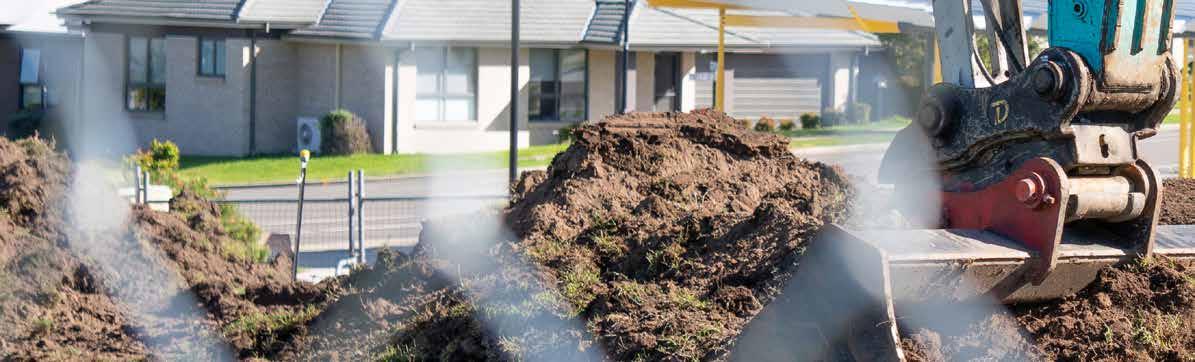
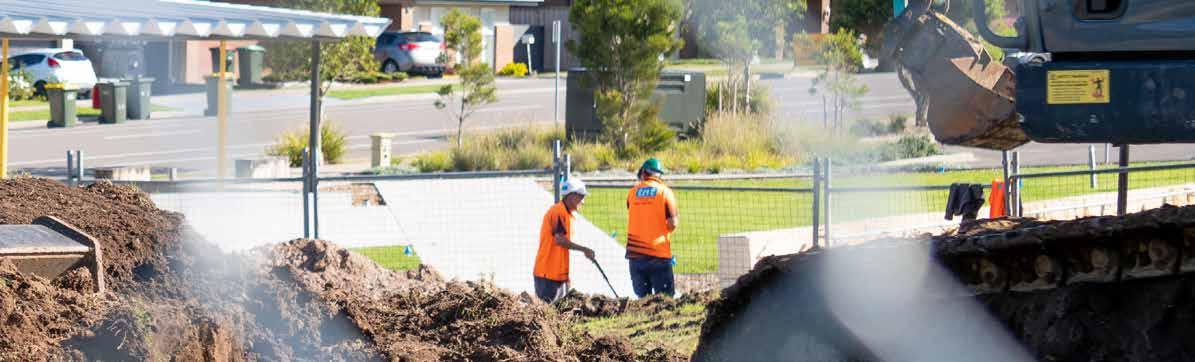
Whilst we are of the view that the potential for the Diocese to cause or contribute to the risks of modern slavery to be low, the areas of risks in our supply chain have primarily been identified to include building and construction, facility management and property maintenance, furniture and office supplies and ICT Hardware.
Building & Construction
Cleaning & Security Services
Events & Entertainment
Facility Management & Property Management
Finance & Investments
Food & Catering Services
Furniture & Office Supplies
High risks
Building materials (e.g., concrete, steel, timber, plaster products, glass, plastics, quarried stone etc.) sub-contracting and labour hire services, demolition, painting, and landscaping.
Sub-contracting and labour hire services, chemicals and cleaning products, security equipment (radios, torches, pouches, bags etc.) PPE, uniforms, and footwear.
Promotional products, venues, bar, and table wait staff, catering, cleaning and security, vending equipment, tableware, crockery, bar and food service equipment, vending machines, table and room decorations and all associated consumables.
Hard and soft services including minor repairs, plumbing and septic, utilities management, building operations, HVAC, landscaping and yard work, removalists, cleaning and janitorial, security and patrols.
Investment funds, private equity and hedge funds, banks, financial services providers, insurers, credit, and bond rating agencies.
Food and groceries (meat, seafood, fresh, dried, processed, pre-packaged, bakery products and general groceries, dairy, fruit, and vegetables), wine grapes, beverages, general catering for conferences, launches, events etc. and hospitality services.
General office suppliers, stationery, paper products, small office machines, (not computers or peripherals), labels, ink, toner, furniture (chairs, tables, workstations, filing cabinets, shelves, racks etc.), workplace suppliers (cleaning, first aid, bathroom etc.), packaging, boxes etc.
According to the 2018 Global Slavery Index (GSI), electronics are the highest risk product for modern slavery in supply chains. The report also highlights that the most at-risk electronics imported to Australia are from China and Malaysia.
ICT hardware
Uniforms & PPE
Waste Management
Forms of modern slavery identified by the GSI and other reports as being present in the electronics sector include passport retention or doctoring of identity documents, restriction of freedom of movement, poor living conditions, underpayment, fines and illegal salary deductions, excessive working hours, and unpaid overtime.
Uniforms (workwear, school wear, sportswear), footwear and PPE (e.g., gloves, face masks or respirators, glasses / goggles, earmuffs, safety workwear etc.).
Recycling, processing, transport, hazardous waste, special waste streams, PPE, vehicles, bin manufacturing.
Medium risks Low risks
Actions taken to manage risk
Our effort for 2023 has been in enhancing organisation understanding of potential modern slavery risks in our operations and supply chain, and organisation commitment to address these risks.
The continued roll out of Tech One platform has meant increased viability and compliance with managing risks, particularly in the vetting of suppliers and is being actively extended and increased by the Property team within the diocese. The appointment of a Procurement Manager will further strengthen the systems and processes in place.
The Diocese of Maitland-Newcastle is an active member of the Australian Catholic Anti-Slavery Network (ACAN).
The ACAN network currently comprises of more than 36 Catholic entities nationally including dioceses, schools and universities, and organisations across the finance and investment, health, aged care, and welfare sectors.
The Diocese participated in the ACAN Program for assessing and addressing the risk of modern slavery and followed the supplier engagement plan:
1. Identification of suppliers in high risk procurement areas via ACAN Procurement Taxonomy.
2. Suppliers in high risk categories were again invited to complete the ACAN Supplier Survey. ACAN Program Managers assessed the survey results and determined the following:
• suppliers already members of Sedex
• suppliers willing to join Sedex
• suppliers classified as not required to join Sedex
3. Suppliers were assisted with the process to join Sedex and provided support to complete the Sedex Self-Assessment Questionnaires (SAQ).
4. ACAN Program Managers then assessed the SAQ results, identified gaps in the supplier’s management system such as further training and capacity building areas and the development of risk management strategies.
The ACAN supplier engagement plan identified common suppliers shared across multiple Catholic School systems within ACAN. Data relating to common suppliers increased leverage and reduced duplication of supplier engagement from multiple Catholic school systems.
The ACAN webinar series remains an important part of the supplier engagement plan. The purpose of the ACAN supplier webinar series is to assist suppliers to gain an understanding of modern slavery in relation to:
• business relevance and the Modern Slavery Act
• catholic customer/buyer expectations
• how to access ACAN e-learning
• Sedex supplier membership
For the Diocese 307 suppliers completed the ACAN Supplier Survey, which represents a significant increase from the 2022 figure of 84. It was determined that 65 of the existing suppliers are already on Sedex and 21 suppliers completed the Sedex Self Assessment Questionaire (SAQ).
Since mid-2021, the ACAN Program has provided the Diocese with membership of Sedex – Supplier Ethical Data Exchange. Sedex is a global not-for-profit membership organisation supporting businesses to manage and improve social and environmental performance in supply chains.
Sedex provides a platform for businesses to share information and collaborate with suppliers and buyers, in order to promote ethical and sustainable practices throughout the supply chain.
As a member of Sedex, the Diocese benefit from a range of services and tools to manage supply chain risks, improve supplier engagement, and enhance ethical and sustainable business practices.
Sedex benefits include:
• Improved transparency: Sedex provides a secure online platform for businesses to share information on ethical and environmental performance with customers, suppliers, and stakeholders. This helps to build trust and confidence in the business and supply chain.
• Enhanced risk management: Sedex provides tools to help businesses identify and manage risks in their supply chain, such as labour rights abuses, environmental violations, and corruption. This can help to reduce the risk of reputational damage, legal liabilities, and supply chain disruptions.
• Increased efficiency: Sedex provides templates and tools for suppliers to report ethical and environmental performance, which can help to streamline the reporting process and reduce the administrative burden on businesses.
• Access to expertise: Sedex offers training, resources, and guidance on ethical and sustainable practices, which can help businesses to improve performance and meet legal and regulatory obligations.
• Competitive advantage: By demonstrating a commitment to ethical and sustainable practices, businesses can enhance their reputation and brand value.
Overall, Sedex benefits the Diocese by providing a platform for collaboration, transparency, and continuous improvement in supply chains, leading to better outcomes and a more sustainable future for all stakeholders.
The ACAN Program supported suppliers to the Diocese with onboarding to Sedex and achieving these objectives:
1. Managing the risk of modern slavery with existing suppliers
2. Validating inherent risk against actual risk
3. Screening new suppliers as part of tenders and supplier on-boarding processes
4. Gaining visibility upstream in relevant supply chains
5. Monitoring and reporting on progress of suppliers
6. Development of an ACAN prequalification register of suppliers
ACAN Program Managers supported Diocesan agencies by providing suppliers with clear steps on actions required, as outlined in the supplier engagement plan:
1. Designate a role to drive modern slavery engagement
2. Complete the 5 minute ACAN pre-assessment survey
3. Watch or participate in one of three ACAN supplier webinars
4. Download the ACAN supplier PowerPoint presentation and share with staff to raise awareness and ensure an understanding of the Diocese expectations in regard to the supplier-buyer relationship
5. Join Sedex as a Supplier Member, complete a SelfAssessment Questionnaire (SAQ) and connect with the Diocese
6. ACAN to connect suppliers with access to e-learning modules – Modern Slavery 101 and Modern Slavery Risk Management for Suppliers. Encourage suppliers to also retain completion certificates as evidence of modern slavery training
The Diocese intend that Sedex will be used to:
• manage the risk of modern slavery with existing suppliers
• validate inherent risk against actual risk
• screen new suppliers as part of tenders and supplier on-boarding processes
• gain visibility further upstream in the supply chains
• monitor and report on progress in the profile of suppliers
The Diocese sources a diverse range and significant amount of goods and services, ranging from stationery to uniforms, furniture and office supplies, ICT hardware, facilities and maintenance, construction and building equipment.
We have continued our effort to recognize the potential risk of modern slavery in our supply chains for the 2023 reporting period. We continue to analysis supplier expenditure and monitor modern slavery risks. Information collected from our suppliers who participated in the ACAN survey is being used for ongoing engagement with suppliers to use the Sedex platform. Supplier engagement programs are an ongoing part of our 5 year program to continue to develop a deeper understanding of our supply chains.
Modern Slavery contract provisions have been consistently included for all new contract negotiations and supplier engagements. The diversity of our services can potentially expose the Diocese to a wide range of risks, and we are committed to a systematic approach to mitigate risk, particularly in our procurement processes and supplier engagement.
Our Diocesan leadership groups have received on-going Modern Slavery updates. We have rolled out modern slavery training targeting our educational teaching staff with training available to all staff via MNPeople, our recently deployed Human Resources platform.
Steps we have taken to understand, assess and mitigate the risk of modern slavery in our supply chain during this reporting period include:
ACTIONS
Building staff awareness and sharing information
Governance and policy
All new employees are briefed on the Diocese position to Modern Slavery during their induction process along with information regarding the Independent Whistleblower Service.
Regular presentations presented at various staff meetings.
Modern Slavery intranet page and Policy available to all staff.
All ACAN Modern Slavery Modules are available via MNPeople to all staff.
The modern slavery clause remains a required clause in all new contract negotiations and has been since 2021.
New Diocesan Delegation Framework and Delegations Schedule.
Revision of Diocesan Risk Management Framework documents.
New Diocesan Policy Management Policy, procedures and supporting resources.
New Diocesan Complaints Framework and complaints management service.
New enterprise risk management system for incident and feedback management and reporting.
Improved systems for monitoring and analysis of expenditure.
Analysis and assessment
Annual Internal Audit Program to monitor and review control effectiveness for managing risks and identifying and recommending opportunities for strengthening and improving our systems and processes.
Implementation of ACAN Supplier Engagement Strategy.
Stakeholder and engagement collaboration
Capacity building
Modern Slavery questionnaire for all suppliers rolled out and action plan developed to implement recommendations from responses.
ACAN modern slavery modules implemented into the new Diocesan learning management system for staff. Available as self-enrolment to staff. Communication campaign to raise awareness of availability of these modules.
Modern Slavery Liaison Officer/s:
• Joined ACAN/ MSLO monthly teleconferences.
• Attended ACAN workshops.
• Collaborated with ACAN members.
Through our new learning management system the Diocese of Maitland-Newcastle staff have access to the ACAN Modern Slavery Course which is comprised of the following 5 modules targeting leadership, executives, staff, suppliers and business partners: :
Modern Slavery 101 – provides a comprehensive overview of modern slavery practices – who is vulnerable, how and why it occurs. The vast number of goods linked to modern slavery through harvesting, processing or mining or raw materials; sourcing components for electronics or furniture; and the manufacture and distribution of products are highlighted. Service sector risks including cleaning, security and hospitality sectors.
Business relevance – provides a business perspective on modern slavery and why it is important to manage modern slavery risk. The responsibilities of businesses to respect human rights through enhanced corporate due diligence are outlined and the key economic, legislative and stakeholder drivers to manage risk are discussed. A review of relevant modern slavery criminal offences and key reporting requirements of the Modern Slavery Act 2018 (Cth) are included.
Implementing a Modern Slavery Risk Management Program – provides a comprehensive overview on how to develop and implement a modern slavery risk management program using ACAN tools and resources:
1. Commitment – setting direction, gaining leadership support, policy documentation and defining roles and responsibilities.
2. Business State of Play – understand gaps, develop a modern slavery action plan and monitor progress.
3. Supplier Risk – prioritise suppliers according to risk and spend and conduct supplier due diligence.
4. Engage, Educate, Respond – to ensure staff, contractors and suppliers are trained and educated on modern slavery risks and that documented response mechanisms are in place.
Grievance Mechanisms & Remedy – provides an overview of grievance mechanisms, remedy obligations and remedy pathways in relation to modern slavery in alignment with the UN Guiding Principles on Business and Human Rights and Commonwealth Guidance for Modern Slavery Act Reporting Entities. The module also highlights guidance and resources produced by the UN Global Compact Australia and a case study highlighting the Cleaning Accountability Framework.
Modern Slavery Risk Management for Suppliers –All supplier contracts that issue contain a standard Modern Slavery Clause to assists suppliers to develop a modern slavery risk management program that meets contractual requirements for the supply of ethical goods and services and aligns with the values of respecting and protecting the rights of all workers. Expectations that suppliers will effectively manage modern slavery risks and the potential implications of enhanced supplier due diligence are outlined and examples provided.
Modern slavery action plan
The Diocese of Maitland-Newcastle has continued its modern slavery maturity journey by focusing on management systems, improving governance practice, risk assessment, staff training and supplier engagement.
External factors, such as economic, geopolitical, and environmental influences, have continued to impact our journey in 2023. Particularly challenging has been the escalating cost of living, which has placed pressure on our parish communities and the delivery of services, especially in building, construction, and facilities management. Additionally, the tight labor market has affected the availability of skilled and qualified staff needed to deliver our education and early education services.
Internally, the Diocese of Maitland-Newcastle has implemented several key Diocesan-wide governance frameworks aimed at continuously improving governance practices and aligning agencies. These include new
2024 Priorities
PRIORITIES ACTIVITIES
Governance and Assurance
P&C Practices
Stakeholder dialogue
Procurement
management systems that have brought significant improvements to processes and controls for managing risk which include:
• onboarding and recruitment
• a learning management system
• an enterprise risk management system
• a centralised Procurement System to support supplier engagement and enhance financial control and monitoring of budget forecasts and expenditure
• The appointment of a Procurement Manager, which will enhance and improve the key risk areas and the associated processes and procedures
In 2024, we intend to continue implementing our 5-year roadmap for modern slavery system improvement, while also strengthening service excellence, quality assurance, and compliance reporting and monitoring activities.
• Enhancement of reporting capabilities, metrics and development of Key Performance Indicators (KPIs).
• Enhance the quality assurance activities to monitor the effectiveness of risk controls in procurement practice.
• Regular monitoring and reporting from feedback systems.
• Promote awareness of modern slavery risks and training opportunities.
• Promote the use of Sedex and preferred contractors.
• Regular review and hiring and onboarding processes.
• Continuing engagement with relevant stakeholders in our efforts to mitigate and eliminate modern slavery in our supply chains.
• Continuing stakeholder dialogue to include the wider organisation to build awareness of modern slavery risks and legislative requirements.
• Continue to work with our partners to build engagement and share knowledge re modern slavery.
• Complete the Sedex self-assessment.
Remediation
The Diocese is committed to ensuring it provides appropriate and timely remedy to people impacted by modern slavery in accordance with the United Nations Guiding Principles on Business and Human Rights, Commonwealth Modern Slavery Act 2018 – Guidance for Reporting Entities and relevant Australian laws.
A documented remedy pathway is an important requirement of the Modern Slavery Act.
Through the ACAN Program, the Diocese of Maitland-Newcastle agencies have access to the expertise and independent advice available through Domus 8.7. Our agencies or parishes can make referrals of people impacted by modern slavery to obtain support, advice and guidance on how to respond to concerns.
The right to remedy is a basic principle in international human rights law. The provision of remedy involves a business implementing actions and processes to investigate and redress negative impacts on people involved in business operations and supply chains, and ensure future incidents are prevented.
Domus 8.7 principles:
• Independent advice and support
• Ensuring people impacted are safe and protected
• Any work undertaken is with the full knowledge and consent of people impacted
• Human rights based approach
Domus 8.7 overview:
• A vital service and key element of the ACAN Program
• Addresses a key mandatory reporting requirement of the MSA
• Provides the support needed for a rapid, coordinated response when victims are identified
• Develops the internal capability to manage risk and engage staff
• Establishes a documented process to manage complex humanitarian issues
• Upholds Catholic Social Teaching
• Ensures ongoing commitment to protecting the human rights of people in operations and supply chains
Domus 8.7 service profile:
• Guidance and advice for entities who identify slavery
• Coordination with government agencies, victim support organisations and others
• Develop internal capabilities to manage modern slavery risk
• Confidential independent grievance mechanism to report suspected incidents of modern slavery
• Practical and timely support for people impacted by modern slavery
Future Actions
As we seek to address the risks of modern slavery in our supply chain and contribute to the global eradication of modern slavery and human trafficking, we anticipate the following key areas of focus beyond 2024:
WORKSTREAM ACTIVITY
Governance
Commitment
Business Systems
Action
Monitor and Report
Our Leadership and Senior Management teams are highly engaged with the issue, specified targets and KPIs for managing modern slavery risk are set, and the Diocese performance in implementing our Modern Slavery program is tracked and reported on.
Our Leadership and Senior Management teams drive our program and are engaged with its implementation.
Managing modern slavery risk is reflected in all parts of our business systems, policy, strategy, and supply chain.
Goals, targets, KPIs and minimum standards have been set to address modern slavery risks and progress is regularly reported to senior management.
Regularly collecting, analysing, and reporting information on modern slavery is an integral part of our continuous improvement system.
Information on modern slavery is continuously collected from a wide variety of sources and reported to senior management for actions.
Awareness
Policies and Systems
Training
Key managers and staff are aware of modern slavery issues, understand our policy and know they are responsible for taking action to address risks.
Our modern slavery commitment is included in all position descriptions and key managers/ contractors have specific accountabilities and deliverables to manage associated risk controls.
Modern slavery objectives and accountabilities are included in our recruitment processes and procurement practices.
Targeted training and education programs on modern slavery are regularly delivered to Key staff and other stakeholders.
Our training and professional development strategy ensures all staff and contractors have the knowledge and skills to implement our modern slavery policy and programs.
WORKSTREAM ACTIVITY
We actively enforce and monitor our modern slavery due diligence requirements with all external recruitment and labour hire agencies.
Labour Hire and Outsourcing
Procurement and Supply Chain
Contract Management
Screening and Traceability
Supplier Engagement
We actively work with and support labour hire companies to identify and eliminate modern slavery risks from their operations.
Detailed procurement policies, guidelines, and processes to eliminate modern slavery in our supply chain are in place and staff are trained in their use.
Performance standards and contract evaluation criteria are in place for at-risk contracts and mechanisms are in place to enforce them.
High risk suppliers have been screened based on spend, geographic location, commodity and industry sector and we can trace the source of most goods, services, and materials we use.
All existing and new suppliers are screened using both our internal audit/ compliance team and third-party auditors to ensure traceability.
We regularly engage with our extended supply chain on the issue and have a range of forums and feedback mechanisms to maintain a dialogue with them.
Open and transparent communication is maintained with suppliers to help them eliminate modern slavery from their own supply chains.
Monitoring tools such as internal audits, online questionnaires and supplier forums are used to assess the performance of our suppliers and corrective action plans are jointly developed.
Monitoring and Corrective Action
Risk Framework
We work closely with our suppliers to address non-conformance and implement corrective action plans to eliminate modern slavery from their supply chains.
We include human rights risks as part of reputational risk assessment processes and have the systems in place to address issues as they arise.
We regularly assess the effectiveness of risk controls and take action to improve controls, as required.
Measuring effectiveness
The Diocese undertook an initial assessment of its approach to Modern Slavery risks in the areas of: management systems; risk management; human resources; customers and stakeholders; and procurement and supply chains.
In 2024 the Diocese will complete the ACAN Entity Profile and generate our first maturity assessment. This signifies a shift from the initial foundation building stage to embedding the modern slavery risk management program across key areas.
The metrics in the table provide a quantitative basis for evaluating actions and provide for a clear, objective measure of whether and to what extent goals are being achieved. The table captures the direct impact of actions, and helps the Diocese understand the pace of change and set future direction.
The data shows engagement by suppliers of goods and services. The ACAN supplier survey was completed by 307 suppliers. Of those suppliers, 41 suppliers were invited to join Sedex and complete the Sedex Self Assessment Questionnaire (SAQ).
The Diocese now has visibility over the actual risk of 21 suppliers based on the completed Self-Assessment Questionnaire results. The Diocese reports a significant increase in the number of suppliers linked to the Diocese 65 up from 4 in 2022. Suppliers also engaged in capacity building through completing both the Sedex SAQ which provides the supplier with a risk profile and shows areas for improvement, 55 suppliers also attended ACAN supplier webinarsi.
Process of consultation with entities owned or controlled by the Diocese
The Diocese established a Modern Slavery Liaison Committee to oversee the development and implementation of a 5-year Modern Slavery Action Plan to support our commitment towards ending modern slavery. The Diocese has appointed a Procurement Manger who will oversee and drive the reconstitution of the Modern Slavery Liasion Committee. The activities within the Action Plan are designed to embed management of modern slavery risks into the operational activities of agencies across the Diocese. The ACAN Modern Slavery training modules have been embedded into the Diocese new learning management system and are available to all staff through the self-enrolment menu. Information to promote awareness of and improve practices to manage modern slavery risks across the Diocese.