

we need to help us overcome today’s
BY MICHAEL HEINLEIN OSV News
The Lenten season provides us with no shortage of holy men and women to discover and model our lives after.
The following five individuals, whose feasts typically appear on the liturgical calendar during Lent, can help us overcome some of the greatest obstacles that we face today.
In the Gospels, Jesus tells us that how we will be judged depends on how we have tended to the needs of the poor (Mt 25: 31-46). We have countless examples of the saints doing just that, with no shortage of seemingly extreme examples of those men and women who gave away all that they had. On March 9, the Church commemorates St. Frances of Rome, a woman of wealth and means who used her privilege to care for the poor and sick throughout Rome.
Her era was at times rather chaotic, not unlike our own. But are our lives like hers? In the face of division and disaster, St. Frances responded by caring for the marginalized and abandoned. With the help of God’s grace, she committed large portions of family resources to assisting the poor and the sick. She also knew great sorrow. When a plague struck Rome, Frances lost two children to the disease.
St. Frances of Rome, help us overcome our selfishness, and pray for us!
We often say we would respond to God if only we could hear him. But what are we doing to open up our ears? Among the many characteristics of
St. Joseph that we have discerned throughout the Christian millenia, his silence is one that (quietly) resonates from Scripture itself. Rather than a sign of indifference, St. Joseph’s silence was a hallmark of his obedience and action.
Whenever St. Joseph heard God’s voice, he responded immediately by doing as he was asked. This makes sense when you consider that St. Joseph – celebrated by the Church on March 19 –was described as a “just man,” the highest compliment one could be paid in the Bible. It meant he was an epitome of virtue, and a very wise and holy man. Could it be that St. Joseph was so quick to do God’s will because he had attuned himself to hearing God’s voice? How could we become men and women of action by training ourselves to hear God’s voice?
St. Joseph, help us overcome our laziness, and pray for us!
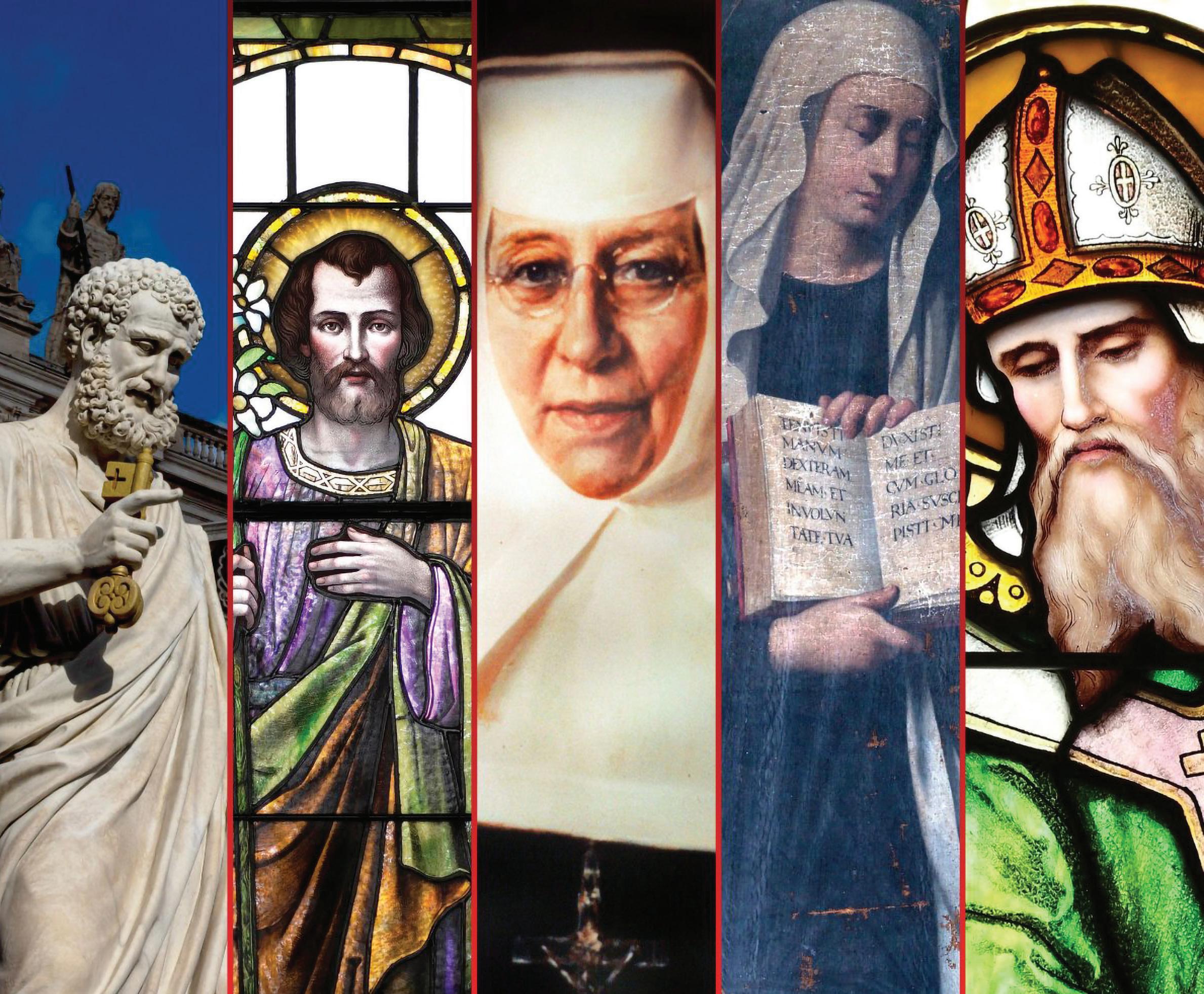
Sts. Frances of Rome, Peter, Patrick, Katharine Drexel, and Joseph and the Christ Child, are pictured in a combination photo. OSV News photo/Gene Young, Smithsonian American Art Museum via Wikimedia Commons, Public Domain, CNS/Pablo Esparza, Gregory A. Shemitz, The Crosiers, Bob Roller, Maggie Murray
3. RACISM: ST. KATHARINE DREXEL
What can we do to help transform the systemic problems of racism and privilege we see and experience? As Christians, we know that the Gospel leads the way forward and that holiness is the key. The Church celebrates this reality, manifested in the life of St. Katharine Drexel, who is commemorated on March 3.
Drexel was a socialite and philanthropist who turned over her life to Christ in a most radical way to serve the needs of Native and Black Americans. She balanced social activism with prayer and trust in God’s providence to overcome many obstacles in the pursuit of justice, exercising her prophetic voice to expose the sin of racism. It was a difficult task, but her missionary zeal fed her desire for justice and equality.
We, too, can be conformed to Christ in all things. Lives of virtue such as hers will help eradi-
cate racism. St. Katharine Drexel, help us overcome racism and provide a just world for all – and pray for us!
4. LACK OF MISSIONARY ZEAL: ST. PATRICK
As baptized members of the Body of Christ, we are called to help all people know, practice and share the Catholic faith. In doing so, we increase our membership and intensify our bond to Christ and the Church. On March 17, a day when culturally we celebrate all things Irish, we can turn to St. Patrick and his example of evangelical zeal to help us develop our own. The fifth-century missionary-bishop is largely credited with converting, almost single-handedly, the pagan society in Ireland that practiced Celtic polytheism.
St. Patrick was a creative and fervent missionary, motivated by a selfless and sacrificial desire to fulfill Christ’s great command to bring the Gospel to all nations. Perhaps we have something to learn from him in our own mission to bring salvation to the world.
St. Patrick, help us overcome our lack of missionary zeal, and pray for us!
5. DIVISION IN THE CHURCH: FEAST OF THE CHAIR OF ST. PETER
It can be a temptation to give into the human tendency to see ourselves at the center of all things. This is true even for our faith lives. Sometimes we think we know better than what the Church teaches, and we try to outsmart our pastors or object to their sound teaching because it does not comply with our own reading of a certain situation.
The feast of the Chair of St. Peter, celebrated Feb. 22, reminds us that what we believe is communal. Christ established the Church as a communion. Local churches are gathered into unity around their bishop. The bishops of the world are gathered into unity by their communion with the successor of St. Peter, the pope.
This is the chief responsibility of the pope, ensuring unity in the Church, particularly in the arena of faith and morals. Ultimately, this feast reminds us that we aren’t each popes, but have one who serves as the “bridge builder,” the pontifex, binding us to Christ.
St. Peter, help us overcome our Church’s division, and pray for us!
Michael R. Heinlein is author of “Glorifying Christ: The Life of Cardinal Francis E. George, O.M.I.” and a promised member of the Association of Pauline Cooperators.

What are we doing to open up our ears?
Ash Wednesday with Bishop and around the Diocese, 18-20
Picturing Jesus: Shroud of Turin displays coming to Hamilton, Washington, 22
Columns on Recharging Lent and Fear: The destroyer of our Lenten works, 24-25


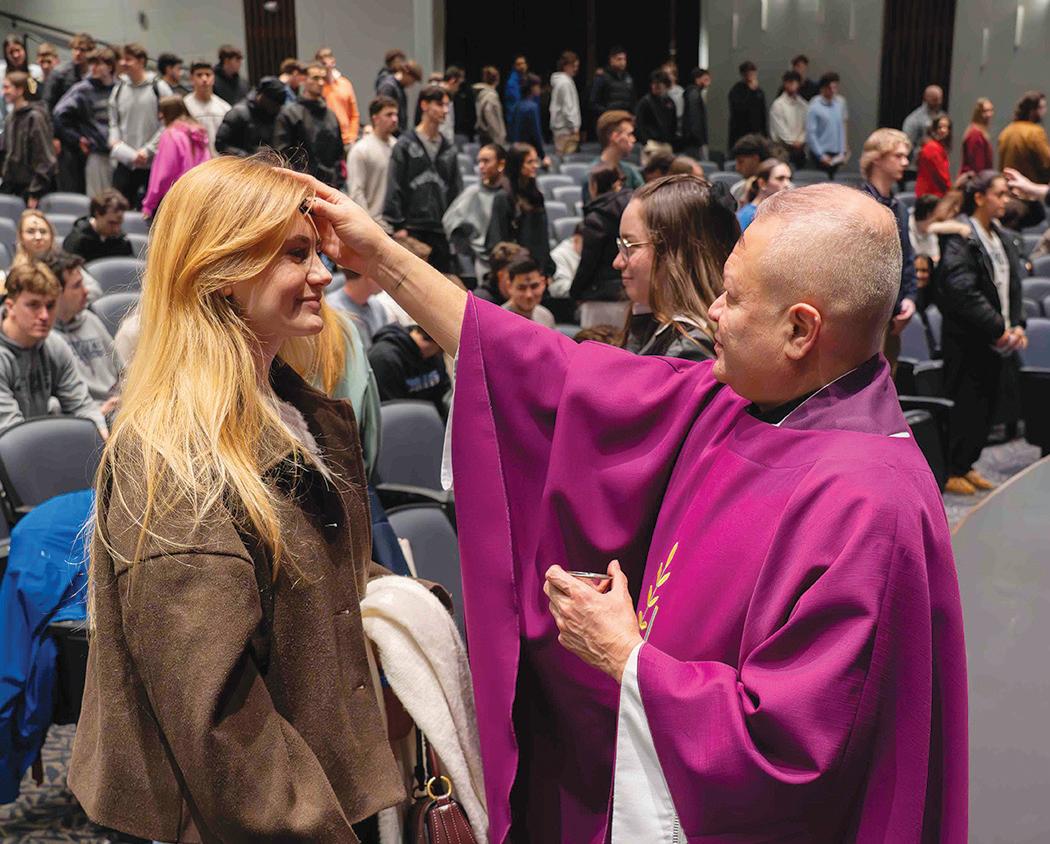
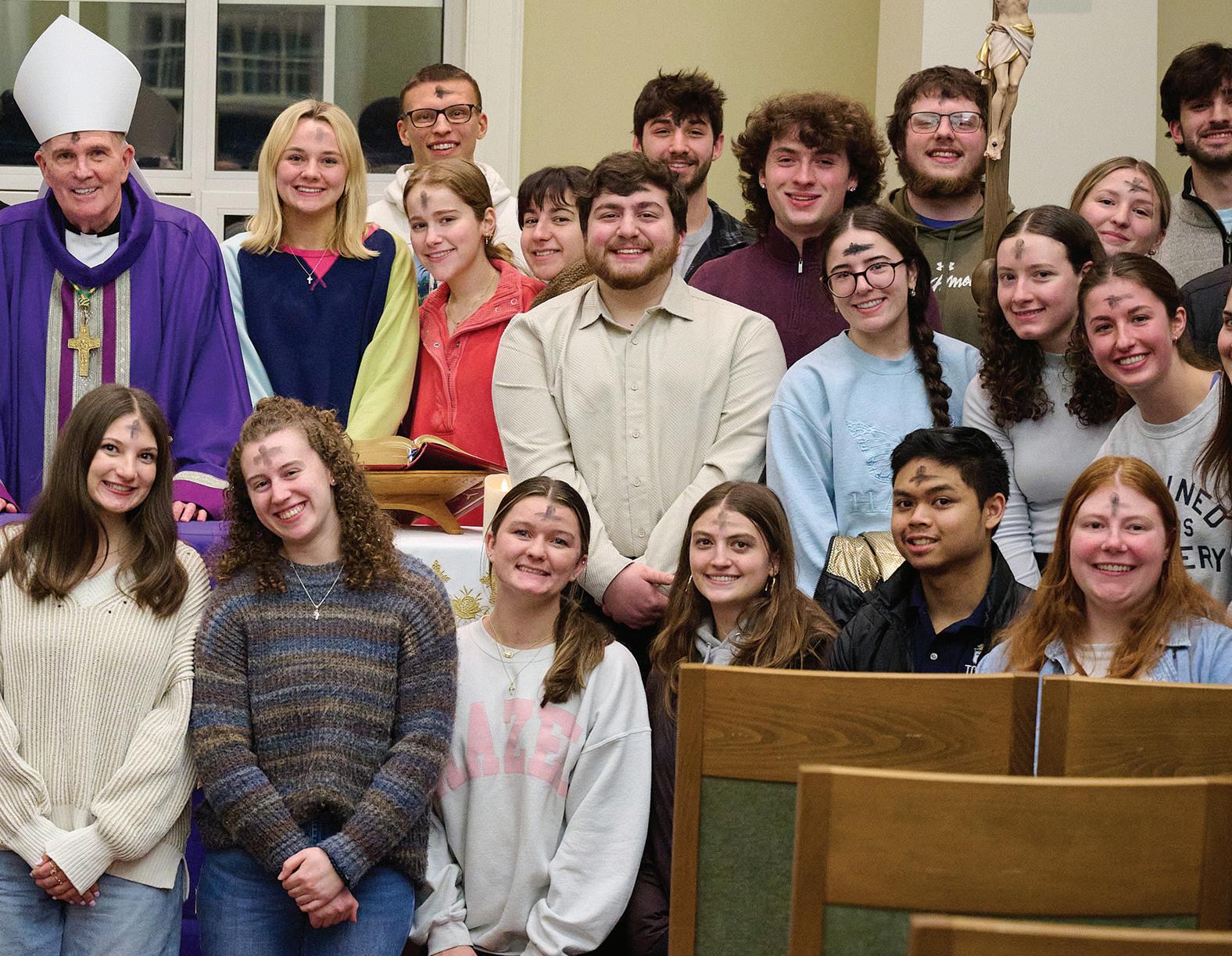
Bishop O’Connell with a group of students from The College of New Jersey following the Ash Wednesday Mass he celebrated on the Ewing campus. Mike Ehrmann photo

BY MARY STADNYK Associate Editor
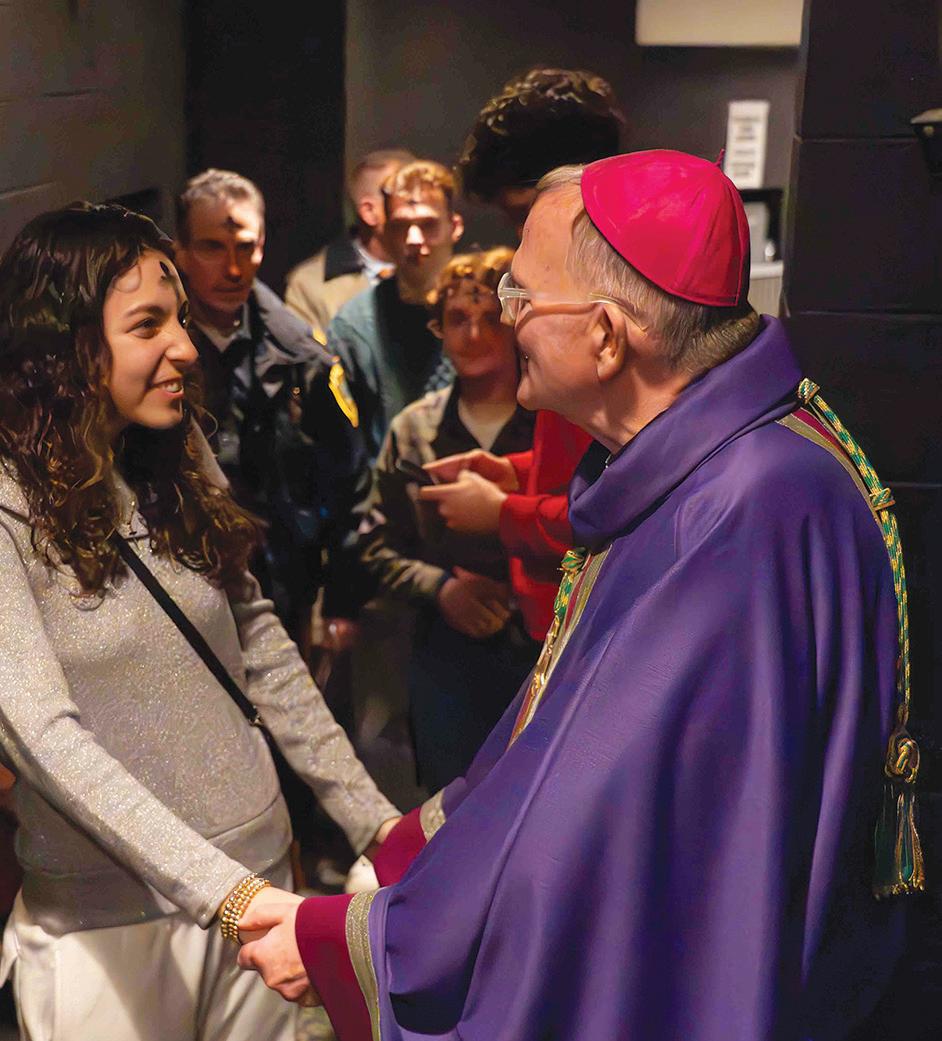
Bishop David M. O’Connell, C.M., had a pointed message for the approximately 1,000 people he encountered on Ash Wednesday, Feb. 18.
“Do not waste these 40 days. Do not let Lent pass you by,” he said. “Let this Lent be real.”
His Lenten journey began at St. Mary of the Assumption Cathedral, Trenton, where some 400 faithful gathered for the 12:10 p.m. Mass. Later in the afternoon, Bishop O’Connell celebrated Mass for a congregation of 400 on the campus of Monmouth University, West Long Branch, and he ended his celebrating Mass for a standing-room only crowd of more than 200 students on the campus of The College of New Jersey, Ewing.
Noting that the day’s Gospel referred to the three Lenten pillars – prayer, fasting and almsgiving – and how faithful are called to implement the pillars as part of their Lenten observance in a quiet,
prayerful fashion, the Bishop said: “Lent is not about appearances. It is about conversion. It is about allowing God to reach the places we keep hidden – the resentments, the compromises, the quiet sins, the fading hope.”
Bishop O’Connell urged the people to remember that “Lent is not a test of strength; it is an invitation to humility.”
“Some of you come today carrying heavy burdens – grief, guilt for sin, anxiety about the future. Hear this clearly: the cross traced in ashes is not a sign of condemnation. It is a sign of belonging to Christ, to the Church: a sign of beginning again,” the Bishop said. “The same cross that marks your forehead is the cross by which you were redeemed.”
Monmouth University sophomore Brady Walker finds Ash Wednesday particularly special because it represents a time of prayerful reflection and sacrifice through penance and fasting.
“The ashes you are marked with are the beginning of your time of learning,” Walker said.
“We are given 40 days to build

ourselves in our faith. This process only works through penance, self-discipline and continuous dedication to God.”
Sophomore Amanda Pelletier finds Ash Wednesday to be a “great time for us to think on where we are in our faith.”
She added that the Lenten season “is a time to give up worldly things that bring us away from God [and] it’s also a time for us to pay more attention to our actions as we try to consciously remove sin from our lives.”
“While Lent is often about ‘what are you giving up?’ we should be carrying over these practices through the rest of the year and give up things that bring us away from God,” Pelletier said.
Elena Volpe, a junior, finds Ash Wednesday and the Lenten season to be really meaningful “because they feel like a reset.”
“It’s a time where we can all put ourselves in God’s hands and take a step back from our normal routines,” she said. “Lent is a time to sacrifice something small, whether that’s giving up a bad habit or adding something positive that helps you grow. It’s not just about giving something up just to say you did. It’s about trying to be better, especially knowing that he sacrificed everything for us.”


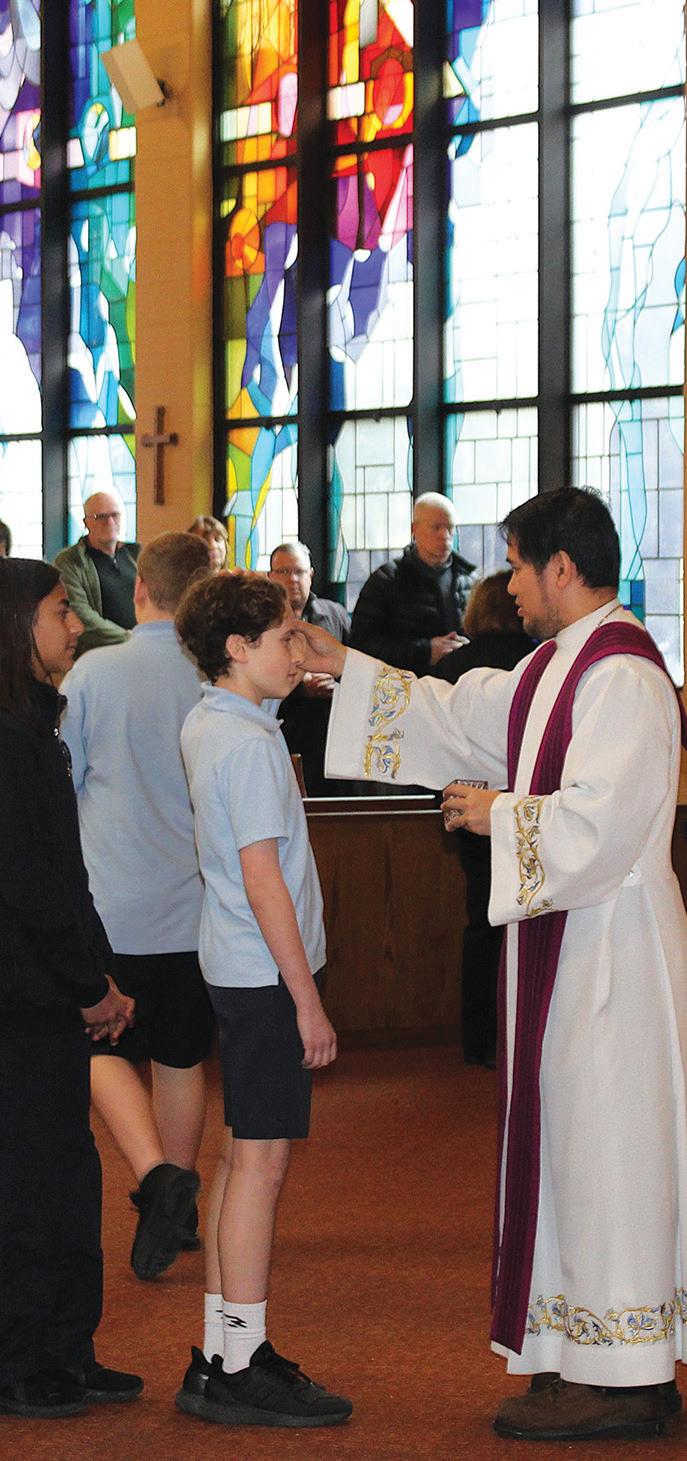
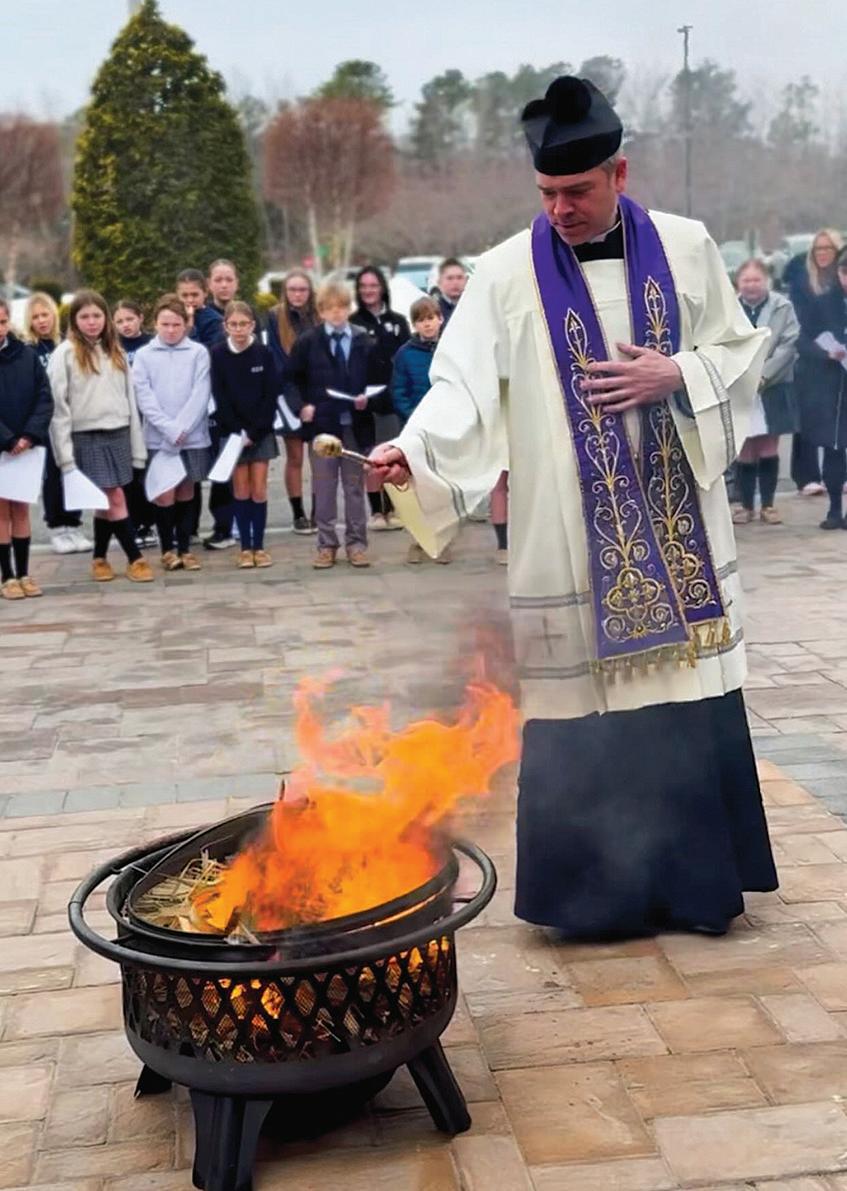
Parishes and schools across the four counties of the Diocese of Trenton began their Lenten journey on Ash Wednesday, Feb. 18, gathering for prayer, Mass and the distribution of ashes. In preparation for the start of Lent, some communities also observed the Rite of Burning Palms in the days leading up to Ash Wednesday. Facebook photos
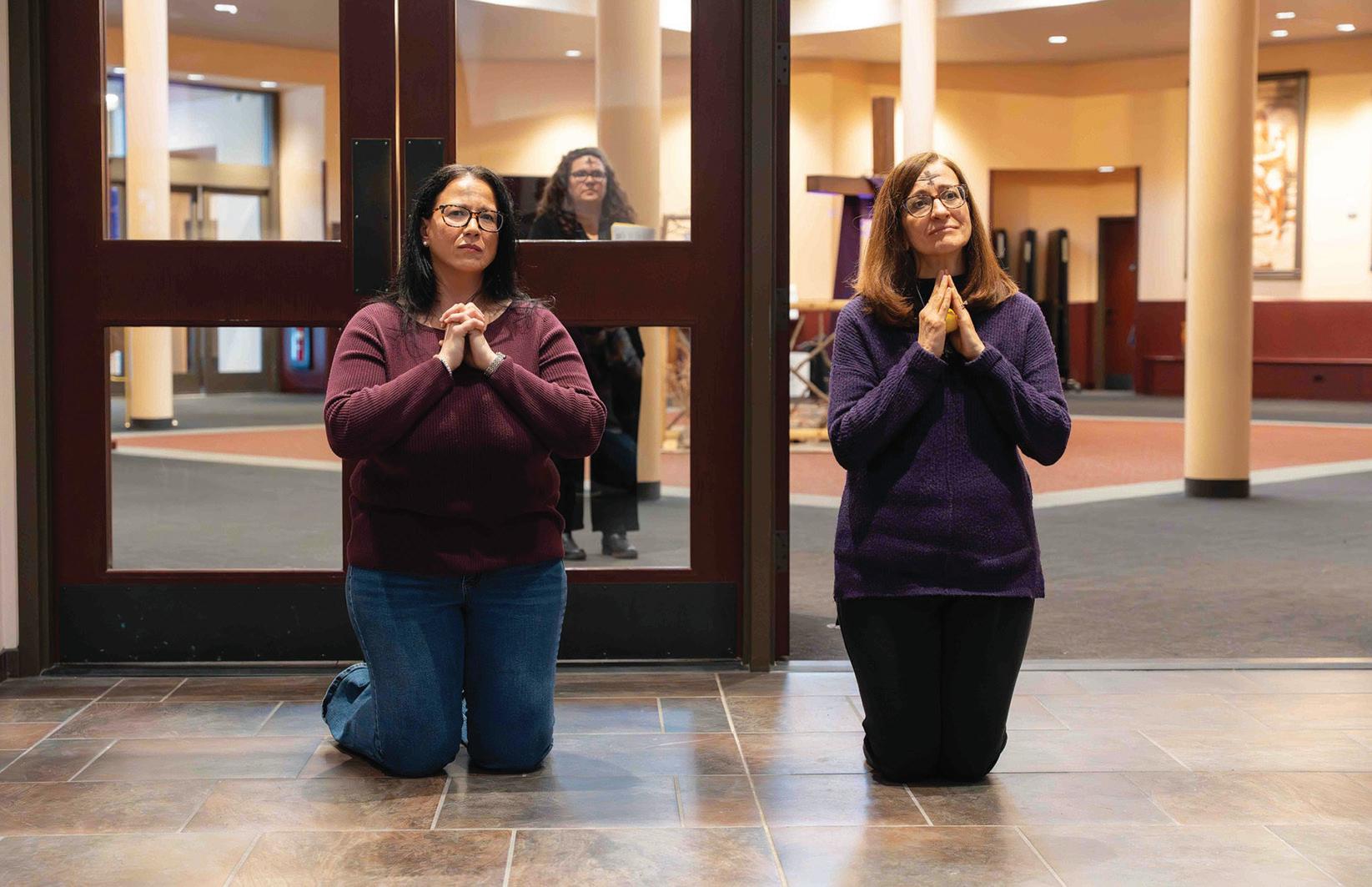
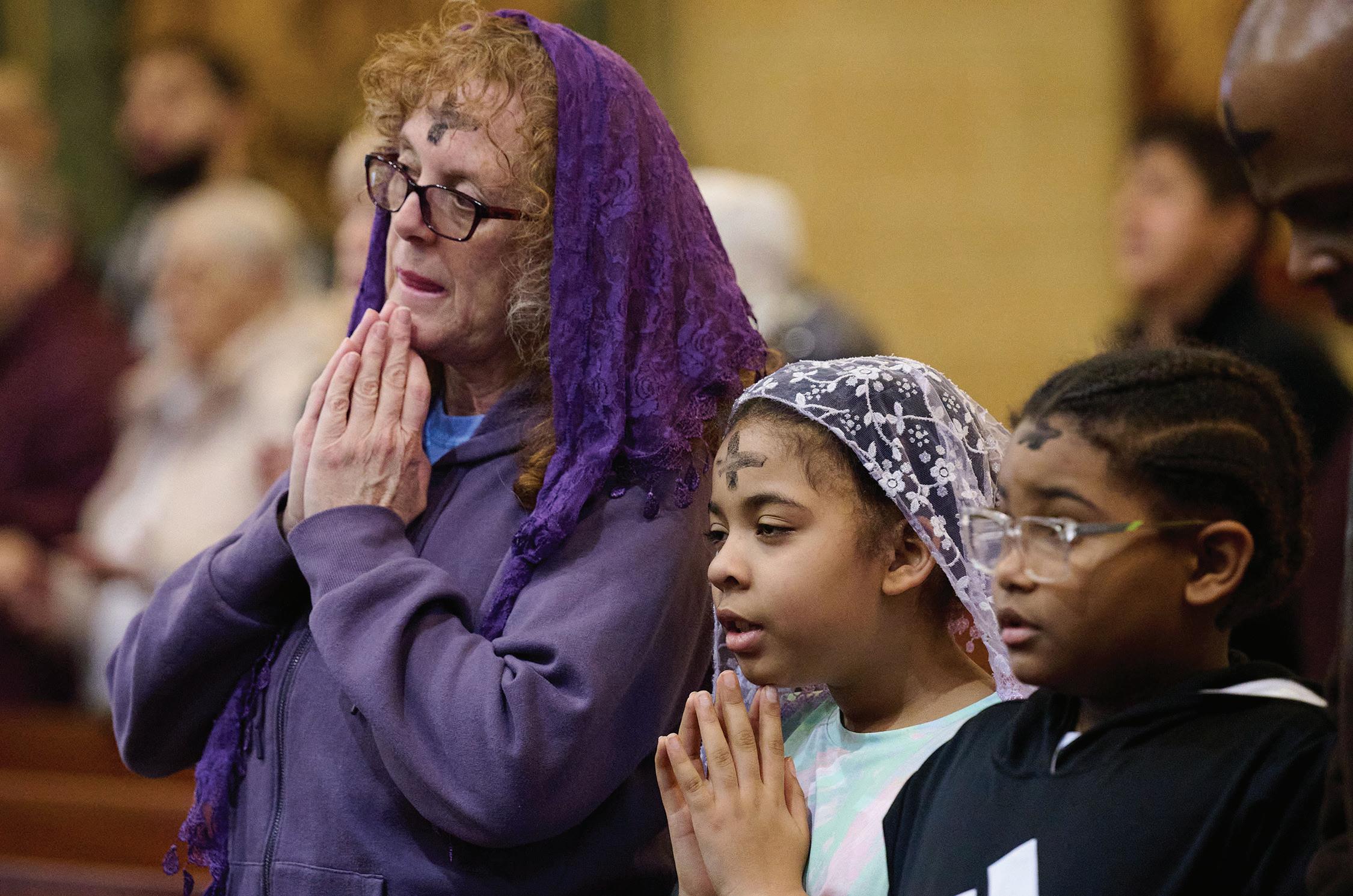
These parishioners were among the estimated 3,200 people who gathered at St. Mary, Mother of God Church, Middletown, Feb. 18 to begin their Lenten journey.

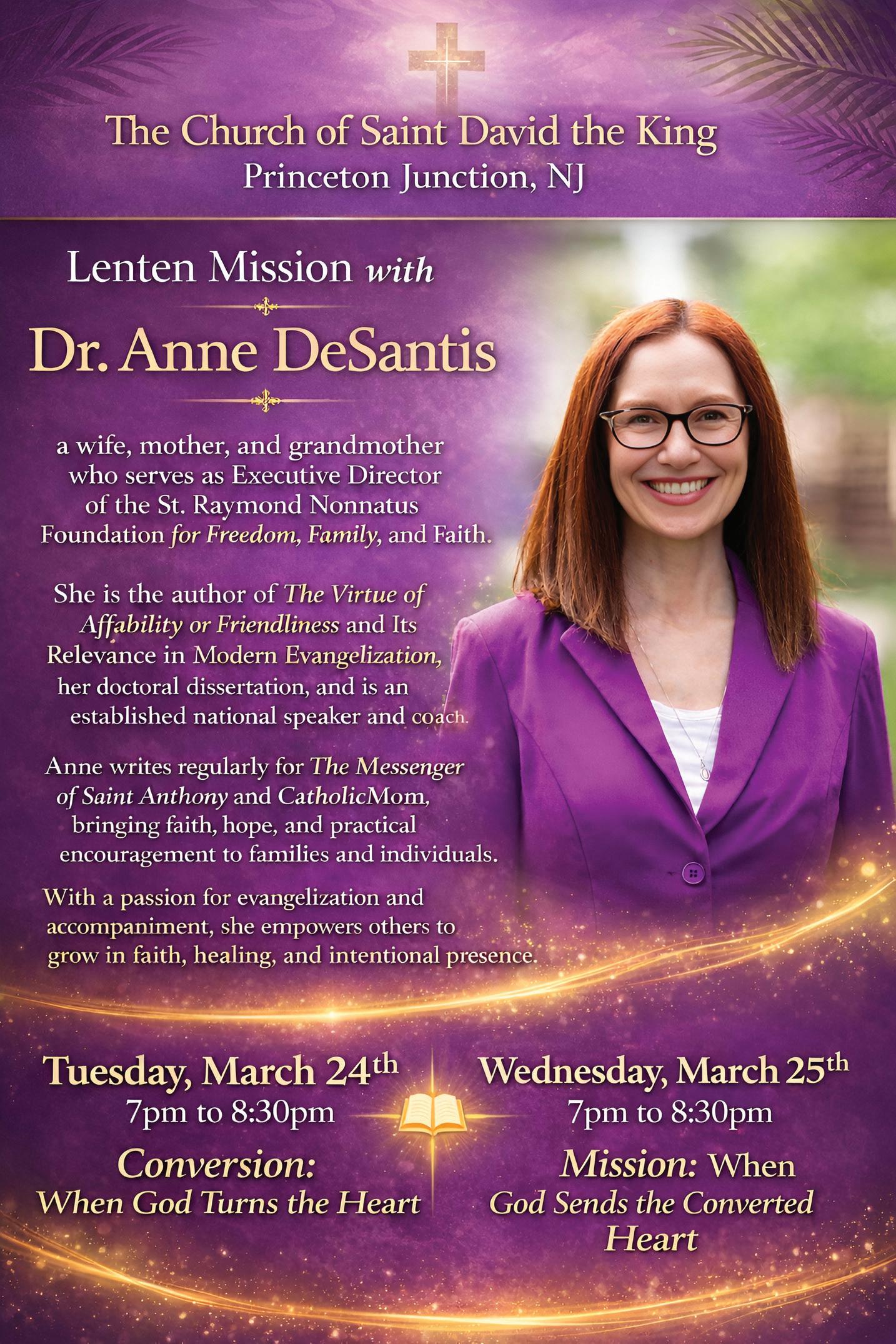

JOIN US, ALL ARE WELCOME!
St . David the King Parish 1 New Village Road Princeton Jct ., NJ stdavidtheking.com 609 275 7111

We’re here to support your faith journey with meaningful gifts and spiritual guidance for every milestone.
50 Hurleys Lane, Lincroft, NJ 07738 908.770.1989 • store@stleothegreat.com

HOURS: Tuesday - Thursday 9:30-3 • Sunday: 9:00am-1:00pm (March 15th-May 3rd)
Journey through Lent and into Holy Week with us.
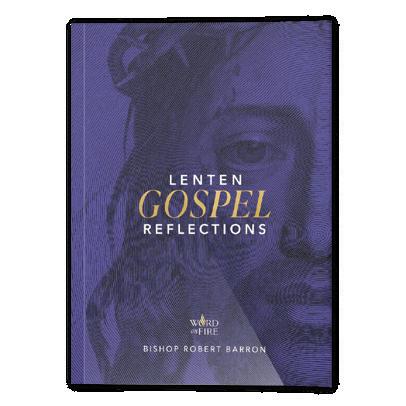
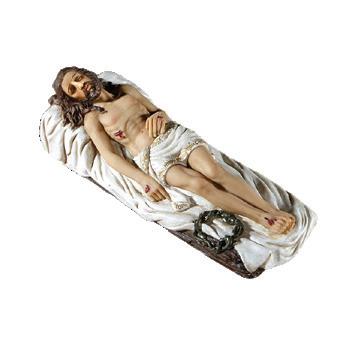
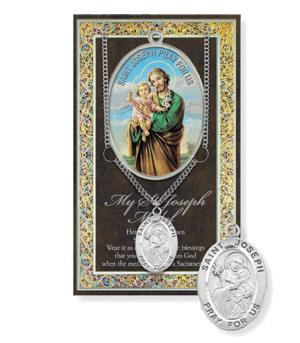
Prepare your heart with Bishop Barron’s 2026 Gospel Lenten Reflections, honor St. Joseph, and welcome Holy Week with sacred statues and Holy Week essentials.
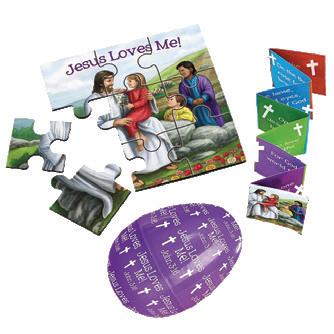
Plus, meaningful Easter basket ideas for kids: Easter Story puzzles and smileyface rosaries that teach the faith with joy.
WE HAVE SOMETHING FOR EVERYONE!

Travel Center, Healing & Patron Saint Section, Holy Card Station, Art Décor, Mantilla Chapel Veils, Religious Jewelry, Statuary, Bibles & Books, Pocket Tokens & Medals, Holy Water Fonts, Chalices, Vestments & more! Follow Us on Social Media!
Instagram: slg_religious_store • Facebook: Saint Leo the Great Religious Store
James
James
James
BY EMMALEE ITALIA
Contributing Editor
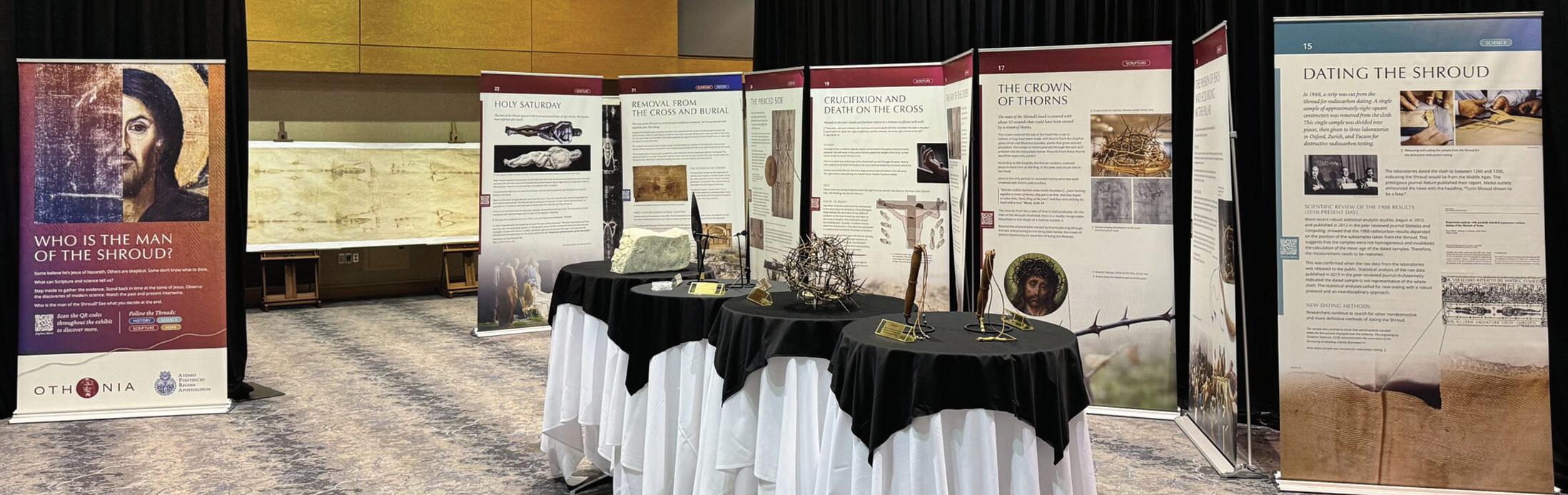
The Shroud of Turin, one of the most scientifically studied religious artifacts, is thought to be the burial cloth of Jesus referred to in Scripture. It bears the reverse image of a man who endured beating and crucifixion wounds that match the Passion of Christ.
Diocesan residents will have a chance to learn more about the Shroud March 20-26 at St. Gregory the Great Parish, Hamilton Square, via a traveling exhibit “Who Is the Man in the Shroud?”
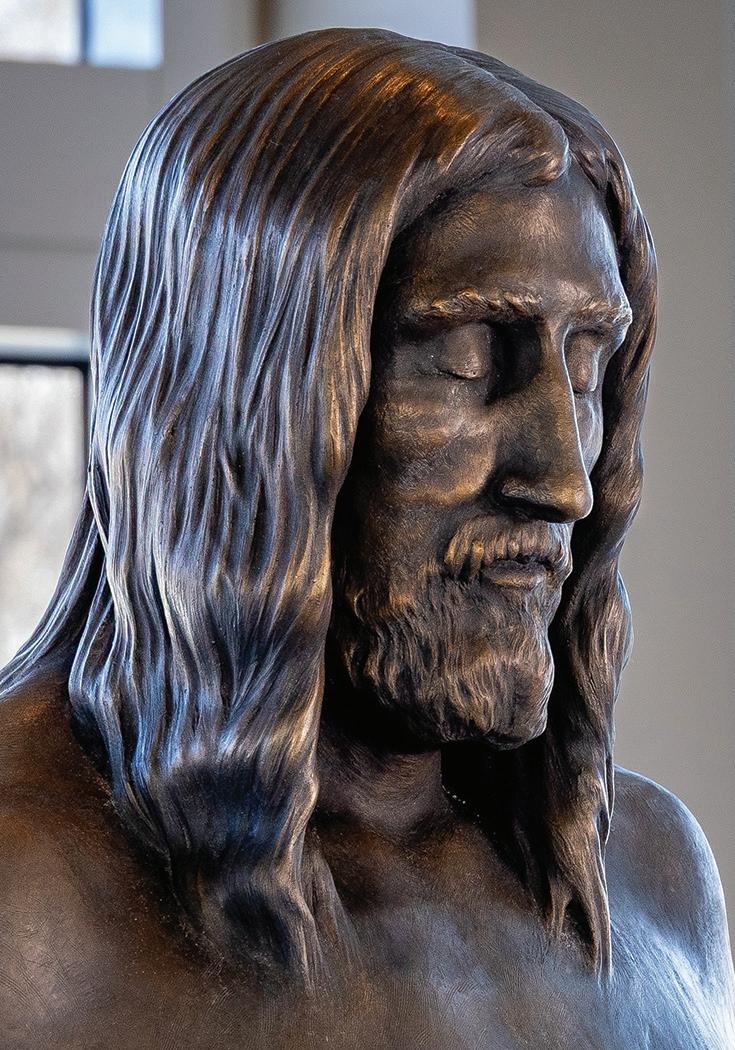
The display – which includes a full-sized, high-fidelity replica of the Shroud, a bronze sculpture of the Shroud image, and 24 panels detailing its strange features – was developed by Othonia. The Arizona-based organization’s name is Greek for “linen cloths” or “burial cloths,” and its goal is to educate and share what has been scientifically verified as well as what remains open to speculation.
The display, free to the public, is sponsored by the Lumen Christi parish cohort of St. Gregory the Great, Our Lady of Sorrows-St. Anthony, Hamilton, and St. Raphael-Holy Angels, Hamilton. Viewing times may be found on the St. Gregory the Great parish website.
Pam McCue, a Shroud educator who
travels with the exhibit, is a retired electrical engineer who studied the Shroud for more than 10 years.
“If the Shroud of Turin is really the burial cloth of Jesus, it contains a picture of Jesus that God gave us for our time,” she said. “There is a wealth of well-researched information to feed our minds and hearts. In the end we all have to decide for ourselves, ‘Who do you say that I am?’”
McCue will speak about the Shroud March 24 at 7 p.m. in Our Lady of Sorrows Church lower-level hall and March
25 at 6:30 p.m. at Holy Angels Church.
The local organizer, Betsy Solan, first encountered the Shroud exhibit during a 2025 retreat at Franciscan University of Steubenville, Ohio, and asked Father Michael Hall, St. Gregory the Great pastor, about bringing the display to the area.
“Pastors and planners thought the exhibit would be of interest … [and] a welcome Lenten experience,” she said.
“The hope is that people will personally witness the extent to which the Son of God suffered for all of us to gain salvation.”
Widespread interest prompted the St. John Paul II National Shrine in Washington, D.C., to host an exhibit during Lent, “‘Lord, You Could Not Love Me More!’ St. John Paul II and the Shroud of Turin.” Responding to St. John Paul’s call for devotion to the Shroud after his visit to Turin in 1998, this exhibit also includes a Shroud replica; a sculpture, “The Sign,” a life-size three-dimensional image of the Man of the Shroud; more than 40 panels of images and text; and prayer resources. The exhibit will run through Easter, April 5.
More information on the Othonia exhibit may be found at othonia.org Information and viewing times locally can be found at stgregorythegreatchurch.org/shroud. Location addresses: St. Gregory the Great Church, 4620 Nottingham Way, Hamilton Square; Our Lady of Sorrows Church, 3800 E State St., Mercerville; St. Raphael-Holy Angels Church, 3500 South Broad St., Hamilton.
Monte


Cheesecakes: Plain-Vanilla; Chocolate and 16 more flavors
Pascha Bread: Cranberry-Orange; Raisin; Lemon; Orange Russian Easter Spread
Hungarian Pastry Rolls (Kolache): Walnut; Poppy Seed; Apricot; Prune
Comfort Cakes: Pecan Apricot Brandy; Walnut
Bourbon; Chocolate Peppermint Schnapps




There are many other delicious items to choose from, visit monasterypantry.com for a full list of items for sale and to place your order. Everything will enhance your holiday table and will make the perfect gift for family and friends.






















BY EFFIE CALDAROLA OSV News
At Mass on Ash Wednesday, the holy Communion line was down to its last person. Suddenly, a young woman hurried down the aisle just as the priest was turning back to the altar.
Obviously, a latecomer. And then she briefly spoke to the priest. I couldn’t hear her words, but it was clear she was asking to receive ashes after Mass, having not arrived when they were distributed.
Ashes are very important to many Catholics. They’re a great witness, both for us and for those that see them on us.
Ashes are sacramentals, which the Catechism of the Catholic Church says are “sacred signs instituted by the Church” to prepare us to receive the fruit of the sacraments. They serve as reminders of our faith. I love sacramentals –candles, rosaries and what my husband laughingly says is my tendency to bring holy water home from every shrine we visit. Thank you, Our Lady of Knock.
But I’ve never understood why often more Catholics show up for ashes then attend the deeply moving and important liturgies of Holy Thursday and Good Friday. Sacramentals are not the sacraments. The Eucharist is the source and summit
of our faith, and if we have the choice between receiving the Eucharist or receiving ashes – well, that’s no choice at all.
Sometimes I wonder if, now that Lent is moving along, we feel a bit disappointed in our Lent. Maybe on Ash Wednesday we’re determined to “do” Lent well, and as the days progress, we lose heart in our efforts.
Were our ashes the big impetus for action, and by Holy Week we think we didn’t live up to our expectations?
Hopefully that’s not the case, but if it is, we should never get discouraged. As a kid, I thought God was a stern taskmaster, and Lent was somehow a punishment for my sins. As I grew in faith and understanding, I saw the God that Jesus showed us – the God who is love (1 Jn 4:8), the God who is the prodigal’s father, always waiting with open arms, the God who doesn’t impose suffering, but suffers with us.
Lent is not punishment, it’s invitation: invitation to growth, to conversion, to Christ. The door remains open.
Discouraged with your Lent? Then begin again. And forget the trap I sometimes fall into – thinking of Lent as New Year’s resolutions on steroids, things I’ll “do,” sometimes with a nod towards my own goals – maybe losing a couple of pounds would be nice?

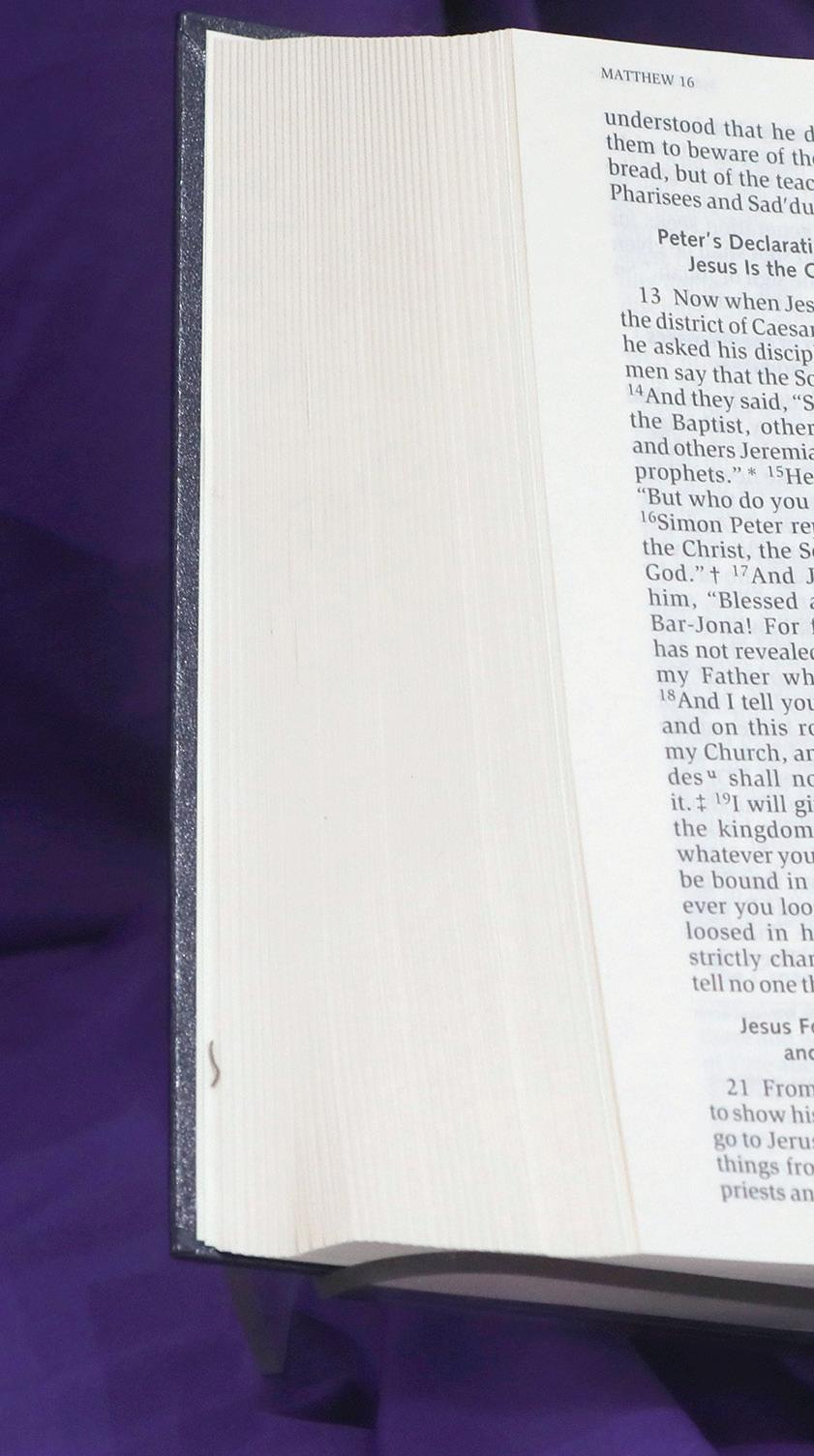
Sure, if giving up chocolate helps you remember Lent, then go for it. Pray, give alms, fast. But all those things should be with a focus on Christ.
I remember the words of Pope Benedict XVI, “Christian faith is … above all a personal relationship with Jesus Christ. It is an encounter with the Son of God that gives new energy to the whole of our existence.”
And when we are discouraged by our sinfulness? Julian of Norwich, the 14th century English mystic, said, “First the fall, and then the recovery from the fall, and both are the mercy of God.”
But how can a fall be the mercy of God? As Franciscan Father Richard Rohr explains it, it’s in falling down that we learn almost everything that matters spiritually. Our sin and failure offer us, if we let them, insight and potential for growth.
So you’ve fallen? That’s the acknowledgement of Lent. We’re all sinners. But the biggest gift of Lent is God’s overwhelming and enduring love for us. So welcome to the rest of Lent, which beckons with many graces.
Effie Caldarola is a wife, mom and grandmother who received her master’s degree in pastoral studies from Seattle University.
ally spot-on) and our better angels (who are often responsible for those instincts) and end up trusting the wrong person, or accepting the wrong job, or reaching for the wrong goals until – having planted ourselves far from where God intended –we exist in a desperate misery that leads us into further darkness.
BY ELIZABETH SCALIA OSV News
Perhaps fear, after all, is at the root of all sin. I used to think it was selfishness, but it’s not. Even selfishness is rooted in fear.
We can see this in the early wreckage of our Lenten practices: We are afraid of material poverty, and so we selfishly hold back on our almsgiving. We are afraid of hunger, and so we selfishly reach for the bread and chocolate. We are afraid of what we might find within ourselves and our interior lives, and so we selfishly cut short our prayers, or abandon them, completely, for something that we tell ourselves is “more fun” or “more important.”
Obviously, we should not fear these things. Prayer, fasting and charitable giving are edifying and spiritually powerful practices that always, always redound to our benefit.
Be not afraid of giving alms, because God is never outdone in charity. If you
think about this, you know it is true.
Be not afraid of fasting, because, as Pope Benedict XVI reminded us, it grows compassion by opening our eyes to the deprivations of others and, acts “as a ‘therapy’ to heal all that prevents (us) from conformity to the will of God,” which should be the ultimate goal of our Christian lives.
Be not afraid of prayer – even the challenging silence of contemplation. Prayer brings us before the feet of Christ and sets loose upon the world a most subversive (yet powerful though unseen) force for good.
Granted, falling short in these three major works of Lent is not actually sinful, but it’s fair to reason that if fear can influence us away from them, it can mislead us in other ways.
Fear of not “keeping up” with neighbors or family members or friends can lead us into living a falsehood that keeps us dishonest, in debt and full of self-doubt.
Fear of being alone can drive us to ignore our gut instincts (which are usu-
Fear... can mislead us in other ways.
Fear of “missing out” has us embracing political, social or even religious “trends” that we don’t even like, thus surrendering our truest selves to the world rather than to the stability of the unchanging Christ.
We should already know this about fear – it should be obvious, simply because of how frequently some variation of “Do not be afraid” or “Have no fear” or “Do not fear” occurs in Scripture. Jesus, of course, says it a lot. In fact, it’s almost as if he is saying, “do not sin because you are too scared to trust. Do not be afraid to be changed. Do not be afraid of the mob mentalities, or of being jeered at or rejected; do not run away from God’s plans for you, because my father’s plans are always to the good, even if they cost you something – even if they cost your very life. Only do not be afraid, then you can see where you are rightly being led, and can follow in trust.”
Perhaps Christ said those very things to himself, while praying and sweating blood on the rock of Gethsemane, before backing them up completely in his passion and on the cross.
Of course, Jesus was the perfection of love – the All Love – and perfect love casts out fear (1 Jn 4:18).
It is human to be afraid. But this year, in our Lenten disciplines, let us place all of the fears we’re conscious of – or will admit to – into the vast depths of the Sacred Heart of Jesus, the Christ, who said, “Do not be afraid, little flock, for it is your Father’s good pleasure to give you the kingdom” (Lk 12:32).
Elizabeth Scalia is editor-at-large for OSV.