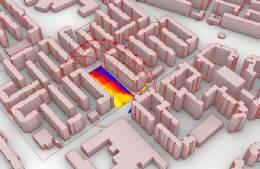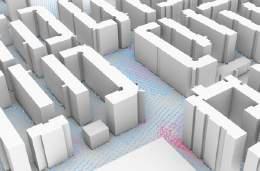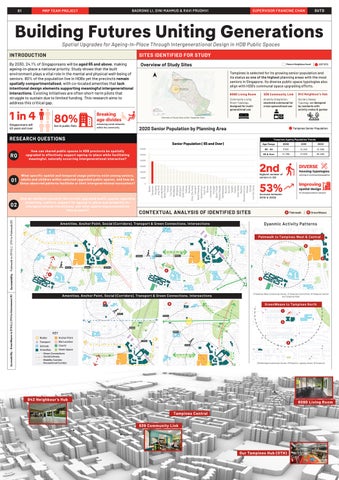
By 2030, 24.1% of Singaporeans will be aged 65 and above, making ageing-in-place a national priority. Study shows that the built environment plays a vital role in the mental and physical well-being of seniors. 80% of the population live in HDBs yet the precincts remain spatially compartmentalised, with co-located amenties that lack intentional design elements supporting meaningful intergenerational interactions. Existing initiatives are often short-term pilots that struggle to sustain due to limited funding. This research aims to address this critical gap.
1 in 4
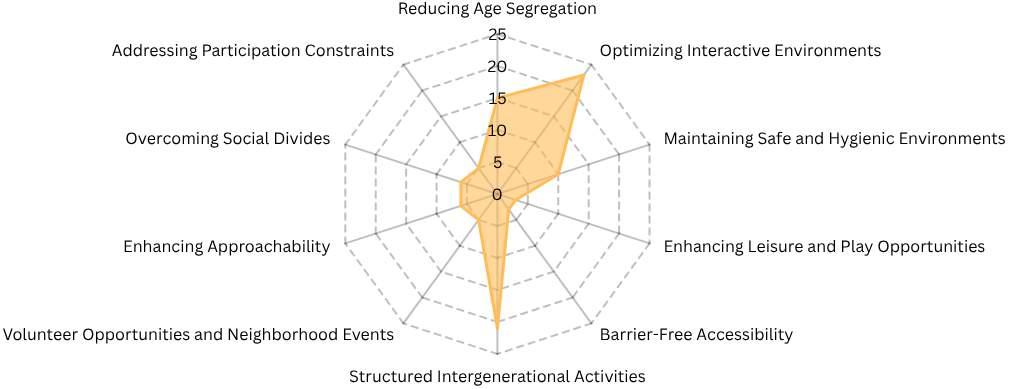
How can shared public spaces in HDB precincts be spatially upgraded to effectively support ageing-in-place while facilitating meaningful, naturally occurring intergenerational interaction?
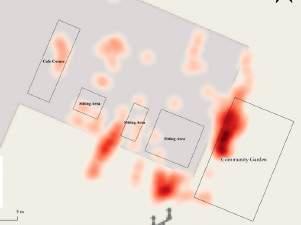
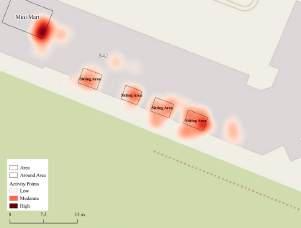
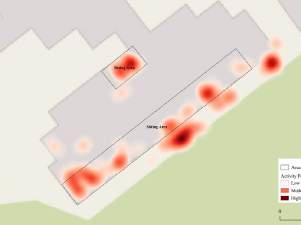
What specific spatial and temporal usage patterns exist among seniors, adults and children within selected upgraded public spaces, and how do these observed patterns facilitate or limit intergenerational encounters?
How do residents perceive the current upgraded public spaces regarding inclusivity, comfort, support for ageing-in-place and suitability for intergenerational interactions, and what spatial improvements do they propose?
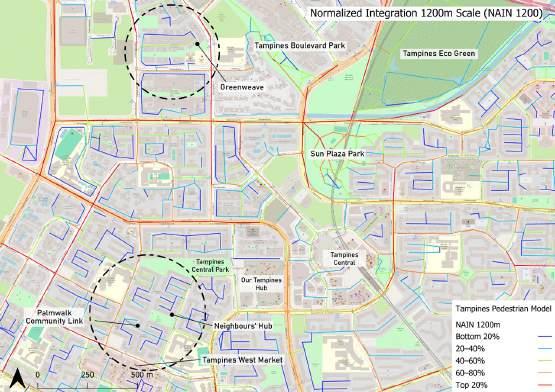
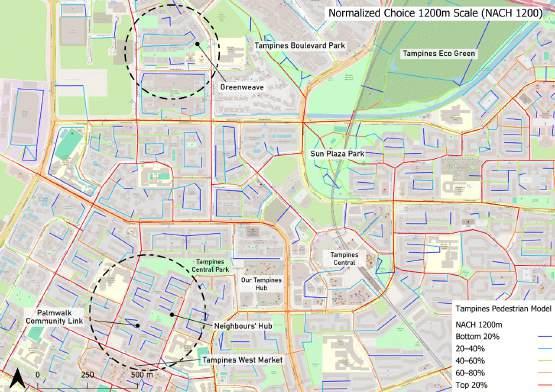
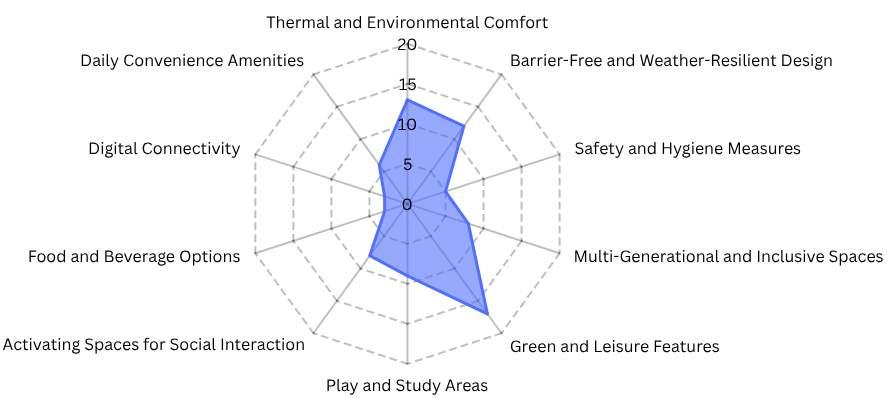
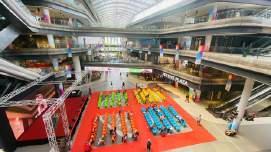
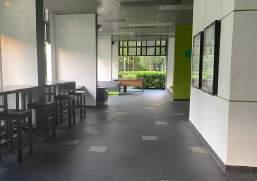
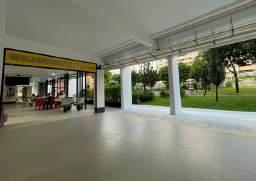
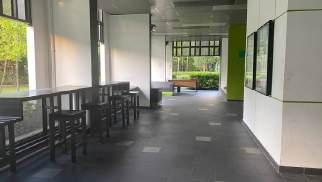
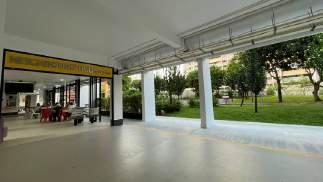
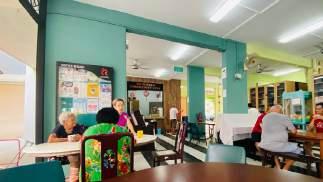
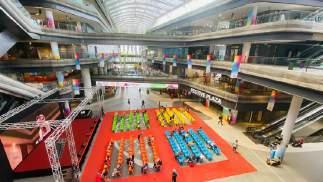
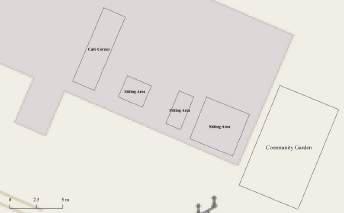
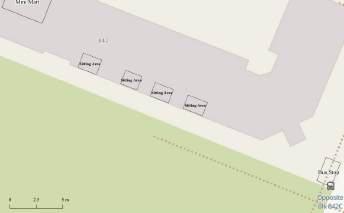
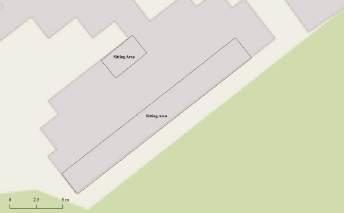
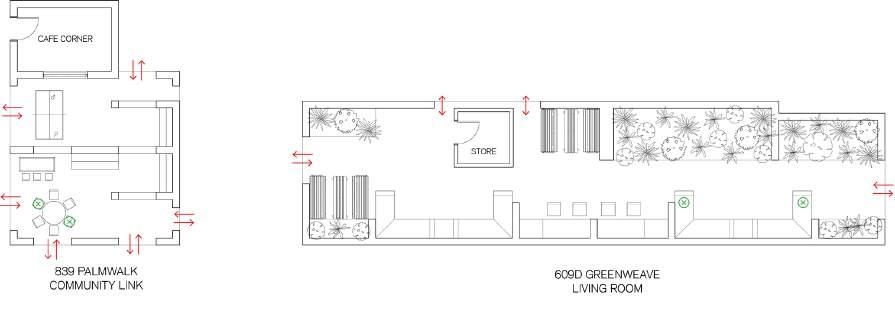
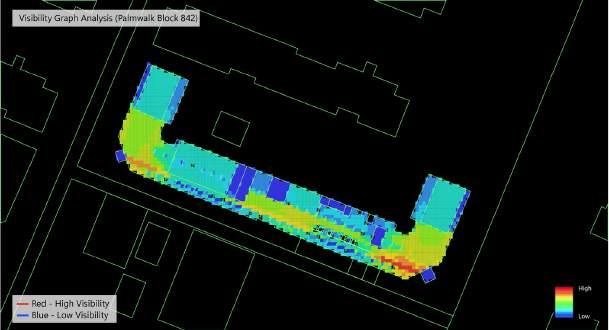
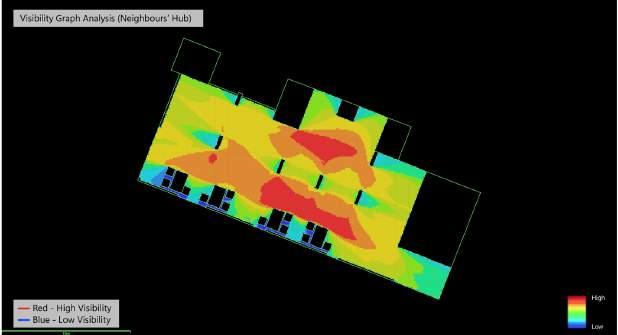
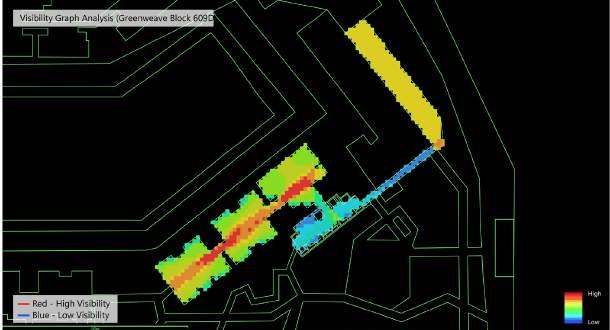
Overview of Study Sites
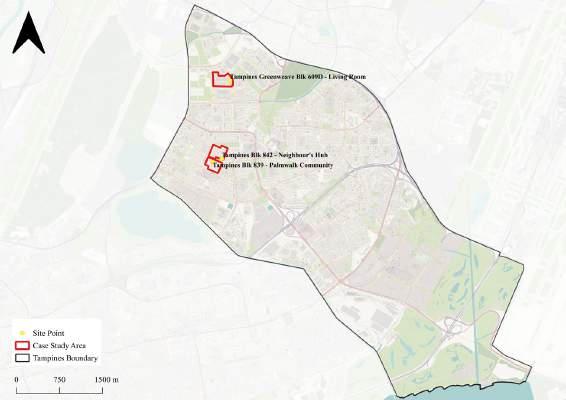
Tampines is selected for its growing senior population and its status as one of the highest planning areas with the most seniors in Singapore. Its diverse public space typologies also align with HDB’s communal space upgrading efforts.
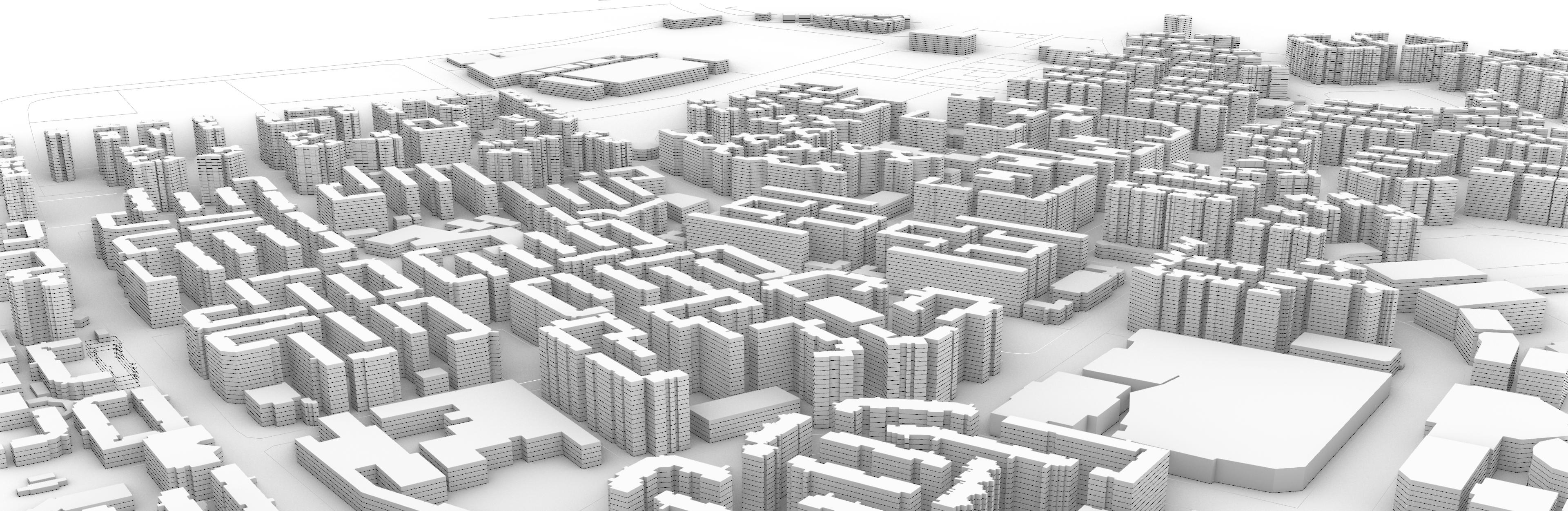
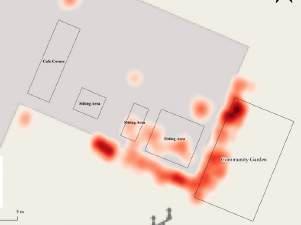
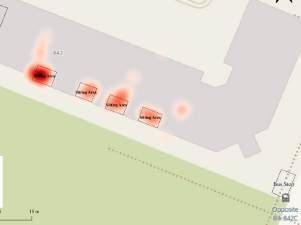
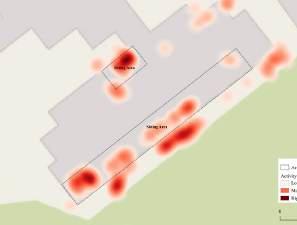
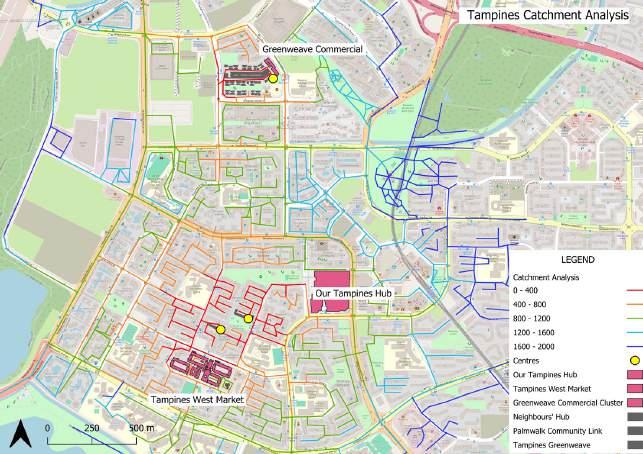
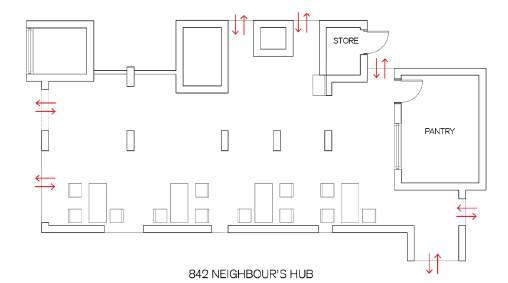
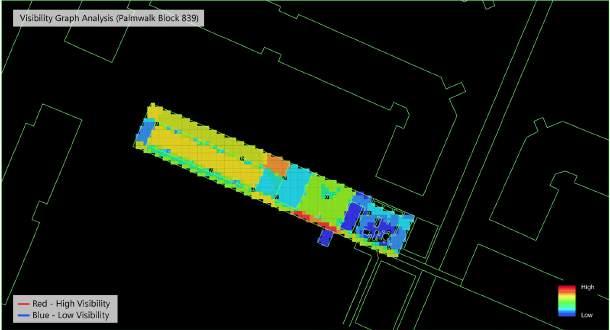
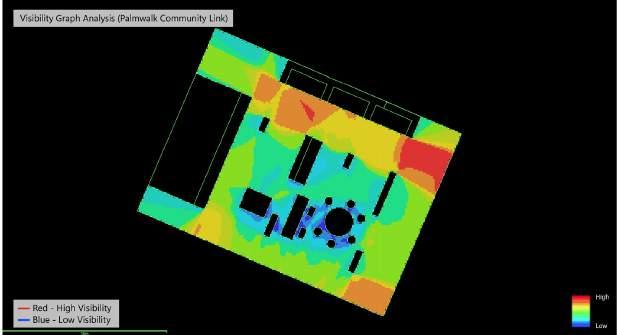
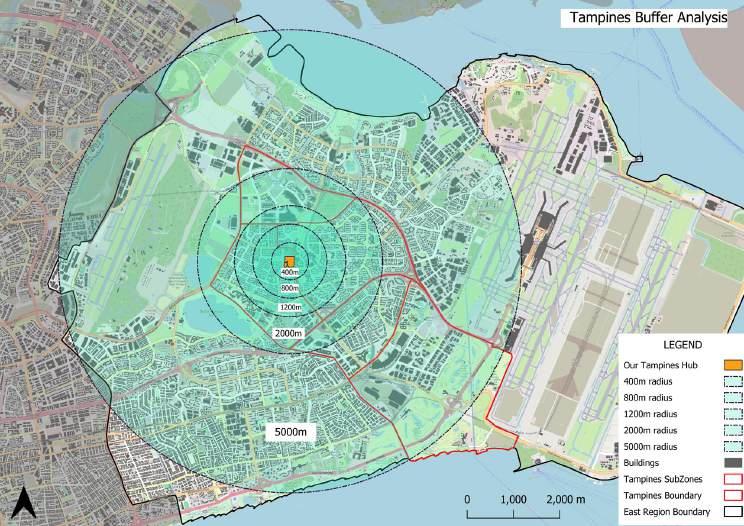
400m: