
W a l k a b l e N e t w o r k s a n d T h i r d P l a c e T h e o r y

B y : D i n a A l a r j a & R a g h a d A b u s a i f
B y : D i n a A l a r j a & R a g h a d A b u s a i f








2 2



3 3 4 4



Beyond Home and Work
The Heartbeat of Community
Connection
Where Strangers Become Neighbors
Designing Cities for Belonging and Interaction
Neutral Grounds, Stronger Bonds
Reimagining Public Spaces


Developed by urban sociologist Ray Oldenburg, the theory emphasizes the need for informal gathering spaces beyond home and work to foster community.
Third places are informal, welcoming spaces where people gather, interact, and build relationships. Unlike home (first place) and work (second place), third places are neutral, accessible, and encourage regular visits
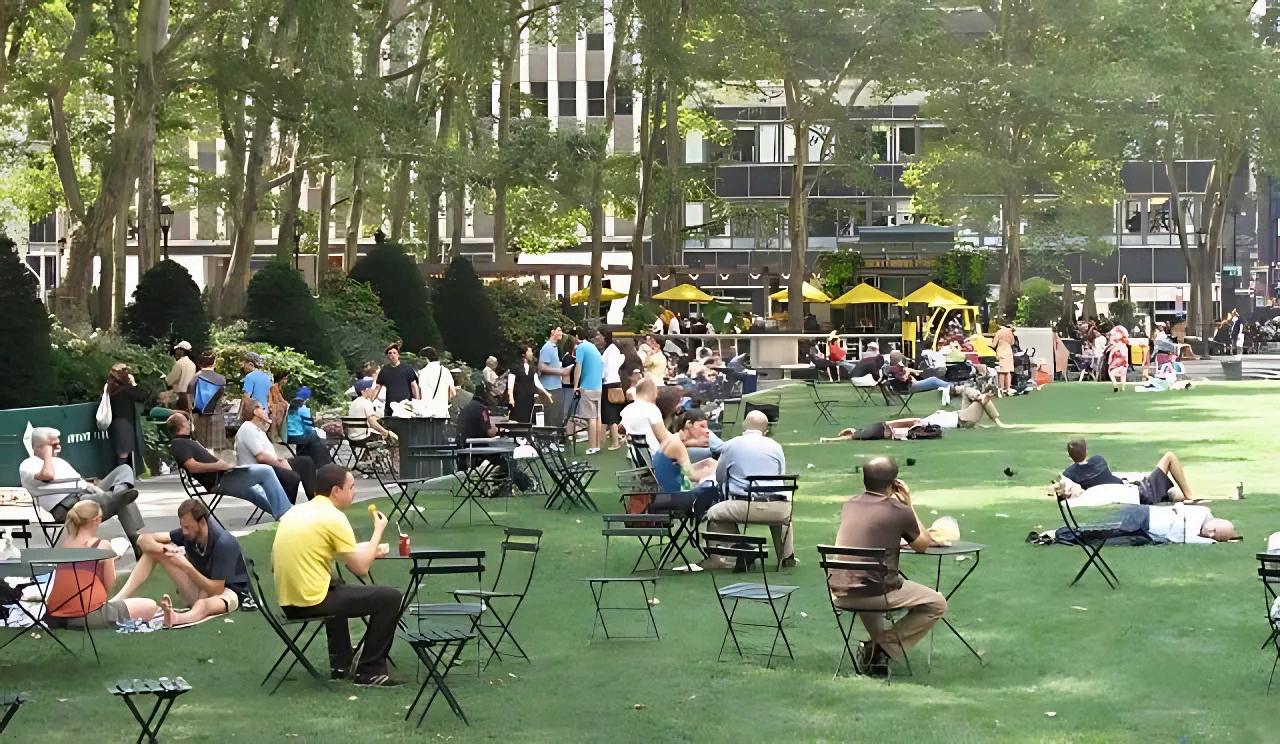
The Magic of Third Places:
Serendipitous Interactions: Chance encounters and unplanned conversations that enrich social life.
Social Relaxation: Relaxed environments that allow people to be themselves and unwind.
Community Building: Platforms for fostering a sense of belonging and strengthening community bonds.
Examples of Third Places :
Cafes: Spaces for casual conversation and connection over coffee.
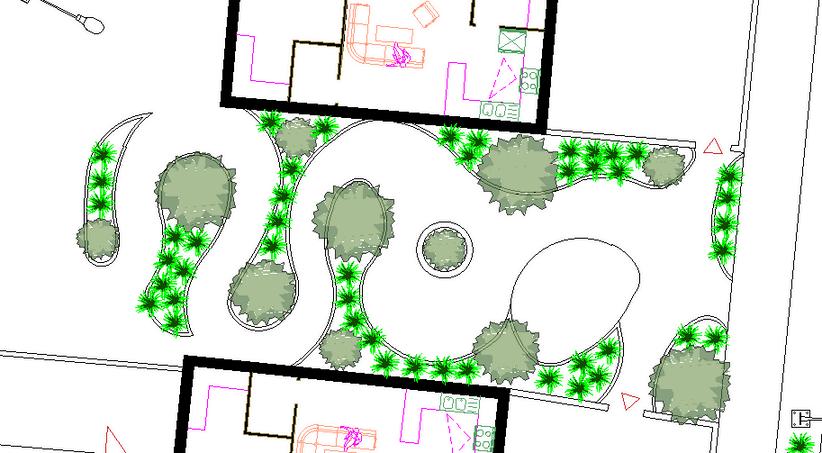
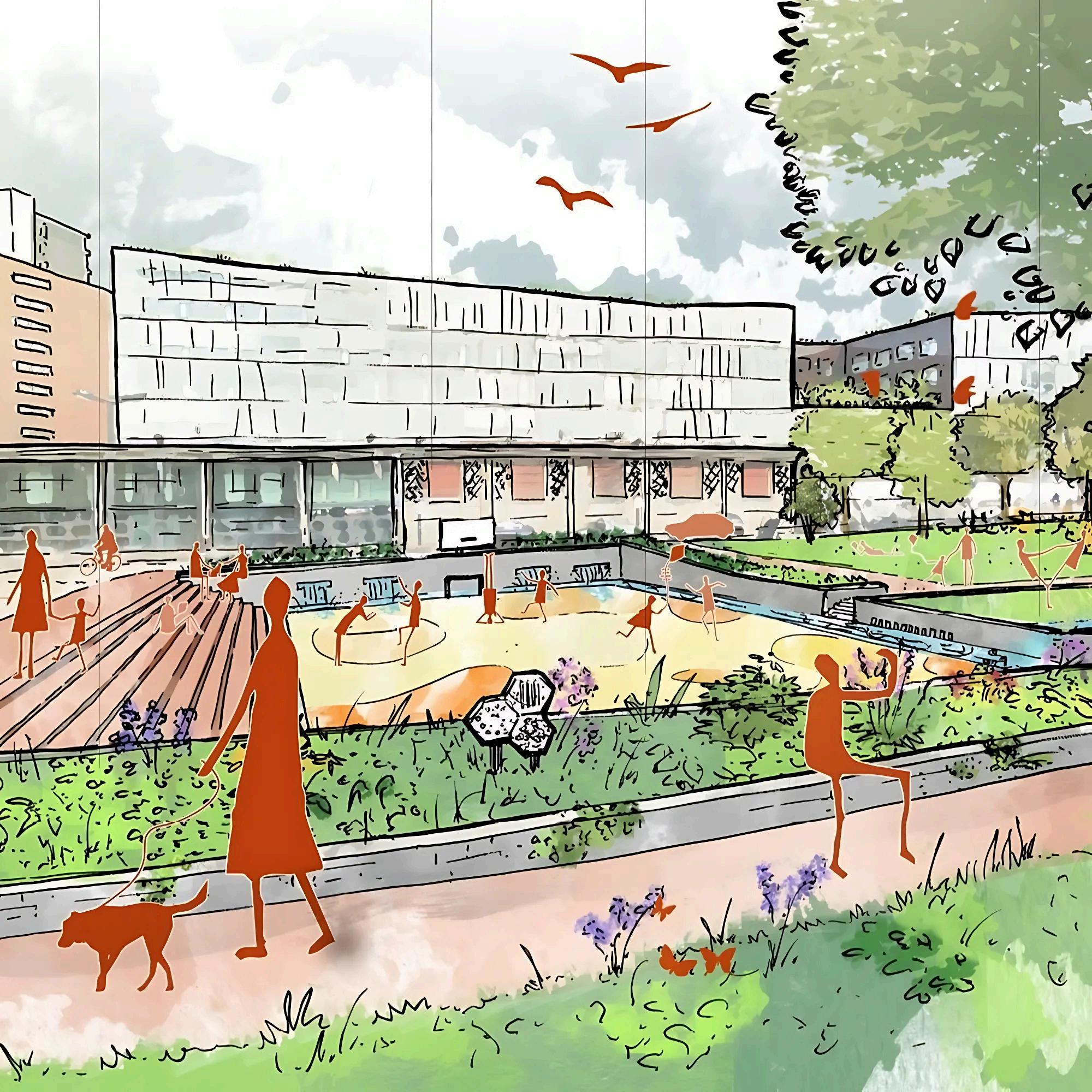
Parks: Natural settings for relaxation, recreation, and social interaction.
Libraries: Hubs for learning, cultural exchange, and community engagement.
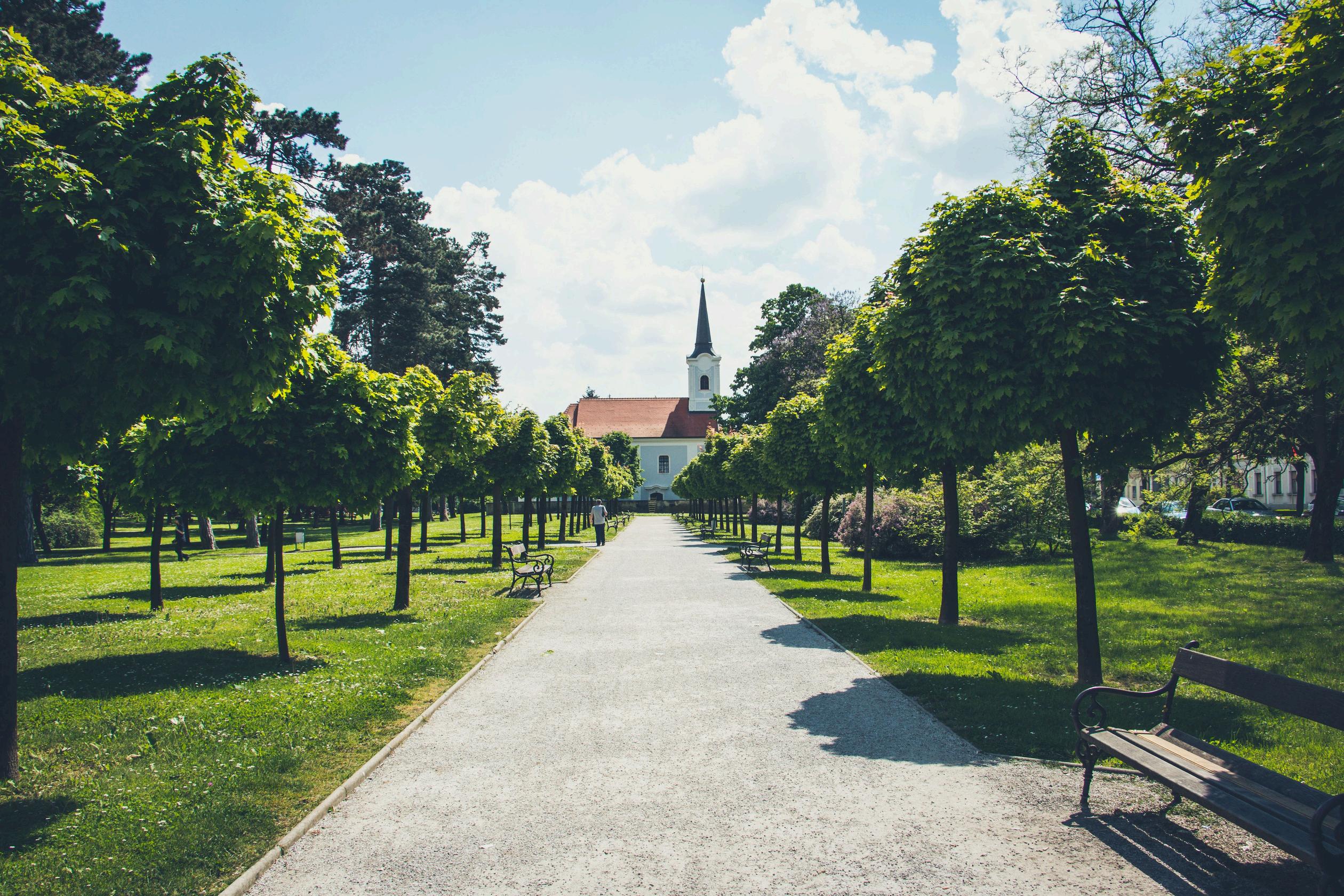

Third places, such as cafes, parks, and libraries, serve as essential social hubs, fostering relationships and creating a sense of belonging. These informal, welcoming spaces provide neutral grounds for spontaneous and meaningful conversations, allowing people to connect, share experiences, and build lasting relationships outside the pressures of home and work. This sense of community is vital for individual well-being and neighborhood health
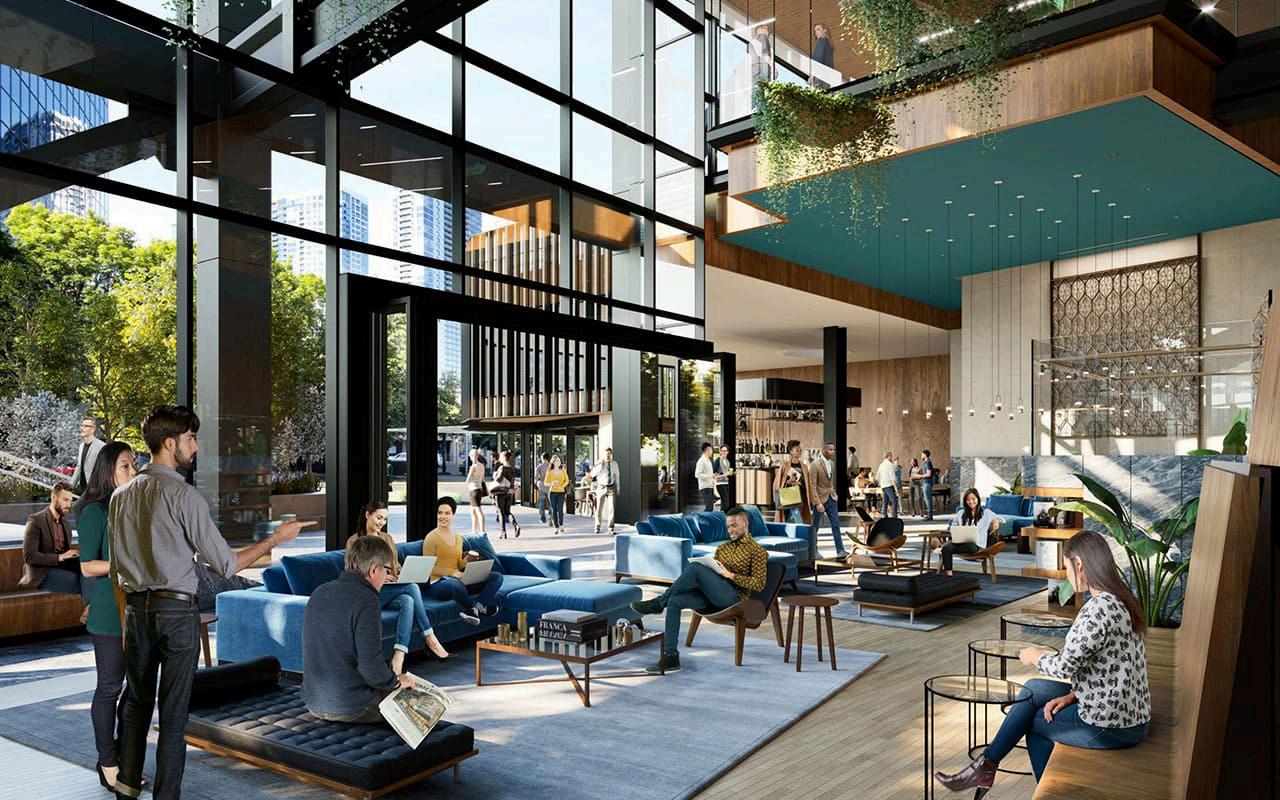
Regular interactions in third places build trust, mutual respect, and a shared identity, enhancing community resilience and vibrancy.
They also promote cultural exchange and diversity, enriching the social landscape with varied perspectives and experiences.

H o w t h i r d p l a c e s p r o m o t e i n c l u s i v i t y b y
b r i n g i n g d i v e r s e p e o p l e t o g e t h e r ? ? !
These informal spaces provide neutral grounds where individuals can meet, interact, and form connections beyond their usual social circles.
Through casual conversations and shared experiences, these spaces help break down social barriers and foster a sense of community. Regular visits to third places encourage people to recognize familiar faces, strengthening the bonds of neighborhood and friendship.
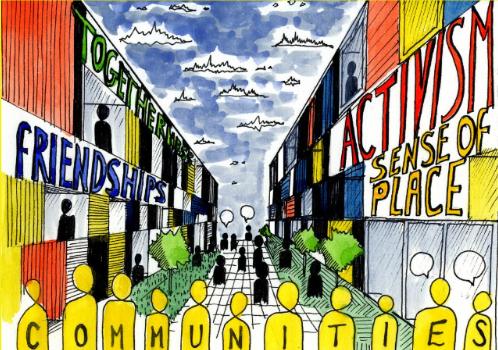
The importance of
creating
shared spaces in modern cities to combat isolation:
In modern cities, creating shared spaces is essential to combatting isolation and loneliness. As urbanization continues to rise, the need for accessible, welcoming places where people can connect becomes even more critical. Third places not only enhance the social fabric of communities but also contribute to the overall well-being and cohesion of urban life.
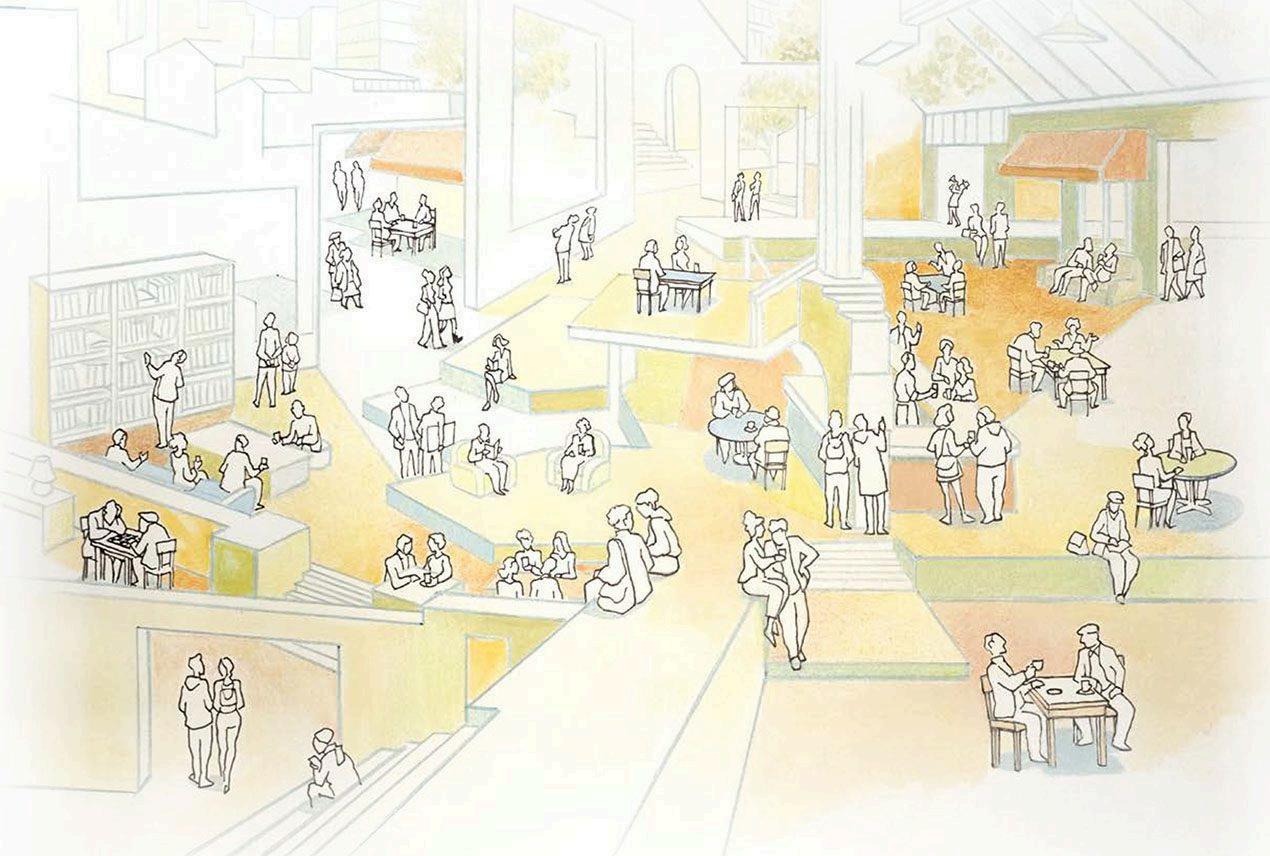

Urban Design Perspective: Encouraging ThirdPlace Culture
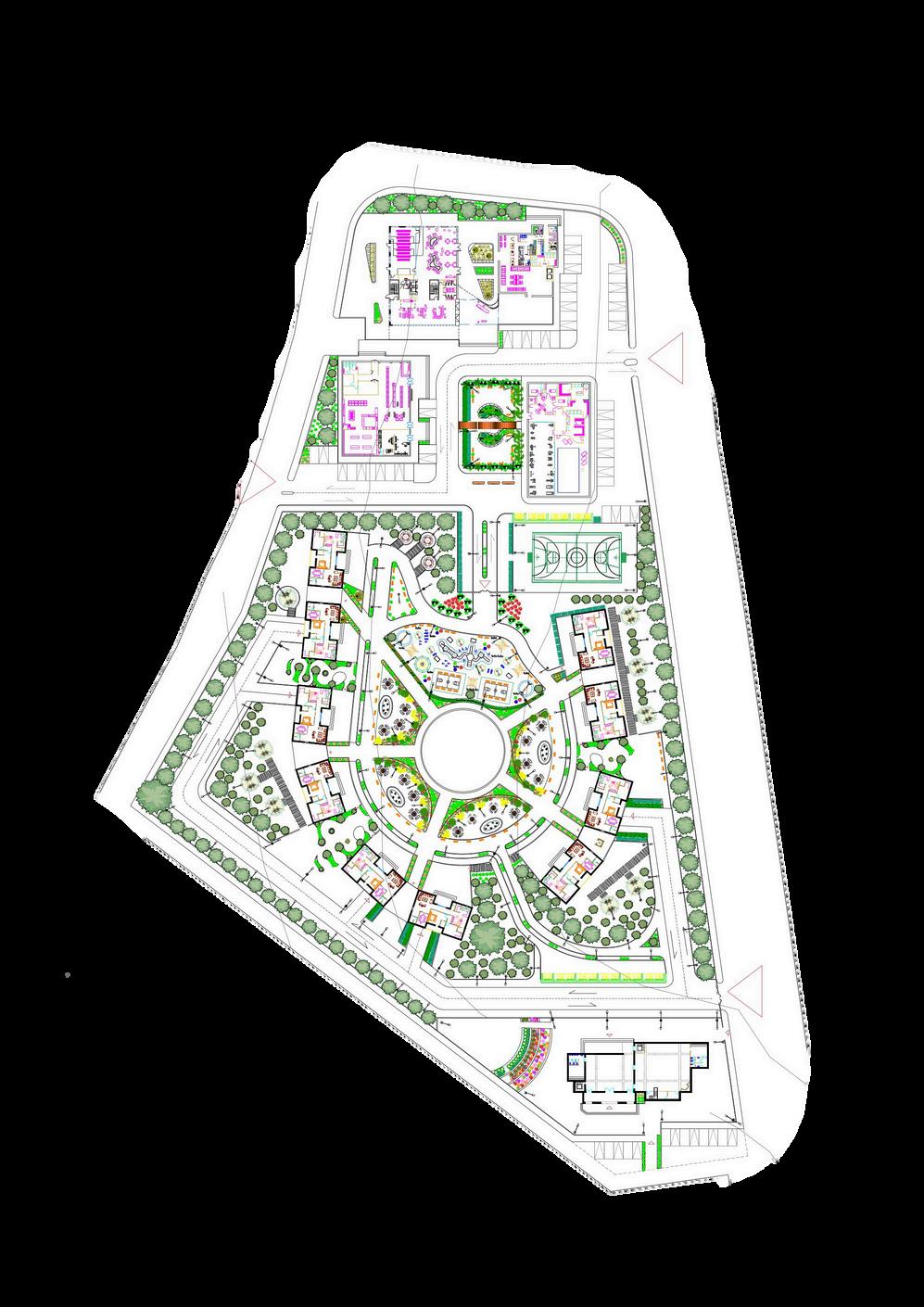
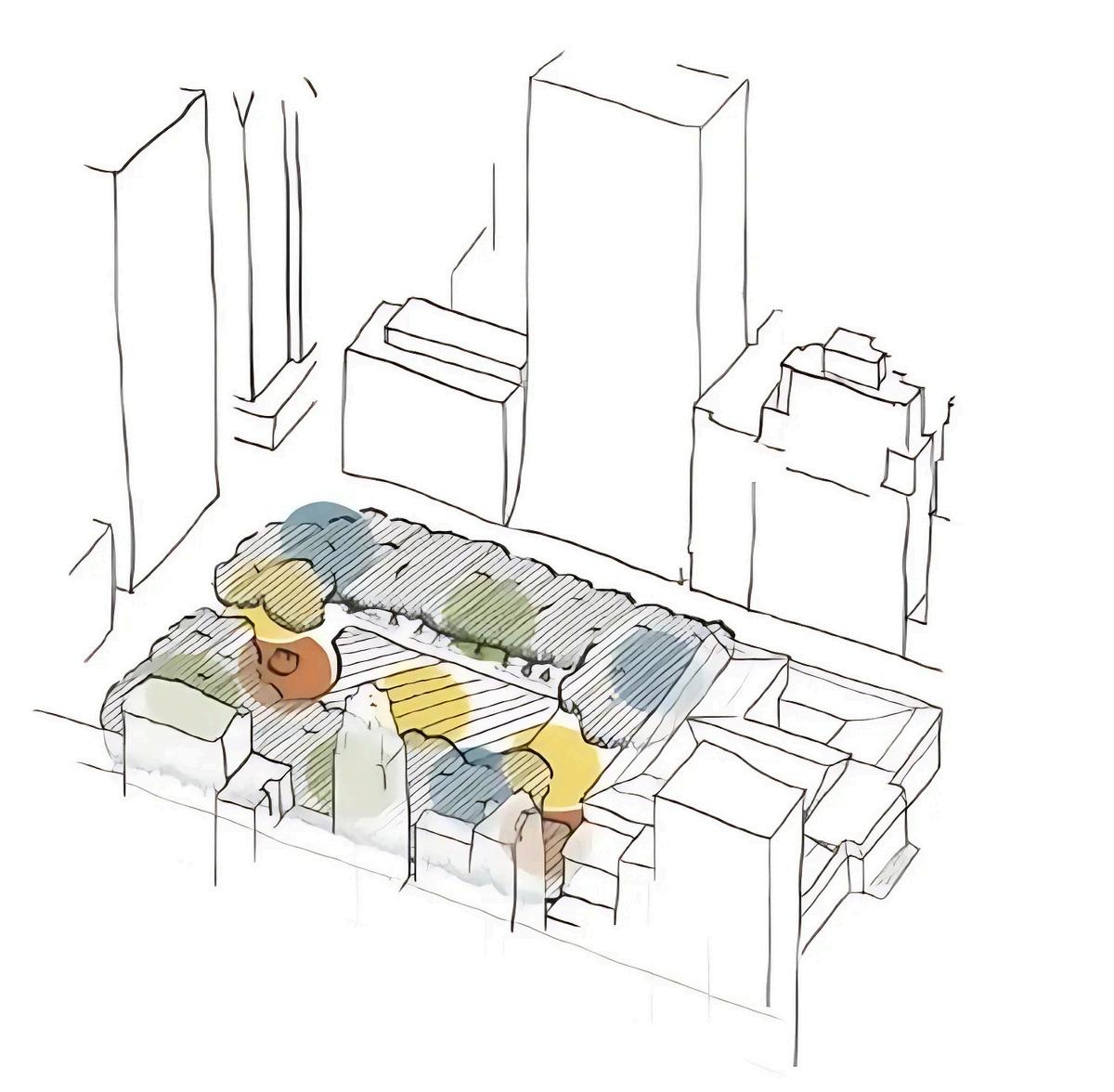
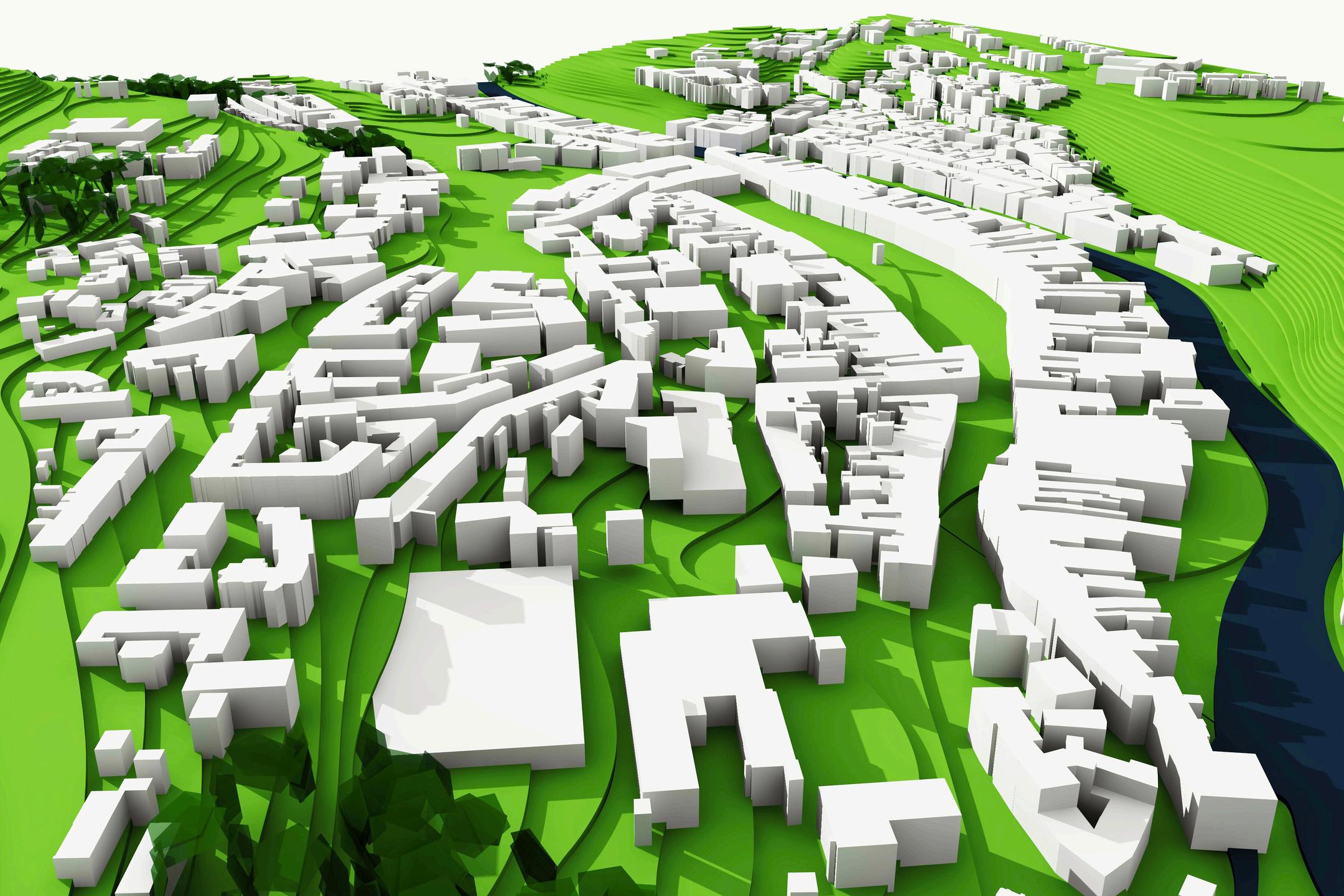
Creating cities that encourage third-place culture involves thoughtful urban design that prioritizes spaces for social interaction and community building. Urban planners and designers focus on integrating third places into the urban fabric to enhance the overall quality of life for residents.
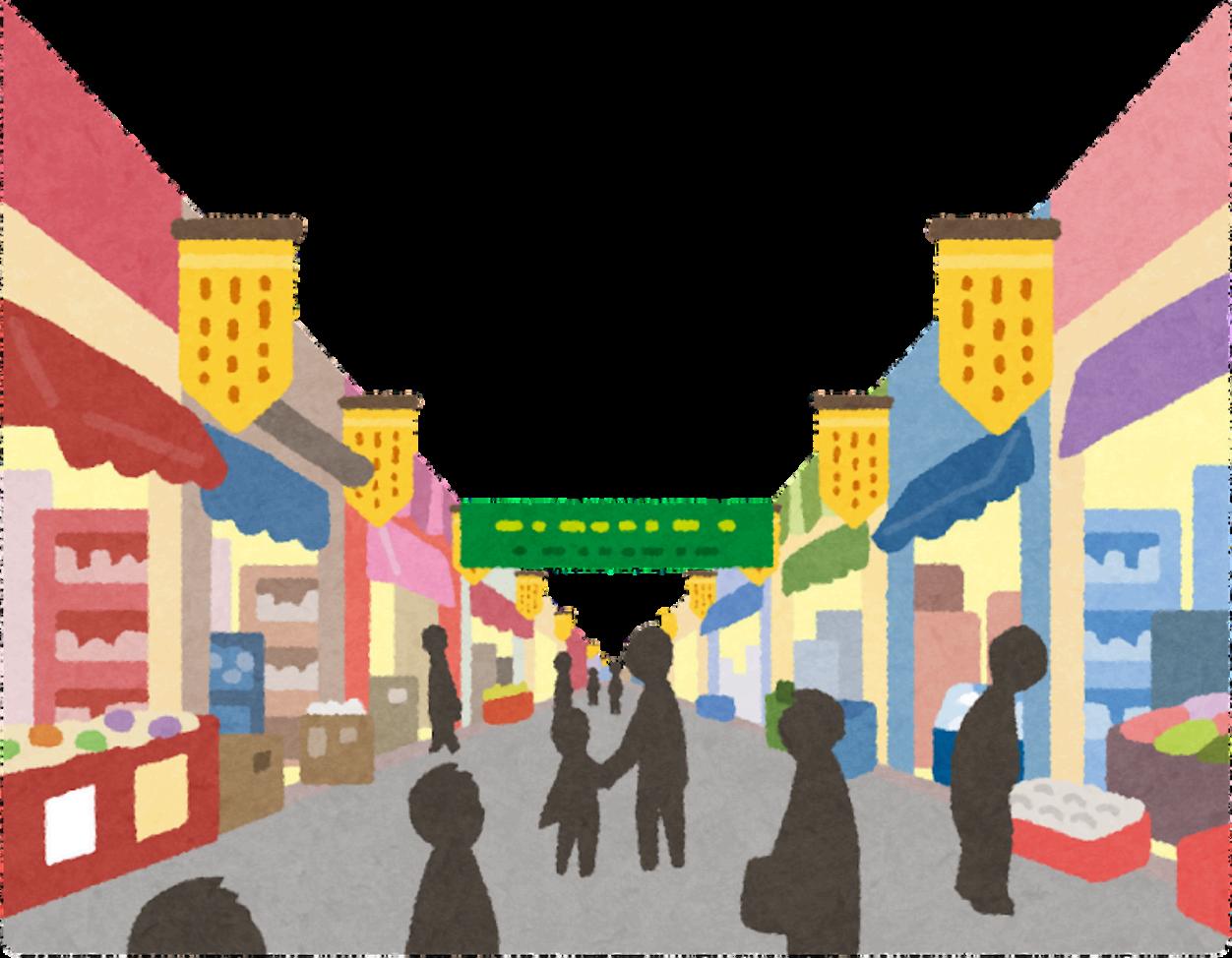
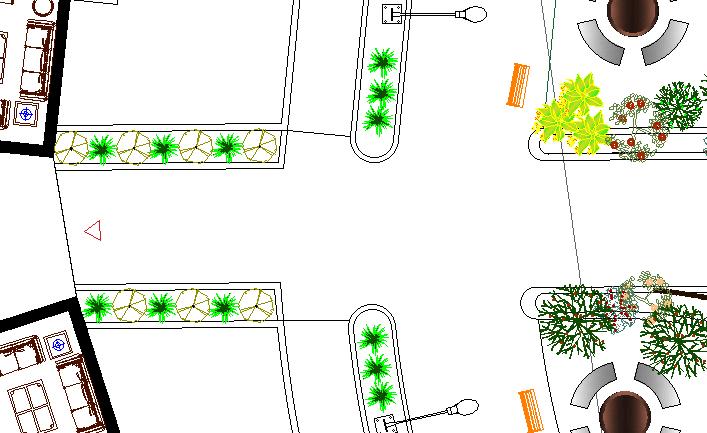
Walkability: Walkable cities have well-connected pedestrian pathways, safe crossings, and nearby amenities. This encourages residents to explore their neighborhoods on foot and discover third places.
Accessibility: Ensuring third places are inclusive means designing spaces that are easy to reach, have barrier-free access, and are safe for everyone.
Mixed-Use Spaces: Combining residential, commercial, and recreational spaces creates vibrant urban environments. These areas make third places more accessible and encourage frequent visits.
S u c c e s s f u l U r b a n
l a n n i n g P r o j e c t s
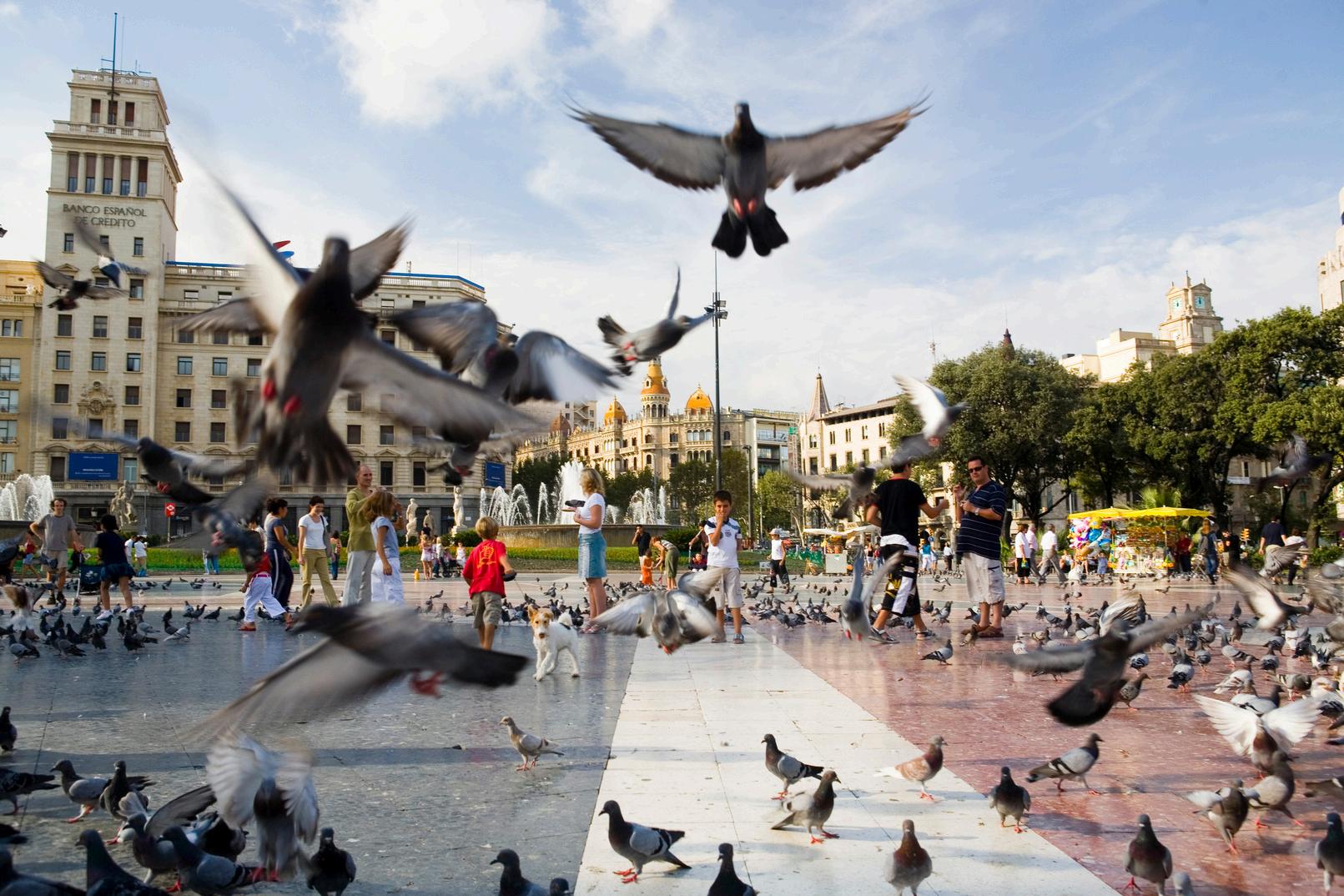
Public Plazas: Iconic places like Times Square in New York City and Trafalgar Square in London serve as accessible, attractive, multifunctional third places for events, relaxation, and socializing.
Car-Free Streets: Initiatives like Barcelona's Superblocks and Copenhagen's car-free zones prioritize pedestrians and cyclists, creating safe environments for social interaction and reducing congestion and pollution.
Community Hubs: The High Line in New York City and Promenade Plantée in Paris transform disused infrastructure into vibrant third places, encouraging walking, socializing, and cultural activities.

utrality in third places is crucial it levels social hierarchies, providing a space where everyone is equal regardless of their background, status, or occupation. This inclusivity ensures that all individuals feel welcome and valued, promoting a sense of community.
By offering a relaxed and informal environment. This fosters spontaneous conversations and connections, allowing people to interact naturally without the constraints of structured social settings. These interactions build genuine relationships and community bonds.
Role in Conflict Resolution and Empathy
Third places play a significant role in conflict resolution and fostering empathy. By bringing diverse people together in a neutral setting, they provide a platform for open dialogue and understanding. These spaces encourage individuals to see different perspectives, resolve conflicts amicably, and build mutual respect and empathy within the community.

H o w c a n c i t i e s a d a p t t h i r d - p l a c e c o n c e p t s t o m o d e r n c h a l l e n g e s l i k e d i g i t a l i z a t i o n ? ? !
In response to digitalization, cities can enhance third places by integrating technology. This includes providing free Wi-Fi, creating interactive digital art, and using smart tech for space management, making these areas more appealing and functional.
Coworking Spaces: These modern third places combine work and social interaction, promoting collaboration and community building among diverse groups.
Virtual Third Places: Online platforms like social media groups, virtual reality communities, and gaming environments serve as digital third places, fostering connections beyond physical boundaries.
Addressing Urban Challenges
Climate Change: Third places can promote urban sustainability by incorporating green infrastructure, like parks with native plants, green roofs, and sustainable design. They can also host community events focused on environmental awareness.
Urban Loneliness: Inclusive and accessible third places combat urban loneliness by providing spaces for social interaction, helping build stronger social networks and support systems within cities.
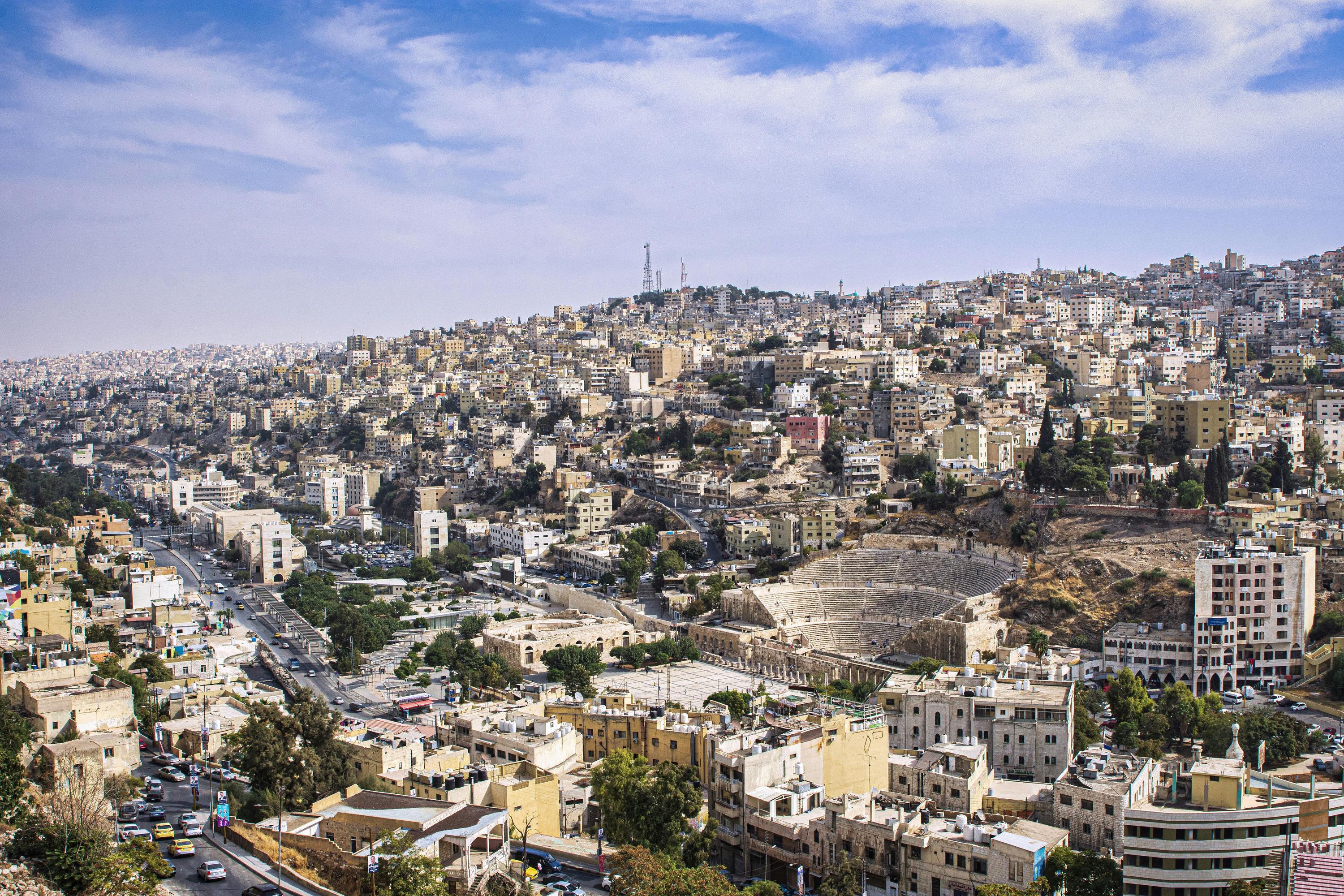

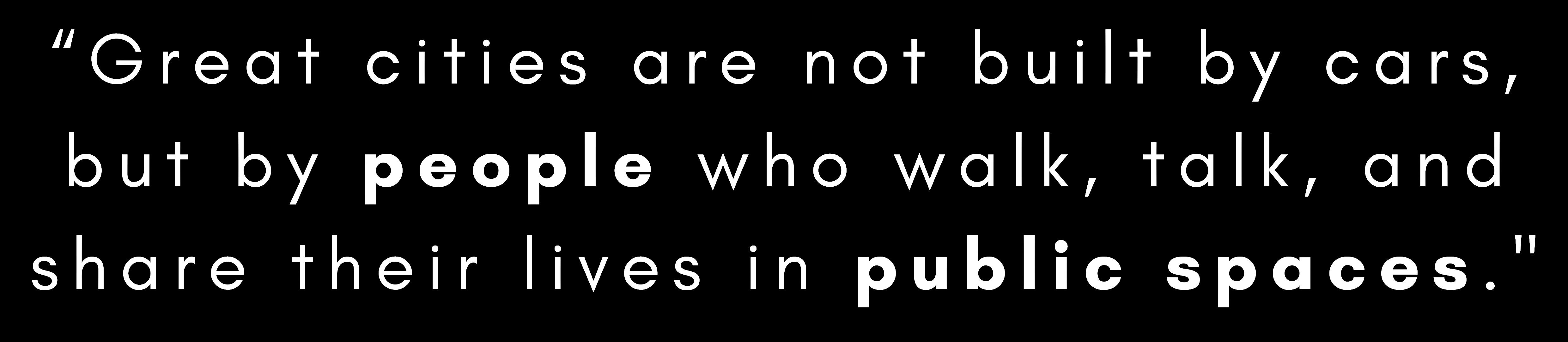
Designing Cities for People, Not Cars
Connected Streets, Thriving Communities
Building Healthier, Greener Cities
Cities That Move at a Human Pace