The Pros and Cons of Epoxy Flooring: Is
It Right for You?
When considering flooring options, epoxy flooring often stands out as a versatile and durable choice. Whether for your garage, basement, or commercial space, epoxy flooring offers several advantages that make it appealing. However, as with any material, there are also drawbacks to consider. In this blog, we’ll explore the epoxy flooring pros and cons to help you make an informed decision.
Epoxy flooring pros and cons is an important topic to understand if you're planning a flooring project. Let’s dive into both the advantages and disadvantages of this flooring system.
Pros of Epoxy Flooring
1. Durability
Epoxy flooring is highly resistant to wear and tear, making it ideal for high-traffic areas. Its tough surface can withstand heavy machinery, making it a popular choice for garages and industrial settings.
2. Low Maintenance
One of the major benefits of epoxy flooring is that it’s easy to clean and maintain. Its non-porous surface resists stains and spills, so regular sweeping and occasional mopping is usually all that’s needed.
3. Aesthetic Appeal
Epoxy floors offer a sleek, glossy finish that enhances the visual appeal of any space. Available in various colors and patterns, you can customize the look to match your style.
4. Cost-Effective
Compared to other flooring materials like hardwood or tile, epoxy is relatively affordable. The long lifespan and low maintenance requirements also make it a cost-effective option in the long run.
5. Chemical Resistance
Epoxy is highly resistant to chemicals, including oil, gasoline, and cleaners, which makes it a great option for garages or areas where spills are common.
Cons of Epoxy Flooring
1. Time-Consuming Installation
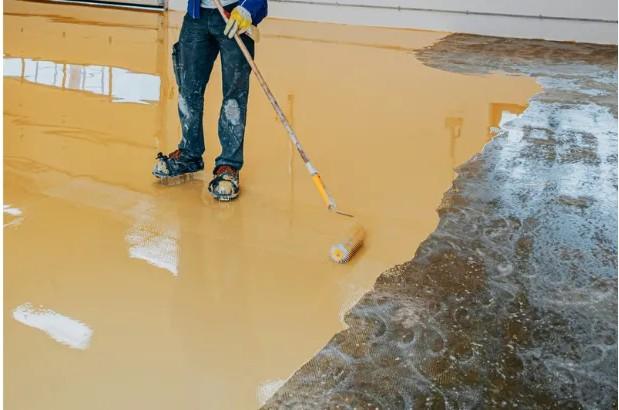
Installing epoxy flooring requires a multi-step process that can be time-consuming. The surface needs to be thoroughly cleaned and prepped before the application, and multiple coats may be necessary.
2. Slippery When Wet
Although epoxy provides a smooth finish, this can become a disadvantage when wet. The glossy surface can become slippery, which may pose a safety hazard in some environments.
3. Not Ideal for High Moisture Areas
Epoxy flooring doesn’t perform well in areas with high moisture levels, as the surface can become cracked or damaged over time. This makes it less suitable for places like bathrooms or outdoor settings.
4. Temperature Sensitivity
Extreme temperatures can affect the durability of epoxy flooring. In colder climates, the material may become brittle, while high heat can lead to softening, which may impact its
long-term performance.
5. Strong Fumes During Installation
The chemicals used in epoxy can emit strong fumes during installation, requiring proper ventilation and safety precautions. These fumes may irritate if not managed correctly.
Conclusion
Epoxy flooring offers a range of benefits, including durability, low maintenance, and aesthetic versatility. However, it also has some potential downsides, such as tricky installation and sensitivity to moisture. By weighing these pros and cons, you can determine whether this flooring solution is the right choice for your needs.