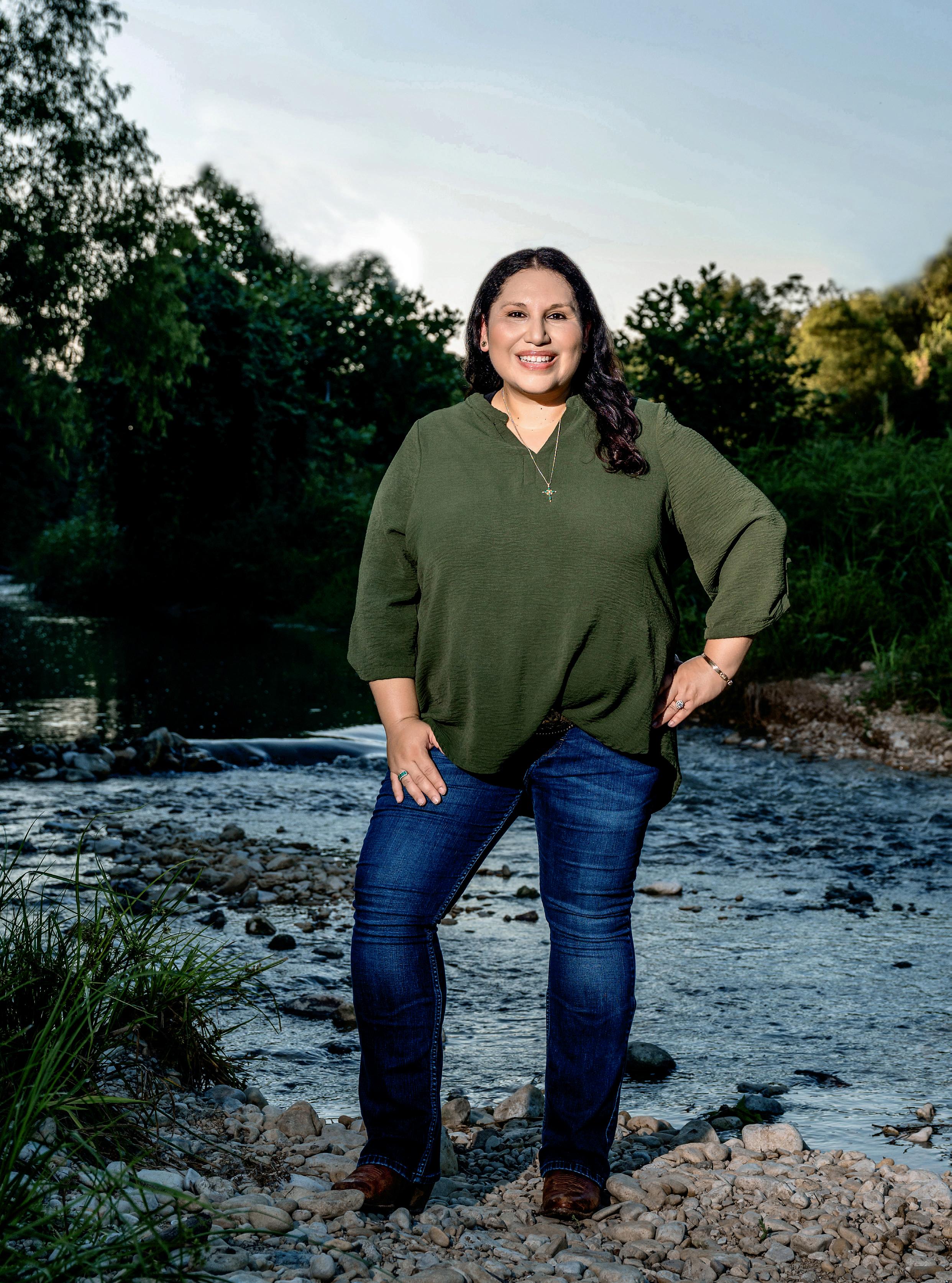
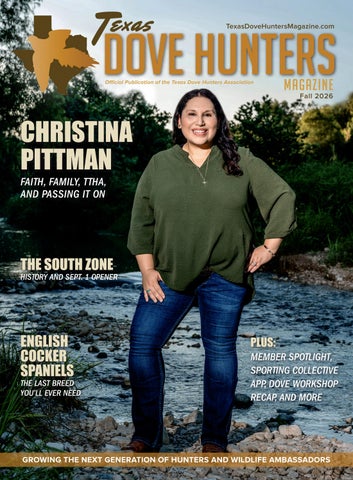

Texas Trophy Hunters Association (TTHA) President and CEO talks about how her love for hunting and the outdoors started from an early age, why the work her team does preserving hunting heritage is so important, and how her family and faith are at the center of it all.

Publisher
Editor
Contributing
Graphic
Contributing Photographers Ata-Girl
Sara and Beau Blackard of the
Lonestar
Contributors
Meredith
Mimi
Advertising Sales
Printing
TEXAS DOVE HUNTERS MAGAZINE is published bi-annually by Texas Dove Hunters, LLC (Publisher). Reproduction in any manner in whole or part is prohibited without the express written consent of the Publisher. Material contained herein does not necessarily reflect the opinion of the publisher or its staff. TEXAS DOVE HUNTERS MAGAZINE reserves the right to edit materials for clarity and space and assumes no responsibility for accuracy, errors or omissions. TEXAS DOVE HUNTERS MAGAZINE does not knowingly accept false or misleading advertisements or editorial, nor does the Publisher assume responsibility should such advertising or editorial appear. Articles and photographs are welcome and may be submitted to our office to be used subject to the discretion and review of the publisher. Printed in the U.S.A. © 2026 Texas Dove Hunters, LLC. 2395 Bulverde Rd., Suite 104 | Bulverde, TX 78163 210-764-1189 | texasdovehunters.com




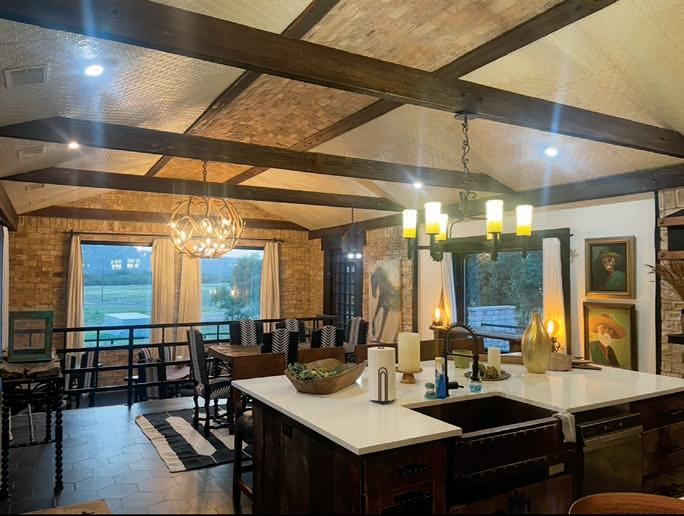
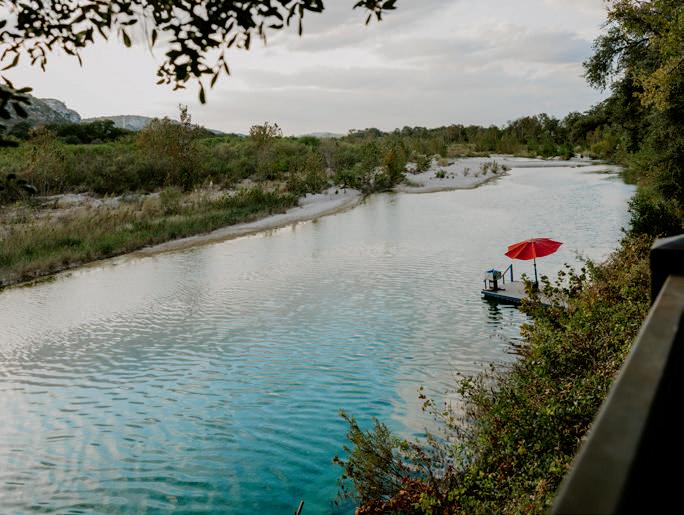
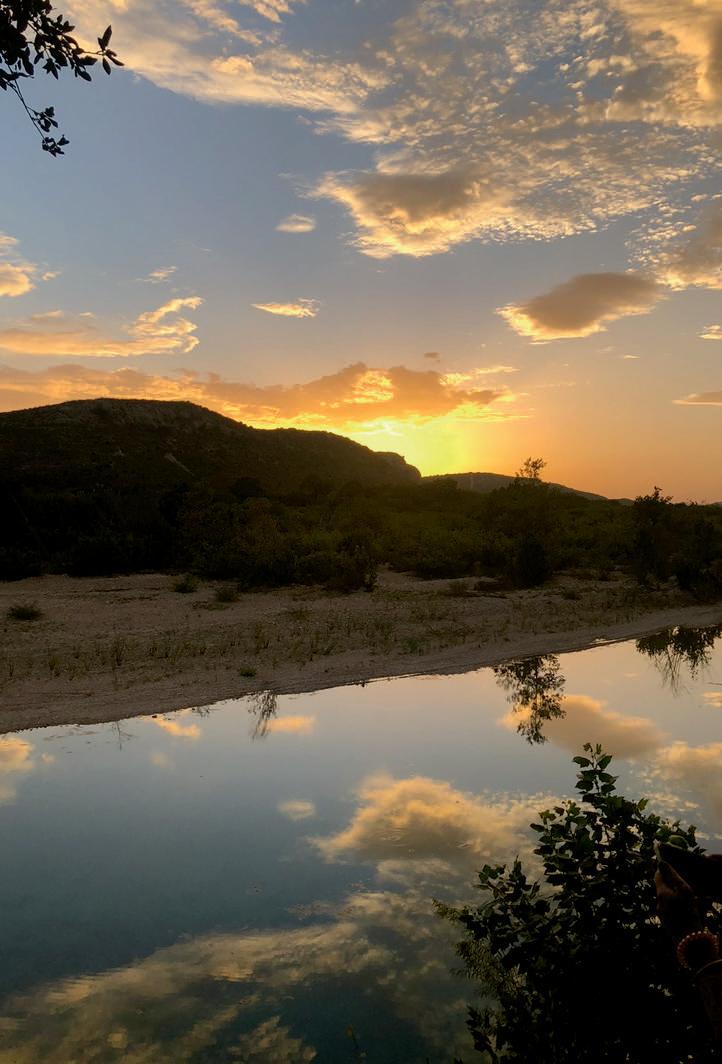
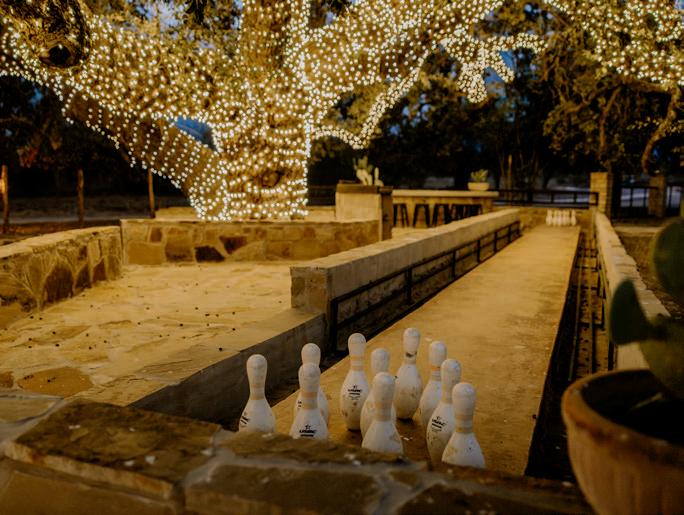
Luxury accommodations, worldclass hunting, chef-prepared cuisine, and unforgettable South Texas experiences.











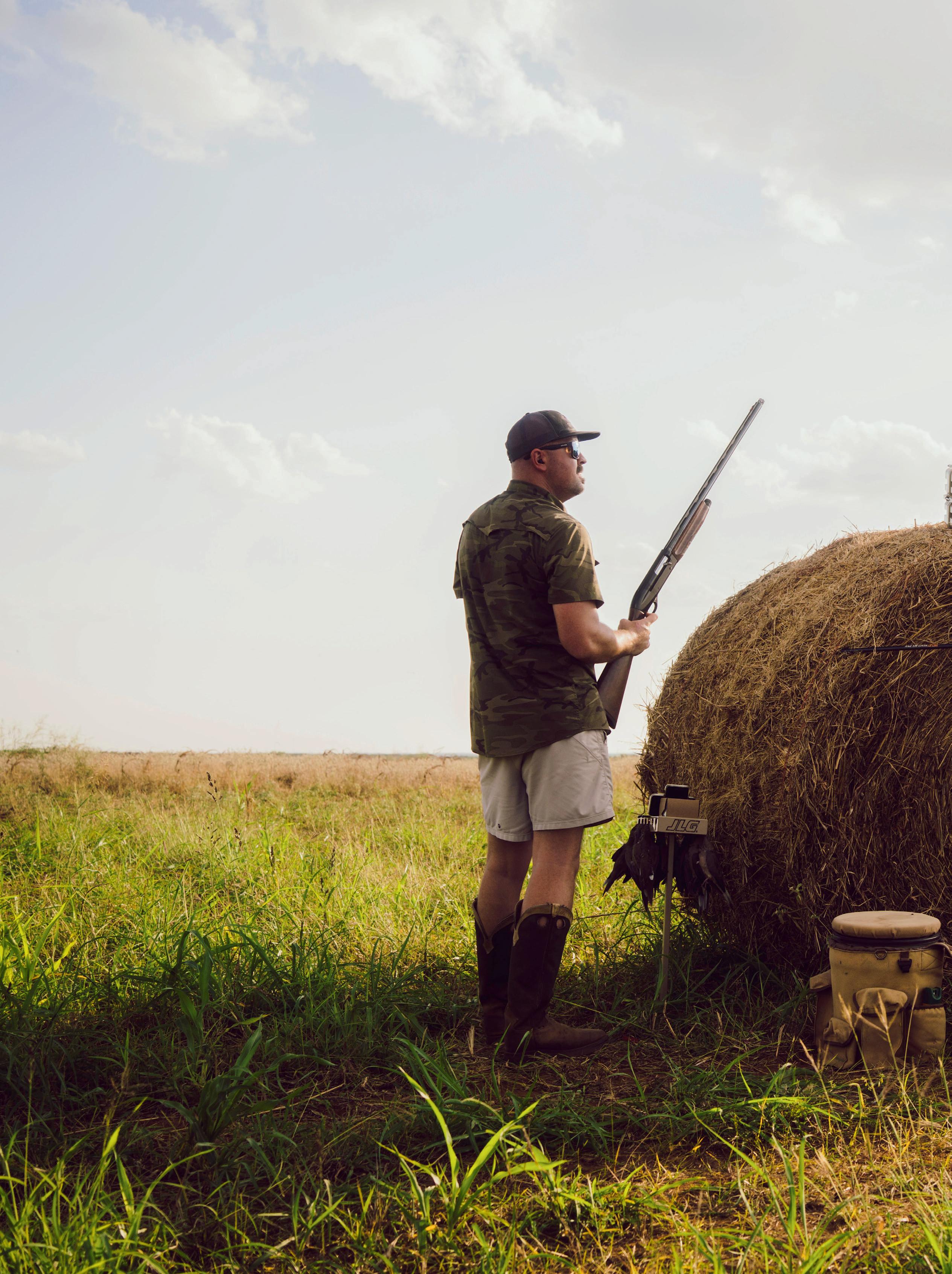
I love to dove hunt. It’s fun. It’s a great way to spend time with family and friends. It’s also challenging. But, full disclosure, the competitor in me wants to get my limit every time I go to the field and shoot the fewest shells possible. Unfortunately, it usually doesn’t work out that way.
Most competitive sports require a certain level of mental toughness, or selfconfidence, to win. This includes sports like golf and tennis. Are you the person who makes the 3-foot putt in golf to win a championship, or the one who chokes and leaves it short? Mental toughness is also required when shooting sporting clays or skeet. In sporting clays, there is a level of excitement that everyone possesses when they start the course, but deep down most of us have a competitive nature that quietly — or sometimes not so quietly — wants to win. Do you possess that mind control known as a “killer instinct?”
For me, this is where the game changes. I am usually relaxed and having fun for the first couple of stations and then I start thinking about my score. The next thing you know, I get into my own head and start missing. I don’t have that “killer instinct.” If I hit the first eight, you may as well not throw the next two because chances are, I’m going to miss. I start thinking about getting a perfect 10 on that station, and how I can’t afford to miss. I would venture to guess that people who, in the closing moments of a game, can close out the win without worrying about what happens if they miss, are few and far between.
I’d like to tell you I know the magic answer of how to fix this or gain that instinct, but the truth is, I don’t. There are many different drills and ideas for preparing for that winning moment, and if you are striving for that, I highly recommend a shooting instructor. There are some amazing ones out there. But really it all comes down to self-confidence and practice. I do know this: Many people who have what it takes to hit the big shot, whether it be a sporting clay or a golf ball, developed this trait at an early age with someone who encouraged them every step of the way.
If you are a parent or work with kids of any age, it’s important to constantly remind them that they can do anything they set their minds to if they work hard at it. Remind them it won’t be easy and there will be many times they don’t succeed, but if they stick with it and continue to show up, success will come. If they love what they are doing and are having fun doing it, isn’t that what matters most?
For those of us with that competitive spirit, it’s important to remember that dove hunting doesn’t have to be a competition. It’s all about the time in the field that matters. This really holds true for kids. Many times, a kid will shoot their first dove and then get frustrated when they can’t get another one right away. Luckily, what many of us have heard before is true: Any bad day in the field is better than a good day at work.
Take a kid hunting, Bobby
Thornton
Texas Dove Hunters Association promotes strong family unity through hunting and outdoor programs. We are committed to research, education and habitat conservation.

“Joshua

We’re on the eve of another dove season, and each year, hunters feel the excitement build as we eagerly anticipate opening day and getting back to doing what we love. This year has an extra buzz about it in my opinion, with the South Zone season opening Sept. 1, aligning with the rest of the state. This marks a monumental change in Texas dove hunting history.
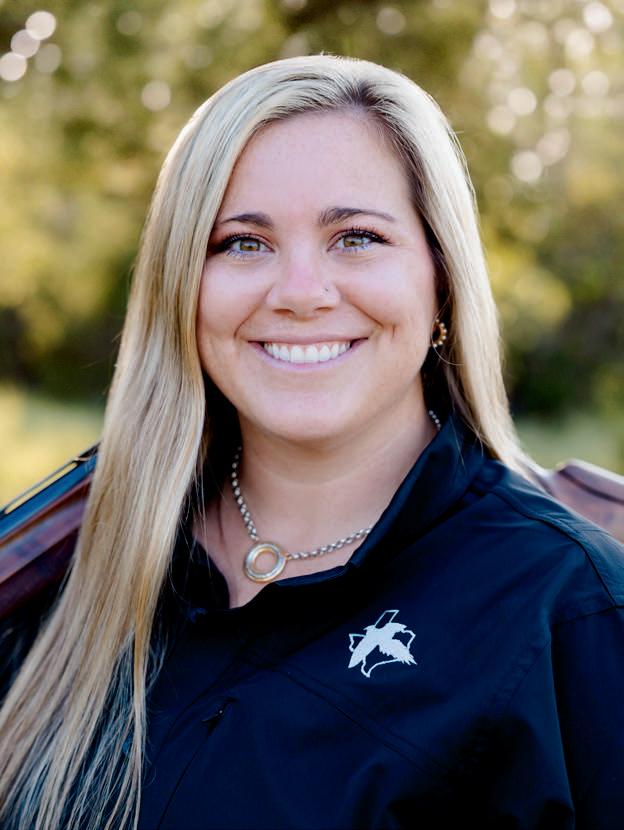
By the time this magazine gets into readers’ hands, Texas Dove Hunters Association’s Release Team will have started releasing this year’s 800 Eurasian collared doves for the Texas Banded Bird Challenge (TBBC). Be sure to enter the Challenge by August 31 for your chance to win big if you harvest one of our orange-banded birds. Last year’s TBBC yielded the third-highest number of reported banded Eurasian collared doves at 54, and the most winners in the program’s history at 12.
Earlier this summer, we held the inaugural Dove Workshop, in conjunction with outfitter Mark Katzfey, Texas Parks & Wildlife, and the Live Oak County Texas A&M AgriLife Extension Office. You can read more about the workshop on page 40, but I wanted to underscore one key takeaway: thank an outfitter, farmer or rancher when you get the chance. The work they do year-round can sometimes go underappreciated. Attendees saw firsthand the behind-the-scenes efforts outfitters make to host dove hunts all season and prepare their land for the best possible hunting experiences.
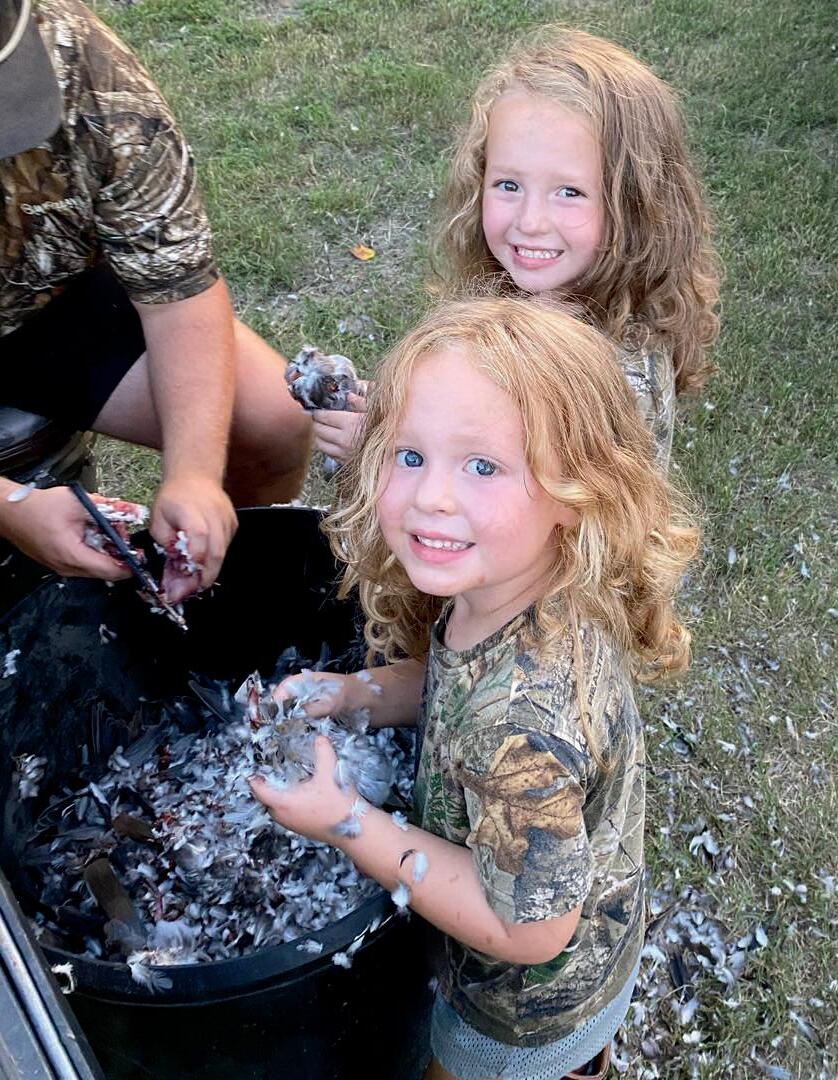
On a personal note, we welcomed our second child in June, Samuel Wade Schuster. Adding to our family has given us a refined perspective on what we already know. It has reinforced the importance of raising our children around the outdoors and good people, qualities easy to find in the hunting and outdoor industry. Our 4-year-old daughter Sadie has never missed an opening day and has spent every fall in the dove fields, and Sam will be no different. Cameron and I are excited to take them both dove hunting in a few weeks and continuing to pass on our hunting heritage and family traditions. TDHA’s mission of “Growing the Next Generation of Hunters and Wildlife Ambassadors” is not just a tagline on our website because it sounds good. It represents the heart of who we are as individuals, an association and a company.
The TDHA team will be at a few trade shows and events this summer and fall and we look forward to seeing our members on the road and meeting new ones. I hope you get an opportunity to take a break from work and life’s responsibilities to go hunting this fall – hopefully more than once. Take photos, take a kid or adult hunting who might not otherwise experience it, and enjoy being in the dove fields. It is truly the best time of the year, and we can’t wait to get out there ourselves with two small kiddos and our English cocker in tow. Getting our limits with that crew may be challenging, but that’s not really what it’s about, is it? Take
Charlotte Schuster
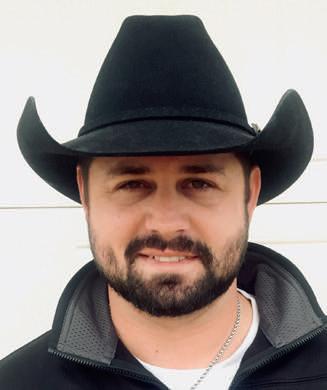


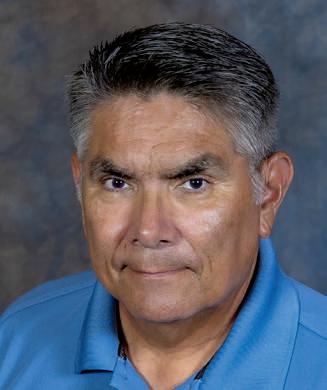
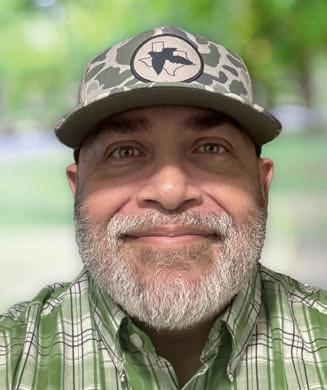



By Nate Skinner
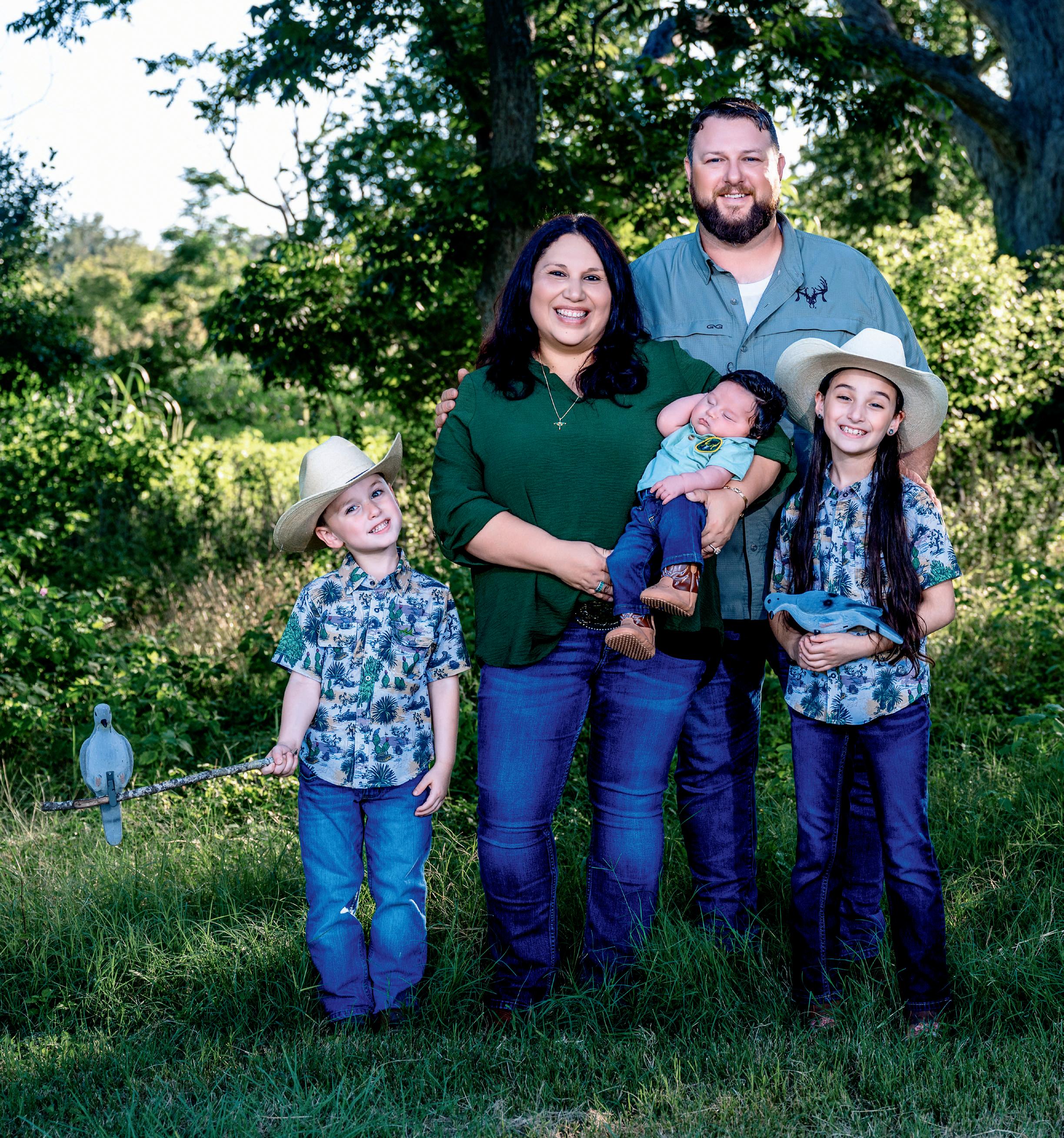
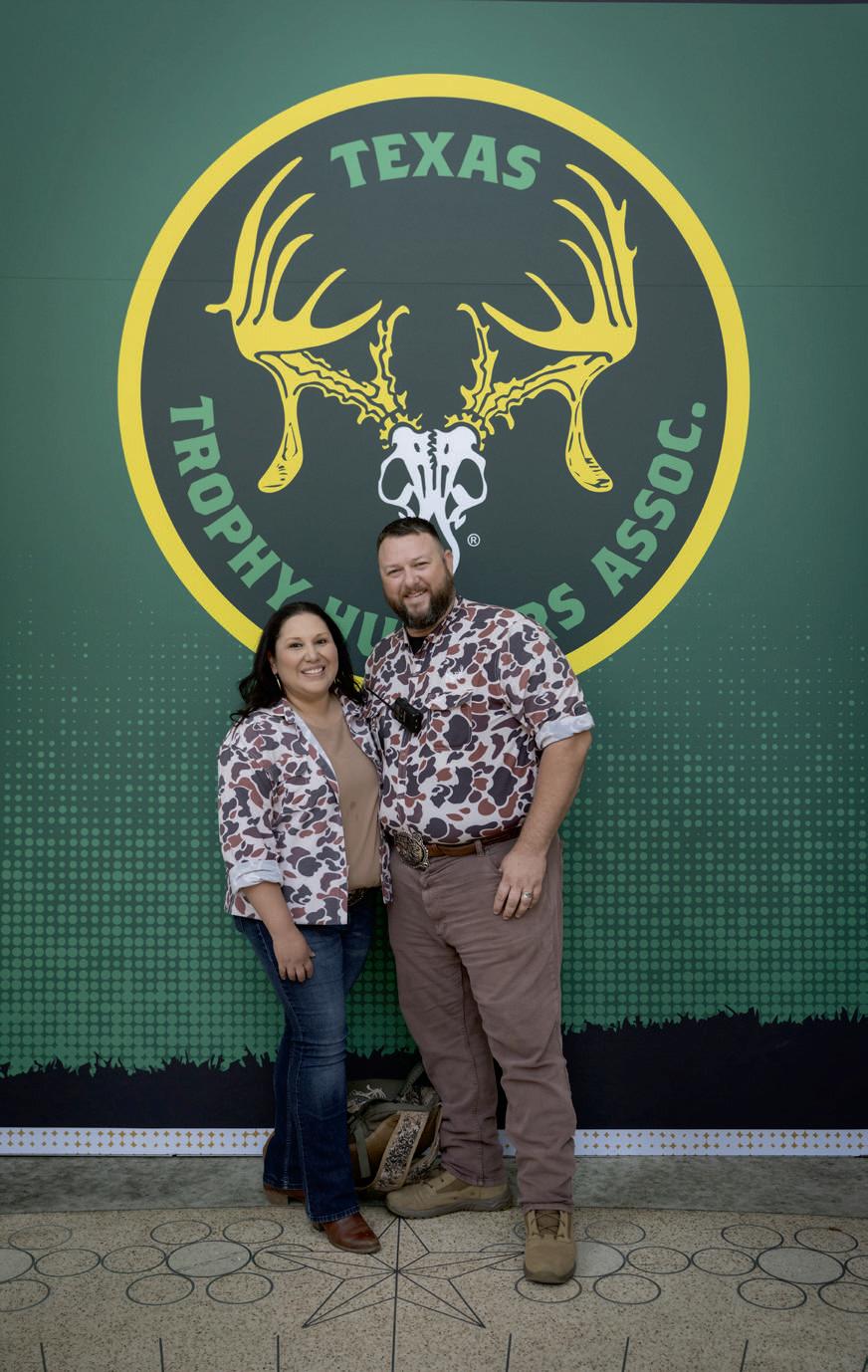
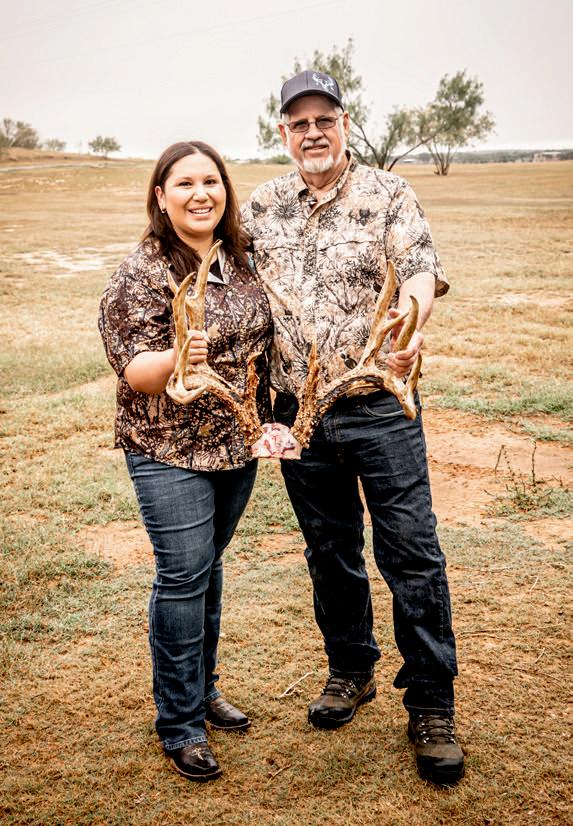
As the president and CEO of the Texas Trophy Hunters Association (TTHA), Christina Pittman is dedicated to helping hunters share their stories and experiences. Her passion for hunting and the outdoors is much more than a job. It is everything to her. That’s why she is committed to growing a community of passionate outdoorsmen and women of all ages, statewide and beyond, to preserve Texans’ hunting heritage for generations to come.
Before officially joining TTHA in April 2013, while working as one of the founding staff members at Texas A&M University-San Antonio, Pittman had a colleague whose son worked for TTHA and was looking for volunteers. Her colleague recognized her passion for hunting and the outdoors and encouraged her to get involved. It was an opportunity Pittman couldn’t refuse. She began volunteering with the organization’s Hunters Extravaganza Deer Contest, and the rest is pretty much history.
As her connection with the staff and company grew, so did her appreciation for the organization’s mission and community. She knew it was a special place, one that she wanted to be more deeply involved with. When the opportunity arose, she didn’t hesitate to apply and landed the role of trade show director. After helping grow and expand their trade shows, especially the Hunters Extravaganza events, she added sales director to her list of job titles.
“I’ve always loved the outdoors, ever since I was a little kid,” Pittman said. “Growing up, I knew about the Texas Trophy Hunters Association just from seeing the iconic logo on stickers on the backs of trucks and SUVs just about everywhere I went. So, when the right opportunity and position within the organization became available later in life, I decided to take it. I haven’t looked back since.”
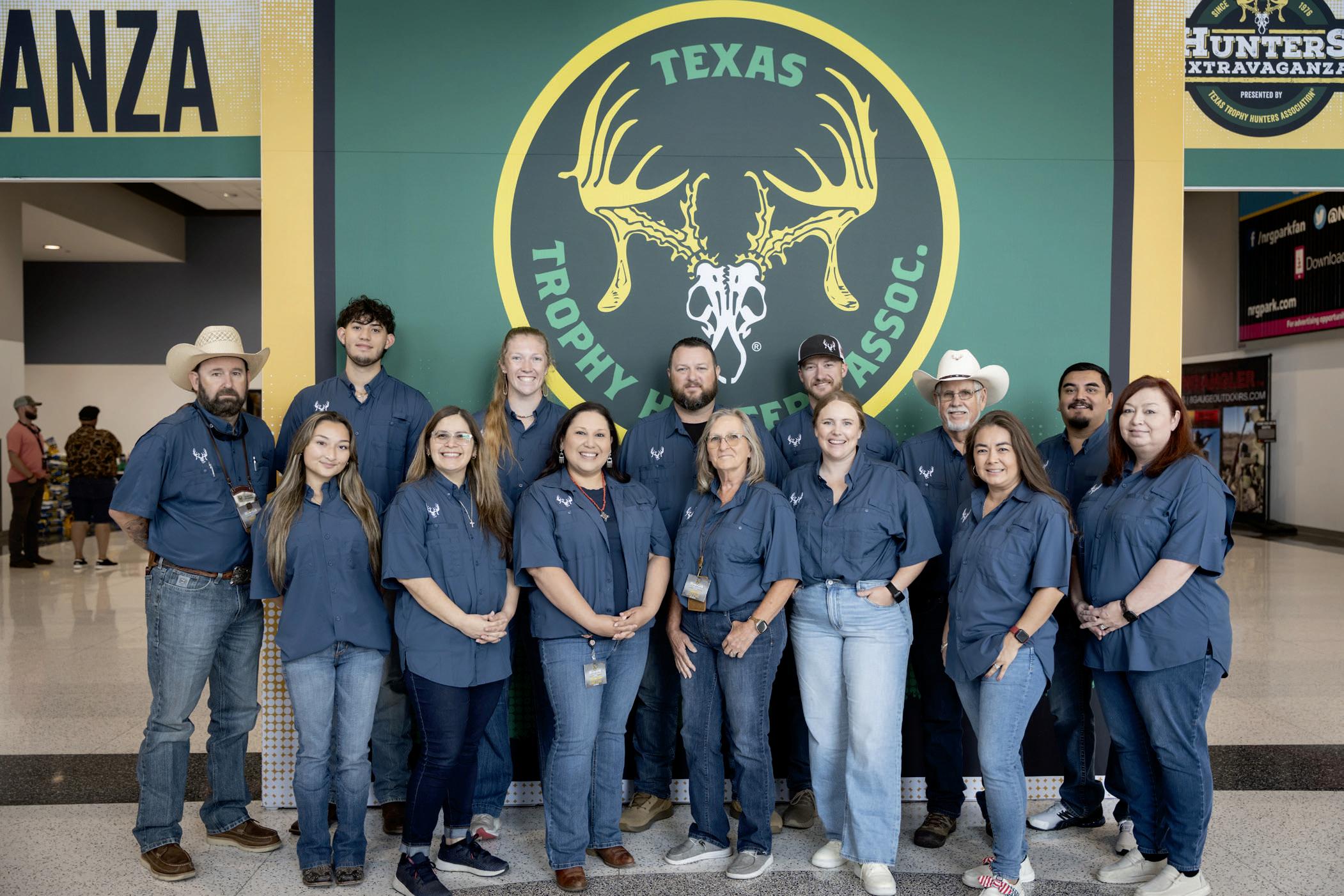
Pittman became president and CEO of TTHA in 2021 and continues to break barriers in an industry historically led by men. Her relentless work ethic and passion for the outdoors have set her apart as a leader and a role model for others.
“There have been plenty of obstacles and challenges along the way, and I have poured a lot of blood, sweat and tears into my job and career,” Pittman said.
“Overcoming those challenges has been rewarding and well worth the effort. I could not do what I do without the phenomenal team I have working alongside me.”
According to Pittman, TTHA has seen a surge of talented, driven women join its team over the last five years. The team currently consists of nine members: two men and seven women.
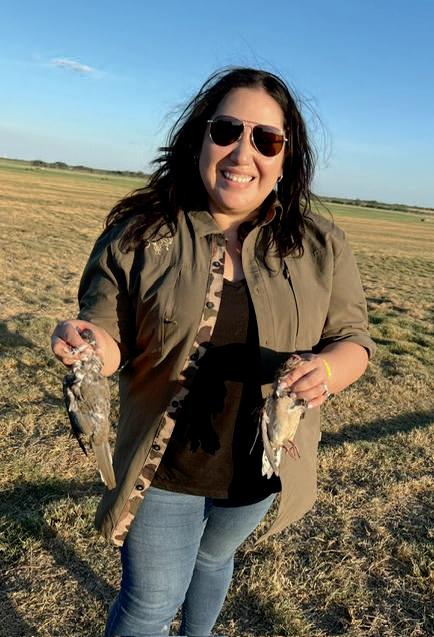
“The truth is, all nine of us love what we do,” Pittman said. “I don’t really ever stop and think about being a woman and how that relates to my job or the industry I’m in. Hunting and the outdoors are what I’m most passionate about, and the same goes for all of my team members. At the end of the day, nothing else matters to us. Our job is to keep the tradition of hunting alive, and that is what we pour our hearts and souls into, day in and day out.”
The foundation of Pittman’s career is passing on the traditions and culture of hunting to future generations and ensuring the sport and its lifestyle can be enjoyed for years to come.
“Keeping our hunting heritage alive is the priority,” Pittman said. “That is why we do what we do, so our kids and their kids can continue to do what we all love, which is experiencing the outdoors to the fullest.”
TTHA is a membership-based organization dedicated to promoting, protecting, and preserving Texas’ hunting heritage and wildlife resources. Founded in 1975 by Jerry Johnston, TTHA began as a small initiative to unite serious deer hunters in Texas, sharing knowledge, skills, and hunting experiences. Over the decades, it has grown into a leading organization in the Texas outdoor and hunting community, often referred to as the “Voice of Texas Hunting.” TTHA focuses on providing the hunting and outdoor community with resources and education not only for deer hunting, but for all Texas hunting.
In 2021, TTHA began a new chapter and was acquired by Safari Club International (SCI). With SCI’s support and shared commitment to conservation, education, and protecting the rights of hunters, TTHA has continued to grow stronger than ever.
Pittman’s passion for the outdoors began at age 5 when she went on her first deer hunting trip with her dad, traveling from San Antonio to the Laredo area.
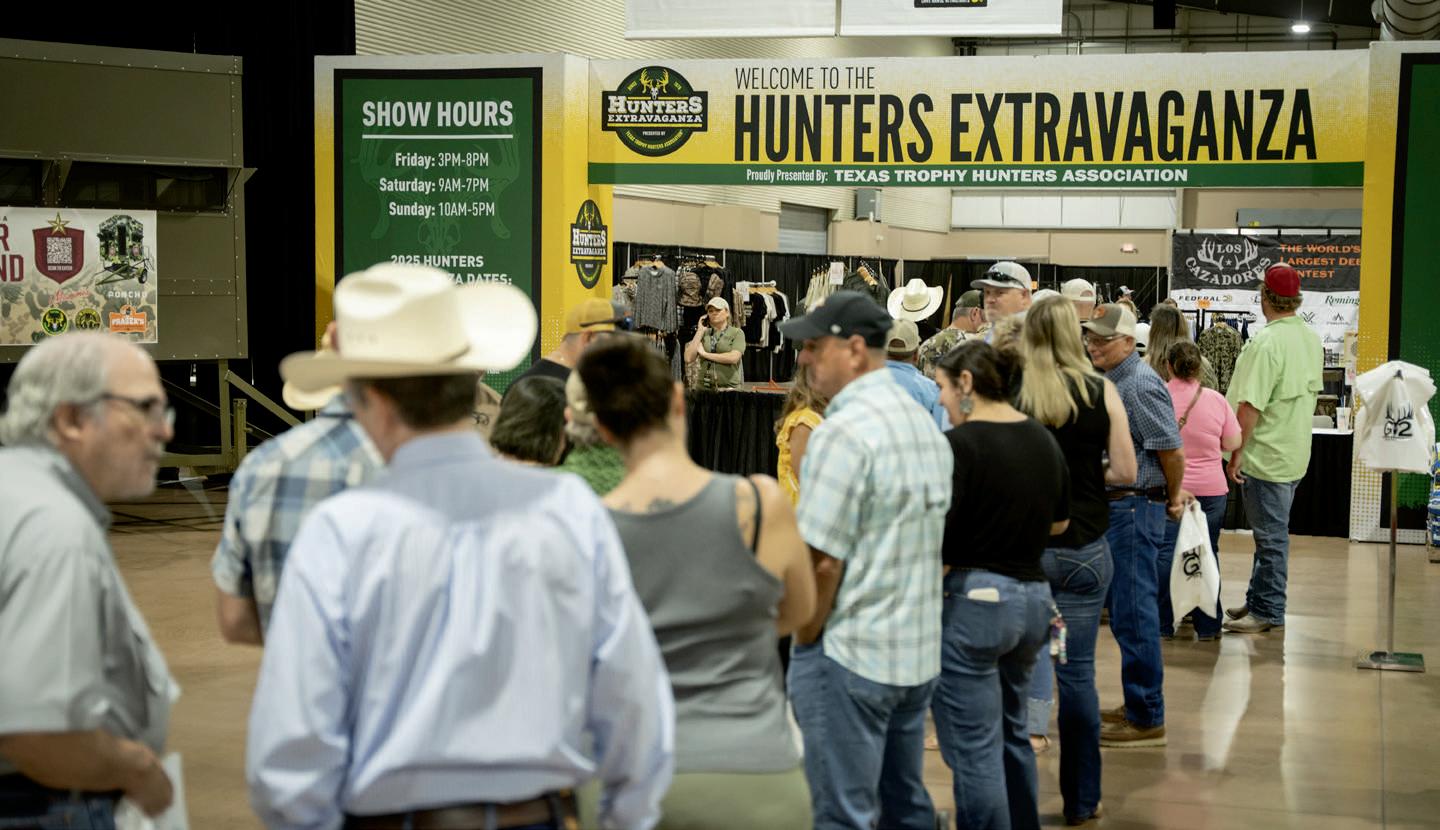
“I begged my parents to let me go hunting with my dad,” Pittman said. “My parents had two girls — myself and my sister — and my mom was hesitant to send me with my dad because at the time, she felt hunting was something that boys did, not little girls. However, I pleaded my case well enough, and I got to tag along with my dad to experience my first hunt.”
It’s an experience she says she will never forget. The sights and sounds were mesmerizing to her as a young girl.
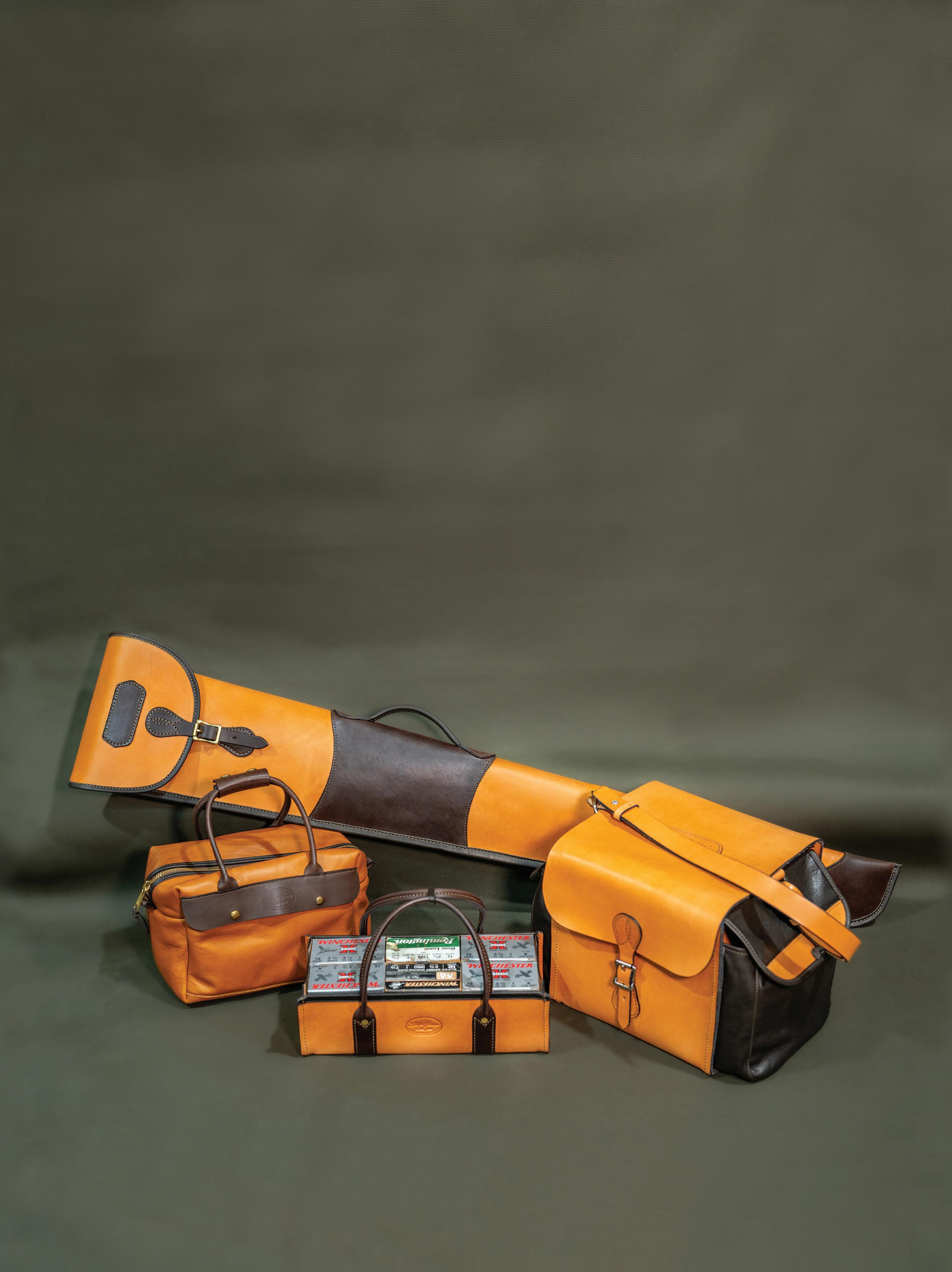



“From watching the sunrise in the blind with my dad to watching the animals move across the landscape, I’ll never forget the love I immediately felt for hunting and the outdoors on that first trip,” Pittman said. “My dad didn’t shoot anything on that first trip, but I will never forget it. From then on, I was hooked.”
From ages 6 to 12, Pittman and her family lived out of state. She didn’t have many hunting opportunities during that time, but she continued to develop her passion for the outdoors through hiking, camping and fishing. Pittman moved back to Texas, settling in San Antonio with her with her family at about age 13.
Pittman gradually found her way back to the outdoors. She resumed deer hunting during her high school years with friends and her dad. However, she didn’t start dove hunting until her 20s while working at Texas A&M University-San Antonio, where she earned a degree in business management.
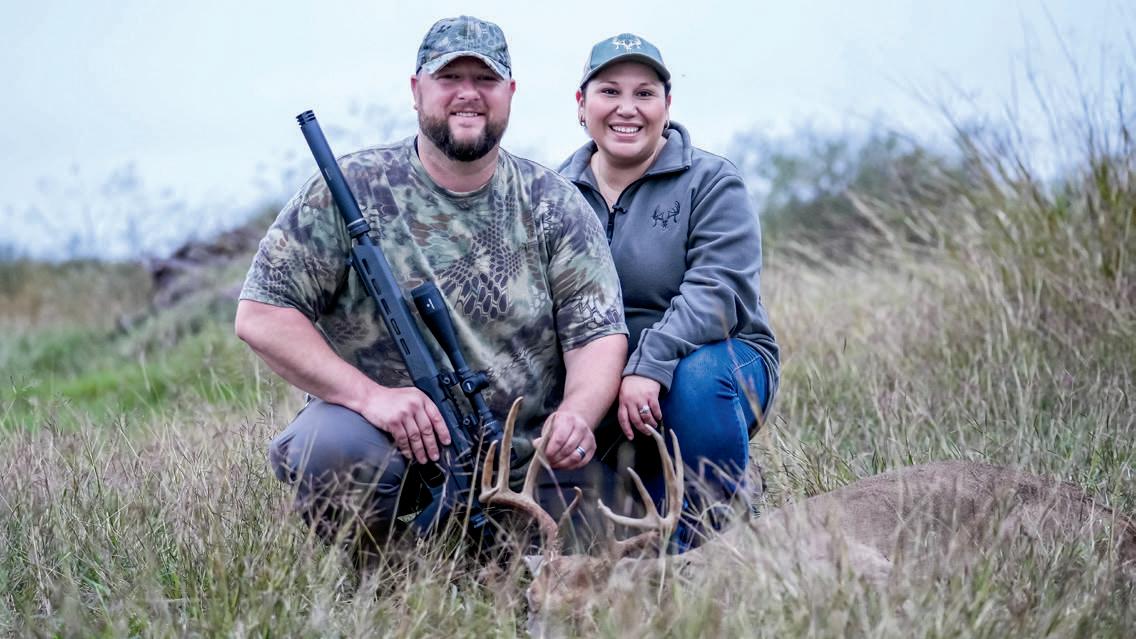
“I ended up meeting a great group of friends,” Pittman said. “At the time, I was looking for a deer lease, which as a female, was somewhat difficult. I had gotten into archery, and Debbie Gale — one of the ladies I was working with — along with her husband, Buddy, who was an avid archer, invited me to go with them to their ranch. We hit it off and became instant hunting buddies. They got me into dove hunting, and we also started hunting deer, hogs, and shooting archery around Texas together.”
Pittman said she knew her passion for the outdoors and hunting was there, ever since she was a child, but for years felt like she’d been searching for a community of outdoorsmen and hunters to be a part of, as well as the access or opportunity to go hunting. Once she found this core group of friends with similar interests, she was excited to double down on the hunting lifestyle. “I’d finally found my crew,” she recalled.
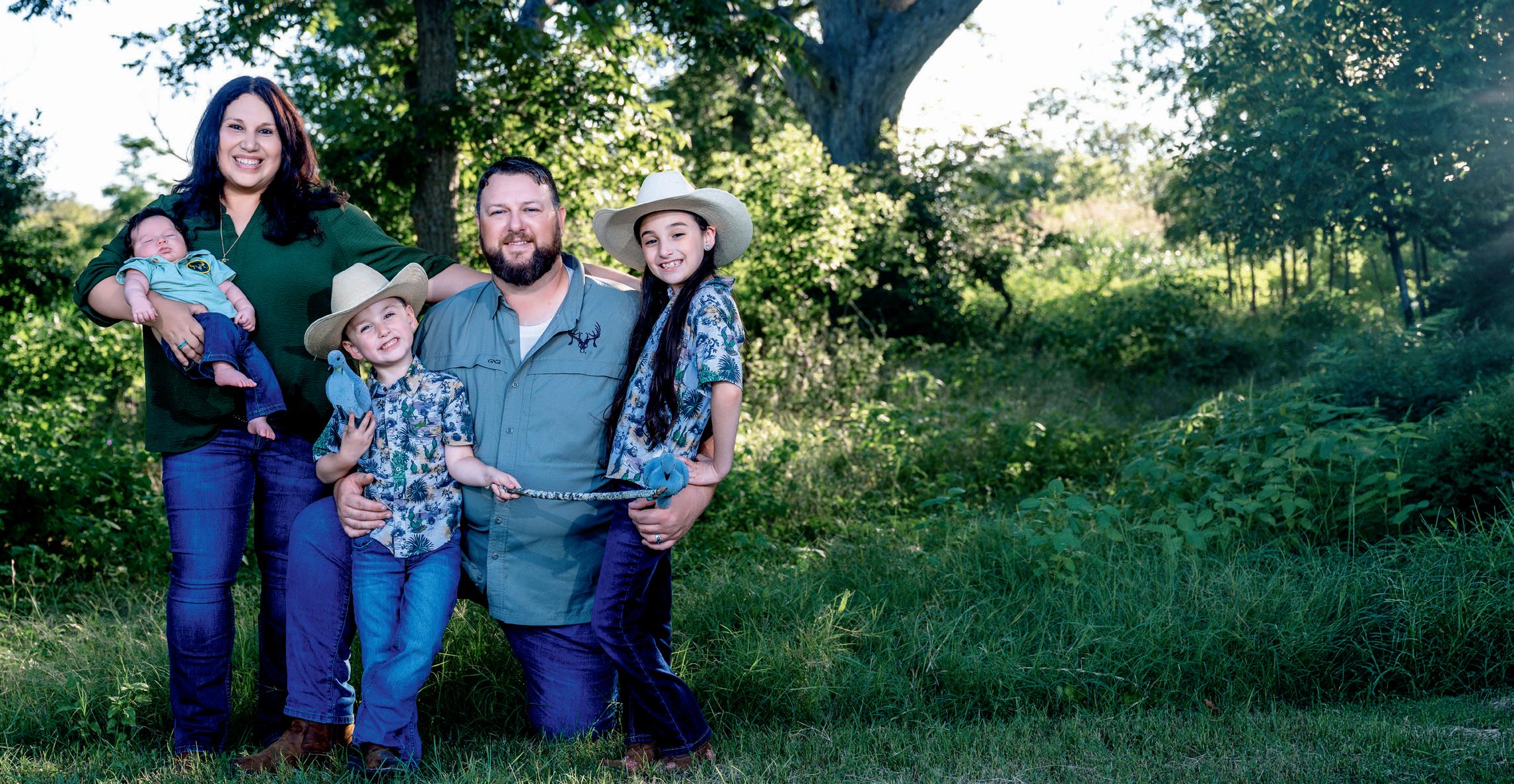
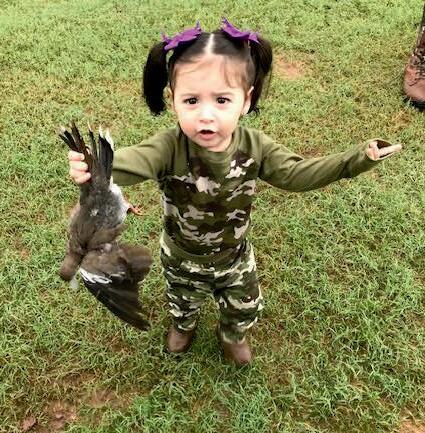
Since then, hunting has become a way of life for Pittman and her husband, Matthew, as well as their 9-year-old daughter, Ava, and their 4-year-old son, Gunner. They also have a newborn son, Wayne, who was born in the spring and is quickly learning about the outdoors with each passing day.
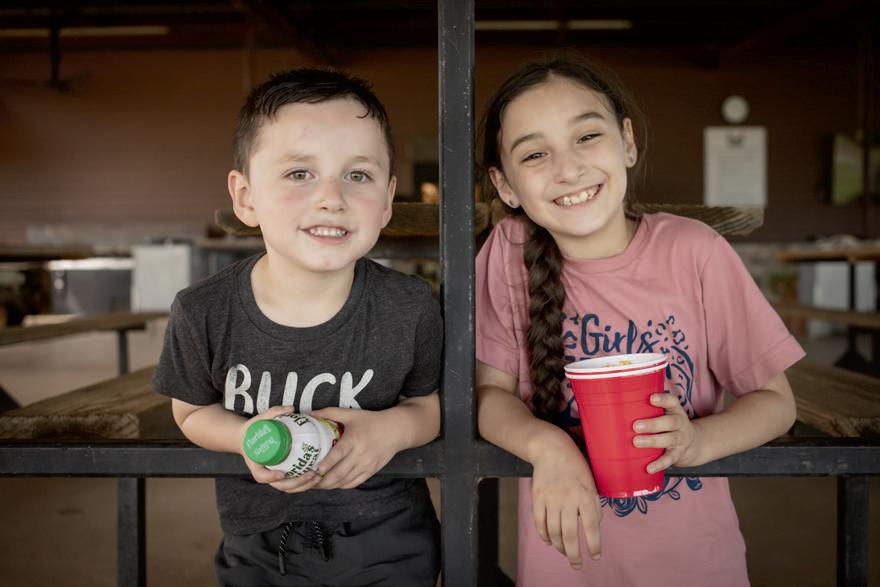
Opening day traditions, God’s great outdoors, and a call to get involved
Dove hunting is woven into the fabric of their family’s life. Together with family and friends, she keeps their travel trailers on a dove lease in Pearsall and never misses their annual tradition of socializing and enjoying the opening weekend of dove season. They even enter the Texas Dove Hunters Association’s Banded Bird Challenge when they head to their dove lease to get settled in preparation for opening day.
“My kids love being out at the dove lease with my husband and me,” Pittman said. “That’s probably what I love most about dove hunting. It’s something you can easily do with the whole family and a bunch of friends, and everyone can enjoy it. Our kids aren’t old enough to fire shotguns yet, but they help retrieve the birds and just have a great time being outside. The fellowship and communal aspect of dove hunting is just awesome.” Their son Gunner was actually born right before opening weekend almost five years ago and got to experience his first dove lease trip at just five days old!
Over the years, hunting and the outdoors have become Pittman’s place to find peace. “Through the ups and downs of life, nature has always been my place and outlet that I turn to when I need to find peace and meet with God,” Pittman said. “There is so much healing that can take place in the outdoors while recognizing the beauty of all that God has provided for us. I don’t have to pull the trigger or harvest anything to find peace and experience the amazing things that God has given us. Every time I’m out there, I can’t help but feel thankful for everything I have.”
Pittman said what she loves most about the hunting and outdoor industry is that everyone tends to treat one another as family.
“As different entities or organizations, we all have different priorities and do different things,” Pittman said. “However, we are all connected by our passion and love for the
outdoors and hunting. We can celebrate each other’s successes and help each other when one of us needs support. It’s the best industry to be a part of, hands-down. I consider a lot of the people I’ve met within it family.”
As far as getting today’s youth involved in the outdoors and hunting, Pittman said she looks at it as a long-term investment.
“I want to see our kids participating in activities outside,” Pittman said. “It is extremely important. Once they get out there to go fishing, camping, hunting or shooting — whatever activity it is — they may not love all of it, but I’m willing to bet they will love one aspect of it. And when that happens, their fire and passion will begin to ignite. It may start slowly, but it will result in a growing community of hunters and outdoors enthusiasts who will then pass on these traditions to future generations.”
Pittman said she feels it is also important to reach out to college-aged people and young adults seeking outdoor opportunities.
“We equally need young adults who are passionate about the outdoors to get involved in the industry,” Pittman said. “After all, at some point we will be passing the baton to them, and I want them to know there is a future for them here.”
Above all, Pittman said it is crucial to give as many people as possible the chance to experience the outdoors.
“I truly believe that once someone realizes their passion for the outdoors, it stays with them,” Pittman said. “The more
folks who are passionate about hunting and the outdoors, the better. That’s how we preserve our hunting heritage and keep it alive.”
She encourages anyone who loves the outdoors, hunting, and conservation to get involved with an outdoor or hunting community organization.
“It doesn’t have to be TTHA, but get involved somewhere,” Pittman said. “Getting involved will not only help grow the outdoor and hunting communities, but it will likely open up doors of opportunity as well. And in the outdoor space, the opportunities are endless.”
It’s how Pittman ended up where she is today. And if you ask her, she’ll tell you there’s nowhere else she would rather be than answering the call of the outdoors.

By Reis Ladd
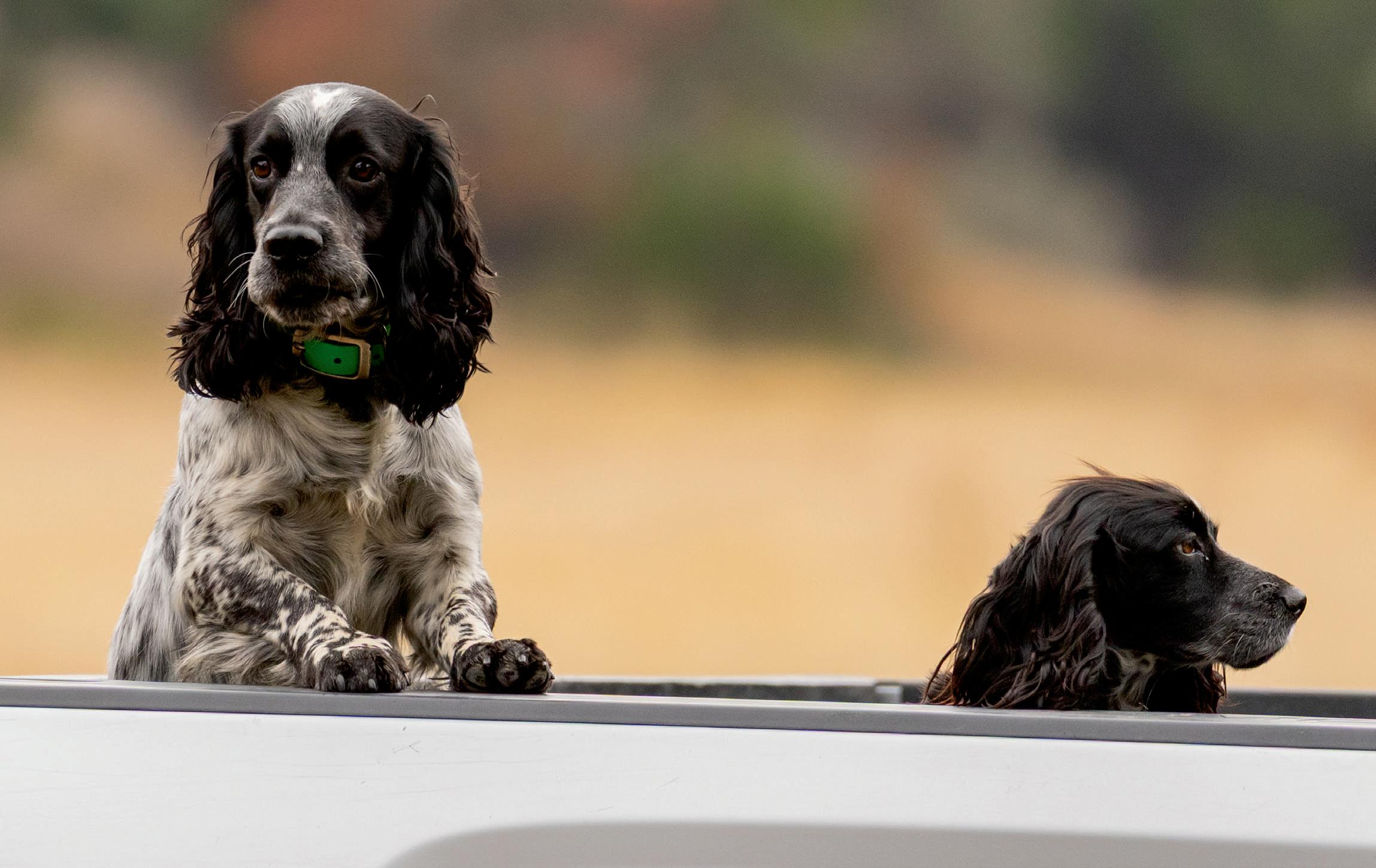
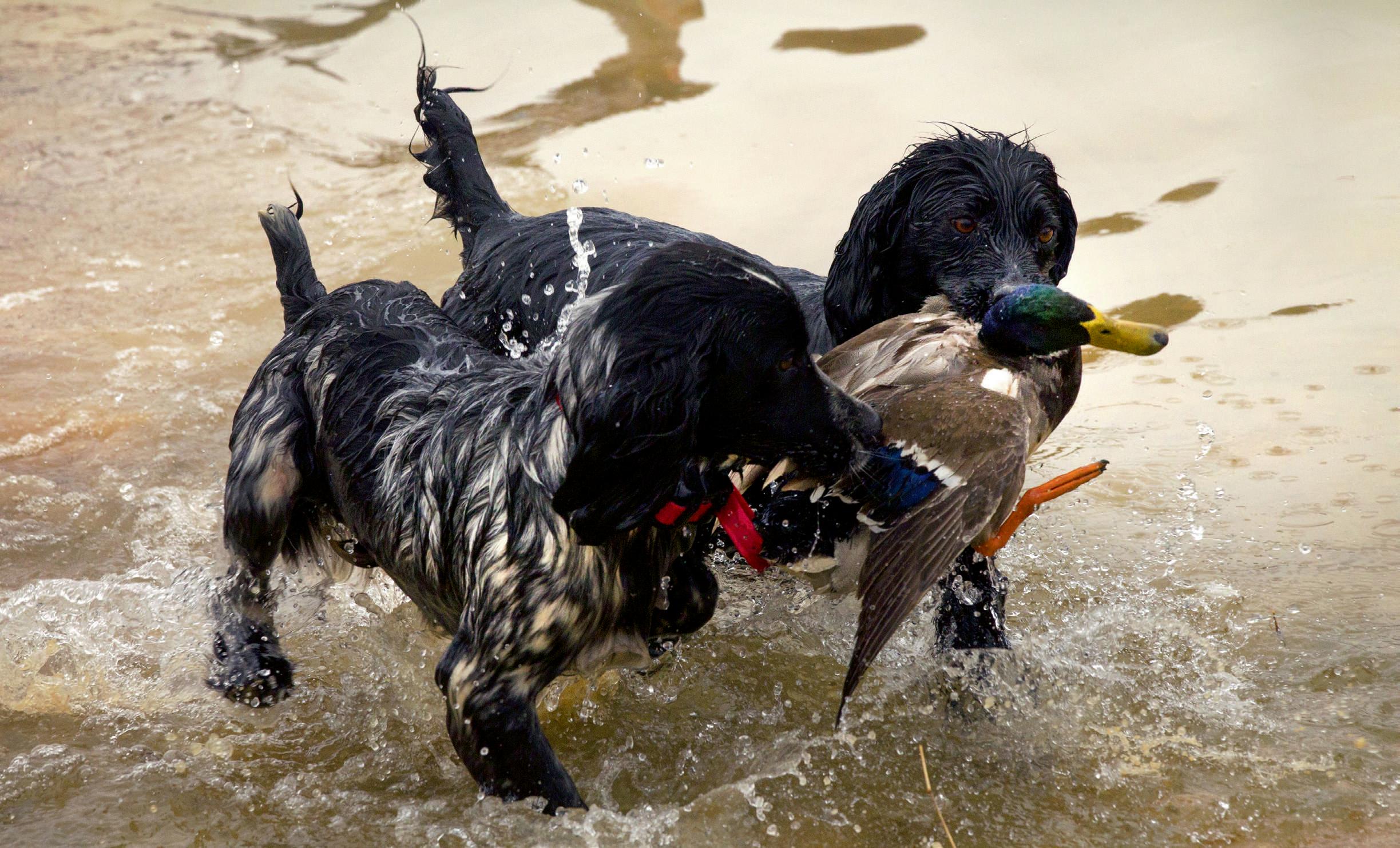
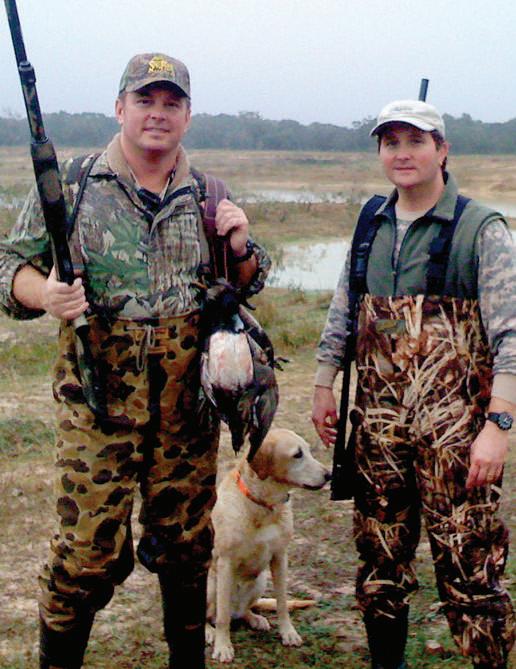
Duck hunting on the Texas coast more often than not results in wishing you had fewer layers, not more. However, one particular day in my early 20s, two of my more hard-core hunting buddies, David and Burr, and I leaned into the north wind of one of the strongest cold fronts I can recall braving. We switched between standing and kneeling in the knee-deep saltwater off Aransas Bay, the pseudo lunges acting as a workout to keep us warm. The mangroves were thick and shoulder high, providing great cover for the low-flying redheads, and good enough cover for the sky-high pintails that frequent the area nearly every winter. To my left, on his dog stand that barely kept his docked tail out of the water, was Cooper, Burr’s trusty and spunky 30-pound English cocker spaniel. I had dove hunted over the zigzagging, long-eared, curly-haired, chocolate brown ball of energy a few times before. But this hunt was much different. It was cold and wet, remote and demanding, potentially dangerous. Quite different from a leisurely afternoon dove hunt. Cooper stood resolute, icicles dangling from his beard, trembling with anticipation, bright eyes constantly scanning, just waiting for his turn to go again.
Spaniels originally hail from Spain, hence the name. Early written accounts of the spaniel family date back to the 1300s and reference the breed’s versatility and eager love for their master. In 1387, Count Gaston de Foix described how spaniels were used to flush fowl for the falcons and nets, hares for the greyhounds, and diving fowl in the rivers — all the while still showing a deep love for their master. Since then, the spaniel family has developed into many iterations, including a smaller, more compact, energetic and willing version: the cocker spaniel. Cockers were selectively bred for their size and temperament,
which made them exceptional flushers of woodcock from dense brush, earning their name. The modern-day cocker spaniel was first registered with the Royal Kennel Club of England in 1873, and in the mid-20th century, the final split between American and English cocker spaniels came to fruition with the American Kennel Club formally recognizing the English cocker spaniel.
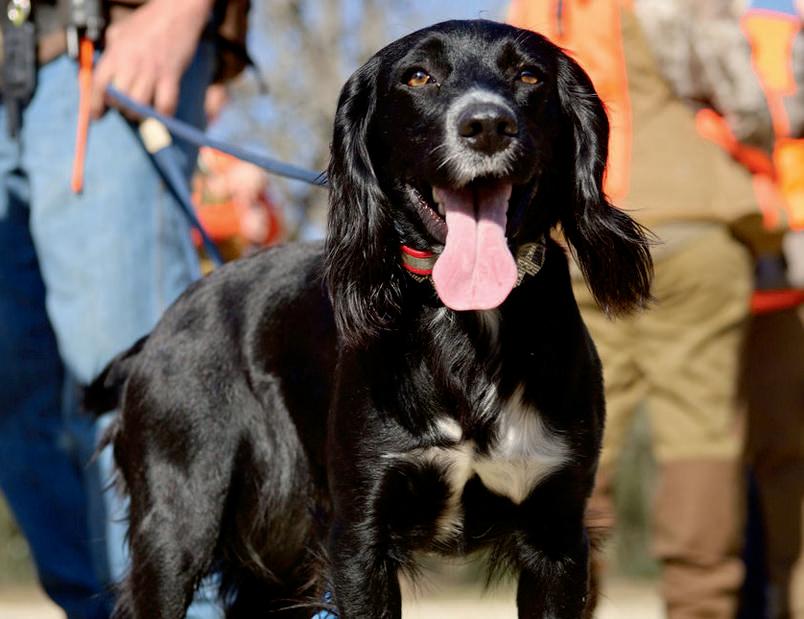
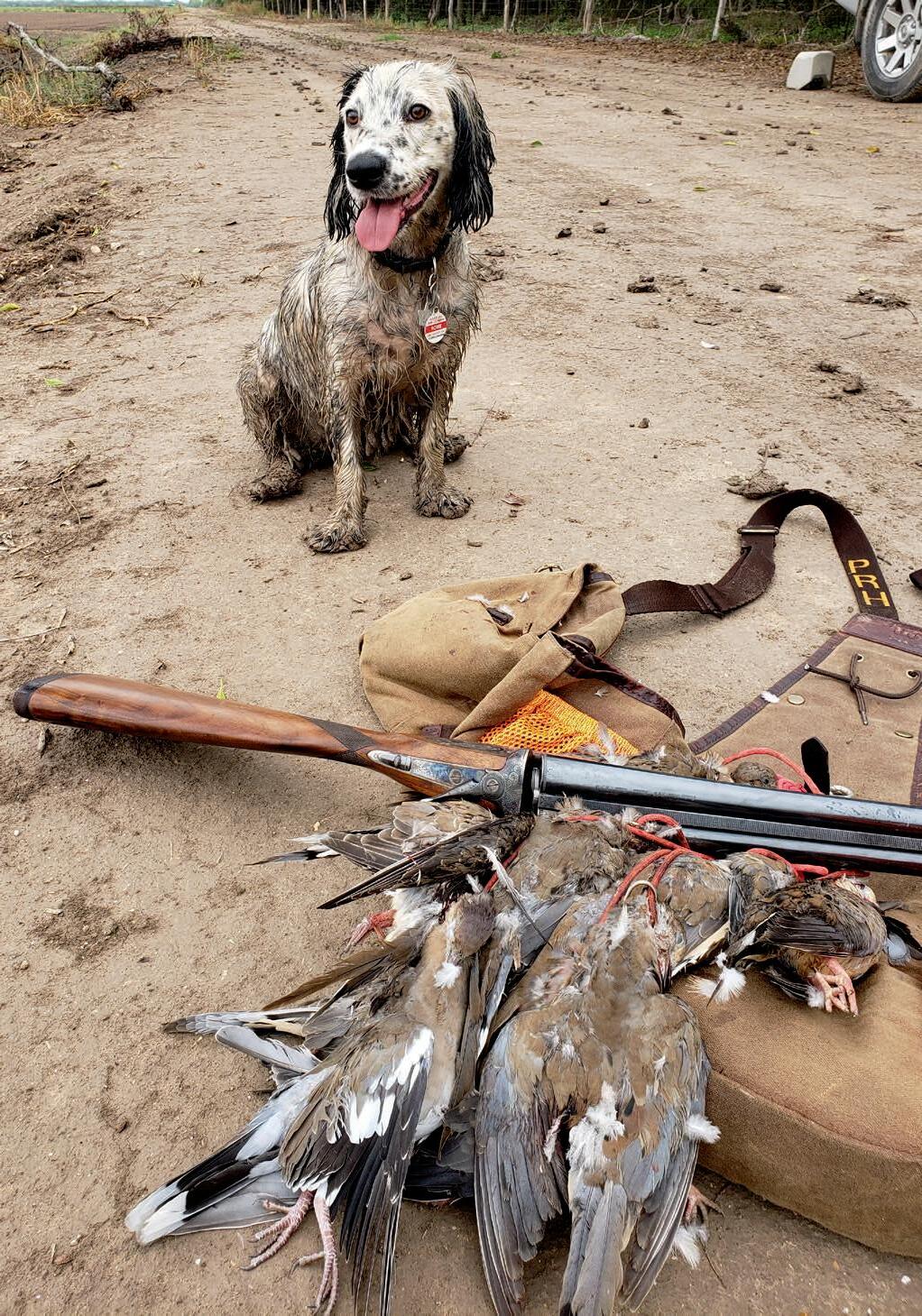
The English cocker spaniel as we know it today is, in the words of Cooper’s owner Burr: “The Swiss Army knife of hunting dogs. A whole lot in a little package.” While other succinct breeds of spaniels cater to specific traits, the English cocker has seemingly maintained the attributes the aristocrats of historic Spain raved about: a compact, attractive, energetic hunting dog with innate natural hunting ability and drive that is second to none.
Structurally, adult English cockers range from 15 to 17 inches at the shoulder and weigh between 26 and 34 pounds, slightly larger than their American cousins. They come in a variety of colors, but their coat is typically medium length, flat or just a little wavy, and silky in texture. Their heads and bodies are longer and more athletically built than American cockers, and their strength relative to size is noteworthy. An English cocker spaniel’s life expectancy typically ranges from 12 to 14 years, and when talking with the breed’s confidants, they are some of the most entertaining and loving
years a dog owner can enjoy. As attractive as they are physically, advocates for the breed seem to love them most for their personalities.
I met Donna Markey of Lazy MD Gundogs on Memorial Day 2026. It also happened to be my wife’s 32nd birthday. Ironically, Donna’s home and property, where she trains her dogs, is about 600 yards west of our back door. Proximity probably had something to do with the birthday girl giving me her blessing to go. Donna has been around gundogs her whole life and has bred and trained English cockers for field trials since 1999. She was kind enough to let me observe a day in the life as she trained, and I watched with a smile as she worked five different English cockers over live birds. Each one was a different color and had a different level of experience; they coursed back and forth with the guidance of her hand gestures and whistles, working the wind and narrowing the gap toward the bird tucked in the grass as if they were pulled by a magnet until a frenzied flush and finish with delivery to hand.
I asked Donna probably two dozen too many questions that morning, but the one that stuck with me most was simply her answer to, “Why cockers?” “Why cockers, you ask? There’s just something about them. They’re whimsical,” she said with a smile. Google’s definition of whimsical reads, “playfully quaint or fanciful, especially in an
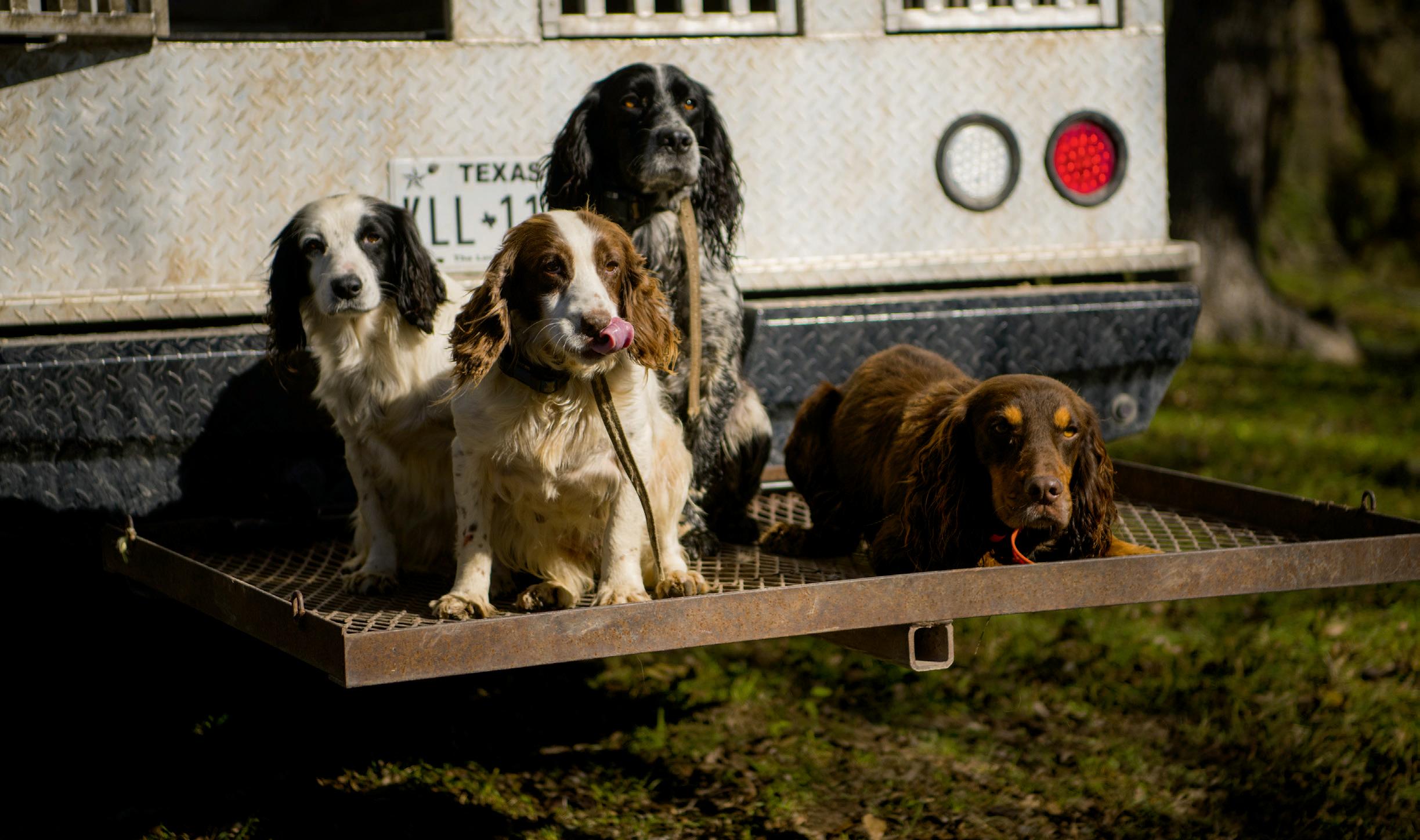
appealing and amusing way.” I found that descriptor interesting and, if anything, genuine.
Jason Hall owns and operates Muddy Oak Sporting Dogs in East Texas. Similar to Donna at Lazy MD Gundogs, they specialize in fieldbred English cocker spaniels but also have a few quality Labrador retrievers — a man after my own Labrador loving heart. I was eager to pick the brain of someone who likely had as much experience training Labradors as the loveable English cockers I have recently learned so much about. Jason was quick to acknowledge there are certain hunting scenarios where the English cocker is not the best-suited dog for the occasion, but he was even quicker to proclaim that the breed’s personality, intelligence and trainability make them one of the most versatile breeds for a gundog owner and household companion.
“For my granddad, dogs were tools, but I’m just not that way. My cockers are part of the family and live in the house with me. It is a breed that has to have an active lifestyle, but as long as their mind and body are exercised, they’re great. They even play dress-up when the granddaughters come over,” exclaimed Jason.
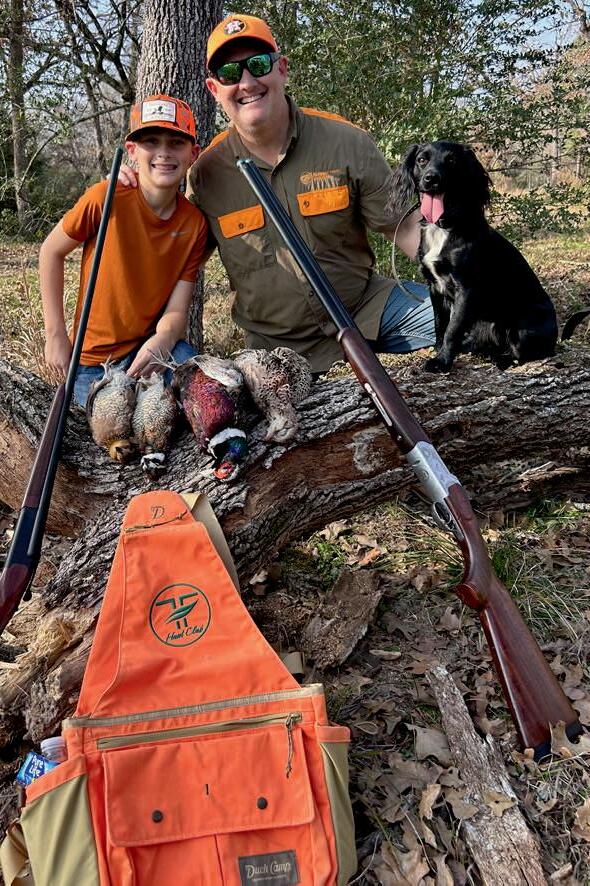
Jason’s breeding program focuses on providing English cockers that are serious gundogs in the field and even better companions in the house. Their English bloodlines
focus on having a balanced dog that operates well in the can relax at home with the family — characteristics he English bred for, to hunt over and then have at their feet
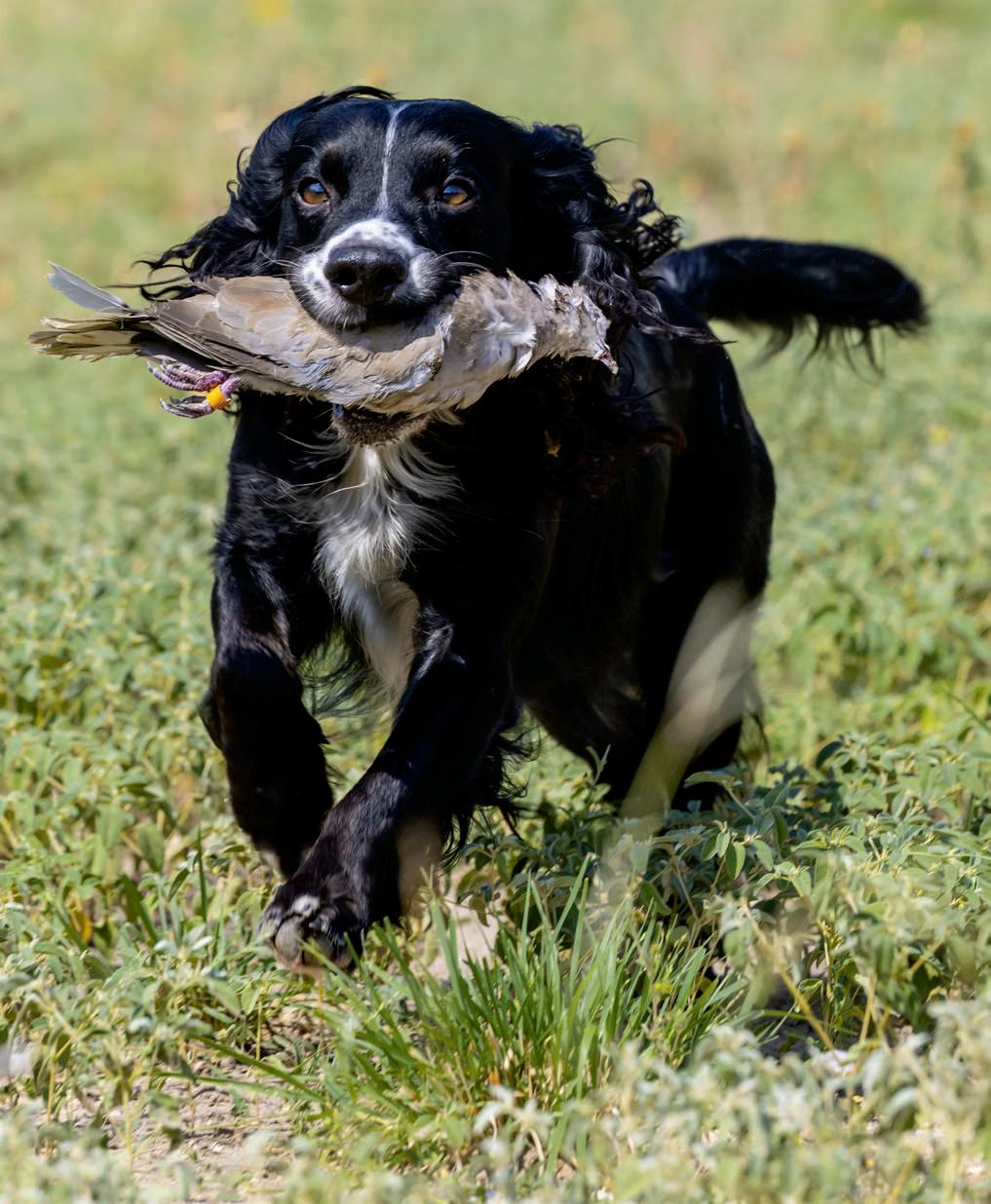
Joseph Zinsmeyer (JZ) is the kennel manager at Joshua premier hunting ranch and shooting destination in Country. JZ and his team of pointers and English cockers after group of hunters into the field each year to chase
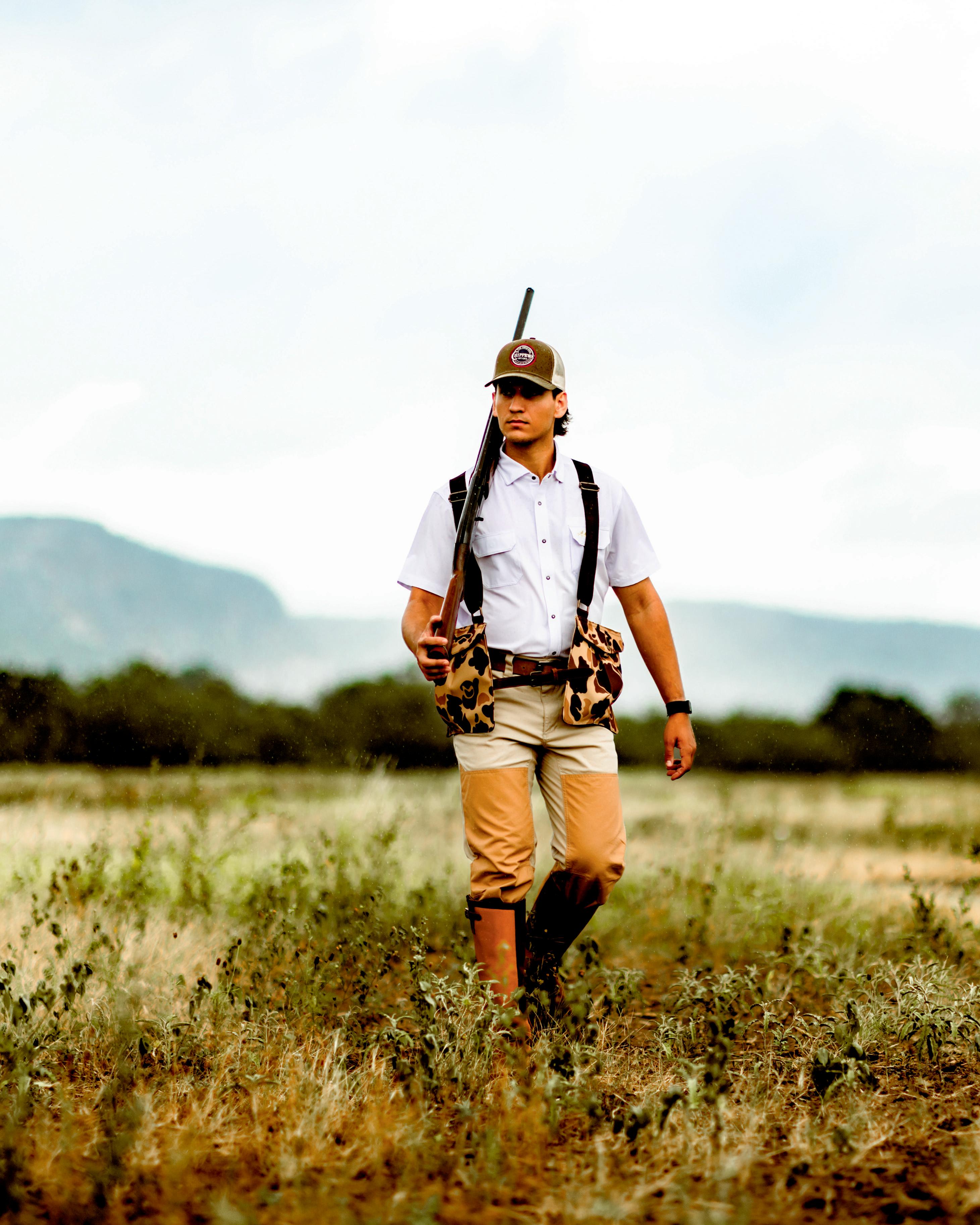
in the traditional walk-up style. The pointers locate the birds, and the cockers flush and then retrieve. This format showcases the English cocker’s intended traditional use case of flushing game out in front of their hunters, strikingly similar to how their ancestors did in Spain in the 1300s for Count Gaston de Foix. JZ explained that what makes English cockers so great is their drive and energy but was honest to warn that those same traits can cause potential issues if not managed appropriately.
“English cockers are 99% heart and the rest energy and can be a pretty hot dog. I tell people who plan on having them in the house to be prepared for a year and a half of chaos,” said JZ. However intimidating it may be to have a high-energy dog, JZ was adamant that he will never go without having an English cocker. “If I could only have just one dog, it would be an English cocker. I’ll always have one riding around in the front seat of the truck with me.”
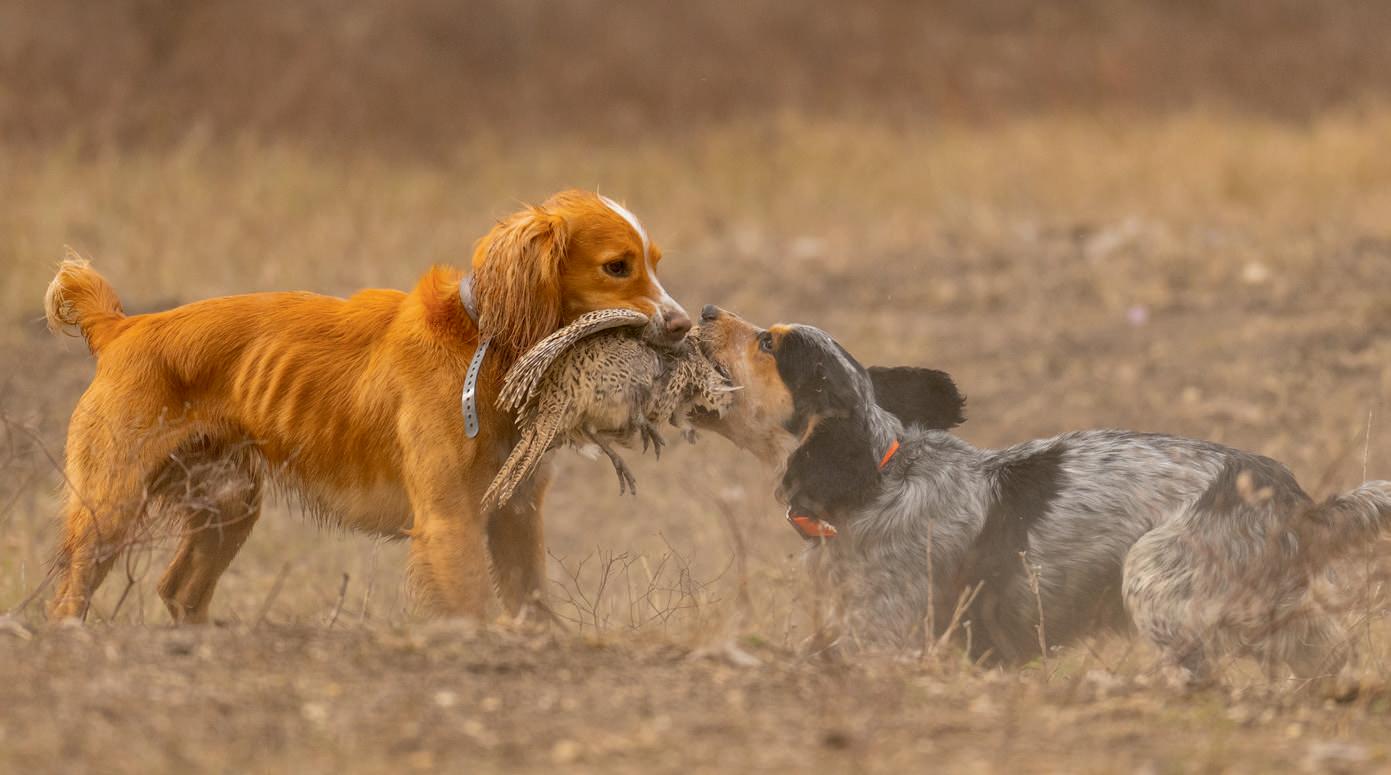
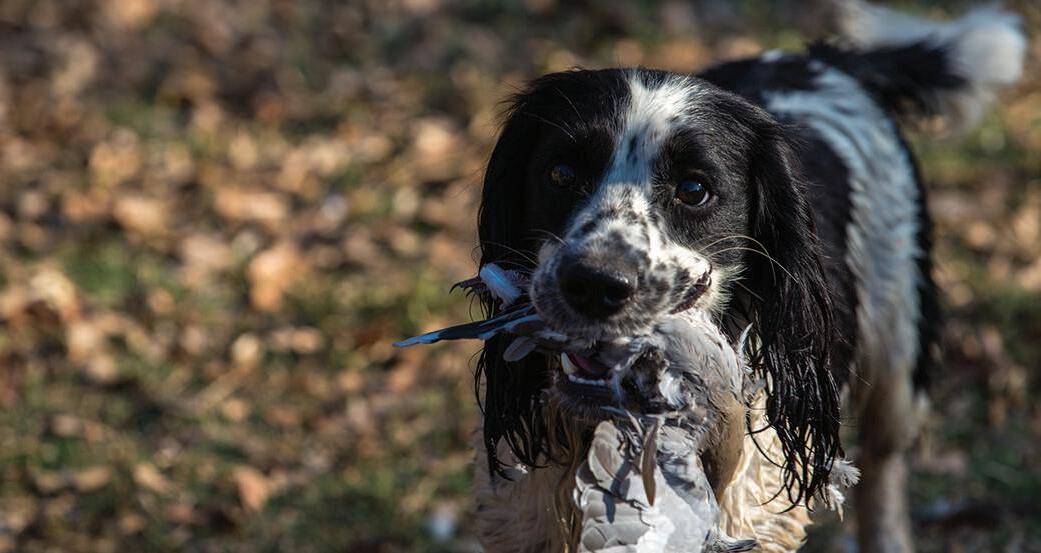
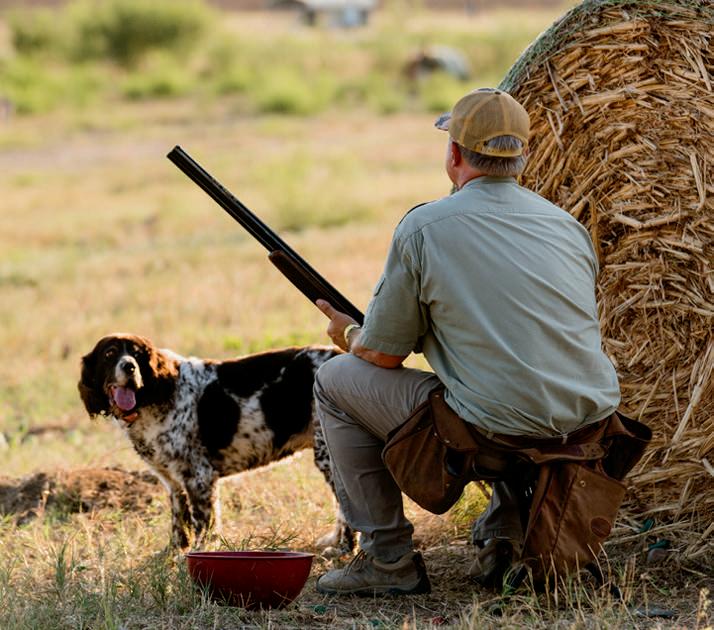
Texas Dove Hunters Association President Charlotte Schuster is another example of an avid dove hunter who swears by the breed. “I grew up hunting dove over Labradors; that’s all I ever knew. They’re obviously excellent retrievers and a good option for hunters, but once my husband, Cameron, introduced me to English cockers, I was instantly hooked. We’ll never not have one,” Schuster said. Cameron’s dad, David Schuster, who used to manage the hunting and ranch operations of the Herradura Ranch southeast of Cotulla, has bred and hunted with cockers for more than 20 years — even using the feisty, quick dogs for hog hunting. While cockers are commonly used at hunting ranches for upland birds, Charlotte insists they’re among the best dove dogs she’s ever seen. “Their eagerness to go, their instinctive birdiness, and their darting speed is just second to none,” she said. “Our English cocker Ripley is going to be nine years old this dove season and every time we hunt with someone new, they complement how he races to get the birds, often without a prompt or command needed from Cameron and I. These dogs have it in them naturally, and most of the time, it’s more fun to watch them work and do what they love than it is to worry about your personal bag limit. Not to mention, when he’s not zooming around a dove field with that big ‘ol cocker grin on his face, he’s best friends with our 4-year-old daughter.”
To sum it up, the English cocker is a talented, well-bred, energetic, compact and, to Donna’s point, whimsical bird dog. As with most things, their pros can at times act as their cons. A high-energy dog can cause problems if not managed; thus owners ought to make a point to exercise the mind and body of the breed to minimize negative outlets and keep a watchful eye in exceptionally warm weather. Their size, while incredibly convenient most of the time and helpful for flushing game in thick brush, can be a hindrance for long swims or adverse weather conditions — a potentially dangerous combination with a hunting dog that would rather die than quit.
For an individual looking for a well-puttogether, beautiful bird dog that has the potential to excel in the field across multi-
ple disciplines, a drive to hunt that is second to none, and brings a notable joy and smile to the face of their owners with their own special personality, the English cocker is going to be hard to beat.
Burr and I met in 2014, and when I met Burr, I met Cooper. The two went everywhere together and shared a love that is hard to explain until you experience it. I got to watch the relationship between a young man and his dog grow during some of the most formative years in both of their lives.
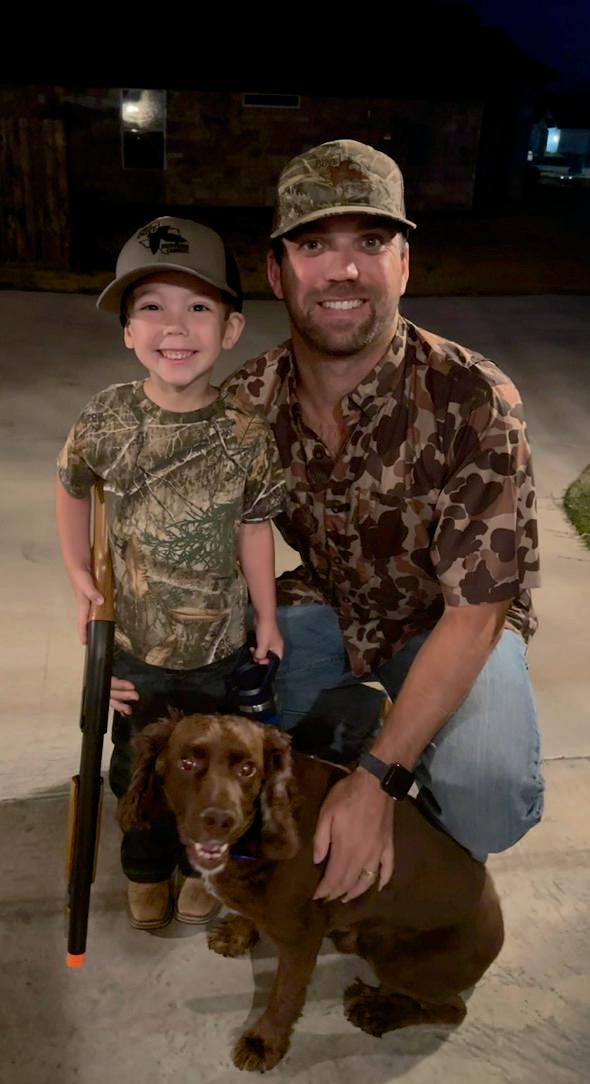
Over the years, I witnessed Burr and Cooper use every tool that little chocolate brown Swiss Army knife had to offer. In his life, Cooper picked up thousands of doves and hundreds of ducks, upland game birds and anything any of us would throw. I believe he even attempted a couple of fish and, in one scenario, a small snapping turtle. He stood in Burr’s wedding and rode shotgun in his truck. Most notably, Cooper helped raise all three of Burr’s children and filled the role of the patient big brother. From the outside looking in and considering the phase of life we were in, Cooper was a constant for my buddy. He undeniably helped him grow into the man and husband and father he is today — a great one at that. Cooper loved him in the purest and most genuine and wholehearted way, the way only a man and his dog can know. Unfortunately, Cooper passed recently at 14 years old, but rest assured that dog was given the absolute best life possible, having given and received the perfect love.
We asked a lot of Cooper that day in Aransas Bay — probably too much — but it never mattered what we asked of him, what Burr asked of him, because the drive, heart and love inside Cooper outmatched almost any dog.

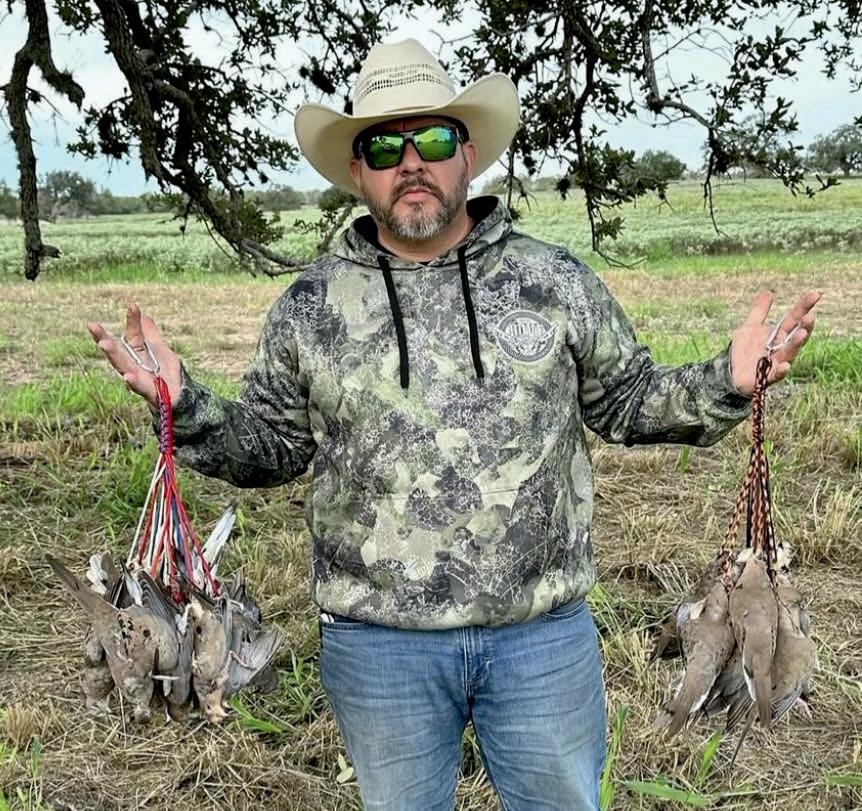
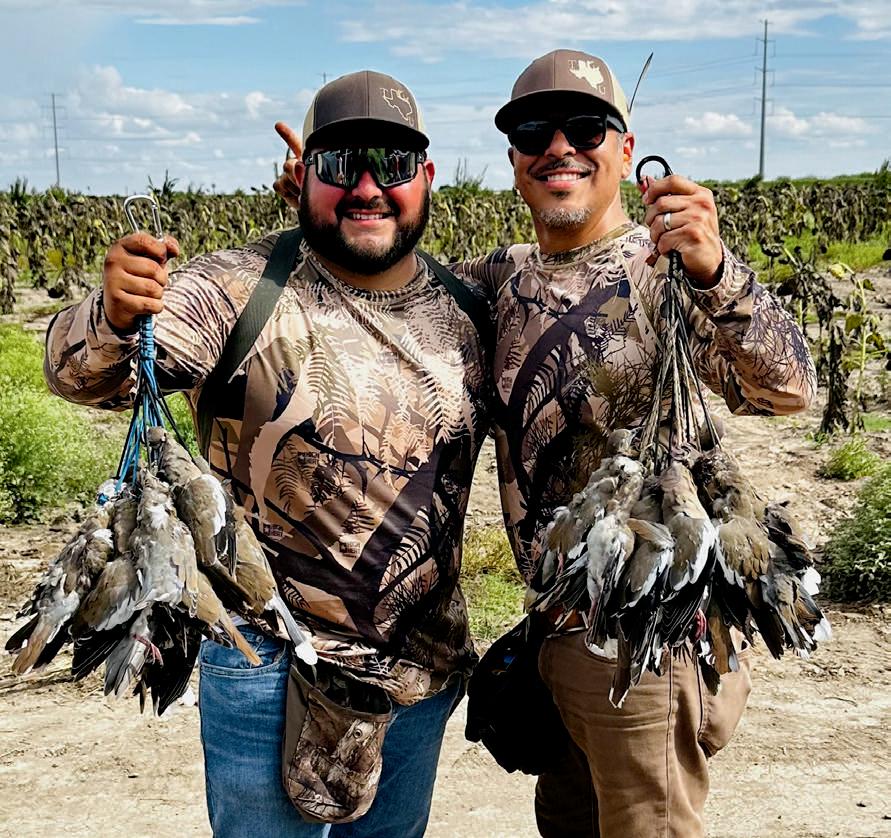
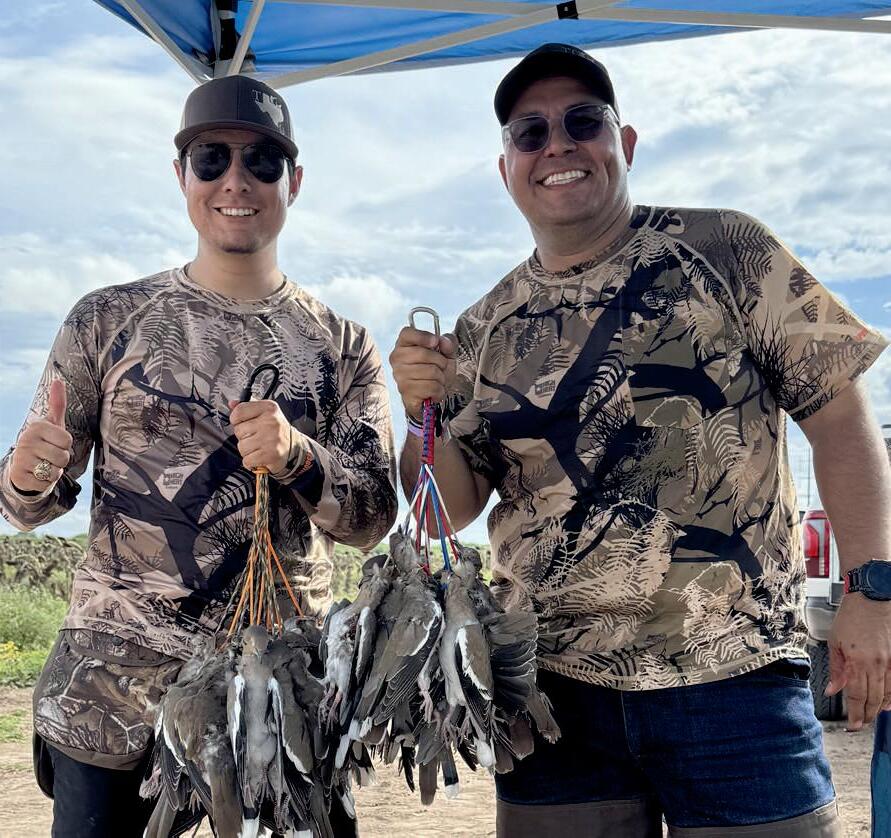
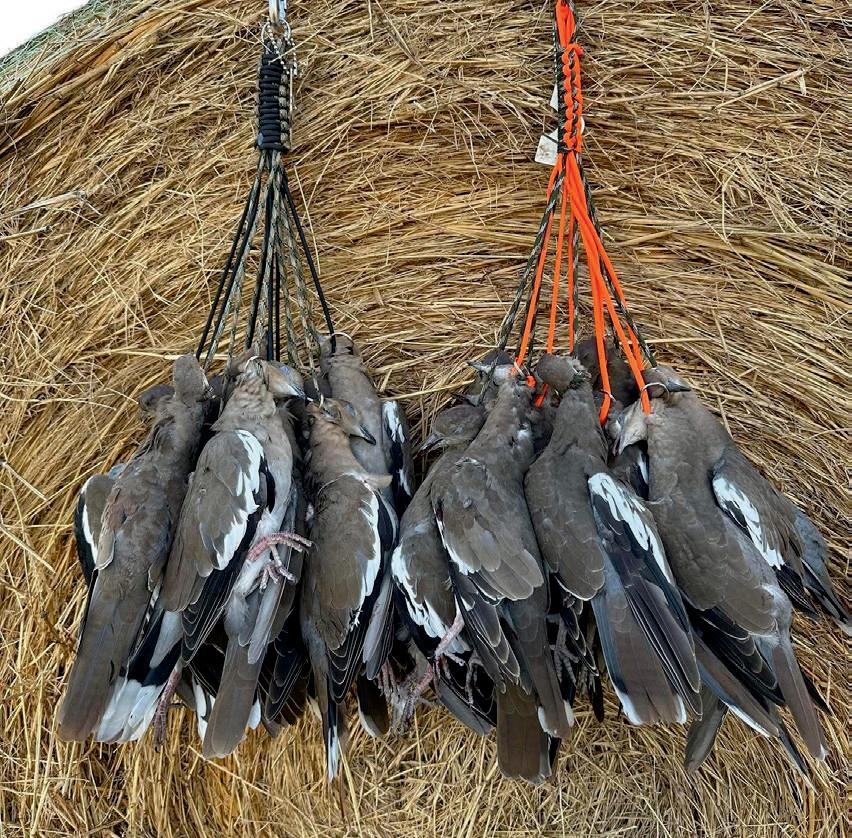
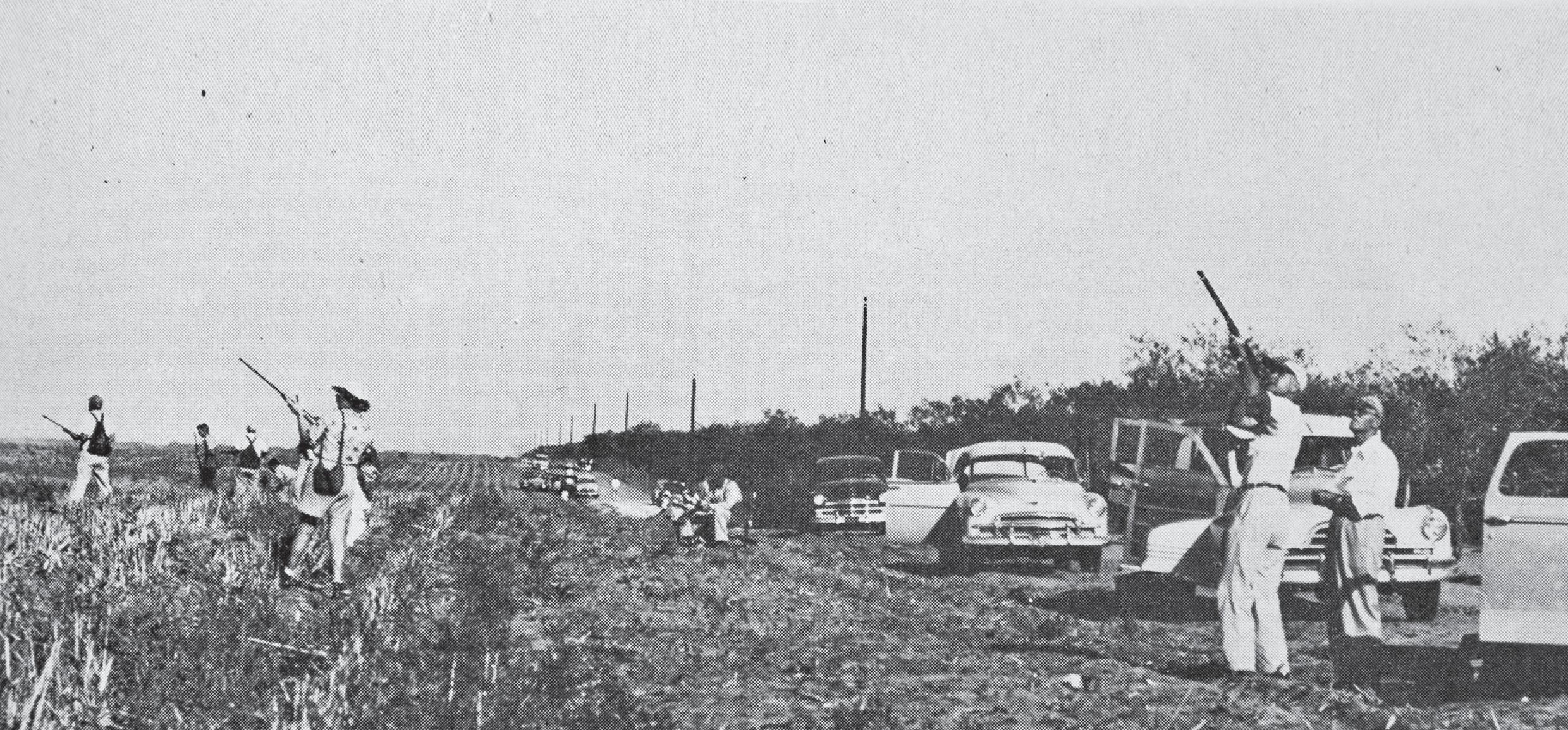
You can have incredible hunts in every corner of our great state, but for many, South Texas represents the heart of Texas dove hunting culture and tradition. Whether you’re sitting by a water hole in Cotulla, a patch of mesquite in Three Rivers, or watching the sun set over the Laguna Madre, the South offers a dove hunting experience unlike any other — and one that has been shared by countless sportsmen and women for more than a century.
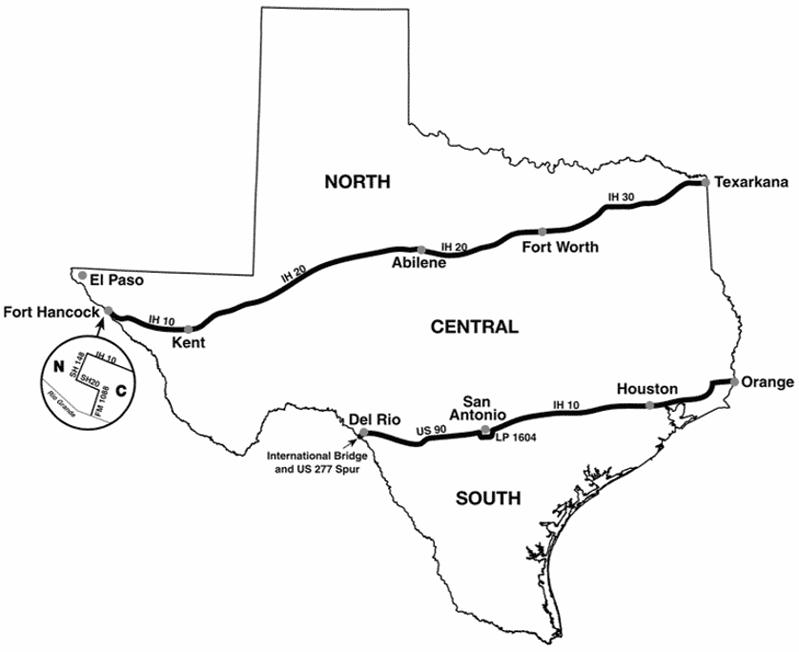
Texas held its first official statewide dove season in 1916, though it was hardly regulated, as it lasted a full six months. In 1925, the season was shortened to a more conservative length, and the state was divided into North and South Zones. The original zone boundary ran from Laredo northeast through San Antonio to Texarkana. This boundary line moved frequently, sometimes shifting several hundred miles north or south every few years. It wasn’t until 1983 that the state adopted the three-zone configuration still used today.
In the early 20th century, white-winged doves numbered in the millions in the Lower Rio Grande Valley (LRGV). By the 1930s, however, populations dwindled to fewer than 250,000 because of habitat loss and overharvest. Farmers who settled in the area cleared land in and around the fertile Rio Grande river, decimating the mature thornscrub forests that white-wings nested in. Unlike mourning doves, white-wings often nest colonially, in large groups of hundreds or even thousands of birds. The destruction of riparian areas along the Rio Grande resulted in major losses to white-wings in Texas. In 1941, the Texas Game, Fish, and Oyster Commission — precursor to the Texas Parks & Wildlife Department (TPWD) — established the first Special White-winged Dove Season, a four-day season that allowed limited harvest of white-wings but was primarily intended to conserve the species. The special season soon began drawing hunters from across the country, offering a unique sporting experience for the average mourning dove hunter. The short special season became an annual pilgrimage for thousands, providing a massive economic boost to border towns on both sides of the Rio Grande.
Despite conservation measures at the time, white-wing populations continued to struggle. The breeding colonies moved into some of the LRGV citrus orchards and were hit by multiple freeze events in the
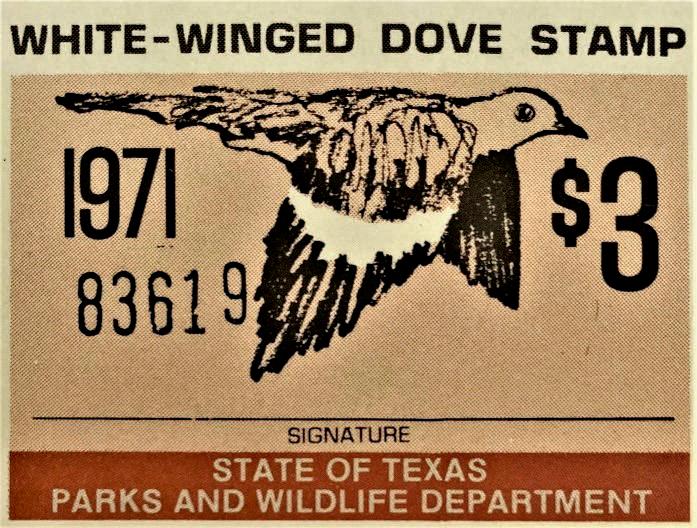
1960s to 1980s that, once again, displaced the nesting colonies. To aid in recovery, Texas established its first conservation stamp in 1971 to raise funds to help restore nesting habitat for white-winged doves.

The effort was a major success and revenue from the sale of $3 stamps funded the acquisition of many properties that now make up Las Palomas Wildlife Management Area, which is considered the state’s best public dove hunting. However, it wasn’t until the late 1980s and early 1990s that white-winged dove populations began to truly recover, and boy did they! They soon began appearing in small towns and cities across South Texas, and by 2000, there were thought to be more white-wings in San Antonio than in their historic range in the LRGV. Since then, the species has continued to expand across Texas and the southern United States. The Special White-winged Dove Season, once a conservation measure, was soon used by TPWD to provide additional hunting opportunity for South Zone hunters before the regular season was allowed to open under federal regulations.
While the Special White-winged Days have always been held in early September, the South Zone regular season has never opened before Sept. 15. Why the late opener in the South Zone? To answer that, we need to shift our focus from white-wings to America’s favorite game bird: the humble mourning dove.
Mourning doves can have exceptionally long breeding seasons. In Texas, they’ve been documented nesting every month of the year, though most breeding activity occurs from April through August. Historical evidence from studies across the United States suggested that doves often nested as late as September or October, particularly in the southern states. Because of this, throughout much of the last century, the national dove management community was wary of opening seasons too early to avoid negative population impacts from hunting actively nesting birds. Sept. 1 is the earliest that any season

can open under the Migratory Bird Treaty Act, but many states delayed their opener until mid-September or later. In the 1980s, a nationwide study found that only a very small percentage of the overall nesting activity actually took place in September each year, and any impact from hunting would be insignificant at the population level. Based on this information, eventually all states moved to a Sept. 1 opening framework date. However, TPWD hatch chronology data from the 1960s suggested that a later opener was still warranted in the South Zone, so federal regulations restricted Texas from opening the zone in early September. This left Texas’ South Zone as the only place in the United States that wasn’t federally allowed to open Sept. 1.
In recent years, TPWD explored ways to provide additional hunting opportunities in the South Zone in early September without impacting mourning doves. For example, the Special White-winged Dove Season, once used to limit white-wing harvest, was expanded to include the entire South Zone in 2017, and two additional Special Days were added a few years later. In 2018, the South Zone regular season opening date was moved a few days earlier to Sept. 14, a strategic move that allowed South Zone hunting opportunities every weekend in September if you included the Special White-winged Dove Days.
In 2025, after an extensive review of nearly 20 years of contemporary data, TPWD biologists determined that the current timing of mourning dove nesting activity in South Texas no longer posed a biological concern, and opening the season earlier would not result in negative population-level impacts. TPWD worked with the U.S. Fish and Wildlife Service to change the federal opening framework from Sept. 14 to Sept. 1, beginning with the 2026-27 season. This year, for the first time in its long and storied history, the entire state of Texas will open dove season on Sept. 1. Additionally, the Special White-winged Dove Season was eliminated, since it was no longer necessary to provide an early-season hunting opportunity.
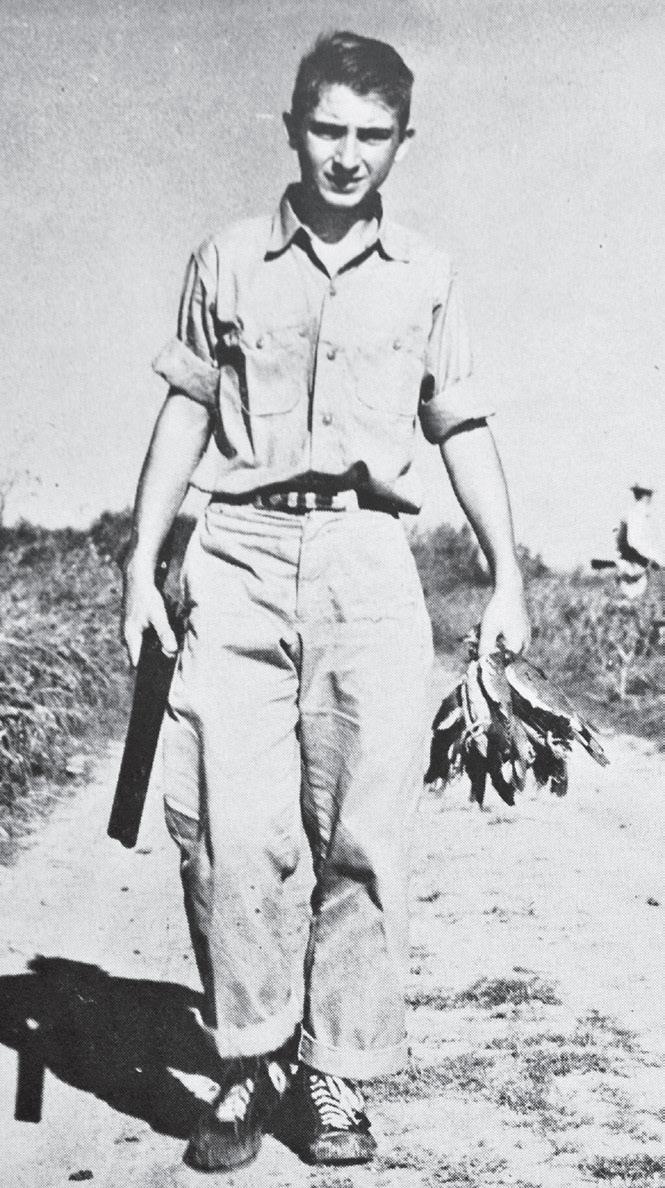
While many will miss the historic special season, and not all may agree with opening Sept. 1, this year marks the start of an exciting new chapter in the complex history of South Texas dove hunting. The 2026-27 South Zone changes will result in simpler and more consistent hunting regulations. Beginning on opening day, South Zone hunters will have standardized daily bag limits — 15 mourning, white-winged and white-tipped doves in the aggregate, with no more than two white-tipped doves — and shooting hours, from half an hour before sunrise to sunset, that apply all season, just like the North and Central zones. TPWD plans to conduct additional monitoring over the next few years to ensure the opening date change does not negatively impact birds or hunters, but both mourning and white-winged dove populations in South Texas are healthy and resilient. The improved hunting opportunities these changes provide will help keep the South Zone dove hunting tradition alive for years to come.
Migratory game birds such as doves move across state and international borders, placing them under the protection of the Migratory Bird Treaty Act of 1918 and the federal regulatory authority of the U.S. Fish and Wildlife Service. This federal authority means state regulations must operate within federal frameworks, which are usually flyway-wide or even nationwide regulatory limits. For example, federal frameworks dictate that Texas and other Central Flyway states can have a maximum daily bag limit of 15 doves. As a state, Texas can be more conservative and set a lower daily bag limit but cannot be more liberal and exceed the federal framework of 15 birds.
Determining federal and state regulations is an annual process required by law. TPWD works cooperatively with state and federal partners in the Central Flyway each year to help determine appropriate federal regulations for migratory birds. Once federal frameworks are approved, the annual state process for setting season dates and regulations begins. This process involves TPWD staff working with technical and advisory committees that review biological and harvest data, existing hunter opinion data and other relevant information to develop recommendations for the upcoming season. These recommendations are presented to the Texas Parks & Wildlife Commission, a panel of governor-appointed and Senate-approved members who ultimately determine TPWD policy, law and rules.
Each January, at a televised public meeting, TPWD staff present the upcoming migratory bird season recommendations to the TPW Commission, seeking approval to publish the proposed regulations in the Texas Register, making them official public information. Once published, a public comment period begins in late February and is open for about 30 days, allowing hunters to voice support or opposition to any proposed regulations. During this period, the department will have information featured on its main webpage (www.tpwd.texas.gov) regarding the proposed regulations and instructions for public comment. In late March, the proposed regulations are presented again at a live, televised commission meeting where there is an opportunity for in-person public comment. Once all information is reviewed and public comments are considered, the TPW Commission makes its decisions and regulations are adopted as law for the upcoming hunting season.
Much of the regulatory process may seem like a convoluted legal exercise, but it is important to remember that TPWD manages wildlife for the public trust, and the public has every right to engage in the rule-setting process. Commission meetings are open to the public and are typically held at the TPWD headquarters in Austin.
By Cory and Catherine Kruse
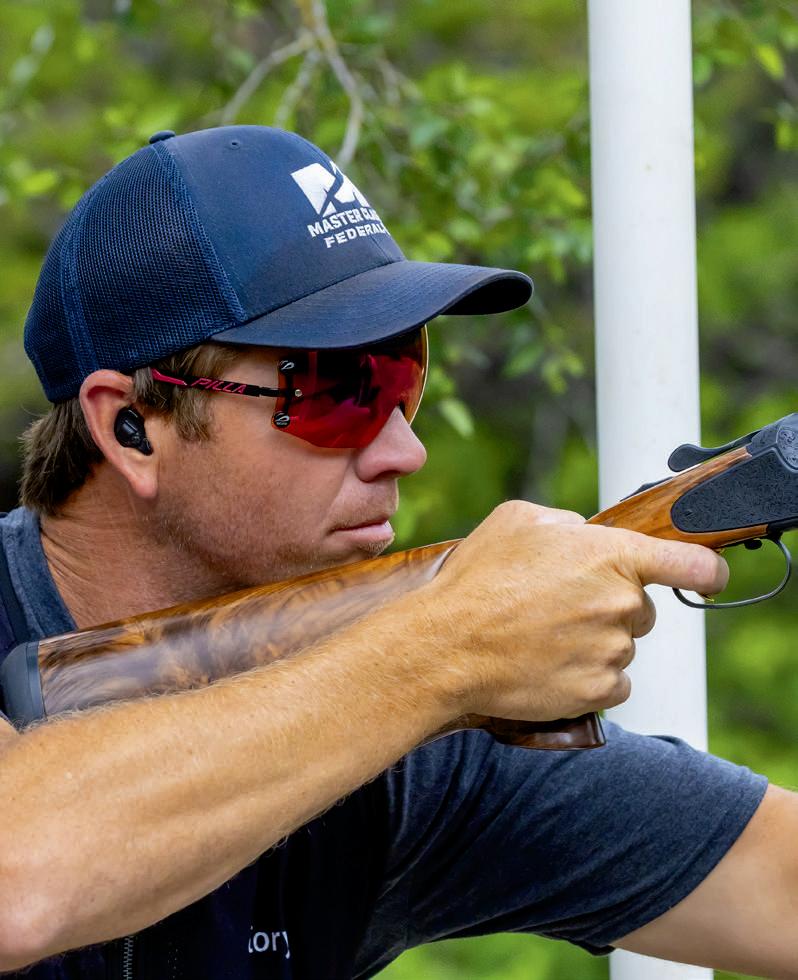
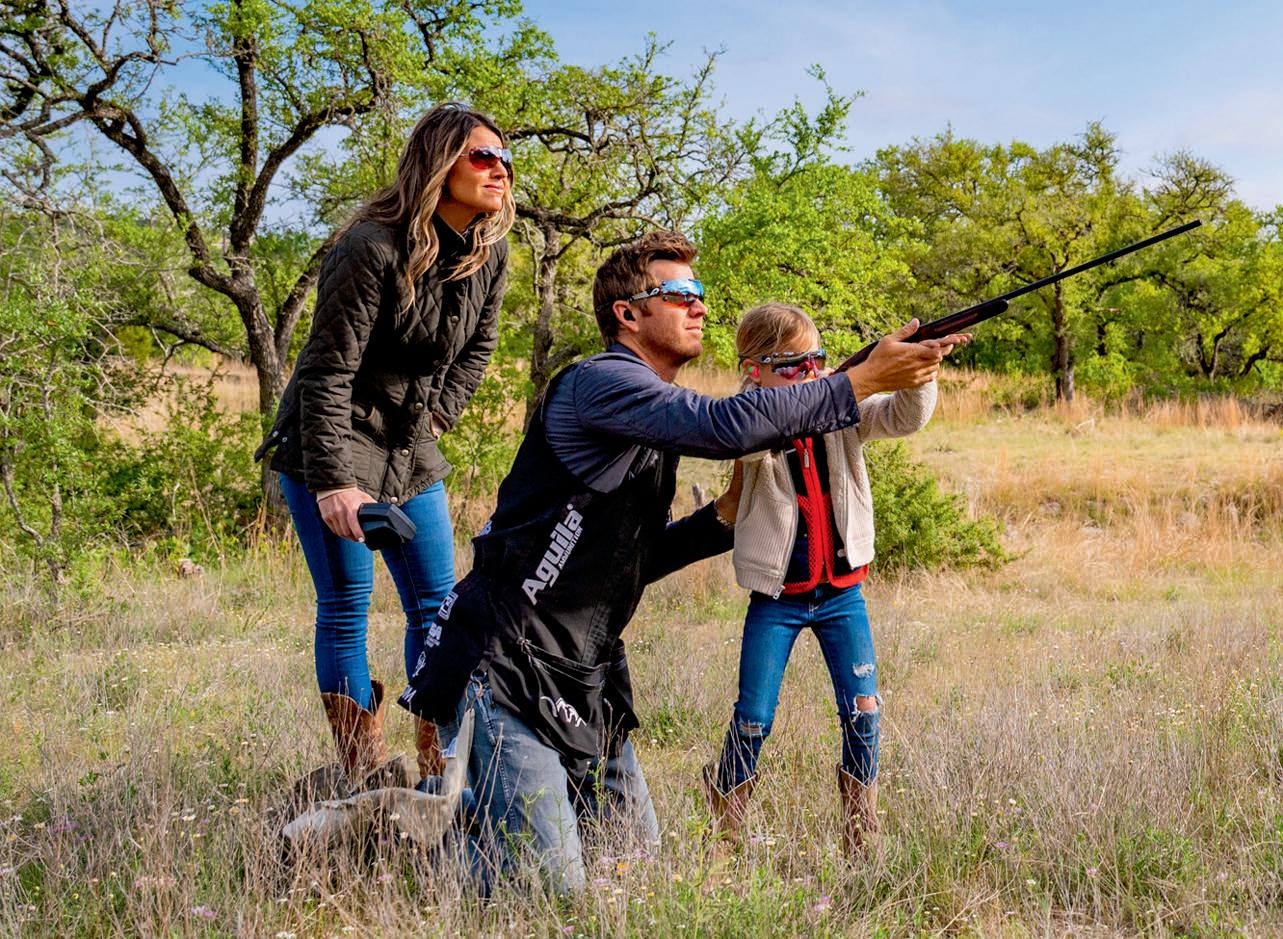
Mastering first-round hits requires relentless practice and precision, but how can you master the art of shooting if you’re unable to identify what you’re doing wrong? Most sporting clays coaching and instruction is historically done on an individual basis. As avid shooters and hunters ourselves, we felt there was something lacking in the field of instruction for sporting enthusiasts and set out to create a new team-based approach.
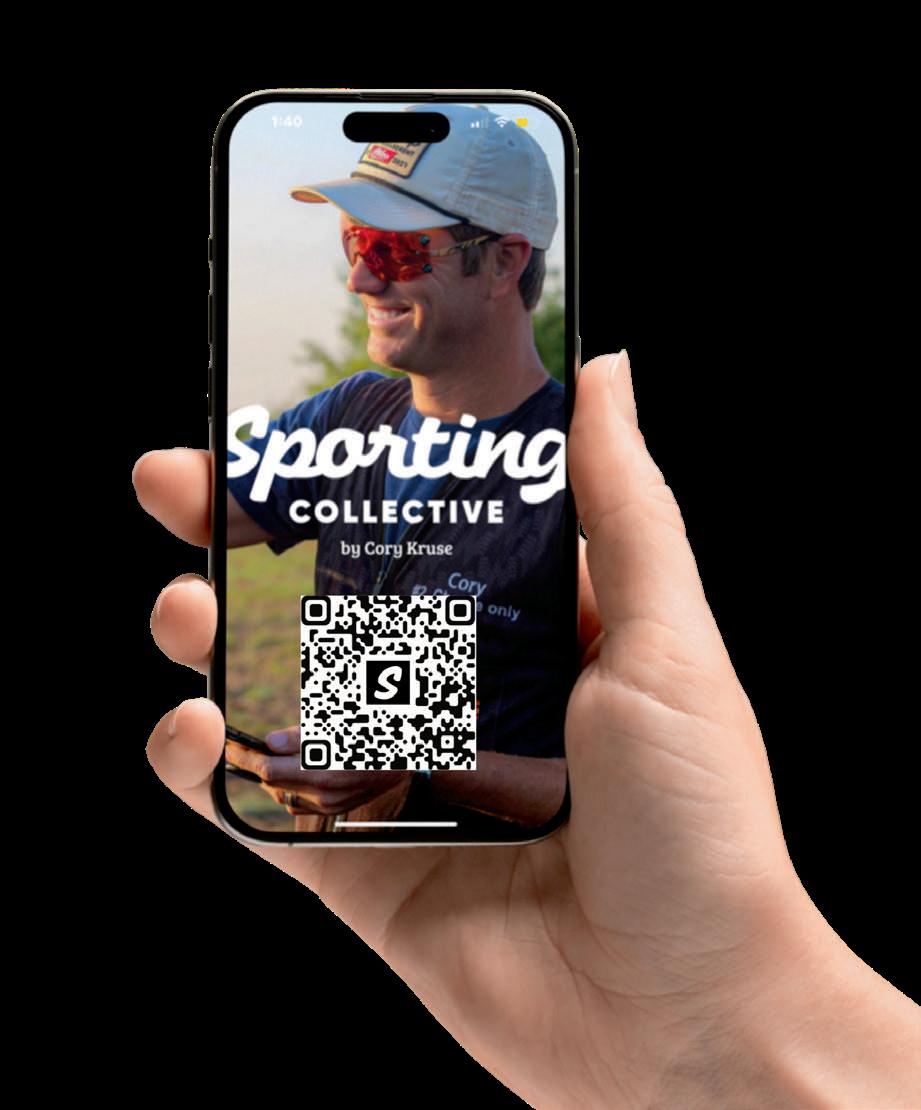
Launched in 2026, the Sporting Collective is a powerful, app-driven learning experience redefining how sporting clays and wing-shooting are mastered with on-demand training.
Community is one of the most beneficial aspects of Sporting Collective. We believe our app users can benefit greatly from discovering they are not alone in their shooting struggles. Most of the time, there are other hunters and shooters struggling with the same questions and aspects of trying to achieve greater shot results that they are. That simple fact alone allows students to relax and not be afraid or intimidated to engage and ask specific probing questions. We see it every week in the popular live question-and-answer portion of our livestream on the app, where students experience realtime problem solving.
Sporting Collective opens the aperture for shot instruction and enables community-based knowledge sharing — allowing shooting and hunting enthusiasts, novice and pros alike, to come together and get advice and answers to their most pressing ques tions to improve their skills.
The app’s content is suitable for all ages as the open and welcoming format eliminates barriers and subscribers feel welcome to engage on any topic at any time.
In fact, current app users range from 10-to-82 years old!
Sporting Collective will be a great resource for hunters and field shots as the fall hunting seasons approach, especially wing shooting like dove, waterfowl, and upland. All hunters can improve their hand-eye coordination and shot success by practicing on clay target courses of any kind whether it be skeet, trap, or sporting clays. Everything users learn or pick up from the Sporting Collective’s curriculum
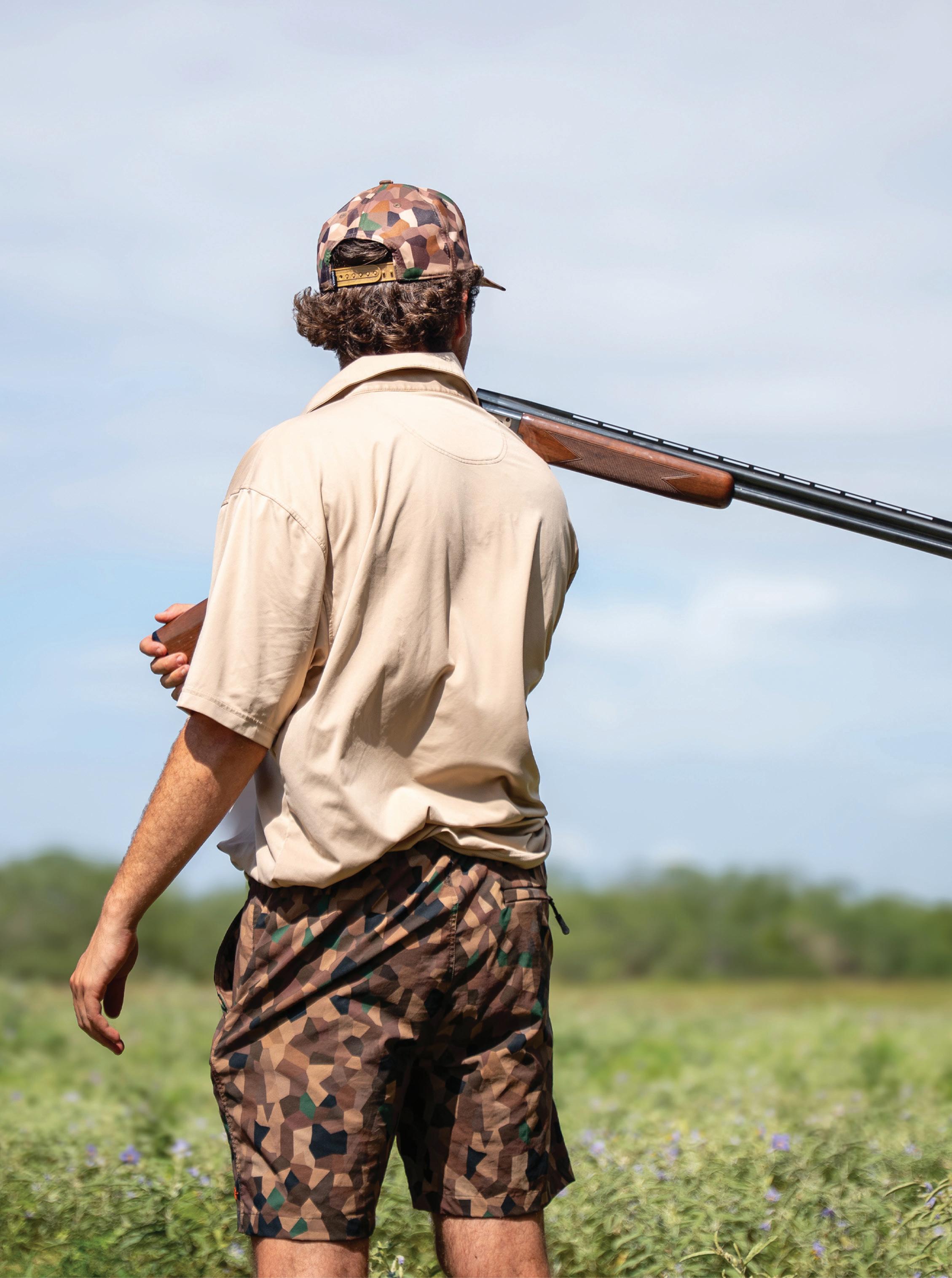



can directly translate into more success in the field when they’re aiming at birds instead of orange targets.
Better shooting in the dove field comes from better shotgun fundamentals, target reading, and repetition — not gimmicks.
Improving target acquisition — Dove hunters often miss because they stop the gun, look at the bead, or misjudge line and speed. The app emphasizes “shoot smarter” training and precision how-to videos aimed at wingshooting mechanics.
Teaching sustained movement and lead — Sporting clays instruction translates directly to dove hunting because both involve crossing, quartering, and incoming targets. A shooter who learns to match bird speed and keep the barrel moving usually starts connecting more consistently.
Building visual discipline — Good wingshooters focus hard on the bird, not the barrel. Training content that reinforces eye discipline and timing can dramatically increase hit percentage of erratic-flying birds like mourning doves.
Helping with shot selection — Experienced instructors often teach when not to shoot (i.e. birds are too far, wrong angle, poor mount, bad footing). Better decision-making alone can increase the ratio of shells-to-birds.
Creating repeatable gun mount mechanics — A smooth mount in the dove field matters more than many hunters realize. If the gun hits the shoulder and cheek the same way every time, the pattern naturally goes where the eyes are looking.
Providing structured practice — The app is built around on-demand lessons and coaching rather than random YouTube tips. Consistent drills tend to improve field shooting faster than occasional hunting trips alone.
One of the most common mistakes we see in dove hunting is hunters often struggling to sync the barrel and the bird. The app has live instruction and on-demand resources to help with that. A hunter who already shoots decent might gain faster first-shot hits, fewer empty follow-up shots, better crossing-bird performance, and more confidence on high or fast birds.
Competition shooters spend more time paying attention to the technical aspects of shooting a shotgun, like gun fit and mount, than the average dove hunter who may only shoot their shotguns during a few hunts each season. We think dove hunters in particular can benefit
greatly from the app’s resources related to these topics, especially those who are interested in learning the techniques and fundamentals behind good shooting form and patterns.
The Sporting Collective is an environment where shooting enthusiasts and hunters can actively engage with like-minded sportspeople and never feel intimidated by asking elementary questions. In fact, they will learn that there are no elementary questions. All skill levels are welcome — from the beginner shooter to a seasoned podium-finishing competitor.
The motto behind Sporting Collective is, “Your Shot, Our Focus,” not “Your Focus, Our Shot,” meaning your individual goal is our focus. We want each person to achieve their specific goals, and we curate instructional content directly to the user. We also know how expensive outdoor hobbies are, so we proudly provide a lot of free content within the app. Users then have the option to upgrade for full access for only $14.99 per month, which can be cancelled at any time. For a little more than the cost of a fancy coffee per month, we feel subscribers get their value from top tier shotgunning instruction, interaction, and knowledge.
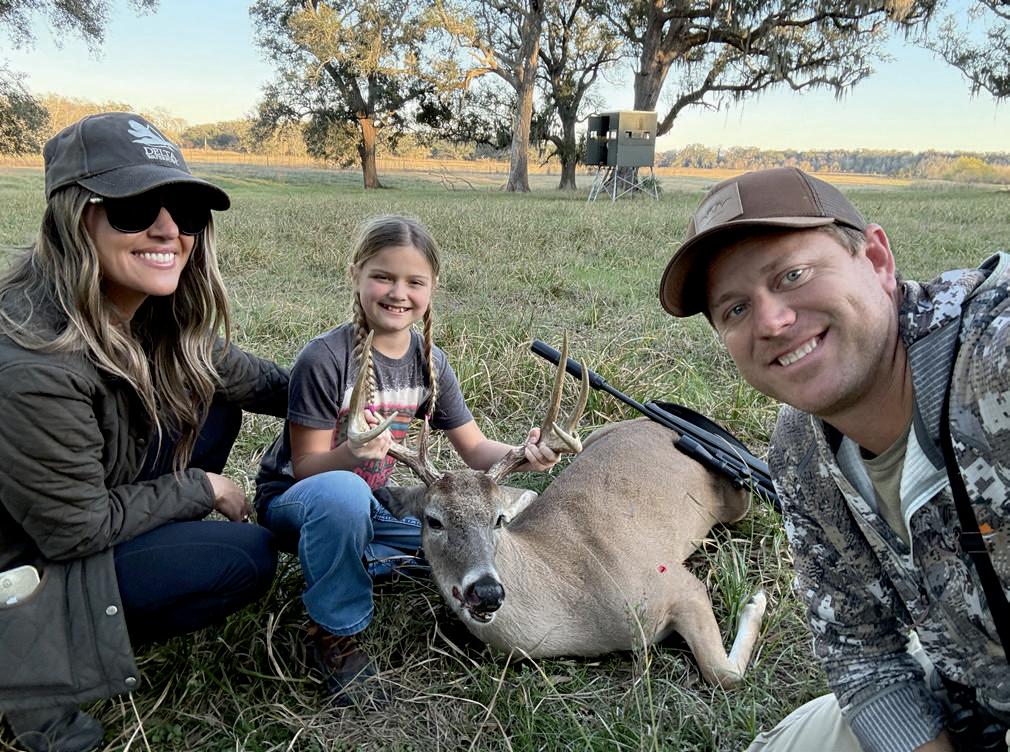
Cory and Catherine actually met through sporting clays when they were young teenagers. They both have a deep passion for shotgunning and all things outdoors. When they are not on the range, you can find them in the field hunting, usually with their 11-year-old daughter, Claire, in tow.
Cory Kruse is a 2x National Champion, World Sporting Clays Champion and new record holding 10x Texas State Champion, along with many other accolades. Cory had a vision for Sporting Collective since he was a teenager and desired to create simple and easy breakdowns for all to advance in their shotgunning skills, no matter their skill level.
Being a visual learner, Cory invented a new way to teach how to hit targets through “Shot-Structions,” which are football play style breakdown videos of clay targets and bird presentations.
You can download the Sporting Collective on the App Store or Google Play and start testing out the format and content to improve your wing shooting ahead of dove season. Or learn more about it on the website, sportingcollective.com

North Zone
September 1 – November 8, 2026
December 18, 2026 – January 7, 2027
Central Zone
September 1 – October 25, 2026
December 11, 2026 – January 14, 2027
South Zone
September 1 – October 25, 2026
December 18, 2026 – January 21, 2027
TDHA Banded Bird, if harvested call: 210-764-1189
Federal Banded Bird, if harvested: Report at reportband.gov
Public Hunting: tpwd.texas.gov/huntwild/hunt/public
Operation Game Thief:
If you witness a violation, call: 800-792-4263
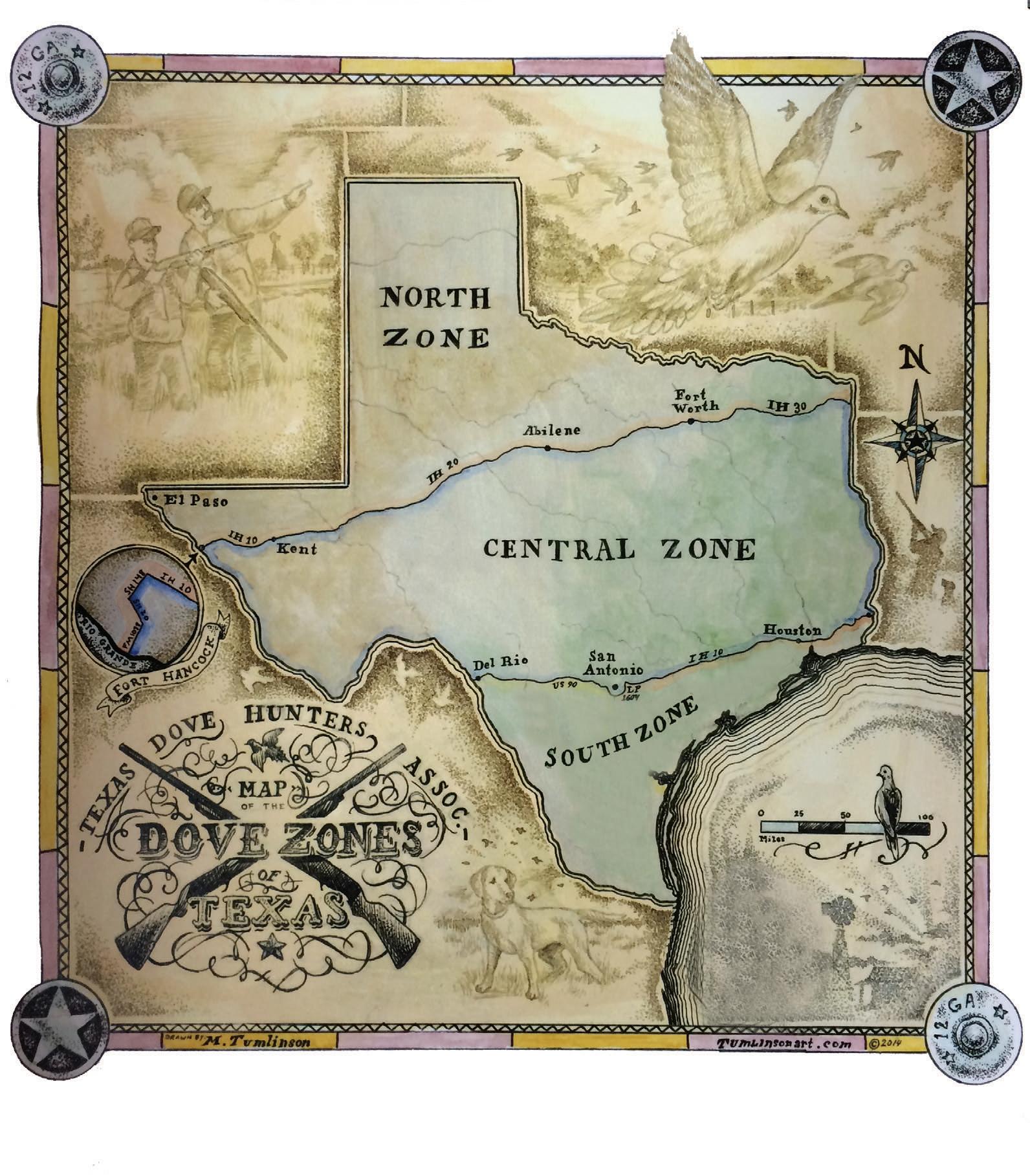
That portion of the state north of a line beginning at the International Bridge south of Fort Hancock; thence north along FM 1088 to State Highway 20; thence west along State Highway 20 to State Highway 148; thence north along State Highway 148 to Interstate Highway 10 at Fort Hancock; thence east along Interstate Highway 10 to Interstate Highway 20; thence northeast along Interstate Highway 20 to Interstate Highway 30 at Fort Worth; thence northeast along Interstate Highway 30 to the Texas-Arkansas state line.
That portion of the state between the North Zone and the South Zone.
That portion of the state south of a line beginning at the International Toll Bridge in Del Rio; thence northeast along U.S. Highway 277 Spur to U.S. Highway 90 in Del Rio; thence east along U.S. Highway 90 to State Loop 1604; thence following Loop 1604 south and east, then north, to Interstate Highway 10; thence east along Interstate Highway 10 to the TexasLouisiana Line.
SEASON DATES & ZONE INFORMATION COURTESY OF TEXAS PARKS & WILDLIFE DEPARTMENT ZONE MAP ART BY MATT TUMLINSON
Shooting Hours: Unless otherwise noted, one-half hour before sunrise to sunset
Daily Bag Composition*
15 mourning, white-winged and white-tipped (white-fronted) doves in aggregate, to include not more than two whitetipped (white-fronted) doves
Possession Limit:
Three times the daily bag limit
Migratory game Bird Stamp and HIP Certification required
Texas Dove Hunters Association: 210-764-1189


There are few hunting challenges greater than the small fast movers. Unexpected fly overs, last second flushes and unpredictable weather conditions all add up to a moment where fractions of seconds matter and your choice of ammo cannot be underestimated. Rio has once again stepped up to help address this with a new line of blended shot choices specifically for dove and similar game. Our new Blended Game Loads combine equal amounts of #7.5 to tackle targets that are farther away as well as #9 to deal with close-in birds that may require more forgiving patterns for quick reflex shots. Rio Blended Game Loads offer a devastating double threat that will leave dove looking for an off ramp this season!



For more info on Rio Game Loads, visit us online at www.RioOutdoors.us or contact your favorite retailer. Rio Blended Game Loads are available in 12 and 20 gauge, in both standard 2-3/4” and 3” cartridges.


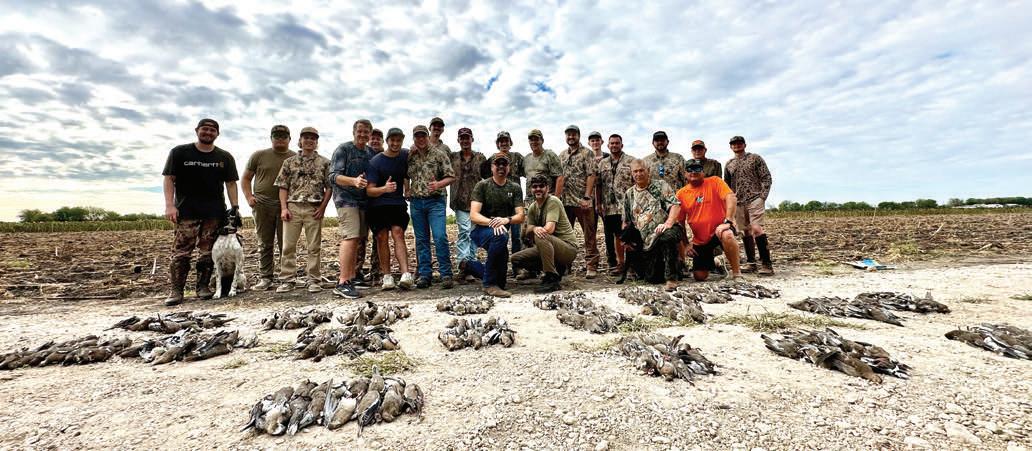



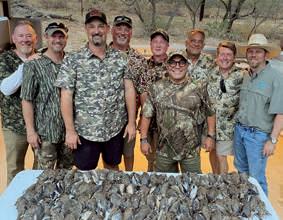










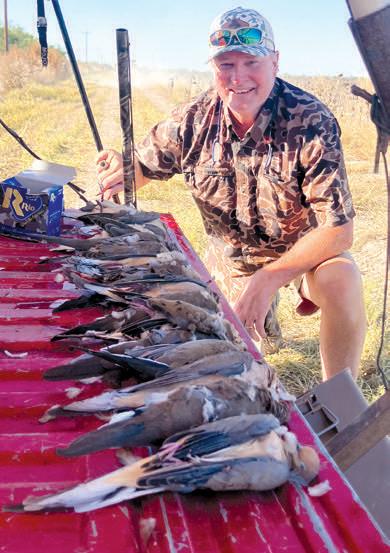

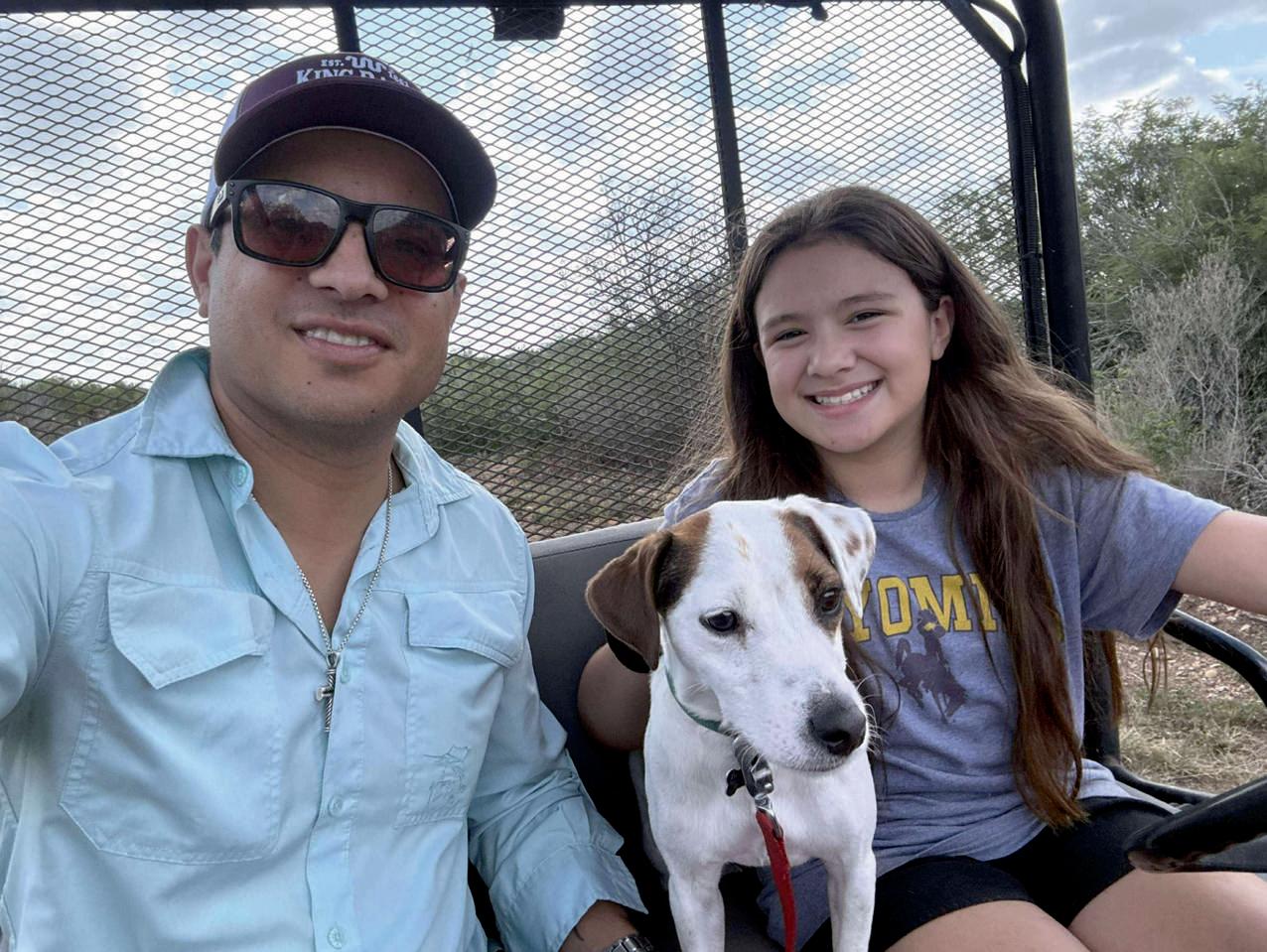
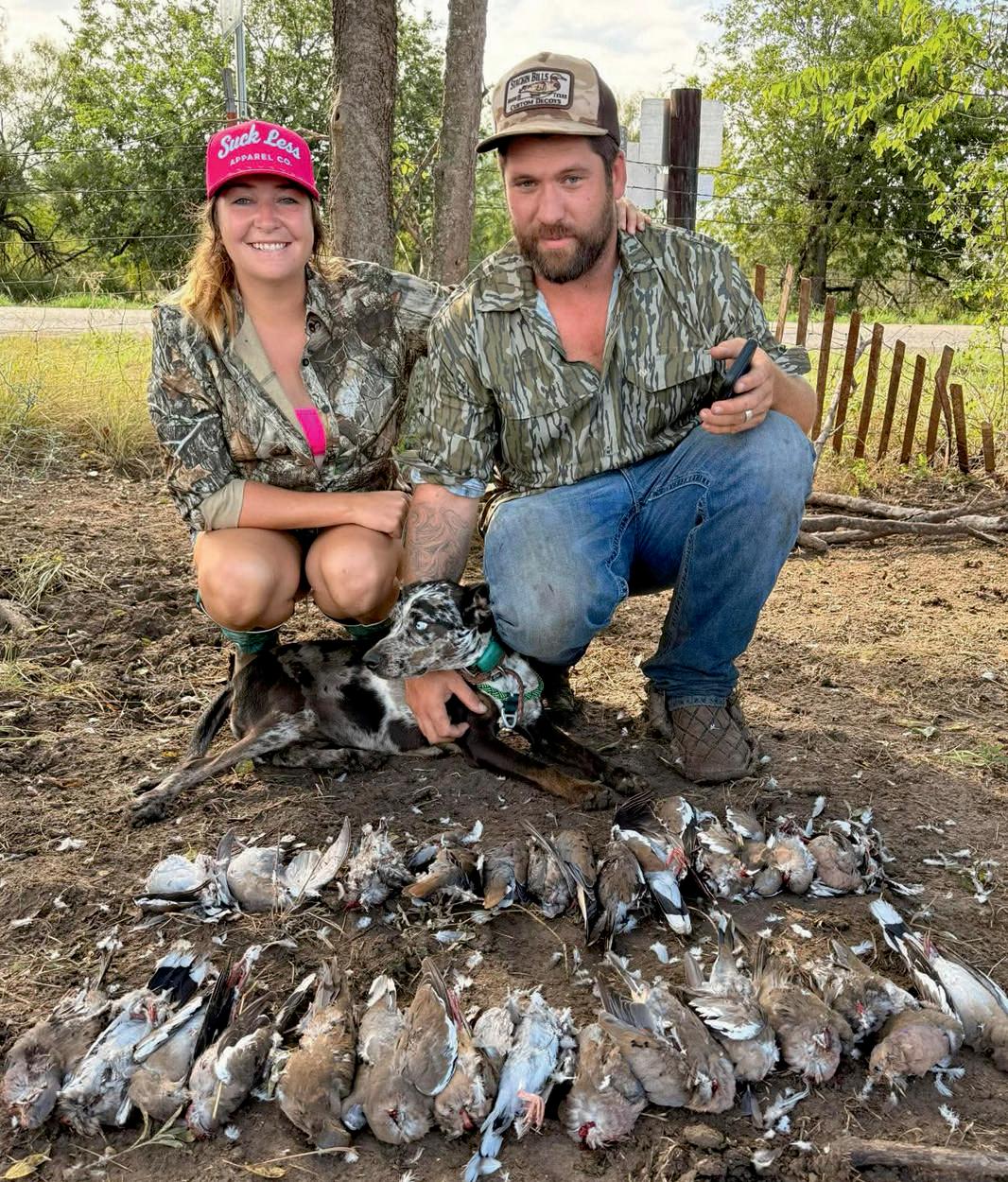
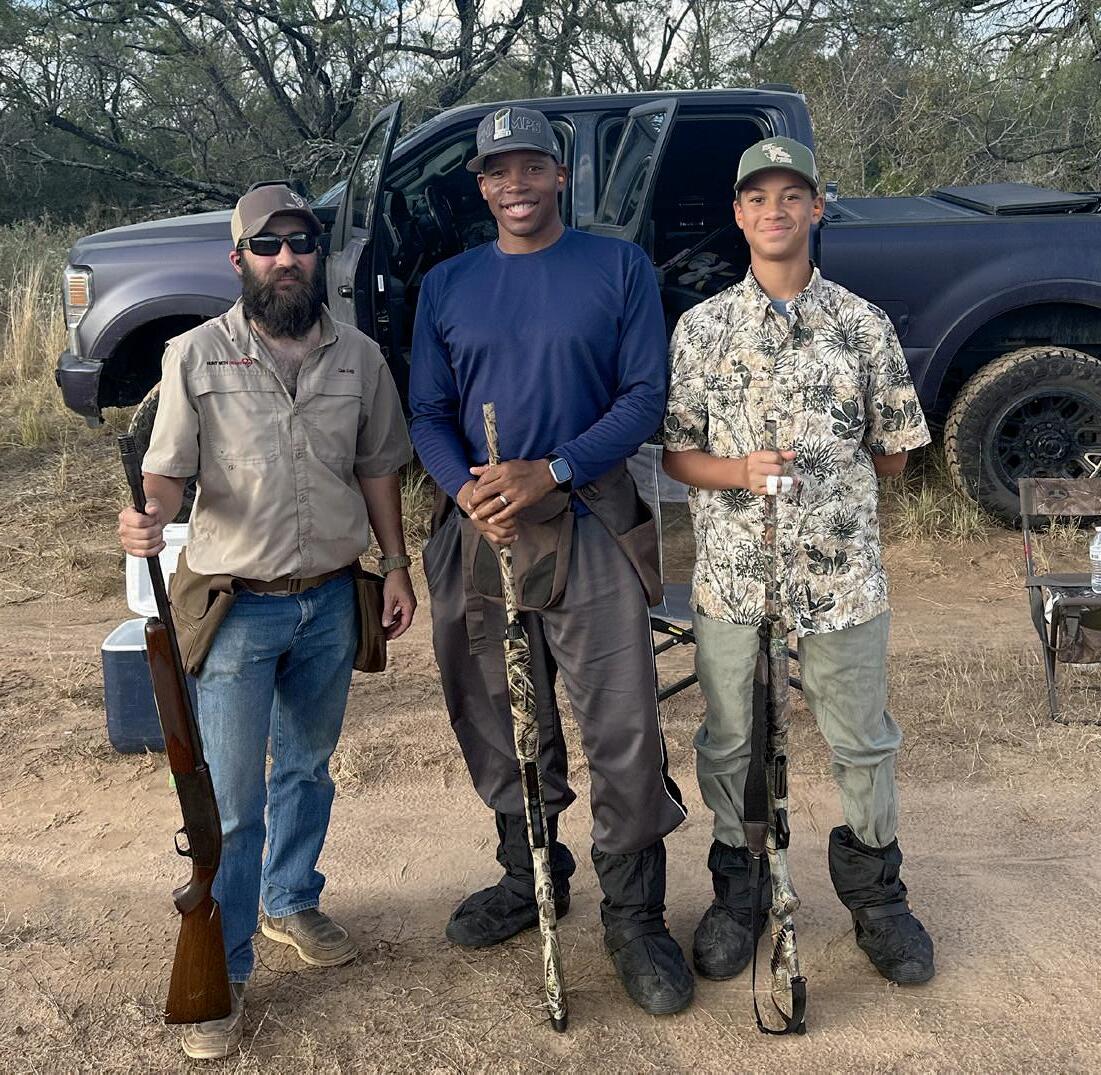
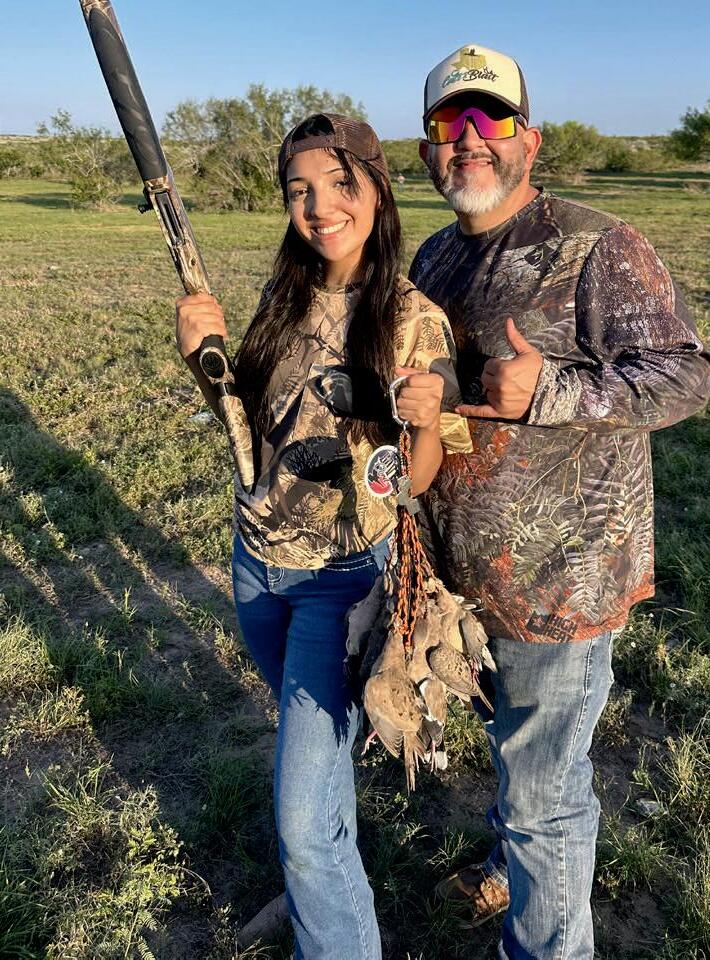
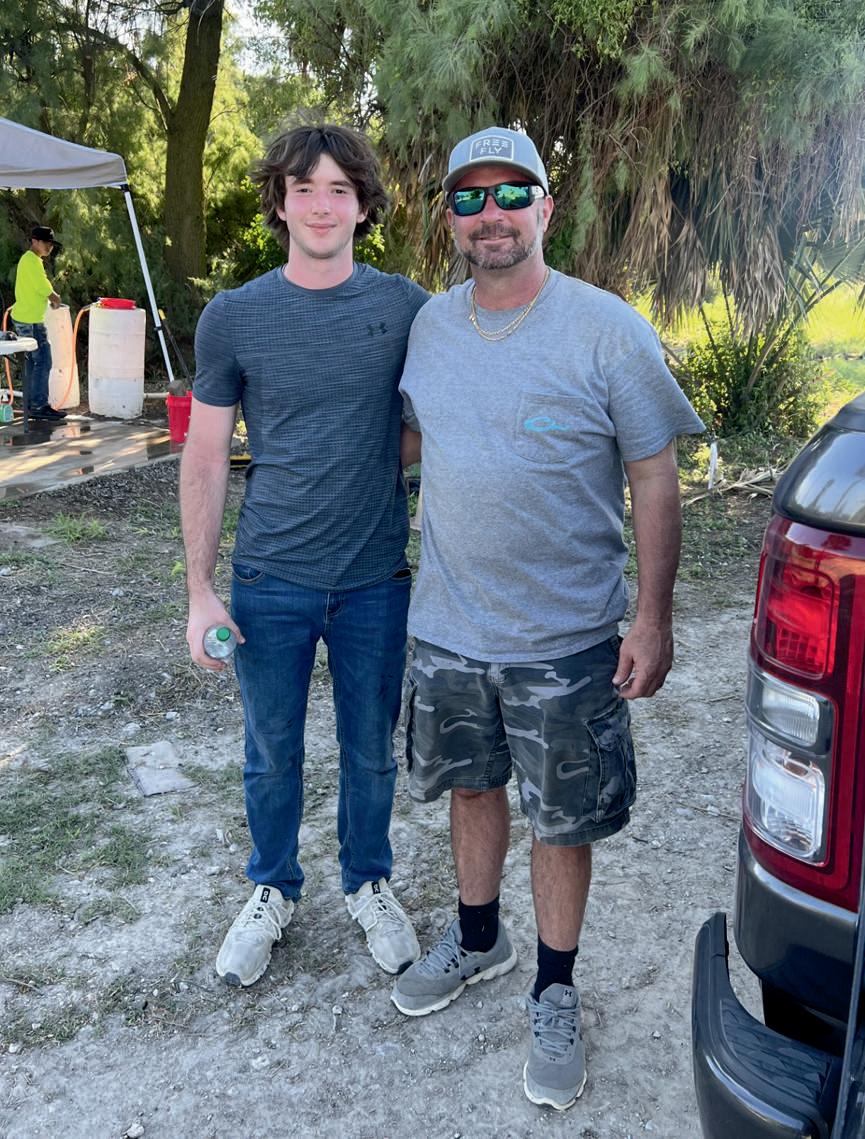
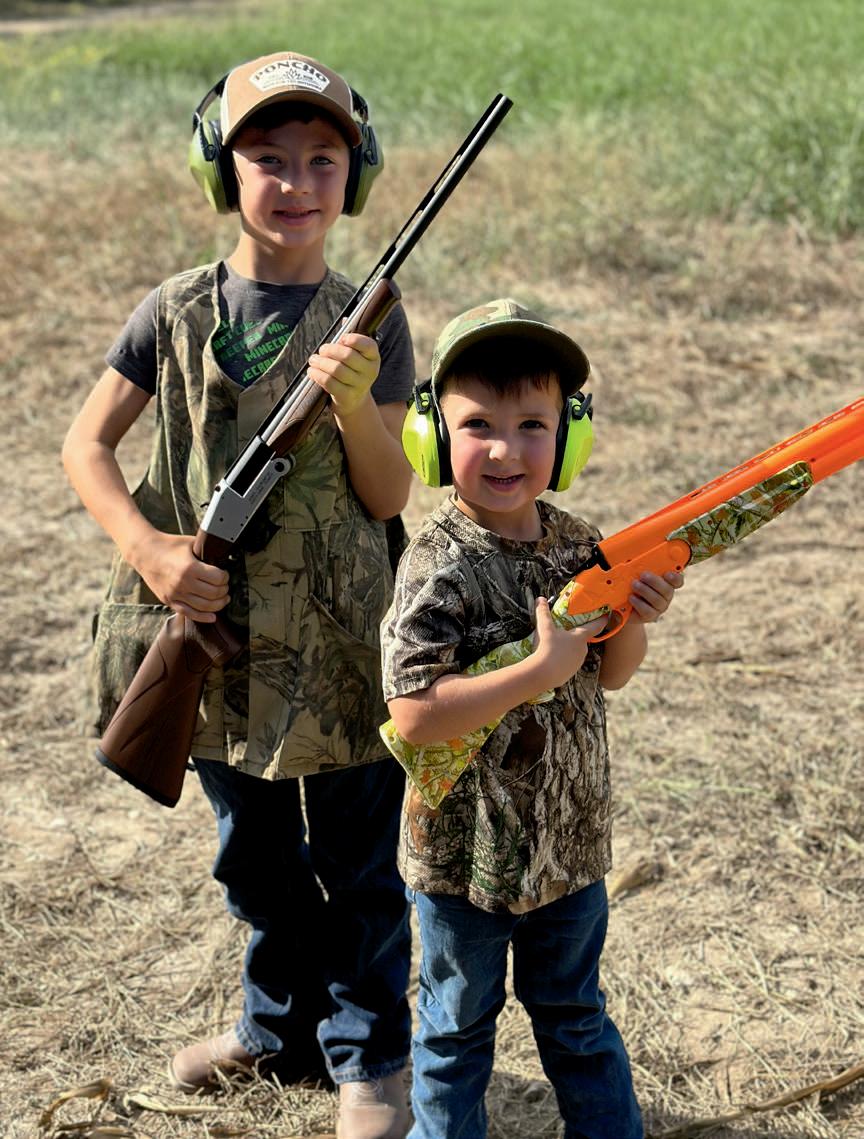
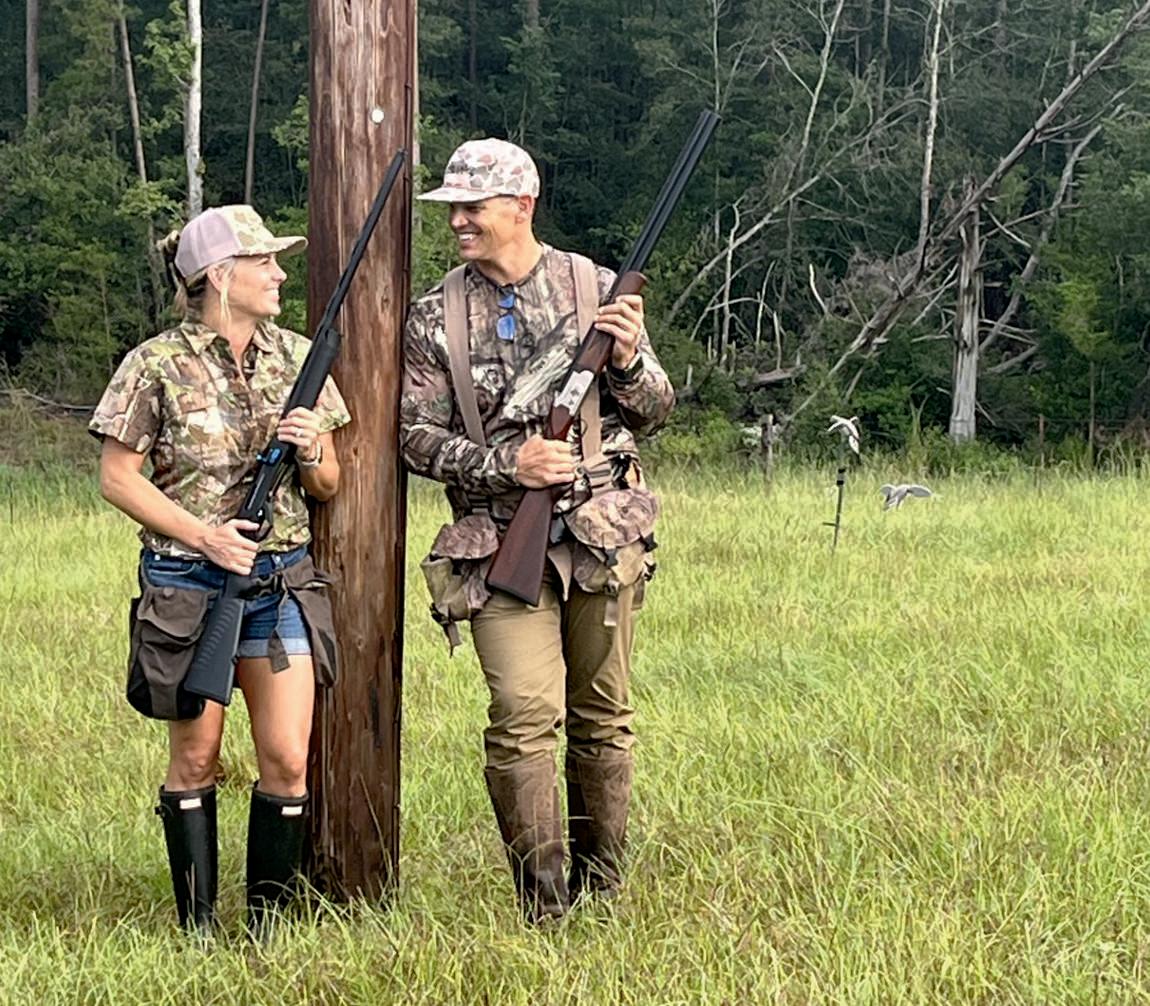
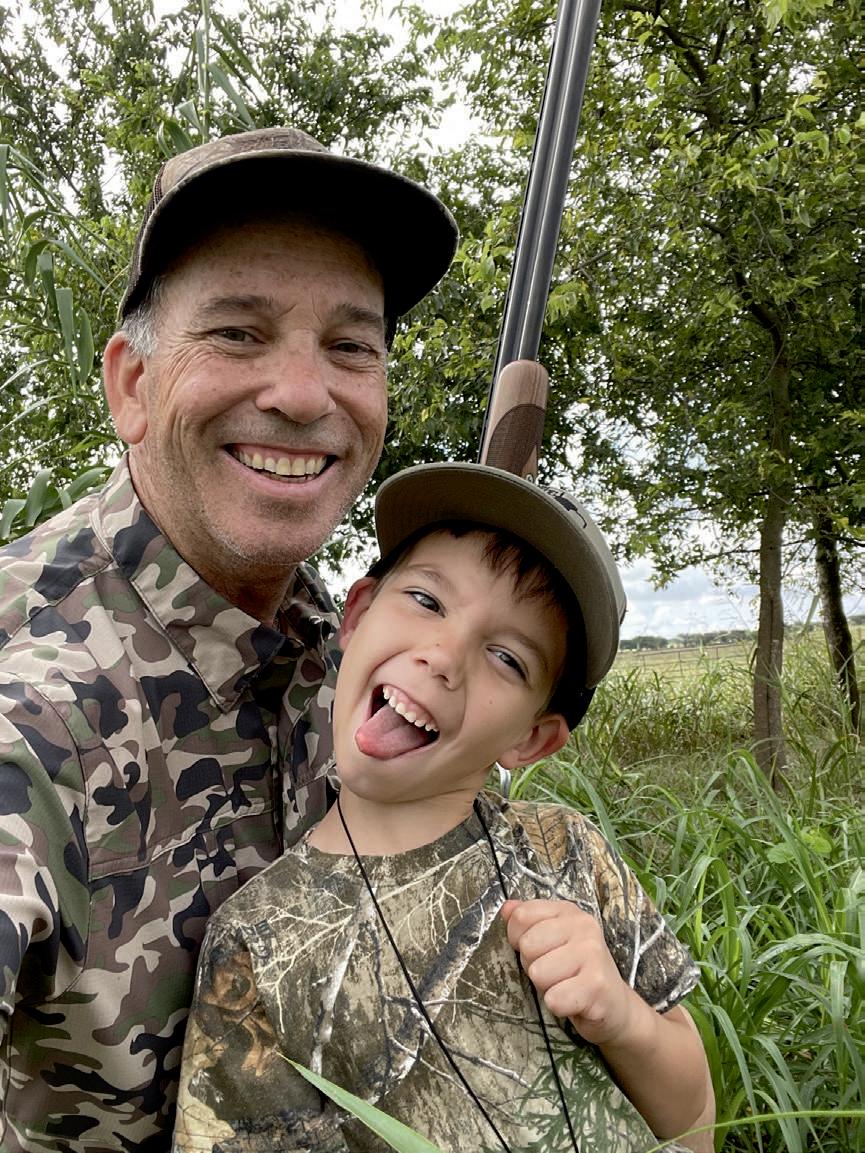
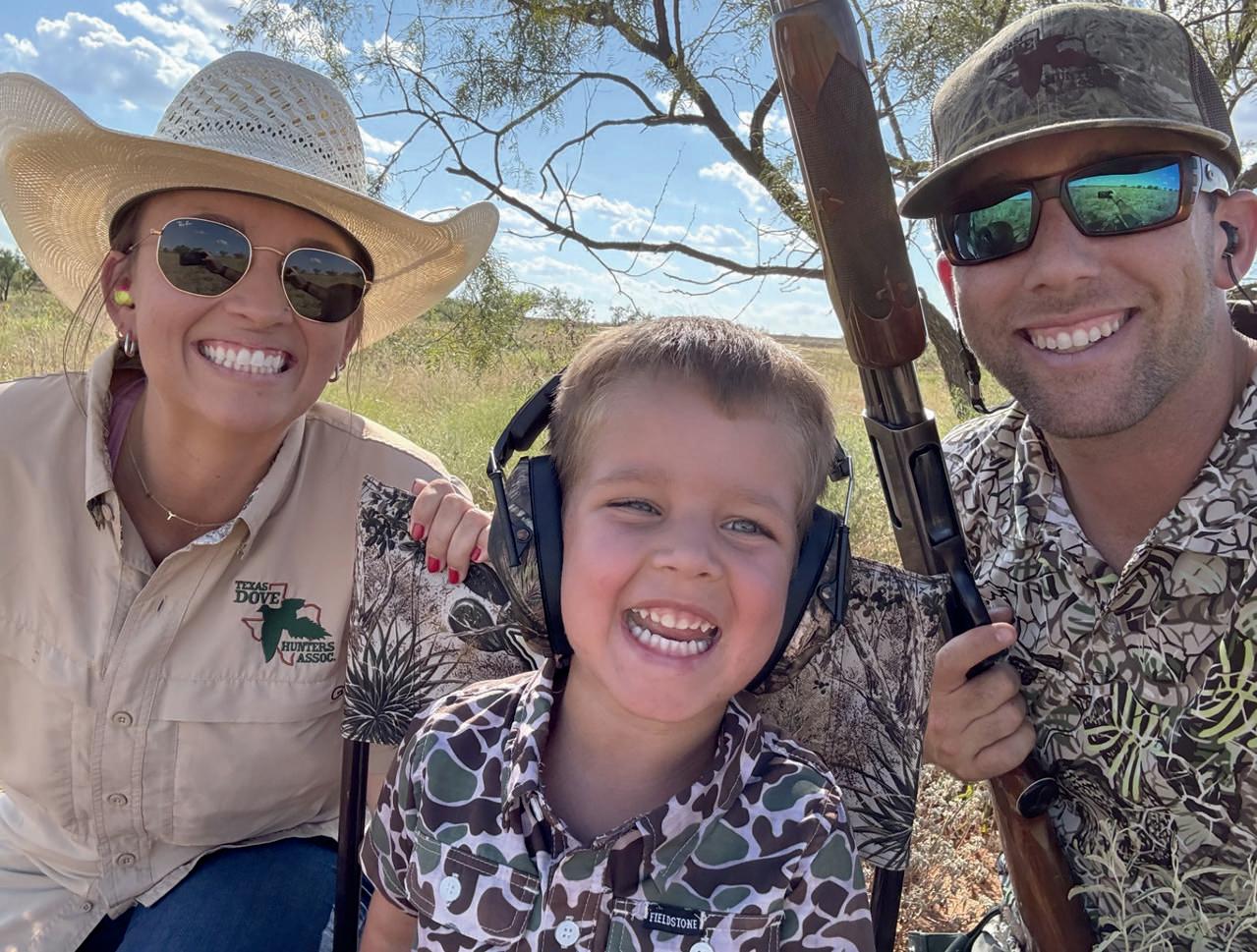
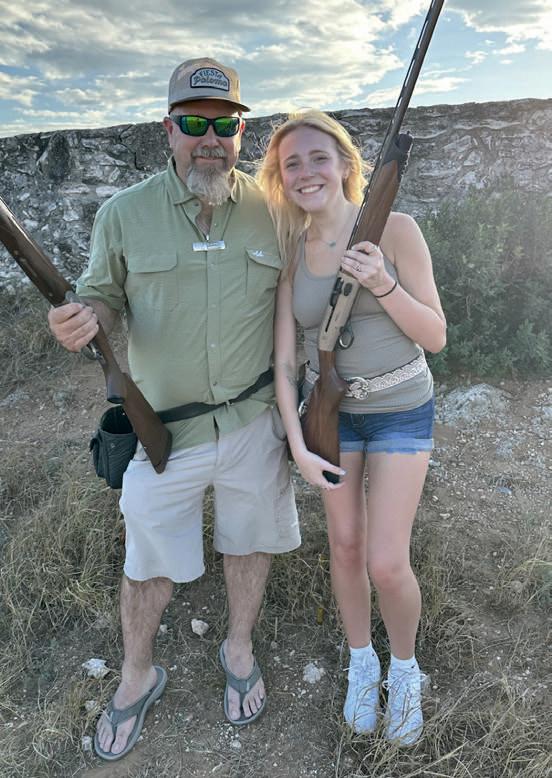
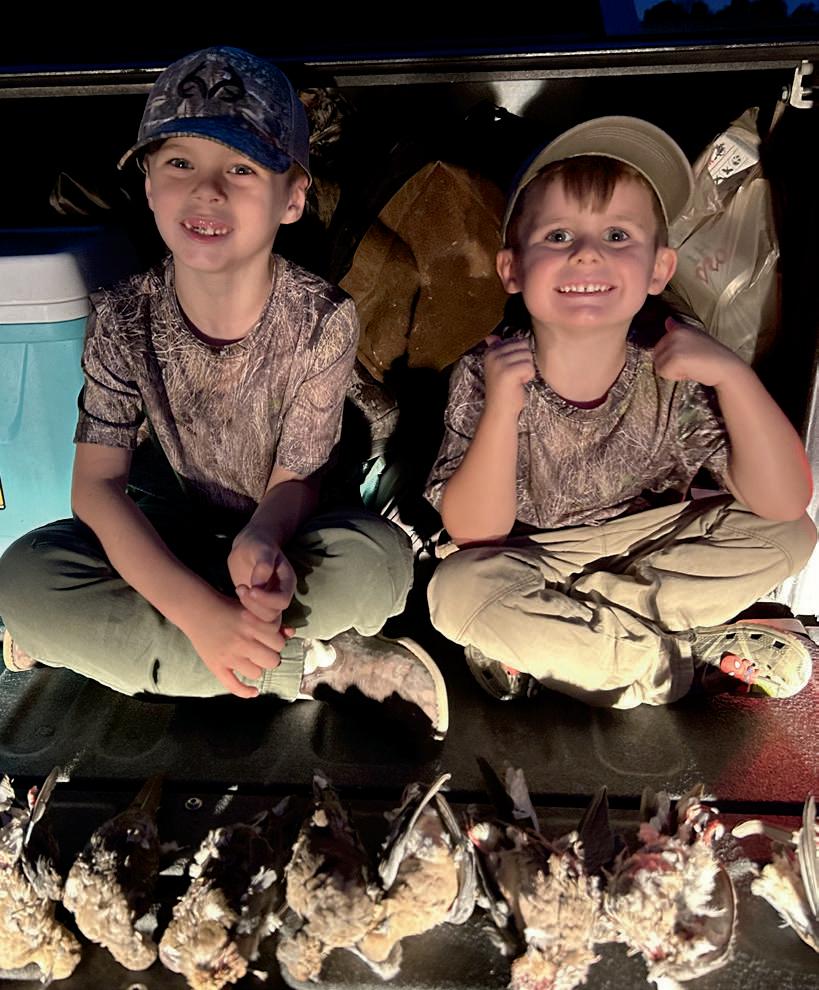
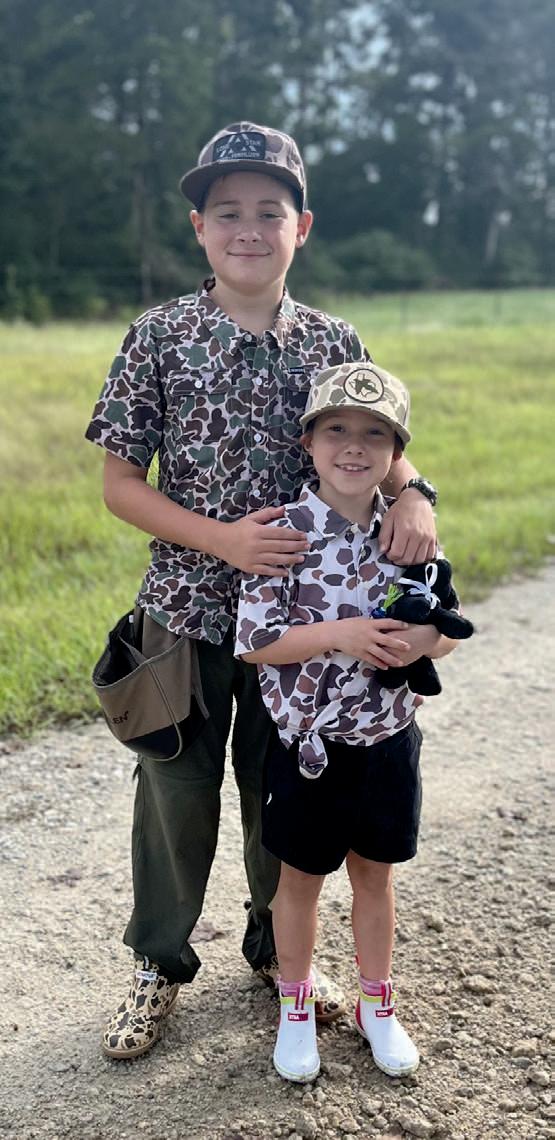
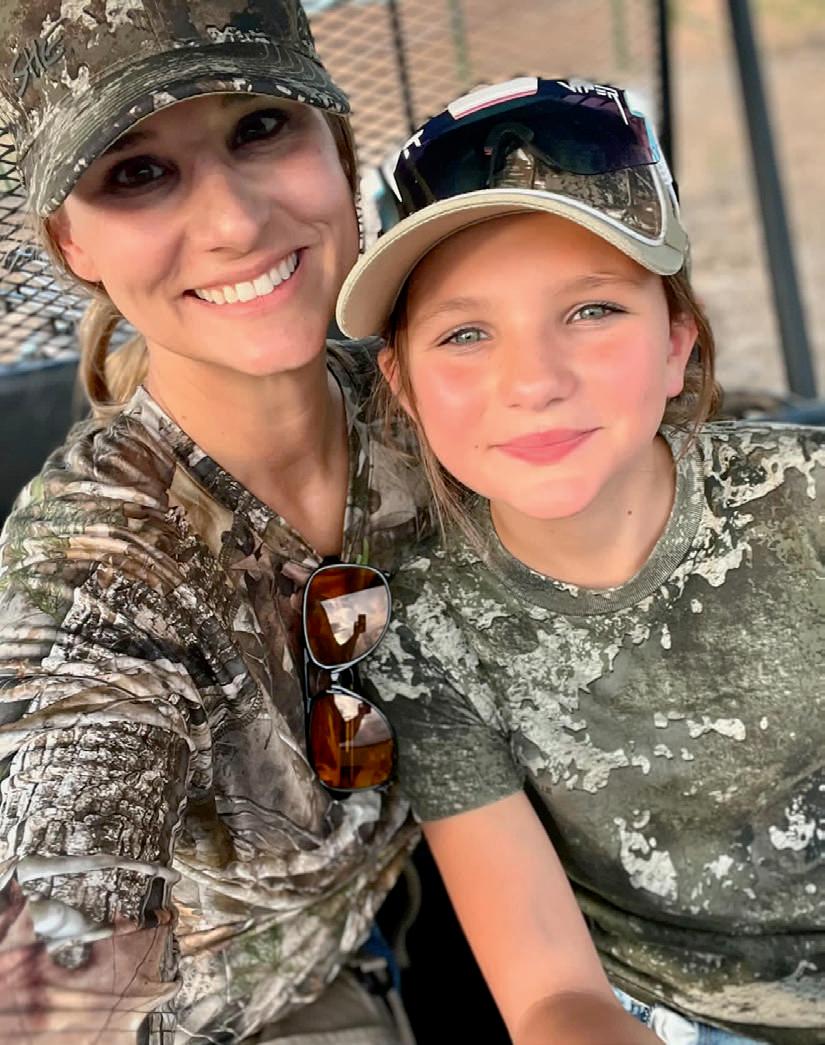
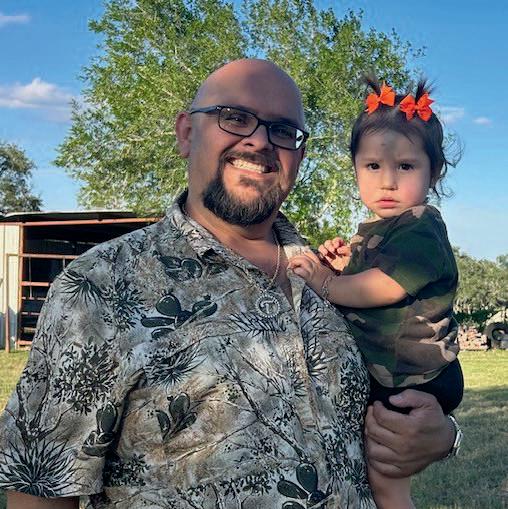
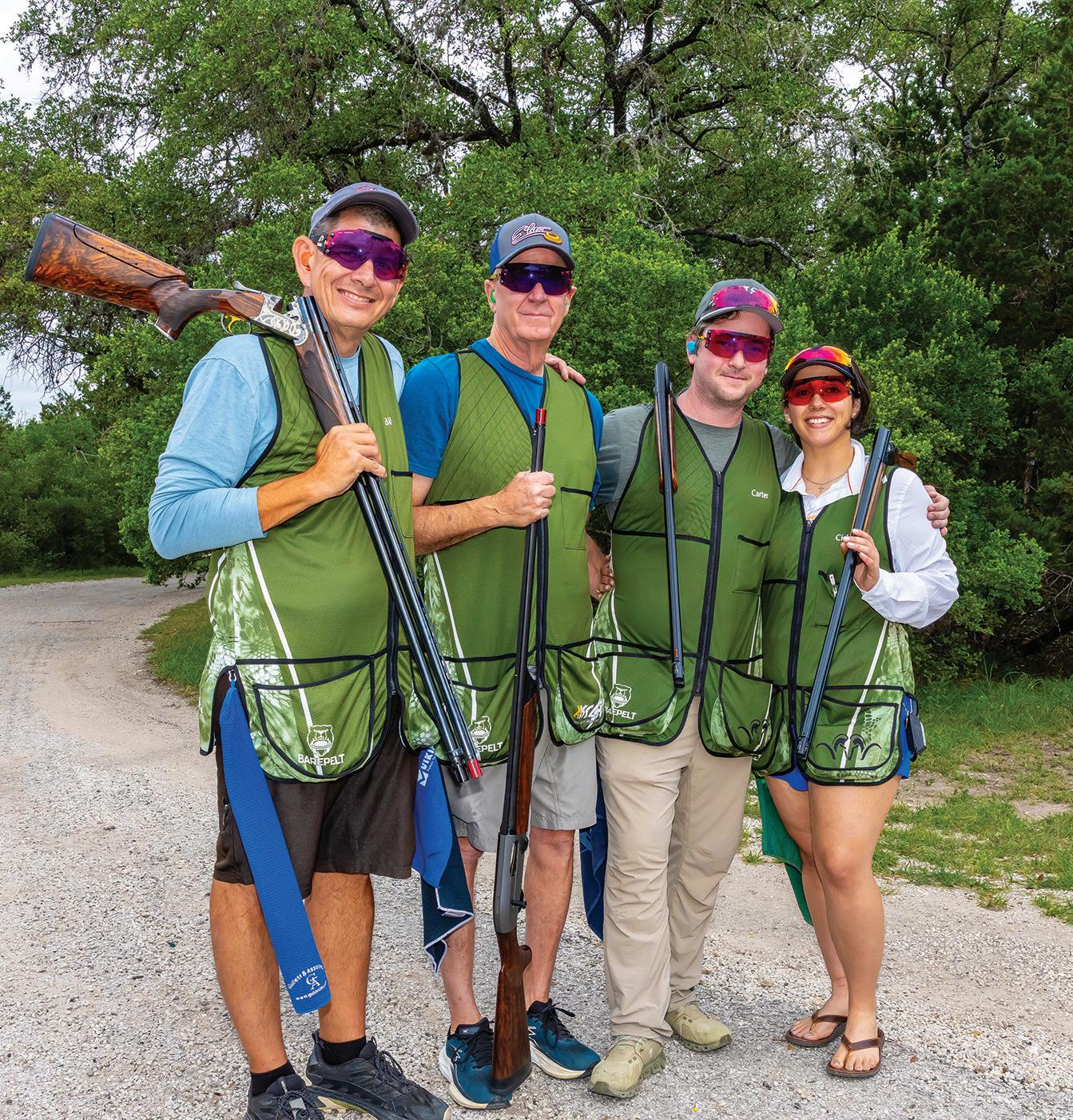
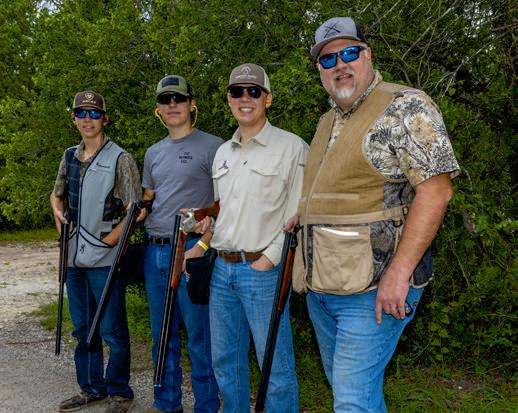
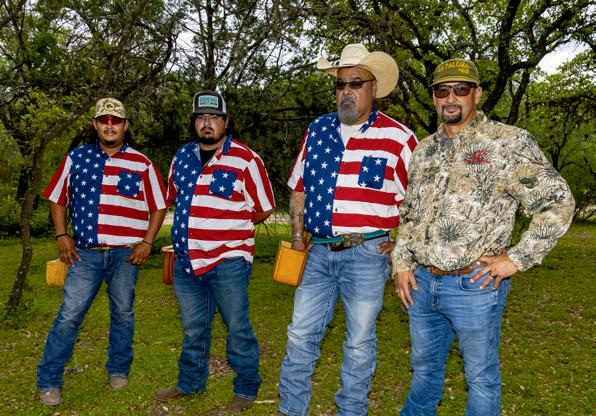
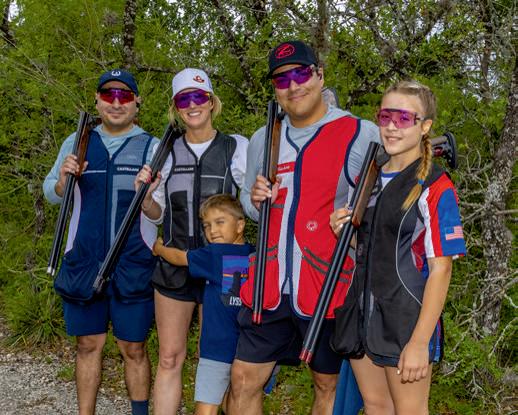
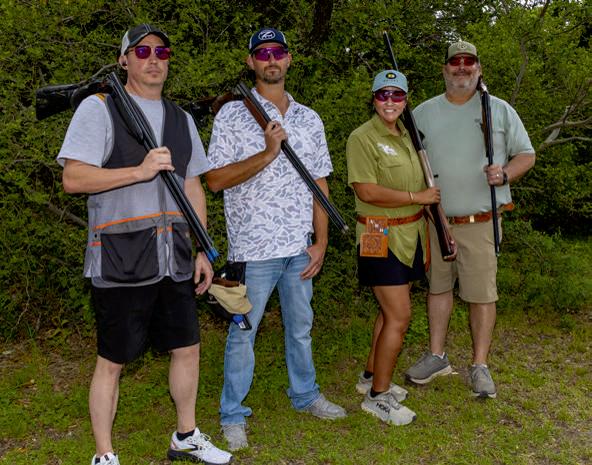
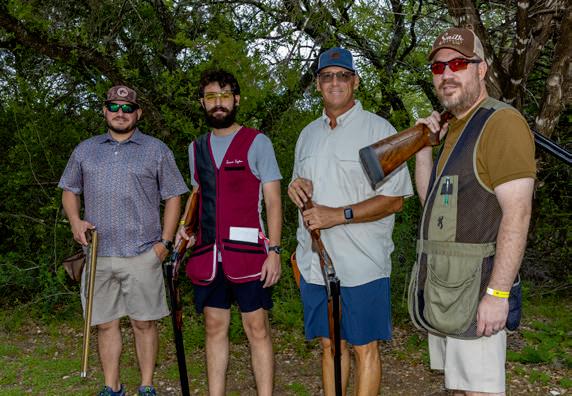
With 117 shooters and 40+ non-shooting attendees, we had a great crowd and perfect weather at the National Shooting Complex in San Antonio.
Thank you to the shooters for helping us bring back these fun events. Our shoots play a big Youth Program, helping us continue initiatives like scholarships, TDHA Youth Days, and curriculum. Proceeds from this year’s shoot, silent auction, and gun raffle will help us award a few high schoolers next year. The 2025 shoot allowed us to award two $1,000 scholarships students in May 2026. Thank you to all the students who applied; we wish each and every one luck as you embark on your next journey.
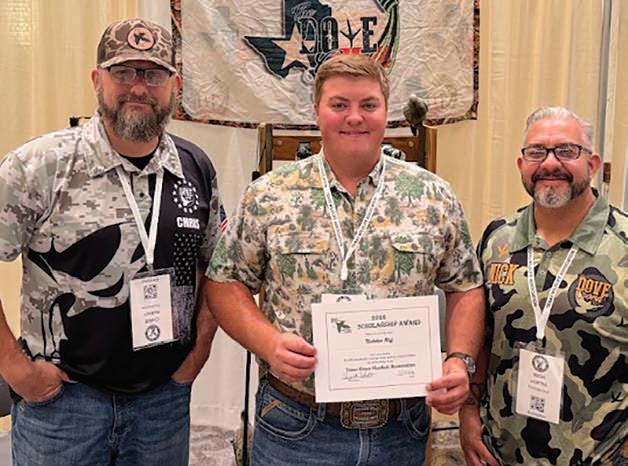
Hondo High SchoolAttending Texas A&M this fall majoring in Agricultural Economics with an emphasis on finance, real estate, and wealth management
Nicholas is a grounded, kind young man who was fortunate enough to grow up hunting and understanding the value of the great outdoors with his parents and brothers. Raised in Hondo, Riff explains, “Our small town comes alive each September during dove season … and the fields across the county echo with the sounds of opening day.” He believes dove hunting reflects the very message of 1 Thessalonians 4:11: “Make it your ambition to lead a quiet life, mind your own business, and work with your hands.” He says hunting teaches him to appreciate an honest, quiet life grounded in faith, hard work, and the outdoors.
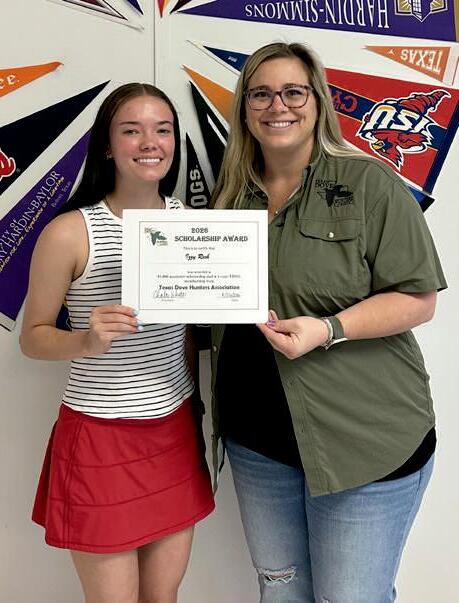
Fredericksburg High School - Attending Tarleton University this fall majoring in kinesiology, with plans to become a pediatric occupational therapist
Izzy is a smart young lady with a level head on her shoulders. Through her essay, she recounted how special hunting traditions are to her and her family. “Hunting has never just been about the animal for me. It’s about the early mornings when the world is still dark, the quiet moments in the blind, and the feeling of walking side by side with my dad. It’s about learning from him and carrying on something that means so much to our family. It’s about the pride, the memories, and the time spent together that you can’t get back once it’s gone.”
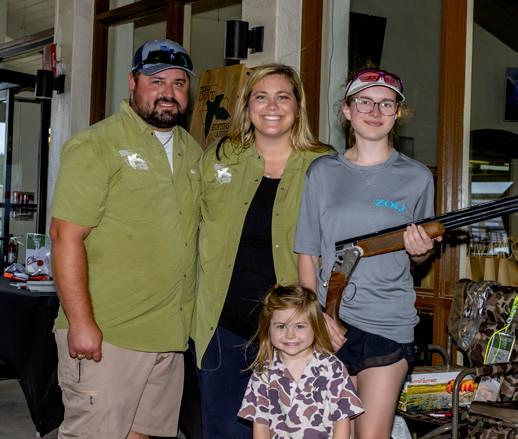
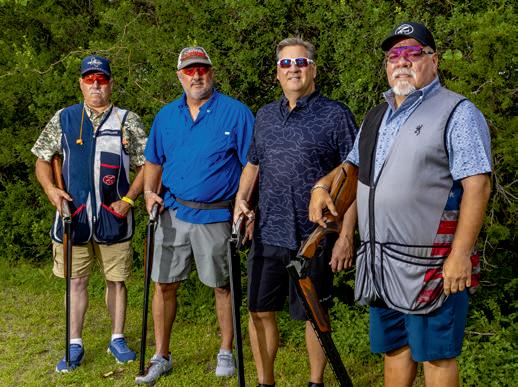
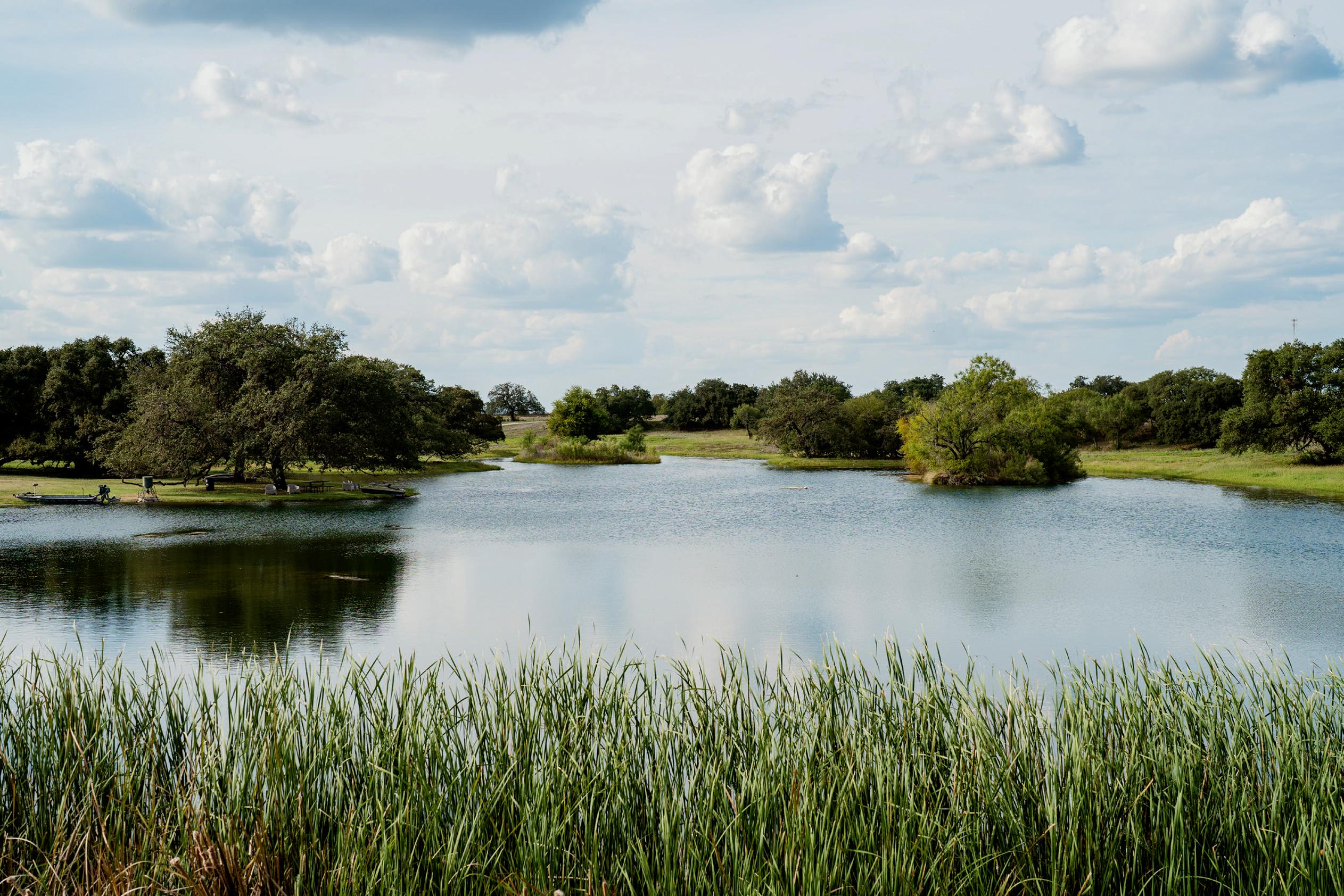
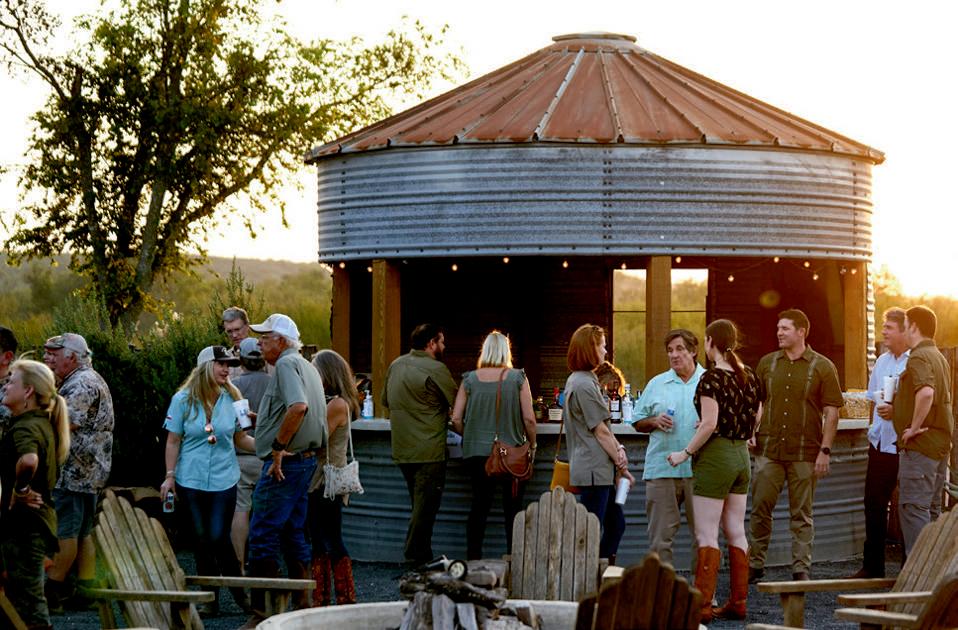
Bader Ranch is conveniently located in Hondo and has 875+ acres of prime hunting. With irrigated sunflower fields and strategically placed ponds, the ranch is managed year-round for white winged dove hunting— providing a mecca for white winged doves every year. With a limited amount of hunters in the fields each day, Bader Ranch offers a more exclusive and enjoyable hunting experience.
• Group, individual and corporate hunts
• Hunting and lodging packages available
• All ages are welcome
• Premier French Chateau-style luxury hunting lodge + other private lodging options
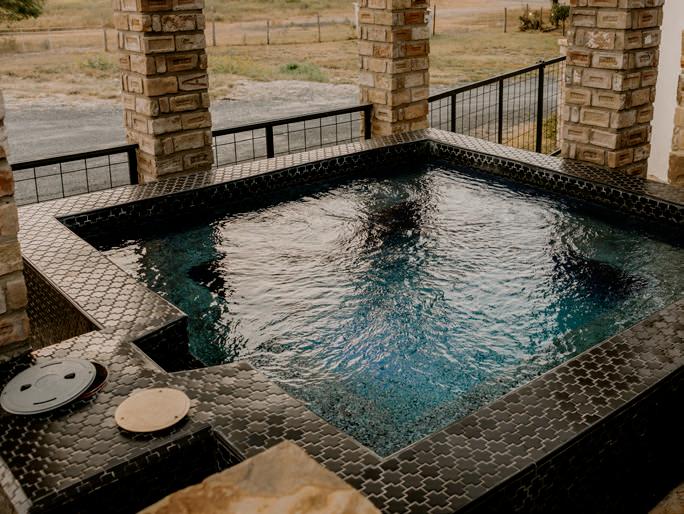
• Resort-style pool and hot tub
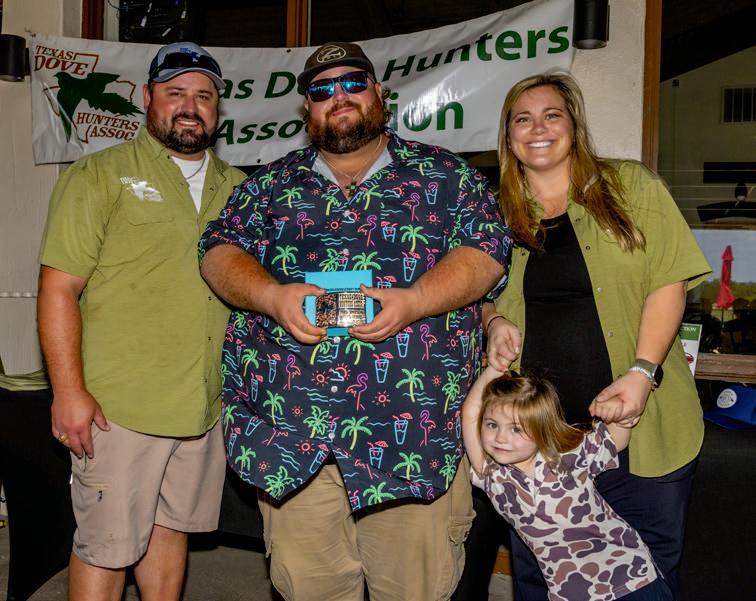
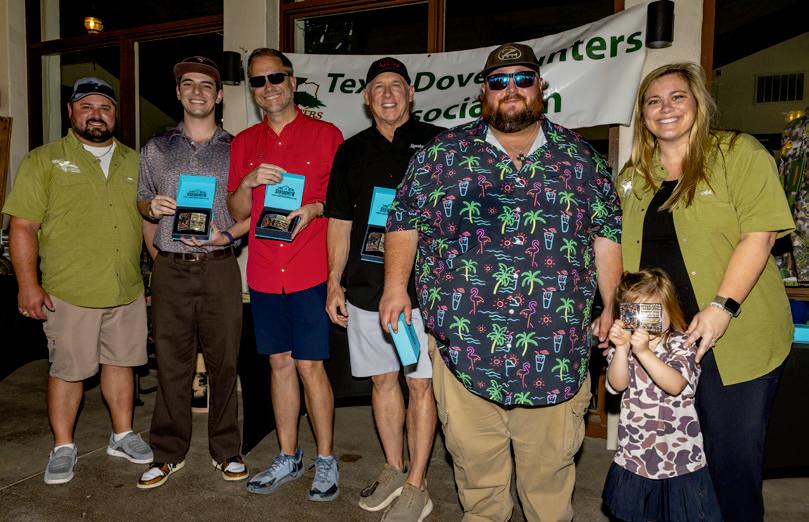
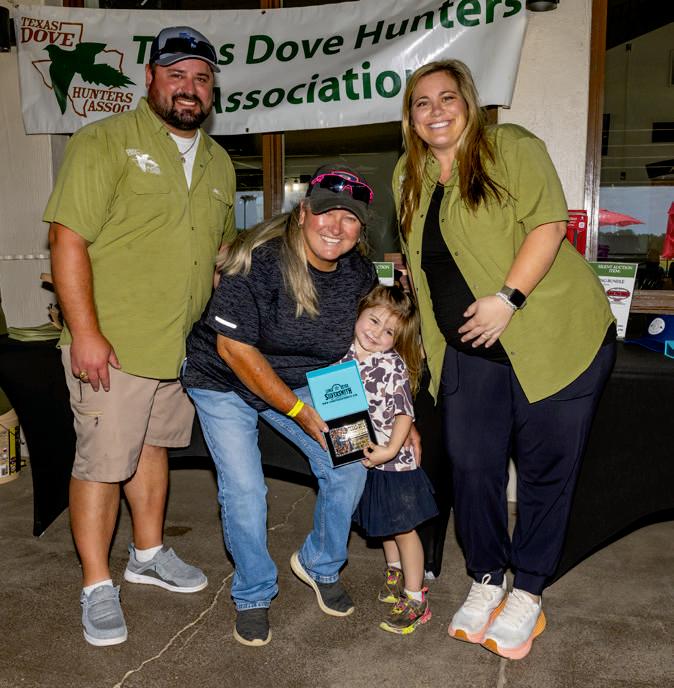
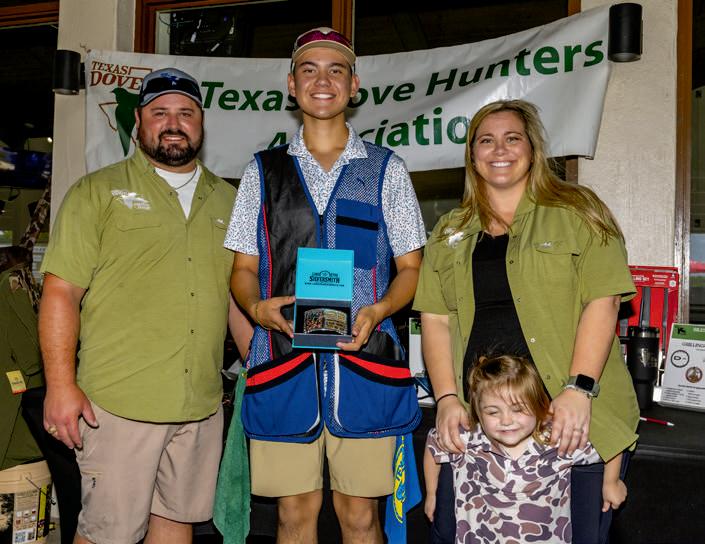
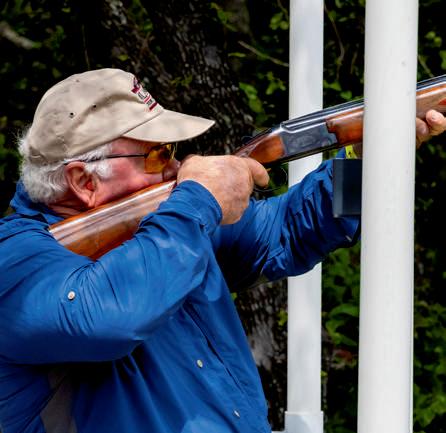
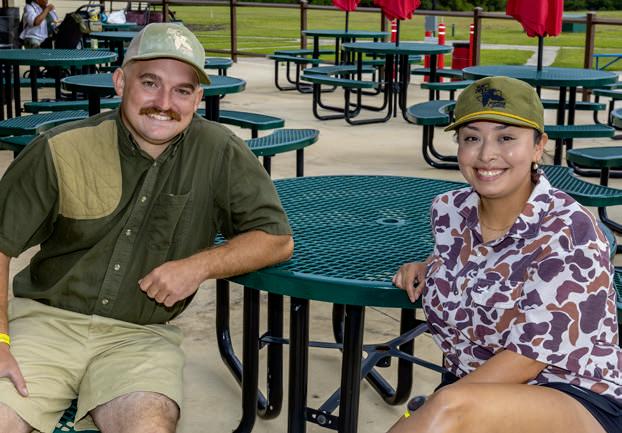
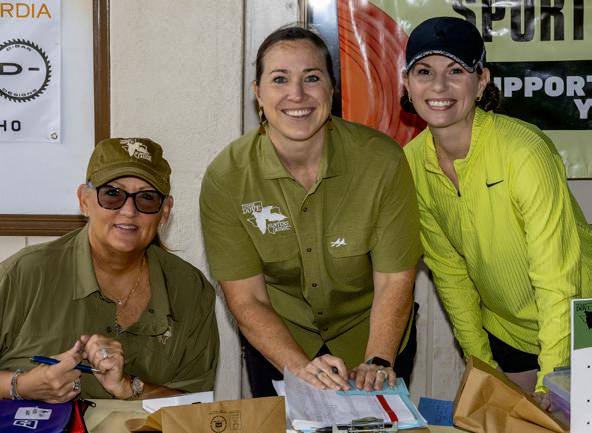
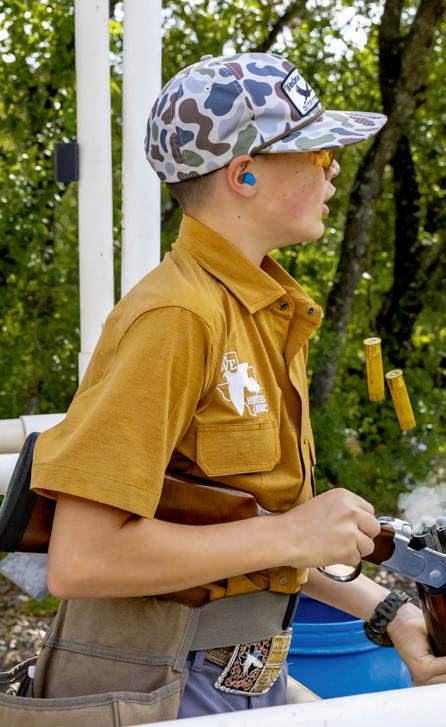
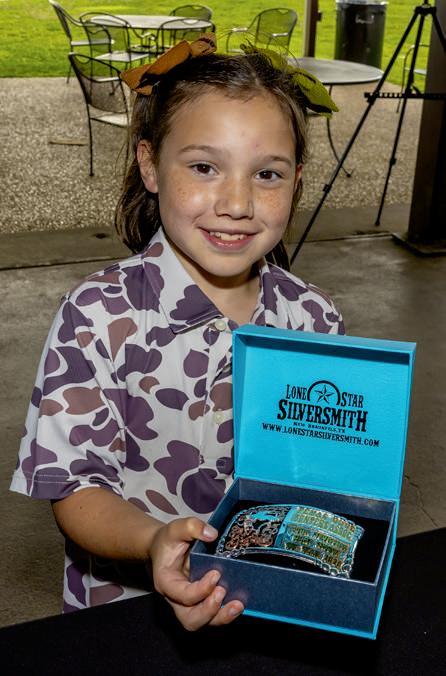
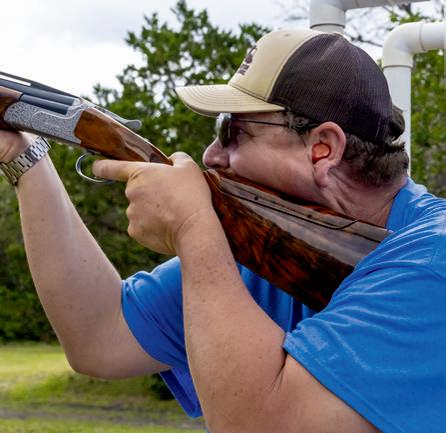
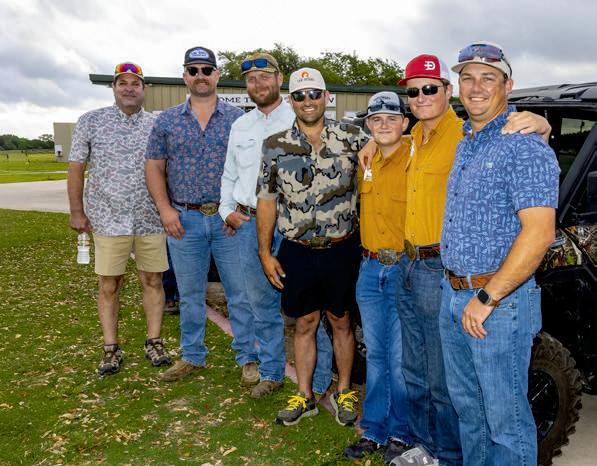
Congratulations to our buckle winners and all participants for their great shooting! Thank you to the TDHA staff, volunteers, friends, and family for all their hard work. We’re already looking forward to next year; mark your calendars for May 15, 2027. And a big thank you to the companies who supported the shoot by sponsoring or donating product.
























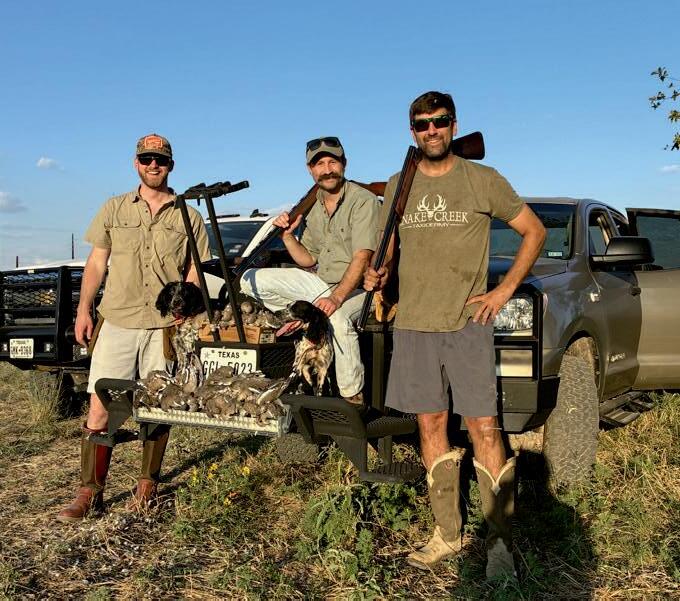
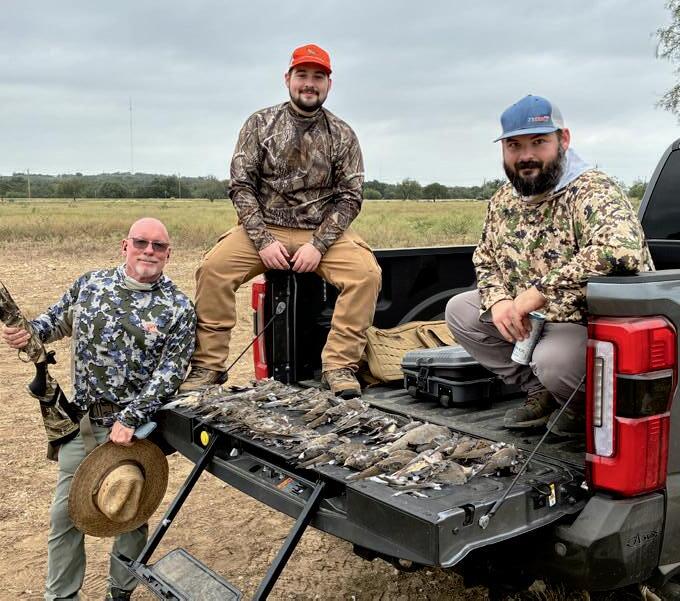
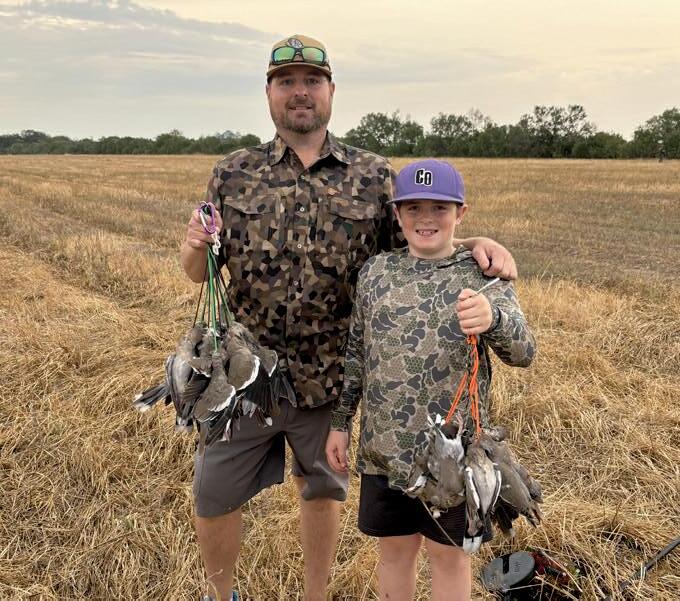
By Meredith Keller
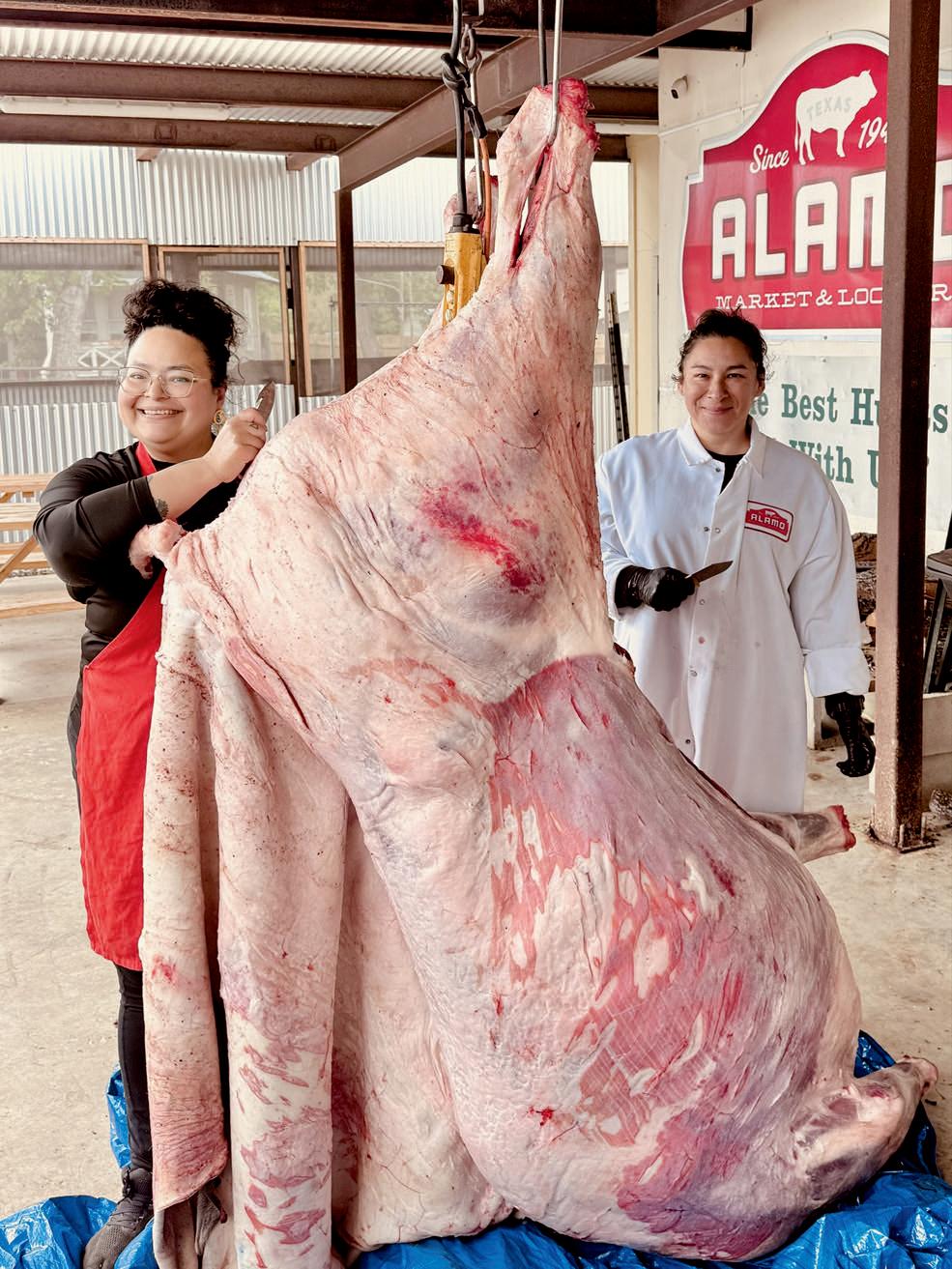
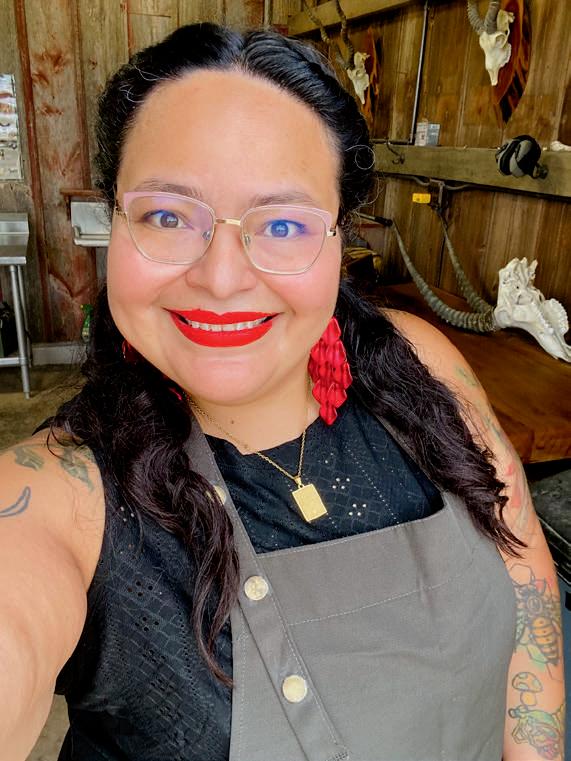
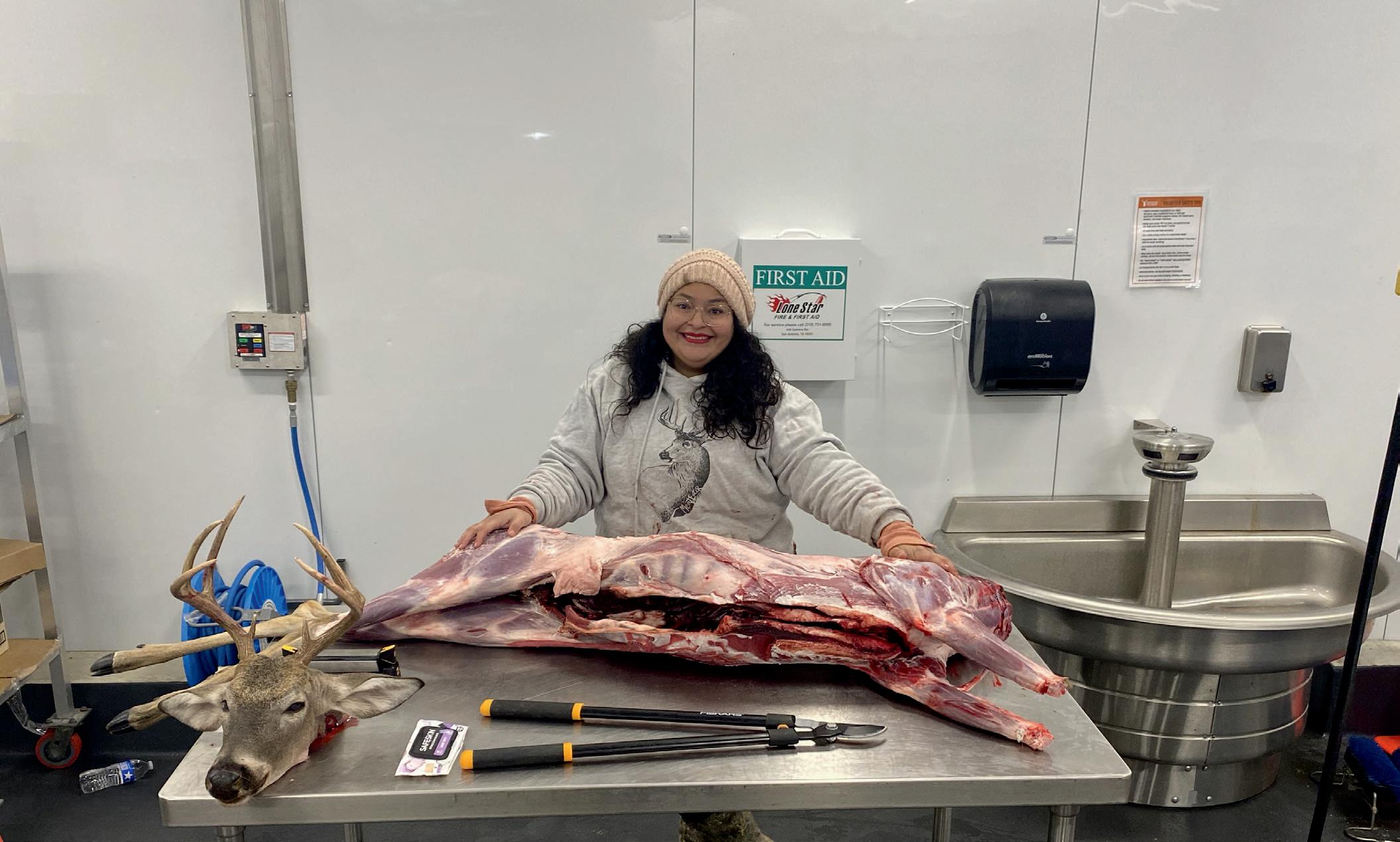
Years before she was elbow-deep in venison, Kriss Abigail Paredes stood behind a flashing camera shooting live performances, album covers, fashion editorials and burlesque productions – capturing subjects at every turn in the booming city of Chicago.
If you had told her 10 years ago that she would become one of Texas’ most passionate advocates for wild game processing, hunting education and whole-animal butchery, she probably would have laughed.
After all, she grew up in Chicago. But when her photography equipment was stolen, she found herself wondering what came next. For Paredes, Texas offered an unexpected answer. Her parents owned property near Waring, Texas, so in 2016 she relocated to the Hill Country looking for a fresh start. She initially considered culinary school and even worked in a restaurant kitchen to test the waters.
“I loved cooking, and I loved prep work, but I realized the restaurant kitchen wasn’t really where I belonged, so I kept exploring my options,” Kriss said.
Everything changed when she answered an online classified ad looking for seasonal game processing help. At the time, she didn’t even understand that game processing meant cutting up and dismantling deer carcasses and other wild hunted animals.
“I honestly thought they meant board games or video games,” she said with a laugh.
The job promised knife skills, something she thought would help her culinary ambitions. But it offered much more. It sparked a mindset shift, forcing her to confront where food truly comes from, and the physical labor required to honor that process – labor she would have to learn. So, instead of working in a restaurant kitchen, she found herself standing in a processing room during deer season, holding a knife and a hind quarter with virtually no experience. That first day changed her life.
Today, Kriss lives outside Comfort, Texas, where for the past three years she has served as the wild game specialist at Alamo Meat Market’s Comfort location. She teaches new hunters, mentors aspiring butchers, creates wild game recipes and helps hunters understand that the journey from field to table deserves as much respect as the hunt itself.
Having grown up in a big city, Paredes had never seen an animal transformed into food. The experience forced her to confront just how disconnected most people have become from their food supply.
“We don’t think about the process, and all of the invisible labor required to get food to our table,” she said. “The ranchers, farmers, processors, truck drivers, and the butchersI realized I never wanted to be disconnected from that again.”
Kriss decided at that moment that she wanted to learn more about the systems and sources that keep people fed. She wanted to respect the stewardship and conservation behind the process. That decision led to a drastic career shift and a lifelong passion.
Over the years, she taught herself butchery techniques, processing everything from whitetails and elk to bison, alligator, zebra and exotic game. Working largely on her own forced her to develop methods that relied more on technique than strength.
Eventually, her curiosity led her to the beginning of the food journey, and she decided she wanted to learn how to hunt. Her first hunt was for aoudad in West Texas, and despite fears about making a bad shot, the experience profoundly affected her.
“There’s grief, gratitude, joy, sadness, all happening at once,” she said. “It’s one of the most intimate conversations you can have with nature.”
That hunt solidified her belief that hunting and food are inseparable.
Today, Paredes works with the Texas Wildlife Association’s Adult Learn to Hunt Program, helping first-time hunters understand everything from conservation and tracking to processing and cooking their harvest. She believes hunters should understand how to butcher their own animals, even if they ultimately use a processor, because this deepens respect for the animal and its sacrifice.
“People should know where their food comes from,” she said. “That knowledge matters.”
Since joining Alamo Meat Market, she has helped build a wild game
division centered on quality rather than volume. While many processors handle thousands of deer each season, Paredes prefers a slower approach — emphasizing proper aging, careful cutting and helping clients make the most of every animal.
“We’re making people’s food,” she said. “Those meals should bring back memories of the hunt.”
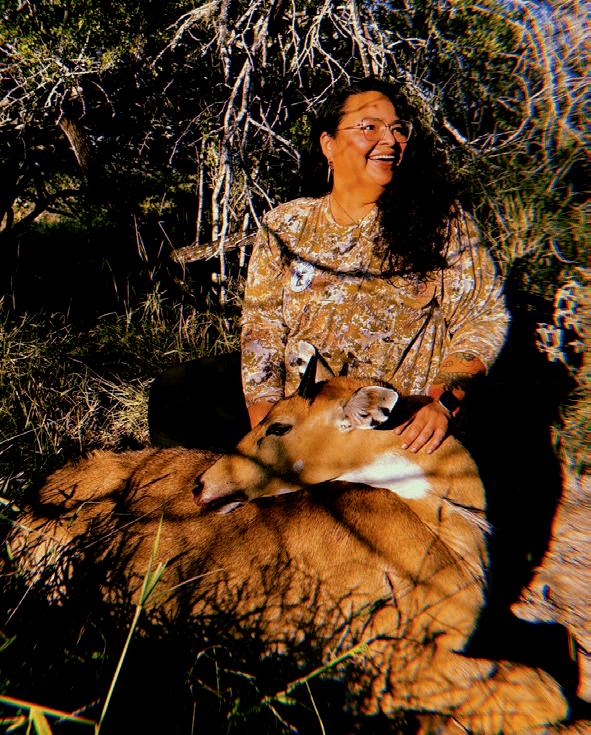
In keeping with this philosophy, her creativity has extended beyond the cutting room. She develops specialty sausage recipes, helps clients plan meals, and creates custom cuts designed to showcase each animal. The program allows hunters to take their efforts full circle, opening their minds to new possibilities and showing them how an animal can fulfill multiple needs after the hunt. This educational program has also become her passion. Through her “Meet Your Meat” social media project, workshops, demonstrations and classes, she encourages people to examine their relationship with food. She has conducted butchery demonstrations for urban audiences, culinary professionals and beginning hunters alike.
Her message is not about convincing everyone to hunt. It is about understanding and respecting the process. As a former city resident who became immersed in rural Texas, Paredes sees herself as a bridge between two worlds that often misunderstand each other.
“Every diet comes from death in one way or another,” she said. “At the very least, we can acknowledge where our food comes from and express gratitude. Food is the bridge. We should know what we are eating and where it came from.”
Looking ahead, she hopes to create opportunities for chefs, culinary students and aspiring butchers to learn wild game processing. She believes butchery deserves greater recognition as a skilled trade and hopes to see it taught more formally in culinary and vocational programs. For Paredes, butchery is about much more than meat; it is about stewardship, conservation, education and empowerment.
“What can’t you do after you’ve done something hard?” she asked. “You just took apart an animal. You faced something uncomfortable. There’s power in that.”
In a world increasingly disconnected from where food comes from, Kriss Abigail Paredes is helping people rediscover the story behind every meal — one animal, one lesson and one conversation at a time.
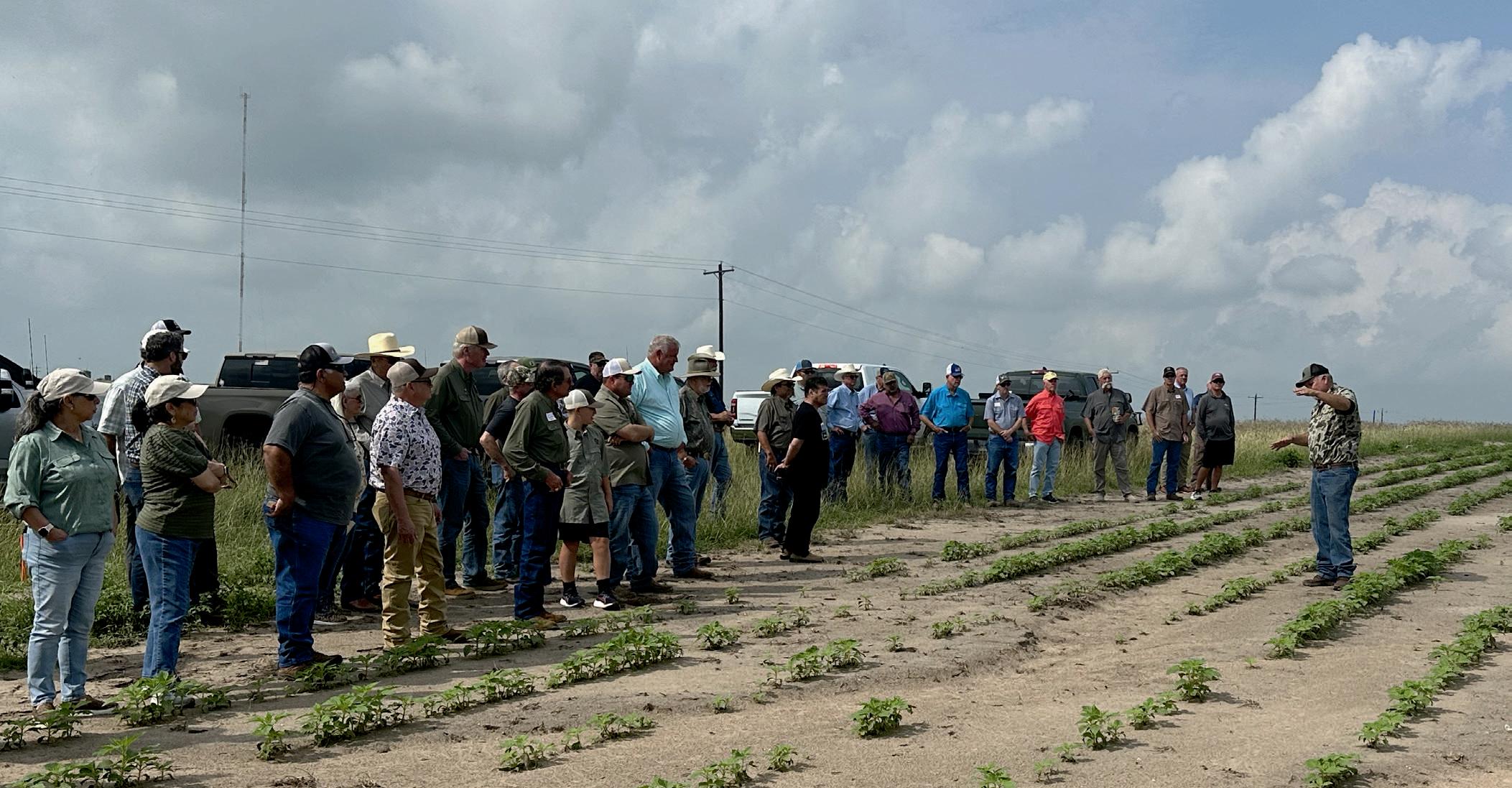
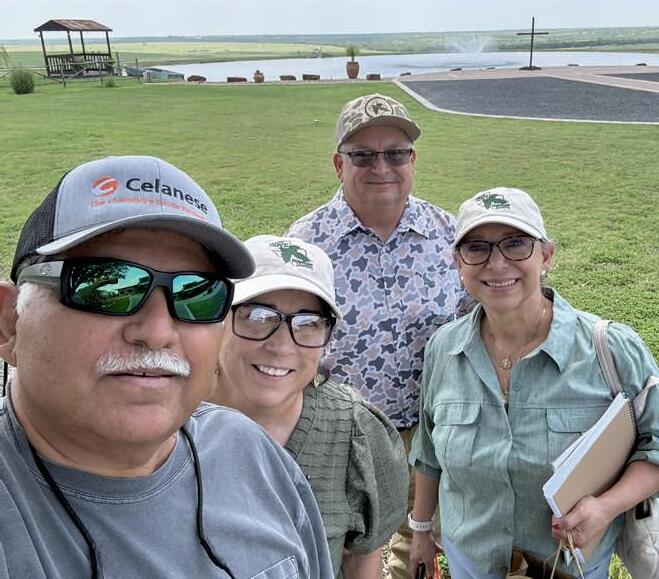



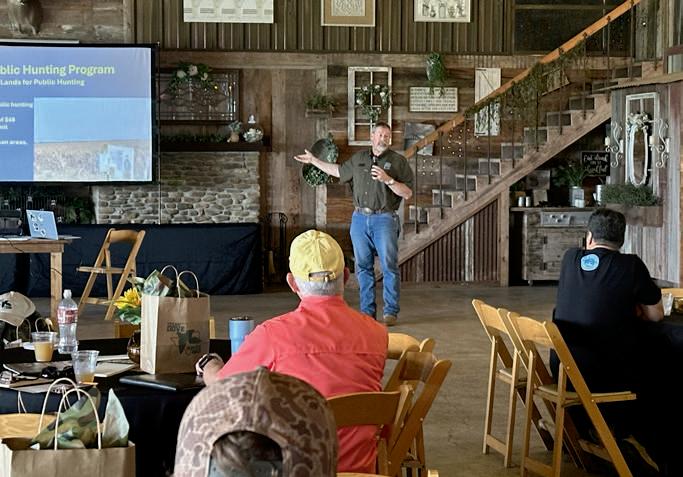
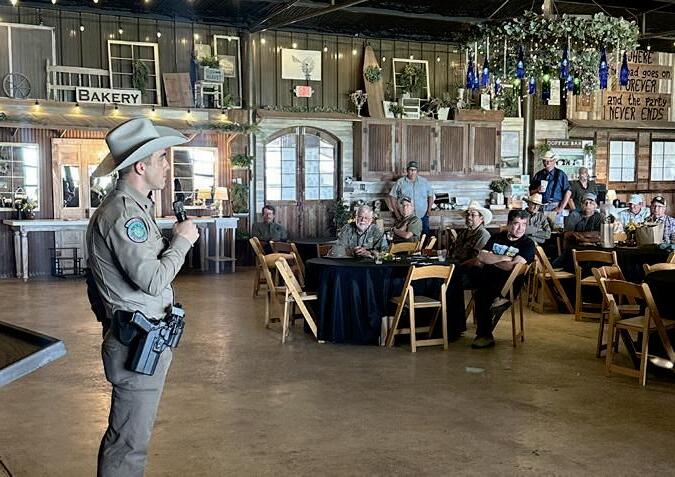
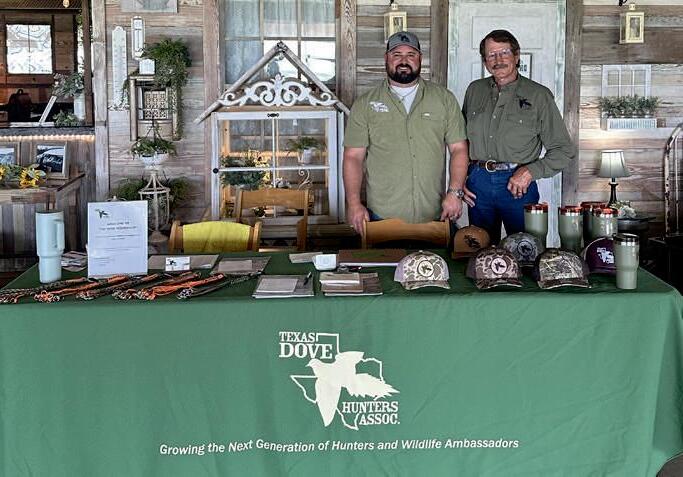
Texas Dove Hunters Association facilitated the inaugural Dove Workshop on June 2 in George West, Texas, in partnership with Katzfey Ranches, multiple Texas Parks & Wildlife departments, the Live Oak County Texas A&M AgriLife Extension Service Office, and BASF.
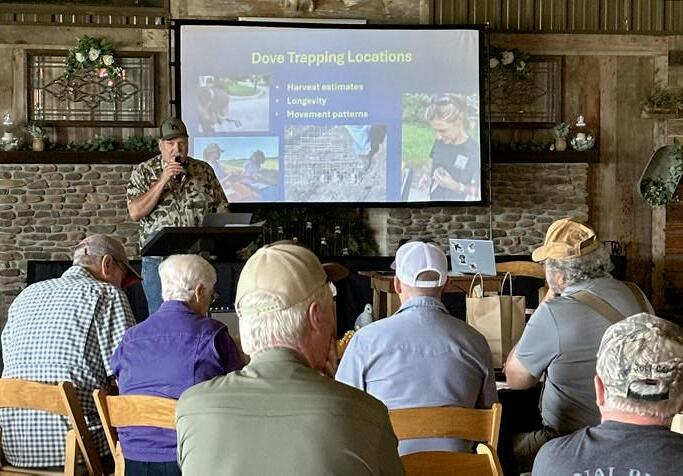
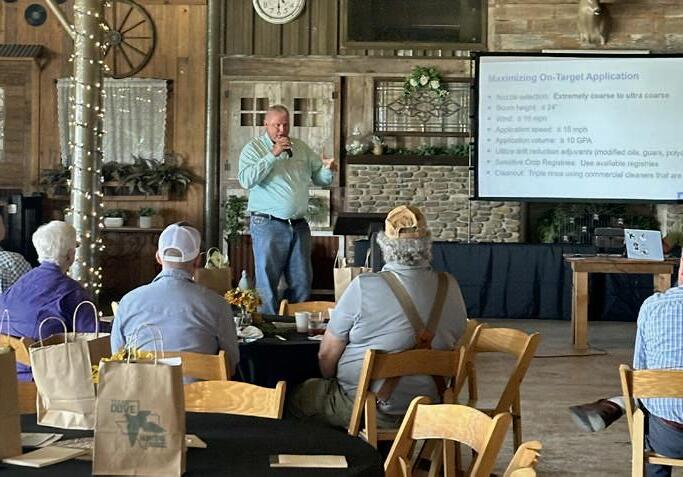
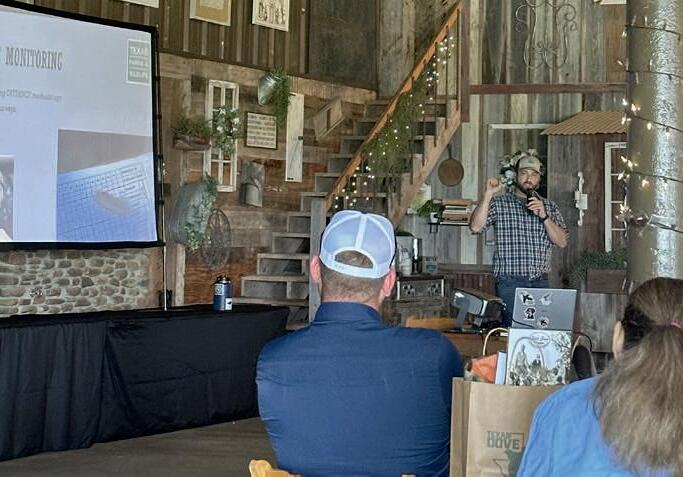
Participants gained valuable knowledge on a handful of dove-related topics, including dove ecology, population trends, tracking methods, hunting laws and regulations, species identification, hunter and outfitter dos and don’ts, public land hunting, landowner resources, and more. The day also included visits to Katzfey Ranches’ food plots and fields, where attendees learned about successful planting practices using sesame, sunflower and sorghum row crops, along with proper chemical applications and timing to support healthy dove habitat.
“The Dove Workshop was a fantastic event made possible by some great partners. I was very pleased to have the opportunity to interact with the local hunting community and present information about TPWD dove management, including ways the public can be more engaged in the annual regulatory process,” said Owen Fitzsimmons, TPWD Webless Migratory Game Bird Program leader. “This was a big win for all involved.”
With about 70 people in attendance, TDHA was very pleased with the turnout and looks forward to the possibility of holding more events like this statewide with partnering outfitters. Admission was open to anyone who wished to attend and included breakfast, lunch, TDHA swag, and a free one-year standard membership to TDHA. Attendees were also eligible to earn continuing education units (CEUs) through the Live Oak County Texas A&M AgriLife Extension Service Office.
Thank you to the partnering agencies and speakers for contributing their expertise to the day’s agenda. Attendees reported leaving with valuable takeaways and knowledge about the technical aspects of dove hunting they might not have otherwise known.
To give credit where it’s due, this event was an idea that outfitter Mark Katzfey had for a few years. He brought the idea to both TDHA and TPWD and did much

of the behind-the-scenes work to make the day happen. We also thank Katzfey Ranches for hosting and allowing the group to tour their dove fields.
The Dove Workshop showcased many components that make up the sport of dove hunting – from individual hunters and landowners to outfitters, regulatory bodies, biologists, agricultural and seed
companies, and game wardens. Attendees represented a range of perspectives, but all shared an interest in dove education, safe and responsible hunting, and the growth of the pastime. TDHA remains committed to educating hunters and serving as a resource that promotes education and strong family unity through the sport. The PowerPoint presentations from the workshop are available for viewing on our website: texasdovehunters.com/dove-workshop.




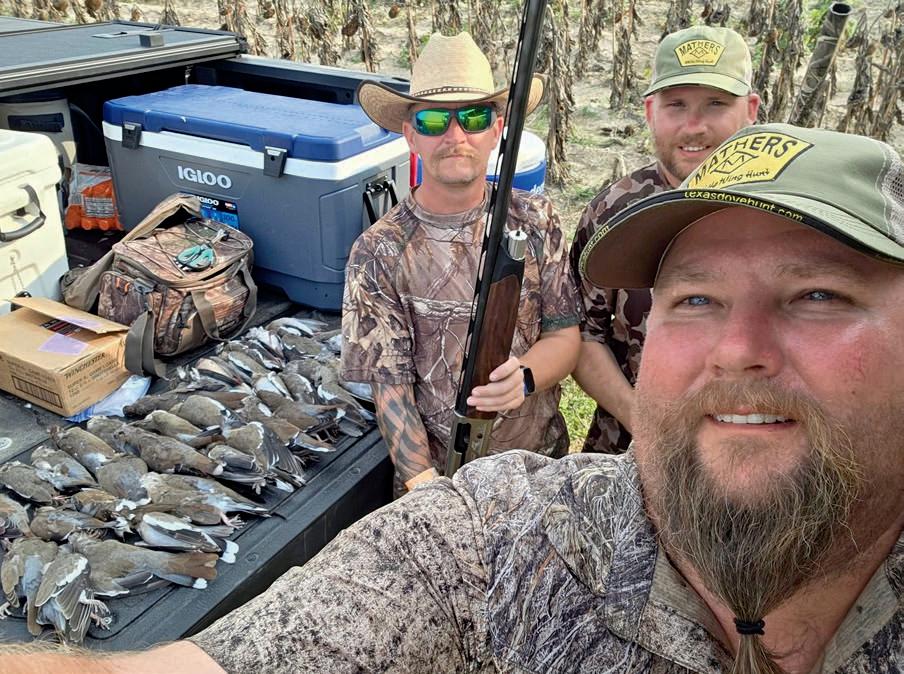
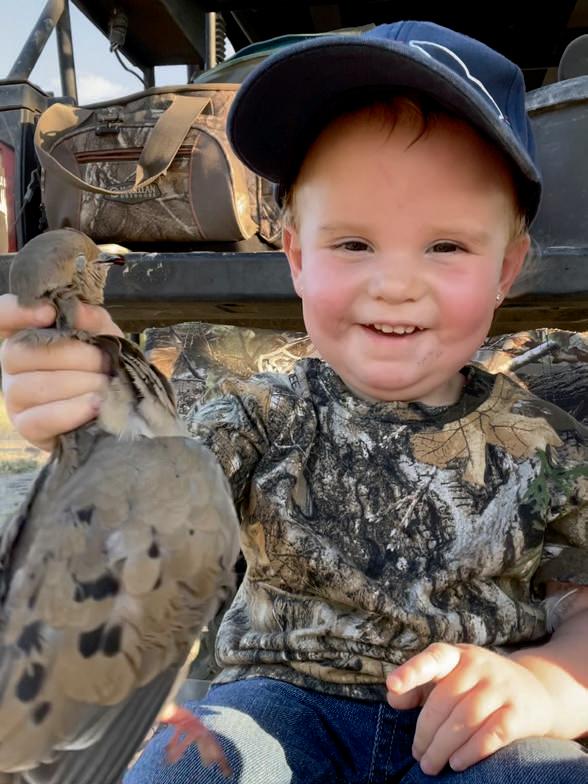
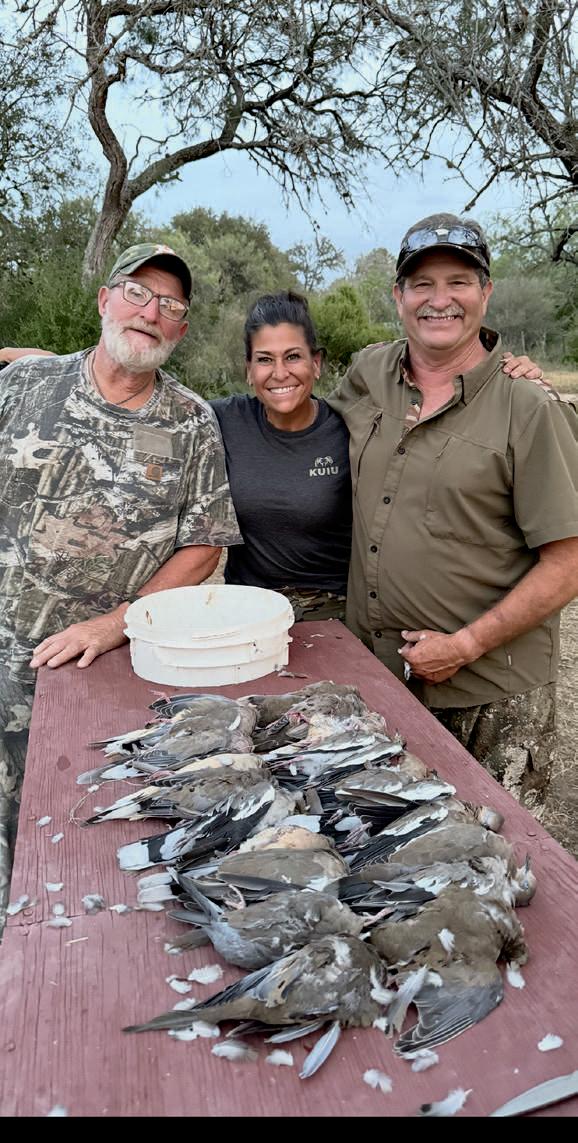
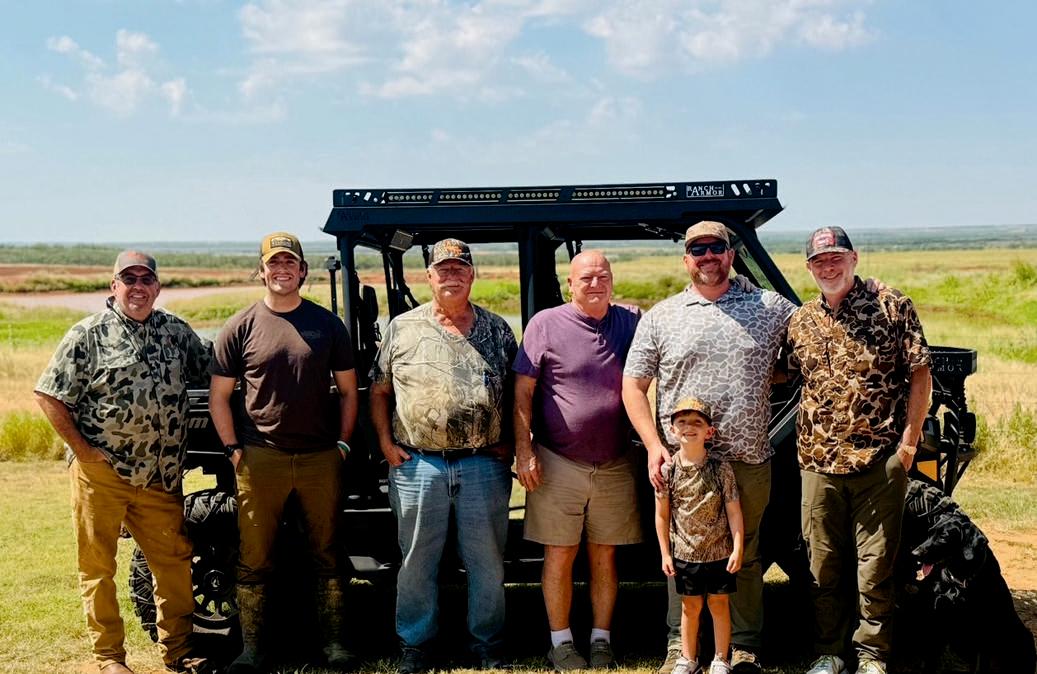
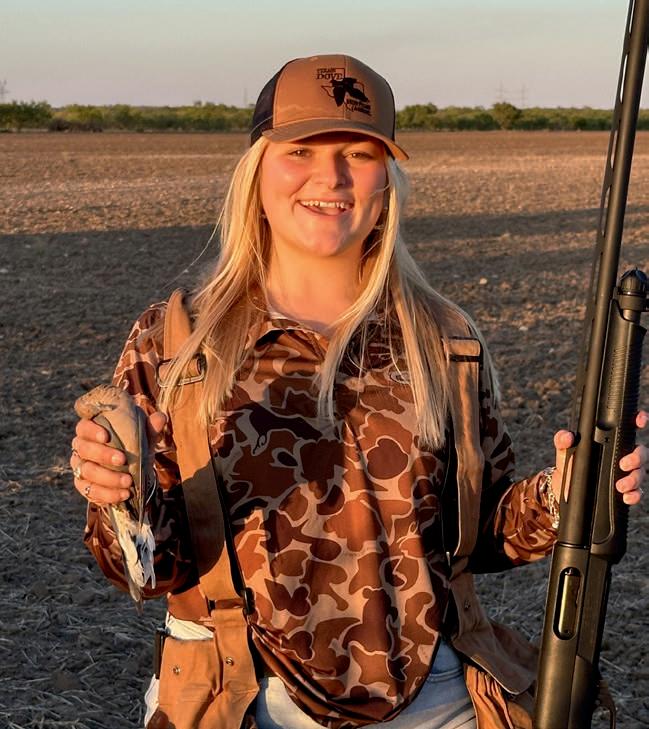
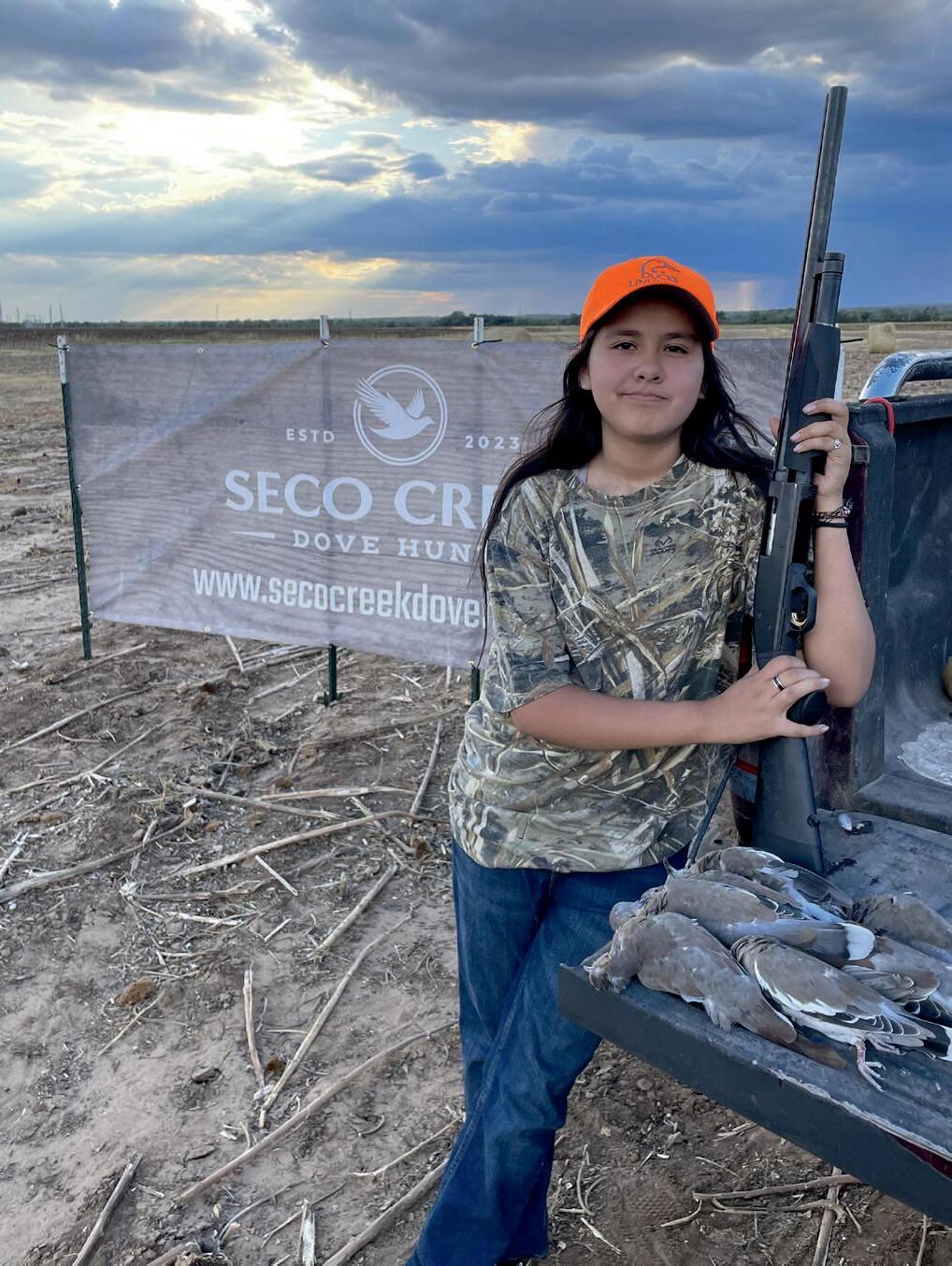
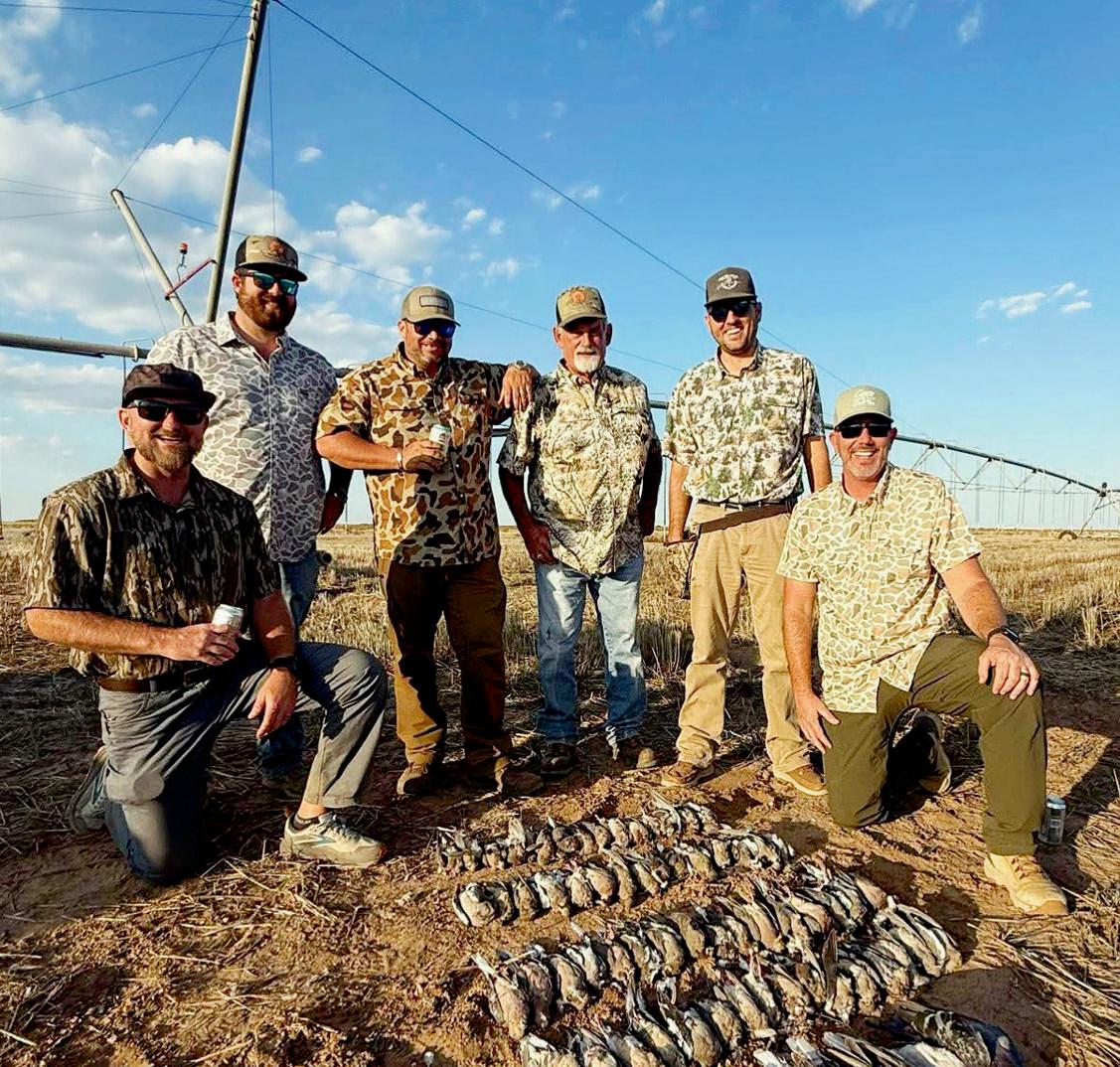
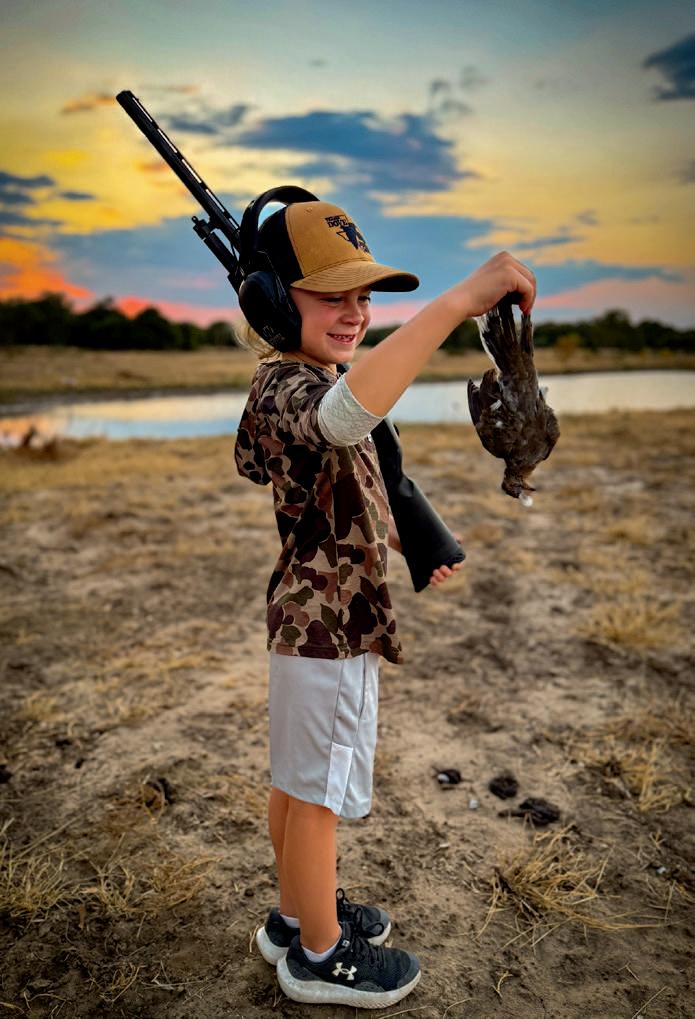
By Nate Skinner
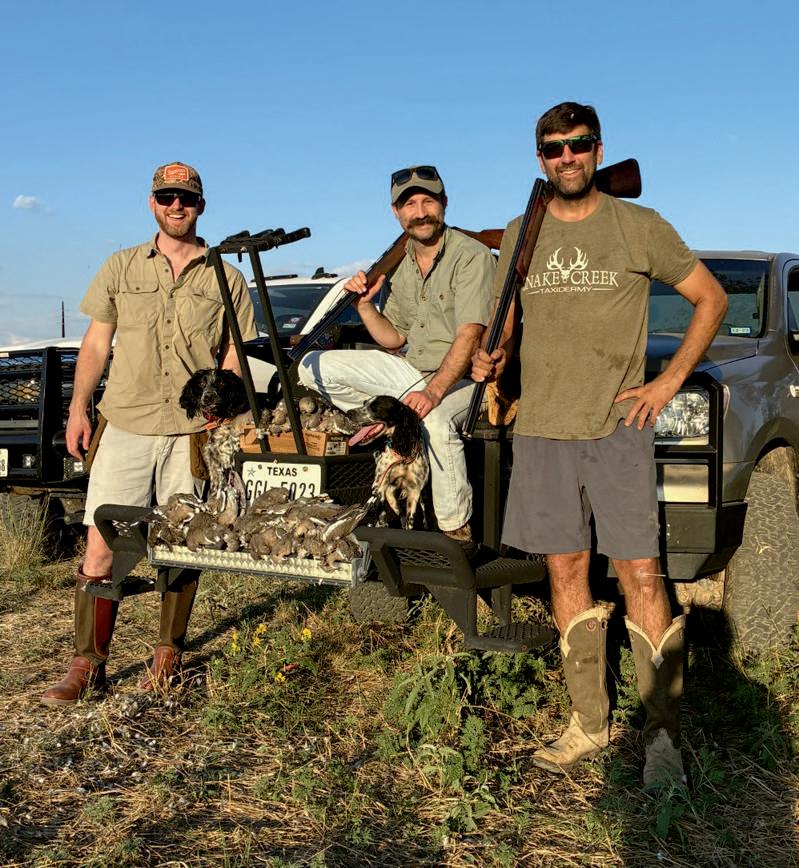
Before Rob Gowan ever led a hunting tournament or inspired a new generation of hunters, he was once a 5-year-old boy trailing behind his grandfather, father and uncle – cattle and sheep ranchers with their working dogs – hunting quail in West Texas and learning lessons that would shape his life. Those early mornings spent scanning the horizon, rifle in hand, were the foundation of a lifelong passion – one that culminated in him founding the Lone Star Pro Am American Conservation Dove Hunting Tournament, in which he serves as president.
For Gowan, every hunt is rooted in a passion he developed as a young boy traversing prairies during the summer months and on holidays at his family’s ranch in Taylor County near Abilene. Originally from Houston, the experience was unlike anything you found in the suburbs of a major metropolitan city, but he learned to appreciate the values that came with the terrain.
“Spending time on the ranch with my family as a youngster was, without a doubt, the most formative experience of my life,” Gowan said. “That’s where I first learned to hunt, fish, and shoot,” he shared. “I developed and honed my shooting skills as a kid by hunting prairie dogs with .22 caliber rifles.”
After graduating high school, Gowan moved from Houston to Virginia for college, where he attended the Virginia Military Institute. He later served in the U.S. Army for 25 years – a career that included multiple deployments and tours of duty overseas before retiring a decade ago. Today, he resides in San Antonio, known as Military City USA.
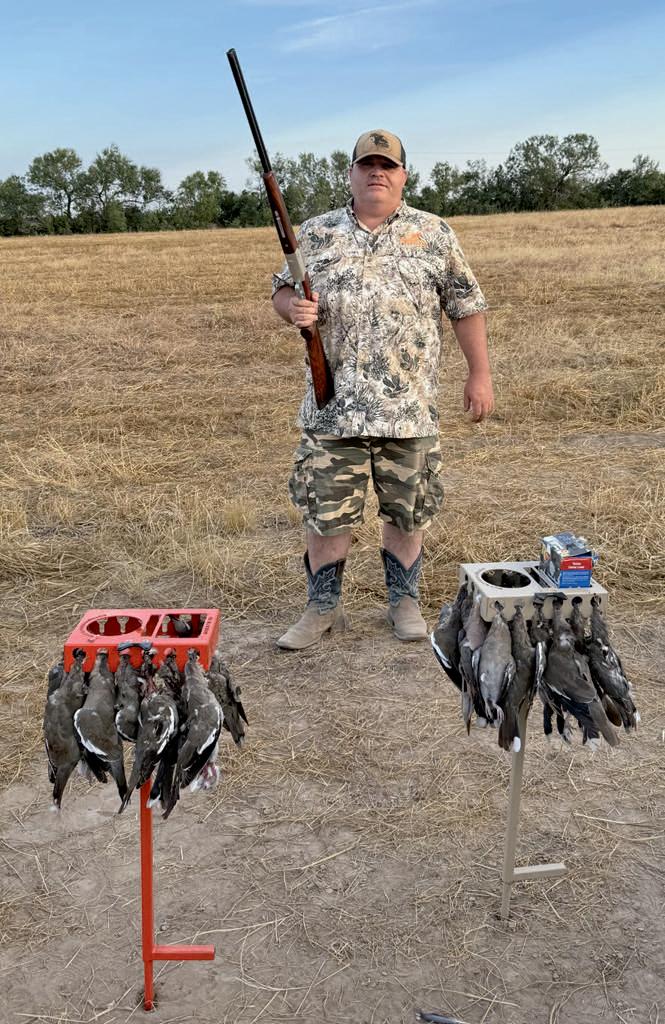
being in the San Antonio area meant I was surrounded by excellent dove hunting opportunities, and I took advantage of it.”
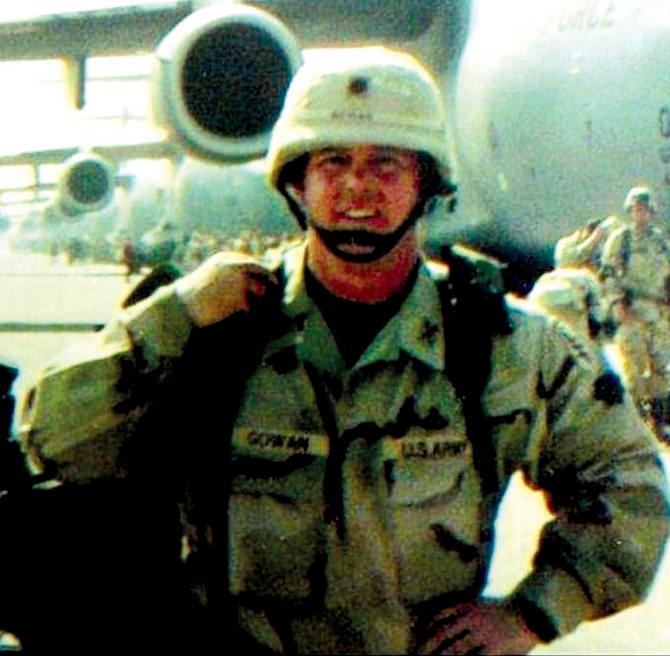
“I came to San Antonio on an assignment in 2005, and I’ve had roots here ever since,” Gowan said. “Of course,
Discussing dove hunting took Gowan down memory lane. He recalls starting dove hunting when he was about 8- or 9-years-old, with his father and some friends in the Del Rio area. As he got older, he went dove hunting every chance he could with friends and family. He recalled hunting in North Carolina over sunflower while he was stationed there in the Army. ended and he settled in Texas, he said it into the sport of dove hunting.
“My brother was on a lease in South Texas with birds, so I started going down there Gowan said. “I immediately fell back in and the entire experience and atmosphere started hunting with outfitters in Hondo and have kept at it ever since.”
Today, Gowan is an outdoorsman, conservationist the sport and tradition of hunting that was has been a member of the Texas Dove Hunters

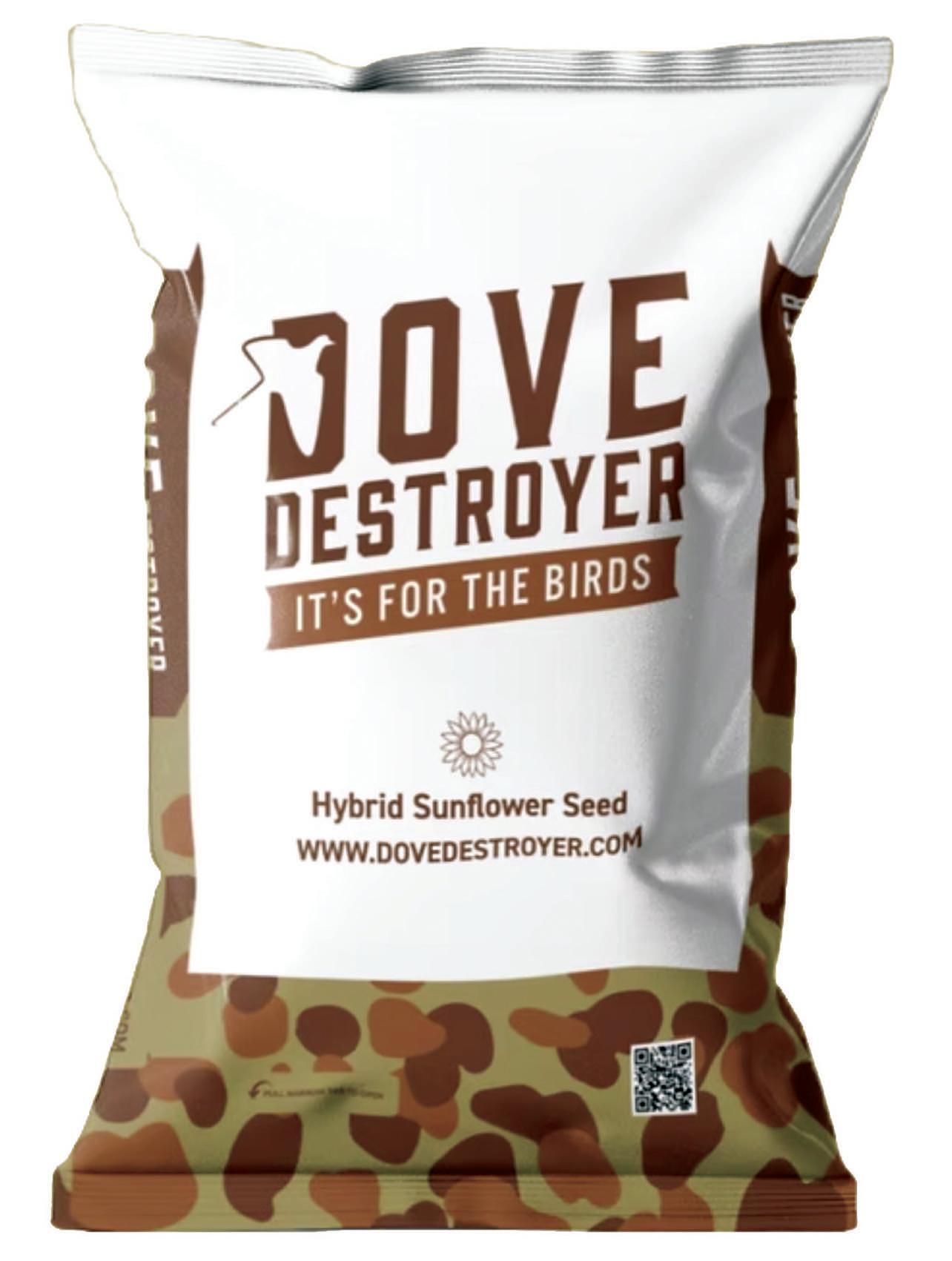
Get your dove fields ready with Barn Burner® CL –hybrid, treated sunflower seed built for dependable plots. Strong emergence, fast growth and weed free fields keep the birds coming. Barn Burner® CL uses the same genetics that make the Argentina dove hunts so famous!
than six years and is passionate about introducing others to hunting and the lifestyle it entails.
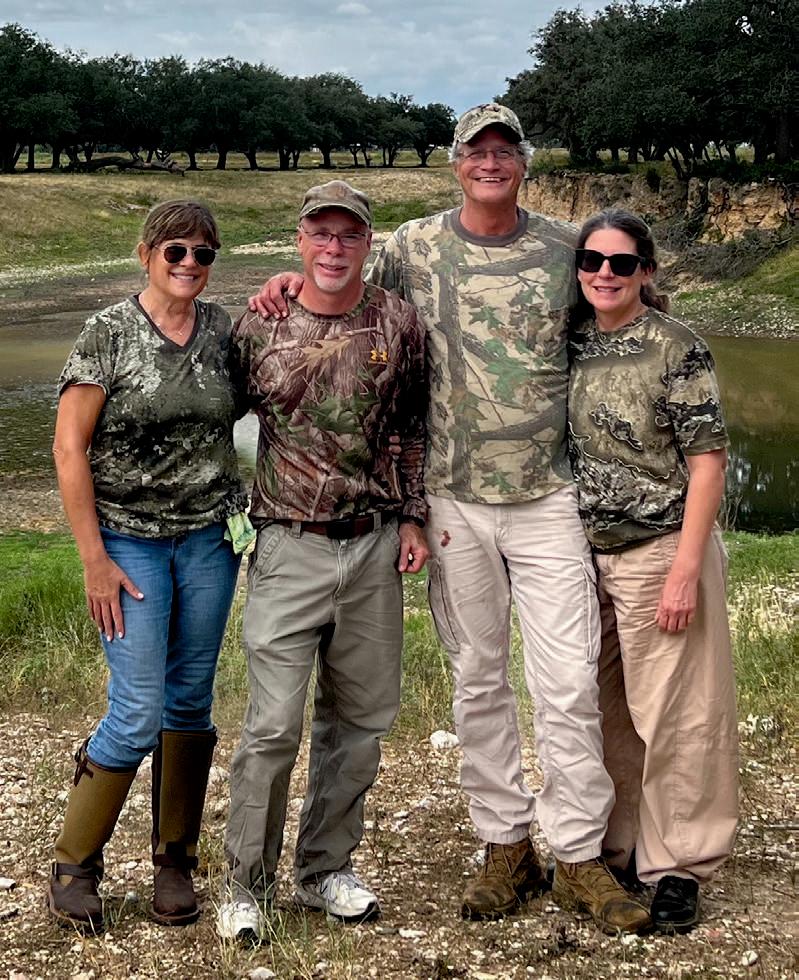
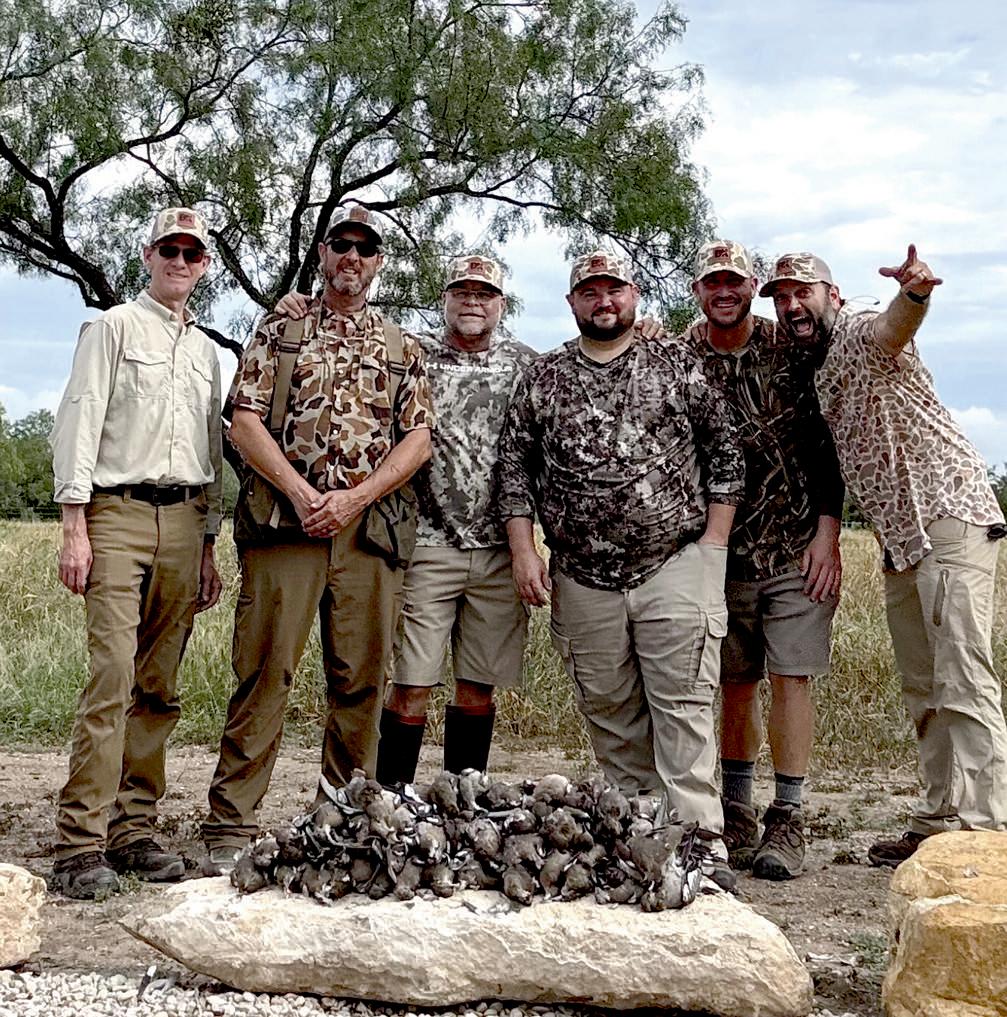
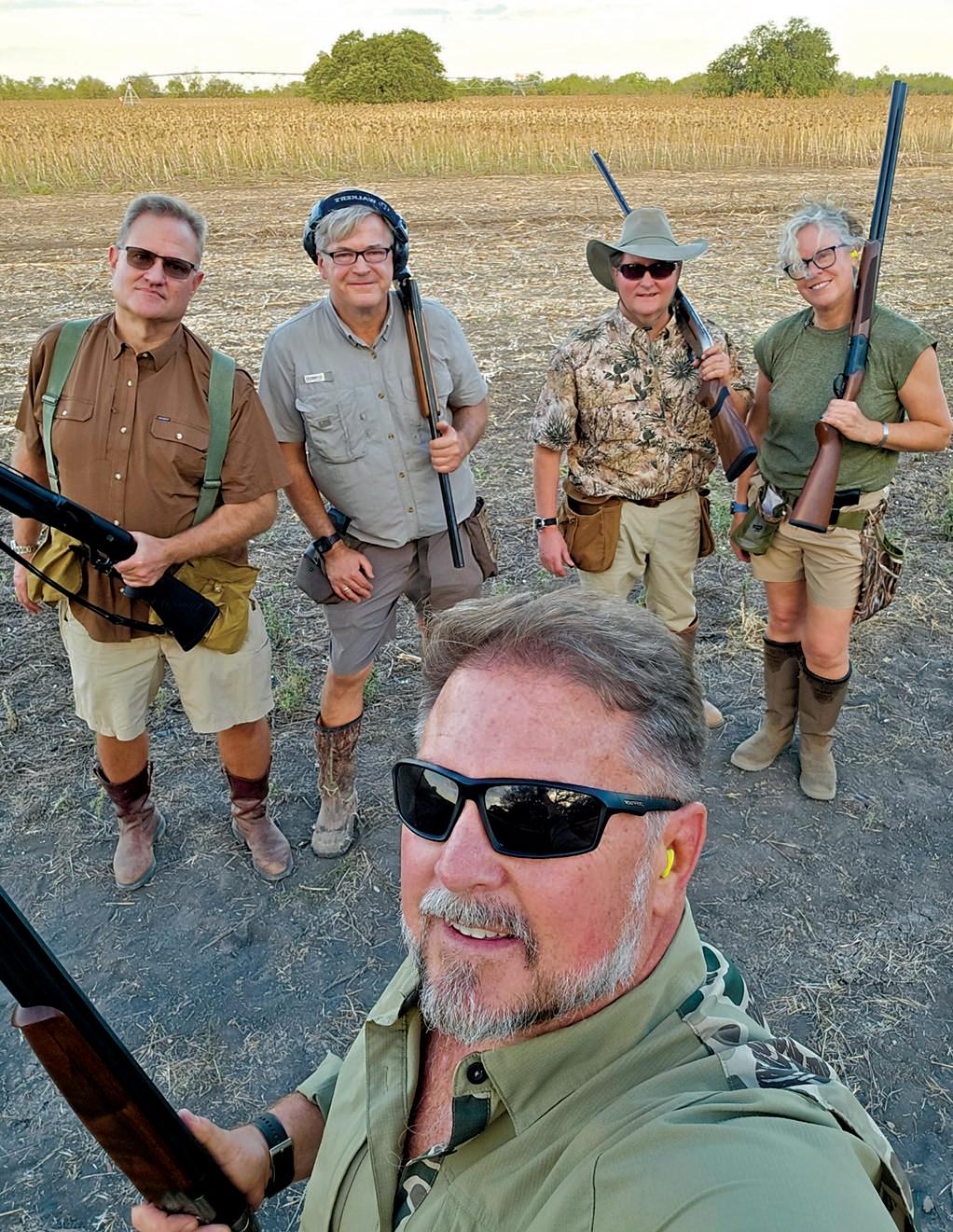
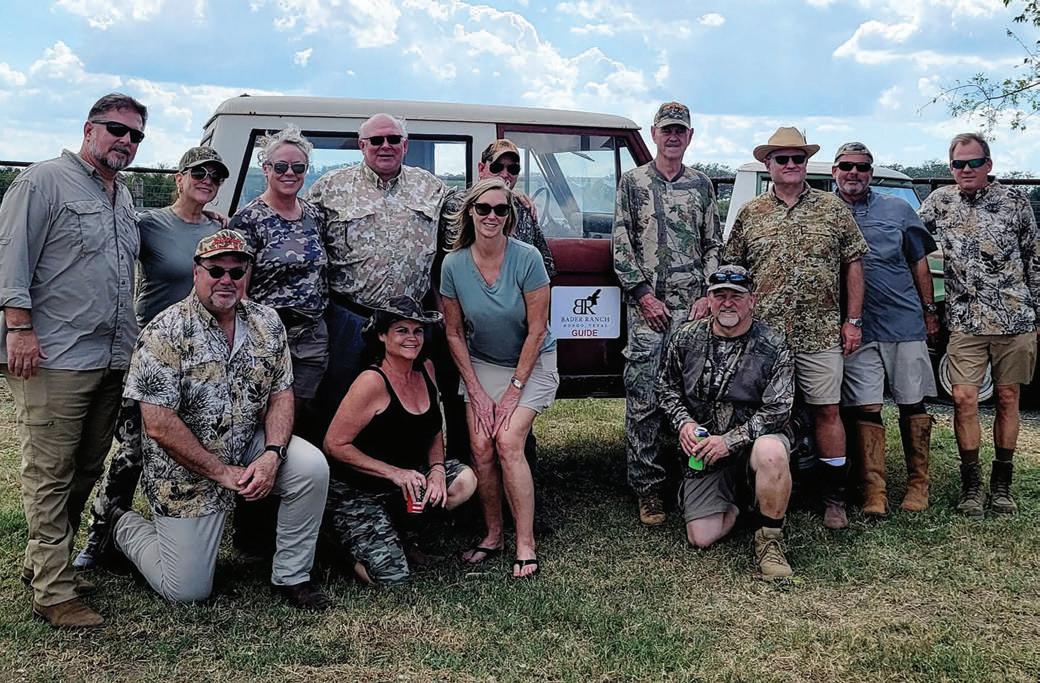
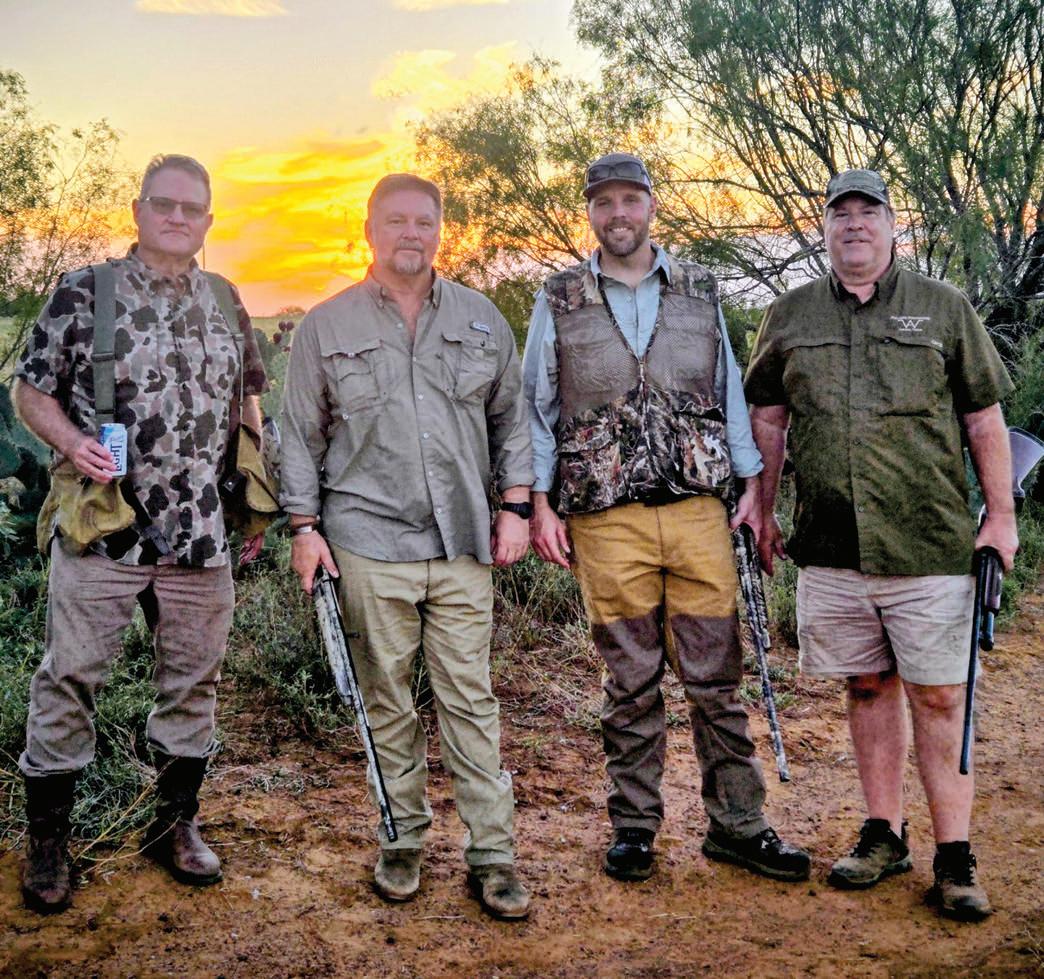
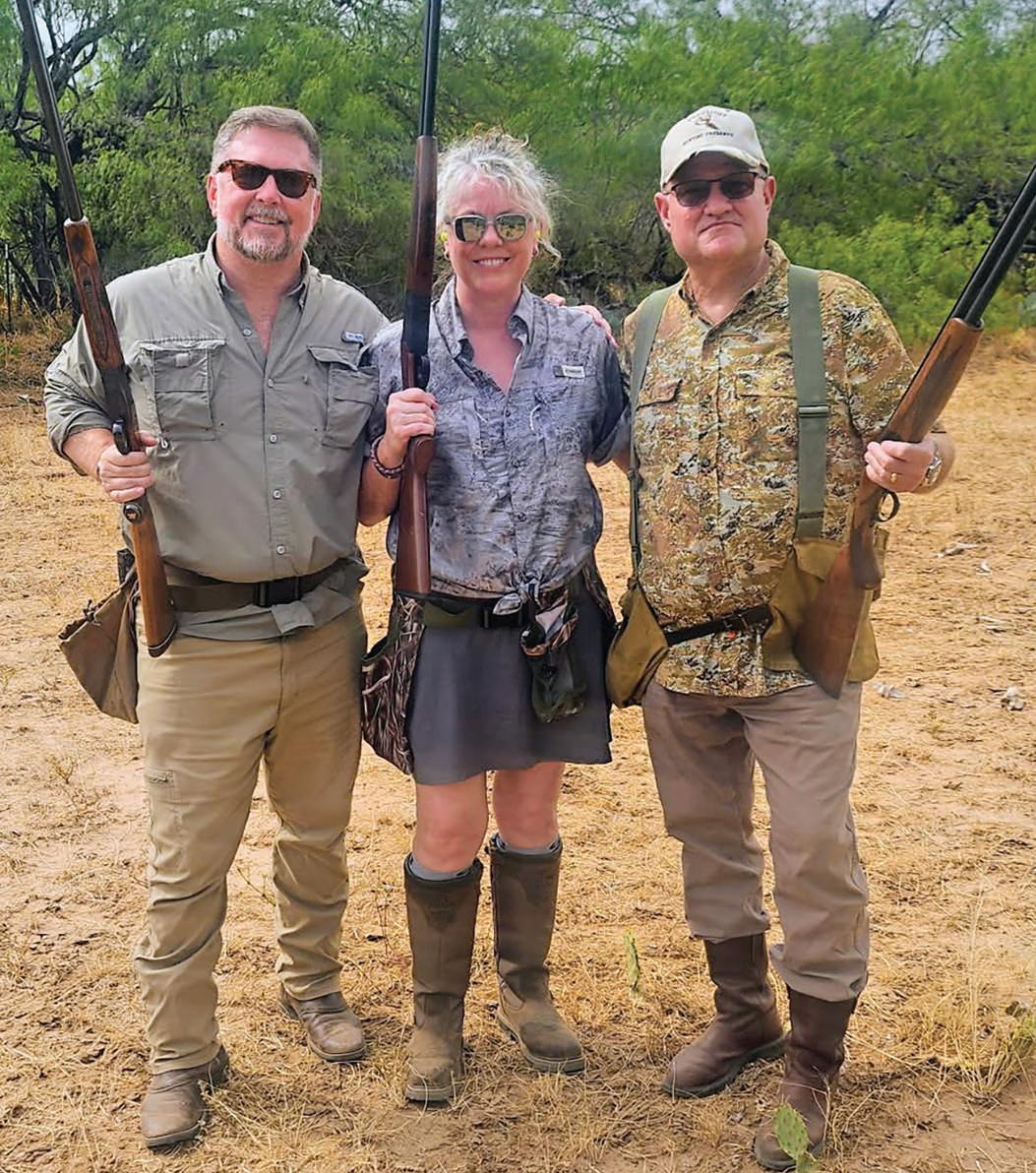
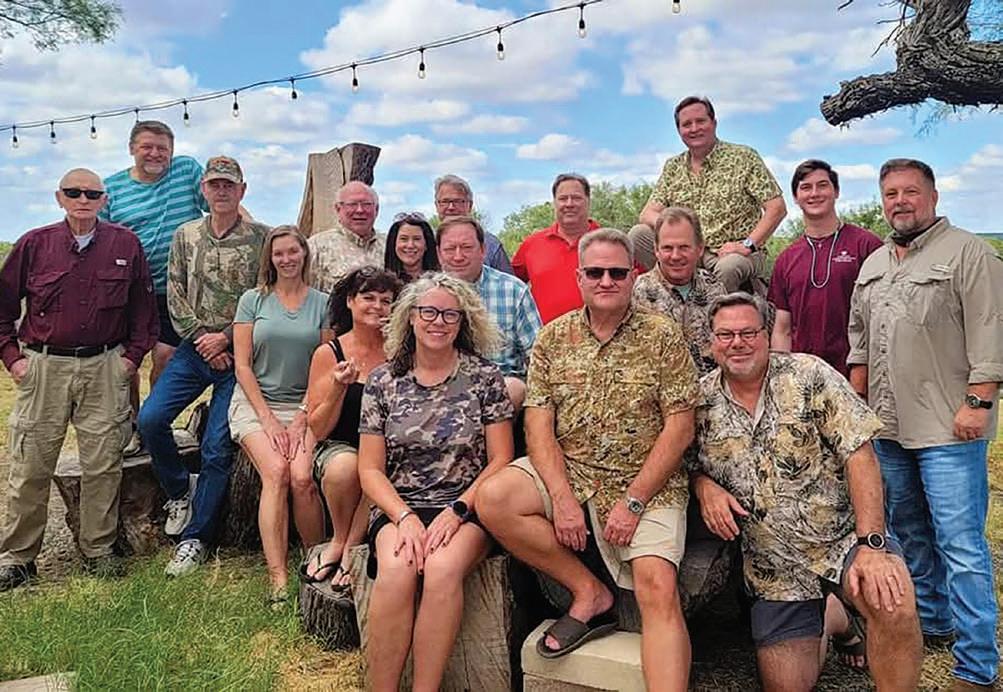
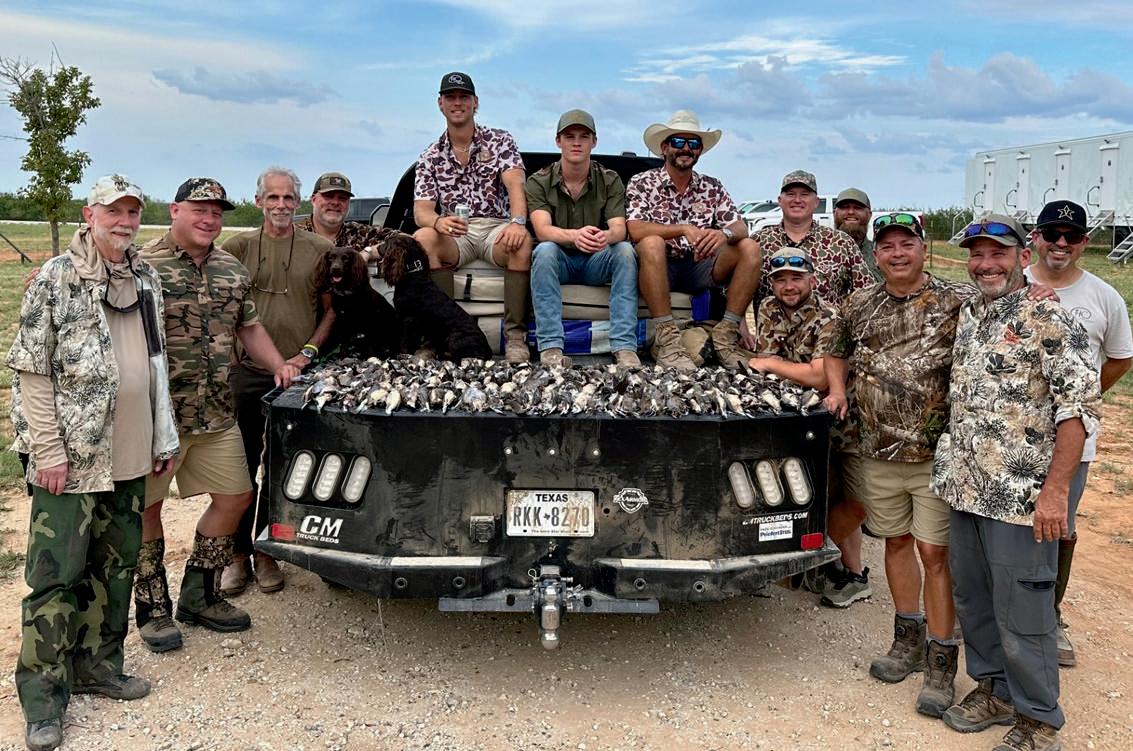
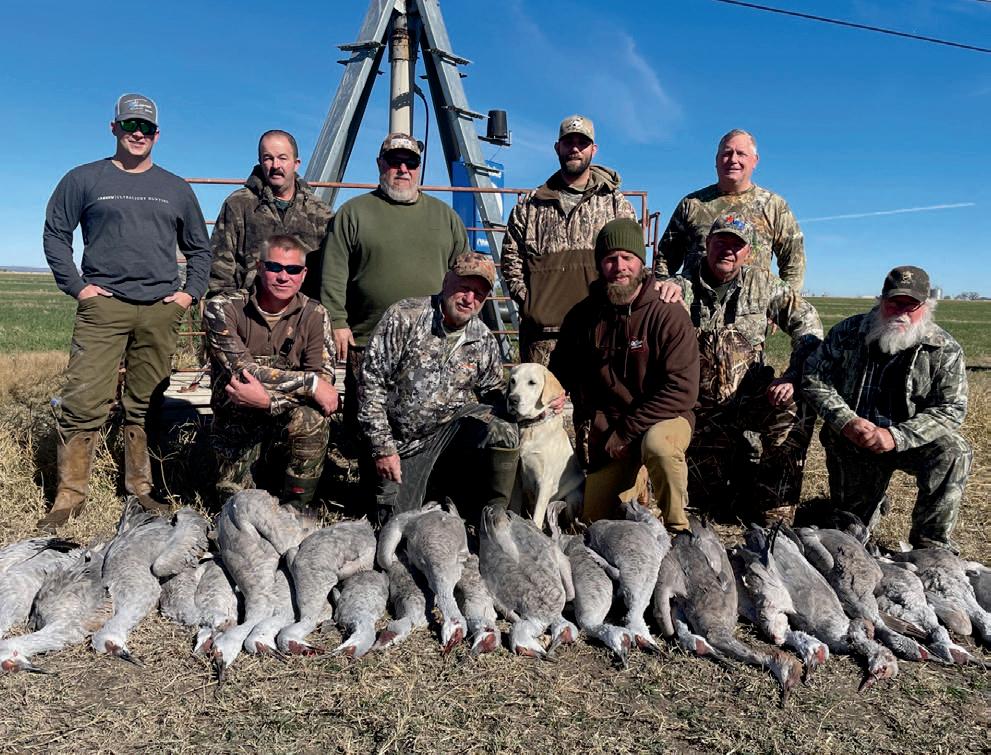
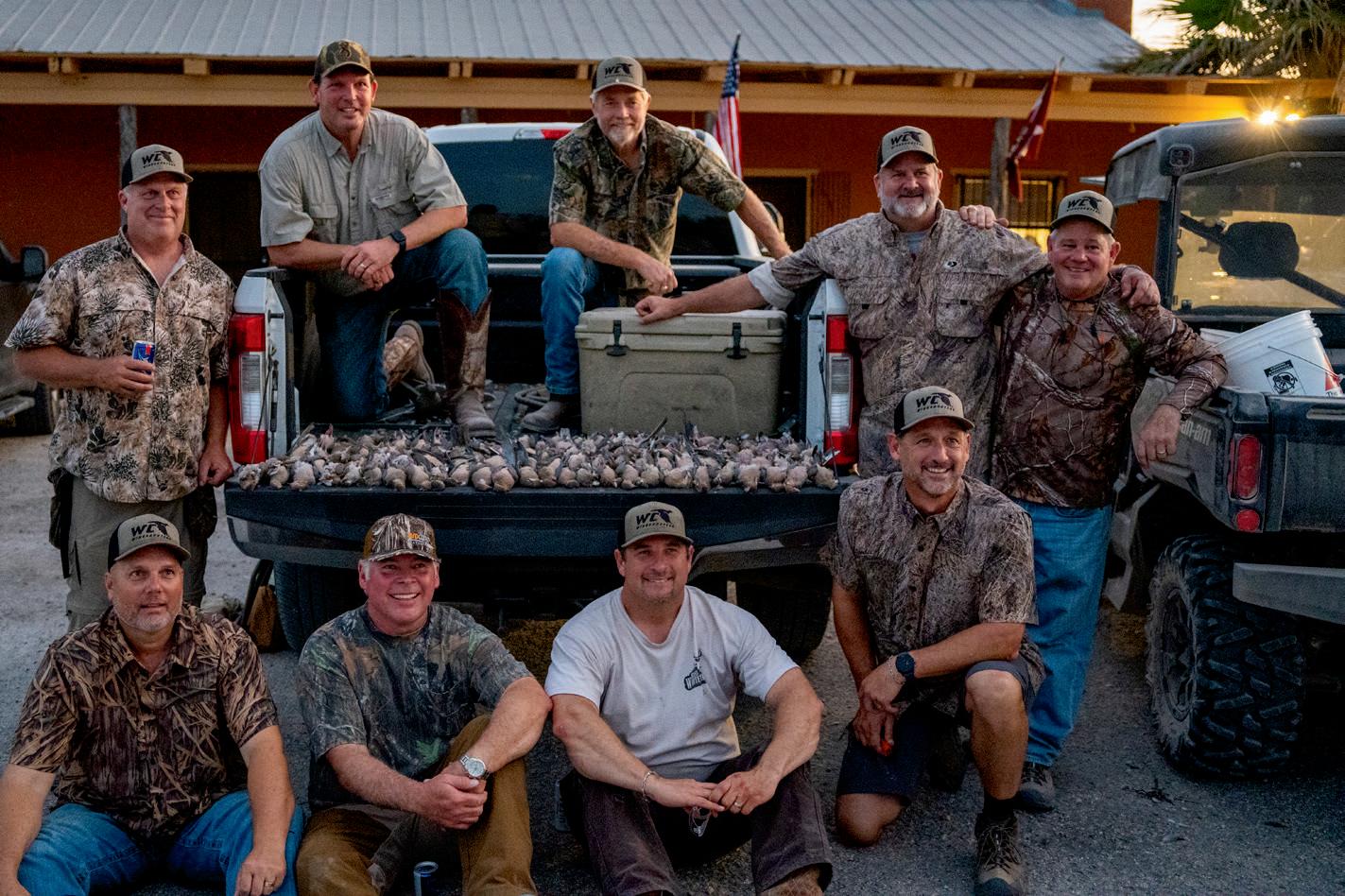
He loves the social aspect of dove hunting, being outside, the wing-shooting action, and sharing the experience with his friends and other like-minded individuals and outdoorsmen. That’s what motivated him to start the Lone Star Pro Am American Conservation Dove Hunting Tournament. In fact, the event began as an organized weekend dove hunt with a group of hunting buddies in 2018. Now, it consists of about 12 to 20 hunters from all over Texas, and some from other parts of the country.
“We are a group of patriotic, accomplished wing-shooters who are committed to hunting, fishing, wildlife conservation, our American way of life and all things Texan,” Gowan said. “We try to involve new people each year, both men and women, and many of us are lifelong friends.”
According to Gowan, the dove outfitter they use for the event varies from year to year, and the tournament usually takes place in late September to early October. An awards ceremony follows the evening after the hunt.
“The last hunt of the weekend is a scored and timed shoot, and that’s where the tournament aspect comes into play,” Gowan explained. “The idea is to harvest your limit as fast as possible. We have trophies for first, second and third place, and a Grand Champion Award. The Grand Champion wins a revolving trophy that I made, and they keep it for the year. Their name goes on the trophy with the year they won Grand Champion, and then they bring it back to the event the following year for the next Grand Champion winner to take home.”
Overall, it’s a fun, lighthearted atmosphere and a great time for participants. “We get to recap the hunt, congratulate the hunters who shot well, and laugh with one another about the shots we wish we could have a do-over on.”
Above all, Gowan said those who attend the event each year seek to grow the sport of dove hunting while promoting the culinary arts and socializing. In his opinion, getting today’s youth involved outdoors and hunting is paramount to growing and ensuring the future of the sport.
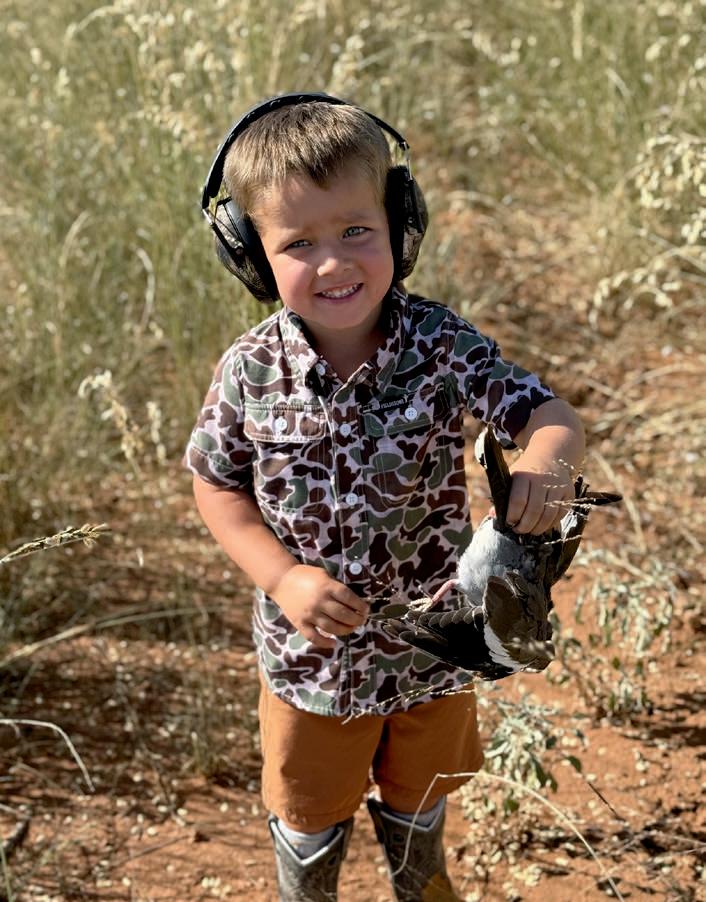
“It is crucial to get kids involved outdoors,” Gowan said. “Whether they are hunting or just out in the field and being exposed to it, the experience will have a positive impact on their lives.”
According to Gowan, hunting is not a hobby, but a way of life with core values and a culture worth preserving.


•
•
•
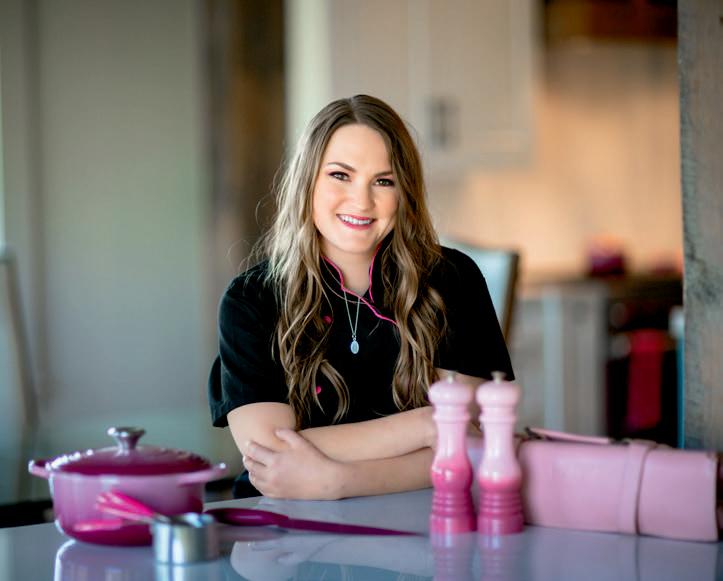
By Chef Holly Hearn of Game Girl Gourmet
• 15 dove breasts
• 1 package Sister Schubert’s® Parker House Rolls
• Salt and freshly cracked black pepper
• Olive oil, as needed
• 1 bunch fresh parsley, finely minced
• 16 cloves garlic, minced
• 2 jalapeños, seeded and finely minced
• 1 cup extra virgin olive oil
• 3 teaspoons dried oregano
• 2–4 tablespoons red wine vinegar
• Juice of ½ lemon
• Salt and freshly cracked black pepper, to taste
• Pinch of red pepper flakes
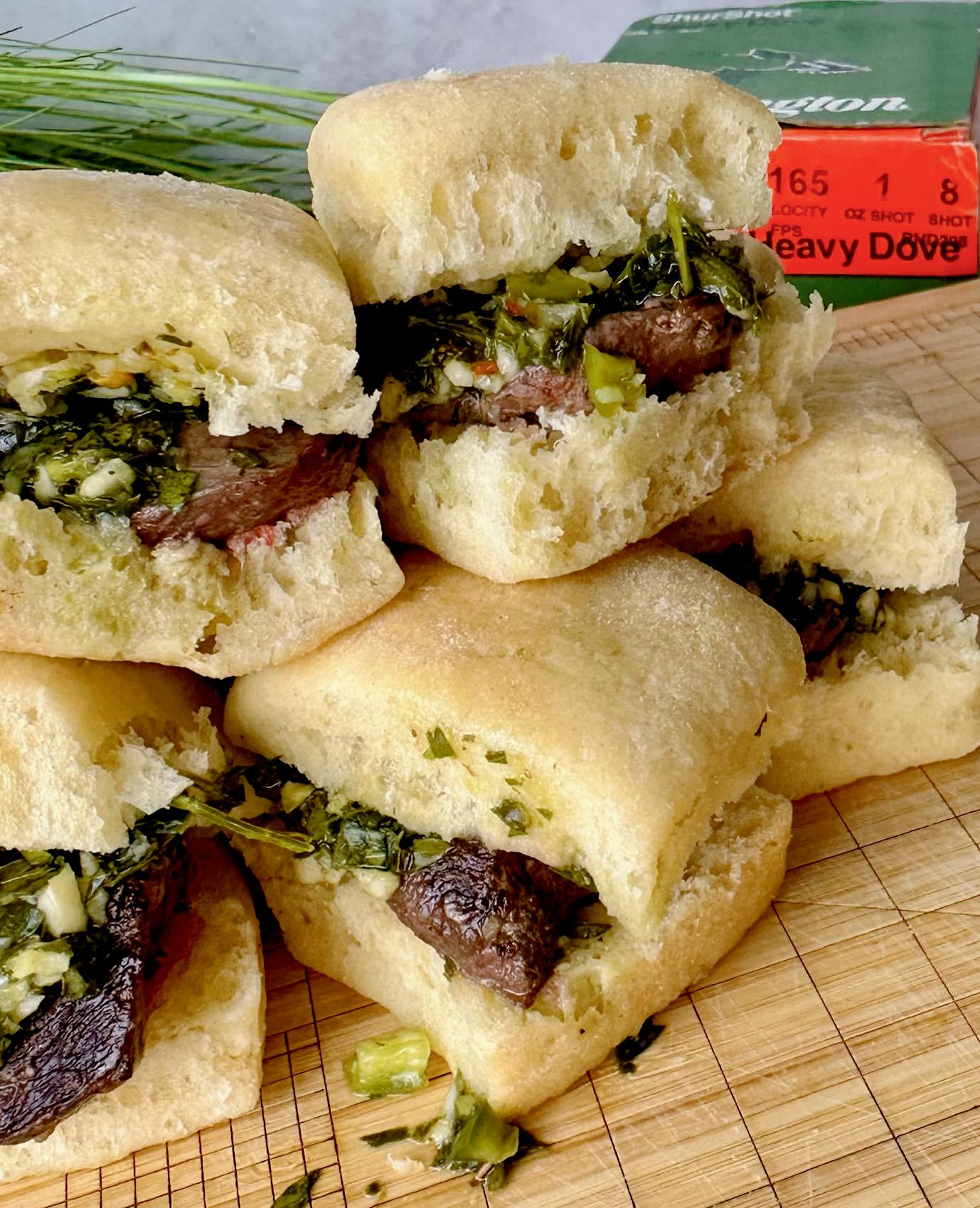
1. Prepare the chimichurri by combining the parsley, garlic, jalapeños, olive oil, oregano, red wine vinegar, lemon juice, red pepper flakes, salt, and black pepper in a bowl. Stir well to combine. Taste and adjust seasoning, adding additional vinegar if desired. Allow to sit for at least 30 minutes before serving to let the flavors develop.
2. Season the dove breasts generously with salt and black pepper.
3. Heat a cast-iron skillet over medium-high heat and add a small amount of olive oil to coat the bottom of the pan. Cook the dove breasts for 1–2 minutes per side, or until medium-rare. Avoid overcooking.
4. Transfer the dove breasts to a plate and allow them to rest for 5 minutes.
5. Warm the Parker House rolls according to the package directions.
6. Split the rolls and place one dove breast on each roll.
7. Top with a spoonful of chimichurri and serve immediately.

By Mimi Meyer
The
Foundation (LSONF) is a Texas-based 501(c)(3) nonprofit organization dedicated to creating opportunities for people to engage in hunting, fishing, wildlife conservation, and outdoor education. Established in 2012, the foundation was created to address a growing concern within the outdoor community: many young people and aspiring outdoorsmen and women lack access to the experiences, mentorship, and resources necessary to develop a lifelong connection to the outdoors. The organization believes that providing these opportunities is essential to preserving Texas’ outdoor heritage and cultivating future generations of hunters, anglers, conservationists, and outdoor professionals.
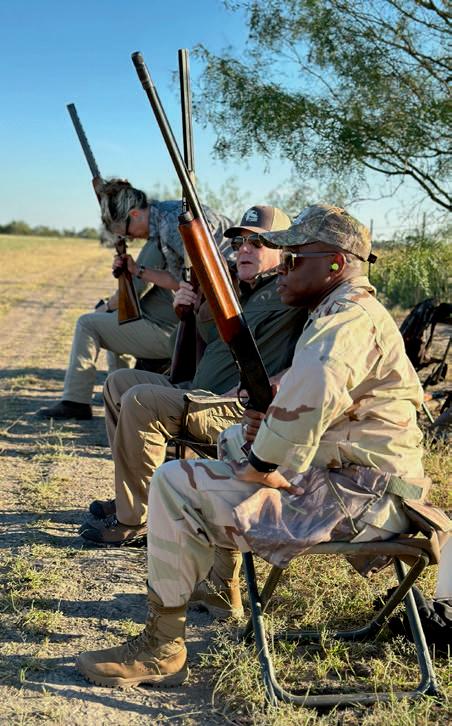
At the heart of the foundation’s mission is a commitment to providing opportunities. LSONF works to introduce individuals — especially newcomers —to hunting and fishing experiences they might not otherwise have access to. The organization recognizes that many people have an interest in outdoor recreation but lack family traditions, mentors, knowledge, or equipment to get started. Through hands-on experiences and guidance from experienced outdoorsmen and women, the foundation helps bridge that gap and creates pathways for meaningful participation in outdoor activities.
The foundation’s mission is supported through four primary focus areas: hunting and fishing opportunities, youth education, wildlife research, and outdoor journalism. Through its hunting and fishing
programs, participants gain exposure to outdoor recreation, firearm and hunting safety, conservation principles, and wildlife management concepts. These experiences are designed to be more than one-time events; they foster lasting engagement with the outdoors while encouraging responsible stewardship of Texas’ natural resources.

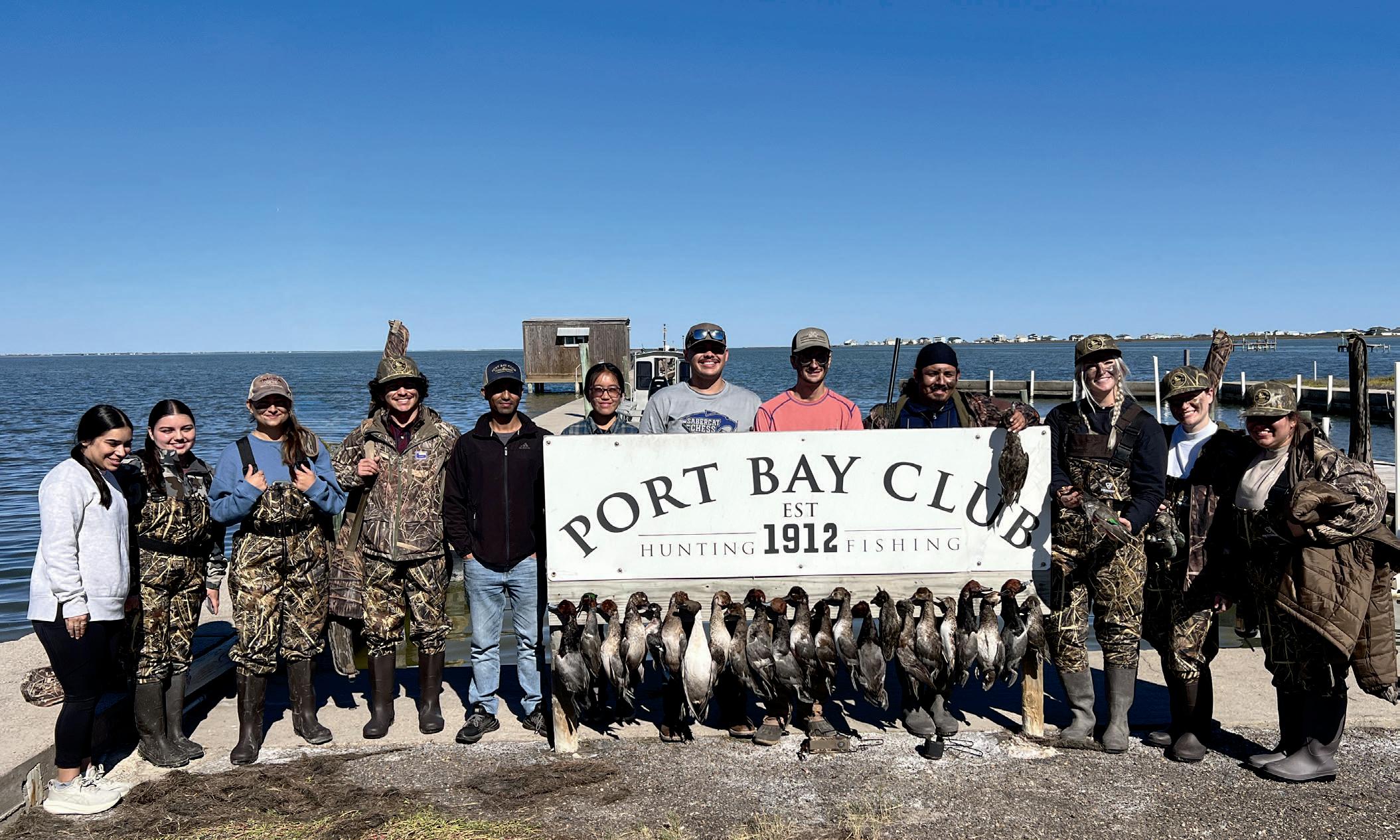
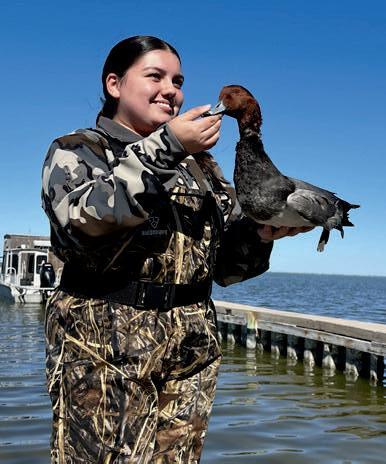
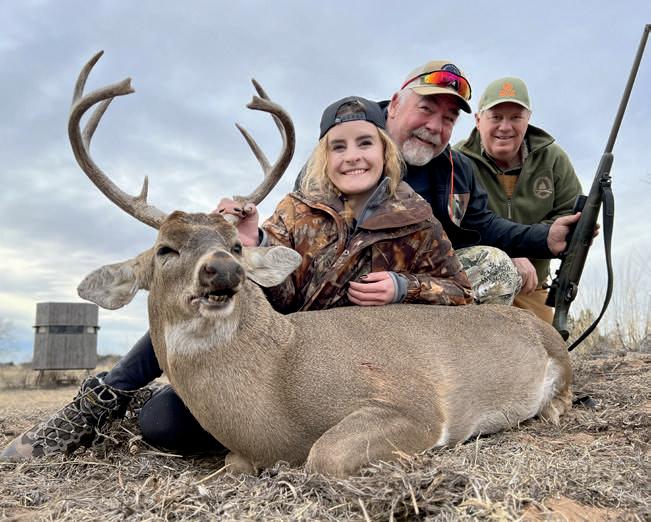
Examples of the foundation’s impact include mentored hunts that host students from the Texas A&M University–Kingsville wildlife program each year at the historic Port Bay Hunting and Fishing Club in Rockport, Texas, for a two-day duck hunting experience. The foundation has also organized a dove hunt that introduced adults with little to no hunting experience to their first bird hunt, providing instruction and mentorship throughout the process. Additionally, annual deer hunts allow participants to harvest their first buck while learning every aspect of the hunt — from range preparation and firearm proficiency to field dressing and processing game in the cleaning shed.
Since its founding, LSONF has helped pioneer mentored hunting programs in Texas, creating opportunities for individuals who may never have otherwise experienced the outdoors. By connecting people with meaningful outdoor experiences, conservation education, and knowledgeable mentors, the foundation serves as a catalyst for outdoor participation, community engagement, and wildlife stewardship. Through its efforts, LSONF helps ensure that Texas’ hunting, fishing, and conservation traditions continue to thrive for future generations.
For more information, visit lsonfoundation.org.
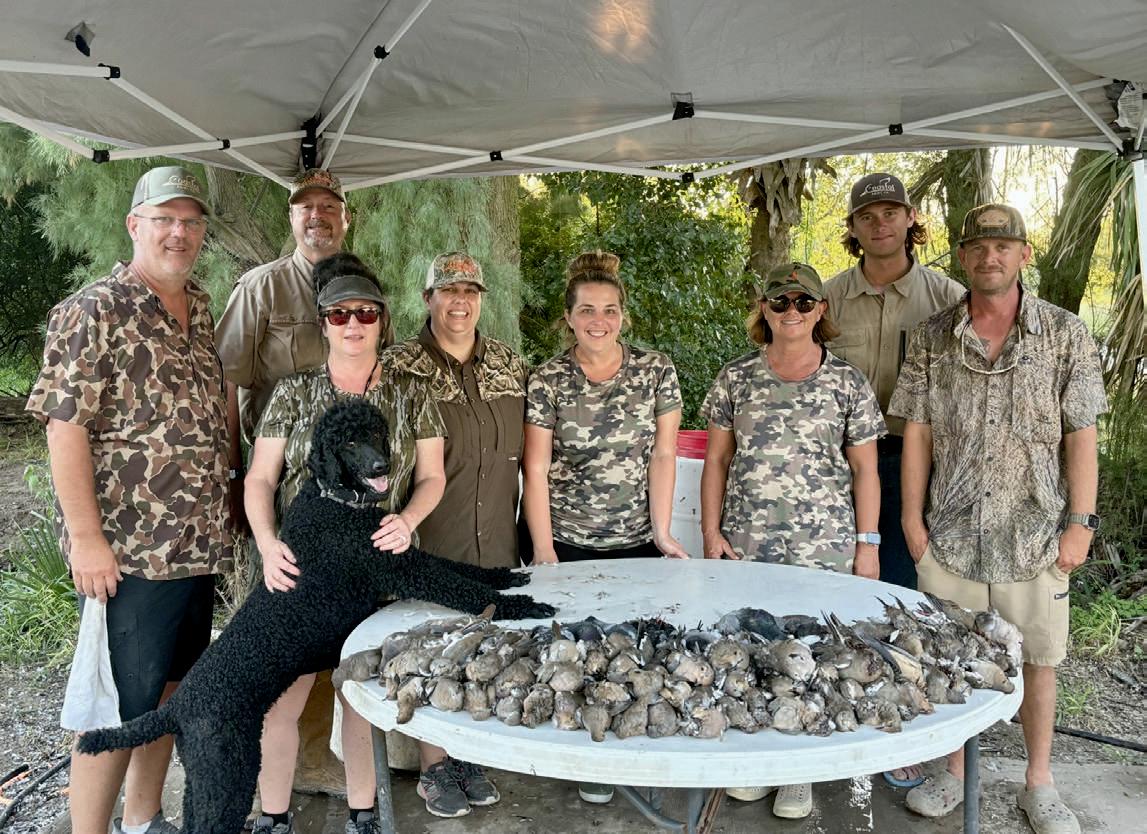
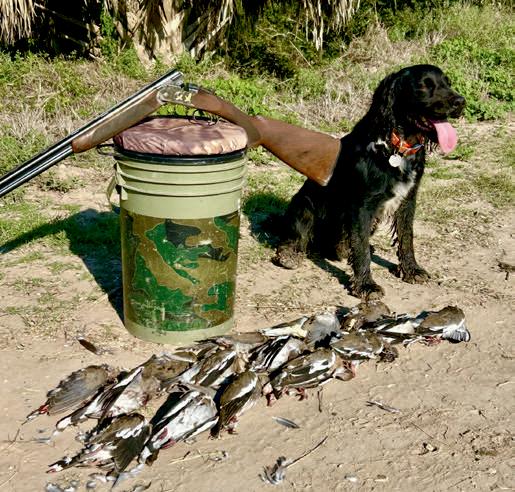
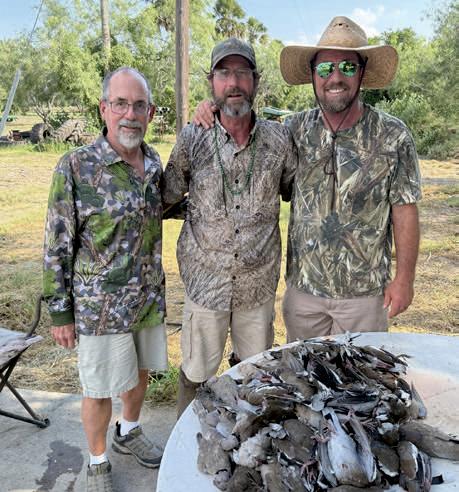
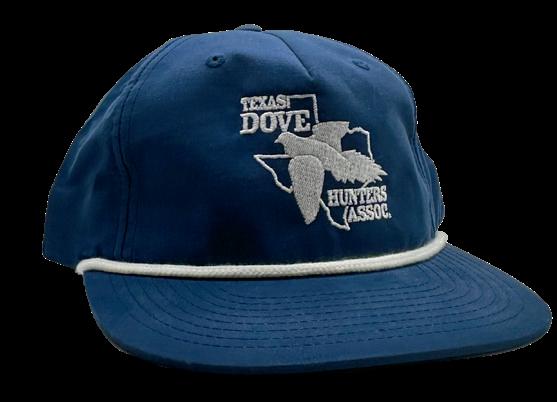
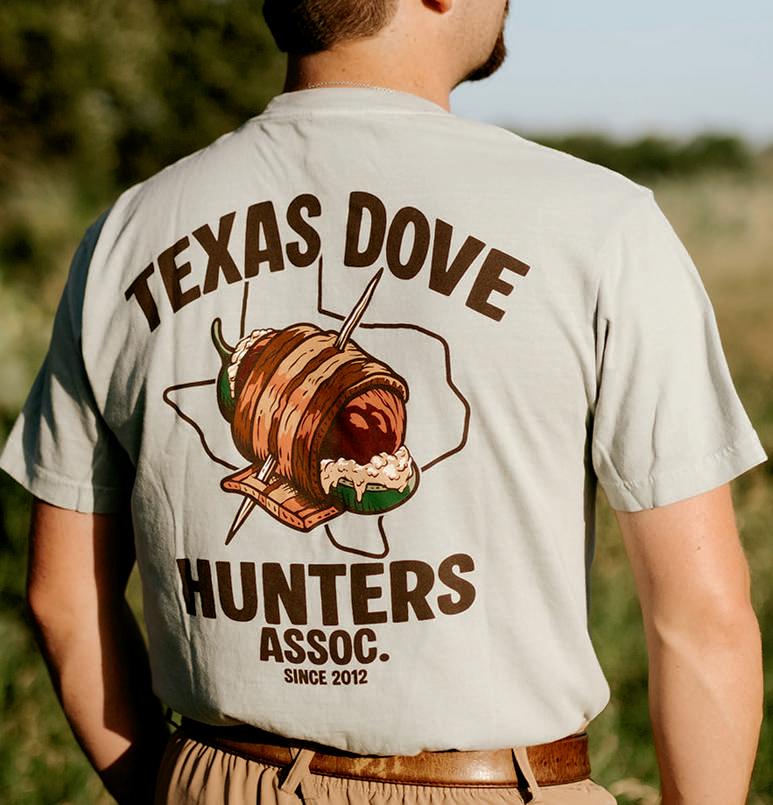
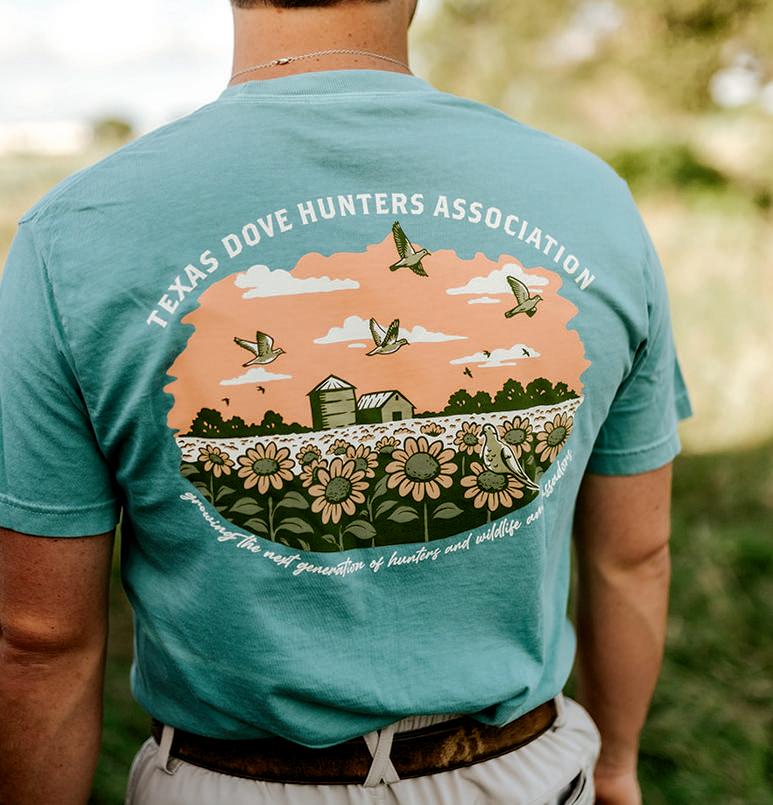
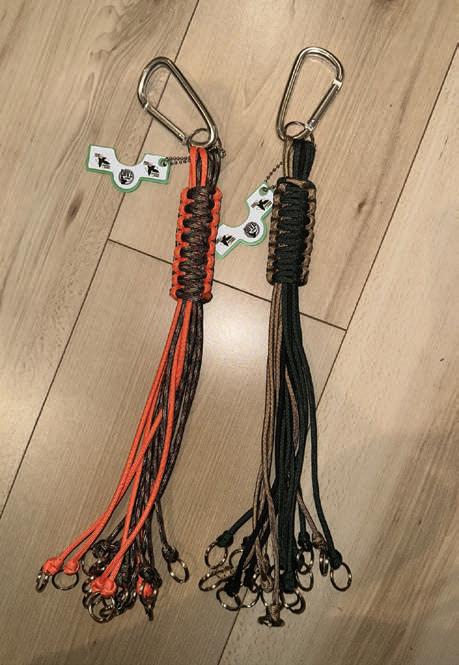







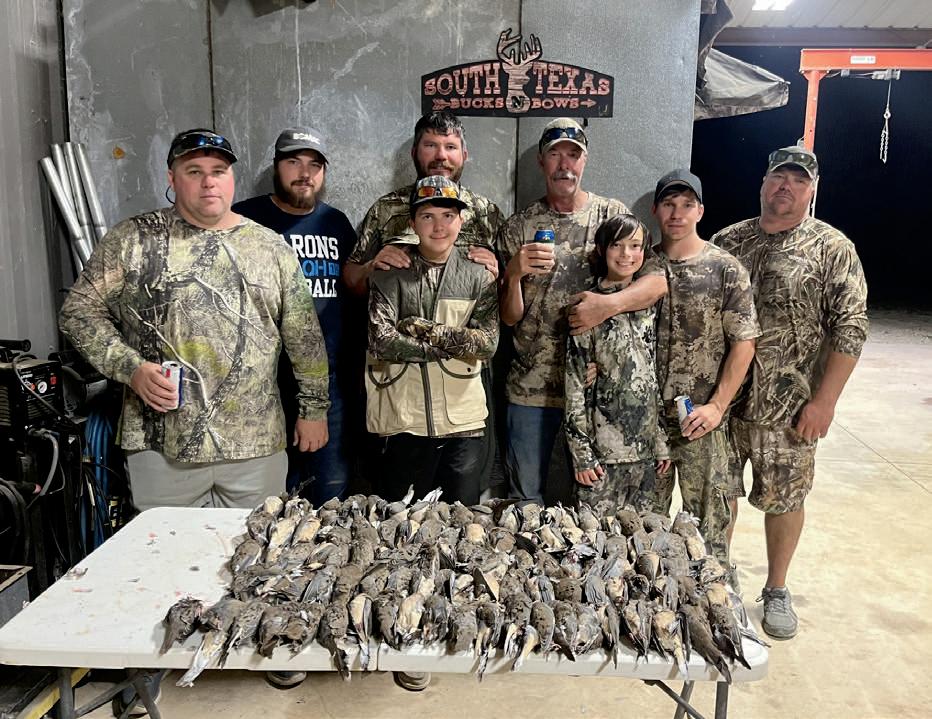
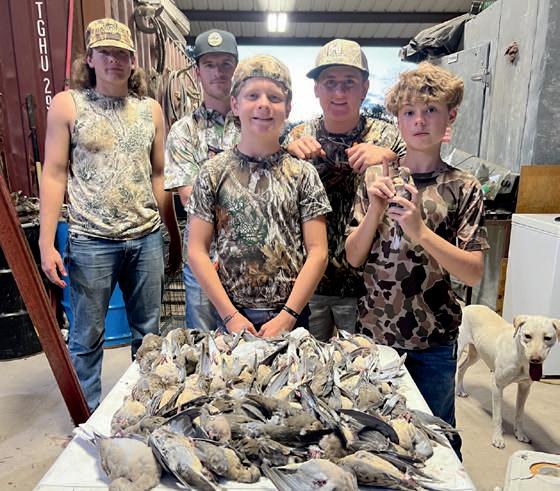
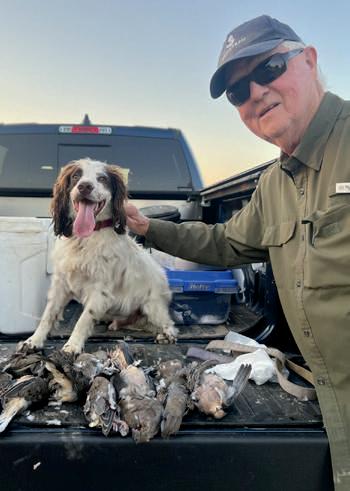






4600 Military Highway Mercedes, TX 78570 info@southtexaswhitewinghunts.com www.southtexaswhitewinghunts.com

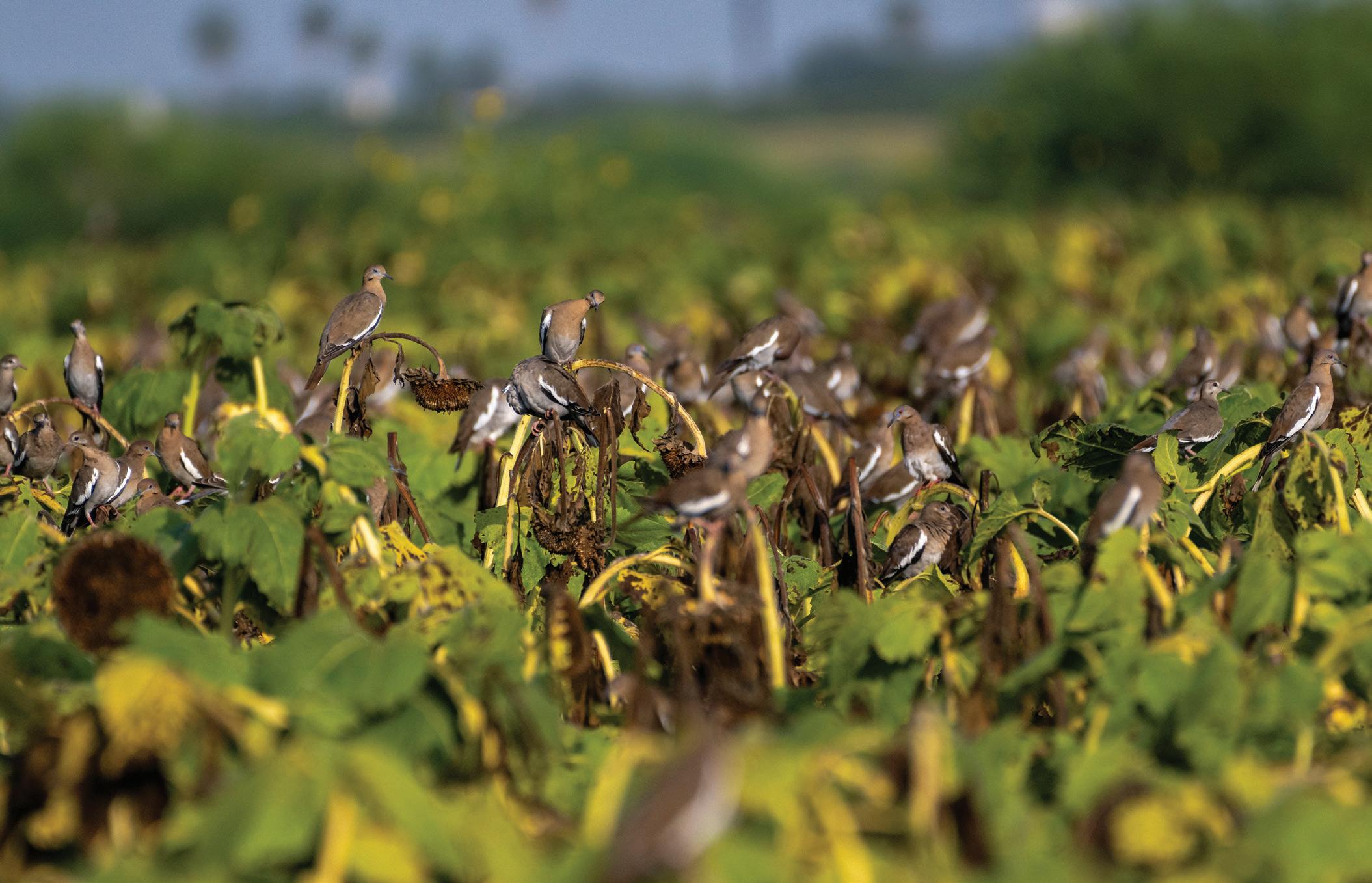
Come experience the ultimate white wing hunt along the Rio Grande River!
n Family-owned and operated farm in Progreso, Texas
n More than 500 acres of sunflowers and large white wing quantities
n Check out our website for lodging and booking info




SEPTEMBER 1 - 6 2026 ST TH
CELEBRATE OPENING WEEKEND WITH
CELEBRATE OPENING WEEKEND WITH
CELEBRATE OPENING WEEKEND WITH