Postcards
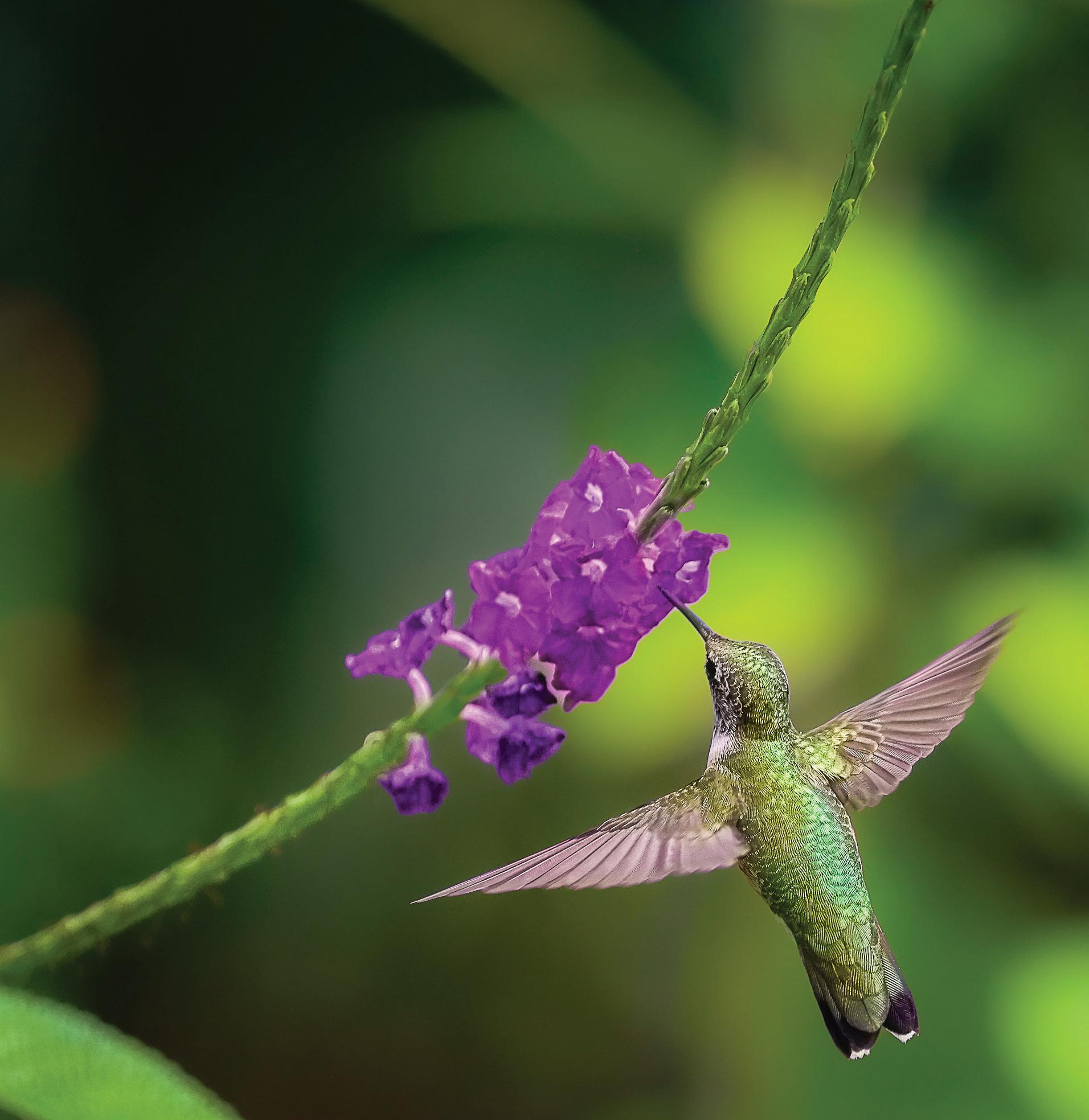
Piney Woods


From backyard playlists to indoor gaming battles, your home is more connected than ever this summer. With the MidSouth Fiber app, you can manage your home network and create a safer digital space for your family–anytime, anywhere.
•Set screen time limites in seconds
•Monitor every connected device
• Create custom profiles for your family
•Block unwanted content with ease



I’ve been thinking a lot lately about what we choose to notice…and what we choose to value.
My dad used to drive my mom just a little bit crazy (okay, maybe more than a little). Not because he was difficult or unkind, but because as he got older, he simply didn’t care much about what he wore. Mismatched, worn out, wrinkled, not quite “put together” by most standards. It never seemed to bother him.
And yet, not once did anyone question his character.
That’s what stands out to me now.
Somewhere along the way, it feels like we started paying more attention to appearances than to the things that actually matter. We notice the outfit, or what’s said on social media, before we notice the heart. We admire the polish before we look for integrity.
But when you really think about it, the people who have shaped our lives the most were never the best dressed in the room. They were the ones who showed up. The ones who told the truth. The ones who loved you without conditions.
That’s what builds trust. That’s what builds relationships. That’s what builds a community.
Because a strong community isn’t made up of perfect people in perfect outfits. It’s made up of real people who care about one another—people who offer a genuine smile, a kind word, or a heartfelt hug, even if their shirt doesn’t quite match their shoes.
And honestly, I’d take that every single time.
I’d rather be hugged by someone in mismatched clothing who truly means it than greeted by someone perfectly put together and left wondering if what they said was real.
Maybe the question isn’t whether we care too much about how we look.

Maybe it’s whether we care enough about who we are. Because at the end of the day, character is what people remember. It’s what lasts. When I think of my father, it’s not his clothes I remember. It’s the way he made me feel, the songs he sang, the laughter we shared, and the love I watched him give so freely to others.
That’s what makes a place feel like home.
Happy Father’s Day,
P.S. And no, my dear husband Wes…this still doesn’t mean camo matches everything.
At the end of the day, character is what people remember.







Although Sean Dietrich's column entitled "The Good Ole Days" aligns with my belief system...without references to reliable studies and databases, it is pure conjecture. With trust in media of all types being very low, y'all should at the very least label the column as opinion or a poppycock piece.
Paul Whybark
Thank you for taking the time to write in. We truly appreciate thoughtful feedback from our readers. Our table of contents does note these as columns, which, as is typical, often reflect the columnist’s personal take. Whether it’s Sean’s piece or my Publisher’s Post, we aim to spark reflection. Your engagement is valued, and I’m glad you’re part of the conversation!
I love all your family for Postcards. It's one of the best magazines I've ever seen! Thank you.
Esther Cousins
Thank you to the diligent readers who let us know that last month's recipe for Instant Pot Mexican Rice included the wrong copy. We are re-running it this month with the correct information, and we apologize for the error!



















the new “team leader” at
Share about your background.
I grew up in Fort Worth, Texas, and was lucky enough to have parents that knew the value of the outdoors. I learned to love and appreciate things like camping on the shores of Lake Murray, canoeing down the Tahlequah River, hunting in Childress, and fishing anywhere there was water.
My dad bought a bass boat when I was in middle school, and we joined a bass club. We fished in the club all the way through high school. We rarely won, but the time in the back of that boat is irreplaceable. I learned confidence when I was lucky enough to have a fish to weigh-in, I learned humility when I struggled, I learned how to be truly happy for those that succeeded, and through all the time in between, out on the water, I learned about life.
At the time, I knew I enjoyed these outdoor areas, but I wasn’t mature enough to know how truly important and influential they are. I was going to college to be an accountant and got an entry level job at an accounting firm. One night something clicked, and I turned to my wonderful wife and said, “I don’t want to be an accountant. I want to work at a TPWD (Texas Parks & Wildlife) Fish Hatchery.” At 3 AM, I applied to Texas A&M Galveston to get a Marine Fisheries degree, and I still can’t believe it, but I was accepted.
After relocating my family for three years, I had my degree in hand and applied to my dream job with TPWD and waited for the phone call...All I heard was crickets.
BY
did it happen—
I knew what I wanted to do, but I could not get a yes, let alone an interview. I kept adding positions further out from what I ultimately wanted to do. After three years, I finally got a call to interview for a part-time customer service representative position at Lake Somerville State Park. Interview went well. A couple weeks later, I got a call that I didn’t get the position.
That was it. My last shot. I applied for a postal company, and they hired me. I attended orientation, ready to be the best truck unloader possible, and I got a call from Lake Somerville State Park. The person they selected had backed out, and I was the second choice!
I started at Lake Somerville State Park in June of 2018. After only a couple months, I was promoted to assistant office manager, but
something else significant happened. I figured out Texas State Parks are AMAZING. Sure, working at a fish hatchery would allow me to help people enjoy the outdoors, but State Parks were where this actually happened! I had some wonderful leaders and mentors at Lake Somerville State Park who helped me grow over the next four years.
Then I was offered the Assistant Superintendent position at Palo Duro Canyon State Park near Amarillo. Truthfully, it feels like a fever dream. Soon after arriving, the Superintendent left, leaving me the interim Superintendent. Palo Duro is a special place and should be on everyone’s bucket list. It felt like ten years’ worth of experience condensed into two years.
I was then able to return to Lake Somerville State Park as
Superintendent for two years. The people who gave me a chance and taught me so much were giving me ANOTHER amazing opportunity. I really honed the skills I had learned.
In fall of 2025, I learned the Huntsville State Park Superintendent position would be opening. Much like that night 15 years ago, something clicked, and I knew Huntsville State Park was where I wanted
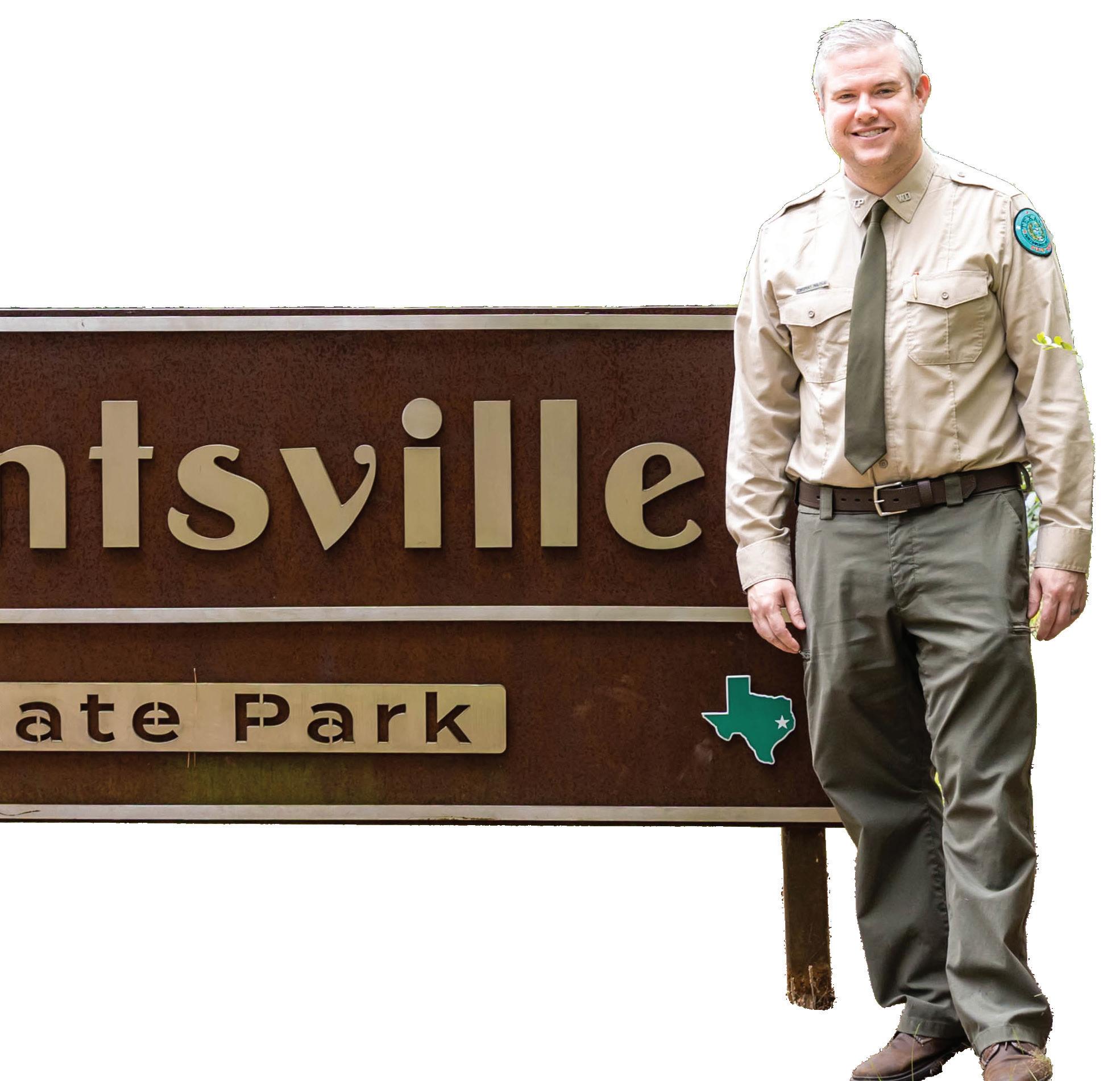
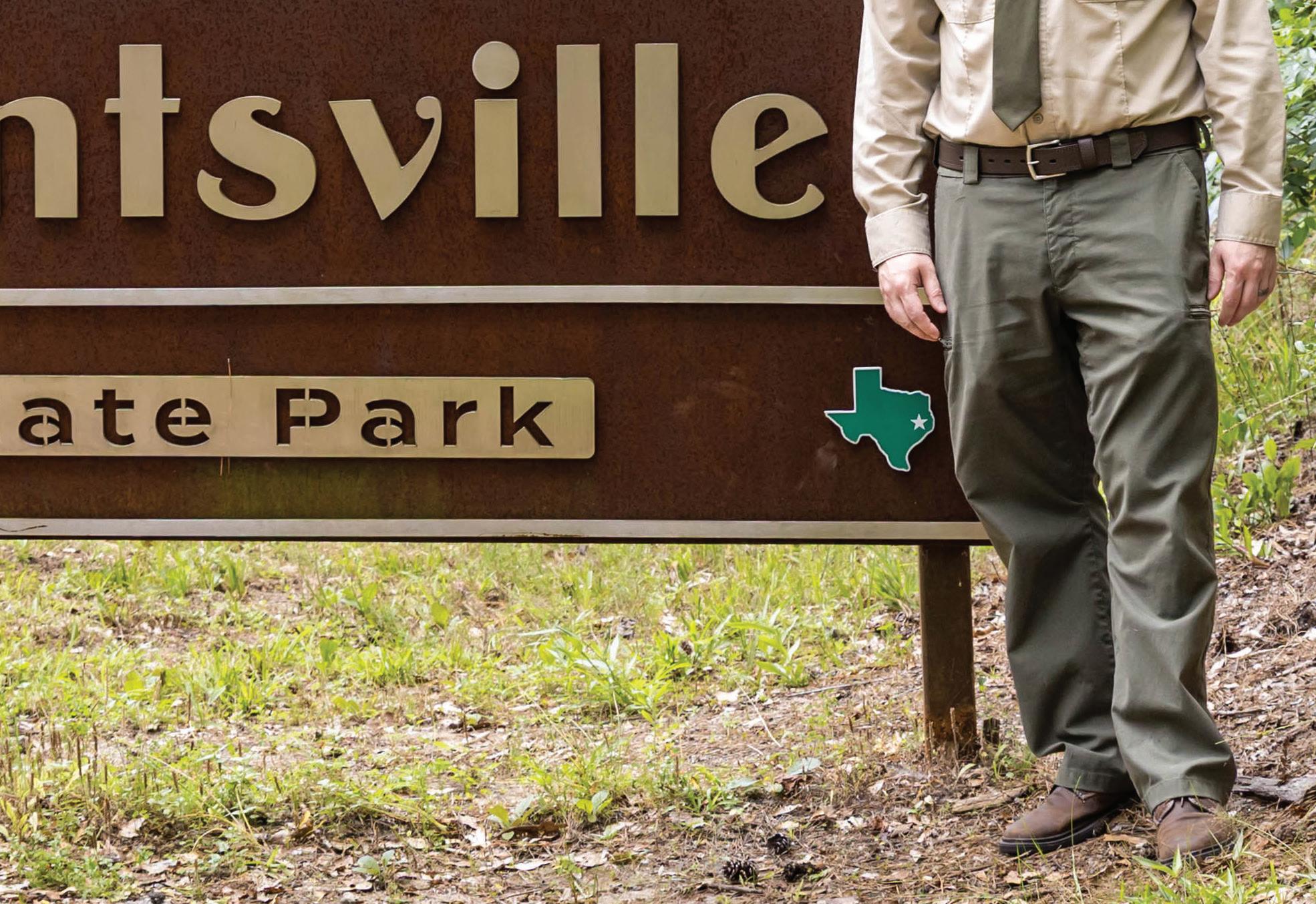
to be. I am so excited about all the opportunities the park has to provide others with the same experiences that shaped me.
My wife Morgan and daughter Kylie have supported me through everything—all the jobs, location changes, late nights, park emergencies, etc.
What is your job title, and what do you do on a daily basis?
Park Superintendent of Huntsville State Park (HSP)
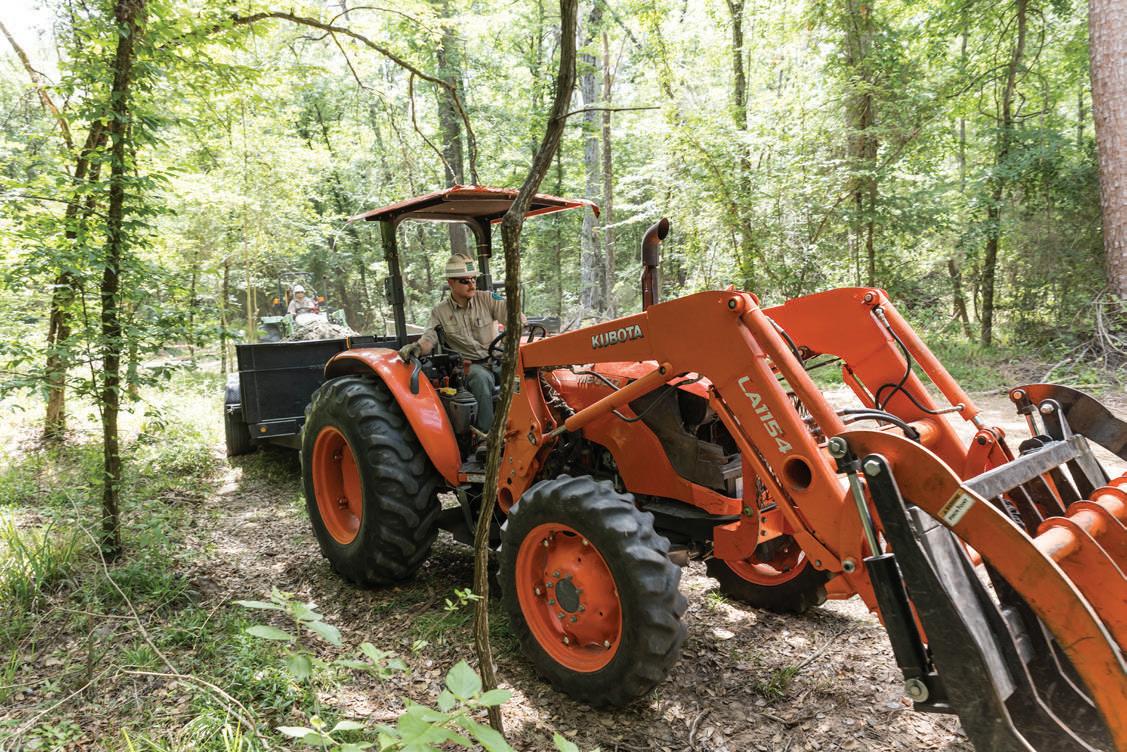
I oversee all park operations—from staff leadership and visitor services to resource protection, maintenance, and long-term planning. I ensure the park runs safely, smoothly, and in alignment with Texas State Park’s mission to conserve natural and cultural resources for future generations.
That’s the “nice official version,” but it’s mainly a support position. We have an amazing group of rangers at the park. We have maintenance experts, reservation experts, purchasing experts, resource specialists, wildlife experts, event experts, etc... I support them as best I can. This often is through things like park-wide communication, leading meetings, assisting with unique situations, being someone to bounce ideas off of, being an extra pair of hands, and making sure that they get the recognition they deserve.
What is special about HSP as it relates to other Texas SPs?
HSP has it ALL, and you don’t have to drive 5 hours to get to it.
• Over 150 campsites ranging from water only, to full RV hookups, to shelters, to cabins.
• Over 21 miles of hiking/biking trails
• Nature center where you can see baby alligators
• Consistent schedule of interpretive programs
• Lake Raven – where you can swim/ fish/boat
• 2083 acres of nature in the Pineywoods ecosystem. HSP has a great population of Pileated woodpeckers, the largest
woodpecker species in North America.
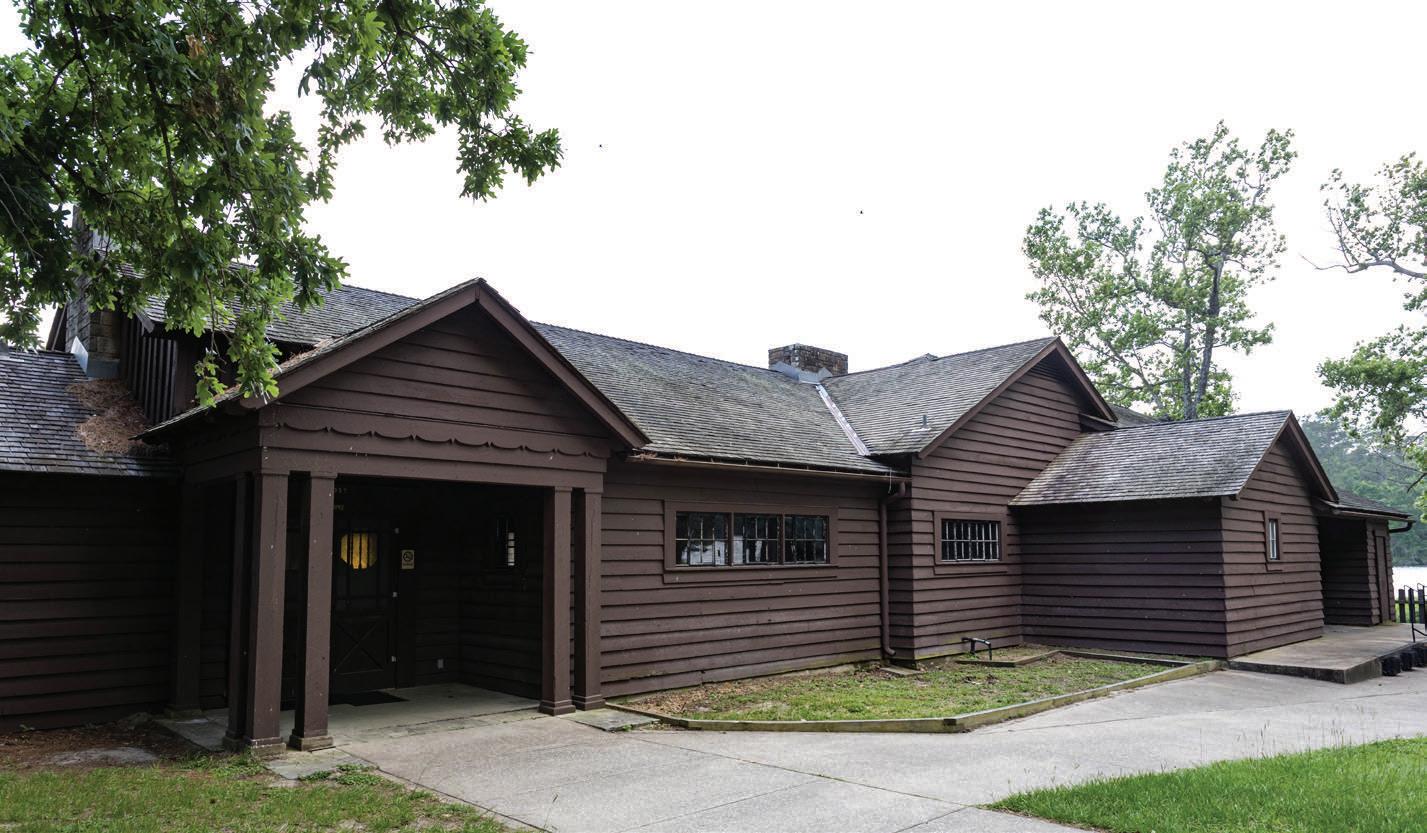
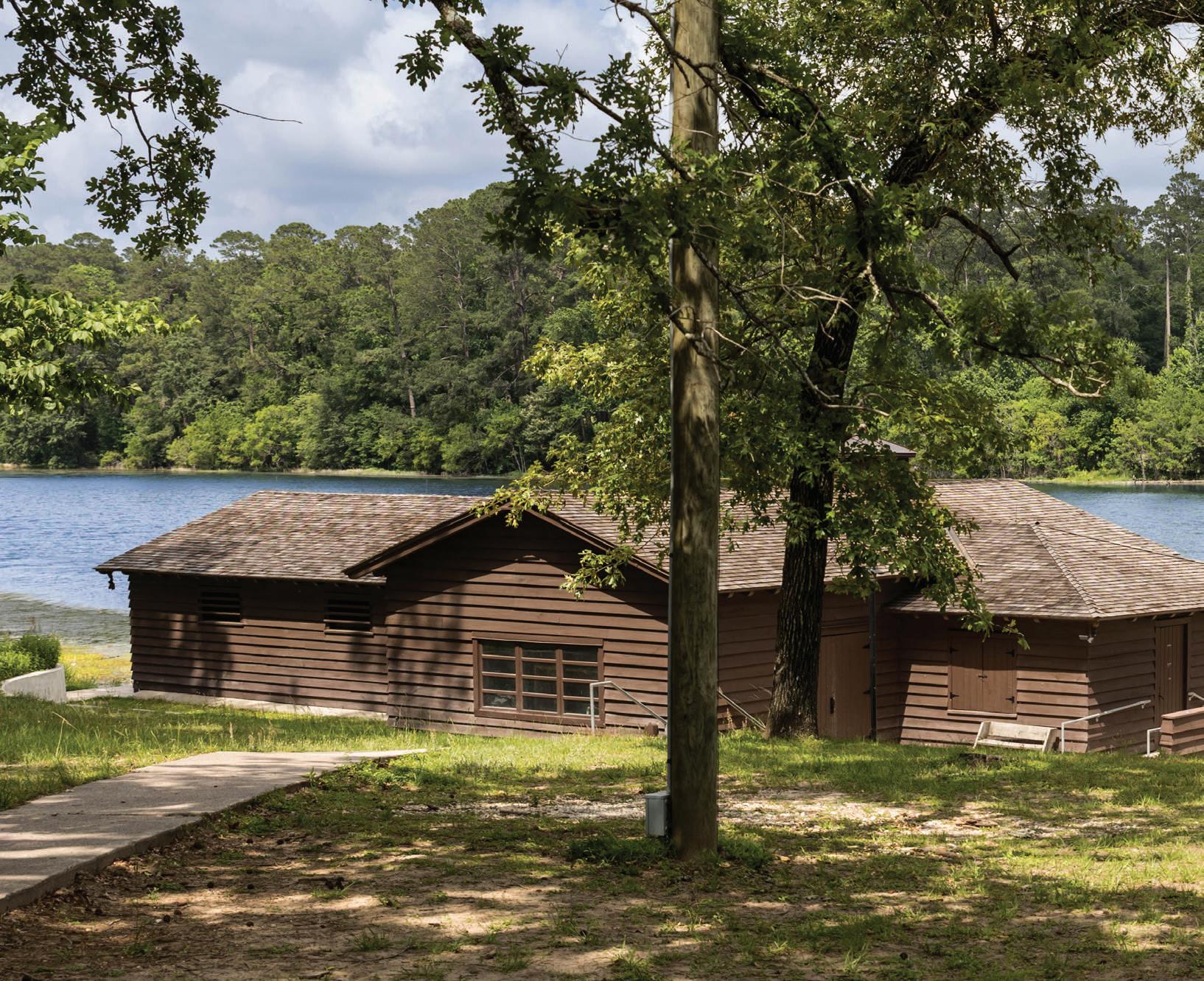
• History – Check out our CCC (Civilian Conservation Corps) structures.
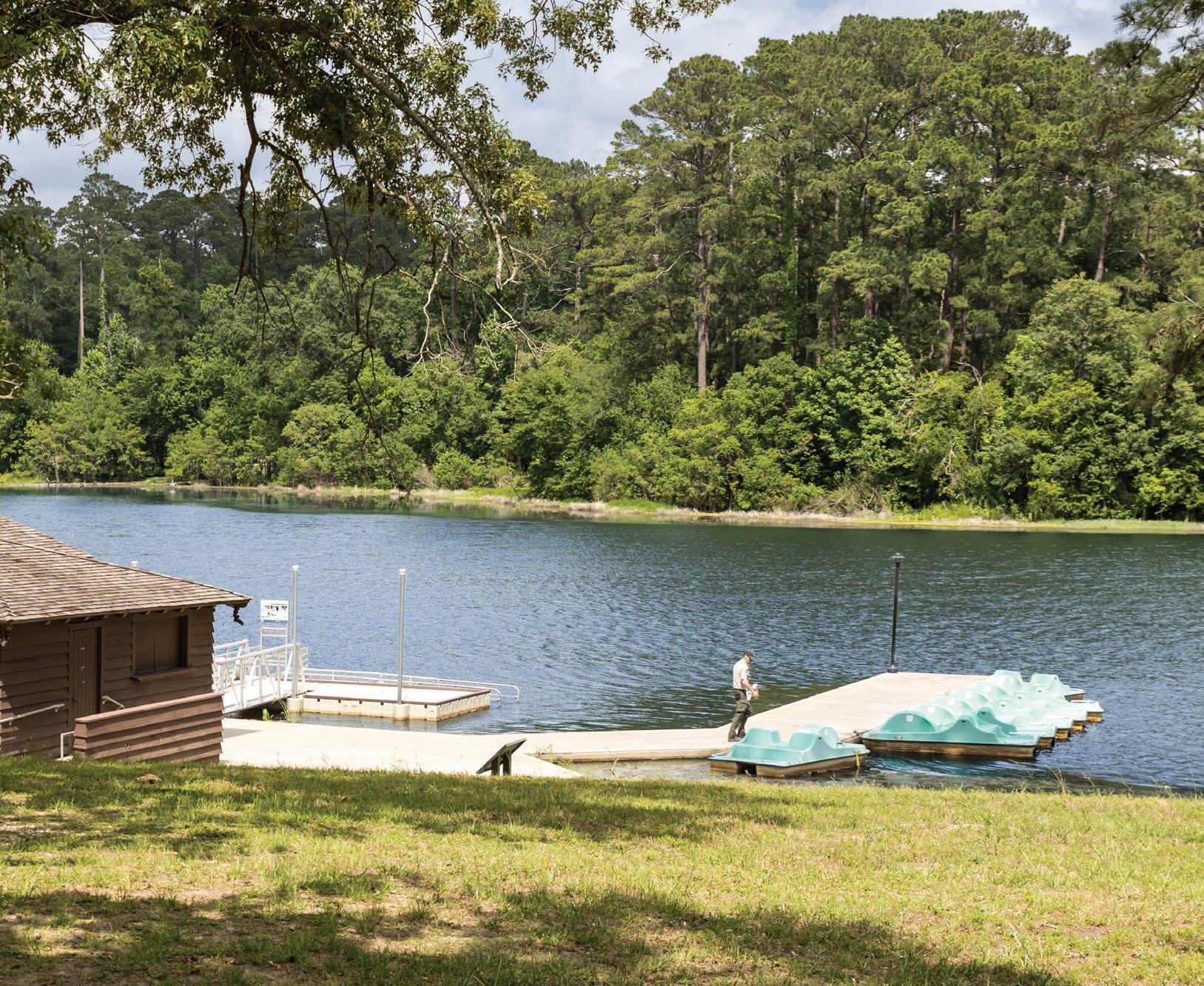
o Boathouse - where you can rent canoes, kayaks, and (very popular) paddleboats.
o Raven Lodge – you can see the lodge as you walk through the dayuse area or rent for the day (very popular for weddings).
• Playgrounds (when you just want a spot to take a 10-minute walk and let the kids burn off some energy).
What is something you wish more people really knew/ understood about HSP?
HSP is so many people’s introduction to nature. I think the park’s location has a lot to do with this. Your novice camper/hiker/fisher are less likely to drive five hours for one of their first adventures and often end up at HSP. This can result in a larger number of learning moments, but I couldn’t be happier working at a place this happens so often.
Weirdest thing that’s happened to you on your job?
One of my past goals was to see a Painted Bunting, which is a beautiful bird covered in different colors. It took me three years of working in a State Park to see one. Shortly after, the
park held a “bring your kid to work day.” I was prepping a UTV at the maintenance shop that morning, and I hear my daughter Kylie say, “That’s a pretty bird.” I look over, and there was a Painted Bunting on a nearby tree. It took me three years to see one, and it
took her all of three minutes. When she pointed out a second one later the very same day, I think she was just showing off. ��
Any work-related goals or any special upcoming activities?
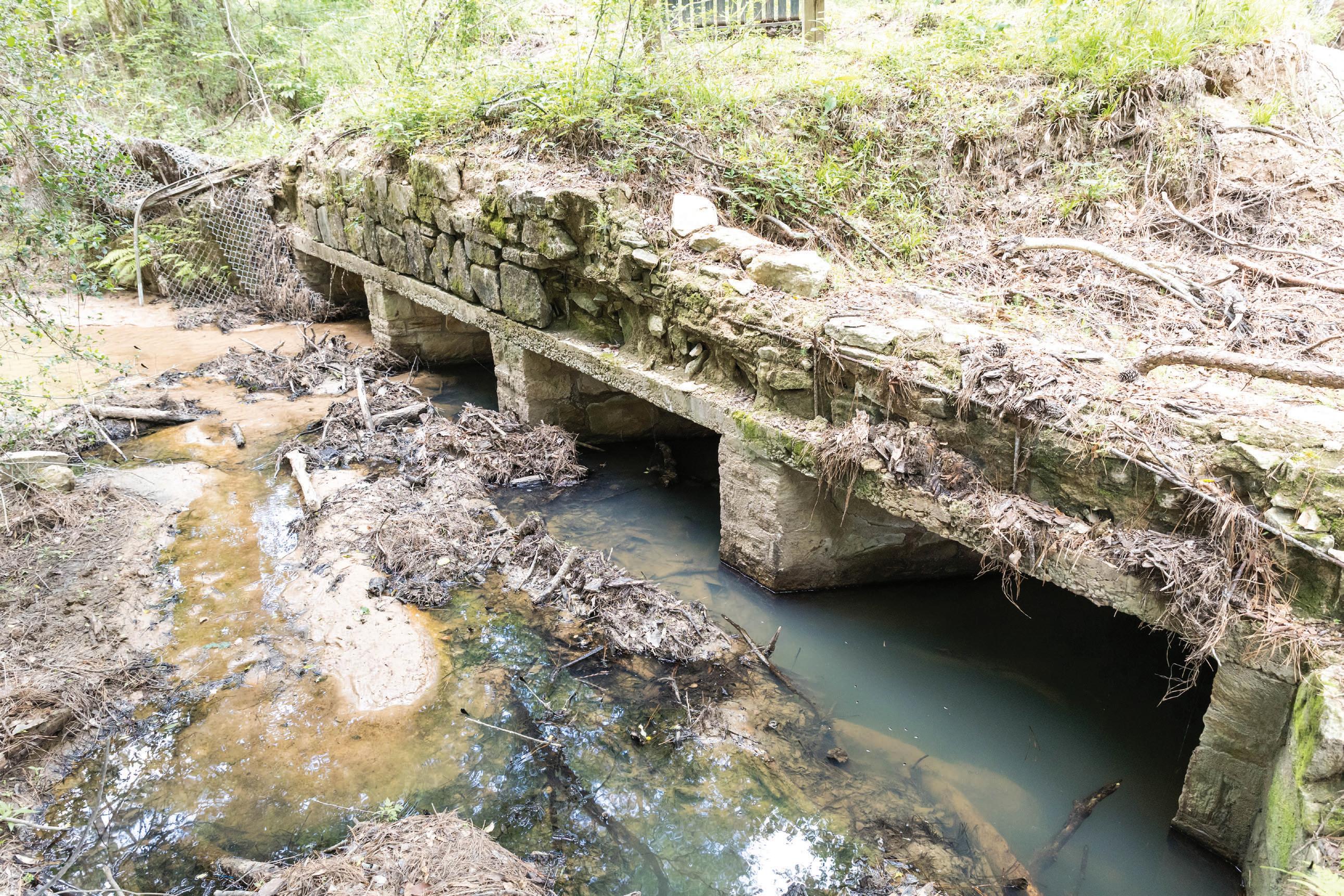
There is a portion of the Triple C Trail that has been closed since hurricane Harvey. The park is currently working to get the entire trail system open again for the first time in over 8 years. Barring any setbacks, we hope to have the entire trail system open later this year! It is amazing the amount of damage water can do.
The park is also in the process of creating an archery area to have archery interpretive programs. The planned opening is also later this year.
do you enjoy doing outside
One of my favorite hobbies is board games. I have over 100. You would think I would be good at them, but somehow, I rarely win. The hobby is really enjoying time with family and friends. Board games just provide a fantastic way to do that.
Any advice for young people who would like a career path in parks?
First off…DO IT. I struggle to think of a more rewarding career path. Texas State Parks are filled with passionate people, doing good work, and it’s infectious. It’s not a secret that Texas State Parks are awesome, and there is a healthy amount of job competition.
While a relevant college degree can help (and some positions do require them), State Park experience is extremely valuable but is pretty unique and often difficult to replicate outside of a park setting. Many hires come from people that have simply volunteered. This allows you to learn specific park ranger skills and get to know the staff. Volunteering also gives you an opportunity to try “a day in the life of a Ranger” to confirm the career path you are interested in.
The best way of thinking about Texas
State Park Rangers is by separating them into two main tracts – Office Rangers and Field Rangers.
Office Rangers are clerks, customer service reps, office managers. They handle reservations, guest check-ins, sell store items, and are mostly the point of contact for guests. This is the path I took. It helps you learn all the background processes, funding, how you successfully get guests in the park.
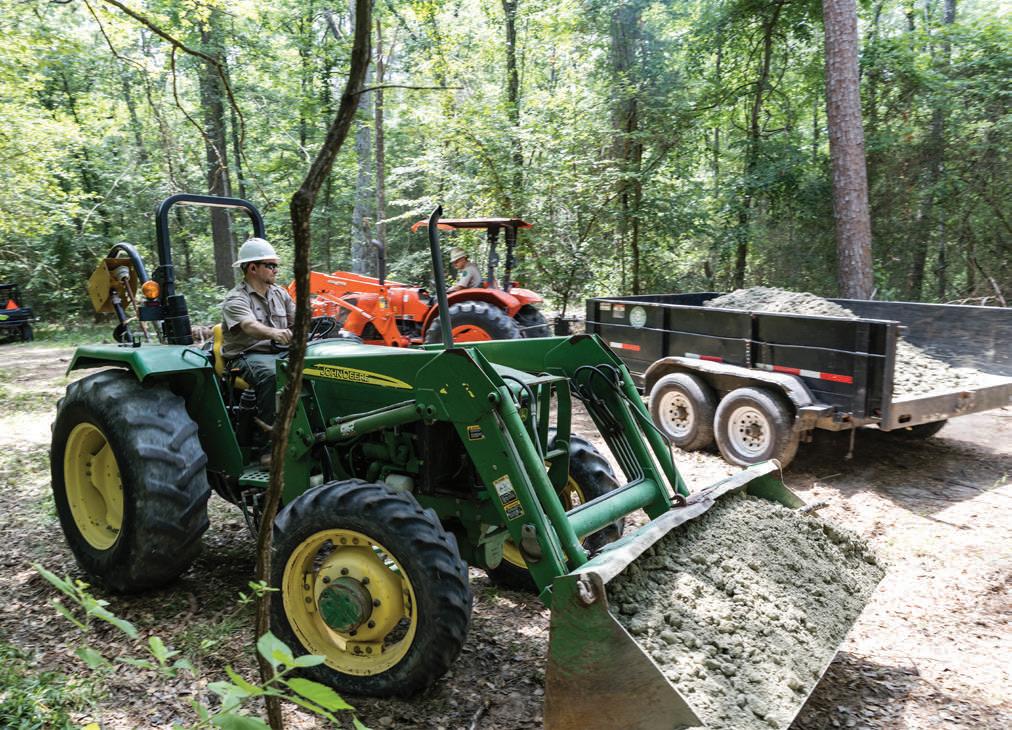
Field Rangers are maintenance specialists, utility plant operators, and
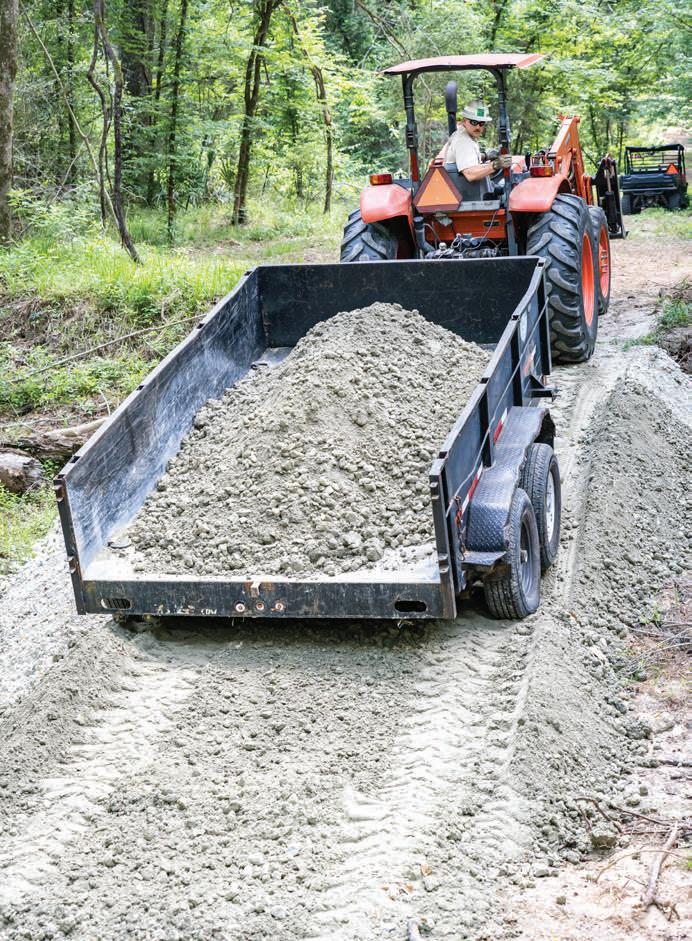
maintenance supervisors. Each State Park is basically run like a small city and must worry about things like water, sewer, power, grounds upkeep, etc. Field Rangers make sure all these aspects are running for ~150,000 guests a year.
You could also check out other specialty positions like Park Interpreters, who inform the public about park topics, and Resource Specialists, who focus on conserving our natural and cultural resources.










Honoring teachers who work with our kids day in and day out. They go above and beyond, and really do “Touch Tomorrow.”

NOMINATED BY Zyla
Louther
Mrs. Stewart gives 110% to her students. She is my anatomy teacher this year and former chemistry teacher. She inspired my love for anatomy and even biology through a never-failing willingness to answer my questions or research with me to find the answers.
Nominate a special teacher today by going online: www.PostcardsLive.com. Those chosen for publication are awarded a gift card to 1836 Steakhouse.
Sponsored by:


Homeschool
FAVORITE MOVIE: Can Only Imagine 2
FAVORITE MUSIC/ARTIST: Contemporary Christian
FAVORITE FOOD:
Chicken Fettuccine Alfredo
FAVORITE QUOTE: "Even if…It is well with my soul.”
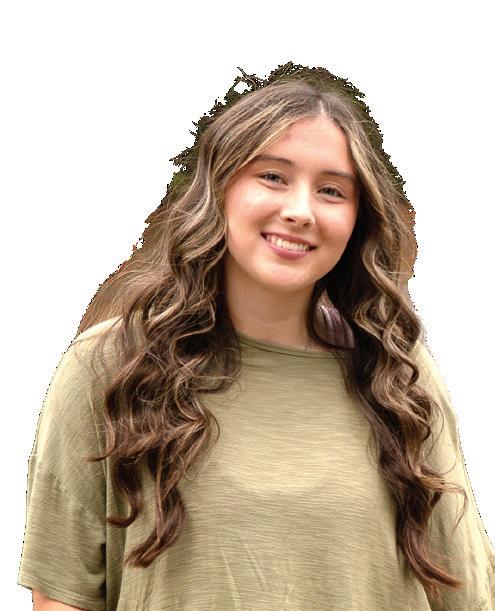
Ashlyn is a 2026 homeschool graduate and is the daughter of Loretta Mason. Her activities include reading, nail art, and FSM Youth Council. Ashlyn plans to attend cosmetology school. She believes, “It is Well with My Soul.”
Huntsville High School
FAVORITE MOVIE: The Proposal
FAVORITE MUSIC/ARTIST: Bailey Zimmerman
FAVORITE FOOD:
Chicken Spaghetti
FAVORITE QUOTE:
"For I have plans for you, plans to prosper you not to harm you, plans to give you hope and a future.” –Jeremiah 29:11
Trinity is a 2026 graduate at Huntsville High School and is the daughter of Billy Jack and Holly McMichael. Her activities include soccer and National Honor Society officer. Trinity will be attending Arlington Baptist University to play college soccer. She believes “Confidence comes from the Lord Jesus Christ, not from other people.”
Even so...it is well with my soul.

Huntsville High School
FAVORITE MOVIE: Tangled
FAVORITE MUSIC/ARTIST: Bethel Music
FAVORITE FOOD: PASTA
FAVORITE QUOTE:
He is no fool who gives what he cannot keep to gain what he cannot lose.” –Jim Elliot
Zyla is a 2026 graduate at Huntsville High School and is the daughter of Rob and Rebecca Louther. Her activities include 1st Gup in Tang Soo Do Martial Arts, senior class council, UILReady Writing, and piano. Zyla will be attending Dallas Baptist University to major in biology (pre-med) and intercultural studies. She hopes to become a traumafield cardio-thoracic surgeon. She believes in the words of Colossians 3:23-24, “Whatever you do, work heartily, as for the Lord and not men, knowing that from the Lord you will receive the inheritance as your reward.”





Once a man, twice a baby. Paul Conner (deceased)
If good sense were leather, that man couldn’t shoe a flea.
That wedding was so sweet, it would bring a tear to a glass eye.
Old is when people compliment your alligator shoes...and you’re not wearing any.
If your eyes hurt after you drink coffee, take the spoon out of the cup.
She’s a very tough woman. She buried three husbands, and two of them were just napping.
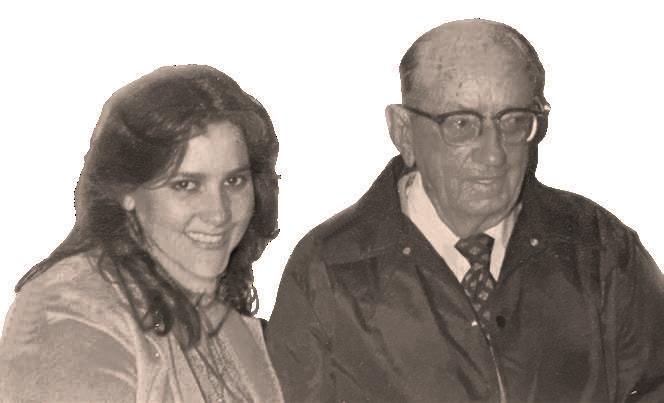
As I grow older, more and more often I find myself saying, “Like my Granddaddy used to say…” In an effort to keep some of these old sayings alive, we are sharing them here. Please feel free to share yours with us!













One man can make a difference, and every man should try.







celebrated her 6th Birthday
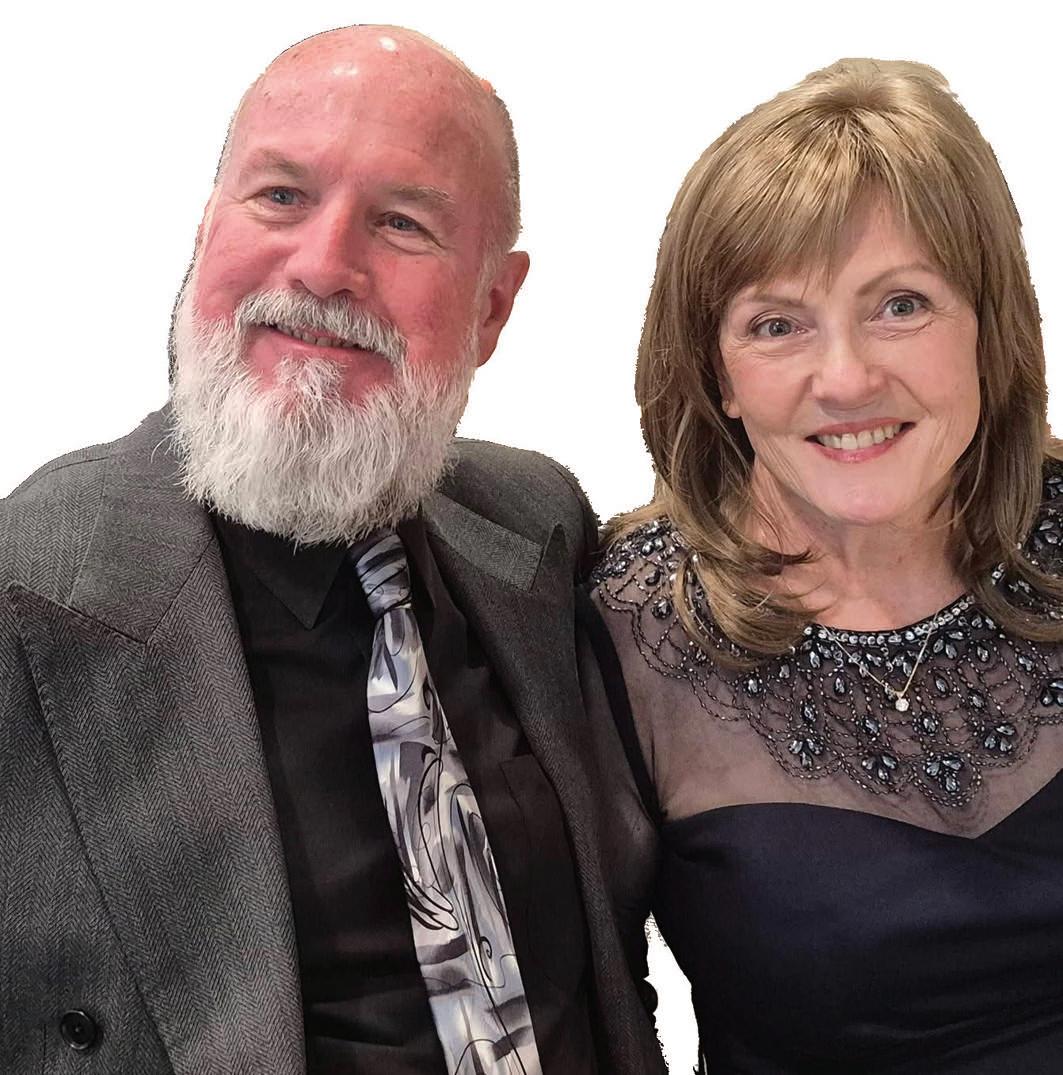
celebrated their 50th Anniversary

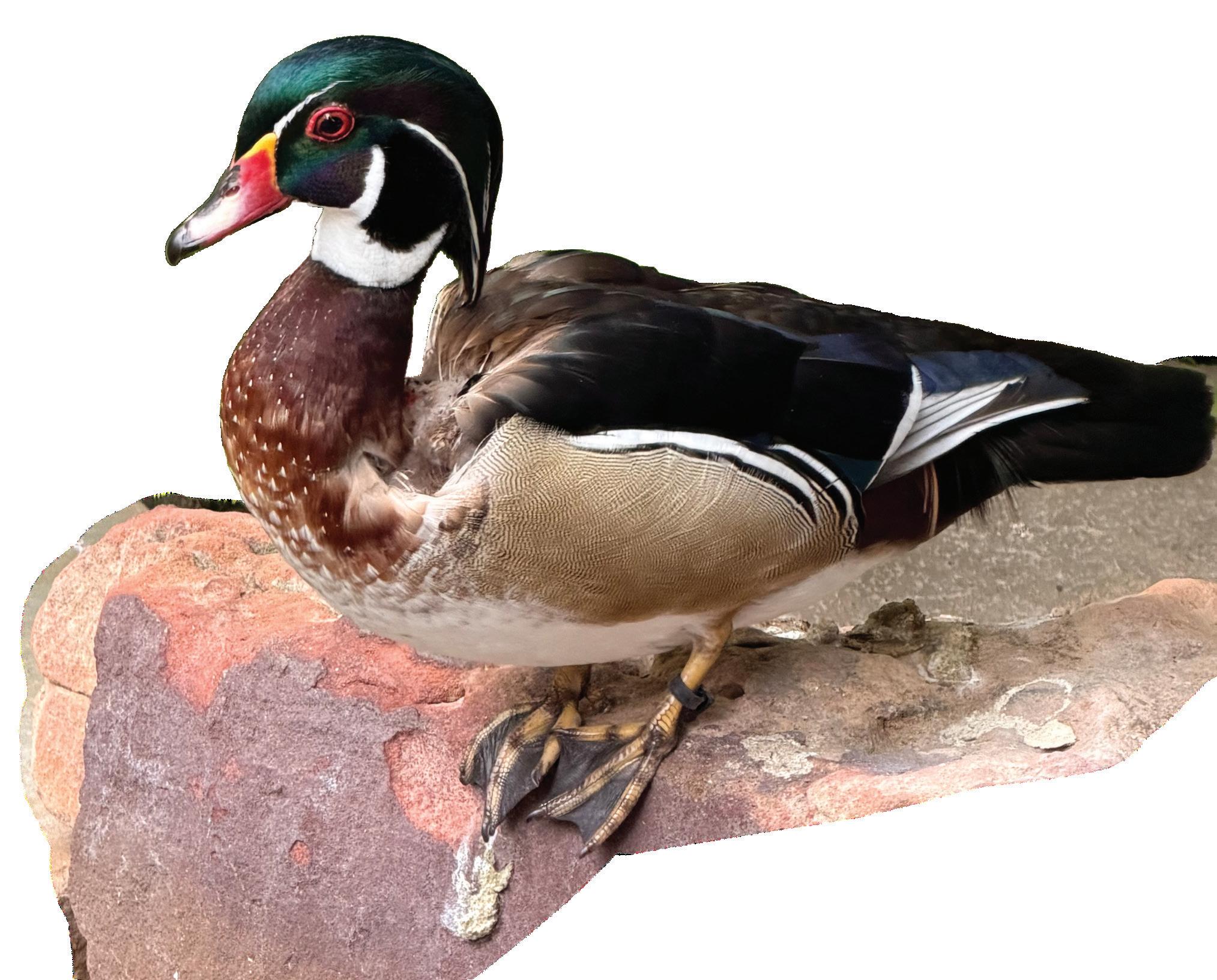
More than ducks. One remarkably far-reaching mission. If you think this group is only about hunting - think again!
STORY AND PHOTOS BY MARSHALL ALTOM
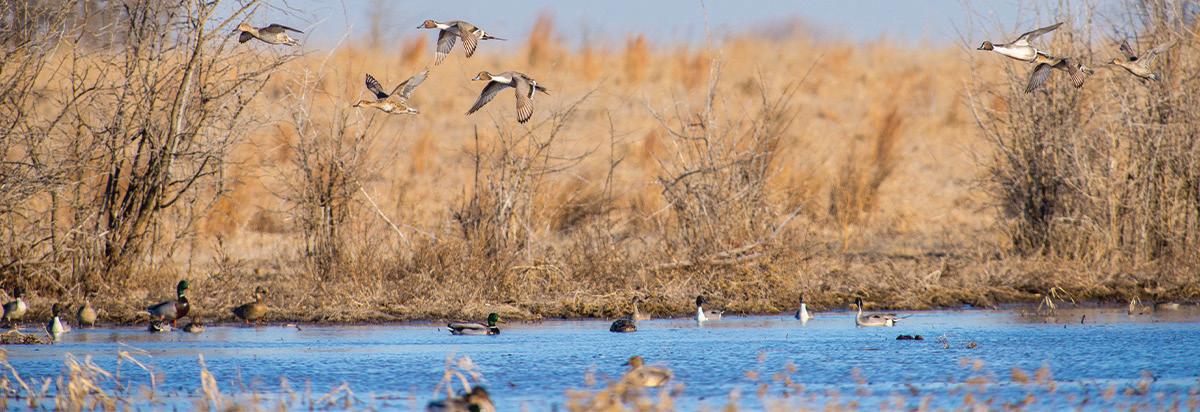
InTexas, water has always shaped the story. It carved river bottoms, fed crop fields, filled coastal marshes, and drew generations of hunters to cold mornings under gray skies. Long before a duck ever cupped its wings over a decoy spread, the land had to be right. The water had to be there. The habitat had to hold. That is where Ducks Unlimited has built its name.
Founded in 1937, Ducks Unlimited began with a straightforward mission: to conserve, restore, and manage wetlands and associated habitats for North America’s waterfowl. Nearly 90 years later, that mission still starts with ducks, but it does not end there. Wetlands that hold waterfowl also filter water, slow flooding, protect coastlines, support fish and wildlife, and create public places where Texans can hunt, fish, birdwatch, and spend time outdoors.
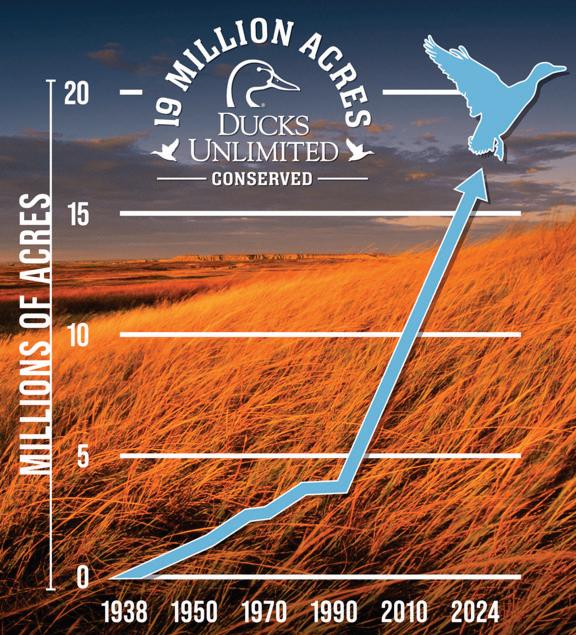
Across North America, Ducks Unlimited and its partners have conserved more than 19 million acres of wetlands and waterfowl habitat. In Texas alone, more than 305,000 acres have been conserved historically, with more than 71,000 acres of conservation work completed in fiscal year 2025. The organization also reports more than $18 million spent on Texas projects and more than $747 million invested across the Central Flyway.
Those numbers are large, but the work itself is often very practical. Ducks Unlimited does not simply buy land and put up a sign. In many cases, DU serves as the connector, planner, fundraiser, engineer, and project manager. The organization works with state agencies, federal programs, private landown ers, foundations, local governments, and conservation partners to identify important habitat, secure funding, design improvements, and com plete on-the-ground work.
A project may begin with a need identified by biologists or land managers. A wetland may no longer hold water the way it once did. A marsh may be losing ground. A public wildlife area may need better water control. A private landowner
may have the right kind of property, but not the technical guidance or funding to restore it properly. From there, DU helps bring the pieces together.
That can mean surveying the land, designing levees or water-control structures, writing grant applications, coordinating with public agencies, securing private donations, managing contractors, and ensuring the finished project functions as intended. The work is technical, but the goal is simple: put water and habitat back where they can do the most good.
Sometimes that means protecting an existing wetland. Sometimes it means restoring land that was drained or degraded years ago. Sometimes it means building water-control structures, reshaping a marsh, improving levees, managing invasive vegetation, or helping a landowner create shallow-water habitat that can feed migrating birds.
When the work is complete, the project may remain with a public agency, a private landowner, a wildlife management area, a refuge, a school district, or another partner. That is part of the model. DU often helps deliver the conservation, then the land is managed by the organization best positioned to care for it long term.
In East and Southeast Texas, that model shows up across river bottoms, marshes, wildlife management areas, refuges, and public lands. DU’s own migration and conservation map shows projects tied to places such as Richland Creek
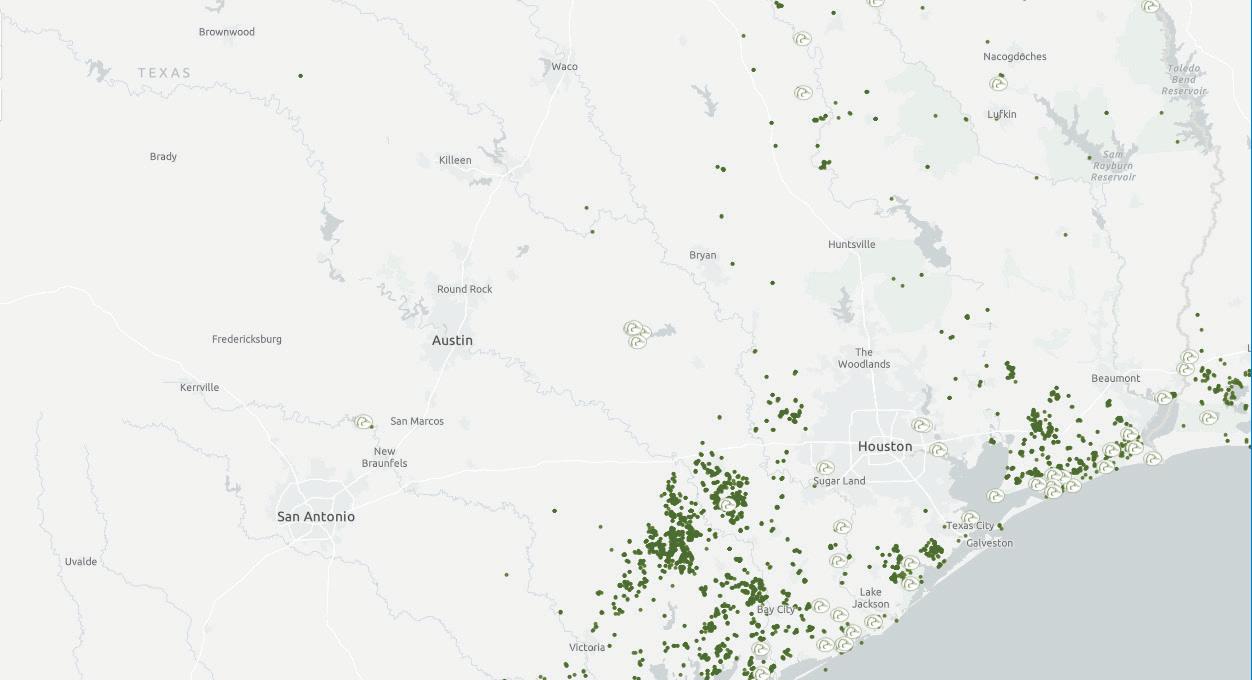
Wildlife Management Area, Neches River National Wildlife Refuge, Brazoria National Wildlife Refuge, Sheldon Lake State Park and Environmental Learning Center, San Jacinto Battleground State Historic Site, Candy Abshier Wildlife Management Area, Brazos Bend State Park, and others.
These are not random dots on a map. They are pieces of a larger flyway. Texas sits in the Central Flyway, one of the great migratory corridors of North America. Each year, ducks, geese, shorebirds, and other wildlife move through the state, using wetlands, river bottoms, coastal marshes, and flooded agricultural lands as places to rest and feed. In East Texas, Ducks Unlimited’s work often centers on bottomland hardwood systems and river basins like the Trinity and Neches. These areas serve as steppingstones for birds moving toward the Gulf Coast.
One example is Wildcat Marsh in the
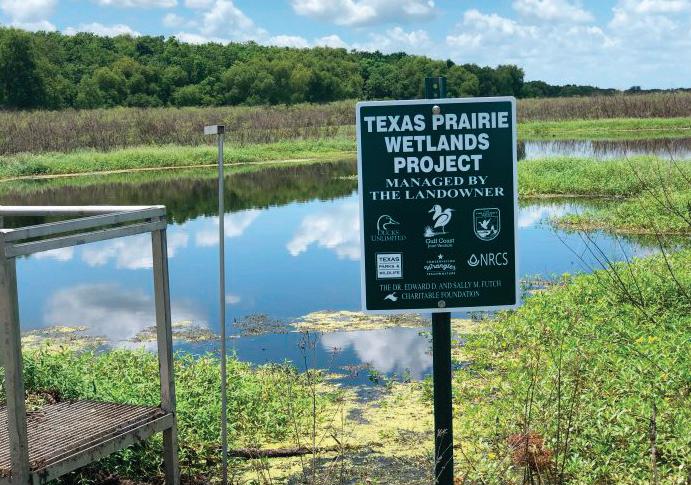
Trinity River Basin. Located at Richland Creek Wildlife Management Area, the 111-acre wetland restoration project was fully funded in 2024. According to DU materials, the $1 million project is expected to clean roughly 54 million gallons of water annually before it enters the Trinity River. It is a duck project, yes, but it is also a water project. That is a key part of understanding Ducks Unlimited. The name may say ducks, but the work reaches well beyond the hunting community.
Hunters have played a major role in funding and protecting waterfowl habitat for generations, and that tradition remains an important part of DU’s story. But not everyone connected to the organization comes to it through hunting. Some come through birdwatching. Some care about wetlands, clean water, flood protection, or coastal resilience. Some are landowners. Some are conservationists. Some simply want their children and grandchildren to grow up in a world where wild ducks still cross the sky.
Conservation has always required balance. It is not only about protecting what is rare or endangered. It is also about managing what is abundant, strengthening what is vulnerable, and keeping habitats healthy enough to support wildlife through changing seasons, weather patterns, and land use. Waterfowl populations rise and fall with rainfall, nesting success, migration conditions, and the availability of good habitat.
For one person, enjoying ducks may mean sitting quietly with binoculars and watching them move across the water. For another, it may mean carrying on a hunting tradition tied to family, food, land, and season. Those experiences are different, but they depend on the same
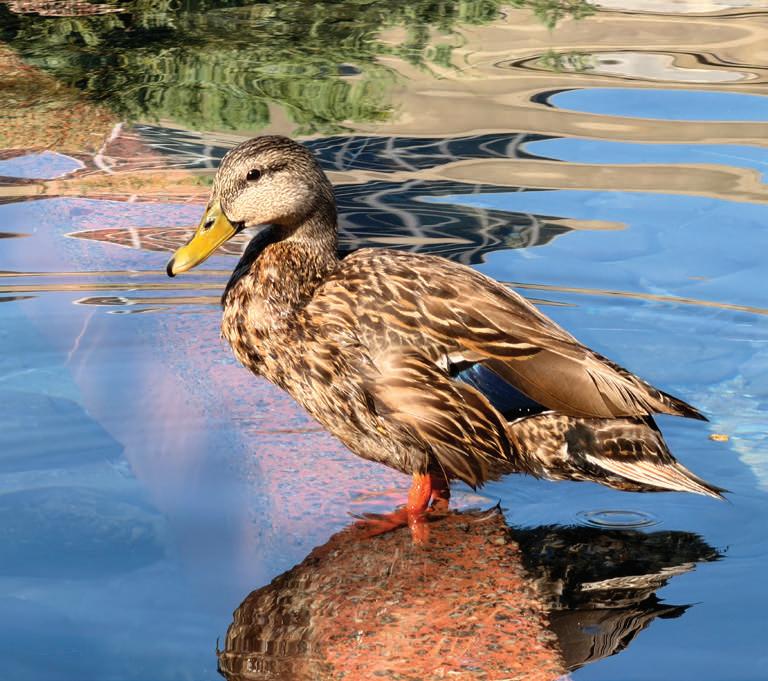
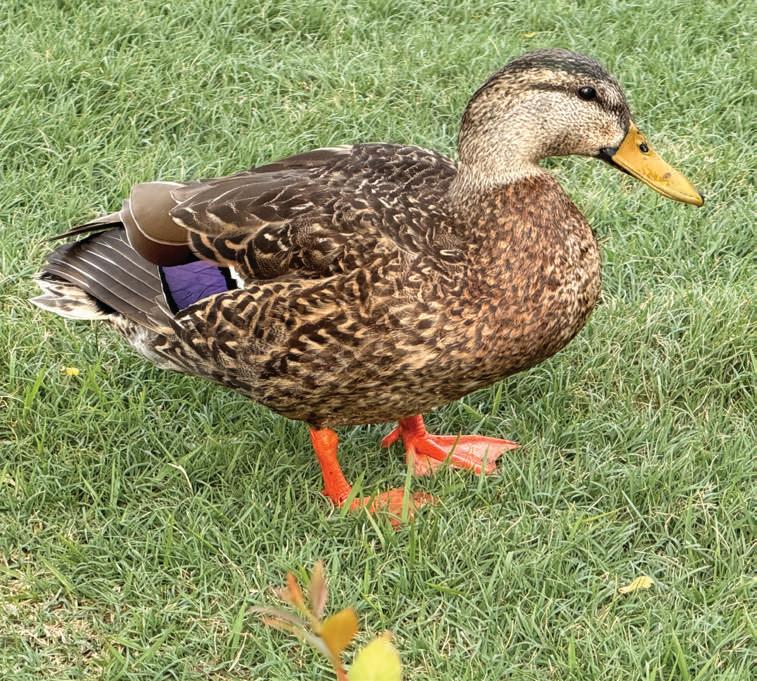
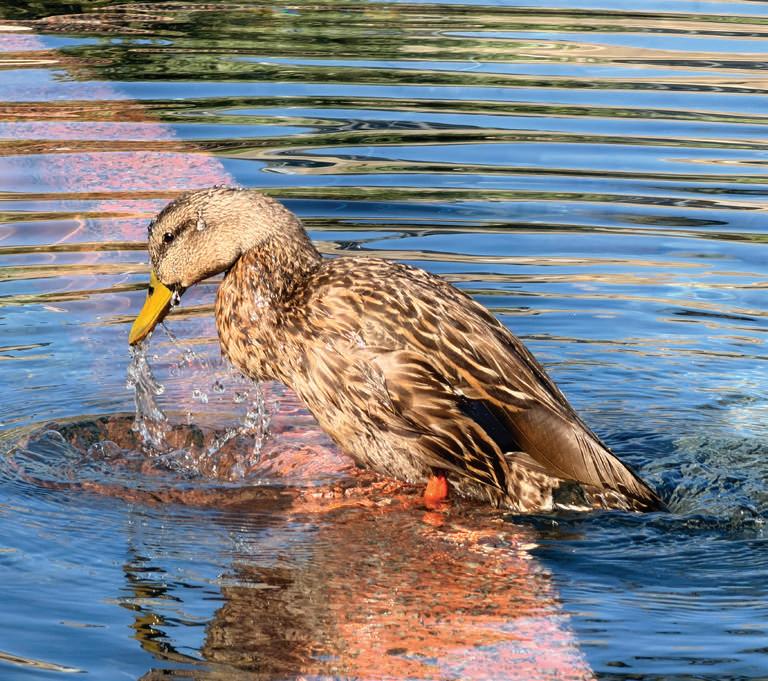
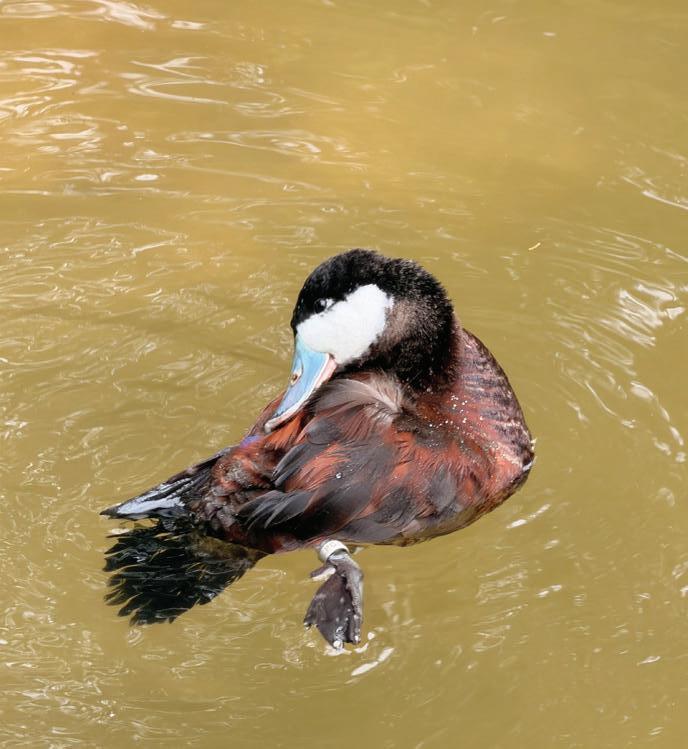
thing: a healthy habitat.
That is where DU’s work matters. Restored wetlands can reduce flooding risks. Coastal marshes can absorb storm surge. Healthy bottomland systems can improve water quality. Public land projects can increase access for hunting, birdwatching, photography, fishing, hiking, and outdoor recreation. A wetland built for mallards may also benefit deer, fish, frogs, shorebirds, songbirds, and downstream communities.
In Southeast Texas, DU has also been at work on coastal resilience along the Gulf Coast and the Chenier Plain. Projects such as work at the J.D. Murphree Wildlife Management Area help restore salt marshes that provide wildlife habitat and offer natural protection for inland communities. In grant-funded projects, DU often provides technical guidance, engineering, implementation, or matching funds. At the same time, partners such as the Texas Parks and Wildlife Department, drainage districts, private landowners, and federal programs help make the work possible.
That partnership approach is central to how DU operates. Memberships, local banquets, major donors, corporate supporters, state and federal grants, and private landowner partnerships all feed into the same pipeline. Local fundraising may begin in a banquet hall with volunteers selling raffle tickets and auction items. Those dollars can then help unlock larger grants or matching funds, multiplying the impact far beyond the original gift.
That is why a local DU event is not just a dinner for duck hunters. It is part of a conservation funding system that can turn community support into engineered habitat, public access, and longterm land stewardship. The local chapter volunteer who sells a banquet ticket may never run a bulldozer on a marsh or design a water-control structure. But that volunteer is still part of the work. So is the business that donates an auction item, the family that buys a table, the sponsor who gives year after year, and the landowner willing to be part of a larger conservation plan. DU’s model depends on that connection between local support and regional impact.
That is especially true in Texas, where much of the land is privately owned, and conservation often requires cooperation rather than control. A successful project may involve a landowner, a state agency, a federal program, a nonprofit partner, local volunteers, and donors who may never see the finished site in person. It is not always simple, and it is rarely quick. But when it works, the result can serve wildlife, water, and people for decades.
Ducks Unlimited also embraces science. Its conservation work involves biologists, engineers, GIS specialists, agronomists, water scientists, land professionals, and regional staff who study where habitat is needed most and how projects can be delivered efficiently. The organization’s habitat work includes protecting healthy wetlands, enhancing degraded habitat, and restoring wetlands that were previously drained or altered.
In Texas, much of that work happens quietly. A project may appear on a map as a small green dot. On the ground, it may be a levee repaired, a water-control structure installed, a moist-soil unit managed, a marsh reconnected, or a tract of land protected from future development. To the average person driving by, it may not look like much. To a migrating duck, it can mean food and rest. To a community downstream, it can mean cleaner water and less pressure during heavy rains.
That is the practical legacy of Ducks Unlimited. It is not conservation as decoration. It is conservation as infrastructure. In a state where land is changing quickly, water is always a concern, and public access matters, DU’s work continues to connect private generosity with public benefit. The organization’s projects may begin with waterfowl, but their impact spreads across wildlife, landowners, hunters, families, and communities.
The ducks are still the symbol…the wetlands are the work…and in Texas, that work is written across river bottoms, coastal marshes, wildlife management areas, refuges, and public lands that will outlast the next season.
For more information, visit ducks.org.
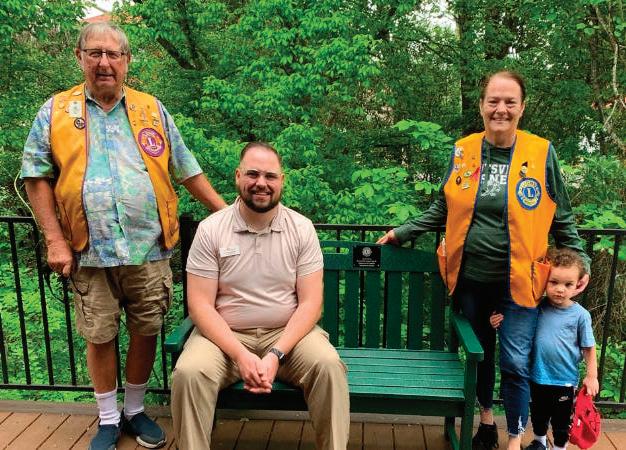
Lions Club Bench Program diverts nearly 18,000 pounds of plastic from landfill before Trex ends initiative
by Pat Speer via Hello Huntsville
Beginning in 2018, the Huntsville Lions Club launched a community recycling initiative, collecting plastic bags and stretchable plastic film to be sent to Trex Corporation. In return, the club earned a bench for the community. On Wednesday, April 15, 2026, the Lions proudly installed their 21st and final bench at the Walker County Chamber of Commerce.
This achievement was made possible through partnerships with First Presbyterian Church, St. Stephen’s Episcopal Church, Tomorrow’s Promise Montessori School, the Huntsville Junior Service League, and the Christian Community Construction team. Together, these groups helped gather the plastic needed to place benches throughout Huntsville.
Over the years, the program requirements evolved from collecting 500 pounds of plastic to 1,000 pounds per bench. Recently, Trex discontinued the bench program entirely, regardless of the amount of plastic collected. As a result, Huntsville Lions Club will no longer participate, as no additional benches will be awarded.
Original story appeared March 2024 (written by Ruth Fields)
Plastic collection was supported by numerous local businesses, including Huntsville Feed, Walker County Feed, City Electric, El Patio Restaurant, Vera Bank, First Financial Bank, Prosperity Bank, Joint & Spine Center, Snap Fitness, Diana K. Barnes State Farm Agent, Lone Star Commissary, and Tractor Supply. Even community groups like the yoga group at the Methodist Church and the sleeping bag makers at University Heights Baptist Church participated.
Huntsville Lions Club extends a sincere thank you to everyone who contributed by collecting and donating plastic, as well as a special thank you to Home Depot for helping process the materials through to Trex.
Although the program has ended, community members who wish to continue recycling plastic can still do so at Kroger, H-E-B, Brookshire Brothers, and Walmart.


From spontaneous road trips to slow summer afternoons, life doesn’t pause...and your bank shouldn’t either. With easy account opening and seamless digital banking tools, First Financial Bank moves with you wherever the season takes you.
6-yo: What's for dinner?
Me: Pork medallions.
6-yo: NO! I HATE PORK MEDALLIONS!
Me: I'll give you $1000 right now if you can tell me what either pork or medallions are.
6-yo: ...
Me: Exactly. Now, go wash your hands, it's almost ready.
••••••••••••••••••••••••••••••••
Life with a teenager is wild. I have 40 years of experience, two degrees, and Google in my hand...but tell me again how I'm wrong because you watched a 12-second TikTok.
••••••••••••••••••••••••••••••••
My toddler just woke up from his nap and burst into tears. When I asked what was wrong, he sobbed, "I JUST LOVE TO SLEEP SO MUCH," and I've never related to anything more.
••••••••••••••••••••••••••••••••
(My kid looking over my shoulder as I sign an email.)
Kid: You're not a Dr.!
Me: YES I AM! What do you think I was studying for all the time when you were little?
Kid: Oh, I thought you just liked reading books and crying.
••••••••••••••••••••••••••••••••
My 8-yo has somehow acquired a day planner. This isn't going to end well.
8-yo: Mom, can we go to McDonald's on August 24th?
Me: Ummmm...I don't know, maybe?
8-yo: *clicks pen*


Sean Dietrich

sort of raised myself.
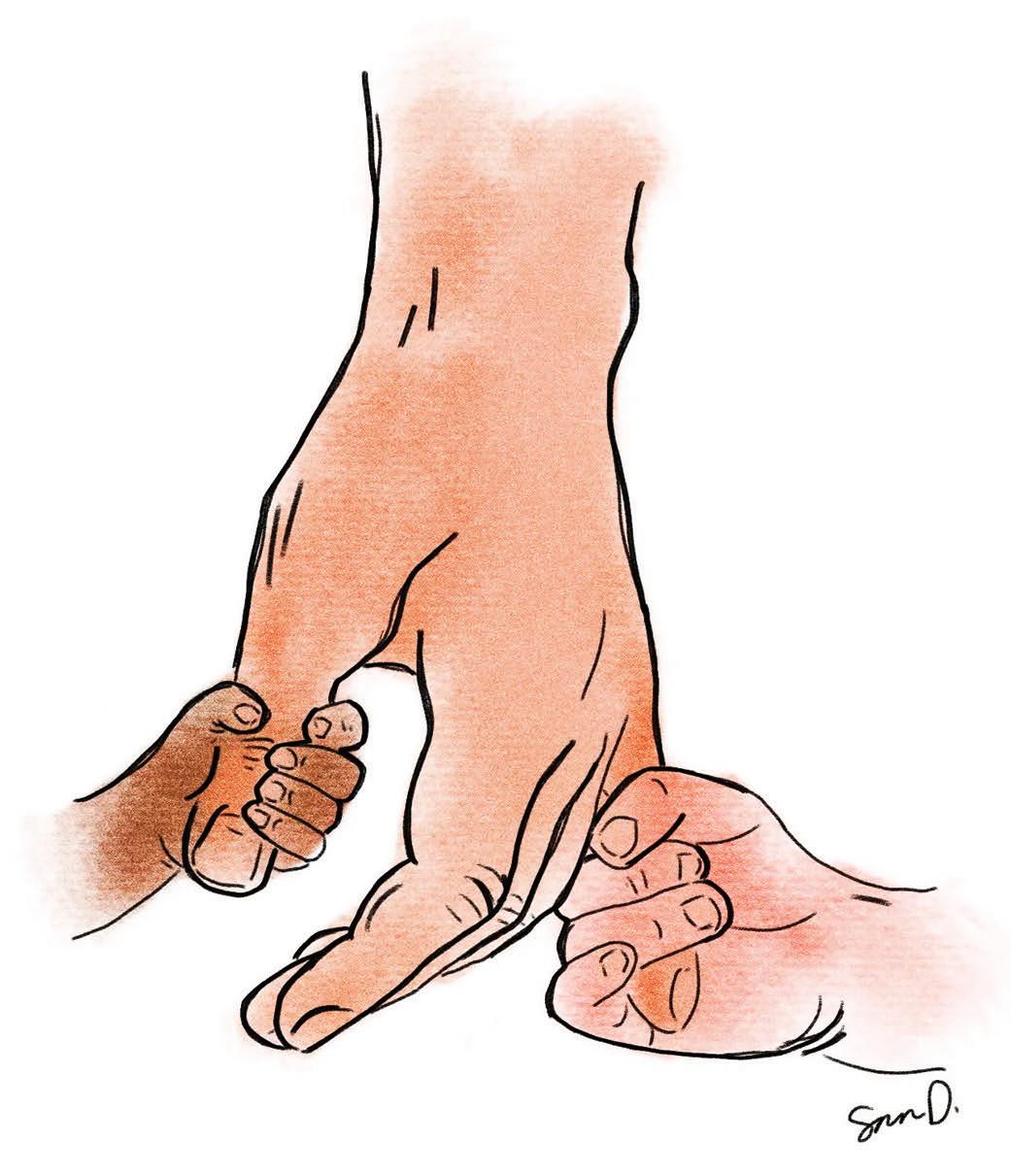
My dad died when I was a kid. He died by suicide, shortly after he’d been released from county lockup on bail. His death was dramatic. It made the papers. On his final night, he almost took my mother to the grave with him.
I was 11 years old. And at the time, I thought this was pretty old. I mean—hello?—I was practically 12. In some cultures, my cousin once told me, boys were starting families at 12.
But the older I grew, the more I realized what a baby 11 was. I was an infant.
As a result of losing my father young, I learned a lot about life. I learned lessons my peers, thankfully, didn’t need to learn.
Foremostly, I learned how to make crappy decisions. I made TONS of bad decisions. One right after the other. This goes with the territory. Boys without dads don’t have the luxury of someone making decisions for them.
One of my first idiotic decisions was to quit the baseball team. I did this because I couldn’t face the guys anymore. They didn’t understand me. They’d quit calling, quit asking if I could come outside and play.
They sat on the opposite side of the lunchroom. Didn’t speak to me. Acted like I had plague. It wasn’t their fault. It’s just how kids are.
My second bad decision was to drop out of school. This happened in seventh grade. I declared to my mother that I would never go back. She was going through so much posttrauma of her own, she said, “Whatever.” And that was that.
Truancy officers came to our house sometimes, but eventually they quit showing up. And I kind of disappeared. My name fell into oblivion.
Everyone pretty much forgot about me. I became a nonentity. I worked crap jobs. I was cosmic debris. I was white trash. At least that’s how I felt.
But I’m not trying to depress you. I actually have a point to all this—so, give me a moment to make one up.
See, over time, I made SO MANY bad decisions, that eventually I learned to make good ones. Namely, because good judgment comes from experience. And experience comes from crappy judgment.
But as I continue to age, I look back into the coldcase files of my childhood and I realize none of the good judgment in my life was EVEN MINE. None of the right choices were mine. The good choices were kind of MADE FOR ME.
Somehow.
Looking back at my own boyhood story, I see an element in the story-arc, one I never saw before. A Presence. An Omniscience, hovering above the whole mural of my past, present, and future. Like a mother hen, guarding its young.
I am referring to something much vaster, something much more expansive than some Protestant version of an Eternal Santa Claus wearing a John-Belushi toga.
I am talking about a being so mysterious, so monumental, so everlasting, that the moment you try to attach a name to this presence, you’ve already screwed up.
Because to name it would be an attempt to define it. And to try to define it would be—by definition—ridiculous. This would be like attempting to swallow the Titanic. Or paint the Grand Canyon purple. You can’t do it. It is mere arrogance to think you can.
Which is why people who claim to have the answers are ALWAYS wrong. Because only a fool is capable of thinking he is wise. The truly wise person is wise enough to know he’s a fool.
Well, when I was a kid, God became this fool’s dad. I realize this now. I didn’t raise myself at all. I had a dad all along. And so do you.
I hope you know this. I hope you feel this. Way down in your soul. I hope you embrace it. I hope you never sink so low that you forget this.
Because you might be some 11-year-old’s dad. And that 11-year-old needs you.
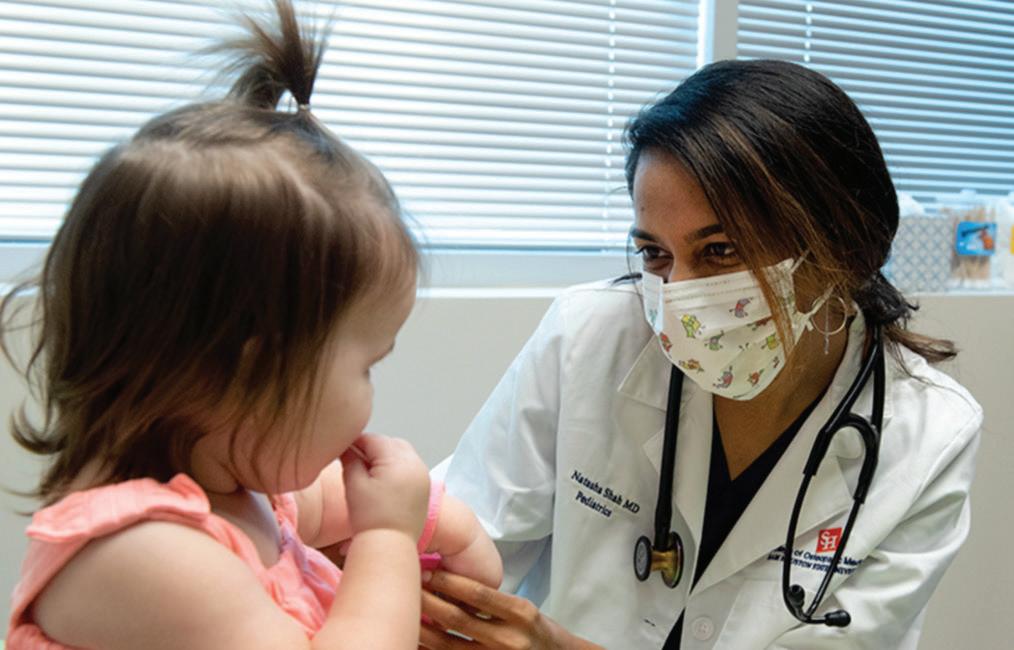
Texas summers are no joke. With triple-digit temperatures and blazing sunshine, it doesn’t take long for the heat to take a toll on your body. Whether you’re working outside, enjoying time with family, or cheering on your kids at summer sports, understanding how to recognize and prevent heat-related illnesses is essential.
Heat exhaustion is one of the most common summertime health issues. It often starts with symptoms like heavy sweating, dizziness, fatigue, nausea, and headache. Heatstroke is a medical emergency that requires immediate attention. The symptoms of heatstroke are high body temperature of 104°F, confusion, lack of sweating, nausea and vomiting, flushed (red) skin, and rapid breathing. Patients with heatstroke should seek immediate medical attention to prevent serious complications including organ damage.
To protect yourself and your loved ones, here are a few important tips:
• Stay hydrated. Drink water throughout the day, not just when you feel thirsty. Dehydration can sneak up on you, especially when you’re active. Consider drinks with electrolytes if you’re sweating heavily or exercising outdoors.
• Dress appropriately. Choose light-colored, loose-fitting clothing that breathes. A wide-brimmed hat can protect your face and neck, while sunglasses and sunscreen help guard against UV damage.
• Avoid peak sun hours. The sun is strongest between 11 a.m. and 4 p.m. If possible, schedule outdoor activities in the early morning or evening.
• Take breaks. Find shade or air conditioning regularly to let your body cool down. If you’re working outside, try to rest in shaded or air-conditioned areas at least once every hour.
• Watch for warning signs. Pay attention to how you feel and look for signs of overheating in others—especially children, the elderly, and those with chronic health conditions. Symptoms like confusion, vomiting, or flushed skin warrant immediate action.
If someone appears to be suffering from heat exhaustion, move them to a cooler place immediately. Offer sips of water, loosen tight clothing, and apply cool, damp cloths to the skin. If symptoms don’t improve quickly or worsen, call 911 or seek emergency care. Dehydration is another serious concern during the summer months. Our bodies lose water faster in

Craig Boudreaux, DO Family Medicine Medical Director, SHSU Physicians
the heat, especially when we’re sweating. Along with drinking plenty of water, include foods with high water content in your diet, like cucumbers, watermelon, oranges, and lettuce. Limit caffeine and alcohol, which can increase dehydration and impair your body’s ability to regulate temperature.
Children and are particularly vulnerable to dehydration, as they may not recognize early signs or remember to drink fluids regularly. Encourage kids to take water breaks and provide hydration-rich snacks. Older adults and individuals with certain medical conditions may also be at higher risk and should consult their healthcare provider for personalized advice.
If you or your family members have medical conditions that increase your risk of heatrelated illness, talk to your primary care provider about how to stay safe in high temperatures.
Summer in Texas is meant to be enjoyed. With a few simple precautions and a proactive approach, you can beat the heat and make the most of the season. Stay cool, stay hydrated, and stay safe out there.








Madison & Morgan Hayles
Grandchildren of Larry & Sandra Archie

Elson Jett
Grandchild of Billy & Becky






Welcome back to the June 2026 edition of the Dear Gabby advice column, with lots of dates to remember. Flag Day is June 14th, and what a lovely flag we have to celebrate! Our federal holiday this month is Juneteenth that commemorates the end of slavery in the United States. It falls on Friday, June 19th, and banks and federal offices will be closed. Father’s Day is June 21st, and it honors fathers, stepfathers and father figures. We’ll talk about Dad jokes at a later date. June also acknowledges many graduations and lots of weddings. Summer solstice, the longest day of the year and the official start of summer, is June 21. Send me your questions by clicking on Dear Gabby at www.PostcardsLive.com/share.
My aunt resides in a retirement home, and I went to visit her the other day. The group was playing a game of “Guess what the tattoo used to be” in the lounge. I didn’t know whether to be amused or appalled, but I watched for a while. They were having fun with the activity, so I decided to play along. Can you believe that one man had a tattoo of a woman on his arm, and her red hair had turned gray? What do you think about tattoos?
To each his or her own. I try to aspire to “live and let live” and not be judgmental (did I say that out loud?). Apparently, tattoos are like potato chips; you can’t have just one. But 20 years later and, “I still love this tattoo my friend did with ballpoint pen ink and a sewing needle,” said no one ever. And be careful with tattoos in foreign languages. A friend got a
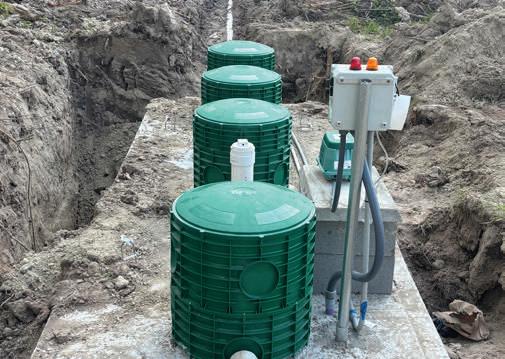
• Custom Home and Wastewater Treatment System Installer
• Wastewater Maintenance Provider
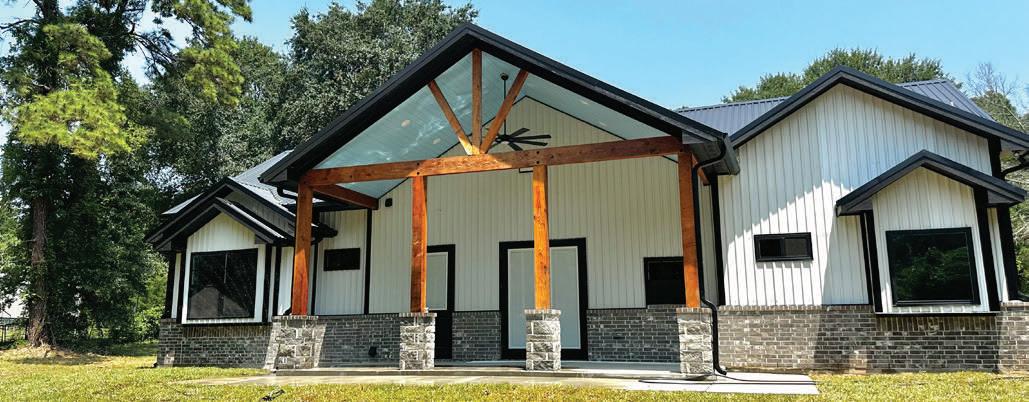
• Home Builder
• …and more!


Chinese character that was supposed to mean ”Strength,” but it actually means “Discount.” On the plus side, I have seen pictures of genius tattoos for people who have lost the tip of their finger. The remaining finger, with a tattooed fingernail, looks realistic and natural! If a tattoo improves someone’s life (or they think it does,) so be it. It’s a permanent choice, and I doubt the tattooed individuals desire or appreciate our critique.
Try being the woman who fixes another woman’s crown without telling the world it was crooked.




Kim Bius President, Kim's Home & Garden Center
WWhat makes a summer garden unique? Blooming vines! Blooming vines are available in a wide range of categories: evergreen, perennial, annual, and tropical evergreen (will freeze at temps below 28 for several hours). Blooming vines are also available in a wide range of textures, bloom colors, fragrances, and sun and soil requirements. Here are a few of the most requested vines and their requirements.
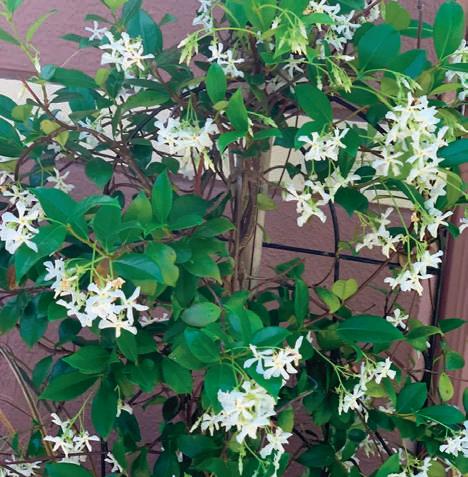
Confederate Jasmine is a Texas favorite. This prolific, evergreen vine is highly fragrant and blooms from midspring until fall with clusters of star-like white blooms. The vine displays fall colors of bright red/burgundy/ bronze and coppers, withstands heavy freezes (once established).
Confederate Jasmine brings an intoxicating fragrance to the garden that few other plants have. Considered deer proof, prefers 6-8 hours of sun for heavy blooming, but will grow in shady areas with few blooms.
Purple Passion Vine is a Texas native (as well as a few other passiflora varities). Many are tropicals, but a few, like the red and native purple, will withstand temp into the lower 20s and return. These beautiful vines are also the preferred plant of several butterfly varieties, and exclusive to the gulf fritillary. If planted in an area that does not have hard winter dieback, Pasiflora Incarnata will produce an eggshaped fruit that is delicious and makes fabulous daiquiris. Passion vines are lightly fragrant, have few disease or insect problems, and considered deer proof.

Bleeding Heart Vine is another true southern heirloom vine (that can be considered invasive, if planted in the wrong area and not given room to roam). Bleeding heart is a very hardy,
sun-loving perennial that blooms early summer through fall and displays clusters of white/red or purple hanging bloom clusters. A prolific climber, and fast growing—can grow up to 6” a day in season. Deer proof, easy, no known insects, and once you have one, all your friends can have one, too. Excellent on pergolas, fences, and open areas.


Coral Vine, a native of Mexico, is another lightly fragrant, southern favorite. The lacy blooms hang in pink clusters during the summer and are often “show-stoppers.” The coral vine does not do well in colder temperatures, but can be grown as an annual--due to its fast growth, it can reach 6’ in one season. Coral vine is not immensely heavy and makes a great choice for a lighter fence or structure. Coral Vine prefer sunny locations, prolific growers, and will return each year from the bountiful seed produced--perfect bird habitat. Rarely has disease or insects.
Do not forget to add a few annual vine varieties. Moonflower, morning glory, and cardinal vine are just a few of the hardy heirloom, fragrant, blooming vines that can be grown from seed and replanted annually (or collect the seed and replant each year). Moonflower is a perennial favorite, and kids love watching the large blue/white blooms open at dusk. Super easy to grow, hardy, and only require a half day of sunlight. Other favorites are black-eyed susan vine, clematis, and of course, climbing roses—which are an entire different category, but definitely worth mentioning.
The above listed blooming vines are sun lovers, require good drainage, and will return to grace your garden for years.
Happy summer gardening!
INGREDIENTS
1 Tbs avocado oil, or more as needed
½ medium onion, finely chopped
2 large cloves garlic, minced
1 cup long-grain rice
1 ½ cups low-sodium chicken stock
½ cup tomato sauce
1 tsp salt
¼ tsp ground cumin
1 pinch cayenne pepper

DIRECTIONS
Step 1: Turn on a multi-functional pressure cooker; select sauté function and adjust to medium.
Step 2: Cover the bottom of the pot with avocado oil. Cook and stir onion until soft, 4 to 5 minutes. Add garlic and cook until fragrant, about 30 seconds.
Step 3: Add rice to the pot; mix until coated with oil and lightly browned.
Step 4: Pour in chicken stock; stir any browned bits off the bottom of the pot.
Step 5: Mix in tomato sauce, salt, cumin, and cayenne pepper.
Step 6: Close and lock the lid. Seal the vent and select high-pressure function. Set a timer for 7 minutes; allow 10 to 15 minutes for pressure to build.
Step 7: Release pressure carefully using the quickrelease method according to the manufacturer’s instructions, about 5 minutes. Unlock and remove the lid. Stir rice before serving.


INGREDIENTS
2 Tbs olive oil
8 oz ground beef
1 med. yellow onion, diced
1 1/2 cups diced bell pepper
1/2 cup diced celery
4 oz andouille sausage, diced small
1/2 tsp onion powder
1/2 tsp garlic powder
1 tsp paprika
1 tsp ground cumin
1/4 tsp dried oregano
1/4 tsp dried thyme
1 1/2 tsp kosher salt
1/4 tsp cayenne pepper
1/2 tsp freshly ground black pepper
2 cups beef broth
8 oz spaghetti
1 tsp Worcestershire sauce
1/2 cup sliced green onions, for garnish

DIRECTIONS
Step 1: Add oil to a deep skillet with a tight-fitting lid and set over medium-high heat. Add ground beef, and cook, stirring, for 3 or 4 minutes, breaking the meat up into small crumbles while doing so.
Step 2: Once ground beef is browned, add onion, bell peppers, celery, and andouille sausage, and cook, stirring, for 2 more minutes. Season with onion powder, garlic powder, paprika, cumin, oregano, thyme, cayenne, black pepper, and salt, and cook, stirring, for 1 to 2 minutes more. Pour in broth and bring to a simmer.
Step 3: Break spaghetti in half and add to the pan. Distribute spaghetti as evenly as possible and cover the pan tightly. Cook on medium-high for 2 minutes. Uncover and give everything a stir. Repeat this process of uncovering, stirring, and covering every 2 minutes or so, until pasta is cooked to your desired doneness.
Step 4: Turn off the heat and drizzle in Worcestershire sauce, plus another pinch of salt if needed. Stir to combine and serve in bowls topped with green onions.


INGREDIENTS
15 pepperoncini peppers
4 oz cream cheese, softened
1/4 cup crumbled feta cheese
1 tsp Greek seasoning
4 oz thinly sliced prosciutto

DIRECTIONS
Step 1: Slice each pepper in half lengthwise and remove any seeds. Allow peppers to dry slightly on paper towels.
Step 2: Stir together cheese and Greek seasoning until well combined. Spoon cheese mixture into each hollowed-out pepper.
Step 3: Cut prosciutto slices into 30 strips and wrap each filled pepper with prosciutto.
Step 4: Air fry at 400 degrees just until cheese is about to begin to ooze and prosciutto is slightly crispy, about 4 minutes. Let stand 10 minutes before serving.






















INGREDIENTS
1 cup heavy cream, chilled
1 tsp vanilla extract
1 tsp fresh lemon zest
3 Tbs lemon juice, divided
1 tsp fresh lime zest
3 Tbs lime juice, divided 1/2 cup sweetened condensed milk, divided
3 Tbs water
1 (4 oz) sleeve saltine crackers lemon slices, for garnish lime slices, for garnish
DIRECTIONS
Step 1: Combine cream, vanilla, lemon zest, 1 1/2 teaspoons lemon juice, lime zest, 1 1/2 teaspoons lime juice, and 1/4 cup sweetened condensed milk in a large bowl. Beat with an electric mixer on low speed until mixture starts to froth, about 1 minute, then gradually increase to high speed and continue to beat until stiff peaks form, about 2 more minutes. Set aside.

Step 2: Whisk together 3 tablespoons water, remaining 1/4 cup sweetened condensed milk, and remaining 2 1/2 tablespoons lemon juice and remaining 2 1/2 tablespoons lime juice in a shallow bowl. Spread 1/3 cup of the whipped cream mixture on a long platter in a 9-inch-long and 2-inch-thick line.
Step 3: Place a few crackers in the condensed milk mixture to fully submerge and let sit for 30 seconds. Working with one of the soaked crackers at a time, shake off excess milk and spread about 1 to 2 teaspoons of the whipped cream to cover one side of the cracker. Stand upright on prepared platter. Repeat with remaining crackers, pressing each frosted cracker against the previous one to create a log. Frost top and sides of the cracker log with remaining whipped cream mixture. Insert several toothpicks into the log and cover loosely with plastic wrap, or cover with a large bowl. Refrigerate for at least 3 hours or up to 8 hours.
Step 4: When ready to serve, top with sliced lemon and lime. Slice on a diagonal to see all the layers.

























Loyal local members agree this organization is “for the birds.”
BY CLAUDIA KIRKWOOD | PHOTOS BY TOM MILLER
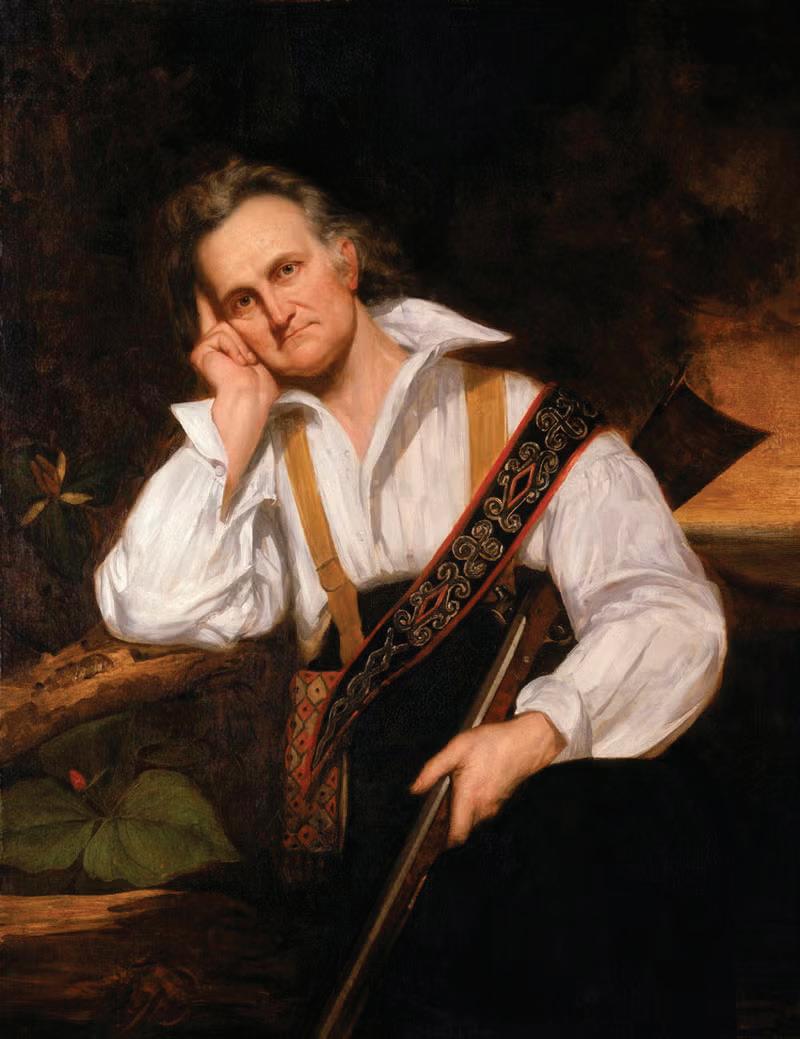
I never for a day gave up listening to the songs of our birds, or watching their peculiar habits, or delineating them in the best way I could.”
John James Audubon, renowned French-American ornithologist,
1785-1851
It began over a half century ago
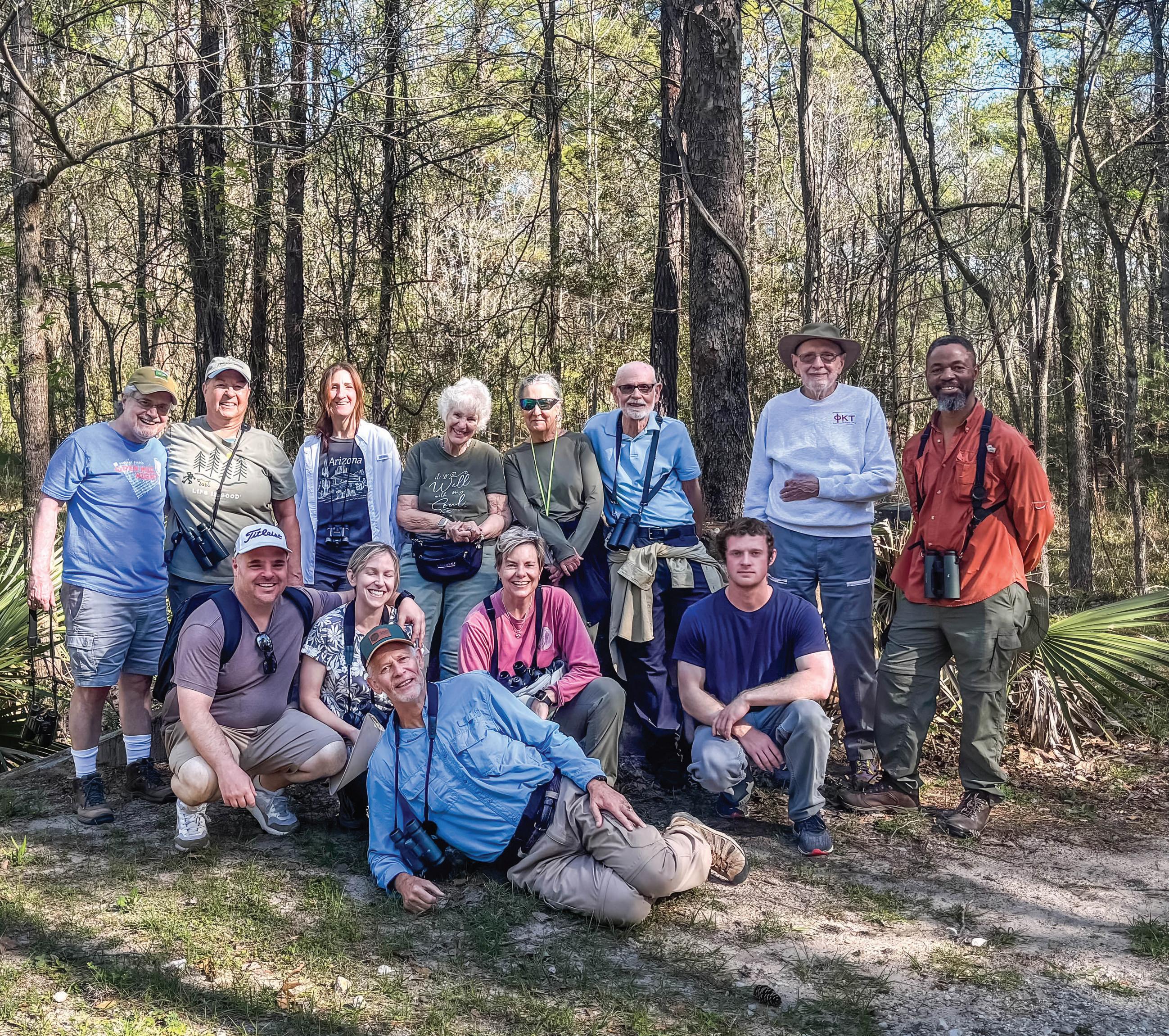
Members of the Huntsville Audubon Society share this same love for our feathered friends, who delight and amaze young and old admirers alike. The local society was launched and took flight in early 1973, with Paul Culp and Ed Davis being among the founding members. Other founding members included Andy DeWees, John Hilliard, Jimmy Long, Ralph Moldenhauer, John Schwetman, and Leanne Smith. In the beginning, it was largely promoted by the biology and library
faculty members at Sam Houston State University. It has since been embraced by local citizens who enjoy the beauty of the great outdoors of Huntsville. One of the missions of this organization is to educate the public about the value and appreciation of birds and the benefits they bring to our lives. Habitats for all wild creatures is also a major concern.
The organization today
Jack Morgan and Anne Prouty, two of its current members, enthusiastically shared information regarding
Huntsville Audubon Society and how one can get involved. The club meets the third Thursday of each month from September through May at 6 PM at the St. Stephens Episcopal Church at 509 Sam Houston Avenue in Huntsville. The public is invited to attend. A minimal fee for annual dues is collected to help defray costs for speakers and other needs. Programs include speakers who are knowledgeable in areas including bird habitats, foliage which is attractive to birds, best places for bird watching, and other pertinent topics. Presenters have included speakers from the
Bluebird Society of Texas, Walker County Master Gardeners, and Walker County Beekeeper Association among others.
Not only do they offer programs to increase one’s knowledge of the bird community, but Huntsville Audubon Society, being social in its scope as well, plans and facilitates field trips to local and outlying destinations. One of its local destinations includes the Huntsville State Park. In fact, the group has built a bird blind at the park. As Anne shares, “This blind was always a dream of my dad, Jack Prouty, and was funded with memorial donations to honor his life.” It was built by youth from the local Gulf Coast Trades Center, is designated on the State Park trail map, and is available for public use. The club encourages its use for sitings of the many species in the area including Bald Eagles, Kingfishers, and
Birding can become a passion for children and adults alike! The benefits are multi-faceted and include the knowledge of bird habits and the hierarchy involved among the bird species, migration paths, and best practices when finding wounded fowl. Additionally, bird watching is relaxing, fun, and fascinating, and can be a great avenue for family adventures.
Following are some ways in which this hobby is beneficial:
1. Birdwatching improves mood and mental health. Studies from around the world have found that everyday encounters of just seeing and hearing birds improved a person’s well-being.
2. It keeps you physically active. Birdwatching is not an overly physical activity, but just getting outdoors and enjoying nature
sitting in an area patiently waiting for the sound and visual contact with birds. Others may want to walk around a park or trail and identify them as they go, keeping their step counts up! More adventurous birdwatchers may hike hard-toreach places for the opportunity to identify a rare bird.
3. Being in nature is good for us. There is growing scientific evidence and generations of traditional knowledge which show spending time in nature is good for our mind, body, and soul.
4. Birdwatching can create moments of wonder. Being present and quietly observing a bird in its natural state can produce moments of awe and wonder – moments like watching a Belted Kingfisher swoop down and pluck a fishy morsel from a lake or river. Observing a Bald Eagle feeding its newly born young, for example, is simply majestic! It stimulates the senses. Birdwatching is considered a very relaxing activity, but your senses of vision and hearing go into overdrive as you look for any movement in the trees or listen to nearby chirping. Birdwatching challenges you. As your interest in birdwatching increases, you find yourself keeping track of those you observe and adding them to a “life list” with one of the various birding apps on your phone. You may feel the desire to stay out just a little longer just in case a new bird flies by, such as one on its migration path.

7. Social connection and community building are common among birdwatchers. This takes place in clubs, on guided field trips, and community events. Social bonds are built across ages and backgrounds. Local Audubon chapters and similar groups host walks that connect newcomers with experienced volunteers.
Birdwatching is rich with benefits and a hobby that can provide a family with joys and memories of times shared together. This goes for friends as well. Members of the Huntsville Audubon Society encourage readers to take the first step into the delightful world of birding. Plan an outing at Huntsville State Park or at another location where birds are plentiful. Wear good walking shoes and take water, sunscreen, insect repellent, binoculars, and your cell phone. Yes, cell phone! There are several cell phone apps that provide a treasure trove of information to birders. And young people will enjoy an outdoor adventure where they get to use their phones.
Several good apps include iBird Pro Guide to Birds, Picture Bird: Bird Identifier, Merlin Bird ID by Cornell Lab, and others. Using an app can help identify a bird by image or sound, keep track of bird sitings, and provide education about birds. Images of birds you have sited can be shared globally
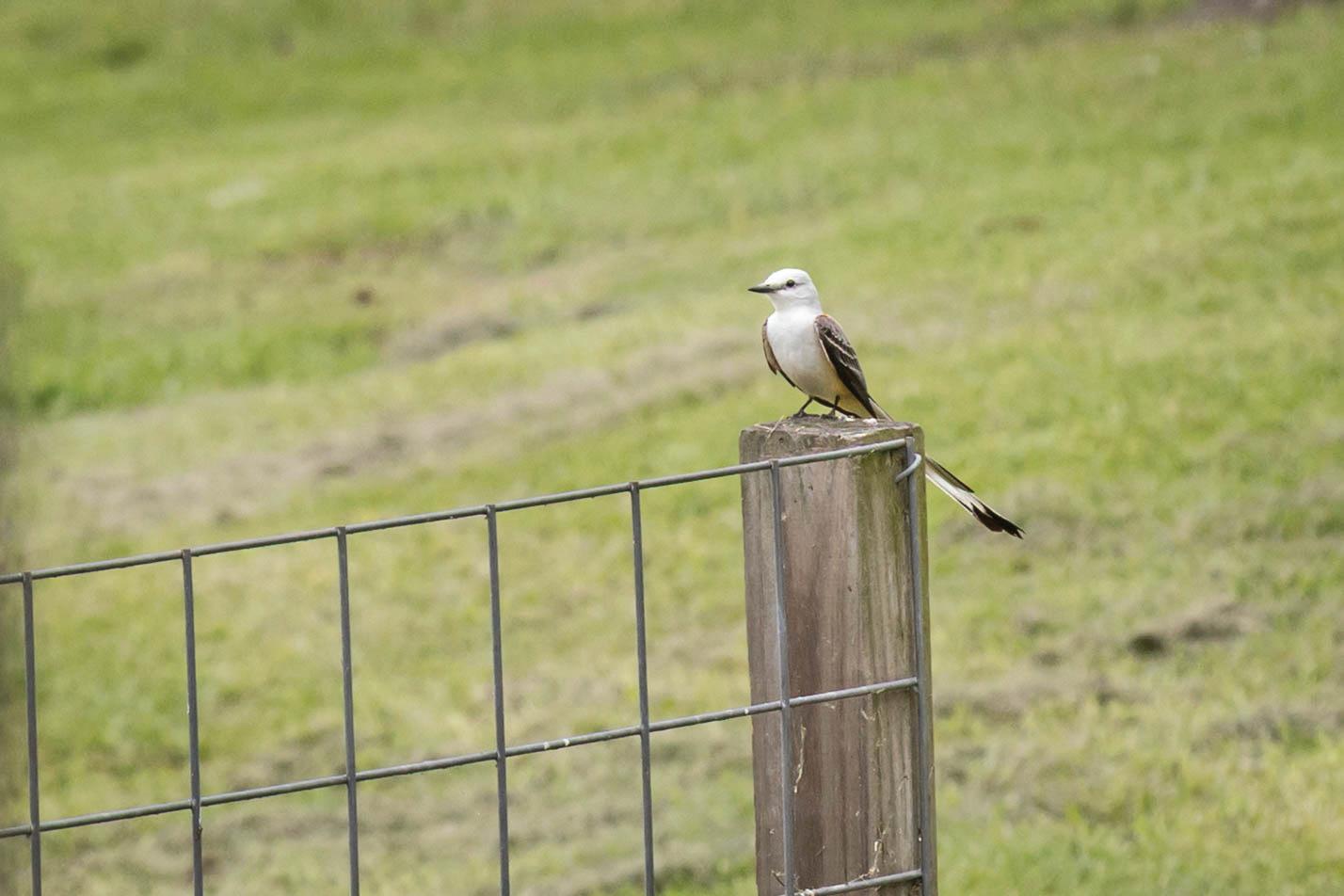
exciting when a bird is rare to the area. In fact, a Zone-tailed Hawk, rare to the Huntsville area, was sited during the annual Christmas Bird Count. This event, sponsored by the National Audubon Society, involves counting birds for an entire day and then entering the information into the national database.
With around 11,000 bird species throughout the world, the fascination is endless as you seek to find that rare, feathered friend who might be visiting your area! Site it! App it! And keep that life list of birds growing! The love of and beauty of birds provides inspiration in many venues, such as art and literature, and by encouraging
Developing friendships with others who hold the same passion for our friends of flight is a major passion. You know, the adage that “Birds of a feather flock together!” Enrich your life! Gather with family and friends. Sit back and relax, or take a healthy hike to enjoy this beautiful part of God’s creation, one of His many gifts to us.
Information about Huntsville Audubon Society is available through the following resources:
Facebook Page: Huntsville (Texas) Audubon Society

My friend wins parenting. I've never heard of anyone doing this, and it's hilarious.
She said, "Sometimes, I put movies on that are in Spanish, and when my kids get really confused and ask why they can't understand it, I tell them they are just tired and should probably take a nap. Then when they wake up from the nap, I put the same movie on in English, and they think they are all better."
••••••••••••••••••••
I saw a massive lizard perched on a portable toilet. Pretty sure it was a commode-o-dragon.
••••••••••••••••••••
Chemistry Teacher: Did you know that protons have mass?
Me: I didn't even know they were Catholic.
••••••••••••••••••••
Went to see the Bermuda Philharmonic Orchestra last night. Halfway through the performance, the triangle player disappeared.
••••••••••••••••••••
16 2/3, 33 1/3, 45, and 78.
A quick memory will recall the significance of these numbers in record speed.
••••••••••••••••••••
A genie granted me one wish, so I wished to be happy.
Now I live with six dwarves and work in a mine.
••••••••••••••••••••
You think the guy who invented popcorn checked to see if other vegetables explode?
••••••••••••••••••••
I just found out my countertops are slate. I've been taking them for granite this whole time.















ALAMO ASTROS
BLUEBONNET
BRISKET
CATTLE
CHILI
EL PASO
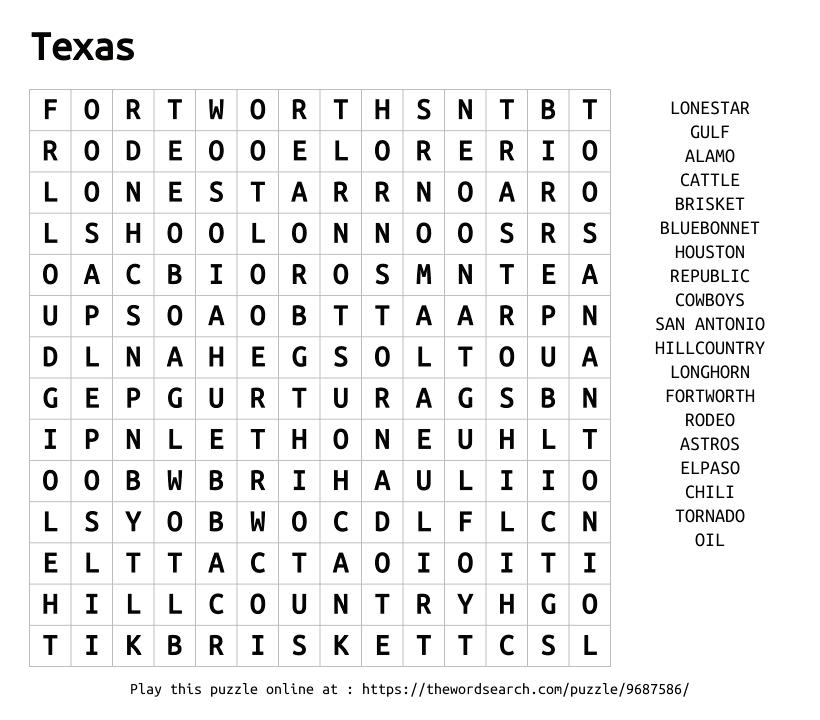



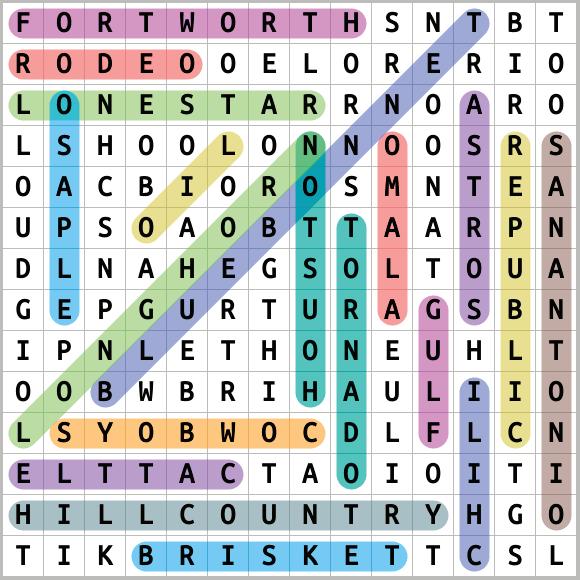
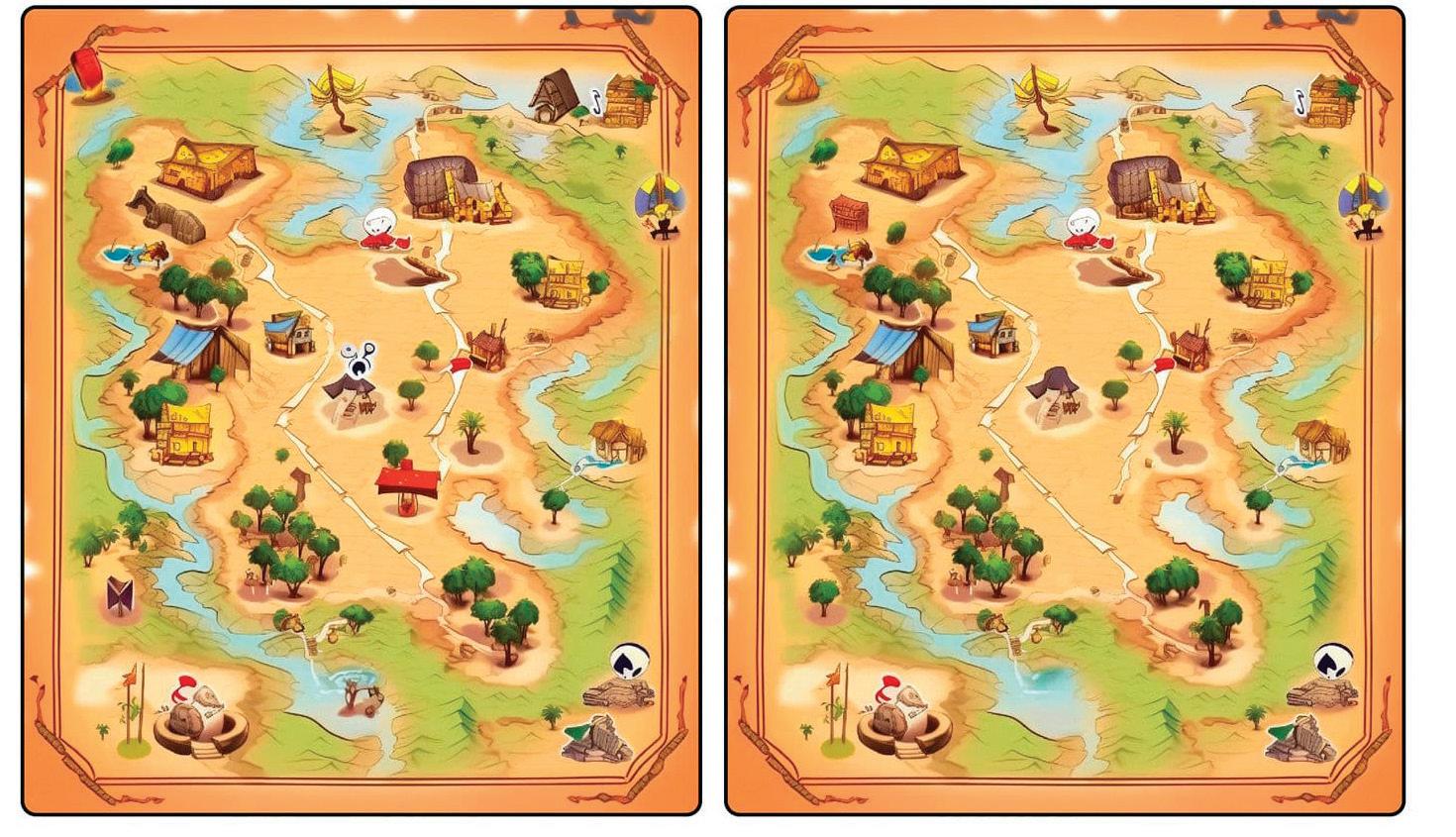

There
Need some solving help? Visit krazydad.com/slitherlink
Need some solving help? Visit krazydad.com/slitherlink


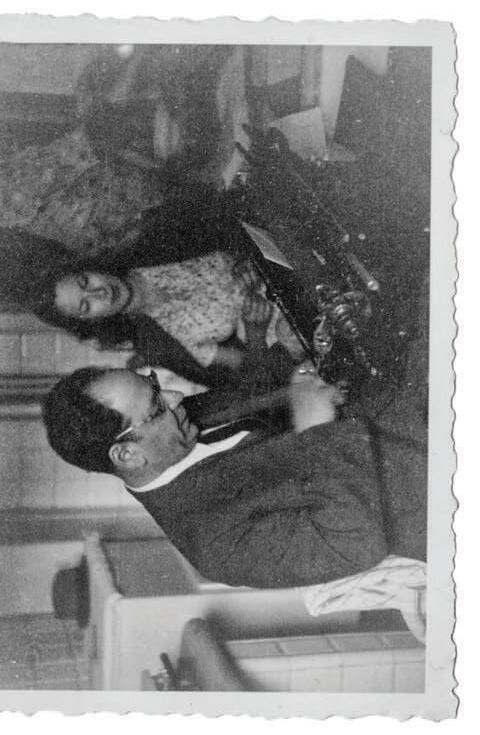





Why was six afraid of seven?
Because seven, eight, nine!
What has four wheels and flies? A garbage truck!
Why don't scientists trust atoms? Because they make up everything!
What is brown and sticky? A stick.

Why are mountains the funniest place to travel? They’re Hill Areas
When getting on the bus I turned to my kids and said: Don’t just stand there, Bus to move!
What travels around the world but stays in one place? A Stamp















The Business Focus is chosen each month by random drawing from among Postcards contract advertisers.
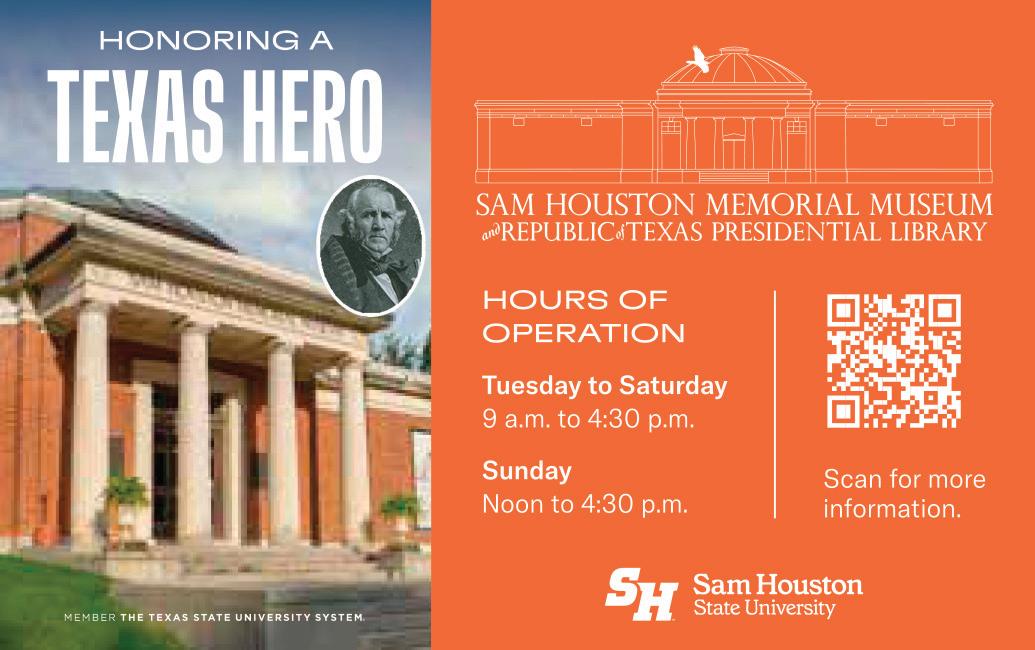
Andrew Jackson said, “The world will take care of Houston’s fame.” And it is doing just that through the Museum that bears his name.
STORY AND PHOTOS BY TOM MILLER
Samuel Rutherford Houston was born in Virginia on March 2, 1793… born into the world by the grace of God. In many ways, he was like you and me—but, as we know, he wasn’t an ordinary man.
As a young boy, Sam was not fond of school. Maybe it was the structure and confinement of the schoolhouse that kept him from wanting to be a part of it. Sam was a wild soul who dreamed big. He was a lover of nature and the wilderness, and exploring appealed to him. He was a voracious reader who had access to many books through his father’s library as a youngster. He lived through the experiences on those pages, traveling the world through the eyes of others, and filling his mind with a plethora of information and wonders of so many who had come before him. .
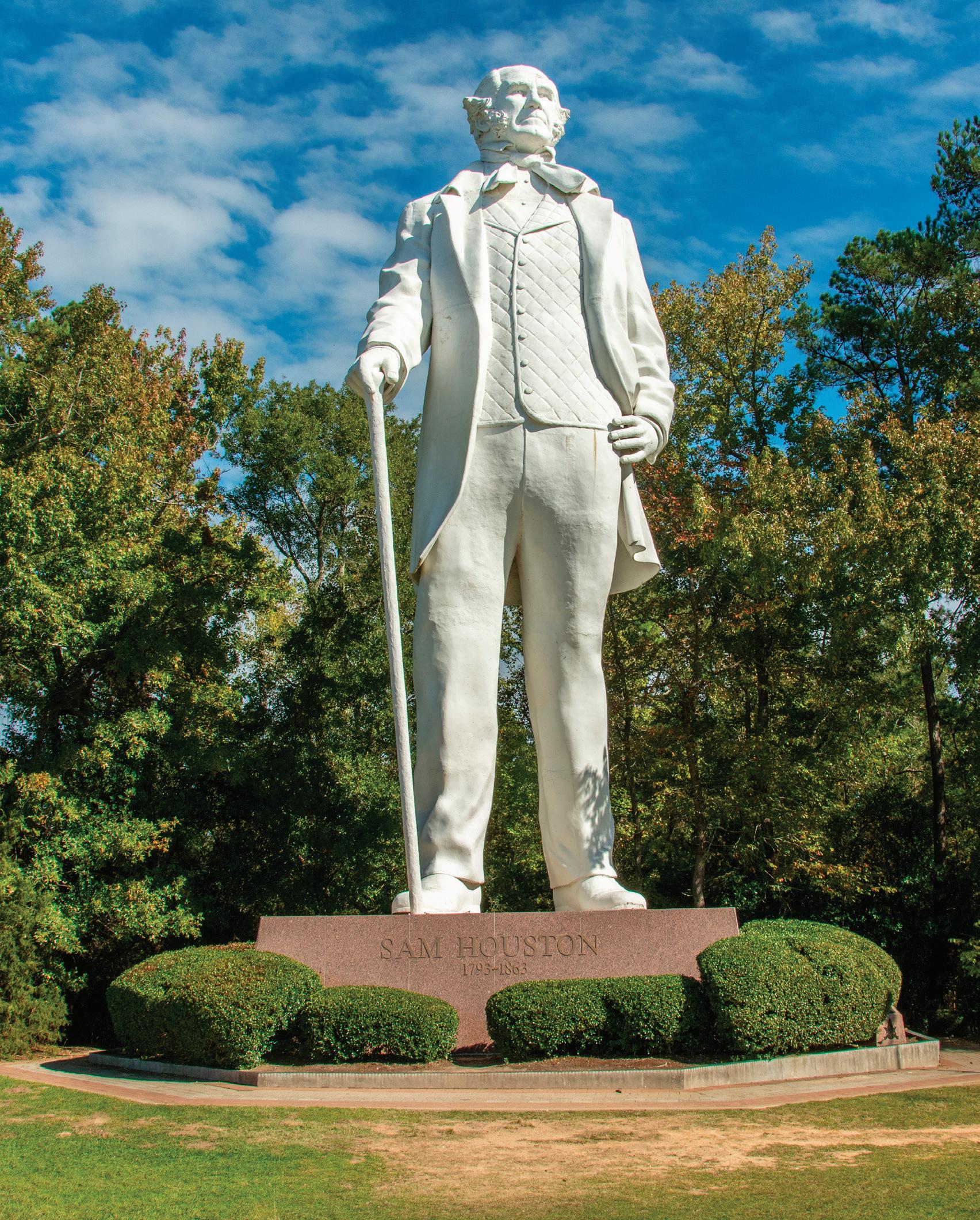
Between 55,000-75,000 vehicles a day pass by the Sam Houston Statue located on I-45 in Huntsville, Texas. Many stop and marvel at the gigantic size of the statue, and it probably raises questions in their minds...questions that might be answered if they visited the Sam Houston Memorial Museum, a fifteen-acre complex in downtown Huntsville dedicated to the life and times of the man who impacted this area in so many ways.
The grounds and museum are filled with artifacts and information that tell the story much better and more complete than I ever could.
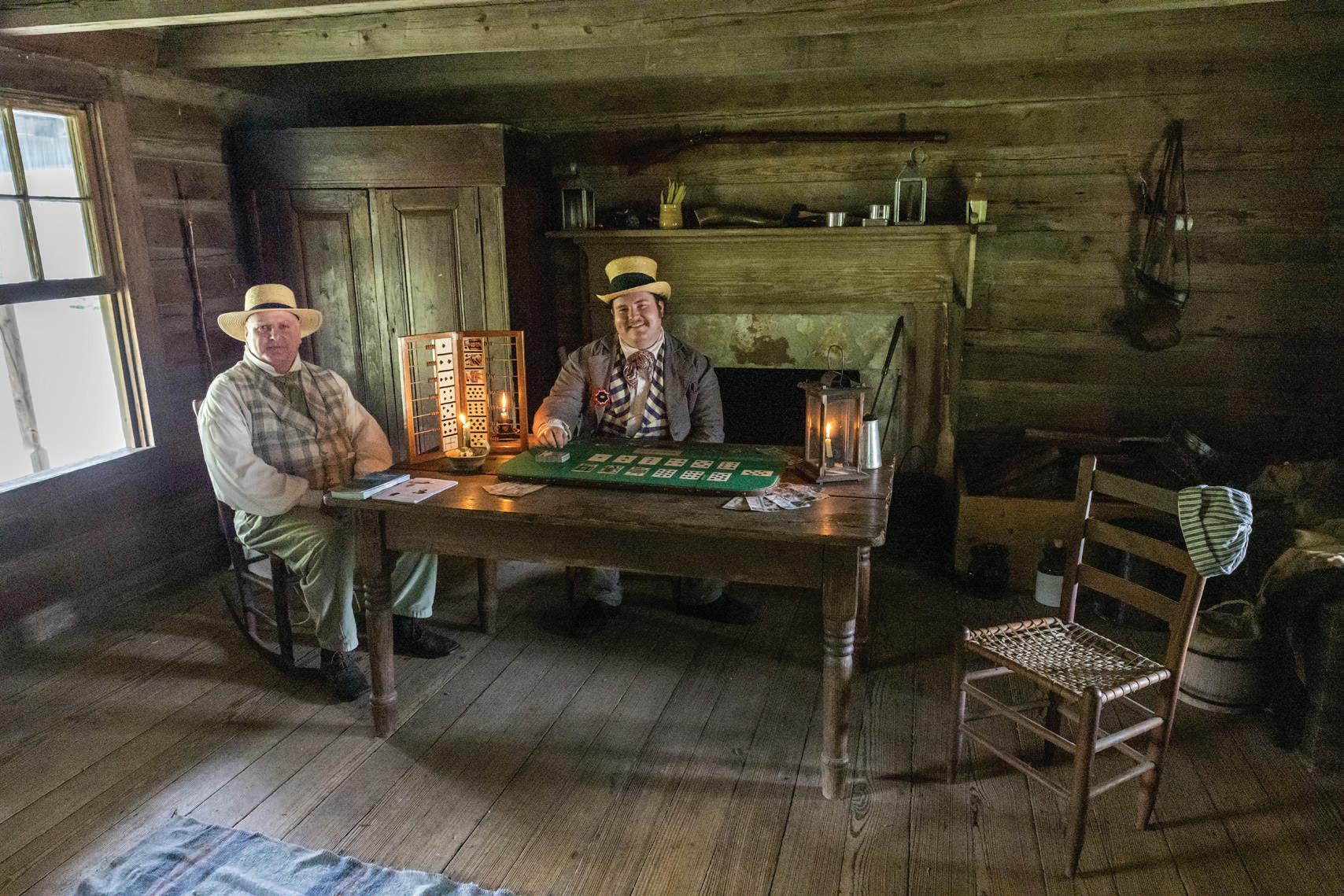
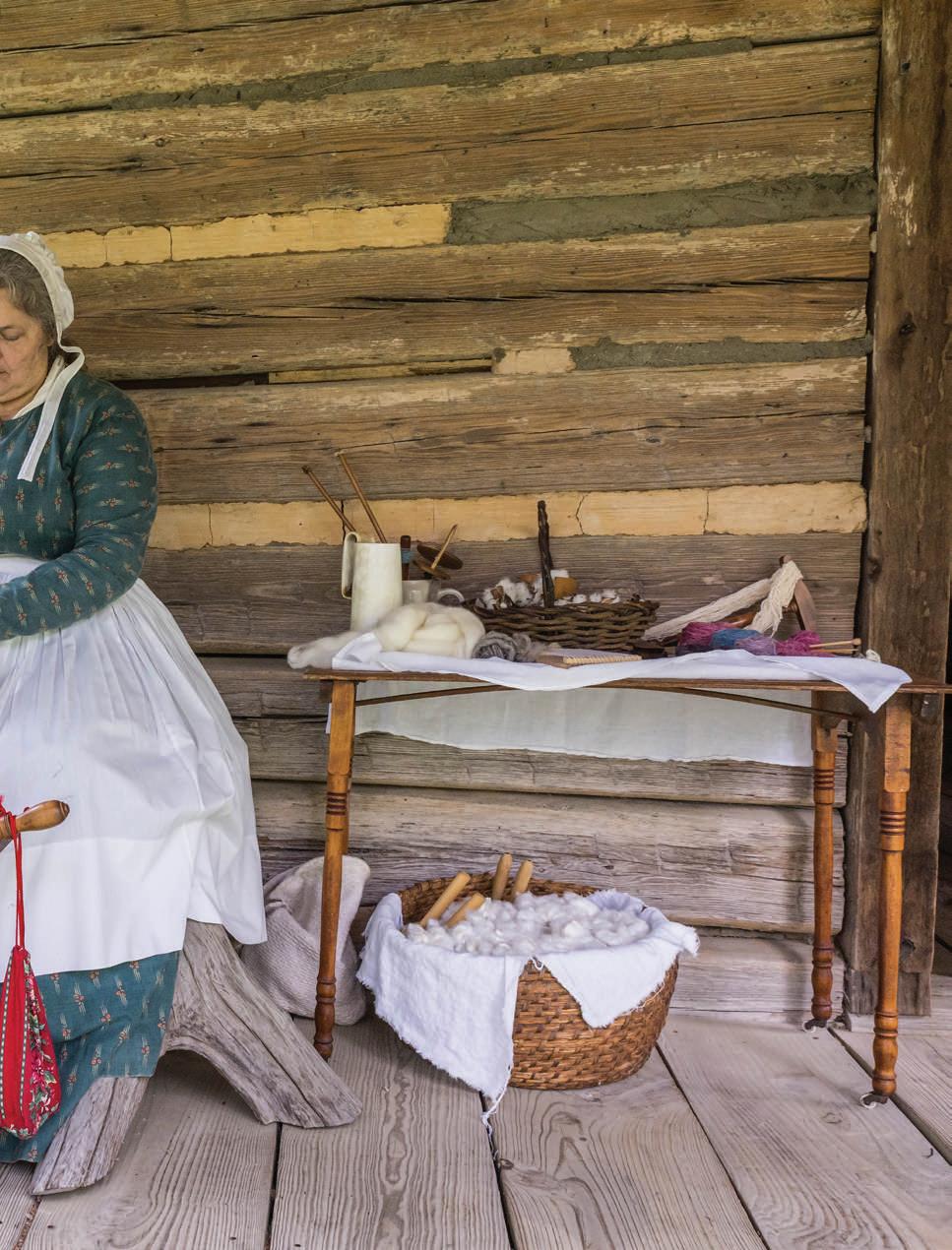
It’s an amazing place to visit. I went there recently to experience the fourth annual General Sam Houston Day. Many volunteers attended the festivities dressed in period clothing, which took visitors back in time. No one can better convey the feelings of being at the museum than the people who work there.
In their words
Megan Buro, Marketing Manager:
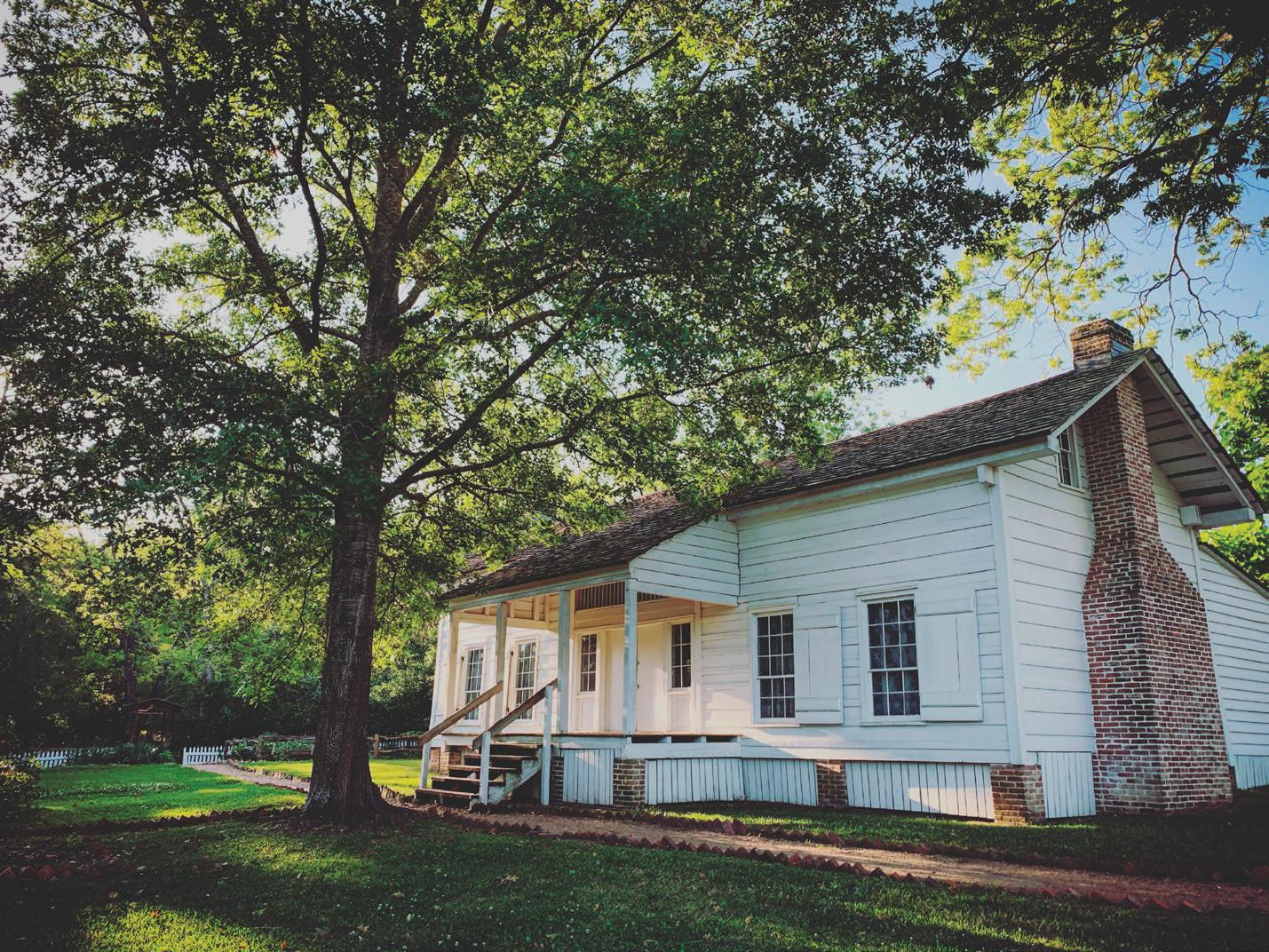
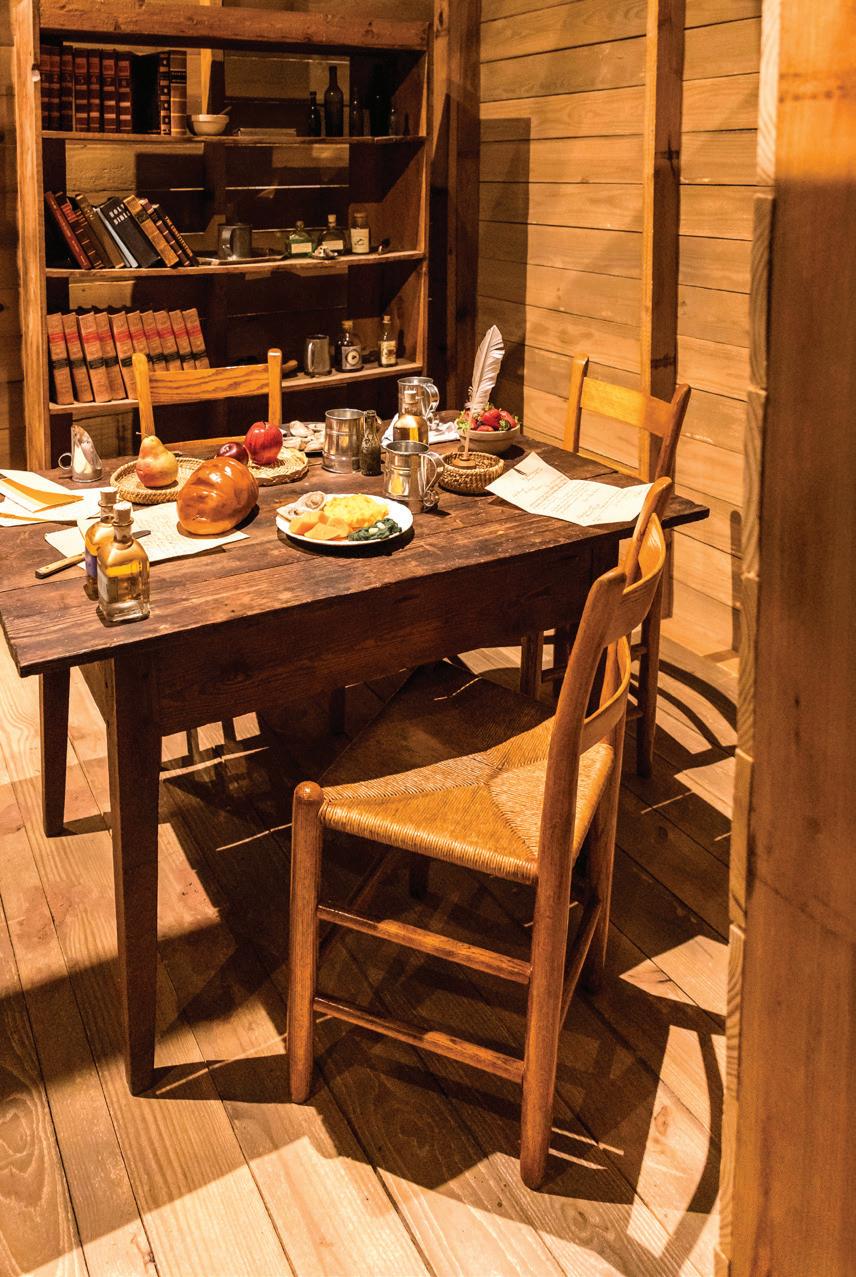
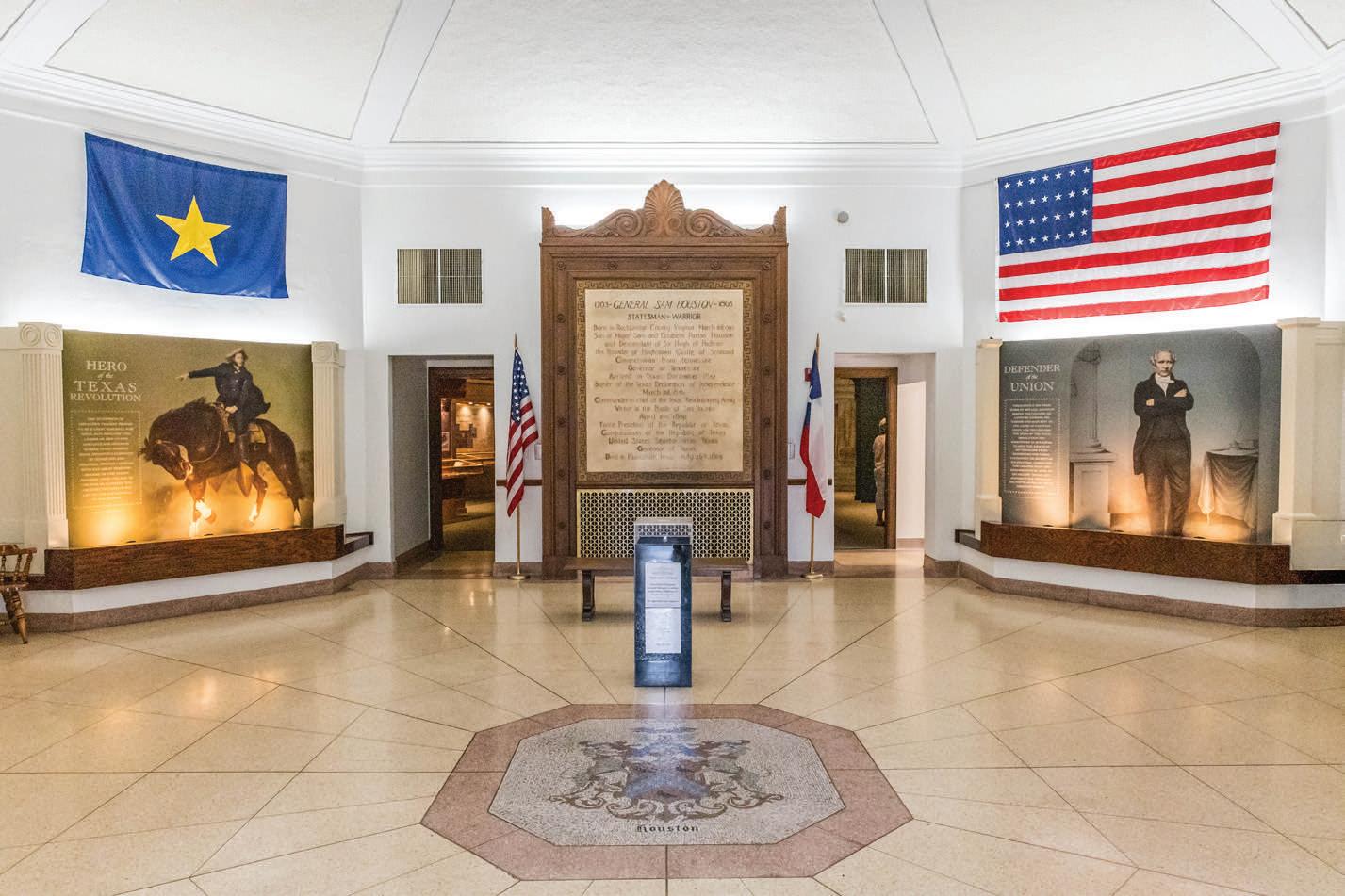
I always think it is crazy I am walking and working where Sam Houston walked. Visitors are also getting to see homes he lived in—where four of his kids were born (Woodland Home) or the home where he took his last breath (Steamboat). When I lock up the law office, I always wonder what topics (or gossip) were talked about in here, because Sam was a United States Senator during this time. Then you have the museum with amazing artifacts and documents that bring Sam’s story to life. You see his resume when you walk in. You are getting to see his resignation letter as Governor of Tennessee or his famed leopard skin vest. Heck, we even have items belonging to Santa Anna, including his chamber pot. We are still learning about Sam, filling in missing pieces, or finding out what we had originally thought was incorrect, debunked by a new letter we came across. We continue to learn about Sam Houston so we can better tell his story. The public does have access to our collection through
the Presidential Library. Our collections department has worked tirelessly to accomplish this.
Derrick Birdsall, Director: Working as the Director for the museum is a dream come true. When I left the museum in 1999 to manage another historic site, I always had in the back of my mind that it would be great to be able to return here to be the Director. Some 20-ish years later, here we are! Houston’s pragmatism has clearly rubbed off on me over the years; I definitely like to see the world as it is, not how we wish it would be. I’m always awed when going through our collection and seeing the huge swath of American history that Houston encountered...American presidents, the Texas Revolution, secession crises, famous people like Francis Scott Key, de Tocqueville, John J Audubon, etc. I frequently feel the need to pinch myself that I actually have a job touching Texas and American history the way that I do.
objective, and non-biased. We try to do history without adjectives. We periodically update our galleries and recently completed construction of Sam Houston’s Presidential Oval Office. I’m a big advocate of living history and costume interpretations.
Colton Sheffield, Historical Interpreter I:
Working at the museum as a historical interpreter means I can share the life and times of General Sam Houston in a way that feels meaningful and alive. Additionally, as we interact with the thousands of school kids who come through the grounds each year, we can
impart our love of history and hopefully spark interest in potential future historians. After all, a Living History field trip was how I found out this is what I wanted to do as a 1st grader back in 2006.
The museum has planned some updates which will improve interactive experience in the galleries to better bring the exhibits to life. While doing my job is different just about every day, there is an expectation that the information we share is accurate,
While there are numerous special moments at the museum for me, my favorite ones are on our slower days, when I’m able to go into an in-depth conversation with a visitor or group. Here, I get to see the excitement and interest their museum experience has unlocked, and I’m proud to be a part of that experience.
Rebecca Lewis, Collections Registrar:
Prior to coming here, I worked at a museum that told an entire state’s history. I thought I might be a little bored working at a museum that focused on the life of one man. Thank goodness that one man was Sam Houston. I’m always learning something new and interesting about Sam Houston…or Huntsville… or antebellum America that adds another piece to the puzzle. I’ve been working on and off here since 2007, and as recently as yesterday, I learned something new about Houston’s family while answering a question from a patron. I love the fact that Sam continues to surprise me in 2026.
Tod Lawlis, Curator of Exhibits:
The Sam Houston Museum is a fascinating place. The land, the buildings, and the artifacts combine to create an atmosphere which draws me into the history that happened here. Whether it’s stepping into Sam Houston’s law office, standing in the Steamboat House, holding documents that were penned by his own hand, or simply walking the grounds that he and his family walked… there are so many ways to feel yourself a part of that extraordinary time in the history of Texas and the United States. It’s an honor to work with this team that is so dedicated to bringing that history to life.
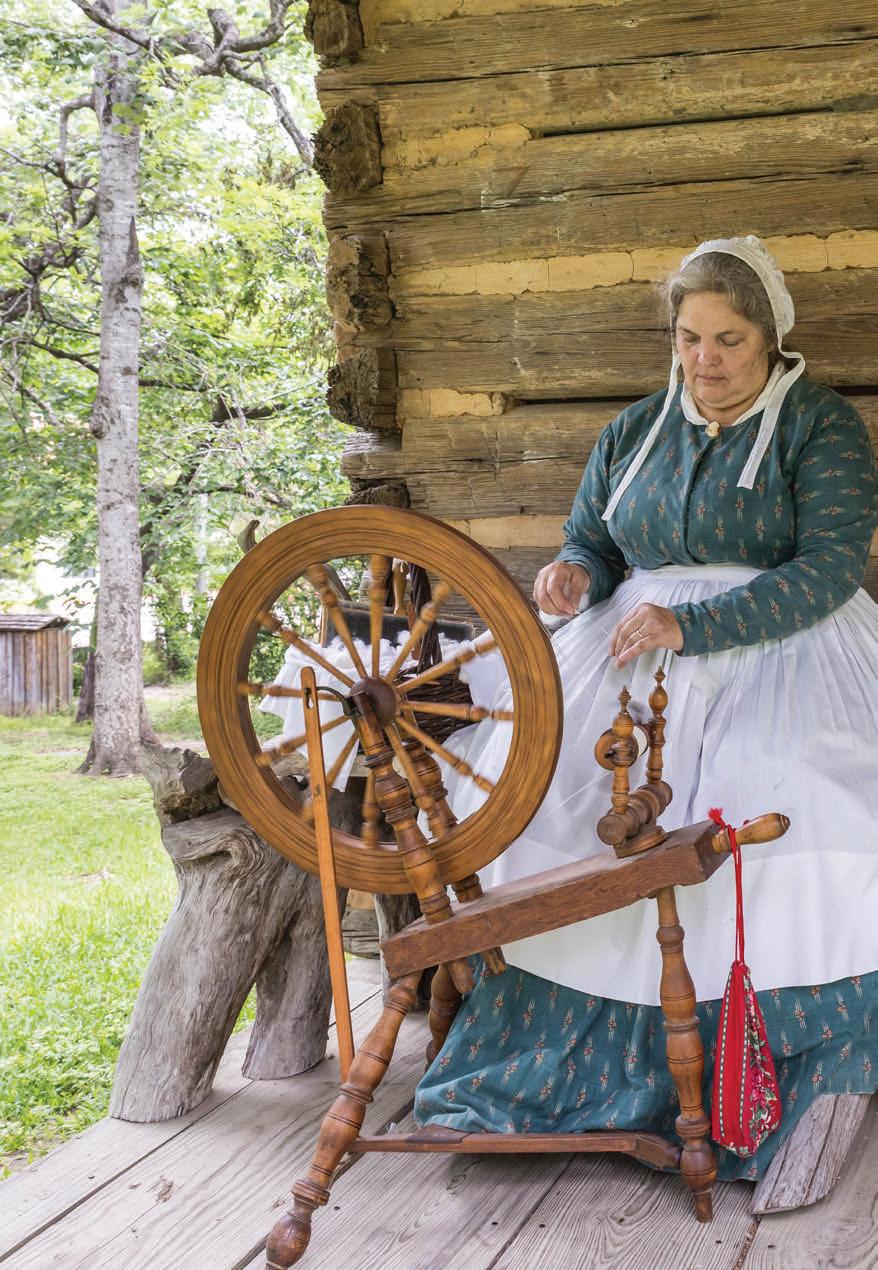
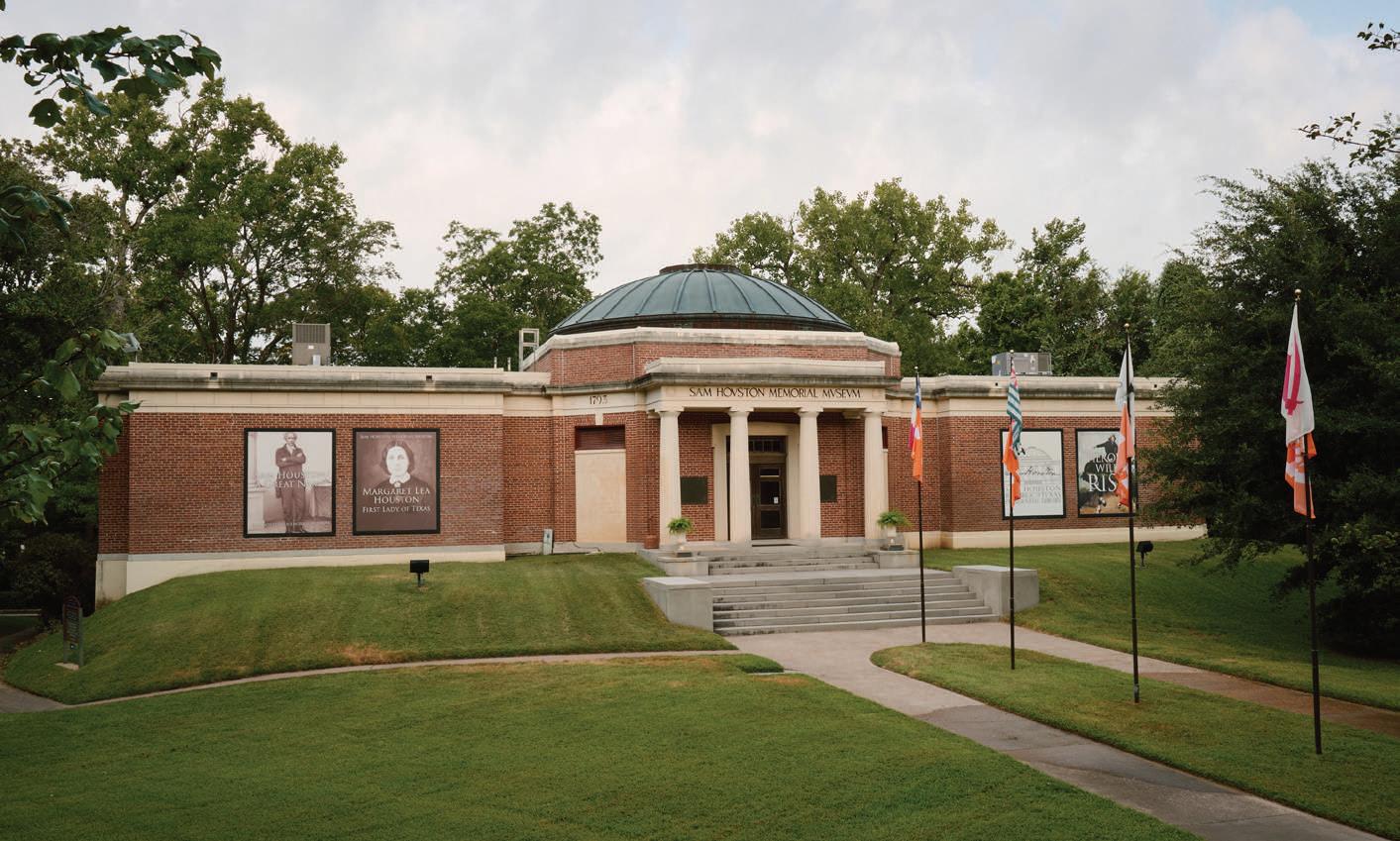
A wealth of history awaits Sam Houston, an American soldier, a statesman, a general in the Texas Revolution, the first president of the Republic of Texas, and a citizen of the Cherokee Nation. One of the most fascinating and controversial figures in American history. He was a great man who served in many capacities during his lifetime. There are many interpretive stances on Houston’s motives and character, but there is no doubt he was a legitimate hero who was always up for a challenge.
If you would like to learn more about Sam Houston and the life he led, contact The Sam Houston Memorial Museum at 936-294-1832 or visit samhoustonmemorialmuseum.com.
I would give no thought of what the world might say of me, if I could only transmit to posterity the reputation of an honest man. ”
-Sam Houston
Upcoming activities at the museum:
6/6 - Blacksmithing Demo, 10 a.m. to 2 p.m.
6/13 – Saturday Spotlight: Dye Day and Spinning Demo, 10 a.m. to 2 p.m.
6/20 – Saturday Spotlight: Black Powder/Drill Day and Kick Wheel Pottery Demo, 10 a.m. to 2 p.m.
6/27 – Saturday Spotlight: Grinding Corn and Woodworking Demo, 10 a.m. to 2 p.m.
7/2 - Celebrate America 250, 10 a.m. to 2 p.m.
6/16-8/30: Exhibit – Return of the Backroom Curiosities, exhibit gallery, Katy & E. Don Walker, Sr. Education Center
The Business Focus is chosen each month by random drawing from among Postcards contract advertisers.
These opportunistic rascals with masked faces are everywhere. They’re highly intelligent with amazing problem-solving skills and thrive in cities.
Often called “trash pandas”, I’m referring to raccoons. Although nocturnal, you might see one during the day. Don’t automatically jump to the conclusion they must have rabies. Most likely, they are pregnant or nursing moms foraging for food.
Like any good mom, pregnant raccoons seek out den sites that offer protection from predators and the elements. Acceptable sites are tree cavities; underground burrows dug by other animals; rock crevices; brush piles; fallen trees; and even sheds, garages and attics. Why do they choose human dwellings to give birth? Because they can.
Raccoons can enter your attic or other structures through ventilation openings on your house. Any warping or tears in siding is another easy way. Structural problems in things like trim boards and dormer junctions can provide easy access as well. In early spring, you should check both the outside and inside of your buildings for any damage or structural issues. Get them repaired now—birthing season is upon us.
If you find you have an unwanted guest, your first reaction may be to call an exterminator. They’ll set a trap to catch the mom. What do they do with her, and what about the babies? That’s the million-dollar question. There are some ethical companies out there who will do their best to save the mom and babies but there are also many unethical ones as well. Rather than spend your hard-earned money on an exterminator, let me share a method to strongly encourage Mom to move out and take her kits with her.

By Cheryl Conley Lake Creek Nature Preserve Board of Directors
The most effective way to evict your raccoon mama is to make it unpleasant for her to stay. You must “attack” her three senses— sight, sound, and smell. Since raccoons are nocturnal, they don’t like lights. If you know how she’s getting in, shine a light in the entry hole or in the area where she’s living. If you use the entry point, be sure you don’t block it, or she won’t be able to leave. Leave it on 24 hours a day. Now place a radio in the area tuned to talk radio and play it loud. Raccoons don’t like the sound of the human voice. The third step is smell. There are commercial repellants you can buy from Amazon or a big box store. One of them is called Repels-All. Better yet, purchase fox or coyote urine at Academy or from Amazon and soak some rags with it. Put the rags in a plastic tub, then place it near where she’s living. If animal urine grosses you out, you can try peppermint oil or vinegar. The smell has to be strong, so use several rags. By doing these three things, she will move her babies to a more suitable location. She may move out immediately, or it may take a few days. Be patient.
Don’t try to trap her! When a mom is separated from her babies, they will severely injure themselves trying to get to them. If you choose to do nothing at all, mama will leave when her babies are about 8 to 10 weeks old.
The most important thing in this whole process is to repair any holes or damaged areas on your house, garage, or shed once the family moves out. Another animal is sure to find any entry points, and you’ll be going through this again. Better yet, inspect your buildings now before unwanted animals move in.
Remember to be kind and humane. After all, it’s just a mama raccoon trying to find the safest possible place to give birth.




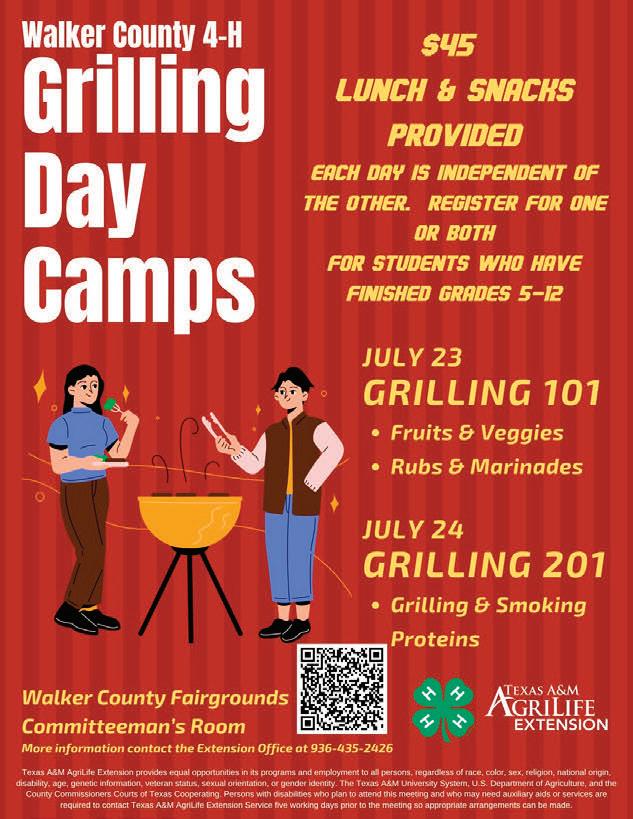
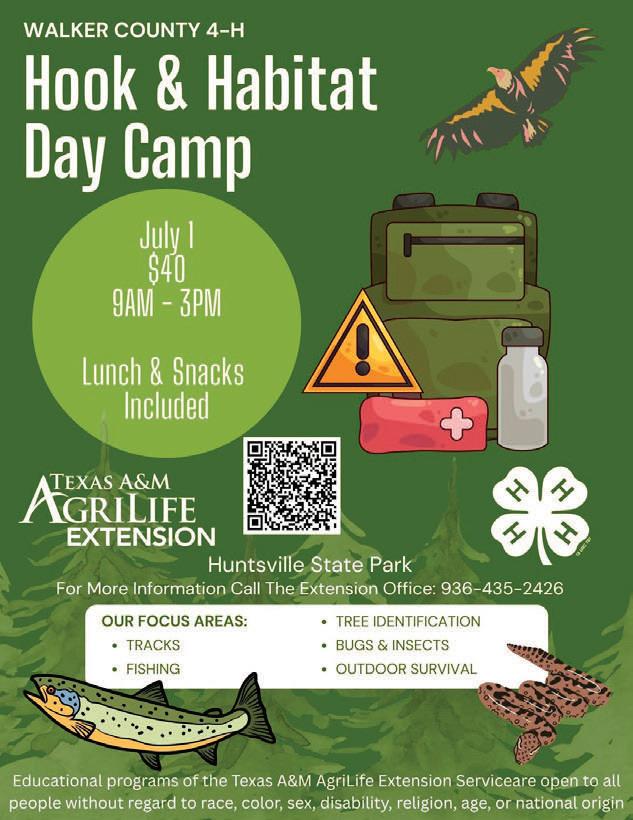
For many families, summer means slowing down a little. But for those of us around the Extension Office and Walker County 4-H, summer is often one of the busiest (and most exciting) times of the year. From day camps and workshops to leadership activities and hands-on learning experiences, summer provides youth with opportunities to explore new interests, make friendships, and build life skills outside the classroom.
Summer day camps provide youth with far more than just something to do during school break. Through hands-on activities and interactive learning experiences, Walker County 4-H day camps give young people opportunities to try new project areas and explore new interests, gain independence, and develop important life skills in a fun and encouraging environment.
This summer’s camp lineup offers something for nearly every interest and age group. From cooking and grilling camps to outdoor education, photography, line dancing, gardening, CPR training, and life skills workshops, youth are encouraged to step outside their comfort zones and try something new. Many camps also provide opportunities for older youth to mentor younger participants, helping develop leadership and communication skills along the way.
While campers are learning practical skills, they are also building confidence, teamwork, and problem-solving abilities that can benefit them long after summer ends. Programs like these help keep youth engaged, active, and connected to positive peers and adult mentors during the summer months.
Walker County 4-H summer day camps continue to provide meaningful educational experiences while creating lasting memories for local youth and families. Summer camps may only last a few days, but the friendships, confidence, and skills youth gain often last much longer. Through hands-on learning and positive experiences, Walker County 4-H continues to help youth grow into confident, capable leaders, one busy summer day camp at a time.
Summer day camps are open to all youth, not just 4-H members. To get your child involved, contact the Extension Office at 936-4352426 or visit the Walker County 4-H Facebook page.
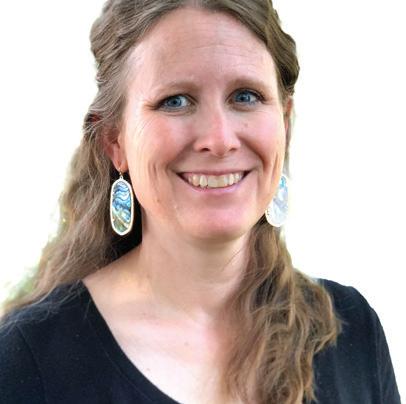
Kristy Titzman County Extension Agent 4-H Youth Development






















Meet the people behind the pages.
Every issue of Postcards is made possible by a dedicated team working behind the scenes.
With Getting to Know Us, we’re pulling back the curtain to introduce you to the people who make it all happen—one little question at a time!
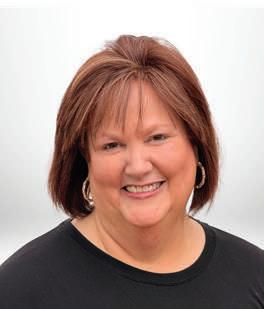
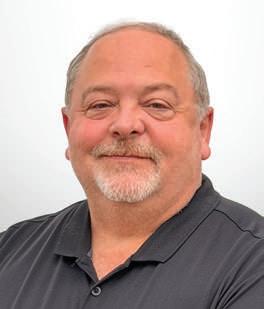
Talk Radio - News and political. Music: Christian music list from my phone.

80s - Also like Country and Christian.
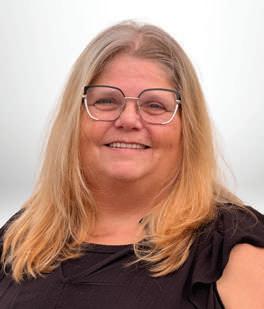
True Crime Shows - Came across them on my phone and just started listening.
Totally depends on my mood - Country, Oldies, Classical, Classic Rock. But my fave playlist is always the one with my Daddy singing gospel songs.

A cappella - For King & Country, Sea Shanties, or texts from my wife.
80s - Country, Pop, Hair Bands
Here we go, Nancy! Sing-a-long road trip!
DJ X - On Spotify
The Woodlands Area Quilt Guild Quilt Show 2026 facebook.com/groups/thewoodlandsareaquiltguild
“Picnic” by William Inge shsu.universitytickets.com 25 - Jul 26 KILGORE Texas Shakespeare Festival texasshakespeare.com
- 28
Watermelon Thump watermelonthump.com 26 - Jul 5
CONROE “1776” owentheatre.com 26 - 27
WILLIS Calvary Road Baptist VBS
Email: crbcwillistx@gmail.com






By WES ALTOM
When I was a small child, I had a strong tendency to take things literally. This led to some confusing (and my parents would say entertaining) moments. I remember distinctly being in a restaurant when my dad said he “had to go see a man about a dog.” I became very excited (and talkative) asking all kinds of questions about this new pet we might be getting. Another time, I was riding in the car with my mom and grandmother. We had a long wait at a stop sign waiting for an opening in traffic, and my grandmother said, “Looks like somebody opened the gate.” Of course, I wanted to know all about the gate and even to go see the gate.
When I was a little older (and only slightly less gullible), one Sunday morning my mom said we were going to have to miss church. This was unheard of for our family. Fearing someone was seriously ill or had died, I asked why. Mom said that some family members had broken down and were stranded, and we were going to help. I asked if God would understand, and my mom said that he would, because “our ox was in the ditch.” I

was pretty sure that, if we did in fact own an ox, I would have been asked to feed it or clean up after it at least once. At least this time, I just asked what she meant.
She shared that it came from the Bible, and she said sometimes emergencies happen, and doing the right thing in that moment is doing the right thing overall.
And Jesus asked them, “Which of you whose son or ox falls into a pit on the Sabbath day will not immediately pull him out?”Luke 14:5
That was a great lesson, one worth remembering and sharing today. Sometimes, we need to focus on SEEing Jesus—to improve ourselves by listening to a sermon or through fellowshipping with others whose lives reflect his… and sometimes we need to BE Jesus to others—by actively carrying out his command to love and serve in His name. May the Holy Spirit guide us to the proper balance.