


Additonal Resources.
How To Choose The Right Roofing.
Survive A Hurricane / Evacuation Routes.
Preparation Starts At Home.
211 Registry For Special Assistance.
Hurricane Tracking Map.
Safety Plan Is Key Before The Storm.
How Do Hurricanes Form.
Protect Your Property.
Insurance Advice After A Hurricane.
Secure Your Medicine.
How To Prepare your Business For A Hurricane.
PG 2.
PG 4.
PG 6.
PG 8.
PG 10-11.
PG 12.
PG 13. PG 14. PG 15.
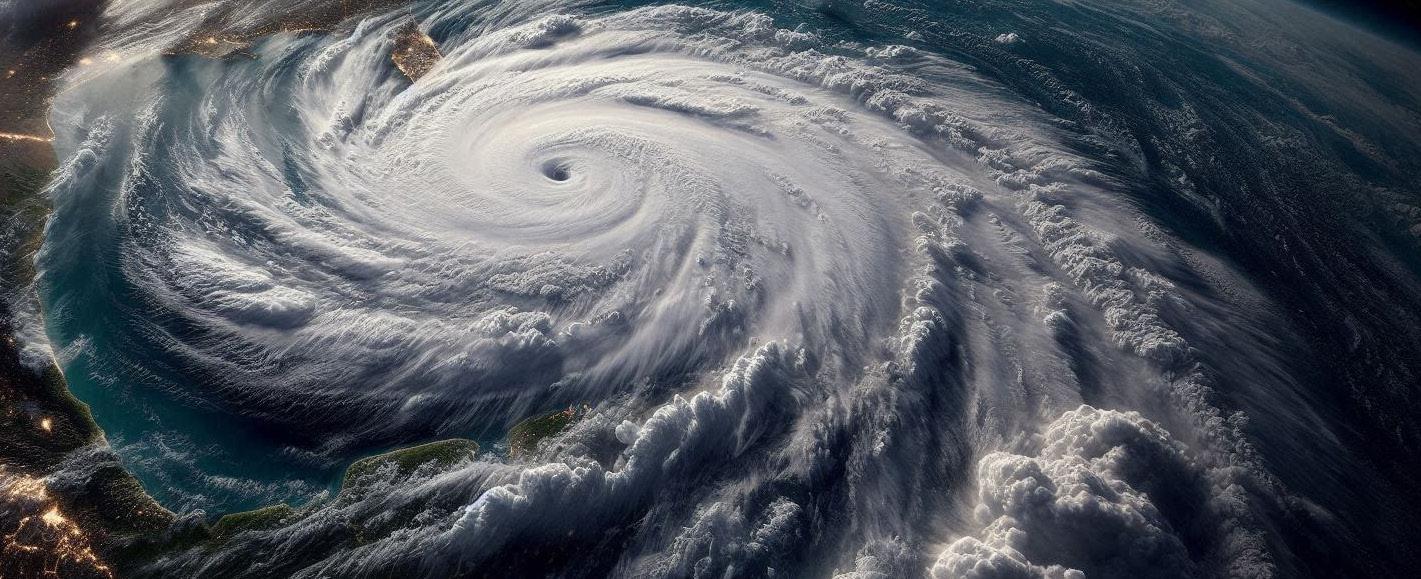
A hurricane can cause widespread devastation during and after it occurs.
This guide is designed to help you properly prepare for a hurricane and know how to protect yourself during and after one.
Planning and preparing can make a big difference in safety and resiliency in the wake of a hurricane. The ability to quickly recover following a hurricane requires a focus on preparedness, advance planning, and knowing what to do in the event of a hurricane.
Tropical storms like hurricanes occur every year. Hurricanes have the potential to be very powerful and destructive storms. The National Weather Services says that, on average, 12 different tropical storms will form over the Atlantic Ocean, Caribbean Sea or Gulf of Mexico during hurricane season every year. Of those storms, six will turn into hurricanes.
Knowing how to behave before, during and after a hurricane can save lives and reduce injury risk. The following are important safety guidelines to follow during hurricane season.
• Evacuate if the call is made. It can be tempting to try to be a hero and stay home when an area is being evacuated. However, when weather officials recommend evacuation, heed those warnings. It can be difficult for emergency personnel to reach people who stay behind, and that can greatly delay care and divert resources needed elsewhere.
RELATED WEBSITES
American Red Cross Hurricane Preparedness: redcross.org/prepare/disaster/hurricane Hurricane Prepardness: ready.gov/hurricanes • FloodSmart Campaign: FloodSmart.gov National Oceanic and Atmospheric Administration (NOAA): noaa.gov
Consider the storm surge. Storm surge can travel several miles inland, especially along bays, rivers and estuaries. Even if you think you are far from the coast, heed warnings about storm surges.
• Keep a list of contacts. Keep contact information for emergency management offices, county law enforcement, state law enforcement, local hospitals, and more at the ready. Keep it handy with other hurricane supplies.
• Evaluate and know your flood risk. FloodSmart. gov is a portal for flood risk in particular areas in the United States. See where your house falls so you’ll be armed with accurate information should a storm arrive.
• Stockpile emergency supplies. Water, nonperishable foods, batteries, flashlights, phone chargers, battery-powered radios, blankets, rain slickers, and rain boots are just some of the items to include in a hurricane readiness kit.
• Have a plan in place. Know where family members will meet up in the event a hurricane blows in. Be sure to plan for locations away from home if evacuation is necessary.
• Gauge safety before returning. Wait until an area is deemed safe before heading home or venturing outdoors. Downed power lines, debris, standing water, and other after-effects of hurricanes can be hazardous.
By exercising due diligence, people can weather hurricanes and quickly get on the road to recovery.
The following resources and websites can help you
further prepare, respond, and recover.
FEMA Mobile App: fema.gov/mobile-app
FEMA Taking Shelter From the Storm: Building a Safe Room in Your Home or Small Business: fema.gov/media-library/assets/documents/2009?id=153
State of Texas Emergency Assistance Registry 211 REGISTRY for special assistance. To register call: 877-541-7905.
Hidalgo County
McAllen PD
956-682-4321
Mercedes PD
956-565-3102
Mission PD
956-584-5000
Palmview PD
956-581-7416
Pharr FD
956-787-2761
Pharr PD
956-784-7700
Raymondville PD
956-689-2441
San Juan PD
956-787-9904
Weslaco PD
956-968-8591
Willacy Co So
956-689-5577
Alton PD
956-581-2602
Donna PD
956-464-4481
Edinburg PD 956-381-9825
Elsa PD
956-262-4721
Hidalgo Co Sheriff 956-383-8114
Hidalgo PD
956-843-2737
La Joya PD 956-585-4855
Cameron County Bayview City of 956-233-6445
Brownsville City of 956-548-7153
Cameron County Emergency Management 956-547-7000
Combes City of 956-425-7131
Harlingen FD 956-427-8880
Indian Lake City of 956-233-8559
La Feria City Hall 956-797-2261
Laguna Vista PD 956-943-8855
Los Fresnos PD 956-233-4473
Los Indios City Office 956-399-4255
Palm Valley City of 956-423-8384
Primera PD 956-423-7119
Port Isabel FD 956-943-3523
Rancho Viejo City Hall 956-350-4093
Rio Hondo PD 956-748-3611
San Benito FD 956-361-3850
Santa Rosa City Hall 956-636-1113
South Padre Island FD 956-761-3040

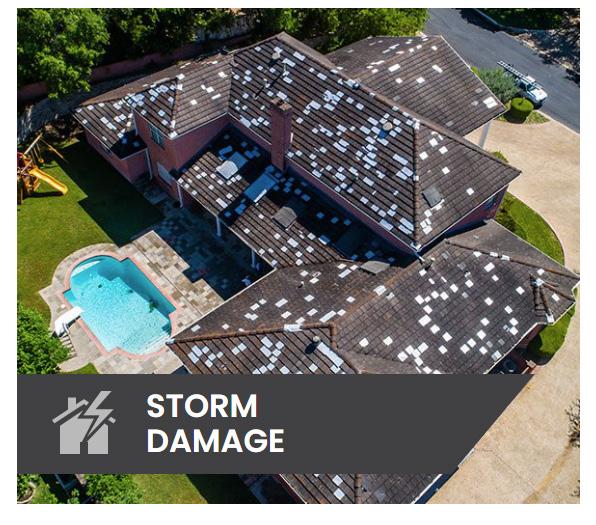
When a hurricane or severe storm strikes the Rio Grande Valley, your roof becomes your home’s first line of defense. Storm damage can lead to leaks, structural issues, and costly repairs if not addressed quickly. Unfortunately, many homeowners find themselves overwhelmed when trying to choose a roofing contractor after a storm.
By following these important guidelines, you can confidently select a qualified roofing professional who will protect your investment and restore your home’s safety.
1. Choose a Local Roofing Company
One of the most important decisions you can make is hiring a local roofing contractor. Local companies understand the unique weather conditions, building codes, and roofing systems that perform best in South Texas.
A local roofing company is also more likely to be available for future service, warranty work, and follow-up inspections. During hurricane season, be cautious of out-of-town “storm chasers” who may appear after major weather events but disappear once the work is completed. When searching online, look for established roofing contractors with strong local reviews and a proven track record in your community.
2. Verify Licensing and Insurance
Before signing any contract, ask the roofing contractor for proof of licensing and insurance. Important questions to ask include:
• Are you licensed to perform roofing work?
• Do you carry general liability insurance?
• Do you have workers’ compensation coverage?
• Can you provide a certificate of insurance?
Insurance protection is critical. If an accident occurs on your property, proper coverage helps protect both you and the contractor. Always request to be listed as a certificate holder before work begins.
3. Request a Comprehensive Roof Inspection
A reputable roofing contractor should perform a thorough inspection and provide a detailed written assessment of the damage. Your estimate should include:
• Scope of repairs or replacement
• Labor costs
• Material costs
• Project timeline
• Additional fees or contingencies
A written estimate protects homeowners from unexpected expenses and makes it easier to compare proposals from multiple contractors.
4. Confirm Material Availability
Following hurricanes and major storms, roofing materials can become difficult to obtain due to increased demand and supply chain delays. Ask your contractor:
Are the necessary materials currently available?
How long will delivery take?
Are there suitable alternative materials if shortages occur?
Understanding material availability upfront helps you plan for repairs and avoid unnecessary delays.
5.
A quality roofing company stands behind its work. Ask what warranties are offered for both materials and workmanship. Manufacturer warranties protect against product defects, while workmanship warranties cover installation-related issues.
Be sure to understand:
• Warranty length
• Coverage details
• Exclusions or limitations
• Claims process
Strong warranty protection provides peace of mind long after the project is completed.
6. Evaluate Communication and Professionalism
Professionalism matters.
From the initial phone call to project completion, your roofing contractor should be responsive, transparent, and respectful. Clear communication is especially important during hurricane recovery when homeowners are often dealing with insurance claims and urgent repairs.
Look for a contractor who:
• Returns calls promptly
• Answers questions clearly
• How long have you been in business?
• Are you licensed and insured?
• Can you provide proof of insurance?
• Can I see examples of previous projects?
• Can you provide customer references?
• What warranties do you offer?
• Provides written documentation
• Arrives on time
• Maintains a professional appearance
These qualities often reflect the quality of work you can expect.
7. Read Reviews and Check References
A roofing company’s reputation speaks volumes about the quality of its work.
Research online reviews, testimonials, and ratings on trusted platforms. Look for consistent feedback regarding craftsmanship, communication, timeliness, and customer service. You should also request references from recent customers and ask about their experience with the contractor.
Questions to ask references include:
• Was the project completed on schedule?
• Did the contractor communicate effectively?
• Were there any unexpected costs?
• Would you hire the company again?
Taking a few extra minutes to verify a contractor’s reputation can save you significant headaches later.
Before making your final decision, ask the following questions:
• What is the name and physical address of your company?
• How do you handle customer concerns or complaints?
• Do you provide free estimates?
• Are you familiar with local building codes and permit requirements?
• Will you assist with insurance claim documentation if storm damage is involved?
Your roof is one of the most important investments in your home. Choosing the right roofing contractor after a hurricane or severe storm can make the difference between a successful repair and costly future problems. By doing your research, asking the right questions, and working with an experienced local professional, you can ensure your home remains protected for years to come.
If your roof has been damaged by a hurricane, tropical storm, hailstorm, or high winds, the team at McAllen Valley Roofing is here to help.
Call McAllen Valley Roofing today at 956-6227286 to schedule your FREE roof inspection and estimate. Visit www.mcallenvalleyroofing.com to learn more about our roofing services and storm damage solutions throughout the Rio Grande Valley.






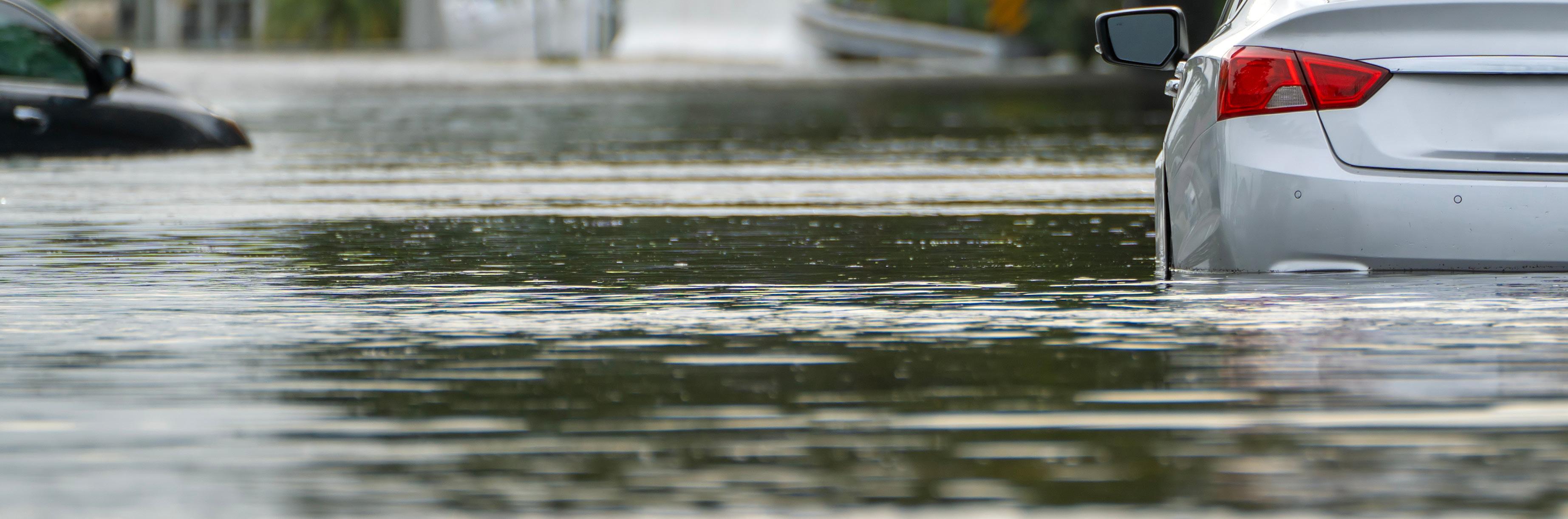
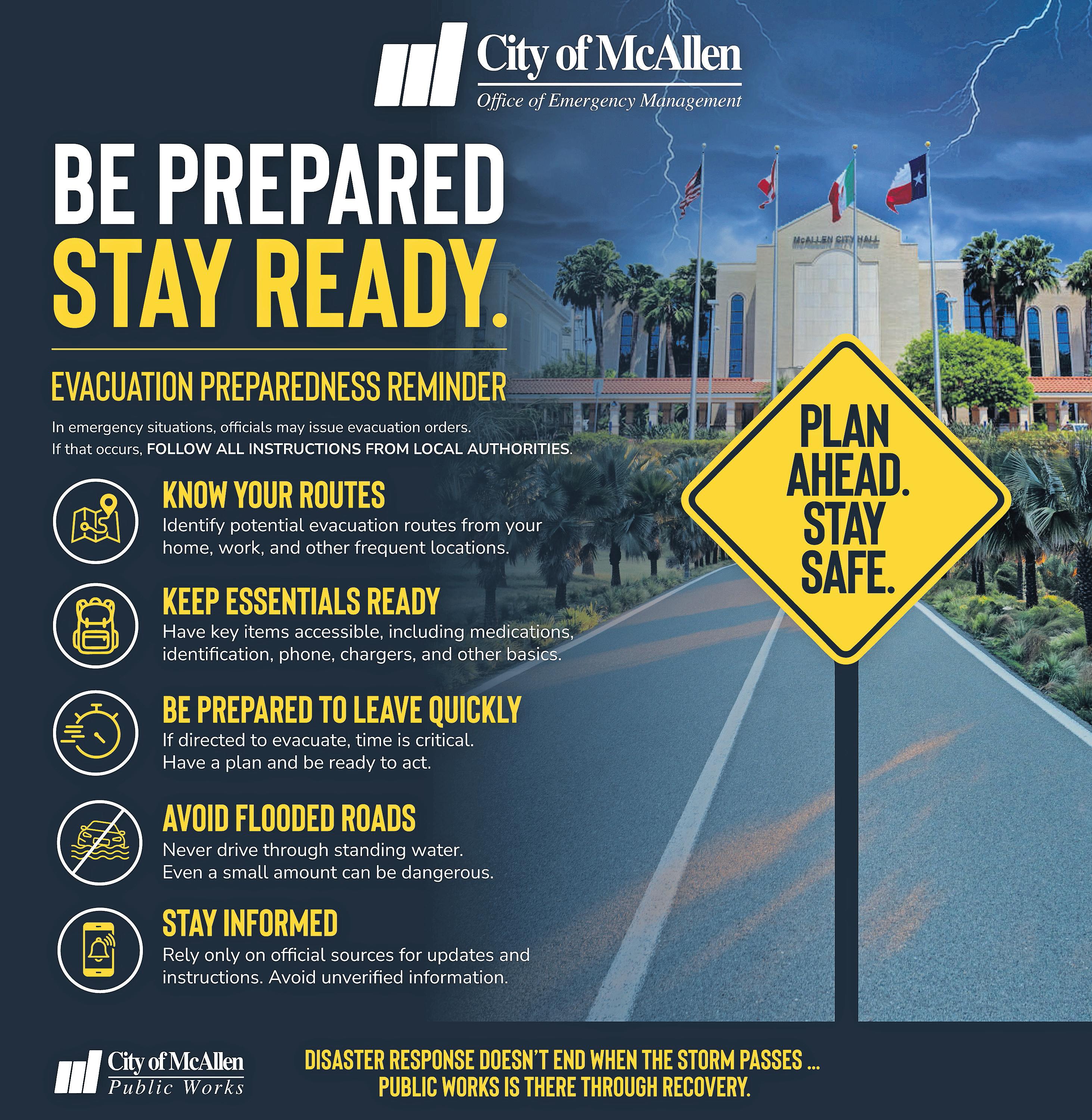
If authorities advise or order you to evacuate, grab your “go bag” and leave immediately. If you are not in a mandatory evacuation zone, you may still decide to leave the area, you may need to move to higher ground, or you may choose to stay in your home. If you decide to stay home, remember that even if the high winds and floodwaters do not reach your home, you may lose power and water, and you may not be able to leave your home for several days if the roads are impassable.
Grab your “go bag” and leave immediately. Follow posted evacuation routes and do not try to take shortcuts because they may be blocked. Stick to designated evacuation routes. For localized information: Evacuation routes: Check with your state’s Department of Transportation or Office of Emergency Management website to find routes near you. Emergency shelter location: To find a shelter near you, check the FEMA mobile app: fema.gov/mobile-app.
Write down your evacuation route and shelter information on your Hurricane Preparedness Checklist.

Make a plan for your pet. To learn more, go to ready.gov/animals
If you are in an area where authorities advise or order you to evacuate - EVACUATE!
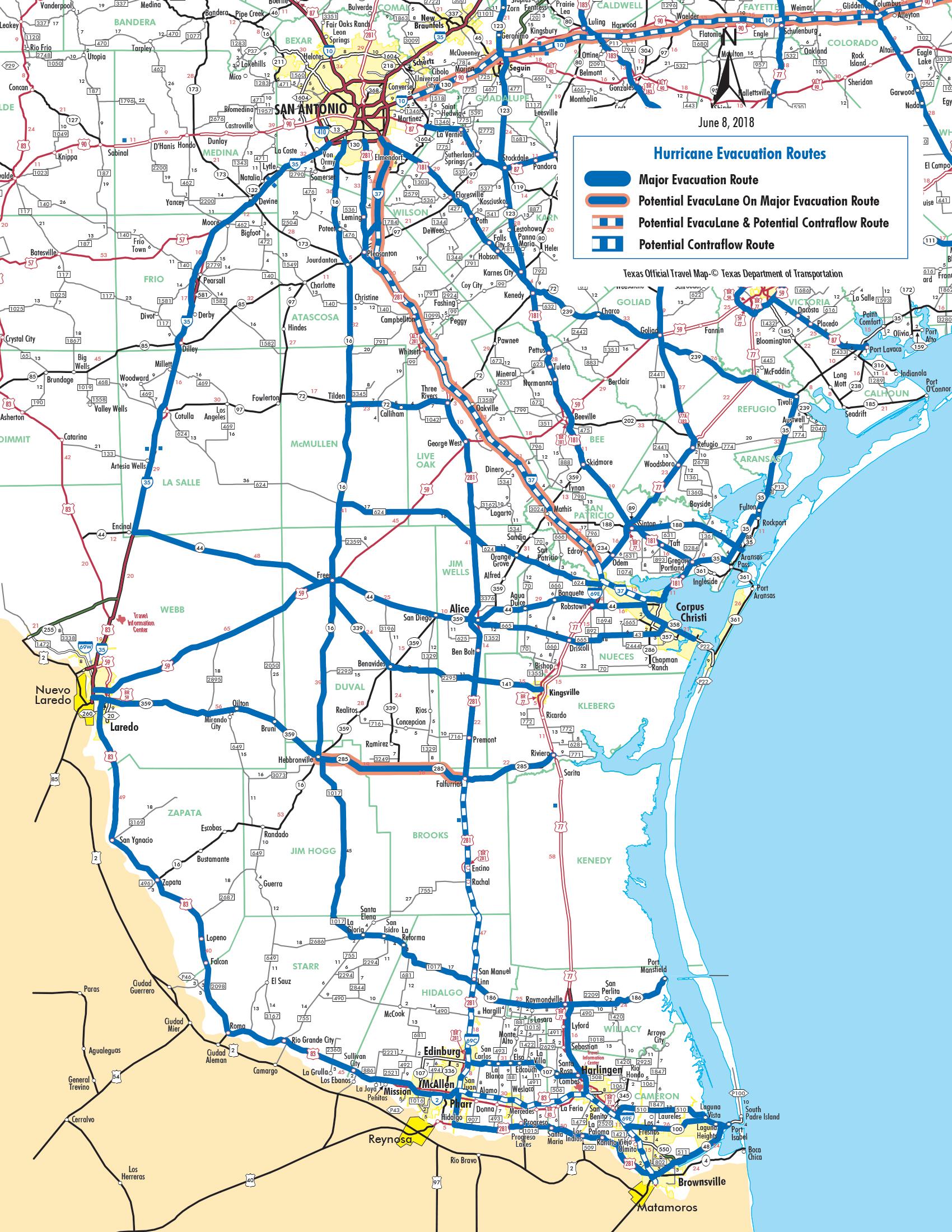

Families should know in advance where to go if evacuation becomes necessary, which means knowing the local hurricane-evacuation route or routes and having a plan for lodging.
By STEVE CLARK Staff Writer
Emergency Management Agency.
For starters, here’s an explanation of the difference between a hurricane warning and a hurricane watch:
According to the National Oceanic and Atmospheric Administration, a warning means sustained winds of 74 mph or higher — hurricane conditions — are expected somewhere within a specified area. A warning is issued 36 hours in advance of the anticipated onset of tropical-storm-force winds, or sustained winds of 39 to 73 mph, to give people enough time to prepare, and evacuate if so directed by local officials. A hurricane watch, according to NOAA, means hurricane conditions are possible within the specified area. Watches are issued 48 hours before the anticipated onset of tropical storm-force winds in the area. When a watch is issued, that means it’s time to secure your home, review your evacuation plan and stay alert for a hurricane warning. Preparing one’s home or business includes trimming or removing damaged trees and limbs, securing loose rain gutters and downspouts, and clearing out any clogged areas or debris to prevent water damage to the property, according to the Federal
FEMA says property owners can reduce damage by retrofitting to secure and reinforce roofs, windows and doors, including garage doors. The agency recommends buying a portable generator or installing a “whole house” generator for power outages. Also, residents may consider building a FEMA safe room or OCC 500 storm shelter designed for protection from high winds, as long as it’s above flood level.
Families should know in advance where to go if evacuation becomes necessary, which means knowing the local hurricaneevacuation route or routes and having a plan for lodging. Evacuation “go bags” should include a flashlight and batteries, cash, first aid supplies, medications and vital documents. Families should have an emergency communication plan.
Residents who aren’t advised to evacuate and stay home during a storm, or can’t because of flooding or blocked roads, should make sure to have adequate supplies for several days of no water and power, FEMA says.
The agency notes that many communities have text or email emergency alert systems, and that residents can find details about their local alert system by searching the internet.

The STEAR program is a free registry that provides local emergency planners and emergency responders with additional information on the needs in their community.
People with access and functional needs such as:
People who have limited mobility
People who have communication barriers
People who require additional medical assistance during an emergency event
People who require transportation assistance
People who require personal care assistance
By ALEXIS AGUIRRE Staff Writer
Hurricane season is hastily approaching and the time to prepare for emergencies is now. In the case of strong weather, emergency evacuations will be ordered. For some, the ability to leave their home in a hurry is not easy or even feasible. Those residents are being asked to call 2-1-1 to be placed on the State of Texas Emergency Assistance Registry or STEAR. STEAR was created after the 2005 hurricane season by the University of Texas Center for Space Research to help evacuate those in need of special assistance during emergencies.
The registry allows residents with disabilities or transportation barriers to plan their escape route before the storm hits.
By dialing 2-1-1 and answering standard questions about their status and needs, residents at-risk can ask for the help they need and plan ahead.
The number is not an emergency line and should not be used as such.
While registering, residents will be asked basic information such as their name and address along with their primary language, caregiver info and whether or not they have pets.
All information is completely confidential and the registry is voluntary.
Charles Hoskins, deputy emergency management coordinator of Cameron County Emergency Management, said the registry is for those that feel they would need assistance in evacuating.
During an emergency, those on the registry will be asked to go to a pick up point in the Cameron County area before being transferred to a safe haven and shelter away from danger.
Hoskins said during emergencies, the center notifies the state of how many buses they’ll need to transport residents out of harm’s way.
“The registry helps identify the number of buses needed in the case of an emergency,” Hoskins said.



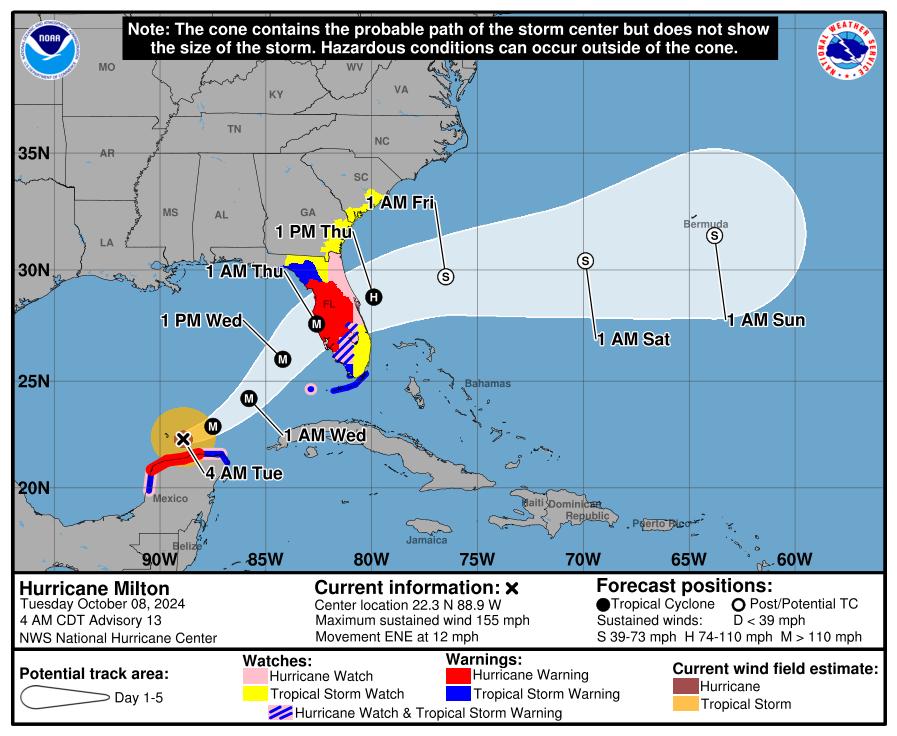
Courtesy of NOAA-March 24, 2026
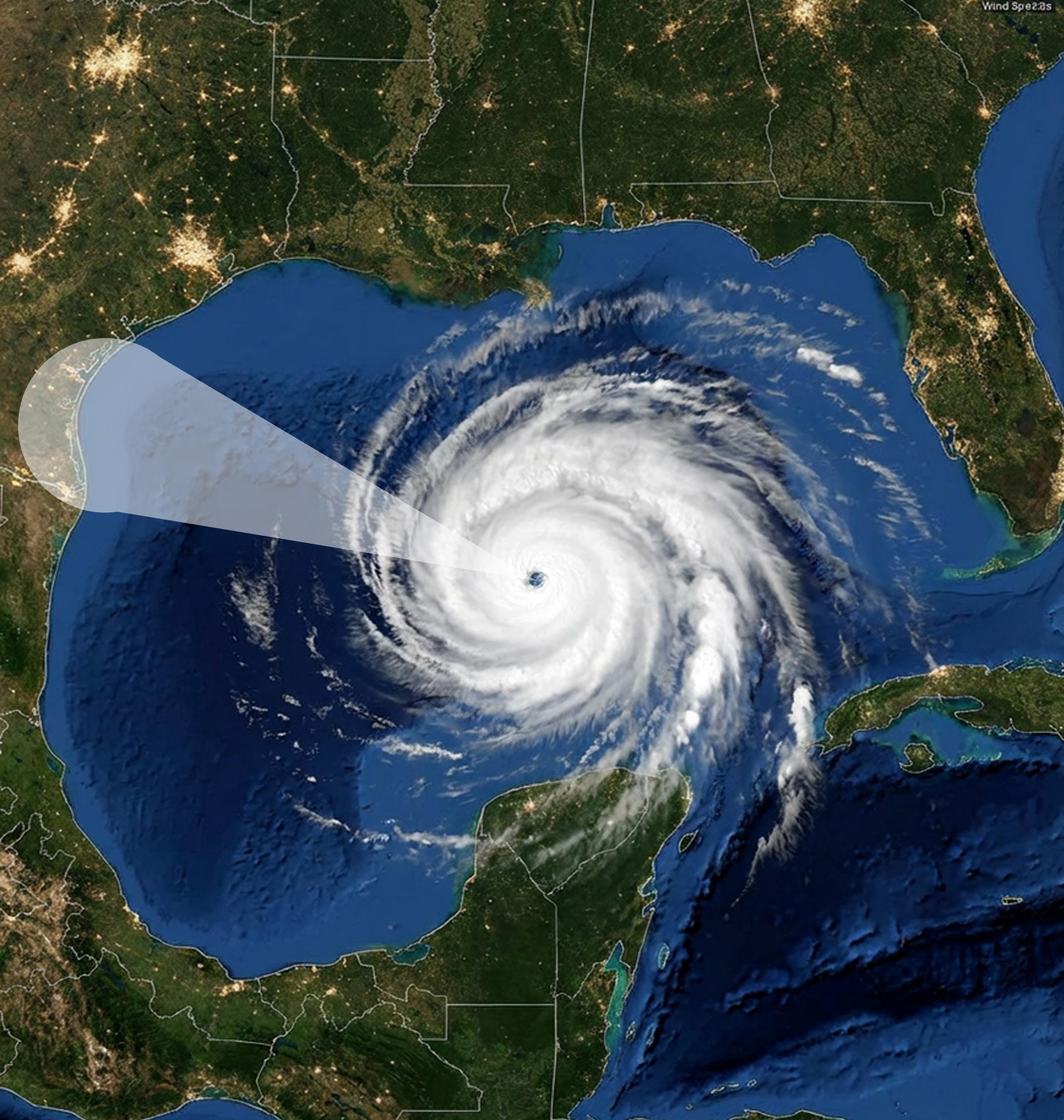
The tropical cyclone graphic helps communities remain vigilant from the dangers posed by wind hazards associated with hurricanes and tropical storms, including in locations away from the coast. In 2026, the forecast cone will now include tropical storm and hurricane watches and warnings for inland areas. The additional information follows a successful experimental phase last year, which demonstrated the improved forecast cone enabled inland communities to better understand and prepare for the danger posed by tropical cyclone winds.
What to know about the new cone graphic:
Incorporates all land-based (coastal and inland) tropical storm and hurricane watches and warnings in effect for the continental United States, Hawaii, Puerto Rico, and the U.S. Virgin Islands; Uses single shading for the entire 5-day outlook cone; Legend depicts symbols for areas where a hurricane watch and tropical storm warning are both in effect (represented by diagonal pink and blue lines); and
Tropical Cyclone Track Forecast Cone. Since its debut in 2002, the cone has shown where the tropical cyclone’s forecast center is likely to go, based on past forecast calculations.
Beginning in 2026, the experimental cone will use ellipses anchored at each NHC forecast point, allowing for the experimental cone to capture a range of possibilities for both the speed and direction of the tropical cyclone’s forecast path. NHC will experiment changing two aspects of the cone using ellipses (instead of circles) to account for errors in speed and direction, and the cone will include 90% of forecast track possibilities, instead of the traditional 67% forecast error.
The experimental cone graphic will be available on hurricanes. gov for full and intermediate advisories. During the experimental phase, technical issues could affect the timeliness or availability of the graphic.
and services for the Hawaiian Islands include storm surge watches and warnings and a peak storm surge graphic. This expands the NHC’s
and
that are currently serving the U.S. East Coast and Gulf of America coastline, Puerto Rico and the U.S. Virgin Islands.
Media contact
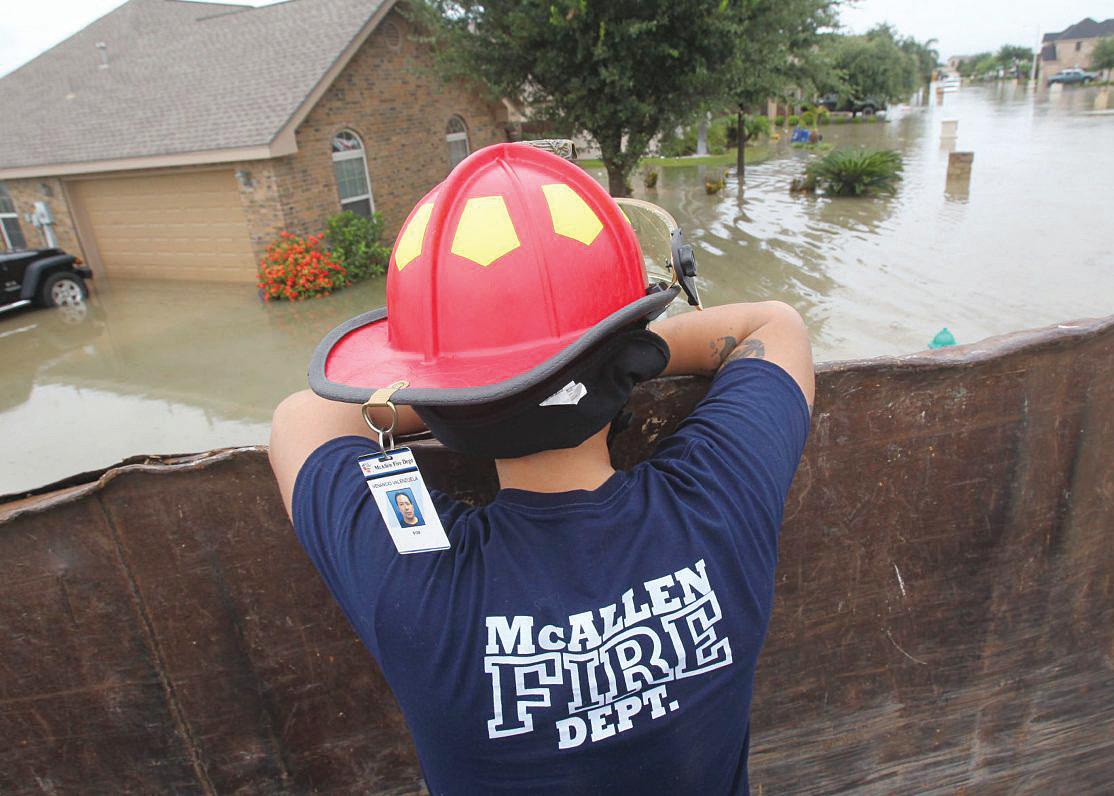
One of the lessons learned from Hurricane Harvey was the need for residents to take evacuation warnings seriously.
By RAUL GARCIA and NADIA TAMEZ-ROBLEDO Staff Writers
There is no place on the Texas Gulf Coast that offers as beautiful a view than South Padre Island.
But emergency management leaders are reminding residents that hurricane season is upon us and planning and being prepared are the best answers when a storm approaches the Island and it’s time to evacuate.
Cameron County Parks Director Joe Vega is one who is planning. He will be keeping watch so the public has enough time to execute their safety or evacuation plan.
One of the ways he’s going to keep everyone on the Island informed is by tracking and monitoring any activity that is forming in the Atlantic and the Gulf.
“We get daily Atlantic briefings of disturbances or things to watch happening in the Atlantic,” Vega said. “If there is a storm heading our way, we start tracking the storm and we make sure if the RVs need to be relocated.”
He said the county has more than 600 RV sites to alert if a storm is heading to the Island.
“We want to make sure if there is a storm heading our way, we give them ample warning,” Vega said.
Vega said the county emergency management team and the county judge work together. But the county judge makes the decision on when to evacuate.
County Emergency Management Coordinator Tom Hushen stressed that residents should prepare for hurricane season by being aware of evacuation routes, particularly if they live in flood-prone areas.
Hushen said one of the lessons learned from Hurricane Harvey was the need for residents to take evacuation warnings seriously. A county judge or mayor doesn’t make the decision to issue a mandatory evacuation lightly, he said.
“We need to be prepared years in advance for the evacuation side, emergency medical need, shelters and how people will evacuate,” Hushen said.
Hushen said Hurricane Harvey did affect us in some manner, even though it turned out of the Valley’s way.
Since 1851 Texas has had 64 direct hurricane hits. Florida leads with 117 and Louisiana third with 54.
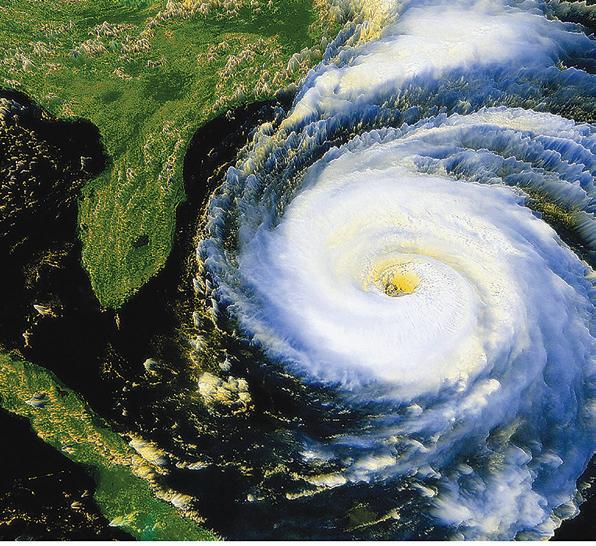
Hurricanes are powerhouse weather events that suck heat from tropical waters to fuel their fury. These violent storms form over the ocean, often beginning as a tropical wave—a low pressure area that moves through the moisture-rich tropics, possibly enhancing shower and thunderstorm activity. As this weather system moves westward across the tropics, warm ocean air rises into the storm, forming an area of low pressure underneath. This causes more air to rush in. The air then rises and cools, forming clouds and thunderstorms. Up in the clouds, water condenses and forms droplets, releasing even more heat to power the storm.
When wind speeds within such a storm reach 74 mph, it’s classified as a hurricane. The terms “hurricane” and “tropical cyclone” refer to the same kind of storm: a rotating, organized system of clouds and thunderstorms that originates over tropical or subtropical waters and has closed, lowlevel circulation.
During just one hurricane, raging winds can churn out about half as much energy as the electrical generating capacity of the entire world, while cloud and rain formation from the same storm might release a staggering 400 times that amount.
SOURCE: NOAA
The Eye of a Hurricane
The eye is located in the center of a hurricane. Typically circular or ovular, the formation has the appearance reminiscent of a human eye when viewed from above. While the area inside of the eye is relatively calm, the surrounding eyewall is where the harshest weather and winds occur. If the eye of a storm is over your area, you will experience a short period of calm. Then, as the other side of the eyewall passes over, hurricane-force winds will quickly ramp up from the opposite direction.
Hurricanes, known generically as tropical cyclones, are low-pressure systems with organized thunderstorm activity that form over tropical or subtropical waters. They gain their energy from warm ocean waters.
As storm systems strengthen into hurricanes, the surface winds move continuously in a circular motion. Meteorologists refer to this pattern as “closed circulation.” The direction of circulation is different depending on where the storm is located: it is counter-clockwise in the Northern hemisphere and clockwise in the Southern hemisphere.
Spiral rainbands
Precipitation bands that flow toward storm center.
Light winds, little precipitation, lowest pressure.
Eyewall Heaviest precipitation, strongest winds.
Counterclockwise rotation
Warm, humid air feeds hurricane and spirals in toward eye, gainnig speed.
SOURCE: NOOA
Graphic by Eddie Mirza/The Monitor
Recipe for a Hurricane
Whipping up a hurricane calls for a number of ingredients readily available in tropical areas:
A pre-existing weather disturbance:
A hurricane often starts out as a tropical wave.
Warm water:
Water at least 26.5 degrees Celsius over a depth of 50 meters powers the storm.
Thunderstorm activity:
Thunderstorms turn ocean heat into hurricane fuel.
Low wind shear:
A large difference in wind speed and direction around or near the storm can weaken it.
Mix it all together, and you’ve got a hurricane— maybe. Even when all these factors come together, a hurricane doesn’t always develop.
Planning and preparing before a hurricane strikes can help you manage the impact of high winds and floodwaters. Take the steps outlined below to keep you and your family safe while protecting your home and property. If you are a renter, talk with your landlord or property manager about the steps you can take together to protect yourself, your family, your home, and your property.
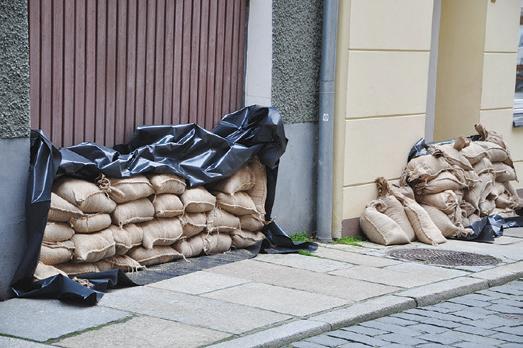
There are steps that you or your property owner can take now to make your home or business more flood resistant. Some improvements are simple and inexpensive. As your budget allows, take these steps to protect your property from flood damage and manage your risks. Keep gutters and drains free of debris. Stockpile emergency protective materials such as plywood, plastic sheeting, and sandbags. Elevate the heating system (furnace), water heater, and electric panel if susceptible to flooding. Waterproof the basement. In areas with repetitive flooding, consider elevating the building
Most property insurance policies do not cover flood losses, so you will need to purchase separate flood insurance if your property is at risk for flooding. Talk to your insurance agent about buying flood insurance. Flood insurance is available for homeowners, renters, and business owners through the National Flood Insurance Program in participating communities. Keep in mind that a policy purchased today will take 30 days to go into effect, so act now!
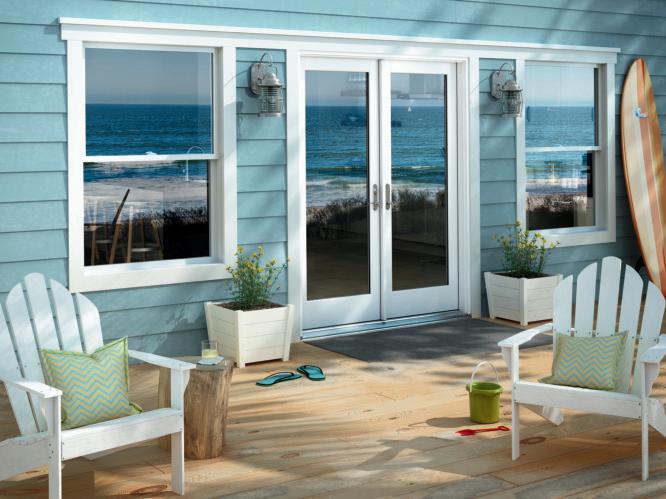
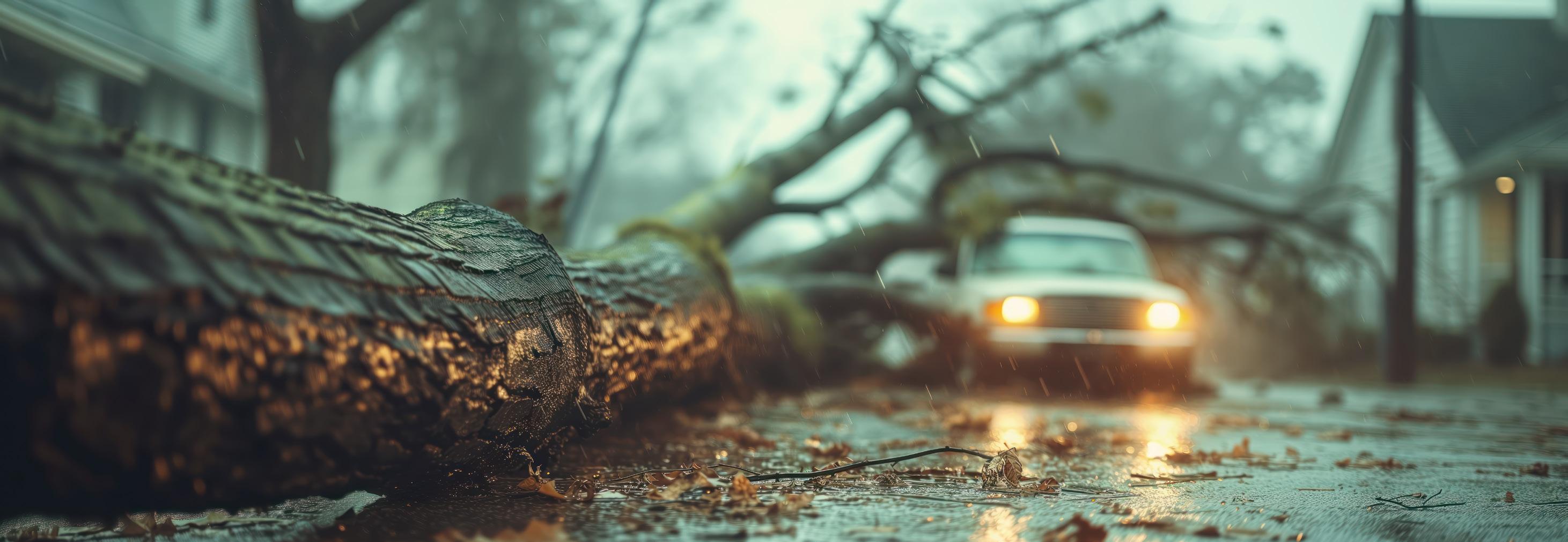
The best way to reduce the risk of damage to a structure from hurricane winds is to reinforce or strengthen the building including doors, windows, walls, and roofs. The best way to protect yourself is to consider either constructing a safe room that meets FEMA criteria or a storm shelter that meets ICC 500 criteria. Wind-borne debris: Bring loose, lightweight objects (e.g., patio furniture, garbage cans, and bicycles) inside; anchor objects that would be unsafe to bring inside (e.g., gas grills and propane tanks); and trim or remove trees close enough to fall on buildings.

Make sure you have everything you’ll need to get in touch with your family either through cellular phones or email.
Be equipped to tend to any current or unexpected medical conditions your family may have.
Place any important documents in a waterproof container to help keep them dry and easily accessible.
Small items like matches, flashlights, a multi-purpose tool, and a whistle can make a huge difference for your family while weathering the storm.


Have at least a three-day supply of non-perishable food and water for your family. Remember to pack anything specific to your family’s needs.
Practicing good hygiene can stop the spread of bacteria and infectious disease.
Protect yourself by packing warm clothes and blankets to prevent hypothermia. Don’t forget protective footwear and gloves too.
You may be away from your home for an extended period and your property may be damaged. Grab any items that are irreplaceable or may provide comfort to your family, especially your children. Ask yourself, “What would I need for myself and my family if a hurricane struck?” Add any of these specific items to your Hurricane Preparedness Checklist.
Hurricanes are powerful natural disasters that can cause significant damage to homes, properties, and belongings. In the aftermath of a hurricane, navigating the insurance claims process is essential to recover and rebuild. Here are crucial steps and advice to follow when dealing with insurance after a hurricane:
Notify Your Homeowners Insurance Company:
Immediate Action:
Contact your insurance agent or company as soon as possible after the storm. Prompt communication is crucial to initiate the claims process.
Game Plan for Repairs: Your insurance company will create a game plan for repairs based on your home insurance policy. They’ll assess the damage to your house and possessions and work towards reimbursement.
Start a Hurricane Insurance Claim Log:
Record Keeping:
Maintain detailed records of receipts, photos, videos, and all communication with your insurance company. Note down dates, names, and conversation details related to the claim process.
Easy Access:
Having this information readily accessible will help you recall specific claim details and streamline the process.
Photograph and Video:
Capture images and videos of all damages to your property. This evidence will be crucial when justifying your settlement to the insurance adjuster.
Specifics Matter:
For each damaged item, describe the type of damage, list the estimated value, and note the approximate purchase date.
Home Inventory:
If you created a home inventory before the hurricane, use it to assess the damage. Having a pre-existing list of belongings with estimated values or receipts expedites the claim process.
Review Your Homeowners Insurance Policy:
Know Your Coverage:
Read your policy carefully to understand your coverages, limits, and exclusions.
Compensation Details:
Review what you’ll be compensated for when filing a home insurance claim and determine your maximum payout.
Temporary Repairs:
Ask your insurance company if you should perform any cleanup or temporary repairs. Some insurers may recommend specific restoration contractors.
Relocation:
If you were forced to relocate due to hurricane damage, inform your insurer.
Estimates:
Check whether you need to acquire estimates for repairs or if the insurance adjuster will handle this process.
Remember that patience is essential during the claims process. Hurricanes can cause widespread damage, and insurance companies receive numerous claims. Stay organized, communicate effectively, and work closely with your insurer to ensure a smoother recovery.


If you use medical equipment in your home that requires electricity, talk to your doctor or health care provider about how you can prepare for its use during a power outage.
By GARY LONG Staff Writer
When preparing for a hurricane, the most important question to ask is “could I make it on my own for at least three days?”
The task then is to stockpile sufficient supplies so that the answer is “yes,” according to the Department of Homeland Security’s emergency preparedness website, www.ready.gov.
For people with chronic medical conditions such as diabetes, kidney disease and others, the advice is even more important because in many cases their medicines are life-sustaining. Such medicines include blood sugarlowering drugs like insulin for Type 1 diabetics, and metformin for Type 2 diabetics. Cholesterol-lowering drugs, blood thinners and other drugs are important for people suffering from heart conditions.
“People need to check with their pharmacy, because during a disaster they’re able to refill prescriptions earlier and for a longer period,” said Tom
Hushen, Cameron County Emergency Management coordinator.
For those dependent on kidney dialysis or other life-sustaining treatment, “they’re the ones we’re trying to reach to evacuate early,” Hushen said, adding that dialysis centers in Cameron County near the coast usually evacuate to their nearest adjacent location in Hidalgo or Starr county.
The ready.gov website also advises: Wear medical alert tags
If you use medical equipment in your home that requires electricity, talk to your doctor or health care provider about how you can prepare for its use during a power outage.
Create a support network. Keep a contact list in a watertight container in your emergency kit.
Contact your city or county government’s emergency management agency or office. Many local offices keep lists of people with disabilities so they can be helped quickly in a sudden emergency.

By STEVE CLARK Staff Writer
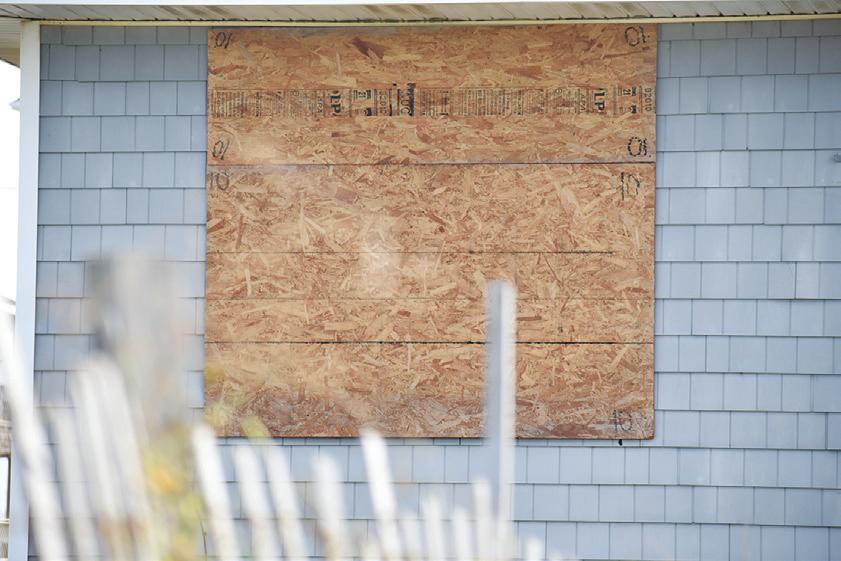
Getting your place of business ready for a hurricane is similar in many ways to preparing your home: fortifying the roof and doors and installing shutters or plywood to project windows from wind-borne debris, removing weak trees and limbs nearby, and the like.
And while it’s important to safeguard vital documents at home, it’s also vital to protect business-related documents. The National Hurricane Survival Initiative says business owners should preserve contacts crucial to business operations such as employees, banks, lawyers, accountants, suppliers, etc.
NHSI also recommends setting up a backup location in advance where business operations could continue
smoothly if a hurricane strikes, and discussing the temporary location with all employees.
“If your business is damaged, remember to assess, document, and report them to your insurance company as soon as possible,” says the NHSI.
As with residential properties, commercial property owners should talk to their agents to find out if their insurance coverage is adequate to cover full replacement in the event of storm damage, make sure the correct type of coverage is in place, and learn about deductibles.
The Atlantic hurricane season runs from June 1 through Nov. 30.
KNOW YOUR DEDUCTIBLE BEFORE THE STORM HITS. KNOW YOUR DEDUCTIBLE BEFORE THE STORM HITS.
ASK YOUR INSURANCE AGENT THESE QUESTIONS:
Why is my deductible higher than I expected?
Could I be paying more than one deductible?
How much will I pay out of pocket before my deductible is met?
Are there different deductibles for different types of policies?
Don’t let your deductible surprise you.