Enable Fast and Secure Remittance
In remittance, customer trust is not built when money is sent It is built when the receiver gets paid That final moment, when funds reach the beneficiary, determines whether a customer returns or never uses your service again.
Across Africa, payout expectations differ from country to country Some recipients prefer bank deposits, others rely on mobile wallets, and in many regions cash pickup remains the only practical option. When payouts are slow, unclear, or fail, support tickets rise, agents escalate issues, and your brand takes the hit
This is why payout infrastructure is one of the most critical components of any remittance business. A strong payout layer improves delivery speed, simplifies compliance, and allows you to expand into new African markets without rebuilding your system each time
This guide explores the challenges of African remittance payouts, compares delivery methods, and explains how DigiRemit helps you send money to Africa faster, safer, and with full operational control
Common Challenges in African Remittance Payouts
Payout problems in Africa rarely come from one single failure. They usually happen because of a mix of regulatory, technical, and local market issues
Operational and Compliance Barriers
Even if your front-end remittance experience is smooth, payouts can break down if the back-end controls are weak.
One of the biggest issues is beneficiary verification Name mismatches, incomplete records, or unclear account ownership can force transactions into manual review, delaying what should be instant delivery
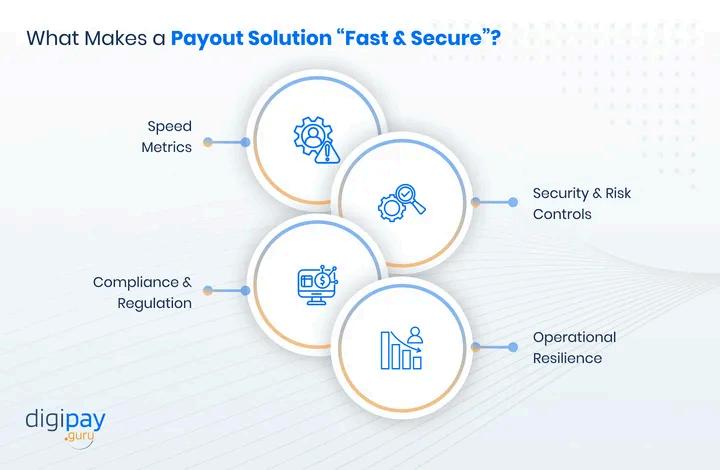
Another challenge is meeting AML and KYC requirements at scale African corridors often have stricter monitoring expectations, and regulators want to see clear evidence that checks were performed, not just that they exist.
Fraud is also a serious risk on the payout side SIM swaps, account takeovers, agent manipulation, and repeated withdrawal attempts are common threats. Without real-time monitoring across all payout channels, these risks are hard to detect early
Audit readiness creates another layer of pressure As volumes grow, regulators and partners will ask when a payout was made, which rail was used, what checks were applied, and who approved it If those answers are not instantly available, compliance becomes a bottleneck
Technical and Infrastructure Challenges
Africa’s payment rails are improving, but they remain fragmented. Banks, wallets, and cash networks all operate differently, creating integration and reliability challenges
Each rail has its own message formats, confirmation rules, and settlement timelines Some confirm instantly but settle later, while others reverse transactions without warning. Without a unified orchestration layer, this creates confusion and delays
High-volume days such as salary periods, holidays, or corridor surges often lead to higher failure rates. Static routing cannot adapt to changing conditions, which means avoidable payout errors
Reconciliation is another weak point. If payout references and status codes are not standardized, matching transactions becomes slow and disputes increase.
Market-Specific Realities
Africa is not a single payout market There are many different ecosystems operating side by side.
Some countries are mobile-money driven, while others rely more on banks In many rural areas, cash pickup is still the only reliable option Even when digital wallets exist, beneficiaries may not have easy access to cash-out points or merchants.
Different corridors also come with different regulatory expectations and partner requirements, especially for banks and institutional senders.
The most effective payout strategy is not choosing one rail It is having multiple options and selecting the best route for each transaction based on availability, risk, and performance
Remittance Payout Options in Africa
There is no single best way to pay out remittances in Africa The right method depends on the beneficiary, the location, and the transaction profile
Bank transfers work well for urban and banked users, offering high security but moderate speed. Mobile wallets are ideal for digital-first markets, providing fast delivery at lower cost. Cash pickup remains critical for unbanked or rural users but comes with higher handling costs Prepaid cards offer a flexible option for spending and ATM access across borders
DigiRemit combines all these rails into one unified system, allowing you to deliver funds to any beneficiary type through a single integration