Uprising would like to acknowledge the land on which we gather is the seized territory of the Ioway, Sauk, Meskwaki, Wahpeton, and Sioux People. Indigenous lands weren’t ceded through efforts of “good faith” by the United States Government, rather they were stolen from Native and Indigenous Peoples through coercion and dishonesty.
Both the State of Iowa and the United States Government carried out acts of genocide, ethnic cleansing and forced removal as ways to acquire land. Despite centuries of theft and violence, this remains Indigenous land - it will always be Indigenous land.
Native and Indigenous People are not relics of the past. They continue to share their talents and gifts amidst a backdrop of ongoing colonialism. We celebrate you.
Sustainable Promise:
Uprising promises to publish our magazine in the most sustainable manner possible.
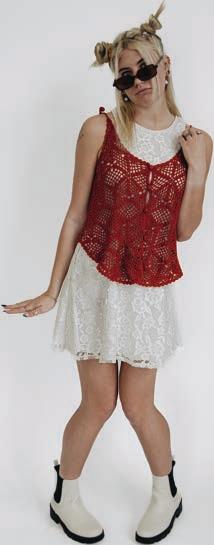
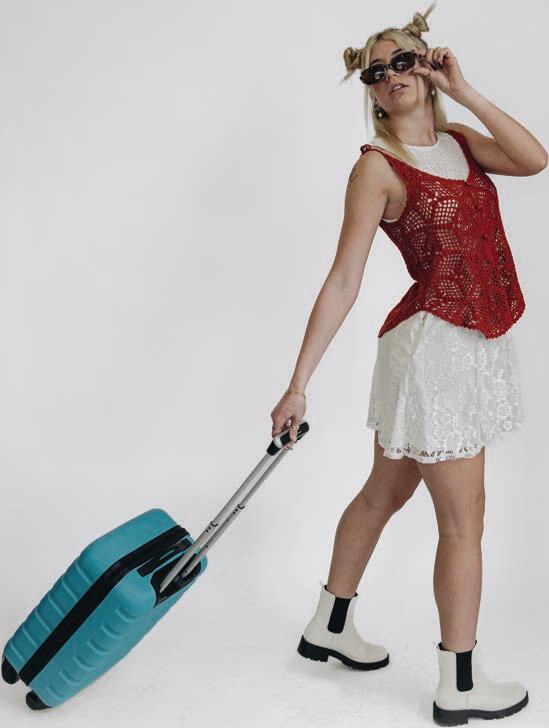
We have switched our printing process to a more environmentally friendly company using a recycled paper alternative. We also vow to use only secondhand or borrowed clothing for styling in our editorials.
We acknowledge that in order to ensure a future for Uprising Magazine and our Earth we must modify our processes as environmental issues increase in severity globally.
Lastly we are committed to furthermore learning and growing as it relates to publishing our magazine in a sustainable manner.
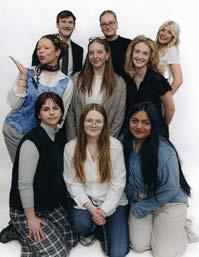
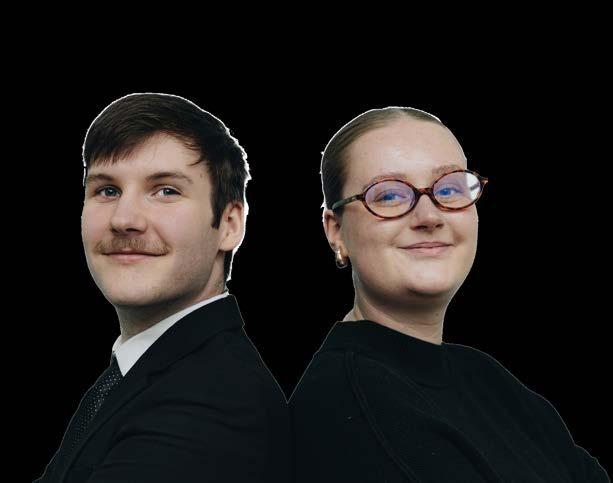
Co-Editors In Chief Nathan Kasal and Lily Munnik
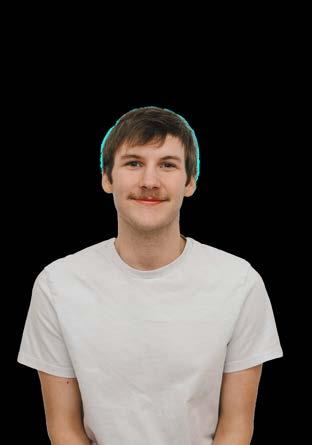
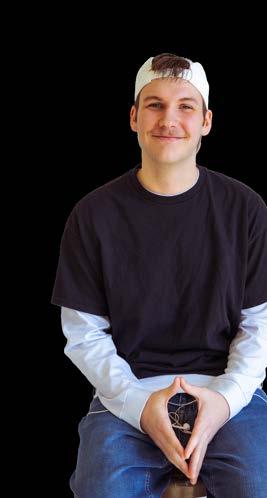
Publication Directors Erin Hamlett and Olivia Zirtzman
Writers Olivia Drilling, Hannah Doellinger, Izzy Loeffler, and Payten Reese
Editorial Directors Justice Dyer and Nathalia Pizarro
Design Directors CJ McCracken and Elliana Van Noort
Designers Olivia Drilling, Addison Fleming, Hope Lubbert, Ainsley Miller, Jackie Piasecki, and Chris Shields
Marketing Director Hannah Doellinger
Finance Director Nathan Kasal
Photographers
Bella Markley
Khairul Hasan
Nathan Kasal
Erin Hamlett
Justice Dyer
CJ McCracken
Hannah Doellinger
Lily Munnik
Olivia Zirtzman
Nathalia Pizarro
Elliana Van Noort
Dear Readers,
Some ideas do not arrive all at once. They begin with a single action, a single image, a single feeling; something set into motion that continues long after the first moment has passed. What follows is not mere repetition, but a return shaped by time: a gesture answered, a thought revisited, a feeling resurfacing in a new form. Meaning, in this way, is not fixed to one instant. It unfolds gradually, through reflection, memory, and recurrence, each return carrying both the trace of what came before and the possibility of something new.
This has always been present in every issue of Uprising. Across them all, certain questions, aesthetics, and emotions have continued to reappear, not as exact copies, but as evolving impressions. Each issue carries remnants of the ones before while shaping its own distinct perspective, creating a sense of continuity that ties every issue
with, but also on the people around us, the spaces we move through, the memories we attach ourselves to, and the objects we touch along the way. Even the smallest actions can extend beyond their original moment, creating impressions that continue to ripple outward in ways we may not immediately recognize. A conversation, a gesture, a passing encounter, or even a feeling can stay present long after it seems to have ended.
At the same time, those same people, places, and experiences leave their own marks on us. We are constantly being shaped by the relationships we build, the environments we inhabit, and the moments we carry forward with us. What we encounter does not simply pass through us without consequence; it stays, settles, and becomes part of how we see, feel, and move through the world. In that way, influence is never one-sided. We are always leaving something behind, while also becoming something new through what has been left with us.
Nathan KASAL
For Lily and me, the publication of Issue 21 marks the end of our time with this incredible organization. Over the past five semesters, I’ve truly enjoyed every moment of being part of Uprising.
During the winter break of my sophomore year, I was sitting in my apartment with Payton Weidner, who was the Marketing Director at the time, talking about Uprising after they had just finished Issue 16. I hadn’t been involved in any other organizations yet, so when Payton mentioned the opportunity to join as Finance Director, I knew I had to take it.
What I didn’t realize then was just how impactful that decision would be. My first semester as Finance Director wasn’t easy, as there hadn’t been someone in the role for quite some time, so I had to build much of it from scratch. Still, the executive team for Issue 17 made the process smooth and incredibly rewarding.
Going into my junior year, I was able to refine what I had learned and further develop systems to better support Uprising long-term. During this time, Jakob Watson and Quincy Griffin, editor-in-chief of Issues 18 and 19, encouraged me to take on more responsibility, which ultimately led me to the role I serve in today.
Although I didn’t have much editorial experience beyond meetings, I knew I had something to contribute, even if applying for editor-in-chief felt like a leap. Serving as editor-in-chief alongside my co-editor, Lily Munnik, has been one of the most meaningful parts of my college experience.
Working with such creative, driven individuals—people who simply want to create—is something truly special, and not something everyone gets to experience. It makes every long meeting and late night worth every moment.
As we worked on Issue 21, Lily and I explored many ideas before landing on the theme Echo. Choosing a theme can feel uncertain at first, but this one felt right for our final publication. The idea of echoes—of moments, lessons, and growthcarrying forward—perfectly reflects my experience with Uprising. What started in my sophomore year has certainly left a lasting impression on me, and I know I’ve left one in return.
Thank you to Uprising Magazine, to everyone who has been part of it, to all the close friendships I’ve gained, and to those who will continue it long after my time. This is something I will carry with me long after graduation.
Although I’ll be attending Iowa State as a graduate student, I will always feel connected to this organization and look forward to seeing future teams bring their own creativity and vision to life!
Lily MUNNIK
After four years with Uprising Magazine, my time has come to a close. With graduation approaching for Nathan and me, the nostalgia and appreciation I feel for this organization have never been stronger. What began as a small role on the editorial team grew into something truly life-changing — an experience I will carry with me forever.
When I first joined Uprising, I was a shy but eager freshman, searching for connection and a place to belong. I still remember my introduction vividly: touring the textiles and apparel program, completely awed by the creativity and passion within the department. Mia Rampton, Kalleigh Begg and Ireland Frisch immediately welcomed me, sharing their work and making it clear that Uprising Magazine was something I needed to be part of.
The following fall, I joined the editorial team, spending weekends styling photo shoots and gradually finding both my confidence and place within the organization.
During my sophomore year, I continued as a stylist under the leadership of Jakob Watson and Quincy Griffin — two people I will always consider friends. Their belief in me pushed me to apply for the editorial director position the next year. By junior year, as editorial director, everything began to click. I found my voice, my identity and a deep sense of belonging. I discovered a true passion for creating and collaborating with an incredibly talented team. At the end of that year, I took a leap of faith and applied for editor-in-chief. Serving as editor-in-chief alongside my co-editor, Nathan Kasal, has shown me just how irreplaceable this organization is. The dedication each creative brings, the connections formed within such a large group and the final publication we produce each semester make each long month of planning, collaborating and reimagining worth it.
As I reflect on my four years at the University of Northern Iowa — and especially my time with Uprising — Echo felt like the only fitting theme for my final publication. It represents the echoes of who I once was: a shy, uncertain freshman. The echoes of the doubt I’ve faced and overcome with each semester. And the echo of who I am now — someone I will carry confidently into the next chapter of my life.
Thank you to Uprising Magazine and everyone who has been part of it. You have shaped me into the creative, outspoken and driven person I am today. As I continue my education at UNI as a graduate student, I know I’ll feel a deep sense of FOMO watching the next group of leaders take this magazine to even greater heights. Still, I will always be your biggest supporter. Opportunities like this — ones that allow you to create something impactful, vivid and lasting — are truly once in a lifetime.
What Came First?
Editors Note
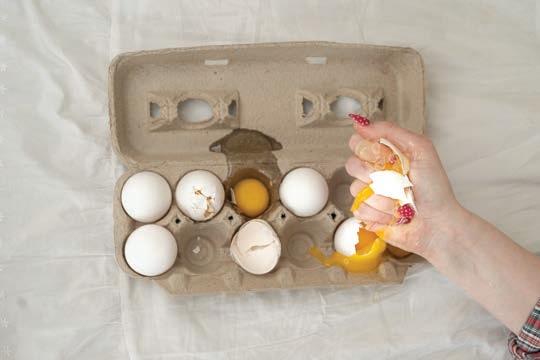
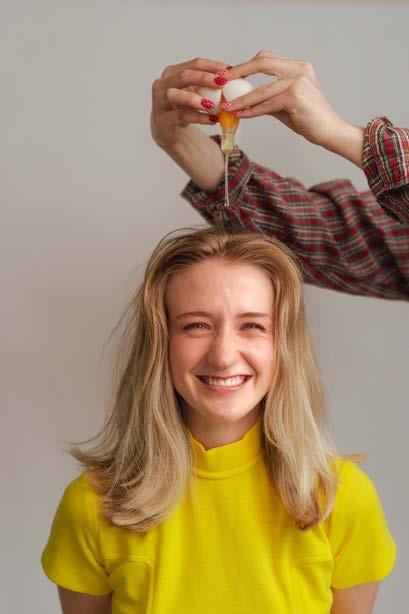
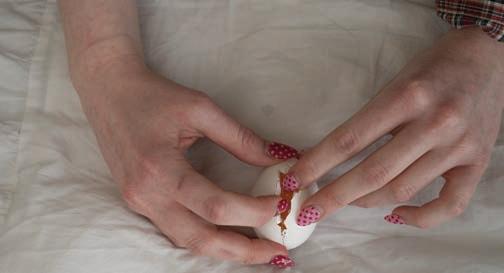
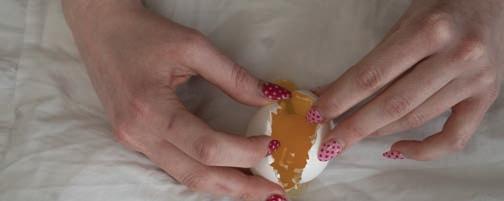
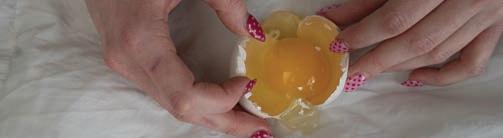
The chicken or the egg? Whether or not we agree, the world continues to spin. Our growth is not always a straight line. Each stage of your life has helped you learn to distinguish dependence and independence, a continuous cycle that you will face even as you gain wrinkles and find it difficult to walk up the stairs. As we become a reflection of the chicken that came from the egg or the egg that came from the chicken, we recognize how it has made us. The egg and chicken came from everyone who came before us. We live varied experiences, make new choices, and create small differences that shift the tone. There is no need to know what came first, because someone’s meaning does not need an origin or explanation. The very first will not echo the changes made to the rhythm.
PHOTOGRAPHY
KHAIRUL HASAN
DESIGN
CHRIS SHIELDS
The vastness of the universe scares me. Remember when we were little, and we would look up to the sky and paint pictures into the clouds? That is, until the sun came out and we had to look away. At that moment, the world felt so light. The sunlight covered us like blankets, and the breeze tickled our skin. Everything that was troublesome faded away into a mist. That is, until the feeling of nothingness became too whole to understand.
As a young child, I would lie awake at night, and the walls would begin to narrow. Every spot my eyes landed on would cave in. The feeling of every limb became so prominent that I couldn’t avoid it. My hands would enlarge so much so that I could feel every single molecule in the air bumping into my skin. When the visuals became too much, I would
stick them under my pillow to hide them, but the fabric molded with my skin, and the appearance seemed better than the feeling. I tried not to wake up my mom, she worked all day and needed sleep, but I couldn’t be alone. I’d stumble my way next door and sleep in the open spot beside her. But the sleep came slowly–like a slow death full of a strangers torture; I didn’t know who the stranger was. I’d close my eyes, but the darkness would move, and my eyelids would swell. All I could do was stare at a point in her room: the curtainless windowsill, The Nanny playing on the TV, the Precious Moment’s collection in the corner cabinet. The feeling subsided each morning. Mom would get up before everyone else and sometimes whip up great grandma’s homemade pancakes. My brothers would play without me outside, and I was left to the dolls in my room. It’s lonely being the middle child, but it’s
even more lonely being the only daughter. Even when the feeling of the night didn’t happen, the fear of death persisted. In the grocery stores while standing on the end of the cart. In the small town theater when the lights would dim. In the classroom when the teacher was talking. The fear never left…until it did.
Occasionally, I wonder if that feeling was because I’ve never had a connection with a God. But I went to night religion classes, and I had my first communion. God wasn’t scary, just unknown. Then, I would wonder if it was because I was lonely. But I knew everyone loved me. I knew they would be there to tuck me in at night. Maybe it was because my dad was always in the hospital. The thought of death was so close to a young child. And without true answers, the only thing left to do was to become paralyzed with anxiety.
My fear of nothingness still comes around sometimes. A reminder, no, an echo of who I was; an echo of the thoughts I had. It bounces around in the universe, the vast universe, until it finds me again: its victim. My days are filled with tasks now; I always have something to worry about. An assignment deadline. A job application. A waitressing shift. The idea of success in of itself is enough to fill the void. But when it happens, and I know it will happen, decades down the line when I’m sitting on my couch and my bed is made and my sheets are washed, I know the feeling will come back. Maybe it will be my feet instead of my hands, maybe my head will shrink instead of grow. Whatever the case, I know the echo will come back, and I will have to survive it yet again. Unless I can’t.
Issue 21 Playlist
1.Headphones On - Addison Rae 4. Superglue - Role Model
5. DeAnn’s Denim - Zach Bryan
8. Good News - Mac Miller 9. Boom Clap - Charli XCX
12. All The Things She Said - t.A.T.u
16. Timeless - The Weekend, Playboi Carti
17. Replay - Zendaya
20. Come Back - Doja Cat
14. Painting Flowers - All Time Low 13. Freedom - Beyonce, Kendrick Lamar 11. Carousel - Laufey 21. Pushing It Down and Praying - Lizzy McAlpine 3. Revolving Door - Tate McRae
6. Something Inbetween - Olivia Dean
10. Echoes - Set Your Goals
15. All The Stars - Kendrick Lamar, SZA
7. Death Cup - Mom Jeans 2. Satellite - Harry Styles
18. Echo of My Shadow - AURORA
19. Simiulation Swarm - Big Thief
you are the ghost of my past the memory of you forever marks me like a bruise on my brain the remains of our memories are tattooed in my mind and i don’t know how to erase it
i still keep all the souvenirs from that summer and i’ve been going to therapy to try to forget but if i heal that means it’s actually over and i don’t want to erase it
i think i’m seeing someone new he fills the void, but not completely there’s a part of that gap in my heart that won’t ever get filled completely because that spot was yours, and i can’t seem to erase it
i know it’s over, i know we’re through but i can’t erase it i can’t erase you
the echo of your presence is still in your spot in my bed and the seat in my car, and i don’t think i can ever go back to our place by the lake and the dock where we kissed and i have to erase it i need to erase it
PHYSICAL MEDIA
PHOTOGRAPHY
BELLA MARKLEY
DESIGN
ADDISON FLEMING
Editors Note
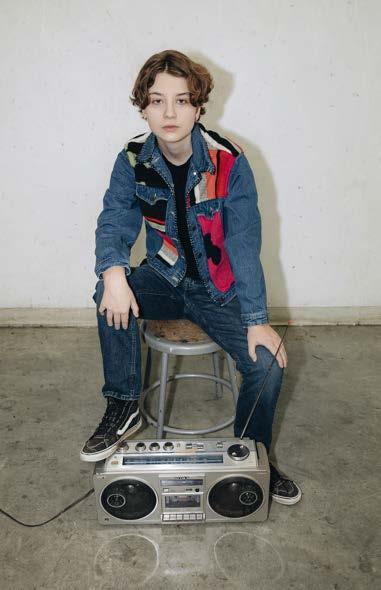
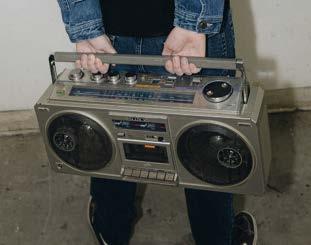
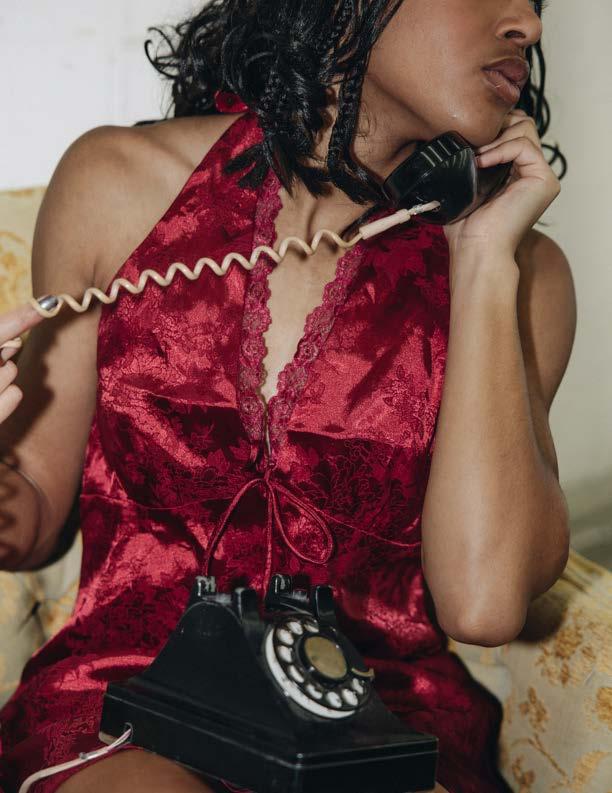
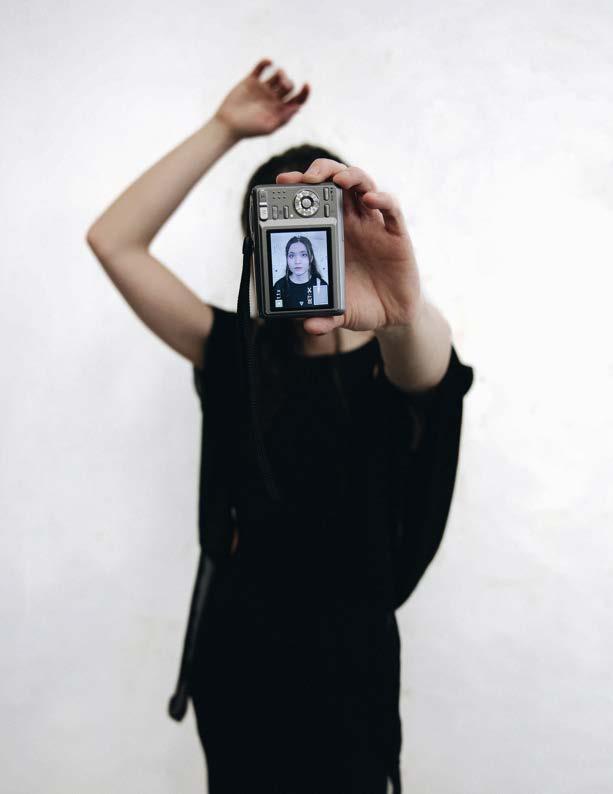
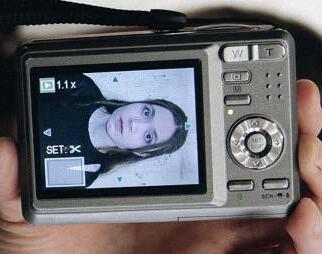
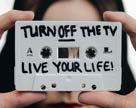
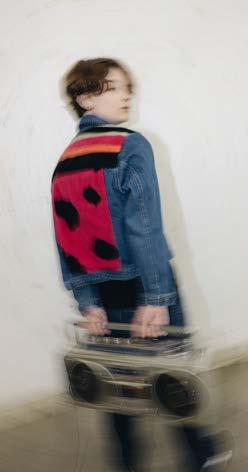
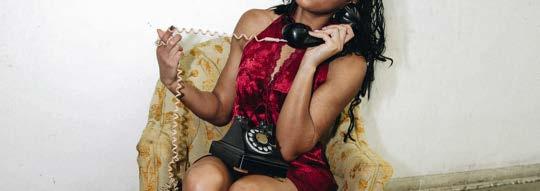
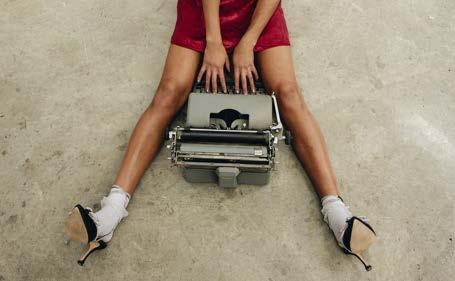
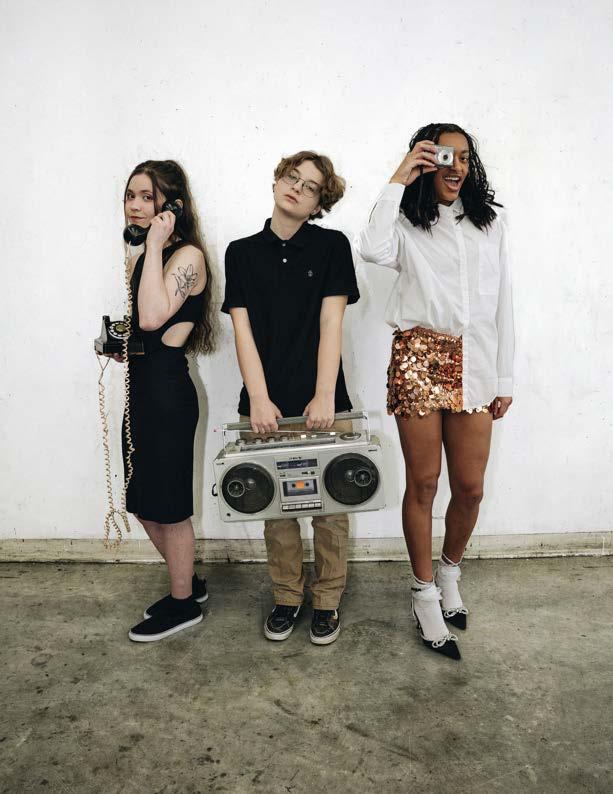
New headphones come out, and we still look for the sound of light scratches coming from a CD and record player. Home phones with a single coiled cord would possibly still be twiddled around your finger. Memories were taken with digital and film cameras. Boomboxes were seen in older movies but those grand gestures are now shown differently on Netflix shows. This touch of physical media that has taken us back to a time before we became more technologically advanced. A different time that we still use to repeat the nostalgia of what we did not get to experience.
WORDS
IZZY LOEFFLER
DESIGN
HOPE LUBBERT
ECHOES ECHOES ECHOES ECHOES
of You
Hearing
Voice of love the waves of Laughter floats around in my head
Smell
Lingers around me wished the perfume stayed wanting all of it the musk of him to stay
Touch
Looking around feeling your presence close your hugs wanting them more than ever
Sight
Closing my eyes your smile, blue eyes as the sky, the red hair flame wish I could see it once more
Taste
Loveness leaves a warmth rich of love, proud and kindness wanting to taste the sweet once more
Think Again Think Again Think Again Think Again Think Again Think Again
If you shared your beliefs, would you truly agree? think.
Would you yell or wear them with pride? Or cower in shame? think.
Do they ring in your ears?
Do you feel embarrassed? think again. What do you believe, truly? What do you believe deep in your soul? think.
Do you still believe it? Even if it hurts others? think.
Do you regret what you’ve done?
Or do you like hurting others? think again.
Do your beliefs hurt you?
Of course not. think.
Would you be proud of your family for agreeing? Yes? think again.
Are you scared of what could be reflected back at you? No? think again.
Did you think about others or just your own personal gain? think.
Do you not like to reflect? Too bad. think.
The echo chamber of your beliefs can be comfortable, does it help you avoid accountability? think.
If your beliefs were echoed back at you, would you like what you heard? think again.
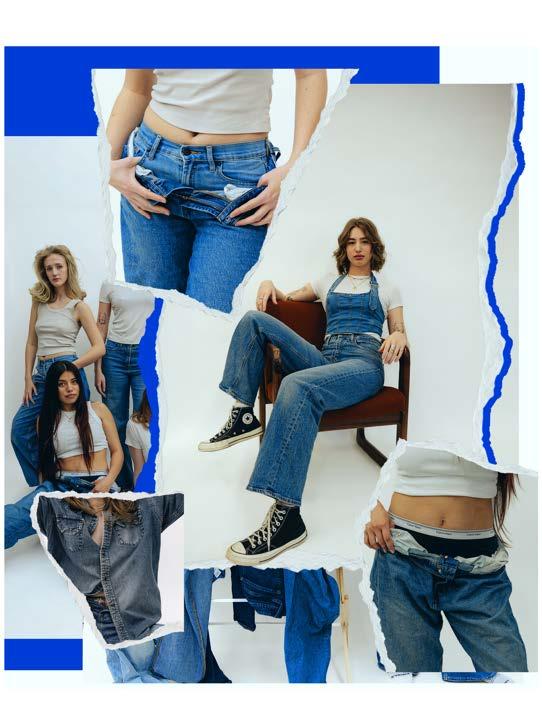
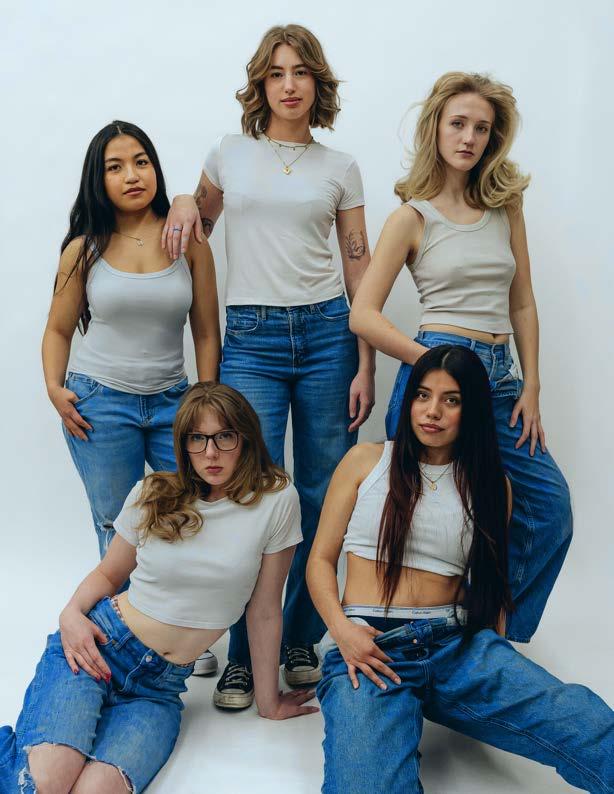
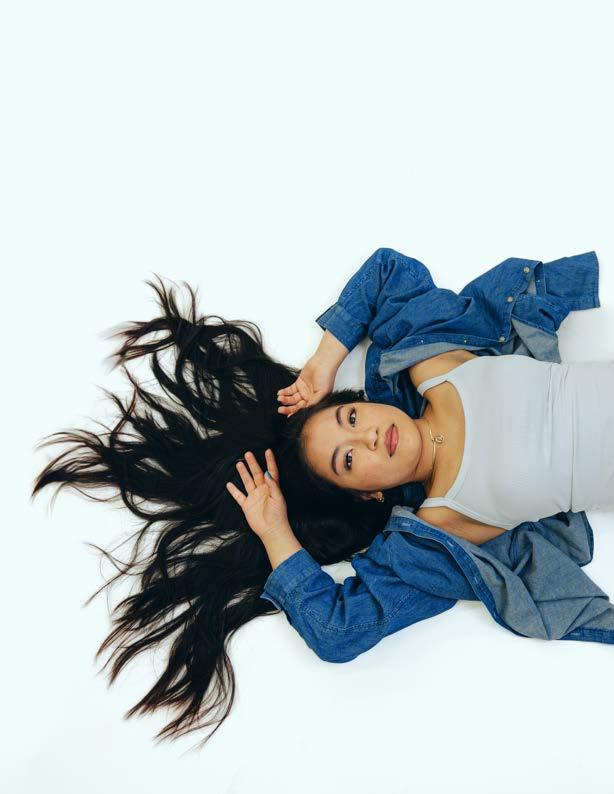
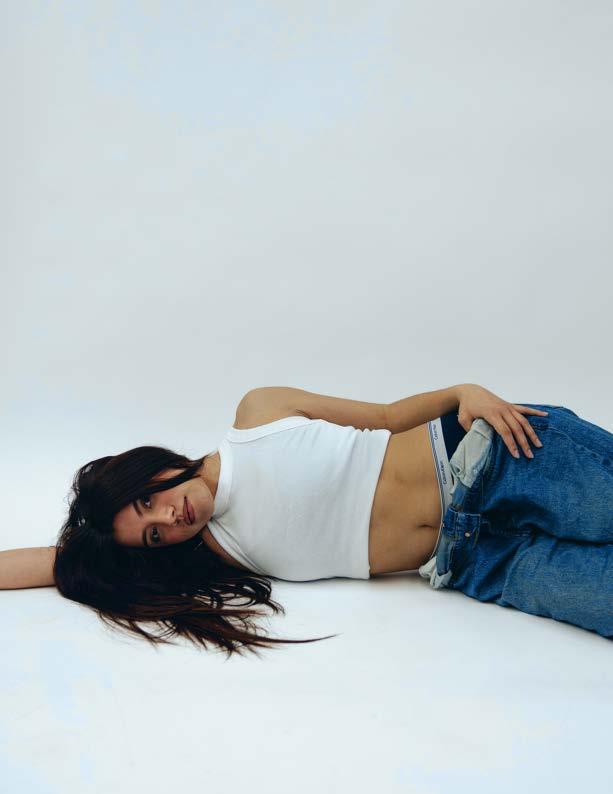
BLUE JEANS
Human kind loves to reuse, reduce, and recycle. Whether it’s plastic, paper, aluminum, or jeans. Since the genius invention made by Levi Strauss… You believe me, don’t you? Now, what if I told you the material your blue jeans are made out of, denim, wasn’t made by this man. What if I told you there is a grander and darker history of America’s staple: The Blue Jeans.
Denim has been used across the world for centuries. Many people believe that the material was created in The States, but I’m here to tell you that’s untrue. The cotton blend doesn’t have a definite beginning, and different historians may argue when and where it was first used.
The material was introduced to America through enslaved Africans. When they were transported from their home to The States, many of them brought clothing made with the cotton blend. In the enslaved communities, it became a staple working material. Their genius was soon taken and, like usual, recreated by white workers. Many farmers began to wear the cotton blend themselves. Many businesses sold the fabric by the name of “Negro-Cloth” due to it being worn primarily by enslaved Africans.
Denim also doesn’t naturally have its blue color. The hue is derived from indigo plants, which is equivalent to the gold of dyes. It took an extremely skilled person to successfully incorporate the dye into the cotton blend. An enslaver, Eliza Lucas, decided to find a way to profit from this. She began growing the plant on her property, which made the woman seem like a genius. Although, it’s important to note that Lucas wasn’t the one getting her hands dirty. The enslaved individuals on her property were skilled enough to grow the plant since the practice was embedded in most of their culture in Africa. Lucas appeared to be the smartest business owner at the time, and soon after many farmers began incorporating indigo in their crop production.
One day, a wife went to a tailor, named Jabob Davis. She brought her husband’s pair of work pants, which were lined with rips and were falling apart at the seams. Davis was assigned the design challenge to create a pair of jeans that didn’t fall apart so easily. He decided to add little rivets to the parts of the jeans that were easy to tear. The new structure of the jeans worked so well that Davis began to get more and more customers asking for the same. He decided to partner with the man Levi Strauss, whom everyone knows as the founder of the biggest jean & denim company in the history of America. The two men built a huge empire which changed the history of jeans forever.
As most people know, great things cannot be created without also creating competition. Many clothing companies began emerging, all with rivets in their jeans. Even the logos on the jeans took after Strauss jeans. In order for new jean companies to truly be successful, they need to be original. Different styles of jeans began emerging, and slowly through time, denim became a staple for the Wild Wests’ cowboy.
Jean companies began making advertisements with white cowboys wearing their jeans on horses, in saloons, and dueling. The cowboy became the superhero of the time. But, the media only showed the white cowboys. According to the documentary Riveted, Historians point out that the West was much more diverse than people understand today. Many Black, Native, Mexican, etc. men rode horses and worked in the West. A reminder that our jeans were created by black ancestors, and they continue to be washed away in the history books
the West was much more diverse than people understand today
Before & during the Great Depression, denim became more of a luxury than ever. The “Dude Ranch” began emerging in the countryside. These were farms where rich families from the cities would go to get away and take a vacation. At these ranches, rich white families would play rodeo games, ride horses, and relax. This may sound like it was worthless, but the effect of the dude ranch was lasting. During their vacation, white women would get to wear the jeans that they didn’t have the freedom to in the cities. Fashion companies and magazines took recognition of this, and began marketing
jeans towards women. More styles emerged, and following that, the jean became a casual outfit choice.
Levi Strauss Company started advertising towards the everyday American, not just the workers. Many middle class Americans would wear jeans as a casual outfit choice after work. Riveted states that racism changed that. Many white Americans began associating blue jeans with the use of gangs and street violence. Clothing companies had to do a lot of campaigning and marketing in order to get the jeans back in the hands of everyone.
They focused on the bittersweet white youth in order to do this.
As we know, jeans eventually did come back into fashion fully. Around the 1960s, jeans started to become cooler than ever. The introduction of the rock star made jeans the piece of clothing that could transform a look. Many London stars were an inspiration for the youth of America. Although, racism persisted. Protests were prominent, and the use of the jeans in these protests is noteworthy. Especially in the youth. Even white youth that went down to protest with them would wear the denim.
Around the 1970s, the coolness of jeans went even further. People began incorporating their own fun patterns into the jeans. When the introduction of the hippies came in, the jean wasn’t just a jean anymore. It was a statement. By wearing it, you could put yourself into, or out of, different categories and show who you really are. The shape of the jeans were important too. The rockstars were wearing many different styles, but the bootcut and the flare were most popular. All the young people wanted to look like them.
Denim continued to shift. The true introduction of hiphop into the media showed a new side of the jeans. Pretty soon, Black Americans were joining in on the pop culture side of history. Riveted stated that this was the first time where black people were shown in designer denim. Racism was still there, but the jeans in hiphop gave a little hope to the people. The style began moving to a looser look, and just like the ‘60s, everyday people took inspiration from the stars.
Now, we’ve seen how intense the creation of denim was. A material that used to be just a working fabric turned into the staple of all American people. The styles continue to move forward, and yet we still wear clothing inspired by the people before us. So, next time you decide to put on a pair of jeans, remember that to many people, they aren’t simply jeans. They are an identity, and they are history.
PHOTOGRAPHY
DESIGN
AINSLEY
WORDS
OLIVIA ZIRTZMAN
BELLA MARKLEY
MILLER
Sarah's
crafted coffee, cocktails + tastes
Dear Coffee Shop Crush,
The bell above the door chimes pulling me from my trance staring at the computer screen
Eyes lock
This is it
My romantic-movie plotline
But you order your coffee to go Your eyes linger on me as you leave Coffee for one in hand
In another life I imagine you sat down words flow easy laughter An impromptu first date We’d call it
Instead You become a “what if”
Dear Convenient Love,
A night spent whispering Would’ve Could’ve Should’ve After a few drinks
Would’ve Started this sooner Than your last night here Had you known I was interested (I thought I was pretty clear)
Could’ve Done this right If you knew I could keep it on the down low
Should’ve Taken me on a date first A hypothetical promise of flowers as you walked me to your car
This isn’t how a man is supposed to do it you say But how would I know You have to get up early? Ok, yeah, I’m pretty tired anyway You’ll talk to me tomorrow? Ok, I’ll wait by the phone
Hours tick on as I wait
And I always look up when I hear the coffee shop door chime
Sincerely,
Medium caramel latte girl
Please say something anything
Let me know I wasn’t a regret That I wasn’t a game to you
The early mornings, And late nights, And every moment in between
I want to go on drives with no Dancingdestination in the kitchen, on slow mornings,Sunday sunlight pouring in the window
I want to call you Just to hear your voice
Dear Master Manipulator
I still don’t understand the hold you had on me How easily you convinced me I deserved The way you treated me
I kept trying to be worthy of your love
But there was no love to earn
Or maybe you just never planned to give any of it to me
And send you songs That remind me of you
I want to take up space in your life And for you to take up space in mine
Tell me you want it too and I’ll stay
Just say the words and I’ll stay
You wanted me first
But the moment I wanted you back, you disappeared
Funny how that works you craved the chase not the girl. I learned my lesson with you
Sincerely, Someone who deserved more
Sincerely, Hoping for you
Performers
Performers
EDITORS NOTE
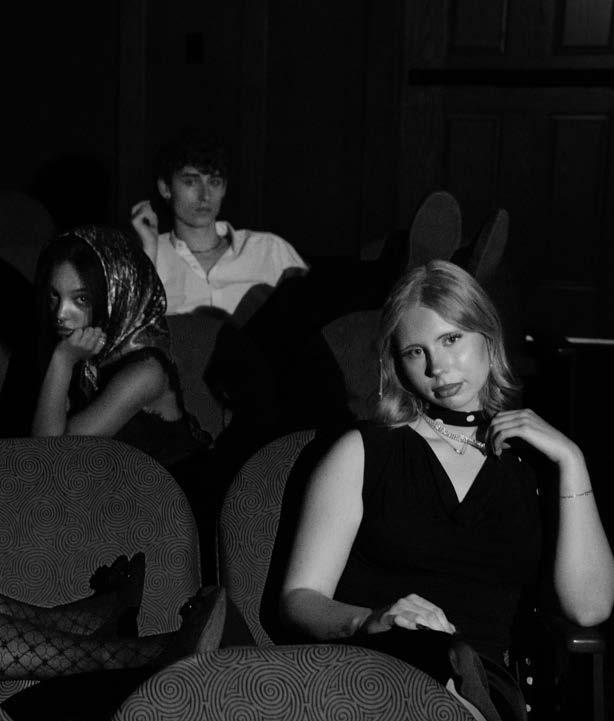
Our idols. Inspirations for our motivation. Seeing performers live and on screen sparks new ideas. New ideas that echo into our work. Ideas that keep us going. Sitting in a crowd is much more than being a fan. Performances and performers provide that space to create more.
PHOTOGRAPHY
KHAIRUL HASAN
DESIGN
ELLIANA VAN NOORT
Another Year
Another year passes and you are turning 16 again, or maybe it is 23, or 6, or 12, or some other age that rings dry and true, like it was never supposed to happen.
You first remember turning 7: the lilac beanbag with a butterfly stitched onto its canvas cloth that your cat peed on shortly after receiving it, and the tacky horror movie you were gifted from your mom that the adults loved but gave you nightmares for weeks.
They say that to be loved is to be changed, and I guess that’s true. It’s your cat’s beanbag now, and you loved your cat. He would run away to a neighboring farm next spring, but for now, he was yours, black and white patches resting on that beanbag he claimed as his own.
You are turning 11, driving through the park with your
mom. “Hey, isn’t it your birthday soon?” she asks, stopping to turn at the bend of a bumpy road, dappled green mid-afternoon light shifting over your warm skin.
“Yes.”
“May 5th?”
“No, it’s tomorrow.”
“Oh.” She scratches her head. “We’ll have to get you an ice cream cake from Dairy Queen.”
The cakes were always nice, one every year, but you didn’t really like ice cream cake. The vanilla was hard and dry, the chocolate too bitter, and you just wanted the thin gooey cookie crumbles that sat between each layer.
WORDS ERIN HAMLETT DESIGN
You’re 16, sitting in the passenger seat of your boyfriend’s blue 1998 pontiac. It’s May 5th. He had a track meet on your real birthday. You’re at a park, looking at the river flow, shallow this year. The light reflects harshly from the moving water.
“Here.”
He hands you a little velvet box. You open it, and there’s a little necklace inside, silver plating and cubic zirconium glittering artificially.
“Oh!” you say. “Thank you!”
“You said you wanted a necklace.”
“I did.” You flip the box over. There’s a sticker on the back marked $50.
“$50? You didn’t have to spend so much!” you gush. “Don’t worry, it was on clearance.”
In a few months he would leave you for the girl on the track team. You would throw the necklace into the river.
On your 18th birthday, it is prom. You buy a red dress on Amazon and find glittery shoes at a store that’s going out of business. You scrape the winter hair from your legs and paint your face with high-end makeup samples you got from Sephora. You glue long fake acrylics to your nails that don’t quite fit your wide nail beds. You bring your closest guy friend and his parents take pictures of you in front of their willow tree. You analyze him in the golden sunlight and see his scraggly blonde neckbeard hairs waving in the strong breeze.
He will never dance with you, and on the bus ride home from post prom he falls asleep with his head on the shoulder of one of his friends in the seat across from you.
You are 22, and it is your birthday. For once you have no homework, and you lay in bed all day, alone, and watch movies on your laptop. You start watching the first Kung Fu Panda movie because you’ve never seen it before, and then you switch to Girl, Interrupted because the girl tiger in Kung Fu Panda was voiced by Angelina Jolie. After finishing it, you switch back to Kung Fu Panda. It wasn’t very good, but you suppose that if you were a kid, it would have probably been really great.
AI GIRLFRIEND AI GIRLFRIEND
PHOTOGRAPHY
BELLA MARKLEY
DESIGN
ADDISON FLEMING
EDITORS NOTE
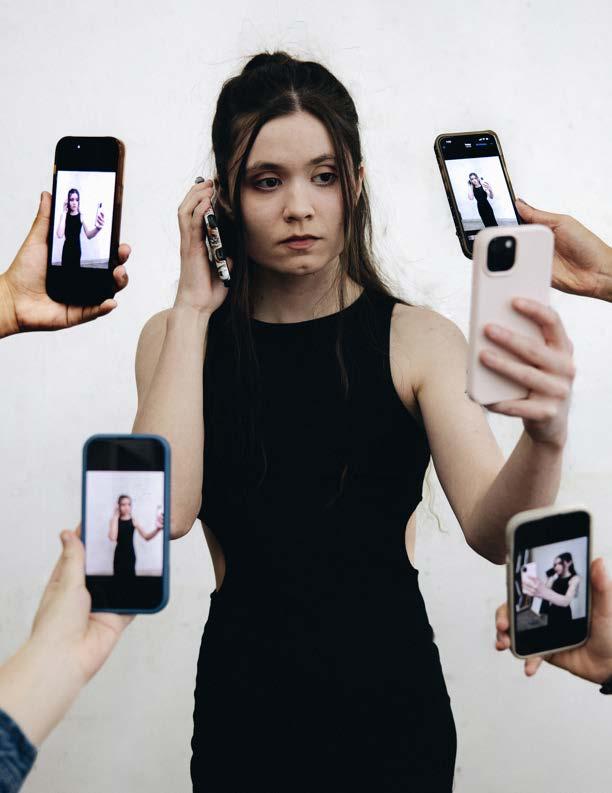
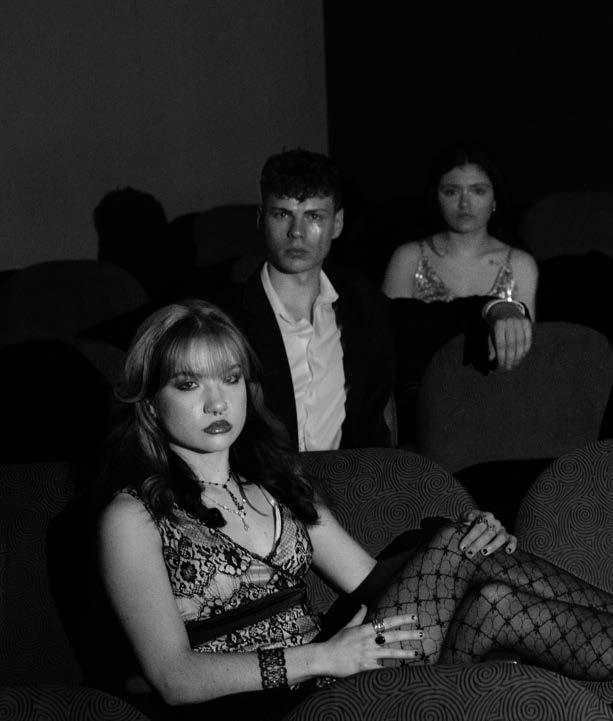
How AI is really just an echo chamber of what you put in it and the sources it finds online. Noticeably in the outfits, there’s always something a little off, even if you can’t quite place it. An AI girlfriend seems like a dream come true, but she’s not real, and how much of it is you versus the other? We looked at the AI girlfriend like the 2020s version of the “Manic Pixie Dream Girl” and how an AI girlfriend parallels this trope.
CROSSWORD
Across
3. the five ___ (hear, smell, touch, sight, taste)
4. jean material
5. this issue’s theme and the term for the repetition of a sound or theme
6. term for the paper you write someone in the mail
Down
1. machine with keys used to write before computers
2. 2016 mobile game that had you traveling to “catch them all”
7. uprising issue number
8. what came first: the chicken or the ___
WHAT 2016 TREND ARE YOU?
THE YEAR 2026? NOPE! WE’RE TAKING IT BACK TO 2016. TAKE THE QUIZ AND DISCOVER WHICH 2016 MOMENT YOU ARE.
WHAT SONG DID YOU HAVE ON LOOP?
A. Work by Rihanna
B. Stressed Out by Twenty One Pilots
C. Hello by Adele
1 2 3 4 5 6
WHAT FOOD TASTED THE BEST?
A. Starbucks Unicorn Frappuccino
B. Charcoal Ice Cream
C. Galaxy Donuts
WHAT LOOK MATCHED YOUR AESTHETIC?
A. 2016 Bold Brow
B. Ombre Hair
C. Black Skinny Jeans
WHAT COLOR WAS THE DRESS?
A. White and Gold
B. Blue and Black
C. “They’re different dresses”
MOSTLY A’S
Mannequin Challenge:
You’re all about aesthetics. When you’re not taking pictures, you’re leading the group and making the most of every experience.
7 8
WHAT VINE DID YOU QUOTE?
A. “What are those?!?”
B. “Damn, Daniel!”
C. “Road work ahead? Uh, yeah, I sure hope it does.”
WHAT SHOW WERE YOU BINGE WATCHING?
A. Pretty Little Liars
B. Stranger Things
C. Fuller House
WHAT APP DID YOU USE THE MOST?
A. Instagram
B. Snapchat
C. YouTube
WHAT SNAPCHAT FILTER DID YOU USE?
A. Flower Crown
B. Face Swap
C. Dog Ears
MOSTLY B’S
Water Bottle Flip:
You’re the chaos of the friend group, but you never back down from a challenge. You’re dramatic, in the best way possible.
MOSTLY C’S
Pokemon Go:
You’re the sentimental one. You’re always up for an adventure, and when you have a passion, you’re fully invested.