
SOUTHWESTRETORT
SEVENTY-NINTH YEAR
Published for the advancement of Chemists, Chemical Engineers and Chemistry in this area published by
May 2026
The Dallas-Fort Worth Section, with the cooperation of five other local sections of the American Chemical Society in the Southwest Region.
Vol. 79 (9) May 2026
Editorial and Business Offices: Contact the Editor for subscription and advertisement information.
Editor: Connie Hendrickson: retort@acsdfw.org
Copy and Layout Editor: Lance Hughes: hugla64@gmail.com
Business Manager: Martha Gilchrist: Martha.Gilchrist@tccd.edu
The Southwest Retort is published monthly, September through May, by the Dallas-Ft. Worth Section of the American Chemical Society, Inc., for the ACS Sections of the Southwest Region.




Data Entry and Editing
Specializes in:
• Company newsletters
• Confidential Data Entry
• Free Quotes Contact Lance at hugla64@gmail.com Or 214-356-9002
2026 ACS DFW Executive Committee
Chair: Jonathan Dannatt, PhD
Chair-elect: Rajani Srinivasan, PhD
Past Chair: Denise Lynn Merkle, PhD
Treasurer: Martha Gilchrist, MS
Secretary: Celyna Rackov, PhD Councilors:
Mary E. Anderson, PhD (2025-2026)
Kirby B. Drake, JD (2025-2027)
Linda D Schultz, PhD (2026-2028)
Rebecca Weber, PhD (2025-2027)
Alternate Councilors:
Daniela Hutanu, PhD (2025-2026)
Trey Putnam, PhD (2026-2028)
Daniel Tran, PhD (2025-2027)
Yunxiang Li, PhD (2025-2027)
From the ACS Press Room
Comparable vitamin B6 levels found between nonalcoholic and conventional beers
“Quantitation of Vitamin B6 Vitamers and Glycosides in German Alcohol-Free and Full-Strength Beer by a Stable Isotope Dilution LC−MS/MS Method”
Journal of Agricultural and Food Chemistry
Beer is one of the oldest and most consumed beverages on Earth, typically associated with social and celebratory settings. But researchers are curious about what vitamins and minerals are present in the beverage. A study of 65 brews published in ACS’ Journal of Agricultural and Food Chemistry found that many conventional and alcohol-free options, including lagers and bocks, provide substantial levels of vitamin B6.

Beer is brewed in many ways, and each method creates distinct flavors in styles ranging from porters to pilsners to pale ales. And recently, nonalcoholic (NA) beer has become a popular way to imbibe without the effects
of booze (ethanol). Many beer ingredients, including barley, wheat and brewer’s yeast, are considered good sources of vitamin B6, so it follows that the final brewed beverage provides this vitamin as well. However, it’s not known whether the process of removing ethanol from NA beer affects its vitamin content. So, Michael Rychlik and colleagues wanted to see how alcohol-free beer’s vitamin B6 content stacked up against a variety of alcohol-containing German beers.
The team purchased 65 different beers from local supermarkets in Germany and analyses revealed that:
• Bock beer, brewed from barley, had the highest B6 content, followed by lagers, dark lagers, and wheat beers, with the lowest content in rice beers.
• Alcohol-free lager and regular lager showed no significant difference in their vitamin B6 content.
• NA beers with their ethanol removed after full fermentation had higher vitamin B6 levels compared to those made using yeasts that produce less ethanol.
• An average lager in the study provided 20% of the U.S. recommended dietary allowance for vitamin B6, whereas one NA lager provided nearly 59%.
• These findings suggest that, although the method of producing NA beer may affect the amount of vitamin B6 in the final product, NA beers overall provide levels of the vitamin that are comparable to those of their alcoholic counterparts. The researchers say that
Continued on page 16
Beers brewed from vitamin B6-rich ingredients, like barley, had higher levels of the vitamin in the final product compared to beers brewed from rice or wheat. bhofack2/iStock via Getty Images
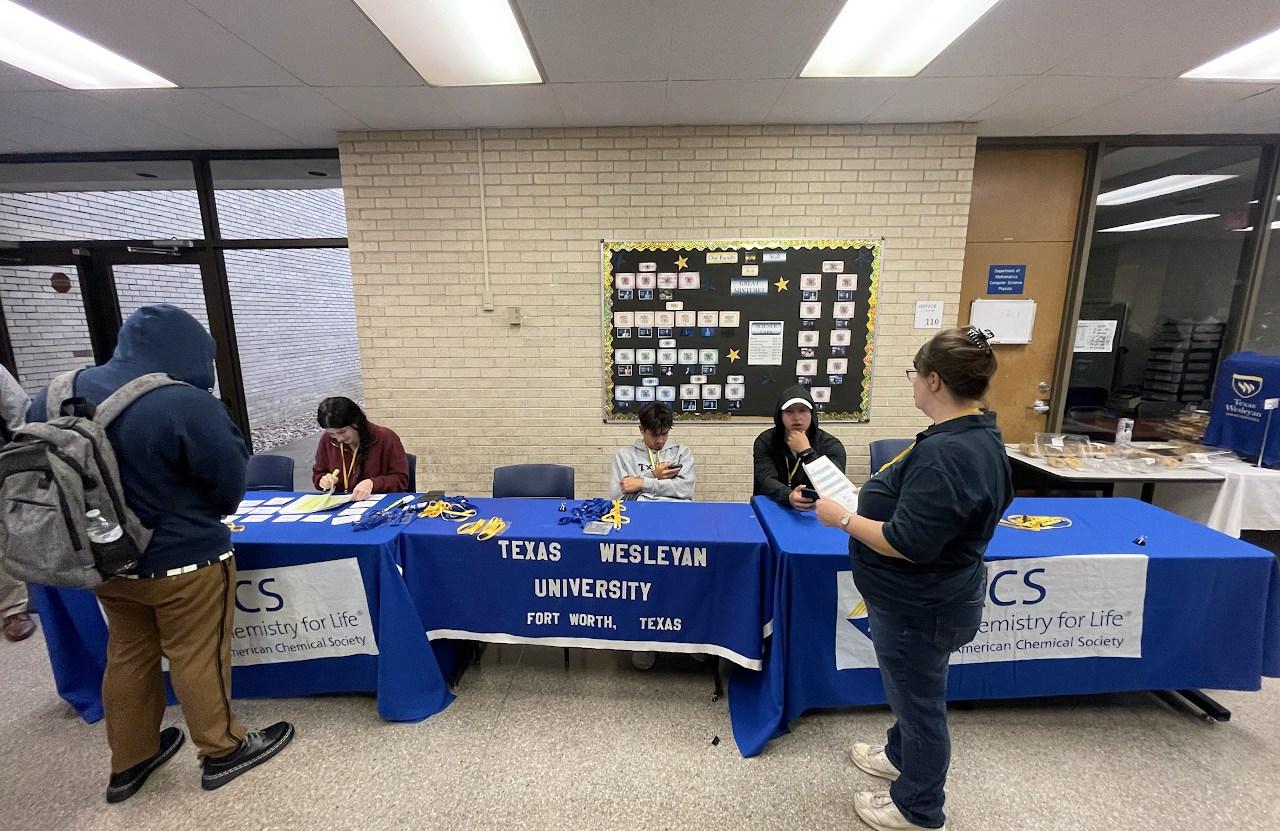
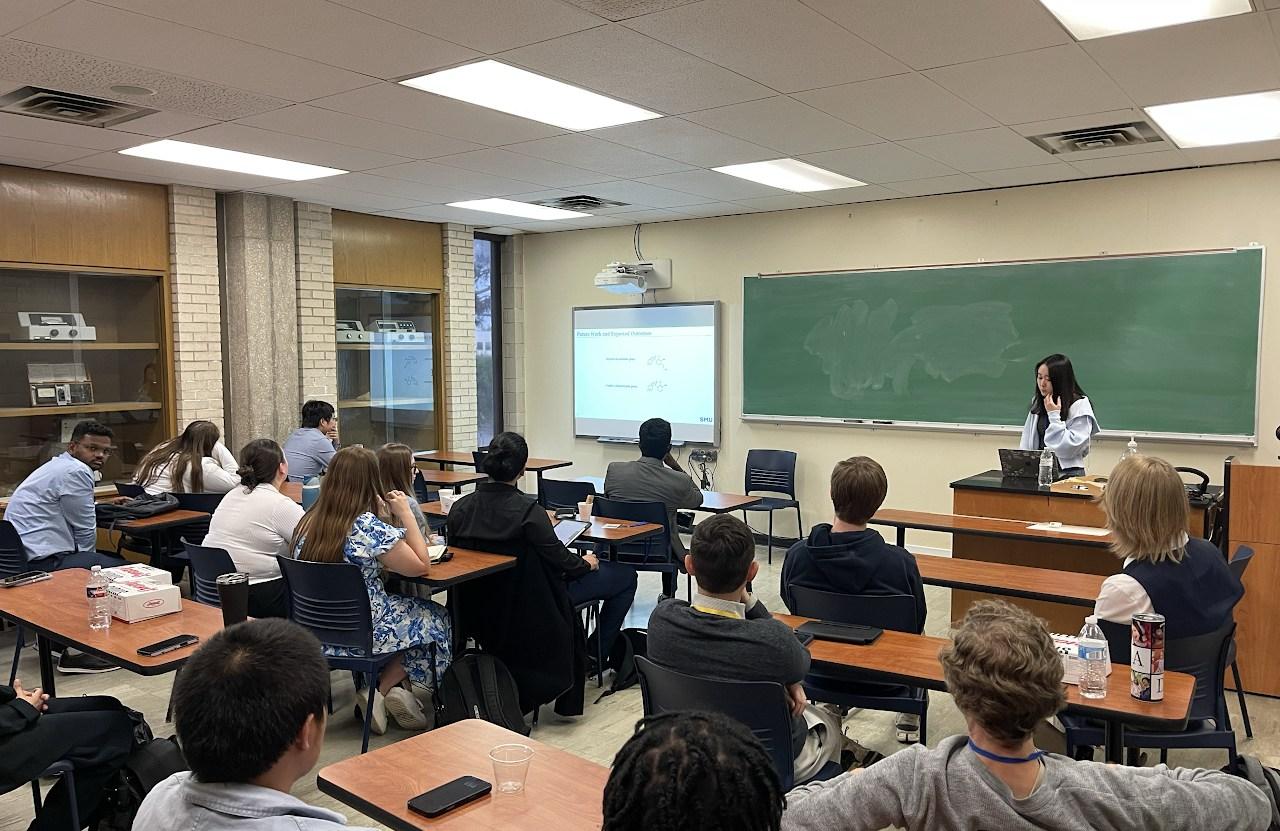
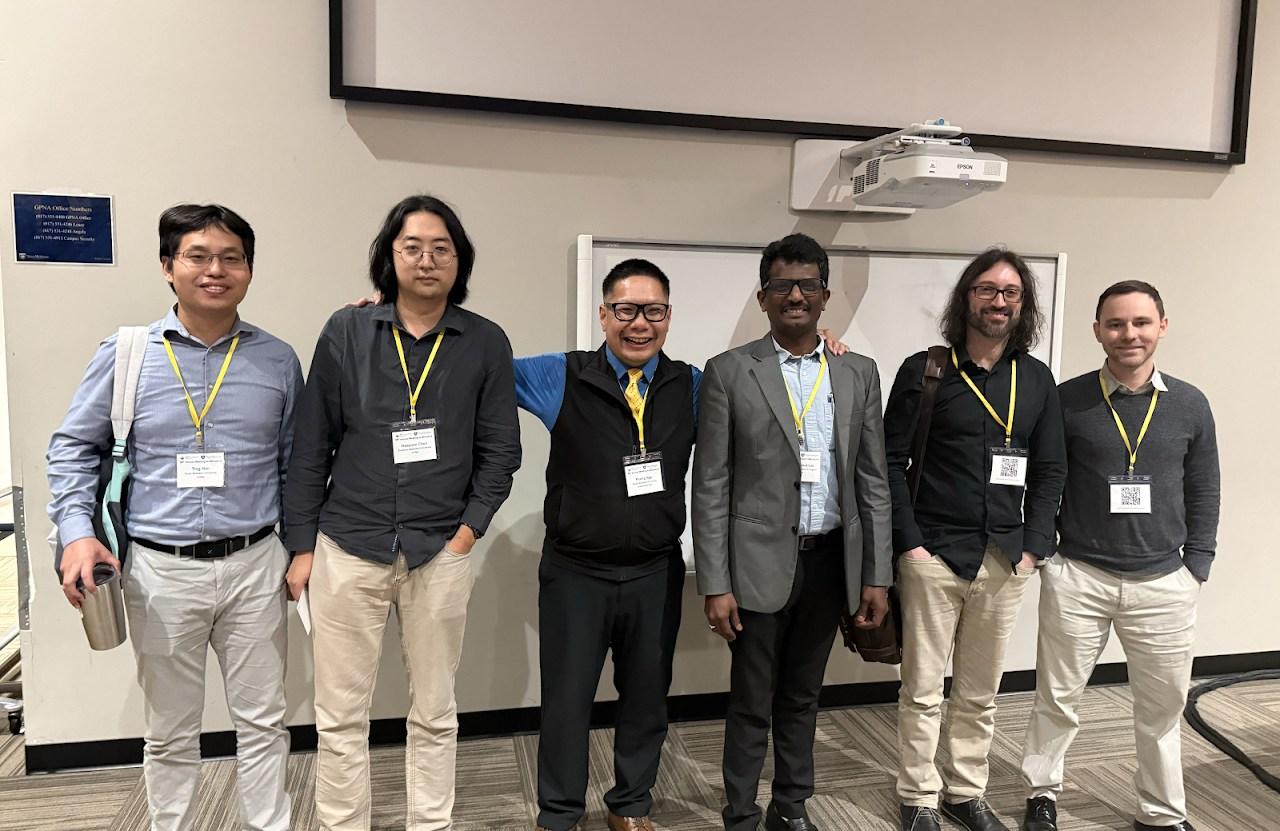
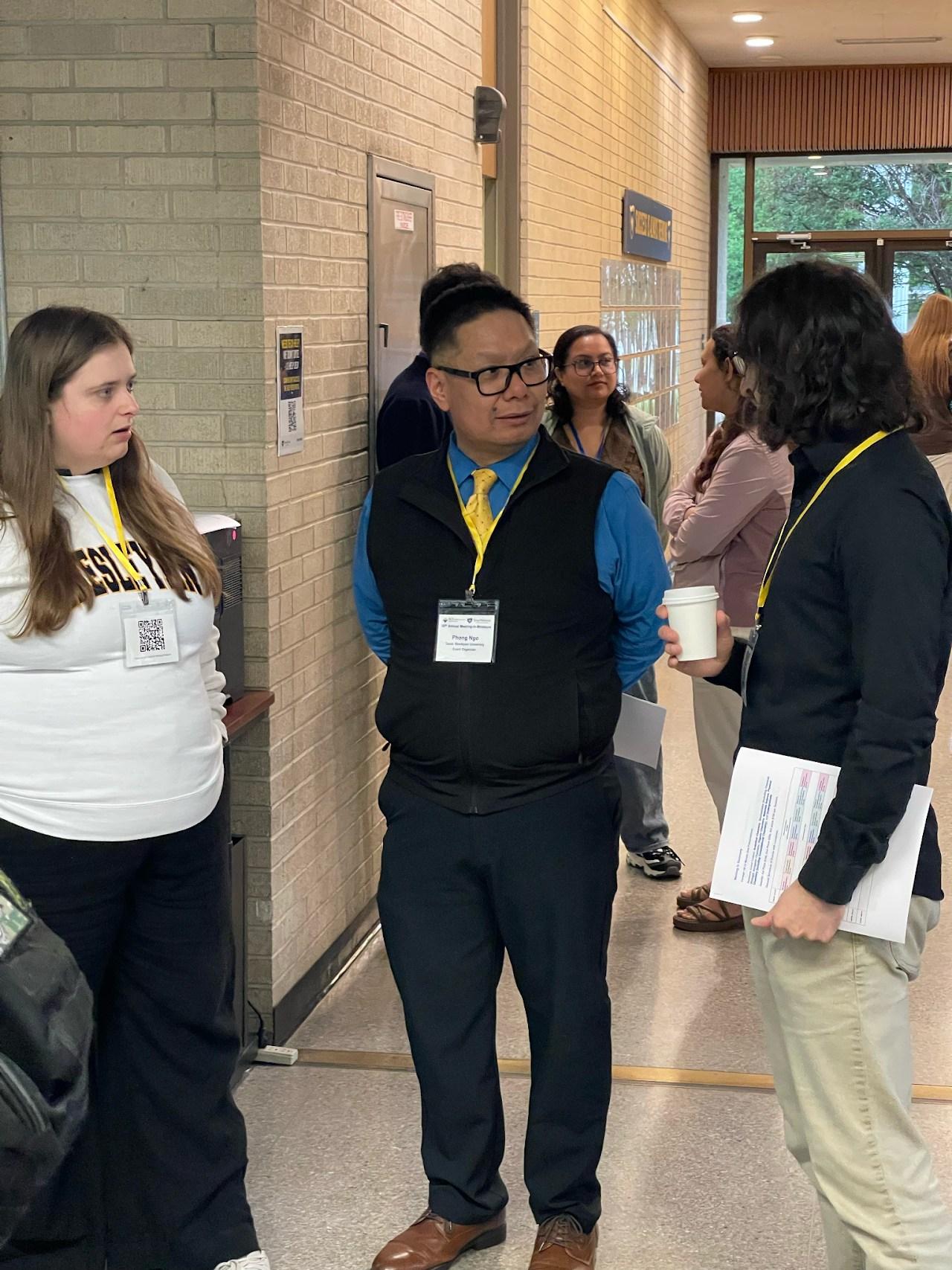
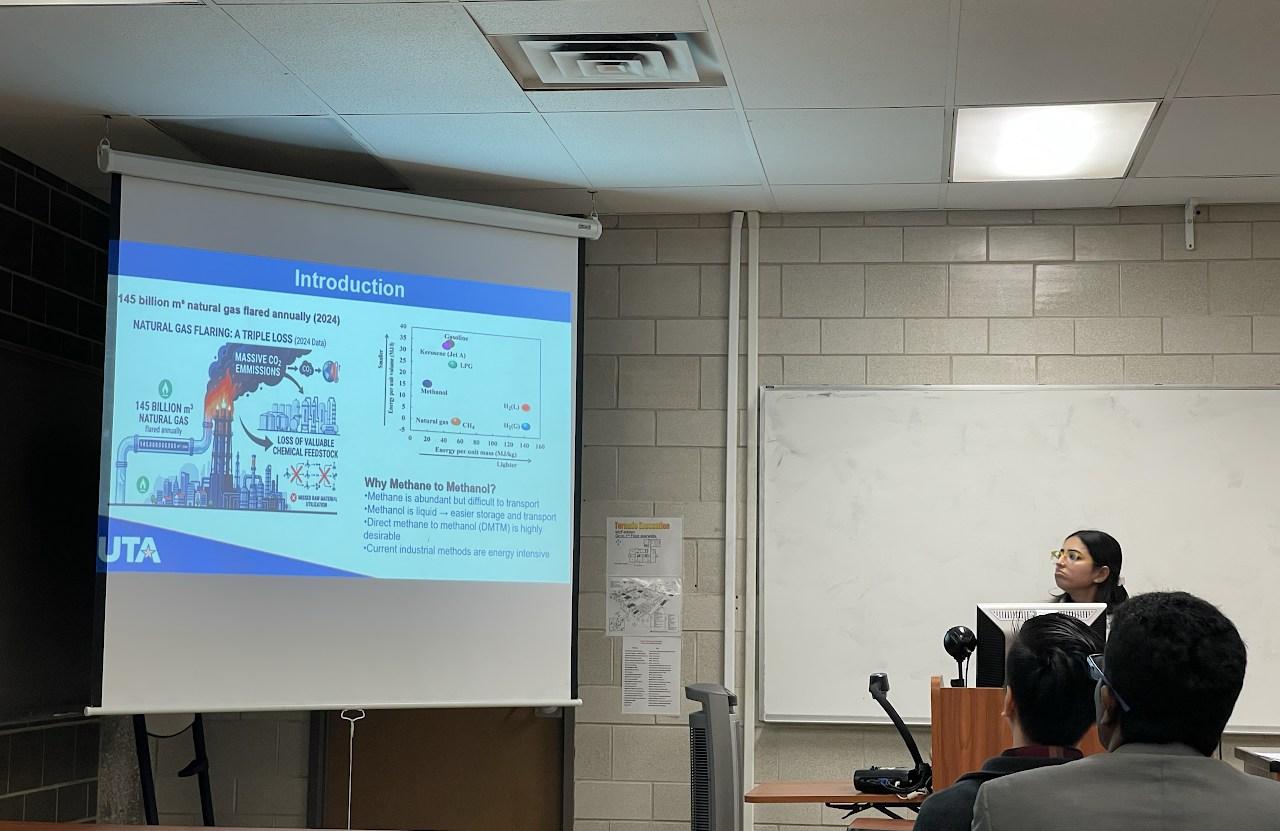
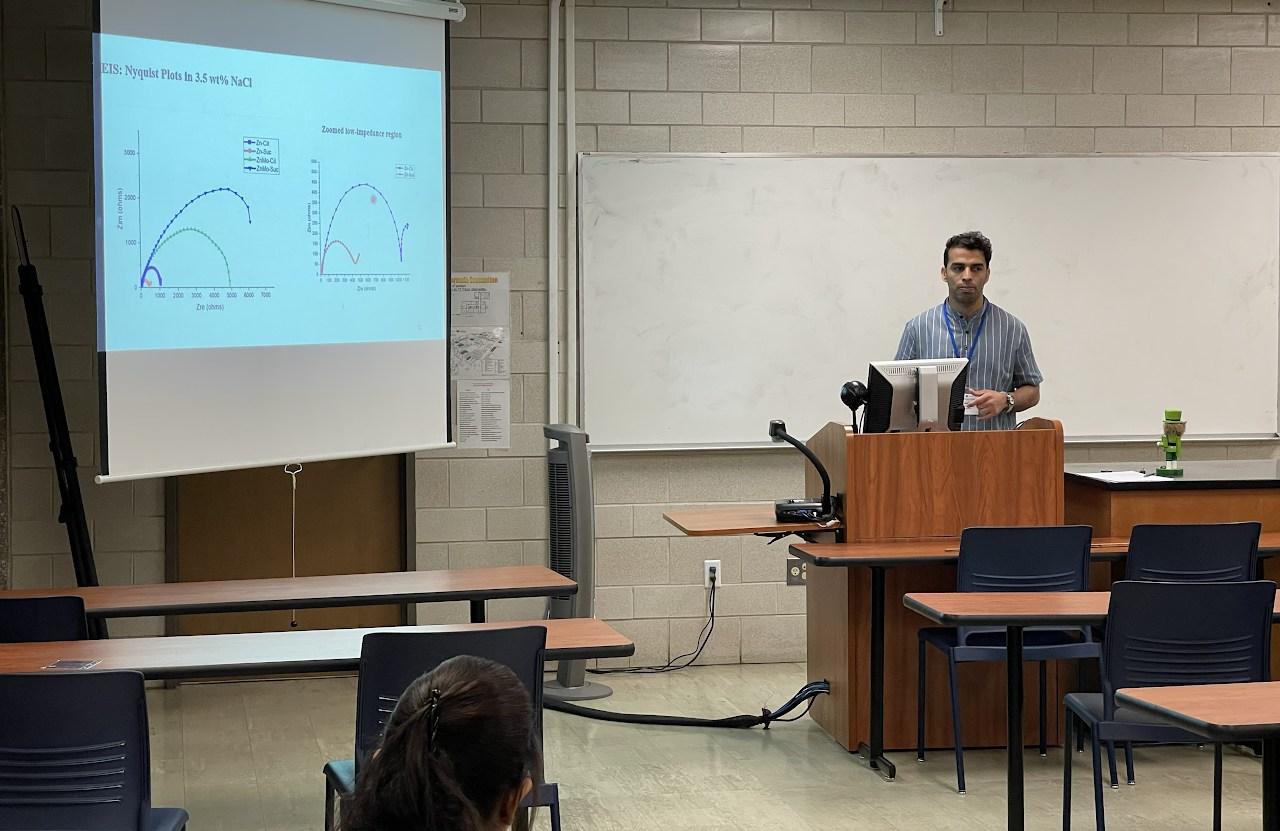
MiM at Texas Wesleyan
Hello MiM @ TxWesAttendees!
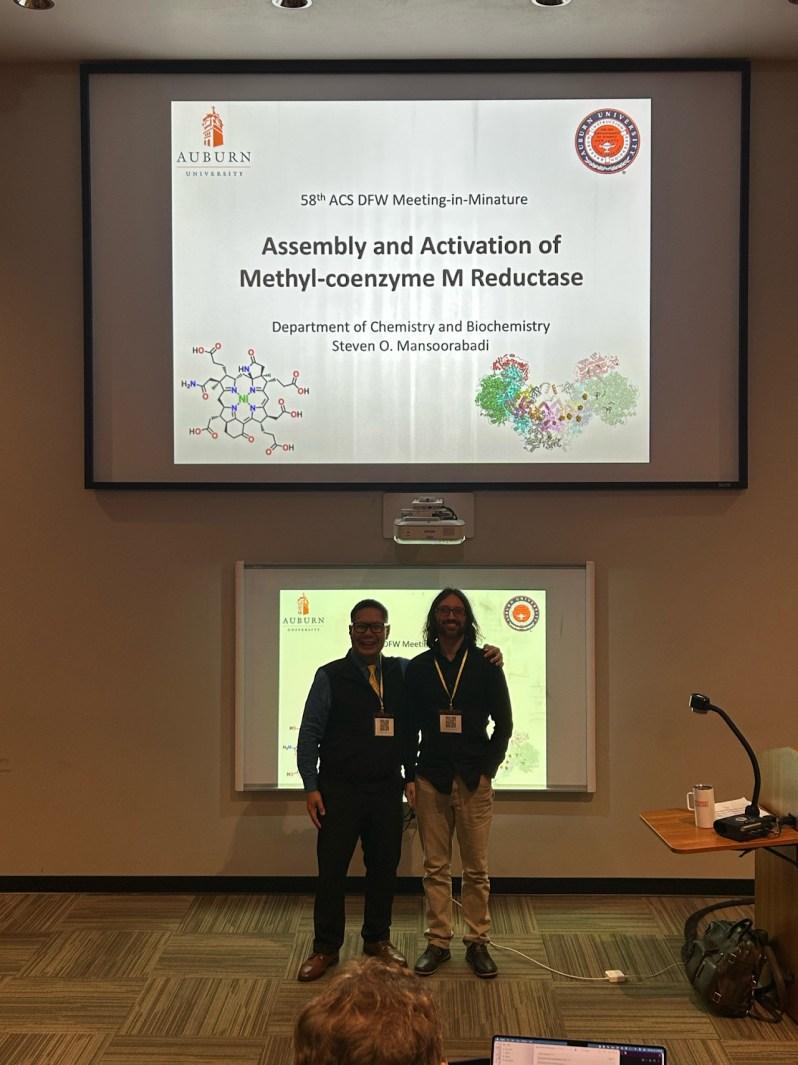
First and foremost, I want to convey my heartfelt MiM at Texas Wesleyan University. Organizing ments of my academic career. This especially includes ducing the Keynote Speaker and my graduate PI, for giving such an amazing Keynote Presentation! bers, post-docs, graduate students, and undergraduates too, to foster those relationships and take advantage
Secondly, I wanted to share some attendance data with 133 presentations! Those are incredible numbers! ing, especially given the cold, rainy weather we had
Lastly, the Presentation Award Winners and Photos can be accessed at the meeting website links below.
General Meeting Website: https://sites.google.com/view/txwesmim/home
PresentationAward Winners: https://sites.google.com/view/txwesmim/award
Meeting Photos: https://sites.google.com/view/txwesmim/event
With that, good luck to you all as the semester comes again at the next Meeting in Miniature, to be held late April next year!
-Phong
Phong Ngo ACS DFW Local Section MiM @ TxWes Organizer
From the ACS Press Room
Marigold flowers show potential as a source of plantbased protein
“Assessing Structural, Thermal, and Functional Characteristics of Marigold Flower Protein as a Sustainable Food Ingredient”
ACS Food Science & Technology
Our current fascination with high-protein foods means plant-based protein now shows up in many food products. But rather than growing plants just for their protein, researchers wondered if edible flowers like pot marigolds that are usually composted or thrown away once they’re past their prime could be a new, sustainable plant-based protein source. So, they measured the protein content and composition of dried marigolds, and they report the results in ACS Food Science & Technology.
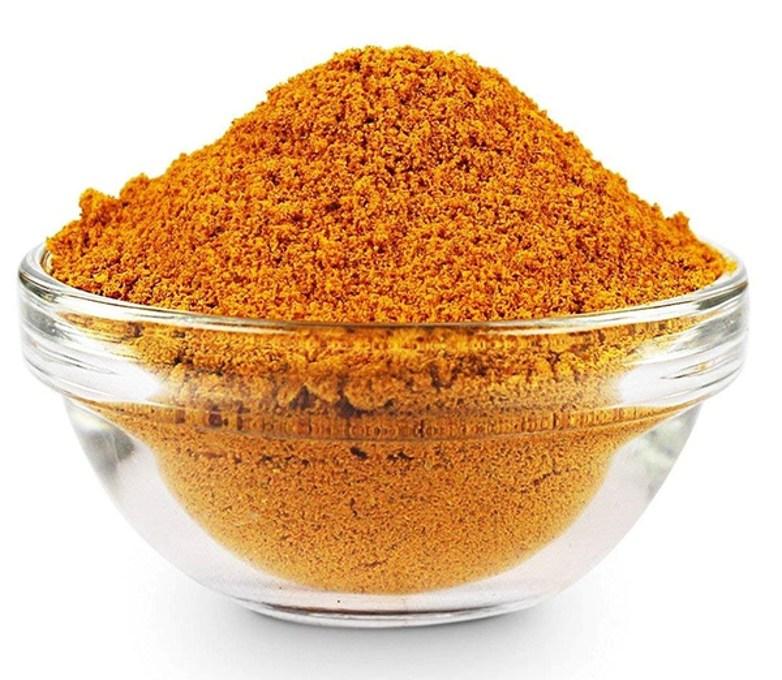
Around 9% of this dried marigold powder is protein with properties that suggest it could be a functional ingredient in future foods. Adapted from ACS Food Science & Technology 2026, DOI: 10.1021/ acsfoodscitech.5c0 1215
“Marigold flowers are widely cultivated, yet an estimated 40% of production is discarded as waste, especially after ornamental use,” says Anand Mohan, the corresponding author of the study. “We saw an opportunity to valorize this agricultural byproduct by exploring its protein fraction, given the growing demand for plant-based and sustainable food ingredients.”
The researchers ground pot marigold flowers (Calendula officinalis) into a fine powder and isolated proteins in four sequential liquid extractions, collecting different protein molecules into each mixture. Their lab tests showed that:
• · Some protein extracts contained high levels of glutamic acid and aspartic acid, which could add umami taste to foods.
• · Marigold proteins stayed stable up to 221 degrees Fahrenheit (105 degrees Celsius), which is hotter than temperatures tolerated by other plant proteins like pea and chickpea, suggesting the flower’s proteins would keep their structure better in heated foods.
• · Two protein extracts had excellent emulsifying capacity, or the ability to keep oil droplets distributed in water, suggesting their suitability for salad dressings, mayonnaise and dairy substitutes.
This research shows that marigold flower proteins could be a new source of food protein and are suitable ingredients for further use in food product development. The marigold protein’s emulsifying, hydrating and antioxidant effects found in this paper, says Mohan, make it ideal for nutrient-enriched food formulations. They could improve the taste, stability, and texture of bakery products and emulsion-based foods.
The researchers next plan to study the health benefits of marigold protein and then use it as an ingredient in baked goods and products
Continued on page 16
Local Exam for the US National Chemistry Olympiad (USNCO)
On February 28, 2026, the Dallas/Fort Worth Section conducted the Local Exam for the US National Chemistry Olympiad (USNCO). The following students’ high scores earned them the opportunity to advance to take the USNCO National Exam for the Dallas/Fort Worth Section on Saturday, April 11, 2026.
Congratulate these students, along with their schools and chemistry teachers:
Kyle Alferink Mansfield Frontier STEM Academy David Bushdiecker
Michael Chang St. Mark’s School of Texas Kenneth Owens
Brian Han Lewisville Flower Mound High School Alexa Jones
Emily Jiang Carroll Senior High School Lacey Bastian
Everett Jin St. Mark’s School of Texas Kenneth Owens
Vignesh Kumaraguru Frisco Heritage High School Ajay Joshi
Aryan Roy Frisco Liberty High School Angela Montgomery
Joshua Tsimberg Lewisville Hebron High School Kerri Boyd
Athena Wen Carroll Senior High School Stacey Bastian
Claire Wu Lovejoy High School Natalie Coonrod
Owen Xie Frisco Emerson High School Deshaun Dotson
Charlie Xu Frisco Liberty High School Angela Montgomery
Henry Zhu Highland Park Alternative Education Center Rachel Confer
Students scoring high enough on the National Exam are notified in May if they are going to the USNCO study camp; the top students from the study camp go on to compete for the US at the International Chemistry Olympiad. The 58th International Chemistry Olympiad (IChO 2026) will be held in Tashkent, Uzbekistan from July 10-19, 2026, and hosts competitors from more than 90 countries.
ACS also recognizes the 50 next highest scoring students on their High Honors list, and the Honors list consists of the next highest 100 USNCO competitors. Last year, the D/FW Section did not have any students go to study camp, but David Guo, Highland Park High School, and Everett Jin, St. Mark’s School of Texas, earned spots on the Honors list.

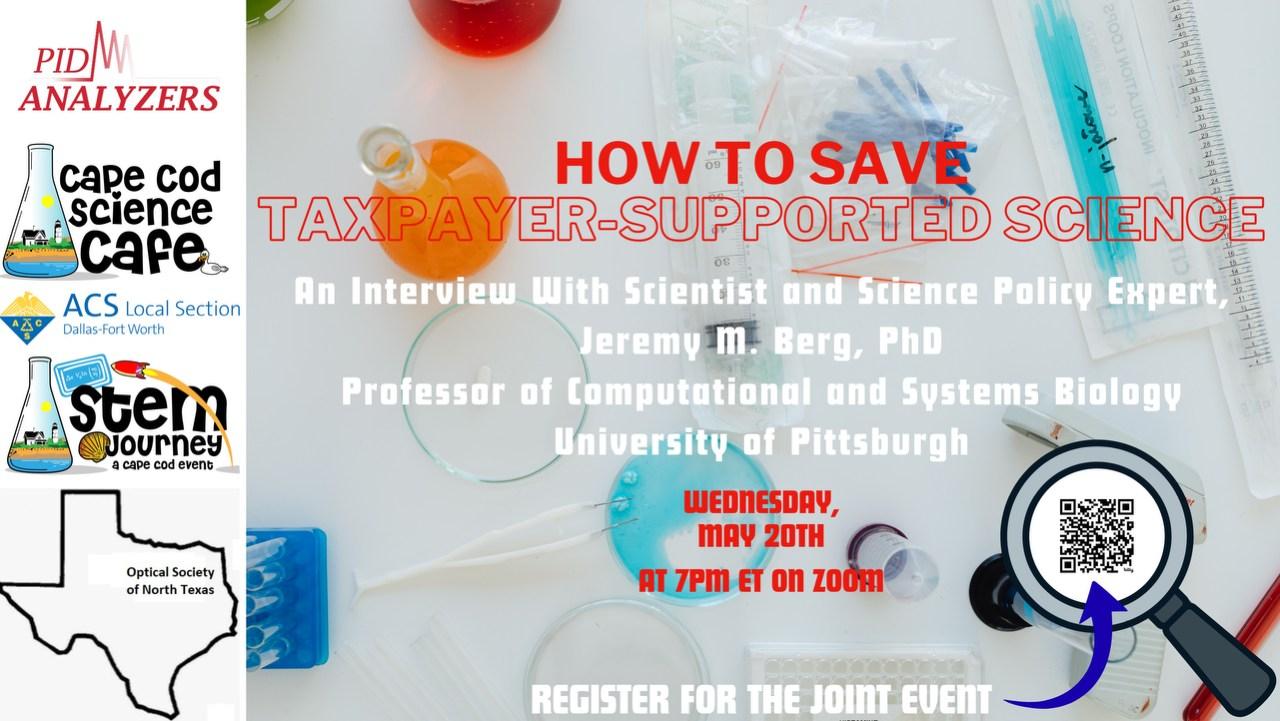
How To Save Taxpayer-Supported Science
An Interview With Scientist and Science Policy Expert,
Jeremy M. Berg, PhD
Professor of Computational and Systems Biology
University of Pittsburgh
Since the 2024 elections, actions by the US government and agents of the Executive Branch have decimated government (aka taxpayer) -supported science. Research programs, long-term studies, expert scientists and more have been destroyed, by those who chose to follow a fiscal agenda, without an awareness of how funding was being used or why the investigations were important. In this recorded interview, Dr. Jeremy Berg shares his views on science and its implications, and advises on how everyone can try to mitigate the damage caused to our programs have suffered.
Zoom Registration link: https://bit.ly/SCITalk520

From the ACS Press Room
Could patchouli oil save your skin from mosquito bites?
“Development and In Silico/In Vivo Evaluation of a Pogostemon cablin Essential Oil
Cream as a Repellent against Aedes aegypti”
ACS Omega
Summertime hikes and afternoons in the backyard can be ruined by mosquito bites. So, many people apply topical synthetic repellents like DEET before heading outside, but there is a growing market for natural repellants that could be less irritating to the skin and more environmentally friendly. In ACS Omega, researchers describe their new plant-based formulation, a patchouli oilinfused lotion that protected against mosquitoes as effectively as a commercially available DEET formulation.
Unlike many natural repellents that lose effectiveness quickly due to volatility, our formulation achieved complete protection against Aedes aegypti for up to three hours at a relatively low concentration of patchouli oil.” –Lizandra Lima Santos
A team of researchers led by Lizandra Lima Santos hypothesized that patchouli oil’s rich, earthy aroma which makes it a popular ingredient in incense and perfume could act as a sort of invisibility cloak, overwhelming a mosquito’s sense of smell and making the wearer undetectable. That’s how other biobased natural alternatives like citronella and eucalyptus oils work, but their ability to prevent mosquito bites doesn’t last as long as their synthetic counterparts. Patchouli oil also breaks down quickly when exposed to air, which challenged the team to create a stable
formulation for their repellent while preserving the oil’s activity. So, they combined patchouli oil with an unscented cream base to create an effective, long-lasting, antimosquito lotion.
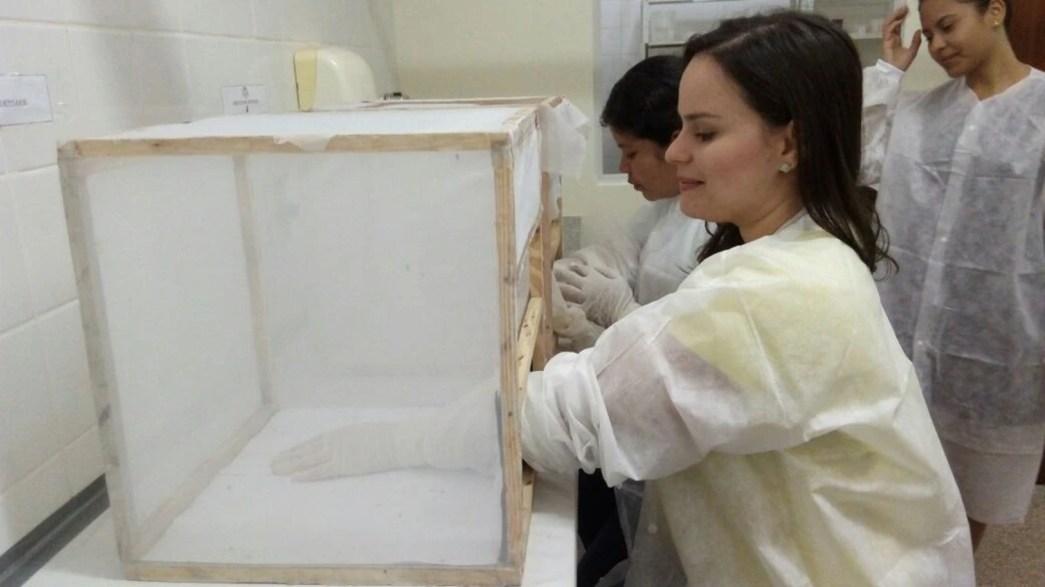
The researchers asked volunteers to coat their forearms with either the patchouli oil lotion or a commercially available DEET lotion, while one unlucky participant acted as a control with no repellant. Participants then stuck their arms in a cage filled with 50 hungry Aedes aegypti mosquitoes over three hours. The team observed no bites on arms treated with the patchouli-infused and DEET lotions, while the bare arms unsurprisingly had lots of bites. “Unlike many natural repellents that lose effectiveness quickly due to volatility, our formulation achieved complete protection against A. aegypti for up to three hours at a relatively low concentration,” says Lima Santos.
One of the most surprising findings was the high level of repellency achieved at a low
Continued on page 16
Study coauthor Cleidjane Gomes Faustino places her arm treated with a patchouli-based repellant in a cage filled with hungry mosquitoes. Lizandra Lima Santos
From the ACS Press Room
Why don’t antibiotic-making bacteria self-destruct?
“An Acetyltransferase Conferring Self-
Resistance of the Producer to Lasso Peptide
Antibiotic Lariocidin”
ACS Infectious Diseases
Early in 2025, scientists discovered a promising new antibiotic in a soil sample from a lab technician’s backyard. The molecule, called lariocidin, is produced by the microbe Paenibacillus and shows broad activity against pathogenic bacteria, including several that are multi-drug-resistant. Now, the researchers report in ACS Infectious Diseases how Paenibacillus avoids harm by its own antibiotic information that is crucial for developing lariocidin or similar compounds into new drug candidates.
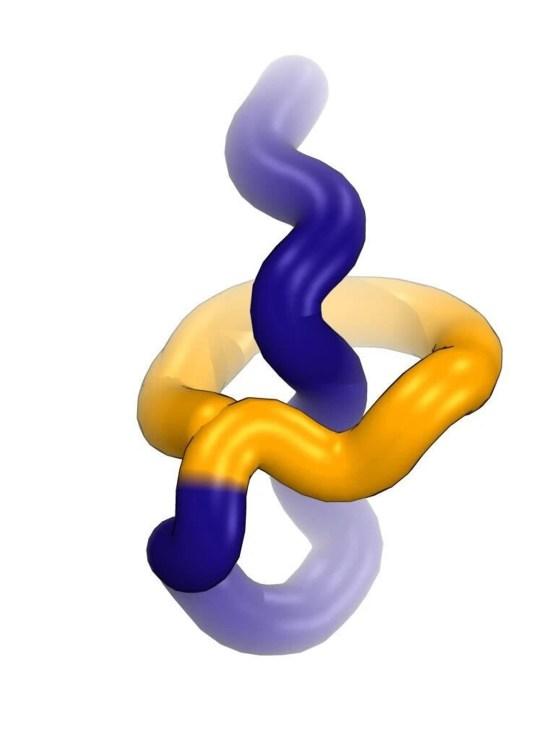
This computer simulation shows the recently discovered lariocidin, a lasso-shaped compound with its “lasso loop” shown in yellow and “tail” shown in purple.
Yury Polikanov and Dmitri Travin/University of Illinois, Chicago
“The discovery of a new antibiotic is just the first step in advancing it toward clinical use. It is vital to understand potential mechanisms of resistance to pressure test the novelty and clinical potential of the original discovery,” says Gerry Wright, the lead investigator of the lariocidin project.
As bacteria evolve resistance to drugs, new antibiotics are urgently needed. In their initial breakthrough, Wright and colleagues identified that a slowgrowing Paenibacillus strain produces lario-
cidin, which inactivates the bacteria against which it competes for resources in the soil. Expanding on that work, the researchers examined how the microbe resists its own powerful antibiotic.
Lariocidin deactivates bacteria by binding to ribosomal RNA and interfering with protein synthesis. In the current study, the researchers identified one enzyme (shortened to lrcE) produced by the Paenibacillus strain that modifies lariocidin. Their experiments revealed that lrcE adds a functional group onto the antibiotic molecule, which prevents it from binding to the bacterium’s ribosomal RNA, thereby protecting Paenibacillus. Additionally, the enzyme was specific to lariocidin and did not impact other antibiotic compounds such as aminoglycosides and streptothricins.
Then, from an analysis of the bacterium’s genome, the researchers characterized the gene that encodes the lariocidin-resistance enzyme. A small-scale search for similar genes in environmental bacteria and human pathogens revealed some in Bacillus genomes and environmental proteobacteria but none in the genomes of human pathogens. The researchers say that gene transfer from environmental bacteria to human pathogens is slow and rare, but if lariocidin or related compounds become pharmaceutical treatments, potential gene transfer should be monitored. These insights suggest to the team that lariocidin holds promise as a powerful next-generation antibiotic treatment for humans with minimal risk of resistance, making it a promising can-
Continued on page 16
From the ACS Press Room
This ‘living plastic’ activates and self-destructs on command
“Degradable Living Plastics Programmed by Engineered Microbial Consortia”
ACS
Applied Polymer Materials
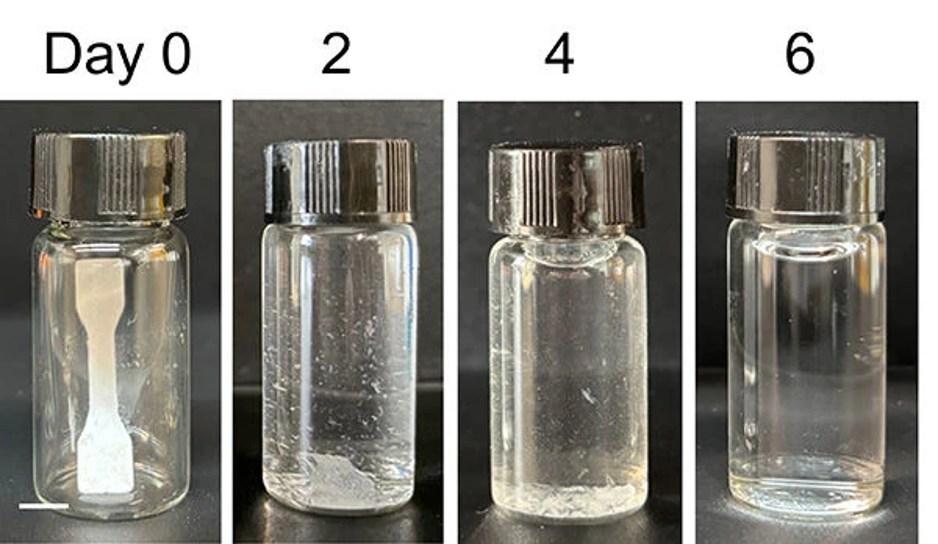
Many plastic products are designed to be used only once, yet the material itself lasts for years. But a new strategy is addressing this problem by creating products that selfdestruct on command, known as living plastics. These materials incorporate activatable, plastic-degrading microbes alongside the polymers. One team reporting in ACS Applied Polymer Materials used two bacterial strains that worked together and completely broke down the material within just six days, without making microplastics.
Could we build degradation directly into the material’s life cycle?” Zhuojun Dai
Adapted fromACS Applied Polymer Materials 2026, DOI: 10.1021/acsapm.5c04611
Zhuojun Dai, a corresponding author on the paper, explains that “the realization that traditional plastics persist for centuries, while many applications, like packaging, are shortlived, led us to ask: Could we build degrada-
tion directly into the material’s life cycle?” Many microbes can break long polymeric chains into smaller pieces using enzymes. Because plastics are polymers, these enzymes or the microbes that make them could be incorporated into living plastics
.“By embedding these microbes, plastics could effectively ‘come alive’ and selfdestruct on command, turning durability from a problem into a programmable feature,” explains Dai.
While previous attempts relied primarily on a single enzyme, Dai, Jin Geng, Dianpeng Qi and colleagues wanted to improve the destruction efficiency. So, they engineered Bacillus subtilis to produce two cooperative, polymer-degrading enzymes. One enzyme acts as a random chopper, snipping the long polymer chains into smaller pieces, while the other slowly chews these pieces into their monomer building units from each end.
The team mixed the dormant spore form of B. subtilis with polycaprolactone (a polymer common in 3D printing and some surgical sutures) to protect the microbes before they were needed. The resulting living plastic had mechanical properties similar to those of plain polycaprolactone films. However, once a nutrient broth at 122 degrees Fahrenheit (50 degrees Celsius) was added, the spores activated, breaking the plastic all the way down to its base building blocks after just six days. The cooperation between the enzymes was so efficient, it even prevented microplastic particles from being created during the degradation process.
As a proof-of-concept, the researchers creat-
A living plastic with a pair of cooperative, plastic-busting enzymes degraded the material completely within six days.
.
From the ACS Press Room
ed a wearable plastic electrode out of their living plastic and found it performed as expected, degrading completely within two weeks.
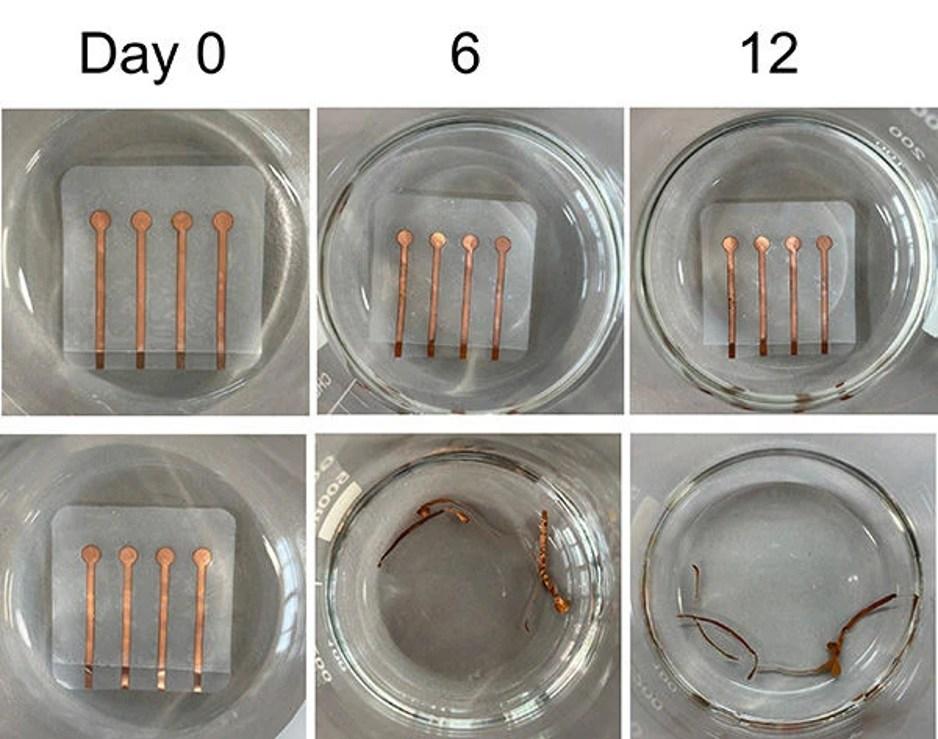
When built on the living plastic, a prototype wearable electrode readily degrades (bottom row), while one built on a commercially available plastic persists (top row).
Adapted fromACS Applied Polymer Materials 2026, DOI: 10.1021/acsapm.5c04611
In future work, the researchers hope to develop a trigger for the spores in water, where a large portion of plastic pollution ends up. And though this work focused on just one polymer, a similar strategy could be used in other plastic types, including those commonly found in single-use plastics.
The authors acknowledge funding from the National Key Research and Development Program of China, the Shenzhen Medical Research Fund, the National Natural Science Foundation of China, the Guangdong Natural Science Funds for Distinguished Young Scholars, and the Shenzhen Science and Technology Program.
Around the Area

UT Dallas Professor of Chemistry and Physics Department Chair G. Andrés Cisneros has been recognized as a Fellow by the American Association for the Advancement of Science for his contributions to biophysics, computational enzymology and computational chemistry. Assistant Professor Alistair Sterling was awarded a research grant from the Robert A. Welch Foundation for Battery and Catalyst Design using PhysicallyInformed Machine-Learned Interatomic Potentials and High-Throughput Simulations, and additionally was awarded computational resources from the Oak Ridge National Laboratory’s Center for Nanophase Materials Science for AI-Accelerated Discovery of Polymer Upcycling Pathways for Sustainable Materials Design. Assistant Professor and CPRIT Scholar Filippo Romiti renewed his research grant from the Robert A. Welch Foundation for Strategy Driven Synthesis of Unexplored Complex Bioactive LycopodiumAlkaloids.

From the ACS Press Room
continued
Comparable vitamin B6 levels
Continued from page 5
this study provides important insights into the vitamin content of these beers and demonstrates how NA beer may be a healthier choice for consumers.
The authors acknowledge funding from the Scientific Association for Brewing in Munich (Wissenschaftliche Station für Brauerei in München e.V.).
Marigold flowers
Continued from page 8
like salad dressings, which they’ll taste-test with consumers.
“People are increasingly aware of food waste and are seeking innovative solutions,” concludes Mohan. “Demonstrating that something as common and overlooked as a flower can be transformed into a valuable food ingredient makes science both relatable and impactful.”
The authors acknowledge funding from the U.S. Department of Energy, Office of Science, Basic Energy Sciences, Chemical Sciences, Geosciences, and Biosciences Division for supporting the protein amino acid identification component of this research.
Could
patchouli oil
Continued from page 10
concentration of patchouli oil. “Natural repellents are often expected to require higher doses to match the performance of synthetic compounds,” says Lima Santos, “so observing complete protection for three hours was particularly encouraging.”
These initial test results suggest that the patchouli oil cream offers meaningful protection against mosquito bites. Next, the researchers plan to conduct targeted toxicological and clinical studies to determine the new formulation’s long-term safety.
The authors acknowledge funding from the Amapá Foundation for Research Support, Research Program of the Brazilian Ministry of Health, Coordination of Improvement of Higher Education Personnel under the Ministry of Education, National Council of Scientific and Technological Development, and the Pro-rector of Research and Postgraduation of the Federal University of Amapá.
Why don’t antibiotic-making bacteria self-destruct?
Continued from page 11
didate for preclinical development.
The authors acknowledge funding from the Canadian Institutes for Health Research, the National Institute of General Medical Sciences of the National Institutes of Health, and Illinois State startup funds.
From the Editor
Highlights of this issue:
Meeting-in-Miniature and Chemistry Olympiad results...Thanks to all the participants and congratulations to all the winners.
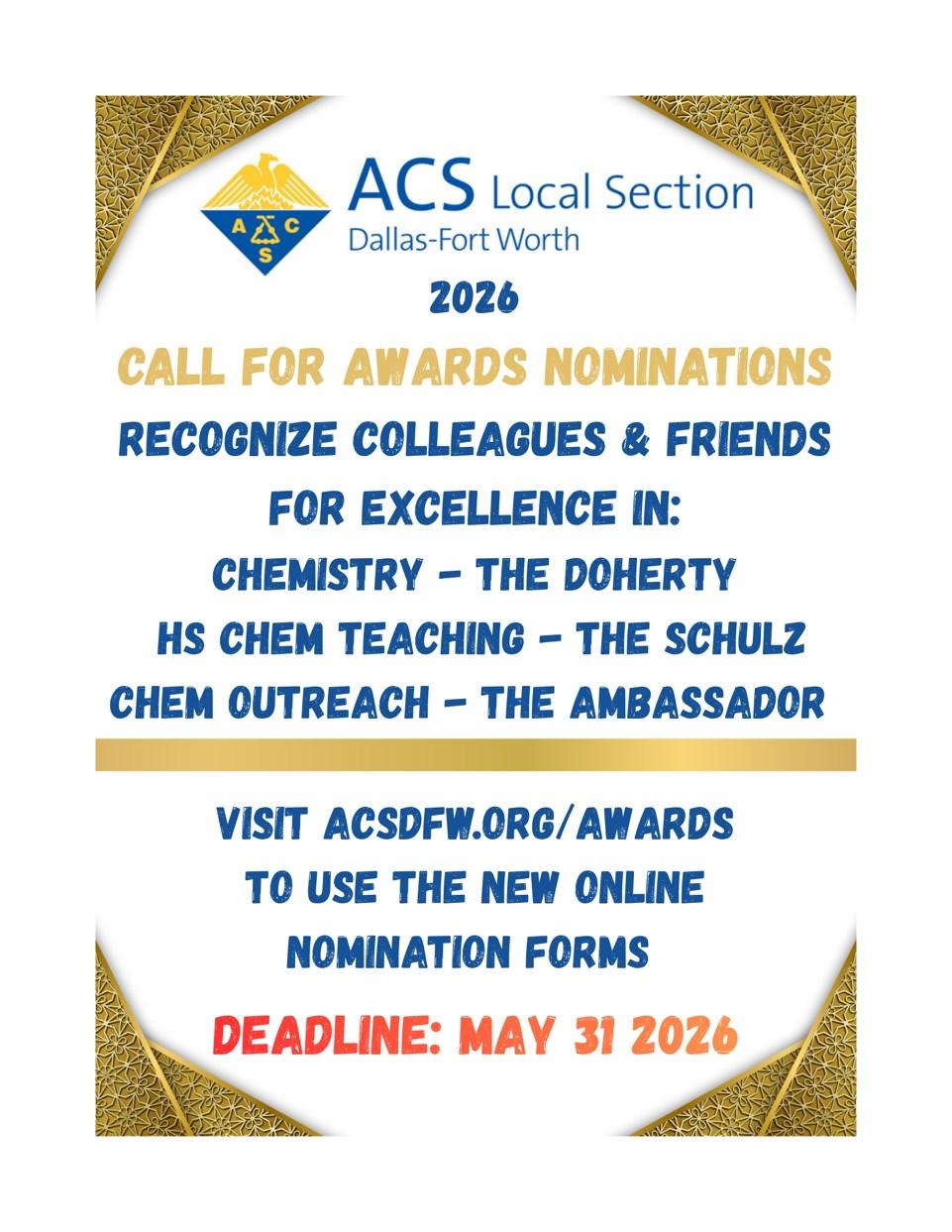
Register now for the zoom meeting with Jeremy Berg on saving science programs. Also get your nominations in for the DFW section awards; the deadline is May 31.
My favorite article this month is, as always, from the Journal of Agricultural and Food Chemistry, in which all my dissertation papers were published (a long time ago!). This one compares vitamin B6 levels found between nonalcoholic and conventional beers…yes, vitamins in beer.
Next Retort will be in September; everyone have a great summer.