
Asylum Sports Performance And Recovery
Athletic improvement isn't determined solely by the number of hours spent training. The quality of movement, recovery between sessions, and the body's ability to adapt to physical demands all influence long-term success. Asylum Sports Performance And Recovery represents a modern approach to athletic development — combining performance training with evidencebased recovery strategies to help athletes improve consistently while minimising injury risk.
At Nerveotx, these principles align closely with advanced neuromuscular therapy solutions that help athletes optimise movement, improve muscle activation, and support faster recovery.


Performance Begins with Efficient Movement
Strength and endurance are important, but they can only be fully utilised when the body moves efficiently. Poor movement mechanics often lead to unnecessary energy loss, reduced performance, and increased stress on joints and muscles. Before increasing training intensity, it is essential to evaluate how the body performs basic movement patterns.

Joint Mobility
Range of motion across key joints ensures fluid, unrestricted movement.
Muscle Activation
Proper recruitment patterns ensure the right muscles fire at the right time.

Core Stability
A stable trunk transfers force efficiently and protects the spine.

Functional Movement Quality
Screening identifies limitations before they become performance barriers.

Balance & Coordination
Neuromuscular control underpins precise, repeatable movement.
Developing Strength That Transfers to Sport
General strength training is valuable, but athletic performance requires strength that directly supports sport-specific movement. Asylum Sports Performance And Recovery emphasises functional strength — developing movement systems that athletes rely on during competition, rather than training isolated muscles.

Key Training Focus Areas Explosive Power
Developing rate of force production for sprinting, jumping, and rapid direction changes.
Multi-Directional Movement
Training across all planes of motion to reflect real sporting demands.
Core Control
Stabilising the trunk to transfer force between upper and lower body.
Lower Body Stability
Building resilient hips, knees, and ankles for powerful, safe movement.
Upper Body Coordination
Integrating shoulder and arm mechanics with full-body movement patterns.


Why Recovery Is Part of Every Training Program
Training challenges the body, but recovery is when adaptation actually occurs. Without sufficient recovery, athletes may experience fatigue, slower progress, and increased injury risk. Making recovery a regular part of training helps athletes maintain consistency throughout demanding seasons.
Active Recovery Sessions
Low-intensity movement that promotes circulation and clears metabolic waste. Mobility & Flexibility
Targeted exercises that restore range of motion and reduce muscle tension.
Soft Tissue Therapy
Hands-on techniques that address muscle tightness and fascial restrictions. Neuromuscular Recovery
Advanced techniques that calm the nervous system and accelerate restoration.
Improving Athletic Performance Through Neuromuscular Activation
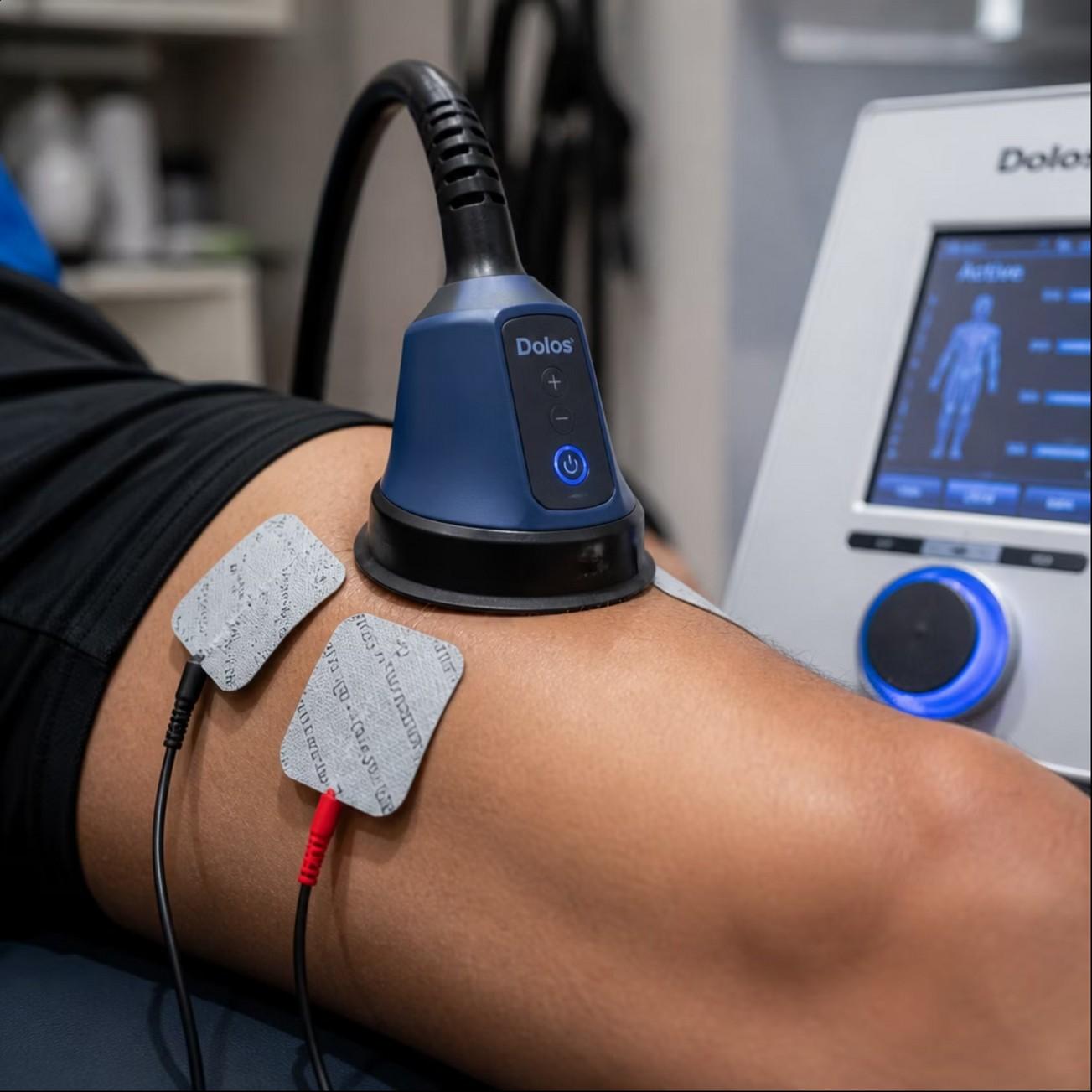
Modern sports science recognises the nervous system as one of the most important contributors to athletic performance. Efficient communication between the brain and muscles allows athletes to generate force more effectively while maintaining better control during movement.
Nerveotx Direct Current Neurotherapy
Nerveotx integrates direct current neurotherapy into performance and rehabilitation programs to support the nervous system's role in athletic output.


Improved Muscle Recruitment Enhanced Movement Coordination
Faster Neuromuscular Activation Better Movement Efficiency Accelerated Recovery
When paired with traditional strength and conditioning, neuromuscular training provides athletes with a more complete performance strategy.
Reducing Injury Risk Through Better Preparation
Many injuries occur because of accumulated stress rather than isolated accidents. Strength imbalances, poor movement habits, and inadequate recovery all contribute to increased physical strain over time. Athletes who address these areas proactively are often able to train more consistently throughout the year.
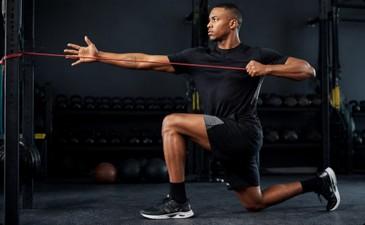
Corrective Exercise
Targeted movements that address muscular imbalances and postural deviations before they cause problems.
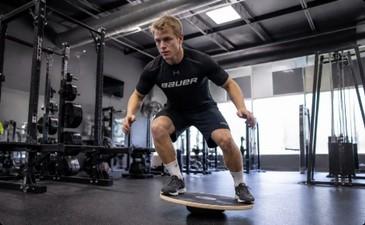
Stability Development
Building resilient joints and strong stabilising muscles that protect against common injuries.

Progressive Workload Management
Strategic periodisation that increases training stress gradually, allowing the body to adapt safely.
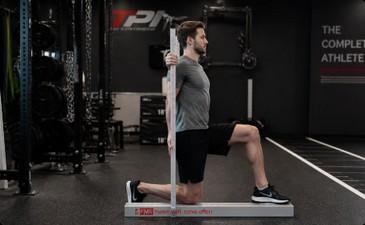
Functional Movement
Education
Teaching athletes how to move correctly in everyday and sporting contexts for long-term durability.
Programmes Designed for Every Stage of Development
Performance training should evolve alongside the athlete. A young athlete learning proper mechanics has different needs than an experienced competitor preparing for elite-level events. Each programme is designed around the athlete's goals, current abilities, and long-term development plan.
Youth Athletes
Building fundamental movement skills, coordination, and a positive relationship with training.
Professional Athletes
Fine-tuning performance, managing load, and extending competitive longevity at the highest level.
Post-Injury Return
Guiding safe, progressive rehabilitation that restores confidence and full athletic capacity.
1
2
3
4
Collegiate Competitors
Bridging the gap between school sport and high-performance demands with structured progression.
Fitness Enthusiasts
Helping active individuals train smarter, move better, and enjoy sustained physical progress.
5
Creating Sustainable Athletic Success
Long-term performance is built through consistent progress rather than short bursts of intense training. Athletes who maintain healthy movement patterns, recover properly, and train strategically often enjoy longer careers and fewer interruptions. Asylum Sports Performance And Recovery encourages sustainable athletic development at every level.

Efficient Movement Mechanics Balanced Strength Development
Consistent Recovery Habits Smart Training Progression
Long-Term Physical Resilience
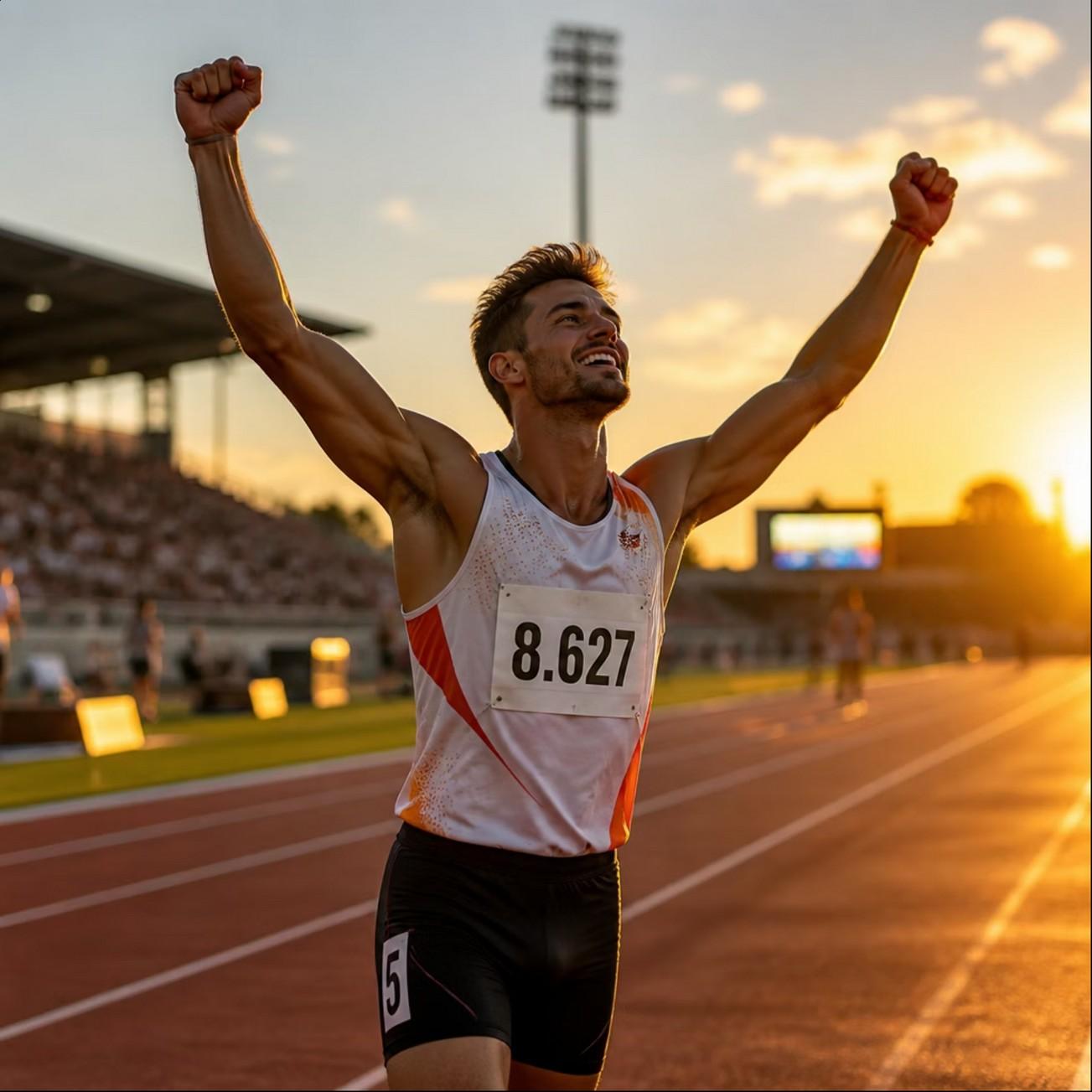
Building Better Athletes Through Smarter Training
Nerveotx complements traditional sports performance programmes by incorporating advanced neurotherapy technologies that help optimise communication between the nervous system and muscles. This integrated approach supports rehabilitation, performance enhancement, and recovery — giving athletes additional tools to maximise their physical potential.
Movement Science
Evidence-based assessment and coaching that builds efficient, resilient movement patterns.
Strength Development
Functional, sport-specific training that translates directly to onfield performance.
Recovery Strategies
Structured protocols that accelerate adaptation and reduce cumulative fatigue.

Neuromuscular Optimisation
Direct current neurotherapy that enhances brain-to-muscle communication and recovery.
Asylum Sports Performance And Recovery is more than a training philosophy — it is a comprehensive approach that focuses on the complete athlete rather than isolated performance metrics, helping individuals improve consistency, reduce injury risk, and continue progressing toward their athletic goals.
Start Your Recovery Journey Today
Whether you're recovering from an injury, managing chronic pain, or striving for peak athletic performance, NerveOTX delivers advanced Direct Current Neuro Therapy designed to help you move better, heal faster, and perform at your best. Connect with our team to discover the right solution for your needs. Call Us
833-277-9283
Speak directly with our team to discuss your goals and book a consultation. Email Us info@nerveotx.com
Send us your questions and we'll respond with personalised guidance. Visit Our Website nerveotx.com
Explore our full range of therapies, research, and athlete success stories.
Take the next step toward faster recovery and lasting results — contact NerveOTX today!