Script: Giulia Bruschi.
Illustrations: silviaceliberti.com|@silvia_celiberti
Text reviewed by: Emaediong Ofonime Akpan, Ismail Musbahu, Sarah Njoroge, Lois Mobach, Filip Savatic, Kerilyn Schewel, Tizita Chaka, María-Jesús Cabezón-Fernández, Sarah Doyel, Zoulikha Benkaakaa, Dominique Jolivet, Katharina Natter, Ana Ramírez Vicens, Simona Vezzoli, Silvia Celiberti.
This text is set in Noto Sans.
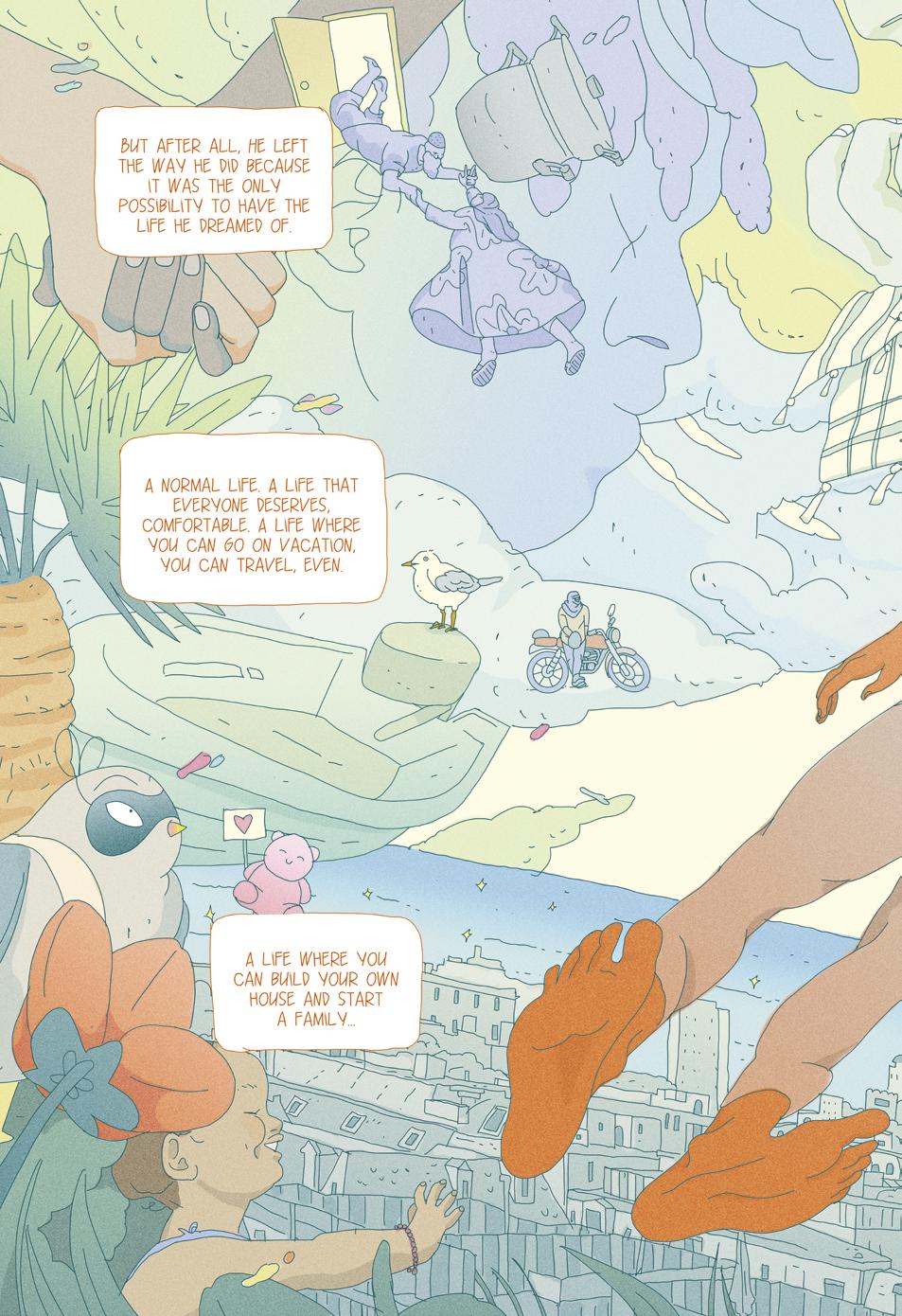
“A life with my family. An average life. An average life where I have a house, I have a good a job, a good job in my field of competency, a good job and togetherness with my family. So let’s just be safe here. Be in peace and my family be with me. That’s just the best thing about life.” Cameroonian man in his 30s who had to flee Cameroon and sought refuge in Italy.
Bon pour moi. Je veux dire, de vivre dans la paix, dans la tranquillité et ça dit le savoir vivre. Vivre ensemble avec les autres et tout, tu vois?” 34yo single man from Togo, currently in Italy but wanting to migrate onward.
“
My good life is when I’m working. Then, uh. I have… I can afford what I want. Then see, help people back home.”
40yo Nigerian man seeking asylum in Italy, currently waiting for the outcome of his asylum claim after having left Italy for another EU country and being detained and returned to Italy.
What is a good life for you? «Social security».”
Nigerian man in Italy, waiting for the results of his asylum claim.
What I think is a good life…somebody who had a good job and you say you can take care of your family. [unclear]
That is what I think is a good life, with less problems. If I can find it here? Yes, I can find it here. I can start from here.”
30yo Nigerian single woman, no children, came to Italy 4 years prior through family reunification.
ON “THE GOOD LIFE”
This illustrated comic combines the results of the PACES project “Making migration and migration policy decisions amidst societal transformations”, financed by the European Union under Horizon Europe program.
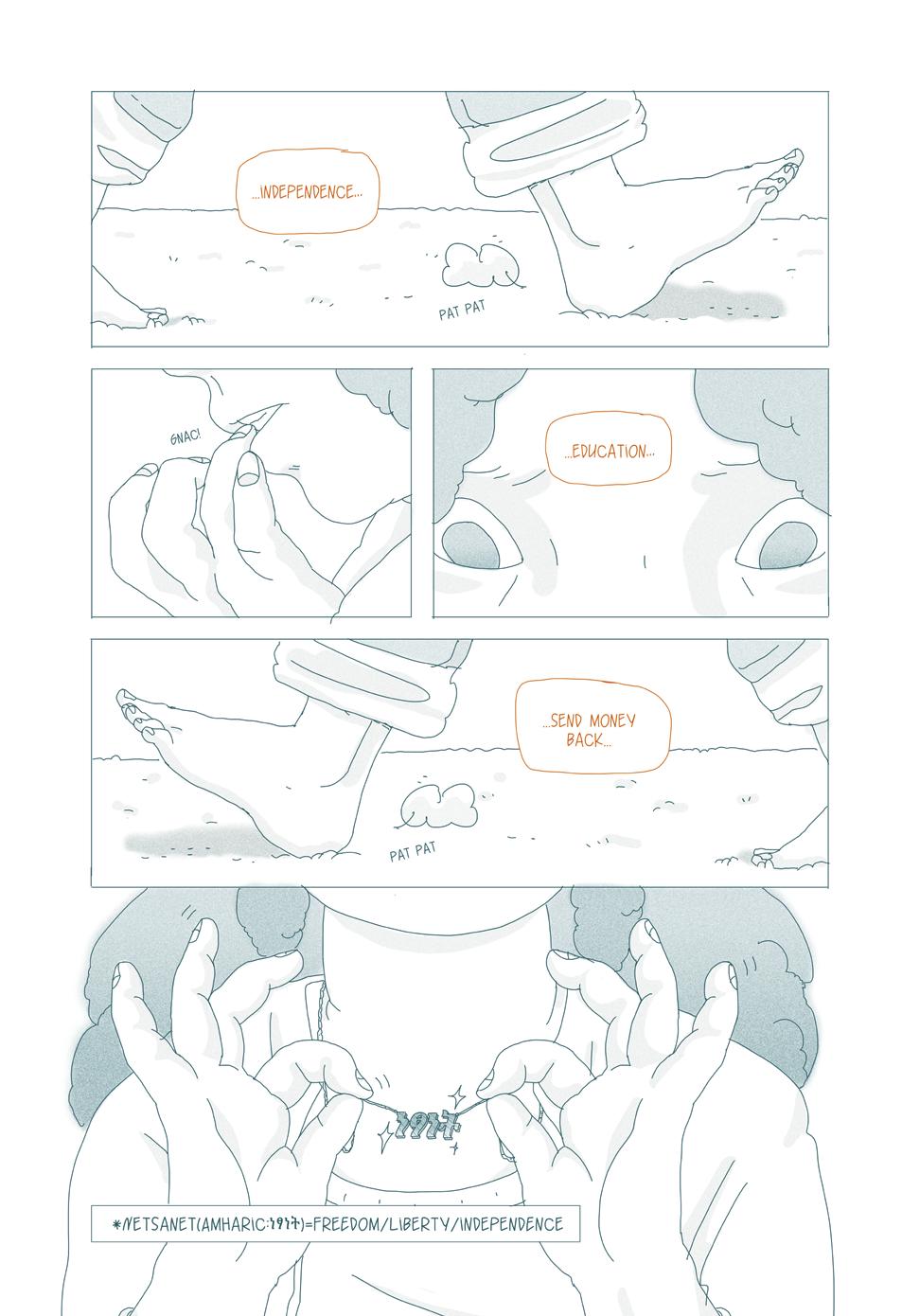
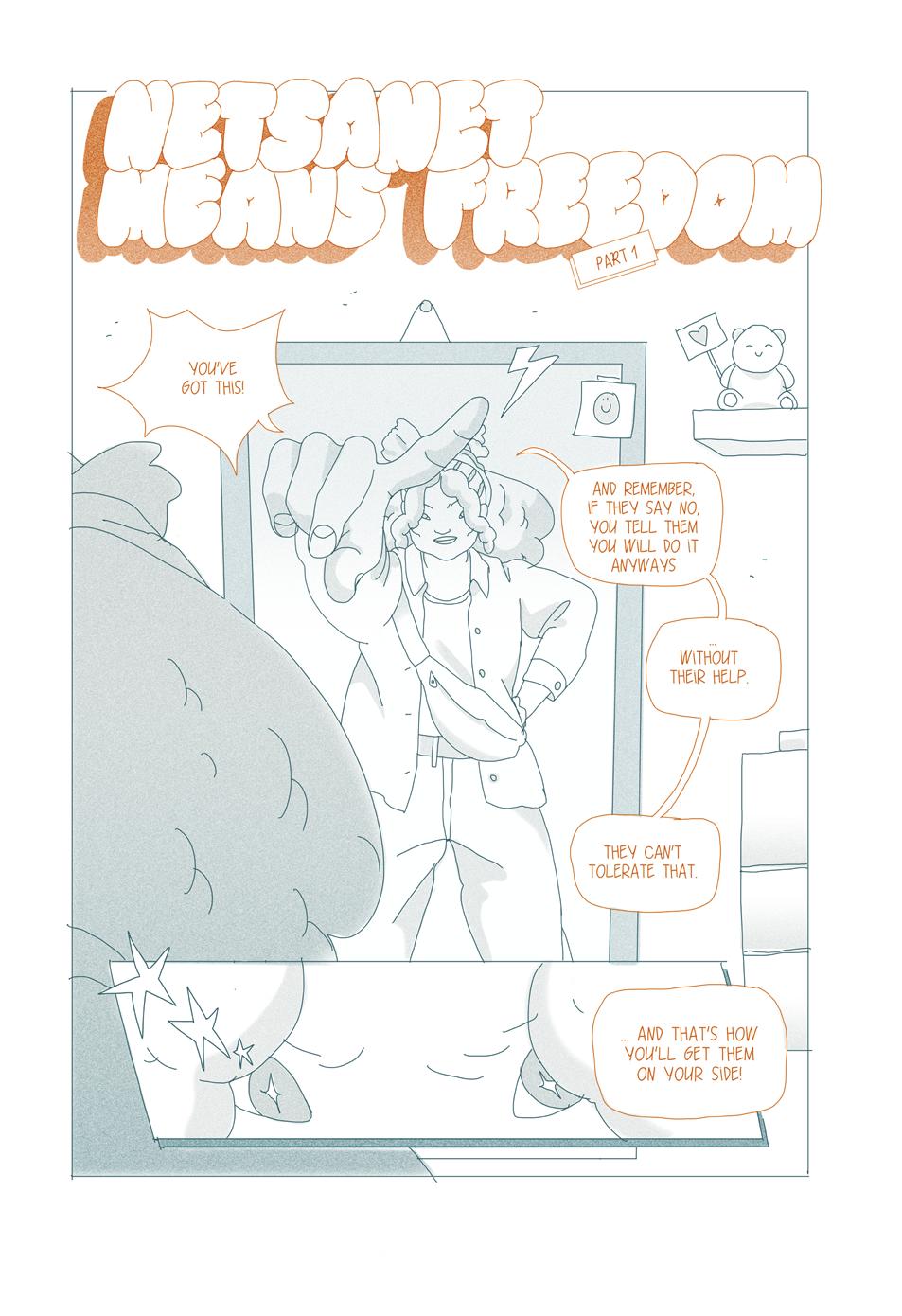
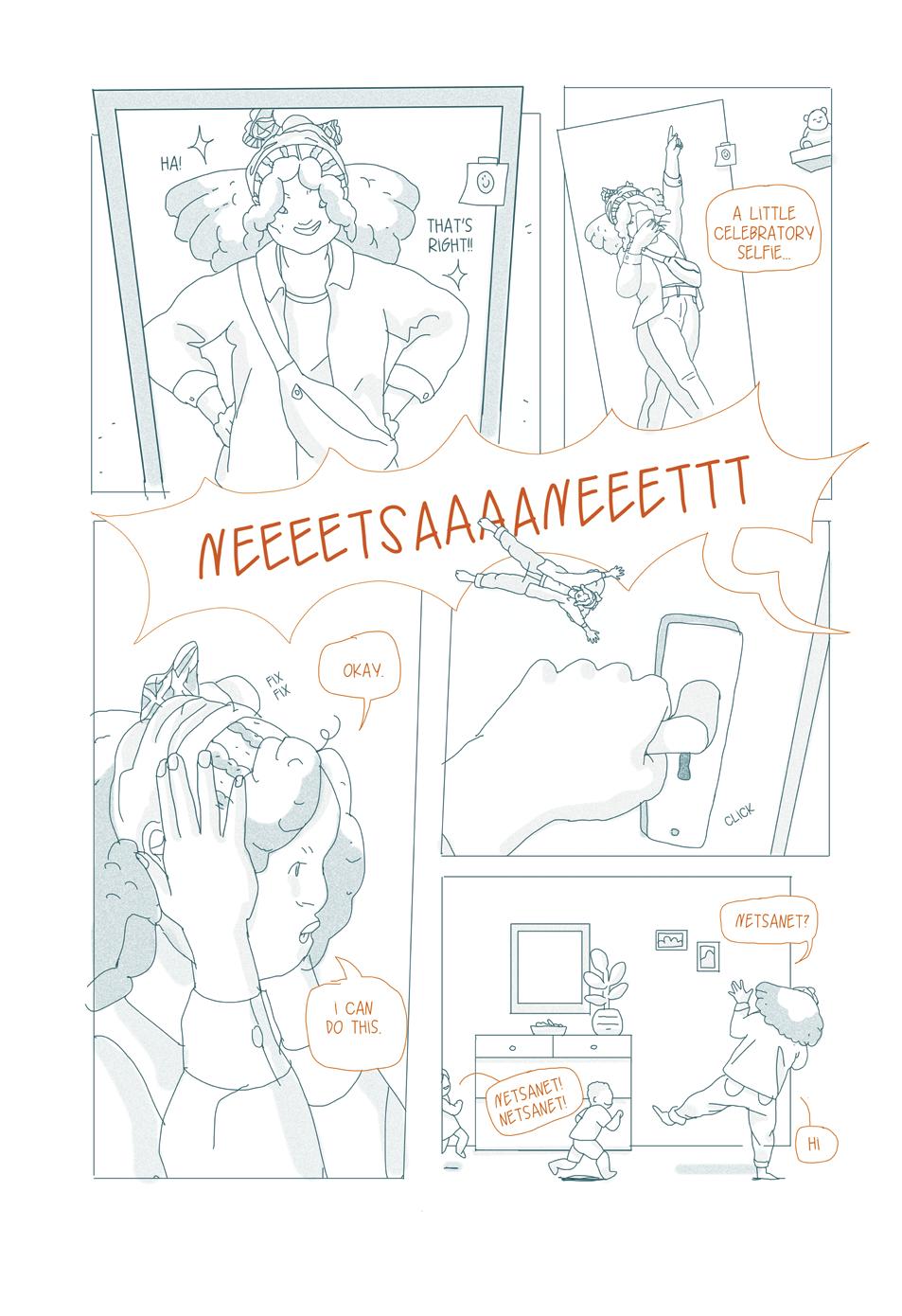
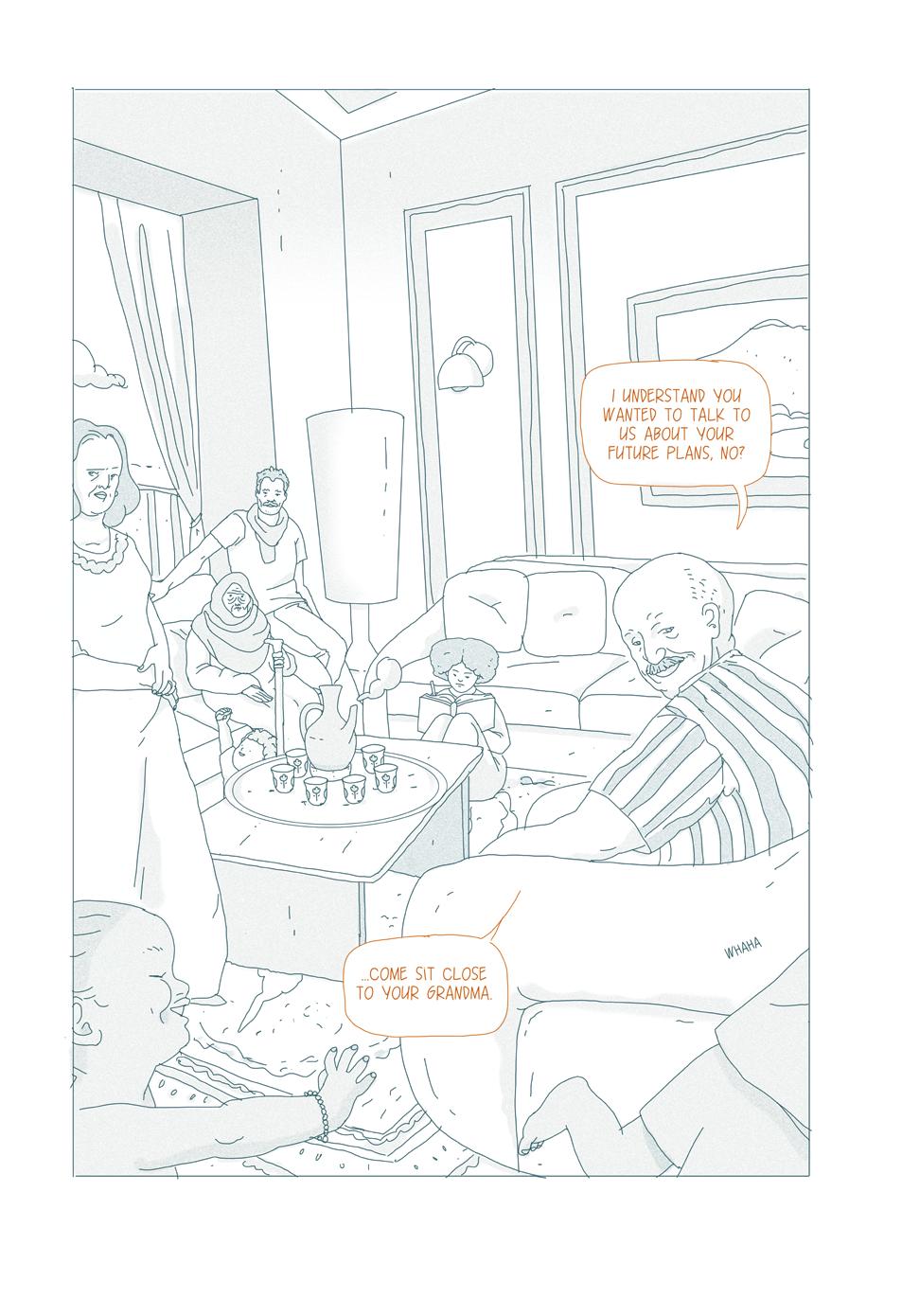
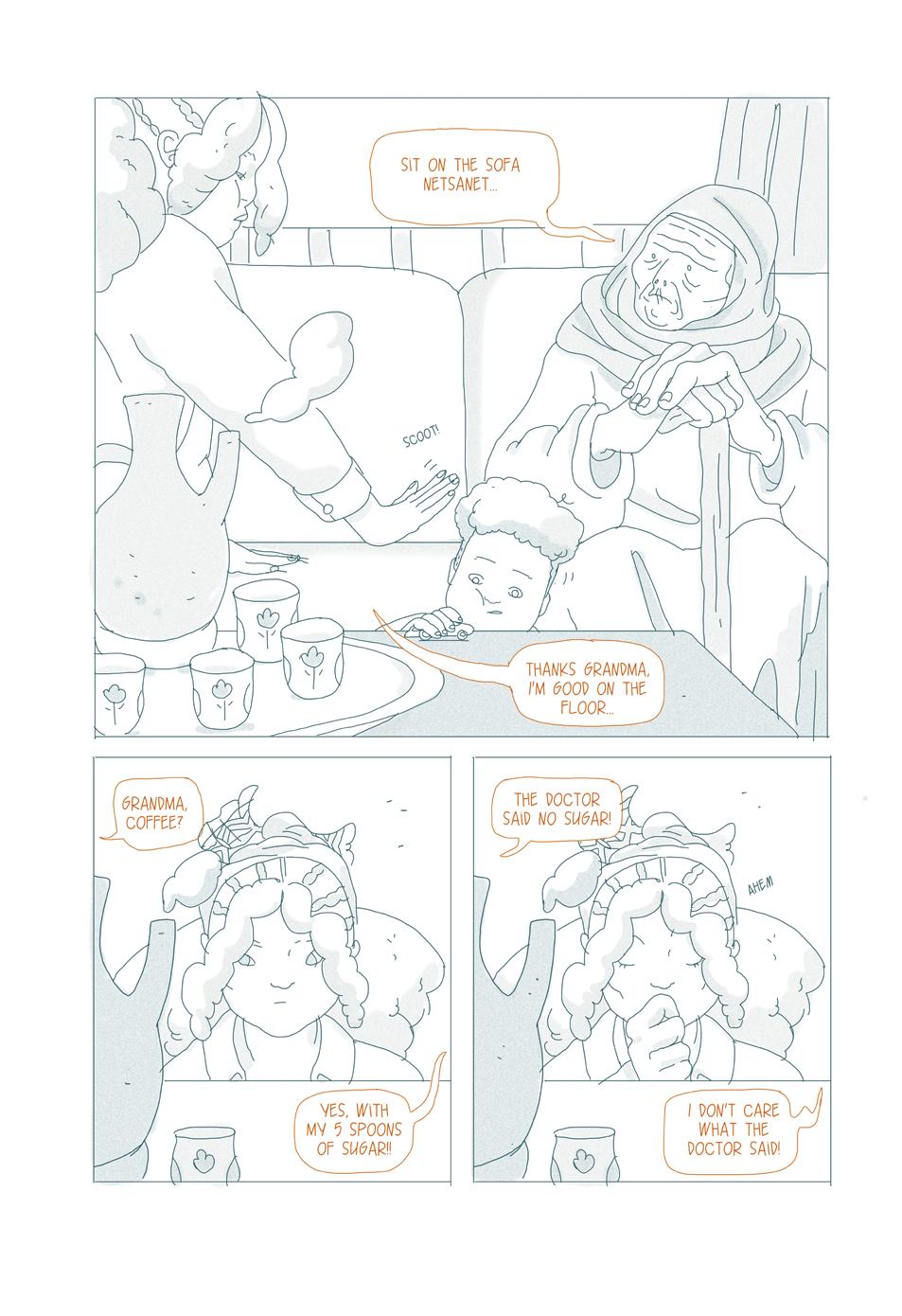
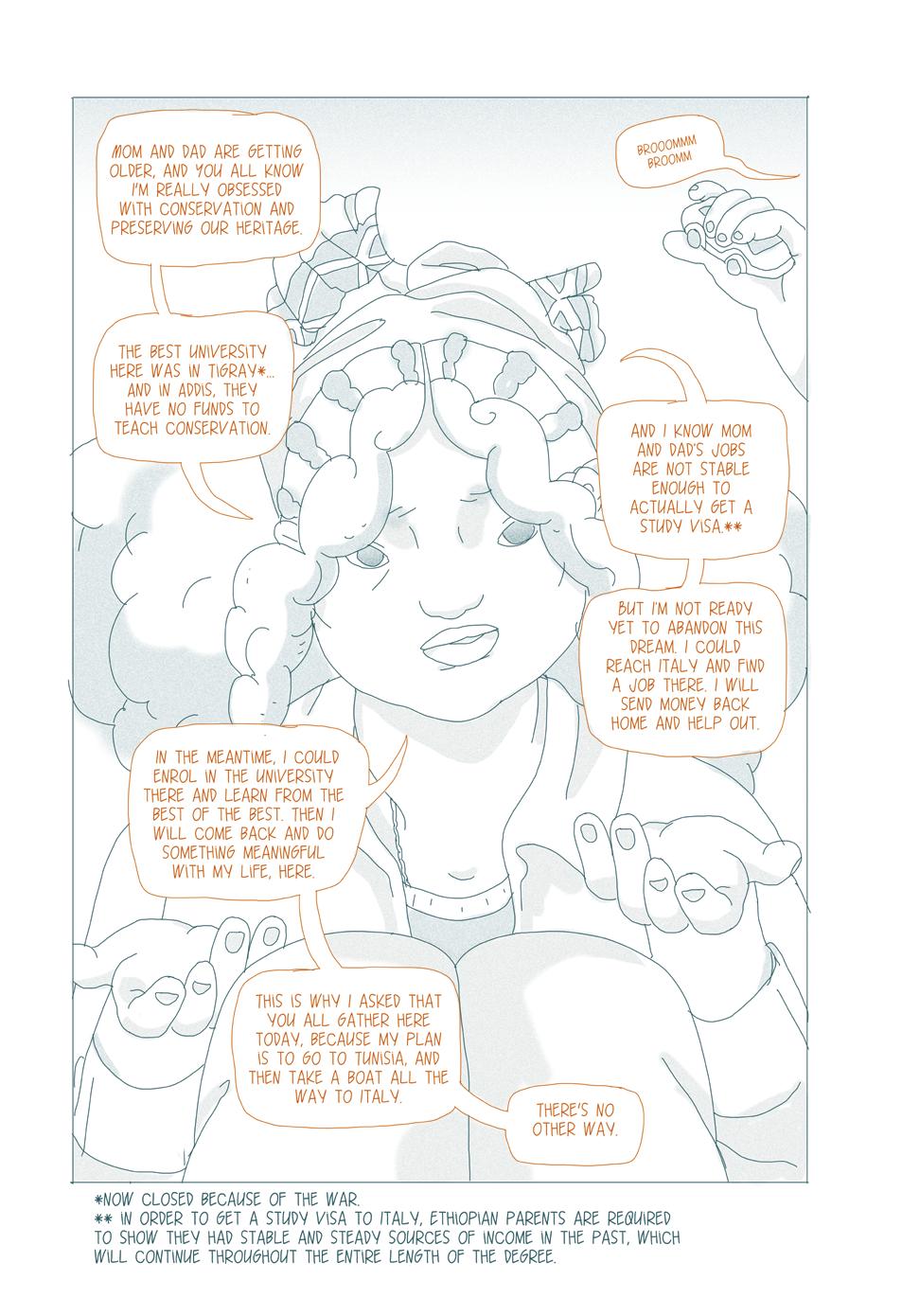
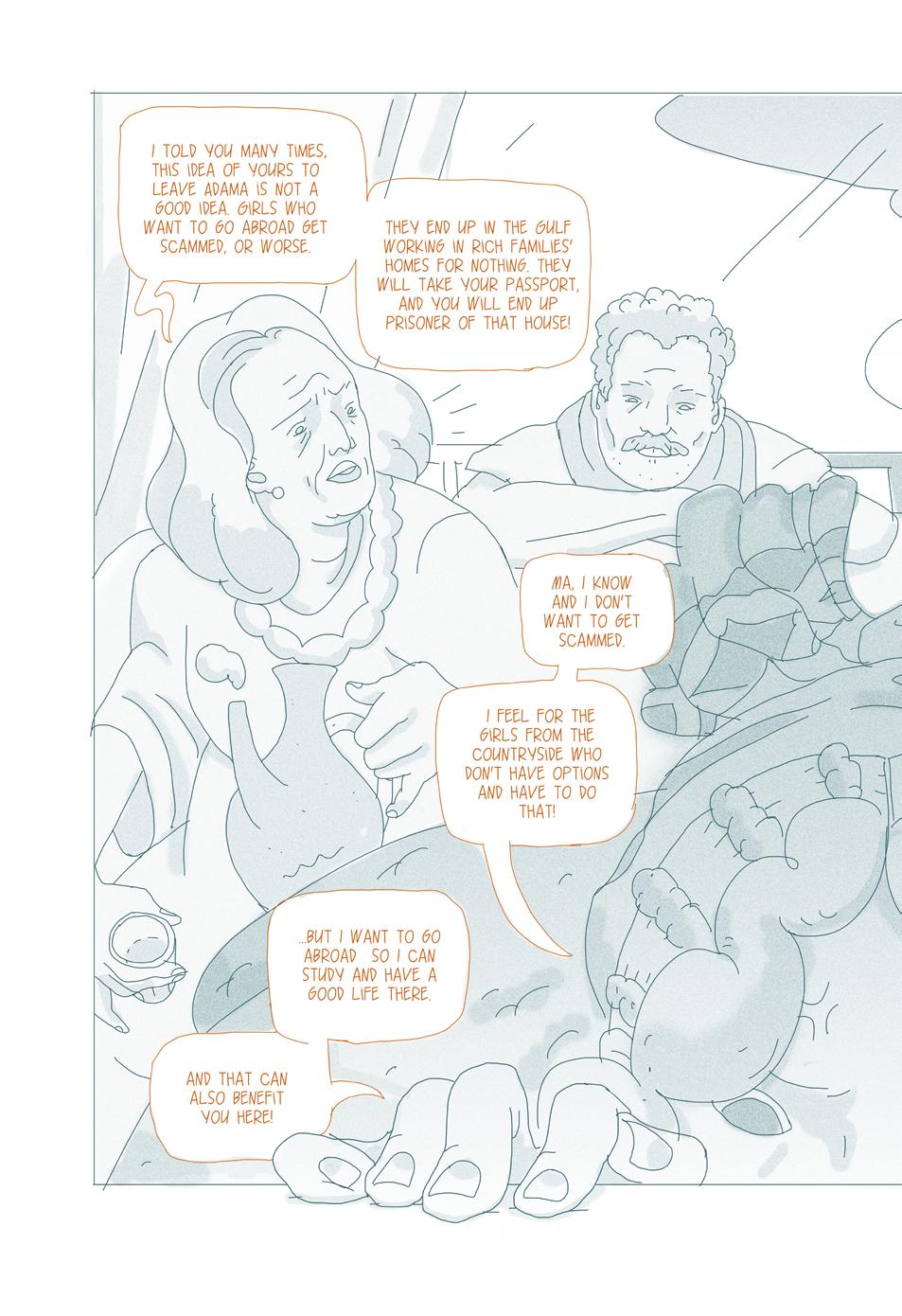
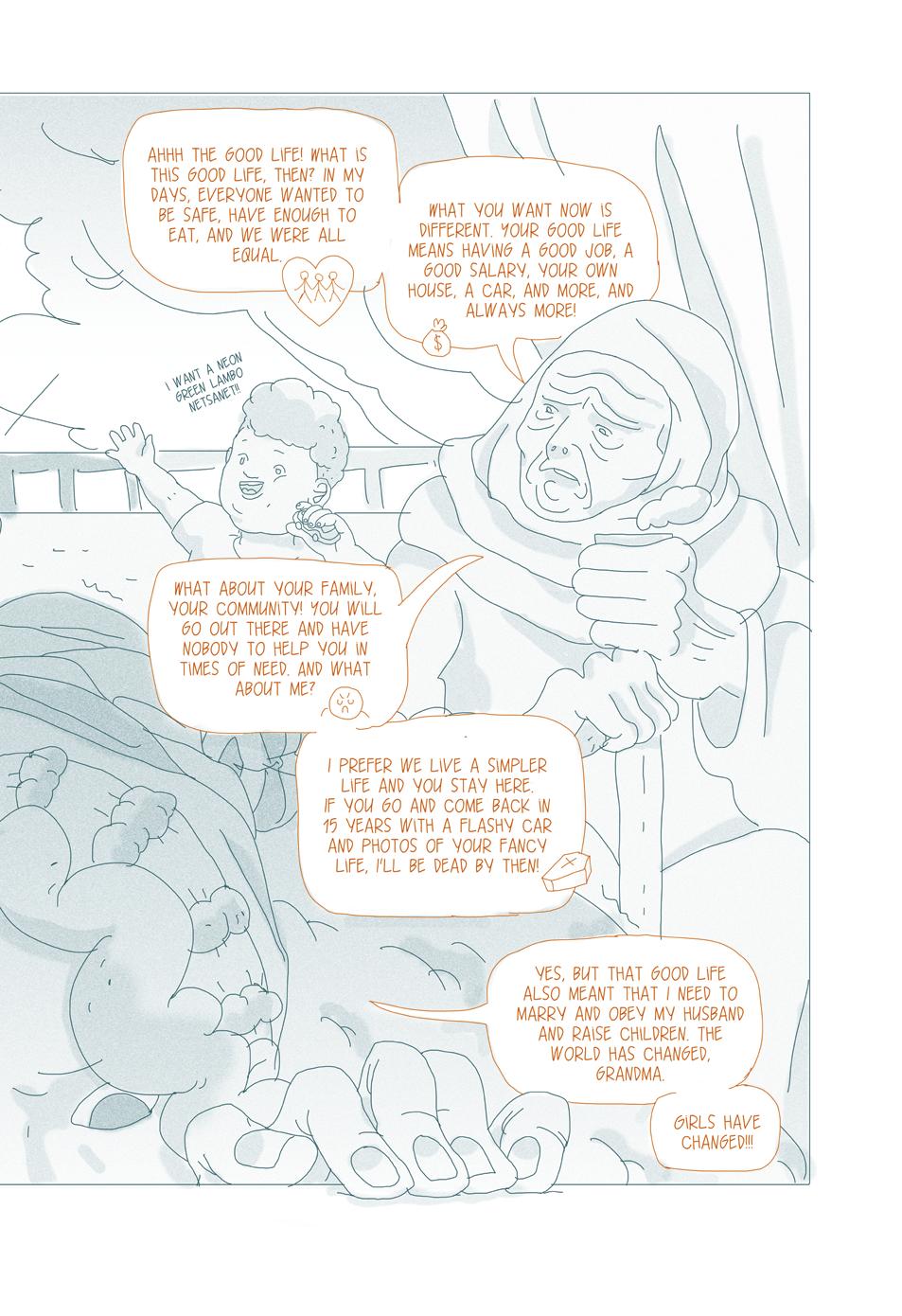
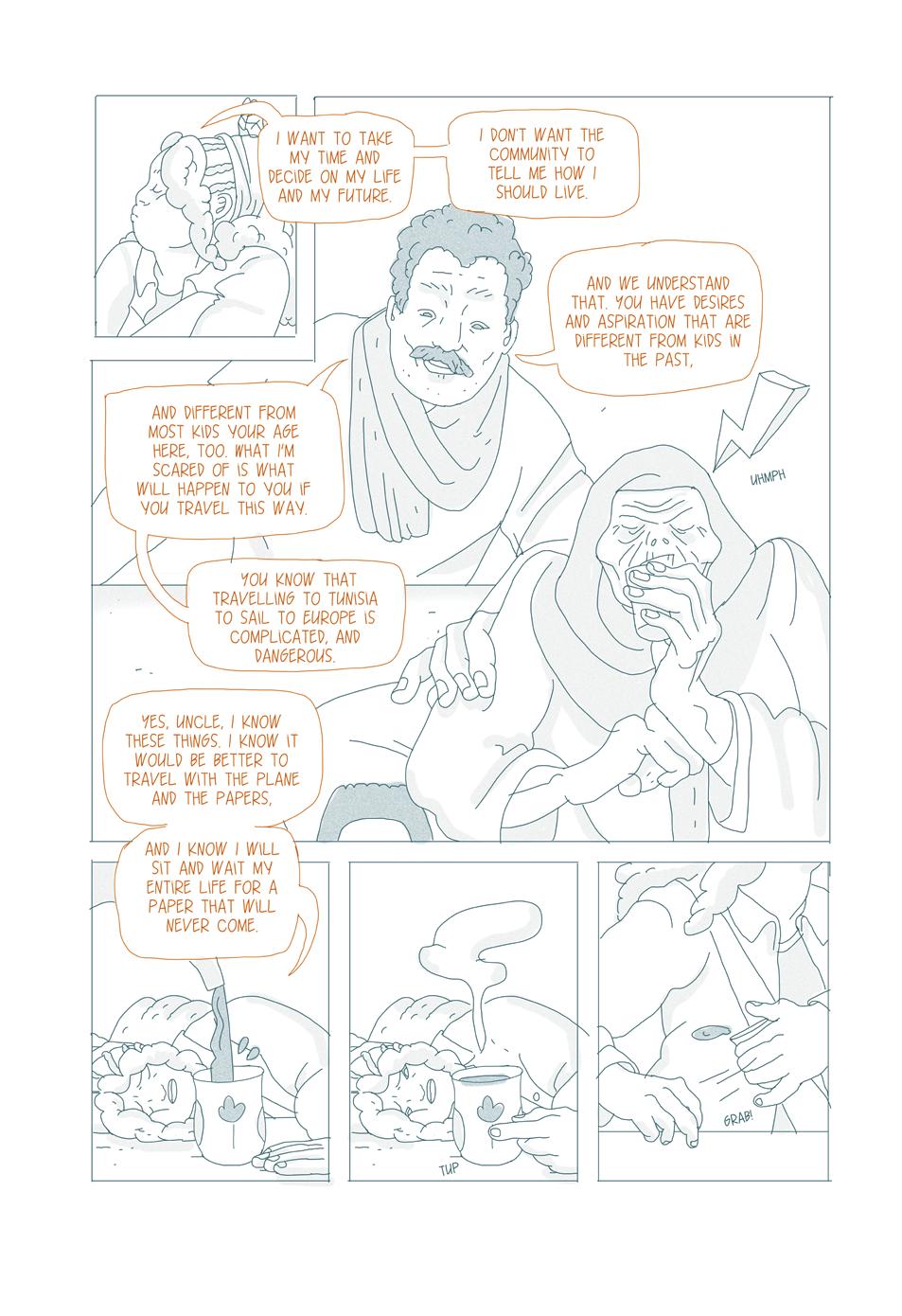
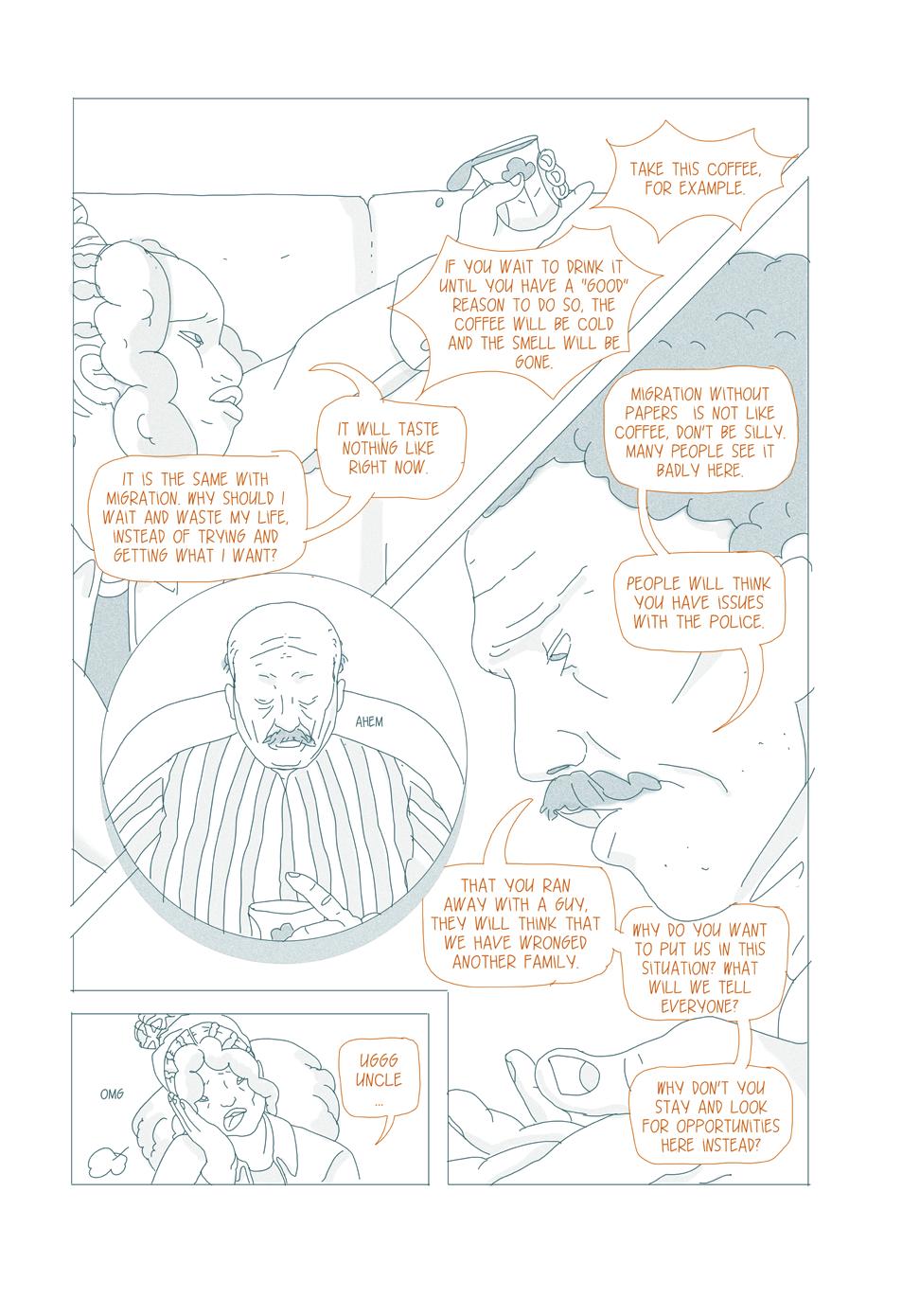
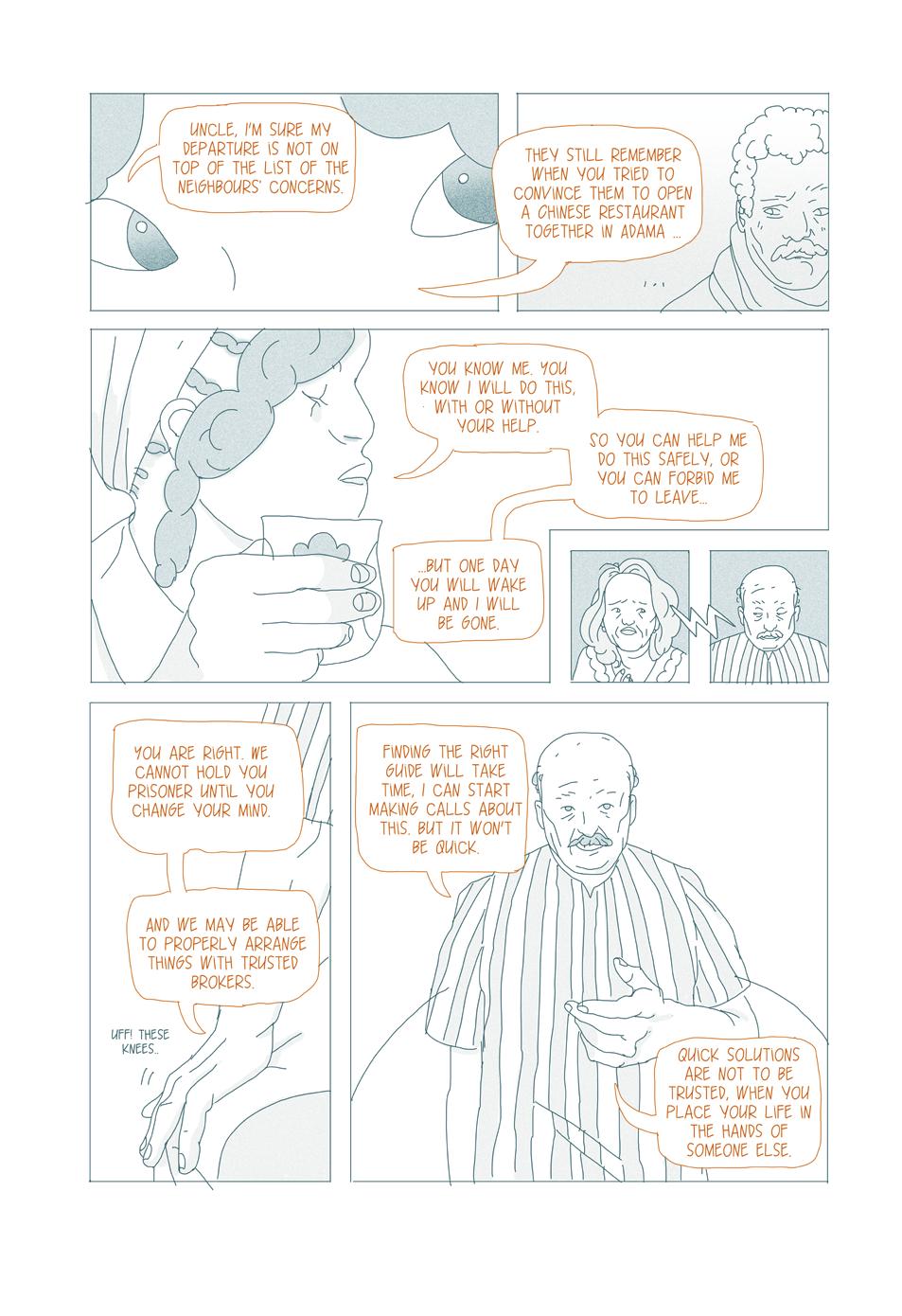
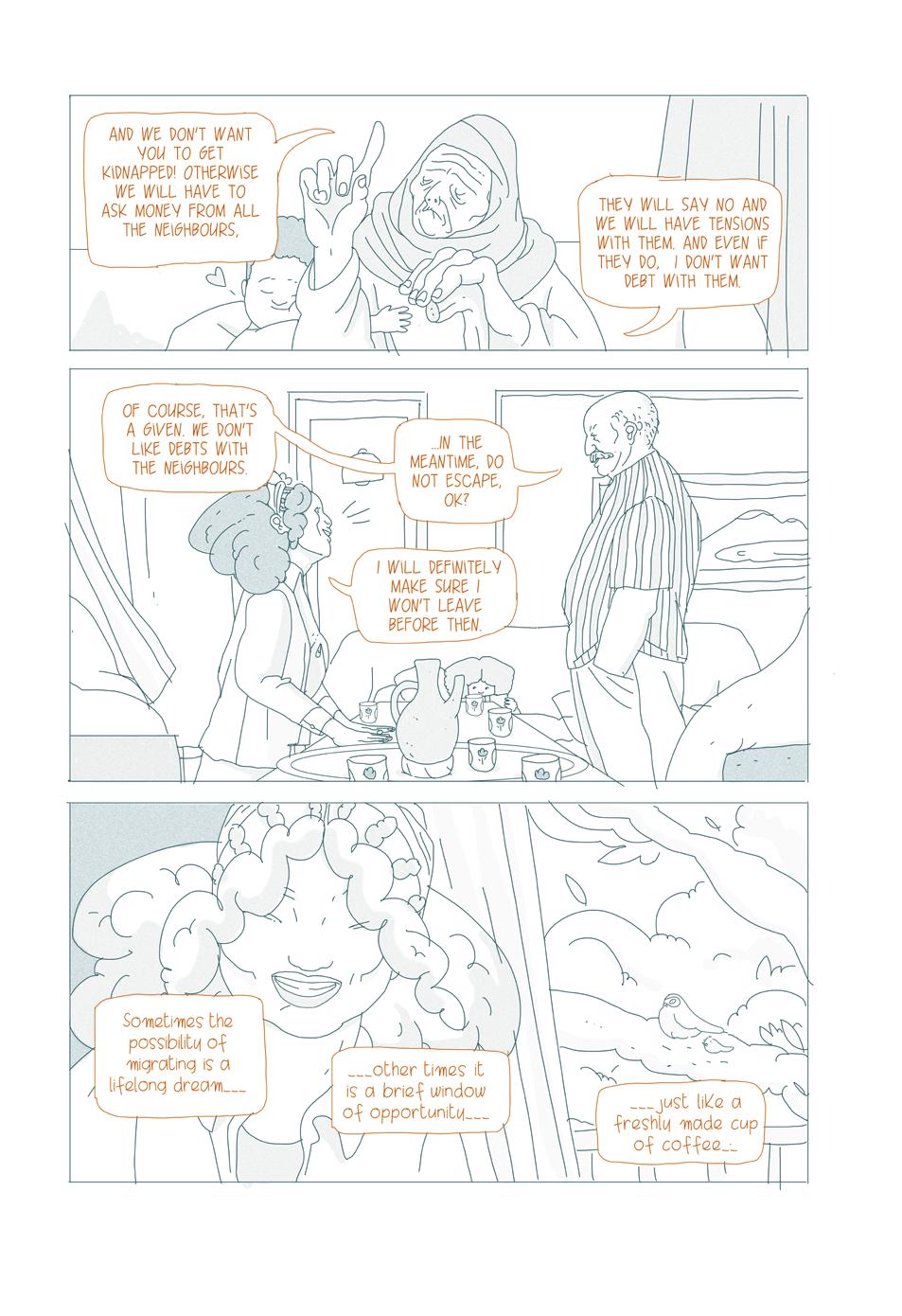
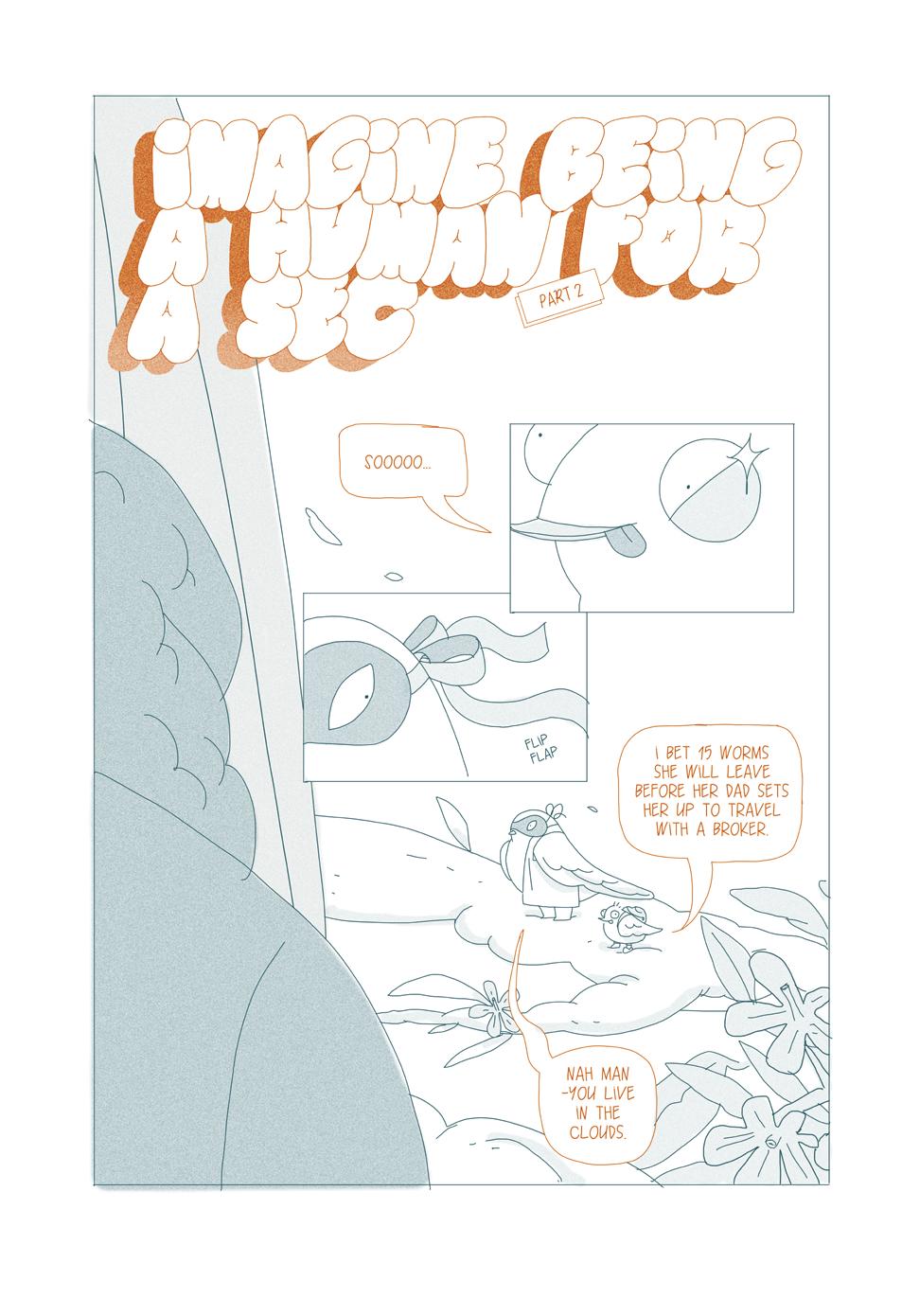
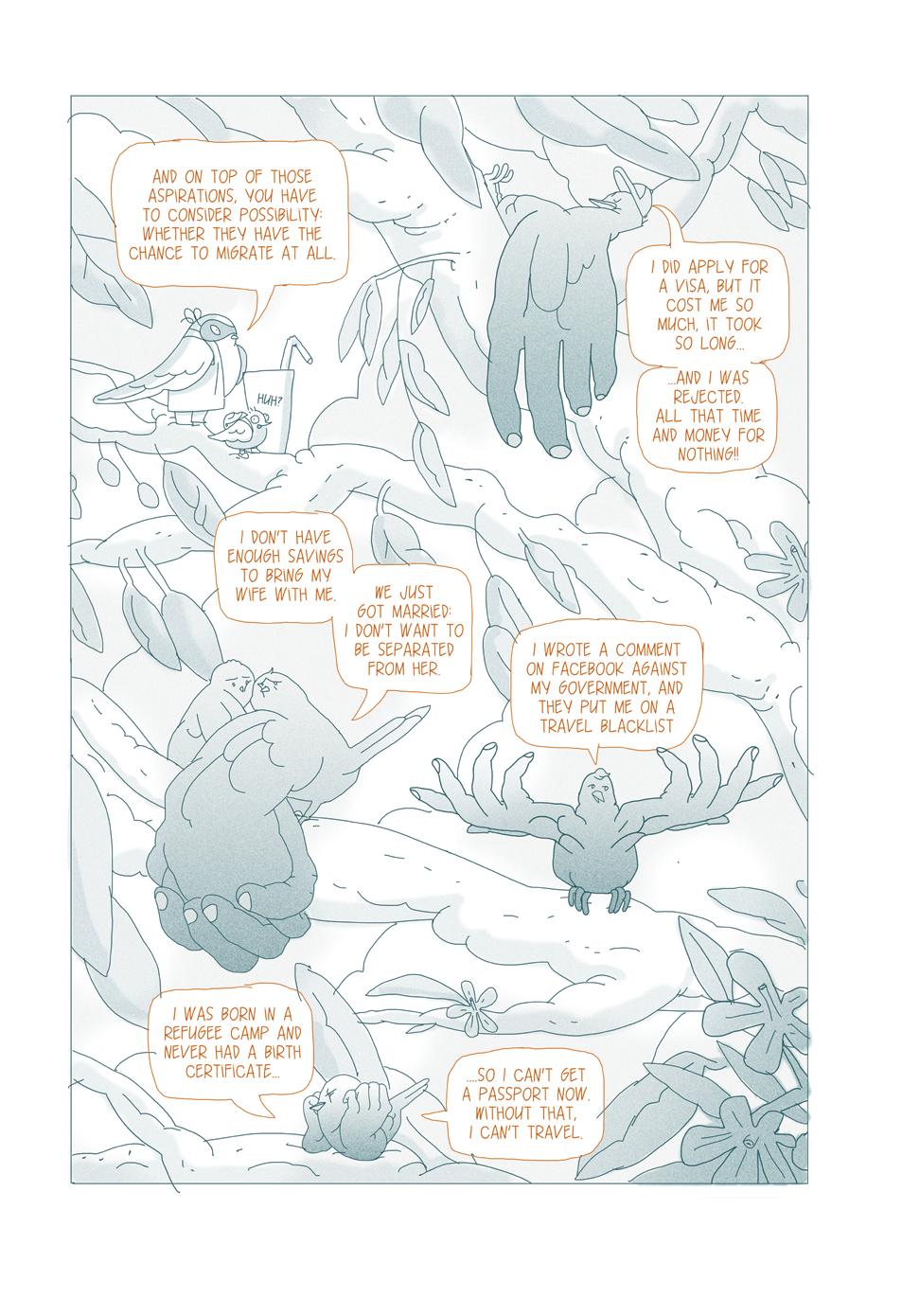
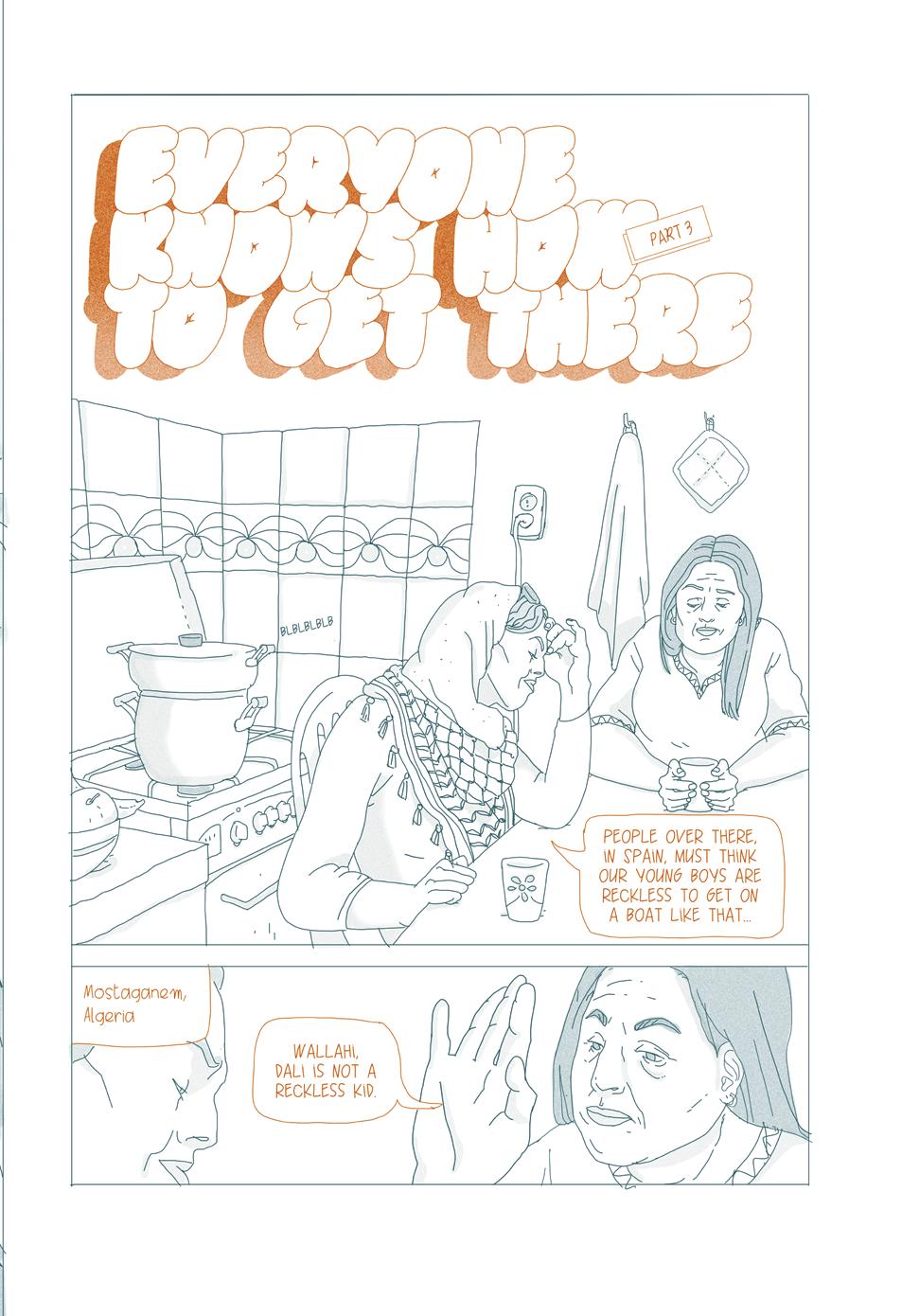
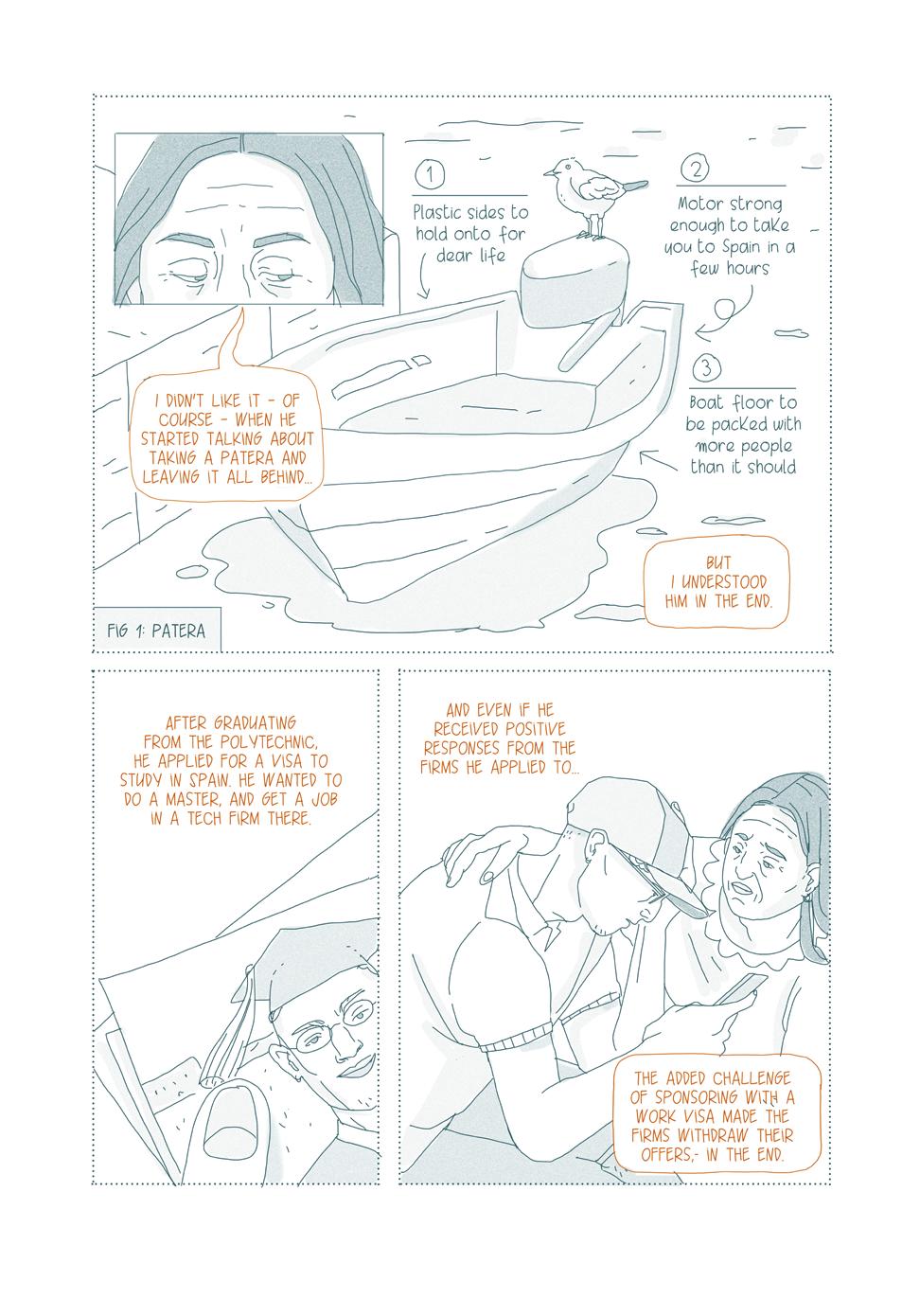
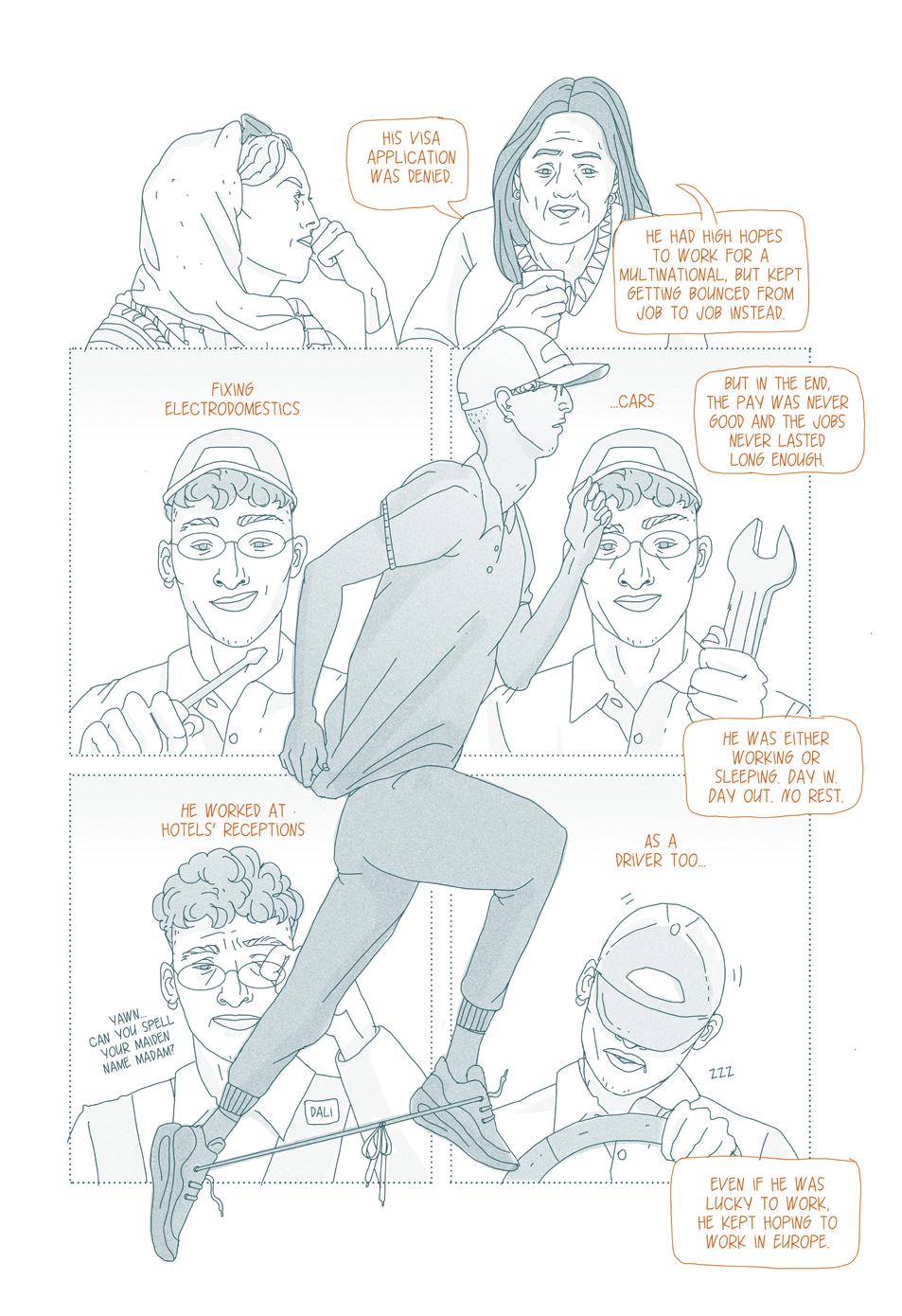
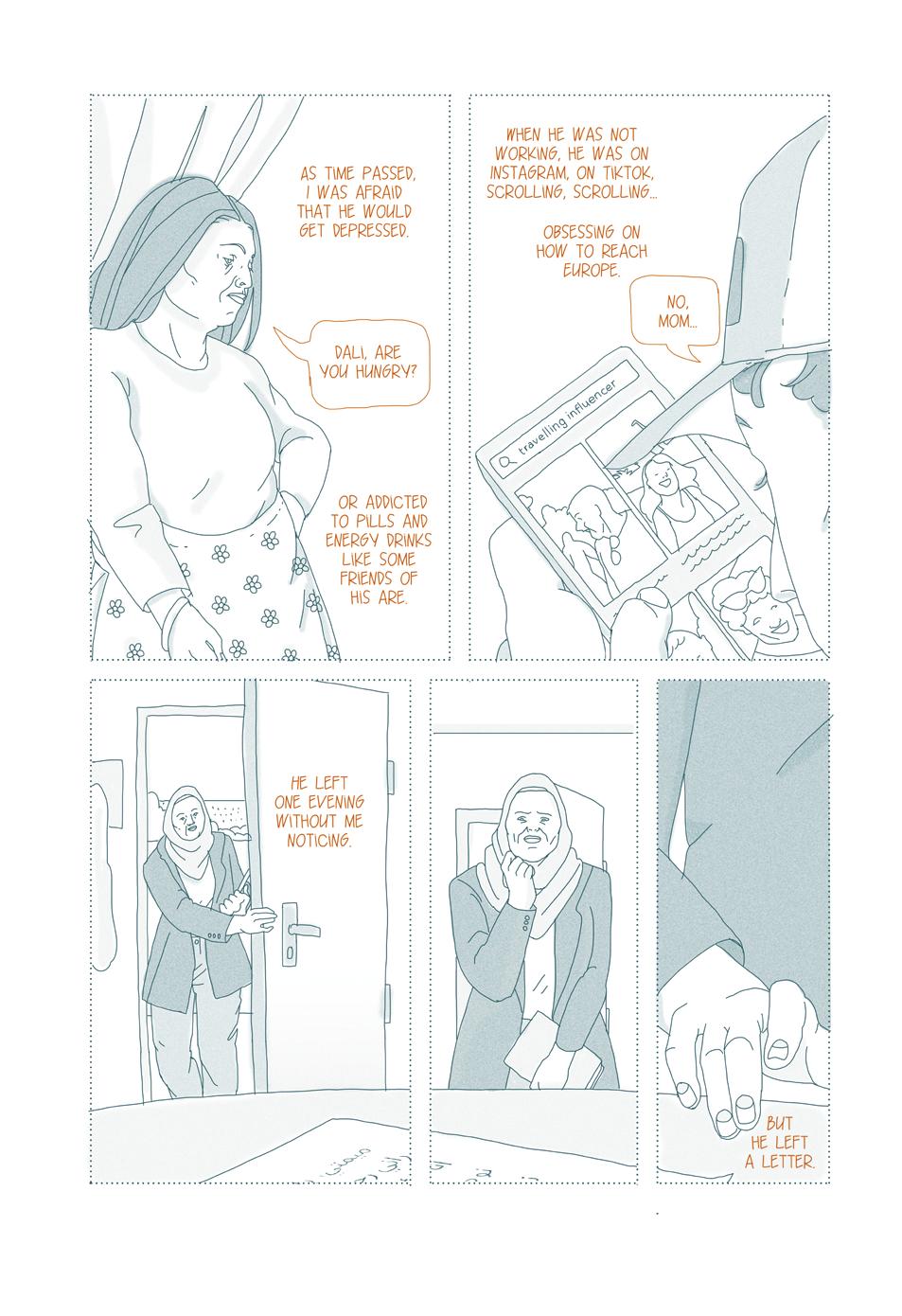
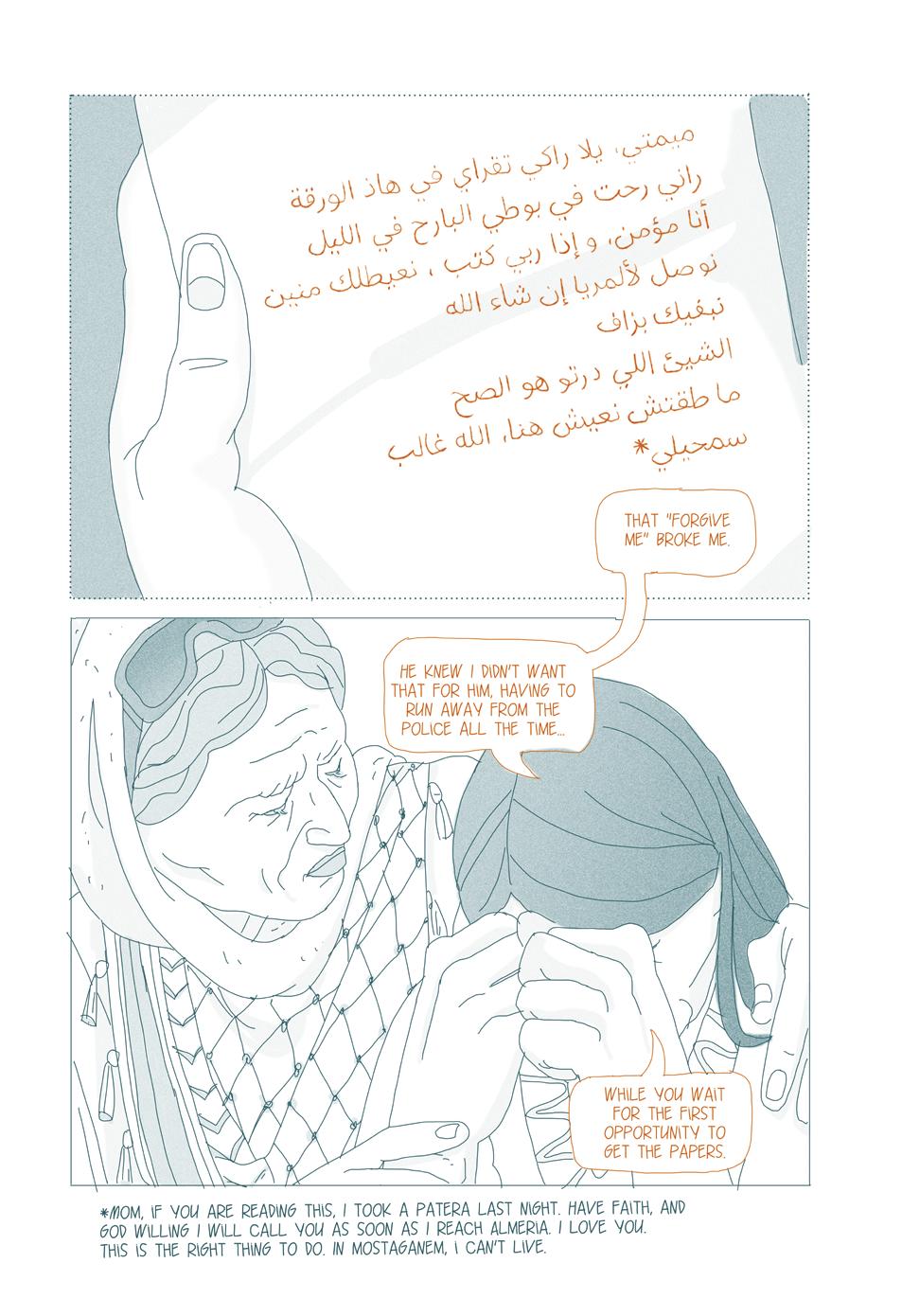
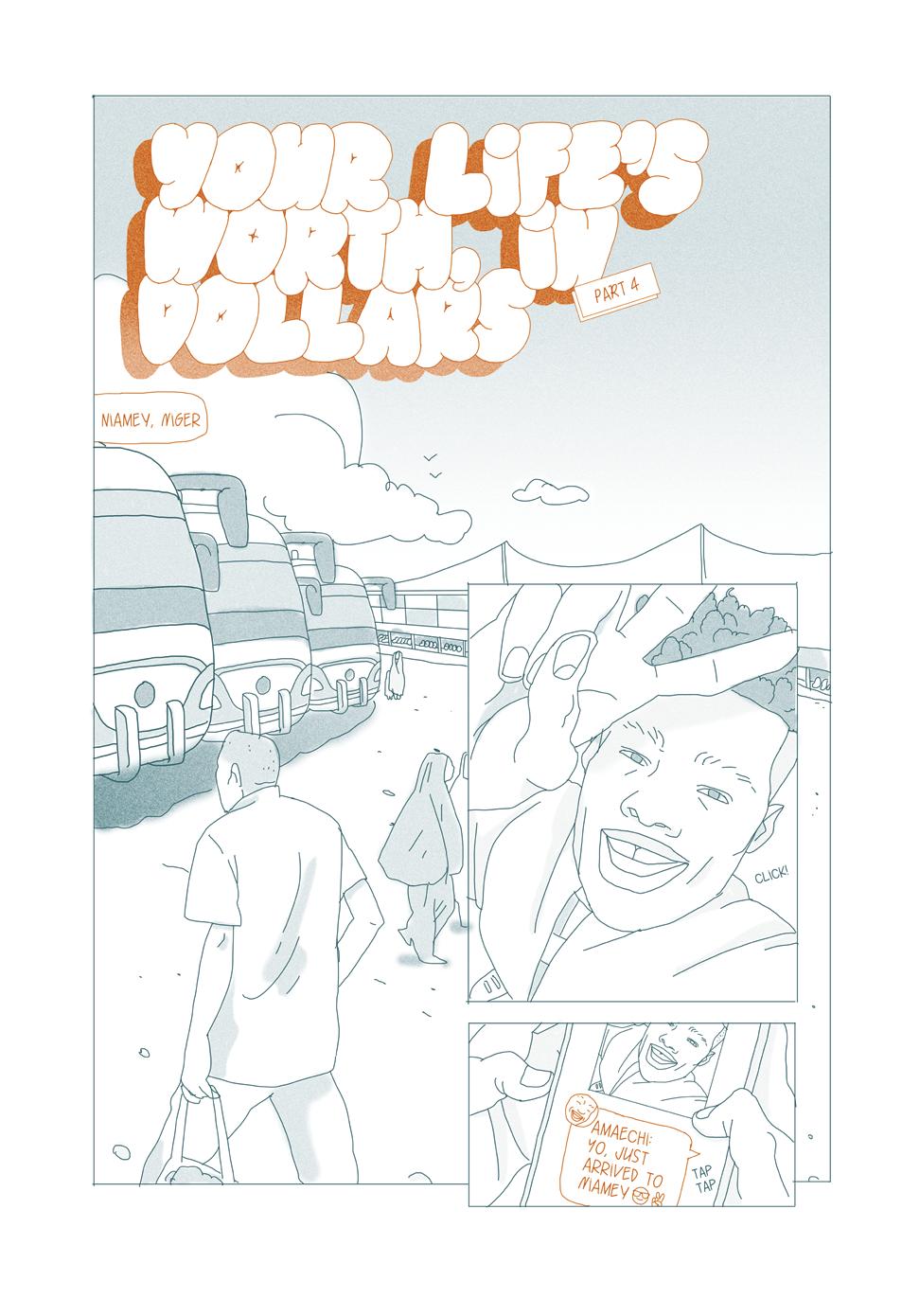
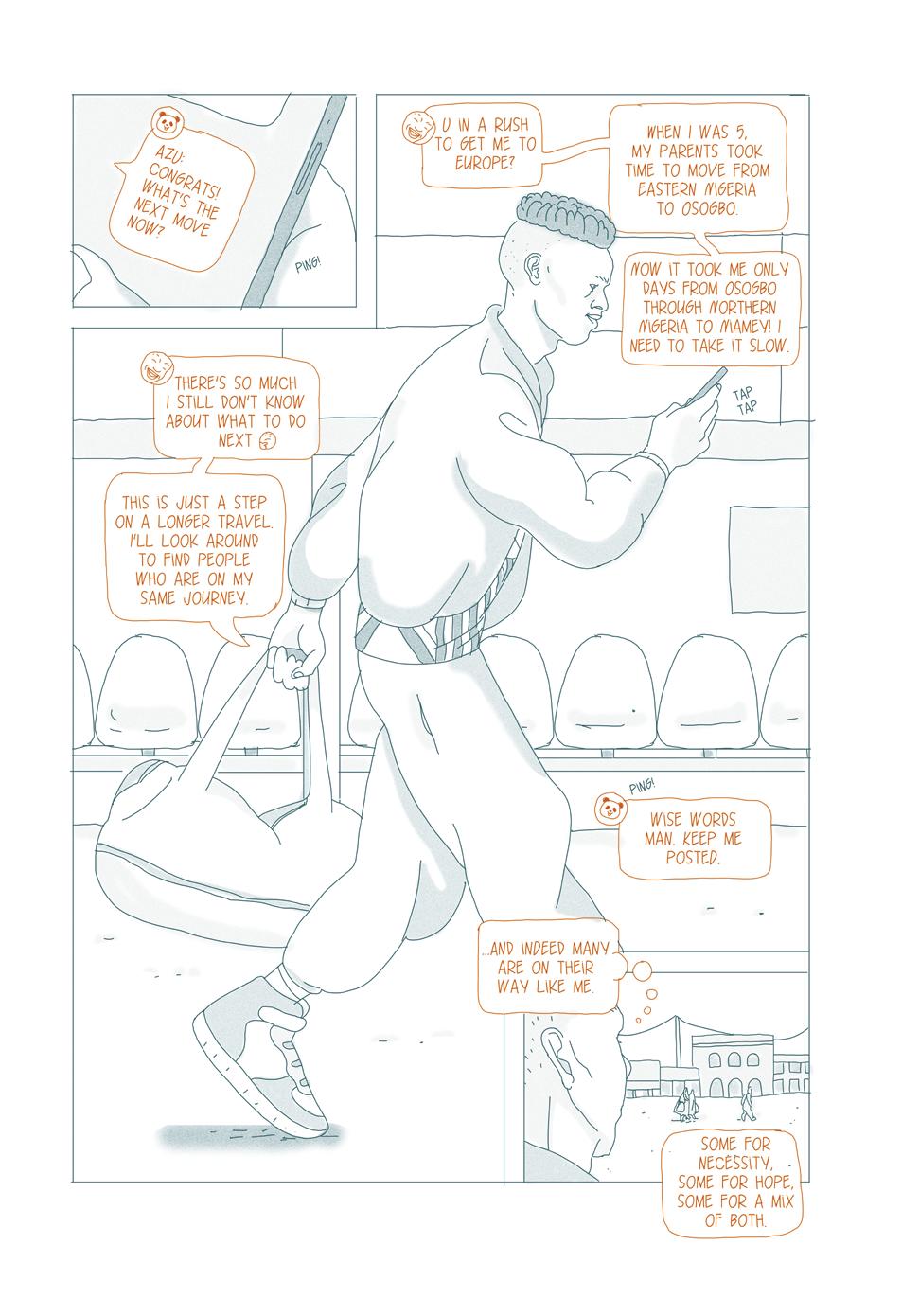
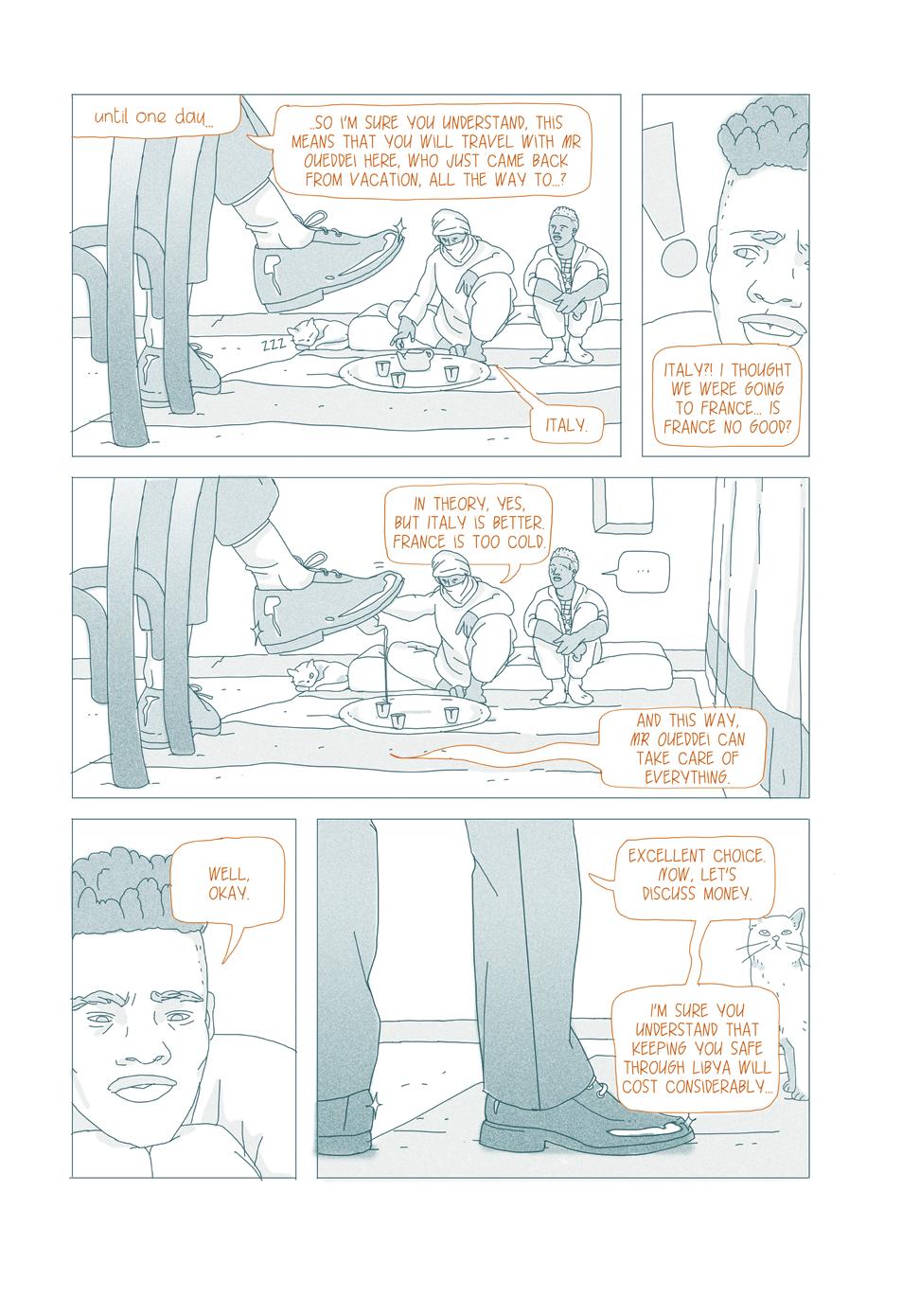
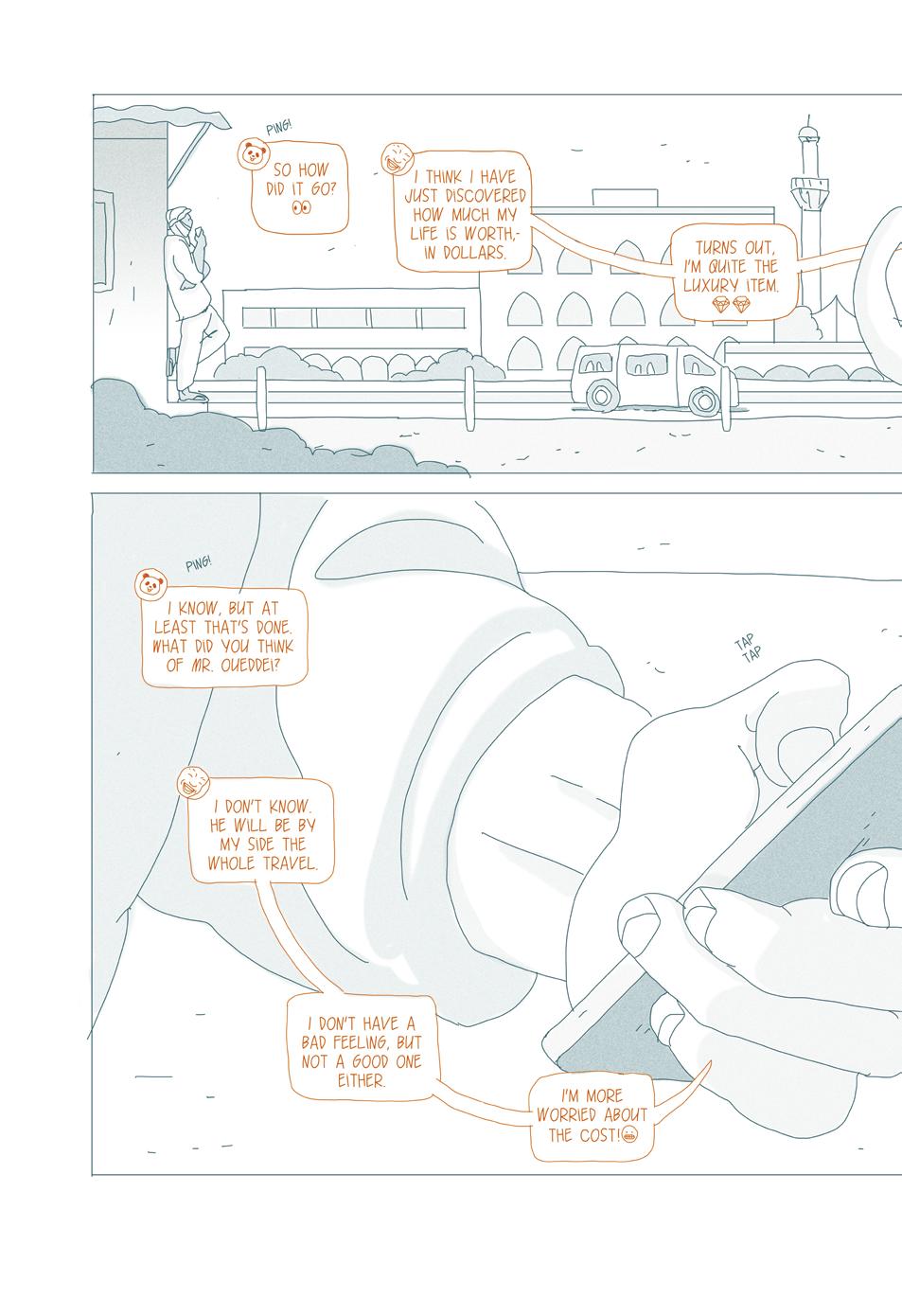
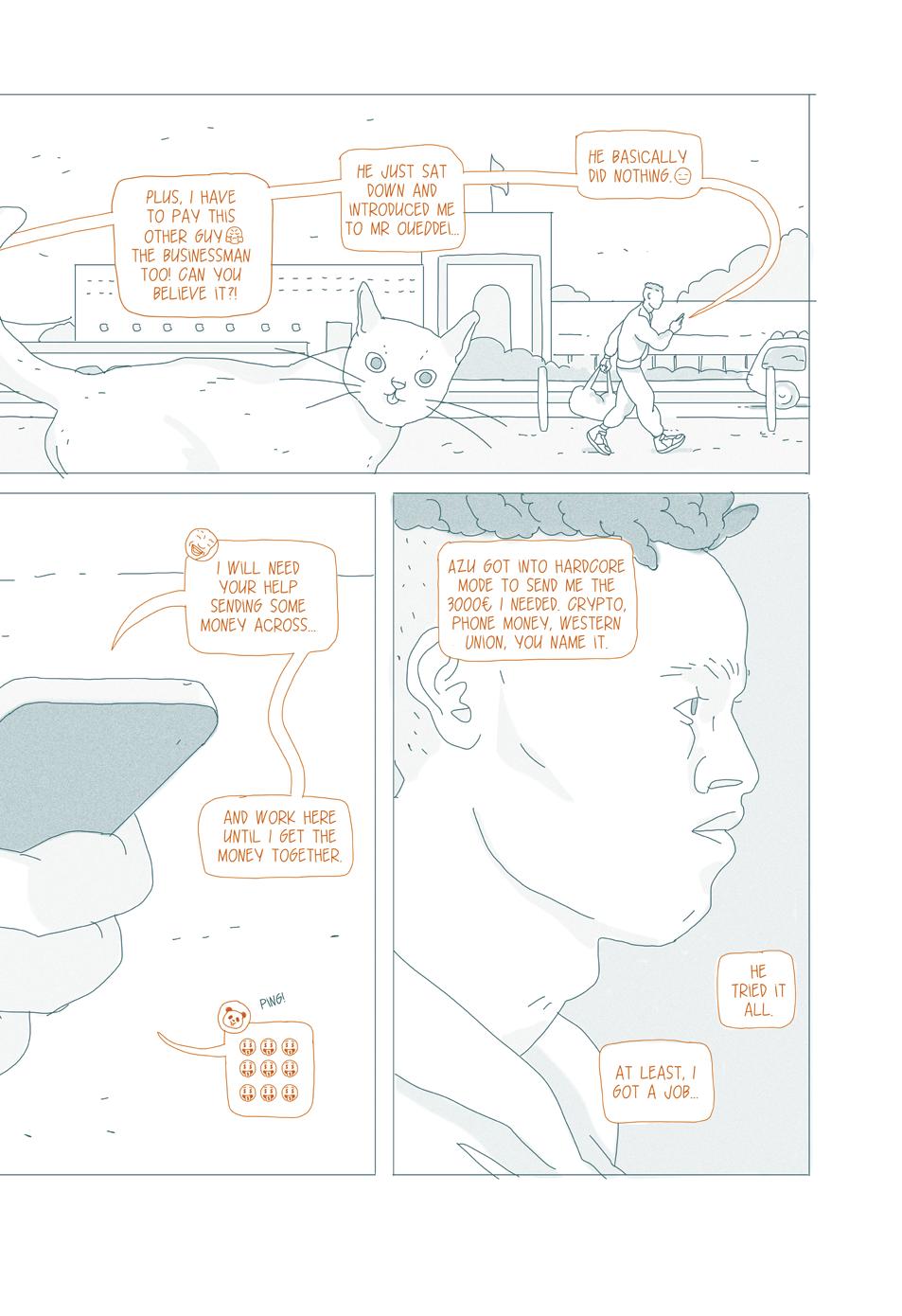
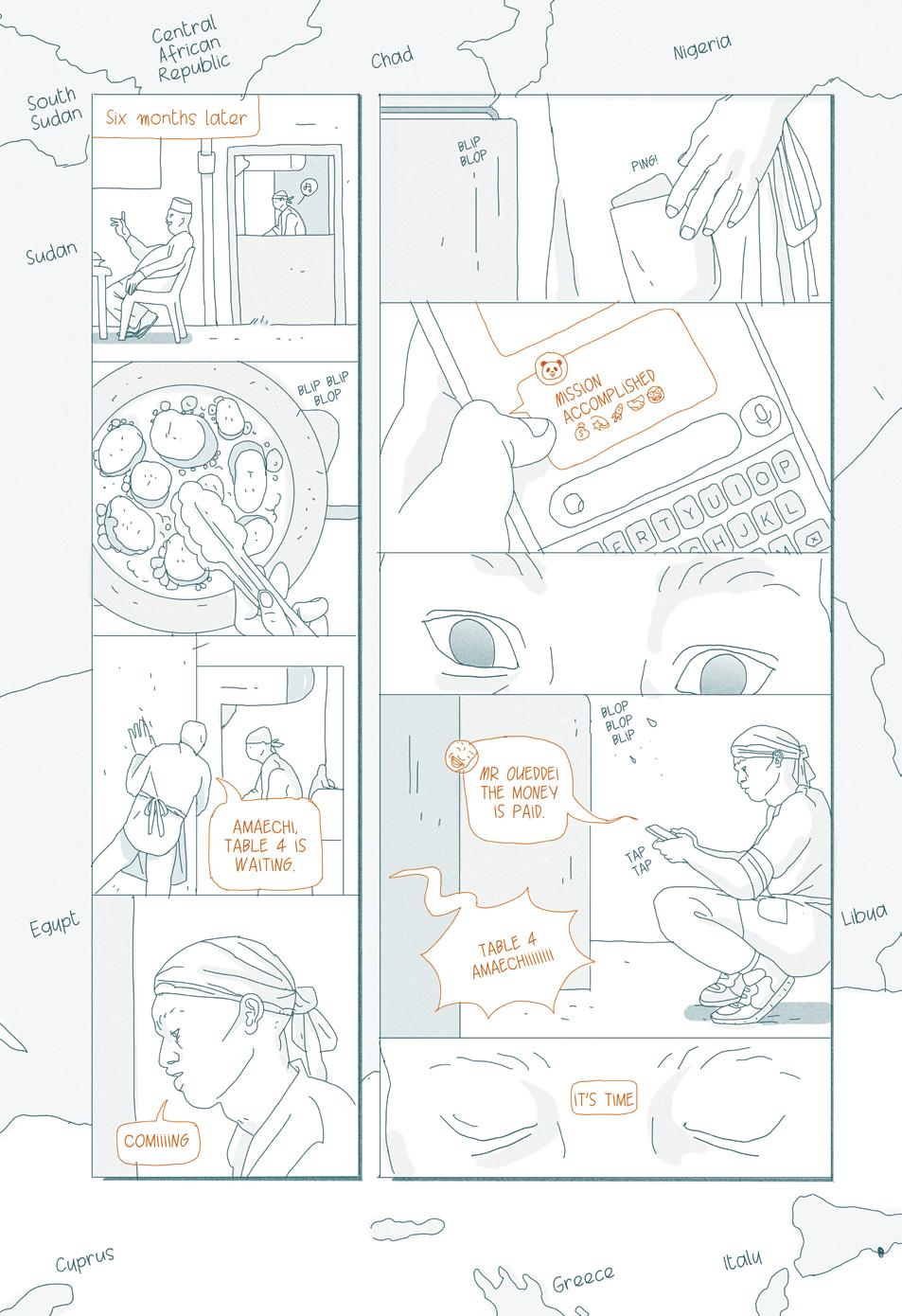
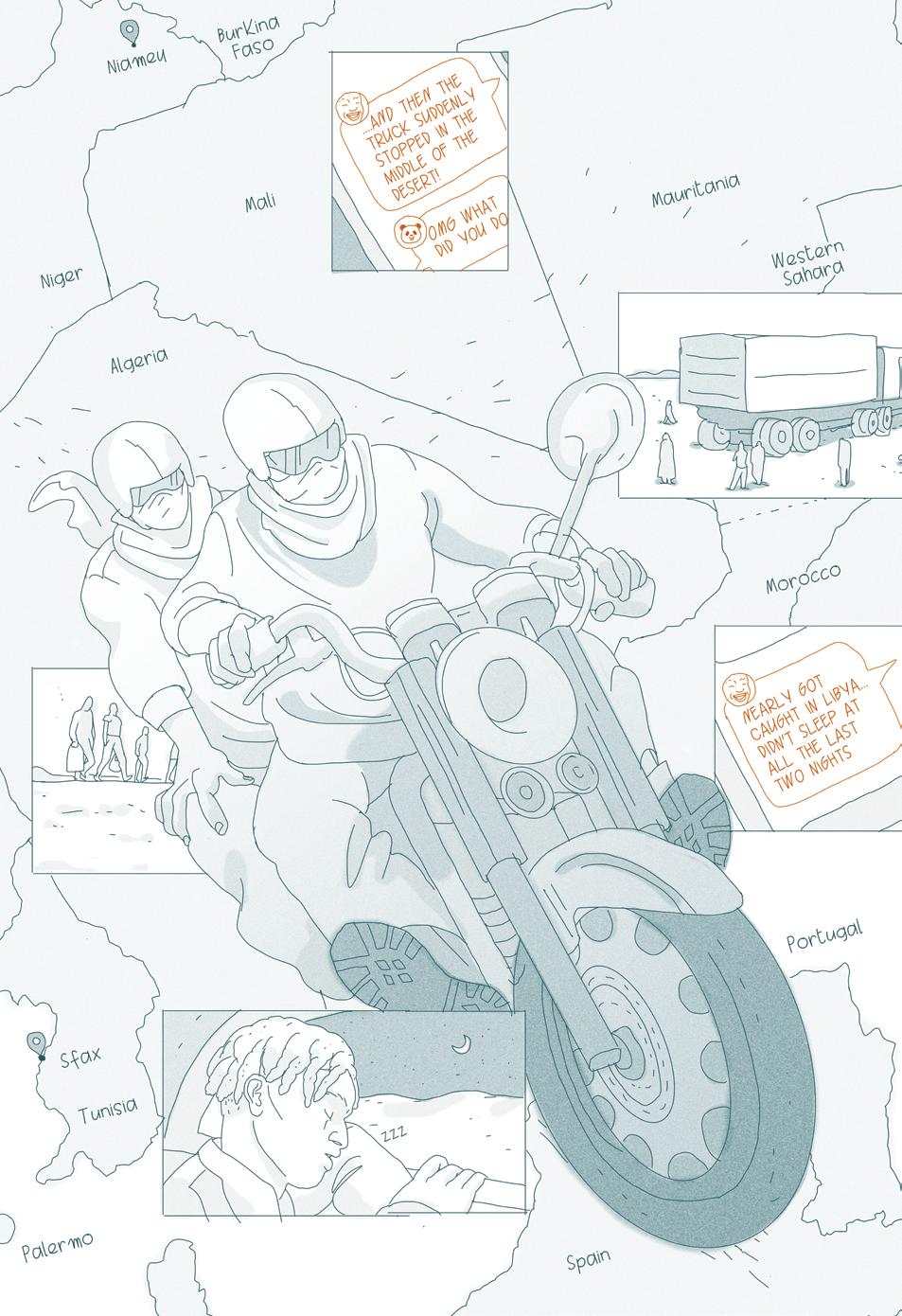
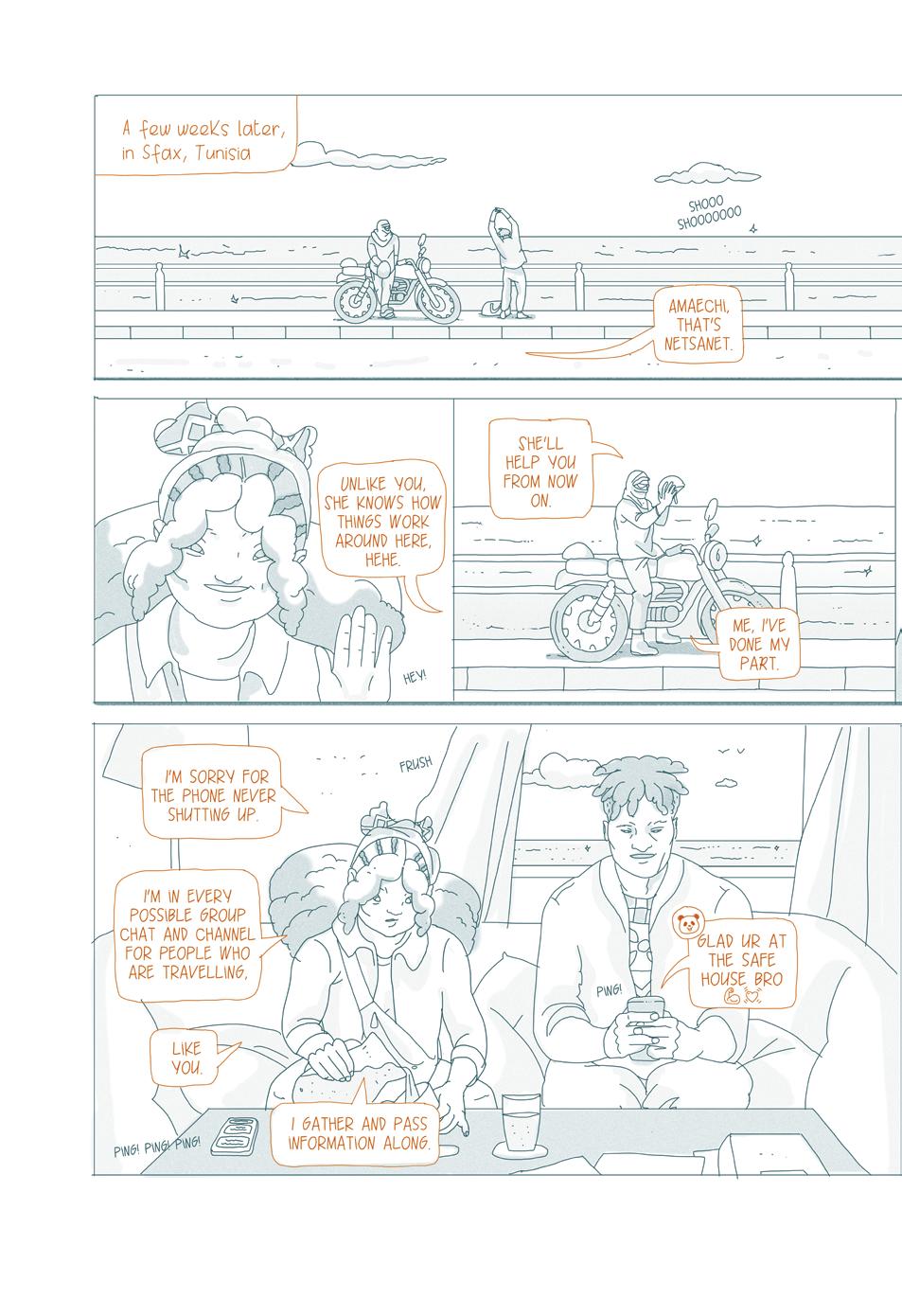
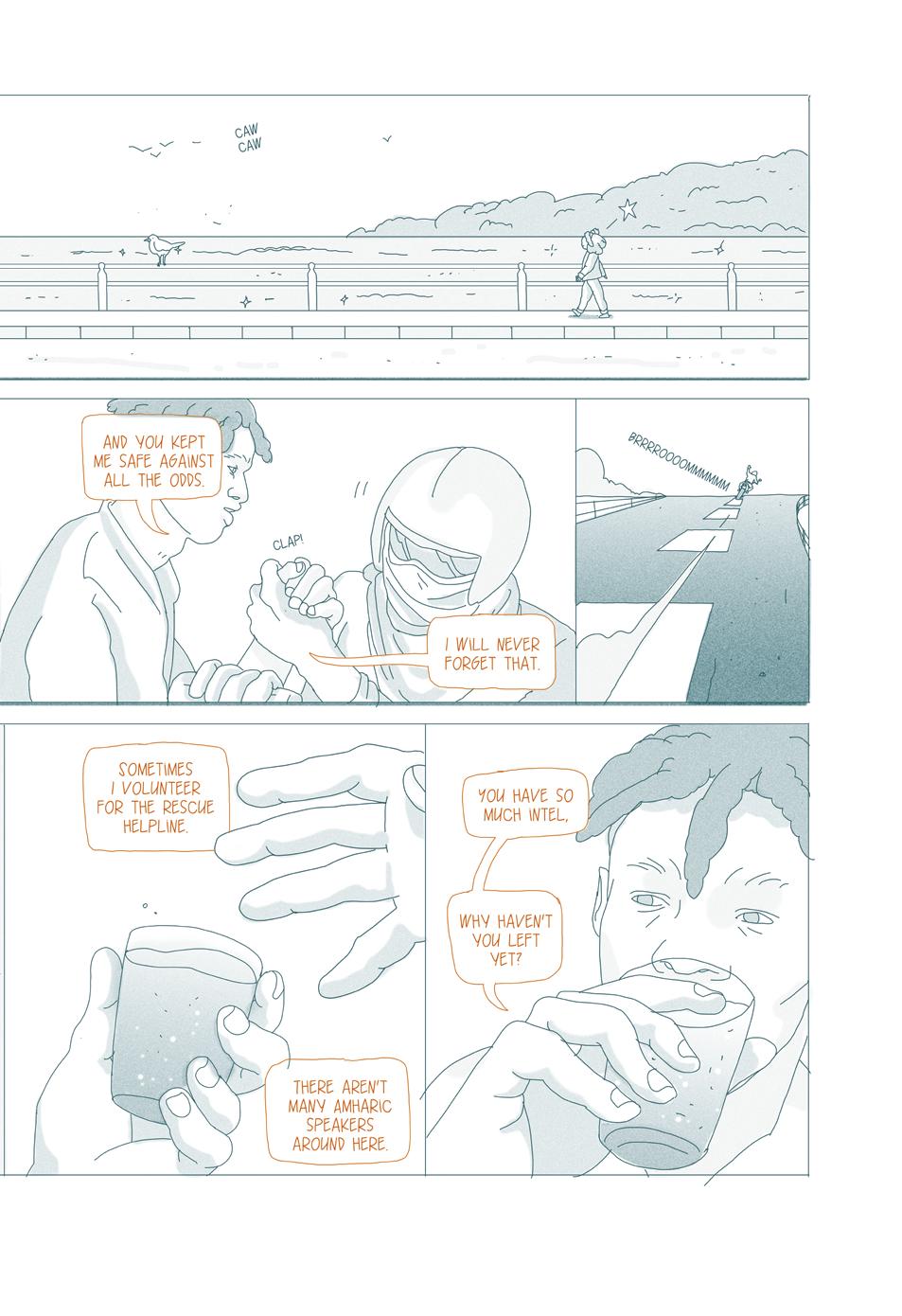
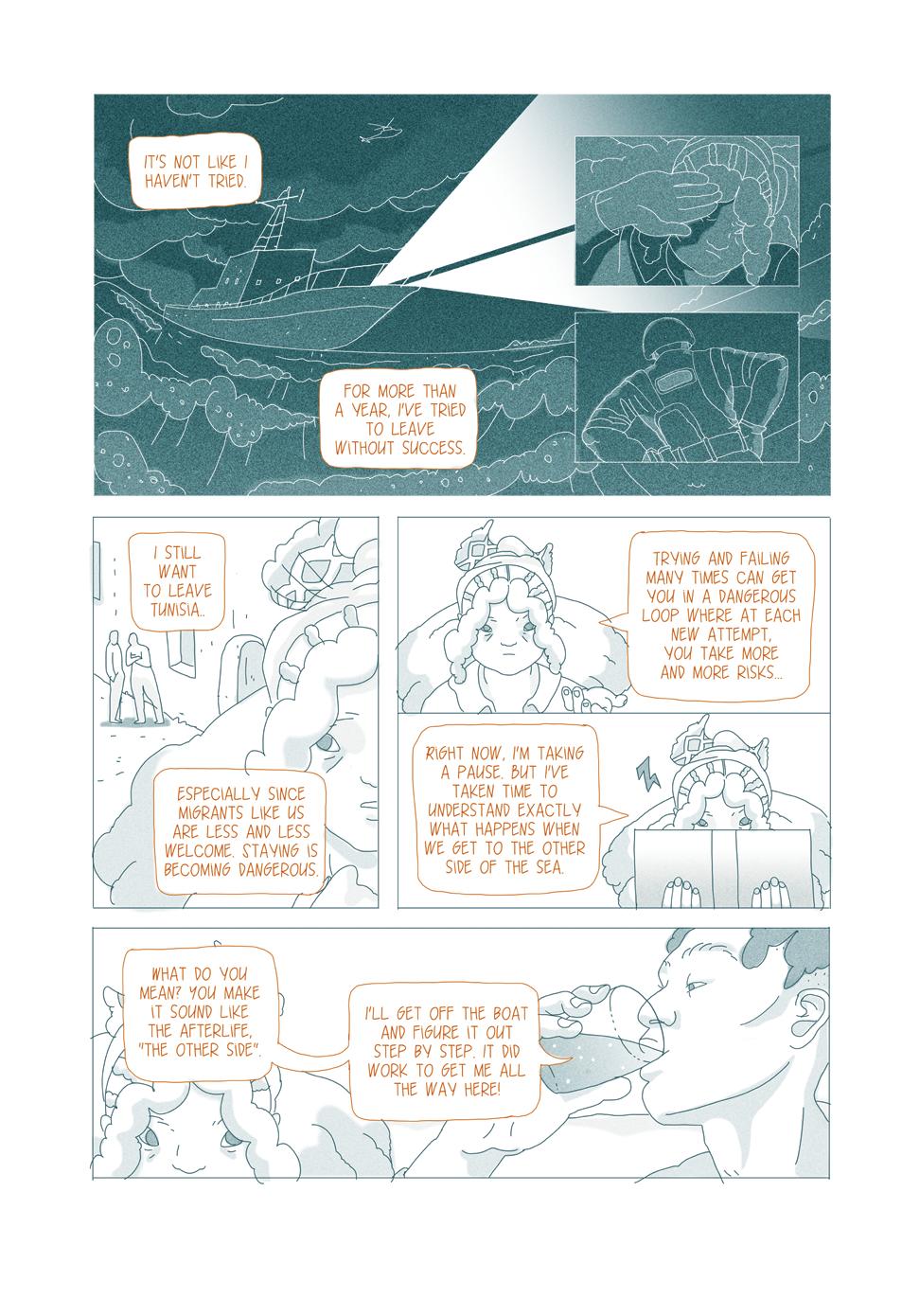
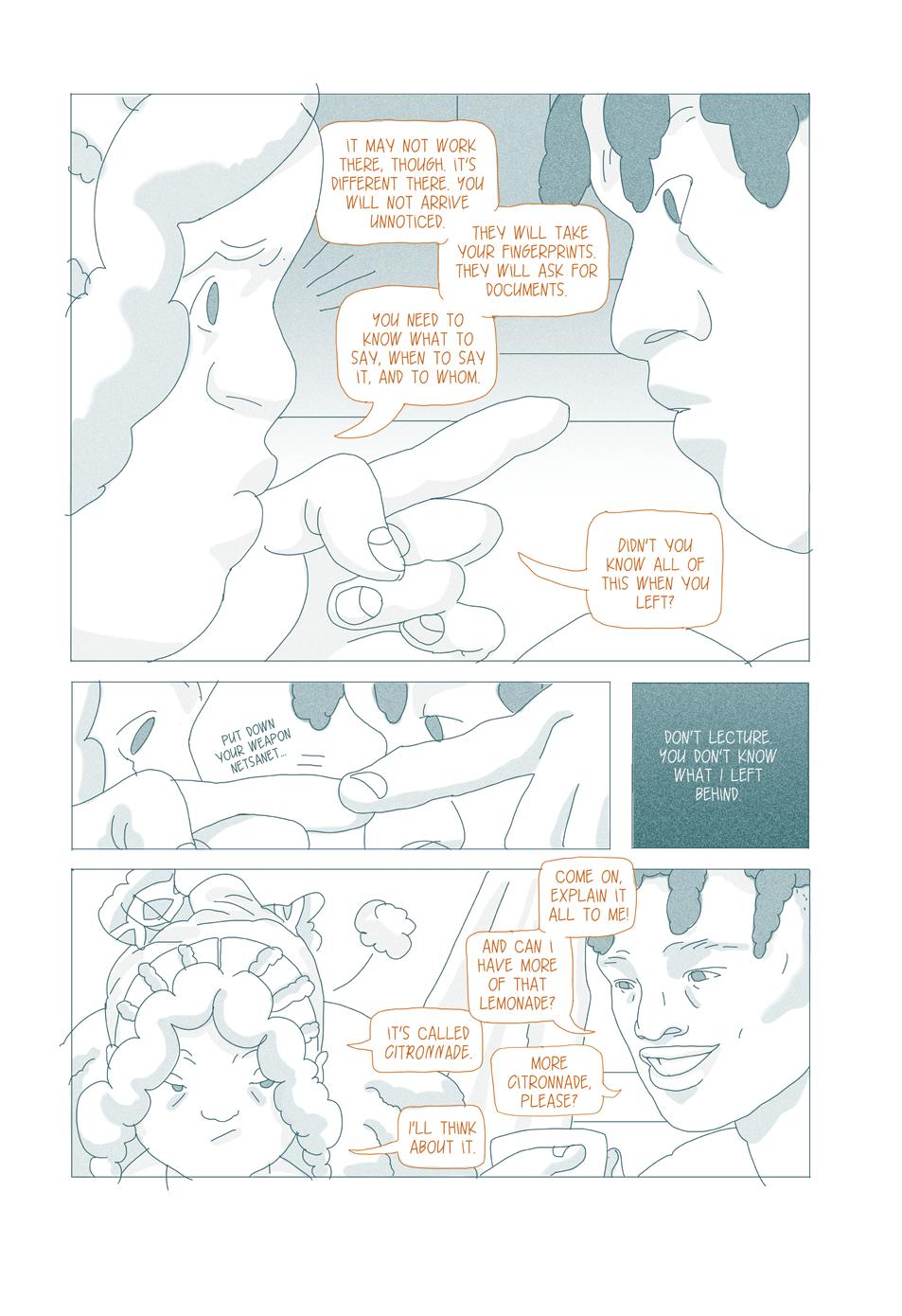
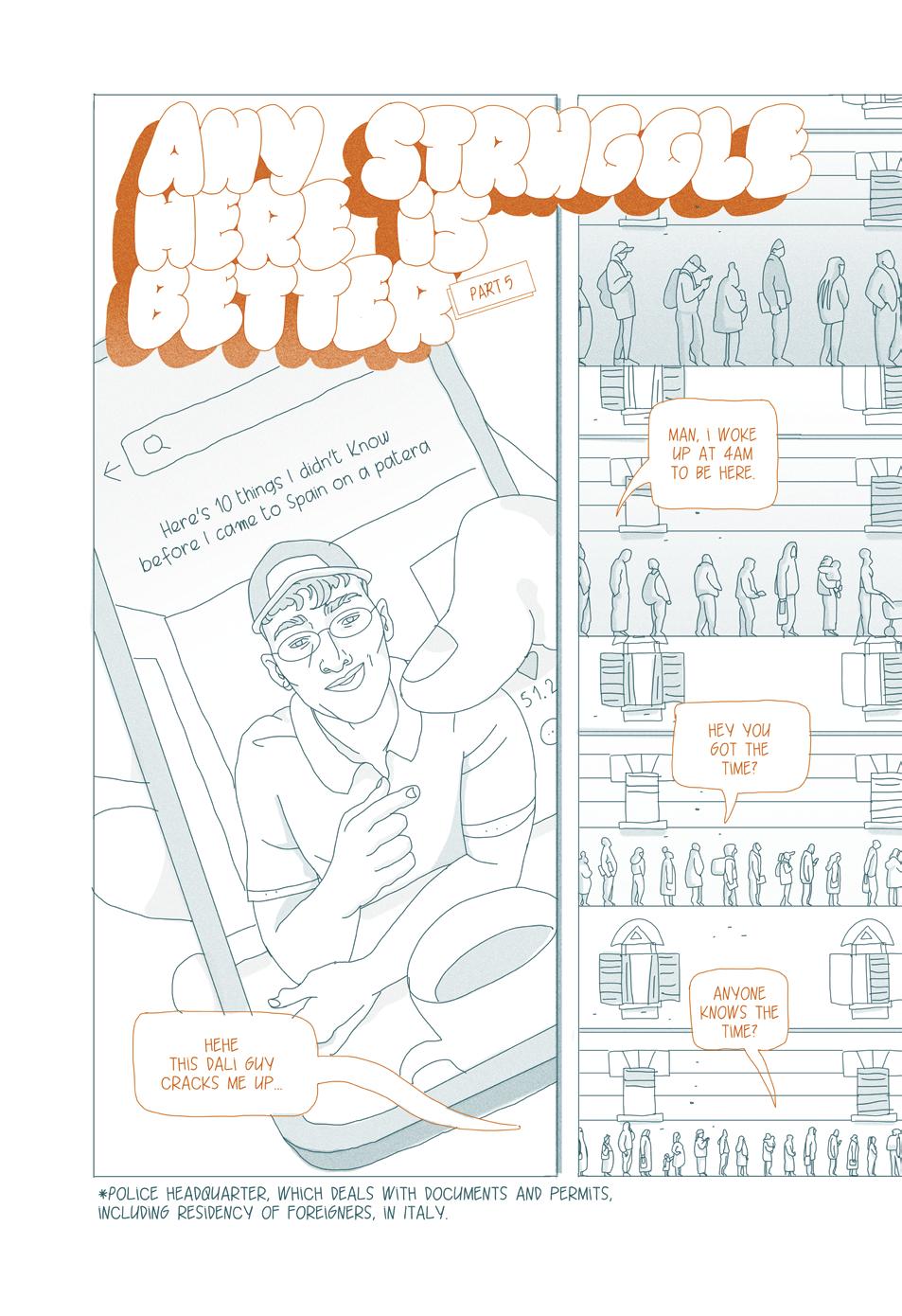
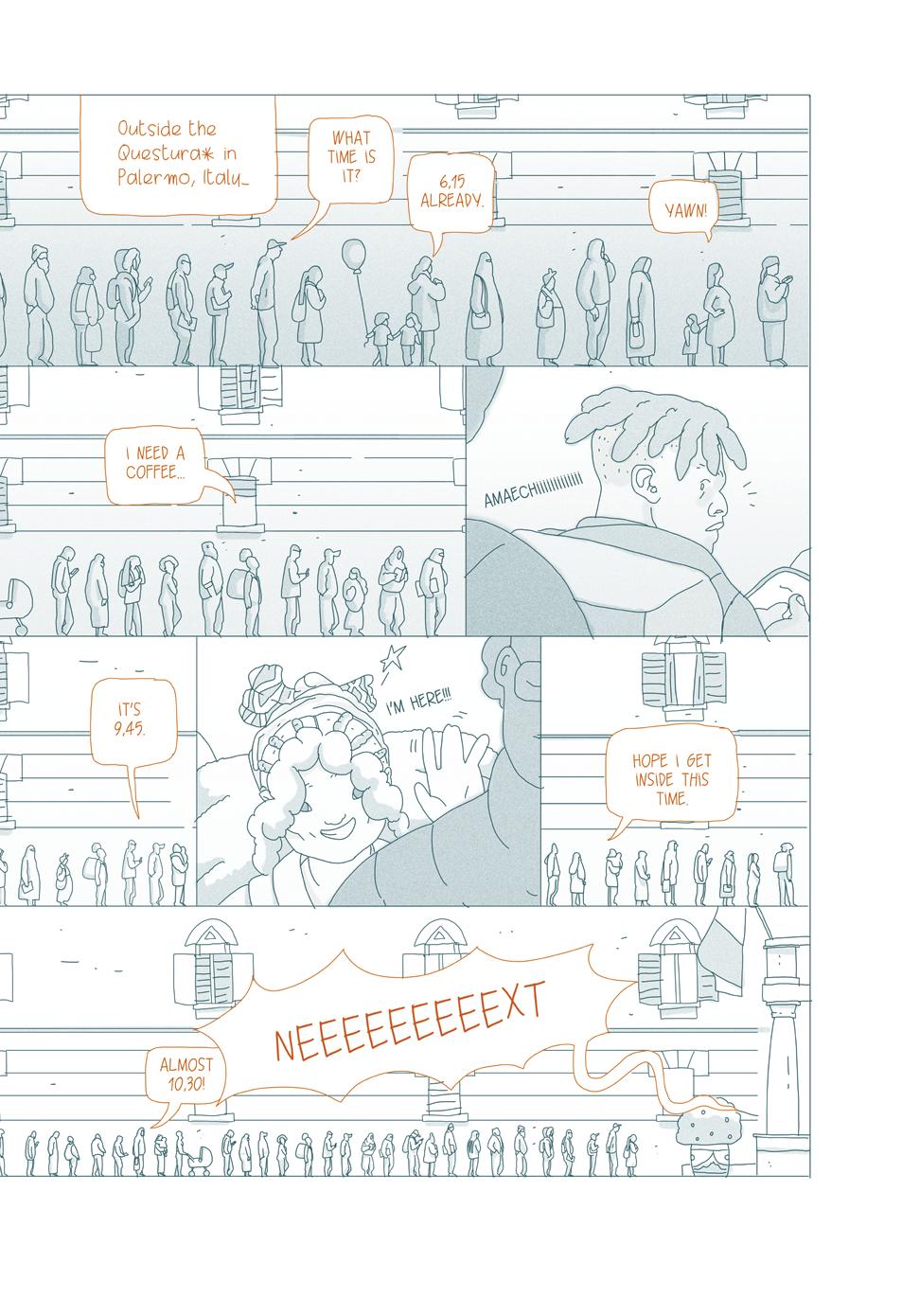
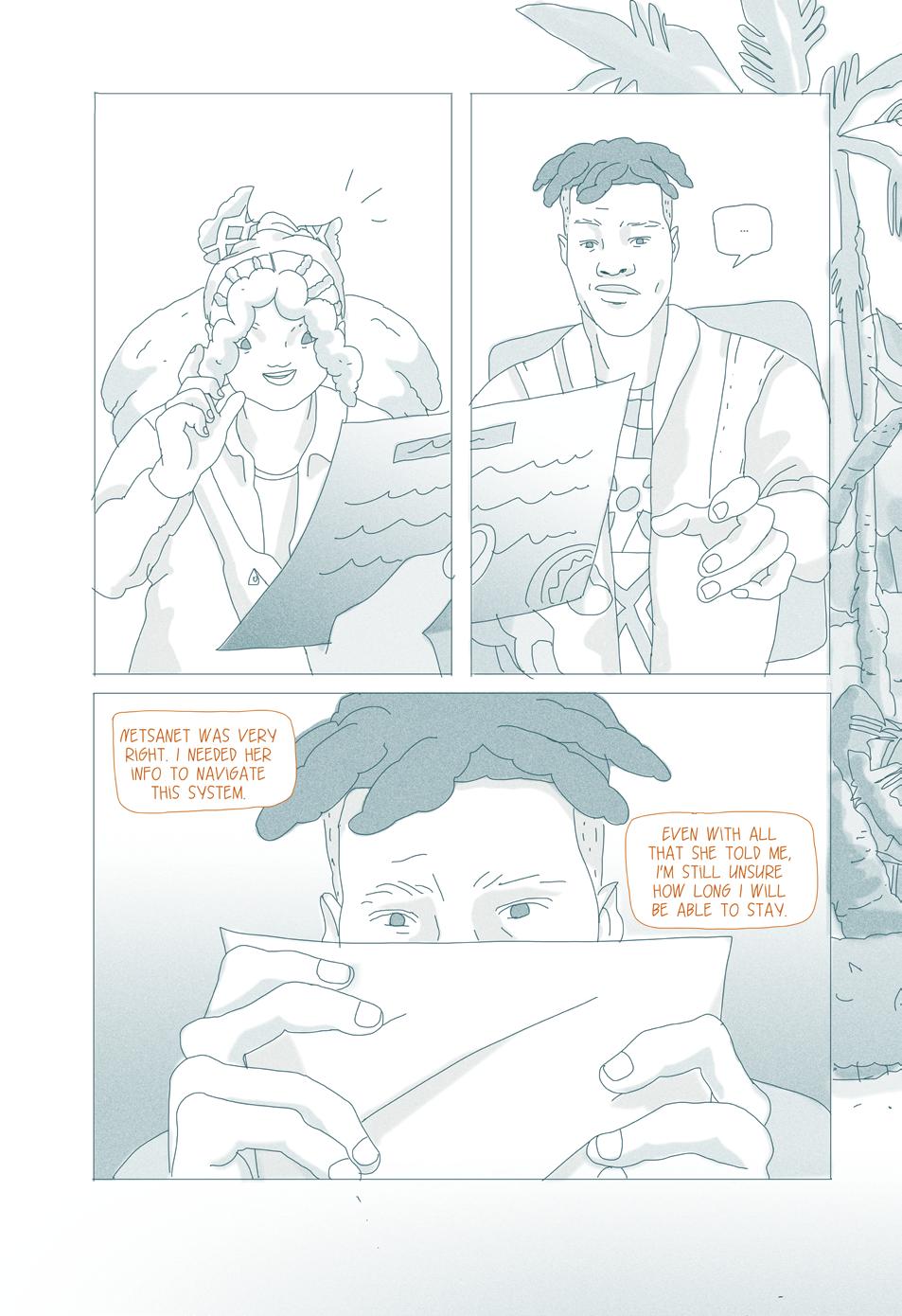
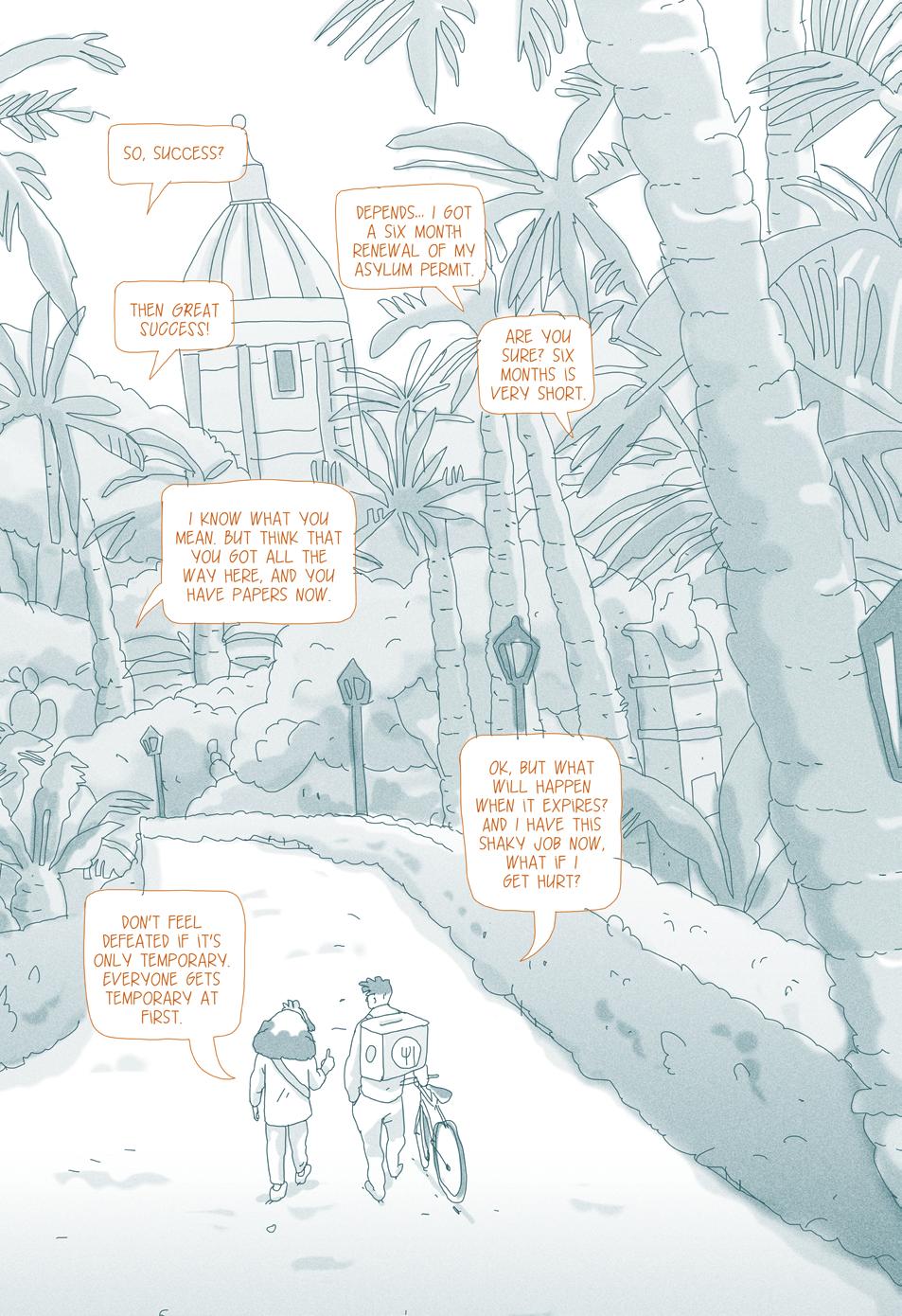
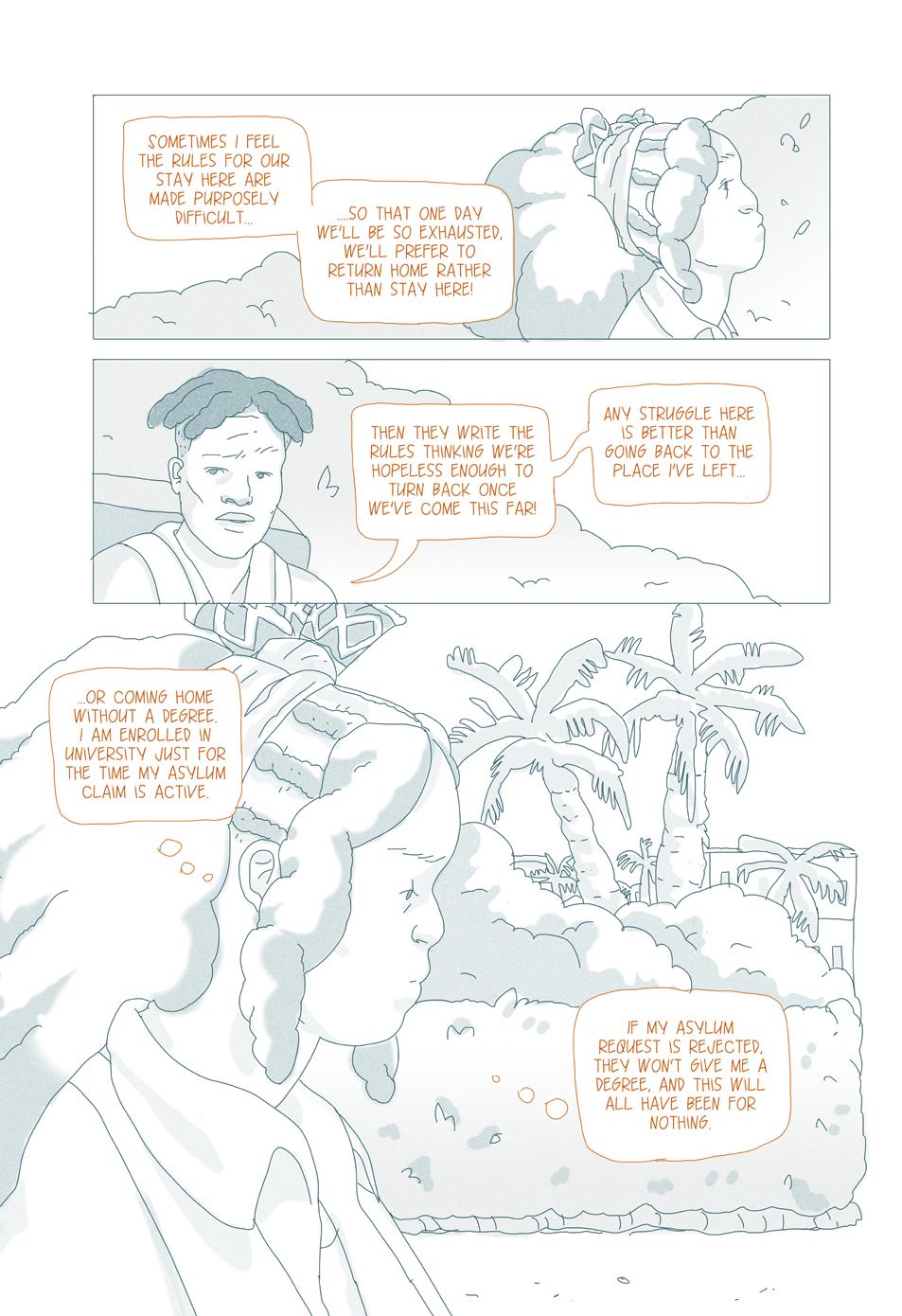
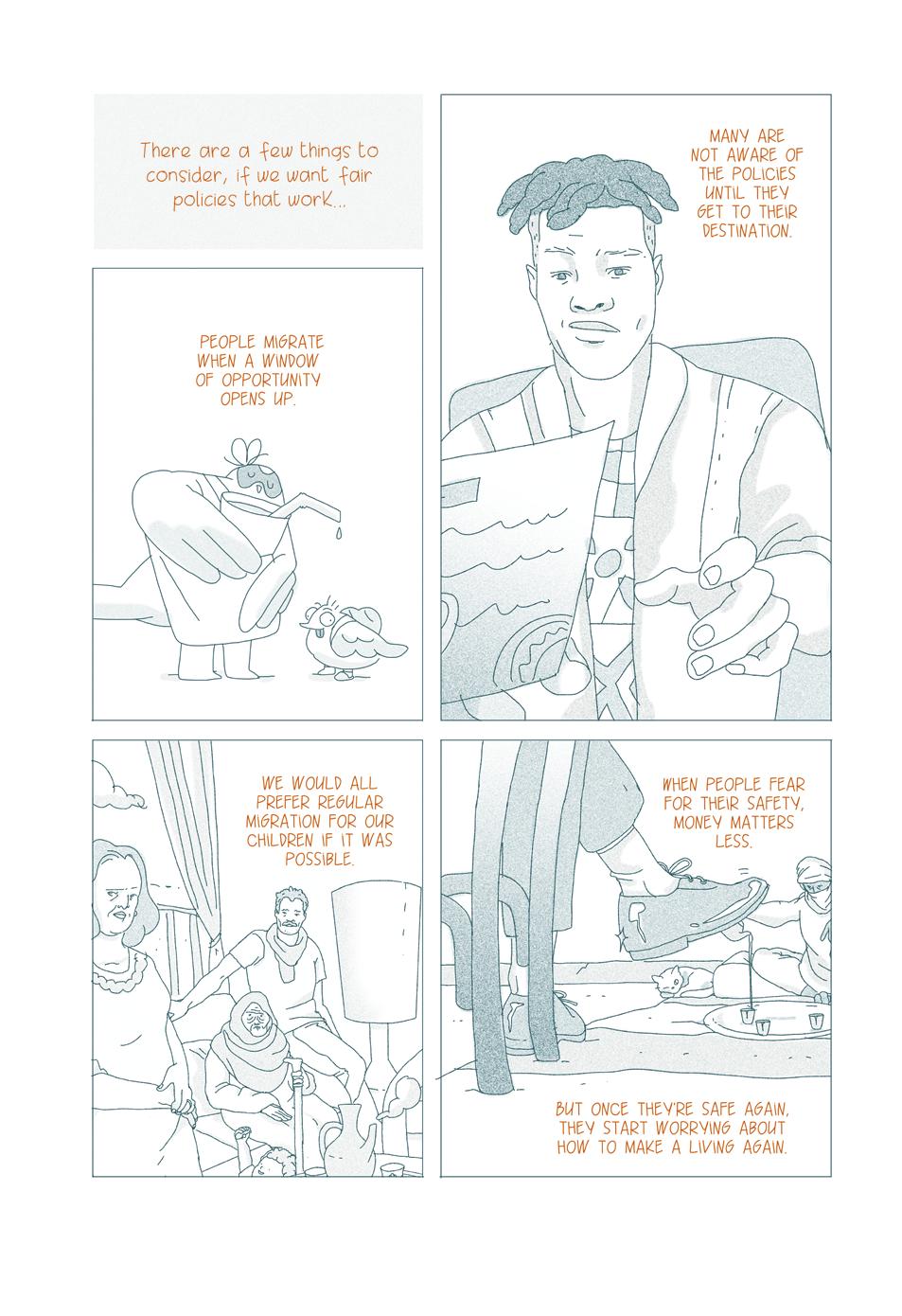
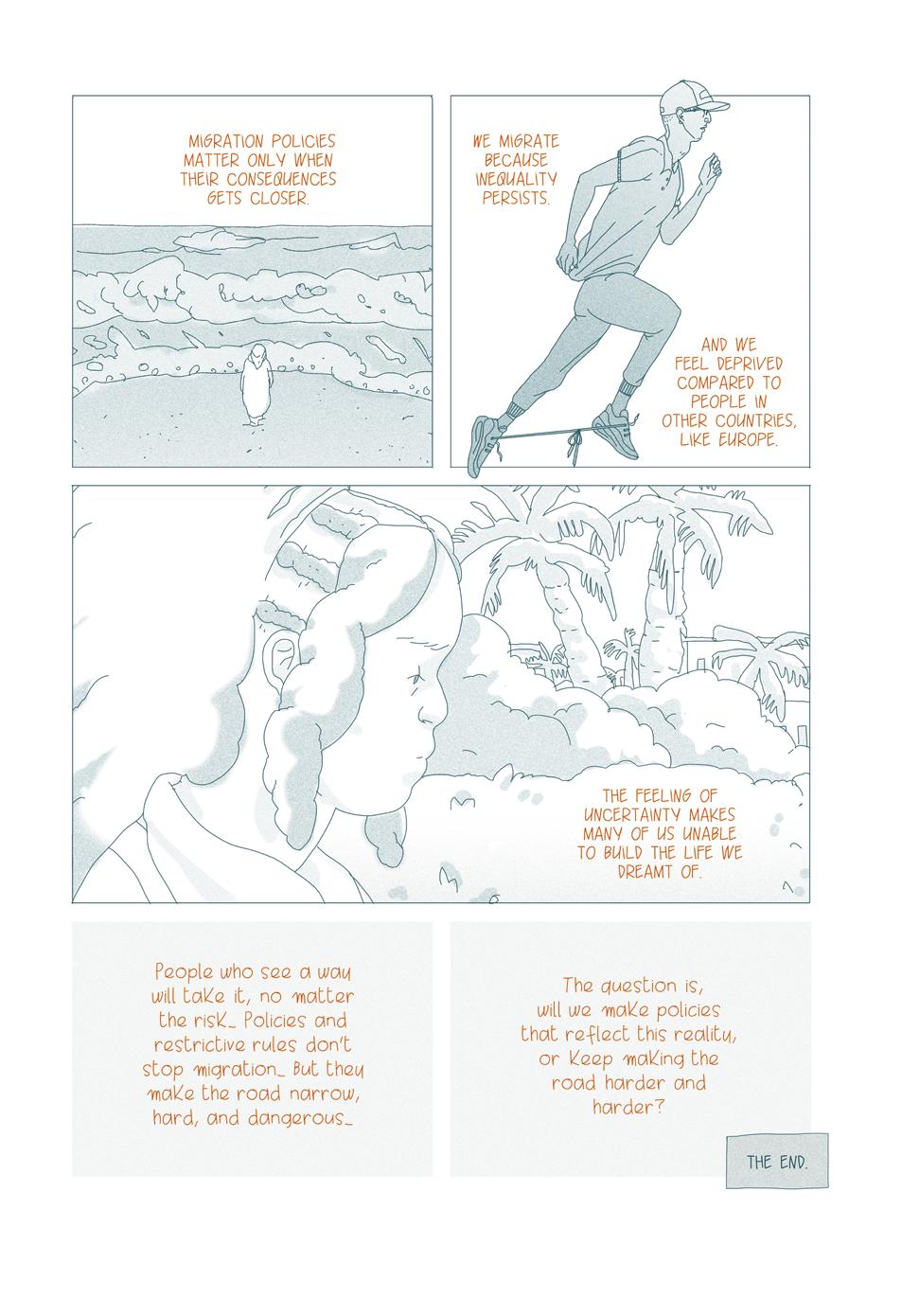
The three fictional stories of Netsanet from Ethiopia, Dali and his mother Fadila from Algeria, and Amaechi from Nigeria, illustrate the findings of the research, that involved 14 institutions in Europe, North America, and Africa.
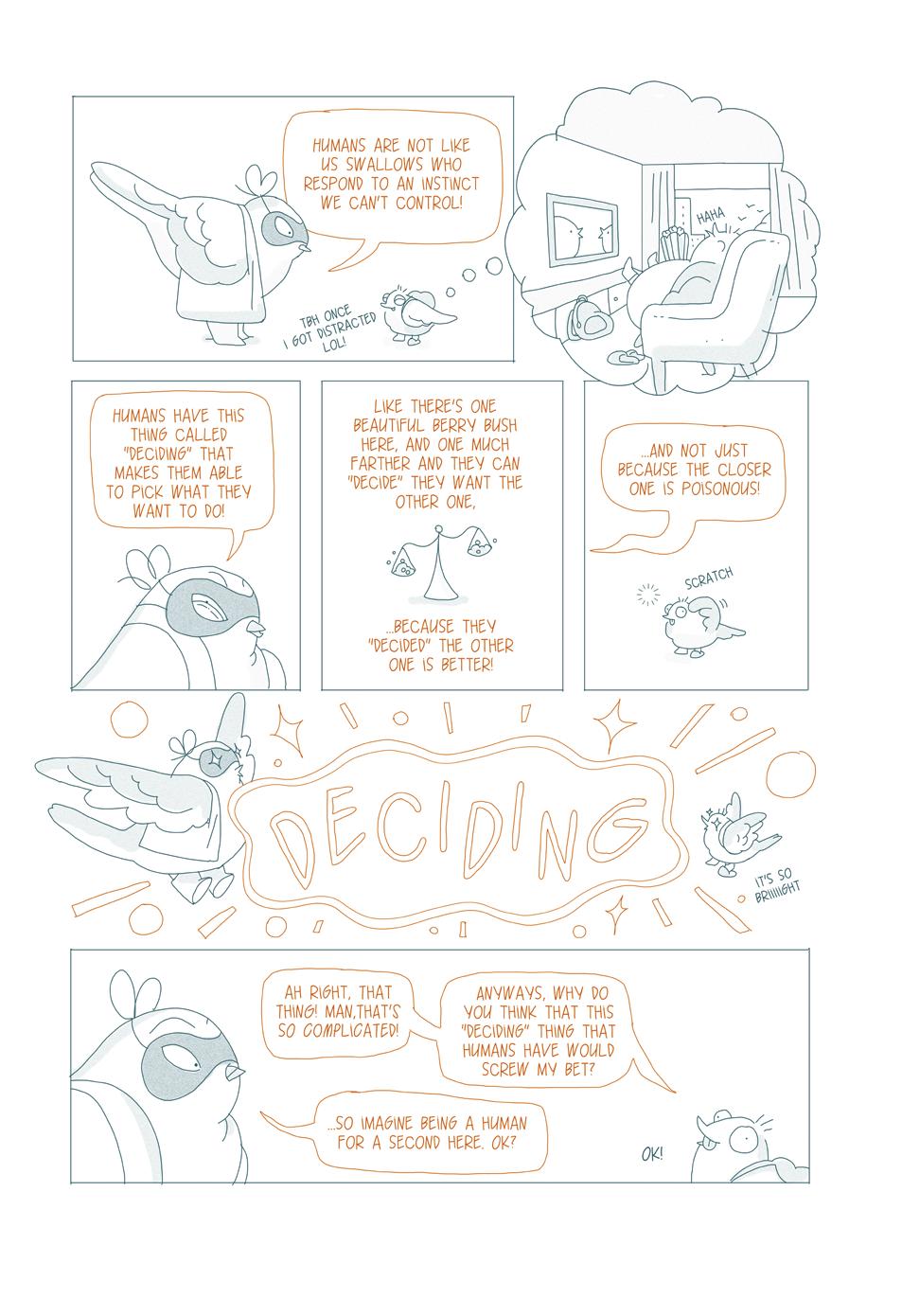
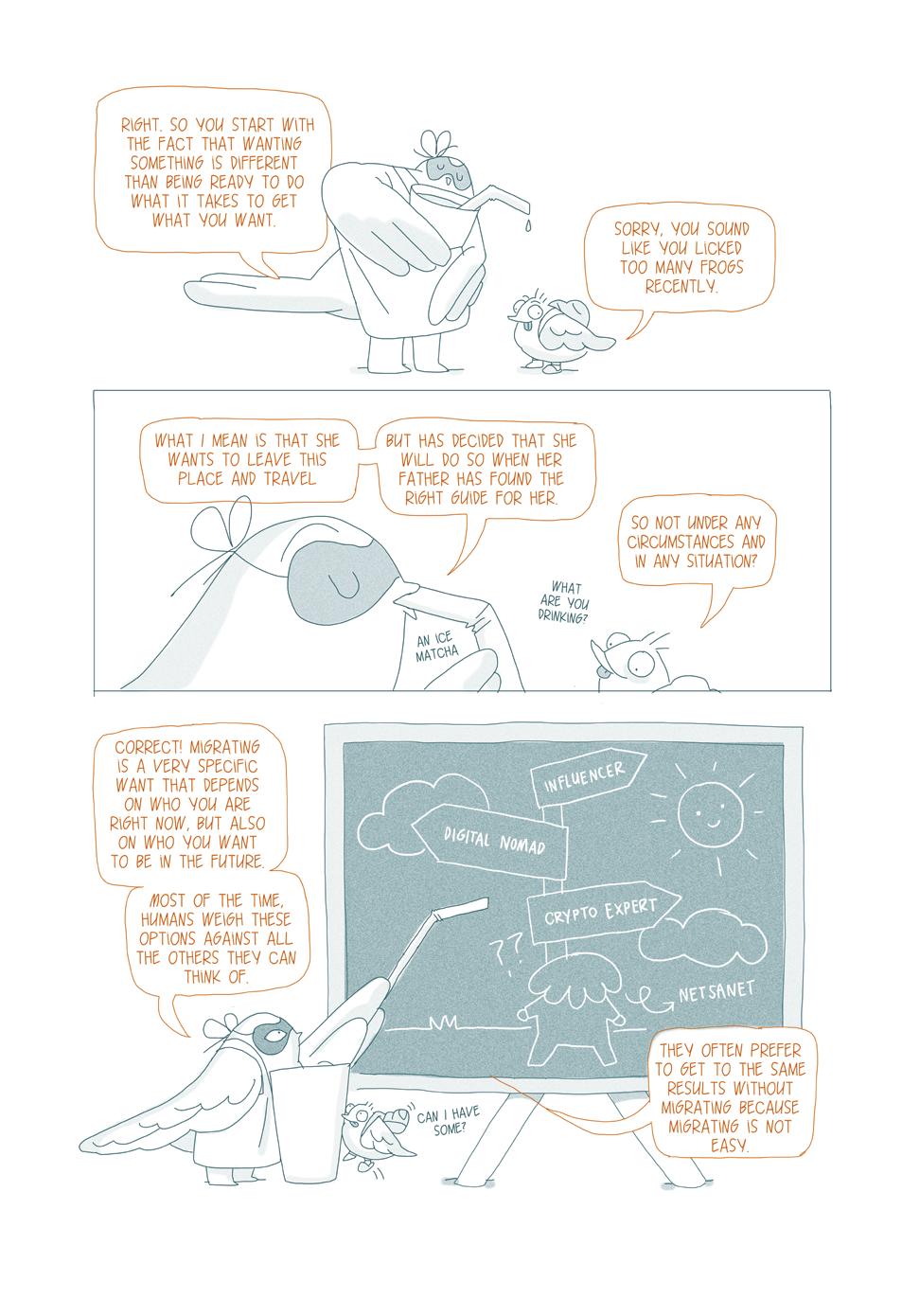
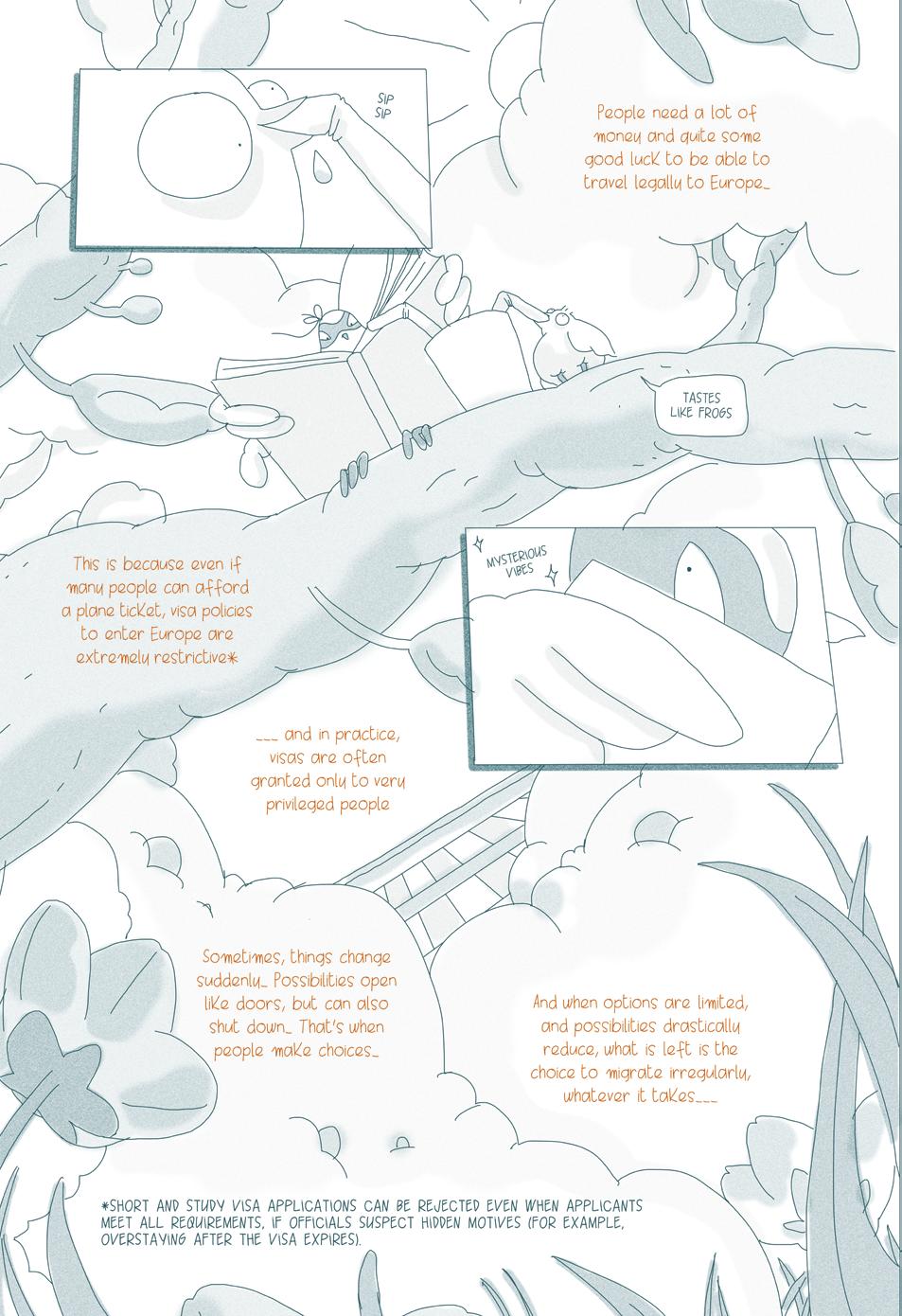
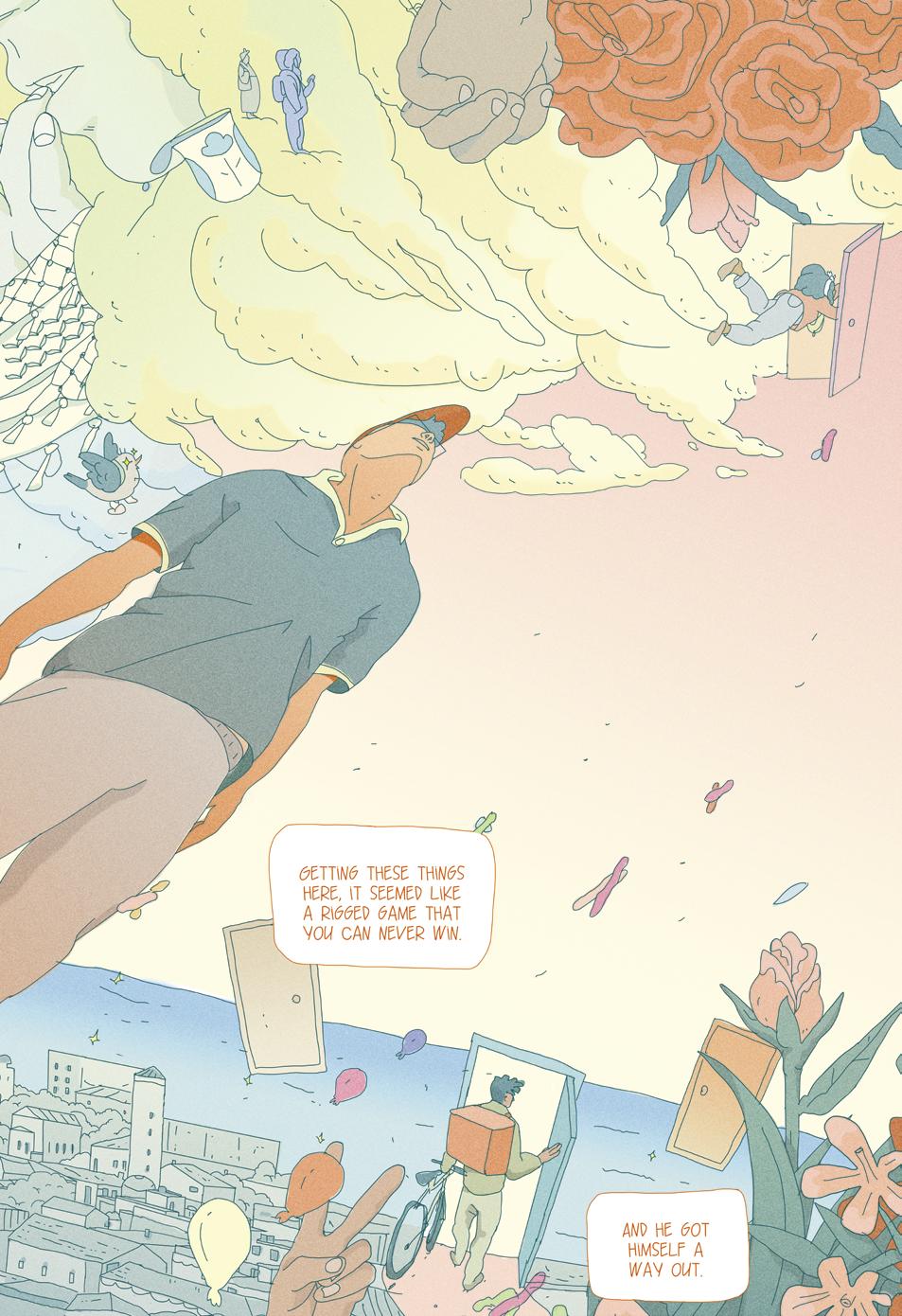
We took the deliberate choice of not showing suffering in this comic. The objective is to present migrants’ choices and agency in their migration process.
Therefore, they are not portrayed here as helpless victims, but as rational individuals doing what they believe is best for them, taking choices based on their life aspirations, emotions, and interests, with the information and resources available to them.
This does not mean we do not acknowledge the realities of violence and abuse migrants face. We do, and we invite our readers to access the wealth of information that exist on human rights violations across the Central Mediterranean Route.
While the interviews with residents and migrants have been of inspiration for the characters, any resemblance to actual persons, living or dead, or actual events, is purely coincidental.
We apologize for any cultural sensitivities that we may have violated unknowingly.
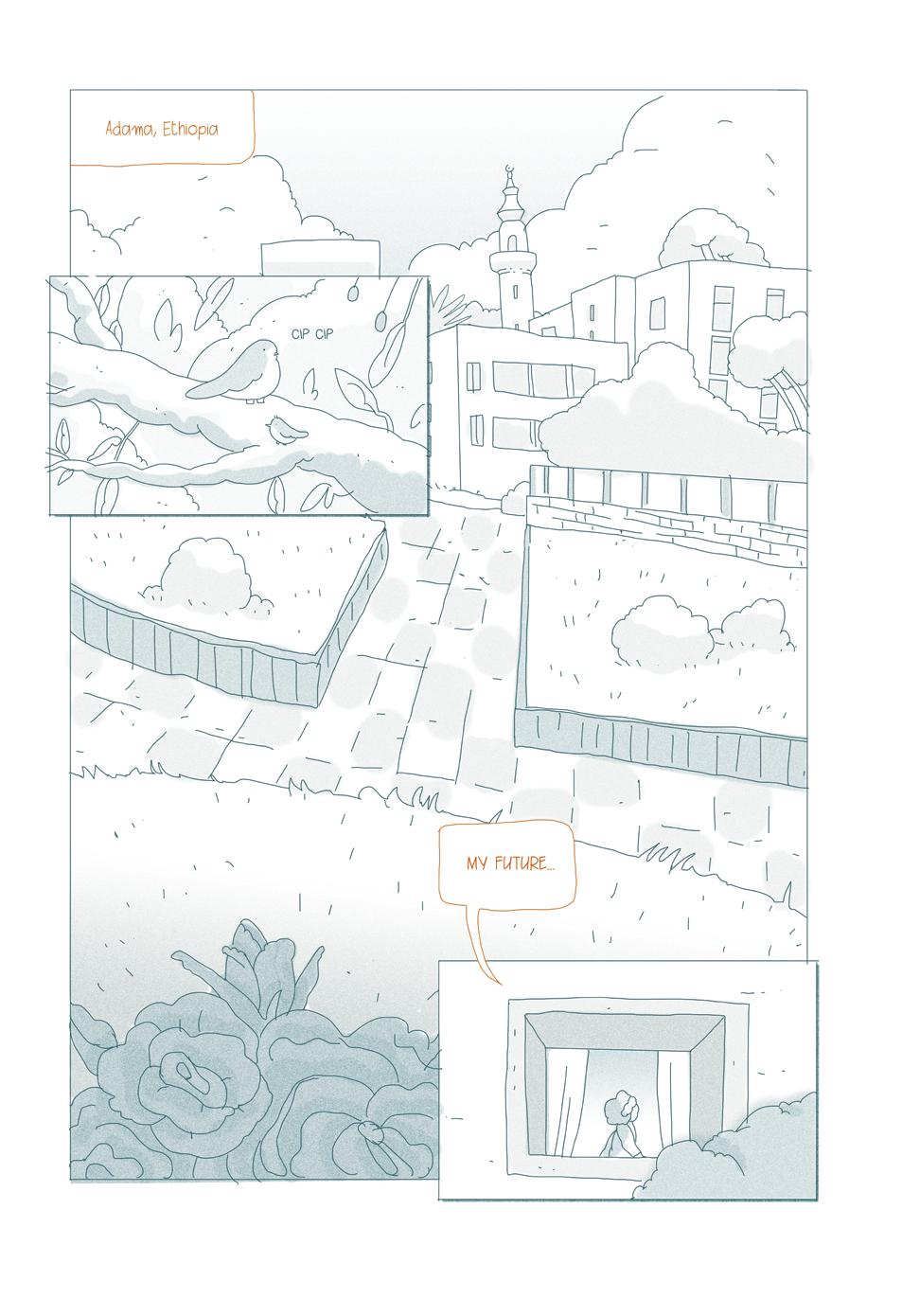
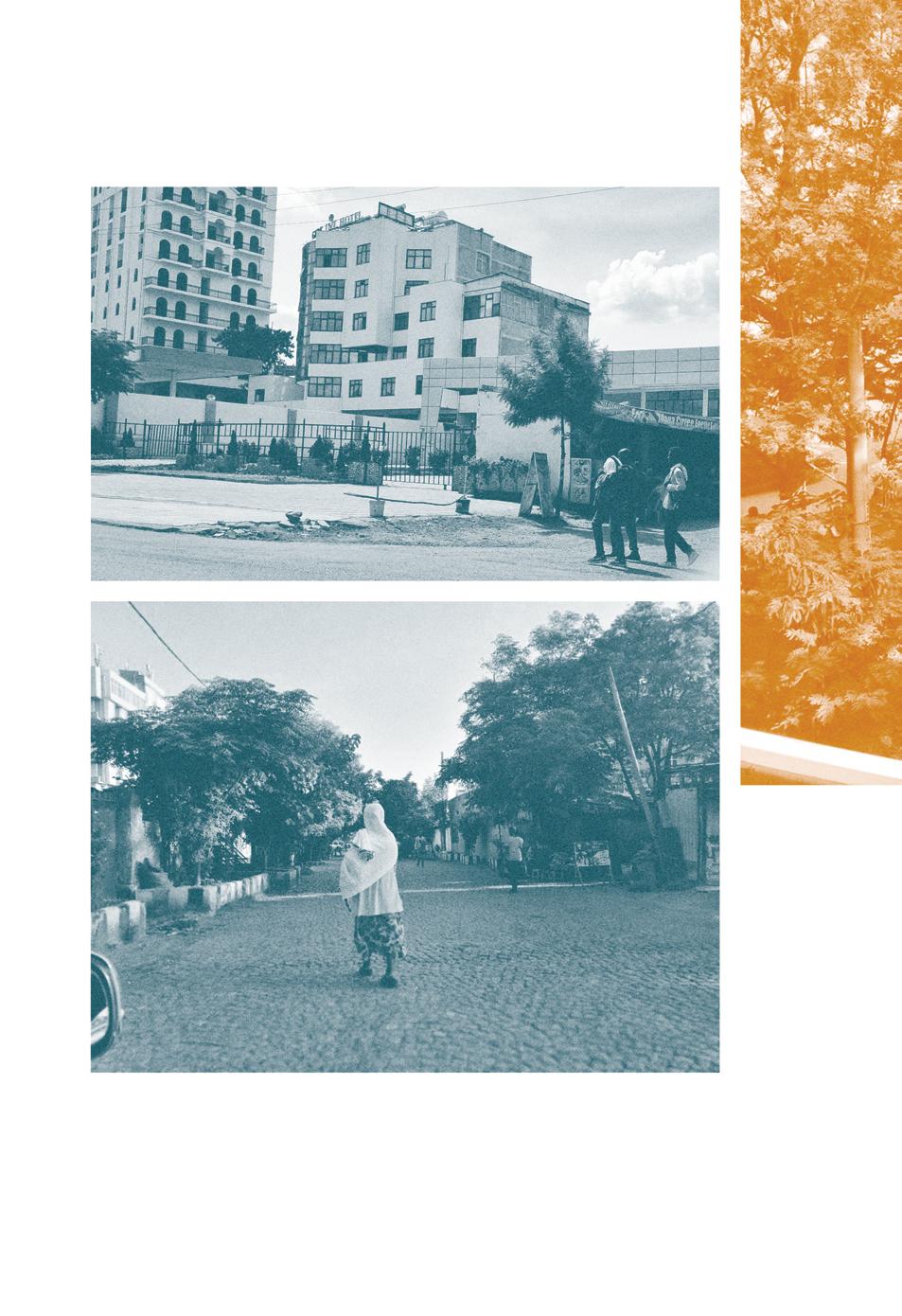
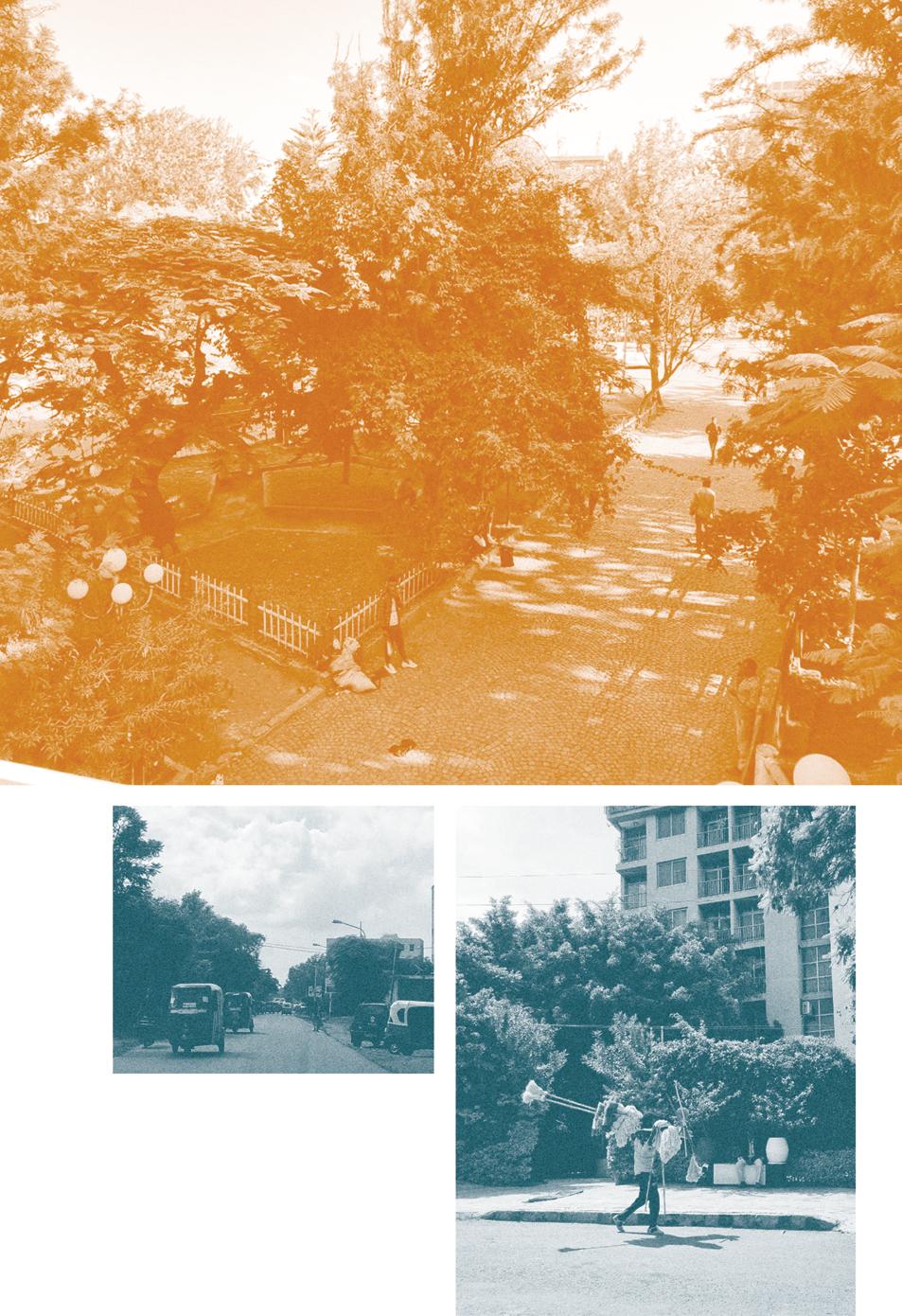
ADAMA, ETHIOPIA
MANY NEW BUILDINGS IN THE CITY
QUIET NEIGHBORHOOD WITH COBBLESTONE ROAD
CITY PARK
SMALL TAXIS ON THE ROAD
ALONG THE ROAD
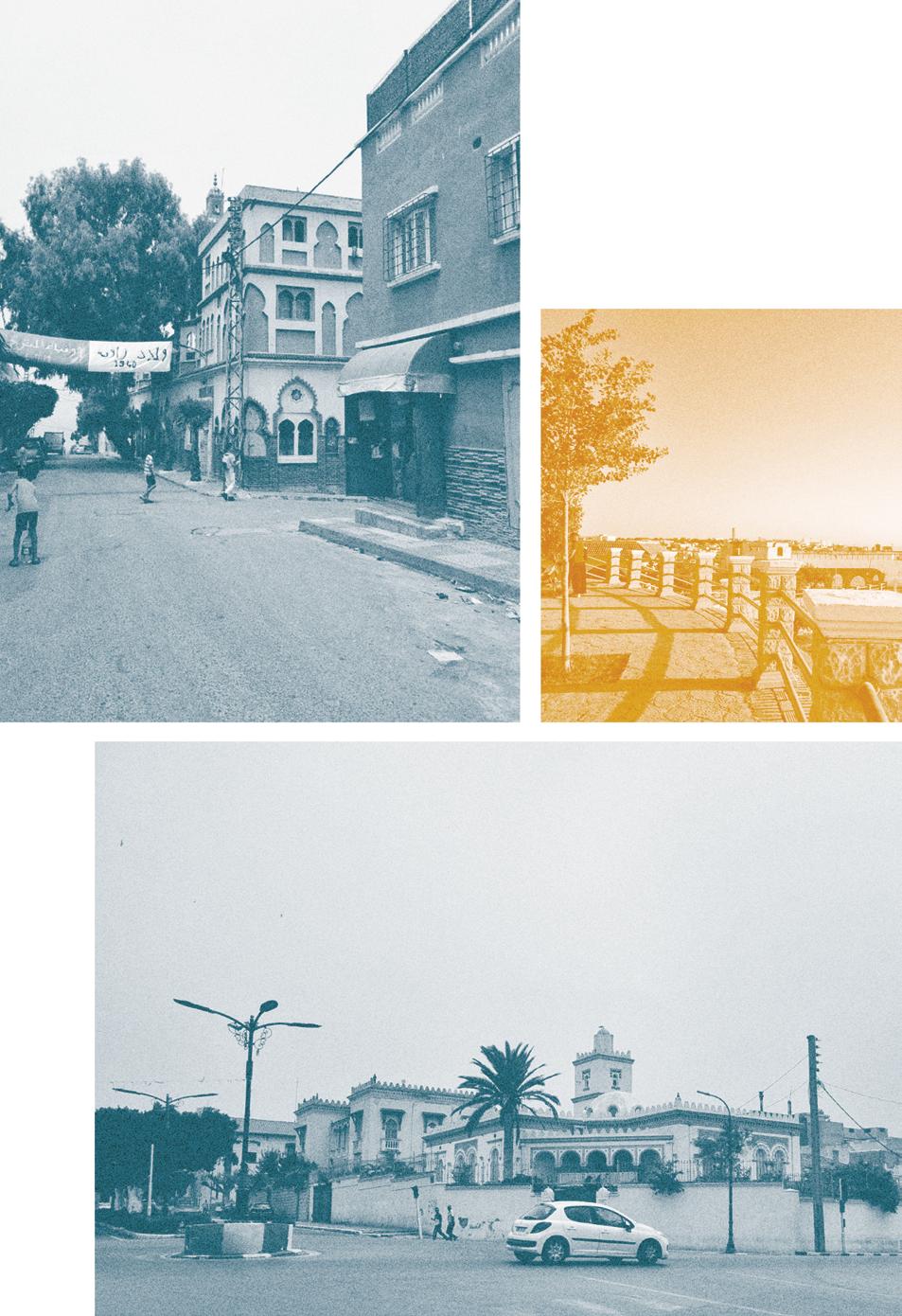
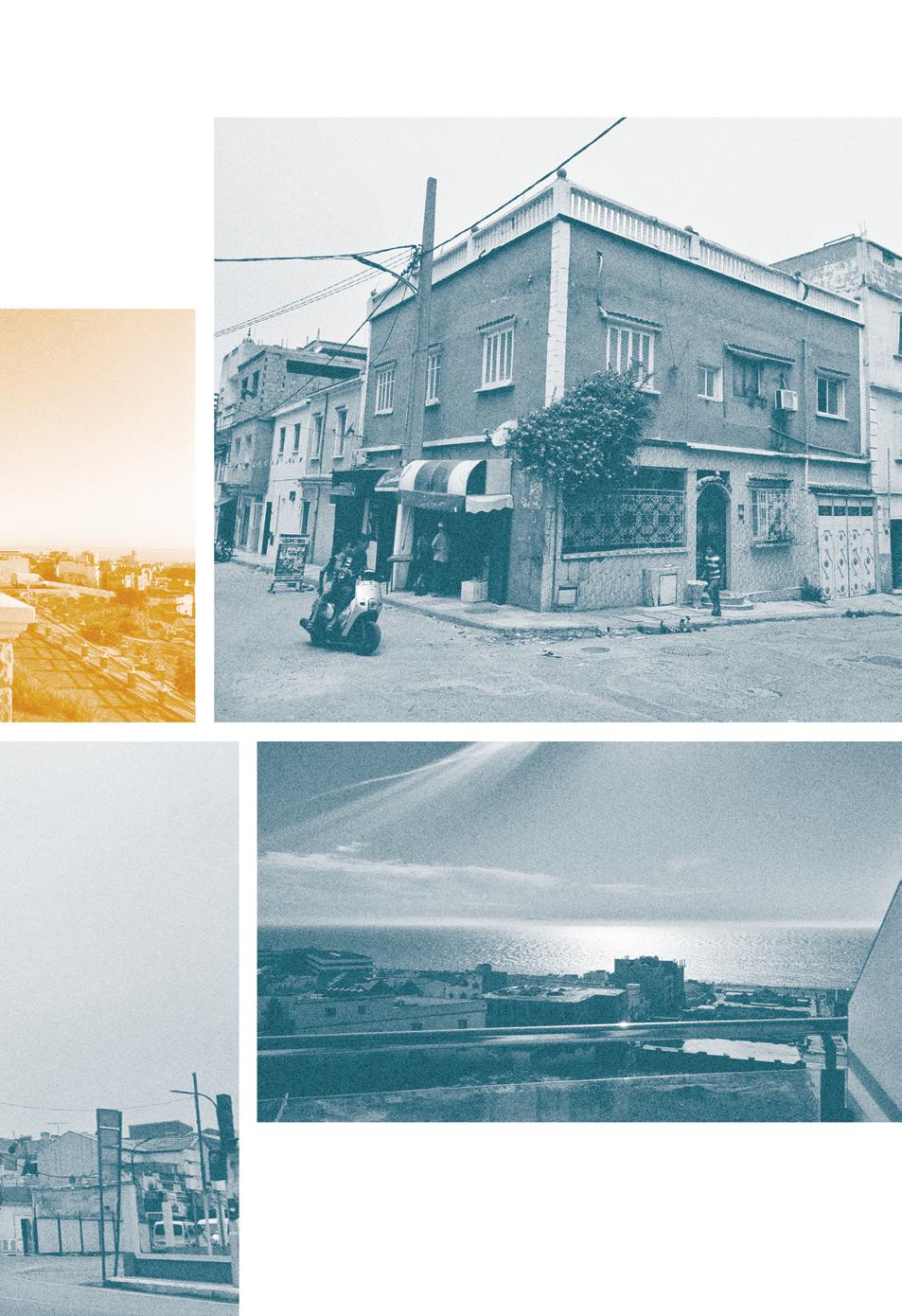
MOSTAGANEM, ALGERIA
ZAOUÏA ALAWIYA
EL ARSA PARK
GUEST HOUSE IN MOSTAGANEM CITY CENTRE
SEA VIEW
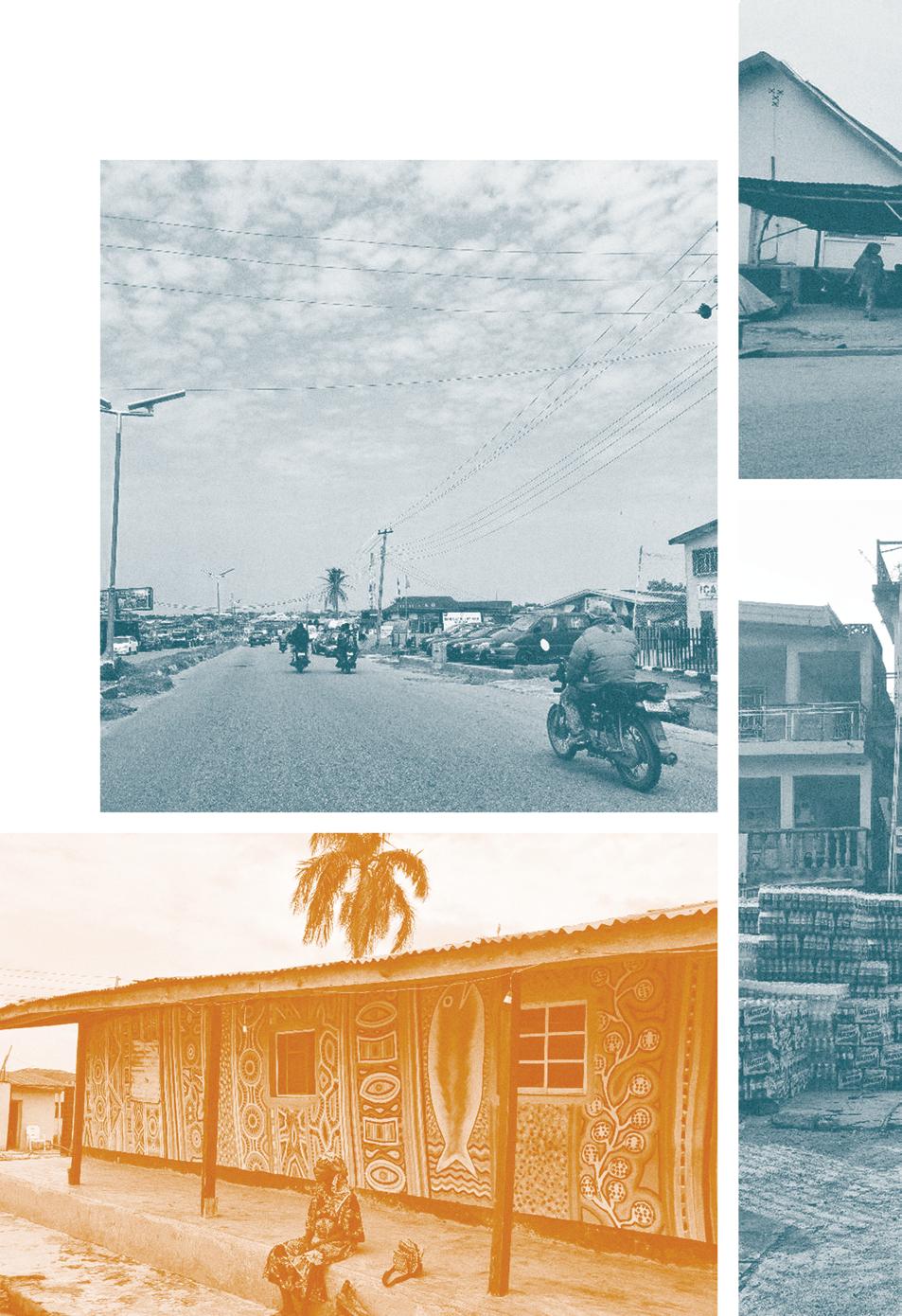
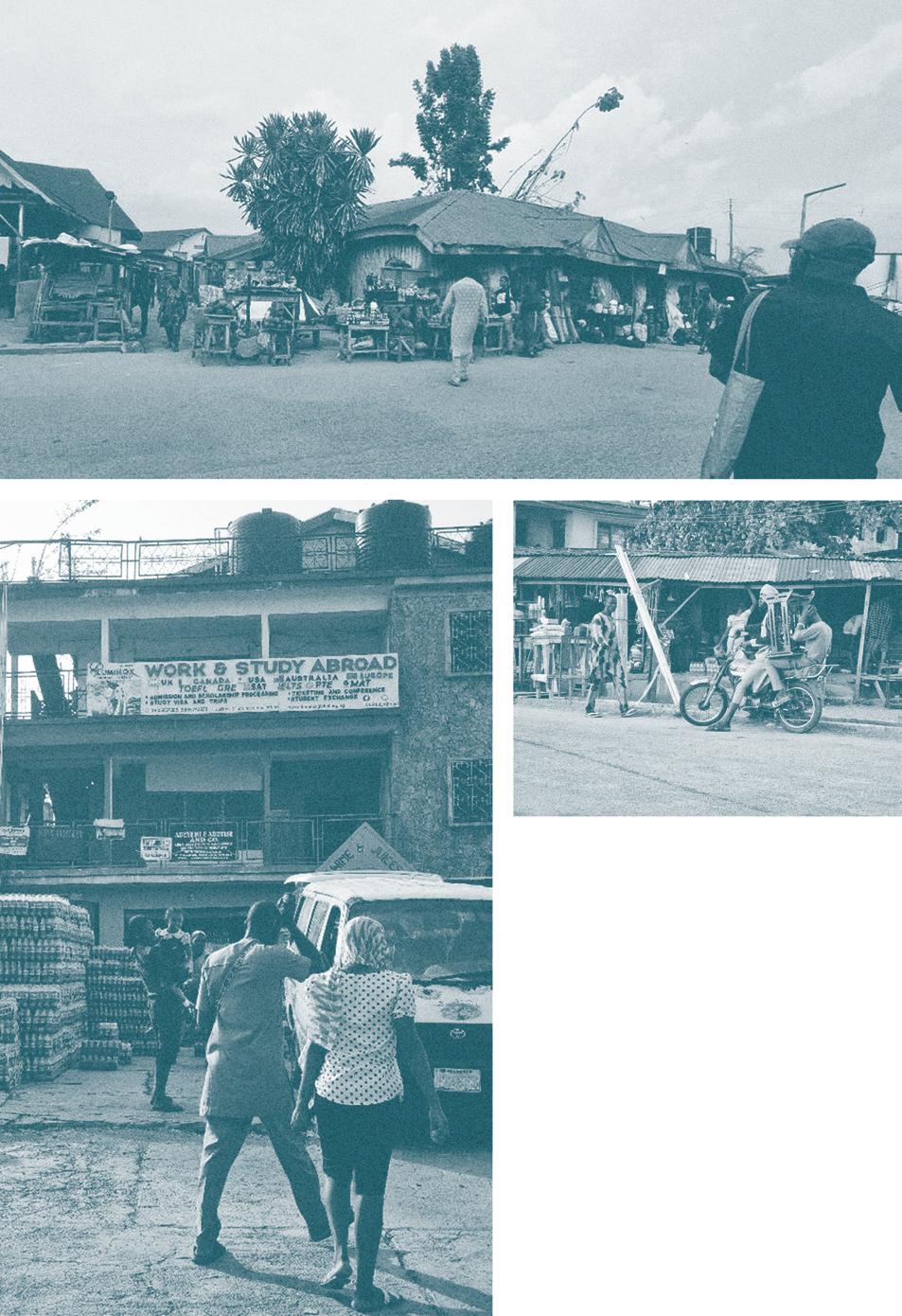
OSOGBO, NIGERIA
RIDING DOWN THE ROAD
THE KING’S COMPOUND IN OJA-OBA NEIGHBORHOOD
MARKET AT OJA-OBA
MOVING A DESK ON A MOTORCYCLE
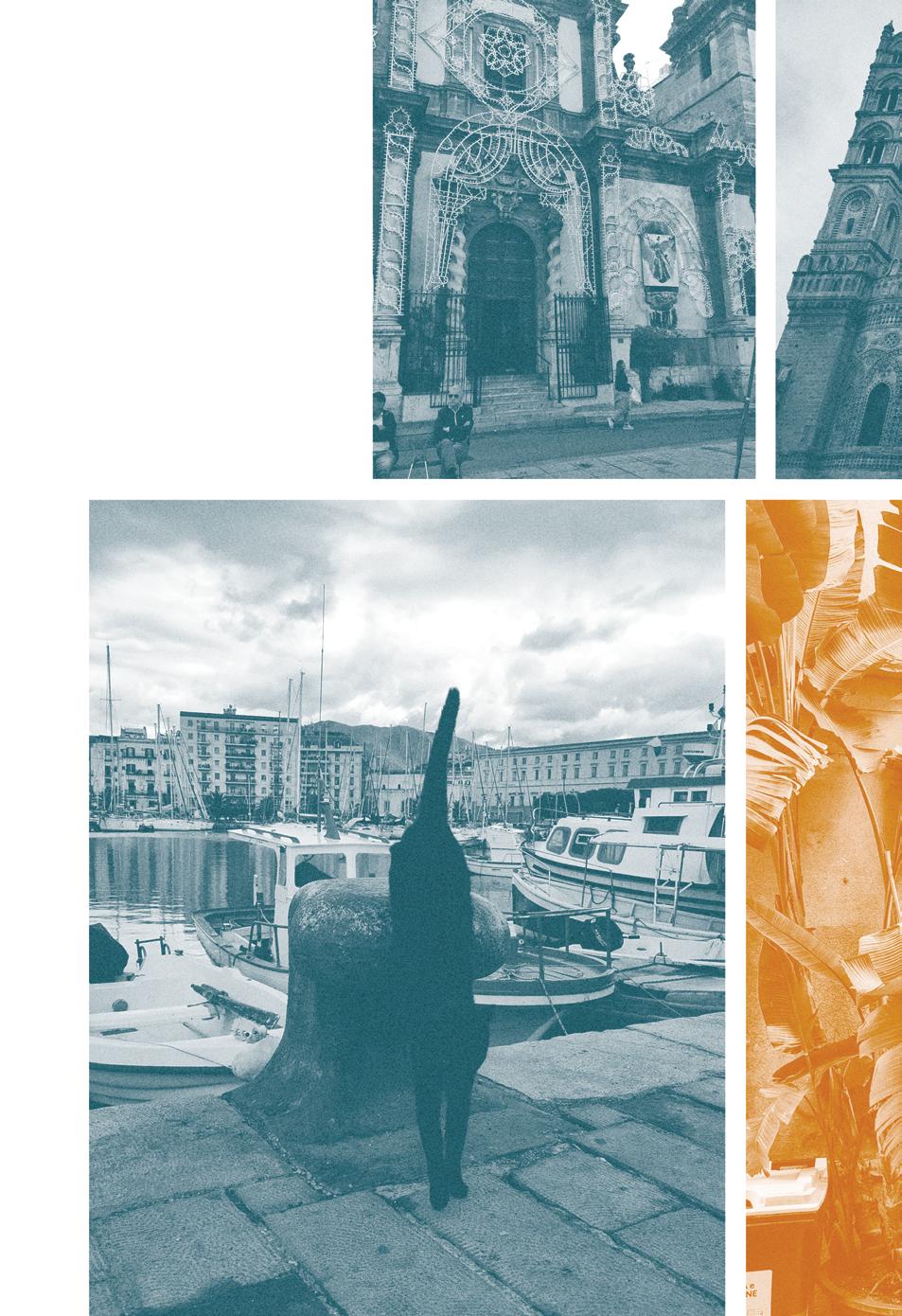
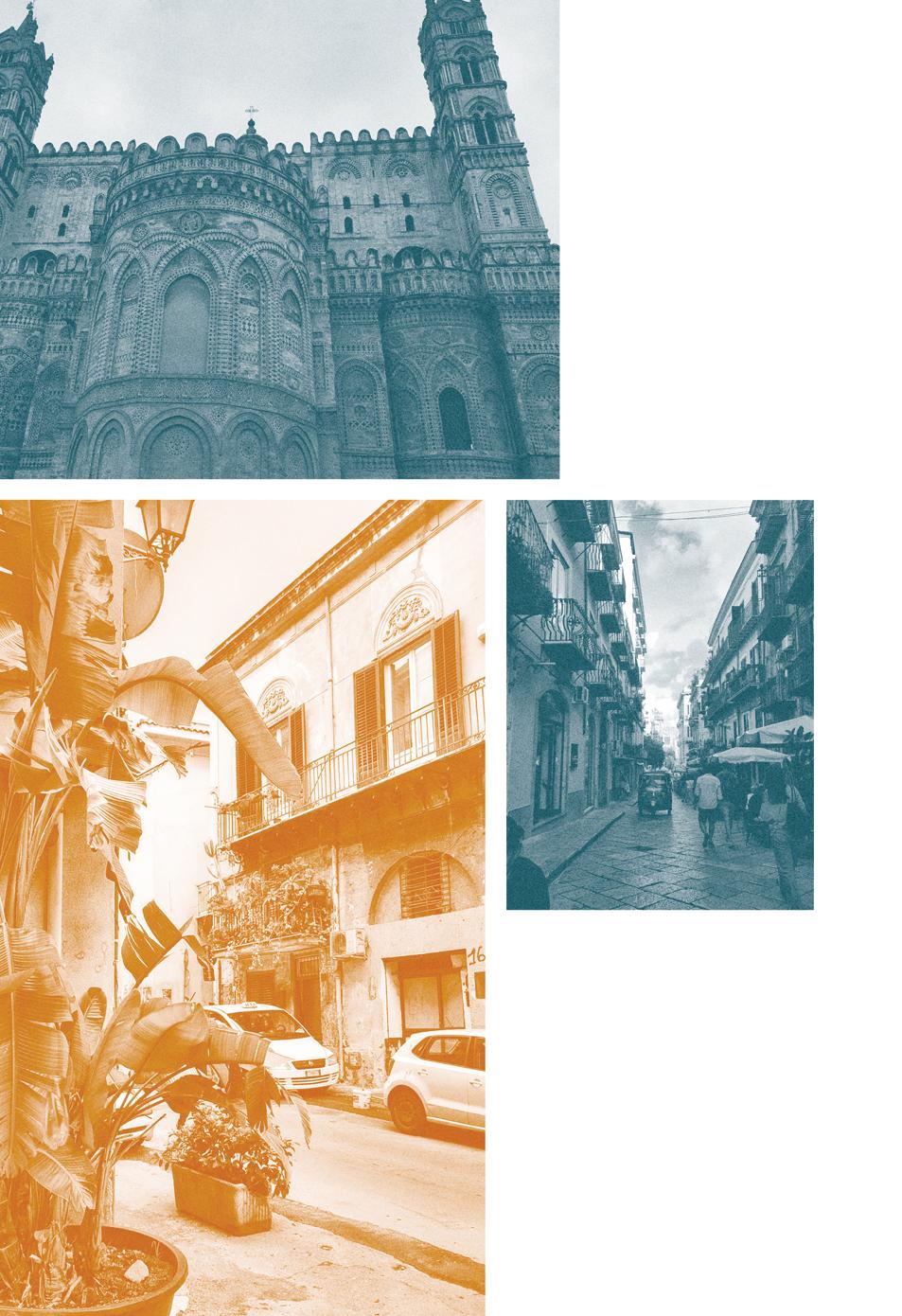
PALERMO,
LOCAL CHURCH
STREET VIEWS
SIDE VIEW OF PALERMO’S CATHEDRAL
RESOURCES FROM THE PACES PROJECT
BLOGS
• Risks and rewards: How travelling with children shapes migrant decision-making by Chloe Sydney (Mixed Migration Centre).
• Truth on demand: The politics of using and dismissing migration research by Riccardo Biggi (Leiden University).
• Risks and rewards: Why do African graduates in Slovakia stay or move on? by Terézia Zemeníková and Lucia Mýtna Kureková (Slovak Academy of Sciences).
• Europe’s silent middle: Why migration isn’t the polarized fight you think it is by Anne-Marie Jeannet, Marcela Rubio and Lois Mobach.
• The Silent Exhaustion of the Global Talent Race in CEE NationsBliss by Jorge Mantilla.
PODCASTS FOR GENERAL AUDIENCES
• PACES PODCAST SERIES. Voices on migration. Insights from the PACES Research Project.
• Migraciones desde Nigeria en España y el festival internacional Hip Hop Cine Fest de Roma con Giulia Chimp / Migration from Nigeria in Spain and the Hip Hop Cine Fest international film festival in Rome with Giulia Chimp.
• Proyecto PACES / PACES Project.
• Understanding why people move. Slovakia in the EU’s PACES project by Lucia Mýtna Kureková (Slovak Academy of Sciences) and Michelle Tatranská (Mareena).
Are you a policy nerd? Then you may like to check out our podcasts and briefs for policymakers
WEBINARS
• From Assumptions to Evidence: Rethinking Migration Policy, hosted by MPI Europe (December 2025).
• Beyond Deterrence: What Really Drives Migration Decisions, hosted by MPI Europe (March 2026).
• Deciding at Every Stage: What Shapes Migration DecisionMaking Before, During, and After the Journey, hosted by MPI Europe (May 2026).
POLICY BRIEFS
• What matters in decisions to stay and migrate? The importance of the migration journey, by Vezzoli S., Jolivet D., Savatic, F., Mýtna-Kureková, L. and Slootjes, J.
• From Deterrence to Credible Choice: Rethinking Migration policy at Origin, by Samuel Hall East Africa.
• Unpacking Policy Assumptions Across Migration Pathways: A Call to Make Theories of Change Explicit, by Goldfarb, A. and Slootjes, J., MPI Europe.
Are you a data nerd?
• There is a new MMC Data Explorer 4Mi Data Explorer | Mixed Migration Centre. Not only it is very nerdy but it is also very, very cool - We encourage everyone to visit it!
• Reach out to the researchers and request data for further analysis! Contact vezzoli@migrationinstitute.net.
Are you an academic nerd? We have reports and super fancy, but very accessible, papers!
REPORTS
• Ike N., van Assem M. (2024). Assumptions in Migration Policy: State-of-the-Art of Research on Migrant Behaviour and Policy Effects. Literature review for the PACES project. Leiden, University of Leiden.
• Sohst, R. & Steiner, B. (2026). Migration decision-making after return: returnee perspectives in Côte d’Ivoire and Senegal. PACES Memos. Brussels: Migration Policy Institute Europe.
PAPERS
• Bakewell, O., Mýtna Kureková, L., & Kováčová, L. (2024). Non-Migration Policies and Mobility Decisions. IMI Working Paper No.182/PACES Project Working Paper No.4. Manchester: University of Manchester.
• de Haas, H. (2024). Changing the migration narrative: On the power of discourse, propaganda and truth distortion. IMI Working Paper No.181/PACES Project Working Paper No.3. Amsterdam: University of Amsterdam.
• Dimova, R.; Fromell H. (2025). Social Norms and Migration. Evidence from Ethiopia and Nigeria. IMI Working Paper No.190/PACES Working Paper No.9. Manchester: University of Manchester.
• Guzi, M. and Kureková, L.M. (2025) The implications of welfare generosity and welfare access on migration strategies, IMI Working Paper No.184/PACES Working Paper No.6. Bratislava: Institute for Forecasting, Centre of Social and Psychological Sciences, Slovak Academy of Sciences.
• Jeannet, Anne-Marie and Rubio, Marcela (2026). Understanding Public Ambivalence about Immigration: The Role of Legal Heuristics. IMI Working Paper No.193/PACES Working Paper No.12. Milan: University of Milan.
• Natter, K., Biggi, R., Ike, N. and van Assem, M. (2025) Between knowledge and assumptions: the migrant in the eyes of the policymaker, A comparative analysis of dominant assumptions and knowledge use dynamics in Austrian, Dutch and Italian migration policy. IMI Working Paper No.185/PACES Working Paper No.7. Leiden: University of Leiden.
• Natter, K., & Welfens, N. (2024). Why Has Migration Research So Little Impact? Examining Knowledge Practices in Migration Policy Making and Migration Studies. International Migration Review, 0(0).
• Pécoud, A., & F. Savatic. (2026). Preaching to the Choir: The Impact of Restrictive Migration Policies and Information Campaigns on Aspirations to Migrate. IMI Working Paper No.191/PACES Working Paper No.10. Paris: Université Sorbonne Paris Nord.
• Schewel, K. (2026). The Capability to Stay: New Directions for the Aspiration-Capability Framework in Migration Research. IMI Working Paper No.192/PACES Working Paper No.11. University of North Carolina at Chapel Hill / Duke University.
• Schewel, K., de Haas, H. & Vezzoli, S. (2025) Theorising Mobility Transitions and Social Transformation: Evidence from Five Case Studies, IMI Working Paper No.186/ PACES Working Paper No.8. Amsterdam: International Migration Institute.
• Vezzoli, S. & Jolivet, D. (2026). Spatial aspirations: exploring the underlying mechanisms that explain volatility. PACES Working Paper No.13. The Hague, International Institute of Social Studies (ISS), Erasmus University Rotterdam.
BEYOND
PACES: ADDITIONAL RESOURCES
Check out the PACES’ sister projects - AspirE and DYNAMIG - and their research on migration decision-making.
• Movie: Io capitano
• Movie: Bye Bye Tibériade
• Movie: The old oak
• Movie: Aisha
• TV Series: MO
• TV Series: Stateless
• TV Series (in Spanish): La ley del mar
• Documentary: The Almeria’s plastic sea
• Podcast by CERC: Borders & Belonging | Podcast on Spotify.
Do you want to learn more about migration? Or would you like your teacher to give lessons on migration?
Check out the TIES (Teaching Immigration in European Schools) modules. They are practical tools for teachers interested in teaching migration in the classroom…and for super nerdy people who just want to learn through interactive exercises! They are available in six languages: English, Dutch, French, German, Italian, and Polish.
This comic book is created as part of the PACES project. ©2026 Erasmus University Rotterdam (ISS) and Danish Refugee Council (MMC).
This work © 2026 is licensed under CC BY-NC-ND 4.0
When reusing, please attribute as: «PACES project Comic Book» and include the title, year, and a link to the license. For questions about the publication, please contact Simona Vezzoli: vezzoli@iss.nl and vezzoli@migrationinstitute.net
PACES (Making migration and migration policy decisions amidst societal transformation) is a 40 month research project (20232026) that examines decisions to stay and migrate over time and space, researches the politics of knowledge in migration policy and seeks to use its insights to inform future migration policies and governance. PACES is carried out by a consortium of 14 partners in Europe, Africa and the USA. www.iss.nl/paces
Funded by the European Union. Views and opinions expressed are however those of the author(s) only and do not necessarily reflect those of the European Union. Neither the European Union nor the granting authority can be held responsible for them.