Welcome to Silverton
Silverton’s snow-covered landscapes offer winter adventures for every level of explorer. Spend a family-friendly day carving the gentle slopes at Kendall Mountain Ski Area, or push your limits on the legendary terrain of Silverton Mountain. Glide along miles of groomed trails perfect for cross-country skiing, snowshoeing, fat tire biking, and winter walks through serene alpine forests. For those craving more adrenaline, snowmobiling, and backcountry excursions await in the breathtaking wilderness that surrounds our mountain town.
Welcome to Silverton, where the peaks inspire, the past echoes, and the wild invites you.
- The Silverton Standard Team
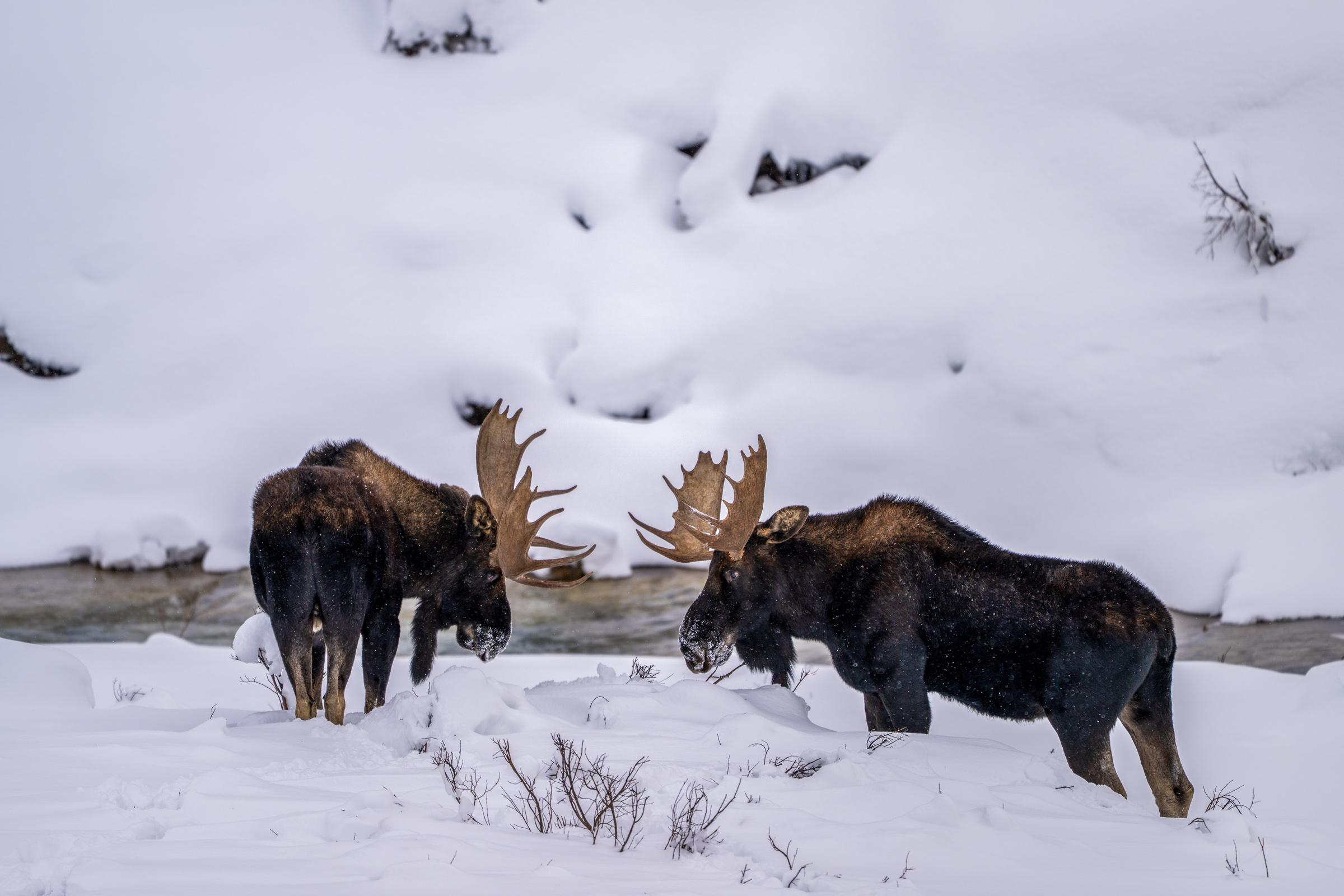
Moose Surviving Winter in the San Juans
Publisher | DeAnne Gallegos • Chocolate Dog Press LLC
Editor | Katey Fetch | Sterling Blankenship
Creative | Katey Fetch
Cover Photo | Wesley Berg
Content Contributers | Wesley Berg | Katey Fetch | DeAnne Gallegos

Winterofferings SanJuanCounty
Bundle up, step outside, and discover why winter remains one of Silverton’s best-kept secrets.
Winter in Silverton is a season unlike any other, sought by artists, snow seekers, and families. As white blankets the surrounding peaks and smoke curls from chimneys, this historic mountain town transforms into a true alpine playground. A hidden gem deep in the San Juan Mountains, Silverton offers a winter experience that is equal parts scenery and mountain town charm.
Words by: Katey Fetch
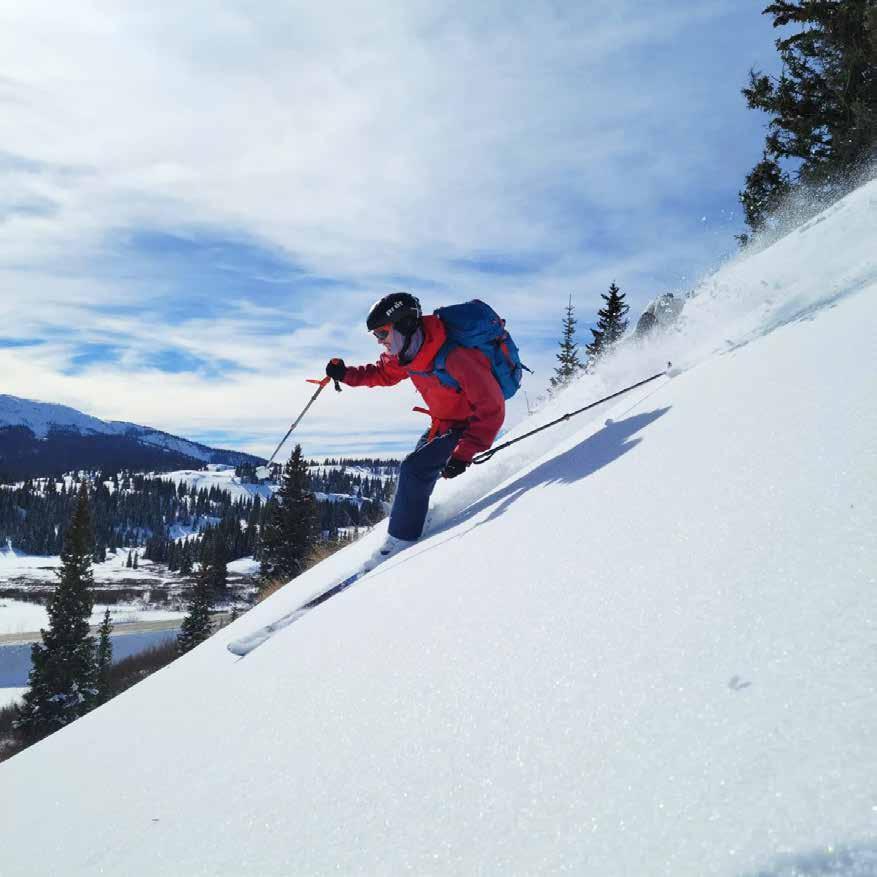
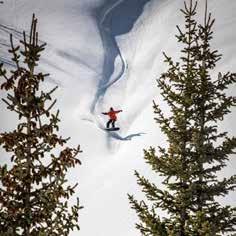
Photo: Backcountry skier, by Kelly Fetch.
“Powder snow skiing is not fun. It’s life, fully live-life lived in a blaze of reality.”Dolores LaChapelle
So, bundle up, step outside, and discover why winter remains one of Silverton’s best-kept secrets.
Snow Sports: Hit the slopes at Kendall Mountain Recreation Area, Silverton’s family-friendly local hill with skiing, snowboarding, ice skating, and sledding. Enjoy a dog-friendly Nordic track or warm up in the cozy lodge-style rec center. Kendall Mountain hosts a variety of events throughout the season; visit skikendall.com for a full schedule.
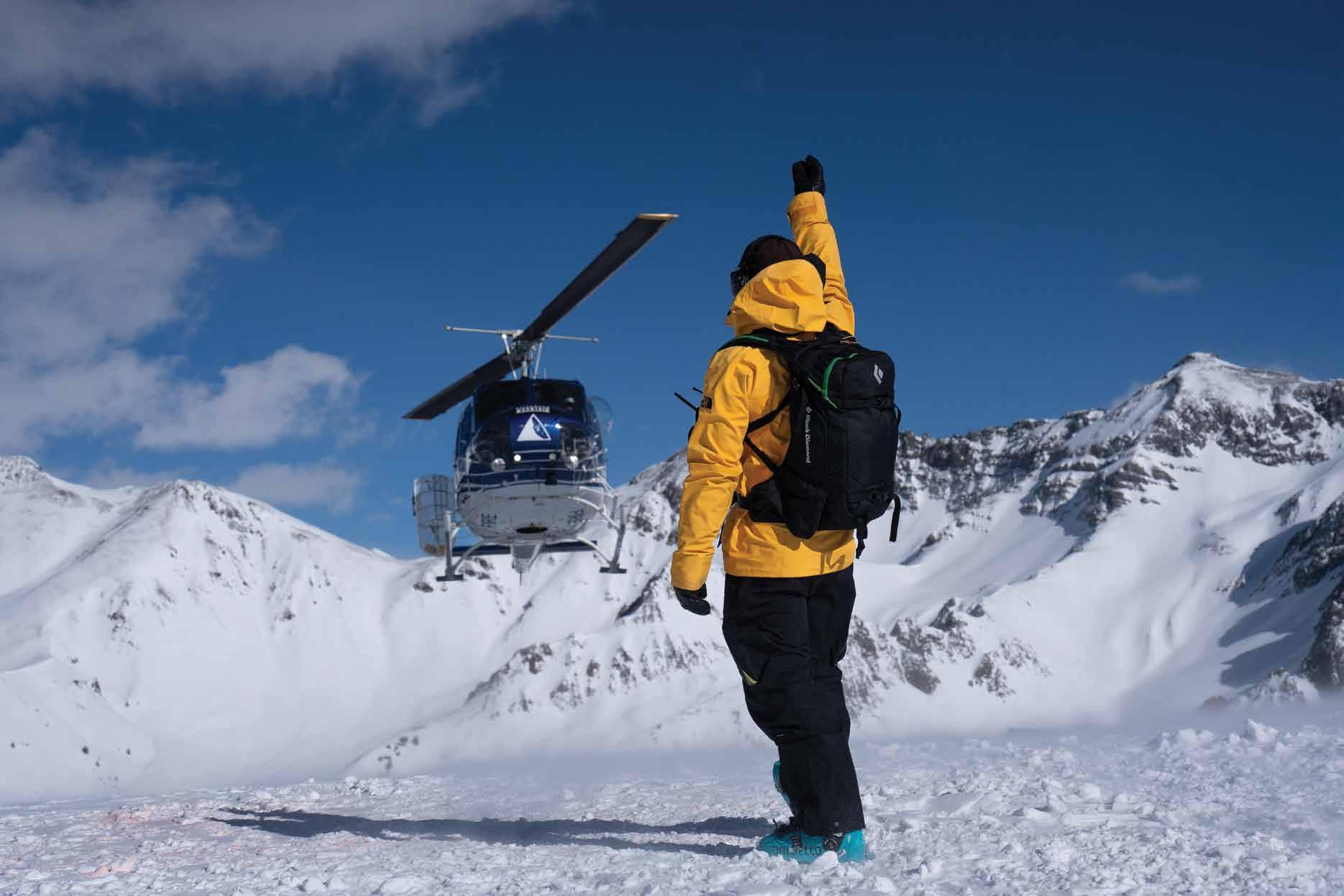
Expert skiers and riders can tackle the terrain at the legendary Silverton Mountain, known for heli skiing, guided runs, and epic powder. To book your adventure, go to silvertonmountain.com.
San Juan County is also home to some of the finest backcountry ski and snowboarding in the country, with expansive terrain for the avalanche-aware adventurers. Silverton proudly hosts the nation’s oldest continuously operating avalanche and snow safety education program, The Silverton Avalanche School. Courses are offered throughout the winter; head to avyschool.org for more information.
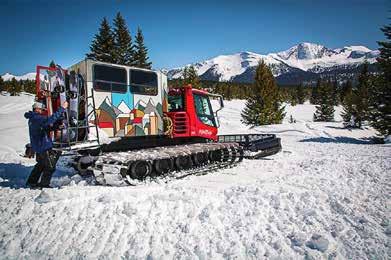
Snowmobile and Snowcat Adventures: Explore the spectacular winter alpine landscape on a guid-
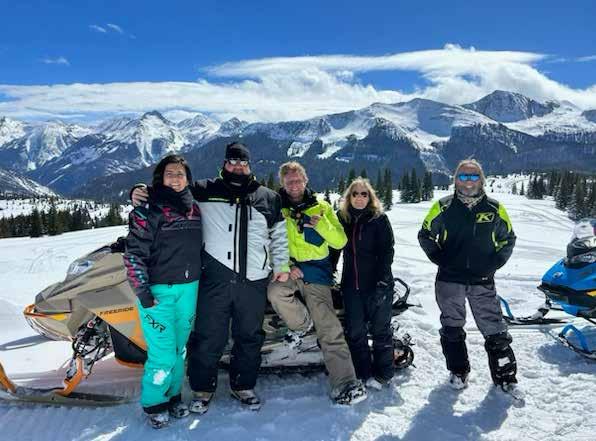
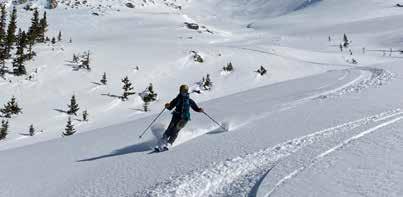
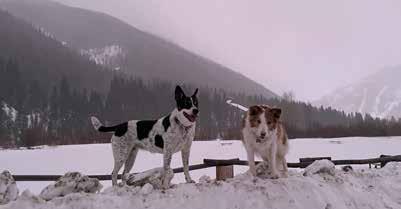
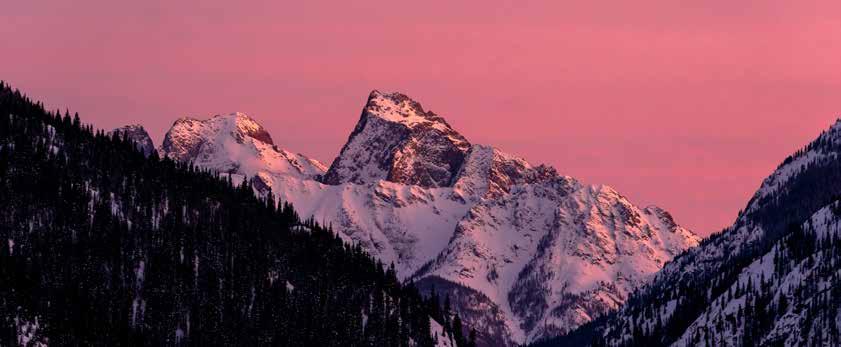
Photos: Top-bottom: Snowmobile tour in the wilderness, provided by the Silverton Snowmobile Club. An avalanche aware skier in the backcountry, by Cameron Crowell. Silverton dogs on the groomed trails around Silverton, by Katey Fetch. Snowy peaks, by Howie Stern.
ed snowmobile or snowcat tour, with access to thousands of acres of San Juan backcountry.
Groomed Trails: Follow miles of groomed winter trails winding all around town and out to the scenic Eureka. The trails are perfect for Nordic skiing, dog walks, fat-tire biking, snowmobiling, and countless winter adventures.
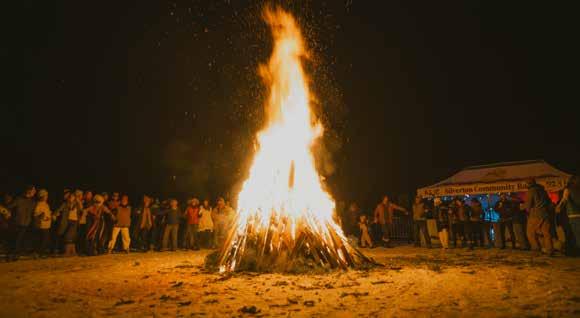
Creative Offerings: The Silverton Creative District brings warmth and creativity to the winter season with a variety of events. In December, shoppers can enjoy the festive Mistletoe Market, featuring local artists, a cash bar, and kid-friendly activities. The MountainFilm on Tour comes to Silverton in January, sharing its most inspiring short films. Later in the season, the new Emberglow Festival lights up the heart of
“Fully aware of the earth and sky and the gods and you, the mortal, playing among them.” -Delores LaChapelle
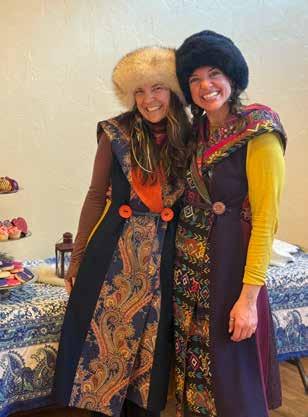
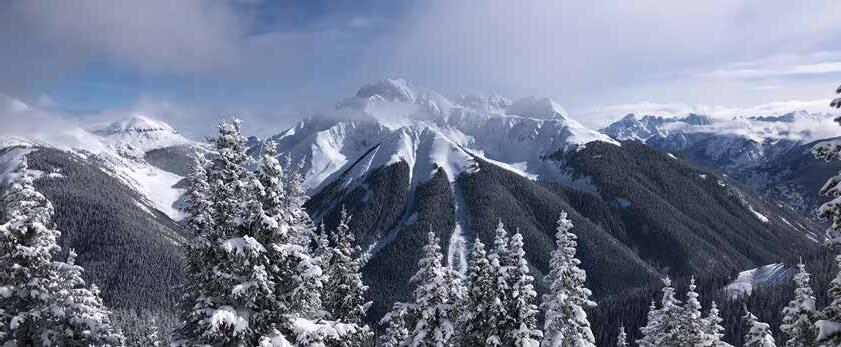
Photos: Top, The Emberglow Festival bonfire, by DeAnne Gallegos. Lower right, Silverton locals enjoying the Emberglow feast, by DeAnne Gallegos. Lower left, mountain stream, by Kelly Fetch. Bottom, San Juan County in fresh snow, by Kelly Fetch.
winter when the town and visitors come together to enjoy a community feast, large bonfire, and an evening of connection and celebration.
Holidays & Special Events: The holidays in Silverton feel like something out of a fairy tale. On Christmas Eve, Santa arrives at the town tree, aboard a firetruck, while the local brass band fills the air with music and children request their Christmas wishes.
Held in February, the Silverton Snowscape is the town’s own special winter event. The festival features snow sculpture contests, snow golf tournaments, the famous and sometimes hilariously disastrous cardboard derby, and a variety of family-friendly activities.
Night skiing at Kendall Mountain Recreation Area takes place a few times each winter. Complete with glow sticks and a festive atmosphere, this event is a memorable way to experience the slopes after dark.
Skijoring: Ever wonder what happens when you combine horseback racing and skiing? In Silverton, you can find out. This one-of-a-kind skijoring competition sends horses and skiers racing down Blair Street in an adrenaline-filled spectacle that will make you feel like you’re in the wild west. The excitement continues after the competition, with many restaurants having live music and other activities after the main event.
No matter how you choose to spend your time, Silverton leaves a lasting impression. Perhaps it’s the connections to nature, or chasing turns in fresh powder, a cozy night of art by the fire, or the warmth of the local community. In San Juan County, winter isn’t just a season; it’s a way of life.
So grab your boots and gloves, breathe in the chilly mountain air, and experience the unforgettable winter wonderland of Silverton and San Juan County.
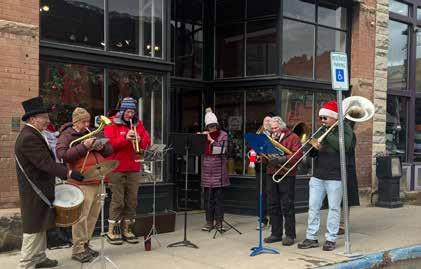
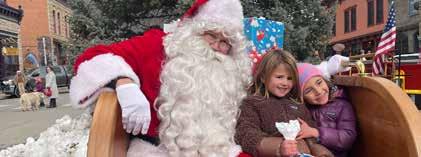
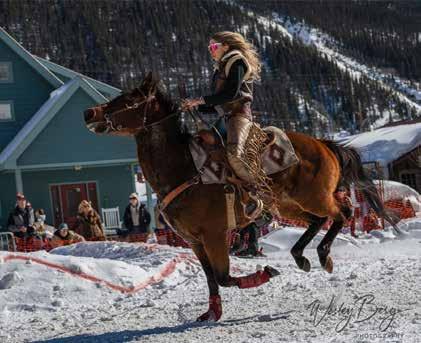
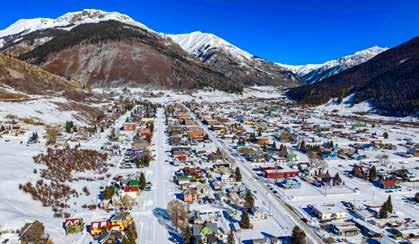
Photos: Top to bottom, the Silverton Brass Band playing on Christmas Eve, by Janice Sanders. Children telling their wishes to Santa at the Silverton tree, by Katey Fetch. Skijoring horse and rider, by Wesley Berg. Silverton in winter, by Jason Ebelheiser.

104 MILES OF ADVENTURE
WINTER ’S PATH
Winter transforms the San Juan Mountains into a vast playground of powder, where snow-covered peaks, quiet forests, and endless stretches of white invite visitors to slow down and explore. Beneath brilliant bluebird skies and crisp mountain air, the landscape offers a different kind of adventure, one defined by solitude, stunning scenery, and the simple joy of being outdoors.
Unlike the busy summer season, winter brings a sense of calm to the mountains. Trails are quieter, viewpoints are uncrowded, and visitors can experience the beauty
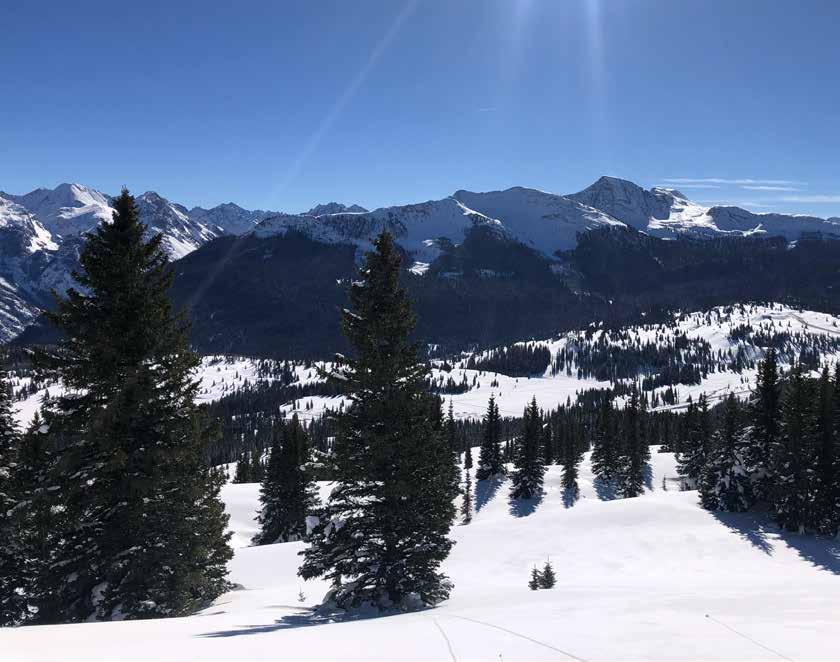
Photos: Top, San Juan County in winter, by Kelly Fetch. Lower, dog running near Eureka where the trail system leads, by Katey Fetch
Words by: DeAnne Gallegos & Katey Fetch
of the San Juans at a slower pace. Whether gliding through fresh powder on cross-country skis, trekking beneath snow-laden pines in snowshoes, riding a snow bike, walking the dogs, or venturing into the backcountry by snowmobile, there are countless ways to enjoy the season.
Making these winter adventures possible is the dedicated work of the Silverton Snowmobile Club. Through partnerships with Colorado Parks and Wildlife and the Colorado Snowmobile Association, the club maintains more than 104 miles of groomed multi-use trails throughout Silverton and San Juan County. What began as a small trail-grooming effort using snowmobiles has evolved into an extensive countywide trail system maintained with specialized snowcats.
Some of the region’s most scenic winter trails are located at the Molas Lake Recreation Area, where sweeping views of the forest and rugged Weminuche Wilderness create a spectacular setting for a day of exploration. Closer to town, Silverton’s groomed trail network provides convenient access from downtown to the surrounding backcountry and Kendall Mountain.
“Beneath brilliant bluebird skies and crisp mountain air, the landscape offers a different kind of adventure.”
For trail maps and current conditions, visit silvertonsnowmobileclub.org, explore the CoTrex (Colorado Trail Explorer) app, or visit trails.colorado.gov. Whether you’re seeking high-country adventure or a peaceful winter stroll, these groomed trails offer some of the best ways to experience the magic of winter in the San Juans.
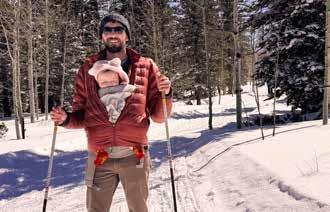
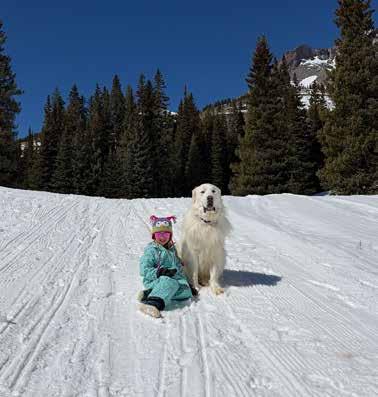
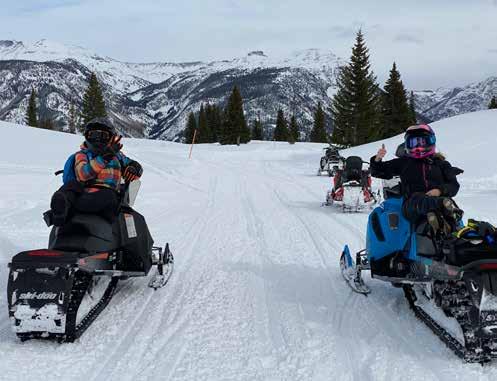
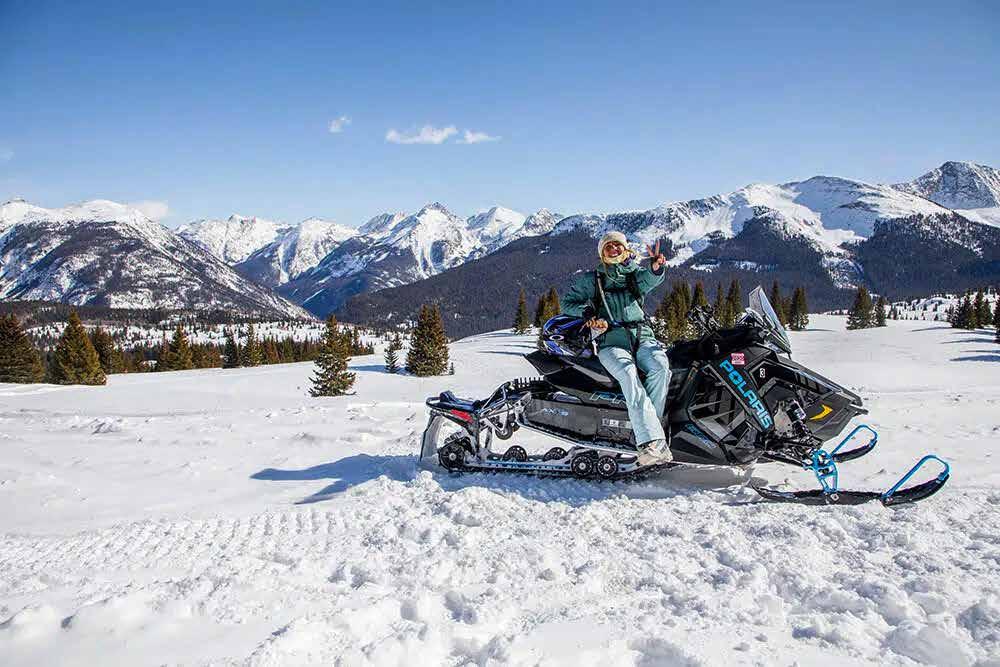
Photos: Clockwise, Snowmobiles on a tour at Molas Lake Recreational Area, provided by the Silverton Snowmobile Club. Local kid and dog having fun on the Molas trails, by Sterling Blankenship. Fun for all ages, by Katey Fetch.

I C E P I R A T E B A C K C O U N T R Y











Winter in the San Juans is often long and hard, and for the wildlife that live high in the mountains year-round, it can be a challenge to survive. The town of Silverton sits at 9318 feet in elevation in a wide area of the Animas River Valley surrounded by jagged peaks. It averages around 175 inches, or 14 ½ feet, of snow each winter,
“These “twig eaters” obtain almost all of their sustenance in winter from the twigs of willow bushes and aspen trees, and their thick, winter coats giving them protection from the elements. Even so, their survival depends on getting sufficient calories to stay warm and staying healthy and free from injury. A slip on the ice or a fall while navigating steep terrain could mean a death sentence.”
and many of the nearby peaks and high valleys get significantly more. The Silverton Mountain ski area, which is located about five miles north of town, claims to get over 400 inches of snow annually. The snowiest months in the San Juans are December through March, and in December, January, and February, the average minimum temperature in Silverton is below zero, often dropping to fifteen or twenty degrees below. For moose and other wildlife, surviving through the winter means finding enough to eat to endure the deep snow, cold temperatures, and intense winter storms that bring frequent avalanches to the valleys below.
Wildlife that live in the high mountain valleys and forests over the winter have adapted different mechanisms to survive. Animals like black bears and marmots hibernate for most of the
winter, slowing their metabolism to subsist on fat reserves stored during the summer and fall. Beavers and pikas store food in caches, emerging from their lodge or den to retrieve their stores, but otherwise staying mostly dormant. Snowshoe hares and lynx have evolved large paws that enable them to travel efficiently over the snow to catch prey or elude predators. Many ungulates, or hoofed mammals including mule deer and elk, travel down the valleys to spend the winter at lower elevations where the snow isn’t as deep, and they can find grass and other vegetation to forage on. In the San Juans, moose typically remain in the high mountain valleys and forests year-round, relying on their long legs to move around in the deep snow in search of food. These “twig eaters” obtain almost all of their sustenance in winter from the twigs of willow bushes and aspen trees, and their thick, winter coats giving them protection from the elements. Even so, their survival depends on getting sufficient calories to stay warm and staying healthy and free from injury. A slip on the ice or a fall while navigating steep terrain could mean a death sentence.
Like most wildlife living in the San Juans, moose are much less active in winter. They seek to conserve the limited energy they get from eating twigs, bark, and whatever else they can find. While tracks in the snow indicate what animals are around, it often takes a bit of luck to find animals out and about during the winter. Given their size and the distance between their strides, moose tracks are easy to identify,
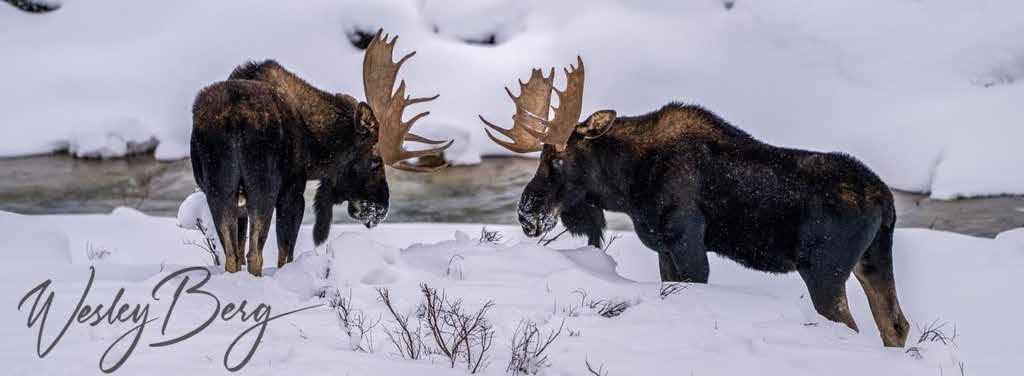
although elk tracks appear similar, albeit a bit smaller. While most elk move to lower elevations during the winter, there are small herds that spend the winter in the high mountains. Elk tend to stay together in groups, however, leaving clusters of tracks as opposed to one or two sets of tracks more typical of moose.
Moose often take cover in the forest, so winter travelers need to stay alert for their presence when traveling in or near the woods. Their dark coats blend in well with the trees, and their excellent hearing and sense of smell almost always let them know you are coming long before you see them. They will stand motionless, nearly invisible among the trees. They may be relatively sedentary in the winter, but they can move fast through the snow.
To conserve energy in the winter, especially when the snow gets deep, moose often follow the path of least resistance, walking along snow-covered roads or trails that are packed
down by snowmobiles or skiers. On several occasions I have broken a trail in the snow with my skis, and upon returning a day or two later, I have found my track ruined by a moose punching holes along it as they seek the most efficient path through the snow. I have also observed moose traveling up and down the creek when it isn’t frozen over. They aren’t deterred by the frigid water, and it is easier to walk in the water than through deep snow. Their hooves don’t provide very good traction on ice, however. I have not only watched moose slip around on the ice, I have also come across moose limping around in the winter, likely due to an injury sustained from a misstep on icy or rugged terrain. Of course, the potential for a serious injury or a broken leg is very real.
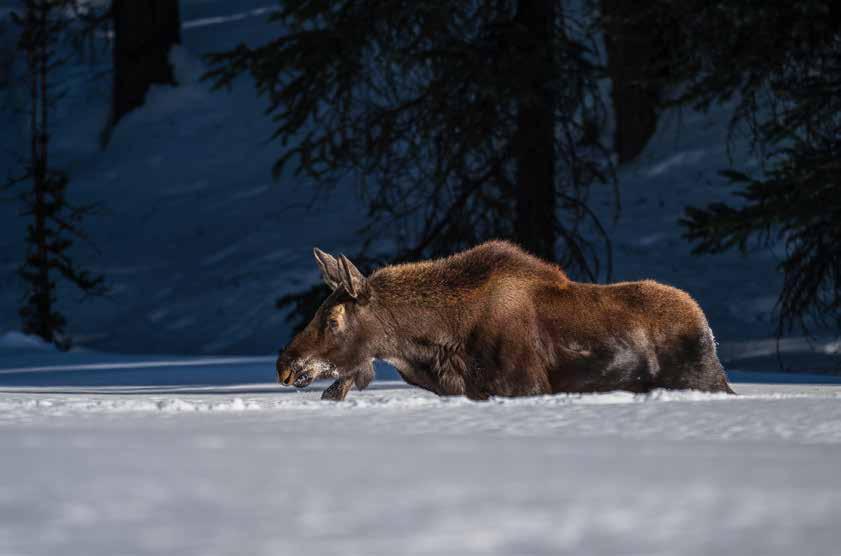
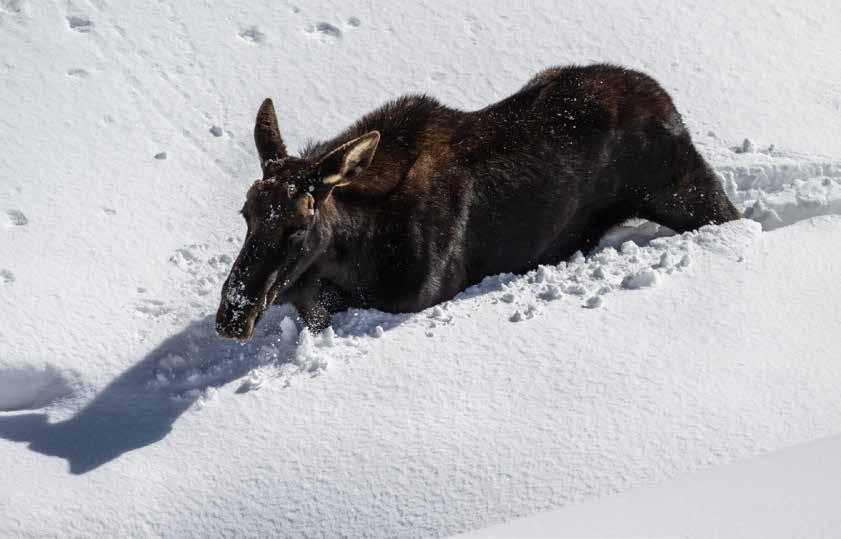
An adult bull moose is shown in the accompanying photo as he struggles to walk through the deep snow along South Mineral Creek in March of 2023. He had dropped his antlers fairly recently, as the bare nubs are visible, but
there is not yet evidence of new antlers starting to grow. Although moose have long legs, it takes a lot of effort for a moose to travel very far in such conditions as they search for food. As a result, they tend to move around much less. When the snow gets deep late in the winter, moose tracks may even leave a trough in the snow, indicating that the moose had to push their belly through the snow. A photo of a young calf is also shown as it followed the track in the snow left by its mother. At the beginning of December, moose calves born in the spring are around six months old and are still significantly smaller than a full-grown adult moose. Although this calf was working hard to make its way through the deep snow, it was much easier for it to follow its mother’s track than to make its way through undisturbed snow, providing an example of how a calf relies on its mother to survive its first winter high in the San Juan Mountains.



Specializing in Wildlife of the San Juans!
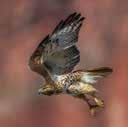

Learn about the amazing wildlife that live among the rugged peaks and high elevation river valleys of the San Juan Mountains! Wesley Berg specializes in photographing wildlife in their natural environment, especially the mammals and birds that live high in the San Juans.
wesleybergphotography.com or stop by The 9318 Collective at 1212 Greene Street in Silverton to learn more and to see his amazing photos. His wildlife prints are available in a variety of sizes, framed
unframed, printed on metal
photo paper. You can also custom order
favorite photo printed exactly the way you want! In addition, you will find a variety of greeting cards and several of his photo books on wildlife, including his latest “Silverton Moose Stores”, which is a collection of stories and photos of the moose that live in the San Juans.