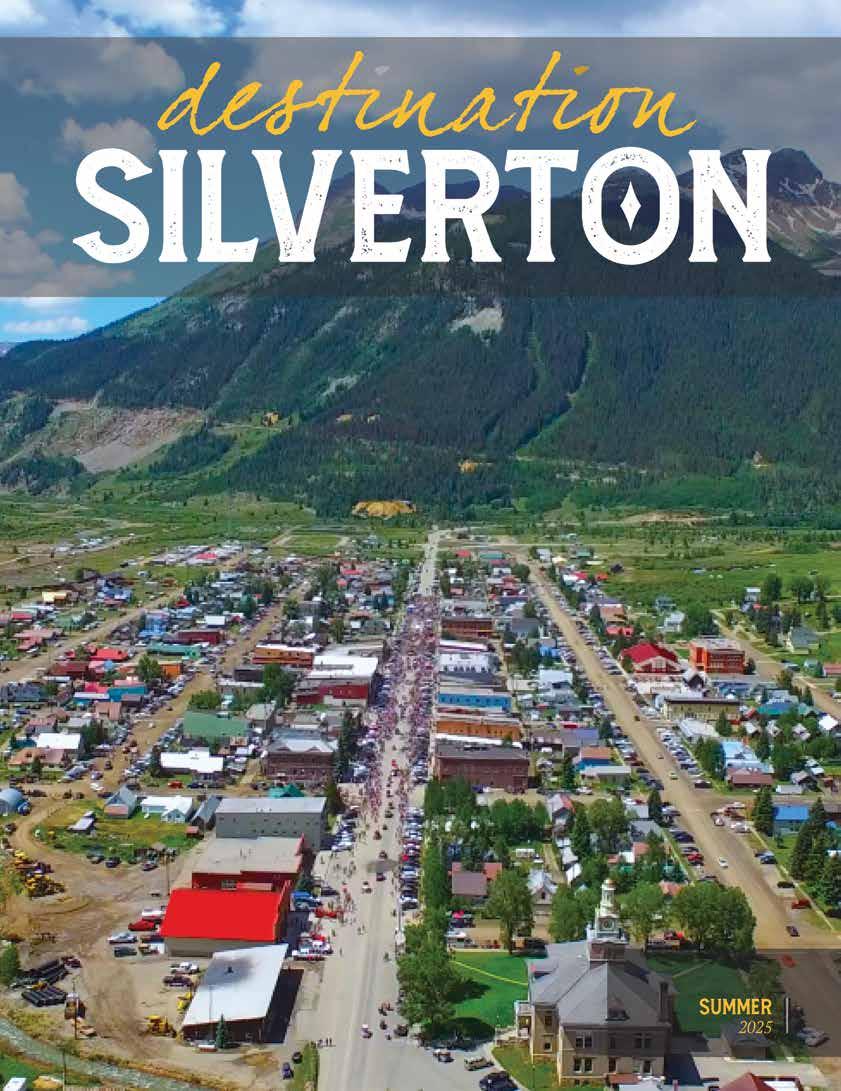


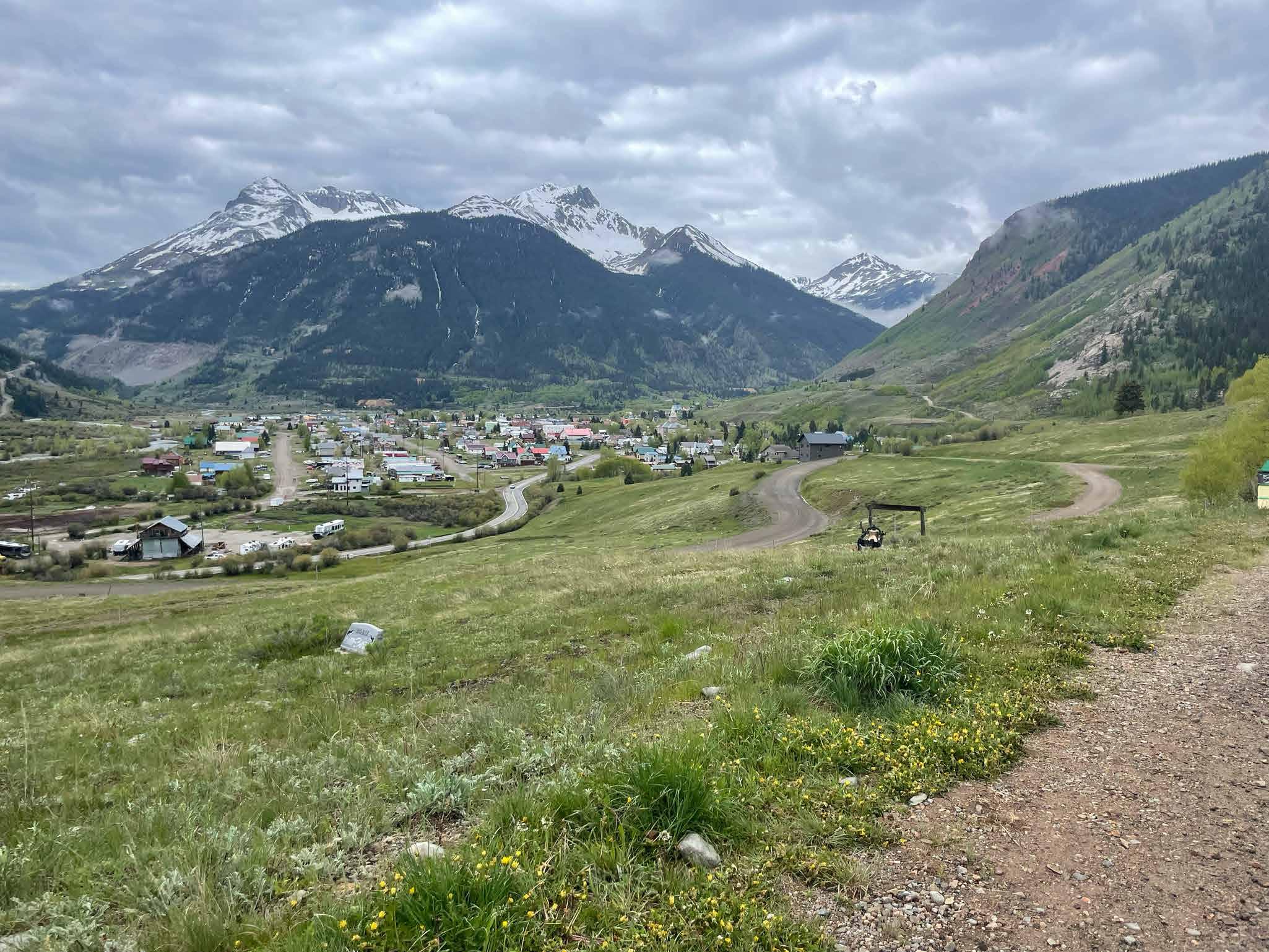
Flipping through the pages of this 2025 Summer Destination Silverton Guide, you can glimpse the magical hamlet of Silverton, Colorado. A historic mountain town full of untamed spirit, shaped by rugged landscapes, and mountain magic.
Long before the miners and mountaineers arrived, this land was significant to the Núuchiú (Ute people). We honor their connection to this place and their ancestral lands.
The historical town was established in 1874 and continues to captivate visitors and locals alike. Silverton in the summer is unparalleled.
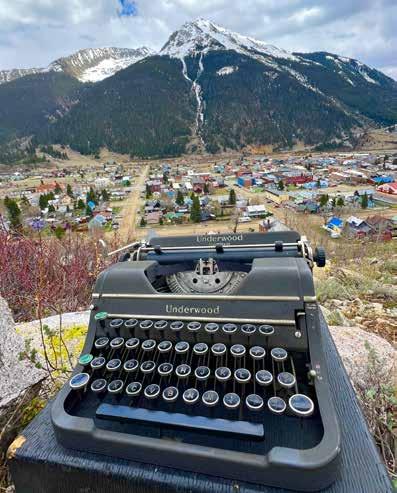
Our landscapes boast thrilling adventures for all levels, while our history is as rich as the
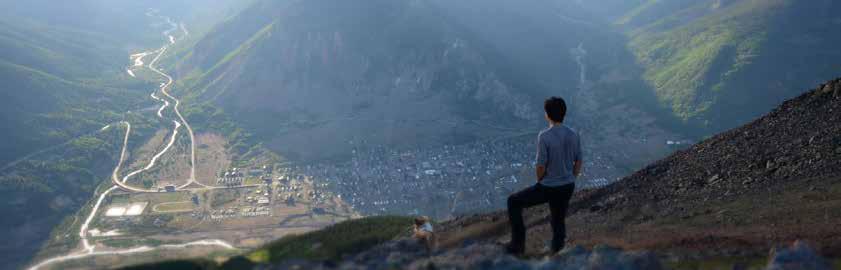
veins of gold once mined.
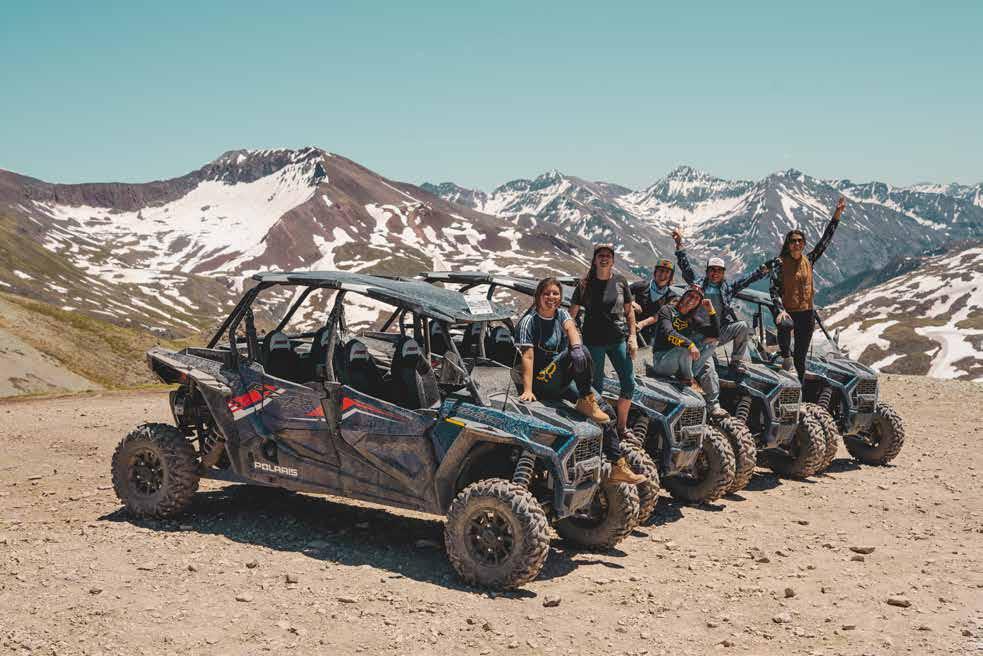
Adventure seekers can explore our backcountry roads, hike through wildflowers, or take an epic mountain bike ride.
As a visitor, you’ll find more than just outdoor thrills. You’ll see a community proud of its history and the natural world it’s built upon. Take a stroll through our vibrant Western-rooted downtown and visit shops, galleries, and dining. Or wander through history by riding The Durango & Silverton Narrow Gauge Railroad, visiting our museums, mill, or touring a mine or ghost town.
So, mosey on in, partners, embrace the pace of a town where the mountains set the rhythm. Welcome to Silverton, where the peaks inspire, the past echoes, and the wild invites you.
- The Silverton Standard Team
The Animas Power & Water Company
Publisher | DeAnne Gallegos • Chocolate Dog Press
Editor | Katey Fetch
Creative | Katey Fetch, Gina M. Rosato, Julian Hood
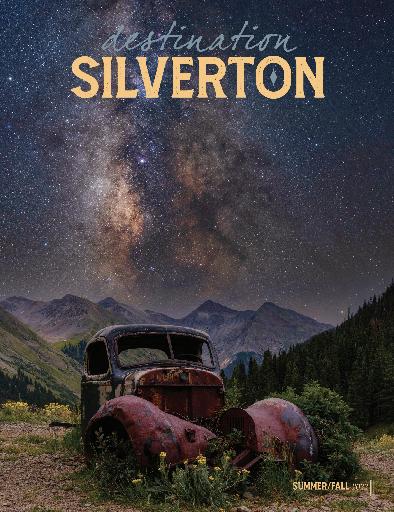
Cover Photo | Jason Ebelheiser

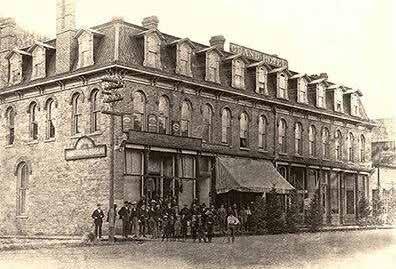
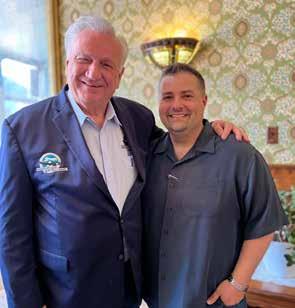
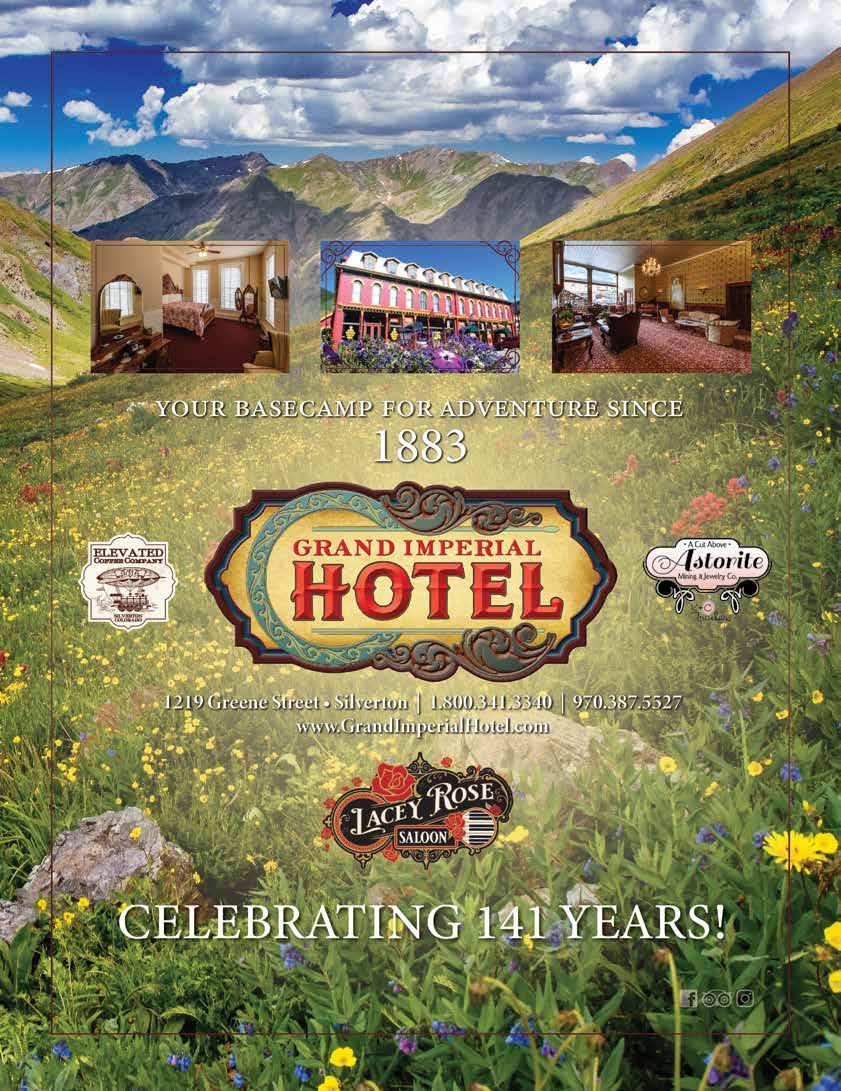
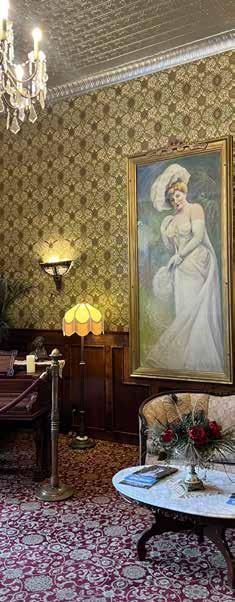
The Grand Imperial Hotel, located in the heart of downtown Silverton, is nestled among the breathtaking peaks of the San Juan Mountains in Southwest Colorado. It beckons travelers with its charming blend of history and hospitality as guests step into the elegantly restored lobby. They are embraced by a warm ambience that whispers stories of the past with its authentic decor and friendly staff who specialize in hospitality.
The hotel is a haven for those seeking adventure and relaxation alike. Imagine waking up to the crisp mountain air, sipping coffee in the sun drenched high alpine morning, and marveling at the stunning views of the rugged landscape right outside the hotel’s front door. The Grand Imperial Hotel was established in 1883 and continues to stand as a bastion of elegance and refined hospitality, attracting discerning guests in search of unparalleled experience. At the turn of the century, the hotel stood as the “Crown Jewel of Silverton” and was the largest structure on the Western Slope of Colorado.
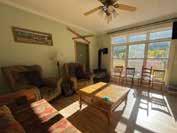
This meticulously restored historic hotel offers a unique blend of vintage charm and modern amenities. Patrons are drawn not only by the hotel’s storied past, which echoes with tales of the gold rush and frontier life, but also by its breathtaking mountain vistas and proximity to a myriad of outdoor adventures. The Grand Imperial’s lavishly appointed guest rooms provide an oasis of tranquility complete with plush furnishings and ensuite bathrooms. The hotel serves as an ideal basecamp for exploring the rugged mountain range, but also the historical downtown, bustling with artisan shops, vibrant galleries, and culinary experiences of many types. The Grand Imperial Hotel also has an onsite spa, restaurant, coffee shop, and theatre that is open year around.
The attentive staff, well versed in the art of hospitality, ensures that every stay is imbued with personalized service and warmth, making the Grand Imperial Hotel not merely a place to rest but a cherished sanctuary where memories are woven into the fabric of Silverton’s enchanting landscape. The hotel serves as a perfect launchpad for outdoor enthusiasts, offering easy access to jeeping, hiking, biking, fly fishing, skiing, and the legendary Durango and Silverton Narrow Gauge Railroad.
You can even ride this iconic narrow-gauge railroad and stay at the Grand Imperial by booking the Step Back In Time Train and Hotel Package. The enchanting spirit of the Grand Imperial complements the town’s rich history, providing an inviting atmosphere that encourages new connections and cherished memories.
Staying at the Grand Imperial Hotel is not just lodging, it’s an invitation to immerse oneself in nature’s beauty, to embrace a vibrant community, and to create a story worth telling for years to come. The all-inclusive property is turnkey for events like weddings, family reunions, retreats, or those seeking the perfect San Juan Mountain getaway.


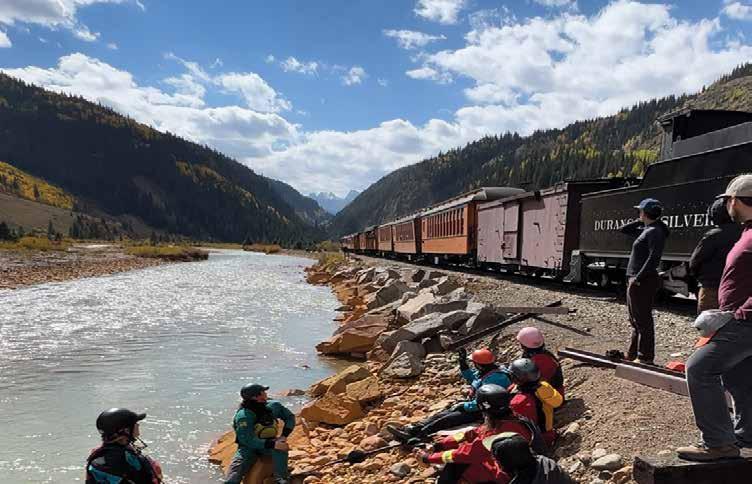

Perched in the charming town of Silverton, Colorado, El Bandito Mexican Kitchen & Cantina is located at 1114 Notorious Blair Street. The restaurant presents a fresh take on traditional Mexican cuisine, infusing dishes with distinctive flavors and ingredients inspired by the vibrant culinary heritage of Monterrey, Mexico. The freshly made from scratch menu offerings were inspired and curated by Chef Tonio, who attended culinary school in Paris and is the head chef for the Letayf family.
Mario Letayf is a young restaurateur who has redefined Silverton’s dining scene by creating a culinary space unlike anything the town has seen before. Diners
can savor a diverse menu that includes ribeye tacos, al pastor tacos, shrimp, chicken or mushroom tacos, quesadillas, burrito bowls, fajitas, fresh salads, queso fundido, nachos, freshly made chips, salsa, guacamole and so much more. All prepared with a genuine passion for flavor and quality.
The restaurant is inside the historic Bent Elbow Hotel and captures a vibrant yet cozy ambiance, making it an inviting spot for locals and travelers. With its rustic décor and friendly, attentive staff, El Bandito provides a welcoming atmosphere that complements its culinary offerings.
The historic western bar in El Bandito holds stories from the former mining camps past. Today, you can enjoy freshly squeezed citrus and or fruit margaritas of all flavors, depending on the season.. Restauranteur Letayf’s seasonal favorites include the Palisade Peach margarita—crafted with freshly picked Western Slope peaches—and the refreshing Watermelon margarita.
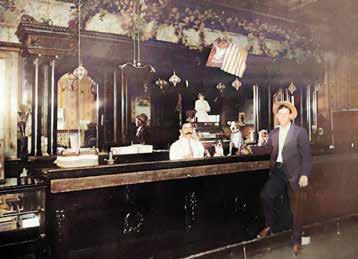
One of Letayf’s partners, Nick Fattor, has a long family history in Silverton and, specifically, with the Bent Elbow property. Fattor said, “The bar in our restaurant was the original bar in the Fattor Tremont Saloon, which was right next to this building but burnt down,


although the bar was saved and moved over here to the current location. My great uncle Celeste Fattor was in Silverton at the turn of the century and was married to Big Tilly (a madame), who died here in Silverton during the Spanish Flu 1918.”
Local history runs deep in the Bent Elbow property that houses the El Bandito, and the restaurant neatly encapsulates the spirit of Silverton with its unique, home-grown approach to dining. El Bandito will also feature a house special throughout the summer months curated by local chef Angelina Noble, who has a restaurant in Mazatlán, Mexico, and is married to the third partner in the restaurant, Rick Noble.
El Bandito is open year-round and has a pet-friendly attached outdoor patio that is full service in the warm summer months. Whether you just got off the train, out of the backcountry, a ski tour, a summer hike, or just driving through, a meal and cocktail at the El Bandito provides an opportunity to engage with Silverton’s rich community and culinary scene. El Bandito house band and other musicians play regularly throughout the year, and to follow their live music schedule, menu specials, drink specials, and other happenings, follow them on Instagram @elbanditosilverton.

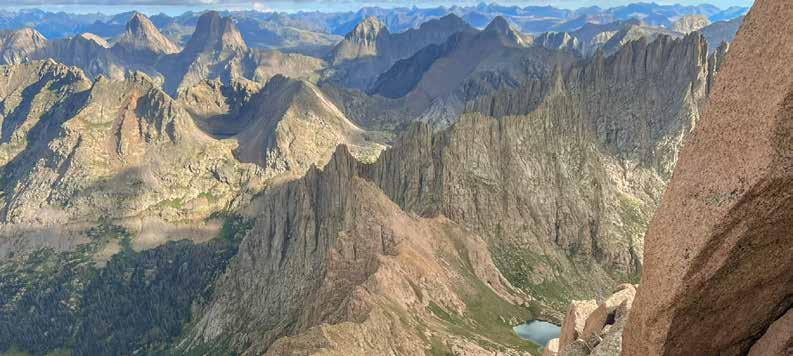
The Weminuche remains an unparalleled outdoor adventure and natural resource preservation
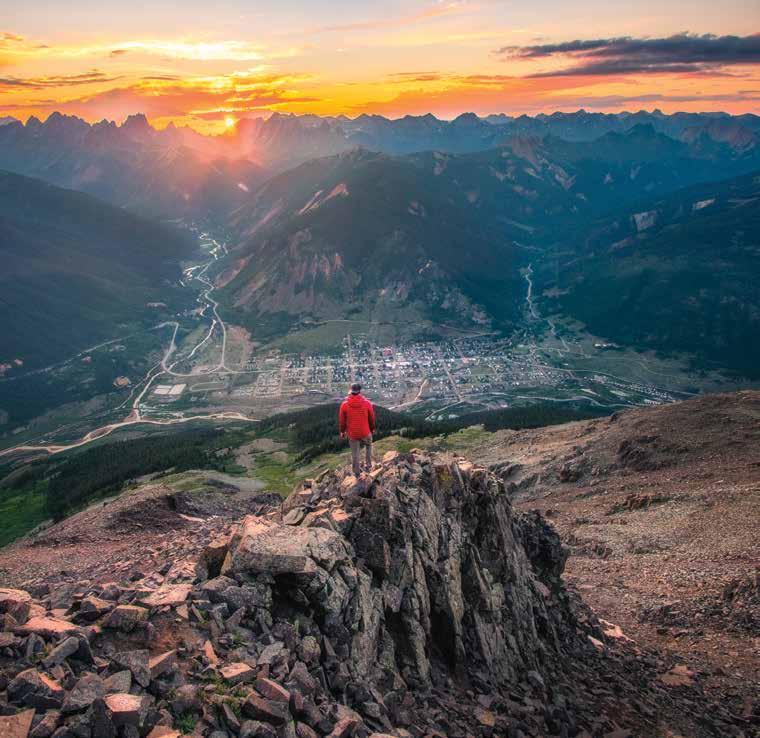
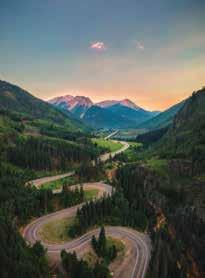
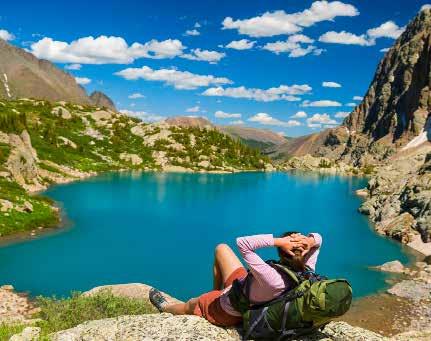
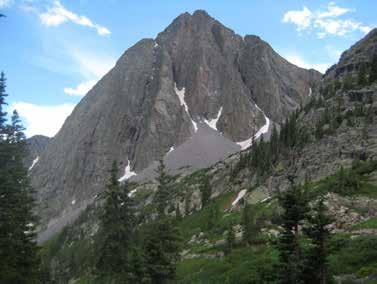
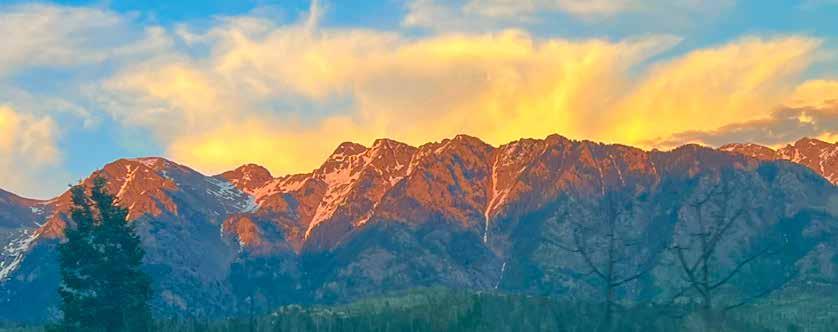
As you look south down the Animas River Valley, several jagged peaks reach dramatically skyward. You’re looking straight into the Weminuche Wilderness, the largest Wilderness area in Colorado, spanning 499,771 acres across the San Juan and Rio Grande National Forests. Designated as Wilderness by Congress in 1975, the Weminuche (pronounced whem-a-nooch) marks its 50th Anniversary this year.
The Weminuche is named for the Weeminuche Band of Ute people, whose ancestral lands include the present-day wilderness area. The Utes were hunters and gatherers who had a highly developed tradition of horse use, and their transportation networks through
the San Juan Mountains were trails of cultural and economic significance. Some of those trails returned to the earth, and some are still used today.
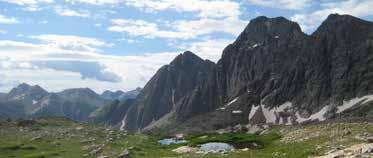
The mountain towns of Durango, Silverton, Pagosa Springs, South Fork, and Creede surround and provide access into the wilderness. With an average elevation of 10,000 feet above sea level, the Weminuche is known for its challenging, rugged terrain from the deep Animas River Gorge to the wildflower-filled basins to towering peaks. The Weminuche is home to three of Colorado’s “14ers”, Mount Eolus (14,083 ft), Sunlight Peak (14,059 ft), and Windom Peak (14,082 ft), as well as multiple peaks over 13,000 ft.
With the continental divide running through the heart of the Weminuche Wilderness, this area is the headwaters for the five rivers: Los Pinos (The Pine), Piedra, San Juan, and Animas rivers on the west of the continental divide and the mighty Rio Grande river on the east side. There are 31 trailheads and approximately 500 miles of maintained trails, including sections of the Colorado Trail and the Continental Divide Trail. Some of these areas can be accessed via the Durango-Silverton Narrow Gauge Railroad that runs between Durango and Silverton.
In fact, the most common destination in the Weminuche is the Chicago Basin, which is situated within the Weminuche Wilderness at 11,200 ft elevation
(timberline is 11,800 ft). The combination of convenient access via the narrow gauge train to Needleton and the access to iconic 14ers attracts thousands of visitors from around the world in its short summer season, making Chicago Basin a heavily-used area.
San Juan Mountains Association (SJMA) has served as the interpretive partner to the San Juan and Rio Grande National Forests since 1988, and this regional nonprofit has worked alongside federal land managers to provide education and outreach to Chicago Basin visitors, working to mitigate the resource damage that comes from heavy use.
The Weminuche provides some of Colorado’s best backpacking – but it is also increasingly more crowded. Although the Weminuche is known for its rugged terrain, its ecosystems are fragile. As you visit, you will join thousands of others who travel into the Weminuche each year. You can help protect the Weminuche by planning ahead, complying with regulations, and following Leave No Trace principles. Let’s make sure that this remarkable landscape remains pristine and wild for many generations to come.


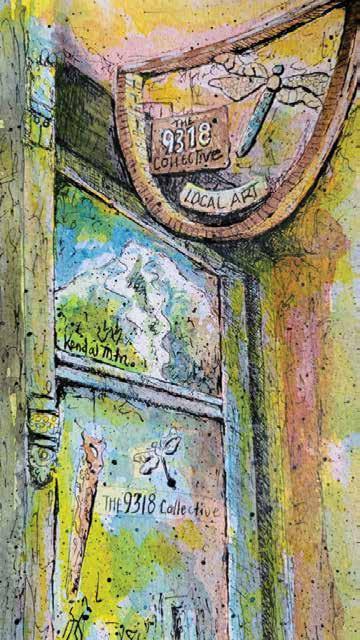
Mountain Made: Art, Altitude, and Community in Silverton Perched at 9,318 feet in Colorado’s San Juan Mountains, Silverton is a place where creativity runs deep—shaped by rugged landscapes, independent spirits, and a passion for community. The Silverton Creative District (SCD) brings that spirit to life year-round through events that celebrate art in all its forms. From summer concerts and gallery strolls to winter film nights and holiday markets, SCD invites you to experience Silverton’s creative heart—bold, welcoming, and mountain made.
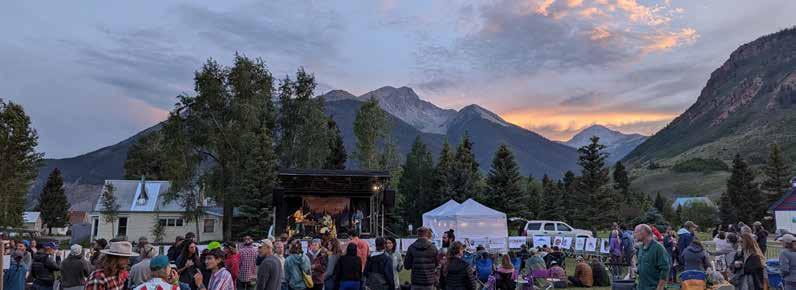
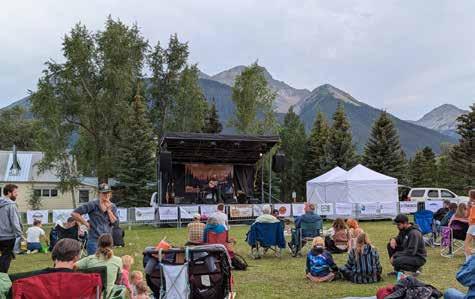
Silverton Summer Sounds June 13, July 11, Aug 8, Sept 12 | 6–9 PM | Memorial Park. On second Fridays, nighttime comes alive with Silverton Summer Sounds, a free, family-friendly concert series set beneath alpine skies. Featuring national touring acts and local talent, these lively gatherings include food trucks, craft drinks, and dancing under the stars.
Silverton Creates + Maker’s Market Festival: Sept 12–20 | Market: Sept 20 | Memorial Park. Silverton Creates is a weeklong celebration of local art and culture. It launches with the final Summer Sounds concert of the season and unfolds with 30+ events—from workshops to theater performances. The week ends with the Maker’s Market & Music Fest: a full day of live music, artisan booths, food, and kid-friendly fun—all set against brilliant fall colors.
First Friday Art Walks
June 6, July 4, Aug 1, Sept 5 | 4–7 PM | Downtown Silverton. On First Fridays, Silverton’s downtown comes alive with art, music, and mountain-town charm. Follow the hot pink flags to explore pop-up exhibits, creative storefronts, and live demos—each month with a fresh theme like “Art & Eats” or “Sidewalk Chalk Art.”
Mistletoe Market Dec 12 | Kendall Mountain Lodge.
This festive winter market brims with handmade goods, seasonal cheer, and the warm glow of community. It’s the perfect place to shop local and soak up holiday magic.
Mountainfilm on Tour
Jan 9–10, 2026 | Kendall Mountain Lodge. Each January, Mountainfilm brings powerful documentaries to





town—pairing cinematic adventure with snowy escapes and sparking conversations on culture, environment, and resilience.
From vibrant summers to snow-dusted winters, Silverton’s creative rhythm beats all year long. Join us in celebrating the artists, stories, and experiences that make this place unique.
Learn more at silvertoncreativedistrict.org.







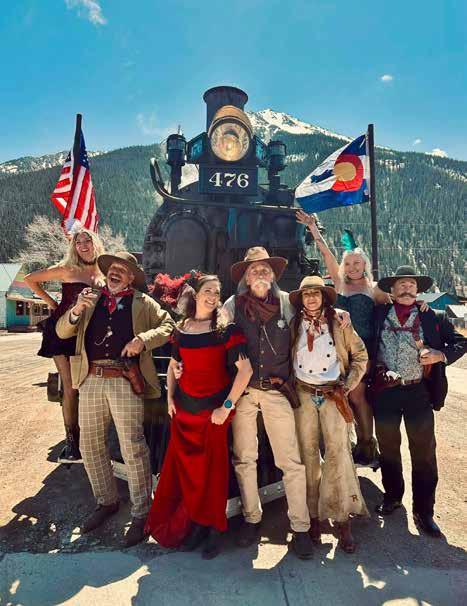
Cradled in the rugged landscape of the San Juan Mountain Range in Southwestern Colorado, the Durango Silverton Narrow Gauge Railroad stands as one of America’s most iconic railroads, transporting passengers through breathtaking mountain scenery and a rich tapestry of history.
A marvel of 19th-century engineering, this historic railroad continues to captivate travelers and history enthusiasts alike—offering a unique glimpse into the region’s past shaped by ambition, industry, and frontier adventure. The concept of narrow-gauge railroads emerged in the early 19th century as a solution to the challenges posed by mountainous terrains and limited budgets. Narrow-gauge railroads, with their smaller tracks measuring just three feet apart (as opposed to the standard gauge of
4 feet, 8.5 inches), were less expensive to construct and could more easily navigate sharp curves and steep grades, which was perfect for regions like the San Juan Mountains.
The Durango Silverton Narrow Gauge Railroad was born out of necessity during the Colorado silver mining boom in the late 19th century. The Denver & Rio Grande Railway (D&RG), founded by General William Jackson Palmer in 1870, spearheaded efforts to connect the mountainous mining towns of Colorado. In 1881, D&RG began constructing a route from Durango to Silverton to facilitate the transportation of silver ore from the mines in the San Juan Mountains, as well as goods and passengers between the two towns.
Completed in July 1882, the 45-mileline became a lifeline for the burgeoning mining industry. The railroad allowed miners to transport large quantities of ore quickly and efficiently while providing access to supplies and services that were previously out of reach in remote mountain communities. During the Golden Age of Mining and Railroads, the Durango Silverton Narrow Gauge Train thrived in the late 19th century, playing a pivotal role in the development of the Town of Silverton, which grew into a bustling mining town. As the demand for precious metals surged, the railroad saw an influx of cargo and passengers. The trains were often packed with miners, their families, and tourists eager to experience the rugged beauty of the Colorado wilderness. During this period, the railroad also gained recognition for its engineering feats. Navigating treacherous terrain, including steep mountain passes, narrow ledges, and the winding Animas River gorge, the train’s journey displayed the ingenuity and determination of its builders. As the mining boom waned in the early 20th century, the Durango Silverton Narrow Gauge Railroad faced significant challenges. By the 1920s, silver production had sharply declined, and many mines closed their operations. The railroad began to transport other commodities, such as
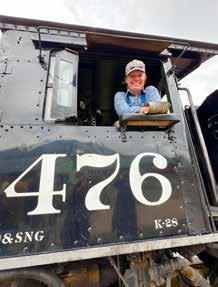
lumber and agricultural products, to compensate for the loss of ore shipments. The introduction of automobiles and improved roadways further threatened the railroad’s viability. Passenger numbers dwindled as people preferred the convenience of cars, and the railroad struggled to maintain profitability. By the mid-20th century, many narrow-gauge railroads across the United States were abandoned, and the Durango Silverton line seemed destined for a similar fate. Fortunately, the Durango Silverton Narrow Gauge Train found a new life in the realm of tourism. In the 1950s, the railroad began to focus on its potential as a heritage attraction, offering scenic rides to visitors eager to experience its historical charm and stunning vistas. The transition from an industrial lifeline to a tourist haven marked a turning point in the railroad’s history.
In 1967, the Durango Silverton line was designated as a National Historic Landmark, solidifying its importance in American history and ensuring its preservation. Efforts to maintain and restore the line have continued over the years, including the refurbishment of vintage locomotives and passenger cars. Today, the railroad operates year-round, attracting thousands of visitors from around the world. In 1988, DSNGRR was sold to the first of two private owners, Charles E. Bradshaw Jr, a Florida citrus magnate. Then, in 1997, the railroad was sold to current owner Allen C. Harper and the American Heritage Railroad. Riding the DSNGRR is an unforgettable journey. Passengers are treated to panoramic views of the Animas River, towering cliffs, and lush forests as the train chugs along at a leisurely pace. The historic steam locomotives and authentic wooden passenger cars transport riders back in time, evoking the romance and adventure of the Old West. The DSNGRR is more than just a mode of transportation—it is a living piece of history, a testament to human ingenuity, and a connection to the spirit of the American West frontier. Its evolution from an industrial necessity to a cherished tourist attraction highlights the enduring appeal of railroads and their ability to inspire awe and wonder.







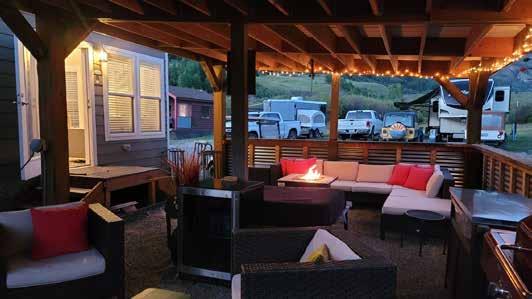








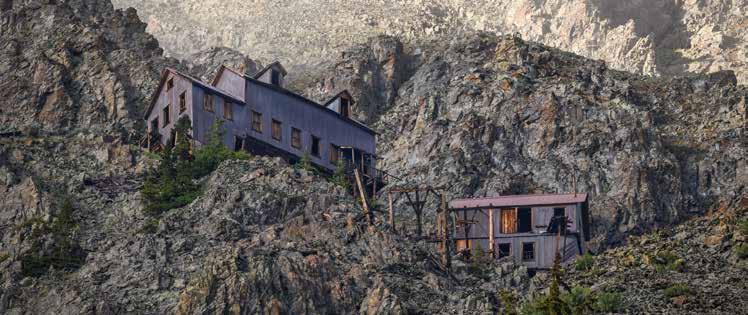
Nestled high in an ancient caldera, Silverton, Colorado, feels like a step back in time. But beyond its Wild West charm, Silverton invites visitors to slow down and experience its sights and sounds on foot. Whether you’re strolling past colorful Victorian-era storefronts or following scenic roads and trails that snake through alpine meadows, walking around Silverton offers a unique blend of history, beauty, and mountain-town soul.
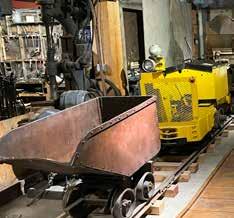
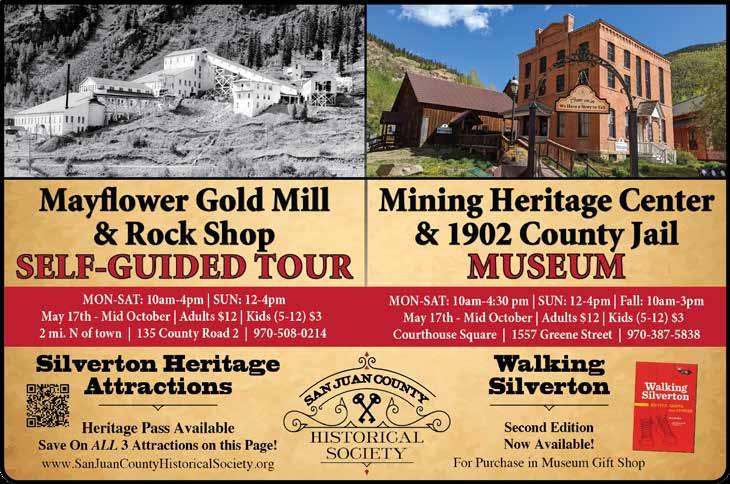
The Mining Heritage Center is the platform for a massive collection of mining relics from the San Juan region. Boasting multiple levels of displays, including an immersive mine exhibit, Silverton’s Mining Heritage Center is considered to be one of the best mining history museums in the country and is definitely a must-visit. More information at www. sanjuancountyhistoricalsociety.org.
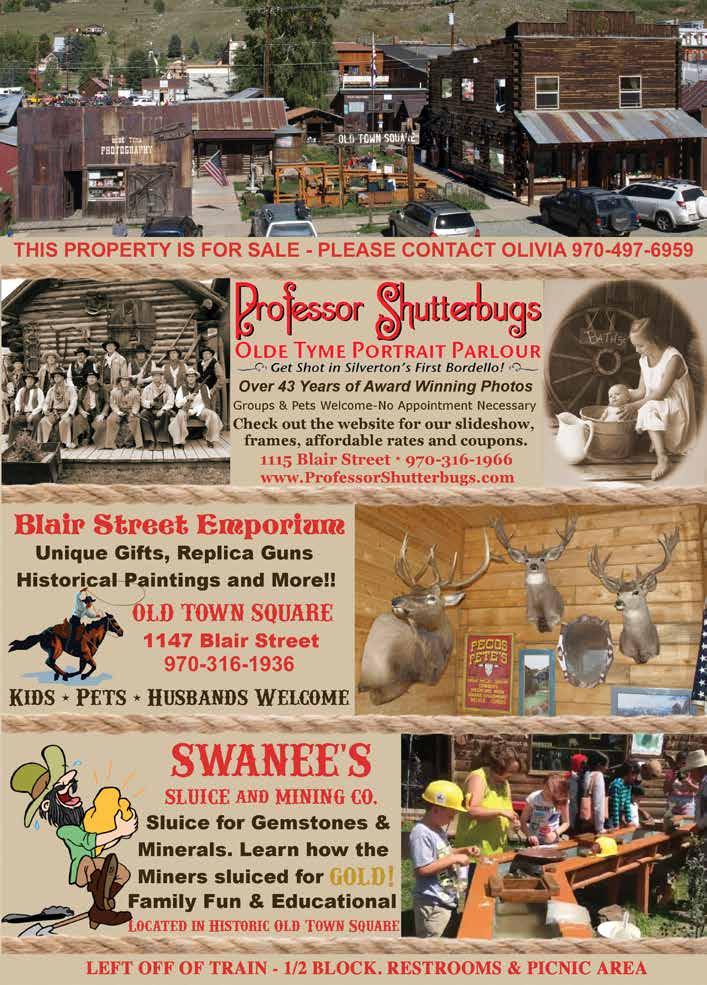
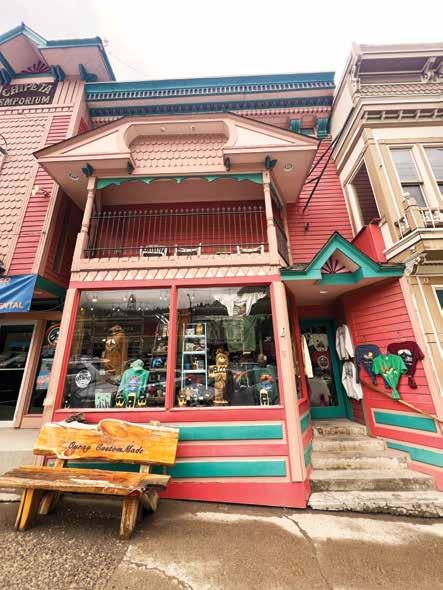
Take a step back in time with a meander down Blair Street. This section of Blair Street was home to bars, brothels, and bunkhouses for the miners at the turn of the century in the mining heyday of Silverton. Now, it’s home to shops, art galleries, restaurants, and bed and breakfasts. It is also where the Durango Silverton Narrow Gauge train drops off its passengers daily on 12th & Blair. Columbine Park provides public restrooms, pay showers, a concert stage, and a visitor center kiosk.
If you look up towards the center of Anvil Mountain (on the north side of town), you can see the 16-foot statue of Jesus, carved out of Carrara Marble from Italy. During the 1950s in Silverton, the mining industry reached its lowest point. This 12-ton marble monument was erected in the summer of 1959 to look over the town and protect the miners of our community and the local mining economy.
The Mayflower Mill was built in 1929 to process ore from the Mayflower Mines. It resides just outside Silverton, across from the stunning Arrastra Gulch. Highlights of the self-guided tours include the impressive aerial trams spanning the expanse of Arrastra Gulch, with buckets still intact, as well as moving machinery that depicts how gold, silver, and other metals were processed. The Mayflower Mill is a must-see for anyone interested in the history of milling. More information at www.sanjuancountyhistoricalsociety.org.
Located just outside of town at over 10,000 feet, Molas Lake is a must-visit destination for nature enthusiasts and adventure seekers alike. This scenic spot offers breathtaking views of peaks and wildness. Visitors
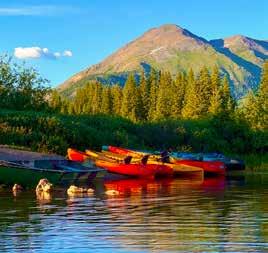
can partake in a variety of activities, including fishing, kayaking, canoeing, stand-up paddleboarding, and more. The area also provides direct access to hiking and biking trails, as well as opportunities for stargazing under dark, unpolluted skies.
Located outside Silverton near the ghost town of Howardsville, the mine was discovered in 1872 by the Niegold brothers, who were originally from Germany. Today, 150+ years later, visitors can experience the thrill of what mining was like. The tour begins with an open-air mine train that takes guests 1,500 feet underground into Galena Mountain. Once inside, the guides, often former miners themselves, will demonstrate how different drills, mucking machines, and other equipment were used. There is free gold panning outside the mine, and if you look up the mountainside, you can see the Old Hundred boarding house high on the cliffs above. More information is available at www.minetour.com.
To discover all the things to do, where to eat, where to stay, and what museums and tours to discover, visit silvertoncolorado.com. With its unmistakable charm and character, Silverton is the perfect place to make lasting family memories on a mountain getaway—or at least must-visit stop along your journey through Colorado’s high country.

Don’t let its size fool you—Silverton is a small town with a chillingly rich history of tragedy and mystery. With over sixty confirmed murders, a devastating flu epidemic in 1918 that claimed ten percent of its population, and countless mining, avalanche, and frontier-related deaths, it’s no wonder that stories of restless spirits linger in the mountain air. As you wander Silverton’s historic streets, keep your senses sharp and your mind open—you may just pass by one of these haunted landmarks:
The Grand Imperial Hotel: On the night of November 2, 1989, Luigi Regalia sat in his room at the Grand Imperial Hotel, holding a hand mirror, and shot himself in the head. He was still alive when found, but the local doctor could do nothing. Luigi died several hours later. Today, guests can stay in the very room where Luigi met his end. It’s said that in life, Luigi loved beer—and if you leave a full glass overnight, it might be mysteriously empty by morning. Visitors have also reported seeing a man in doctor’s clothing roaming the halls… alongside Luigi himself.
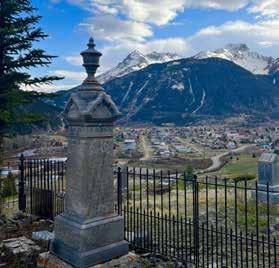
Hillside Cemetery & the Windphone: High on the hillside, strange lights flicker above the tombstones, and eerie calls drift through the mountain dusk. A Windphone memorial now stands in the cemetery, inviting the living to speak with those they’ve lost. One local, mourning the death of a beloved dog, found fresh paw prints in the snow—leading to the phone booth, but with no prints leading away. He took comfort in the idea that his friend had come to say goodbye. Visit the cemetery at sunset or after dark, stop by the Windphone, and discover what you might feel… or hear.
The Miner’s Hospital: During the brutal winter of 1918, the influenza epidemic crept into Silverton, taking with it ten percent of the town’s residents. Many of the sick were brought to the Miner’s Hospital on Snowden Street, where too many took their final breath. By day, the old hospital feels still—quiet, even peaceful. But once night falls, strange sounds echo through the halls, and shadows flicker where no light should be. Some say not all the patients ever left.







Gertie’s Gifts
1202 Blair St
Natalia’s 1912 Restaurant 1159 Blair St
Goodies To Go 1159 Blair St
Silverton Camera Company
116 E 12th St
San Juan Backcountry 1119 Greene St
Rocky Mountain
Funnel Cake Factory 1249 Greene St
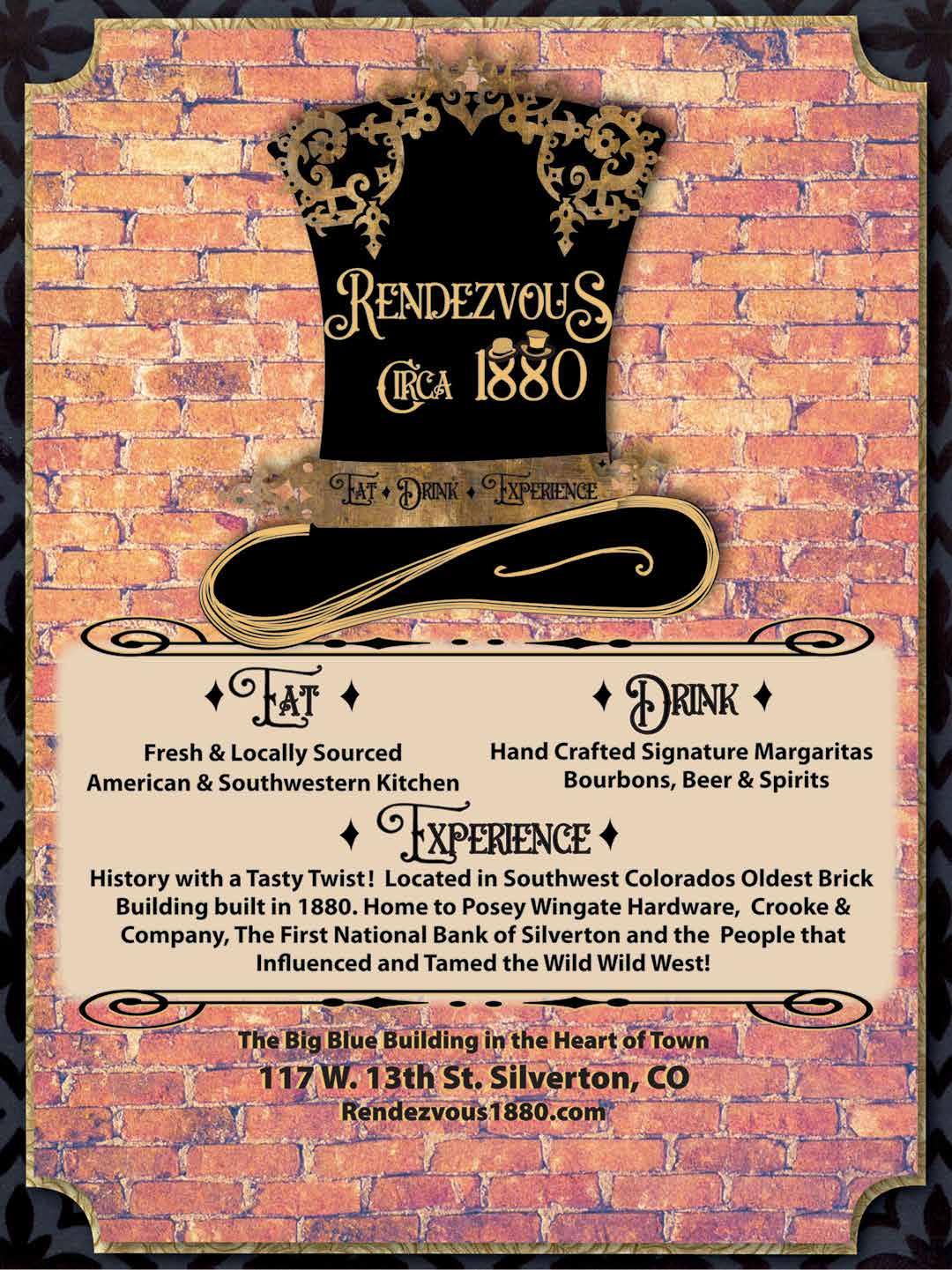
Rendezvous
Circa 1880 117 W 13th Street
The town layout has a peculiar history. A dividing line was created down Greene Street (the now only paved road), which separated the west “respectable” side of Silverton and the “debauched” east side. The east side of town, now known as Blair/Empire Street, was home to brothels, saloons, and gaming halls.
C-X Western Brand
1250 Greene St
Silverton Public Library 1117 Reese St
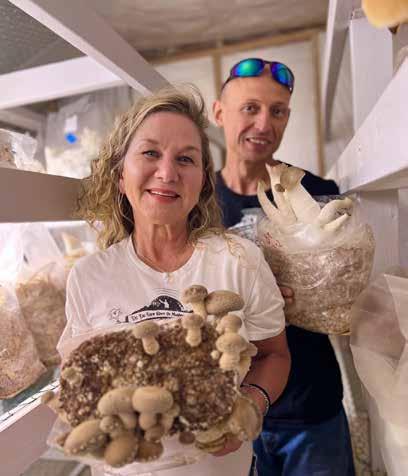
Mount Olympus Medical Mycology is a new San Juan County, Colorado start-up that is cultivating, growing, and harvesting gourmet and medicinal mushrooms in the high alpine of the San Juan Mountains. Mycology, defined as a branch of biology that focuses on fungi, is at the center of this new San Juan County start-up. Silverton locals William Hamm and Lisa Risoli have partnered up to take Mount Olympus Mushrooms to the next level and upgrade your dinner plate and your natural health regimen. They create the grow blocks on which fungi cultures can cultivate, fruit, and ultimately become gourmet mushrooms that home cooks and local chefs alike can use into their next culinary adventure. You can also find them at a local farmers market selling their variety of freshly harvested mushrooms. The team is currently collaborating with local chefs to create specials like lion’s mane mushroom crab cakes or a melody of blue oysters, chestnuts, and king trumpets sautéed to perfection and topped on a James Ranch steak.
The mycelium growth process can take up to 15 weeks from growing block to fruiting body, and you can purchase the fungi of your choice from the block to harvest.

Learning to grow your own mushrooms at home makes Mount Olympus your one stop shop as they offer clients the opportunity to cultivate various strains of mushrooms at almost every stage of growth. William Hamm, who pioneered the grow-


ing process for Mount Olympus, will also be offering courses on mycology. Lisa, the culinary specialist, roams local kitchens offering samples of their harvest to inspire home or professional chefs to use fresh, locally grown mushrooms in their next dish.
The State of Colorado voters passed Proposition 122, which allows access to natural psychedelic substances and is paving the way for natural medicine regulations and legalization. To learn more about Hamm and Risoli’s new business adventure in Mycology happening here in the San Juan Mountains, go to www.mountolympusmycology.com.


artisan sourdough at 9,318 feet
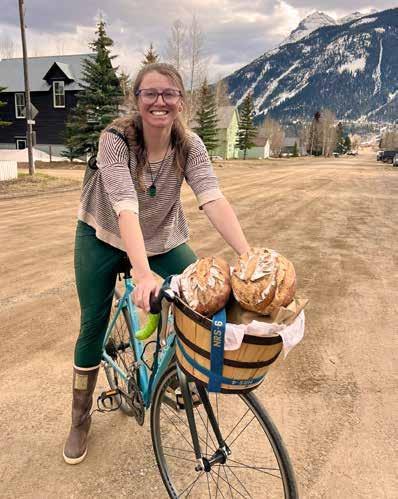
Krista Beyer is the proprietor of Bicycle Breads here in Silverton, Colorado. She is an artisanal sourdough bread maker who endearingly delivers freshly baked loaves directly to Silvertonian’s homes via bicycle after a day of baking. This high-altitude baker has crafted a unique, artisanal sourdough at 9,318 feet above sea level. Krista uses organic flour and local Silverton water, baking each loaf to perfection in a well-loved cast iron pot— a technique that took her years to master in her standard home oven. The well-seasoned thick black cast iron pots used to bake the bread enables the soft, sour, and fluffy center to become encrusted with a deep brown crown that holds the steam inside the loaves to create the airy center of the handmade sourdough bread. Each loaf has a unique scoring pattern hand cut into the top of them— Krista’s own secret trademark of sorts.
Krista takes time to balance her baking plans based on incoming orders from locals and the timing of upcoming farmers markets. Krista currently works for an organization that monitors the San Juan Mountain’s snowpack, but she has also been a ski guide at Silverton Mountain, a hydrology researcher, and an engineer at heart. Still, baking sourdough at a high alpine mountain elevation and puzzling through the chemistry behind creating these decadent loaves is a challenge Krista’s engineer brain loves to solve. In between morning backcountry ski sessions, a mountain bike ride along Silverton’s river road, or a hike into the woods (winter or summer),
life is elevated

Krista returns home to her familiar ritual. She starts the process of turning her sourdough starter into the next batch of fresh high altitude sourdough loaves, everything sourdough bagels, or other sourdough baked goods. At the heart of Bicycle Bread’s small-batch baked goods is Krista’s well-tended sourdough starter—a living culture she keeps thriving and it keeps giving her bread. It’s the foundation of every loaf, every bagel, and every bite made with intention and love by Krista
To get a taste of these special artisan bakes, you must first get on the coveted email list that Krista uses for the first come first serve waiting list for her crisp crusted sourdough loaves. Though you may not catch Krista on her bicycle with a basket full of baked goods making her delivery rounds, you can find her on Instagram @bicycle. breads to get one step closer to getting on her local’s list of sourdough enthusiasts who reap the reward of Krista’s passion for baking sourdough in the high altitude of her home in Silverton, Colorado.













Photos by: Wesley Berg
by: Wesley Berg and Colorado Parks and Wildlife
The San Juan Mountains in southwestern Colorado are a sub-range of the Rocky Mountains with thirteen of the state’s peaks above 14,000 feet and a third of the 100 highest peaks in the state. The forests, peaks and valleys of the San Juans are home to a variety of wildlife that are not only able to survive but thrive under the often-harsh conditions of mountain life. Most of the photos shown here were taken in the region around the tiny, remote town of Silverton (Elevation 9318 feet), which is situated in a high valley surrounded by forested peaks and where it is not uncommon to see moose, fox, bears, and other animals passing through.
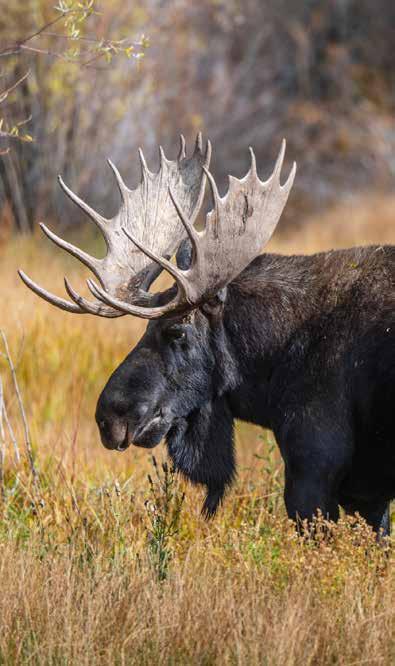
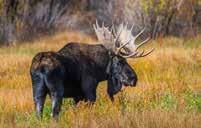
Moose: The moose population in the San Juan Mountains has increased dramatically since they were transplanted into southwest Colorado in the early 1990s. As a result, moose watching has become a popular activity for many visitors. In the summer, it is quite common to see moose browsing on willows in the river valleys along the highway. Occasionally, moose can be seen strolling through the town of Silverton! Given that full grown bull moose can weigh up to 1000 pounds and stand 6 feet at the shoulder, they should be viewed from a respectful distance. Moose are also agitated by the presence of dogs, so it is important to keep pets under control.
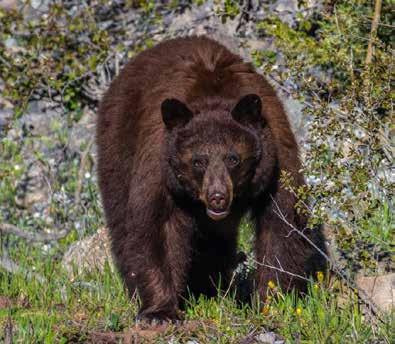
Black Bear: Black bears are the only bear species currently found in Colorado. Despite their name, the color of a black bear’s coat varies, including blonde, cinnamon, and light brown. They seek cover in the forest where they forage on vegetation, berries, insects, and small animals. Bears are active during the warmer months, especially in the fall when they forage up to 20 hours per day as they prepare to hibernate. During hibernation, from around November through mid-March, they shelter in a den with their metabolic rate slowing to conserve energy, though they may still lose 25-40% of their body weight. The females (sows) give birth in their dens with the newborn cubs spending their first month or so sheltered with their mother.
Yellow-Bellied Marmot: The yellow-bellied marmot is a large ground squirrel (up to 10 pounds and 2 feet long) found in suitable habitats over a range of elevations in the San Juan Mountains. Their burrows are excavated into the soil near boulder fields or rocky outcrops. As their name implies, they have a yellowish belly, and their upper coat is often frosted with variations in fur color. They are active during the day and can often be seen perched on a boulder, sunning but alert. If alarmed, they give a characteristic whistle and scurry for cover with their furry tails flagging behind.
Never approach wild animals. Always observe wildlife from a safe distance using binoculars or zoom lenses—getting too close can stress the animal and put you at risk.
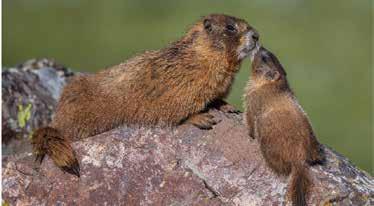

They have a long hibernation period (September-May at high elevations), so they are typically only seen in the summer. Specializing
of the San Juans!
in the San Juans.
Feeding wild animals is dangerous. Human food is harmful to their health and can lead to aggression or dependency. For bears in particular, it’s critical to secure all food, use bear-resistant trash containers, never leave garbage outside, and remove attractants like bird feeders and pet food.
Always keep pets leashed and under control. Never allow them to chase or bark at wildlife. This is especially important with animals like moose—out of control dogs have been known to provoke moose and lead them back toward people, resulting in dangerous encounters.
Pay attention to warning signs posted in natural areas and educate yourself about local wildlife behavior. Understanding species-specific safety tips can help you avoid conflict and protect both you and the animals.







This article was previously published in the San Juan Courier by The San Juan County Historical Society, printed here with the author’s permission
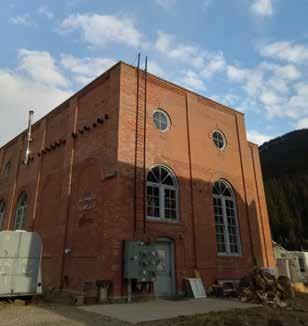
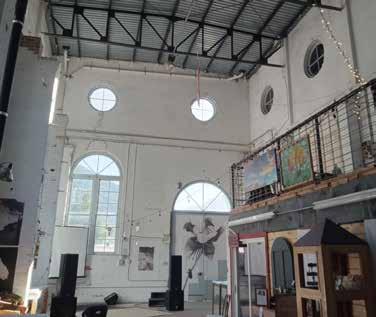
About a mile east of Silverton stands an imposing brick structure along the Animas River known locally as the “Powerhouse”. Completed in 1906 this 40 foot wide by 50 foot long 30 foot tall building was once the “brain” of the area’s pioneer electric power grid. Although electric power came early to the mines, (Nickola Tesla’s radical new alternating current system was first demonstrated at a mine in Telluride), each mine had to generate their own power. This was usually done with large stationary steam engines turning the generators, though some used water power. But steam comes from boilers, and boilers depend on coal, and coal depends on the railroads to haul it up the narrow canyons to the mines and mills. It was expensive, and winter avalanches often blocked the trains and when the coal ran out the mines shut down. Something more reliable and lower cost was needed.
San Juan mining was rapidly expanding in the early 20th century and eastern capitalists took note. Mines needed power and would be a lucrative captive market. A group out of Indianapolis and New York, no doubt seeing the success of Tesla’s 1895 hydroelectric plant at Niagara Falls, came up with their own audacious plan to build a single AC electric power system linking all the mines in the San Juans, including those in Ouray, Telluride and Silverton. A century before the concept of “green energy” was common, the new Animas Power and Water Company would not burn a pound of coal to generate electricity, it would be done with water: hydro-electric power. A new “golden” age was dawning in the San Juans, and on September 27th, 1907 the Silverton Miner published its lavishly illustrated “Golden San Juan Edition”, whose first major article touted the... “new energy that is spreading out over the San Juans”.
“ The waters of the mountains have been harnessed... to generate the electric current that is sent sizzling back for forty miles over glittering bands of copper to the headwaters of the streams... to move the wheels that create the juice which fiercely flows along the wires though canons and over mountain top to many mines, where men have sought to reclaim the wealth from rock-bound vaults among the hills that God built.”
While local papers were well known to exaggerate, in the case of the Animas Power project, the hyperbole was justified - the modern age of electricity had reached the San Juans, and Silverton was right in the center of it! Over a century later, much of the (now modernized) Animas Power and Water system still serves as a part of San Miguel Power Association, even though the mines it was intended for, are but a distant memory.
The heart of the AP&W system was the generating station at Rockwood, along the line of the D&RG narrow gauge railroad. Here, water from the Electra Lake Reservoir drops 1,000 feet to the power plant’s two 3,000 horsepower General Electric pelton type turbines. Built at a cost of $1,300,000, the plant and initial power line to Silverton delivered its first power on April 15, 1906 sending it to the Gold King Mine at Gladstone. But the 50,000 volt power used for the 25 mile transmission line to Silverton was too high to be used directly by the mines. It must first be “stepped down” to a lower more workable voltage using transformers to make 17,500 volts for the transmission lines to the mine sites. To do this, a sub-station enclosed in a transformer house was needed to act as the central distribution system.
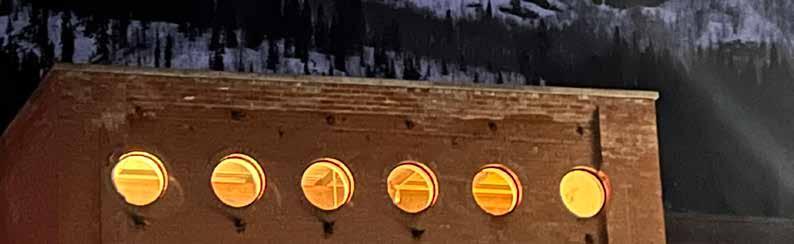
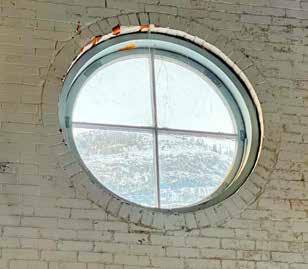
Like the center of a giant spider web made of copper wires, the Silverton sub-station was the brains of the AP&W system. Here the 50,000 volt power line from Rockwood terminated. Its wires precisely entering the top of the massive brick structure centered through the round holes in the high brick
wall to prevent catastrophic arcing of the high voltage to the ground. Inside, three massive water cooled General Electric transformers lowered the voltage. Multiple “low-voltage” wires then weaved their way out the opposite side of the building through ceramic insulating tubes, to connect the feeder lines strung up the canyons and over the passes to Gladstone, Eureka, Animas Forks, Red Mountain, Camp Bird, Ophir, etc. Existing company systems at Silver Lake and Sunnyside were connected to the new “grid” which offered reliable power at half the price of the inefficient company systems. Nearly every mine now had access to cheap reliable year-round power to run the new air compressors that ran the new air drills, new aerial trams, and new ball mills and stamps - all ran on electricity now. It was indeed an industrial revolution ranking right up with the introduction of the steam pumping engine in Cornish tin mines 150 years prior.
Later part of the larger Western Colorado Power Company, Silverton’s “Powerhouse” remained an integral part of the local network through decades of boom and bust. Adjacent to the sub-station, a frame office building and living quarters were built for the local manager. In the days before 4-wheel drive trucks, electricians used mules and mule trains to build and repair the rugged high altitude lines so a mule barn was built. In the 1930’s the powerhouse even had its own narrow gauge “galloping goose” - an open top flatbed rail car made from a Pierce Arrow automobile for traveling up and down the narrow gauge tracks to service the power line to the Rockwood generating plant which was only accessible by rail. The distribution system in the Powerhouse controlled the power to all the distant mine sites.
But by the late 1950’s automated substations were built which did not need a building or full time staff. The old transformers were scrapped and Silverton’s Powerhouse became obsolete. In 1960, the site was sold to the new Standard Metals Corporation who was reopening the Sunnyside Mine in Gladstone and the Mayflower Mill, just up the road from the old power complex. The office was used by the mining company while the now empty Powerhouse and mule barn became a warehouse. A truck scale was added to the side of the building and the power company’s timber shop was used to make mine timbers. An assay office was even built in one of the back rooms of the structure (where the author went to work in 1977).
In 1988, the mine’s new operator Sunnyside Gold Corporation moved its offices to the former County Hospital. The old AP&W office building was donated to the town and was moved to the entrance to Silverton to become the Visitor’s Center. When the Sunnyside Mine closed in 1991, the Powerhouse, now rapidly deteriorating, was abandoned. The roof leaked and the brick walls were literally falling apart in some sections. In 1996 Sunnyside Gold donated the buildings and the land to the Society for preservation and re-used. But what to do with such a massive brick building needing expensive repairs?
The solution lay in combining historic preservation and economic development. With the mine’s closure, Silverton’s economy was in a tailspin. With unemployment over 17%, Federal Economic Development Administration (EDA) funds were available for developing a business and industrial park to help the local economy. These funds could be used as match for a Colorado State Historic
Fund grant to restore the historic Powerhouse building. In this way over $900,000 in grants were secured for the project. In 2001 the project started and a new water distribution system and pipeline that tied the Powerhouse to the Society’s Mayflower Mill water system was built. Lots with utilities were developed and subdivided for sale to new and existing businesses. The street where the Silverton Northern Railroad once ran was named Mears Avenue in honor of the pioneer road and railroad builder, Otto Mears. The street in front of the Powerhouse was named Mathews Street in honor of Hammond Mathews, the innovative manager of the Powerhouse in the 1930’s and 40’s who kept the increasingly antiquated system running through depression and war.
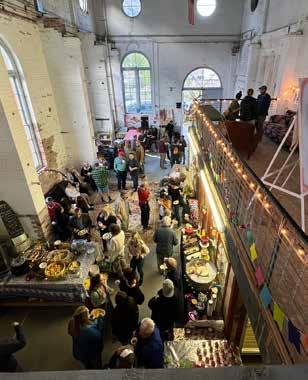
Using the Colorado State Historical Funds, the historic Powerhouse building was painstakingly restored brick by brick by local contractor Klinke & Lew who later bought a lot and built a new building to house their businesses. The main Powerhouse building is now home to The Powerhouse Collective. Other local businesses thrive at the Powerhouse Business Park.
The Society’s Powerhouse Project is a model for how historic preservation can help a community take what was once an abandoned crumbling eyesore, turning it into a useful building generating the revenue that is the key to its long term preservation.




Nestled within the historic Grand Imperial Hotel on Silverton’s Greene Street, the Lacey Rose Saloon offers a captivating blend of Old West charm and modern hospitality. Since its establishment in May 2023, the saloon has quickly become a beloved gathering spot for locals and visitors seeking an authentic taste of Colorado's rich history and vibrant culture.
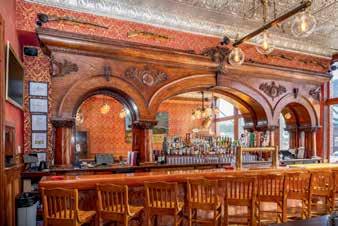

The saloon's interior is a testament to its storied past as the oldest continually-operated drinking and dining establishment in Silverton. A standout feature is the magnificent backbar, crafted from tiger maple wood and adorned with large mirrors—a piece that dates back to 1902 and is one of the most-photographed bars in the American west. Adding to the intrigue is a bullet hole above the mirrors, rumored to be from a shot fired by the legendary Bat Masterson during Silverton's mining heyday. While the authenticity of this tale is part of local lore, it certainly contributes to the saloon's unique character.

At the heart of the saloon's ambiance is the summertime daily lunch time piano music on the famous rinky-tink piano. One of the saloon’s owners, Lacey Black, has been tickling the ivories there for over a quarter century, and is now just one of a roster of worldclass pianists. The bright, cheerful tone of familiar favorites from the last 100+ years, played on the 1906 Schiller piano adds a lively and nostalgic soundtrack to the dining experience, making each visit unlike anywhere else in the world.
The culinary experience at the Lacey Rose Saloon is as rich as its history, with a menu that includes hearty favorites like the Grand Imperial Burger, ribeye steaks, and Atlantic salmon. A thoughtfully curated beverage program showcases craft cocktails, local and national beers, and an extensive wine list. Guests consistently praise the warm, attentive service, making the saloon a welcoming haven for history buffs, music lovers, and food enthusiasts alike—a place where the past and present come together in unforgettable harmony.










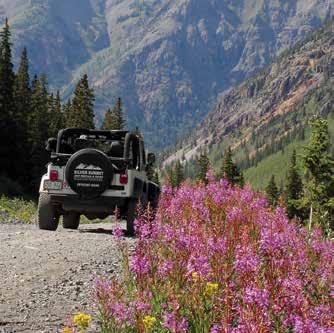







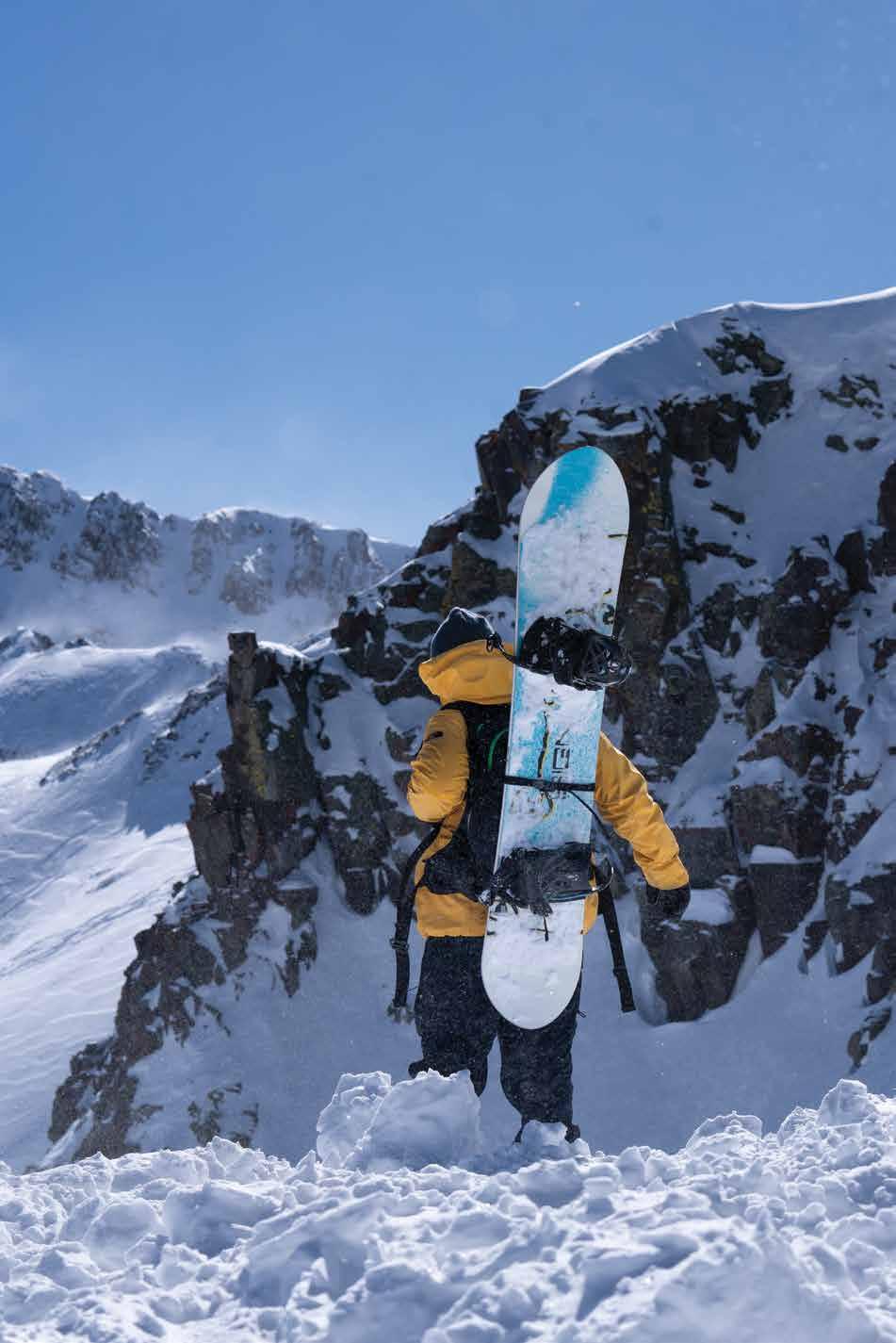
Imagine a place where the average total snowfall of over 400 inches exceeds the amount of daily visitors. Advanced and expert only riding, no groomers, no clearcut runs and a real mountain experience with plenty of adventure on tap. All thrills, no frills.
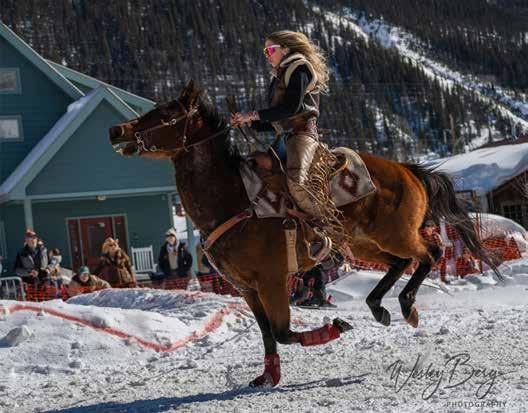
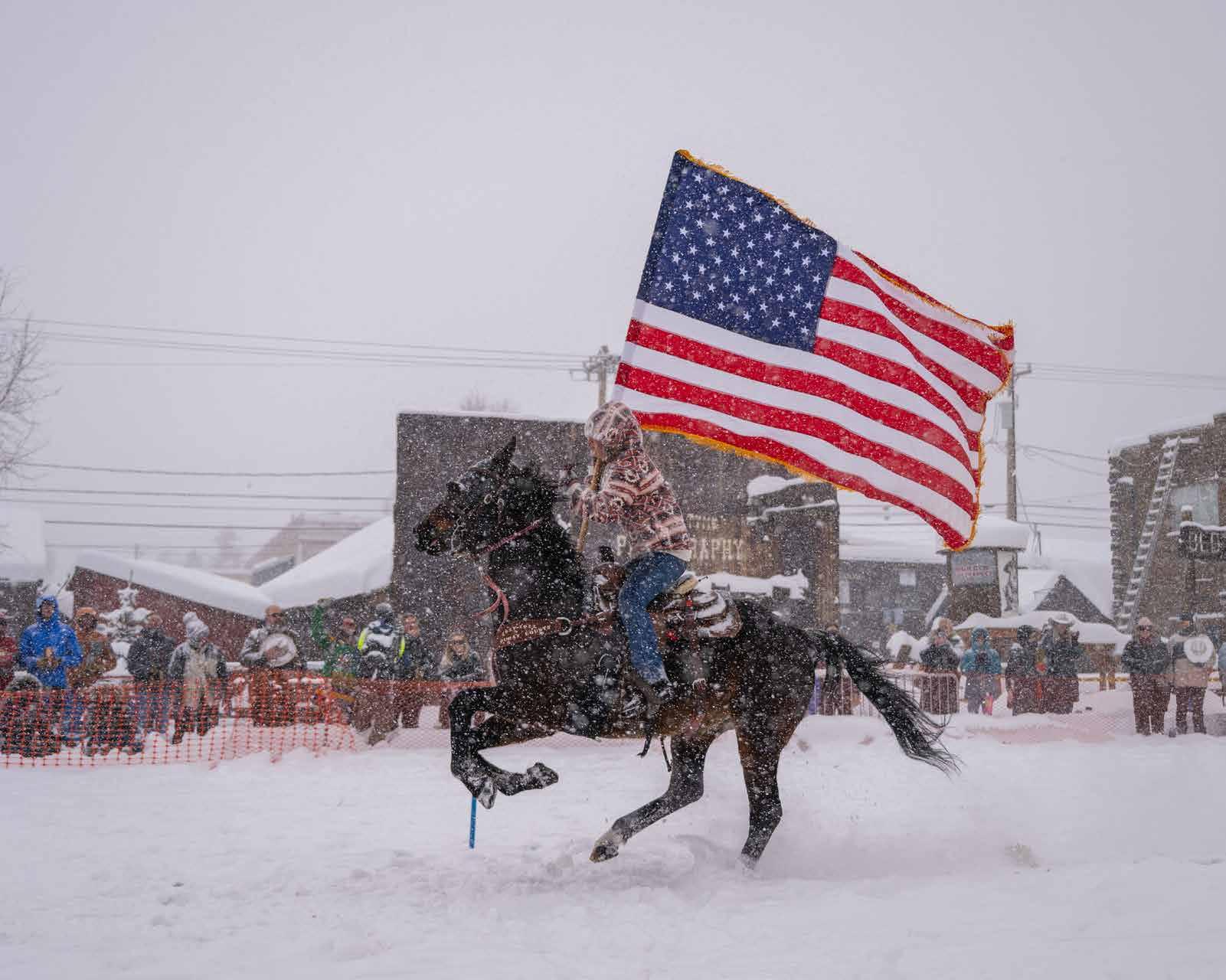
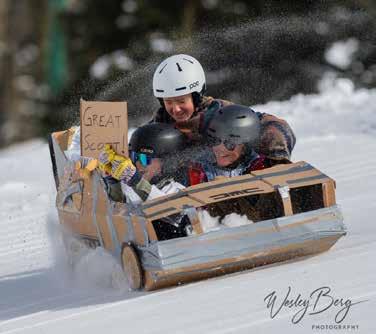
• Special Events and Festivals: Winter in Silverton and San Juan County brings a range of seasonal events, including winter festivals, Santa at the town Chirstmas Tree, Silverton Skijoring, Slalom Banked Snowboard Races, art festivals, a winter farmers’ market, dog sled races, community gatherings, and the MountainFilm Fest on tour. These events create a sense of community and offer visitors the chance to engage in local culture and winter traditions. Go to silvertoncolorado.com for all winter events.
Unique Soundscape: the muffling effect of snow can create a unique soundscape, making the environment feel quieter and more serene. The crunch of snow underfoot and the sound of icy branches can add to the tranquility of the outdoor experience.
Nighttime Experiences: The Town of Silverton is working towards becoming a Dark Sky community, and some area trails offer opportunities for night skiing or snowshoeing, creating a magical experience under the stars. The landscape illuminated by moonlight adds an enchanting quality that is not present in
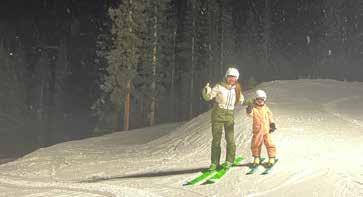
another season. With little to no nighttime light pollution, the starry night reaches and connects with the immediate skyline.
Winter Photography: The stark contrasts of white snow against dark evergreens, brilliant blue skies, or the golden hues of sunsets creating an alpine glow over the San Juan Mountain peaks offer exceptional photography opportunities that highlight the beauty of the region in winter.
Overall, winter recreation in Silverton and San Juan County lets visitors embrace the beauty and solitude of nature in a way that is distinctly different from their vibrant blooms and lush greenery of spring and summer or the transformation of fall foliage. It is a unique time to explore the outdoors and create lasting memories for you and your family.
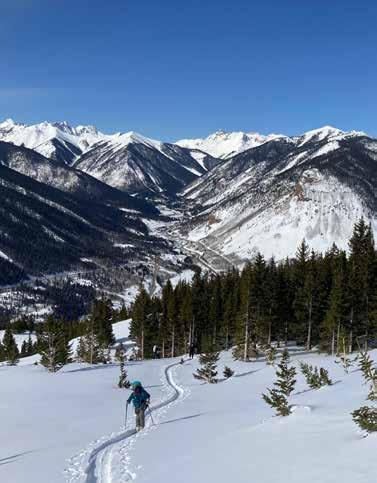
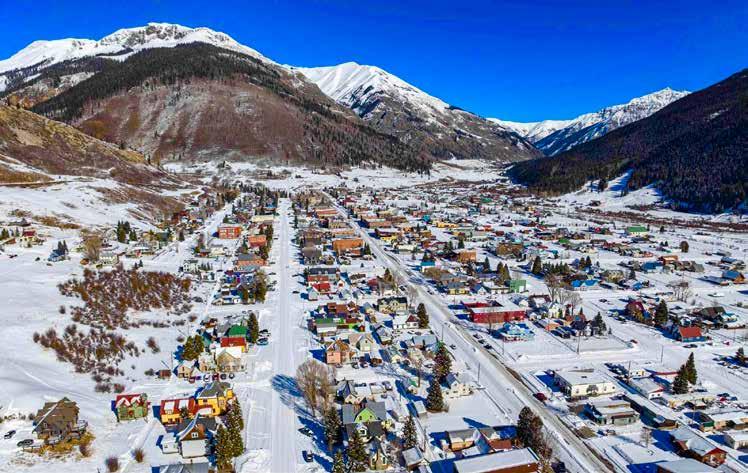
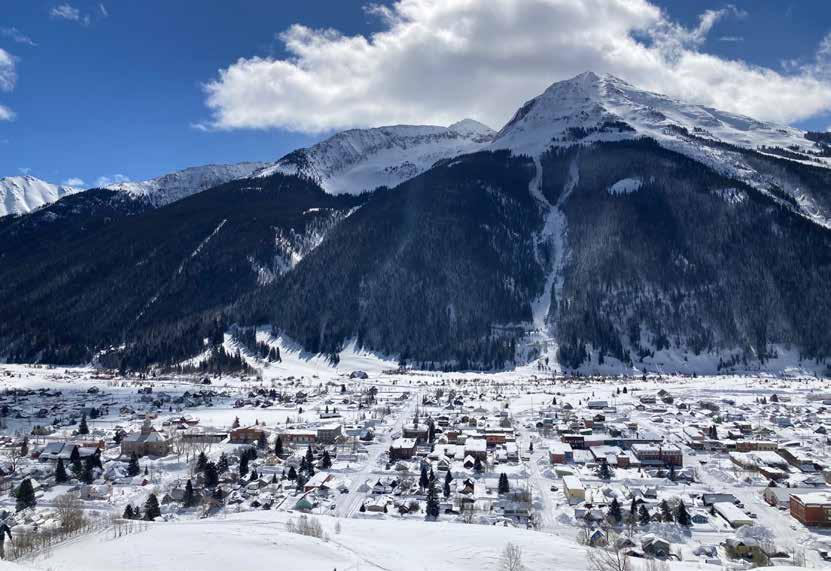
Compared to other seasons, winter recreation in the San Juan Mountains surrounding Silverton and San Juan County, Colorado, offers a variety of unique experiences that are differentiated from other seasons, and here are some of the highlights:
• Snow Sports Opportunities: Within the town of Silverton, there is a beginner- and intermediate-level ski area named
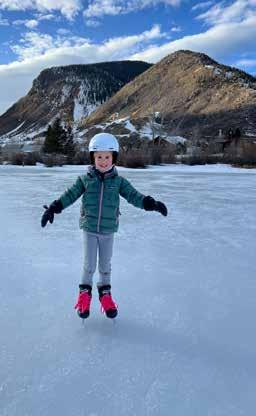
Kendall Mountain Ski Area, which offers skiing, snowboarding terrain, sledding, ice skating, and a dog-friendly Nordic trail loop. The venue offers a range of family-friendly activities to enjoy on snow during the winter months. Go to skikendall.com for more information.
Silverton Mountain offers intermediate to expert ski terrain with the option of helicopter ski drops
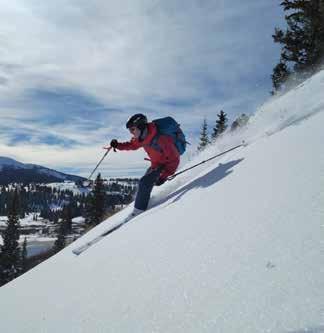
during both guided and unguided seasons. Go to silvertonmountain.com for more information.
The Purgatory Ski Area is just twenty-two miles south of the town of Silverton on Highway 550. Silverton offers cost-effective lodging opportunities for families from vacation rentals, luxury hotels, motels, bed and breakfasts, to hostel rooms.
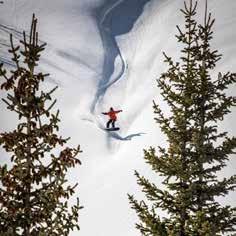
Backcountry skiing in the San Juans is an experience for the intermediate to expert skier who is avalanche aware. Silverton Avalanche School also offers avalanche education right in the heart of downtown Silverton. Go to avyschool. org for information.
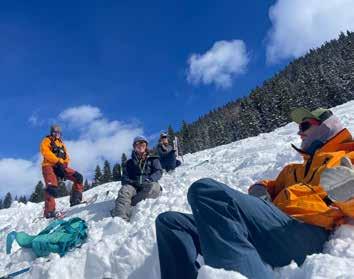
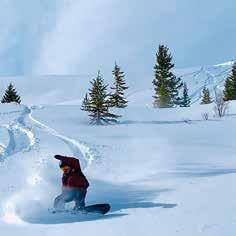
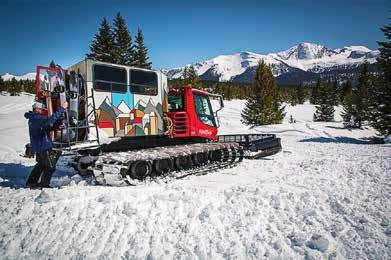
There are many opportunities for snowcat skiing and guided snowmobile tours. For more information, visit silvertoncolorado.com.
• Winter Wonderland Scenery: The winter mountain landscape transforms into a stunning snowy wonderland offering picturesque views of snow-covered peaks. Frost laden trees and the serene beauty of winter with the tranquility of the snow, is a stark contrast to the bustling activities in other warmer seasons.
• Wildlife Viewing: Winter offers unique opportunities to observe wildlife that may be more visible against the snow. However, always remember to give them room and watch from a distance. Visitors may spot animals such as moose, elk, and even tracks of coyotes or foxes, offering a unique perspective on the local landscape. Ravens and crows stay throughout the winter months, and their voices carry through the tranquil, quiet town during the winter months.
• Groomed Trail System: The snow-groomed trails are ideal for activities like snowmobiling, Nordic skiing, skate skiing, snowshoeing, fat biking, or hiking. The groomed trails provide a groomed surface that enhances the experience for both beginners and experienced adventurers. Many groomed winter trails are designed for ease of access, catering to a range of skill levels and providing opportunities for family outings, friend gatherings, or peaceful walks with your dog.
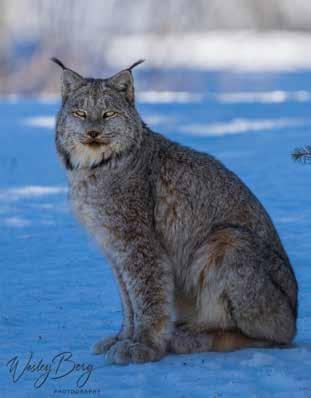








I C E P I R A T E B A C K C O U N T R Y

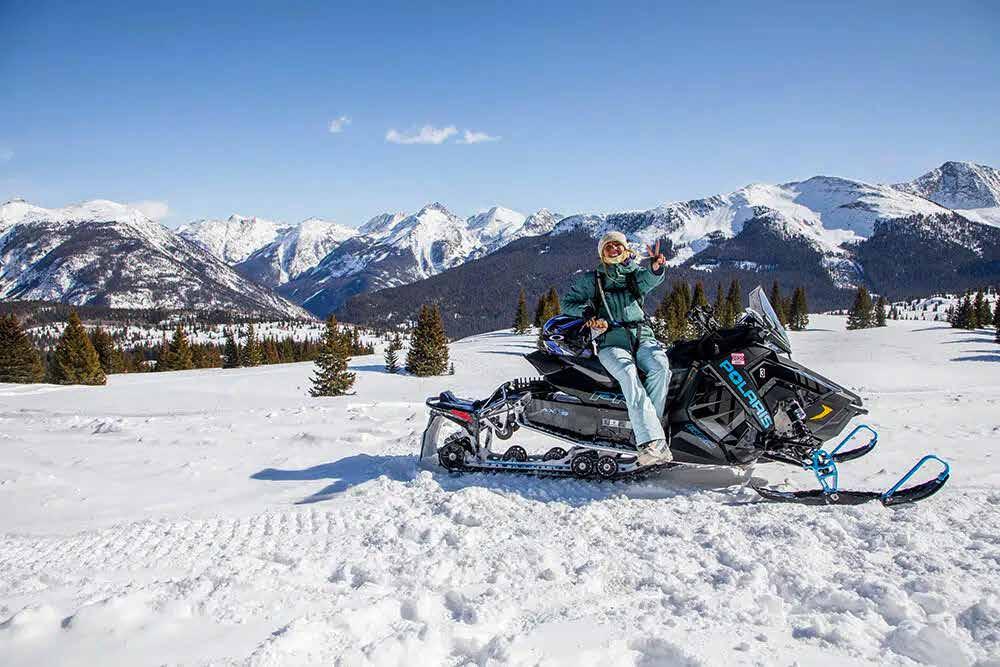




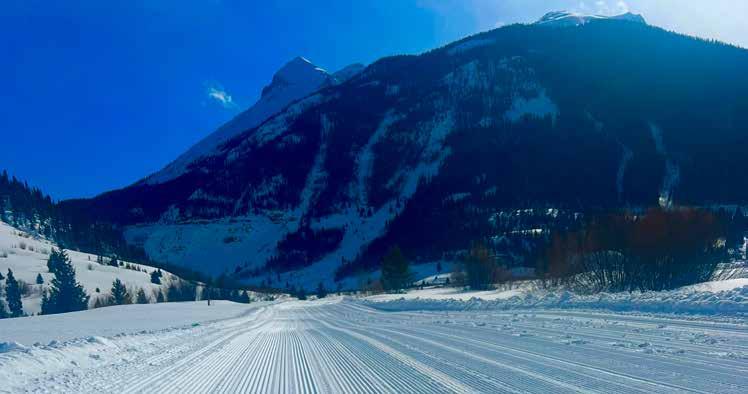
In the tranquil embrace of winter, the San Juan Mountains of Colorado reveal a snowy canvas of pristine beauty, inviting all who seek the thrill of outdoor recreation. As one gazes upon the snow-groomed trails, the allure of glistening powder beckons, promising adventure and rejuvenation. Each step into the crisp, cold air invigorates the senses, allowing the weight of daily life to dissolve into the serenity of the landscape.
In the heart of winter, the snow-groomed trails are less crowded compared to the busy summer hiking and biking trails. Winter recreation tends to attract fewer visitors, allowing for a more peaceful experience and the chance to enjoy the surroundings without the hustle and bustle typically found in warmer months.
Thanks to the dedicated efforts of the Silverton Snowmobile Club, the all-user snow-groomed trail system is beautifully maintained, offering over 104 miles of pristine trails. Whether you’re exploring by snowmobile, snow bike, cross-country skis, snowshoes, or simply enjoying a peaceful walk beneath snow-covered pines, there’s an unforgettable winter experience for everyone.
The Silverton Snowmobile Club is a local non-profit organization that was established in the early 1990s and serves as the champion and administrator of the Silverton and San Juan County winter snow-groomed trail system.

“The Silverton Snowmobile Club was created in order to provide the Silverton area with a winter recreational economy by creating the groomed trail system,” said Jim Lokey, the Vice President and head groomer for the
club, “And that is when we started creating the trail system by grooming with snowmobiles.” He continued with, “Since then, we have evolved into creating a bigger trail system throughout Silverton and San Juan County by using snowcats to do the grooming. Now, our grooming can encompass 104 miles of snow-groomed trails in partnership with CPW and the Colorado Snowmobile Association.”
The Silverton Snowmobile Club plays a vital role in creating and maintaining the area’s snow-groomed trail system. The Silverton Snowmobile Club applies for, receives, and manages the grant monies that come from the State of Colorado Parks and Wildlife funds, and then implements the grooming of trails that create the connected trail system based out of Molas Lake Recreation Area.
In addition, the club fully funds and manages Silverton’s in-town groomed trail system, which allows access from the heart of town out into the county and up Kendall Mountain into
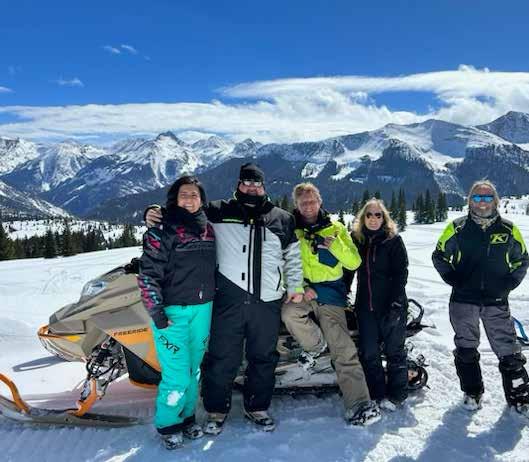
For maps and to get more information about the snow-groomed trails, visit silvertonsnowmobileclub.org, check out the CoTrex (Colorado Trail Explorer) app, or go to trails.colorado.gov. Whether you’re a snowmobiler, skier, snowshoer, or simply enjoy the winter landscape, you can help sustain these trails for everyone by becoming a Silverton Snowmobile Club member today.

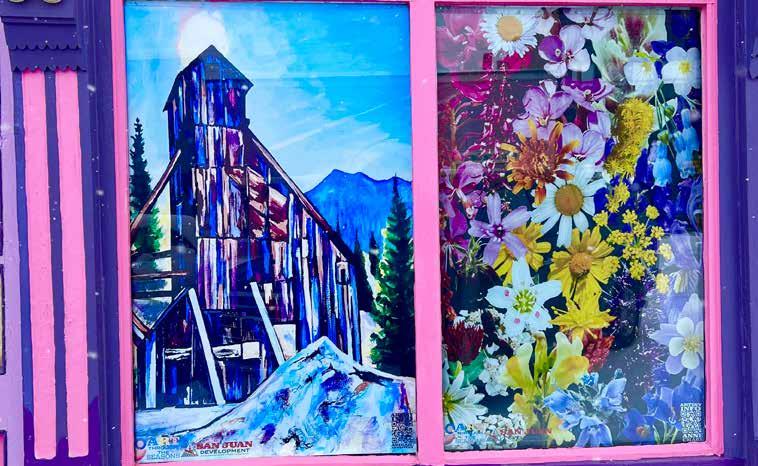
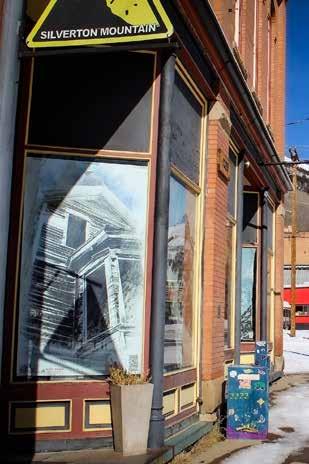
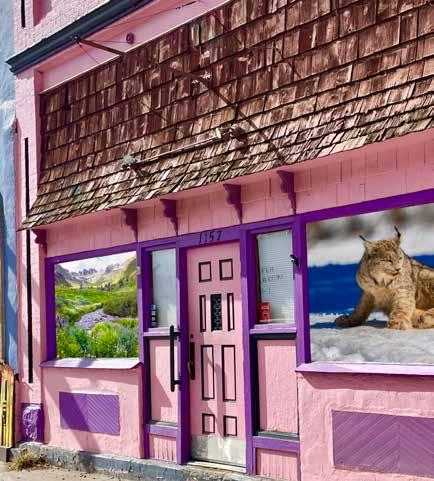
As the last train of the season departs and seasonal closures take hold in downtown Silverton, the town embraces a different kind of energy. Through the Art Through the Seasons program, quiet streets are reimagined with color and creativity, as vacant storefront windows become dynamic galleries showcasing the work of local artists.
Launched in 2023 by San Juan Development Association, Art Through the Seasons was designed to maintain visual interest and vibrancy in the heart of Silverton during the quieter months. Local art is displayed in the windows of temporarily closed or vacant businesses, creating a colorful, ever-changing gallery that brightens the streets and keeps Silverton’s artistic spirit alive, even in the depths of winter.
Now in its second year, the program has featured 13 local artists and partnered with 12 businesses, with funding provided by San Juan County and CO Main Street. The program builds a bridge between SJDA’s Main Street Program and business communities while offering artists high-visibility exposure. For visitors, it offers a fresh way to experience the town—inviting them to explore and discover the stories told through each piece. All participating artists are local to San Juan County and submit works across a range
of categories, including fauna, flora, landscape, history, culture, and outdoor recreation.
The success of Art Through the Seasons has sparked interest beyond Silverton. Neighboring communities have begun replicating the model as a way to enhance economic vitality and community engagement during their own off-seasons. It’s become an example of how a small, remote town can lead with innovation and creativity.
Whether you’re wandering Main Street on a snowy afternoon or just discovering Silverton for the first time, Art Through the Seasons ensures that the town’s beauty doesn’t hibernate—it just finds a new way to shine.
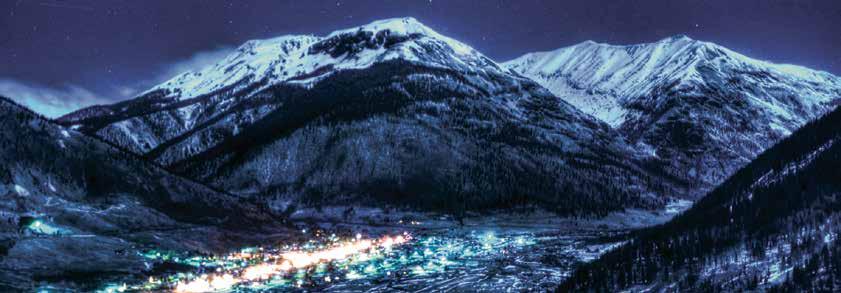
Step into a world of snow-dusted capped peaks and alpine serenity as you explore the pages of the 2026 Winter Destination Silverton Guide. High in the San Juan Mountains, Silverton, Colorado, transforms into a pristine winter wonderland each year—where untouched powder blankets historic streets and adventure whispers from every snowy ridge. This former mining town, rich with wild spirit and rugged charm, invites you to experience winter in its purest form. Whether you’re here for backcountry thrills, cozy fireside moments, or a taste of mountain magic, Silverton’s wintry embrace awaits.
Silverton’s snow-covered landscapes offer winter adventures for every level of explorer.
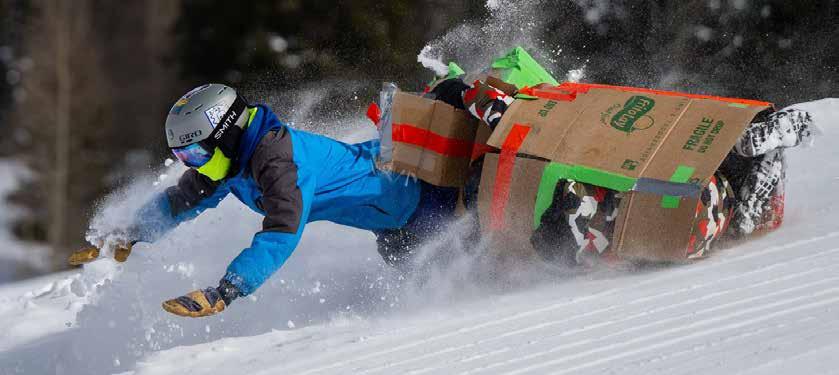
Spend a family-friendly day carving the gentle slopes at Kendall Mountain Ski Area, or push your limits on the legendary terrain of Silverton Mountain. Glide along miles of groomed trails perfect for cross-country skiing, snowshoeing, fat tire biking, and winter walks through serene alpine forests. For those craving more adrenaline, snowmobiling, and backcountry excursions await in the breathtaking wilderness that surrounds our mountain town.
Welcome to Silverton, where the peaks inspire, the past echoes, and the wild invites you.
- The Silverton Standard Team
Creative
Cover