
From Tiny Wings to Tomorrow's Harvest: How One Malaysian Community Is Building a Pollinator-Powered Future for 2030
Author: TAY POH SHENG, Universiti Malaya, Kuala Lumpur
Theme: Small Worlds, Big Futures: Reporting from a Pollinator-Powered 2030 Category: 18-24 Years Old
On a bright Friday morning, the gentle buzz of bees and the graceful flutter of butterflies bring life to a community garden in Taman Suria, Johor Bahru. While many visitors admire the colourful flowers, few realise these tiny creatures are quietly securing Malaysia's future food supply. Every flower they visit helps fruits, vegetables and wild plants reproduce, making pollinators among the world's most important environmental workers.
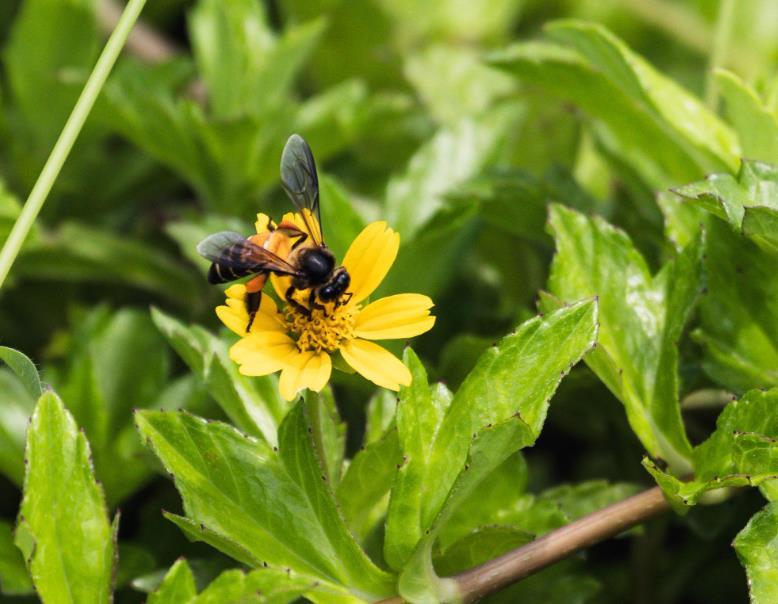
As the world moves towards 2030, environmental experts continue to warn that pollinator populations are declining because of habitat loss, excessive pesticide use, climate change and rapid urbanisation. Yet in one Malaysian community, residents are proving that small actions can create a much bigger future.
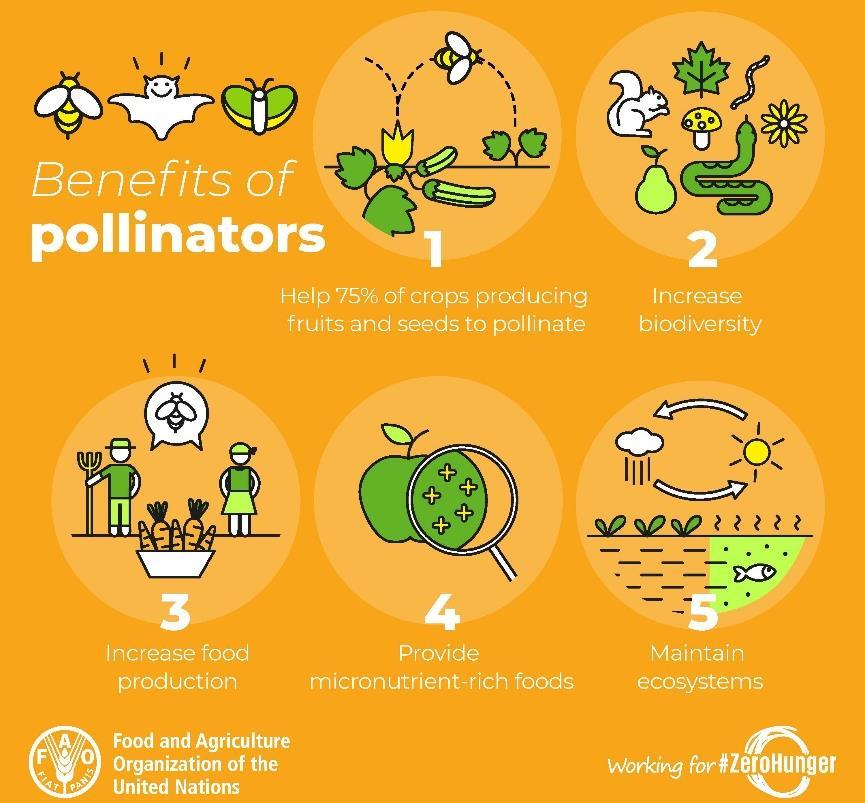
According to the Food and Agriculture Organization (FAO), around 75% of the world's food cropsdependon animal pollination Without bees, butterflies, birds and otherpollinators, many cropswouldproduceloweryields which affects foodsecurity and biodiversity worldwide.This makes pollinator conservation not only an environmental issue but also an economic and social one. Pollinators contribute far more than the fruits and vegetables on our dining tables. According to the World Health Organization (WHO), more than 75% of global food crops rely on pollinators, contributing an estimated US$235–577 billion to global agricultural production
every year. Beyond food, pollinators also support plants used for medicines, fibres and animal feed which make them indispensable to both human health and the global economy.
To better understand local awareness of pollinators, I conducted a survey involving 30 respondents, comprising residents of Taman Suria and students from SJK(C) Foon Yew 1, on 17 July 2026. The findings revealed that 93.3% recognised bees as important pollinators, while 70.0% were aware that butterflies also play a vital role in pollination. However, only 36.7% knew that certain birds contribute to pollination as well, highlighting a gap in public understanding of the diverse species that support healthy ecosystems
2a Survey results and respondent’s chart
The survey also reflected growing concern over the future of pollinators. Nearly three-quarters of respondents (73.3%) believed that pollinator populations in their neighbourhood have declined over the years, while 83.3% identified rapid urban development and the loss of flowering habitats as the main threats. Despite these challenges, the findings offered a hopeful outlook. An overwhelming 96.7% supported planting more native flowering plants in public spaces and 86.7% expressed willingness to participate in community initiatives such as pollinator gardens, tree-planting programmes or environmental clean-up activities. These responses suggest that while awareness can still be strengthened, the community is ready to play an active role in protecting the tiny creatures that sustain both nature and our future.
"When I was younger, butterflies were everywhere in our garden. Now, I only see them occasionally," said Mr Tan, a Taman Suria resident who has lived in the neighbourhood for over 15 years.
Despite these challenges, encouraging efforts are already taking shape. Community members, schools and volunteers have started planting native flowering species that bloom throughout the year, providing nectar and pollen for insects. Small butterfly gardens, flowering shrubs and pesticide-free planting areas have gradually transformed ordinary green spaces into valuable habitats.
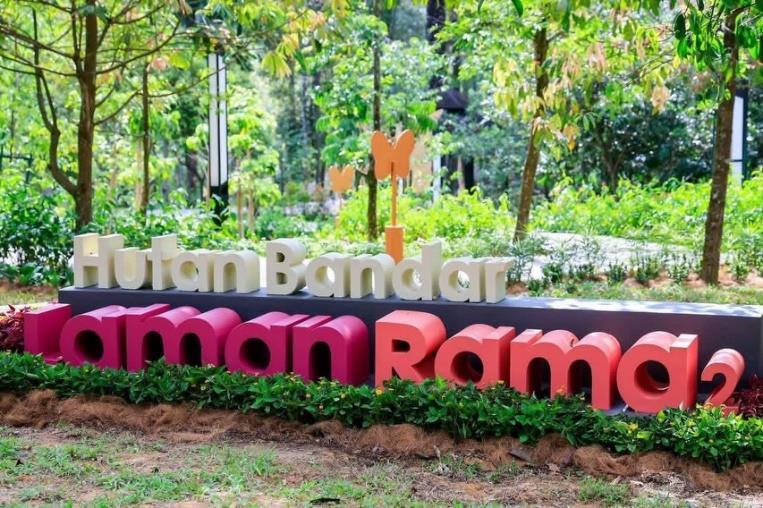
During my visit to Hutan Bandar Johor Bahru, I observed bees actively collecting nectar from blooming flowers while butterflies moved between flowering plants under the morning sun. These seemingly ordinary moments illustrate an extraordinary ecological partnership. Every successful pollination supportshealthier ecosystems, richer biodiversity andmorereliable food production.
The importance of protecting these "small worlds" extends beyond pollinators alone. Lichens help scientists monitor air quality, while freshwater macroinvertebrates reveal the health of rivers and ponds. Together with pollinators, these often-overlooked organisms act as nature's early warning system, reminding us that environmental health begins with the smallest forms of life.
Fortunately, not every environmental story needs to focus on loss. Many local communities across Malaysia are embracing sustainable practices that restore habitats instead of destroying them. School eco-clubs organise tree-planting programmes, neighbourhood associations establish pollinator gardens, and urban farming groups are reducing pesticide use while growing vegetables alongside flowering plants. These positive actions demonstrate that conservation can begin close to home.
Thesecommunity-ledefforts directly support several UnitedNations SustainableDevelopment Goals(SDGs).Byprotectingpollinators,communitiesstrengthenSDG2:ZeroHunger through more secure food production. Expanding green spaces contributes to SDG 11: Sustainable Cities and Communities, while conserving biodiversity advances SDG 15: Life on Land. Reducing environmental degradationand promotingresilientecosystems alsosupport SDG13: Climate Action
Looking ahead to 2030, a pollinator-powered Malaysia is both possible andnecessary. Imagine neighbourhoods filled with flowering native plants instead of empty concrete corners, school compounds buzzing with bees rather than silent lawns, and urban parks designed to welcome butterflies alongside visitors. Such a future depends not only on government policies but also on everyday choices made by communities, schools, businesses and individuals.
Looking towards 2030, the future of Malaysia may not depend solely on groundbreaking technology or towering skyscrapers, but also on the tiny wings quietly moving from flower to flower each day. Every bee that gathers nectar, every butterfly that carries pollen and every community that chooses flowers over concrete brings us one step closer to a healthier environment. As the saying goes, "Great things are done by a series of small things brought together." Protecting these small worlds today will ensure that future generations inherit not only a richer biodiversity, but also a nation where food security, thriving ecosystems and sustainable communities continue to flourish. In the end, the biggest future may well begin with nature's smallest heroes.
REFERENCES
Food and Agriculture Organization of the United Nations. (2016, February 26). Pollinators vital to our food supply under threat https://www.fao.org/newsroom/detail/Pollinators-vitalto-our-food-supply-under-threat/en
Food and Agriculture Organization of the United Nations. (n.d.). Globalactiononpollination servicesforsustainableagriculture https://www.fao.org/pollination/
Intergovernmental Science-Policy Platform on Biodiversity and Ecosystem Services. (2016). The assessment report on pollinators, pollination and food production. https://www.ipbes.net/assessment-reports/pollinators
United Nations. (n.d.). SustainableDevelopmentGoals. https://sdgs.un.org/goals
United Nations Environment Programme. (2016, August 10). Pollinators under threat – so what? https://www.unep.org/news-and-stories/story/pollinators-under-threat-so-what
World Health Organization. (2023). Biodiversity and health https://www.who.int/newsroom/fact-sheets/detail/biodiversity