Preventing Displacement and Supporting Communities
Contents
HOUSING | CULTURE, POLICY, PRODUCTION
School ofArchitecture | Pappas Real Estate Development Program
Professor Thomas Barrie FAIA| Fall 2025
1Title 2Team
3Contents + Key terms
4Executive Summary + Research Question
5OpinionArticle
7CampaignAudience
8History of Displacement
12What the BRTis getting right +Ally Organizations
13The Fatal Flaw
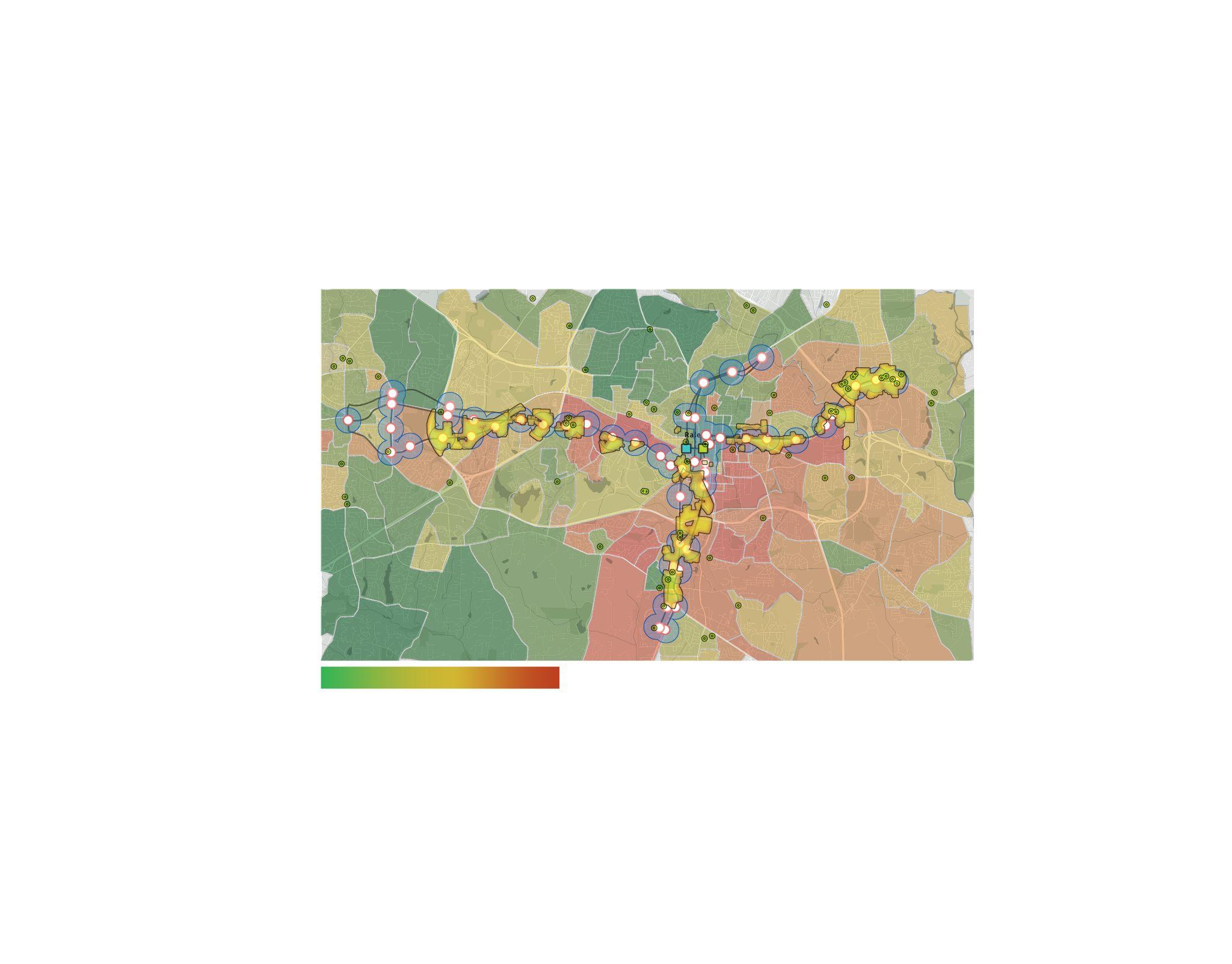
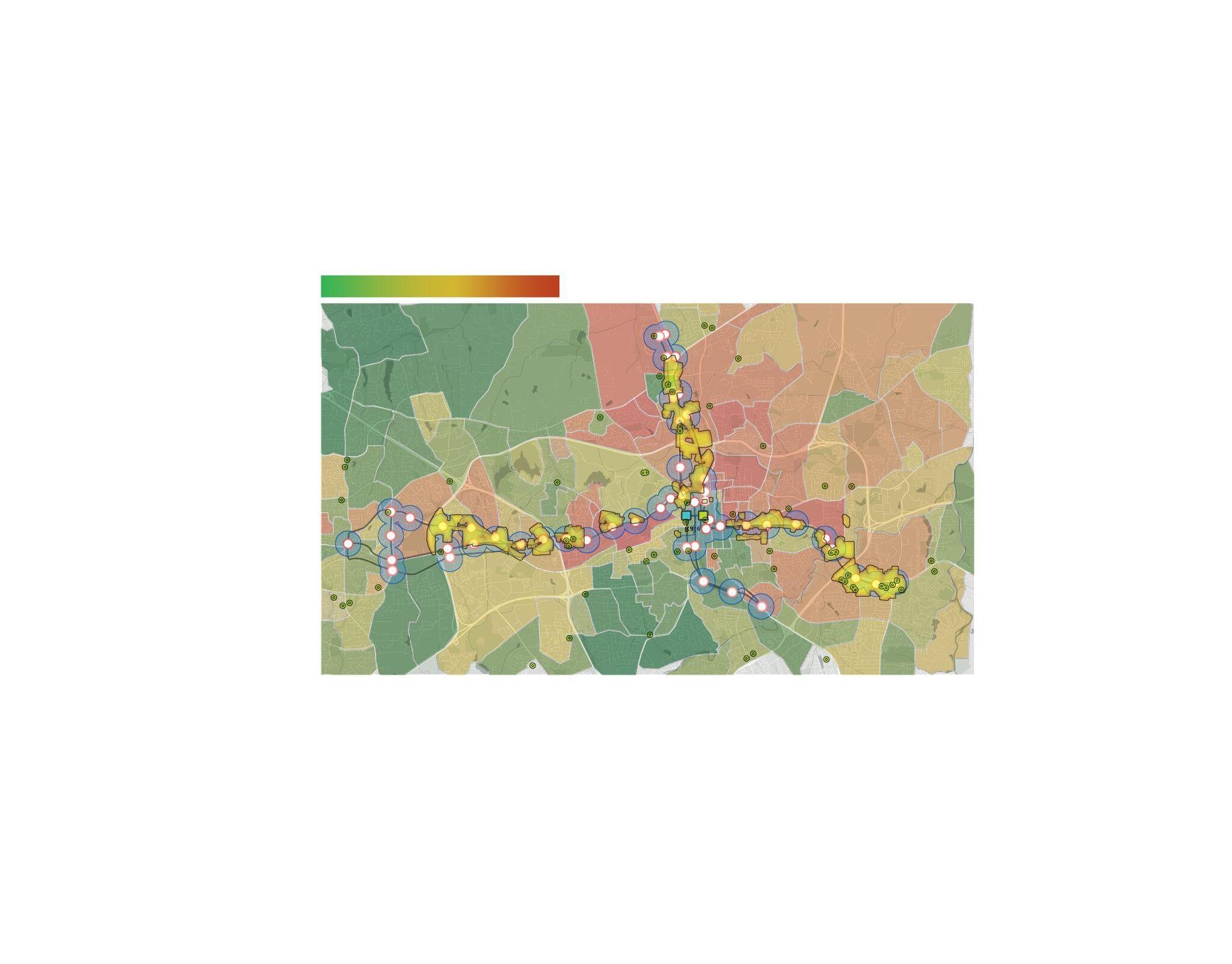
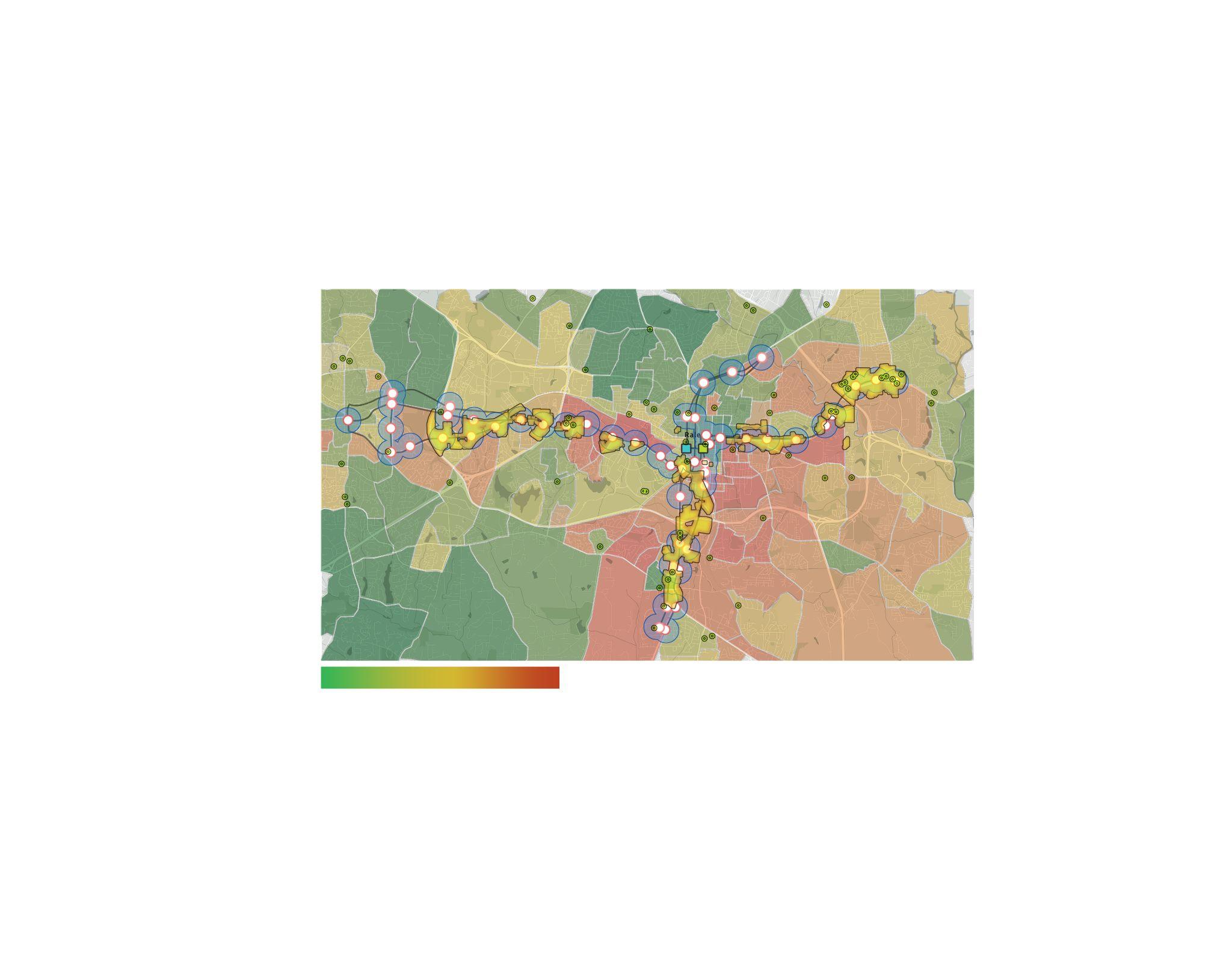
14Area Data Maps
18Precedent Cities
21Our Proposal
28Critical Choice
30Resources
Team Members
Ethesh Pinnamareddy
Vikram John
Justin Par
Key Terms
Transit-Induced Gentrification: This is when a good thing, like a new Bus RapidTransit (BRT) line, makes an area more desirable, which drives up property values and pushes out existing residents.
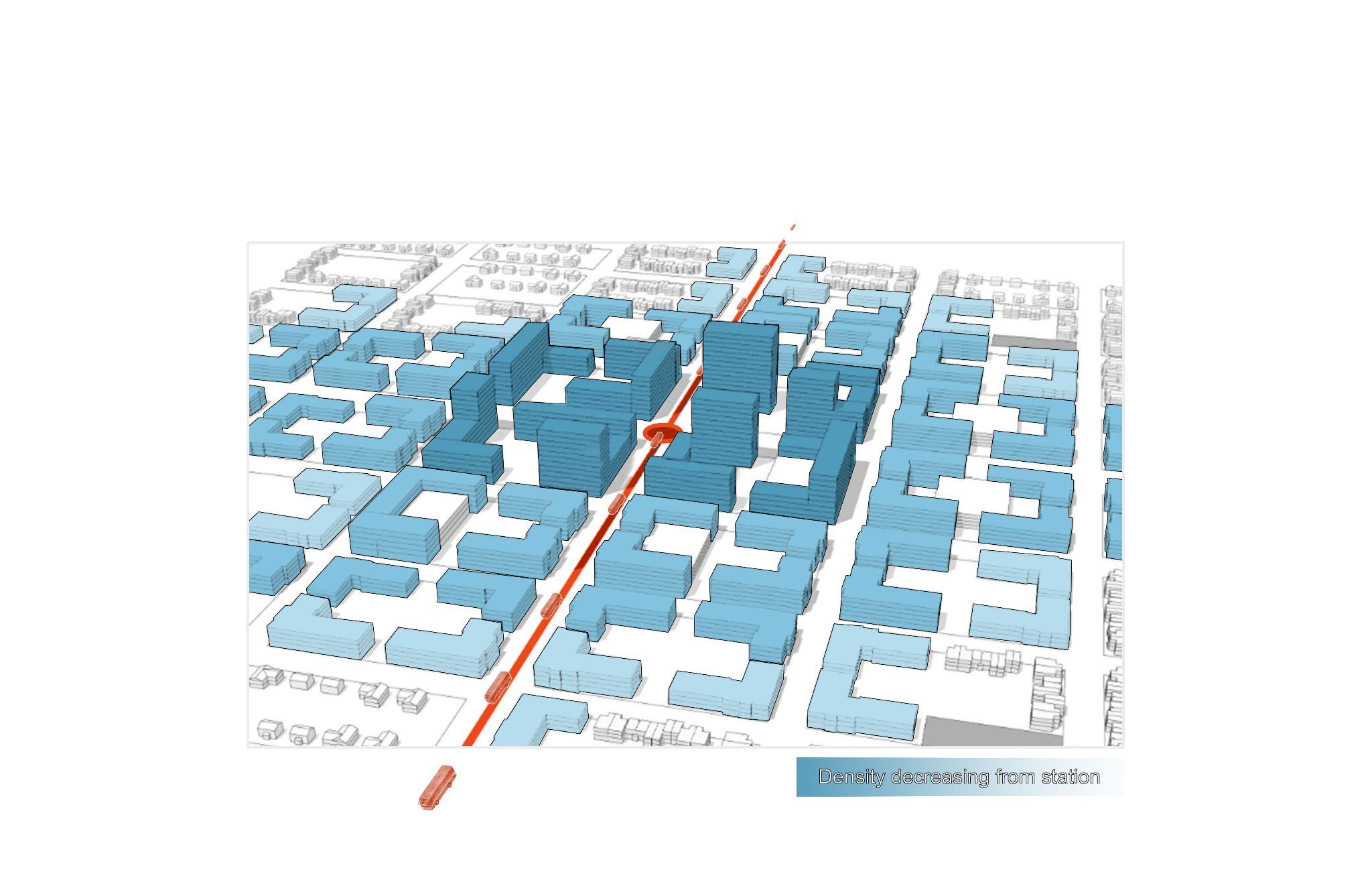
Transit Overlay District (TOD): This is the new zoning the city is using to encourage dense, walkable development along the BRTcorridors.
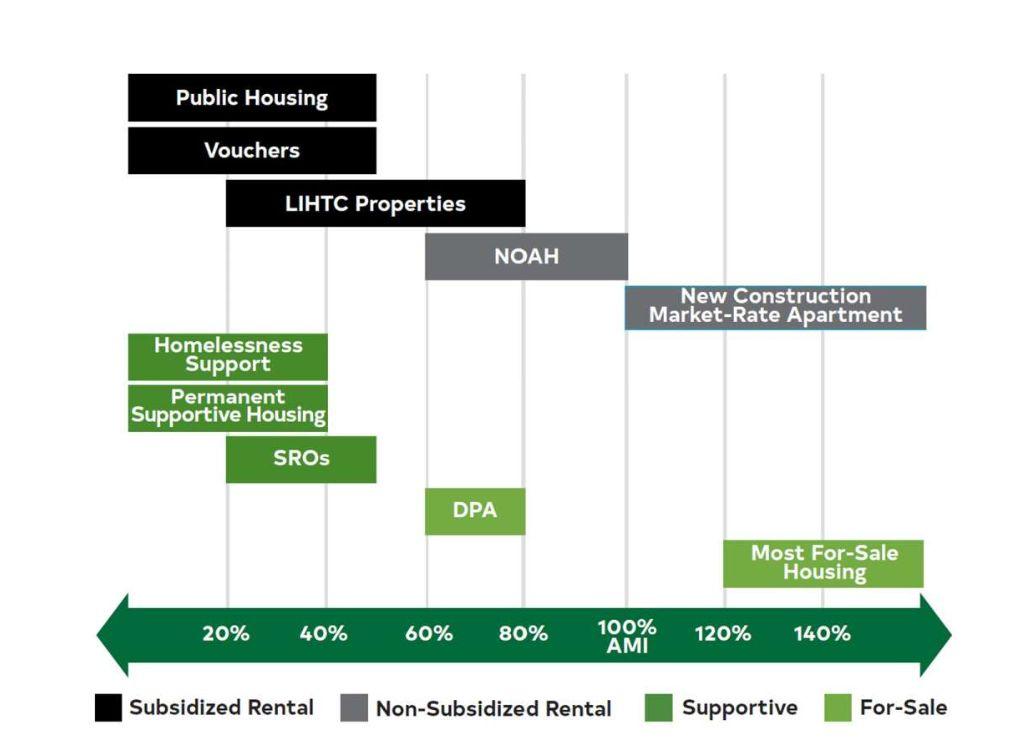
Equitable Housing: Housing that provides fair access to safe, stable housing, particularly for households at or below 60% of theArea Median Income (AMI). It requires both affordability, defined as paying no more than 30% of income on housing, and dismantling systemic barriers to ensure genuine choice and access to communities of opportunity.
Executive Summary
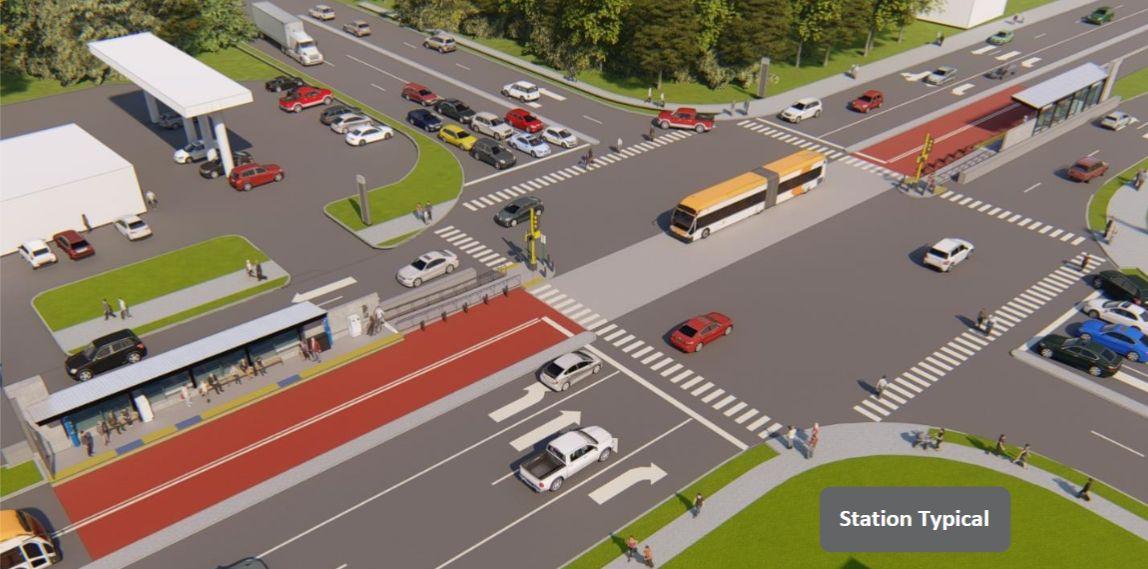
Raleigh has a housing crisis, and new Bus RapidTransit (BRT) is a critical juncture.
The BRTwill likely cause displacement of vulnerable communities.
We propose proactive policy to mandate long-term affordability and diversity.
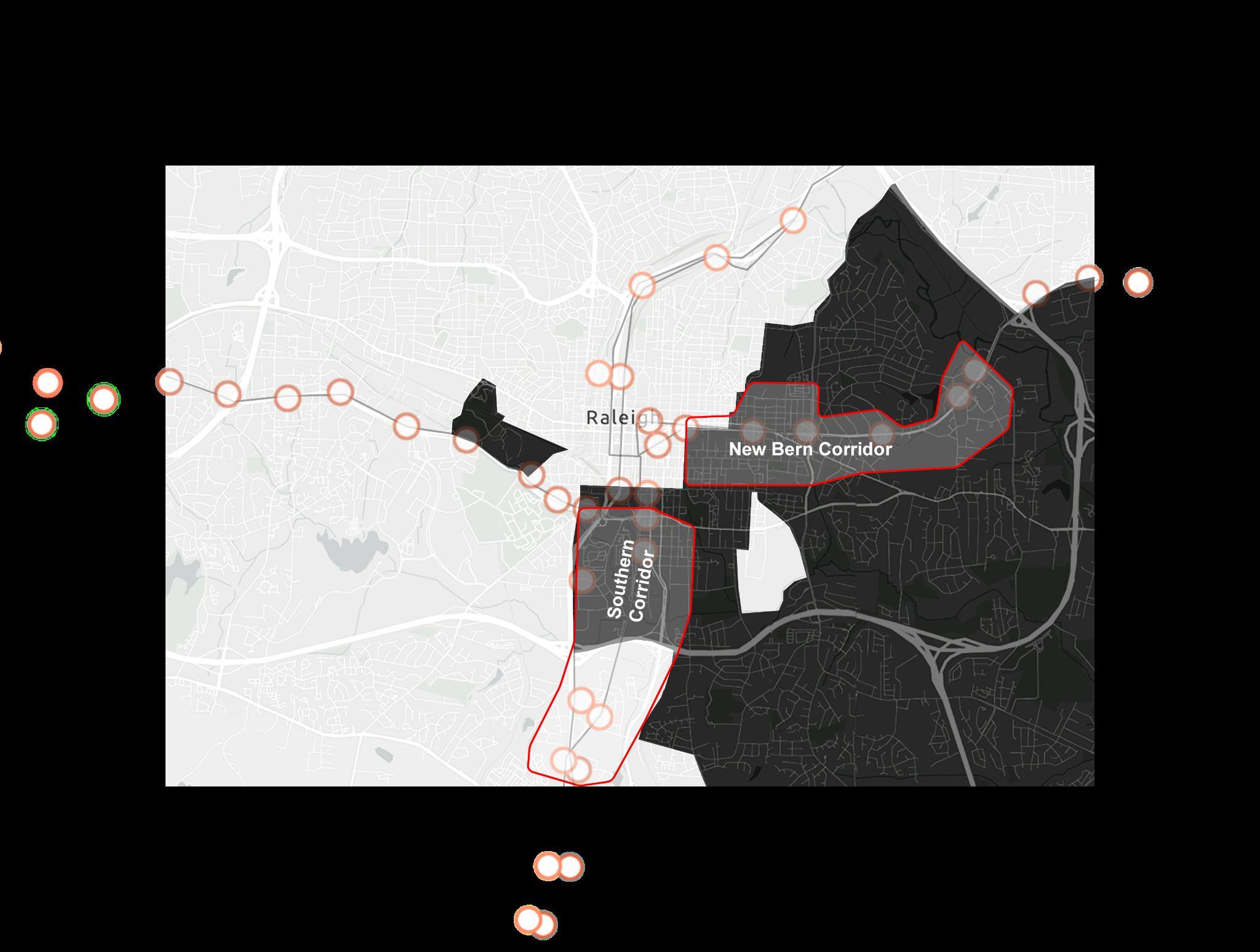
Purchase vacant lots and existing affordable rental housing within the New Bern and Southern corridors of theTransit Overlay District (TOD).
Keep rents below 30% of income for households making 60% or less ofAMI within theTOD.
Adopt aTOD Form Based Code to streamline approval of equitable human scale development.
Research Question
If transit oriented development increases density and access along the BRTcorridors, can it improve the housing crisis in Raleigh while preserving existing communities?
Raleigh's BRT: An Opportunity for Equitable Growth
Raleigh is on the verge of a transformative, positive investment: a new Bus RapidTransit (BRT) system. It’s a long-overdue step that promises to connect people to jobs, create walkable neighborhoods, and spur the "gentle density" our city needs. It’s an exciting moment of equitable growth.
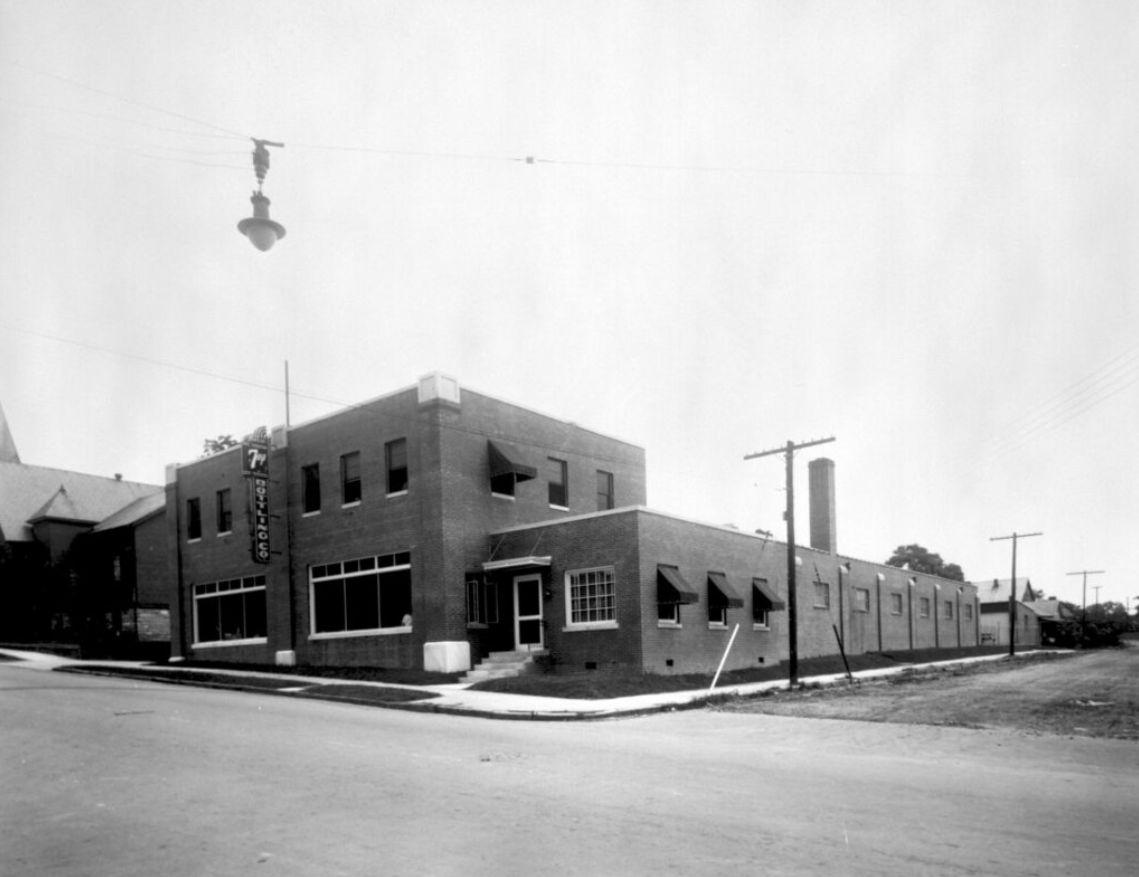
For this growth to serve everyone, we must learn from our own city's history. We have a choice: learn from our past or repeat it. In the 1970s, Raleigh razed Fourth Ward, a thriving, self-sufficient Black neighborhood, to make way for new business and transit.The city promised "renewal" and to rebuild, but what it delivered was scattered families, lost generational wealth, and a painful lesson in displacement.
Fifty years later, the BRTis our chance to build a legacy of connection. With this massive public investment, the BRTwill attract developers to the newTransit Overlay District. City officials are banking on height bonuses to keep a percentage of new units affordable.This is essential workforce housing for our teachers, first responders, and hospital staff.
The problem is that this inclusionary zoning is voluntary. Due to state law, North Carolina cities cannot mandate affordable units. Furthermore, extra height introduces funding and building code hurdles that disincentivize building taller.This speculation isn't waiting for the buses to run; the simple promise of public investment is enough to trigger a land rush.
Land prices are already skyrocketing. Speculators are acquiring land along these corridors, betting correctly that our current voluntary incentives are not enough to shape the market. Without action, original residents will be priced out.The population in greatest need, particularly in the majority-Black, low-income, renter-heavy neighborhoods along the New Bern and Southern corridors, will likely be displaced.
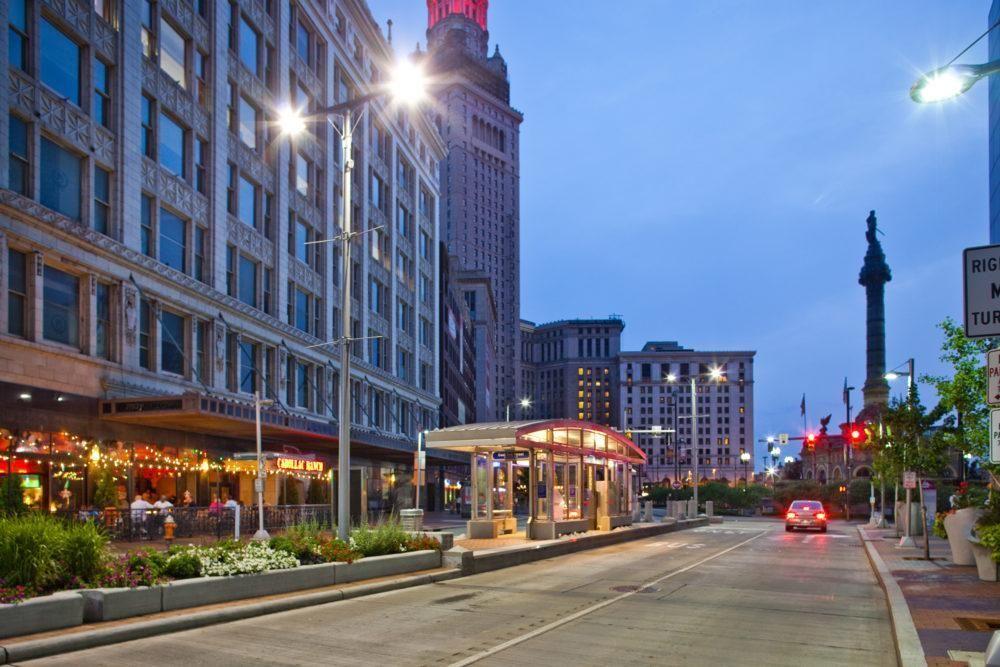
This isn't hypothetical. Cleveland's BRTspurred massive investment but failed equitably. With no anti-displacement policies, it became a textbook case of gentrification, pushing out the very residents it was supposed to serve.
Arlington, Virginia, showed us a better way.They are the national model for development without displacement, adopting a "Preservation First" strategy before their transit line arrived.They proactively funded the preservation of over 6,200 affordable homes, adding density while protecting existing residents.Their "Preservation First" strategy created a tangible win-win: new development was welcomed, and the community was protected before the market escalated. It proves that new transit and long-term affordability can coexist.
FollowingArlington's model, Raleigh must create a dedicatedTransit-OrientedAffordable Housing Fund.
We need to proactively preserve at-risk housing and acquire land near proposed stations now, partnering with nonprofits and Community LandTrusts to secure this housing as permanently affordable.The city's current budget is a start, but we need a larger, recurring, voter-approved housing bond so nonprofit partners can compete with private developers. Right now, private speculators with cash can close on a property in weeks, while our nonprofit partners are stuck in slow-moving financing.Adedicated fund levels the playing field.
We should pair this fund with a straightforward reform to help our city partners and pro-housing allies: replace Raleigh's current unpredictable rezoning process with clear, by-right development standards.Today, even the best-intentioned developers face months of uncertainty and political opposition.This uncertainty doesn't stop speculation, but it does discourage the nonprofit and pro-equitable development partners we need.
Instead, let's give them certainty: if a project meets community design standards and includes needed affordable units, it gets approved. No rezoning fight.This unlocks development for our nonprofit partners and ensures every new building contributes to walkable, human-scaled streets.
Over the next decade, forty thousand new neighbors are coming.The question isn't whether we build, it's who we build for.
The window to act is closing. Every month we delay is another property lost, another family priced out. Raleigh City Council must establish aTransit-OrientedAffordable Housing Fund in the next budget cycle.
We need a $100 million housing bond on the 2026 ballot.And we must move immediately to acquire at-risk properties along the New Bern and Southern corridors.
To Raleigh residents: this is your city's future. Show up to City Council meetings. Email your representatives. Vote for the housing bond. Demand that this transit investment serves everyone and fosters equitable growth.
Fifty years ago, we told displaced families from Fourth Ward that progress required sacrifice.They're still waiting. We don't get to claim we didn't know what would happen this time. Cleveland showed us the cost of inaction.Arlington showed us the path forward.
The only question left is whether we have the courage to choose it.
targeting?
Who is this campaignhelping?
Elected leaders
Housing groups
Renting Legacy Residents
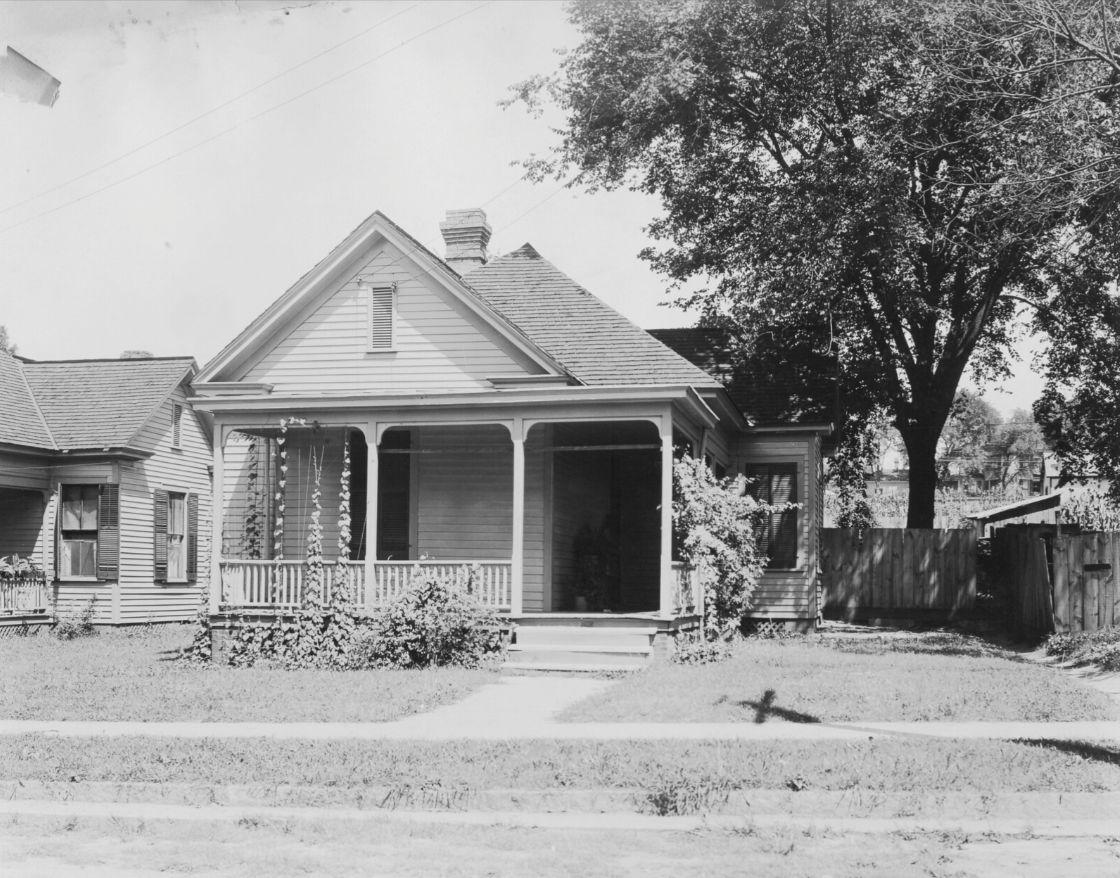
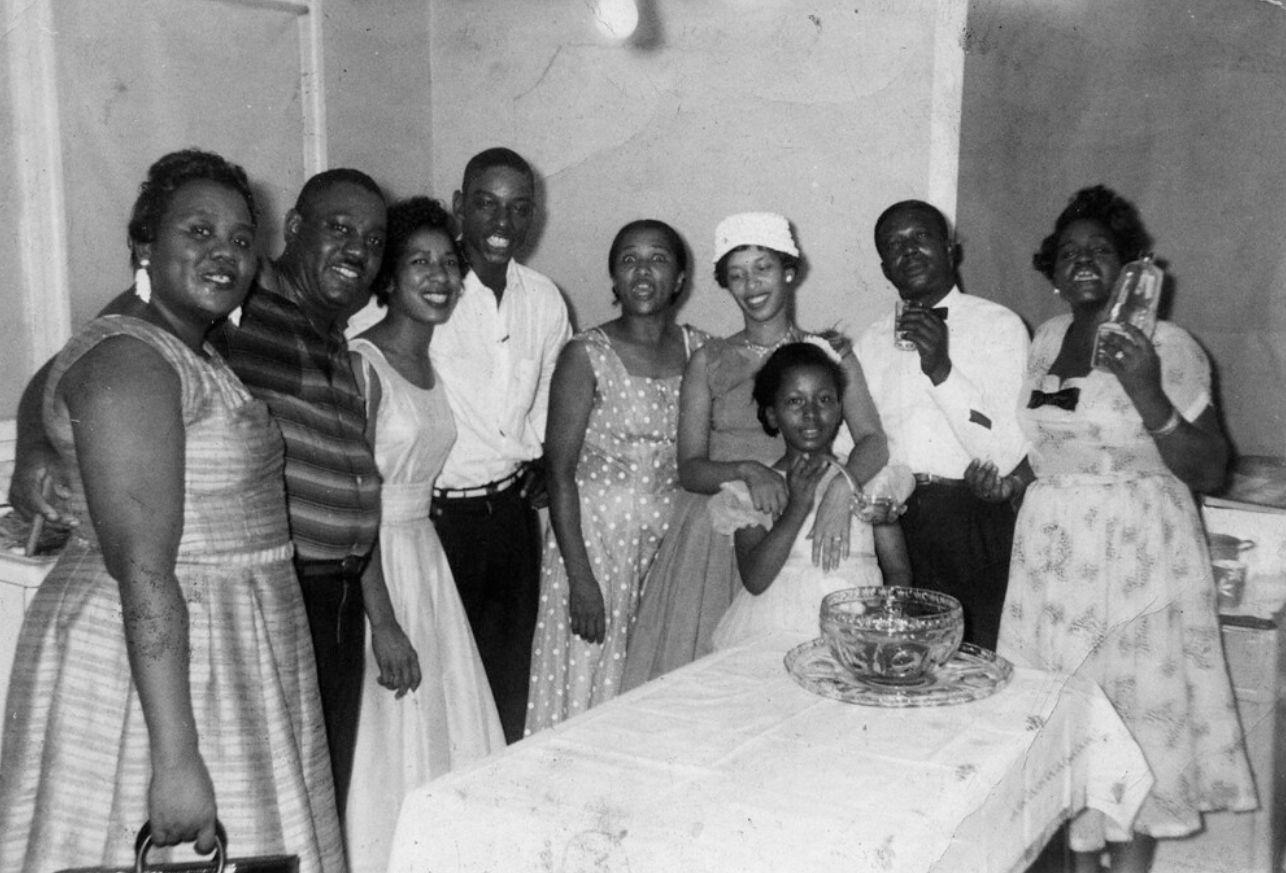
Fourth Ward, Raleigh
• Politically powerful, self-sufficient Black community.
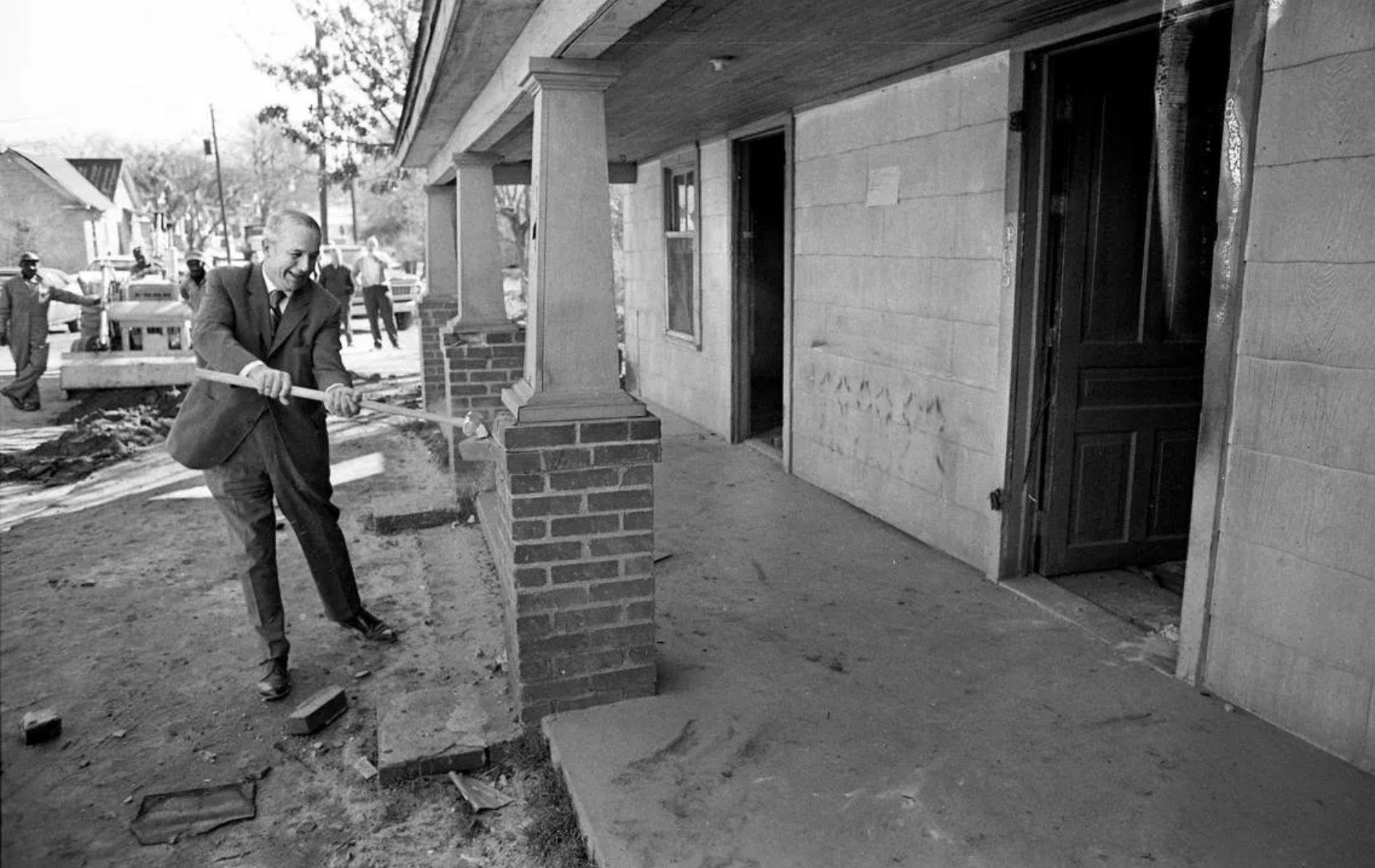
• Demolished under urban renewal, displacing the entire community.
• Historical reclamation through memorials (the Strollway) and oral histories.
Ahistory of displacement: The Fourth Ward
scattered, 600 structures destroyed, 60 businesses erased This was a land grab disguised as a civic improvement project.
The U.S. HousingAct of 1949 gave cities federal funds to clear areas of "blight." This seemingly race-neutral term was weaponized.
Urban Renewal gave cities a federally-funded mechanism to displace and dismantle powerful Black communities under the guise of civic improvement.
Raleigh has a history of displacing vulnerable communities in the name of ‘progress’.
The affordable housing development Heritage Park, built in the 1970s, ‘honoring’ the demolished heritage. It never matched the quantity of housing or quality of community that was lost.
Heritage Park
Are we building a more inclusive and equitable city, or are we simply repeating the same patterns of displacement with a new, more sophisticated vocabulary?
Raleigh began as a planned city, but as it’s population grew, it’s density remained the same.
Sprawl has created car reliance, with travel costs reducing affordability.
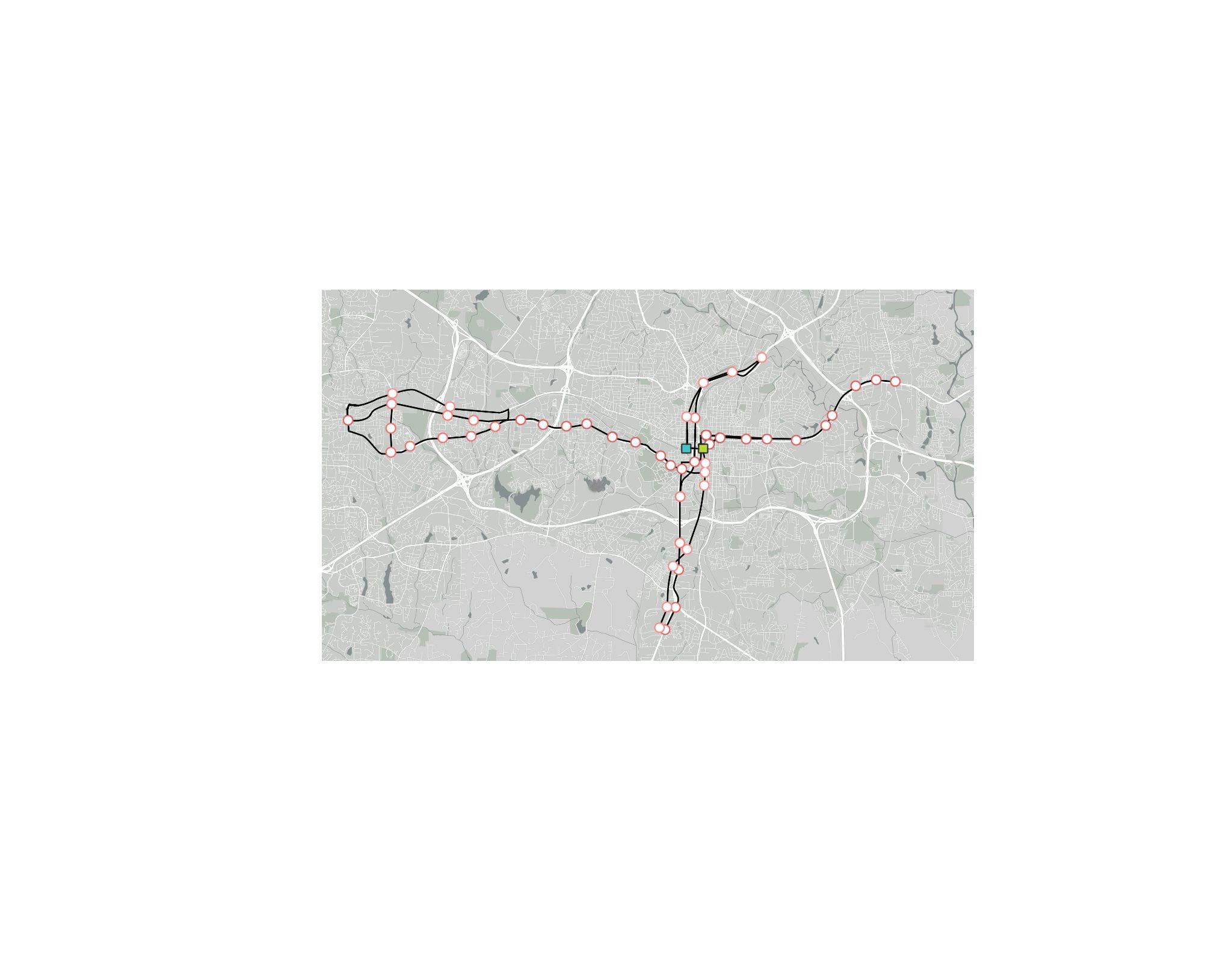
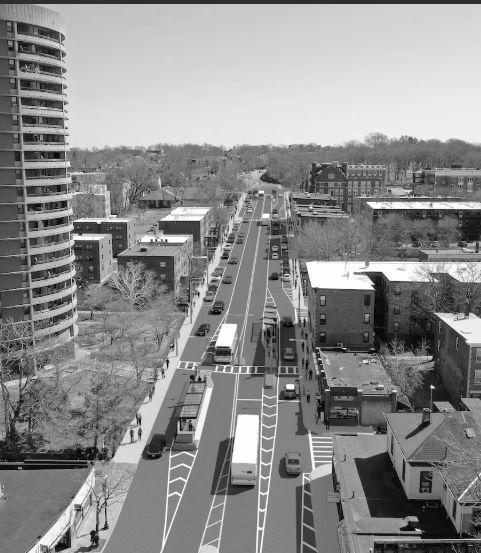
Bus Rapid Transit
dedicated lane, light rail alternative
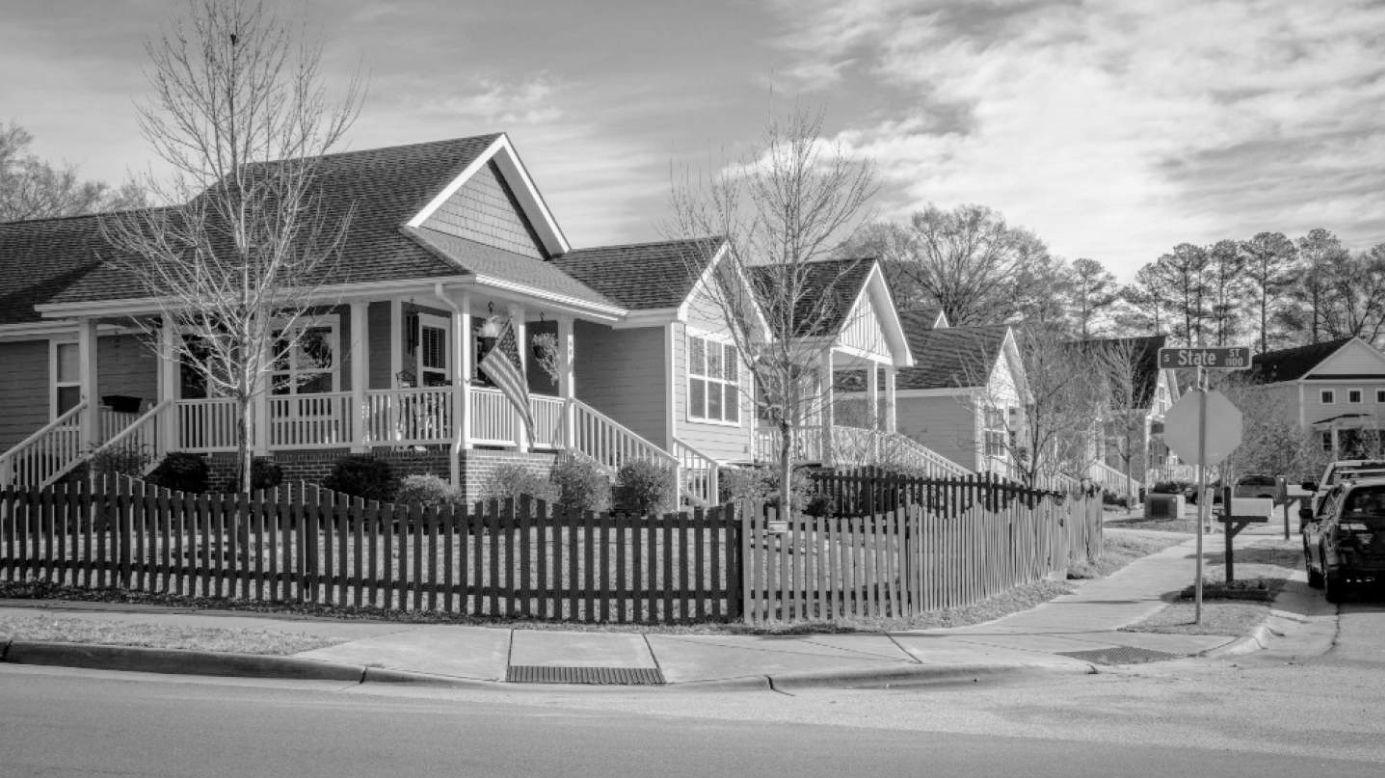
Exclusionary zoning laws have led to 88% of the Raleigh’s residential land zoned for detached single-family housing.
Since 2000 income has risen 40%, while house prices rose 197%.
Sprawl has created car reliance, with travel costs reducing affordability.
Connecting heavy travel corridors across the city, the system meant to provide access and opportunity, could become the very engine that prices out the people it's meant to serve.The newTransit Overlay District (TOD) is designed to encourage dense development along the Bus RapidTransit (BRT) system. On its face, this is smart, progressive planning. But without adequate protections, it accelerates land speculation and raises property values, creating immense pressure on any remaining affordable housing and legacy communities.
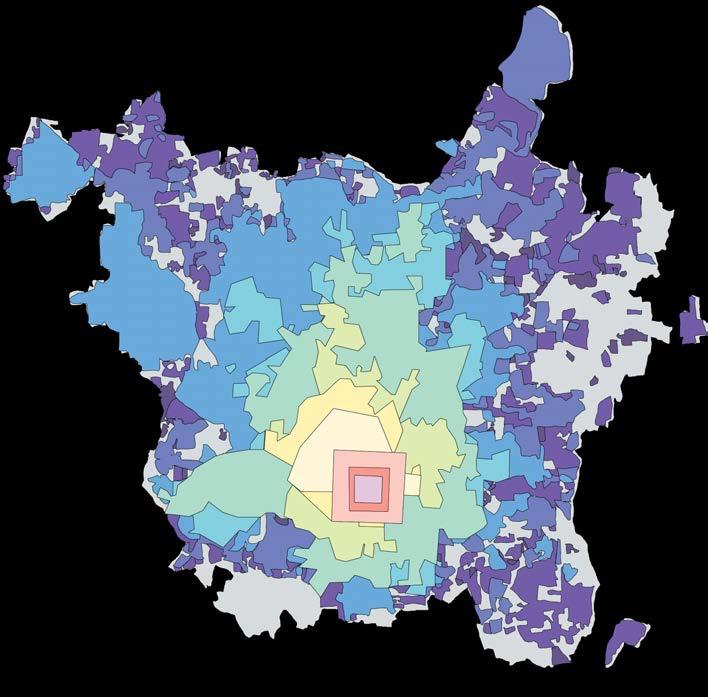
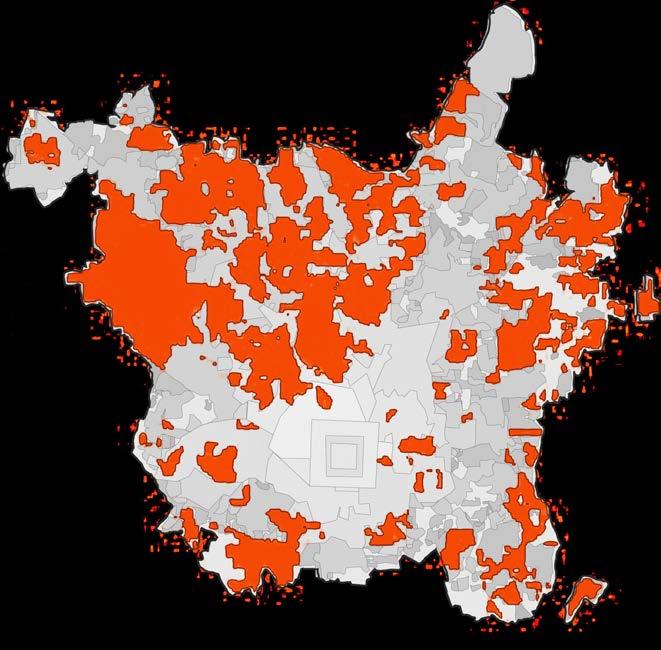
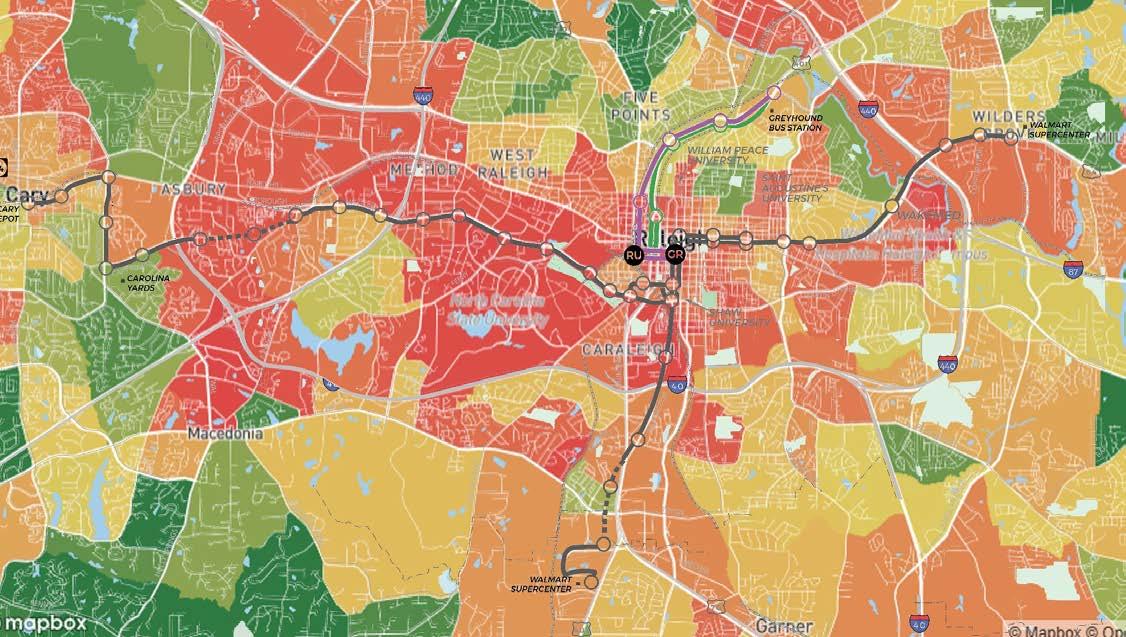
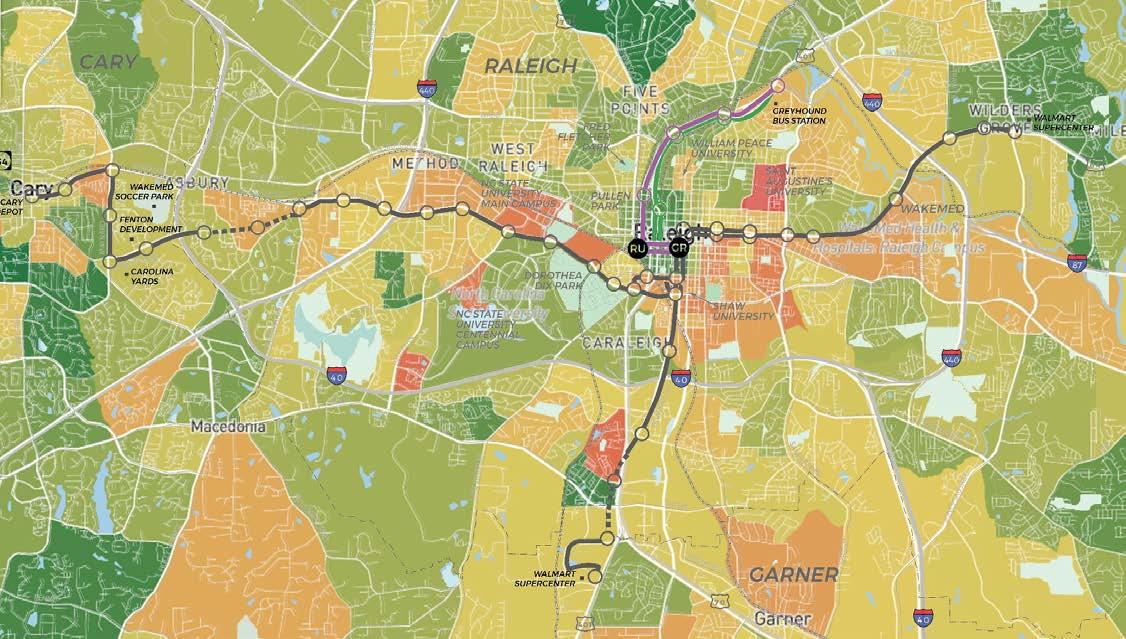
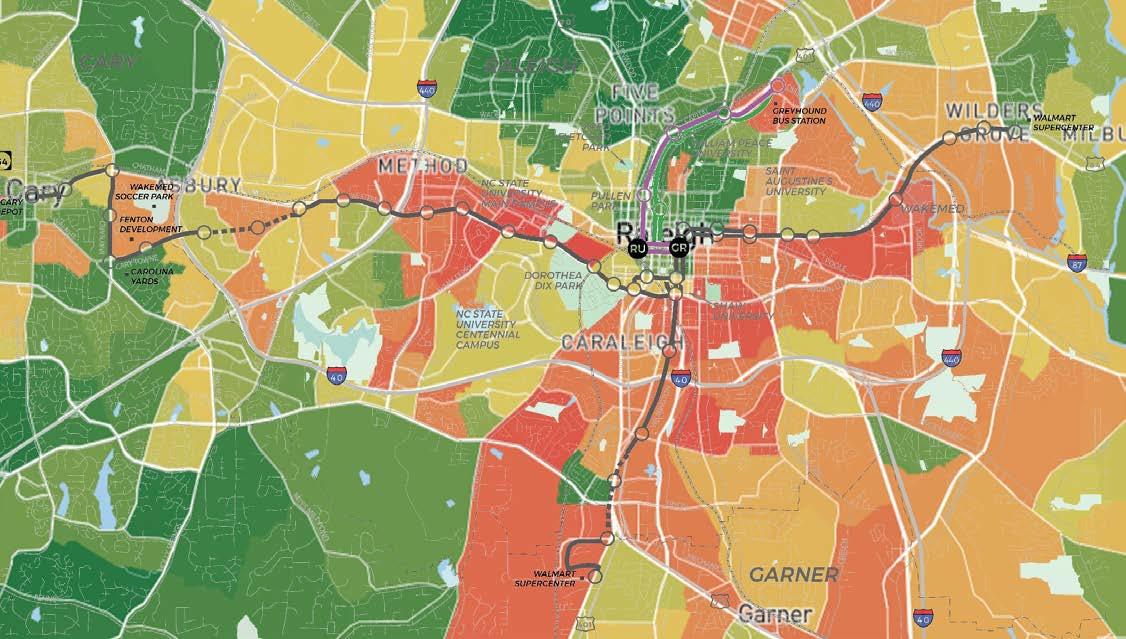
Areas at greatest displacement risk from BRTspeculation are majority Black communities.Again.
What is the Raleigh BRT getting right?
The Equitable Development Around Transit Plan represents a conscientious focus on equity
Connects people
Supports walkable places
Improves air quality
Saves money
The Fatal Flaw: Voluntary is Not Enough
●Highest density affordable growth is desired around transit stations.
●Inclusionary Zoning Incentive:Additional height bonus if 20% of additional units are affordable at 60%AMI.
● Demand may continue to outpace supply, incentivizing compromises.
●Increased height places extra financial burden on developers.
● Inclusionary Zoning is still fully voluntary for developers.
raleighnc.gov/equitable-transit-development. ●Wake up Wake County ●RALT (RaleighArea Land Trust) ●DHIC (formerly Downtown Housing Improvement Corp) ●CASA(CommunityAlternatives for SupportiveAbodes) ●Habitat for Humanity of Wake County ●RHA(Raleigh HousingAuthority)
Existing advocacy groups in Raleigh: Allies
Developers will do the math and build market-rate.
Land values are already rising.
Demand is outpacing supply.
We don't need to guess what happens next.
Reflecting Raleigh:The Next Comprehensive Plan, survey, 2021
How have other BRTsystems succeeded?
Cleveland, OH
Prior Conditions
●Standard bus routes along key corridors were slow and overcrowded, unable to meet the demands of a growing population.
Resulting Conditions
●While BRTspurred density near stations and offered faster service, it also correlated with decreased housing affordability and the displacement of lower-income residents.
●The system provides faster, more reliable transit but can accelerate gentrification and requires riders to adapt to a proof-of-payment system.
What didn’t work:
How have other BRTsystems succeeded?
Arlington, VA
Prior Conditions
●Arlington needed more efficient North-South transit to support its "smart growth" policies and manage traffic in its primary urban corridors.
Resulting Conditions
●Metroway has successfully supported high-density, transit-oriented development, though this growth has exacerbated the lack of deeply affordable housing and displacement pressures.
●The system advancesArlington's car-dependency reduction goals with reliable service but contributes to affordability challenges for long-term residents.
What didn’t work:
●no anti-displacement policies in place
●investment was entirely market-rate and high-end.
●tax abatements subsidized luxury development
●Gentrification ensued
What worked:
●$200 million public cost has spurred over $9.5 billion in private investment
●thousands of new jobs and residential units
●reversed decades of decline
●dramatically increased property values.
clevelandohio.gov/city-hall
●It was Slow and Expensive: many years and immense political will.
●It Requires Massive Capital: consistent stream of public and private money to compete with market-rate developers.
●Some displacement still occurred, as not every building could be saved.
●Loopholes in mandated affordable housing through contributions to affordable housing funds should be regulated.
What worked:
●Added significant new density and a new BRTline
●Preserved over 6,200 units of affordable housing
●The TOAH fund protected the most vulnerable residents
●AForm-Based Code streamlined development process
●Resulted in desirable, highly walkable areas.
Our Proposal: Policy must come before transit.
Adopt a "Preservation First"Approach:
●Create aTransit-Oriented Equitable Housing (TOEH) Fund
●Proactively BuyAt-Risk Properties
Scale Up a Dedicated Public Fund:
●Plan for the Next, Larger Housing Bond
●AdoptTax Increment Financing within theTOD
●Provide partners with acquisition loans
Create a Comprehensive & Predictable Corridor Plan:
●Develop a Corridor-Wide Form-Based Code
●By-right approval of equitable development
Adopt a "Preservation First"Approach:
First, we must establish a Transit-Oriented Equitable Housing (TOEH) Fund to proactively buy up land and existing affordable rentals.This is critical because every month we delay, more at-risk properties and Naturally OccurringAffordable Housing is lost to speculators.
Strategic Goal: Secure existing affordability before market pressures make it impossible.
Create a Transit-Oriented Equitable Housing (TOEH) Fund
●Objective: Establish a protected municipal fund dedicated solely to the BRTcorridors (starting with New Bern and Southern) to act as a "first responder" for housing preservation.
●Why it isAppropriate: Current inclusionary zoning is voluntary and restricted by state law, making a dedicated fund the only viable mechanism to guarantee affordable units rather than hoping for developer participation.
●Feasibility:This is a proven model.Arlington, Virginia used this exact strategy to proactively fund the preservation of over 6,200 homes, effectively adding density without displacing residents.
Proactively BuyAt-Risk Properties
●Objective: Identify and acquire Naturally OccurringAffordable Housing (NOAH) and vacant land near planned stations immediately, transferring ownership to nonprofits or Community LandTrusts.
●Why it isAppropriate: Speculation is not waiting for buses to run; developers are already acquiring land based on the promise of future transit.
●Feasibility: Waiting is a failed strategy. Cleveland’s failure to enact anti-displacement policies led to gentrification that pushed out the very residents the transit was meant to serve. Immediate acquisition is the only way to prevent repeating the history of Fourth Ward.
Scale Up a Dedicated Public Fund:
Second, we need to talk about money.The city's current affordable housing budget of around $23 million is a good start, but it's not nearly large enough to compete with market-rate developers. In this market, $23 million is a down payment, not a solution.
We must plan for the next, much larger, recurring, voter-approved housing bond.This is the only tool that gives our non-profit partners the competitive capital they need, in the form of low interest acquisition loans and gap financing, to secure properties for permanent affordability.
raleighnc.gov
Strategic Goal: Provide the capital necessary for nonprofits to compete.
Plan for the Next, Larger Housing Bond
●Objective: Secure a $100 million housing bond on the 2026 ballot to capitalize theTOEH fund.
●Why it isAppropriate: The current housing budget ($23 million) is insufficient to address the scale of 40,000 new residents arriving over the next decade. $100 million could address gap financing (providing ~20% of the project costs while banks and tax credits cover the rest) for up to 2500 homes, on a recurring basis.
●Feasibility: Avoter-approved bond provides the larger, recurring capital required to make preservation a reality rather than a pilot program.
Adopt Tax Increment Financing (TIF) within the TOD
●Objective: Capture the explosive growth in property values and land prices specifically within theTransit Overlay District and reinvest that revenue directly into theTOEH fund.
●Why it isAppropriate: The BRTrepresents a massive public investment that is driving land prices up. It is fiscally sound to ensure a portion of this public-generated value capture is recycled back into the community to prevent displacement.
●Feasibility: Developers are already betting correctly on market-rate development.ATIF leverages this inevitable market heat to fund equity without requiring new taxes on existing residents.
Provide Partners withAcquisition Loans
●Objective: deploy short-term, low-interest bridge loans from theTOEH fund to nonprofit developers.
●Why it isAppropriate: Private developers are choosing profit over people and moving fast. Nonprofits often lose bids because they cannot access capital quickly enough.As soon as the BRTis finalized, values will jump, and the $100 million fund will not go as far.
●Feasibility: This solves the hurdles in funding that currently disincentivize affordable building. By leveling the playing field, the city ensures nonprofits can actually compete for land.
Create a Comprehensive & Predictable Corridor Plan:
Third, we need to fix the regulatory environment by developing a Corridor-Wide Form-Based Code.
This is a pro-development, pro-community tool. Right now, if a non-profit wants to build affordable housing, they face months of expensive, uncertain rezoning battles.AForm-Based Code removes that gamble. It offers a predictable, by-right approval for any project that meets pre-approved community design standards.
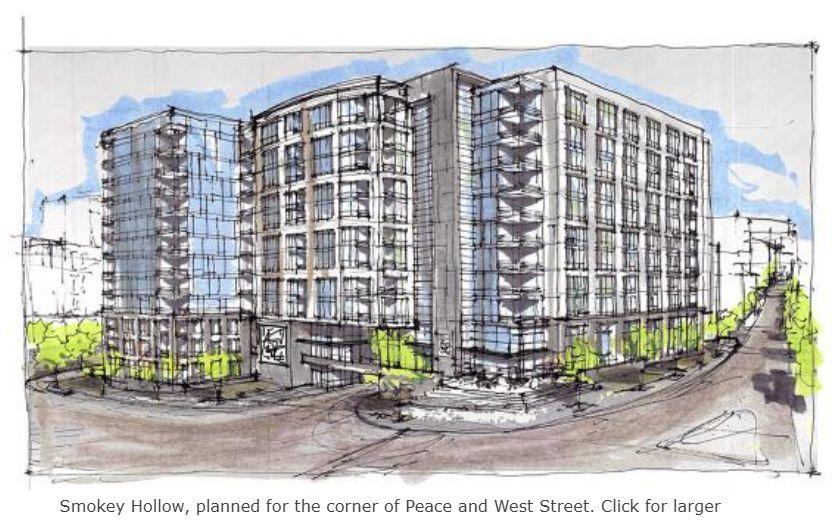
Raleigh has already seen the success of form-based development principles in areas like the redevelopment of Smoky Hollow. We need to apply this certainty to our BRTcorridors to make it easy to infill the equitable housing we need, without erasing the neighborhood in the process.
Strategic Goal: Remove bureaucratic barriers to unleash "gentle density" and reduce costs.
Develop a Corridor-Wide Form-Based Code
●Objective: Replace complex use-based zoning with clear standards focused on building form, ensuring new projects contribute to walkable, human-scaled streets regardless of the developer.
●Why it isAppropriate: The current system of height bonuses creates complex building code and funding hurdles that actually disincentivize building taller.
●Feasibility:Aclear code eliminates the negotiation phase, streamlining the path for developers who are willing to build what the community actually needs.
By-RightApproval of Equitable Development
●Objective: Guarantee automatic approval for any project that meets design standards and includes affordable units, eliminating the rezoning process.
●Why it isAppropriate: The current process involves months of uncertainty, political opposition, and expensive rezoning battles, which scares away many developers.
●Feasibility:This is a straightforward reform that costs the city nothing but yields high returns. It removes the political lottery and provides the certainty needed to attract nonprofit partners and "Yes In My Backyard" advocates.
Speculation
Displacement
Gentrification
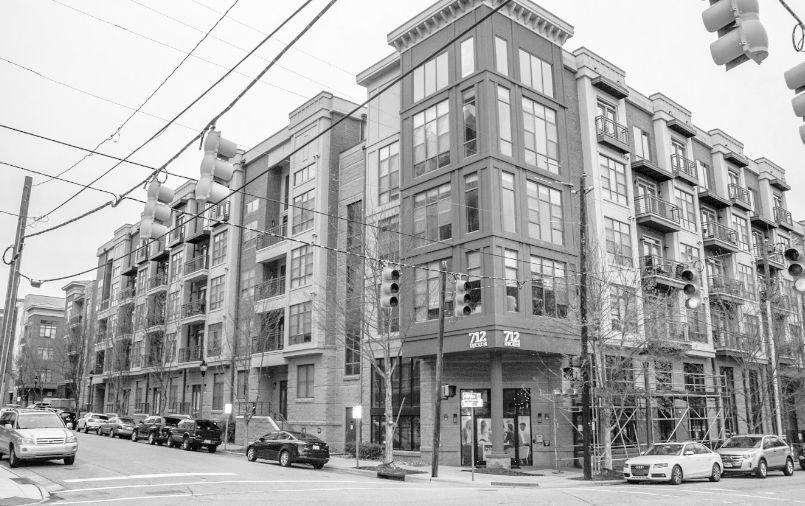
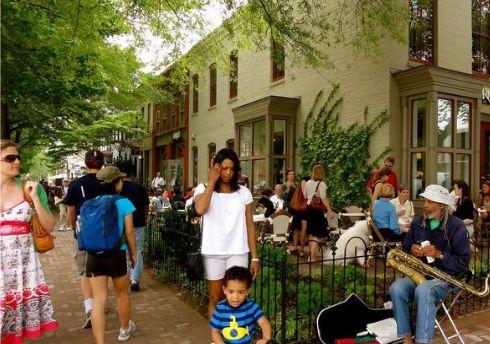
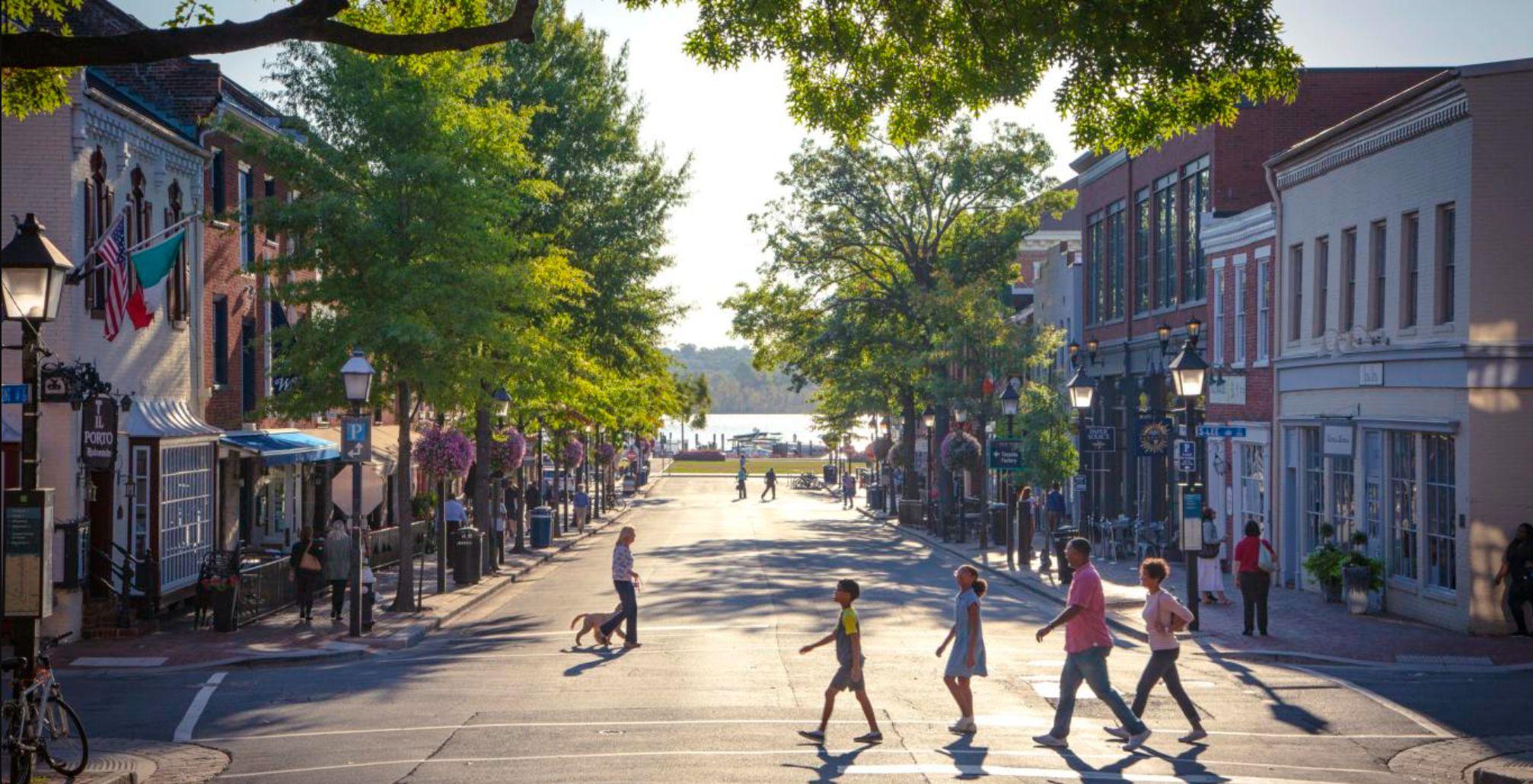
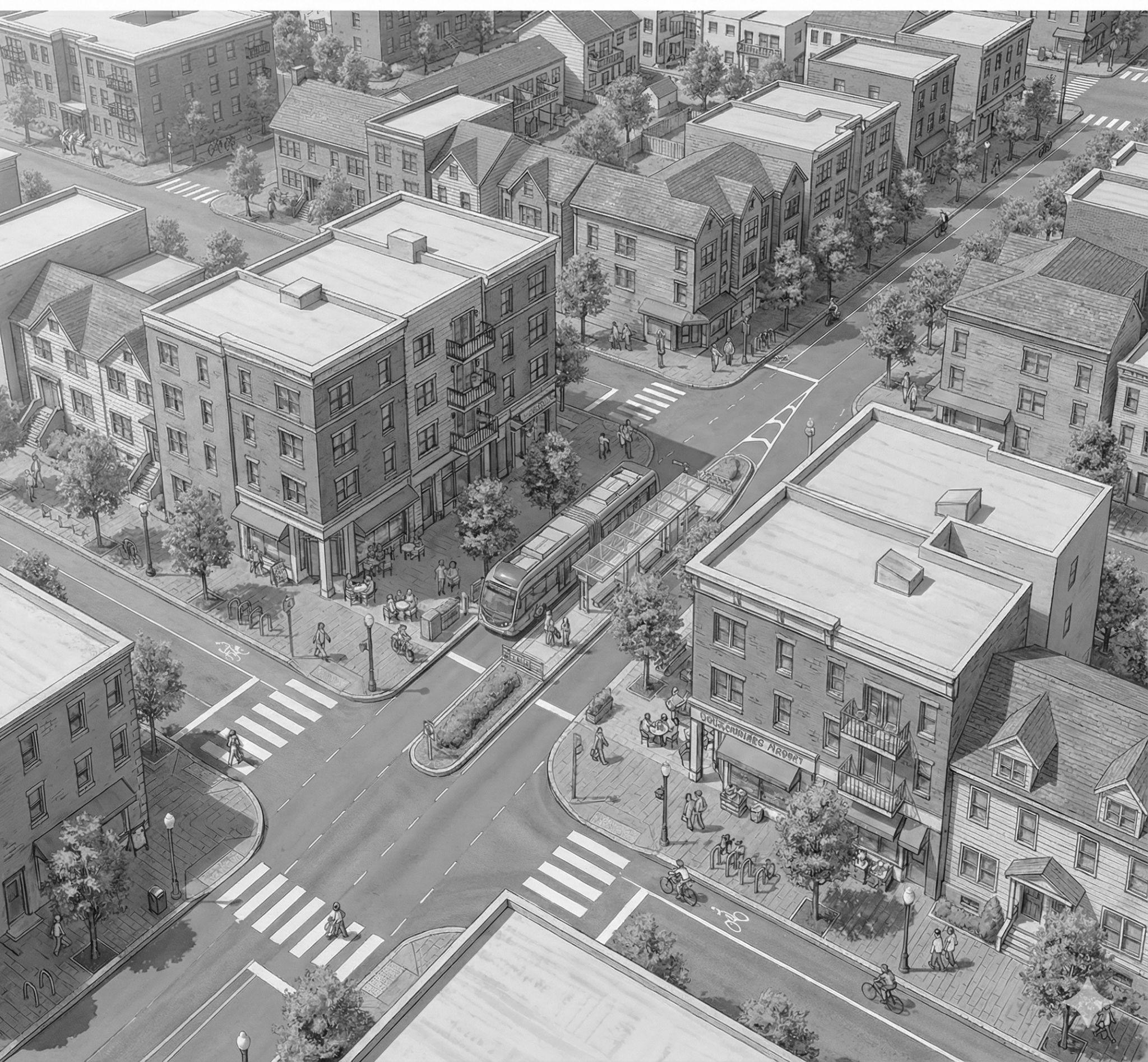
Above, the demolition of Fourth Ward, a symbol of our past. Below is the vibrant, walkable community we all want.The future of Raleigh is a choice between two paths. Cleveland showed us the cost of inaction.Arlington showed us the path forward.
Cultural Enrichment
The only question is…
Which path will you choose for Raleigh?
Resources:
Aaron.Sheppard@raleighnc.gov. “Equitable Development aroundTransit | Raleighnc.gov.” Raleighnc.gov, raleighnc.gov/equitable-transit-development.
Childress, Greg. “‘I Have No Idea What We’re Going to Do’: Housing Shortage Leaves NC Low-Income Renters Stymied • NC Newsline.” NC Newsline, 17Apr. 2024, ncnewsline.com/2024/04/17/i-have-no-idea-what-were-going-to-do-housing-shortage-leaves-nc-low-income-renters.
City of Raleigh. “ WAKE BRT: SOUTHERN CORRIDOR.” Https://Cityofraleigh0drupal.blob.core.usgovcloudapi.net/Drupal-Prod/COR28/Brt-Southern-Fall-23-Handout.pdf
admin. “Fair Housing: Inclusive, Equitable andAffordable - Washington Housing Conservancy.” Washington Housing Conservancy, 29Apr. 2024, washingtonhousingconservancy.org/apr-fair-housing/.
Arlington County Government. “Celebrating a Decade ofArlington’sAffordable Housing Master Plan.” YouTube, 22 Oct. 2025, www.youtube.com/watch?v=jVjchaYhl-w.Accessed 19 Nov. 2025.
Brown, Joel. “Rediscovering the History of Raleigh’s Black Neighborhoods: ‘IThink It’s Important for Us to Know.’” ABC11 Raleigh-Durham, 11 Jan. 2023, abc11.com/post/raleigh-black-neighborhoods-history-segregation-new-book/12685954/. Accessed 19 Nov. 2025.
“Unpacking a Form-BasedApproach to Regulatory Barriers | HUDU SER.” Huduser.gov, 11 Sept. 2023, archives.huduser.gov/portal/rbc/indepth/interior-091023.html.Accessed 19 Nov. 2025.
“Employment and Unemployment Rates by Neighborhood in Central, Raleigh, NC | BestNeighborhood.org.” Bestneighborhood.org, 2023, bestneighborhood.org/employment-rate-central-raleigh-nc/.
Gallup, Jasmine. “Construction Is Starting on the Bus RapidTransit Line along New BernAvenue, but Some Raleigh Residents Worry It Will Do More Harm than Good.” INDYWeek, 13 Dec. 2023, indyweek.com/news/wake/construction-is-starting-on-the-bus-rapid-transit-line-along-new-bern-avenue-but-some-raleigh-resident s-worry-it-will-do-more-harm-than-good/.
Hornbeck, John. Wake Bus RapidTransit (BRT): New Bern Corridor Barwell Road Widening Project. 2021, go.boarddocs.com/nc/raleigh/Board.nsf/files/C3RNGZ5E8EC5/%24file/20210615ESDEngineersReport.pdf.
New BernAvenue StationArea Plan Rezoning. cityofraleigh0drupal.blob.core.usgovcloudapi.net/drupal-prod/COR22/sap-new-bern-rezoning-map-z-92-22.pdf.Accessed 2 Oct. 2025.
NEW BERN STATIONAREAPLANNING STUDY. 2022, cityofraleigh0drupal.blob.core.usgovcloudapi.net/drupal-prod/COR22/SAPNewBernCorridorReport.pdf.
North Carolina Housing Coalition. HOUSING CAROLINARESOURCE MANUALa Guide for Creating Effective Communications in Support ofAffordable Housing in North CarolinaThis Manual Was Originally Developed with Funding by the Fannie Mae Foundation and Home Depot Foundation. 2009, nchousing.org/wp-content/uploads/2016/12/Housing-communications-manual-update-2009.pdf.Accessed 2 Oct. 2025.
Raleigh Bus RapidTransit (BRT): Equitable Development aroundTransit Public Meeting. 2020, cityofraleigh0drupal.blob.core.usgovcloudapi.net/drupal-prod/COR22/EDATRecommendationPresentation.pdf.Accessed 2 Oct. 2025.
Stuart, Molly. “Taller byTransit: Raleigh Is Encouraging Development along ItsTransit Corridors.” Morningstar Law Group,Aug. 2024, morningstarlawgroup.com/news/the-morningstar-july-2024-edition/.Accessed 2 Oct. 2025.
The John Locke Foundation. “ThreeThings Zoning Does in North Carolina.” John Locke Foundation, 13 Dec. 2022, www.johnlocke.org/three-things-zoning-does-in-north-carolina/.
AI disclaimer: Google Gemini was utilized to process voice-to-text transcripts for initial brainstorming and to explore Raleigh's current housing climate. It also served a critical role in summarizing research documents and analyzing case studies, which helped in identifying effective strategies and key terminology for this project.