SMYRNA PUBLIC ART MASTER PLAN
SMYRNA MAYOR AND CITY COUNCIL
Derek Norton, Mayor
Tim Gould, Mayor Pro Tem (Ward 6)
Glenn Pickens (Ward 1)
Latonia P. Hines (Ward 2)
Travis Lindley (Ward 3)
Charles “Corkey” Welch (Ward 4)
Susan Wilkinson (Ward 5)
Rickey N. Oglesby, Jr. (Ward 7)
SMYRNA CITY STAFF
Richard Garland, Director of Parks and Recreation
Carson Haynie, Special Projects Manager
Evie Ramsey, Administrative Coordinator
PUBLIC ART COMMITTEE
Rickey N. Oglesby, Jr., Council Member/Chair
Leah Barnes, Committee Member
Vanya Foote, Committee Member
Robert Harrison, Committee Member
Meg Quigley, Committee Member
Burke Scott, Committee Member
Imani Thomas, Committee Member
DESIGNING LOCAL
Anna Talarico, Public Art Coordinator
Andrew Eble, Urban Planner
A SPECIAL THANK YOU TO ALL THE COMMUNITY MEMBERS WHO GENEROUSLY SHARED THEIR INPUT AND IDEAS!
Smyrna is a city defined by connection - between neighbors, between generations, and between our history and our future. As Smyrna continues to grow and evolve, public art is emerging as an important way to strengthen those connections, enrich our shared spaces, and reflect the character of our community.
In recent years, Smyrna has taken meaningful steps to incorporate public art into our civic fabric. Initiatives such as the ARTery, and creative enhancements in public spaces represent early steps in a broader commitment to integrating art into the life of our city. As we look ahead, particularly with continued downtown redevelopment, public art will play an increasingly important role in shaping a welcoming, vibrant, and distinctive sense of place.
The Smyrna Public Art Master Plan establishes a clear and thoughtful path forward. It provides guidance for how art can be incorporated into public spaces in ways that are intentional, inclusive, and reflective of Smyrna’s values. This plan positions public art not only as an aesthetic enhancement, but as a meaningful investment in community identity, economic vitality, and quality of life.
I am grateful to the residents, artists, staff, and partners who contributed to the development of this plan. With its adoption, Smyrna affirms its commitment to creativity and collaboration, and to building a city where public spaces inspire pride and connection. I look forward to seeing how public art grows alongside Smyrna in the years to come.
Sincerely,
Derek Norton Mayor, City of Smyrna
The Smyrna Public Art Master Plan serves as a vital guide for expanding and implementing Smyrna’s burgeoning public art program over the next decade. Informed by both national best practices and community input, this document provides strategic recommendations and creative activations that reflect the city’s past, present, and future. While the Plan captures Smyrna’s needs and community desires for public art within a specific moment in time, the Plan functions as a living roadmap designed to achieve key goals—such as fostering togetherness, activating gathering spaces, and creating a sustainably-funded program— while showcasing Smyrna’s unique identity and enlivening its public spaces.
This plan is a direct result of input from Smyrna’s community, reflecting their biggest and boldest aspirations for public art and its strategic role in the city’s future. While the ideas here are specific to public art, the engagement findings offer a valuable understanding of the city that can be broadly applied to future projects and other initiatives. The Public Art Master Plan is intended to be implemented by Smyrna City Staff and the Smyrna Public Art Committee, with crucial support from the Mayor and City Council.
Public art in Smyrna has appeared in many forms over the past 10-15 years; along with the small collection of sculptures around the city’s public spaces, public art in Smyrna has included murals on private property, pop-up experiences, and artist-led engagement.
In late 2021, the Smyrna Arts and Culture Task Force was assembled to identify and plan opportunities for public art placement through the city. The group introduced the Smyrna ARTery concept, proposing a public art corridor along Smyrna’s central thoroughfare stretching along Atlanta Road from Taylor-Brawner Hall to the Belmont Shopping Center. The task force aimed to enrich the quality of life for residents and visitors by supporting local artists with visual displays along paths and roadways. Implementation of the ARTery was designated
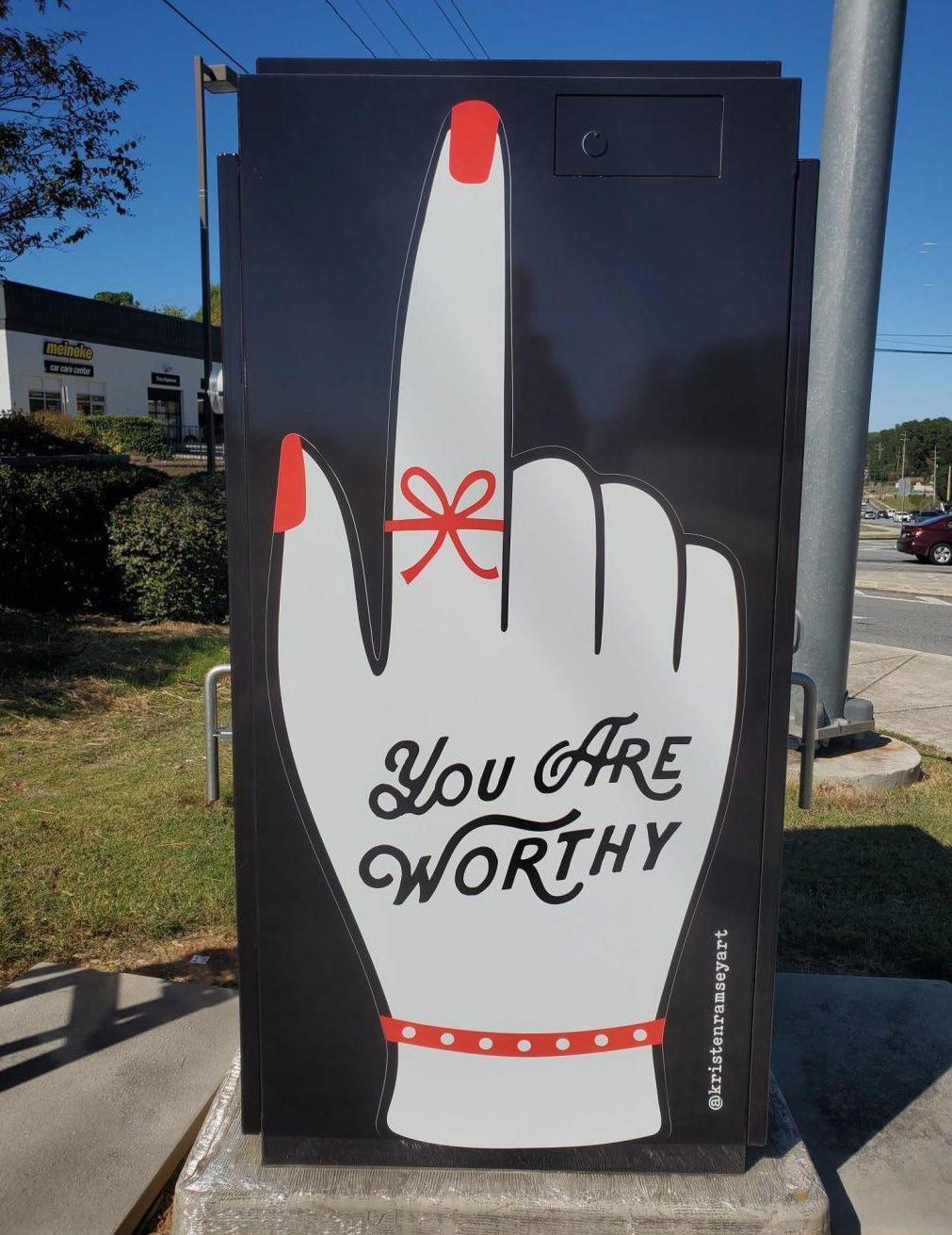
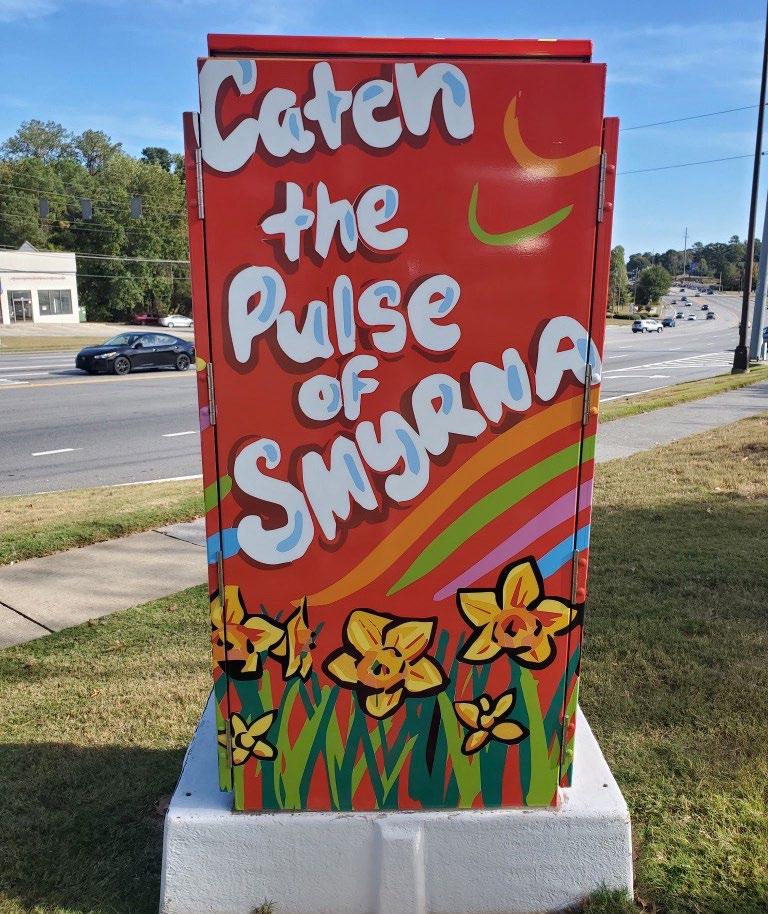
as the initial phase for kicking off public art citywide, beginning with four utility box mural installations across Atlanta Road in 2023.
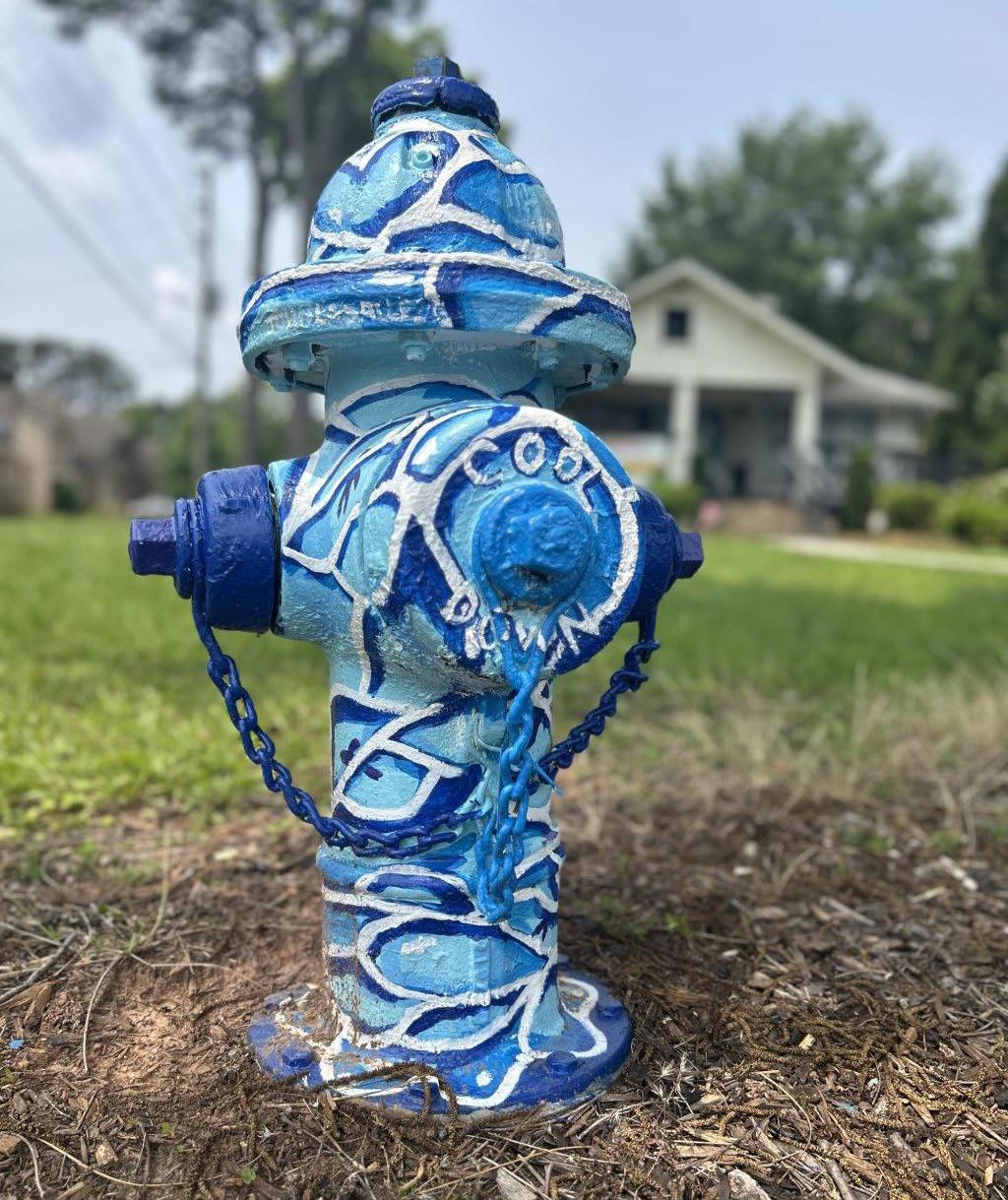
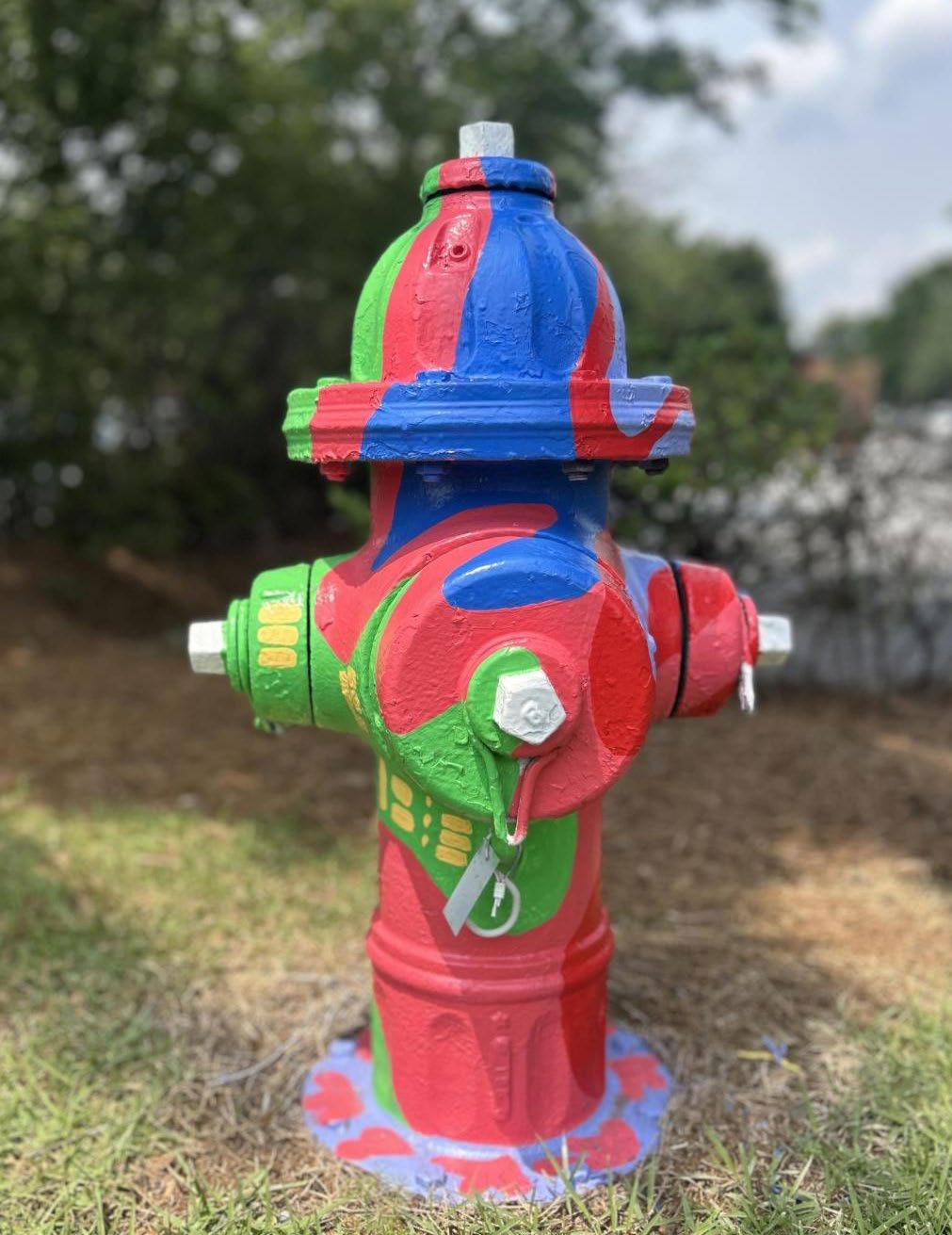
Since 2023, Smyrna has worked with Designing Local to develop and adopt a public art policy and formalize the Smyrna Public Art Committee, who has led the implementation of two crosswalk murals in Smyrna Market Village, 15 painted fire hydrants along Atlanta Rd., and four vinyl-wrapped traffic cabinets throughout the city.
Why is this the right time to create a Public Art Plan?
Building on the wide enthusiasm for recent public art projects in Smyrna, the Public Art Plan responds to the city’s desire for a cohesive vision for the public art program, as well as a roadmap to successfully implement larger-scale, higherinvestment public art projects. Additionally, as the city anticipates future development aimed at providing community amenities and gathering places, having a clear strategy for integrating public art into these spaces, and ensuring high quality public art gets implemented across all 7 wards will ensure that the city’s identity and sense of community are reflected in vibrant, bold, and authentic ways.
The Planning team hosted one-on-one interviews with 10 individuals in Smyrna, whose backgrounds and professional affiliations include City administration, the arts, non-profit organizations, City Council, and beyond. Each stakeholder was asked about their:
• Individual vision for public art in Smyrna;
• Reflections on the current collection;
• Understanding of the challenges and opportunities facing the growth of public art in Smyrna; and
• Unique perspective of what is special about Smyrna and its community.
Additionally, the Planning team hosted a focus group with Smyrna’s Public Art Committee and a pop-up engagement opportunity at the Crafts and Drafts Festival on October 25 and 26, 2025. Three artists whose artwork is featured on one of the 17 fire hydrants around the city engaged with the community at the event. A Public Art Survey was available from August through October of 2025 and was completed by 234 participants.
The following is a summary of community feedback across individual conversations, focus groups, and community workshops. The information is divided into small sections to provide a snapshot of themes from the stakeholders.
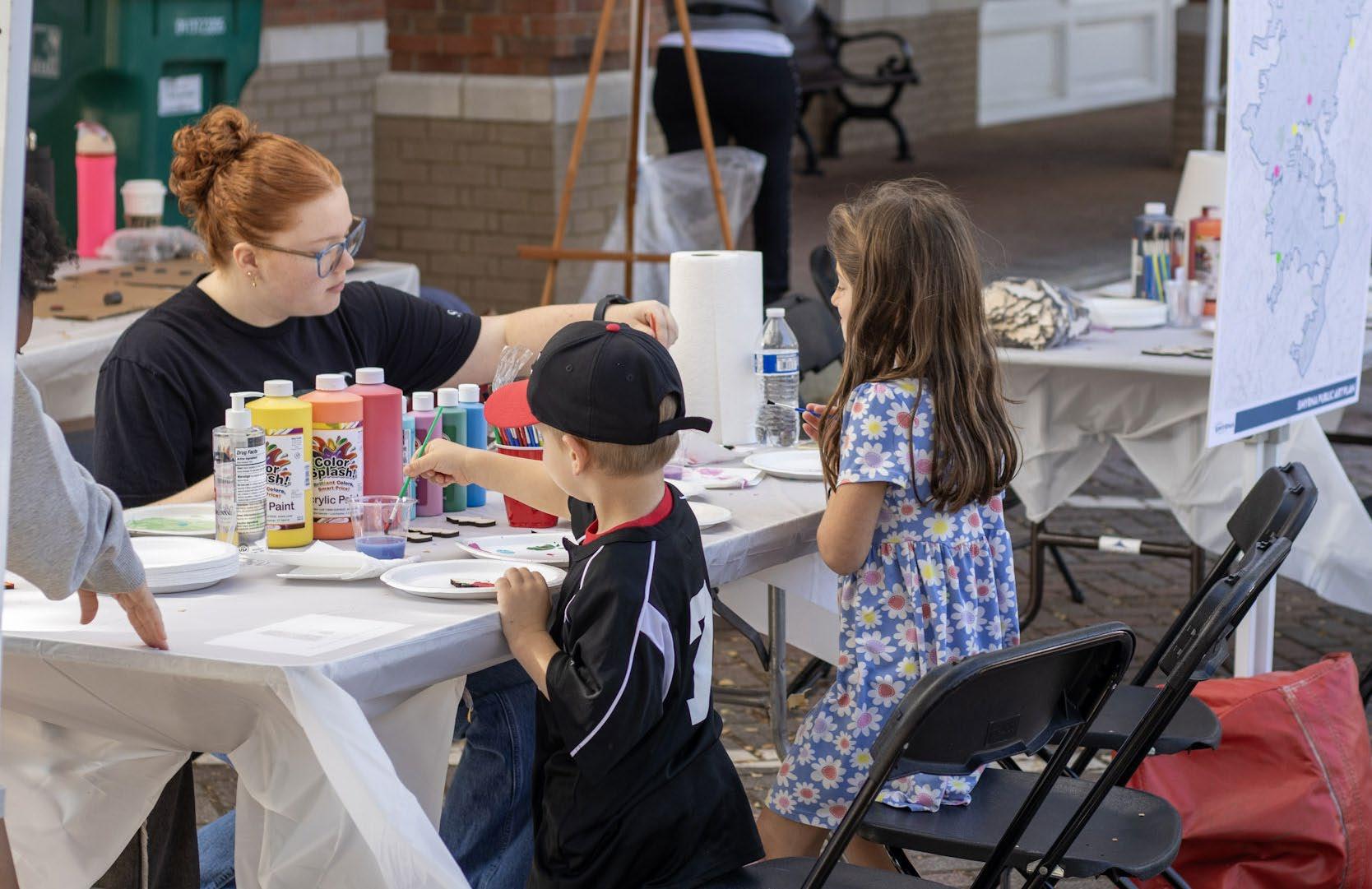
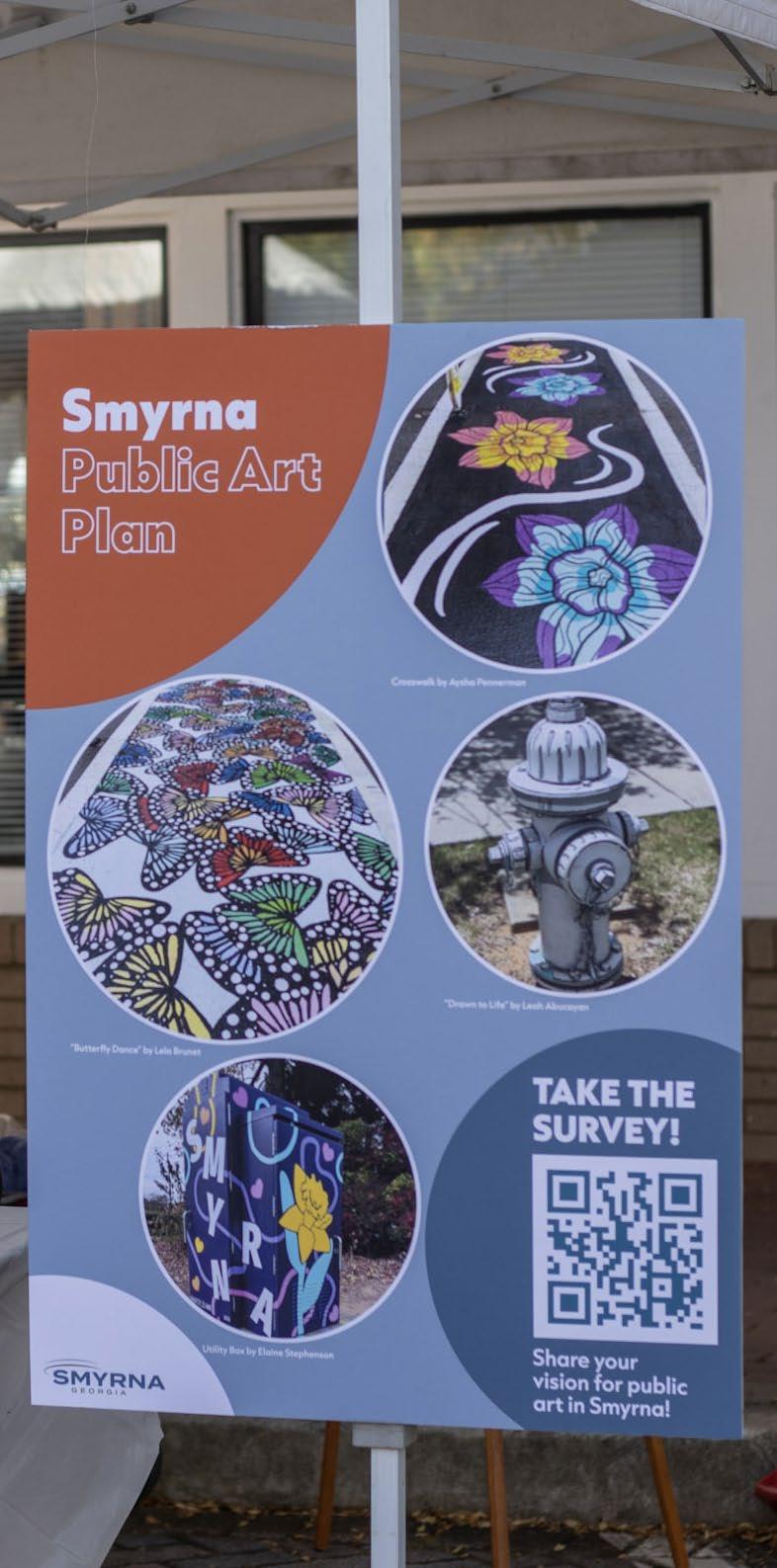
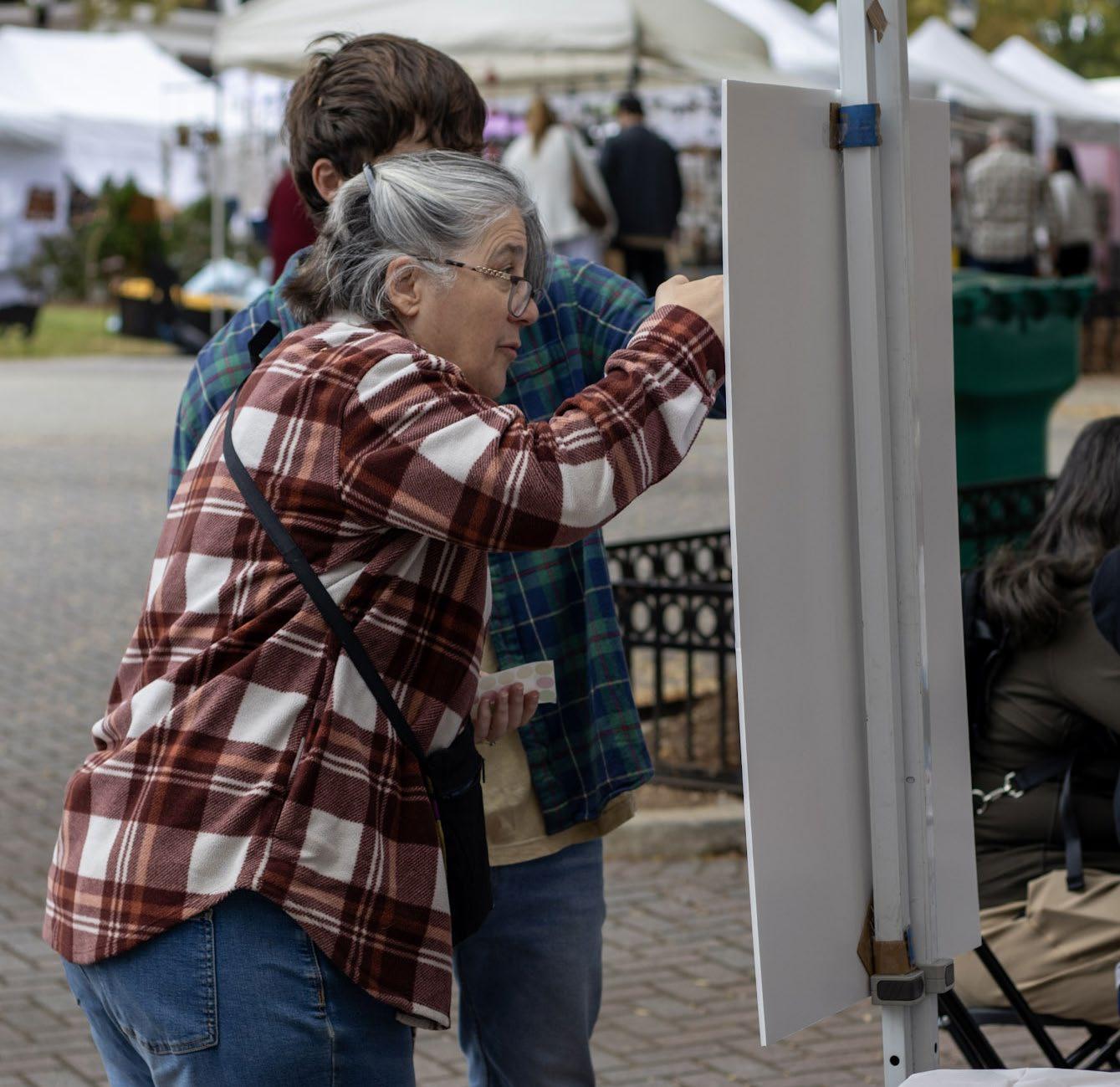
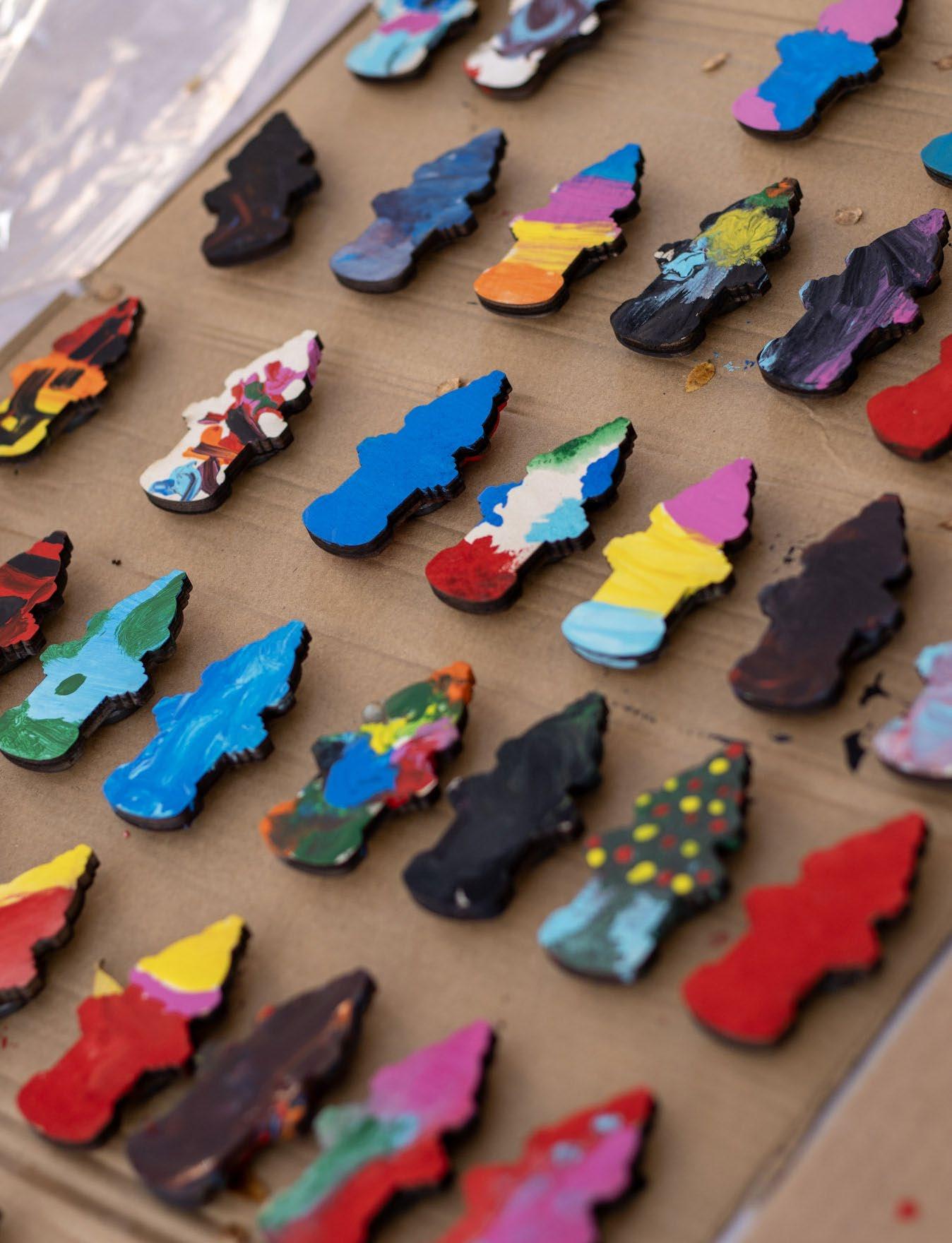
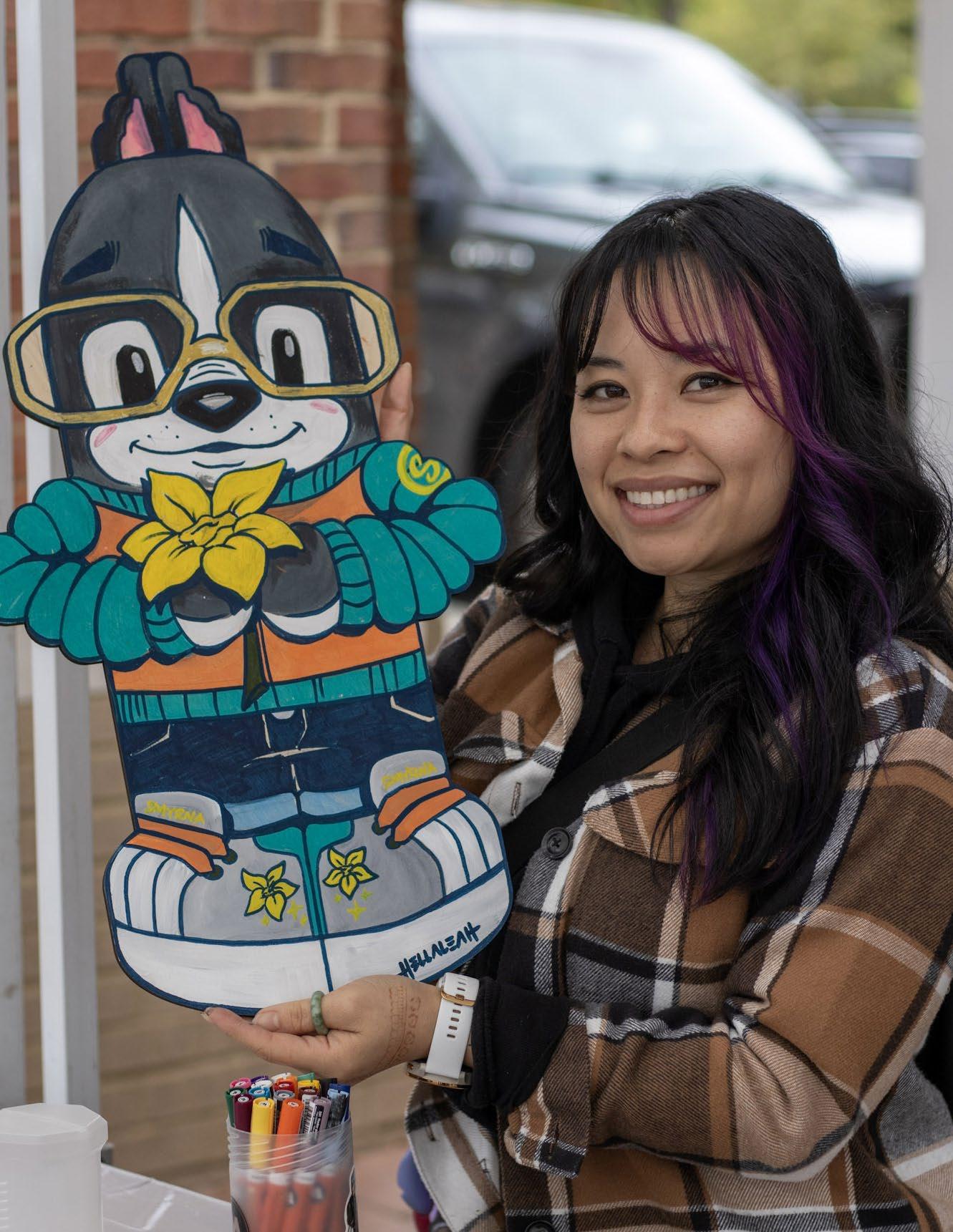
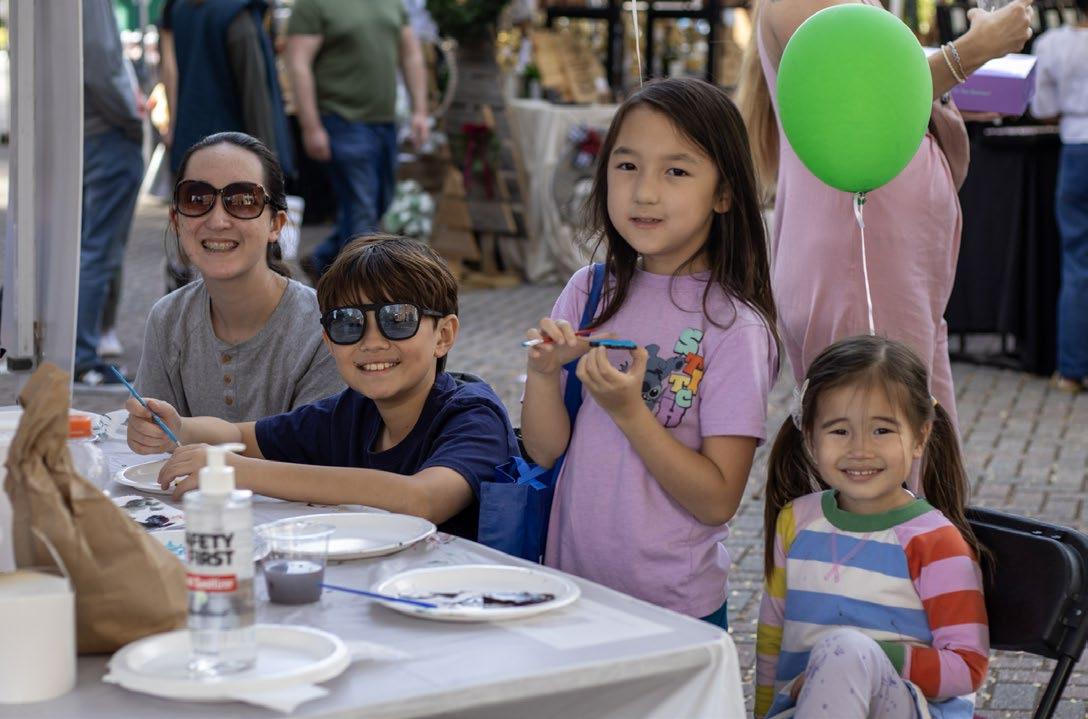
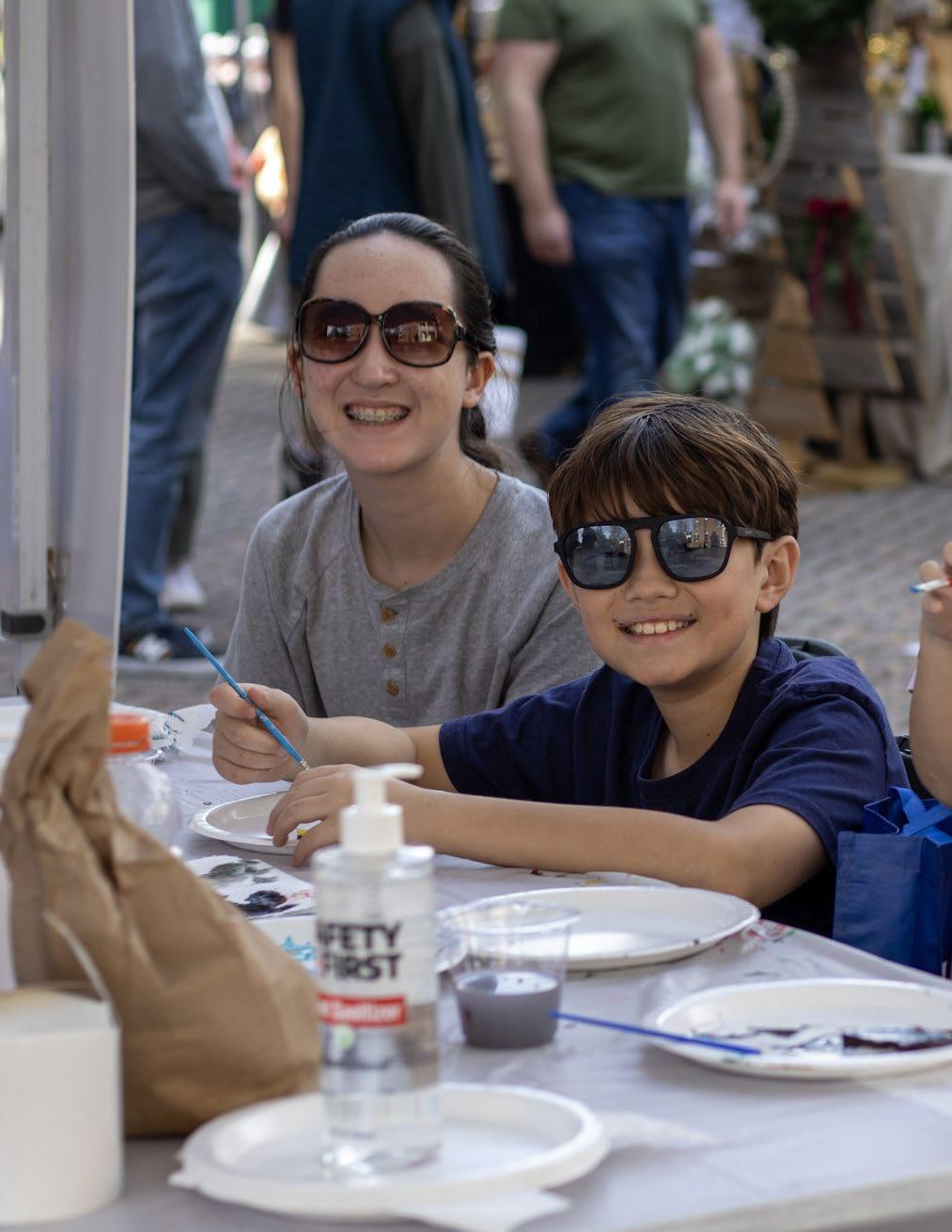
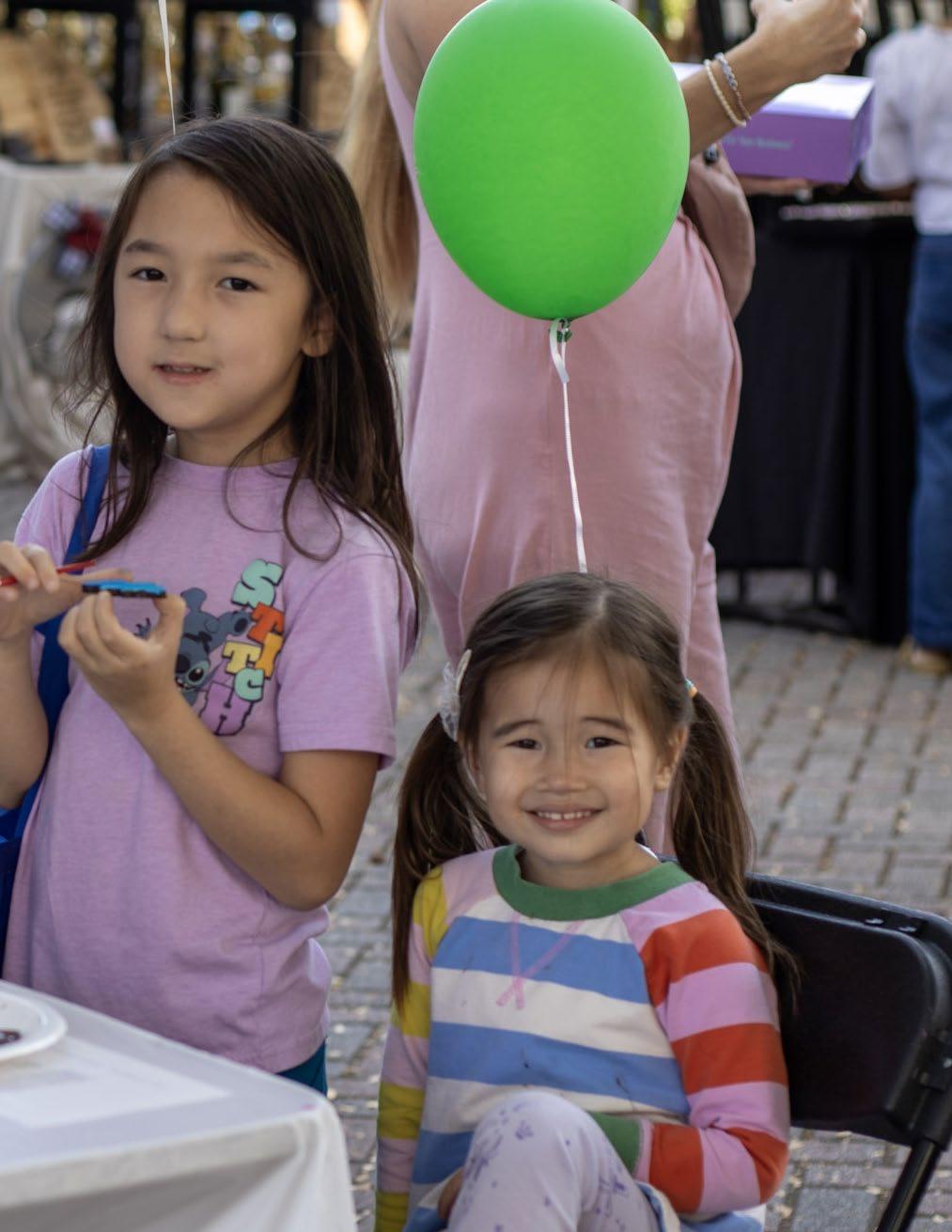
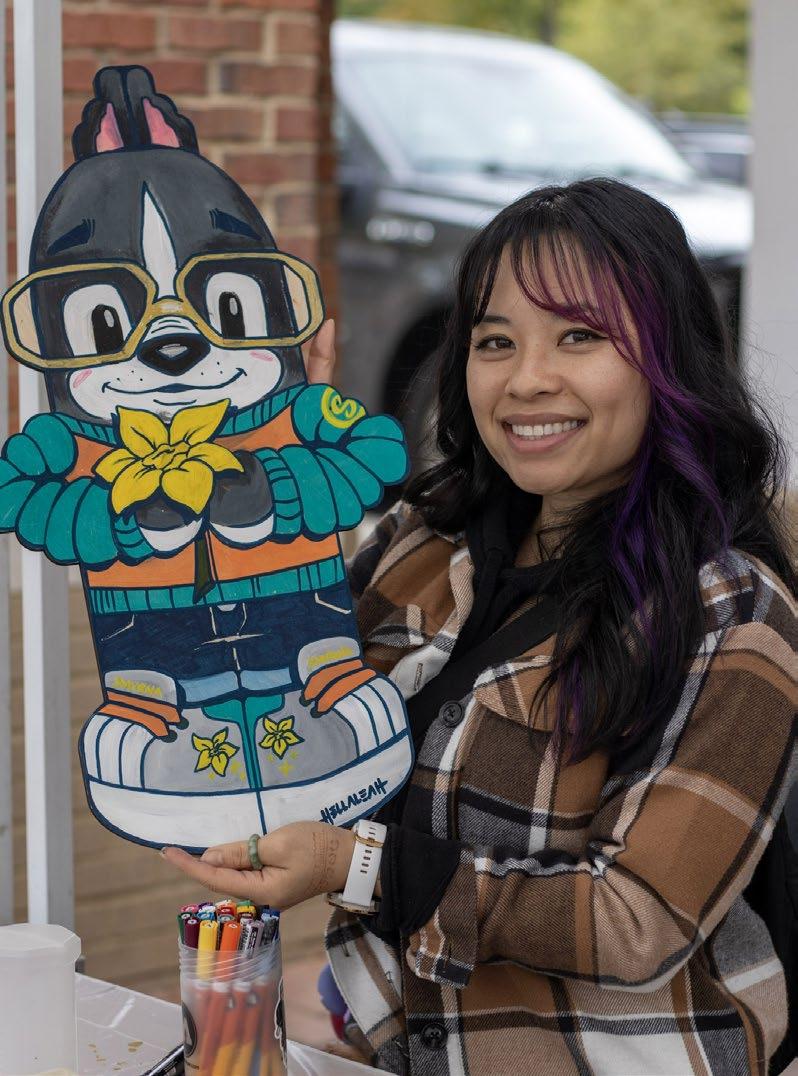
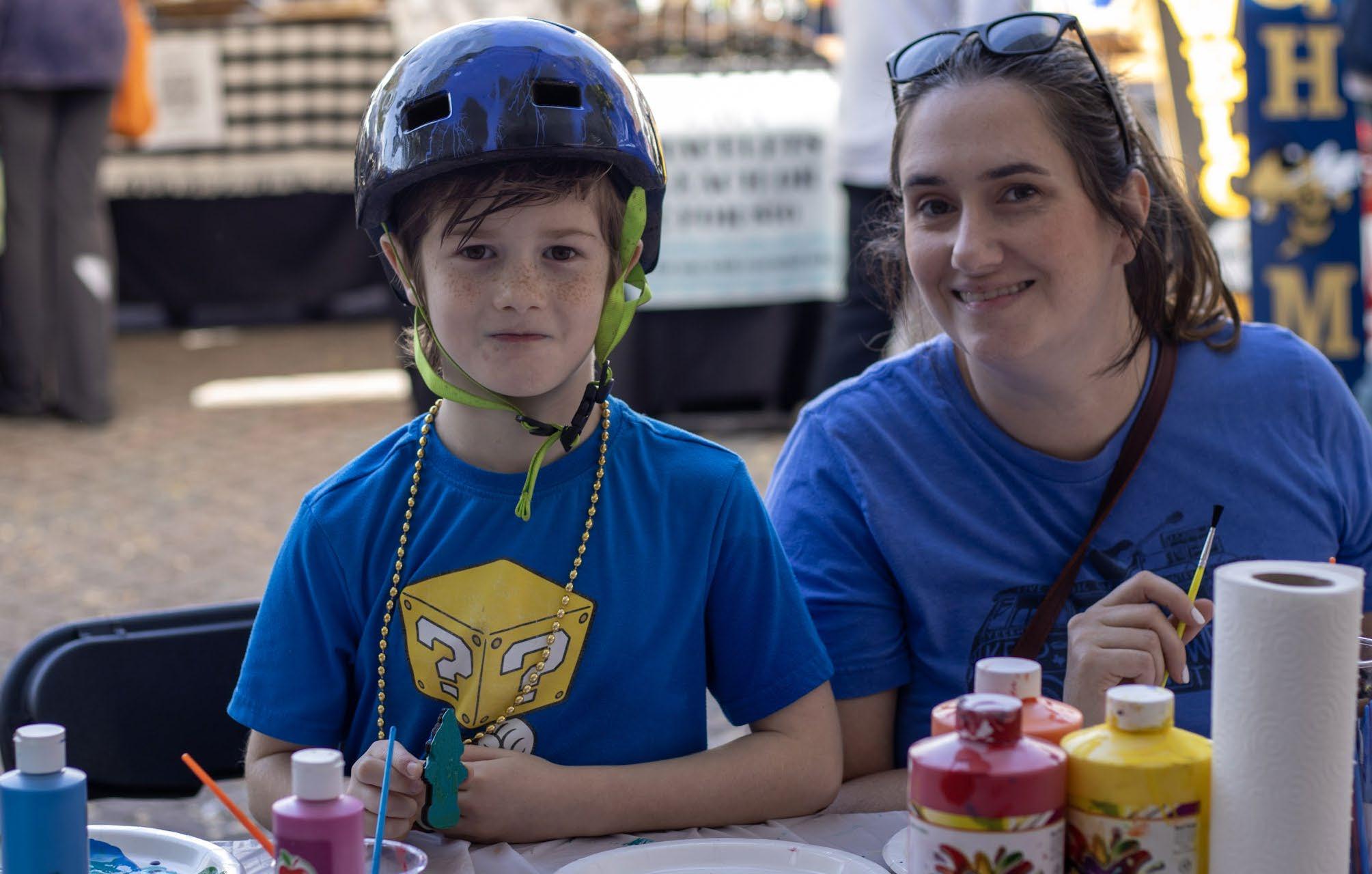
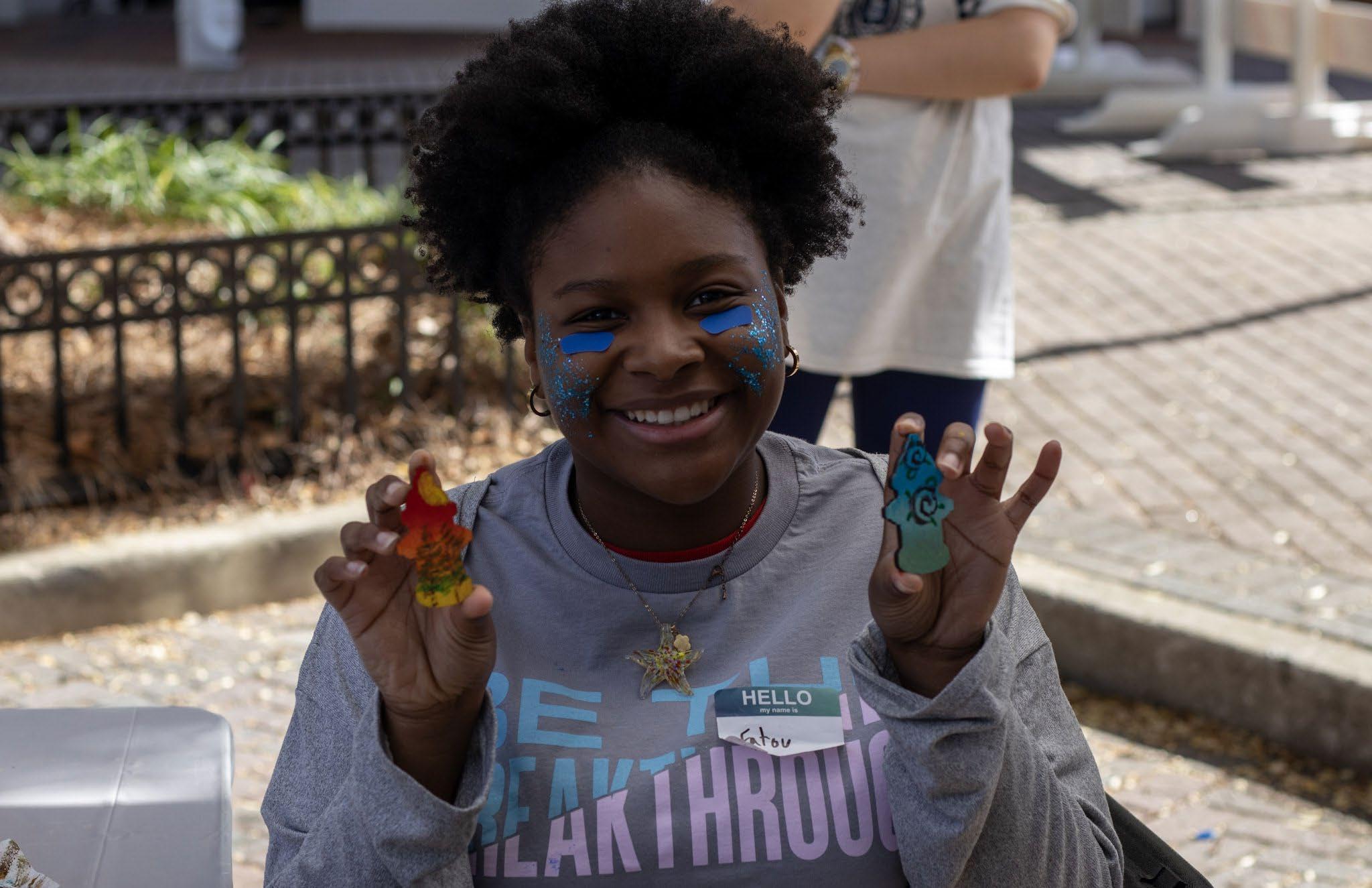
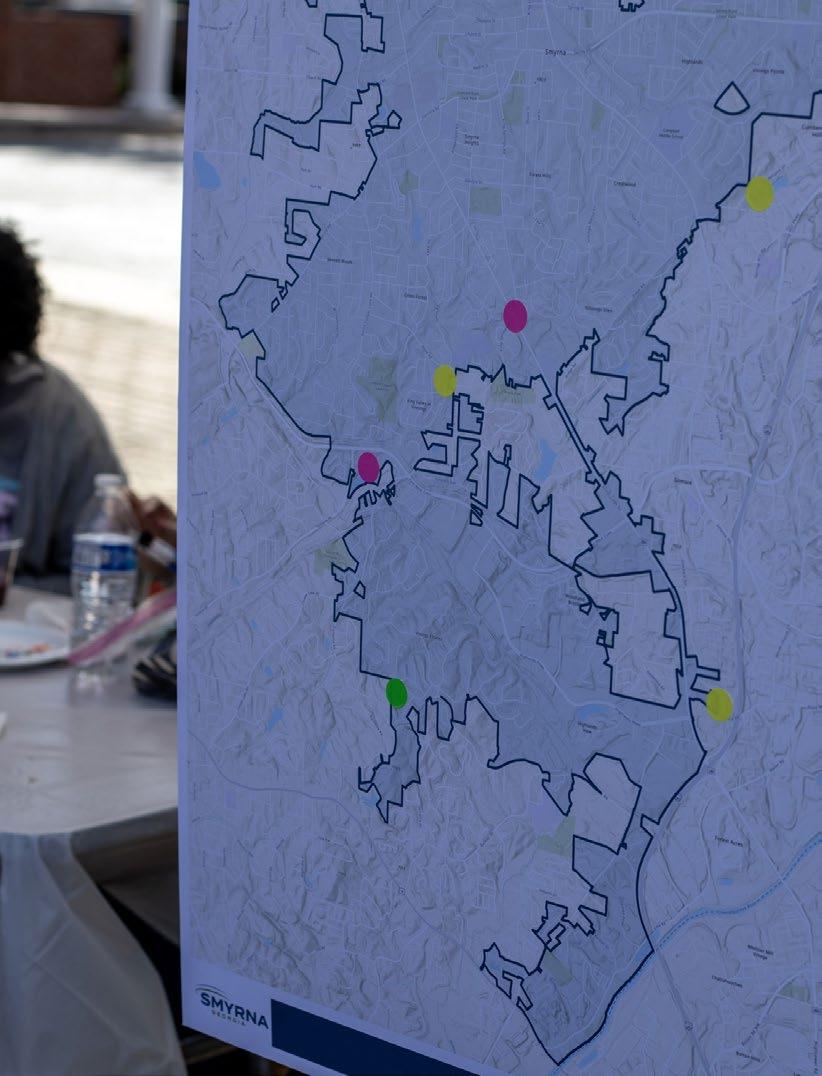
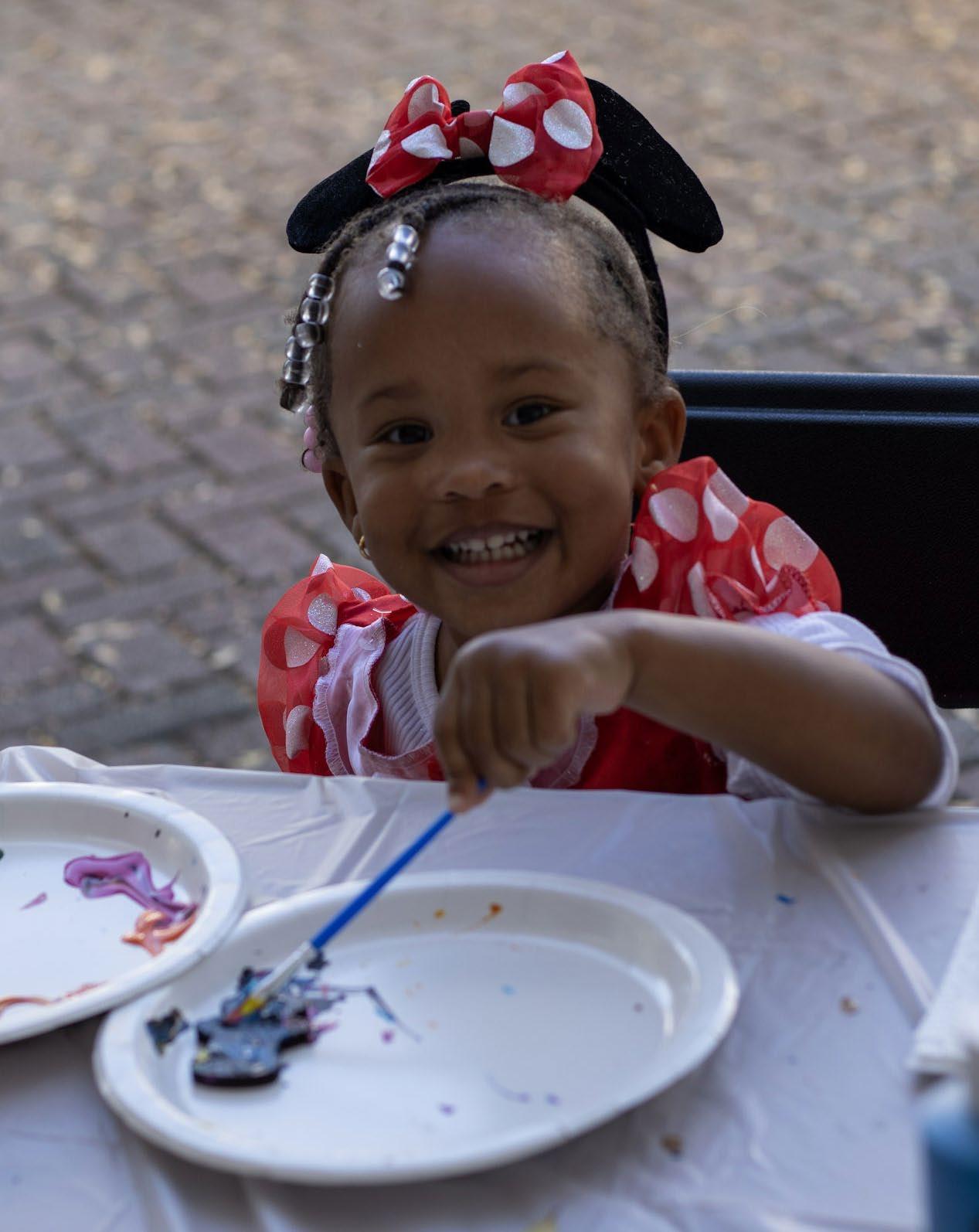
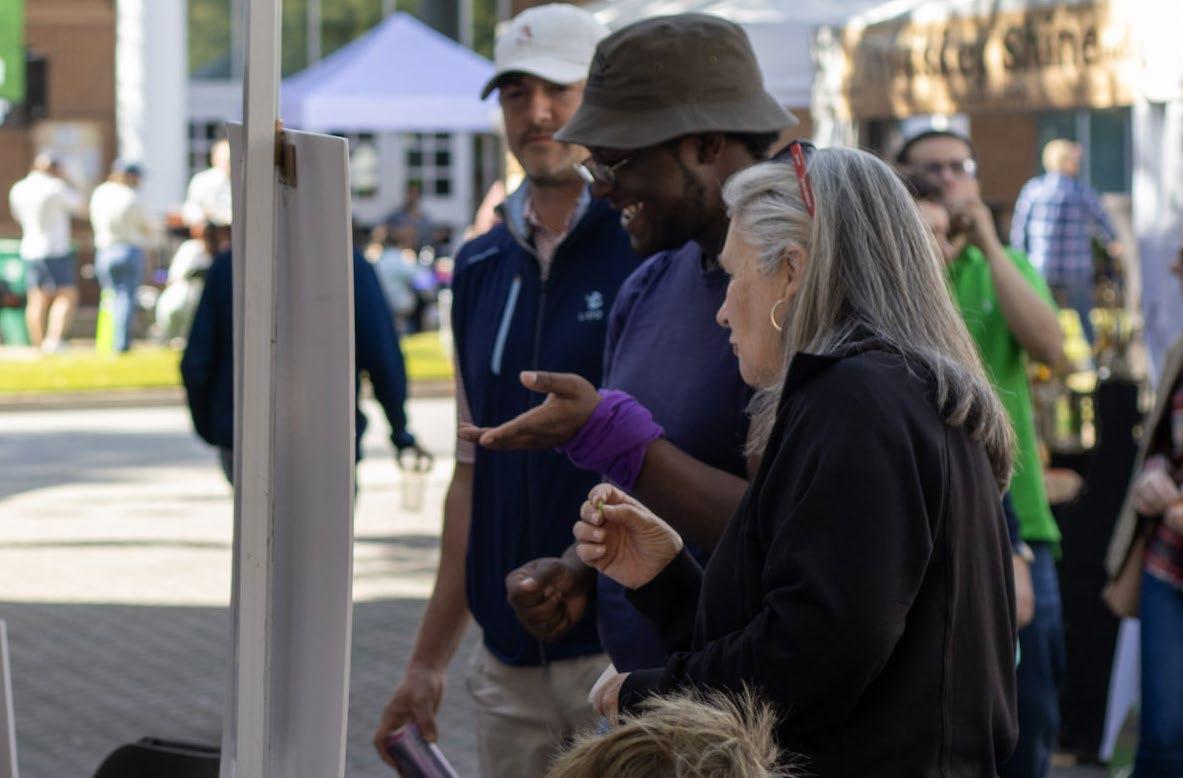
Part of the planning team’s engagement with the community included tabling at the 2025 Crafts and Drafts Festival on October 25 and 26. Given the community’s enthusiasm for Smyrna’s painted fire hydrants, the booth offered the community the opportunity to paint a mini takehome fire hydrant of their own. Additionally, three artists who painted a fire hydrant for the city were invited to conduct community engagement at the booth while live painting a 2-dimensional wooden fire hydrant. The artists connected with the community about public art in Smyrna, and each of their works will be placed in one of the city’s fire stations.
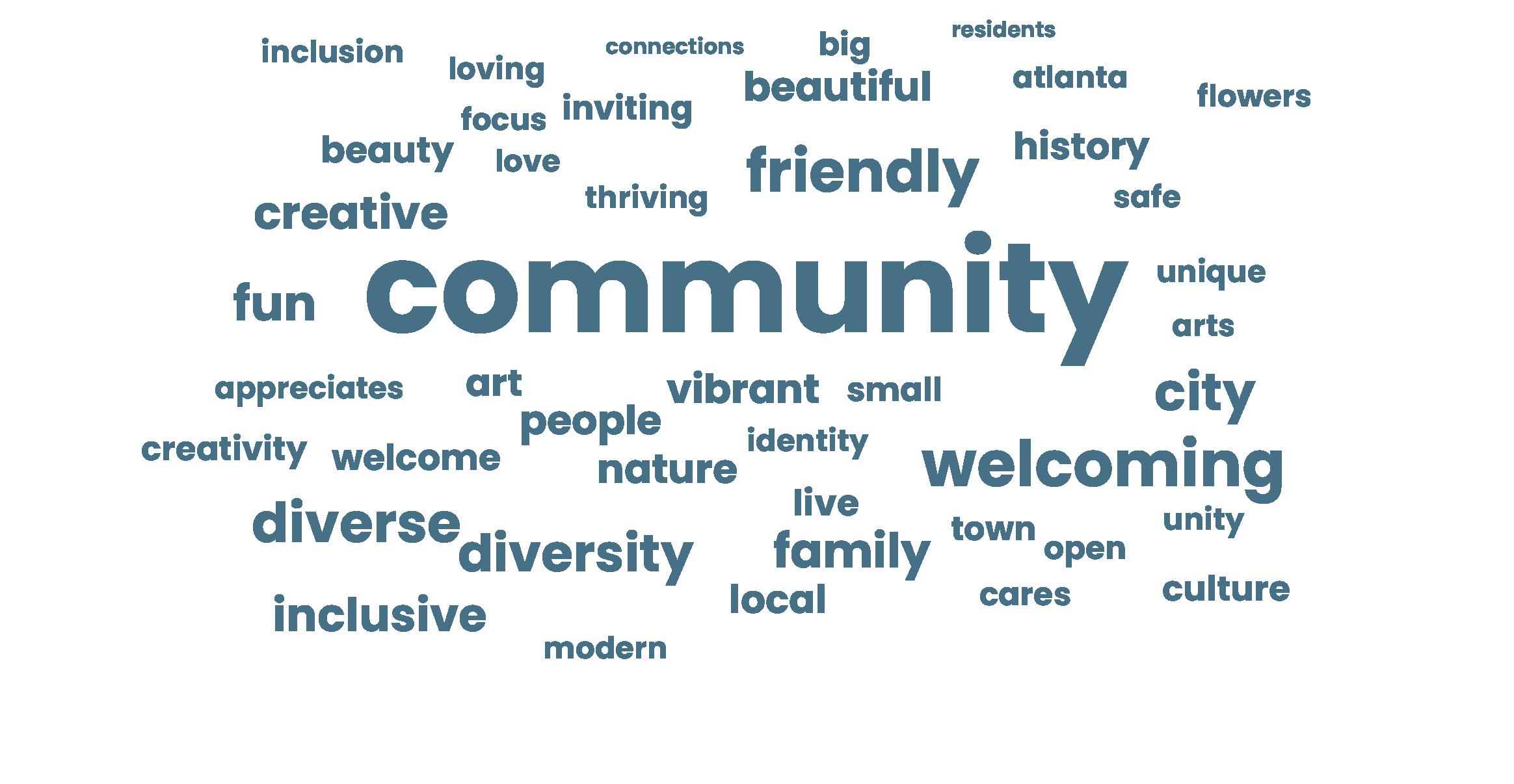
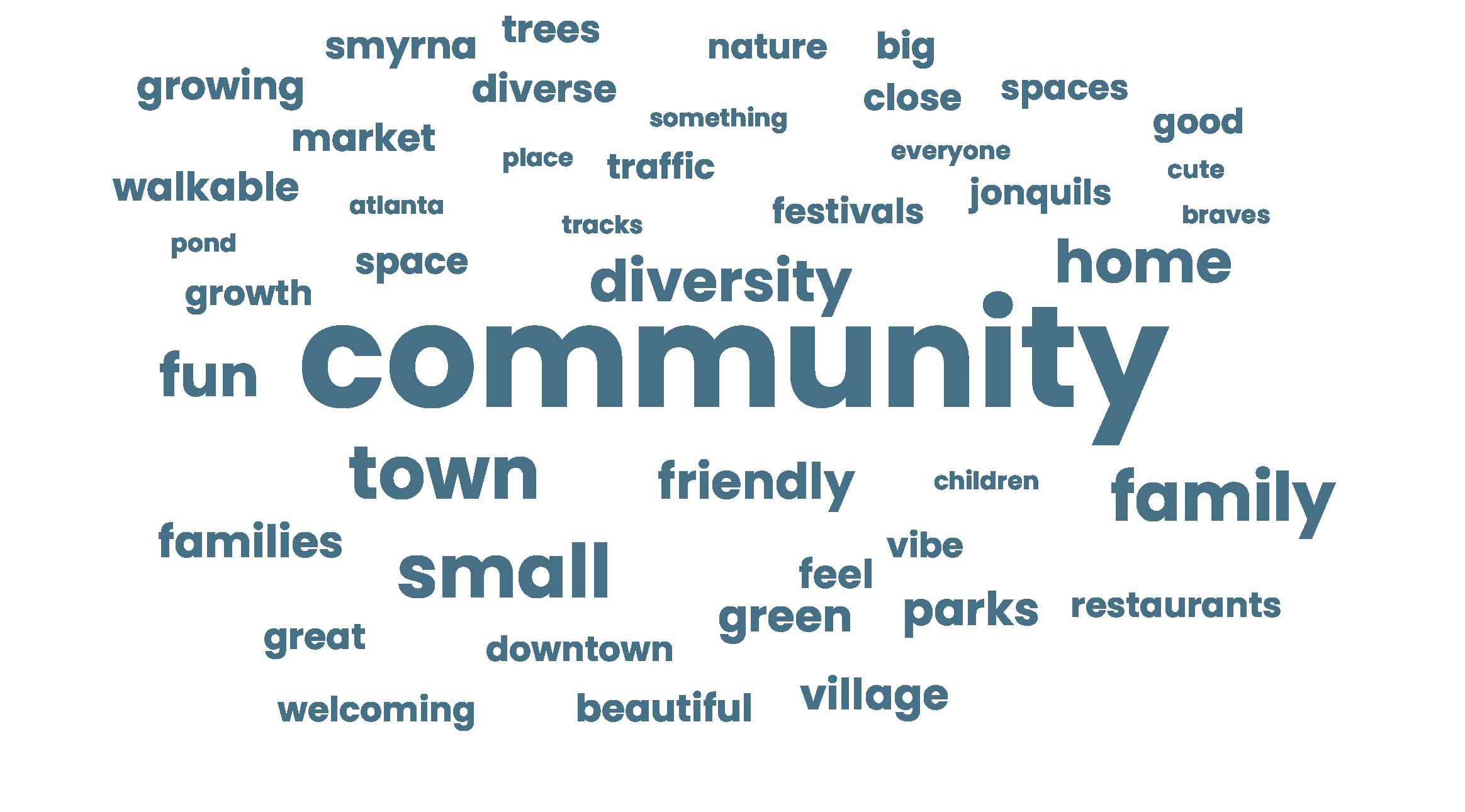
Smyrna has created its strong identity and sense of place through:
These traits were frequently cited by the community as defining characteristics of Smyrna. Stakeholders noted that Smyrna is a place which prioritizes community interaction and overall wellbeing. Although Smyrna Market Village is the city’s primary place for gathering, the city has demonstrated its commitment to expanding these opportunities through its investment in the 9-acre redevelopment of the downtown area.
Residents noted that Smyrna fosters an atmosphere that feels youthful and fun, largely because of its year-round festival and activity offerings. Many people also mentioned that the city’s small town feel aligns with its energetic spirit and overall family-friendly identity.
Over its 150+ years, Smyrna has provided a home to many generations of residents from a wide range of backgrounds and cultures. Today’s residents embrace its dynamic history and feel that public art should amplify the ways in which diversity has shaped and strengthened Smyrna’s spirit. Smyrna offers meaningful connections to all its residents across age groups, backgrounds, and cultures, and its public art will celebrate and uplift all identities.
What are the foundational needs for Public Art in Smyrna?
A unified vision and clear direction for projects
Smyrna’s ARTery initiative presented a tactical, specific vision for public art in the heart of the city. Building on the intention of this initiative—and in response to the community’s desire to see public art across all of Smyrna’s wards—Smryna’s Public Art Master Plan provides an effective framework for project direction, strategic project phasing, and thematic considerations that are applicable city wide. Additionally, this unified vision and clear direction will support intentional program direction over the next several years, ensuring sustainable growth and capacity building.
Funding Strategies
Nimble, but sustainable funding options will allow for growth and adaptability over time. As the program continues to build on present successes in anticipation of pursuing larger public art investments, taking a measured and dynamic approach to funding public art ensures that the city creates a strong foundation for the public art program.
Art Across Smyrna
Bringing the joy of public art to each corner of the city is a central goal for the Smyrna Public Art Plan. While projects across the city may each have different goals or desired outcomes over time, project recommendations will be scaled to meet the needs of each site’s context, feel, and conditions.
What should Public Art in Smyrna embrace?
Authentically Smyrna
The community frequently expressed that Smyrna’s public art should tell the story of Smyrna while also inviting new stories to be shared. Through the city’s core identity—its sense of togetherness, vibrancy, and inclusivity—public art will convey the city’s strong sense of place and connection to its past, present, and future.
As the city continues to grow, it should focus on developing a strong foundation in public art knowledge, practices, and investment in order to cultivate a city wide understanding of the value of public art in public spaces. When looking into the future, public art will be seen as an inherent part of Smyrna’s cultural fabric and built environment. This goal will be achieved by implementing sound practices, policies, and strategies that support a public art “can do” attitude.
Public art is more than ornamentation or decoration; it's an outward expression of a place’s character, people, and authentic story. Public art in Smyrna will go beyond traditional beautification, and will instead leverage public art as an asset that shapes—and is shaped by—the community’s identity.
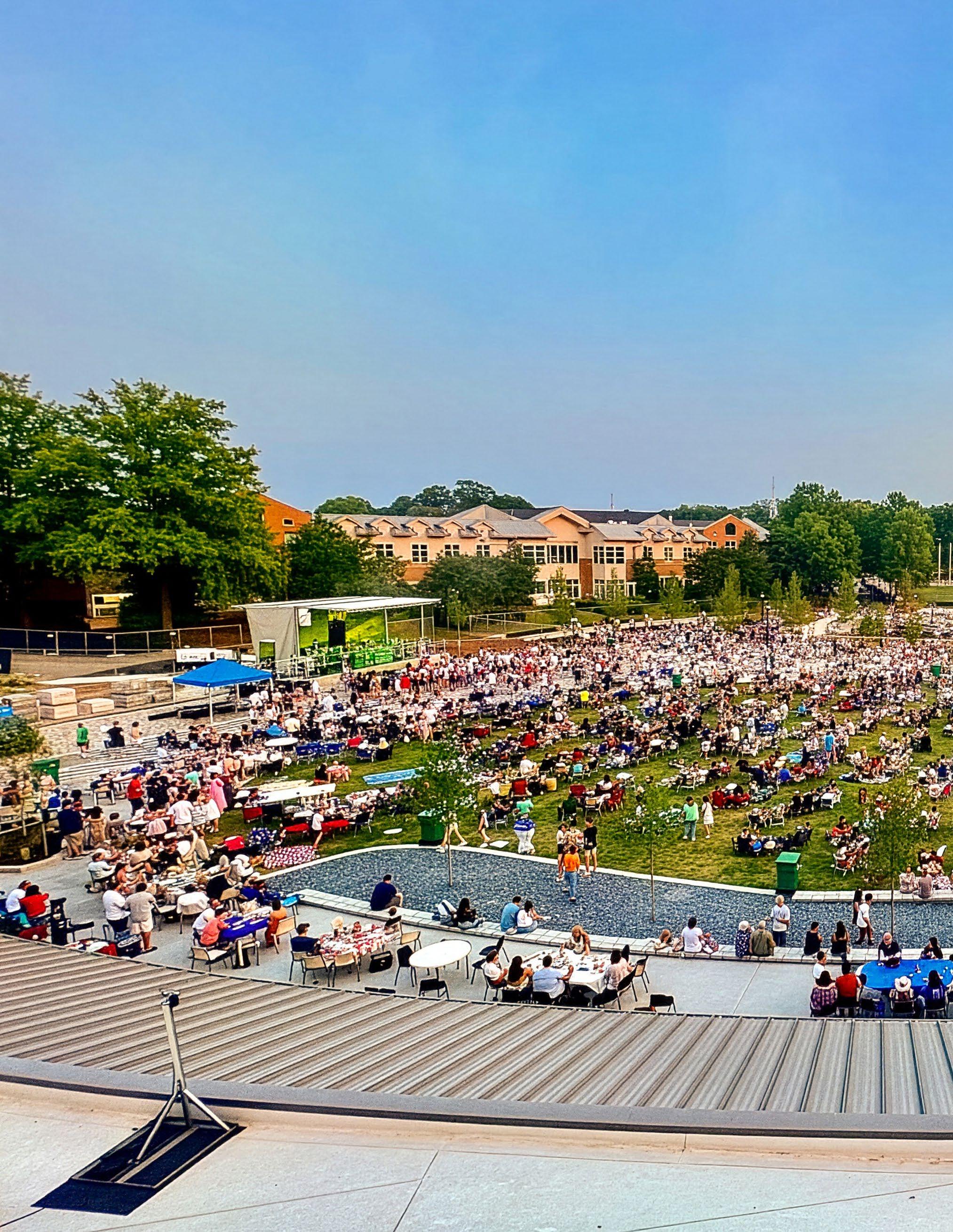
Public art in Smyrna will reflect the community, amplify the best parts of Smyrna, and enrich quality of life for all.
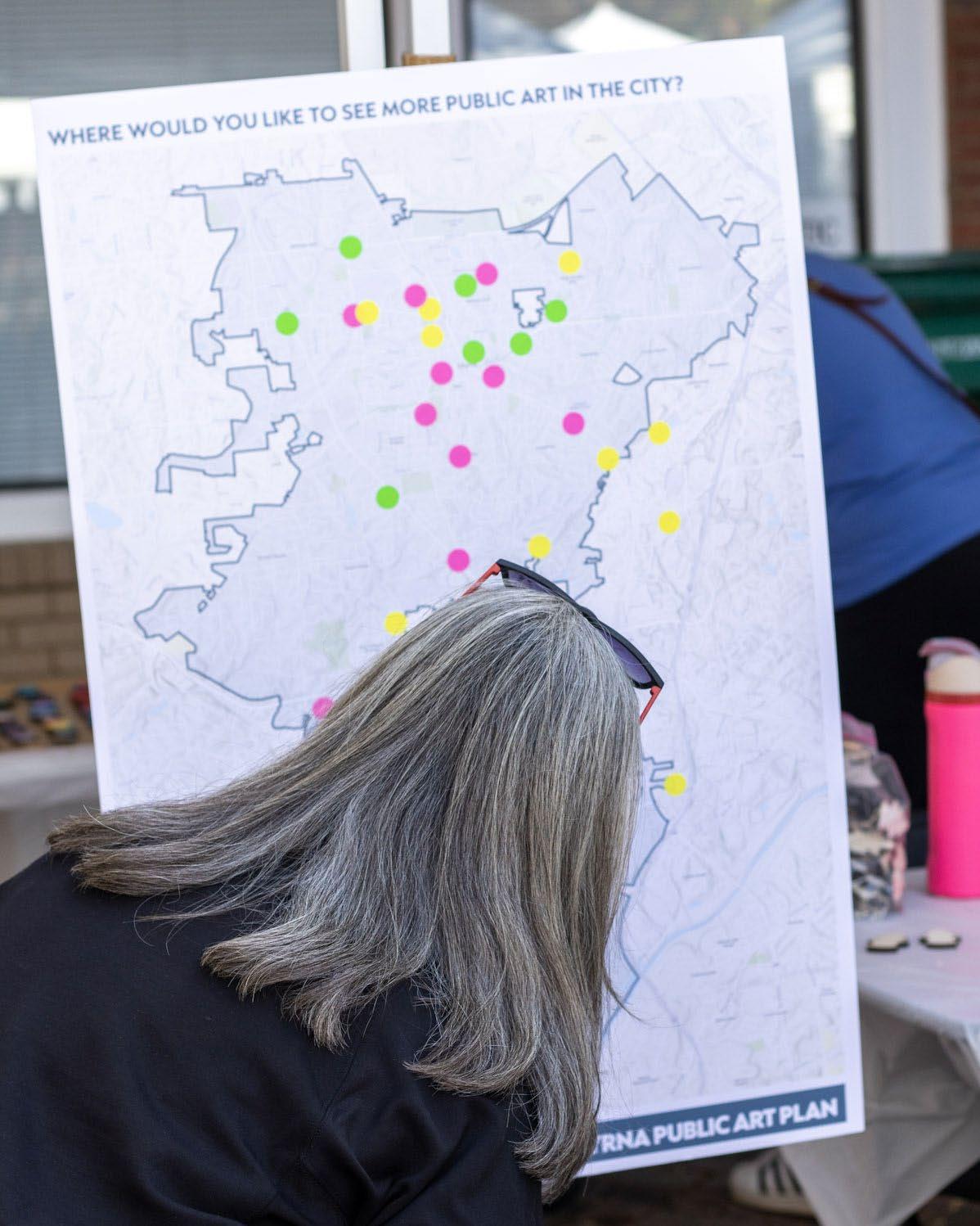
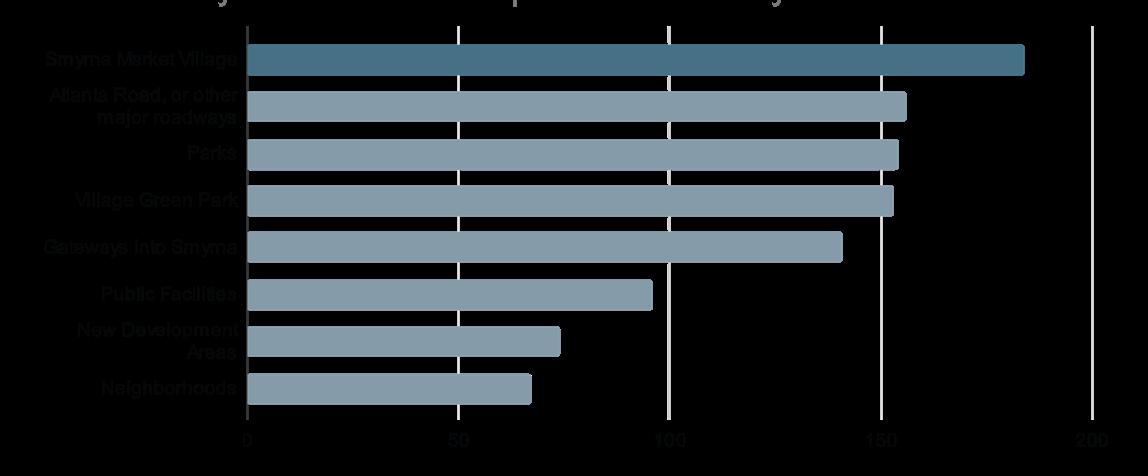
WHERE WOULD YOU LIKE TO SEE MORE PUBLIC ART IN THE CITY?
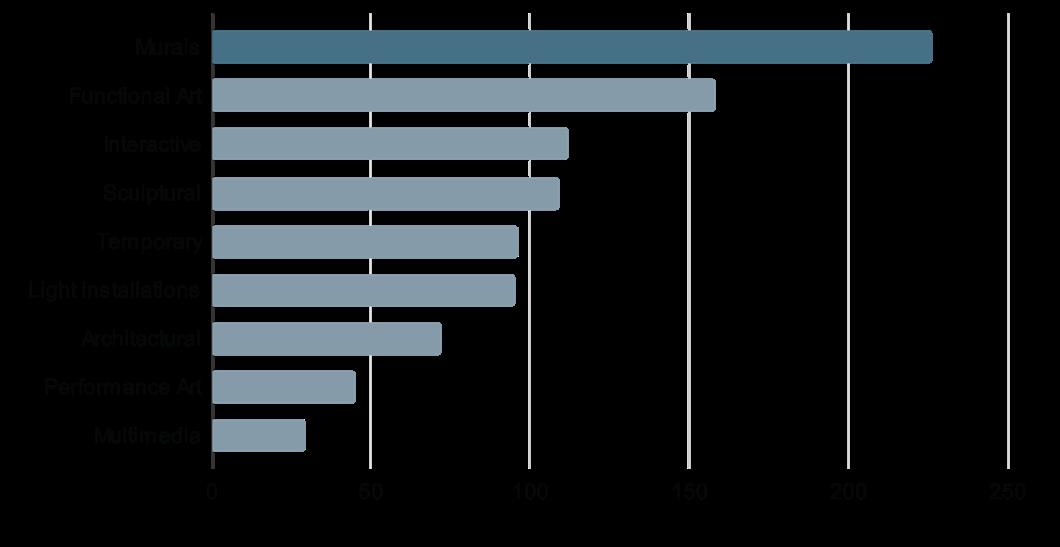
WHAT TYPES OF PUBLIC ART WOULD YOU LIKE TO SEE MORE OF IN SMYRNA?
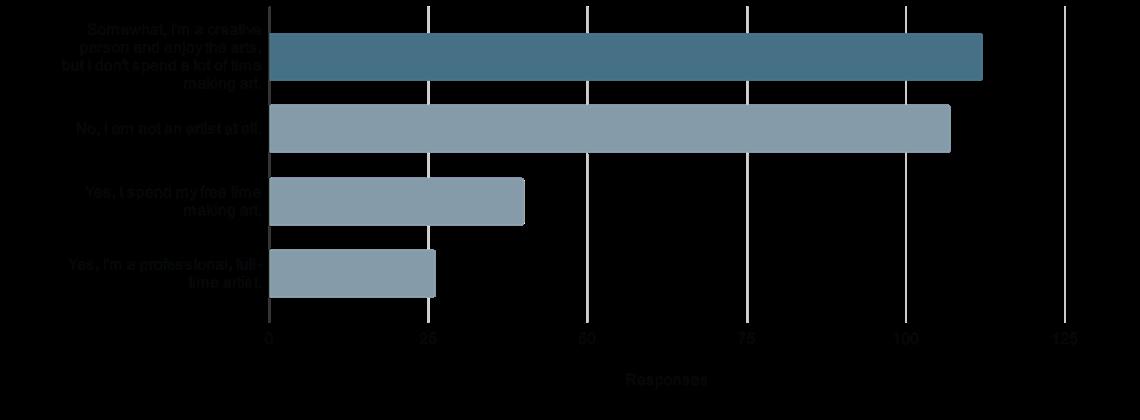
DO YOU IDENTIFY AS AN ARTIST?
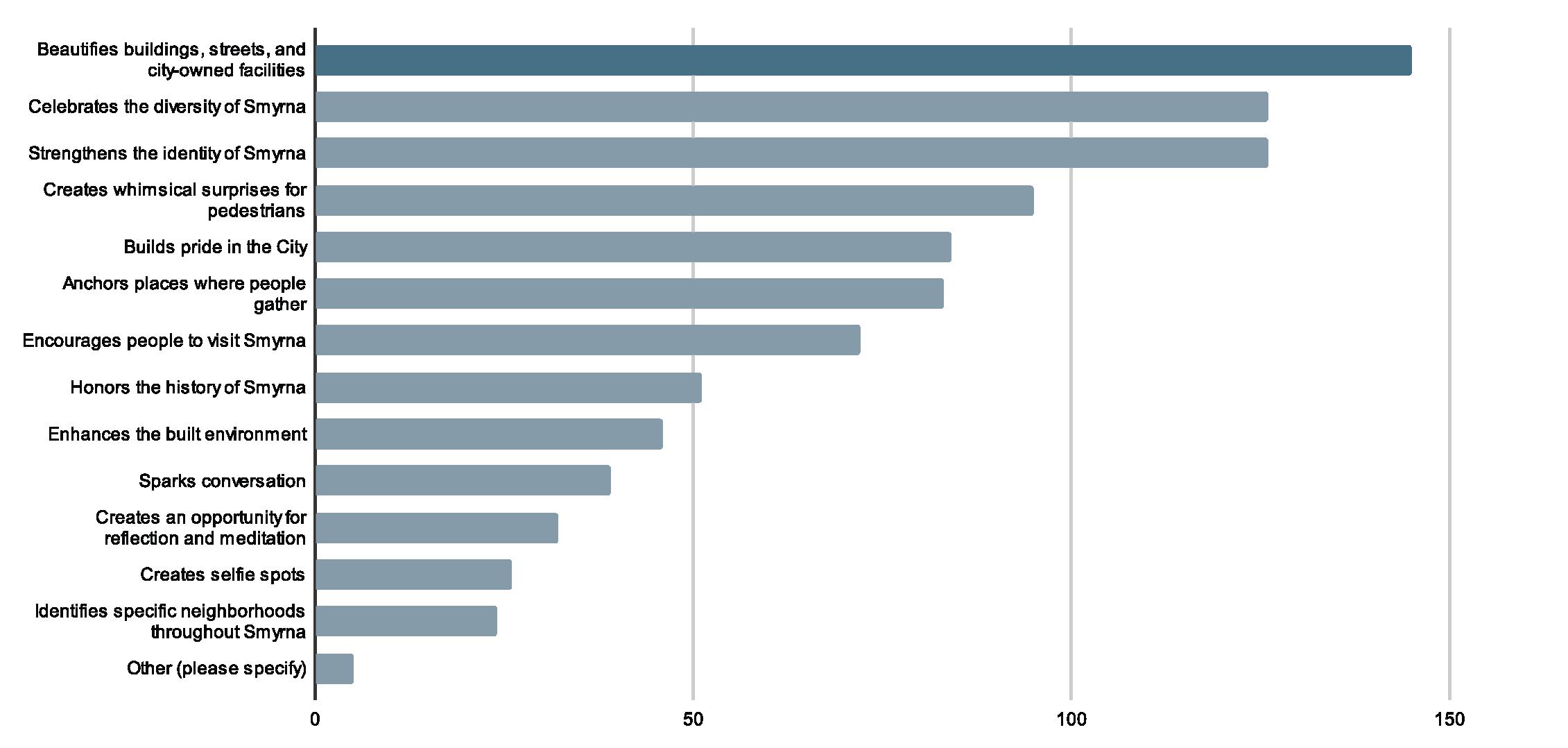
WHAT IMPACT SHOULD PUBLIC ART HAVE IN THE AREA?
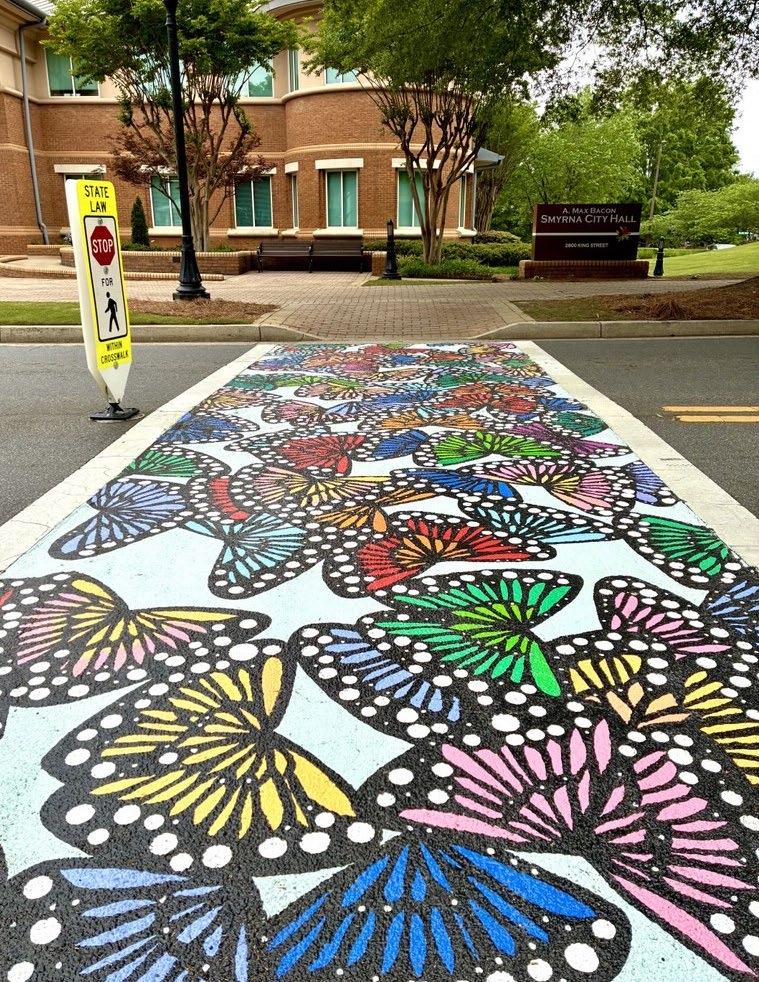
Public art projects can have a range of positive, impactful outcomes in public spaces and communities. This section outlines some different types of public art interventions, engaging opportunities for public involvement in art, and strategies to select public art sites. Private entities or other partners may find that this guide is a helpful resource when pursuing privately- funded public art projects.
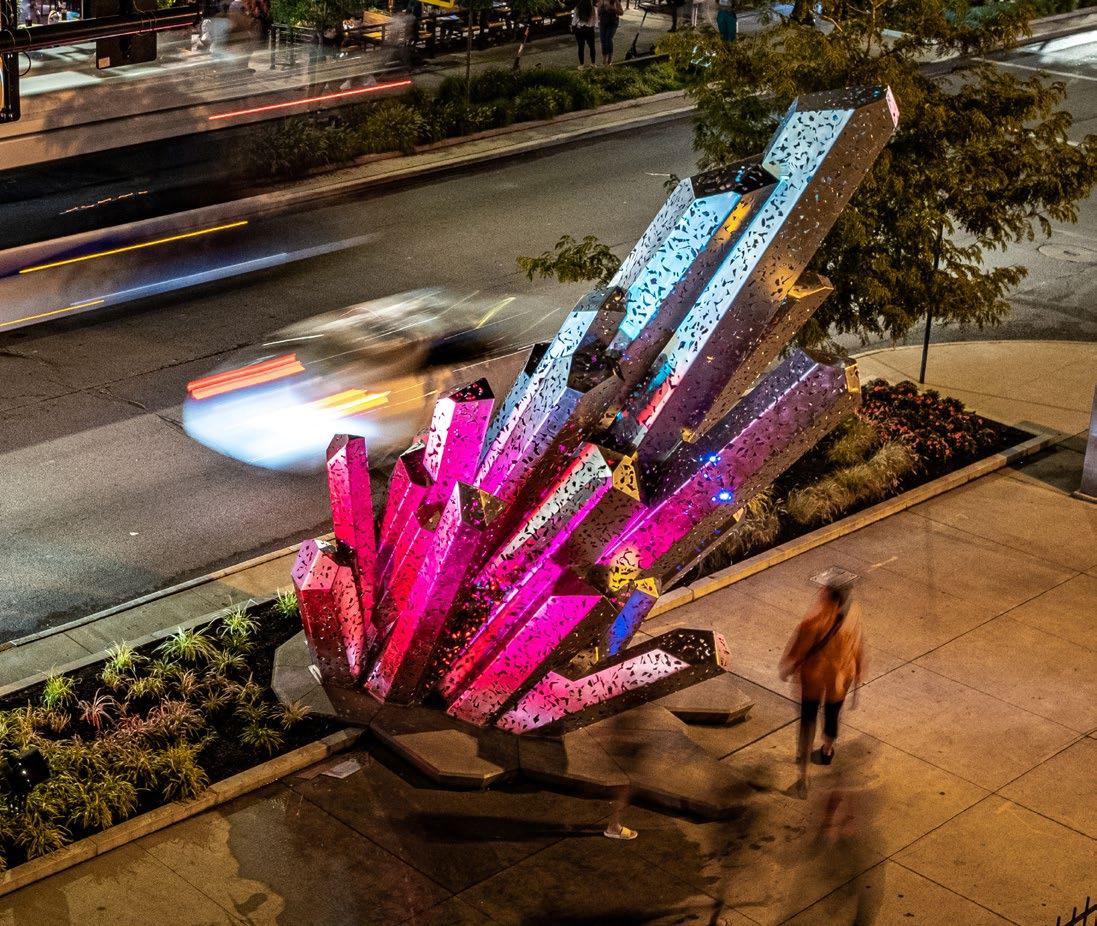
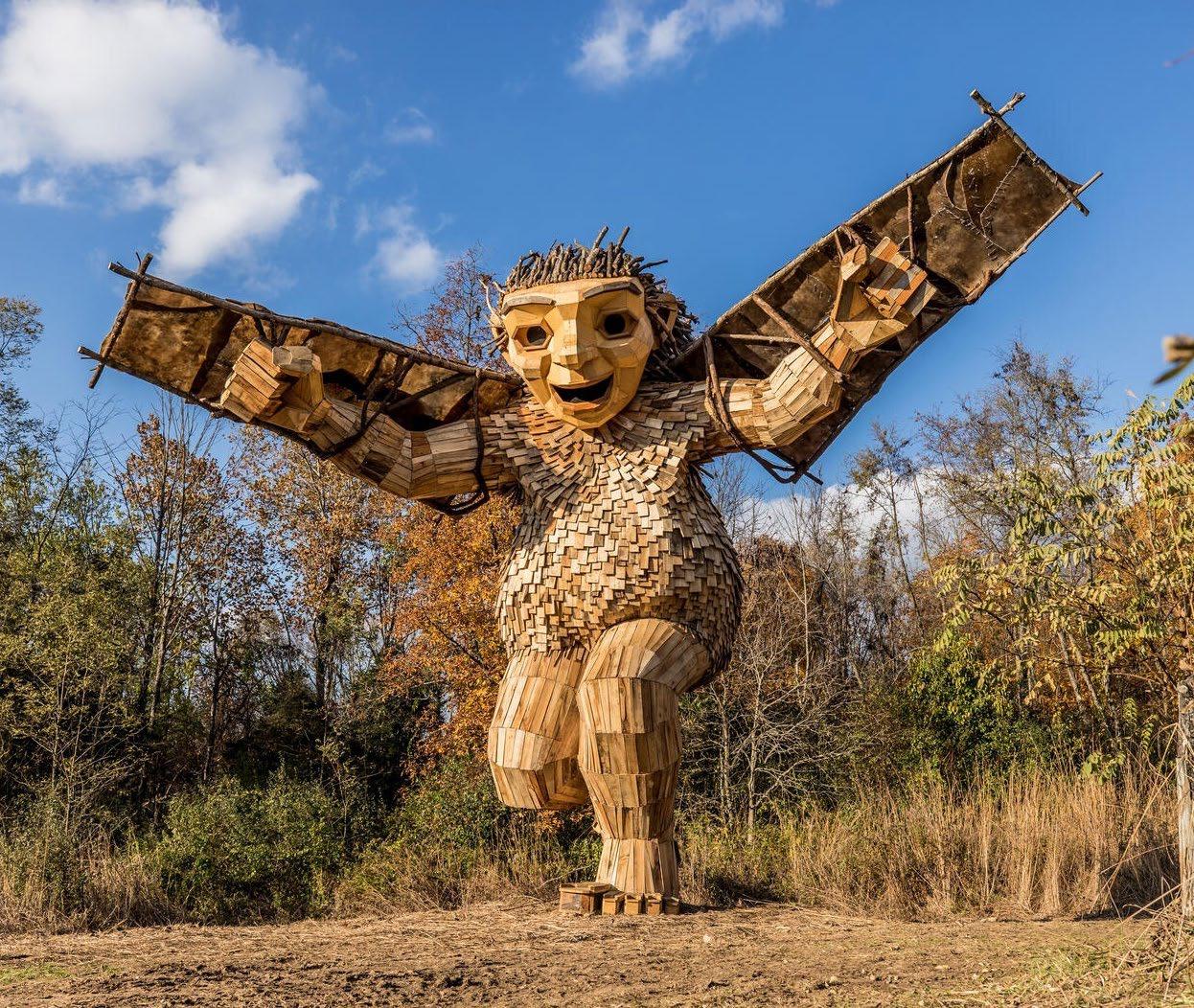
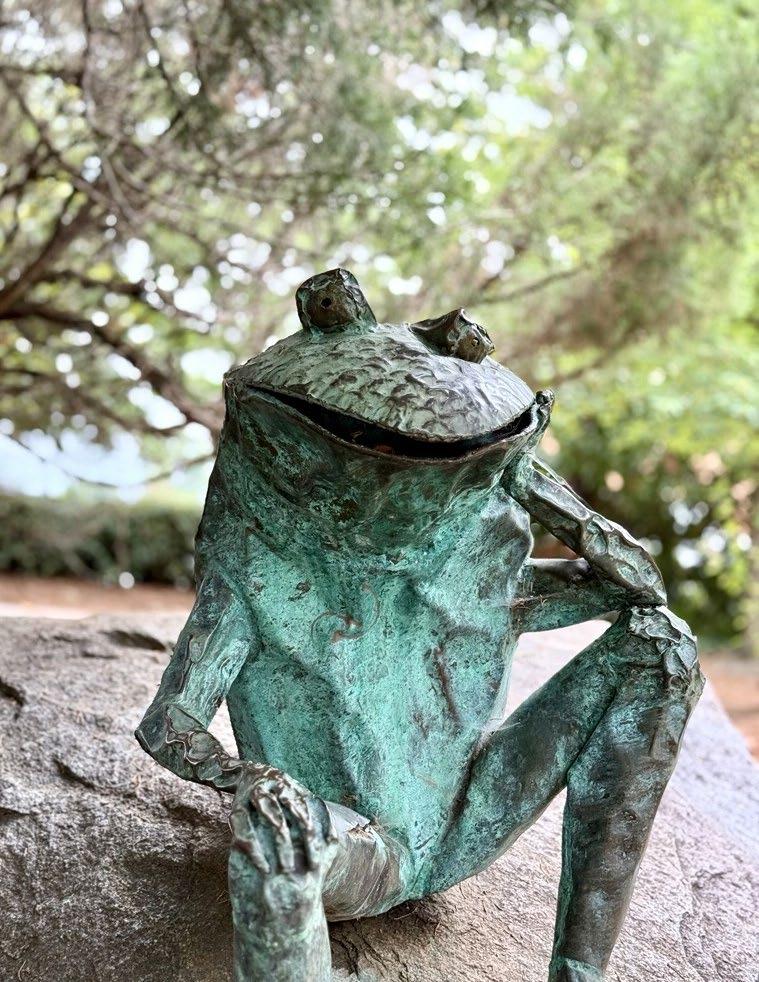
Sculptures are three-dimensional original artworks that can be made of any material that offers structural stability and durability. Permanentlyplaced sculptures are scaled to their surroundings and typically do not move from the location in which they are installed, but temporary sculpture displays can be mounted on a concrete foundation with a pre-cast bolt pattern. Whether contemporary, whimsical, traditional, or something else, sculptures are often the focal points of civic art. Sculptures may commemorate and celebrate our history, express civic pride, or be installed as culturally-defining showpieces for the town.
Sculptures can take on many shapes and sizes and often fit well when created in or alongside gateways, parks, gathering spaces, and
Environmental art is any kind of outdoor public art that uses materials with a direct connection to nature, landscaping, or organic materials. Environmental art can be temporary or permanent, and its scale can vary. Its thematic context often addresses environmentalism and sustainability, but it can also call attention to the city’s existing landscape and natural settings.
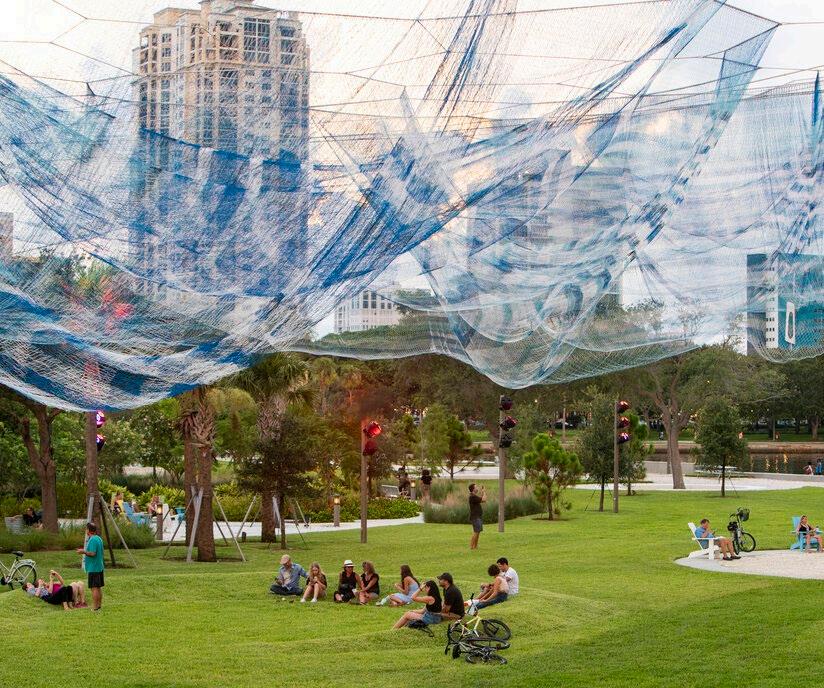
Fiber art is any kind of artwork that uses natural or synthetic fiber materials as the primary component of its overall composition. Fiber art can take forms including wall hangings, tree wraps, suspended sculptures, or screens. Examples of fiber materials include fabric, yarn, polyurethane materials (like tarp), and mesh.
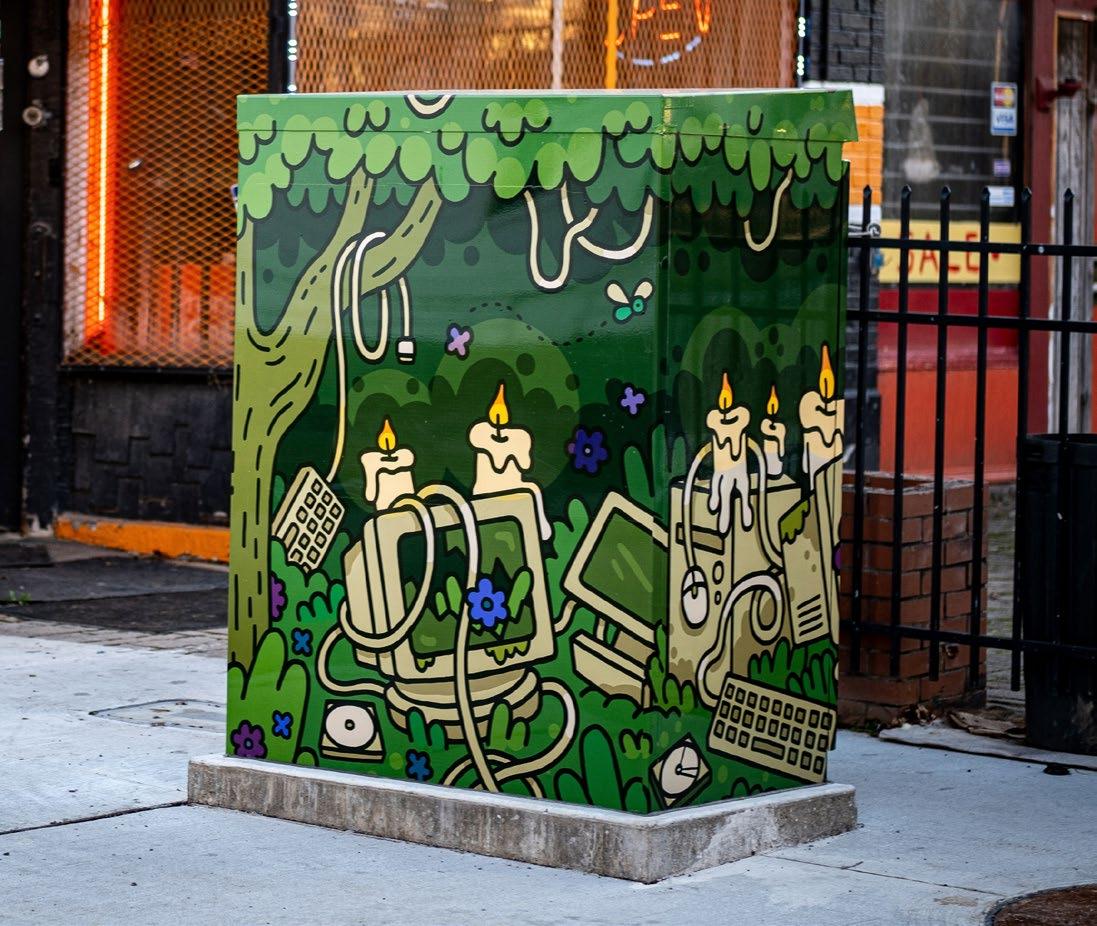
Functional art is ordinary infrastructure that has been reimagined and designed by an artist. Integrating unique designs into infrastructure may be an affordable and efficient way to create a major visual impact. Some possible options for functional art installations include bike racks, planters (either suspended or installed on the ground), benches, play equipment, medians, subdivision walls, trash cans, transit stops, storm drains, manholes, monument signage, sidewalk treatments, and more.
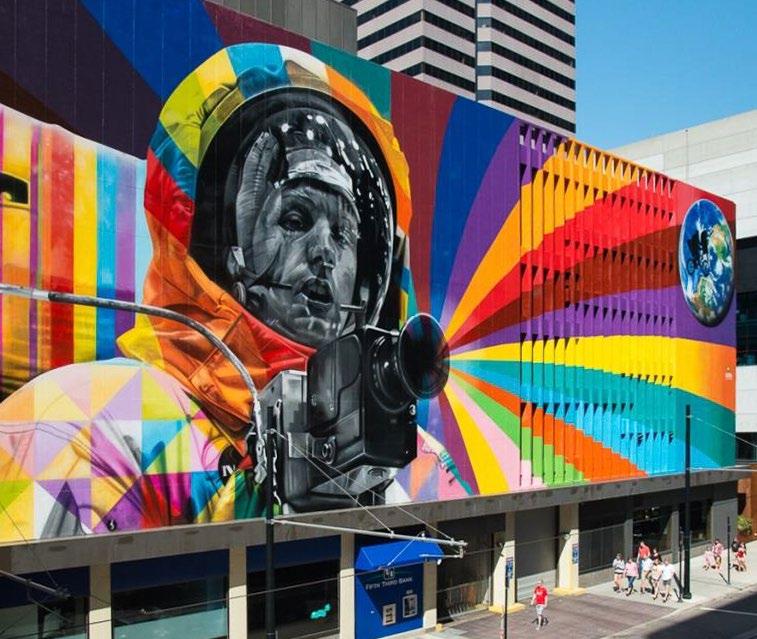
Murals are two-dimensional compositions that can take many forms, including paint or tile applied directly onto a surface, graphic reproductions printed onto vinyl adhered to a surface, or created on a panel that is affixed to the building. Environmental conditions, artwork display duration, artist ability, timeline, and budget are all considerations that affect which
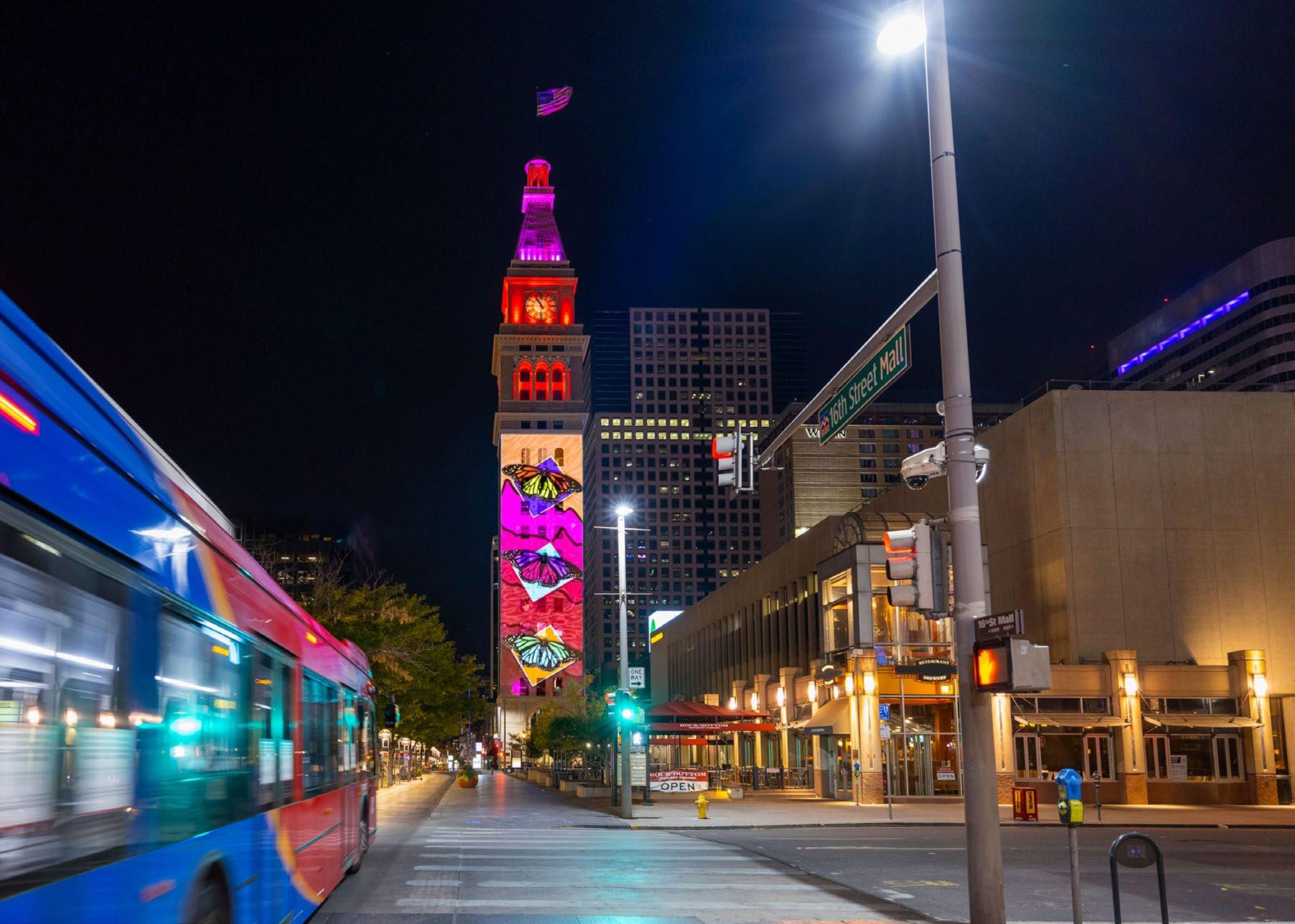
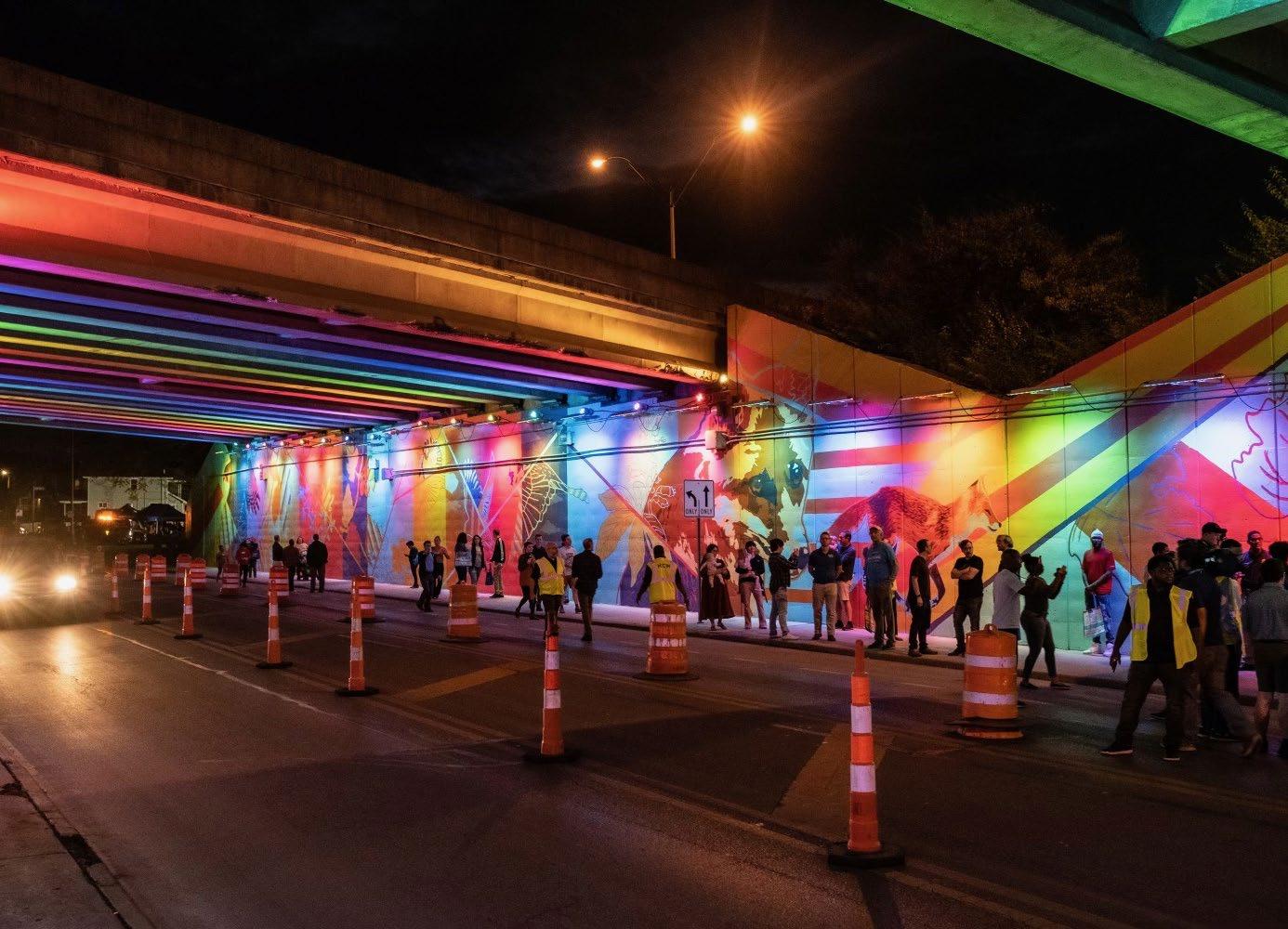
Artists use lighting in creative and interesting ways in order to manipulate the built environment with limited physical impacts. Light installations may be used on existing buildings, in parks on substantial landscape features, or as part of a larger installation of sculpture. They may be especially useful and impactful when used in infrastructure projects.
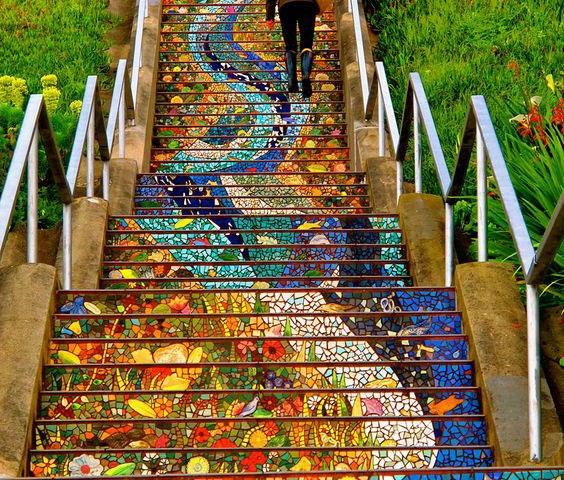
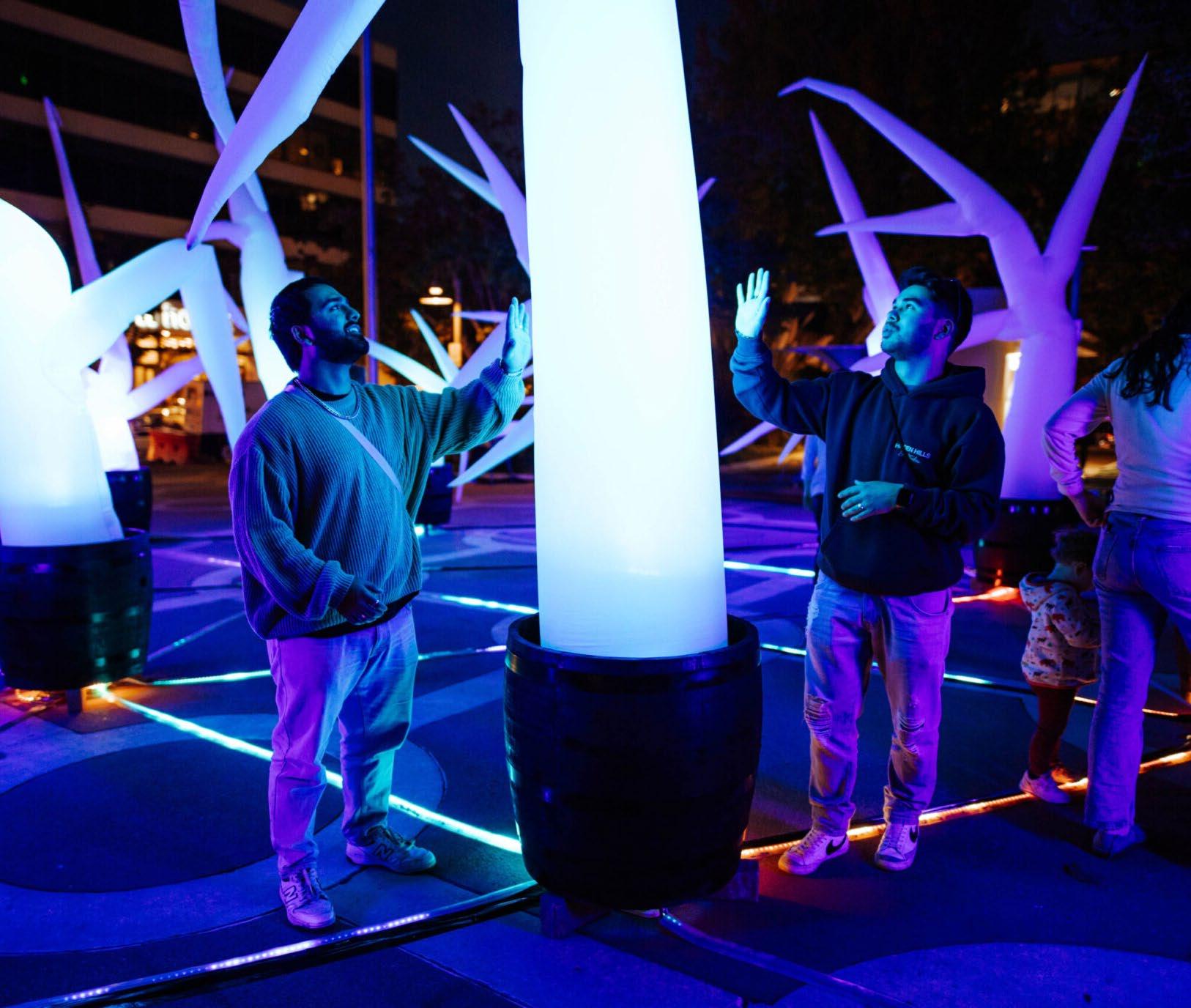
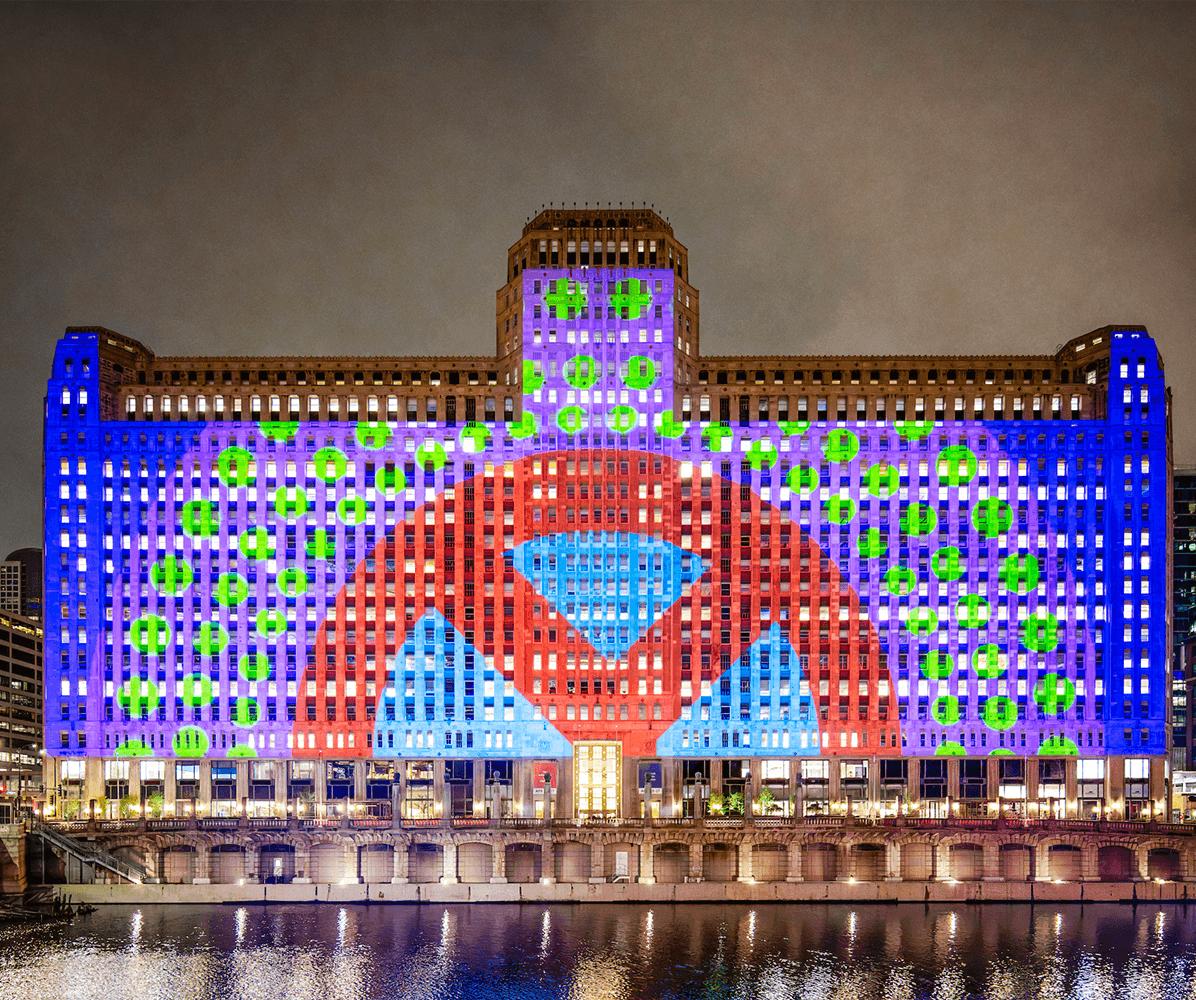
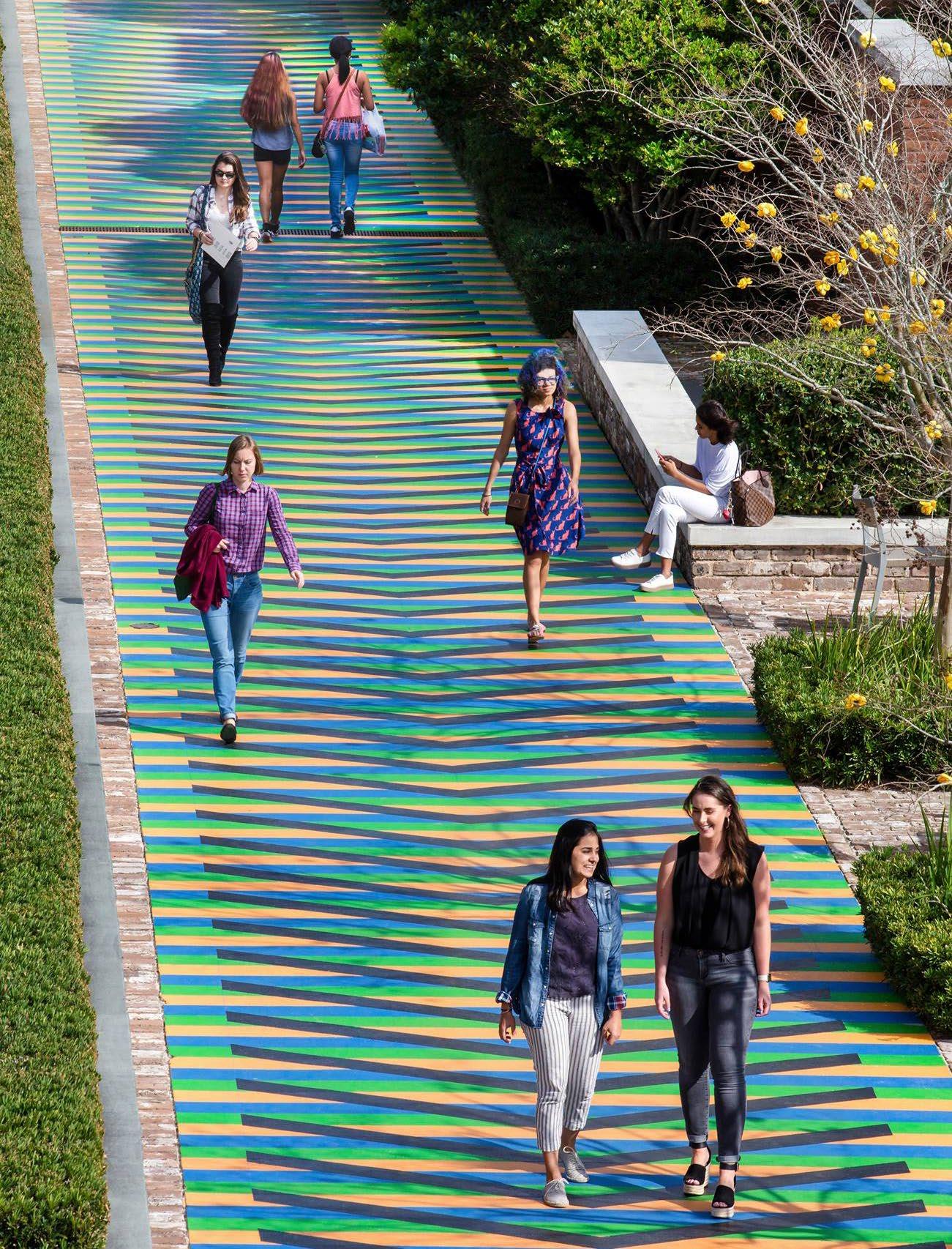
Mosaics come in many shapes and sizes and include glass or ceramics. The relative flexibility of the application of mosaics responds well to many art contexts. Mosaics can be inlaid for flooring or wall elements, or they may be a component of a sculpture. One innovative use of mosaics is in tactical repair, which could take the form of a surprising micro work of public art
Multimedia installations may combine many other art types in ways that expand the imagination. Video, lighting, sculpture, murals, and more can be combined to make multimedia installations. Multimedia installations are especially useful for temporary or pop-up installations.
Time-based media is art that is created using photography, video, film, and/or audio whose composition transpired over a period of time. Time-based media artwork has clearly-defined beginning and ending points. This kind of artwork may run on a loop and is suitable for environments whose conditions are not suitable for traditional artwork materials. Time-based
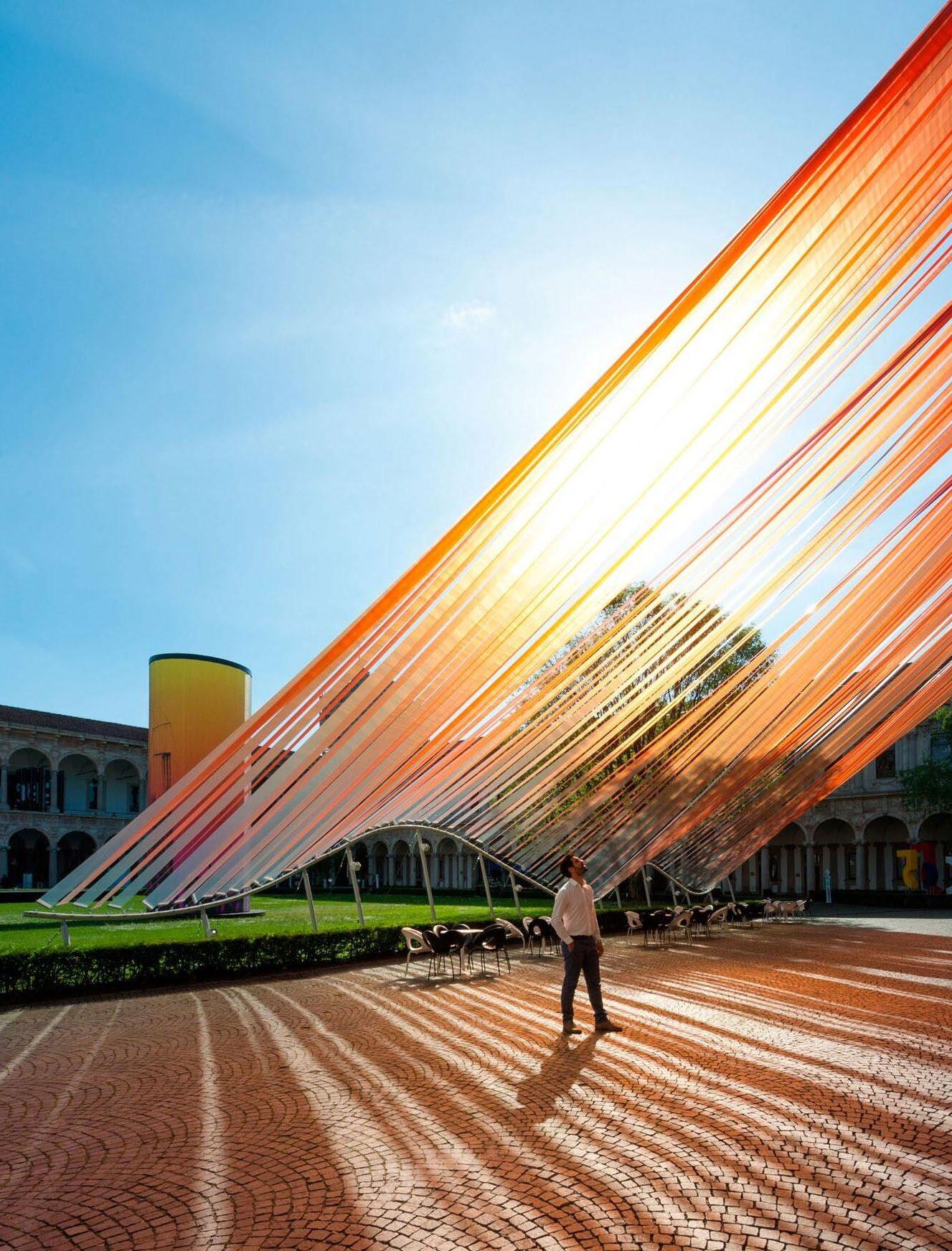
An iterative project is one that has many parts united by the same theme. For example, the city may commission an artist to create a series of sculptures placed in various locations around the park, united by the theme “Larger Than Life Flowers.” Iterative projects establish a “trail” for the community to follow across a predetermined area, making them a great option for retail areas, parks, or historic town centers.
Single-presentation public art projects are those that do not repeat in multiple locations and their compositions are limited to one site. Examples of these kinds of projects include, a large-scale sculpture commissioned for a city facility; a unique mural on the facade of a community center; or light installation that is engineered to complement the detailed architecture of a historic building. Single-presentation projects may be temporary or long-term, and they are primarily characterized by their function as a landmark in public space.
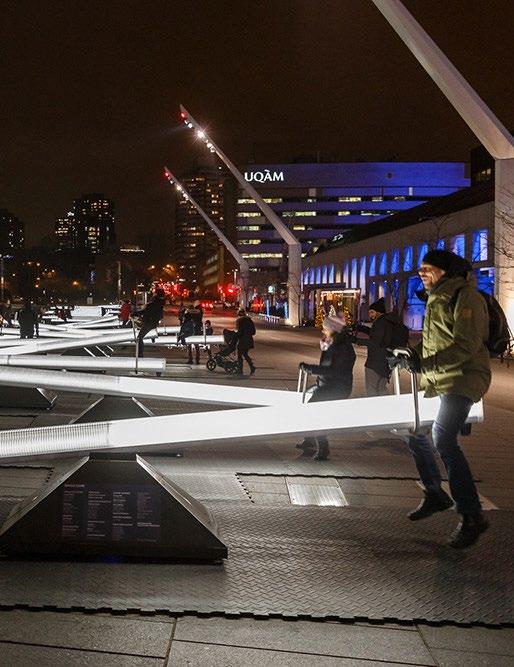
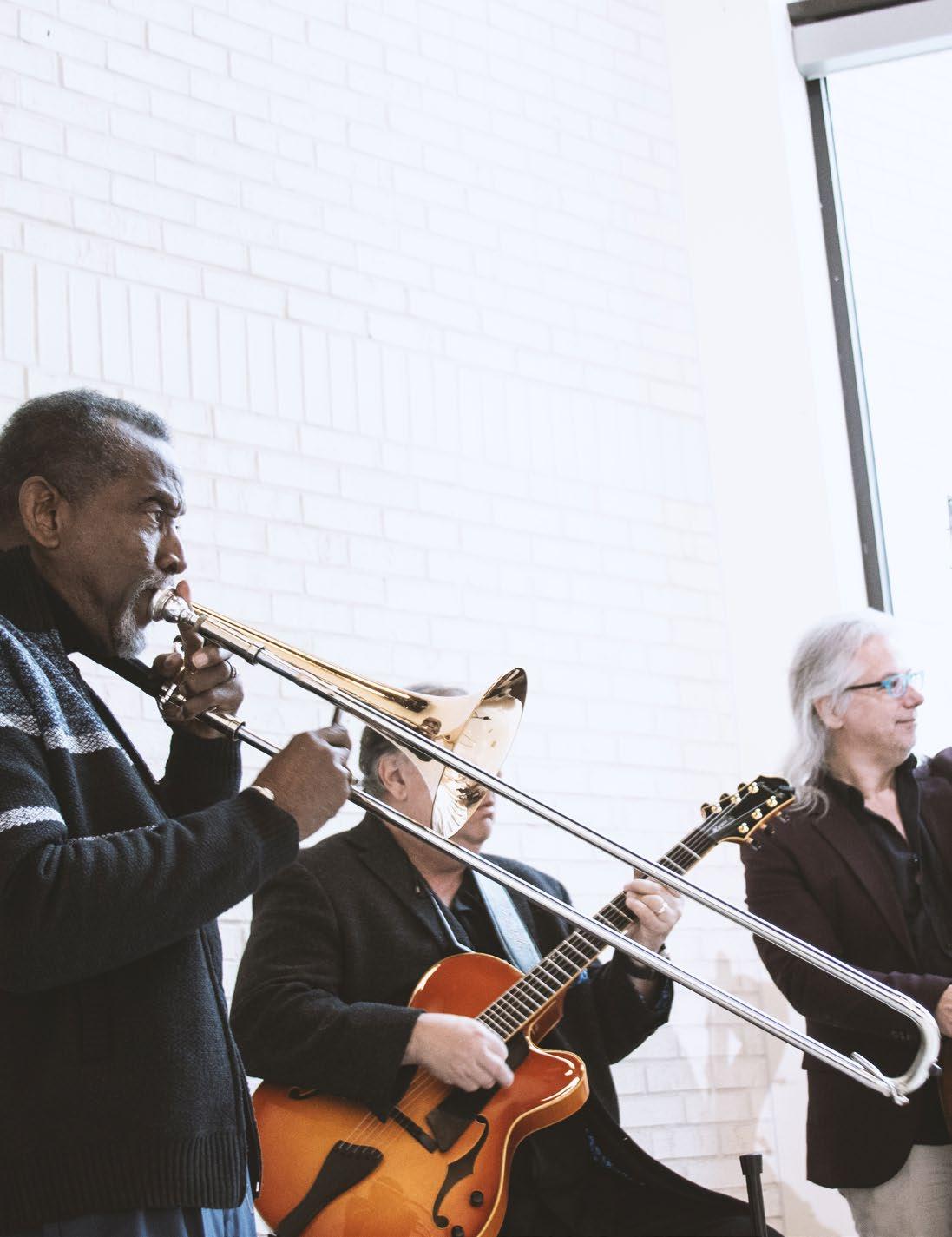
Interactive art is not a medium but rather a way for artwork to be designed with people in mind. Artwork can be defined as interactive if it aims to create a dynamic experience, where the public are not just onlookers but they can experience the artwork through senses beyond sight. Interactive art may use traditional media or new technology but either way interaction is always at the center.
Dance, theater, spoken word, or another type of public performance can be staged in public space or alongside public art. These displays have a particular relevance when staged at the unveiling of public artworks.
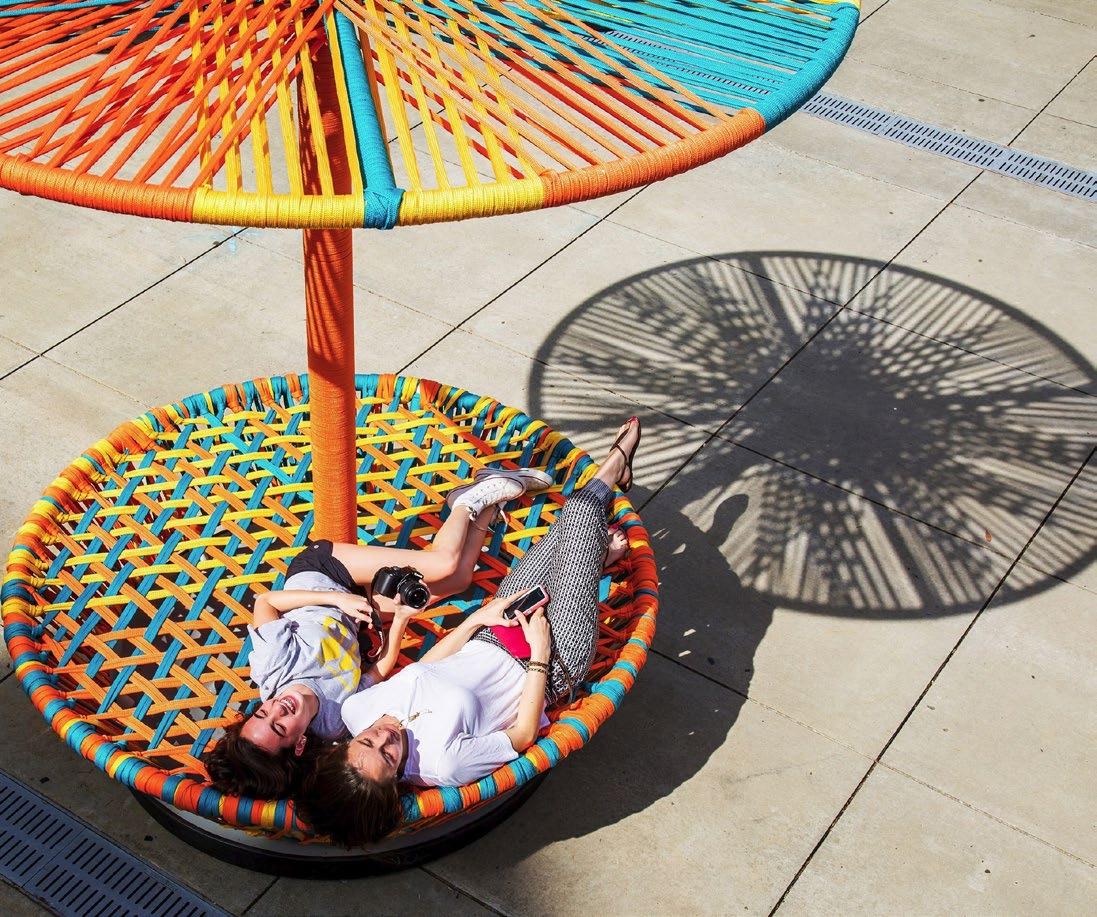
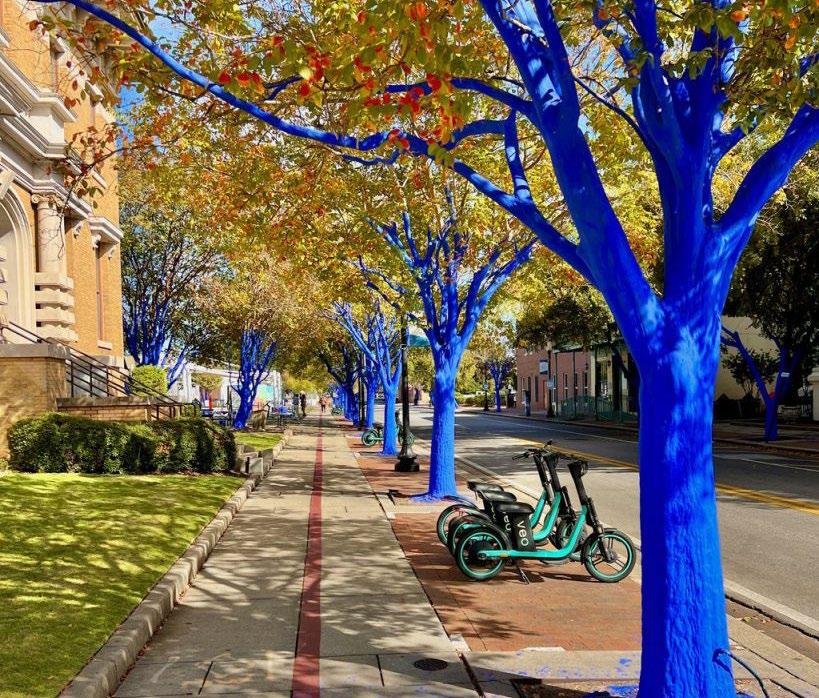
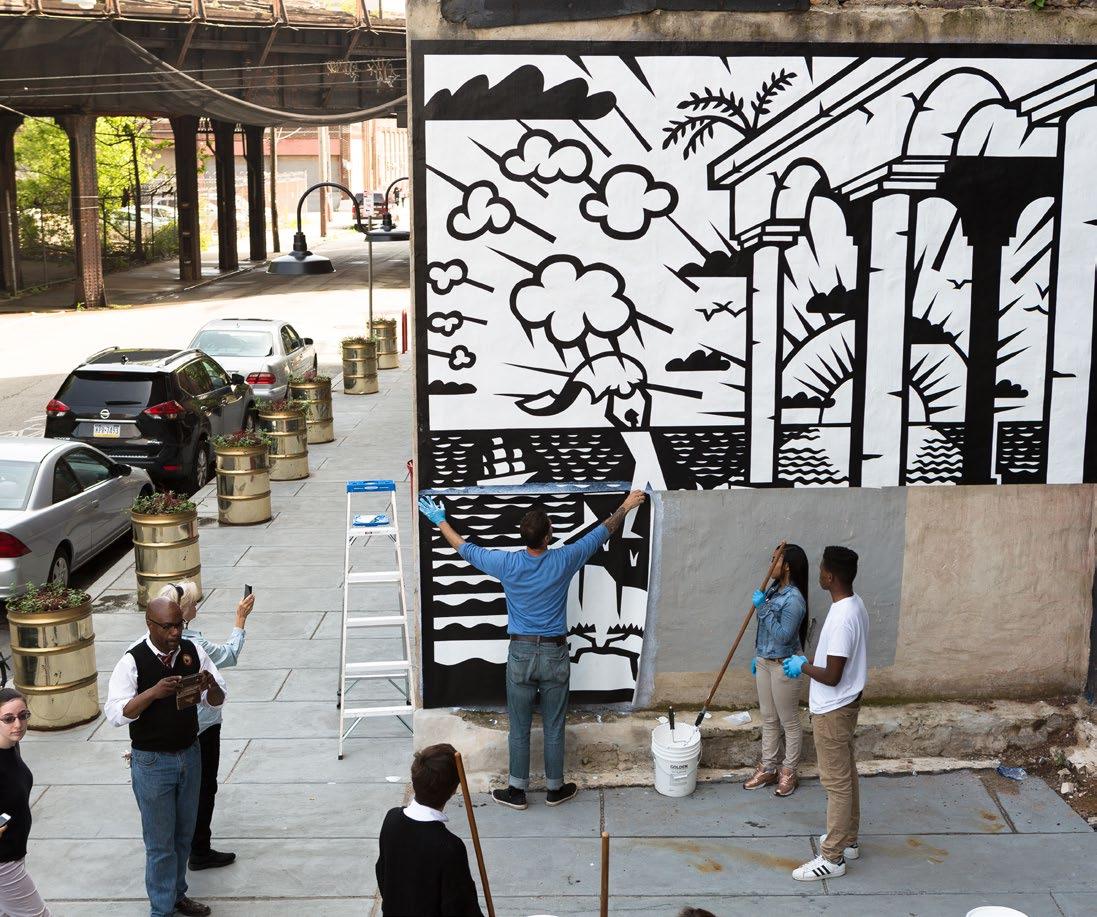
Pop-up and temporary art are public art opportunities that exist in a community between one day and two years. Though temporary art is not intended to live for a generation, it can have a lasting impact on a community by creating a sense of surprise and joy in unexpected places. Some ideal locations for temporary installations include construction sites, sidewalks, lanes, parks, and temporarily empty spaces and storefronts. Photography, chalk art, and artworks made using natural materials are ideal mediums for temporary, rotating experiences. Temporary art can be cost effective and easy to execute, providing opportunities for additional artist
Site-specific art is artwork that is aesthetically, conceptually, and/or thematically connected to the unique circumstances, culture, history, and environment of a particular site. Site-specific art can take many forms, and may be permanent or temporary. In this approach to art-making, artists extensively research the place, site, or area where the site-specific artwork will be placed.
Participatory art involves the community or a public group in the process of art-making, as guided by an artist. Artwork that emerges from a participatory experience enhances and celebrates its process and participants over short or long periods of time. Collaborative art pieces engage people to generate feelings of community pride and ownership.
Every public art project is unique, and some may be more administratively complex than others. This high-level guide to project implementation provides a basic framework for ensuring a successful project.
1. Plan, Ideate, and Envision: In this project phase, the planning team should establish clear goals and objectives for the project before any resources are committed. Collaborators and other city departments may be involved at this stage, depending on a project’s budget.
a. Define the project’s vision and desired outcomes. Some helpful questions to ask during this phase are:
ii. What is the purpose of this project?
iii. What should it feel like?
iv. Who is the audience?
b. Identify the site(s) where public art will be placed. Some helpful questions to ask about the site include:
i. Who owns the site?
ii. Will site improvements be required?
iii. What are the existing conditions?
iv. Is this site accessible to the greatest number of people?
v. What kind of preparation (cleaning, maintenance, etc.) might be required at this site before a public art project begins, and how long will the work take?
2. Artist Selection: In this project phase, the planning team will determine how an artist will be procured.
a. Define Artist Criteria. Some helpful questions to support this step are:
i. Is this call limited to local artists?
ii. Will the artist be required to facilitate any community engagement, or will community engagement be sought by the community?
iii. What are the metrics for evaluating the artists who submit proposals?
b. Determine the Selection Process. It is critical in this phase to confirm:
i. Who will be selecting the artist?
ii. How will the Call to Artists be solicited and shared?
iii. How will the selected proposal be approved?
iv. What is the anticipated timeline for procurement?
3. Artwork Implementation: In this project phase, the project commissioner and selected artist will work closely to ensure the on-time, on-budget delivery of the artwork. The following steps and phases constitute this stage in the process:
a. Contracting, Permitting, and Insurance
b. Installation Oversight and Coordination
c. Anticipating maintenance needs
d. Project promotion and education
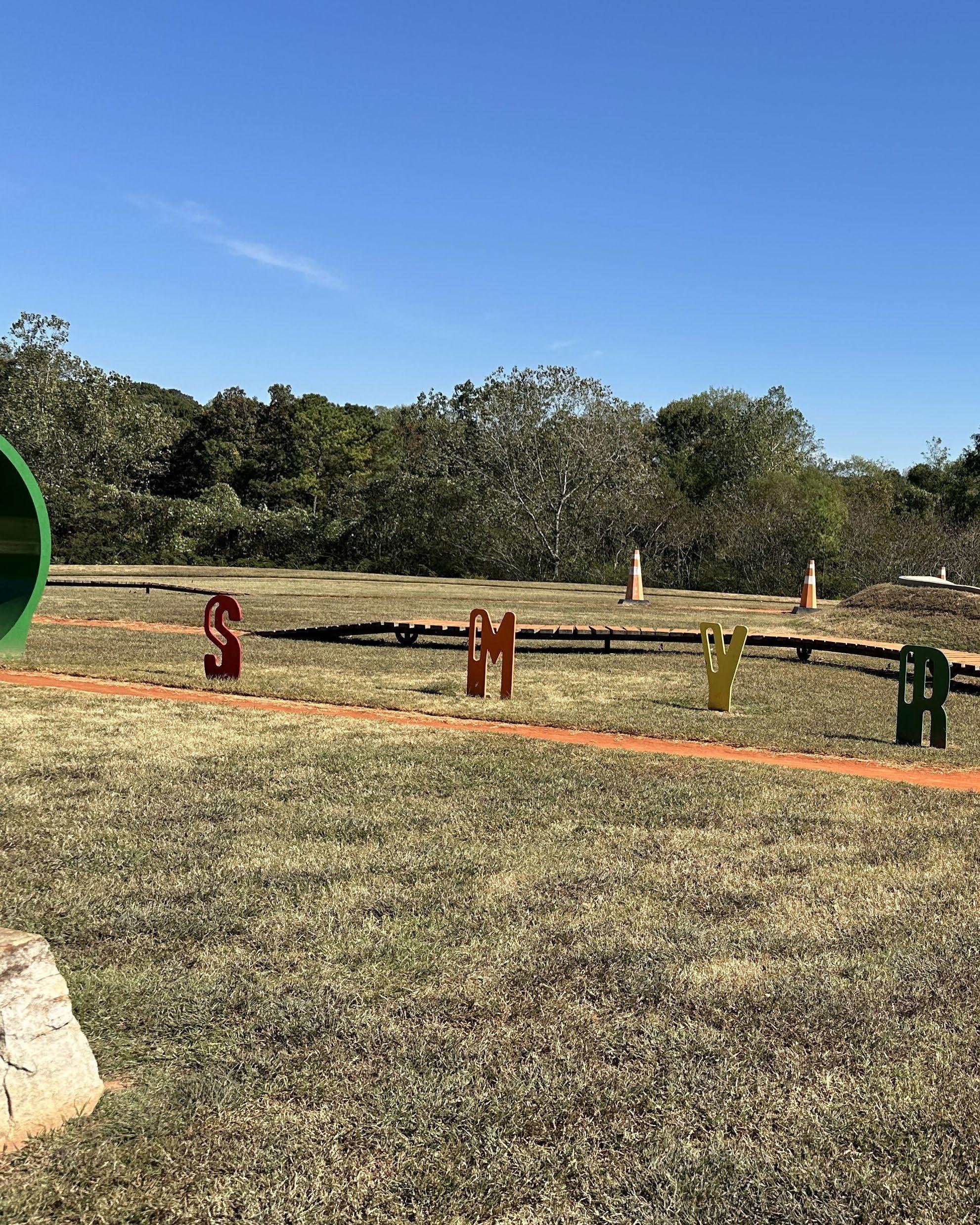
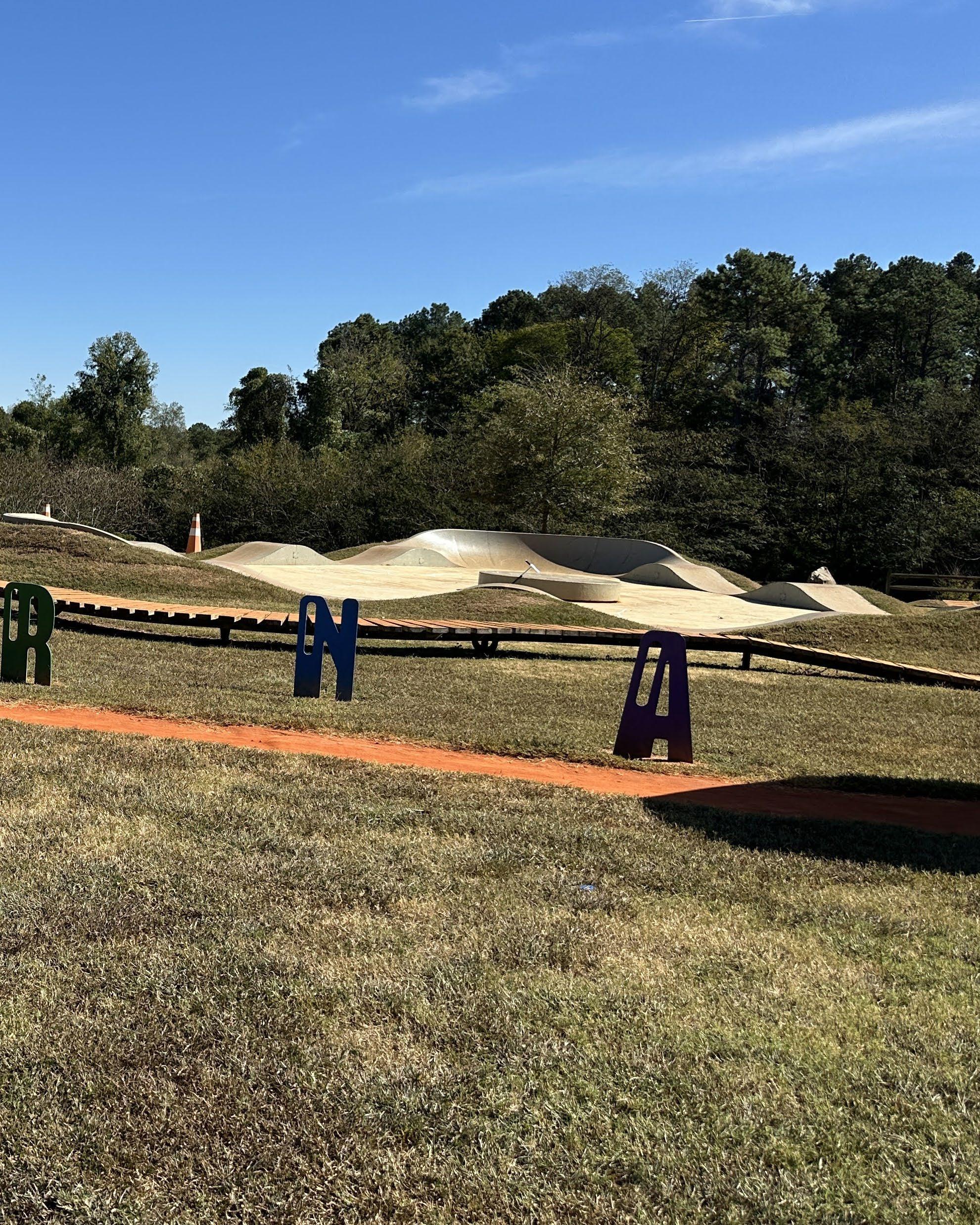
This section is organized by a series of strategic opportunities based on project scope, budget, and timeline to ensure that public art projects are aligned with the city’s capacity to implement projects from year to year. Ranging from small scale projects with modest budgets and quick timelines, to larger scale projects that require a greater investment and unfold with more complexity at a slower pace, the following foundational implementation details will support an accurate understanding of a project’s scope and appropriateness, based on site, available resources, and beyond.
In order to maximize a public art investment, this section outlines recommended additional improvements or strategies for a particular project. Information in this section should inform the overall investment.
As with any city project, advanced and efficient planning on the front end can go a long way in achieving a strong outcome. The same goes for public art projects, which can greatly benefit from understanding the factors that tie into a project’s implementation or life span. This section outlines key logistical and administrative considerations that will inform how a project comes to life.
Impact
PROJECT
All public art projects have some degree of positive community impact, but the impact can range based on the placement, material, or duration of a project. A project’s overall anticipated impact is identified in this section.
Smaller investment, shorter timeline, under $25,000
More significant investment, medium timeline, $25,000 - $49,999.99
Major investment, permanent intention, $50,000+
SMALLER INVESTMENT, SHORTER TIMELINE, UNDER $25,000
Public art projects with a smaller scale are ideal for implementation when resources and timelines are limited, or when a site cannot accommodate a larger-scale intervention. The impact of these kinds of projects are not small whatsoever, as they can energize places with new visual interest or establish rotating traditions for public art opportunities. Smaller scale projects are also lower-complexity opportunities for implementation with local artists.
If working with a recurring vendor for a project (i.e. utility box wraps), it may be efficient to procure multiple quotes for the work to ensure cost effectiveness. Additionally, if any prep work is needed from the City of Smyrna, such as site cleaning, building this into overall project cost establishes assumptions at the start of a project.
Impact
For all projects in this section, consider any opportunities to pair a project with an existing city event. Time of year and internal city staff resources are also considerations. Smaller scale projects will not likely have durations beyond 2 years.
If executed well, these projects will have a medium level of sustained impact in the community.
LOCATIONS
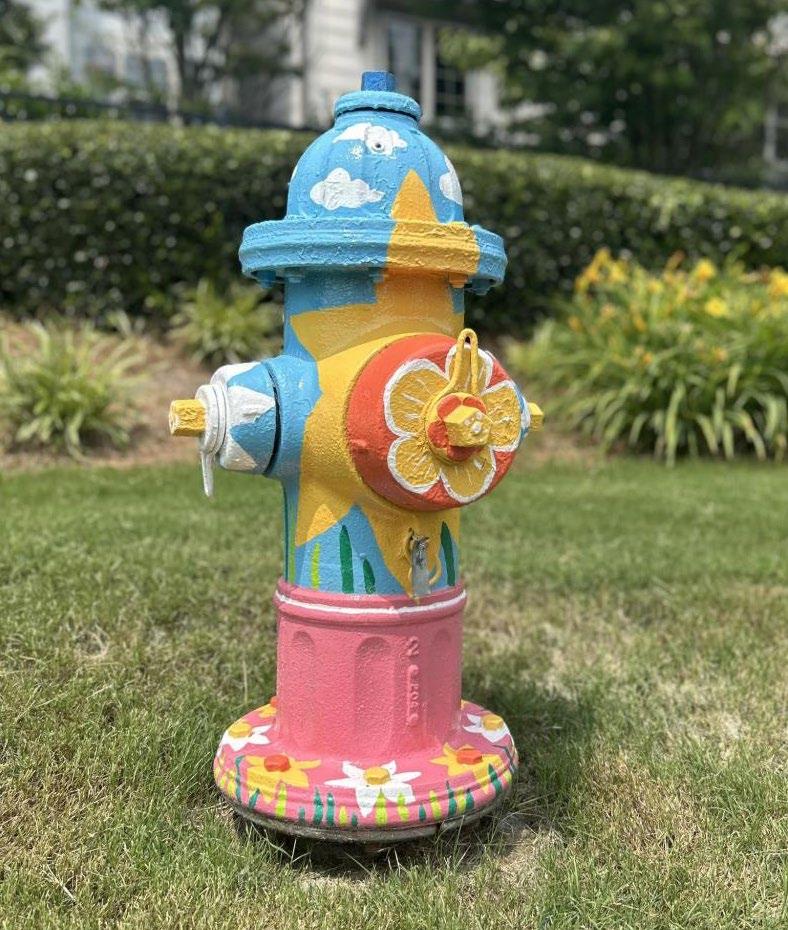
Any approved fire hydrants.
INVESTMENT
$1,000 per artist for a painted fire hydrant
LOCATIONS
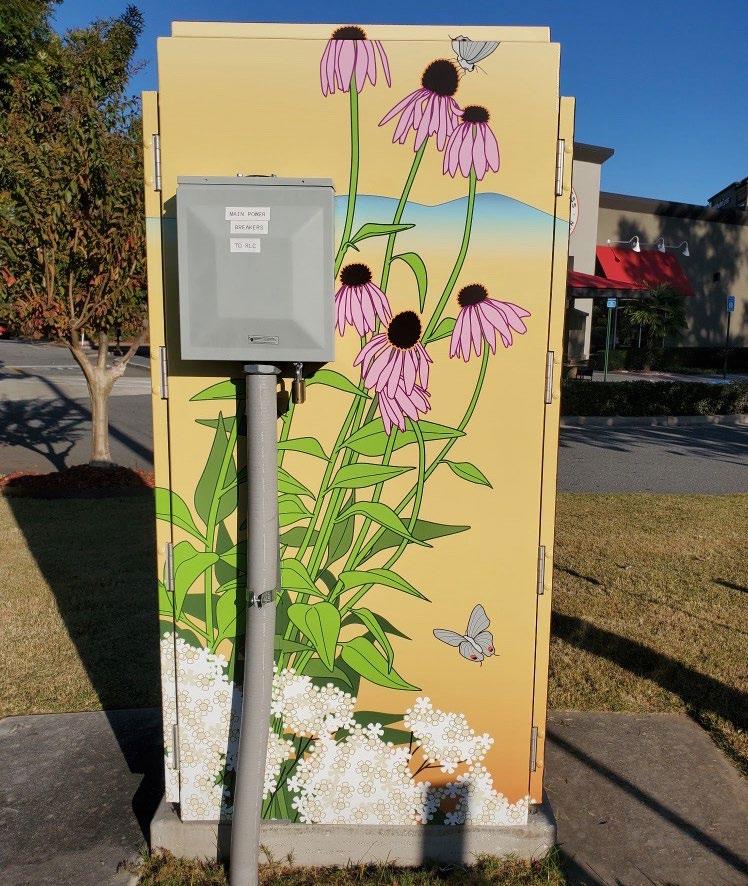
Any approved traffic cabinets.
INVESTMENT
$500 per artist for the digital asset + costs related to the production and installation of the vinyl by a third party fabricator.
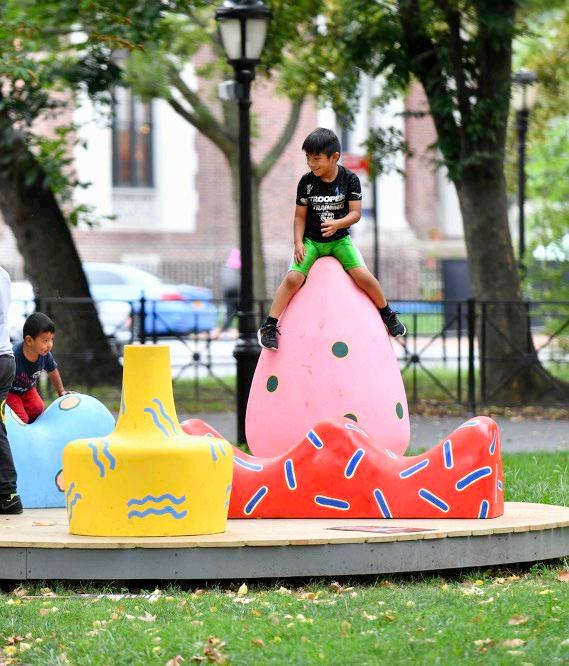
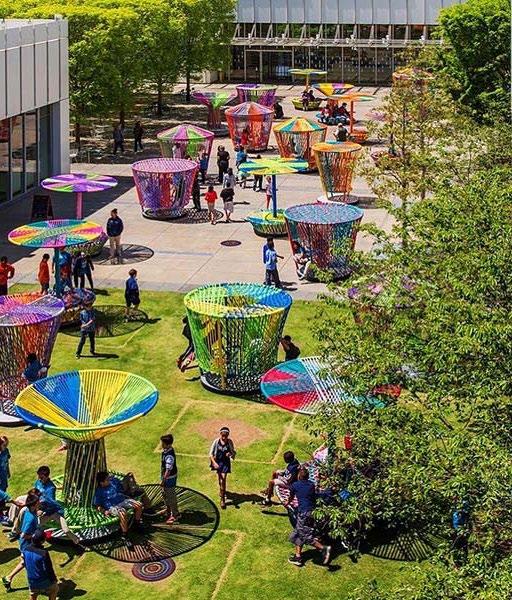
Temporary or short term public art experiences that are interactive. These can be sourced locally or nationally, depending on project budget, desired length of opportunities, and location.
LOCATIONS
At Taylor Brawner and Smyrna Market Village.
INVESTMENT
$10,000 - $25,000
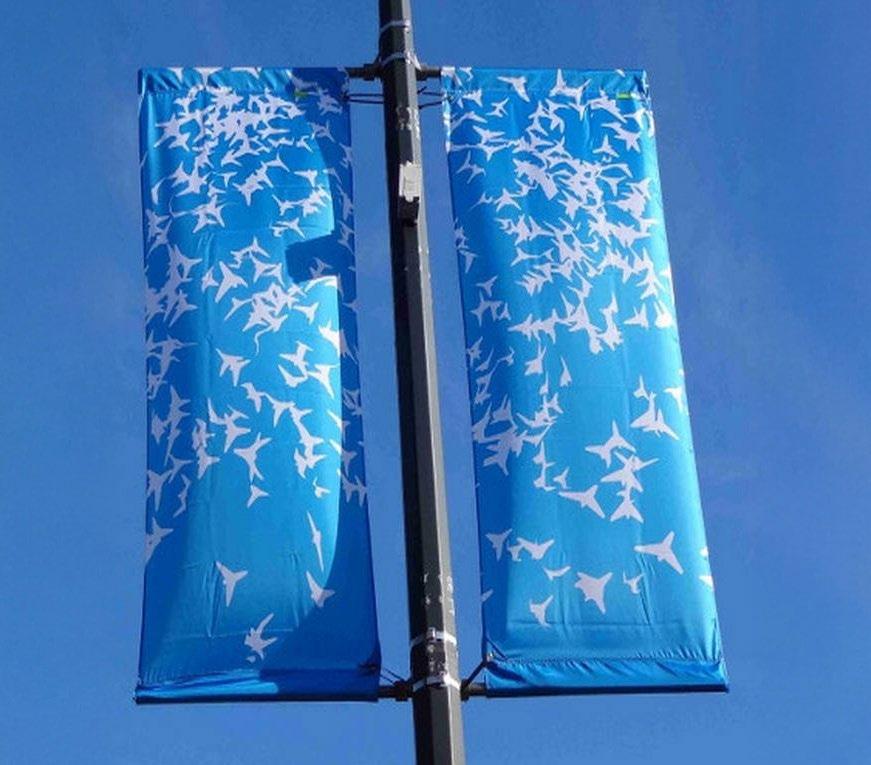
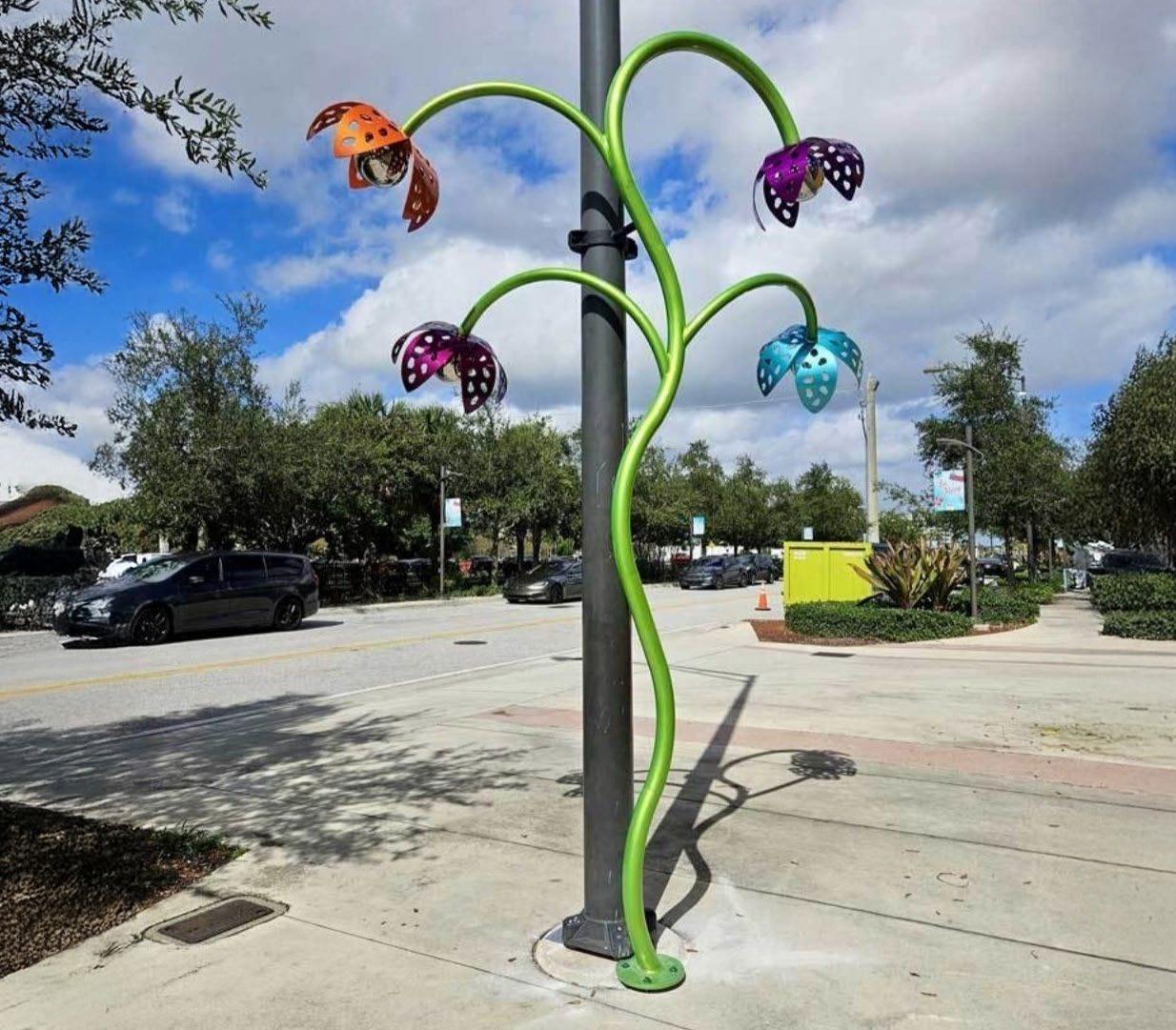
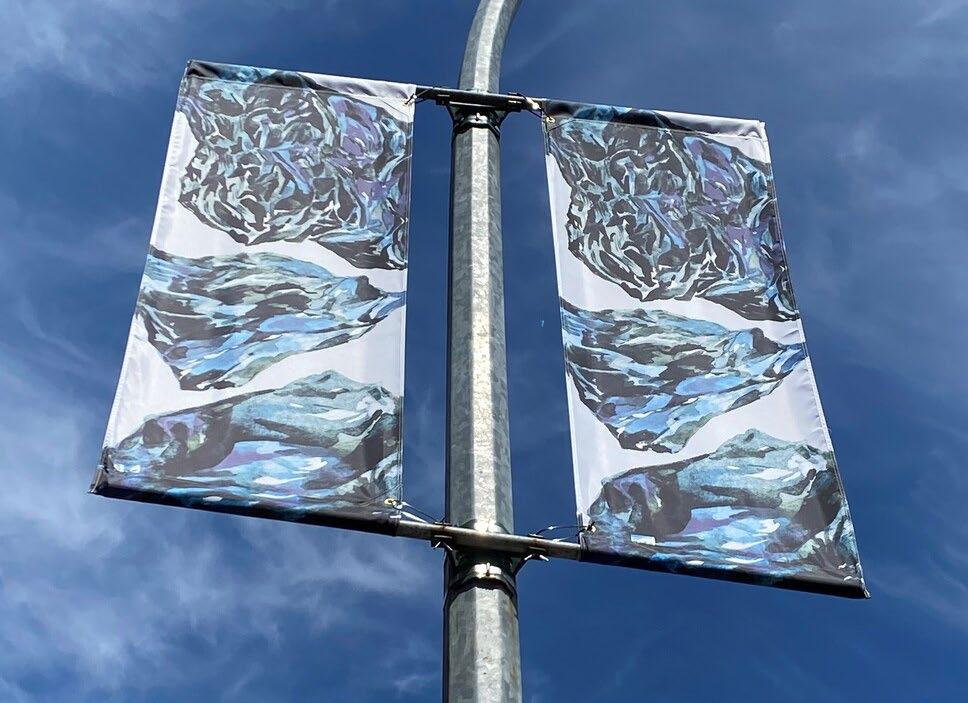
Smyrna’s own light poles offer a unique opportunity to create a surprising public art trail that enhances walkways and roads, bringing art to the sky above the city.
Any Smyrna-owned utility poles that have been approved for public art by the appropriate representative.
$1,000 artist honorarium + up to $1,000 printing and installation fees
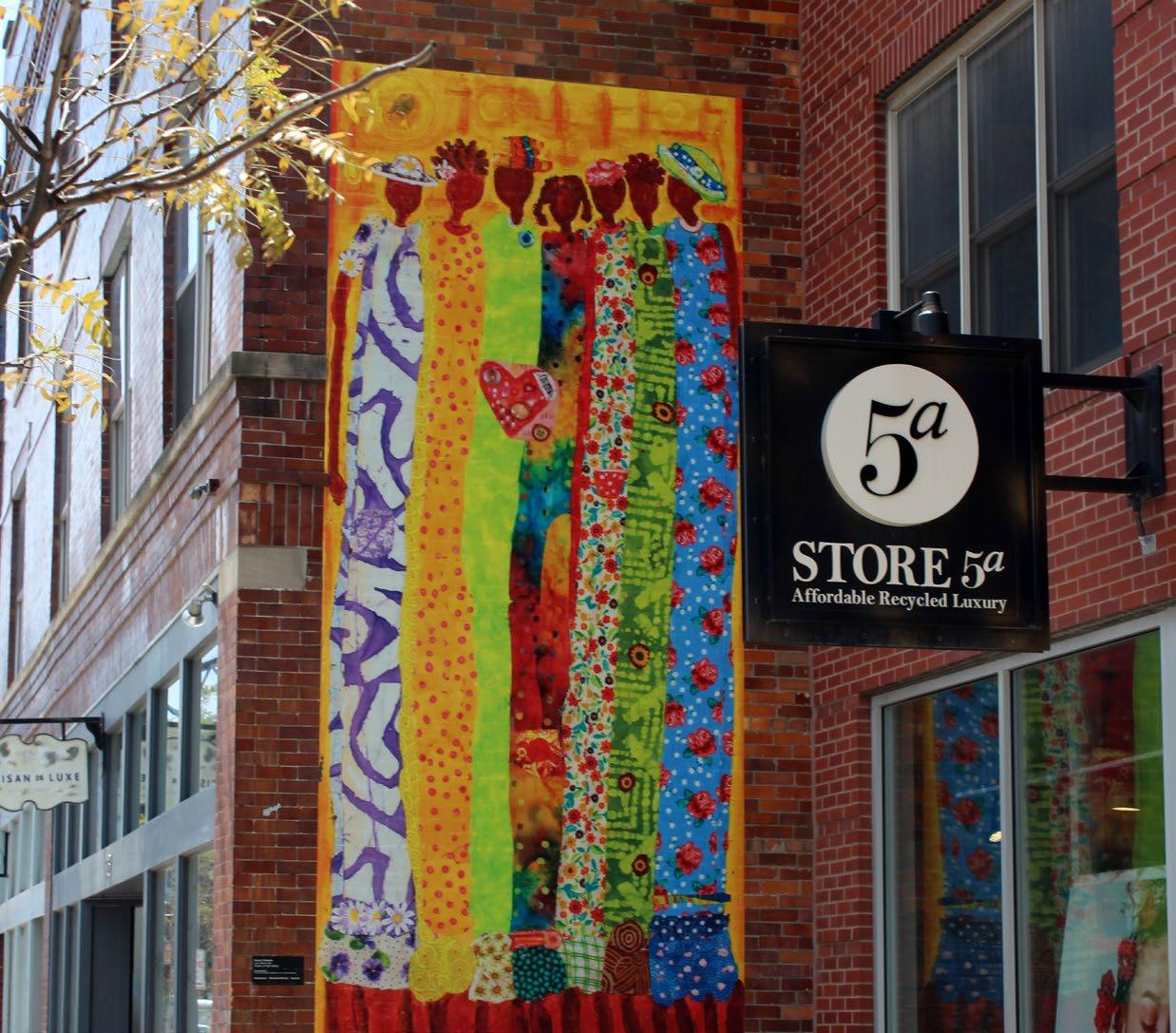
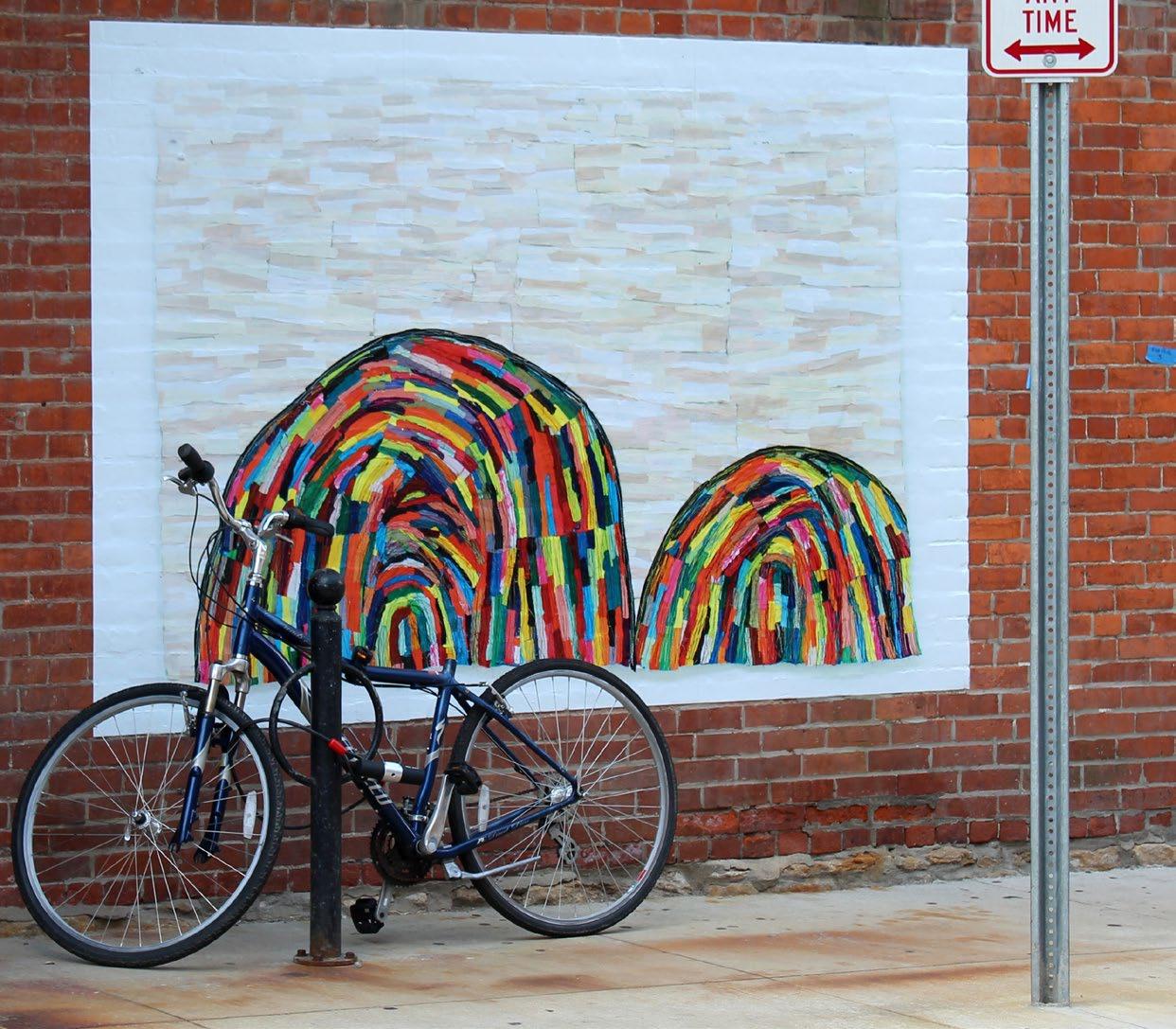
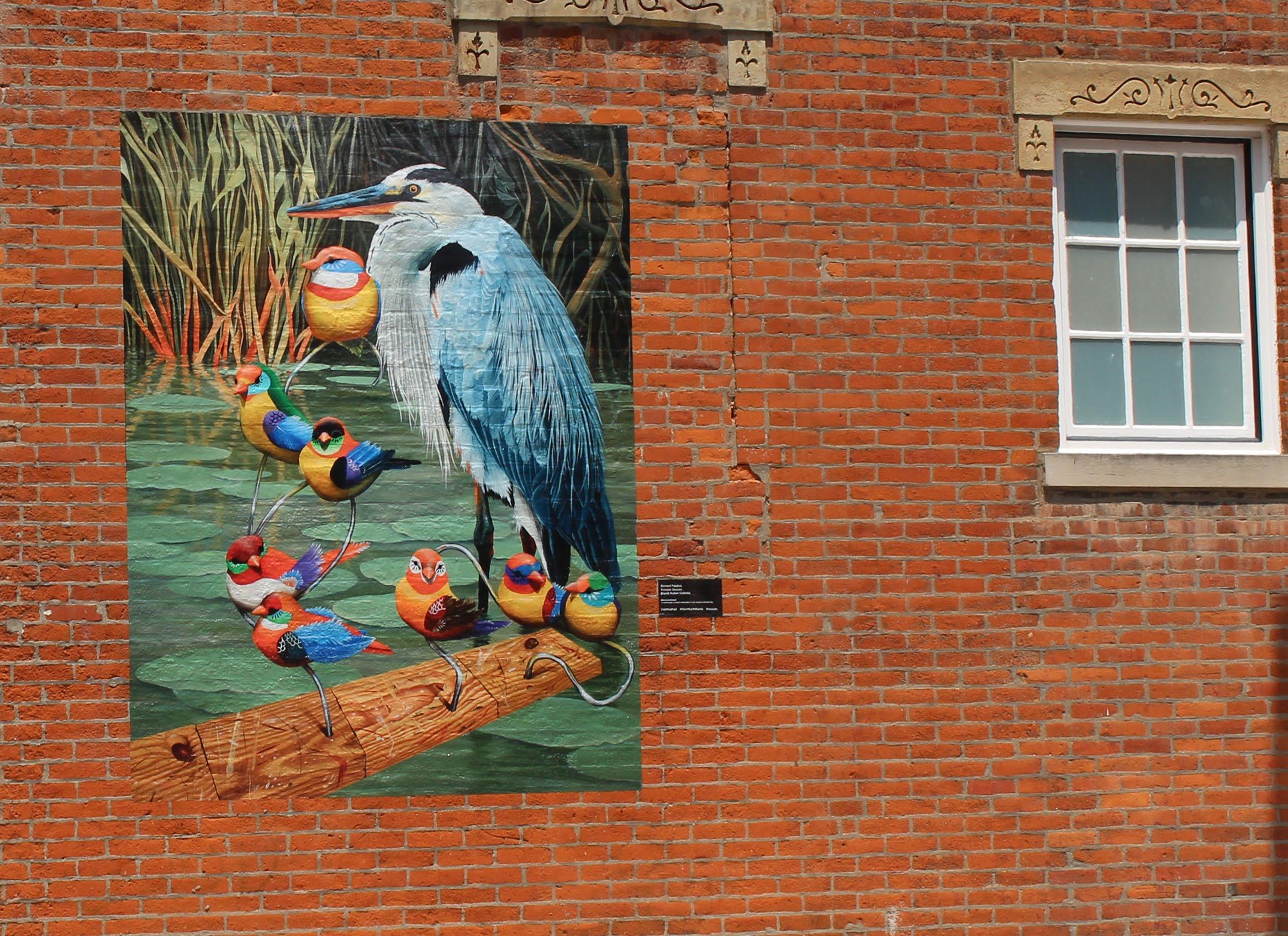
Small-scale opportunities for digitally-reproduced artwork to be installed on exterior walls around the city. Like utility boxes, this opportunity is open to all art forms because artworks are printed on vinyl.
Any city-owned facilities and privately-owned buildings that consent to participating.
$1,000 artist honorarium + up to $2,500 printing and installation fees
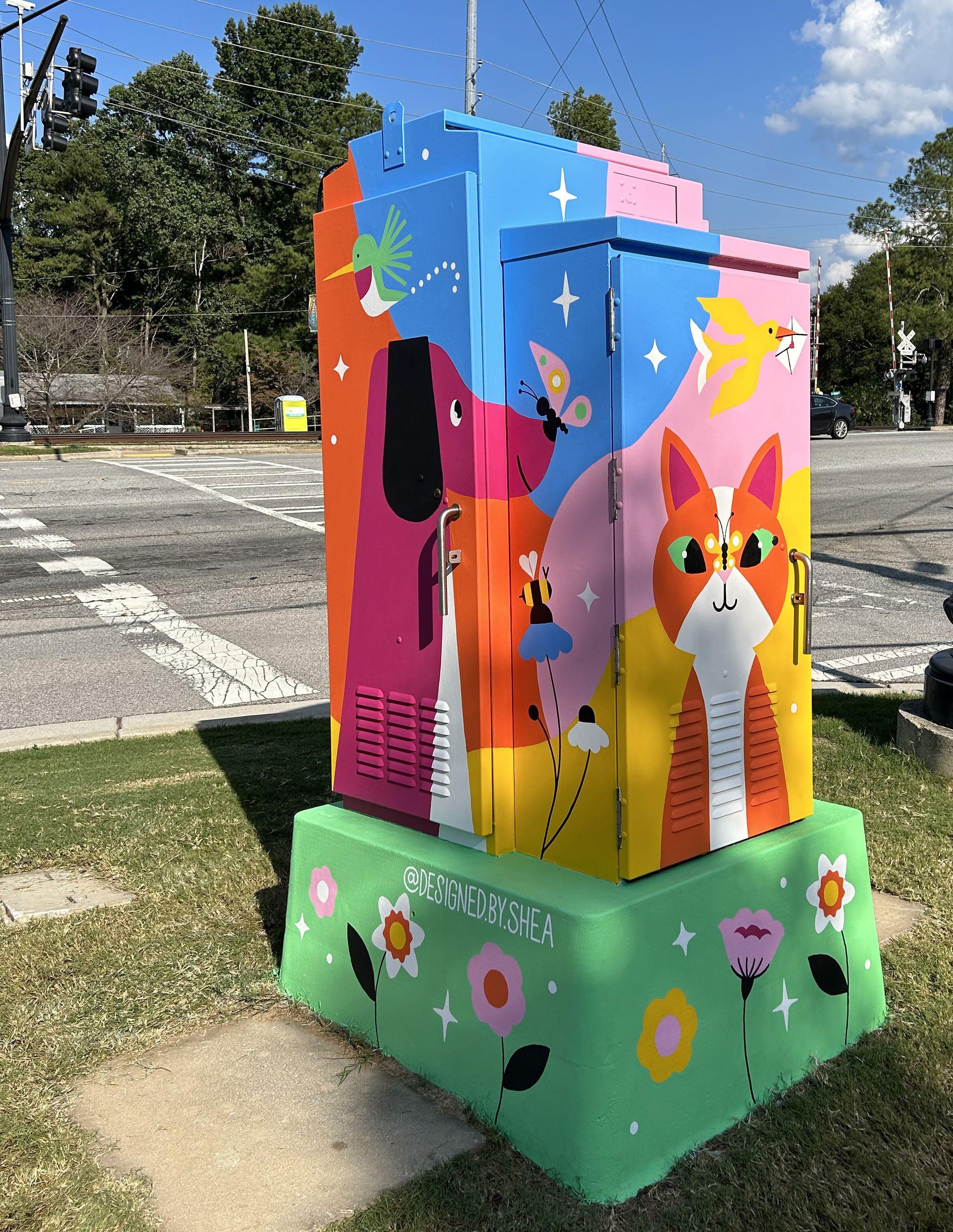
MORE SIGNIFICANT INVESTMENT, MEDIUM TIMELINE, $25,000 - $49,999.99
Medium-scale projects can allow a growing public art program to pilot new thematic directions or artistic styles, or test new opportunities for collaboration before launching into bigger, more ambitious projects. These projects are also well-suited for any anticipated or pre-determined beautification projects, such as purchasing new benches or elevating existing landscaping, and these funds could be leveraged to hire an artist to create unique, unexpected amenities or assets.
Implementation Considerations
For medium-sized projects, a longer planned timeline may be required for both the procurement and implementation processes. The city may want to seek qualifications and proposals through a statewide or national call to artists. Projects with medium-sized budgets may also involve more site work or intervention, depending on the scope.
Involving any potential partners early in the process and sustaining their participation will be essential for ensuring a successful project.
Impact
Medium-high, depending on level of permanence and visibility.
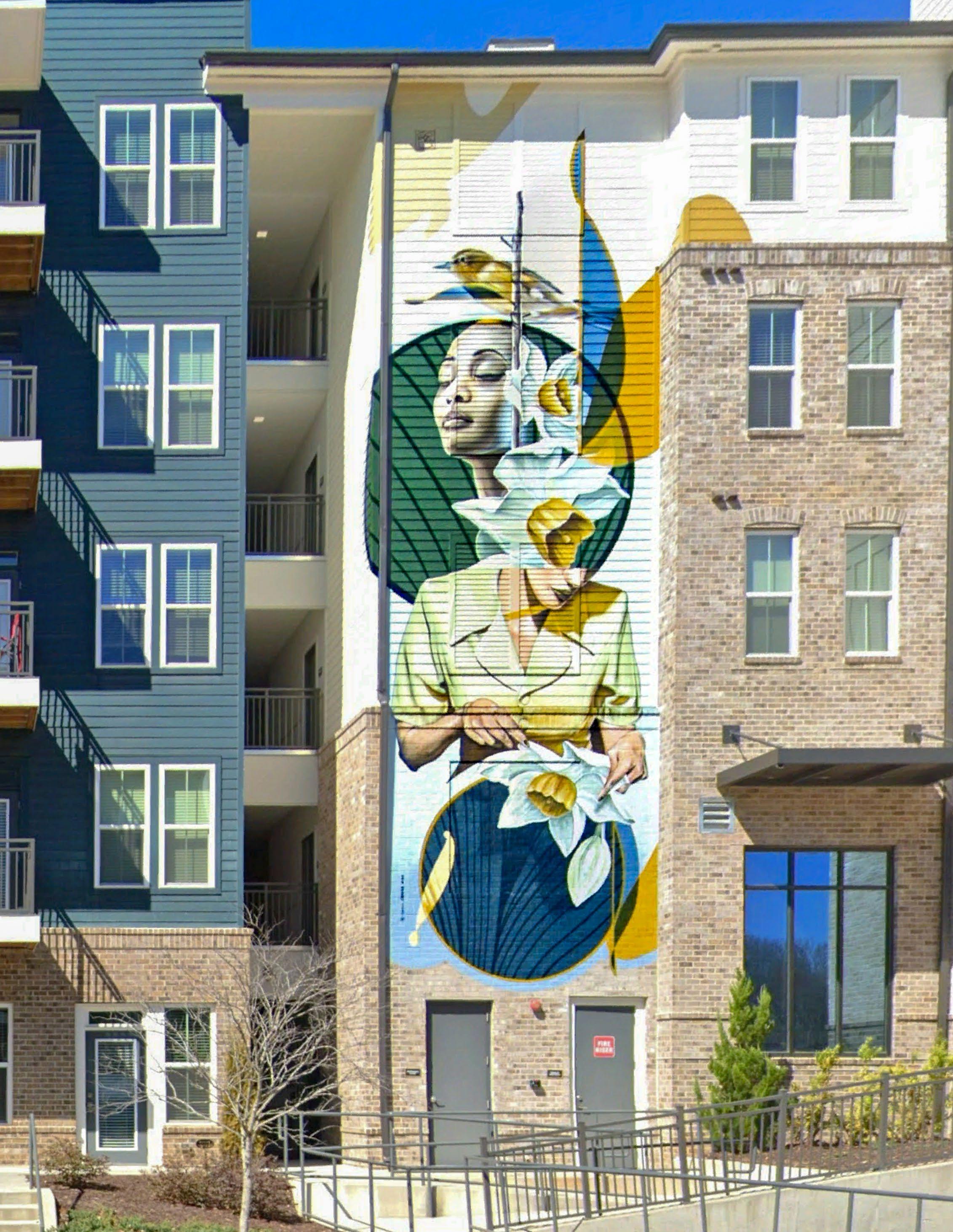
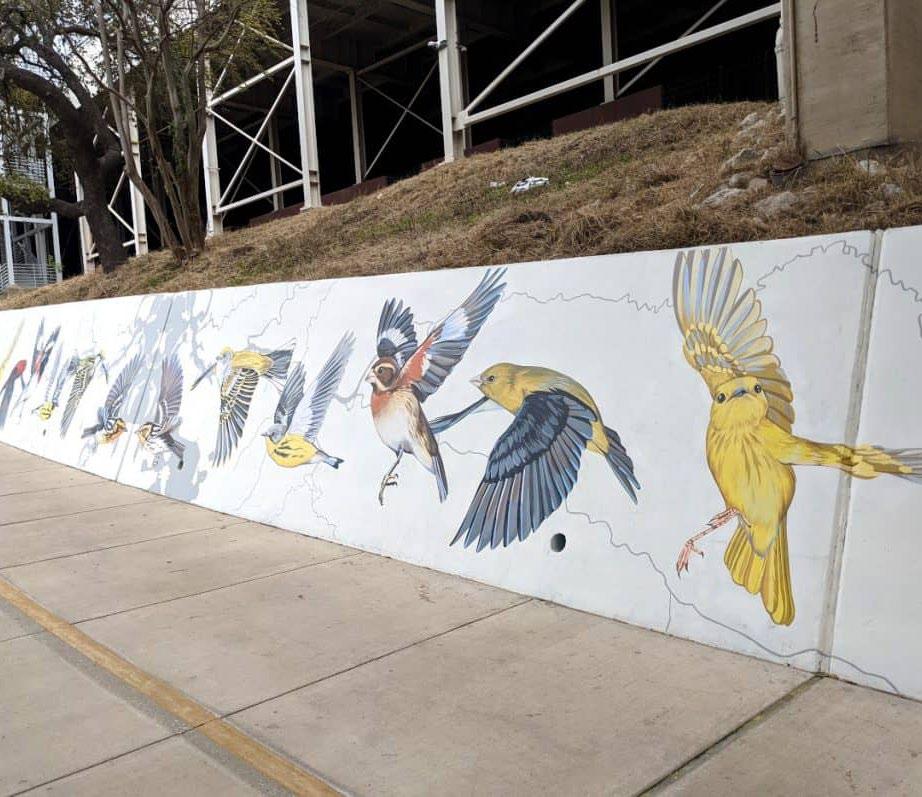
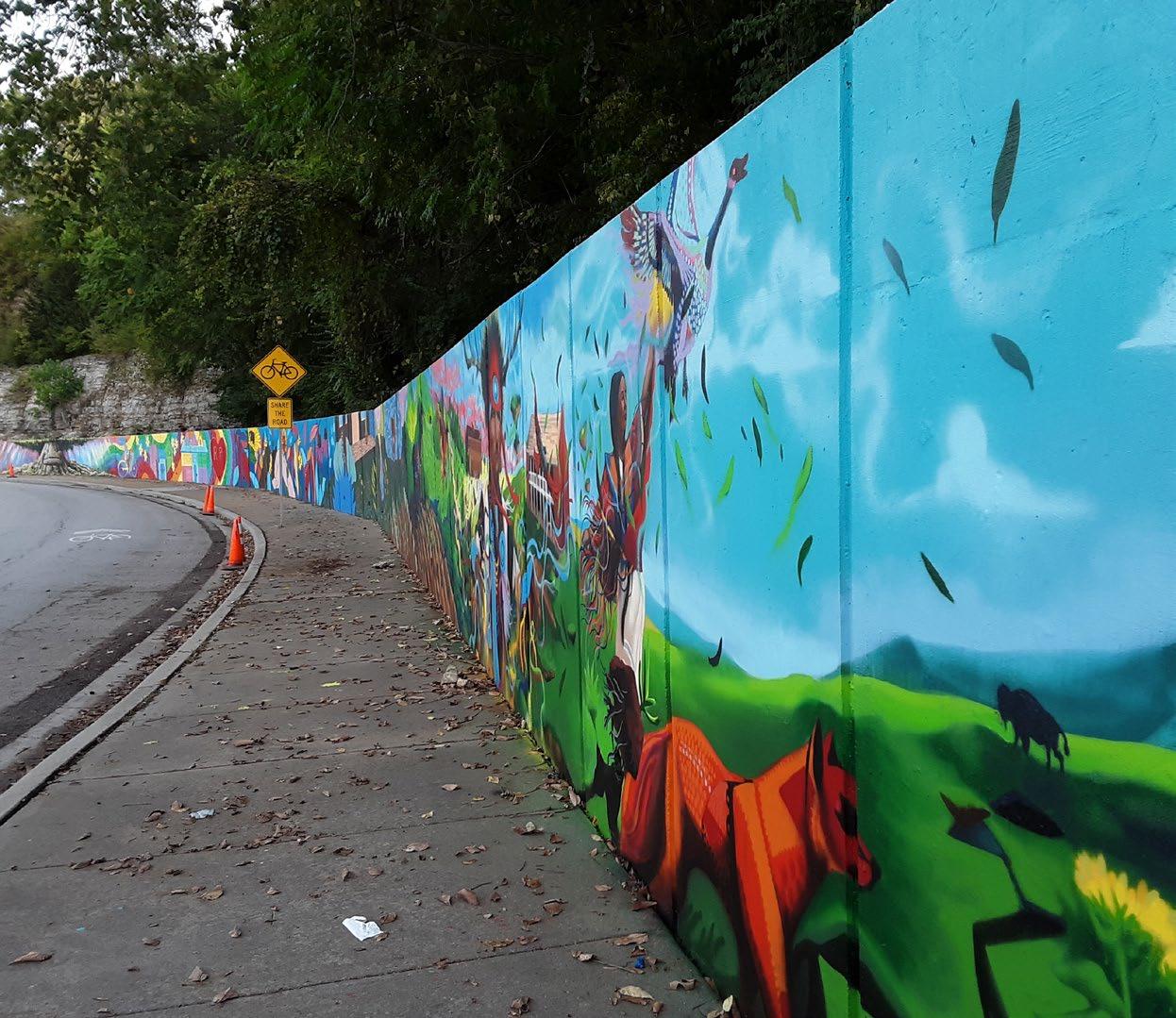
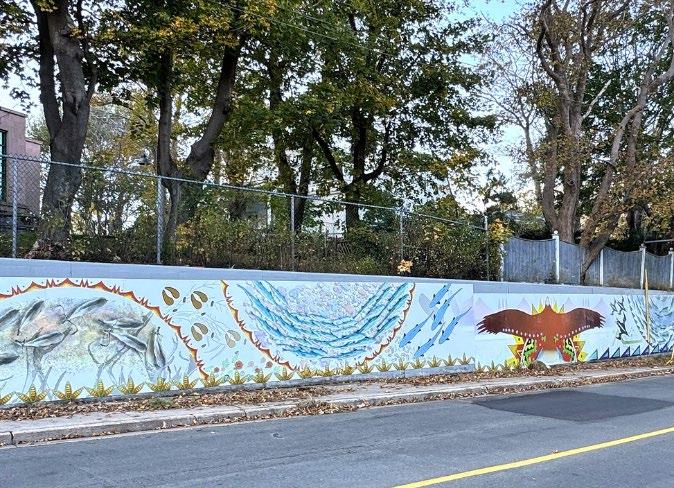
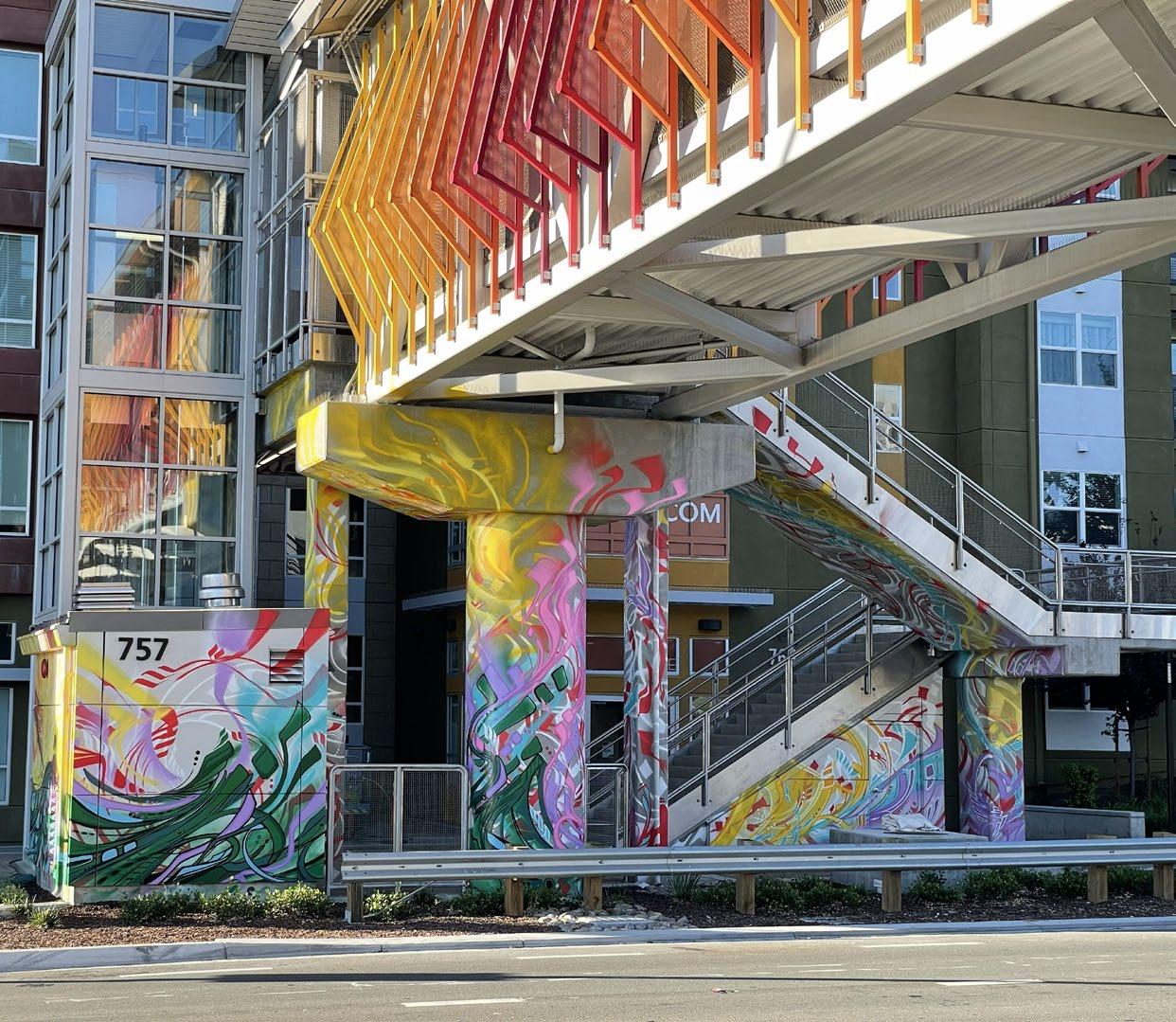
Murals are an efficient and flexible tool for reflecting a city’s history, unique characteristics, and diverse backgrounds. To expand this practice, the city should utilize non-traditional canvases, such as retaining walls or crosswalks. To ensure longevity, murals on asphalt or concrete must use thermoplastic or traffic-grade paints, while vertical murals should receive an antigraffiti coating with UV protection to guard against both vandalism and sun damage.
LOCATIONS
Along major Smyrna corridors, including Atlanta Rd. and Spring Rd, and at highway interchanges.
INVESTMENT
$25,000
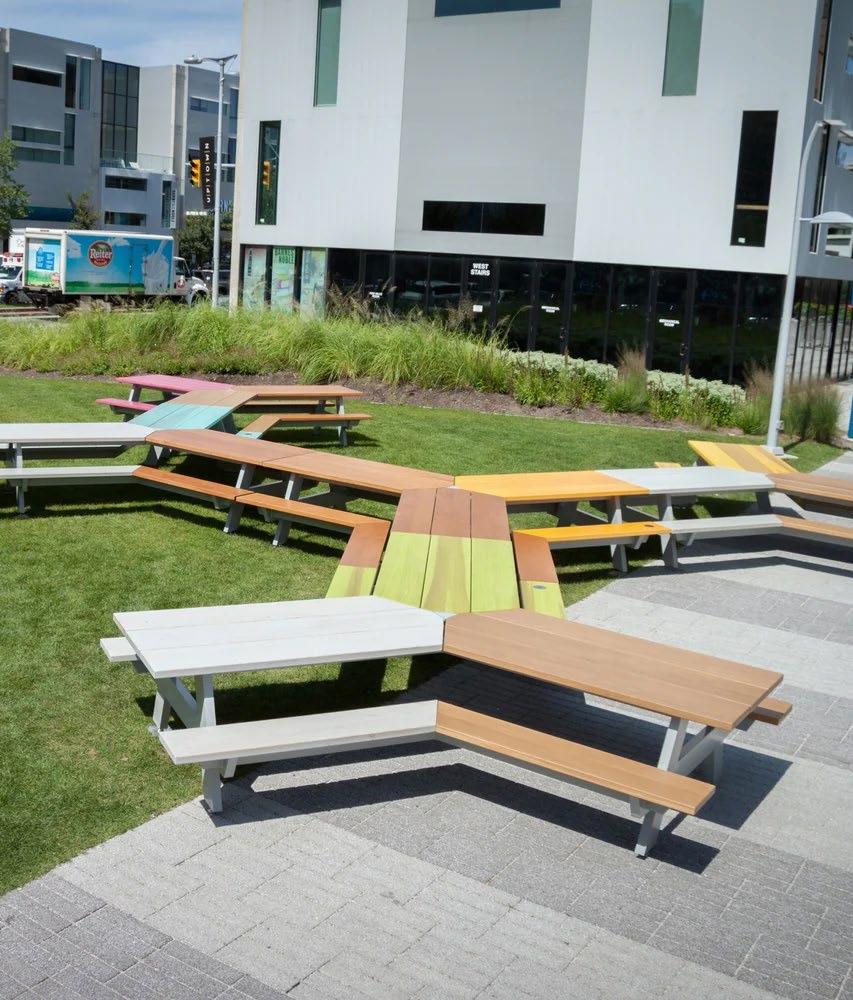
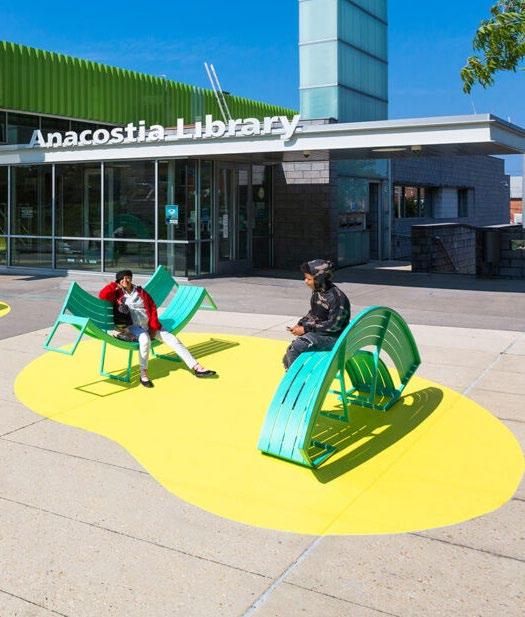
Artist-designed furniture, ranging from creative benches to tables that encourage togetherness, function with the durability of traditional city furniture but offer the aesthetic presence of permanent sculptures.
LOCATIONS
Smyrna Market Village, areas of new development.
INVESTMENT
$30,000 - $75,000
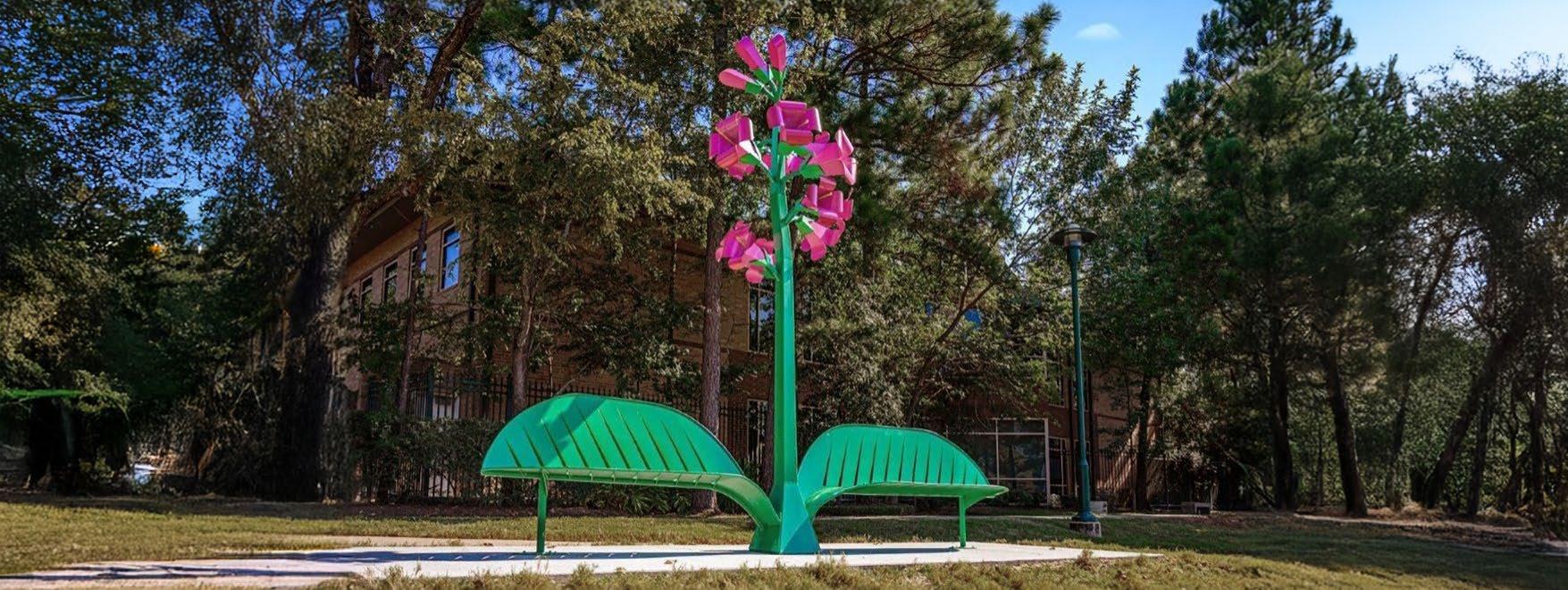
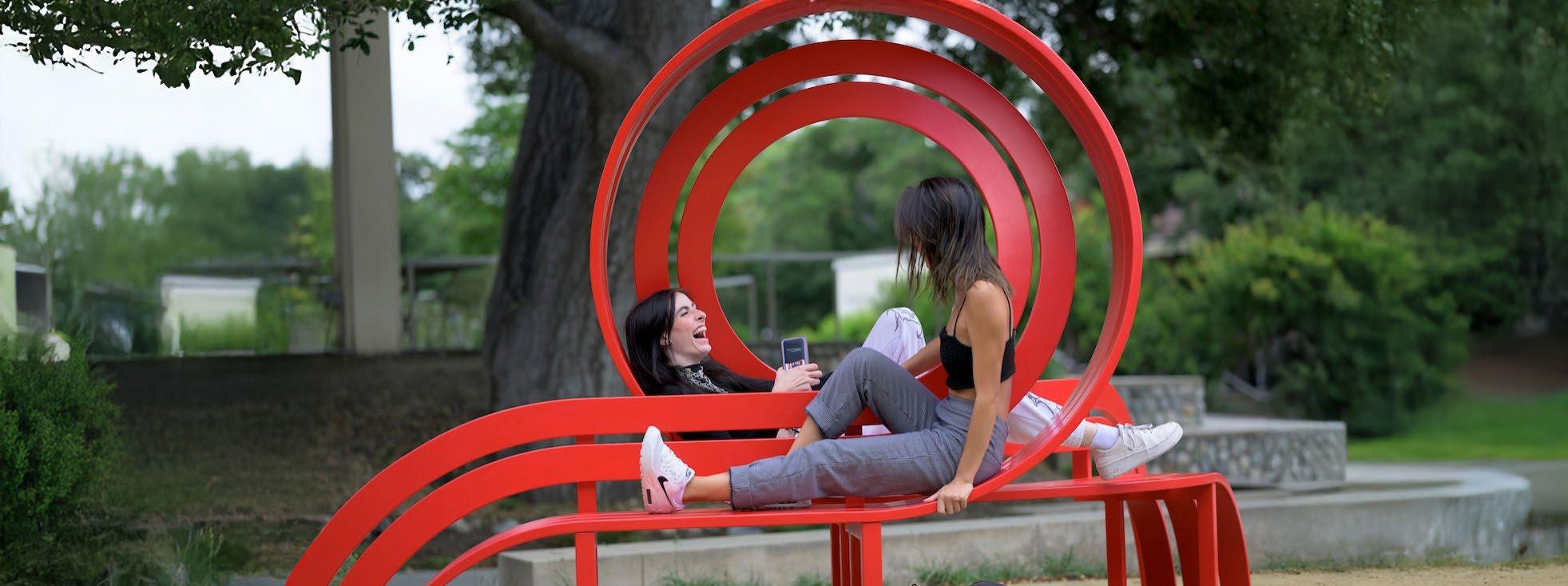
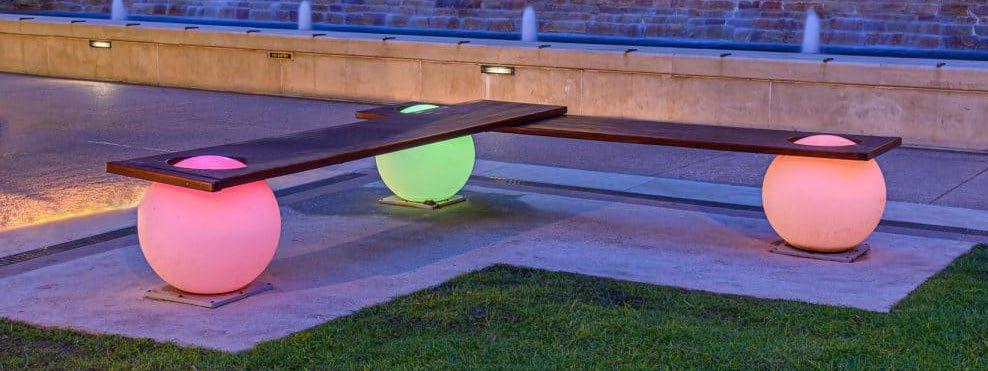
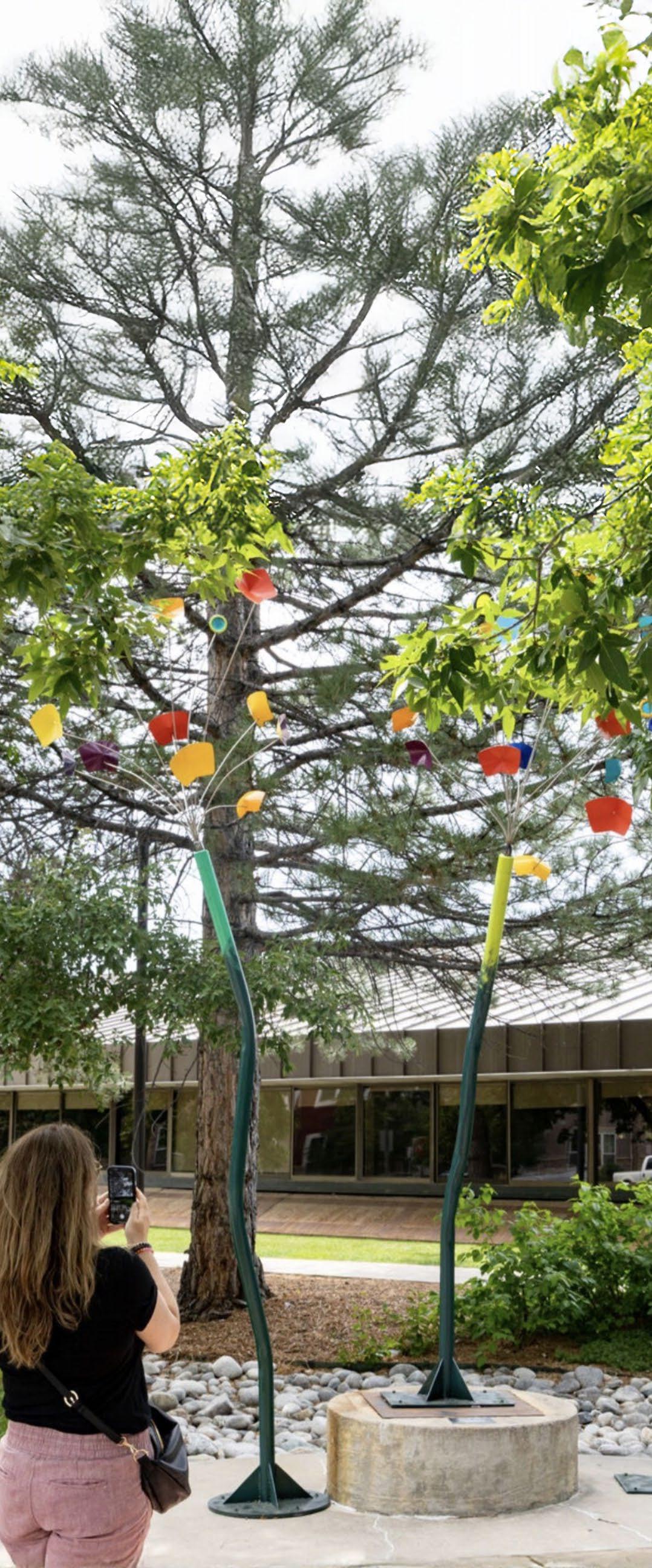
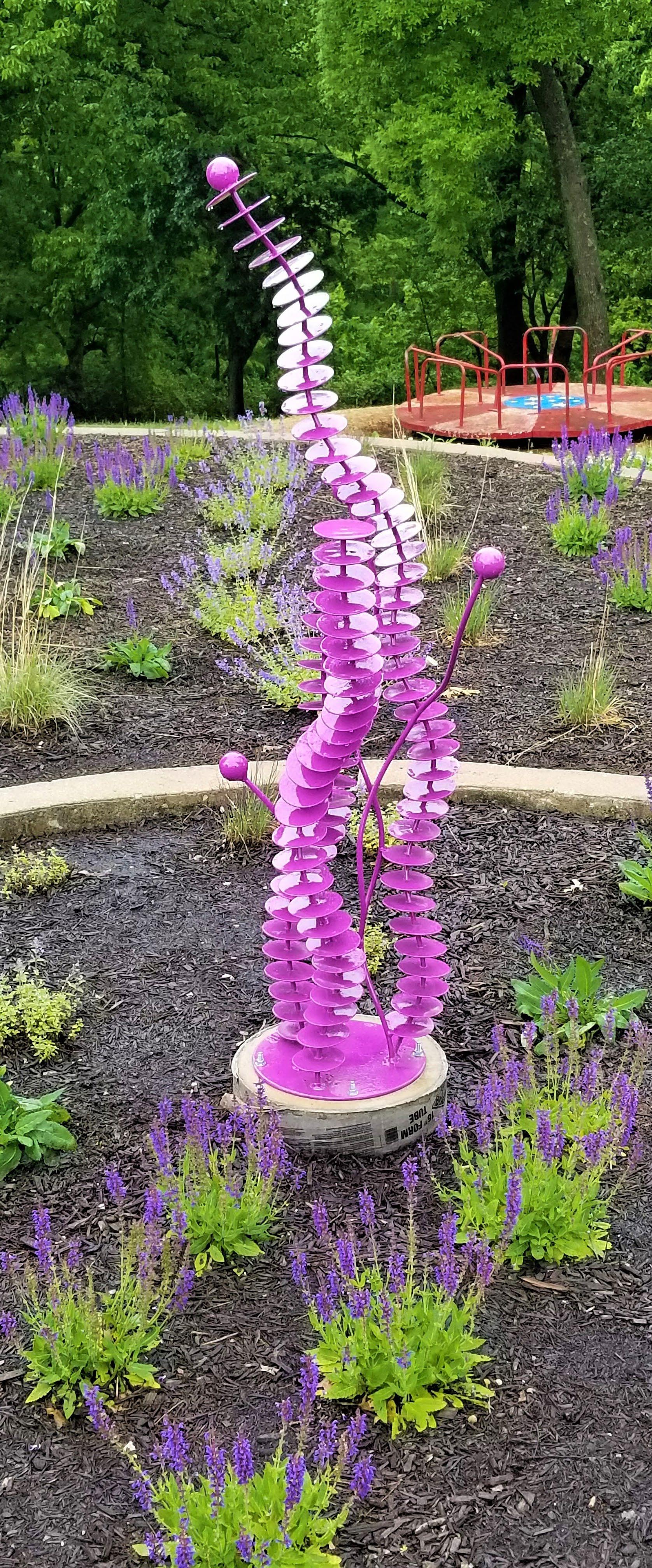
Regularly rotating sculptures in public settings is an effective way for Smyrna to maintain a dynamic art scene that reflects its vibrancy and diversity. This practice consistently offers the public fresh artwork to discover. Rotations can be tied together by a common theme, creating a cohesive, curated public art trail, or each temporary installation can be entirely unique.
LOCATIONS
In Smyrna Market Village, and/or select parks.
INVESTMENT
$30,000 - $50,000
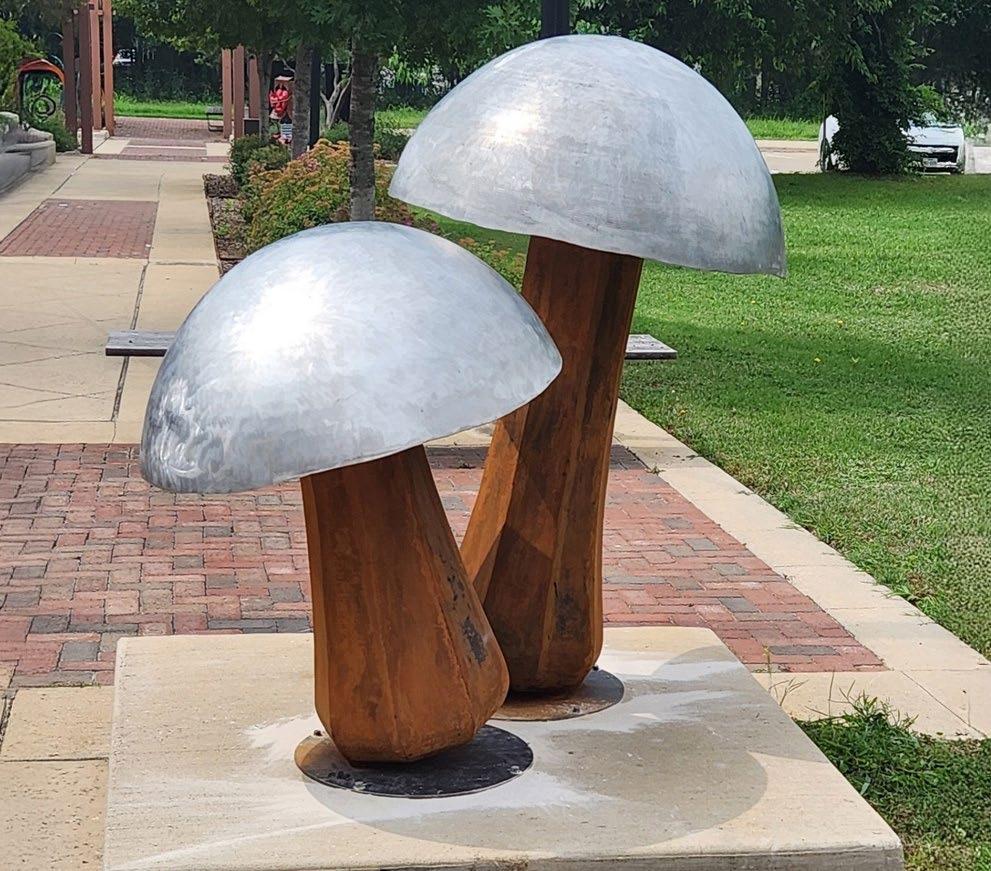
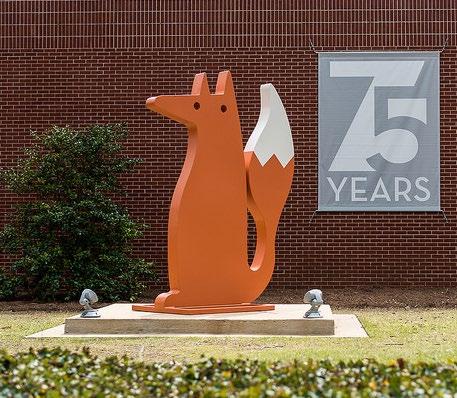
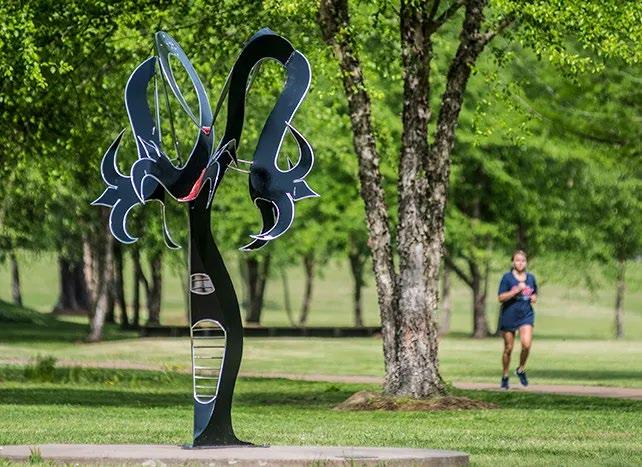
Permanent sculpture within landscaped or hardscape areas creates opportunities to engage with public art at an urban scale. The sitespecificity and scale of these projects create ideal opportunities for Atlanta Metro-based artists to engage with the program.
LOCATIONS
In Linear park, other parks, and areas with heavy foot traffic.
INVESTMENT
$30,000 - $50,000
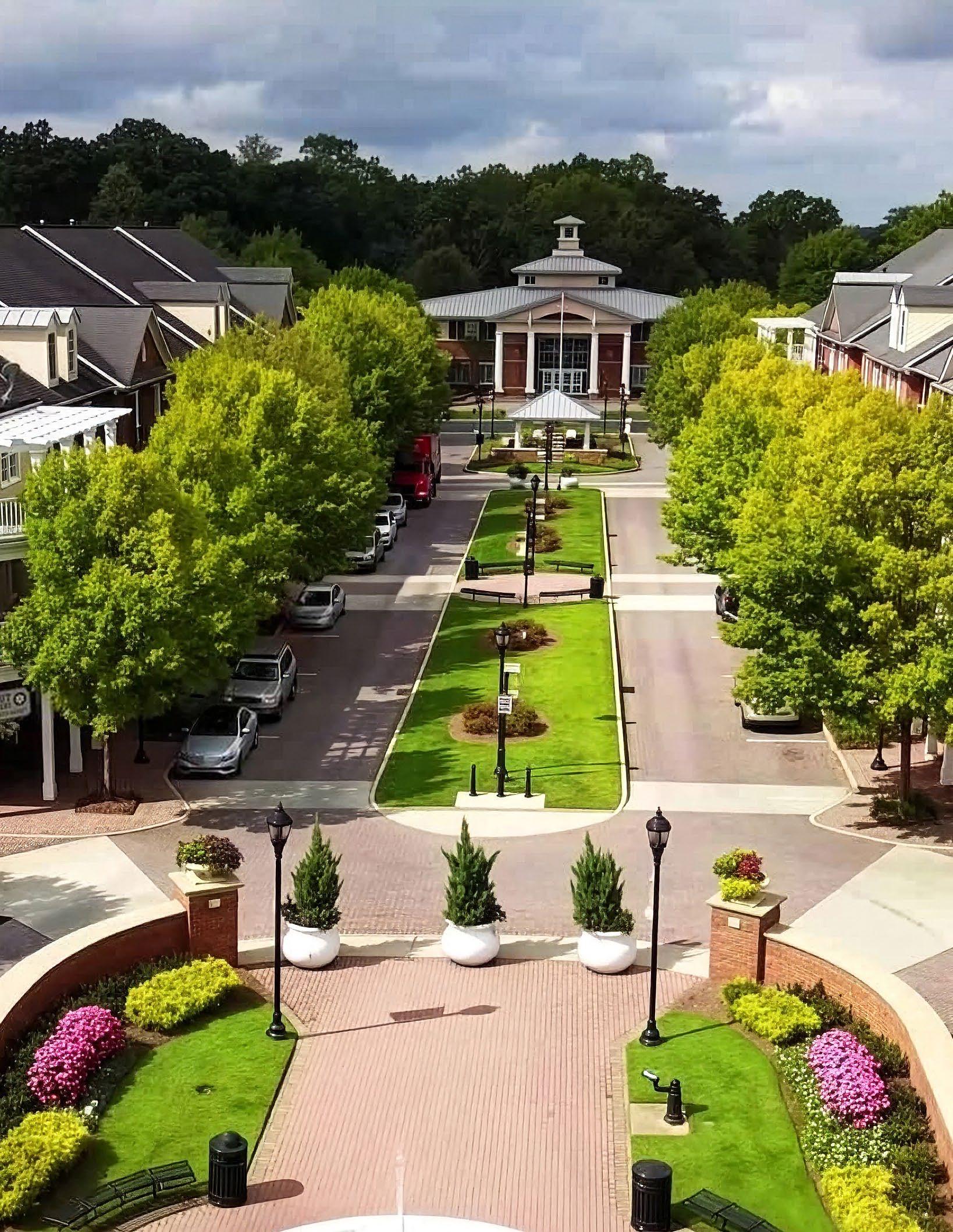
MAJOR INVESTMENT, PERMANENT INTENTION, $50,000+
A large-scale public art project can have a deep impact across the entire community, if appropriate steps are taken to ensure careful planning. Because a single public art project has the capacity to shape entire districts, neighborhoods, or nodes, understanding any desired community input is critical for project success, especially for higher-budget projects. Many of the projects identified in this section recommend project placement in Smyrna’s parks and green spaces, which are a major draw for residents and visitors.
Cost Considerations
Implementation Considerations
Projects whose budgets exceed $50,000 should be approached with the same standards as capital projects, given the level of investment and overall scope.
In anticipation of large-scale projects that may require collaboration across city departments and partners, project owners should ensure that clear communication, sound workflows, and appropriate approvals are all in-place before the project formally kicks off. Additionally, these larger scale projects should have a clear set of objectives and desired outcomes, and any desire for community engagement or input should be established early in the process.
Impact
High, especially if projects are embedded into infrastructure with significant public access
Artist-designed pollinator and sensory gardens are one way that ecology and public art can intersect. Additionally, if there is a desire for such projects in CIP planning, the city should consider how an artist could lead this design work as part of a multidisciplinary team.
LOCATIONS
Linear Park, other parks
INVESTMENT
$75,000 - $100,000
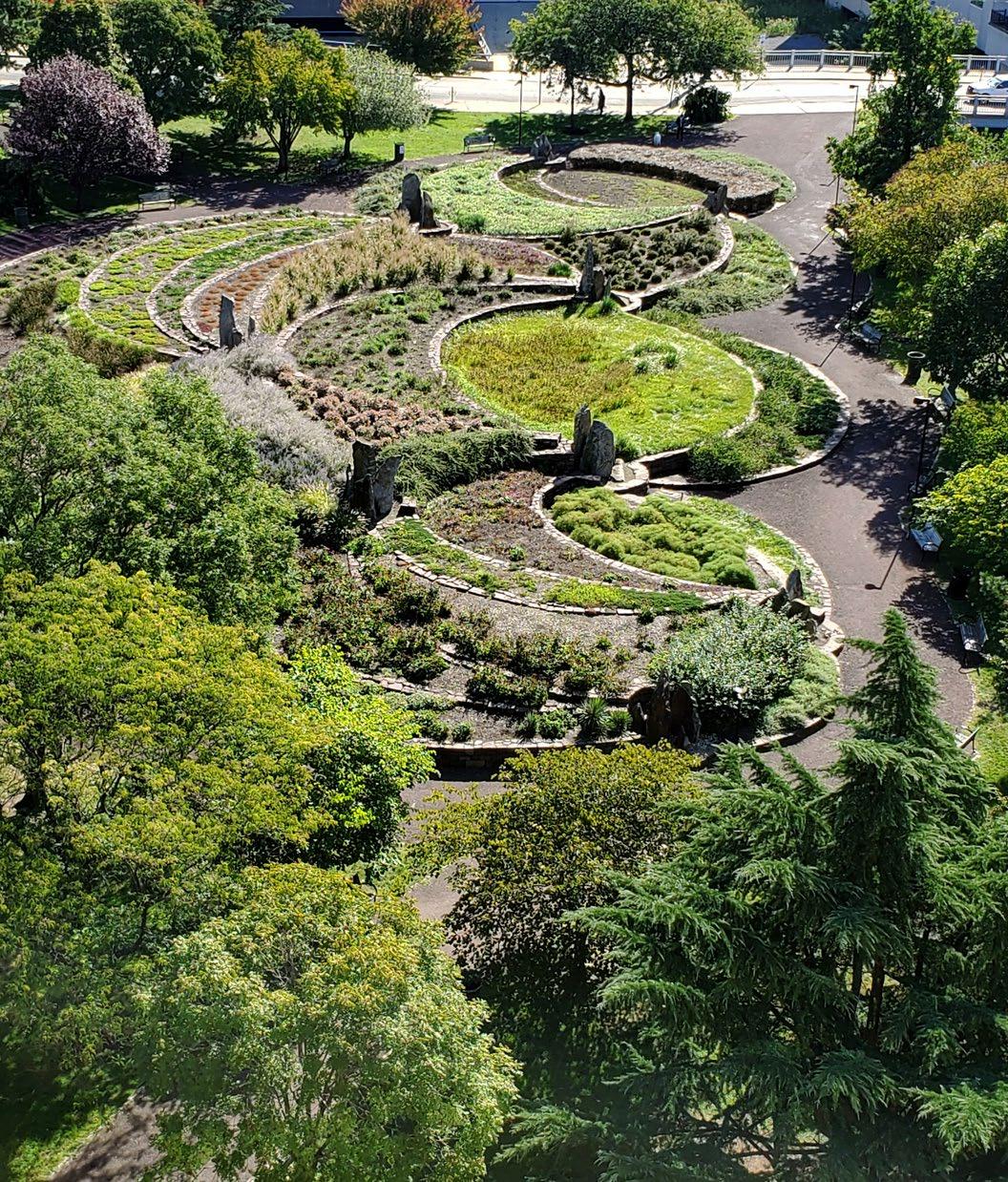
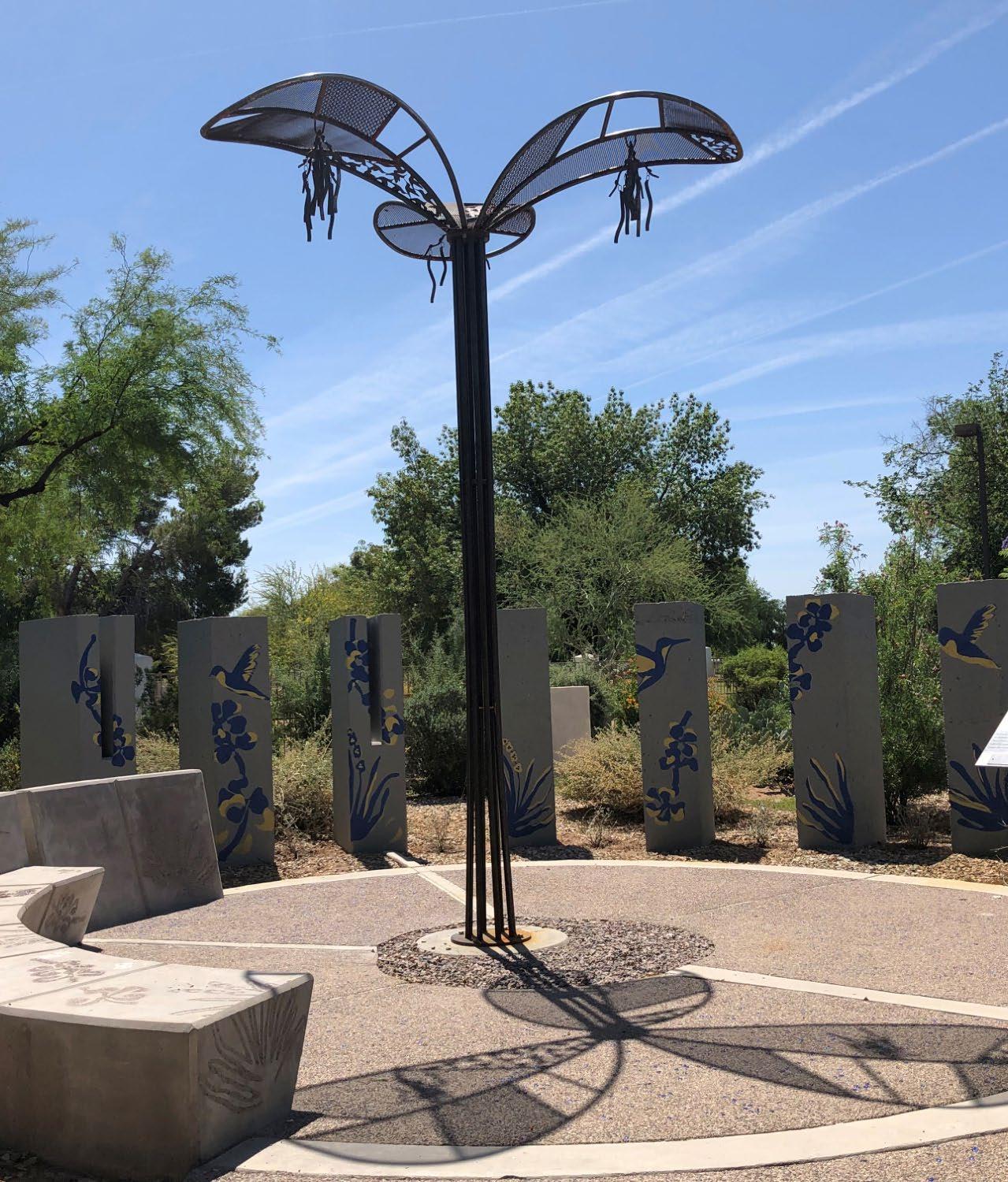
Along Smyrna’s trail and walkways, interpretive installations crafted from natural, sustainable materials like weathered wood or steel could work in harmony with the surrounding landscape, contrasting the city’s urban environment.
LOCATIONS
Linear Park, Taylor-Brawner Park, other parks
INVESTMENT
$75,000 - $100,000
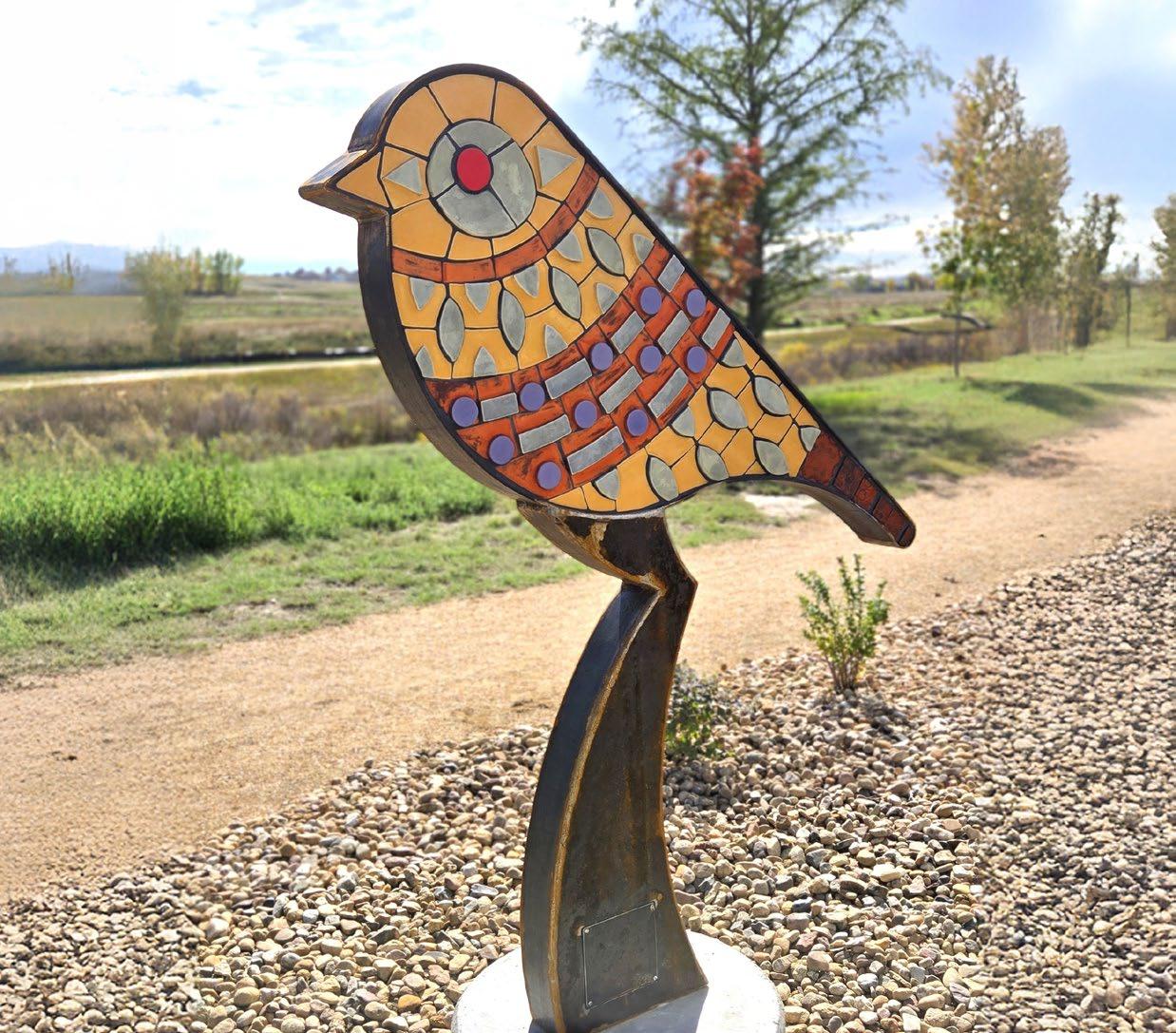
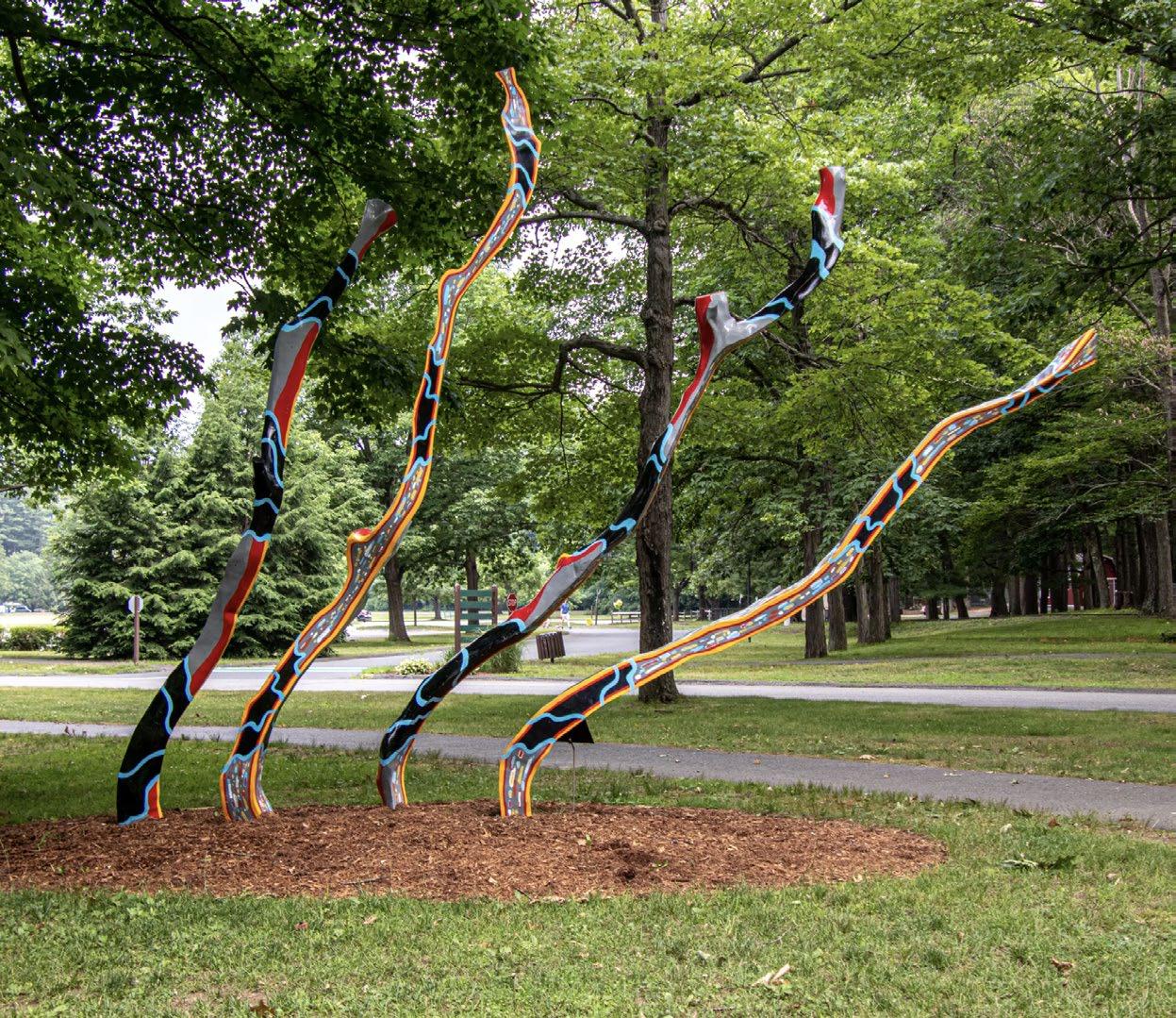
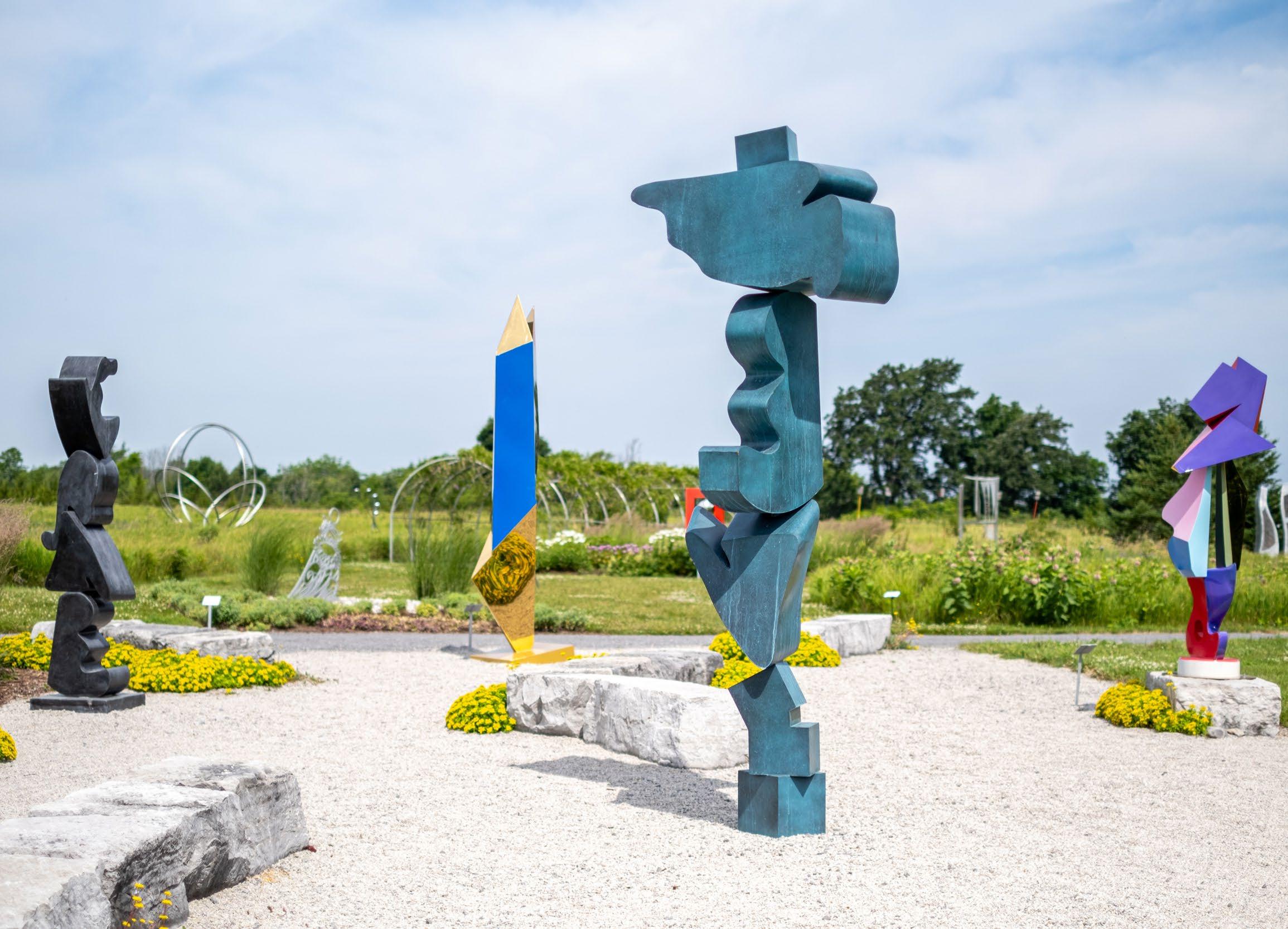
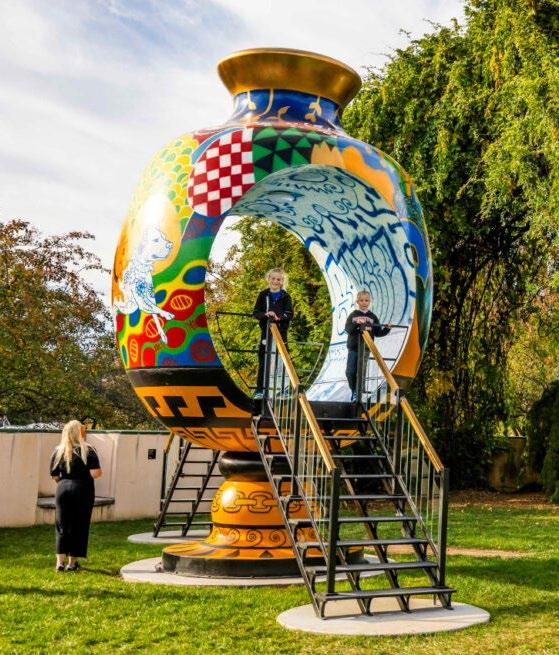
Major sculpture opportunities across Smyrna could come in many forms, including kinetic sculpture, traditional bronzes, or colorful fiberglass constructions. Any new sculpture opportunity should serve as an anchor point within the community and authentically convey Smyrna’s identity.
LOCATIONS
Linear Park, Taylor-Brawner Park, new development, new roundabouts
INVESTMENT
$150,000 - $300,000
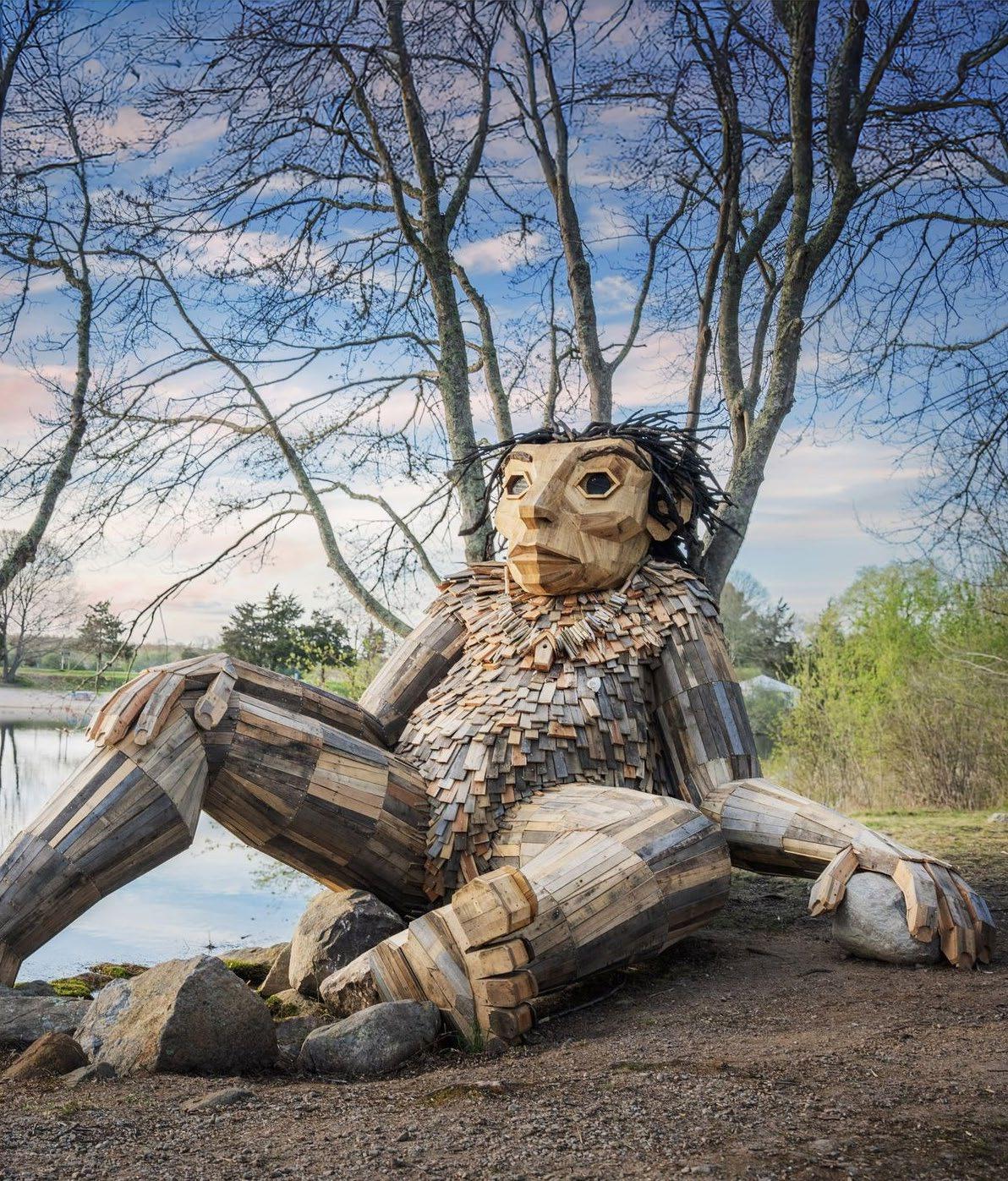
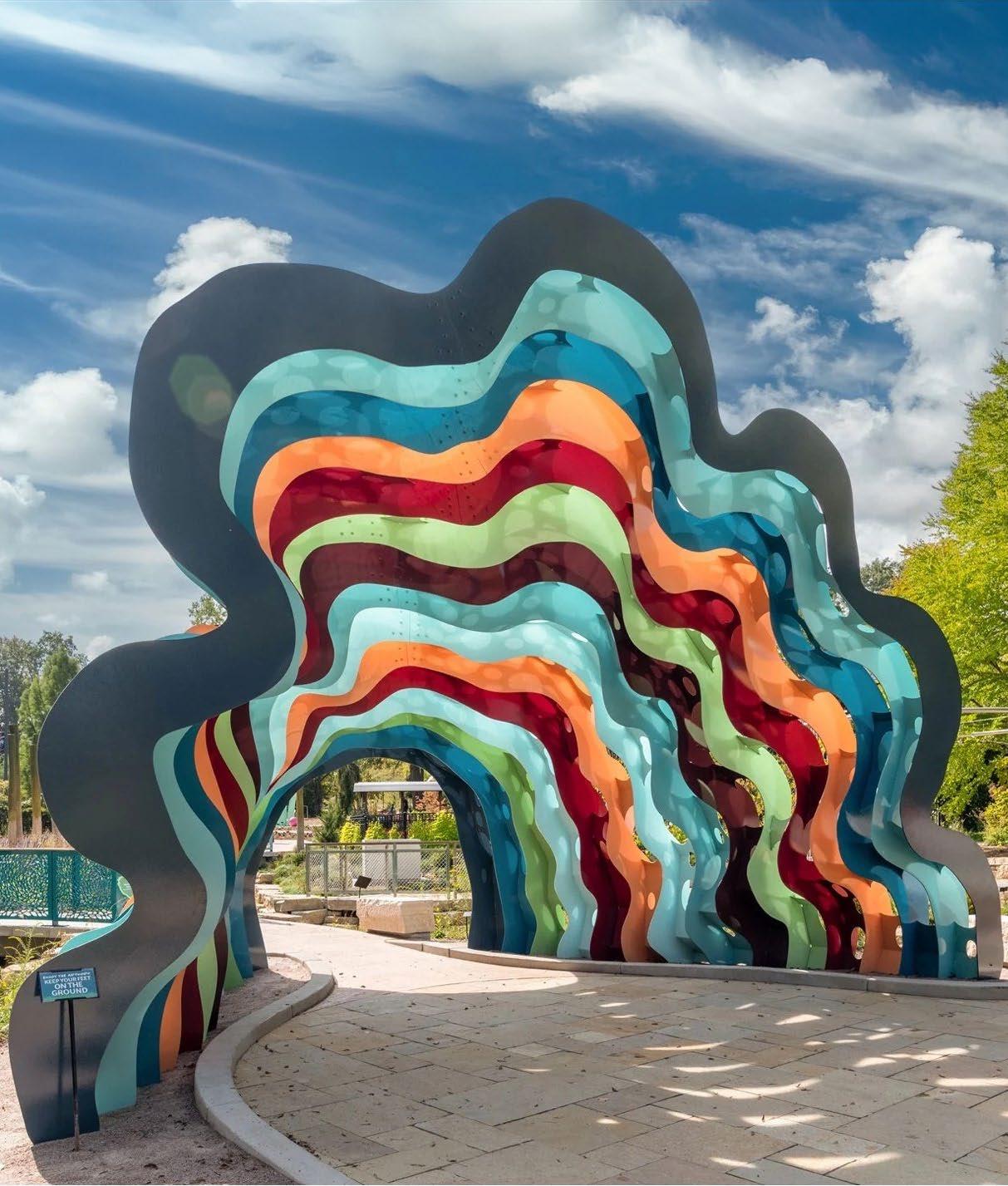
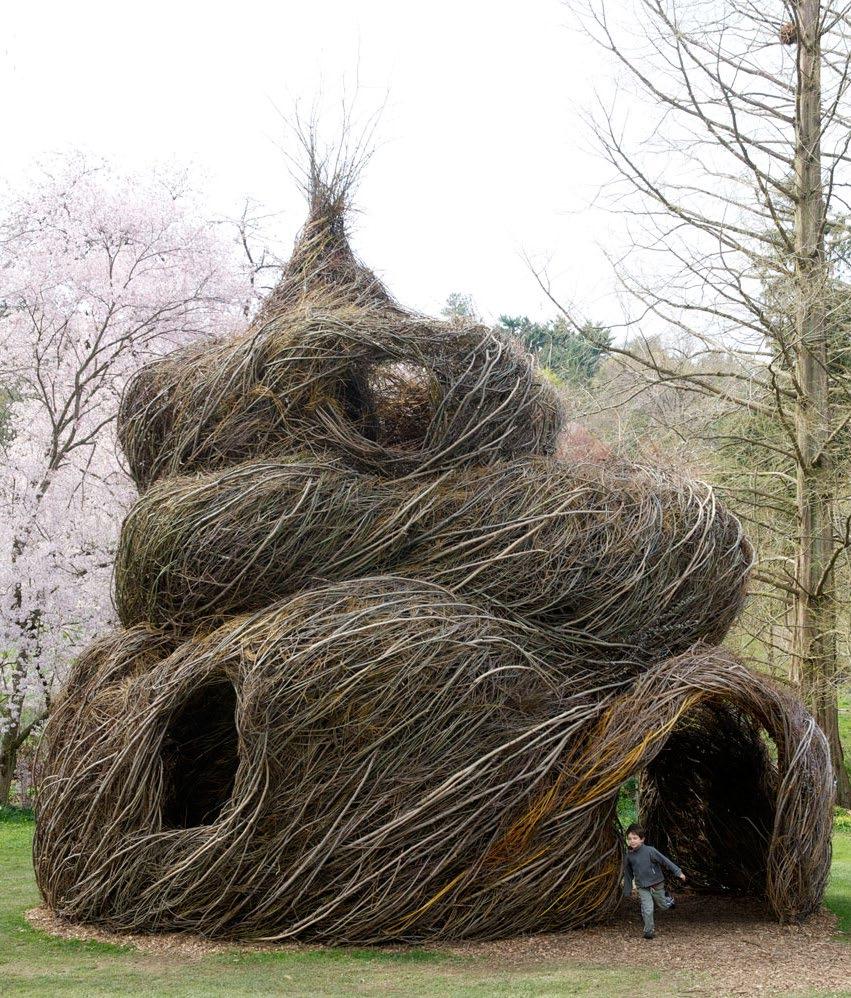
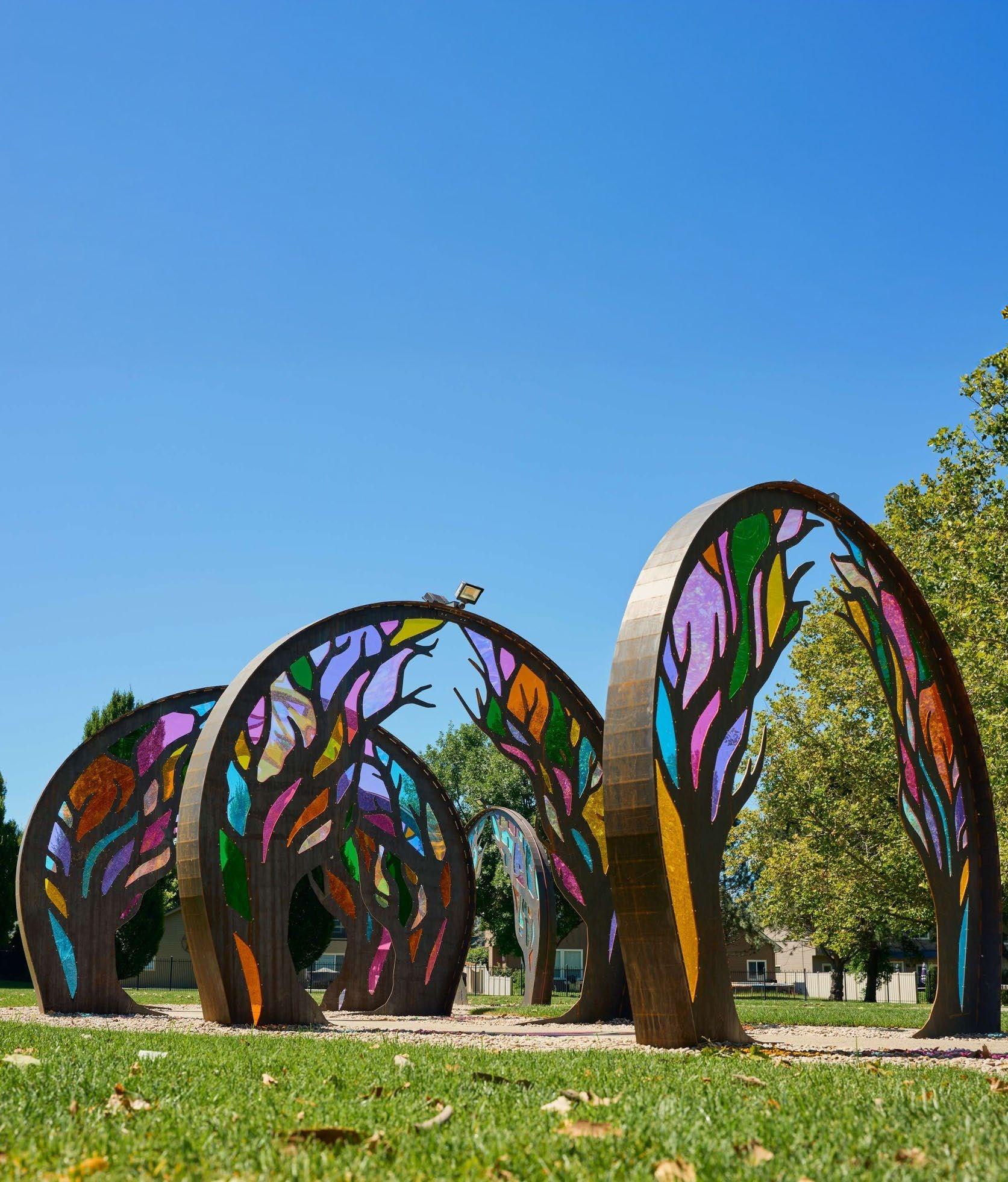
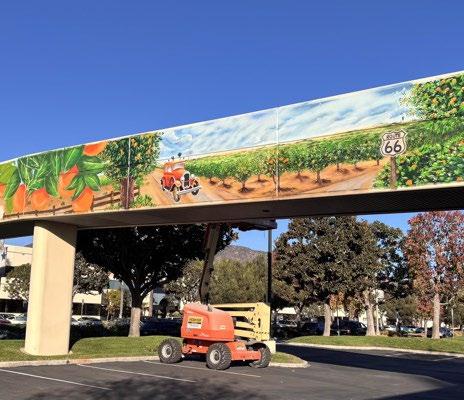
The Argyle Elementary School Bridge is a generous canvas that could convey Smyrna’s character and identity, serving as a major gateway public art opportunity. Significant community input would be recommended to ensure that a selected mural design best reflects the city. An appropriate portion of this structure could be reserved for students to co-create a work with the selected artist or artist team.
LOCATIONS
Argyle Elementary School Bridge
INVESTMENT
$100,000
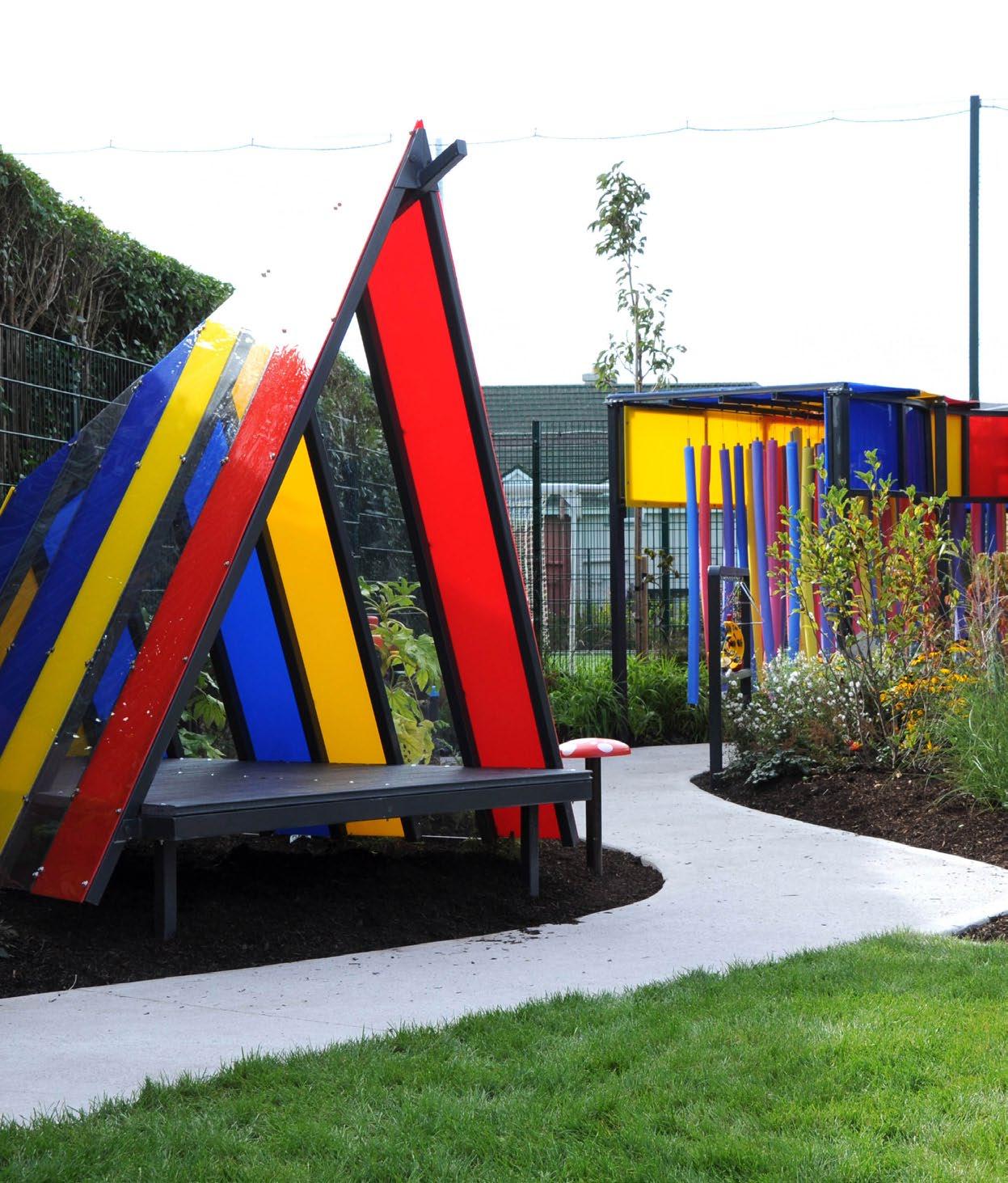
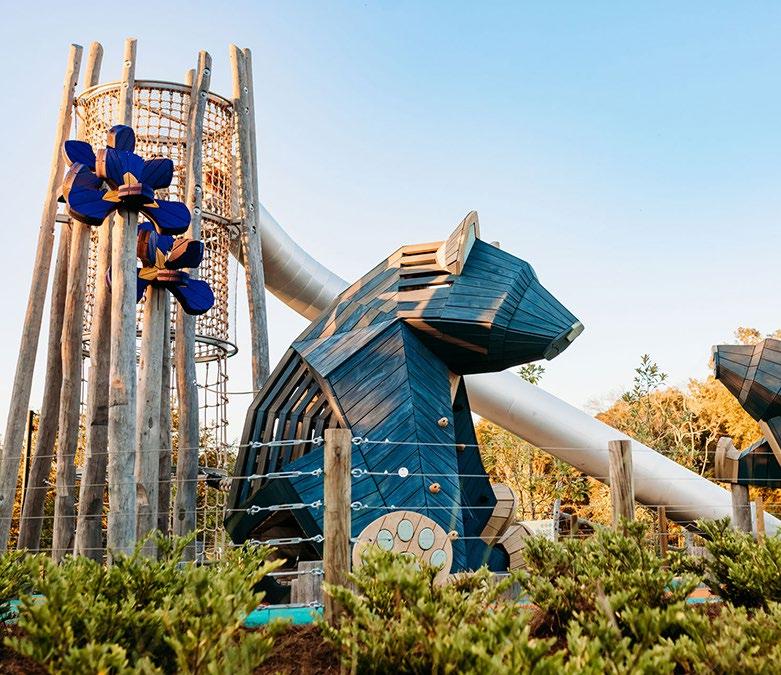
An artist-designed play structure offers a oneof-a-kind opportunity to create a functional play space within one of Smyrna’s parks that has the visual interest and appeal of a major public art sculpture. This investment would be a unique asset in the area and would set Smyrna apart from other communities.
LOCATIONS
Linear Park, other parks
INVESTMENT
$500,000 - $750,000
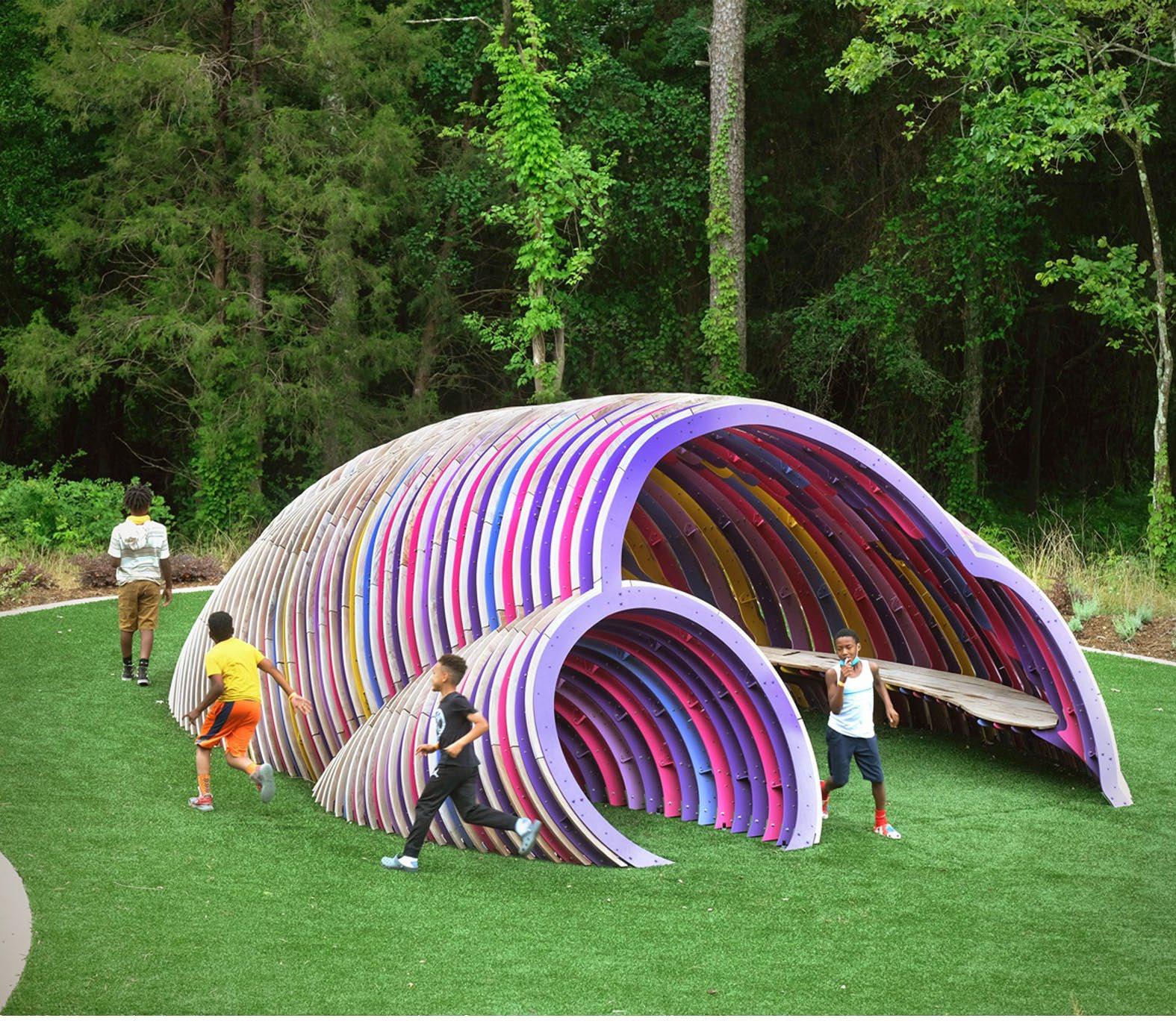
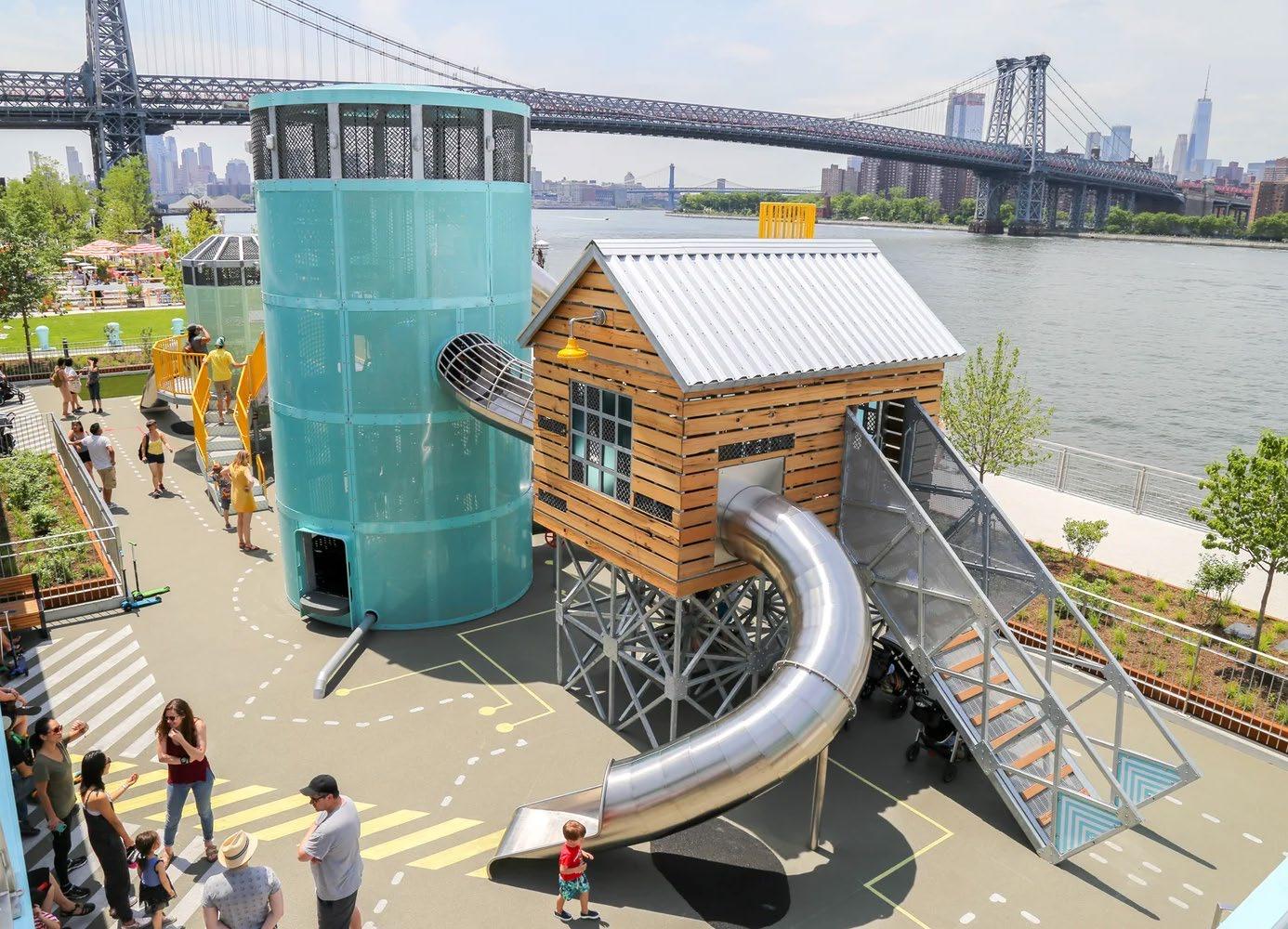
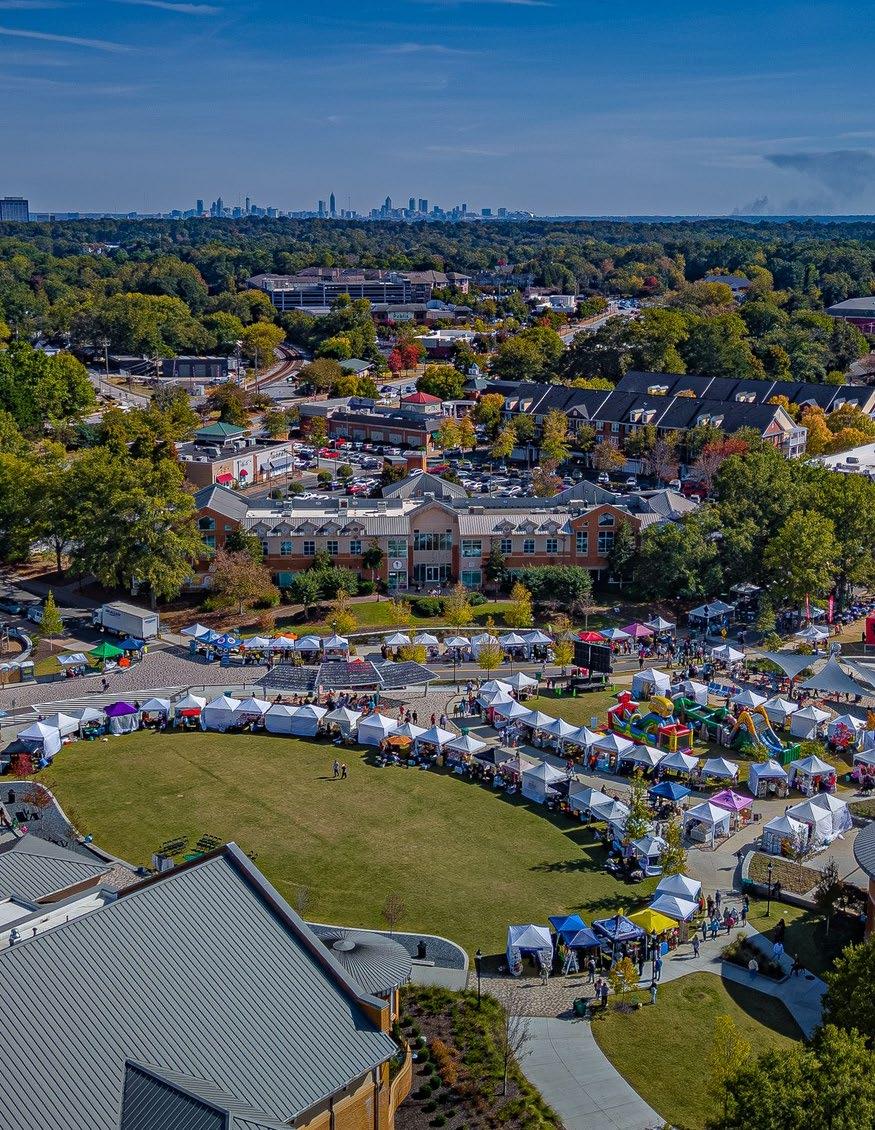
Public art-centered events and programs are excellent ways to activate the public art collection, boost the local art scene, highlight regional artists, and collaborate with existing Smyrna-sponsored events. A successful program should include a suite of opportunities, ranging from one-time celebrations—such as ribbon-cuttings for new artwork or pop-up performances—to signature, year-round events. The Public Art Committee should always seek collaboration with partnering organizations and other Smyrna committees and boards to strategically leverage resources and achieve multiple community goals simultaneously.
Smyrna has offered numerous opportunities for artists to host pop-up experiences for the community to co-create artworks at city-sponsored events, such as the Juneteenth Festival and Smyrna’s annual birthday celebration. The city should continue to allocate resources to these opportunities, collaborate with the Public Art Committee as appropriate, and add new forms of artist-led engagement, such as plein air artmaking and community engagement-focused experiences.
During the planning process, numerous community members expressed interest in youth-centered artist engagement and opportunities for artists to collaborate with Smyrna’s young residents. The most effective opportunities for this kind of participation leverage connections between the city and its local schools, and focus on temporary or pop-up projects. As they become more routine, Smyrna’s utility box and fire hydrant programs may be good starting points to engage Smyrna’s youth in the public art process.
An Artist-in-Residence program is a paid opportunity that provides artists with resources (such as space or access to research tools) for a specific period of time. At the end of the Residence, an artist will reveal their final project, exhibition, or outcome to the public. Through partnerships with Keep Smyrna Beautiful, Smyrna should explore an Artist-in-Residence opportunity with its Parks & Recreation Department. As Smyrna continues to nurture and grow its greenspaces and recreation areas, incorporating art into these sites offers a fantastic opportunity for an ecology-focused Artist-in-Residence. Through this residency, an individual artist or a cohort of creatives could collaborate directly with the Parks & Recreation Department to identify locations and create environmentally-engaged artworks. These pieces would be entirely responsive to the city’s deep passion for its natural spaces, enriching both the art collection and the parks themselves.
To ensure long-term financial support for the public art program, the City of Smyrna can examine several funding models over the next ten years. The options detailed in this section will allow Smyrna to achieve its goals for sustainable public art funding:
1. Ensure an annual allocation of $100,000$125,000 for the public art program
2. Present the Mayor and City Council with a variety of funding streams
3. Explore options outside of a traditional Percent for Art requirement (in both public art private development)
How it works:
For any land owned by the City of Smyrna that will be privately developed, the city could require that the selected developer include public art at the site that is to be developed. This would be outlined during contract negotiation, and would not provide incentives to the developer for the required inclusion of public art. Using the Public Art Plan as a guide, the city would negotiate a recommended public art assessment, sites for projects, and types of projects, and the city could stipulate approval processes and requirements for selected artists.
Pros Cons
• City directs public art requirement
• City could negotiate ownership of the public art because it is sited on publiclyowned land
• Public art would be integrated into a public space from the outset
• May discourage some developers from pursuing the development contract
• Requires close coordination between the City and the developer
• Not a long-term solution for sustainable funding
How it works:
SPLOST is a 1% sales tax approved by local voters for a fixed period (typically 5 or 6 years) to fund capital outlay projects. As Smyrna plans for a SPLOST option on the 2028 ballot, Smyrna should consider which projects may be eligible for public art funding that is tied to project sites.
Pros Cons
• Generates significant revenue because the sales tax is widely applied
• SPLOST does not increase property tax and would also be generated by tourism dollars
• Leverages local support for investment in Smyrna’s shared spaces
• Uses of SPLOST funding would be limited, creating complex administrative obstacles for public art funding
• Temporary public art projects would not be eligible
• Not a long term solution, would expire after the voter-approved term
OPTION 3: ALLOCATE .01% OF TOTAL ANNUAL OPERATING BUDGET TO PUBLIC ART
How it works:
When Smyrna creates its annual Operating Budget, the city can allocate a fixed amount to public art that is proportionately scaled to its anticipated annual budget.
Pros Cons
• Long term solution that would likely increase with time
• Sustainable mechanism
• Provides Smyrna maximum flexibility to determine funding uses for public art
• Annual allocation would likely vary
• Impact might not be immediate, if funding policies need to shift.
How it works:
When Smyrna creates its annual Operating Budget, the city can allocate a fixed amount to public art that is proportionately scaled to its anticipated annual budget.
Pros Cons
• Provides Smyrna maximum flexibility to determine funding uses for public art
• Does not require administrative oversight outside of the city
• Local taxpayers may object to funding use
• Not a policy-directed requirement, which could be revoked
In order to formalize the administration, funding, and framework for the City of Smyrna’s public art program, the city should adopt a Public Art Ordinance, in consultation with City Staff and City Council. A public art ordinance addresses the following topics:
It outlines the goals for public art, such as enhancing the aesthetic environment, promoting cultural understanding, fostering economic development, celebrating local identity and history, and enriching the lives of citizens.
Smyrna should dedicate appropriate funding for public art that is ongoing and dedicated. This ordinance would guarantee a funding stream for public art projects well into the future. The ordinance includes provisions for public art funds from private development, grants, donations, the general fund, or other sources. This section also establishes a public art fund that is dedicated to incoming and outgoing expenditures for public art, and outlines appropriate and inappropriate uses of the fund.
The ordinance defines what qualifies as “public art,” often broadly to include sculptures, murals, integrated architectural elements, digital media, and even temporary installations or performances, while excluding things like mass-produced decorations or purely functional elements.
The ordinance establishes the Public Art Committee for advising on public art matters, including policy development, artist selection, and project approval. The ordinance also details the procedures for commissioning, acquiring, installing, and deaccessioning (removing) public art.
This section establishes criteria for evaluating public art projects proposed for accession into the Smyrna Public Art Collection, which is also applicable to donation proposals.
The following implementation matrix provides implementation recommendations for the public art projects developed for Smyrna in this Plan. This matrix aims to fund $100,000 - $125,000 for the program annually, and accounts for maintenance costs and rollover funding for larger scale projects. Availability of funds is subject to change year over year, and the guide below is intended to be used as a roadmap for the next three years. While the chart provides approximate project totals, projects may be funded through multiple or overlapping funding streams that are not exclusive to the city’s allocation for public art. This plan encourages creative and resourceful collaboration across departments to maximize Smyrna’s capacity to fund public art.
Annual 10% Maintenance Allocation
Annual 5% allocation for future large-scale project Varies
Fire Hydrant Program
3 Utility Boxes
Vinyl Mural Program Kick Off - 5 opportunities
Retaining Wall Mural in priority location
Concrete work for rotating sculpture sites around the city (assume 5 or 6 locations)
Pop Up Artwork or Artist Engagement Opportunities throughout the year
$10,000 - $20,000
$9,000
$15,000
$10,000
$5,000 per foundation, $25,000 - $30,0000
28 Annual 10% Maintenance Allocation
Annual 5% allocation for future large-scale project
Fire Hydrant Program
3 Utility Boxes
Retaining Wall Mural in priority location
Pilot Rotating Sculpture Program (artworks on view for 18-24 months)
$10,000 - $20,000
$9,000
$10,000
$10,000 - $12,000 ($2,000 honorarium per artist)
Argyle Elementary School Bridge Mural $90,000
Project Recommendations
FY 29
Annual 10% Maintenance Allocation Varies
Annual 5% allocation for future large-scale project Varies
Fire Hydrant Program
3 Utility Boxes
Retaining Wall Mural in priority location
Major Sculpture or Artist-designed play structure
$10,000 - $20,000
$9,000
$10,000
$200,000
FY 29 Total $239,000
In order to encourage the installation of privately-funded murals in the City of Smyrna, the city should implement a one-to-one matching grant program for privately-funded murals on private property, up to $5,000 per project, and up to $60,000 annually. Murals on private property receiving grant dollars would need to be approved under the Public Art Ordinance with review by the Public Art Committee. As a kickstarter program, the Matching Mural Grant Program will be subject to annual review. A complete draft outline, application form, and process details are included in the Appendix of the Public Art Master Plan.
The suggested edits to the Smyrna Public Art Program Policy focus on clarifying definitions, procedures for donations and deaccession, and setting financial thresholds for acquisition and committee involvement.
Here is a summary of the key suggested edits:
General Edits
• Minor grammar/spelling updates throughout
Definitions
• Life Spans: Added “Short term: 2-10 years” to the definitions for artwork display duration.
• Public Art: The definition is subject to major proposed revision, including new concise descriptions and a modified list of exclusions
Roles and Responsibilities
• Public Art Coordinator: The frequency of Public Art Committee meetings to be coordinated and managed by the Coordinator is proposed to change from quarterly to monthly.
• Public Art Committee: Additional duties include creating a public art inventory, advising on maintenance, and conducting public engagement.
Collection Management (Donations and Evaluation)
• Donation Requirements: Added that the resolution accepting the public art must identify how maintenance will be funded if the donation proposal does not include a plan to fund ongoing operations and maintenance.
• Criteria for Evaluation:
• Donated artwork must be suitable for public display on City-owned or City-managed property and will be publicly accessible.
• Under Scale, proposals must be scaled in relation to the site where they will be placed.
• Under Community Impact, proposals must address how local stakeholders will be engaged.
• Under Legal, compliance requirements are expanded to include that all Artwork must comply with City codes for safety, accessibility, and lighting, the Americans with Disabilities Act, and all relevant City laws and City Risk Management policies.
• The requirement for liability insurance can be waived if the lender signs a Waiver of Subrogation, with approval from City Administration.
• Criteria for Deaccession: Added a new criteria that an artwork can be deaccessioned if it has become publicly associated with racism, sexism, homophobia, xenophobia, acts of assault or violence, or other offensive themes.
• Review Process: Clarified that the sale or exchange of deaccessioned artwork shall comply with the laws and policies of the State of Georgia and the City of Smyrna.
• Purchasing Procedures: A new procedure is outlined: if the purchase or commission of artwork exceeds $50,000, the Committee must recommend the purchase to City staff to present to the City Council prior to approval.
• Selection Process Threshold: If the budget for a single piece of artwork is $25,000.00 or more, a selection panel must be formed, and public comment must be solicited.
• Selection Goals: A new goal is added to ensure that the demographics of the artists and selection committees are, on average, reflective of Smyrna’s population.
Murals are an effective, efficient way to enliven communities and convey local characteristics Through the City of Smyrnaʼs Mural Matching Grant Program, the City encourages private property owners to implement murals, with the intention of leveraging the benefits of public art to spark joy, beauty, and visual interest across Smyrna.
Funding applicants are eligible to receive financial assistance, in the form of a one-to-one funds match, not to exceed $5,000, for new mural artwork that is adjacent to the public right-of-way or surface parking lots, or visible from the public right-of-way. Murals that are funded by the Mural Matching Grant Program must be placed on private property, limited to non-residential and mixed-use buildings within Smyrnaʼs city limits.
Murals are temporary public artworks. Murals funded by the Mural Matching Grant Program shall be maintained for a minimum of 5 years and shall be the responsibility of the private property owner and/or artist. An agreement, which will clarify the terms and conditions of the commitments, including maintenance, must be signed by the property owner and the artist. This ensures mural safety and preservation for the duration of the agreement.
In accordance with the City of Smyrnaʼs municipal code, a mural may not use letters, words, numerals, figures, emblems, logos, or any parts or combinations thereof to advertise goods, services, or merchandise
Grant funding may not be used toward any additional costs if:
● encroachment into the public right-of-way is required for installation; or,
● traffic management is required for installation.
Anyone can propose a mural project, including property owners, artists, organizations, and neighborhood associations.
Mural applications will be open twice annually:
● Cycle 1 For mural installation between April 1 and May 31, YEAR, applications will be open January 1 to February 15, YEAR
● Cycle 2 For mural installation between September 1 and October 31, YEAR, applications will be open May 1 to June 15, YEAR.
There is no application fee. Once completed applications are received, City staff will review and approve project applications with the Cityʼs Public Art Committee and notify the City Council via staff memo. Projects will be considered on a case-by-case basis, and any grant is contingent upon the approval by City Council. Approved projects will require a grant agreement, which will clarify the terms and conditions of the commitments between the City of Smyrna and the applicant. The number of mural projects funded by the City will depend on funding availability.
1 Download an application from the Cityʼs website, or secure an application at [location]
2. Review the application. If you have any questions, please call [contact]
3. Submit a completed application package to [location], which includes the following:
⃞ Signed and completed Mural Matching Grant application
⃞ Attach a completed budget worksheet (use the provided template)
⃞ Proof of ownership of the property (ex. tax deed) or contract agreement for mural on private property
⃞ W 9 form (as applicable)
⃞ Copy of liability insurance
⃞ Image(s) of a color rendering of the proposed mural
⃞ Image(s) of the site and/or building/structure where the mural will be placed
⃞ Project timeline
⃞ If attaching panels to a wall, include a materials list, drawing, and attachment of plans must be submitted, and a building permit may be required
⃞ Any other documentation requested by the City of Smyrna
The applicant is responsible for all application fees, public notices, building fees, other permits, and fees that are associated with the proposed project. Grant awards shall only be used for costs related to the mural project specified in the proposal. Grant awards shall
be inclusive of artistʼs fees and related expenses for design, supplies, insurance, transportation, installation, and other related mural costs.
Submitting an application is not a guarantee of funding.
Disbursement of grant funds shall only occur when the following documents are submitted, and all other required conditions are met: Upon project completion, the applicant contacts [contact] with the project completion date. The applicant submits a “reimbursement packageˮ to the [location], which includes the following:
1. Proof of payment for improvements (which must be at least as much as the amount indicated in the application
2. Completed reimbursement form (provided by the City of Smyrna as part of the application).
3. Copies of applicable invoices must show “paid in fullˮ; (receipts must CLEARLY show how the project was paid, i.e., check, cash, cashierʼs check or credit)
4. Proof of payment (which must be at least as much as the amount indicated in the application); and photos of mural
Final approval by the City staff or copies of the final inspection if a building permit is required If the project is not completed or is not approved in its final inspection within six months from the approval of the grant, the grant award shall expire.
If you have any questions regarding this application, please contact [contact]
Applicant Information
Name:
Address:
Phone: Tax ID#
Email:
Website:
Artist Information
Lead Artist Name:
Other Artists (if applicable):
Address:
Phone: Tax ID#
Email:
Website:
Mural Location Information
Name of Business:
Type of Business:
Property Owner Name:
Property Owner Phone:
Property Owner Email:
Address of Proposed Project:
Mural Identification: Please identify the following:
Title of proposed mural project:
Size/Dimensions:
Medium:
Artist Name:
Mural Location:
Mural Information: Provide an artist statement for the mural, which describes the relationship of the proposed work of art to the site in terms of the history and cultural and social dynamics of the neighborhood, and the local architectural character and surrounding context of the site, existing or planned. (1-2 paragraphs maximum)
Materials and Site: Address the technical feasibility of the project, including degree of permanence of structural and surface components such as wall materials and finishes; primer and paint specifications; protective finishes (anti-graffiti coating is required); and site considerations such as landscaping, drainage, grading, lighting,
and seating; and historical, cultural, and environmental impact. Please also describe how the site will be prepared for mural application.
Maintenance: Describe the ongoing maintenance and care required for the mural, including all cleaning specifications with products required, method of clearing, etc. Please also describe the desired qualifications and skills of personnel performing maintenance, if applicable.
Installation: Describe the installation scope, including required equipment and materials needed to install the mural; identify the installation timeline, required number of personnel and desired qualifications for additional installation staff, excluding the artist; describe any safety measures that will be required, including
anticipated road closure(s), cone set up, sidewalk closure(s), etc. Please also describe anticipated public right-of-way encroachment and/or include images of potential public right-of-way encroachment (an additional permit for encroachment may be required).
1. Download an application from the Cityʼs website, or secure an application at [location]
2. Review the application. If you have any questions, please call [contact]
3. Submit a completed application package to [location], which includes the following:
⃞ Signed and completed Mural Matching Grant application
⃞ Attach a completed budget worksheet (use the provided template)
⃞ Proof of ownership of the property (ex. tax deed) or contract agreement for mural on private property
⃞ W9 form (as applicable)
⃞ Copy of liability insurance
⃞ Image(s) of a color rendering of the proposed mural
⃞ Image(s) of the site and/or building/structure where the mural will be placed
⃞ Project timeline
⃞ If attaching panels to a wall, include a materials list, drawing and attachment of plans must be submitted, and a building permit may be required
The applicant is responsible for all application fees, public notices, building fees, other permits, and fees that are associated with the proposed project. Grant awards shall only be used for costs related to the mural project specified in the proposal. Grant awards shall be inclusive of artistʼs fees and related expenses for design, supplies, insurance, transportation, installation, and other related mural costs.
Submitting an application is not a guarantee of funding.
Mural Matching Grant Program Budget Worksheet
Project Expenses: Notes Amount
Artist Fees
Assistant Fees
Supplies/Materials
Insurance
Wall Preparation
Scaffolding/Ladders/Lifts
Sealant - Clear Coat with UV Protection May be required
Maintenance
Application Fees
Public Notice/Posting Sign
Other
Total Budget
Match: Notes Amount
Cash
Foundation Grants
Business Donations
Individual Donations
Fundraisers
Other
Total Cash
Volunteer Time
Donations of Materials
Artist Fees
Assistant Fees
Wall Preparation
Publicity/Promotion
Other
Total In-Kind
Total Match
Funding Request:
Does match equal or exceed funding request?
City of Smyrna Received by: Reviewed by: Approved by: EMAIL
Application for Mural Minor Conditional Use Permit
Project ID#
General Information
Pre-App Conference Date: Application Date:
Project Name:
Parcel ID#
Zoning Sub-district:
Project Address:
Subdivision: Lot(s):
Submittal Requirements: A completed application form, one 1 copy of all documents on a PDF formatted disc, the payment of fees, and pertinent information as required below.
Approving Authority: The City Staff Contact] is required to prepare a staff report and recommendation concerning this application for the Public Art Committee.
Please Print or Type)
1. Property Owner, Lessee, Contract Purchaser, or Applicant (circle one): Name: Title: Company: Company Address:
City/State/Zip Code: Telephone Number:
Facsimile Number:
Email Address (optional):
2. Agent of Record (if any): The following individual is designated as the Agent of Record for the property owner, lessee, or contract purchaser and should receive all correspondence related to the application review.
Name:
Title: Company:
Company Address:
City/State/Zip Code:
Telephone Number:
Facsimile Number:
Email Address (optional):
3. The Undersigned, as the Property Owner, Lessee, Contract Purchaser, or Applicant (circle one), acknowledges responsibility for all City expenses associated with the referenced application (s), including time spent by the Cityʼs consultants and further acknowledges that payment of consultant fees will be made prior to the receipt of the consultant comments.
City/State/Zip Code:
Telephone Number:
Facsimile Number:
Email Address (optional):
Name:
Title:
Company:
Company Address:
I hereby certify that all information contained herein is true and correct.
Signed this day of , 20 .
Signature of Property Owner, Lessee, Contract Purchaser or Applicant (circle one) State of Georgia, Cobb County
The foregoing instrument was acknowledged before me on this day of by who is personally known to me, or who has produced _______________________________________________ as identification and who did/did not take an oath.
Commission expires: Notary Signature