MAIN STREET RIPLEY PLACEMAKING PLAN

ACKNOWLEDGMENTS
West Virginia Main Street City of
Main Street
Thank you to these organizations for their shared vision and support through this process!
West Virginia Main Street City of
Main Street
Thank you to these organizations for their shared vision and support through this process!
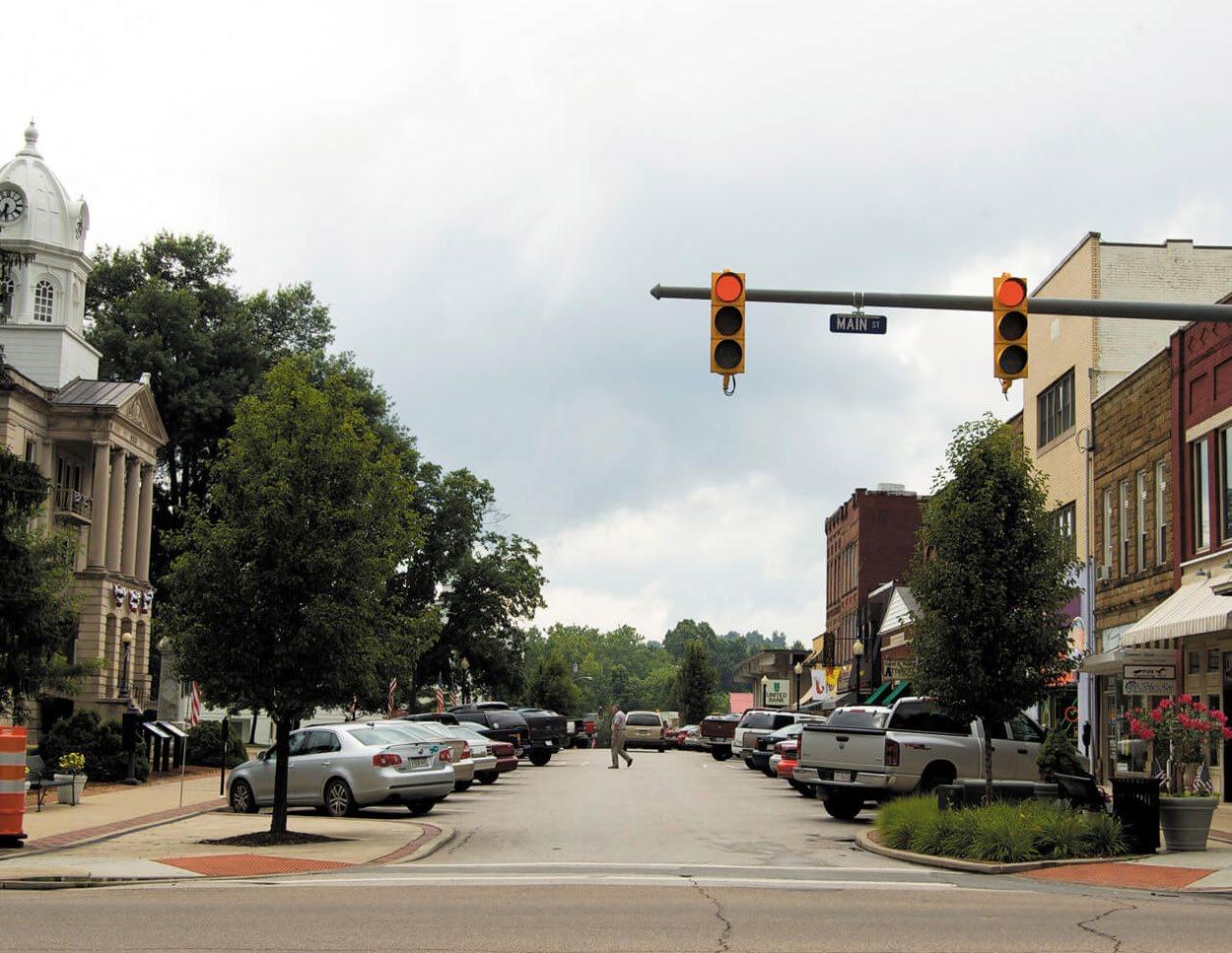
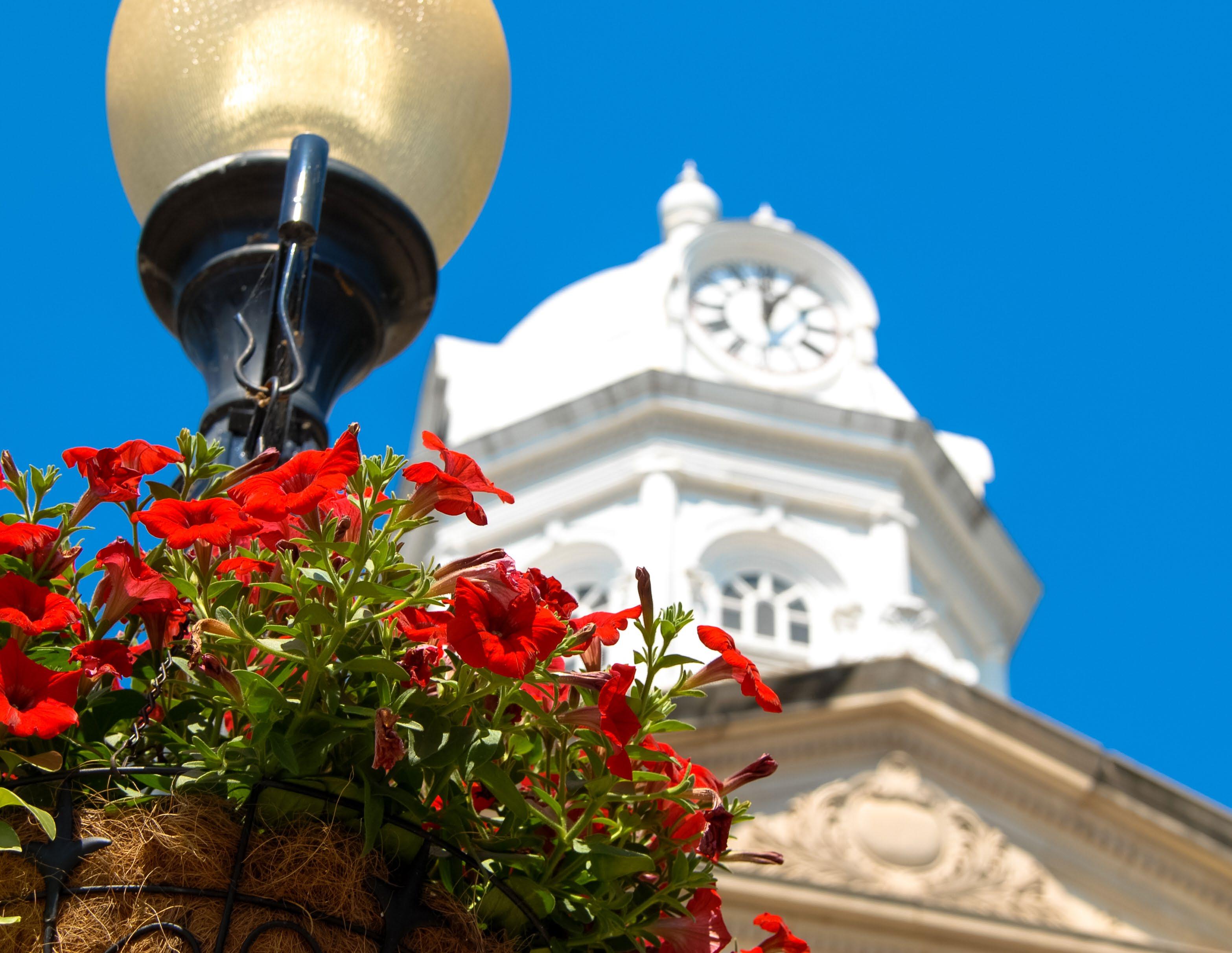
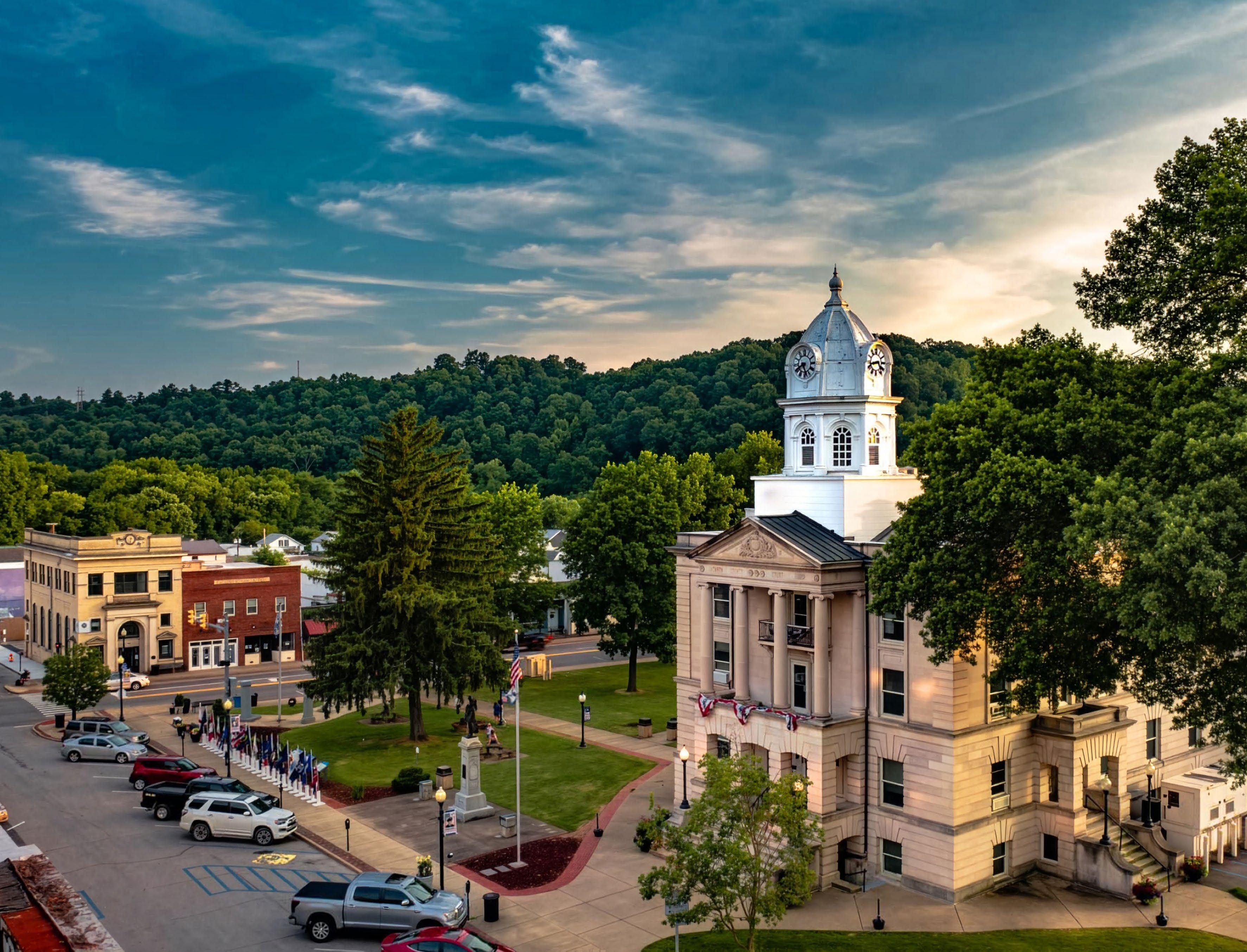
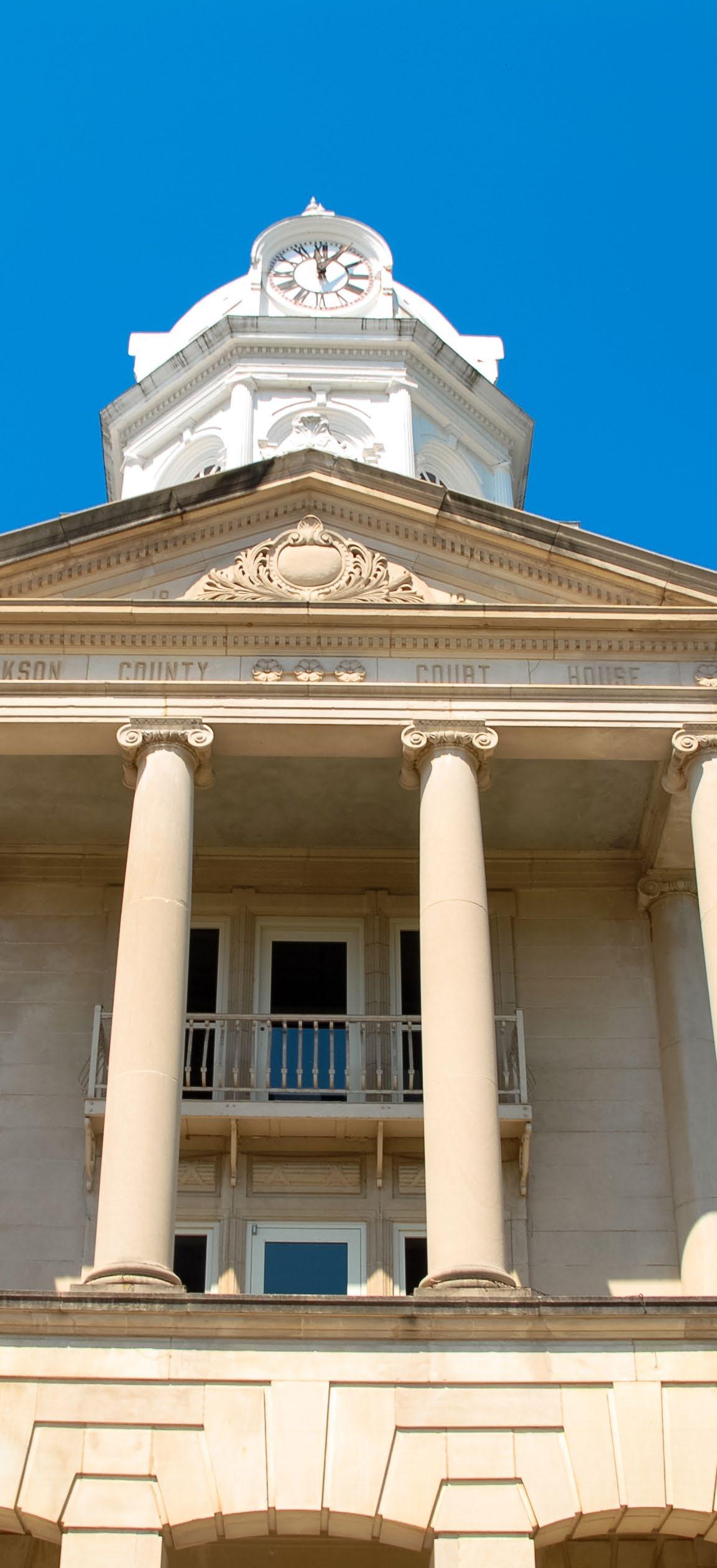
Downtown Ripley is defined by its historic architecture, dedicated residents, and stunning natural scenery. Together, these elements create a quintessential small-town atmosphere that makes the city a premier destination to live, work, and explore.
Driven by building momentum from the City and organizations such as Main Street Ripley, there is a unique strategic opportunity to enhance the qualities that make downtown Ripley so desirable.
This plan builds upon that community vision by proposing a series of targeted projects for the Court and Main Street corridors. These initiatives are designed to elevate the streetscape, integrate public art, establish clear wayfinding, and align with existing programming efforts.
The following projects represent a holistic approach to downtown revitalization. Each proposal is designed to complement the others, creating a cumulative impact that strengthens the overall vibrancy of Ripley.
To ensure strategic alignment and clarity, the proposals in this plan are organized into three distinct categories, each defined by its specific intent, purpose, and cost considerations. While some projects fall squarely into a single category, others are designed to be cross-functional, addressing multiple categories simultaneously to maximize their impact on the downtown corridor.

These projects aim to enrich the streetscape and pedestrian experience by activating strategic locations with mural installations and creative treatments for existing infrastructure. By reclaiming underutilized surfaces as canvases, these initiatives transform the downtown environment into a vibrant gallery that reflects the community’s unique character.

Effective wayfinding and signage are essential components for navigating and exploring urban environments. The projects in this category identify opportunities to enhance navigability throughout the downtown area. These interventions aim to promote exploration and discovery while establishing a cohesive aesthetic that makes the city easier -and more inviting- to traverse.

Streetscape projects focus on the physical quality of the public realm, prioritizing enhanced walkability, aesthetic beauty, and thoughtful landscaping. These projects work in tandem to improve the overall condition of the corridor, ensuring that the street functions as a safe, accessible, and attractive space for all users.
The projects proposed for the Court and Main Street corridors were not selected at random. Instead, the methodology utilized an AssetBased Placemaking approach. The planning team evaluated the downtown core based on three primary criteria:
The team identified “blind spots” in the current streetscape- such as the blank facade of the First National Bank and plain utility boxesthat offered the highest potential for visual transformation with minimal structural intervention.
We prioritized projects that solve existing problems. These projects aren’t just “nice to haves”; they are critical infrastructure improvements that support commerce and navigation.
Each project was chosen based on its ability to draw foot traffic further into the downtown district, specifically bridging the gap between the core business area and the Court Street corridor.
While each project is a “win” on its own, their true value lies in their collective coordination. When implemented together, these projects create a more holistic streetscape that offers:
By leaning into Ripley’s heritage via large-scale murals and custom branding, the projects reinforce a “sense of place” that makes residents proud and visitors curious.
By providing dedicated space and power for vendors and clear wayfinding to parking, these projects remove the friction that often prevents visitors from staying longer and spending more downtown.
This plan balances quick wins with anchor investments. This ensures that the downtown begins to feel different in the short term, while building a foundation for permanent growth.
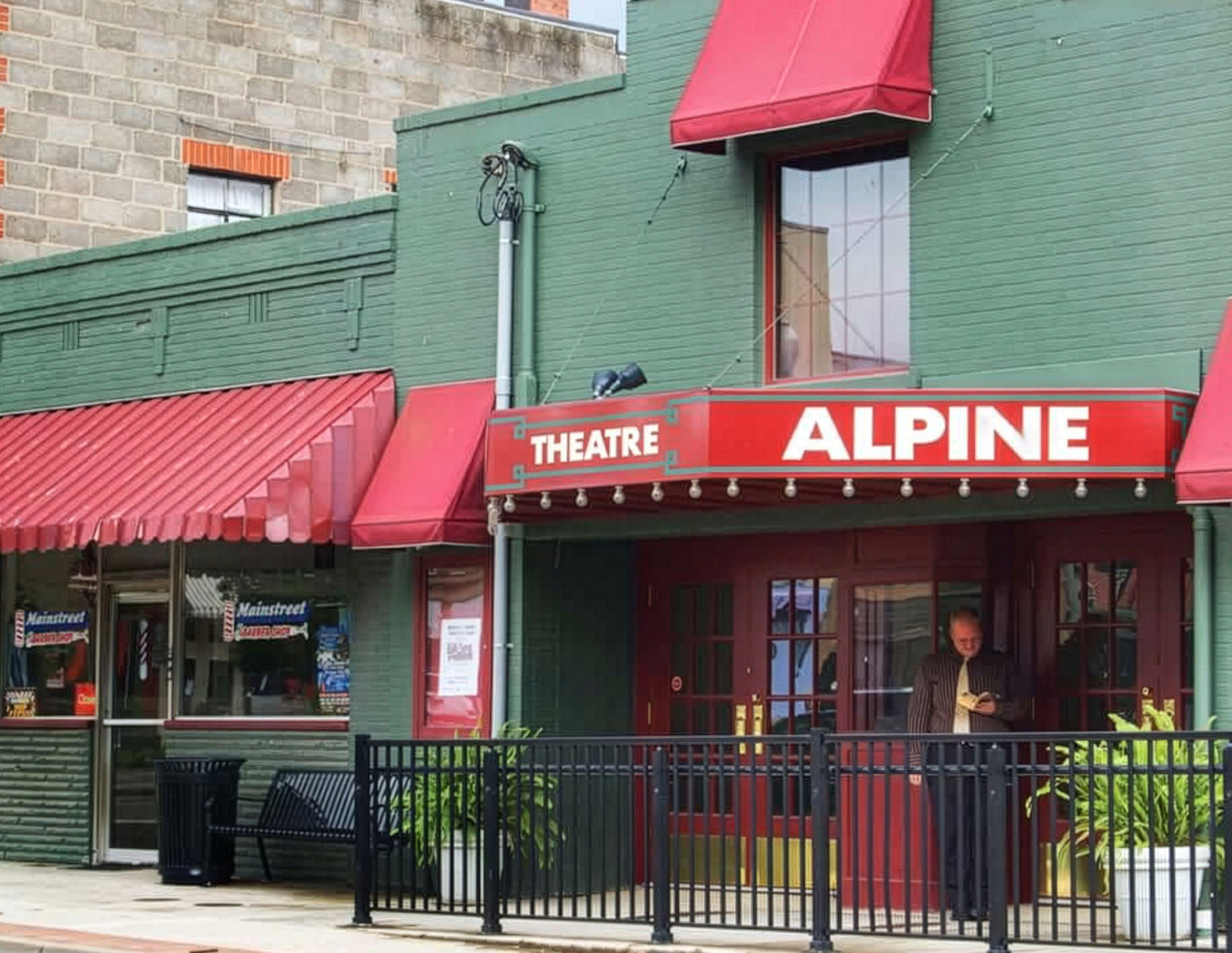
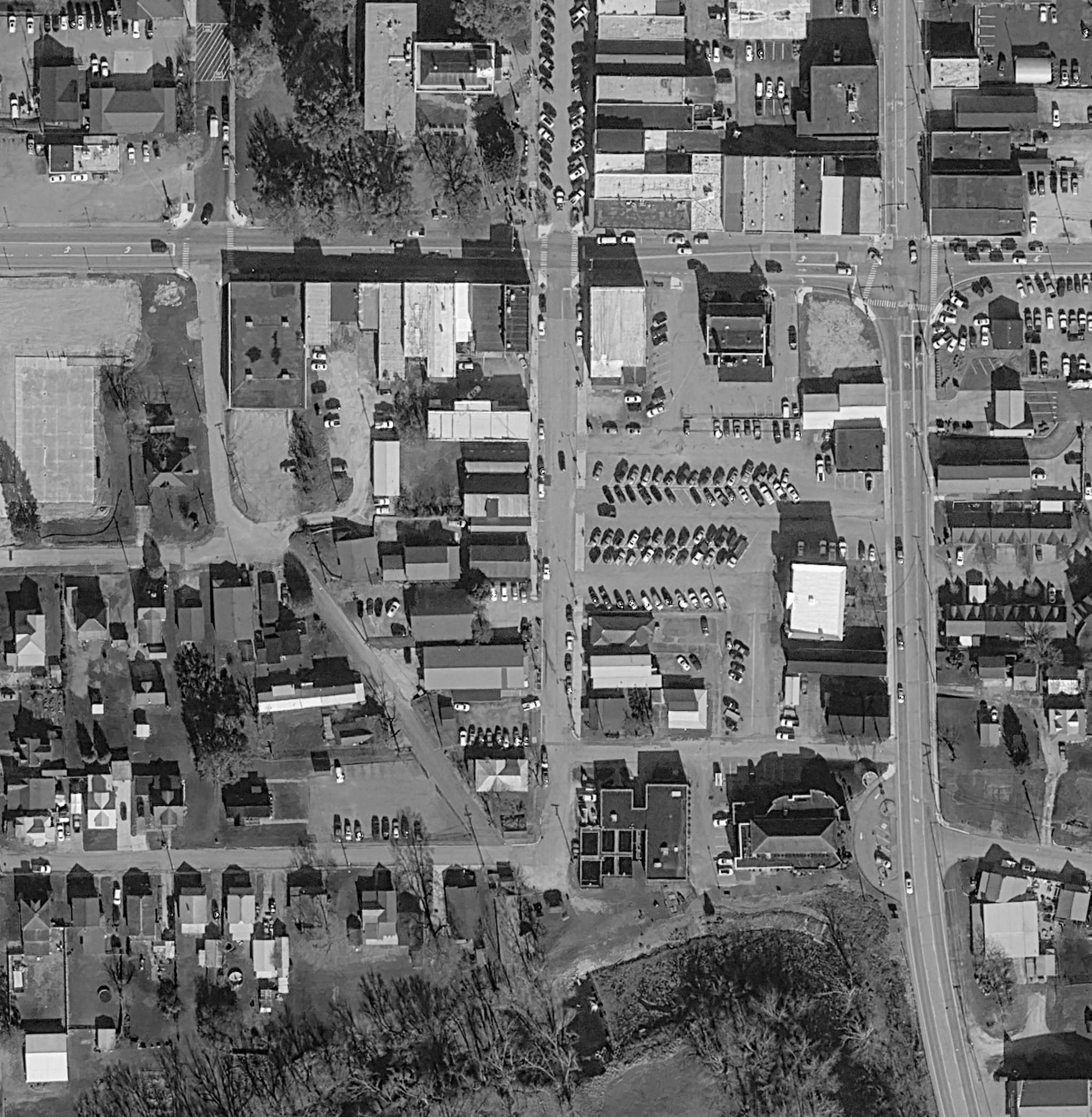
Project selection utilized an Asset-Based Placemaking approach. Asset-Based Placemaking is defined as a process that improves public spaces by identifying and leveraging existing local strengths -such as cultural identity, social networks, natural resources, and physical structures- rather than focusing on deficits.
The planning team evaluated potential sites based on visibility, functional necessity, and connectivity. By prioritizing projects that solve existing problems, the plan ensures that improvements serve as critical infrastructure rather than simple aesthetic additions. This strategy aims to strengthen Ripley’s local identity while removing friction that may prevent visitors from staying longer downtown.
To ensure the plan is functional and implementable, projects are organized by priority, estimated costs, and implementation timing. This pricing methodology supports a phased implementation strategy, allowing the city to mix and match projects to fit annual budget cycles. By balancing quick wins with long-term anchor investments, the plan ensures Ripley begins to feel revitalized in the short term while building a scalable foundation for permanent growth.


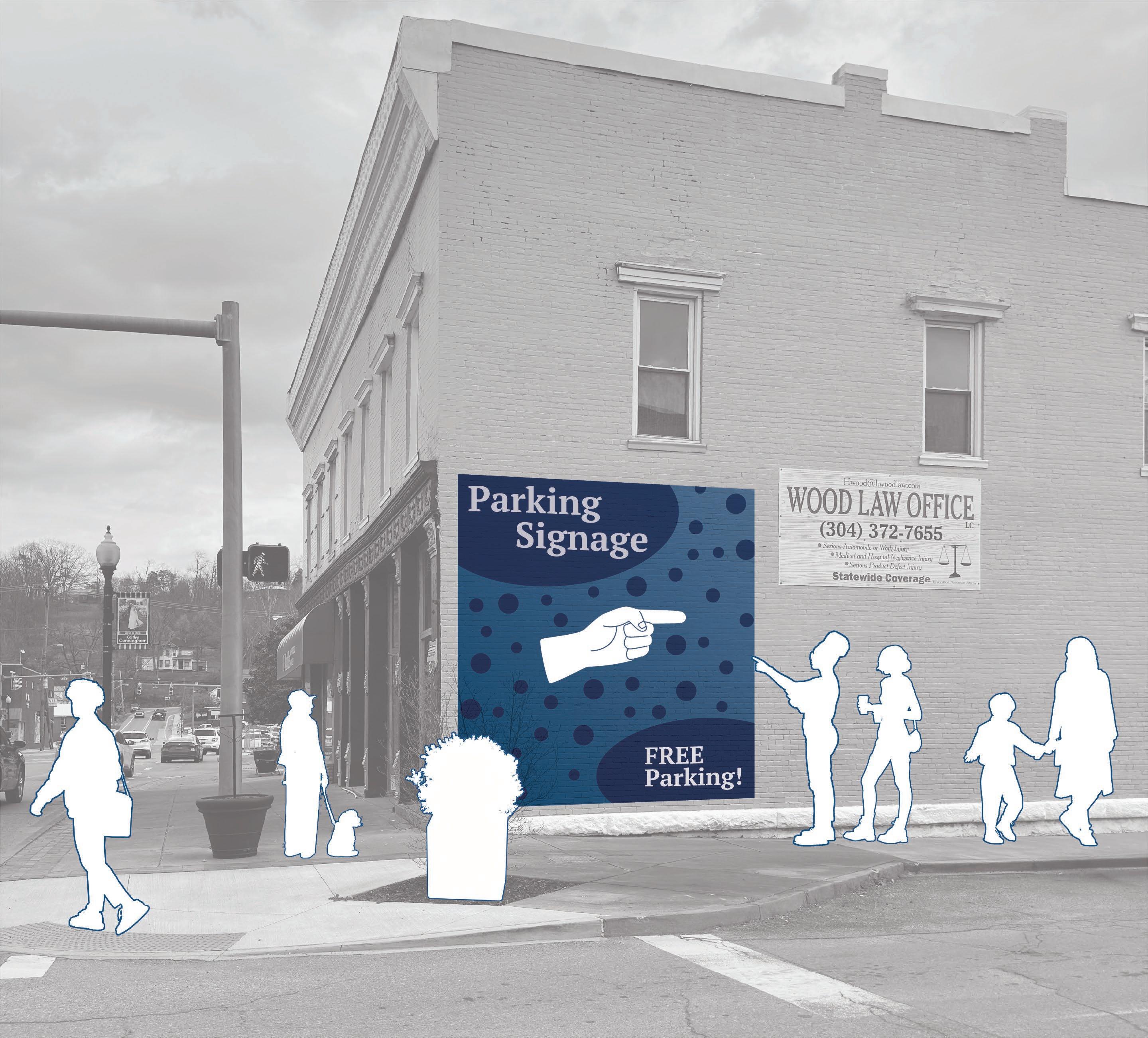
The building at the southeast corner of Court Street and Main Street offers a strategic opportunity to activate a prominent wall- currently being occupied by a small parking sign.
By installing a mural, vinyl wrap, or custom metal signage, this west-facing facade can transform into a more inviting, functional landmark.
This project will serve a dual purpose: enhancing the downtown streetscape through public art and providing essential wayfinding to the free parking lot on South Court Street—a vital yet underutilized community asset.
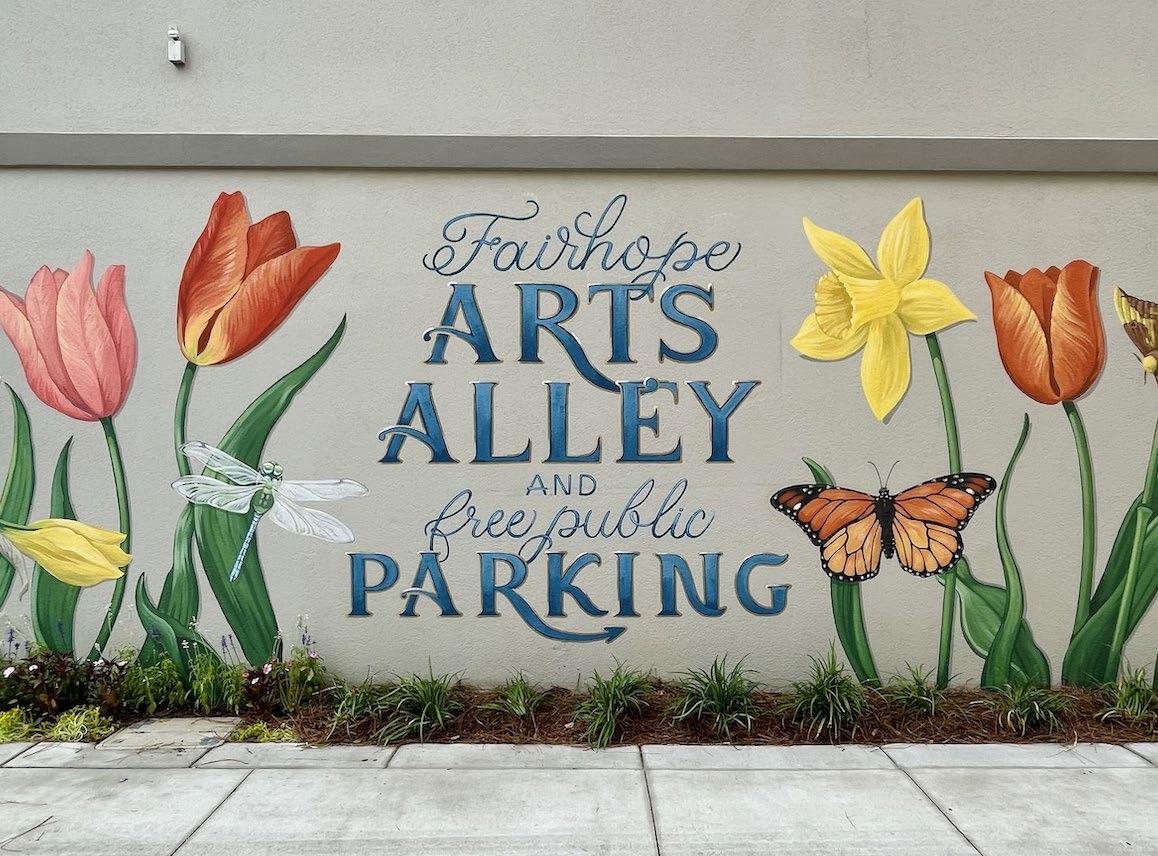
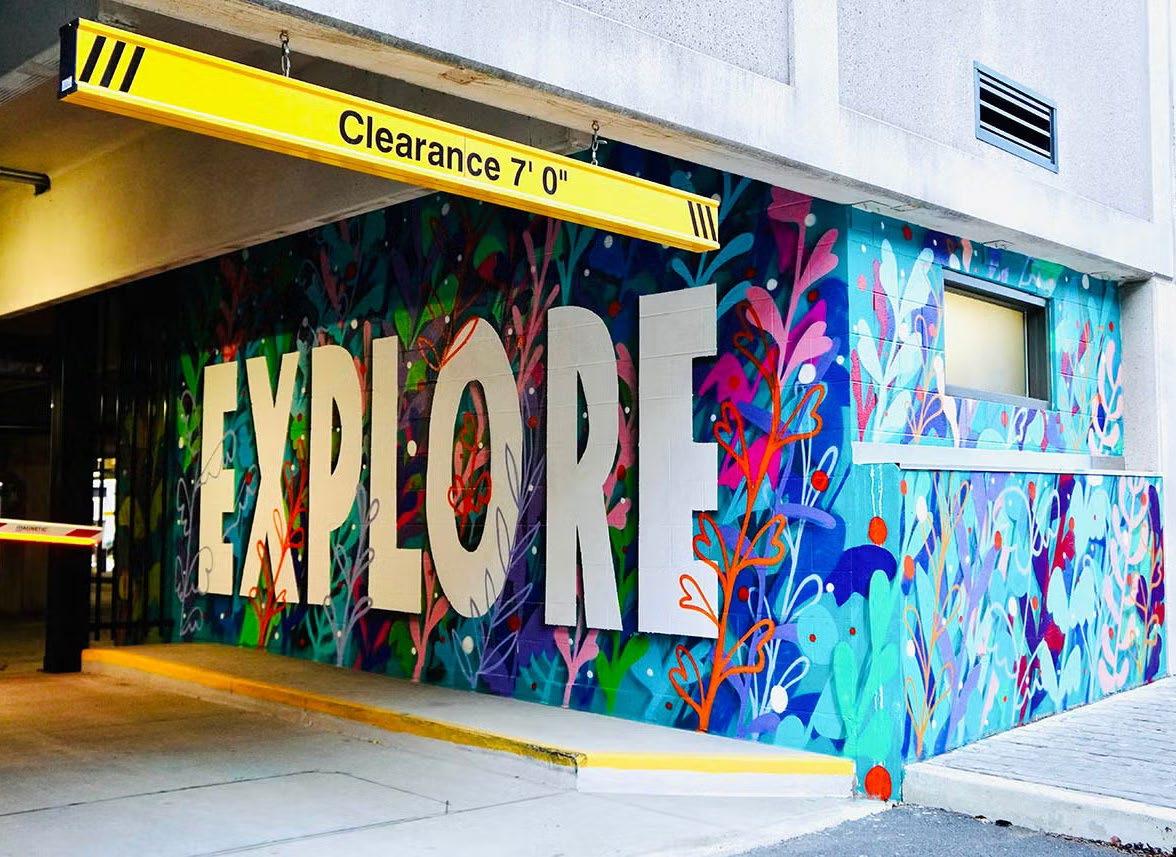
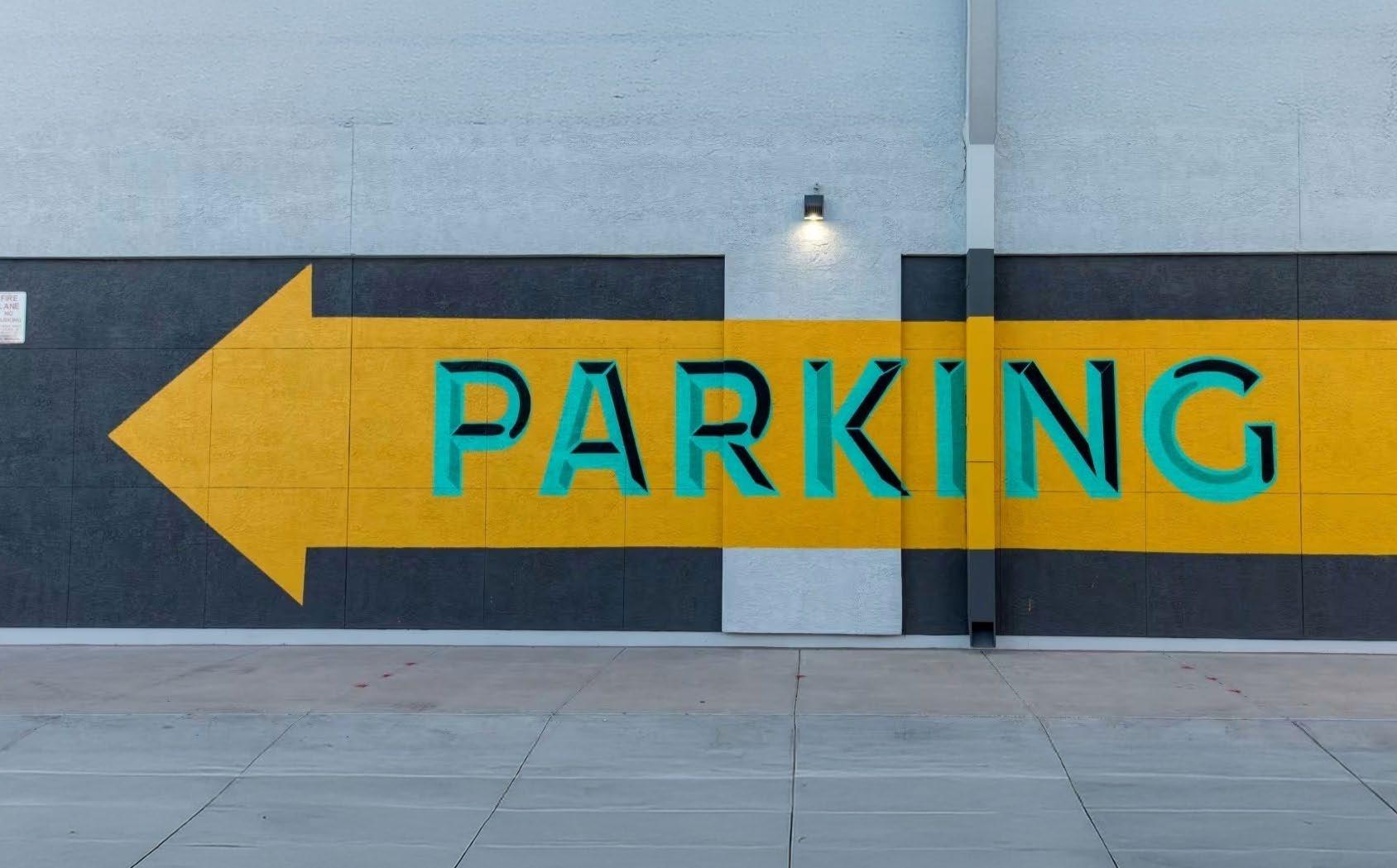
These examples illustrate vibrant ways to integrate public art into the downtown core while serving as functional wayfinding for parking facilities. While the Arizona mural offers a direct and clear approach, the Alabama and New York projects demonstrate how whimsy and color can be leveraged to effectively guide visitors toward parking areas.
ACTIVATION OF SOUTH COURT ST.


1 - 3 Years
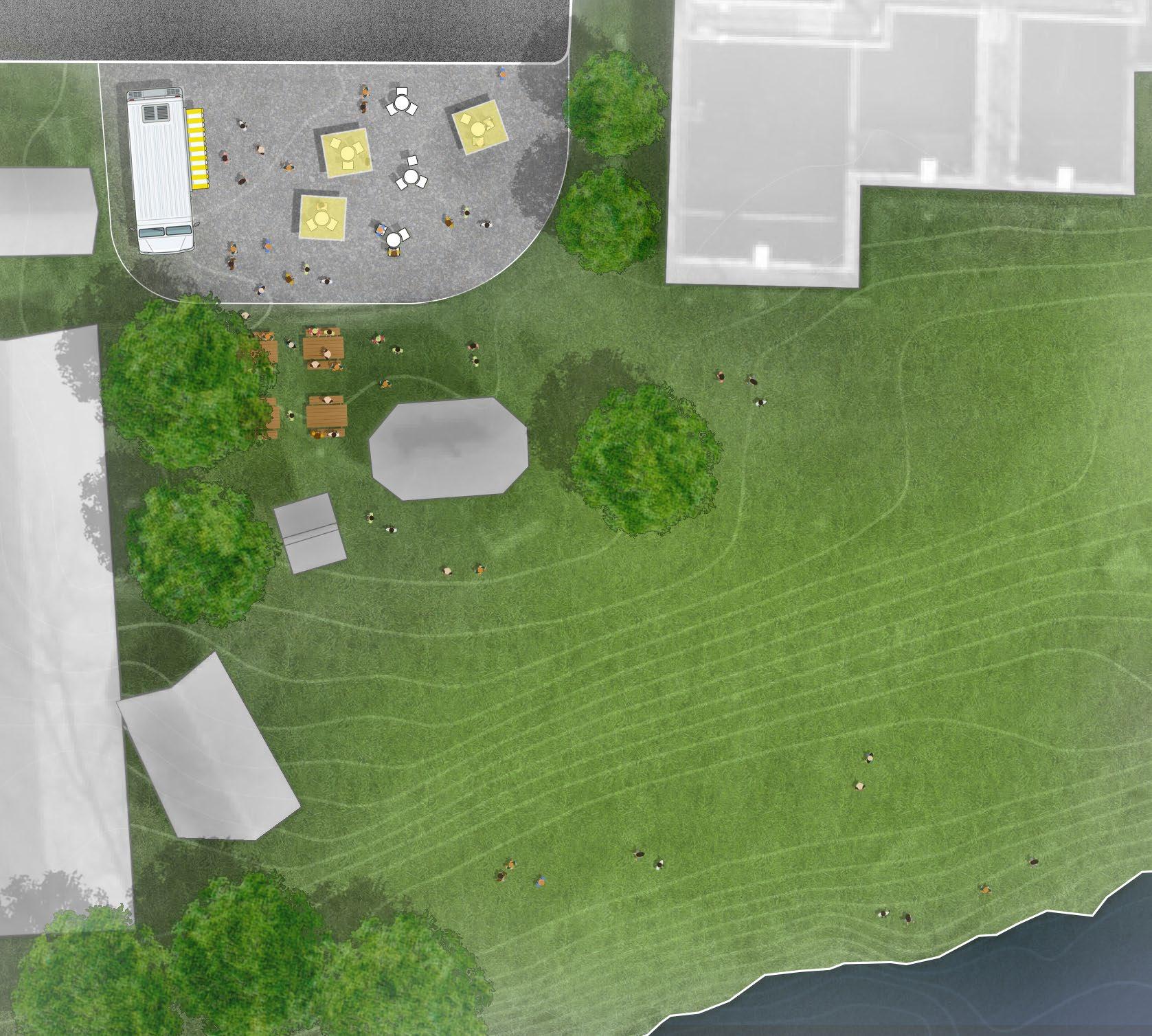
This project involves upgrading the electrical infrastructure on the southeast side of the Court Street parking lot to provide 220-volt power hookups for food trucks. This allows food trucks to park and receive dedicated power- removing the need to operate external generators.
By establishing a dedicated vendor space, the city can better support major community celebrations, such as Independence Day and other seasonal festivals.
Beyond providing upgraded utilities, this enhancement encourages foot traffic to extend further south on Court Street, optimizing the use of downtown and strengthening the connection to the Mill Creek area.
Due to the complexities of installing and upgrading electrical infrastructure, a cost estimate is not provided. We recommend coordination with the city to determine the most accurate cost. Shown below is a cost estimate for the site furnishings including tables & chairs, picnic tables, and umbrellas.
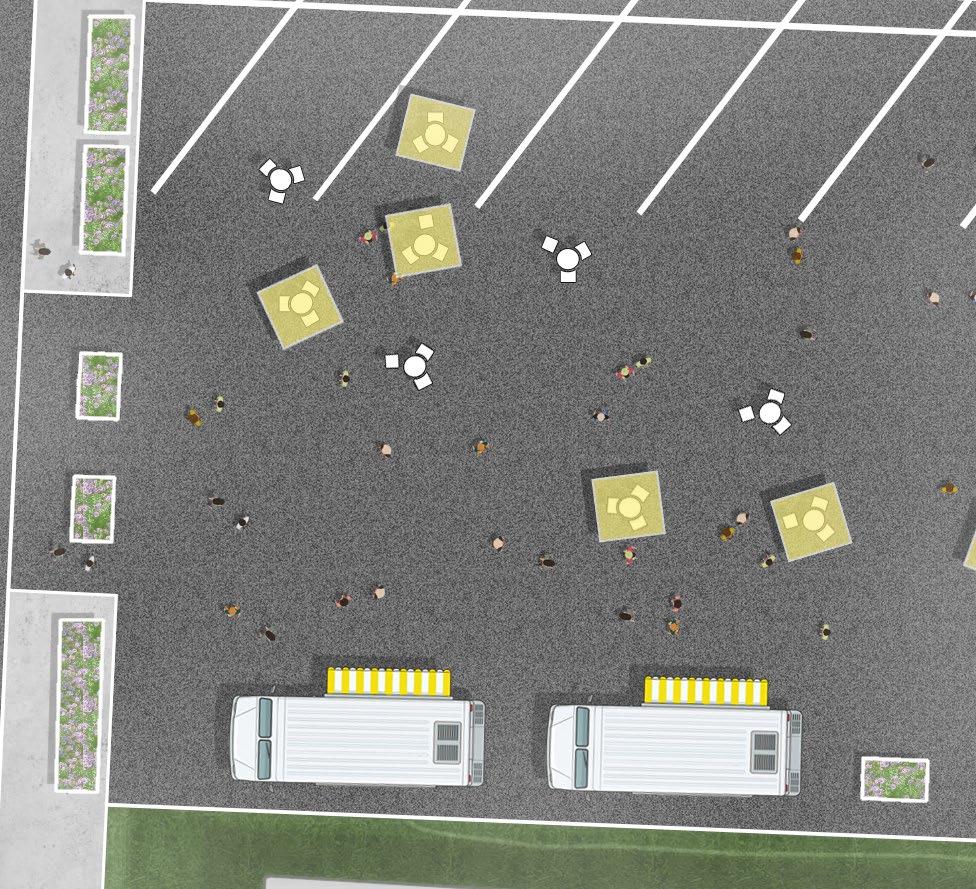
Temporary seating can be installed at the Court Street parking lot during existing programming and events to provide additional space for food patrons. Strategically placing planters at the southern entrance of the lot creates a dedicated pedestrian-only zone, providing a safe refuge from vehicle traffic. These landscaping elements serve as “soft” enhancements that beautify the streetscape while prioritizing walkability and a more welcoming atmosphere for residents and visitors.
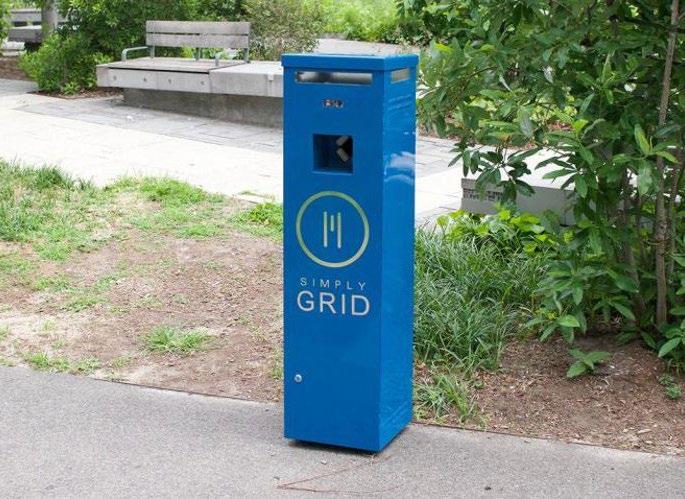
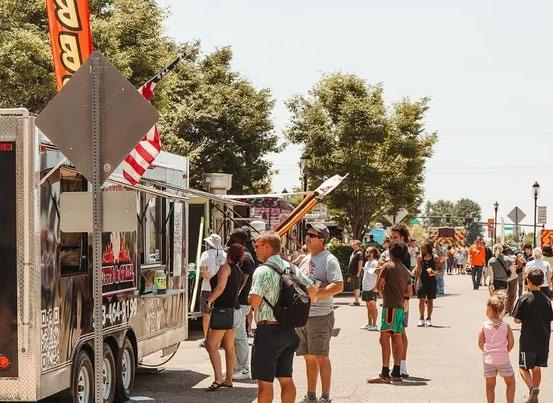
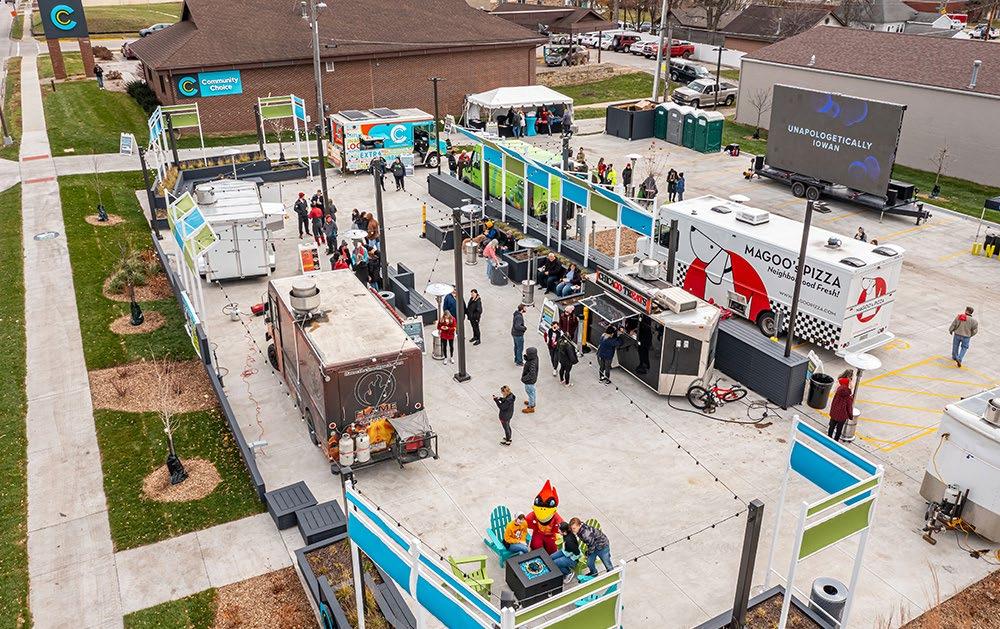
To fully incorporate a dedicated area for food trucks to park and receive power, the proper infrastructure and designated space must be implemented. These examples demonstrate what such a space could look like and how it can be programmed alongside community festivals and events—helping increase foot traffic further south on Court Street while enhancing Ripley’s downtown programming capabilities.
0 - 2 Years
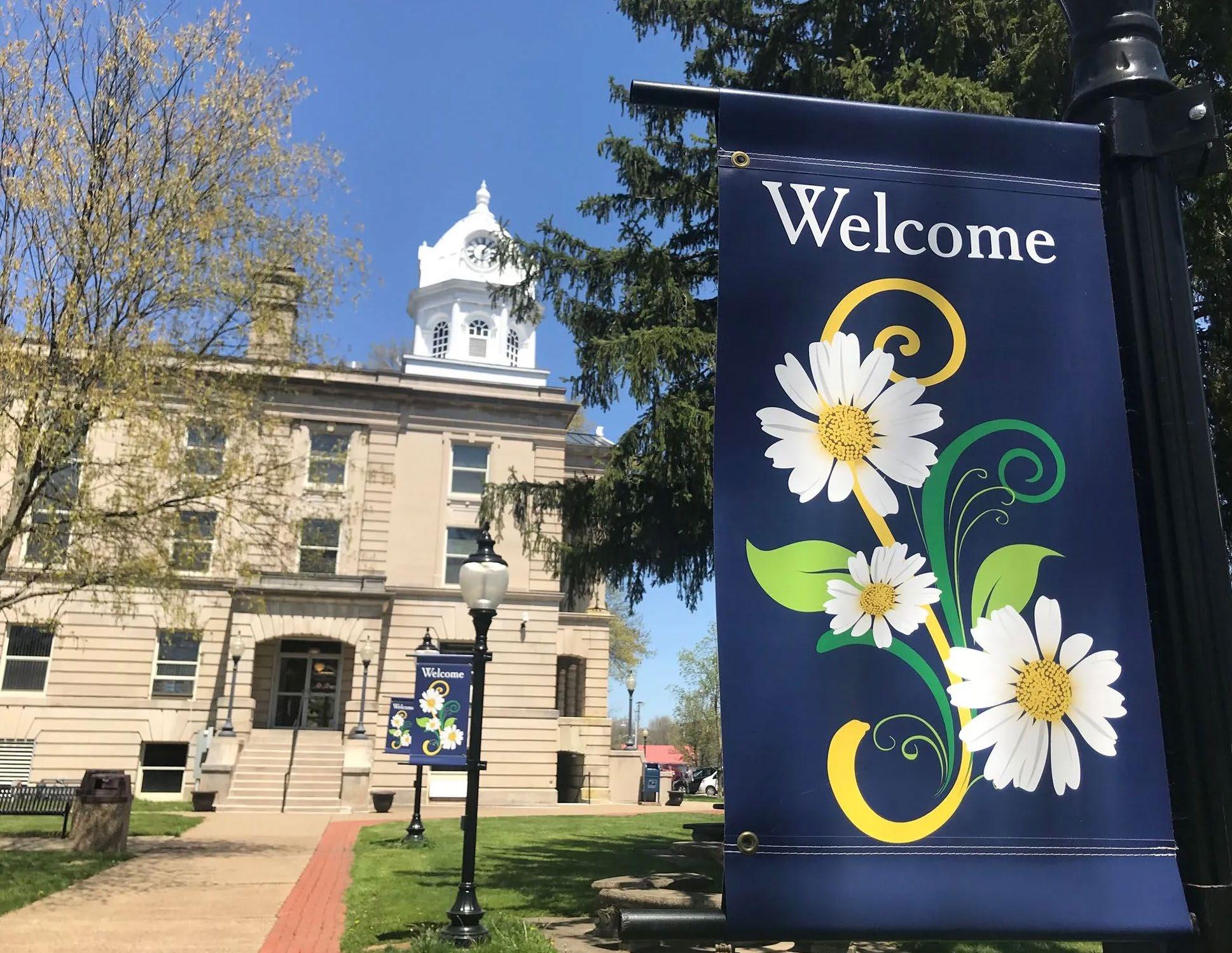
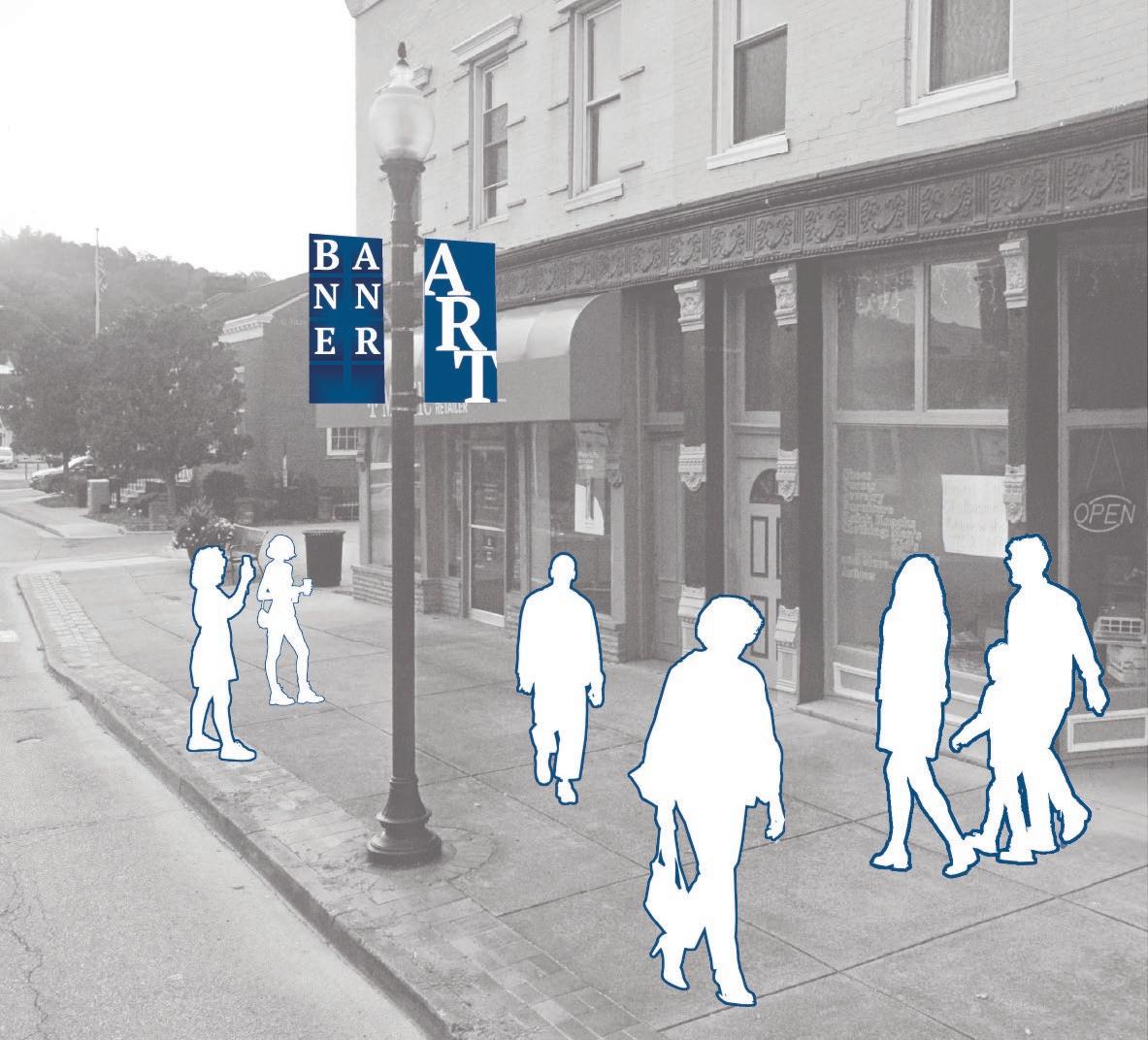
Ripley currently utilizes rotating banners throughout downtown to celebrate the community and foster civic pride. Enhancing the programming of these activations throughout the year offers an effective way to beautify the streetscape, creating engaging and whimsical moments for visitors as they explore the district.
Expanding banner coverage to more comprehensively span the downtown area provides a cost-effective solution for streetscape beautification and the integration of public art into existing corridors.
These expanded activations can be coordinated with established traditions, such as the Graduating Class and Memorial Day Veterans banners. Furthermore, poles not utilized by these existing programs present a prime opportunity for additional art, city branding, or functional wayfinding.
$1,000 - $2,000 per design
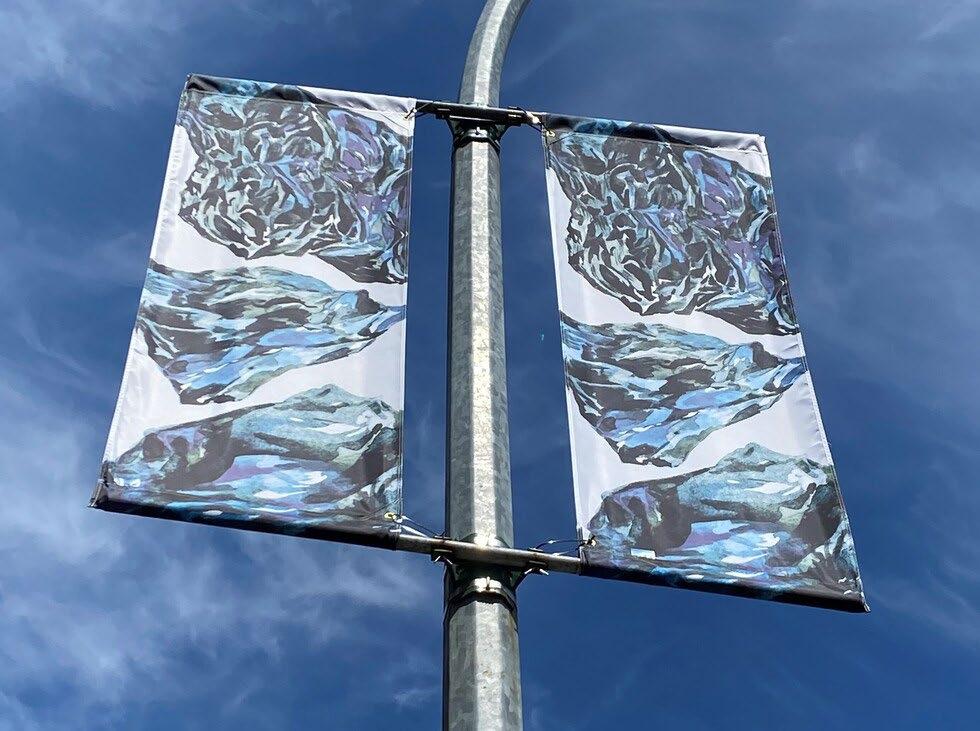
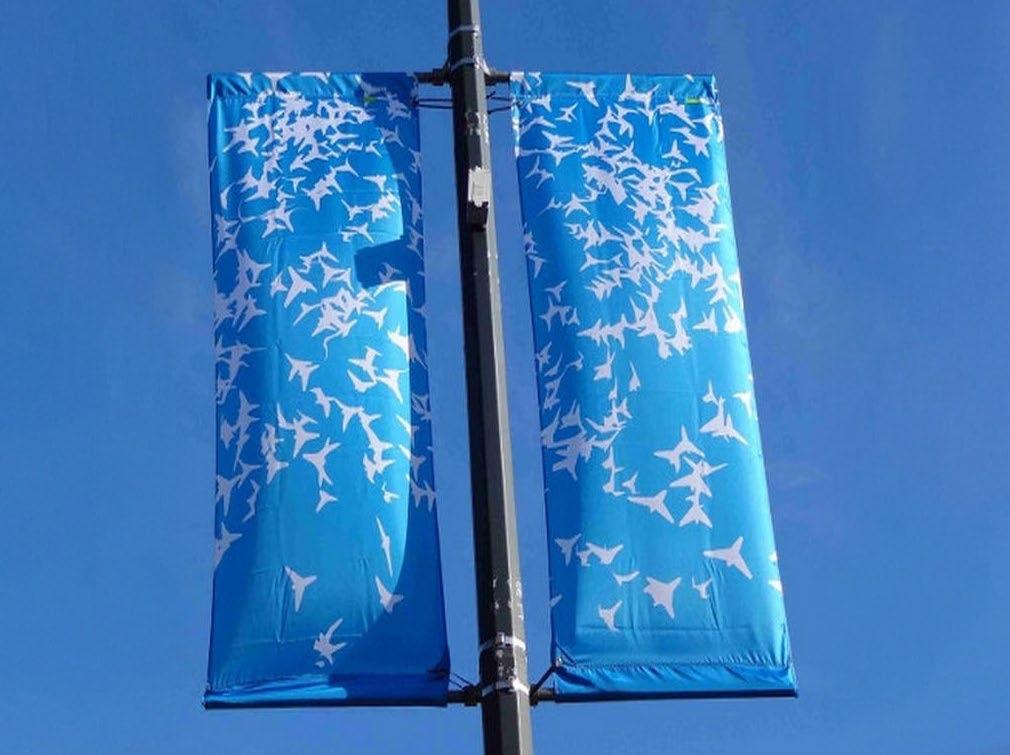
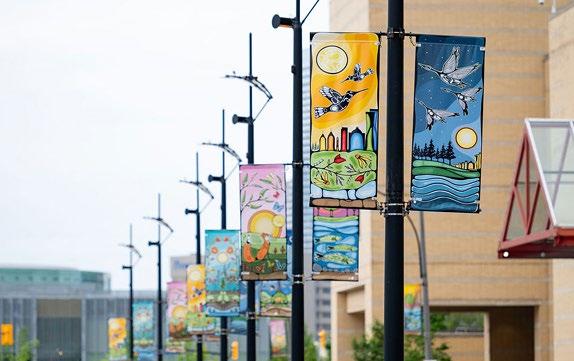
Ripley already runs an established and beloved banner program throughout the city. This project seeks to leverage that existing infrastructure for additional opportunities that could encompass artistic and branding purposes. By using vinyl banners to display artist-commissioned designs or wayfinding cues, the city can beautify its corridors at a minimal cost. This flexible format makes it easy to rotate content and gives the city a recurring opportunity to support and highlight the local creative community.
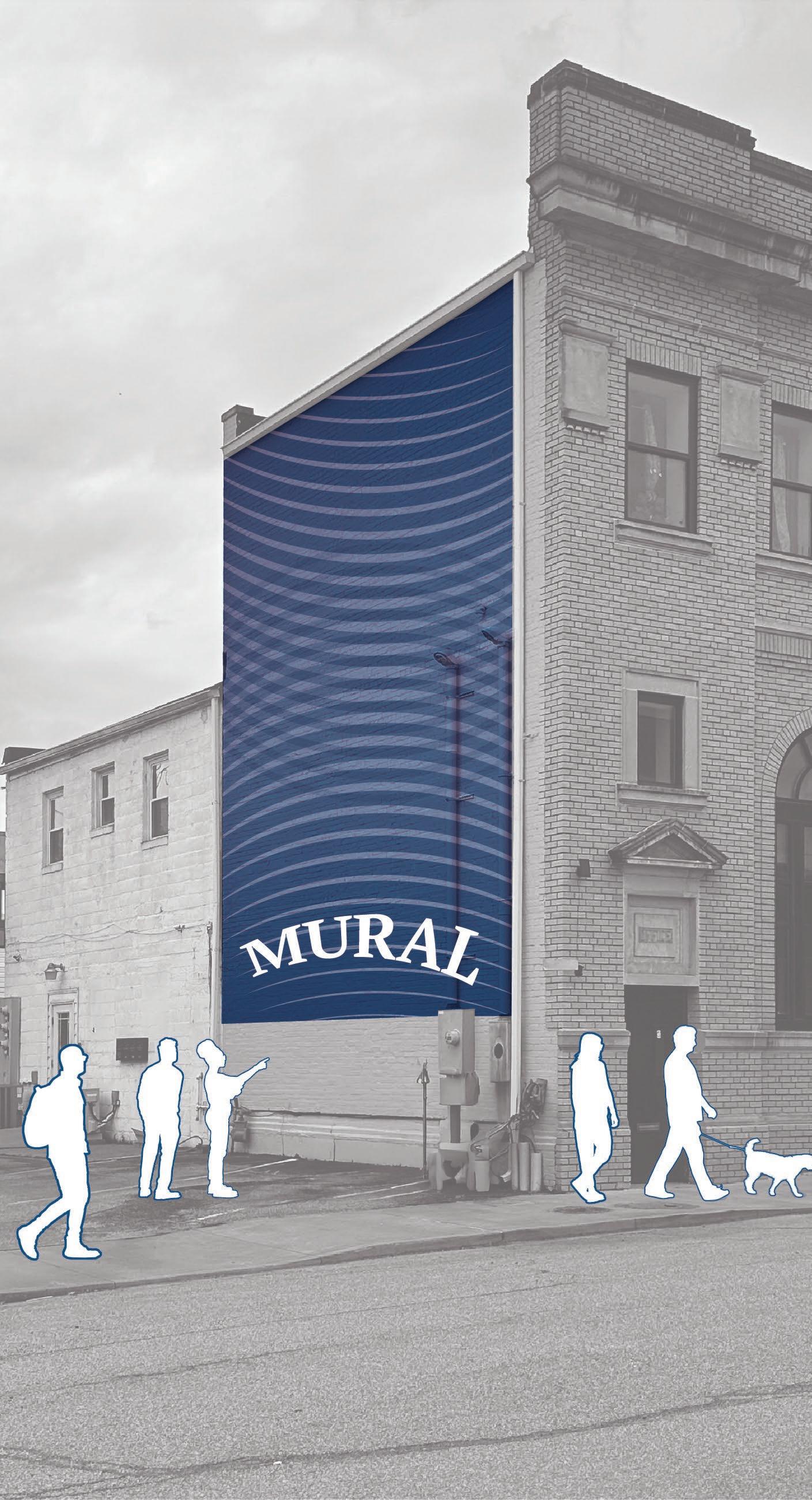
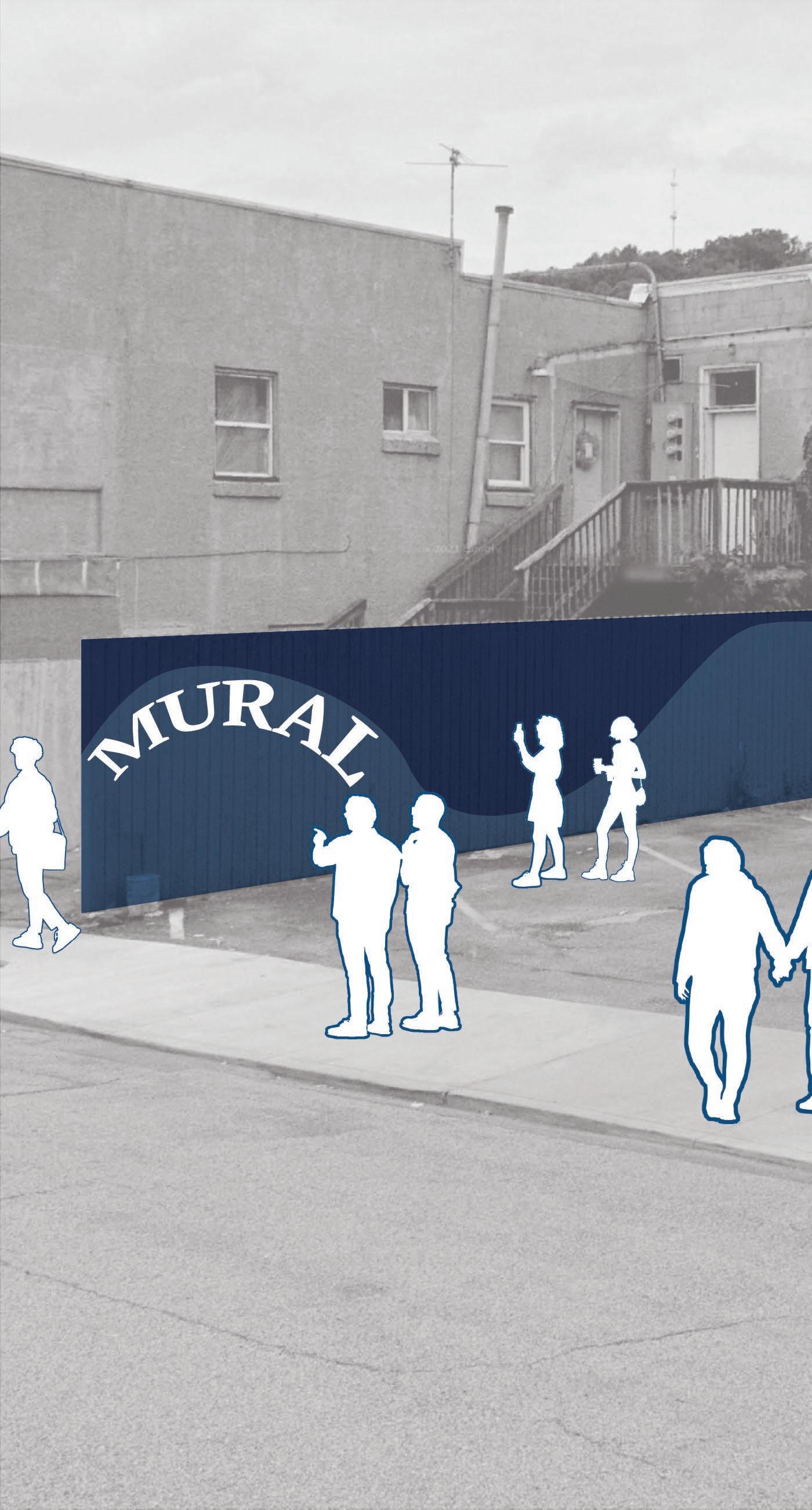
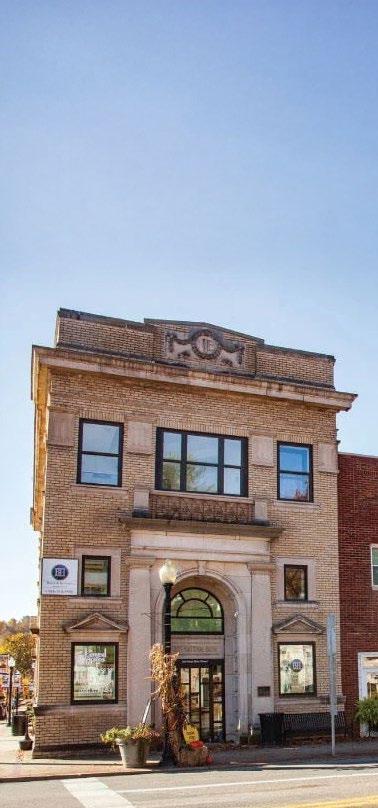
Located at the corner of Court and Main Streets, the historic First National Bank building presents a prime opportunity for a large-scale mural. This project would encompass both the building’s south-facing facade and the fence along the southern edge of the property.
This expansive canvas will be designed to coordinate with the other proposed initiatives in this plan. Given its prominence, the mural can lean into themes of community identity, celebrating local heritage and historical narratives.
As a major anchor for the Court Street area, this project will work in tandem with surrounding installations to create a more holistic and activated streetscape. Furthermore, the mural is intended to be a long-term fixture, with a projected lifespan of 5–10 years when supported by appropriate maintenance.
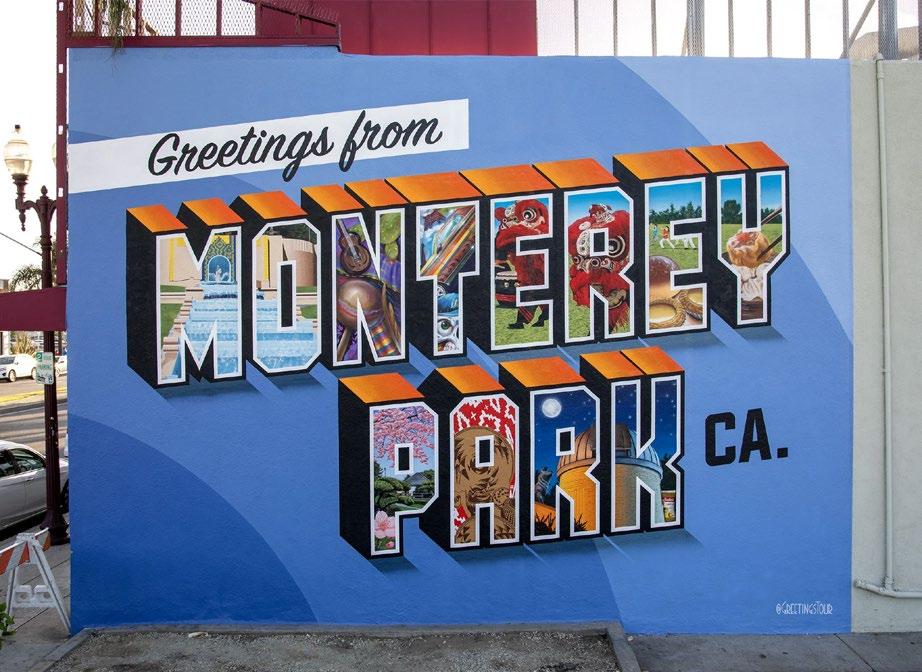
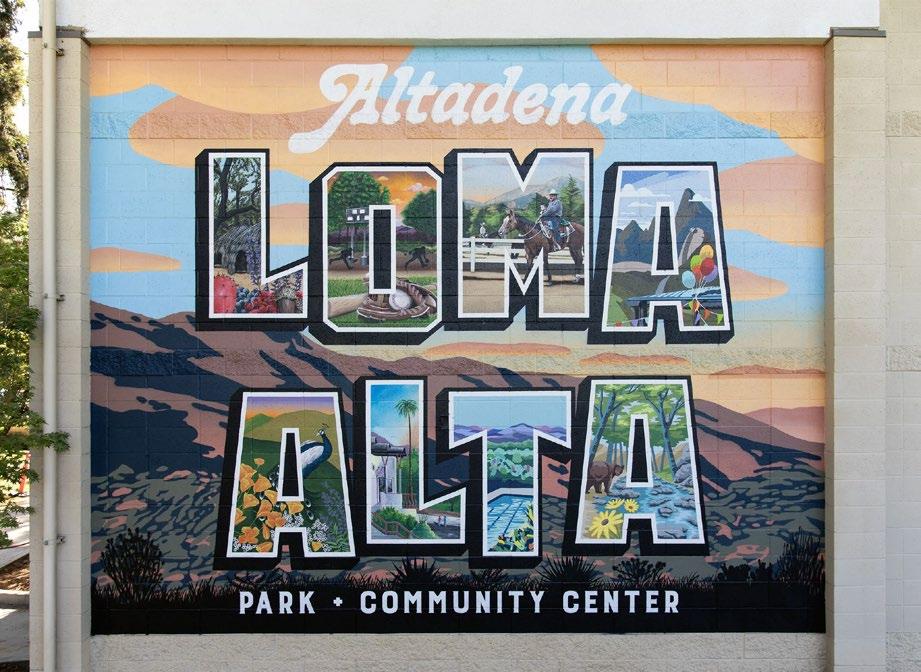
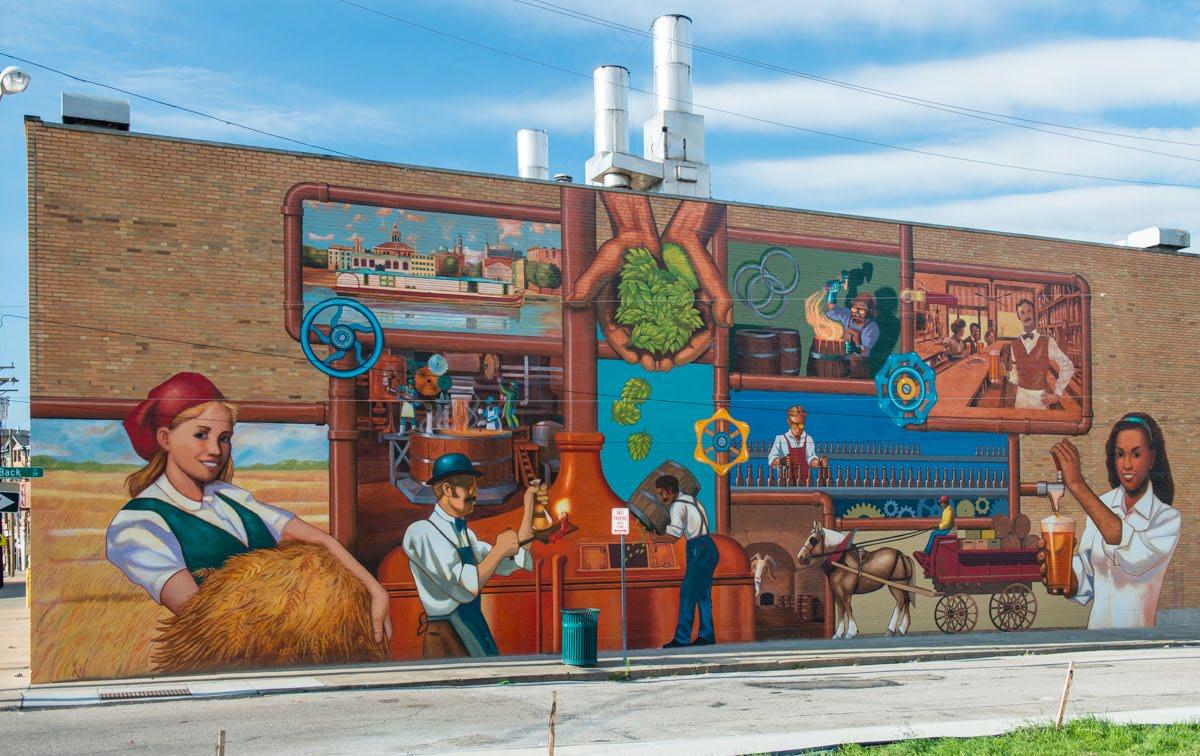
These examples illustrate how to transform expansive, underutilized walls into significant public art. They demonstrate various approaches to installing murals that celebrate local heritage and tie directly into the unique history of their respective locations.
The Monterey Park and Loma Alta examples are “postcard murals” that reflect city identity and incorporate local culture. These installations serve as a point of pride for residents while simultaneously encouraging visitors to engage with and explore the area.
Similarly, projects like the Cincinnati mural utilize a large canvas to highlight community history and local identity. In this instance, the artwork depicts the city’s evolution from its grain farming roots to its storied beer production, turning a plain facade into a narrative landmark.
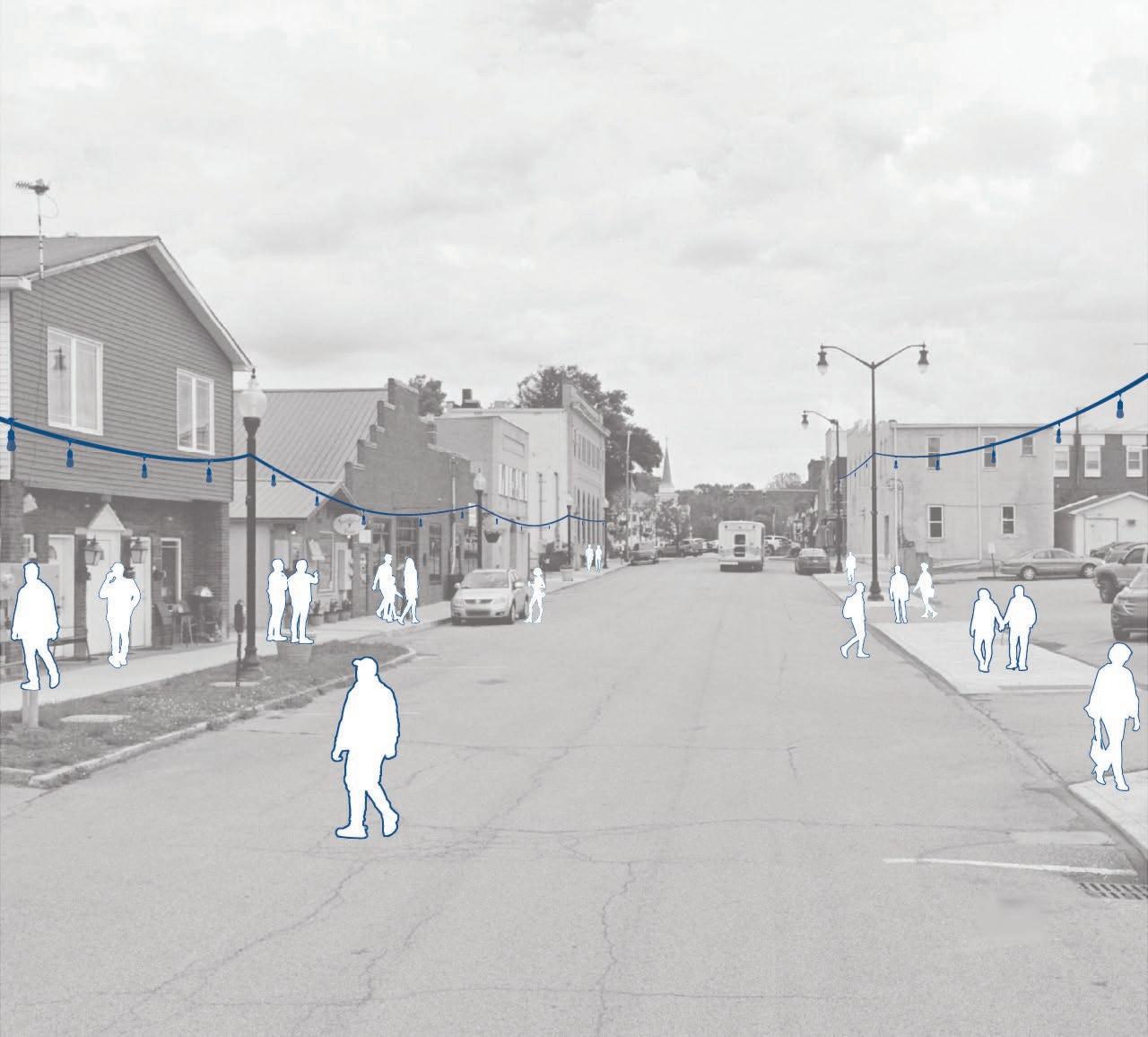
In alignment with the public art and placemaking initiatives along Court Street, the installation of outdoor string lighting presents an affordable and highly practical enhancement to the overall streetscape.
These lights can leverage existing electrical outlets located on the streetlights on both sides of the corridor. While not intended to replace primary street lighting, this addition introduces a warm glow that further illuminates pedestrian walkways, encourages evening foot traffic, and seamlessly complements downtown events and festivals.
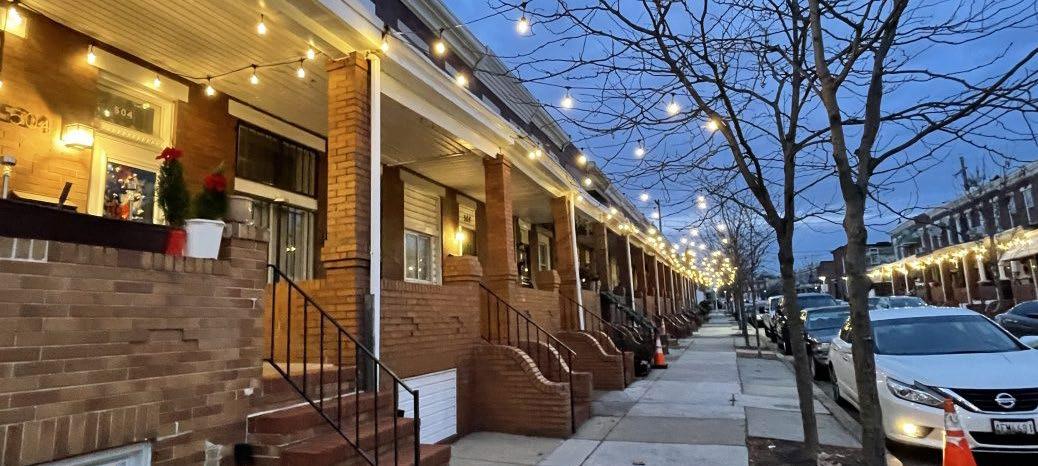
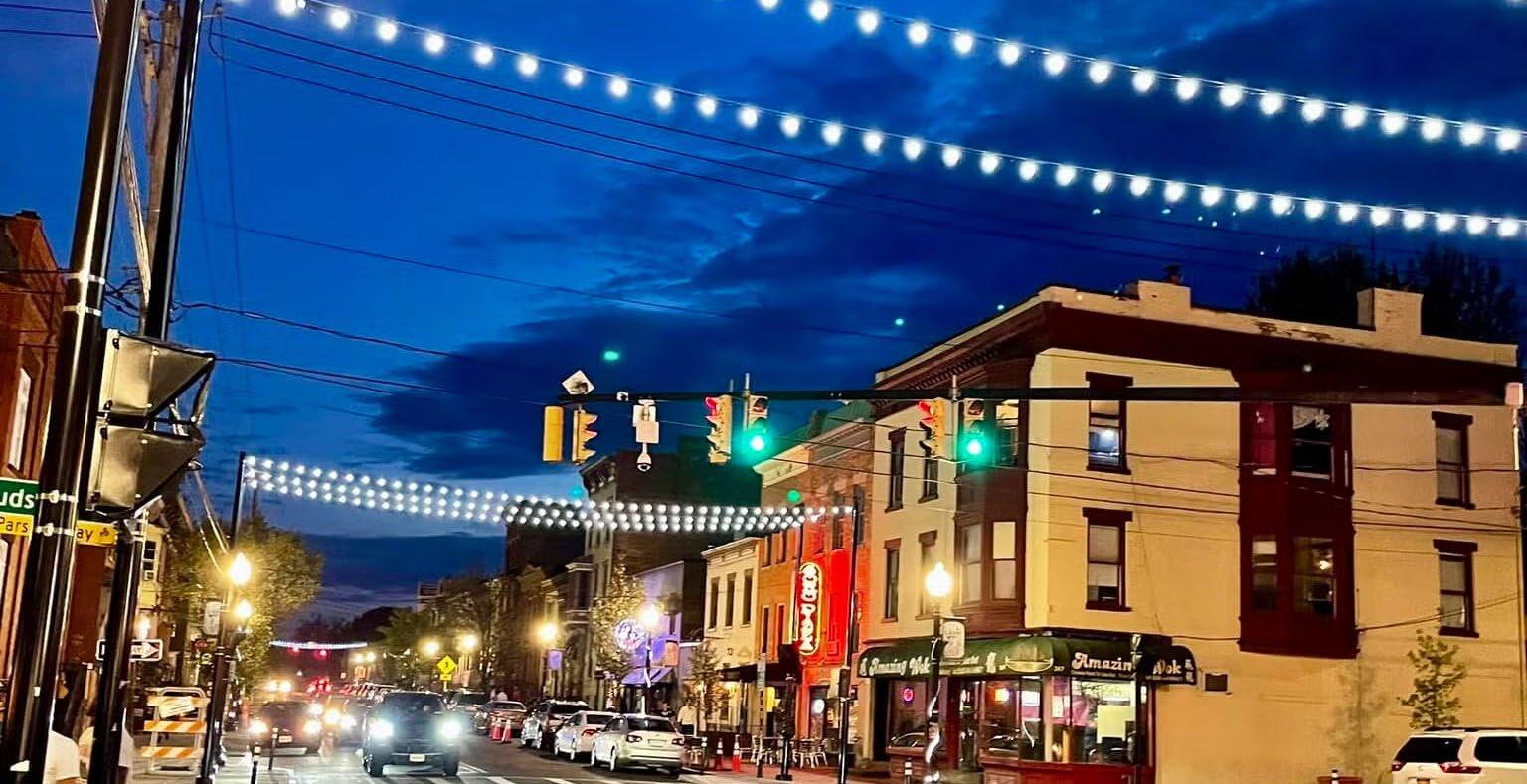
These precedent examples illustrate how the installation of outdoor string lighting can serve as an affordable, highly practical tool for comprehensive streetscape enhancement. They demonstrate how a secondary lighting system can introduce a warm, inviting glow that beautifully illuminates walkways and actively promotes evening pedestrian traffic. Additionally, these projects showcase how simple illumination upgrades can seamlessly leverage existing street infrastructure to transform an ordinary corridor into a safe, welcoming environment that elevates local festivals and community events
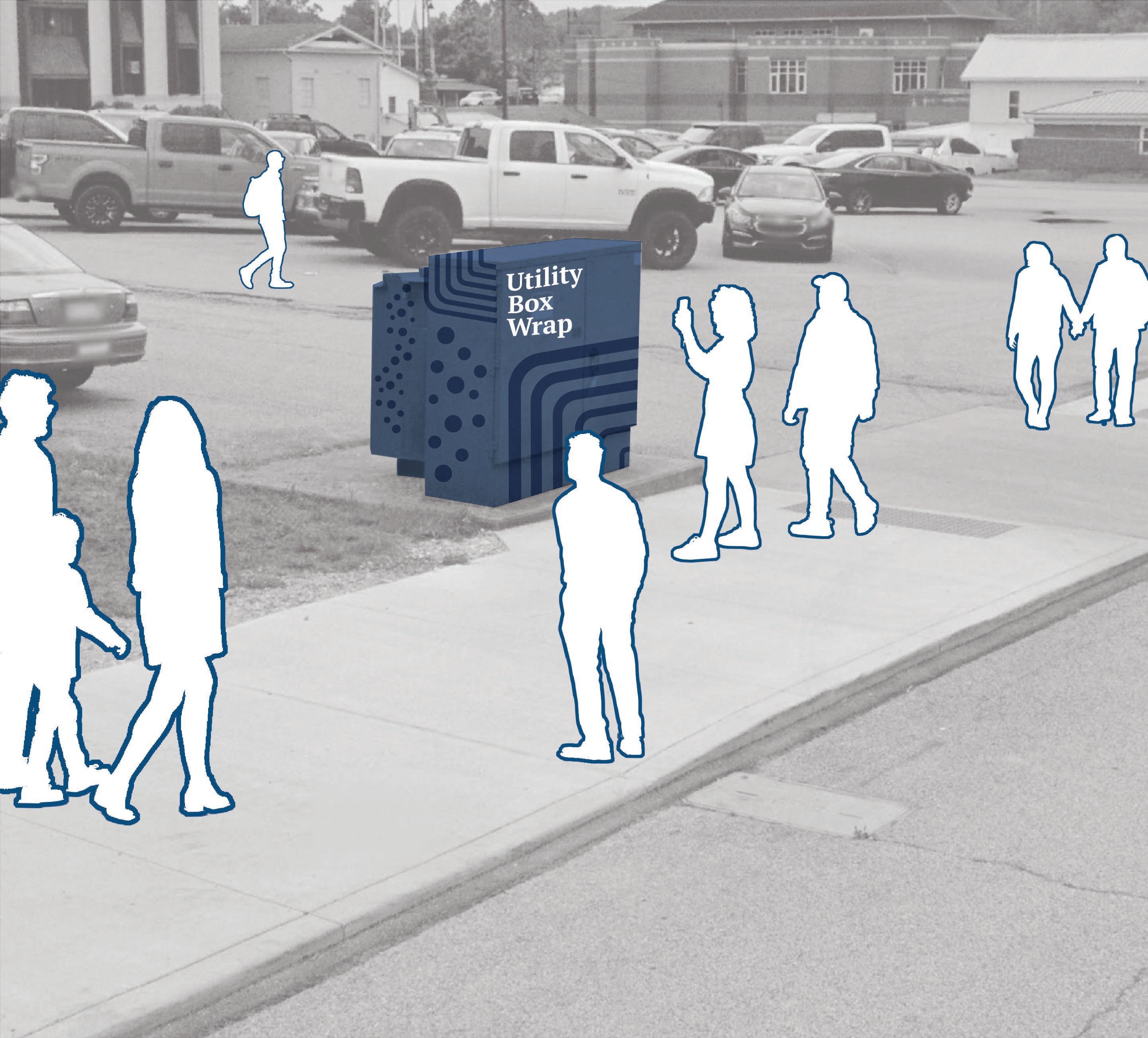
Across downtown, utility boxes are underutilized assets that can be easily leveraged into public art opportunities. Installing vinyl wraps or painted murals for the utility boxes can provide affordable, flexible, temporary public art. These installations are easily maintained and— with vinyl material specifically— are fully removable, protecting the utility boxes while beautifying the sidewalks and built environment.
This program is designed for longevity and flexibility; with wraps lasting up to 3-5 years, the city can implement a seasonal or yearly rotation schedule to showcase a diverse range of artists and themes.
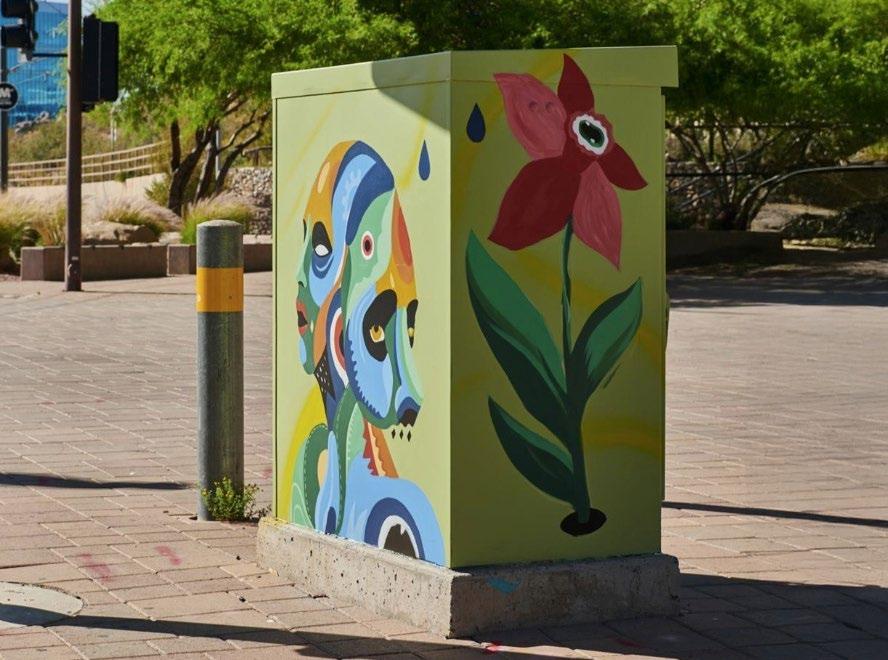
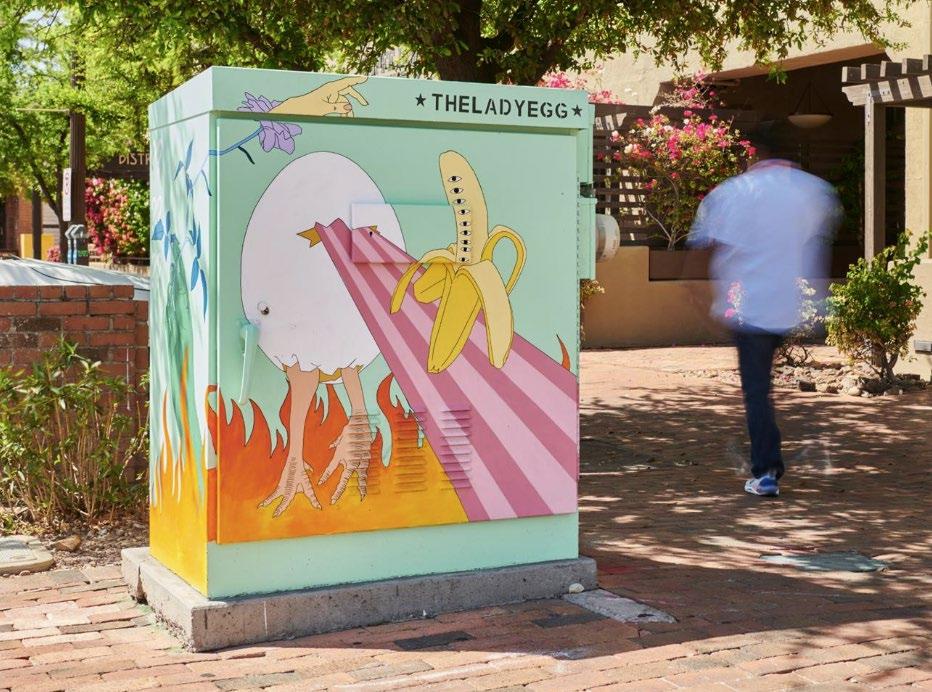
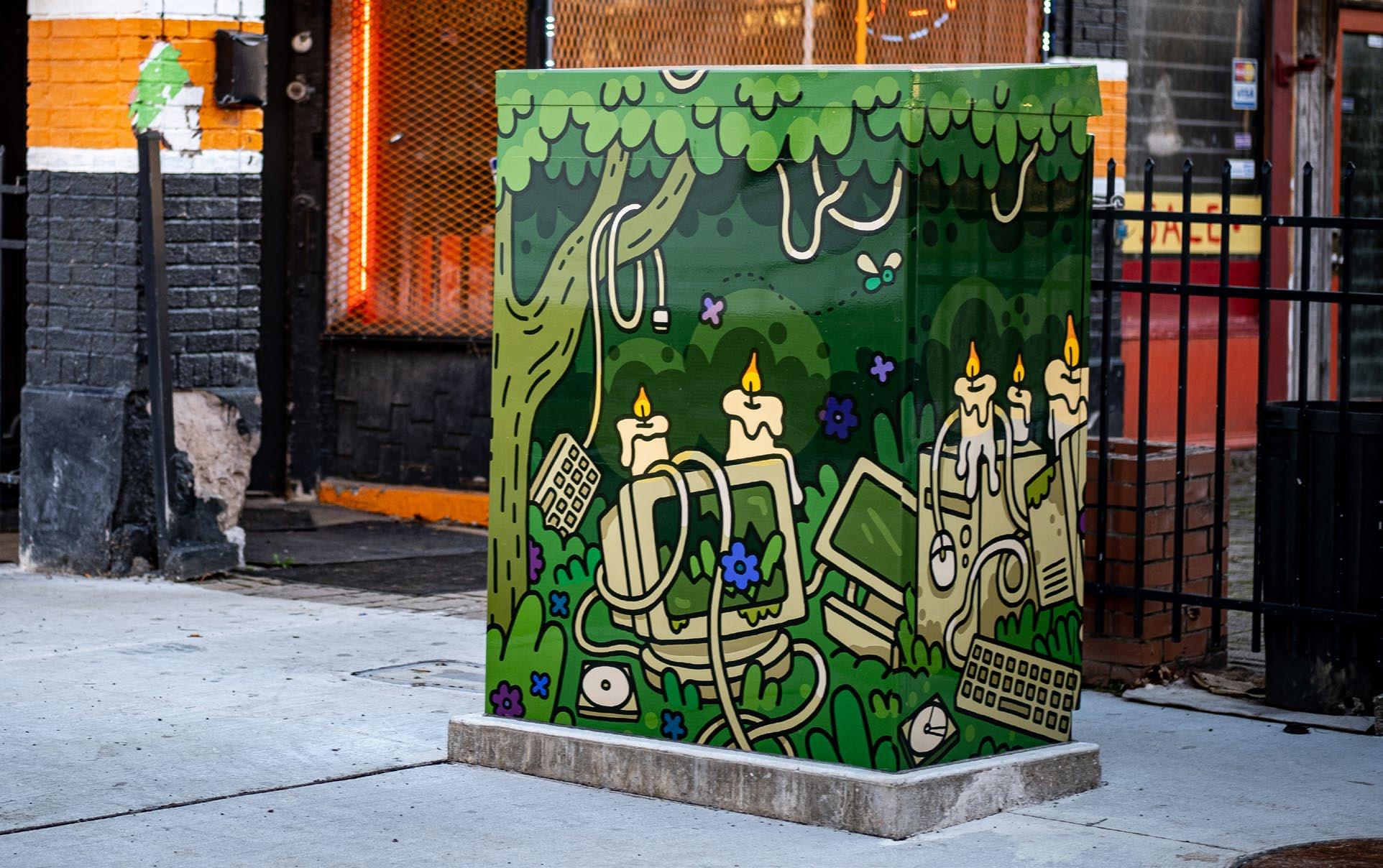
These examples from Arizona illustrate how utility box programs can transform mundane infrastructure into a vibrant public gallery. By engaging local and regional artists, these initiatives utilize both vinyl wraps and hand-painted murals to turn functional utilities into creative landmarks.
The programs are designed with builtin flexibility, allowing the artwork to be rotated every few years or as the program dictates. This ensures the downtown aesthetic remains fresh and allows for the replacement of pieces as they naturally weather from sun exposure and routine wear.
2 - 3 Years
$2,000 - $3,000 per sign OPPORTUNITIES FOR CITY
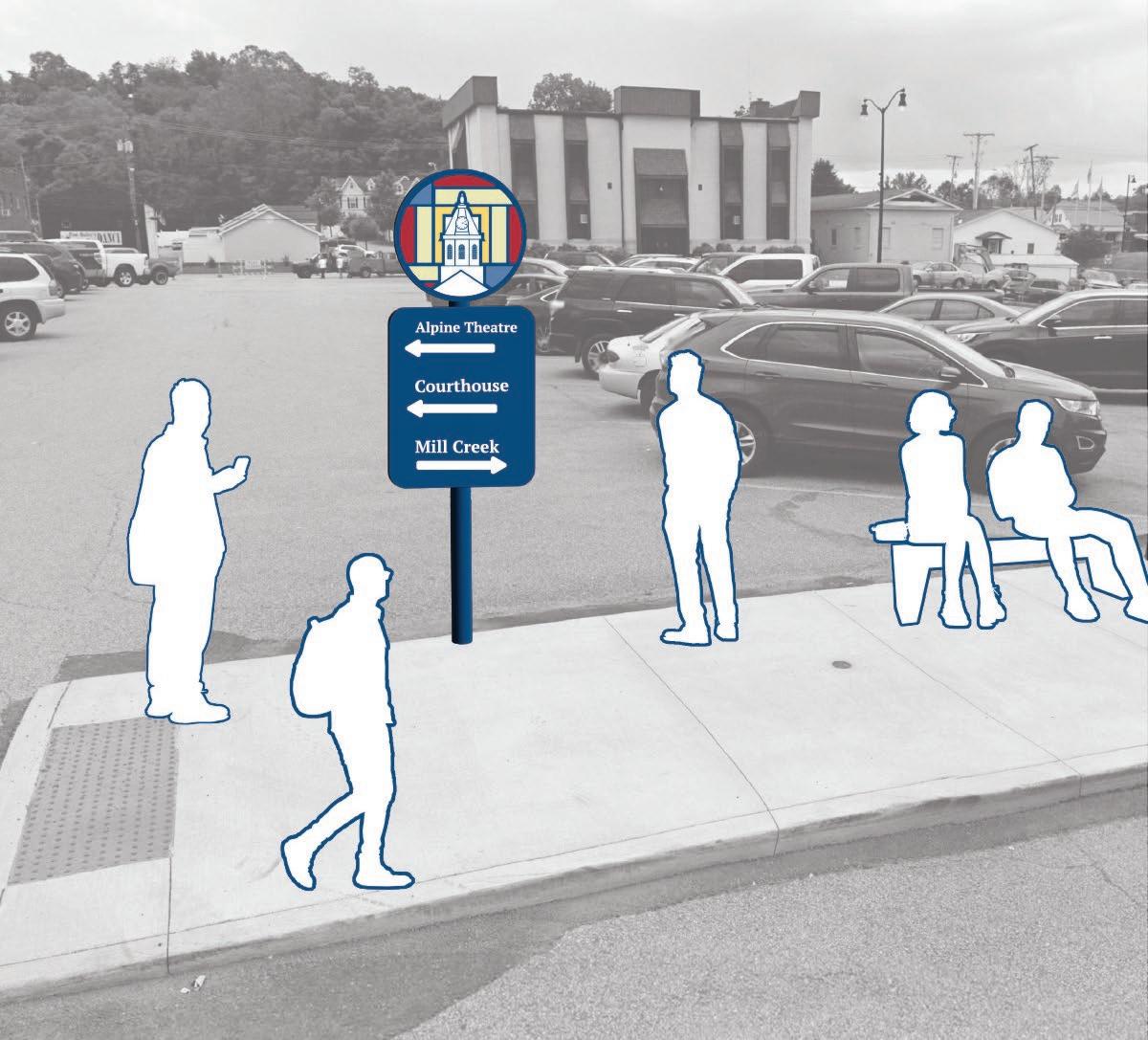
To enhance downtown navigability, the installation of updated pedestrian signage offers an effective way to improve both the streetscape and the ease of movement for visitors.
By integrating Ripley’s branding and color palette into the design, the city can reinforce its local identity while establishing a more cohesive and streamlined navigational system.
This project is designed with a more permanent intention as an infrastructure upgrade, requiring minimal maintenance after installation. It serves as a durable, long-term investment in the functional quality and accessibility of the downtown area.

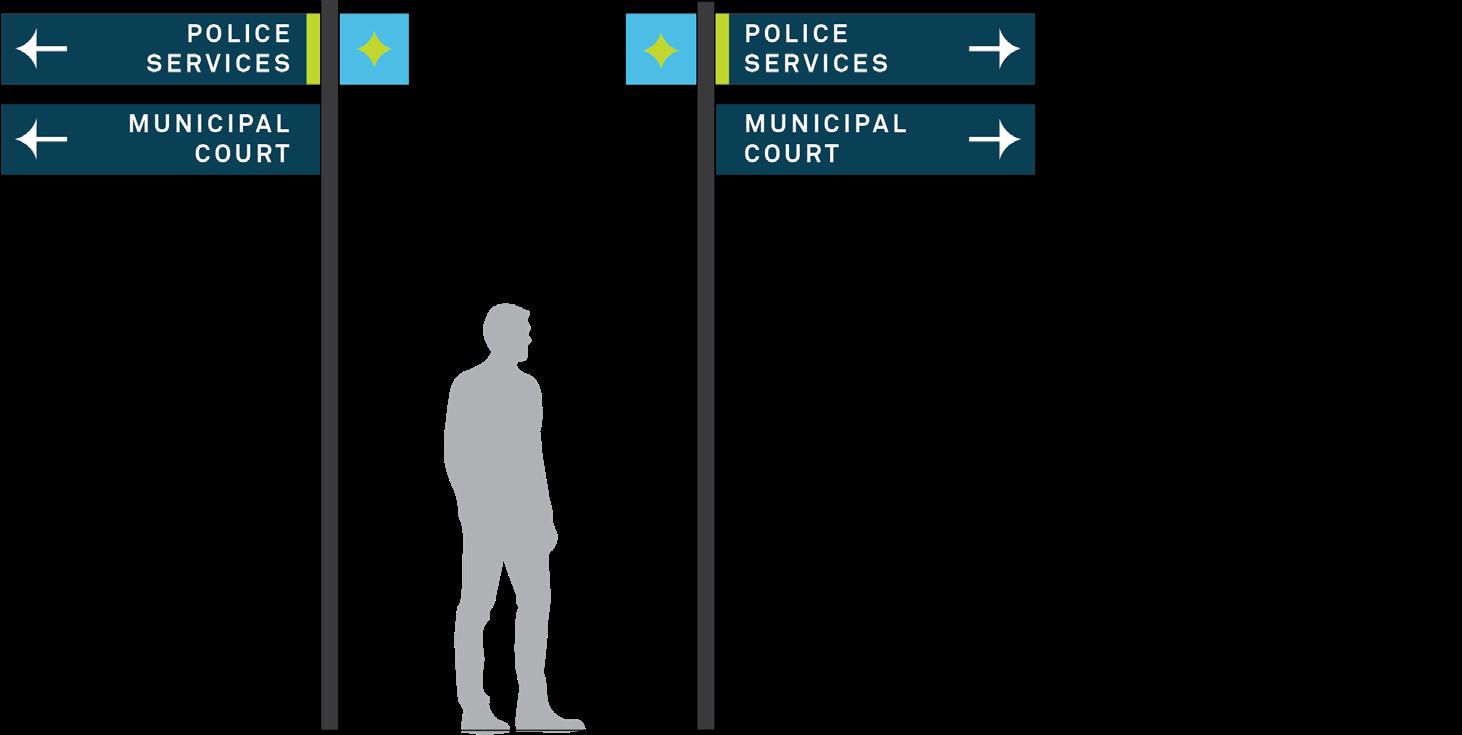


Signage is a critical, though often undervalued, component of a city’s infrastructure. By directing pedestrians toward major landmarks and destinations, a well-designed signage system significantly enhances the visitor experience while simultaneously elevating the aesthetic of the streetscape.
The Fairfield example illustrates wayfinding specifically tailored for human-scale interaction and high visibility, ensuring that key locations are easy to identify at a glance. Such designs help ground the pedestrian in their surroundings, making the walk more intuitive and enjoyable.
Similarly, the Westerville model demonstrates how wayfinding can be integrated into a larger corridor. By incorporating detailed maps of the immediate area and relevant local information, these installations serve as helpful hubs for residents and visitors alike, encouraging deeper exploration of the city.
To ensure this plan is both functional and implementable, the table provided represents a breakdown of estimated project costs. This guide is intended to help city officials and stakeholders visualize the path toward completion, turning abstract ideas into a concrete list.
These figures allow for a phased implementation strategy, where the city can mix and match projects across the Public Art, Wayfinding, and Streetscape categories to fit annual budget cycles. This helps ensure that every project taken is financially informed and contributes to the long-term collective benefit of Downtown Ripley.
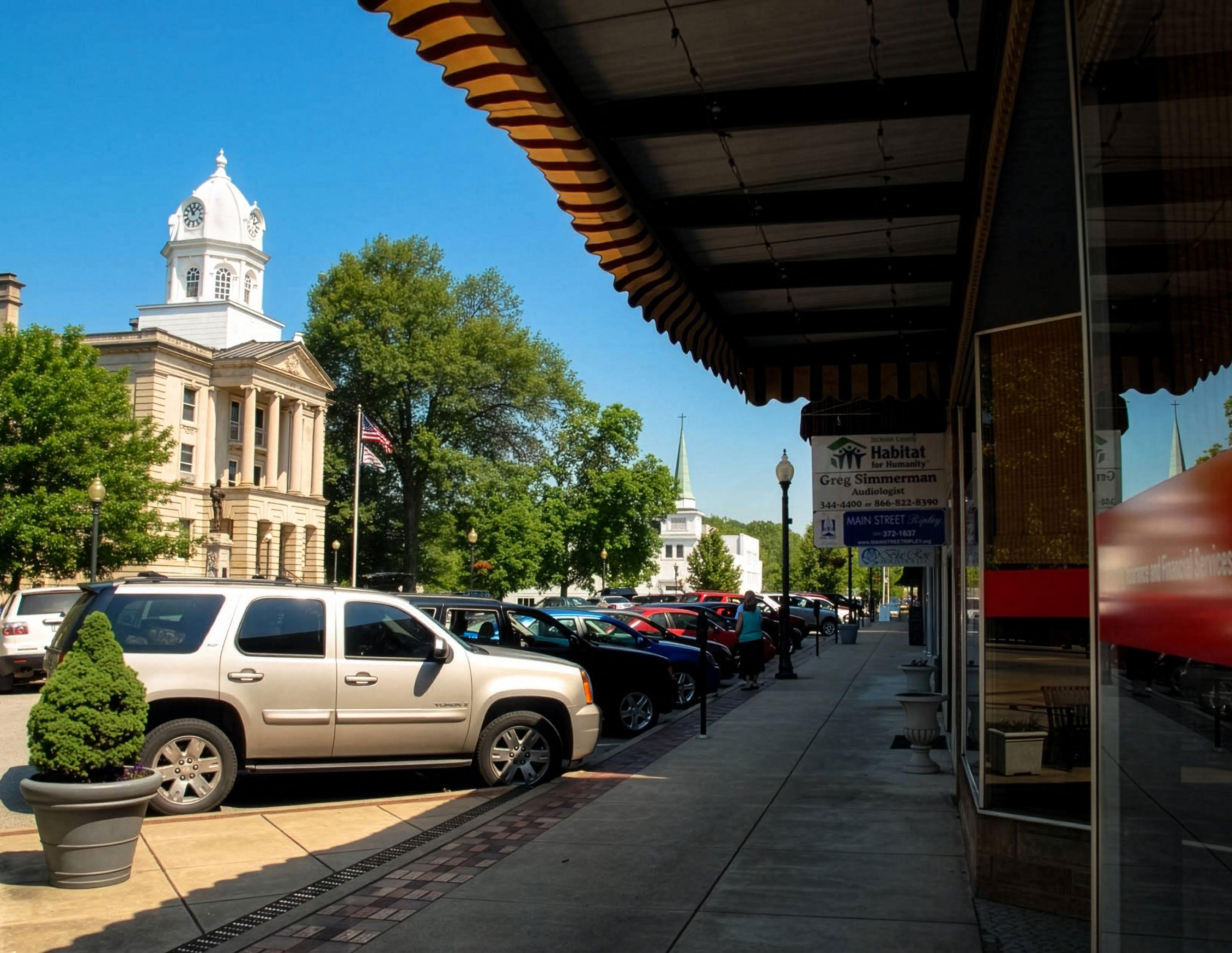
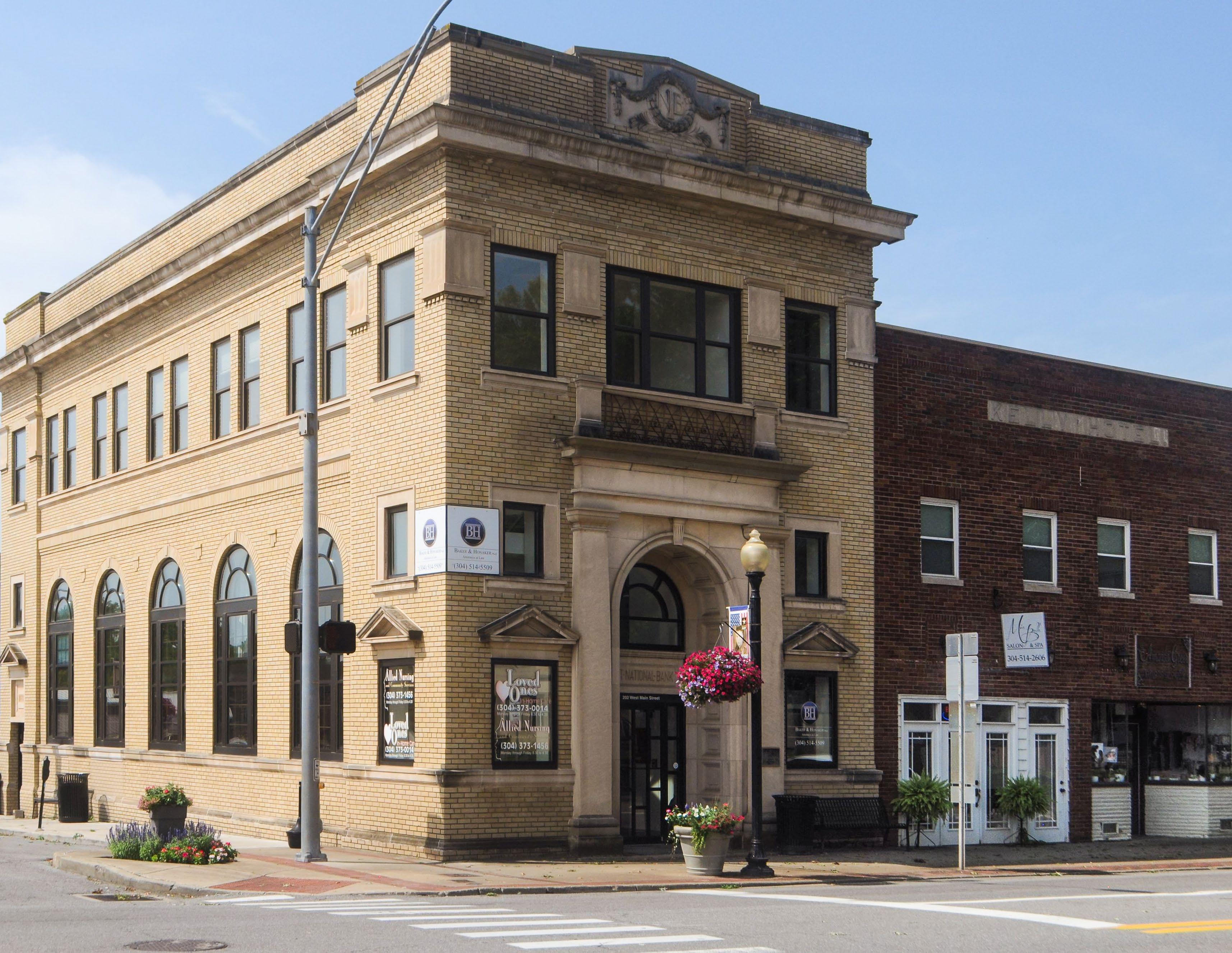
Through a collaborative partnership between the Jackson County Development Authority and Main Street Ripley, funding and distribution for the downtown facade grant program will be supplied and administered to support local property transformations. The implementation of vibrant public art and placemaking projects along Court and Main Streets is designed to do more than just beautify the public right-of-way; it serves as an exciting catalyst to ignite new community energy. As these public installations take shape and momentum builds, the logical next step is extending this revitalization to the storefronts themselves. This symbiotic relationship between public upgrades and private enhancements is key to creating a cohesive, attractive, and thriving downtown.
To support these improvements spreading across the district, these facade grants will be made available as community energy grows. Rather than establishing strict, rigid mandates, this section of the plan serves as a flexible framework. These grants will empower local property and business owners to add their own unique spin and personal touch to the design, enriching the historic flavor and character of Ripley.
By outlining accessible, high-impact ideas, this quick guide provides an inspiration toolkit for residents, business owners, and property owners. Ultimately, these improvements ensure that individual buildings fit seamlessly into the district’s evolving aesthetic, making certain every storefront becomes a more valuable asset to Downtown Ripley
*The following section’s visuals are provided as representative examples of the local architectural character and are not intended to highlight specific buildings requiring repair.
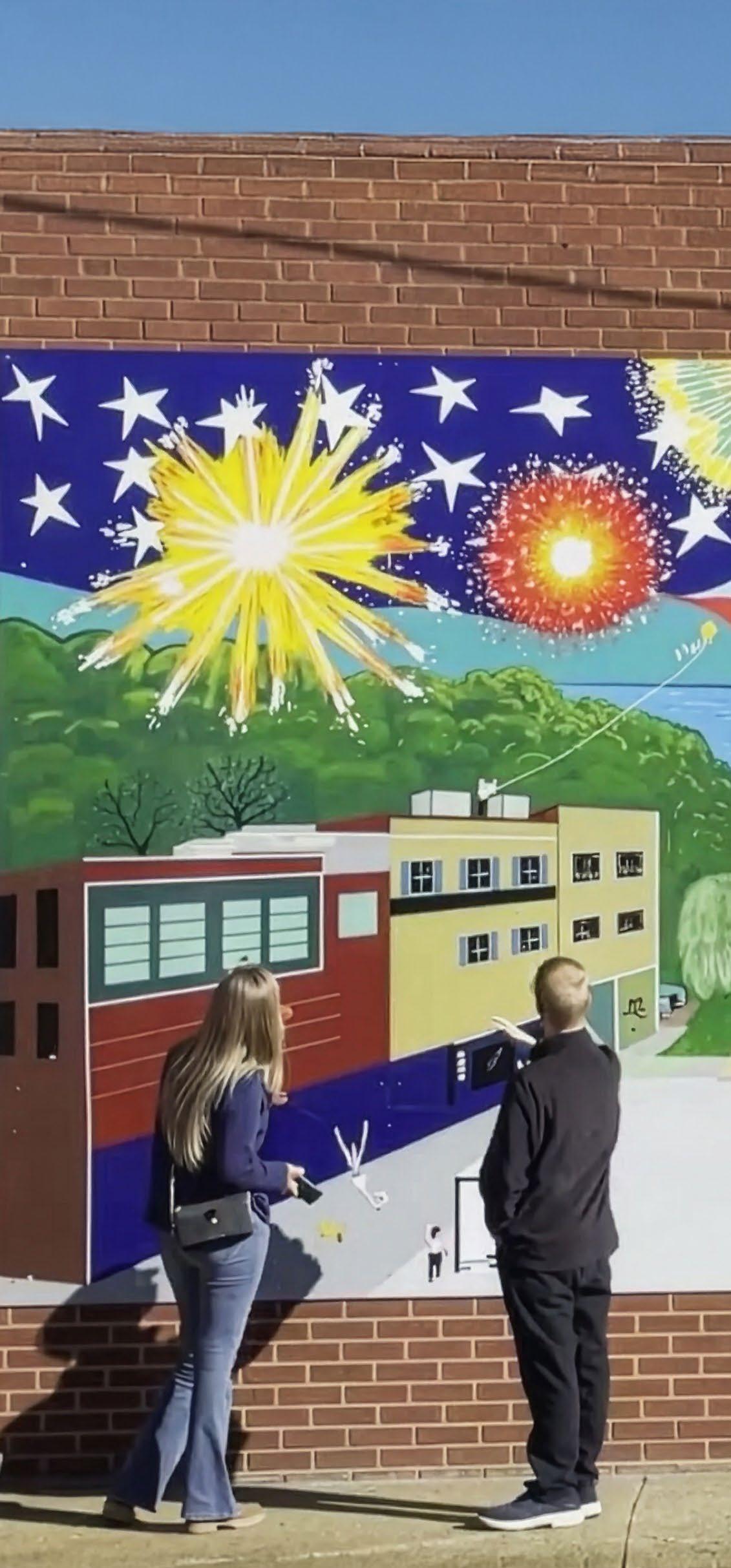
High-Impact, Low-Cost Projects
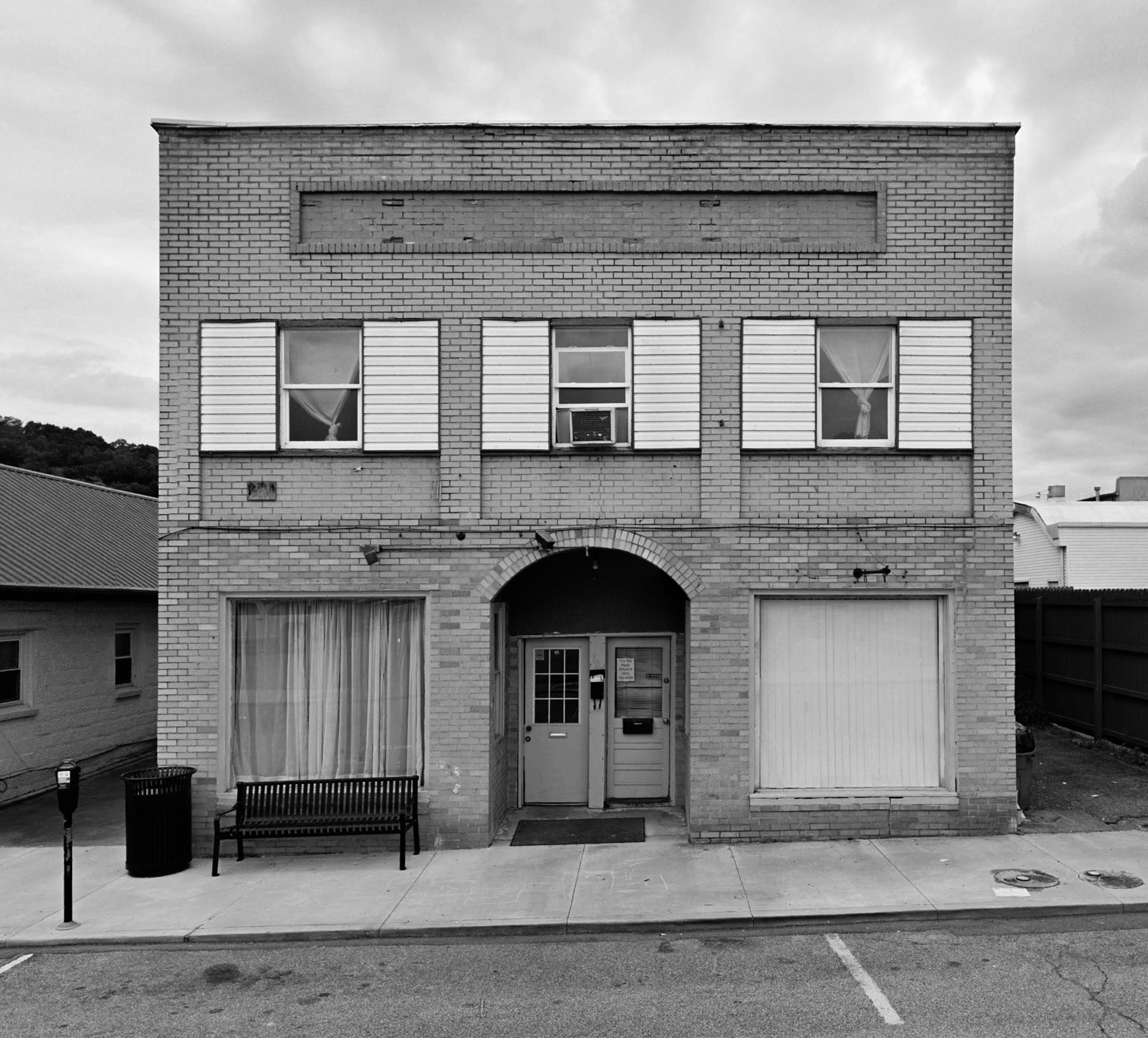
General repair and consistent upkeep are essential to maintaining a cohesive, highquality downtown aesthetic.
Painting & Patching: Addressing facades that are weathering, cracking, or showing signs of age is a high-impact, low-cost improvement. Beyond the visual benefit to pedestrians and property owners, maintaining a fresh coat of paint acts as a protective seal, preventing moisture infiltration and structural damage.
Power Washing: Regularly cleaning entryways, sidewalks, and, with caution, brick facades is an inexpensive way to immediately restore a property’s curb appeal.
Siding Repair & Replacement: While painting addresses cosmetic needs, residing is a vital intervention when repairs transition from aesthetic to functional. Upgrading or repairing siding ensures the building remains weather-tight while significantly elevating the storefront’s appearance.
Functional Improvements
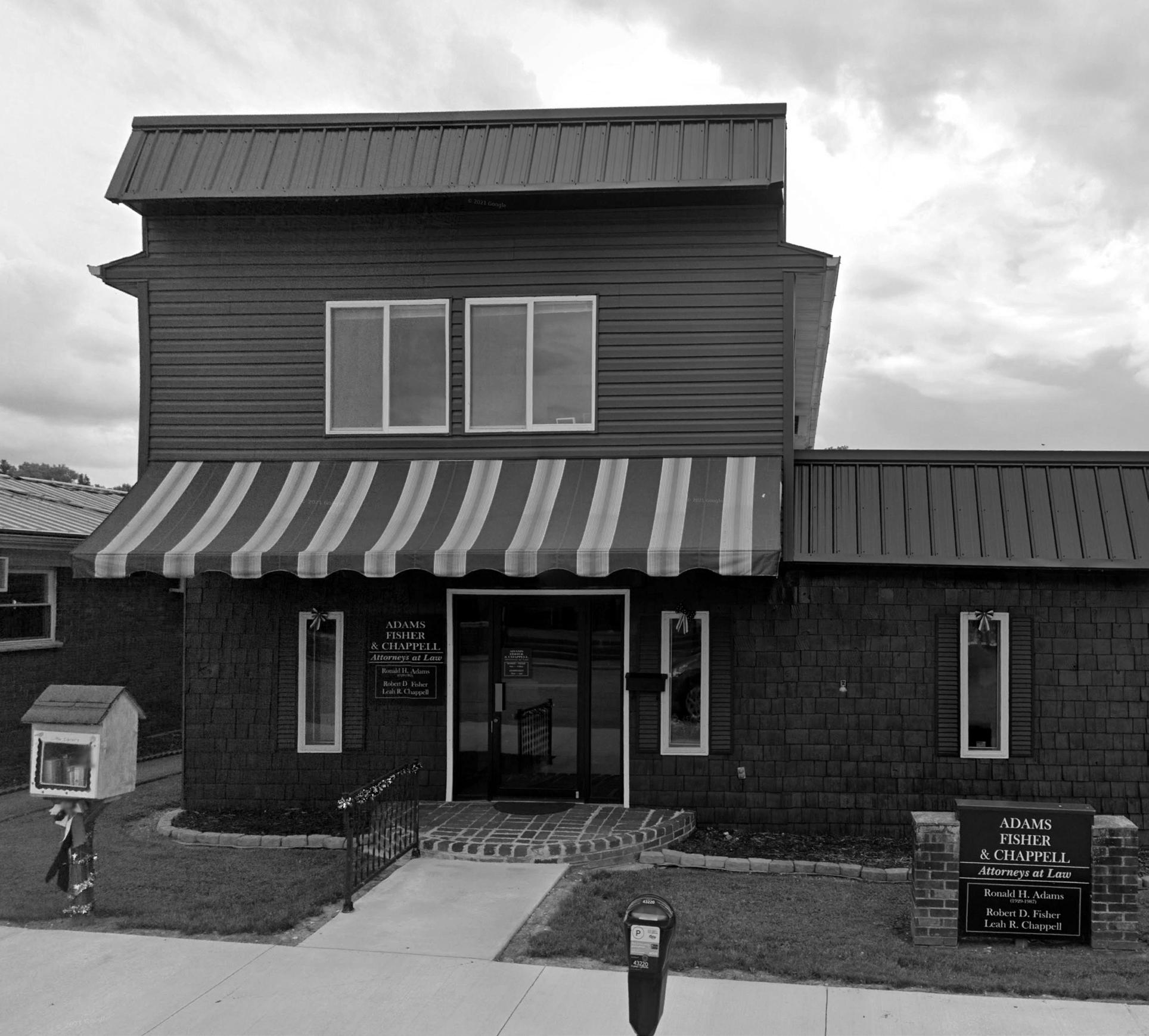
Functional improvements to a building’s facade provide a dual benefit: they protect the architectural integrity of the structure while significantly improving how pedestrians interact with the storefront.
Awnings: Well-maintained awnings enhance a storefront’s curb appeal while providing essential shelter from the elements for passersby. Repair or replacement should be prioritized when the canvas shows signs of significant wear, such as ripping, fading, or structural fatigue in the supports.
Windows: Windows are a defining feature of Downtown Ripley’s historic architectural character. Beyond routine maintenance like painting trim and cleaning, windows should be kept in peak working condition. While minor wear can be addressed through repair, full replacement is necessary when glass is broken, seals fail, or the window becomes non-functional. To maintain a cohesive streetscape, replacement windows should match the original design as closely as possible in scale, frame color, and style.
Low-Cost, High-Benefit Street Beautification
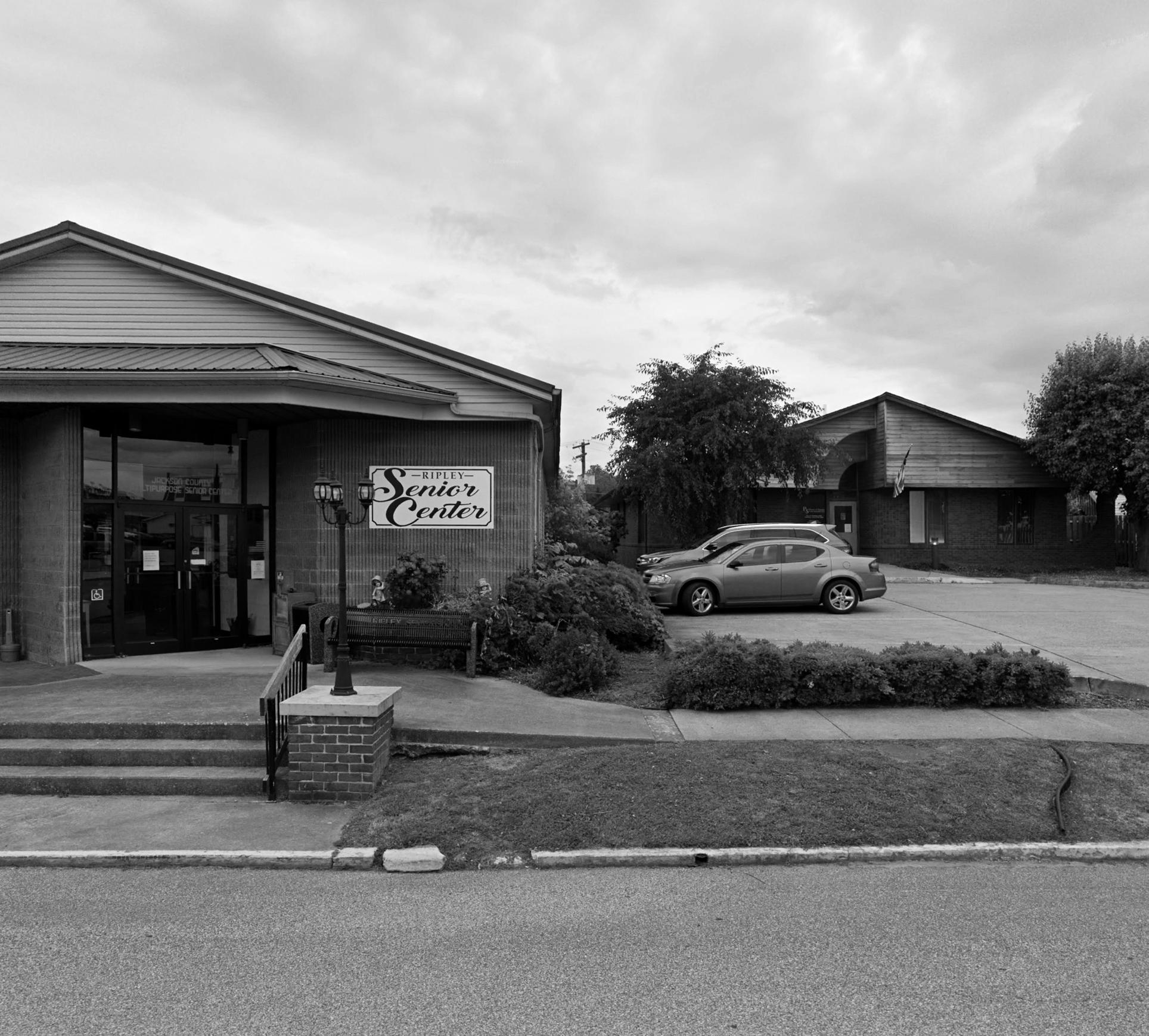
Planting & Landscaping: By incorporating seasonal plantings, hanging baskets, and enhanced landscaping, property owners can amplify the welcoming atmosphere that defines Ripley. For properties with existing planting beds, refreshing these elements is a highly effective way to add color and texture to the sidewalk. These “soft” enhancements complement the “hard” architecture of downtown, making the district feel more vibrant and pedestrian-friendly.
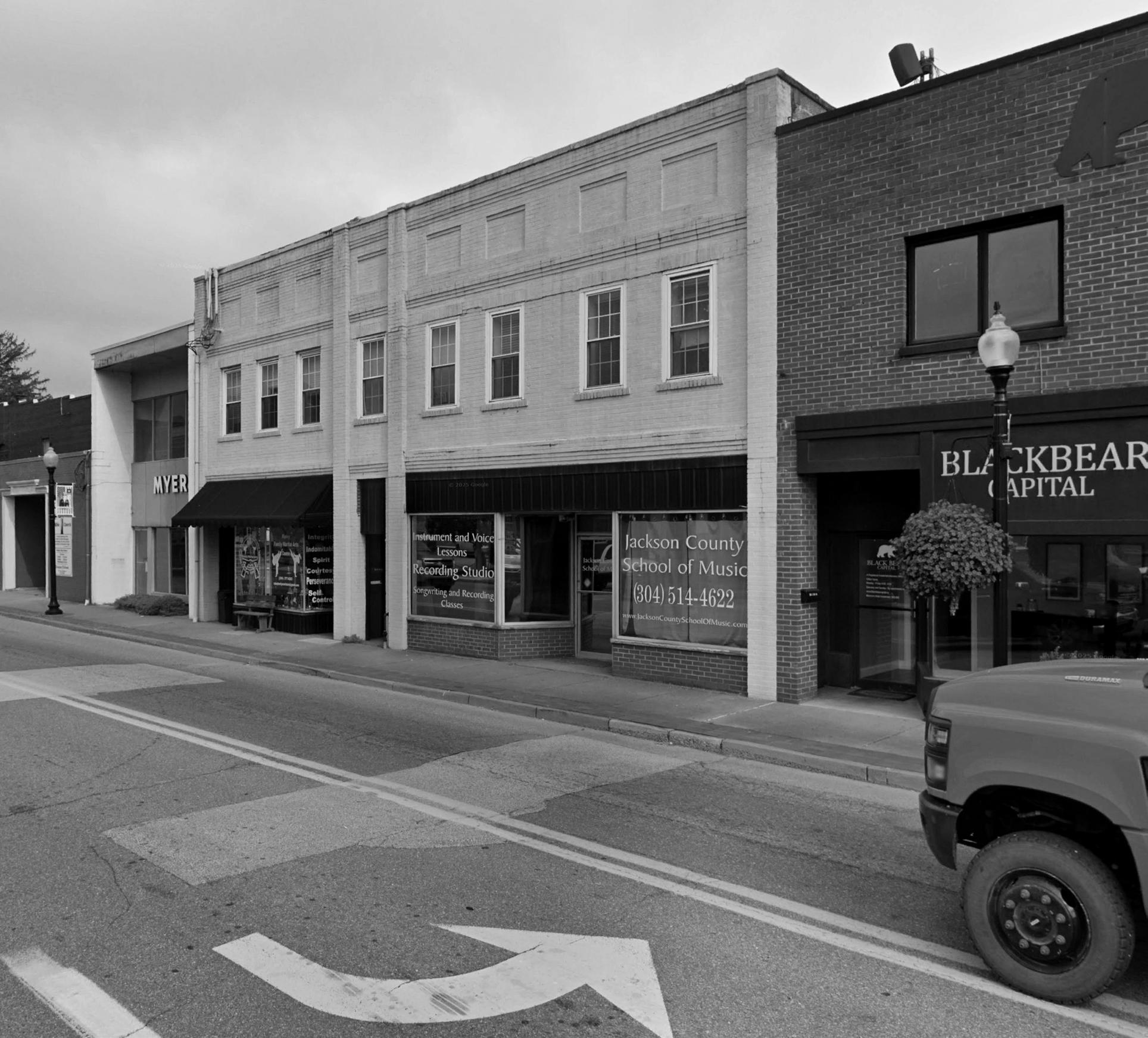
Ornamental Lighting: Downtown Ripley is home to an impressive collection of historic architecture. Installing dedicated ornamental uplighting allows property owners to highlight unique architectural features, cornices, and ornamentation long after the sun goes down.
Tuckpointing: Tuckpointing is the essential process of repairing and replacing failed mortar on brick facades. This is a critical maintenance step for older masonry buildings that have weathered decades of exposure. By sealing the joints, tuckpointing improves a building’s curb appeal while providing vital weatherproofing. Because it is more labor-intensive than cosmetic updates, tuckpointing should be viewed as a high-value, long-term investment that protects the building’s structural integrity for years to come.