NEW BRAUNFELS ARTS AND CULTURE
COMMUNITY ENGAGEMENT
THE CULTURAL FABRIC OF NEW BRAUNFELS RECOMMENDATIONS
ACKNOWLEDGMENTS
CITY COUNCIL
Neal Linnartz, New Braunfels Mayor
Toni Carter, District 1
Michael Capizzi, District 2
D. Lee Edwards, District 3
Lawrence Spradley, District 4
Mary Ann Labowski, District 5
April Ryan, District 6
CITY STAFF
Robert Camareno, City Manager
Jordan Matney, Deputy City Manager
Jared Werner, Assistant City Manager
Jeff Jewell, Director of Economic & Community Development
Mandi Scott, Economic & Community Development Manager
Shannon Gildea, Economic & Community Development Coordinator
Alyssa Bodak, Economic & Community Development Admin Assistant
Jenna Vinson, Director of Communications & Community Engagement
Katie Totman, Historic Preservation Officer
Jeff Bransford, Park Development Manager
Natalie Baker, Deputy City Secretary
Elizabeth Dupont, Transportation Planner
STEERING COMMITTEE
Nathan Manlove, Principal The Ammo Group
Cheryl Fisher, Executive Director Brauntex Theatre
Johnny Duncan, Artist & Arts Collaborator
Pamela Brandt, Heritage Commission Member
Yolanda Kennedy, Arts Commission Member
Marty Lenard, New Braunfels Independent School District
Jason Irle, President GNBAC, Executive Director Mid-Texas Symphony
Farrah Olson, Executive Director Ballet Texas
Jennifer Singleterry, Director Sophienburg Museum & Archives
DESIGNING LOCAL
Josh Lapp, Principal & Co-Founder
Jasmine Metcalf, Project Manager
Andrew Eble, Urban Planner
Gabrielle Smith, Urban Planner
CHAPTER 1
THE CULTURAL FABRIC OF NEW BRAUNFELS
PLAN OVERVIEW
This plan aims to create a collective vision for the role that arts and culture will play in New Braunfels by leveraging the existing foundation built by organizations and creators across the city.
GOALS OF THE ARTS AND CULTURE MASTER PLAN:
• Create a long-term strategic vision for arts and culture in New Braunfels
• Support artists, cultural organizations, and the development of creative spaces
• Drive economic growth through the creative sector
• Improve the community's quality of life and sense of place
• Identify collaboration and partnership opportunities amongst the public, non-profit, and private sectors
TIMELINE OF THE PLAN PROCESS
Spring 2025 - PROJECT MOBILIZATION
Summer 2025 - COMMUNITY DIALOGUE
Fall 2025 - SYNTHESIZE STRATEGIES
Winter 2025 - FINAL PLAN PRESENTATION
1845
Prince Carl of Solms-Braunfels founds the city after purchasing 1,300 acres of land along the Comal and Guadalupe Rivers.
1700'S
Spanish explorers first enter the region, establishing missions to spread culture and religion to Indigenous tribes. The Nuestra Señora de Guadalupe Mission operates near present-day New Braunfels from 1756 to 1758.
PRE-FOUNDING CONTEXT
1836
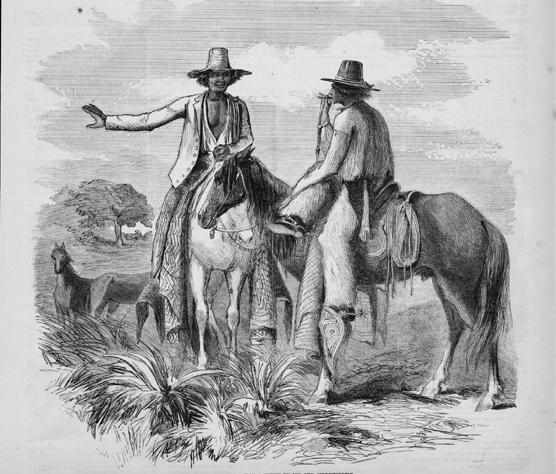
Texas gains independence from Mexico, and Tejanos in the area continue raising cattle and sheep on land granted by Spanish and Mexican governments.
1853
The annual Saengerfest, a celebration of German choral music, is held for the first time.
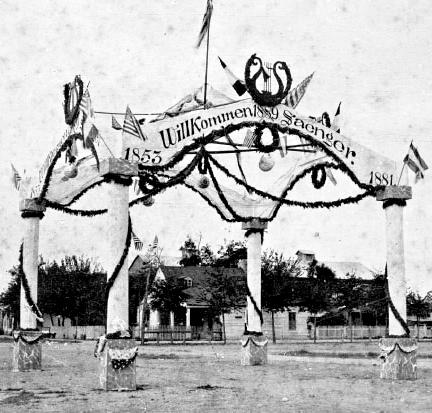
1845-1899 FOUNDING & EARLY SETTLEMENT
1898
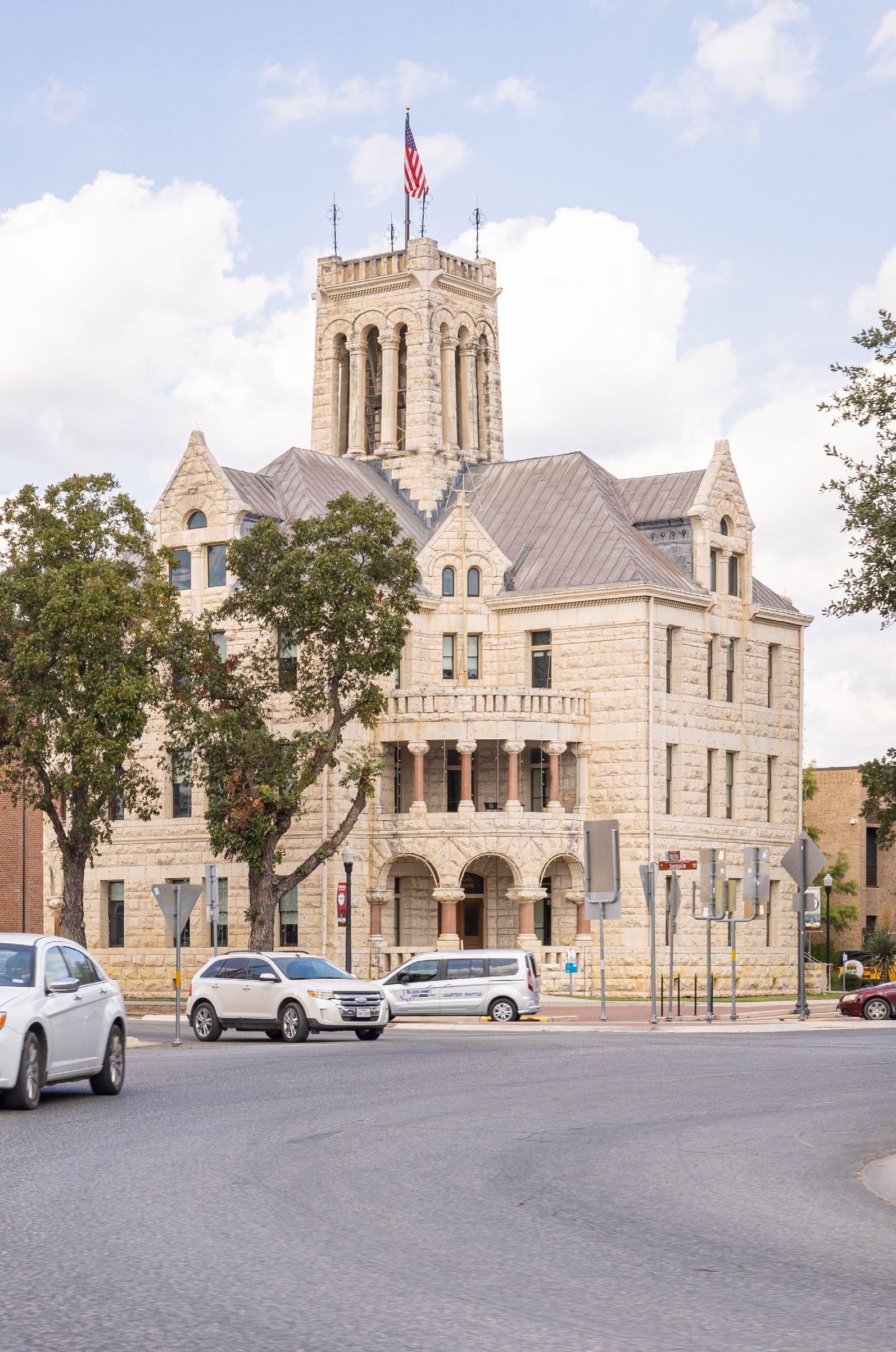
The permanent Comal County Courthouse is completed.
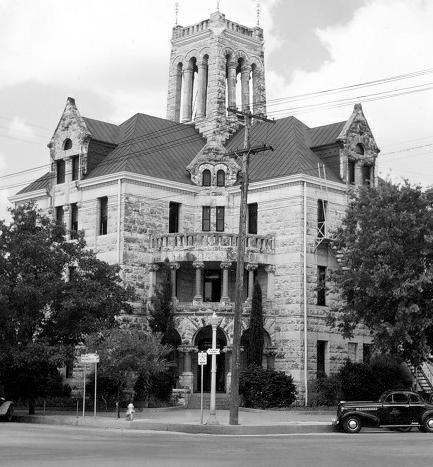
1850
New Braunfels is reported to be the fourth-largest town in Texas.
1887
The Faust Street Bridge is built, a wrought-iron engineering marvel designed to withstand flooding that washed away previous bridges.
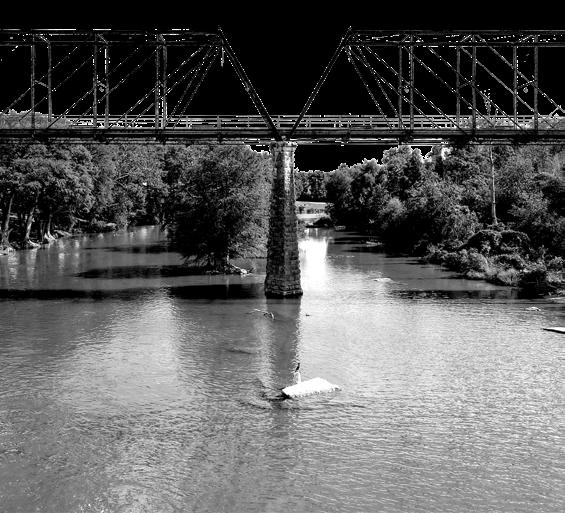
1899
Landa Park opens as a private resort area promoted by the railroad for weekend excursions.
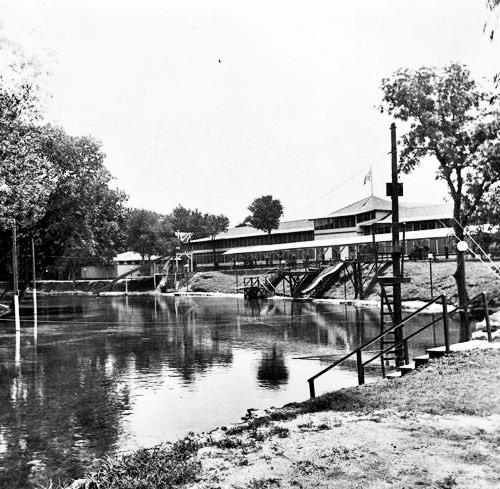
1920'S
A boll weevil infestation wipes out the cotton industry, causing the neighboring community of Gruene to turn into a ghost town.
1900-1999
1961
The annual Wurstfest is launched by the city meat inspector to honor sausage and the city's German heritage.
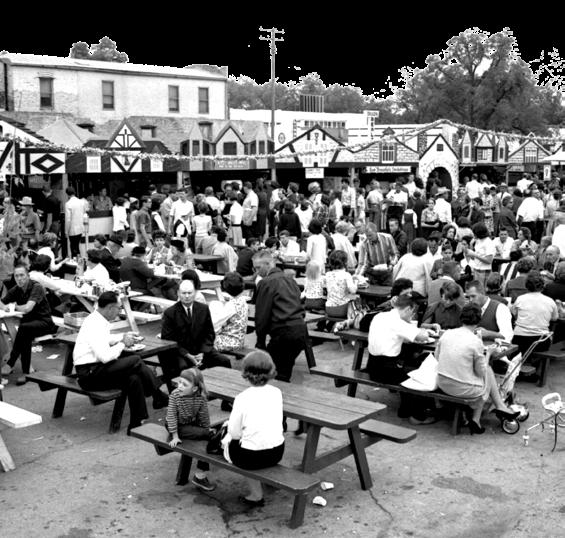
20TH CENTURY DEVELOPMENT
1936
The city purchases land for Landa Park, reserving riverfront land for public use.
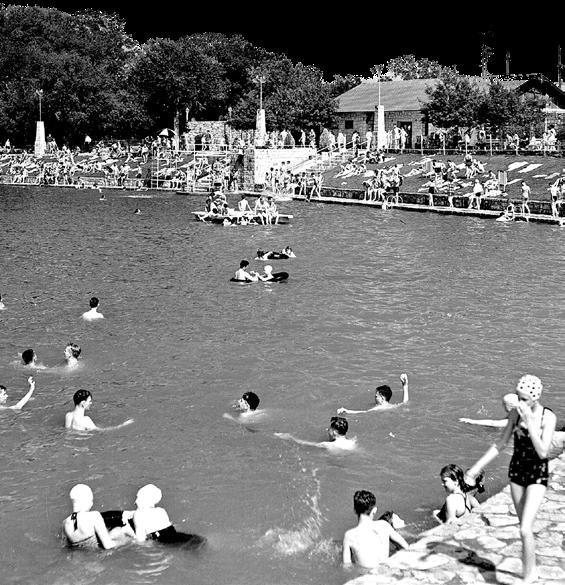
1979
Schlitterbahn Waterpark opens. This addition played a key role in solidifying New Braunfels as a major recreation and tourist destination for the region.
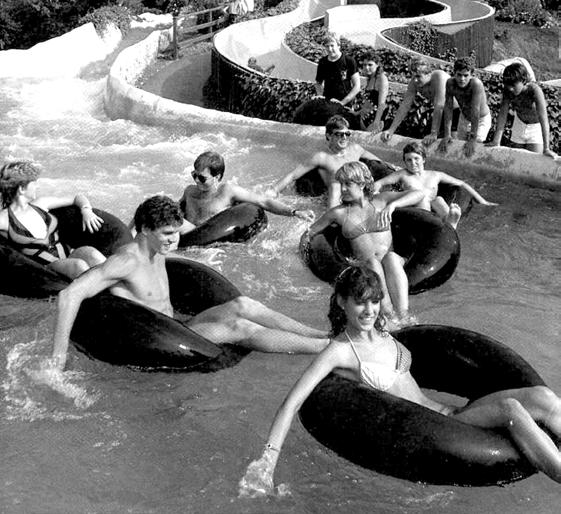
1975
Gruene listed in the National Register of Historic Places as a designated Historic District.
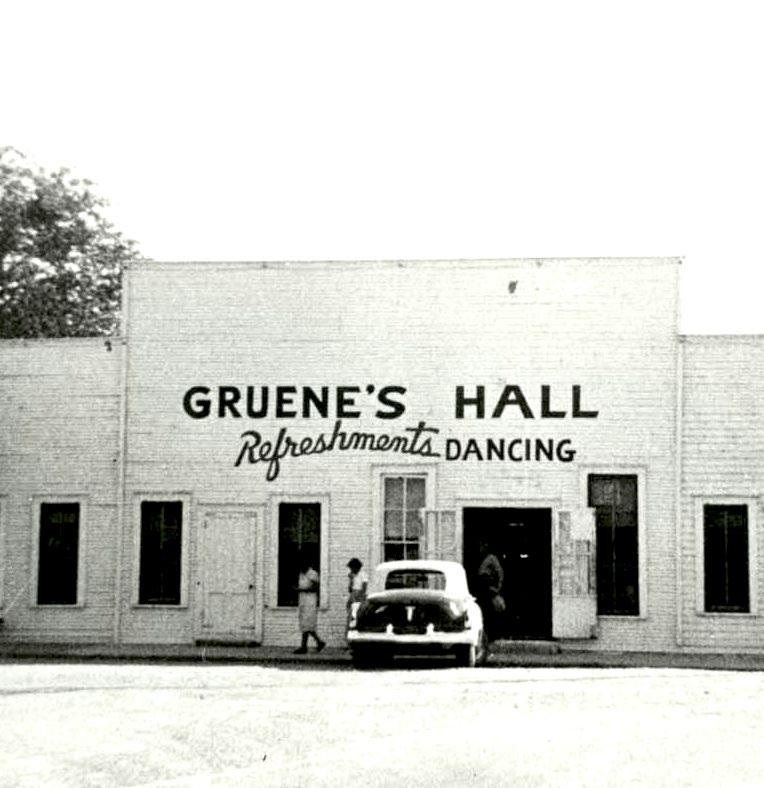
2022
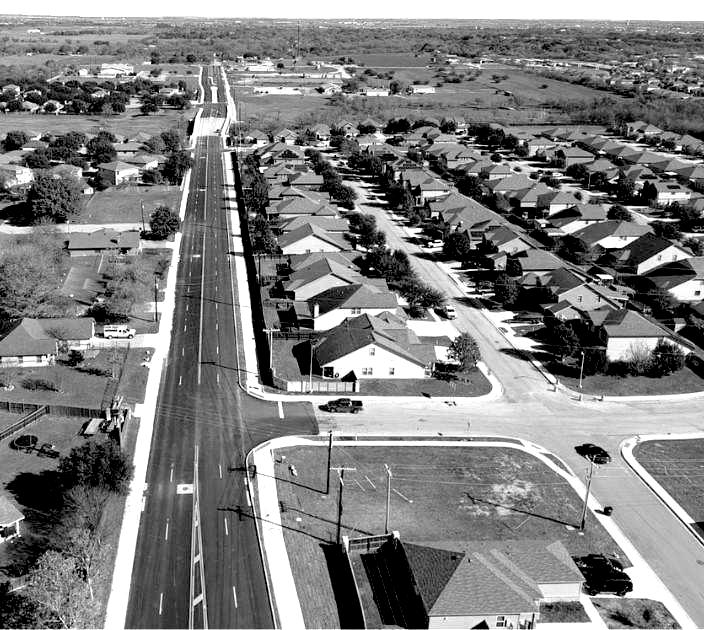
The U.S. Census Bureau estimates the population of New Braunfels at 104,707- the first time New Braunfels has housed over 100,000 people.
2000-PRESENT
21ST CENTURY & MODERN ERA
2010'S
New Braunfels ranks as the third-fastest-growing city in the United States during this decade.
CULTURAL
INFLUENCES OF NEW BRAUNFELS
INDIGENOUS, SPANISH, MEXICAN, AND TEJANO FOUNDATIONS
For thousands of years, the Guadalupe River Valley was home to Indigenous tribes—foremost the Tonkawa, but also the Waco, Lipan Apache, and Karankawa. The rivers shaped daily life, movement, and settlement patterns, establishing a relationship between land, water, and community that remains central to New Braunfels today.
In the 1500s, Spanish explorers first entered what is now Texas. By the late 1600s, Spain began establishing missions and presidios throughout the region to spread their culture and religion to Native tribes. Nuestra Señora de Guadalupe Mission, located near presentday New Braunfels, operated from 1756 to 1758 and represents this early colonial presence.
For centuries, southern Texas was contested territory, shaped by conflict and control among Indigenous tribes, Spain, Mexico, France, and eventually the United States. Texas gained independence from Mexico in 1836 and became the 28th U.S. state in 1845. During this period, many Tejanos in the region had already been raising cattle and sheep on land grants issued by Spanish and Mexican governments for generations. These Indigenous and Hispanic histories form the earliest layers of New Braunfels’ cultural fabric and continue to inform the city’s identity.
GERMAN IMMIGRATION AND THE FOUNDING OF NEW BRAUNFELS
The City of New Braunfels was founded in 1845, when Prince Carl of Solms-Braunfels purchased land from the heirs of prominent Tejano leader Juan Veramendi to facilitate German immigration to Texas. Located at the confluence of the Guadalupe and Comal Rivers— fed by Comal Springs, the largest naturally occurring freshwater springs in Texas—the site offered exceptional natural and economic advantages.
Prince Carl named the settlement New Braunfels after his hometown
in Germany. The city grew rapidly as immigrants arrived and riverpowered industries supported manufacturing and agriculture. By the 1850s, New Braunfels was the fourth-largest city in Texas.
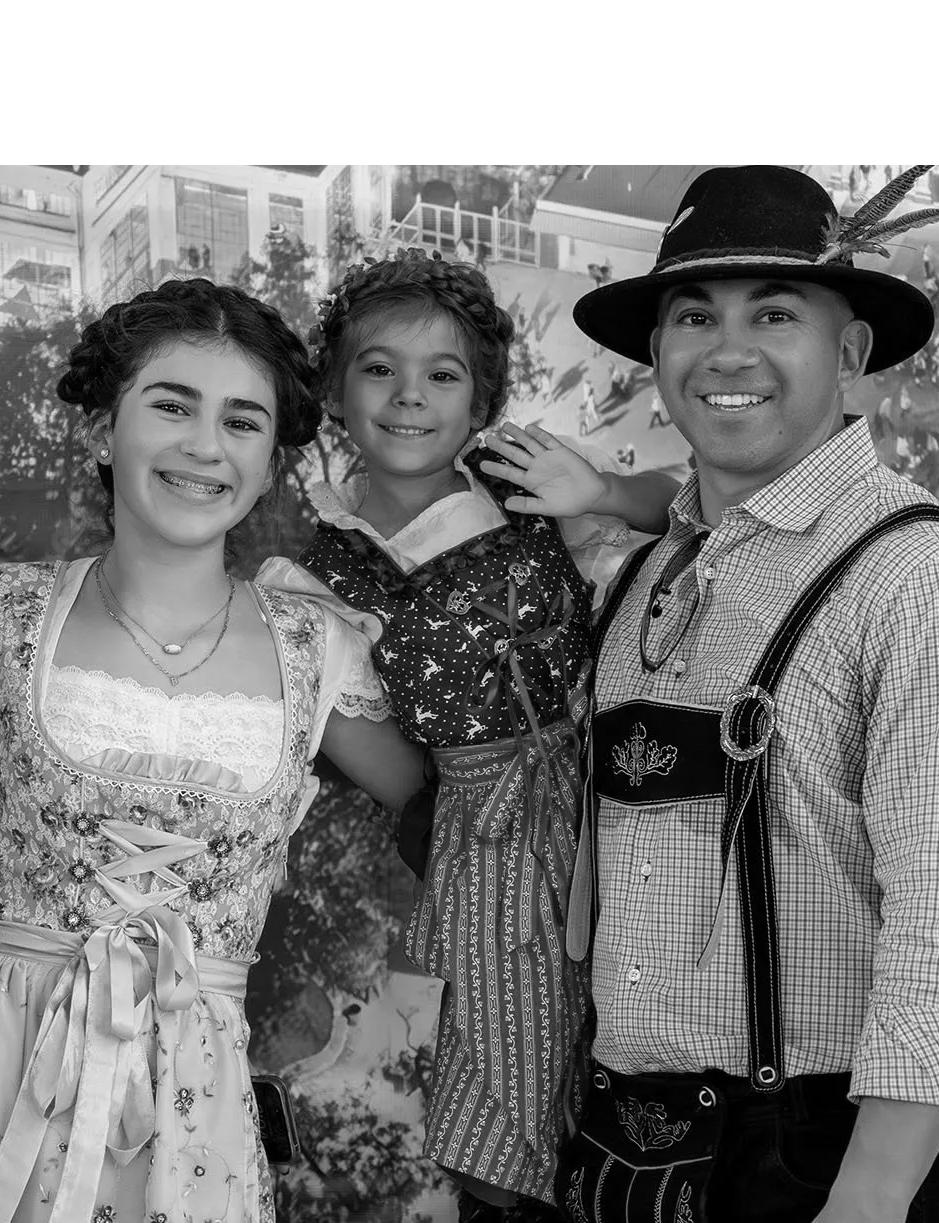
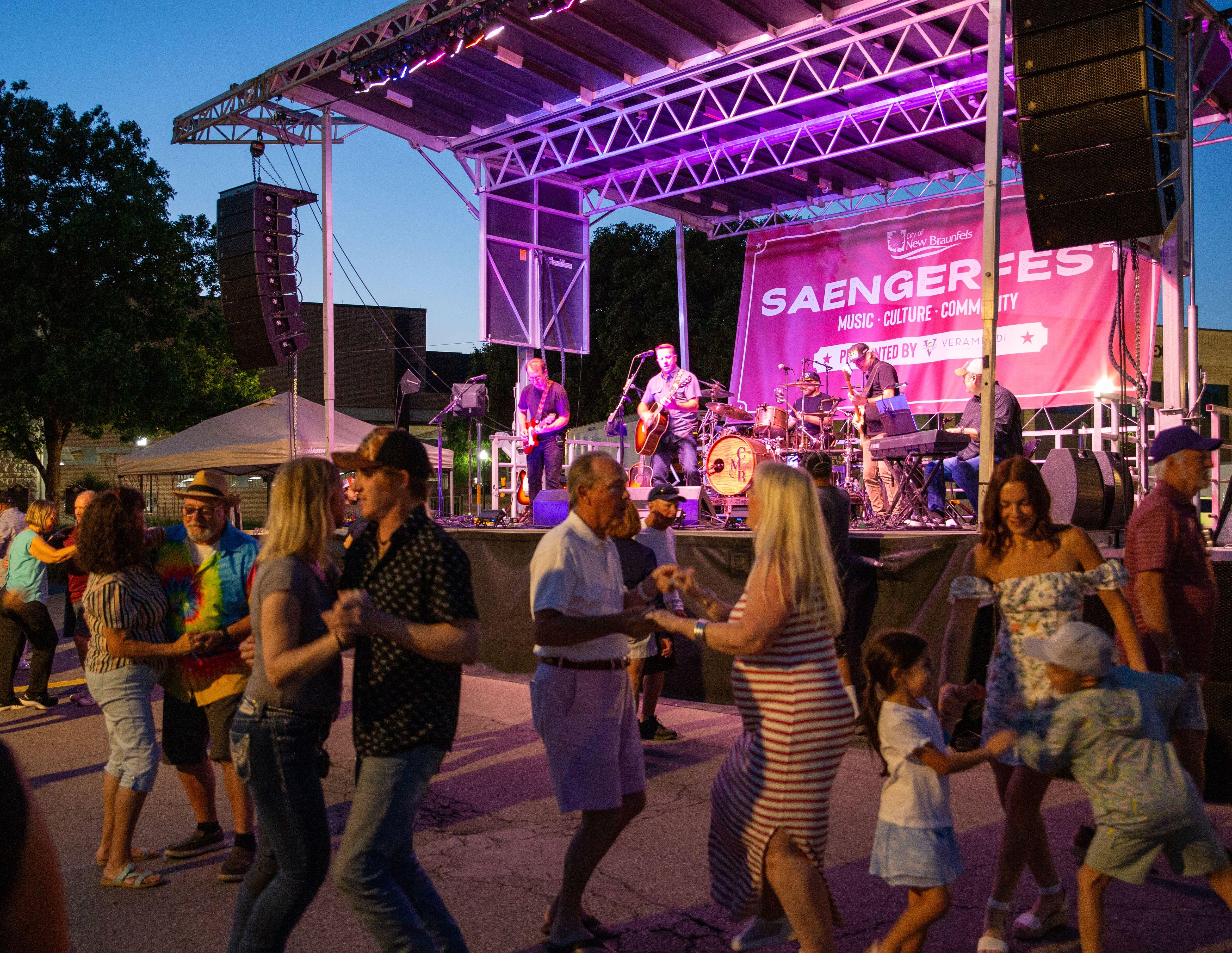
German settlers brought language, music, craftsmanship, building techniques, and social traditions that became deeply embedded in community life. Cultural celebrations such as Sängerfest, first held in 1853 to celebrate German choral music, combined music, heritage, and community gathering in ways that continue today.
BUILT FORM, PARKS, AND PUBLIC GATHERING
In the early days of settlement, buildings in New Braunfels were constructed in vernacular styles using accessible materials such as timber, logs, brick, and later locally quarried stone. As the city matured, European architectural traditions—particularly German Tudor styles with half-timbering and fachwerk—appeared alongside American Victorian, Queen Anne, and Craftsman styles.
These architectural traditions are preserved today across multiple historic districts, including the Sophienburg Hill Historic District, Mill Street Historic District, Downtown Historic District, Stock Historic District, and the Gruene Historic District. Together, these districts document the city’s transition from immigrant settlement to established commercial and civic center.
Public spaces also became essential cultural assets. Landa Park emerged as a central gathering place, featuring the gazebo, dance slab, aquatic complex, playground, golf course, railroad, event facilities such as Landa Haus, and the German Pioneers Monument.
The Founders Oak, located within Landa Park, has become both a historic landmark and an active community space, hosting events such as weekly Zumba classes and other gatherings.
Prince Solms Park further expanded recreational and cultural life through tennis courts, tubing access, a disc golf course, and activity spaces such as The Vortex AO sports club.
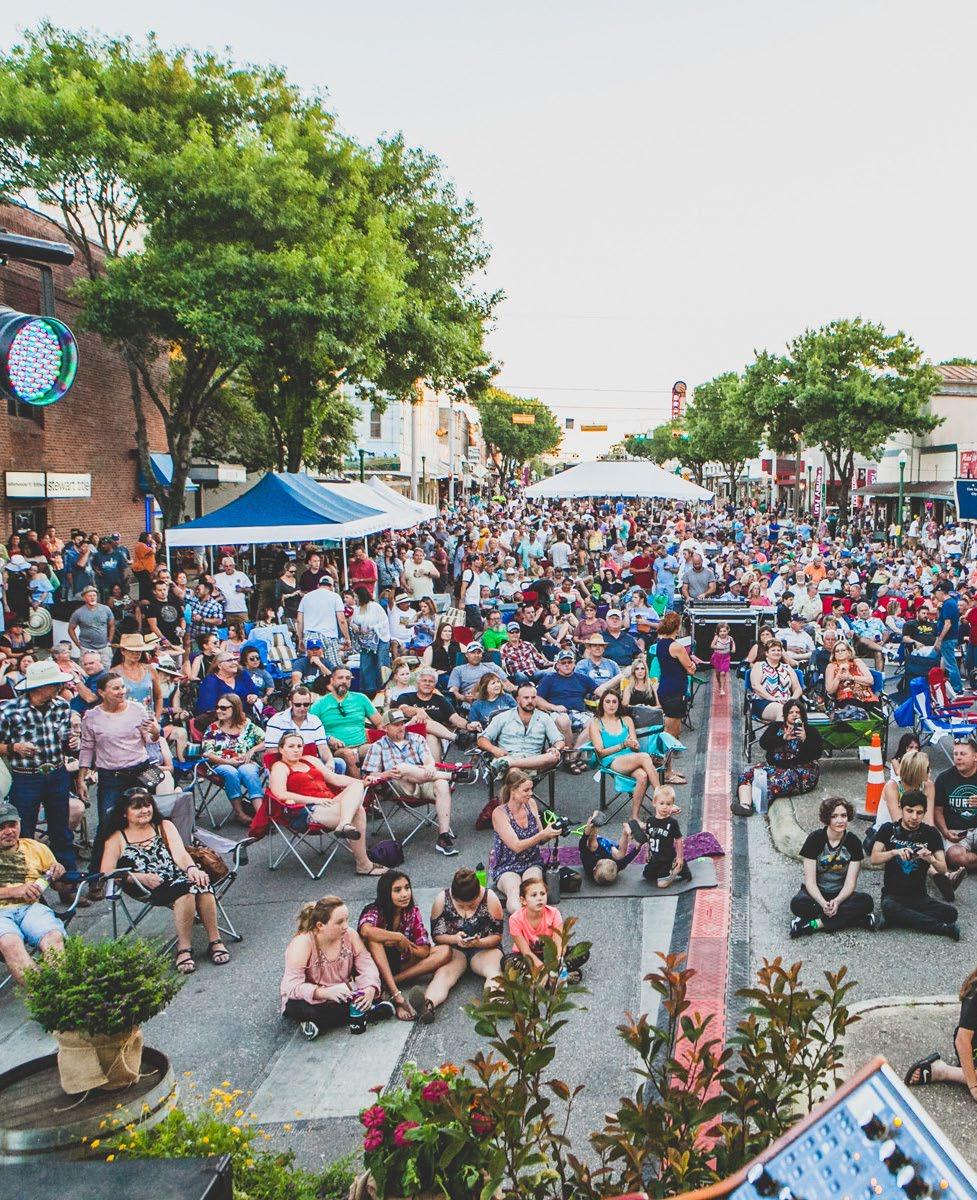
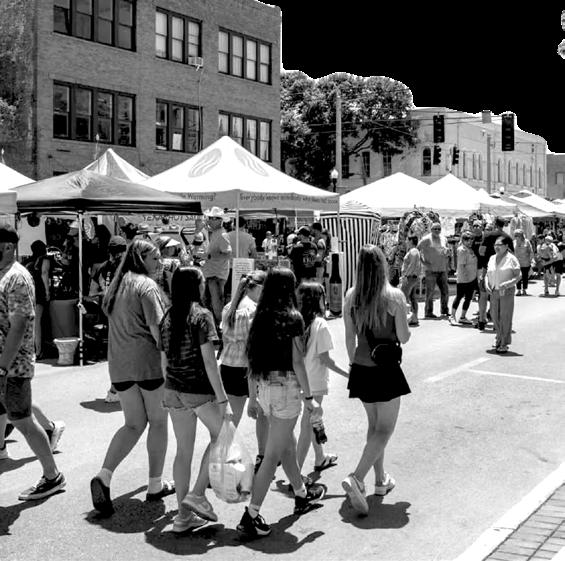
Downtown civic spaces—including The Plaza, the fountain, and Der Musikpavillon (bandstand)—have long supported community events such as Wassailfest and the July 4th Patriotic Parade, reinforcing culture as a shared public experience.
INSTITUTIONALIZING CULTURE AND HERITAGE
Throughout the 20th century, New Braunfels leaned into its German heritage while expanding parks, riverfront amenities, cultural venues, and festivals—becoming a major tourist destination in the process. Wurstfest, launched in 1961 by the city’s meat inspector “to honor sausage,” now attracts more than 200,000 visitors annually and has become one of the city’s most recognizable cultural events.
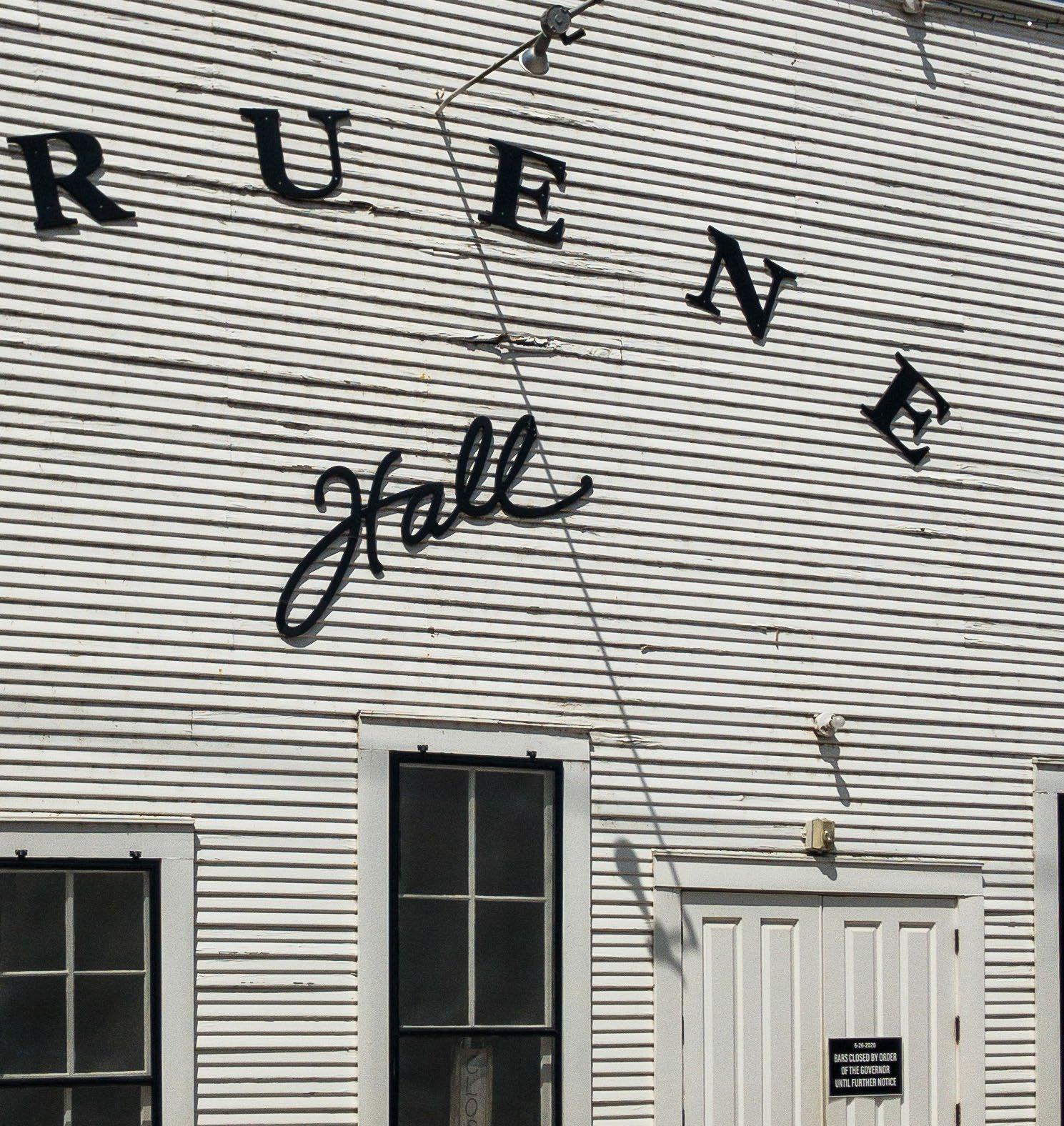
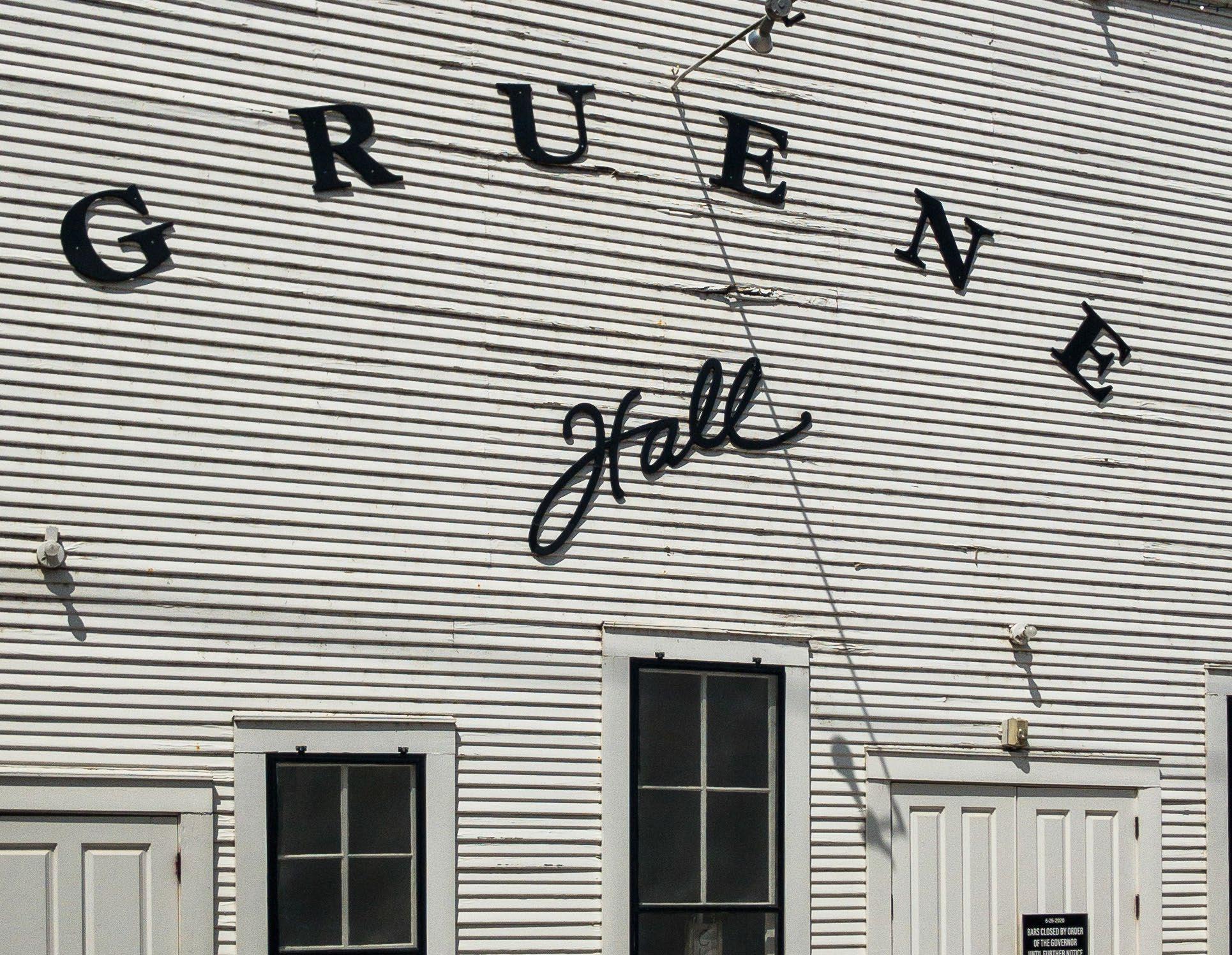
Institutions such as the Sophienburg Museum & Archives play a critical role in preserving and interpreting local history, ensuring that stories of settlement, growth, and cultural change are documented and shared. Gruene Hall, Texas’ oldest continuously operating dance hall, stands as a living symbol of German-Texan musical tradition and social life.
The Texas Handmade Furniture Museum reflects the city’s legacy of craftsmanship, celebrating woodworking traditions and design practices passed down through generations.
PERFORMING ARTS AND CREATIVE ORGANIZATIONS
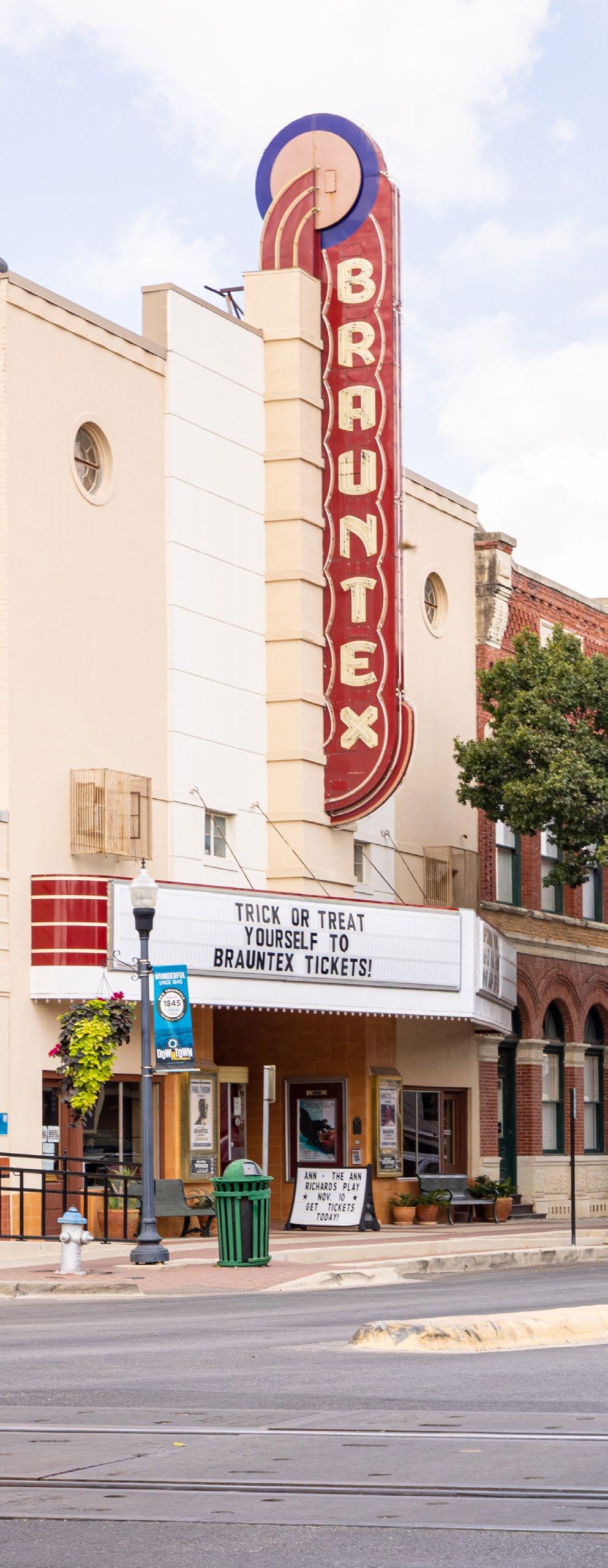
As New Braunfels continued to grow, dedicated arts organizations expanded the city’s cultural offerings beyond festivals and heritage sites. The Brauntex Theatre became a cornerstone downtown venue, hosting live performances, film, and community events while reinforcing the role of the arts in the city’s core.
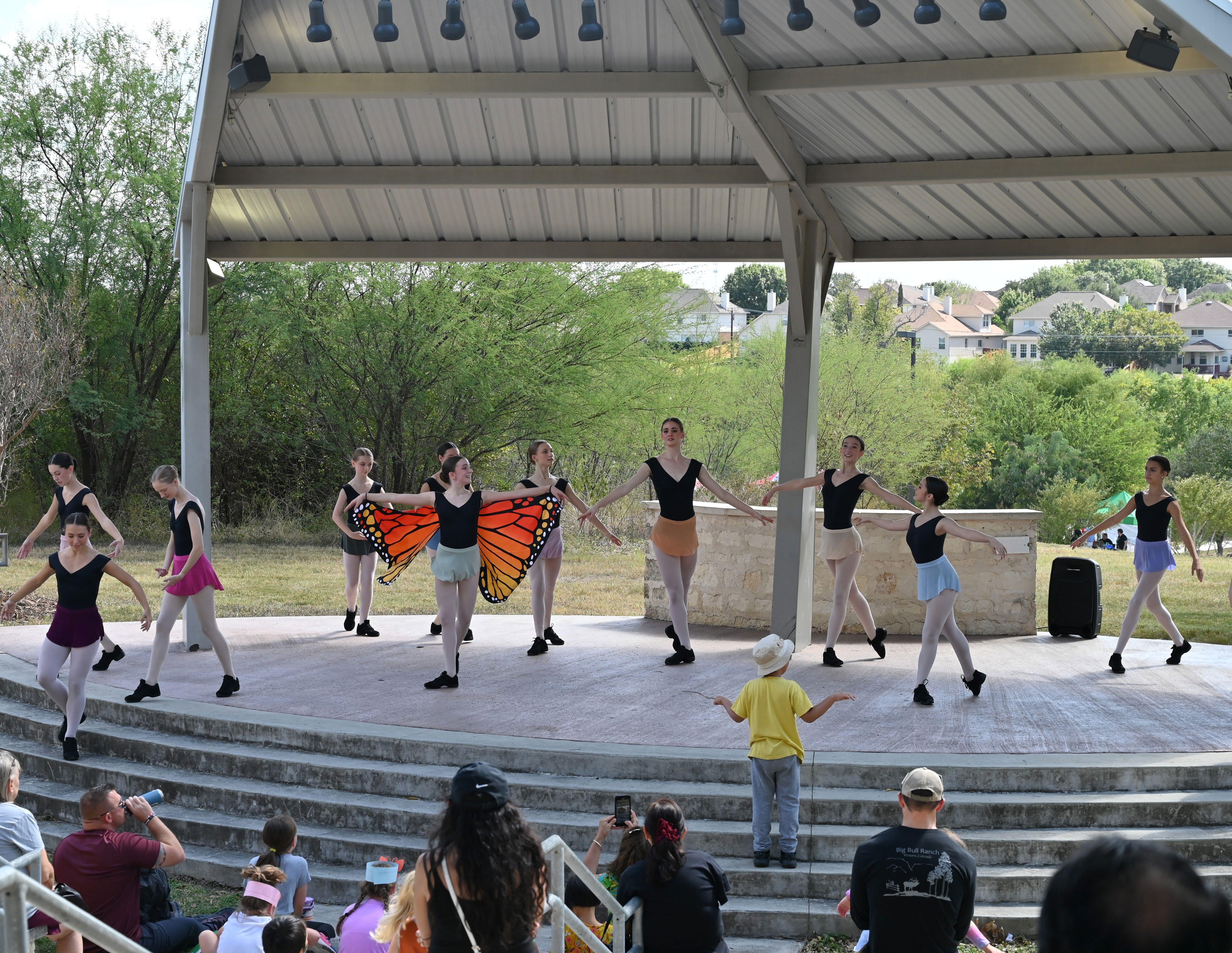
Performing arts organizations such as Mid-Texas Symphony and Ballet Texas brought orchestral music and dance to local audiences, supporting arts education and professional performance. Circle Arts Theatre further broadened access to creative participation by providing opportunities for community-based theater and storytelling.
Together, these organizations have shaped a cultural ecosystem that supports performance, education, and creative expression yearround.
HISPANIC HERITAGE AND CULTURAL EXPRESSION
Alongside its German heritage, New Braunfels recognizes a significant Hispanic population and the many contributions it has made to the community over hundreds of years. Annual events such as the Día de los Muertos Festival and Fiesta Patria celebrate Hispanic heritage through music, dance, food, and shared remembrance.
Public art has become a key way to honor this history. In 2018, The Legacy of Our Journey, a mural by Alex Rubio, depicted a timeline of Hispanic heritage from 1600 to 1845 and illustrated how this history continues to reverberate in modern New Braunfels. These cultural expressions reinforce the city’s layered identity and evolving cultural narrative.
A DENSE AND LIVING CULTURAL FABRIC
Today, with more than 250 years of history, heritage, and culture to celebrate, New Braunfels is among the fastest-growing cities in the United States. Its cultural fabric is shaped by Indigenous roots, German settlement, Hispanic traditions, historic districts, parks and plazas, festivals, and a growing network of arts organizations and cultural institutions.
This timeline reveals a city rich in cultural assets—each contributing in distinct ways to community identity, public life, and creative expression. The opportunity ahead lies in recognizing these assets as parts of a connected cultural ecosystem and supporting them in ways that reflect their collective impact on New Braunfels’ past, present, and future.
THE HISTORIC CHARACTER OF NEW BRAUNFELS
New Braunfels’ historic districts function as more than preserved collections of buildings as they are living cultural landscapes that reflect the city’s layered history, architectural evolution, and community life. Together, these districts illustrate how German settlement, Hispanic heritage, early civic development, and riverbased industry shaped the physical and cultural form of the city.
SOPHIENBURG HILL HISTORIC DISTRICT
The area that Prince Carl had built a log fortress days after the founding of New Braunfels. The fortress was named Sophienburg, after his fiancee Sophie of Solm-Laubach, on top of a small hill that overlooked the town. The current historic district sits primarily along S Academy Avenue between W Jahn Street and Cross Street, and along Magazine Avenue between W Coll Street and W Jahn Street. A majority of the buildings were built between the 1880s and the 1930s, many of which are in the Craftsman Bungalow Style. Many historic landmarks can be found in this historic district.
MILL STREET HISTORIC DISTRICT
The Mill Street Historic District is best characterized by its display of German-Texan vernacular architecture as many of the people who settled in this area were German immigrants. In addition to the vernacular style of architecture, Craftsman bungalows and Victorianera style homes can be found here as well. One of the earliest public schools of New Braunfels, the New Braunfels Academy, a local landmark & Registered Texas Historic Landmark, was built here in the mid-1910s. This district can be found along W Mill Street between N Guenther Avenue and S Academy Street.
DOWNTOWN HISTORIC DISTRICT
The downtown historic district, now on the national register of historic places, is characterized by the architecture of the commercial and residential buildings that were built as the town of New Braunfels was being settled and developed. The period of significance of this area is from 1845 to 1940, the time when the city went from German
settlement to an American city with a thriving commercial center, anchored by Main Plaza in the center of the district. Nearby features that aided in the development of this area are the Comal River and nearby ground transportation routes such as the El Camino Real and the railroad transportation routes. The area sits at the city center along W San Antonio Street, bound by S Academy Street to the south and N Market Avenue to the north, and along N Seguin Ave, bound by W Bridge Street to the west and W Coll Street to the east. Established in the Zoning Ordinance in May 2012.
THE STOCK HISTORIC DISTRICT
The Stock Historic District is the smallest of New Braunfels’ historic districts, consisting of five properties along West Coll Street originally owned by Carl Stock and his family who were early members of the Verein colony. Although the Stock family perished during the cholera epidemic, the surviving homes remain as rare examples of Craftsman Bungalow and Folk-Victorian architecture, offering a poignant reminder of the city’s early hardships and resilience.
GRUENE HISTORIC DISTRICT
Located along the Guadalupe River just northeast of New Braunfels, the Gruene Historic District reflects the industrial and commercial legacy of German immigrant settlement. The district features fachwerk construction, Victorian cottages, and early commercial buildings such as the mercantile and cotton gin. Due to its high degree of preservation, Gruene was designated a National Historic District in 1974 and continues to serve as a major cultural and tourism destination.
CIVIC AND CULTURAL LANDMARKS
DOWNTOWN & THE PLAZA
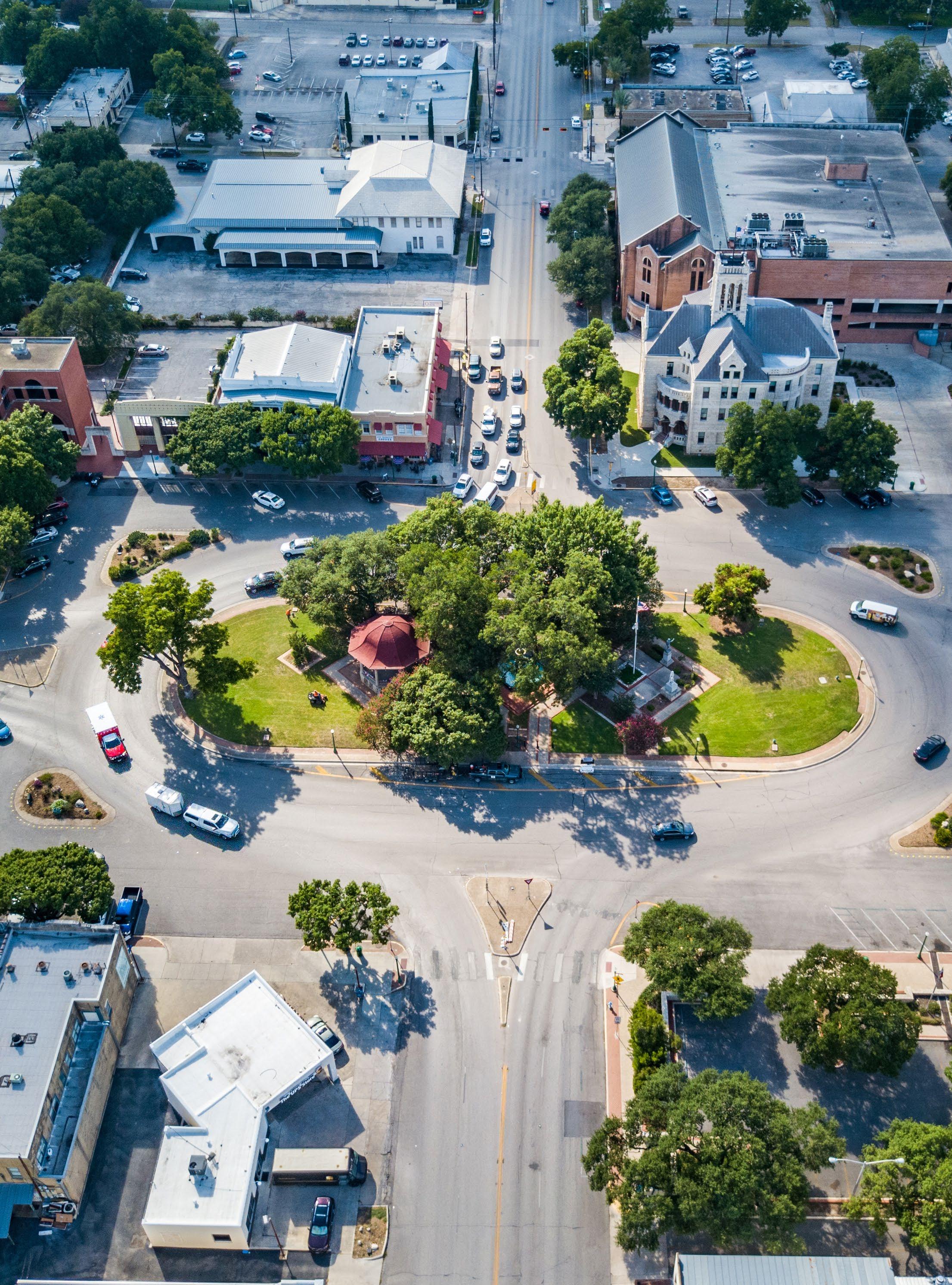
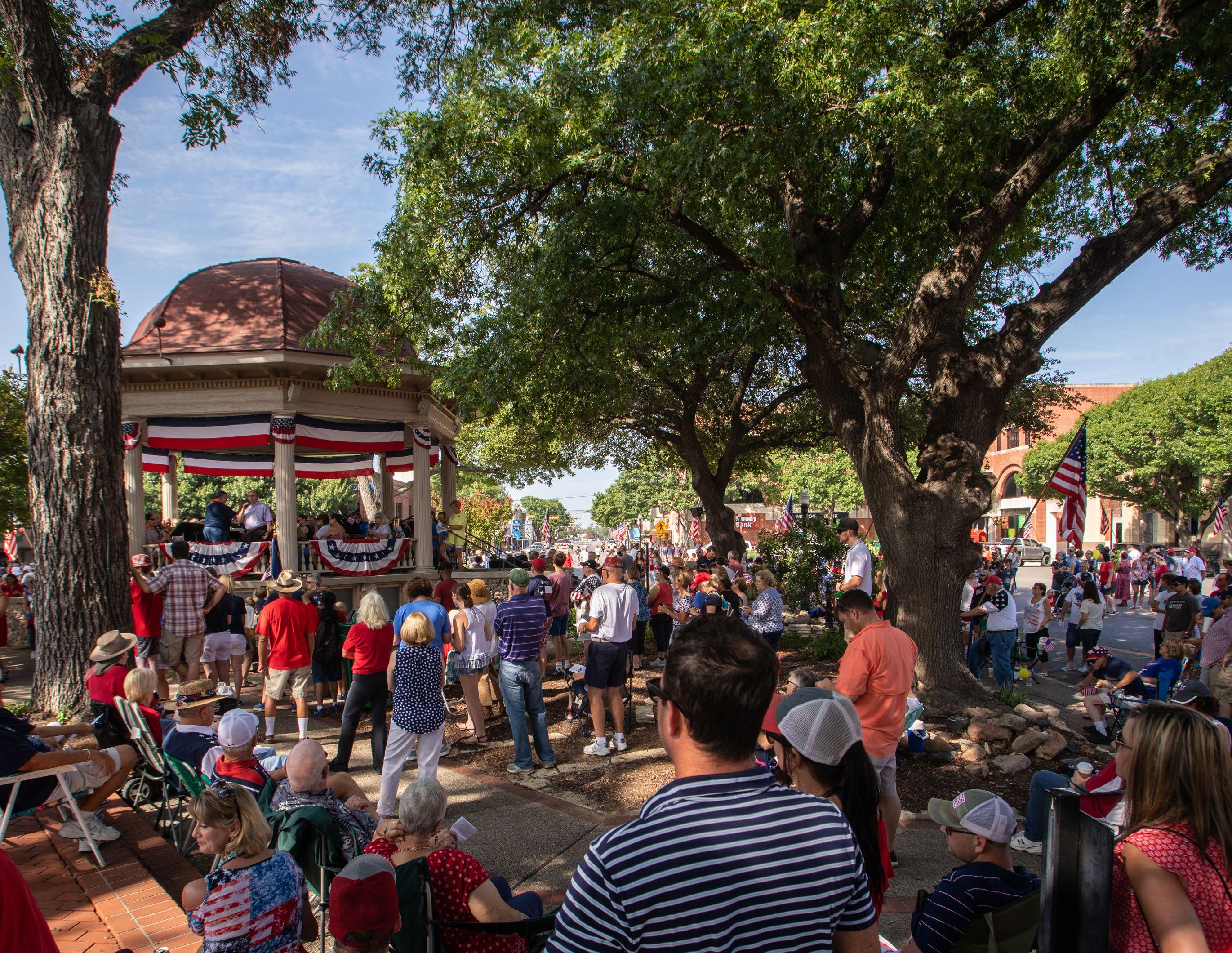
Downtown New Braunfels serves as the city’s primary civic and cultural center, where historic streets, public spaces, and community traditions converge. The Plaza functions as the symbolic and physical heart of downtown, framed by the fountain and Der Musikpavillon, and has long provided a setting for music, celebration, and public gathering. Seasonal and civic events such as Wassailfest and the July 4th Patriotic Parade activate downtown as a cultural stage, reinforcing its role as a place where heritage, civic identity, and everyday community life are experienced together.
LANDA PARK
Landa Park is one of New Braunfels’ most significant cultural landscapes, centered around the Comal Springs and shaped by generations of community use. Its mix of historic monuments, recreational amenities, event spaces, and natural features—including the gazebo, dance slab, German Pioneers Monument, Landa Haus, and the Founders Oak which supports everyday activity and major cultural celebrations such as Wurstfest. The Founders Oak serves as both a living link to the city’s past and an active gathering place, hosting regular community activities that demonstrate how historic natural assets continue to support contemporary cultural life and social connection.
PRINCE SOLMS PARK
Prince Solms Park represents a more active, recreation-focused expression of culture in New Braunfels, closely tied to the Comal River. Amenities such as tubing access, tennis courts, disc golf, and The Vortex AO sports club support wellness, outdoor activity, and social interaction, reinforcing the city’s identity as a place where river culture and recreation are integral to daily life.
CULTURAL ASSET MAPPING
METHODOLOGY
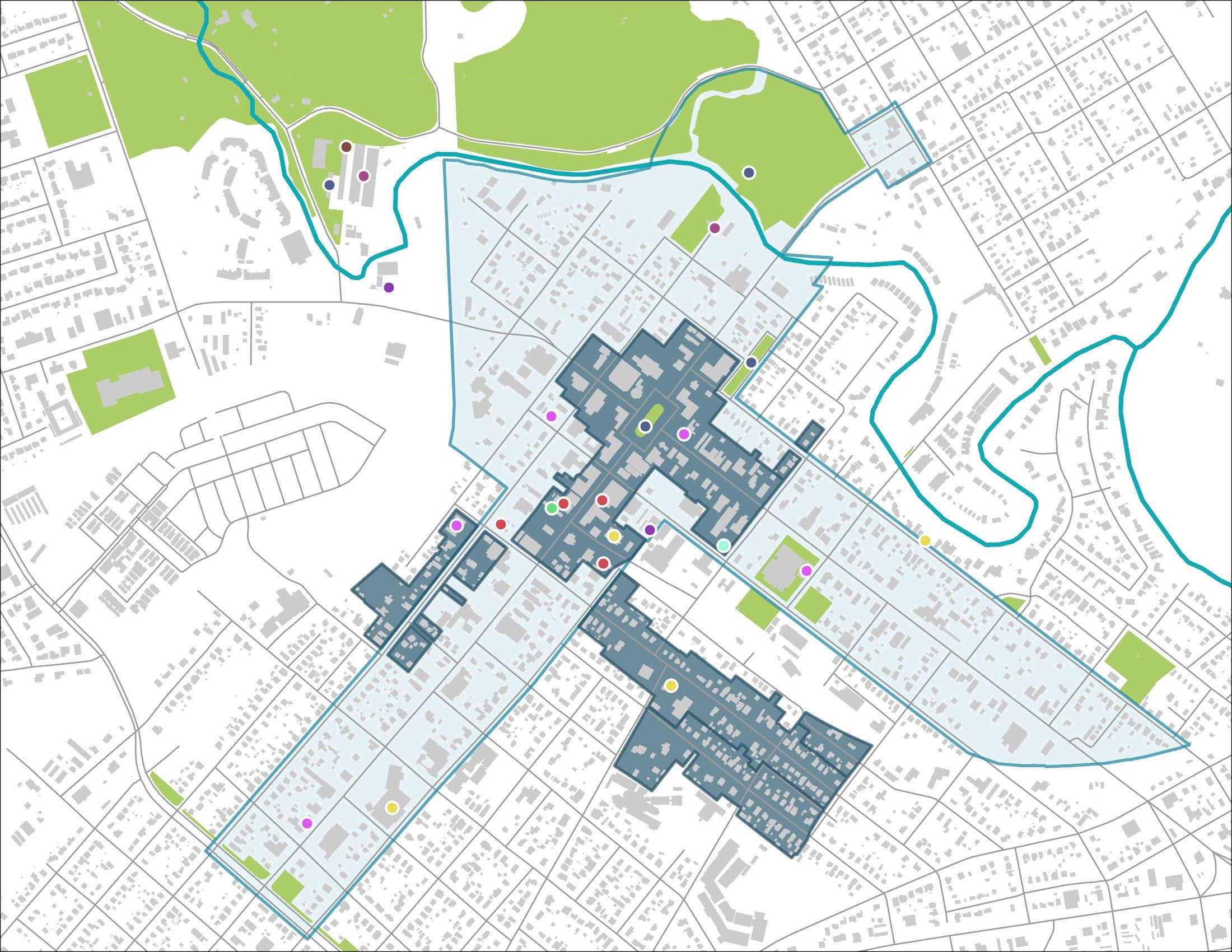
The 55 facilities and organizations identified as cultural assets in New Braunfels were sourced from a combination of public engagement, steering committee input, and internal research. Assets were sorted into the following categories:
ARTS AND CULTURE CATEGORIES
Art Education: Organizations and facilities that offer educational services and classes to the public, focusing on various sectors of arts and culture.
Community Space: Facilities, including parks, libraries, and other widely used locations, where the community can gather to collaborate or create independently. Many of these are central hubs for arts and culture programming.
Cultural: Facilities dedicated to displaying and preserving local culture, such as museums and conservation societies. Their focus is on the cultural composition of New Braunfels and sharing or explaining it to the public.
Dance: Organizations that provide community access to dance education and performance.
Galleries: Spaces where artists can display and sell their work. These are opportunities for the public to engage with different levels of visual artworks.
Multi-Discipline: Facilities and organizations that promote, educate, and support art across mediums. They combine visual, performance, and other arts in unique ways for the community to experience.
Museums & Heritage Centers: These facilities serve as spaces for the community to engage with local history, offering both educational and artistic opportunities to interact with culture and heritage.
Music: Organizations and facilities that support and perform in the musical sector in New Braunfels, sharing their work to bring musical
arts to the community.
Parks: A key component of the City's arts and culture network, New Braunfels' active park facilities frequently host community events and cultural programming.
Performance Spaces: These are venues utilized for presenting performing arts like theater and dance. They vary in size and purpose but are essential for providing the community with access to a variety of artistic experiences.
Theater Organizations: Groups focused on providing the community with access to theater through both educational programs and public performances.
Visual Arts Spaces: Facilities and organizations dedicated to exposing the public to visual arts. These serve as places for creation, education, exhibition, and commerce related to art.
WURSTFEST GROUNDS
CIRCLE ARTS THEATRE
TUBE CHUTE
LANDA FALLS
NEW BRAUNFELS BREWING COMPANY
MAIN PLAZA
NEW BRAUNFELS ART LEAGUE
BRAUNTEX THEATER
NEW BRAUNFELS RAILROAD MUSEUM
NEW BRAUNFELS YOUTH COLLABORATIVE
MILL STREET ART GALLERY
FARMERS MARKET WURSTFEST
THE ART COTTAGE
MCKENNA CHILDREN'S MUSEUM
ARTITUDE
EXISTING MAIN STREET DISTRICT
EXISTING HISTORIC DISTRICT
FARMERS MARKET
SOPHIENBURG MUSEUM
COLL STREET PLAYERS
HISPANIC BUSINESS ALLIANCE
LINDHEIMER HOUSE
NAEGELIN'S MARKET PLAZA
PRINCE SOLMS PARK
LANDA PARK GOLF COURSE
FINDINGS
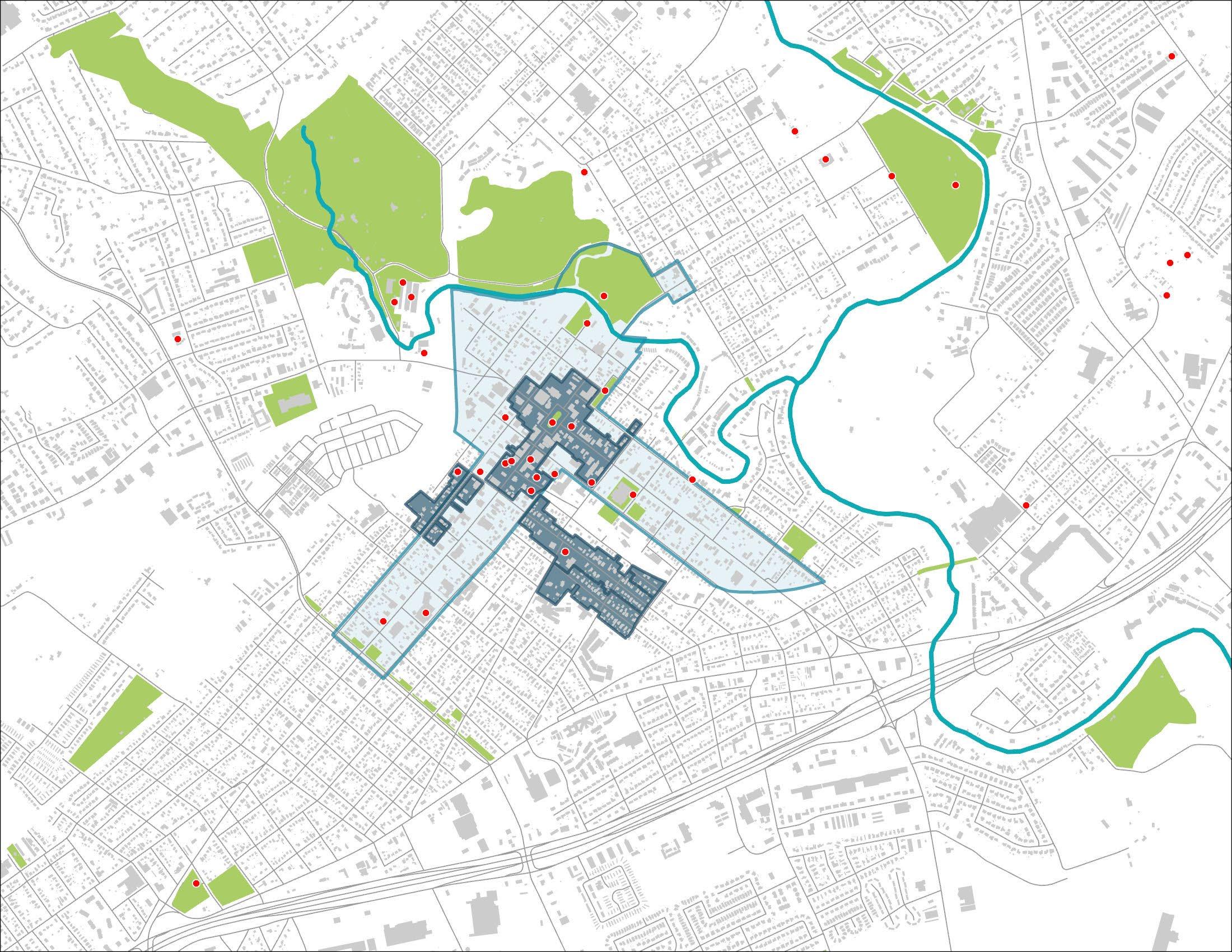
Cultural Assets in New Braunfels are concentrated in the downtown area, particularly the historic district. This concentration of assets include several regionally significant facilities and organizations, including the home of the Wurstfest, several museums, and key historical buildings.
PROPOSED CULTURAL DISTRICT
The proposed cultural district, spanning just under half a square mile, is designed to be easily walkable, offering both residents and visitors an immersive experience of the local arts. Combined with the overlapping Main Street and Historic districts, the proposed cultural district is already a vibrant destination for heritage in the community. Its boundaries encompass the highest concentration of cultural assets in New Braunfels, highlighting 31 unique points of interest that collectively reflect the city's rich cultural identity. This collection represents over half of all identified cultural assets within the City.
LIMITATIONS
While the asset mapping process sought to capture the full range of arts and cultural resources across New Braunfels, it may not reflect every existing or emerging creative space. Some activities —particularly informal, home-based, or seasonal — operate outside official datasets or are difficult to document through standard sources.
Cultural Assets, Events, and Festivals within the Proposed Cultural District
• Art Haus
• Brauntex Theatre
• Circle Arts Theatre
• Coll Street Players
• Comal County Fair Parade
• Dia de Los Muertos Festival
• Downtown Lighting & Santa’s Arrival
• Farmers Market
• Founders Oak
• Hispanic Business Alliance
• Independence Day Parade
• Landa Park
• Lark Mason Art Gallery
• Lindheimer House
• Live at Landa
• Main Plaza
• Market Plaza
• Martin Luther King, Jr. March
• McKenna Children’s Museum
• Mill Street Art Gallery
• Naegelin’s
• New Braunfels Art League
• New Braunfels Brewing Company
• New Braunfels Fire Museum
• New Braunfels Railroad Museum
• New Braunfels Youth Collaborative
• Prince Solms Park
• Saengerfest
• Sophienburg Museum
• Spooktacular
• The Art Cottage
• Thru The Chute
• Tube Chute
• Veterans Day Parade
• Wassailfest
• Wurstfest
• Wurstfest Grounds
NEW BRAUNFELS BREWING COMPANY
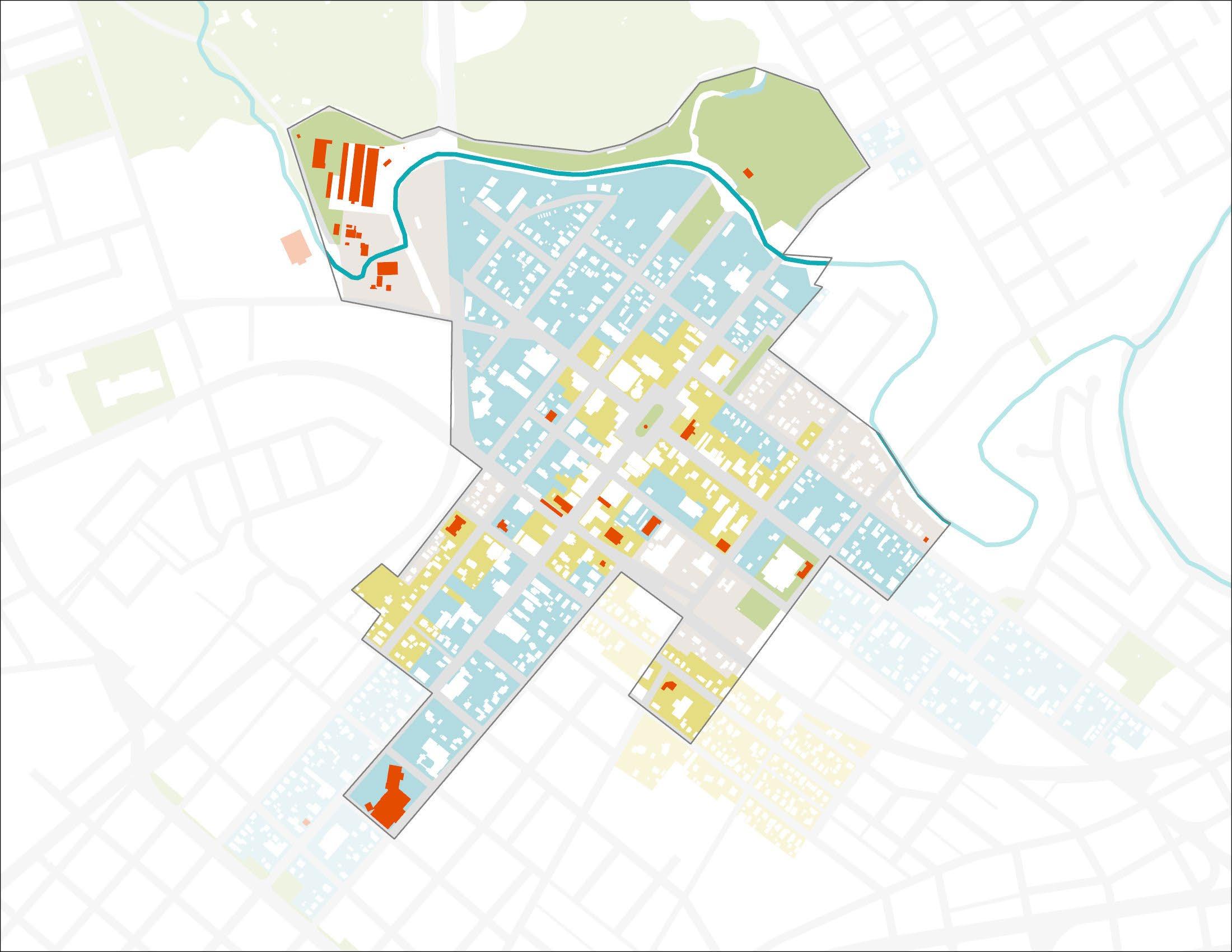
FARMERS MARKET
SOPHIENBURG MUSEUM
COLL STREET PLAYERS
HISPANIC BUSINESS ALLIANCE
NEW BRAUNFELS YOUTH COLLABORATIVE
MILL STREET ART GALLERY
CULTURAL ASSET BUILDING
MAIN STREET DISTRICT
HISTORIC DISTRICT
GENERAL CULTURAL DISTRICT BRAUNTEX THEATER
LINDHEIMER HOUSE
MCKENNA CHILDREN'S MUSEUM
NEW BRAUNFELS RAILROAD MUSEUM PARKS
NAEGELIN'S
PRINCE SOLMS PARK
Place-based Cultural Assets
• The Art Cottage
• The ARTitude Artisan Market
• Brauntex Theatre
• Circle Arts Theatre
• Comal Cemetery
• Comal River
• Cypress Bend Park
• Downtown Historic District
• Ernest Eikel Field
• Founders Oak
• Gruene Hall
• Gruene Historic District
• Guadalupe River
• Historic Old Town
• Landa Park
• Large Mural at Vivo apartments
• Lark Mason Art Gallery
• Lindheimer House
• Main Plaza
• Market Plaza
• McKenna Children’s Museum
• Mill Street Historic District
• Mill Street Art Gallery
• Mission Hill Park
• Museum of Texas Handmade Furniture
• Naegelin’s
• Natural Bridge Caverns
• New Braunfels Brewing Company
• New Braunfels Cemetery
• New Braunfels Fire Museum
• New Braunfels Public Library
• New Braunfels Youth Collaborative
• Prince Solms Park
• Schlitterbahn Waterpark
• Sophienburg Hill Historic District
• Sophienburg Museum
• Southeast Library
• Stock Historic District
• Tube Chute
• Veteran's Memorial
• Westside Community Center
• Westside Library
• Wurstfest Grounds
Cultural Organizations & Partners
• Ballet Texas
• Cheatham Street Music Foundation
• Christian Youth Theatre San Antonio
• Coll Street Players
• Comal ISD - Fine Arts Department
• En Vivio! Theatrical
• Greater New Braunfels Arts Council
• Hispanic Business Alliance
• Kinder Tanzer
• Mid-Texas Symphony
• New Braunfels Art League
• New Braunfels Conservation Society
• New Braunfels Gemischter Chor Harmonie
• New Braunfels Independent School District
• New Braunfels ISD - Fine Arts Department
• New Braunfels Performing Arts Academy
• New Braunfels Railroad Museum
• New Braunfels Writers Guild
• New Braunfels Youth Collaborative
• Historic Outdoor Art Museum
Events
& Festivals
• Comal County Fair & Rodeo
• Folkfest
• Monarch Festival
• New Braunfels Renaissance Faire
• Soul Searching
CHAPTER 2
COMMUNITY ENGAGEMENT
ENGAGEMENT OVERVIEW
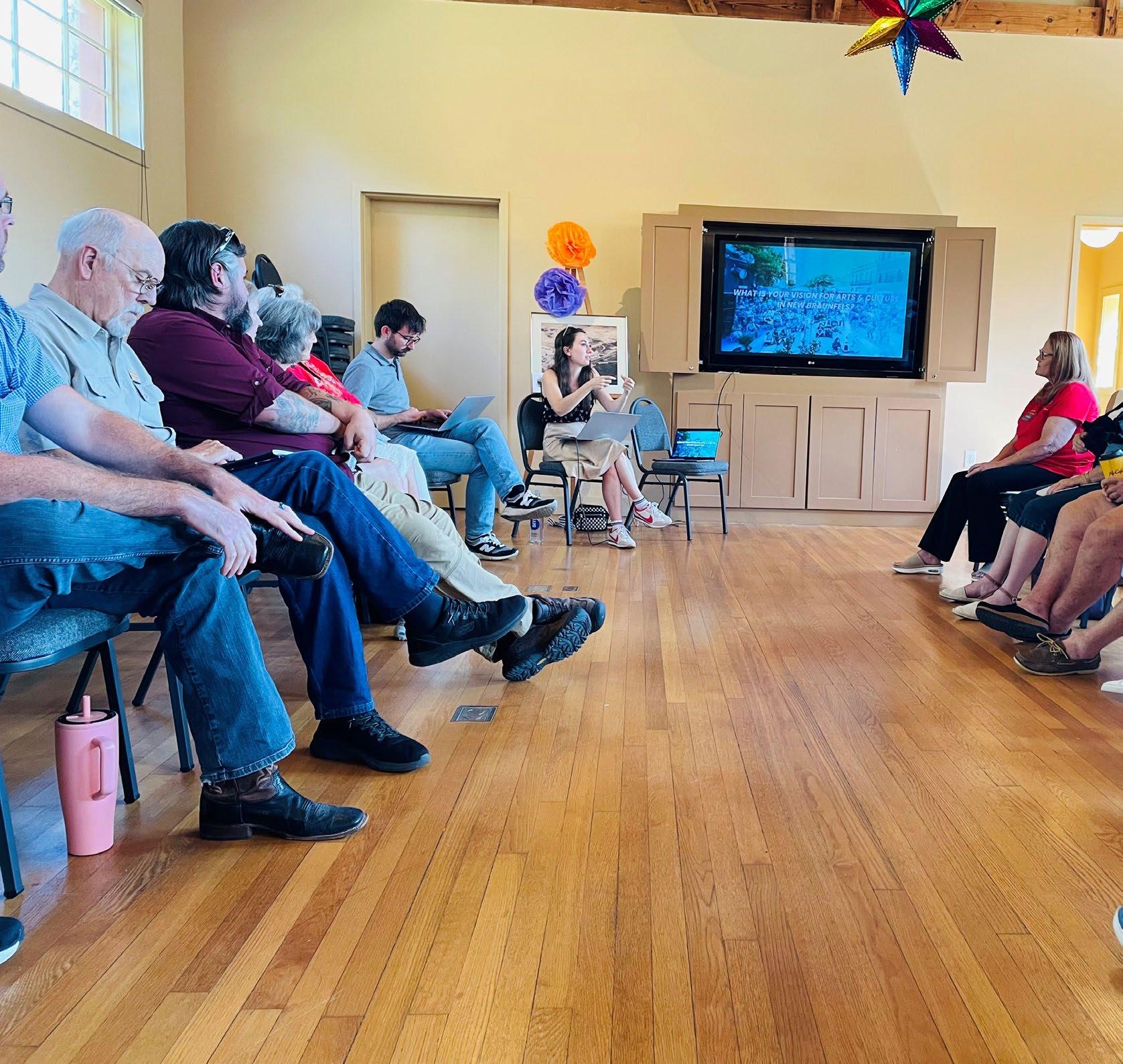
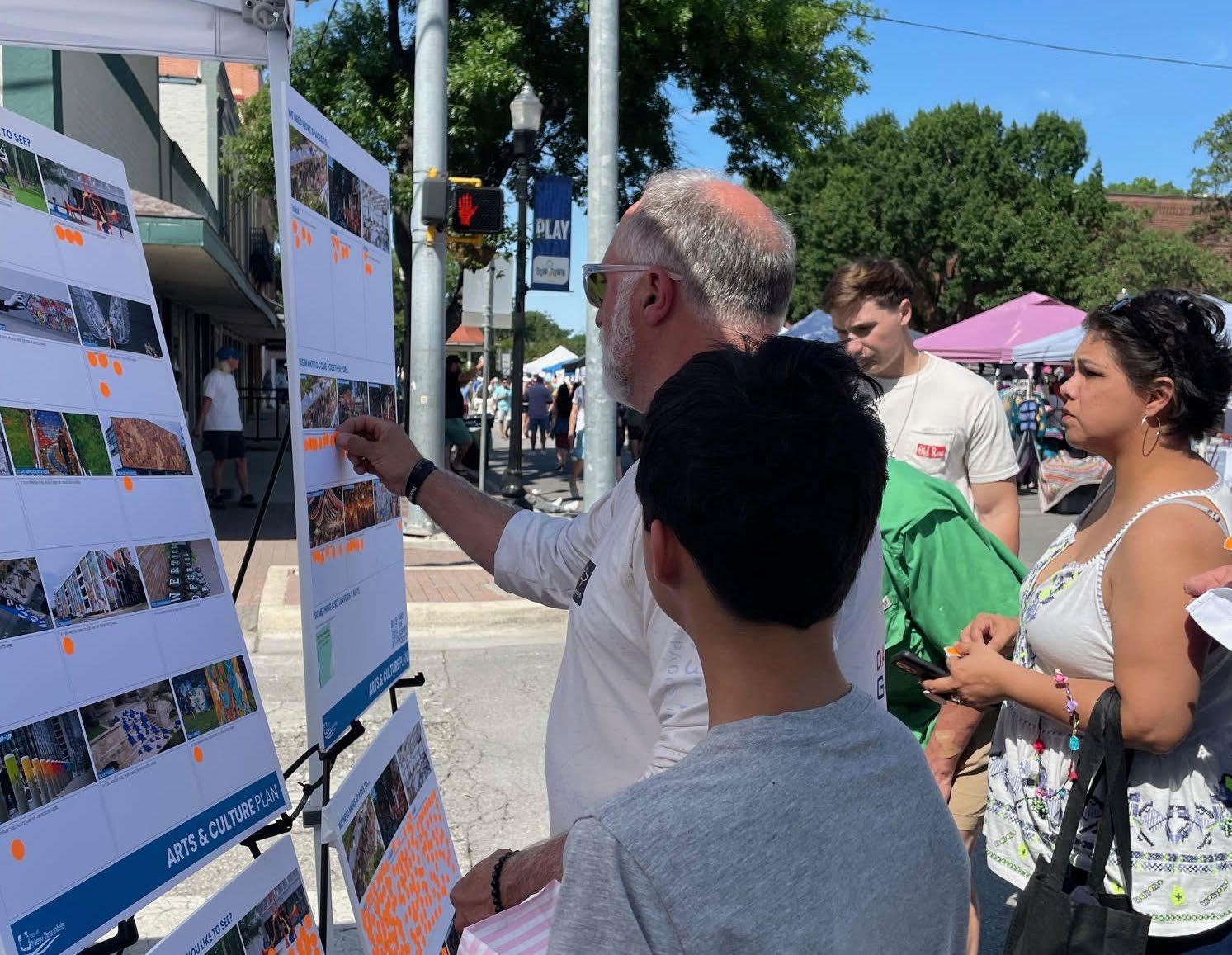
Throughout the planning process, engagement was conducted to help identify and assess existing arts and cultural resources, understand gaps, and provide a foundation for transformative projects. Feedback was gathered through a series of one-on-one stakeholder conversations and five thematic workshops.
PARTICIPANTS INCLUDED A WIDE CROSS-SECTION OF THE COMMUNITY:
• Artists, gallery owners, and creative business owners
• Leaders of non-profit cultural and heritage organizations
• City officials, staff, and commission members
• Business owners (culinary, retail, marketing)
• Museum curators and historians
• Education and community advocates
ENGAGEMENT SUMMARY
509
Web Surveys Collected
400+
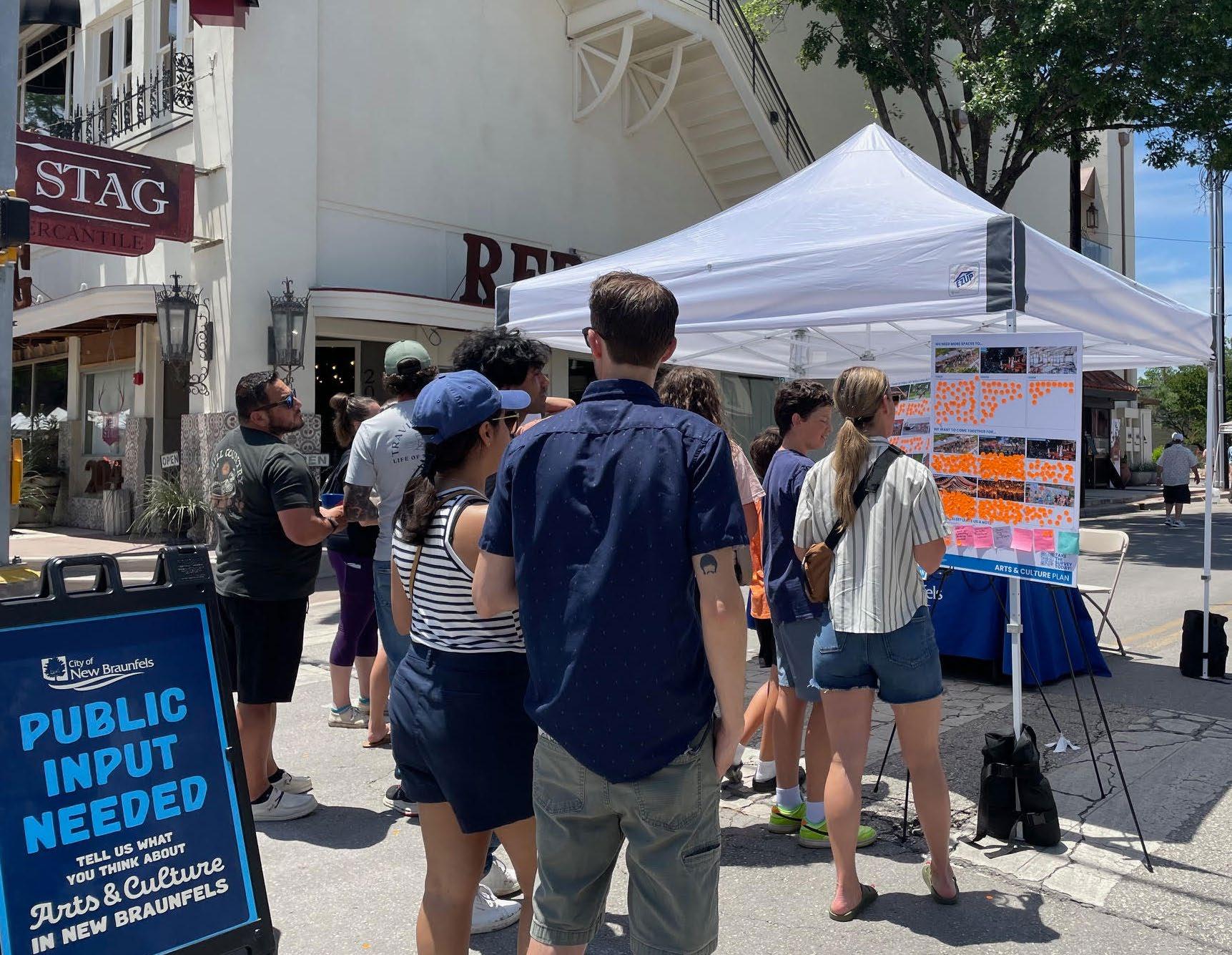
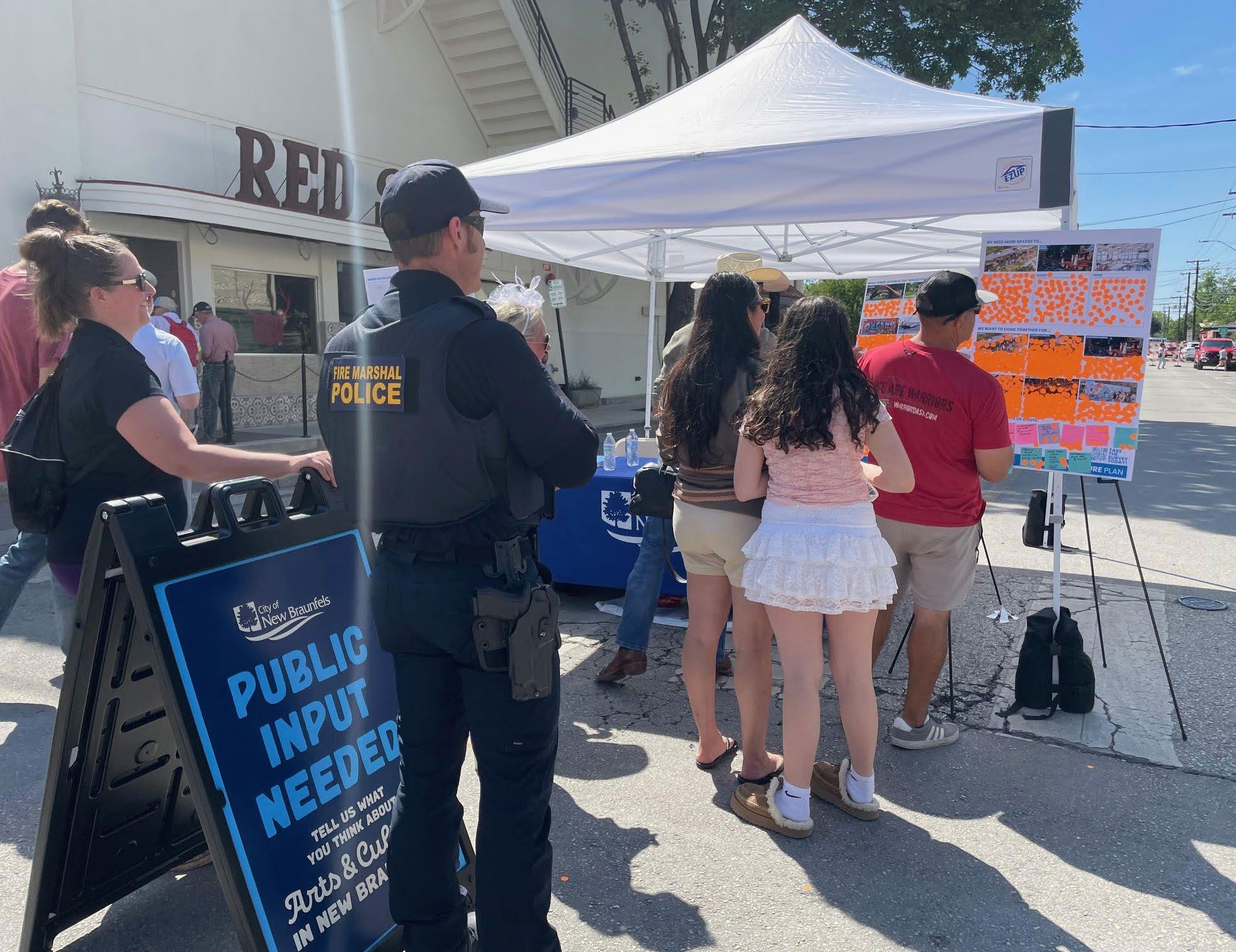
In-person Engagement at Saengerfest
92
People Engaged at Art Haus
28
Individual Conversations Conducted
118
Public Workshop Attendees
120+
Creative Social Attendees
TOTAL ENGAGEMENT TO DATE
1,242 connection points
With Community Members
A series of individual conversations were held with key stakeholders to gather candid, in-depth perspectives on the current state and future potential of arts and culture in New Braunfels. Themes from these conversations found below.
WHAT IS THE CURRENT IDENTITY OF NEW BRAUNFELS' ARTS AND CULTURAL SCENE?
Stakeholders described the current identity as heavily anchored in its German heritage and its water recreation. Several noted that the tourism identity is strongly associated with the river and the specific activities that take place during the float. Beyond these pillars, the arts scene was frequently described as "non-professional", "locally designed for locals" , and "limited". A primary theme was that the community's cultural efforts are "fragmented", with many organizations "working in silos" rather than toward a collective vision. Many believe that New Braunfels has the bones of a vibrant cultural destination: its history, setting, and existing creative energy give it a foundation most communities aren't as fortunate to have. What’s missing is: collaboration, strategic leadership from the public and non-profit sectors, targeted investment, and physical space identification and development to support the community's vision for the cultural future of New Braunfels.
Stakeholders described a community that values both tradition and innovation. The arts here don’t need to be invented — they need to be organized, resourced, and made visible. There’s a shared belief that New Braunfels could easily become a cultural anchor for the Hill Country if its many creative efforts were organized and "rowing in the same direction."
WHAT ARE THE BIGGEST CHALLENGES AND BARRIERS?
Lack of Facilities & Space
This was the most-cited barrier. Stakeholders universally identified the availability of space as the most significant barrier to growth. Existing venues, including the Brauntex Theater, are valued but limited in their capacity to accommodate certain performances and organizations. The absence of affordable artist studios and makerspaces further constrains the ability of individual artists and creative practitioners to work and grow within the community.
Lack of Awareness & Marketing
"Awareness is the single biggest obstacle". Many residents and tourists are simply unaware of the cultural offerings that do exist. Stakeholders described awareness as the single biggest obstacle to broader participation and engagement in the arts.
Funding & Support
Stakeholders identified a significant gap in financial support for arts and culture, noting that fundraising efforts have not kept pace with community needs. The process for securing available funding was described as opaque and difficult to navigate, creating an uneven playing field for organizations seeking support.
Collaboration & Vision
The arts community suffers from a "lack of collaboration" and "duplicative organizations". This fragmentation is compounded by a "lack of collective strategic vision."
KEY OPPORTUNITIES AND FUTURE VISION
ELEVATE THE CULTURAL BRAND
A primary opportunity is to "raise the bar" and shift the city's identity. This includes attracting "higher-end" and "affluent" tourism that is not solely focused on the river.
DEVELOP NEW VENUES AND CREATIVE SPACES
Many suggested repurposing the current Civic Center into a Cultural Arts Center. Others championed building a new 1,500-2,000-seat venue or a large, multi-purpose arena.
EMBRACE EMERGING ARTS & NEW EVENTS
A major untapped resource is the culinary scene, with suggestions to leverage the Culinary Institute of America (CIA) in San Antonio. This could take the form of an elevated Food & Wine festival. A Film Festival was also suggested, as New Braunfels is expanding its reputation as a Film-Friendly city with a rich backdrop of history and natural beauty.
EXPAND CULTURAL REPRESENTATION
Stakeholders see a significant opportunity to provide more visibility for the community's rich Mexican heritage and African American & Black community, expanding beyond the more dominant German-centric narrative. When it comes to German Heritage opportunities, they desire additional opportunities to connect to the authentic stories and histories that have shaped the community.
ACTIVATE THROUGH PUBLIC ART:
There is a desire for more outdoor art and beautification, including "gateways that speak to the community's character".
PUBLIC WORKSHOP SERIES
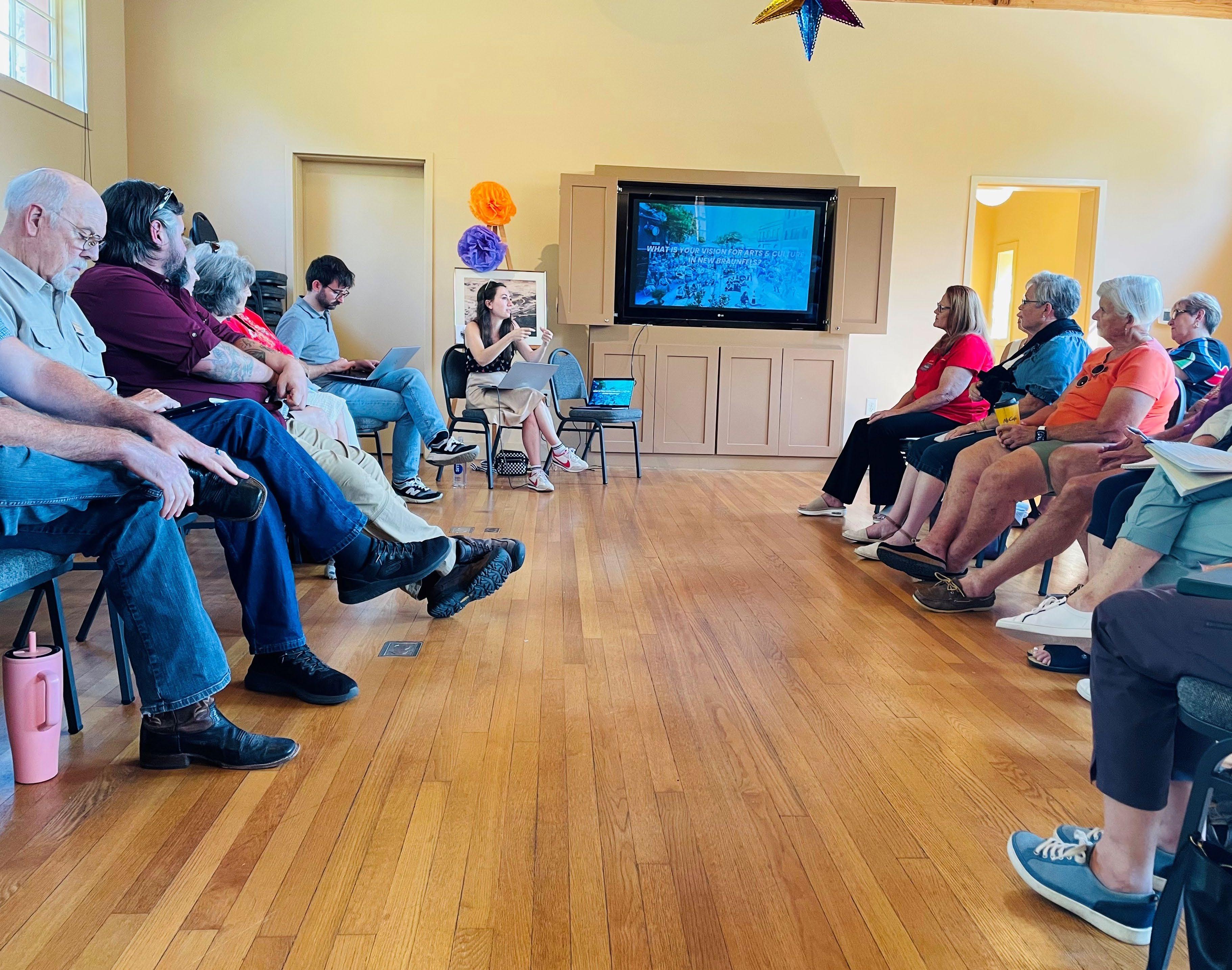
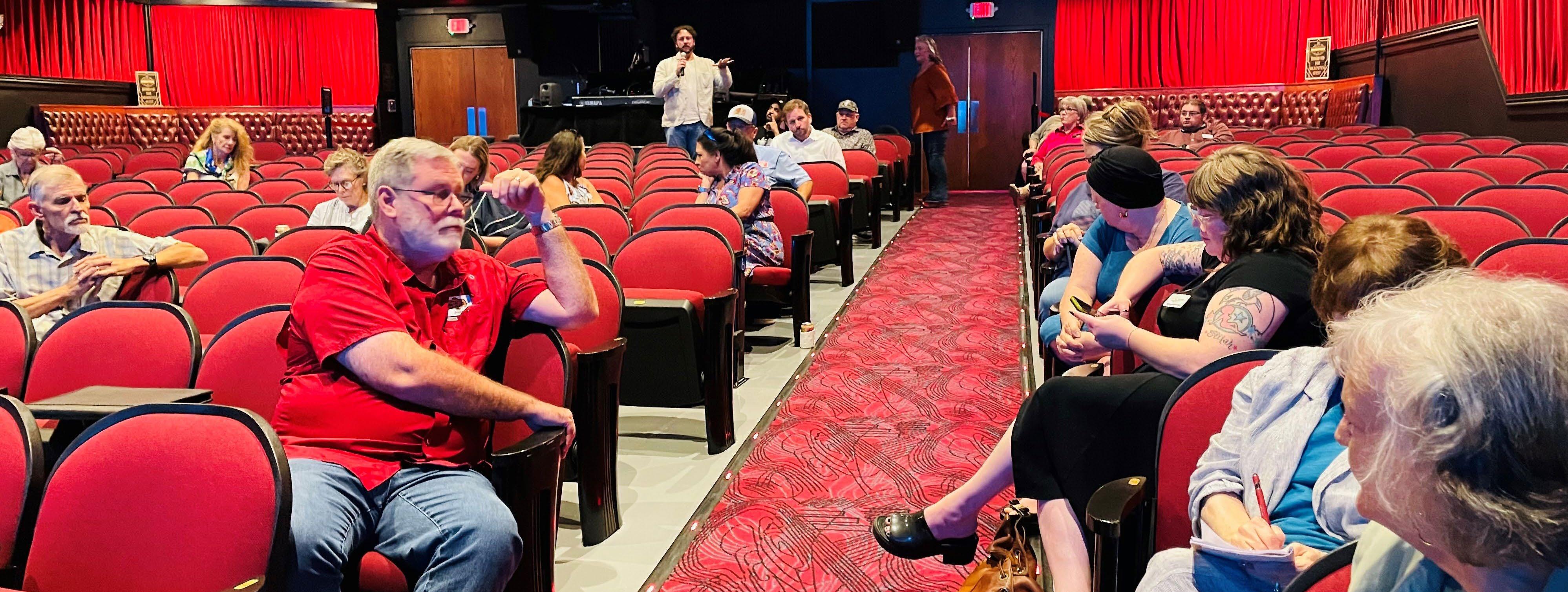
The Arts and Culture public workshop series was a pivotal phase of the New Braunfels Arts & Culture Master Plan. The series included five thematic public workshops and one Creative Convening Social. A total of 118 attendees participated in the five public workshops: History & Heritage, Arts Organizations, Creative Enterprises, Events and Community Gatherings, and City Departments. Feedback was gathered from a wide cross-section of the community, including artists, city staff, leaders of non-profit cultural and heritage organizations, and business owners.
The synthesis of this extensive community dialogue made it clear that New Braunfels already possesses the "bones of a cultural destination," benefiting from a strong history, unique setting, and existing creative energy. There is a shared belief that New Braunfels could become a major cultural anchor for the Hill Country. The insights gathered across these five key conversations directly inform the short-, medium-, and long-term strategies necessary for the Master Plan.
Many noted that the creative energy here is real: from the Brauntex to Wurstfest, from the murals downtown to the individual artists and creators working daily to expand the presence of the arts in this community — but the Arts in New Braunfels need room to grow. We heard it again: the talent is here, the potential is here, but the spaces, coordination, and investment haven’t caught up.
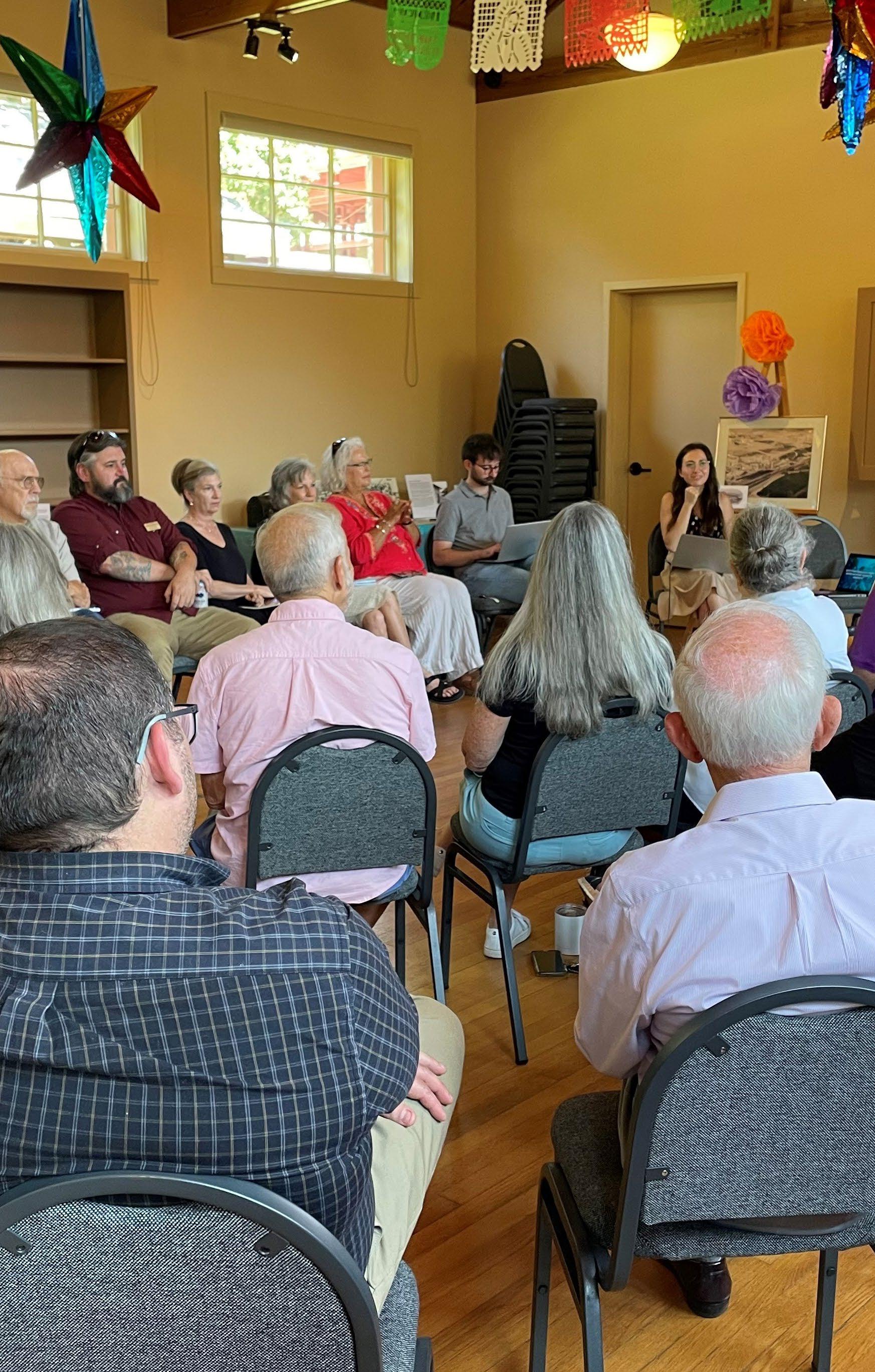
HISTORY & HERITAGE WORKSHOP
This heritage-themed workshop drew 35 attendees, a group that included influential voices such as representatives from the Sophienburg (including archives, curator, and board members), the Comal County Historical Commission, the NB Conservation Society, the Downtown Association, and many more. The conversations centered on establishing and keeping the historical identity and built environment of the city and focused heavily on preservation, identity, and leveraging the past for future growth. Key questions used to launch the discussion included:
• What is your organization’s primary mission, and how do you serve the community?
• What are the historical heritage and cultural hallmarks of New Braunfels?
• What is your vision for arts & culture in New Braunfels?
• What is missing from New Braunfels that you need to execute your vision? What barriers exist? What resources do you need?
• When it comes to History & Heritage, do you feel the community’s needs are being met? Do you feel the community is satisfied with their opportunities to connect with history and heritage? What are we missing?
• When you are seeking to create new art and cultural experiences in New Braunfels, do you seek to partner and collaborate? Who are you collaborating with and how are you finding these partnerships?
• Have you seen anything in action in other communities that you think New Braunfels should try to emulate?
The conversation included concern over preservation threats and the rapid loss of early architecture; the critical need for a centralized,
communal space for non-profit programming; identifying core cultural hallmarks such as Wurstfest and German Heritage, while explicitly noting that Hispanic heritage is often overlooked; the unique opportunity to leverage the city’s historical architecture and built environment to drive heritage tourism and new investment; and a pressing need for better city-supported marketing resources.
MAJOR THEMES FROM THE CONVERSATION
• Concern over preservation threats and architectural loss due to rapid growth.
• Desire for better support and visibility for all cultural hallmarks, specifically noting that Hispanic heritage is often overlooked.
• Critical need for a centralized, communal space that is accessible and affordable for non-profit programming.
• Strong support for expanding the narrative around heritage, particularly providing additional authentic experiences that celebrate the historical connections to the German community, alongside elevating the stories of additional heritages and histories that have shaped the community.
• Recognition of the unique opportunity to leverage historic architecture and the built environment for heritage tourism and new investment.
• A clear need for consolidated efforts regarding marketing resources and connectivity to help organizations reach new and existing residents.
CREATIVE INDUSTRIES & BUSINESS COMMUNITY WORKSHOP
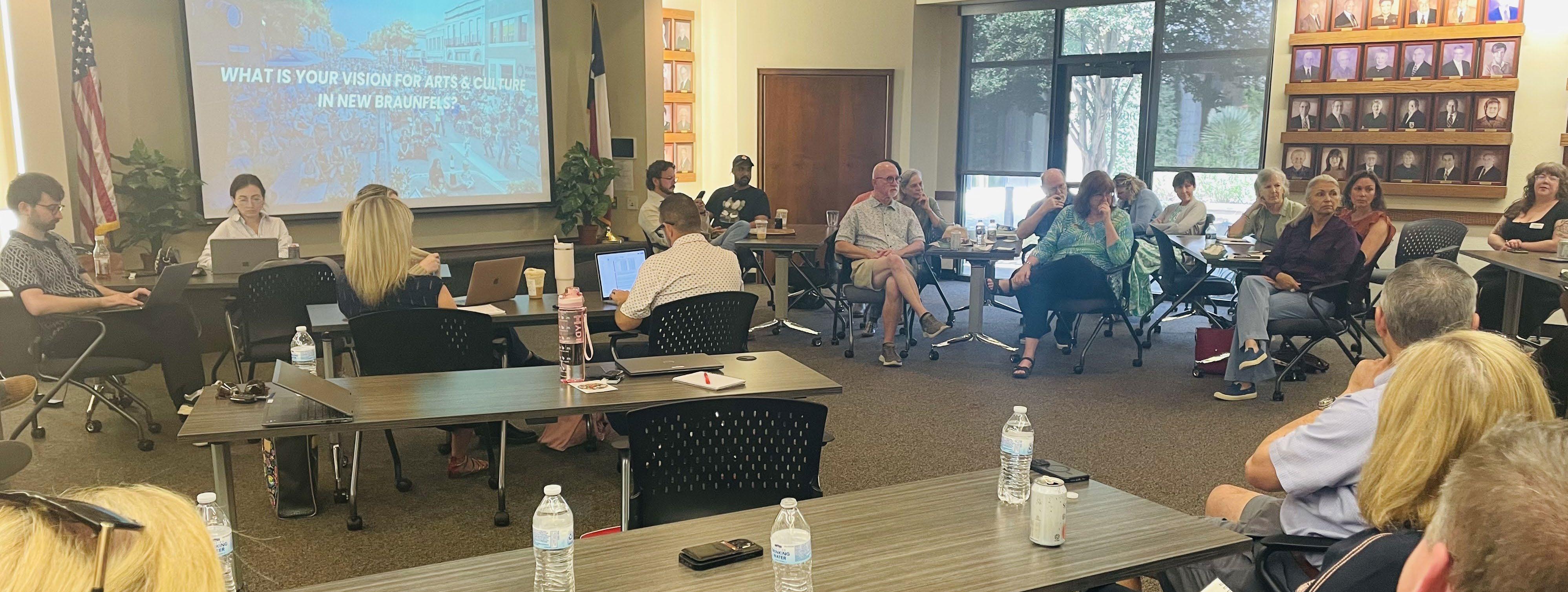
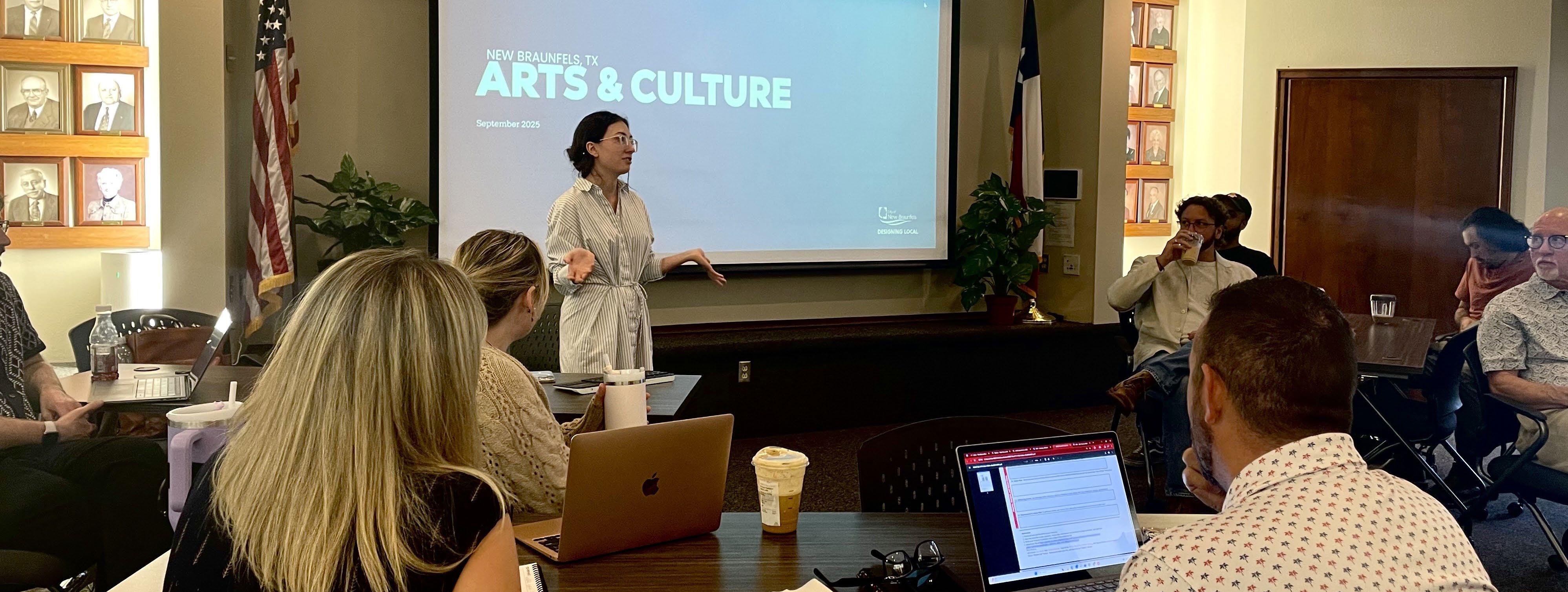
This session gathered 29 attendees, including city leadership, gallery owners, visual artists, and culinary professionals. The goal was to understand how creative enterprises could play a bigger role in shaping cultural experiences. The conversation explored the economic role and impact of culture, asking:
• What role does your business play in the community?
• What is your vision for arts & culture in New Braunfels?
• What is missing from New Braunfels that you need to execute your vision? What barriers exist? What resources do you need?
• How can the Creative Industries and Small Businesses play a bigger role in creating cultural experiences in New Braunfels?
• What creative industries or creative businesses are missing from New Braunfels?
• What support do you feel the creative sector and small business community needs to thrive?
THEMES FROM THE CONVERSATION
• A call to expand professionally produced cultural programming to attract more affluent tourists and philanthropists to drive significant economic growth through arts and culture.
• The identification of culinary arts as a key opportunity to define the city’s identity, perhaps through an elevated Food & Wine Festival.
• Challenges posed by regulatory barriers, specifically citing the health department's difficulties with accommodating emerging culinary concepts like fermentation programs.
• The need for strengthened visibility and branding aimed at regional audiences, including implementing public art to define the community’s boundaries and character.
• The importance of nurturing local talent through coaching and accessible spaces to prevent young creatives from leaving for Austin or San Antonio.
EVENTS & MULTICULTURAL PROGRAMMING WORKSHOP
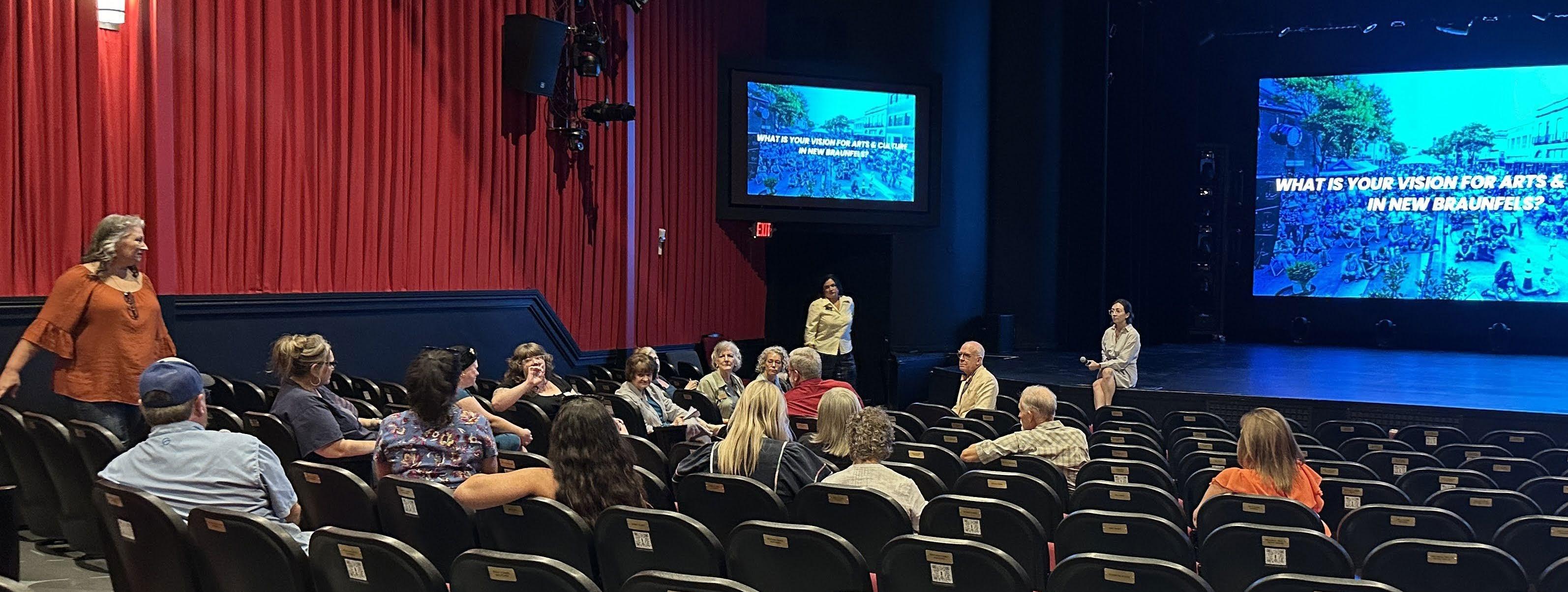
Attended by 24 people, this session centered on the dynamics of community gatherings and programming variety. The intent was to capture feedback on how events create community cohesion and belonging. Discussions were prompted by questions such as:
• Introductions: What is your organization’s primary mission, and how do you serve the community?
• What is your vision for arts & culture in New Braunfels?
• What is missing from New Braunfels that you need to execute your vision?
• What role do you believe events and community gathering plays in New Braunfels? How do events and cultural programming enhance the community experience?
• Do you feel like the available space options for events serve your needs? What needs aren’t being met?
• Have you seen anything in action in other communities that you think New Braunfels should try to emulate?
THEMES FROM THE CONVERSATION
• Addressing volunteer fatigue and the need for a dedicated city staff to support arts and culture programming.
• The problem of lack of cohesion and discoverability making advertising and promoting events difficult for organizations. Pointing back towards a consolidated effort to promote and raise awareness about cultural opportunities.
• While cultural experiences that drive foot traffic to downtown New Braunfels are important to creating a vibrant economy, spatial needs beyond the core, including event space on the east side of town and a larger music venue appealing to a variety of musicians, are gaps in venues.
• There is also a noted competitive calendar for booking the Civic Center. Calls to diversify available spaces and consider prioritization for signature programs that require a larger performance venue were mentioned.
• Encourage non-profits to develop additional capacity to meet local demand and identify new approaches to expanding access while balancing feasibility and monetization of experiences.
• Carefully consider the appropriate monetization strategies for unique or high-value experiences they provide, which include addressing structural and financial barriers that may limit operational capacity.
• Move beyond short-term fixes and establish a robust, selfsustaining ecosystem of community support and arts vibrancy.
• The potential to become a destination for culinary events and seasonal programming, such as a Food & Wine Festival, especially during the winter months.
• Opportunities to invest in belonging by providing more visibility for the city's rich Mexican heritage and the African American & Black community.
CITY DEPARTMENTS WORKSHOP
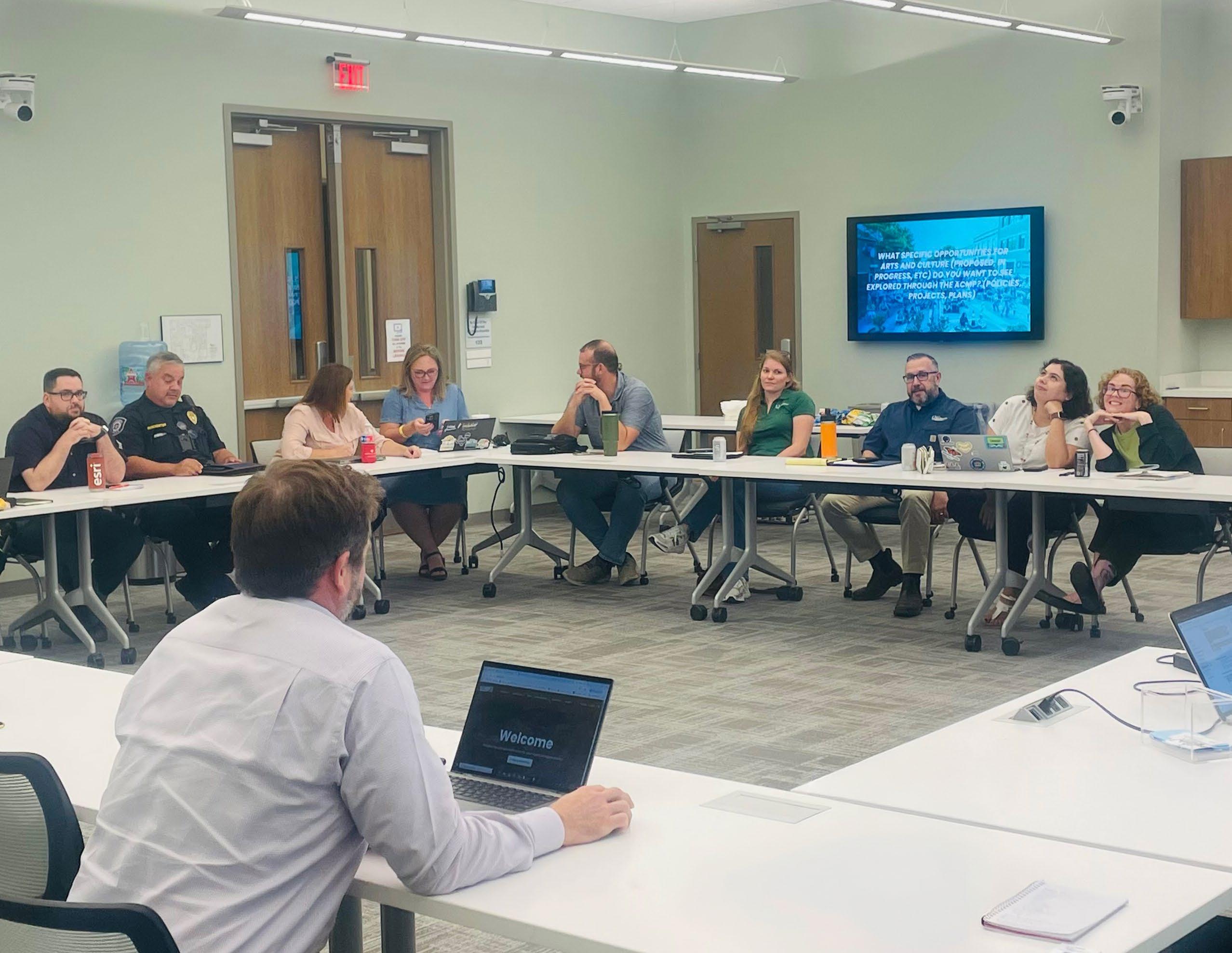
This targeted workshop included 21 attendees drawn from various internal departments, including Parks & Recreation, Library, Transportation, Planning, Police, Communications, Economic Development, and the City Attorney’s Office. This session was focused on leveraging city policy and assets to support the arts. Staff were asked critical questions about internal integration:
• Introductions: What is your department’s primary mission, and how do you serve the community?
• How does arts and culture overlap with your department’s mission?
• What specific opportunities for arts and culture (proposed, in progress, etc) do you want to see explored through the ACMP? (Policies, Projects, Plans)
• What support do you feel your department could provide in creating and supporting arts and culture experiences for New Braunfels community members?
THEMES FROM THE CONVERSATION
• Strong staff interest in adopting a Percent for Art in Public Improvement (CIP) policy, or a similar mechanism to integrate art into infrastructure projects.
• Opportunities to leverage parks and trails (including upcoming projects like the Dry Comal Creek Trail and Northwest Park) for public art, literary art, and placemaking experiences.
• The need for the distribution of cultural assets across the city, establishing "cultural nexuses" outside of the downtown core.
• The importance of achieving internal buy-in and attitude change toward arts and culture within city departments.
• Support for Direct City Support for Low-Barrier Arts, such as an Artist in Residency program, Mural Program, and strengthening the existing Utility Box Program.
A critical outcome of these departmental discussions is the clarification of the City’s specific role within the broader cultural landscape. Moving forward, the City of New Braunfels is best positioned to serve as a convener, funder, and regulator—creating the necessary infrastructure, policy frameworks, and financial pathways for the arts to thrive. While the City provides the stage and the support systems, it is not intended to be the sole producer of culture. Instead, the City’s objective is to empower local artists, nonprofits, and community partners to remain the primary creators and drivers of New Braunfels’ cultural identity, ensuring a sustainable and community-led ecosystem.
CREATIVE CONVENING SOCIAL
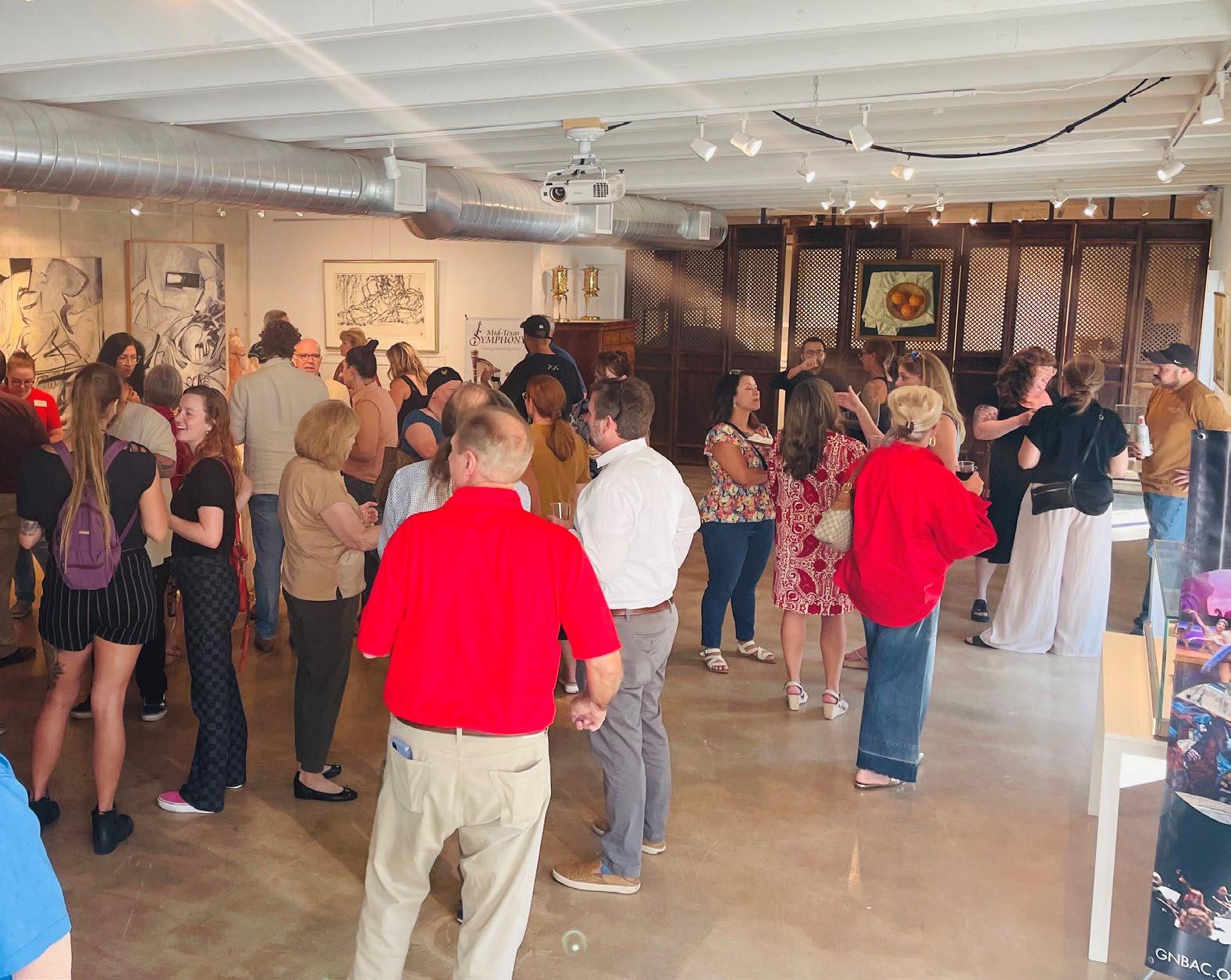
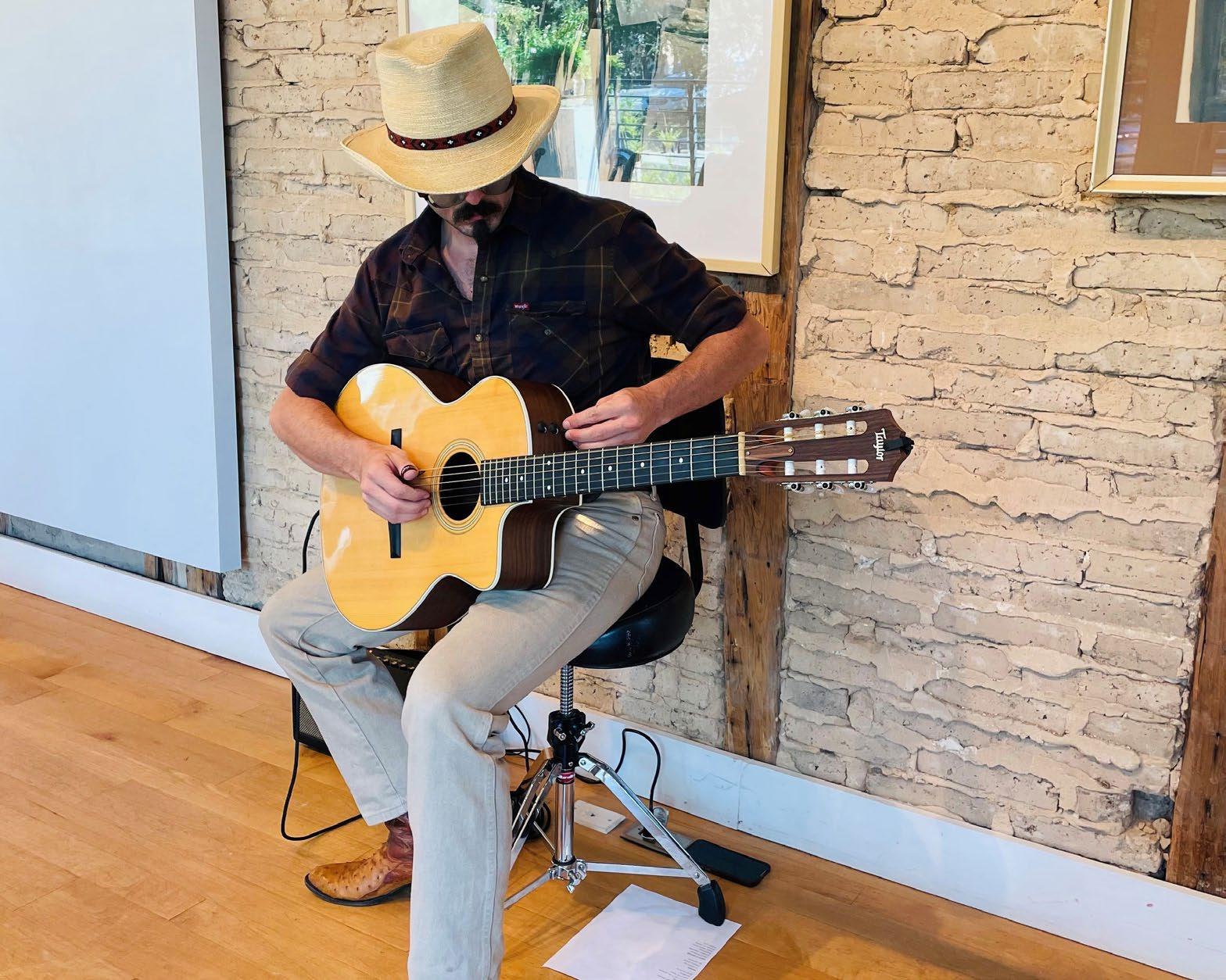
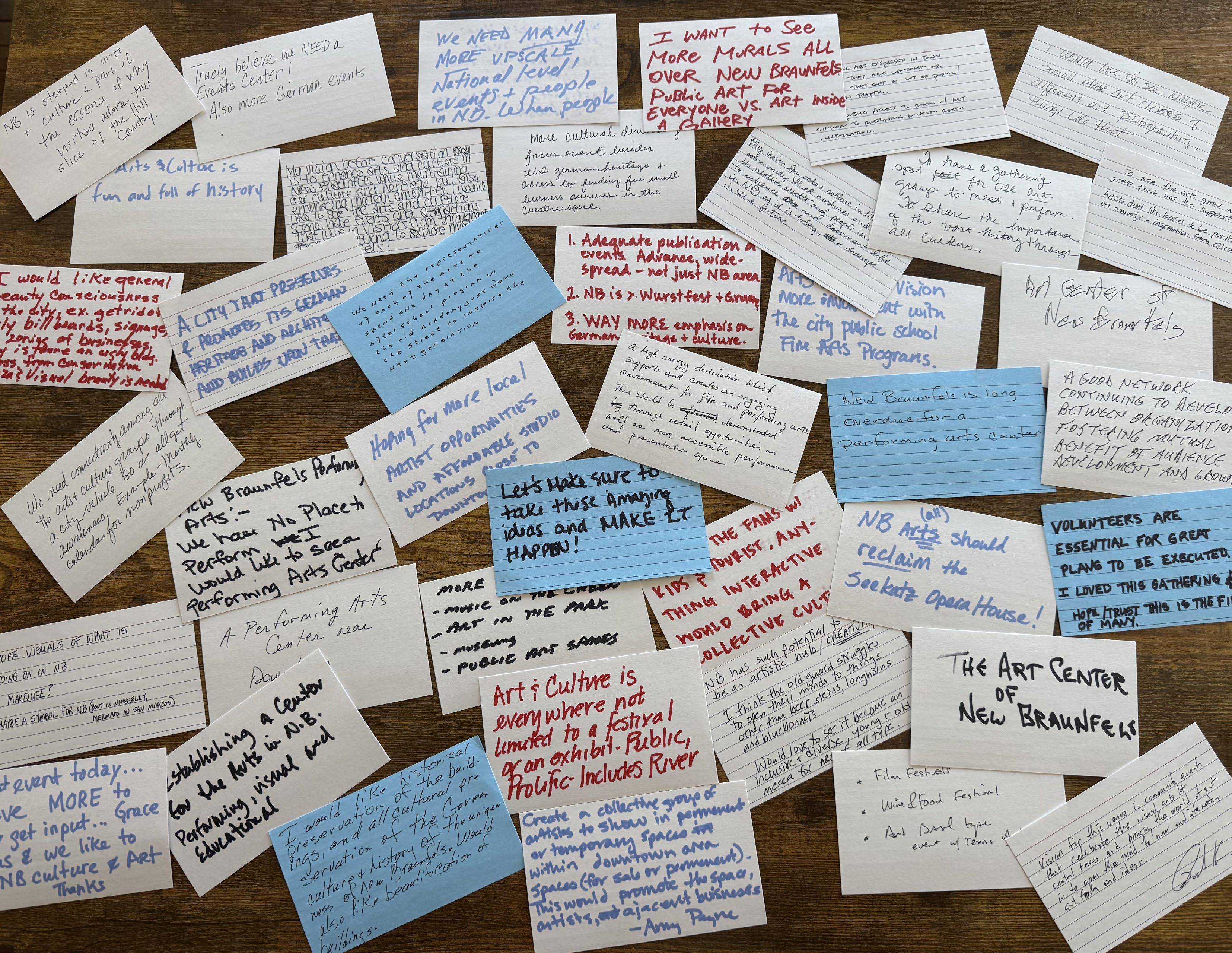
The Creative Convening Social was a large, informal event held on Wednesday, September 10, 2025, which attracted approximately 120 attendees and was hosted at the Lark Mason Gallery. This event was structured not as a discussion, but as a general feedback mechanism. Participants were encouraged to provide final thoughts via a drop-box on two specific questions related to the plan's overall direction: "What is your vision for arts and culture?" and "How has your vision changed (expanded) based on the conversations you had?"
THEMES FROM THE CONVERSATION
See handwritten notes from community members on the next page.
PUBLIC SURVEY
A NON-SCIENTIFIC SURVEY TO DISCERN THE COMMUNITY’S ARTS AND CULTURE–RELATED PREFERENCES WAS AVAILABLE DURING SUMMER AND FALL 2025. IT WAS PROMOTED ON SOCIAL MEDIA AND VIA THE CITY’S EMAIL NETWORK, AND IN HANDOUTS THAT INCLUDED A QR CODE LINKING TO THE PROJECT’S WEBSITE. ULTIMATELY, THE SURVEY RECEIVED 509 RESPONSES.
1
I FEEL THE QUALITY OF ARTS AND CULTURE THROUGHOUT THE CITY OF
BRAUNFELS IS THRIVING. WHAT DO YOU BELIEVE ARE THE HALLMARKS (STRENGTHS) OF ARTS AND CULTURE IN THE
WHAT IS YOUR RELATIONSHIP TO THE CITY OF NEW BRAUNFELS?

IS YOUR PRIMARY INVOLVEMENT WITH THE ARTS AND CULTURE IN THE CITY OF NEW BRAUNFELS?

WHICH ARTS AND CULTURE EXPERIENCES DO YOU AND/OR YOUR IMMEDIATE FAMILY MOST FREQUENTLY INVEST TIME IN?
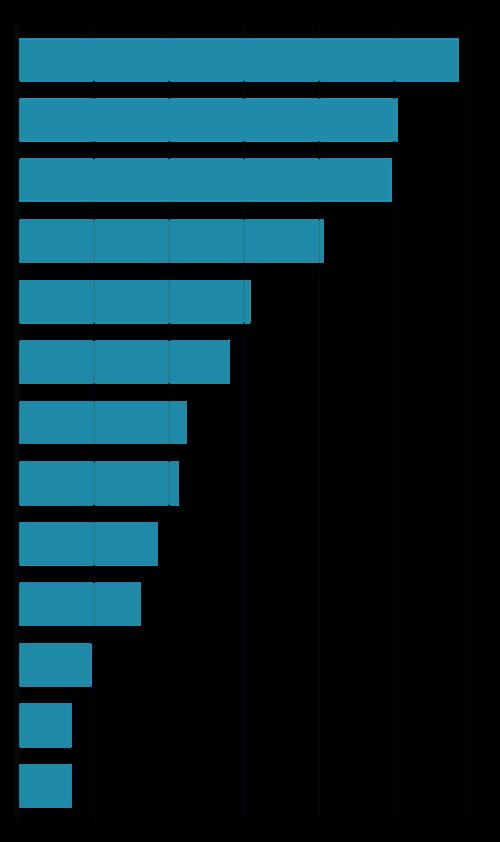
WHICH OF THESE ARTS AND CULTURE EXPERIENCES DO YOU PRIORITIZE WHEN IT COMES TO FINANCIAL SPENDING?
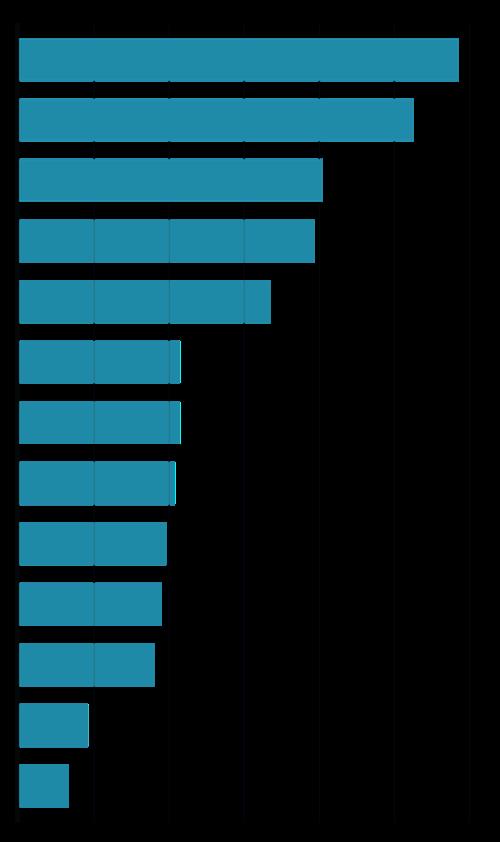
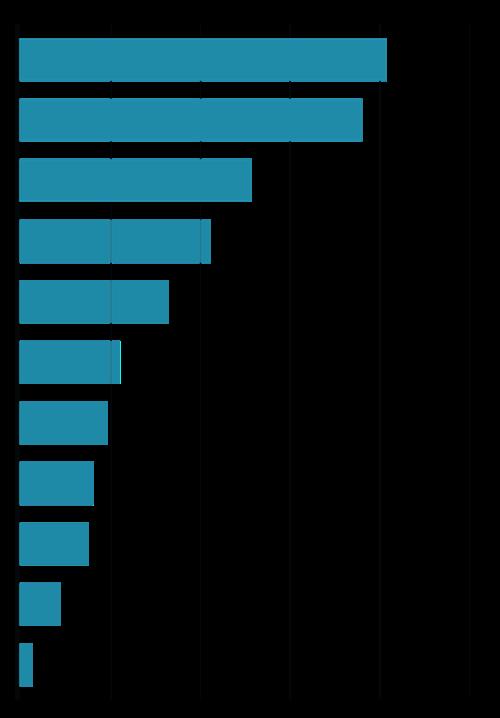
WHICH OF THESE MOTIVATIONS FOR EXPERIENCING THE ARTS DO YOU MOST STRONGLY ALIGN WITH?
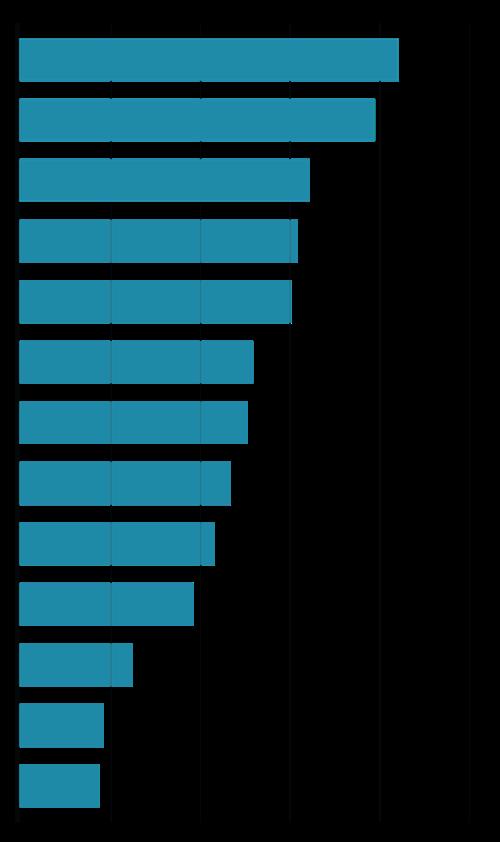
1. A STRONG DESIRE FOR A MORE EXPANSIVE STORY
Across the survey, residents expressed pride in German heritage and a strong desire to see other cultural traditions represented more fully, including Hispanic history, Native American history, Black history, and more contemporary cultural expressions.
“Mostly German culture, not so much Texas or native American.”
“Would love to see more cultures celebrated.”
“There is not a whole lot of variety in the art and culture scene.”
2. DEMAND FOR A CENTRAL CULTURAL HUB / PERFORMING ARTS CENTER
The single most repeated idea in the entire survey is the desire for a performing arts center and a central, visible place for arts and culture to live.
“There is no center place to hold and promote arts and culture.”
“NB doesn’t have big productions because of the lack of a performing arts venue.”
“We need a performing arts center”...”central location for local schools and organizations.”
"We need a public art space…pottery, painting, woodworking” .
THEME:
The community wants a cultural landscape that honors heritage and embraces a fuller, broader story.
THEME:
A highly visible, well-equipped cultural center is one of the community’s strongest desires.
3. NEED FOR MORE VISIBILITY, COMMUNICATION, AND AWARENESS
“We don’t have many opportunities to know about what art & culture activities are going on.”
“No outreach to inform the community about events.”
“There is little publicity.”
“Not always easily accessible or advertised.”
“It’s very sporadic and not consistent throughout the year.”
4. EXPANDING VISUAL ARTS, EXHIBITIONS, AND CREATIVE SPACES
Residents repeatedly asked for more galleries, more public art, more sculpture, more spaces to create, more modern art, more exhibitions.
“I feel there should be more opportunities for galleries, creative spaces, and art festivals.”
“I miss contemporary visual art, true art museums.”
“Need more art shows, lectures, music outdoors.”
“There isn’t a lot of art…needs to be widespread throughout the city.”
THEME:
A coordinated, accessible communication system (calendar, portal, newsletter, signage) is needed. People don’t know what’s happening. They wish they did.
THEME:
The community wants a richer, more visible visual arts ecosystem with space to explore, learn, and create.
5. BROAD INTEREST IN YOUTH ENGAGEMENT AND ARTS EDUCATION
From German dance to orchestra to art classes, the survey shows a deep hunger for creative learning opportunities.
“We need to engage more young people in our community.”
“I’d love to see more affordable art classes for kids.”
“There is no strings program in NBISD.”
6. EXPANDING BEYOND GERMAN HERITAGE WHILE STILL HONORING IT
This is one of the most nuanced themes: People value German heritage deeply—and what to see more opportunities to experience and connect with this shared history and also want NB’s cultural landscape to reflect more than just one narrative
“Too much silly stuff, beer culture, not German.”
“Mostly German culture and not much stand-alone art.”
“German heritage is strong but native heritage is lacking.”
“I would like to see more cultures celebrated.”
THEME:
Residents want strong pathways for youth involvement — learning, making, performing, connecting.
THEME:
Heritage is a strength — the community wants it honored while also expanding the narrative.
7. A CALL FOR GEOGRAPHIC EQUITY — ARTS BEYOND DOWNTOWN
Many feel arts are too concentrated downtown and want opportunities across the whole city.
“Events are very limited to the historical part of town and the river.”
“We need more events in different parts of the city instead of downtown.”
“There should be art in other places besides just downtown.”
8. STRONG APPETITE FOR NEW FESTIVALS, EXPERIENCES, AND EVENT TYPES
People want more festivals, more music variety, more cultural celebrations, more interactive experiences, and year-round offerings.
“We need more festivals.”
“Would love more outdoor concerts and art lessons.”
“Need more cultural events.”
“Could use more recurring small events.”
THEME:
A citywide cultural ecosystem, with arts integrated throughout neighborhoods.
THEME:
New Braunfels wants more ways to gather, celebrate, learn, and create.
9. STRONG FEELING THAT LOCAL ARTISTS NEED MORE SUPPORT
Many respondents, particularly artists, feel there aren’t enough platforms to show or sell work.
“No opportunities for artists to shine.”
“Art organizations are exclusive.”
“Local artists are not being showcased like they could be.”
“We need more creative spaces.”
10. COMMUNITY CONCERN ABOUT IDENTITY, GROWTH, AND CHANGE
There’s both excitement and anxiety about growth and its impact on culture.
“As more people move in, culture is getting lost.”
“New growth does not reflect heritage.”
“The identity of the town is changing.”
THEME:
Strengthen support systems and visibility for creatives.
THEME:
The plan must address how culture evolves with a growing population and with intentional stewardship.
KEY TAKEAWAY
WITH CLEARER ALIGNMENT AND INVESTMENT, THE CITY CAN POSITION ITSELF NOT JUST AS A DESTINATION FOR THE ARTS, BUT AS A COMMUNITY THAT HAS HIGH-QUALITY ACCESS TO THE ARTS EVERY DAY.
PLACES & SPACES
New Braunfels’ physical environment carries stories that stretch back generations. From the significance of Comal Springs to the legacy of Landa Park, from the city’s distinctive architecture to the intimate idiosyncrasies of “the square that’s a circle,” the community’s identity is written into its landscape. Residents expressed pride in the city’s thoughtful approach to growth and its ability to protect a sense of place even as it evolves.
At the same time, there is widespread recognition that additional clarity and coordination around historic preservation, rehearsal and performance space, and the needs of artists could strengthen the cultural environment. The community sees enormous potential in enhancing its cultural infrastructure—whether through a dedicated performing arts center, revitalized heritage buildings, or public spaces enriched with art and storytelling. There is strong momentum to create gathering places that welcome creativity, deepen community connection, and honor the city’s heritage while embracing its future.
“We need to engage more young people in our community.”
STRENGTHS
• Comal Springs’ archaeological and cultural significance.
• Recent approval of the El Camino Trail designation.
• Deep, multi-generational history shaping a strong sense of place.
• Wurstfest as a defining cultural asset.
• Distinctive architectural character across the city.
• The Comal River as a cultural and emotional anchor.
• Landa Park as a remarkable historic gift and community treasure.
• Local idiosyncrasies (e.g., the “square” that’s actually a circle) that reinforce identity.
• Thoughtful development patterns that prioritize community character.
• A cultural story told through the natural landscape, architecture, and rivers.
OPPORTUNITIES
• Creating an endangered-history inventory.
• Exploring a cultural landscape designation for Headwaters at the Comal.
• Strengthening stewardship of historic resources for future generations.
• Growing the community mural program.
• Enhancing public spaces with art and cultural elements that encourage reflection and connection.
• Establishing a cultural gateway that expresses New Braunfels’ heritage.
• Revitalizing Eagles Hall as a German Heritage Center.
• Advancing conversations around a dedicated performing arts center.
• Considering resident-company models to support operations and sustainability.
• Supporting growth in film by leveraging historic architecture as a backdrop.
WEAKNESSES
• Need for clearer guidelines for historic site updates and preservation decisions.
• Limited free or low-cost spaces available for cultural programming.
• Few rehearsal spaces suited to a variety of artistic forms.
• No dedicated sprung-floor space for dance which is a major cultural activity locally.
• Civic Center technology and availability don’t fully match community needs.
• Limited variety in performance stage types.
• Civic Center currently serves as the main venue for performing arts.
THREATS
• Historic sites requiring additional protection to ensure long-term preservation.
• Newer residents may not yet feel fully connected to community heritage.
• High demand on beloved spaces could impact their longevity.
• Affordability of future performing arts facilities for local organizations.
• Ongoing balance between preservation and private development interests.
VISIBILITY & TOURISM
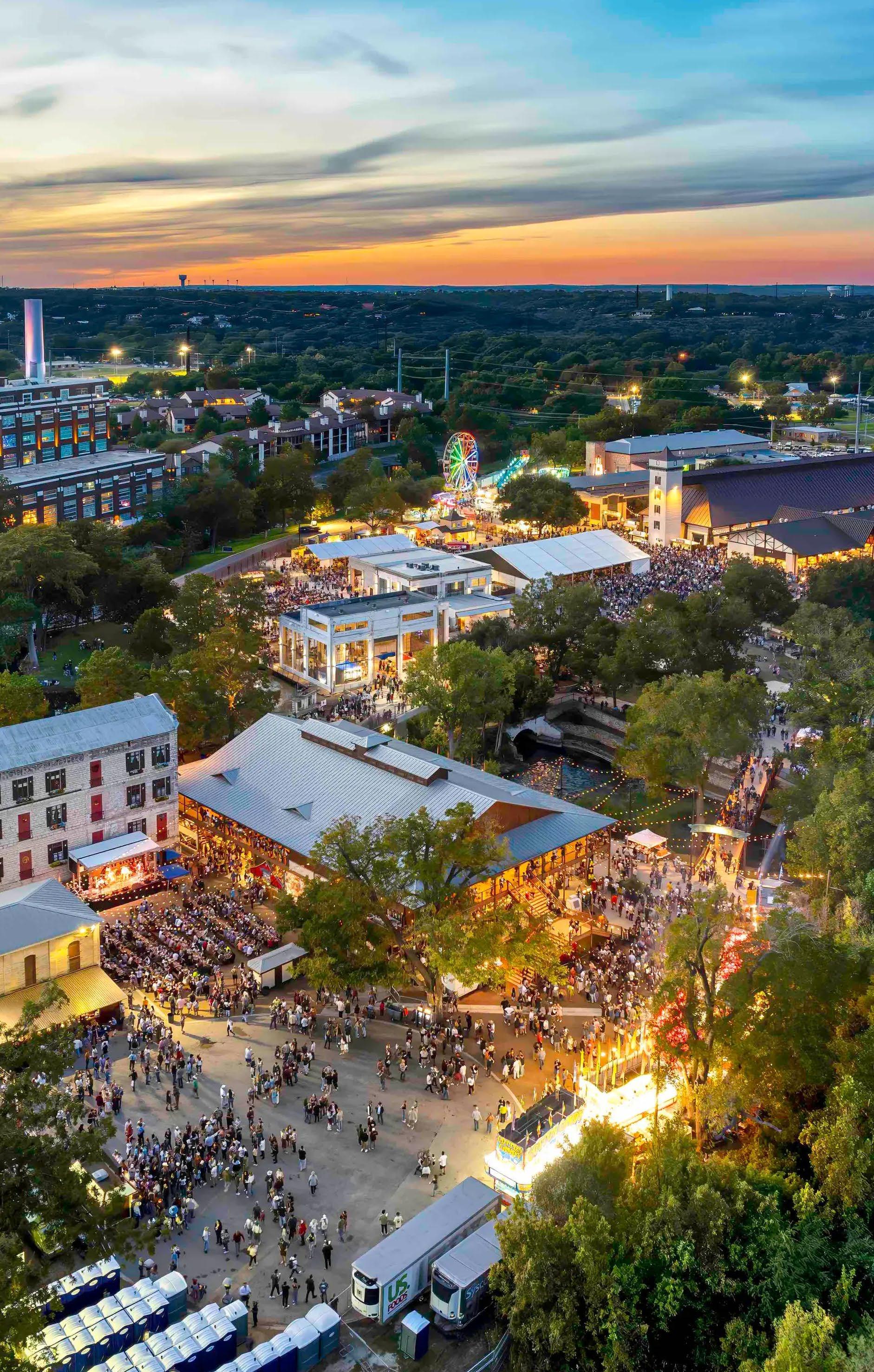
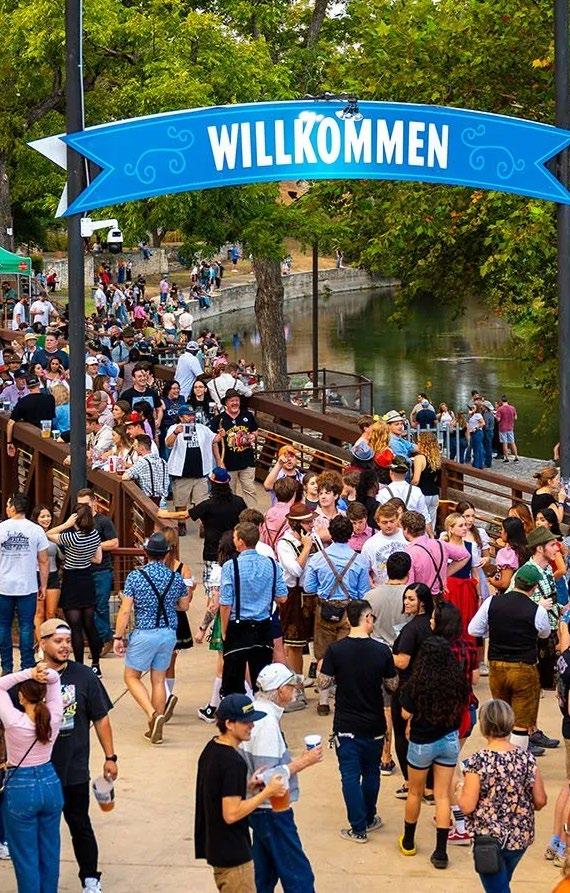
Tourism has played a major role in shaping New Braunfels’ character. The long-standing spirit of “Willkommen,” the charm of Gruene, the legacy of craftsmanship, and the city’s role as a gateway to the Hill Country all contribute to its appeal. Residents described New Braunfels as a place of healing, recreation, and cultural richness.
Yet many noted that the city’s arts and cultural identity could be shared more clearly both with visitors and residents alike. Opportunities exist to strengthen the community’s arts brand, help people find cultural experiences more easily, and connect tourism investment more directly to heritage and the arts. With major events, architectural assets that deserve national attention, and a growing creative visitor base, New Braunfels is well-positioned to elevate its cultural visibility in powerful new ways.
STRENGTHS
• Long tradition of warm hospitality rooted in “Willkommen.”
• Strong small-town character and charm.
• Gruene as a widely recognized cultural district.
• Foundational history shaped by trades, craftsmanship, and opportunity.
• New Braunfels as a true gateway to the Hill Country.
• A destination known for healing, recreation, and cultural enrichment.
WEAKNESSES
• Opportunities exist to clarify local authority and strengthen selfgovernance tools.
• Community-wide participation in supporting public amenities can be broadened.
• Limited clear pathways for residents and visitors to find cultural opportunities.
• Need for a cohesive arts brand and shared messaging.
OPPORTUNITIES
• Heritage tourism as a catalyst for economic impact and broader investment.
• Expanding visibility of existing arts and culture pillars.
• Encouraging more reinvestment from tourism into culture and heritage.
• Saengerfest as an opportunity to showcase local strengths.
• Promoting New Braunfels’ early modernist architecture nationally/ internationally.
• Integrating Local Cultural Organizations into festival audiences.
• Inviting new residents into arts participation.
• Utilizing audience segmentation to grow the creative visitor base.
THREATS
• Competing priorities across dividing attention and perpetuating a scarcity of resources.
• Losing out on the available audience for cultural appreciation to nearby communities.
OPERATIONS & CAPACITY BUILDING
The community’s cultural life is powered by dedicated organizations, volunteers, and creatives who care deeply about their work. There is a strong spirit of collaboration and a shared desire to see one another succeed. Stakeholders noted that the arts could be further uplifted through increased community awareness, broader philanthropic support, and more coordination among organizations. Opportunities abound to clarify organizational roles, strengthen the Arts Council’s presence, and build a more unified cultural ecosystem. The relocation of the Visitors Center downtown and the community’s investment in public spaces offer promising ways to deepen engagement. Conversations also highlighted the value of regular convenings that bring cultural partners together to share ideas, align efforts, and cultivate shared goals.
STRENGTHS
• Existing arts organizations that serve as anchors, The Brauntex, The Sophienburg, and The Mid-Texas Symphony among them.
• A wealth of cultural assets that can be leveraged for broad cultural access.
• Many local creators striving for artistic excellence, just lacking visibility and resources.
• Expansive network of local cultural workers and talents ready to engage collectively.
• Broad support for a “community over competition” philosophy.
• Strong interest in collaboration across artistic forms.
WEAKNESSES
• Donor-advised funds have not widely focused on the arts.
• Limited experience with major capital campaigns.
• Opportunities to strengthen a culture of giving for the arts.
• Community awareness of arts organizations can be expanded.
• Tourism receives strong promotion; arts visibility could match that momentum.
• Art groups often operate individually without unified collective structures.
• Culinary and creative food ventures could benefit from expanded regulatory literacy.
OPPORTUNITIES
• Building on strong organizational “zones of excellence” and “zones of genius.”
• Clarifying organizational roles within the cultural ecosystem.
• New Visitors Center location downtown offering stronger engagement potential.
• A more defined and empowered role for the Arts Council.
• The arts as a welcoming entry point for newer residents.
• Community investment in public gathering spaces.
• Quarterly convenings to strengthen alignment and collaboration.
THREATS
• Growth in higher education and large employers may reshape cultural demand.
• Evolving economic conditions may influence how residents engage with culture.
WHAT DID WE LEARN?
New Braunfels already has the bones of a cultural destination. Its history, setting, and existing creative energy give it a foundation most communities aren't as fortunate to have. What’s missing is collaboration, strategic leadership from the public and non-profit sectors, targeted investment, and physical space identification and development to support the community's vision for the cultural future of New Braunfels.
Our recent arts and culture engagement series made something clear. The creative energy here is real: from the Brauntex to Wurstfest, from the murals downtown to the individual artists and creators working daily to expand the presence of the arts in this community — but the Arts in New Braunfels need room to grow. We heard it again: the talent is here, the potential is here, but the spaces, coordination, and investment haven’t caught up.
Stakeholders described a community that values both tradition and innovation. The arts here don’t need to be invented — they need to be organized, resourced, and made visible. There’s a shared belief that New Braunfels could easily become a cultural anchor for the Hill Country if its many creative efforts were organized and "rowing in the same direction."
WITH CLEARER ALIGNMENT AND INVESTMENT,
THE CITY CAN POSITION ITSELF NOT JUST AS A DESTINATION FOR THE ARTS, BUT AS A COMMUNITY THAT HAS HIGH-QUALITY ACCESS TO THE ARTS EVERY DAY.
PILLARS OF THE PLAN
Pillars that were born out of community discussion and public engagement that guided the recommendations and outcomes of this plan are further described on the next pages. They are as follows:
EXPAND CREATIVE SPACES
STRENGTHEN VISIBILITY
CONNECT CULTURE AND TOURISM
ENCOURAGE COLLABORATION
INVEST IN BELONGING
TELL A COHESIVE STORY
1
DEVELOP AND SECURE ACCESSIBLE CULTURAL FACILITIES.
Grow the number and variety of spaces that support performance, rehearsal, and exhibition — spaces that match the ambition of the artists who already live and work here.
2
3
INTEGRATE ARTS AND CULTURE INTO THE PUBLIC REALM
Reflect the city’s creative identity through public art, gateways, and urban design that make culture part of the everyday landscape.
CONNECT CULTURE AND TOURISM
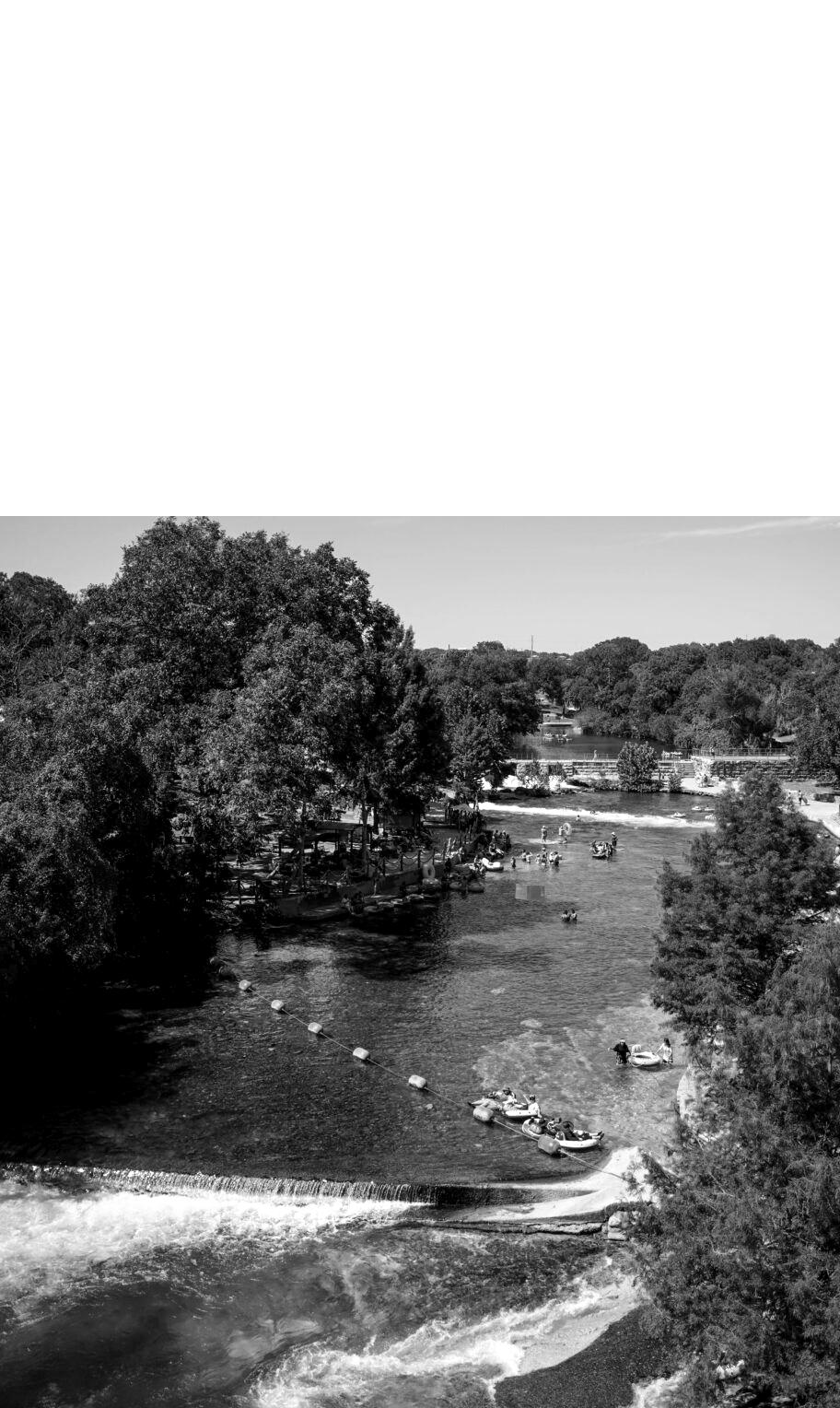
Build stronger links between the city’s visitor economy and its cultural community so that local artists, creators, the heritage landscape, and community events so everyone shares in the benefits of New Braunfels’ popularity, and the arts can realize their full economic potential and impact.
5
4 INVEST IN BELONGING
ENCOURAGE COLLABORATION
Channel the willingness of local organizations and partners to work together into coordinated programming, shared resources, and a more unified strategy around the promotion and expansion of arts and culture.
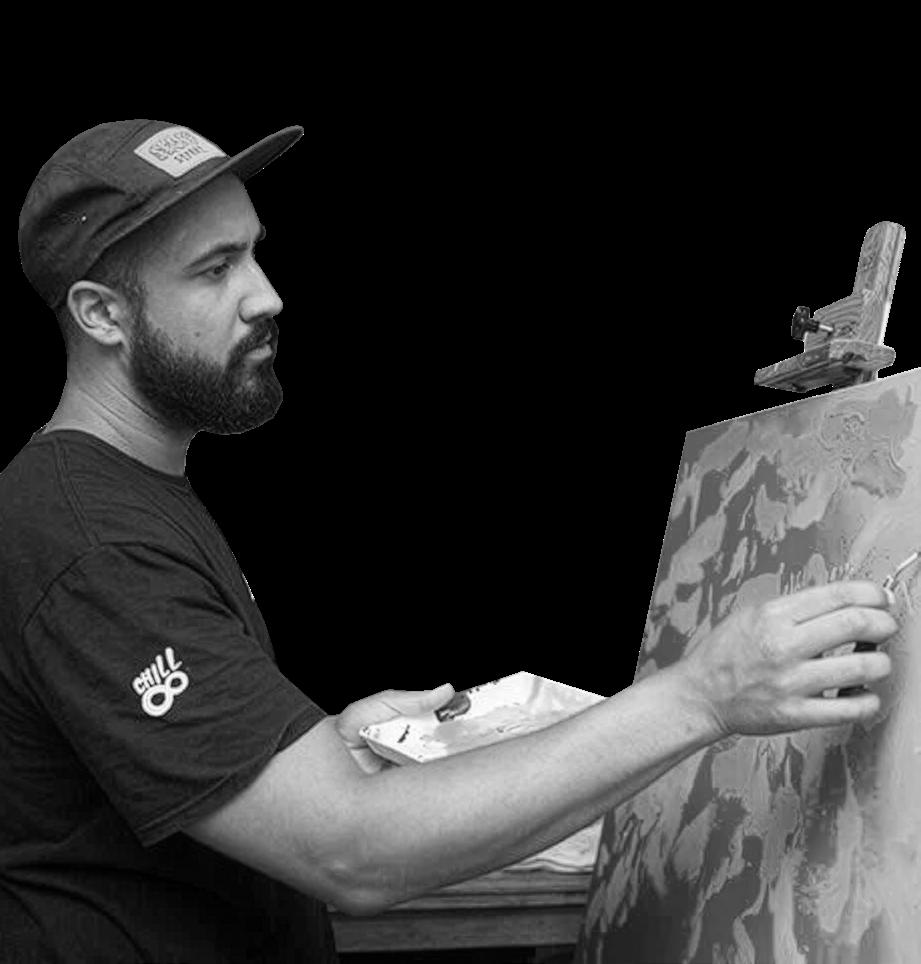
Use arts and culture as tools for connection — bridging generational gaps, supporting the connection between neighbors, and welcoming newcomers to the community. All this is possible through shared arts access and creative expression to strengthen community bonds and help maintain New Braunfels' sense of community.
TELL A COHESIVE STORY
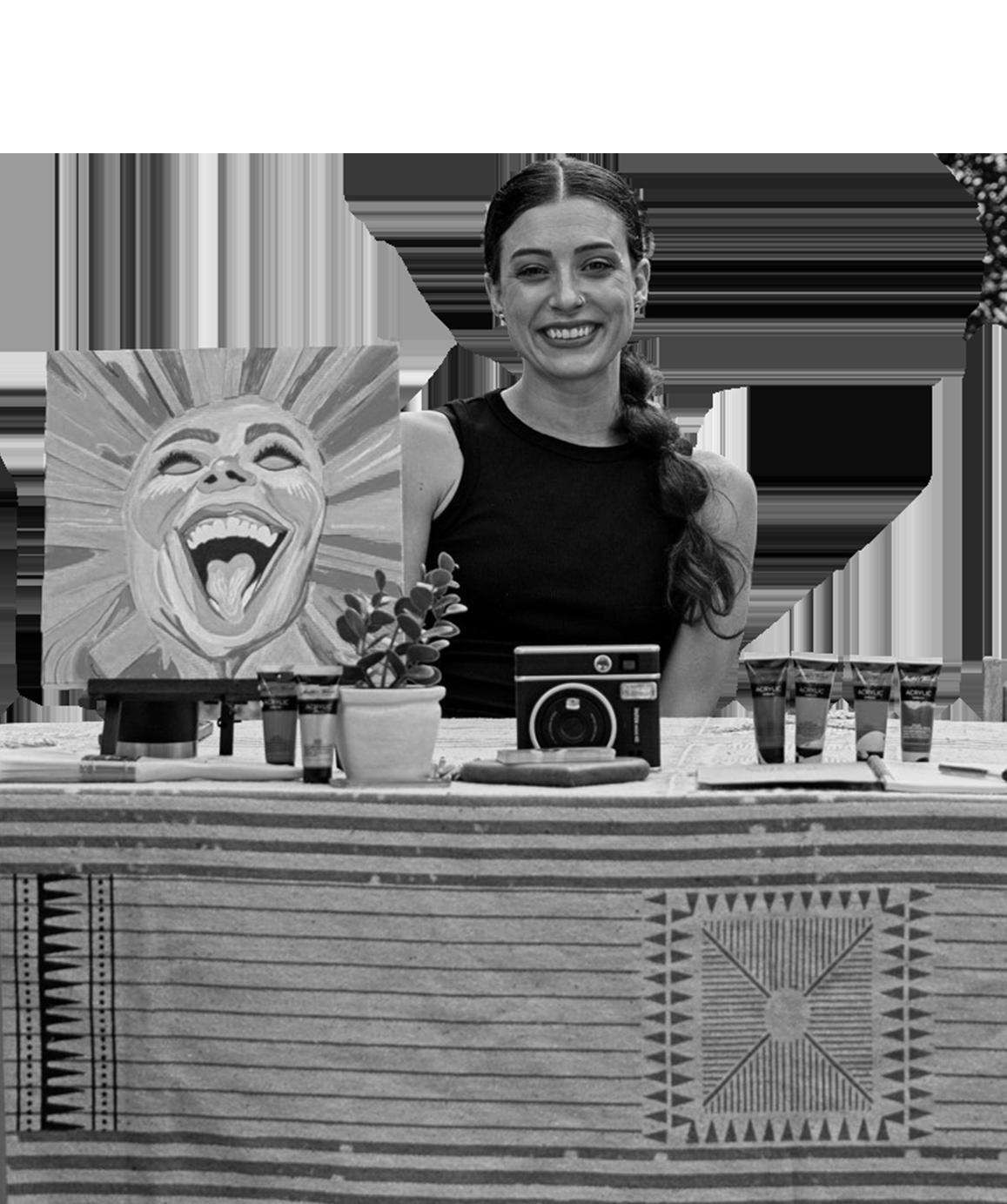
Present New Braunfels to residents and visitors alike as a dynamic, creative ecosystem — one that honors heritage while embracing new forms of expression and can provide all audiences with high-quality and engaging experiences in the arts.
CHAPTER 3 RECOMMENDATIONS
To strategically serve the City of New Braunfels, the following recommendations are grouped into four distinct categories. Each focuses on a specific sector of the local arts and culture landscape.
PRIORITY AREA 1:
PROGRAMMING & COMMUNITY EXPERIENCES
PRIORITY AREA 2: PLACES & SPACES
PRIORITY AREA 3: VISIBILITY & TOURISM
PRIORITY AREA 4: OPERATIONS
& CAPACITY
BUILDING
IMPLEMENTATION PARTNERS
The City of New Braunfels, while the adopting authority of the Arts & Culture Master Plan, will not be able to implement the entirity of the community vision on its own. Community partners, the arts, culture, the heritage community, private individuals and foundations will be instrumental in stewarding the community's vision. Key partners who helped inform this plan include:
Greater New Braunfels Arts Council
The Greater New Braunfels Arts Council is dedicated to serving the local community by fostering an awareness of, education in, and appreciation of all the arts: performing, visual, and literary.
The Greater New Braunfels Arts Council envisions a vibrant and thriving community where the arts are fully integrated into the fabric of daily life. Through creativity, collaboration, and cultural expression, we strive to foster an environment where artists, audiences, and supporters come together to inspire, engage, and elevate one another.
Mid-Texas Symphony
The Mid-Texas Symphony is a regional symphony orchestra based in Seguin, Texas. It was founded in 1978 and serves the MidTexas region, including the cities of Seguin and New Braunfels. The symphony provides a range of classical music performances throughout the year, often featuring both professional musicians and guest artists.
New Braunfels ISD - Fine Arts Department
The Fine Arts department at New Braunfels ISD seeks to provide for all students with a high quality fine arts education that supports their academics and creative development. This goal is achieved through a comprehensive performing and visual arts curriculum that provides a wide-range of learning experiences and performance opportunities.
Brauntex Theatre
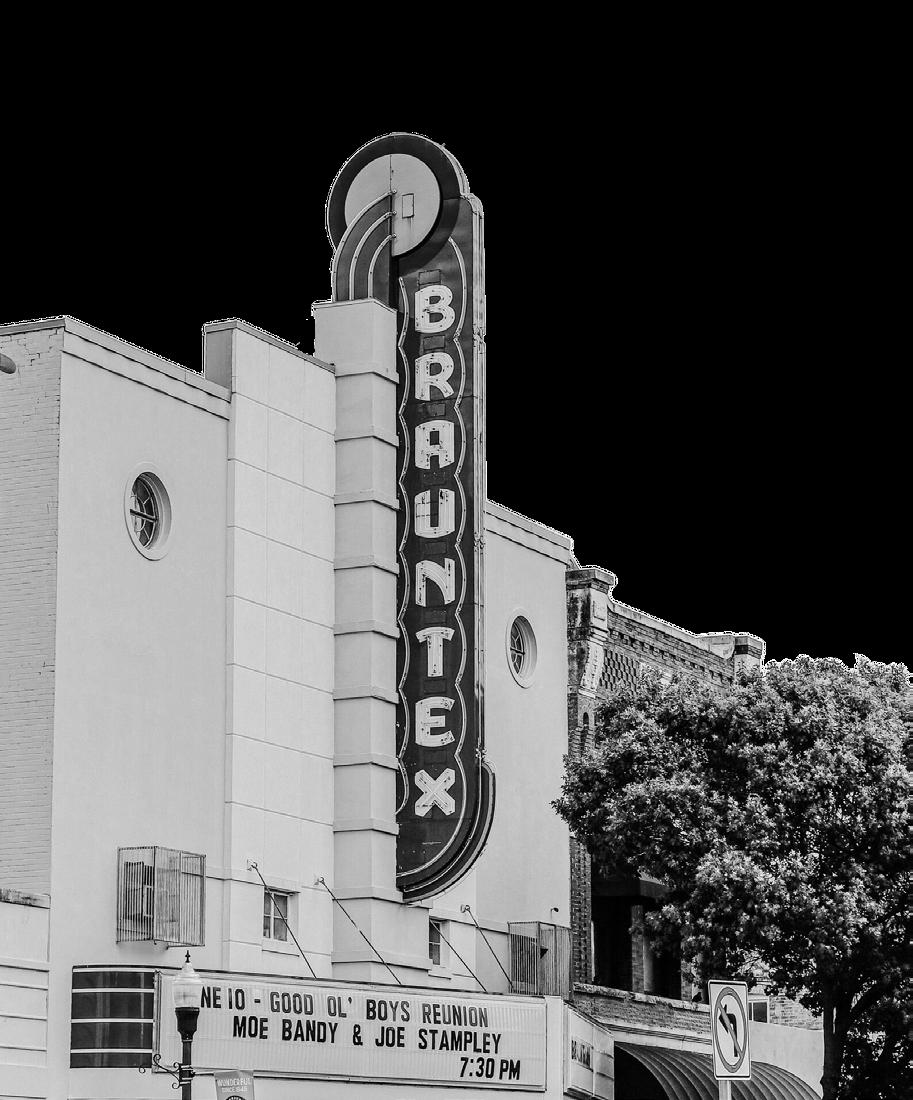
The Brauntex Theatre is a former movie palace located in downtown New Braunfels, Texas, built in the late Art Deco period in 1942. Now a performing arts theater, the Brauntex is dedicated to bringing culture and the arts to the Hill Country by enriching people's lives through quality artistic, educational, and entertaining experiences. The theatre envisions a community where all residents and visitors have access to quality art and entertainment.
The Sophienburg
Established in 1933, the museum occupies the historic site where Prince Carl of Solms-Braunfels laid the cornerstone for the original “Sophienburg” (Sophie’s Castle) in 1845, named in honor of his fiancée, Princess Sophie. Today, the museum offers immersive exhibits that chronicle the journey of German immigrants who settled in the region, showcasing artifacts, photographs, and documents that depict their daily lives and contributions to the development of New Braunfels.
New Braunfels Convention & Visitors Bureau's (CVB)
The Greater New Braunfels Chamber of Commerce is a membership organization representing more than 1,600 local businesses, operating under a mission to promote the civic and commercial progress of the area. Through professional services contracts with the City of New Braunfels and Comal County, the Chamber administers tourism marketing, job recruitment, and retention on behalf of the community. Its work spans economic development, business advocacy, community collaboration, and member services, with a broader vision of ensuring a vibrant and prosperous community for future generations.
The Chamber's tourism arm, VisitNBTX, functions as the community's Convention and Visitors Bureau, promoting New Braunfels as a destination for leisure travel, meetings, and events. Its work is guided by a strategic plan organized around four goals: investing in the
destination product through major developments and arts and heritage initiatives; executing a world-class marketing program built on data, branding, and measurable outcomes; balancing visitation across the calendar year through group sales and shoulder season programming; and advocating for the tourism and hospitality industry at both the local and state level, including protecting the Hotel Occupancy Tax funding that supports these efforts. Together, the Chamber and VisitNBTX serve as the primary engines for economic vitality and destination development in New Braunfels.
The City of New Braunfels has every intention of partnering with a broad set of community stakeholders many of whom, alongside the previously mentioned plan partners and community members, are beneficiaries of the plan outcomes. This includes the wide variety of local arts, culture, and heritage organizations, not limited to:
• Art Haus
• Ballet Texas
• Cheatham Street Music Foundation
• Christian Youth Theatre (CYT) San Antonio
• Circle Arts Theatre
• Coll Street Players
• En Vivo! Theatrical
• Gruene Hall
• Hispanic Business Alliance
• Kinder Tänzer
• Lark Mason Gallery
• McKenna Children's Museum
• Mill Street Art Gallery
• Museum of Texas Handmade Furniture
• Naegelin's Bakery
• New Braunfels Art League
• New Braunfels Conservation Society
• New Braunfels Fire Museum
• New Braunfels Gemischter Chor Harmonie
• New Braunfels Performing Arts Academy
• New Braunfels Railroad Museum
• New Braunfels Youth Collaborative
• Historic Outdoor Art Museum
• Preserve New Braunfels
• Schlitterbahn Waterpark
• The ARTitude Cottage
• The Sophienburg Museum & Archives
PRIORITY AREA 1:
PROGRAMMING & COMMUNITY EXPERIENCES
Strengthen arts, culture, and heritage experiences in New Braunfels by supporting coordinated, community-driven programming that brings cultural expression into everyday life. This section focuses on how the City can act as a connector, convener, and facilitator. Leveraging existing organizations, creatives, and cultural assets to expand participation, deepen storytelling, and reinforce shared cultural identity.
Rather than producing programming directly, the City’s role is to enable partnerships that provide resources, reduce barriers, and allow cultural organizations and creatives to curate experiences that reflect New Braunfels’ history, cultural identities, and evolving character. These efforts emphasize collaboration across disciplines, year-round visibility of culture, and integration of programming into public spaces, heritage sites, and community settings.
Together, the recommendations in this section advance cultural experiences that are:
• Community-centered and locally led
• Historically grounded and place-based
• Accessible to residents while welcoming to visitors
• Flexible, scalable, and responsive to community interests
1.1 EXPAND PROGRAMMING PARTNERSHIPS TO CURATE COMMUNITY EXPERIENCES
By leveraging the strengths, expertise, and networks of New Braunfels’ cultural community, the City can expand and diversify arts-based experiences while reinforcing collaboration, quality, and shared ownership of cultural programming. Rather than producing programming directly, the City can act as a connector and convener, supporting partners who already have credibility and capacity.
• Establish recurring partnership frameworks and provide funding and city resources to collaboratively shape community-facing programming and cultural experiences.
• Identify opportunities for collaboration to provide performing, visual, literary, and culinary arts in conjunction with existing community events and pop-up experiences in community spaces
• Seek to elevate local/regional artists, producers, and presenters with paid opportunities to provide the community with programming experiences
• Notate where existing budgets for community programming could shift towards local talent or where budgets could be expanded to allow for more New Braunfels artists to perform and present in existing city functions
• Align efforts with public-realm spaces, events, and corridors
• Strengthen collaboration while reducing duplication and competition
• Coordinate performance schedules and programming themes
• Identify opportunities for collaborative or complementary programming
• Support stronger, more visible performing arts offerings citywide
• Support heritage-focused programming that integrates history, storytelling, and cultural expression into everyday community spaces
• Examine ways to incorporate more youth opportunities both inside of city- and partnerdelivered cultural programs
PARTNERS
PRIORITY
The Cultural Arts Commission, Economic and Community Development, Parks and Recreation, The Arts Council, Local Cultural Organizations
TIMING Immediate
1.2 EXPAND THE STORY OF NEW BRAUNFELS
Community members desire a deeper dive into authentic German culture through the lens of New Braunfels' specific ties to Germany. Many opportunities remain to expand the story of New Braunfels, including:
1.2A HOST AN ARTIST-IN-RESIDENCY/CULTURAL EXCHANGE
Explore the establishment of an Artist-in-Residence or Cultural Exchange program that invites contemporary artists or cultural practitioners from outside the region—including, but not limited to, Germany—to live and work in New Braunfels for a defined period of time. Pursuing external funding, grants, or cultural exchange could serve to offset costs.
The residency could be designed to:
• Support cultural exchange and mutual learning
• Produce publicly accessible work, programming, or engagement
• Explore the creation of temporary or permanent public art
• Present community workshops, lectures, or demonstrations
• Encourage collaboration with local artists, students, or cultural organizations
• Develop interpretive or storytelling projects that connect German heritage to presentday New Braunfels
• Partner with the Sophienburg Museum & Archives, Arts Council, or academic institutions
• Align residency activities with existing festivals, cultural events, or public-realm projects
PARTNERS
The Cultural Arts Commission, Economic and Community Development, Parks and Recreation, The Arts Council, Local Cultural Organizations
PRIORITY TIMING Near-Term
1.2B DEVELOP HISTORICALLY GROUNDED HERITAGE INTERPRETATION
Expand interpretation of New Braunfels’ German, Pre-Colonial, and Hispanic heritages through historically grounded, place-based storytelling that moves beyond festival traditions to emphasize regional origins, settlement patterns, architecture, and social history. Year-round interpretation will strengthen historical understanding, support heritage tourism, and present a more nuanced and authentic cultural narrative of New Braunfels. This includes methods for expanding the programs that share New Braunfels' unique story. This effort should be developed in collaboration with local historians, the Sophienburg Museum & Archives, and relevant academic partners, and integrated into:
• Public spaces and the public realm
• Cultural venues and heritage sites
• Educational and interpretive programming
1.2C SUPPORT AND EXPAND UPON HISTORIC HOMES TOURS
Support and expand upon curated Historic Homes Tours that highlights New Braunfels’ historic residences and house museums as accessible, educational heritage experiences. The tour should build upon existing assets, such as the Historic Old Town Museum and the Ferdinand Lindheimer Haus, to interpret the city’s early settlement history, architectural character, and cultural influences, including its German heritage and founding families. A Historic Homes Tour can strengthen heritage tourism offerings while increasing visibility and appreciation of New Braunfels’ historic residential architecture. Potential opportunities include:
• Coordinated guided or self-guided tours linking multiple historic homes
• Interpretive storytelling that connects architecture, daily life, and notable residents
• Partnerships with historical societies, preservation organizations, and property stewards
• Integration into heritage tourism programming and special events
PARTNERS
PRIORITY
The Cultural Arts Commission, Historic Landmark Commission, Local Heritage Organizations
TIMING Immediate-Term
PARTNERS
PRIORITY
The Cultural Arts Commission, Historic Landmark Commission, Local Heritage Organizations
TIMING Mid-Term
1.2D EXPAND HERITAGE EXPERIENCES SURROUNDING HISTORIC CEMETERIES
Leverage New Braunfels’ historic cemeteries as culturally significant landscapes that support heritage education, storytelling, education, and reflection, while respecting their solemn and commemorative purpose. Specific opportunities include:
• Expanding the Soul Searching program at Comal Cemetery through additional dates, and new thematic interpretations
• Incorporating potential annual remembrance activities aligned with Founders Day
• Exploring partnership-based interpretation of Panteón Hidalgo, recognizing Latino and Hispanic heritage through respectful storytelling and education developed in collaboration with Our Lady of Perpetual Help Catholic Church
• Aligning cemetery-based storytelling with Día de los Muertos programming, where appropriate and in coordination with existing community-led celebrations
PARTNERS
PRIORITY
The Cultural Arts Commission, Historic Landmark Commission, Local Heritage Organizations
1.3 STRENGTHEN PROGRAMMING IN DOWNTOWN NEW BRAUNFELS
Downtown New Braunfels serves as a central gathering place for residents and visitors and plays a key role in shaping the city’s cultural identity. This section focuses on expanding and strengthening arts- and culture-based programming in the downtown core by building upon existing events, venues, and creative activity. By elevating local artists, performers, and culinary creators within signature events, downtown programming can support economic opportunities, diversify audiences, and reinforce a vibrant, place-based cultural atmosphere.
1.3A ENHANCE SIGNATURE EVENTS LIKE SAENGERFEST AND WASSAILFEST WITH ARTS-BASED PROGRAMMING
Expand the cultural impact of signature community events, such as Saengerfest and Wassailfest, by intentionally integrating arts-based programming that elevates the visitor experience and highlights local creative talent. These enhancements should complement existing event identities while strengthening their role as cultural experiences for both residents and visitors. Enhancements may include:
• Strategic promotion of local culinary offerings, positioning food as a cultural experience rather than solely a concession
• Designated vendor areas for artists and creative businesses, increasing visibility and economic opportunity
• Intentional inclusion of New Braunfels artists and performers across music, visual art, and performance programming
PARTNERS
PRIORITY
Economic and Community Development, Communications and Community Engagement, The Arts Council, Local Arts Organizations
TIMING Immediate-Term
1.3B SUSTAIN & EXPAND ART HAUS
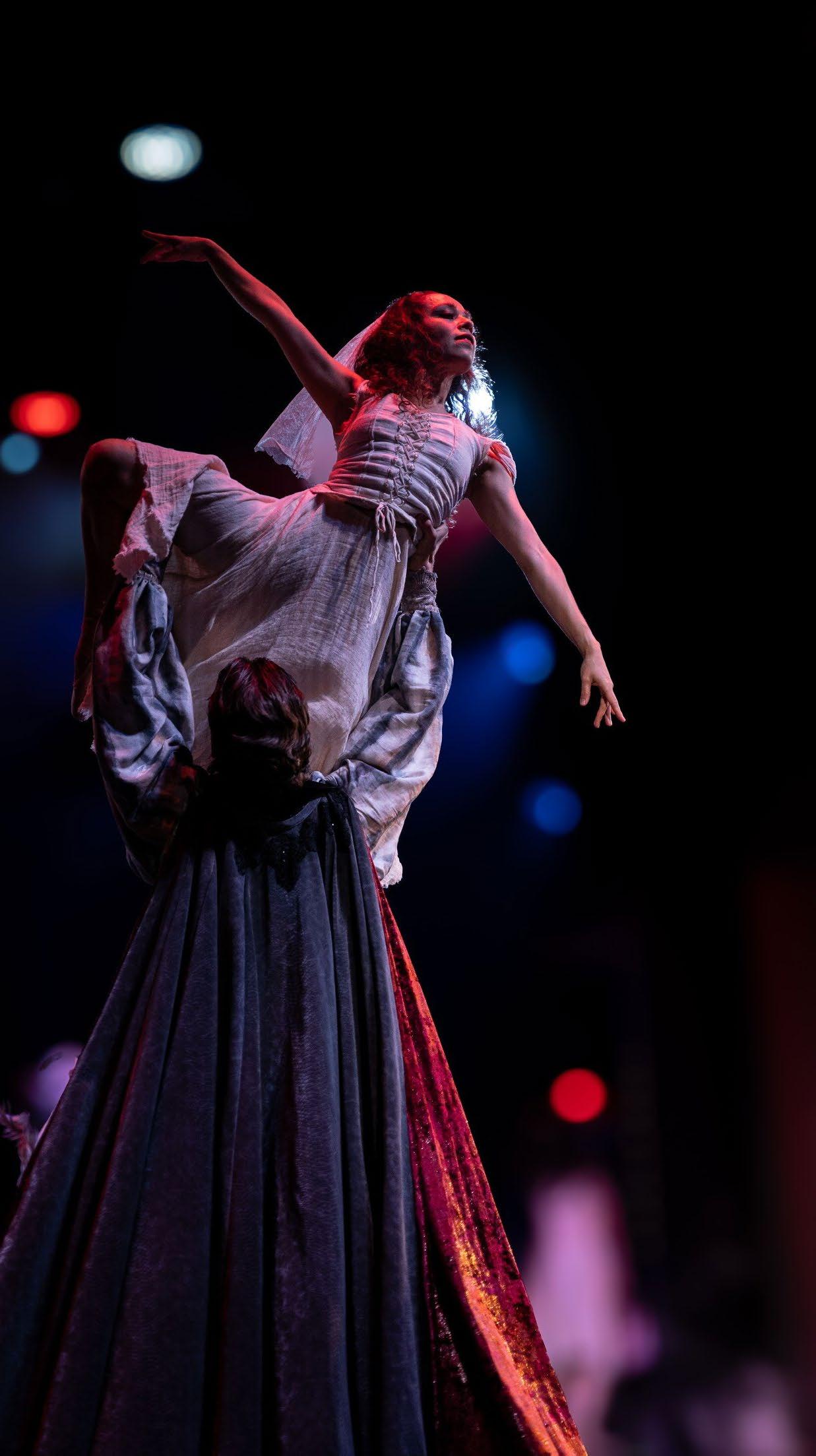
Support the continued growth and long-term sustainability of Art Haus as a platform for multidisciplinary creative expression and community engagement. Sustained funding and organizational support will help Art Haus evolve from a single event into a recurring cultural asset with regional visibility. This could be sustained through a community service grant/contract in partnership with the New Braunfels Community Foundation. Expanded Art Haus programming may include:
• Partner with the Downtown Association and City of New Braunfels to expand promotion, coordinate event programming, and invest in shared equipment
• An Arts Market featuring local creatives
• Gallery Hop or ArtWalk through Downtown
• Poetry slams and spoken-word programming
• Storytelling initiatives that reflect New Braunfels’ multiplicity of voices and histories
• Culinary components that reinforce food as part of the cultural experience
PARTNERS
PRIORITY
TIMING Immediate
The Cultural Arts Commission, The Arts Council, The Downtown Association
PROCESS GUIDE 1.1
PARTNERSHIP-BASED PROGRAMMING FRAMEWORK
Owner: Cultural Arts & Placemaking Coordinator or assigned City Staff
Authority: City Manager
PURPOSE
Enable collaborative cultural activities that expand access, visibility, and community impact for artists and cultural organizations through partnership with the City, without creating a paid contractor relationship�
This pathway is intended for opportunities where the primary value to participants is platform, reach, resources, and institutional partnership, rather than direct financial compensation�
Participation through this pathway may provide one or more of the following nonmonetary benefits:
• Access to City-owned spaces and infrastructure, including parks, plazas, libraries, and civic facilities, often at reduced or waived fees
• Visibility and amplification through City marketing channels, tourism platforms, and official communications
• Operational support, such as coordination assistance, equipment access, permitting facilitation, or logistical support
This pathway is not intended to replace paid cultural services or contracted work.
ACTION STEPS
1. Define clear criteria for collaborative cultural partnerships, distinguishing them from paid cultural services and contracted work.
• Establish guardrails to prevent substitution for compensated services
• Clarify expectations, roles, and risk management responsibilities
2. Develop simple collaboration agreements or MOUs to document scope, responsibilities, and mutual benefits
• Outline non-monetary support provided by the City
• Specify attribution, branding, and acknowledgment
3. Identify and promote City-supported opportunities suitable for collaboration, including events, spaces, and initiatives.
• Coordinate across departments to align collaborative opportunities with City priorities ensuring transparency in how opportunities are offered and accessed
4. Evaluate collaborative partnerships annually to ensure fairness, clarity, and public benefit.
• Use findings to refine eligibility and guardrails
Supports Recommendations 1.1, 1.2B, 1.2C, 1.2D, 1.3A, 1.3B
PROCESS GUIDE 1.2
CONTRACTED CULTURAL SERVICES (PAID)
Owner: Cultural Arts & Placemaking Coordinator or assigned City Staff
Authority: City Manager
PURPOSE
Procure cultural services through transparent, compensated agreements that advance City goals while ensuring accountability and compliance� These services may be solicited in order to bolster the city’s capacity to direct programming and services to the public� Appropriate use cases include but are not limited to:
• Performances, exhibitions, and programming
• Interpretation and heritage services
• Cultural planning, facilitation, and education
• Program delivery on behalf of the City
ACTION STEPS
1. Define eligible cultural services and establish standard scopes, fee ranges, and deliverables.
2. Publish available contracted services publicly and promote to qualified candidates.
3. Utilize public service contracts or professional service agreements aligned with city procurement standards.
4. Require reporting on outputs, outcomes, and public benefit tied to City priorities.
MODELS & CASE STUDIES
Austin, Texas - Cultural Service Contracts
Supports Recommendations 1.1, 1.2B, 1.2C, 1.2D, 1.3A, 1.3B
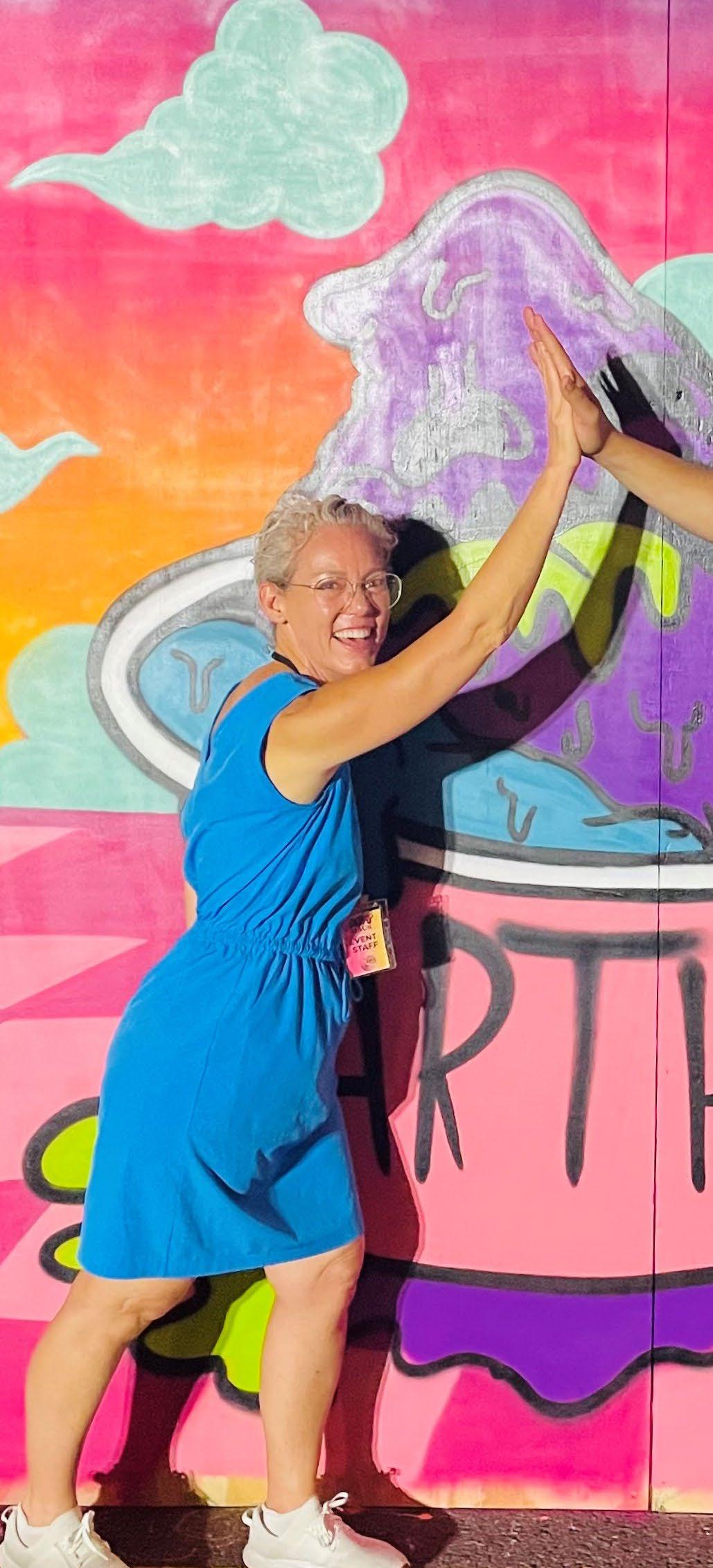
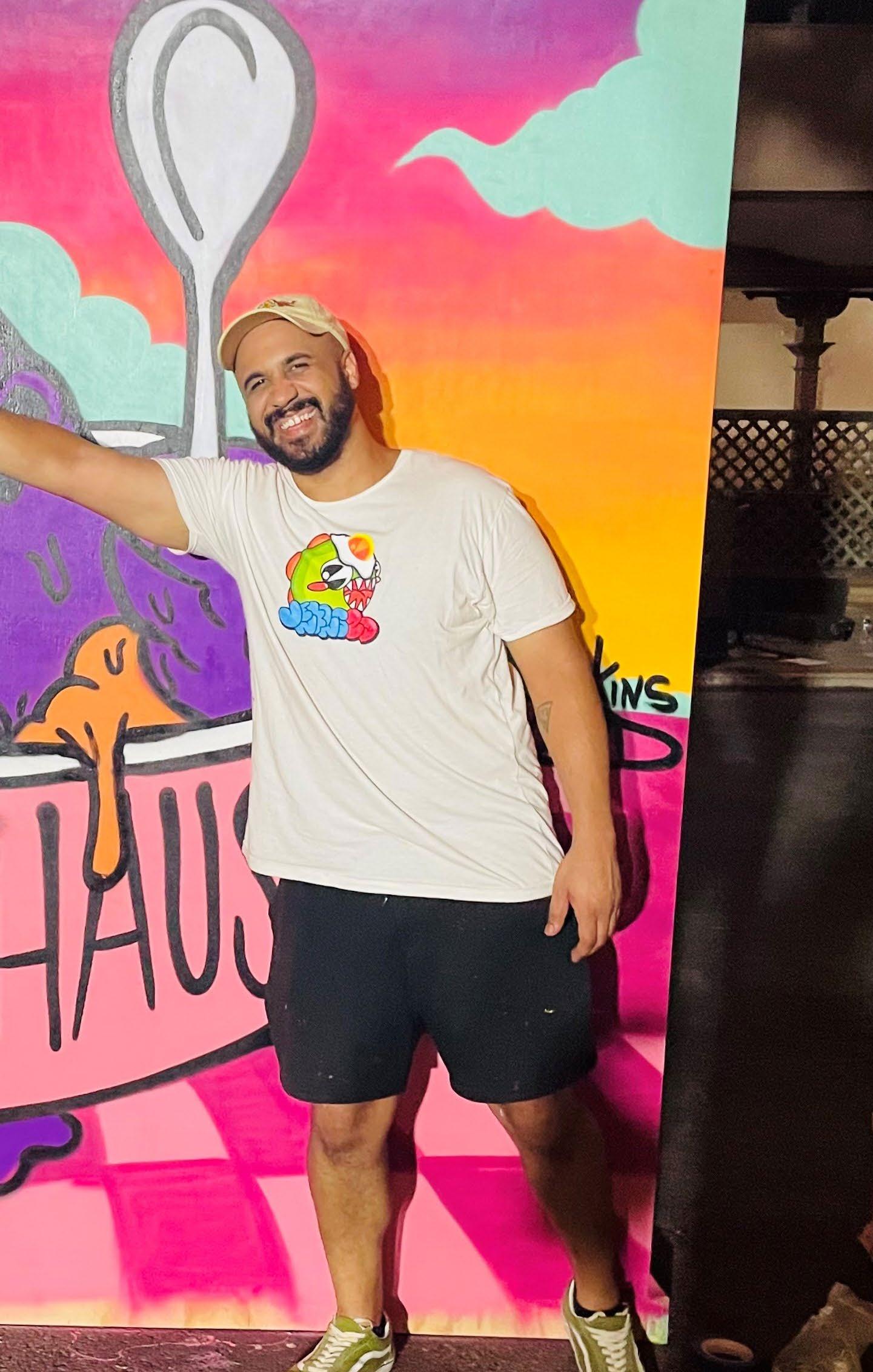
PROCESS GUIDE 1.3
CULTURAL ACCESS PROGRAM
Owner: Cultural Arts & Placemaking Coordinator or assigned City Staff
Authority: Economic and Community Development Director
PURPOSE
Create a centralized, equitable mechanism to connect artists and cultural organizations to City-supported opportunities—both paid and unpaid—across departments� Appropriate use cases include but are not limited to:
• Matching artists, performers, historians, and cultural creators to opportunities and initiatives
• Maintaining pre-qualified rosters of eligible individuals to support art and cultural events, murals and temporary public art, community arts and heritage experiences, and other cultural offerings supported by the City of New Braunfels
• Streamlining outreach and matching well-qualified individuals to the appropriate opportunities
• Improving transparency and access for artists and cultural bearers
ACTION STEPS
1. Establish an opt-in roster of artists, cultural organizations, and cultural service providers, noting discipline,
resume, availability, and compensation preferences.
2. Work with the Cultural Arts and Placemaking Coordinator and the Cultural Arts Commission to review and approve applicants to be added to the roster.
3. Develop internal protocols for matching opportunities to appropriate participants based on scope, budget, and goals.
4. Track participation, opportunity types, and outcomes to ensure equitable access and program effectiveness. Evaluate findings on annual basis.
MODELS & CASE STUDIES
Austin, Texas - Artist Access Program
Minneapolis, Minnesota - Districts Fund Program
Supports Recommendations 1.1, 1.2B, 1.2C, 1.2D, 1.3A, 1.3B
PRIORITY AREA 2:
PLACES & SPACES
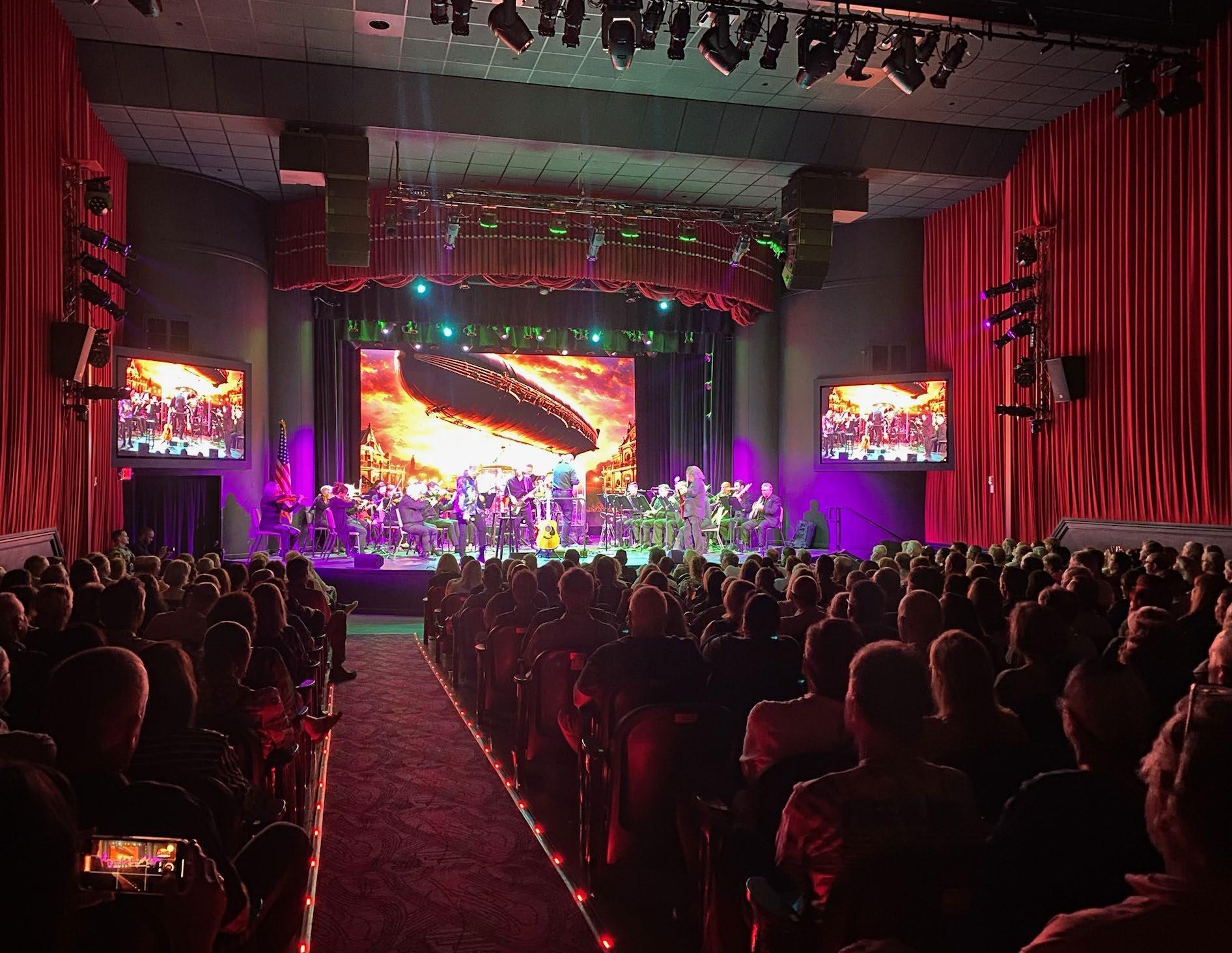
Community input consistently emphasized the need for spaces that better support arts and culture in New Braunfels and evidence of the arts community in the built environment through interventions such as public art, branding and wayfinding, and creative placemaking elements.
Stakeholders expressed a desire for both a centralized gathering place that can serve as a visible hub for creative activity and empower a greater level of creative economic impact and a network of smaller, distributed spaces that bring arts and culture into everyday community settings for a variety of audience sizes.
2.1 A NEW FIRST IMPRESSION TO DOWNTOWN
Create a welcoming gateway into downtown and the proposed cultural district, such as along Seguin Avenue, Zink, Landa, and San Antonio, that makes a strong and lasting first impression on visitors while reflecting New Braunfels’ cultural character and sense of place. By pairing gateway public art placemaking elements with the growing network of cultural spaces and creative small businesses, Seguin Avenue can welcome visitors into a vibrant cultural district.
This corridor presents an opportunity to:
• Reinforce arrival and identity through gateway elements, public art, and streetscape enhancements
• Encourage context-sensitive development that preserves community character
• Adaptively reuse existing residential structures as arts, cultural, or creative spaces, where appropriate
PARTNERS
The Cultural Arts Commission, Economic and Community Development, The Downtown Association, TxDOT
PRIORITY
TIMING
Mid-Term
2.2 EXPLORE THE DEVELOPMENT OF CULTURAL SPACES
The development of cultural spaces lends itself well to two approaches: 1) distributed, scalable and flexible spaces for creative production, gathering, and presenting and 2) a centralized space, that combines purpose-built functions with shared infrastructure, scalability, and efficient operations. Certain functions—such as studios, small-scale performance and gathering spaces, and workforce housing for artists—may be most effective when distributed across the community and developed in partnership with local non-profits and private property owners, while a centralized arts space should be explored as a public asset to support visibility, coordination, and long-term sustainability.
2.2A CONDUCT A MARKET & FEASIBILITY STUDY FOR A CULTURAL CENTER AND PERFORMANCE HALL
Commission a comprehensive market and feasibility study to evaluate the demand, scale, and potential locations for a cultural center and performance hall in New Braunfels. The study should explore the following three opportunities:
• Renovation and adaptive reuse of the existing Civic Center
• Expansion or redevelopment opportunities at the Fairgrounds
• High-Priority Mixed Use Areas
The feasibility of incorporating a performance hall must be evaluated within each scenario, considering an appropriate size and scale. This evaluation should also include complementary cultural, educational, or community-serving spaces. The study should assess:
• Market demand and audience potential
• Operations models for consideration
• Capital and operating costs and potential financing models, mixing private and pubic investment opportunities
• Phasing opportunities or incremental approaches to development
• Alignment with tourism, convention, and community goals
PARTNERS
The Cultural Arts Commission, Economic and Community Development, Local Arts Organizations
2.2B CONSIDER INVESTING IN AND EXPANDING CITY-OWNED CULTURAL SPACES TO MODERNIZE ASSETS FOR A VARIETY OF USERS
Invest in modernizing and enhancing city-owned cultural facilities to better support contemporary programming and broaden community access. Modernization efforts should prioritize improving functionality and access while maintaining these spaces' roles as community-based cultural assets, with a focus on spaces such as Landa Park, Fischer Park Amphitheater, the Fairgrounds, Libraries, and Circle Arts Theater given its established role as a community performance venue and its potential to serve a wider range of programming and users. Key considerations:
• Accessibility improvements and code compliance
• Opportunities to increase use by community groups, local organizations, and emerging performers
• Alignment with broader cultural facility planning to ensure complementary, not duplicative, investment
2.2C UTILIZE THE FAIRGROUNDS AS A SPACE FOR CULTURAL ENGAGEMENT
Leverage the Comal County Fairgrounds as a flexible, multi-use site for cultural engagement that supports festivals, performances, exhibitions, and large-scale community events. As outlined in the Fairgrounds Master Plan, the site is envisioned as a year-round, adaptable campus capable of hosting a wide range of educational, cultural, and civic activities, making it well-suited to expanded arts and cultural programming. Specific opportunities include:
Specific opportunities include:
• Utilizing existing and planned multi-use exhibition halls, arenas, plazas, and outdoor spaces for cultural events and performances
• Promoting the Fairgrounds as a reservable, affordable venue for local arts and cultural organizations
• Piloting temporary or modular cultural infrastructure (stages, exhibition tents, pop-up galleries) without requiring immediate capital investment
• Complementing long-term cultural facility planning by supporting regional-scale events that attract both residents and visitors
PARTNERS
PRIORITY
The Cultural Commission, Economic and Community Development, Capital Programs, Parks and Recreation
TIMING Mid-Term
PARTNERS
PRIORITY
The Cultural Arts Commission, Economic and Community Development, Capital Programs, Parks and Recreation, Comal County, Comal Fair Association
TIMING Near-Term
2.3 DEVELOP A SPACES INVENTORY & STRATEGY
Space is infrastructure. For artists, cultural workers, and community organizations access to affordable and well-equipped space is as foundational to creative production as funding or technical support and its absence is one of the most consistently cited barriers to cultural production in cities of every size. Developing a spaces inventory and strategy would address this gap directly by establishing a clear picture of the City's cultural space assets, articulating a framework for how those assets can be accessed and utilized, and can provide the tools needed to connect spaces with the people and organizations who need them.
2.3A DEVELOP A CENTRALIZED PLATFORM FOR BOOKING PUBLIC CULTURAL SPACES
Create a centralized, user-friendly platform that allows artists, cultural organizations, and community groups to view, reserve, and book City-owned spaces for cultural programming and creative use. This platform would increase access to affordable space, streamline coordination, and reduce administrative barriers for both users and City staff. Key components include:
• A searchable inventory of City-owned spaces suitable for arts and cultural use
• Clear information on:
» Space specifications and capacity
» Rental costs or fee waivers
» Use rules and restrictions
» Availability and scheduling
• Standardized booking and approval workflows
Considerations:
• Coordinate with departments such as Parks & Recreation, Library, and Facilities to streamline booking across agencies
• A similar model may be deployable for spaces not owned by the city, however it should be managed by an outside party or existing non-profit, not the city — this would allow participation by nonprofit and private property owners willing to offer space for cultural use, with transparent requirements
PARTNERS
Economic and Community Development, Communications and Community Engagement, The Arts Council, Local Arts Organizations
PRIORITY
2.3B DEVELOP A STRATEGY FOR ACTIVATING PUBLIC SPACES (TOOLKIT), FOR STREETS, PARKS, AND PUBLIC AREAS
Develop a Public Space Activation Strategy and accompanying toolkit to support arts and cultural programming and events in streets, parks, plazas, and other public spaces. The toolkit should clarify necessary city processes, seek to reduce administrative barriers, and encourage creative use of public space while maintaining public safety and operational standards. The strategy and toolkit should include:
• A list of eligible public spaces, including streets, parks, plazas, trails, and right-of-way
• Articulate city processes for:
» Temporary performances and events
» Pop-up exhibitions and installations
» Street closures and cultural activations
• Guidance on insurance, risk management, and safety requirements
• Accessibility and ADA considerations
• Noise, lighting, and operational standards
• Defined departmental roles and approval processes
• Sample timelines, checklists, and templates for applicants PARTNERS
Economic and Community Development, Communications and Community Engagement, Parks and Recreation, Local Cultural Organizations
2.3C ACTIVATE UNDERUTILIZED DOWNTOWN LOCATIONS FOR CULTURAL PROGRAMMING
Encourage temporary cultural use of vacant spaces (such as storefronts) and buildings through a “white-box” or "blank-space" activation approach that transforms vacant commercial/public spaces into engaging, temporary, or semi-permanent spaces. This approach supports short-term, low-cost programming and creative experimentation. This could also include after-hours events in retail spaces.
Eligible programming may include:
• Small-scale performances
• Pop-up galleries and exhibitions
• Comedy shows and spoken-word events
• Temporary artist studios or demonstrations
Implementation actions include:
• Encourage property owners of vacant or underutilized spaces to approach the city to connect with programming partners and opportunities
• Establishing short-term use agreements or licenses
• Clarifying basic requirements related to safety, utilities, insurance, and occupancy
• Streamlined wayfinding and signage to increase visibility and foot traffic
PARTNERS
Economic and Community Development, The Arts Council, Local Cultural Organizations PRIORITY
2.3D CREATE, MAINTAIN, AND PUBLICLY SHARE A CURATED LIST OF CITYOWNED AND CITY-APPROVED PROPERTIES SUITABLE FOR FILM, TELEVISION, AND DIGITAL MEDIA PRODUCTION
This inventory would support participation in the Texas Film-Friendly Cities Program and streamline production activity. Inventory elements should include:
• Location descriptions and photos
• Usage fees and associated costs
• Required permits and approvals
• Primary point of contact for each site
• Internal routing and approval processes
Considerations:
• Coordinate across departments to clarify approval authority
• Align inventory with city approval workflows
• Reinvest proceeds made on renting the facilities to production crews back into a grant program for the arts
PARTNERS
Economic and Community Development, Communications and Community Engagement, Parks and Recreation, The Chamber of Commerce
PRIORITY
TIMING
Near-Term
2.4 CREATE A HISTORIC PRESERVATION PLAN
Preserving New Braunfels' built environment is essential for maintaining the community's cultural vitality and safeguarding the narratives of its past. Developing a comprehensive Historic Preservation Plan would enable the city to effectively address critical preservation challenges, streamline processes for property owners and developers, and ultimately enhance the stewardship of its historic resources. Funding is available through the State Historic Preservation Office as well as other philanthropic sources in order to undertake this type of process. Potential elements for an effective Plan are:
• Conducting an updated Historic Survey.
• Updating the Preservation Ordinance to address various other requirements.
• Developing recommendations for simplified guidelines that boost opportunities for adaptive reuse and encourage new avenues for redevelopment.
• Emphasizing the economic value, especially the tourism potential, of the historic assets
2.5 PURSUE A STATE-DESIGNATED CULTURAL DISTRICT
Evaluate the feasibility of pursuing a State-Designated Cultural District in areas with a demonstrated concentration of cultural assets, activity, and public-realm opportunities. Build upon existing arts, heritage, and cultural destinations. Reinforce walkability and connectivity between venues, public spaces, and businesses. Align with tourism, downtown, and economic development goals. This district-designation may first be pursued and established by the City of New Braunfels, however, during the designation process, an existing organization capable of executing projects and district initiatives may be selected to operate it.
2.5A LEVERAGE A CULTURAL DISTRICT DESIGNATION FOR VISIBILITY AND BRANDING
This designation should complement, not replace, existing tourism branding. A Cultural District designation can:
• Strengthen New Braunfels’ cultural identity at the state and regional level
• The Cultural District office may be included in the proposed Arts Center in 2.2A or another complementary cultural space, such as a museum or historic sites
• Support marketing and storytelling efforts aimed at visitors
• Increase awareness of cultural offerings among residents and tourists
PARTNERS
PRIORITY
The Cultural Arts Commission, The Historic Landmark Commission, Neighborhood and Community Planning, Local Heritage Organizations
TIMING Near-Term
PARTNERS
PRIORITY
The Convention and Visitors Bureau, Economic and Community Development, The Arts Council, Local Cultural Organizations
TIMING Mid-Term
2.5B INTEGRATE PUBLIC-REALM CULTURAL EXPERIENCES IN THE PROPOSED CULTURAL DISTRICT
To underscore the Downtown as a thriving and growing Cultural District, cultural experiences should be explored and offered to the community on a recurring basis. These cultural experiences could be delivered by the City of New Braunfels, or other cultural organizations as a programming partner. This integrated approach ensures culture is visible and accessible in Downtown location. District designation does not need to be secured prior to expanding cultural offering in the district, in fact a variety of cultural experiences will only reinforce and strengthen the district application. The Cultural District should showcase the wealth of arts and culture through:
• Temporary and permanent public art
• Pop-up performances, especially in conjunction with Art Haus
• Heritage and cultural storytelling experiences
• Artist-led community events
• Wayfinding and branding the district
• Creative placemaking elements and pedestrian improvements, particularly those that beautify public spaces in the district
2.5C ALIGN PLANNING AND DEVELOPMENT EFFORTS WITH THE CULTURAL DISTRICT DESIGNATION
Ongoing and future planning efforts in and around Downtown New Braunfels should be deliberately shaped to build and strengthen that record. Every planning process is an opportunity to advance the designation. This alignment helps ensure cultural investment supports broader city goals. Where possible, planning efforts should be coordinated to:
• Embed cultural district priorities in downtown and corridor planning
• Frame park and public-space investments as cultural infrastructure
• Coordinate economic development initiatives to support cultural uses
• Align efforts across the public, non-profit, and private sectors to build a cumulative record of district activity and investment
PARTNERS
PRIORITY
Economic and Community Development, The Downtown Association, Parks and Recreation, Local Cultural Organizations
TIMING Near-Term
PARTNERS
PRIORITY
Economic and Community Development, Neighborhood and Community Planning, Parks and Recreation Department, The Chamber of Commerce, The Downtown Association
TIMING Near-Term
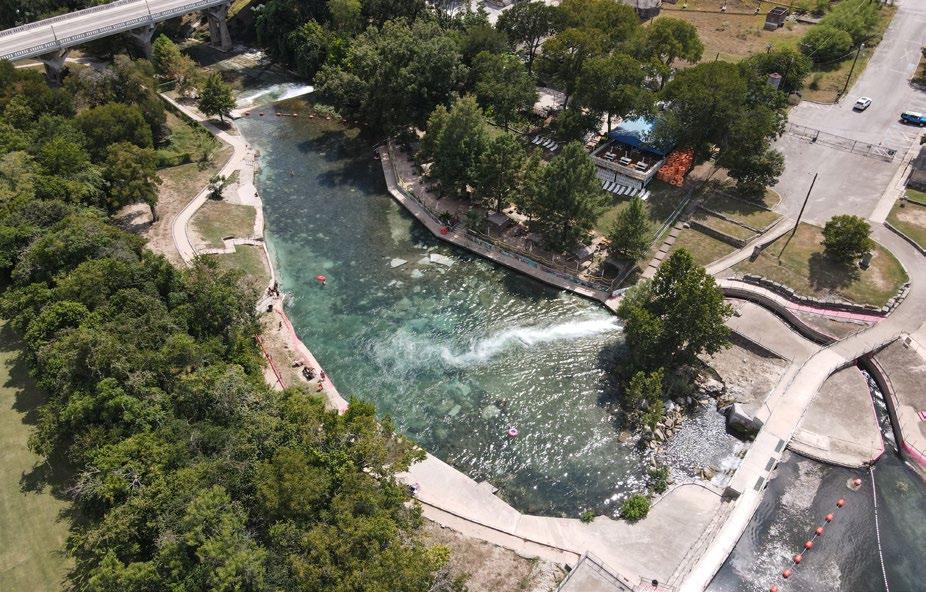
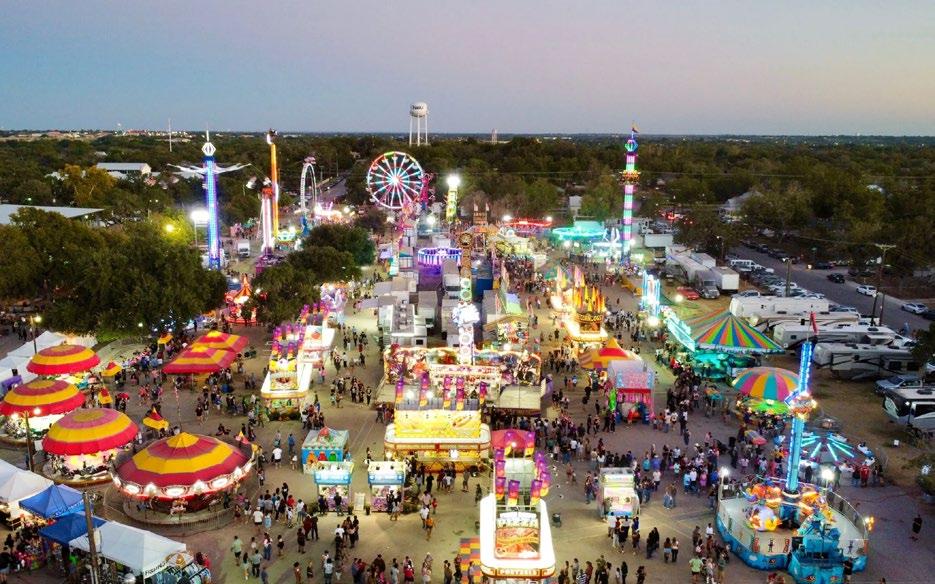
2.6 SITE-SPECIFIC CULTURAL EXPERIENCES
Public-realm spaces play an essential role in making arts and culture visible, accessible, and part of everyday life in New Braunfels. By activating parks, plazas, corridors, and civic spaces with cultural experiences, the City can expand access to the arts, strengthen sense of place, and support community connection without relying solely on indoor venues or major capital investments.
2.6A LANDA PARK
Utilize Landa Park as a signature setting for outdoor cultural experiences that align with its historic, natural, and recreational character. Landa Park’s regional visibility makes it a strong platform for experiences that appeal to both residents and visitors. Particularly, opportunities surrounding programming the dance slab and the Founders Oak. Similar opportunities may also be employed at Zipp Family Sports Park and Fischer Park.
Potential applications include:
• Small-scale performances and concerts
• Temporary art installations
• Cultural festivals or seasonal programming
• Interpretive or heritage-focused experiences
2.6B THE COMAL COUNTY FAIRGROUNDS
Expand the Fairgrounds’ role as a flexible, large-scale cultural venue capable of hosting festivals, performances, exhibitions, and community events. This site also complements long-term discussions around expanded cultural facilities, which could benefit from immediate capital investment. Particularly, advertising the Fairgrounds as an available space for cultural organizations to reserve and program as it currently exists
The Fairgrounds can support:
• Larger outdoor cultural programming, including festivals
• Temporary or modular performance infrastructure
• Tourism driving arts and cultural events that attract a regional audience
2.6C HERITAGE VILLAGE & HISTORIC OLD TOWN
Strengthen the Heritage Village and Historic Old Town roles as a hub for culturally grounded programming that highlights New Braunfels’ expansive histories and traditions. Through heritage, storytelling, and community gatherings. These spaces offer additional opportunities to connect cultural expression with New Braunfels’ history and civic identity.
Public-realm enhancements could include:
• Outdoor exhibits or interpretive elements
• Temporary installations that extend cultural experiences beyond indoor spaces
• Interpretive installations
• Small performances or ceremonies
• Public art integrated into the landscape, especially of a historic context
• Heritage Fairs
2.6D SOUTH CASTELL AVENUE
As part of future redevelopment in line with the Castell Avenue Visioning Plan, the city should explore South Castell Avenue as a cultural corridor that supports walkable, street-level cultural activity. South Castell’s proximity to the Civic Center and Downtown New Braunfels and its blend of small-scale adaptive reuse retail positions it as a highly accessible destination for creative retail, artists' studios, or street activations.
Potential strategies include:
• Murals and public art
• Supporting the inclusion of artists' studios and creative spaces
• Temporary street closures for cultural events or artist vendor corridors at existing events
• Art-forward streetscape elements and creative placemaking opportunities
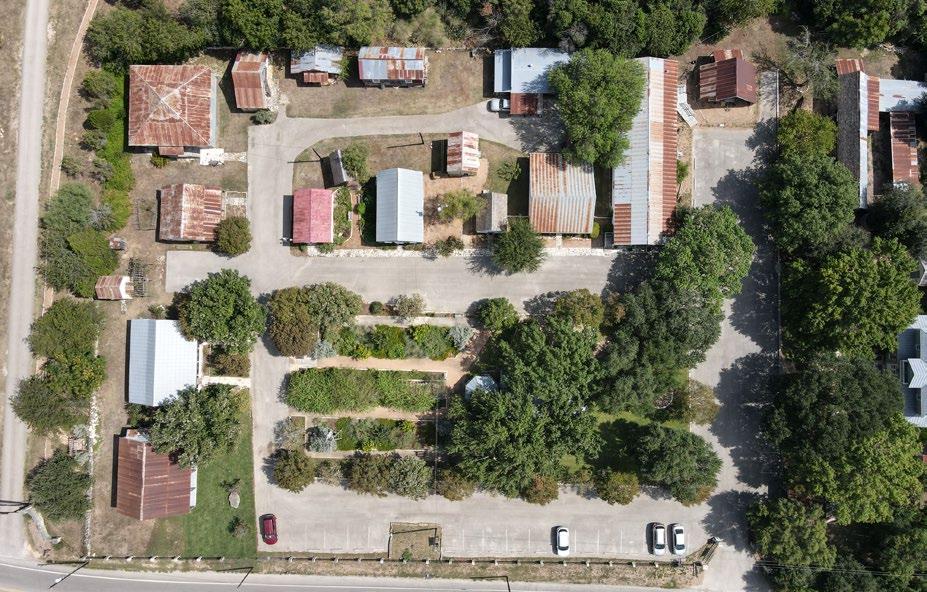
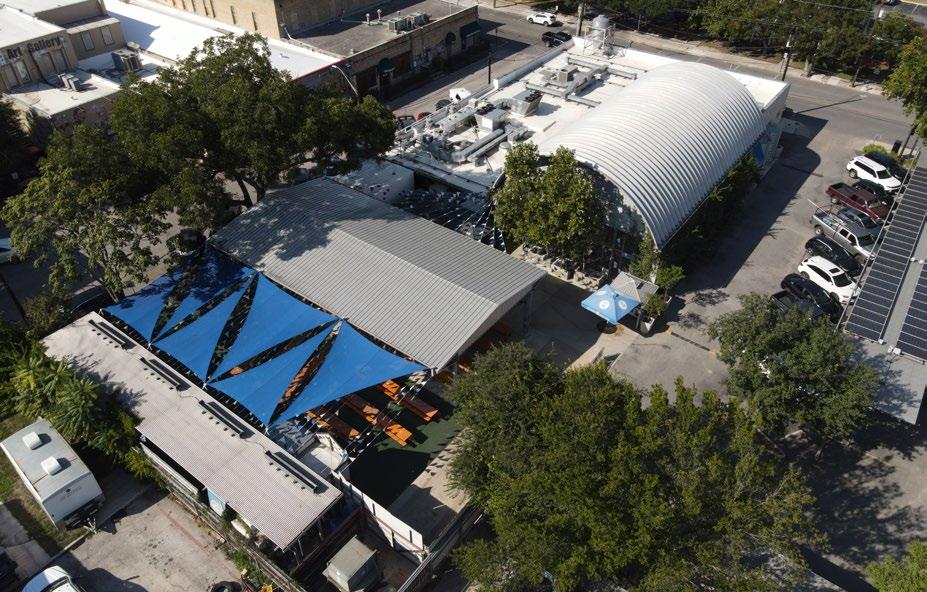
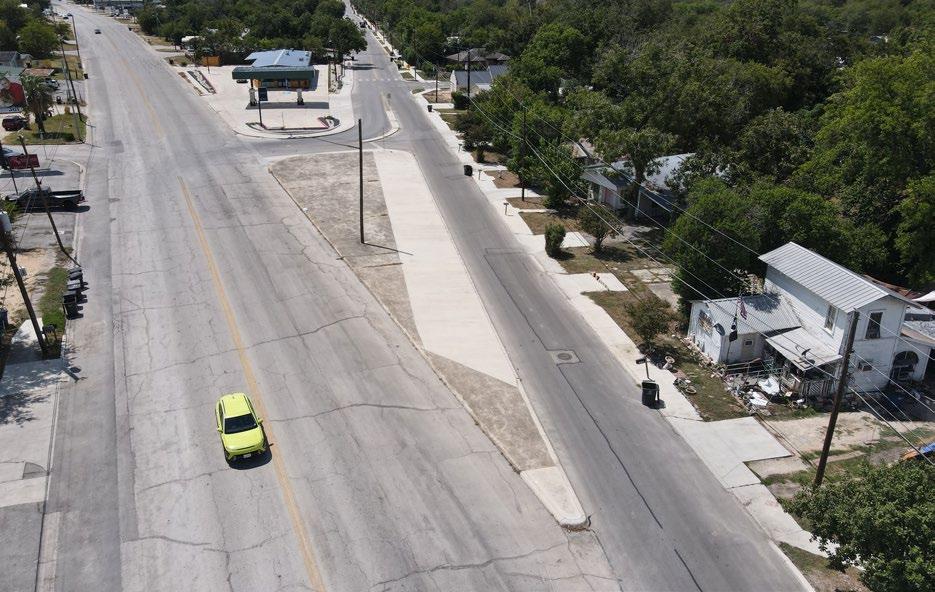
2.6E SAN ANTONIO BLVD MEXICAN AMERICAN HERITAGE CORRIDOR
Consider designating the portion of San Antonio Blvd that traverses the West End neighborhood as a Mexican American Heritage Corridor. Utilize the San Antonio Boulevard and Spur “triangle site” as a gateway location for highly visible cultural expression. Given its prominence, this site offers an opportunity to make culture part of the first impression for residents and visitors alike. Site enhancements and programming should be in alignment with the West End Master Plan. Possible applications include:
• Landmark public art or gateway features
• Temporary street closures and pop-up programming
• Interpretive elements welcoming visitors into the city
• A banner or wayfinding system establishing the corridor's identity
• Support for food trucks and temporary installations in right-of-way
2.7 DEVELOP A PUBLIC ART STRATEGY
2.7A ESTABLISH A CITY MURAL PROGRAM
An existing Historic Outdoor Art Museum was created by local cultural leaders to create murals in the downtown area. This could be further supported by the City and expanded into a broader Mural Program over the next several years, especially through the introduction of new artistic styles and narrative elements that both complement and diversify the existing collection. Key actions include:
• Identifying priority locations for murals, including corridors, gateways, and underutilized walls
• Establishing a clear mural approval and process
• Prioritizing participation by New Braunfels artists and regional creatives
• Encouraging murals that reflect local history, culture, and contemporary community identity
• Coordinating mural installations with downtown, corridor, and cultural district strategies
• Adopting a policy for maintenance, funding, and artist and artwork selection.
2.7B CREATE GATEWAY PUBLIC ART AT KEY COMMUNITY ENTRY POINTS
Use public art as a defining feature at major gateways into New Braunfels to create strong first impressions for residents and visitors. This might include the West End, Gruene, and Creekside. Opportunities include:
• Commissioning landmark-scale public art at prominent entry corridors
• Integrating art with signage, landscaping, and streetscape improvements
• Reflecting New Braunfels’ cultural character, history, and creative identity
• Aligning gateway art with tourism, branding, and wayfinding efforts
PARTNERS
PRIORITY
The Cultural Arts Commission, Economic and Community Development, Local Cultural Organizations, Historic Outdoor Art Museum
TIMING Near-Term
PARTNERS
PRIORITY
The Cultural Arts Commission, Economic and Community Development, Local Cultural Organizations
TIMING Mid-Term
2.7C INTEGRATE PUBLIC ART IN TRAILS AND PARK SPACES
Incorporate public art at trailheads to enhance visibility, orientation, and user experience along trails and shared-use paths. Parks and trails offer some of the most meaningful settings for public art , and a well curated collection of works that complement the natural landscape can be some of the most memorable for community members. Implementation considerations include:
• Considering art that functions as wayfinding, landmarks, or interpretive elements
• Collaborating with Parks & Recreation and trail planning efforts
• Highlighting natural, cultural, or historical themes connected to each trail
• Using durable materials appropriate for outdoor and high-use environments
• Leaning into a curatorial approach to art in parks, ensuring the art is a good fit for the landscape or the site it is being installed within, this includes environmental considerations like flooding, erosion, and maintenance needs
2.7D INCORPORATE TEMPORARY PUBLIC ART IN VACANT AND UNDER CONSTRUCTION SPACES
Utilize temporary public art to activate construction sites and mitigate visual disruption during major public or private development projects, prioritizing sites in the proposed Downtown Cultural District. An example of a similar program is the ArtPaths program in Columbus, Ohio where local artists were commissioned to create a cohesive artwork across construction barricades that could be moved as the street project progressed to other areas of the district.
To support this effort, the City should establish a matching grant program, administered by the Economic and Community Development, that property owners and developers can apply to. Qualifying projects would be required to hire a local artist to commission the work. Grant eligibility could be based on:
• Location within or adjacent to the Cultural District
• Length and visibility of the installation
• Community impact and alignment with district identity
• Compliance with safety requirements and project timelines
• The property owners willingness to work with a local artist, perhaps one identified through the pre-qualified list of artists within the Cultural Access Program on page 67
PARTNERS
PRIORITY
Parks and Recreation Department, The Cultural Arts Commission, Economic and Community Development, Parks Foundation, Transportation & Construction Services, Local Cultural Organizations
TIMING Near-Term
PARTNERS
PRIORITY
The Cultural Arts Commission, Economic and Community Development, Private Property Owners, Local Cultural Organizations
TIMING Near-Term
2.7E ESTABLISH A MARKET PLAZA SCULPTURE GARDEN OR SIGNATURE PUBLIC ART PIECE
Develop a sculpture garden or signature public art installation at Market Plaza to serve as a cultural landmark and gathering place. Key considerations include:
• Commissioning a permanent or rotating collection of sculptural works
• Selecting art that encourages interaction, gathering, and placemaking
• Integrating seating, lighting, and landscaping
• Positioning the site as a destination within downtown and cultural programming
2.7F RELOCATE OR REPURPOSE THE WALNUT 6 SIGN TO PROMOTE UPCOMING EVENTS
Relocate or adapt the Walnut 6 sign as a highly visible tool for promoting cultural events and community programming. Qualifying events may be limited to those hosted by the city and local non-profits, the Cultural Arts Commission might consider exceptions on a case by case basis. Potential promotional opportunities include:
• Displaying upcoming arts, cultural, and heritage events
• Coordinating content with tourism and downtown programming calendars
• Using the sign as both a functional and placemaking element
PARTNERS
PRIORITY
The Cultural Arts Commission, Economic and Community Development, Parks and Recreation, Parks Foundation
TIMING Mid-Term
PARTNERS
PRIORITY
The Cultural Arts Commission, Economic and Community Development, Parks and Recreation
TIMING Immediate
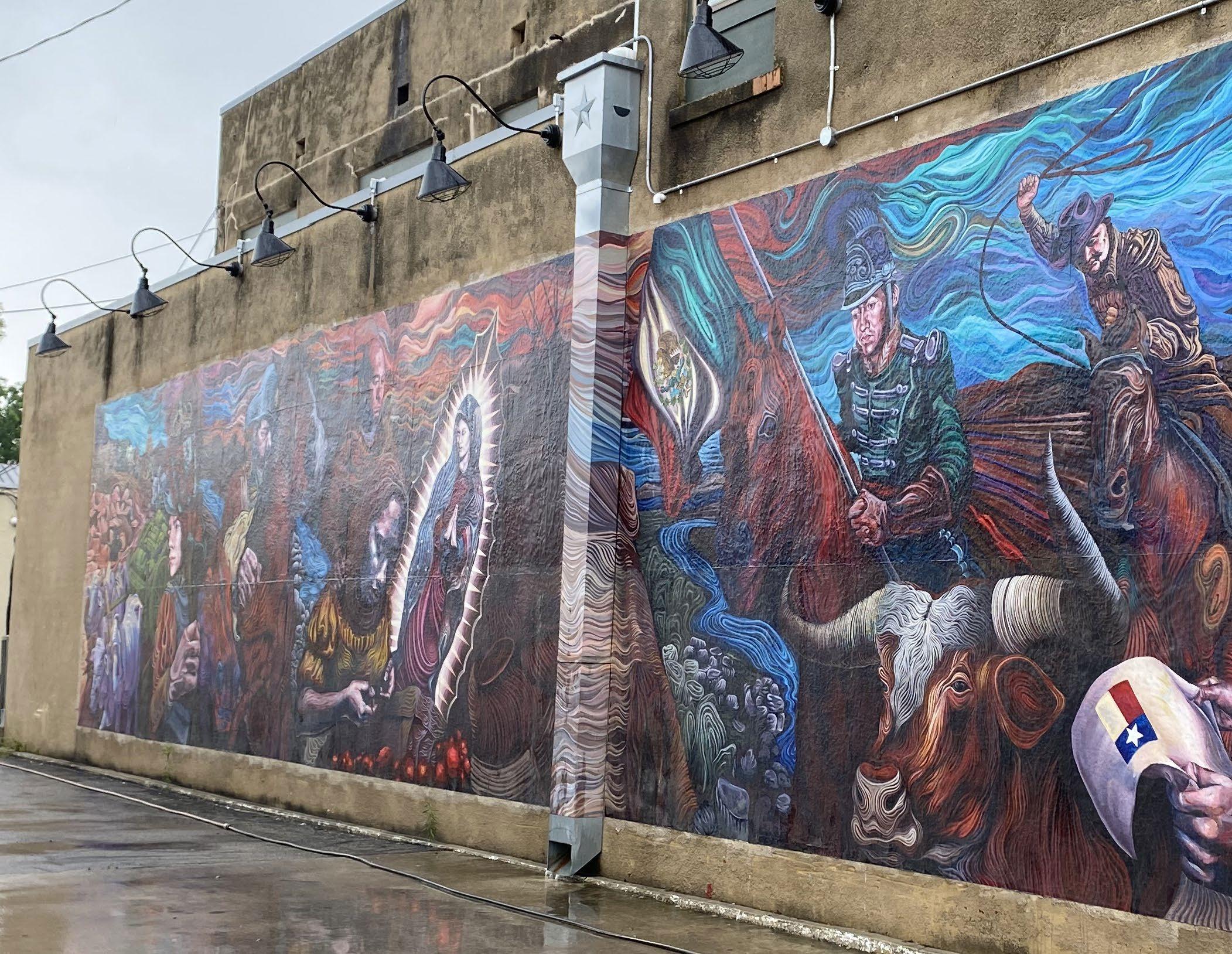
POLICY GUIDE 2.1
PUBLIC ART POLICY GUIDANCE
Owner: Cultural Arts & Placemaking Coordinator and Cultural Arts Commission
Authority: City Council
PURPOSE
Provide a consistent, transparent framework for commissioning, siting, maintaining, and stewarding public art throughout the City� The public art policy is actually a collection of policies spanning Maintenance, Collection Management, Donation, and Mural Guidelines� The aforementioned policies and guidelines will do the following:
• Establish a definition for public art;
• Develop a process for public art to be commissioned; and
• Establish the Cultural Arts Commission to work with staff in selecting artists for commissioned works�
Each policy directs a specific aspect of the Program and ensures the City is following consistent procurement practices; maintaining its commissions through longterm planning and maintenance; governing the Program with strong public trust; and providing clear direction for artists, private developers, and donors to follow when participating in the Program�
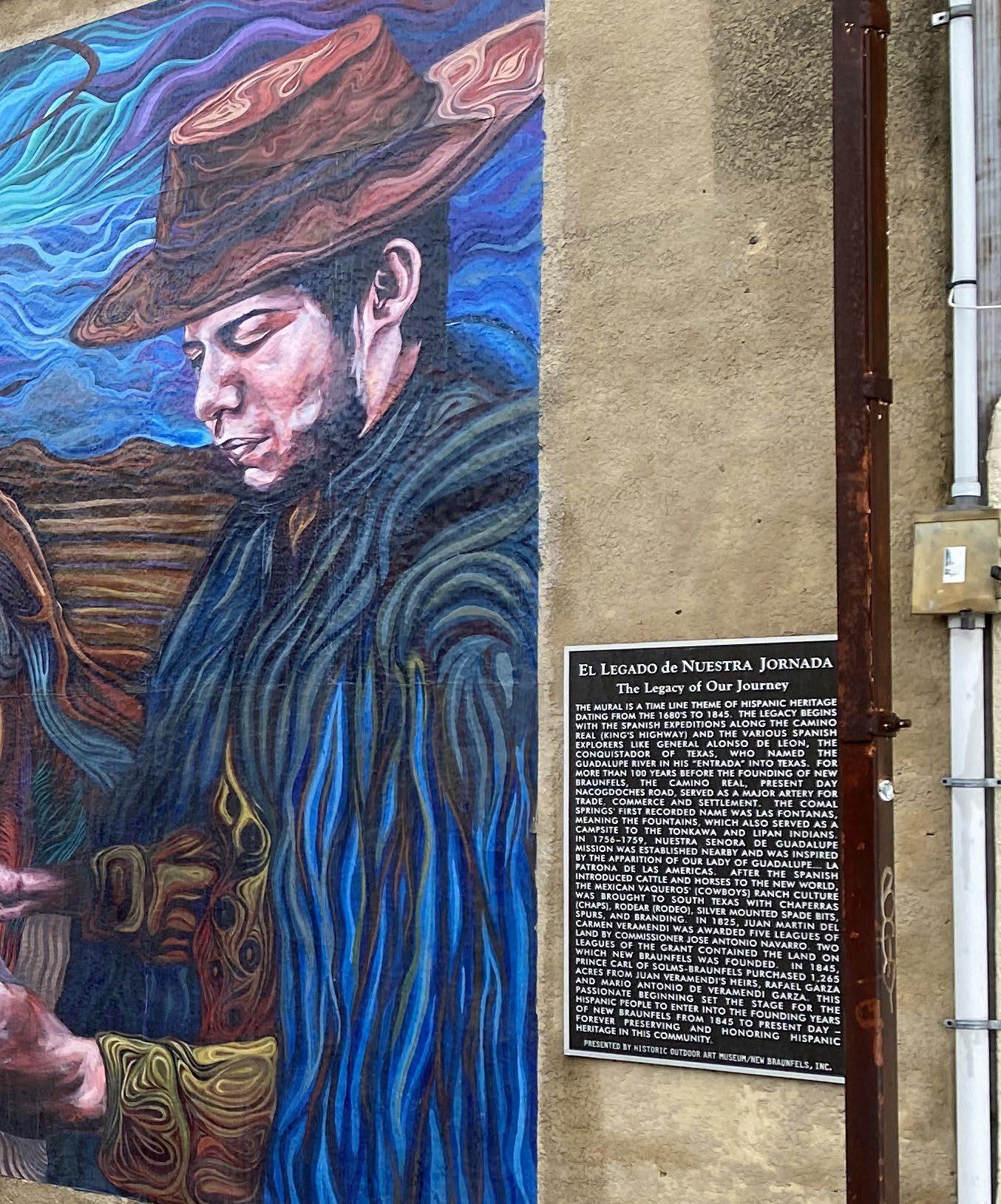
ACTION STEPS
1. Draft a comprehensive Public Art Policy defining public art, establishing selection and procurement procedures, identifying maintenance policies, and clearly outlining donation procedures.
2. Establish clear roles and responsibilities for City staff, advisory bodies, artists, donors, and development partners.
3. Integrate public art review into capital project planning and development processes under the purview of the Cultural Arts Commission in collaboration with Capital Programs Division.
4. Adopt the policy via ordinance or resolution and implement it across all City departments involved in capital investment and placemaking.
MODELS & CASE STUDIES
Burleson, Texas - Burleson Public Art Policy
Supports Recommendations 2.1, 2.6, 2.7, 4.2A
PROCESS GUIDE 2.2
PUBLIC SPACE ACTIVATION TOOLKIT
Owner: Cultural Arts & Placemaking Coordinator or assigned City Staff
Authority: Economic and Community Development Director
PURPOSE
Reduce barriers to cultural activation in public spaces while maintaining safety, accessibility, and operational clarity�
• Performances, exhibitions, and programming
• Interpretation and heritage services
• Cultural planning, facilitation, and education
• Program delivery on behalf of the City
ACTION STEPS
1. Identify and document public spaces eligible for cultural activation, including parks, plazas, streets, libraries, and civic buildings. This inventory should cite available spaces, square footage, hours of operation and seasonality considerations, managing entity, and other relevant details.
2. Develop a concise, user-facing toolkit outlining approval pathways, timelines, insurance requirements, ADA considerations, and operational standards.
3. Coordinate internal review processes across departments to streamline approvals and reduce duplicative review.
4. Publish the toolkit online and update it annually to reflect evolving practices.
MODELS & CASE STUDIES
San Jose California - Entertainment Zone Activation Toolkit
The Place Institute - Activation Toolkit Support
Supports Recommendations 2.3B, 2.4C, 2.6
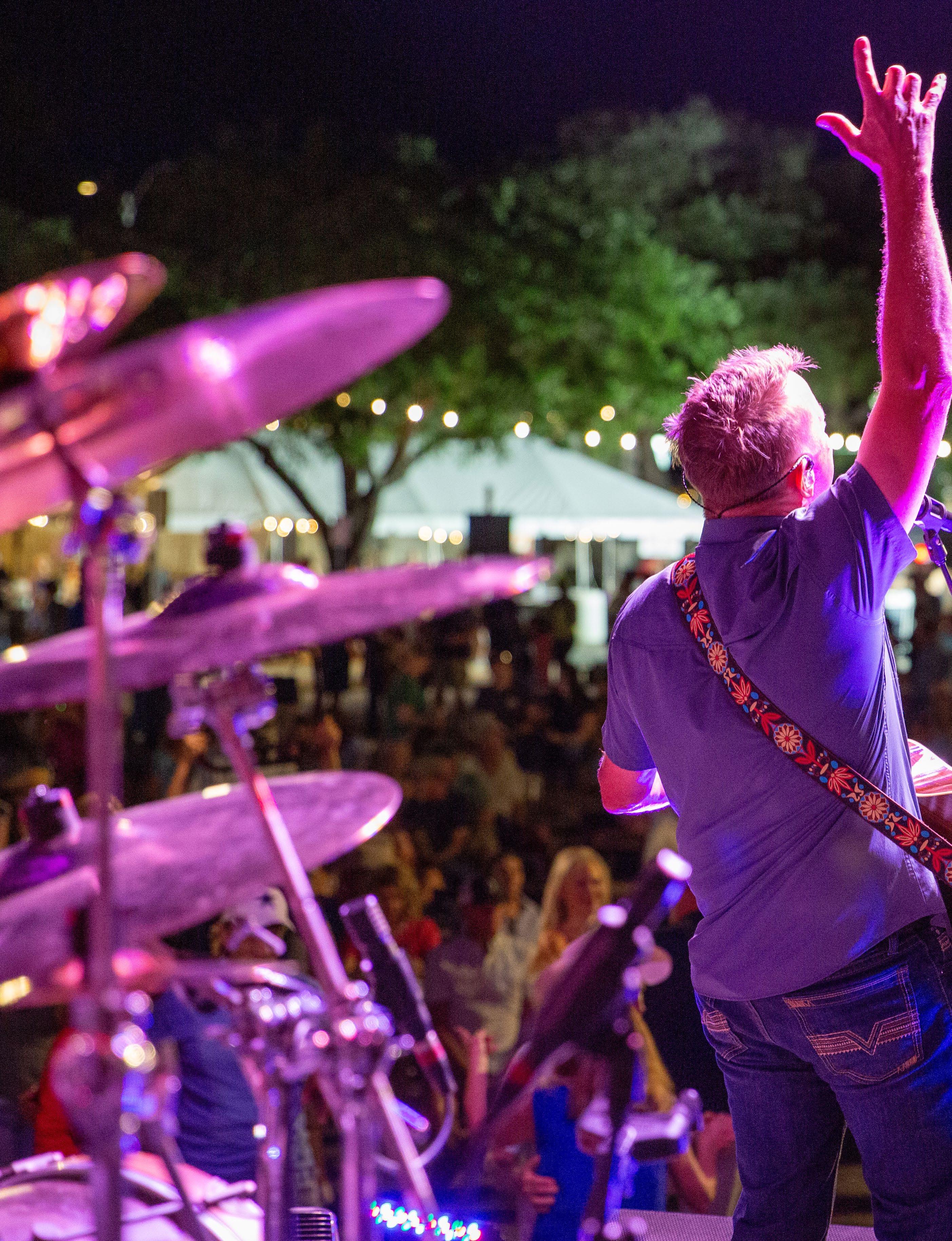
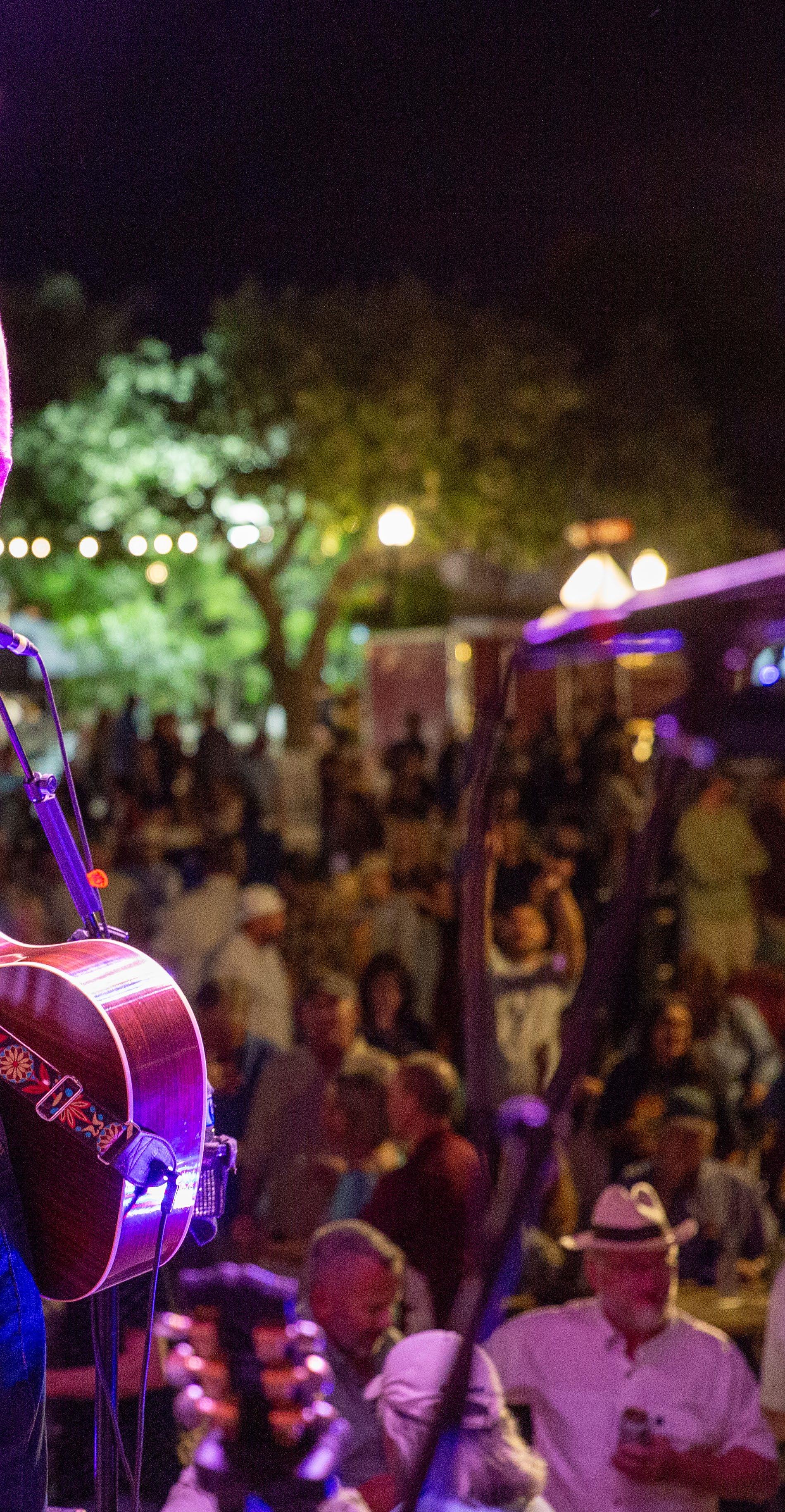
PROCESS GUIDE 2.3
CULTURAL SPACES INVENTORY & BOOKING PLATFORM
Owner: Cultural Arts & Placemaking Coordinator or assigned City Staff
Authority: Administrative
PURPOSE
Expand access to affordable cultural space and improve utilization of City-owned assets�
ACTION STEPS
1. Create and maintain a centralized inventory of City-owned and Cityapproved spaces suitable for cultural use.
2. Integrate cultural spaces into an existing City booking or reservation platform where feasible.
3. Establish clear eligibility, fee structures, and priority access guidelines for nonprofit and community-based programming.
4. Pilot expanded access to underutilized spaces through short-term use agreements.
MODELS & CASE STUDIES
Chicago, Illinois - Cultural Community Rental Pathway
Supports Recommendations 2.3A, 2.3D
PRIORITY AREA 3:
VISIBILITY & TOURISM
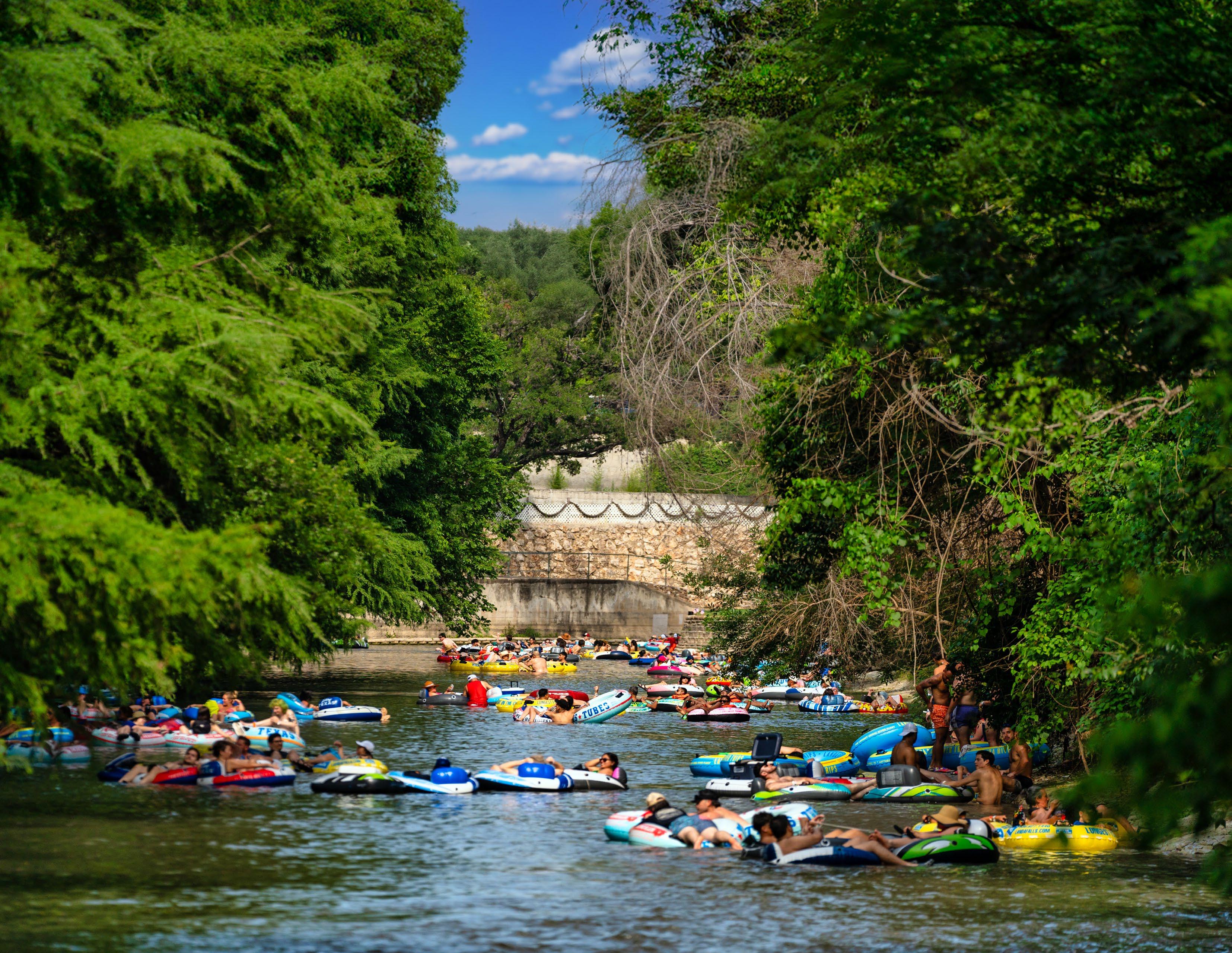
By elevating New Braunfels’ historic, cultural, and creative assets as visible, connected, and compelling visitor experiences, the city can translate cultural investment into sustained tourism impact and local economic benefit. This priority area focuses on how arts, heritage, architecture, the culinary art, music, and storytelling can be leveraged to expand the visitor experience and enhance New Braunfels identity.
The recommendations in this section emphasize coordination and alignment rather than creating entirely new systems. They focus on strengthening interpretation and heritage storytelling, improving signage and wayfinding, and intentionally tying local cultural assets into regional and statewide tourism platforms that already attract visitors to Texas. By aligning with established programs—such as state heritage trails, music and film initiatives, cultural districts, and culinary tourism efforts.
Together, these strategies position culture not as a supporting amenity, but as a core tourism driver. They recognize that visibility, data, partnerships, and clear narratives are essential to growing heritage tourism responsibly—supporting preservation, encouraging longer stays, diversifying audiences, and ensuring that cultural assets remain both economically productive and well stewarded over time.
3.1 HISTORIC ARCHITECTURE TOURISM STRATEGY
Historic buildings and neighborhoods represent a defining cultural asset and an underleveraged tourism opportunity. A coordinated strategy can elevate these resources as destinations while supporting long-term stewardship. Historic Architectural assets can strengthen tourism in New Braunfels by expanding interpretation, preservation capacity, and public awareness while proactively addressing preservation challenges and development pressures.
3.1A CONSIDER AN EXPANDED HISTORIC ARCHITECTURE TOURISM STRATEGY
The Texas Historical Commission’s Historical Marker Program managed by the Texas Historical Commission was created to celebrate topics of Texas history. These include, but are not limited to, the history and architecture of buildings, military sites, events that impacted local and state history, and significant people in local and state history. Some interpretative elements may fall outside of the Texas Historical Commission’s Marker Program, and should be explored and implemented on a case-by-case basis to strengthen storytelling opportunities.
• Gruene and Downtown’s existing program with digital walking tours may serve as a model for other historic districts
• Continued participation in the Texas Historical Commission’s Historical Marker Program, nominating eligible properties and sites as they meet requirements
• Development of historic architecture tours, including guided and self-guided experiences
• Add interpretation of distinct architectural narratives, such as Early European Modernism in New Braunfels, vernacular building traditions, and settlement-era structures
PARTNERS
New Braunfels Convention & Visitors Bureau, The Cultural Arts Commission, Economic and Community Development, Comal County Historical Commission, Historic Landmark Commission Local Heritage Organizations
PRIORITY
3.1B LEVERAGE ADVOCACY AND PRESERVATION ORGANIZATIONS TO GROW VISIBILITY AND PROTECT HERITAGE TOURISM
Alignment among heritage and preservation organizations will be key to furthering New Braunfels' preservation goals and ensuring cultural assets are protected for future generations. While the City may choose to take supportive steps, such as the prior recommendation in 2.4 to develop a Historic Preservation Plan and update the Historic Preservation Ordinance to better protect at-risk properties from demolition, the strength of the sector depends on organizations working together. Better coordination, shared resources, and diversified revenue will reduce reliance on any single funding source and ease pressure on property owners to demolish rather than rehabilitate. Key takeaways for heritage organizations during this process include:
• Organizations should seek to establish or strengthen preservation advocacy and operations functions, including expanding fundraising capacity and ensuring they are meeting eligibility requirements for grants
• Organizations may consider more coordination to reduce duplication and align advocacy efforts, ensuring they are presenting a unified voice on preservation priorities, this may include convening to determine high-level priorities for groups
• Organizations may seek to share resources and expertise, ensuring organizational infrastructure and technical knowledge are accessible across the sector
• Organizations may coordinate to explore preservation tools collectively, such as easements, revolving loan funds, and rehabilitation incentive programs, ensuring peer models and national best practices in preservation such as the Historic Charleston Foundation are informing local approaches
• Organizations should seek to pursue a myriad of funding sources that may be both periodic and self-sustaining revenue streams, ensuring they are actively developing income through donations, tours, ticketed experiences, and preservation-focused events
• Organizations should be encouraged to actively participate in the historic preservation plan should it be developed, and use the opportunity to understand national trends, identify roles and responsibilities, and set priorities
PARTNERS
The Cultural Arts Commission, Economic and Community Development, Neighborhood and Community Planning, Comal County Historical Commission, Historic Landmark Commission, Local Heritage Organizations
PRIORITY
TIMING
Mid-Term
3.2 TIE IN WITH LOCAL, REGIONAL & STATE-WIDE TOURISM PROMOTIONAL OPPORTUNITIES
3.2A CONSIDER EMPHASIZING ARTS, CULTURE, AND HERITAGE THROUGHOUT SIGNAGE & WAYFINDING
Develop a coordinated strategy to reinforce new and existing signage and wayfinding to improve the visibility of cultural, historic, and arts assets for visitors and residents. Clear, consistent wayfinding can help translate cultural investment into tourism impact by guiding visitors to districts, venues, heritage sites, and events while reinforcing New Braunfels’ identity and sense of place.
This strategy should:
• Support and streamline visitor navigation between cultural destinations, historic sites, downtown, and event locations
• Reinforce branding for heritage areas, cultural corridors, and districts
• Integrate arts, heritage, and tourism messaging into existing wayfinding system
• Align with state and regional tourism signage standards, where applicable
3.2B CONTINUE TO ACTIVELY PURSUE AND INCLUDE ART REPRESENTATION ON THE TOURISM ADVISORY COMMITTEE
Ensure arts and cultural perspectives are represented within tourism planning and decision-making by including arts-sector representation on the New Braunfels Convention & Visitors Bureau's (CVB) Tourism Advisory Committee. Continuing to include arts representation should serve to:
• Strengthen alignment between tourism promotion and cultural programming
• Ensure arts and heritage investments are considered within tourism strategies
• Support compliance with HOT eligibility by reinforcing the tourism value of cultural initiatives
PARTNERS
The Downtown Association, Public Works, Parks and Recreation, Economic and Community Development
PRIORITY
TIMING
Mid-Term
PARTNERS
PRIORITY
The Convention and Visitors Bureau, The Arts Council
TIMING Immediate
3.2C BETTER COLLABORATE TO LEVERAGE THE GROWING CULTURAL TOURISM ECONOMY
Identify a central point of communication between the arts, culture and heritage sector and the New Braunfels Convention & Visitor's Bureau and Chamber of Commerce to target major pillars of opportunity, ensuring arts and culture are intentionally promoted as part of destination branding and visitor experiences. This central point of contact, which may be the Arts Council, should work with arts and heritage organization stakeholders and the Cultural Arts Commission to identify annual priorities for promotion and storytelling across the sector and reporting these findings to the CVB. Opportunities include:
• Encouraging artists and arts organization to attend the existing CVB stakeholder events to continue to shape and inform the ongoing marketing and promotion efforts led by the CVB
• Targeting towards specific tourism driving cultural experiences and events and expanding the storytelling of arts and culture into tourism marketing
• Partnering with hotels and lodging providers to offer event ticket packages or cultural add-ons and or preferred rates through partnerships
• Evaluating the range and variety of programming promoted to broaden and expand the audience reach, looking to national example like the Bend Cultural Tourism Fund to draw inspiration
PARTNERS
PRIORITY
TIMING Immediate
New Braunfels Convention & Visitors Bureau, The Cultural Arts Commission, Economic and Community Development, The Arts Council
3.2D TRACK, ANALYZE, AND REPORT ARTS & CULTURE METRICS
Establish consistent data collection and reporting practices to better understand audiences, guide marketing efforts, and communicate the full impact of arts and culture investments. Clear reporting supports accountability, informs decision-making, and strengthens alignment with HOT eligibility requirements, this report out could be led by the assigned city staff member to the Cultural Arts Commission in partnership with the Arts Council. Opportunities include:
• Leverage the existing Placer.ai data to provide event tracking such as spend, overnight, and visitors to report out
• Collecting and analyzing attendance, participation, and engagement data, much of which can be sourced through cultural organizations, existing data sources, and providing the raw data to Arts & Heritage Grant recipients to include in the annual report out
• Using data insights to reach new audiences and better serve community needs
• Strengthening storytelling around the economic, social, and cultural impact of arts and cultural programming
3.2E STRENGTHEN THE RELATIONSHIP WITH THE TEXAS HERITAGE TRAILS PROGRAM
New Braunfels is located within the Hill Country Trail Region, which promotes the area’s landscape, history, and cultural traditions through coordinated programming and marketing. The city is already recognized within the region for its Germanic roots and nature-based experiences. By strengthening New Braunfels’ participation in the program, the community can increase visibility of the city’s cultural and historic assets and drive heritage-based visitation. New Braunfels can:
• Expand promotion of local historic and cultural sites within regional and statewide tourism efforts
• Utilize resources available through the program to strengthen heritage tourism
• Align heritage storytelling with established travel itineraries and marketing channels
• Increase visitation to cultural and historic destinations
• Support local economic activity through heritage-driven tourism
PARTNERS
PRIORITY
New Braunfels Convention & Visitors Bureau, The Cultural Arts Commission, Economic and Community Development, The Arts Council
TIMING Immediate
PARTNERS
PRIORITY
New Braunfels Convention & Visitors Bureau, The Cultural Arts Commission, The Arts Council, Local Heritage Organizations
TIMING Mid-Term
3.2F STRENGTHEN PARTICIPATION IN THE TEXAS FILM-FRIENDLY CITIES PROGRAM
Actively participate in the Texas Film-Friendly Cities Program to attract film, television, and digital media production to New Braunfels. Currently, the CVB coordinates with this program. Opportunities to strengthen this partnership could include:
• Maintaining Film-Friendly certification
• Supporting local filming locations, emerging studios, and film makers through streamlined processes and clear guidance
• Developing a catalog of potential filming locations and available support services
• Streamlining filming permits and interdepartmental coordination
• Promoting New Braunfels as a film-ready community through state and regional channels
3.2G ADVANCE CULTURE PROMOTION THROUGH THE TEXAS CULTURAL DISTRICTS PROGRAM
Evaluate and pursue opportunities within the Texas Cultural Districts Program to support coordinated cultural identity, placemaking, and tourism.
Implementation actions may include:
• Assessing potential district boundaries and eligibility requirements
• Engaging cultural organizations, businesses, and property owners in early conversations
• Identifying a lead entity to coordinate the application and ongoing stewardship
• Aligning district goals with downtown planning, public-realm investments, and tourism strategies
PARTNERS
PRIORITY
New Braunfels Convention & Visitors Bureau, The Cultural Arts Commission, The Arts Council, Local Heritage Organizations
TIMING Near-Term
PARTNERS
New Braunfels Convention & Visitors Bureau, The Cultural Arts Commission, Economic and Community Development, The Arts Council, The Downtown Association
PRIORITY
Mid-Term
3.2H LEVERAGE THE MUSIC-FRIENDLY TEXAS PROGRAM
Build upon New Braunfels’ designation as a Music Friendly Texas Certified Community by positioning music as a core economic development, tourism, and placemaking assets. Currently, the CVB coordinates with this program. Opportunities to strengthen this partnership could include:
• Integrating live music more intentionally into public-realm programming, festivals, and downtown events
• Supporting local venues and musicians through streamlined city processes and clear guidance
• Promoting New Braunfels’ music assets through tourism and economic development marketing
3.2I ELEVATE THE CULINARY ARTS THROUGH LOCAL AND STATEWIDE INITIATIVES
Align local efforts with statewide promotion of Texas food culture and culinary tourism to elevate culinary arts as a cultural and economic asset in New Braunfels. At the state level, culinary tourism is promoted broadly as part of Texas’ cultural identity and visitor economy, emphasizing regional food traditions, local businesses, and food-based experiences as entry points for understanding place. Implementation actions may include:
• Coordinating with state tourism and economic development partners to highlight New Braunfels’ culinary assets—including restaurants, food traditions, and local food entrepreneurs—in broader Texas tourism storytelling
• Supporting food-based cultural programming such as demonstrations, tastings, popups, festivals
• Encouraging collaboration between culinary creators and cultural events to reinforce food as part of the city’s arts and culture ecosystem
• Integrating culinary experiences into existing cultural experiences, downtown programming, and signature events to strengthen visibility and visitor engagement
• Partnering with regional organizations and institutions, such as the CIA in San Antonio, to attract culinary talent and create new dining experiences for locals and visitors of the community
PARTNERS
PRIORITY
New Braunfels Convention & Visitors Bureau, The Cultural Arts Commission, Economic and Community Development, The Arts Council, The Downtown Association
TIMING Near-Term
PARTNERS
PRIORITY
New Braunfels Convention & Visitors Bureau, The Cultural Arts Commission, Economic and Community Development, The Arts Council, The Downtown Association
TIMING Near-Term
*In 2024, the Michelin Guide announced its expansion into Texas, covering cities including Austin, Houston, Dallas, and San Antonio, through a partnership with Travel Texas (the state tourism office). The intent is to elevate Texas’ culinary scene internationally and position food as a serious cultural and tourism asset statewide.
PROCESS GUIDE 3.1
CULTURAL & HERITAGE TOURISM COORDINATION
Owner: Economic & Community
Development staff with the Arts Council and designated CVB staff
Adoption Authority: Administrative
PURPOSE
Position arts, culture, and heritage as core drivers of the visitor economy.
ACTION STEPS
1. Convene quarterly coordination meetings between City departments, the Arts Council, the Cultural Arts Commission and key cultural partners to align programming calendars and themes.
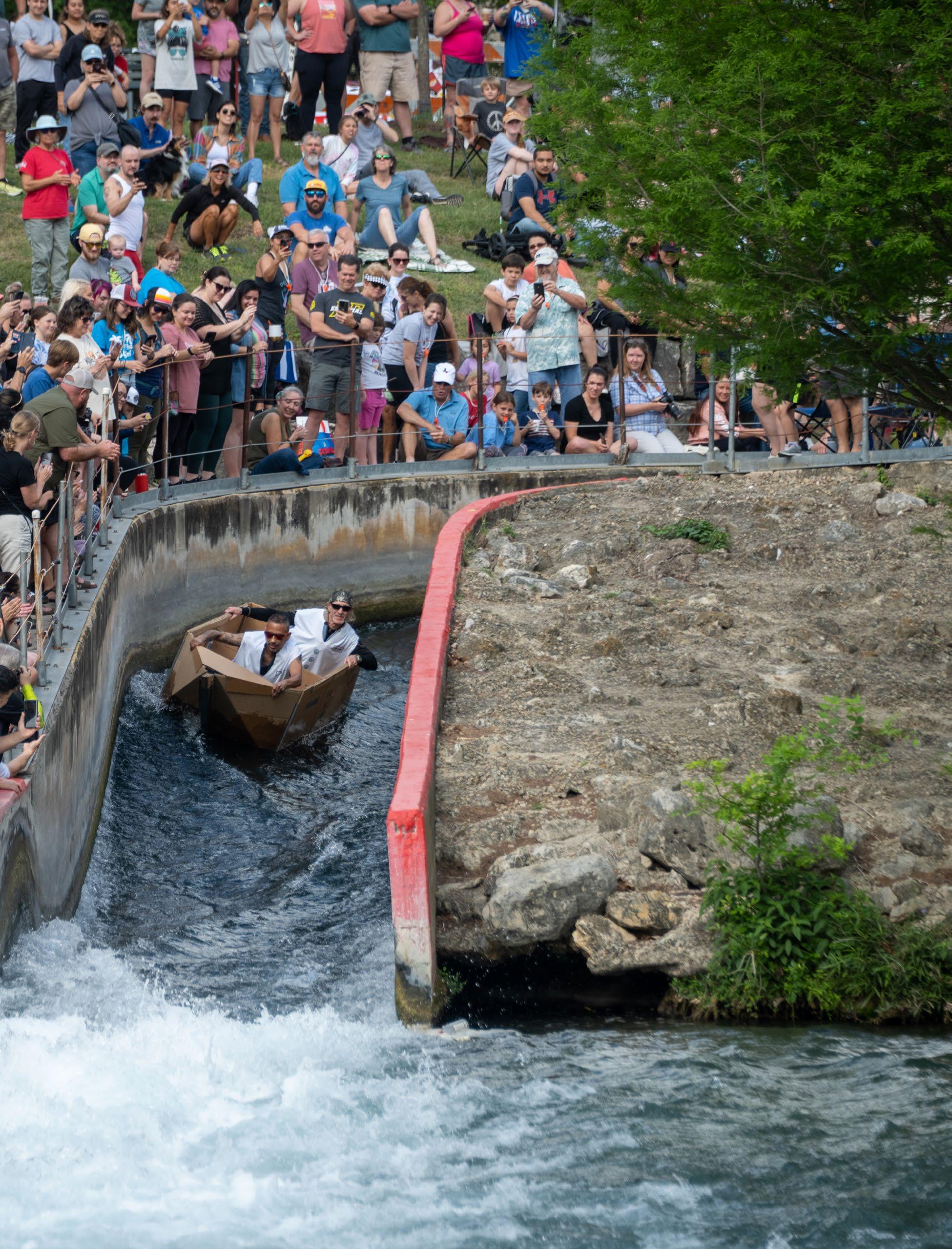
campaigns that bundle multiple cultural events to strengthen audience development and tourism impact.
5. Align cultural promotion with CVB marketing efforts, ensuring eligible programs are positioned as tourismdriving experiences.
MODELS & CASE STUDIES
Santa Fe, New Mexico - Visit Santa Fe Bend, Oregon - Cultural Tourism Fund
Supports Recommendations 3.1, 3.2
2. Develop shared branding and promotional standards (logos, crediting language, asset formats) for Citysupported cultural programming.
3. Appoint one point of contact between the cultural community and the CVB to relay events and programs that directly overlap with the CVB’s mission of marketing tourism driving efforts.
4. Coordinate seasonal or thematic
PROCESS GUIDE 3.2
ARTS, CULTURE & HERITAGE METRICS FRAMEWORK
Owner: City-appointed Cultural Arts with CVB and Arts Council
Adoption Authority: Administrative
PURPOSE
Demonstrate public value, inform investment decisions, and support HOT eligibility by establishing a standardized, defensible system for measuring the economic, tourism, and community impact of City-supported arts, culture, and heritage investments through:
• Supporting eligibility and compliance with Hotel Occupancy Tax (HOT/MOT) requirements
• Informing future funding, policy, and programming decisions
• Enabling year-over-year (YOY) performance tracking and continuous improvement
This framework applies to all City-supported cultural activity, including but not limited to:
• HOT/MOT-funded projects or events and program promoted utilizing HOT/MOT dollars including grants
• Public service contracts
• Programming occurring in City-owned or City-managed cultural assets
• Cultural and heritage activities within public spaces and districts
ACTION STEPS
1. Establish standardized metrics for City-supported cultural programming, including attendance, visitor impact, and partnerships. Examples: Attendance & Participation
• Total attendance (estimated and ticketed, where applicable)
• Number of event days and duration
• Percentage of repeat vs. first-time attendees (if available) Visitor & Tourism Impact
• Estimated percentage of attendees from outside the region
• Estimated overnight vs. day-trip visitation
• Hotel-night relevance (including proximity to lodging and timing)
2. Identify tools, frequency of reporting, and a central point of contact for managing data requests. Such as Placer.ai or event impact calculators (e.g., CVB-approved tools) for
• Visitor origin analysis
• Dwell time
• Cross-visitation with lodging, dining, and attractions
• Estimated visitor spending
• Hotel-night generation
• Local economic impact
3. Publish an annual cultural impact summary for City leadership and the public.
Supports Recommendations 3.2D, 4.1, 4.2, 4.3
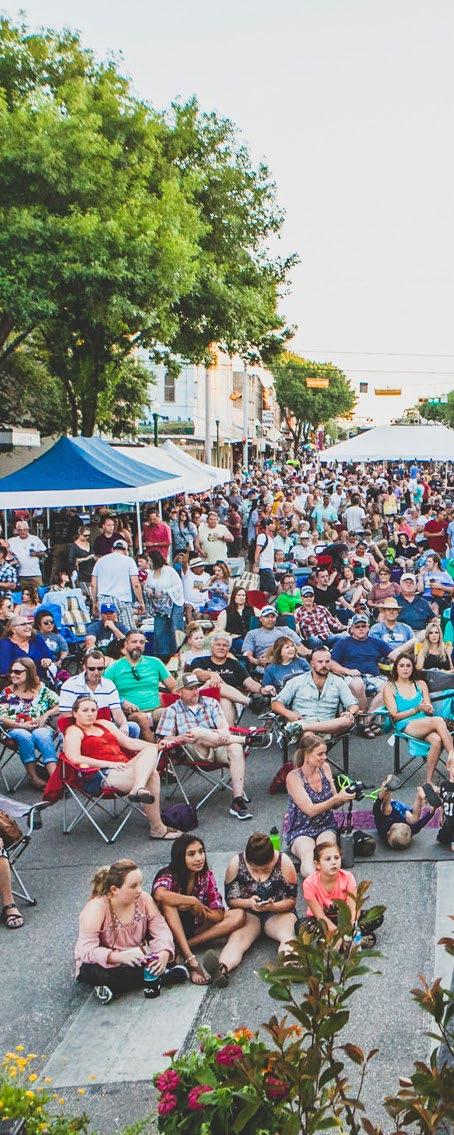
PRIORITY AREA 4:
OPERATIONS & CAPACITY BUILDING
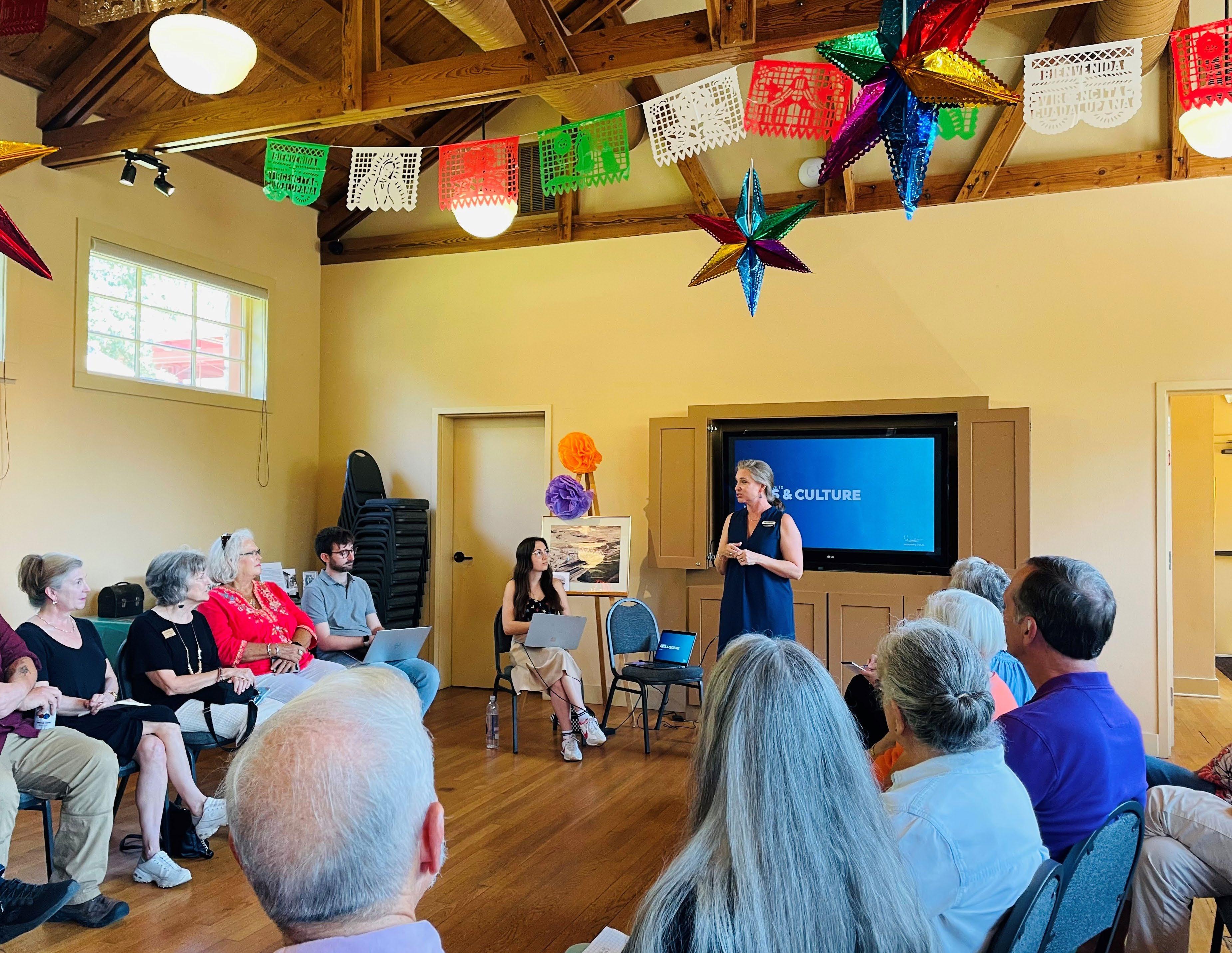
By strengthening the organizational capacity, staffing, funding structures, and support systems needed to sustain New Braunfels’ arts, culture, and creative economy incrementally, the city, business leaders, and cultural organizations can ensure sustainability and true economic impact. This section focuses on the behind-the-scenes infrastructure required to support both audiences and creators, recognizing that cultural vitality depends on strong public and private leadership, clear processes, and predictable resources.
The recommendations in this section emphasize the City’s role in enabling leadership, coordination, and investment—not by producing cultural work directly, but by ensuring that the organizations, individuals, and systems responsible for arts and culture are equipped to succeed.
This includes building capacity within the Arts Council, aligning public funding tools with measurable outcomes, supporting creative industries as legitimate economic drivers, and reducing regulatory barriers that limit creative production.
4.1 THE FUTURE OF THE ARTS COUNCIL
This addresses the role of the Greater New Braunfels Arts Council. While this process cannot direct the Arts Council to take any one specific action, it can provide recommendations for capacity building within the Arts Council to best take advantage of emerging public support for arts and culture.
Traditionally, arts councils may act in these capacities to serve their communities:
• Acting as a central advocate for promotion and access to the arts
• Raising funds for the arts and offering grants to local artists and arts organizations
• Offering cultural research, data, and reporting on local and national trends in the arts
• Caring for a community’s public art collection
• Producing and/or presenting programs not otherwise available and meeting gaps in the existing regional offerings, such as program incubation
• Supporting the creative economy/economic development through resource connection
• Managing art facilities or venues, especially on behalf of public partners
• Supporting artists and arts organizations through technical assistance, marketing support, and organizational development services that enable groups to establish independent 501(c)(3) nonprofits and strengthen access to funding and resources
This plan’s recommendations prioritize foundational steps and actions to empower the arts council to fulfill the above in the future.
4.1A HIRE A COMMUNITY OUTREACH SPECIALIST/DEPUTY DIRECTOR
Support the hiring of a Community Outreach Specialist or Deputy Director to expand the Arts Council’s operational, outreach, and administrative capacity. Key responsibilities may include:
• Developing and executing public service contract–eligible programming
• Directly collaborate with the CVB to promote arts and culture
• Marketing and membership support
• Data and analytics collection for impact reporting
• Grant writing and fundraising support
• Community development and partner coordination
4.1B AUTHOR A STRATEGIC PLAN
Develop a strategic plan to guide the Arts Council’s future role, governance, membership structure, and service offerings. This should be a strategic 5-year guiding document with clear metrics, actions, and key progress indicators. Key components should include:
• A defined mission, vision, and role in the community
• A tiered membership structure, including low-barrier entry for emerging organizations with clear value propositions for members at different stages of growth
• Board recruitment strategies focused on engaged, mission-driven leadership
• Donor-base growth strategies and fundraising targets
• Strategies to expand local partnerships and increase local coordination
• Specific actions to align with this plan’s goals, formalizing the role of the Arts Council as a critical partner in the Arts & Culture Plan
4.1C CONSIDER A BRAND REFRESH IN LINE WITH THE ORGANIZATION’S FUTURE ROLE
Evaluate a brand refresh aligned with the Arts Council’s evolving role as an advocacy and coordination entity within a public-private partnership framework. This should consider:
• Positioning the brand as an umbrella for the totality of the arts and cultural community, with less emphasis on an independent identity
• Partnership and co-branding opportunities, particularly with the New Braunfels Convention & Visitor's Bureau
• Engaging with the arts and culture, tourism, and small-business communities to weigh in on the identity and core elements of the brand PARTNERS
The Arts Council, Local Cultural Organizations
Near-Term PARTNERS
The Arts Council, Local Cultural Organizations
Near-Term
4.1D HIRE A FULL-TIME EXECUTIVE DIRECTOR
Support the hiring of a full-time Executive Director to provide leadership, advocacy, and organizational stability. Responsibilities may include:
• Internal leadership to direct staff, artist and creative partners,
• Fundraising and donor solicitation
• Sector leadership and external advocacy to cultural organizations
• Commissioning and presenting research and studies on local, regional, and national trends in the arts, including economic and social impacts
• Board development and leadership engagement
• Relationship building with City leadership and partners
4.2 EXPAND OPERATION OF THE CITY’S CULTURAL ARTS PROGRAM
While staffing support could be achieved through a combination of city staff roles and responsibilities, supplemented by contracts with non-profits, and support from outside arts consultants or local partners for paid-project management and planning services, the following is an example of a city position that could be created to meet the growing needs of the cultural community:
4.2A ADOPT A PUBLIC ART POLICY FOR THE CITY OF NEW BRAUNFELS
To ensure a coordinated, transparent, and sustainable approach to public art, the City of New Braunfels should adopt a comprehensive Public Art Policy to guide the planning, commissioning, acceptance, and long-term care of public art throughout the community. The policy will provide a clear framework for managing public art assets while supporting artistic excellence, community identity, and responsible stewardship of public resources. The Public Art Policy will include:
Public Art Program Purpose & Definitions
Defines the scope, intent, and applicability of the Public Art Program, including eligible artwork types, locations, and funding mechanisms.
Commissioning & Selection Procedures
Outlines the artist solicitation process, evaluation criteria, approval authority, and public engagement expectations.
Donation & Gift Acceptance Guidelines
Establishes requirements for donated artworks, including alignment with City goals, longterm maintenance considerations, and funding responsibilities.
PARTNERS
The Cultural Arts Commission, City Council, Economic and Community Development
4.2A ADOPT A PUBLIC ART POLICY FOR THE CITY OF NEW BRAUNFELS
Maintenance & Collection Management Standards
Defines inspection, conservation, documentation, and deaccession procedures to protect the integrity and value of the City’s public art collection. The policy will support the public art program by:
• Establishing a clear definition of public art for the City of New Braunfels
• Defining roles and responsibilities for City staff, advisory bodies, artists, donors, and development partners
• Formalizing procedures for commissioning, approving, and siting public art
• Establishing standards for maintenance, conservation, and lifecycle planning
• Ensuring consistency, accountability, and public trust in public art decision-making
In addition to the public art policy the city may wish to establish a public art fund, this could be through a 1%-2% dedication of CIP funding through public capital improvements (though the artwork would need to be placed on the project site), and also through general fund allocations, or Hotel/Motel Tax funds. A healthy public art fund for a community of this size may fall between $150,000-$250,000 per year.
4.2B STAFFING OPPORTUNITY 1: CULTURAL ARTS PROGRAM MANAGER
The Cultural Arts Program manager would coordinate with the Economic and Community Development with a focus on managing and expanding the community’s arts access and facilitating connections with local programming partners to expand cultural programming. This position involves advising and coordinating on art projects, supporting cultural elements of community events, collaborating with partners to create cultural programming, and providing public cultural opportunities to community members. Responsibilities may include:
• Manage and expand the community’s public art and cultural assets, including oversight of temporary and permanent art projects
• Advise on and coordinate arts-related projects across departments, capital projects, parks, public spaces, and community events
• Collaborate with local artists, arts organizations, cultural institutions, and community partners to develop and deliver cultural programming
• Support and integrate cultural elements into City- or County-led events, festivals, and public initiatives
• Support data collection, evaluation, and reporting on program outcomes and community impact
• Assist with grant coordination, funding alignment, and partnership development related to arts initiatives
4.2C STAFFING OPPORTUNITY 2: CULTURAL ARTS & PLACEMAKING COORDINATOR
Serve as the City’s internal coordinator for arts, culture, and creative placemaking, supporting implementation of adopted plans and policies while working collaboratively across departments and with community partners.
• Act as the primary staff liaison to the Cultural Arts Commission, including agenda preparation, meeting support, onboarding, and implementation of Commission recommendations
• Coordinate public art and mural projects, including calls for artists, selection processes, contracts, installations, and ongoing documentation and maintenance coordination
• Administer arts and cultural grant programs, including applicant support, budget tracking, contract processing, and evaluation support in coordination with the Cultural Arts Commission
• Support community engagement and artist capacity-building through workshops, informational sessions, and coordinated outreach
• Maintain and organize records related to public art, artists, cultural assets, and creative spaces to support planning, reporting, and decision-making
• Collaborate with Planning, Economic Development, Library, and Parks staff to integrate arts and creative placemaking into broader City initiatives and identify opportunities for temporary and permanent cultural activation
• Coordinate with grant recipients, the Arts Council, and the New Braunfels Convention & Visitor's Bureau to gather data on annual impact of arts and heritage programming, particularly in compliance with the annual grant report out.
• Ensure best practices in public art policy, accessibility, equity, and long-term stewardship are applied across City-supported arts initiatives
PARTNERS
PRIORITY
Economic and Community and Community Development, The Arts Council
TIMING Immediate-Term
4.2D CREATE A CULTURAL ARTS COMMISSION THAT WILL ABSORB THE RESPONSIBILITIES OF THE PRIOR COMMISSIONS
Currently, arts and heritage functions are managed through separate bodies, which can result in fragmented advisory structures, duplicated efforts, and missed opportunities to advance shared goals. A new Cultural Arts Commission, recognizing that heritage is a part of culture, would create a unified voice for the full cultural sector in New Braunfels. A consolidated commission with clearly defined membership, roles, and responsibilities gives the city a more capable and representative structure to meet that demand by connecting professional expertise with community voices and aligning grant-making, programming, and policy recommendations under a single, cohesive body.
The Commission make-up could be:
• One city council member;
• One Arts Council board member;
• Two arts professionals or arts organization representative members;
• Two history or heritage professionals, Historic Landmark Commission members, or heritage organization representative members;
• Three at-large members.
Roles and Responsibilities:
1. Advise the city council as to the allocation of public funds (including the Arts and Heritage grant funds) for the support and encouragement of existing and new programs in the arts, history, heritage, and for the acquisition by purchase, gift, or otherwise, of works of public art;
2. Subject to city council approval, initiate, sponsor, or direct special programs which will enhance arts, culture, and heritage of the city;
3. Establish close liaison with other commissions and civic organizations in order to foster public interest in the arts, culture, or heritage;
4. Advise the city council concerning the interpretation and implementation of the city’s established policies and practices, including the art and cultural master plan, as they relate to the art and Cultural Arts Commission’s objectives;
5. At the beginning of each year, prepare for city council review an assessment of the art and Cultural Arts Commission’s goals, plans and objectives from the prior fiscal year and recommend for council approval the art and Cultural Arts Commission’s goals, plans, and objectives for the next fiscal year.
6. Perform such other functions and duties as may be directed by the city council
PARTNERS
PRIORITY
City Council, Economic and Community Development
TIMING Immediate
4.2E ENCOURAGE THE CONSOLIDATION OF ARTS AND HERITAGE GROUPS WITH SHARED MISSIONS AND GOALS
Evaluate opportunities to reduce redundancy among heritage and arts organizations with overlapping missions through strategic alignment, shared services, or organizational consolidation.
• Engage third-party facilitation or mediation to support objective assessment, dialogue, and decision-making among organizations
• Identify duplicate or substantially overlapping functions, programs, and administrative structures that may be candidates for consolidation
• Encourage voluntary consolidation or formal partnerships where appropriate to improve organizational sustainability and reduce competition for limited funding, volunteers, and staff capacity
• Explore shared governance, fiscal sponsorship, or merged operations while respecting community identity and historical significance
• Improve the overall efficiency and impact of the local arts and heritage ecosystem by reducing fragmentation and resource scarcity
PARTNERS The Arts Council, Local Cultural Organizations
PRIORITY
4.3 LEVERAGE AVAILABLE FUNDING AVENUES TO EXPAND CULTURAL IMPACT
This section examines both existing public funding mechanisms—such as the Hotel/Motel Occupancy Tax (HOT)—and the introduction of new, complementary funding streams, including a Percent for Art program and cooperative arts development with private entities. Together, these tools provide an opportunity to strengthen investment in arts and culture while advancing broader community objectives related to tourism, economic development, placemaking, and quality of life. By aligning funding sources with clearly defined cultural outcomes and accountability measures, the City of New Braunfels can maximize return on investment, reduce reliance on one-time funding decisions, and build a more sustainable, coordinated approach to supporting arts and cultural initiatives.
4.3A LEVERAGE HOT/MOT FUNDING TO EXPAND TOURISM AND INCREASE RECIPROCITY
1. Directly enhance and promote tourism and the convention/hotel industry, and
2. Clearly align with one or more of the nine statutorily authorized categories, including:
» Funding the establishment, improvement, or maintenance of a convention center or visitor information center
» Paying the administrative costs associated with facilitating convention registration
» Advertising, solicitations, and promotions that attract tourists and convention delegates to the city or its vicinity
» Expenditures that promote the arts
» Funding historical restoration or preservation programs
» Funding certain expenses directly related to sporting events in counties with populations under one million
» Funding the enhancement or upgrading of existing sports facilities or fields for eligible municipalities
» Funding transportation systems that primarily serve tourists
» Funding signage directing tourists to frequently visited attractions and cultural destinations
Key Considerations:
• Require site visits/applicant interviews from The Cultural Arts Commission before application scoring
• Expand the application criteria to include details on the marketing or promotional approach to the project or program
• Establish clear guidelines for a YOY report on outcomes from the HOT/MOT Funding (for returning organizations)
• Ensure that unspent grant funds are reallocated back into the grant fund for the following year
• The Arts Council currently appoints 3 members to The Arts Commission, if this continues to be the case, the city should consider directly allocating funding to the organization under a Community Service Grant, with specific services provided to the city to support the Arts and Culture program, and request that they refrain from entering the grant pool
• Require Year-Over-Year (YOY) Impact Reporting for returning applicants, utilizing this report in subsequent years’ scoring. Report should focus on:
» Attendance (total and estimated out-of-town visitors)
» Marketing reach (earned media, paid promotion, partnerships)
» Hotel-night relevance (seasonality, overnight draw, audience behavior)
» Qualitative outcomes (visibility, partnerships, growth)
4.3B CONSIDER THE INCLUSION OF PUBLIC ART IN CAPITAL IMPROVEMENTS
The inclusion of public art in capital improvements could be approached in two ways.
The first is an integrated design policy, which would make the inclusion of public art a required area of exploration and consideration as city projects develop. This approach could also create an opportunity for city departments to work with a creative practitioner on an ongoing basis — to identify opportunities for artistic intervention and to inform the design process through an artistic lens.
The second is a more formalized Percent for Art policy, which would allocate a percentage of eligible Capital Improvement Program (CIP) project budgets toward public art. A Percent for Art program would provide a predictable, sustainable funding source for integrating public art into infrastructure and capital projects across the city. Key considerations include::
• Identifying which CIP project types would be eligible (e.g., streets, parks, utilities, public facilities)
• Establishing an appropriate percentage allocation (commonly 1%–3% nationally)
• Defining eligible uses of funds, including permanent public art, Artist-designed infrastructure elements
• Clarifying administration, oversight, and artist selection processes
• Ensuring coordination between Capital Projects, Parks, Planning, and Arts staff
Potential benefits include:
• Consistent integration of art into public infrastructure
• Reduced reliance on one-time or discretionary funding sources
• Expanded opportunities for local and regional artists
• Improved placemaking, identity, and community pride
PARTNERS
PRIORITY
The Cultural Arts Commission, Economic and Community Development,Community and Neighborhood Planning, Parks and Recreation, City Council
TIMING Immediate-Term
4.3C UTILIZE PUBLIC SERVICE CONTRACTS TO SUPPORT ARTS & CULTURE PROGRAMMING
The City of New Braunfels should consider the strategic use of public service contracts to support arts and culture programs delivered by qualified nonprofit or private organizations. Public service contracts could provide the City with a flexible tool to expand program capacity, leverage external expertise, and ensure public funds are used efficiently to deliver measurable cultural benefits.
Unlike grant programs, public service contracts establish a clear exchange of public funds for defined services that advance City priorities, improve program delivery, and increase accountability. Under this approach, the City would contract with external organizations to provide specific services—such as cultural programming, event coordination, public art administration, artist support, marketing, or community engagement—that directly support the City’s arts and cultural objectives. Key considerations include:
• Clearly defining deliverables, timelines, and performance metrics
• Aligning contracted services with adopted arts and cultural priorities
• Avoiding duplication with existing grant programs or City staff functions
• Requiring regular reporting on outputs, outcomes, and public benefit
• Using public service contracts in place of, or in coordination with, competitive grant funding where appropriate
Cultural Arts Commission Economic and Community Development, The Arts Council, Local Cultural Organizations
4.4 SOLICIT PRIVATE INVESTMENT IN THE ARTS
Encourage private-sector investment in arts and culture to complement public funding, expand capacity, and support long-term sustainability of cultural programming, facilities, and creative enterprises in New Braunfels.
4.4A EXPLORE WAYS TO INCENTIVIZE THE INCLUSION OF CULTURAL AMENITIES IN PRIVATE DEVELOPMENT
Encourage local developers to incorporate affordable, creatively oriented commercial spaces into new and redeveloped projects, supporting artists and cultural entrepreneurs who often struggle to secure viable storefronts in high-demand areas. Incentives, design partnerships, and affordability strategies can help ensure that locally rooted creative businesses remain present in core districts, strengthening the cultural ecosystem and preventing displacement from rising commercial rents. This inclusion should be above and beyond the investment required in the Park Land Dedication Ordinance to qualify for additional incentives. Example of incentives may include:
• Density Bonus
• Parking Reductions
• Flexible Use Designations
• Access to Public Funding Opportunities
Cultural Amenities that qualify may include:
• Subsidized retail units, flexible studios, culinary kitchens, and makers spaces for creative enterprises
• Enhancements to the public realm that foster cultural development, such as the inclusion of an amphitheater or Public Art, in a publicly accessible space
• Theaters, performance, and rehearsal spaces
*The city may choose to take this one step further and formalize this program through an ordinance that identifies a dedicated percentage for inclusion based on the development valuation.
PARTNERS
City Council, The Cultural Arts Commission, Economic and Community Development. Neighborhood and Community Planning, Transportation and Construction Services
4.4B LEVERAGING DONOR-ADVISED FUNDING SOURCES
Encourage greater use of donor-advised funds (DAF) and philanthropic giving to support arts and culture initiatives. Targeted funds may be identified in collaboration with the Community Foundation, leaning on their expertise to guide the development or expansion of DAF opportunities. Implementation actions could include:
• Educating donors and advisors on local arts and cultural investment opportunities
• Partnering with community foundations, financial institutions, and philanthropic networks
• Aligning private giving with clearly defined cultural priorities and outcomes
• Supporting pooled or collaborative funding models for greater impact
4.4C EXPLORE PUBLIC-PRIVATE PARTNERSHIPS
Pursue public–private partnerships (P3s) to support capital projects, programming, and long-term operations for arts and cultural facilities. Opportunities include:
• Shared funding and ownership models for cultural facilities
• Joint programming and activation of public spaces
• Long-term operational partnerships with nonprofit or private entities
• Reimagining capital campaigns as a model for collaborative civic investments
4.5 DEVELOP PATHWAYS FOR THE CREATIVE INDUSTRIES TO GROW
Support creative industries as a legitimate and growing economic sector through targeted business support, data, and policy alignment.
4.5A INTEGRATE CREATIVE BUSINESSES INTO CORE BUSINESS SUPPORT SERVICES
Creative entrepreneurs should be intentionally encouraged to utilize the publicly-funded Spark services. By providing artists and creative businesses access to the same tools as other industries, Spark can help stabilize and professionalize the creative sector while leveling the playing field for growth, including:
• One-on-one business advising
• Convening creative peer groups
• Financial projections and business planning
• Comparative marketing research
• Trainings offered in partnership with the Chamber of Commerce
• Referrals to additional technical and professional services
By providing artists and creative businesses access to the same tools as other industries, Spark can help stabilize and professionalize the creative sector while leveling the playing field for growth
PARTNERS
Economic and Community Development, Local Cultural Organizations
PRIORITY
TIMING
Long-Term
4.5B HOST A CREATIVE INDUSTRIES SUMMIT
Partner with the Spark Small Business Development Center, the Arts Council, and local creative organizations to host a biennial Creative Industries Summit that connects creatives, nonprofits, businesses, and city leadership. The Summit could be hosted at a venue such as the Brauntex Theatre and serve as a platform for professional development, networking, and cross-sector collaboration. Potential agenda topics may include:
• The New Braunfels Tourism Landscape — Chamber of Commerce
• Creative Business 101 — Spark Small Business Development Center
• Nonprofits for Impact — Guest Speaker
• Community Storytelling & Identity — Guest Speaker
• Emerging Creative Endeavors — Local Creatives Panel
• City Resources & Support Pathways — Economic and Community Development
4.5C CONDUCT A CREATIVE INDUSTRIES STUDY
Commission a Creative Industries Study to quantify the scale, composition, and economic impact of New Braunfels’ creative sector and to establish a data-driven foundation for future policy and funding decisions. The study should move beyond a high-level inventory and provide actionable findings that directly inform City investment, program design, and partnership strategies. Findings should be used to prioritize funding strategies, guide public–private partnerships, and support long-term planning efforts related to economic development, workforce growth, and cultural sustainability. At a minimum, the study should:
• Define the creative industries sector using a clear, replicable methodology
• Measure employment, revenue generation, and economic contribution
• Identify geographic concentrations, infrastructure needs, and workforce gaps
• Evaluate barriers to growth, including space affordability, capital access, and regulatory constraints
• Establish baseline metrics to support year-over-year performance tracking and evaluation
PARTNERS
Chamber of Commerce, Spark Small Business Development Center, Economic and Community Development
PRIORITY
TIMING
PARTNERS
Economic and Community Development, Chamber of Commerce
PRIORITY
TIMING
4.5D INCUBATE EMERGING CULTURAL TALENT & ORGANIZATIONS
Support the incubation of emerging artists, creative entrepreneurs, and cultural organizations through targeted technical assistance, pilot programs, and access to shared resources. This may include:
• Providing or subsidizing the temporary use of space,
• Connecting talent with mentorship opportunities,
• Initiating a small-scale pilot program through a mini-grant, and/or
• Partnering with the Arts Council to identify organizations
4.5E SOLICIT INPUT FROM CREATIVES ON REFINING EXISTING CITY PROCESSES
Engage artists, creative entrepreneurs, and cultural organizations in an ongoing review of City regulatory processes and published guidelines to reduce barriers and better support creative production, public art, and emerging cultural practices. Priority areas for review may include:
• Temporary artwork approval processes, including short-term installations, pop-up exhibitions, and event-based art
• Permanent artwork processes particularly for public-facing or privately initiated works integrated into the public realm
• Consider utilizing a pre-qualification process for artists and programming partners for city projects under the procurement threshold, allowing a standing selection committee to direct select creators and partners to execute adaptable arts programming
• Event and festival permits to ease the process of executing the event
• Vendor/kiosk approval process review for food trucks, artisans, and creators,
• Health and safety regulations as they apply to emerging culinary practices—such as fermentation, pop-ups, and experimental food production—where existing standards may not fully reflect evolving industry norms
PARTNERS
Local Cultural Organizations, Local Heritage Organizations, Economic and Community Development
PARTNERS
Local Cultural Organizations, Local Heritage Organizations, Economic and Community Development PRIORITY
PRIORITY AREA 4: POLICY & PROCESS GUIDANCE
POLICY GUIDE 4.1
CULTURAL ARTS COMMISSION ORDINANCE UPDATE
Owner: City-appointed Cultural Arts staff with City Attorney
Adoption Authority: City Council
PURPOSE
Align advisory bodies with expanded arts, culture, and heritage responsibilities� The Cultural Arts and Placemaking Coordinator shall serve as primary staff liaison, responsible for agenda preparation, data reporting, and implementation support� Recommended expansion of duties include:
• Advise City Council on allocation of public funds for arts, culture, and heritage, including HOT/MOT-eligible programs, grants, and public service contracts
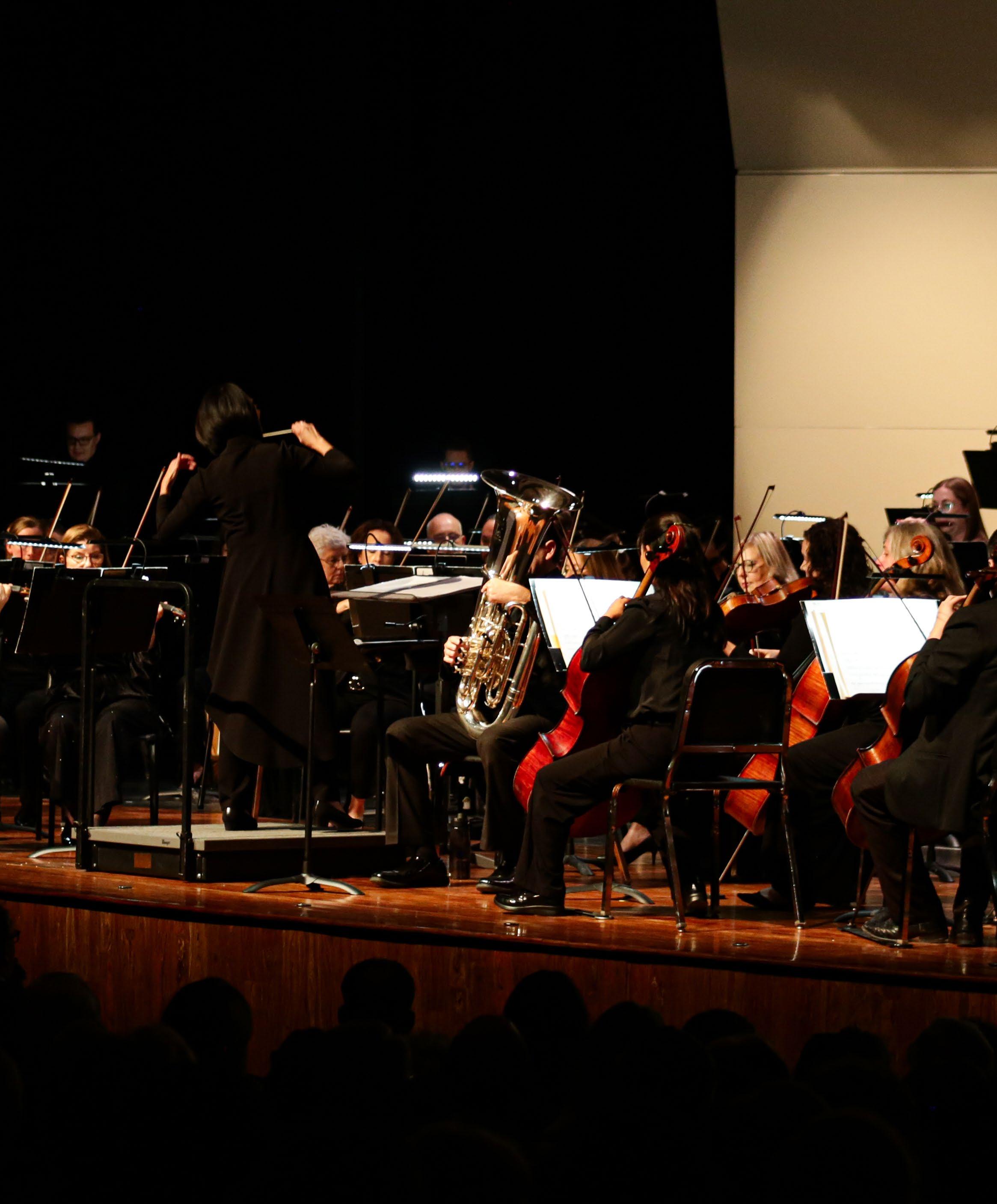
• Review and provide recommendations on policies, ordinances, and plans related to arts, culture, heritage, public art, and placemaking
• Support implementation and annual review of the Arts, Culture & Heritage goals and work plans including progress tracking and priority-setting
• Provide oversight and guidance related to city-owned cultural assets, historic resources, and City-supported cultural spaces
• The Commission may recommend use of public service contracts, Trust investments, or other tools to advance annually adopted priorities or to future the implementation of the Arts and Culture Master Plan
ACTION STEPS
1. Draft ordinance updates establishing a new Cultural Arts Commission.
2. Define authority related to funding recommendations, policy implementation, and plan oversight.
3. Adopt the ordinance and initiate recruitment, onboarding, and training including but not limited:
• The Arts and Culture Master Plan
• Serve as a coordinating body between arts, heritage, tourism, planning, and economic development efforts
• HOT/MOT grant fund Guidelines for Arts and Heritage and process for application review, scoring, and allocations
• The Public Art Policy and other relevant city procedures as it relates to the commission's goals
Supports Recommendations 1.1, 1.3A–B, 2.1, 2.5, 2.6, 3.1, 3.2, 4.1, 4.2, 4.3
IMMEDIATE-TERM: 0-3 YEARS
1.1 Expand programming partnerships to curate community experiences
1.2B Develop historically grounded heritage interpretation
1.3A Enhance signature events like Saengerfest and Wassailfest with arts-based programming
1.3B Sustain & expand Art Haus
2.7F Relocate or repurpose the Walnut 6 sign to promote upcoming events
3.2B Continue to actively pursue and include art representation on the tourism advisory committee
3.2C Better collaborate to leverage the growing cultural tourism economy
3.2D Track, analyze, and report arts & culture metrics
4.2A Adopt a Public Art Policy for the City of New Braunfels
4.2C Staffing opportunity 2: Cultural Arts & Placemaking Coordinator
4.2D Create a Cultural Arts Commission that will absorb the responsibilities of the prior commissions
4.3A Leverage HOT/MOT funding to expand tourism and increase reciprocity
4.3B Consider the inclusion of public art in capital improvements
4.3C Utilize public service contracts to support arts & culture programming
PARTNERS
The Cultural Arts Commission, Economic and Community Development, Parks and Recreation, The Arts Council, Local Cultural Organizations
The Cultural Arts Commission, Historic Landmark Commission, Local Heritage Organizations
Economic and Community Development, Communications and Community Engagement, The Arts Council, Local Arts Organizations
The Cultural Arts Commission, The Arts Council, The Downtown Association
The Cultural Arts Commission, Economic and Community Development, Parks and Recreation
The Convention and Visitors Bureau, The Arts Council
New Braunfels Convention & Visitors Bureau, The Cultural Arts Commission, Economic and Community Development, The Arts Council
New Braunfels Convention & Visitors Bureau, The Cultural Arts Commission, Economic and Community Development, The Arts Council
The Cultural Arts Commission, City Council, Economic and Community Development
Economic and Community Development, The Arts Council
City Council, Economic and Community Development
The Cultural Arts Commission
The Cultural Arts Commission Economic and Community Development, The Arts Council, Local Cultural Organizations
The Cultural Arts Commission Economic and Community Development, The Arts Council, Local Cultural Organizations
NEAR-TERM: 3-5 YEARS
1.2A Host an artist-in-residency/cultural exchange
2.2A Conduct a market & feasibility study for a cultural center and performance hall
2.2C Utilize the fairgrounds as a space for cultural engagement
2.3B Develop a strategy for activating public spaces (toolkit), for streets, parks, and public areas
2.3C Activate underutilized downtown locations for cultural programming
2.3D Create, maintain, and publicly share a curated list of city-owned and city-approved properties suitable for film, television, and digital media production
2.4 Create a historic preservation plan
2.5B Integrate public-realm cultural experiences in the proposed cultural district
2.5C Align planning and development efforts with the cultural district designation
2.7A Establish a city mural program
2.7C Integrate public art in trails and park spaces
2.7D Incorporate temporary public art in vacant and under construction spaces
3.2F Strengthen participation in the Texas film-friendly cities program
3.2H Leverage the Music-Friendly Texas Program
3.2I Elevate the culinary arts through local and statewide initiatives
4.1A The Arts Council: Hire a Community Outreach Specialist/Deputy Director
4.1B Author a strategic plan
4.1C Consider a brand refresh in line with the organization’s future role
4.3B Consider the inclusion of public art in capital improvements
PARTNERS
The Cultural Arts Commission, Economic and Community Development, Parks and Recreation, The Arts Council, Local Cultural Organizations
The Cultural Arts Commission, Economic and Community Development, Local Arts Organizations
The Cultural Arts Commission, Economic and Community Development, Capital Programs, Parks and Recreation
Economic and Community Development, Communications and Community Engagement, Parks and Recreation, Local Cultural Organizations
Economic and Community Development, The Arts Council, Local Cultural Organizations
Economic and Community Development, Communications and Community Engagement, Parks and Recreation, The Chamber of Commerce
The Cultural Commission, The Historic Landmark Commission, Neighborhood and Community Planning, Local Heritage Organizations
Economic and Community Development, Neighborhood and Community Planning, Parks and Recreation Department, The Chamber of Commerce, The Downtown Association
Economic and Community Development, Neighborhood and Community Planning, Parks and Recreation Department, The Chamber of Commerce, The Downtown Association
The Cultural Arts Commission, Economic and Community Development, Local Cultural Organizations
Parks and Recreation Department, The Cultural Arts Commission, Economic and Community Development, Local Cultural Organizations
The Cultural Arts Commission, Economic and Community Development, Private Property Owners, Local Cultural Organizations
New Braunfels Convention & Visitors Bureau, The Cultural Arts Commission, The Arts Council, Local Heritage Organizations
New Braunfels Convention & Visitors Bureau, The Cultural Arts Commission, Economic and Community Development, The Arts Council, The Downtown Association
New Braunfels Convention & Visitors Bureau, The Cultural Arts Commission, Economic and Community Development, The Arts Council, The Downtown Association
The Arts Council
The Arts Council, Local Cultural Organizations
The Arts Council, Local Cultural Organizations
The Cultural Arts Commission, Economic and Community Development,Community and Neighborhood Planning, Parks and Recreation, City Council
MID-TERM: 5-7 YEARS
1.2A Host an artist-in-residency/cultural exchange
1.2B Develop historically grounded heritage interpretation
1.2C Support and expand upon historic homes tours
1.2D Expand heritage experiences surrounding historic cemeteries
2.1 A new first impression to downtown
2.2B Consider investing in and expanding city-owned cultural spaces to modernize assets for a variety of users
2.5A Leverage a cultural district designation for visibility and branding
2.7B Create gateway public art at key community entry points
2.7E Establish a market plaza sculpture garden or signature public art piece
3.1A Consider an expanded historic architecture tourism strategy
3.1B Leverage advocacy and preservation organizations to grow visibility and protect heritage tourism
3.2A Consider emphasizing arts, culture, and heritage throughout signage & wayfinding
3.2E Strengthen the relationship with the Texas Heritage Trails Program
3.2G Advance culture promotion through the Texas Cultural Districts Program
4.2B Staffing opportunity 1: Cultural Arts Program Manager
4.2E Encourage the consolidation of arts and heritage groups with shared missions and goals
4.4A Explore ways to incentivize the inclusion of cultural amenities in private development
LONG-TERM: 7-10 YEARS
4.1D Hire a full-time Executive Director
4.4C Explore public-private partnerships
PARTNERS PRIORITY
The Cultural Arts Commission, Economic and Community Development, Parks and Recreation, The Arts Council, Local Cultural Organizations
The Cultural Arts Commission, Historic Landmark Commission, Local Heritage Organizations
The Cultural Arts Commission, Historic Landmark Commission, Local Heritage Organizations
The Cultural Arts Commission, Historic Landmark Commission, Local Heritage Organizations
The Cultural Arts Commission, Economic and Community Development, The Downtown Association, TxDOT
The Cultural Arts Commission, Economic and Community Development, Capital Programs, Parks and Recreation
The Convention and Visitors Bureau, Economic and Community Development, The Arts Council, Local Cultural Organizations
The Cultural Arts Commission, Economic and Community Development, Local Cultural Organizations
The Cultural Arts Commission, Economic and Community Development, Parks and Recreation
New Braunfels Convention & Visitors Bureau, The Cultural Arts Commission, Economic and Community Development, Local Heritage Organizations
The Cultural Arts Commission, Economic and Community Development, Local Heritage Organizations
The Downtown Association, Public Works, Parks and Recreation, Economic and Community Development
New Braunfels Convention & Visitors Bureau, The Cultural Arts Commission, The Arts Council, Local Heritage Organizations
New Braunfels Convention & Visitors Bureau, The Cultural Arts Commission, Economic and Community Development, The Arts Council, The Downtown Association
Economic and Community Development, The Arts Council
The Arts Council, Local Cultural Organizations
City Council, The Cultural Arts Commission, Economic and Community Development. Neighborhood and Community Planning
The Arts Council
The Arts Council, Economic and Community Development