
Oxygen Absorbers for Fresh and Safe Meat Packaging
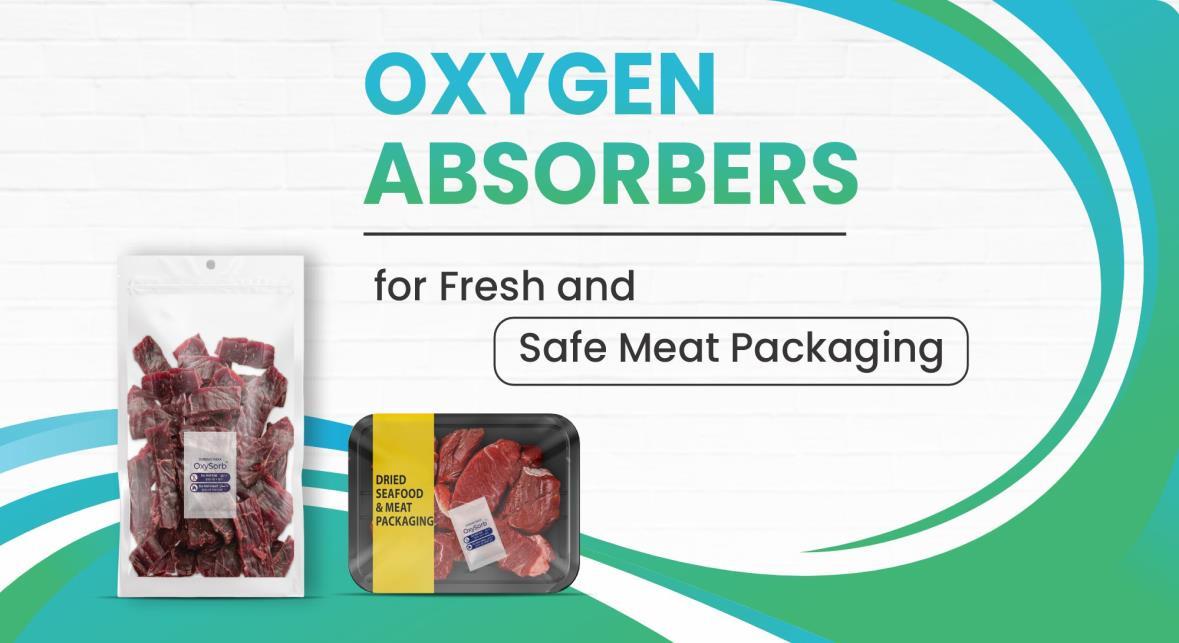
Have you ever opened a package of meat only to find it discolored, smelly, or spoiled? It's not just disappointing it's a waste of money and food. But what if there was a way to keep your meat fresher for longer, right in its packaging?
Enter oxygen absorbers, the unsung heroes of food preservation. These small sachets might not look like much, but they're revolutionizing the way we package and store meat. By removing oxygen from the packaging environment, they dramatically slow down the growth of bacteria and oxidation, keeping your meat fresh, safe, and appetizing for extended periods. ��
In this blog post, we'll dive into the world of oxygen absorbers and their game-changing impact on meat packaging. From understanding how they work to exploring their environmental benefits, we'll cover everything you need to know about this innovative technology. So, let's unwrap the secrets of oxygen absorbers and discover how they're transforming the meat industry, one package at a time.
Understanding Oxygen Absorbers
What are oxygen absorbers?
Oxygen absorbers, also known as oxygen scavengers, are small packets or sachets containing active materials that remove oxygen from sealed packaging environments. These innovative
bags play a crucial role in maintaining the quality and extending the shelf life of various products, particularly in the food industry.

How do oxygen absorbers work?
Oxygen absorbers function through a chemical reaction that effectively removes oxygen from the surrounding atmosphere. The primary active ingredient in most oxygen absorbers is iron powder. When exposed to oxygen, the iron undergoes oxidation, forming iron oxide and effectively "absorbing" the oxygen from the enclosed space. Component
Benefits for meat packaging
Oxygen absorbers offer numerous advantages for meat packaging, making them an indispensable bag in the food industry:
1. Extended shelf life: By removing oxygen, absorbers significantly slow down oxidation processes, preserving meat quality for longer periods.
2. Improved food safety: Oxygen-free environments inhibit the growth of aerobic bacteria and mold, reducing the risk of foodborne illnesses.
3. Maintained color and appearance: Oxygen absorbers help prevent discoloration, keeping meat looking fresh and appealing to consumers.
4. Enhanced flavor retention: By minimizing oxidation, these packets help preserve the natural flavors of the meat.
5. Reduced need for chemical preservatives: Oxygen absorbers provide a natural alternative to artificial preservatives, aligning with consumer preferences for cleaner labels.
Now that we understand the basics of oxygen absorbers and their benefits, let's explore how they specifically enhance meat freshness in various packaging scenarios.
Enhancing Meat Freshness
Preventing oxidation and spoilage
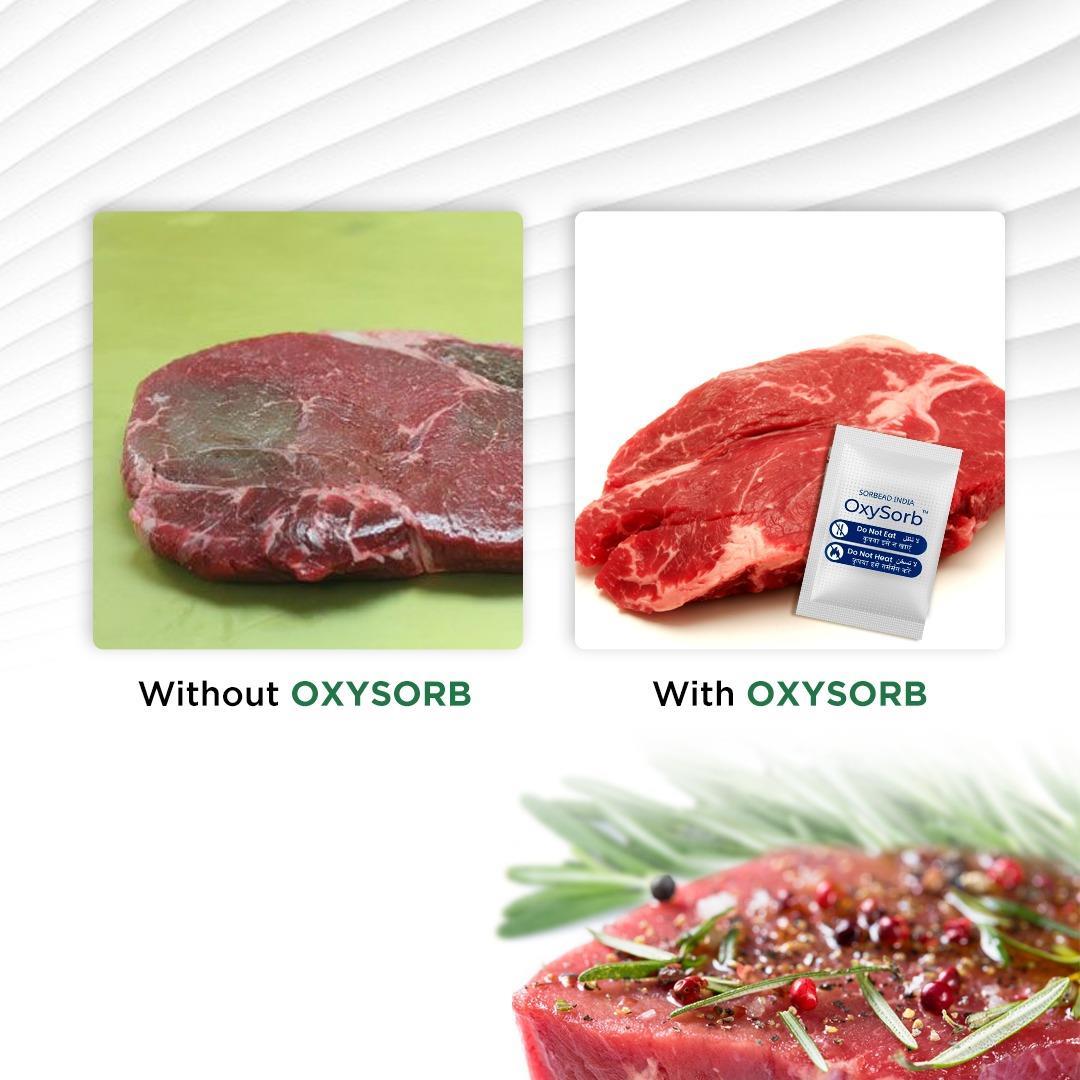
Oxygen absorbers play a crucial role in preventing oxidation and spoilage in meat packaging. By removing oxygen from the package, these innovative devices significantly slow down the growth of aerobic bacteria and fungi, which are primary causes of meat spoilage. This process effectively extends the shelf life of meat products while maintaining their quality.
Benefits of oxygen-free packaging:
• Inhibits bacterial growth
• Prevents rancidity in fats
• Reduces color changes
• Preserves nutritional value
Extending shelf life
One of the most significant advantages of using oxygen absorbers in meat packaging is the substantial increase in shelf life. By creating an oxygen-free environment, these absorbers can extend the freshness of meat products by up to 3-5 times compared to traditional packaging methods.
Packaging Method Average Shelf Life
Traditional 3-5 days
With O2 Absorbers 10-15 days
Maintaining color and flavor
Oxygen absorbers are instrumental in preserving the natural color and flavor of meat products. By preventing oxidation, they help maintain the bright red color of fresh meat, which is a key indicator of quality for consumers. Additionally, the absence of oxygen helps preserve the meat's natural flavors, ensuring a more enjoyable eating experience.
Reducing food waste
The extended shelf life and improved quality retention provided by oxygen absorbers contribute significantly to reducing food waste. By keeping meat fresh for longer periods, consumers have more time to use the product before it spoils, leading to less waste and more efficient use of resources. This aligns with sustainable practices and helps address global food waste concerns.
Now that we've explored how oxygen absorbers enhance meat freshness, let's examine their role in ensuring meat safety.
Ensuring Meat Safety
Inhibiting bacterial growth
Oxygen absorbers play a crucial role in inhibiting bacterial growth in meat packaging. By reducing oxygen levels, these absorbers create an environment inhospitable to aerobic bacteria, which are responsible for meat spoilage. Let's explore the effectiveness of oxygen absorbers in different scenarios:
O2 Absorber
• Slows down oxidation processes
Low (<0.1%)
• Prevents rancidity and off-flavors
• Extends shelf life by up to 3 times
Minimizing pathogen risks
Oxygen absorbers are essential in minimizing pathogen risks in meat packaging. By creating an anaerobic environment, they effectively suppress the growth of harmful microorganisms:
• Listeria monocytogenes
• Salmonella
• E. coli O157:H7
These pathogens require oxygen to thrive, and oxygen-free packaging significantly reduces their ability to multiply and contaminate the meat.
Compliance with food safety regulations
Implementing oxygen absorbers in meat packaging helps businesses comply with stringent food safety regulations. Key benefits include:
1. Meeting HACCP (Hazard Analysis and Critical Control Points) requirements
2. Adhering to FDA and USDA guidelines for safe meat storage
3. Ensuring traceability and quality control throughout the supply chain
By incorporating oxygen absorbers, meat processors can demonstrate their commitment to food safety and maintain compliance with industry standards. This not only protects consumers but also enhances the reputation of the brand in the competitive meat market.