






We teach skills and work-based routines that will give you the best opportunity to access a variety of next steps, which may include paid work, voluntary work, a local college, a further education training programme, or supported living.
Our pathways and programmes are tailored to suit you, whether you are looking for a full-time vocational route, or increased independence.
All our pathways and programmes are designed to help you prepare for adulthood – in whatever format that might look like for you.










At Derwen College, our mission is to enable everyone to achieve beyond what they and others believe possible.
We are committed to delivering exceptional programmes for young people with special educational needs and disabilities (SEND), including:
• Learning and physical disabilities
• Autism
• Complex Learning Disabilities (CLD)
• Profound and Multiple Learning Disabilities (PMLD)
Our main campus is located in Gobowen, near Oswestry, and we also operate satellite sites across Shropshire:
Gobowen Residential and Day provision
Telford Day provision
Ludlow Day provision
Walford Day provision


All students enrolled at our Gobowen campus have access to:
Travel training
Skills in the home, such as preparing and cooking food, laundry, vacuuming
Skills in the community, such as shopping, budgeting, personal safety

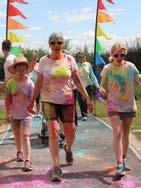
There is an extensive range of wellbeing activities at evenings and weekends for students to get involved with. These include swimming, gym, football, arts, cinema, shopping trips and more.
Lots of special occasions are celebrated including prize-giving, prom, and events, which all students are invited to join.

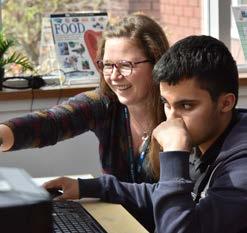
Functional Skills comprises of English, maths and ICT, and is delivered through small discrete groups and embedded into all aspects of our pathways and programmes. It is linked to vocational activities and everyday life.
Learners take part in the following:
PSHE Introduction
My place in the community
Online safety


Tailored sessions
Workshops
Relationships and sex education

Derwen College’s Student Council (SC) is affiliated with the National Union of Students. Each October, students vote for who they want to represent them on the SC Board, including a president, vice president, and other areas such as pathways and residences.
Students learn how to communicate their likes, dislikes, and thoughts, and how to represent the thoughts of other students to make Derwen College a special place for all of them.

Linked pathways are a popular choice for many of our students.
Having two pathways – one main and one link – enables students to gain a broader, and diverse yet complementary set of skills that can be transferred to everyday life and the workplace

CEIAG is an integral part of our pathways. Students on vocational pathways take part in small group employability sessions. External guests, including Industry Champions, local business owners and ex-students, are also invited to talk to students about their experiences outside of College. Impartial CEIAG is also provided by a Careers Lead.
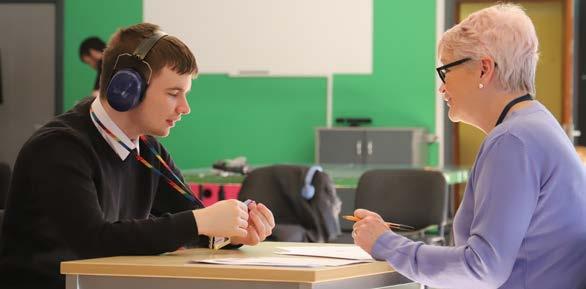



An extensive range of therapy, medical, and wellbeing support is available, dependent on individual need. These include:

All students benefit from a highly skilled staff base, enabling a universal approach to developing independence in preparation for adulthood and transition post-college.
Therapists’ recommendations and advice can be given to ensure strategies are embedded through the day and needs are met throughout College.

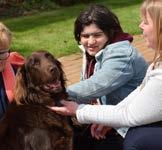
Clinical psychology is available for a range of problems, including trauma related issues, emotional problems, anxiety, depression and bereavement support. Students can also spend time with the College therapy dogs. support (SEMH)
To support our learners’ SEMH needs, Derwen College has ELSAs (Emotional Literacy Support Assistant) available to support all students’ emotional needs.

For some students, additional direct therapy provision may be recommended to meet their needs. Direct therapy provision is individualised and specific to each student that requires it.
Direct therapy requirement needs to be identified in the student’s EHCP/IDP and funded by the Local Authority. The therapists may recommend additions/alterations to EHCP/IDP outcomes and changes to therapy provision during annual reviews.
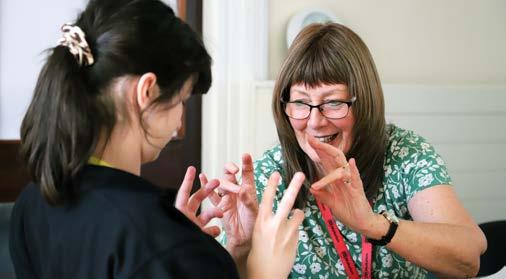
Direct therapy provision may take the form of guidance, strategies and advice to the student and their key staff, provision of equipment, visual resources, group work or 1:1 support for a short period of therapeutic intervention.
Direct therapy provision will be reviewed regularly, to ensure it meets the student’s needs in the College environment. Therapy will be delivered in the most appropriate way, to enable students to achieve their individual goals and outcomes.



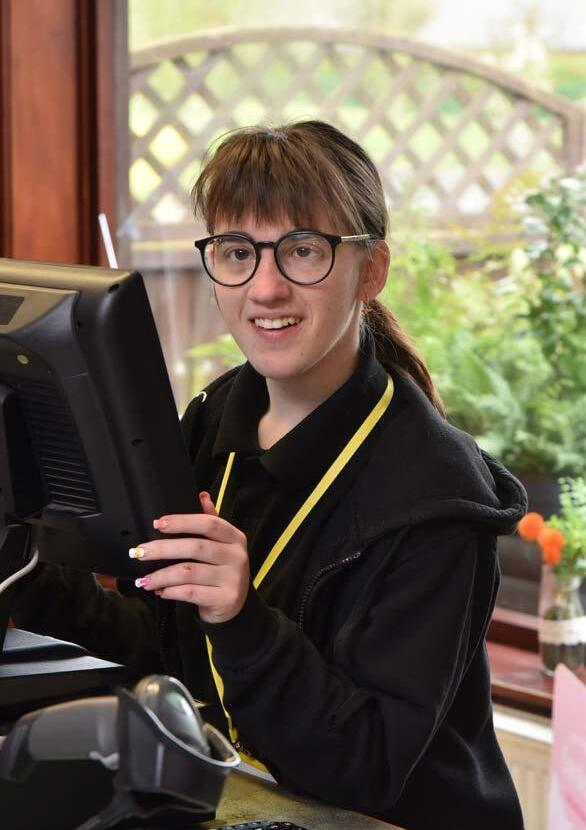



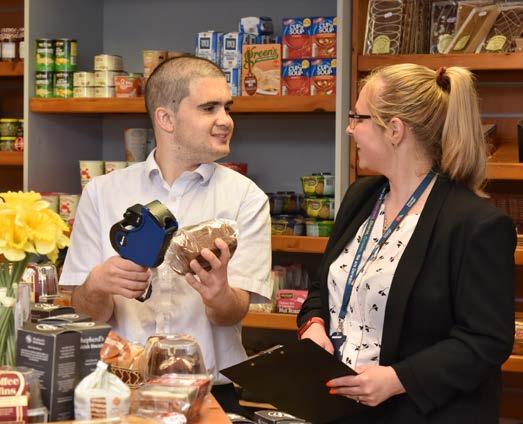


If you enjoy visual merchandising, working behind a till and customer service, then Retail and Enterprise could be the pathway for you.
Our Retail and Enterprise pathway will teach you all about stock control, money handling skills, and how to check till floats and cash-up after trading, using tills and various office equipment.
Students will also learn to develop communication skills at our on-site outlets, whilst also learning marketing skills and how to set up and manage online sales on our digital platforms.
We have a number of publicfacing outlets where students gain valuable work skills and experience. These include a Garden Centre and Gift Shop where we sell local artisanal gifts and produce, food and drinks, and, of course, plants.


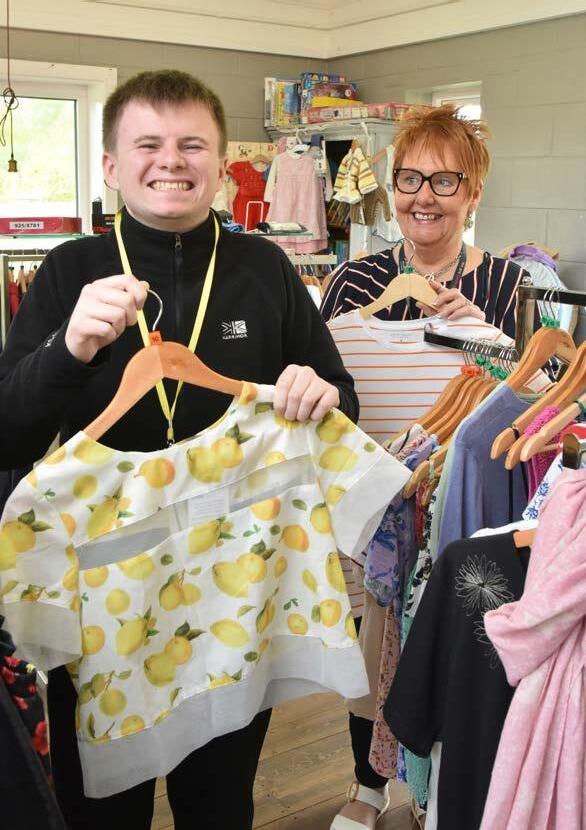
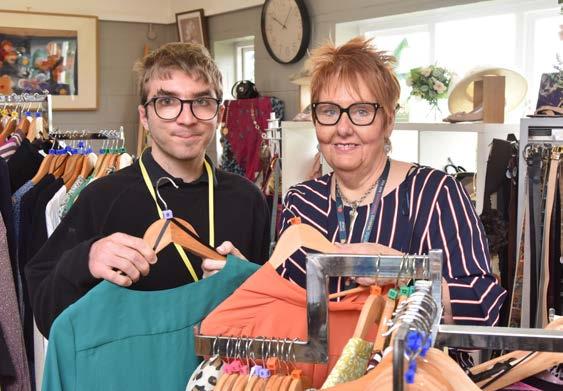
The popular Vintage Advantage charity shop also provides work experience for students who sort and steam donated items, create displays in the shop, process sales online and in the shop, and help customers.
As students become more confident on-site, they progress into our network of local businesses that provide weekly external work placements. These include local charity shops, Spar and Co-op.

Education, Health and Care Plan (EHCP) (England) or Individual Development Plan (IDP) (Wales)
Student must be aged between 16–25
Derwen College able to meet needs

Vocational Qualification up to Level 1

Functional Skills Qualification up to Level 2
Subject-specific qualifications; such as BTEC in Vocational Study, Entry Level 3 / Level 1
Experience in:
Internal and external workplaces, local events and national competitions

“I would recommend Derwen College to others. I learnt a lot and had a lot of fun, but most of all, it got me ready for work!”
Mark was a Retail and Enterprise student at Derwen College, where he learnt the skills that helped prepare him for work.
At College, Mark learnt how to print and label stock in the Garden Centre, as well as how to use the till and talk to customers in a professional manner.
Mark’s favourite part of the Retail and Enterprise pathway was the external work placements he had at local

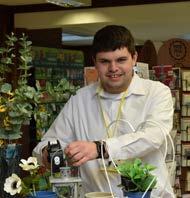

shops. “I most enjoyed the external work experience at Co-op, Spar and Nightingales [charity shop], that also helped me to use the bus and train.”
After graduating, Mark was offered part-time paid work by Coed-y-Dinas shop. “I impressed the team there so much that I was offered employment after College.”
Mark works two days a week at Coedy-Dinas, and enjoys putting the garden furniture together. He has a great team of co-workers and is enjoying his new job.

Mark is now in shared supported living, enjoying his independence. “We take it in turns to cook and do our shopping together. I come home some weekends, whenever I want to catch up with family.”

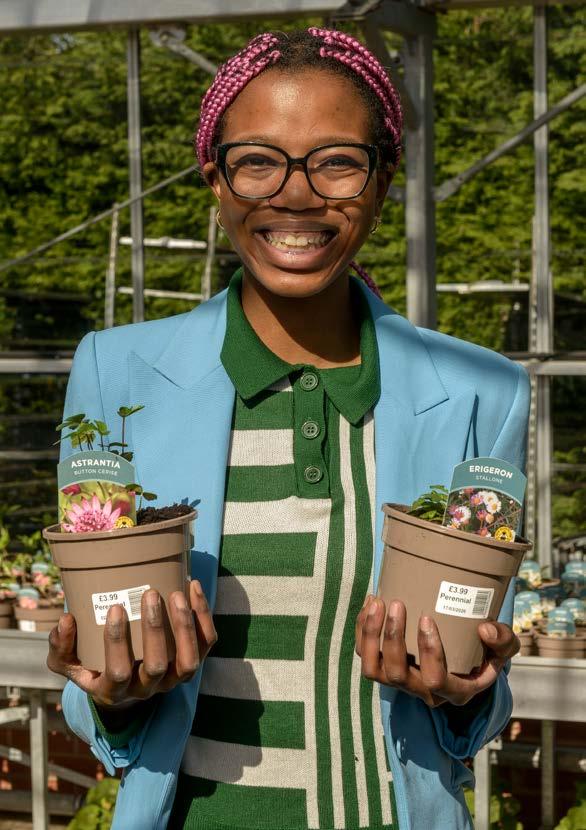




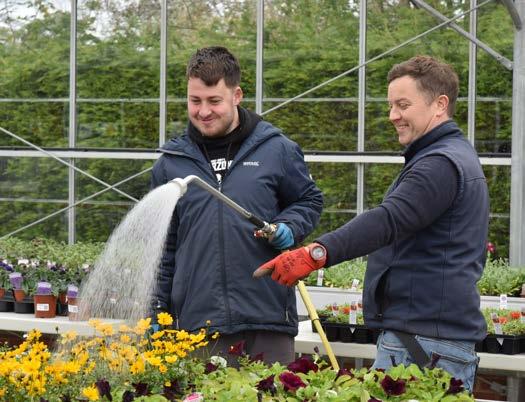


The Horticulture pathway is ideal if you like being hands-on, outside in the fresh air, and doing physical work.
Horticulture students learn through a mix of theory and handson practical tasks. You will learn how to identify different plants and what they need to survive and grow.
Students learn about different types of soil and their uses, how to pot plants, weed and maintain garden beds, and create attractive displays. You will need to be comfortable wearing protective clothing including steel toe-capped boots, and you will be taught how to safely use a variety of gardening tools.
Students develop their skills in our Garden Centre and Gift Shop, and in our industry-size greenhouses. Our on-site walled garden also provides students with planting opportunities, and is open to the public.

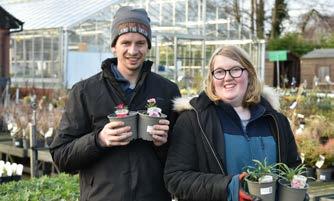
You will have the opportunity to put your skills into practice through our internal work experience opportunities. Here, you will develop valuable real-life knowledge and work skills, whilst also gaining confidence in your abilities.
There are many external projects to get involved with too. For example, our Horticulture team were part of the award-winning Oswestry in Bloom project, which won gold at the Britain in Bloom awards in 2025.


Education, Health and Care Plan (EHCP) (England) or Individual Development Plan (IDP) (Wales)
Student must be aged between 16–25
Derwen College able to meet needs

Vocational Qualification up to Level 1

Functional Skills Qualification up to Level 2
Subject-specific qualifications; such as Agored Cymru Entry Level Award in Exploring Horticulture
Experience in:
Internal and external workplaces, local events and national competitions

“I
like having my own money. I like to spend money on going on holiday somewhere sunny like Portugal. I also like to spoil our cat, Scruffy.”
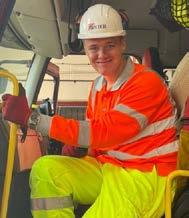
As a Horticulture student, Ben worked in and around the Garden Centre, organising stock and developing his plant knowledge. As Ben’s confidence grew, Horticulture staff were on hand to show Ben how to safely operate gardening tools and machinery.

Ben, who is autistic, was a dedicated and hard-working student who, along with his Horticulture knowledge, learnt independence skills, including travel training at Derwen College.
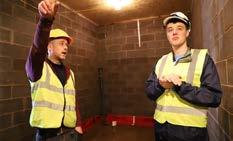


He progressed to living in one of the College’s student bungalows, where students have less direct support, and have their own key to come and go as they please.
Ben says: “I loved my time at Derwen. I liked working in the Garden Centre and spending time with friends in the Student Union.”
Ben now works in the construction industry at a tarmacking depot and is really enjoying it. His typical day involves getting up at 5:30am in the morning to be at work for 7am.
Ben lives at home with his parents, where he enjoys having a job and making new friends. He travels to work alone by bus, working full-time (40 hours per week). The best thing about his job, he says, is the wages!






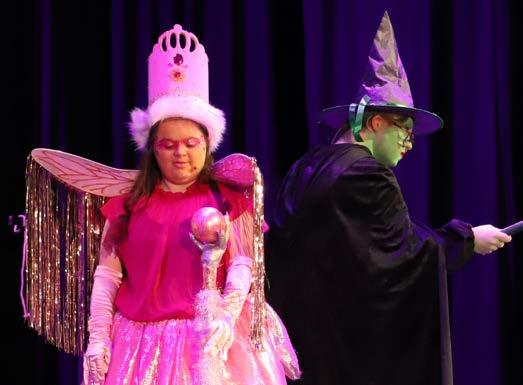


Whether you love dancing on stage, singing to an audience, or working behind the scenes, there will be a role for you in Performing Arts.
Performing Arts students have the opportunity to explore a range of core skills, such as dance, music, drama, musical theatre, prop and scenery making and much more.
Twice a year, students perform a show to members of the public and members of the College, which showcases their talents whether it be in front of, or behind, the stage.
Students on the Performing Arts pathway can join a wide variety of work experience opportunities. One of these is Derwen On Tour – or DOT as we call it – a sign, song and dance group who perform at College and public events using Makaton.
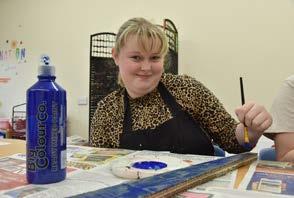
Derwen Dance Crew (also known as DDC) is a contemporary and street dance group, learning set dance choreography. DDC regularly compete in a range of competitions, both internally and externally across the country.
Backstage Production allows students to develop professional experience of the work that goes on before, during and after a performance, including costumes, make-up, and prop design.


Education, Health and Care Plan (EHCP) (England) or Individual Development Plan (IDP) (Wales)
Student must be aged between 16–25
Derwen College able to meet needs


Vocational Qualification up to Level 1
Functional Skills Qualification up to Level 2

Subject-specific qualifications; such as BTEC in Vocational Study Entry Level 3 / Level 1
Experience in:

Internal and external workplaces, local events and national competitions

“Coming to Derwen College brought out my talkative side and gave me confidence. I started to believe in myself”.
Anna joined from a mainstream college where she’d struggled to fit in. With support from the Performing Arts team, she quickly found her voice, and there was just no stopping her after that!
She became part of the College’s Makaton sign, song, and dance group DOT (Derwen on Tour), performing at national and local events, and was also a member of DDC (Derwen Dance Crew), winning competitions in both group and solo categories.


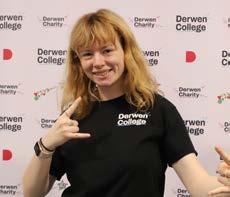

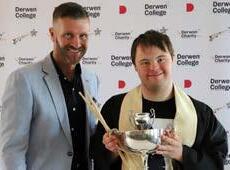
Anna was awarded the Overall Outstanding Student cup at our graduation ceremony, and is now living more independently in supported living.
After graduation, Anna continued on a one-year supported internship at Derwen College, honing her employment skills with Performing Arts staff on weekly placements.
Anna also works and volunteers six days a week, and says that she has been able to use all the skills that she learnt whilst at College.

Anna’s dedication was further recognised when she won the Inspirational Adult Learner award at the Shropshire Chamber Business Awards. On winning, she said: “It felt like the Soap Awards. I screamed my head off while my mum cried.”

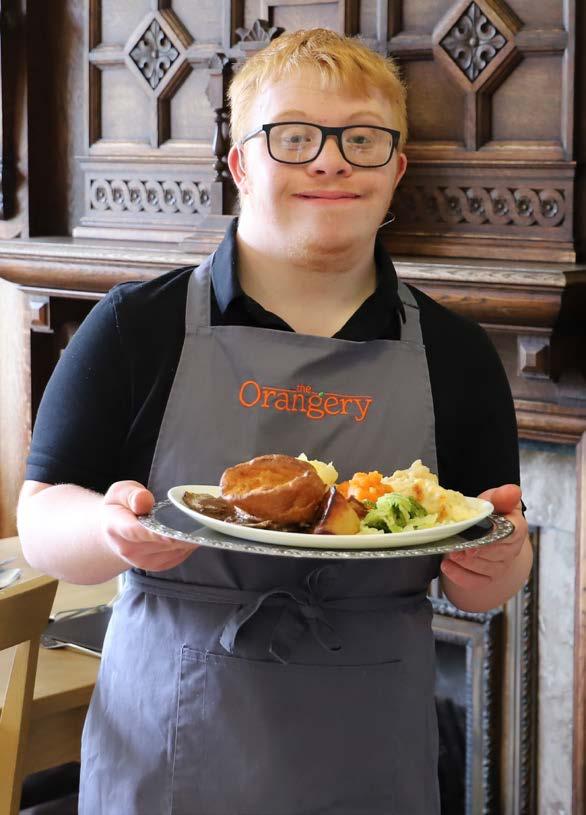




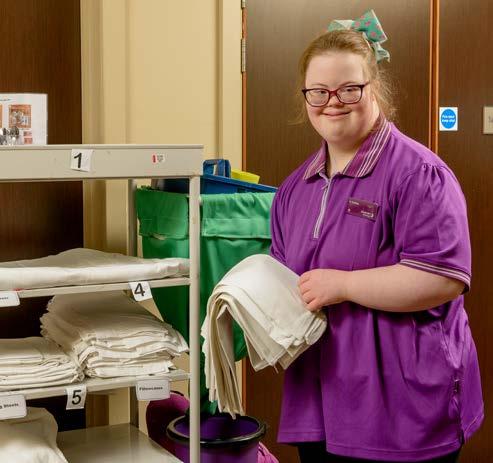



Our Hospitality and Food pathway hosts a wide range of opportunities for students to learn industry standard skills.
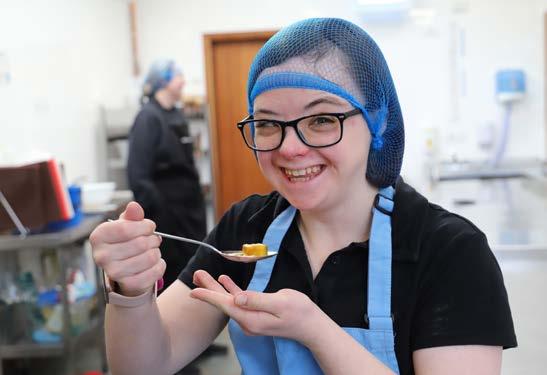
Students meet and greet guests in the hotel, serve customers in the restaurant and café, prepare and make food, and clean down the kitchens – all to industry standards.
Students are taught skills which enable them to work in internal and external work placements to develop and practise in real work settings. Students in these areas are proud to wear a uniform of black and whites.

We have our own on-site work experience placements at our Derwen Marketplace outlets. These include The Orangery Restaurant and Walled Garden Café, both of which are popular and busy venues, open to external customers.

Students can also work in Hotel 751, our on-site training hotel that looks just like a Premier Inn. This work is supported by use of an award-winning app, developed by Derwen College.
We have strong links with lots of external placements including local pubs, cafés and restaurants and national chains such as Premier Inn and McDonalds. Students also sell Derwen Marketplace produce at the local market in Oswestry.

Education, Health and Care Plan (EHCP) (England) or Individual Development Plan (IDP) (Wales)
Student must be aged between 16–25
Derwen College able to meet needs

Vocational Qualification up to Level 1
Functional Skills Qualification up to Level 2

Subject-specific qualifications; such as Food Hygiene Awareness Level 1
Experience in:

Internal and external workplaces, local events and national competitions

“I learnt a lot at Derwen and it has given me the confidence to be successful in my new job.”
As a Hospitality and Food student, William – who has moderate learning difficulties and speech, language and communication needs – enjoyed work placements at Derwen Marketplace, the College’s customer-facing outlets.
These placements, which include The Orangery Restaurant and Food Centre, helped William to progress his skills, allowing him to build confidence before moving to off-site work placements.
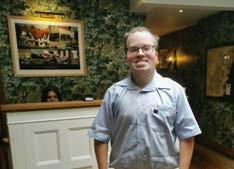



William says, “I did work experience at Premier Inn in Oswestry, doing housekeeping, and in Shrewsbury waiting-on in the restaurant. I also worked at Moreton Hall School doing food preparation.”
After graduating, William was able to access a catering course at a mainstream college in his home area. This led to paid employment as a Food & Beverage Assistant at a four-star hotel in Aldeburgh.
William now works in the hospitality industry at a hotel in Lavenham, putting the knowledge he learnt at Derwen College to good use as he serves customers with teas, coffee and food.
William says “I found out that I now have a proper job at the hotel which I am really pleased about.”



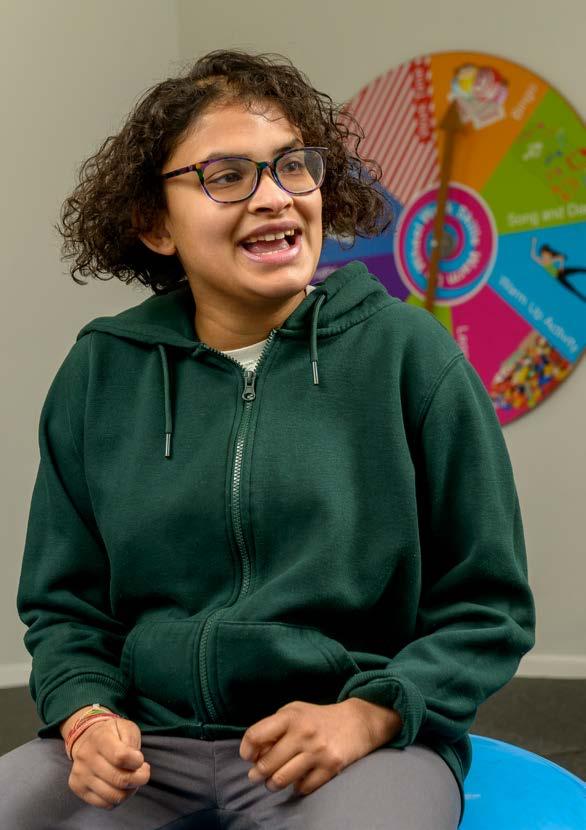


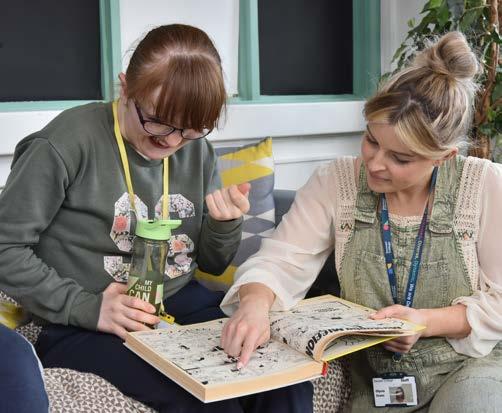


Learning for Life is a fun programme tailored to meet the needs of individual learners who require that little bit of extra support.
This could be additional support with communication, personal development, interaction, teamwork, problem solving or selfregulation skills.
Learning for Life has been specially designed for young people who need a bit of extra support to gradually transition into their chosen vocational area.
Learning for Life students develop key skills as part of their bespoke programme. These skills might include:
Personal development
Communication
Interacting with others

Problem solving
Self-regulation

Sensory development
Making positive choices
Fine and gross motor skills
Learners will be part of DC Workforce, the Learning for Life work experience placement, and progress to one of the vocational pathways. Students will also access work experience linked to their vocational pathway.
Education, Health and Care Plan (EHCP) (England) or Individual Development Plan (IDP) (Wales)
Student must be aged between 16–25
Derwen College able to meet needs



Core development of softer skills to support lifelong learning, including communication, interaction and positive choices.
Possible progress towards a vocational pathway.
Vocational Qualification up to Entry Level 2.
Luke’s communication skills have developed to
a point where he is now able to ask for help when he needs it.
Luke, from Flintshire in Wales, attended a mainstream school before coming to Derwen College. During his time at school, a speech therapist told Luke’s mum Donna that Luke’s speech would never improve. “It couldn’t have been further from the truth!” Donna says.
The Learning for Life pathway (LfL) gave Luke the foundation he needed to succeed. Initially, Luke required oneto-one support all day but, after being provided with new communication strategies by our Speech and Language Therapy team, this need gradually decreased over time.
The progress Luke made in LfL meant he was able to move full-time on to a linked pathway, Hospitality and Food. After finding his feet, Luke flourished and, as a result, he excelled in his placements at our on-site Derwen Marketplace outlets.

Luke is now in supported living, and mum Donna is delighted with his progress. “He’s got enough independence that he knows what Mum says doesn’t necessarily go any more. He can make his own choices.”
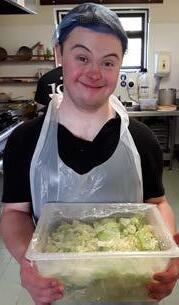
Luke now works four days a week in a local café, He’s enjoying it so much, he even visits on his days off! Luke bakes cakes, cooks sausages, bacon, eggs and toast. He also makes customers their tea and coffee, and serves them at the till.








The Nurture programme is a bespoke two-year course, aimed at young people with Complex and Profound and Multiple Learning Disabilities (CLD and PMLD).
The course is designed to support the transition from school to adult life, and is personalised to bridge the gap between the student’s individual starting point and their chosen destination post-College.
The curriculum is broken down into four core areas to support this development. These areas are developed in line with the Preparing for Adulthood themes to enhance quality of life.
Curriculum in Nurture is divided into four core areas. These are:
Independence: Students will develop skills to interact with the world with less support, and make progress towards being able to self-occupy and engage in activities related to the world of work.
Social interaction and wellbeing: To engage more actively with peers, staff and unfamiliar people. Promoting quality of life through emotional and physical wellbeing, supported by therapies.
Communication: Developing the ability to understand and express information. Increasing opportunities for choice-making and self-determination. Increasing understanding of communication resources to maximise the potential of these skills.
Cognition and learning: Increasing awareness and understanding of the world and develop the skills to interact with and explore it. Increasing sensory development.
Education, Health and Care Plan (EHCP) (England) or Individual Development Plan (IDP) (Wales)
Student must be aged between 16–25
Derwen College able to meet needs

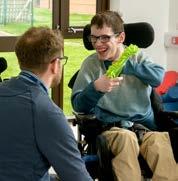
The Nurture programme is focused on students working at an early level of communication and cognition. Learners may be very sensory and will often have high support needs.

The majority of Nurture students work at a communication level in the ‘here and now’ or in immediate anticipation of things they can see. Staff support the Learner Voice by observing and recording the student’s response to the things they encounter or engage with, in order to repeat enjoyable experiences in the future.
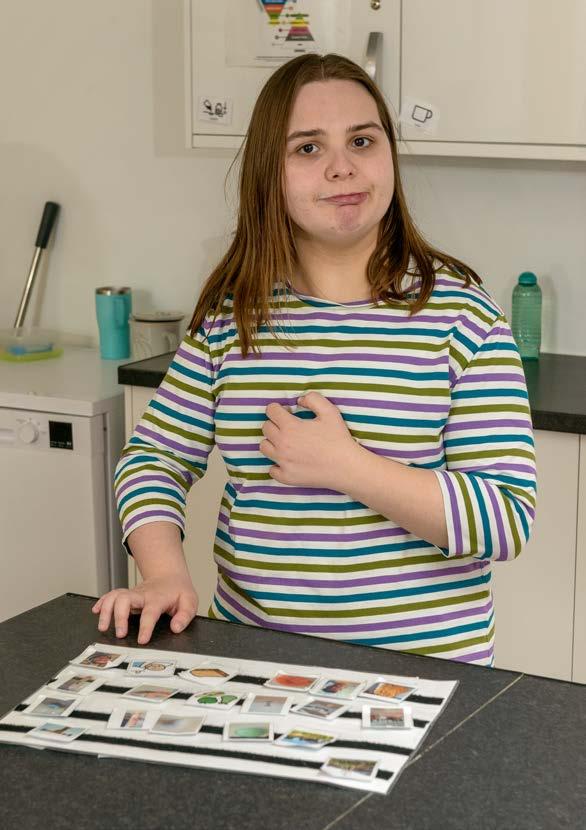
Choice-making is delivered using actual objects, objects of reference, pictures and symbols, depending on the student’s personal communication preferences.
Students attend the Student Council and present their views, which may include presenting the responses their fellow students have given to activities and events, as recorded by members of staff.



Timetables are flexible and responsive to meet individual needs. They are also themed around cultural and real-world situations. Sessions can include:
Communication and interaction
Sensory exploration
PSHE
Community engagement
Games and exercise
Cooking and kitchen skills
Music and movement
Experiencing the world of work
Physiotherapy, Occupational
Therapy and Speech and Language
Therapy are integrated throughout the timetable to ensure good health.
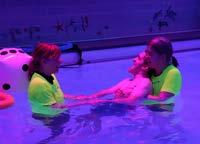
Specialist therapy staff work in the classroom alongside education staff to provide therapies within the teaching and learning activities, and support education staff to develop the skills to continue therapy practices across the timetable. Students may also access a 1:1 session if this is also beneficial.
Speech and language therapists support educational staff in the use of widely recognised communication strategies, where suitable for the individual student. All students have access to the hydrotherapy pool on a weekly basis. Students may also spend time with the College therapy dogs.

Students will gain the knowledge and understanding they need to succeed in their chosen destination beyond College. This may include:
Supported living and increased independence
Coping with new environments
Increased spontaneity
Experience of work and increased engagement in the community

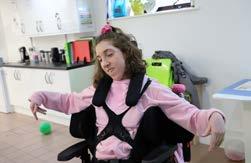
Jordan’s confidence in communication has grown thanks to the Nurture programme, and has resulted in more positive experiences.
Jordan, from Wrexham, arrived on the Nurture programme having experienced difficulties attending school – he often refused to go. He was anxious about many situations outside of home, and could display behaviours of concern.
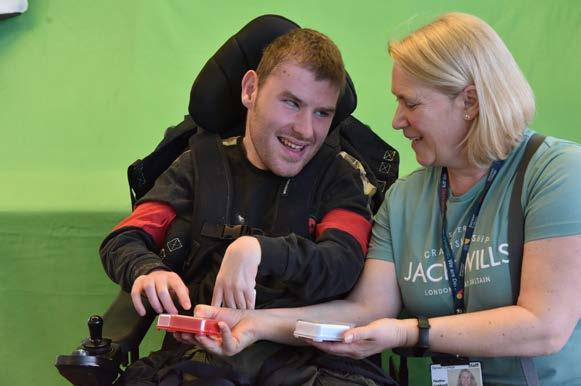
Jordan had an Eye Gaze communication device, however, he wasn’t using it as intended and would fill the screen with nonsensical text. At best, he considered the Eye Gaze to be a task in sessions, rather than a tool for communication.
Staff in Nurture worked with Jordan to help his understanding of how Eye Gaze could help him. As time went on, he began to realise the things he could say with his Eye Gaze would get a reaction from staff or mum, and he began to use his Eye Gaze much more conversationally.
The Nurture team worked with Jordan’s mum and also his external care team to ensure consistency when Jordan used his Eye Gaze. This helped to improve Jordan’s confidence in using Eye Gaze to communicate.


One of his biggest achievements was becoming empowered to decline things he didn’t want to do. For example, being peg-fed meant that meal times were difficult for him. Using his Eye Gaze properly, Jordan was able to say he preferred to spend time on his own during lunch times.
Jordan was able to say ‘I want to see Nanny’ then look at his mum for a reaction. Or he would say he’d “had enough” of a situation and would look to leave.
When Jordan first started using the Eye Gaze, his mum said “I really want him to realise this is HIS voice” and she is thrilled that he now knows that.

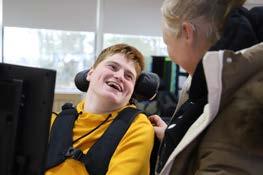
Jordan now lives in a flat attached to his mum’s house. It is clear, however, that Jordan lives as a neighbour to mum, not ‘with’ mum.
His flat is separate to the house and Jordan knows he can use his voice to invite who he wants into the flat.







Supported Internships focus on work placements, with support to work towards a qualification.
The core aim of a Supported Internship study programme is to undertake substantial work placements and to prepare young people with SEND for paid work. The Internship is for up to one academic year.
Interns are supported by a dedicated job coach, whose support tapers off as the intern becomes more familiar and independent in their role. The intern must have developed ‘work ready’ skills, have a willingness to work, and live within Shropshire.
Education, Health and Care Plan (EHCP)
Student must be aged between 18–25
Derwen College able to meet needs
Shropshire resident
Be able to travel independently or have the support to do so
Additionally, the intern must have a willingness to work towards timescales and performance indicators.
The work placements make up 70% of the programme. These placements will be external and during this time the interns will build on their portfolio of work.
The intern will spend 30% of their time at Derwen College, working towards a qualification in their chosen vocation, core functional and employability skills.

CEIAG is an integral part of the programme. External guests, including Industry Champions, local business owners and exstudents, are invited to talk to students about their experiences outside of college. Impartial CEIAG is also provided by an external Careers Lead.

The aim of the Supported Internship programme is to support our interns into paid or voluntary employment after College.
The intern will also be offered guidance about agencies that can support further.
“It’s a very good college with nice teachers. It took me about a week to settle in, but once I got to know everyone it was great”
Oliver began his Derwen College journey as a day student at our Walford satellite site, arriving with a clear goal in mind. “I wanted to come to Derwen College because it does gardening and I wanted to learn how to use the machines,” he said.
Oliver quickly built practical skills and impressed staff at his gardening work experience placements. After successfully completing his vocational programme, Oliver progressed to a one-year Supported Internship, allowing him to further progress his skills in real workplaces.
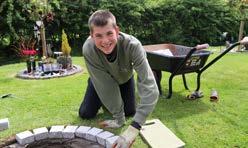
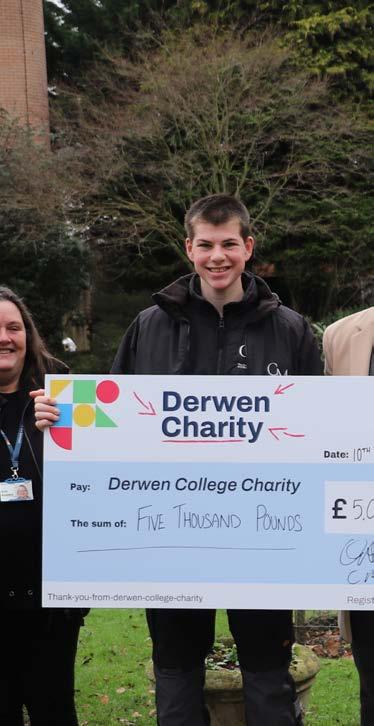

During his internship, Oliver carried out grounds maintenance and horticultural jobs at Alderford Lake in Whitchurch, Emstrey Crematorium in Shrewsbury and several other local workplaces.
At Alderford Lake, he soon became a key part of the team. Sales and Marketing Manager Zoe Watson said: “Oliver has brought a fantastic attitude, real dedication, and a genuine enthusiasm that makes a difference every day.”
His growing independence has extended well beyond the workplace. “Oliver has learnt how to use machinery safely. He does our lawns and even helps some of the neighbours,” his mum said.
Reflecting on his journey, she added: “Ollie is turning into a young adult that we are very proud of. He’s changed so much for the better, not just for the education he’s received but the improvement in his social skills, and his outlook for the future.”




We have an amazing team here at Derwen College, and they’re all waiting to support you through this next stage of your education. Take your time to browse this document, come and visit us and have a look around the college campus, and – most importantly –talk to us so we can help you decide which pathway or programme will be the right one for you.




Read our report
For further information on any of our pathways or programmes, contact the admissions team on 01691 661234, or alternatively email admissions@derwen.ac.uk


Read our 2026 Ofsted report card by scanning the QR code.

Read our report


We host regular open days at all of our sites. We encourage you to book a visit and get a feel for Derwen College, and what we can offer you. To find out more about our upcoming open days, please visit derwen.me/opendays
Our friendly admissions team will be happy to show you and your family around our Derwen College campus, giving you a chance to learn more about everything we offer.
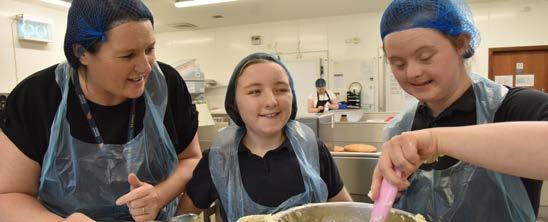

Derwen Marketplace is a unique setting at our Gobowen campus, where students undertake work placements in a range of customer facing outlets to gain vocational work skills.
These outlets include our Garden Centre & Gift Shop, Walled Garden Café, The Orangery Restaurant, The Vintage Advantage, Hotel 751 and Station Café, all of which are open to the public.

We are very proud that our student outcomes far exceed the national average for young people with SEND going into work. Our 2024–25 graduates have, so far, gone on to achieve the following:
Paid employment
Voluntary work
Community activities
Looking for work

Derwen College placement extended
Derwen College Supported Internship
Further Education: Other provider
Social Care programme
Total respondents: 77
Other/No response
Supported Living
Residential placement
Derwen College
Residential placement
Living with family

Pending Supported Living
Other/No response

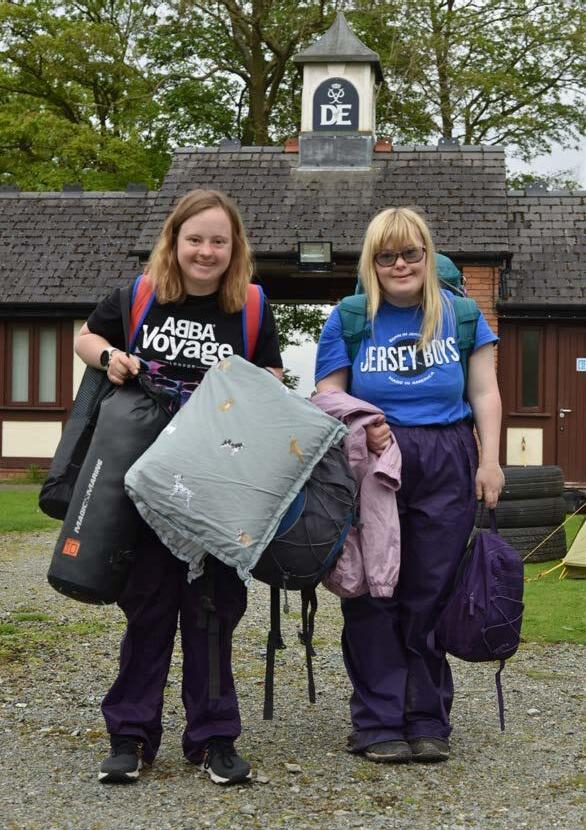



We are definitely not one-size-fits-all! At Derwen College, we tailor our pathways and programmes to fit individual student needs to best prepare them for adulthood and independent living.






Email: admissions@derwen.ac.uk
Website: www.derwen.ac.uk
Telephone: 01691 661234
May 2026


Derwen College, Whittington Road, Gobowen, Shropshire, SY11 3JA
Registered Charity No: 1153280

Registered Company No: 8615826