RFKS - Why It Exist?
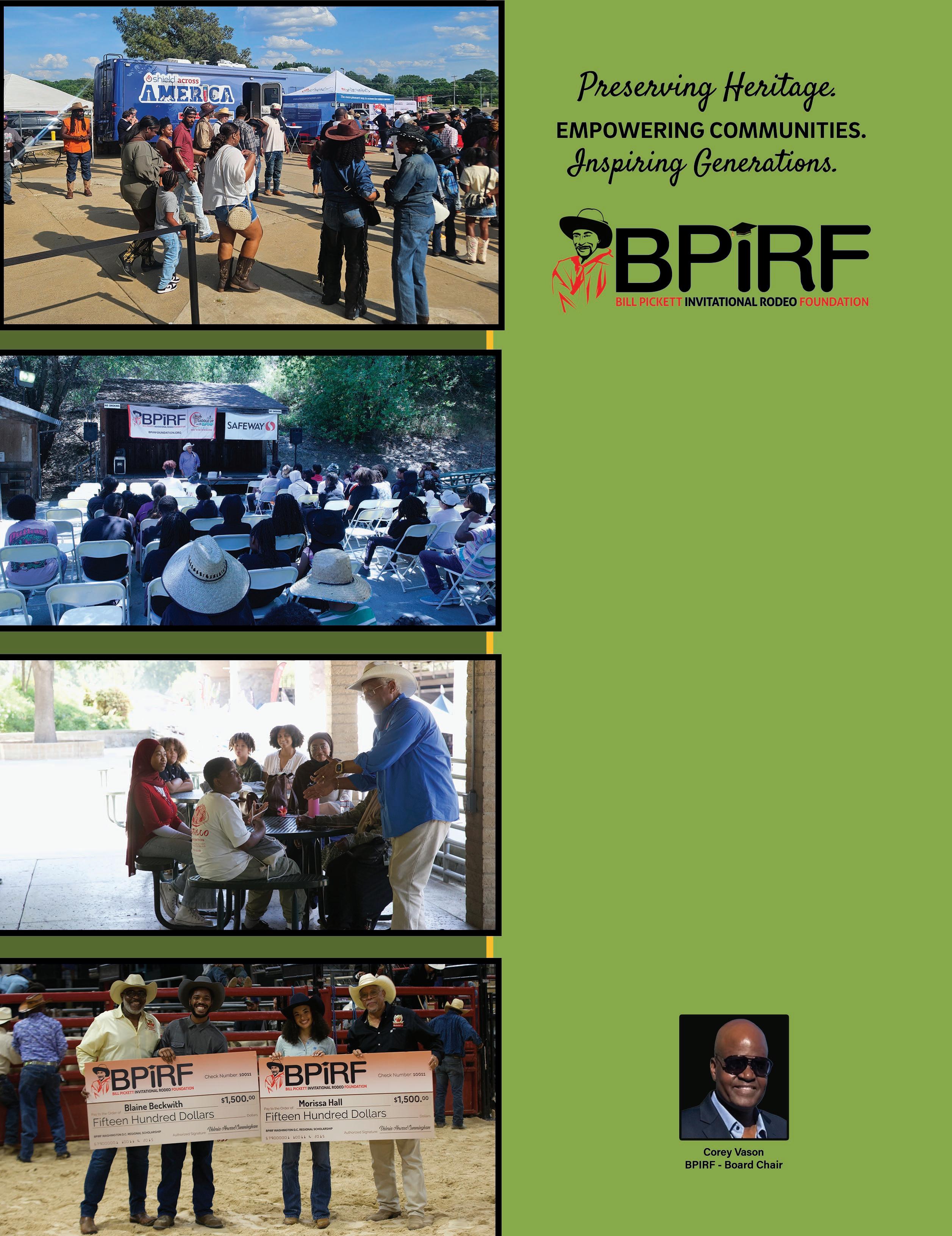
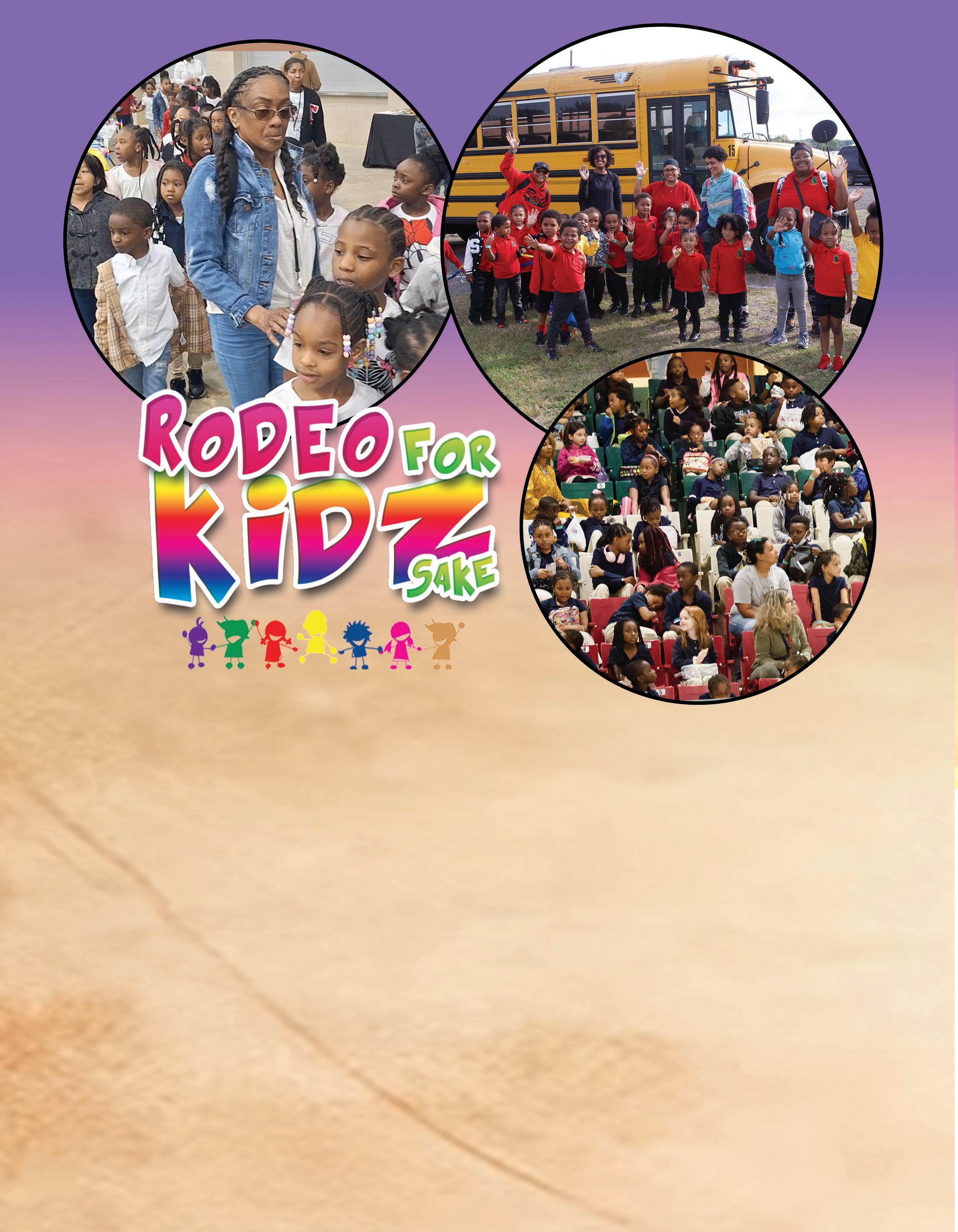
The Bill Pickett Invitational Rodeo created Rodeo for Kidz Sake (RFKS) because we believe education should inspire, empower, and connect young people to history, culture, and new possibilities. Through this mission-driven program, BPIR uses the excitement of rodeo as a powerful educational tool to introduce elementary and middle school students to the rich legacy and contributions of Black cowboys and cowgirls, who are true pioneers of the American West whose stories are too often left untold.
RFKS was designed to provide students with more than just a fun field trip. It is an immersive, age-appropriate learning experience that blends live rodeo action, interactive demonstrations, and engaging presentations with lessons in history, social studies, STEM, leadership, agriculture, and cultural awareness. By creating an authentic rodeo environment, students are able to experience learning in a dynamic and unforgettable way that complements classroom instruction.
We do Rodeo for Kidz Sake because representation matters. Many students attending RFKS see role models who look like them competing, succeeding, and preserving a proud cultural tradition. The program challenges stereotypes, builds confidence, encourages curiosity, and helps young people understand that they too can become leaders, champions, and trailblazers in their own communities.
The impact has been tremendous. Each year, RFKS serves more than 4,200 students in Memphis, Tennessee, and over 3,200 students in Washington, D.C./Upper Marlboro, Maryland. As the program continues to grow, we are excited to show them that Black Cowboys and Cowgirls are for Real.
At its heart, Rodeo for Kidz Sake is about preserving history, uplifting the next generation, and building stronger communities through education, culture, and inspiration. It is more than a rodeo, it is a movement dedicated to ensuring that young people not only learn about real history, but also see themselves as part of its future history.
For years, BPIR President and CEO Valeria Howard Cunningham wanted this story told.
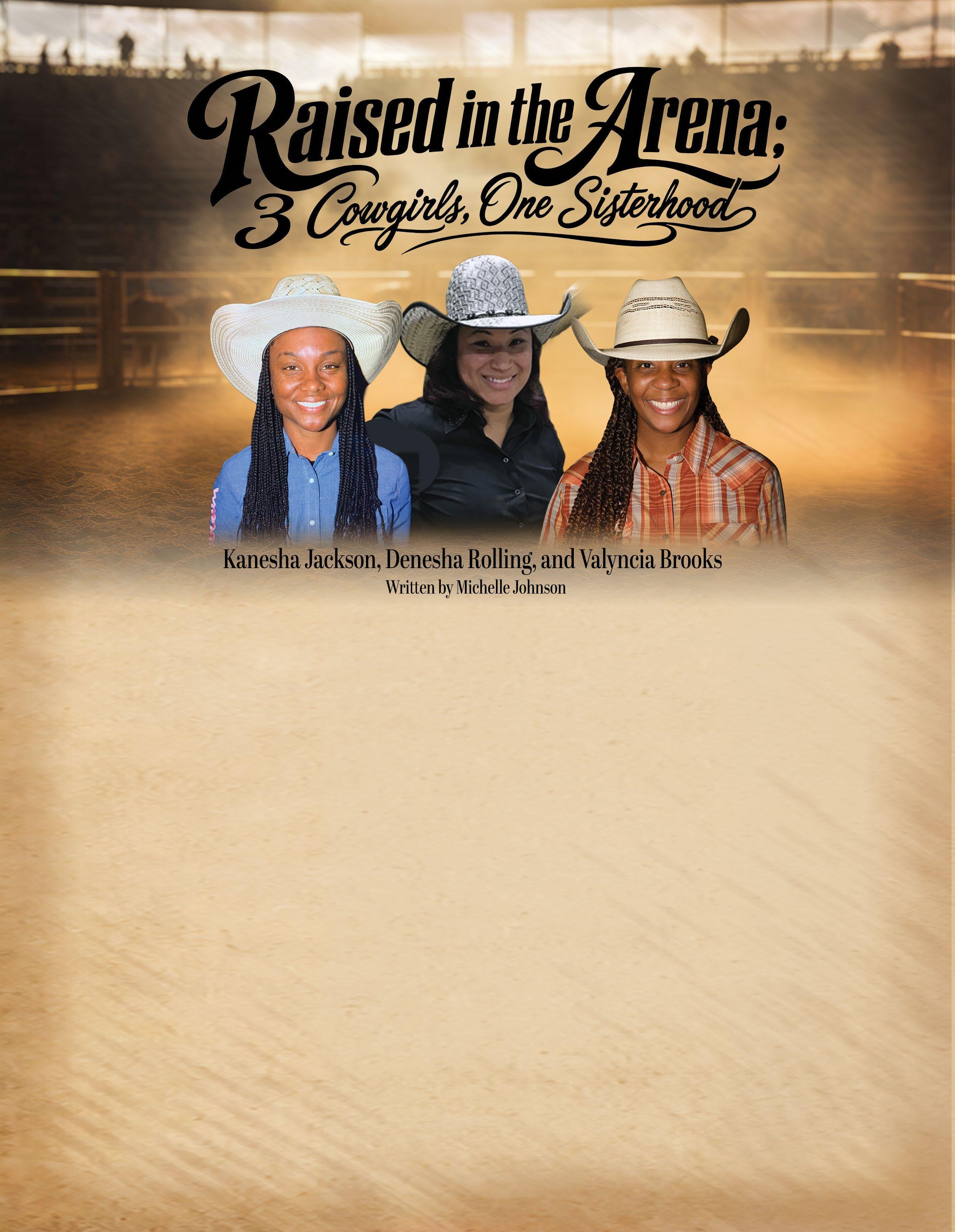
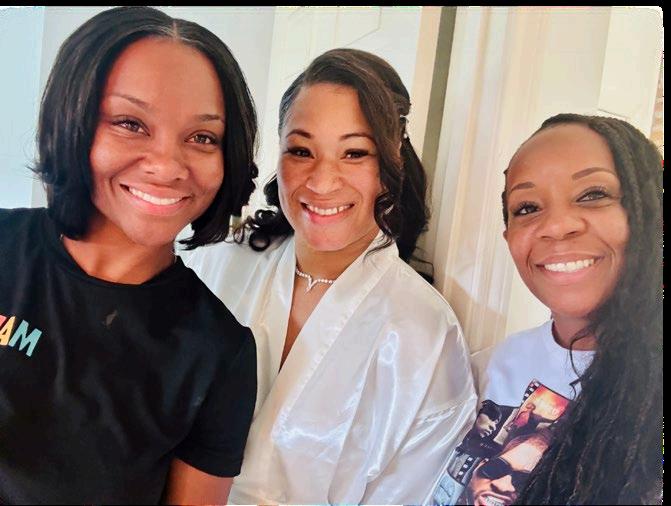
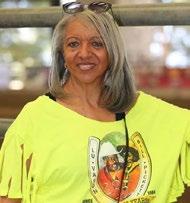
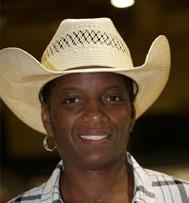
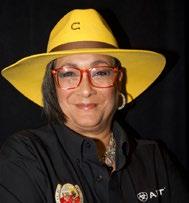
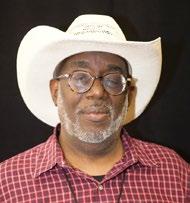
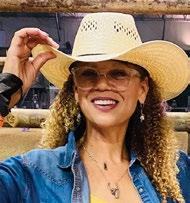
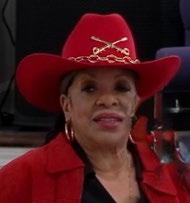
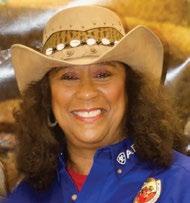
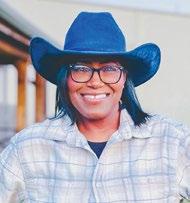
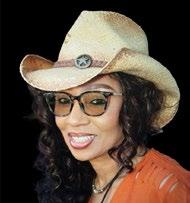
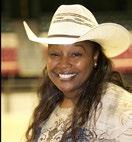
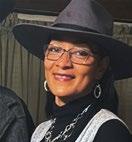
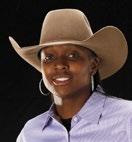
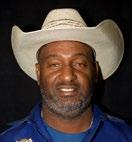
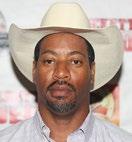
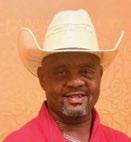
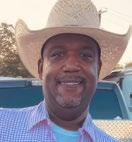
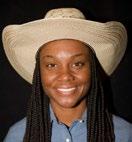
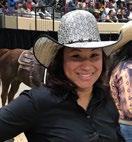
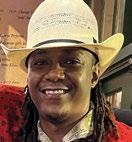
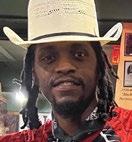
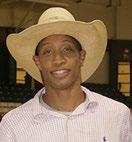
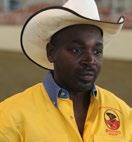
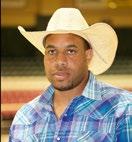
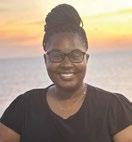
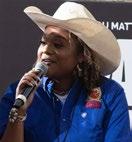
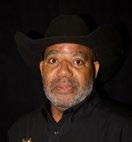
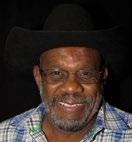
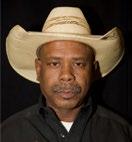
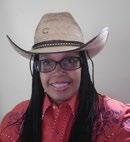
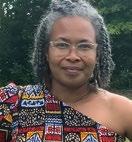
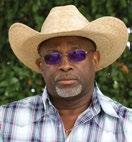
Not simply because Kanesha Jackson, Denesha Rolling, and Valyncia Brooks are talented competitors inside the Bill Pickett Invitational Rodeo, but because their friendship represents something far deeper— legacy, faith, sisterhood, and the kind of lifelong bond that has quietly grown alongside the rodeo itself.
“This is exactly what BPIR has always been about—family, legacy, friendship, and community,” Cunningham said. “Watching these young women grow up together through the rodeo and into womanhood has been truly special.”
LITTLE GIRLS FORMING THEIR SISTERHOOD
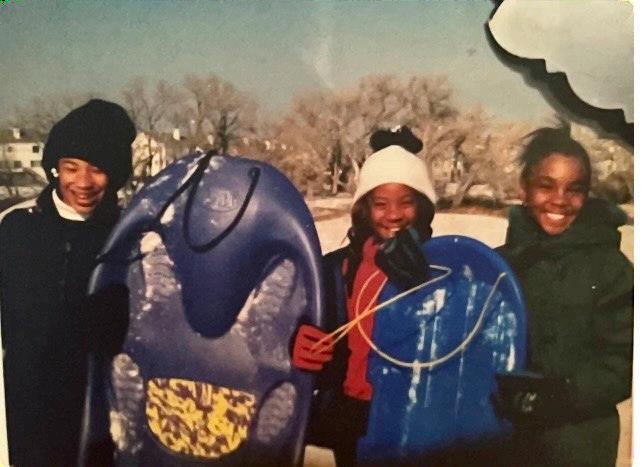
Long before the rodeo titles, championship runs, and years of competition together, there were little-girl adventures, dirt-covered boots, and memories that still bring laughter today.
One of the earliest memories the women share has nothing to do with horses or competition. It involves a cup of tapioca pudding.
“I remember Denesha offered me tapioca pudding,” Valyncia recalled, laughing. “I didn’t like it, but she was my new friend, so I tried it anyway. We ate it with our fingers. What a memory, and the truth is, I haven’t eaten tapioca pudding since that day.”
The room immediately erupted with laughter as all three women were transported back to their earliest days at the Bill Pickett Invitational Rodeo.
It is the kind of memory only lifelong friendships keep alive.
Like many BPIR families, the girls grew up surrounded by the sights, sounds, and traditions of rodeo life. Their childhood memories are filled with horses tied to trailers, the patter of feet hustling to feed and water horses while running on little to no sleep and food waiting for when they could run and play with their friends. On occasion
there would be barbecue grills going, children running around, and families gathering around with folding chairs long after the rodeo had ended for the day.
There were long road trips to the next city, trailers rolling down highways, and lessons in community whenever one rodeo family stopped to help another with a flat tire or roadside problem. The BPIR family always showed up for one another.
BPIR WAS A WAY OF LIFE
For them, BPIR was never simply a rodeo. It was a way of life. Kanesha and Denesha have competed in rodeo for as long as they can remember. It was their presence in the arena that lit a desire in 6 year old Valyncia to want to learn how to ride horses and compete. Valyncia said, “ seeing Kanesha and Denesha compete as little girls, let me know what was possible. I was hooked, instantly. A few months later, Denesha and I would officially meet. A year late, Denesha introduced me to Kanesha and we’ve been friends ever since. We had no idea that meeting then would forge what you see today”
“I just remember playing with dolls in the dirt at a Bill Pickett rodeo,” Denesha said with a smile. “That’s one of my earliest memories.”
During rodeos, when not competing, the girls could usually be found in a random spot outside the arena recreating their own rodeo events using buckets, ropes, barrels, or whatever objects they could find.
THE ARENA WAS A CLASSROOM
But the arena was more than a playground. It was a classroom.
Hour after hour, they watched competitors prepare horses, study arena conditions, and perform under pressure. They watched champions win and lose. They listened to advice. They learned discipline, sportsmanship, and perseverance without even realizing it.
Those trips taught lessons no textbook could provide.
They also watched the crowds. The excitement fascinated them.
From their seats in the stands or standing near the fence, they watched spectators cheer for great rides, celebrate winning runs, and rise to their feet for unforgettable moments. They felt the energy that swept through the arena and imagined what it would be like to one day hear that applause for themselves.
Year after year, those experiences planted seeds that would eventually grow into successful rodeo careers. Yet some of their most valuable lessons came outside the arena.
As they traveled the country with BPIR, the rodeo became their passport to experiences they might never have encountered otherwise.
The girls always looked forward to BPIR traveling to California where they would go to theme parks-Magic Mountain and Universal Studios. It was always fun to create these unforgettable adventures, especially for three girls accustomed to horses, rodeo arenas, and livestock.
For three girls accustomed to horses, rodeo arenas, and livestock, Universal Studios felt like stepping into an entirely different world. That trip became one of many unforgettable adventures.
Over the years, BPIR exposed them to places, cultures, and educational experiences across the country. They visited Six Flags, explored the African American Heritage Museum in Washington, D.C., and toured historical landmarks that helped deepen their understanding of American history and the contributions of African Americans throughout the nation. Those trips taught lessons no textbook could provide.
RODEO TAUGHT THEM HOW TO SEE THE WORLD
The rodeo arena may have taught them how to compete, but the road taught them how to see the world. For Valyncia, the journey looked different from her friends. Unlike Kanesha and Denesha, who are both fourth-generation cowgirls, Valyncia is a first-generation cowgirl.
“I wasn’t born into rodeo like they were,” she explained. “My mom used to take me to the Bill Pickett Rodeo in California because she liked doing out-of-the-box things. Looking back, I’m very grateful she did.”
Later, Valyncia would focus on basketball on through college as the resources for horse riding and rodeoing were no longer available.
“I actually stepped away for a while,” she said. “But when I got older and could fund things myself and find my own way I came back.”
Returning to rodeo also meant strengthening our friendship that continued to grow.
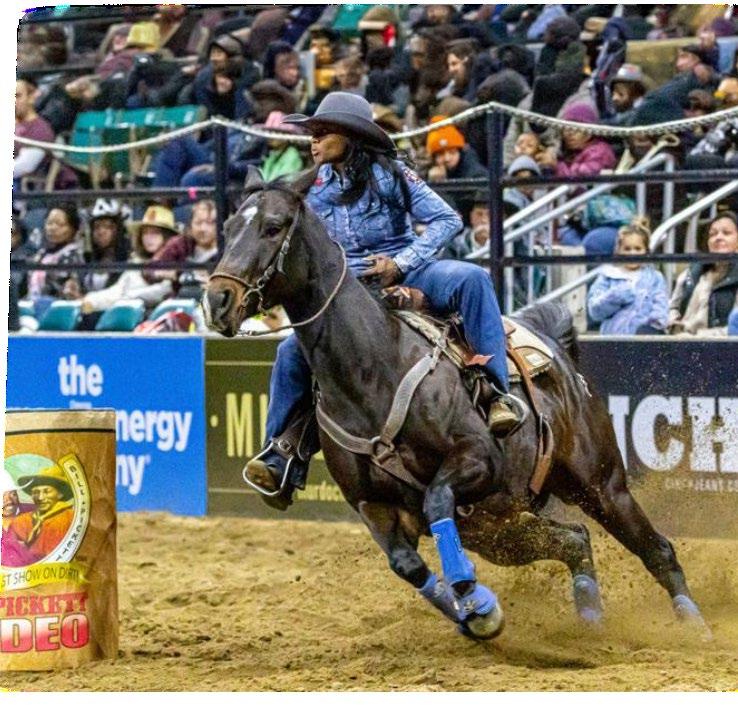
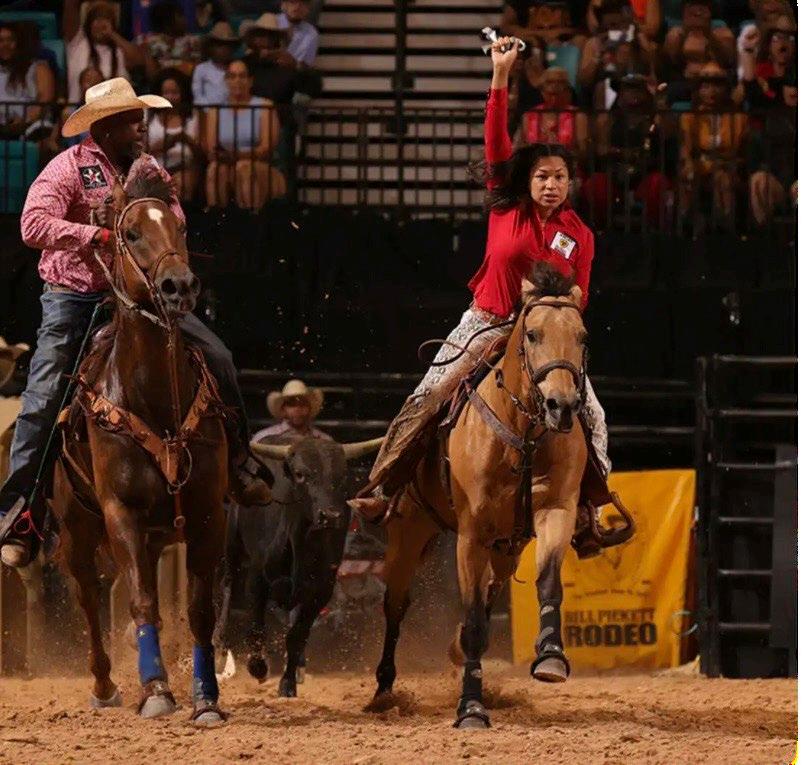
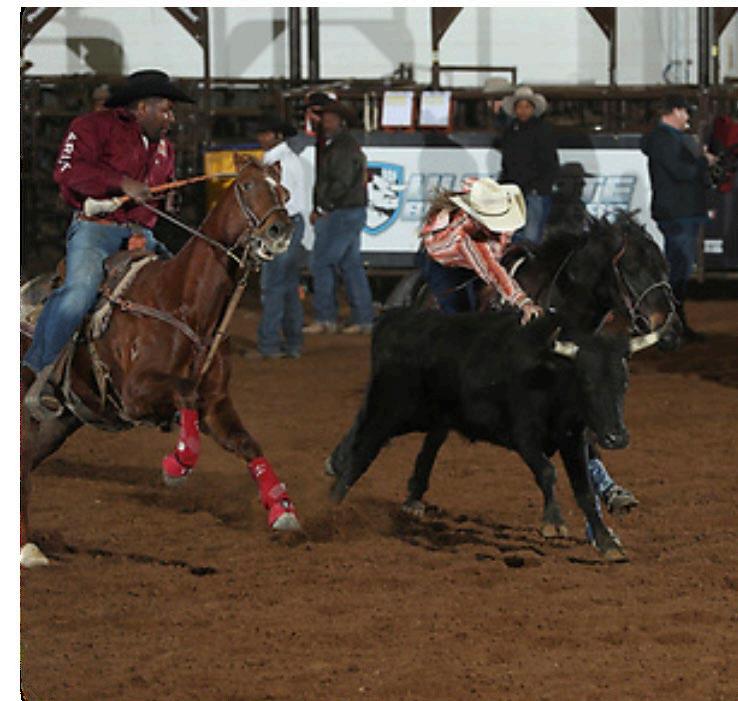
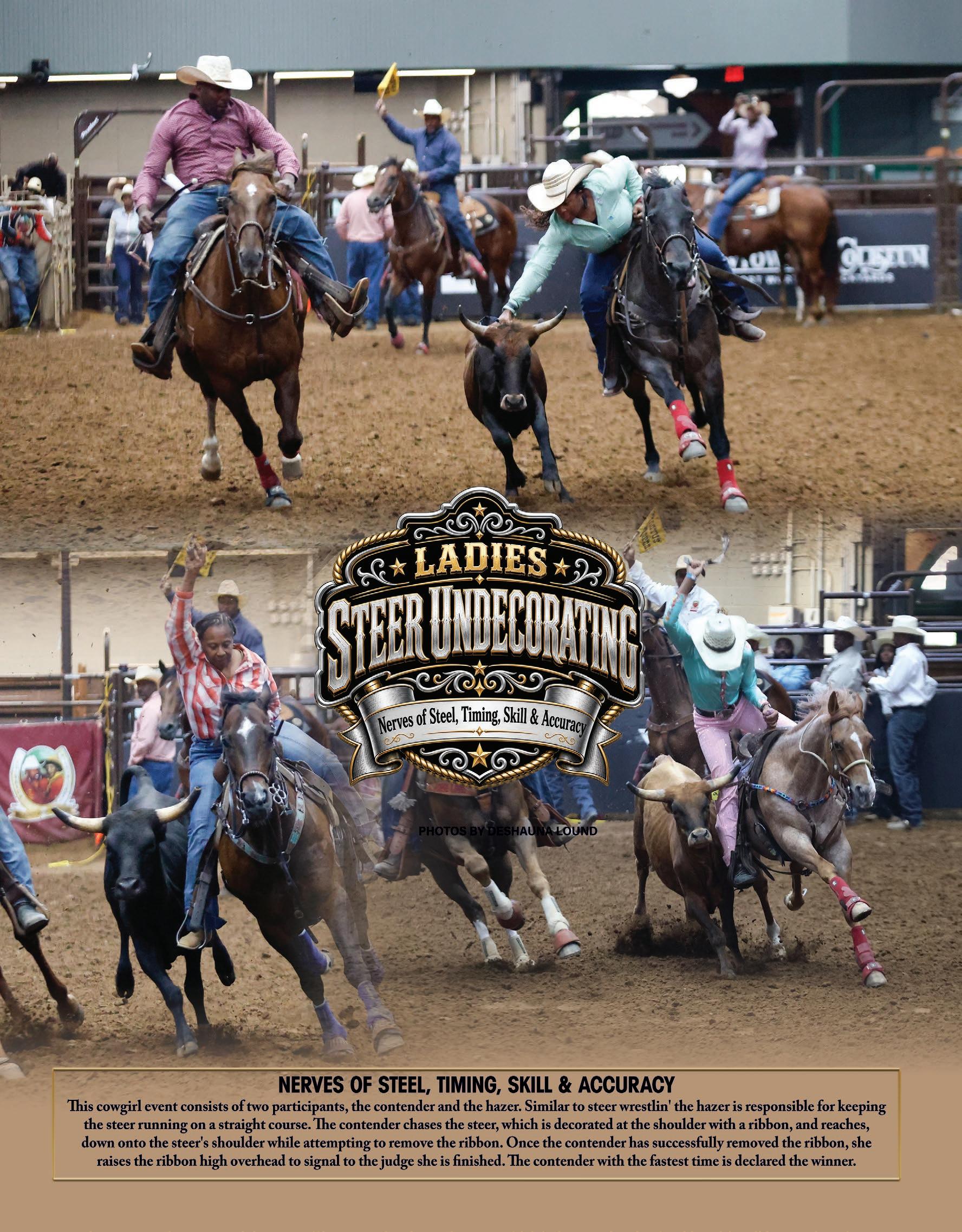
Today, despite competing against one another in events such as Ladies Breakaway, Ladies Steer Undecorating, and Barrel Racing, all three women insist their friendship matters more than any buckle or championship.
The women laugh often, and their conversations are filled with joy and humor. Yet beneath the laughter lies something even deeper, their unwavering faith. Their shared faith in God serves as the foundation of their friendship, strengthening the bond they have built over the years.
SUPPORT COMES WITH HONESTY
The support comes with plenty of honesty. “We hold each other accountable,” Kanesha laughed. “We’ll tell each other, ‘That was not part of the plan. Who told you to do that?’”
While Kanesha, Denesha and Valyncia find themselves constantly laughing, they realize underneath the humor lies something much
Kanesha Jackson
Denesha Rolling
Valyncia Brooks
deeper. Their friendship has survived distance, life changes, marriage, motherhood, loss, career challenges, and the everyday demands of adulthood.
Along the way, they attended one another’s weddings, celebrated baby showers, supported each other through heartbreak, prayed through difficult seasons, and stood together during moments of grief. What began as occasional prayer and fasting eventually evolved into a standing Wednesday Bible study and check-in call.
They began meeting every Wednesday as a way to stay connected and catch up on one another's lives. What started as a casual gathering of friends gradually evolved into something much deeper. Through open and heartfelt conversations, they shared life's challenges, celebrated victories, and became vulnerable about their personal journeys and walk with God. As their bond grew stronger, they made a commitment to meet each week, creating a sacred space for encouragement, accountability, and spiritual growth.
Over time, God transformed their weekly gatherings into meaningful Bible discussions that explored every aspect of life. Some conversations centered on faith, others on family, and some reflect on the rodeo lifestyle that first brought them together. At times, the meetings simply become a safe space to laugh, cry, encourage one another, and make sure everyone had made it through another week. Kanesha said with a smile. “Sometimes it’s Bible Study, sometimes its therapy. Sometimes it’s both.”
Faith being a defining part of both their friendship and their relationship with God. That faith led them to step forward and lead Cowboy Church in Oakland and Los Angeles in 2025. Cowboy Church provides a place for rodeo families to worship while traveling the rodeo trail. For years, the services were led by the late Sedgwick Haynes, former BPIR General Manager and a beloved leader in the rodeo community.
Since there has been a void for the cowboy church for a while, Kanesha felt God calling the women to take on the tradition. "I wasn't on board at first," Valyncia laughed. "Teaching God's Word is very serious to me, so my first response was, 'No thank you.'”
Completely reluctant and unsure, the ladies pressed forward in obedience.
“We were all nervous for sure”, Denesha shared. “But we just felt like we were just doing what we do on Wednesdays, but sharing it with an audience” Kanesha laughed.
With their prayer, faith, and encouragement from one another, the women embraced the opportunity to serve others and keep the spirit of Cowboy Church alive.
Their friendship has not always been perfect. Like many lifelong relationships, there were seasons when life pulled them in different directions, and at one point they drifted apart for nearly a year. But time taught them one of life's most valuable lessons: relationships require grace. Reflecting on that season, they shared honestly, “The scar is still there, but scars remind us that healing happened.”
Perhaps that lesson mirrors rodeo itself, sometimes you get knocked down, but the strength is found in getting back up and moving forward.
THE GREATEST GIFT
The same women willing to climb aboard powerful horses and compete in front of thousands also learned how to navigate disappointment, forgiveness, growth, and reconciliation. Rodeo taught them toughness. Sisterhood taught them grace.
Today, as mothers, wives, professionals, and accomplished competitors, they remain connected by something stronger than geography or competition. They remain connected by purpose.
They hope younger girls watching them understand that true friendship still exists. “Good friendships do exist,” Kanesha said and I want my daughter to know she can find sisterhood too.”
Denesha agrees. “People can either make or break you,” she said. “I hope young girls understand the importance of surrounding themselves with people who push them and support them.”
The Bill Pickett Invitational Rodeo taught them many things, discipline, responsibility, faith, perseverance, culture, and community. But perhaps its greatest lesson came when none of them were looking for it. Sometimes rodeo gives you championships. Sometimes it gives you memories and every once in a while, it gives you sisters.
Looking back, the women agree that some of their favorite memories were the moments shared between rodeos—laughing together on road trips, exploring new cities, learning about history, and creating friendships that have lasted a lifetime.
For Kanesha Jackson, Denesha Rolling, and Valyncia Brooks, that may be the greatest gift the Bill Pickett Invitational Rodeo ever gave them. What began as three little girls playing in the dirt at rodeos evolved into a journey filled with competition, education, adventure, and personal growth. Through the Bill Pickett Invitational Rodeo, they not only became accomplished competitors but also gained experiences that helped shape the women they are today.
The sisterhood leaves us with one final message: "As young girls, rodeo introduced us to one another. Life strengthened our bond, and God became the anchor that has sustained us through every season."
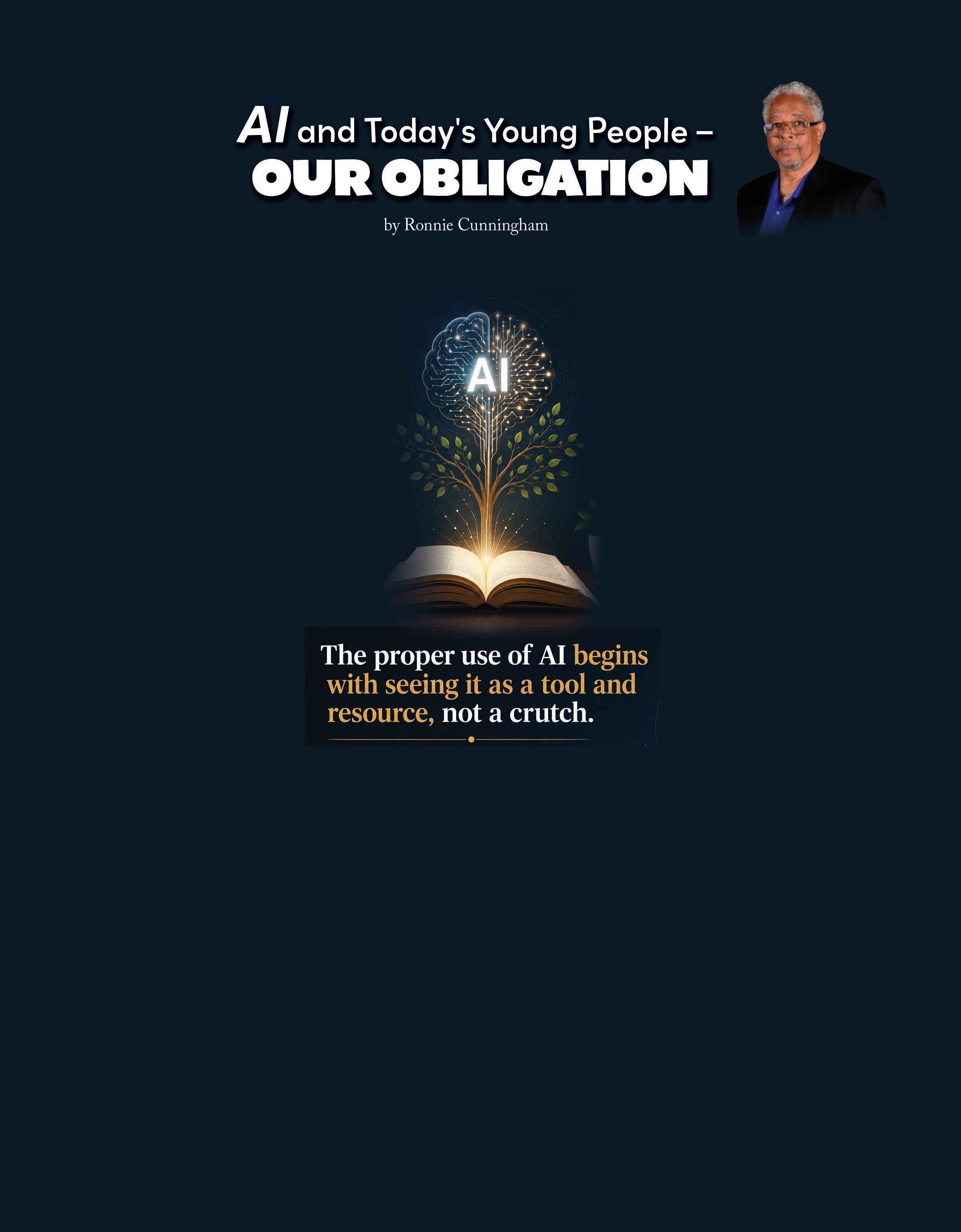
The proper use of AI begins with seeing it as a tool and resource, not a crutch. Like a calculator, library, tutor, or coach, AI can support learning, but it should never replace human effort, wisdom, creativity, or responsibility. When used correctly, AI can help young people learn faster, think deeper, and retain more of what they learn.
AI can explain difficult concepts in simpler language, provide examples, create practice questions, summarize notes, and help students review information in different ways. These uses can accelerate learning because they give students immediate support and personalized reinforcement. However, AI should not simply be used to get quick answers. The goal is to ask better questions, compare ideas, test understanding, and apply knowledge. Real learning still requires effort, reflection, discipline, and practice.
AI can also help develop critical thinking and problemsolving skills when students are taught to evaluate what it produces. They should ask: Is this accurate? What might be missing? What other perspective should I consider? How can I explain this in my own words? These questions
help young people become thinkers, not just consumers of information.
At the same time, important guardrails must be in place. Young people need guidance from parents, teachers, mentors, and leaders about honesty, privacy, accuracy, and appropriate use. AI should not be used to cheat, copy work, avoid learning, or replace personal responsibility. Students must understand that AI can make mistakes, reflect bias, or provide incomplete information. Because of this, they need to verify facts, protect personal information, and use AI with integrity. AI also does not replace social connection. Human interaction still provides encouragement, accountability, empathy, moral guidance, and real-world wisdom that technology cannot offer. Learning is not only about gaining information; it is also about building character, communication, collaboration, and community.
We have a responsibility to use AI wisely. In the right hands, with the right guardrails, AI can become a powerful tool that strengthens learning without weakening independence. on the
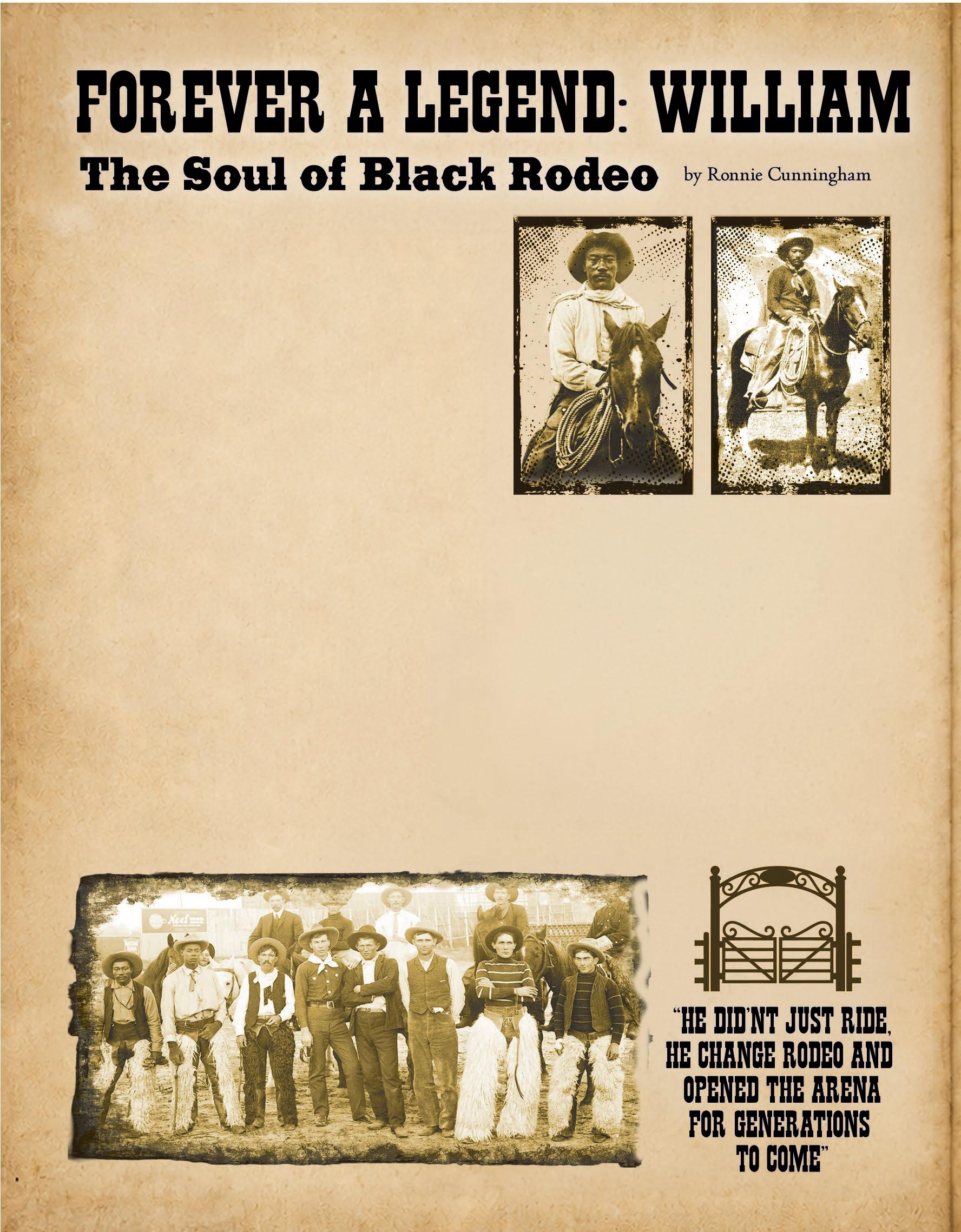
Everyone gets an opportunity to leave their mark on the world. Such marks are left in areas of giftedness. Let’s explore the mark which has become the legacy of William “Bill” Pickett. Let’s begin with who he was and reveal a few relevant facts which most are not aware. This unawareness stems from the reality that there are truths not taught in school history books. Some legacies serve to bring a sense of pride to cultures or ethnic groups. Some illuminate the minds inspiring others to become more than they thought possible.
Sadly, the achievements of many African Americans have gone un-recognized. Before teaching the history to younger generations, one must first know the history. There is a need to let people of all ages know about the perseverance of their ancestors. Knowledge of the truth sets us free. Knowing others were able to overcome huge obstacles provides hope they can overcome obstacles in life.
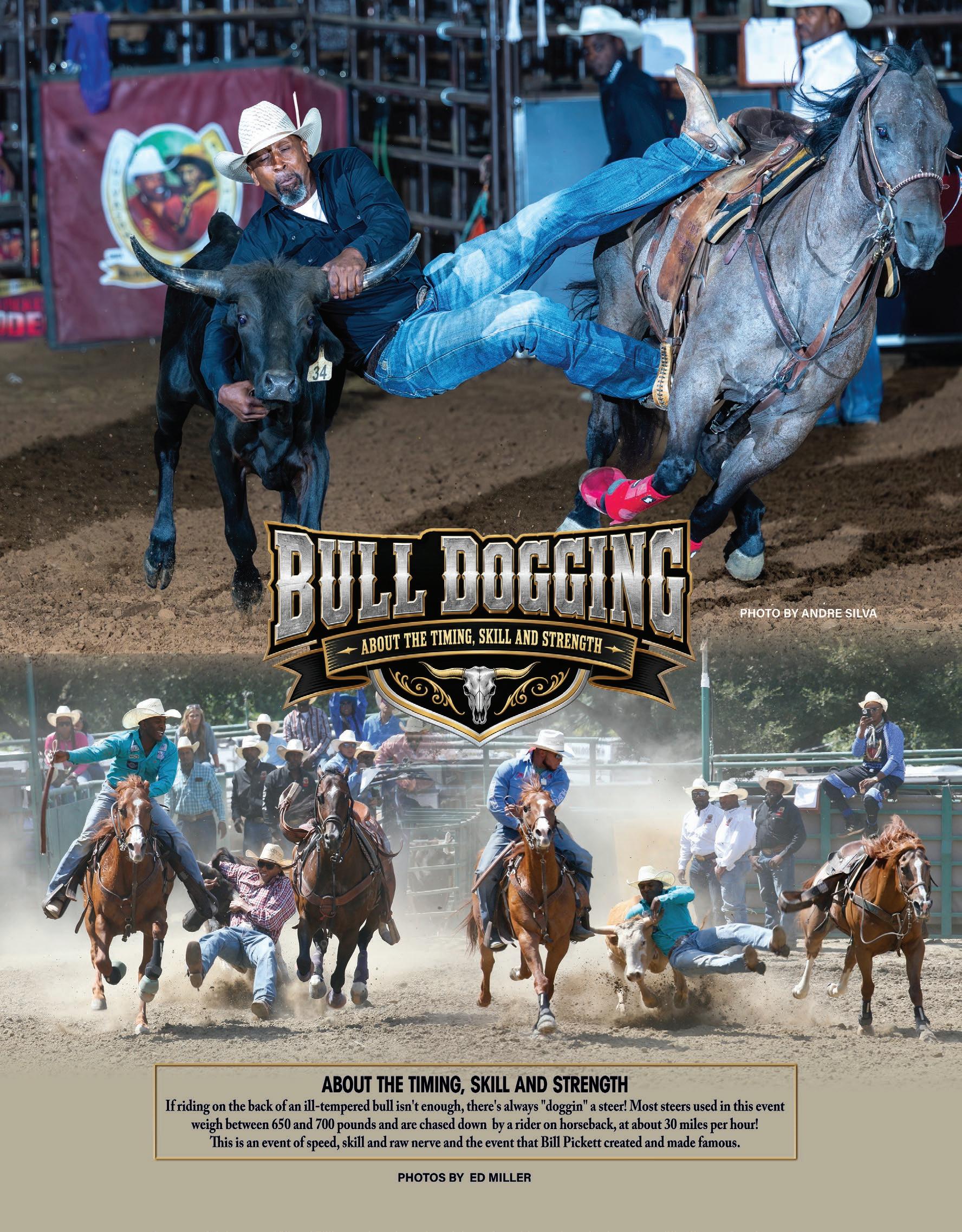
Much has been recently brought to light about the role of Blacks in the building of the United States of America. Developing the West, was no exception. Bill Pickett was a legendary African American rodeo cowboy. He is best known for inventing the rodeo sport of bulldogging, now known as steer wrestling. Born in Travis County, Texas in 1870, Pickett was one of thirteen children and grew up on a ranch. He left school in the fifth grade to become a ranch-hand, working as a cowboy on ranches in Texas and Oklahoma.
In 1890, Pickett married Maggie Turner, formerly an enslaved daughter of a white southern plantation owner. The couple had nine children. In 1903, Pickett performed his bulldogging act for the first time at the Cheyenne Frontier Days Rodeo in Wyoming. The event's following soared as Pickett became a regular performer at rodeos around the country. Known for Pickett's innovative technique of biting the steer's lip to bring it to the ground. His technique became known as the "Pickett Bite."
In 1905, Pickett was recruited to join the 101 Ranch Wild West Show, where he quickly became one of the show's star performers. He performed for several years, showing off his bulldogging technique to enthusiastic crowds across the country.
In the early 1920s, Bill Pickett was discovered by a Hollywood film producer named Jesse J. Goldburg, who saw him performing his bulldogging act at a rodeo in Texas. Goldburg was intrigued by Pickett's skills. He approached Pickett about starring in a series of films that would showcase his rodeo talents. Pickett was initially hesitant about the idea. He had never acted before and was not sure if he would be comfortable in front of the camera. However, Goldburg convinced him to give it a try. Pickett went on to appear in several films, including the 1921 silent film "The BullDogger." The film was created to showcase Pickett's rodeo skills.
Pickett's success in the movies helped to raise his profile even further. He continued to perform at rodeos and other events throughout the 1920s and early 1930s. His contribution to rodeo and the early film industry cemented his place in history. Pickett was a pioneer and trailblazer for African American cowboys and performers.
Pickett passed away in 1932, following an injury sustained in a rodeo. He was buried on the 101 Ranch near a 15-foot stone monument. The monument memorialized the friendship of Ponca Tribal Chief White Eagle and the Miller Brothers. The monument is also known as the White Eagle Monument.
Bill Pickett's legacy inspires and influences many, to this day. Pickett became one of the most famous and respected cowboys of his time. He was inducted into the National Cowboy Hall of Fame in 1971 and was inducted to the Rodeo Hall of Fame of the National Cowboy and Western Heritage Museum in 1972.
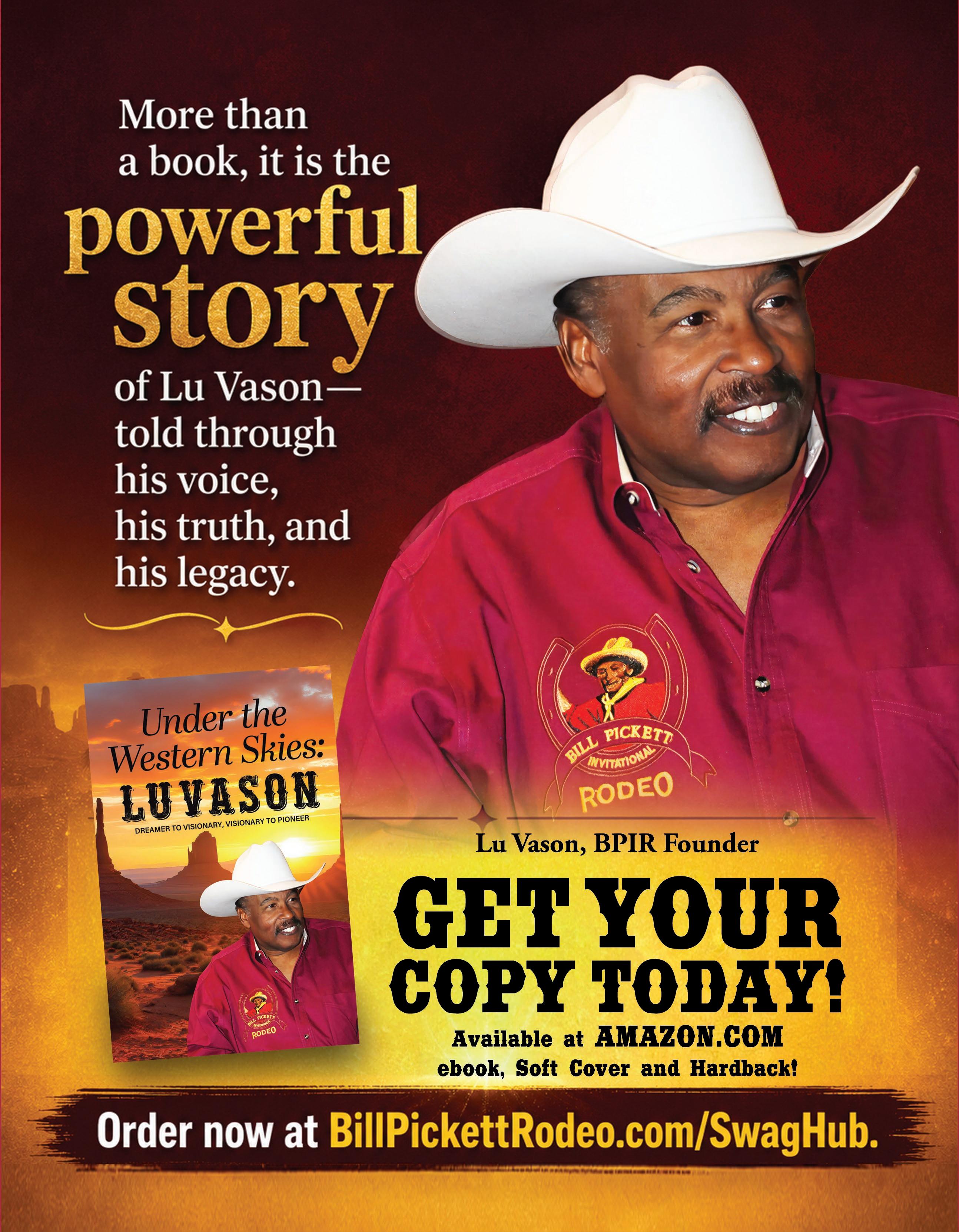
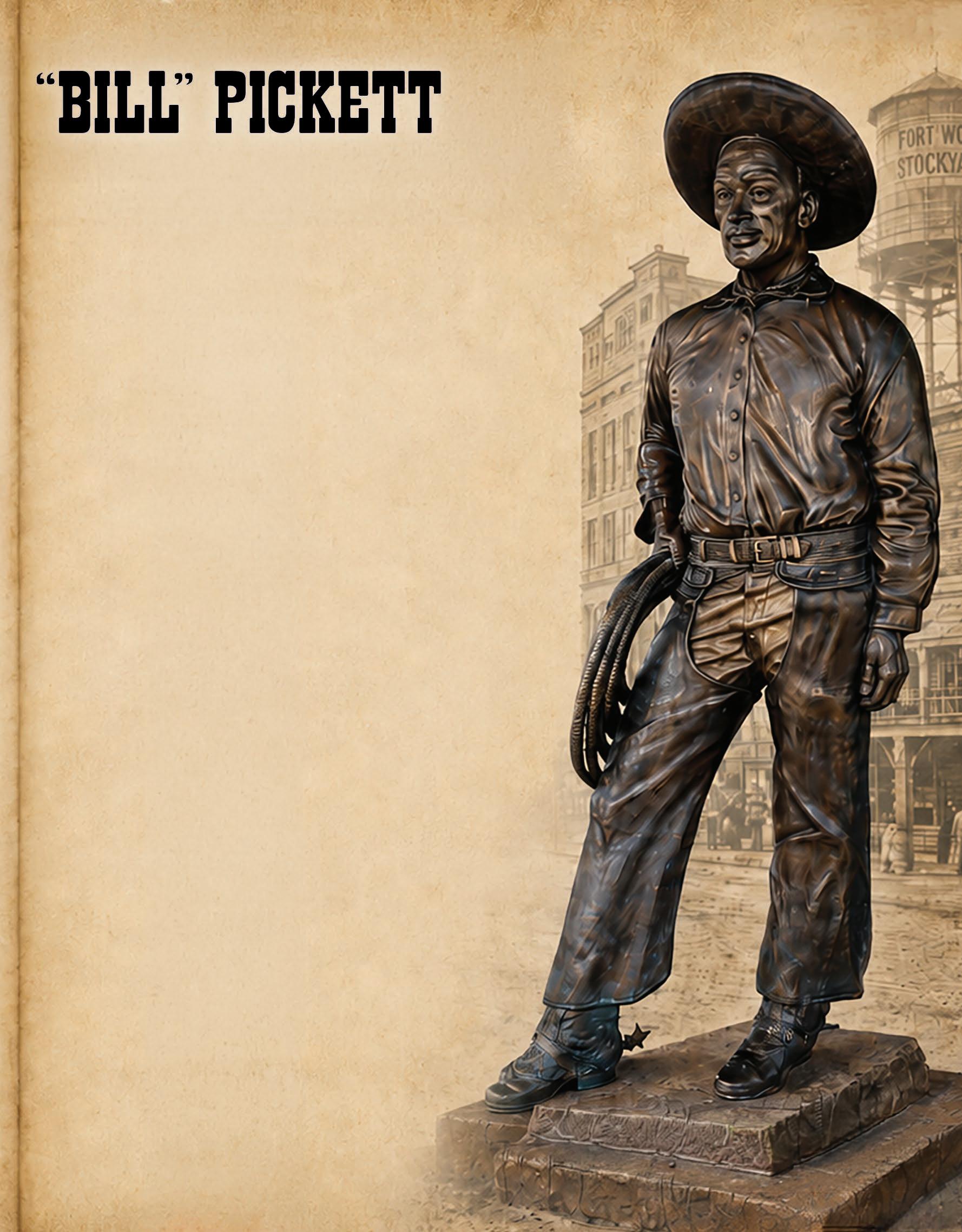
In 1984, Concert promoter, Lu Vason named his rodeo association after Bill Pickett. In 1987, a statue of Pickett performing his signature "bulldogging" maneuver, made by artist Lisa Perry was presented to the city of Fort Worth, Texas by the North Fort Worth Historical Society. The statue is installed in the Fort Worth Stockyards Historic District and in 1989, Pickett was inducted into the ProRodeo Hall of Fame.
The Bill Pickett Invitational Rodeo (BPIR) continues Pickett's legacy today as it showcases the talents of Black cowboys and cowgirls. Today, BPIR has become one of the most popular and prestigious rodeos in the United States.
In recent years, BPIR has gained international attention. Journalist, video crews, and photographers from Germany, France, and other countries have covered the BPIR experience.
The BPIR features traditional rodeo events including steer wrestling also known as bulldogging as one of the signature events. The rodeo also includes cultural and educational activities.
The BPIR is dedicated to promoting and preserving the legacy of Bill Pickett, the Black cowboys and cowgirls and providing a larger platform for Black rodeo athletes to showcase their skills and compete at the highest level.
Legacies can be used to motivate, encourage, and bring hope to others and Bill Pickett’s legacy certainly does that!
For more than four decades, the Bill Pickett Invitational Rodeo had traveled the country celebrating the legacy, courage, and achievements of Black cowboys and cowgirls. But on October 1, 2025, at Monumental Plaza Garibaldi in Houston, Texas, a new chapter was written.
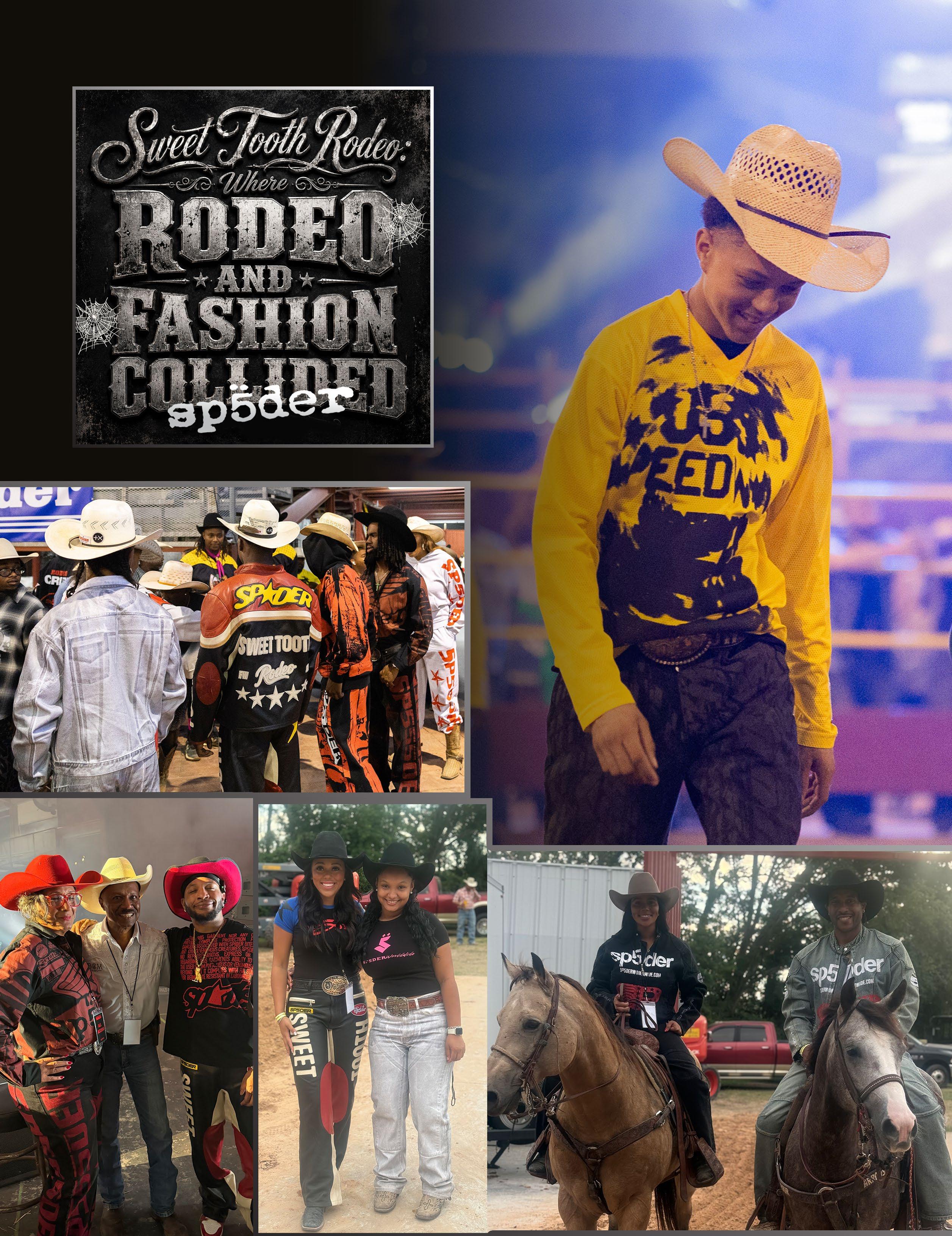
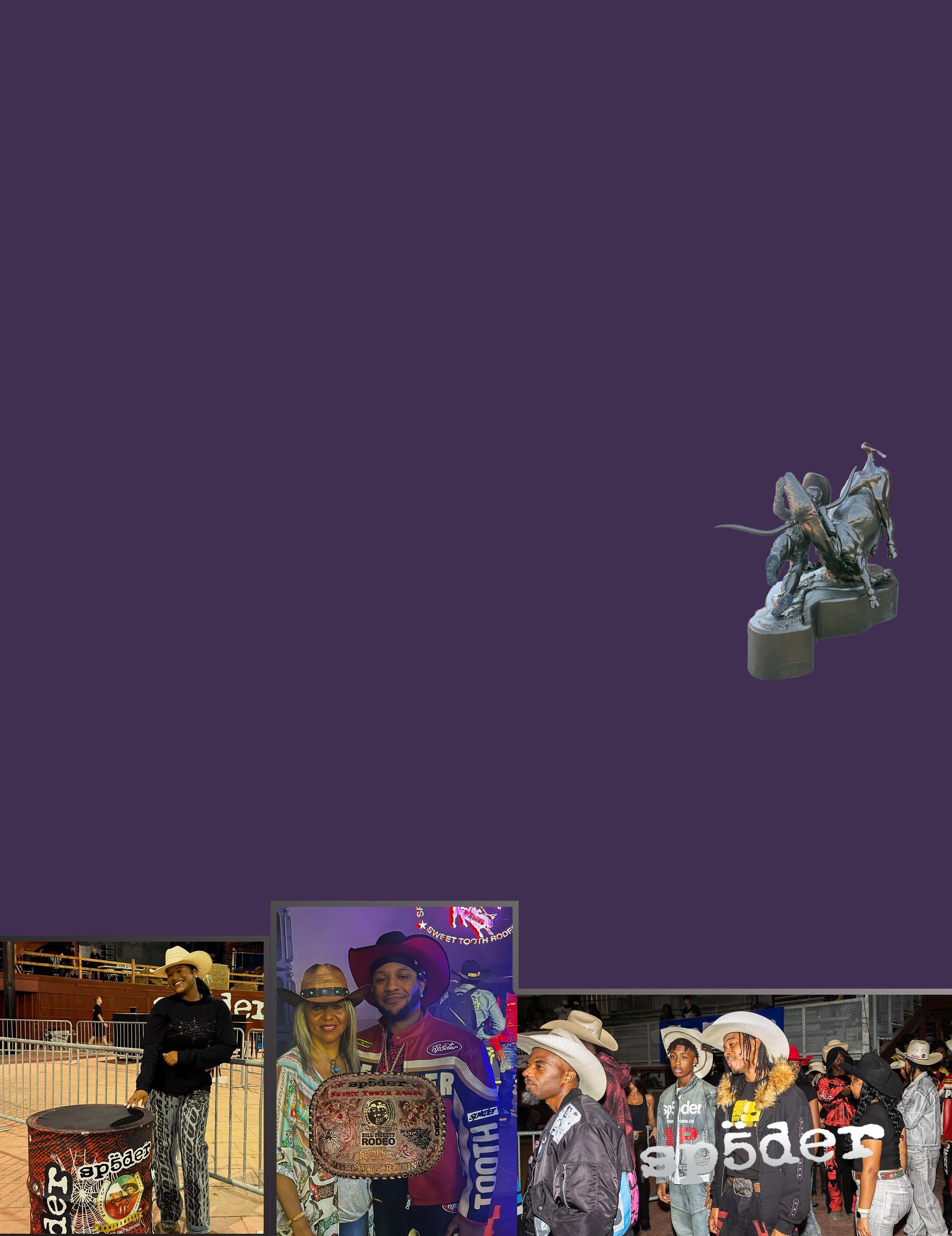
The Sweet Tooth Rodeo was born as a result of a bold partnership between the Bill Pickett Invitational Rodeo and SP5DER, which quickly evolved into something much larger than a rodeo or fashion show. It became a celebration where rodeo and fashion collided.
As guests arrived, they stepped into a world where the spirit of the rodeo met the energy of modern fashion. The familiar sights and sounds of the arena blended seamlessly with vibrant SP5DER installations, exclusive merchandise, custom experiences, and a runway-inspired atmosphere that challenged expectations and inspired imagination.
Yet at the center of it all remained the Bill Pickett Invitational Rodeo cowboys and cowgirls dressed in SP5DER outfits, bringing a whole new rodeo look.
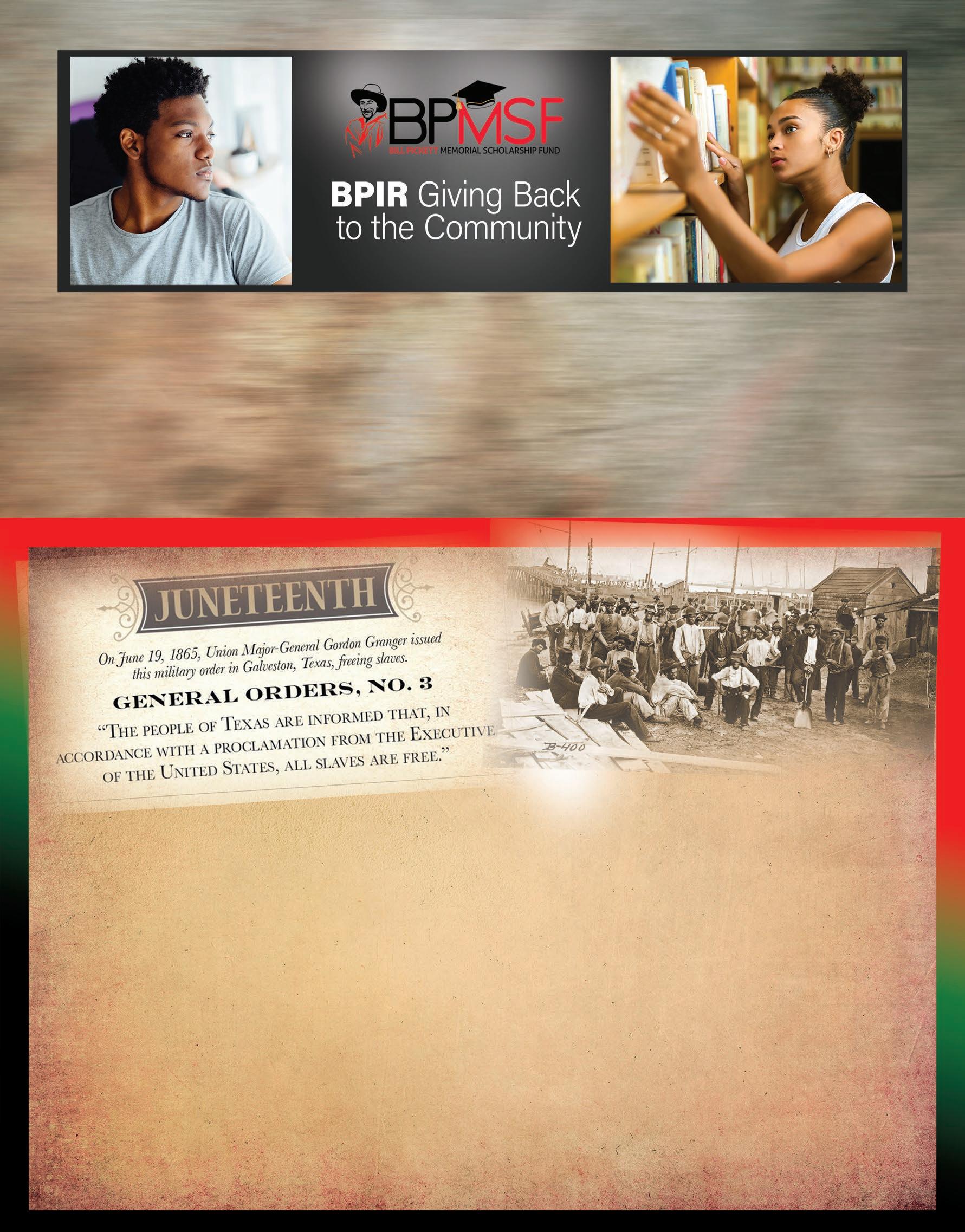
The collaboration also carried a greater purpose. Through SP5DER's commitment to donate proceeds to the Bill Pickett Invitational Rodeo Foundation, the event became an investment in the future. Funds generated from the Sweet Tooth Rodeo would help support scholarships, rodeo grants, educational initiatives, and programs designed to create opportunities for future generations.
Inside the VIP lounge, community leaders, influencers, sponsors, and supporters gathered to celebrate a vision that brought together heritage and innovation. Around every corner, conversations centered on possibility, opportunity, and the power of collaboration.
As part of the collaboration, SP5DER presented the Bill Pickett Invitational Rodeo with a life-size replica of the iconic Bill Pickett statue that stands proudly in front of the historic Fort Worth Stockyards Coliseum in Fort Worth, Texas. The original statue serves as a tribute to Bill Pickett, the legendary cowboy whose innovations and accomplishments forever changed the sport of rodeo and whose legacy inspired the creation of the Bill Pickett Invitational Rodeo.
For BPIR, receiving this replica was far more than a gift. It was a powerful symbol of respect for the history, heritage, and pioneers who paved the way for future generations. It represented a shared commitment between BPIR and SP5DER to honor the legacy of Black cowboys and cowgirls while ensuring their contributions remain visible and celebrated for years to come.
For SP5DER, the event was an opportunity to demonstrate that fashion can be more than clothing, it can be a platform for storytelling, culture, and social impact.
For BPIR, it was an opportunity to introduce a new audiences to the rich history of the BPIR.
For the contestants, it was another chance to showcase their talent and passion in front of an audience experiencing rodeo in an entirely new way and becoming fashion models at the same time.
The Sweet Tooth Rodeo proved that when history, culture, fashion, philanthropy, and community come together, something truly remarkable can happen.
And in Houston, it did.
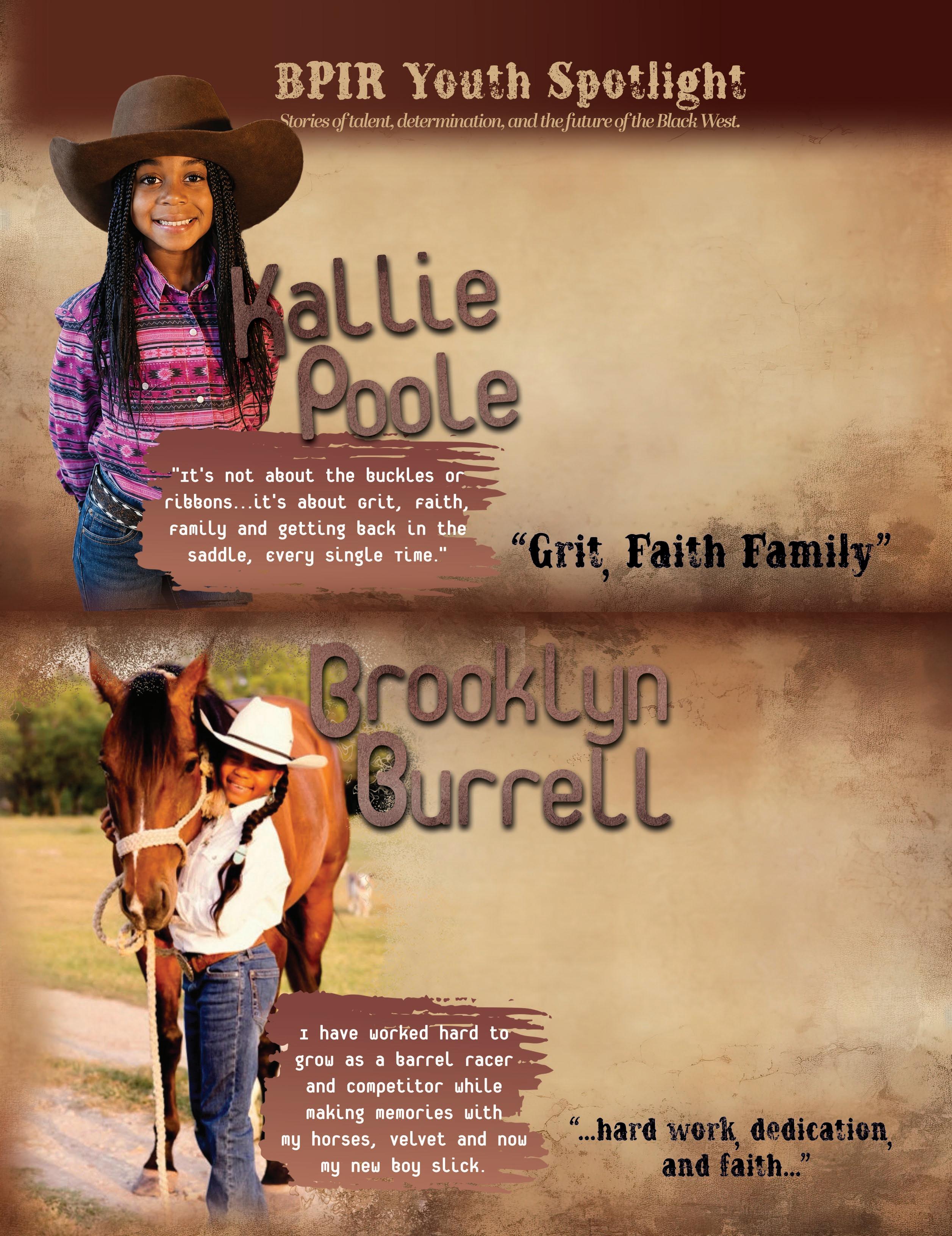
Barrel Racer, Courage in my heart, grit in my soul, Faith, family, rodeo Hello, my name is Kallie Poole and I am 7 years old.
I started my rodeo journey at the age of 3 doing lead line events. Shortly after that, at the age of 4, I started walking/trotting barrels by myself. That's when I started entering rodeos.
Since then, it has been a dream of mine to travel state to state competing in barrel racing.
MY JOURNEY
From that moment I chased every rodeo with courage in my heart. I learned that rodeo wasn't just about buckles or ribbons - it was about grit, faith, family, and getting back in the saddle every single time.
I work really hard and I enjoy every minute and every opportunity that I am given.
I chase every rodeo with courage in my heart,
“My rodeo journey started three years ago when I entered and won my first Rodeo Queen pageant. That experience sparked my love for rodeo and horses, and I quickly fell in love with the western lifestyle. Since then, I have worked hard to grow as a barrel racer and competitor while making memories with my horses, Velvet and now my new boy Slick. As a first-generation cowgirl, I’ve learned that hard work, dedication, and faith can take you places you never imagined. I have been competing with the BPIR since 2024 and it was actually my 1st BIG rodeo I entered in.
During Black History Month, local news stations recognized me as the only African American youth rodeo athlete competing at my level in the San Antionio, TX. Area. It means a lot to know that I can help inspire other little brown-skinned girls to follow their dreams and see that they belong in the arena too. Rodeo has taught me confidence, responsibility, and perseverance, and I am excited to continue growing in the sport I love. Most importantly, I thank God for every opportunity and blessing along the way, and I trust His plan for my journey”.
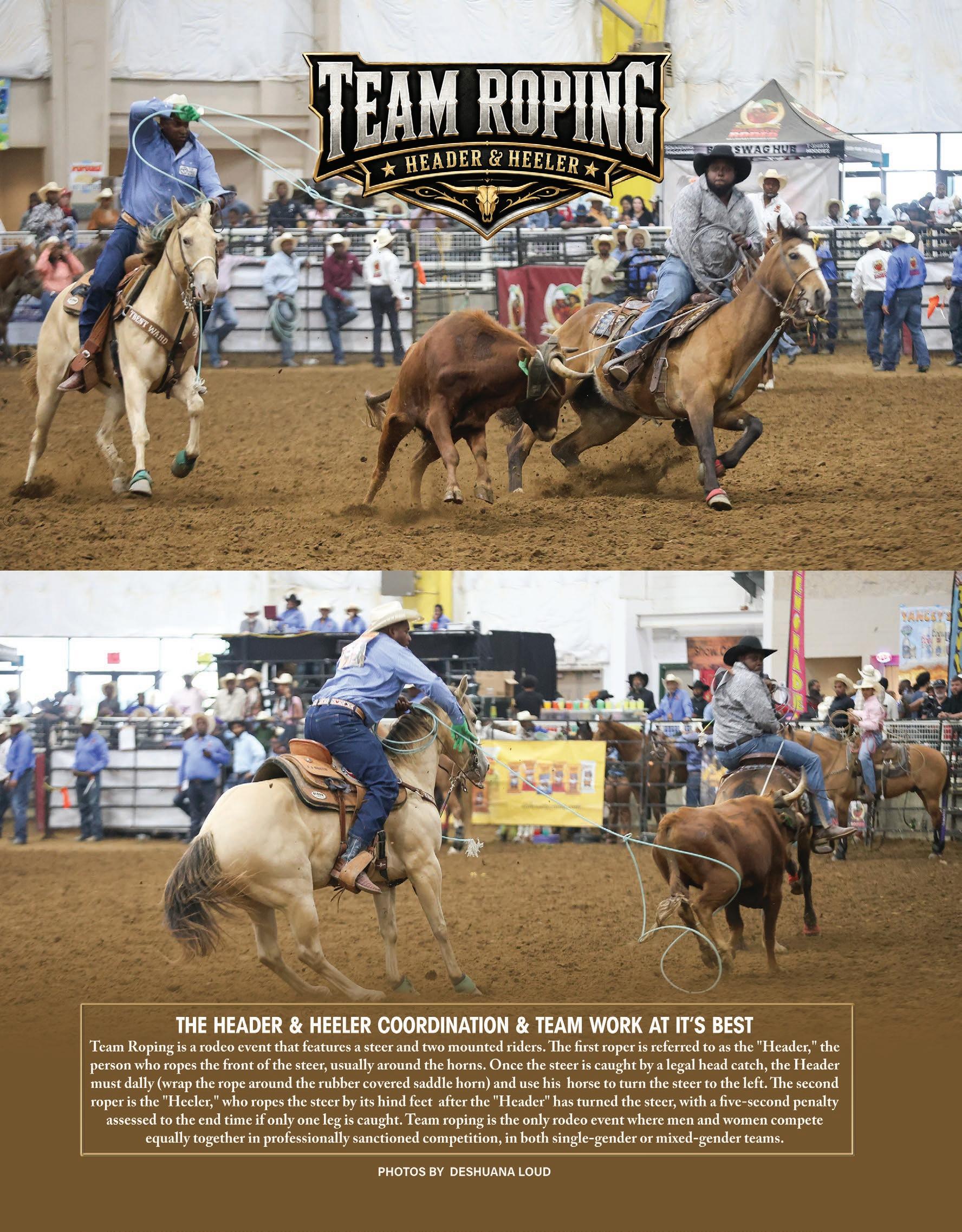
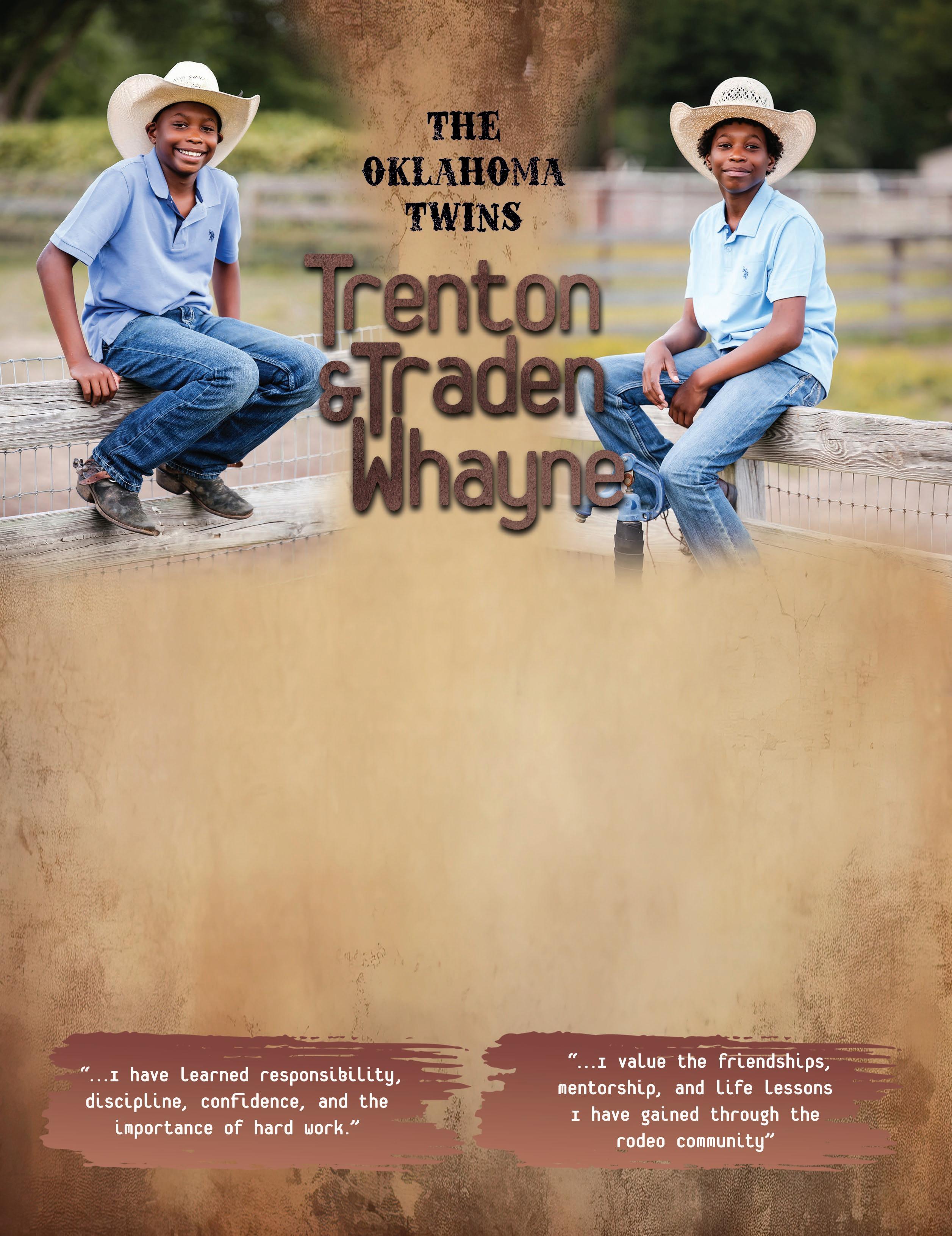
My name is Trenton Whayne, and I am a 13-year-old dedicated young cowboy from Tulsa, Oklahoma. I started riding with BPIR in 2017 and have developed a strong passion for rodeo and agriculture, and I enjoy team roping, working with livestock, and continuing to learn more about the western way of life.
Through rodeo, I have learned responsibility, discipline, confidence, and the importance of hard work. These experiences have helped shape me both in and out of the arena.
Outside of rodeo, I enjoy spending time with my family, participating in 4-H activities, and helping care for animals. I take pride in staying connected to my agricultural roots while continuing to grow and learn every day.
My goal is to continue developing my skills in the sport of rodeo, pursue opportunities within agriculture, and inspire other young people to follow their dreams, work hard, and stay connected to their heritage and values.
My name is Trevor Whayne, and I am a hardworking and determined young rodeo athlete who enjoys competing and learning new skills in the rodeo arena. My brother and I started riding with BPIR in 2017. Rodeo has helped me build confidence, patience, sportsmanship, and perseverance, both in competition and in everyday life.
I enjoy spending time around horses and cattle and take great pride in being involved in agriculture and preserving our western heritage. The lessons I learn through rodeo continue to shape my character and teach me the value of dedication, responsibility, and hard work.
In addition to rodeo, I enjoy being active in school and participating in community activities. I value the friendships, mentorship, and life lessons I have gained through the rodeo community, and I am grateful for the opportunities it has provided me.
As I continue my rodeo journey, I look forward to growing as a competitor, learning new skills, and making my family, community, and supporters proud every step of the way.
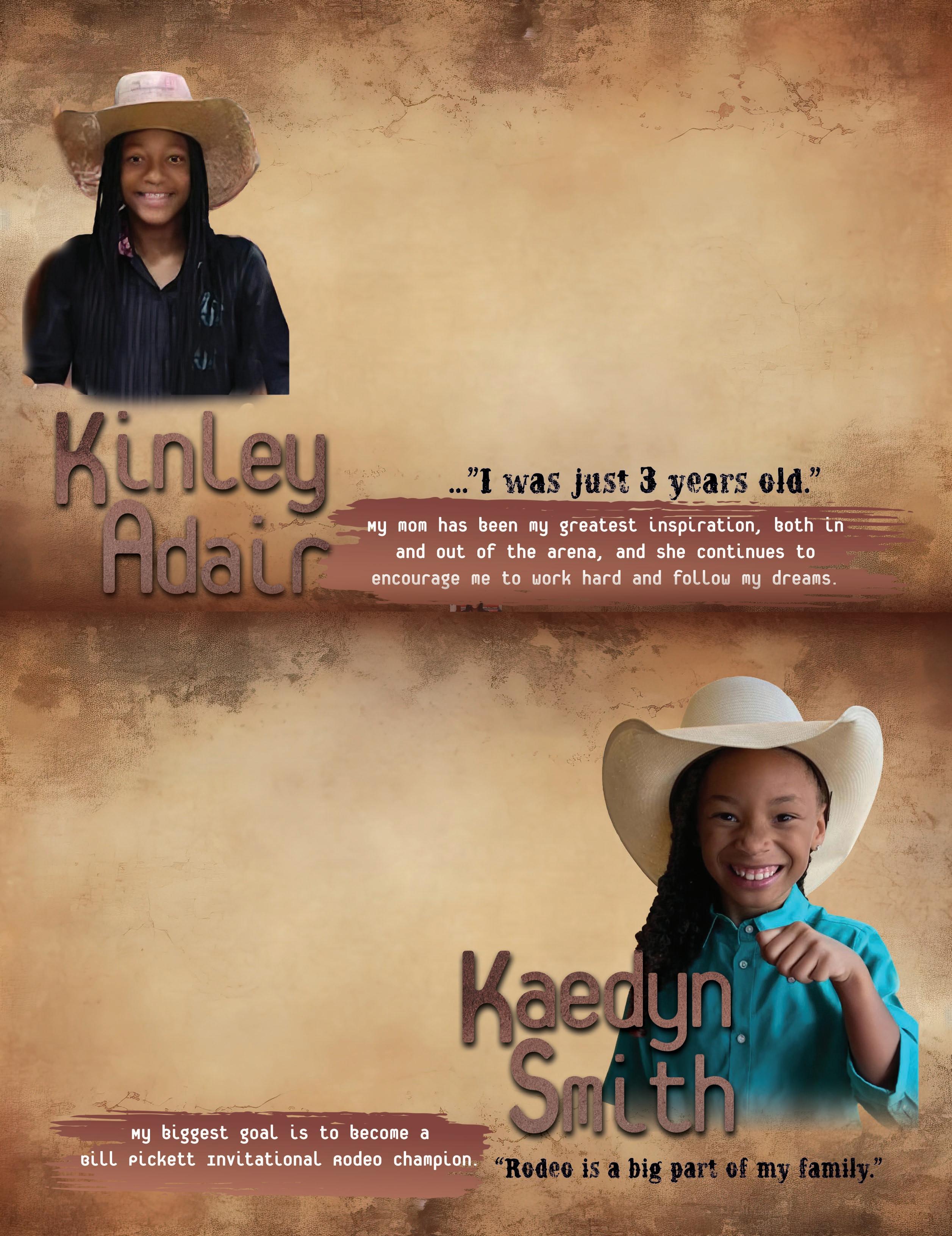
My name is Kinley Adair, and I am an 11-year-old third-generation cowgirl from Pointblank, Texas. My passion for barrel racing began when I was just 3 years old. Growing up in a rodeo family, I have always been surrounded by horses, rodeo, and the western way of life. My mom has been my greatest inspiration, both in and out of the arena, and she continues to encourage me to work hard and follow my dreams.
Since competing in my first rodeo in 2018, I have been blessed to earn numerous championships and awards through organizations including BPIR, Star Rodeo, ASGCA, ETYRA, Piney Woods Youth Rodeo Association, and AQHA competitions. Some of my accomplishments include multiple Junior and PeeWee Barrel Racing Championships, qualifying as an AQHYA World Show National Champion, winning the Martha Josey Year-End Clinic Saddle, and being selected as a 2026 Martha Josey Youth Ambassador.
When I am not competing, I enjoy hunting with my dad, shopping with my mom, and spending time with my family. Rodeo has taught me dedication, responsibility, confidence, and perseverance, and I am grateful for every opportunity it has provided.
As I continue my rodeo journey, I hope to achieve my dream of becoming both a professional barrel racer and a successful real estate agent. I look forward to representing the sport I love, inspiring other young cowgirls, and carrying on my family's rodeo legacy for years to come.
My name is Kaedyn Smith, and I am 9 years old from Huntsville, Texas. I started riding horses when I was just 3 years old. Rodeo is a big part of my family. Both of my parents rodeo, my grandparents rodeo, and my uncle, Denell Henderson, is also involved in rodeo. Growing up around the sport has inspired me to follow in their footsteps and pursue my own rodeo dreams.
I love to rodeo, and while I have my ups and downs, I always keep trying and do my best. Rodeo has taught me determination, patience, and the importance of never giving up. I am especially excited because I recently got a new horse named Money. He is 19 years old, and I can't wait to see what we accomplish together as a team.
I began competing with the Bill Pickett Invitational Rodeo when I was 6 years old in the Pee Wee Barrel Racing division. Today, I proudly compete in the Junior Barrel Racing event. One of my favorite things about being part of BPIR is the opportunity to travel across the country, meet new people, and create lasting memories while doing something I love.
My biggest goal is to become a Bill Pickett Invitational Rodeo Champion. I will continue working hard, learning from every ride, and chasing my dreams one barrel at a time.
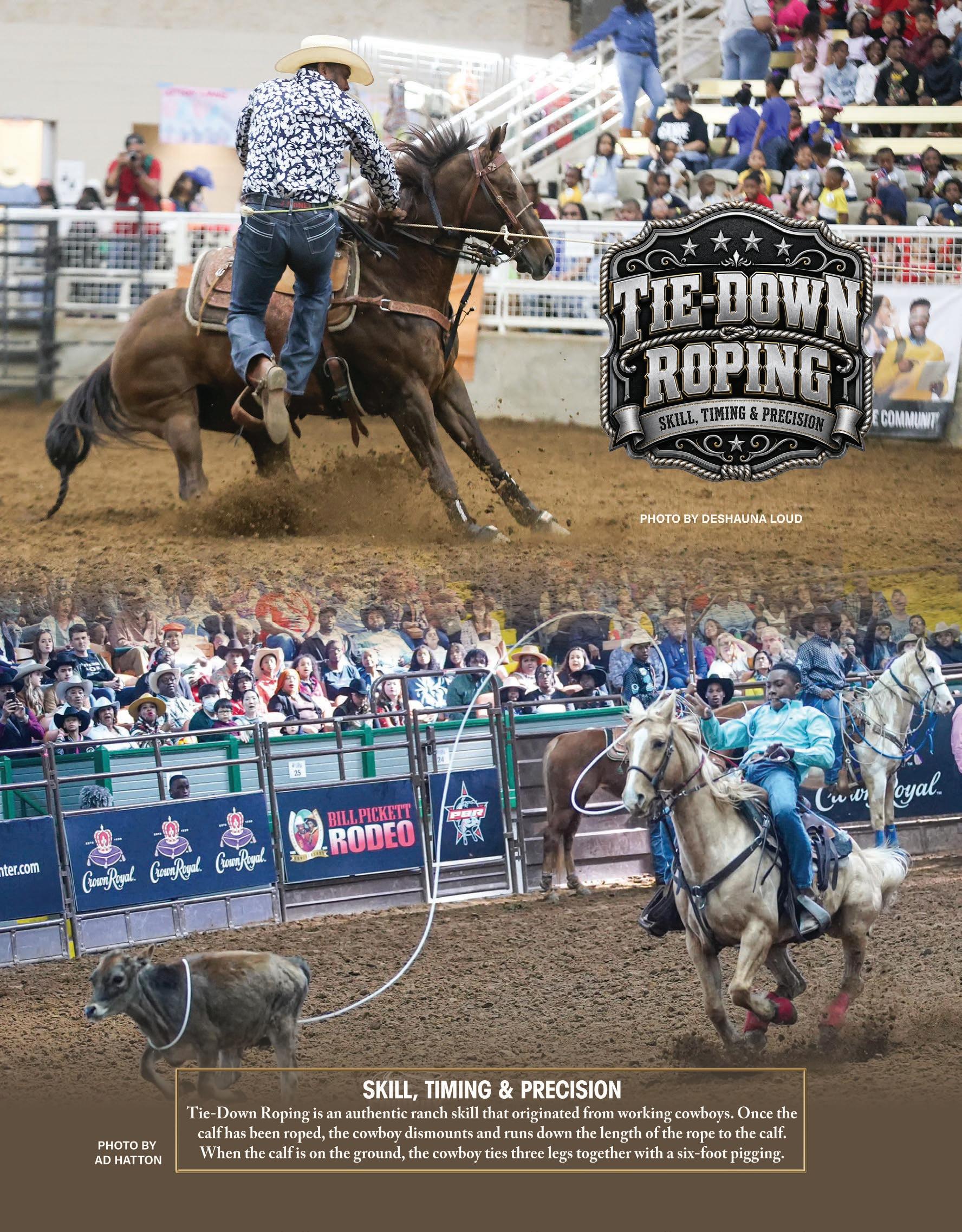
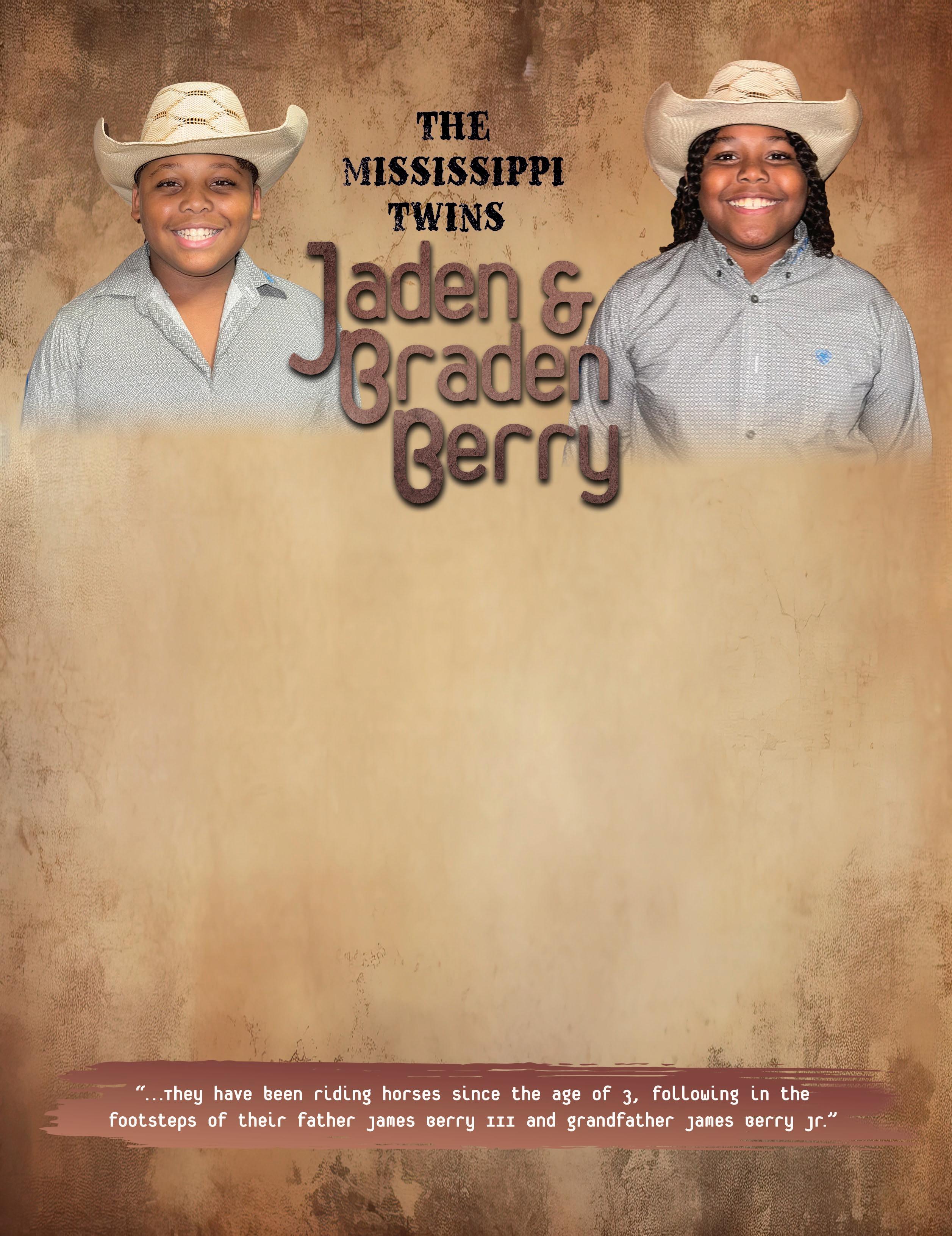
Jaden and Braden Berry, Jr. Tie-Down Ropers are 12 years and are talented young riders with a deep passion for horses and the rodeo lifestyle. They have been riding horses since the age of 3, following in the footsteps of their father James Berry III and grandfather James Berry Jr. Through dedication, hard work, and strong family traditions, Jaden and Braden continue to grow as riders while carrying on a legacy that has been passed down through generations.
Braden stated that his granddad, dad, and mom have all inspired me to keep following my dream and that's to become the best of the best. I practice daily because my dad always say, "Practice makes perfect" and I do believe in myself so that's why I practice every day. As for my mom, she supports me as well and I appreciate her. As for my granddad, he has always been the one to say, "You need to go make that money, you don't need to be partying".
That's the best part about him because he always tells me right.
Jaden said, 'My journey started with the help of my dad and granddad. They gave it all to make me and my brothers the best cowboys that we can be. With the help, my brother Braden Berry is placing first in the Bill Pickett rodeo standings, and I am placing fourth. I am so grateful to have the support of my mom, dad, granddad, brothers, and other family members. I guess I can say practice makes perfect and every day I learn something new from my dad and granddad.
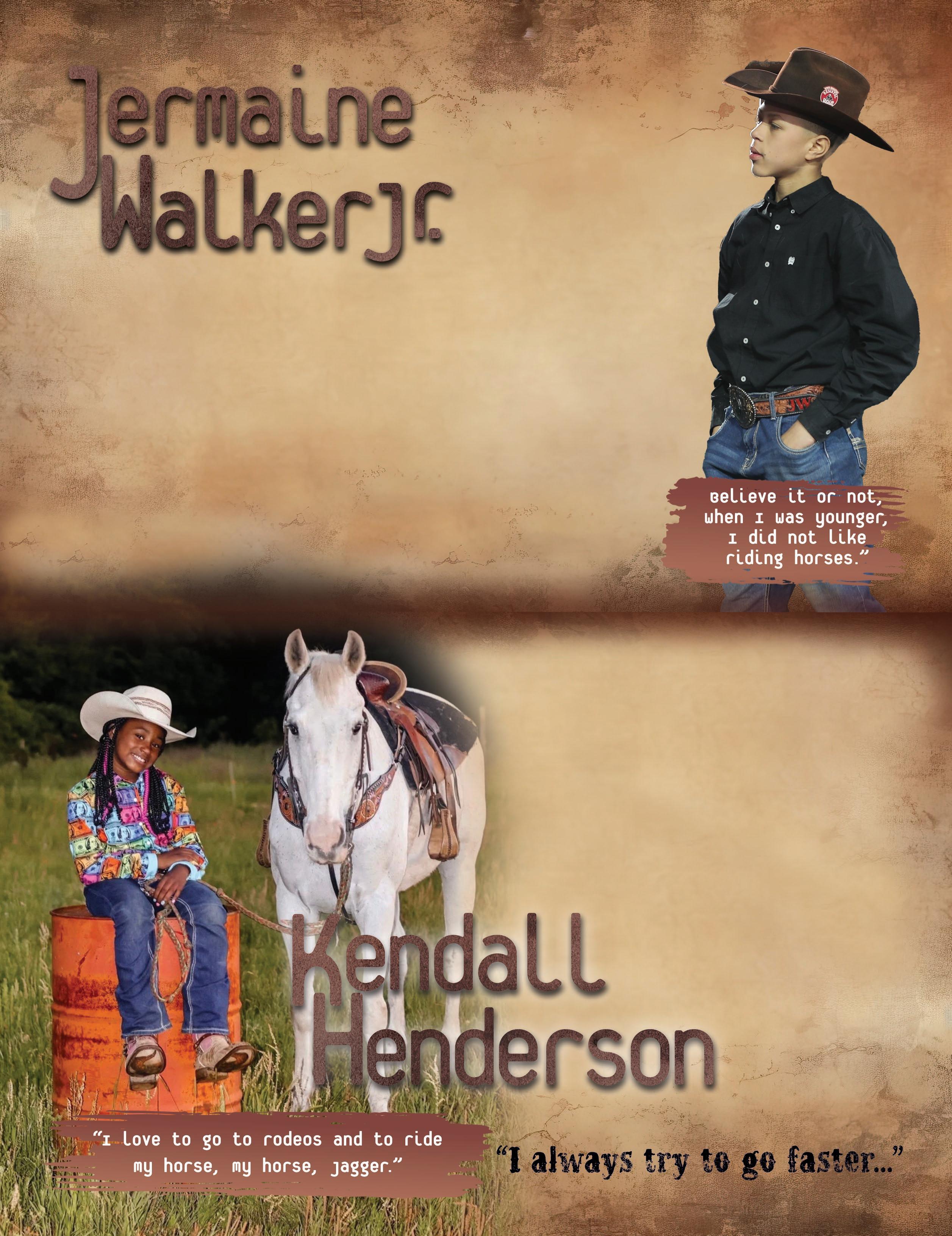
My name is Jermaine Walker Jr., and I am 14 years old. I was born in Houston, Texas, and now live in Hempstead, Texas, with my parents and my two younger siblings.
Believe it or not, when I was younger, I did not like riding horses. I think I was around 9 years old before I finally overcame my fear and gave rodeo a real chance. I have put countless hours of time, effort, and dedication into learning the art of roping and becoming a better competitor. Looking back now, I am thankful that I did because rodeo has become such an important part of my life.
To me, rodeo is much more than a sport. It takes hard work, dedication, and commitment to be successful. Rodeo teaches self-discipline, a strong work ethic, respect for others, and the importance of helping those around you. It also teaches humility through both victories and defeats. That is why I always say rodeo is not just a sport, it is a way of life.
I come from a family filled with rodeo and athletic champions, which means I have some big shoes to fill. Rather than comparing myself to others, I set a goal to always be better than my last run. Every time I enter the arena, I strive to improve, learn, and grow.
My dream is to become a successful calf roper and help pave the way for my younger brothers to follow their own dreams. I know I would not be where I am today without the support of organizations like the Bill Pickett Invitational Rodeo, the encouragement of my family, and the love and guidance of my entire village.As I continue my rodeo journey, I am committed to working hard, staying focused, and making those who believe in me proud.
My name is Kendall, and I am 9 years old. I am a barrel racer, and I started running Pee Wee barrels at the Bill Pickett Invitational Rodeo when I was 5 years old.
I love to go to rodeos and to ride my horse, my horse, Jagger. The most exciting thing for me when I rodeo is when I barrel race because I get to go as fast as I can around the barrels. I always try to go faster each time because I want to win money and buckles. I also like to rodeo because I get to travel with my family and spend time with my cousins and friends. It makes every rodeo fun and exciting. I was the BPIR Pee Wee Champion in 2024 and my goal is to win another championship.
Besides rodeo, I also like playing softball and basketball. I get to do all these things because of my mom. She is my role model, and I look up to her because she works hard and loves rodeo just like I do. My dad rodeos too, and with both of my parents, they are always telling me to do my best and work hard.
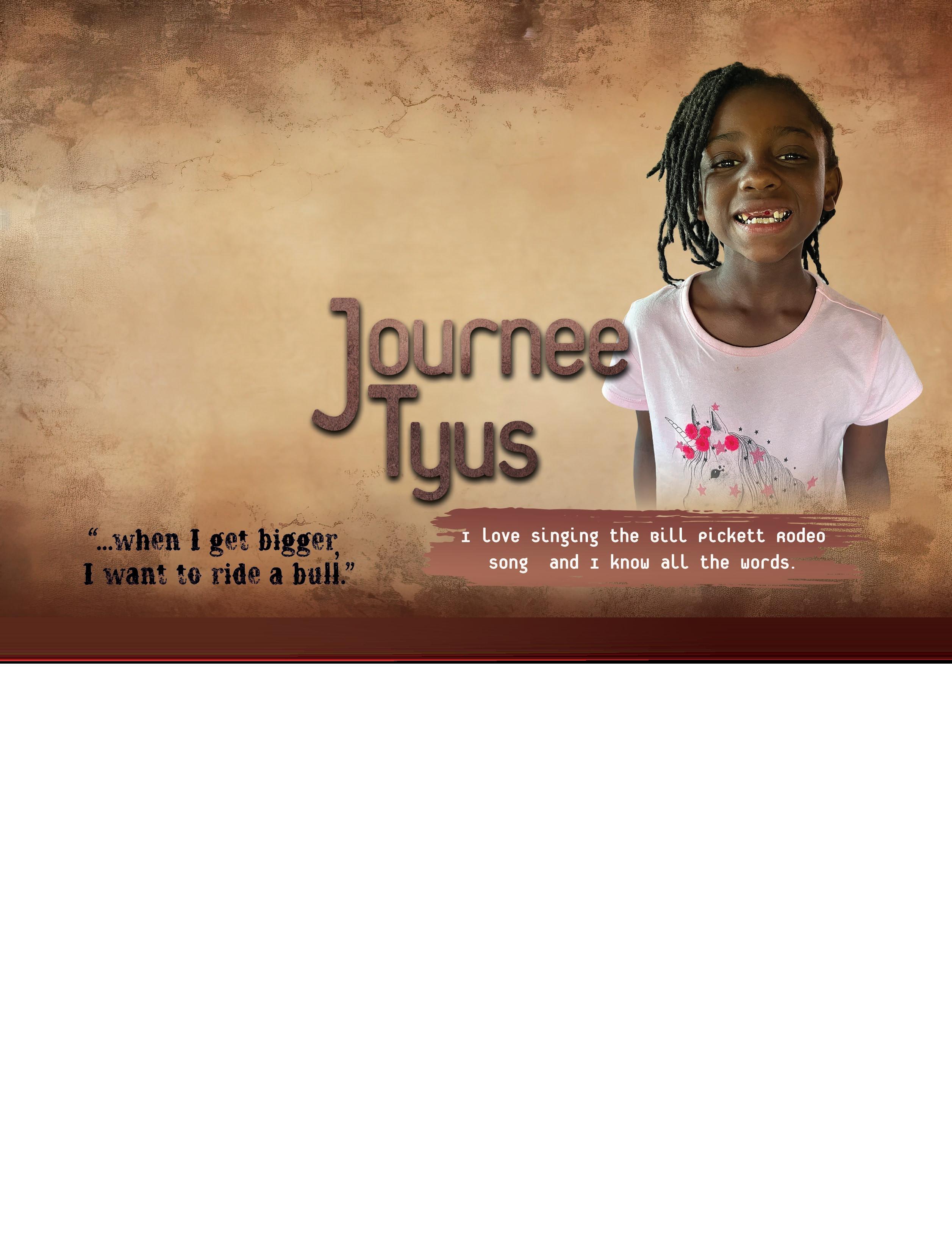
My name is Journee Tyus, and I am 6 years old and I love singing the Bill Pickett Rodeo Song and I know all the words. I think rodeo is a lot of fun! This is my first year riding in the BPIR rodeo, and my Paw Paw and Dmama are teaching me how to ride, and they help me get better every time. My daddy, Kendrick, used to rodeo too.
When I first started learning how to ride, I was nervous and a little scared to go really fast, but now I think it is exciting and fun, so I am trying to go faster so I can win.
One of my favorite things about rodeo is getting to see my cousins and play with my friends. We have a lot of fun at the rodeos.
I love sports. I play softball, and I want to play soccer too. My sister runs track, and I want to be just as fast as she is, or maybe even faster.
I also told my Paw Paw that when I get bigger, I want to ride a bull. You should have seen the look he gave me when I said that.
I really love rodeo, and I can't wait to keep getting better every year.
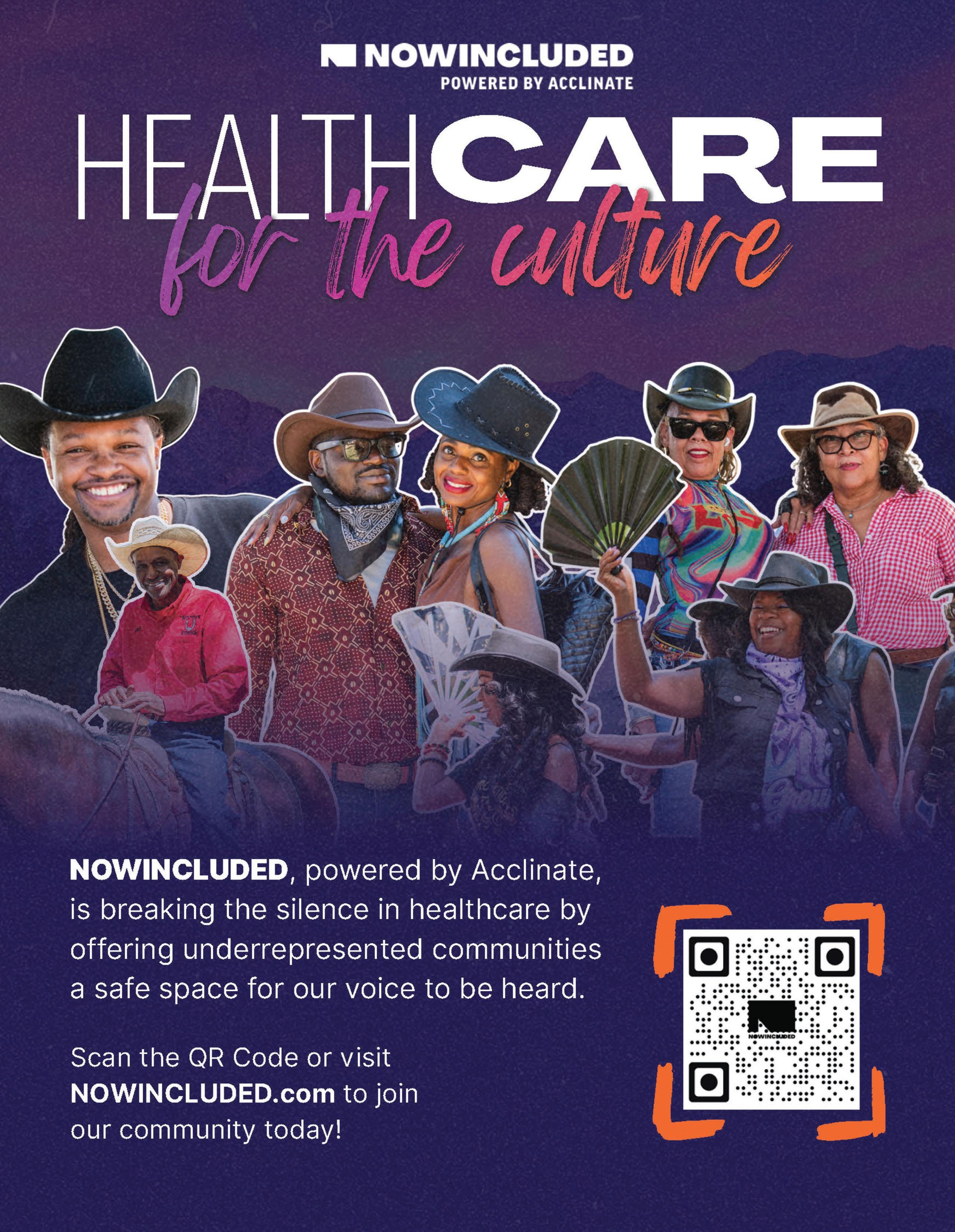
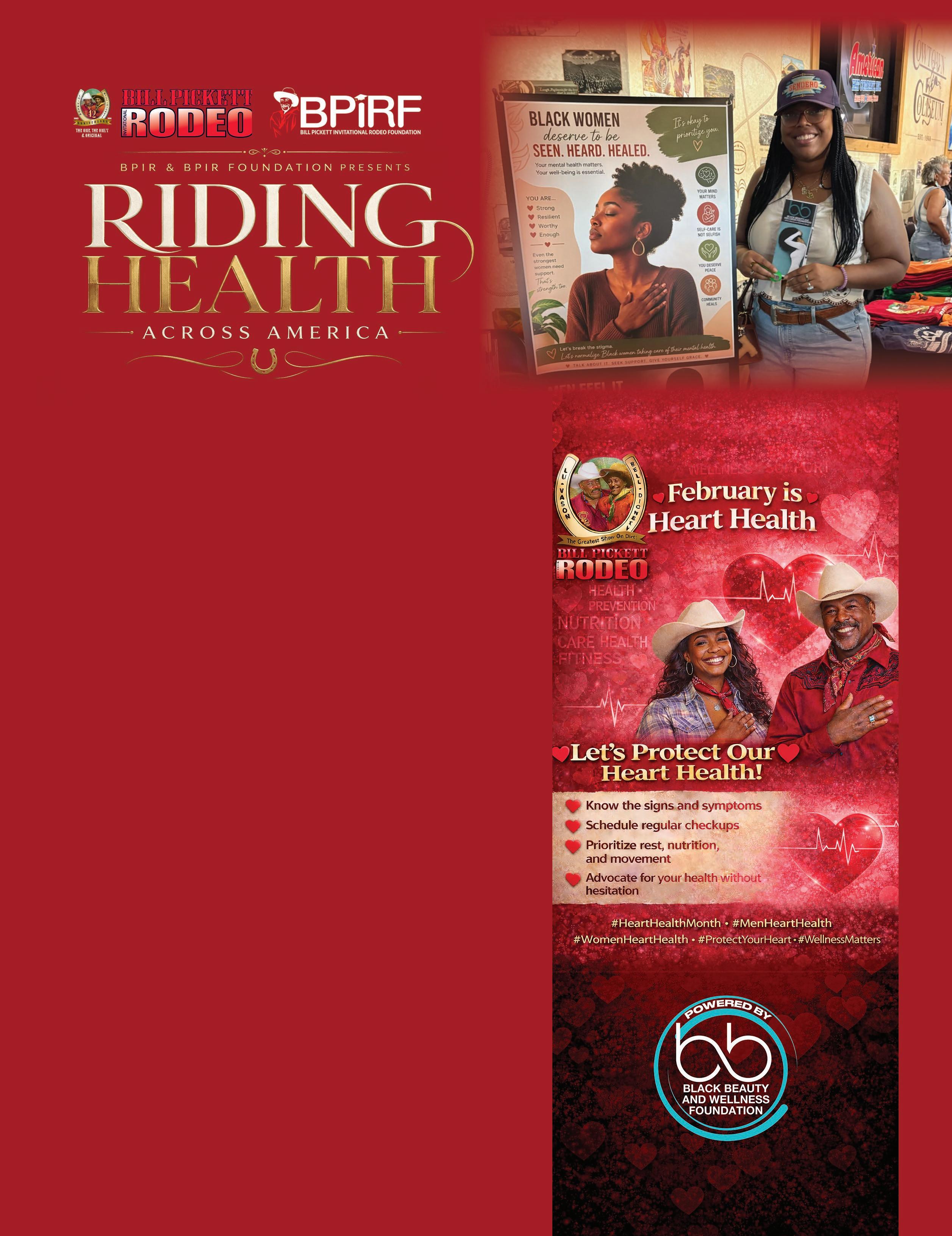
For the Bill Pickett Invitational Rodeo, “Riding Health Across America” means using the power, influence, and reach of Black rodeo culture to bring awareness, education, and access to critical healthcare resources directly into our communities. It is about meeting people where they are, inside the rodeo arena, at community events, and within trusted cultural spaces and it is about helping bridge the gap between healthcare resources and our communities.
This initiative is important because many communities, especially communities of color and rural populations, continue to face healthcare disparities, limited access to preventive care, and a lack of trusted health information. BPIR understands that rodeo is more than entertainment; it is a gathering place for families, culture, and community. Through Riding Health Across America, BPIR transforms that gathering place into an opportunity to educate, empower, and potentially save lives.
The program allows BPIR to partner with healthcare organizations, wellness advocates, and medical professionals to provide information on preventive screenings, healthy living, mental wellness, and disease awareness. Whether it is promoting colorectal cancer, breast or prostate screenings, encouraging healthier lifestyles, or helping families learn about new healthcare options, the initiative focuses on creating awareness that can lead to early detection, suicide prevention, better health outcomes, and stronger communities.
To BPIR, this mission reflects our belief that caring for our communities goes beyond preserving Western heritage and rodeo traditions. It also means protecting the health, future, and well-being of the people who support and sustain our culture. Riding Health Across America is about combining culture with compassion, education with action, and legacy with responsibility.
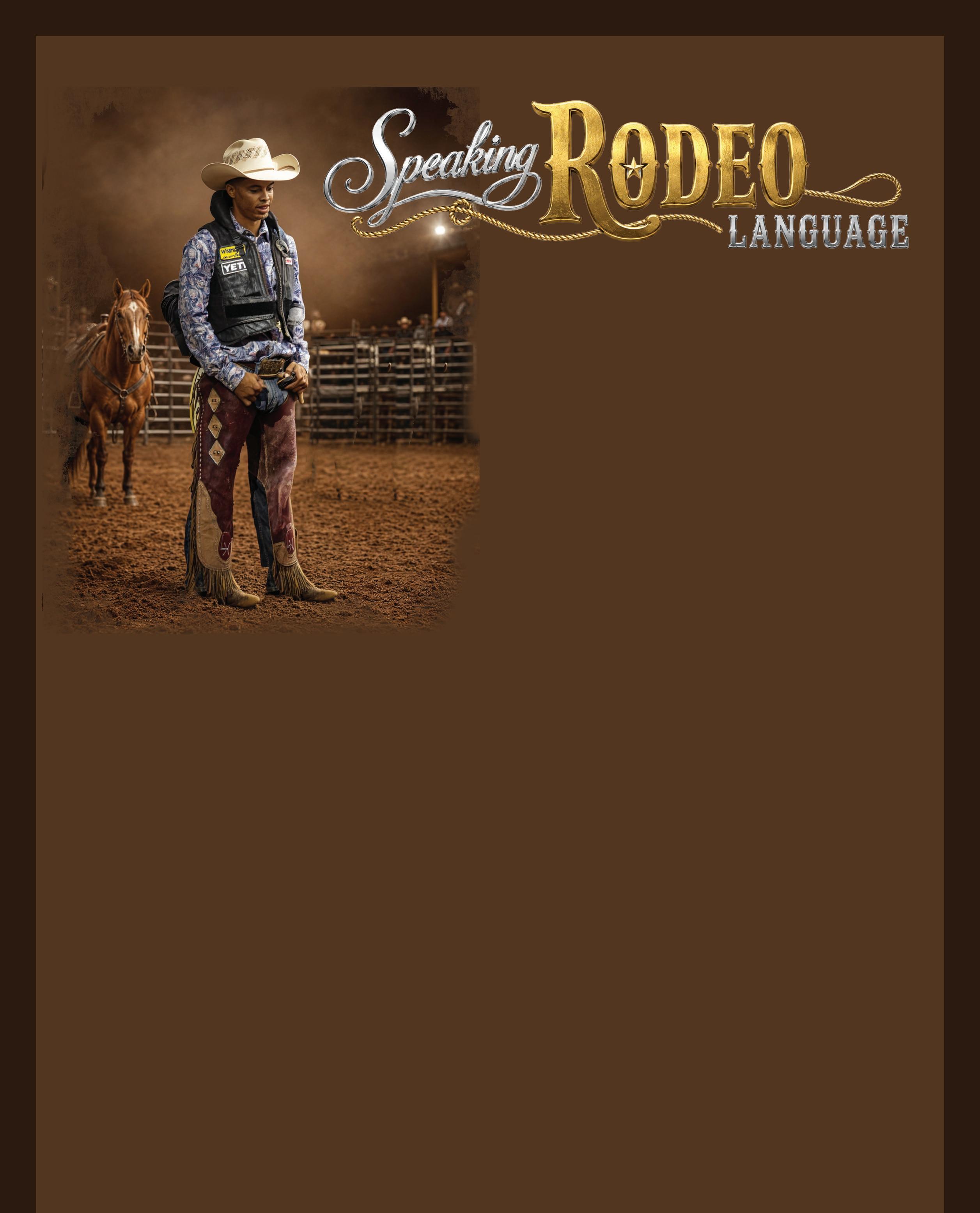
“Speaking rodeo language” means understanding and using the unique words, phrases, expressions, and culture of the rodeo world. It’s more than slang — it reflects the lifestyle, values, traditions, and experiences shared by cowboys, cowgirls, ranchers, and rodeo communities.
WHEN SOMEONE “SPEAKS RODEO LANGUAGE,” THEY UNDERSTAND THINGS LIKE:
▶ The meaning of rodeo terms and arena commands
▶ The traditions and etiquette of rodeo culture
▶ The humor, storytelling, and expressions used around the barn, chutes, and arena
▶ The values of hard work, toughness, respect, family, faith, and perseverance that are deeply rooted in rodeo life
For example:
▶ Saying someone is “cowboying up” means they are pushing through adversity with strength and determination.
▶ Saying a horse is “rank” means it is powerful and difficult to ride.
▶ “Ride for the brand” means being loyal and committed to your team, family, or organization.
Speaking rodeo language also creates a sense of belonging and connection within the rodeo community. It helps preserve the heritage and traditions passed down through generations of cowboys and cowgirls, including the legacy celebrated by organizations like the Bill Pickett Invitational Rodeo.
HERE’S WHAT THESE TERMS MEAN:
▶ Draw – The animal a contestant is assigned to ride “She got a good draw tonight.”
▶ Flank/Flank Strap – Strap placed around a bucking animal to encourage kicking action
▶ Pickup Man – Horseman who assists riders after the ride
▶ Bullfighter – Rodeo athlete who distracts the bull to protect riders (often mistakenly called a rodeo clown)
▶ Rodeo Clown – Entertainer who also helps with arena safety and crowd interaction
▶ Chute Doggin’ – Steer wrestling practice from the chute instead of horseback
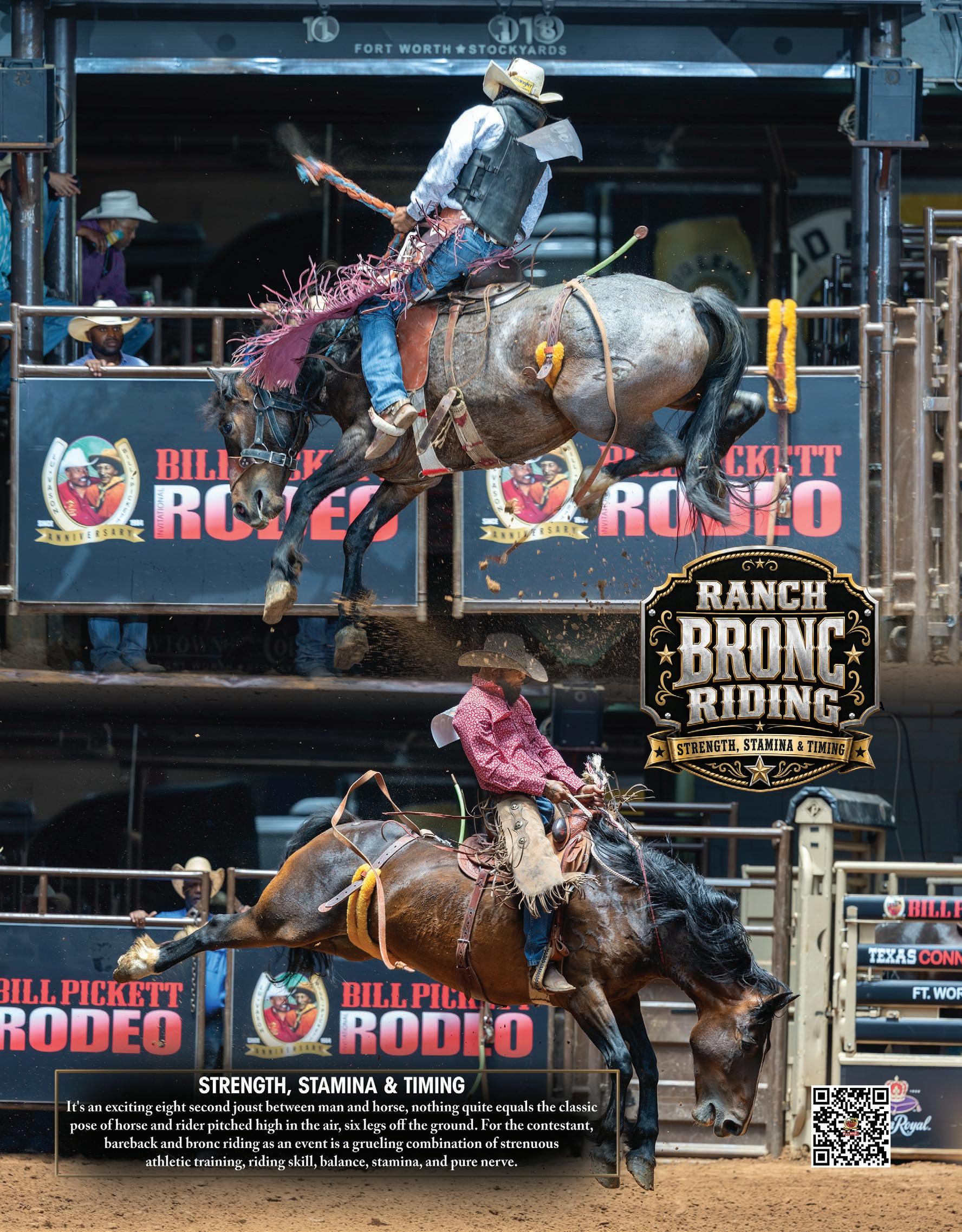
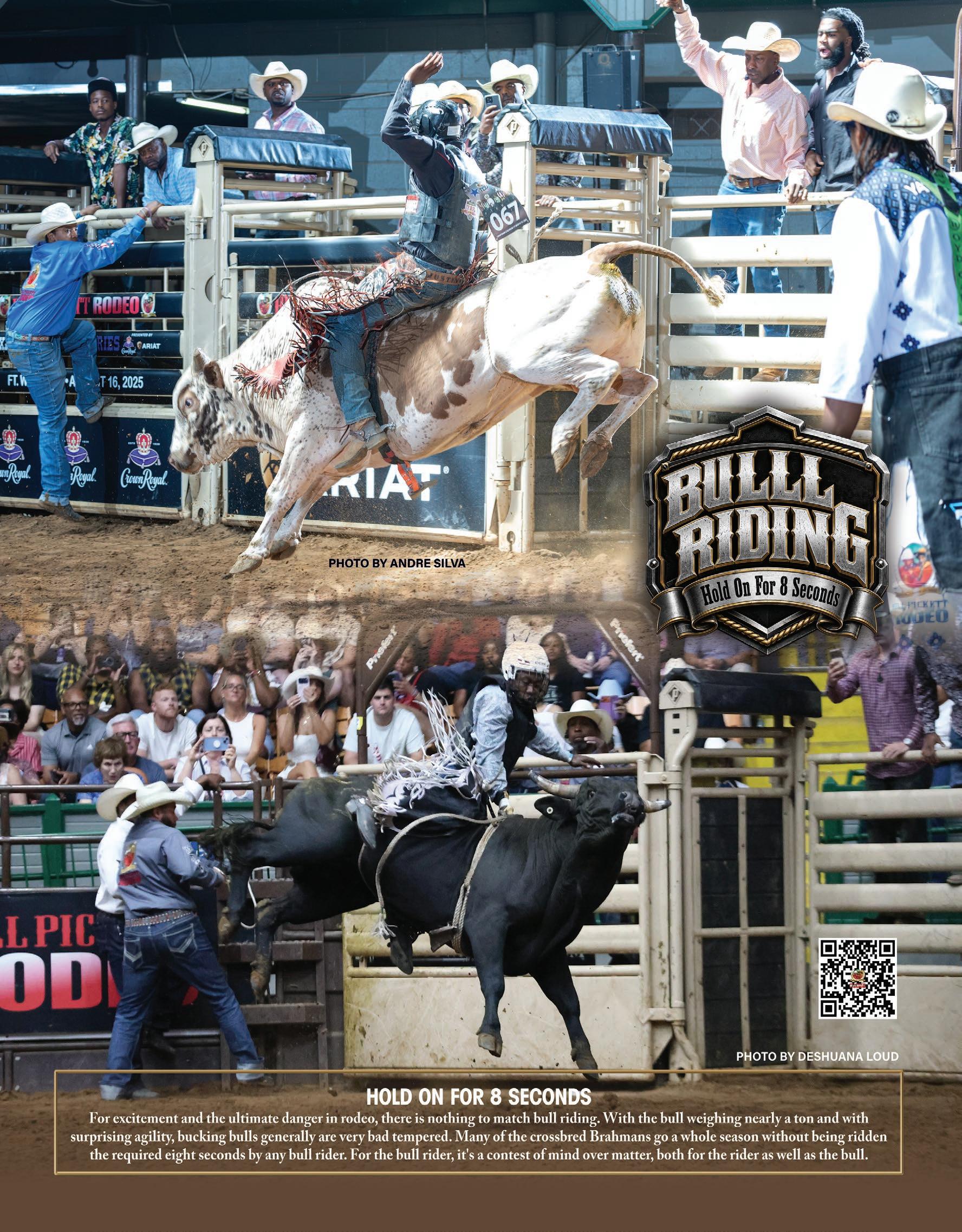
▶ Cover – Successfully stay on the animal for the required time “He covered that bronc for 8 seconds.”
▶ Hung Up – When a rider’s hand or foot gets stuck on the animal or equipment
▶ Busted Out – Thrown off the animal before the whistle
▶ Cowboy Up – Toughen up or keep going despite adversity
▶ Slack – Overflow competition held outside the main performance
▶ Eight Seconds of Glory – Reference to the required ride time in bull riding and bronc riding
▶ Cowboy Hat Never Hits the Ground – Phrase symbolizing pride, resilience, and dignity
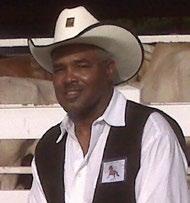
Lisa Lofthouse
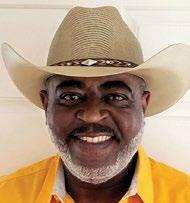
Robert Dugas
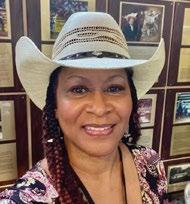
Verna Douche
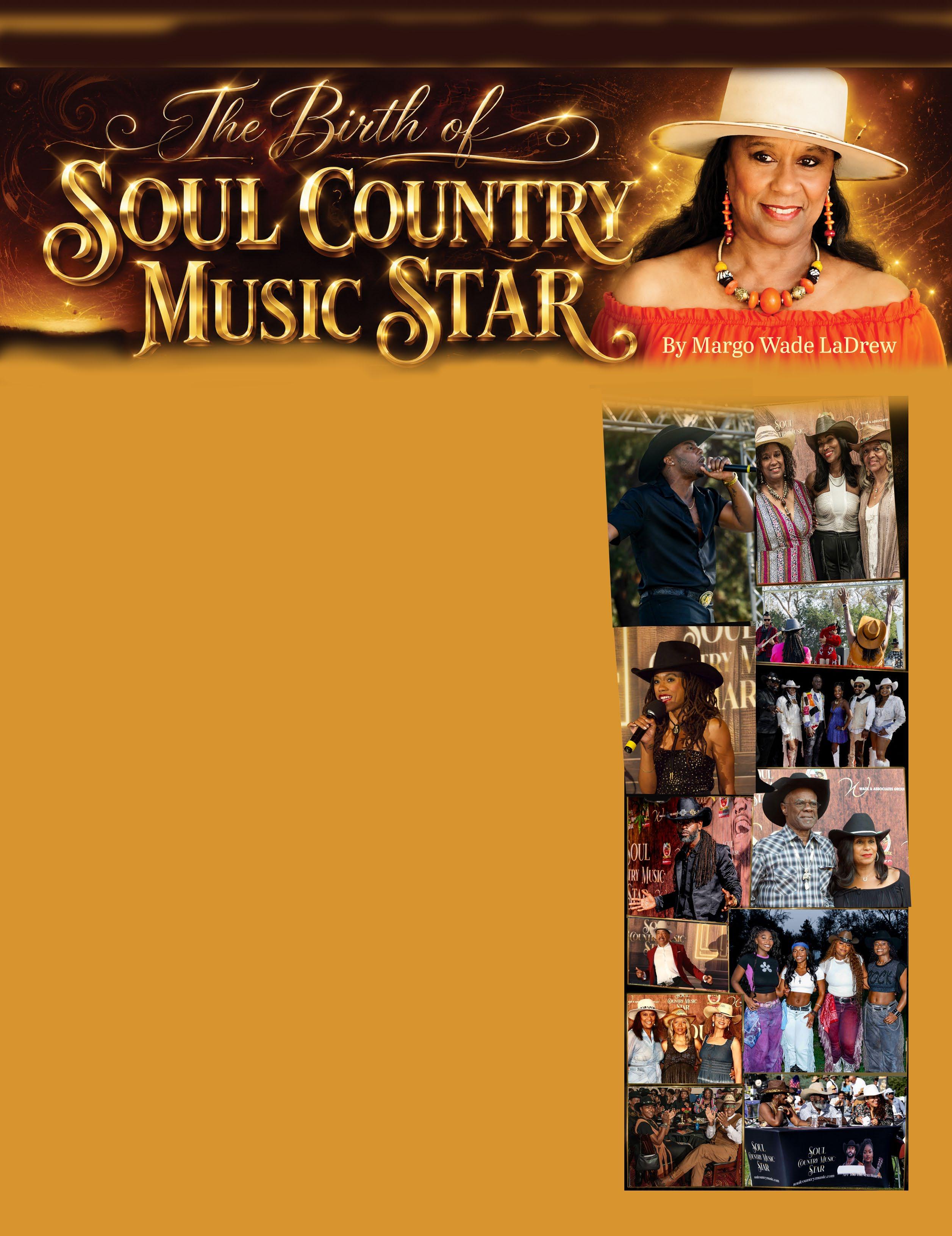
When I joined the Bill Pickett Invitational Rodeo in 1996, I was introduced to a world that fascinated me, the culture, fashion, dancing, Black cowboys and cowgirls, and especially the Black country artists who performed at our events.
For years, my husband, Lawrence LaDrew, and I talked about creating something that would provide opportunities for Black country artists, many of whom had incredible talent but few platforms to showcase it. After the passing of BPIR Founder Lu Vason in 2015, I continued sharing the idea with Valeria Cunningham. Then one day, after hearing me talk about it for years, she simply said, “Stop talking about it and just do it.”
That was the push I needed.
As BPIR approached its 40th Anniversary, I felt there was no better way to honor Lu's legacy since Music had always been an important part of BPIR, and creating a platform for Black country artists seemed like a natural extension of the work he began.
My husband and I have always believed that Black artists don't just sing country music, they bring soul to country music and they created it. That belief became the foundation for Soul Country Music Star.
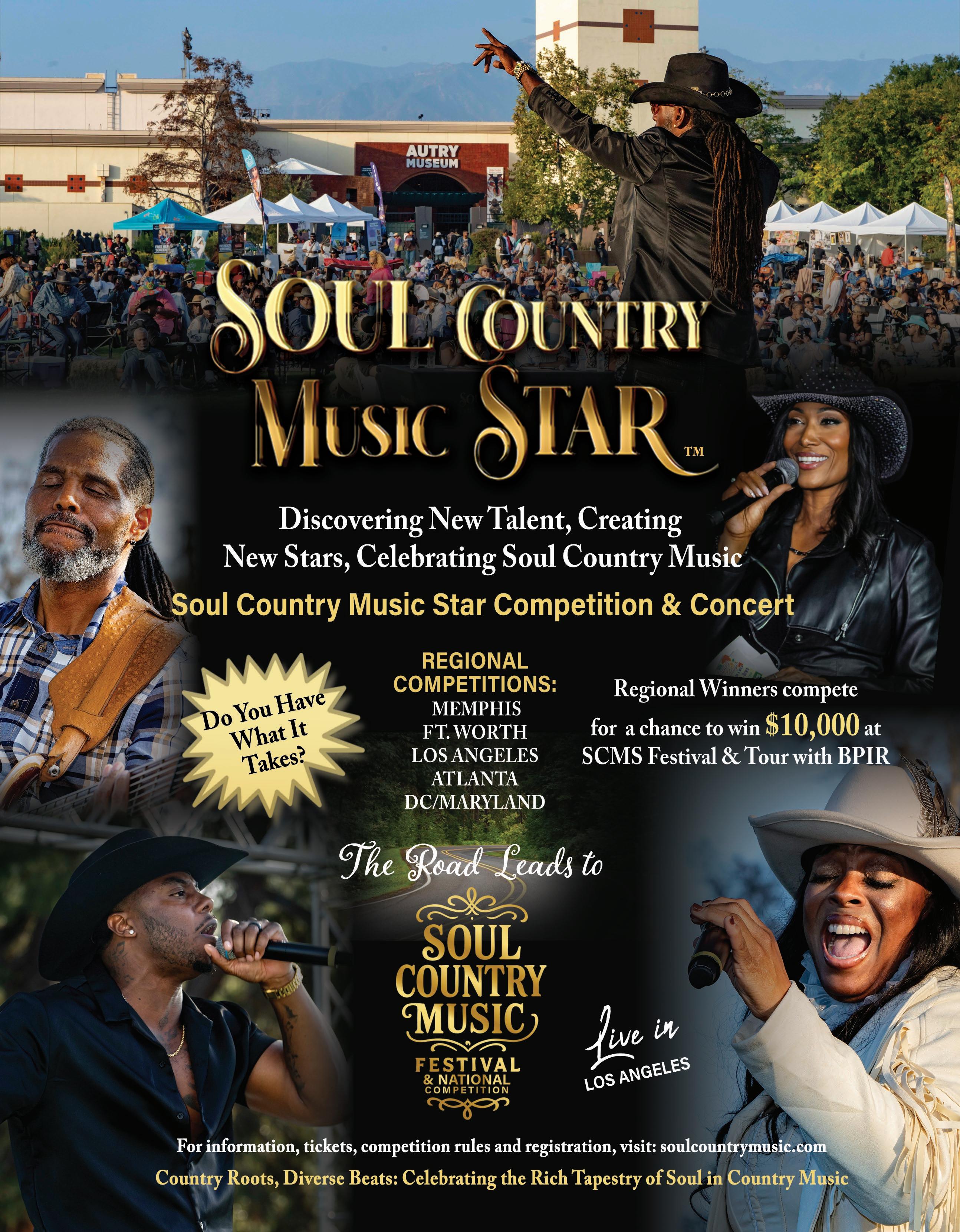
With Valeria's support, my producer, Michelle Johnson and dedicated team, and only a few months to prepare, we launched the first Soul Country Music Star competition in Los Angeles during BPIR's 2024 rodeo weekend. What started as an idea quickly became a movement traveling across the country with the BPIR tour.
Today, 3 years later, Soul Country Music Star has evolved into the Soul Country Rodeo Weekend and Music Festival, creating opportunities for artists to perform before thousands of people while celebrating the deep roots and ongoing contributions of Black artists in country music. We know this competition has created opportunities for artists who may never have had the chance to perform in front of thousands of people or see their dreams begin to take shape. It has reinforced something I have always believed: if you truly believe in something, sometimes you have to invest in it yourself rather than wait for others to support it.
Looking back, I'm grateful that I didn't let the idea remain just a conversation. Soul Country Music Star is proof that when you believe in something enough to invest your time, energy, and heart into it, amazing things can happen. Most importantly, it continues to honor the vision of Lu Vason while creating new opportunities for the next generation of artists.
And we're just getting started.