Equine Dental Floats: Essential Tools for Healthy Horse Teeth
Maintaining a horse’s dental health is a vital part of overall equine care. One of the most important tools used in horse dentistry is the equine dental float. Dental floating helps keep a horse comfortable, improves chewing ability, and prevents several oral health problems. Whether you are a horse owner, trainer, or equine professional, understanding equine dental floats can help ensure better care for your horse.
What Are Equine Dental Floats?
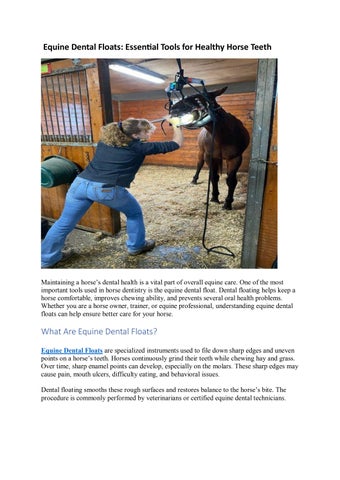
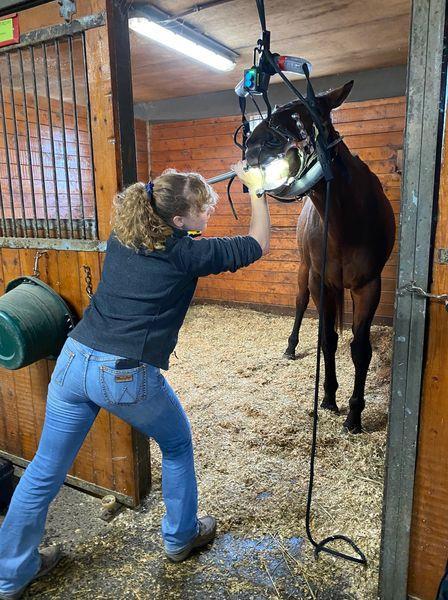
Equine Dental Floats are specialized instruments used to file down sharp edges and uneven points on a horse’s teeth. Horses continuously grind their teeth while chewing hay and grass. Over time, sharp enamel points can develop, especially on the molars. These sharp edges may cause pain, mouth ulcers, difficulty eating, and behavioral issues.
Dental floating smooths these rough surfaces and restores balance to the horse’s bite. The procedure is commonly performed by veterinarians or certified equine dental technicians.
Why Is Dental Floating Important?
Horse teeth grow continuously throughout much of their life. Uneven wear can create hooks, ramps, and sharp points that interfere with chewing and jaw movement. Regular dental floating offers several benefits:
1. Improves Feeding Efficiency
A horse with properly aligned teeth can chew food more effectively. This improves digestion and helps the horse maintain a healthy weight.
2. Prevents Mouth Injuries
Sharp enamel points can cut the cheeks and tongue, leading to pain and infection. Floating removes these sharp edges and reduces discomfort.
3. Enhances Performance
Horses experiencing dental pain may resist the bit, toss their head, or show poor performance during riding. Proper dental care helps improve comfort and responsiveness.
4. Reduces Health Problems
Poor dental health can lead to colic, choking, and nutritional deficiencies. Routine dental floating helps prevent these complications.
Types of Equine Dental Floats
There are two main types of dental floats used in equine dentistry:
Manual Dental Floats
Manual floats are hand-operated tools with long handles and abrasive surfaces. They provide excellent control and are commonly used for routine dental maintenance.
Power Dental Floats
Power floats use electric or battery-operated grinding heads. These tools allow faster and more precise correction of dental abnormalities. Many equine dentists prefer power floats for advanced procedures.
Signs Your Horse May Need Dental Floating
Horse owners should watch for common signs of dental issues, including:
Difficulty chewing or dropping food
Weight loss
Bad breath
Excessive salivation
Head tossing while riding
Resistance to the bit
Swelling around the jaw
Undigested food in manure
If any of these symptoms appear, a professional dental examination is recommended.
How Often Should Horses Have Their Teeth Floated?
Most horses benefit from dental examinations once or twice a year. Young horses and senior horses may require more frequent care because their teeth change rapidly or become worn with age.
The frequency of dental floating depends on factors such as age, diet, breed, and overall dental condition. A veterinarian can recommend an appropriate schedule for each horse.
Choosing Quality Equine Dental Floats
When selecting equine dental equipment, quality and durability are essential. Good dental floats should have:
Ergonomic handles for comfortable use
Durable stainless-steel construction
Replaceable blades or abrasive surfaces
Proper head angles for reaching difficult areas
Professional equine dentists often invest in high-quality tools to ensure safe and effective treatment.
Equine Dental Floats play a crucial role in maintaining a horse’s oral health and overall wellbeing. Regular dental floating helps prevent pain, improves feeding efficiency, and supports better performance. By scheduling routine dental care and working with qualified professionals, horse owners can ensure their horses remain healthy, comfortable, and happy for years to come.