
Equine Dental Burrs:

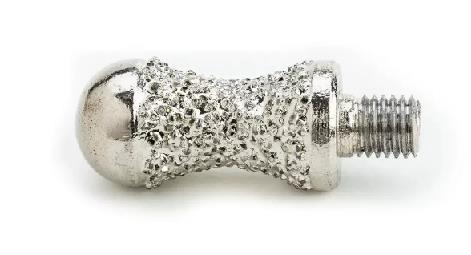
Equine dental burrs are specialized instruments used by veterinarians and equine dental technicians to maintain and treat a horse’s teeth. Because horses continuously wear and grow their teeth throughout their lives, regular dental care is Essential. Dental Burrs make this work more precise, faster, and safer than traditional hand tools.
What Are Equine Dental Burrs?
An equine dental burr is a rotating tool attached to a motorized handpiece. It is designed to grind, shape, smooth, or section a horse’s teeth during dental procedures. These burrs are commonly made from durable materials such as tungsten carbide or diamond coating, allowing them to work effectively on the hard surfaces of equine teeth.
Unlike hand rasps, which require more manual effort, dental burrs provide greater accuracy and allow the practitioner to remove sharp points and uneven surfaces with minimal stress to the horse.
Why Horses Need Dental Burrs
Horses naturally develop sharp enamel points and uneven tooth wear because their upper jaw is wider than their lower jaw. This can lead to:
Difficulty chewing
Weight loss
Dropping feed while eating
Head tossing or bit resistance
Mouth sores and ulcers
Poor performance under saddle
Equine dental burrs are used during a process called “floating,” where these sharp edges and irregularities are carefully smoothed. This helps restore proper chewing function and improves the horse’s overall comfort.
Common Types of Equine Dental Burrs
There are several types of equine dental burrs, each designed for a specific job.
1. Diamond Burrs
Diamond-coated burrs are widely used because they are highly durable and provide a smooth finish. They are excellent for shaping overgrown teeth and reducing sharp enamel points while minimizing damage to surrounding tissue.
2. Carbide Burrs
Carbide burrs are stronger and cut more aggressively than diamond burrs. They are often used when larger amounts of tooth material need to be removed. These burrs are ideal for correcting hooks, ramps, and wave mouth conditions.
3. Ball Nose Burrs
Ball nose burrs have a rounded end and are useful for working in tight areas of the horse’s mouth. They are often used for sectioning diseased teeth or creating smoother contours.
4. Disc Burrs
Disc burrs have a flat, circular design and are typically used for leveling and balancing the chewing surfaces of the teeth. They are especially useful when correcting uneven bite patterns.
5. Buccal and Apple Core Burrs
Buccal burrs help shape the outer surfaces of the teeth, while apple core burrs are commonly used for treating overgrowths and creating bit seats. These specialized burrs are often used during advanced dental procedures.
Advantages of Using Equine Dental Burrs
Modern equine dental burrs offer many benefits over traditional hand-floating methods:
Greater precision during treatment
Faster dental procedures
Less physical effort for the practitioner
Improved comfort for the horse
Better ability to reach difficult areas
More consistent results
Because the procedure is quicker and more efficient, many horses experience less anxiety and require shorter periods of restraint or sedation.
Safety Considerations
Although equine dental burrs are highly effective, they must be used correctly. Excessive pressure, high speed, or prolonged contact can overheat the tooth and damage the sensitive inner structures.
For this reason, trained professionals use low-speed equipment, light pressure, and short working intervals. Water irrigation is also sometimes used to keep the tooth cool during the procedure.
Horse owners should never attempt to use dental burrs themselves. Equine dental work should always be performed by a qualified veterinarian or certified equine dental technician.
Equine Dental Burrs have transformed horse dentistry by making treatments more accurate, efficient, and comfortable. From simple floating to advanced tooth correction, these tools play a crucial role in maintaining a horse’s oral health. Regular dental check-ups combined with the proper use of dental burrs can help horses eat better, perform better, and live healthier lives.