volume 19 issue 3 august 2026
volume 11 issue 4 november 2018 issn 1757-4625
the journal of the dental technologists association
volume 19 issue 3 august 2026
volume 11 issue 4 november 2018 issn 1757-4625
the journal of the dental technologists association


DTA Oral Health Foundation Podcast In this issue:
Female Fertility/Oral Inflammation
Tom Whiting talks at the LDC
Wellness in the Workplace
3 technologist the issn 1757-4625


HOURS OF VERIFIED CPD




● In addition to CPD articles in The Technologist and designed to meet all the CPD needs for our members, Articulate includes Core Recommended Topics such as Medical Emergencies, Disinfection & Decontamination, and Materials & Equipment.
● Just part of our membership benefits, Articulate is published online on a quarterly basis. To discover more and take part, visit www.dta-uk.org and log in using your member details. An integral part of the oral healthcare team in the
Editor: Derek Pearson t: 07866 121597
Advertising: Rebecca Kinahan t: 01242 461 931
e: info@dta-uk.org
DTA administration: Rebecca Kinahan Operations Coordinator
Address: PO Box 1318, Cheltenham GL50 9EA
Telephone: 01242 461 931
Email: info@dta-uk.org Web: www.dta-uk.org
Stay connected: @DentalTechnologists Association
@The_DTA @dentaltechnologists association
Dental Technologists Association (DTA)
DTA Council:
Joanne Stevenson President Chris Fielding
Deputy President Tony Griffin Treasurer Delroy Reeves DTA Liaison Delegate
Joanne Clark, James Green, Raya Karaganeva, Robert Leggett, and Jade Ritch.

A DTS 2006, a Box of Many Delights at the NEC – Jo Stevenson A Imposter Syndrome: Who Let Me in Here? – Nina Frketin A National Smile Month: Good Oral Bacteria
A Wellbeing in the Workplace – Tracey O’Keeffe
A My Typical Working Day – Angela Almeida
A Plus, ca change – Chris Turner
Editorial panel: Tony Griffin Joanne Stevenson
Editorial assistant: Dr Keith Winwood
by: Stephen Hancocks
The Technologist is published by the Dental Technologists Association and is provided to members as part of a comprehensive membership package. For details about how to join, please visit: www.dtauk.org or call 01242 461 931
A Dental nursing: a foundation for my expanded career in dentistry – Anna Middleton
A Beyond the Bench – Rethinking the Dental Lab Environment – Alistair Mayoh
A Why 90% of the dental implants I place now are zirconia – Dr Pav Khaira A Tom Whiting, Chief Executive, GDC, speaking at the LDC Conference
ISSN: 1757-4625
Views and opinions expressed
Cost effective professional indemnity insurance for dental technicians and laboratories Tel: 01634 862 525 A DTA Column
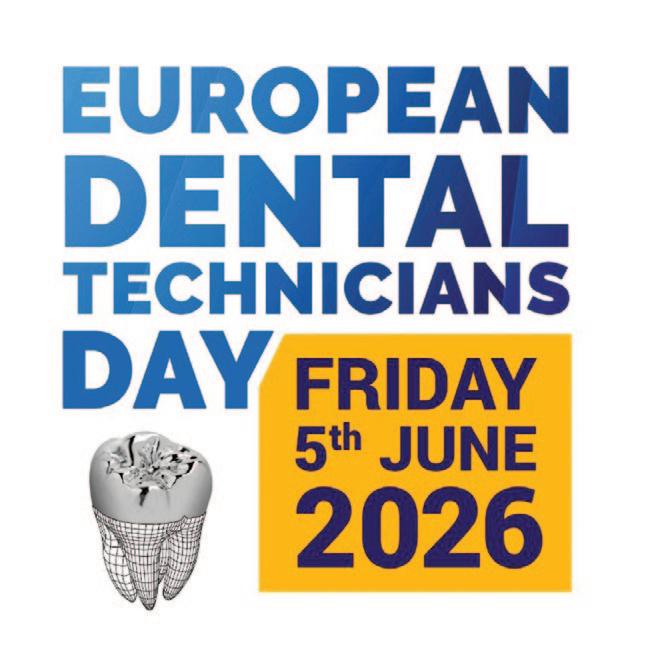
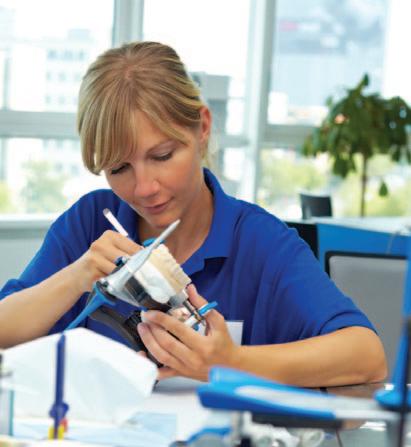
We would like to extend our sincere thanks to everyone who helped celebrate European Dental Technicians Day this June and supported our efforts to raise awareness of the dental technology profession.
As part of the DTA’s collaboration with the Oral Health Foundation during the 50th National Smile Month, we were delighted to showcase the profession through a podcast and video series, highlighting the skill, innovation and expertise of today’s dental technologists.

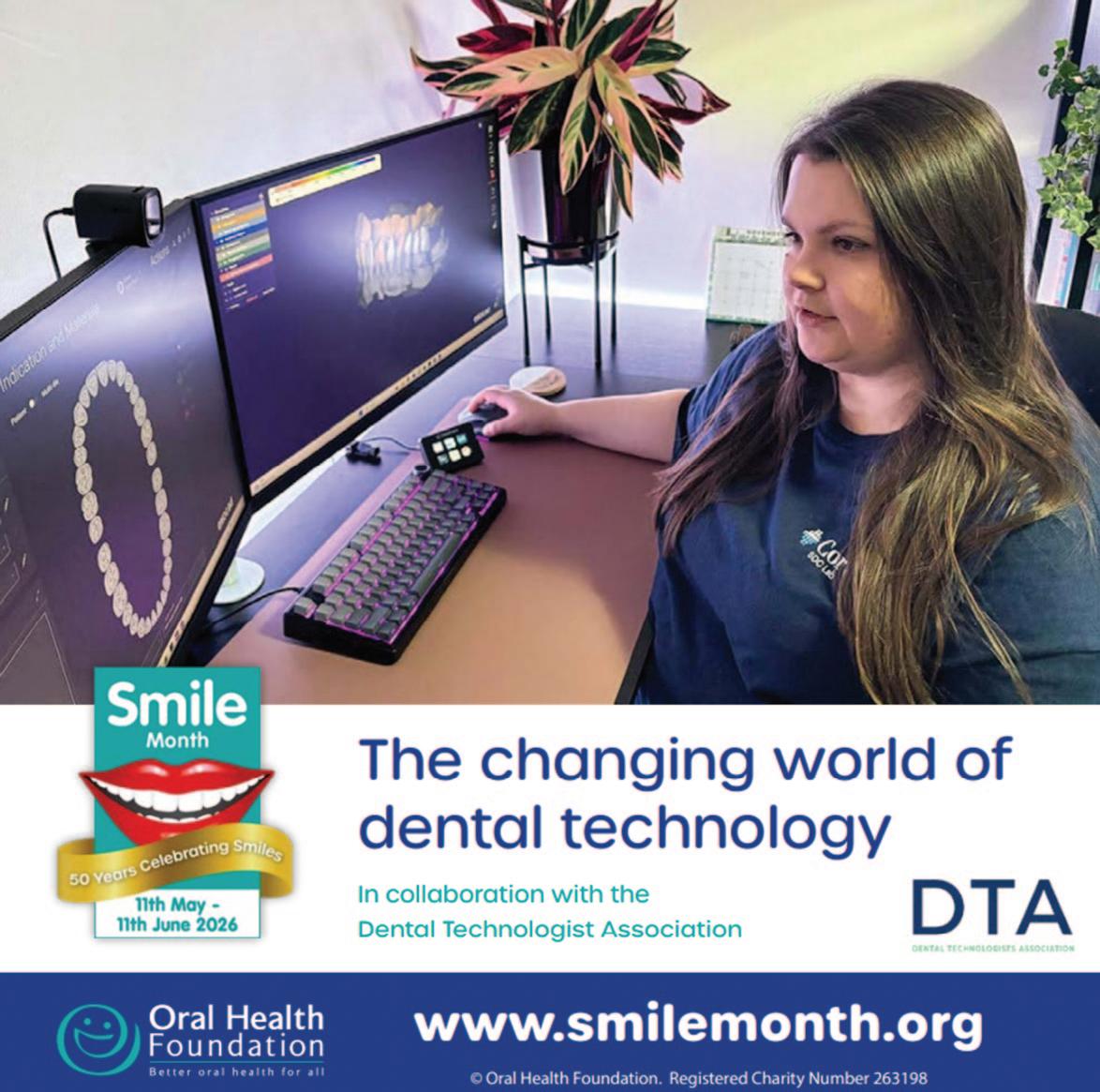
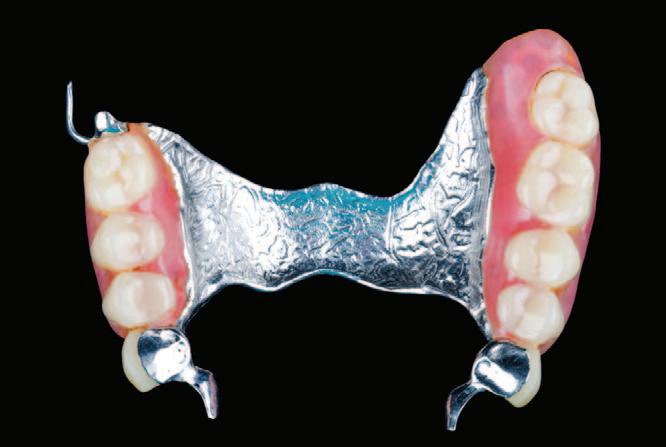
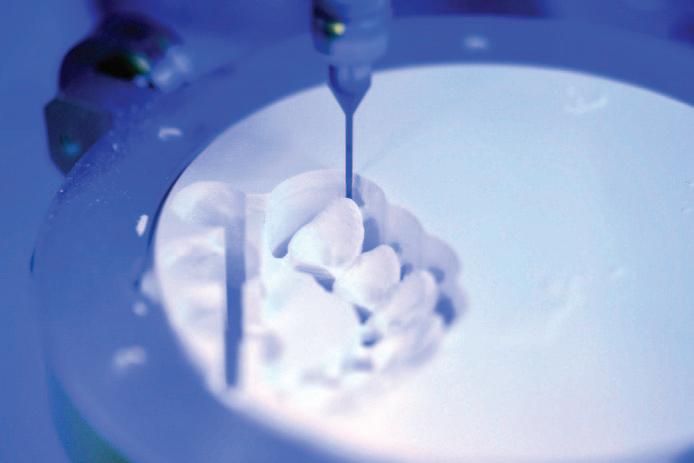
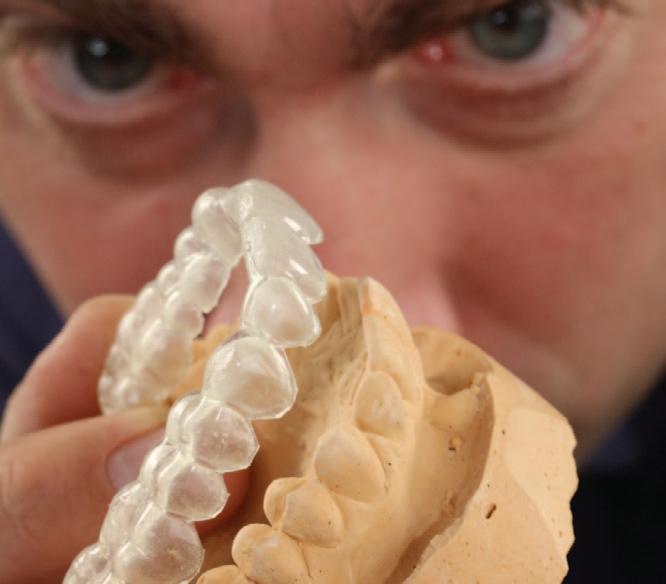
If you haven’t had the opportunity to listen yet, DTA Council Member and Lab Manager/Prosthetics Manager at SDC Lab, Jade Ritch, joined the Oral Health Foundation’s The Oral Health Podcast to discuss the changing world of dental technology.
The conversation explores how digital dentistry, CAD/CAM, 3D printing, artificial intelligence (AI) and other technological advances are transforming the profession, while reinforcing the vital role dental technologists continue to play in delivering high-quality patient care.
A The podcast is available on all major podcast platforms, simply search for The Oral Health Podcast: The Changing World of Dental Technology - https://shows .acast.com/oral-health/episodes/thechanging-world-of-dental-technology
Alongside the podcast, the Oral Health Foundation has also produced a series of short videos featuring Daniel Bant, Digital Laboratory Manager, who provides an insight into a career in dental technology, explores what a typical day in the laboratory looks like, and explains what makes the technologist profession so rewarding.
If you haven’t done so already, we encourage you to watch, listen and, most importantly, share these resources with your colleagues, friends and professional networks. Every share helps increase public understanding of the importance of dental technology within the overall dental team, promotes the outstanding work carried out by UK dental technologists and laboratories, and inspires the next generation to consider a career in the profession.
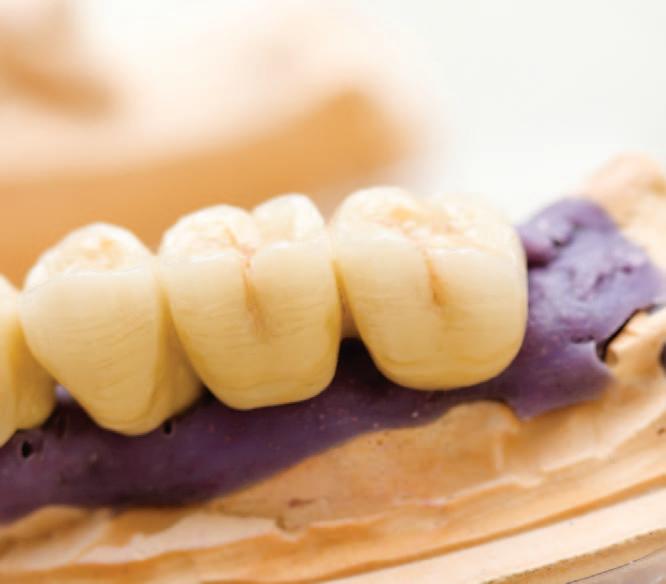
Don’t forget to also share the DTA’s new patient information page, “What is Made for Your Mouth?” - https://www.dta-uk.org/ what-is-made-for-your-mouth - which explains the range of custom-made dental devices produced by dental technologists, the important role our profession plays in patient care, and puts forward the five key questions designed to help patients make better informed decisions when discussing treatment options with their dentist. The page also highlights the quality assurance provided by UK dental technology and the high standards maintained by UK laboratories, helping patients understand the value of choosing expertly made, professionally regulated dental devices.
Finally, we’d like to thank the Oral Health Foundation for partnering with the DTA on this fantastic podcast initiative, and to Jade Ritch and Daniel Bant for generously volunteering their time to represent the profession. Their contribution has helped create a lasting set of resources that we can continue to use to champion dental technology long after European Dental Technicians’ Day has passed.
Thank you to everyone who visited our stand at the Dental Technology Showcase. Congratulations to Charne Van Schalkuylc the winner of the prize draw and recipient of 12 months’ free membership!
AO Arena Manchester | 29th January 2027
BDIA Dental Showcase 2027
ExCel London | 5th March 2027 to 6th March 2027
Dental Technology Showcase 2027
NEC Birmingham | 14th May 2027 to 15th May 2027
For most dental care professionals, this year’s annual renewal is now largely complete. The formal renewal window, covering payment of the Annual Retention Fee and the indemnity declaration, is now closed. One requirement, however, remains outstanding for many registrants: the CPD statement, due by 28 August.
For dental technicians and technologists, this final step can be easy to overlook once the fee has been paid. It is, however, a mandatory part of the renewal process, and one with real consequences if left outstanding.
A statement is required, even when CPD hours are zero.
Every dental professional is required to make an annual or end-of-cycle CPD statement as part of their renewal, regardless of how many hours of CPD they have completed over the past year. Where no CPD has been undertaken, a zero-hours statement must be submitted; there is no exemption for registrants who have not been able to fit their CPD in to their working calendar.
This can be done by logging into MyGDC, the GDC’s online portal that has now replaced eGDC, and navigating to the CPD
section of your account. Registrants are encouraged to use the opportunity to review and update their contact and personal details.
It is worth noting that the CPD year runs to 31 July, with any CPD activity completed from 1 August onwards counting towards the following year’s statement. The statement due by 28 August should therefore reflect only CPD completed from 1st August 2025 up to the end of July 2026.
The statement requirement sits alongside the GDC’s established CPD framework, under which all registrants must complete a minimum of 50 hours of verifiable CPD over a 5-year cycle, with at least 10 hours every two years. Required core topics include Medical Emergencies, Disinfection & Decontamination, and Materials & Equipment.
The annual statement is the mechanism by which compliance with these requirements
is recorded and confirmed, and it is reviewed as part of the wider renewal process.
The consequences of not submitting a statement
A missing or non-compliant CPD statement by the 28 August deadline places a registrant’s position on the register at risk. Registrants who have not yet completed the wider elements of renewal, the ARF payment or indemnity declaration, both due by 31 July, should be aware that the route back onto the register is restoration. Information on how to apply for restoration is available on the GDC website. Registrants finding themselves in this position are encouraged to begin the restoration process as soon as possible.
Helping build a clearer picture of the dental technology workforce
Registrants who completed their renewal but did not complete the working patterns survey have a short additional window in which to do so, as the survey remains open for a few days after the renewal period closes. The survey takes around five minutes and asks where registrants work, the type of care or service they provide, and
The General Dental Council (GDC) has opened a consultation on proposals to replace the Standards for the Dental Team with a new Framework for Professionalism. The proposed framework aims to move away from prescriptive standards and instead support dental professionals in applying their professional judgement while maintaining patient safety.
The Dental Technologists Association (DTA) has represented dental technologists throughout the stakeholder engagement process and has continued to highlight the importance of strengthening references to MHRA Medical Device Regulations (MDR) requirements for Custom Made Dental Devices within supporting materials. The consultation is now open to the wider
profession, patients, and members of the public, providing an opportunity for dental technologists and other stakeholders to share their views directly with the GDC. Responses can be submitted via the GDC website until 31 August 2026.
their typical working hours. For dental technicians and technologists, whose roles are predominantly laboratory-based, completing the survey helps ensure that laboratory-based work is properly represented within the wider picture.
Responses to the working patterns survey help improve the sector’s understanding of dental care professionals’ working patterns and support future workforce resource planning, across the whole dental team, not only those working directly with patients.
A Registrants with questions about CPD requirements, accessing MyGDC, or restoration to the register can contact the GDC’s customer services team on 020 7167 6000
DTA’s simple steps to help you start your new CPD year
1. Download and save any files you wish to keep from your 2025/2026 CPD logbook
2. Save all your CPD certificates to your computer or another secure location.
3. Review and update your Personal Development Plan (PDP), setting your learning objectives for the year ahead.
4. You’re now ready to begin recording CPD for your new 2026/2027 CPD cycle As a guide, dental technicians should aim to complete around 10 hours of CPD each year. The GDC also requires you to complete a minimum of 10 hours over any consecutive two-year period
If you’ve reached the end of your five-year CPD cycle, you should have completed 50 hours of CPD (or 75 hours for Clinical Dental Technicians (CDTs)). As you begin your new five-year cycle, now is an ideal time to review your achievements and set new professional development goals for the years ahead.

Make the Most of Summer with DTA Member Discounts
Summer isn’t over yet! Whether it’s a late holiday, a family day out, or even if you’re ready to start planning autumn trips, DTA Rewards ensures your wallet feels as relaxed as you do.
A Last-Minute Travel: Grab deals on flights, hotels, and vacation packages before the season ends.
A Shopping: Refresh your home for
DTA members have access to the Wisdom app from Health Assured, a comprehensive wellbeing platform designed to support both mental and physical health. Available on mobile, tablet and desktop, the app provides a wide range of tools and resources to help users build healthier habits, improve wellbeing and access support whenever they need it.
The Wisdom app includes health trackers that allow users to monitor steps, mood, sleep and water intake, helping them gain a better understanding of their overall wellbeing. Members can also explore a library of wellbeing content, including webinars, fitness sessions, yoga classes, guided meditation, breathing exercises and healthy recipes. For those looking to make positive lifestyle changes, the app offers structured four-week health plans covering topics such as managing pressure, coping with change, improving sleep, eating healthier, and
autumn and grab gadgets or back-toschool essentials at discounted prices.
A Lifestyle Experiences: Spa days, outdoor adventures, and leisure activities, with DTA Rewards they are all more affordable.
A Dining & Entertainment: Enjoy discounted restaurant bookings and entertainment for memorable summer evenings.
Keep the summer spirit alive while saving. Explore all your offers in the Members area.

quitting smoking. Users can track their progress and work towards achievable wellbeing goals at their own pace.
Additional features include access to WisdomAI content, thousands of wellbeing articles, and integration with Apple Health and Google Fit, making it easier to keep wellbeing information in one place. The Wisdom app is available exclusively to DTA members, including student and retired members. To access the app and find registration details, members should log in to the DTA Rewards site. Whether you’re looking to improve your fitness, boost your mental wellbeing, develop healthier habits or simply take some time for self-care, the Wisdom app provides practical tools and expert resources to support your journey.
As a newly qualified dental technologist, do you understand your obligations? The DTA guides you through the process.
Once the educational requirements are met, you, the dental technician, must apply for registration with the General Dental Council (GDC). This involves completing an application form and providing evidence of your qualifications and training. The GDC also requires dental technicians to have appropriate indemnity or insurance in place to cover the needs of their professional practice. This ensures that you are protected against any claims that may arise from your work. The DTA offers its members exclusive discounted indemnity insurance in partnership with UK Special Risks.

In addition to these requirements, dental technicians must adhere to the GDC’s Standards for the Dental Team. These standards set out the principles, standards, and guidance that govern the conduct, performance, and ethics of dental professionals.
This includes putting patients’ interests first, communicating effectively with patients, obtaining valid consent, maintaining and protecting patients’ information, and registrants working within their professional knowledge and skills. Dental technicians must also engage in continuing professional development (CPD) to maintain their registration. This involves completing a minimum of 50 hours of verifiable CPD every five years (see above).
By meeting these requirements, dental technicians can ensure they are providing safe and effective care to their patients while maintaining their professional standing with the GDC.
The DTA offers invaluable support to newly qualified dental technicians in meeting their professional obligations. As a member of
A Additive-manufactured ceramics for dental restorations: a systematic review –Articulate, September 2025
A Biocompatibility: From materials used to biological host – Articulate, September 2025
A The AI in Dentistry Debate – The Technologist, November 2025
A Occlusion and Implants – The Technologist, November 2025
A Raising Concerns – The Technologist, November 2025

the DTA, dental technicians gain access to a wealth of resources, including comprehensive guidance on regulatory updates, technical FAQs, and business management templates. The DTA also provides a range of Continuing Professional Development (CPD) opportunities, over 20 hours annually, ensuring that members can easily meet their CPD requirements.
With the introduction of a wellbeing helpline, a comprehensive resource hub, and the DTA’s new membership benefits scheme, ‘DTA Rewards,’ providing exclusive discounts on shopping, lifestyle, travel, health, and wellbeing, designed to help members save on everyday expenses, your personal interests are well-supported too.
DTA President Jo Stevenson looks back at a busy two days on the Association’s stand at Dental Technology Showcase (DTS) the NEC, Birmingham, 15th-16th May 2026.
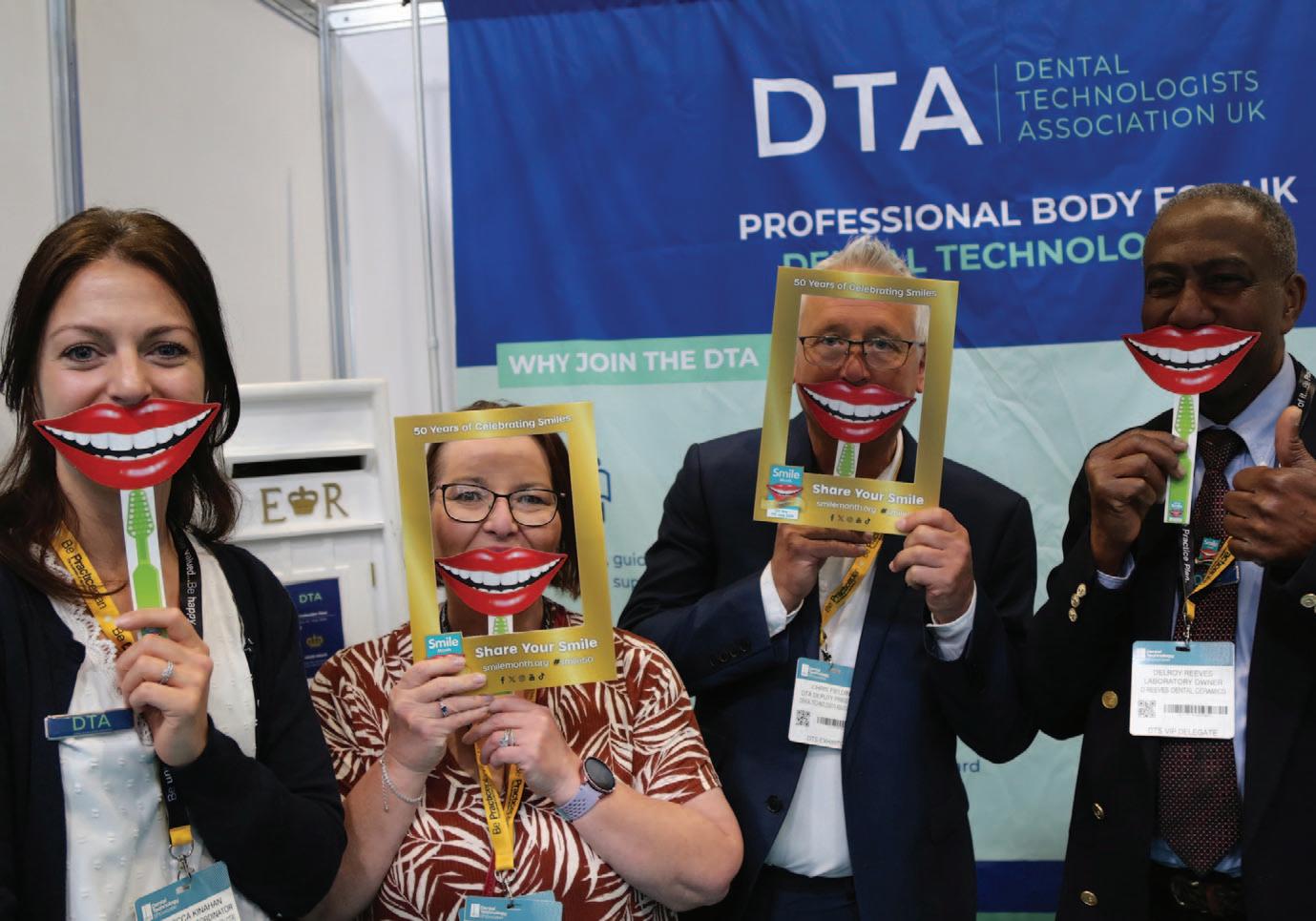
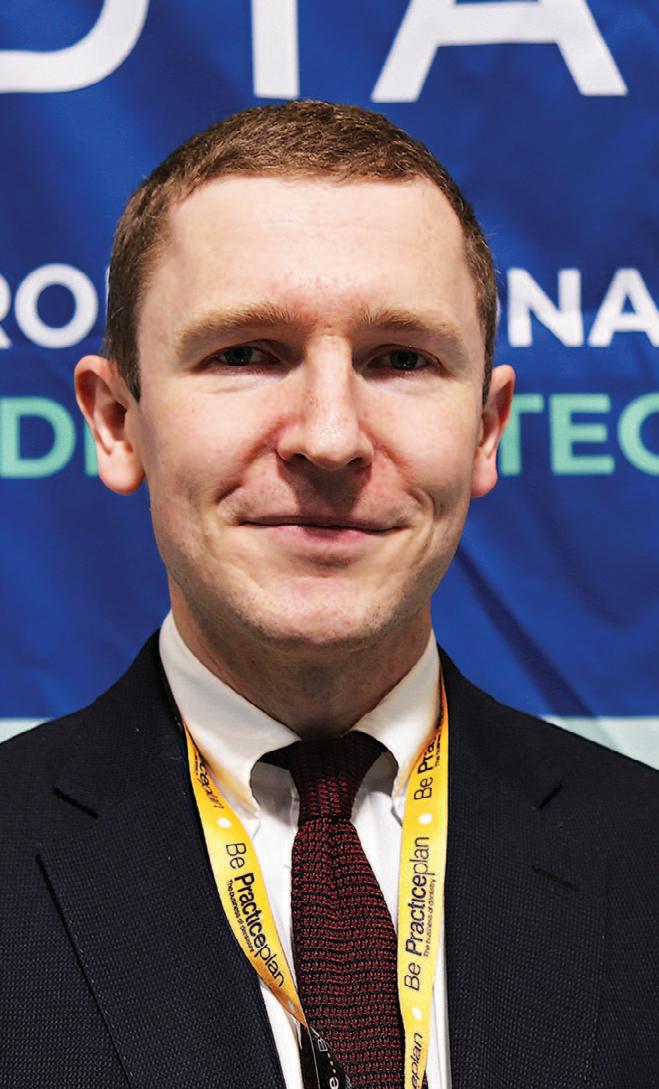
The DTA had another successful weekend attending the DTS this year. Working on the stand this year were myself, Chris Fielding (deputy president), Delroy Reeves (liaison delegate), Rebecca Kinahan (operations coordinator) and council members Jo Clark and Raya Karaganeva. The Technologist editor Derek Pearson was also on hand, camera at the ready, happy to talk to members and potential editorial contributors.
The stand was in a great position this year placed between the Digital Dentistry Theatre and the Dental Technicians’ Hub so we were able to listen to some of the great
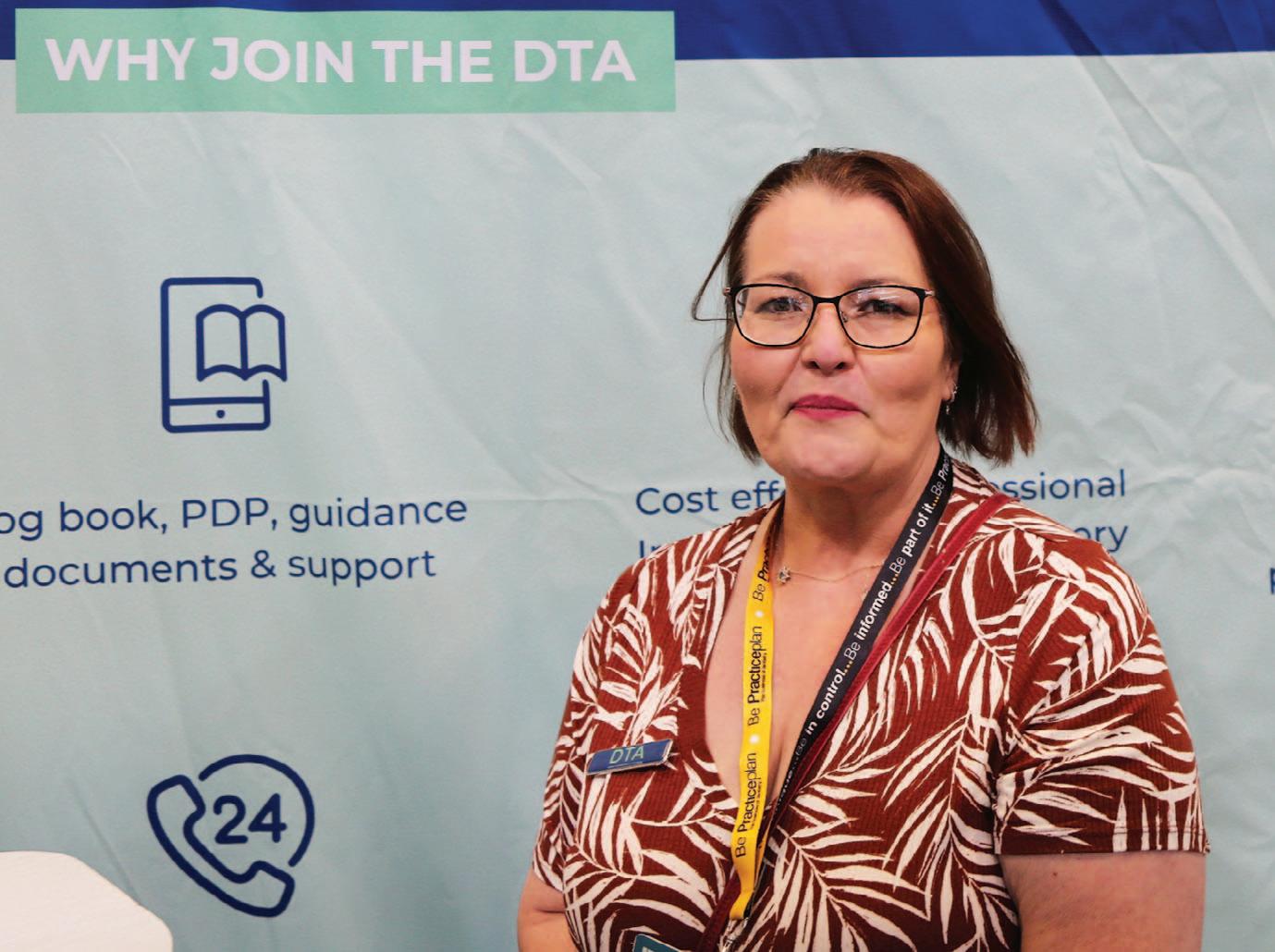
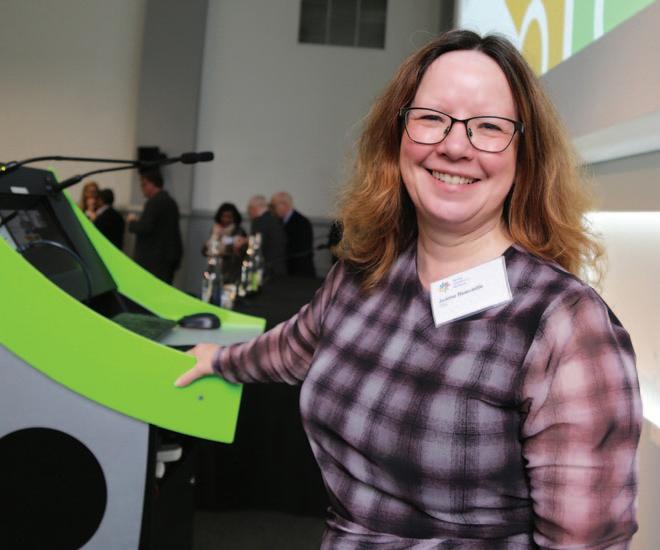
Jo Stevenson, DTA President
lectures that took place throughout the two days and network with lots of people as they were passing the stand. We even had a chance to support Smile Month
We had an opportunity to meet with current members to hear how they feel about the DTA, what we can do to better
support them, and what they most liked about what we were already doing. We also took time to remind them about the great benefits that are available to members, benefits such as the DTA Rewards scheme and the Fellowship Award. Also, we explained about the reduced-price indemnity insurance through UK Special Risks, team members of which also joined us on our stand to meet and engage with DTA members.
We also met with possible future members, some signed up on the day, and we spoke to educational providers to let them know that student dental technicians can join the
association for free while they are studying, which provides access to all the support and benefits of DTA membership.
We had networking meetings with GDC representatives Colin McKenzie and Joanne Rewcastle, and with BDIA representatives Edmund Proffit and Adam Stanley.
At the end of the first day, we attended the induction of incoming BDA president Callum Youngson and were able to speak with him at the drinks reception afterwards. I also got to speak to some Northern Ireland BDA members.
The DTS is a great event where we can discover the latest technology and meet with industry leaders.
There were a number of lectures across the two days covering a wide range of fascinating subjects, from career pathways for students ( brought to us by our own Raya Karaganeva) to tips for running a successful laboratory and the future use of AI in dental technology.
There were also hands-on demonstrations showing attendees how to use materials and equipment.
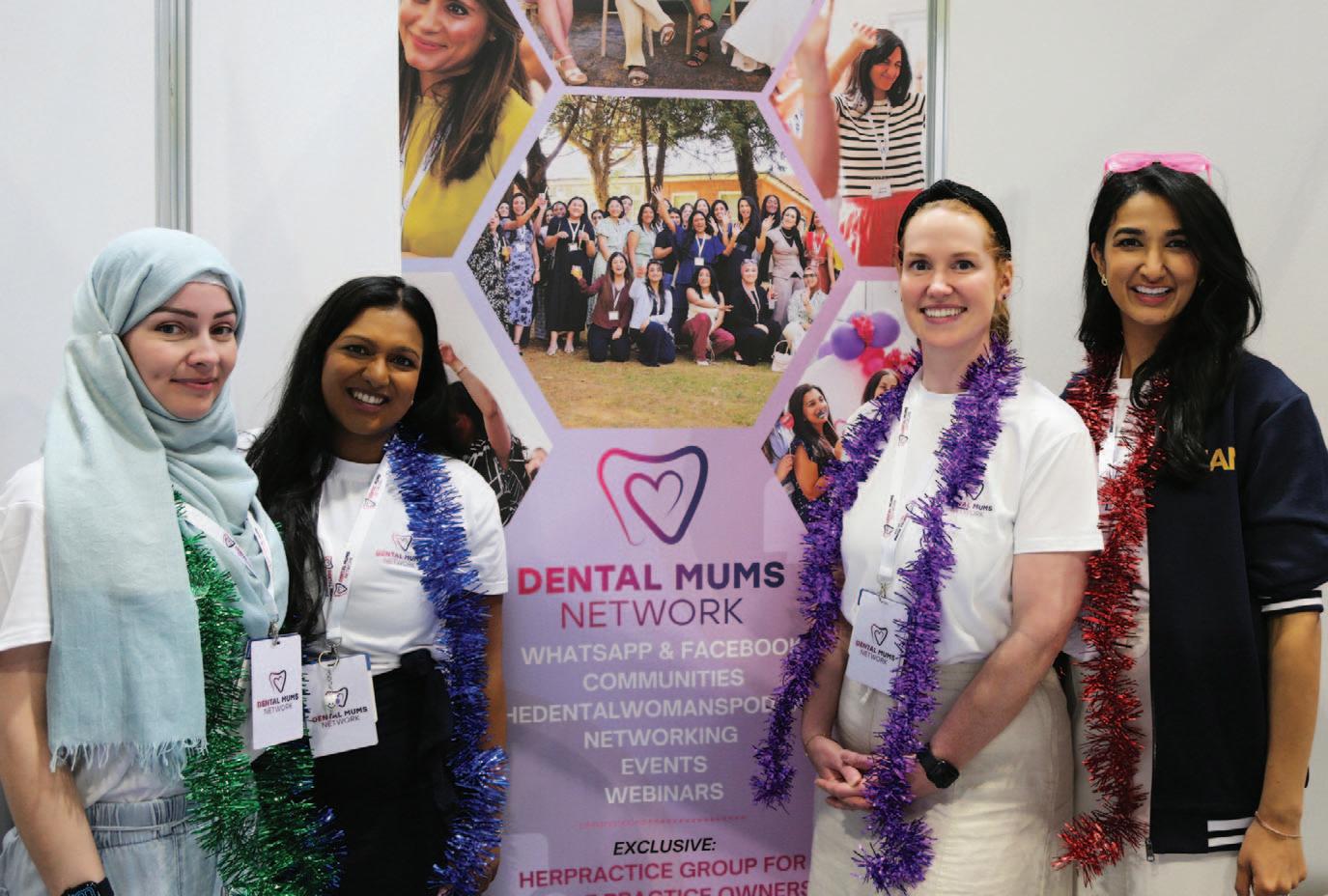
As the first female DTA president it was great to see women represented in the industry with organisations including Dental Mums’ Network, an organisation that provides workshops and forums for all women in the dental industry.
And Nightshift a group that aims to empower and support female dental technicians. They supply a whole range of online study clubs and share the great work
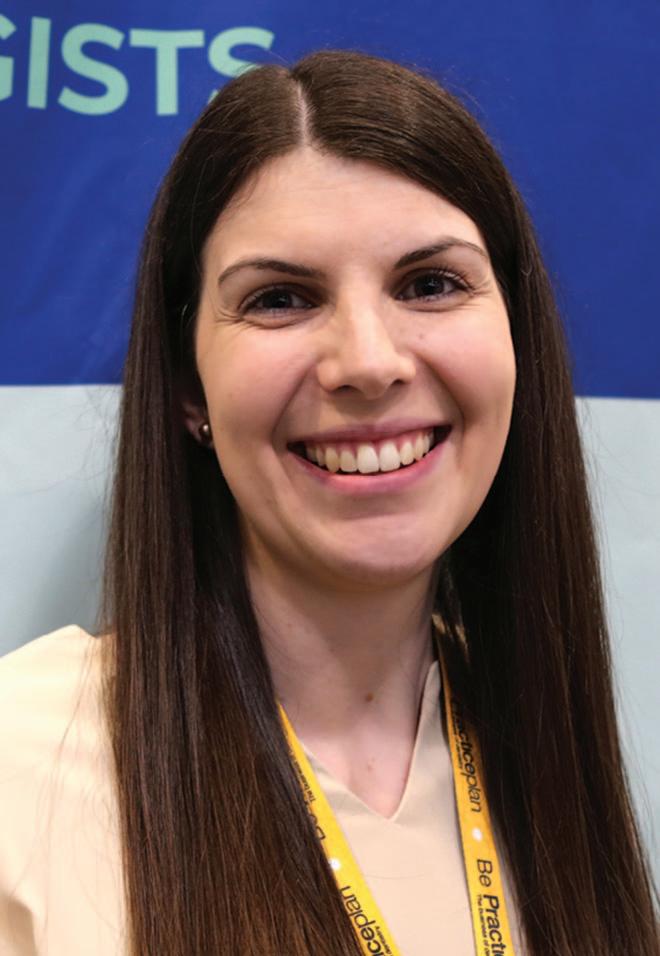
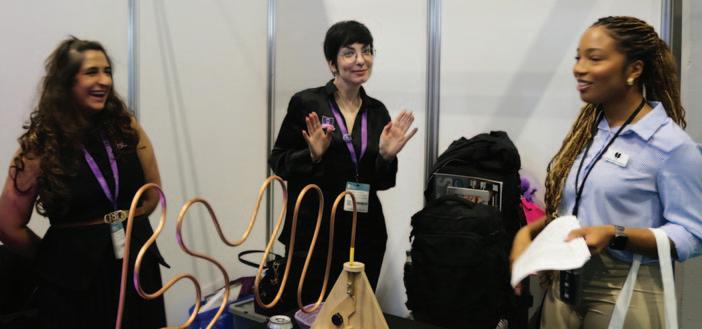
of female technicians. One of the founders of Nightshift, Nina Frketin, delivered an amazing and entertaining lecture during this year’s DTS by speaking about her personal experience of imposter syndrome and how she has overcome it (for our exclusive report on Nina’s talk, turn to page 9)
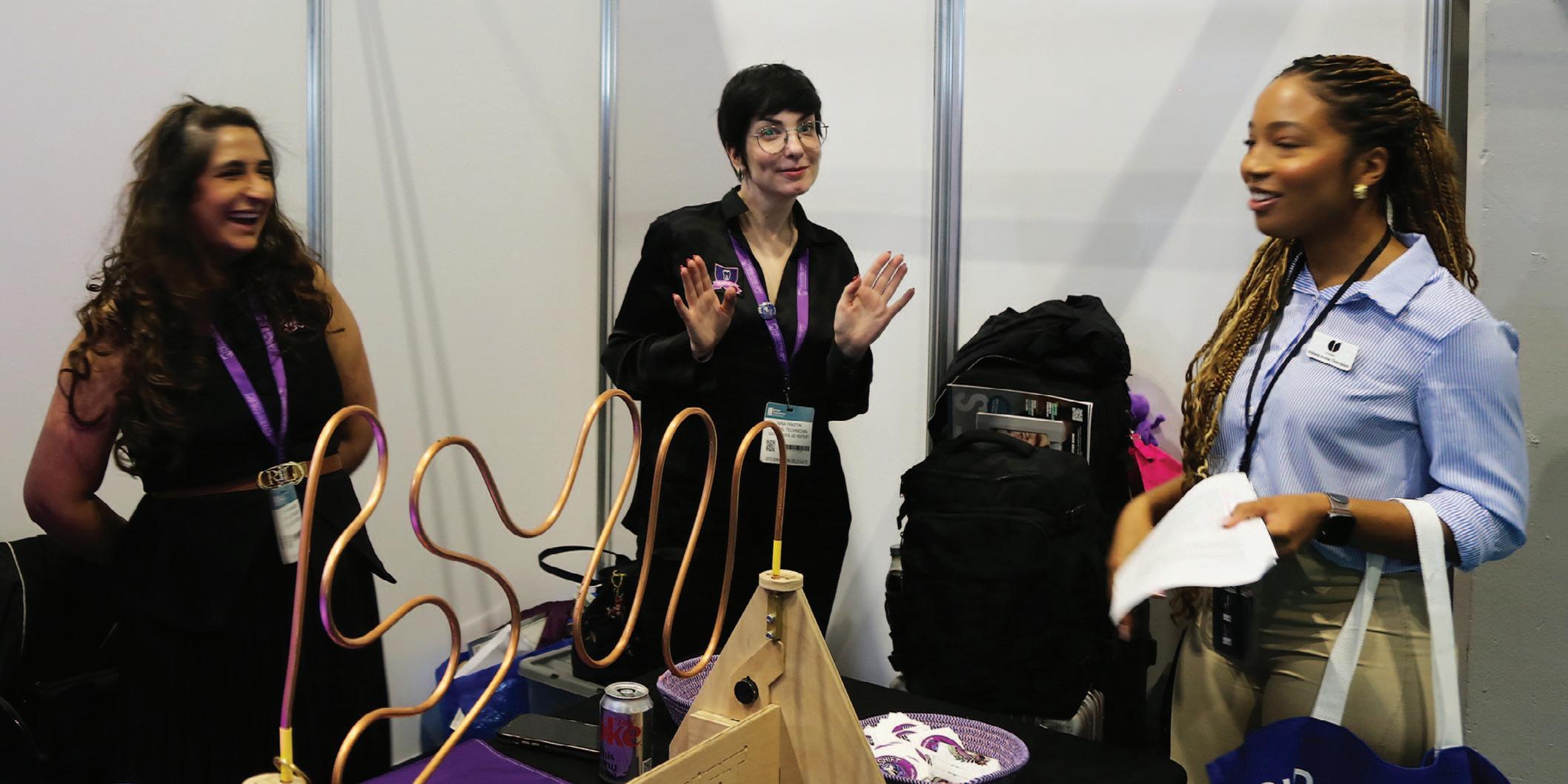
It’s not all education, CPD, and networking, there was fun to be had at the show with games to be played on some of the stands to win prizes such as cupcakes, jello shots and glasses of Prosecco.
Girls on stilts were wandering about for most of the day (their poor feet! mine were sore just walking on the ground). And there were lots of freebies to be had while walking around the show.
So, here’s to remembering another great DTS, and we’re all looking forward to next year to do it all again. With so much going on in the world of science and politics, who knows what will be new at the NEC in May 2027!
Originally from Croatia, Nina Frketin is an award-winning dental technician and founder of Nightshift (https://www.nightshift dentaltech.com/) an initiative that aims to empower and support female dental technicians. She explains: “Nightshift normalises women as leaders in dental technology. That’s not about burning my bra and running up and down shouting ‘FEMINISM’! We do not hate men, some of my best mentors were men.”
At DTS this May Nina took the Dental Technician Hub as her platform from which to launch her talk, Who Let Me in Here? Chronicles of an Imposter during which she energetically and charismatically talked about a psychological condition that, she claims, is: “Something
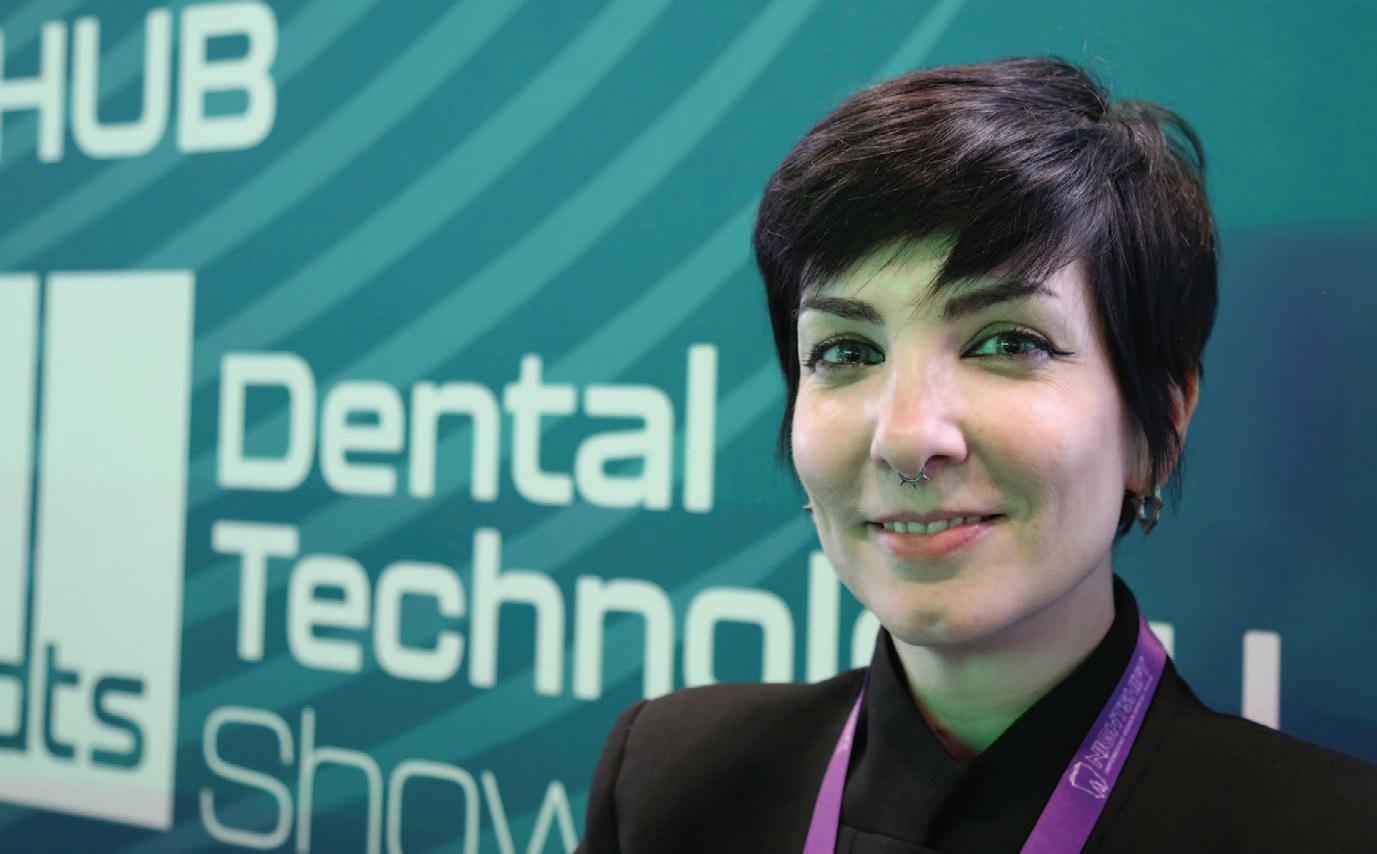
we all experience, but few talk about.” Her subject – Imposter Syndrome
Nina has lived in the UK for the last 15 years. Alongside attending a Goth festival in Whitby earlier this year, she works as a prosthodontic specialist at Queensway
Dental Laboratory, Teesside. Nina is also a Committee Member and Ambassador for DenTech.
She asks: “What is Imposter Syndrome?” Then she answers herself, explaining that it is different from just being nervous, although
nervousness is part of it. It is the fear of being found out, it is the sense that we will be revealed as a fraud, that anything we do is not good enough. Some very successful people have suffered from the condition, including the late author phenomenon Terry Pratchett, so, Nina is in good company.
Like Pratchett – who found it very difficult to finish his novels because he could always think of just one more tweak or polish –Nina is driven to perfectionism and suffers from bouts of anxiety. The answer to this condition is to find the right support group, to share your doubts with the right community. That is the idea at the heart of Nightshift, which, judging from the laughing and chatting crowd of technicians that supported the group on the stand during DTS, seems to be working.
Nina continues: “Dental technicians are precision driven, it is a high-pressure profession that gets little recognition, and is part of a strong comparison culture. We judge each other’s work and compare it with our own, and that’s not easy when you suffer from Imposter Syndrome. Even so, I decided that I would not allow my anxiety and fear to decide what I can and can’t do.”
To illustrate her theme for the day Nina had chosen to describe the impact of Imposter Syndrome within the framework of the Seven Deadly Sins, not in order to put people on the spot but to use the subject generically. For those whose biblical
education has not got past Hammer films or the classic movie The Omen, Nina listed the sins for her audience: Pride, Envy, Wrath, Sloth, Greed, Gluttony, and Lust
For some people these sins would be the ideal characterisations for a well-known political leader, or a description of an obese, self-obsessed sex maniac (same person perhaps) but for Nina these sins provide the springboards from which to explore her Syndrome in an intelligent – and entertaining – way.
Pride: The drive to make everything perfect, and then to suffer crushing self-doubt when it isn’t. Pride can sometimes be about overindulging in perfectionism, where making mistakes becomes unbearable and can ultimately lead to burnout. Nina explains: “As an example of the way my brain works, in Croatia women adorn themselves with a complex traditional Croatian tattoo as a form of selfpreservation. Thanks to my own perfectionist tendencies I would see even this as something that has to be perfect. I believe we have to take this excessive pride and convert it to something healthier.”
Envy: Looking at another technician’s work and deciding that yours doesn’t measure up, Nina explained: “For example a few years ago I was doing a lot, lecturing while also working full time. Then I put myself forward for an award... and I didn’t win it
but my friend did. At first, I was envious, but I didn’t let it hold me down.
“I took that envy and converted it into inspiration. The following year I put myself forward for that award again and I won. That isn’t boasting, it just illustrates how we can take something negative and create a positive. It is a matter of perspective.”
Wrath: Nina chuckles: “We all know that job that makes us want to throw it across the room. Wrath will lose its sting if we share it with other people. Find the right community and share your frustrations.”
Sloth: No, not laziness, Nina describes it as that time when Imposter Syndrome freezes you and you suddenly find yourself cleaning your bench rather than getting on with your work. It is the technologists’ version of a writer’s block, but instead of the blank page there is a blank mind.
Greed: “This is about craving constant praise,” Nina explains, “and feeling worthless when it doesn’t come. That isn’t how reality works. Our successes are the result of a web of unseen helping hands pushing us upwards. We need to accept that self-made is really community-made, you can’t achieve the heights without guidance and a helping hand.”
Gluttony: Wait, isn’t this the same as Greed? No, Nina explains: “In this model Gluttony is over-indulging in perfection. Not knowing when to be satisfied, even when the job is already plenty good enough. It can also mean never knowing when to say no –piling more and more onto your shoulders until there is no way you can do all the work in an acceptable time frame – which can result in burn-out. You must set your own parameters and work within them, find a place where you are comfortable. Yes, set high standards, but don’t expect the impossible from yourself.”
She adds: “We need to remember who we are beyond the laboratory. Discovering the things that make us happy as a person are
as important as success at the bench. We are human beings and sometimes we need to celebrate that fact.”
Lust: “I have been guilty of this,” said Nina, “but it’s not what you think, well, not in this case. I see lust as a longing for admiration while never believing you deserve it, which plunges you into a hopeless cycle of anxiety.
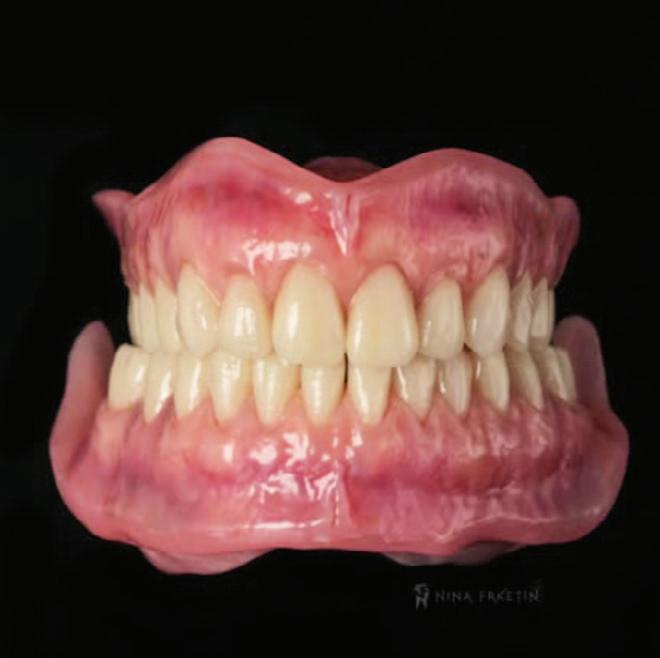
“Another example; I was a young technician happily working away in my bubble and thinking I was doing pretty well, then I discovered Facebook. This was a few years ago. While surfing the site I came across an image of a complete denture that was perfect, truly perfect. It was beautiful, better than anything I had ever seen. It was like someone had reached into a patient’s mouth and pulled out their teeth and gingiva with all their natural textures and colour nuances. If Leonardo da Vinci had been a dental technologist, he would have made a denture like this.”
Nina continued: “I wanted to know how to do that and I contacted the technician. He actually knew who I was, as we had spoken before. He had been an inspiration for me for many years, but I later found out that he had spoken badly about me behind my back. For someone with Imposter Syndrome that can be pretty crushing, but my colleagues supported me and made me realise that the work I was doing was better than good enough and I was able to rise above my disappointment. That was the
moment I realised that people will often undervalue you if you allow them to determine your worth, and that I am about much more than praise or validation from others. Sometimes you need to see the smile in the mirror.”
Nina concluded: “The final barrier to fulfilment in our work and social lives is when, no matter what others might say, we simply don’t believe we are good enough. The voices whisper to us in times of selfdoubt, ‘you aren’t good enough, don’t kid yourself, accept that you are second rate, live with it’. Those voices are lying to you, don’t listen.
“I know what I’m talking about. Just as you’ve heard those voices talking to you, I’ve heard them talking to me. I want to
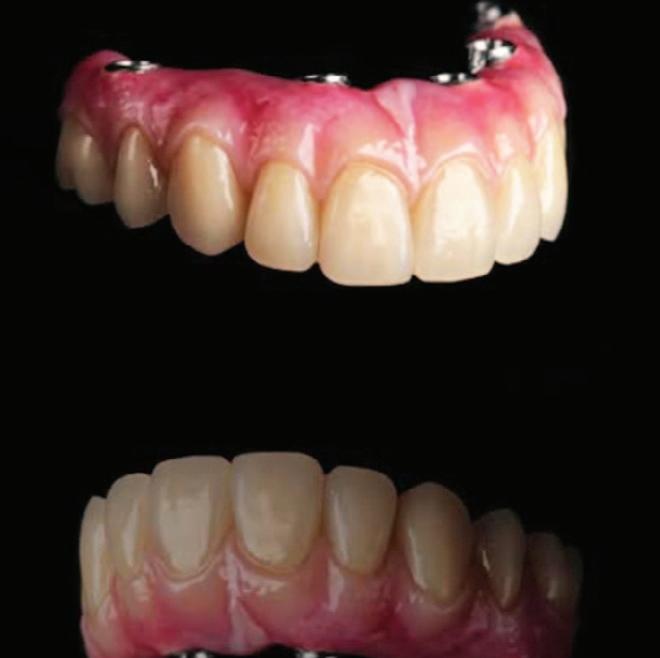
share a simple truth with you, none of us can take the world on our own, we move forward by building our community of friends – we move from craving perfection to finding inspiration – and we do it by finding the right group to talk to. Our next steps come from finding supporters instead of detractors.”
She adds: “With self-compassion and community support we can move forward, we can rise above doubt and walk away from uncertainty and anxiety. With support we can grow stronger, then we can share our strengths with those around us by choosing collaboration over comparisons. There is energy in synergy. Yes, it is important to know our craft, to practice our art, to want to improve and learn more, of course it is, but we must also remember that we also need to be humans before we are technicians, and all that entails.”
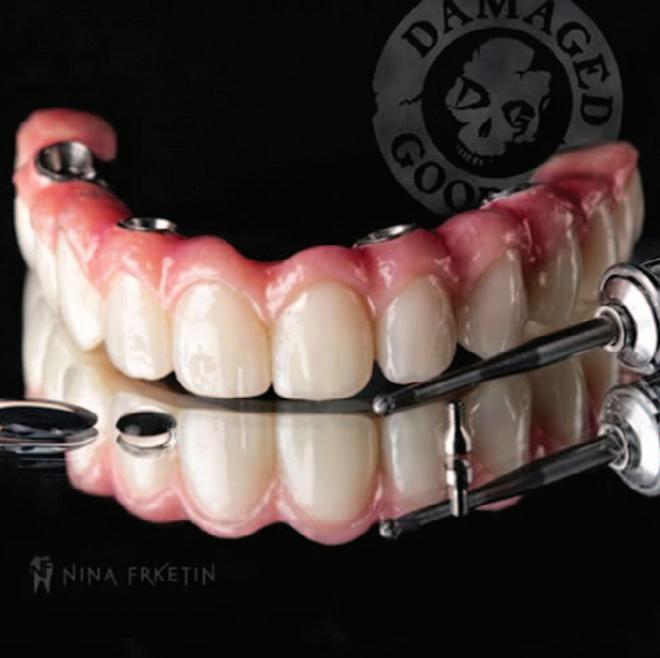
A spokesperson for the Oral Health Foundation explains that your mouth has over 700 types of bacteria and why that’s a good thing.
As National Smile Month got underway, experts highlighted a surprising fact: your mouth hosts roughly 700 different types of bacteria — and most of them play beneficial roles.

Far from being a sign of poor hygiene, a diverse oral microbiome helps protect against harmful invaders, supports digestion, and contributes to overall oral health.
Every year, National Smile Month (11th May11th June), reminds us of a simple but powerful message: prevention is better than cure. Yet for many people, oral health is still something we only think about when there’s a problem. A sudden toothache, bleeding gums, or bad breath often acts as the trigger, but by then, the damage may already be underway.
The reality is that most dental issues, including tooth decay and gum disease, are largely preventable. What’s changing today is our understanding of how to prevent them. Beyond brushing and flossing, science is increasingly pointing to two
powerful and interconnected factors: nutrition and the oral microbiome.
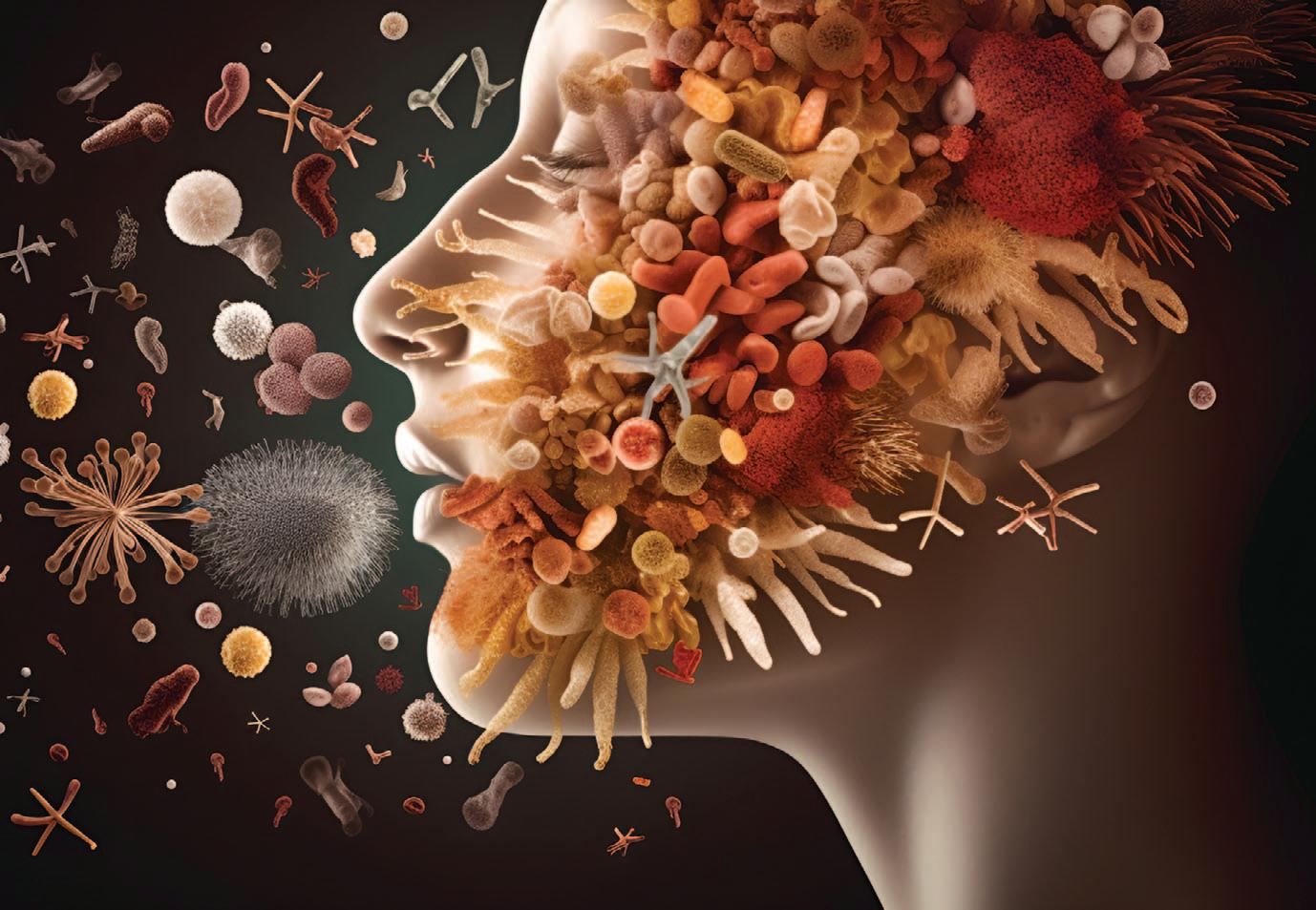
The oral cavity is far from a sterile environment; it is a dynamic and complex ecosystem known as the oral microbiome. This microbiome is made up of a diverse community of microorganisms, including bacteria, fungi, viruses, and other microbes that coexist in a delicate balance.
Among these, bacteria are the most dominant and well-studied group, with scientists identifying more than 700–750 different bacterial species living in the mouth. These microbes colonise various surfaces, including the teeth, gums, tongue, and cheeks, forming unique microenvironments within the oral cavity.
Importantly, these microorganisms are not just passive inhabitants. They play an active and essential role in maintaining oral health.

Beneficial bacteria help regulate the growth of harmful species, support the integrity of gum tissues, contribute to the body’s natural defence mechanisms, and even assist in maintaining a stable pH in the mouth.
When this microbial community is balanced, it supports a healthy oral environment. However, when disrupted through factors such as poor diet, high sugar intake, or lifestyle habits, this balance can shift, allowing harmful microbes to dominate and increasing the risk of dental disease.
The importance of oral health goes far beyond your smile. Dr Maria Papavergos, known as “The Lifestyle Dentist,” explains: “This National Smile Month, let’s recognise oral health as the foundation to a happy smile. A healthy mouth links to a healthy body, with oral disease increasing risks of systemic disease from Alzheimer’s disease to diabetes, heart disease, and even cancer. Viewing the mouth through a holistic lens, balancing nutrition and lifestyle with oral hygiene, underpins a smile that looks good, feels good and reflects full body health.”
Experts recommend small, practical steps:
A Brush and floss regularly
A Cut down on sugar
A Eat more fibre-rich foods
A Stay hydrated
A Consider microbiome-friendly oral care products
For decades, oral health advice has focused heavily on reducing sugar and rightly so. Free sugars feed harmful bacteria such as
Streptococcus mutans, which produce acids that erode tooth enamel and lead to cavities. But focusing only on what to avoid tells only half the story. Equally important is what we add to our diets. A growing body of evidence shows that a high-fibre, plantrich diet can actively support a healthier oral microbiome. Fibre plays a dual role in maintaining a healthy mouth.
First, fibrous foods require more chewing, which stimulates saliva production. Saliva is one of the body’s most effective natural defence mechanisms, it helps neutralise acids, wash away food debris, and deliver minerals that strengthen enamel.
Second, and perhaps more importantly, fibre acts as a prebiotic. This means it provides nourishment for beneficial bacteria, helping them grow and thrive. A well-fed population of “good” bacteria can outcompete harmful microbes, supporting a more balanced and resilient oral microbiome.
Foods rich in fibre and prebiotics include:
A Vegetables such as broccoli, carrots, and leafy greens
A Fruits like apples and bananas
A Whole grains such as oats and brown rice
A Legumes including lentils and chickpeas
A Prebiotic-rich foods like onions, garlic, leeks, and asparagus
These foods don’t just support gut-health, they also play a critical role in maintaining a healthy mouth.
Reducing sugar intake remains essential, but the conversation is evolving. Rather than focusing solely on restriction, there is a growing emphasis on rebalancing the oral environment.
Highly processed diets, typically low in fibre and high in refined carbohydrates tend to promote microbial imbalance. In contrast, whole, plant-based foods support diversity within the microbiome, which is associated with better health outcomes.
Alongside dietary changes, oral probiotics are emerging as an innovative way to support the microbiome. Unlike traditional oral care products that aim to eliminate bacteria, oral probiotics introduce beneficial strains that help restore balance. These
microorganisms are specifically selected to survive in the oral environment and provide targeted benefits. Strains such as Lactobacillus reuteri and Lactobacillus paracasei have been studied for their potential to:
A Compete with harmful bacteria
A Support gum health
A Reduce plaque accumulation
A Contribute to fresher breath
When combined with a fibre-rich, nutrientdense diet, oral probiotics represent a complementary approach to maintaining oral health working with the body rather than against it.
Samangi Wijesena, microbiologist and cofounder of the UK’s first probiotic dental care solution Luvbiotics comments: “One of the key messages of National Smile Month is the importance of building healthy habits early and maintaining them consistently. However, it’s never too late to make positive changes. By shifting focus from treatment to prevention, and from surfacelevel care to internal balance, individuals can take greater control of their oral health”.
Oral health is deeply connected to overall wellbeing. The mouth is not separate from

the body – it is the gateway to it. By understanding the role of the oral microbiome and the impact of nutrition, we can take a more holistic and effective approach to care.
To complete your CPD, store your records and print a certificate, please visit www.dta-uk.org and log in using your member details.
Q1 How many types of bacteria are estimated to be in the oral cavity?
A 500-550 B 700-750 C Over 1000 D 800-875
Q2 What are the dates for National Smile Month?
A 1-30th April B 15th April-15th May C 25th May-25th June D 11th May-11th June
Q3 What is not listed as part of the microbiome?
A Plaque B Bacteria C Fungi D Viruses
Q4 According to the article what specific factors might disrupt the microbiome?
A Sucking iced lollies on a hot day B High levels of caffeine intake
C Poor diet and high sugar intake D Consistent hypoglycaemia
Q5 How is Dr Maria Papavegos better known?
A The Gentle Dentist B The Diet Dentist
C The Lifestyle Dentist D The Dental Evangelist
Q6 Oral disease increases the risk of which systemic diseases?
A Alzheimer’s B Diabetes C Heart disease D Cancer and all of the above
Q7 Free sugars feed which harmful bacteria?
A Campylobacter B Clostridium perfringens
C Streptococcus mutans D Norovirus
Q8 Which of the following is not a food rich in fibre and probiotics?
A Broccoli and leafy greens B Apples and bananas
C Onions and garlic D Full fat cheese made with raw milk
Q9 Name two beneficial strains of microorganisms listed in the article as introduced by oral probiotics
A Bifidobacterium adolescentis B Lactobacillus Paracasei
C Lactobacillus reuteri and (b) only D Bifidobacterium animalis and a) only
Q10 Beneficial microorganisms have been studied for their potential to do what?
A Compete with harmful bacteria
B Reduce bruxism and TMD
C Reduce the incidence of migraines and b) only
D Strengthen dental enamel
Tracey O’Keeffe, Coach Practitioner and Mindfulness Teacher MA (Education), BSc (Critical Care), RN
Introduction
This paper explores the concept of wellbeing specifically related to the workplace. With most sources suggesting the average person living in the UK will spend over 90,000 hours at work in their lifetime, it is important to consider not only how it could negatively affect wellbeing, but also how we can develop strategies to proactively enhance a positive experience. Interestingly, the Office for National Statistics (2023) state that UK adults are spending less time on social activities, entertainment and free time, with the average being only around 3.5 hours a day. This again highlights that if the majority of time is spent either asleep or at work, the element at work needs to be as pleasant as possible, and certainly not contributing to poor health and wellbeing.
SAims:
■ To gain an insight into how resilience and bounce-back supports the workplace
■ To better understand how determinant factors influence the work environment
CPD Outcomes:
■ Maintenance and knowledge of skills within your field(s) of practice
■ Clinical and technical areas of study
■ Team working
■ Leadership skills
Development Outcome: B&C
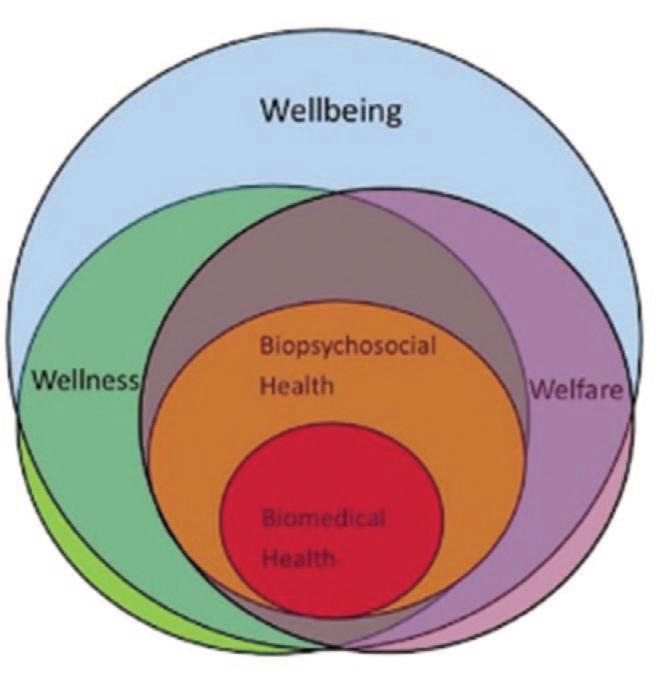
imons and Baldwin (2021) describe wellbeing as a nebulous term and suggest that often researchers will look more towards exploring concepts such as burn-out which are more tangible. They imply that it is the absence of health and wellbeing that is usually examined, and this then moves away from a proactive attitude to maintaining a positive state of being. Furthermore, they suggest that as wellbeing connotes some external responsibility, taking a medical approach to measure it like a pathology just results in adding limitations. The emphasis still then remains on examining surviving and not falling ill, instead of consideration of thriving and flourishing. Ultimately, wellbeing needs to be considered very holistically and not only medically, but within a biopsychosocial approach to analysis. The concept diagram shown in Figure 1 also includes the terms wellness and welfare. Simons and Baldwin (2021) suggest that wellness adds personal responsibility but does not take into account surrounding systems and processes (important in the work context), whilst welfare incorporates health, happiness and prosperity (again, arguably relevant in employment).
As seen, it is difficult to separate the physical elements of wellbeing and there are also well-established links between mental and physical health. Nevertheless, unpicking the less physical elements is interesting and it can be further sub-divided into emotional, psychological and social concepts (See Figure 2). There is the perhaps obvious feelings of happiness and satisfaction, but for most individuals it is also necessary to experience personal growth, purpose, autonomy and a general sense of self-
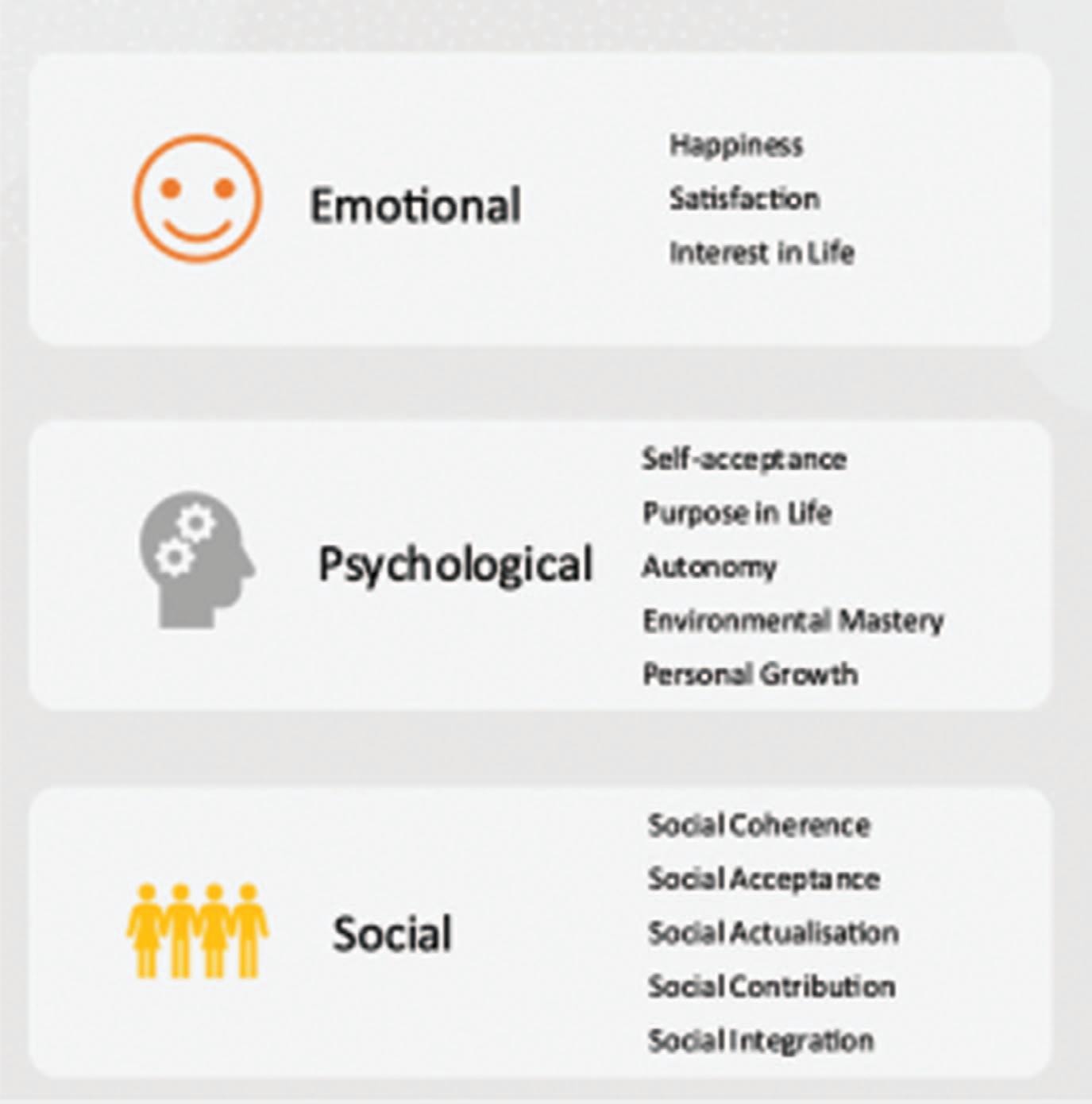
acceptance and mastery. From a social perspective, being able to contribute, integrate and be accepted by others is important. Furthermore, feeling coherent within a social group brings an overall sense of harmony and actualisation. The concepts here are once again relevant to the work environment and working relationships with a team or wider organisation.
The importance of caring for workplace wellbeing cannot be underestimated. As noted, huge amounts of time are spent in employment. Furthermore, Mayfield (2026) in his report Keep Britain Working, estimated a cost of around £85billion to employers through poor workplace health. Although the report targets disability in particular, he suggests that 150 million days are lost through sickness annually and this results not only in lost capacity, increased unexpected costs and disruption for the employer, but also financial personal impact
for the employee. It is estimated that if an person leaves work through disability in their 20s, this will result in over £1 million lost income, with the state obviously trying to support that deficit. Mayfield (2026) states “Work and health are not always easy partners, but they are mutually reinforcing. Supportive employment practices are vital, but so too is personal responsibility…”. This clearly is important for those with long term health problems, but also for the “well” person navigating through life, stress and acute illness episodes. Hence, creating and sustaining workplace wellbeing needs to be a joint effort and responsibility spread across the individual, the team and the wider organisation.
Simons and Baldwin (2021) suggest that wellbeing can be affected both positively and negatively by different determinants. Furthermore, as much as the determinants can impact wellbeing, the state of an
individual’s wellbeing can actually then influence determinants, resulting in a cyclical process. A example would be a situation where resources are low within the workplace creating stress. This stress can then affect wellbeing of workers which may manifest outwardly affecting team dynamics, productivity, etc. This then has the potential to feedback into situation, almost nurturing the negativity of the problem. The determinants themselves can be considered in two broad philosophies: hedonistic or eudemonistic. Although both are a desire for happiness, a hedonist approach pushes down the utilitarian route, striving for happiness for all. Conversely, the latter philosophy is one focused more on personal growth and a need to reach full potential in order to thrive (Simons and Baldwin, 2021; Sonnentag, Tay and Nesher Shoshan, 2022). Both have their use in the workplace and can complement each other, but of course there is the potential for conflict if individual motivational drivers clash within a team or against organisational aspirations.
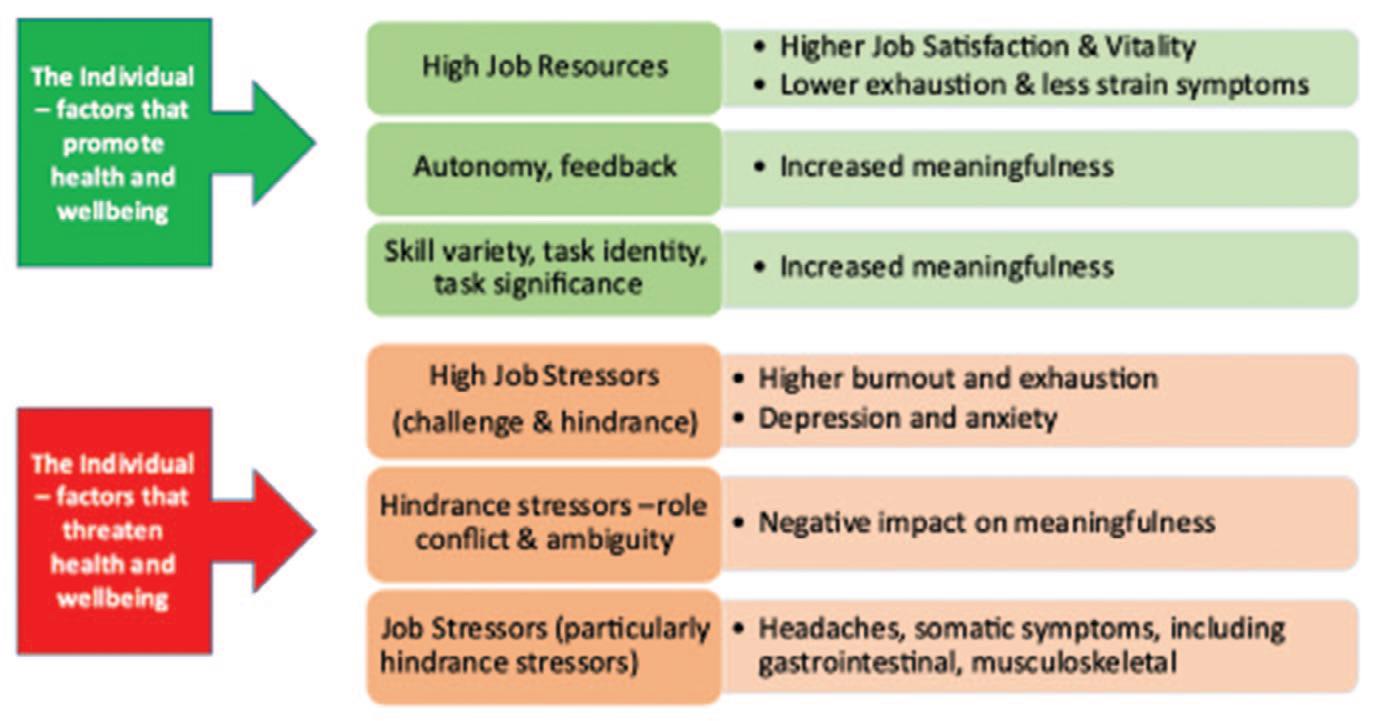
There are various elements which can either promote or threaten wellbeing at work (Sonnentag, Tay and Nesher Shoshan, 2022) (See Figure 3). Notably, although high job resources are beneficial, these do not necessarily reduce or mitigate against job stressors in full. Interestingly, those stressors can vary between challenge or hindrance, with the latter having more negative impact. Hindrance stressors are more active blockers to workplace progress and possibly feel more threatening for the individual.
Figure 3 focuses on the individual, but the team dynamic can also be considered. Sonnentag, Tay and Nesher Shoshan (2021) highlight the positive wellbeing associated with social identification within a group, but they suggest that this again is not a complete buffer for job stressors. Teamwork and daily interactions help foster meaning and sensemaking within the work environment, whilst conflicts in relationships have a strong negative effect on wellbeing. Furthermore, having a
“healthy” organisation with robust and fair structures, policies and leadership can support and enhance the wellbeing of each employee, the team and feedback back into the success of the organisation itself. Indeed, Pandey et al. (2025) suggest a focus on workplace wellbeing improves individual creative performance, enables a customeroriented attitude within the team, and develops an organisation both driven and supported by employee voice.
One approach to workplace wellbeing is the maintenance and/or development of resilience spanning the individual employees, the workforce teams, and the organisation itself. Gifford and Young (2021)
suggest that mental health can be affected negatively and positively by levels of resilience with implications around anxiety, depression and burnout, as well as subjective wellbeing, positive affective feelings and life satisfaction.
Resilience is often considered the ability to “bounce back” when things are difficult or challenging (Leipold and Greve, 2009) or going through a traumatic event with a degree of psychological and physical health maintained (Bonanno, 2004). Cleary et al. (2018) relate it specifically to high stress environments, (arguably this could be work) and say resilience feeds the capacity to thrive rather than purely survive. There are many theories around whether resilience stems from “trait or state” but it seems that both contribute. Personality traits can
support resilient feelings and behaviours, with environmental or experiential influences enhancing or decreasing that capacity. Although teams could be considered not to fit in a “trait or state” concept, it seems clear that working to develop team resilience can help create a responsive and healthy working group when pressures rise. Indeed, Hartwig et al. (2020) identify three main themes relating to team resilience: dynamic (strengthened by adversity and trainable in resilience), adaptable (coping with, persevering through and bouncing back from challenge and adversity), and viability (maintaining health and performance with resilience as a buffer through adversity).
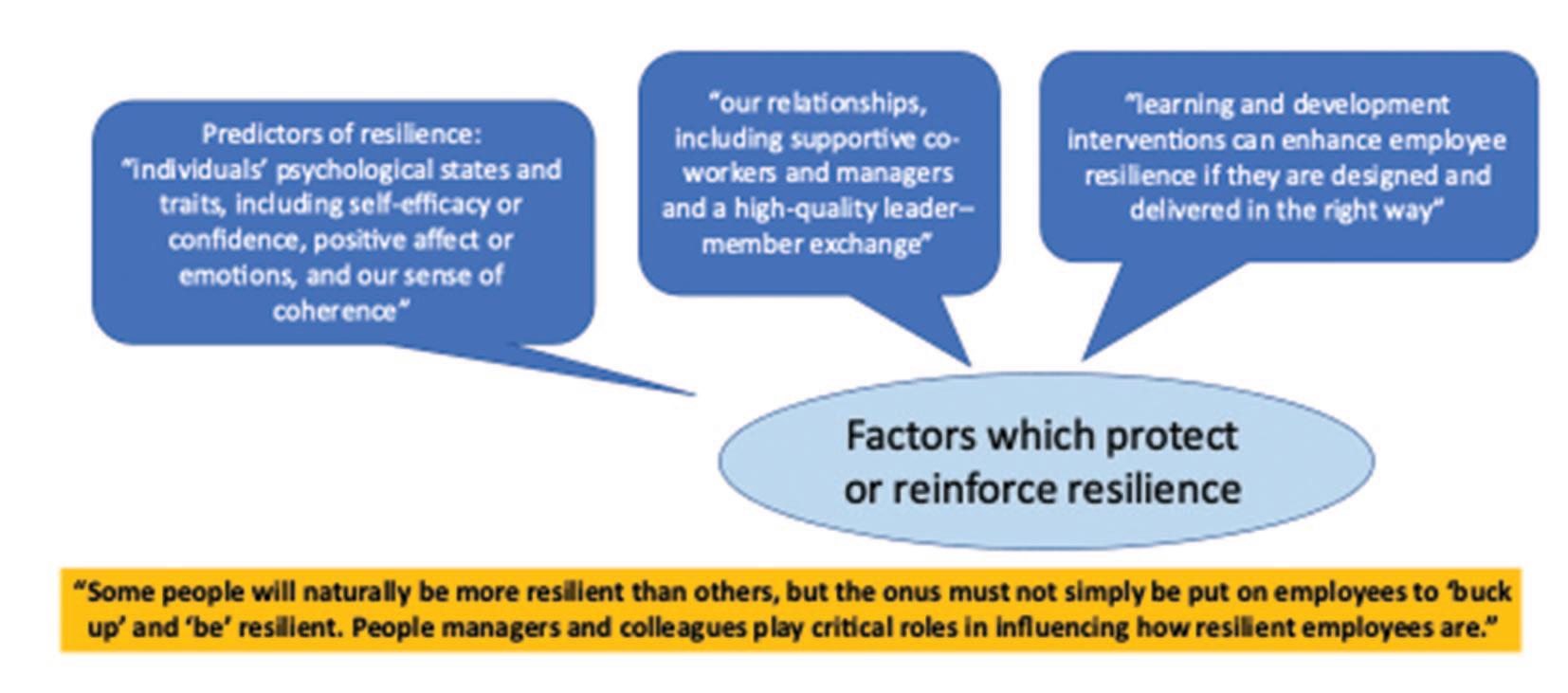
Resilience seems to be a useful focus of a wellbeing strategy which could support the workforce and organisation. However, the responsibility needs to be shared, with Gifford and Young (2021) highlighting that it should not be an excuse for just adding further stress into the workplace (see Figure 4).
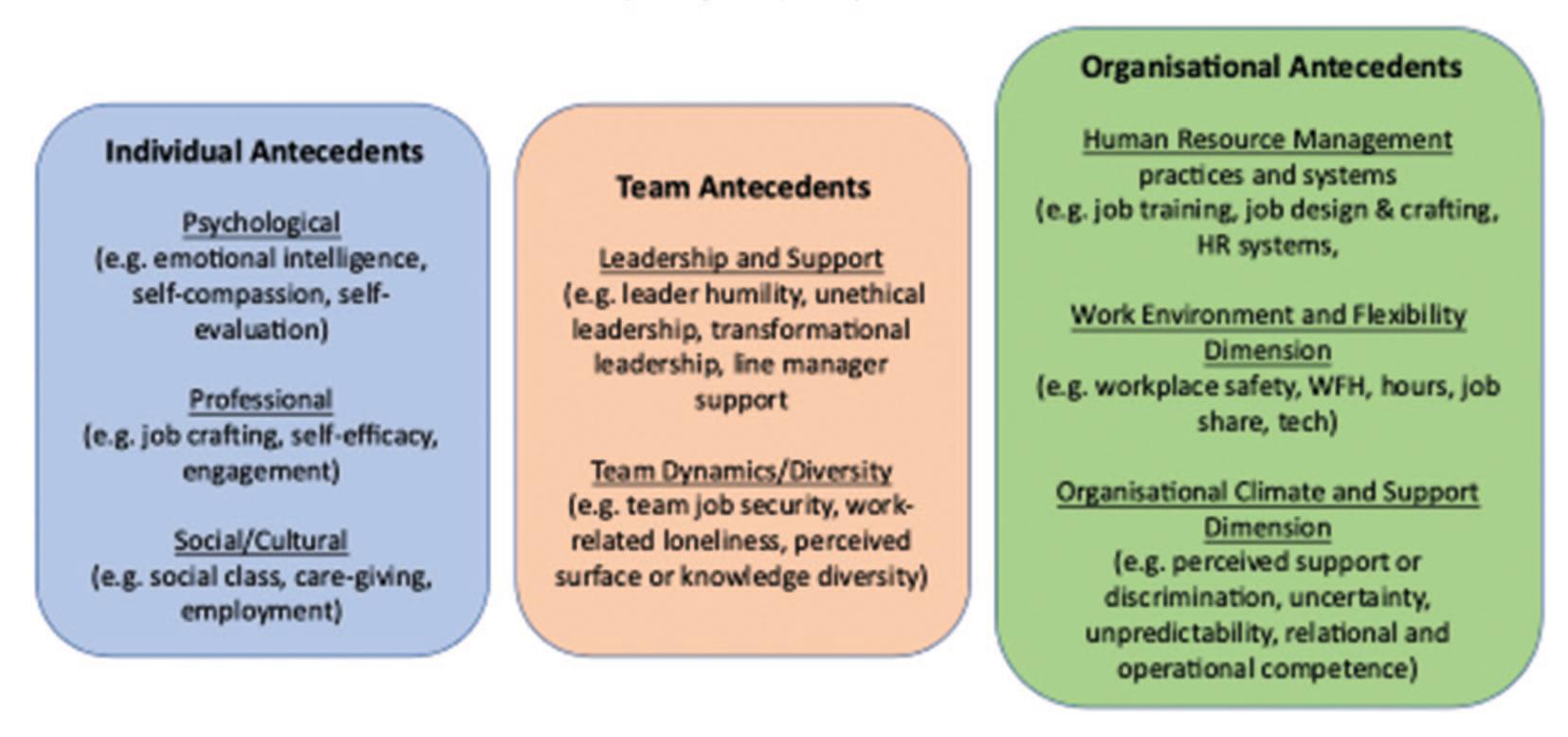
Wellbeing workplace strategies can be developed at individual, team or organisational level. Working across all three
strengthens the impact, but obviously this may not be possible in all scenarios. Pandey et al. (2025) outline some antecedents to wellbeing in the workplace, with some tipping the balance favourably and others creating more challenge and stress (See Figure 5). The approach to developing a strategy around wellbeing will vary depending on the situation. Those working alone may lean more towards building personal resilience and learning to respond differently to stressful scenarios and challenges. With small teams this still remains relevant, but there is also the scope to consider team dynamics, group activities
and shared accountability or responsibility for the positive work environment. As the workforce expands into larger teams and big organisational structures, leadership becomes key with certain styles lending themselves more usefully to success and a resilient team. Supporting this has to be robust, fair and fit for purpose policies, structures and procedures, ensuring safety, staff development and professionalism.
The whole process of developing a strategy can be underpinned by a PDSA approach (Plan, Do, Study, Act). Essentially, this a cycle of trying to understand the current
situation, implementing new ideas based on need, studying and exploring the outcomes, and then reassessing for continuation or change.
Although often used in large change initiatives, this can also be used at a very individual level as people consider what they need and how they can initiate personal changes and self-development. Working on self as part of a wider team or organisation will place the individual in the best place to support their own wellbeing by contributing to that of others and the team.
Conclusion
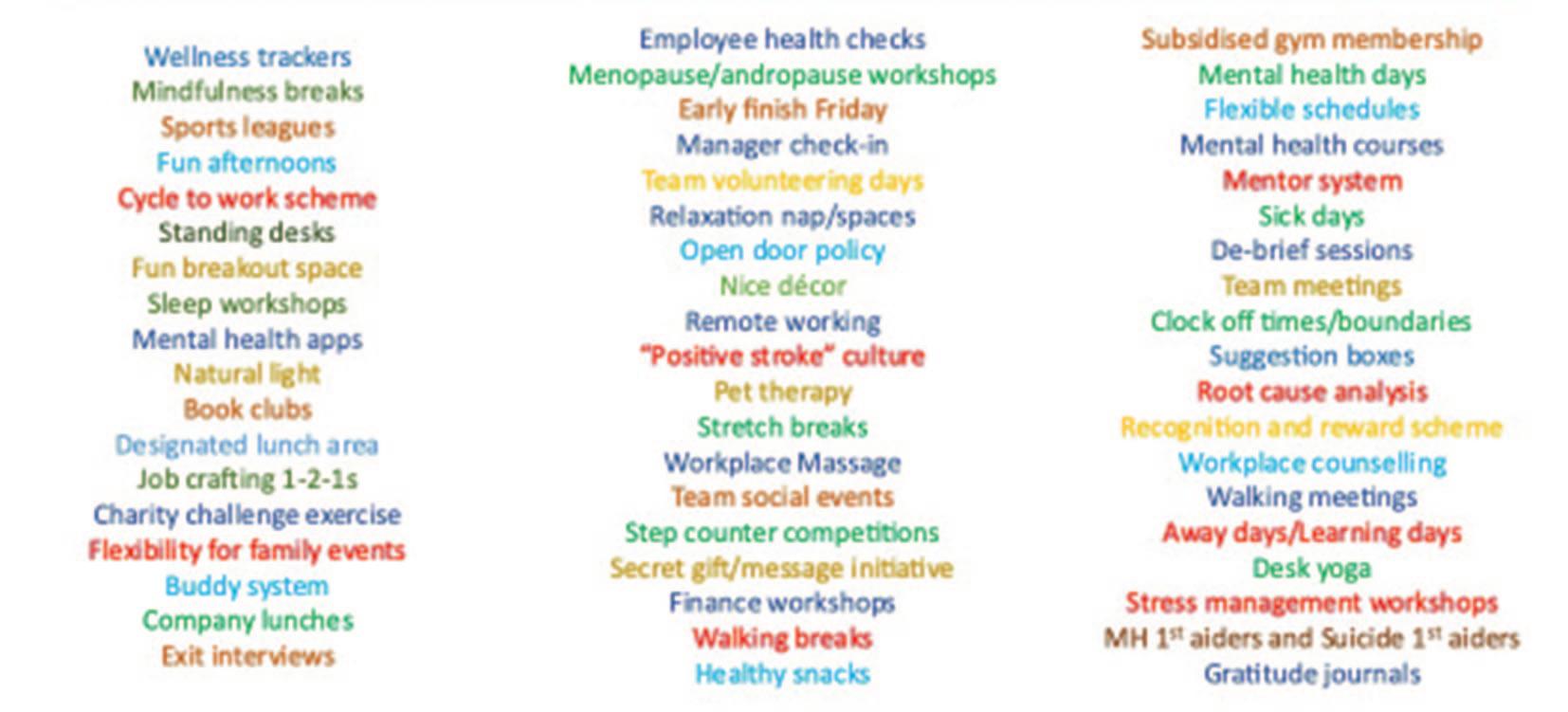
As a final note, the possible list of wellbeing ideas is almost infinite and could be seen as a bit of a “pick’n’mix” opportunity (see Figure 6). Individuals can just target personal approaches (e.g. short mindfulness moments during work). Teams can consider activities that encourage cohesion (e.g. social events). The organisation can embrace more policy driven changes (e.g. manager check-ins) or employee benefit strategies (e.g. employee health checks). Whatever changes are introduced is arguably better than stagnation or choosing to ignore a deteriorating sense of wellbeing. Self-awareness, supportive communication, and a willingness for honest reflection and transparency are crucial to nurture cohesiveness and positive progress. With so many hours spent at work, looking after ourselves and each other is a necessity not a luxury add-on!
References
– Bonanno, G.A. (2004) ‘Loss, trauma, and human resilience: have we underestimated the human capacity to thrive after extremely aversive events?’ American Psychologist. 59 (1). pp. 20. – Cleary, M., Kornhaber, R., Thapa, D.K., et al. (2018) ‘The effectiveness of
interventions to improve resilience among health professionals: a systematic review’. Nurse Education Today. 71. pp. 247–263
– Gifford, J. and Young, J. (2021) Employee resilience: an evidence review. Summary report. Chartered Institute of Personnel and Development.
– Hartwig, A., Clarke, S. and Willis, S. (2020) ‘Workplace team resilience: A systematic
review and conceptual development’, Organizational Psychology Review, 10 (3-4), pp.169-200. Available at: https:// doi.org/10.1177/2041386620919476
– Keyes, C.L.M. (1998) ‘Social well-being’. Social Psychology Quarterly. 61. pp.121–140. Available at: doi: 10.2307/2787065
– Leipold, B. and Greve, W. (2009) ‘Resilience’. European Psychologist. 14. pp.40–50
– Mayfield, C. (2026) Keep Britain Working: Final Report. Available at: Keep Britain Working: Final report - GOV.UK (Accessed: 27 June 2026)
– Office for National Statisticsd (ONS), (2023), Time Use in the UK, Available at: Time use in the UK - Office for National Statistics (Accessed: 26 June 2026).
– Pandey, A., Maheshwari, M. and Malik, N. (2025) ‘A systematic literature review on employee well-being: Mapping multilevel antecedents, moderators, mediators and future research agenda’, Acta Psychologica, 258. Available at: https://doi.org/10.1016/j.actpsy .2025.105080
– Ryff, C.D. (1989) ‘Happiness is everything, or is it? Explorations on the meaning of psychological well-being’. Journal of Personality and Social Psychology. 57. pp.1069–1081. Available at: doi: 10.1037/0022-3514.57.6.1069
– Ryff, C.D., and Keyes, C.L.M. (1995) ‘The structure of psychological well-being revisited’. Journal of Personality and Social Psychology. 69. pp.719–727. Available at: doi: 10.1037/0022-3514.69.4.719
– Simons, G. and Baldwin, D. S. (2021) ‘A critical review of the definition of ‘wellbeing’ for doctors and their patients in a post Covid-19 era’, International
Development Outcome B&C – 60 minutes
Journal of Social Psychiatry, 67 (8). pp.984 –991. Available at: DOI: 10.1177/00207640211032259
– Sonnentag, S., Tay, L. and Nesher Shoshan, H. (2023) ‘A review on healthand well-being a twork: More than stressors and strains’, Personnel Psychology. 76. pp. 476-510. Available at: DOI:10.1111/peps.12572
To complete your CPD, store your records and print a certificate, please visit www.dta-uk.org and log in using your member details.
Q1 It is estimated that the average person in the UK spends how many hours at work in their lifetime?
A Over 70,00 B Over 110,00
C Over 90,000 D Over 60,000
Q2 How much time on average per day is spent on free time, social activities and entertainment by a UK adult?
A 8 hour B 3.5 hour C 6.5 hours D 5.25 hours
Q3 In the Mayfield (2026) report Keep Britain Working what is estimated to be the cost to UK employers through poor workplace health?
A £85 billion B £120 billion C £67 billion D £75 billion
Q4 According to Mayfield how many days are lost annually in the UK due to sickness?
A 90 million B 78 million C 125 million D 150 million
Q5 What are cited as the two broad philosophies that drive the determinants that impact wellbeing in the workplace?
A Hedonistic or eudemonistic
B Determinism or empiricism
C Pragmatism or logical conceptualism
D Psychodynamic or humanistic
Q6 When did Sonnentag, Tay and Nesher Shoshan highlight the positive wellbeing associated with social identification within a group??
A 2024 B 2016 C 2021 D 2011
Q7 Pandey et al. (2025) suggest a focus on workplace wellbeing improves what?
A Individual creative performance
B Greater social interaction outside the workplace
C A healthier work/life balance
D A customer-oriented attitude within the team and a) only
Q8 According to Leipold and Greve (2009) resilience is the ability to ‘bounce back’ when things are… what?
A Hopeless and emotional
B Difficult or challenging
C Spiteful and hurtful
D Failing from the top down due to poor leadership
Q9 According to Cleary et al. (2018) resilience feeds the capacity to… what?
A Better understand the needs of team-mates
B Relate and communicate with customers
C Thrive rather than survive
D Bond with others in a positive way
Q10 What do Hartwig et al. not identify as relating to team resilience?
A Dynamic B Adaptable C Harmonious D Viability
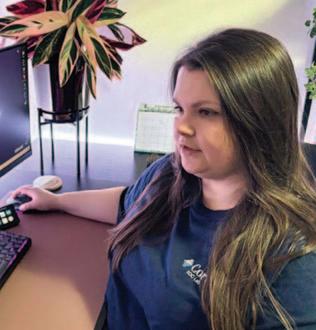
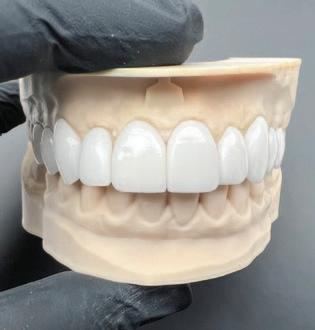
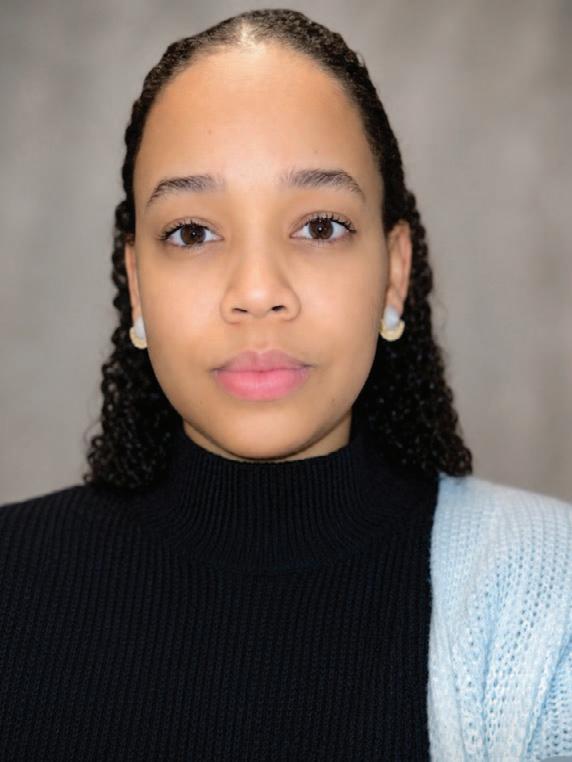
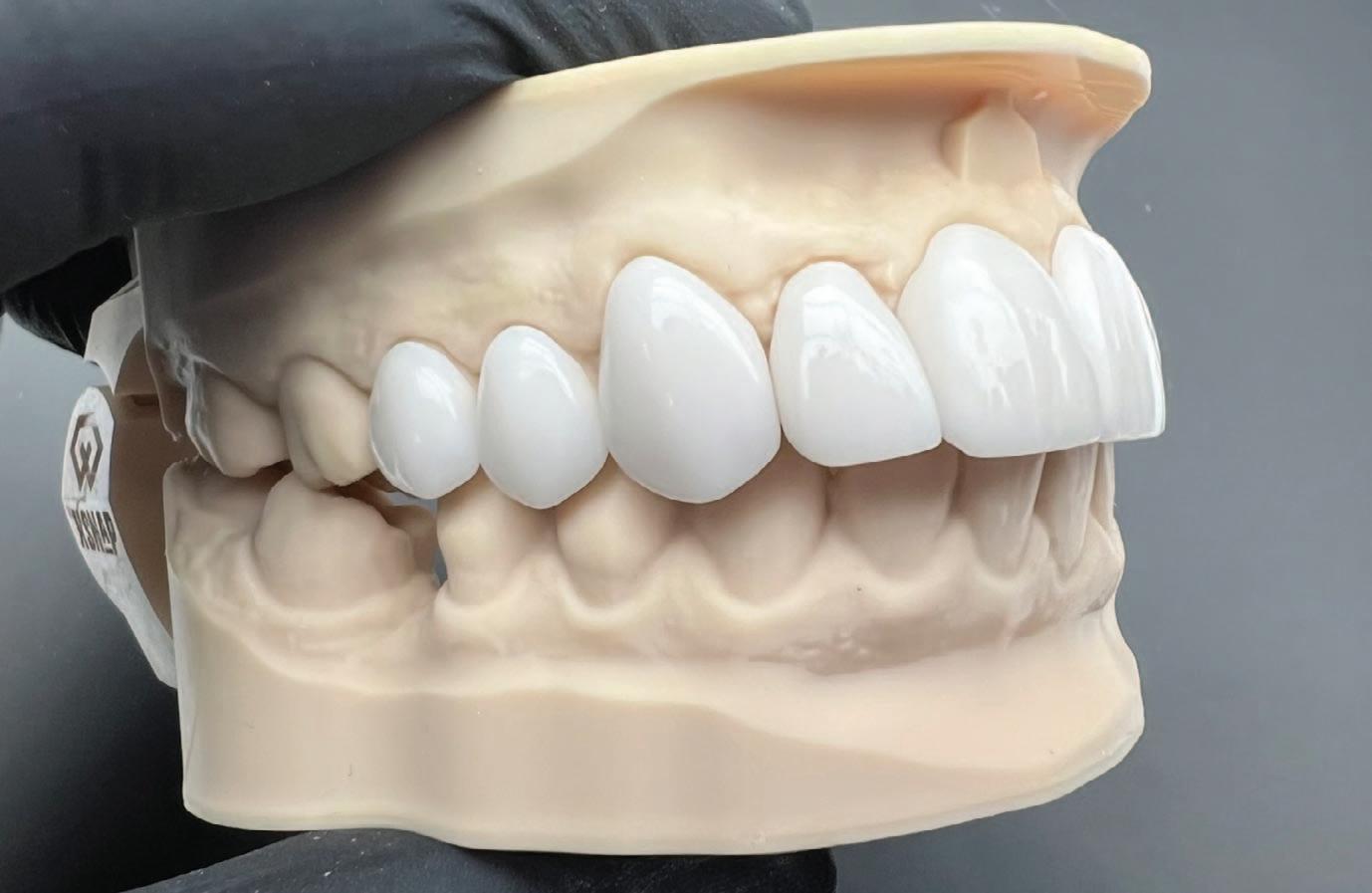
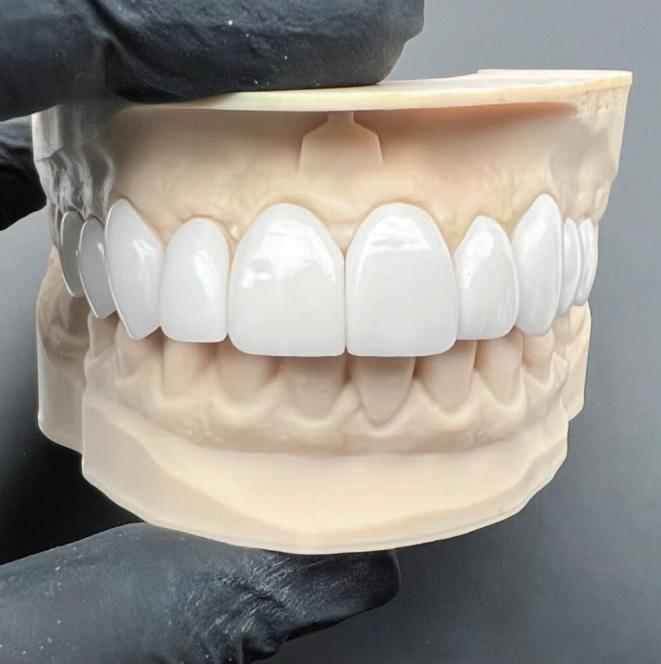
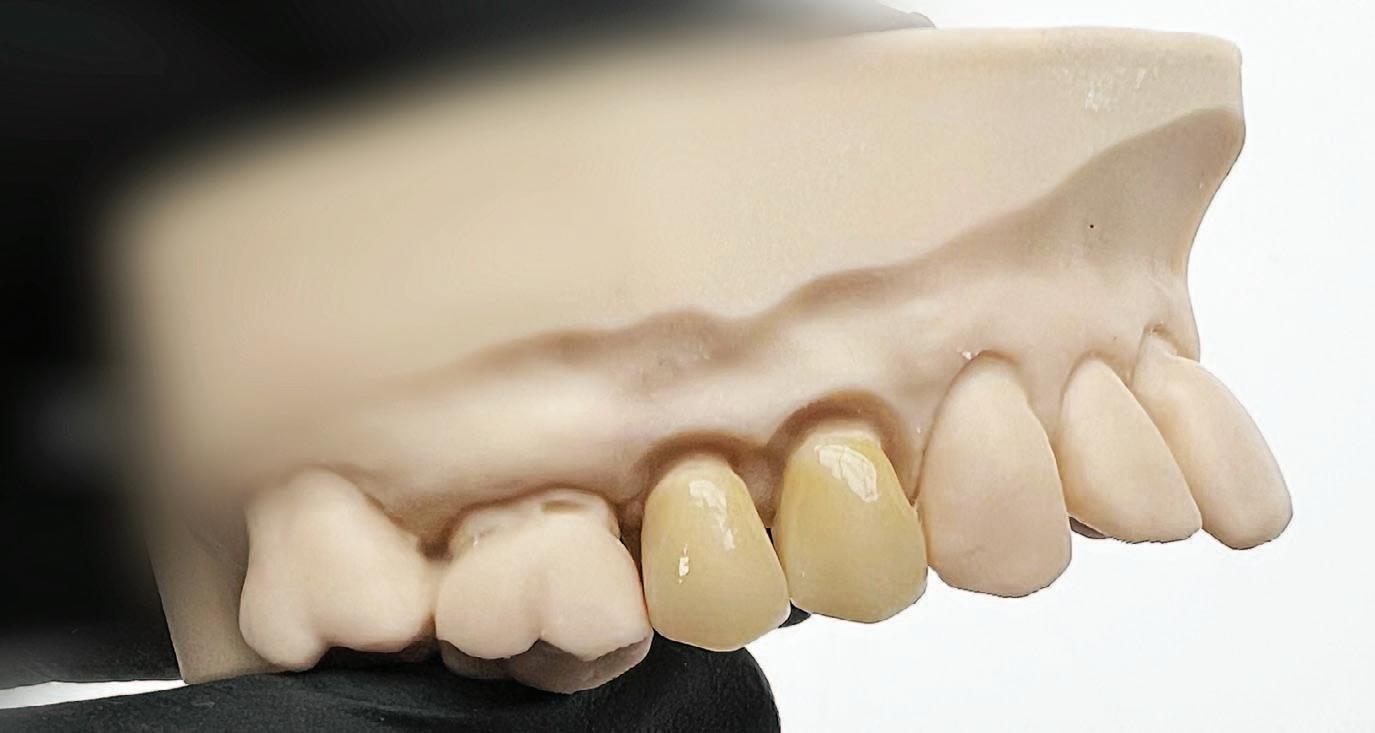
Junior Dental Technician Angela Almeida, is employed by commercial dental laboratory Avant Garde Dentistry (https://www.avantgardedentistry.co.uk/laboratory) while studying at the University of Greater Manchester. Here she answers questions about her working day, challenges and rewards, and offers her insights regarding the future of dental technology. The images are examples of Angela’s work and were supplied by her.
What degree/postgraduate course did you study and where? And what year did you graduate in?
Iam a recent graduate in BSc Dental Technology from the University of Greater Manchester.
What appealed to you about the course?
What appealed to me the most was the fact that this is a hands-on course. I always loved working with my hands and creating things, so a course where I could create and produce dental devices looked like the perfect fit for me. I was also fascinated by how dental technology impact patients even though dental technology is not well known. I really enjoy everything about dental technology; I’m able to use my technical and artistic skills to create appliances that can restore functionality, while also improving comfort, aesthetics and patient confidence.
What is your current job title?
Junior dental technician
How did you get your job?
After my placement I was offered the opportunity to stay. I have now been working there for over a year, and before completing one year, I received a dental lab award.
What’s a typical working day like?
I usually start the day by reviewing the cases assigned to me, checking the prescriptions through our online Portal, the target dates for each case, the material to be used. This helps me plan my time.
For example, I might have a 20-unit printed or milled crown/veneer where I need to check the wax before I print or mill the final material. On this stage I check for any issues, if there are no issues then the final material can be printed or milled. Finally, I start by trimming, checking the bite/occlusion, finishing and polishing following the lab ticket.
Sometimes this can run very smoothly but not every case is straightforward, sometimes there is an issue with the design, and I need to communicate with the designer to make sure the work meets the
clinical requirements. Sometimes the day can prove very busy and stressful, but I always like to think that on the other side there is an excited patient awaiting for their dream smile and this makes every stressful moment worth it. It is very satisfying knowing that you are helping improve someone’s smile.
What do you enjoy most about your job?
Knowing that the work I do can have a positive impact on a patient’s life is very rewarding. Even working behind the scenes, technicians play an important role, working alongside others in the dental team in helping patients to regain their confidence, comfort and aesthetics.
I also enjoy the creative side of the job, as every case is different which allows me to develop my skills. Seeing the final result and
knowing a patient will benefit from it is very gratifying.
What are the challenges?
Some of the main challenges are working under pressure and meeting deadlines, especially when managing multiple cases at the same time. Some cases can be complex and require a lot of attention to detail, precision, and problem-solving.
In what way is your degree relevant?
My degree is highly relevant to my current role as it has provided me with both theoretical knowledge and practical skills I need as a dental technologist. During the course, I have gained an understanding of dental materials, digital workflows, anatomy, and laboratory procedures, while also gaining vital hands-on experience. The course prepared me for the fast-paced laboratory environment and gave me the confidence I need to apply my technical and artistic skills in real cases.
How has your role developed and what are your career ambitions?
Since starting as a junior dental technician, I have become more confident and independent in managing cases and working with different materials and digital technologies. I continue to improve my skills every day and learn from the more experienced technicians around me. In the future, I would like to expand my knowledge and specialise in more complex
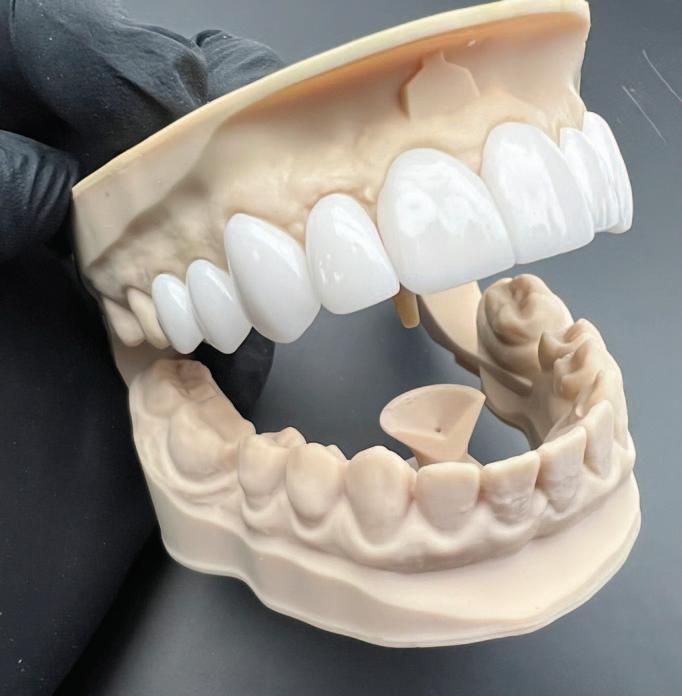
cases – such as working in dental implantology.
If you have completed a master’s degree, what are your top tips for choosing a Masters?
I have not completed master’s degree yet
What advice can you give to others wanting to get into this job? (Try to give three tips)
Be patient and willing to learn. Dental technology requires time, practice, and attention to detail. I remember my first day on placement when I was asked to do something completely new that I had never done at university before. At first, it was a complete disaster, and I struggled for a few days, but I did not give up. I practiced a lot, stayed determined, and eventually became one of the best at it in the lab. That experience taught me the importance of staying motivated, being patient with yourself, and continuously improving your skills.
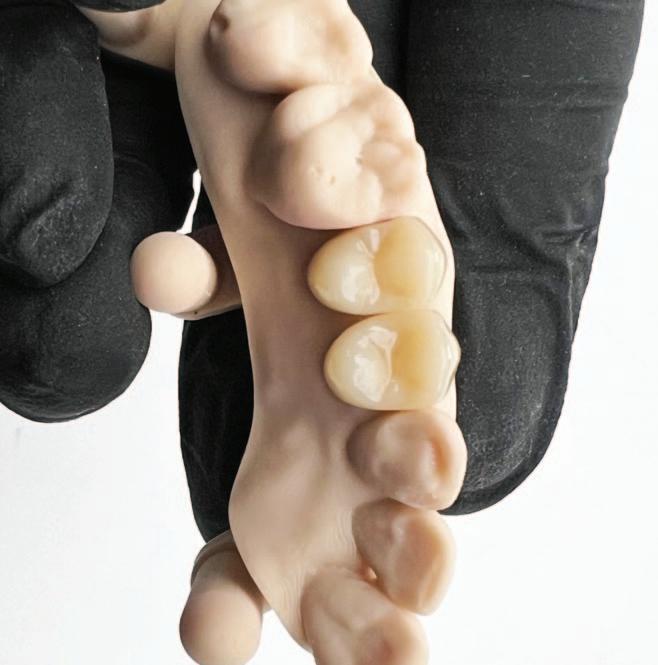
Take every opportunity to gain practical experience. Placements and laboratory experience are extremely valuable because they help you understand the workflow, improve your communication skills, and build confidence in a real working environment.
Dental laboratories are fast-paced, you must be very organised and able to remain calm under pressure, especially during busy times.
Please add any extra information you think would be relevant to finding your job or doing your job
With the advancements in dental technology, the profession is becoming more digital, so learning CAD/CAM systems and digital workflows will be very beneficial. Good communication is also vitally important as you need to be able to communicate clearly with the rest of the team in order to achieve the best outcome for your patients.
Dr Chris Turner, MSc, BDS, MDS, FDSRCS, FCGDent, QDR. Retired
One former Prime Minister, Tony Blair, coined the phrase ‘education, education, education’ in order to encourage investment in training to enhance the country’s economic performance for the future. He should also have mentioned change, as this is another certainty in our lives – alongside other oftmentioned certainties such as death and taxation as famously described by Benjamin Franklin in the eighteenth century.
In previous articles I have discussed the importance of such matters as audit as a means of self-education regarding your personal performance and how it can be improved, hopefully with a coincidental improvement in your bottom line together with your effectiveness and efficiency. This is otherwise known as the Cochrane principles regarding the production of reliable health evidence by emphasizing Collaboration, Quality, Integrity, Relevance, and Access
There are other changes to think about and they are interlinked, satisfying continuing education statuary requirements and learning new techniques. By way of example when I qualified, the standard restoration for posterior teeth requiring crowns was a full gold crown, quite cheap back then when gold was still $35 an ounce, but rather expensive now. We have evolved through porcelain fused to metal –where significant tooth reductions were required – back to zirconium reinforcement when the preparation has reverted to a chamfer finish rather than a shoulder finish.
As professionals, we are all required to satisfy General Dental Council guidelines

that we continue our professional education throughout our careers. The easy way is by reading articles such as mine in The Technologist and then completing the CPD questions at the end of each piece. Hopefully they will stimulate you and from time to time perhaps even be amusing.
The more demanding face of professional education is by attending lectures, and particularly hands-on courses. Dentists are fortunate that some of these are provided by the NHS and are free of charge, although there are now many private courses available across a wide range of subjects. I wonder when the changed requirement for Dental Technicians to attend a course with dentists might happen?
During my career I gave over 400 days of hands-on courses for dentists. In retrospect, I am sorry if those freshly educated practitioners gave you a hard time afterwards when they asked for changes in long-established procedures such as the methods I advocated for the construction of complete dentures, and especially that of forming the ideal cupid’s bow post-dam.
I am really pleased to see, in contrast to the times when I qualified and dentists were required to make all the stages of complete dentures, often very badly, that clinical dental technicians have become an established feature in the dental community. While it may be the case that numbers of patients requiring this treatment has fallen, as demonstrated by the Salisbury/Darlington studies 25 years apart, I suspect that with the increasing number of patients who can neither access
nor afford NHS treatment, more will become edentulous and require your skills. However, I have recently seen a claim that it is not possible to make a profit – and therefore earn your living – by making complete dentures on the NHS. If this is indeed the case, then it is the NHS that has to change, not you. I urge you not to compromise your own standards.
I could not have given one memorable fiveday course without a considerable amount of planning and technical support. The idea was to provide complete dentures for two elderly patients. As part of the course we manufactured, within a week, sets of complete dentures. This could not have been achieved unless our technicians were willing and able to work late if necessary to provide the next stage for the next day in this sequential and consequential arrangement. As dentists we were absolutely dependent on their dedication and skill. To see how the plan worked out see Figure 1 overleaf.
The course participants arranged follow-up appointments for any denture eases that might subsequently be required. It was a demanding but rewarding time for all concerned that only worked because our technician attended both the preliminary lectures and the clinics and worked so hard for us.
Figure 1: How the plan worked out...
Dentist
First impressions
Shade and mould taking*
Second impressions
Occlusal records
Check shade and mould
And retention of maxillary baseplate
Try in
Fit dentures
Technician
Cast models, make special trays
Order teeth
Cast models, make heat cured maxillary base plate, add occlusion rim and mandibular wax rims.
Articulate models, fit teeth and wax up
Process and finish
* I have previously described how taking shades and moulds at this stage can be time and error saving.
I hope you both enjoy and gain useful information that you can apply to your work from such courses, unlike one dentist I remember who was just attending in order to earn a tick in a ‘I have attended a course’ for the GDC annual CPD returns. This man refused to take part in any of the practical exercises and when asked at the end if he would use any of the techniques replied: ‘Certainly not, I wasn’t taught that
at Guy’s’. You may like to know that for such people I suggest that they suffer from ‘EnTAG’ syndrome., a case of a learning block described as ‘Not Taught At Guy’s so don’t want to know’. Such a waste of everybody’s time.
But then again, as that old proverb says… ‘You can take a horse to water…’. I should like to see more of you recognised
for the skills you already have and to give you recognition for the essential role you play as part of the dental team – albeit usually in separate premises.
I should like to hear your voices and opinions passed on to key decision makers.
You might like to look at joining the College of General Dentistry. They have established a dental technology section together with three others, those for nurses, hygienists and dentists respectably.
Already I know of your colleagues whose contribution has led them to being awarded the College’s Fellowship, an accolade indeed, and an important recognition of career progression, skill, knowledge and contribution to dentistry.
This will be my final article. In summary, patients see your work not mine. I could not have achieved what I did without detailed technical support and input into case planning.
I wish all of you well for the future, and ask that you keep reading The Technologist.
Dental Hygienist and Therapist Anna Middleton looks back on her time as a dental nurse, and underlines the importance of nursing to the dental team.
It was the 2008 credit crunch that led me into dental nursing. My original qualifications were in sound engineering and music technology, and after graduating I worked in a variety of creative and hospitality roles. Almost overnight, I lost all my jobs but with hindsight, it was exactly the push I needed because I was ready for a career, not just jobs.
Afriend suggested dental nursing, and it genuinely felt like a lightbulb moment. I’d always been drawn to medicine but hadn’t completed my A-levels, so I saw this as a second chance. I was determined. I applied for roles, faced rejection, but didn’t stop. I enrolled in college, and the course required us to fulfil an additional 16 hours of weekly work experience – which I was prepared to carry out for free.
I read the dental nursing textbook cover to cover and walked into every dental practice in Exeter, with my dog by my side, asking for an opportunity. Eventually, it paid off and I secured a trainee role as a float nurse covering Devon. I even remember saying, “I’ll buy a car tomorrow if you give me the job!”
I have fond memories of my time as a dental nurse. Being a float nurse gave me exposure to so many different clinicians, patients, and procedures, which accelerated my learning massively. But my fondest memories are working with Pauline, the practice hygienist.
Before entering dentistry, I didn’t even know what a hygienist was. She was incredibly kind, patient, and supportive, and she really took me under her wing. She became my inspiration and ultimately the reason I chose to pursue a career in dental hygiene.
Beyond the clinical skills, I learned so much about people as a dental nurse, both about patients and colleagues. My background in hospitality really helped with patient communication, especially managing anxiety and building rapport. As a float nurse, I often stepped into different roles, from reception to compliance responsibilities like being a first-aider and fire marshal.
Working across multiple practices meant I had to be highly organised, adaptable, and proactive. I learned how to quickly integrate into teams, anticipate clinicians’ needs, and support the smooth running of the day.
One of the biggest challenges I faced as a dental nurse was constantly adapting to new environments and clinicians. When a dentist works with the same nurse every day, they build a rhythm and efficiency, so stepping into that dynamic could feel like big shoes to fill. To overcome this, I made it a habit to familiarise myself quickly, checking where instruments were, reviewing the day list, and asking the dentist about their preferences. That preparation helped build trust quickly and ensured the day ran smoothly.
However, I have always been someone who wants to grow and evolve. Becoming a hygienist was inspired by Pauline, she had
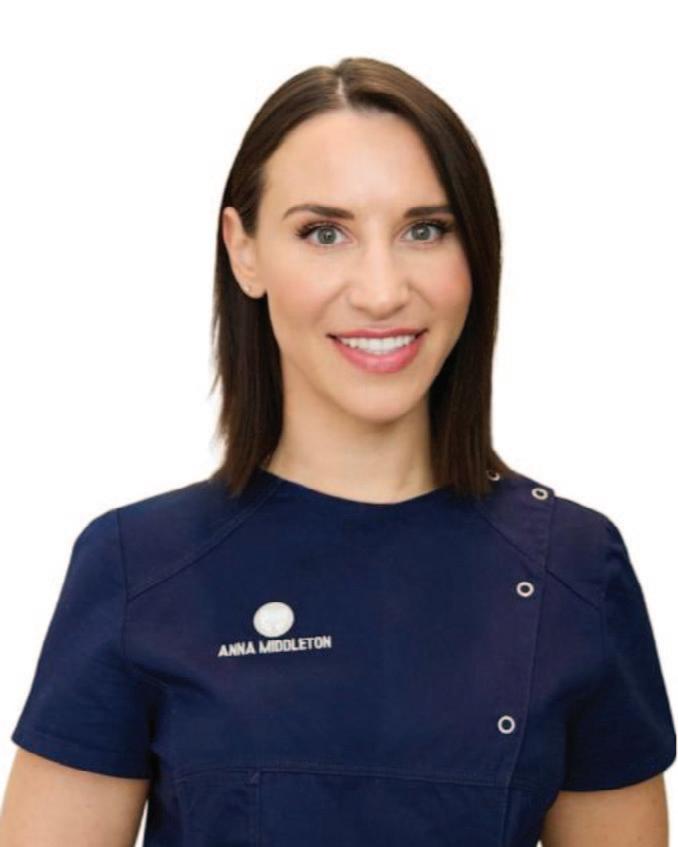
such a balanced, fulfilling role, and her patients adored her. From there, I progressed into therapy in 2020, and even now I’m thinking about what’s next. For me, dentistry has never been static, it’s a career that allows continuous development, and that’s something I’ve always embraced.
Prevention has always been at the heart of everything I do. I founded the London Hygienist to help change the way oral healthcare is delivered and to improve access for patients. One of the biggest barriers we see is the fear of pain and a lack of control, and we know that even one negative experience can stay with someone for years.
What drives me is that so many oral health conditions, including periodontal disease and dental decay, are largely preventable and even reversible in their early stages. That’s incredibly empowering, both for clinicians and for patients. Over the past decade, I have focused on improving the patient journey by making it more
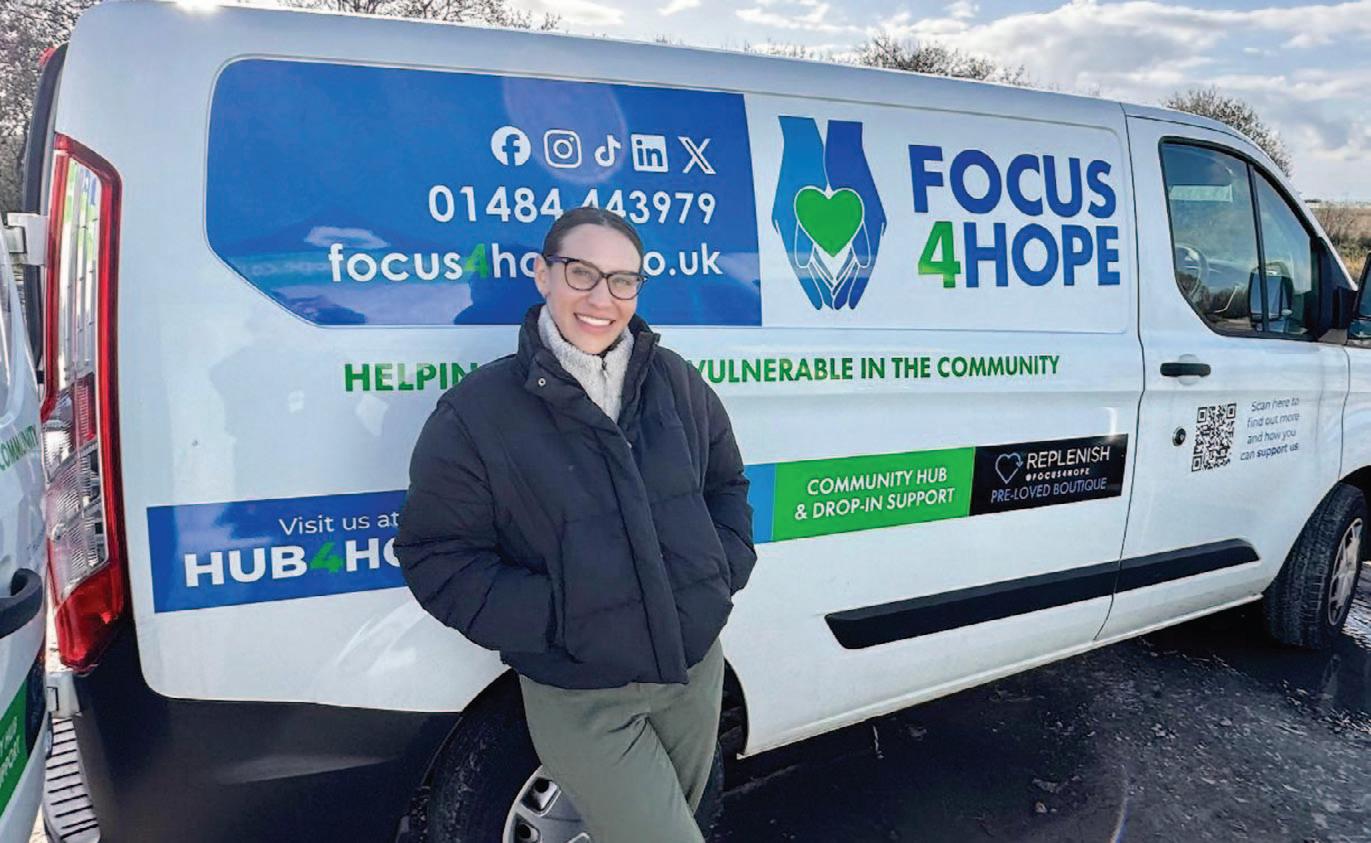
comfortable, more accessible, and more centred around prevention rather than treatment.
Companies like Philips play a vital role in supporting that mission. They don’t just create products, they collaborate with dental professionals, invest in research, and develop evidence-based technologies which genuinely help patients improve their oral health at home. That partnership between clinician and innovation is key to driving meaningful, long-term change in prevention.
Looking back, I think dental nursing gave me a foundation of essential life skills, organisation, adaptability, resilience, and the ability to perform under pressure. It also introduced me to incredible people, both colleagues and patients, and those relationships have shaped who I am professionally today.
In practice dental nurses are truly invaluable. Having been a dental nurse myself, I have a deep appreciation for the role and everything it entails. I always aim to support and empower the nurses I work with, whether that’s developing new skills like scanning or photography, or encouraging further career progression. I’m proud to say several nurses I’ve worked with have gone on to become hygienists and therapists themselves. It feels like a fullcircle moment, just as Pauline inspired me, I’ve been able to pay that forward.
My top tips to help dental nurses to thrive are to take every opportunity to learn, both clinically and non-clinically. During my time as a nurse, I trained in radiography and implant nursing and supported with practice management tasks like cashing up. Be proactive, ask questions, and put yourself forward. The more you engage, the more opportunities will come your way.
Evidence-based dentistry is fundamental to delivering safe, effective, and consistent patient care. It is about combining the latest research, clinical expertise, and patient needs to guide decision-making and ensure the best outcomes.
Throughout my career, I have always prioritised staying up-to-date with current evidence, particularly in prevention, where guidance and technology are constantly evolving. This is where companies like Philips play a key role. They invest heavily in research and innovation, and importantly, they collaborate with dental professionals to ensure their products are grounded in real clinical need.
For example, advancements in power toothbrush technology and patient education tools have made it easier for patients to achieve effective biofilm control at home, which is at the heart of prevention. Having evidence-backed tools not only improves patient outcomes but also builds trust and confidence in the recommendations we give.
For me, working with organisations that value evidence-based practice reinforces my mission to deliver high-quality, preventative care and improve long-term oral health outcomes.
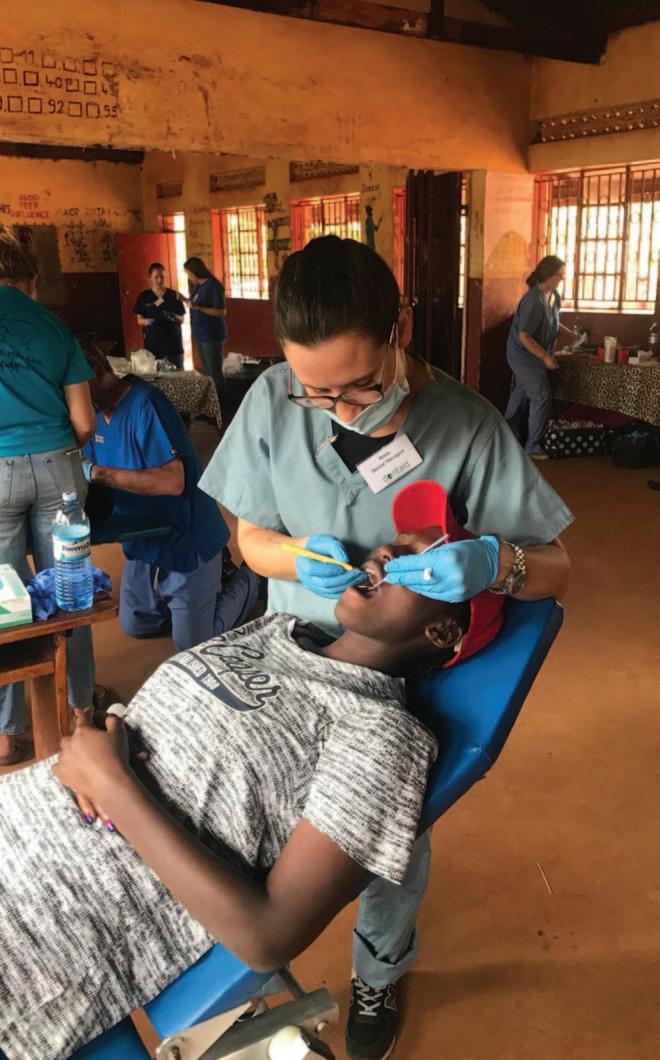
Charity work has become something incredibly important to me, as it allows me to use my skills to make a real difference to people who may otherwise have no access to dental care. I have travelled to Uganda, where I supported dentists and therapists in delivering care in under-served communities. My role was varied, from dental nursing to providing hygiene treatments and delivering oral health education. It was a powerful experience that really highlighted the impact of prevention and simple interventions.
More recently, I worked in France providing dental care for refugees who have very limited access to healthcare. This experience was particularly moving, being able to offer not just treatment, but reassurance, compassion, and education, reinforces why I do what I do. These experiences have deepened my understanding of global oral health inequalities and strengthened my commitment to improving access and prevention wherever possible.

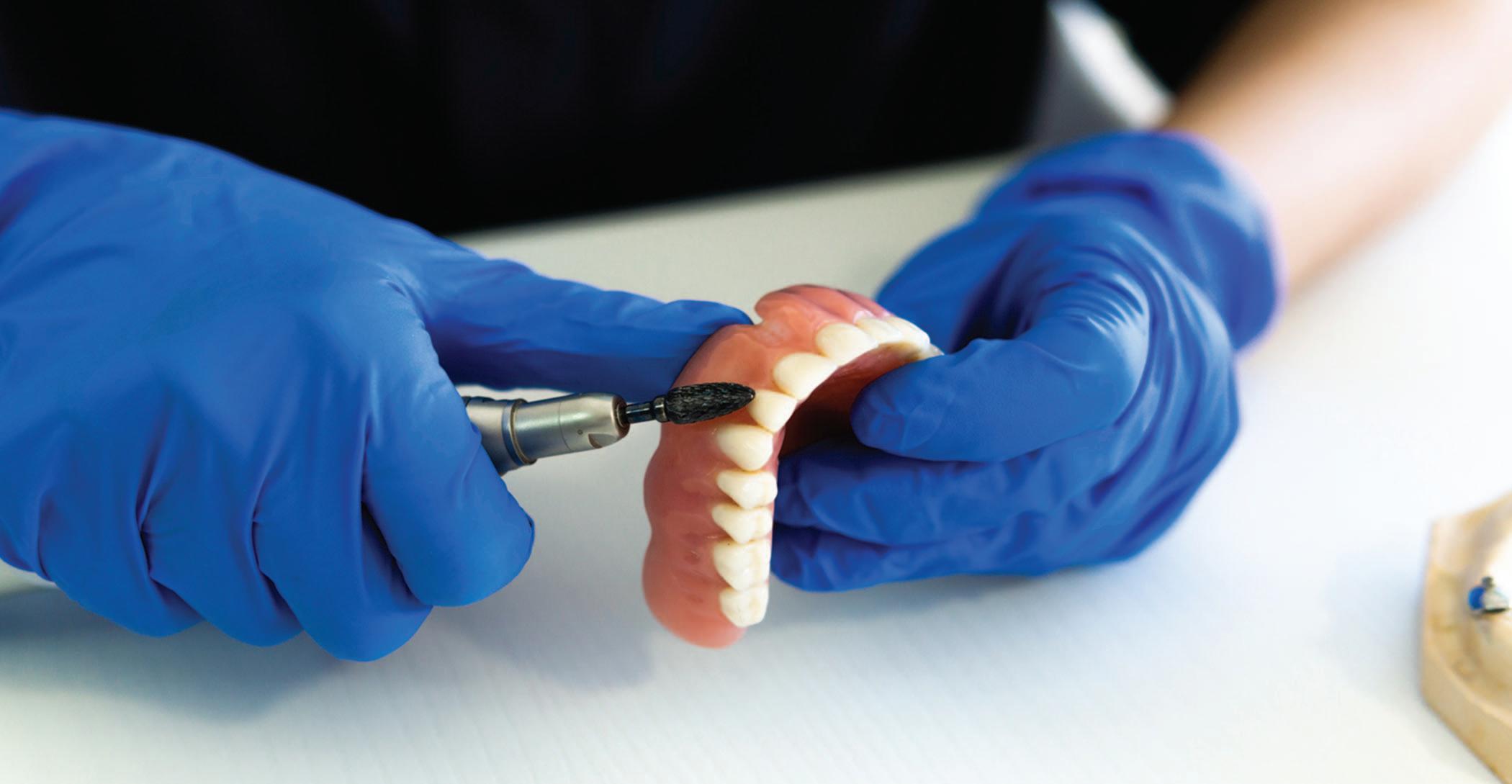
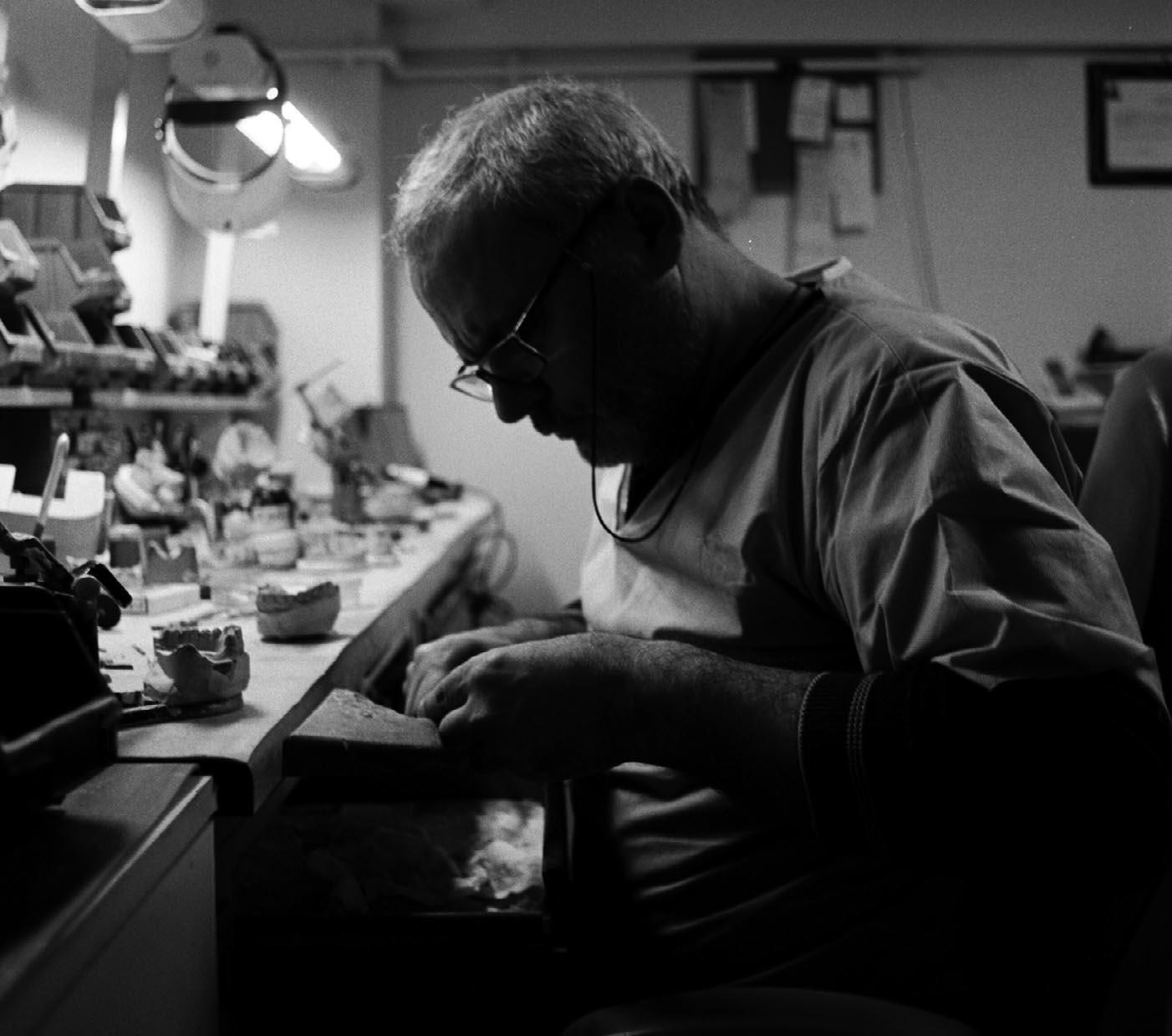
The first step in optimising the workplace for technicians is to design an effective layout. Most will centre this around functionality, considering equipment density and physical ergonomics alone. It is also necessary to assess how the surroundings may enhance or hinder cognitive load.
Over 90% of productivity loss each year is attributed to distractions in the workplace.1 These can be reduced with carefully curated design features that minimise noise levels, prevent movement in workers’ eyelines, or zoned areas that cater for specific tasks and facilitate collaboration without disturbing others. Features like the height of partitions, the contours of workstations, and the ease with which different areas can be accessed are also important to optimise.2
Beyond the physical environment, the workplace culture will influence satisfaction and happiness within the team.3
Contributing factors include the level of supervision and support provided, organisational structure, working conditions and compensation. Laboratory owners may consider offering a number of benefits to
Dental laboratories are no longer the dusty and chaotic workplace environments that they once may have been. The modern profession is skill-led, technology-savvy, and forward-thinking, which requires a workplace that promotes efficiency and comfort.
Lab owners should be focused on maintaining a pleasant space for the team to work in, in turn supporting the fabrication of highquality products, improved staff retention, and customer loyalty.
enhance satisfaction among technicians, including mentorship, more flexible working hours, and fair pay.
Effective leadership is just as important, as inter-team relationships with managers and each other are vital for job satisfaction.4 This often depends on good communication between all, which is another factor in ensuring a happy and productive team.5 Simply taking some time to really get to
know your peers, to understand their aspirations, and acknowledge their challenges will go a long way.
Further optimising the workplace environment and colleague relationships, is the recognition of excellent work and dedication to clients.6 A team member that goes above and beyond for a case should be praised for doing so in order to show appreciation for their commitment and
encourage others to do the same. A small token of gratitude – whether financial or not – can go a long way for individuals who feel valued.
Professional development is vital in all areas of dentistry. It is also a contributory factor to job satisfaction and staff retention.7 This has been proven in dentistry, where career progression allows individuals to advance and to fulfil their ambitions.8
Market updates and product information is often gained from reading professional journals or attending courses,9 both of which can be supported by the employer. Offering subscriptions to key publications, days off to attend training, or even discounted access to programmes that will benefit both the team and the business are all excellent options.
Of course, the tools that technicians use throughout the laboratory will have a significant impact on the quality of prosthetics or appliances they can fabricate for clients. This means it’s important to invest time and money in the right solutions for your business. When it comes to technology, ongoing maintenance and expert assistance will also be crucial to keep equipment operating efficiently for longer.
Protecting it with a service package is often the most cost-effective approach, as this ensures continuous testing and repairs that will typically prevent bigger problems from developing and disrupting productivity.
The materials in use are equally as vital for improving workflow efficiency while ensuring predictable and reproducible results. When selecting these solutions, it’s necessary to work with a reputable manufacturer who you can trust to maintain the same quality standards you strive for in-house.
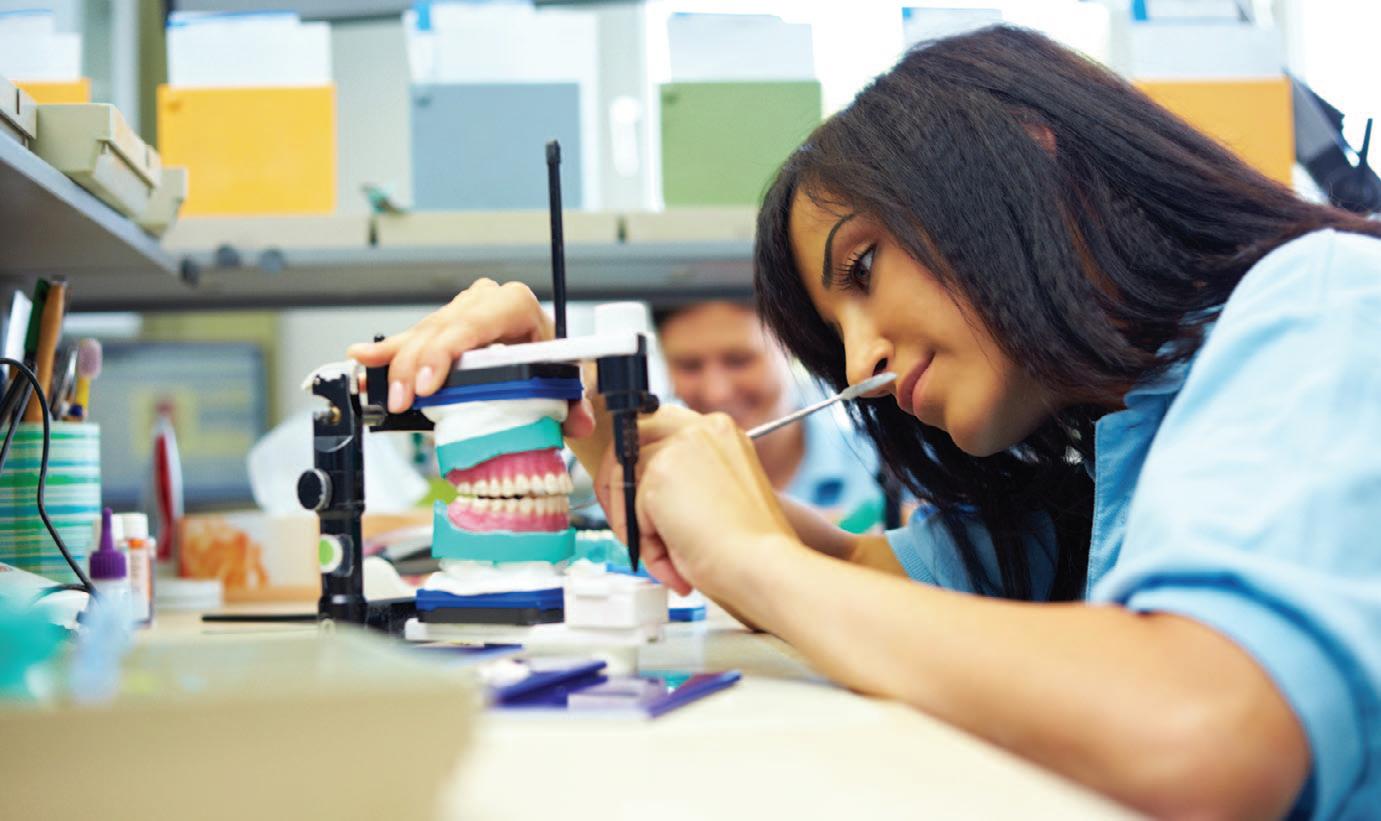
A high-performing dental laboratory relies on a happy and productive team of technicians. For excellent outcomes that clients and their patients will appreciate, it’s important to create a positive working environment for all. Thoughtful design, a collaborative culture, professional development opportunities, and careful product selection are key.
1 Boavida B. The science is in: interruptions kill productivity and increase stress (with sources). Work Joy. April 2024. https:// workjoy.co/blog/scientific-researchnotifications-and-interruptions-negat ively-affect-work [Accessed April 2026]
2 Morad, Michal & Egli, Salome & Grübel, Jascha & Steemers, Koen & Hölscher, Christoph & Aguilar, Leonel. (2024). Designing Affective Workplace Environments: The Impact of Typology, Contour, Ceiling and Partition Height on Cognitive and Aesthetic Appraisal. Building and Environment. 265. 111928. 10.1016/j.buildenv.2024.111928.
3 Janicijevic, Nebojsa & Nikcevic, Gordana & Vasić, Vladimir. (2018). The influence of organizational culture on job satisfaction. Economic Annals. 63. 83-114. 10.2298/ EKA1819083J.
4 Belias, Dimitrios & Koustelios, Athanasios. (2014). LEADERSHIP AND JOB SATISFACTION – A REVIEW. 10. 1857-7881.
5 Shen, L., & Austin, L. (2018). Communication and job satisfaction. In Social issues in the workplace: Breakthroughs in research and practice (pp. 355–379). IGI Publishing/IGI Global. https://doi.org/10.4018/978-1-52253917-9.ch018
6 Jo H, Shin D. The impact of recognition, fairness, and leadership on employee outcomes: A large-scale multi-group analysis. PLoS One. 2025 Jan 9;20(1):e0312951. doi: 10.1371/ journal.pone.0312951. PMID: 39787185; PMCID: PMC11717283.
7 Hollar, Nicolette & Kuchinka, Daniel & Feinberg, Joshua. (2022). PROFESSIONAL DEVELOPMENT OPPORTUNITIES AND JOB SATISFACTION: A SYSTEMATIC REVIEW OF RESEARCH. Journal of International Management Studies. 22. 10-19. 10.18374/JIMS-22-1.2.
8 Clark, M., McGregor, A., Khairuddin, A. et al. Dental careers: findings of a national dental workforce survey. Br Dent J 238, 249–256 (2025). https://doi.org/ 10.1038/s41415-024-8234-6
9 Bower, E., Newton, P., Gibbons, D. et al. Status, satisfaction and career development a national survey of dental technicians. Vital 1, 23–25 (2004). https://doi.org/10.1038/vital207
Dr Pav Khaira is an implant surgeon and educator with over 18 years of clinical experience and more than 11,000 implants placed, including over 1,000 complex cases. He is the founder of the Academy of Implant Excellence (https://academyofimplantexcellence.com/) the UK’s only system-agnostic postgraduate implant training programme – where he teaches a biology-first approach to modern implant dentistry.
Aims:
■ To gain an insight into the difference between titanium and zirconia in dental implants
■ To better understand how different implant materials react to treatment
CPD Outcomes:
■ Maintenance and knowledge of skills within your field(s) of practice
■ Clinical and technical areas of study
■ Gain an insight into materials used in dental implants
Development Outcome: C
Why am I placing and advocating the use of zirconia implants instead of titanium? I placed titanium implants successfully for many years. In 2022 I began transitioning to zirconia, and over the last twelve to eighteen months that transition has accelerated sharply. The clinical results have been exceptional. Today, 90% of the implants I place are zirconia.
Both materials are extensively researched, both have genuine strengths, and both have limitations. Describing either as the ‘gold standard’ does the patient a disservice. Our job is to diagnose accurately, plan appropriately, respect the patient in front of us — and then choose the modality that serves them best.
The misconceptions around zirconia are largely historical. Ceramic and titanium implants emerged at roughly the same time, but titanium evolved far more rapidly. Early zirconia systems were unreliable and prone to fracture, which is where their reputation came from. From around 2005, however, material refinements transformed
the picture. Modern zirconia, manufactured correctly, performs exceptionally well.
I am not advocating that every clinician should switch to zirconia for every case. I am saying it is time to retire some of the myths. Zirconia fractures — yes, and so does titanium. Implant fractures are almost always a function of treatment planning and execution. If the plan is wrong, the material will not save it.
A second misconception is that zirconia implants are manufactured in the same way as crowns and bridges. They are not. The process used for implants is fundamentally different and dramatically reduces fracture risk. I use Bredent’s whiteSKY system precisely because the manufacturing standard gives me that confidence. Without it, I would not have started placing zirconia at all, and Bredent’s twenty years of experience in zirconia implant manufacturing speaks for itself.
The concern that zirconia integrates poorly with bone is also a myth. Zirconia integrates just as well as titanium — and again,
manufacturing quality is the determining factor. Then there is the worry that onepiece cement-retained systems lead to periimplantitis from excess cement. The issue here is not cement retention itself. The issue is poor cementation technique. Done well, the peri-implantitis risk on a properly placed zirconia implant is lower than on a titanium one. Fewer micro-gaps. Less micro-movement. Less surface area for biofilm to colonise.
There is real demand for zirconia implants from patients — driven by a mix of medical, aesthetic, and perception-led reasons. And that demand is growing. For clinicians who want to start placing zirconia, I would say this: do not assume your titanium experience translates directly. It does not. Zirconia is less forgiving. The osteotomy guide must be followed precisely, because angulation corrections are far harder to make once you are committed. Diagnostics and execution have to be of a higher standard. We owe that to our patients.
The biological case for zirconia is what genuinely excites me. There are no microgaps at the abutment-implant junction, which means less bacterial infiltration and less micro-movement. Zirconia is exceptionally kind to soft tissue. And when biofilm does touch the surface, the bone response is markedly different: the aggressive inflammatory cascade you see around contaminated titanium is far less pronounced around zirconia.
The longevity data has given me real peace of mind. In studies that artificially aged the implants and subjected them to simulated chewing cycles, the implants did not fracture even after twenty years of simulated use. The forces required to eventually break them were significantly higher than anything physiological.
Most of us would agree that implant training — theoretical and practical — has not been deep enough across the
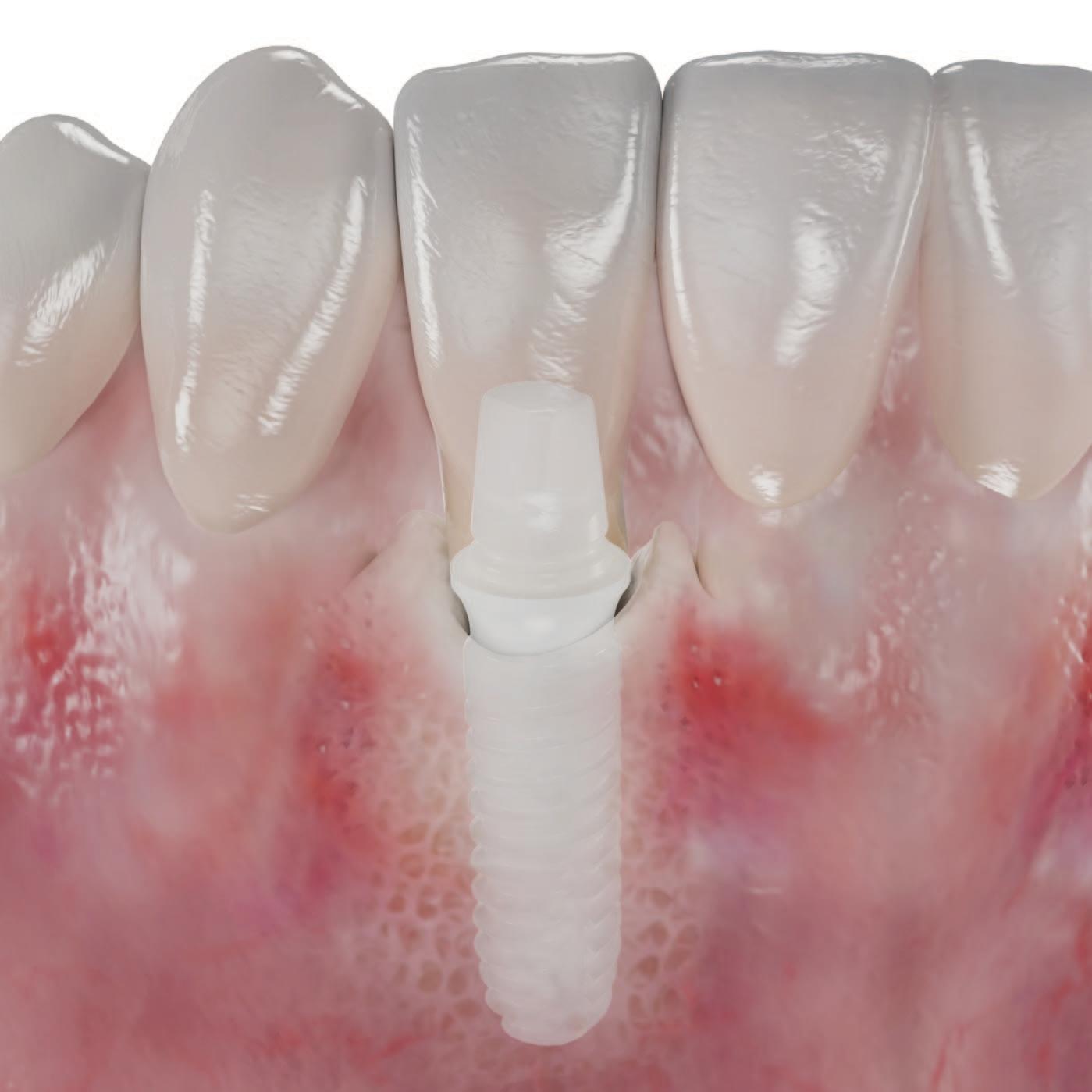
profession. That is true for titanium, and it is even more true for zirconia. The route a clinician should take depends on where they are starting from.
I also work very closely with my laboratoryand I’d say it’s one of the most underrated factors in successful implant work. I work primarily with Byrnes Dental Lab, and over time we’ve built a genuine partnership rather than the more transactional clinician-lab relationship that most practices settle for.
A concrete example: when we first introduced the Bredent white SKY zirconia implants into the practice, it required a real shift for the technicians. Because the implants are one-piece, the restorative workflow is fundamentally different from the two-piece titanium systems they had spent years mastering. There was a learning curve on both sides – margin design, emergence profile, cementation, occlusal management – and we worked through it case-by-case over several months until we were both genuinely happy with the outcomes. That only happened because we were willing to sit down, share cases, and be honest about what was working and what wasn’t.
I find effective communication between the surgery and the lab to be critical – in my view it’s the difference between an average outcome and an excellent one.
The piece that most clinicians get wrong is feedback, and specifically two-way feedback. If I’m not happy with something coming back from the lab, I pick up the phone and we resolve it – I don’t just quietly accept it or quietly move my work elsewhere.
Equally, I’m very comfortable receiving feedback the other way: if my impressions could be cleaner, or my prescriptions could carry more detail, I want to hear it. And when patients give me feedback after fit –good or bad – I make sure it gets passed back to the technician, because they very rarely get to hear the end of the story.
Lab relationships should be personal, ongoing, and genuinely two-way. Too many clinicians treat the lab as a black box
at the end of a courier bag, and the work suffers for it. The technicians I work with are clinical colleagues, and we get the best results when we behave that way.
A final word on system selection. The manufacturing process is everything. I would be cautious of new zirconia implants from unproven companies with no track
record of independent research or in-house production. I would be equally cautious of companies that outsource manufacturing and rebrand someone else’s implants — design parameters in those products are routinely compromised. Choose a system whose manufacturer owns the science.
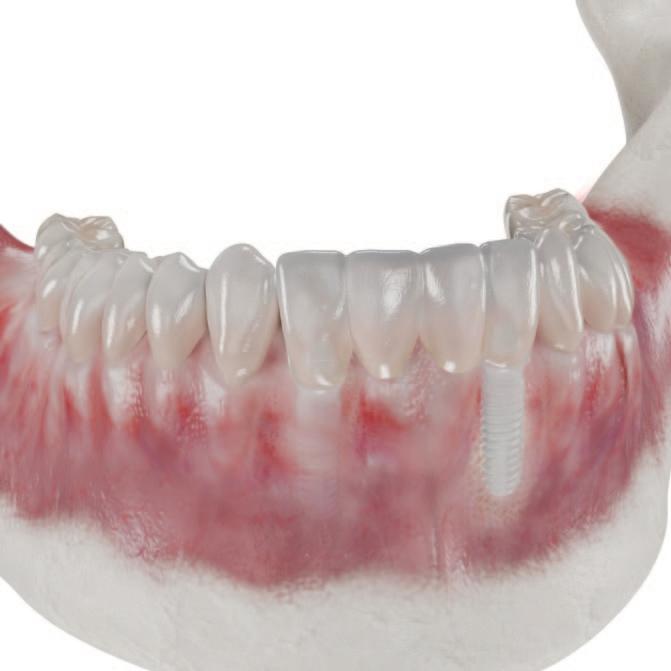
To complete your CPD, store your records and print a certificate, please visit www.dta-uk.org and log in using your member details.
Q1 What percentage of the dental implants placed by Dr Khaira are zirconia?
A 35% B 90% C 70% D 50%
Q2 Why were early zirconia systems considered poor?
A The polishability was poor and the dentition looked dull
B There was a tendency for the material to yellow over time
C It was unreliable and prone to cracking
D A phenomenon called ‘zirconia sparkle’ that looked artificial
Q3 In what year did material refinements transform the zirconia ‘picture’?
A 201 B 1998 C 2012 D 2005
Q4 According to Dr Khaira which is more prone to fracture, titanium or zirconia?
A Both are prone to fracture if treatment planning and execution is wrong
B Zirconia is more prone to fracture
C Titanium is more prone to fracture
D Neither, it is a modern-day myth
Q5 Are zirconia implants manufactured in the same way as crowns and bridges?
A No, they are fundamentally different
B It depends on time scale and aesthetic outcome
C Yes, as part of the digital CAD/CAM process
D It is subject to the individual skill of the technologist
Q6 Which integrates better with bone, zirconia or titanium?
A Titanium due to better epithelial growth
B Zirconia, it has better biocompatibility
C They are both equally good, subject to manufacturing quality
D Zirconia, its material qualities are more like natural bone
Q7 Why does Dr Khaira claim that peri-implantitis is less of a risk with zirconia?
A Fewer micro-gaps B Less micro-movement
C Less surface area for biofilm to colonise
D All of the above
Q8 According to the article, why is the demand for zirconia implants growing?
A It is more cost-effective
B It can provide a same-day outcome
C An effective global advertising campaign
D A mix of medical, aesthetic and perception-led triggers
Q9 Is placing a zirconia dental implant the same as placing a titanium implant?
A Yes, the process evolved from the same technology
B No, zirconia is less forgiving because angulation corrections are far harder to make once committed
C No, as the older material titanium is considered less stable once placed
D It all depends on the treatment planning and execution
Q10 According to Dr Khaira what is exciting about the biological case for zirconia?
A Greater biocompatibility
B With the latest AI, the zirconia implant can be ‘grown’ to precisely match the patient’s bone
C Less bacterial infiltration
D Less micro-movement and c) only
The GDC’s Chief Executive, Tom Whiting, spoke at the LDC Conference in June. Text provided by the GDC – not checked against delivery by The Technologist.
Hello, I’m Tom Whiting and I’m the Chief Executive of the GDC – it is a special week because it now marks for me two years in the role.
For those who don’t know me, a little bit about my background. Prior to this role, I was with the Independent Office for Police Conduct for five years, with the final 17 months as Acting Director General. Prior to the IOPC, I spent fourteen years in local government in London, latterly as Acting Chief Executive.
I would like to thank conference chair, Sarah Canavan for the invitation to be a part of your conference this year. I enjoyed meeting many of you at last night’s dinner.
In past years, the GDC has been represented at your annual conference by previous Chief Executives and Chairs of the Council. And I am pleased to be here today.
I was just five months into my role as Chief Executive of the GDC when I spoke at an LDC-hosted event in London.
I said then that I want to be someone who listens to what professionals tell us. That I recognised the need to look at ourselves from the point of view of the sector we regulate. Working together in partnership. Recognising the importance of constructive and positive relationships with all our stakeholders including the LDCs.
This matters. These relationships, these conversations have helped shape the GDC’s strategy for the next three years. We wouldn’t have developed our new strategy in the way we have if we weren’t listening more.
It is important for me too to connect with you. Collaboration is key for the dental sector, to jointly address the issues and
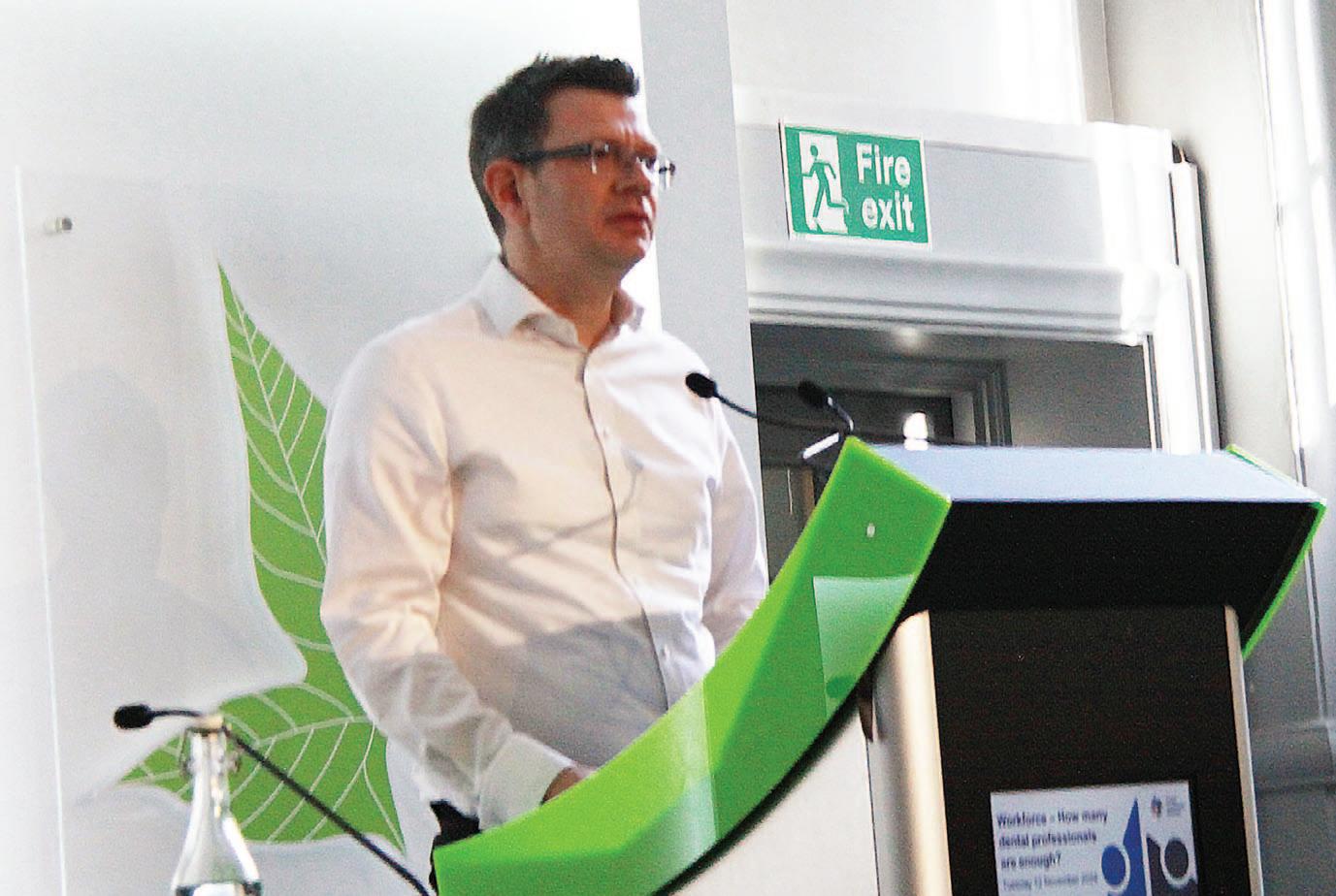
challenges we face and at the GDC we take every opportunity to play our part.
Last month, Len D’Cruz and Stephen Henderson took part in a panel session entitled ‘Regulation, complaints and litigation’ at the Dentistry Show in Birmingham. They were joined by the GDC’s Director of Regulation, Theresa Thorp, who spoke about fitness to practise, the work we have been doing and our future plans to improve.
And Eddie Crouch has joined the working group of the Dental Leadership Network. We are looking forward to the injection of insights, knowledge and ideas from Eddie –that we know he will bring.
The GDC convenes the Dental Leadership Network three times a year and I know a number of LDCs are invited to attend. The working group of representatives from across dentistry come together to agree the theme, agenda and speakers.
This month, on 30 June, the theme is ‘Embedding and supporting internationally qualified dental professionals into UK practise’.
Now that capacity of the Overseas Registration Examination is increasing further – and with the LDS also increasing its capacity – we want to bring together the sector to understand the issues and tackle shared challenges to make this work for patients and the public.
Trusted and effective – a strategy for dental regulation
The title of my presentation today is ‘An update from the GDC’. So, what do I want to
share with you? Well, first and foremost, the GDC has a new strategy for the next three years and beyond to 2030.
I am proud of our new strategy. It’s what guides and shapes us. It was shaped by what we hear from dental professionals – in meetings and events such as this one today. I hope you agree it is a strategy set by an organisation that is listening.
Our strategy contains some words that I think really stand out and have deep meaning. These words include trusted, supportive, learning culture, addressing the climate of fear, modern dentistry and user focussed
We wouldn’t have developed this strategy if we weren’t listening more. We ran a public consultation to help us shape our strategy. I’m pleased that over 450 of you took the time to respond.
What’s new about the strategy?
We are clear that we want to be trusted, and we know that to do this, we must be effective.
Our vision includes supporting dental professionals to provide safe and effective care for their patients. The word ‘support’ has been carefully chosen to show our intention – we don’t want to be a barrier to
dental professionals delivering safe and effective care for their patients.
We want to regulate in a way that promotes learning over fear – supporting the dental team to demonstrate professionalism, rather than our fitness to practise work promoting the wrong behaviour.
We are determined to address the climate of fear – because we know that it can impact a dental professional’s confidence, reduce the types of dental procedures they are willing to carry out and can have a negative impact on their mental health and wellbeing.
I know that we cannot do this alone. I also know that the GDC, and regulation, are not the only concerns that dental professionals have. We will do our bit – and we will be asking others to step up and do theirs.
We want to regulate modern dentistry, to be more agile to understand and respond to changes in how dentistry is delivered and to what the public expects, so that dental professionals can practise safely using modern and innovative digital technology.
We want to work collaboratively to speak up on, influence, and address issues that affect patients and the public.
Dentistry is fragmented – there’s not really a single coherent voice and this sometimes means that people look to us for answers.
What we can do is support and enable collaboration and discussions.
We need to work collaboratively with our partners in dentistry, healthcare and regulation, with the UK and devolved governments and with the dental professions and this includes all of you here today.
We have a shared interest in making dentistry work across the UK, and we all have a role to play.
Of course we will not always agree, but I think we will agree on far more than we disagree on. We have different roles to play. But we won’t tackle deep-seated problems if we don’t collaborate.
Our Fitness to Practise Statistical report for 2025, published this week, is different to our previous reports. As part of our ongoing commitment to increasing transparency, we have expanded our analysis for every stage of the fitness to practise process.
We have included data showing the types of cases we are investigating, the time it is taking us to investigate concerns and what decisions we are making. This new analysis also provides further insights into the specific concerns we investigate.
In 2025, we saw a 26% increase in the number of concerns reported to us - 1,766 compared to 1,401 in 2024. This is something that other healthcare regulators are also experiencing, and we are looking into what is driving this increase.
Despite this increase, the same number of dental professionals were erased from the register as in 2024 - 18 people (9 dentists), which is 0.01% of all those on the register at the beginning of 2025.
The analysis shows we improved our performance in 2025 in three of the four stages. We are also closing a higher
proportion of cases at Initial Assessment, than at any time since 2021.
Over the years, a climate of fear has grown within dentistry. This has been driven in part by mistrust, and fear of regulation and probably complaints and possible litigation.
We are determined to address the climate of fear – because we know that it can impact a dental professional’s confidence –it could reduce the types of dental procedures they are willing to undertake, increase their administration time, and have a negative impact on their mental health and wellbeing.

If it does that – we aren’t protecting the public. How can we best achieve this? Well, we want to regulate in a way which promotes learning over fear, supports people to continuously demonstrate professionalism, and doesn’t create the wrong behaviours through the threat of investigation.
The GDC’s new strategy includes a specific objective to tackle this.
We are committed to improving how we do things, but also how quickly we can resolve cases without compromising patient safety, so we have made some key changes.
We have introduced a streamlined approach for single patient clinical concerns, expanding it to include less serious conduct concerns. This avoids lengthy investigations which we know can have a negative impact on the health and wellbeing of participants. This has almost halved the time it takes us to complete the assessment stage - from 30 to 16 weeks.
In March we launched a public consultation on proposed changes to our guidance for case examiners. The proposed updates are designed to bring the guidance up to date, improve clarity and to support proportionate decision-making. The review also aims to improve transparency about how case examiner decisions are made. The
closing date of the consultation is 18 June. Full information and details of how you can have your say are on our website.
In January updated decision-making guidance for practice committees came into effect. This was the result of a 12-week public consultation, which received broadly positive feedback, with respondents welcoming the improved structure, clearer language and more detailed guidance on key issues.
Most dental professional hearings are now held online, a move we made following a public consultation. The benefits for participants of remote hearings are reduced stress, cost savings and improved accessibility.
We have introduced a participant support officer to help people going through the fitness to practise process, and provided training for staff to help them identify participants who may be in distress and to signpost them to support.
While our Fitness to Practise performance is improving, we know that we need to do more.
And so, we are bringing together a programme of end-to-end improvements to investigations, challenging ourselves on timeliness, risk appetite and process improvements.
A We will look to unlock opportunities within current legislation.
A We will focus on the experience of those involved.
A This will include using technology to improve timeliness and provide a better experience.
A We will also learn from the things that work well at other health regulators.
Key will be involving the sector - working closely with dental professionals and our partners to better understand where the current process has the most negative impact on the mental health and wellbeing of those involved and working collaboratively to address this.
Returning to our new three-year strategy, we are five months in and I wanted to give an update on delivery progress against our objectives.
The launch of our new online portal –MyGDC - marks a significant step forward in our commitment to modernising our services and improving the experience for the thousands of dental professionals who join or manage their registration each year.
We recently published the annual Registration Statistical report for 2025, showing a 3.4% increase in the number of dentists to just shy of 48,000.
Interestingly, internationally qualified dentists now outnumber UK-qualified dentists joining the register, 53% compared to 47%. This trend is likely to accelerate.
We want to get as many dental professionals practising in the UK as possible, without compromising patient safety. We recognise the dental workforce crisis in the NHS and the role we play in registering dental professionals.
The GDC has recently put in place a new delivery contract which will significantly increase capacity across both parts of the Overseas Registration Examination (ORE). Overall, the expansion is projected to deliver a more than five-fold increase in the number of overseas-qualified dentists able to complete the ORE and join the register by 2028.
This, coupled with the proposed increase in capacity for the LDS examination and the growing number of EEA qualified dentists, could mean that by 2028 around three-quarters of new dentists coming onto the register will have qualified outside of the UK.
Those who qualify overseas make an important and valuable contribution to the dental workforce in the UK. The whole
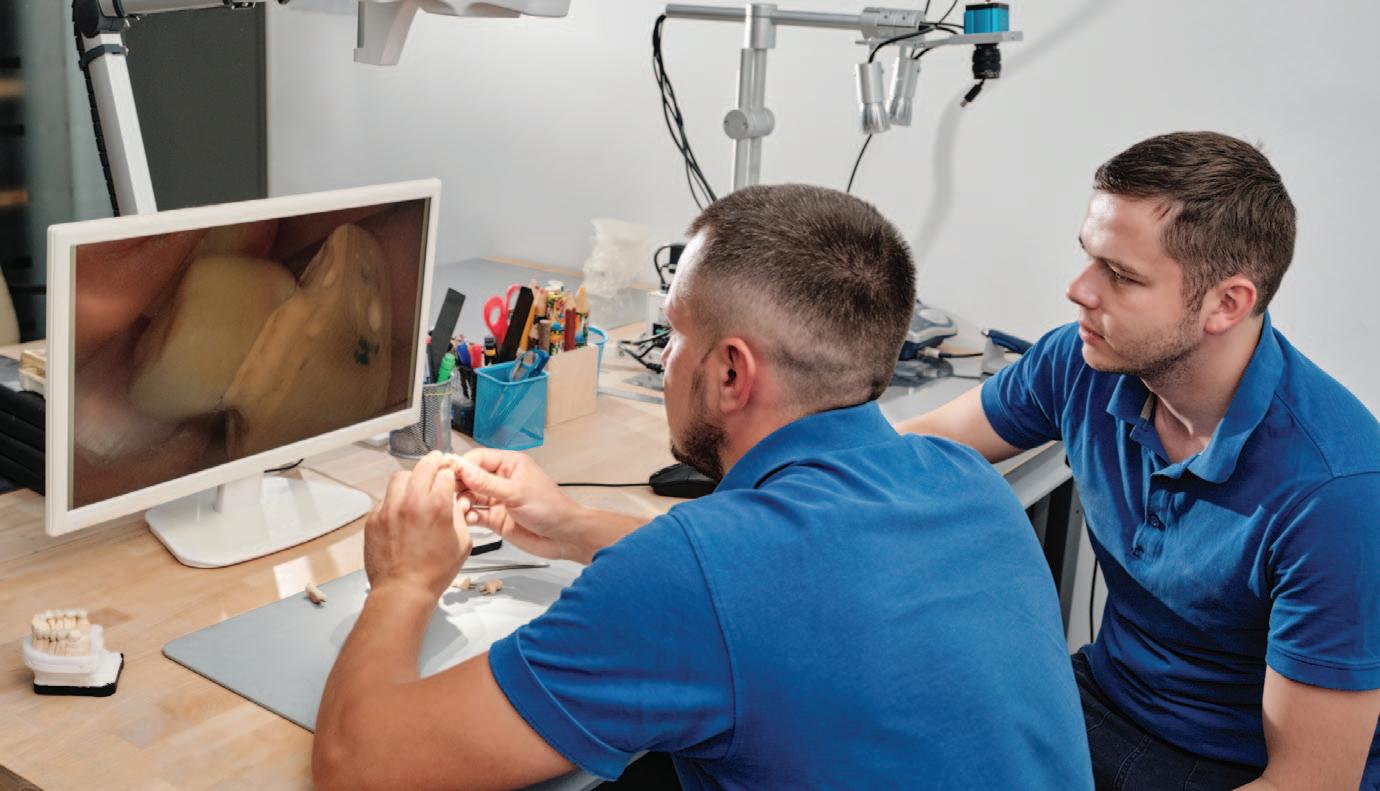
sector, including all of us here today, has a role to play in how we can successfully embed and support internationally qualified dental professionals into UK practice.
We have just launched a consultation on proposals to replace the Standards for the Dental Team with a new Framework for Professionalism, designed to be more straightforward and easier to use.
The proposed framework is the result of a programme of research and engagement, exploring whether there are more effective ways of setting expectations for professional conduct and practice than the current model which is centred on Standards for the dental team.
It is not about changing the standards we expect of dental professionals, but about improving how we communicate those expectations and supporting professionals to apply them in practice. It is a shift away from a single, rules-based document to more practical and accessible principles, expectations and guidance.
The framework reflects the GDC’s commitment, set out in our strategy, to regulate in a more supportive and enabling way.
The consultation is open to dental professionals, patients and the wider public and runs until the end of August. The
outcome matters for every dental professional and has a direct impact on every patient.
Please take a look at our website for full details of the proposals and how to have your say.
One of the objectives of our new strategy is to work collaboratively to speak up on, influence and address issues that affect patients and the public.
Some of the topics currently on our radar include growing the dental workforce, delivering safe and effective oral healthcare to those most in need, helping the public to make informed choices about travelling abroad for dental treatment, and embracing and harnessing digital technology for the benefit of the sector and the public.
If you would like us to come and visit your LDC to listen and discuss working together, please get in touch.
May I conclude by thanking you for inviting me to join your annual conference. Thank you for listening to me this morning – I have felt very welcomed into this role in the last two years and am grateful for your working with us. I look forward to seeing you in the future.
A study demonstrates that female fertility may be impaired by chronic oral inflammation. The Technologist recognises that women make up an increasing percentage of the dental technology workforce and so thinks it is important to share these findings with our members.
Anew study by researchers at the Hebrew University of Jerusalem (HU) has uncovered a striking biological link between chronic oral inflammation and female fertility, suggesting that conditions in the mouth may have far-reaching effects on reproductive health. A spokesperson for the University provides further details,
Published in the Journal of Dental Research, the study shows that persistent inflammation in the oral cavity can impair ovarian function, reduce egg quality, and ultimately lower fertility rates.
Led by Prof. Michael Klutstein and Prof. Asaf Wilensky of the Faculty of Dental Medicine at the Hebrew University of Jerusalem, together with researchers, Dr. Paz Kles and Stephen Ameho, the team investigated inflammation associated with dental implants, a common clinical condition, and tracked how immune signals spread throughout the body. Their findings reveal that inflammation does not remain confined to the oral cavity but instead triggers a systemic immune response that reaches the ovaries.
The consequences were significant. Chronic oral inflammation was associated with elevated levels of inflammatory cytokines in the ovaries, along with shifts in immune cell populations. These changes were accompanied by oxidative damage to ovarian tissue, impaired follicle development, and reduced oocyte quality in the biological model.

These biological effects translated into measurable reproductive outcomes, with significantly lower live birth rates observed under inflammatory conditions.
The study also uncovered deeper cellular effects. Oocytes exhibited DNA damage and epigenetic alterations resembling those associated with reproductive aging, pointing to a potential mechanism through which inflammation may accelerate fertility decline.
“Inflammation is often thought of as a localized response, but our findings show that it can have systemic consequences that extend as far as the reproductive system,” said Prof. Klutstein. “This work suggests that chronic oral inflammation may be an underrecognized factor in female infertility, potentially contributing to cases that currently have no clear explanation.”
The findings add to a growing body of evidence linking oral health to overall health. Chronic oral inflammatory conditions such as periodontitis are widespread and have already been associated with a range of systemic diseases. The researchers note that further clinical investigation will be essential to
determine how these findings translate to patient care. If confirmed in humans, the research could open new avenues for diagnosis and treatment, including the use of anti-inflammatory or antioxidant therapies to improve fertility outcomes.
A The research paper titled “Chronic Oral Inflammation Impairs Female Reproduction in a Murine Model” is now available in the Journal of Dental Research and can be accessed at https://doi.org/10.1177/ 00220345251412768
Researchers:
A P. Kles,1 S. Ameho,2 P. Wasserzug-Pash,2 O. Saar,1 R. Naamneh,2 Y. Jaber,2 Y. Netanely2, R. Dahan,1 N.S. Jaber,1 S. Jacobs,2 E. Reich,2 M. Klutstein,2 and A. Wilensk.1
Institutions:
1. Department of Periodontology, Hadassah Medical Center, Faculty of Dental Medicine, Hebrew University of Jerusalem, Ein Kerem, Jerusalem, Israel
2. Institute of Biomedical and Oral Research, Faculty of Dental Medicine, The Hebrew University of Jerusalem, Ein Kerem, Jerusalem, Israel
We have opened our annual renewal period for dental care professionals (DCPs), reminding registrants to complete the process on time to maintain their registration and continue practising in the UK.
To complete annual renewal, DCPs must fulfil three requirements by the stated deadlines: pay their Annual Retention Fee (ARF) of £108 by 31 July 2026, declare that they have, or will have, appropriate indemnity or insurance cover in place by the time they start practising, and no later than 31 July 2026, and submit a CPD statement by 28 August 2026.
A Registrants should complete their renewal on MyGDC, our online portal that replaced eGDC when it launched in March 2026.
Anthony McNally, Head of Customer Services at the GDC, said: “This year, dental care professionals are completing their annual renewal via MyGDC for the first time, and we want that experience to be as straightforward as possible. If you have not yet logged in, please do so and reset your password before you renew. It only takes a few minutes.
“We also want to encourage as many dental care professionals as possible to complete the working patterns survey alongside their renewal. The data is becoming increasingly valuable to the dental sector, and every additional response helps build a clearer picture of the workforce.”
DCPs who do not meet the 31 July deadline for payment and the indemnity declaration, or the 28 August deadline for their CPD statement, risk being removed from the register and will no longer be able to legally practise in the UK.
All dental care professionals must complete a minimum of 10 hours of CPD every two years and submit an annual CPD statement as part of their renewal, including those who have completed zero hours in the current year.
DCPs in the final year of their five-year CPD cycle who do not expect to meet the minimum number of hours required, which varies by professional title, should have applied for a grace period before 31 July 2026.
If approved, this provides an additional eight weeks to complete the required hours. Applications can be made through the CPD section of MyGDC.
A DCPs who registered within the last 12 months will begin their first CPD cycle on 1 August 2026
A 31 July 2026: Deadline to pay the ARF and declare indemnity, and the deadline to apply for a CPD grace period.
A 28 August 2026: Deadline to submit a CPD statement.
For the third consecutive year, DCPs will be asked to complete a short voluntary survey on their working patterns as part of the renewal process. The survey, which takes approximately five minutes, asks DCPs questions about where they work, the type of care they deliver, and how many hours they work each week. It is available on MyGDC alongside the renewal.
Since the survey was first introduced in June 2024, 56,184 dental care professionals, representing 70% of the DCP register, have responded, with the results informing future planning for dental services across the UK.
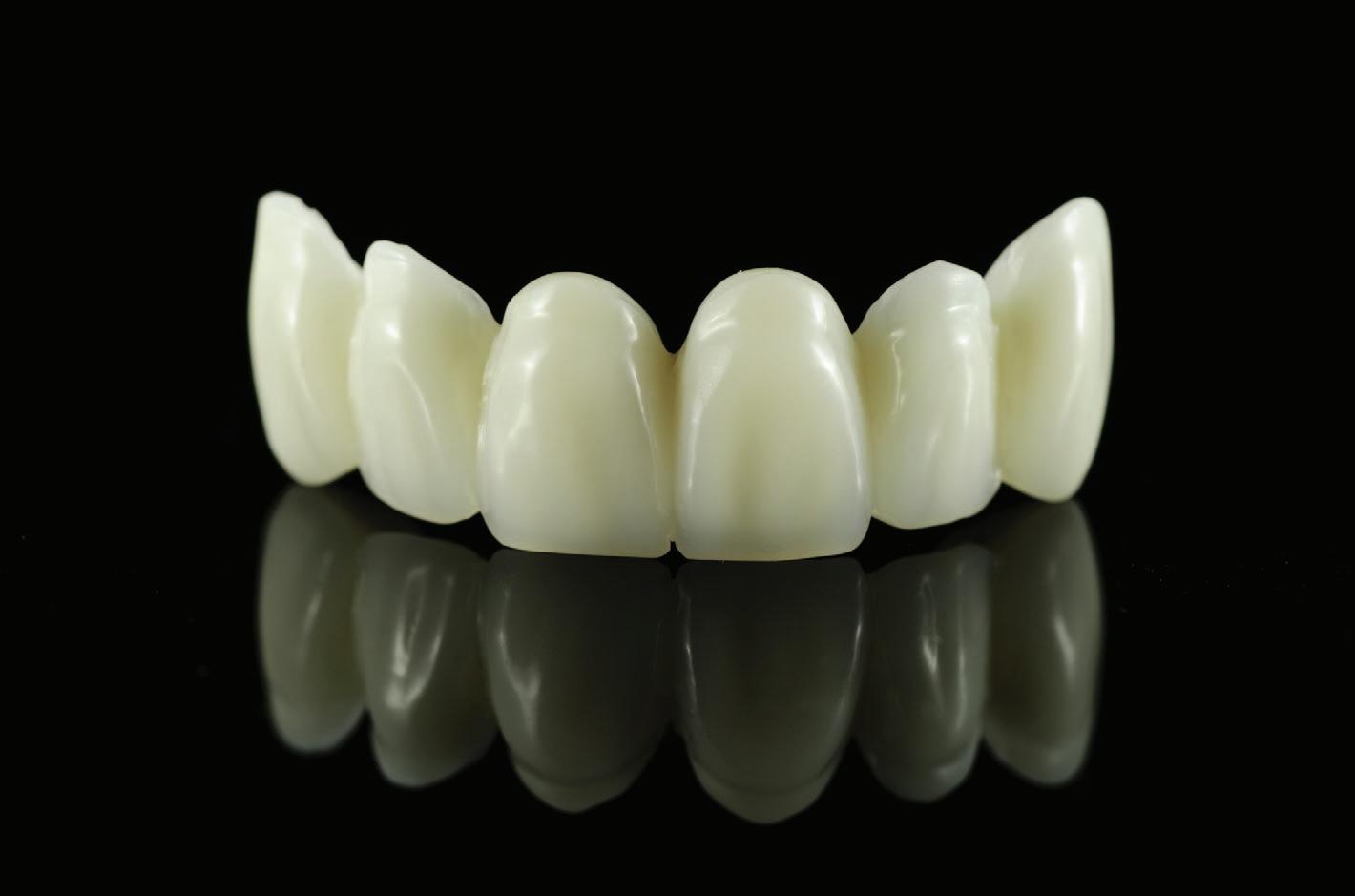
● are individually registered with the GDC to be able to use the titles that relate to our role in the UK
● maintain our own lifelong learning through relevant continuous professional development (as provided free to the Dental Technologists Association [DTA] members)
● ensure that we are covered by specific indemnity insurance related to our dental laboratory custom-made dental device manufacturing work, and if necessary, related clinical work and/or extended roles
● work within the GDC Scope of Practice for our registered role, along with other extended areas as confirmed by further additional training
● are, as a current GDC registered dental technologist, able to sign-off custom-made dental devices under MHRA/MDR regulations, indicating that such appliances are fit for purpose as stated on the Statement of Manufacture
● maintain and develop our dental team networks to enhance patient care