
ANN U AL REPO R T 225 0























Letter from the Leadership




As we reflect on a transformative year, we celebrate the remarkable progress in advancing early-stage technologies from laboratory to real-world applications. This year was particularly significant as we launched our rebranding, bringing a fresh perspective to our mission while staying true to our core values.

Since our inception in 2017, we have evolved into a comprehensive ecosystem that nurtures early-stage regenerative medicine innovations in the dental, oral, and craniofacial space during the critical preclinical development phase. This challenging stage demands substantial investment of time, effort, funding, and specialized expertise—resources our dedicated team members and partners generously provide with unwavering commitment, helping the Interdisciplinary Translational Project (ITP) teams navigate this complex landscape.
This year brought remarkable outcomes, with several ITPs advancing to clinical trial readiness and securing significant follow-on investment. Our capstone event, the Translational Resource Center Networking Exchange, embodied our refreshed mission, bringing together innovators, investors, and industry leaders to celebrate achievements, and creating an interactive forum for sharing best practices to improve clinical translation.
We extend our gratitude to the dedicated members of our Center, the innovative project teams we support, and the entire ecosystem of partners, advisors, and stakeholders who have contributed to our success, including the NIDCR for envisioning and supporting the DOCTRC program. With their continued support, we remain committed to advancing promising innovations and guiding these technologies to reach the patients and communities who need them most.
With sincere appreciation and enthusiasm for the journey ahead,
David H. Kohn, PhD – University of Michigan
William V. Giannobile, DDS, DMSc – Harvard University
David J. Mooney, PhD – Wyss Institute
Charles S. Sfeir, DDS, PhD – University of Pittsburgh
William R. Wagner, PhD – University of Pittsburgh


Table of Contents
Catalyzed by TRC, Thriving Beyond: Stories of Progress Since Graduation
25 A National Network: Connecting People, Creating Impact - Spotlighting TRC Operations and Product Development Teams
28 Aligned Missions Amplify Impact
29 Translational Resource Center Networking Exchange
About the Translational Resource Center
The “Translational Resource Center”, formerly known as the Michigan-PittsburghWyss Regenerative Medicine Resource Center, is one of the two national Resource Centers established by the National Institute of Dental and Craniofacial Research (NIDCR)’s Dental Oral and Craniofacial Tissue Regeneration Consortium (DOCTRC) initiative, under award numbers U24DE026915 & U24DE029462. With the overarching goal of developing clinical trial-ready tissue engineering/ regenerative medicine products and protocols, the DOCTRC initiative provides funding and resources through the Interdisciplinary Translational Project (ITP) program administered by the two national Resource Centers.
The Translational Resource Center brings together a multidisciplinary team of clinicians, engineers, scientists, and technology commercialization and regulatory experts from academia and industry. This team supports the regenerative medicine research community by providing resources and expertise to guide innovations that address unmet clinical needs for the regeneration or restoration of DOC tissues. Through its Core Services and Resources, the Translational Resource Center strives to accelerate the translation of promising technologies towards clinical trials and beyond.
Translational Resource Center Impact
At the heart of the TRC is the Interdisciplinary Translational Project (ITP) program, dedicated to shepherding promising regenerative technologies that address unmet clinical needs in dental, oral, and craniofacial healthcare. With the key metric of FDA clearances/ approvals, experts throughout the TRC provide essential translational expertise, guiding projects from research phase through preclinical development, supporting the crucial steps toward FDA submission, always with clinical adoption in mind.
To date, the TRC has reviewed more than 100 compelling projects from innovators around the US, funding more than 20 projects. Collectively, our ITP teams have achieved remarkable milestones:
Gland
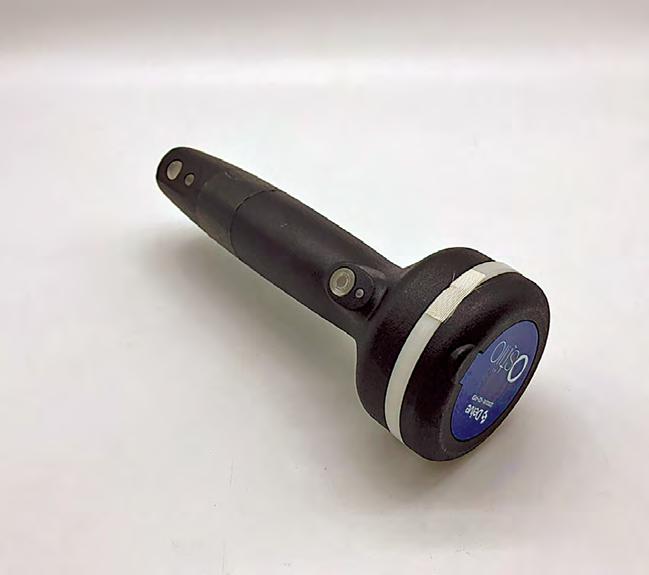
Ostiio: A Smart, Fully-Implantable CMF Distractor
TETRANITE®: Optimization of a Novel Organic-Mineral Bone Adhesive for Dental Bone Grafting
Aquaporin-1 Gene Therapy to Restore Salivary Flow
Teeth/ Dental Pulp RegendoGEL: A Bioinspired Hydrogel System for Endodontic Therapy
drug)
>$52M
External funding garnered
Anticipated in 2026:
1 x IDE 1 x IND x 510(k)
Research
Team
Ostiio
RevBio
Isabelle Lombaert (University of Michigan)
Amend Surgical
Amend Surgical
Juan Taboas, Herb Ray (University of Pittsburgh)
GreenMark Biomedical
Luiz Bertassoni (Oregon Health & Science University)
Pamela Yelick (Tufts University)
Phase 1 Research & Planning
Total number of follow-on grants and award recognitions
Development
Pre-clinical
Phase 3 Verification
Phase 4 GLP Validation
Clinical
Phase 5 IND/IDE/510(k) preparation
Year in Review
Q4 2024
• Resource Center PI, Dr. William Giannobile, Chosen as the Recipient of ADA Gold Metal Award for Excellence in Dental Research
• MPWRM Resource Center brands as Translational Resource Center
Q1 2025
• GreenMark Secures FDA Clearance for CrystLCare™ PRO Biorestorative, Fluoride-Plus product
• RevBio Receives FDA Approval to Expand its Clinical Trial and CMS Reimbursement for its Regenerative Bone Adhesive for Cranial Flap Fixation
• Work from the laboratory of ITP PI, Dr. Luiz Bertassoni, highlighted in Technology Networks
• ITP PI, Dr. Pamela Yelick, Featured in Interviews Across Various Media Channels
• New Translational Resource Center website goes live!
Q2 2025
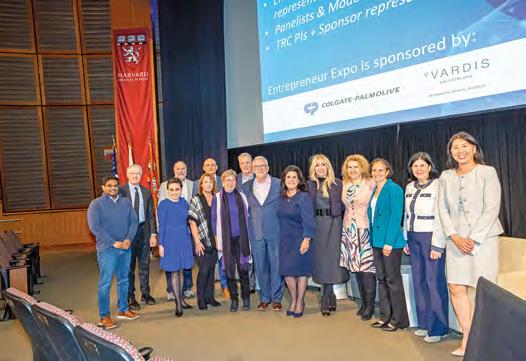
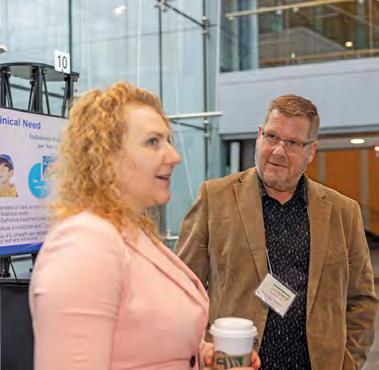
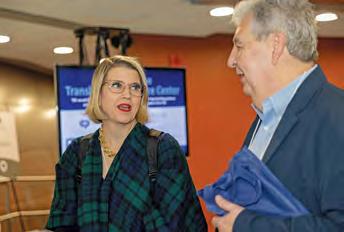
• 2025 Translational Resource Center Networking Exchange | April 22-23, 2025 (Boston, MA)
• ITP Team, RevBio, Advances Dental Implant Stabilization Trials
• ITP Team, GreenMark Biomedical, Receives NIH Funding for AIEnabled Early Caries Detection
• TRC joins C-DOCTOR Spring Retreat | April 14-15, 2025 (Los Angeles, CA)
• CEO of ITP team, GreenMark Biomedical, Dr. Steven Bloembergen, featured on the Dental Innovation Lab Podcast

• ITP team, RevBio, Expands into the United Kingdom with its Second Cranial Flap Fixation Clinical Trial for its Regenerative Bone Adhesive
Q3 2025
• Podcasts from Translational Resource Center Networking Exchange Released
• Work by ITP PI, Dr. Pamela Yelick, on Bioengineered Living Teeth Highlighted in Online News Sites


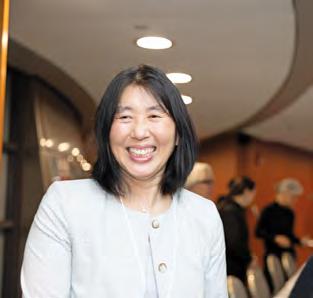
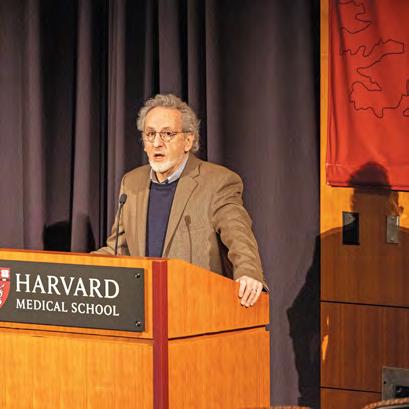
• Project on Tolerance-Inducing Biomaterials, led by TRC PI, Dr. David Mooney, Featured in The Wyss Institute’s 2025-2026 Validation Project Roster
Q4 2025
• TP team, GreenMark Biomedical, presents at ADA Forsyth 2025 dentech , Wins Award from Shils Entrepreneurial Fund , and Receives NIH Funding for Next-Gen Caries Treatment
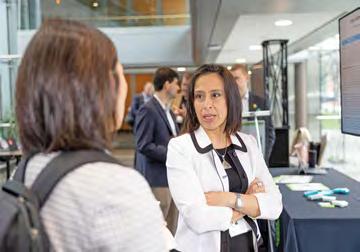
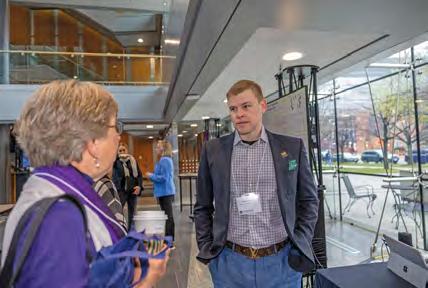
• ITP PI Dr. Luiz Bertassoni’s work on early cancer detection and treatment featured in multiple outlets
• Insights on Engineering and Biofabrication of Early Cancer Models: ITP PI, Luiz Bertassoni’s review published in Nature Reviews Bioengineering
• ITP team, RevBio, Receives FDA Approval for a “Bone Glue” to Treat Extremity Fractures in a Clinical Trial
• DOCTRC 6th Annual Retreat | December 9-10, 2025 (Los Angeles, CA)
Ostiio: A Smart, Fully-Implantable CMF Distractor

Clinical Need
Each year >200K newborns suffer from conditions that restrict growth of the skull or jawbone. Left untreated, these can have life threatening outcomes in an otherwise healthy child. However, treatments are complex and traumatic. Distraction is a gentler therapy that uses a device to slowly expand abnormal bone, but distractors are semi-buried, increasing complication risk; manual expansion is performed by parents, leading to noncompliance; and surgeons are blinded to treatment, forcing weekly X-rays and exams.
Solution
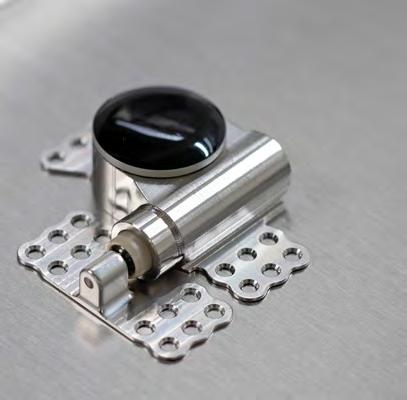
Ostiio’s therapy uniquely solves pain points of distraction to improve patient outcomes and experience. The fully buried implant is expanded magnetically, removing the complication risk of semi-buried devices. The automated driver simplifies expansion, reducing parental noncompliance. The remote monitoring platform allows surgeons to track treatment progress, reducing post-op follow-up.
Competitive Advantage
Distraction is the segment within the CMF device market that offers opportunity to differentiate, but technology advancement has been iterative with competitors focused on providing greater flexibility to the surgeon in the OR. Since treatment is homebased, Ostiio instead will transform how distraction is provided by parents and monitored by surgeons to improve patient outcomes and experience.
ITP Support
At entry to the ITP program, the project had early proof-of-concept prototypes. The ITP program has enabled Ostiio to advance its integrated therapy from product conceptualization to design freeze for the implant and production intent for the driver. This, in turn, has allowed the company to begin animal studies to support regulatory filings. Early in vivo data have demonstrated the implant operation throughout a full distraction protocol and subsequent bone regeneration.
Achievements
• Awarded a Phase II SBIR grant from the NIH for a total of $1.74M
• Awarded a Phase II SBIR grant from a the NSF for a total of $1M
Regulatory Pathway
510(k) to be filed Q2 2027
Opportunities for Partnerships
• Investment opportunity: The company will be raising a Series Seed financing of $2-3M in Q2 2026 to complete product development verification and validation activities and submit its regulatory filings.
Key Publications & Patents
• Kalmar et al. Forces exerted in craniofacial distraction osteogenesis. J Craniofac Surg 2022
• US18/149,846 Systems and Processes for Distraction Control via Torque Sensing
Ari M Wes, MD Ostiio LLC
What’s Happening & What’s Next –Ostiio: Beginning with Need, Moving Toward Transformation
When Drs. Jesse Taylor and Ari Wes began collaborating to study multiple aspects of craniofacial disease and associated treatment paradigms, they were driven solely by a desire to improve surgical outcomes. It wasn’t difficult to understand why. Left untreated, these craniofacial conditions have serious consequences – impaired neurological development, difficulty breathing, inability to eat – in what is otherwise a healthy child. In addition, differences in appearance can become permanent or severe as skeletal growth continues in unaffected areas. But the treatments themselves were inherently traumatic for these children and their families. And so, with evidence in hand for the benefits of distraction osteogenesis (DO) over traditional treatment modalities, Dr. Taylor began growing the role of DO in the craniomaxillofacial (CMF) skeleton. Unfortunately, with time it became clear that the use of DO in its current form only created a new and unique set of challenges, underscoring the limitations of the technique despite its clear benefits.
While Ostiio’s integrated therapy has been designed to address the clinical challenges associated with DO, the real motivator for the company reaches far beyond the clinical. Through his work, Dr. Taylor has witnessed first-hand the stigma associated with treatment his patients feel and the mental and emotional toll it has both on patients and their families. As we work to bring Ostiio’s solution to market, the words of one small patient upon the conclusion of her DO treatment continue to push us past the most difficult of hurdles – “I don’t have monster horns anymore”.
When Ostiio was founded, we didn’t know if this was a solvable technical challenge. With the support of the Translational Resource Center, we have shown on the bench that it just might be. As we complete our animal testing throughout our next phase of work, we are excited to show that indeed it is because no vulnerable child in desperate need of lifealtering treatment should ever be made to feel their treatment gives them monster horns.
Optimization of a Novel Organic-Mineral Bone Adhesive for Dental Bone Grafting
SSUEDADDRESSED
George Kay, DMD
RevBio
Joseph Fiorellini, DMD, DMedSc
Penn Dental Medicine

Clinical Need
Based on market research conducted by RevBio, almost half the patients that seek a dental implant supported crown suffer from chronic edentulism and require extensive bone grafting to rebuild their alveolar ridge. Over 30% of the time, these grafting procedures achieve suboptimal results and require some form of revision surgery, adding to the overall cost, treatment time, and morbidity for these patients.
Solution
RevBio has developed Tetranite® Adhesive Dental Bone Scaffold (TN-ADBS), a synthetic, porous, cohesive organic-mineral bone scaffold with adhesive properties that resorbs and is replaced by bone on a timescale commensurate with existing graft materials but does not require ancillary fixation or containment devices.
Competitive Advantage
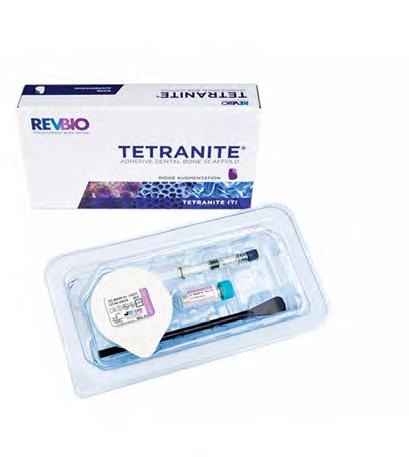
Currently available particulate bone grafting products require significant surgical skill to apply. In contrast, TN-ADBS is both cohesive and adhesive which makes it easy to use. The product will reduce the overall time necessary to perform ridge augmentation procedures, better maintain graft volume over time, and minimize the need for re-grafting.
ITP Support
The project entered the ITP program in 2018, enabling RevBio to initiate the dental bone grafting project. Through the program, RevBio accomplished key marketing milestones, including market surveys to validate clinical need and the lack of any known competitive products with a comparable clinical value proposition. The Quality Assurance Core aided in performing a supplier quality audit for animal study, and the program helped recruit influential surgeons for validation studies. The Resource Center and its internal resources have been critical in advancing the development of this high-potential product.
Achievements
• RevBio recently received an IDE approval to initiate a first-in-human study for the 3-wall socket reconstruction indication
• RevBio received NIH Phase II funding from NIH NIDCR in 2023 to conduct pivotal animal studies.
Regulatory Pathway
Device-led combination product
Opportunities for Partnerships
Distribution of the product: Strong industry distribution partner that can represent the product globally Investment opportunity: Currently seeking Series A financing of $20M to initiate multiple clinical studies
Key Publications & Patents
• Fiorellini et al. An Organic Mineral Adhesive Bone Graft: A Preclinical Study. Int J Oral Maxillofac Implants 2025
• Kesseli et al. Identification of a Calcium Phosphoserine Coordination Network in an Adhesive Organo-Apatitic Bone Cement System. Acta Biomater 2020
• Kirillova et al. Bioinspired Mineral–Organic Bioresorbable Bone Adhesive. Adv Healthc Mater 2018
• US8,232,327 Tetra Calcium Phosphate Based Organophosphorus Compositions and Methods
• US8,765,189 Organophosphorous & Multivalent Metal Compound Compositions and Methods
What’s Happening & What’s Next –Tetranite® Reaches Key Milestone: Preparing for Clinical Study Launch
RevBio is developing Tetranite® Adhesive Dental Bone Scaffold (TN-ADBS), a synthetic, porous, cohesive organicmineral bone scaffold with adhesive properties that resorbs and is replaced by bone. Dentists have long sought an easy-to-use biomaterial that does not require the use of ancillary containment (i.e., membrane, meshes) and fixation devices (i.e., tacks, screws), and undergoes resorption without compromising the volume that was initially implanted at the time of surgery. Unlike the existing particulate bone graft products, TN-ADBS does not require these containment and fixation devices while providing predictable ridge volume maintenance during its resorption post implantation. This makes TN-ADBS provides an ideal solution for dental bone grafting procedures that can be used to perform various grafting indications, such as lateral augmentation, three-wall socket reconstruction, and four-wall socket preservation, etc.
Funding from the Resource Center, that was received back in 2018, made it possible for RevBio to initiate its dental bone grafting product development efforts. The Resource Center also played an instrumental role in identifying the unmet clinical need for a better dental bone grafting product. The Resource Center also helped conduct a detailed assessment of the dental bone grafting market landscape which led to the development of the current product profile for TN-ADBS.
Since initiating its dental bone grafting program, RevBio has optimized the formulation and conducted the verification and validation studies to demonstrate the safety and efficacy of the product. RevBio received IDE approval in August of 2025 and is ready to initiate the first-in-human clinical study for the three-wall socket reconstruction indication.
TRC and its internal resources have been critical in advancing the development of this high-potential product and has played an instrumental role in RevBio’s success in getting the TN-ADBS into the clinic. Moving forward, RevBio is ramping up to initiate a pilot study for three-wall socket reconstruction indication which is anticipated to begin in Q1 of 2026.
Non-Viral Aquaporin-1 Gene Therapy to Restore Salivary Flow
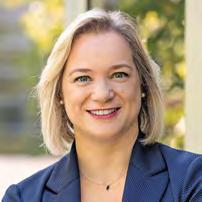
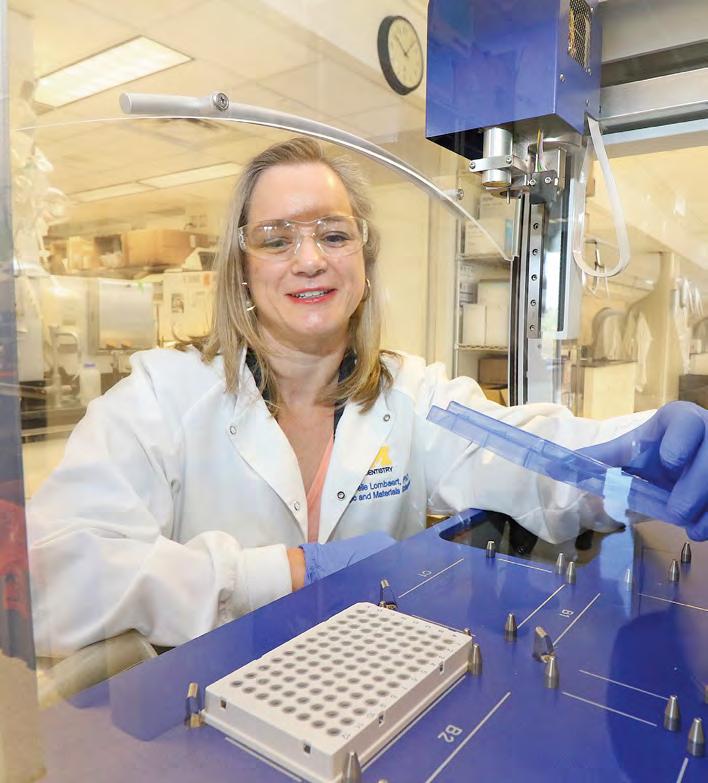
Isabelle Lombaert, PhD
University of Michigan
Clinical Need
Radiotherapy is commonly used to treat head-and-neck cancers. Because of the anatomical proximity, salivary glands often receive secondary radiation damage, resulting in xerostomia. While intensity-modulated radiotherapy significantly reduces the incidence of radiation-induced xerostomia, a need still exists for patients suffering from xerostomia.
Solution
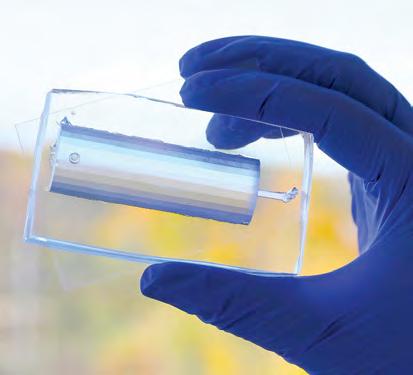
Ultrasound-assisted gene transfer is based on sonoporation generated by ultrasound, enabling gene transfer into cells. The delivery of a water channel to glands in a large animal model restored salivary flow post-radiation to pretreatment levels, demonstrating efficacy of our non-viral gene transfer approach.
Competitive Advantage
While a recent clinical trial using a viral-based AQP1 gene delivery demonstrated an increase in saliva production, this approach has not advanced beyond Phase I/II trial due to side-effects generated by the adenovirus vector. With our non-viral based approach, it is anticipated that enhanced safety is provided in patients with AQP1 gene therapy throughout their lifetime.
Foundational Publications & Patents
• Wang et al. Ultrasound-assisted nonviral gene transfer of AQP1 to the irradiated minipig parotid gland restores fluid secretion. Gene Ther 2015
Achievements
Secured non-diluted funding to support GLP toxicology studies
Regulatory Pathway IND
Opportunities for Partnerships
• Seeking investment for first-in-human clinical study
What’s Happening & What’s Next –From Teamwork
to Trials: Towards a First-in-Human Study
The Translational Resource Center has bridged an important gap between the bench work and clinical study initiation that no other grant mechanism could cover. The translational path requires that much expertise and knowledge at every critical step, such that a collaborative team of different disciplines needs to be created to move forward. At every achieved milestone, a new one is created with consideration of the entire team to ensure the best and most efficient steps are taken to ensure successful FDA submission.
Translation of research innovations may not always seem straightforward in the beginning, but by pulling in all expertise right at the onset, great strides can be made!
Our next steps are tailored towards enabling an FDA-approved clinical study to demonstrate safety of the investigational agent so that the path to clinical implementation and commercialization can be further realized. We are preparing our FDA IND submission and securing our clinical team with a clinical principal investigator, study coordinator, and study monitor. Our TRC regulatory advisors have been an extremely helpful resource to us as we prepare to initiate our first-in-human clinical study!
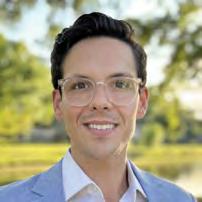
Suture-less Trigeminal Nerve Repair Device
Noah Ferson, PhD
Amend Surgical
Clinical Need
Trigeminal nerve injuries, often resulting from third molar extractions, implant placement, orthognathic surgery, and facial trauma, can cause lasting numbness or chronic neuropathic pain. While some injuries resolve spontaneously, many patients experience long-term deficits that significantly affect quality of life. Micro-suturing, the current standard for the repair of trigeminal nerve injuries, is technically demanding and can be inconsistent, with challenges in nerve alignment and spacing, and can also cause scar tissue that can impede axonal regeneration.
Solution
Tissure™ is a degradable, hydrogel and chitosan-based nerve connector that has the adhesion and mechanical strength required to eliminate the need for suture to reconnect peripheral nerves. The product adheres to wet nerve tissue and provides over five times the adhesion energy of cyanoacrylate while also providing flexibility to stretch through range of motion without damaging nerve healing.
Competitive Advantage
Current competitors in peripheral nerve repair offer largely undifferentiated collagen and polymer materials for connectors, conduits, and wraps. None of the competitors offer a suture-less alternative for a direct (non-connector) nerve repair and all of their product lines require suture to prevent migration of their product.
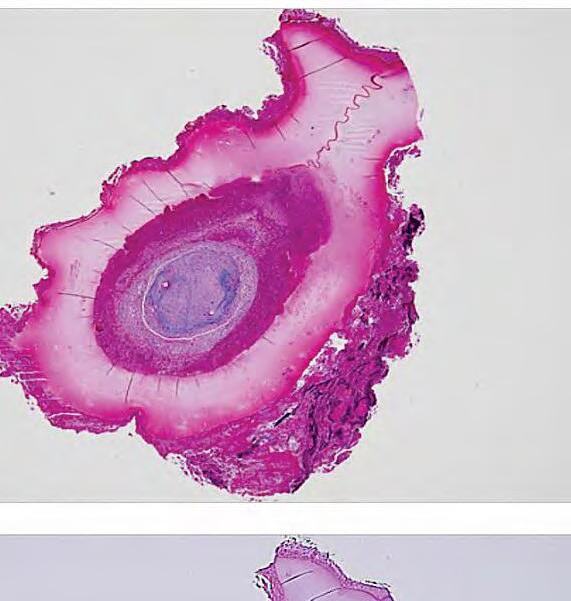
Key
ITP Support
At the time of entry into the ITP program in 2023, the project already had a prototype and initial benchtop testing completed. At the end of the project period, design freeze and a non-GLP animal study are anticipated.
Achievements
• Achieved sterile product and designed suitable packaging through moist heat sterilization while maintaining product integrity
• Design freeze anticipated in 2025 following completion of non-GLP animal study
• Ability to create a fully dried product that is rehydrated for 15 seconds prior to application
Regulatory Path
510(k) anticipated; Pre-Submission meeting will be requested Q1 2026
Research and planning: market assessment, regulatory opinion, and potential corporate partnerships
Perform GLP rat sciatic nerve study and comparative benchtop studies with predicate device Q2 2026
Opportunities for Partnerships
• Ongoing discussion with strategic
Publications & Patents
• Wu DT et al. Tough adhesive hydrogel for intraoral adhesion and drug delivery. J Dent Res 2023
• Freedman, B et al. Degradable and removable tough adhesive hydrogels. Adv Mater 2021
• US9,387,276, US10,383,980 Interpenetrating networks with covalent and ionic crosslinks
What’s Happening & What’s Next –Healing Without Sutures: Hydrogel Innovation
In the past 18 months our small Research & Development Team has figured out how to dry, rehydrate, sterilize and package a degradable hydrogel that adheres to a severed nerve for over 12 weeks. We expect to “wrap-up” the ongoing sciatic nerve animal study at the University of Pittsburgh by the end of October 2025.
The team is still fine tuning the degradation profile of the hydrogel and that work will continue over the next several months. We expect to begin regulatory work on Tissure™ in late 2026. The product platform for the degradable adhesive encompasses suture-less nerve repair connectors, suture-less dental membranes and an over-the-counter solution to cover and protect for canker sores.
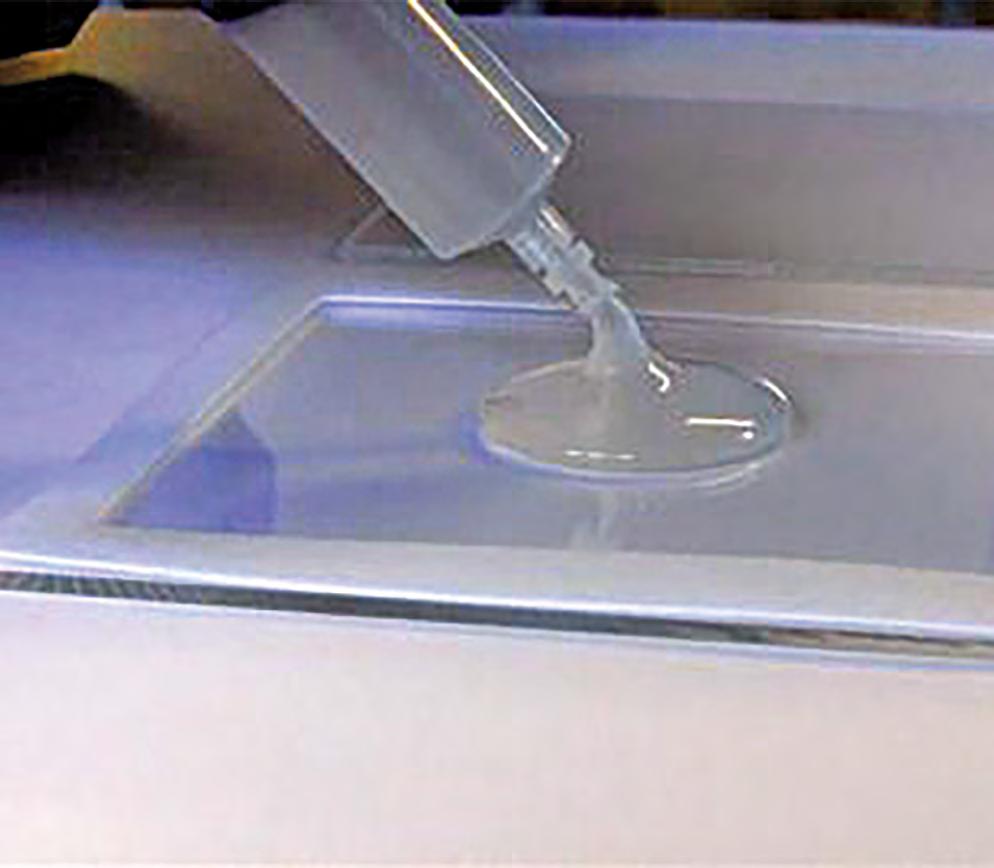
Amend Tissue Tape for Oral Wound Care
Jamie Shaikoski, PhD
Amend
Surgical

Clinical Need
Current treatments for oral wounds, such as sutures, cyanoacrylate, rinses, and gels, often present application challenges, patient discomfort, and are insufficient for proper wound healing with limited protective ability against mechanical and chemical disruptions. There is a clear need for an intraoral wound overlay for soft tissue that is easy to apply, remains in place for the duration of wound healing, and can be removed without causing damage to underlying tissue.
Solution
Amend Tissue Tape™ is a hydrogel-based adhesive comprised of two primary elements. The hydrogel consists of an interpenetrating network of alginate and polyacrylamide. The adhesive is composed of chitosan, which forms covalent bonds across the interface. When used together, the hydrogel and adhesive adhere to wet tissue and provide over five times the adhesion energy of cyanoacrylate while also providing a long duration mechanical barrier for the wound and flexibility to stretch with the wound without damaging the underlying tissue.
Competitive Advantage
There are limited products available that will safely adhere to sutured or non-sutured oral wounds. Cyanoacrylate-based product, is often used off-label for wound closure. It requires a dry environment to fully set and is rigid, not stretching to accommodate movement or swelling. Amend Tissue Tape™ adheres to tissue in a wet environment, stretches with the wound, and stays in place for up to one week. This facilitates wound healing and the regenerative process.
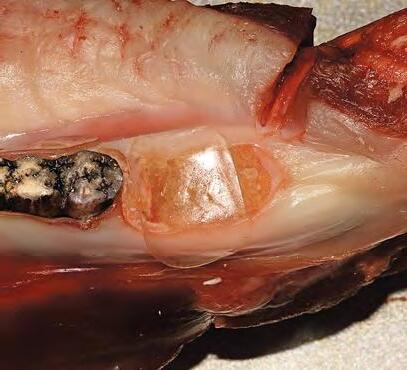
ITP Support
Upon entry to the ITP program in 2021, optimization and initial demonstration of safety and efficacy of Amend Tissue Tape was performed.
From 2022-2023, advanced characterization and regulatory submission were made.
• In the current ITP project stage, a clinical study protocol was developed, and the clinical study will be performed following the pre-submission meeting in Q1 2026.
Achievements
• Qualifications and validation complete
• Production ready
• In 2024/25, raised over $4,900,000 in private equity funding
Regulatory Path
• Perform clinical study Q1 2026
• Complete all remaining testing for 510(k) submission
• File 510(k) early summer 2026
Opportunities for Partnerships
• Strategic partner sought for distribution and R&D
Key Publications & Patents
• Li et al. Tough adhesives for diverse wet surfaces. Science 2017
• US17/283,412 Bio-Inspired Degradable Tough Adhesives for Diverse Wet Surfaces
What’s Happening & What’s Next –
Resilient
Advancement:
Adapting Through Changes
Our journey was shifted off course in December 2024 after the FDA determined that our “oral band-aid” would require a clinical trial and a “clinically relevant” assessment of biocompatibility (canine study). Despite a predicate that was cleared without so much as an animal study, our arguments were in vain, and we got back to work.
We needed money to fund the studies and to fund another 12-18 months of existence. Over the last 10 months we have reduced operating expenses and have raised enough outside equity to keep the lights on. We have tried to use the regulatory/economic delay to our advantage. We have worked on:
• Commercialization and Clinician Training: in anticipation of launch and with the help of The Avenues we created training documents, reimbursement strategies and a variety of promotional tools
• Creating a multi-pack to reduce manufacturing costs, end-user pricing and reduce space requirements in the clinics
• Expanding the duration time of adhesion of Amend Tissue Tape™
We will wrap up the product configuration changes in the next few months and with the latest equity investment of $3,500,000 we can re-start the regulatory work in Q4 2025. An exclusive distribution partnership is in the works, and we expect to launch Tissue Tape in the summer of 2026.
For any medical-device company, product development is difficult, unpredictable and time consuming. However, the ramifications of mistakes, delays, regulatory surprises, employee turnover, etc. for a cash-strapped start-up are exponentially magnified. Despite the economic challenges and regulatory frustrations, the Amend Surgical team has persevered and is excited about the next stage for this important product line.
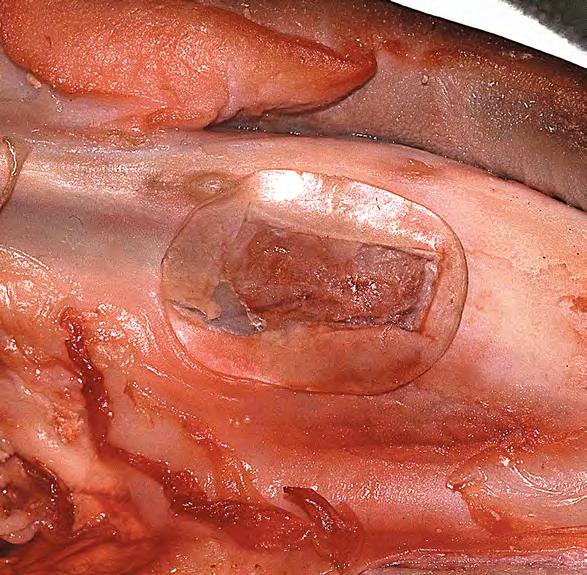
Commercialization of Vital Dent
Juan Taboas, PhD
University of Pittsburgh
Herb Ray, DMD
University of Pittsburgh
Clinical Need
Approximately 5 million procedures are performed in the USA each year to treat pulpitis of permanent teeth in the pediatric population. Children are often subject to multiple procedures because the standard of care is to stabilize the tooth until more definitive treatment can be performed when the child’s growth stops. The outcomes are unideal, because the whole tooth is not revitalized after pulp removal, resulting in tooth discoloration, loss of tooth structure, and limited (if any) tooth growth.
Solution
Vital-Dent is an acellular, resorbable hydrogel scaffold intended for revitalization of tooth pulp and maintenance of tooth vitality in immature permanent teeth treated with endodontic therapies. It is supplied as a powder in a single-use kit with sterile saline. The powder is rehydrated at the chairside using kit tools to make a clear liquid. The liquid is inserted into the instrumented canal space as would conventional sealers and sets in three minutes with a dental curing lamp to form the colorless Vital-Dent hydrogel. The tooth is then sealed with a bioceramic and restored with conventional techniques.
Competitive Advantage
Unlike current obturating materials, Vital-Dent is resorbable and promotes continued development of immature teeth, pulp revitalization and regenerative dentin, root strengthening, and long-term survival of the tooth. Vital-Dent eliminates difficulties of the only available revitalization procedure, revascularization therapy, with more consistent outcomes including root development, and a better fit with conventional clinic workflows including no phlebotomy and faster delivery.
ITP Support
Through the ITP program, biocompatibility and in vivo proof-of-concept of Vital-Dent were demonstrated. In collaboration with the Regulatory Core, design control process has been implemented, and regulatory strategy established. With the Market Assessment and Commercialization Cores, user needs and the indication for market entry were defined and a commercialization strategy, including business and funding plans, was developed.
Achievements
• SBIR awarded to VIC Foundry, based on ITP work
Regulatory Path
• 510(k)
Opportunities for Partnerships
• Seeking academic partnership in studies that promote adoption and advance therapy development
Key Publications & Patents
• Zaky et al. Effect of the Periapical “Inflammatory Plug” on Dental Pulp Regeneration: A Histologic in vivo Study. J Endod 2020
• US12,285,545 Regeneration of Vital Tooth Pulp
What’s Happening & What’s Next –From Academic Roots to Clinical Readiness
Originally developed as an academic innovation at the University of Pittsburgh, Vital-Dent has steadily advanced toward clinical application. In a major recent milestone, the team secured SBIR funding, marking a growing commercial potential of the hydrogel-based regenerative therapy. Now transitioning toward continued product development at VIC Foundry, the project is positioned to reach broader impact through focused investment and commercialization expertise.
Led by Drs. Juan Taboas and Herb Ray, Vital-Dent was initially conceived for broader dental applications. With guidance from the Translational Resource Center, the team pivoted strategically to target a high-need pediatric indication: immature permanent teeth affected by trauma or pulpitis. In these cases, current treatments often result in devitalized teeth with limited growth and long-term fragility. Vital-Dent aims to change that by promoting pulp revitalization and dentin regeneration—supporting natural tooth development and preservation.
The TRC has been instrumental throughout this evolution. The Market Assessment Core facilitated stakeholder interviews that shaped the clinical focus, while the Regulatory Core helped refine the formulation, define a 510(k) regulatory strategy, and advance the project through design control processes. The Quality Assurance Core provided training in Good Laboratory Practices and guided project teams in aligning with FDA expectations.
Support from the Commercialization Core further enabled industry engagement, laying the groundwork for the project’s work under the SBIR funding in collaboration with VIC Foundry. These combined efforts have accelerated Vital-Dent into its current verification phase, with preparations underway for regulatory submission. Under the SBIR, the team will advance the project towards clinical readiness through manufacturing of cGMP-compliant Vital-Dent, followed by material characterization, confirmation of its effectiveness, and biocompatibility testing.
With a clear focus and strong translational and commercialization support, Vital-Dent is on its way to becoming a regenerative therapy for children who face limited treatment options today.
Targeted Remineralization Treatment Using Mineral Loaded Starch Nanoparticles
Steven Bloembergen, PhD
GreenMark Biomedical Inc.

Clinical Need
Dental caries is the most prevalent chronic disease worldwide, with an unmet need for non-invasive treatment through subsurface remineralization of enamel, as current fluoride toothpastes and varnishes only superficially repair caries lesions. GreenMark Biomedical’s professional-use and direct-to-consumer products address both dental hypersensitivity and early-stage caries, helping to reduce discomfort, preserve enamel, and improve oral health.
Solution
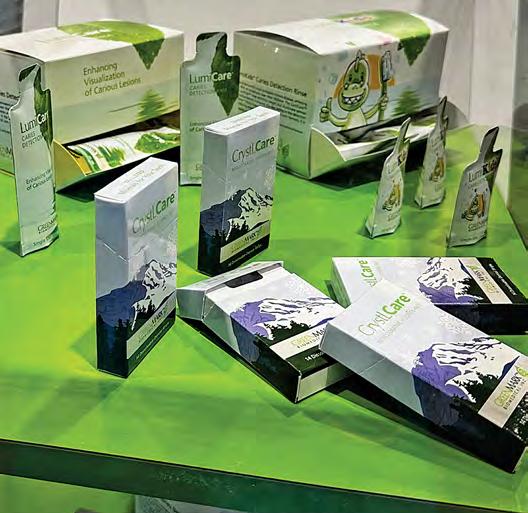
We have developed tiny positively charged, mineral-loaded starch particles that target negatively charged subsurfaces within enamel and dentin to deliver bioactive ions where needed. As the starch naturally degrades, hydroxyapatite crystals form in situ, occluding dentinal tubules and filling enamel porosities. Our CrystLCare™ Biorestorative, Fluoride-Free and Fluoride-Plus dissolvable dental strips release these targeted particles when placed onto teeth as an easy-to-use treatment approach.
Competitive Advantage
Conventional fluoride products merely seal the outer surface of enamel. In contrast, our targeted subsurface approach enables true regeneration of tooth mineral structure, providing non-surgical treatment of early-stage caries and long-lasting relief from sensitivity. By concentrating bioactive minerals and fluoride where needed, our system promotes total remineralization and superior enamel repair.
ITP Support
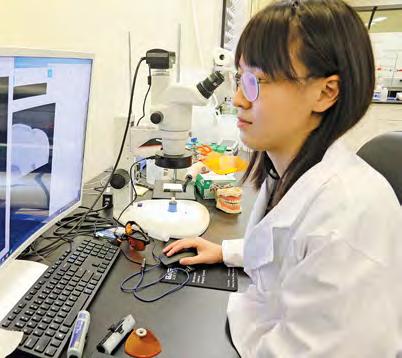
This project entered the ITP program in 2018, shortly after GreenMark Biomedical’s founding in 2016. With early concepts based on targeted illumination with the companion LumiCare™ caries detection product, the TRC has been instrumental in advancing our CrystLCare™ technology from proof-of-concept to commercialization. Support from the TRC enabled validation of treatment performance and safety, implementation of medical device requirements and operations, and manufacturing scale-up under a Quality Management System. Through this program, GreenMark demonstrated pre-clinical efficacy for non-invasive treatment of caries and tooth sensitivity, established Device Master Records, and advanced CrystLCare™ Biorestorative, Fluoride-Free and Fluoride-Plus product formulations toward market readiness.
Achievements
• Developed full suite of CrystLCare™ products/ built broad global patent portfolio
• Scaled manufacturing to 100,000 doses, with orders for 300,000+ since launch
• Clinical study protocol developed and ready to kick-off
Regulatory Path
• CrystLCare™ Biorestorative, Fluoride-Free (CC FF): Class I Medical Device, FDA-registered (Q2 2023)
• CrystLCare™ Biorestorative, Fluoride Plus Pro (CC FP Pro): 510(k) clearance for sensitivity treatment (Q1 2025), 510(k) submission for enamel regeneration (Q4 2025)
• OTC product launch (Q2 2026)
Opportunities for Partnerships
• Seeking strategic partnership with global dental supply companies and distributors / raising $5M Series A
Key Publications & Patents
• Jones et al., Targeted Enamel Remineralization with Mineral-loaded Starch Particles. JADA Foundational Sciences 2024
• US12,023,388 Detection and Treatment of Caries and Microcavities with Nanoparticles
What’s Happening & What’s Next –Regenerating Smiles Through Gentle Dental Solutions
Dental caries (tooth decay) is the most common chronic disease, affecting nearly everyone in the world. Most often treated surgically or left to “Watch & Wait” with an admonishment to “brush & floss better”, this disease frequently still progresses to cavities, requiring painful and costly treatment. Dental sensitivity is also highly prevalent. Current treatments wear off quickly without addressing the root cause. Rather than waiting for problems to worsen, GreenMark provides noninvasive regenerative solutions.
Our CrystLCare™ technology uses targeted biopolymer-based particles that deliver bioavailable minerals precisely where needed - deep within early caries lesions - to restore natural enamel structure. With support from the Translational Resource Center (TRC), what began as a novel scientific concept has evolved into a technology platform poised to change how we think about oral care.
TRC’s mentorship and funding have guided our team through every stage of translation – from initial formulation optimization, to demonstrating safety and refining manufacturing and quality systems, to developing our first packaged and commercially available products. This support has not only accelerated our technical progress but also strengthened our strategy for bringing meaningful innovation to patients and providers.
Looking ahead, we are entering an especially exciting phase. Our team is preparing for clinical trials that will further validate the technology’s effectiveness in treating sensitivity and reversing early caries lesions – preempting the need for drilling or anesthesia. We are also expanding beyond the dental chair by developing over-thecounter products, including dental strips, toothpaste tablets, gums, and mints, to bring targeted remineralization benefits to consumers everywhere. Our process is highly capital efficient and readily scalable, and with a small step-up in scale, we’ll produce millions of doses per batch. As we scale further, a really BIG opportunity is the first regenerative toothpaste. Ultimately, our AI-driven intraoral camera under development will completely redefine caries management, finding decay well before X-rays and monitoring treatment outcomes.
For us, the journey with TRC has been about more than research and technology - it’s been about transformation. The collaboration has helped us bridge the gap between science and patient care, empowering us to imagine a world where tooth decay is not inevitable, but preventable and reversible. As we continue forward, we remain inspired by that vision and by the shared mission that first connected us to the TRC: to turn breakthrough science into real-world health impact.
RegendoGEL: A Bioinspired Hydrogel System for Endodontic Therapy
Luiz Bertassoni, DDS, PhD
Oregon Health and Science University
Pamela Yelick, PhD
Tufts University
Clinical Need
Dental caries is the most common non-transmissible infectious disease in the world. If untreated, caries lesions will progress to the dental pulp, exposing it to infection. Standard of care techniques involve removing infected pulp and capping the defect with inert material, or root canal therapy. Currently, there are no clinically available materials that regenerate the pulp-dentin complex.
Solution
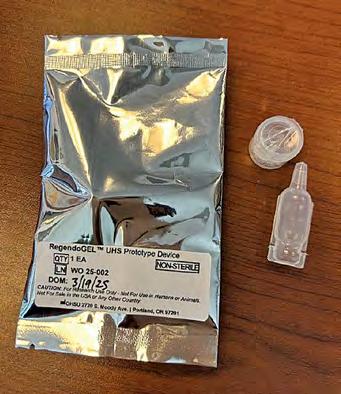
A team led by Luiz Bertassoni, DDS, PhD and Pamela Yelick, PhD has developed a novel material, RegendoGEL, intended to be the first-of-its-kind clinical product to promote vital pulp and dentin regeneration. RegendoGEL contains key bioactive molecules present in healthy teeth that naturally promote dental pulp and dentin regeneration and may be used for pulpotomies.
Competitive Advantage
Compared to non-degradable silicate/calcium hydroxide-based products currently used for endodontic treatments, RegendoGEL is a soft, biodegradable hydrogel material. RegendoGEL stimulates cells to migrate into the defect site and regenerate living dental pulp tissue and dentin in 5 days. RegendoGEL is designed as a ready-to-use product that can easily be applied using routine dental procedures.
ITP Support
Bertassoni/Yelick ITP support: The project entered the ITP program in 2018, and since then has leveraged support from the Resource Center Cores including Regulatory, Preclinical Studies, microCT, Histology, Statistics, Market Assessment, and Commercialization. The ITP program has supported two in vivo experiments that have provided key results that catalyzed the formation of a new company, RegendoDent, Inc. Further, the program provided networking opportunities that led to third-party funding enabling the hire of a CEO for the company and preparing the company to attract potential business partners.
Achievements
• 2 confirmatory large-animal studies concluded
• GMP manufacturing started
• Seed round in progress
Regulatory Path
• IDE
Opportunities for Partnerships
• Seed Funding for RegendoDent, Inc. to launch RegendoGEL and conduct a clinical trial
Key Publications & Patents
• Cunha et al. 3D-printed microgels supplemented with dentin matrix molecules as a novel biomaterial for direct pulp capping. Clin Oral Investig 2023
• US11,701,453 Dental pulp constructs
• US11,278,474 Pulp regeneration compositions and methods of forming and using the same
What’s Happening & What’s Next –
Launching RegendoDent,
Advancing Towards Commercialization
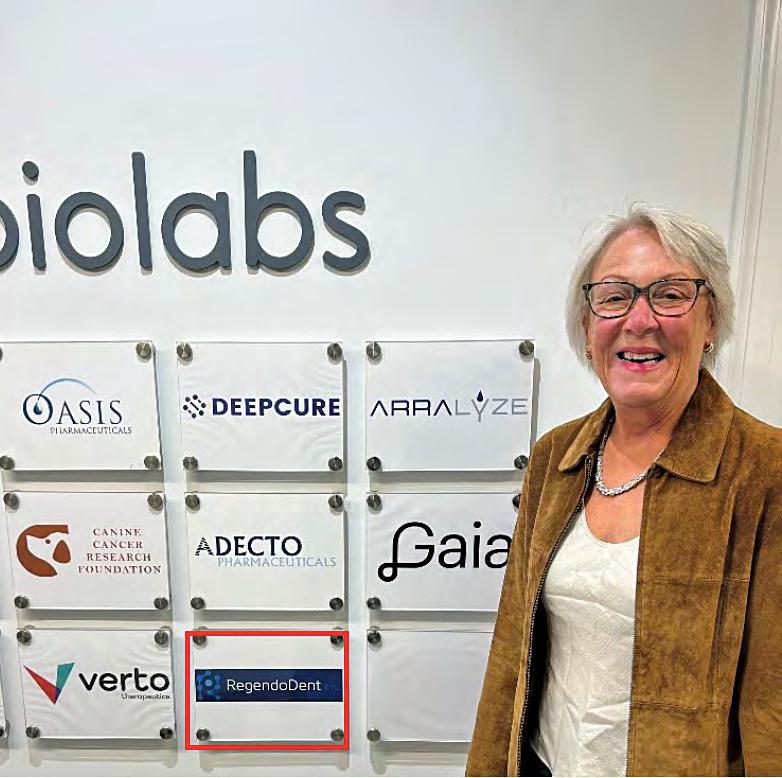
Since the founding of RegendoDent Inc. in March 2022, Drs. Luiz Bertassoni, DDS, PhD and Pamela C. Yelick, PhD have been working towards commercialization of their product, RegendoGEL, as a bioactive, degradable, vital pulp therapy treatment. With extensive support from the Translational Resource Center, including Core Facilities, Regulatory and Commercial ization expertise, and guidance from FDA regulatory advisors in the dental field, we are moving forward for IDE submission by the end of 2025. We are currently in due diligence discussions with potential investors and anticipate closing a deal by the end of the year. We anticipate receiving approval from the FDA to conduct a small first-in-human study early 2026, and to use those results to submit a 510(k) package in 2026. Product launch is anticipated in late 2026/ early 2027.
Catalyzed by TRC, Thriving Beyond: Stories of Progress
Since Graduation
NeuraMAX: A Novel Conduit for Long-Gap Nerve Repair
– Kacey Marra, PhD
University of Pittsburgh

The TRC is proud to have been part of these projects’ journeys as they advance their product development toward commercialization and clinical impact. Their progress reflects the foundation built during their time with the TRC, which started with a focus on the end user - understanding how clinicians might interact with their products and what evidence would encourage adoption. These stories from our former projects highlight not only their scientific achievements but also the diverse paths projects take as they move toward real-world impact. Seeing these teams grow and succeed underscores the value of nurturing translational research, and we celebrate the milestones they’ve reached along the way.
Reversing Tooth Decay with Biomimetic Peptide Gel.
– Hanson Fong, PhD
ITP Program: Sept 2018 –Aug 2021
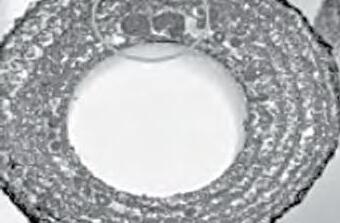
Traumatic facial nerve injuries can cause severe physiological and psychosocial impairment, with current treatments like nerve autografts resulting in longer surgeries and permanent numbness at donor sites. Available polymeric nerve guides are limited to small gaps, leaving a critical need for effective solutions for larger nerve defects. Dr. Kacey Marra and her team at the University of Pittsburgh developed NeuraMAX, a degradable polymeric nerve repair technology for craniofacial injuries.
Following a successful exit from the ITP program, the project team recently launched Swan NeuroTech to commercialize NeuraMAX. Swan NeuroTech has made strong progress, producing over 100 GMP-grade prototypes with Mayo Clinic and transitioning production to Viscus Biologics. Sterilization tests confirmed device compatibility, and FDA submission preparations are underway.
In December 2024, Dr. Heather Callahan was appointed CEO, bringing extensive biotech and business expertise, while Dr. Kacey Marra leads scientific efforts at the University of Pittsburgh.
The company won first place and $20,000 at the StartUp 302 Pitch Competition and is building strategic partnerships with Smith & Nephew, Abbvie, and Axogen. In September 2025, Swan submitted a $500K NIH SBIR proposal to support development. With aligned technical, regulatory, and commercial progress, Swan NeuroTech is well positioned to advance its nerve regeneration therapy toward clinical use.
University of Washington
ITP Program:
Sept 2018 –Aug 2019
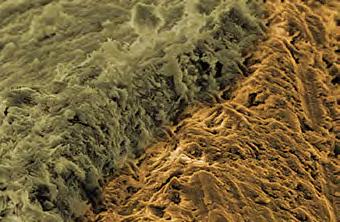
Demineralization of tooth structure, a leading cause of dental cavities and hypersensitivity, poses significant clinical challenges as existing treatments like fluoride varnish and commercial remineralizing products only provide indirect, limited relief. To address this unmet need, a University of Washington research team led by Prof. Sarikaya and Dr. Fong developed an innovative peptide-based gel that directly catalyzes mineral formation on tooth surfaces, enabling tissue restoration.
Through the ITP program, the team completed an evaluation of the prototype in a preclinical model and a market assessment study. Subsequent to the ITP program, the project team completed a clinical study in collaboration with a major dental product company on a clinical study with encouraging results for further pursuing the cosmetic and device indications.
The team found the regulatory pathway education provided by the ITP project to be particularly valuable. Following the project, they were able to further investigate the regulatory landscape for the peptide technology, focusing on identifying the most efficient path to market. This exploration allowed them to recognize both cosmetic and device classifications as potential regulatory pathways, as well as to outline the specific derisking tasks required for each option.
To advance the technology, the team formed a new company, DMXi, Inc., in 2022. Led by a co-founder CEO, the startup is currently focused on refining product prototypes and preparing for future development and regulatory milestones.
AmpliMag Mesh and Mesh Fixation System.
– Andrew Brown PhD Emergence Dental, Inc.
– Stephen LeBeau PhD nanoMAG, LLC
ITP Program: Jan 2018 –April 2024
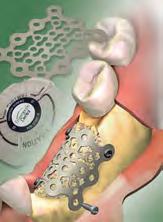
In 2018, nanoMAG, a company developing resorbable magnesium, entered the ITP program to advance a mechanically-reinforced, form-stable, and fully resorbable barrier membrane for vertical ridge augmentation. Collaborating with University of Pittsburgh experts, the project addressed dental bone grafting challenges using the bioabsorbable magnesium alloy. In 2019, Emergence Dental was launched to commercialize the AmpliMag Bone Grafting System, utilizing nanoMAG’s magnesium alloy and University of Pittsburgh’s innovative device designs.
With support from the ITP program, the team successfully completed the design, manufacturing, and preclinical testing of the AmpliMag barrier membrane, including a pilot in vivo study. Further, in collaboration with the Resource Center’s clinical, market, regulatory, and quality guidance the team developed an integrated product development strategy. By the time of its graduation from the ITP program in 2023, the project had successfully conducted FDA pre-submission meetings and advanced to design freeze and GMP manufacturing readiness.
Although changing funding dynamics paused commercialization through Emergence Dental, ongoing advances at the University of Pittsburgh continue to drive progress. The team is actively exploring new regulatory pathways based on recent developments and remains optimistic about the future of this promising technology.
Abaloparatide to Treat Alveolar Bone Loss of Dental Implant Reconstruction
– William Giannobile, DDS, DMedSc Harvard University

ITP Program: Nov 2021 –Apr 2024
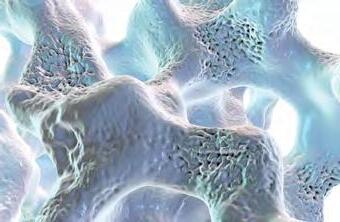
Approximately 2 million dental implants are placed annually in the U.S., with up to 50% of recipients being postmenopausal women with osteopenia or osteoporosis. Dental implants are a highly efficacious for the treatment of tooth loss, but patients with osteoporosis may be denied implant therapy due to concerns regarding bone quantity, quality, or periimplant healing. This technology sought to enhance bone formation around dental implants via use of abaloparatide, a bone anabolic drug.
With support from the ITP program, the team demonstrated that systemic abaloparatide therapy improves bone volume, density, and implant integration in estrogen-deficient preclinical models. The results have been published in three peer-reviewed journals and laid the foundation for a US patent application on osseointegration of dental implants. Through the program, the team developed a new dual physiciandentist referral model to improve interdisciplinary care for patients requiring bone anabolic therapy and dental implants, which garnered strong support from key opinion leaders. Since graduating from the ITP program, the team continued to advance the technology and is now pursuing an investigatorinitiated clinical study with their corporate partner to demonstrate proof-of-concept in humans.
A National Network: Connecting People, Creating Impact
Spotlighting our Operations and Product Developments teams
From coast to coast, the TRC brings together a diverse network of innovators, subject matter experts, and collaborators, all working toward advancing scientific discovery and real-world impact. This section highlights the geographic breadth of our community and the rich collaborations that emerge when talented teams connect across the country. By fostering these connections, the TRC helps ideas grow, partnerships form, and progress accelerate.
Project Teams
External Advisory Board
Cores and Experts
Operating Committee
Operations Team
TOWARDS CLINICALADOPTION
The TRC’s impact goes beyond funding – Interdisciplinary Translational Project (ITP) teams benefit from the guidance of expert advisors and operational staff who help navigate the product development process. This section highlights the people whose hands-on support, strategic guidance, and practical insights help teams overcome hurdles and make informed decisions along the way. Through the structured support of our Product Development and Operations teams, the TRC strives to advance projects efficiently while maximizing their potential for real-world impact.
OPERATIONS TEAM
Katherine Bedford, MA Assistant Director of Research Programs | University of Pittsburgh, School of Dental Medicine

What I enjoy most about being part of the TRC community is the way it brings together people who are deeply curious, collaborative, and committed to doing work that matters. The TRC is more than just a research hub, it’s an ecosystem of innovation and shared purpose. Every conversation seems to spark new ideas or reveal fresh perspectives. There’s a sense that everyone’s contribution no matter their role or career stage adds real value to the collective effort.
I also appreciate how the TRC fosters both excellence and innovation. The work is rigorous and forward-thinking, but it’s grounded in a genuine belief that collaboration and human connection are what drive progress. It’s a place where people celebrate each other’s wins, learn openly from challenges, and stay united by a shared goal of improving health and advancing science.
In many ways, being part of the TRC has reaffirmed what I love most about research and academic life; the chance to grow, to be inspired by brilliant colleagues, and to contribute to something larger than myself.
Jiawei Ribaudo, PhD, PMP Research Program Officer | University of Michigan, School Of Dentistry

Being part of the TRC community has been inspiring, enriching, and humbling. Every day brings an opportunity to learn, not just about our projects and priorities, but about the people behind the work. Being surrounded by such a knowledgeable, driven, and collaborative team has helped me grow both personally and professionally.
A standout moment was the April 2025 TRC Networking Exchange, where I met in person many of the colleagues I had only communicated with via email. Putting faces to names and connecting outside of our usual work context made me feel more connected to the broader TRC community and reminded me of the warmth and energy that make TRC unique.
One of the most rewarding parts of my role has been seeing the events and projects I helped plan come together smoothly. There’s a sense of pride in knowing that the details were handled, the stakeholders were happy, and that we met or exceeded our goals. It’s a reminder that all the effort, big and small, really does make a difference.
My experience at TRC has taught me that growth doesn’t just come from outcomes; it happens in the process. Being part of a team that encourages learning, reflection, and iteration has helped me stretch beyond my comfort zone and discover new strengths along the way.
PRODUCT DEVELOPMENT TEAM
Shawn
Bengtson, RQAP- GLP
Associate Director, Special Program, Shared Facilities & Quality Assurance Program University of Pittsburgh, Division of Laboratory Animal Resources
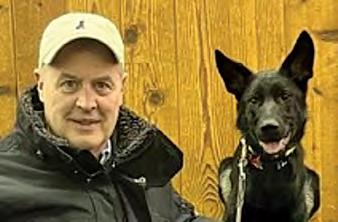
Shawn Bengtson serves as Director of the Quality Assurance Unit (QAU) for the University of Pittsburgh’s Division of Laboratory Animal Resources (DLAR), providing QA oversight and support across multiple programs, including the Department of Virology –Infectious Disease Laboratories (GCLP) and the Center for Vaccine Research housed within Pitt’s Regional Biocontainment Laboratory (FDA Animal Efficacy Rule).
A credentialed Quality Assurance professional, Shawn brings extensive experience as an inspector, auditor, advisor, and consultant under FDA and OECD Good Laboratory Practice (GLP) regulations and standards. His professional portfolio includes support of both academic and industry programs across the United States (FDA), Asia (India), U.A.E., Canada, Europe, and Latin America (Argentina, Brazil) under OECD GLP frameworks.
Shawn currently serves as Chairperson of the Society for Quality Assurance Council of Professional RegistrationGood Laboratory Practices (RQAP-GLP) Exam Committee, responsible for the credentialing and professional advancement of Quality Assurance professionals.
PRODUCT DEVELOPMENT TEAM
Francine Berkey, PhD President | The Avenues Company
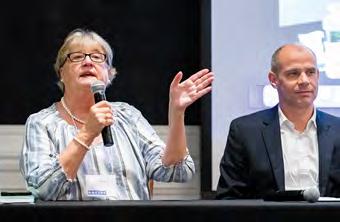
Helping to support the ITP teams with the translation process for innovative regenerative technologies from “bench to chairside” over the last 8 years has been a privilege. Working with bright, passionate people on products that can benefit patients and clinicians is energizing and rewarding. In addition, working with the other Core TRC Product Development Team members has been a tremendous learning experience on many different levels. These collaborations have all proven to be critical to our success with the TRC.
Our approach to translational research and maximizing adoption of innovative products has always focused on “right to left” thinking so that the process begins with the end in mind and resists the traditional scientific model of always moving “left to right”. The other key aspect of our approach is to understand that FDA requirements for approval or clearance are necessary but not always sufficient for clinical adoption.
The efforts of The Avenues Company to educate the ITPs on the importance of feedback from clinicians, who will eventually be customers for their new products, has led some teams to key decisions and strategies for commercial translation plans. For example, one team changed the initial target indication for their product based on the expressed unmet needs of private practice dentists. Another team made a crucial decision to enter the dental/ oral/ craniofacial (DOC) space because clinicians said their innovation would add value for patients and to their practices. Neither of these strategic decisions would likely have been made if not for our work and the support of the TRC in hearing directly from clinicians about their needs and the needs of their patients.
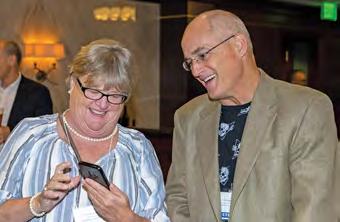
As a consequence of this work, it is not surprising to learn the ITP teams find value in what we do to help them succeed. Some of the feedback we, and the TRC, have received has focused on the importance of our help with qualitative research on customer needs, key opinion leader involvement, and intelligence on things such as market dynamics, high volume versus high value indications and practical elements of dental practices. Teams have also appreciated the connections we have helped them make with potential strategic partners in the DOC space.
In the future, we hope to continue to make a significant contribution to the clinical adoption of important new innovations for patients in the DOC and regenerative technologies market through our participation in the TRC. We will continue to emphasize clinical adoption as the ultimate goal of translational research.
Kay Fuller, RAC President | Medical Device Regulatory Solutions™
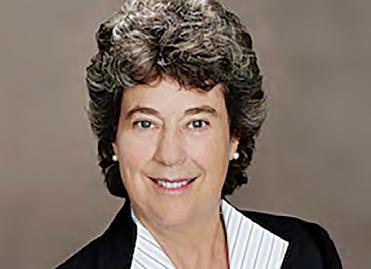
Ms. Fuller is president of MDRS, LLC, a regulatory consulting firm that specializes in providing strategic FDA and global regulatory, product development and clinical research expertise to biotechnology companies throughout the translational “bench-to-bedside” product life cycle. She has more than 40 years’ experience developing, validating and commercializing complex medical device, biologic and combination drug/device products, as a board certified regulatory affairs professional. She has led successful global clinical studies and regulatory marketing authorization submissions via the FDA IDE, IND, 510(k), PMA and EU CE mark processes. Ms. Fuller has held R&D, regulatory and clinical affairs management positions with global medical device companies, including W. L. Gore & Associates, P-S Medical (acquired by Medtronic), Bard, Terumo Corporation, Tangent Medical and Rindex Medical.
Aligned Missions Amplify Impact-
Let’s collaborate to transform our collective mission into real-world impact.
We are proud to work alongside dedicated partners who share our commitment to advancing clinical adoption of promising technologies for the regeneration of dental, oral, and craniofacial tissues. Our thriving ecosystem includes a wide range of collaborators—innovators, experts, strategics, investors, foundations, vendors, and beyond. As we continue to grow, we are eager to expand partnerships not only within regenerative medicine and the DOC space but also into new and adjacent fields.
If you’re interested in collaborating, contributing expertise, co-developing technologies, investing, supporting research, or helping us accelerate innovation and broaden our collective impact, we want to hear from you.
Connect with us today to explore how we can together drive meaningful progress in healthcare and beyond.

Translational Resource Center Networking Exchange
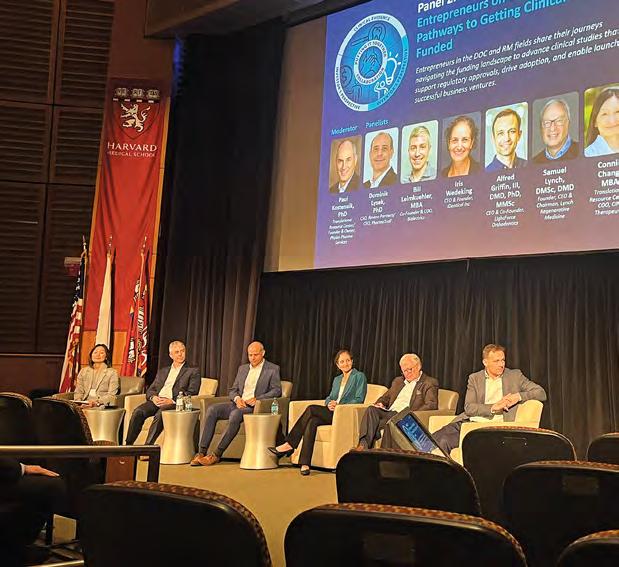
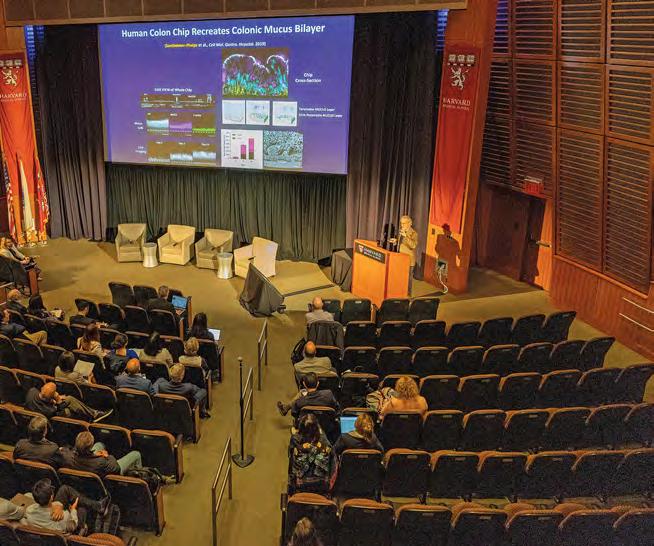
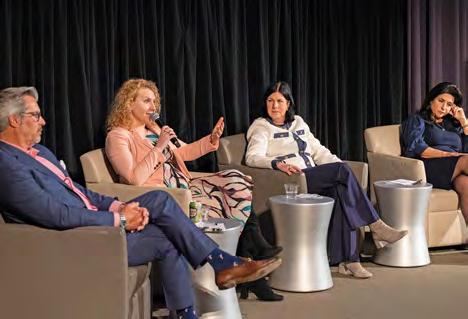
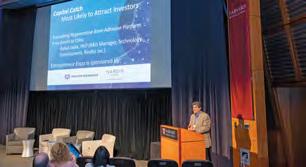
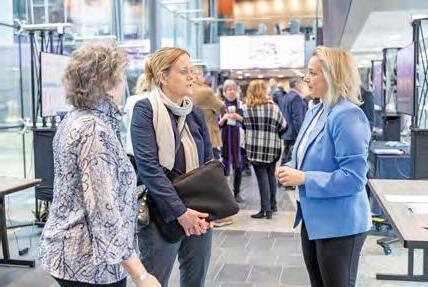
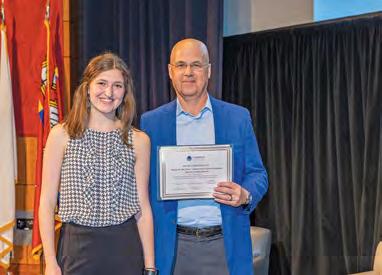
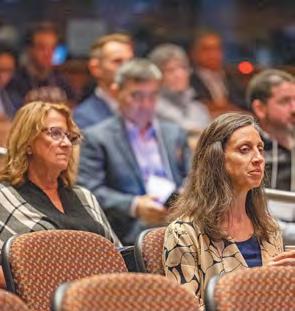
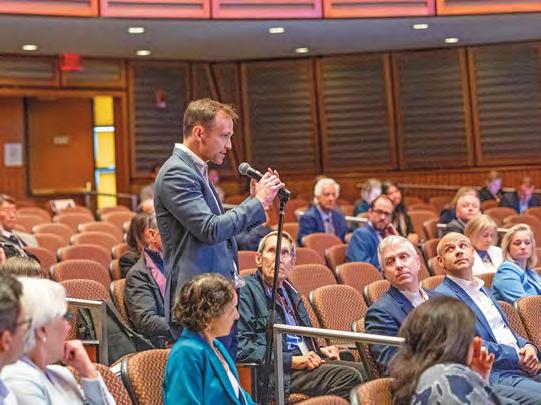
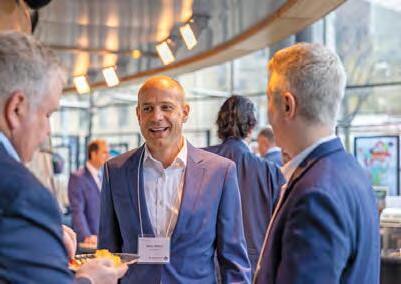
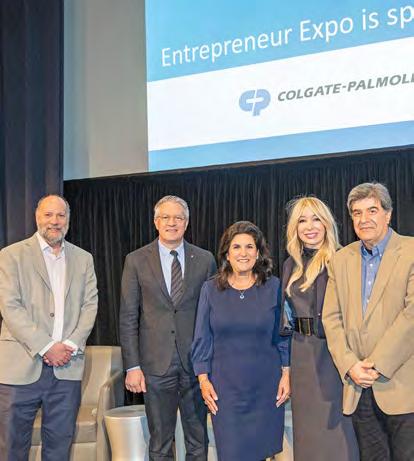
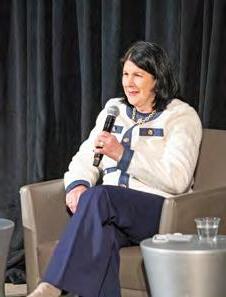
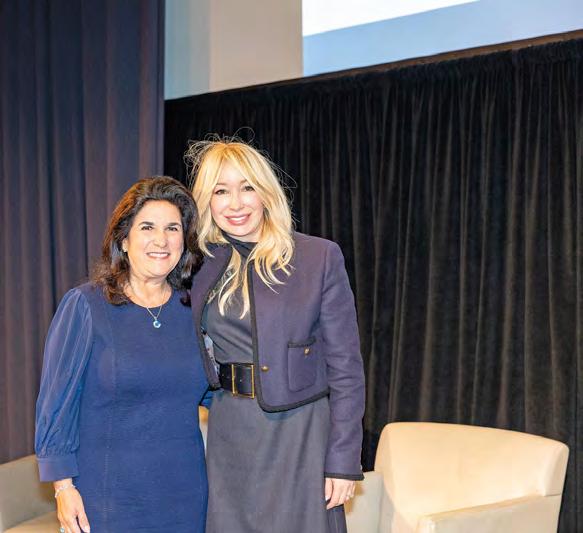
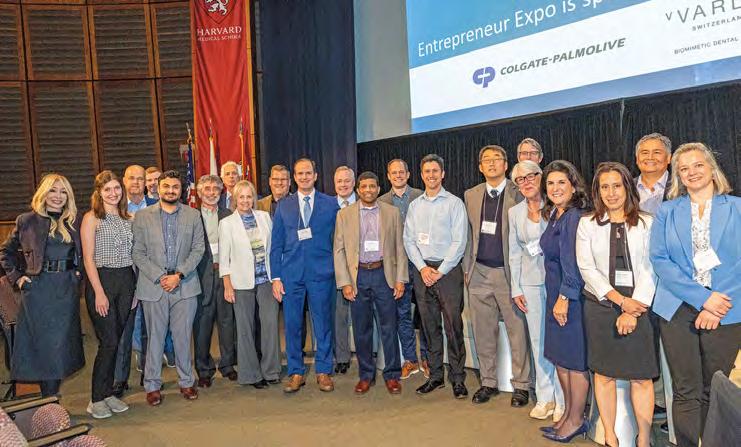
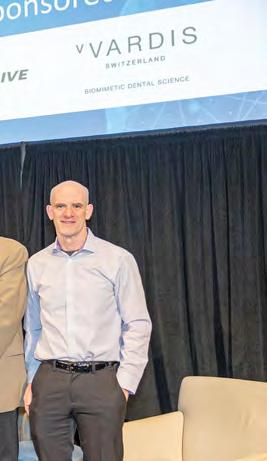
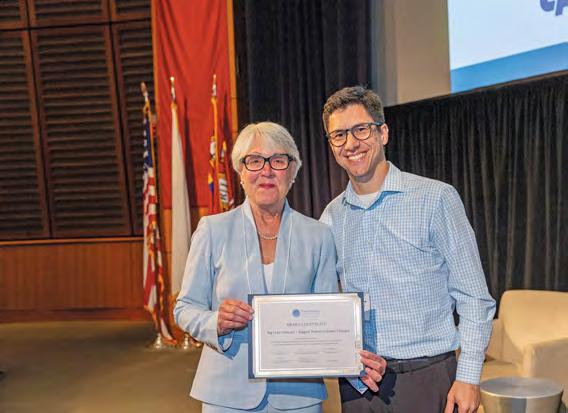
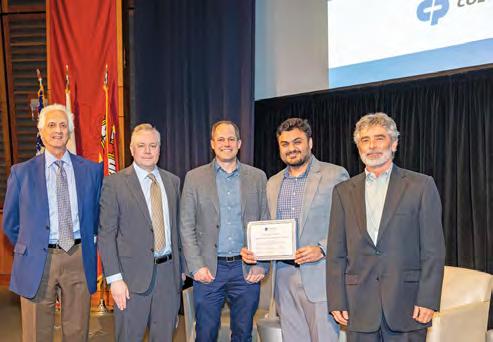
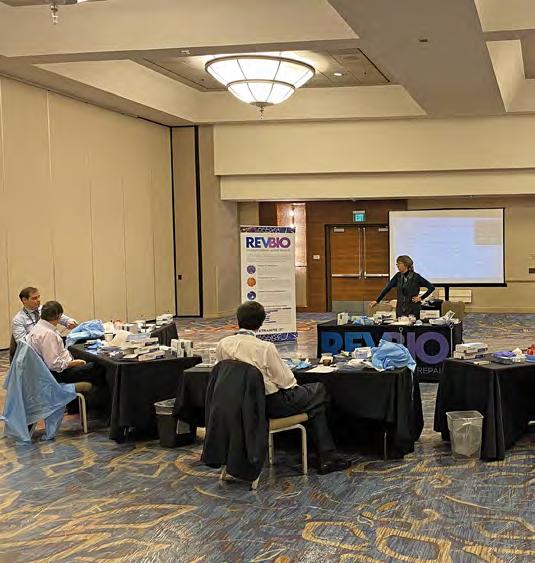
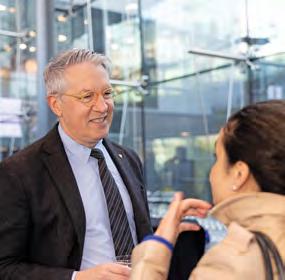
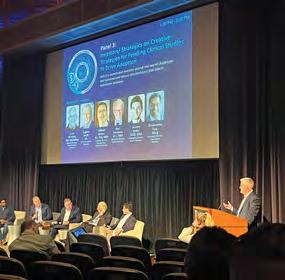
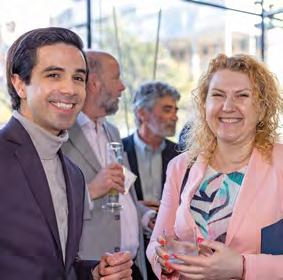
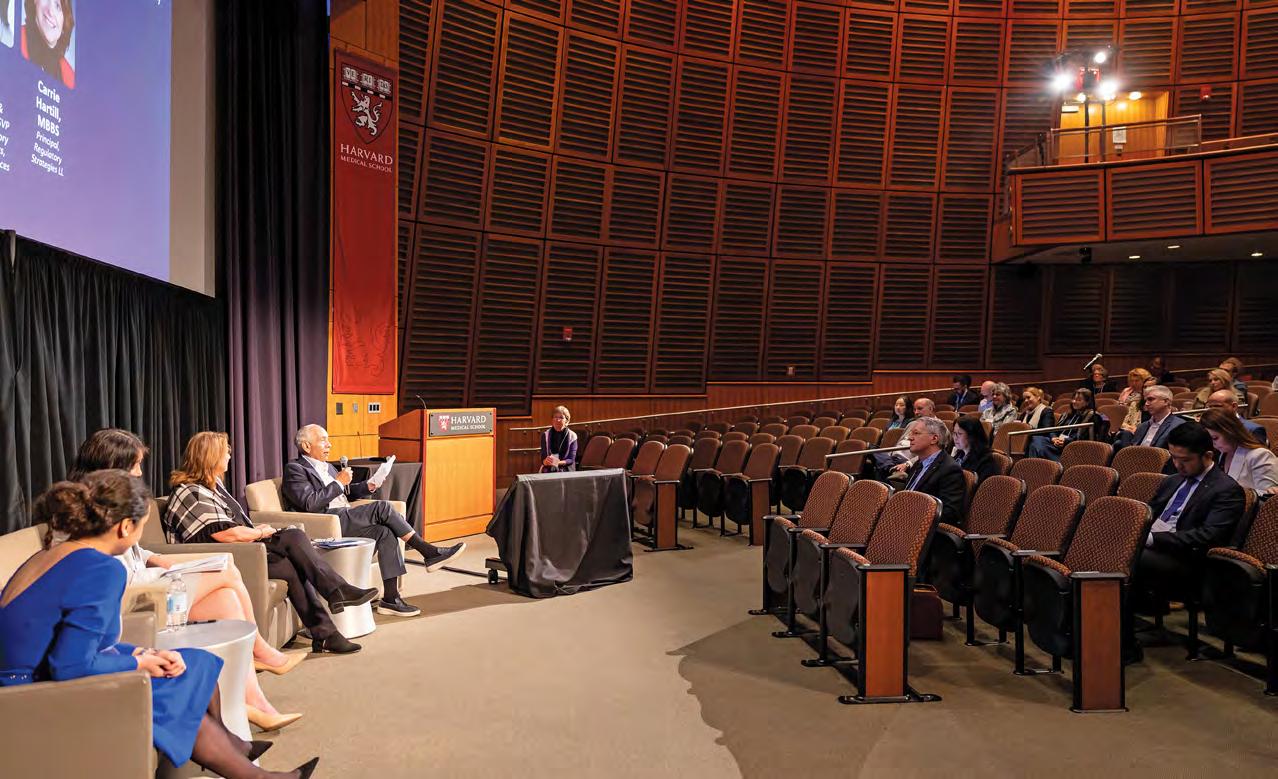
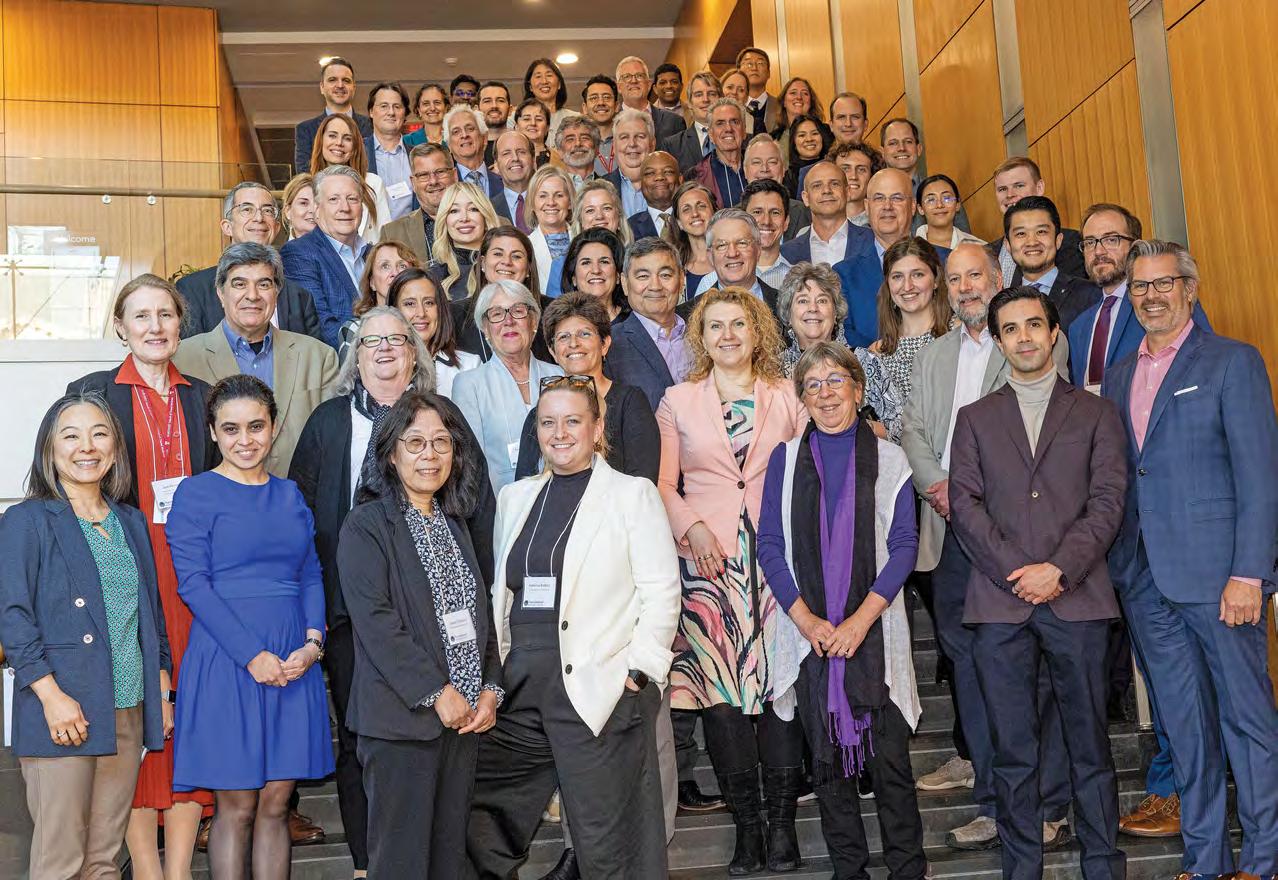
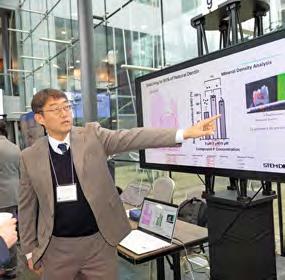
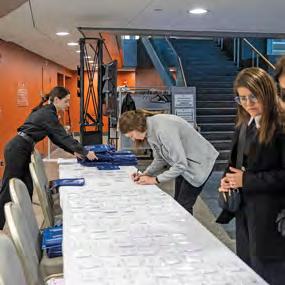
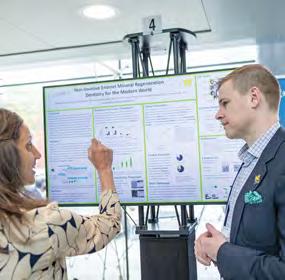
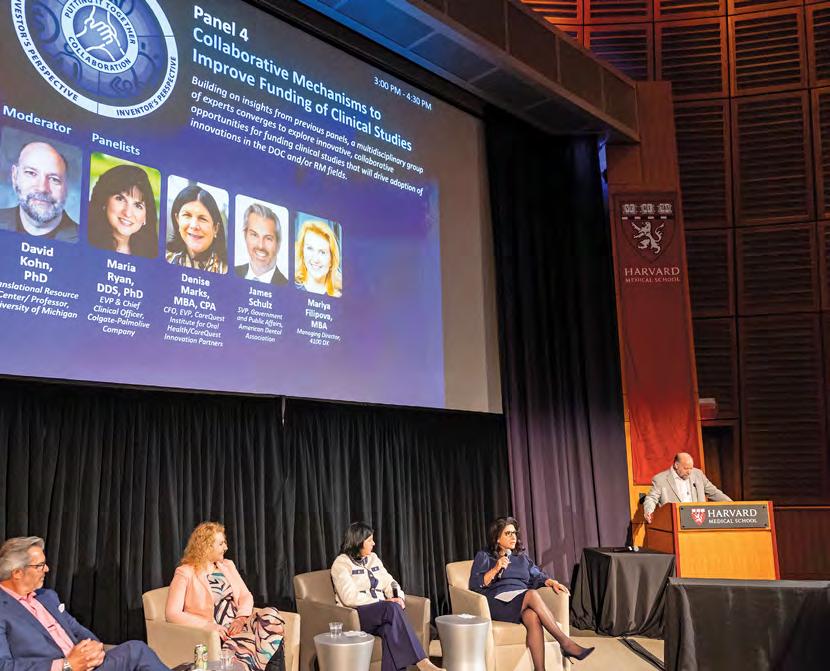
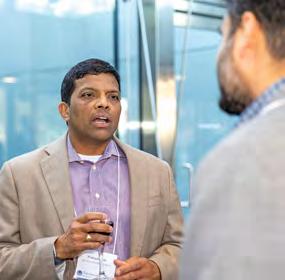
The 2025 Translational Resource Center Networking Exchange brought together innovators in dental, oral, and craniofacial regenerative technologies with investors and strategic partners. The event focused on a critical challenge in clinical adoption—securing funding for studies to generate the evidence required for success. Recognizing that robust clinical data is essential for both widespread use and commercial viability, the forum convened experts from across the technology translation spectrum in multiple panel discussions. The highly interactive environment encouraged participants to share strategies and insights aimed at advancing clinical translation. Another highlight of the event was the Entrepreneur Expo – made possible by the generous support of our sponsors, Colgate-Palmolive and vVardis, which showcased cutting-edge technologies at the intersection of dental, oral, and craniofacial research and regenerative medicine.






Operating Committee
Jeanne Ambruster The Avenues

Kay Fuller Medical Device Regulatory Solutions LLC
William Giannobile Harvard University
Darnell Kaigler University of Michigan
David Kohn University of Michigan





Contact
Mutsumi Yoshida Managing Director
1011 North University Avenue
Ann Arbor, Michigan 48109 (734) 764-4622 | yoshidam@umich.edu
Translational Resource Center is supported in part by the National Institute of Dental & Cranfiofacial Research of the National Institutes of Health under Award Number U24DE029462. The content is solely the responsibility of the authors and does not necessarily represent the official views of the National Institutes of Health.
Paul Kostenuik
Phylon Pharma Services
David Mooney
Wyss Institute at Harvard University
Katie Moynihan Blue Ridge Bio
Vicki Rosen
Harvard University
Charles Sfeir University of Pittsburgh
Antonio (Tony) Torres University of Pittsburgh
William Wagner University of Pittsburgh